Person
Vicente Dobroruka
Vicente Dobroruka researches Iranian and Jewish traditions and ancient apocalyptic literature.
Namensvarianten: Vicente Dobroruka
Kontext und Quellen →Ein Lesebegleiter
Kurze Erläuterungen zu Namen, Begriffen und Orten. Öffnen Sie einen Eintrag, um Kontext, Quellen und verwandte Materialien zu lesen.
1047 Erläuterungen
Person
Vicente Dobroruka researches Iranian and Jewish traditions and ancient apocalyptic literature.
Namensvarianten: Vicente Dobroruka
Kontext und Quellen →
Modern explanatory diagram of narrative sequence and relationships, not a manuscript reproduction or portrait
Entität
Solar figure in Manu’s genealogy; the epic flood account calls Manu his son.
Namensvarianten: Vivasvat, Manu’s solar father, Vivasvān
Kontext und Quellen →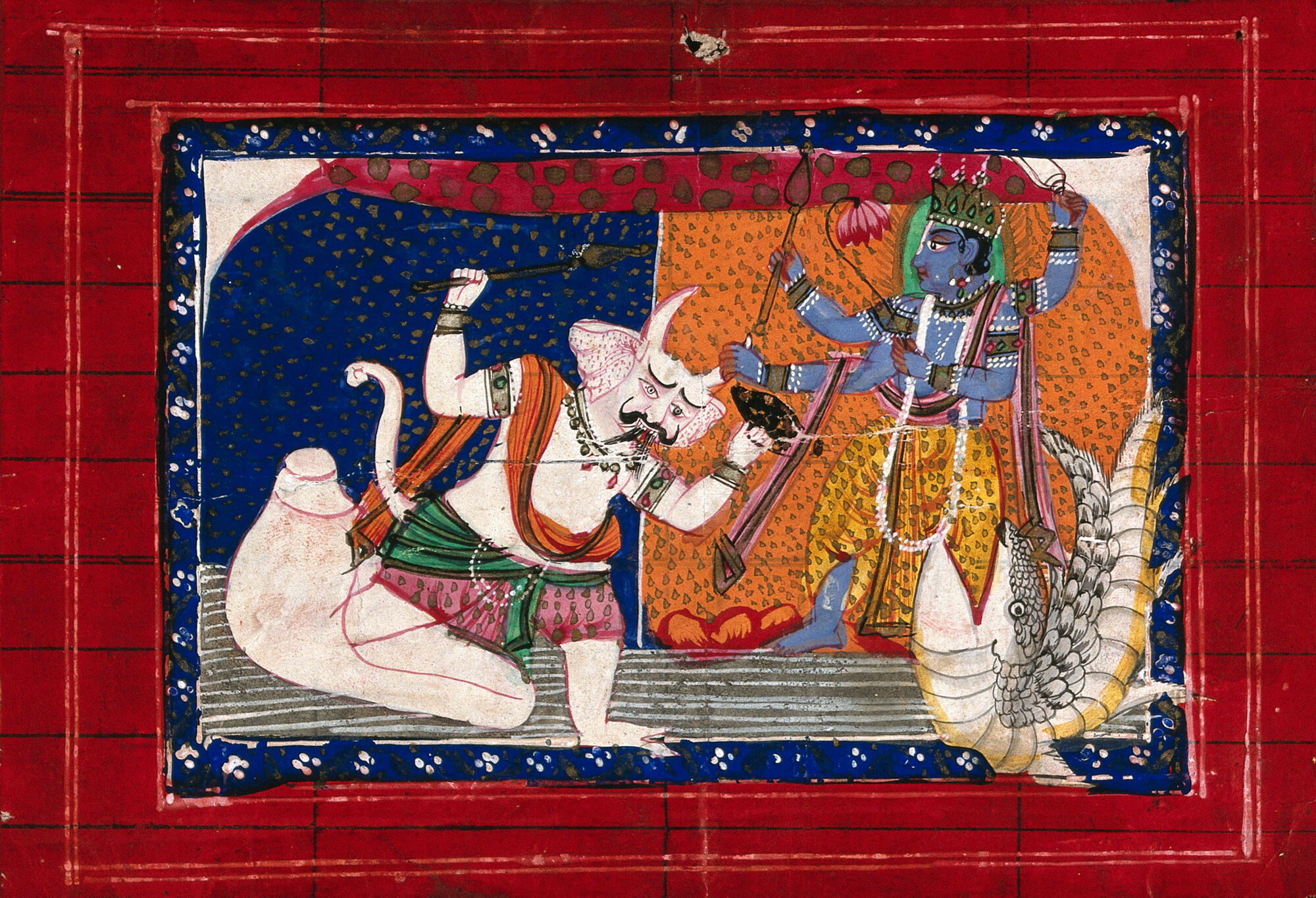
Viṣṇu as Matsya fighting a demon emerging from a conch; gouache, Wellcome Collection 27738i. The catalogue gives no date. Artistic reception of the Vaiṣṇava form, not Manu’s boat scene or the earliest Vedic fish
Entität
Hindu deity with whom the saving fish is identified in later Vaiṣṇava versions.
Namensvarianten: Viṣṇu, Vishnu, Vāsudeva, Keśava, Janārdana
Kontext und Quellen →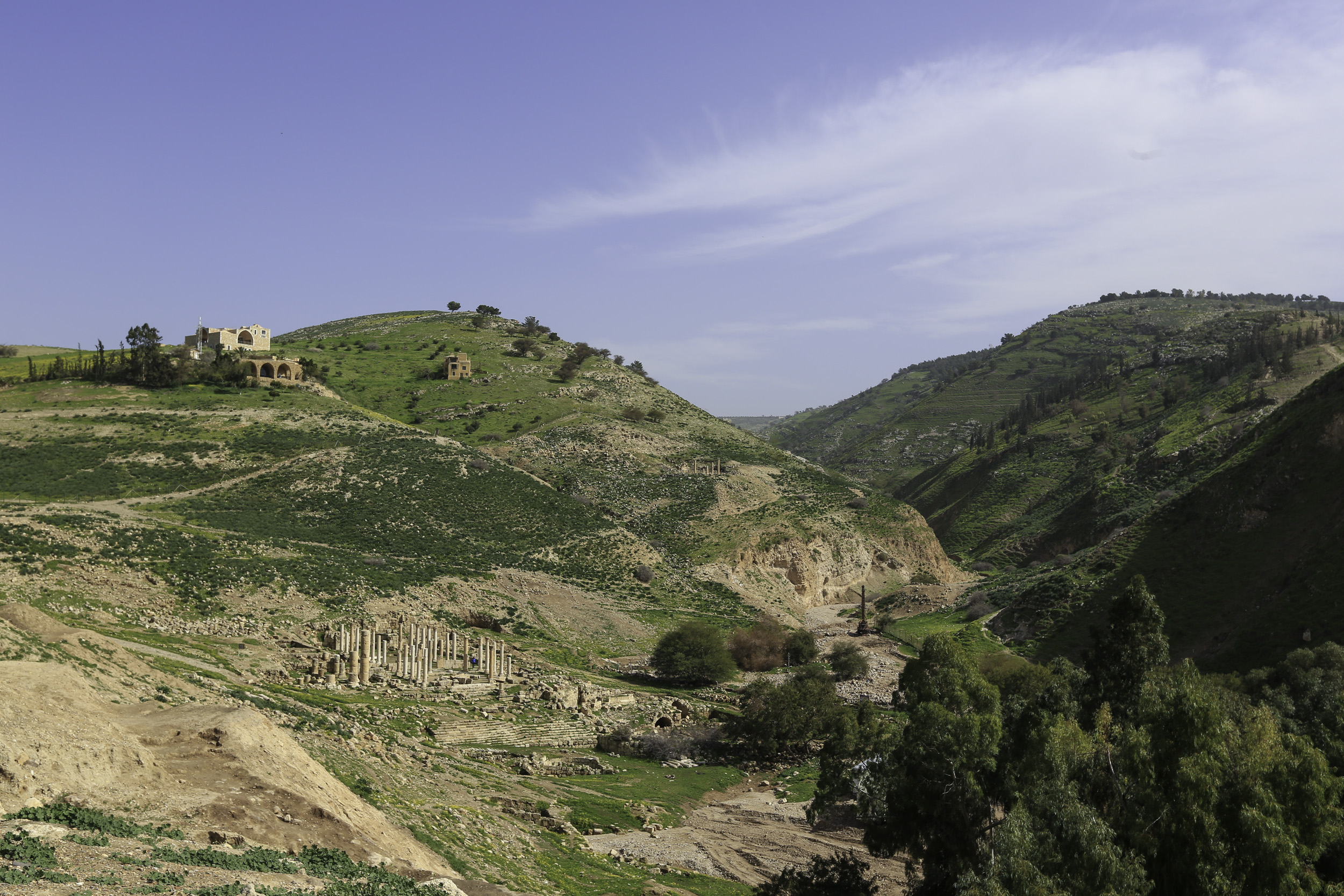
The Pella (Tabaqat Fahl) area in 2013, near Wadi Hammeh 27. Geographic context: the visible ruins belong to Pella, not to the Natufian settlement
Stätte
An Early Natufian site on the Jordanian side of the Jordan Valley, relevant to repeated residence and remembrance of burial places before agriculture.
Namensvarianten: Wadi Hammeh 27, Wadi al-Hammeh 27
Kontext und Quellen →Person
Old Testament and Genesis-composition scholar, professor of Old Testament theology at Ruhr University Bochum.
Namensvarianten: Walter Bührer
Kontext und Quellen →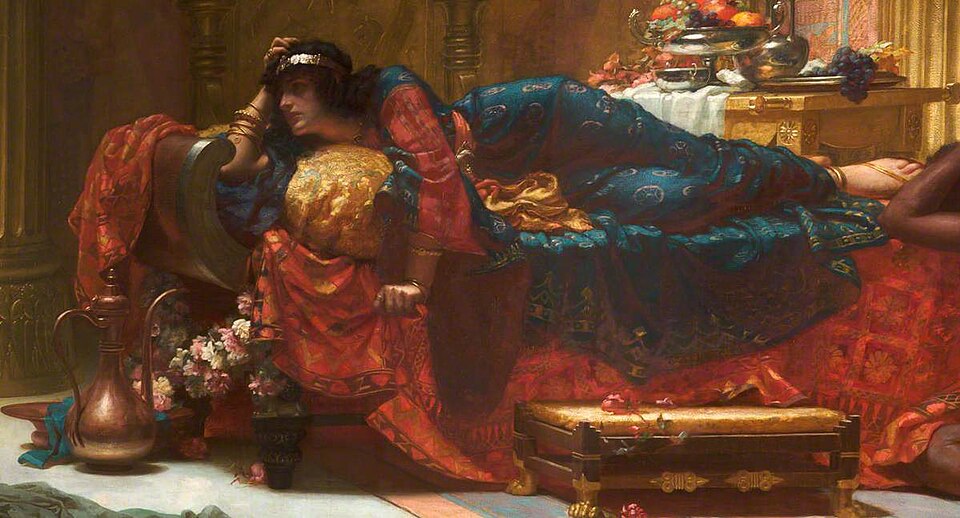
Vashti Deposed,painting by Ernest Normand(1857–1923),Gallery Oldham 4.96. Later artistic imagining of the queen’s fate; furnishings and dress are the artist’s construction, not evidence for the ancient palace
Person
The queen whose refusal to appear and removal are narrated in Esther 1, before Esther’s selection.
Namensvarianten: Vashti in Esther, Vashti
Kontext und Quellen →Person
Assyriologist and cuneiform specialist who co-published the Hazor legal fragments and explained their regional significance.
Namensvarianten: Wayne Horowitz
Kontext und Quellen →Person
Assyriologist and cuneiform scholar associated with Birmingham who translated Enūma Eliš.
Namensvarianten: Wilfred G. Lambert
Kontext und Quellen →Person
Professor of Hebrew Bible and ancient Judaism at St Andrews whose reading of Gog differs from the Marduk proposal.
Namensvarianten: William A. Tooman
Kontext und Quellen →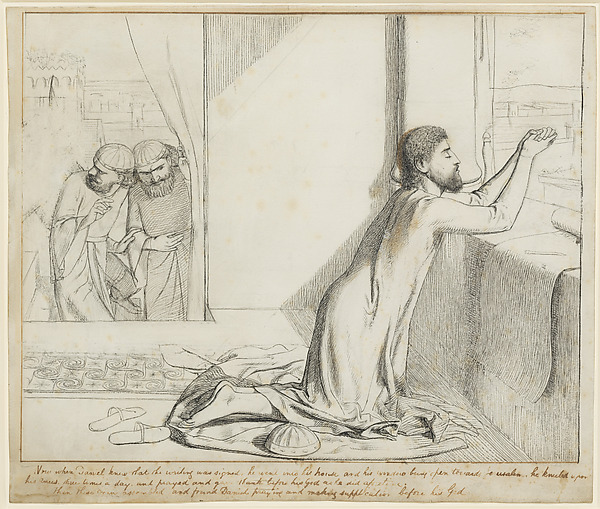
William Holman Hunt, Daniel Praying,1849; Met2023.675. An example of his work, not his portrait; inspired by Daniel6, not the resurrection in Daniel12
Person
William Holman Hunt (1827–1910) was a British artist and co-founder of the Pre-Raphaelite Brotherhood.
Namensvarianten: William Holman Hunt
Kontext und Quellen →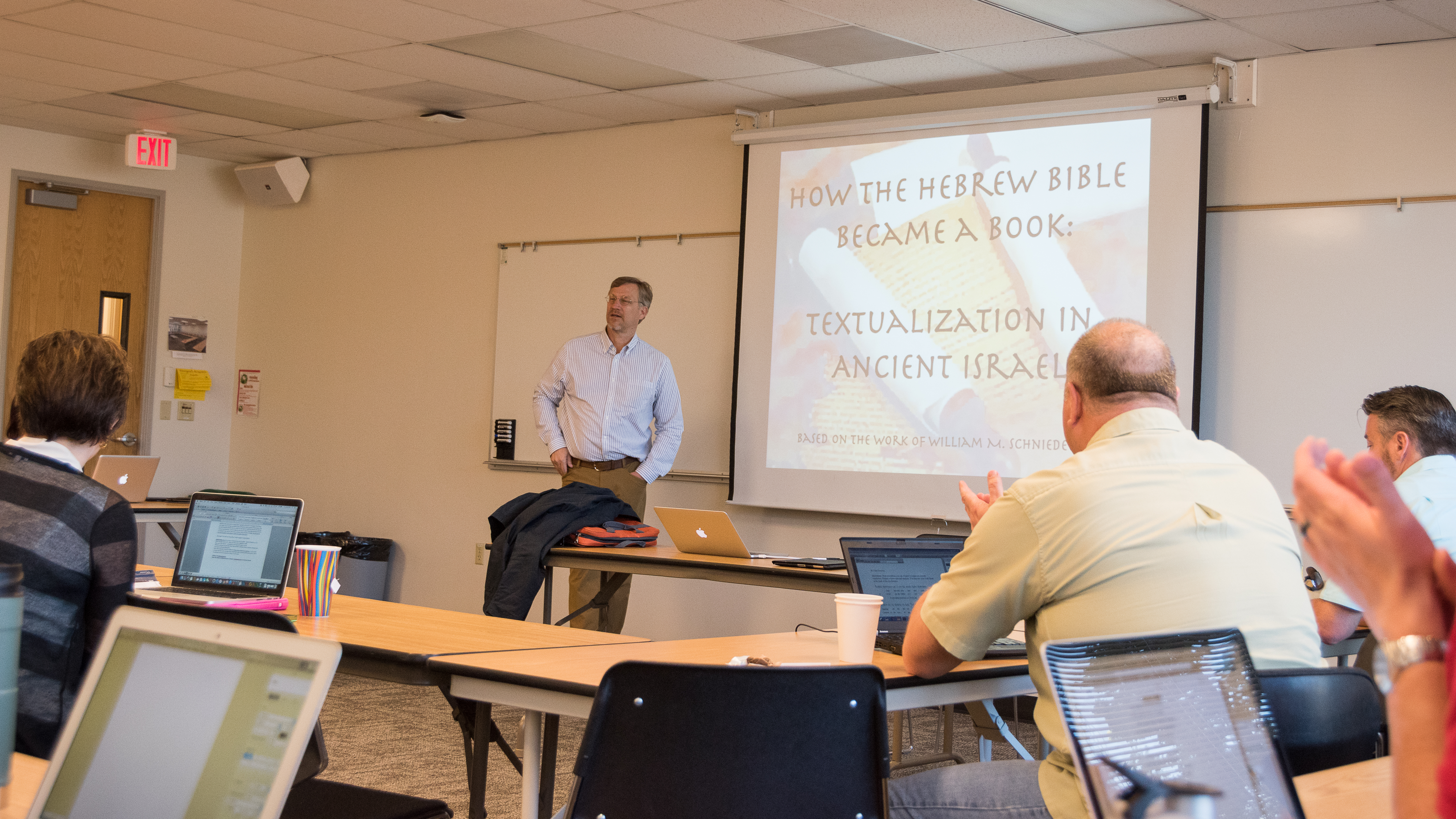
William M. Schniedewind presenting on how the Hebrew Bible became a book, Portland Seminary, 7 April 2016
Person
UCLA professor of Biblical Studies and Northwest Semitic Languages and author of The Finger of the Scribe.
Namensvarianten: William M. Schniedewind
Kontext und Quellen →Person
Scholar of ancient Iranian languages and religion and professor emeritus at the University of Minnesota.
Namensvarianten: William W. Malandra
Kontext und Quellen →
Modern AI-generated symbolic cover: an uninscribed scroll beneath an imagined sky. It is neither an Enoch manuscript nor a documented descent of the Watchers
Entität
Designation of a heavenly being in ancient Jewish literature: a holy messenger in Daniel, but a rebellious group in First Enoch. It is not automatically equivalent to demons or giants’ spirits.
Namensvarianten: Watchers; watcher angels
Kontext und Quellen →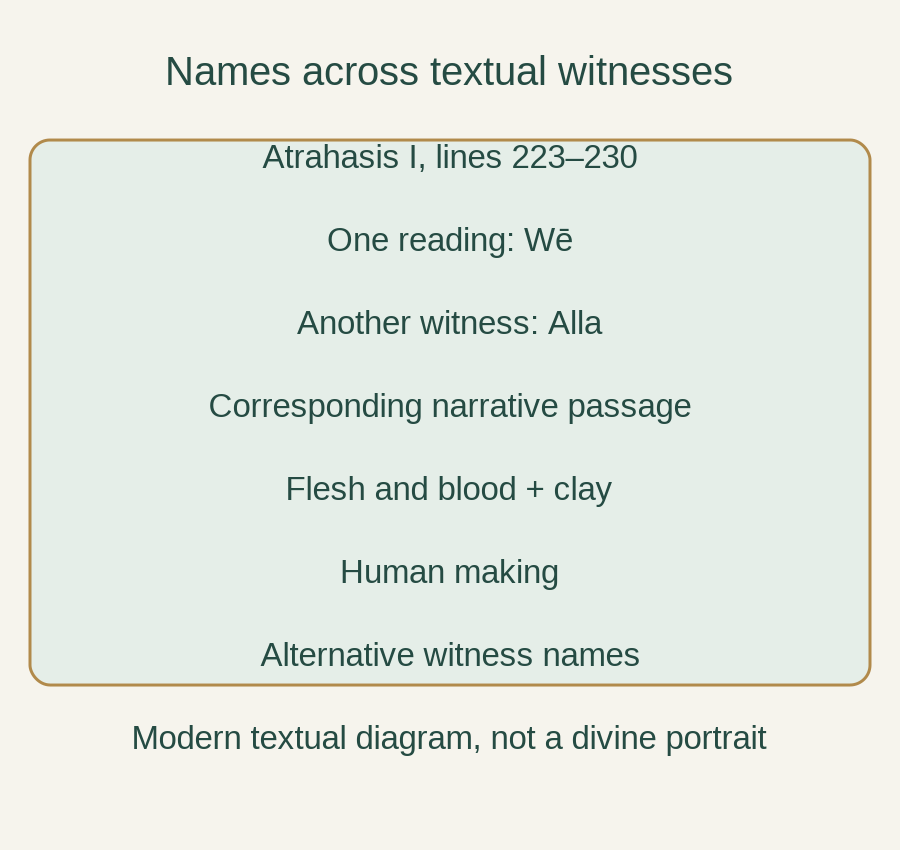
Modern diagram explaining variant names for the slain god in Atrahasis witnesses; not a reconstruction of divine appearance
Entität
Wē names the god whose flesh and blood mix with clay in one reading of Atrahasis I; another witness has Alla in the corresponding passage.
Namensvarianten: Wē in Atrahasis
Kontext und Quellen →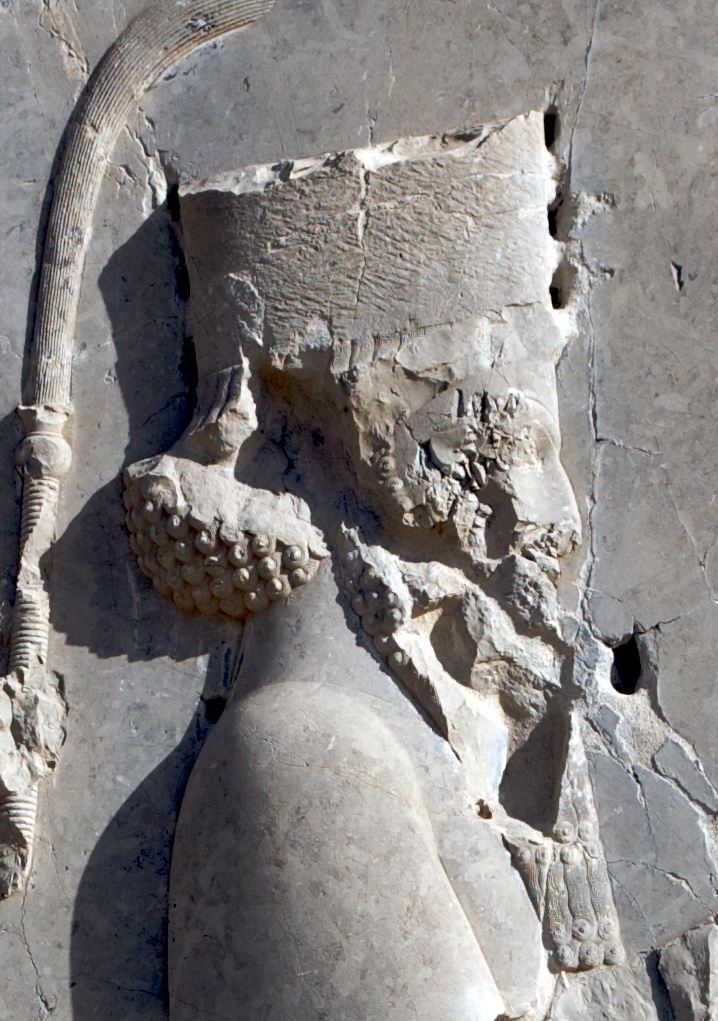
Royal figure in a Persepolis relief,identified as Xerxes in the image record; photograph by Nick Taylor,28 November 2018. Ancient royal representation, not a verified personal likeness
Person
Achaemenid king, 486–465 BCE, usually identified by name with Ahasuerus in Hebrew Esther.
Namensvarianten: Xerxes I and Ahasuerus, Xerxes I, Xerxes, Ahasuerus
Kontext und Quellen →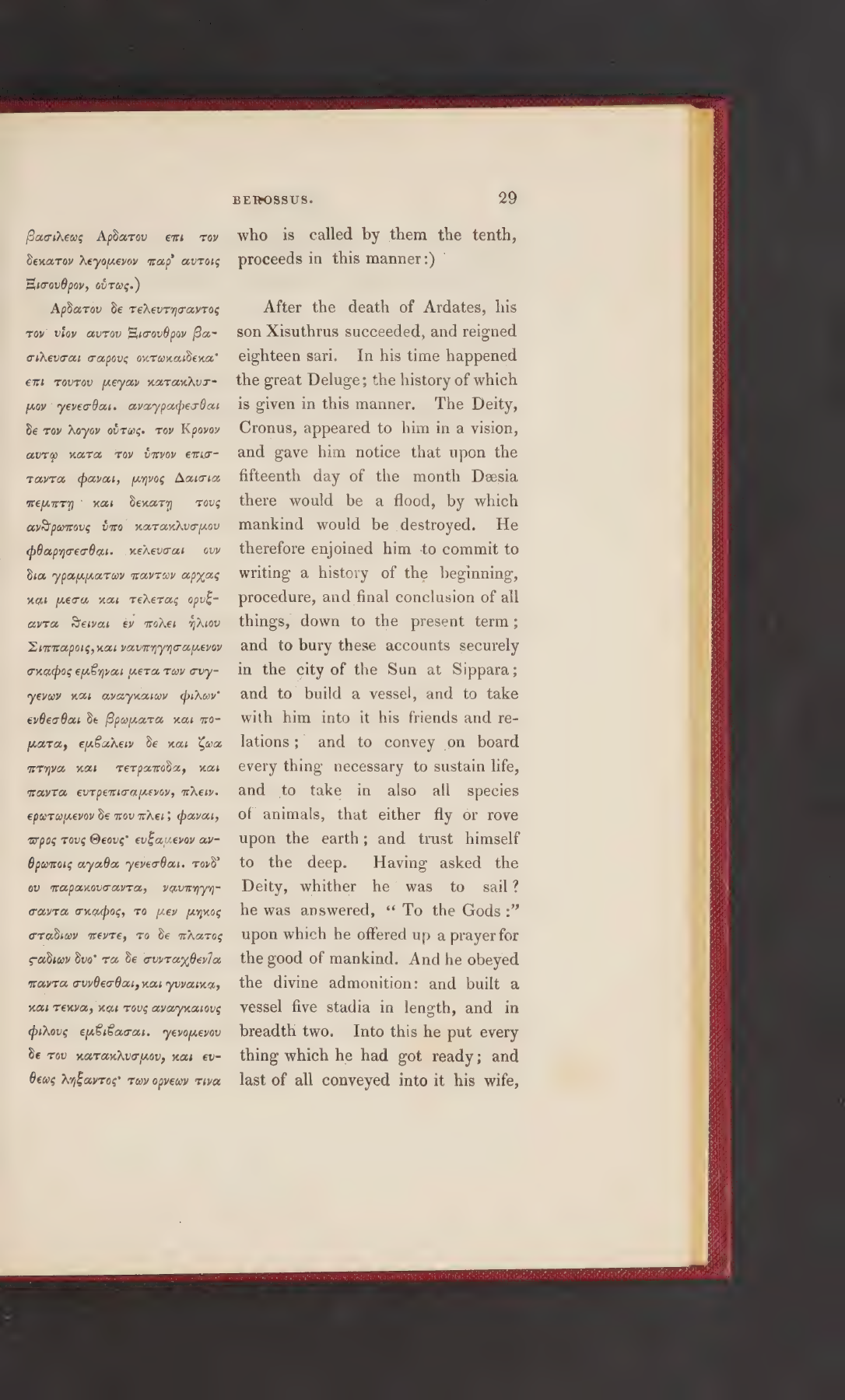
Xisuthrus and the burial of writings at Sippar before the flood; Cory’s Ancient Fragments, London, 1828, p. 29. The date belongs to the edition, rather than the story
Person
Xisuthrus is the flood survivor in Greek fragments attributed to Berossus.
Namensvarianten: Xisuthrus
Kontext und Quellen →
Contemporary fictional illustration evoking the four-letter name through four beams over a blank stone slab. Neither a depiction of Yahweh nor a real artefact or historically evidenced reconstruction
Entität
The proper name of Israel’s deity, written יהוה (YHWH), the Tetragrammaton. Its exact ancient pronunciation is not directly preserved; texts and inscriptions witness its history.
Namensvarianten: Yahweh, YHWH, Tetragrammaton
Kontext und Quellen →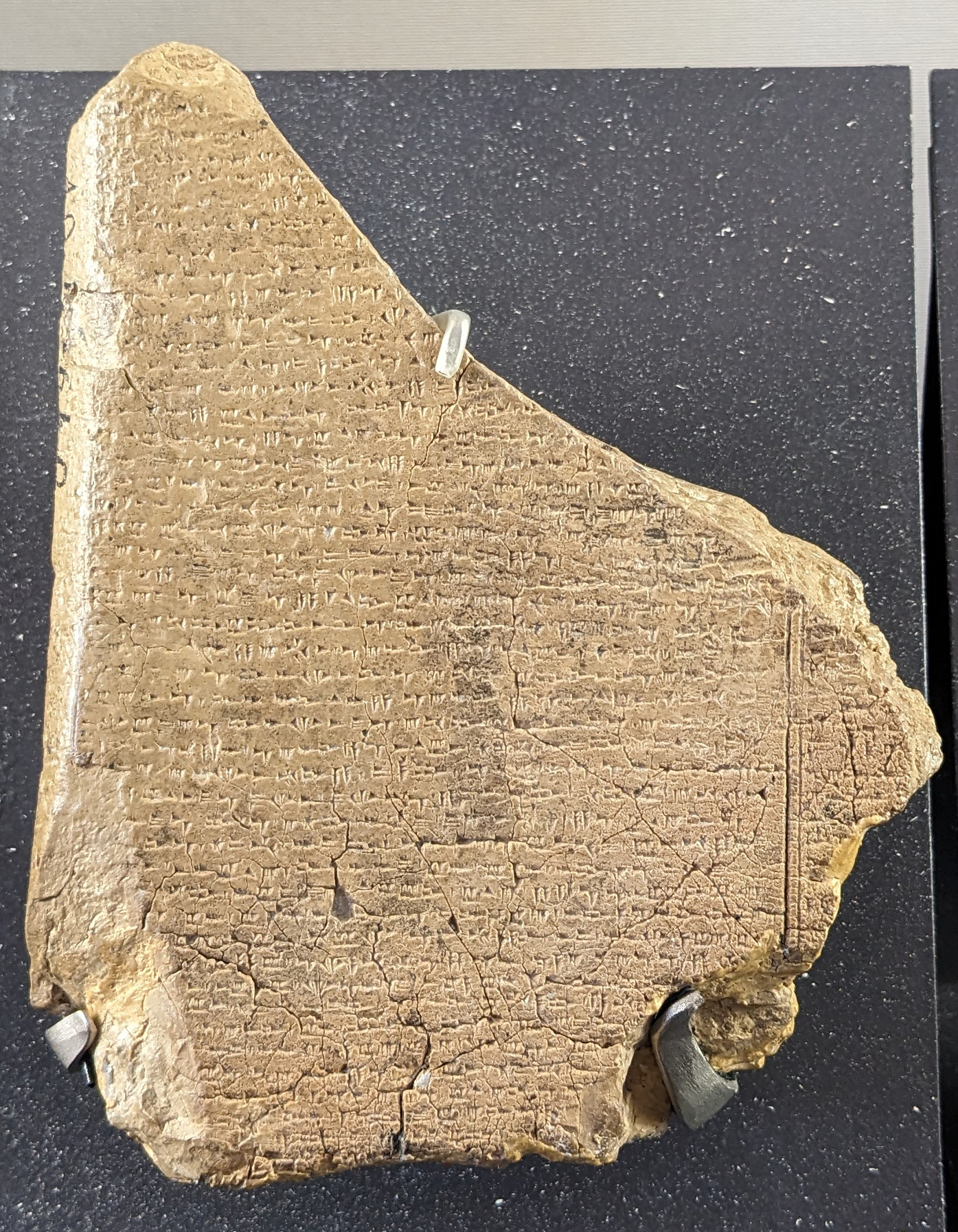
Clay tablet from Ugarit bearing a text of the Baal Cycle, Louvre AO 16640, dated by the museum to about 1400–1200 BCE. The photograph documents the written transmission of the narrative, not the appearance of Yam or the battle itself
Entität
Sea god in Ugaritic texts, associated with the name Nahar and portrayed in the Baal Cycle as Baal’s rival for authority among the gods.
Namensvarianten: Yam, Yammu, Nahar
Kontext und Quellen →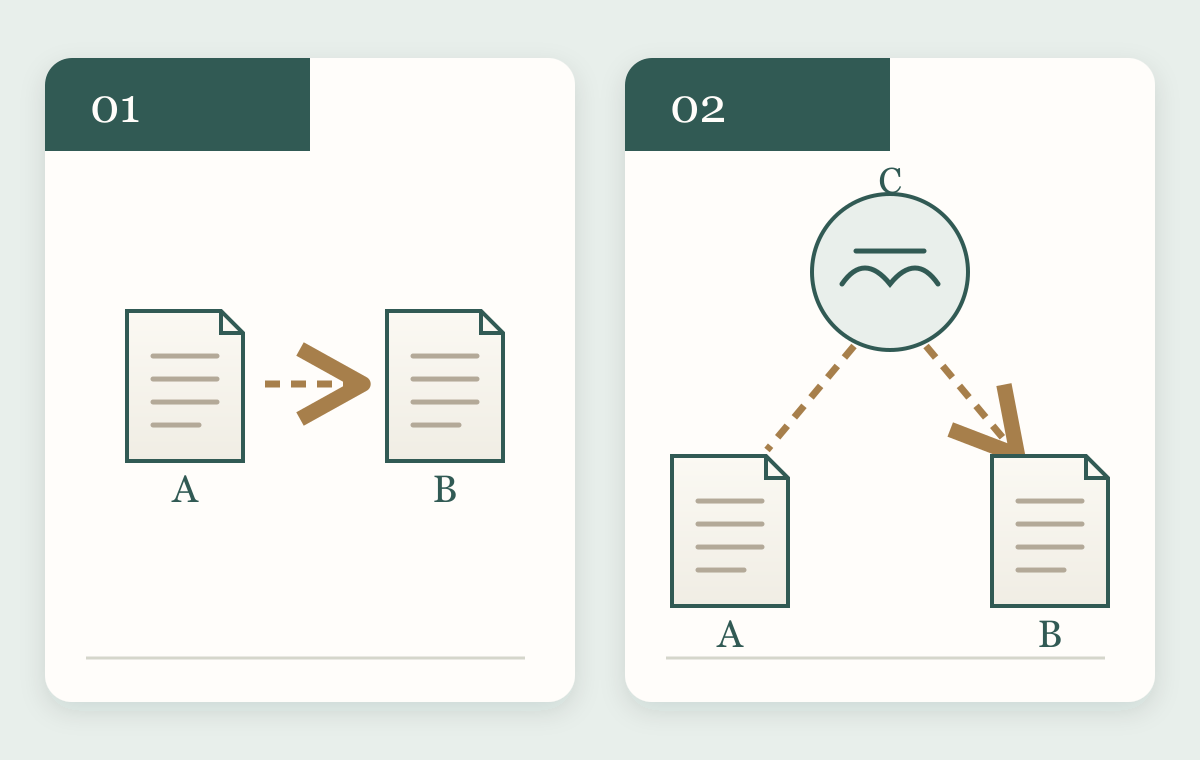
Original diagram of two models discussed in Kara’s study: direct dependence between texts (01) or a shared narrative milieu feeding two versions (02). The arrows are hypothetical, not evidence of a documented transfer
Person
Author of a 2026 study comparing Dhul Qarnayn with the Syriac Alexander tradition.
Namensvarianten: Yasin Kara
Kontext und Quellen →
Modern AI-generated conceptual illustration evoking a city, water and layers of time. It does not portray the actual Yeni Mahalle archaeological site, documented remains or a scientific reconstruction
Stätte
Pre-Pottery Neolithic settlement in the Yeni Mahalle neighbourhood of Şanlıurfa, near Balıklıgöl. An archaeological section was investigated in 1997; Urfa Man had been found nearby in 1993. Settlement dates do not independently date the statue.
Namensvarianten: Yeni Mahalle Neolithic settlement, Urfa-Yeni Mahalle
Kontext und Quellen →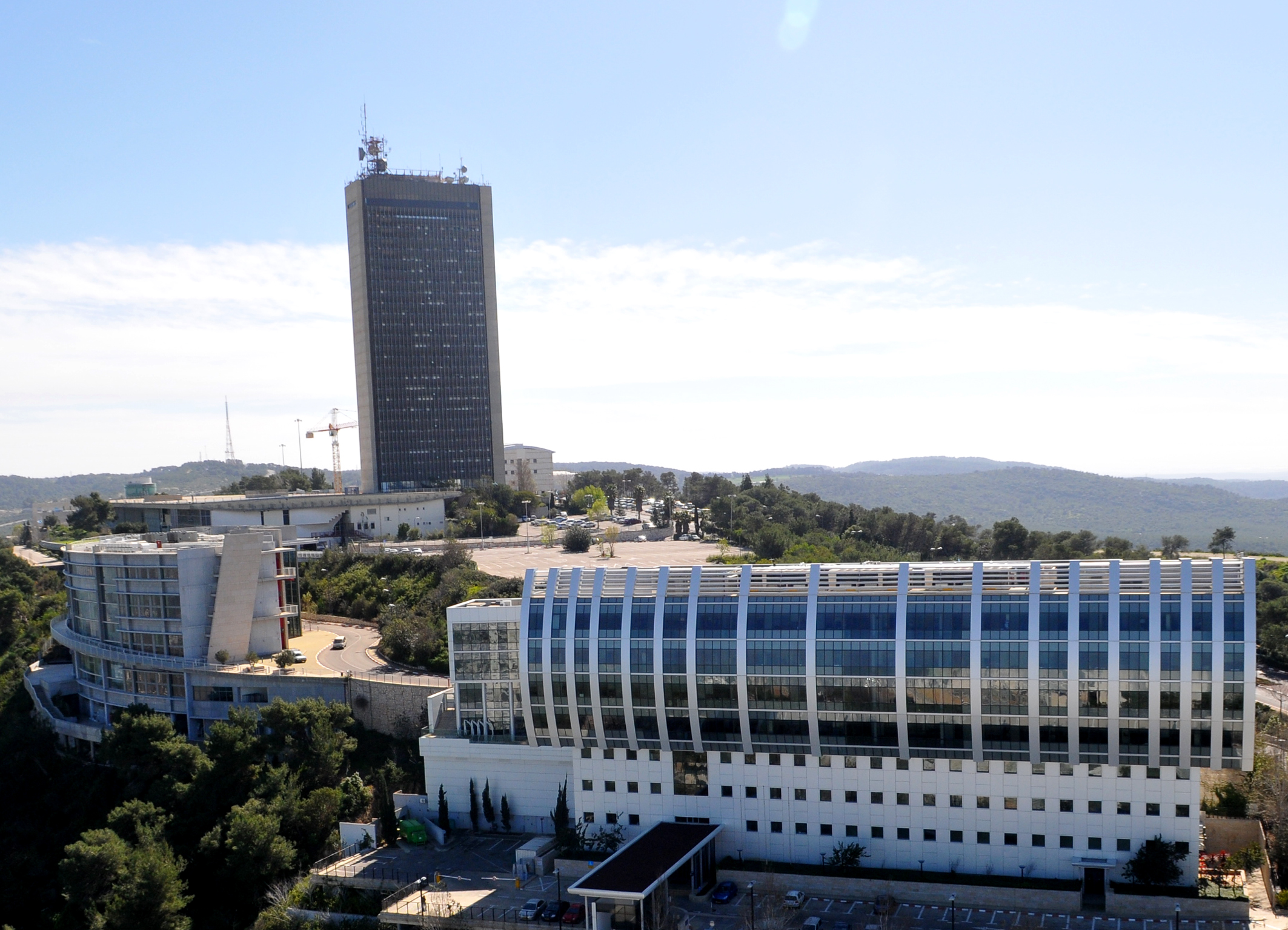
The University of Haifa on Mount Carmel and neighbouring buildings. Capture metadata dates the photograph to 13 February 2009; Haifa Municipality released it in June 2010. It shows the institution whose website records Yitzhaq Feder’s former teaching and research affiliations
Person
Scholar of purity, expiation and ritual in the Hebrew Bible and its ancient setting, including Hittite comparisons.
Namensvarianten: Yitzhaq Feder, Yitzhak Feder
Kontext und Quellen →Person
Scholar affiliated in his 2022 paper with Seoul Women’s University, studying deror and return in Jeremiah 34.
Namensvarianten: Yoo-ki Kim
Kontext und Quellen →Person
Archaeologist and Hebrew University professor emeritus researching prehistory and the Iron Age.
Namensvarianten: Yosef Garfinkel
Kontext und Quellen →Person
Scholar of Arabic and Islamic studies whose work compares biblical and Qur'anic narratives; published a 2013 study of Abraham's intended sacrifice.
Namensvarianten: Younus Mirza
Kontext und Quellen →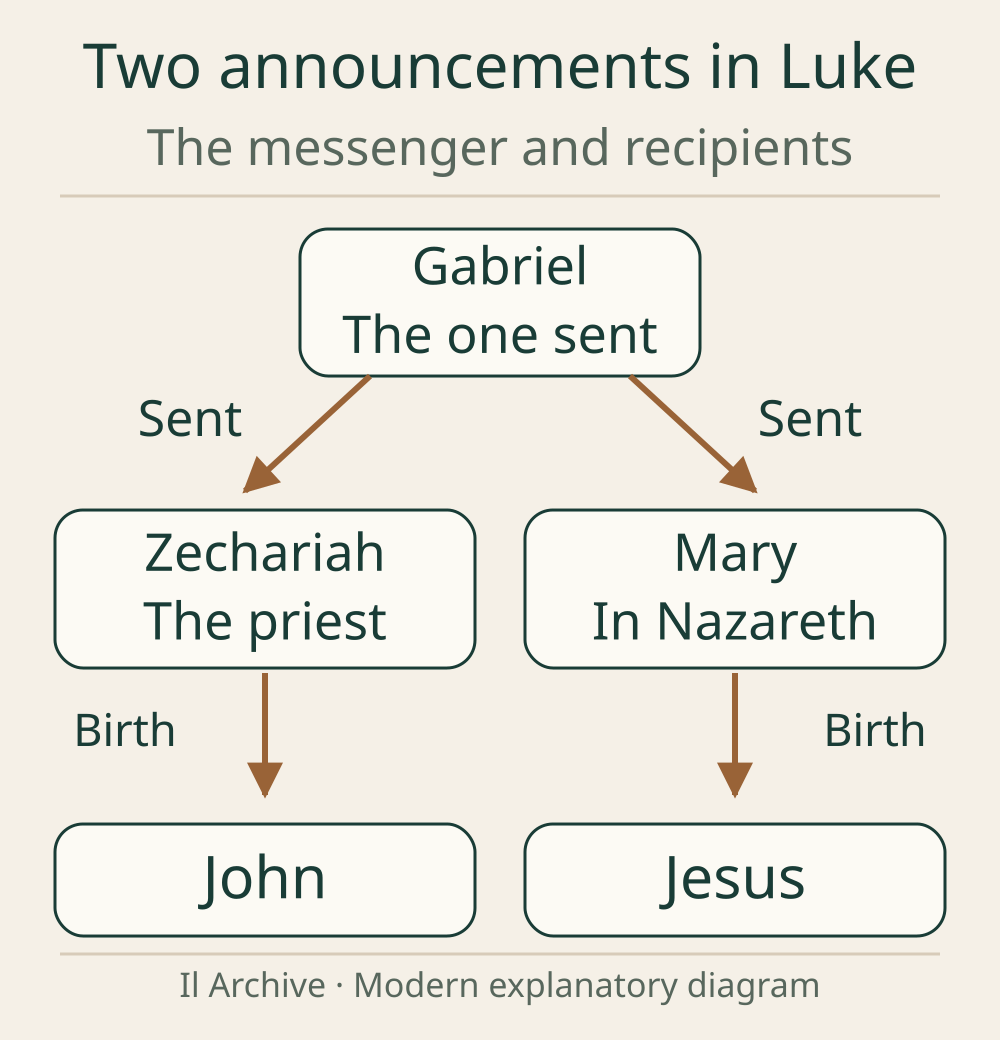
Modern diagram of the two announcements in Luke 1:5–38: Gabriel is sent to Zechariah to announce John’s birth and to Mary to announce Jesus’s birth. Lower arrows show the announcement’s subject, not descent from the angel. No faces or physical appearances are reconstructed
Person
A priest and Elizabeth’s husband in Luke 1, who receives Gabriel’s announcement of John’s birth.
Namensvarianten: Zechariah father of John, Zacharias father of John
Kontext und Quellen →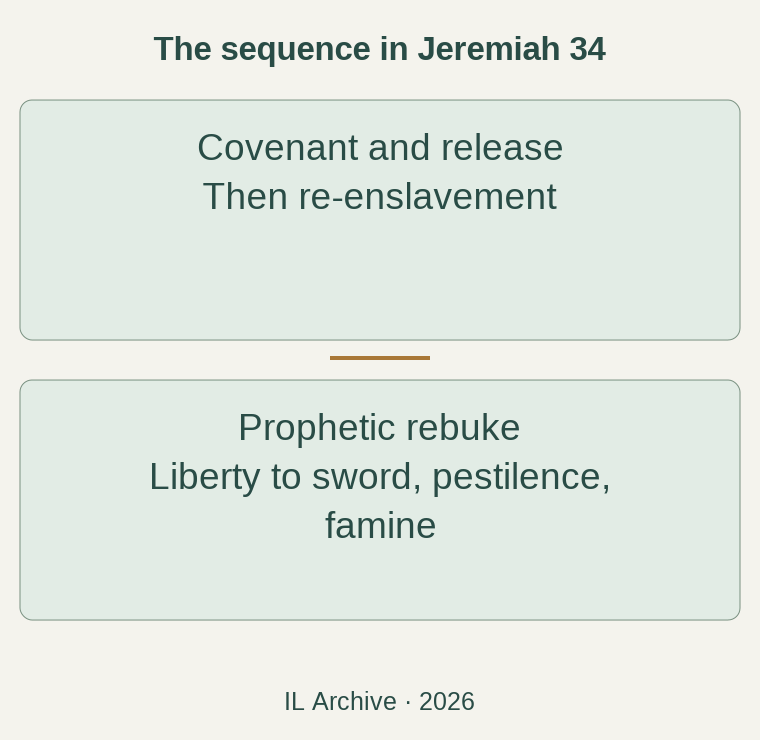
Modern diagram explaining the relationship between the named passages; not a manuscript photograph or historical portrait
Person
Early-sixth-century BCE king of Judah associated in Jeremiah 34 with a release covenant and its reversal.
Namensvarianten: Zedekiah, king of Judah
Kontext und Quellen →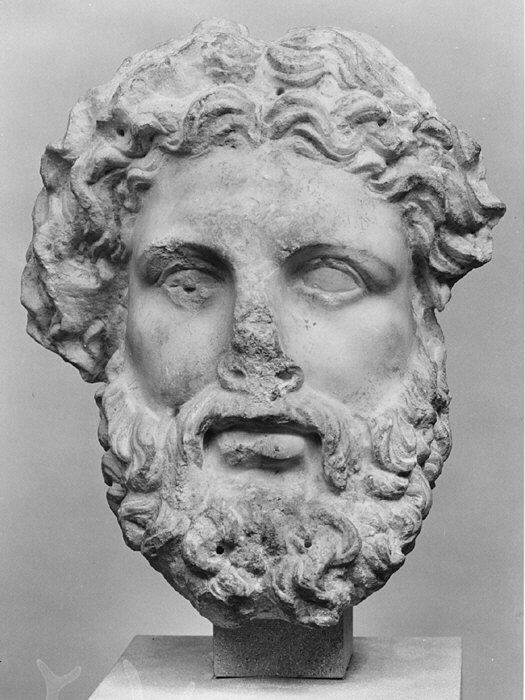
Greek marble head, third or second century BCE. The Metropolitan Museum identifies the deity as probably Zeus; the attribution is uncertain, and the object postdates the Iliad's formation
Entität
Zeus is the sky god and leading deity in many Greek traditions. In the Iliad he presides over divine gatherings while others can still speak and object.
Namensvarianten: Zeus
Kontext und Quellen →Person
Hebrew Bible and reception scholar comparing the Torah’s service laws.
Namensvarianten: Zev Farber, Hebrew Bible scholar
Kontext und Quellen →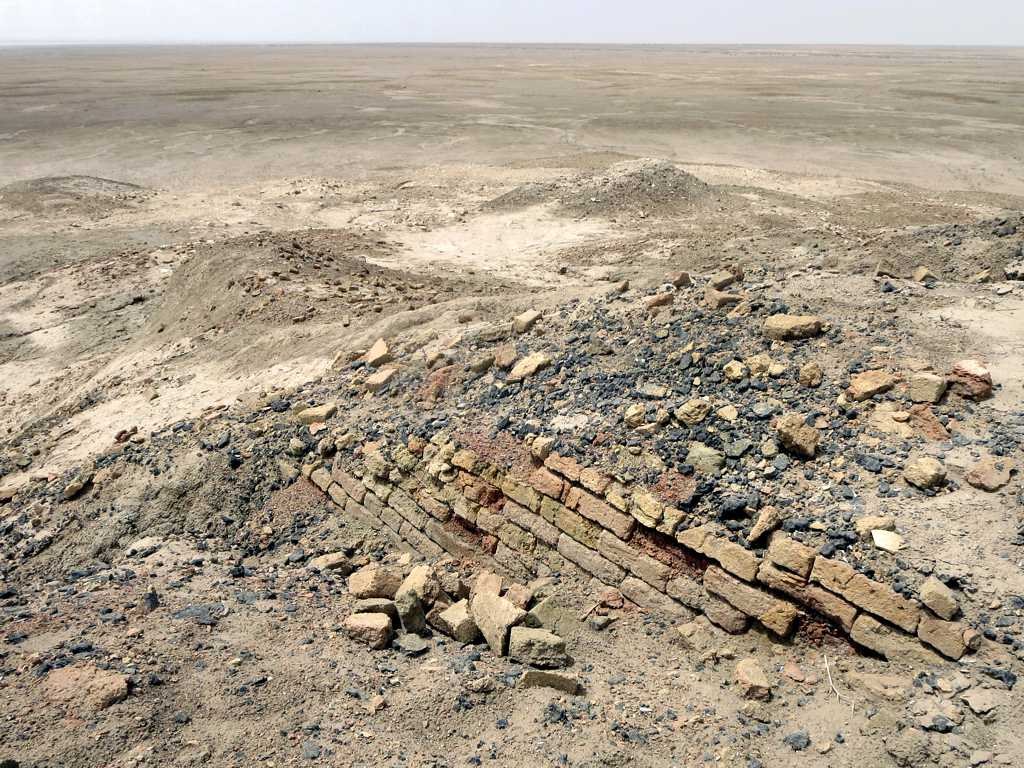
Brick remains and architectural debris at the Eridu ziggurat site, Iraq, photographed by David Stanley (11 April 2016). The original tower height and earlier Ubaid temples are not shown; individual brick stamps cannot be verified in this view
Entität
Ziggurat: a monumental stepped or terraced cult structure of ancient Mesopotamia. Not every raised temple platform was a ziggurat, and the form and specific use of lost upper stages often remain uncertain.
Namensvarianten: ziggurat, ziggurats
Kontext und Quellen →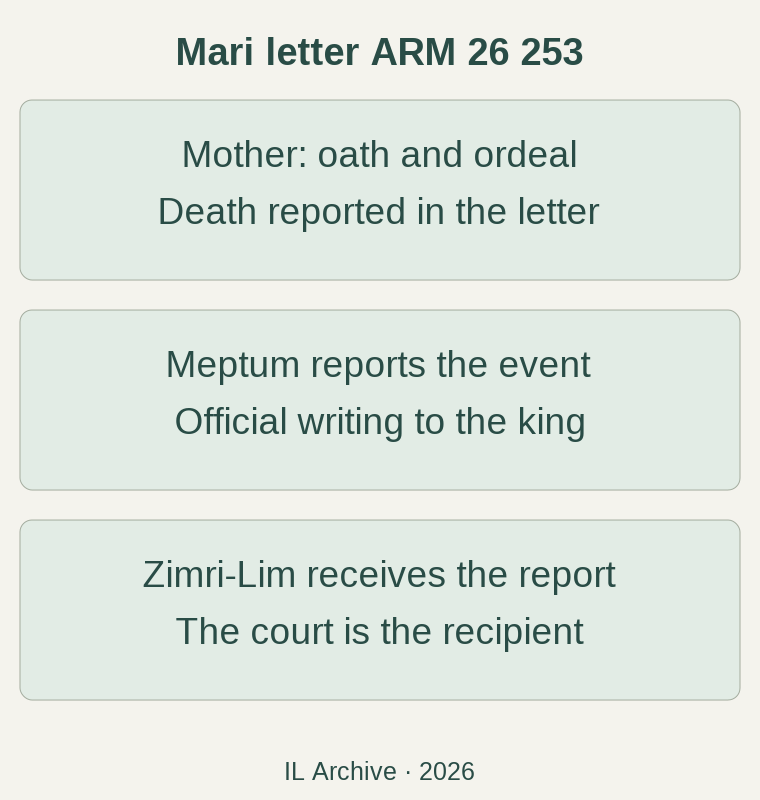
Modern diagram explaining roles in the specified source, not portraits or an ancient tablet. Row order explains relationships rather than reconstructing every ritual step
Person
Eighteenth-century BCE king of Mari, recipient of letters reporting river ordeals.
Namensvarianten: Zimri-Lim, king of Mari
Kontext und Quellen →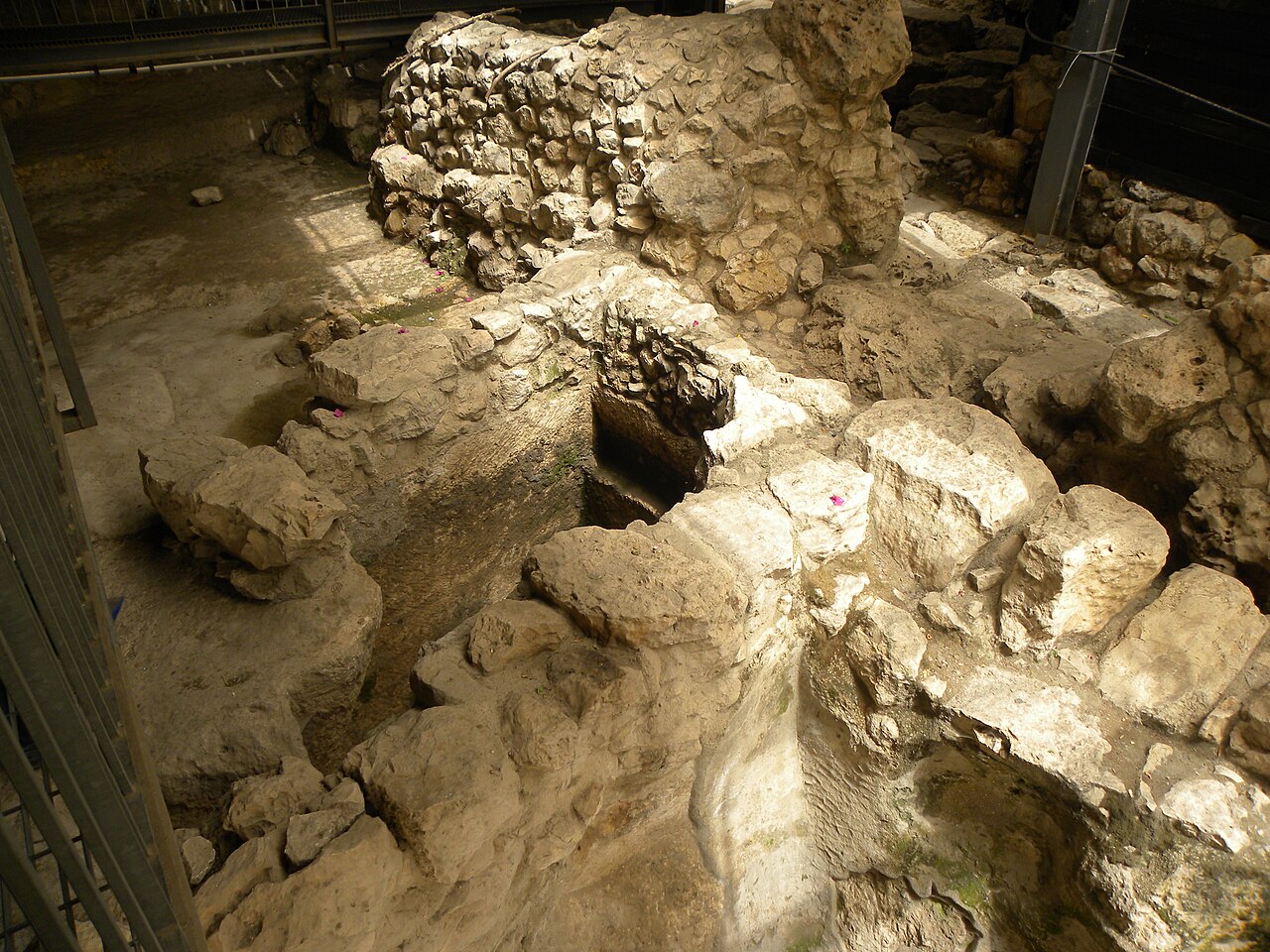
Modern excavations at the northern end of Jerusalem's eastern hill, photographed in 2011. Context for the city's history, not the site of Abraham's narrated sacrifice
Stätte
Name of a stronghold linked to David's city in 2 Samuel, later extended to Jerusalem and its religious centre; its referent changes across texts.
Namensvarianten: Mount Zion, Sion
Kontext und Quellen →
Modern generated imaginative illustration of a small vessel beneath sunlight after a storm, inspired by Ziusudra’s survival. Not a tablet photograph or an evidenced reconstruction of his boat: its construction details are lost
Entität
A literary king-priest in the fragmentary Sumerian Flood Story (ETCSL 1.7.4). He survives by boat, sacrifices, and receives divine life from An and Enlil in Dilmun. The surviving copy is Old Babylonian; his historicity is unproven.
Namensvarianten: Ziusudra, Zi-ud-sura, Ziudsura
Kontext und Quellen →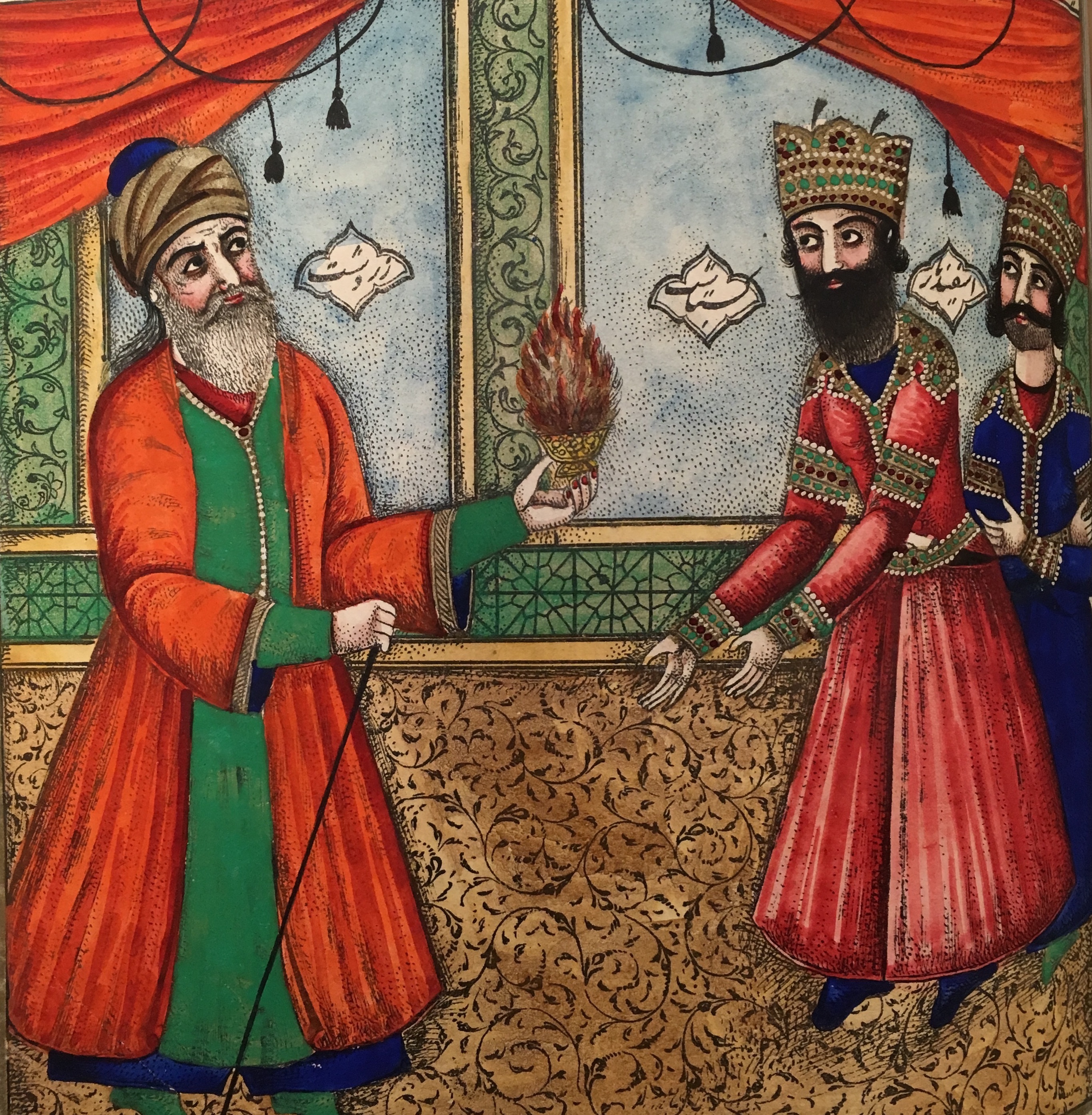
Zoroaster before Gushtasp in a hand-coloured lithographic Shahnameh, Bombay, 1849, p. 567; British Library, 14807.h.4. Nineteenth-century literary reception, not a contemporary portrait or evidence of Zarathustra’s actual appearance
Person
Foundational figure associated with Zoroastrian tradition and the Old Avestan Gathas. His priestly role, teaching and relationship to the poems are subjects of research; his lifetime and biographical details remain disputed.
Namensvarianten: Zoroaster, Zarathustra, Zarathushtra
Kontext und Quellen →
Modern AI-generated conceptual cover: flame and water in an imagined landscape; not a photograph of a Zoroastrian temple or a documented archaeological reconstruction
Entität
A living Iranian religious tradition examined through Avestan hymns, Middle Persian writings and royal inscriptions, separating textual evidence, later interpretation and hypotheses of influence.
Namensvarianten: Zoroastrianism, Mazdaism, Mazdayasna
Kontext und Quellen →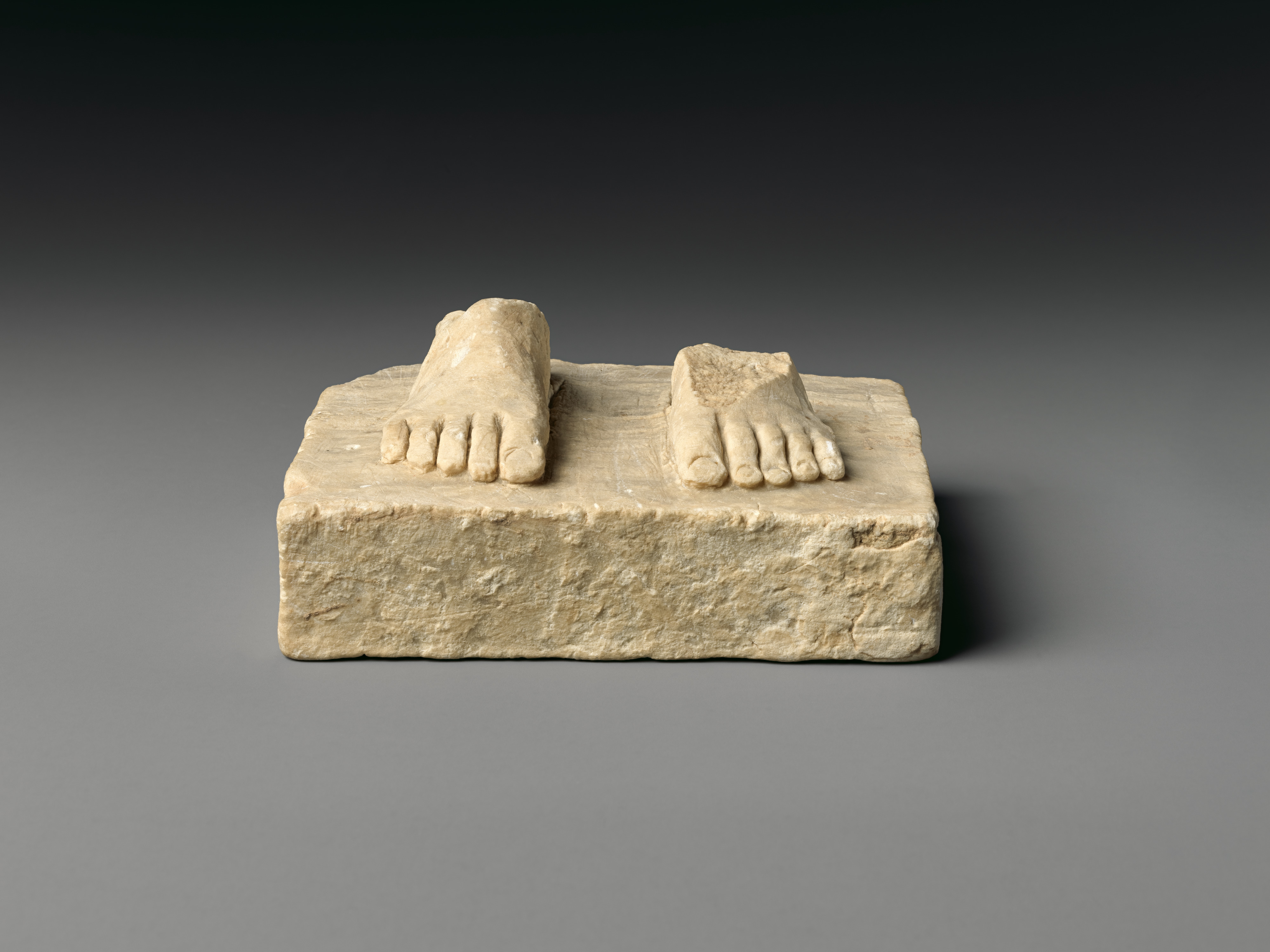
Base and feet of a worshipper from Nippur, ca. 2500–2350 BCE; gypsum alabaster, 59.41.12. The upper figure is missing; the rear mortise is not visible in this view
Entität
A statue assembled from separate parts in one or several materials. Evidence from Nippur and the Warka Head explains assembly and the limits of reconstructing missing elements.
Namensvarianten: composite statue, composite sculpture
Kontext und Quellen →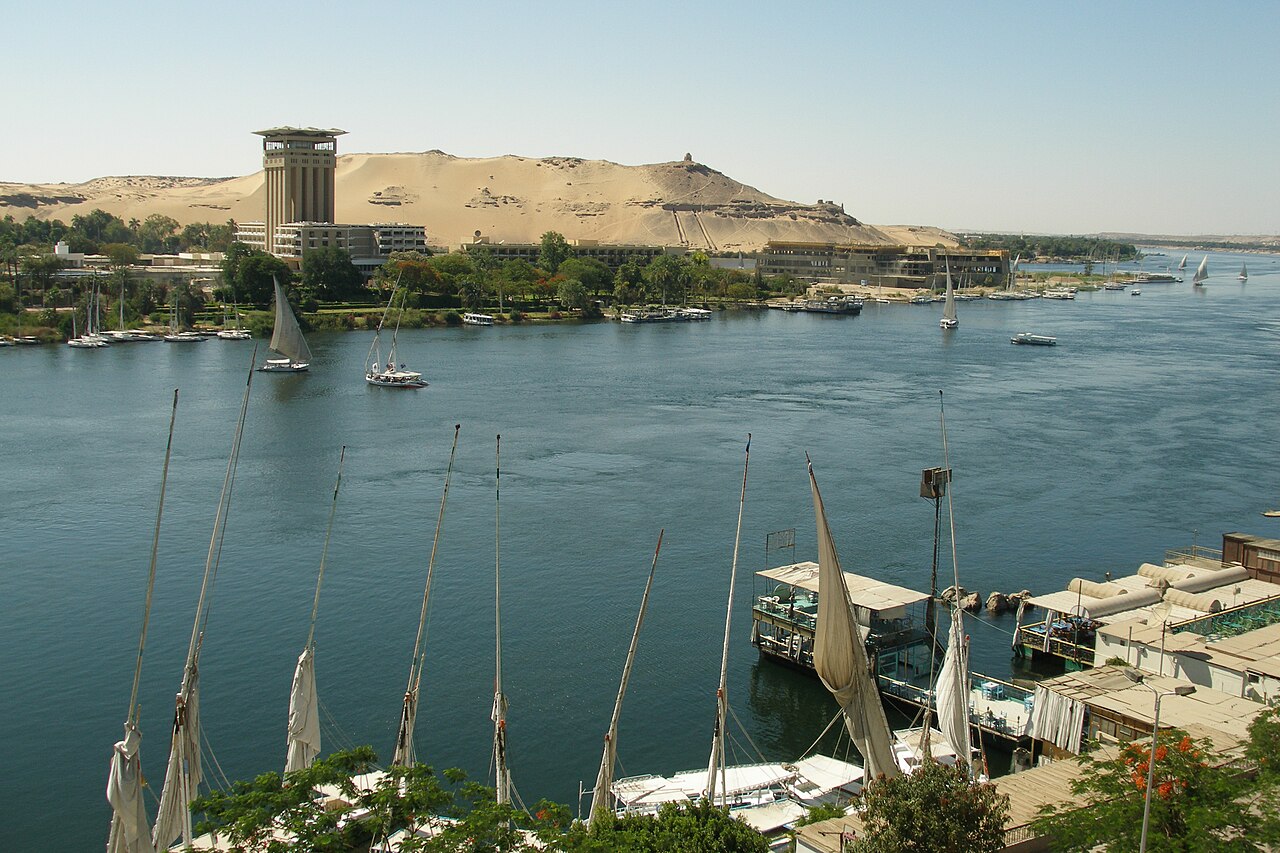
The Nile at Aswan in southern Egypt, 23 May 2007. A modern view of the river, its banks and sailing boats, illustrating part of the Nile Valley’s geographical setting
Stätte
Egypt lies mainly in northeastern Africa and includes the Sinai Peninsula in Asia
Namensvarianten: Egypt, ancient Egypt
Kontext und Quellen →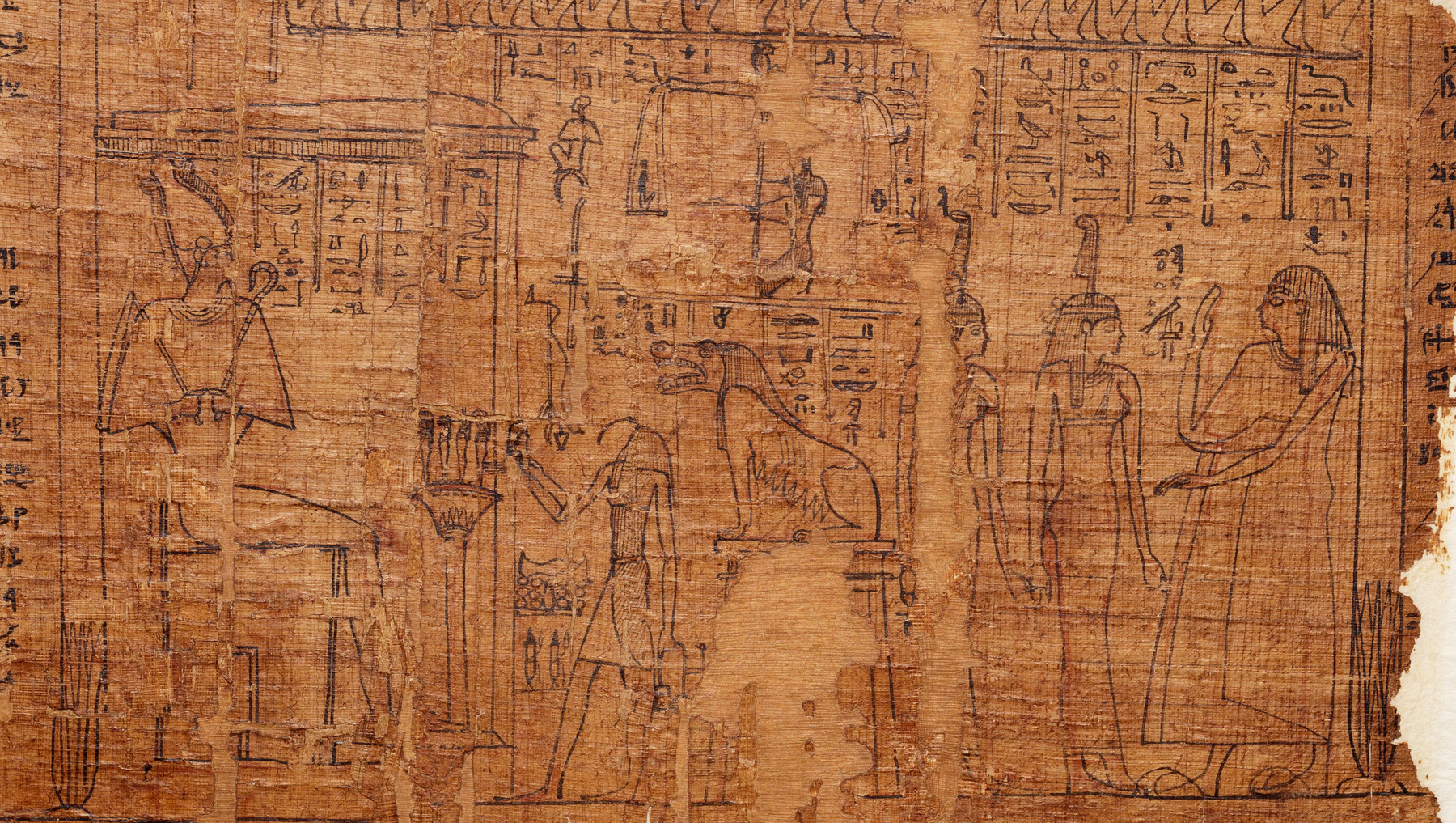
Documentary photographic crop of a Ptolemaic Egyptian papyrus showing part of the weighing of the heart and judgment, ca. 230–150 BCE; Met 66.99.142. The modern crop reproduces a real object, not a reconstruction
Antiker Text
A modern name for a variable collection of Egyptian funerary spells and images intended for the afterlife, not a single book with a fixed sequence.
Namensvarianten: Egyptian Book of the Dead, Book of the Dead
Kontext und Quellen →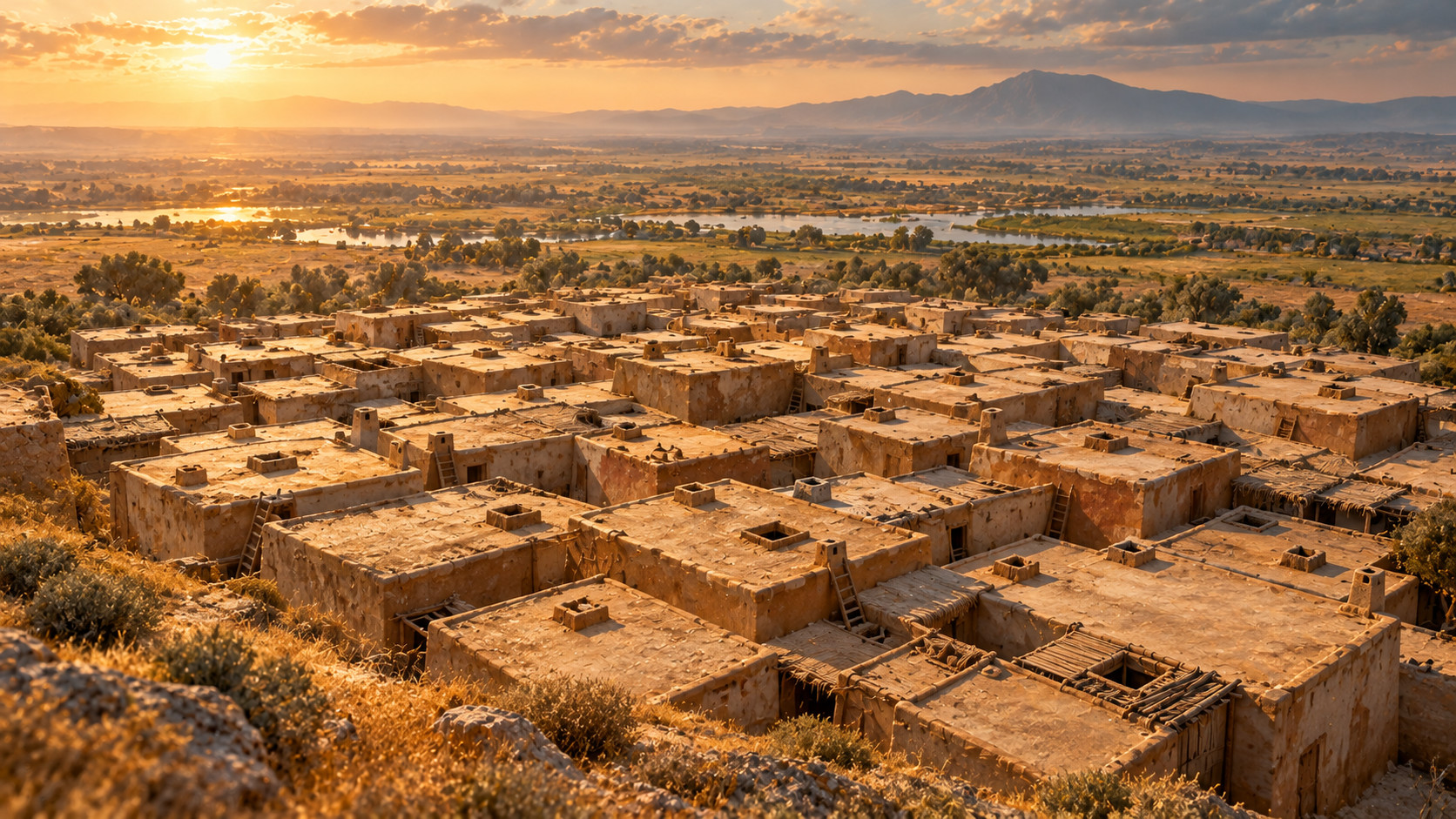
AI-generated interpretive scene inspired by tightly clustered roof-access houses at Çatalhöyük; not a site photograph, archaeological plan or verified reconstruction of its details
Stätte
Neolithic site on the Konya Plain in central Anatolia, with clustered houses, subfloor burials and imagery on the East Mound, and later Chalcolithic phases on the West Mound.
Namensvarianten: Çatalhöyük, Catalhoyuk
Kontext und Quellen →Person
Specialist in Semitic inscriptions and the Dead Sea Scrolls, emeritus professor at Jerusalem’s École biblique; proposes a shrine reading at el-Qom.
Namensvarianten: Émile Puech
Kontext und Quellen →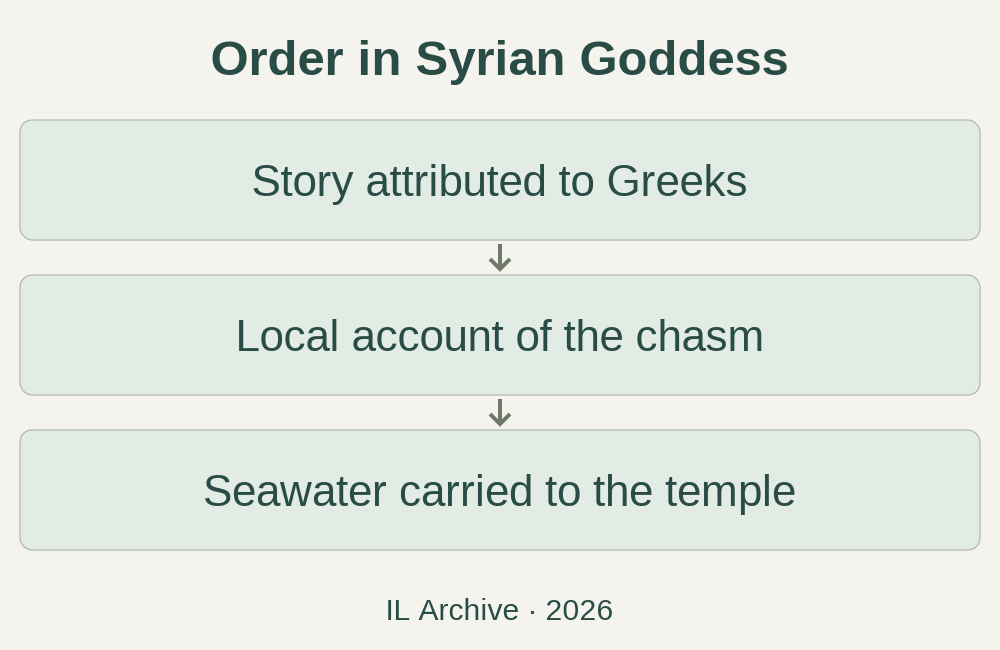
Modern explanatory diagram of one literary witness’s sequence or relationships, not a manuscript, portrait or demonstrated transmission route
Antiker Text
Second-century CE Greek text attributed to Lucian, describing Syrian Hierapolis and its sanctuary traditions.
Namensvarianten: On the Syrian Goddess
Kontext und Quellen →