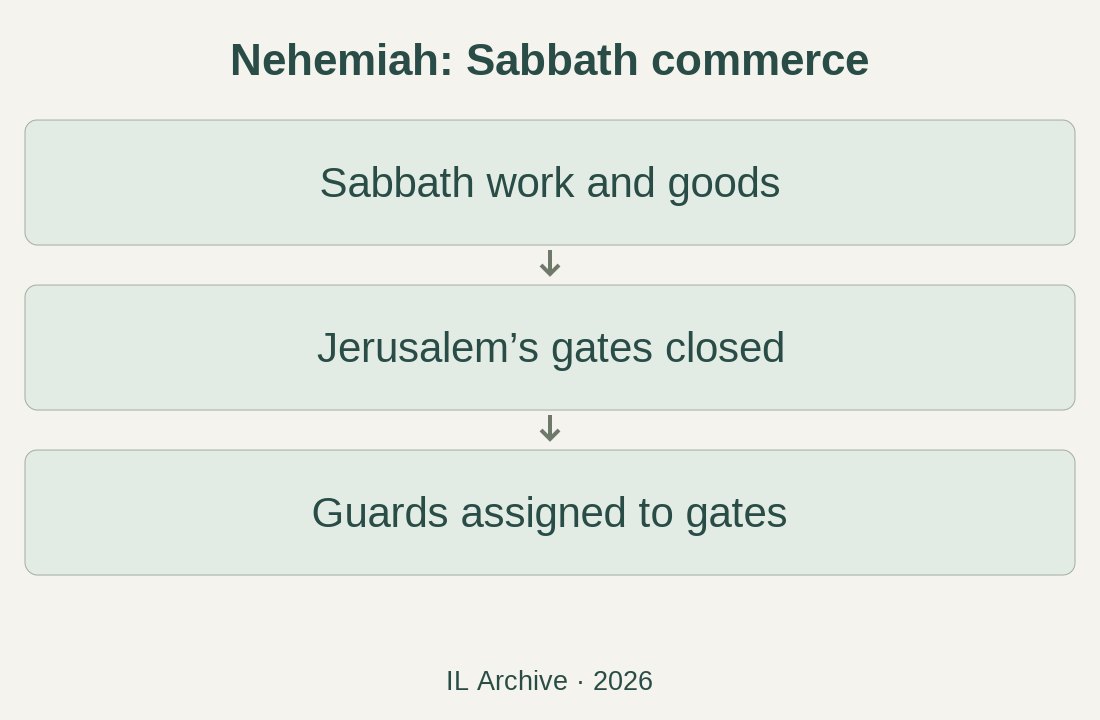
Modern diagram explaining the selected passage’s argument and sequence; not a manuscript image or archaeological reconstruction
Antiker Text
Hebrew book presenting Nehemiah’s reforms in Persian-period Judah, including regulation of Sabbath commerce.
Namensvarianten: Book of Nehemiah
Kontext und Quellen →
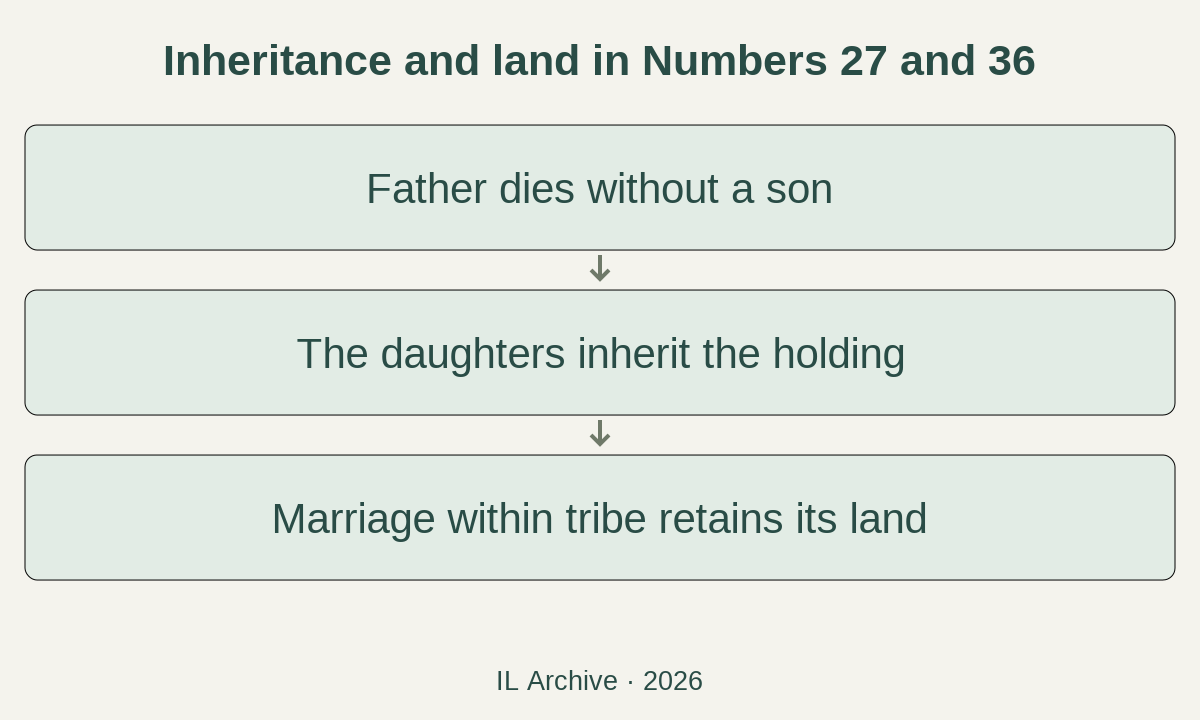
Modern explanatory diagram of relationships or cases in the specified witnesses; not portraits, a legal tablet or an ancient manuscript
Antiker Text
Torah book addressing daughters’ inheritance and tribal retention of land.
Namensvarianten: Book of Numbers
Kontext und Quellen →
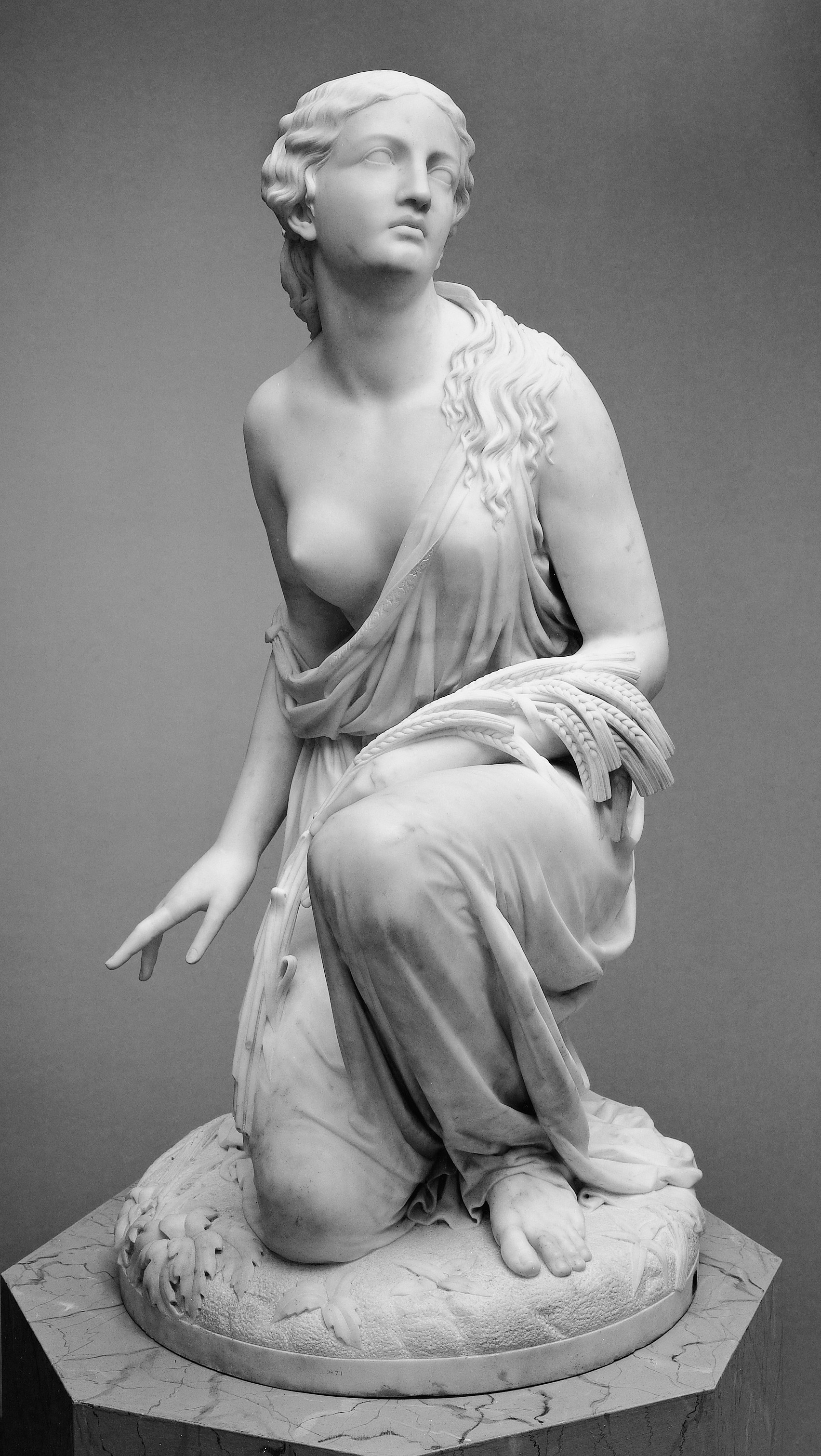
Ruth Gleaning, marble by Randolph Rogers: 1850 design, carved 1855 or 1856; Met 99.7.1. Artistic reception of Ruth 2, not a historical portrait or the chapter 4 redemption scene
Antiker Text
Hebrew narrative whose ending joins land, redemption, marriage and name preservation.
Namensvarianten: Book of Ruth
Kontext und Quellen →
Contemporary explainer; it is not an ancient artifact or historical likeness
Antiker Text
Prophetic book of the Hebrew Bible whose third chapter depicts the high priest and an adversary.
Namensvarianten: Zechariah (book)
Kontext und Quellen →
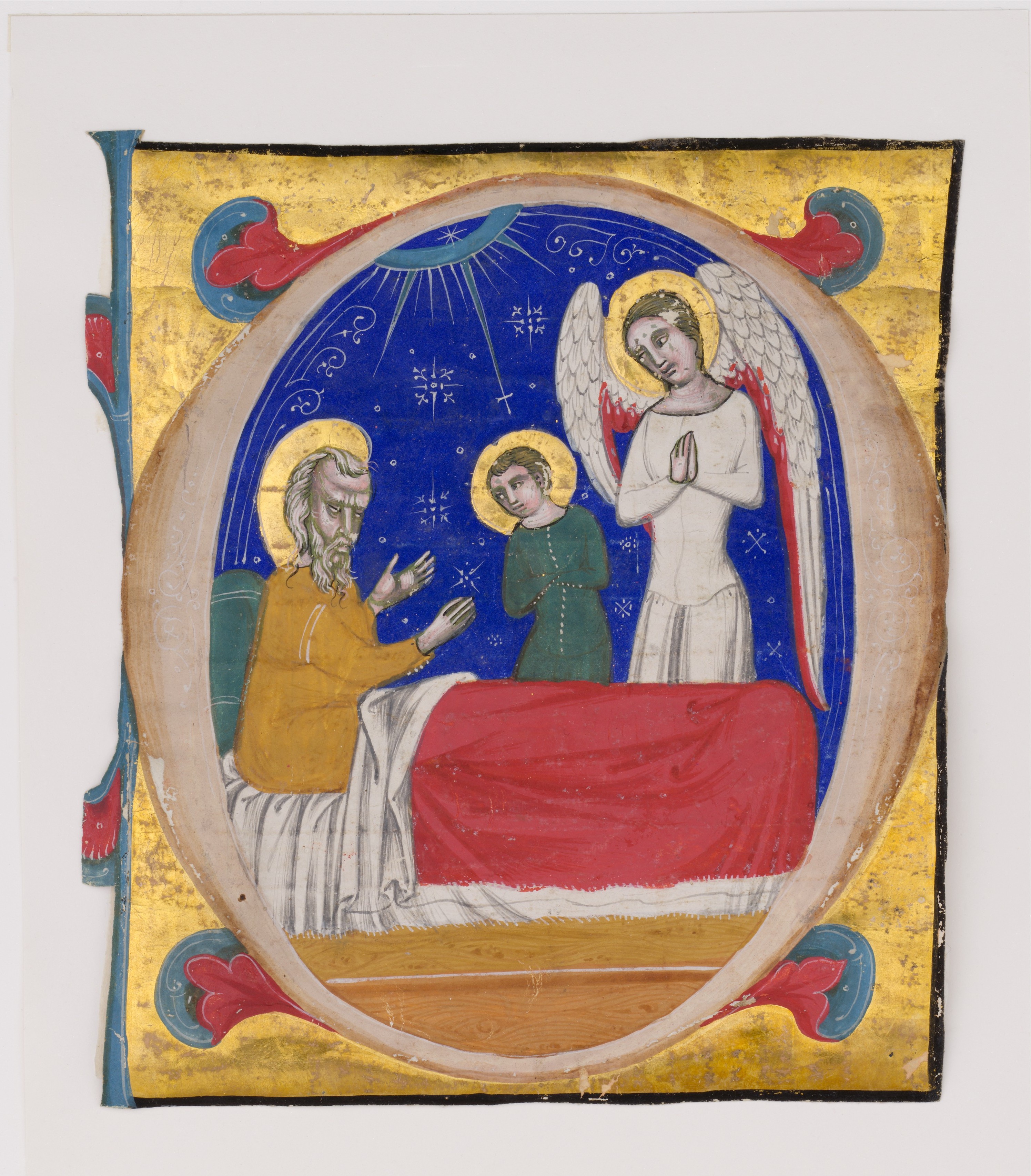
Tobit, Tobias and Raphael in an illuminated initial O from an antiphonary, Bologna, mid-fourteenth century; Met 31.134.6. Later artistic reception, not an ancient manuscript of the Ahiqar passage
Antiker Text
Jewish story of a family in Assyria, combining adversity, prayer, journey and almsgiving, and naming Ahiqar.
Namensvarianten: Book of Tobit, Book of Tobit
Kontext und Quellen →
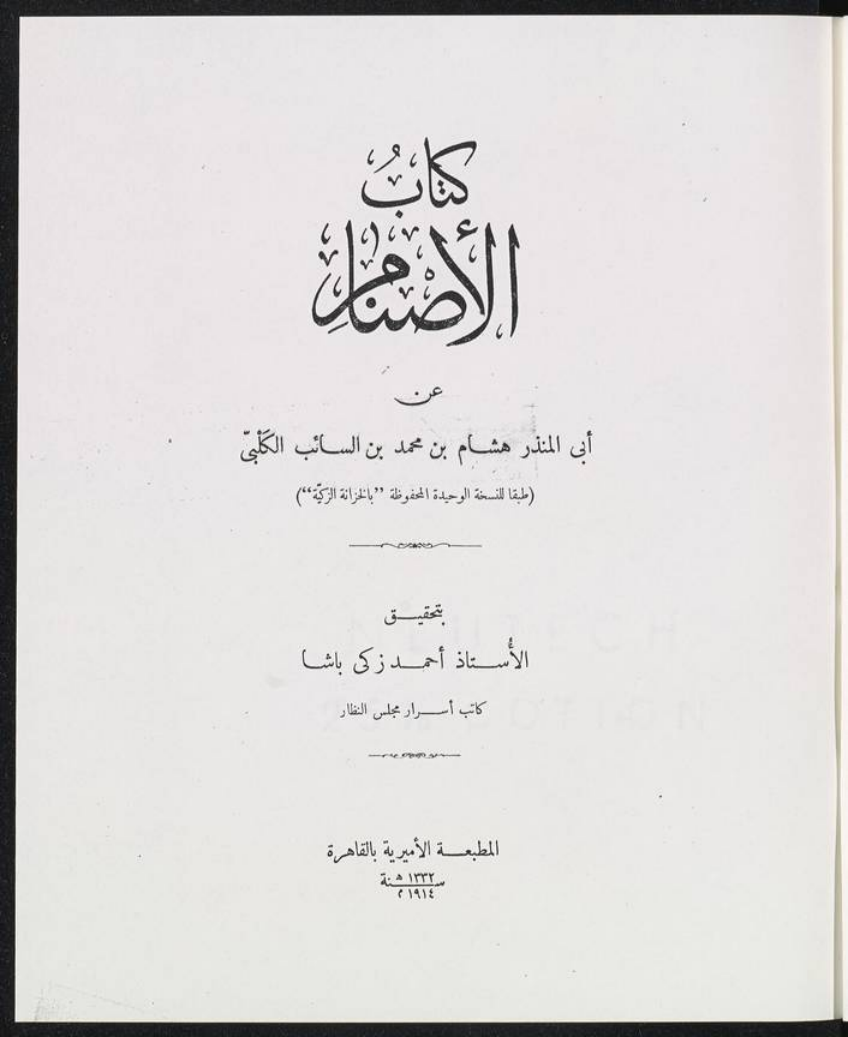
Title page of Hisham ibn Muhammad al-Kalbi’s Book of Idols, edited by Ahmad Zaki Pasha, Cairo, 1332 AH / 1914 CE; Cornell copy in Arabic Collections Online. A printed edition, not an author-era manuscript or portrait. A library leaf dates the replacement paper volume to 2005
Antiker Text
Work by Hisham ibn Muhammad al-Kalbi transmitting Abbasid-era accounts of pre-Islamic Arabian deities and rites.
Namensvarianten: Book of Idols
Kontext und Quellen →

Modern AI-generated conceptual cover: an imaginary scroll and circular sky above desert mountains evoke revelation and the division of time in Jubilees. Neither an ancient manuscript nor a photograph of historical Sinai
Entität
Jewish retelling of Genesis and Exodus framed as angelic teaching to Moses, adding chronology, narratives and interpretation.
Namensvarianten: Book of Jubilees, Jubilees
Kontext und Quellen →
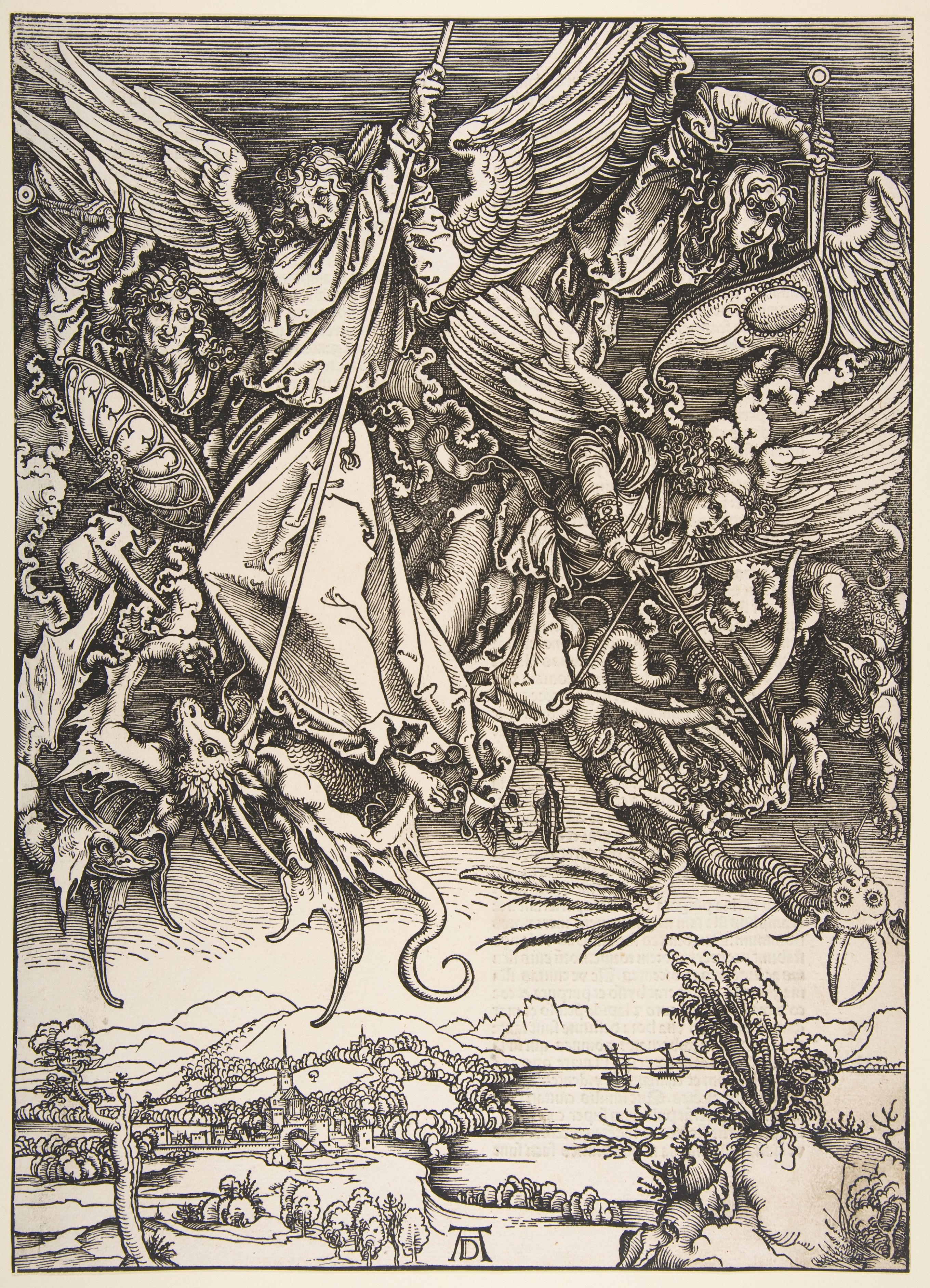
Saint Michael Fighting the Dragon, after Albrecht Dürer, 1498, woodcut; Met 40.139.6(12). Later European reception of Revelation 12, not Bronze Age Lotan imagery
Antiker Text
Christian apocalypse commonly dated in its present form to the late first century CE, reusing earlier scriptural imagery.
Namensvarianten: Book of Revelation
Kontext und Quellen →
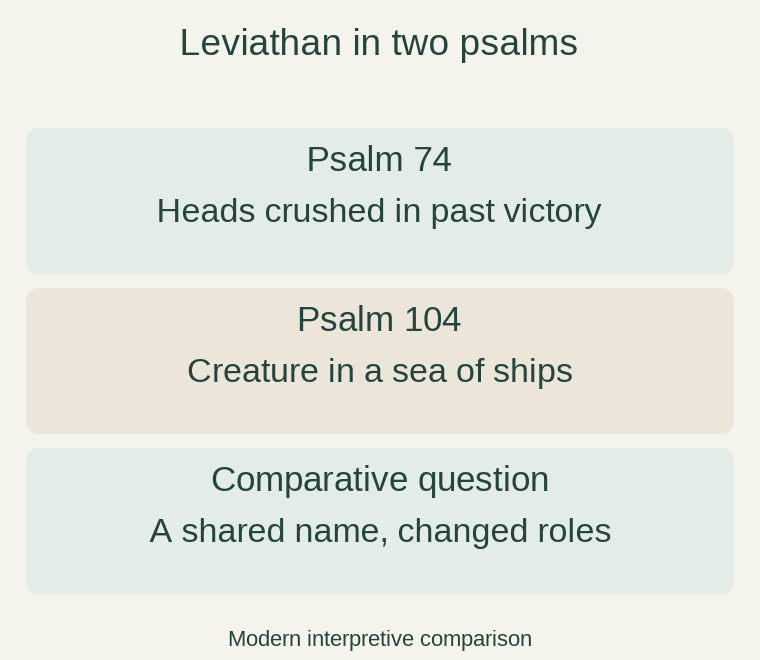
Modern comparison of specified passages and literary roles; not a manuscript or an authenticated likeness
Antiker Text
Collection of ancient Hebrew poems and prayers; Leviathan has different roles in Psalms 74 and 104.
Namensvarianten: Book of Psalms
Kontext und Quellen →
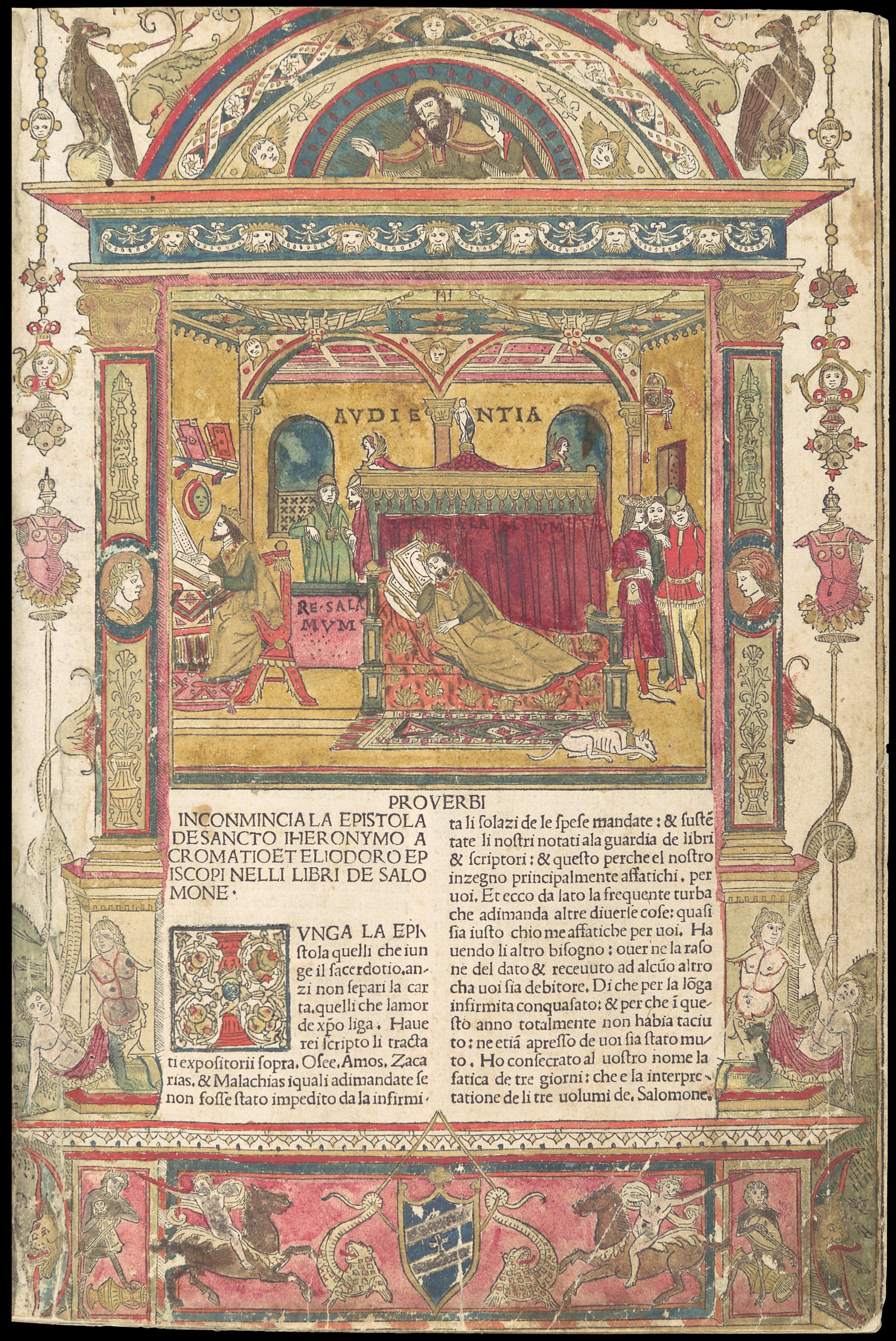
Opening of the Proverbs section in the Italian Malermi Bible, Venice, 15 October 1490, Met 33.66. It includes Jerome’s letter and Solomon writing and receiving an audience. Later European print reception, not Proverbs 22:17–23:11 or a historical portrait of the author
Antiker Text
The Book of Proverbs collects wisdom texts in the Hebrew Bible on learning, conduct and social relationships.
Namensvarianten: Book of Proverbs
Kontext und Quellen →

Modern AI-generated interpretive cover: a symbolic landscape for Enoch’s journey and the horizon of judgment; not a manuscript, ancient artifact or verified reconstruction
Entität
Opening unit of 1 Enoch (chapters 1–36), concerning the Watchers’ descent, offspring and judgment, Enoch’s mission and cosmic journeys; a composite work with multiple textual witnesses.
Namensvarianten: Book of the Watchers
Kontext und Quellen →
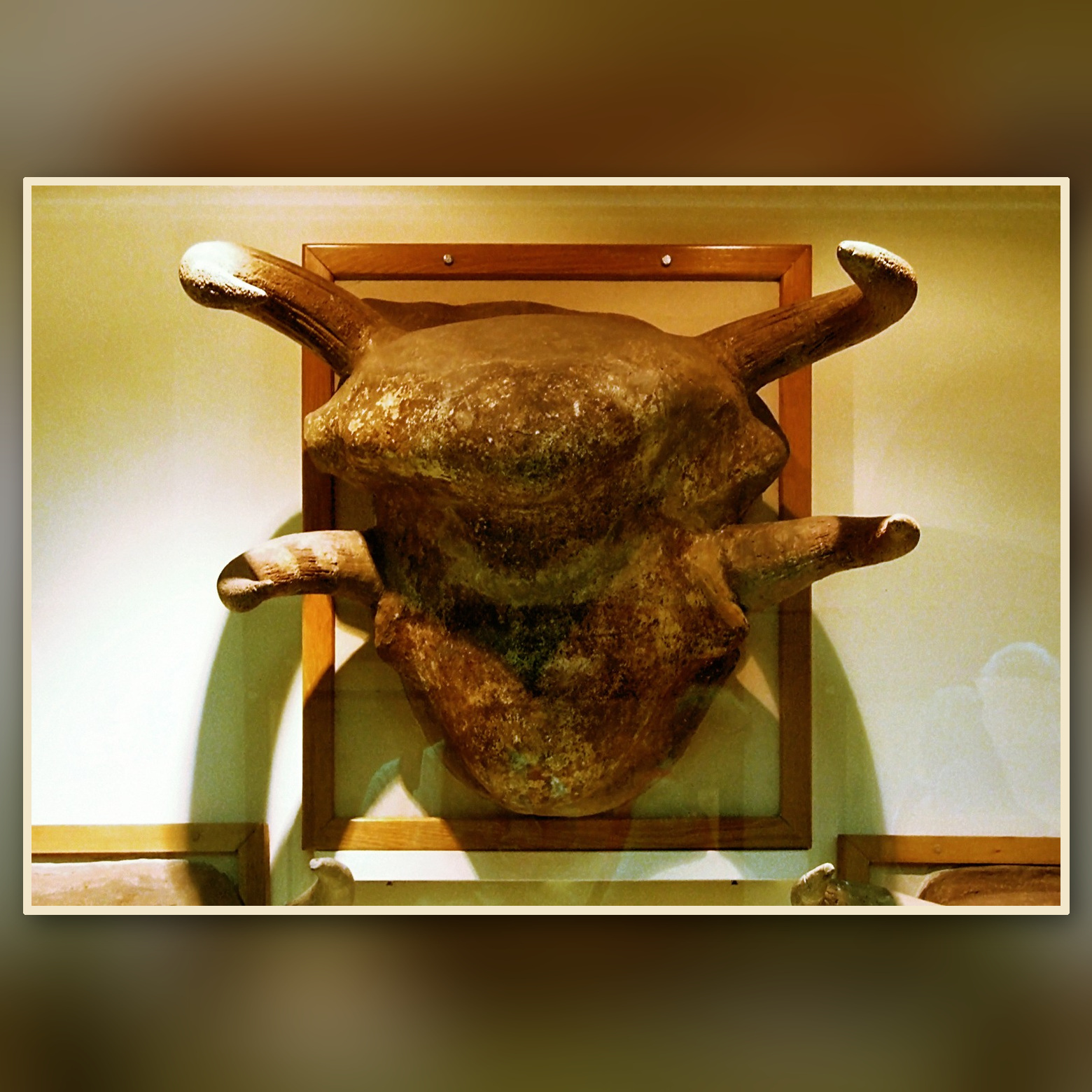
Square photographic cover adapted from a photographer-identified Çatalhöyük horned model in the Museum of Anatolian Civilizations, Ankara. The frame and blurred surrounding image are modern editorial treatment, not an excavated setting or scholarly reconstruction
Entität
Bucrania (singular bucranium): horned cattle skulls or heads and their representations. At Çatalhöyük, installations combined real horn cores and plaster models, some displayed or concealed; none alone identifies a deity or particular rite.
Namensvarianten: bucrania, bucranium
Kontext und Quellen →
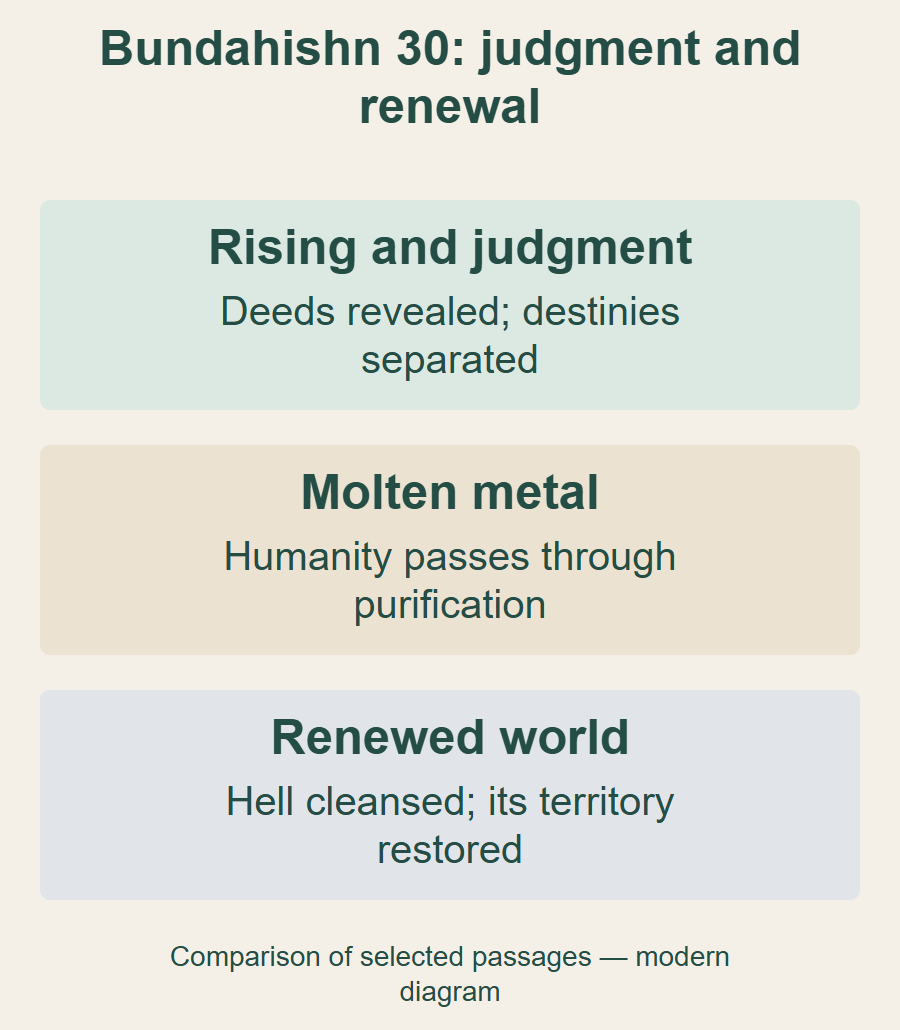
Modern chart of Indian Bundahishn 30: judgment, molten metal and the world’s purification; narrative sequence in West’s translation, not a manuscript or artifact
Antiker Text
The Bundahishn is a Middle Persian Zoroastrian work on creation, the world and its final renovation.
Namensvarianten: Bundahishn
Kontext und Quellen →
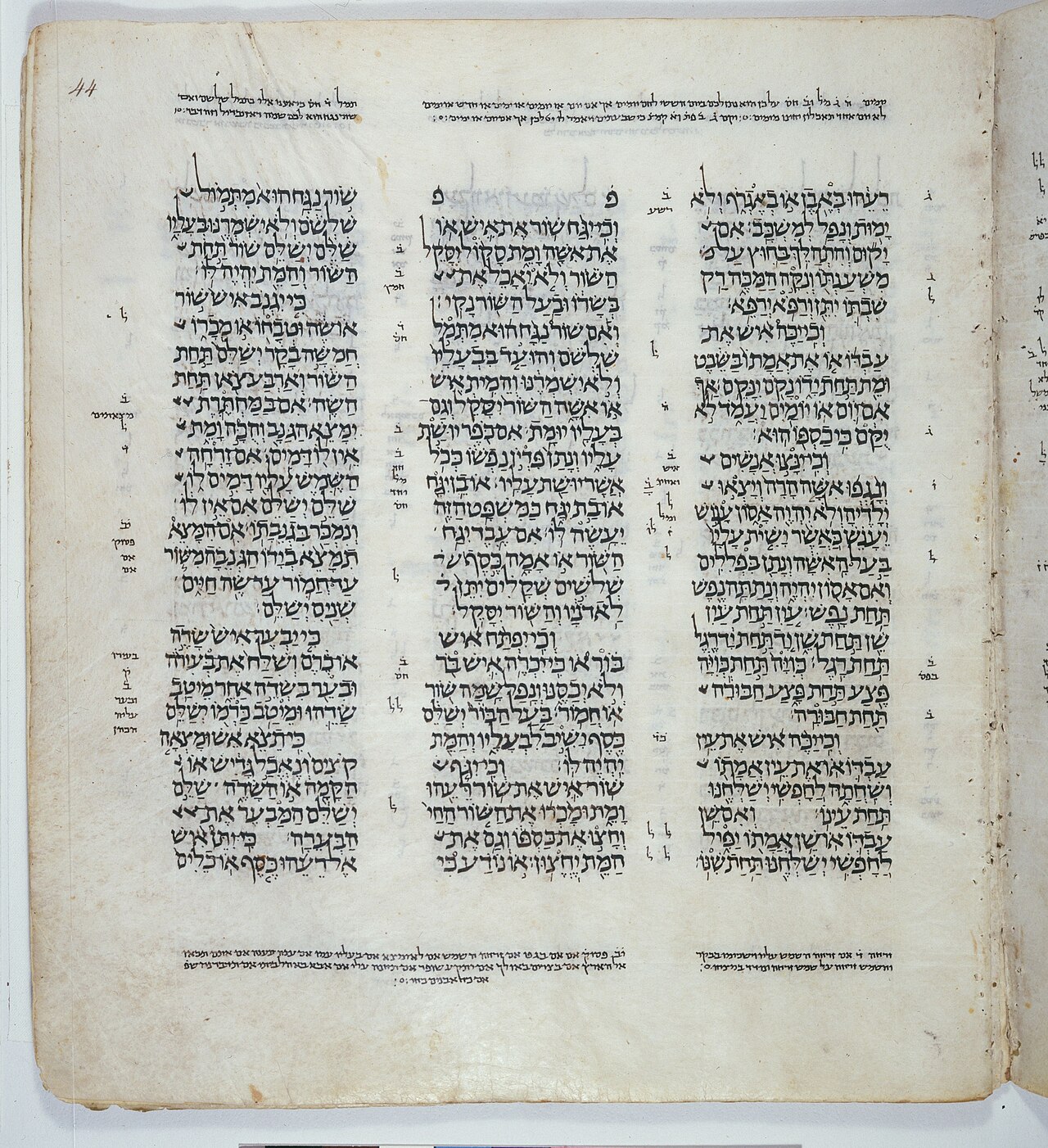
Folio 44r of the Leningrad Codex, from the early eleventh century CE. It contains Exodus 21:18–22:6, within the collection known as the Covenant Code. The date of this manuscript copy differs from the composition date of the laws it preserves
Antiker Text
Scholarly name for laws in Exodus chapters 20–23, within the Torah, addressing service, injuries, property and worship. Their composition date is debated.
Namensvarianten: Covenant Collection, Covenant Code
Kontext und Quellen →
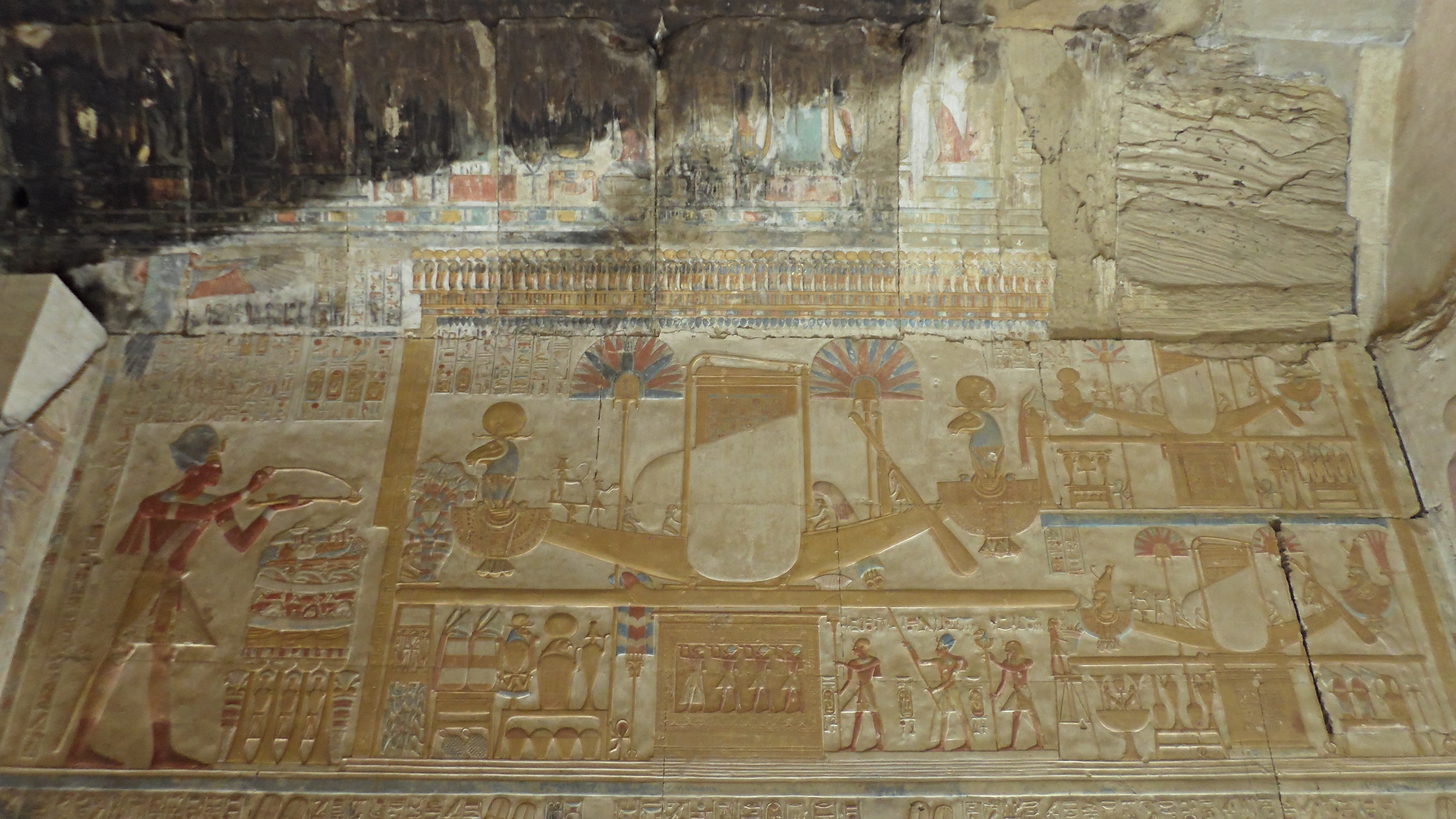
Reliefs of the ritual barks of Amun, Khonsu, and Mut; Amun chapel, Seti I temple, Abydos. Egyptian comparison, not the Ark or proof of its derivation
Entität
Portable sacred chest in the Hebrew Bible, associated with the covenant tablets and divine presence. Descriptions and roles differ in Exodus, Deuteronomy, Samuel, and Kings. It is distinct from Noah’s vessel.
Namensvarianten: Ark of the Covenant, Ark of the Testimony
Kontext und Quellen →
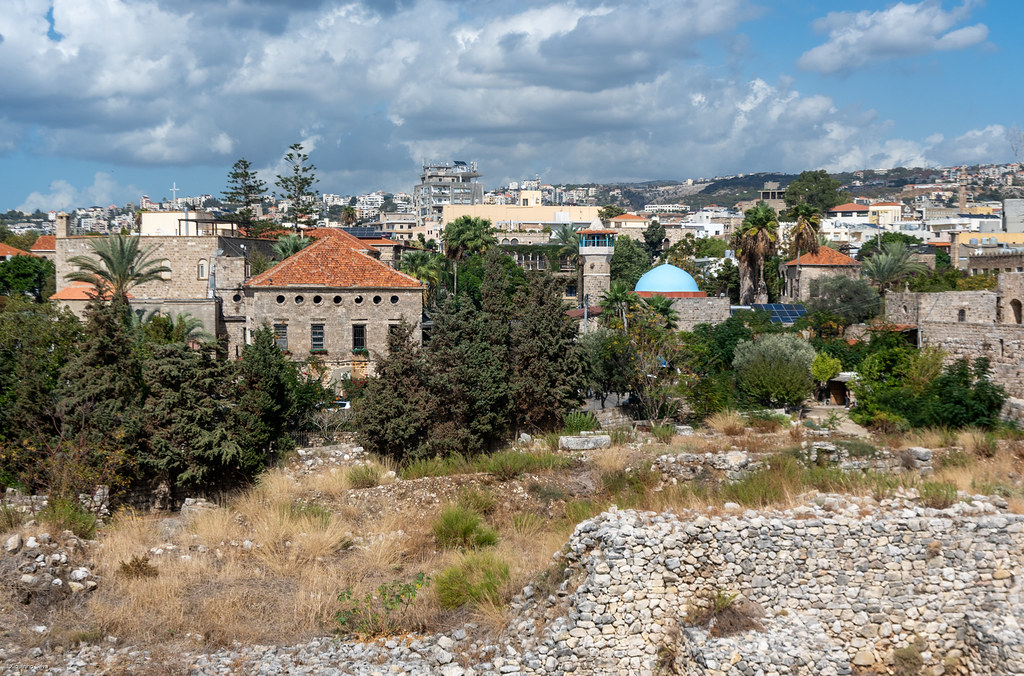
Byblos,9 October2025; the city and its architectural layers, with remains in the foreground. A modern view, not a Roman-period Adonis celebration
Stätte
Byblos, or Jbeil, is a coastal city in Lebanon north of Beirut.
Namensvarianten: Byblos, Jbeil
Kontext und Quellen →
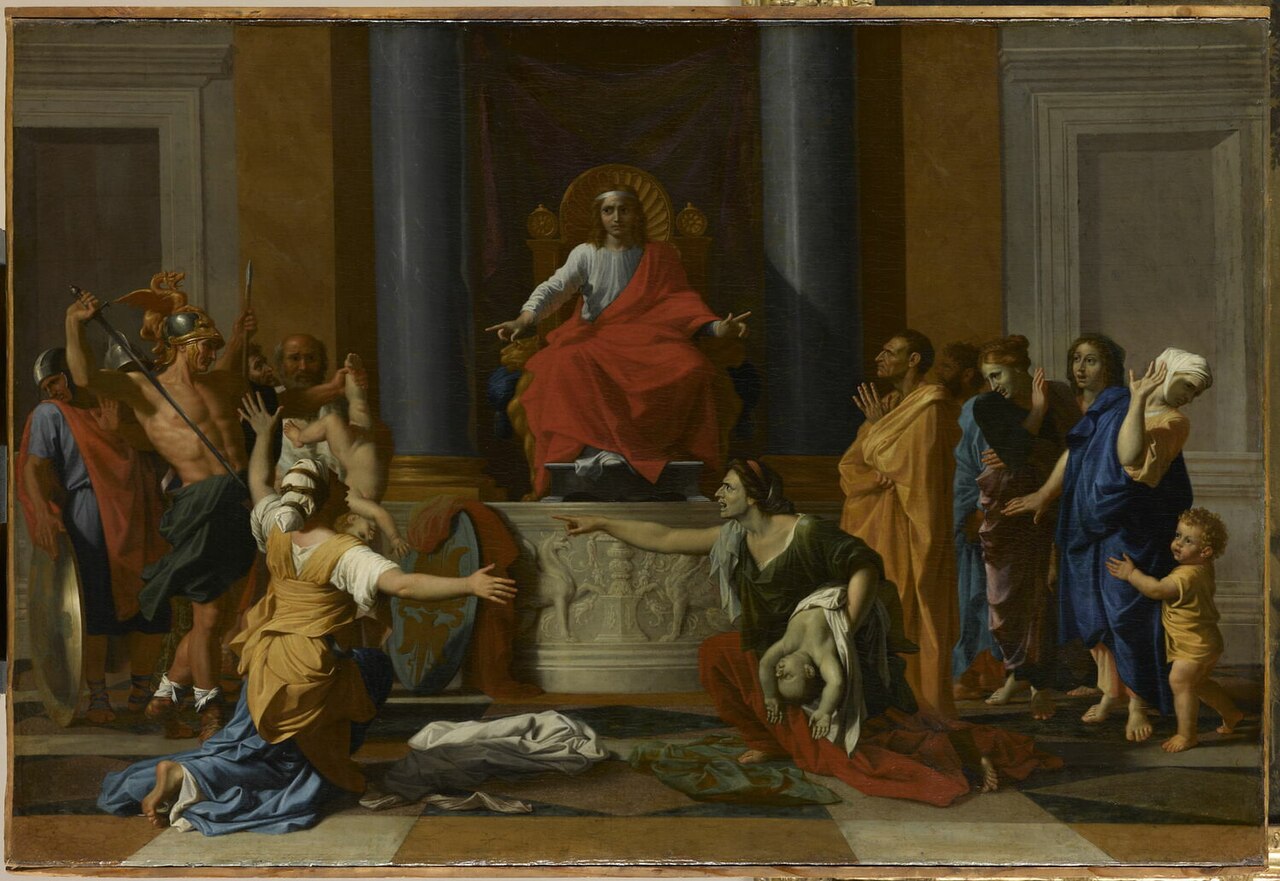
The Judgment of Solomon, Nicolas Poussin, 1649, Louvre INV 7277. Later artistic reception of 1 Kings 3: two women and two children before the king. It is neither a Kings manuscript nor contemporary evidence for the king
Antiker Text
Biblical books narrating the kingdoms' history, including the campaign against Mesha in 2 Kings 3.
Namensvarianten: 1 Kings, 2 Kings, Books of Kings
Kontext und Quellen →
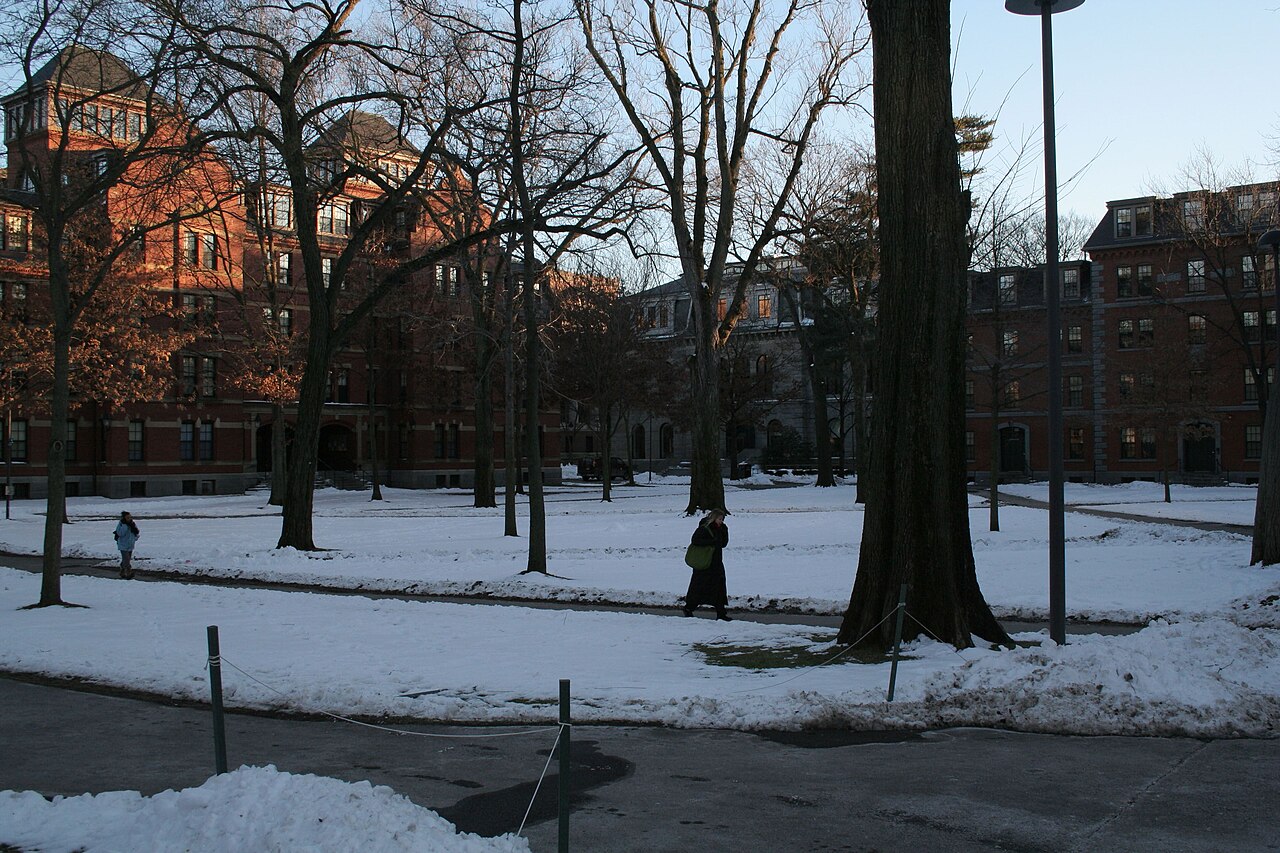
Harvard Yard in winter, 7 January 2010. Calvert Watkins worked at Harvard until his retirement in 2003; the photograph shows the campus after that date
Person
Scholar of Indo-European languages and ancient poetry (1933–2013), who worked at Harvard and then UCLA.
Namensvarianten: Calvert Watkins, Calvert Ward Watkins
Kontext und Quellen →
Person
McGill philosopher studying ancient and medieval philosophy and the relations of Jewish and Islamic thought to religion.
Namensvarianten: Carlos Fraenkel
Kontext und Quellen →
Person
Scholar of the Hebrew Bible and Israelite and Judean history, studying Deuteronomy and Esarhaddon’s oath.
Namensvarianten: Carly L. Crouch
Kontext und Quellen →
Person
Hebrew Bible scholar and professor emerita at Emory’s Candler School, working on Daniel, apocalyptic and wisdom literature.
Namensvarianten: Carol A. Newsom, Carol Newsom
Kontext und Quellen →

Swift Hall at the University of Chicago, photographed in 2023. University context associated with López-Ruiz’s work; not a portrait or a photograph of her office
Person
Scholar of ancient Mediterranean religions, mythologies and exchange between Greek and Semitic traditions.
Namensvarianten: Carolina López-Ruiz
Kontext und Quellen →
Person
Scholar of ancient Israel, Judah and the Near East who proposed reading Ezekiel's Gog in relation to Babylonian Marduk traditions.
Namensvarianten: Casey A. Strine
Kontext und Quellen →
Person
Scholar of biblical studies and ancient Judaism and author on resurrection in early Judaism.
Namensvarianten: Casey D. Elledge
Kontext und Quellen →
Person
Chaim Milikowsky is a scholar of rabbinic literature, tradition history and textual criticism.
Namensvarianten: Chaim Milikowsky
Kontext und Quellen →
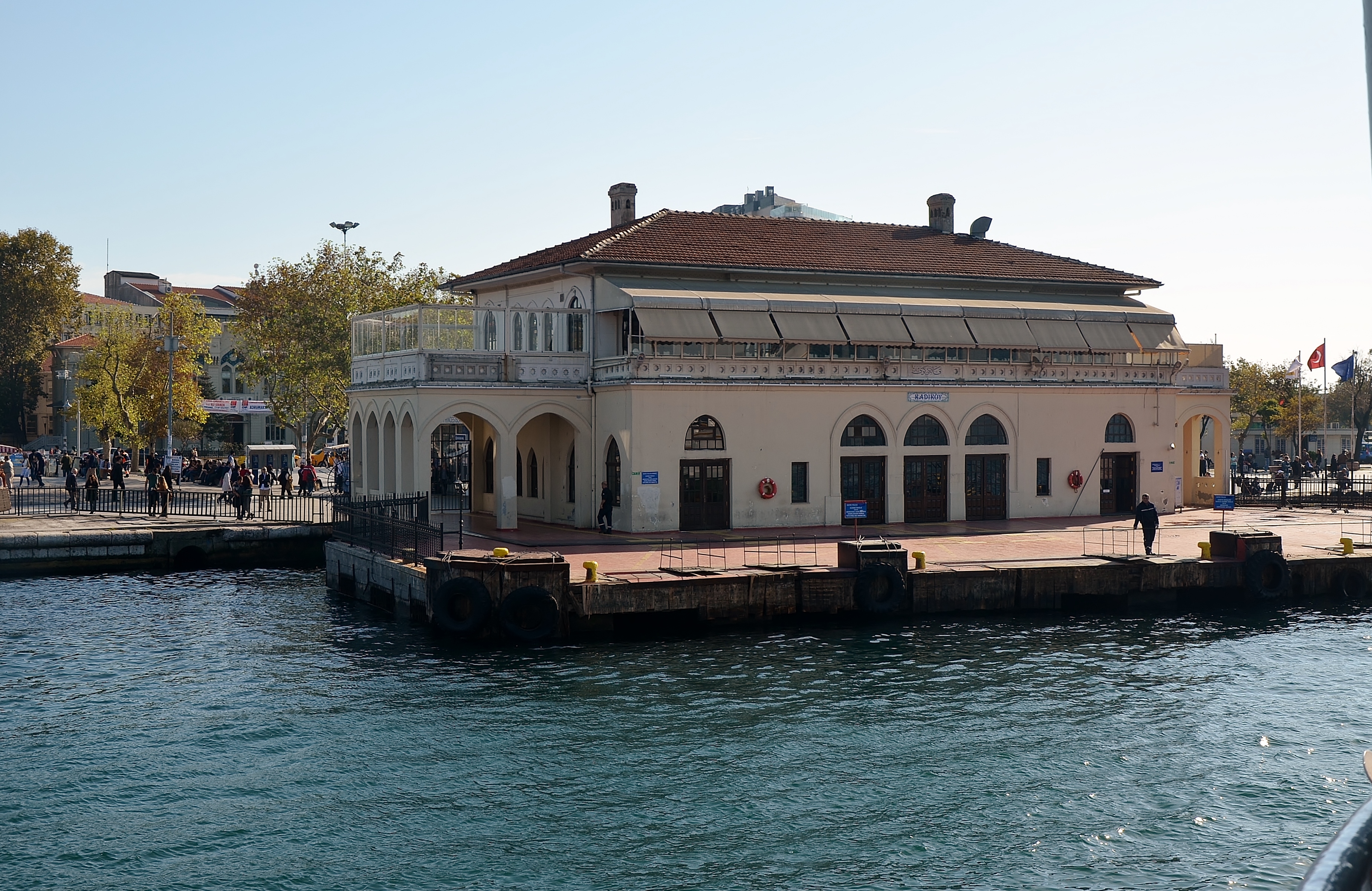
Old ferry-pier building at Kadıköy, photographed by CeeGee on 22 October 2014, CC BY-SA 4.0. A modern view of the area of ancient Chalcedon, not the council building of 451 or its remains
Stätte
Ancient city at modern Kadıköy on Istanbul’s Asian side.
Namensvarianten: Chalcedon (Kadıköy)
Kontext und Quellen →
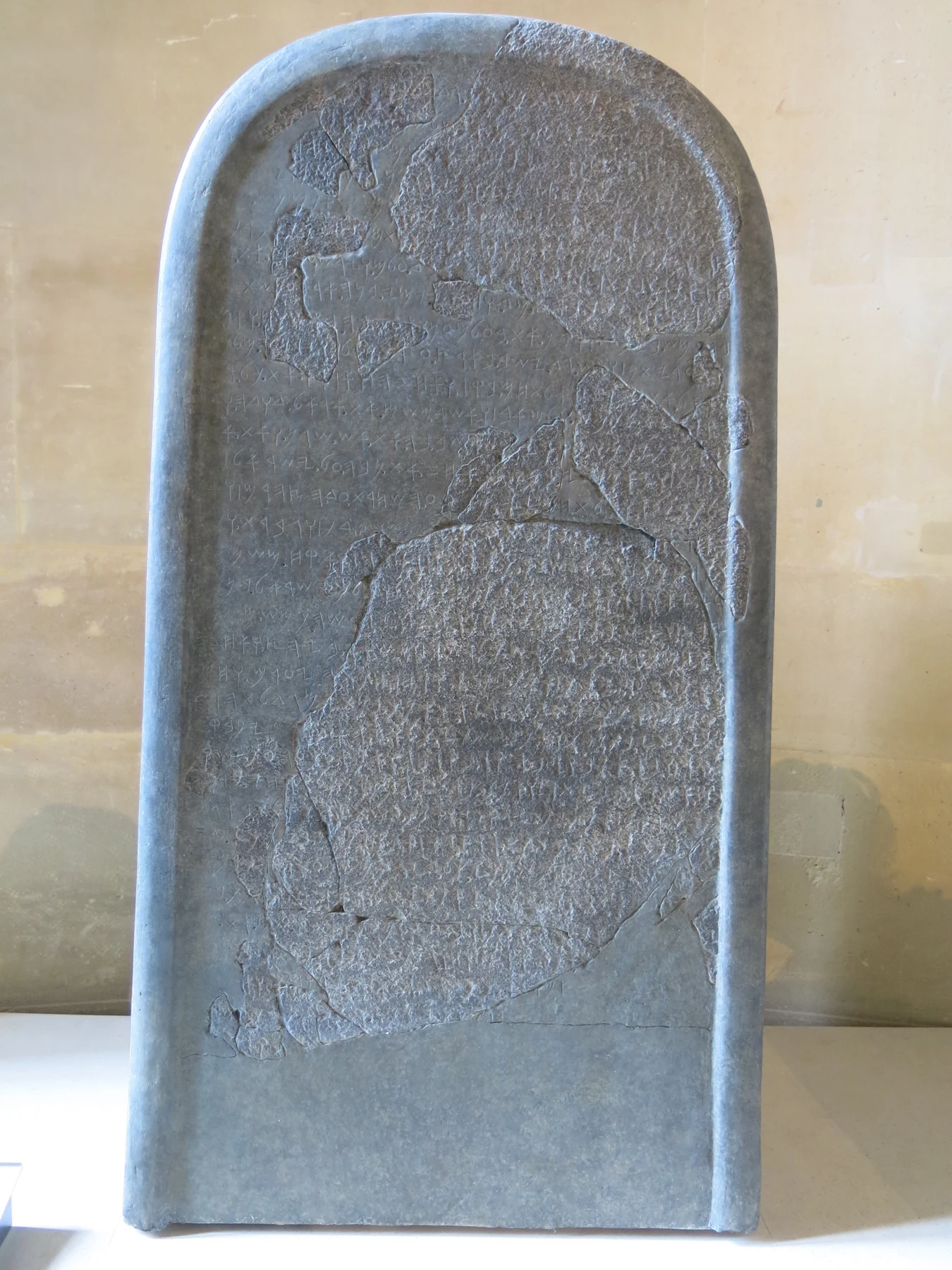
Mesha Stele, basalt from Dhiban, ninth century BCE, Louvre AO 5066. The text names Chemosh; the displayed object is reassembled and restored, not an image of the deity
Entität
Major Moabite deity in the ninth-century BCE Mesha Stele, credited with restoring territory and receiving war booty; also named in Hebrew texts from another perspective.
Namensvarianten: Chemosh, Kemosh
Kontext und Quellen →
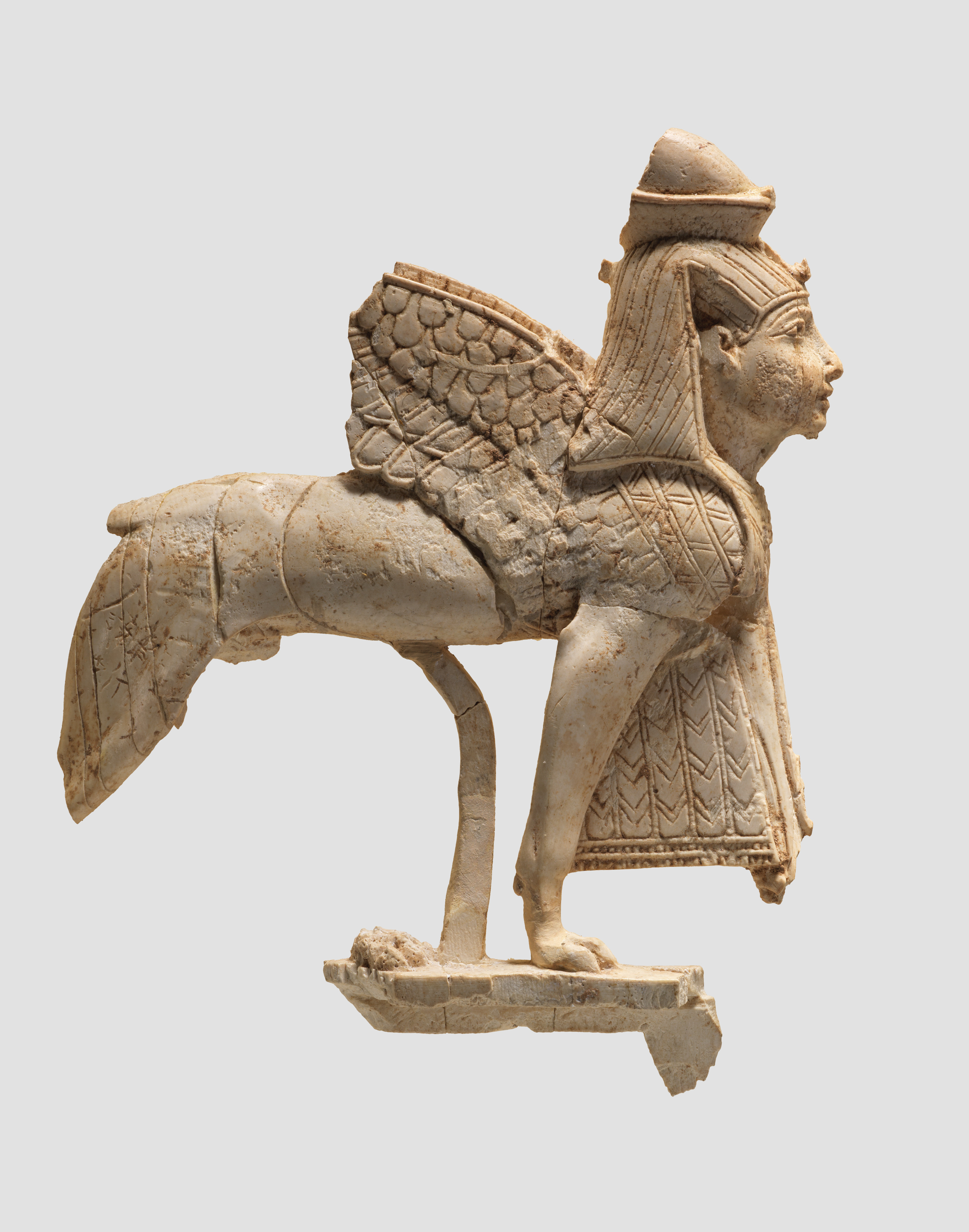
Ivory furniture plaque with a winged sphinx, ca. ninth–eighth century BCE; probably from Arslan Tash, Syria. The Met, 57.80.1. Comparative evidence, not a securely identified cherub or an image of the Ark
Entität
Cherubim as Eden’s guardians, Ark and Temple figures, and beings in Ezekiel’s vision: a plural name, varying descriptions, and the limits of ancient visual comparisons.
Namensvarianten: cherubim, cherub
Kontext und Quellen →
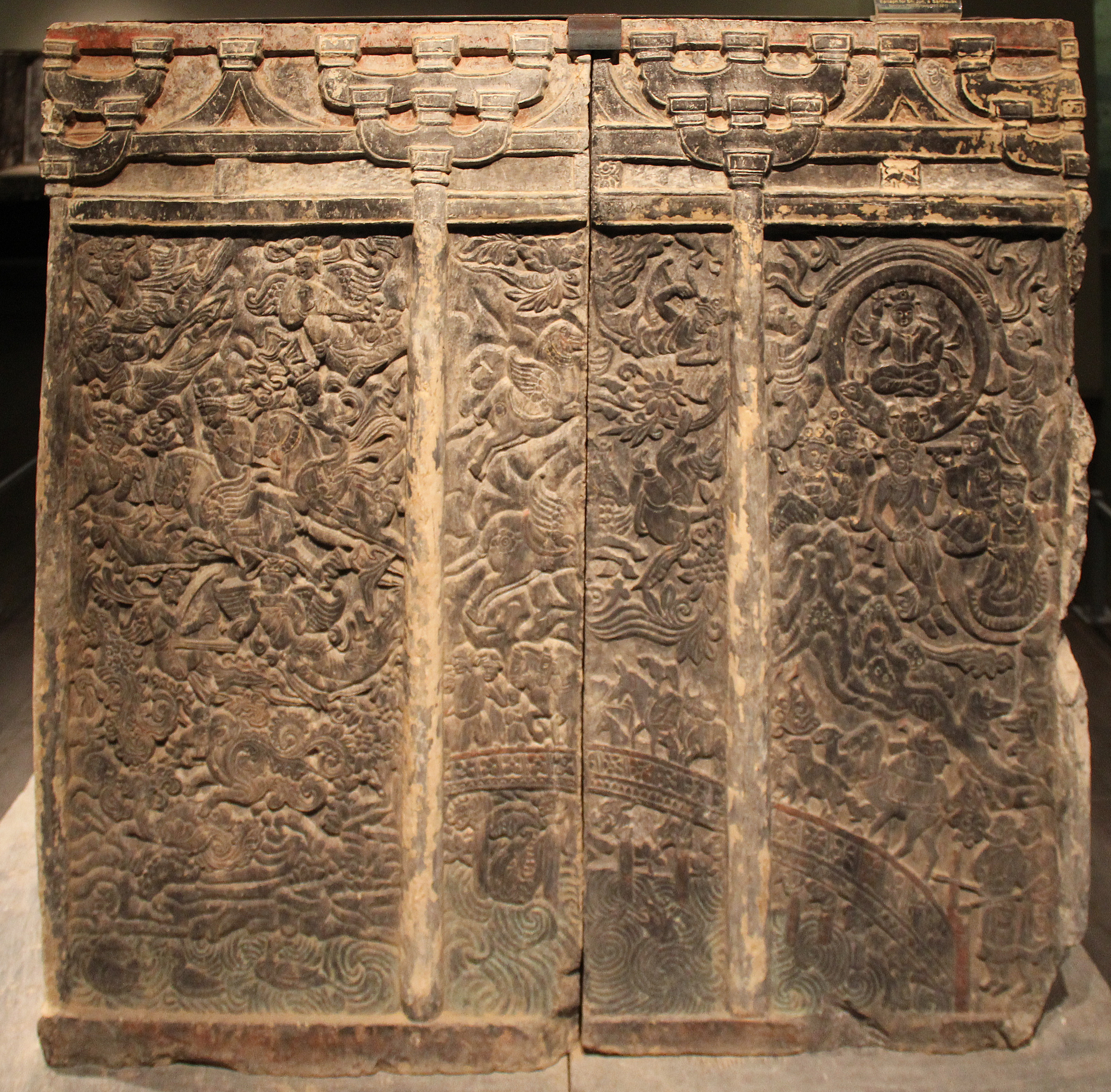
East panels of Wirkak’s (Shi Jun’s) sarcophagus, Xi’an, c. 579–580 CE. The lower crossing scene is interpreted as the Chinvat Bridge: later funerary imagery in a mixed religious setting, not a Gathic-period depiction
Entität
The crossing associated with the soul’s judgment after death in Zoroastrian tradition. Named in the Gathas, it receives fuller descriptions of guardians, weighing and unequal passage in later texts; it is distinct from resurrection and world renovation.
Namensvarianten: Chinvat Bridge, Činwad Puhl, Cinvat
Kontext und Quellen →
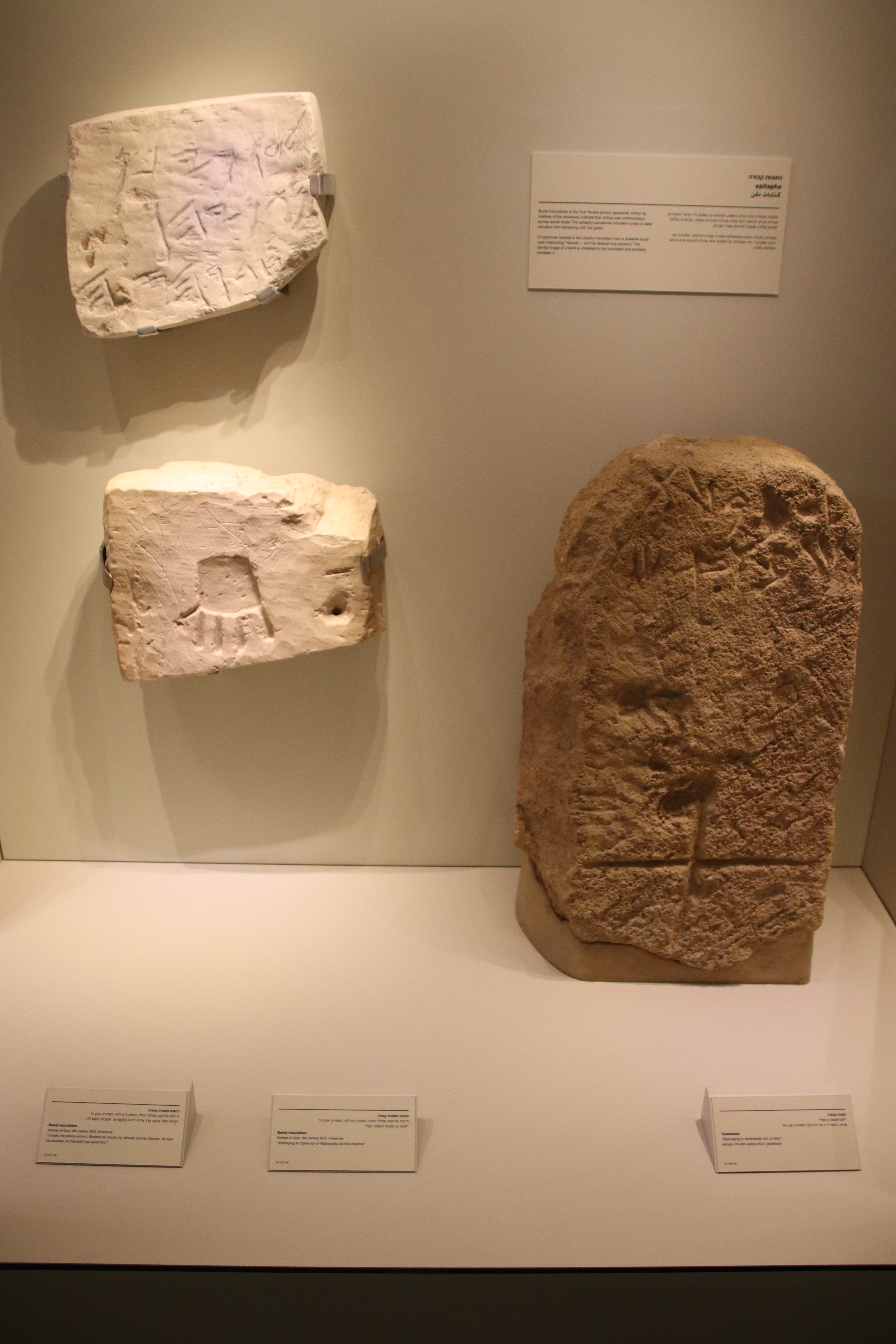
Museum display photographed by Gary Todd in 2018: the Uriyahu inscription from Khirbet el-Qom is the pale stone with the hand at lower left. Above it is another burial inscription from the site; the large object at right is a separate tombstone from Achziv. This is a modern display at the Israel Museum, Jerusalem, not the original tomb setting
Stätte
Site west of Hebron known for an eighth-century BCE funerary inscription commonly associating Yahweh with “his asherah”; damaged text and readings disputed.
Namensvarianten: Khirbet el-Qom, Khirbet el-Qôm, el-Qom inscription
Kontext und Quellen →
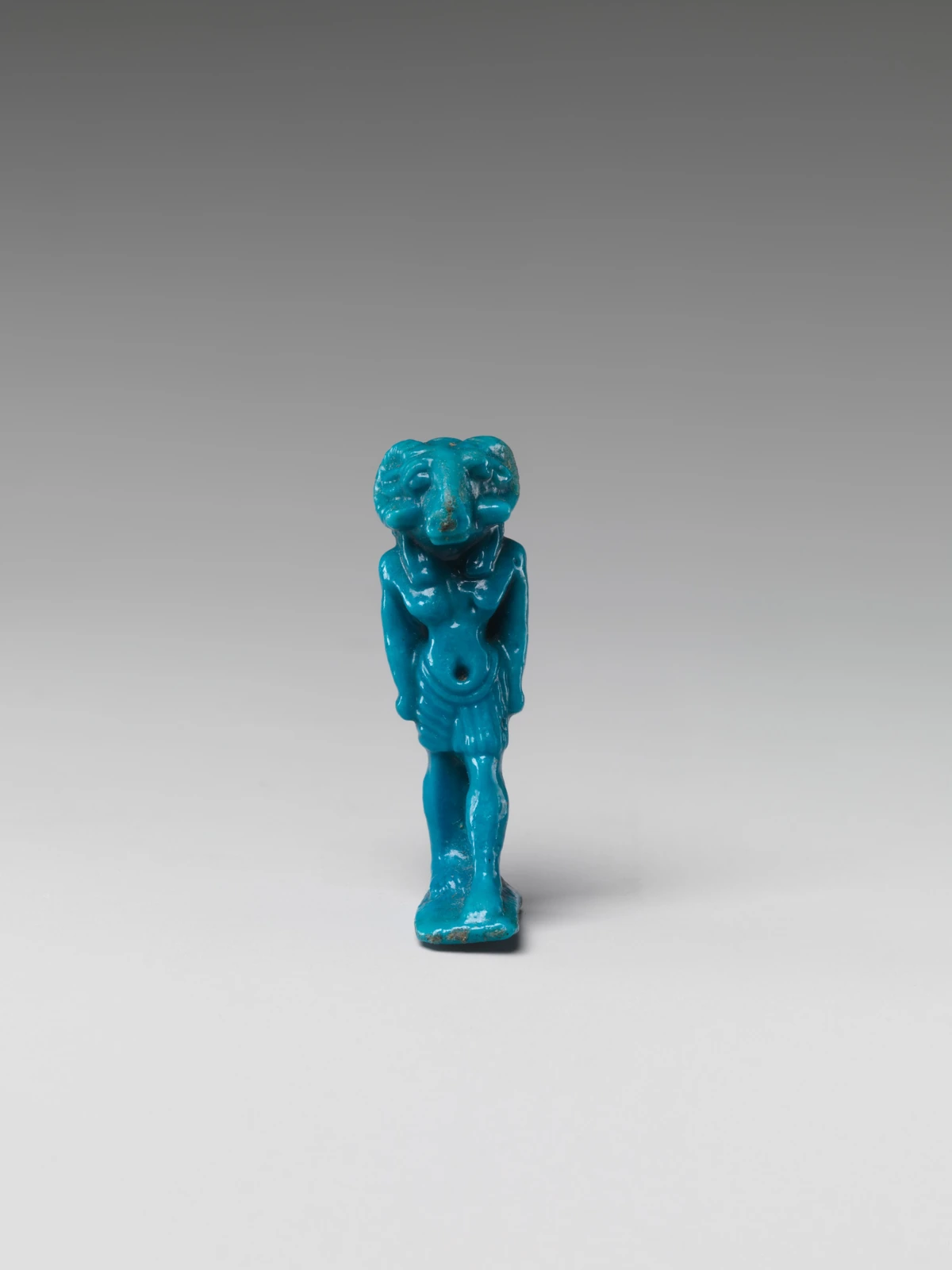
Faience amulet of Khnum from Thebes, Ptolemaic Period, 332–30 BCE, Metropolitan Museum 26.7.884. Later than the Elephantine petition and from another location; it illustrates the ram-headed god
Entität
Egyptian god represented with a ram’s head; his priests appear in the Elephantine petition’s account of the 410 BCE destruction.
Namensvarianten: Khnum
Kontext und Quellen →
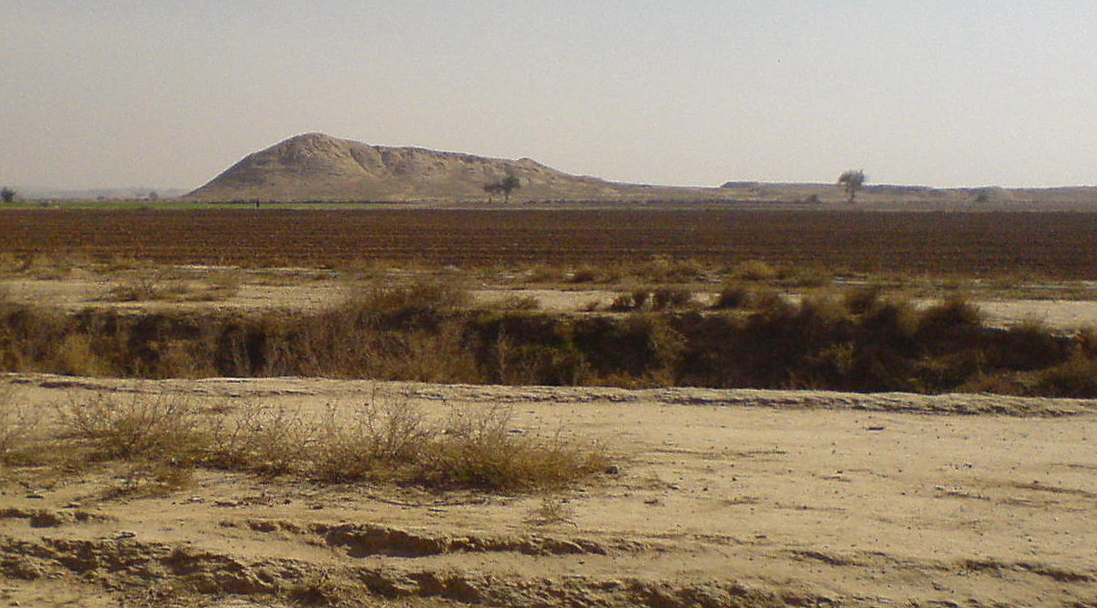
Modern view of the Chogha Mish mound; it does not identify a specific archaeological phase
Stätte
Multiperiod site in Khuzestan, southwestern Iran, relevant to figurines and cranial modification but requiring separation of its phases.
Namensvarianten: Chogha Mish
Kontext und Quellen →
Person
Christian Lange is a scholar of Islamic studies, including the history of paradise and hell.
Namensvarianten: Christian Lange
Kontext und Quellen →
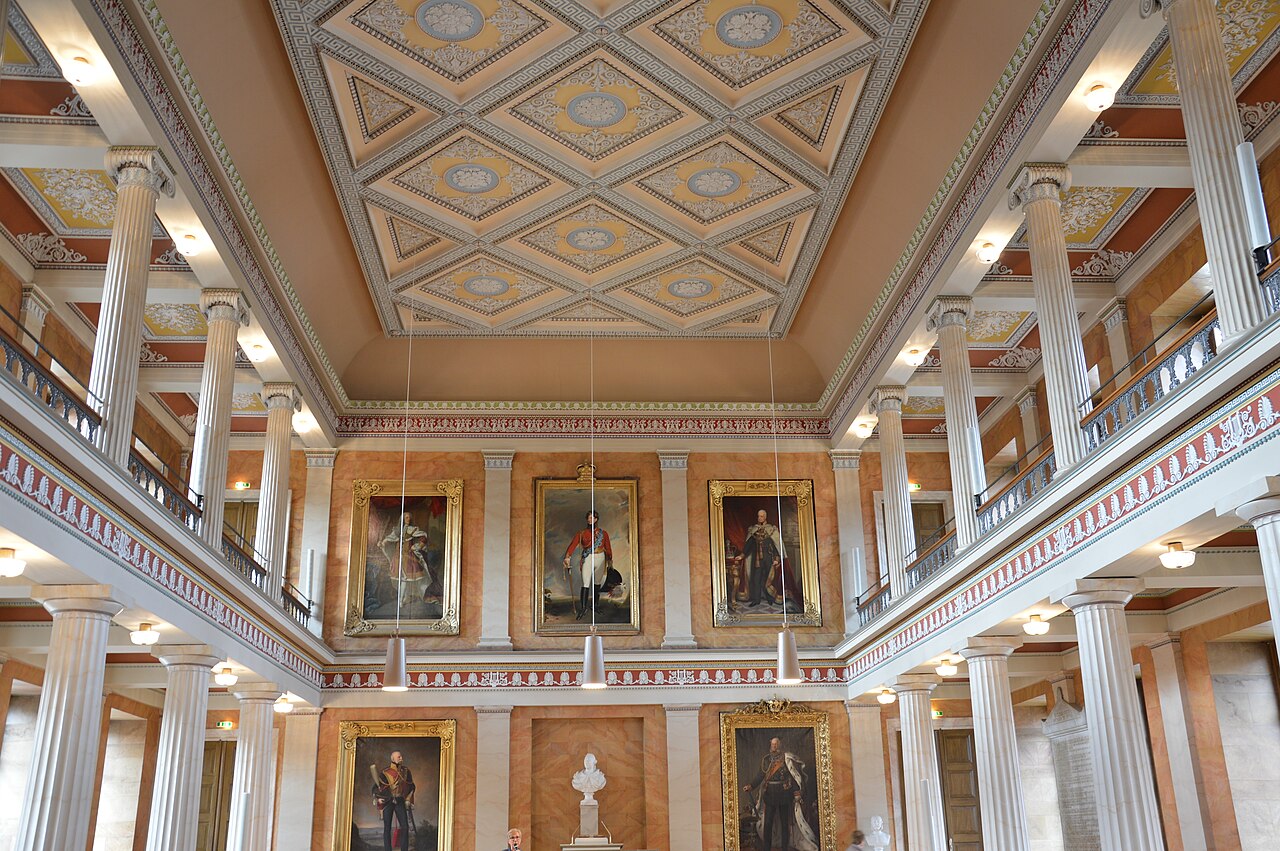
The Aula at Göttingen University, 3 April 2016. Institutional context for Christian Zgoll, not a portrait or identification of his office
Person
Scholar at Göttingen working on ancient languages and comparative mythology, including Greek poetry and Hittite texts.
Namensvarianten: Christian Zgoll
Kontext und Quellen →
Person
Christine Hayes studies Jewish history, rabbinic literature and interpretation of the Hebrew Bible.
Namensvarianten: Christine Hayes
Kontext und Quellen →

A modern AI-generated symbolic image of light and human fabric for the idea of incarnation; neither a manuscript, artifact, nor a historically verified depiction of Jesus
Entität
Christian belief that God’s Word assumed genuinely human existence in Jesus Christ; early formulations differ from later conciliar definitions and from mere divine appearances.
Namensvarianten: Christian incarnation
Kontext und Quellen →
Person
Author of the 2012 German WiBiLex entry on Gog and Magog, surveying explanations of the names and their evidence.
Namensvarianten: Christoph Rösel
Kontext und Quellen →
Person
Scholar of Northwest Semitic languages, literature and epigraphy who has studied ha-satan in biblical texts.
Namensvarianten: Christopher Rollston
Kontext und Quellen →
Person
Christopher B. Hays studies the Hebrew Bible, Semitic languages and the ancient Near East.
Namensvarianten: Christopher B. Hays
Kontext und Quellen →
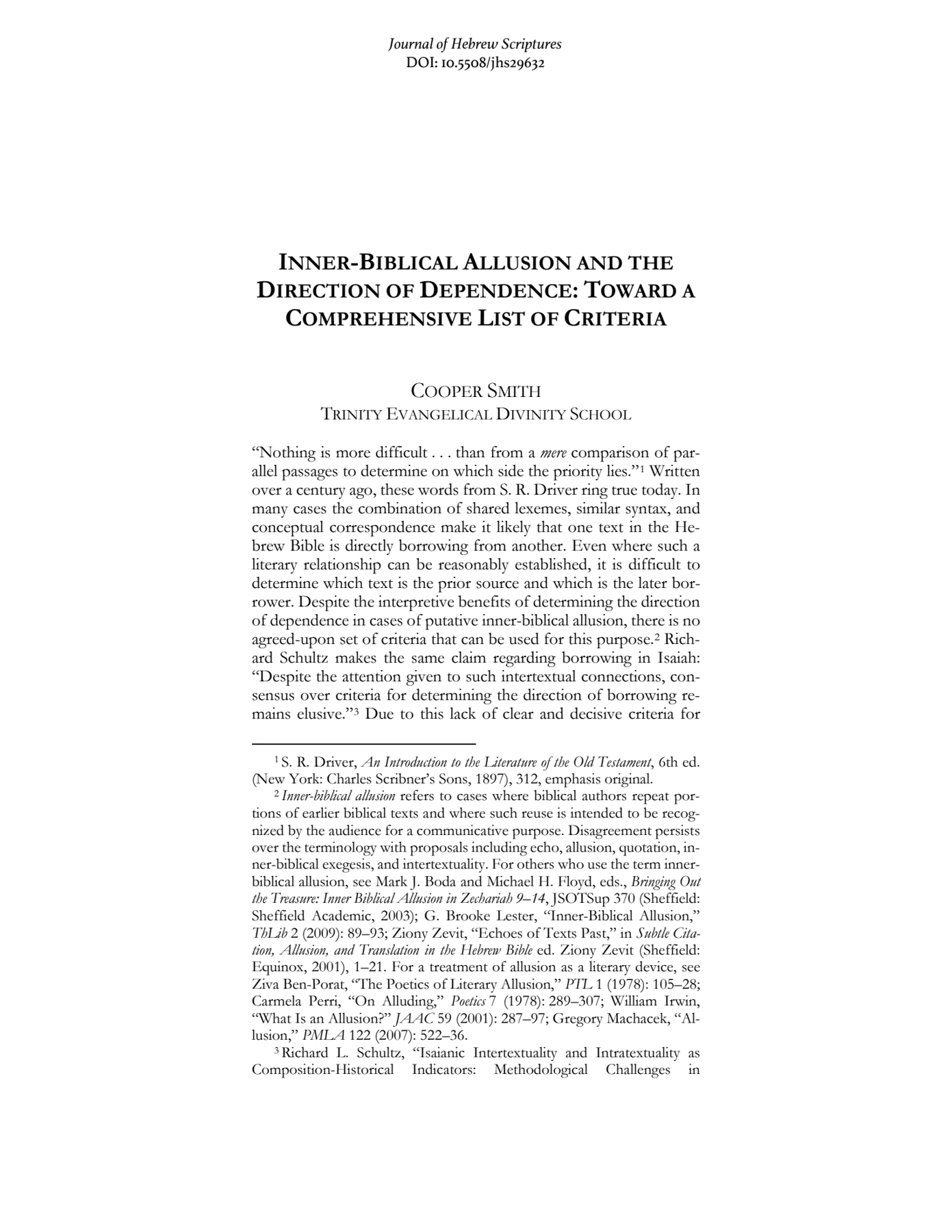
First English text page of Cooper Smith’s study, printed p.1/PDF p.2; volume 22 dated 2022, online publication 12 June 2023. A published document, not a portrait
Person
Hebrew Bible researcher studying literary allusion and criteria for the direction of dependence.
Namensvarianten: Cooper Smith
Kontext und Quellen →