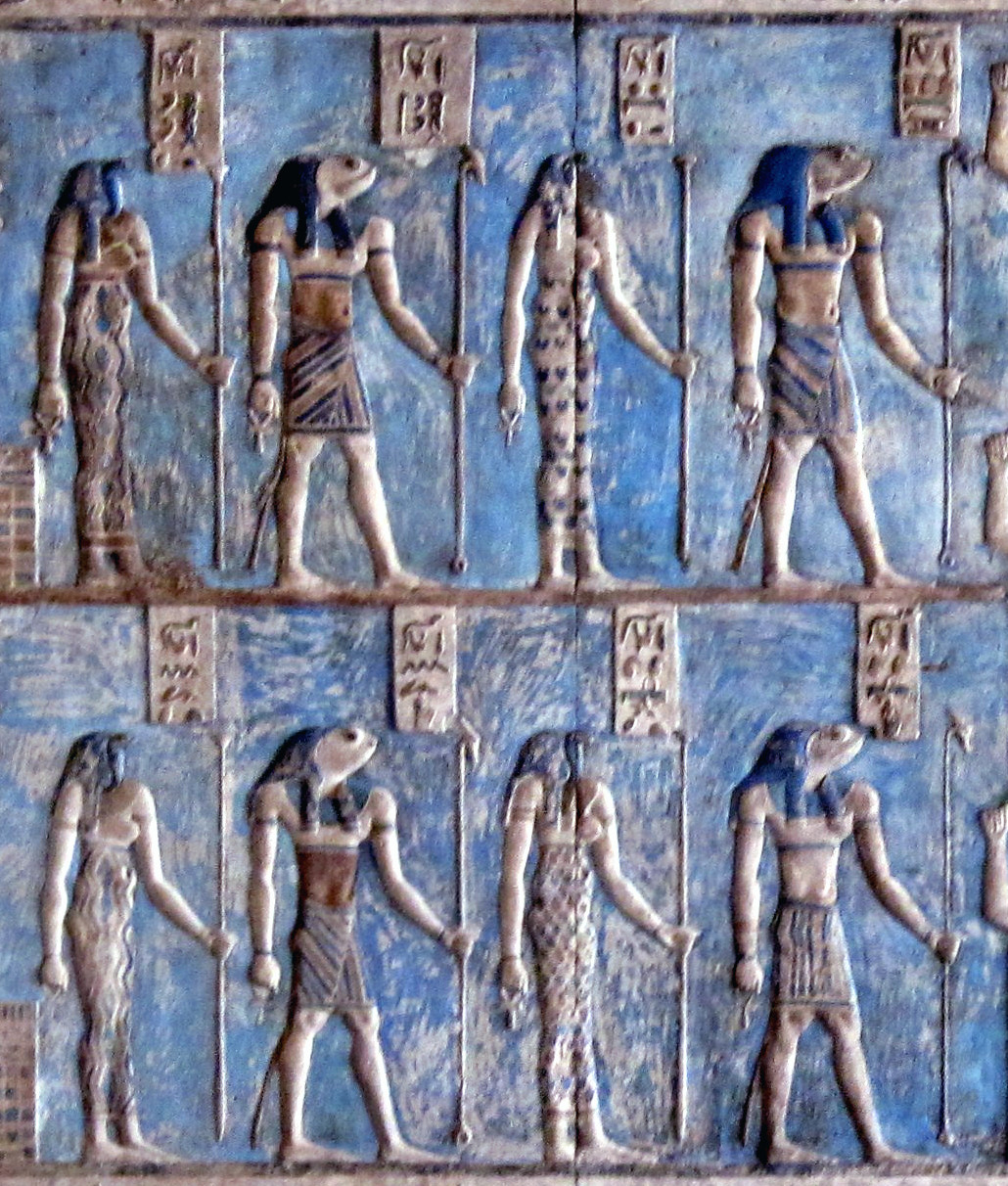
The Ogdoad in a ceiling relief at the temple of Hathor in Dendera: four pairs with frog and snake heads. This source crop was made by JMCC1 from Olaf Tausch’s 2011 photograph. The standing temple belongs to later Ptolemaic and Roman construction
Entität
The Eight are four divine pairs describing conditions before the ordered world in Egyptian traditions
Namensvarianten: eight paired deities, Nunet, Heh and Hehet, Kek and Keket, Tenem and Tenemet, Amunet
Kontext und Quellen →

Modern conceptual illustration of an offering on newly dried ground beneath an arc of light; neither an artifact photograph nor a reconstruction of a documented event. © IL Archive, CC0
Entität
Rēaḥ nîḥōaḥ is a Hebrew expression for the pleasing odor of a burned offering presented to YHWH. Later interpretations associate it with acceptance; the phrase alone does not settle whether divine-food language is literal or symbolic.
Namensvarianten: pleasing aroma, soothing aroma, rēaḥ nîḥōaḥ
Kontext und Quellen →
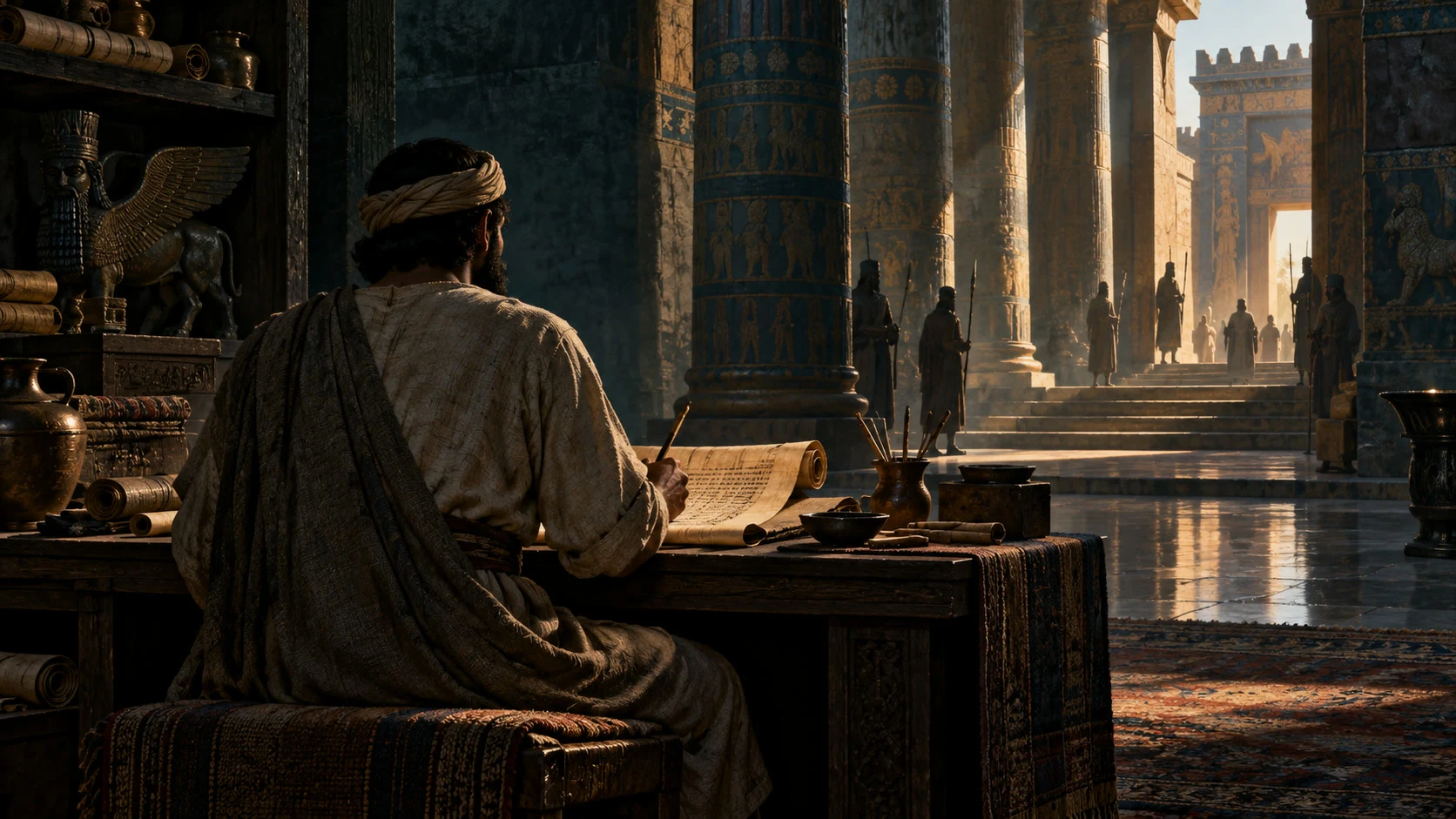
Modern editorial illustration of a sage writing at an ancient court. Generated explanatory image, not a photograph of P.13446 or a documented reconstruction of Daniel or Ahiqar. © IL Archive, CC0
Entität
An analytical category for stories in which a sage or outsider faces tests of skill, loyalty, or survival at a royal court, through contest, accusation, or reversal; it does not establish one textual origin.
Namensvarianten: court tales, court narrative
Kontext und Quellen →
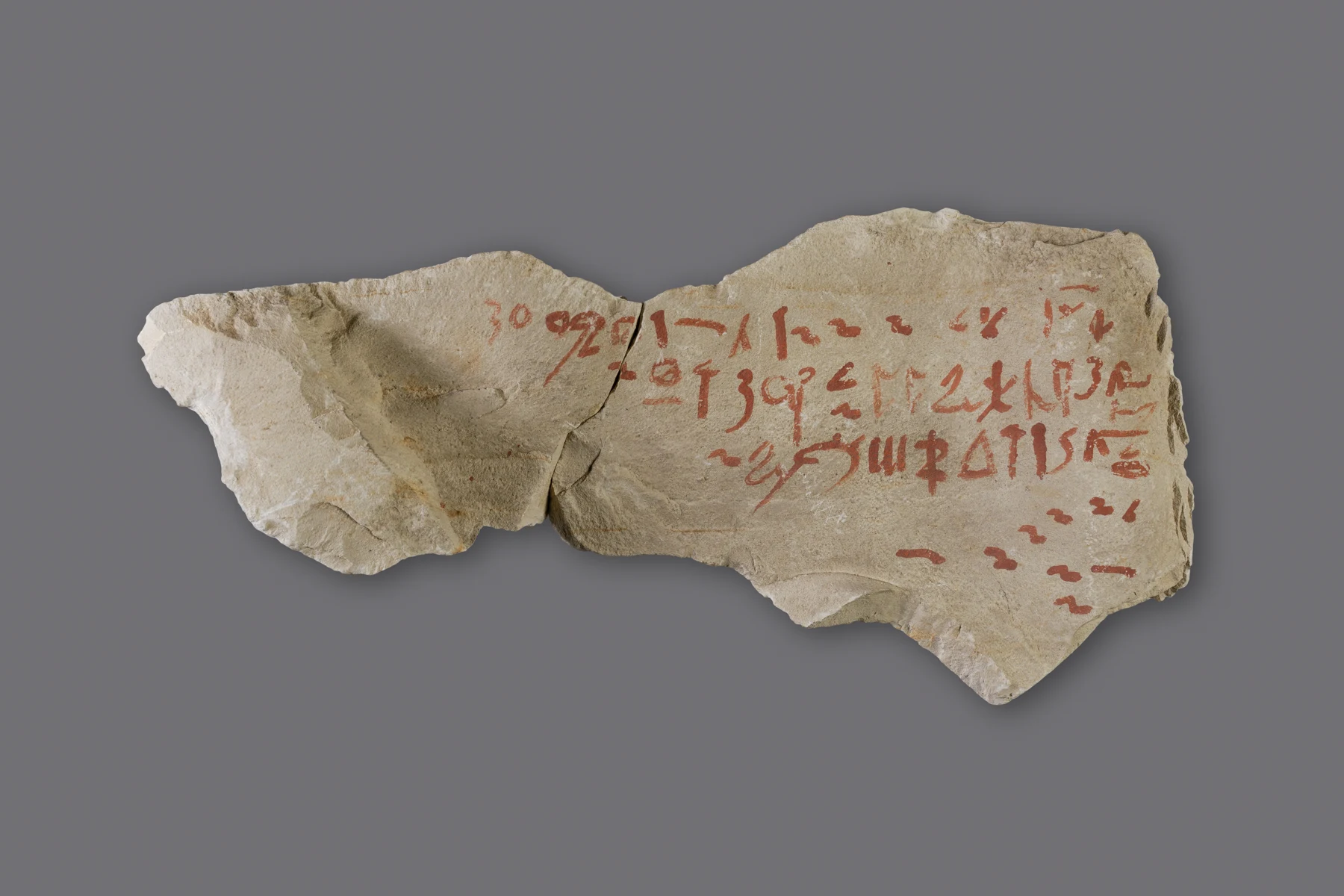
Limestone ostracon in hieratic preserving the opening of the Instruction of Amenemope in Persian-period Egypt (525–404 BCE). Metropolitan Museum of Art, 26.3.165, from Deir el-Bahri, Thebes; a later witness, not an authorial manuscript
Antiker Text
An Egyptian thirty-chapter instruction on speech, justice, and professional ethics, preserved in papyrus EA 10474 and later scribal exercises; examines specific Proverbs 22:17–23:11 parallels and their limits.
Namensvarianten: Instruction of Amenemope, Wisdom of Amenemope
Kontext und Quellen →
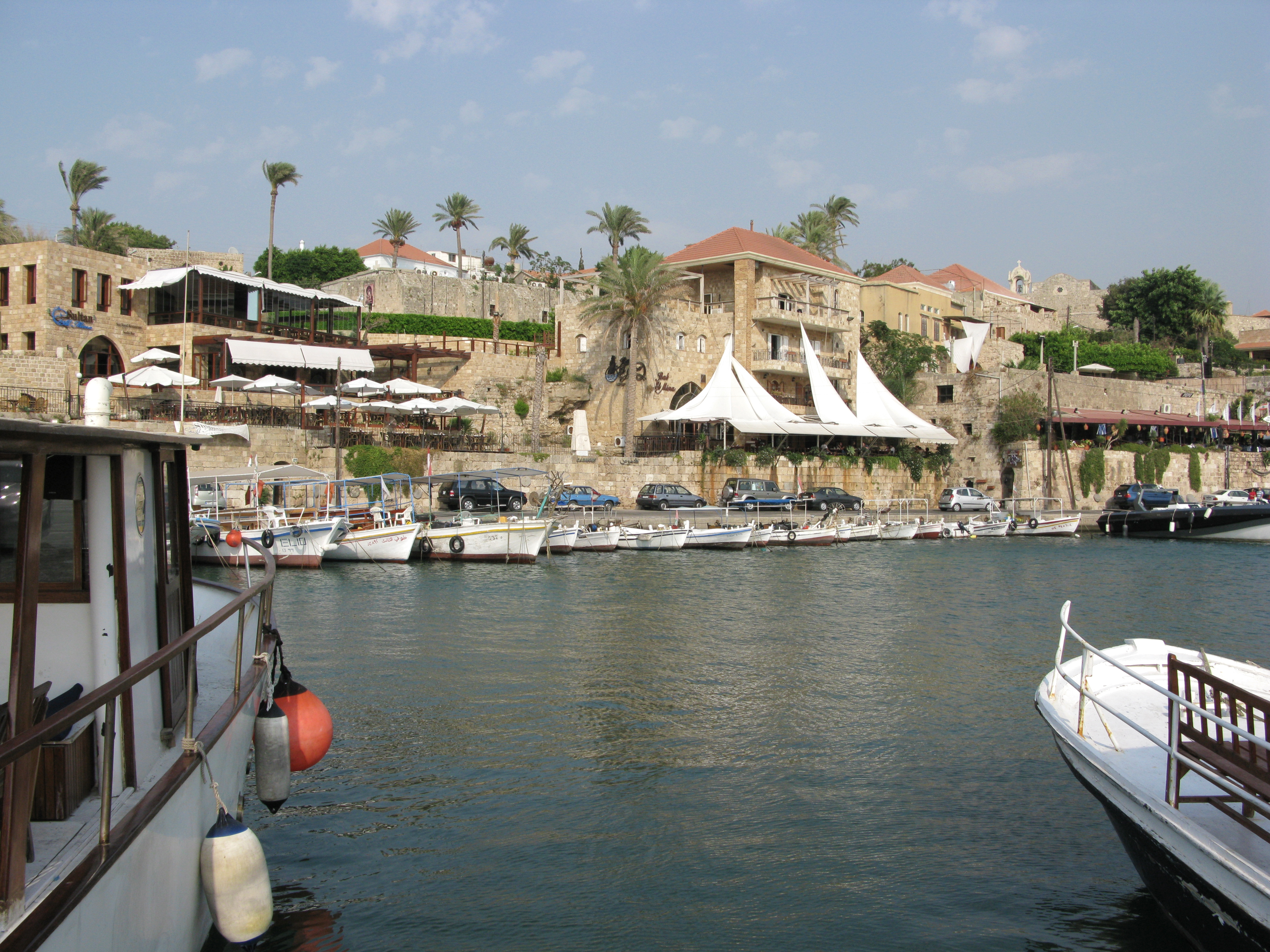
The harbour of Byblos, Lebanon, photographed on 4 September 2008. This modern view offers an example of the Levant’s Mediterranean coast. The region extends beyond this city, and its boundaries vary with period and context
Stätte
The Levant is a regional name for lands along the eastern Mediterranean
Namensvarianten: Levant, the Levant
Kontext und Quellen →
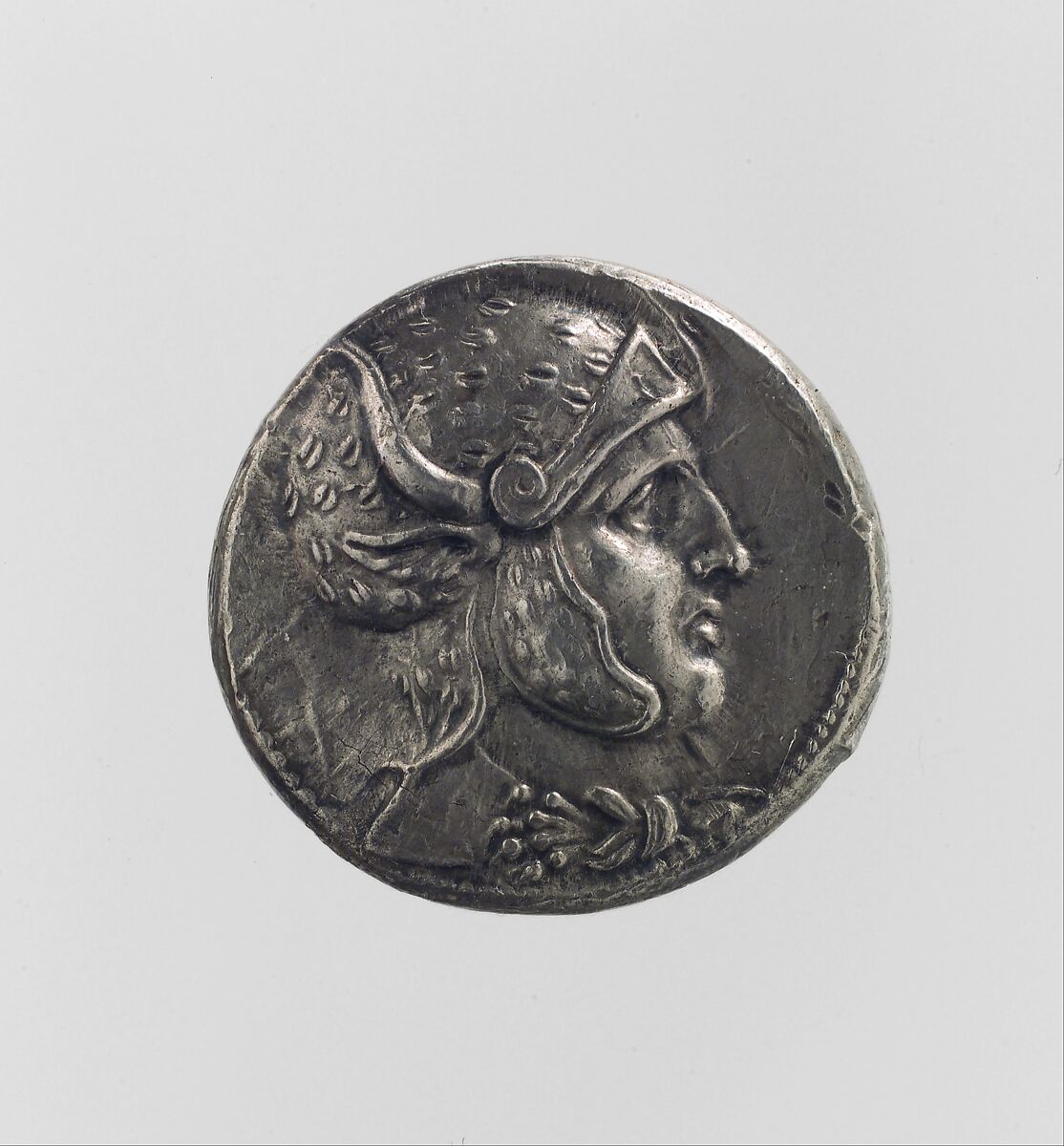
Obverse of Seleucus I’s silver tetradrachm, about 304–294 BCE, The Met 1974.105.9. A horned helmet and leopard skin appear; found at Pasargadae, probably struck at Susa
Entität
Hellenistic dynasty arising after Alexander and ruling changing Near Eastern territories into the first century BCE.
Namensvarianten: Seleucid dynasty
Kontext und Quellen →
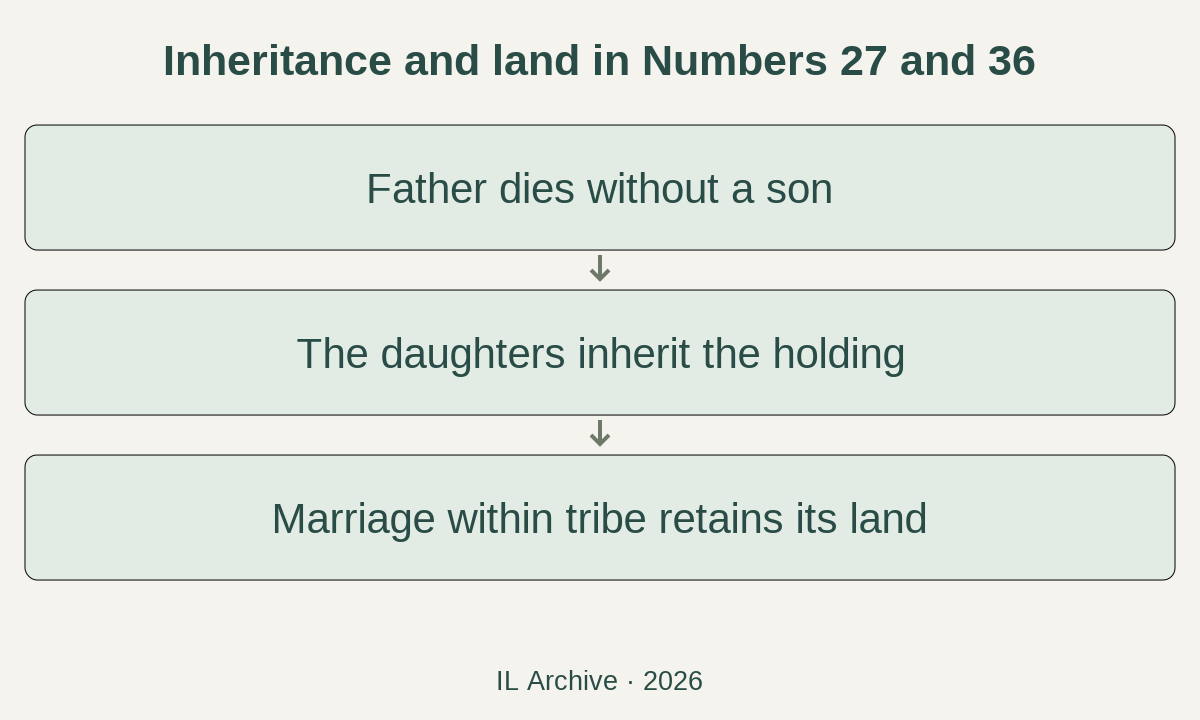
Modern explanatory diagram of relationships or cases in the specified witnesses; not portraits, a legal tablet or an ancient manuscript
Person
Daughters petitioning for inheritance in Numbers 27, with marriage and land addressed in 36.
Namensvarianten: Daughters of Zelophehad
Kontext und Quellen →
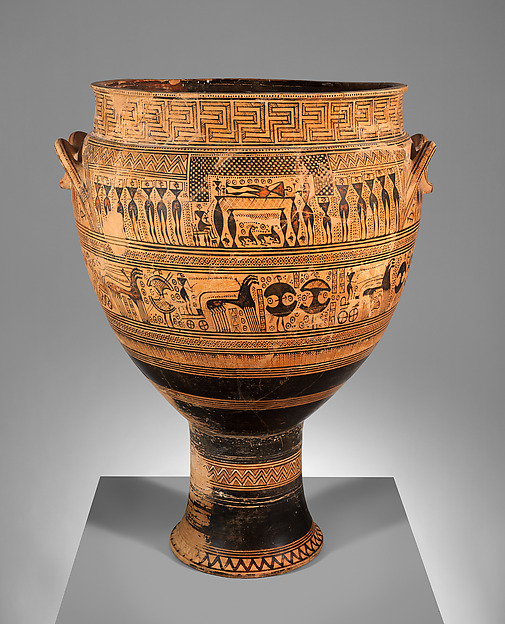
Attic krater attributed to the Hirschfeld Workshop, ca. 750–735 BCE, with a funerary scene. Evidence of early Greek art, rather than a divine assembly. The Met, 14.130.14
Entität
Greek-speaking communities and cities around the Aegean and beyond, extending across the borders of modern Greece.
Namensvarianten: ancient Greek world, ancient Greece
Kontext und Quellen →
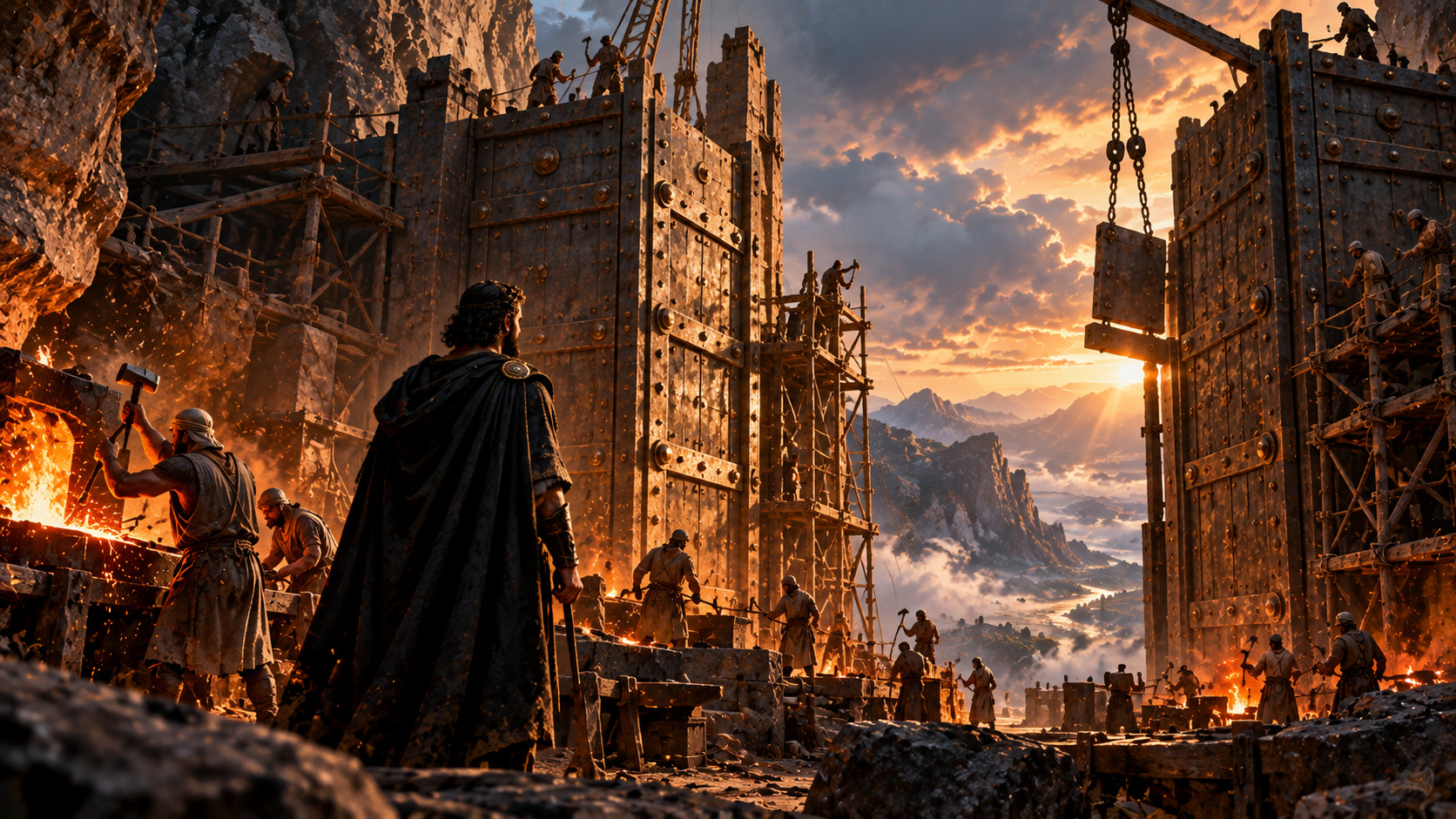
Modern imaginative scene of workers constructing a metal gate between mountains, inspired by the enclosed-nations motif, not documentary evidence of a historical structure
Entität
Literary and apocalyptic motif of peoples held behind a barrier until an appointed release. The gate appears in the Syriac Alexander Legend and Quran 18, but not in every account mentioning Gog and Magog.
Namensvarianten: Enclosed nations
Kontext und Quellen →
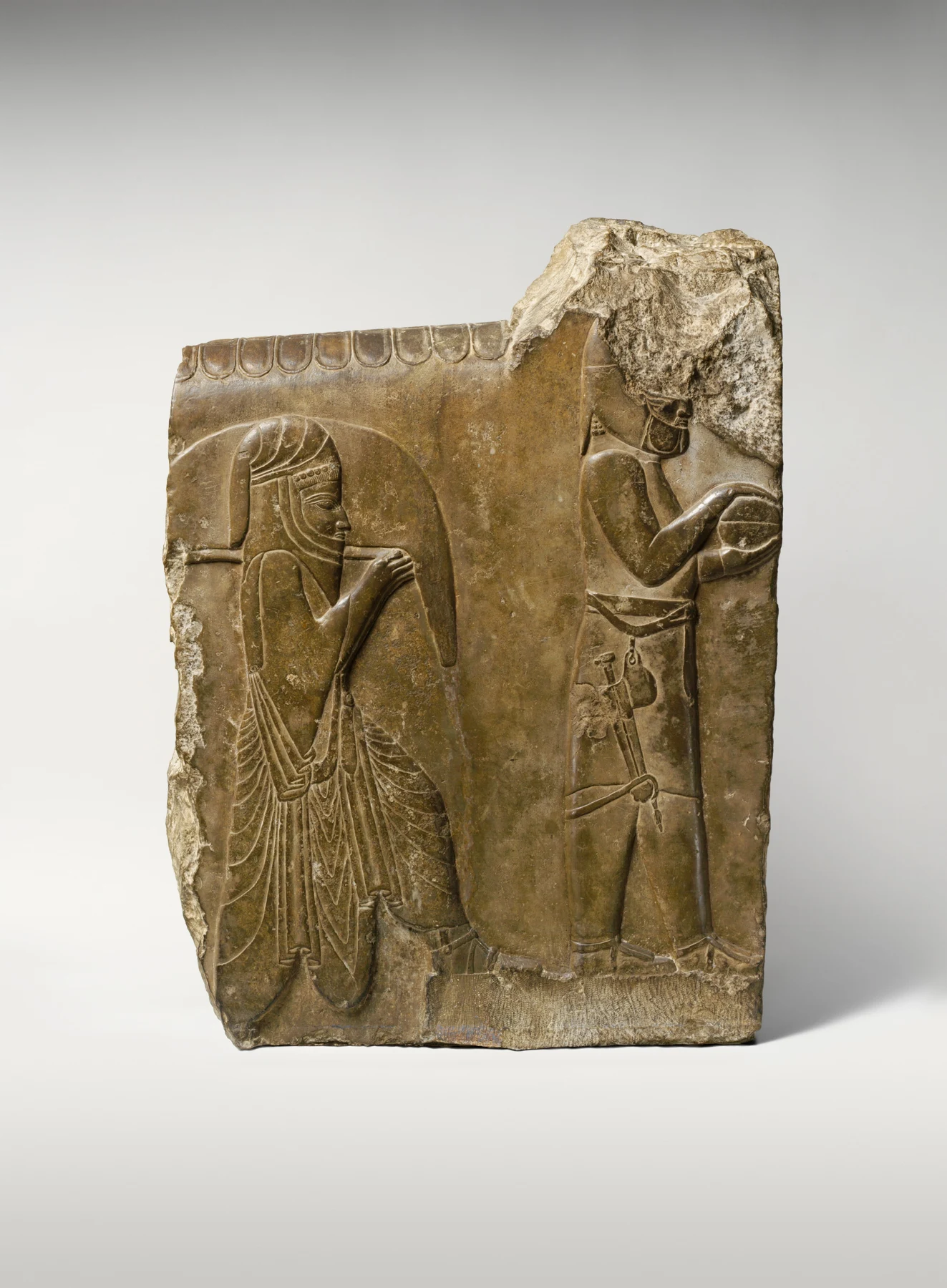
Limestone relief of two servants carrying food and drink, Persepolis, ca. 358–338 BCE, under Artaxerxes III. Metropolitan Museum, 34.158, public-domain photograph. Evidence for the representation of banquet service, not Esther, Haman or a banquet of Xerxes
Entität
Six units (A–F) embedded in Greek Esther: Mordecai’s dream and its meaning, two royal edicts, two prayers and Esther’s audience. Hebrew and Greek comparisons reveal variant forms and the limits of historical inference.
Namensvarianten: Greek Esther additions, Greek Additions to Esther
Kontext und Quellen →
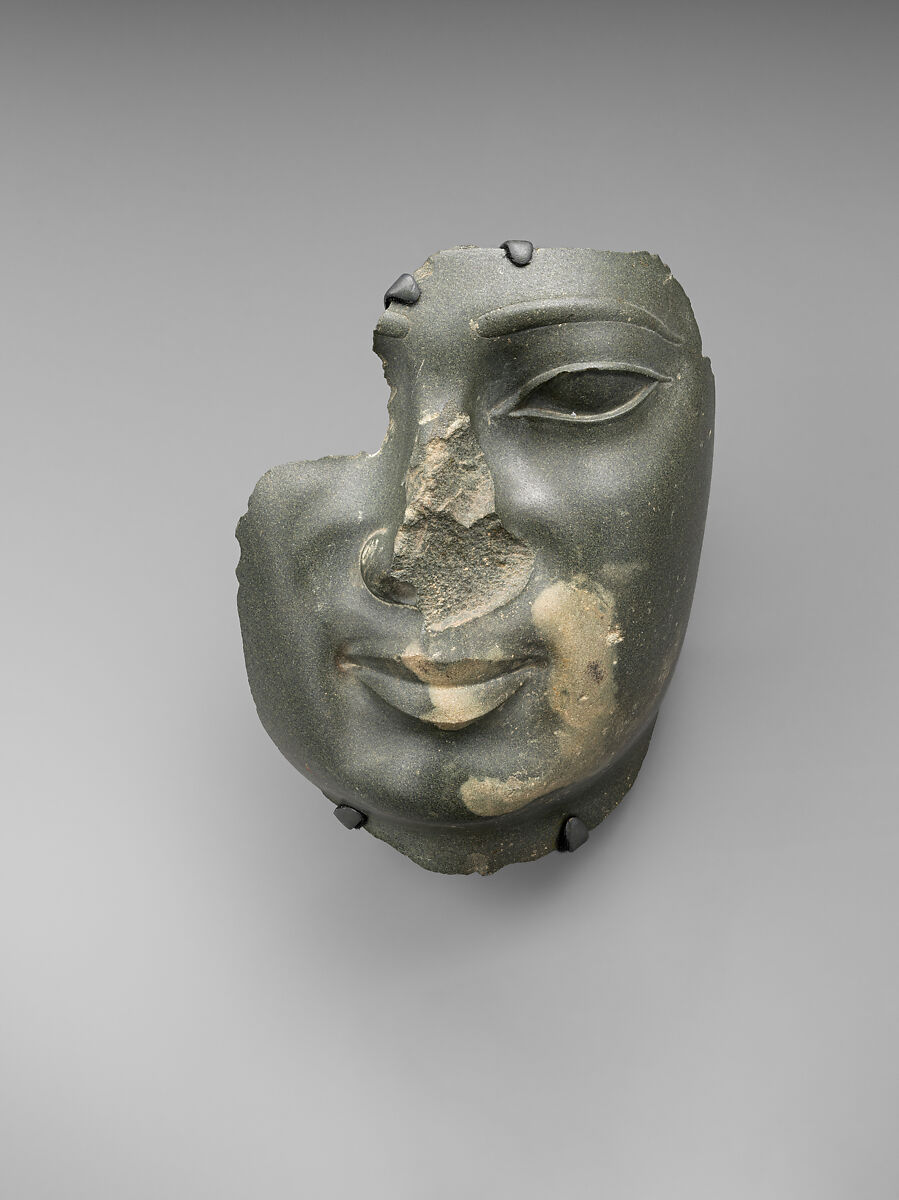
Statue-face fragment from Heliopolis, 284–246 BCE, The Met 12.187.31. Attributed to Ptolemy II or a contemporary; the identity is uncertain
Entität
Dynasty of Macedonian origin ruling Egypt as kings from 305 to 30 BCE, amid Greek and Egyptian traditions.
Namensvarianten: Ptolemaic dynasty in Egypt
Kontext und Quellen →
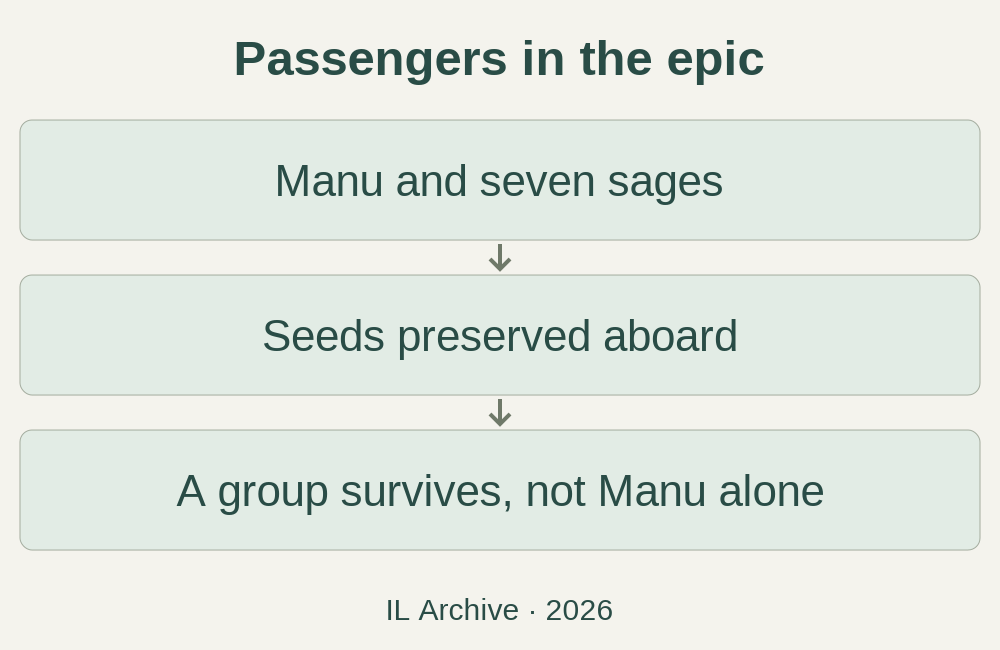
Modern explanatory diagram of narrative sequence and relationships, not a manuscript reproduction or portrait
Entität
Sages accompanying Manu aboard the boat in the Mahābhārata version, Sanskrit saptarṣi.
Namensvarianten: Seven sages in Manu’s flood story, Saptarṣi, Saptarshi
Kontext und Quellen →

Newly AI-generated interpretive image of a gate across a mountain pass, inspired by the Syriac narrative; not a manuscript, discovered monument, or historically verified reconstruction
Antiker Text
Anonymous Syriac Christian prose work about Alexander’s journeys and barrier against northern peoples, with Roman-Persian prophecies. Distinct from the long Syriac Romance and the metrical Poem; a sixth-century core and seventh-century revision remain debated.
Namensvarianten: Syriac Christian Alexander Legend, Neṣḥānā
Kontext und Quellen →

Modern conceptual illustration juxtaposing Gilgamesh’s water-borne plant with two trees in Genesis’s garden. It depicts no excavated artifact and does not establish identical stories. © IL Archive, CC0
Entität
A thorny plant that Gilgamesh retrieves in Tablet XI and plans to test for rejuvenation, before a snake carries it away and sheds its skin. The account separates the narrative from interpretations of eating and immortality and cautiously compares the trees of Eden.
Namensvarianten: Gilgamesh’s rejuvenating plant, Gilgamesh’s plant
Kontext und Quellen →
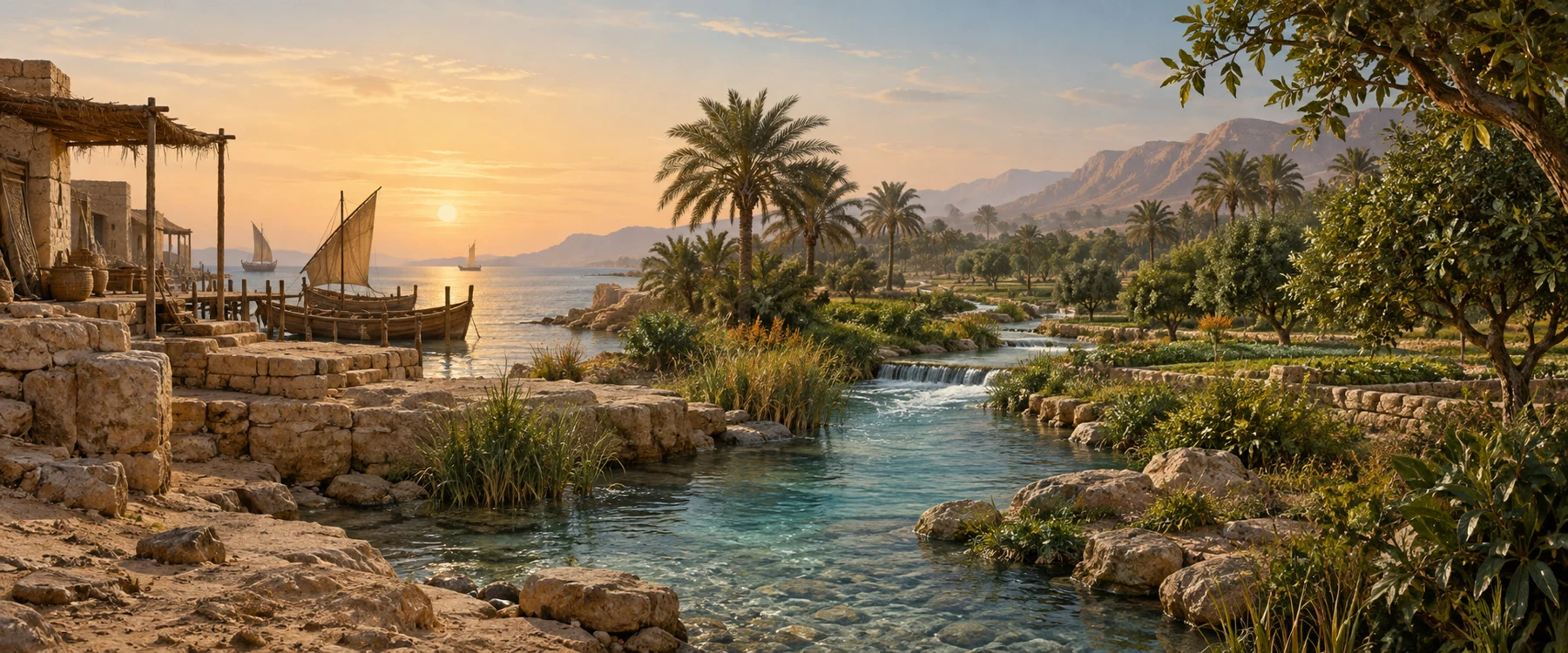
Modern conceptual illustration combining a Dilmun-like quay, fresh water and a garden to frame the comparison; neither an archaeological reconstruction nor a location of Eden. © IL Archive, CC0
Stätte
Dilmun was an ancient Gulf trading land with a major archaeological centre in Bahrain and connections to eastern Arabia and Failaka. This entry separates boats, burials and kings from the literary purity and fresh water of Enki and Ninhursaga, and tests the limits of comparison with Eden.
Namensvarianten: Dilmun, Tilmun
Kontext und Quellen →
Person
Scholar of Sumerian literature and conceptions of death who studied Dilmun in Enki and Ninhursaga.
Namensvarianten: Dina Katz
Kontext und Quellen →
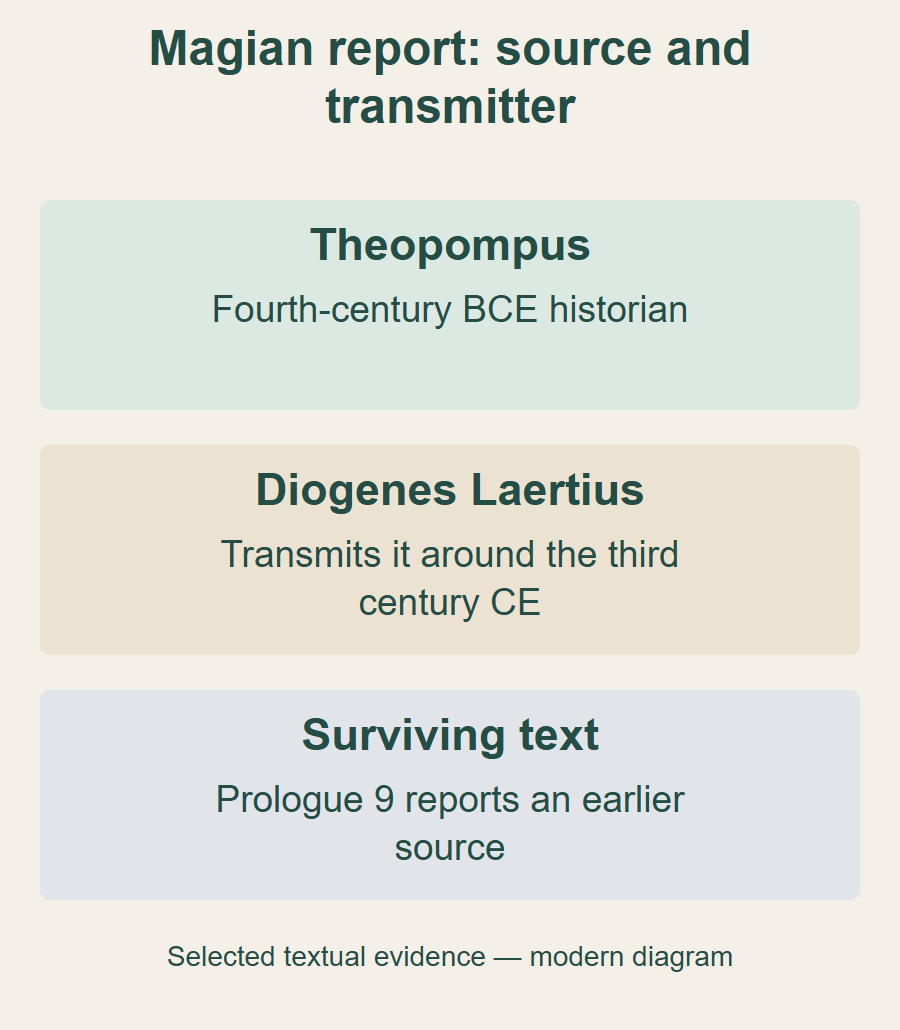
Modern chart of the report: fourth-century BCE Theopompus, then Diogenes Laertius around the third century CE, then the transmitted text. Source and transmitter dates distinguished; not an ancient manuscript
Person
Diogenes Laertius was a Greek author usually dated to the early third century CE.
Namensvarianten: Diogenes Laertius
Kontext und Quellen →
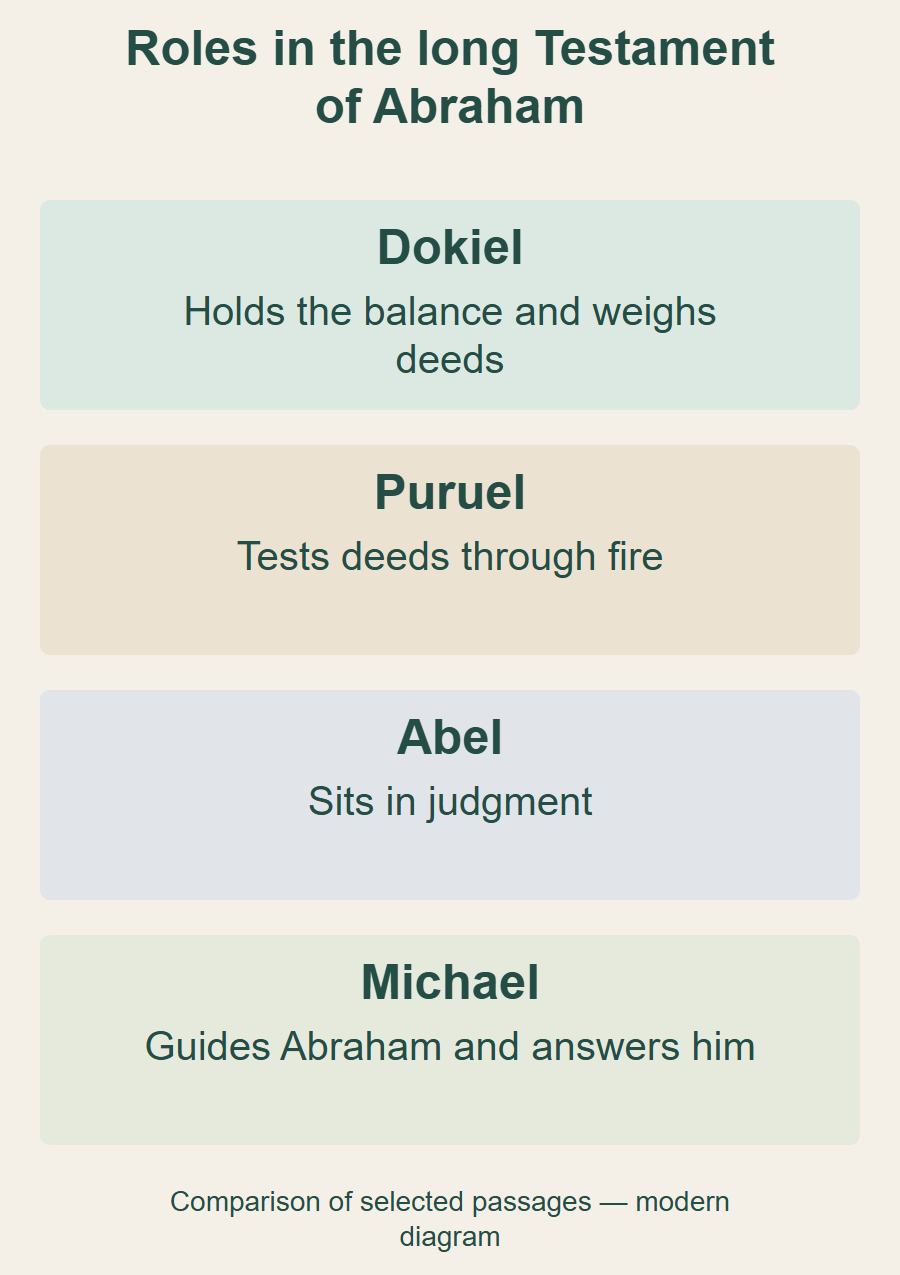
Modern chart of the long Testament of Abraham: Abel judges, Dokiel weighs, Puruel tests by fire and Michael guides Abraham; not ancient likenesses
Entität
Dokiel is an angel in the long Testament of Abraham who holds the scales.
Namensvarianten: Dokiel
Kontext und Quellen →
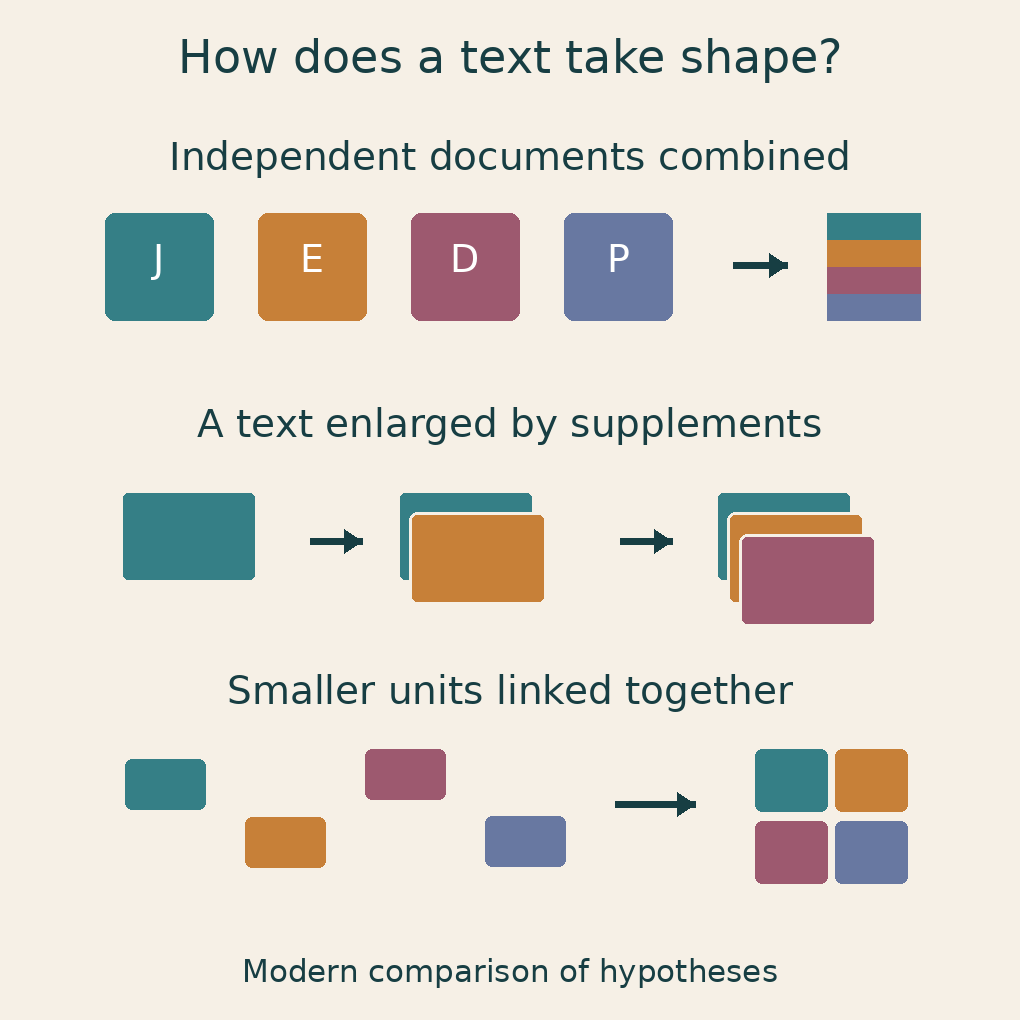
Modern explanatory comparison: independent documents combined, a text enlarged, or smaller units linked. Shapes and colours simplify mechanisms; they are not discovered manuscripts, a verse map or a chronology. Letters in the first row belong to the documentary example; colours in the other rows do not identify J, E, D and P
Entität
A hypothesis explaining the formation of the Torah through the combination of previously independent literary works. Its classical form distinguishes four sources, Yahwistic, Elohistic, Deuteronomic and Priestly (J, E, D and P); modern versions differ over their extent, dates and manner of combination.
Namensvarianten: documentary hypothesis, Documentary Hypothesis
Kontext und Quellen →
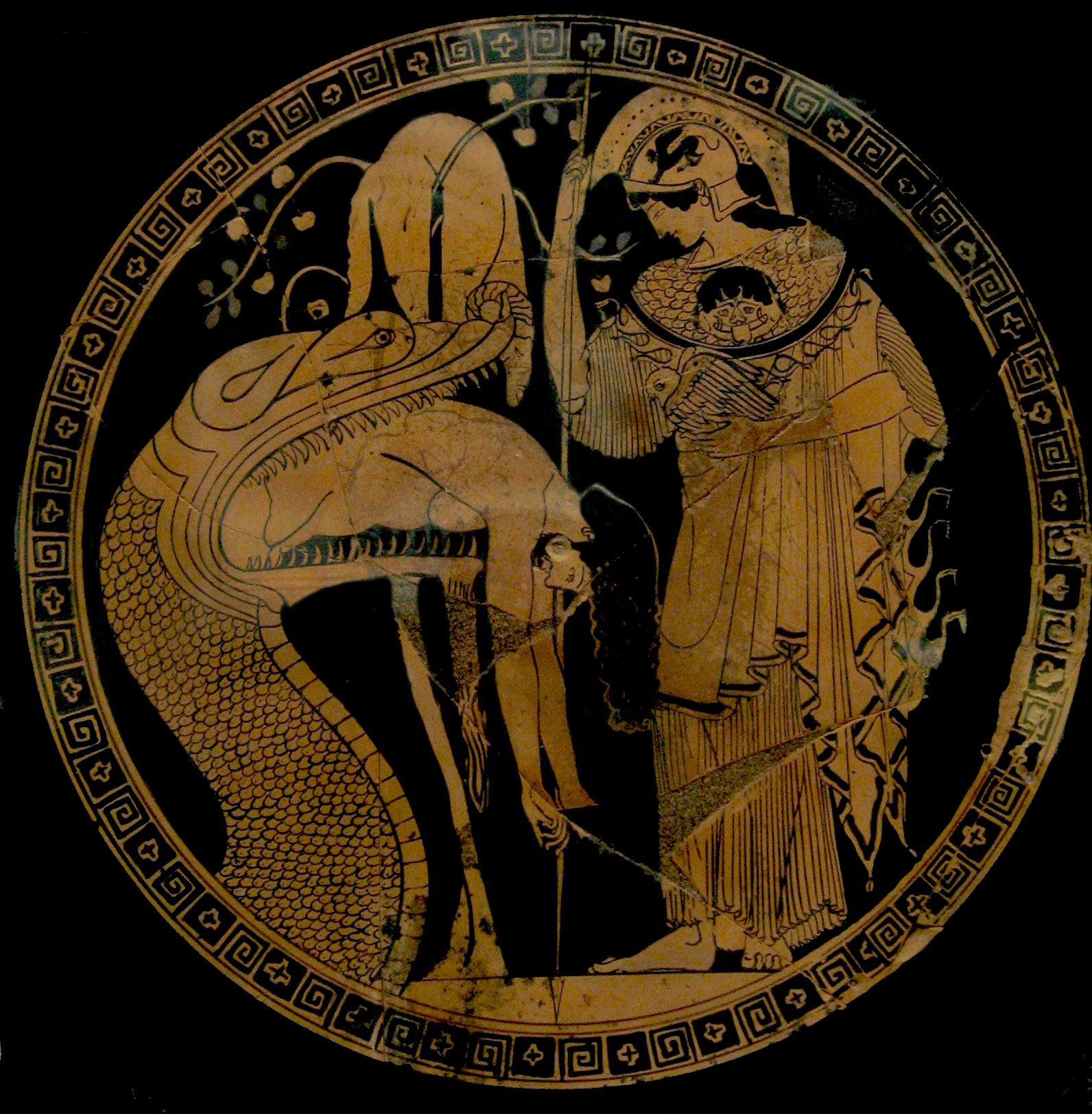
Jason emerging from the serpent, Athena at right, and the hanging Golden Fleece; Attic cup attributed to Douris, about 480–470 BCE, Vatican Museums 16545. Photograph of the cup, neither Jonah nor a portrait of its painter
Person
An early fifth-century BCE Attic vase painter to whom the Vatican Museums attribute the Jason-and-serpent cup.
Namensvarianten: Douris, Attic vase painter
Kontext und Quellen →

Modern generated conceptual cover: intertwined light above an open book evokes a history of interpretation; it is not an ancient object, an image of the divine being, or evidence for the Trinity’s origins
Entität
Christian formulation of divine unity and Father/Son/Spirit distinction, with a history of debate.
Namensvarianten: Trinity, Holy Trinity, trinitarian
Kontext und Quellen →
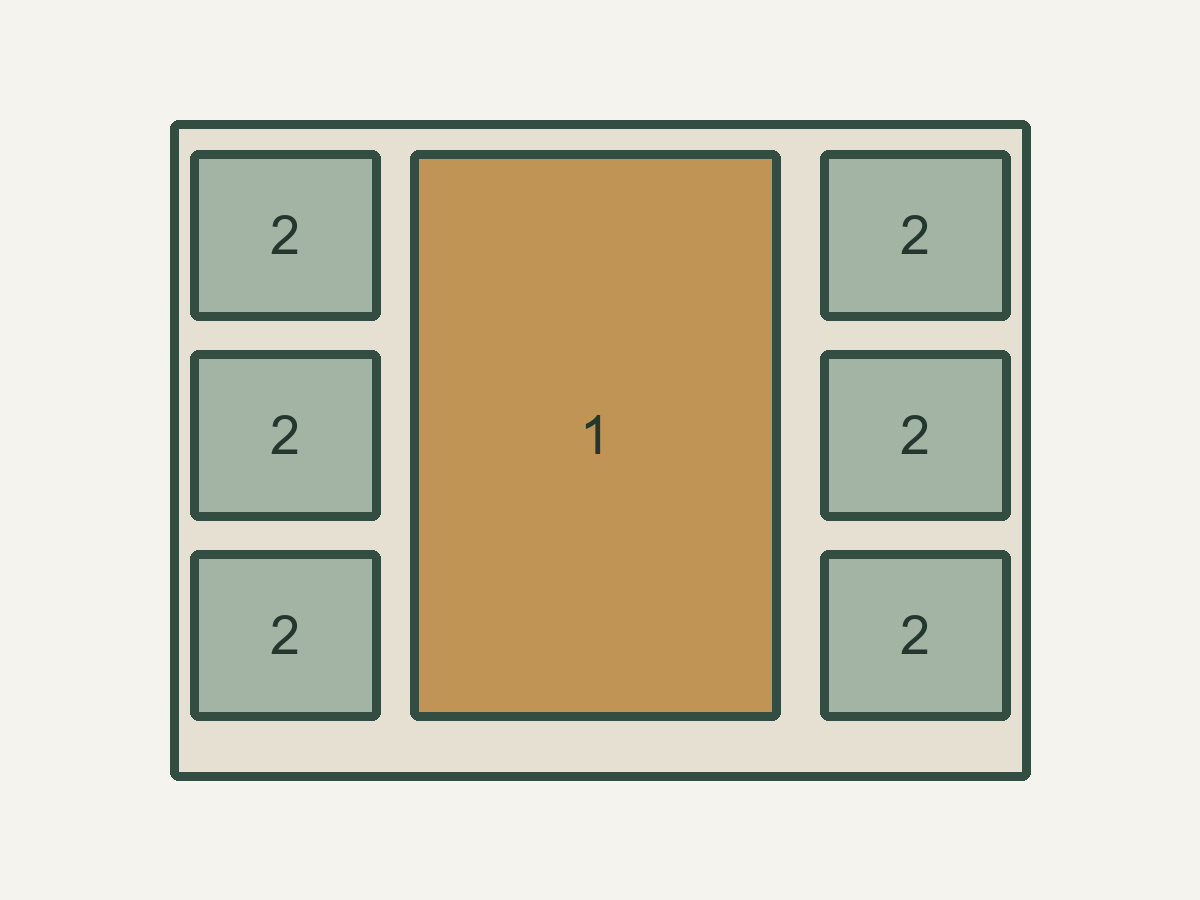
Modern explanatory diagram of a tripartite plan: 1 elongated central hall or space; 2 groups of lateral rooms. The room count and proportions are schematic; this is neither an excavation plan nor a reconstruction of an Eridu building
Entität
Plan with an elongated central hall and rooms or room groups to either side; the hall may be T-shaped or cruciform. The three parts are spatial zones, not exactly three rooms; the form alone does not identify a building’s function.
Namensvarianten: tripartite plan, Ubaid tripartite plan
Kontext und Quellen →
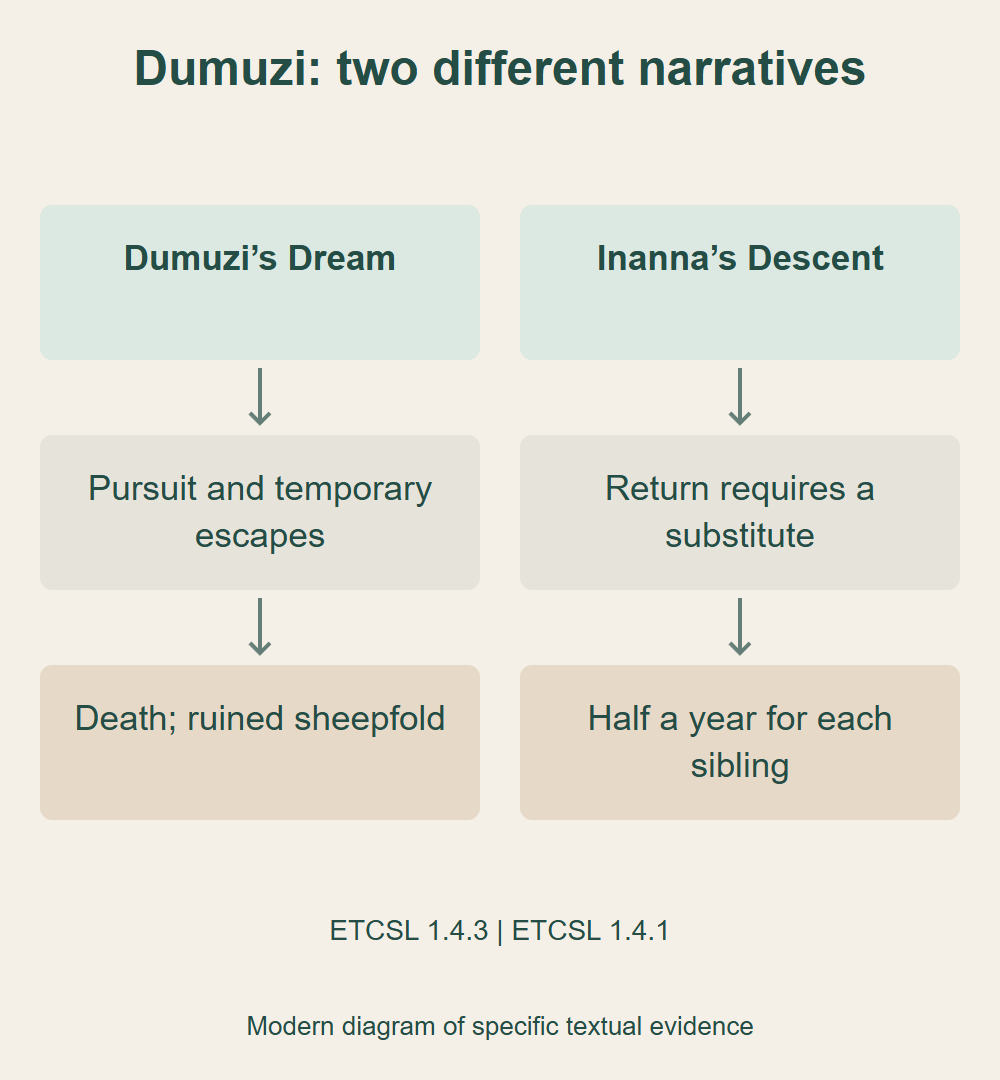
Modern comparison of the ending of Dumuzi’s Dream with the half-year settlement in Inanna’s Descent. Distinct textual structures, without an invented likeness
Entität
Dumuzi is a deity of ancient Mesopotamian traditions associated with shepherding and Inanna; Tammuz appears as the name in later linguistic and textual traditions.
Namensvarianten: Dumuzi, Dumuzid, Tammuz
Kontext und Quellen →
Person
Scholar of ancient drama and fragmentary texts, associate professor of Classics at Grinnell College.
Namensvarianten: Dustin W. Dixon
Kontext und Quellen →
Person
Ancient Near Eastern historian and Hebrew Bible scholar specializing in ancient legal cultures.
Namensvarianten: Dylan R. Johnson
Kontext und Quellen →
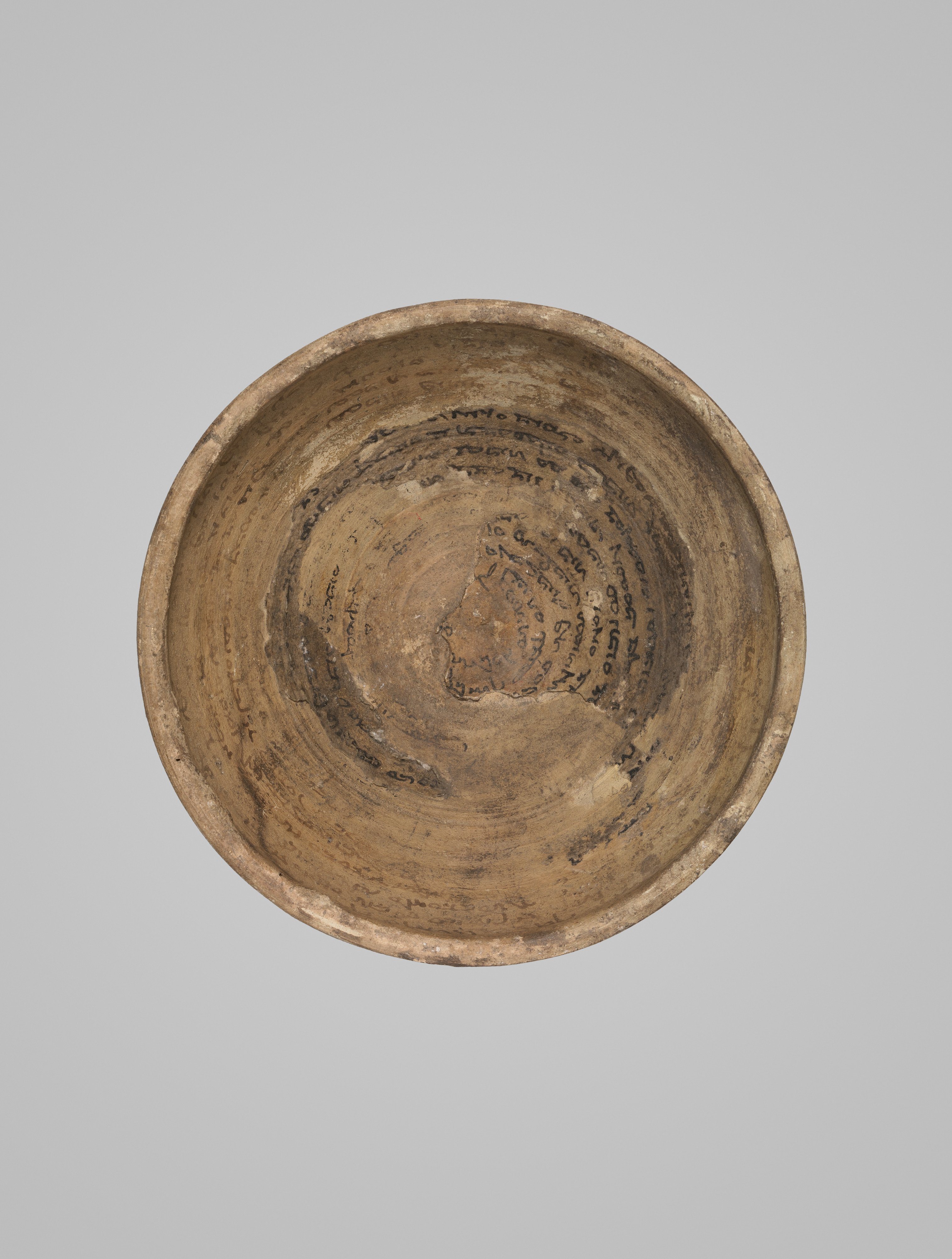
Sasanian incantation bowl with a Mandaic inscription, from Ctesiphon, Iraq, approximately fifth–sixth centuries CE; Met 32.150.89. Evidence of ritual writing in its own setting, not a depiction of demons or proof that the incantation worked
Entität
Study or organization of harmful powers, names, origins and roles within specific traditions; no single doctrine or claim about existence beyond the text is assumed.
Namensvarianten: demonology, demonologies
Kontext und Quellen →
Person
British Egyptologist and ancient-language scholar (1857–1934) who published a historical English translation of Syriac Alexander texts.
Namensvarianten: E. A. Wallis Budge
Kontext und Quellen →
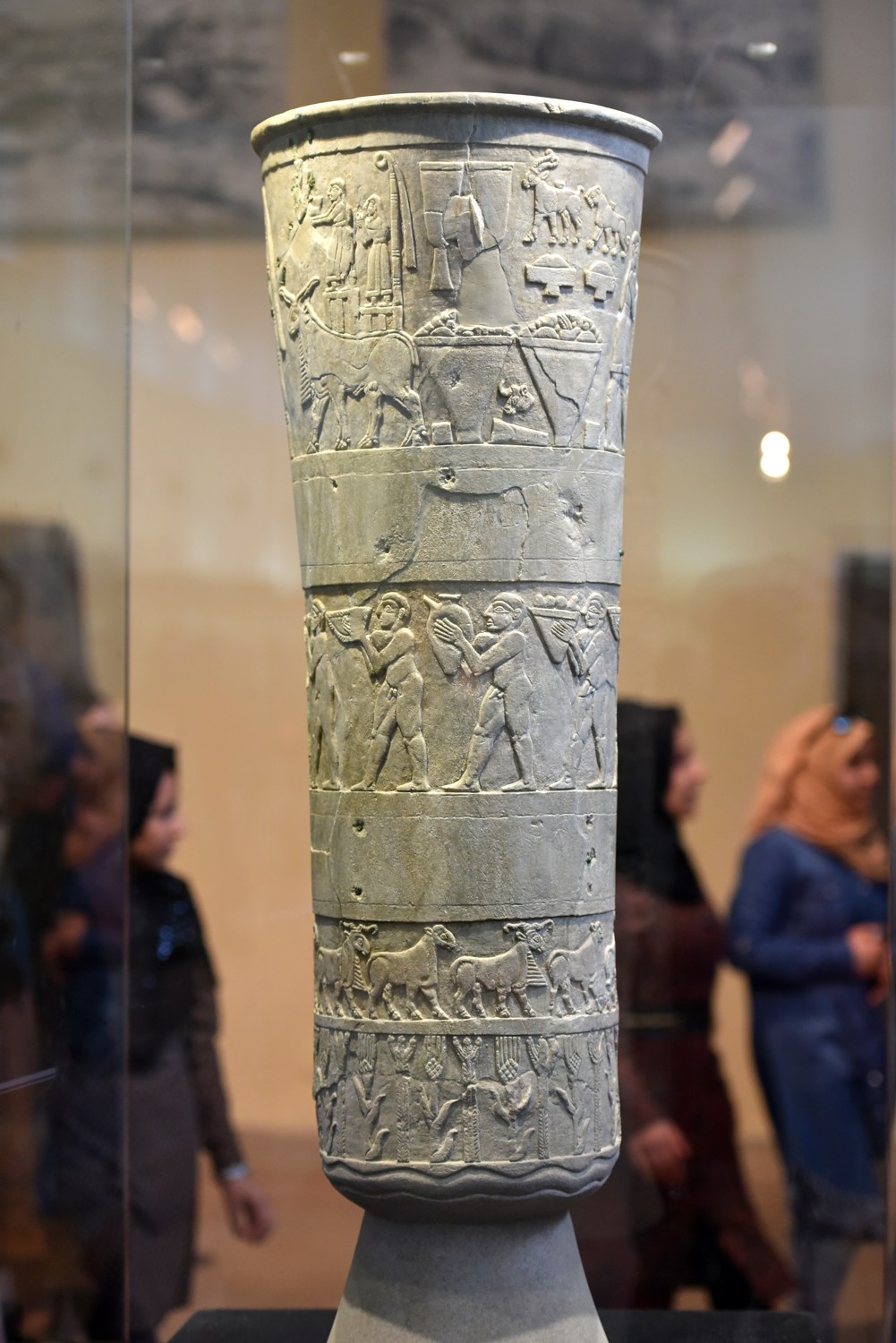
Warka Vase, Iraq Museum, Baghdad (IM19606), from Uruk; approximately late fourth millennium BCE. Registers show vegetation, animals, bearers of offerings and a debated upper scene. Parts were broken and restored. Photograph taken in 2019 of the object, not the buildings
Stätte
An archaeological precinct and institutional centre at Uruk associated with Inanna; its name does not fix every early building’s function.
Namensvarianten: Eanna, Eanna precinct
Kontext und Quellen →
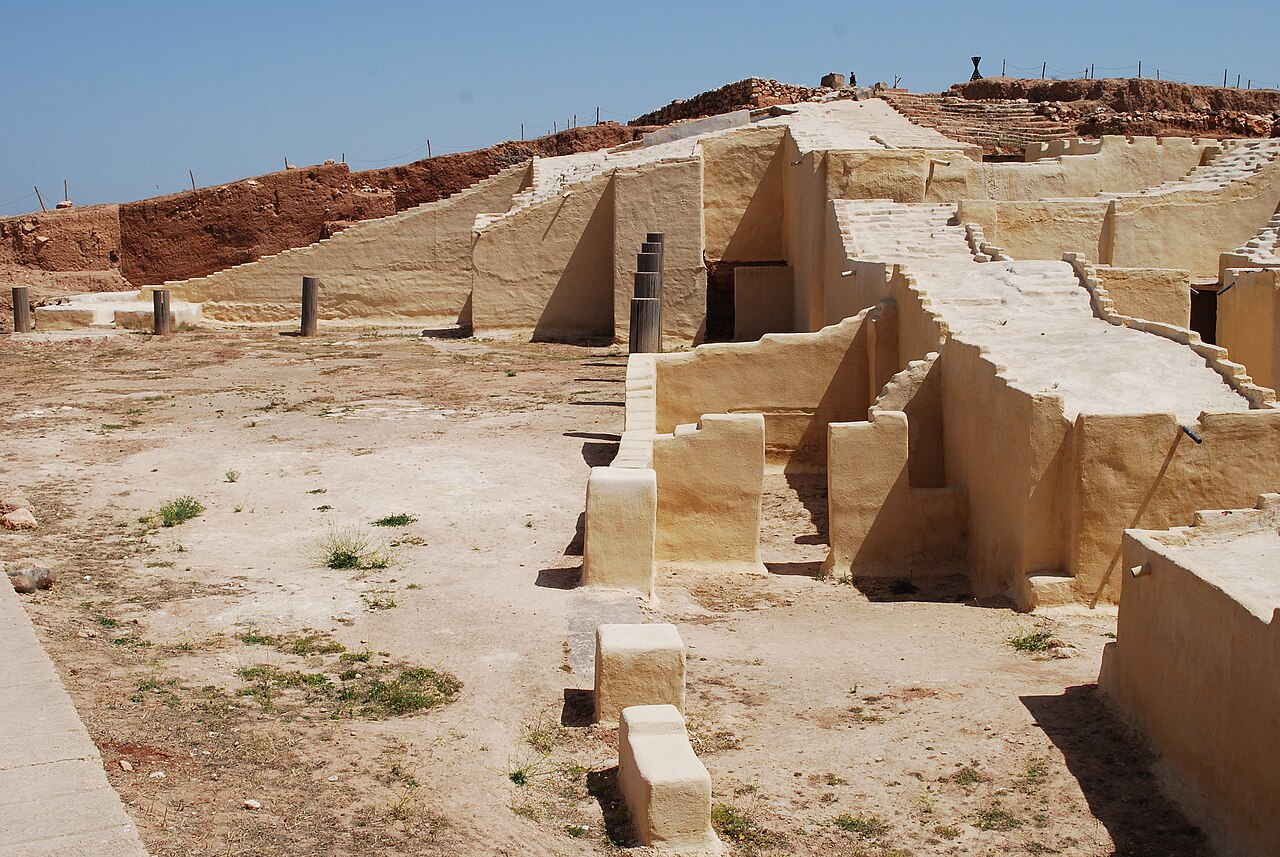
Archaeological view of Royal Palace G at Ebla (Tell Mardikh, Syria). This modern photograph shows architectural remains, not the tablets themselves, and cannot independently date every visible wall
Stätte
Ancient city at Tell Mardikh, southwest of Aleppo, Syria. Its Palace G archives illuminate third-millennium BCE administration, language, and cult; the site has later occupation phases.
Namensvarianten: Ebla, Tell Mardikh
Kontext und Quellen →
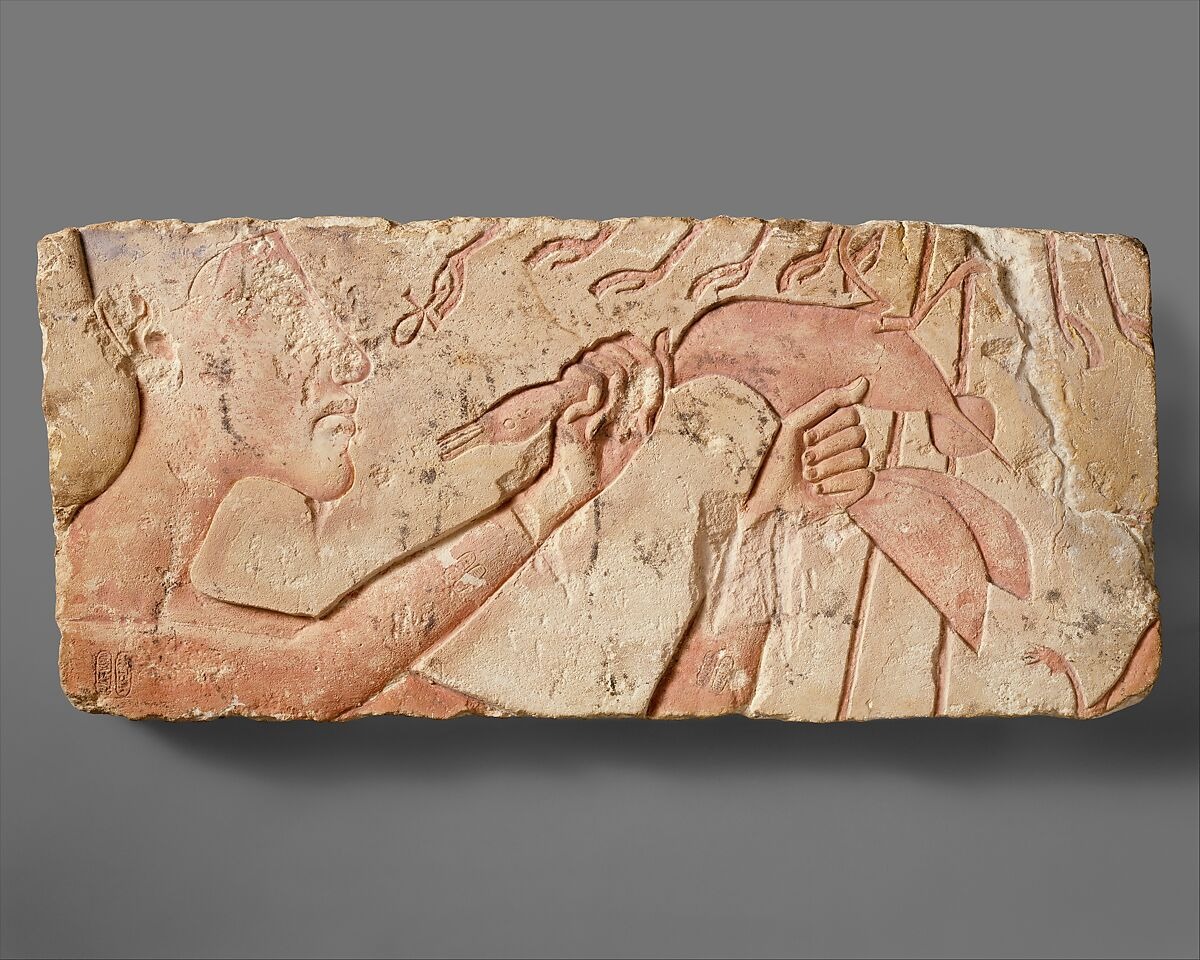
Akhenaten offering a duck, limestone relief with paint, Dynasty 18, The Met 1985.328.2. Aten rays and hands survive; the complete disk is not preserved here. The museum gives a probable Amarna origin. Original preserved; display copy uncropped
Person
Egyptian eighteenth-dynasty king, formerly Amenhotep IV, who reorganized royal religion around Aten and founded Akhetaten.
Namensvarianten: Akhenaten, Akhnaton, Amenhotep IV
Kontext und Quellen →
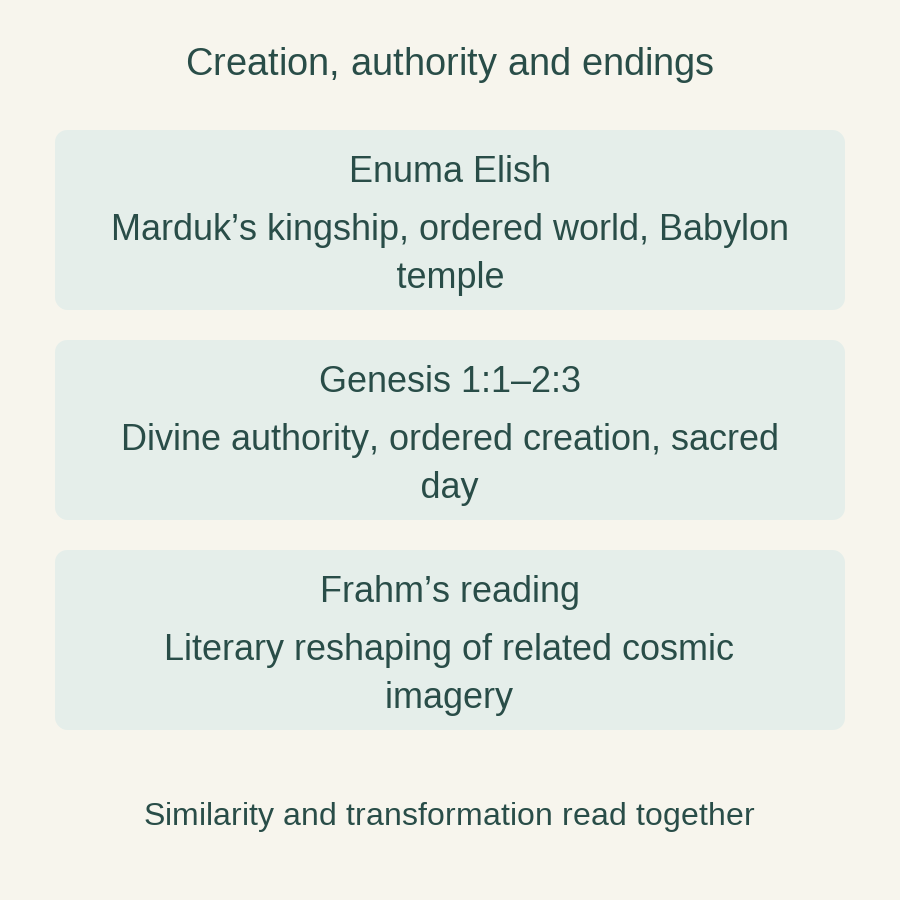
Modern explanation of convergence and transformation in Frahm’s reading; not a portrait or independent proof of transmission
Person
Yale Assyriologist researching Assyrian and Babylonian history, cuneiform scholarship, and the connections between literature, religion and politics.
Namensvarianten: Eckart Frahm, Assyriologist
Kontext und Quellen →
Person
Ed Parish Sanders (1937–2022) was a scholar of ancient Judaism and early Christianity.
Namensvarianten: Ed Parish Sanders
Kontext und Quellen →
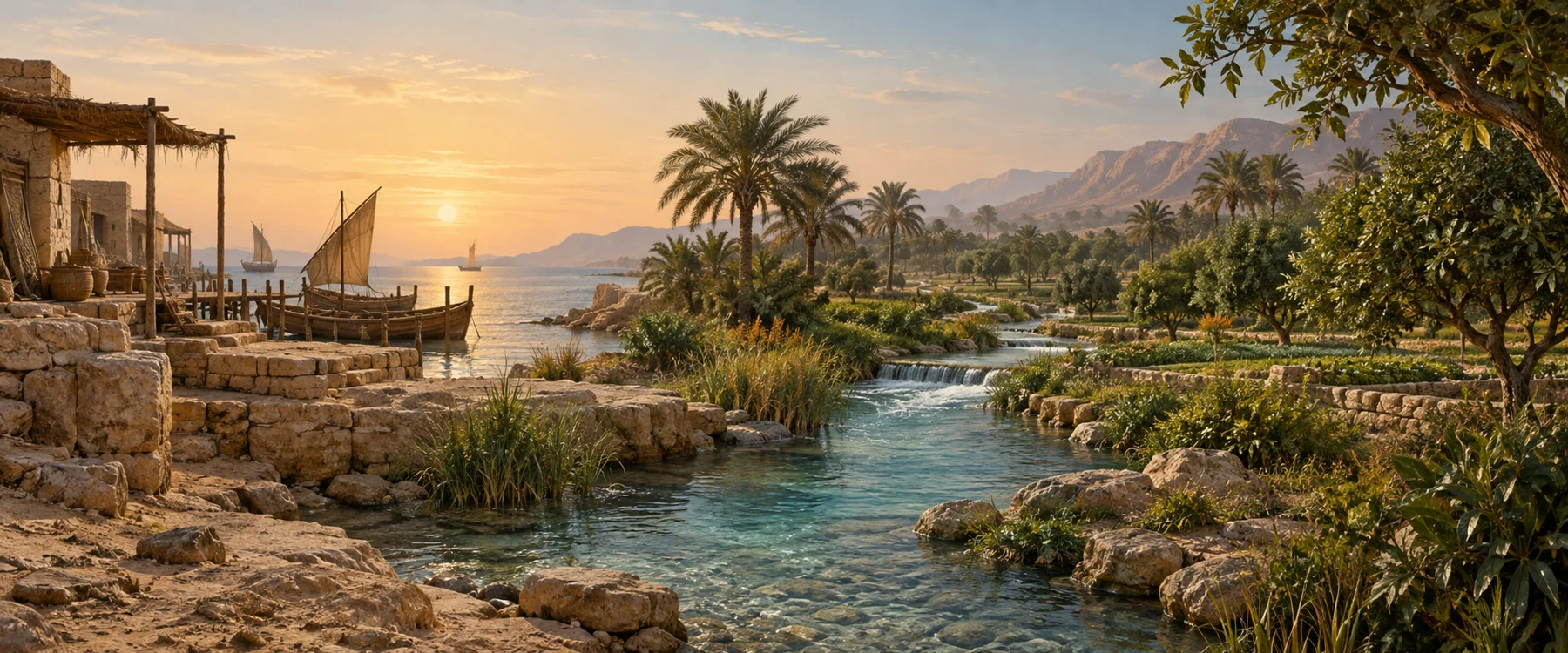
Modern conceptual illustration combining a Dilmun-like quay, fresh water and a garden to frame the comparison; neither an archaeological reconstruction nor a location of Eden. © IL Archive, CC0
Stätte
The place in which the garden of Genesis 2–3 is planted; the story describes rivers, trees and a human test, while its archaeological location and name’s derivation remain unsettled.
Namensvarianten: Eden, Garden of Eden
Kontext und Quellen →
Person
Edward L. Greenstein is a Hebrew Bible scholar and professor emeritus in Bar-Ilan University’s Bible Department.
Namensvarianten: Edward L. Greenstein, Edward Greenstein, Greenstein
Kontext und Quellen →
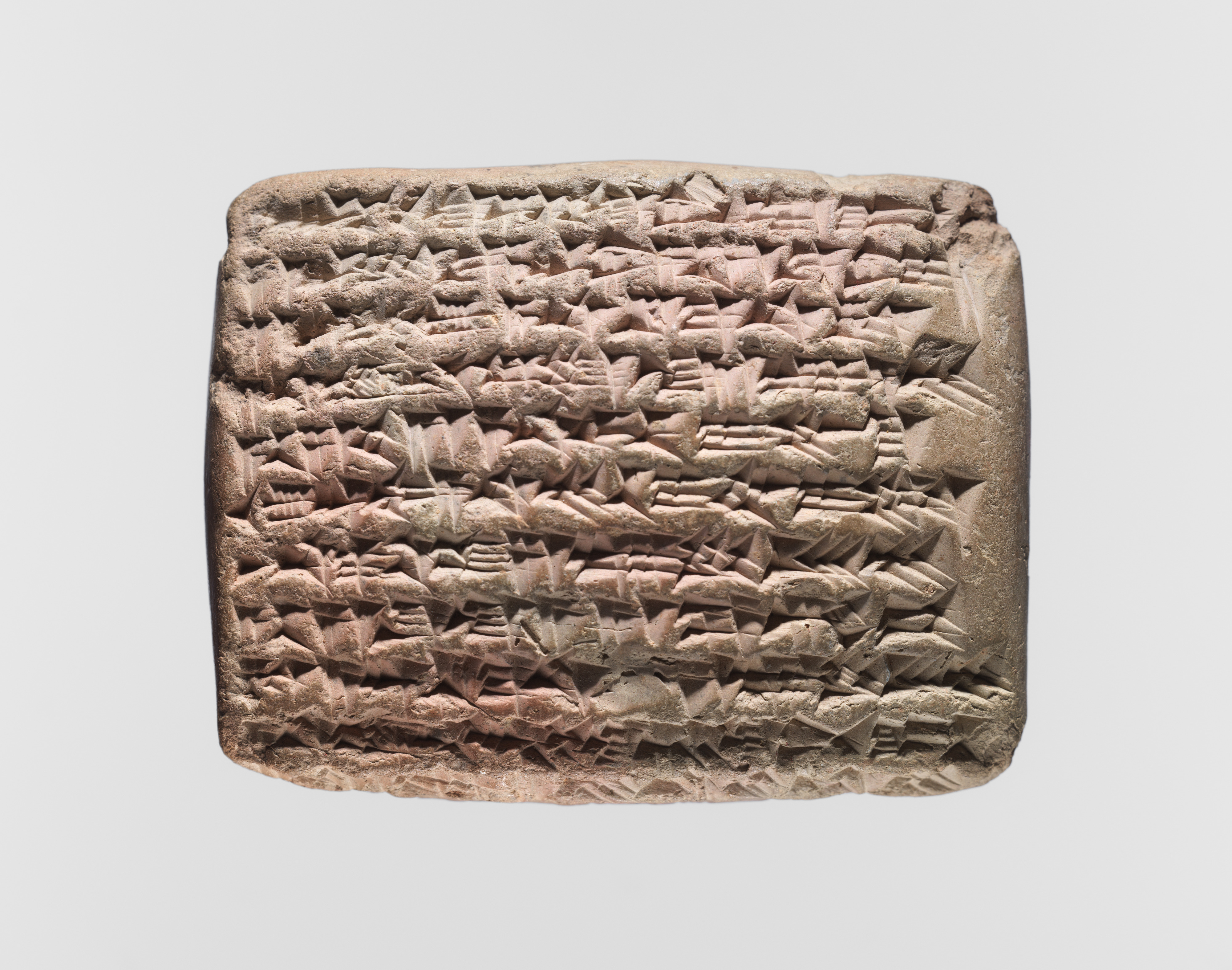
Proxy contract for purchase of a slave, Egibi archive, Babylon,ca.554 BCE; Met 79.7.11. Not a clause of Hammurapi’s laws; its cuneiform has not been independently read here
Entität
Babylonian family archive including a proxy purchase contract for a slave around 554 BCE.
Namensvarianten: Egibi archive
Kontext und Quellen →
Person
Scholar of the Hebrew Bible, ancient Judaism and the Dead Sea Scrolls; professor at KU Leuven from 2009 to 2024, with research on Jubilees’ textual growth.
Namensvarianten: Eibert Tigchelaar, Eibert J. C. Tigchelaar
Kontext und Quellen →
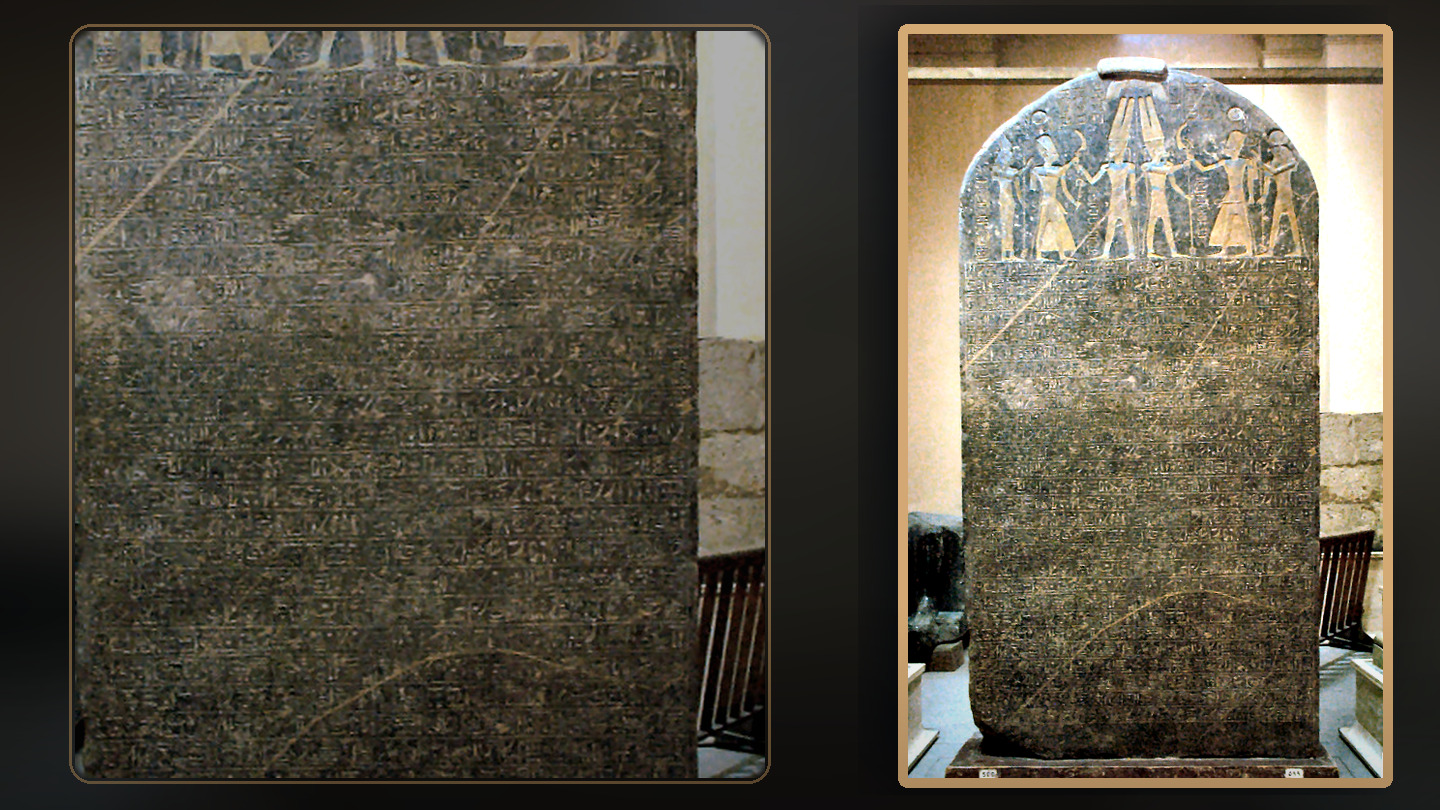
The Merneptah Stele (JE 31408), Egyptian Museum, Cairo. Its late-thirteenth-century BCE inscription names a group called Israel. This is an editorial presentation of one photograph of the stele, not an image of “El” or a Ugaritic inscription
Entität
A name that identifies a particular person, place, group, or entity in context, unlike a common noun denoting a class. Spelling alone may not settle the distinction.
Namensvarianten: proper name, proper noun
Kontext und Quellen →
Person
A Hebrew Bible scholar studying death, lament, and nature’s ritual agency in Jonah 2.
Namensvarianten: Ekaterina E. Kozlova
Kontext und Quellen →
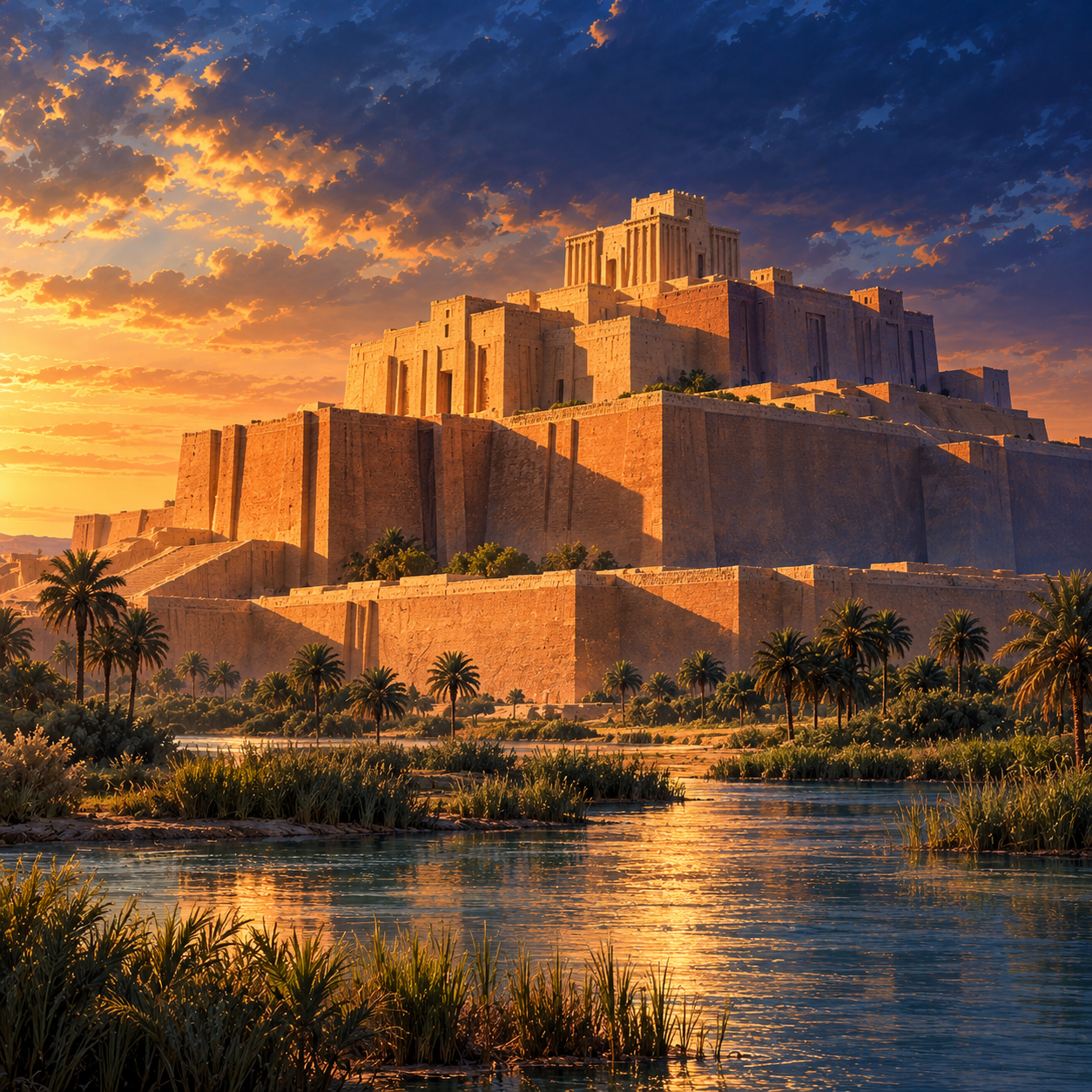
Modern AI-generated concept artwork of an imagined Mesopotamian-inspired sanctuary; not a photograph or verified reconstruction of Ekur, its temple or ziggurat
Entität
Ekur (“Mountain House”) was Enlil’s chief sanctuary at Nippur, present-day Iraq; the name may extend to its precinct. Hymns and royal inscriptions attest to its prestige and rebuilding across periods; it is not simply the ziggurat.
Namensvarianten: Ekur, E-kur
Kontext und Quellen →
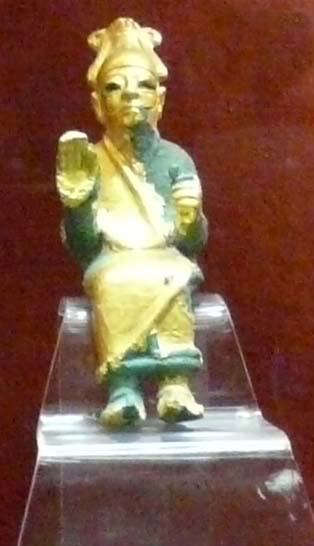
Small gilded-bronze statuette of a seated god from Ugarit, ca. 1400–1300 BCE, National Museum of Damascus S 3573. Tentatively identified as El on stylistic grounds; no inscription on the object confirms his name. Photographed in 2008
Entität
El is a senior deity in Late Bronze Age Ugaritic texts, portrayed as father of the divine family and a council authority, alongside his consort Athirat. This entry does not cover every linguistic use of El.
Namensvarianten: El
Kontext und Quellen →