Person · Literarische Gestalt
Aigisthos
Automatische Übersetzung. Lesen Sie das Original auf Englisch.
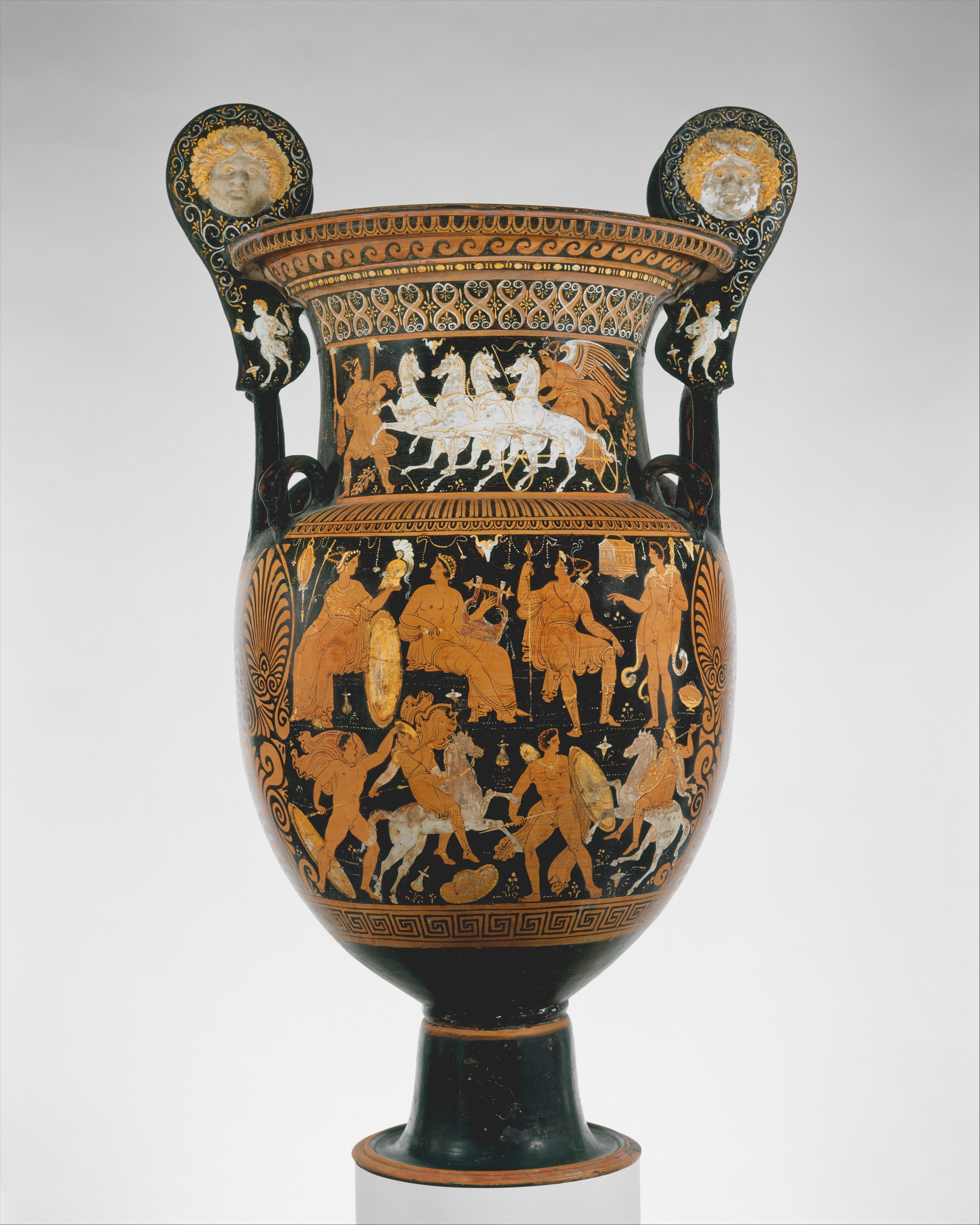
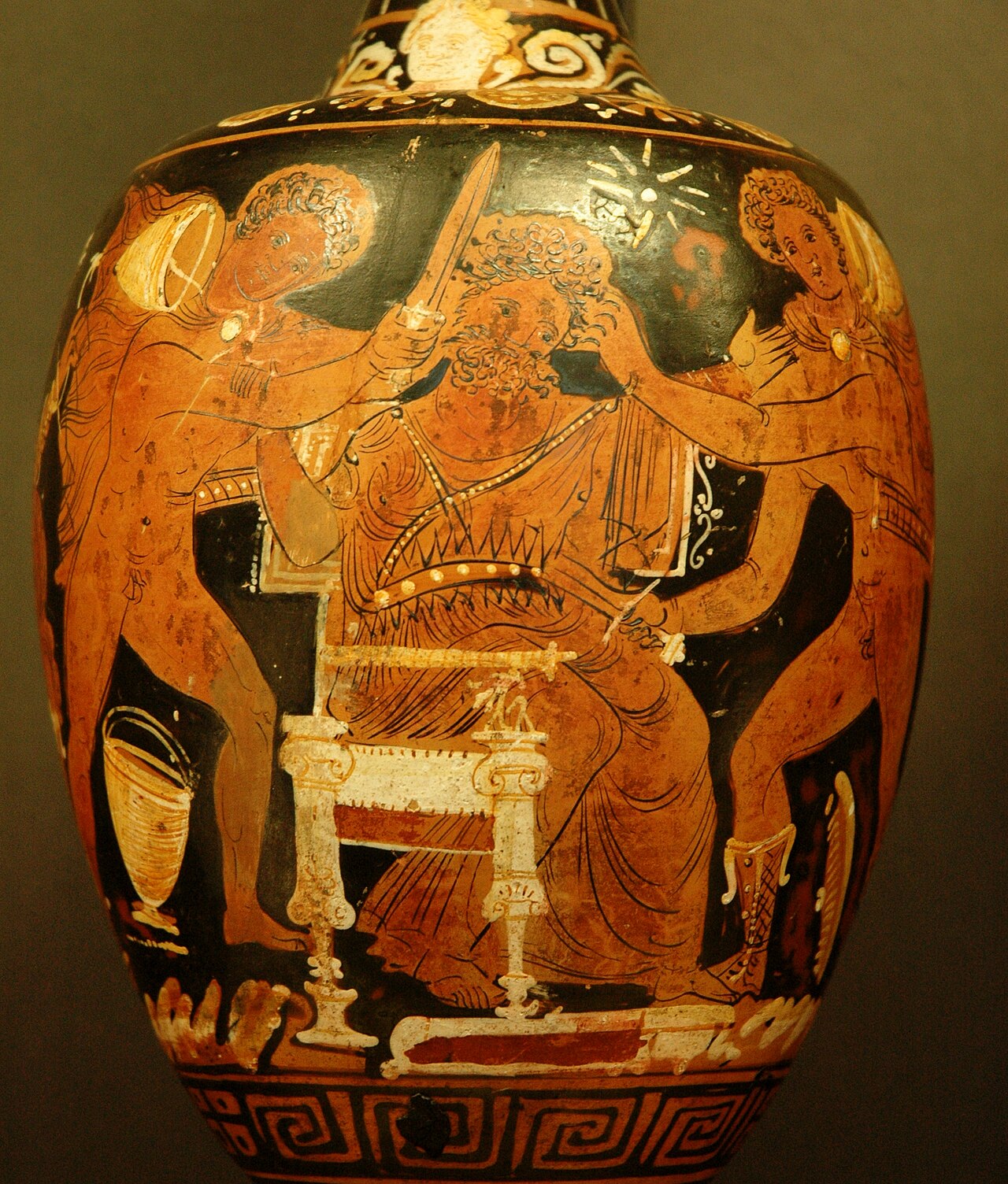
Menschliche Gestalt in der griechischen Erzählung, an deren Schicksal Zeus zu Beginn der Odyssee erinnert.
Zuletzt geprüft:
Text
Menschliche Gestalt in der griechischen Erzählung, an deren Schicksal ZeusZeusZeus is the sky god and leading deity in many Greek traditions. In the Iliad he presides over divine gatherings while others can still speak and object.Glossar · Zum Lesen der Erläuterung klicken zu Beginn der OdysseeOdysseeGreek epic attributed to Homer, following Odysseus’s return after the Trojan War.Glossar · Zum Lesen der Erläuterung klicken erinnert. [1]
Zeus verknüpft sein Schicksal mit der Tötung eines aus dem Krieg heimkehrenden Anführers und mit seiner Beziehung zu dessen Frau, obwohl er gewarnt wurde. AtheneAtheneGreek goddess associated in Hesiod with Zeus, Metis and birth from the head.Glossar · Zum Lesen der Erläuterung klicken wendet sich daraufhin OdysseusOdysseusGreek hero whose attempt to return home after the Trojan War is followed in the Odyssey.Glossar · Zum Lesen der Erläuterung klicken zu, was zeigt, wie ein Sprecher das Thema des Rates wechselt. [1]
Verweise und Anmerkungen
- Odyssey 1, first ten paragraphs through Athena/Mentes arrival and Telemachus welcome The specified scene, as detailed in the assembly study’s notes. Zurück zum Text ↑
Korrektur vorschlagen · Eine Quelle zu diesem Eintrag vorschlagen
Diesen Eintrag zitieren
IL Archive, «Aigisthos», https://ilarchive.com/de/people/aegisthus-greek-myth
Weiterlesen