Person
Nabopolassar
Automatische Übersetzung. Lesen Sie das Original auf Englisch.
Nabopolassar war ein babylonischer König des späten siebten Jahrhunderts v. u. Z., der beanspruchte, Etemenanki wiederaufgebaut zu haben.
Zuletzt geprüft:
Text
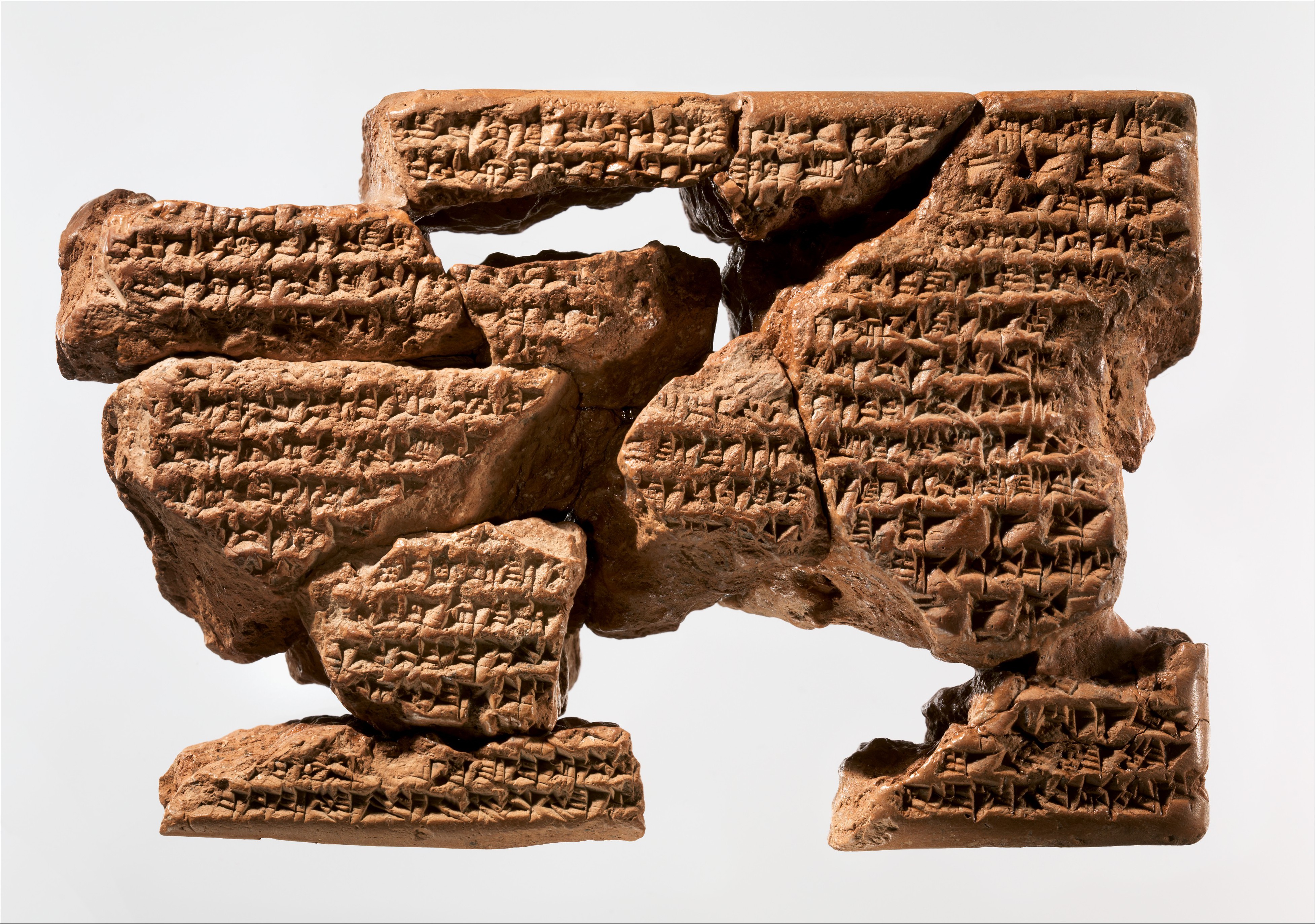
Nabopolassar war ein babylonischer König des späten siebten Jahrhunderts v. u. Z. und der Vater von Nebukadnezar II.Nebukadnezar II.Babylonian king, 605–562 BCE, appearing in Daniel and independently attested in inscriptions and building remains.Glossar · Zum Lesen der Erläuterung klicken. Eine königliche Inschrift erklärt, dass er EtemenankiEtemenankiStepped ziggurat in Babylon’s Esagil sacred precinct, associated with Marduk. Excavations establish its base, royal texts attest rebuilding, and a later Esagil Tablet supplies idealized dimensions.Glossar · Zum Lesen der Erläuterung klicken wiederaufgebaut habe. Ihr Editionsprojekt datiert diesen Zeugen auf etwa 625–605 v. u. Z. [1][2]
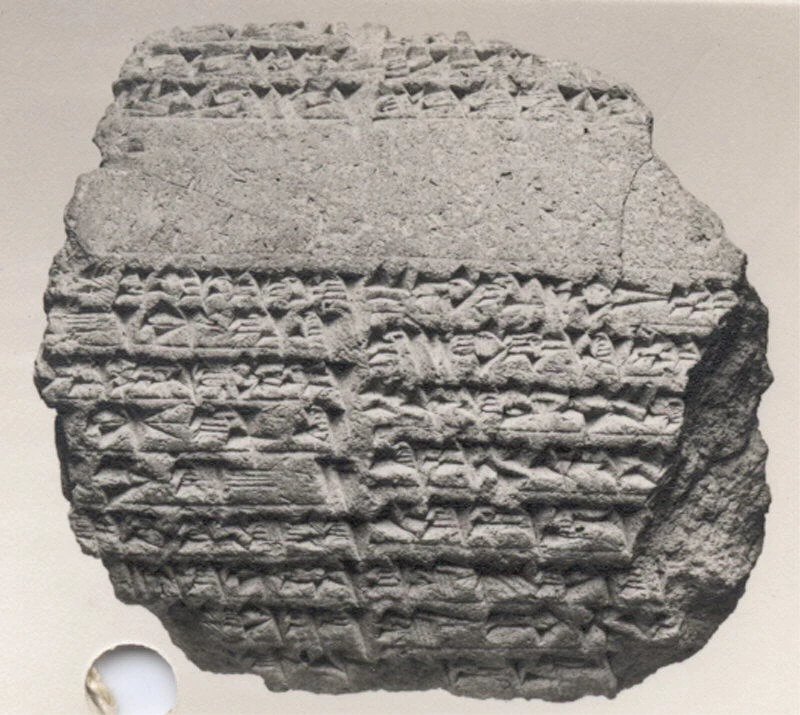
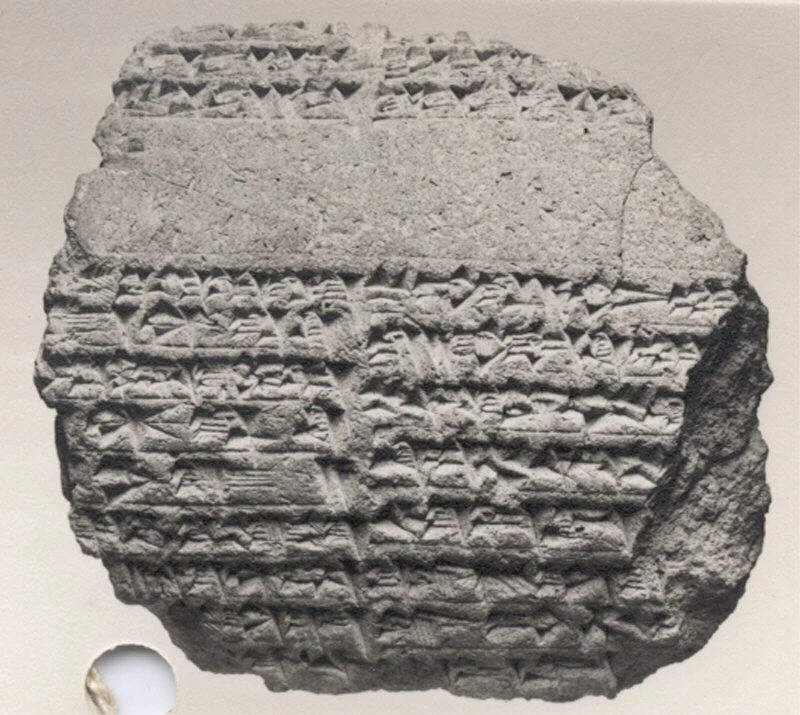
Sein Zeugnis hilft, die Geschichte des ZigguratsZikkuratZiggurat: a monumental stepped or terraced cult structure of ancient Mesopotamia. Not every raised temple platform was a ziggurat, and the form and specific use of lost upper stages often remain uncertain.Glossar · Zum Lesen der Erläuterung klicken vor den Maßen nachzuzeichnen, die in späteren Abschriften erhalten sind. Das Foto zeigt eine Abschrift aus dem zweiten Jahrhundert v. u. Z. eines Briefes, den ein assyrischer König an ihn richtete, und nicht sein Bildnis oder das Originalschreiben. [3]
Verweise und Anmerkungen
- Royal Inscriptions of Babylonia, Nabopolassar 13. Public indexed edition’s lines 1–18 and translation read: the king declares Etemenanki’s rebuilding. Project dates inscription about 625–605 BCE; no full regnal chronology studied here. RIBo, Nabopolassar13, lines1–18, indexed edition Zurück zum Text ↑
- French Ministry of Culture, Architecture of the Ziggurat. Whole page read on restorations, ninety-meter model and dimensions mathematically supplied for the missing level. French Ministry of Culture, Architecture of the Ziggurat Zurück zum Text ↑
- Met 86.11.383c–e. Whole catalogue read: second-century BCE copy of a letter to Nabopolassar, distinguished from the letter’s late-seventh-century setting. Met86.11.383c–e, catalogue, ca.2nd century BCE copy Zurück zum Text ↑
Korrektur vorschlagen · Eine Quelle zu diesem Eintrag vorschlagen
Diesen Eintrag zitieren
IL Archive, «Nabopolassar», https://ilarchive.com/de/people/nabopolassar-babylonian-king
Weiterlesen