Ani vor der Waage Kapitel 1
Das Wiegen des Herzens
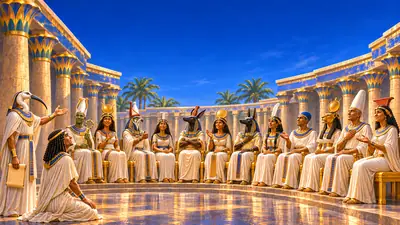
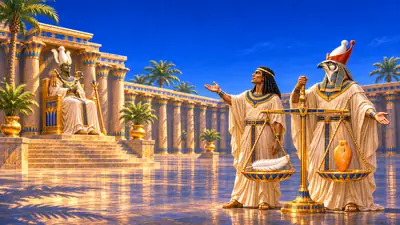
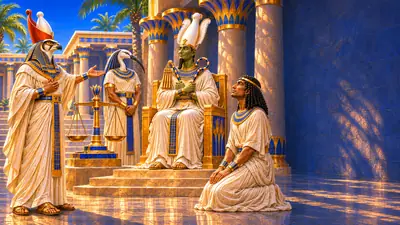
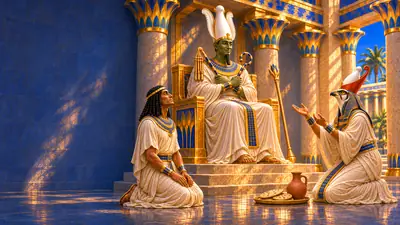
Ani spricht vor dem Wiegen zu seinem Herzen. Danach sprechen Thot und die Versammlung der Götter über das Ergebnis. Horus führt Ani vor Osiris. Nach der Vorstellung durch Horus trägt Ani seine eigene Bitte vor.
QuellenBlättern Sie mit den Pfeilen, den Pfeiltasten oder durch Wischen.
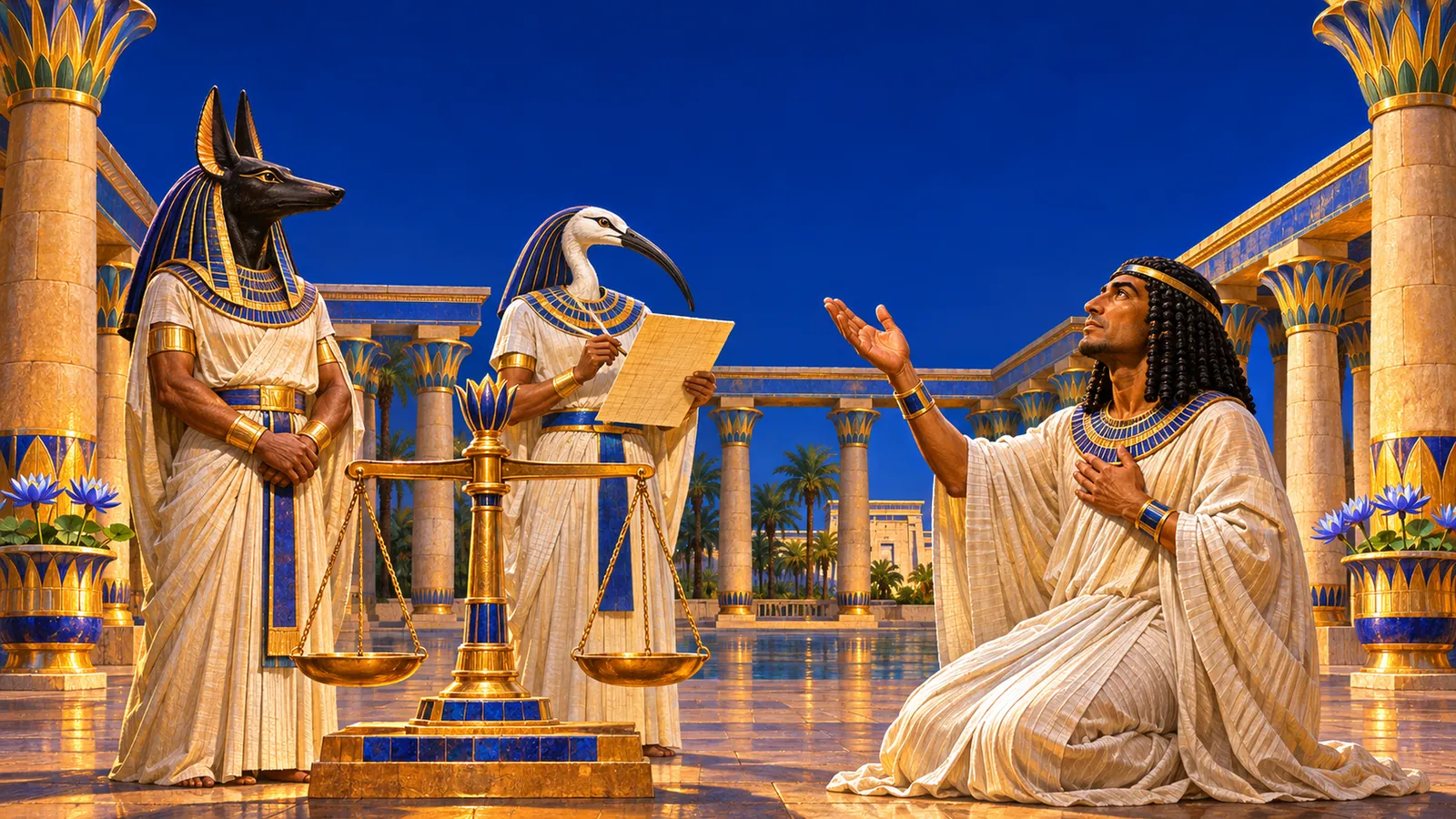
ANI VOR DER WAAGE
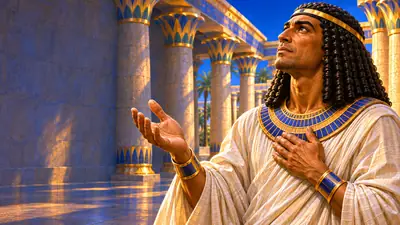
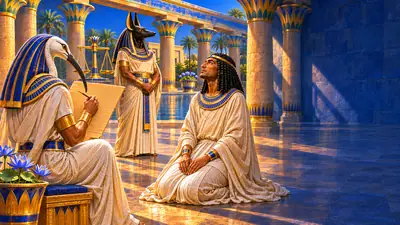
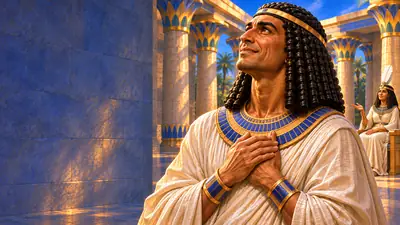
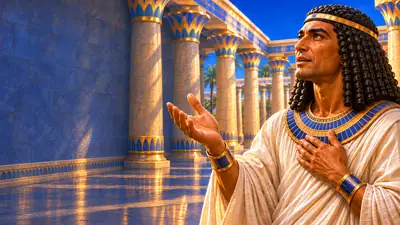
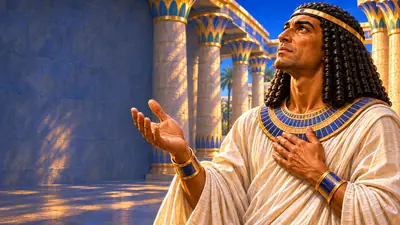
Vor der Wägung spricht Ani zu seinem Herzen. Zweimal nennt er es seine Mutter und dann das Herz, durch das er ins Dasein kam.
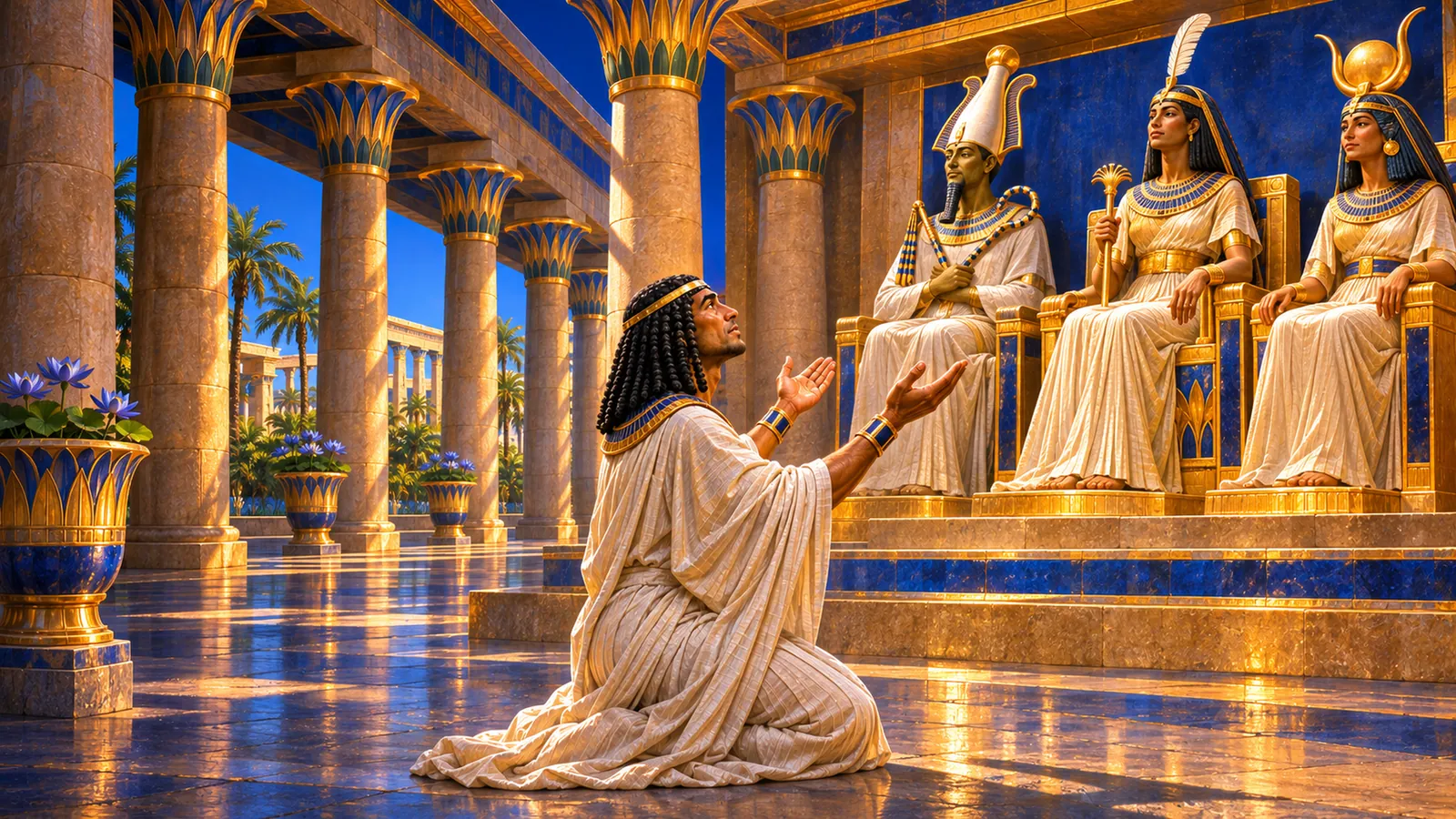
Er bittet darum, dass im Gericht nichts gegen ihn auftritt. In Gegenwart der herrschenden Fürsten, so bittet er, soll ihm kein Widerstand begegnen.
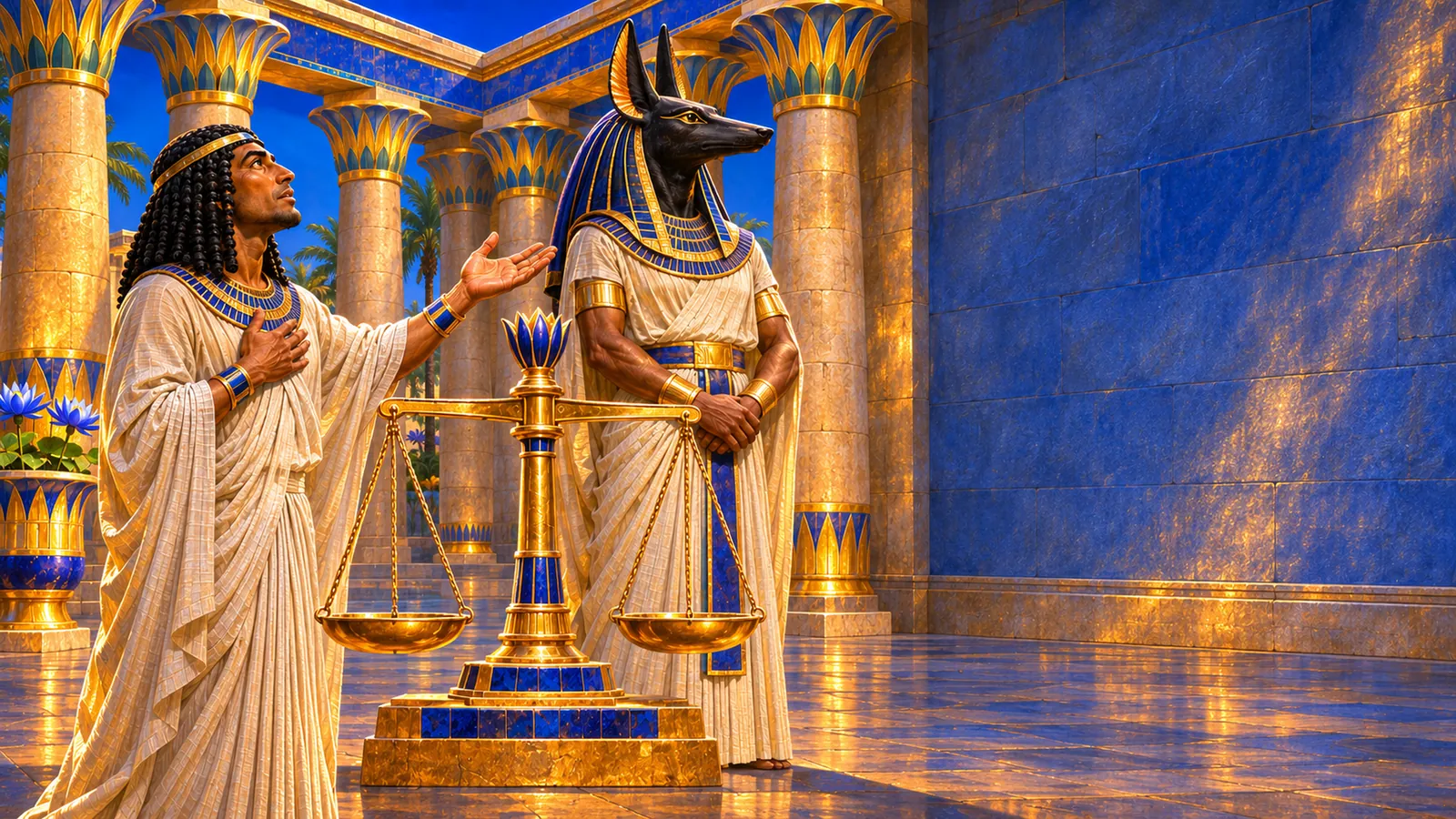
In Gegenwart des Hüters der Waage bittet Ani darum, dass sein Herz und er nicht voneinander getrennt werden.
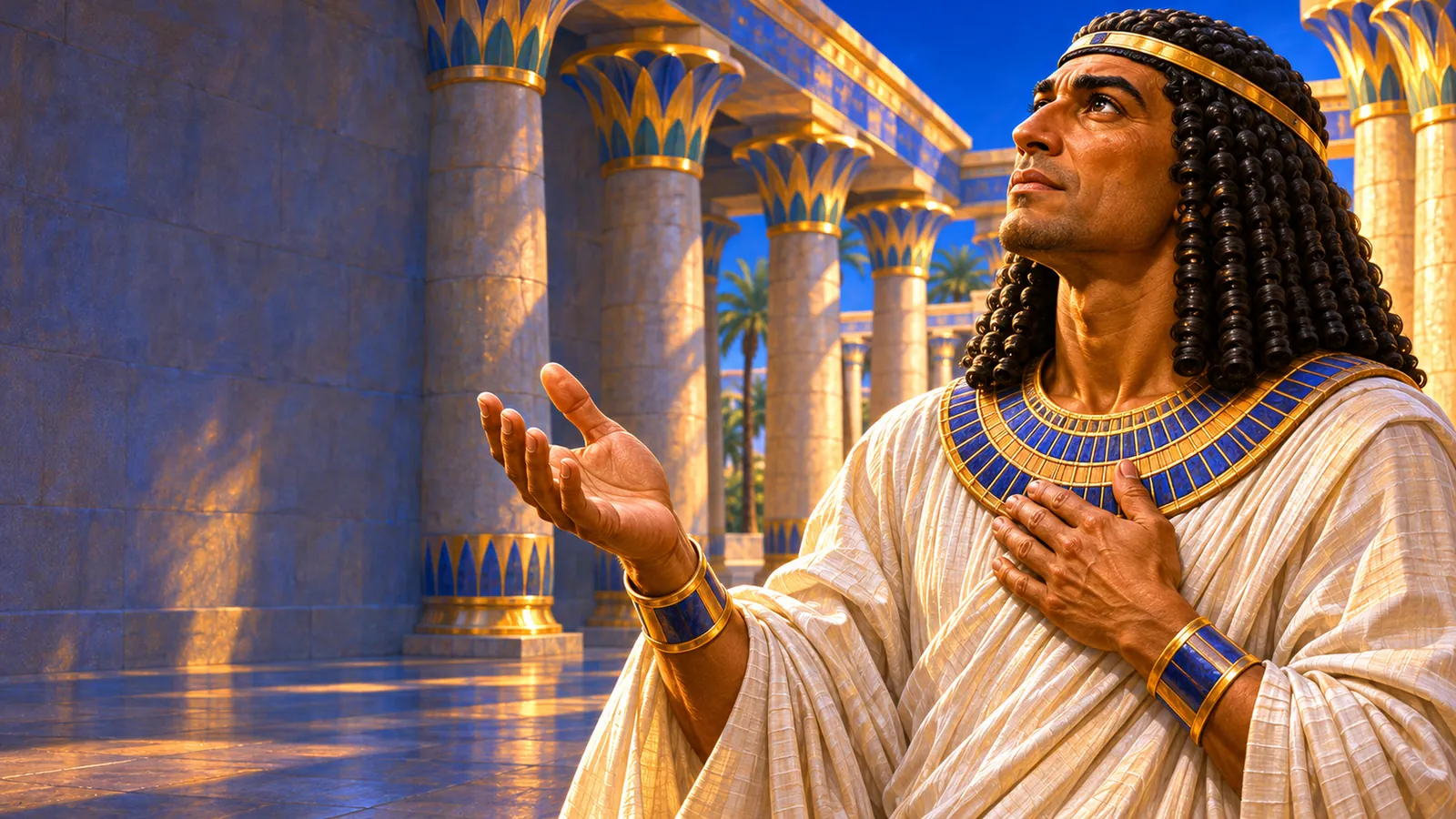
Ani spricht weiter zu seinem Herzen und sagt ihm, es sei sein Ka, das in seinem Körper wohnt.
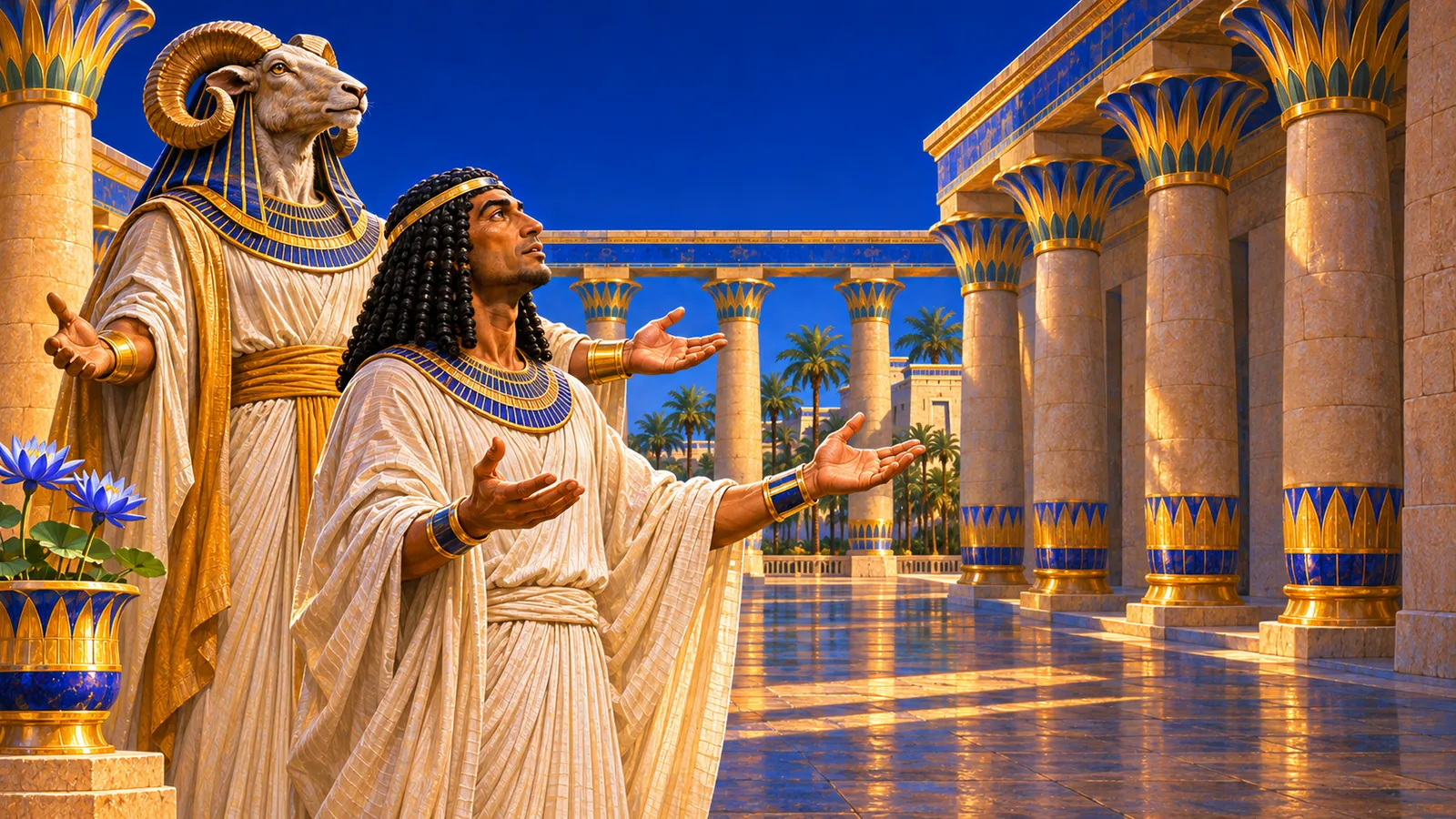
In derselben Bitte nennt Ani sein Herz auch den Gott Khnemu, der seine Glieder zusammenfügt und stärkt.

Ani bittet sein Herz, zum Ort des Glücks hervorzutreten, zu dem sie, wie er sagt, beide gehen.
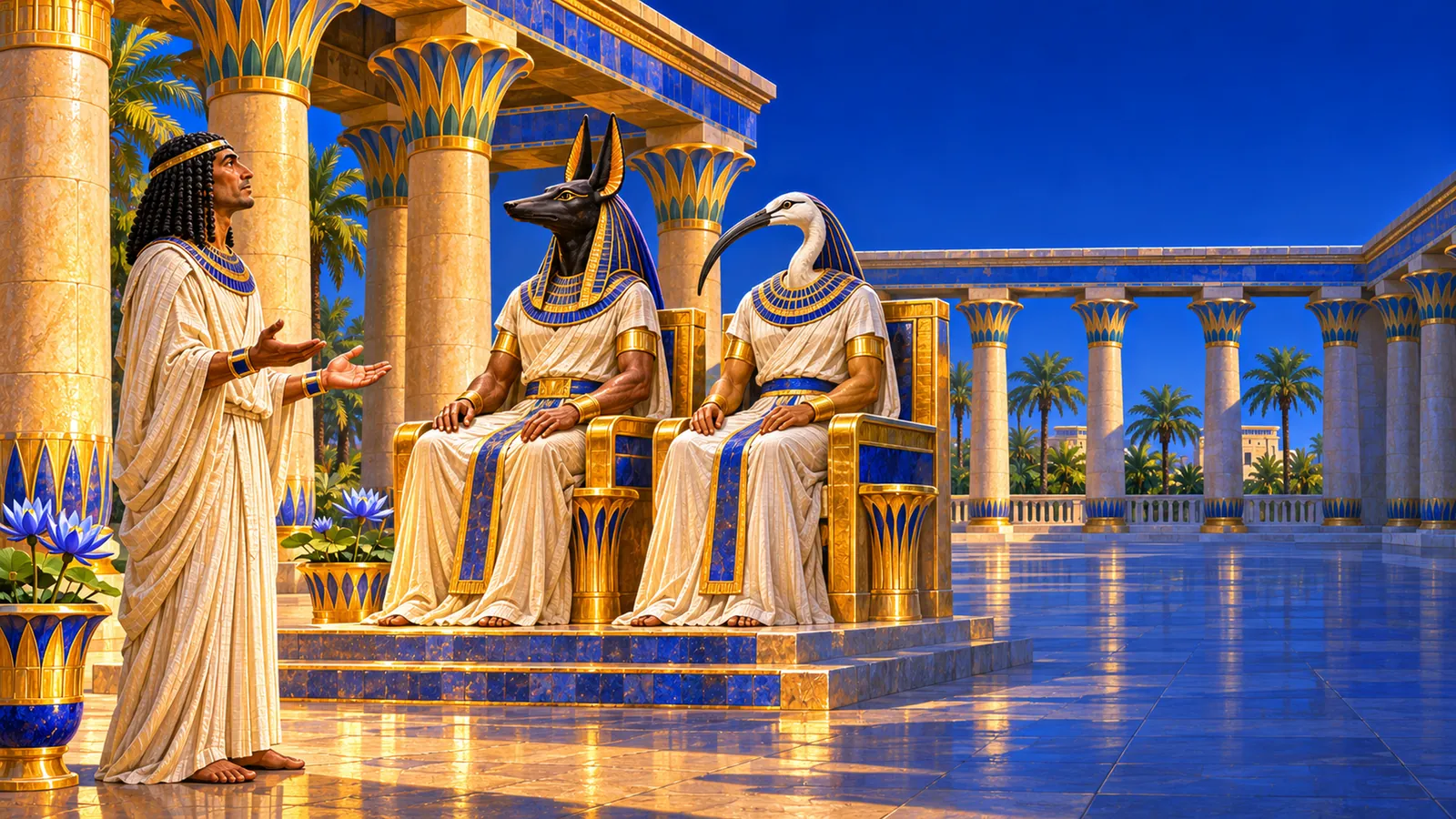
Ani sagt, dass die Fürsten am Gericht des Osiris die Lebensumstände der Menschen ordnen. Er bittet sie, seinen Namen nicht zum Stinken zu bringen.
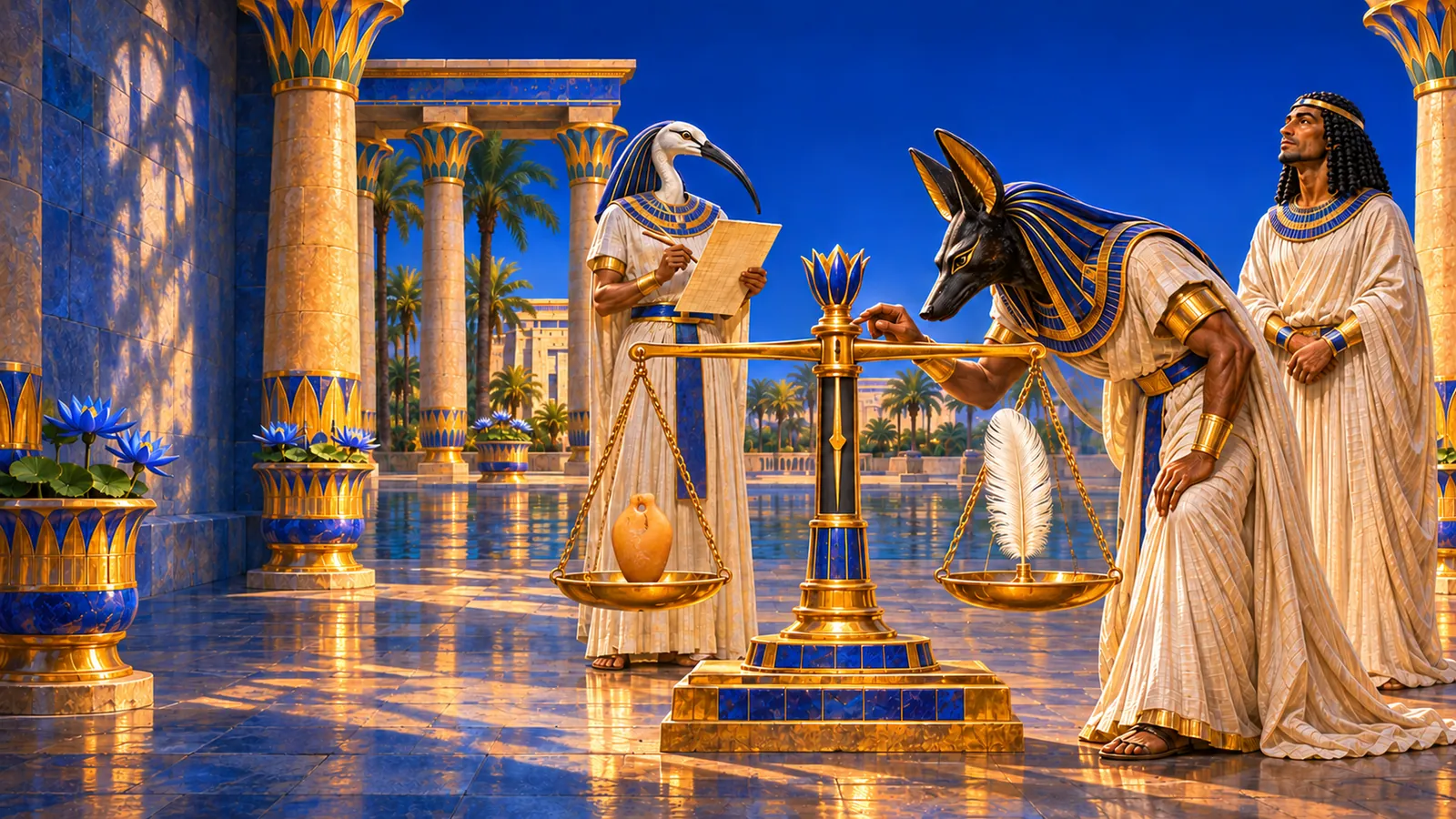
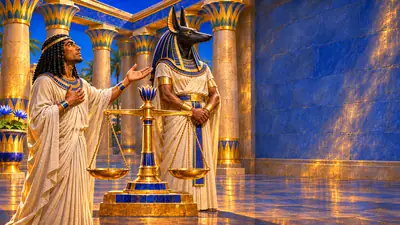
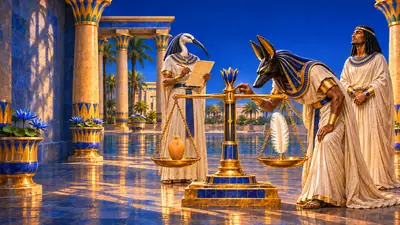
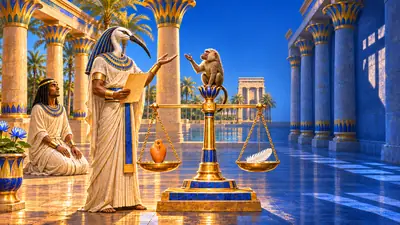
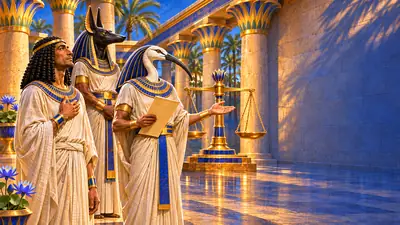
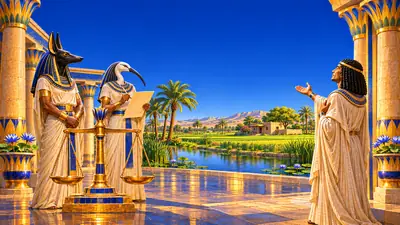
Budge beschreibt nun die Wägung. In seiner Darstellung prüft Anubis die Zunge der Waage, den Zeiger, der ihre Stellung angibt.
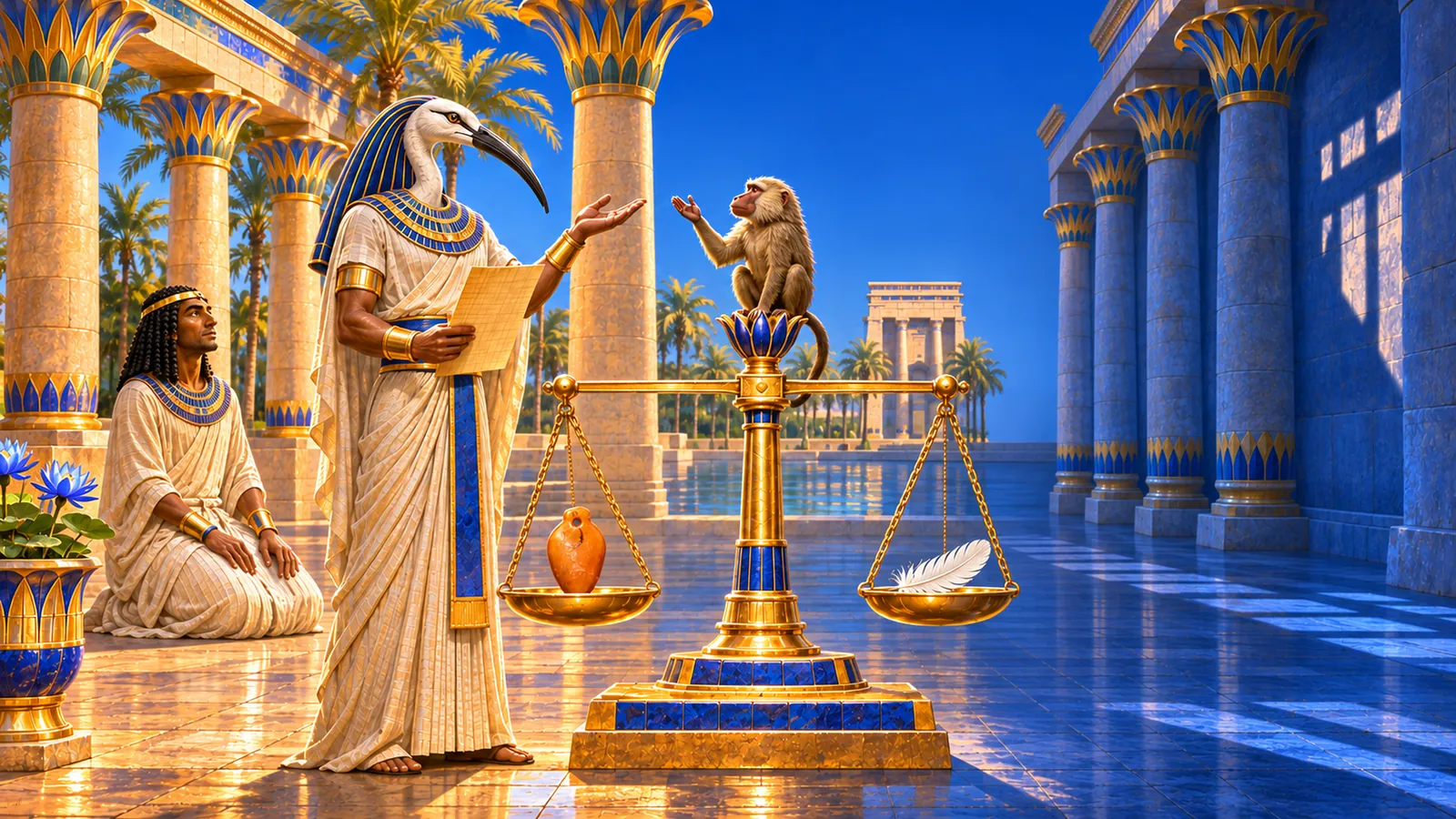
Budge beschreibt, wie der Affe seinem Gefährten Thot anzeigt, dass der Balken der Waage genau waagerecht steht.
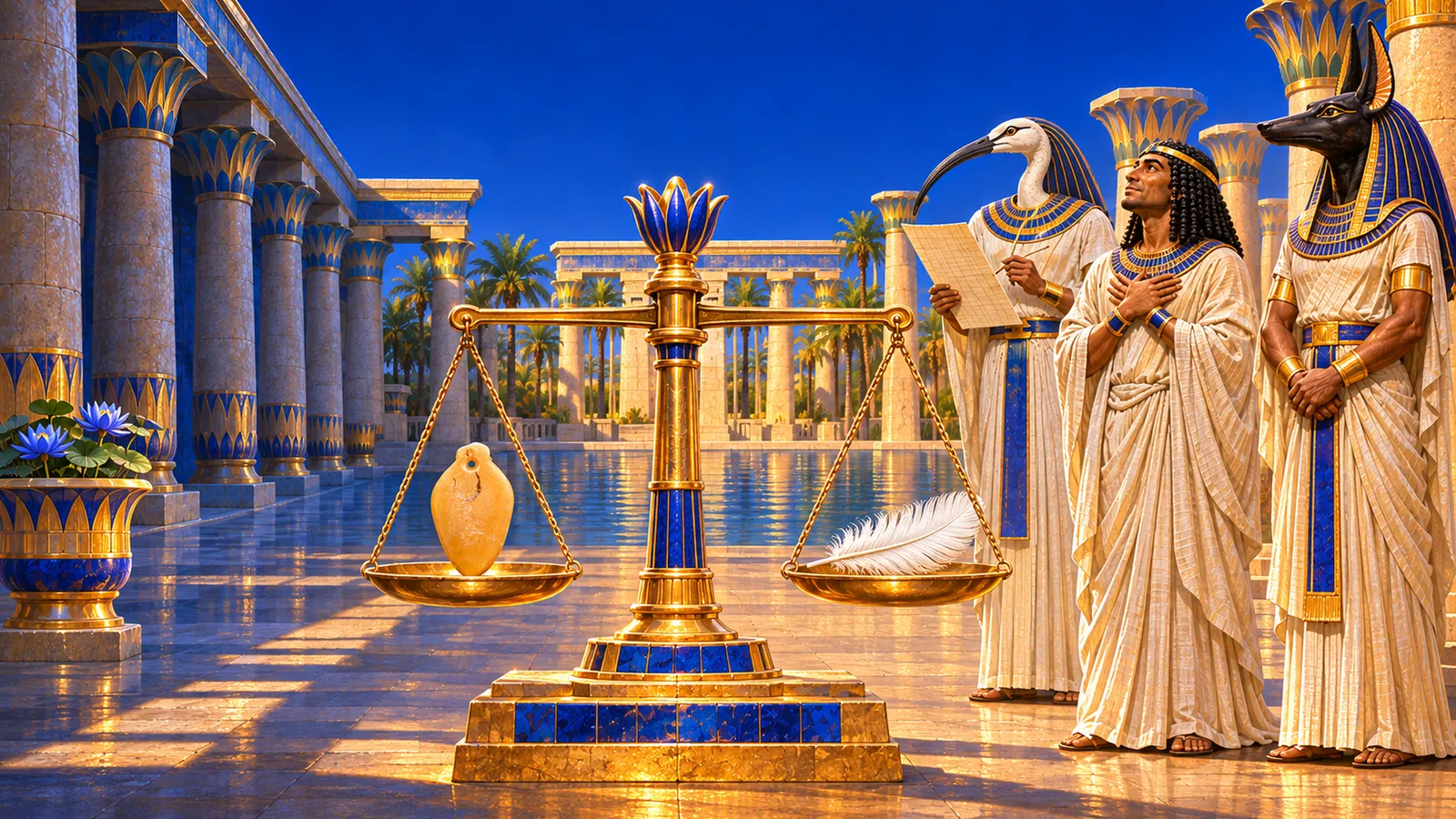
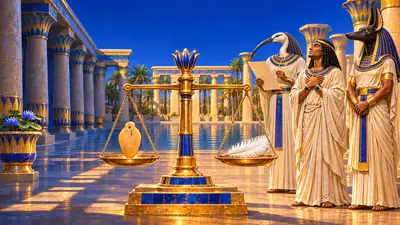
In Budges Schilderung hält Anis Herz der Feder, die Maāt versinnbildlicht, genau das Gleichgewicht. Er erläutert Maāt hier mit dem Rechten, der Wahrheit und dem Gesetz.
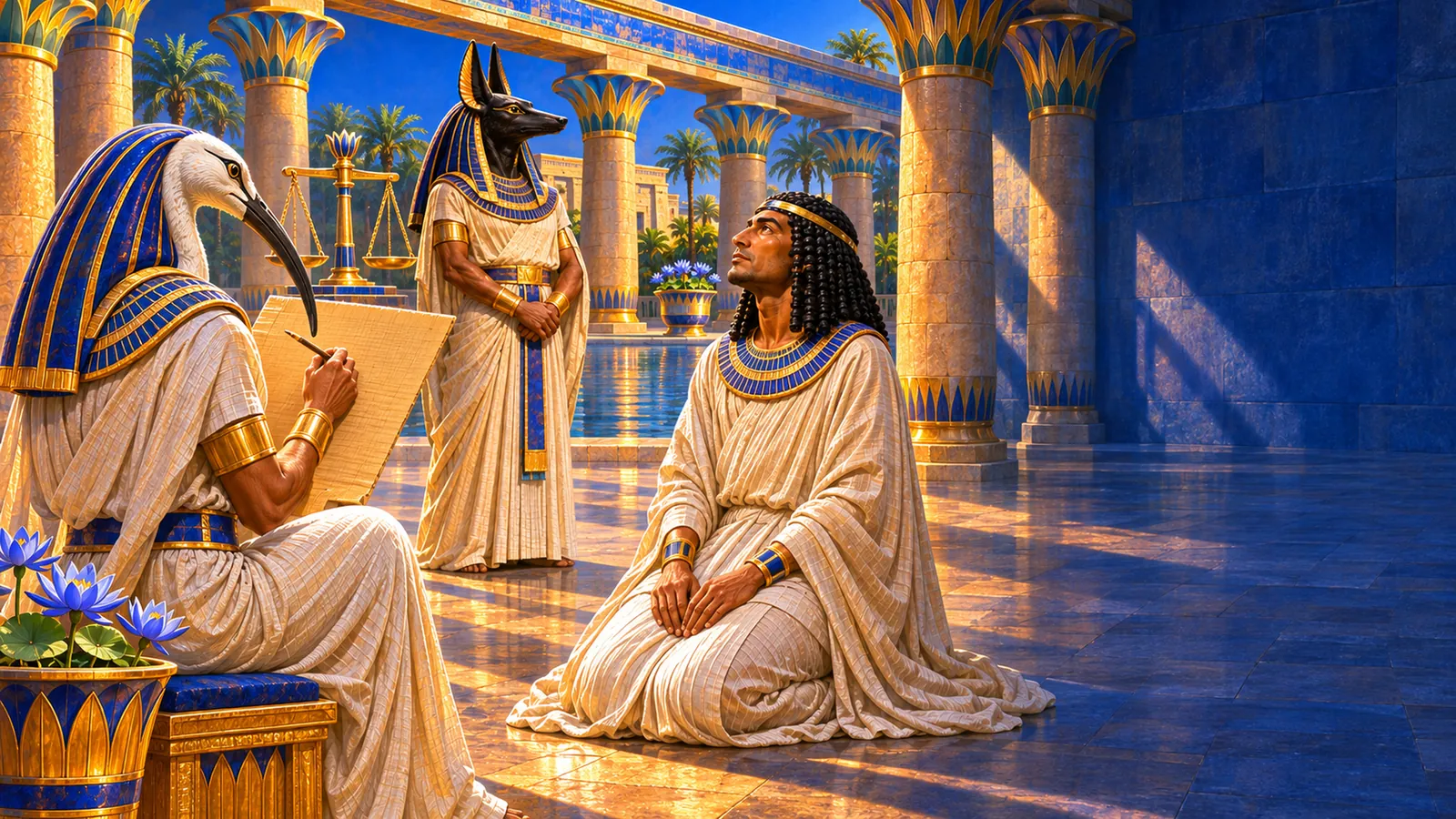
Budge sagt, dass Thot das Ergebnis der Wägung aufschreibt. Dann spricht Thot die Götter an.
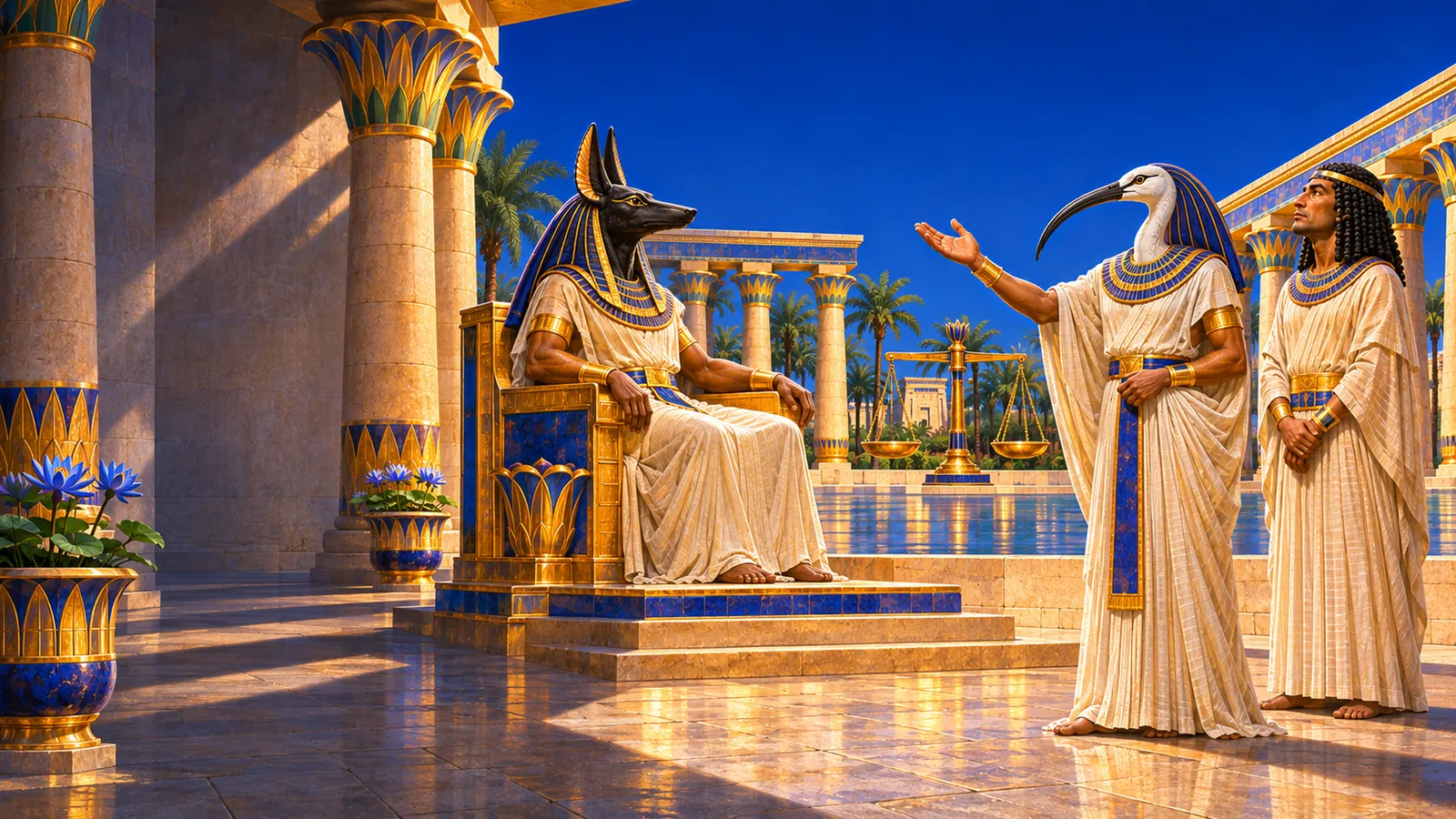
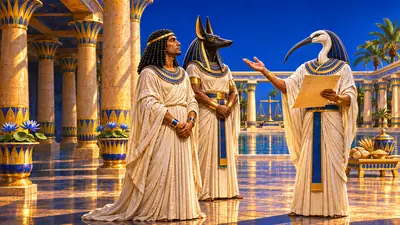
Thot ruft die Götter auf, das Urteil anzuhören. Er sagt ihnen, dass das Herz des Osiris wahrhaft gewogen worden ist.
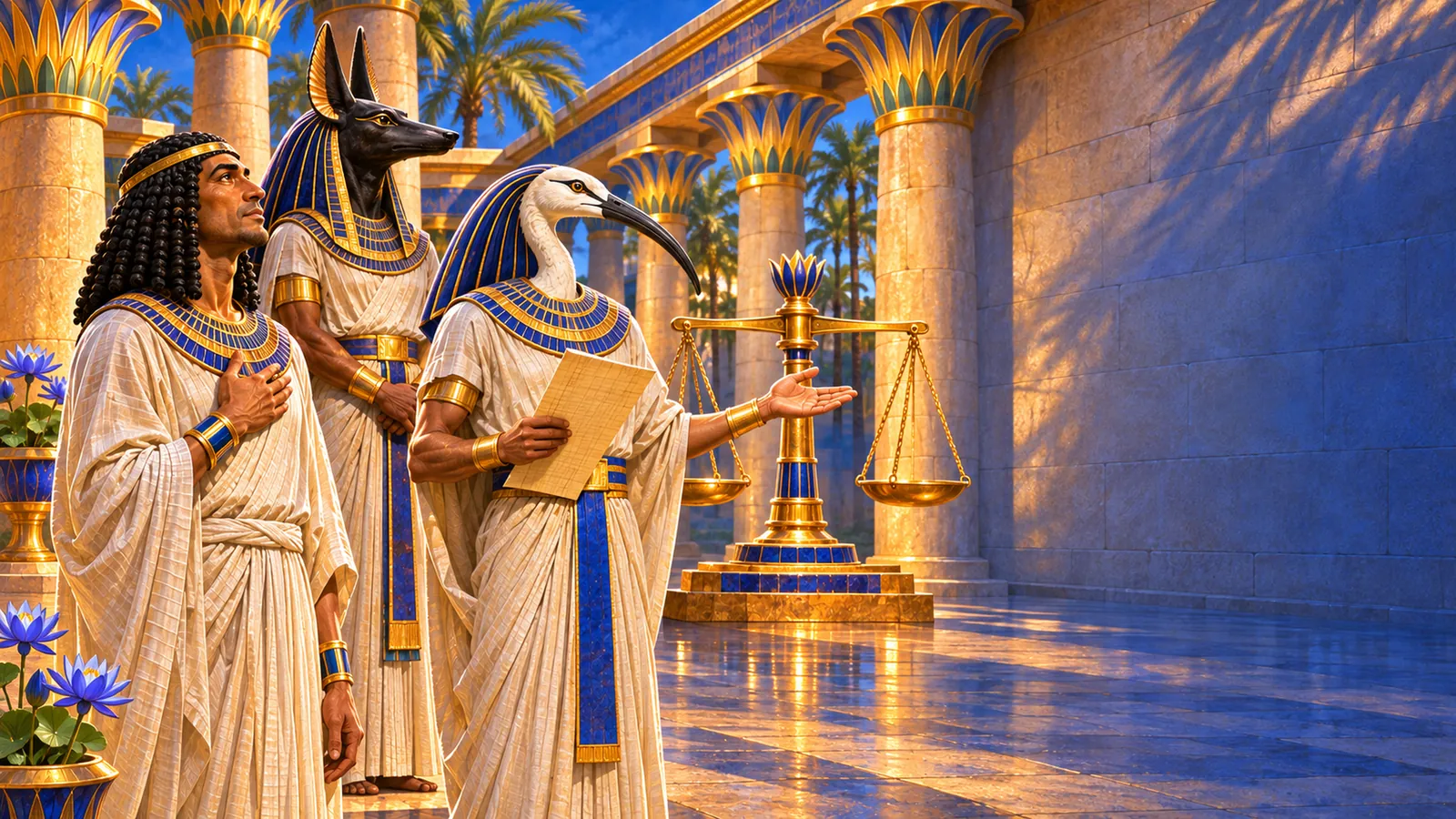
Thot sagt, die Seele des Verstorbenen sei als Zeugin für ihn aufgetreten. Er fügt hinzu, es sei bei der Prüfung auf der Großen Waage für wahr befunden worden.
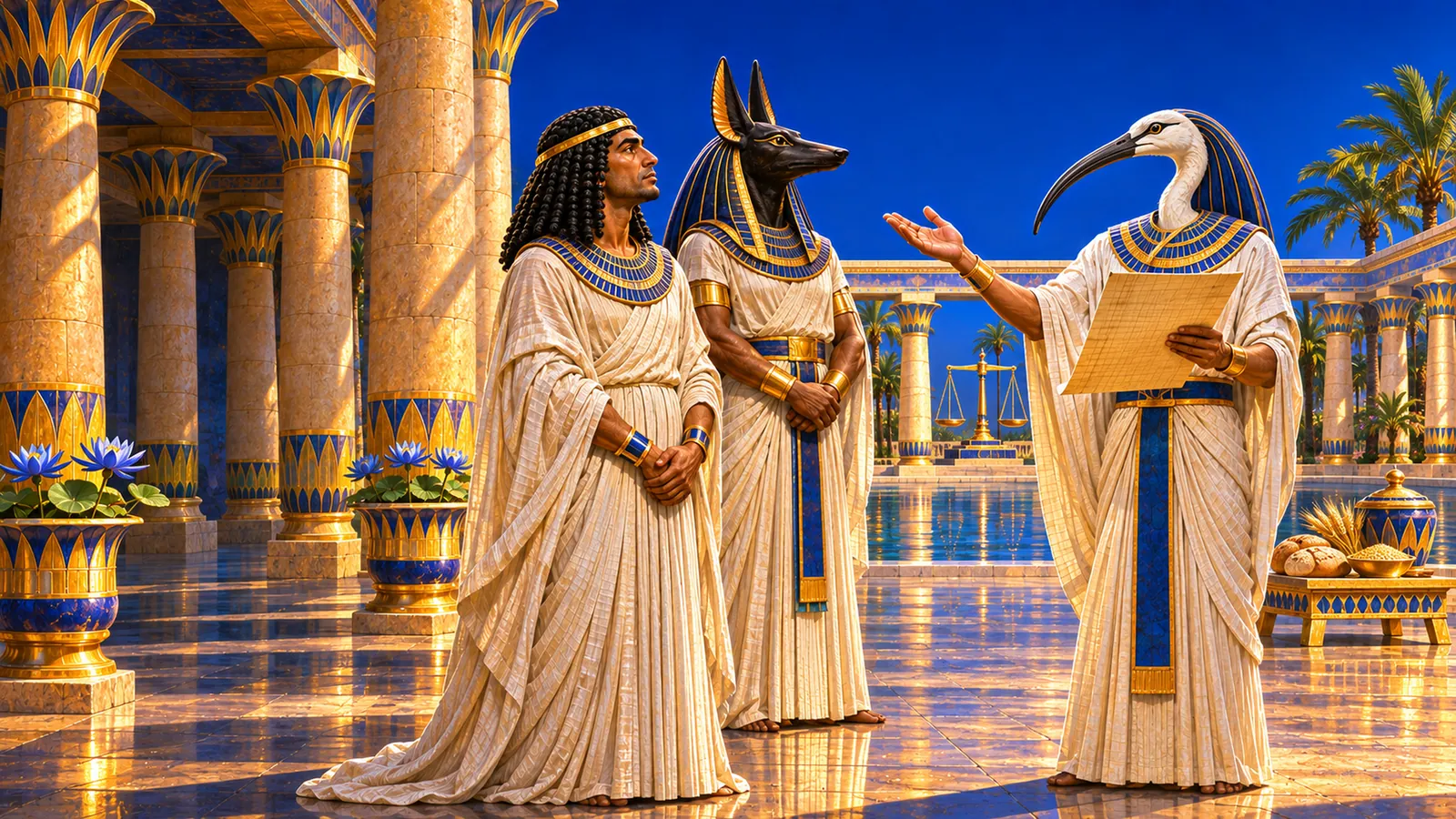
Thot berichtet, in Ani sei keine Bosheit gefunden worden. Er fügt hinzu, Ani habe die Opfergaben in den Tempeln nicht verschwendet.
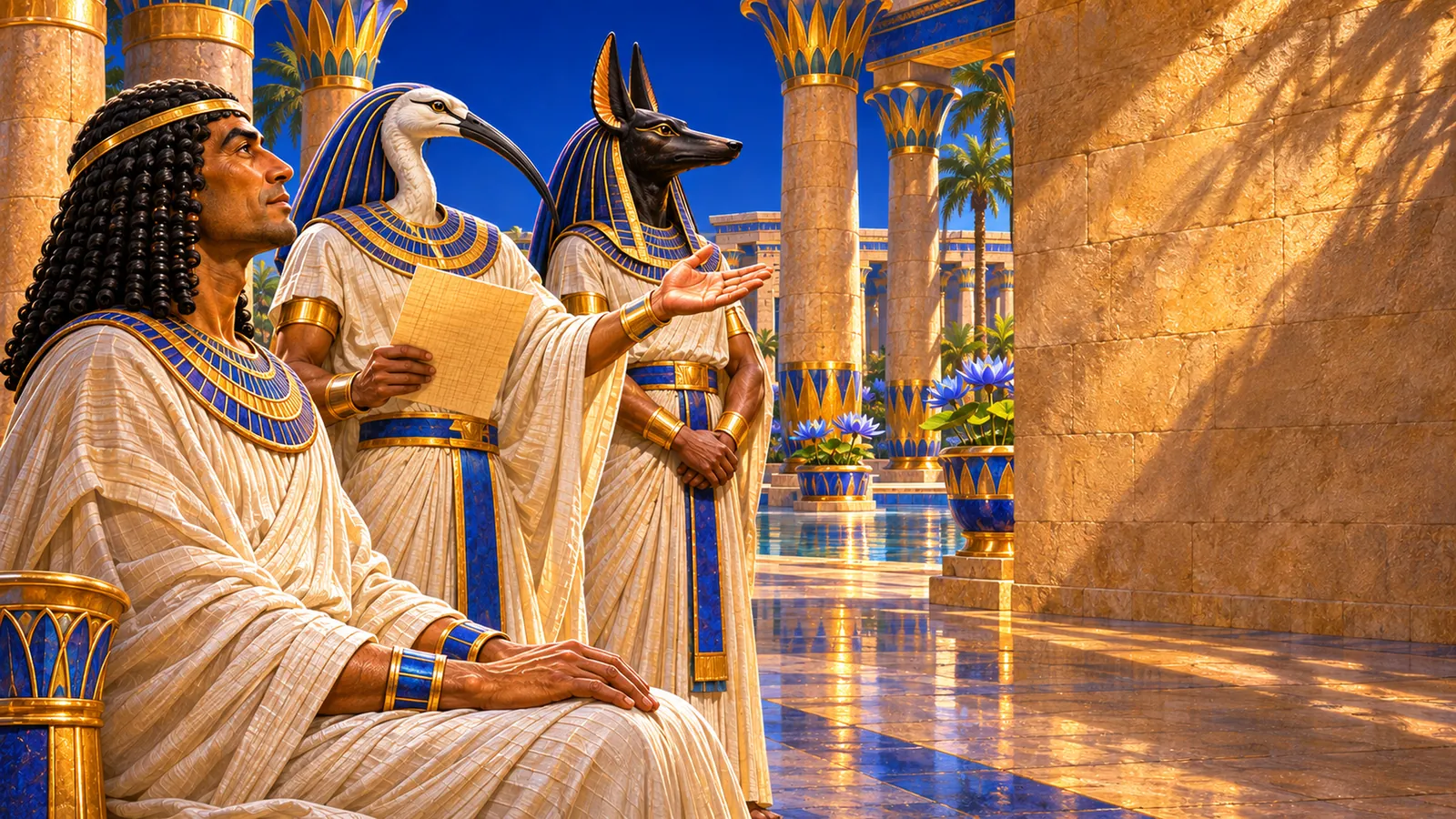
Thot sagt, Ani habe mit seinen Taten keinen Schaden angerichtet und während seines Lebens auf Erden keine üble Nachrede verbreitet.
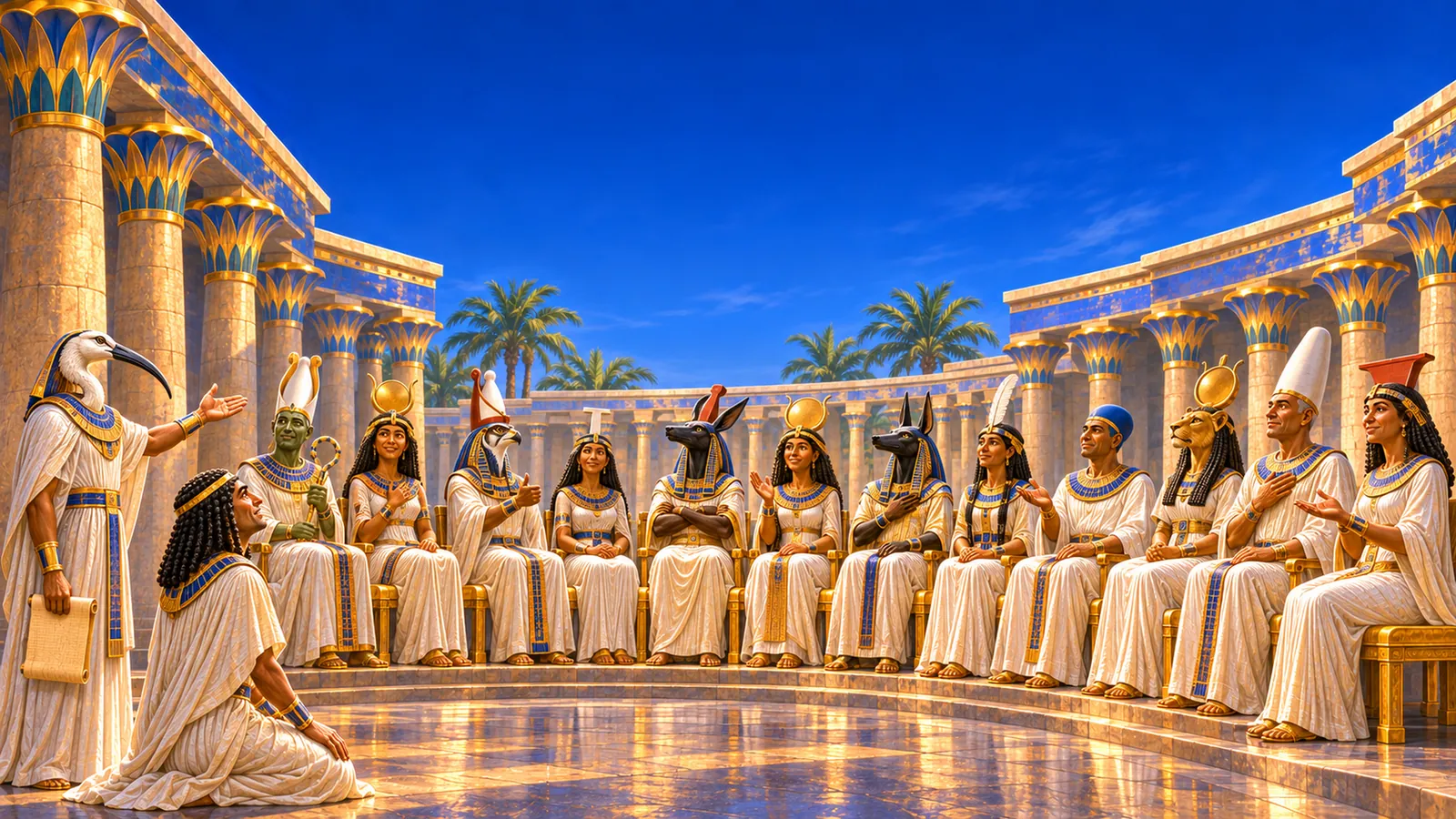
DIE ANTWORT
Die große Versammlung der Götter sagt Thot, dass seine Worte bestätigt sind. Sie spricht ihn als Bewohner von Khemennu an, das Budge mit Hermopolis gleichsetzt.
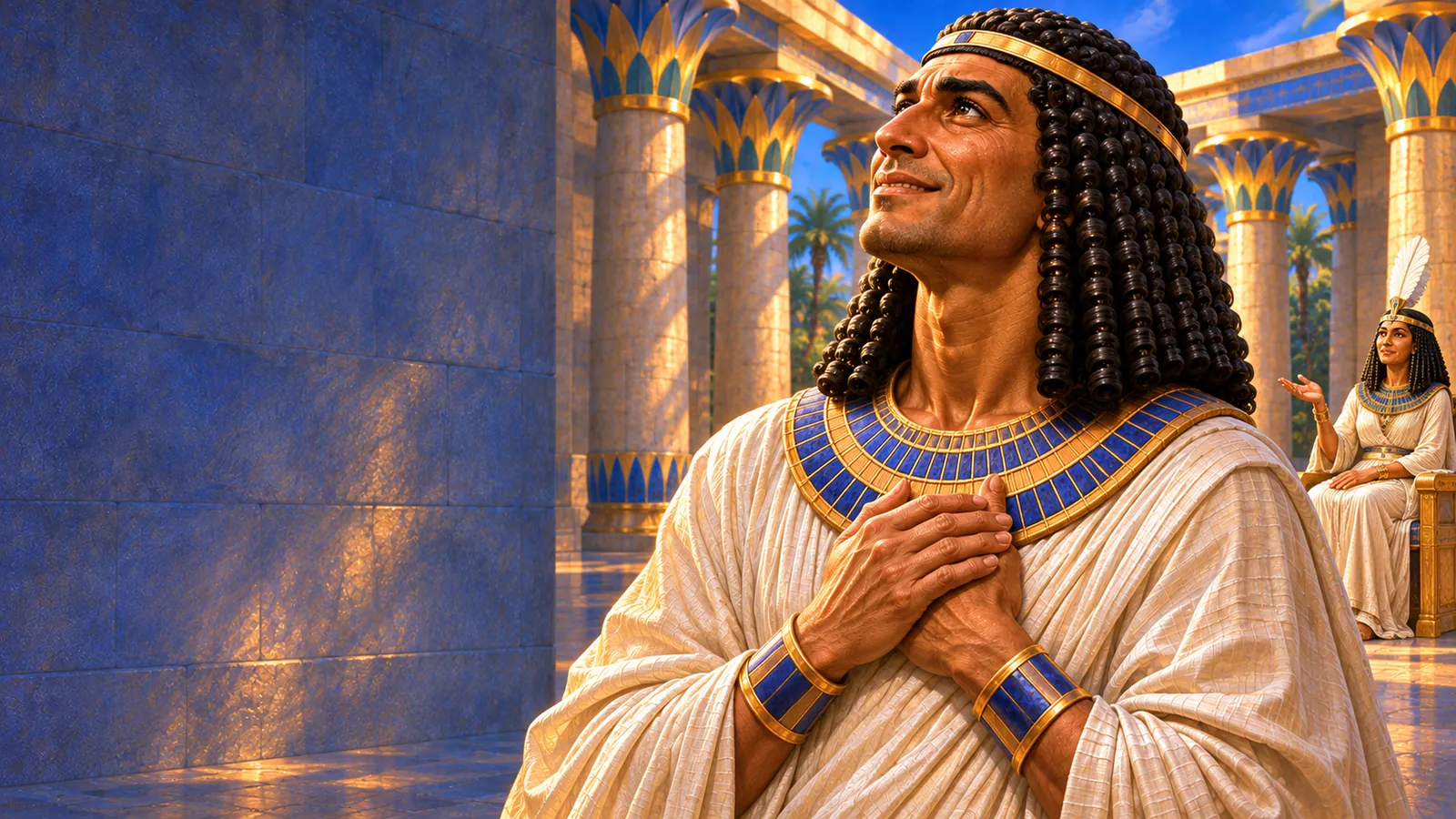
Die Versammlung nennt ihn Osiris, den triumphierenden Schreiber Ani. Sie erklärt ihn für heilig und gerecht.
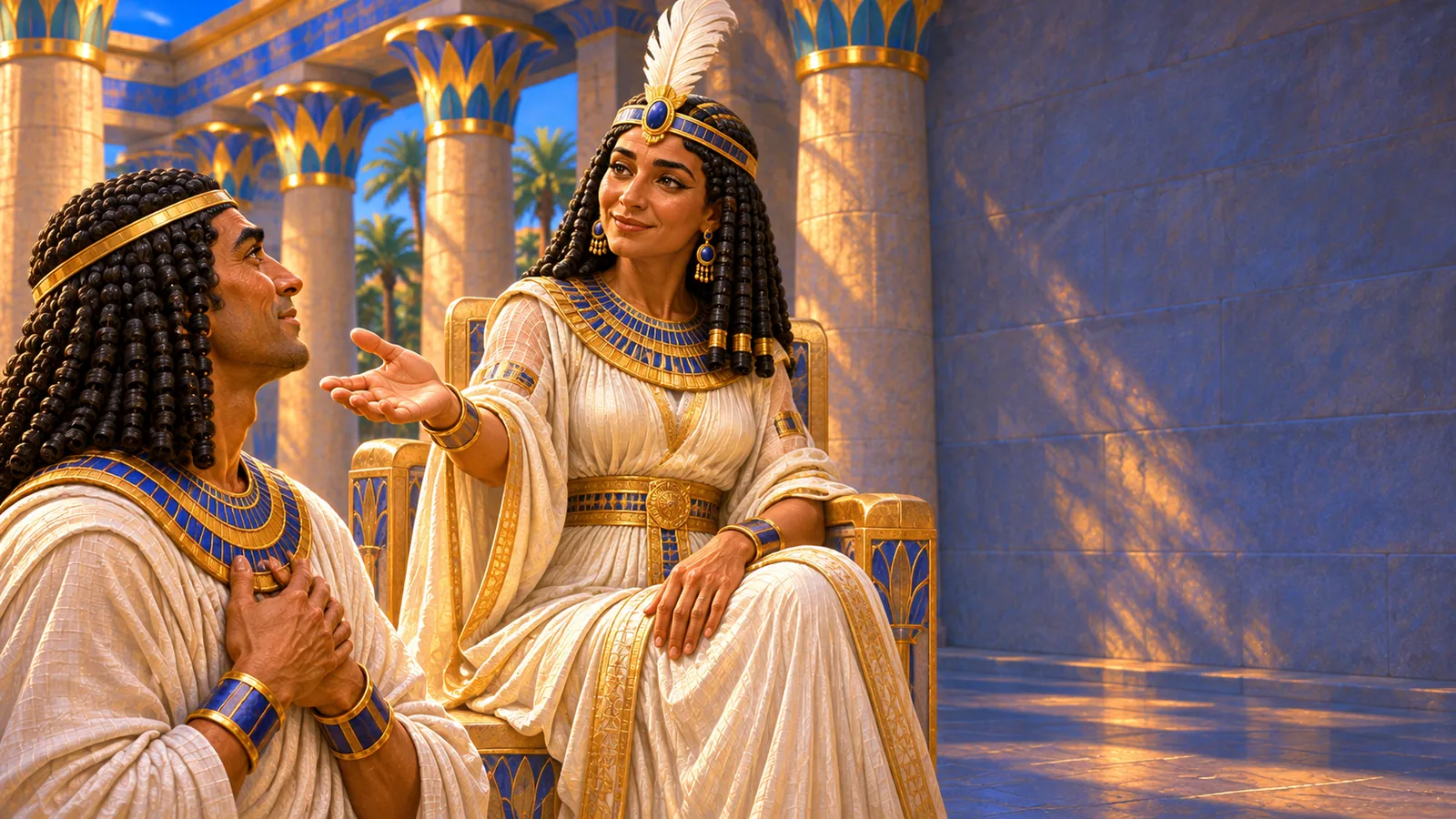
Die Versammlung sagt, Ani habe nicht gesündigt. Sie fügt hinzu, er habe ihnen gegenüber nichts Böses getan.
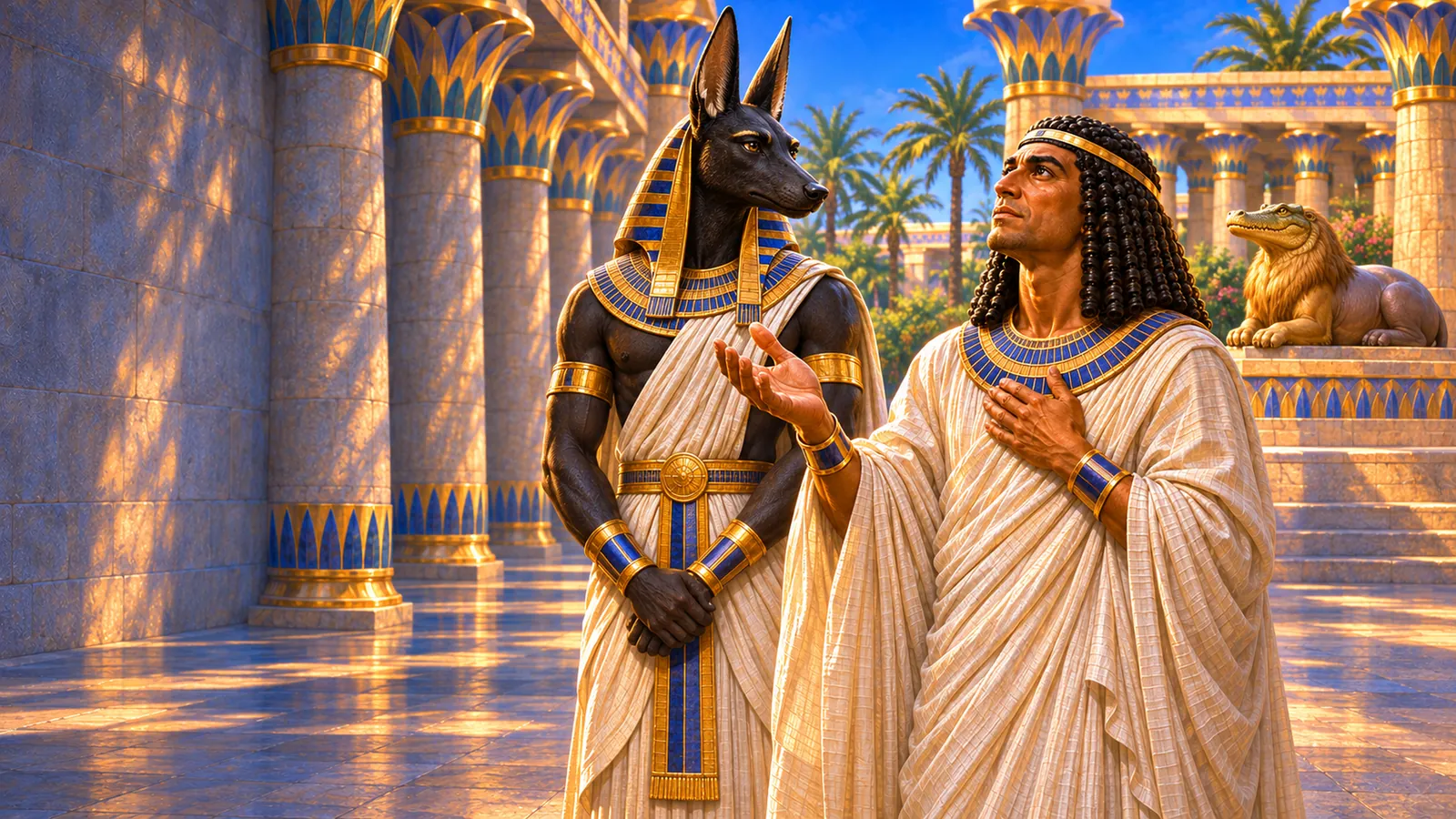
In ihrer Antwort erklärt die Versammlung, die Verschlingerin Ām-mit dürfe nicht über Ani obsiegen.
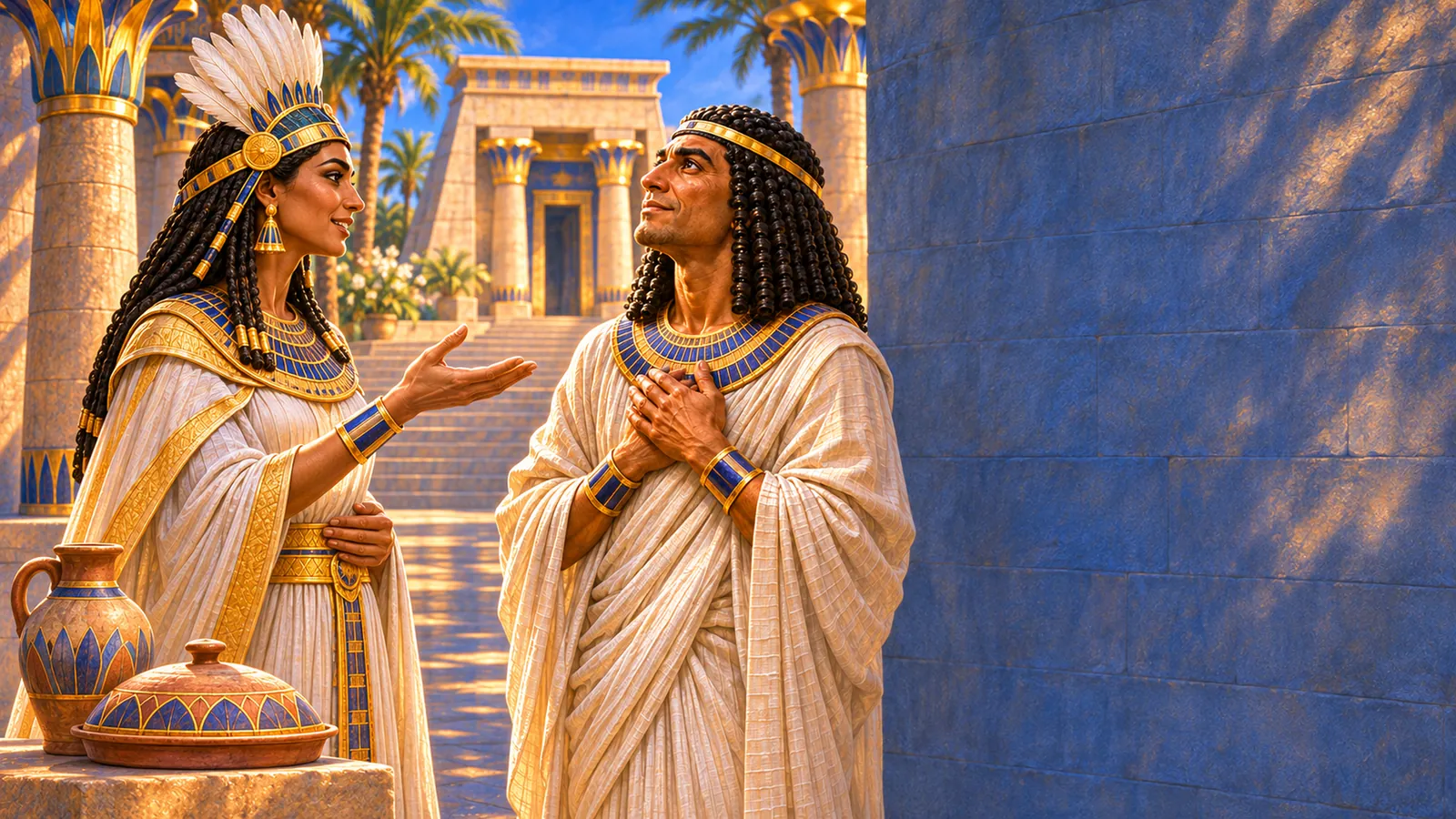
Die Versammlung sagt, Ani werde Fleischopfer erhalten und in die Gegenwart des Gottes Osiris eingelassen.
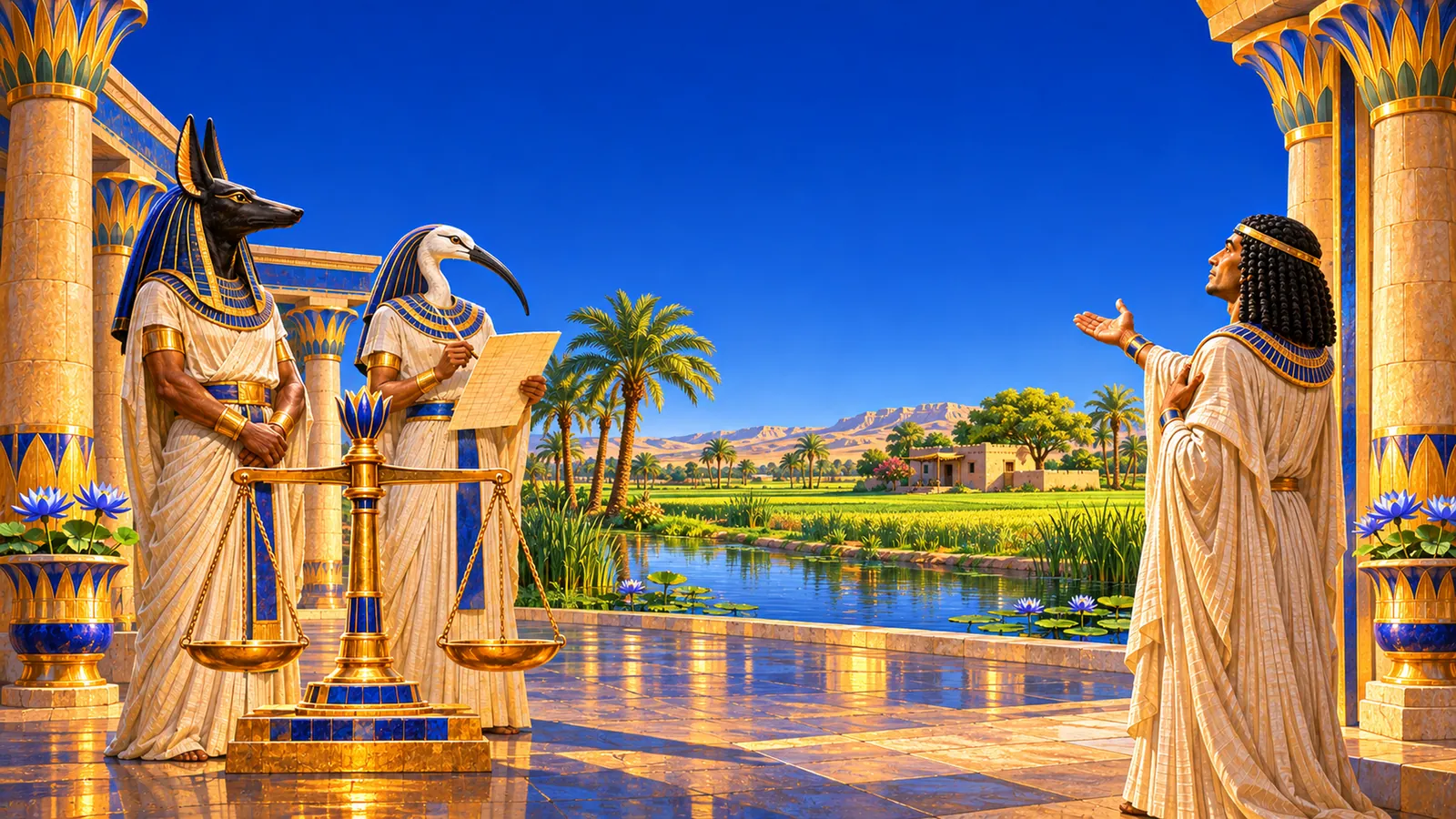
Die Versammlung verspricht Ani auch eine Heimstatt für alle Zeit im Feld des Friedens, wie sie den Gefolgsleuten des Horus gewährt wird.
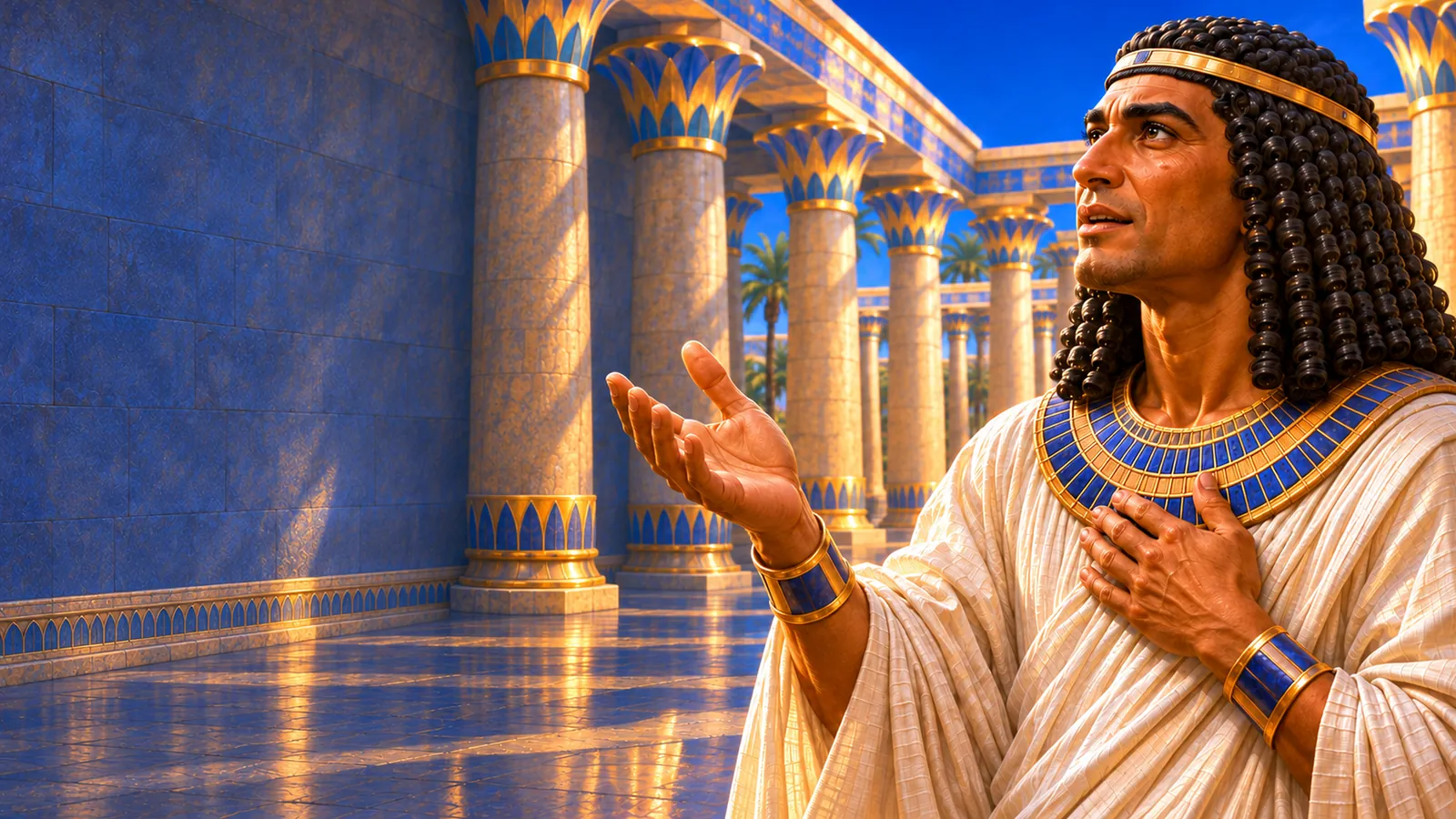
Budge übersetzt den ägyptischen Ausdruck maā kheru mit „triumphierend“. Er erklärt ihn als „wahr von Stimme“ oder „recht von Wort“.
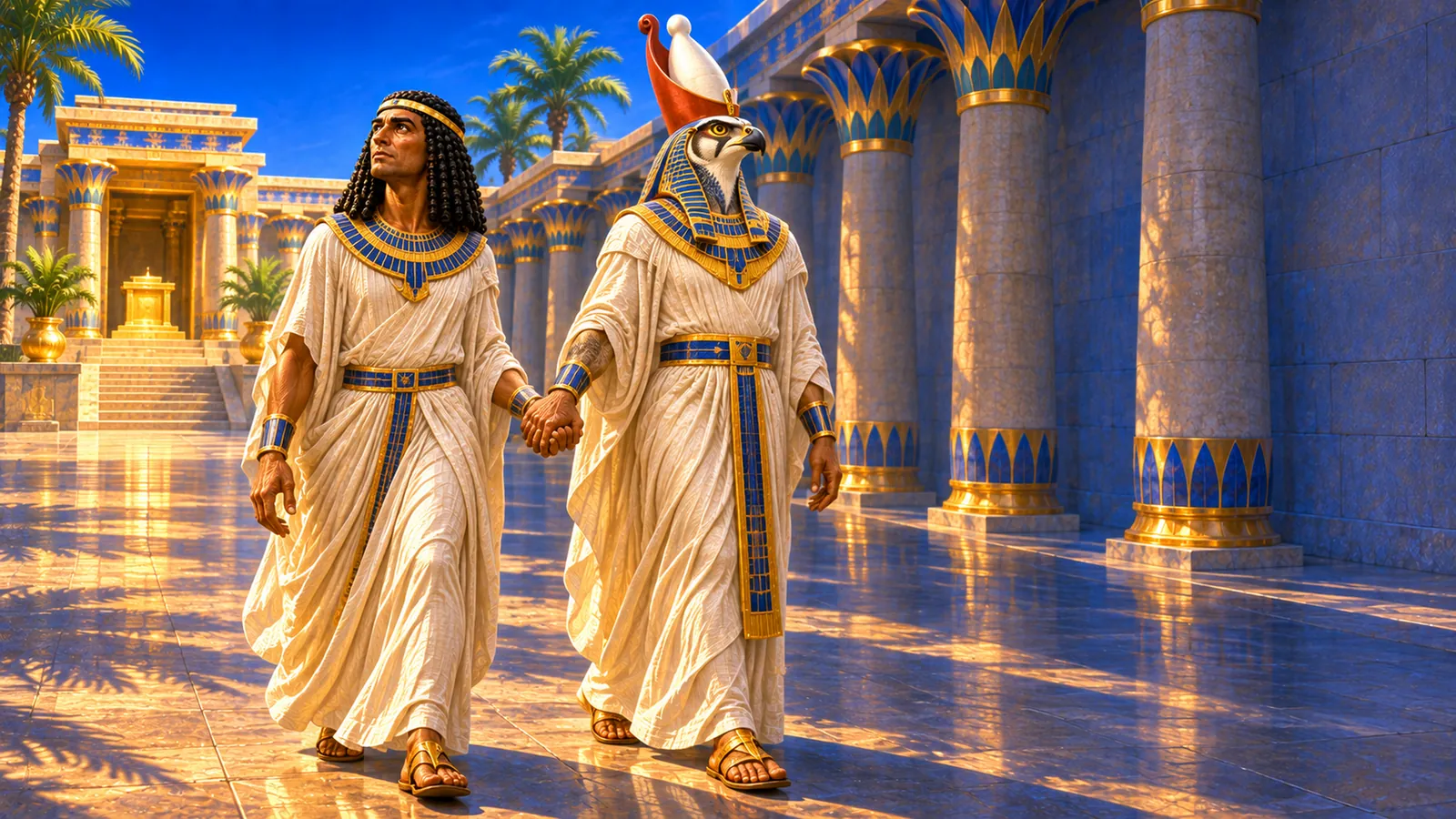
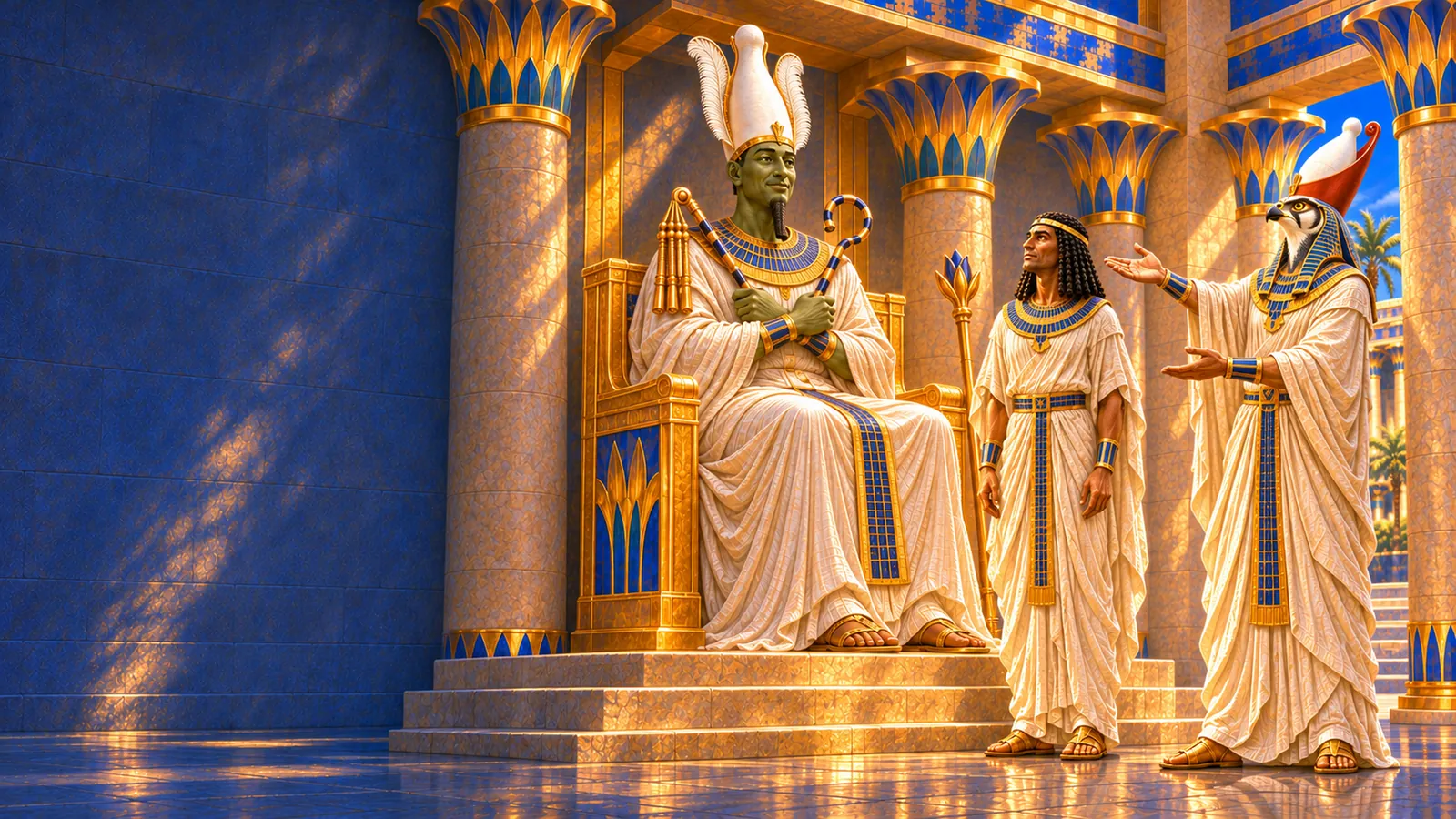
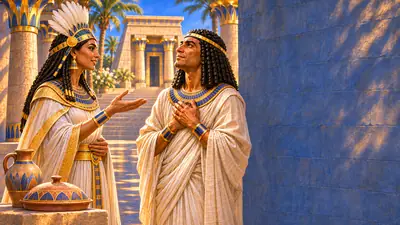
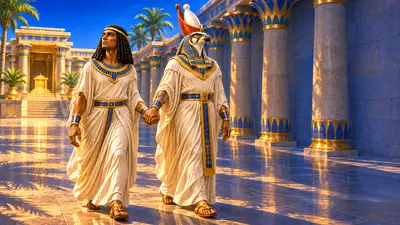
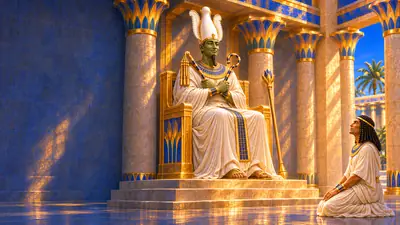
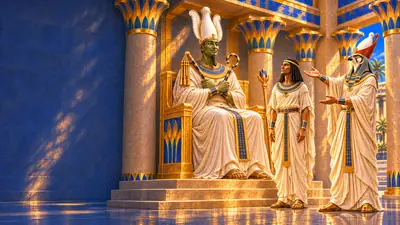
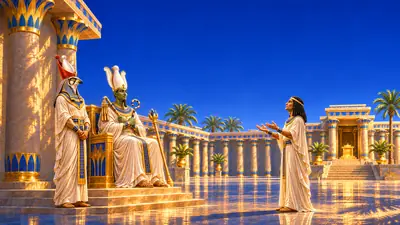
In Budges Beschreibung hat Horus, der Sohn der Isis, nach dem Gericht alle Merkmale seines Vaters Osiris angenommen. Er nimmt Anis linke Hand in seine rechte und führt ihn hinauf zum Schrein.
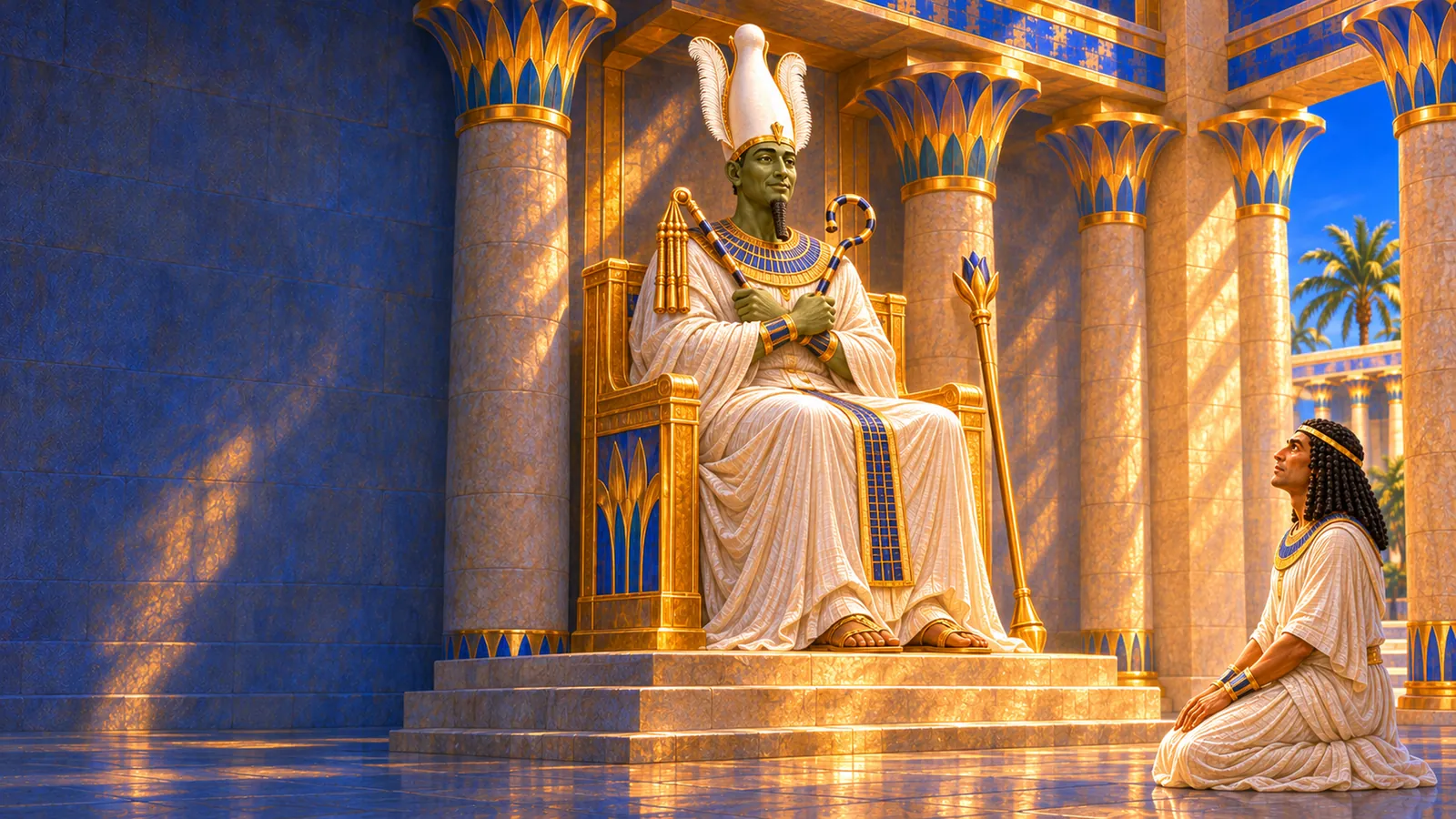
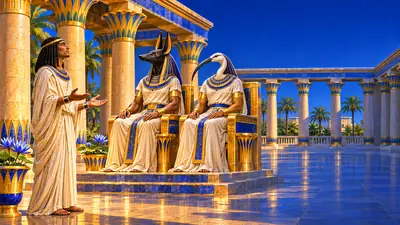
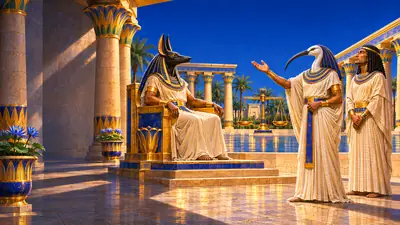
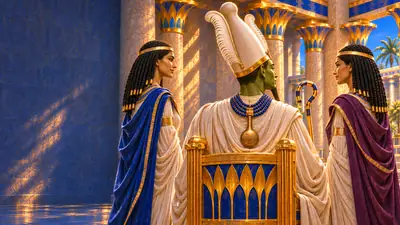
Budge beschreibt Osiris sitzend im Schrein, mit einer gefiederten weißen Krone, einem Zepter, einem Krummstab und einer Peitsche oder einer Geißel. Die Geräte stehen ihm zufolge für Souveränität und Herrschaft.
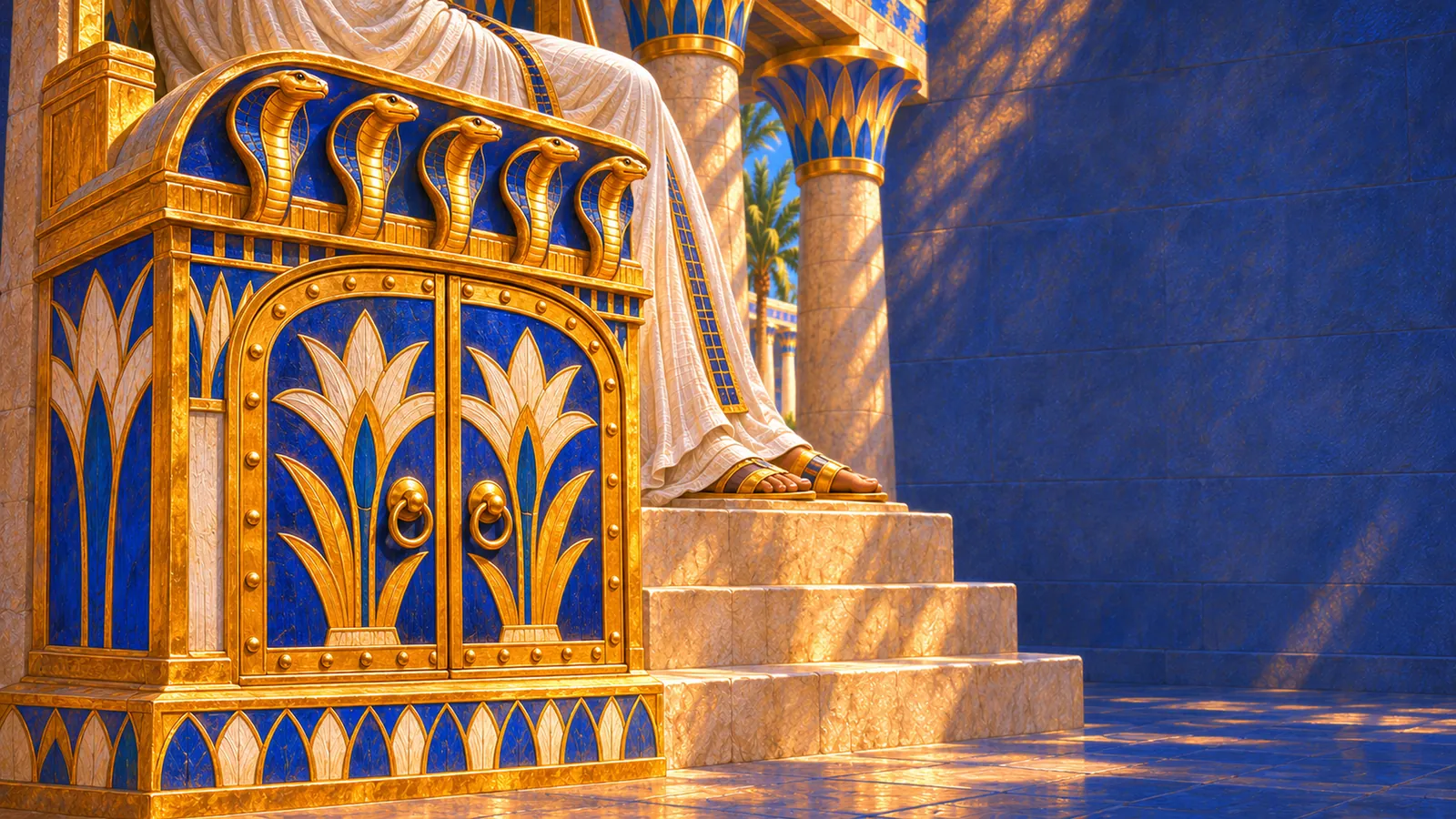
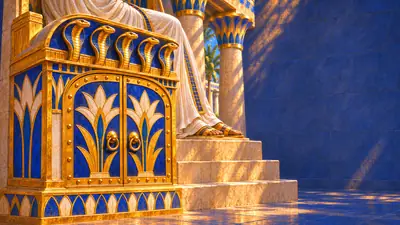
In Budges Beschreibung ist der Thron ein Grab. An seiner Seite sind die verriegelten Türen und das Uräengesims aufgemalt.
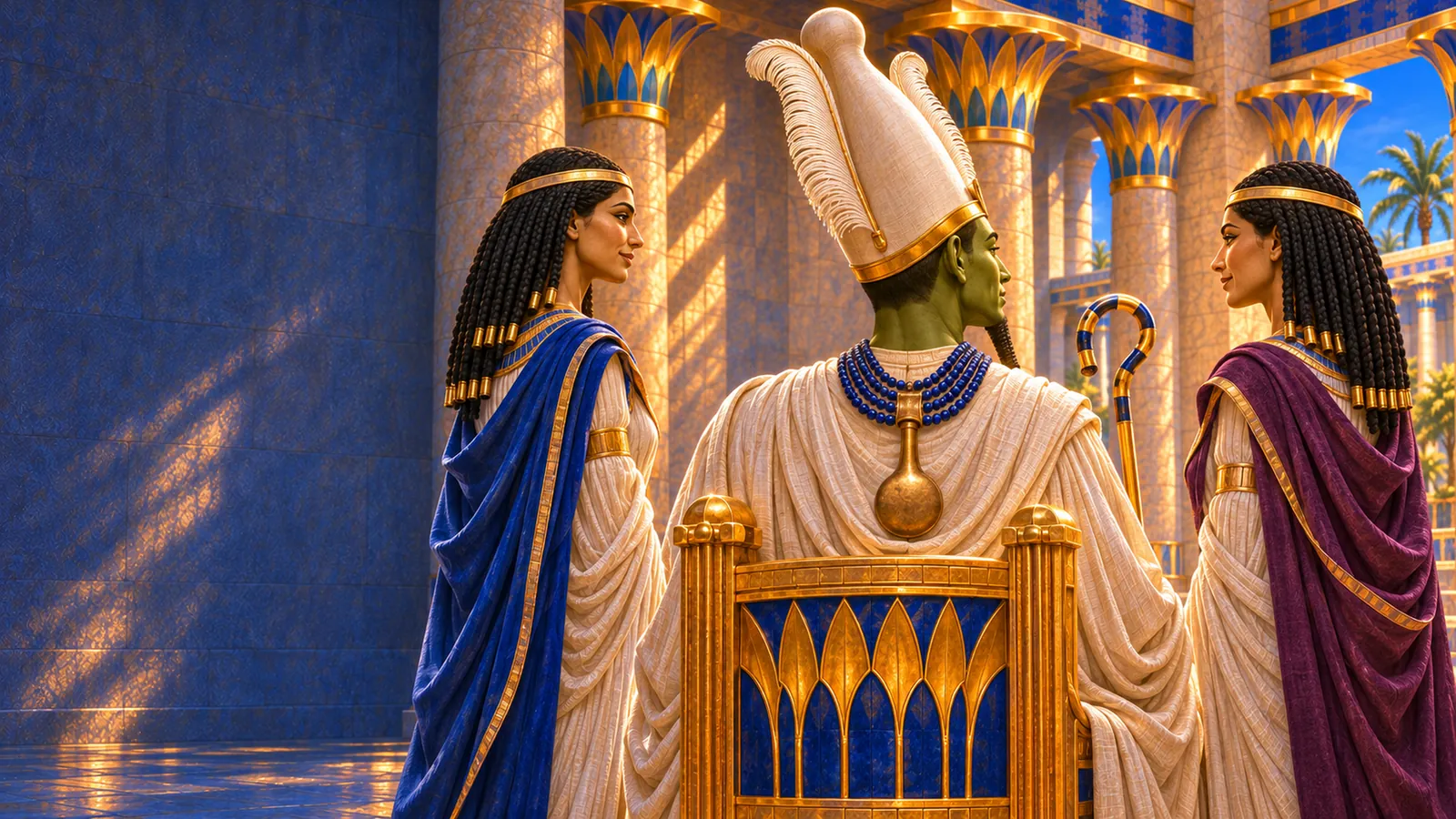
Budge zufolge hängt an Osiris’ Nacken ein Menat als Zeichen von Freude und Glück. Nephthys steht rechts von ihm und Isis links.
DIE VORSTELLUNG
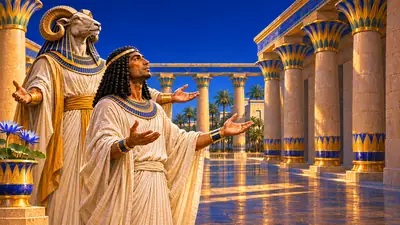
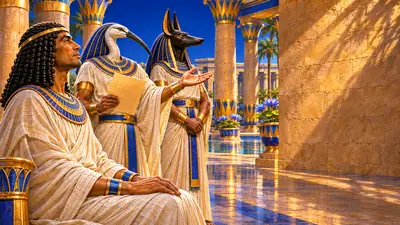
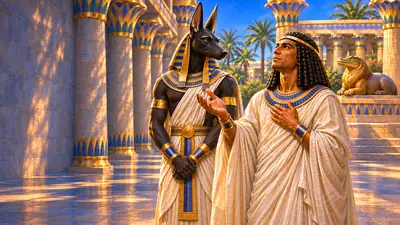
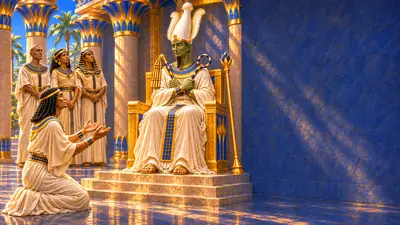
Horus spricht zu Osiris und nennt ihn Un-nefer. Er sagt, er sei vor ihn getreten und habe den Osiris Ani zu ihm gebracht.
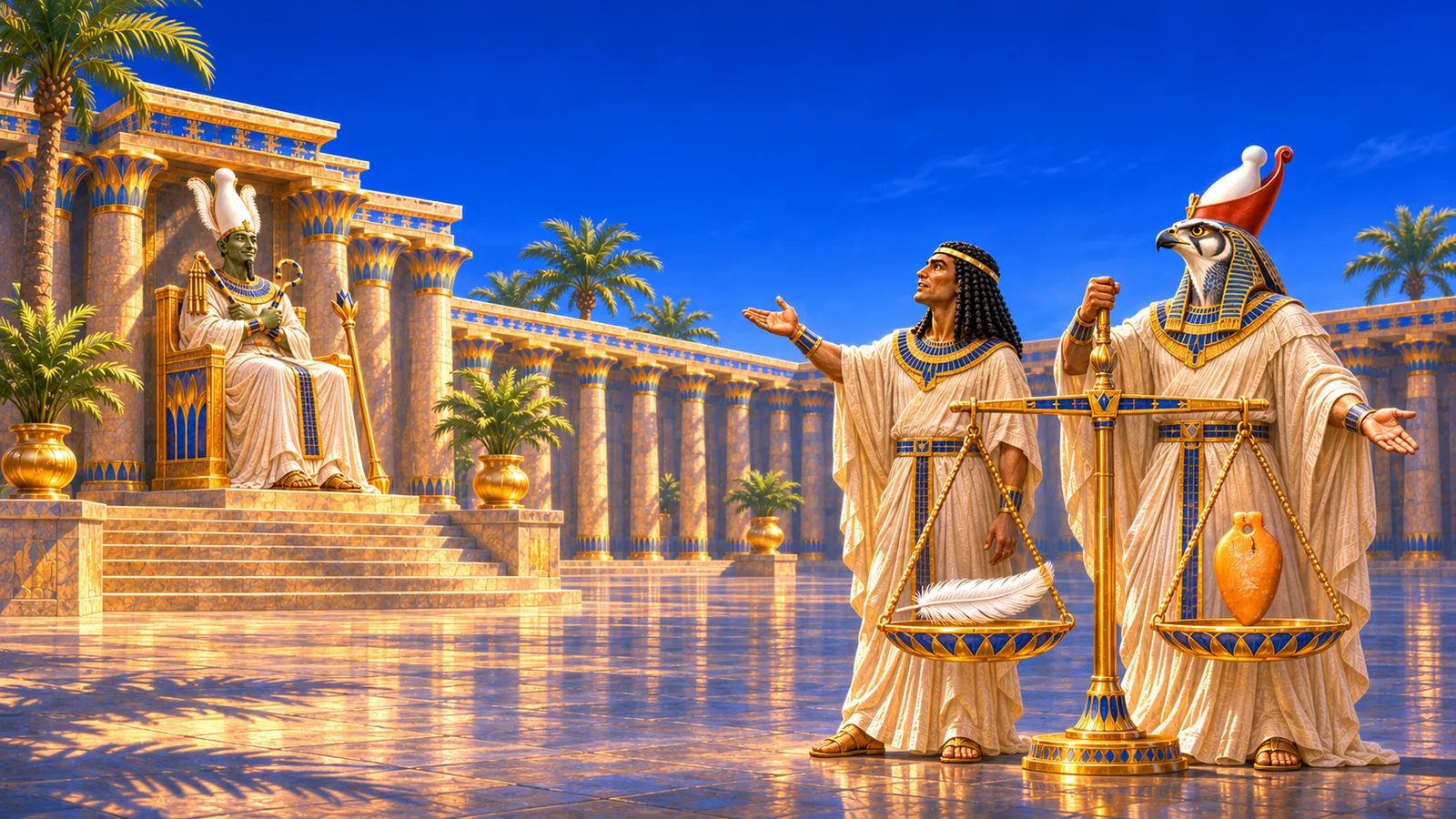
Horus sagt, Anis Herz sei für gerecht befunden worden und aus der Waage hervorgegangen. Es habe sich gegen keinen Gott und keine Göttin versündigt.
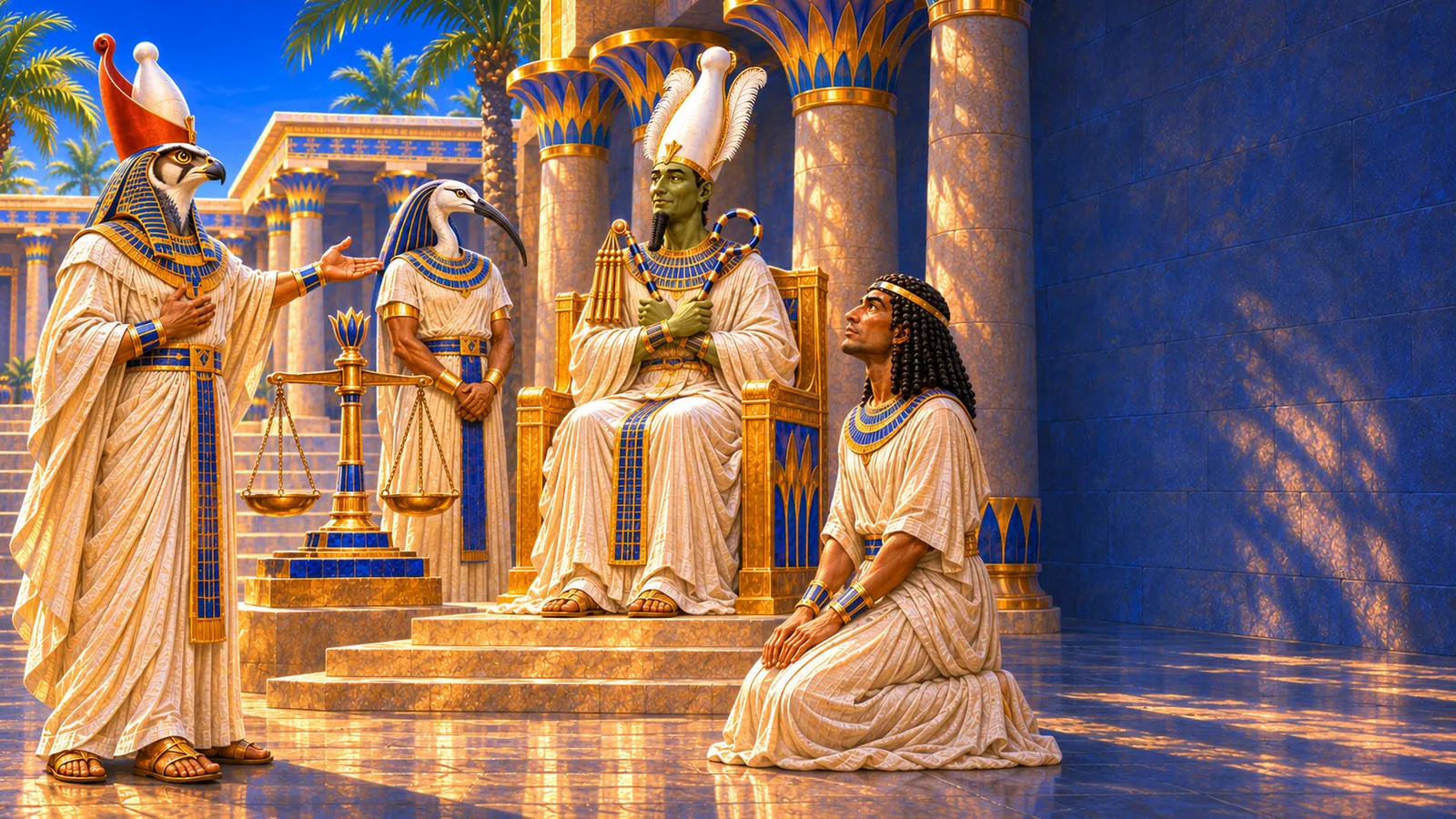
Horus fügt hinzu, Thot habe es nach dem Beschluss gewogen, den die Götterversammlung ihm erteilt hatte. Er nennt das Ergebnis wahr und richtig.
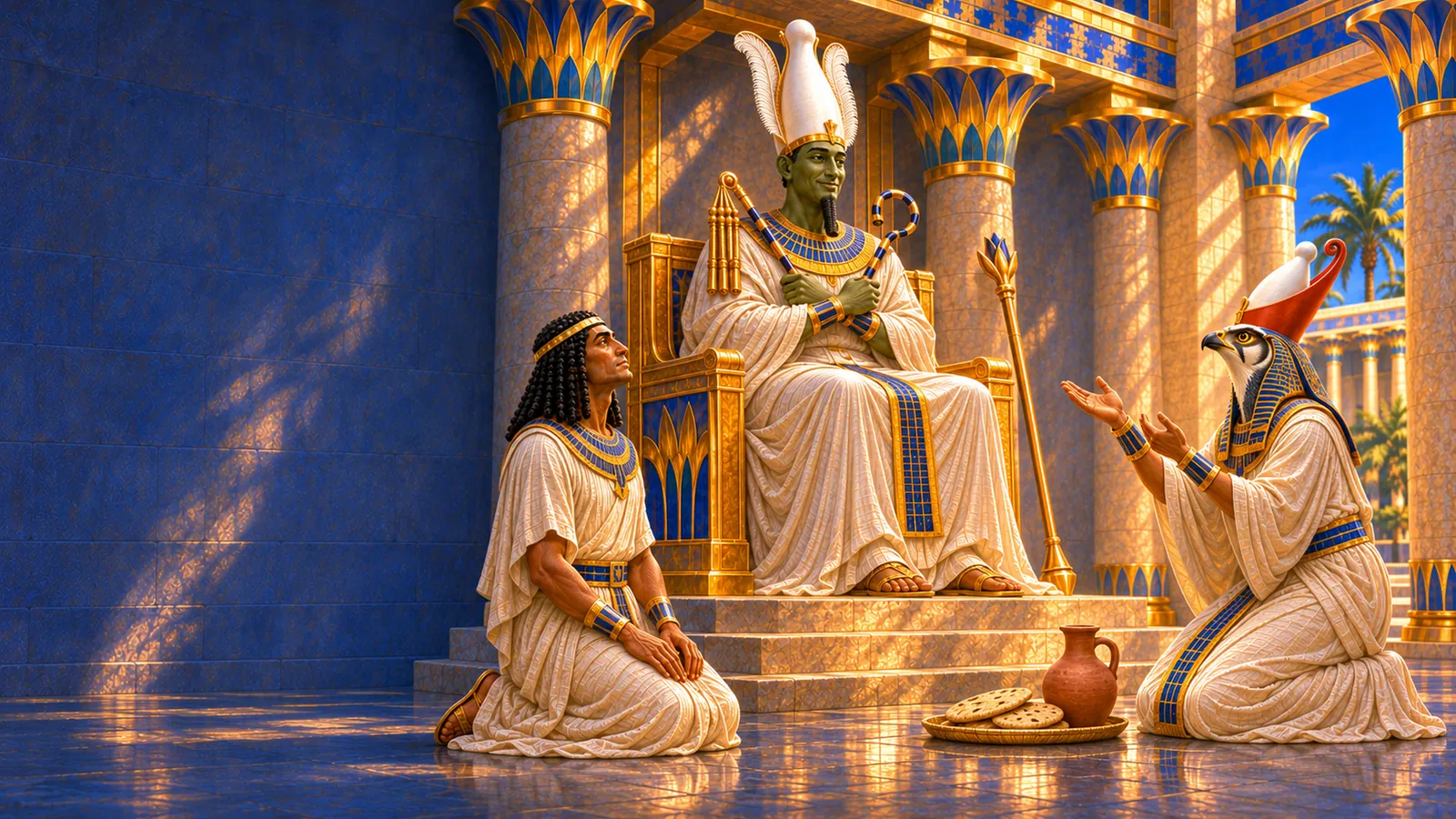
Horus bittet Osiris, Ani Kuchen und Bier zu geben und ihn vor sich treten zu lassen. Ani möge für immer wie die Gefolgsleute des Horus sein.
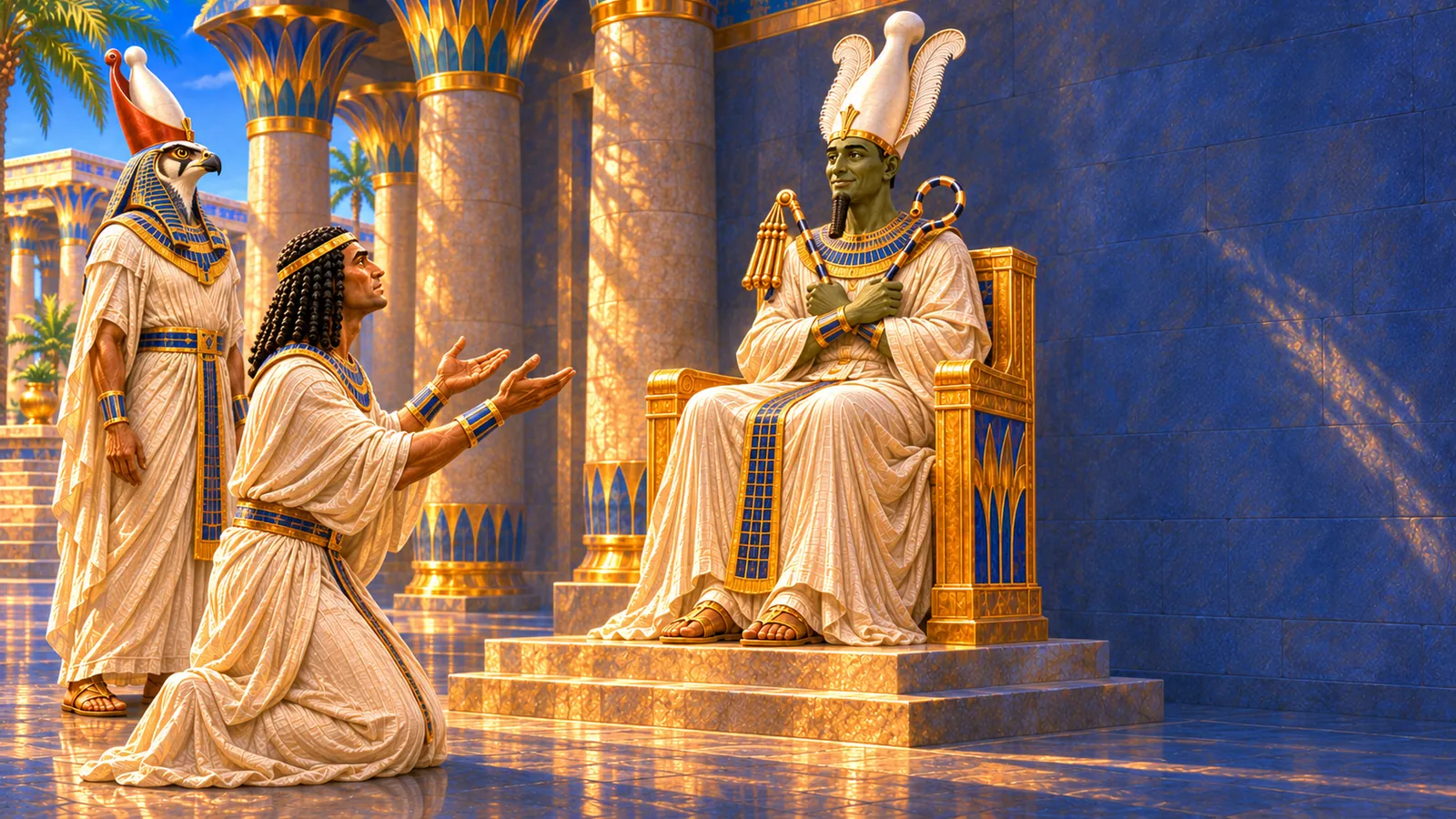
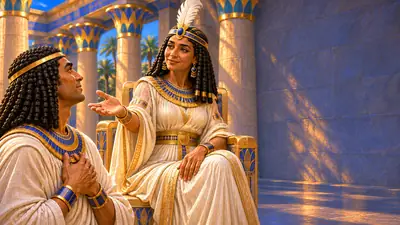
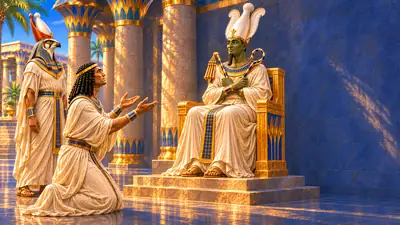
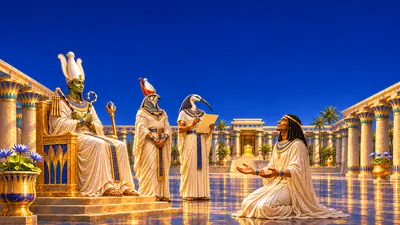
Dann trägt Ani seine eigene Bitte vor. Er nennt Osiris den Herrn von Amentet und sagt, dass er vor ihm steht.
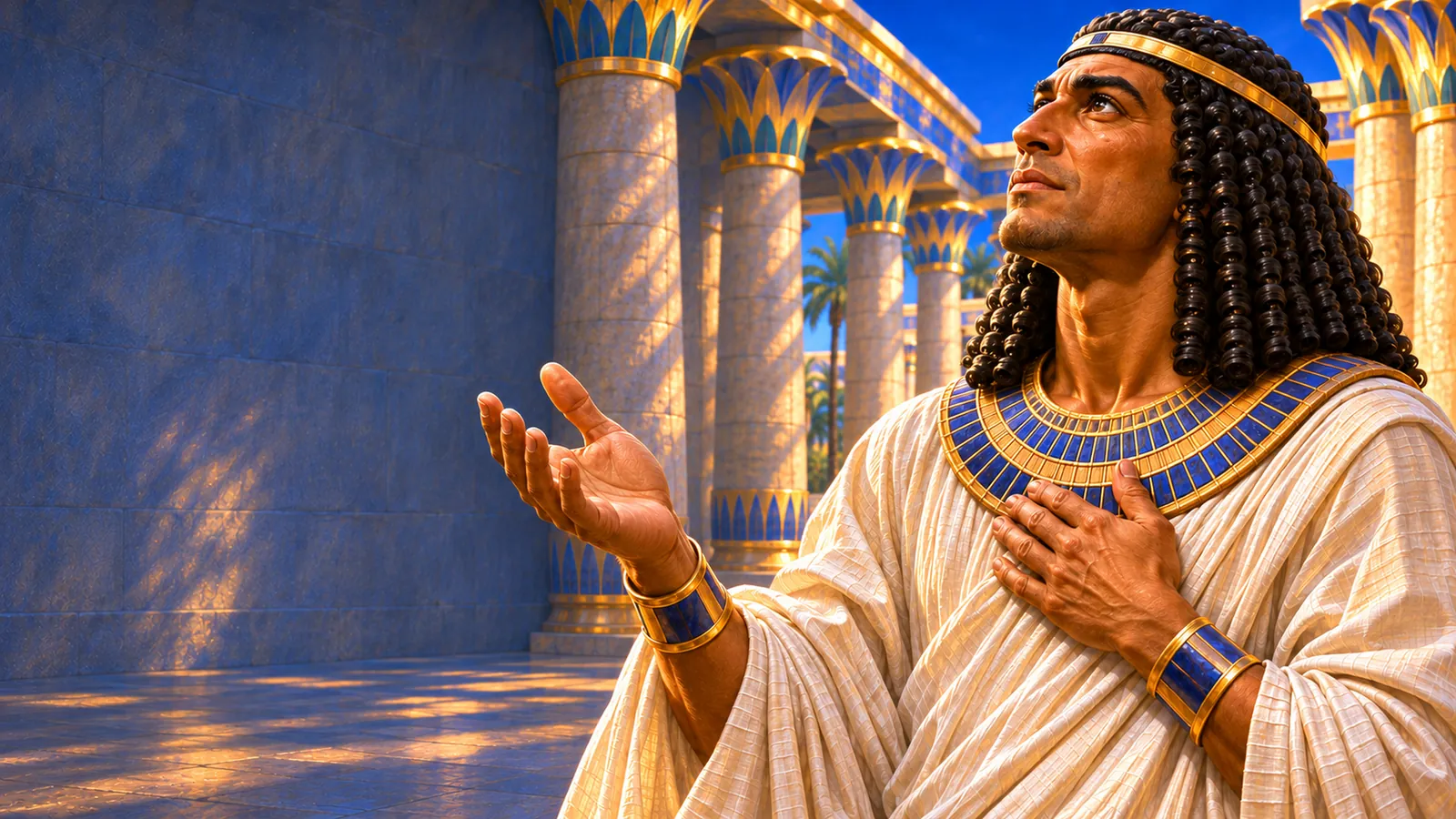
Ani sagt, in ihm sei keine Sünde. Er habe nie wissentlich gelogen und nichts mit falschem Herzen getan.
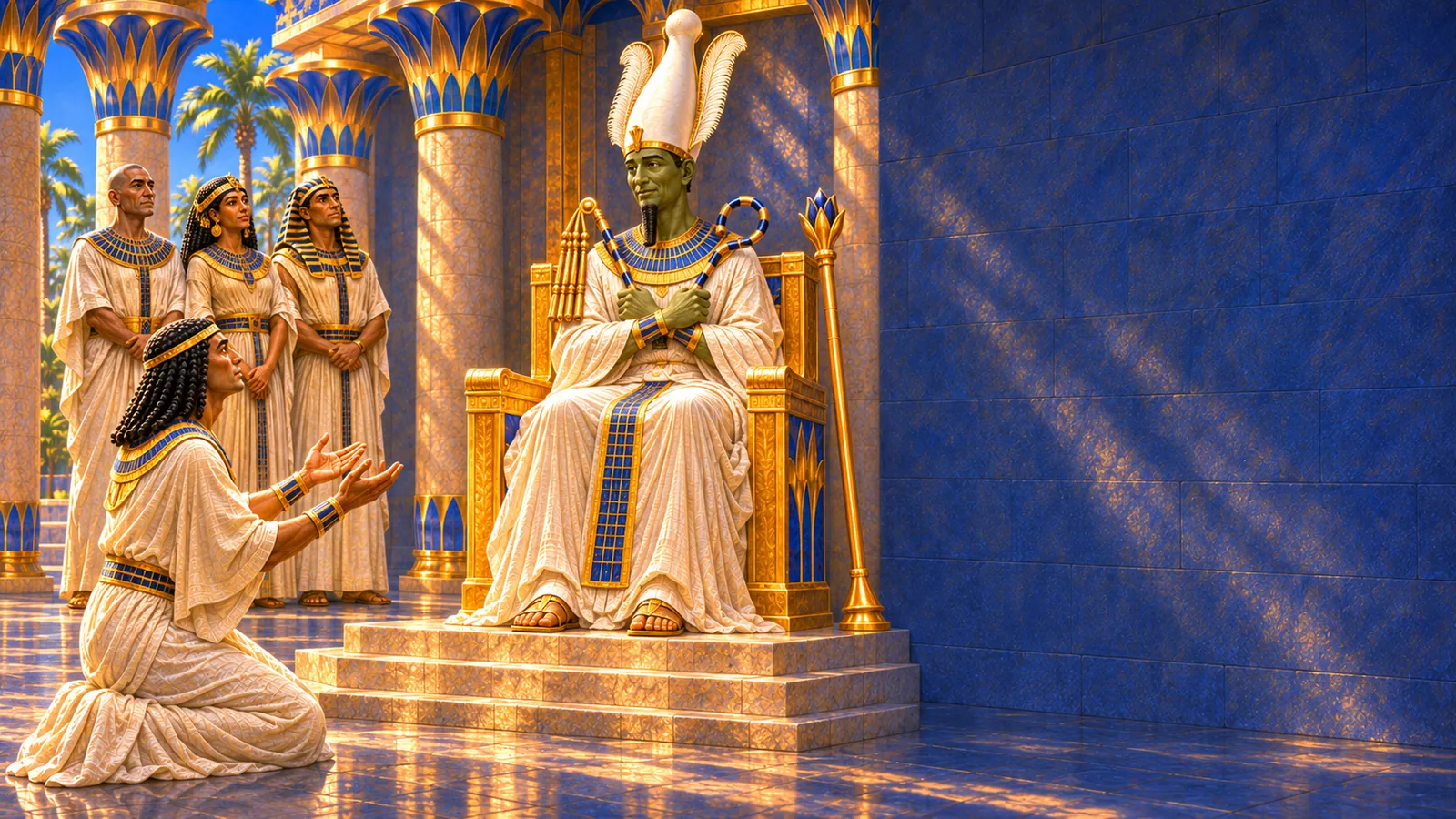
In seiner Bitte möchte Ani denen gleichen, die in der Gunst des Herrn stehen und ihn umgeben.
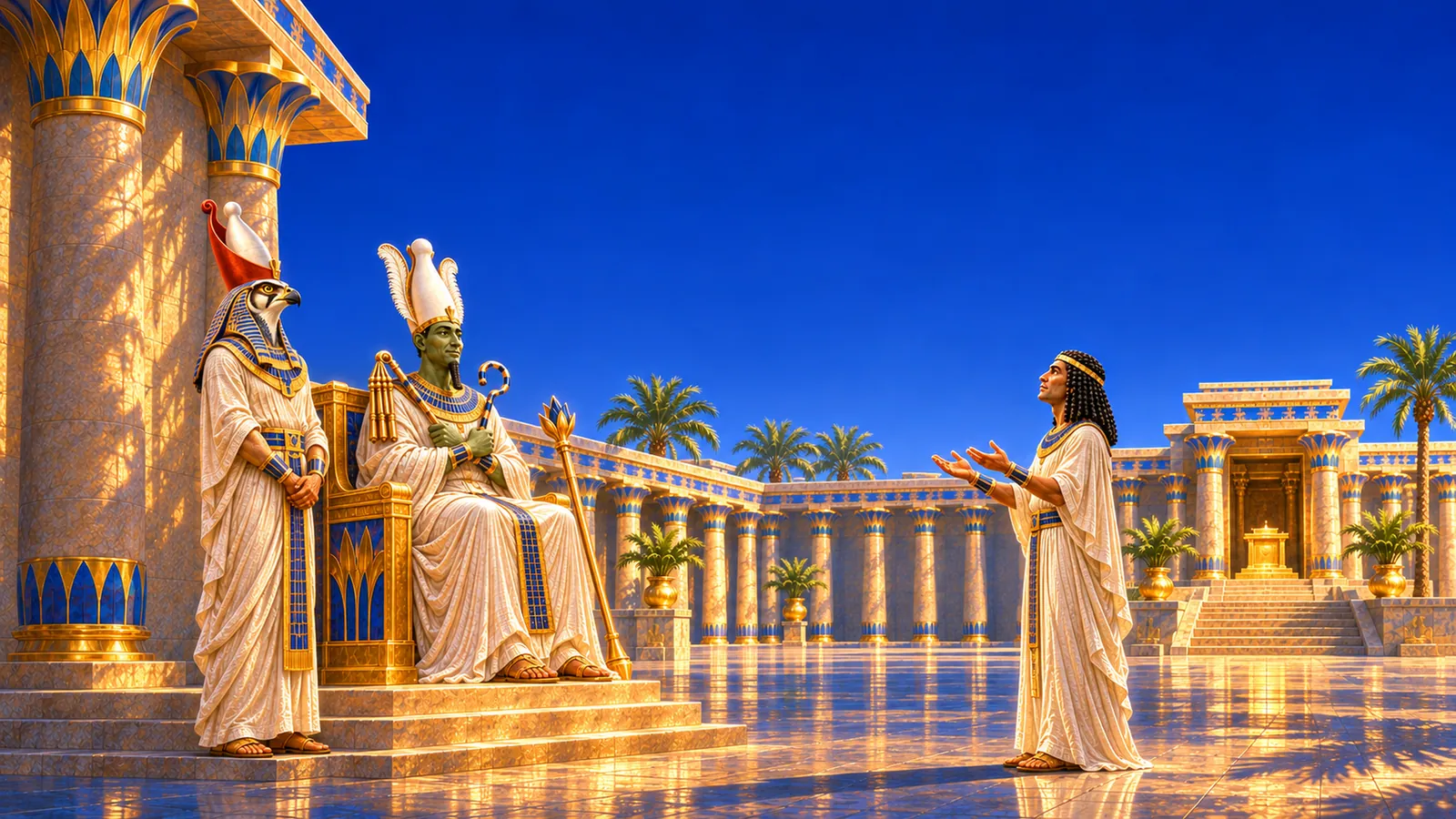
Ani bittet darum, ein Osiris in der großen Gunst des schönen Gottes zu sein. Der Herr der Welt möge ihn lieben.
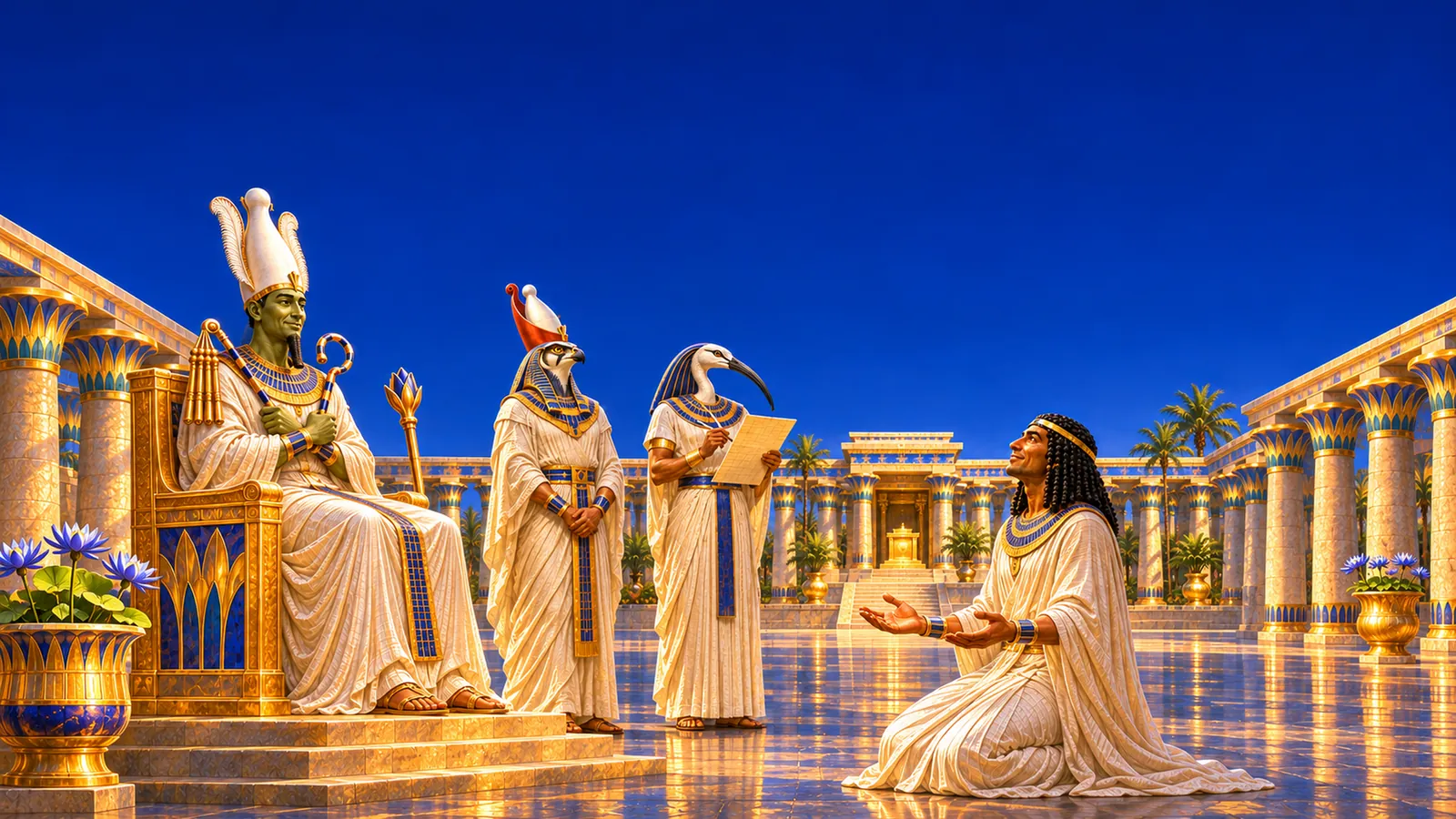
ANI VOR OSIRIS
Ani bezeichnet sich als königlichen Schreiber der Maat, „der ihn liebt“. Er schließt mit seinem Namen und den Worten, die Budge als „triumphierend vor Osiris“ wiedergibt.
Ende von Kapitel 1
Alle Seiten

Quellen
The five speeches are paraphrased in order.
Benutzte Editionen
- Publication record for Egyptian Ideas of the Future Life
- The 1908 edition, Chapter IV
- Budge’s illustration and description of Ani’s weighing
- Budge’s illustration and description of Ani’s audience before Osiris
- Budge note 90, British Museum Papyrus of Ani No. 10470
- Budge note 118, sources for the scene and its response
- Budge note 119, closing speech and variant
Hinweise zu dieser Nacherzählung
Pages 01–02 · transcription lines 3476–3479. Budge introduces Ani’s words before the weighing. Ani calls his heart his mother twice and names it as the heart through which he came into being. His first requests concern opposition at judgment and opposition in the presence of the sovereign princes.
Pages 03–04 · transcription lines 3479–3481. Ani asks that he and his heart remain together before the keeper of the Balance. He tells his heart that it is his ka, which dwells in his body.
Pages 05–06 · transcription lines 3481–3483. The Khnemu phrase follows a semicolon in Budge and continues Ani’s direct address to the heart. The two actions are joining the limbs and strengthening them. Next Ani asks his heart to come forth into the place of happiness to which they go.
Page 07 · transcription lines 3483–3485a. Ani’s closing appeal names the princes of Osiris’s court as those who order the circumstances of people’s lives. The phrase about his name stinking is his request that they spare his name from disgrace. His speech closes on the first part of line 3485. Budge then introduces a separate addition found in “some papyri.”
Pages 08–09 · transcription lines 3491–3493. In Budge’s description, Anubis examines the tongue of the balance. The ape indicates to its associate Thoth that the beam is exactly level.
Pages 10–11 · transcription lines 3493–3496. The heart exactly counterbalances the feather symbolic of Maāt. Budge explains Maāt in this passage through right, truth and law. Thoth writes down the result and prepares to address the gods in Budge’s account.
Page 12 · transcription lines 3500–3501. Thoth calls for the judgment to be heard and reports that the heart of Osiris has indeed been weighed. This title is spoken within the judgment of Ani. His soul’s witness, the trial in the Great Balance and the reported findings follow on the next pages.
Page 13 · Thoth’s report, lines 3501–3502. The soul stands as a witness for the deceased.
Pages 14–15 · Thoth’s report, lines 3502–3505. Thoth says that no wickedness was found in Ani, the temple offerings were not wasted, no harm was done by Ani’s deeds and no evil reports were spread by him while he was on earth.
Pages 16–18 · The great company’s reply, lines 3509–3513. Budge identifies the respondents as the great company of the gods. They confirm Thoth’s words and address him as dwelling in Khemennu. Budge’s parenthetical identification gives Hermopolis. They name the deceased as Osiris, the scribe Ani, triumphant, and declare him holy and righteous. The next sentence says he has not sinned or done evil against them.
Pages 19–20 · The great company’s reply, lines 3513–3515. The company says the Devourer Ām-mit will not be allowed to prevail over Ani. It then states that Ani will be granted meat-offerings and entrance into the presence of Osiris. The actual introduction by Horus in Budge’s later description follows at its own point.
Page 21 · The great company’s reply, lines 3516–3517. The grant concludes with a homestead forever in the Field of Peace, as for the followers of Horus. Note 118 at transcription line 4999 describes those followers as a class of mythological beings and refers to Budge’s *Papyrus of Ani*, p. cxxv.
Page 22 · Budge’s gloss, lines 3529–3533. His adjoining discussion elaborates on the powers he attributes to this expression.
Pages 23–24 · Budge’s shrine description, lines 3581–3586. Horus takes Ani’s left hand in his right and leads him up to the shrine. Budge describes Osiris seated there, wearing the white crown with feathers and holding a sceptre, a crook and a whip or flail. Budge says the implements signify sovereignty and dominion. The details remain in the spoken description.
Page 25, Papyrus of Ani with Budge’s attributed prose where specified, transcription lines 3586–3587. Budge describes the tomb that forms the throne and says the bolted doors and uraeus cornice appear painted at its side. Only his prose carries these details.
Page 26, Papyrus of Ani with Budge’s attributed prose where specified, transcription lines 3587–3589. Budge glosses it as a symbol of joy and happiness and separately specifies the positions to Osiris’s right and left.
Page 27, Papyrus of Ani with Budge’s attributed prose where specified, transcription lines 3607–3608. Budge introduces Horus as the speaker. Un-nefer addresses Osiris. The Osiris Ani is the person Horus is introducing.
Page 28, Papyrus of Ani with Budge’s attributed prose where specified, transcription lines 3608–3610. Horus applies the three clauses to Ani’s heart and says it had sinned against neither god nor goddess.
Page 29, Papyrus of Ani with Budge’s attributed prose where specified, transcription lines 3610–3612. Horus attributes the weighing to Thoth under the company’s decree. Budge leaves the finding as “it” in this sentence.
Page 30, Papyrus of Ani with Budge’s attributed prose where specified, transcription lines 3612–3614a. The cakes and ale, entry and enduring likeness to Horus’s followers complete the speech. Stop at “for ever!” on 3614 before Budge’s account of what follows.
Page 31, Papyrus of Ani with Budge’s attributed prose where specified, transcription lines 3616.
Page 32, Papyrus of Ani with Budge’s attributed prose where specified, transcription lines 3616–3617. The three claims are Ani’s own words within the appeal and distinct from the prior verdict. All three appear in these lines.
Page 33, Papyrus of Ani with Budge’s attributed prose where specified, transcription lines 3617–3618. Ani asks to be like the favored ones around the addressee. The wish remains a request.
Page 34, Papyrus of Ani with Budge’s attributed prose where specified, transcription lines 3618–3620. The text distinguishes the beautiful god and the title Lord of the world. It does not resolve their relationship in these lines.
Page 35, Papyrus of Ani with Budge’s attributed prose where specified, transcription lines 3620–3622 and n. 119. Budge supplies [I] in 3620.
Die antiken Verse hinter jeder Seite
- Page 1: Budge 1908, Egyptian Ideas of the Future Life, ch. IV, Papyrus of Ani judgment, Ani’s speech to his heart (local HTML 3476–3477)
- Page 2: Budge 1908, Egyptian Ideas of the Future Life, ch. IV, Papyrus of Ani judgment, Ani’s speech to his heart (local HTML 3477–3479)
- Page 3: Budge 1908, Egyptian Ideas of the Future Life, ch. IV, Papyrus of Ani judgment, Ani’s speech to his heart (local HTML 3479–3480)
- Page 4: Budge 1908, Egyptian Ideas of the Future Life, ch. IV, Papyrus of Ani judgment, Ani’s speech to his heart (local HTML 3480–3481)
- Page 5: Budge 1908, Egyptian Ideas of the Future Life, ch. IV, Papyrus of Ani judgment, Ani’s speech to his heart (local HTML 3481–3482)
- Page 6: Budge 1908, Egyptian Ideas of the Future Life, ch. IV, Papyrus of Ani judgment, Ani’s speech to his heart (local HTML 3482–3483)
- Page 7: Budge 1908, Egyptian Ideas of the Future Life, ch. IV, Papyrus of Ani judgment, Ani’s speech to his heart (local HTML 3483–3485a)
- Page 8: Budge 1908, Egyptian Ideas of the Future Life, ch. IV, Papyrus of Ani judgment, Budge’s weighing description (local HTML 3491)
- Page 9: Budge 1908, Egyptian Ideas of the Future Life, ch. IV, Papyrus of Ani judgment, Budge’s weighing description (local HTML 3491–3493)
- Page 10: Budge 1908, Egyptian Ideas of the Future Life, ch. IV, Papyrus of Ani judgment, Budge’s weighing description (local HTML 3493–3495)
- Page 11: Budge 1908, Egyptian Ideas of the Future Life, ch. IV, Papyrus of Ani judgment, Budge’s weighing description (local HTML 3495–3496)
- Page 12: Budge 1908, Egyptian Ideas of the Future Life, ch. IV, Papyrus of Ani judgment, Thoth’s report (local HTML 3500–3501)
- Page 13: Budge 1908, Egyptian Ideas of the Future Life, 3rd ed., ch. IV, Ani’s judgment, Thoth’s report
- Page 14: Budge 1908, Egyptian Ideas of the Future Life, 3rd ed., ch. IV, Ani’s judgment, Thoth’s report
- Page 15: Budge 1908, Egyptian Ideas of the Future Life, 3rd ed., ch. IV, Ani’s judgment, Thoth’s report
The entire right is an unbroken, naturally shaded blue-gray near wall, gently out of focus, with no line or mark through it. - Page 16: Budge 1908, Egyptian Ideas of the Future Life, 3rd ed., ch. IV, Ani’s judgment, the company’s reply
- Page 17: Budge 1908, Egyptian Ideas of the Future Life, 3rd ed., ch. IV, Ani’s judgment, the company’s reply
- Page 18: Budge 1908, Egyptian Ideas of the Future Life, 3rd ed., ch. IV, Ani’s judgment, the company’s reply
The entire right is one cool muted blue plaster plane, smoothly shaded, without a wall edge or meeting line. - Page 19: Budge 1908, Egyptian Ideas of the Future Life, 3rd ed., ch. IV, Ani’s judgment, the company’s reply
- Page 20: Budge 1908, Egyptian Ideas of the Future Life, 3rd ed., ch. IV, Ani’s judgment, the company’s reply
- Page 21: Budge 1908, Egyptian Ideas of the Future Life, 3rd ed., ch. IV, Ani’s judgment, the company’s reply
- Page 22: Budge 1908, Egyptian Ideas of the Future Life, 3rd ed., ch. IV, Ani’s judgment, gloss on maā kheru
- Page 23: Budge 1908, Egyptian Ideas of the Future Life, 3rd ed., ch. IV, Ani’s judgment, Budge’s shrine description
- Page 24: Budge 1908, Egyptian Ideas of the Future Life, 3rd ed., ch. IV, Ani’s judgment, Budge’s shrine description
- Page 25: Budge 1908, Egyptian Ideas of the Future Life, ch. IV, Ani’s judgment (local HTML 3586–3587)
- Page 26: Budge 1908, Egyptian Ideas of the Future Life, ch. IV, Ani’s judgment (local HTML 3587–3589)
- Page 27: Budge 1908, Egyptian Ideas of the Future Life, ch. IV, Ani’s judgment (local HTML 3607–3608)
- Page 28: Budge 1908, Egyptian Ideas of the Future Life, ch. IV, Ani’s judgment (local HTML 3608–3610)
- Page 29: Budge 1908, Egyptian Ideas of the Future Life, ch. IV, Ani’s judgment (local HTML 3610–3612)
- Page 30: Budge 1908, Egyptian Ideas of the Future Life, ch. IV, Ani’s judgment (local HTML 3612–3614a)
Every shelf line and sharp highlight is confined to far right. - Page 31: Budge 1908, Egyptian Ideas of the Future Life, ch. IV, Ani’s judgment (local HTML 3616)
- Page 32: Budge 1908, Egyptian Ideas of the Future Life, ch. IV, Ani’s judgment (local HTML 3616–3617)
- Page 33: Budge 1908, Egyptian Ideas of the Future Life, ch. IV, Ani’s judgment (local HTML 3617–3618)
- Page 34: Budge 1908, Egyptian Ideas of the Future Life, ch. IV, Ani’s judgment (local HTML 3618–3620)
- Page 35: Budge 1908, Egyptian Ideas of the Future Life, ch. IV, Ani’s judgment (local HTML 3620–3622 and n. 119)
Illustrationen von IL Archive mit KI-Werkzeugen; der Text folgt den antiken Quellen (siehe die Quellen am Ende jedes Kapitels).