Die Tage des Dumuzi Kapitel 1
Die Riten in Arba’il
Ein lückenhafter Ritualkommentar nennt einen Tag des Schreiens und den Tag, an dem Tammuz sich erhebt, jeweils mit ergänztem Datum. Der Auszug verbindet seinen Tod mit gerösteter Gerste und endet mit dem Bild eines Bruders, wobei das Wort „Bild“ ergänzt ist.
QuellenBlättern Sie mit den Pfeilen, den Pfeiltasten oder durch Wischen.
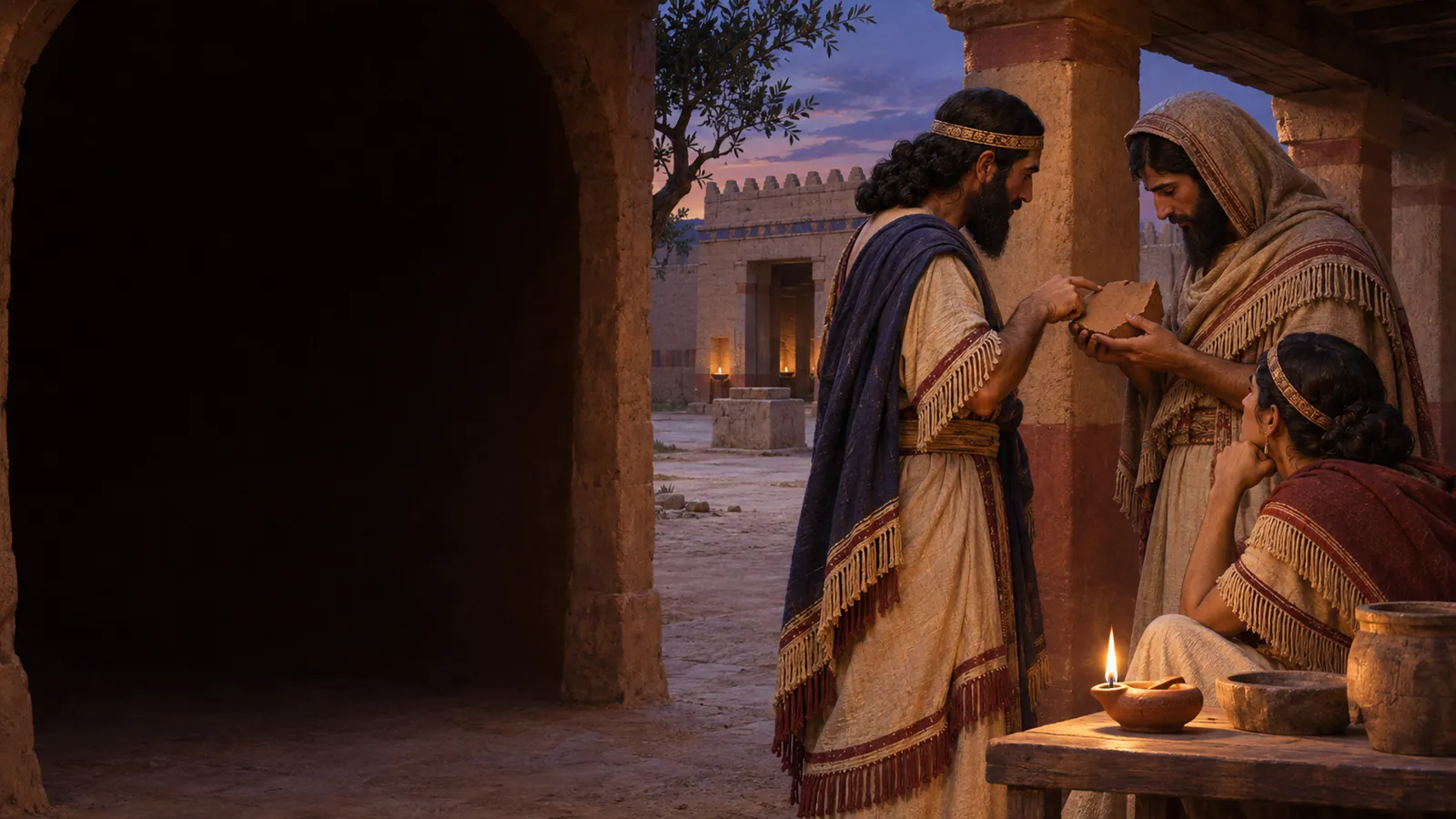
DIE RITEN IN ARBA’IL
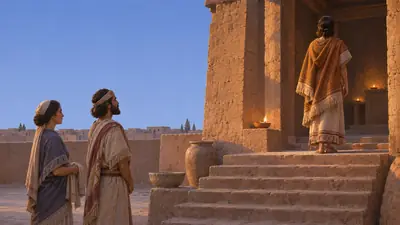
Die erste Zeile ist beschädigt. Die erhaltenen Worte sagen, dass etwas bis zum dreißigsten Tag vollzogen wird, wobei ein Teil des Verbs ergänzt ist.
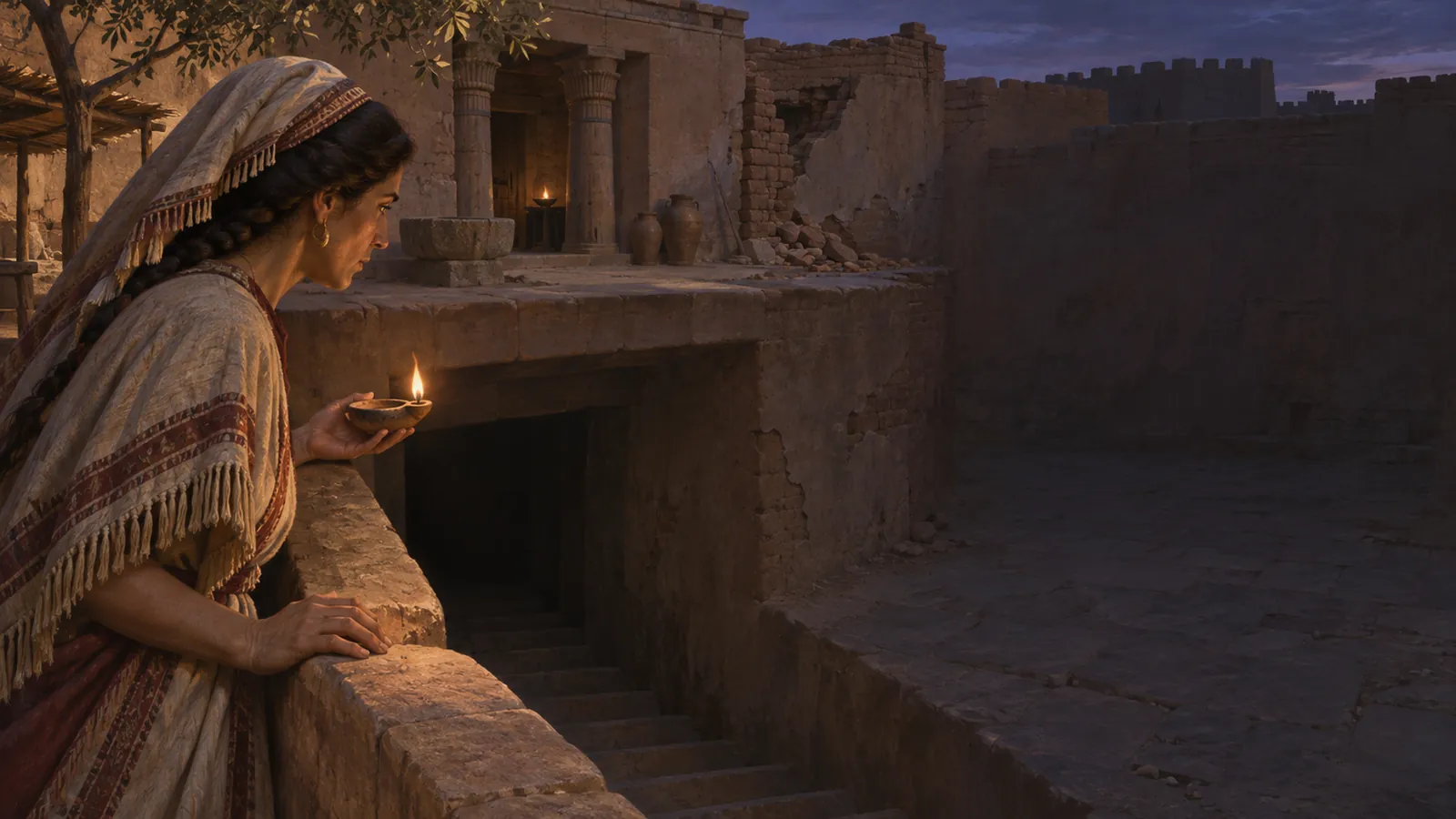
Der nächste beschädigte Eintrag erwähnt ein Schlagen und ein Hinabgehen. Das Datum, wer oder was hinabgeht und das Ziel sind verloren.
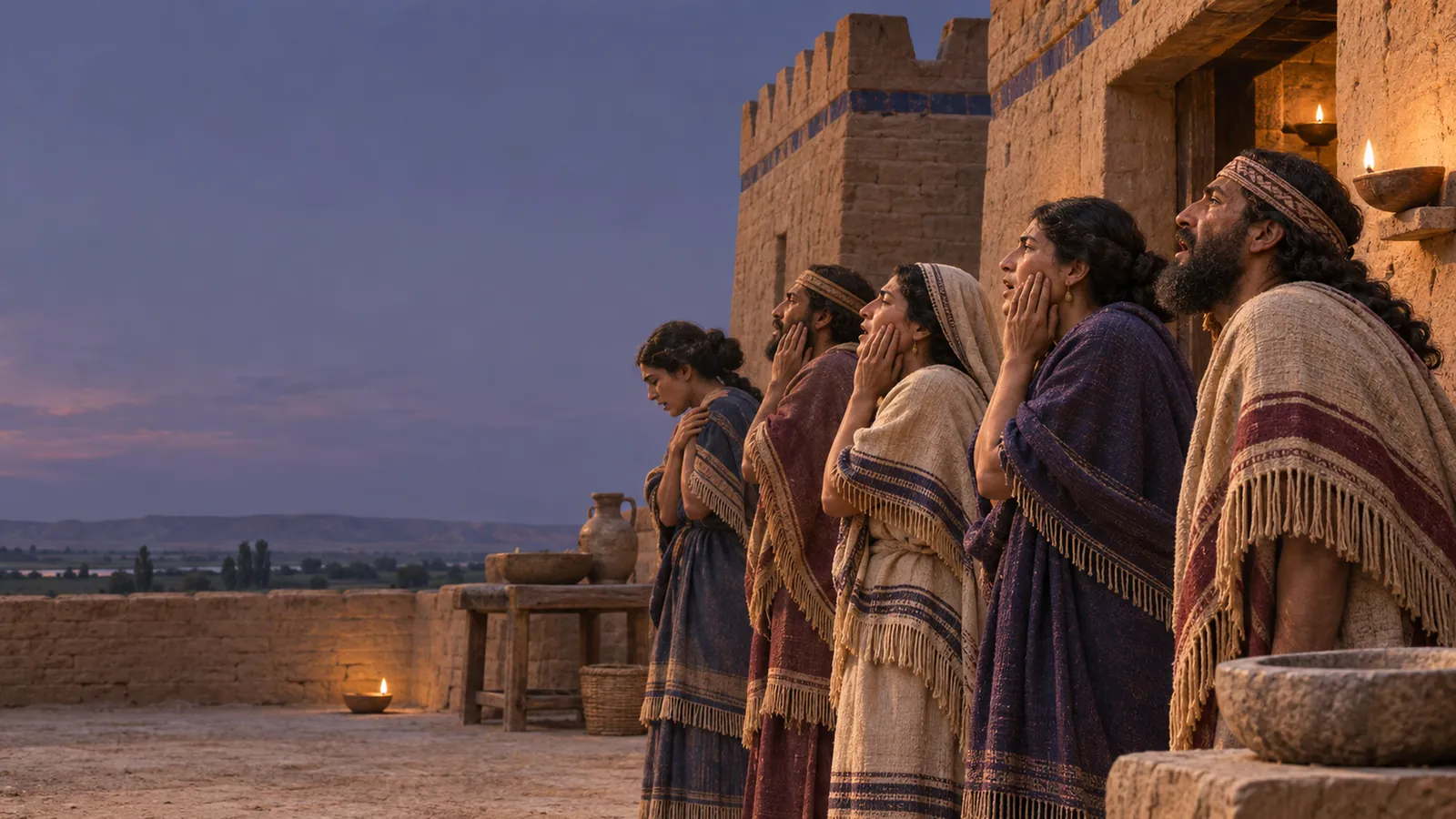
Das ergänzte Datum ist der sechsundzwanzigste Tag. Der Text nennt ihn den Tag des Schreiens und erwähnt dann Anu in einem Satz, der abbricht.
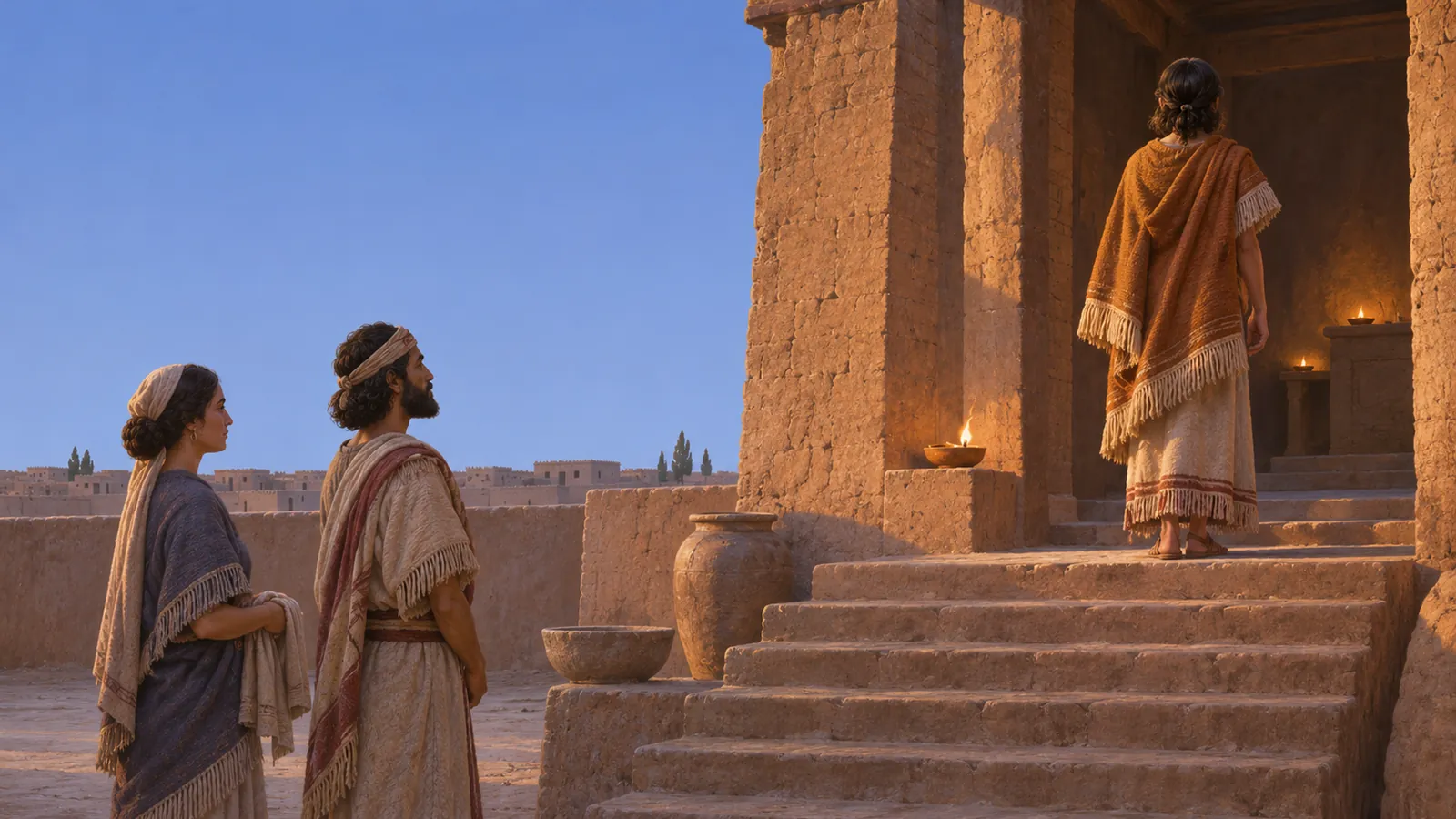
Am achtundzwanzigsten Tag, dessen Datum ergänzt ist, erhebt sich Tammuz auf eine Bitte hin. Die erhaltenen Worte lassen offen, wer die Bitte äußert.
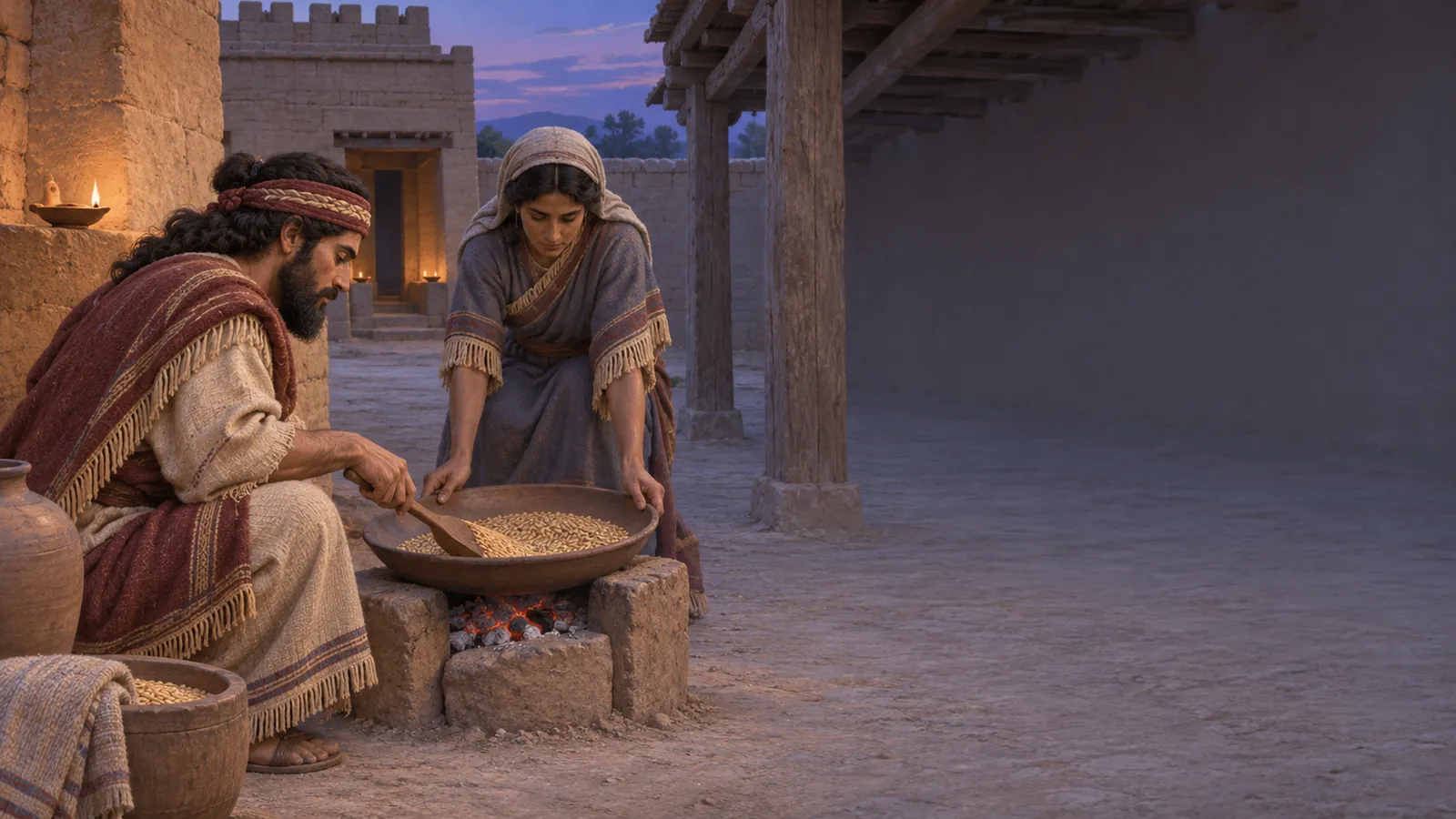
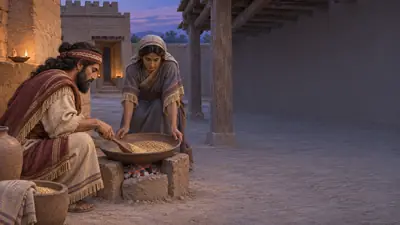
Der Kommentar setzt Tammuz’ Tod mit gerösteter Gerste gleich. In Eharas Übersetzung ist ein Teil des Wortes für Tod ergänzt.
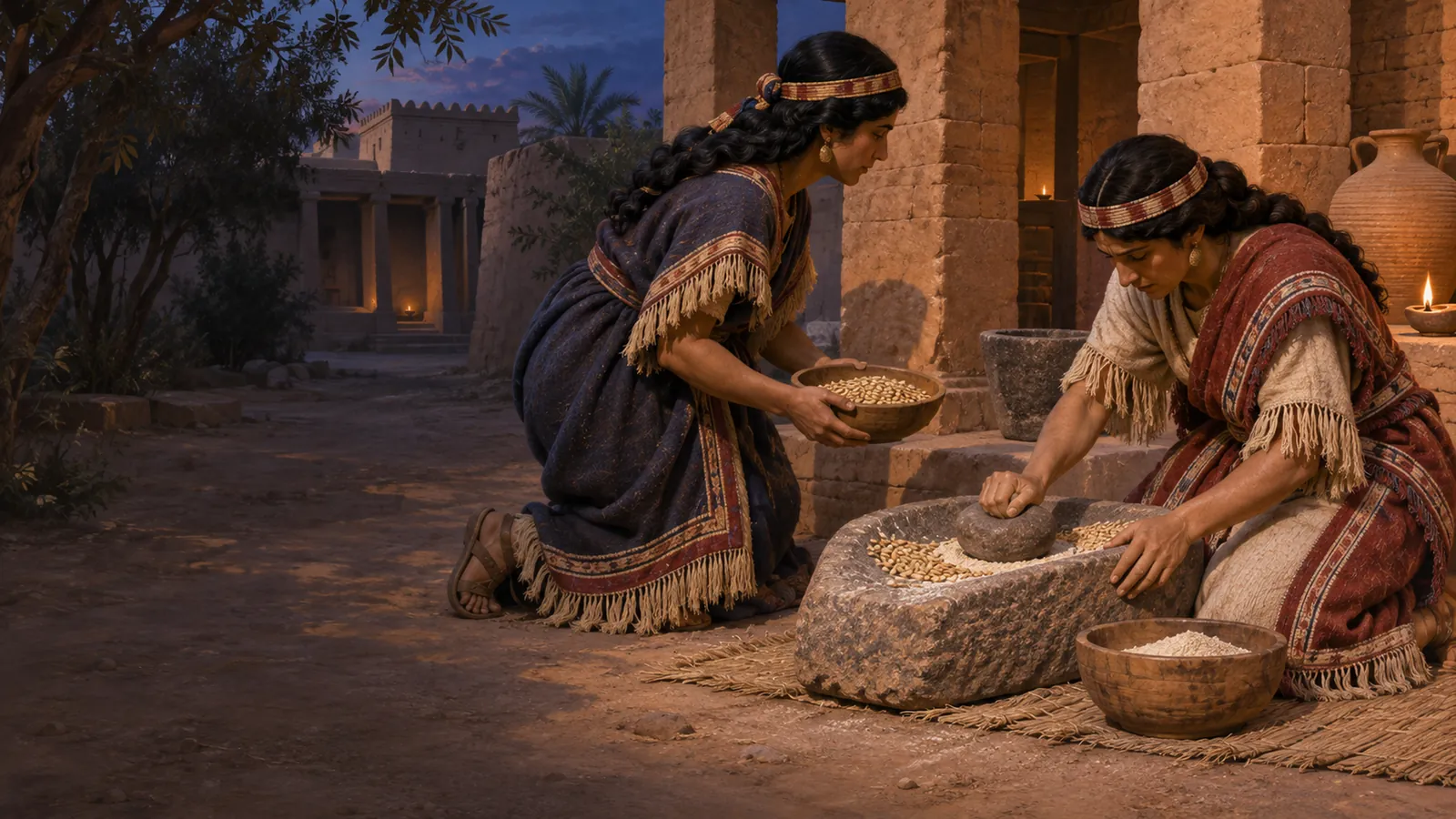
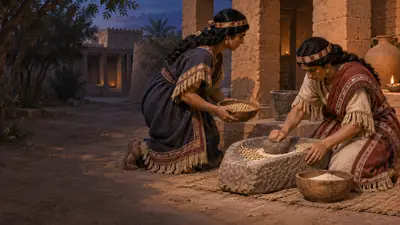
Nach Eharas Lesart werfen sie die Gerste in Richtung Dumuzi, wenn sie sie mit Mahlsteinen mahlen. Livingstone liest das umstrittene Verb als verbrennen.
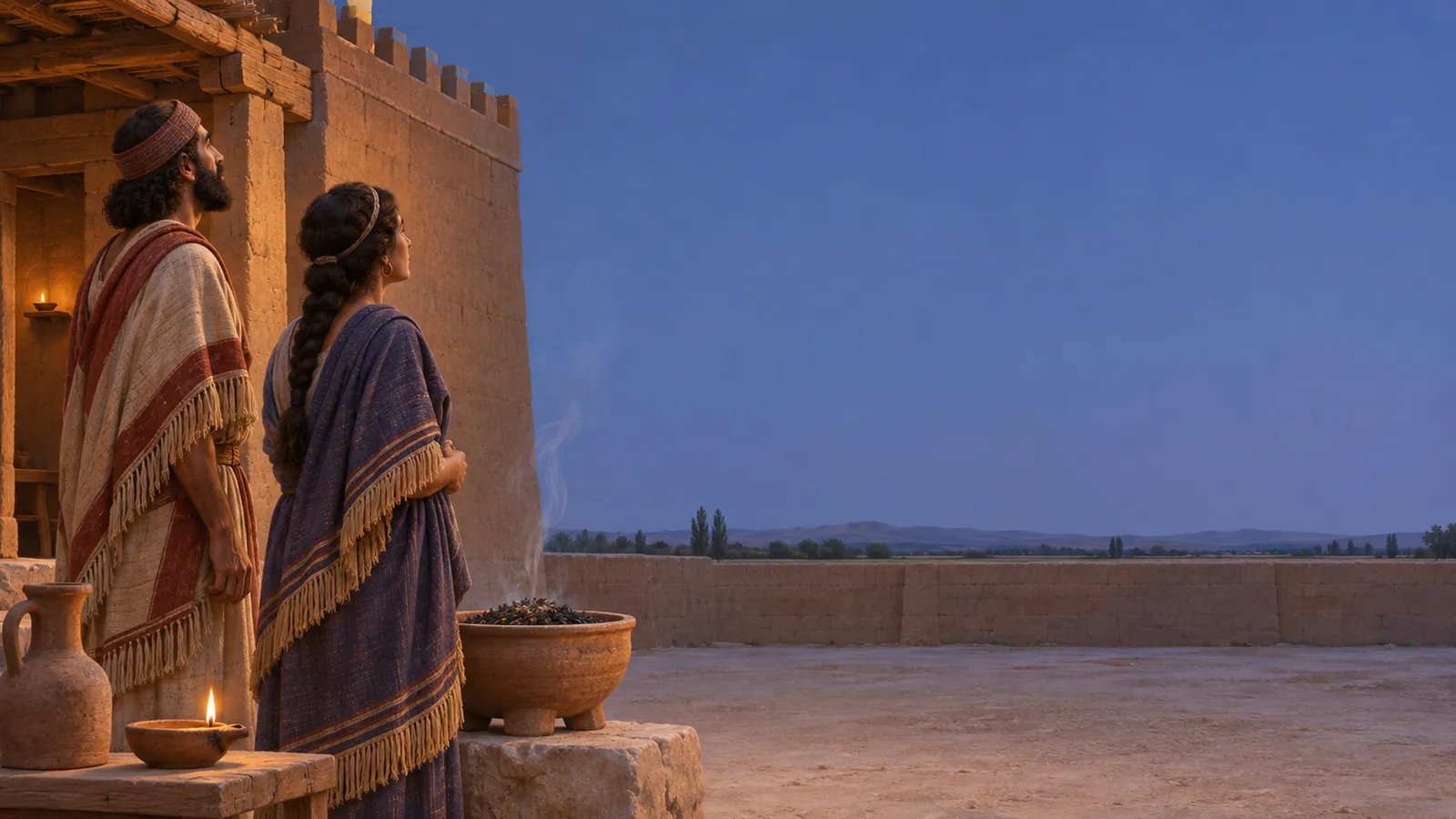
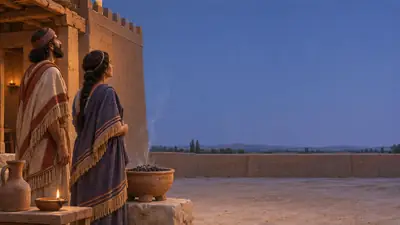
Der Kommentar sagt, dass die verbrannten Teile, die dabei entstehen, in die oberen Regionen steigen, wie es heißt.
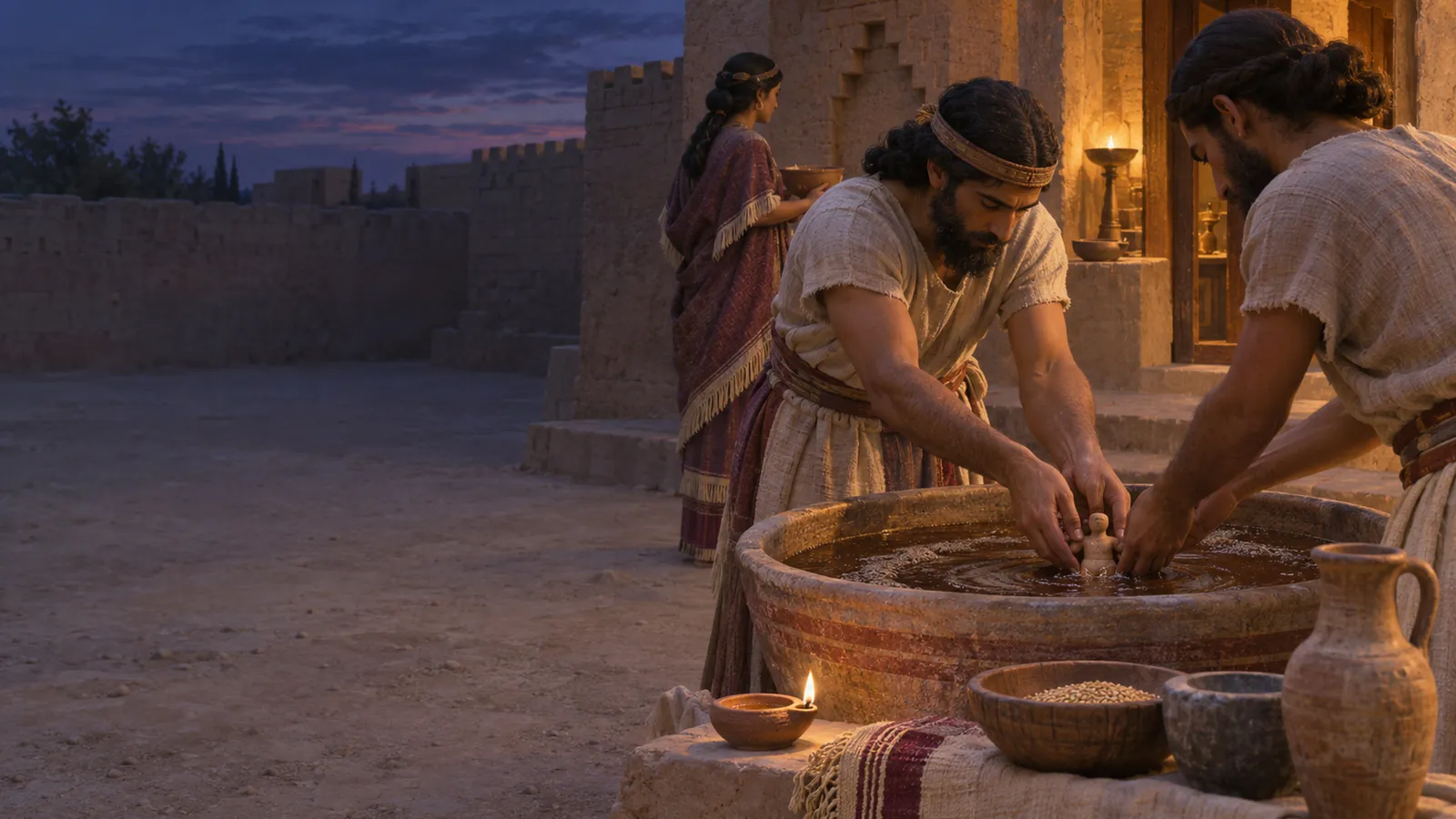
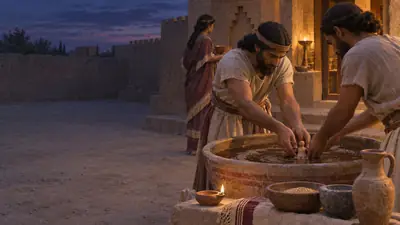
Die Passage sagt, dass sie das Bild deines Bruders in Bier einweichen. Die Worte, die das Bild bezeichnen, sind in Eharas Übersetzung ergänzt.
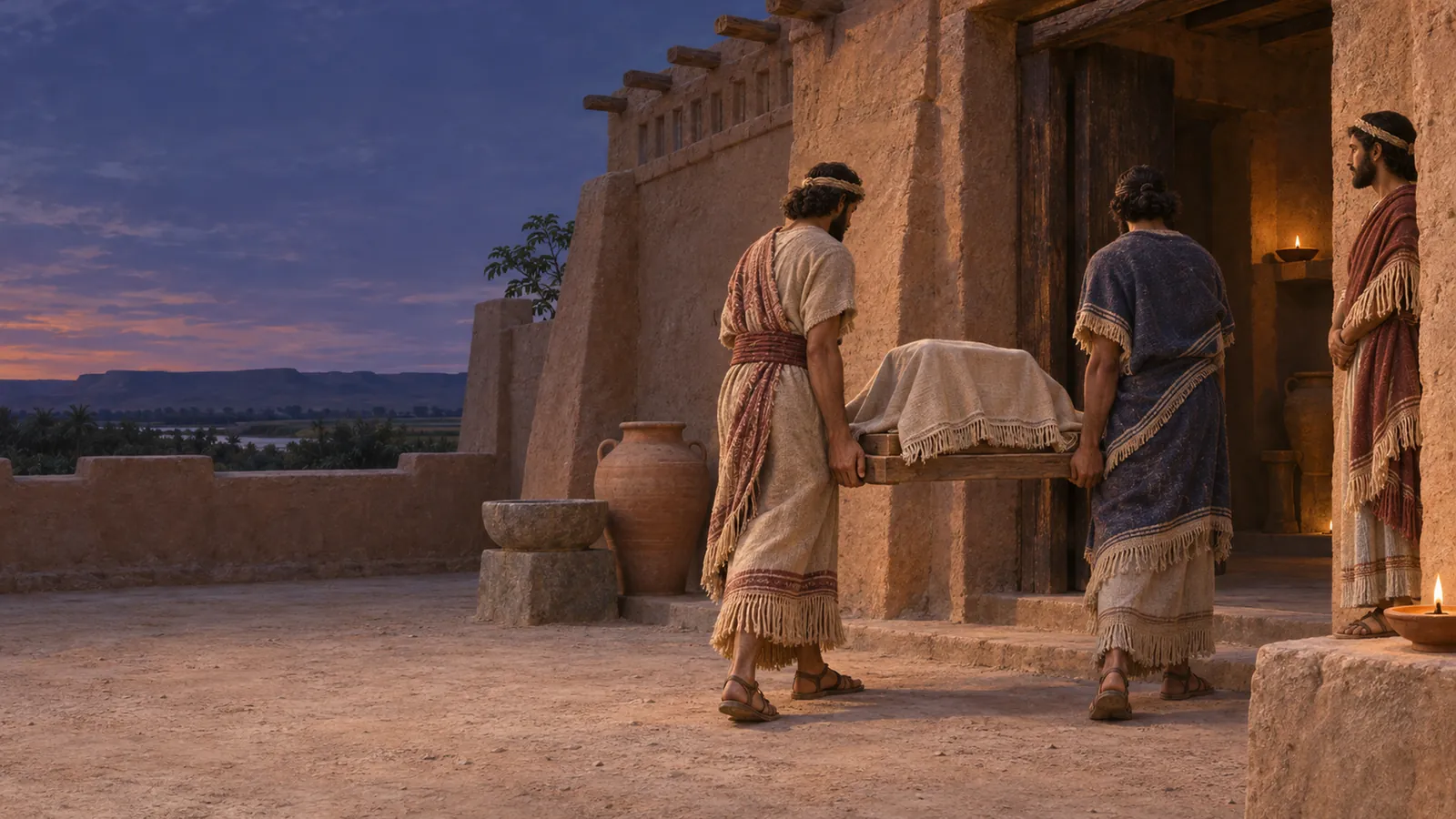
In dieser Lesart hebt das Bild den Körper des Bruders. Die Passage endet mit der Wendung wie es heißt.
Ende von Kapitel 1
Alle Seiten
Quellen
97 of ORIENT 59 (2024), SAA 3, no. 38, reverse 2–8. Ehara identifies the Neo-Assyrian text as a commentary on the rites of the Egašankalama temple of Ištar at Arba’il. The surviving details, damaged sections and restored dates are attributed in the notes. Ehara’s note 8 discusses different readings of the verb in the barley passage.
Benutzte Editionen
- Satoko Ehara, ORIENT 59 (2024), p. 97 and note 8
- ORIENT 59, article bibliographic record and open full text
- ORIENT 59, the open article PDF, p. 97
Hinweise zu dieser Nacherzählung
through the thirtieth day. An opening break leaves the activity unspecified. Ehara prints part of the verb in brackets as [perfor]med and gives the duration through the thirtieth day.
the striking and descent. The printed supplies and breaks are [The …th day is], [when…] and [to…]. The text mentions a striking and a descent. The date, what goes down and where are left open.
the day of screaming. Ehara supplies [The 26th day]. The entry calls it the day of screaming.
the rising of Tammuz. Ehara supplies [The 28th day]. Tammuz rises at a request and a break follows where the requester would be identified. The next clause refers to his death. The name Dumuzi appears in the subsequent barley action.
roasted barley and the disputed verb. Ehara prints [de]ath and identifies it with the roasted barley. The next clause describes throwing the barley toward Dumuzi. In note 8 Ehara prints the phrase *ina NA4 meš ki i-qa-mu-⌈šú⌉*. She follows Thorkild Jacobsen in reading *qamû* as grinding and interprets the stones as millstones. Alasdair Livingstone reads burning. Ehara refers to Livingstone, *Court Poetry and Literary Miscellanea*, SAA 3 (1989), p. 98, and Jacobsen, “Religious Drama in Ancient Mesopotamia” (1975), p. 72. The English rendering and alternative stay distinct.
the upper regions. The burned parts that are produced go up to the upper regions, followed by “as it is said.” The quoted clause leaves the parts unspecified.
the brother and the closing formula. The same subject lifts the brother’s body. The excerpt ends with its second “as it is said.” The brother’s identity remains open.
Die antiken Verse hinter jeder Seite
- Page 1: Ehara 2024, ORIENT 59, p. 97, SAA 3 no. 38, reverse 2–8, opening through day thirty
- Page 2: Ehara 2024, ORIENT 59, p. 97, SAA 3 no. 38, reverse 2–8, striking and descent
- Page 3: Ehara 2024, ORIENT 59, p. 97, SAA 3 no. 38, reverse 2–8, restored day twenty-six and damaged Anu clause
- Page 4: Ehara 2024, ORIENT 59, p. 97, SAA 3 no. 38, reverse 2–8, restored day twenty-eight and Tammuz’s rising
- Page 5: Ehara 2024, ORIENT 59, p. 97, SAA 3 no. 38, reverse 2–8, death and roasted barley
- Page 6: Ehara 2024, ORIENT 59, p. 97, SAA 3 no. 38, reverse 2–8, barley thrown toward Dumuzi, note 8
- Page 7: Ehara 2024, ORIENT 59, p. 97, SAA 3 no. 38, reverse 2–8, burned parts rise to the upper regions
- Page 8: Ehara 2024, ORIENT 59, p. 97, SAA 3 no. 38, reverse 2–8, brother’s image and soaking in beer
- Page 9: Ehara 2024, ORIENT 59, p. 97, SAA 3 no. 38, reverse 2–8, the brother’s body and closing formula
Illustrationen von IL Archive mit KI-Werkzeugen; der Text folgt den antiken Quellen (siehe die Quellen am Ende jedes Kapitels).