Enki und Ninmah Kapitel 1
Die zwei Herausforderungen
In Thorkild Jacobsens Darstellung formt Ninmah sechs Menschen aus Ton, und Enki findet für jeden einen Lebensunterhalt. Die beiden Gottheiten tauschen ihre Rollen. Die Lesung verfolgt ihren Streit bis zu Ninmahs Klage, ihrem Spruch und dem bruchstückhaften Schluss.
QuellenBlättern Sie mit den Pfeilen, den Pfeiltasten oder durch Wischen.
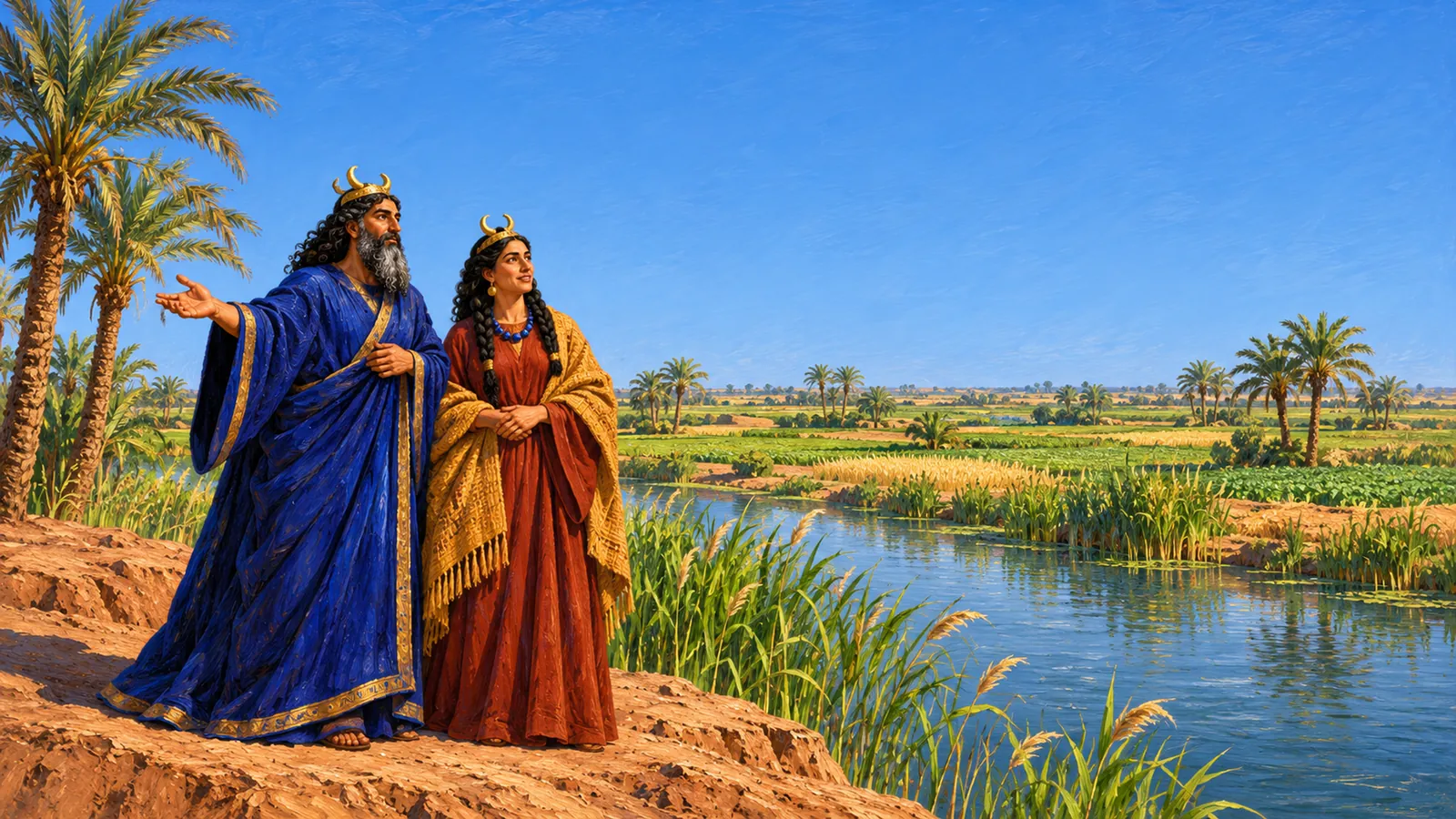
HIMMEL UND ERDE
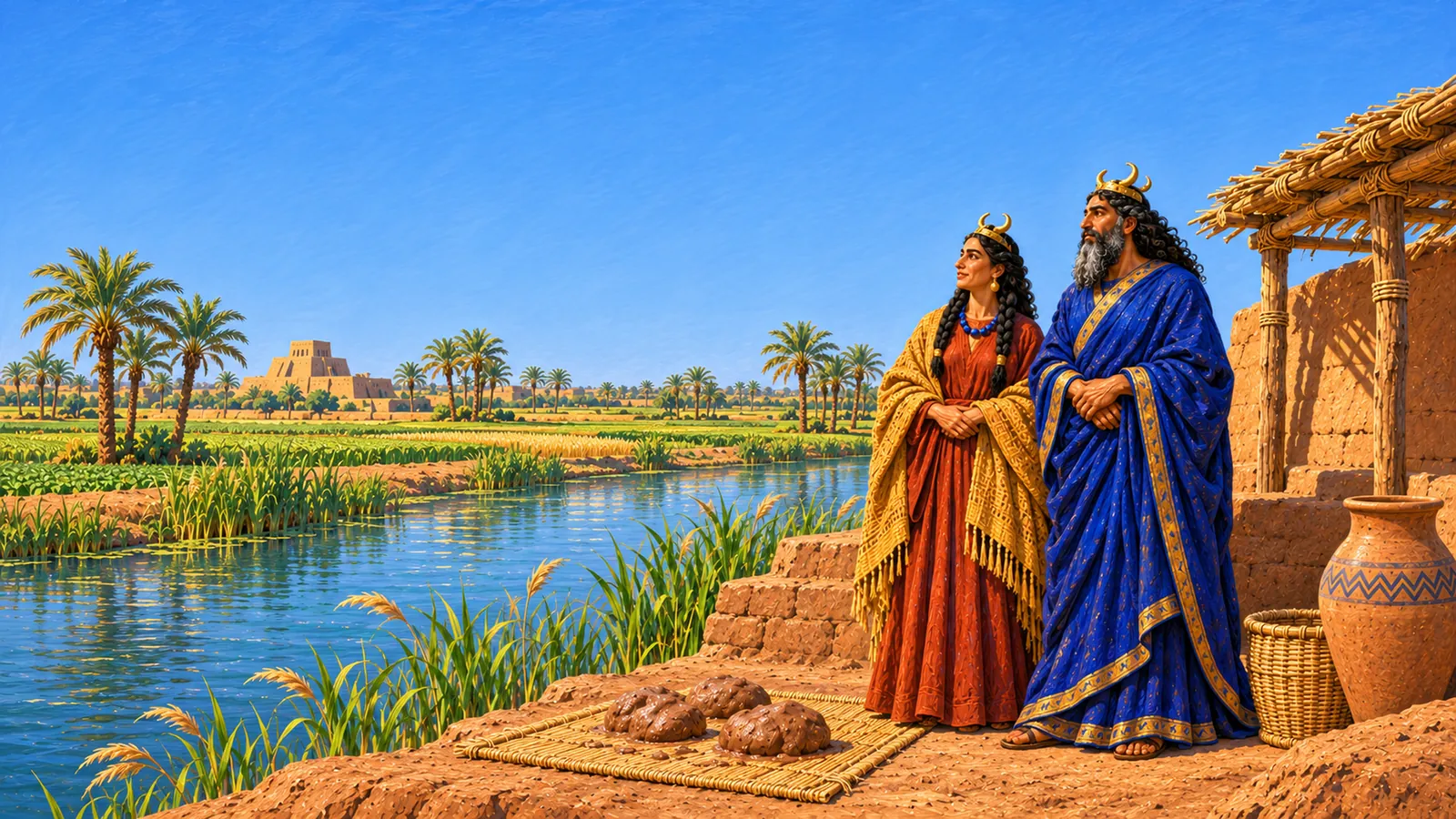
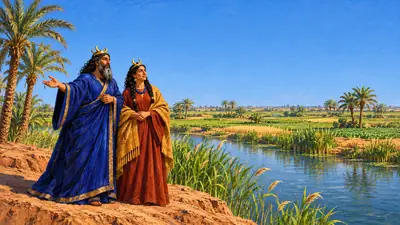
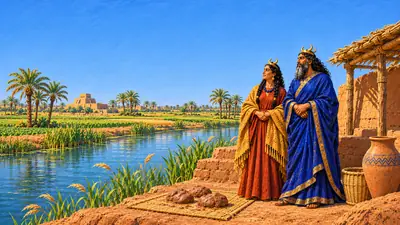
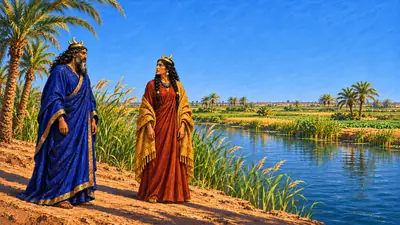
Thorkild Jacobsen stellt Enki als Gott des Süßwassers vor und nennt Ninmah als einen Namen der Erdgöttin Ninhursaga. Die ersten Verse setzen ihre Geschichte in die Tage und Nächte nach der Trennung von Himmel und Erde.
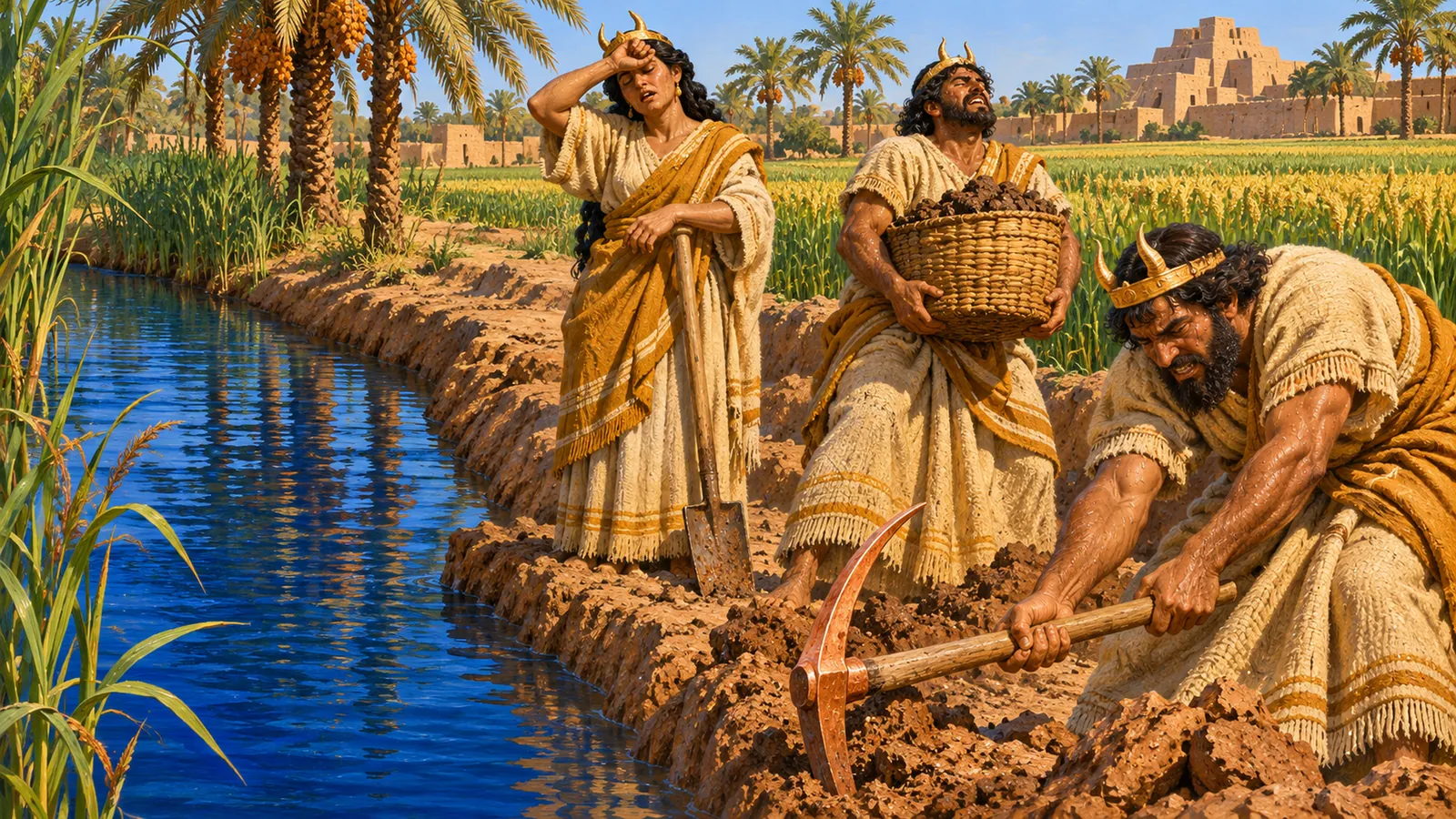
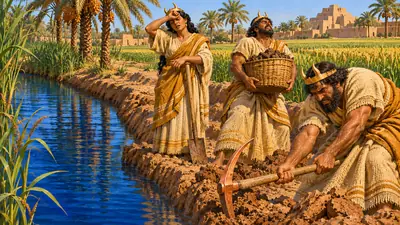
In Jacobsens Darstellung arbeiteten die Götter einst für ihren eigenen Lebensunterhalt. Sie gebrauchten Sicheln und Hacken, gruben Kanäle und hassten die Arbeit.
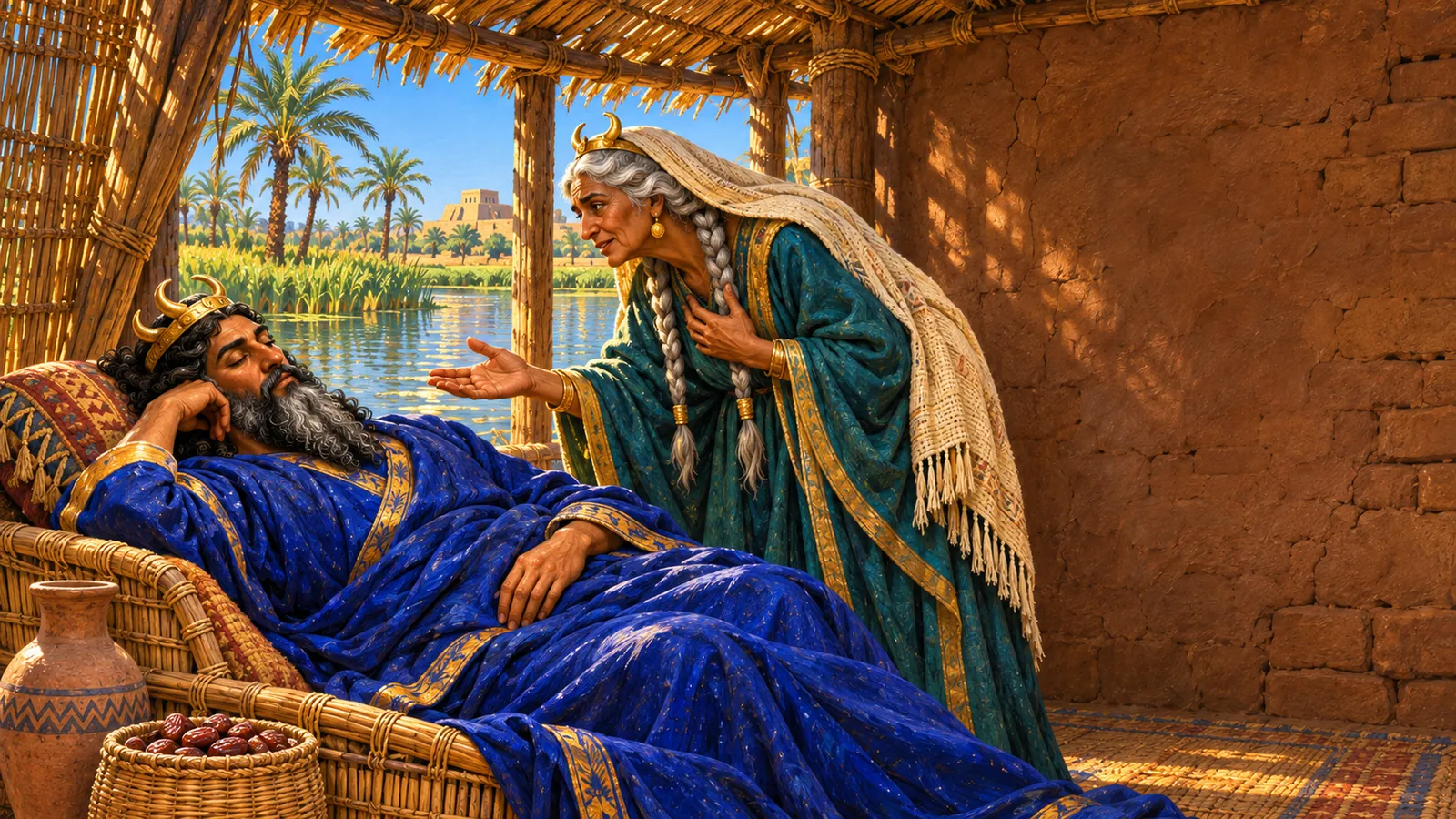
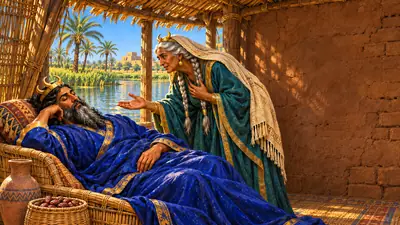
Die Götter wenden sich an den schlafenden Enki. Seine Mutter Nammu, die Jacobsen mit der Wassertiefe verbindet, trägt ihm ihre Klagen vor.
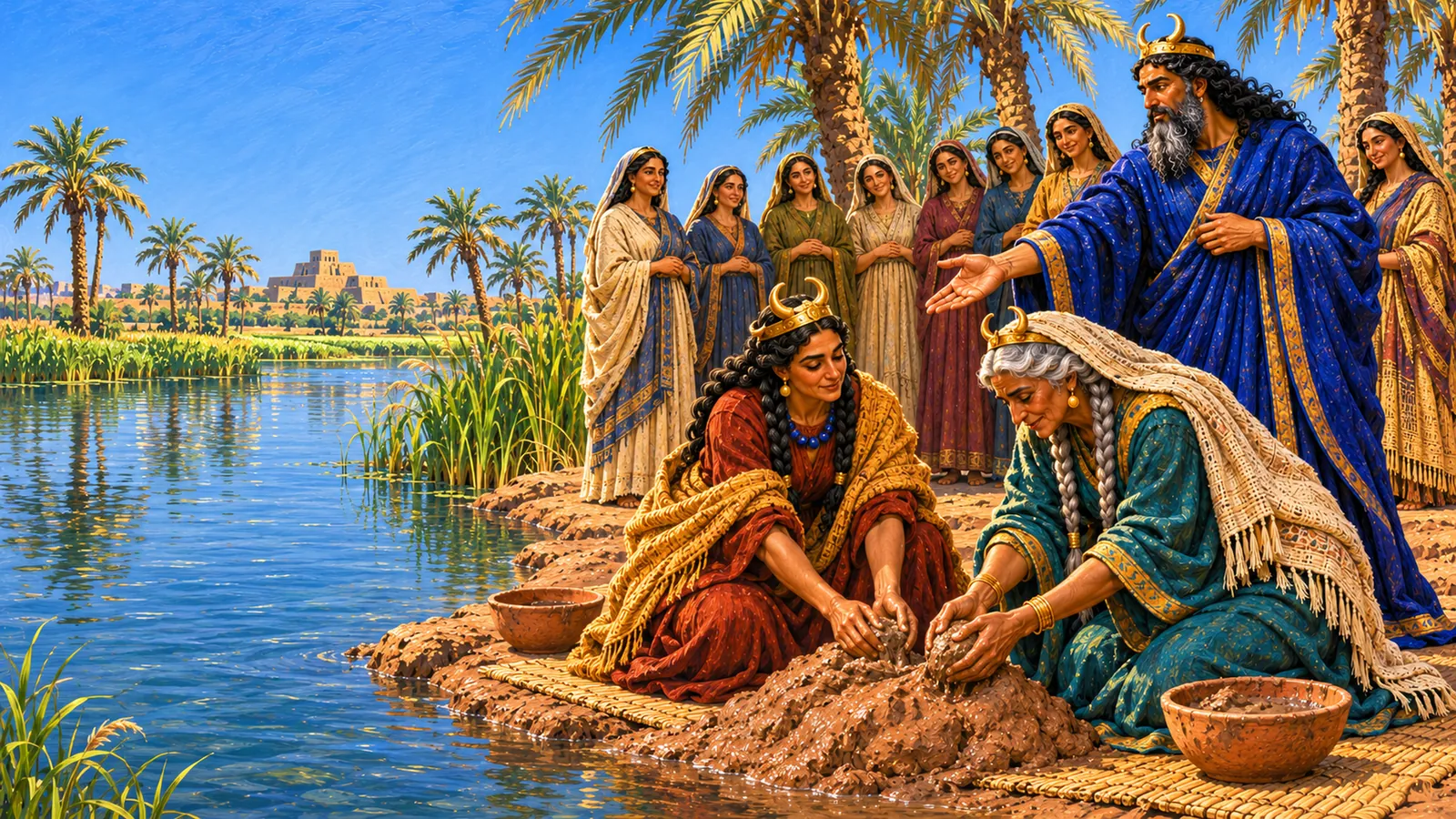
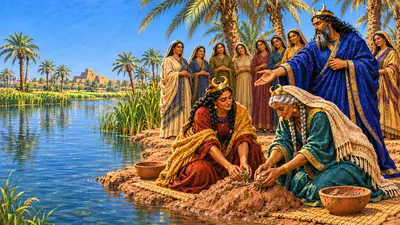
Enki sagt Nammu, sie solle sich darauf vorbereiten, den Ton über dem Apsu zu gebären. Jacobsen erklärt, dass der Ton über den Wassern unter der Erde liegt und dass Ninmah und acht weitere Göttinnen Nammu helfen sollen.
EINE TEXTLÜCKE
Eine größere Lücke lässt offen, wie die Menschheit entstand. Jacobsen vermutet, dass zuerst der Ton geboren und daraus die Menschen geformt wurden.
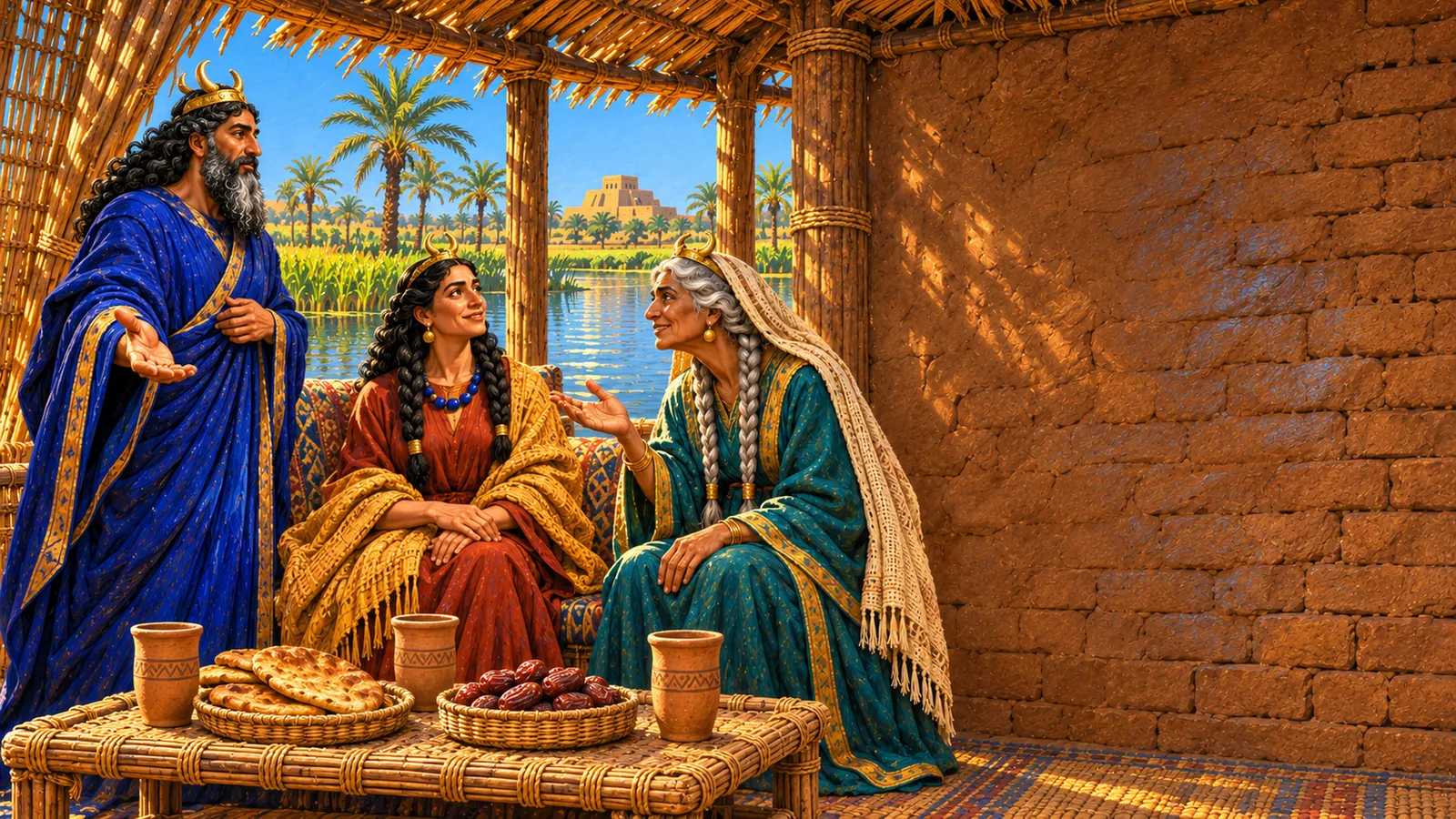
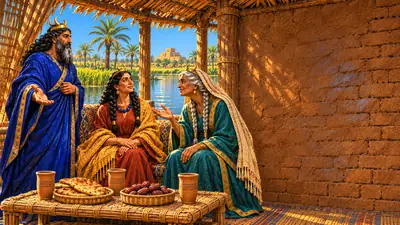
Wo der Text wieder einsetzt, beschreibt Jacobsen, wie Enki ein Festmahl für Ninmah und Nammu vorbereitet. Die Götter loben sein Geschick, und Jacobsen vermutet, dass das Festmahl vielleicht die Geburt feiert.
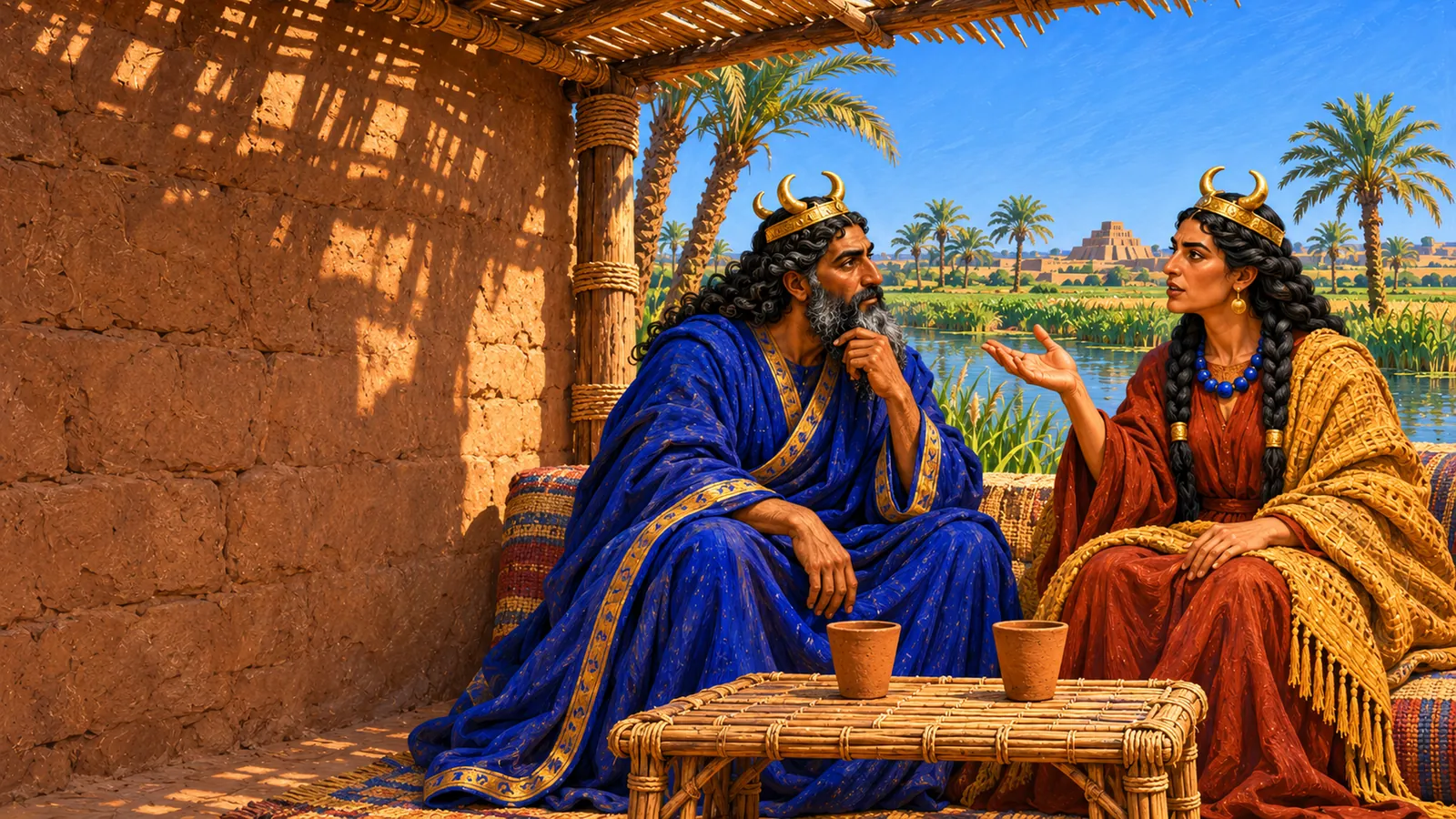
Nachdem Ninmah mit Enki Bier getrunken hat, fragt sie, wie gut oder schlecht der menschliche Körper sein kann. Sie sagt, sie könne ihm nach Belieben ein gutes oder schlechtes Schicksal geben.
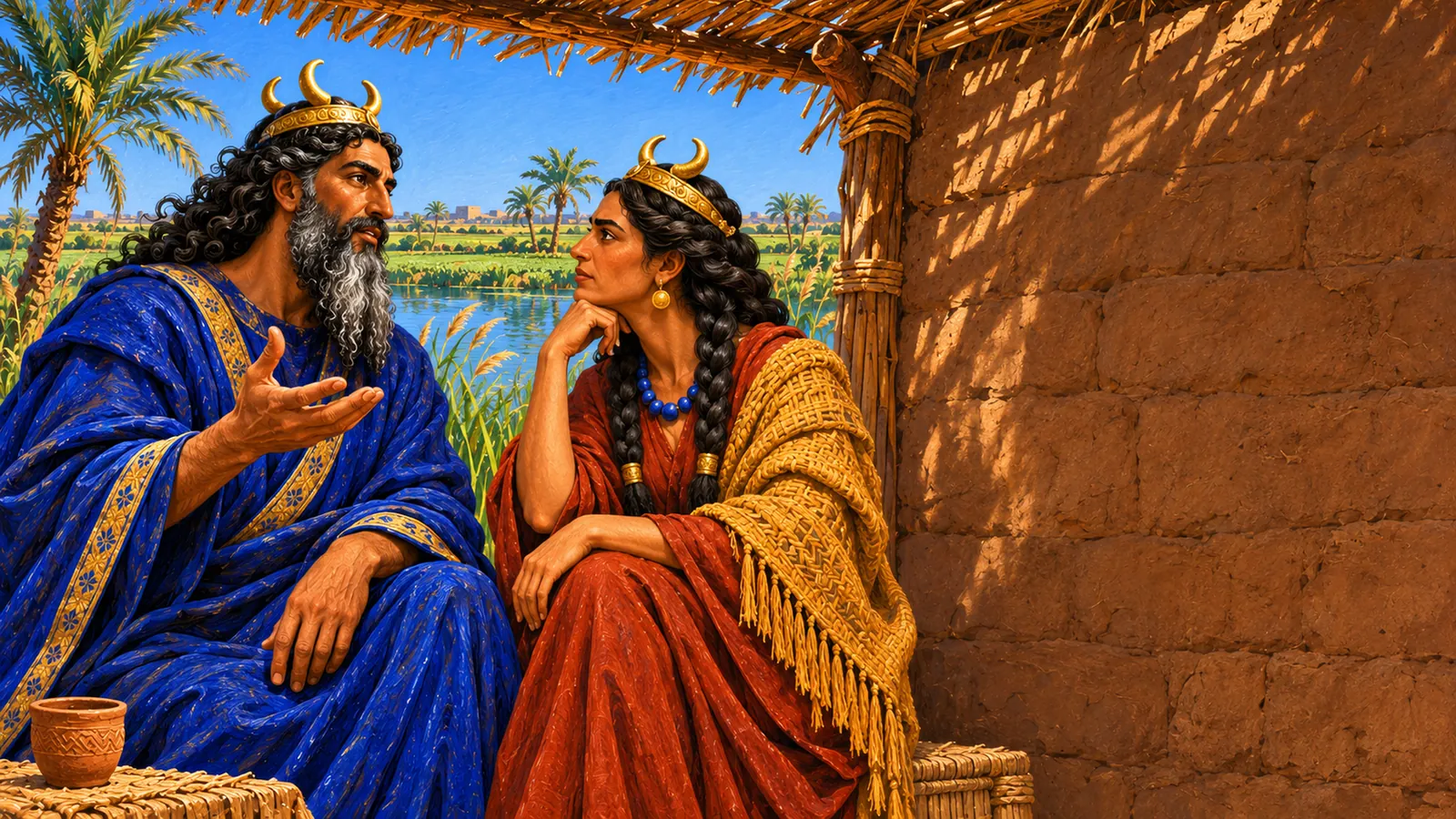
Enki sagt, er werde auf jedes Schicksal eingehen, das Ninmah wählt, ob gut oder schlecht. Die Ausgabe kennzeichnet die Wiedergabe des Verbs als „ausgleichen“ als unsicher.
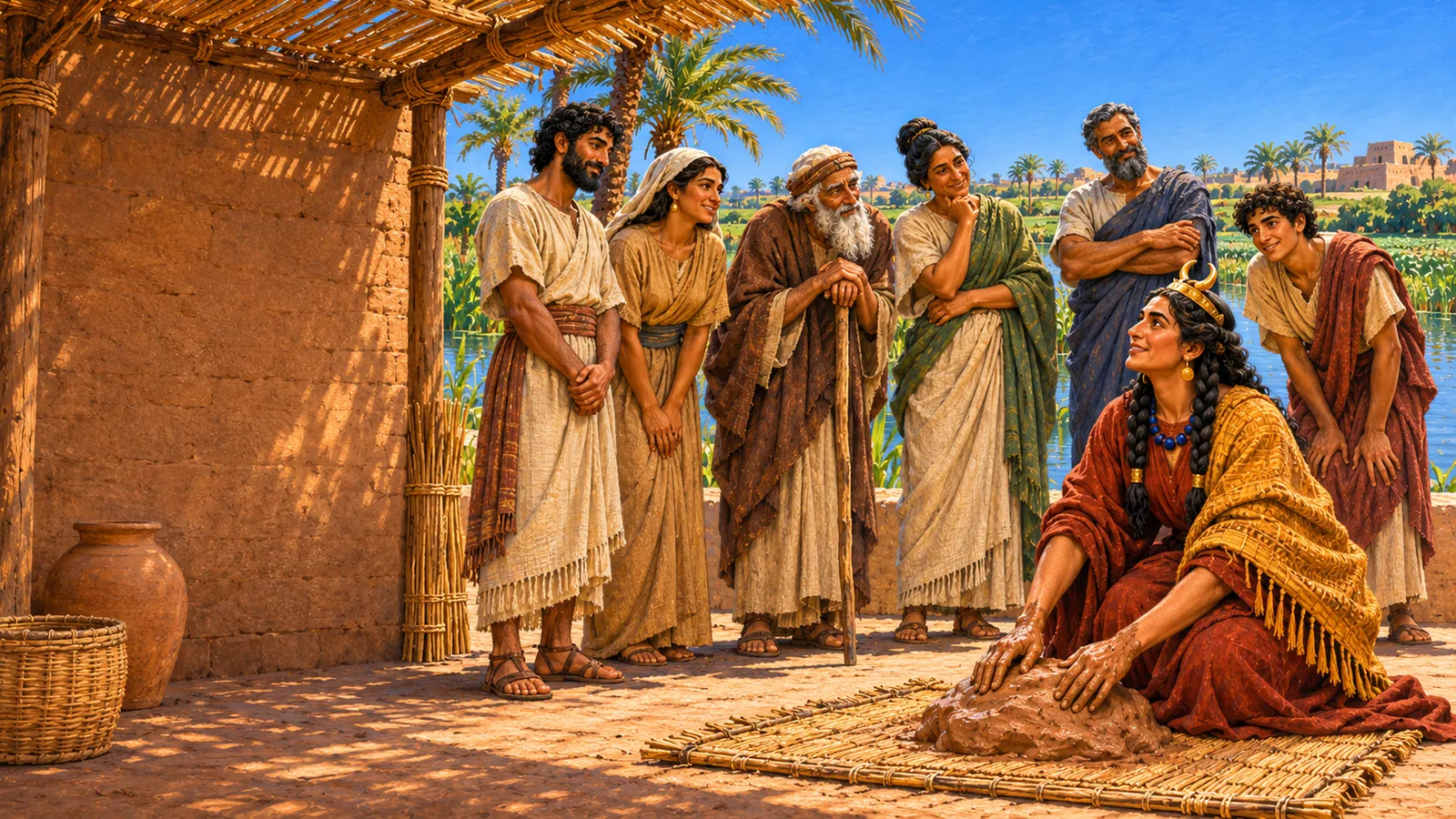
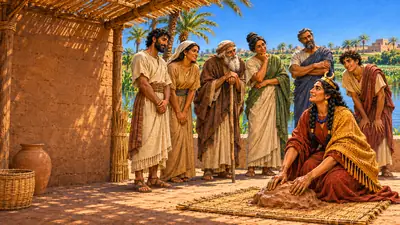
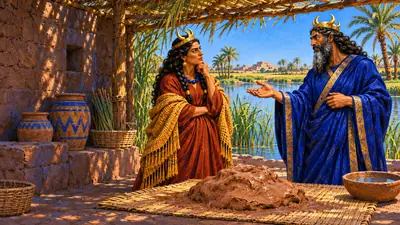
Jacobsen zufolge formt Ninmah sechs Menschen aus Ton. Darunter sind ein Mann, der den Urin nicht halten kann, eine Frau, die keine Kinder bekommen kann, und ein Mensch ohne männliche oder weibliche Geschlechtsorgane.
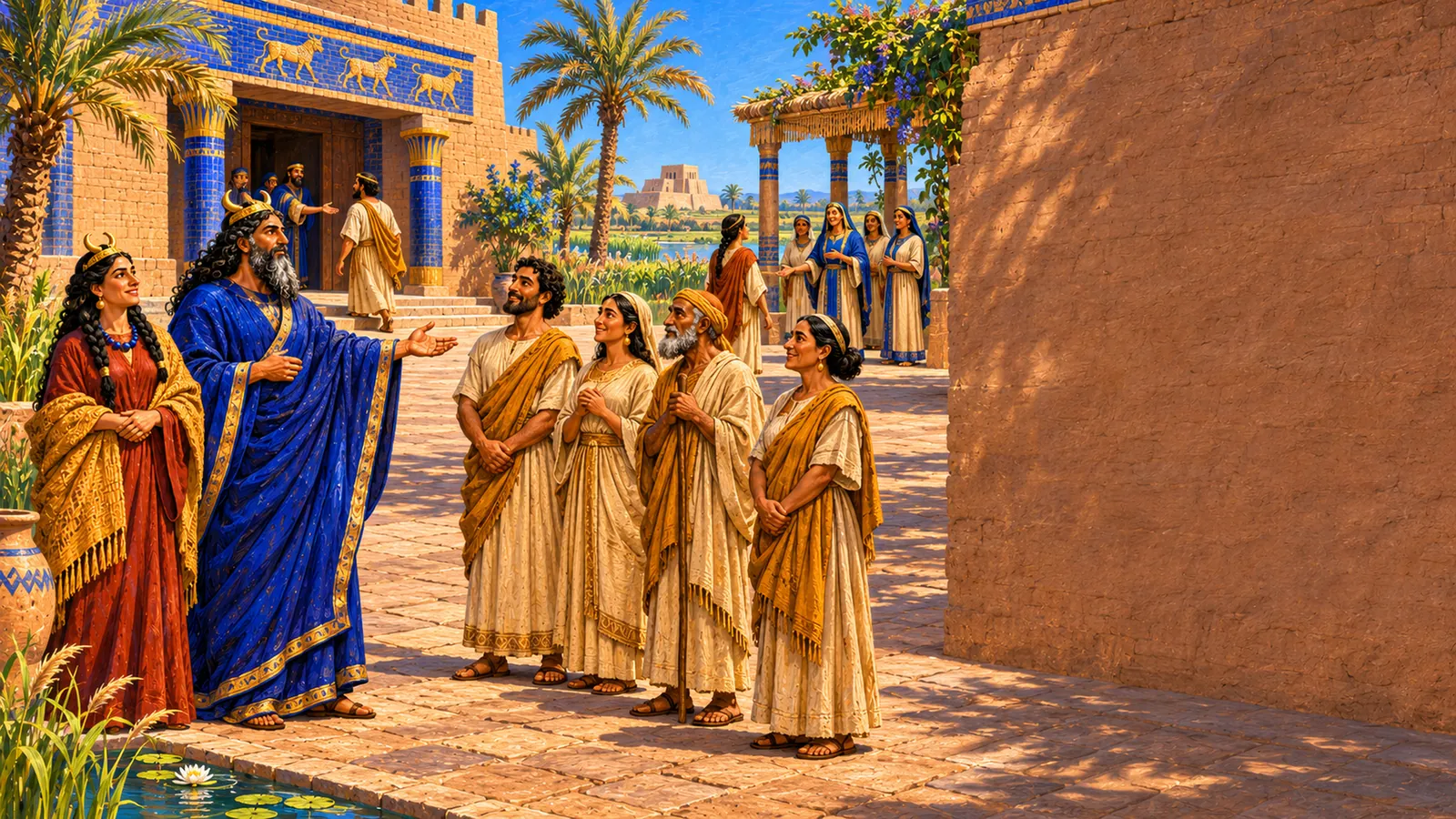
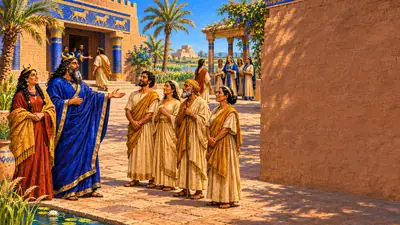
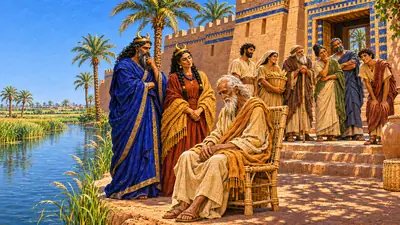
Jacobsen zufolge findet Enki für alle sechs einen Lebensunterhalt. Eine Person tritt in den Dienst des Königs und eine andere kommt in das Gefolge der Königin.
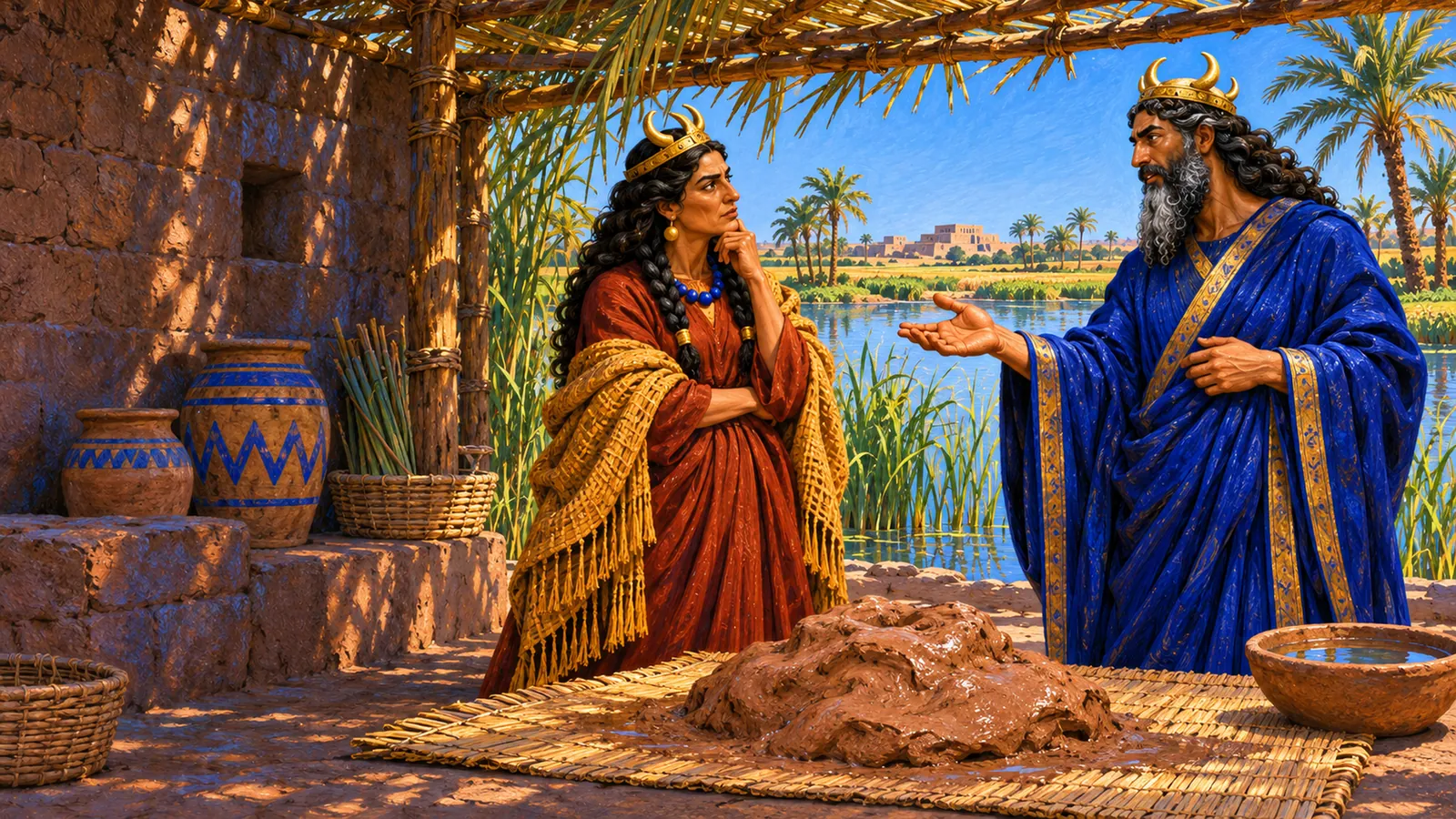
Jacobsen zufolge tauscht Enki die Rolle mit Ninmah und bittet sie, für den Lebensunterhalt der Menschen zu sorgen, die er formt. Was bei seinem ersten Versuch geschieht, bleibt wegen einer beschädigten Textstelle offen.
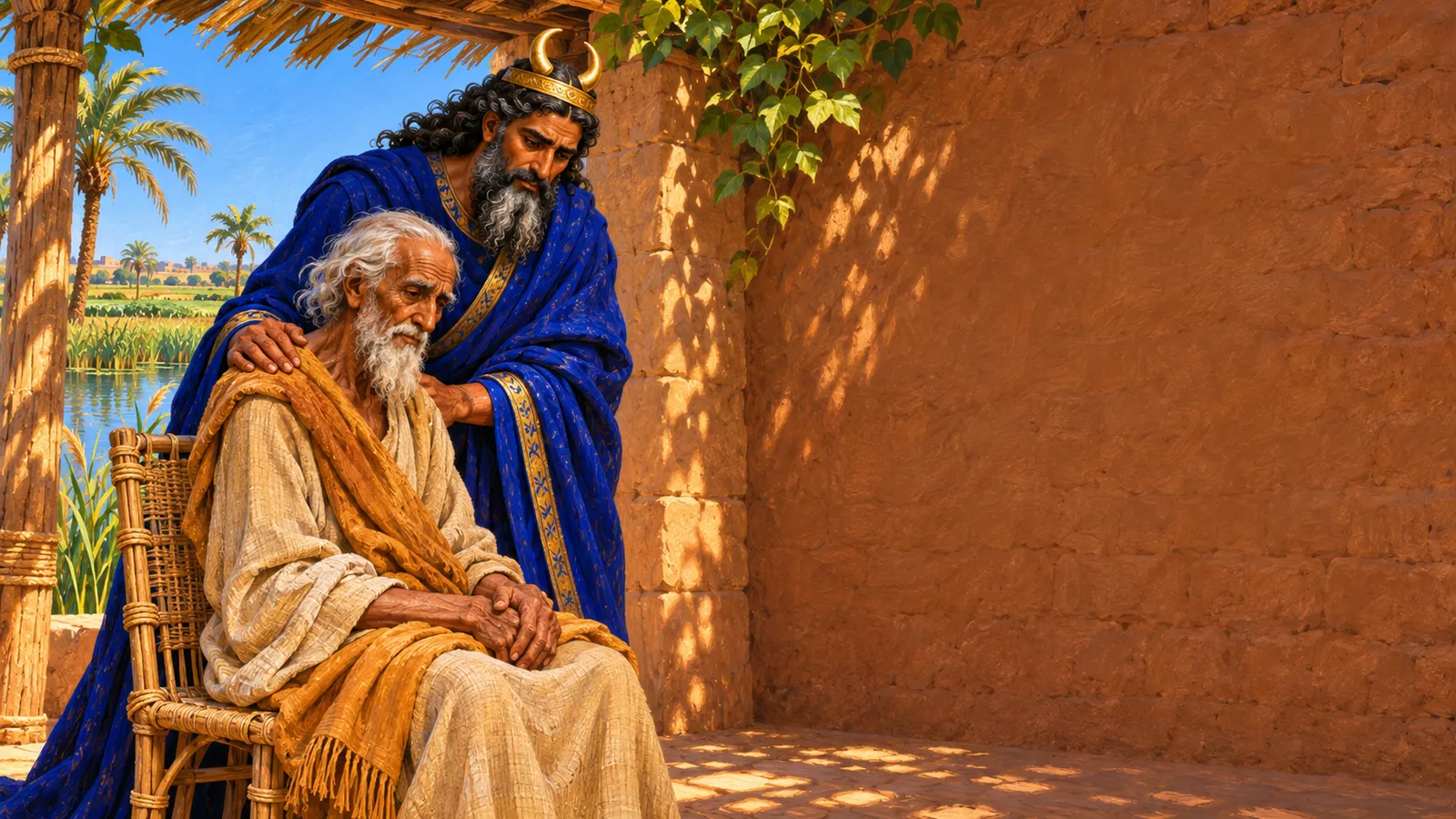
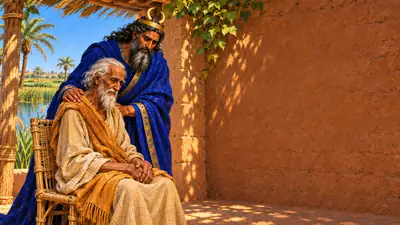
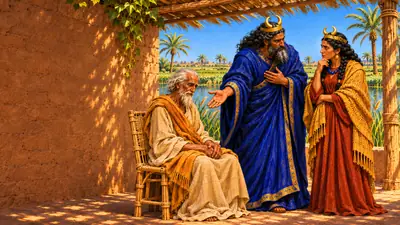
Jacobsen beschreibt Enkis zweite Gestalt als einen sehr alten Mann, dessen Namen er mit „mein Tag liegt fern“ erläutert. Er beschreibt eine Augenkrankheit, Schmerzen in Leber und Herz, zitternde Hände und ein zu Ende gehendes Leben.
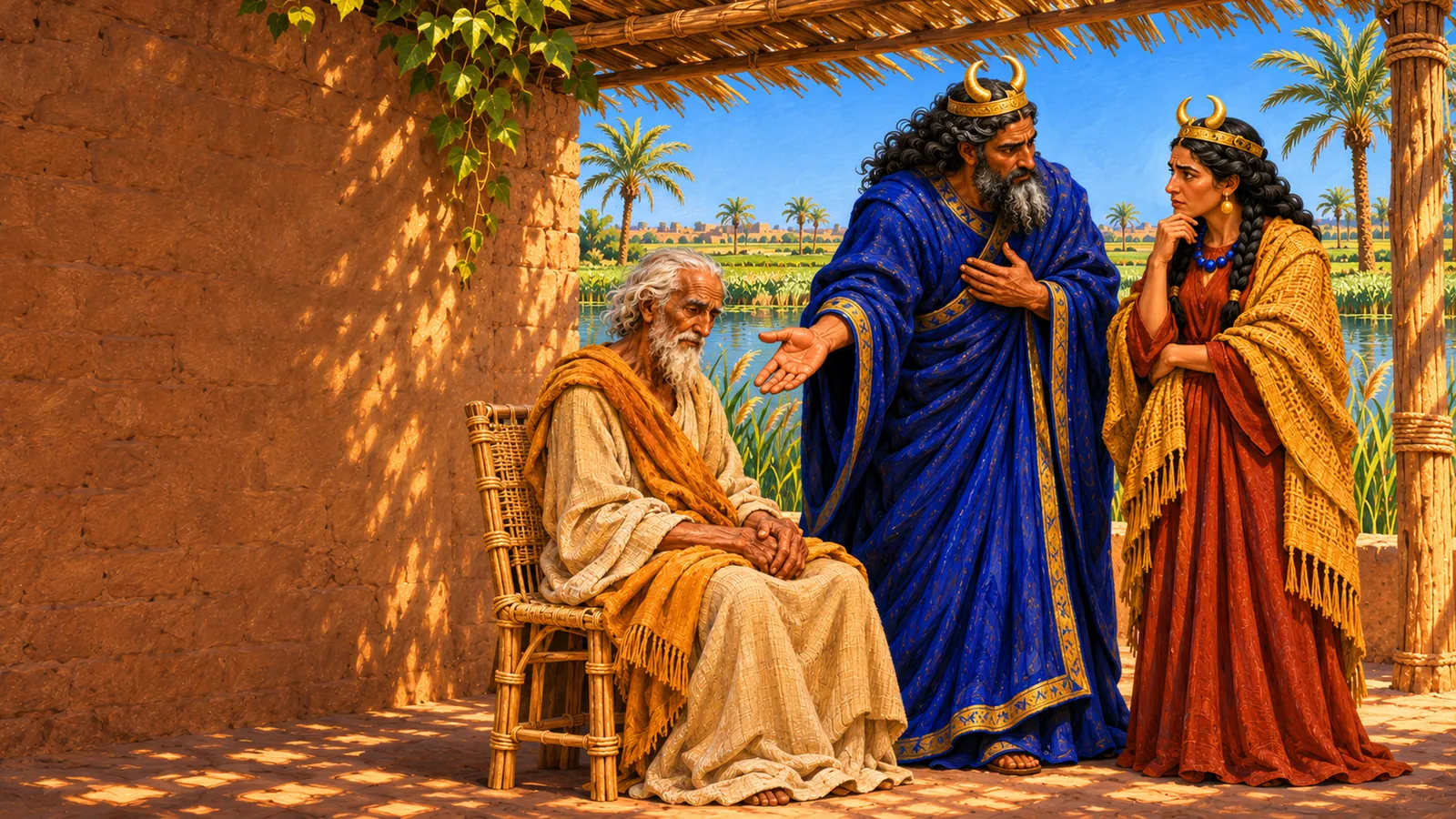
Enki sagt, dass er den Menschen, die Ninmah geschaffen hat, ein Los zuwies, von dem sie leben konnten. Er bittet sie, dasselbe für den Mann zu tun, den er geschaffen hat.
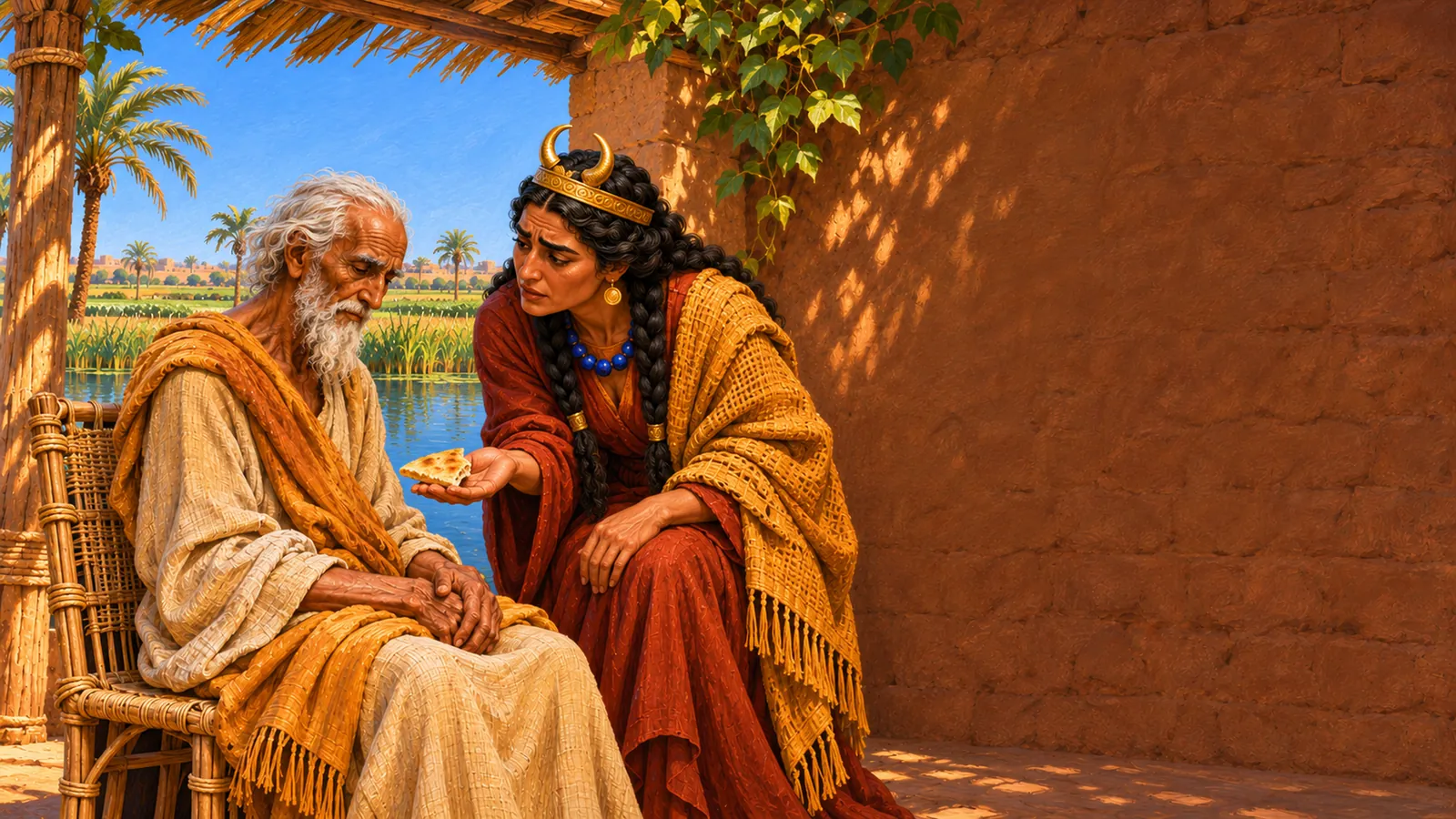
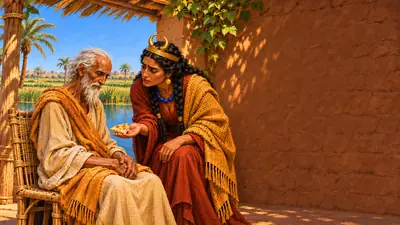
Jacobsen sagt, dass der Mann Ninmahs Frage nicht beantworten kann. Auch kann er nicht nach dem Brot greifen, das sie ihm anbietet.
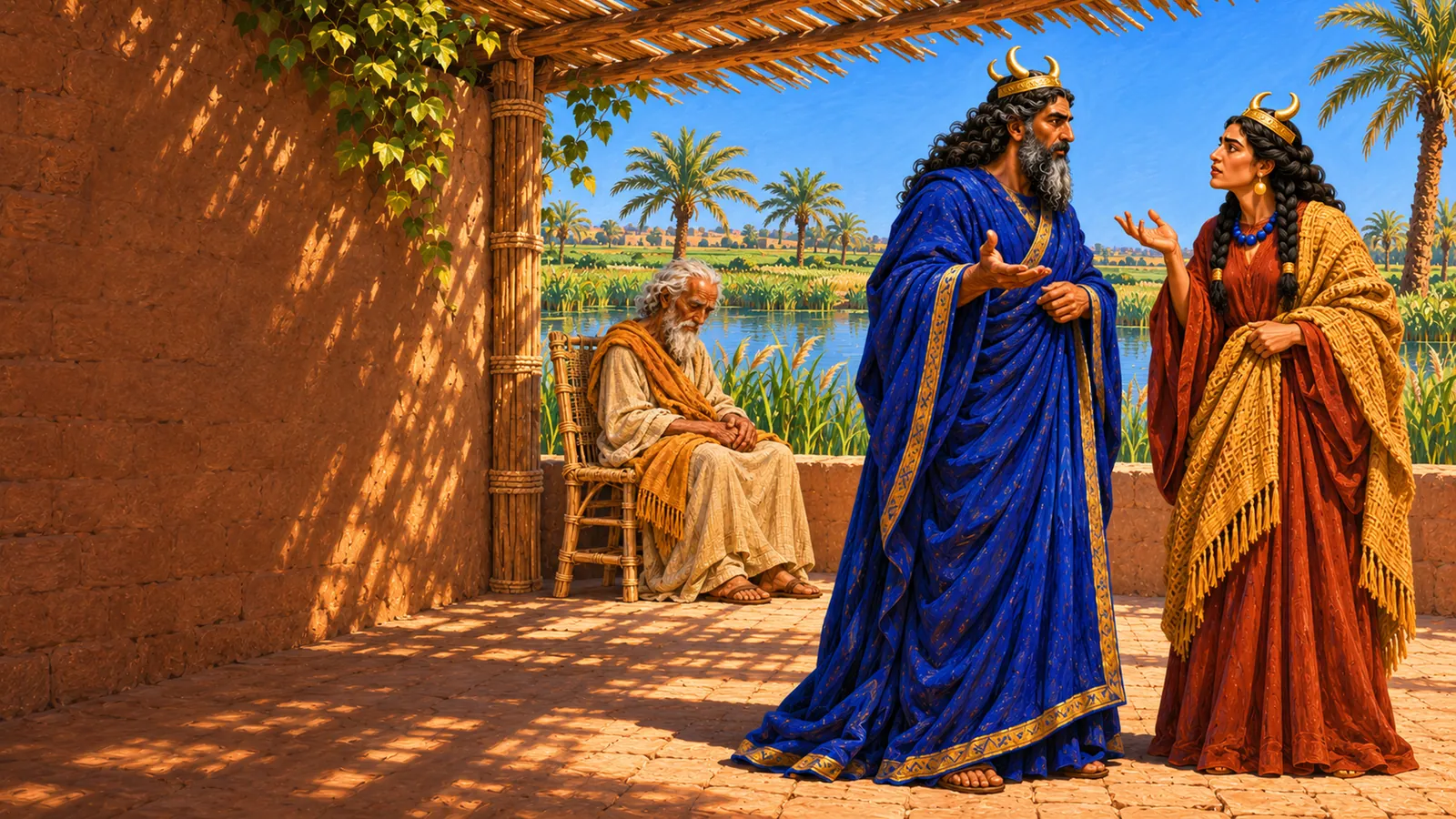
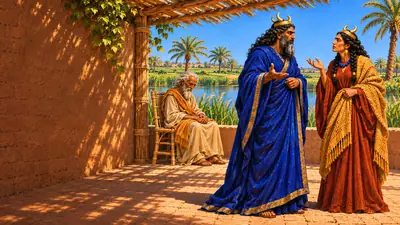
In Jacobsens Darstellung sagt Ninmah, der Mann, den Enki gemacht hat, lebe nicht. Enki erinnert sie daran, dass er für die Menschen, die sie gemacht hat, einen Lebensunterhalt gefunden hat. Eine Textlücke unterbricht den Streit.
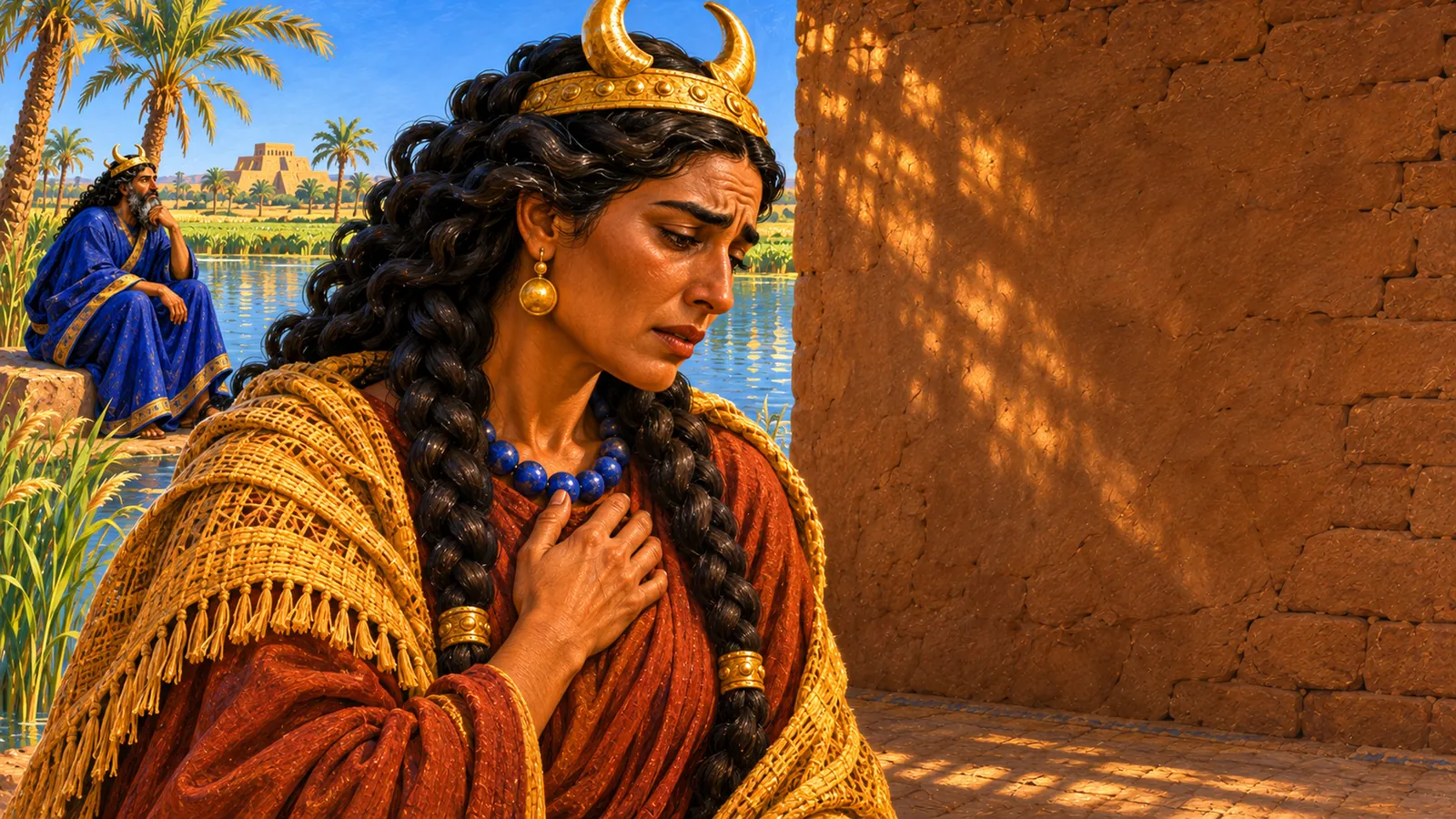
Jacobsen verbindet Enkis zweite Gestalt mit den Beschwernissen des Alters. Er fragt sich, ob Ninmah unter den Folgen der beiden Gestalten für ihr Land und ihre Stadt litt oder ob Enki sie erneut demütigte. Die Textlücken lassen die Ursache offen.
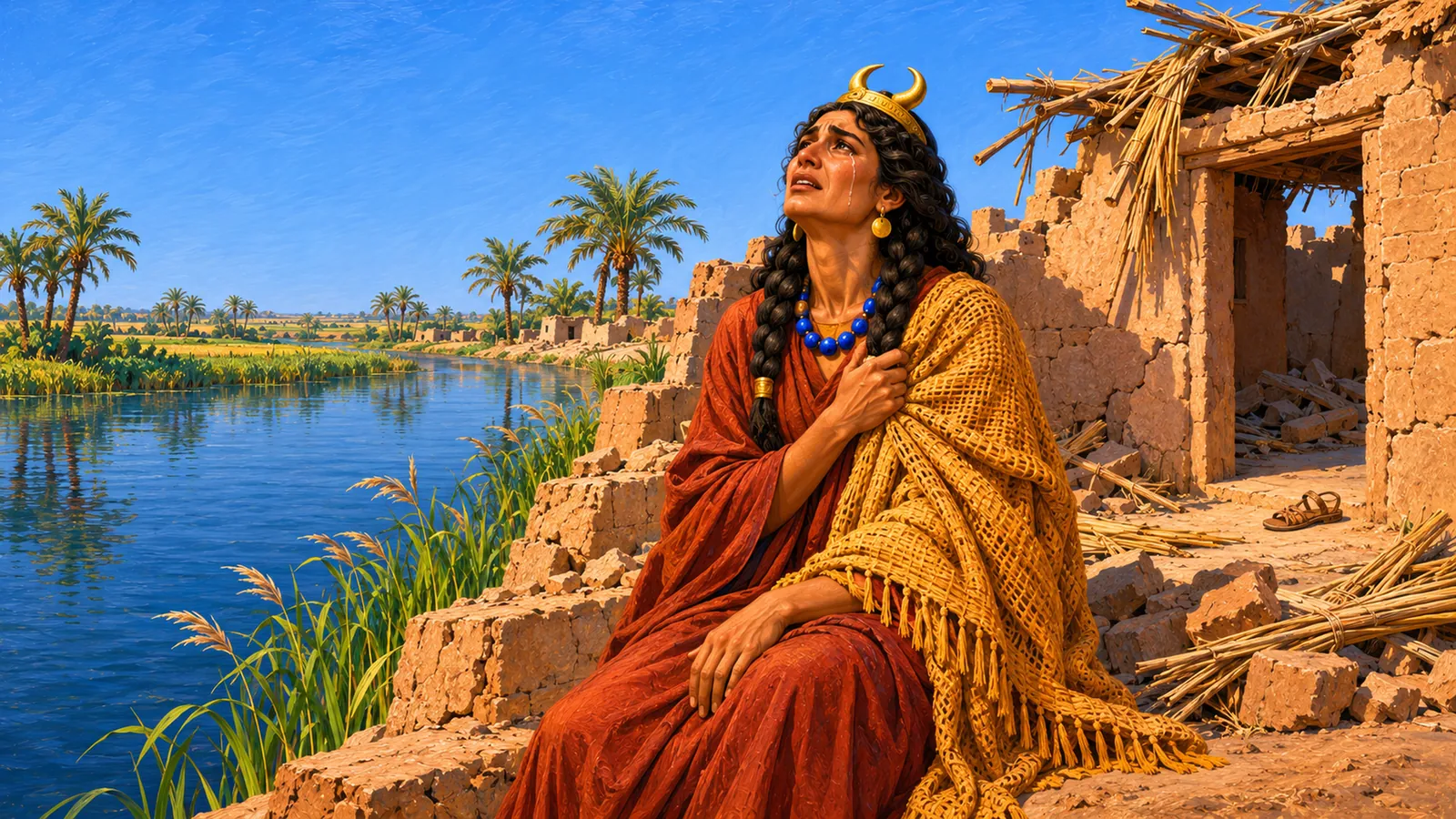
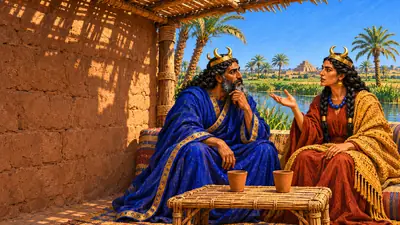
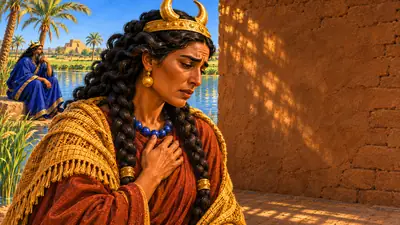
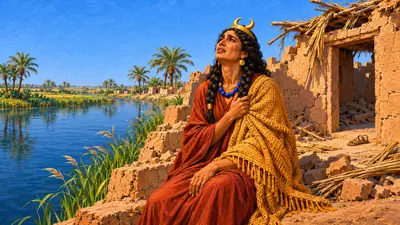
Ninmah sagt, dass ihre Stadt zerstört, ihr Haus verwüstet und ihre Kinder gefangen genommen wurden. Sie sagt, dass sie Ekur verlassen musste und Enkis Macht immer noch nicht entkommt. Jacobsen kennzeichnet seine Lesart „Flüchtige“ als unsicher.

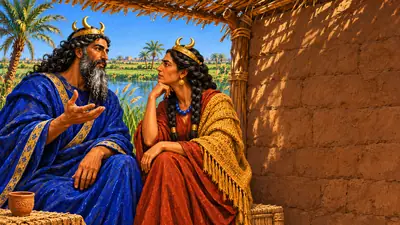
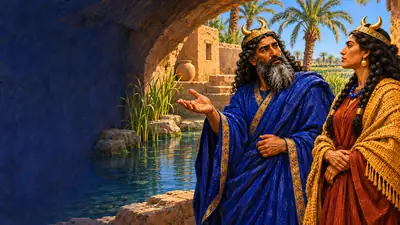
Ninmah verbietet Enki, im Himmel oder auf der Erde zu wohnen. Jacobsen liest den Fluch als Erklärung dafür, warum das Süßwasser unter der Erde liegt.
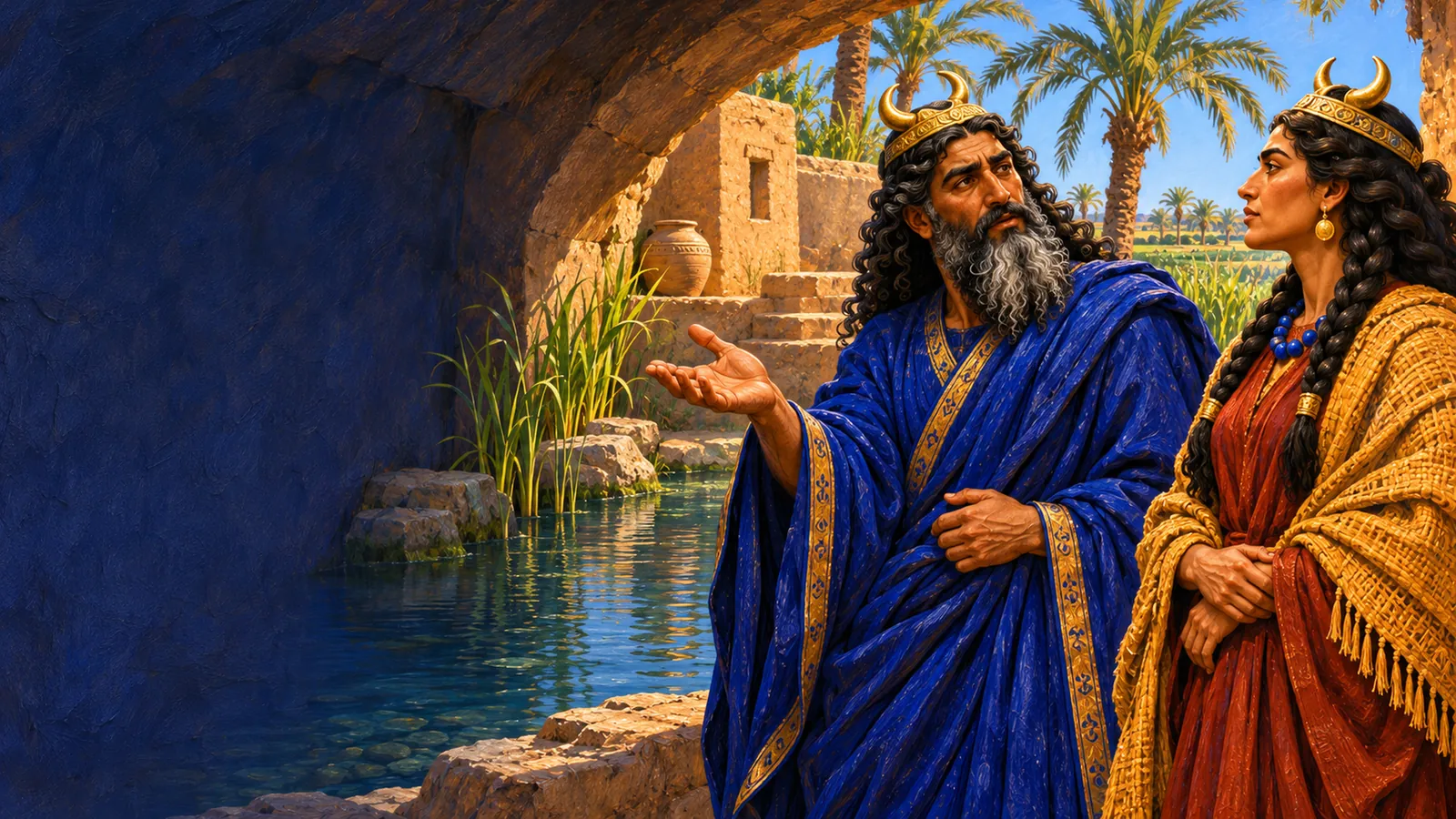
Enki fragt, wer einen Befehl ändern könnte, der von Ninmah kommt. Jacobsen versteht dies so, dass ihr Spruch bindend ist.
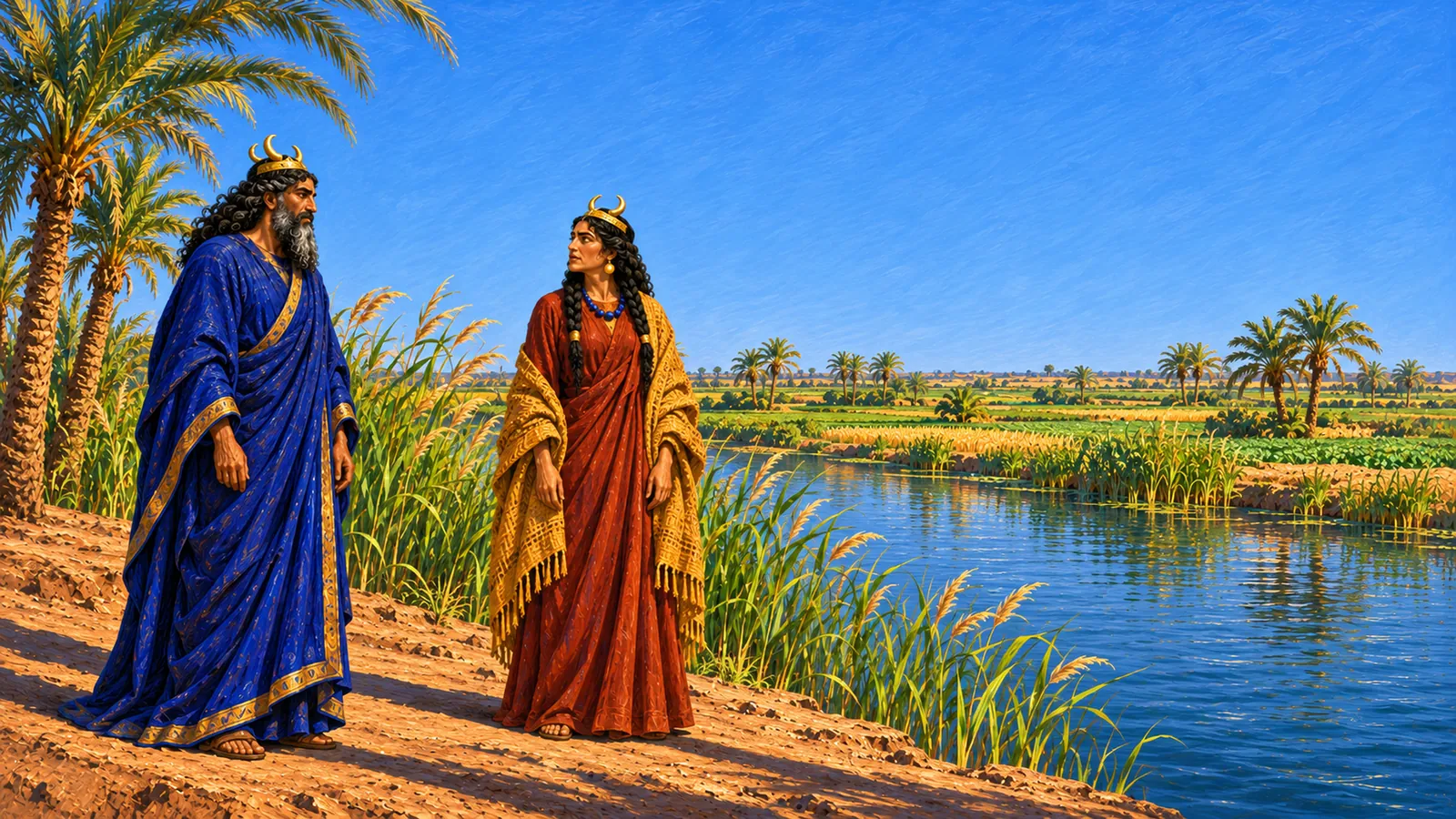
Jacobsen sagt, dass der Text weitergeht, aber bruchstückhaft und schwer zu verstehen ist. Er hält es für möglich, dass das Urteil gemildert wurde und sie sich versöhnten.
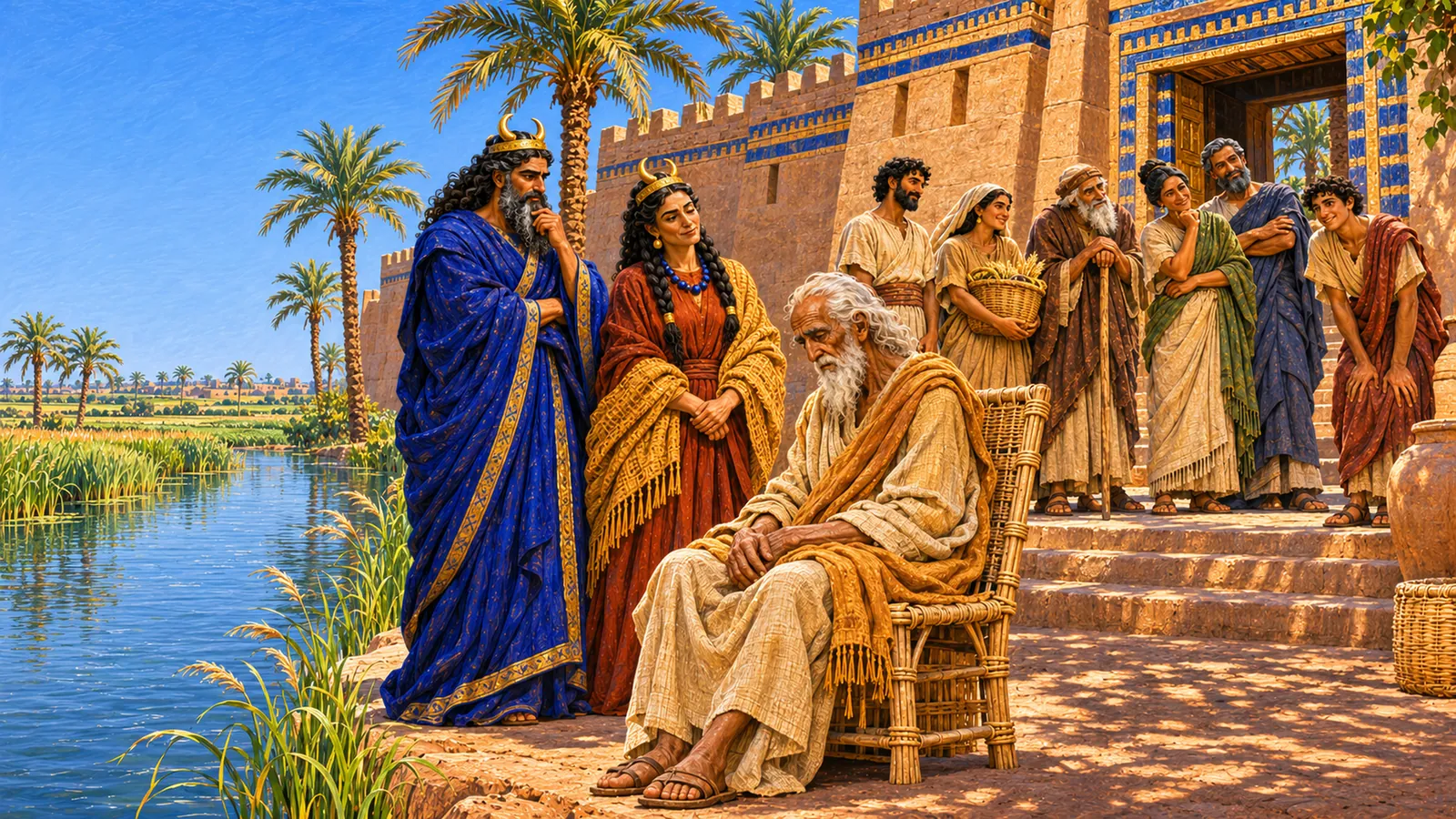
Jacobsen liest die Geschichte als Erklärung für gesellschaftliche Rollen, die mit körperlichen Unterschieden verbunden sind, und für die Beschwernisse des Alters. Er stellt den Lebensunterhalt, den Enki für Ninmahs Geschöpfe fand, Enkis eigener Herausforderung gegenüber, deren Ausgang offenbleibt.
Ende von Kapitel 1
Alle Seiten

Quellen
This reading follows Thorkild Jacobsen’s subsection on Enki and Ninmah in The Cosmos as a State, The Intellectual Adventure of Ancient Man, University of Chicago Press, 1946, first Phoenix edition 1977, pp. 161–165. The book credits H. A. Groenewegen Frankfort for the English poetic form (preface p. vi and p. 184, note 3). Chapter note 26 on p. 184 refers to Kramer’s Mythology, note 73.
Benutzte Editionen
- University of Chicago, The Intellectual Adventure of Ancient Man
- Jacobsen’s printed subsection, pp. 161–165
- Chapter notes 3 and 26, p. 184
Hinweise zu dieser Nacherzählung
Page 1, opening. Jacobsen’s introduction on pp. 161–162 describes Enki as the god of sweet water and gives Ninmah as an epithet of Ninhursaga. The opening translated lines repeat the separation of sky and earth across a pair of lines on days and nights. The book credits H. A. Groenewegen Frankfort with the English form of the poem selections (preface p. vi and p. 184, note 3).
Pages 2–3, labor and Nammu’s appeal. The prose following the opening selection on p. 162 recounts the gods’ agricultural toil, the canals they dig and their appeal to Enki. Nammu is Enki’s mother in the account and Jacobsen associates her with the watery deep.
Page 4, the clay and the apsu. A short quotation within the prose on p. 162 locates the clay above the apsu. Jacobsen glosses this as the level above the underground waters and adds the account of Ninmah and eight other goddesses helping Nammu. His prose compares the severing of the clay to that of a newborn from its mother.
Pages 5–6, the gap and feast. The p. 162 break leaves the making of human beings uncertain. Jacobsen’s suggestion about clay being born before humans are formed is conjectural. The proposed reason for the feast is another conjecture.
Pages 7–8, the first challenge. The printed passage on p. 162 sets the exchange after Ninmah and Enki drink beer. Parentheses mark “really” within her question about the human body. The edition places a question mark after the verb rendered “balance” in Enki’s reply.
Pages 9–10, physical descriptions and livelihoods. Jacobsen’s prose on p. 163 gives three examples among the six people Ninmah forms. The person without male or female sexual organs is assigned to the king’s service, and the woman who cannot bear children joins the queen’s attendants. Jacobsen proposes that the former is a eunuch. That identification is conjectural.
Page 11, reversal and the first attempt. Jacobsen’s prose on p. 163 describes Enki taking up the shaping of people, while Ninmah is asked to determine their lot. The text is damaged where Enki’s first attempt would be described.
Page 12 · p. Jacobsen reads the second as a very old man and glosses his name “my day is remote.” The spoken version uses the clearly readable gloss because the extracted transliteration from the scan is uncertain. Jacobsen’s description mentions eye disease, pain in the liver and heart, trembling hands, and life ebbing away.
Pages 13–14 · p. 163, translated challenge and explanatory prose. Enki says that he assigned the people Ninmah made a lot allowing them to subsist and asks her to find such a lot for the man he made. Jacobsen’s narrative says the man cannot reply to Ninmah’s question or reach for the bread she offers.
Pages 15–16 · pp. 163–164, the interrupted quarrel and Jacobsen’s conjectures. Jacobsen reports that Ninmah says the man is not alive. A break interrupts the quarrel.
Page 17 · p. 164, translated lament. In the printed translation, “fugitive” has a question mark. The still shows an intact doorway.
Pages 18–19 · p. 164, the curse and translated reply. Ninmah forbids Enki from dwelling in heaven or on earth. Jacobsen links this to the sweet waters beneath the earth and compares the decree with one in the separate Tilmun narrative. Enki asks who could alter a command from Ninmah. Jacobsen reads his reply in terms of the binding force of a divine decree.
Page 20 · p. 164, the fragmentary continuation. Jacobsen says that the text continues but is difficult to read. He suggests the sentence may have been eased and a reconciliation may have followed. The wording keeps both as conjectures.
Page 21 · pp. 164–165, Jacobsen’s closing interpretation. His historical interpretation mentions eunuchs and hierodules. It ends before the next category of myths.
Die antiken Verse hinter jeder Seite
- Page 1: Jacobsen, “Enki and Ninmah,” 1977 Phoenix ed., pp. 161–162, framing prose and opening verse
- Page 2: Jacobsen, “Enki and Ninmah,” 1977 Phoenix ed., p. 162, prose on the gods’ work
- Page 3: Jacobsen, “Enki and Ninmah,” 1977 Phoenix ed., p. 162, prose on Nammu and Enki
- Page 4: Jacobsen, “Enki and Ninmah,” 1977 Phoenix ed., p. 162, short translated phrase and surrounding prose
- Page 5: Jacobsen, “Enki and Ninmah,” 1977 Phoenix ed., p. 162, lacuna and Jacobsen’s inference
Dark homogeneous matte mud plaster covers the upper two thirds, undisturbed by the roof edge, doorway lines, or lit seams. - Page 6: Jacobsen, “Enki and Ninmah,” 1977 Phoenix ed., p. 162, Jacobsen’s account of the resumed text
- Page 7: Jacobsen, “Enki and Ninmah,” 1977 Phoenix ed., p. 162, translated feast scene and Ninmah’s challenge
- Page 8: Jacobsen, “Enki and Ninmah,” 1977 Phoenix ed., p. 162, Enki’s translated reply
- Page 9: Jacobsen, “Enki and Ninmah,” 1977 Phoenix ed., p. 163, Jacobsen’s summary of Ninmah’s figures
- Page 10: Jacobsen, “Enki and Ninmah,” 1977 Phoenix ed., p. 163, Jacobsen’s prose on the people’s roles
- Page 11: Jacobsen, “Enki and Ninmah,” 1977 Phoenix ed., p. 163, role reversal and damaged passage
- Page 12: Jacobsen 1977, The Intellectual Adventure of Ancient Man, ch. V, Enki and Ninmah, p. 163, Jacobsen’s prose on Enki’s second figure
- Page 13: Jacobsen 1977, The Intellectual Adventure of Ancient Man, ch. V, Enki and Ninmah, p. 163, translated answering challenge
- Page 14: Jacobsen 1977, The Intellectual Adventure of Ancient Man, ch. V, Enki and Ninmah, p. 163, Jacobsen’s prose on Ninmah’s tests
- Page 15: Jacobsen 1977, The Intellectual Adventure of Ancient Man, ch. V, Enki and Ninmah, p. 163, Jacobsen’s prose and break in the quarrel
- Page 16: Jacobsen 1977, The Intellectual Adventure of Ancient Man, ch. V, Enki and Ninmah, p. 164, Jacobsen’s conjectural bridge
- Page 17: Jacobsen 1977, The Intellectual Adventure of Ancient Man, ch. V, Enki and Ninmah, p. 164, Ninmah’s translated lament
The low wider left area remains even continuous natural lapis-grey shade on matte clay, with no opening line, brick detail, bright spot or shape through the reserve. - Page 18: Jacobsen 1977, The Intellectual Adventure of Ancient Man, ch. V, Enki and Ninmah, p. 164, Ninmah’s quoted curse and Jacobsen’s interpretation
- Page 19: Jacobsen 1977, The Intellectual Adventure of Ancient Man, ch. V, Enki and Ninmah, p. 164, Enki’s quoted reply
- Page 20: Jacobsen 1977, The Intellectual Adventure of Ancient Man, ch. V, Enki and Ninmah, p. 164, Jacobsen’s account of the broken ending
- Page 21: Jacobsen 1977, The Intellectual Adventure of Ancient Man, ch. V, Enki and Ninmah, pp. 164–165, Jacobsen’s closing interpretation
Illustrationen von IL Archive mit KI-Werkzeugen; der Text folgt den antiken Quellen (siehe die Quellen am Ende jedes Kapitels).