Enlil und Ninlil Kapitel 1
Der Mond und seine Brüder
In Nippur warnt Ninlils Mutter sie vor dem Kanal. Nachdem Enlil Ninlil vergewaltigt hat, verbannt ihn die Götterversammlung, und Ninlil folgt ihm in Richtung Unterwelt. Thorkild Jacobsens Darstellung verfolgt den Ursprung des Mondgottes und seiner drei mit der Unterwelt verbundenen Brüder. Die Stelle mit dem Namen des dritten Bruders ist beschädigt.
QuellenBlättern Sie mit den Pfeilen, den Pfeiltasten oder durch Wischen.
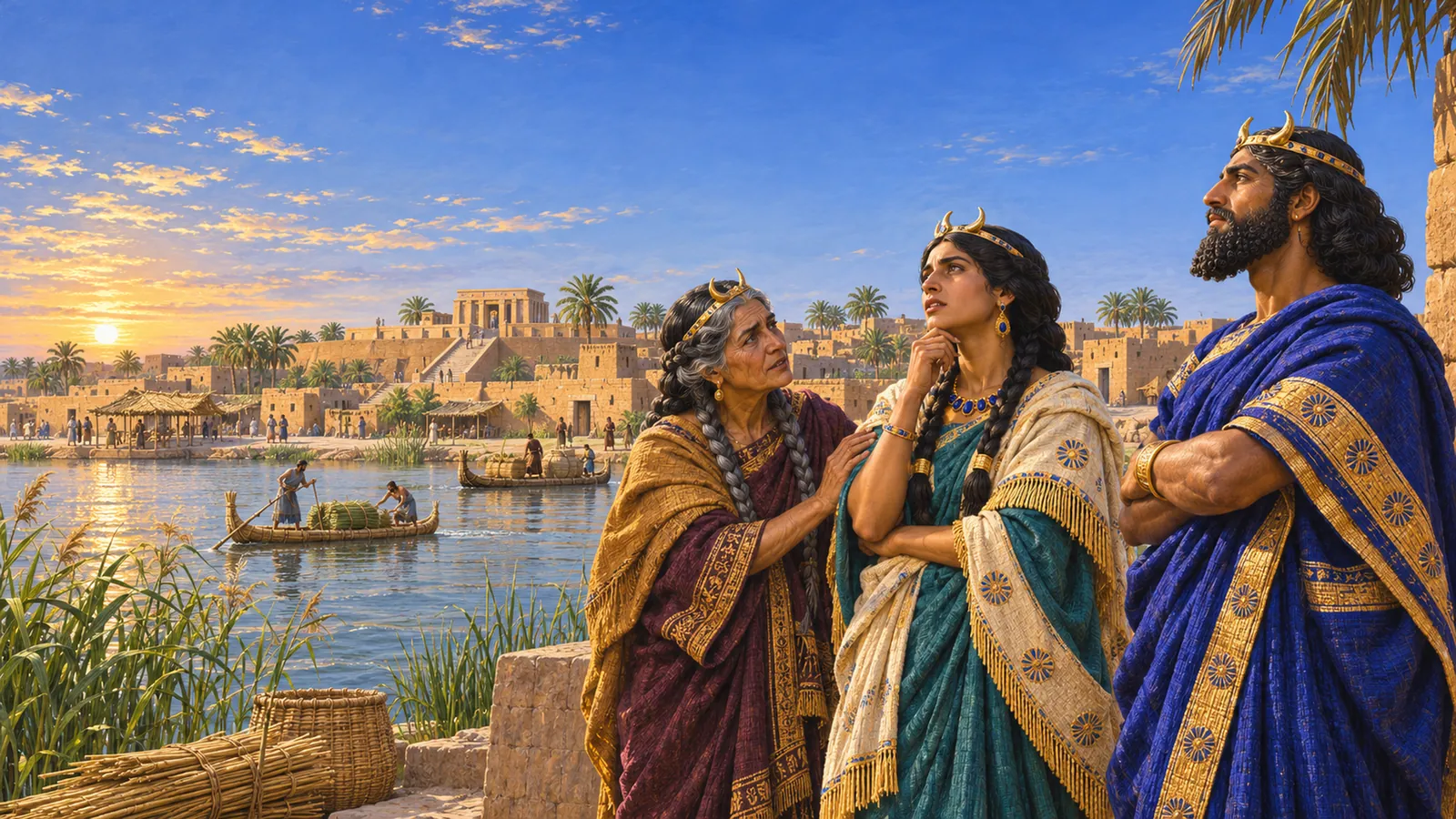
DER MOND UND SEINE BRÜDER
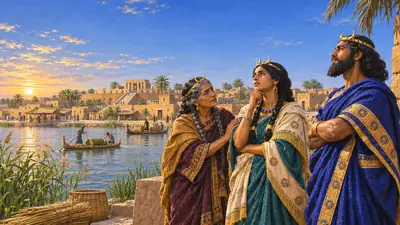
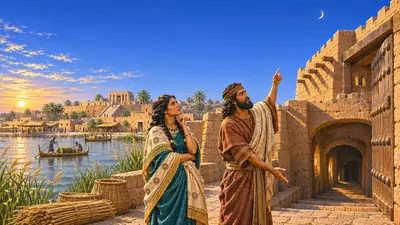
In Thorkild Jacobsens Darstellung beginnt die Geschichte in Nippur am Anfang der Zeit. Sie fragt, wie Sin, der Mond, entstand und warum seine drei Brüder mit der Unterwelt verbunden sind.
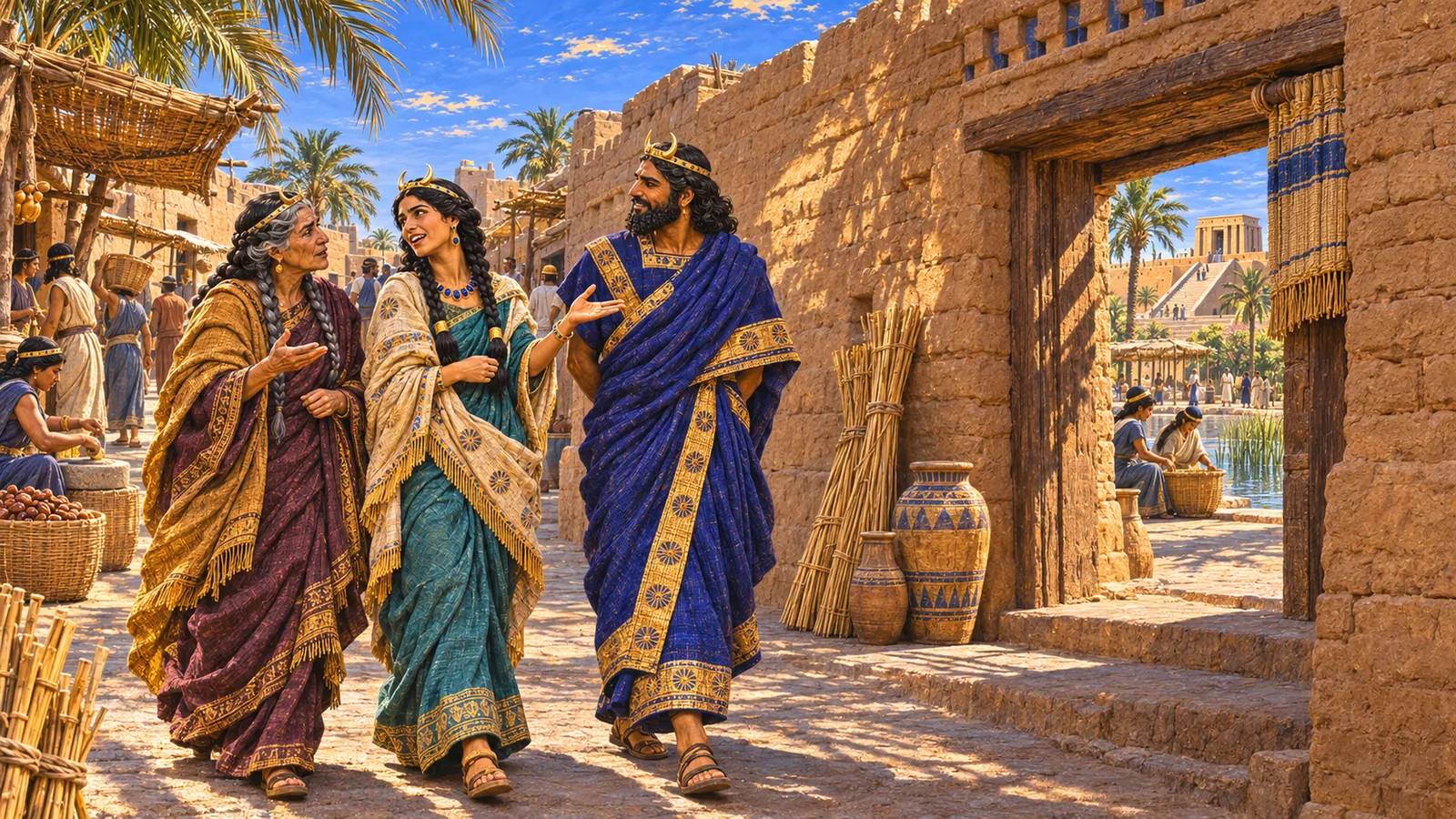
Die Verse sprechen davon, in dieser Stadt zu leben, und nennen sie zuerst Duranki und dann Durgishimmar. Jacobsen identifiziert beides als Namen von Nippur.
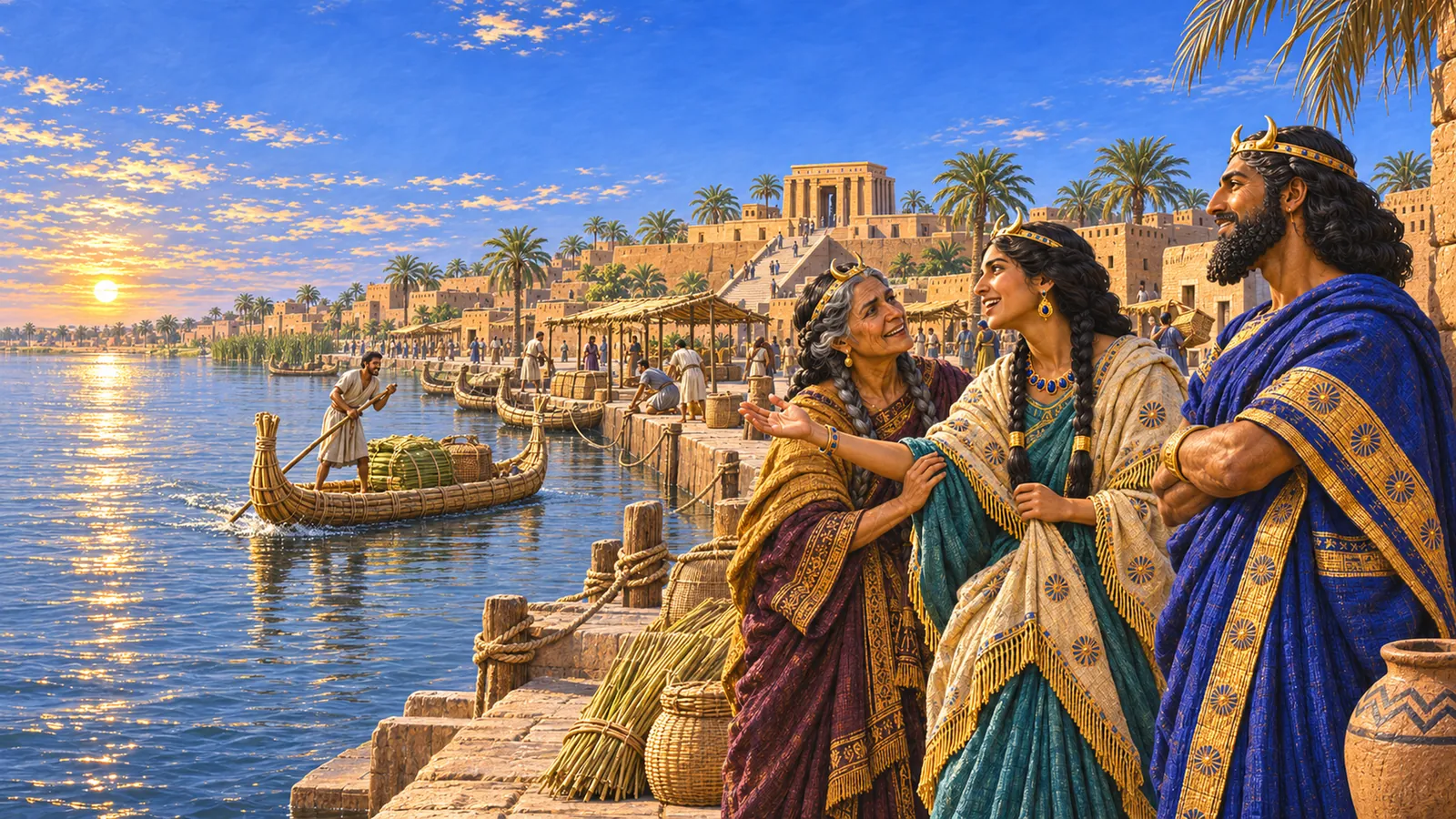
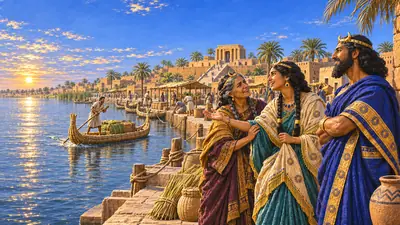
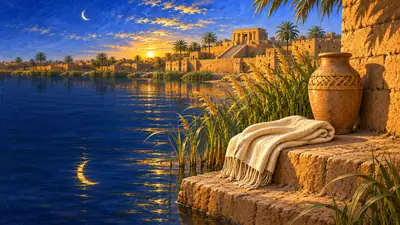
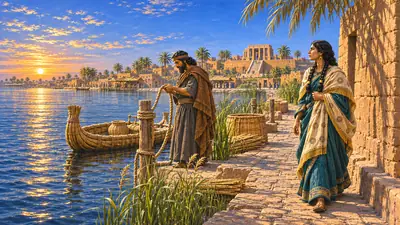
Die Verse nennen Idsalla als den reinen Fluss der Stadt, Kargeshtinna als ihren Kai und Karusar als ihren Hafen.
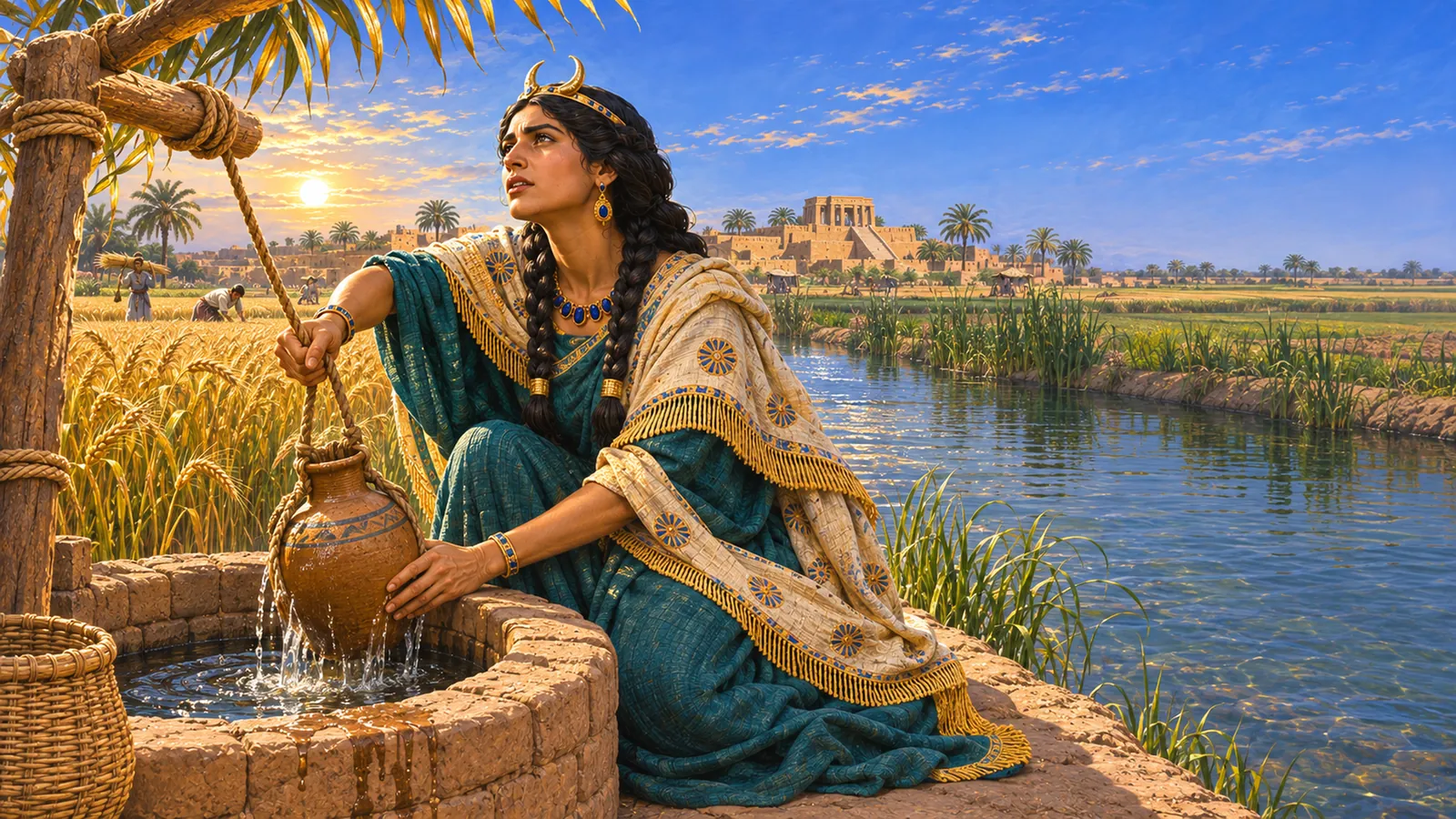
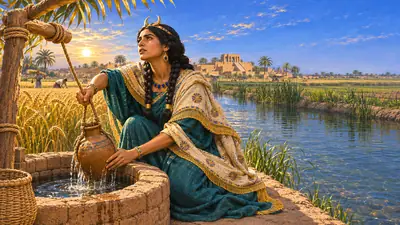
Pulal ist der Brunnen mit süßem Wasser und Nunbirdu der funkelnde Kanal, heißt es in den Versen. Misst man die bestellten Felder, ist jedes mindestens zehn iku groß.
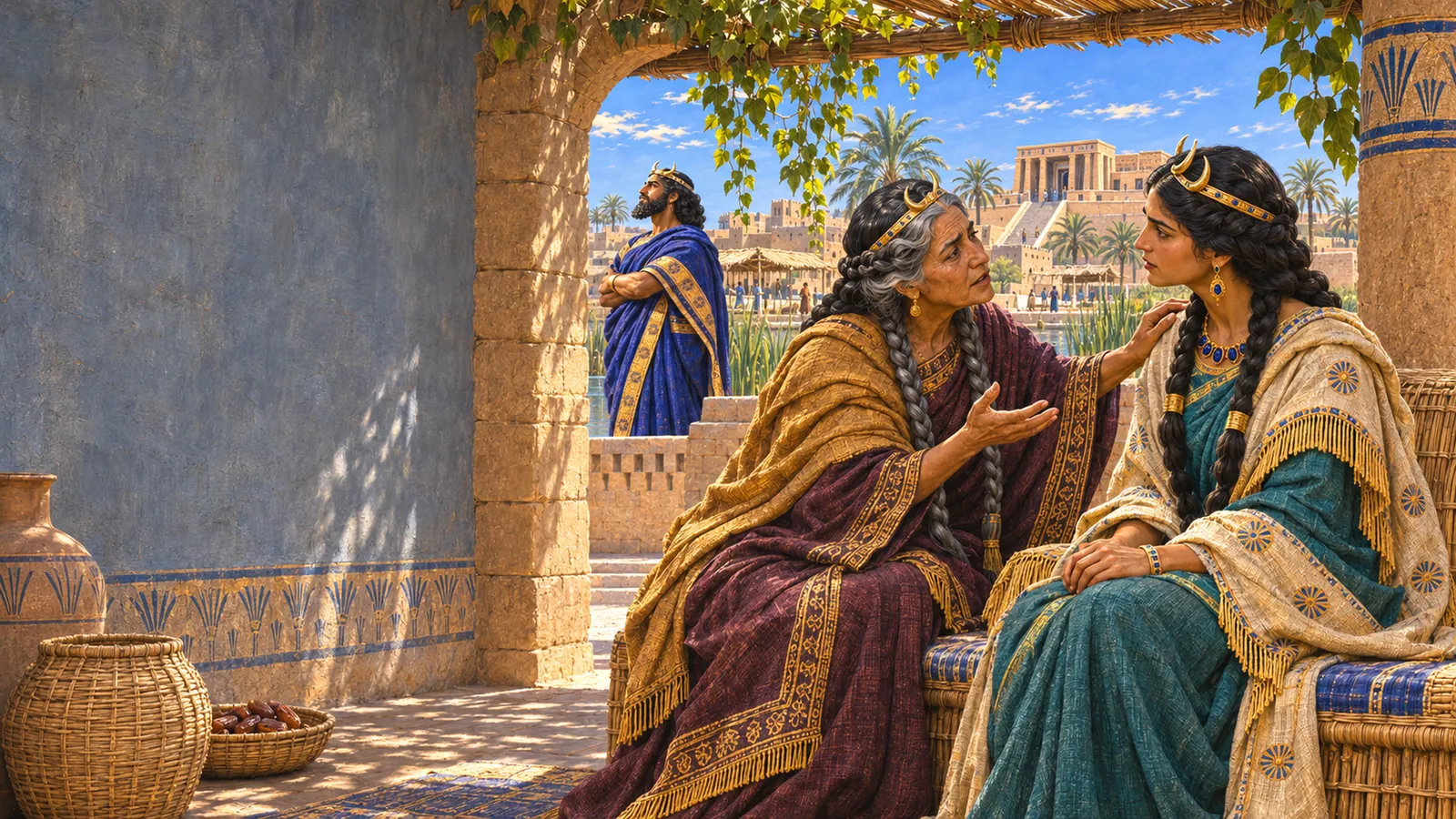
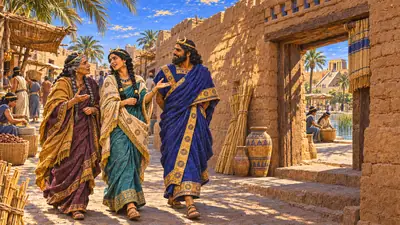
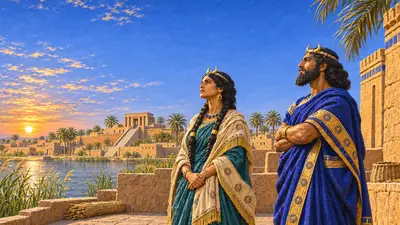
Die Verse nennen Enlil als den jungen Mann in der Stadt und Ninlil als die junge Frau. Sie nennen Ninshebargunu als Ninlils Mutter.
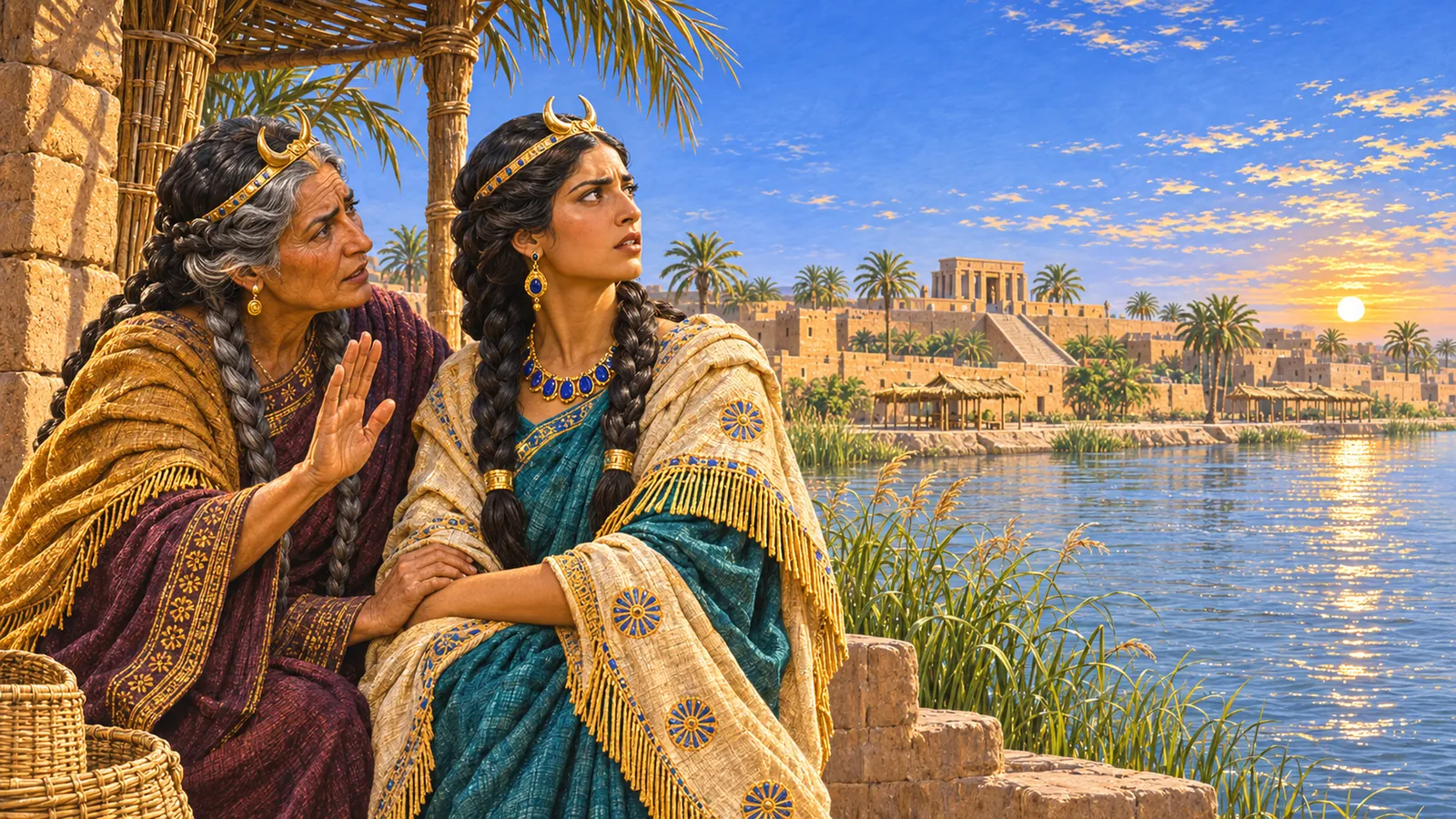
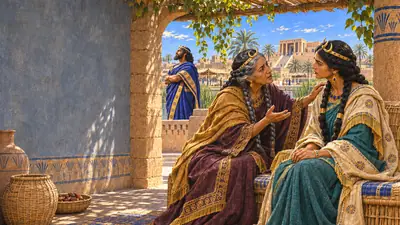
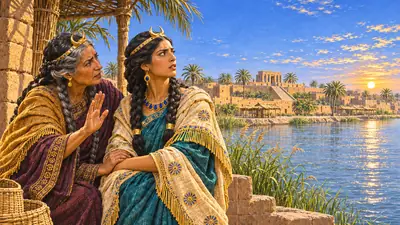
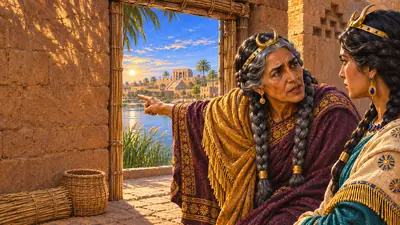
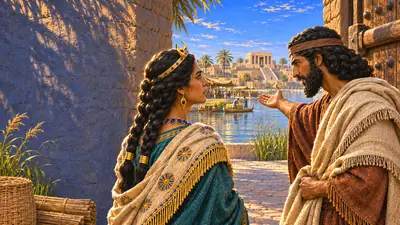
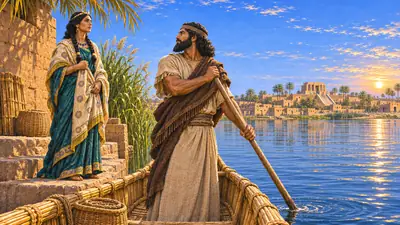
Ninshebargunu warnt ihre Tochter Ninlil wiederholt davor, im reinen Strom zu baden. Auch sagt sie ihr, sie solle das Ufer des Nunbirdu-Kanals nicht betreten.
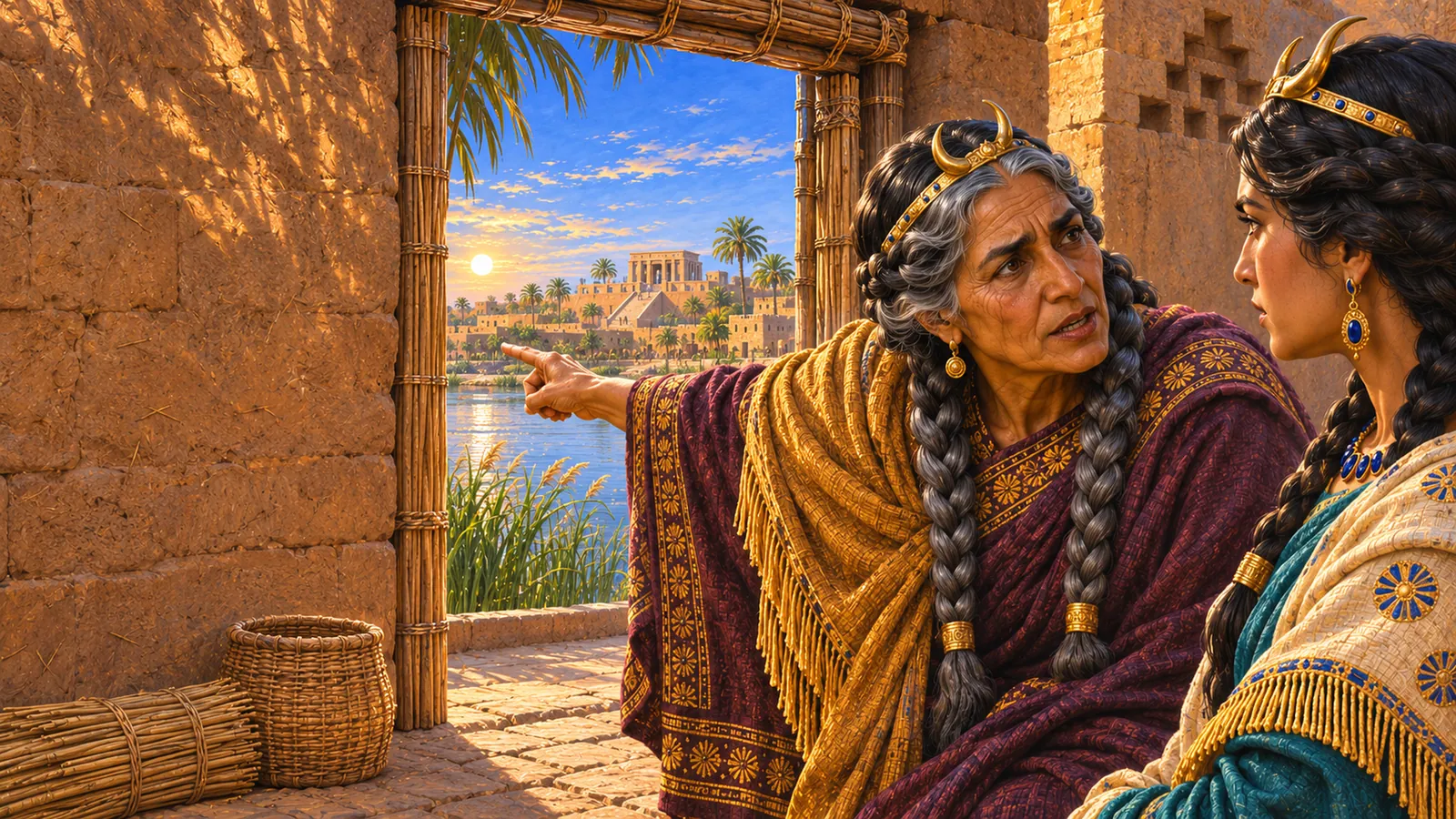
Sie warnt, dass Enlil Ninlil sehen, umarmen und küssen wird. Sie nennt ihn Vater Enlil, den großen Berg und den Bestimmer der Schicksale.
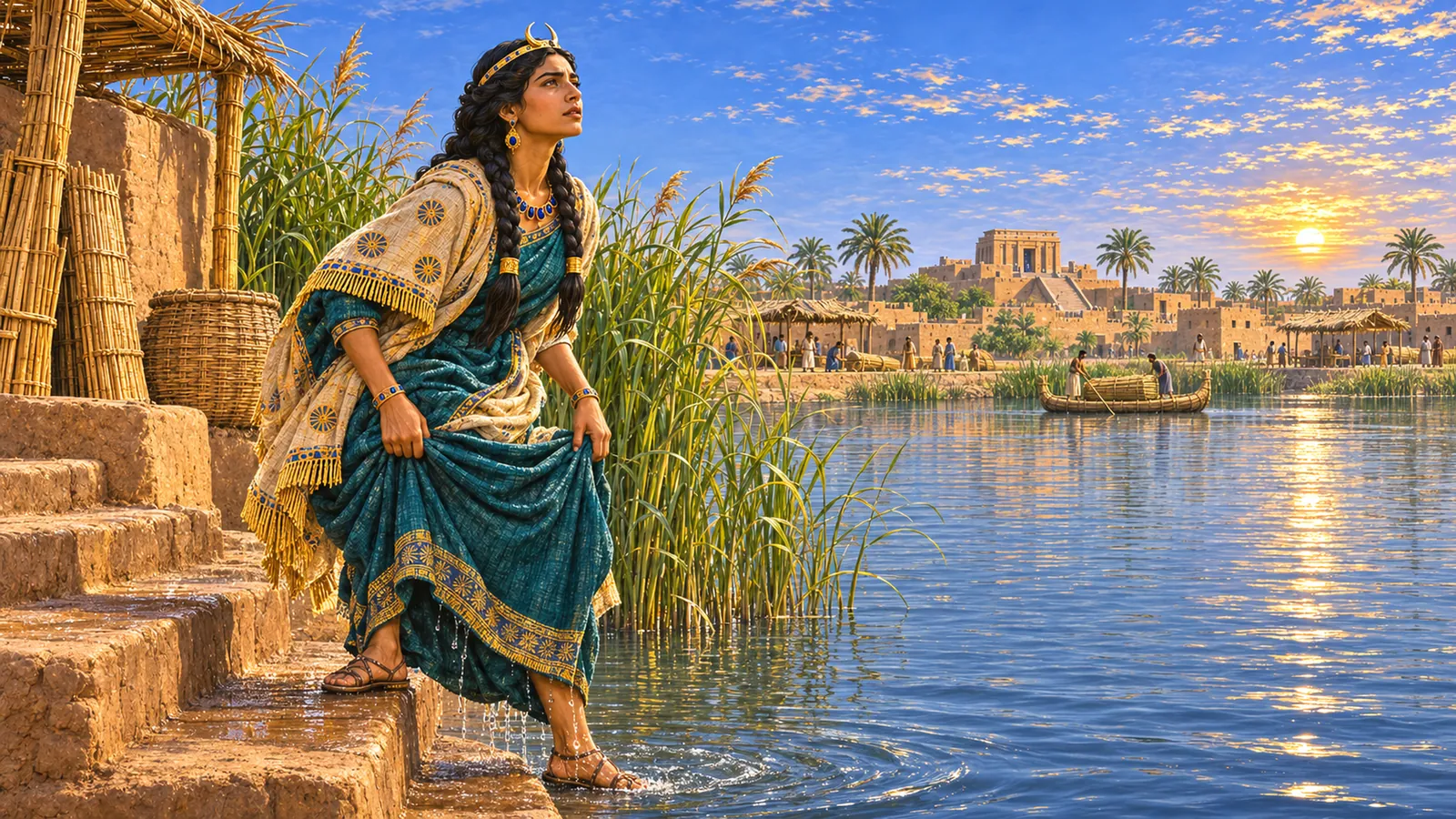
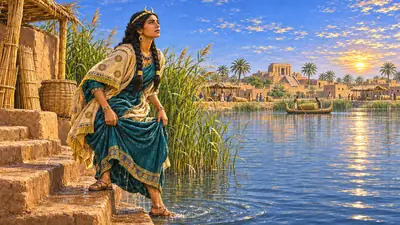
Die Verse fragen, ob Ninlil auf ihre Mutter gehört hat. Dann sagen sie, dass sie im reinen Strom badet und das Ufer des Nunbirdu hinaufsteigt.
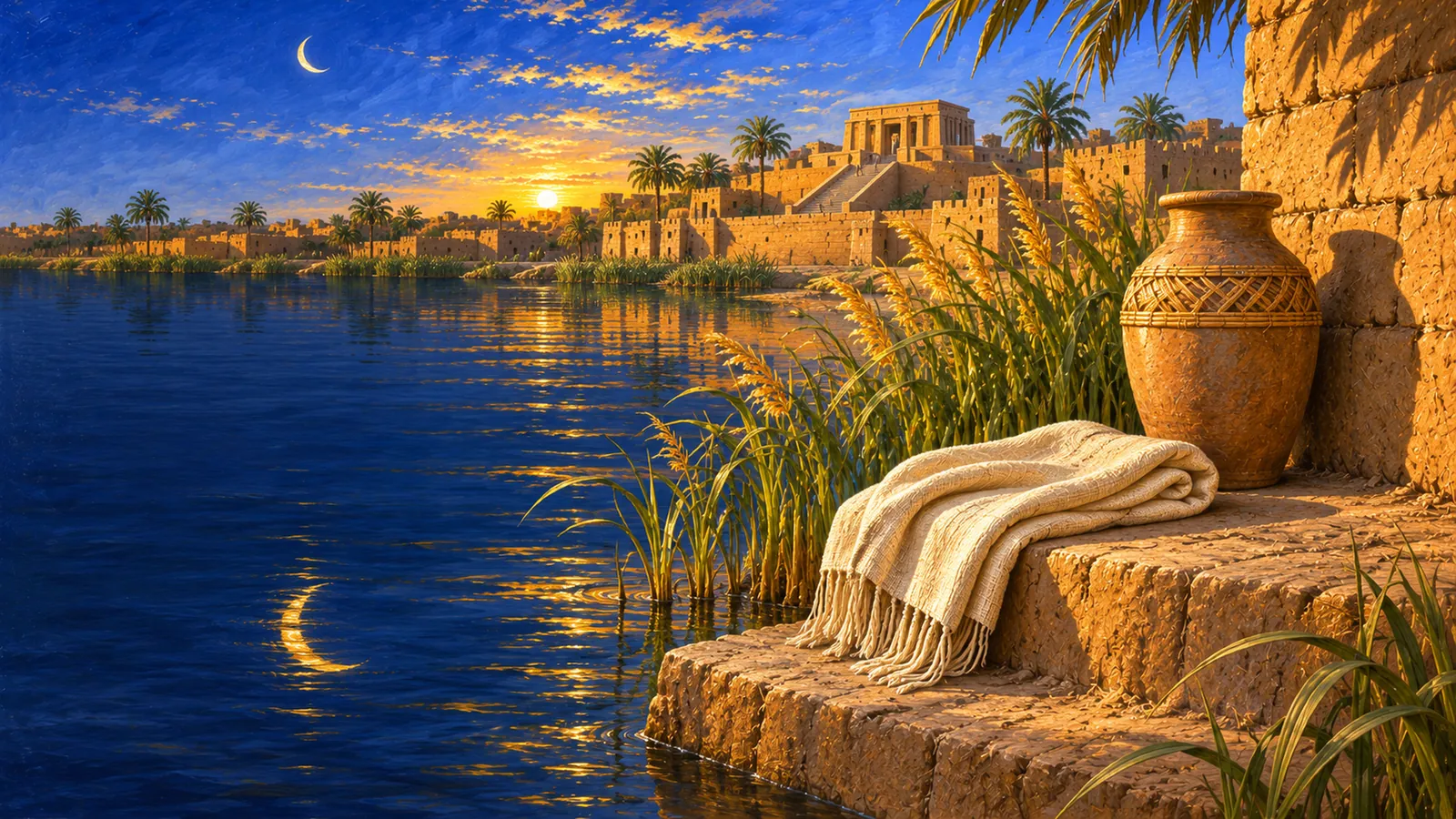
Jacobsen sagt, Enlil vergewaltige Ninlil, nachdem sie ihn zurückgewiesen hat, und sie werde mit Sin, dem Mondgott, schwanger.
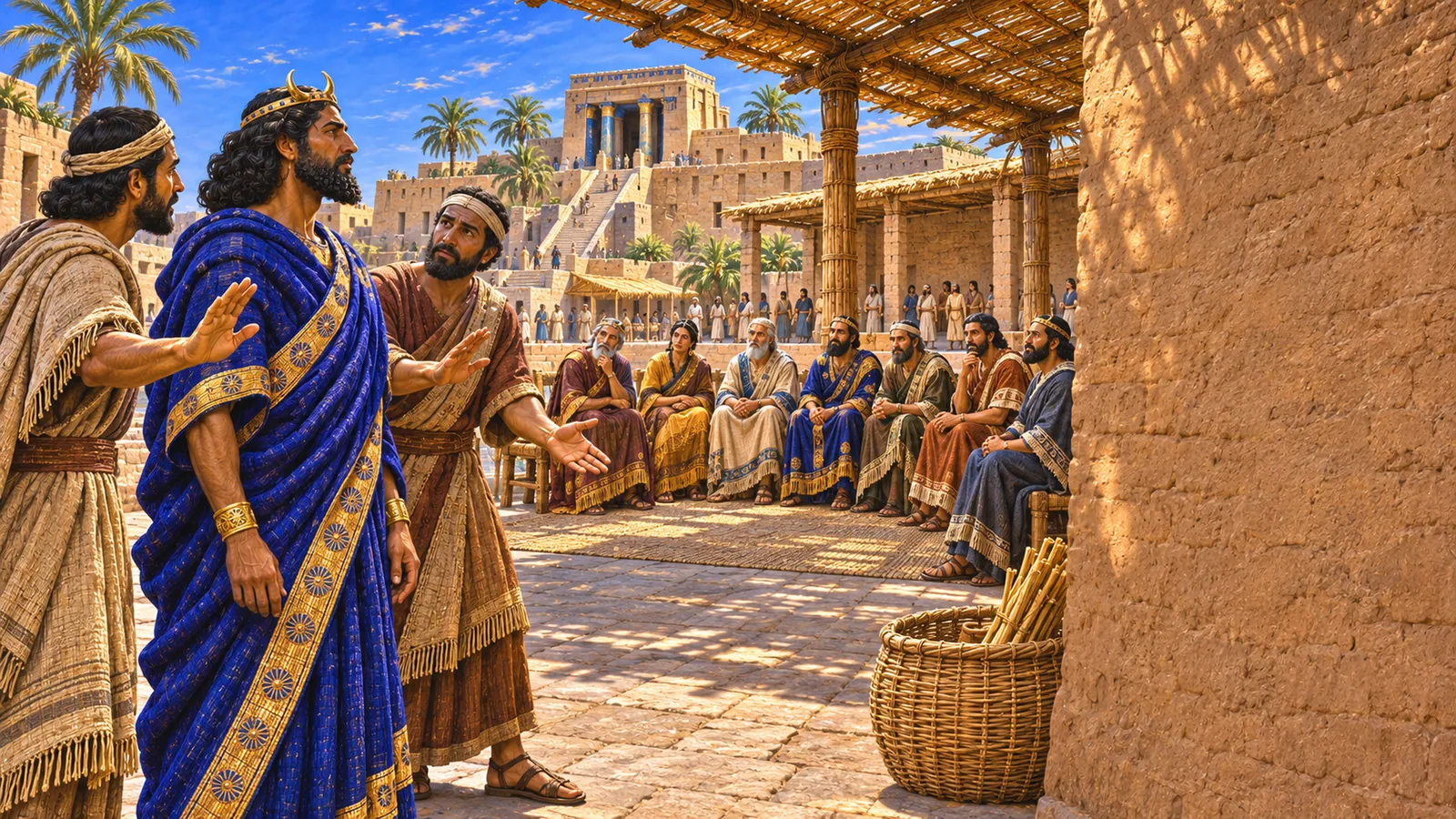
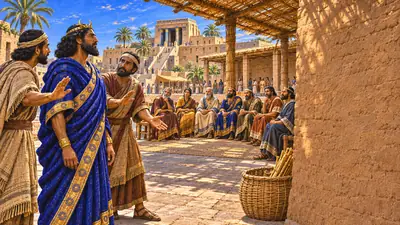
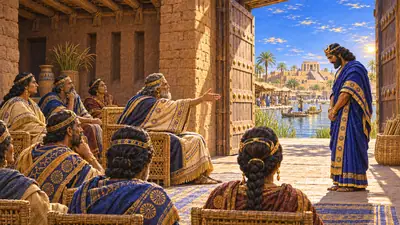
Die Verse sagen, dass Enlil Kiur betritt und dort festgenommen wird. Die fünfzig großen Götter und die sieben, deren Wort entscheidet, ordnen seine Festnahme an.
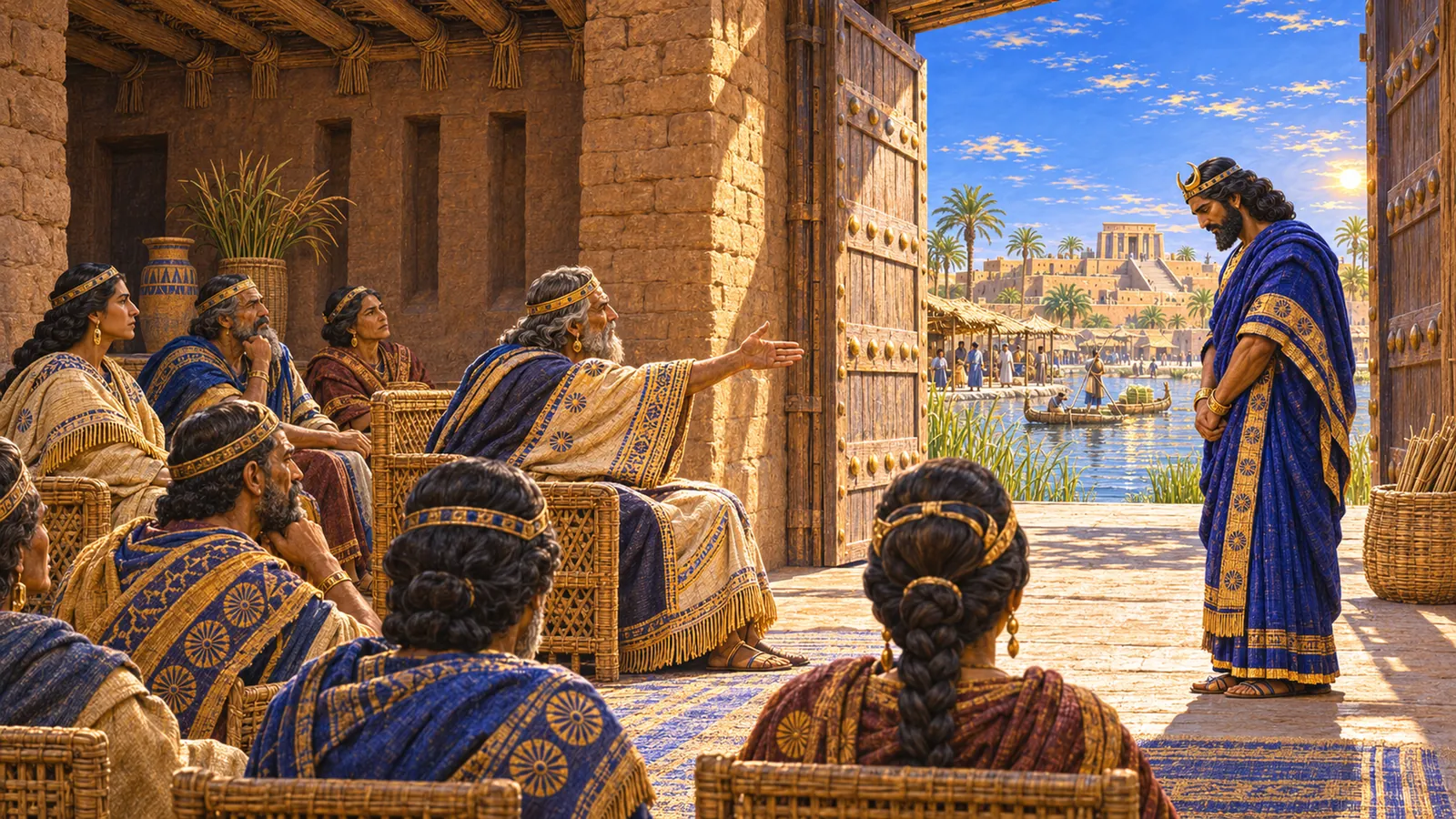
Die Versammlung sagt Enlil, der auch Nunamnir heißt, er müsse die Stadt verlassen. Jacobsen erklärt, dass das verwendete Wort eine Person unter einem sexuellen Tabu bezeichnet.
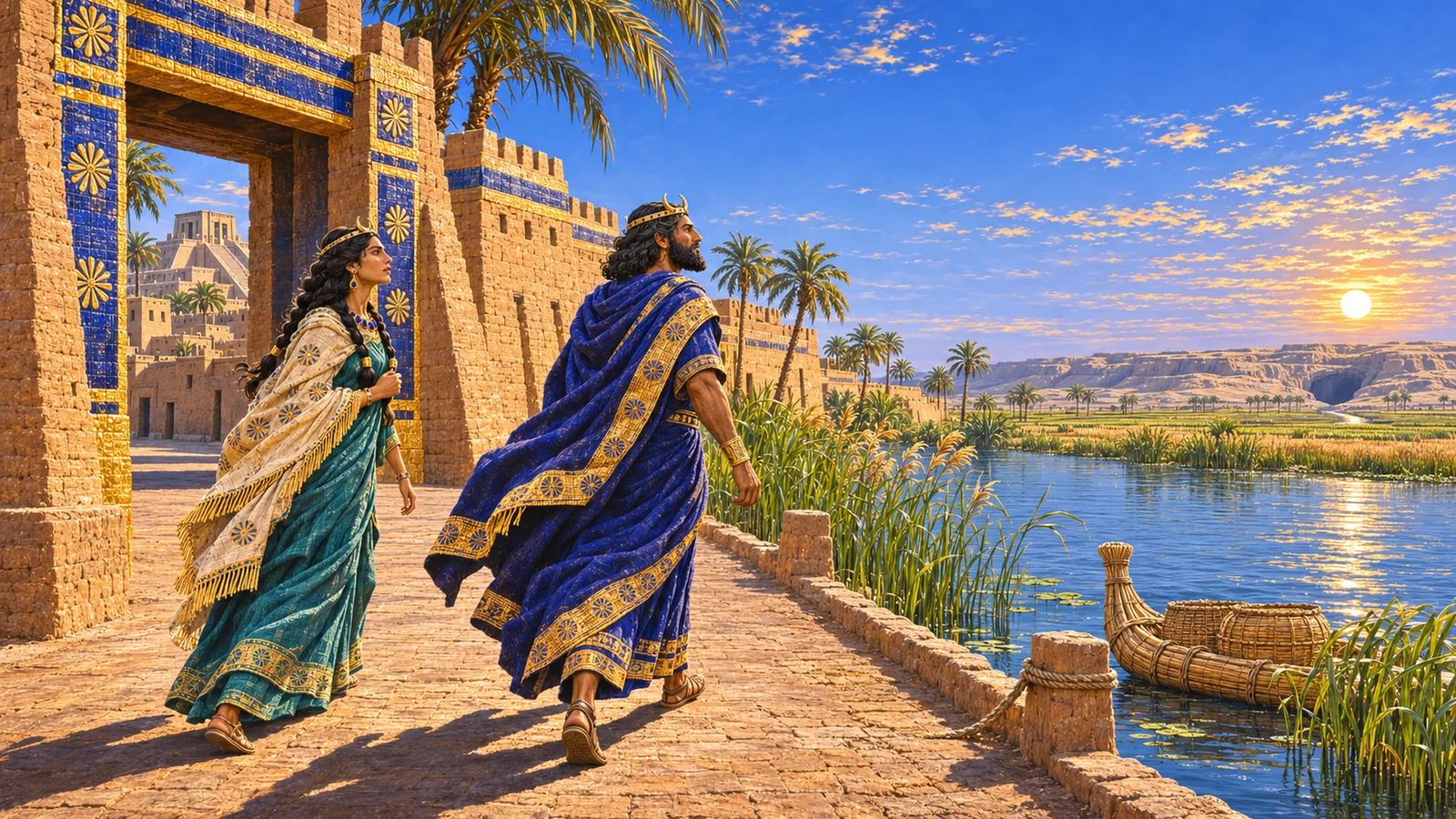
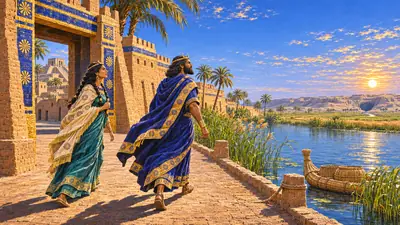
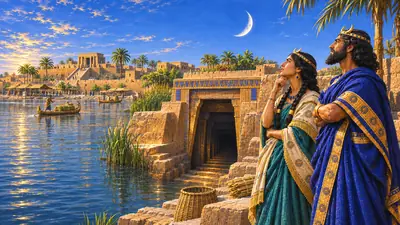
Enlil folgt dem Urteil und geht fort. Jacobsen sagt, er gehe zur Unterwelt, und die Verse sagen, dass Ninlil ihm folgt.
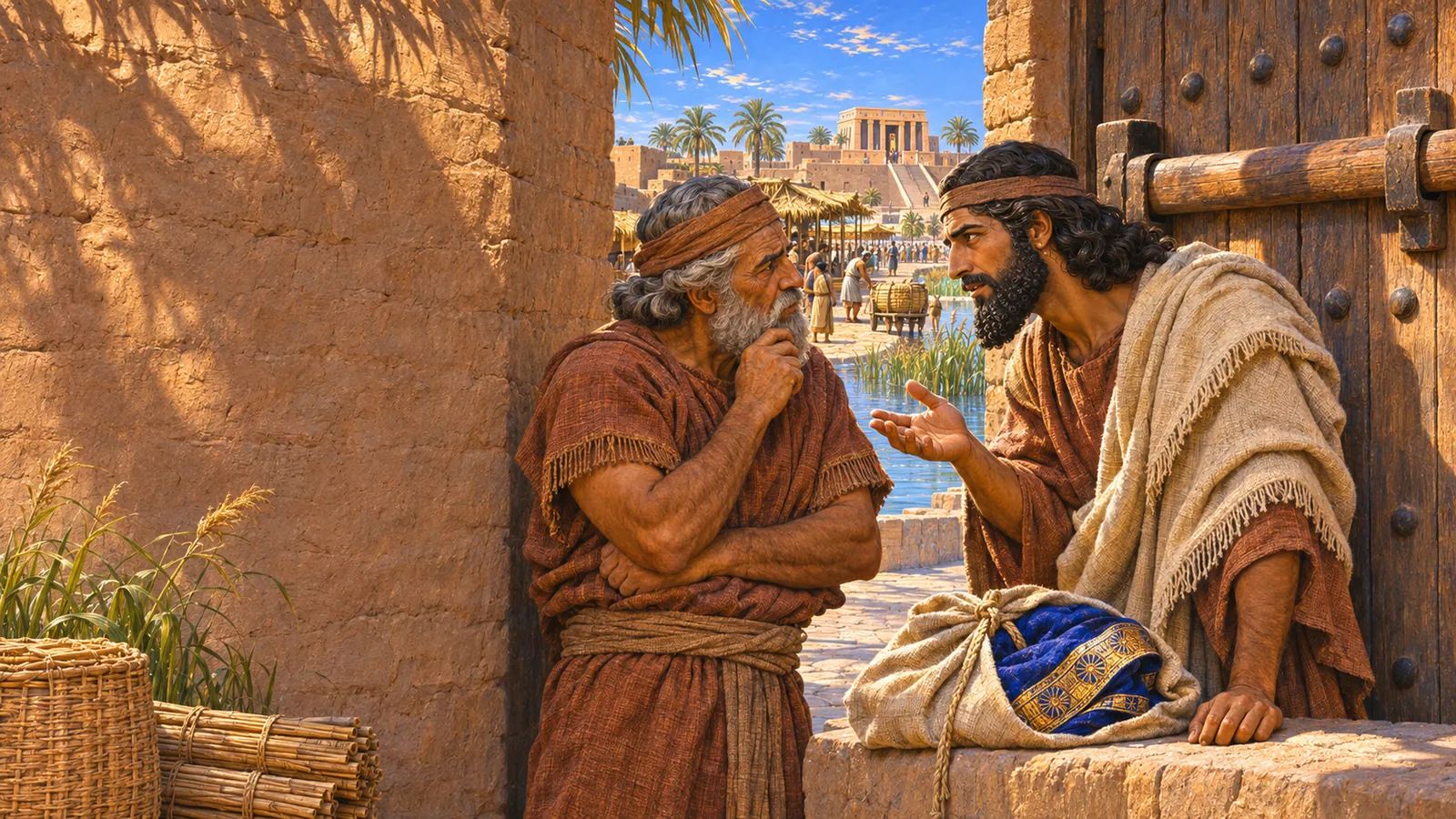
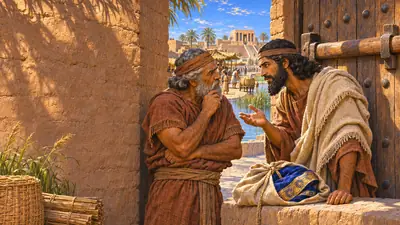
Jacobsen liest die Stelle so, dass Enlil fürchtet, andere könnten Ninlil schlecht behandeln. Enlil nehme den Platz und das Aussehen des Torwächters an und befehle ihm, seinen Aufenthaltsort zu verschweigen.
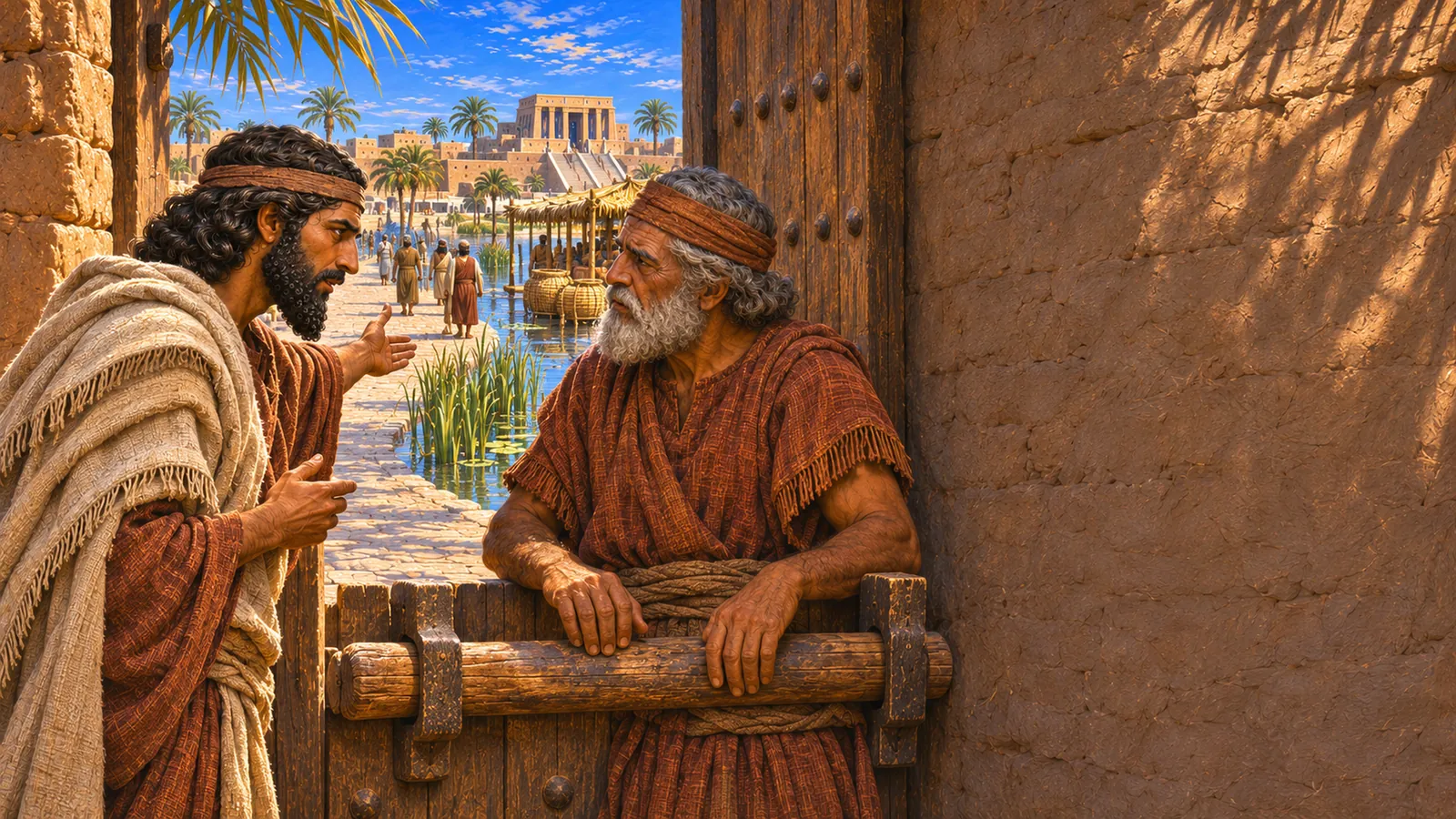
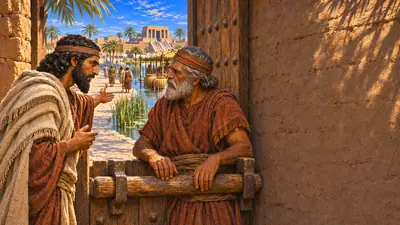
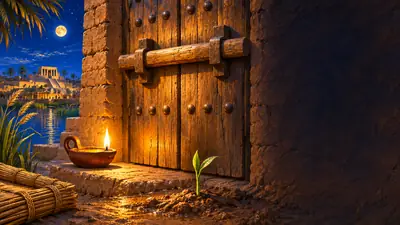
Enlil ruft den Hüter des Tores, des Schlosses, des Riegels und des heiligen Riegels. Königin Ninlil kommt, und er befiehlt dem Wächter, seinen Aufenthaltsort zu verschweigen, falls sie fragt.
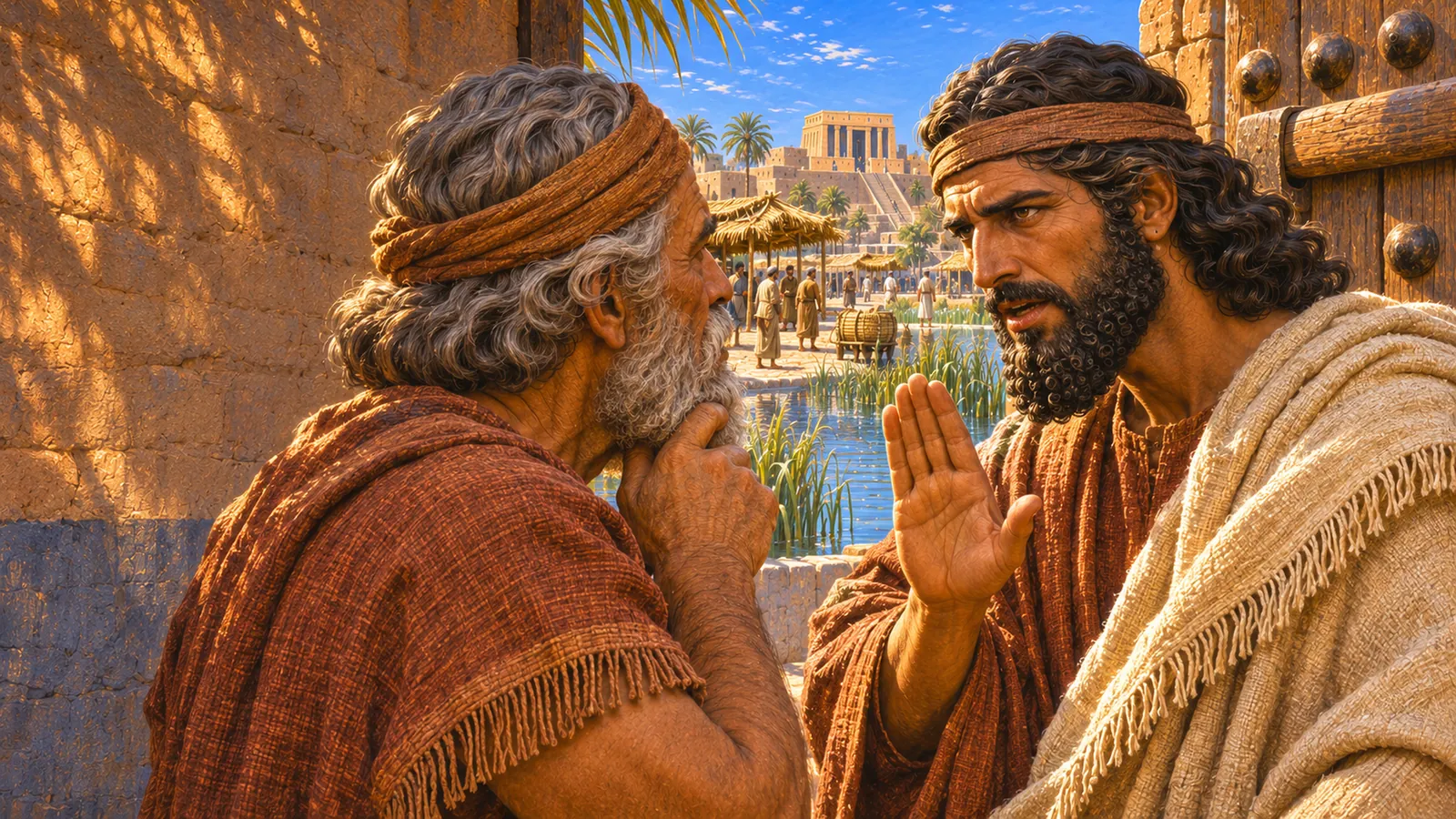
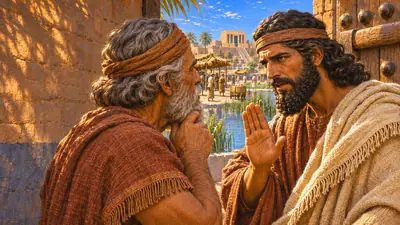
Enlil spricht den Wächter erneut an und kündigt Ninlils Ankunft an. Er verbietet ihm, sie zu umarmen oder zu küssen. In seiner Rede bezeichnet Enlil seinen früheren Blick als Zeichen der Gunst.
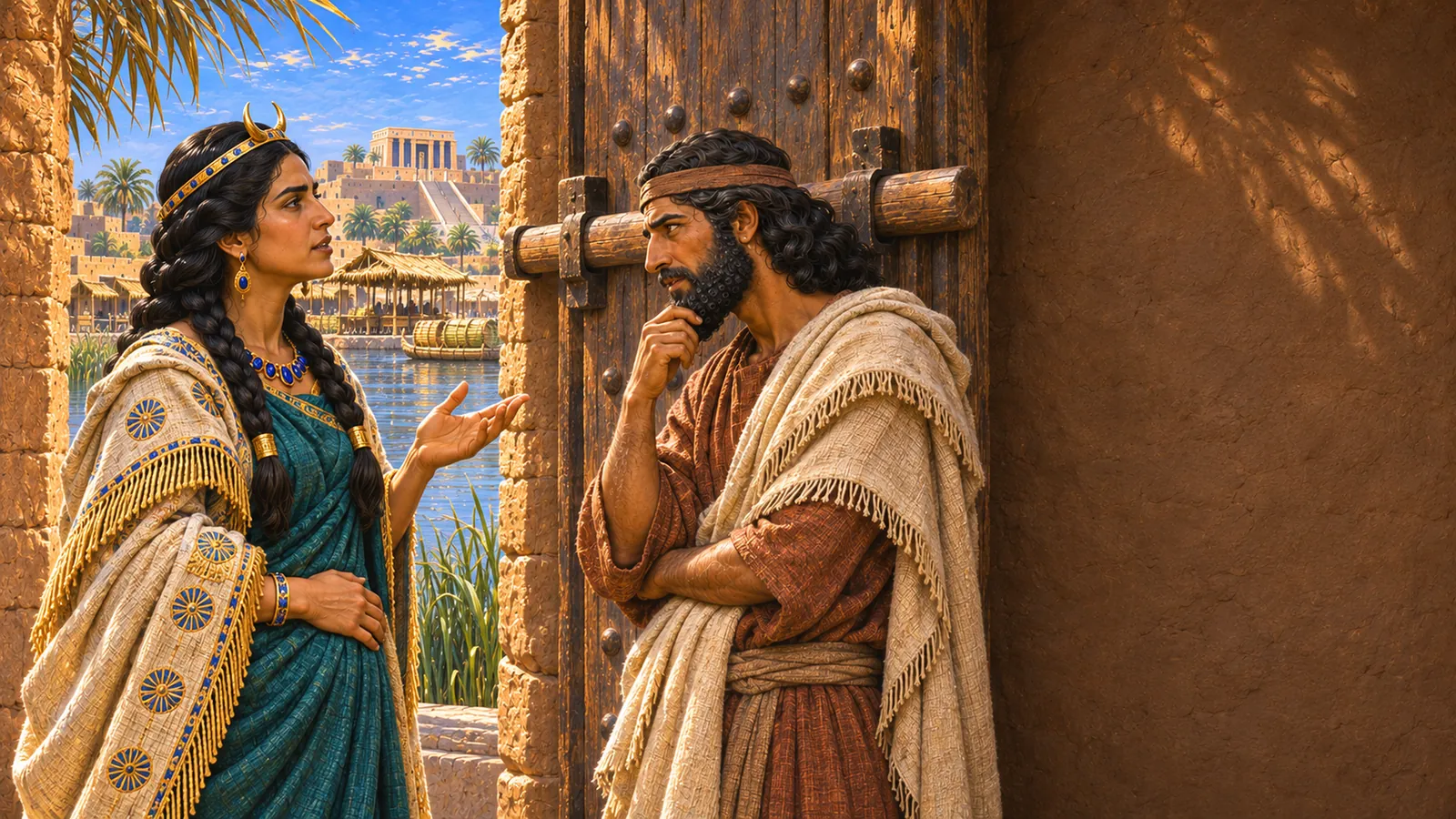
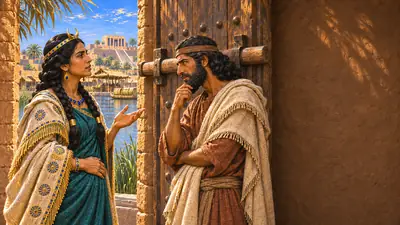
Jacobsen sagt, Ninlil halte den verkleideten Enlil für den Torwächter. Er behauptet, sein König habe sie empfohlen, und sie antwortet, sie sei seine Königin und trage Sin, Enlils Kind.
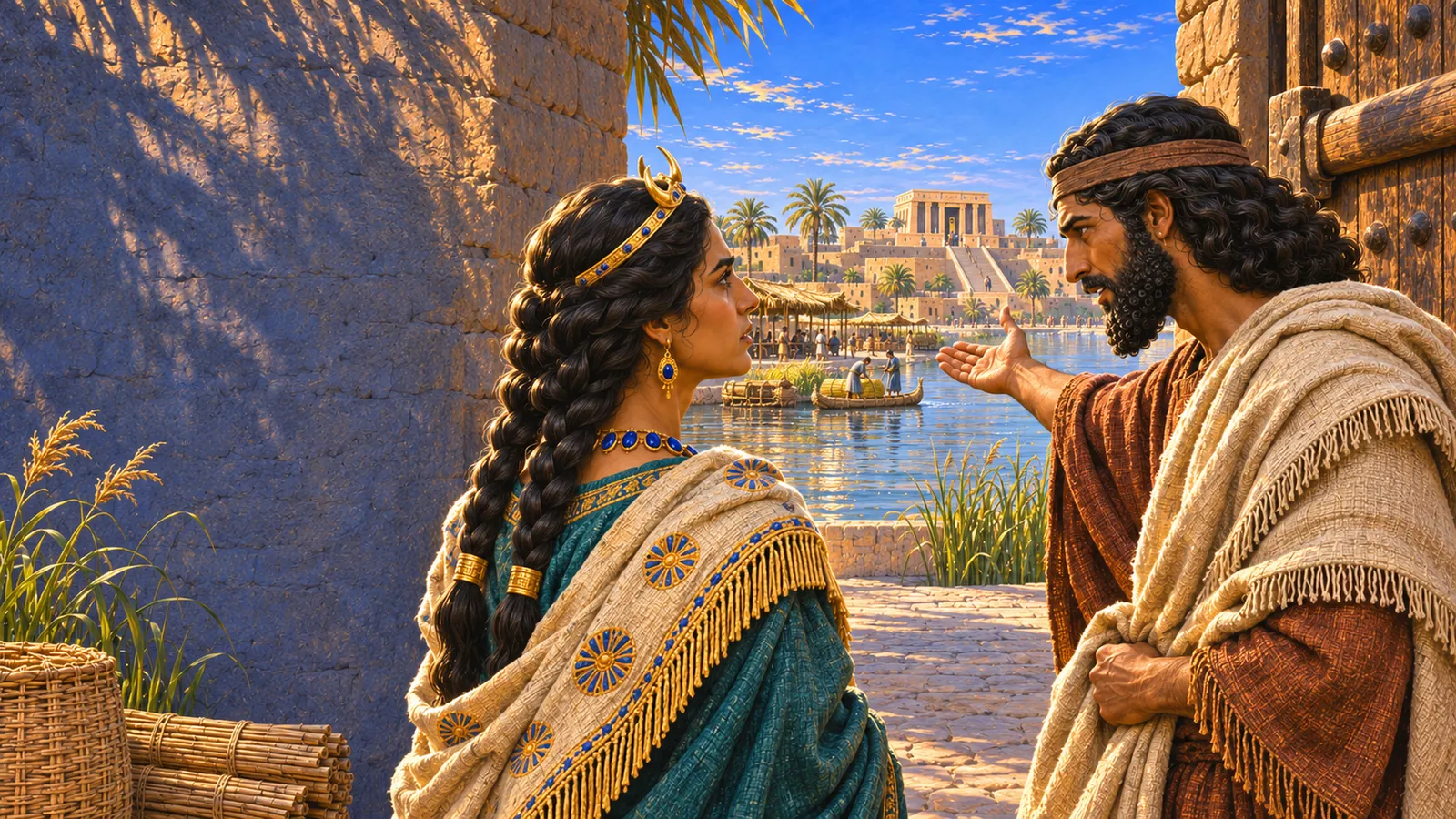
Jacobsen meint, der verkleidete Torwächter täusche vielleicht Sorge um Sin vor. Er schlägt vor, dass anstelle des Mondgottes ein anderes Kind für die Unterwelt geboren wird.
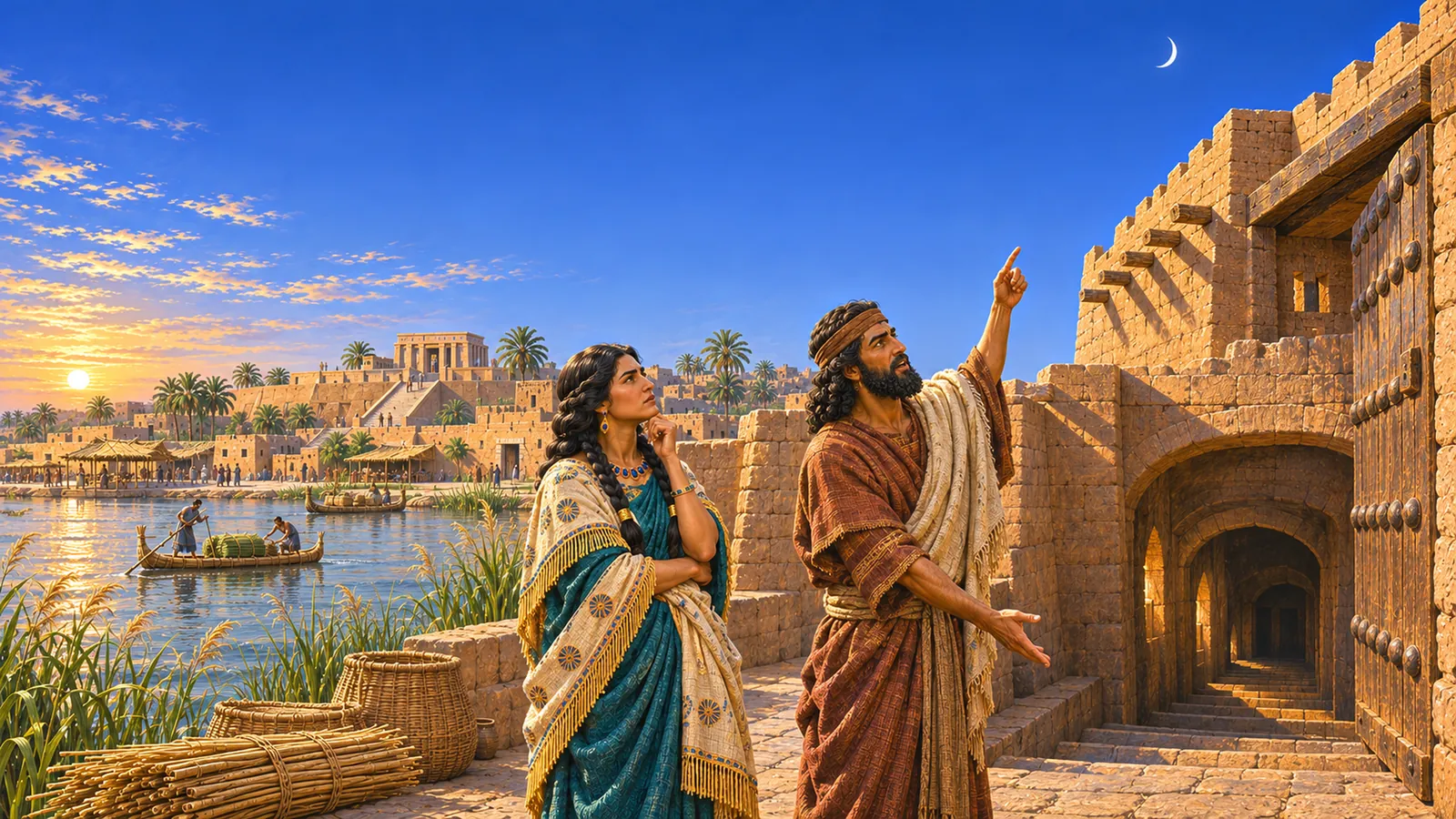
Der verkleidete Sprecher wünscht, dass das kostbare Kind des Königs in den Himmel geht. Sein eigener Sohn solle in die Unterwelt gehen und den Platz des anderen Kindes einnehmen.
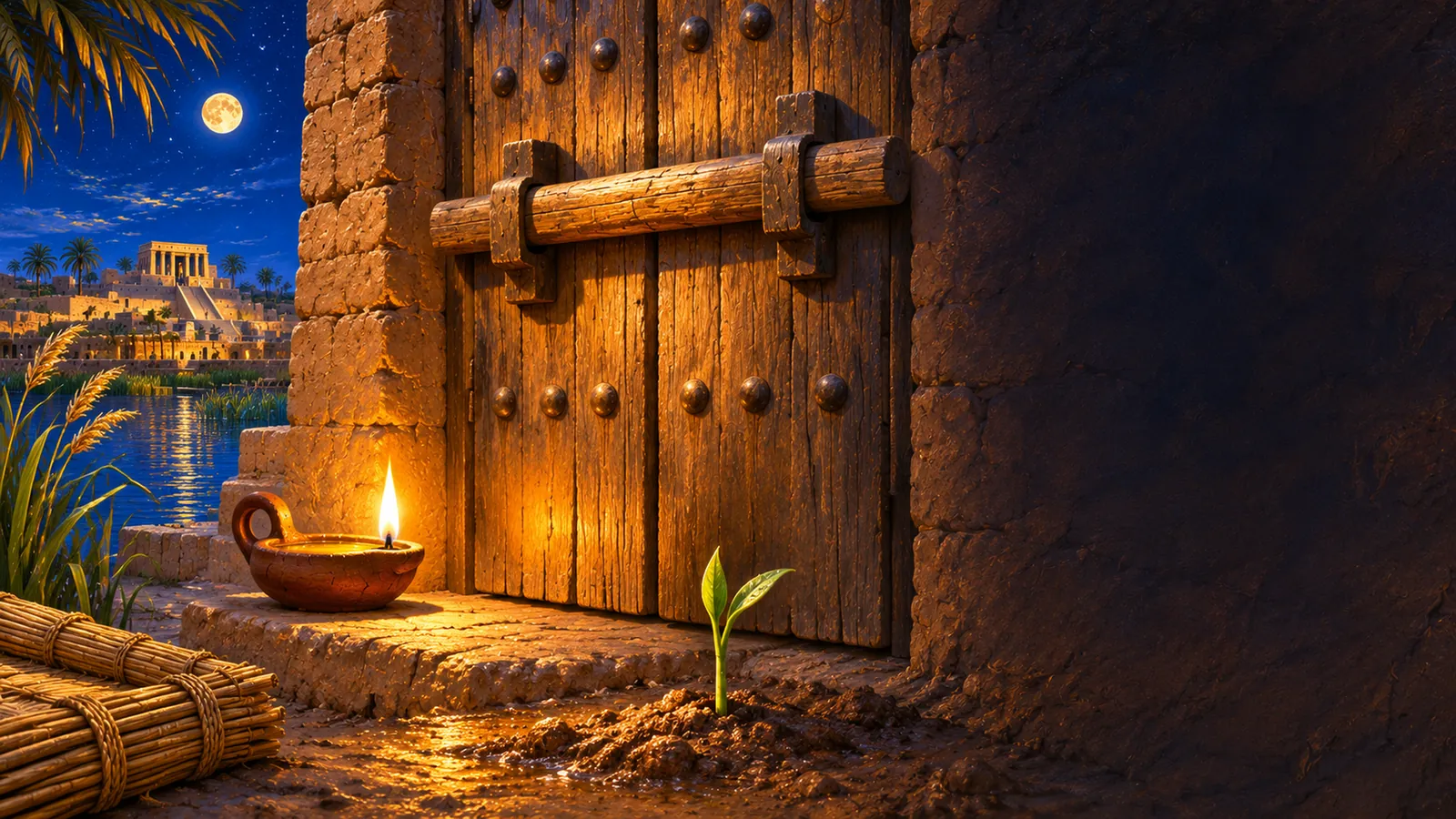
Jacobsen sagt, dass Enlil als Torwächter verkleidet Sex mit Ninlil hat und sie mit Meslamtaea schwanger wird, den er als Bruder Sins bezeichnet.
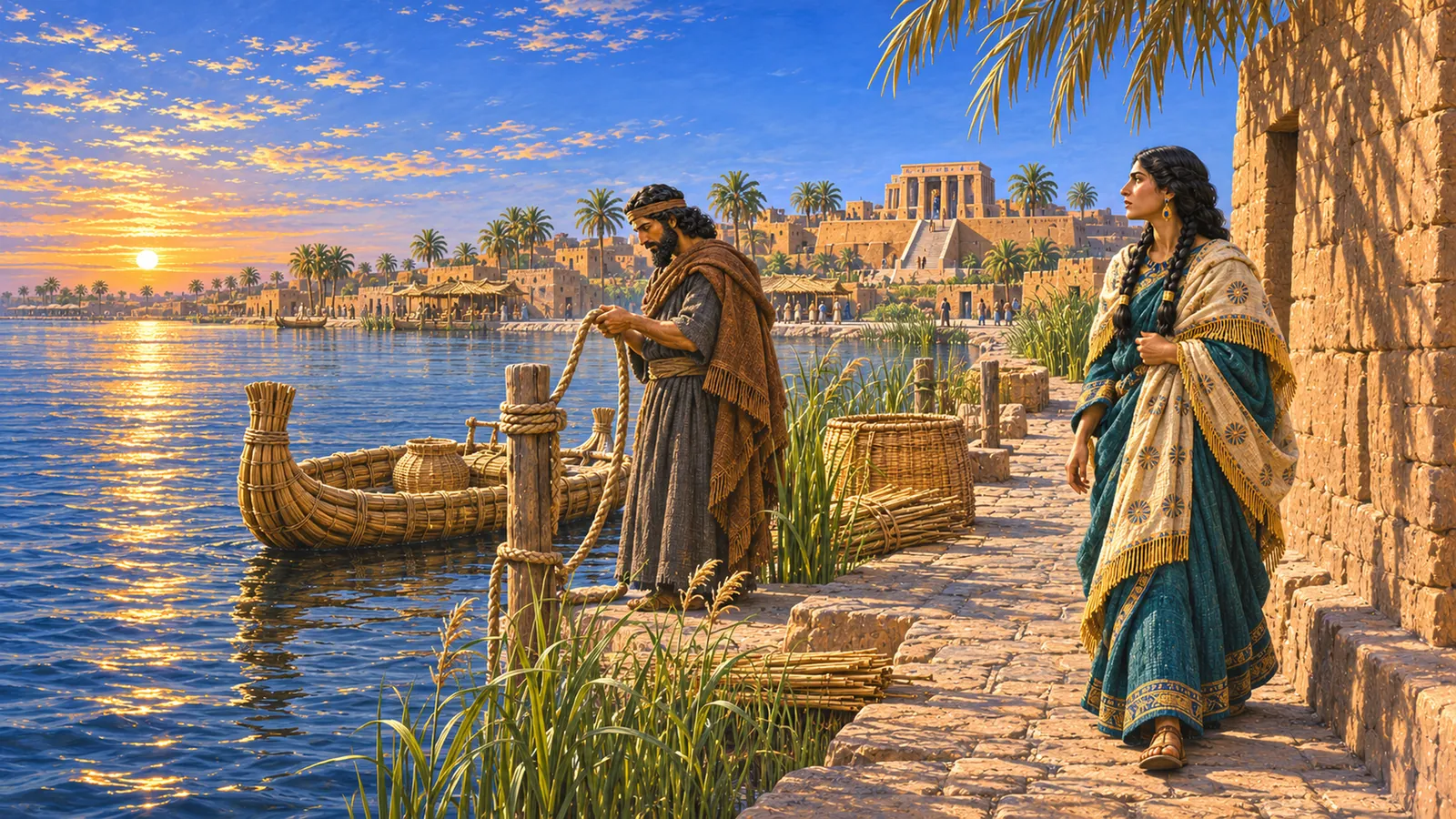
In Jacobsens Darstellung folgt Ninlil Enlil weiter. Er gibt sich als Mann am Fluss der Unterwelt aus, und bei dieser Begegnung wird Ninazu gezeugt.
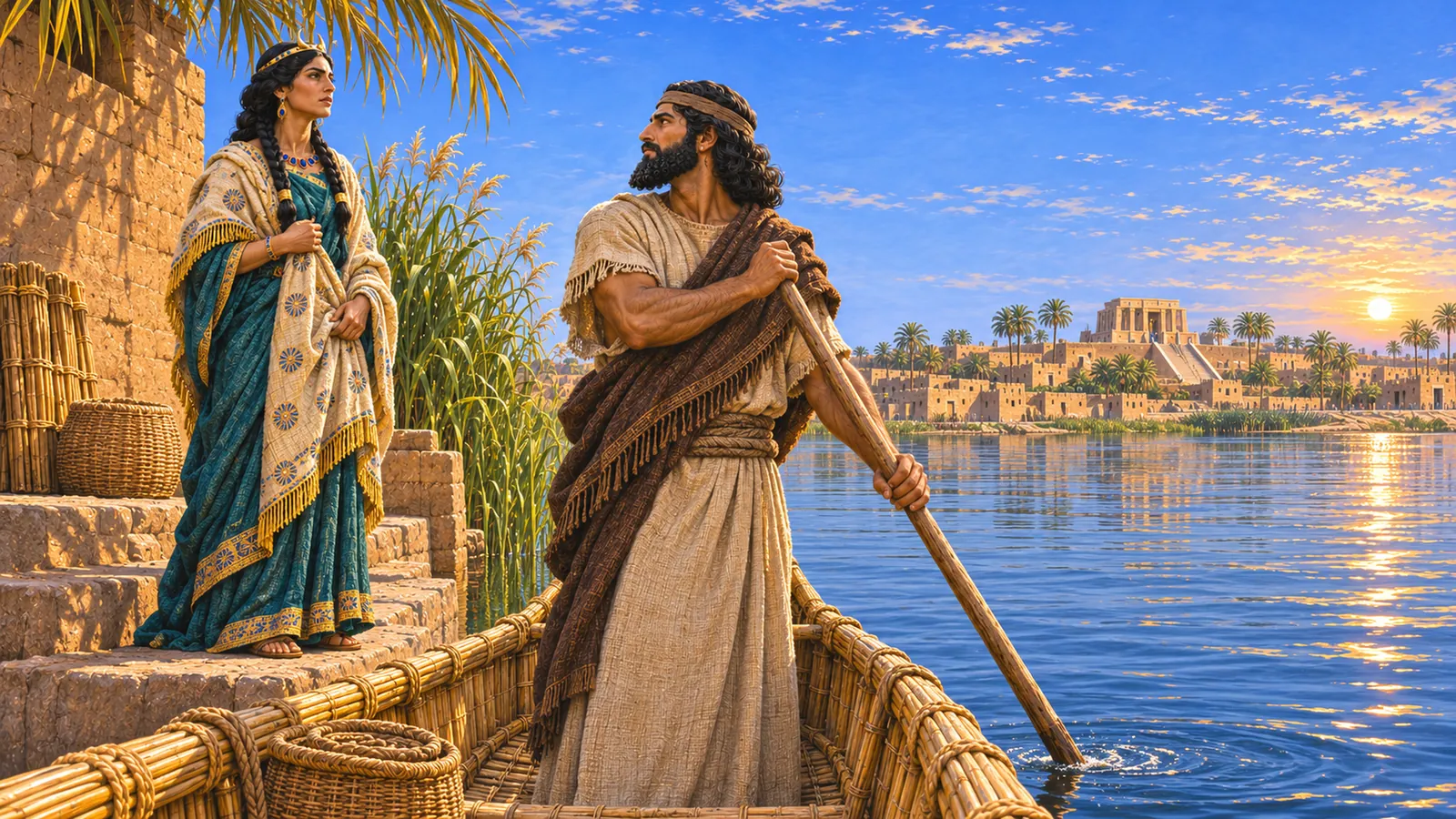
Jacobsen sagt, dass Enlil die Gestalt des Fährmanns annimmt und ein weiterer Gott der Unterwelt gezeugt wird. Der Name des Kindes ist in seiner Lesung beschädigt.
DER SCHLUSSHYMNUS
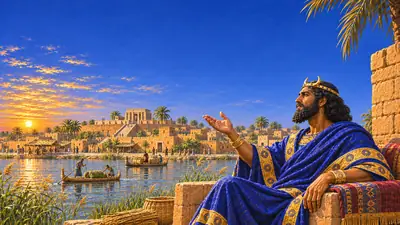
Der Hymnus nennt Enlil Herr und König und sagt, dass sich sein Wort, selbst sein ungestümes Wort, nicht ändern lässt. Er endet mit dem Lob der Mutter Ninlil und des Vaters Enlil.
In Jacobsens Lesart erklärt die Erzählung den Ursprung Sins und seiner drei Brüder. Er verbindet ihre verschiedenen Bereiche mit Enlils Verbannung und seinem Weg zur Unterwelt.
DAS BINDENDE WORT
Jacobsen versteht Enlils Spruch als bindend und hört im Schlusshymnus das Lob dieser Macht. Er verbindet den Spruch damit, wie die Erzählung Enlils Wesen beschreibt.
Ende von Kapitel 1
Alle Seiten
Quellen
This reading follows Thorkild Jacobsen’s subsection on Enlil and Ninlil in The Cosmos as a State, The Intellectual Adventure of Ancient Man, University of Chicago Press, 1946, first Phoenix edition 1977, pp. 152–156. The book credits H. A. Groenewegen Frankfort for the English poetic form (preface p. vi and p. 184, note 3). Chapter note 23 on p. 184 refers to Kramer’s Mythology, notes 47 and 48.
Benutzte Editionen
- University of Chicago, The Intellectual Adventure of Ancient Man
- Jacobsen’s selection, pp. 152–156
- Chapter notes 3 and 23, p. 184
Hinweise zu dieser Nacherzählung
Pages 01–02 · p. 152, opening prose and first verse selection. Jacobsen frames the story around the origin of Sin, the moon, and the moon’s three brothers connected with the underworld. He identifies Nippur by the names Duranki and Durgishimmar, which open the verse. The preposition before each name is printed in parentheses.
Pages 03–05 · p. 152, first verse selection. The river is Idsalla, the quay Kargeshtinna, the harbor Karusar, the sweet-water well Pulal and the canal Nunbirdu. The verse gives at least ten *iku* for each tilled field when measured. It introduces Enlil, Ninlil and Ninshebargunu as inhabitants and identifies Ninshebargunu as Ninlil’s mother.
Pages 06–07 · pp. 152–153, second verse selection. Ninshebargunu repeatedly warns Ninlil about bathing and going up to the bank of the Nunbirdu. She predicts Enlil’s gaze and advance. In the verse the title “father Enlil” appears with “great mountain” and the one who determines fates. Printed dots interrupt the accompanying epithet before “shepherd.”
Page 08 · p. 153, third verse selection. The verse asks whether Ninlil listened and says that she bathes and climbs the Nunbirdu bank. Jacobsen prints “young” in parentheses in the bathing line.
Page 09 · p. 153, Jacobsen’s prose. Jacobsen describes the rape after Ninlil refuses Enlil and says she becomes pregnant with Sin.
Pages 10–11 · p. 153, connecting prose and fourth verse selection. The verse describes the arrest of Enlil in Kiur by the fifty great gods and the seven whose words are decisive. Jacobsen renders its term “ravisher” and explains its wider sense as a person under a taboo relating to sexual matters.
Page 12 · p. 153, connecting prose and fifth verse selection. Enlil leaves in accordance with the sentence, going toward the underworld in Jacobsen’s prose. Ninlil follows in the translated verse. The words “in obedience” appear twice in parentheses in the verse.
Page 13, Jacobsen, Phoenix edition, p. 154, Jacobsen’s connecting prose. The setup comes from Jacobsen’s connecting prose. The fear of what others might do is his explanation. He says Enlil takes the gatekeeper’s position and appearance and tells him to say nothing if Ninlil asks.
Page 14, Jacobsen, Phoenix edition, p. 154, first gatekeeper address. The first address names gate, bolt, lock and sacred bolt. The speaker calls Ninlil the gatekeeper’s queen and orders him to conceal where Enlil is if she asks.
Page 15, Jacobsen, Phoenix edition, p. 154, second gatekeeper address. The second address repeats the epithets and the announcement that Ninlil is coming. It calls her sweet and beautiful, forbids embracing and kissing, and uses Enlil’s own words about favor and his shining gaze.
Page 16, Jacobsen, Phoenix edition, p. 154, Jacobsen’s connecting prose. He says that the supposed gatekeeper claims that Enlil recommended her to him. She identifies herself as his queen and says she carries Sin.
Page 17, Jacobsen, Phoenix edition, p. 154, Jacobsen’s connecting prose. Jacobsen marks the possible pretense explicitly. The disguised Enlil proposes that a son belong to the underworld in place of Sin. Distinguish this proposal from the final praise.
Page 18, Jacobsen, Phoenix edition, p. 154, substitution verse. The translated lines include the supplies my and own in parentheses, and the words changeling for. The royal child goes to heaven and the other son to the underworld in the proposed arrangement.
Page 19, Jacobsen, Phoenix edition, p. 154, Jacobsen’s connecting prose. Jacobsen describes the encounter in his prose and says Ninlil becomes pregnant with Meslamtaea. The speaker is Enlil using the gatekeeper’s appearance. The encounter is stated without physical particulars.
Page 20, Jacobsen, Phoenix edition, p. 154–155, Jacobsen’s connecting prose. The prose carries Ninlil’s pursuit across the page break.
Page 21, Jacobsen, Phoenix edition, p. 155, Jacobsen’s connecting prose. Jacobsen then gives the ferryman as the last guise. A further underworld god is conceived. He says damage prevents identification of the name in the text he is using.
Page 22, Jacobsen, Phoenix edition, p. 155, closing hymn. The praise calls Enlil lord and king and repeats the unalterable quality of his word. Jacobsen renders the second mention as impetuous. The translated excerpts end here.
Page 23, Jacobsen, Phoenix edition, p. 155–156, Jacobsen’s interpretation. He relates the difference between the moon god and his three brothers to the place of Enlil’s banishment and later journey. This reading does not resolve Ninlil’s later life.
Page 24, Jacobsen, Phoenix edition, p. 156, Jacobsen’s closing interpretation. Jacobsen connects Enlil’s character to the events prompting his decree. He explains the hymn as affirming the binding word. The story stops within this subsection at the end of printed page 156.
Die antiken Verse hinter jeder Seite
- Page 1: Jacobsen 1977, The Intellectual Adventure of Ancient Man, ch. V, The Myth of Enlil and Ninlil, p. 152, Jacobsen’s opening prose
- Page 2: Jacobsen 1977, The Intellectual Adventure of Ancient Man, ch. V, The Myth of Enlil and Ninlil, p. 152, first verse selection, city names
- Page 3: Jacobsen 1977, The Intellectual Adventure of Ancient Man, ch. V, The Myth of Enlil and Ninlil, p. 152, first verse selection, river, quay and harbor
- Page 4: Jacobsen 1977, The Intellectual Adventure of Ancient Man, ch. V, The Myth of Enlil and Ninlil, p. 152, first verse selection, well, canal and fields
- Page 5: Jacobsen 1977, The Intellectual Adventure of Ancient Man, ch. V, The Myth of Enlil and Ninlil, p. 152, first verse selection, three inhabitants
- Page 6: Jacobsen 1977, The Intellectual Adventure of Ancient Man, ch. V, The Myth of Enlil and Ninlil, pp. 152–153, second verse selection, bathing and bank warning
- Page 7: Jacobsen 1977, The Intellectual Adventure of Ancient Man, ch. V, The Myth of Enlil and Ninlil, p. 153, second verse selection, warning continued
- Page 8: Jacobsen 1977, The Intellectual Adventure of Ancient Man, ch. V, The Myth of Enlil and Ninlil, p. 153, third verse selection, stream and canal bank
- Page 9: Jacobsen 1977, The Intellectual Adventure of Ancient Man, ch. V, The Myth of Enlil and Ninlil, p. 153, Jacobsen’s prose, assault after refusal and pregnancy
- Page 10: Jacobsen 1977, The Intellectual Adventure of Ancient Man, ch. V, The Myth of Enlil and Ninlil, p. 153, Jacobsen’s prose and fourth verse selection, arrest
- Page 11: Jacobsen 1977, The Intellectual Adventure of Ancient Man, ch. V, The Myth of Enlil and Ninlil, p. 153, fourth verse selection, verdict, and Jacobsen’s lexical note
The left is a continuous natural dark blue-grey shaded plain clay surface through the whole reserve with no dividing line, bright patch, objects, shape or marks. - Page 12: Jacobsen 1977, The Intellectual Adventure of Ancient Man, ch. V, The Myth of Enlil and Ninlil, p. 153, Jacobsen’s prose and fifth verse selection, departure and pursuit
- Page 13: Jacobsen, The Cosmos as a State, Phoenix ed. 1977, p. 154, Jacobsen’s connecting prose
- Page 14: Jacobsen, The Cosmos as a State, Phoenix ed. 1977, p. 154, first gatekeeper address
- Page 15: Jacobsen, The Cosmos as a State, Phoenix ed. 1977, p. 154, second gatekeeper address
- Page 16: Jacobsen, The Cosmos as a State, Phoenix ed. 1977, p. 154, Jacobsen’s connecting prose
- Page 17: Jacobsen, The Cosmos as a State, Phoenix ed. 1977, p. 154, Jacobsen’s connecting prose
- Page 18: Jacobsen, The Cosmos as a State, Phoenix ed. 1977, p. 154, substitution verse
- Page 19: Jacobsen, The Cosmos as a State, Phoenix ed. 1977, p. 154, Jacobsen’s connecting prose
- Page 20: Jacobsen, The Cosmos as a State, Phoenix ed. 1977, p. 154–155, Jacobsen’s connecting prose
- Page 21: Jacobsen, The Cosmos as a State, Phoenix ed. 1977, p. 155, Jacobsen’s connecting prose
- Page 22: Jacobsen, The Cosmos as a State, Phoenix ed. 1977, p. 155, closing hymn
- Page 23: Jacobsen, The Cosmos as a State, Phoenix ed. 1977, p. 155–156, Jacobsen’s interpretation
Left is uninterrupted calm dark indigo natural river haze with no glare, fine horizon or lines. - Page 24: Jacobsen, The Cosmos as a State, Phoenix ed. 1977, p. 156, Jacobsen’s closing interpretation
Very wide quiet southern Mesopotamian river horizon at full evening, with short line of weathered stone-and-clay revetment only in lower right.
Illustrationen von IL Archive mit KI-Werkzeugen; der Text folgt den antiken Quellen (siehe die Quellen am Ende jedes Kapitels).