Das Gilgamesch-Epos Kapitel 1
Der König und der wilde Mann
Gilgameschs ungezügelte Kraft lässt Uruk klagen. Außerhalb der Stadt führt Shamhat Enkidu in das Leben unter Menschen ein. An einer umkämpften Schwelle ringen die beiden und werden schließlich Freunde. In der Ferne liegt der Zedernwald, der ihre Geschichte weiterführen wird.
Den Film ansehenQuellenBlättern Sie mit den Pfeilen, den Pfeiltasten oder durch Wischen.
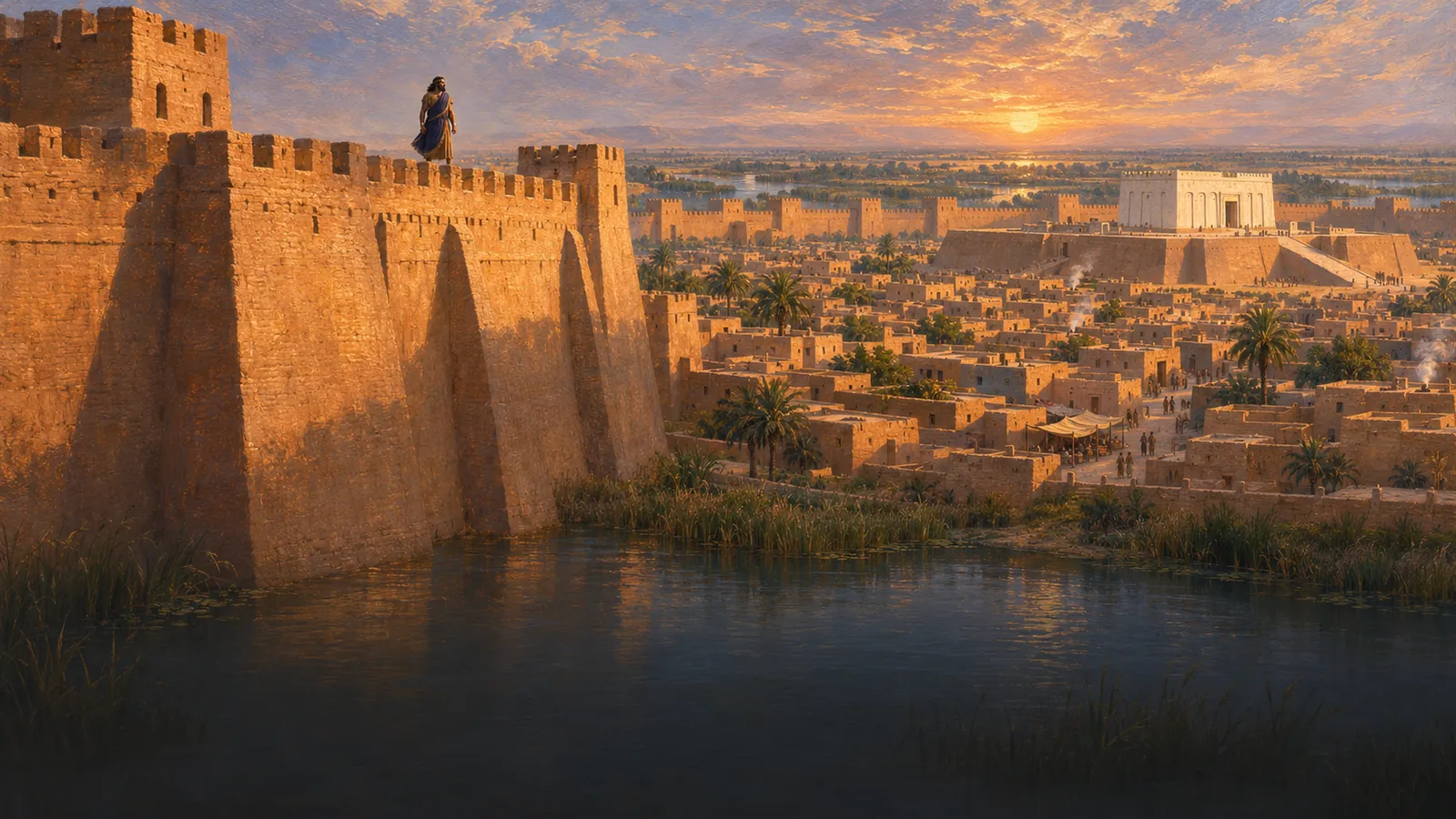
URUK
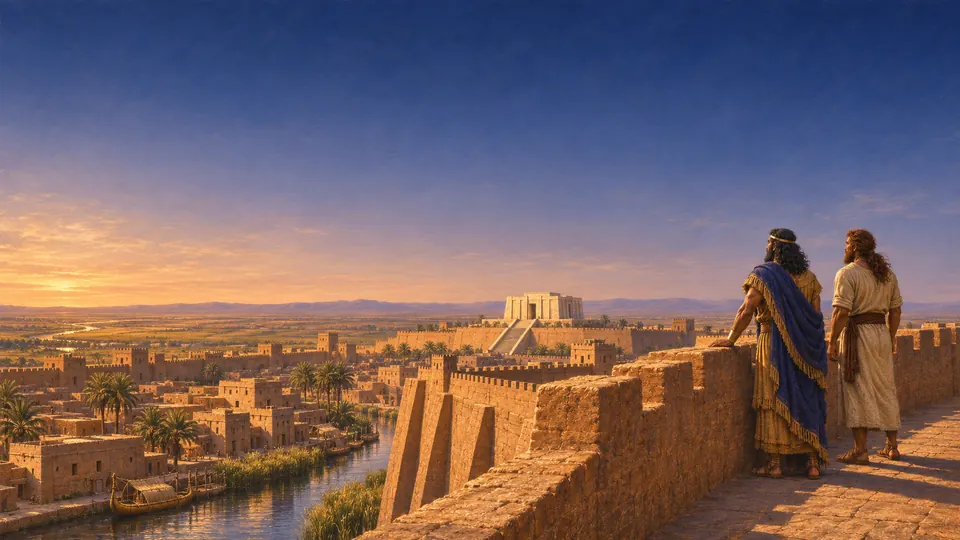
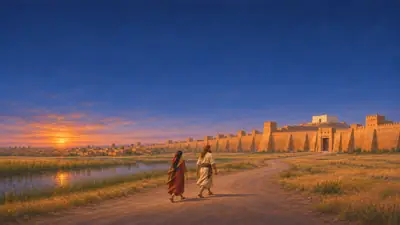
Vor langer Zeit lebte hinter den mächtigen Mauern von Uruk ein König namens Gilgamesch. Seine Stärke war weithin bekannt. Doch die Menschen in seiner Stadt fanden kaum Frieden.
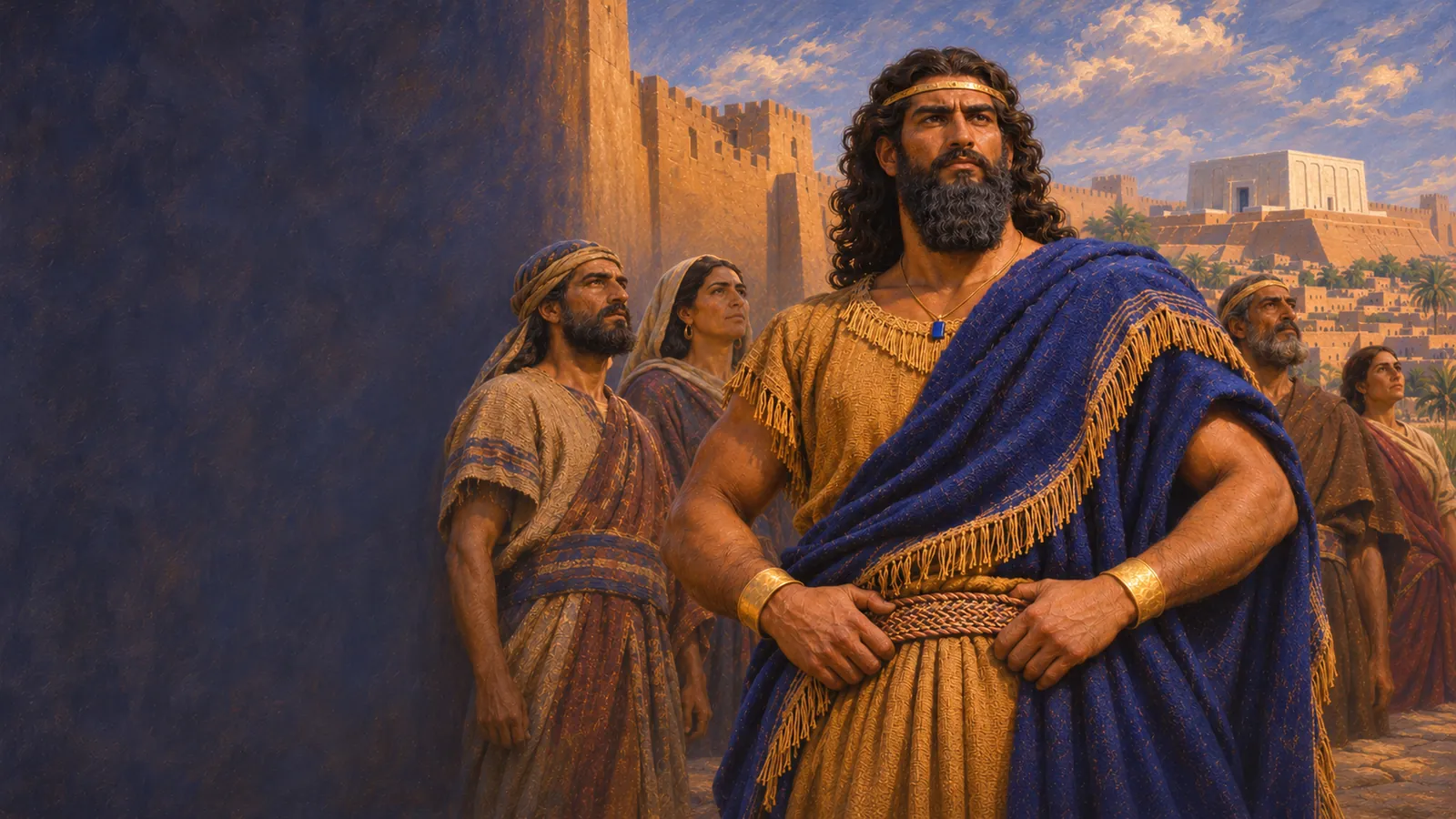
An Macht und Ausstrahlung übertraf Gilgamesch die anderen Könige. In Uruk kam ihm niemand gleich. Er trat auf wie ein wilder Stier, den keiner bändigen konnte.
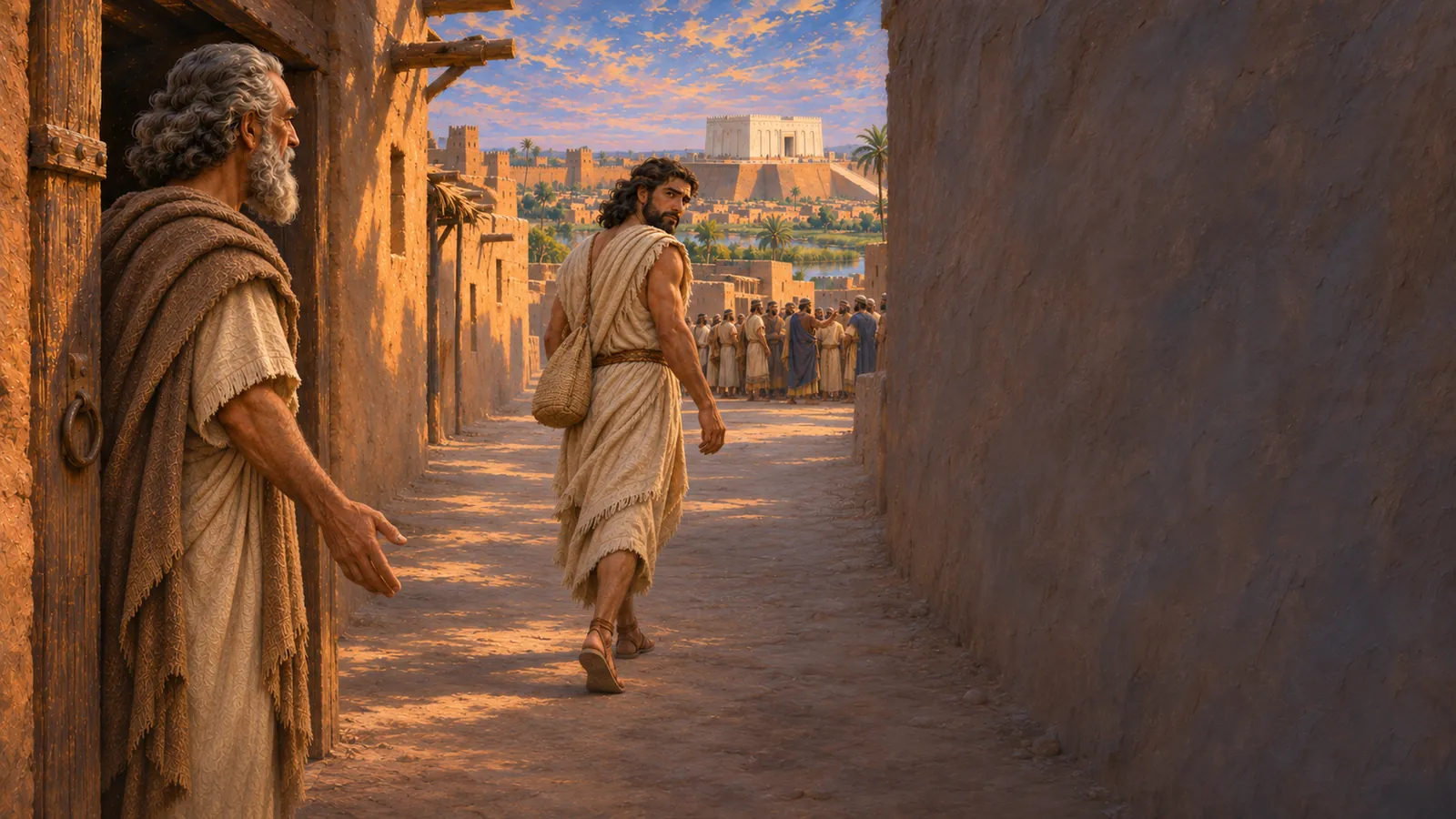
Tag und Nacht lastete der Hochmut des Königs auf der Stadt. Die jungen Männer fanden keine Ruhe, und die Söhne durften nicht ungehindert zu ihren Vätern zurückkehren.
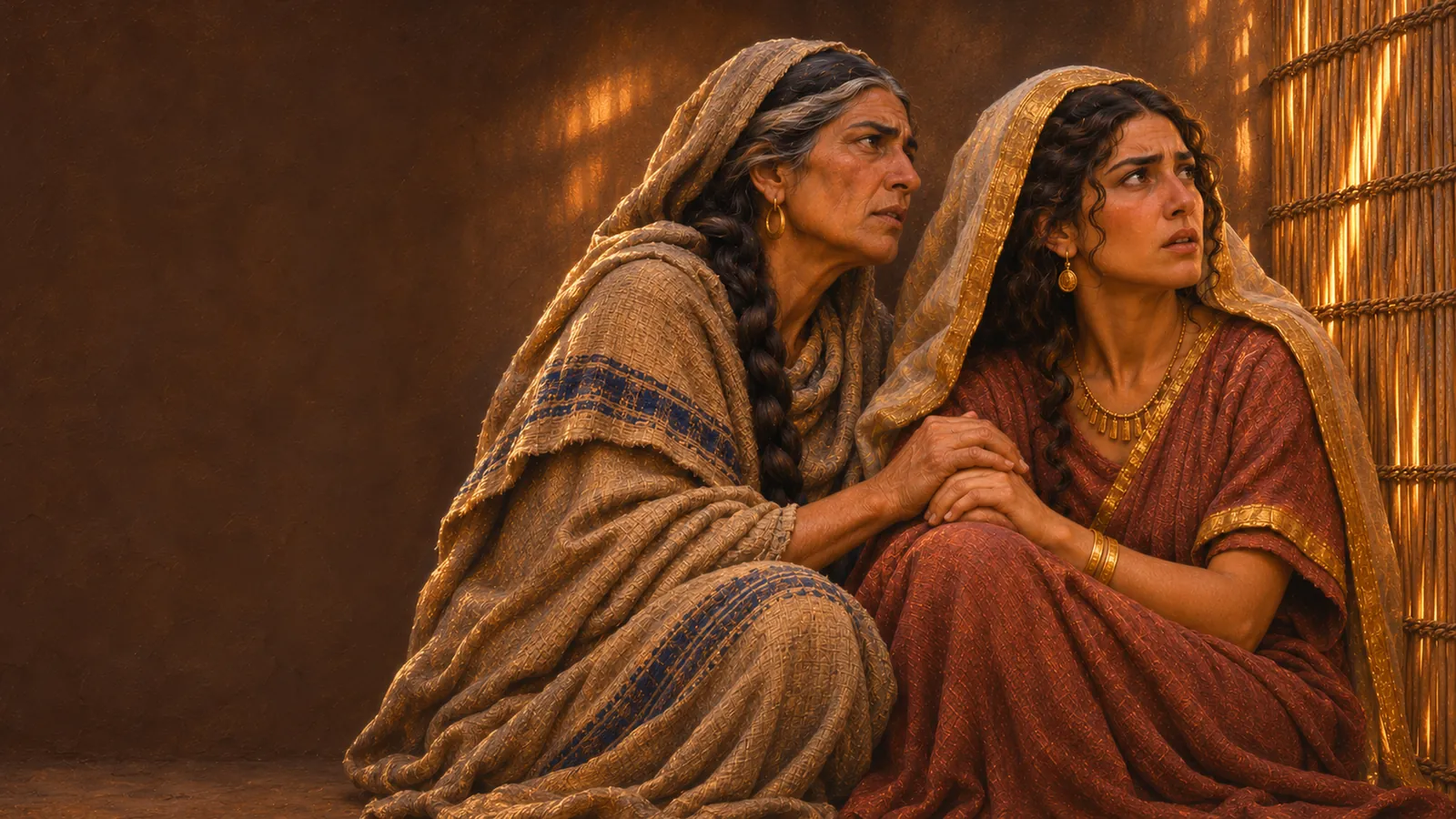
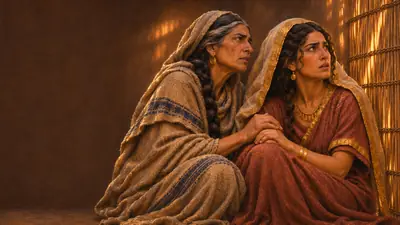
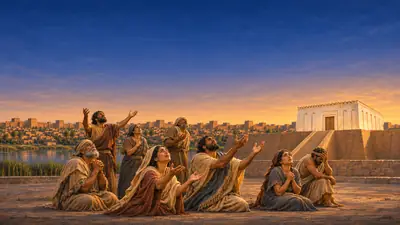
Die Klage drang bis in die Häuser von Uruk. Man ließ die Töchter nicht bei ihren Müttern und die Bräute nicht bei ihren Bräutigamen. Die Macht des Königs brachte Leid, wo Frieden hätte sein sollen.
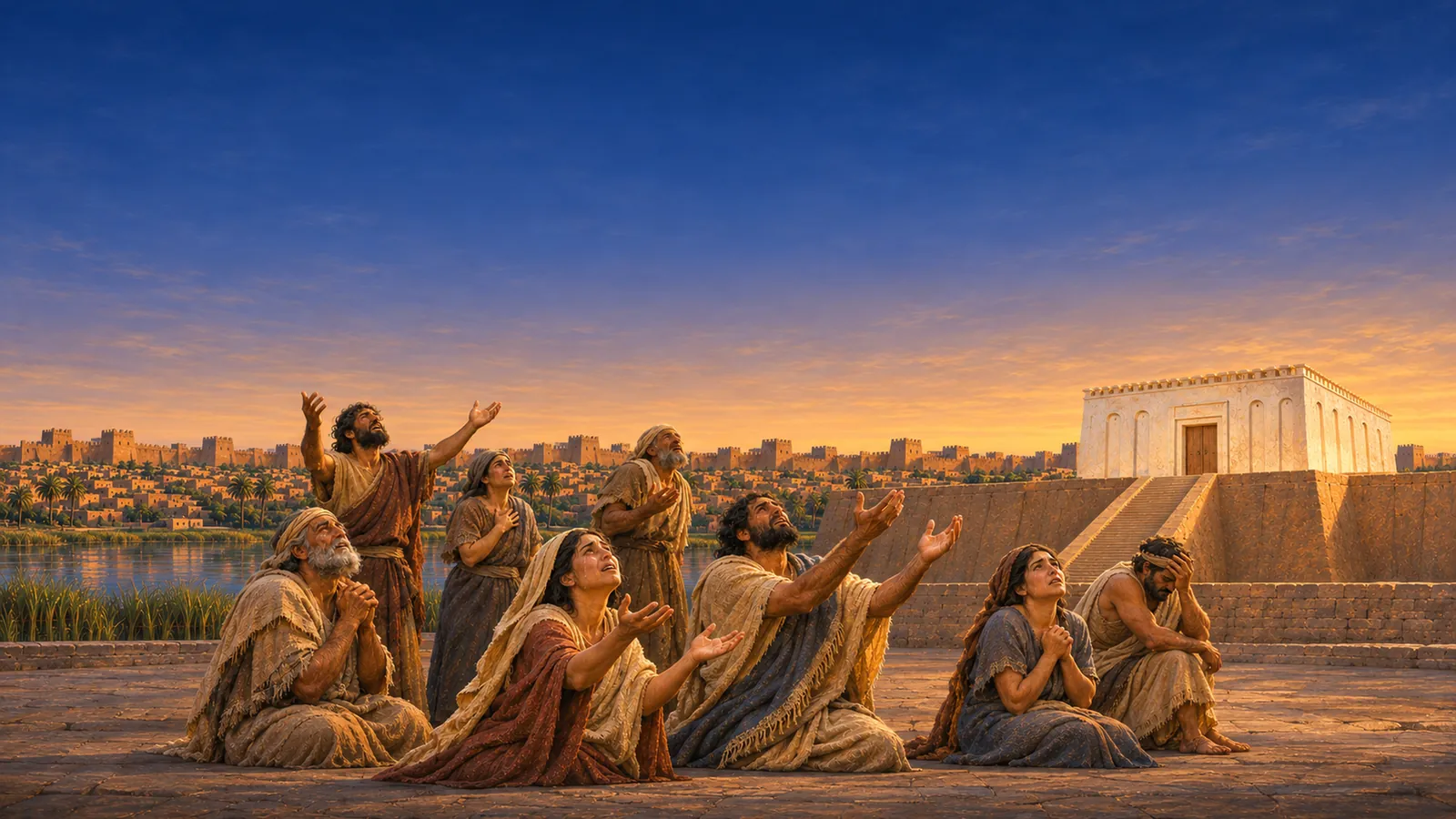
DER AUFSCHREI
Schließlich drang die Klage des Volkes zu den Göttern. Sie erfuhren, was in Uruk geschah. Ein mächtiger König war ausgerechnet den Menschen zur Last geworden, die seiner Fürsorge anvertraut waren.
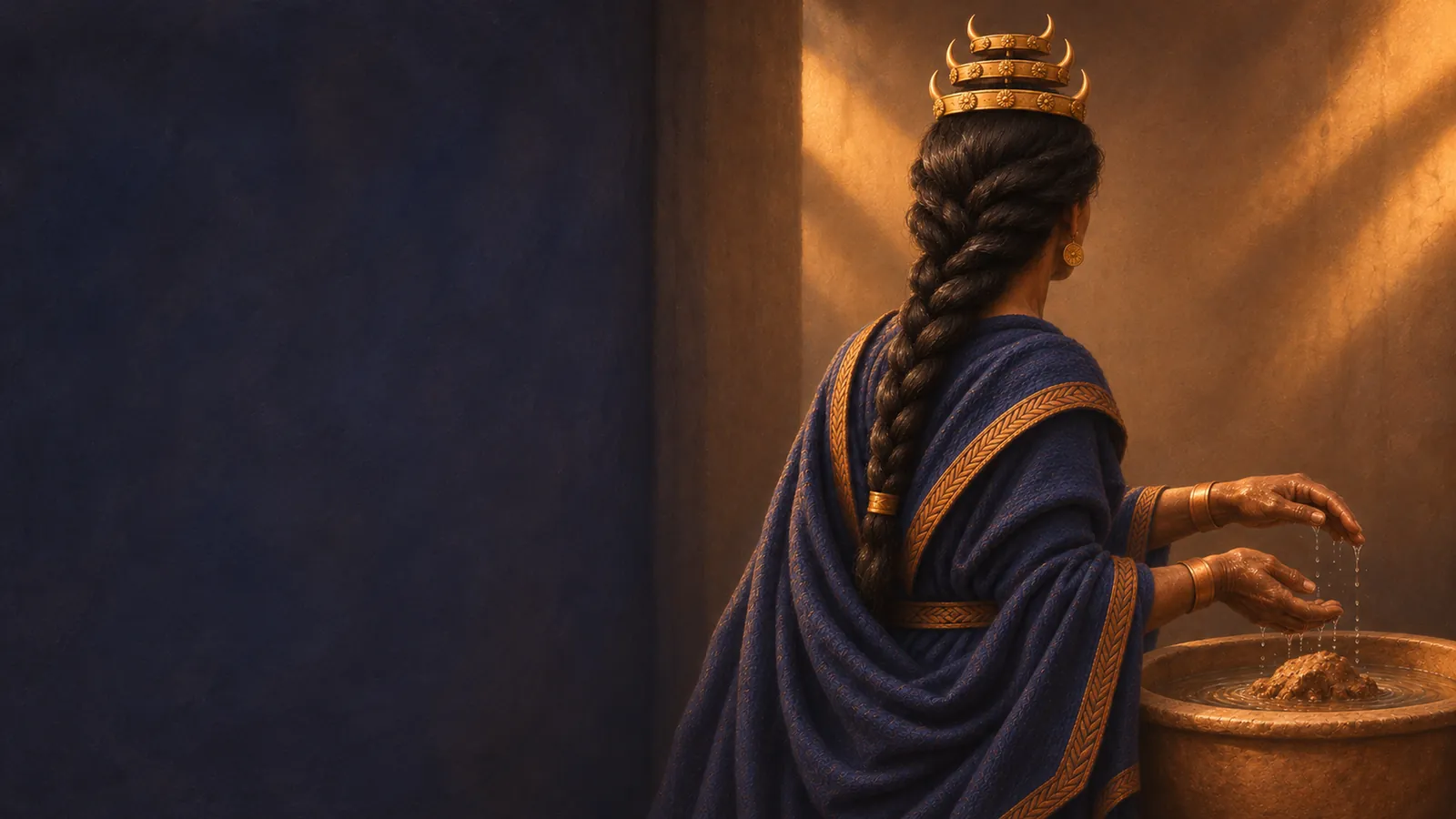
Daraufhin wurde Aruru gerufen. Sie sollte jemanden erschaffen, der Gilgameschs Kraft mit eigener Stärke begegnen konnte. Die beiden sollten sich miteinander messen, damit die Stadt Ruhe fand.
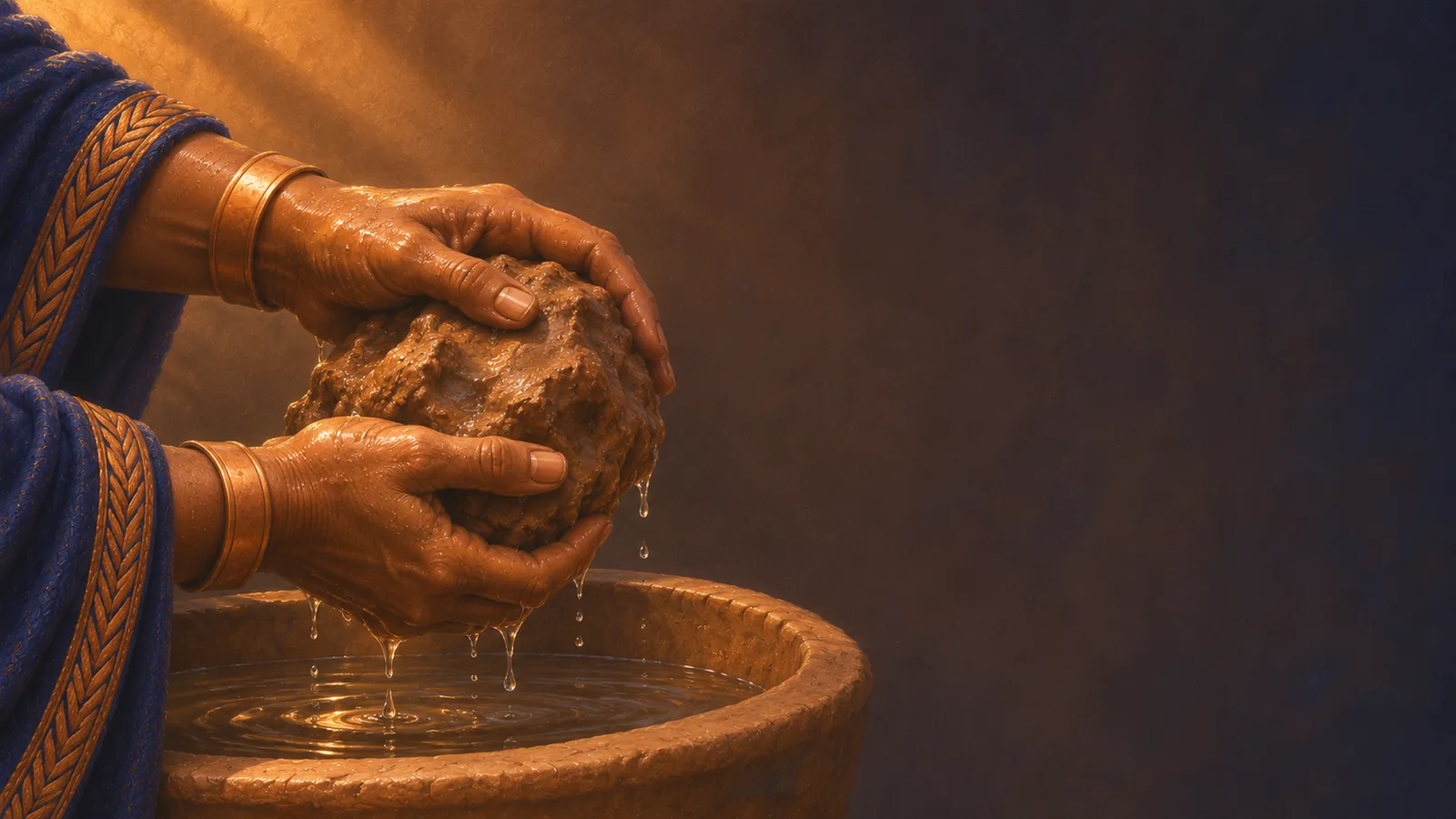
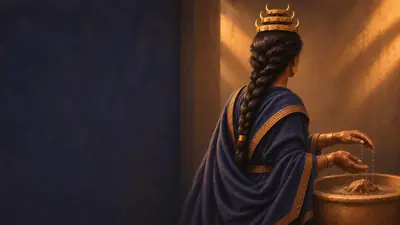
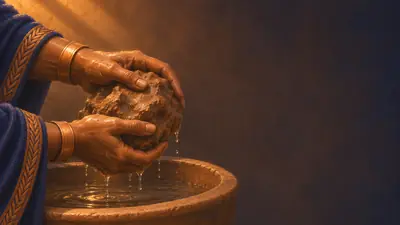
Aruru wusch sich die Hände und nahm etwas Lehm. Sie warf ihn in die Wildnis. Dort, weit weg von den Straßen und Häusern der Stadt, begann sie mit ihrem Werk.

ENKIDU
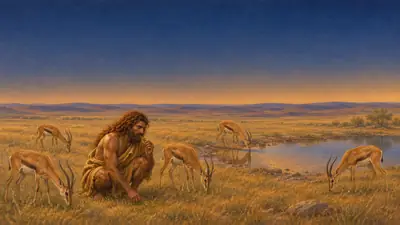
In der Wildnis erschuf Aruru Enkidu. Sein Körper war stark und behaart, und lange Strähnen fielen um ihn herab. Von Städten und den Sitten ihrer Bewohner wusste er noch nichts.
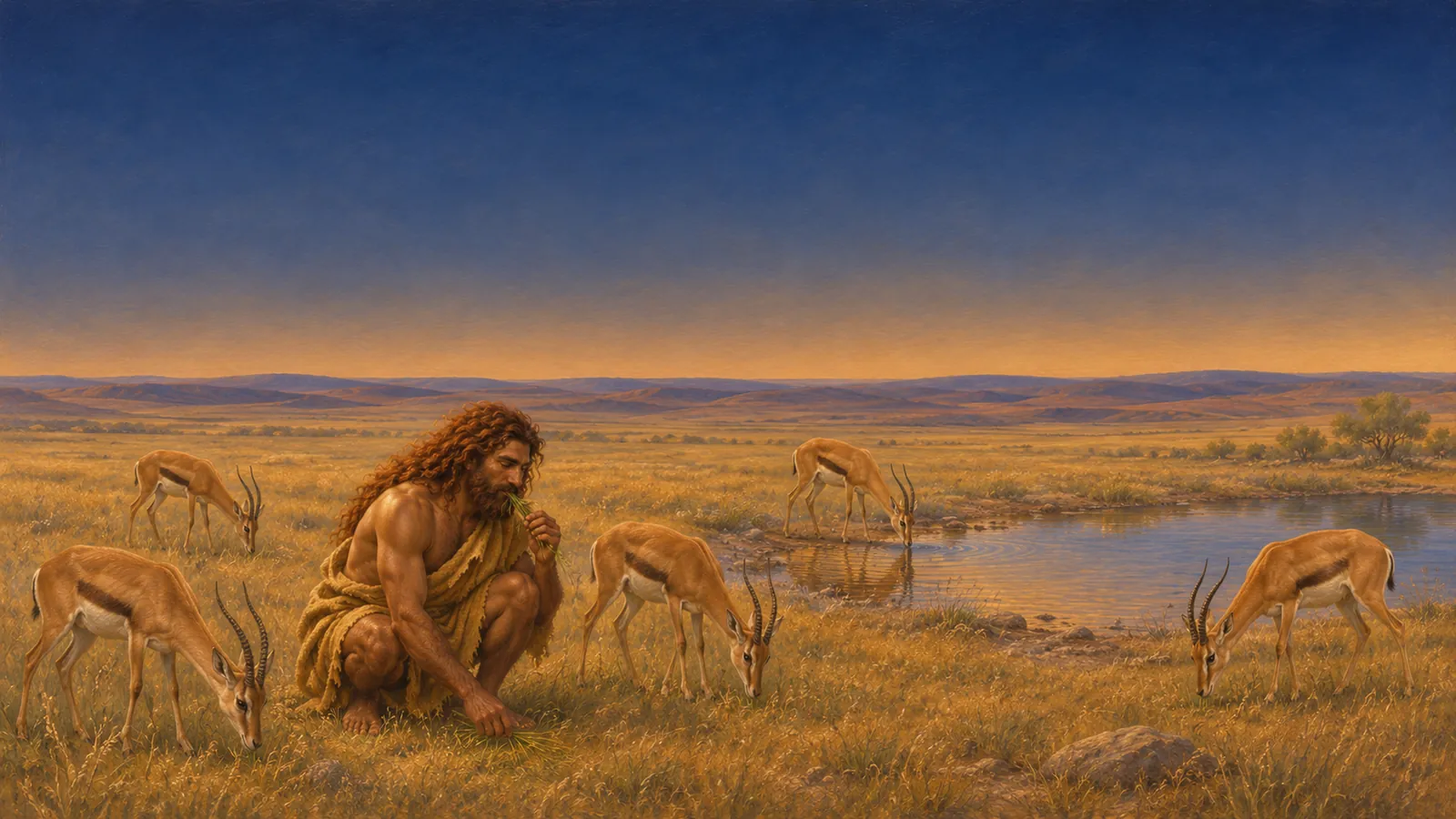
Enkidu lebte unter den Tieren. Er graste mit den Gazellen und zog umher, wo auch die Herden umherzogen. Die offene Steppe war die Welt, die er kannte.
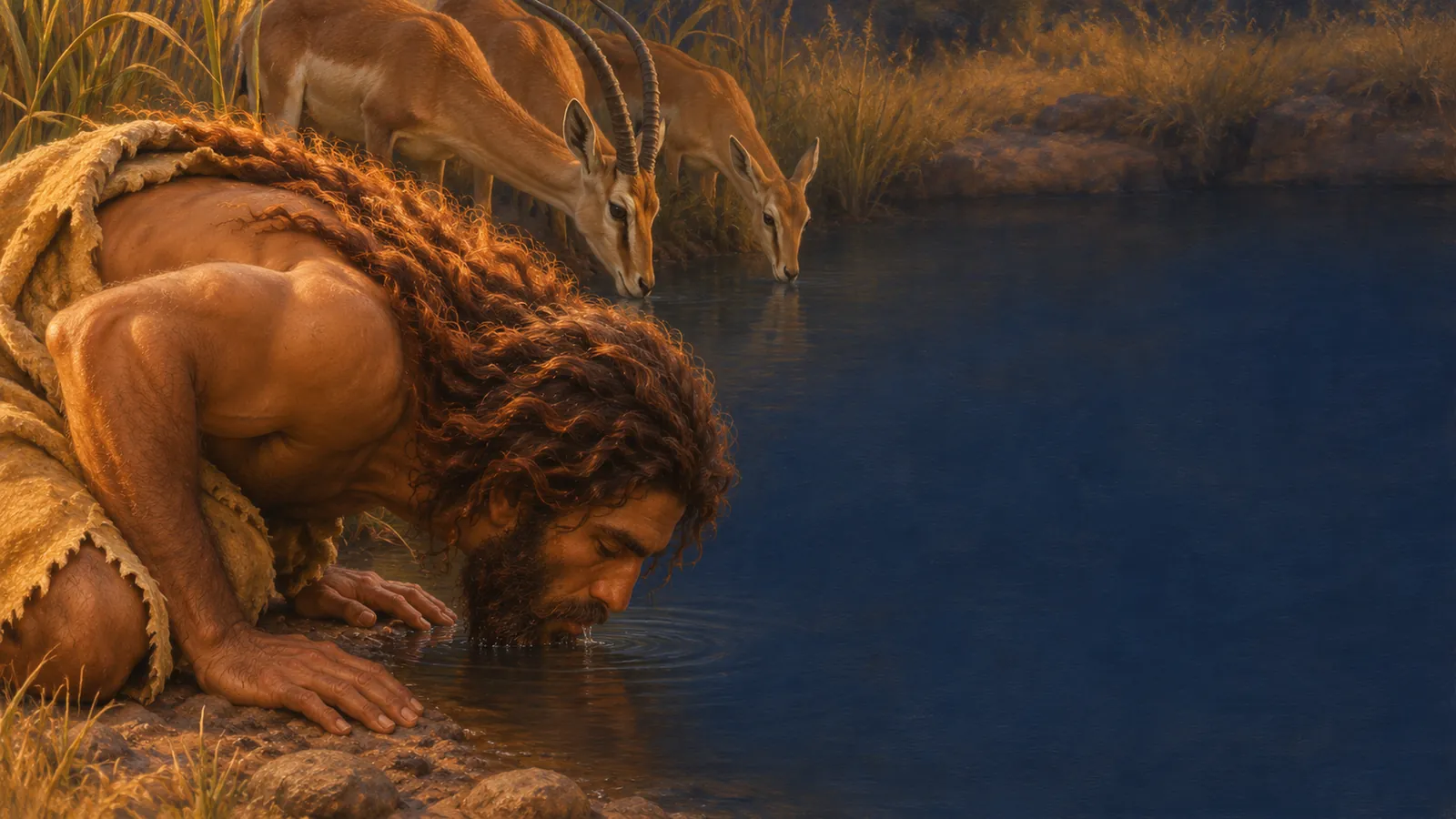
Wenn die Tiere zum Trinken kamen, kam Enkidu mit ihnen. An der Wasserstelle war er mitten unter ihnen, dicht bei der Herde, und freute sich am Wasser.
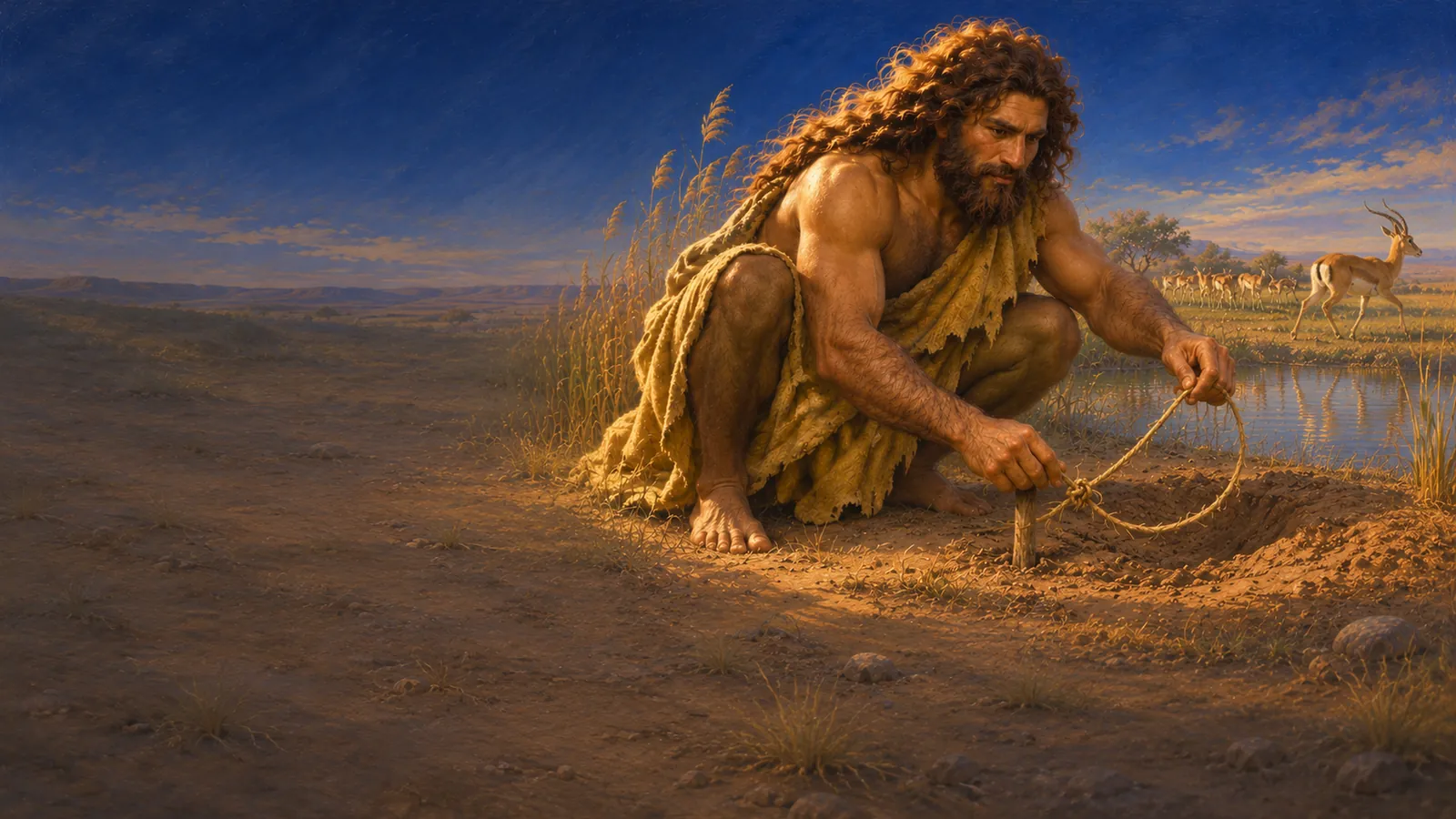
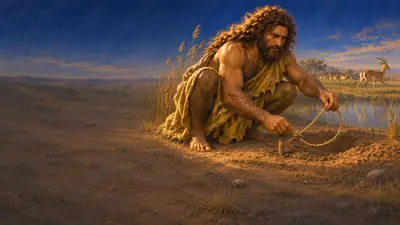
Doch die Arbeit eines Fallenstellers wurde zunichtegemacht. Enkidu schüttete die Gruben zu und riss die Schlingen aus. So kamen die Tiere frei, die der Jäger hatte fangen wollen.
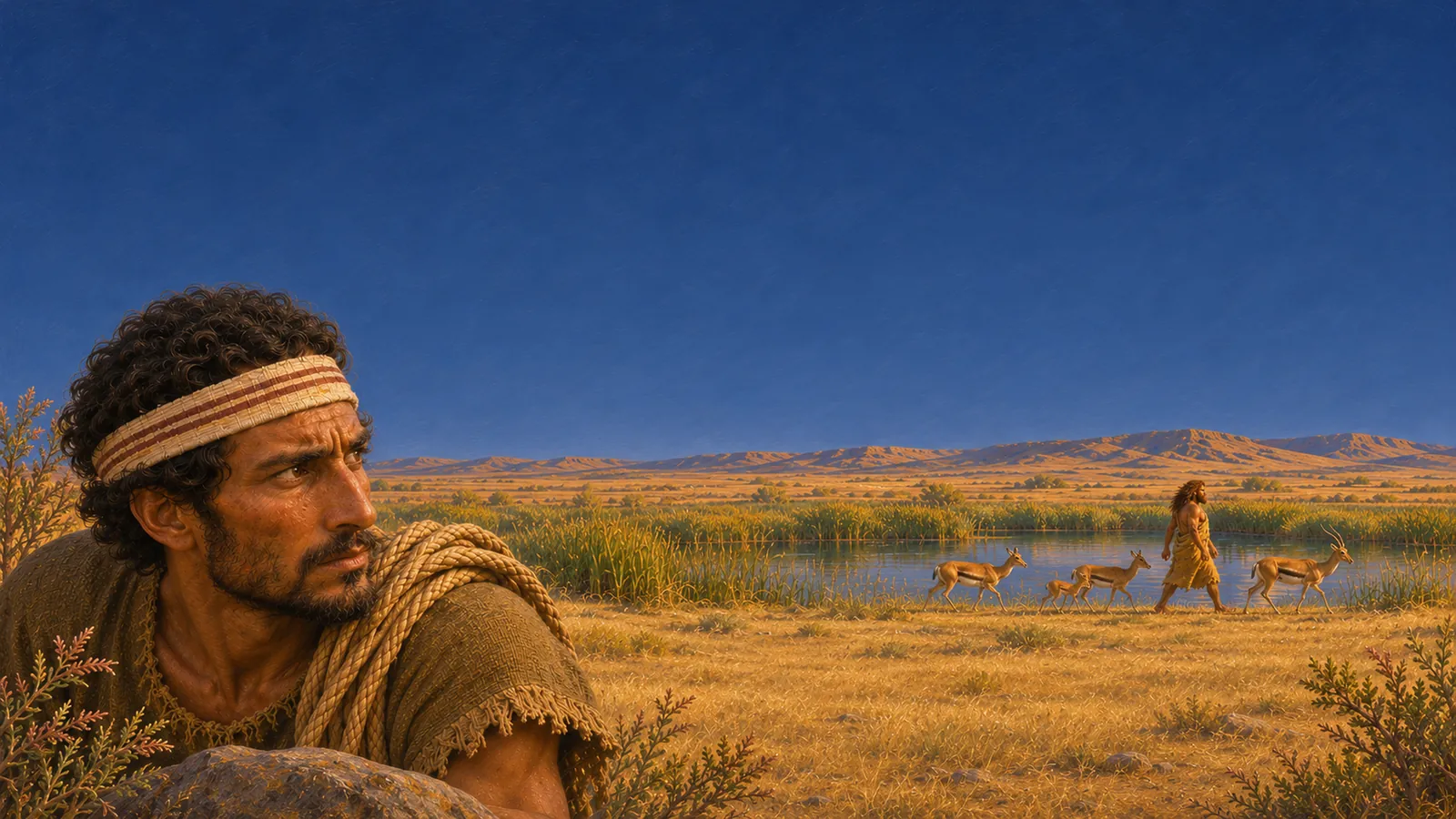
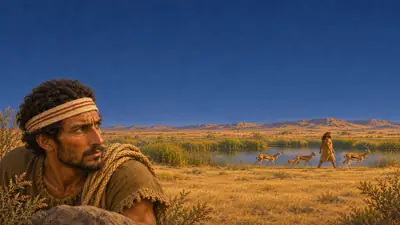
Dann stand der Fallensteller Enkidu an der Wasserstelle von Angesicht zu Angesicht gegenüber. Der Anblick verstörte ihn zutiefst. Schweigsam und beunruhigt kehrte er heim und konnte nicht weitermachen wie bisher.
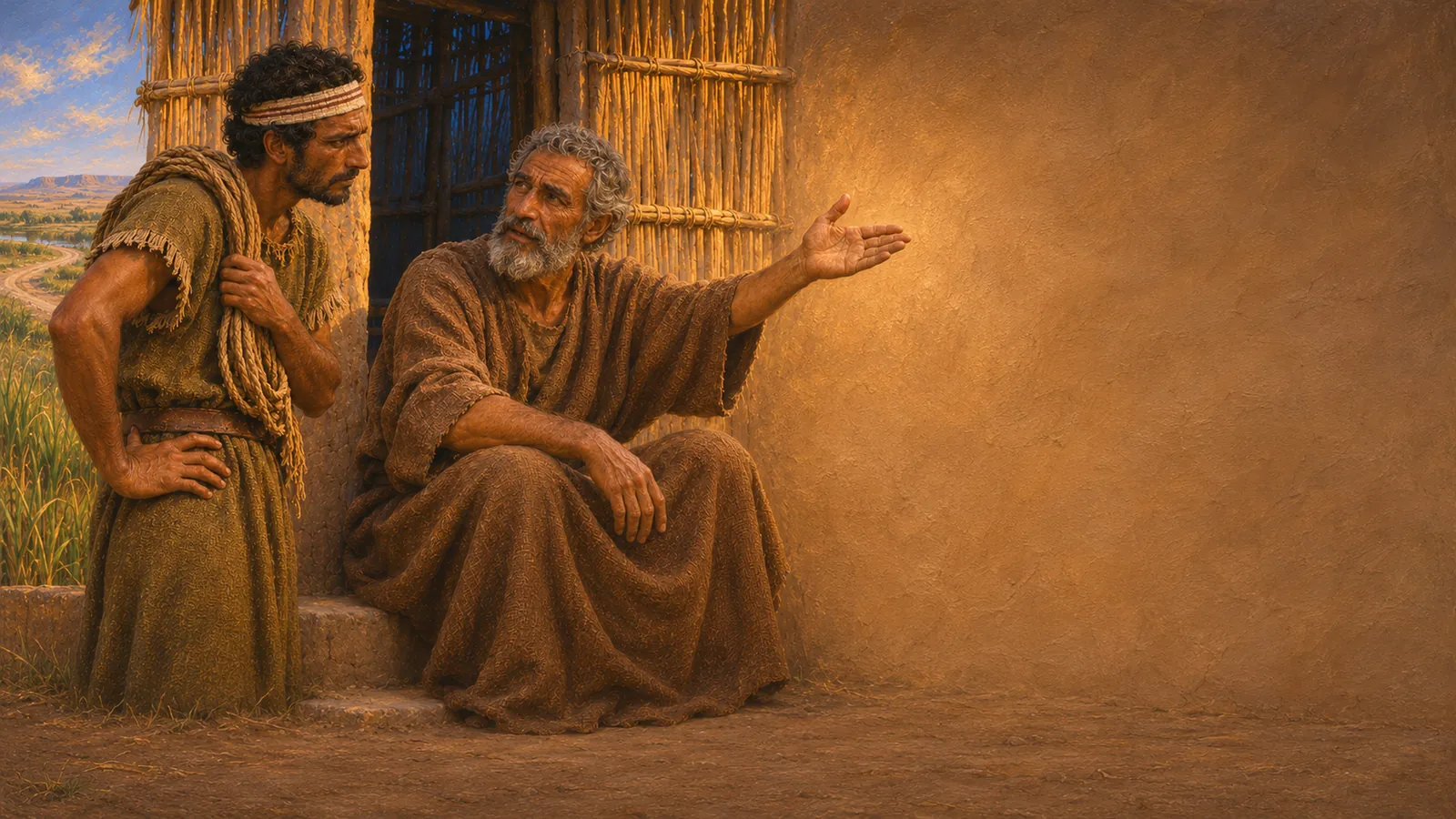
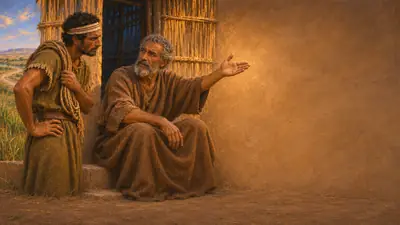
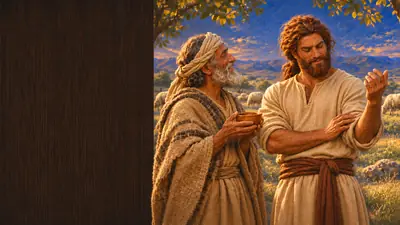
Der Fallensteller erzählte seinem Vater von dem starken Fremden und den zerstörten Fallen. Sein Vater schickte ihn nach Uruk zu Gilgamesch, damit er den König um Hilfe bitten konnte.
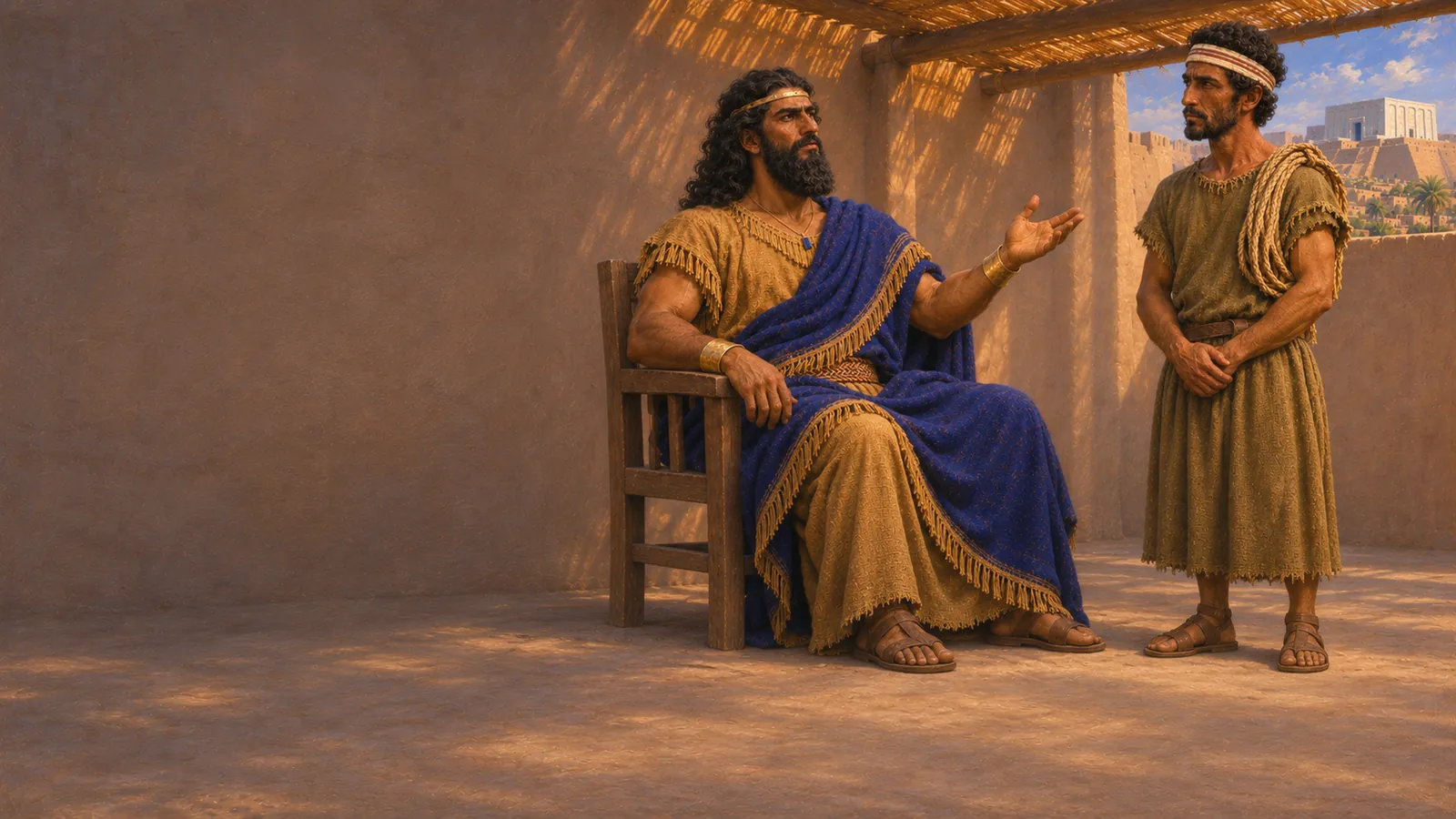
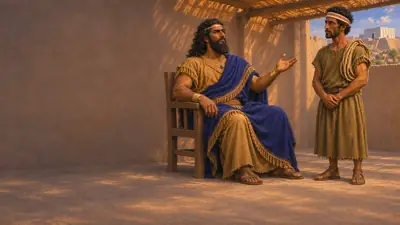
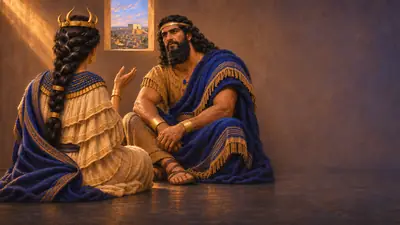
Der König hörte sich den Bericht des Fallenstellers an. Er wies ihn an, die Prostituierte Shamhat zur Wasserstelle mitzunehmen. Der Fremde werde auf sie zugehen, und die Herde werde sich von ihm abwenden.
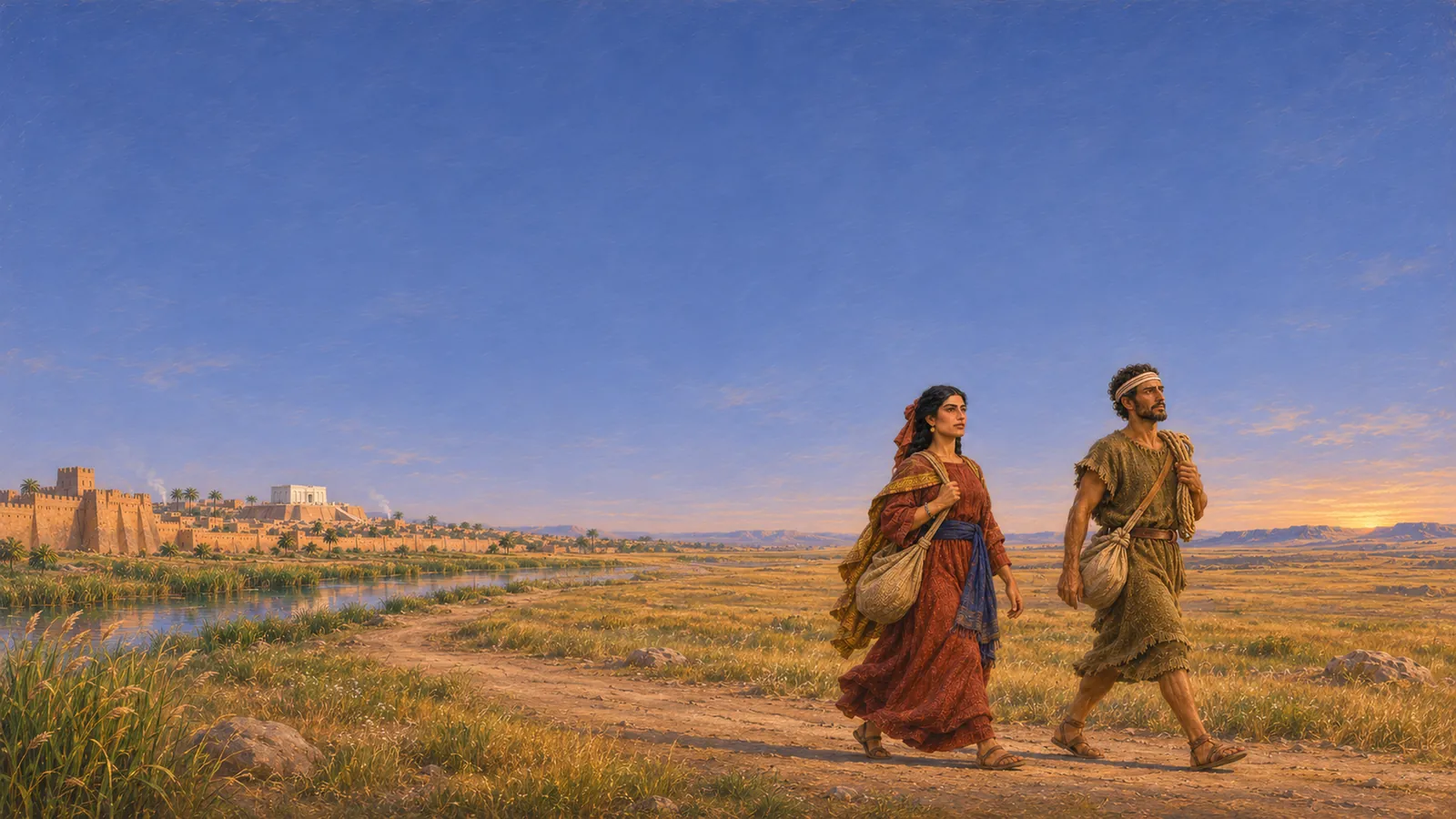
SHAMHAT
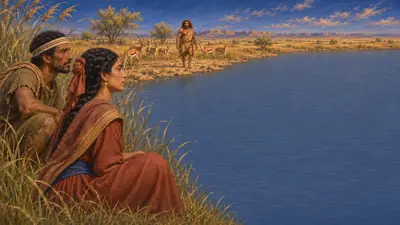
So machte sich der Fallensteller erneut auf den Weg, diesmal mit Shamhat. Sie zogen ins offene Land hinaus, zur Wasserstelle, an der sich Enkidu und die Tiere versammelten.
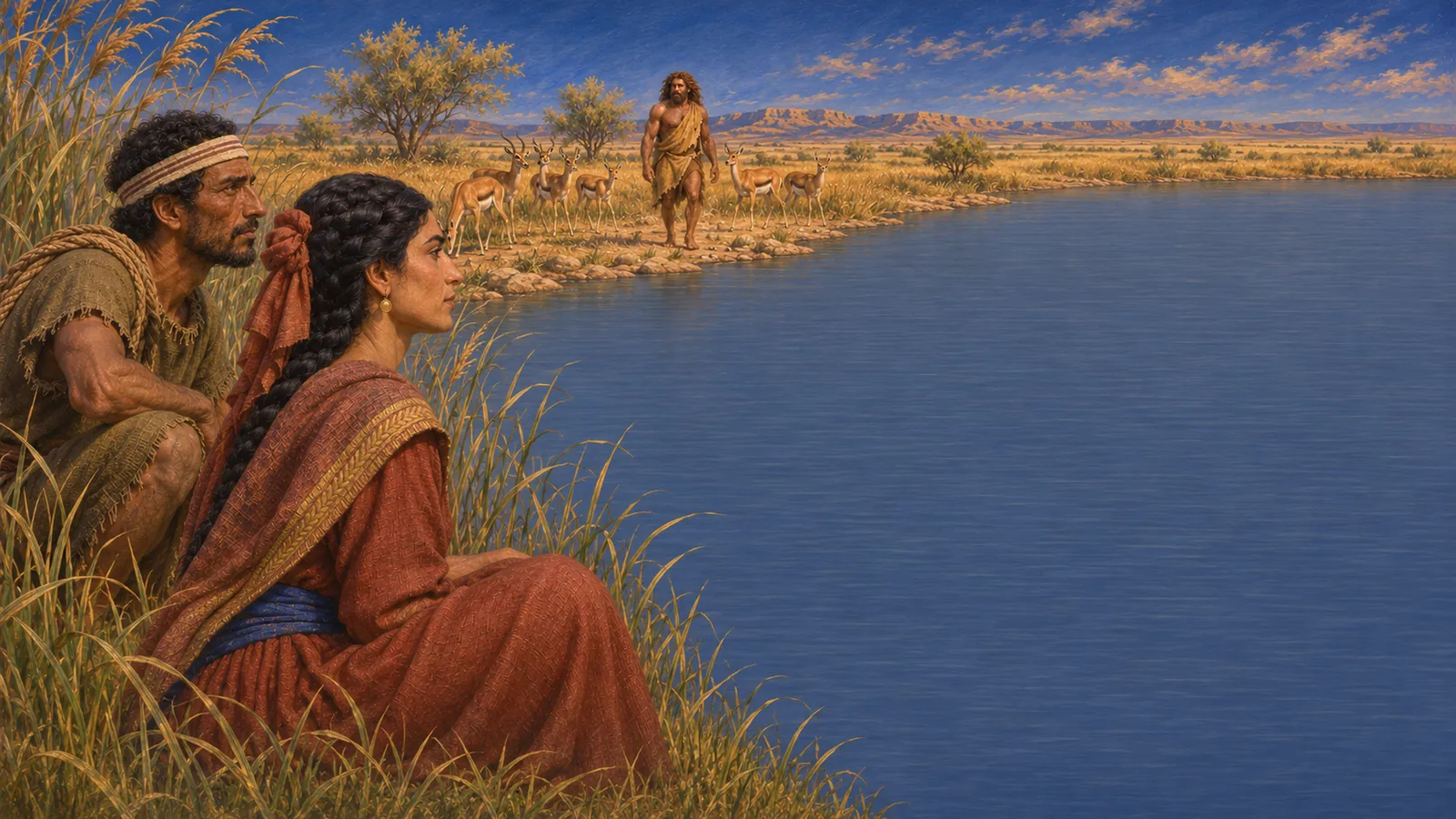
Am Wasser setzten sie sich und warteten. Ein Tag verging, dann noch einer. Schließlich kamen die Tiere zum Trinken, und unter ihnen war Enkidu.
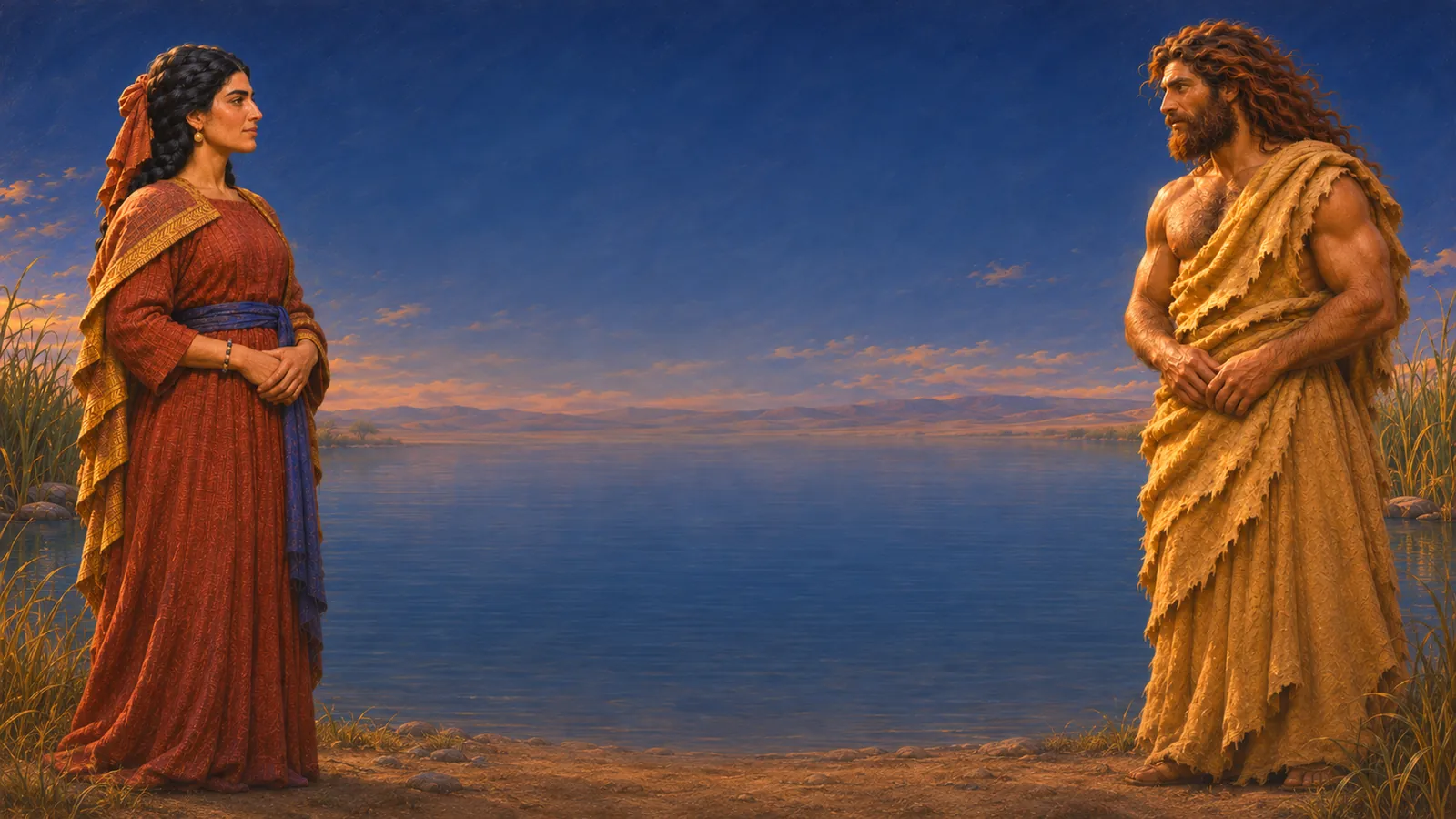
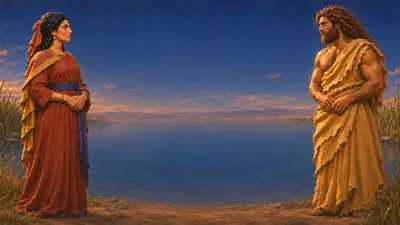
Shamhat sah den Mann, der in der Wildnis aufgewachsen war. Sie zeigte keine Furcht. Enkidu kam auf sie zu, angezogen von einer Nähe, die anders war als das Leben bei der Herde.
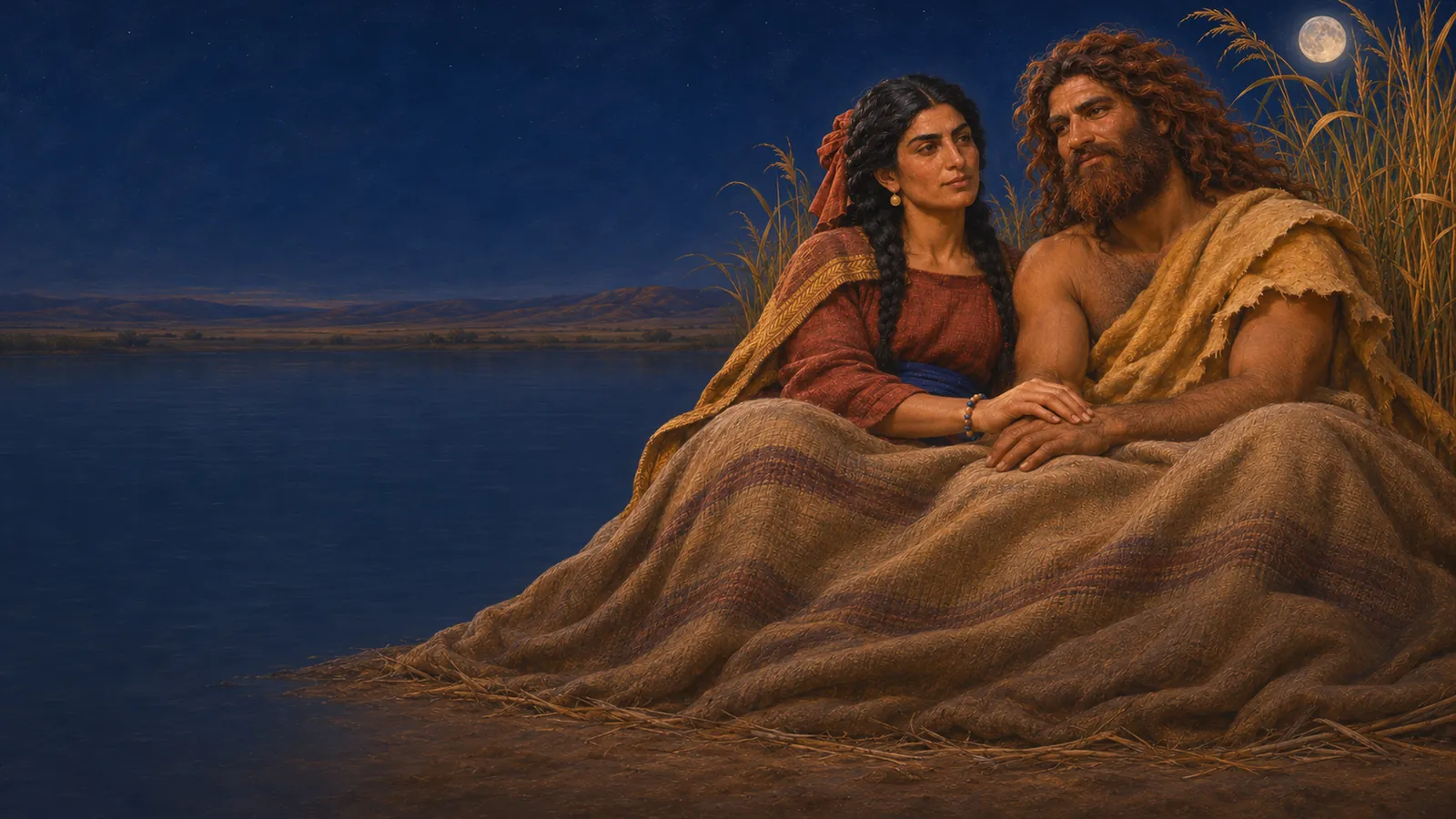
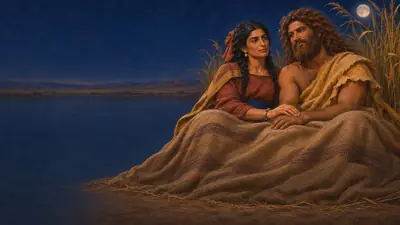
Sechs Tage und sieben Nächte verbrachten Enkidu und Shamhat in inniger Nähe. Schließlich wandte er sich wieder den Tieren zu, der Herde, bei der er gelebt hatte.
DER ABSCHIED
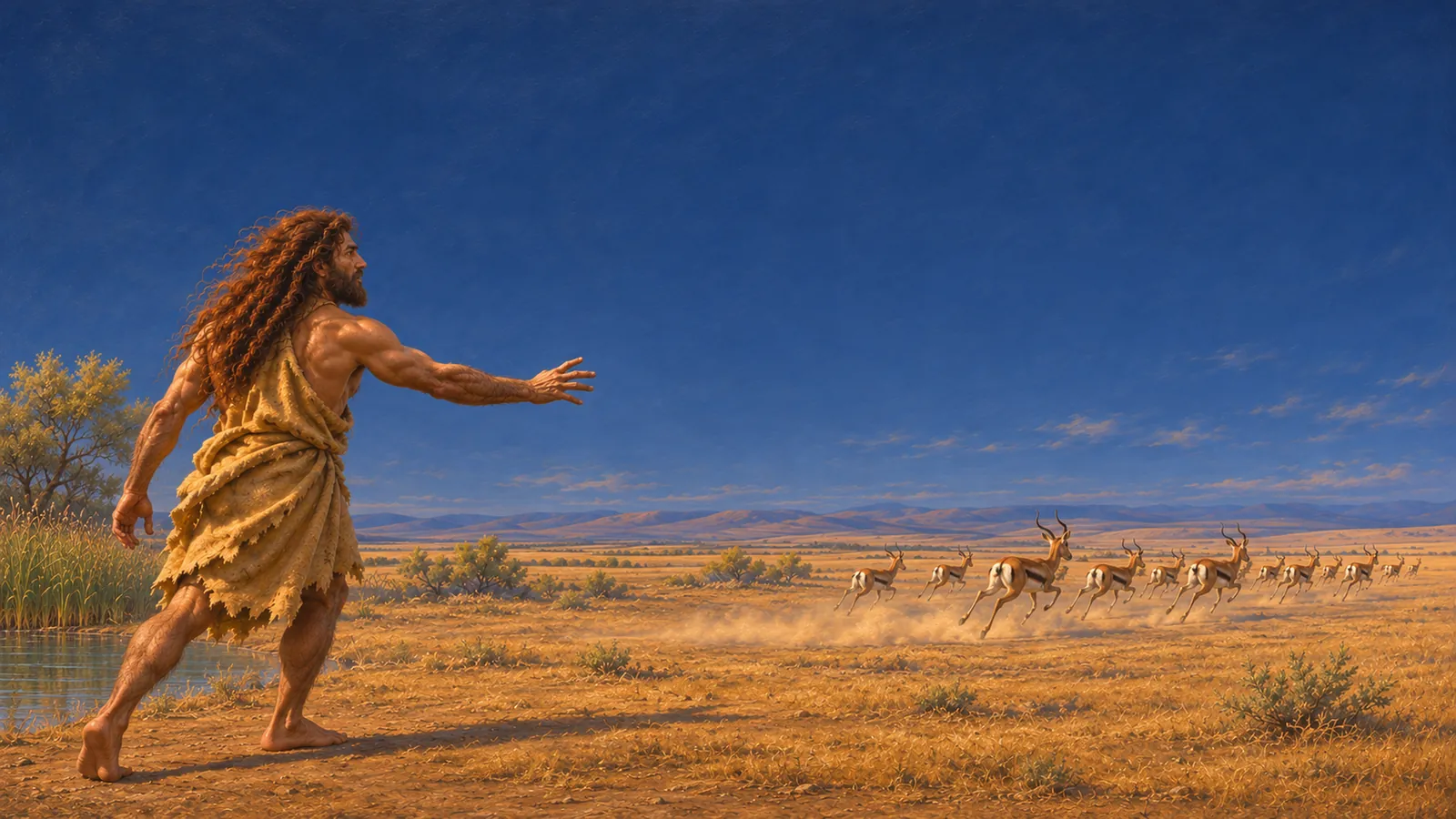
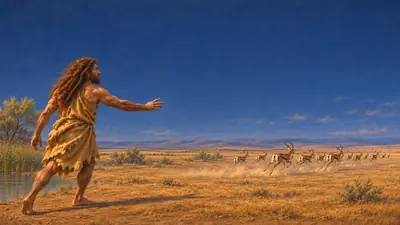
Doch die Gazellen liefen davon, als sie Enkidu sahen. Die wilden Tiere wichen vor ihm zurück. Die Herde, bei der er gelebt hatte, blieb nicht länger in seiner Nähe.
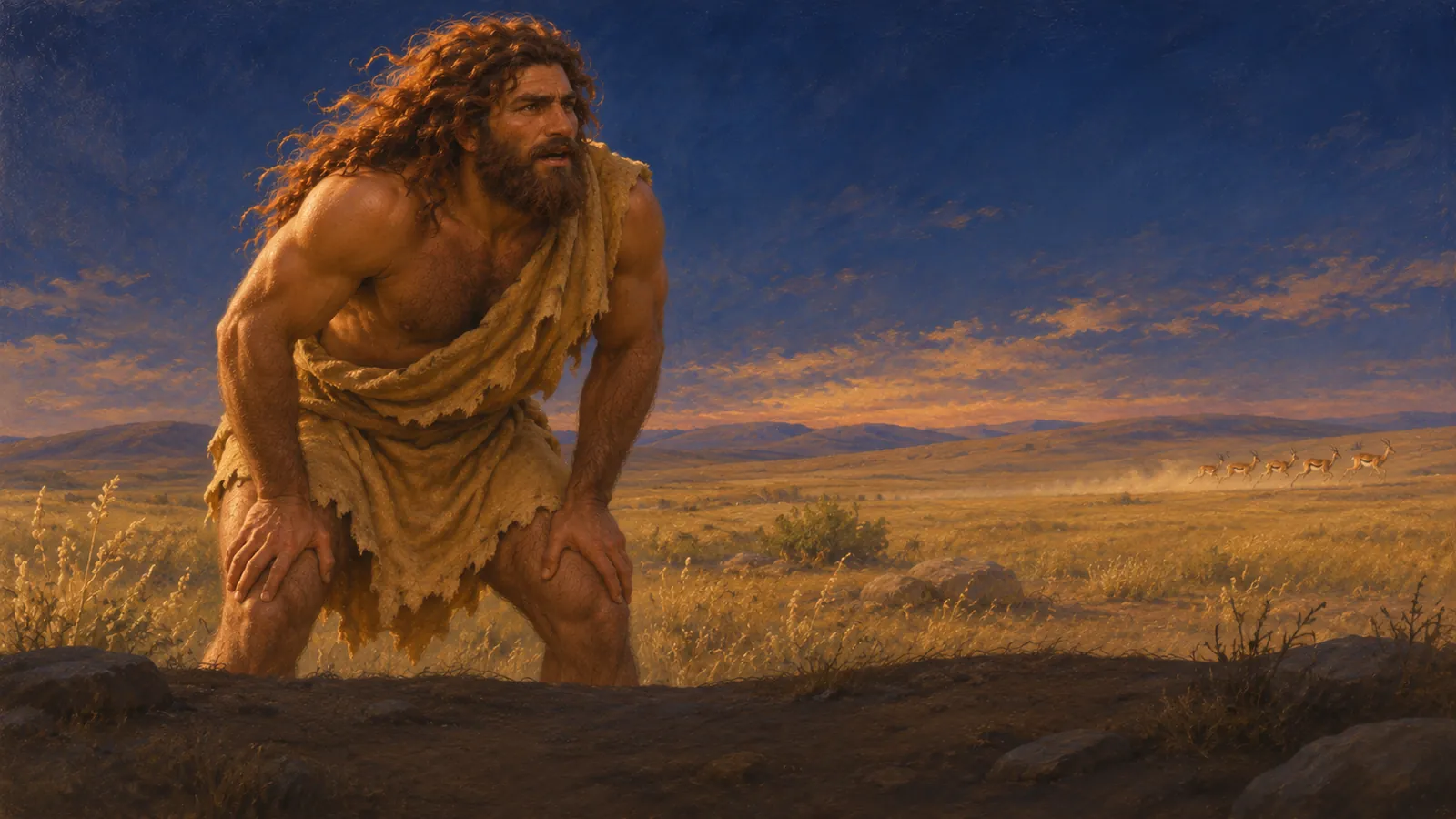
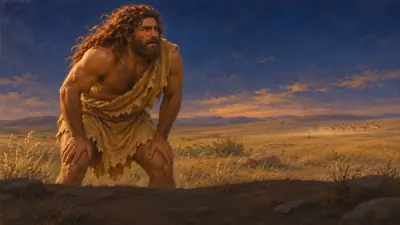
Er versuchte, mit ihnen Schritt zu halten, doch seine Beine trugen ihn nicht mehr wie zuvor. Die Tiere zogen ohne ihn weiter. Seine alte Schnelligkeit war dahin.

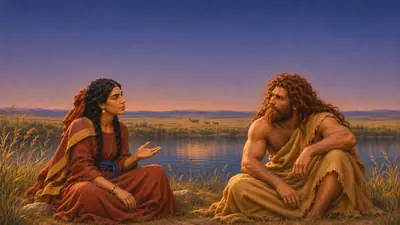
Doch in ihm war etwas anderes gewachsen, die Fähigkeit zu verstehen. Enkidu kehrte zu Shamhat zurück, setzte sich vor sie und betrachtete ihr Gesicht. Jetzt hörte er aufmerksam zu, was sie ihm zu sagen hatte.
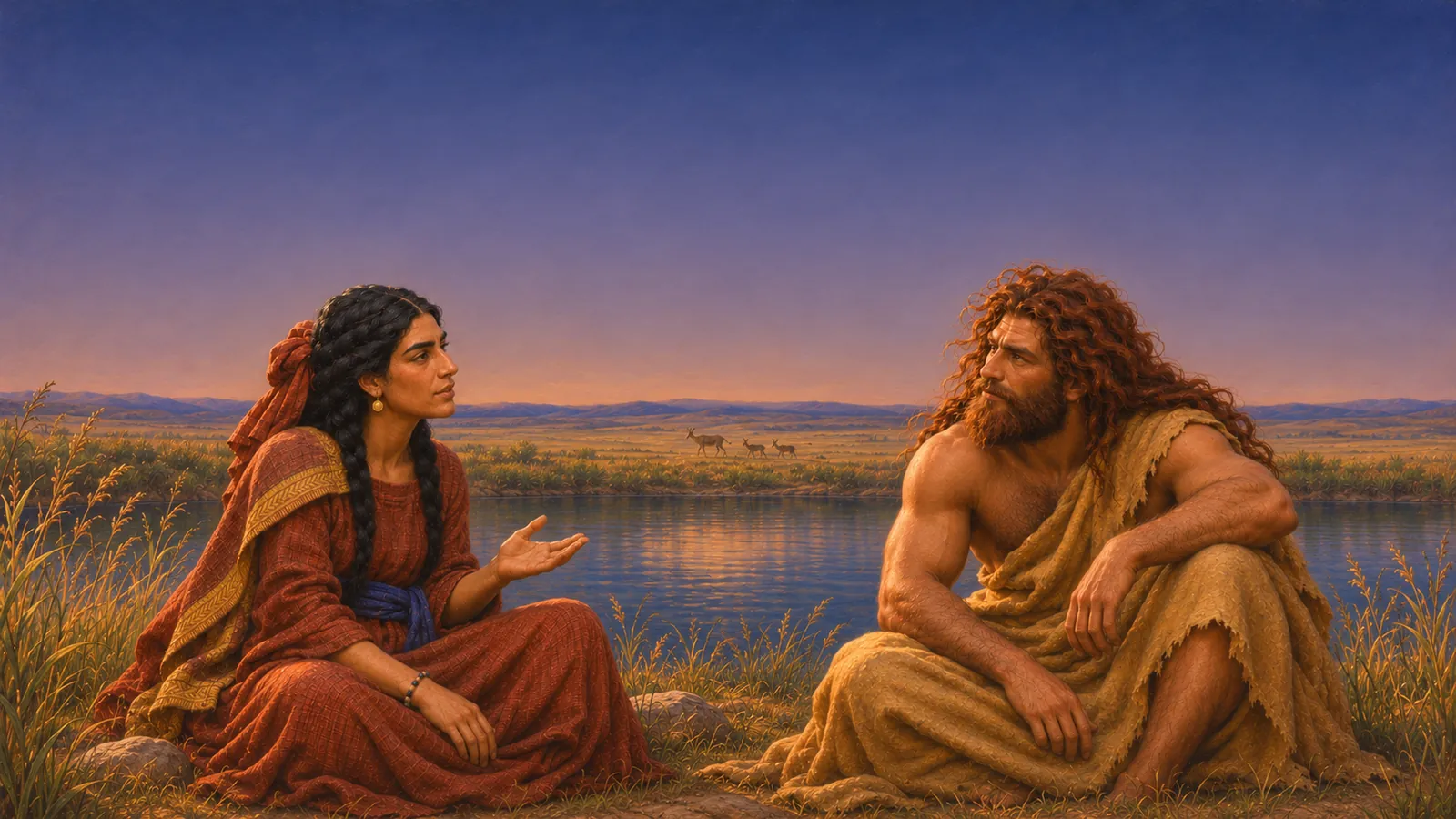
Shamhat erzählte ihm von Uruk und seinem mächtigen König. Enkidu wollte dorthin, sprach aber davon, Gilgamesch herauszufordern. Er glaubte, seine eigene Kraft könne in der Stadt etwas verändern.
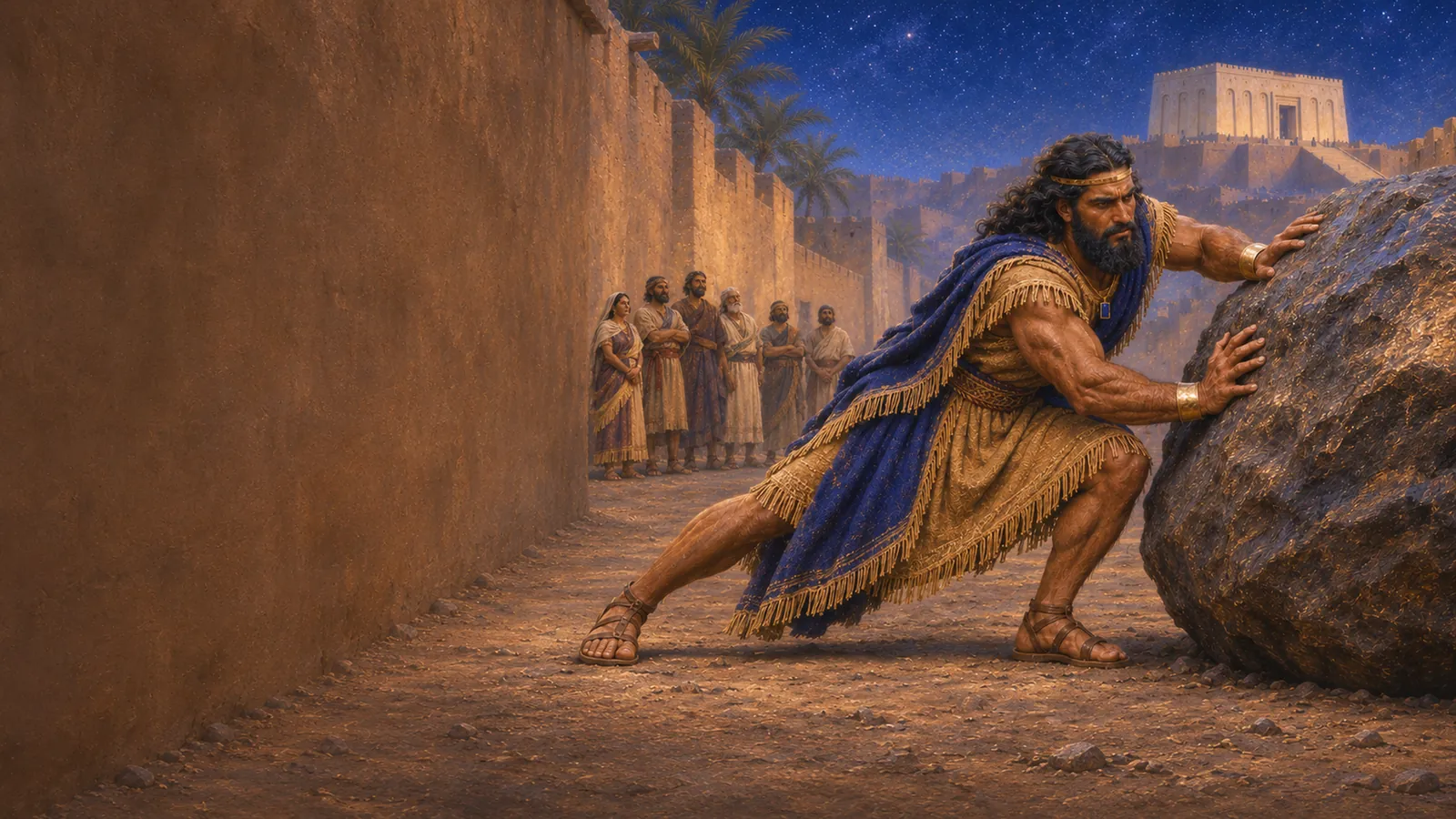
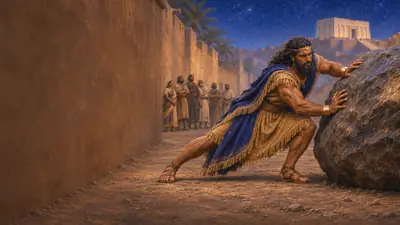
Shamhat erzählte ihm, Gilgamesch habe schon von ihm geträumt. In einem Traum fiel ein Stein vom Himmel. Der König mühte sich, ihn zu bewegen, während sich die Menschen von Uruk um ihn sammelten.
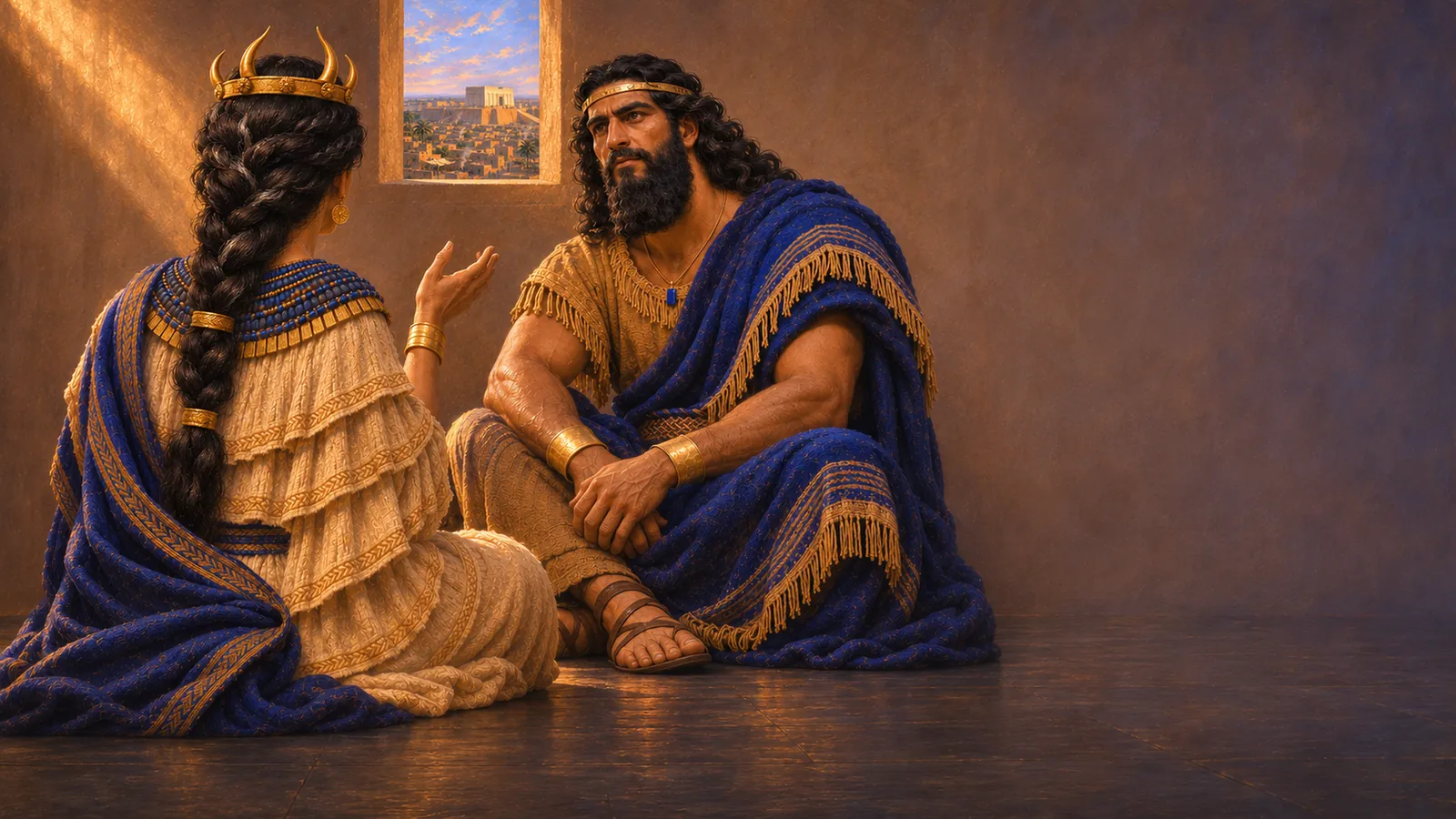
Gilgamesch hatte seiner Mutter Ninsun den Traum erzählt. Sie verstand, was er bedeutete. Ein starker Gefährte würde zu ihm kommen, jemand, den er lieben und der ihm beistehen und ihn beschützen würde.
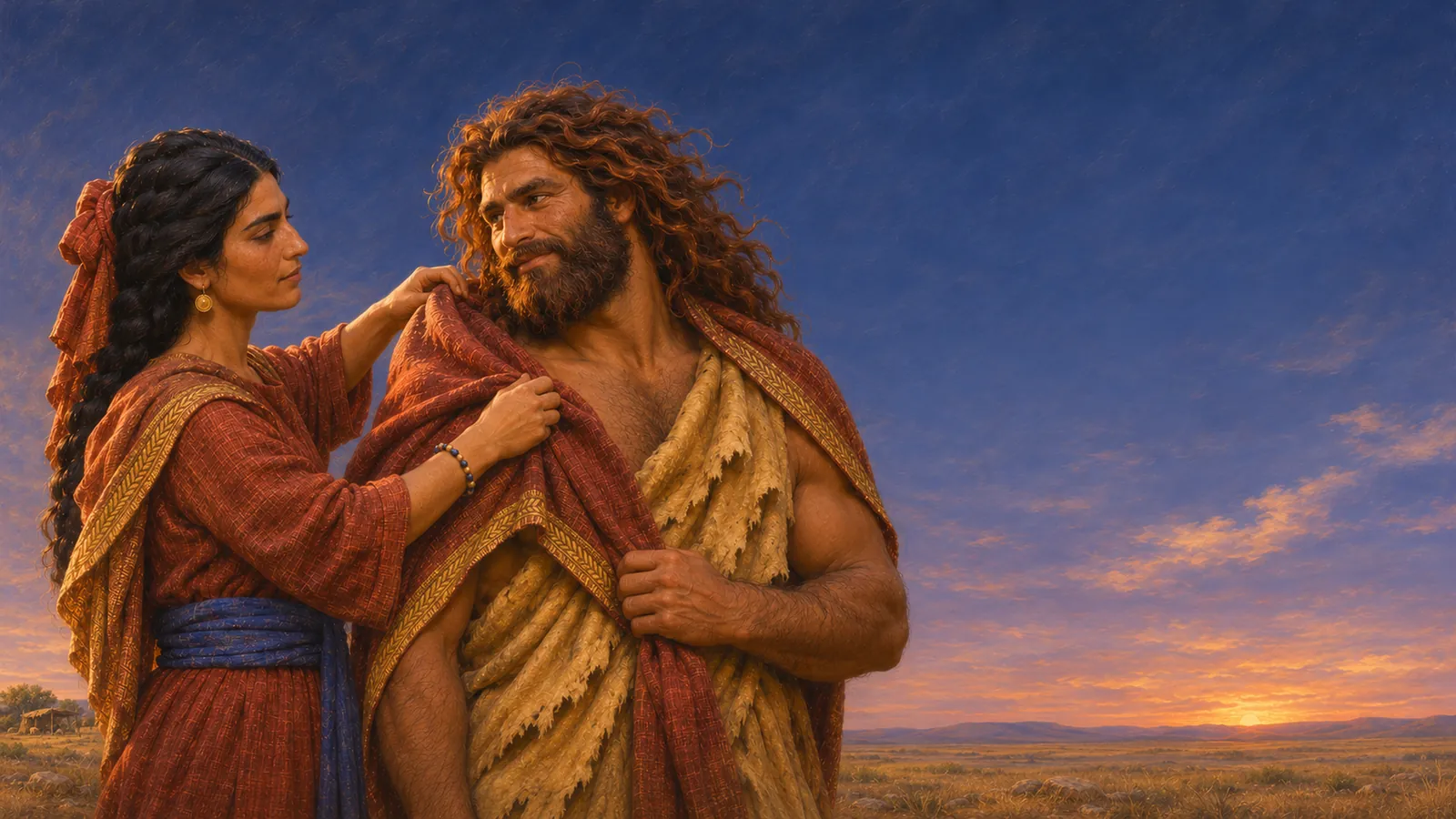
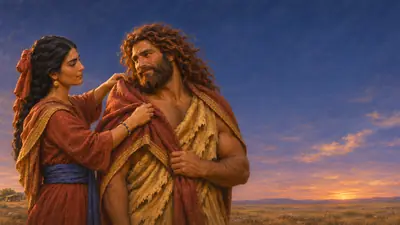
Shamhat teilte ihre Kleidung mit Enkidu. Dann nahm sie ihn bei der Hand und führte ihn weiter, fort von der wilden Herde und hin zu dem Lager, in dem die Hirten lebten.
DIE HIRTEN
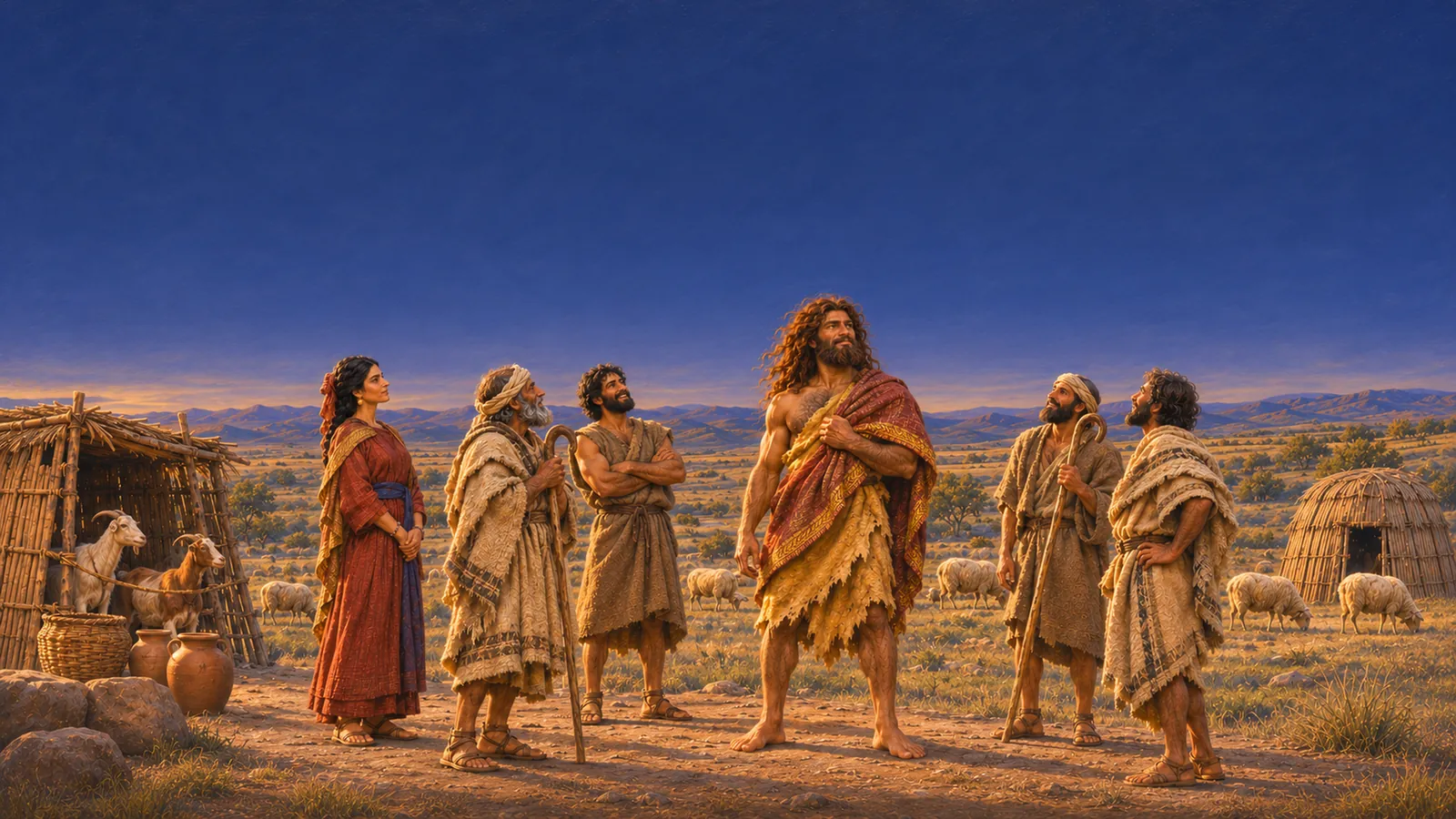
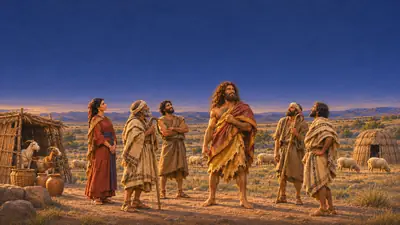
Die Hirten versammelten sich um ihren Besucher. Sie staunten über Enkidus kräftigen Körperbau und sprachen davon, wie sehr er Gilgamesch ähnelte. Eine solche Kraft konnten sie nicht übersehen.
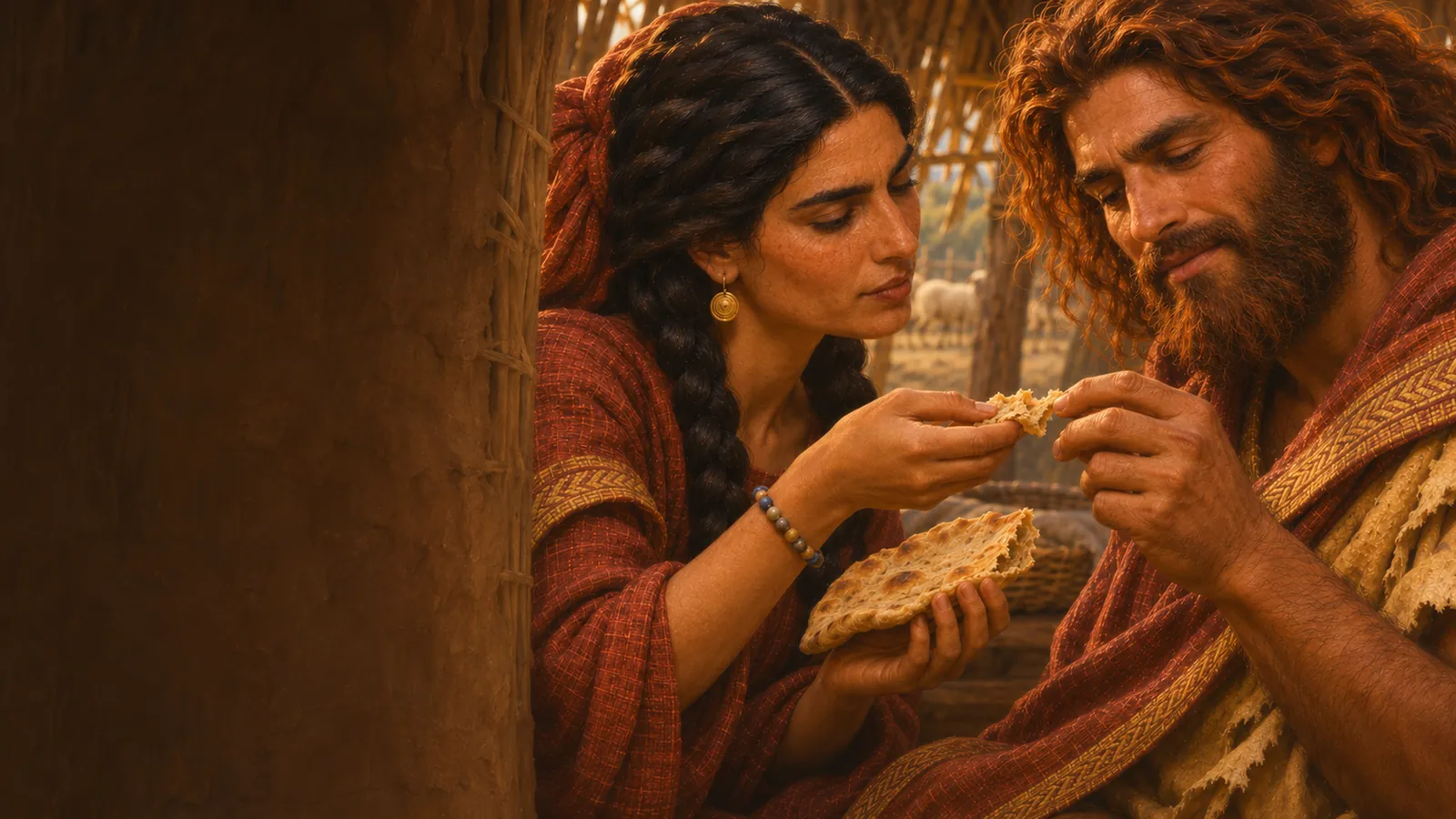
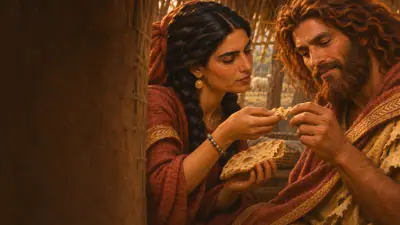
Sie setzten Enkidu Brot vor, doch er wusste nicht, wie man es aß. Shamhat ermutigte ihn, die Speise zu kosten, von der die Menschen lebten. So führte sie ihn in einen weiteren fremden Brauch ein.
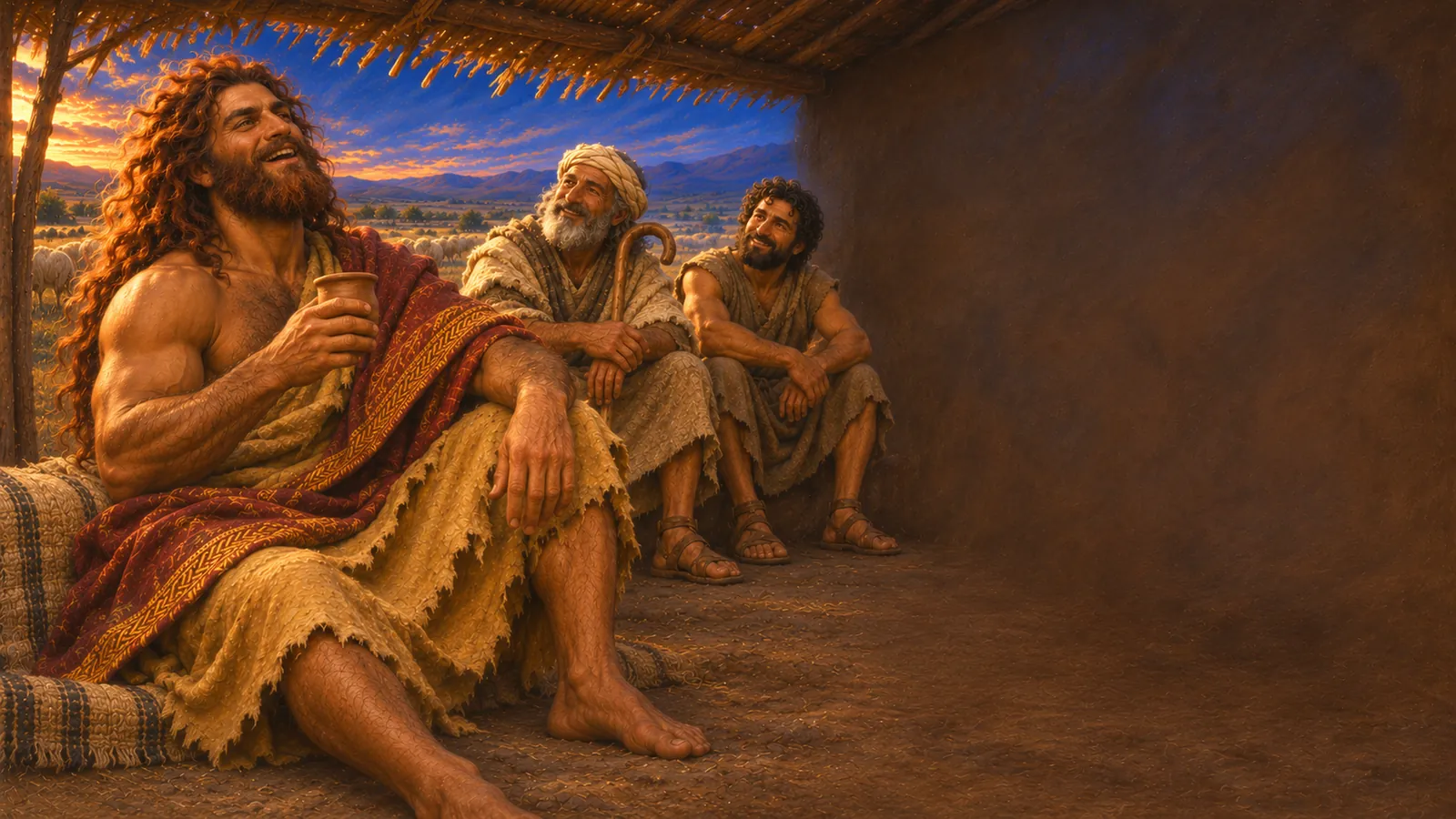
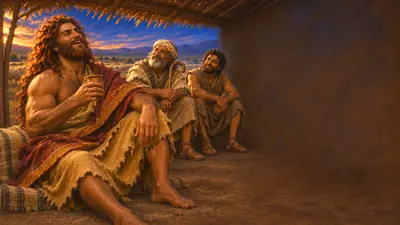
Enkidu aß, bis er satt war, und trank dann Bier. Er wurde fröhlich, und sein Gesicht hellte sich auf. Bald sang er unter den Menschen im Lager.
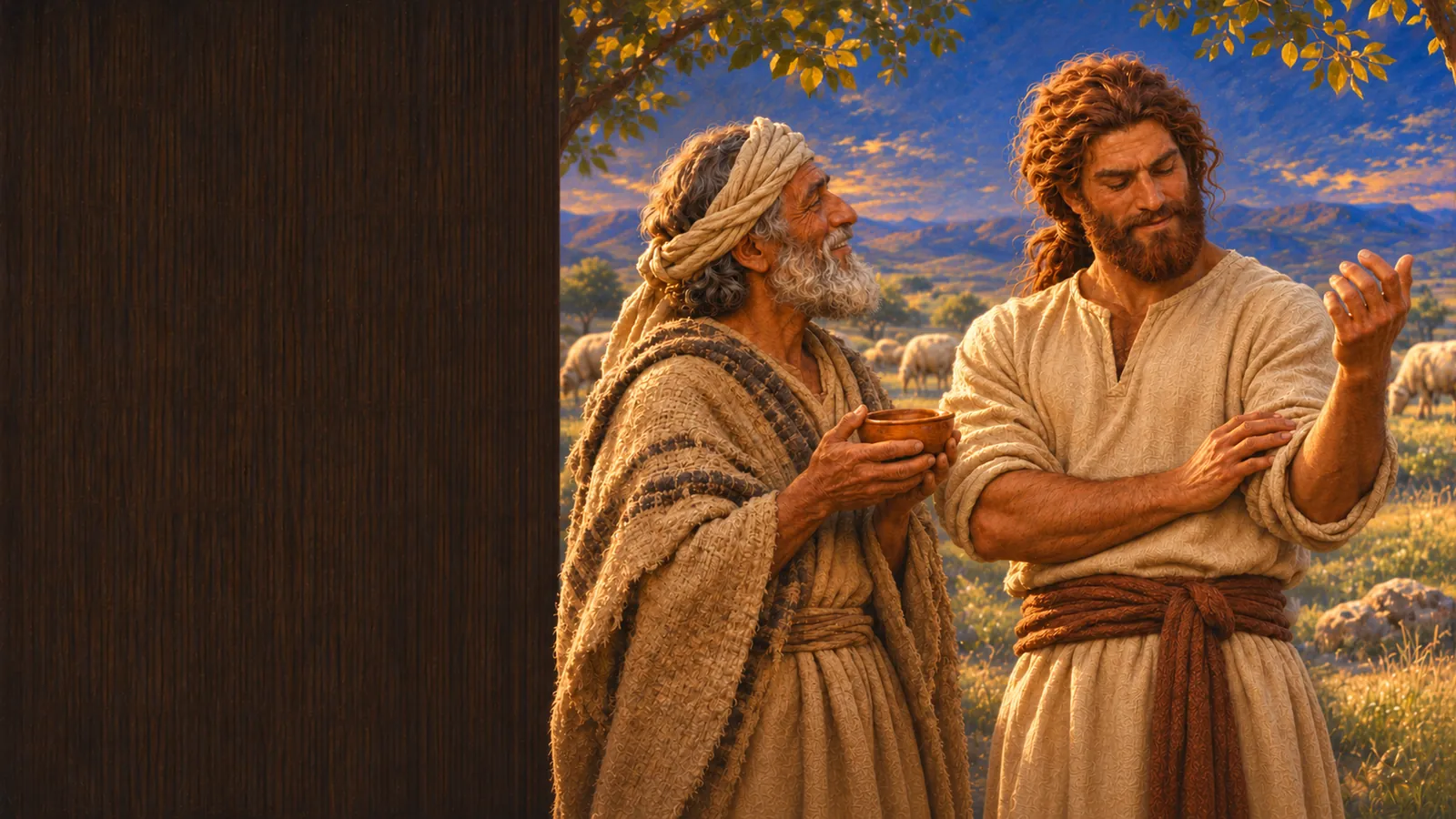
Sein Haar wurde zurechtgemacht, er salbte sich mit Öl und zog Kleider an. So trat Enkidu in neuer Gestalt unter die Hirten, bereit, seinen Platz an ihrer Seite einzunehmen.
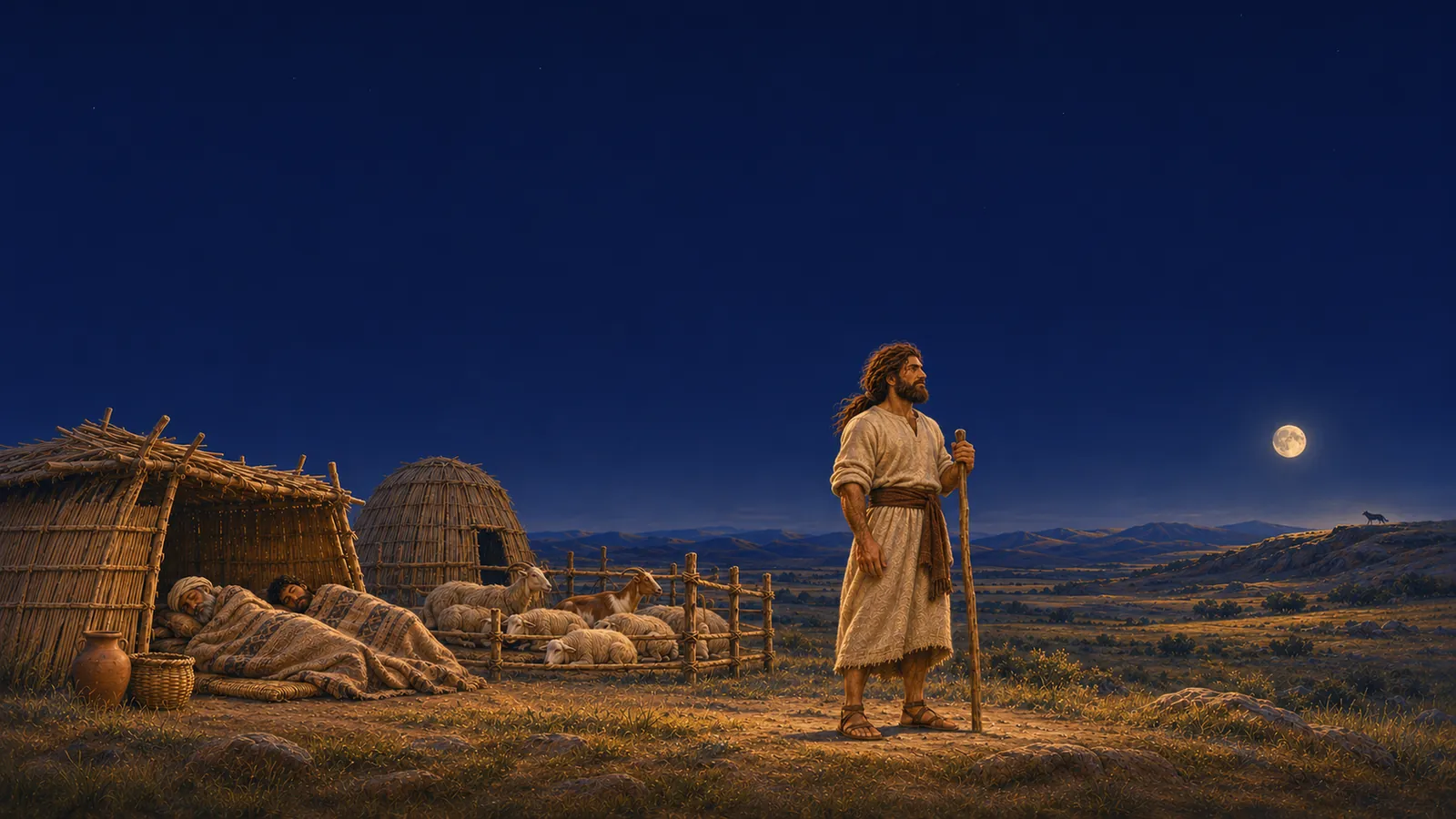
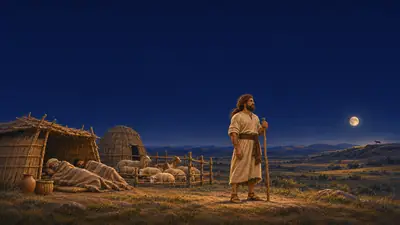
Nachts blieb Enkidu wach, während die Hirten schliefen. Er schützte ihre Tiere vor Wölfen und Löwen. Die Kraft, die einst die wilde Herde behütet hatte, wachte nun über ihre Herden.
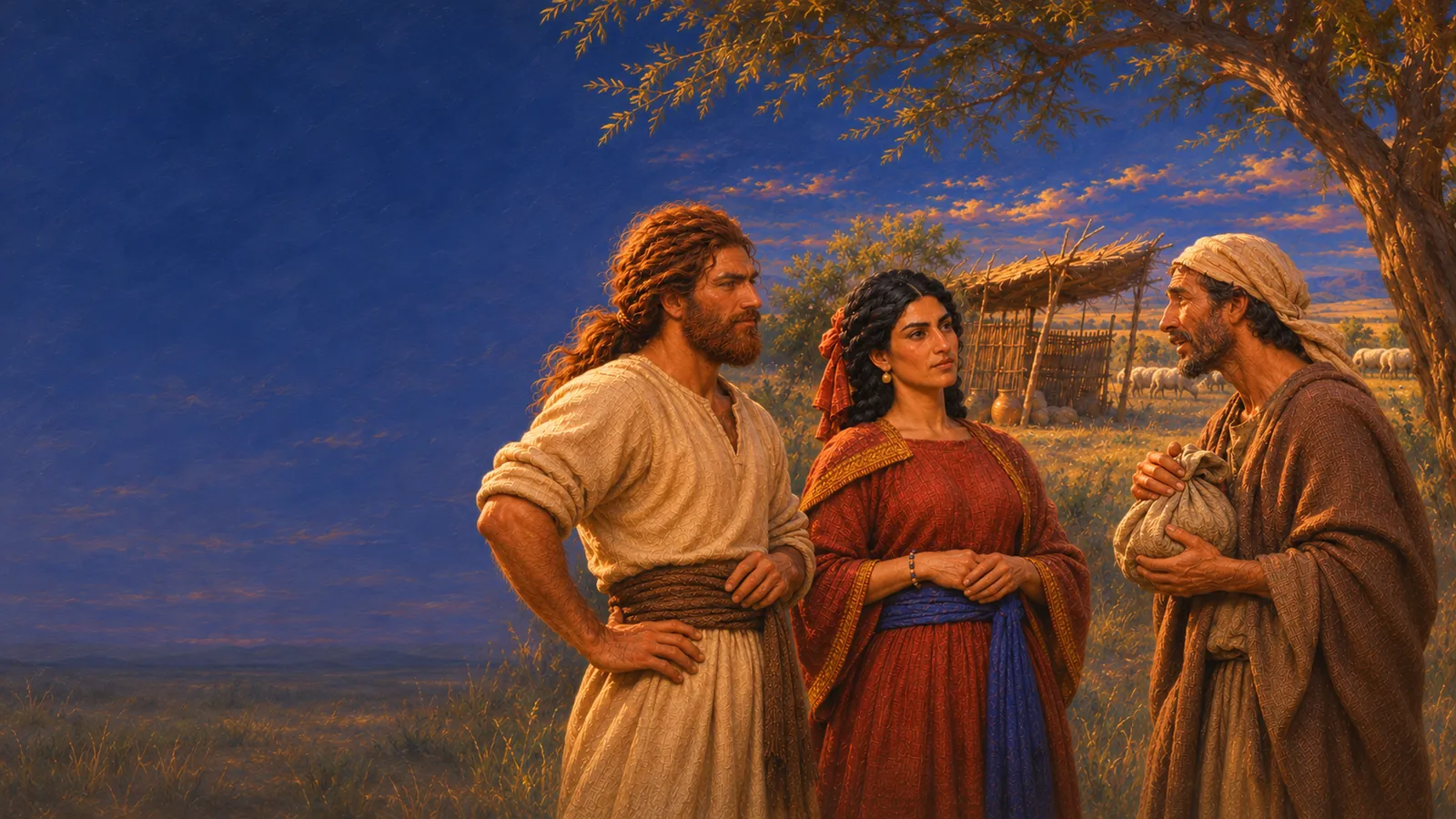
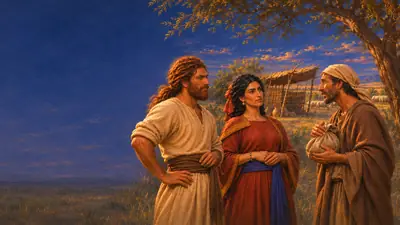
Eines Tages bemerkte Enkidu einen Mann, der vorbeiging, und bat Shamhat, ihn herbeizurufen. Der Reisende erklärte, wohin er unterwegs war. Er ging zu einem Hochzeitsmahl.
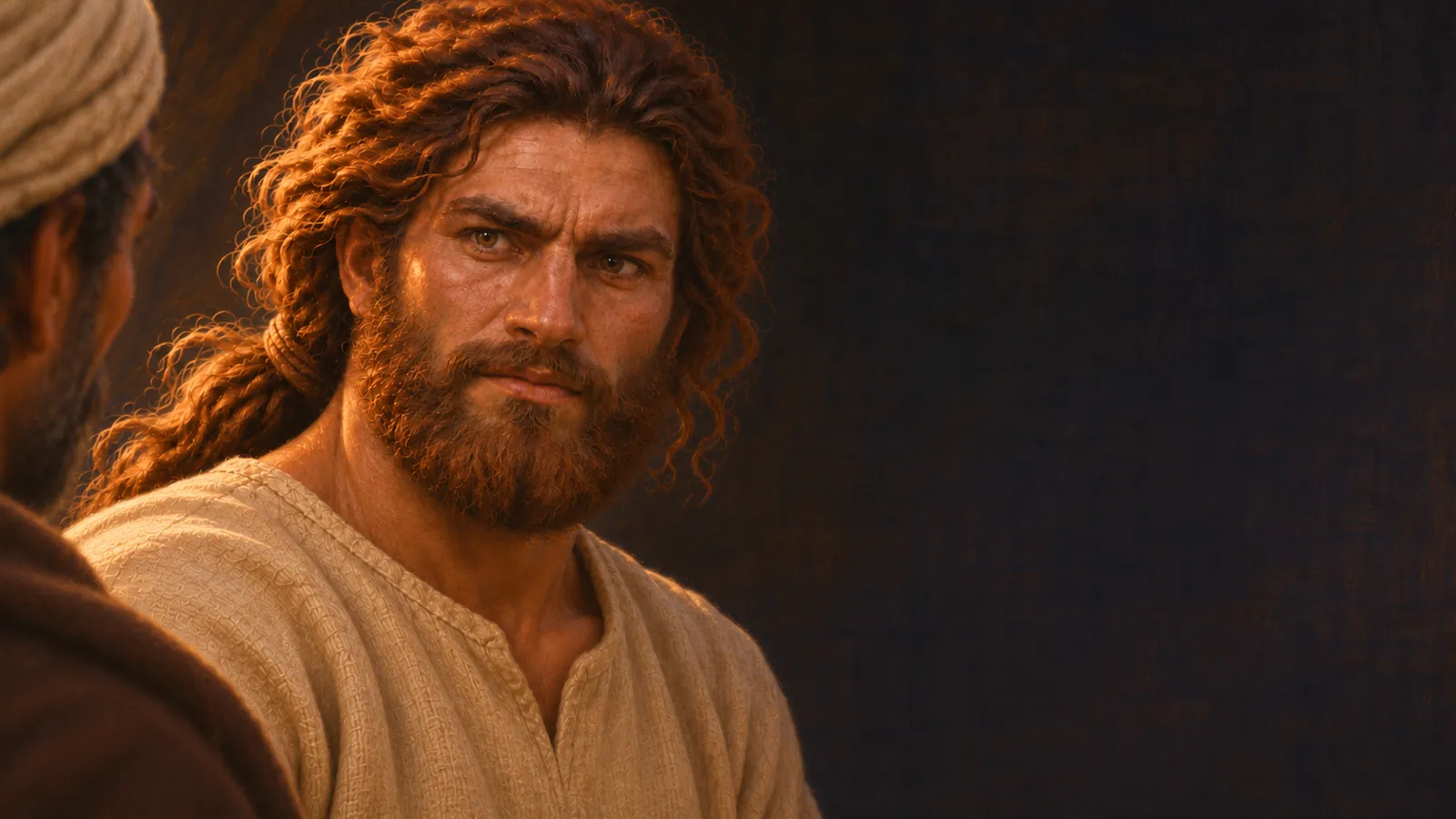
Doch damit war die Geschichte noch nicht zu Ende. Gilgamesch, sagte der Reisende, werde vor dem Bräutigam mit der Braut schlafen. Als Enkidu das hörte, wich ihm die Farbe aus dem Gesicht.
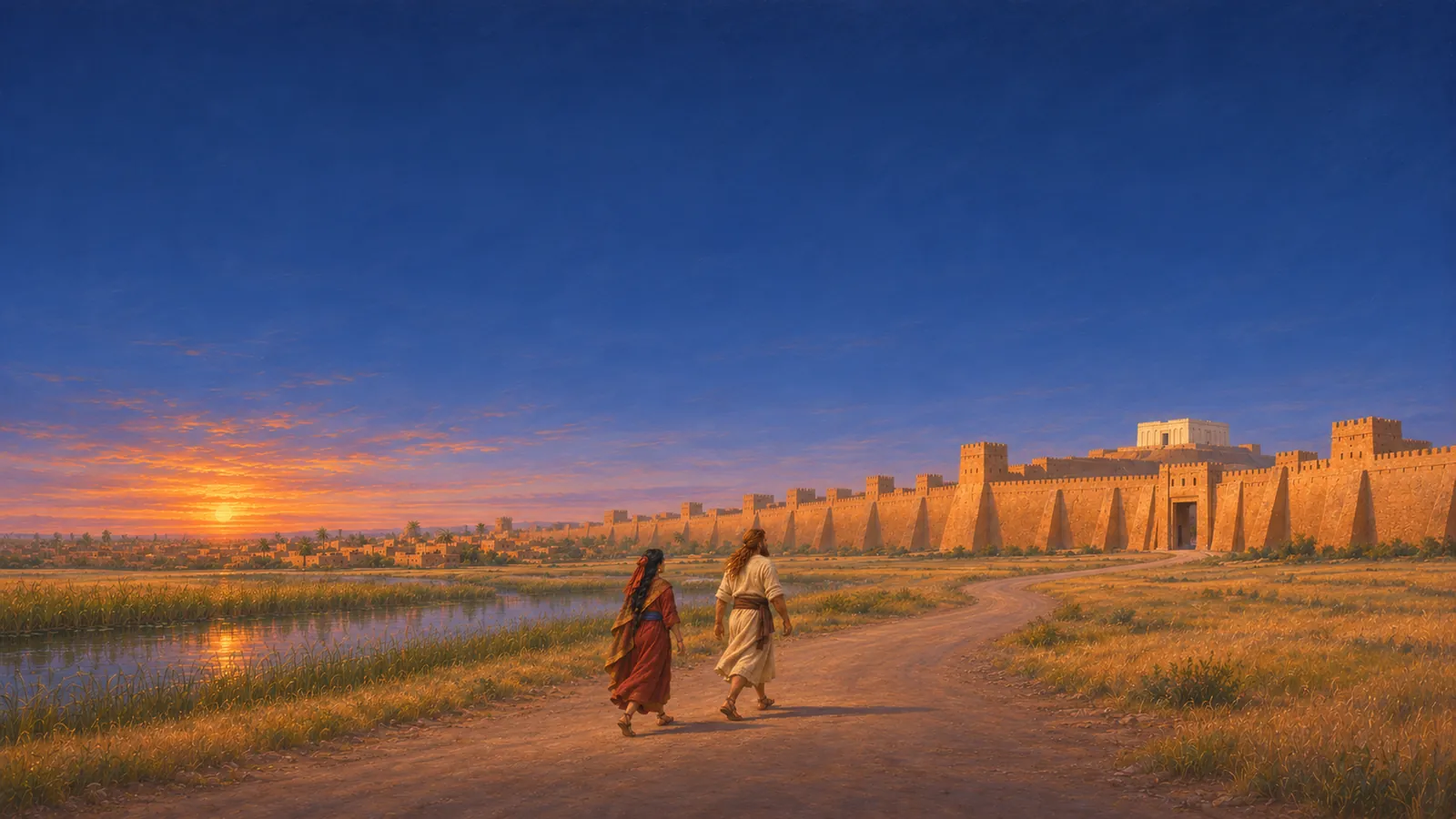
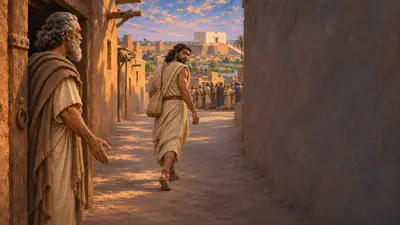
Enkidu machte sich auf, um zu sehen, was der Reisende beschrieben hatte. Er brach nach Uruk auf, und Shamhat folgte ihm. Der Fremde aus der Steppe stand kurz davor, die Stadt des Königs zu betreten.
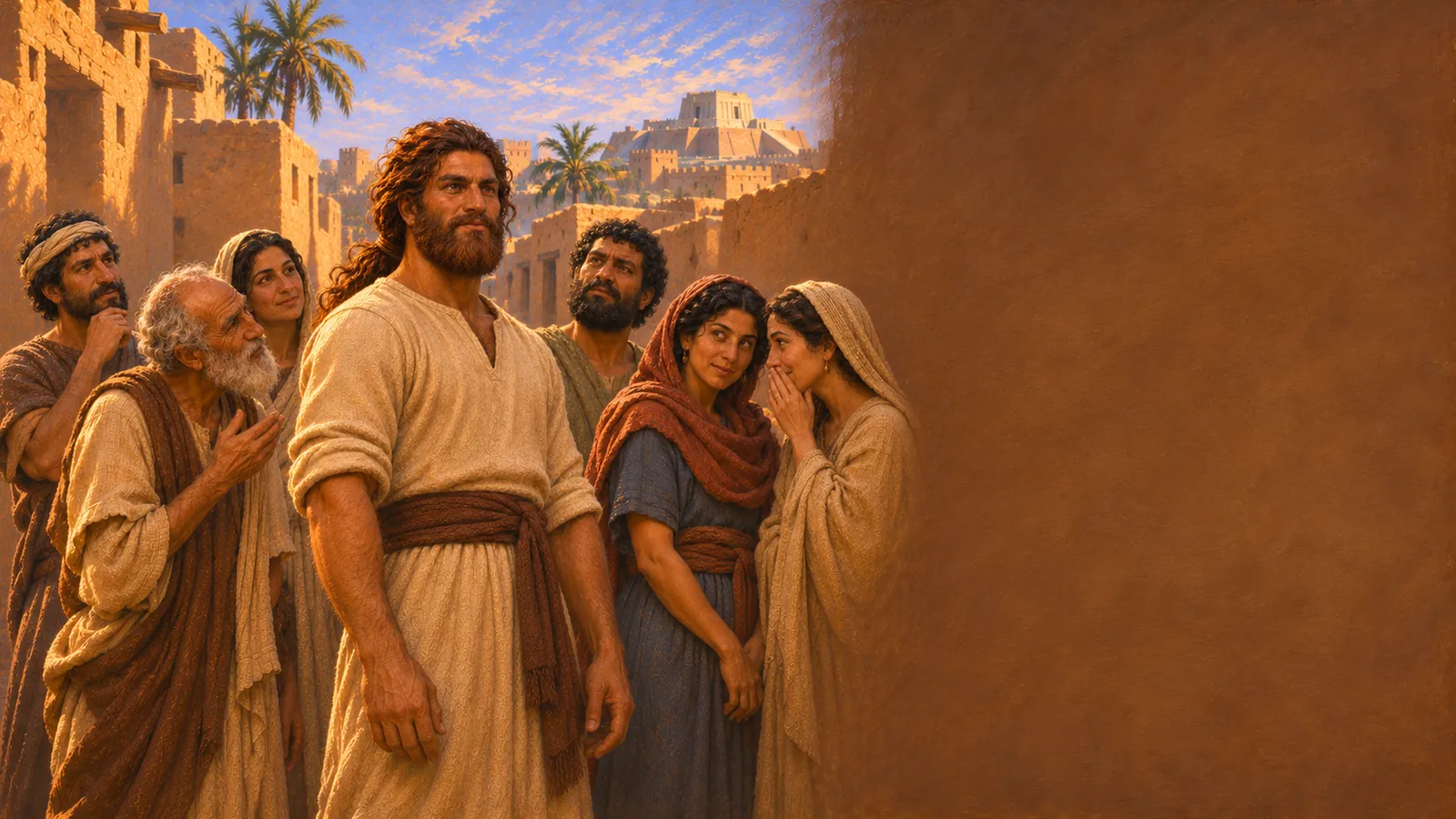
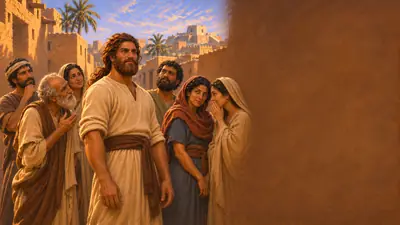
Als Enkidu ankam, versammelten sich die Menschen auf der Straße um ihn. Sie betrachteten seinen kräftigen Körperbau und verglichen ihn mit Gilgamesch. Hier war einer, der neben ihrem König bestehen konnte.
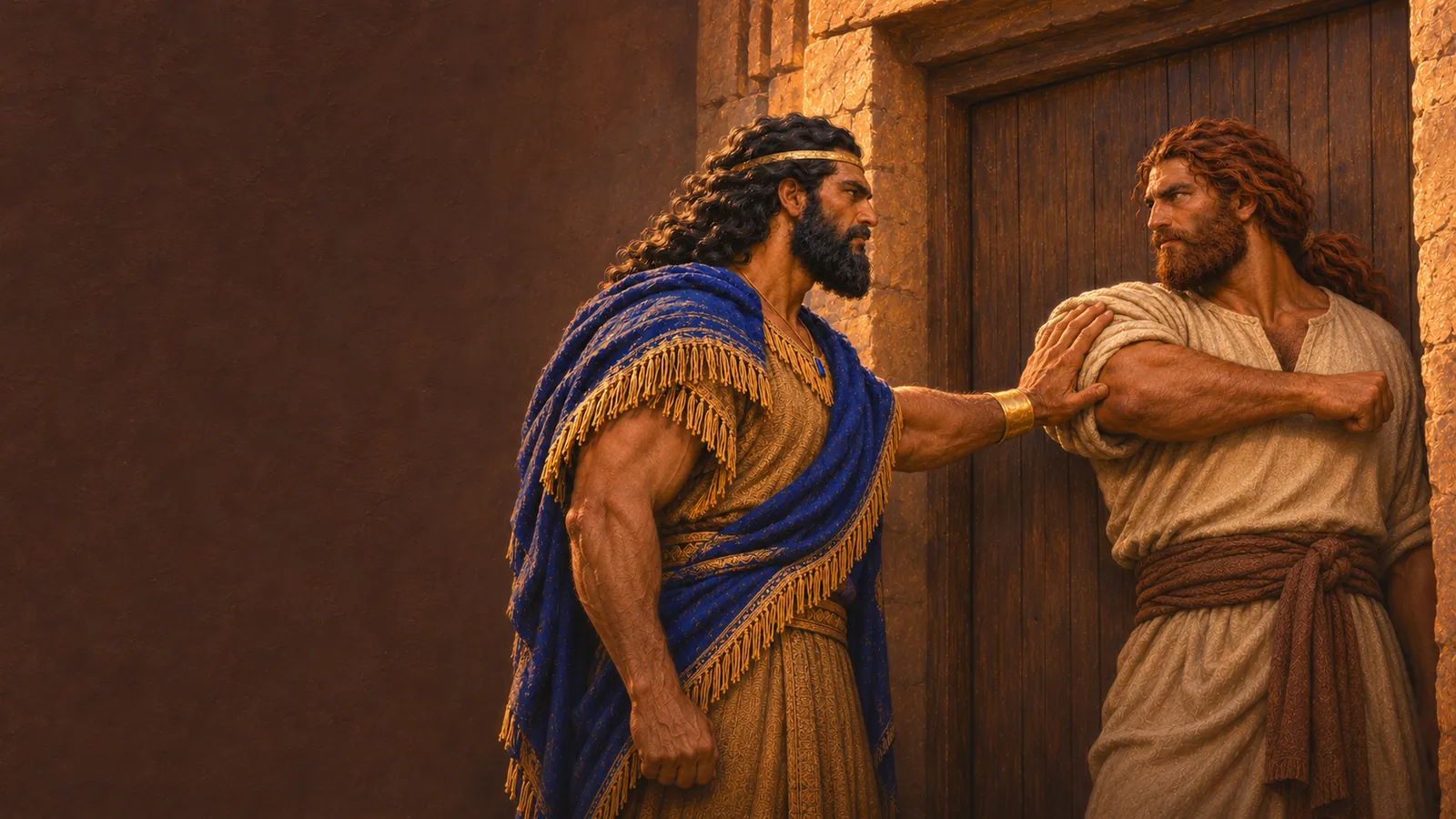
DIE SCHWELLE
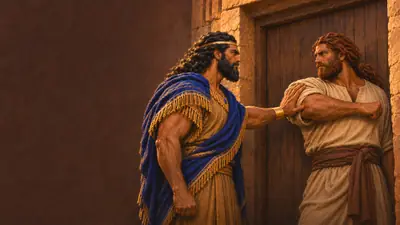
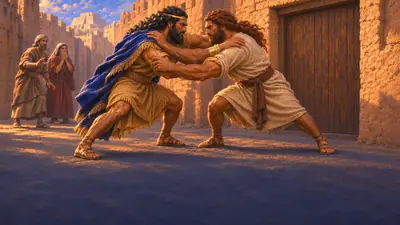
Enkidu stellte sich am Eingang des Hauses in den Weg, in dem die Hochzeit stattfand. Er stemmte seinen Fuß auf den Boden und ließ Gilgamesch nicht hinein. Der Weg des Königs war versperrt.
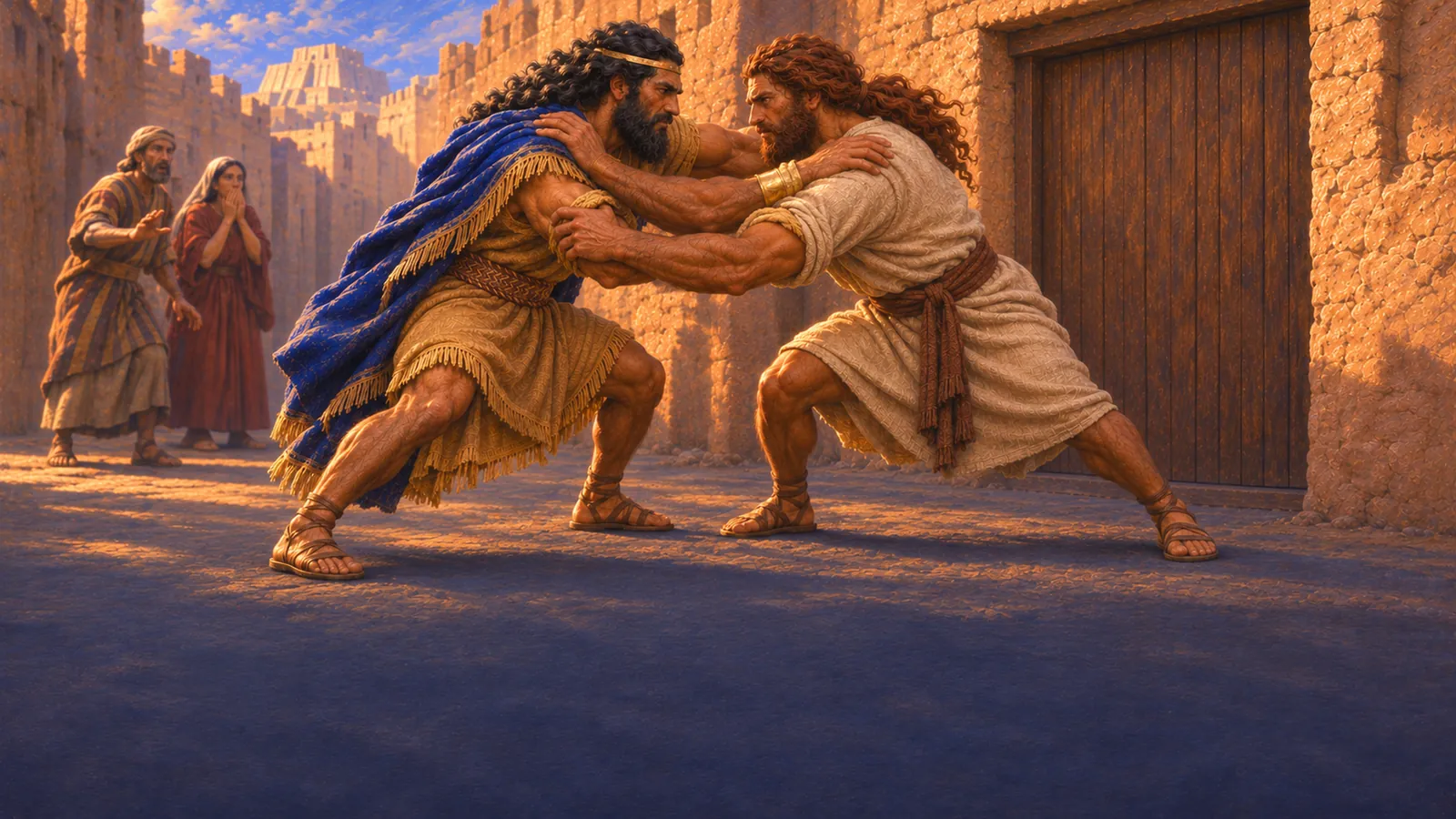
DER RINGKAMPF
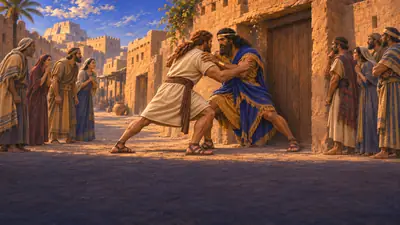
Sie packten einander und begannen zu ringen. Der Kampf verlagerte sich auf die Straße, wo jeder sich gegen die Kraft des anderen stemmte. Gilgamesch war dem Mann begegnet, der als sein Ebenbürtiger erschaffen worden war.
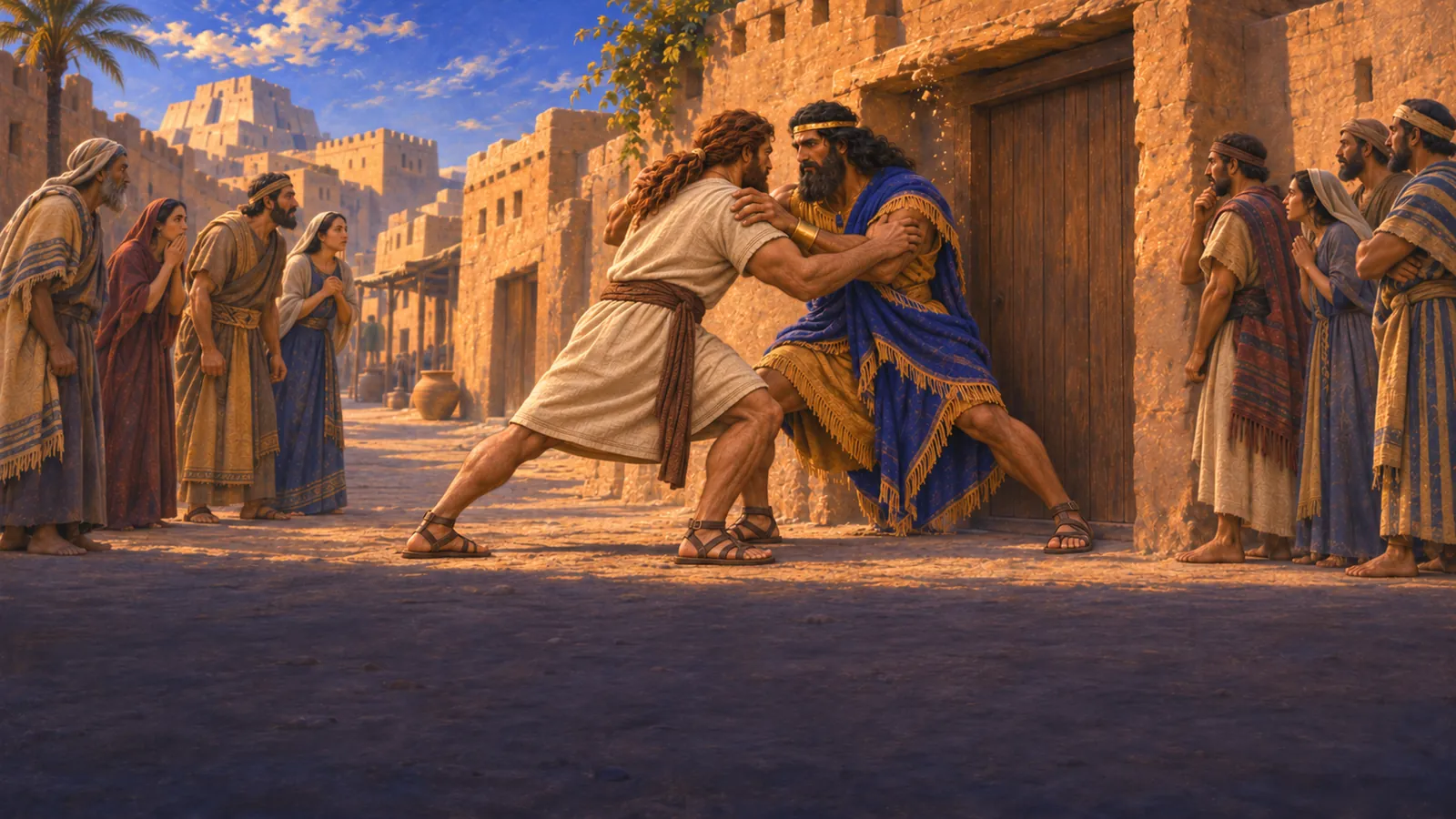
Die Wucht ihres Ringens ließ die Türpfosten und die Wand erbeben. Am Haus, in dem die Hochzeit stattfand, stemmten sie ihre Körper gegeneinander, und selbst der Eingang zitterte unter der Wucht.
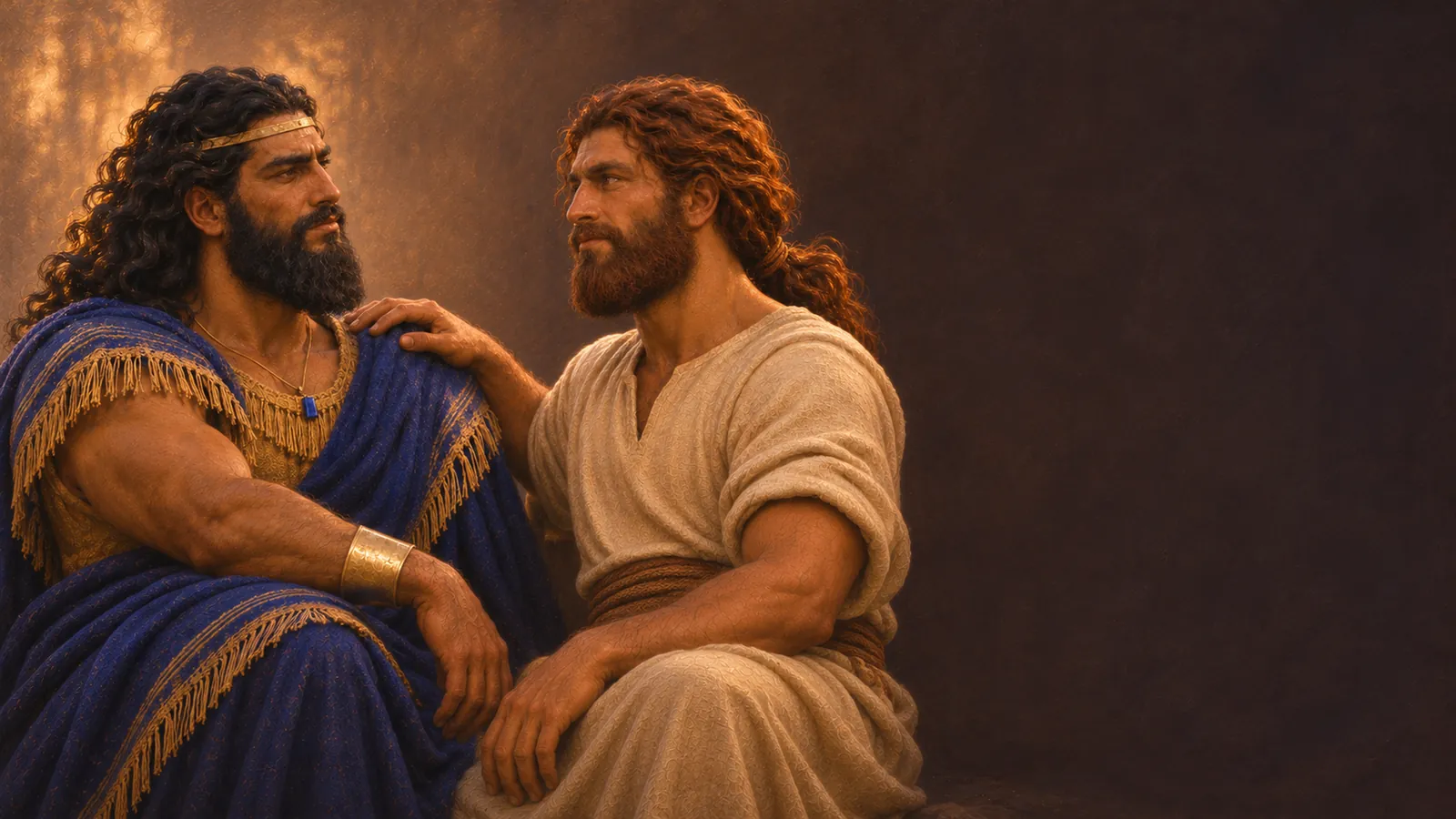
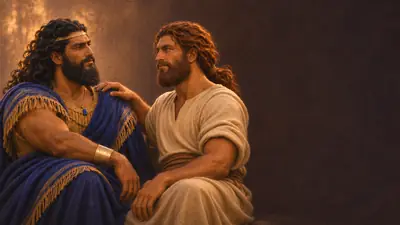
Da brach Gilgamesch das Ringen ab. Sein Zorn legte sich, und der Wettstreit war vorüber. Der Mann, der ihm den Weg versperrt hatte, stand noch immer vor ihm.
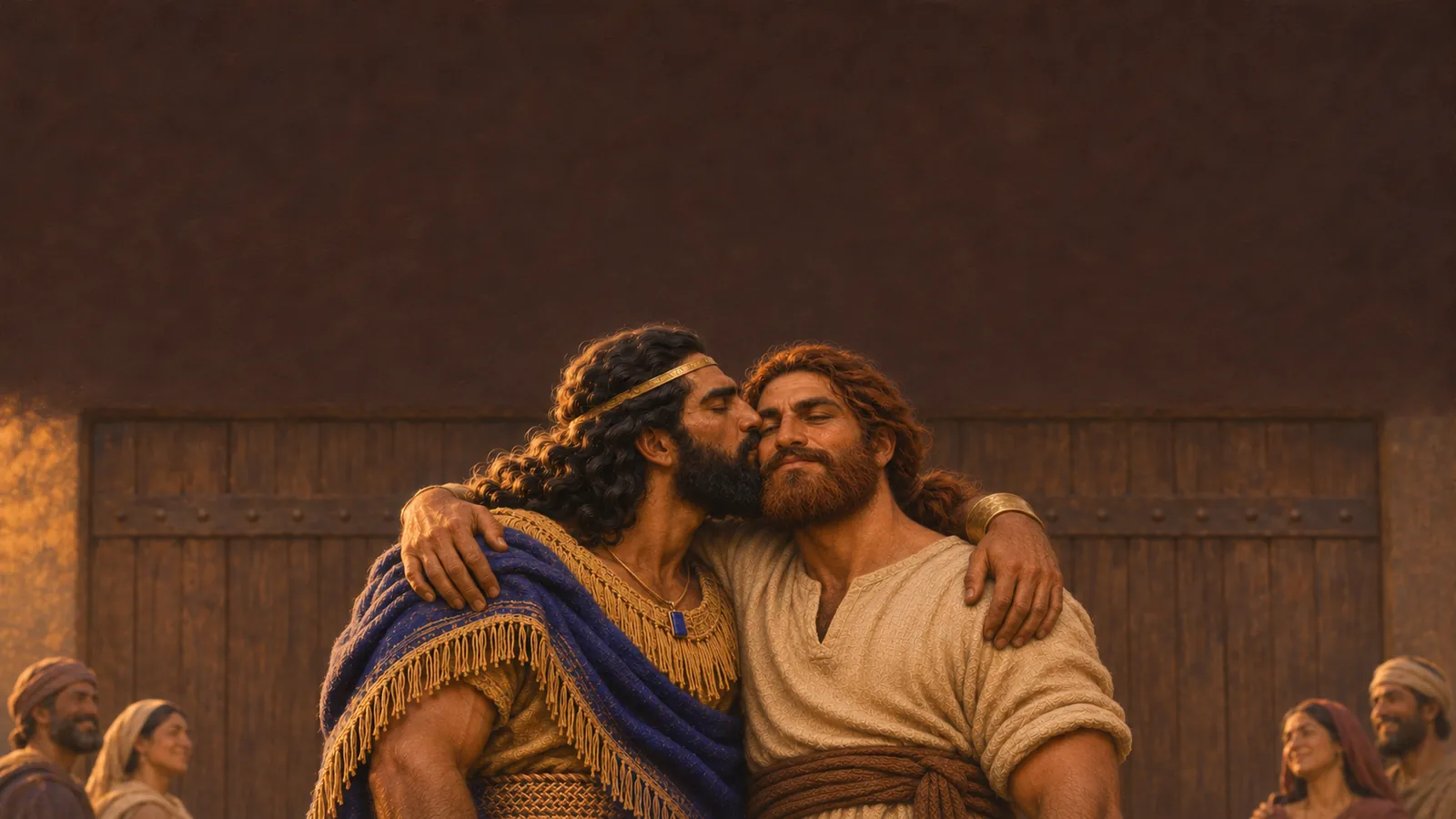
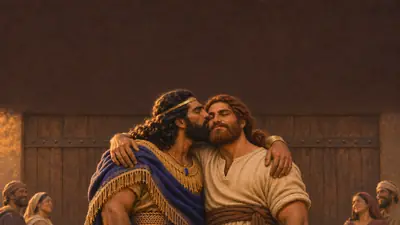
Die alte Geschichte erzählt, dass sie einander küssten und Freunde wurden. Was als Rivalität begonnen hatte, wurde zu Verbundenheit. Gilgamesch hatte den Freund gefunden, dessen Ankunft sein Traum angekündigt hatte.

Doch die Freundschaft war erst der Anfang. Gilgamesch wollte eine Tat vollbringen, die seinen Namen unvergänglich machen würde. Weit entfernt lag der Zedernwald, und seine Gefahren zogen ihn bereits an.
Ende von Kapitel 1
Alle Seiten






Quellen
The following official primary composite editions were checked on 15 November 2026.
Benutzte Editionen
- eBL Standard Babylonian Tablet I: Uruk, the complaint, creation, life in the steppe, the trapper, Shamhat, withdrawal of the animals and the narrated dream.
- eBL Standard Babylonian Tablet II: surviving humanization and arrival material, the confrontation, and the later forest proposal used as the closing hook.
- eBL Old Babylonian Pennsylvania Tablet II, CBS.7771: explicitly labelled supplements for camp details, the wedding report and the end of the struggle.
- eBL Old Babylonian Yale Tablet III, YBC.2178: the kiss and friendship transition, and comparison for the forest proposal.
- eBL Gilgamesh corpus: edition context and related witnesses.
Hinweise zu dieser Nacherzählung
SB II's damaged transition is not silently repaired as though every line survives. The friendship kiss belongs to the Yale witness rather than the Pennsylvania tablet. Enkidu's singing and grooming details are marked where the older witness supplies them.
The first encounter follows SB I's six days and seven nights; variant or repeated intimacy is compressed and remains non-explicit. The wedding-abuse report belongs to the poem and does not establish a historical legal institution.
Modern translations and scholarly editions retain their own rights; no long translated passage is reproduced or claimed as our own. The edition name and line anchors identify evidence, not endorsement by its editors.
On page 14, the king calls Shamhat a ḫarimtu, rendered “harlot” in George’s eBL translation, and says that she should undress at the waterhole so the stranger will approach her (SB Gilgamesh I 159–164). The retelling gives her occupation and the purpose of the meeting.
On pages 17 and 18, Shamhat undresses and lies with Enkidu. The poem says he stayed erect during the six days and seven nights of their union (SB Gilgamesh I 186–194, George’s eBL translation). The retelling gives their union and its duration.
On page 30, Enkidu takes up a weapon, kills the wolves and drives off the lions (OB Gilgamesh II, Pennsylvania 112–119, eBL). The retelling condenses these actions to his protection of the flocks.
Die antiken Verse hinter jeder Seite
- Page 1: SB I 11–23, 61–67; official eBL composite edition, reviewed 2026-11-15
- Page 2: SB I 29–37, 61–65; official eBL composite edition, reviewed 2026-11-15
- Page 3: SB I 65–69, 82–85; official eBL composite edition, reviewed 2026-11-15
The complaint is poetically compressed. - Page 4: SB I 70–76, 89–91; official eBL composite edition, reviewed 2026-11-15
The text's accusation is retained without normalizing it as historical law. - Page 5: SB I 72–91; official eBL composite edition, reviewed 2026-11-15
- Page 6: SB I 92–98; official eBL composite edition, reviewed 2026-11-15
- Page 7: SB I 99–102; official eBL composite edition, reviewed 2026-11-15
- Page 8: SB I 101–107; official eBL composite edition, reviewed 2026-11-15
- Page 9: SB I 108–110; official eBL composite edition, reviewed 2026-11-15
- Page 10: SB I 109–110; official eBL composite edition, reviewed 2026-11-15
- Page 11: SB I 128–131, 155–158; official eBL composite edition, reviewed 2026-11-15
- Page 12: SB I 111–119; official eBL composite edition, reviewed 2026-11-15
- Page 13: SB I 132–143; official eBL composite edition, reviewed 2026-11-15
- Page 14: SB Gilgamesh I 159–164, Andrew R. George’s eBL translation
- Page 15: SB I 165–167; official eBL composite edition, reviewed 2026-11-15
- Page 16: SB I 168–175; official eBL composite edition, reviewed 2026-11-15
- Page 17: SB I 176–191; official eBL composite edition, reviewed 2026-11-15
- Page 18: SB I 192–194; official eBL composite edition, reviewed 2026-11-15
Later/variant repeated intimacy is compressed. - Page 19: SB I 194–196; official eBL composite edition, reviewed 2026-11-15
- Page 20: SB I 198–199; official eBL composite edition, reviewed 2026-11-15
- Page 21: SB I 199–203; official eBL composite edition, reviewed 2026-11-15
- Page 22: SB I 207–221; official eBL composite edition, reviewed 2026-11-15
- Page 23: SB I 241–256, 297; official eBL composite edition, reviewed 2026-11-15
Heavenly object often translated as a meteorite/boulder. - Page 24: SB I 257–270; official eBL composite edition, reviewed 2026-11-15
- Page 25: SB II 34–37; OB II (Pennsylvania) 69–76; official eBL composite edition, reviewed 2026-11-15
This version distinction is deliberate. - Page 26: SB II 38–43; OB II (Pennsylvania) 77–86; official eBL composite edition, reviewed 2026-11-15
SB II38–43 preserves the shepherds' admiration. OB Pennsylvania77–86 supplies a parallel, partly restored description. - Page 27: SB II 44–51; OB II (Pennsylvania) 87–100; official eBL composite edition, reviewed 2026-11-15
Bread/ale instruction exists in the current SB II44–51 composite, with editorial restorations. - Page 28: OB II (Pennsylvania) 101–105; SB II 52–59 damaged; official eBL composite edition, reviewed 2026-11-15
Drinking and singing are explicit in OB Pennsylvania101–105; the corresponding SB passage is damaged. - Page 29: OB II (Pennsylvania) 106–111; SB II 52–59 damaged; official eBL composite edition, reviewed 2026-11-15
- Page 30: SB II 60–62; OB II (Pennsylvania) 112–119; official eBL composite edition, reviewed 2026-11-15
Text includes killing wolves and chasing lions. - Page 31: SB II 63–66 damaged; OB II (Pennsylvania) 137–153; official eBL composite edition, reviewed 2026-11-15
- Page 32: OB Gilgamesh II (Pennsylvania) 154–166, eBL, especially 159–161 and 165–166
- Page 33: OB II (Pennsylvania) 174–177; official eBL composite edition, reviewed 2026-11-15
- Page 34: SB II 100–108; OB II (Pennsylvania) 177–189; official eBL composite edition, reviewed 2026-11-15
- Page 35: SB II 111–112; OB II (Pennsylvania) 215–217; official eBL composite edition, reviewed 2026-11-15
- Page 36: SB II 113–114; OB II (Pennsylvania) 218–224; official eBL composite edition, reviewed 2026-11-15
- Page 37: SB II 115; OB II (Pennsylvania) 220–226; official eBL composite edition, reviewed 2026-11-15
- Page 38: OB II (Pennsylvania) 227–230; corresponding SB II transition missing; official eBL composite edition, reviewed 2026-11-15
OB Pennsylvania227–230 explicitly names Gilgamesh and his subsiding anger. The comparable SB II116–161 stretch is missing from the present composite. - Page 39: OB III (Yale) 18–25; compare fragmentary SB II 182–186; official eBL composite edition, reviewed 2026-11-15
Kiss and friendship are explicit in OB Yale18–19, with the dream companion connection in24–25 partly restored. This supplements the fragmentary SB transition. Intervening damaged dialogue is omitted. - Page 40: SB II 193–229, 234–241, 260–267; OB III (Yale) 97–103, 140–160; official eBL composite edition, reviewed 2026-11-15
Illustrationen von IL Archive mit KI-Werkzeugen; der Text folgt den antiken Quellen (siehe die Quellen am Ende jedes Kapitels).