Die Halle, die spricht Kapitel 1
Die Namen der Tür
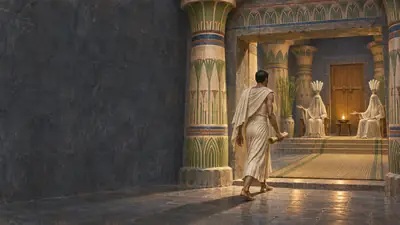
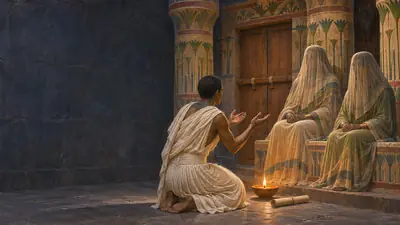
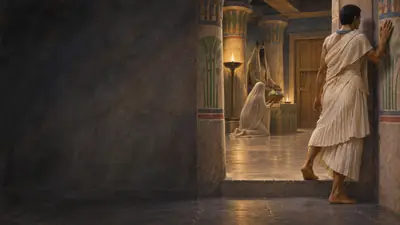
Im Papyrus des Nu richtet ein Verstorbener eine Bitte an die Bewohner der Halle der zwei Maat und stellt sich vor, dass er eintreten darf. An der Schwelle stellen die Tür, der Boden und ein Torhüter ihre Fragen. Thot gibt ihm ein letztes Rätsel auf, bevor er verspricht, seinen Namen zu nennen.
QuellenBlättern Sie mit den Pfeilen, den Pfeiltasten oder durch Wischen.
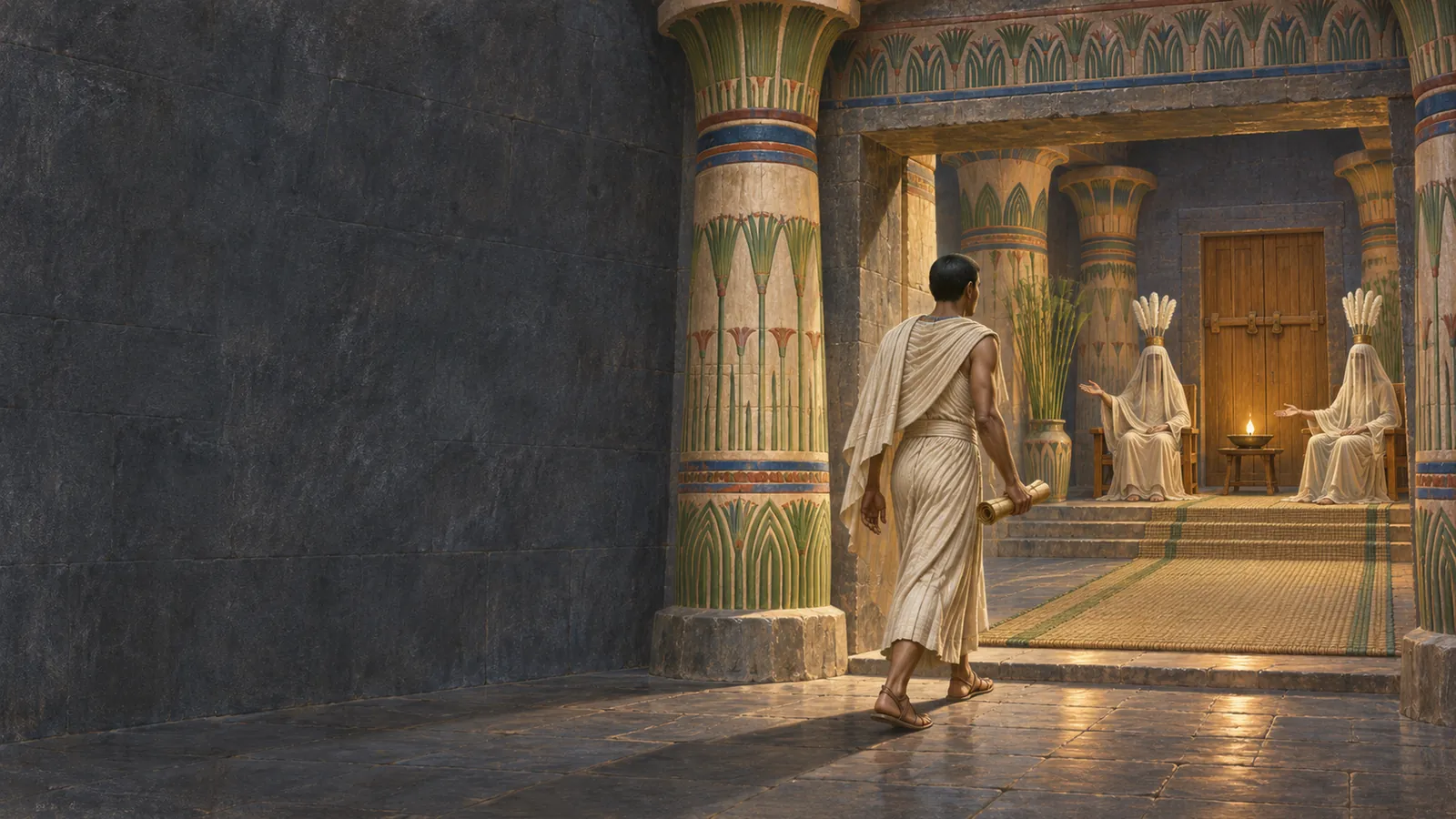
DIE HALLE
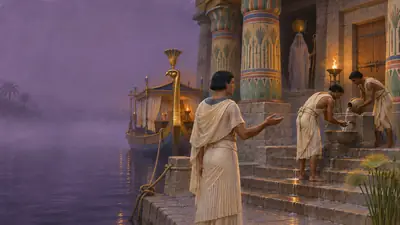
Im Papyrus des Nu spricht der Verstorbene von der Halle der Maāti-Göttinnen. Diese Rezitation folgt der 1908 erschienenen Übersetzung von Wallis Budge.
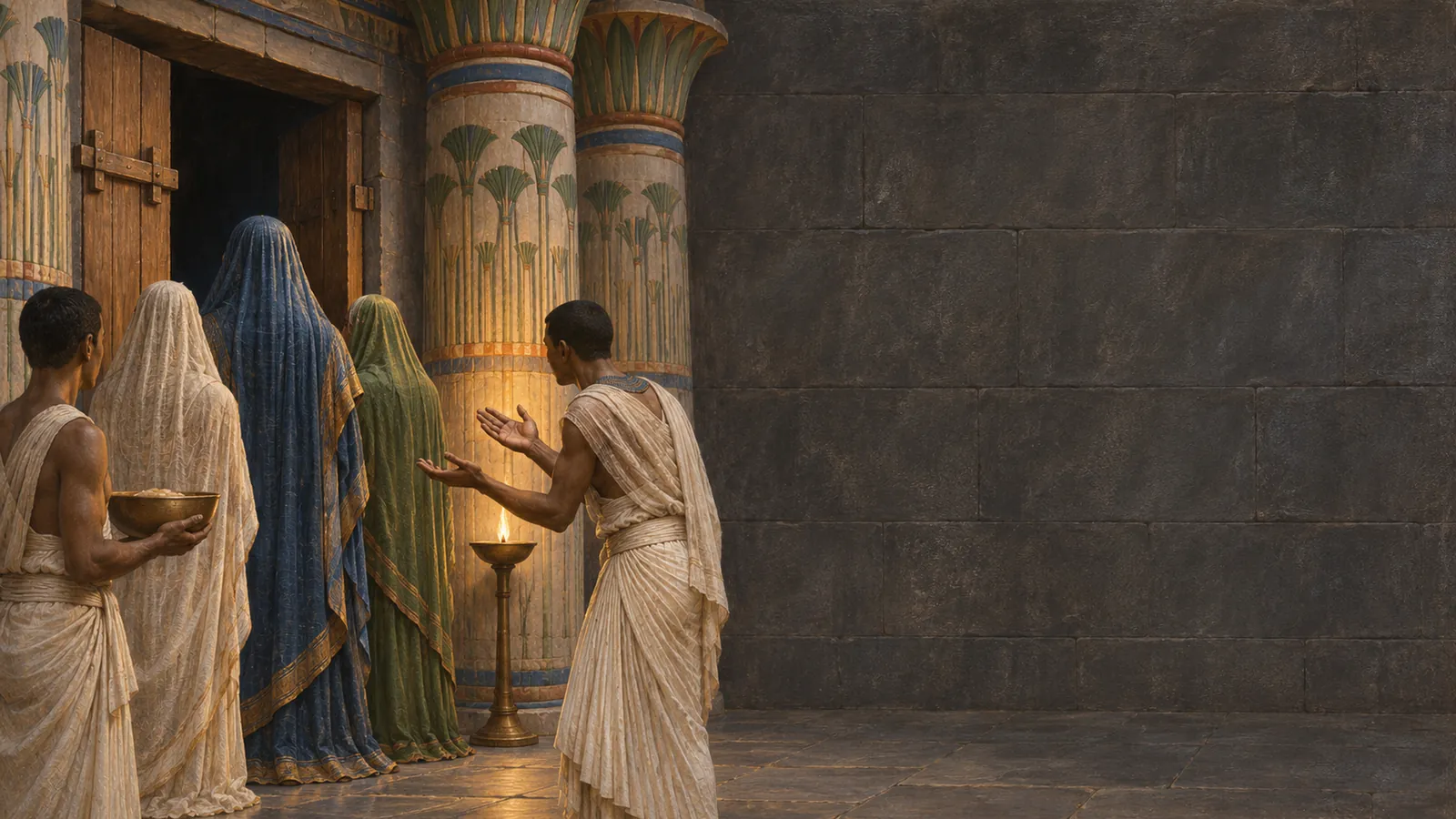
Ihr Götter, die ihr in dieser Halle wohnt, ich kenne euch und eure Namen. Lasst mich nicht unter eure Messer fallen und bringt meine Verfehlungen nicht vor den Gott, den ihr begleitet.
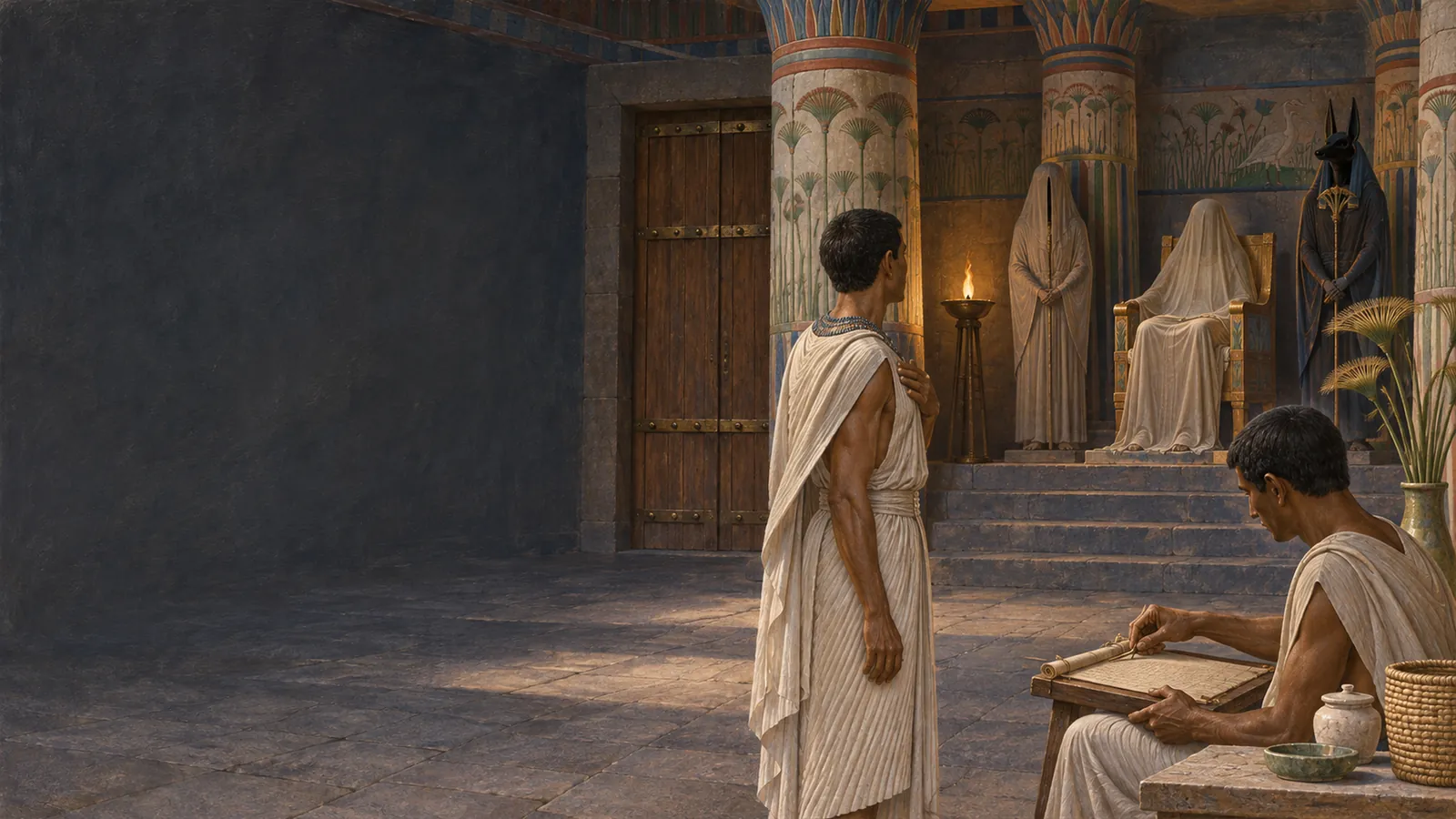
Erklärt mich vor Neb-er-teber für wahr an Stimme, denn ich habe in Ägypten recht und wahrhaftig gehandelt. Ich habe den Gott nicht verflucht, darum soll mir durch den König kein Leid geschehen.
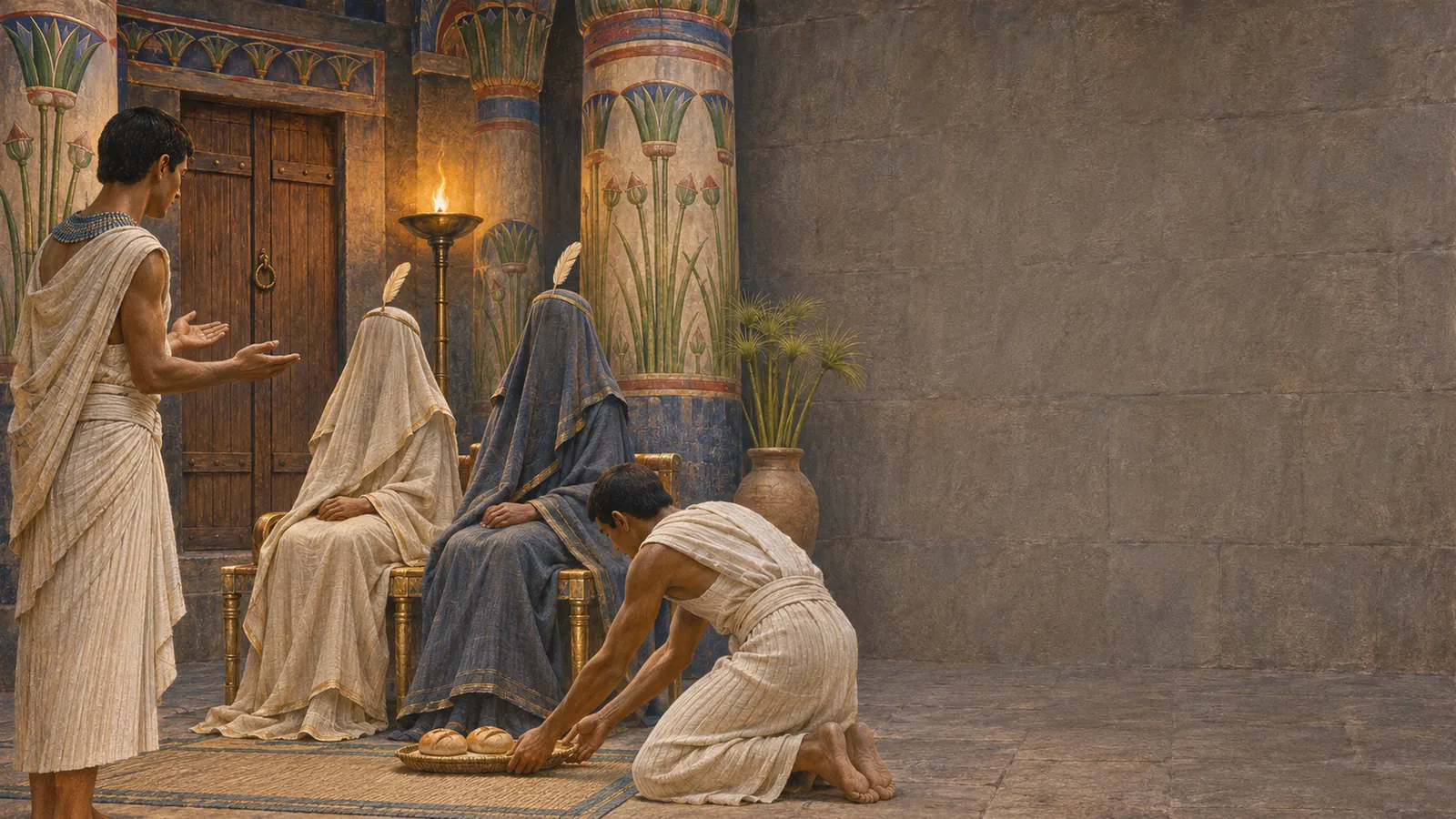
Ich grüße euch, ihr Götter, die ihr in der Halle der Maāti wohnt. Ihr seid frei vom Bösen und nährt euch in der Gegenwart des Horus von Recht und Wahrheit.
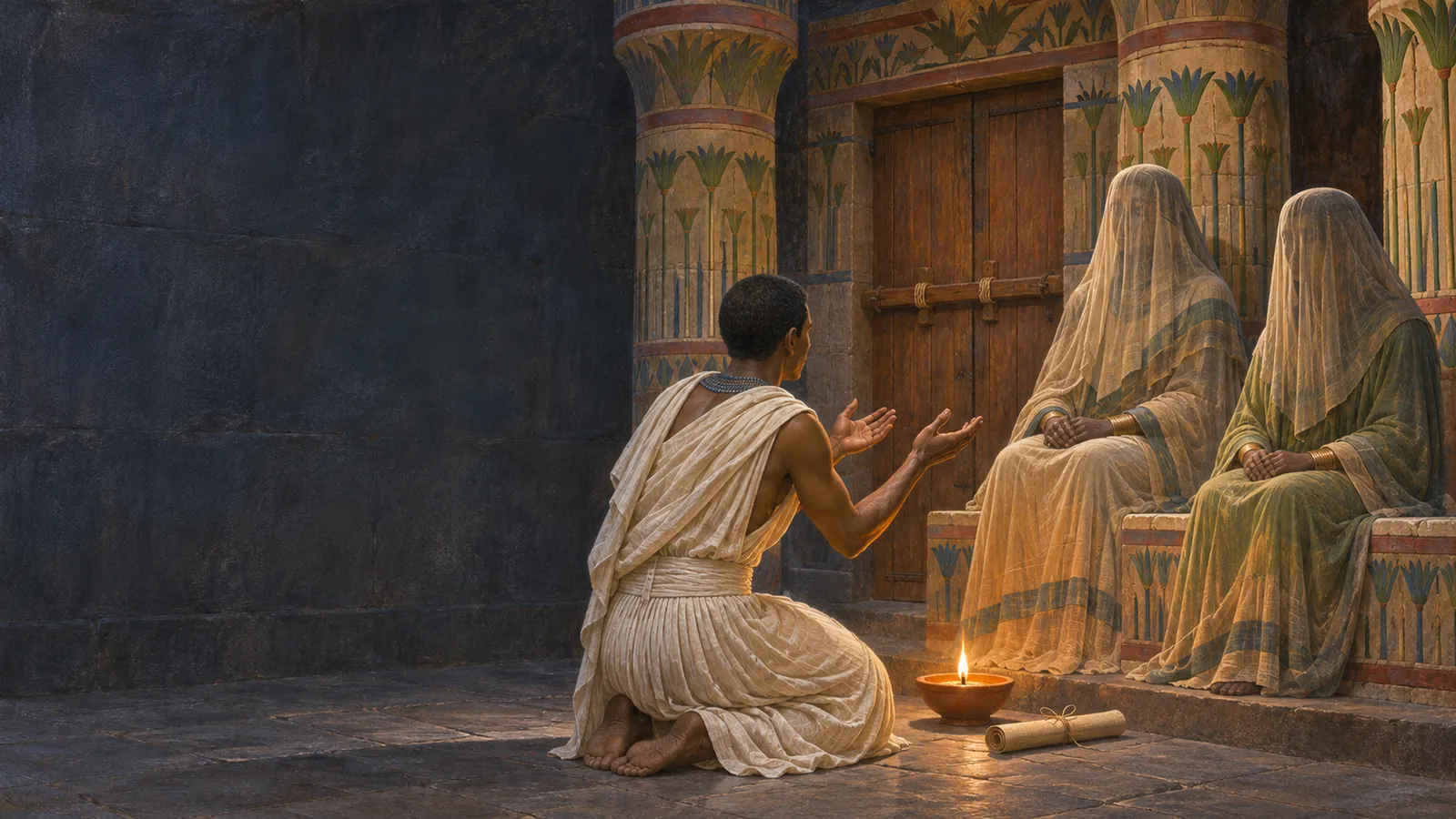
Rettet mich vor Baba, der sich am Tag der Abrechnung von den Eingeweiden der Mächtigen nährt. Lasst mich zu euch kommen, denn ich habe weder eine Verfehlung noch Böses begangen und habe kein falsches Zeugnis abgelegt.
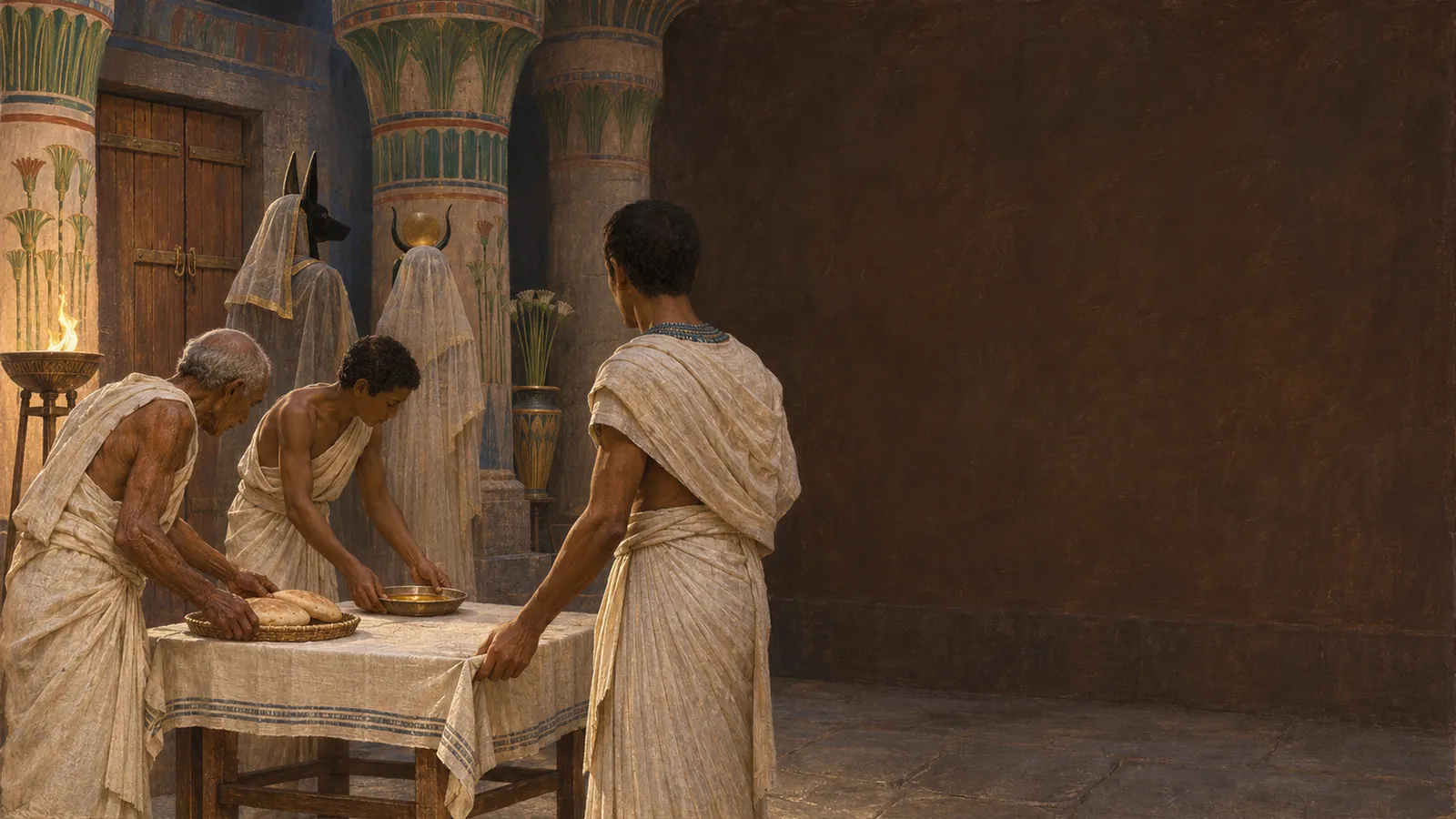
Ich lebe von Recht und Wahrheit, und sie sind meine Nahrung. Ich habe getan, was die Menschen verlangen und was den Göttern gefällt.
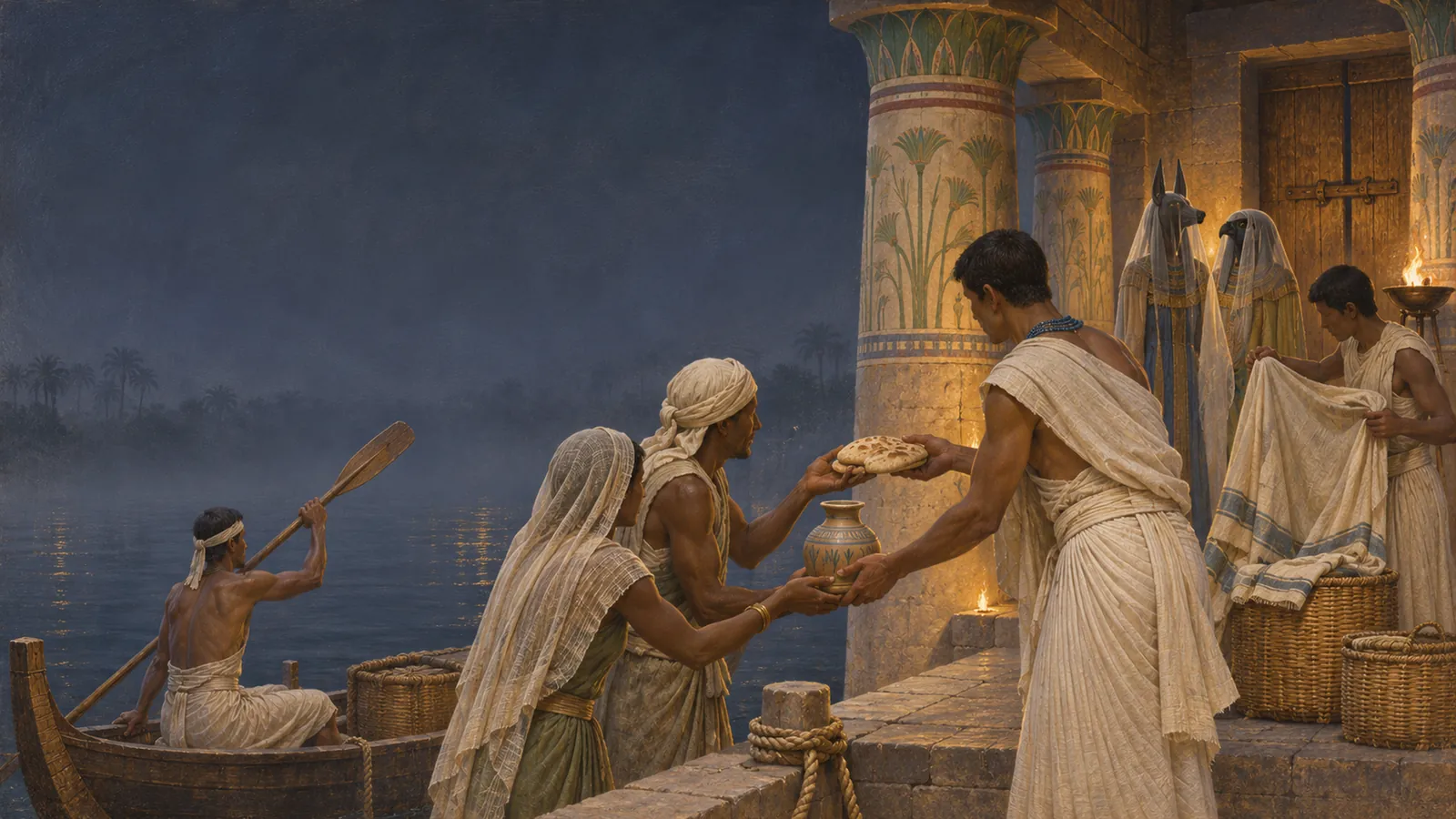
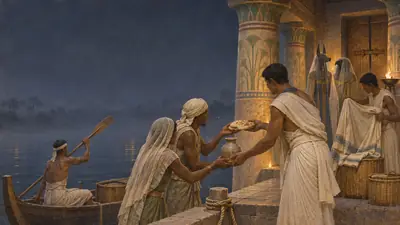
Ich gab den Hungrigen Brot, den Durstigen Wasser, den Menschen ohne Kleidung etwas zum Anziehen und dem Seefahrer ein Boot.
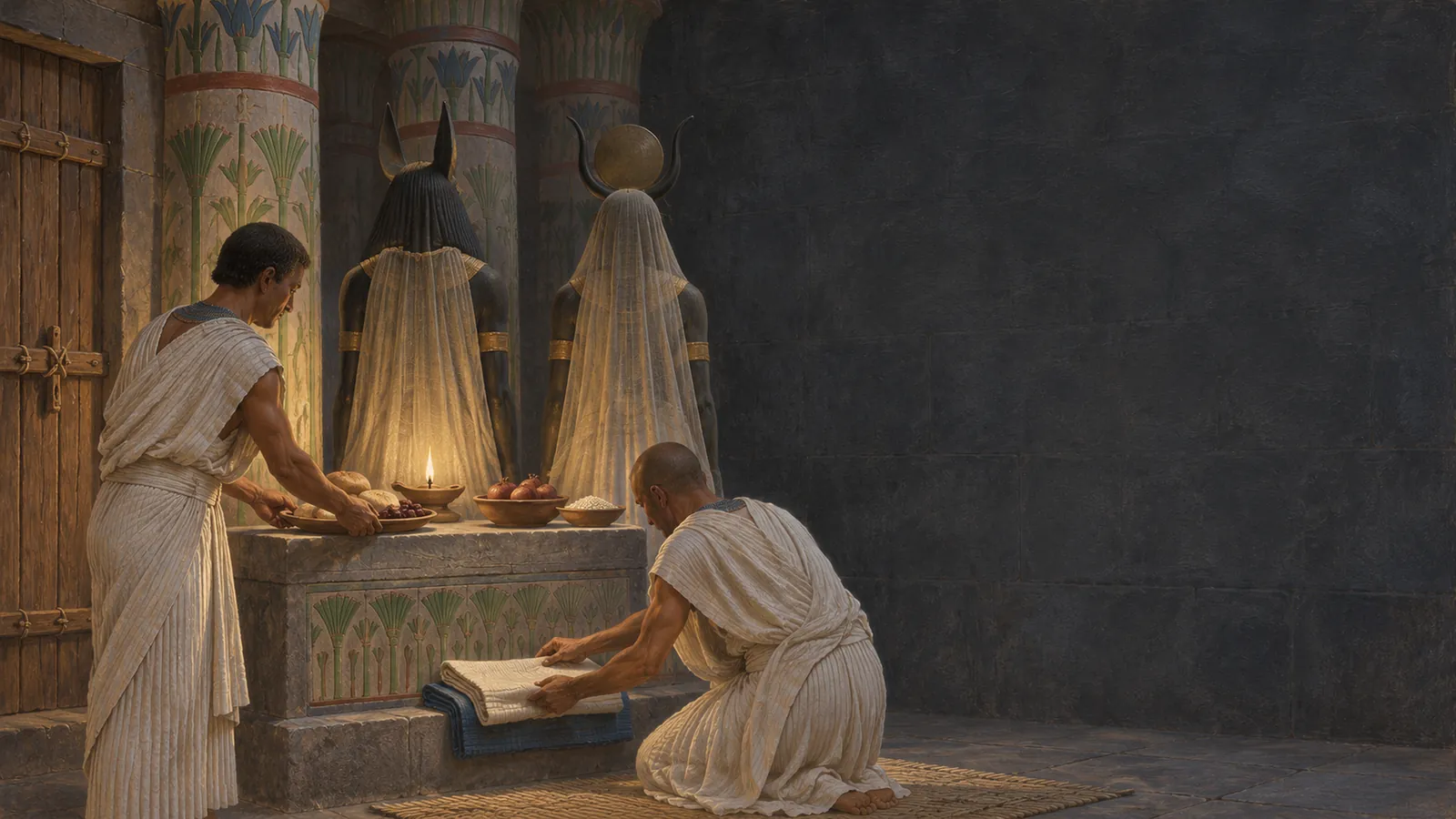
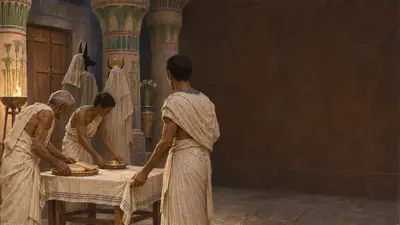
Ich habe den Göttern Opfergaben und den Toten Speisen dargebracht. Beschützt mich und erhebt keine Anklage gegen mich. Mein Mund und meine Hände sind rein, darum sollen mich die Menschen, die mich sehen, in Frieden grüßen.
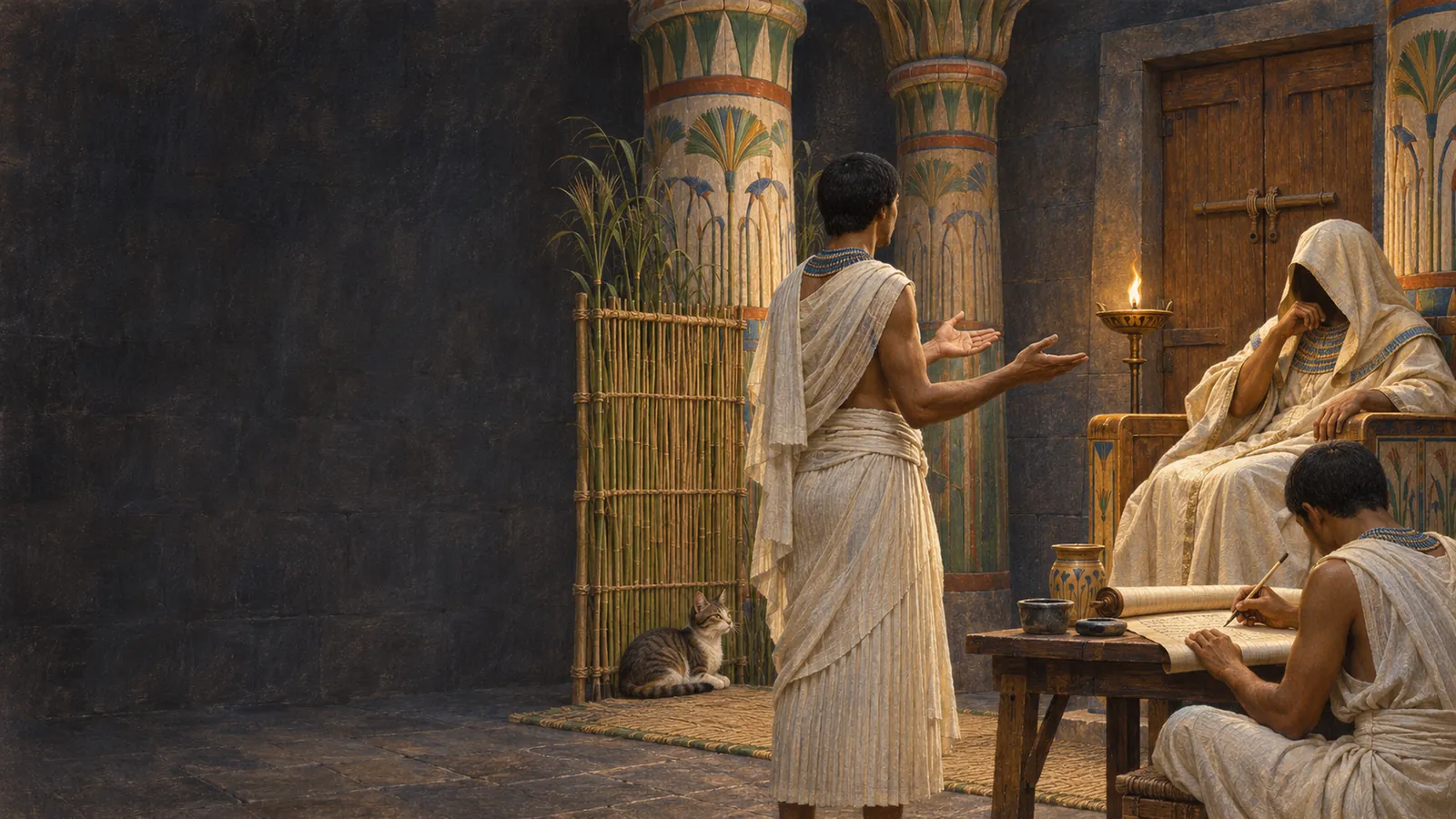
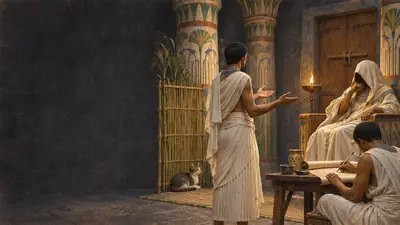
Ich hörte das machtvolle Wort, das die Geister im Haus von Hapt-re zur Katze sprachen. Ich sagte vor Hra-f-ha-f aus, und er traf eine Entscheidung.
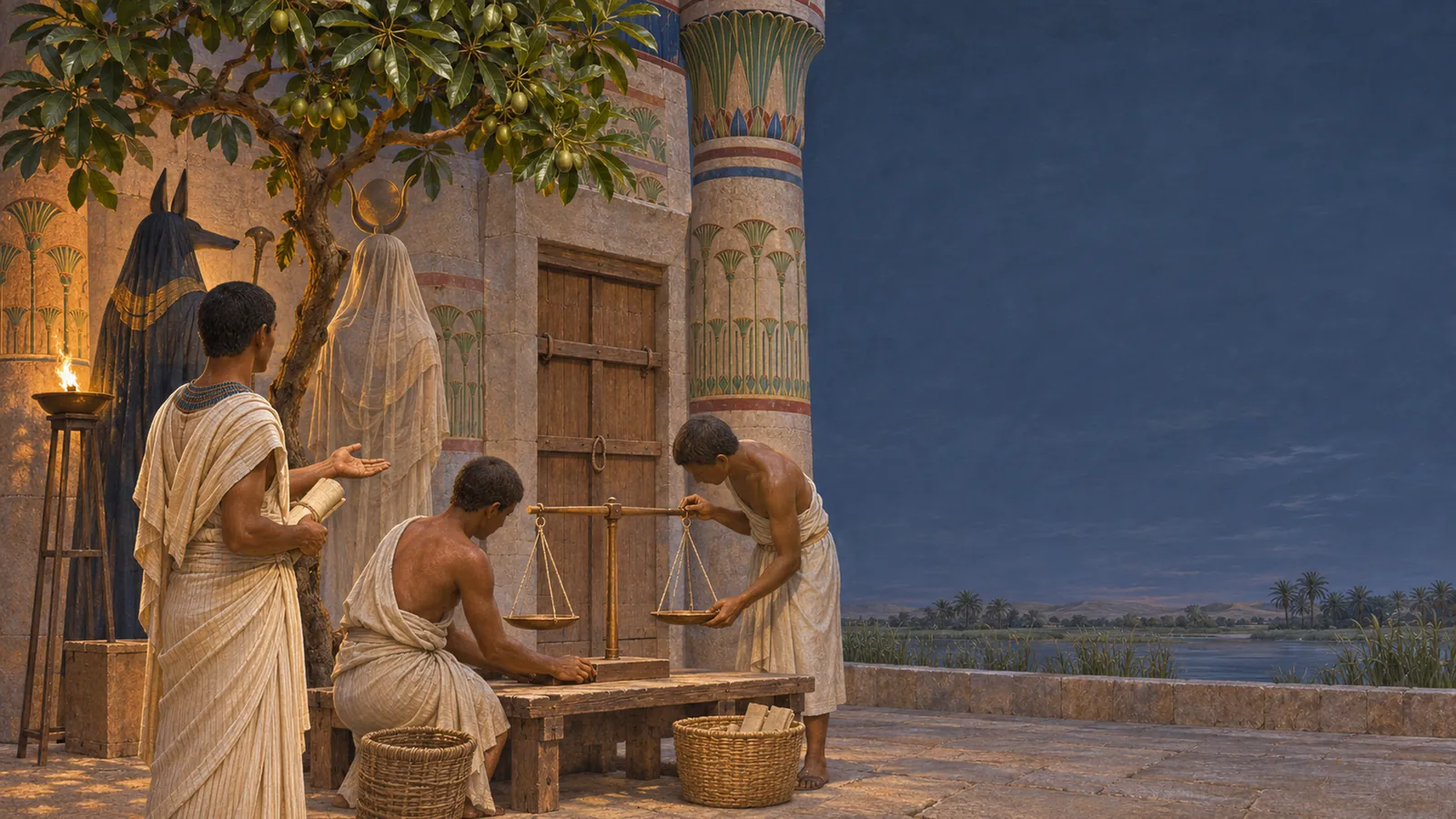
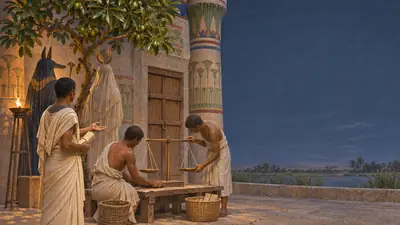
Ich sah, was der Persea-Baum in Re-stau beschattet. Ich bin gekommen, um Recht und Wahrheit zu verkünden und die Waage in Aukert aufzustellen.
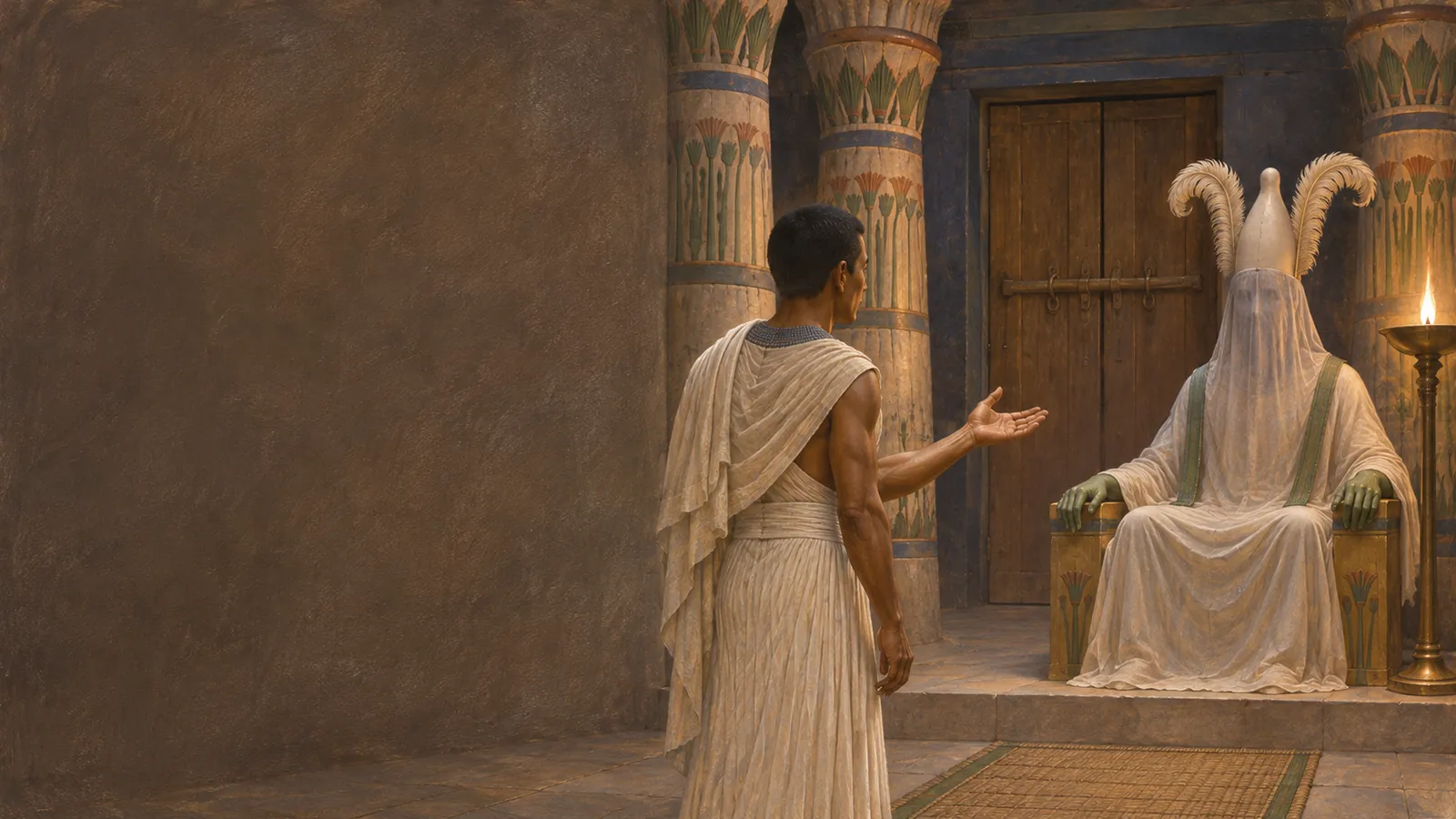
Osiris, Herr der Winde und Herr der Atefu-Krone, rette mich vor deinen Boten, die Unheil bringen. Ich habe für den Herrn von Recht und Wahrheit recht und wahrhaftig gehandelt.
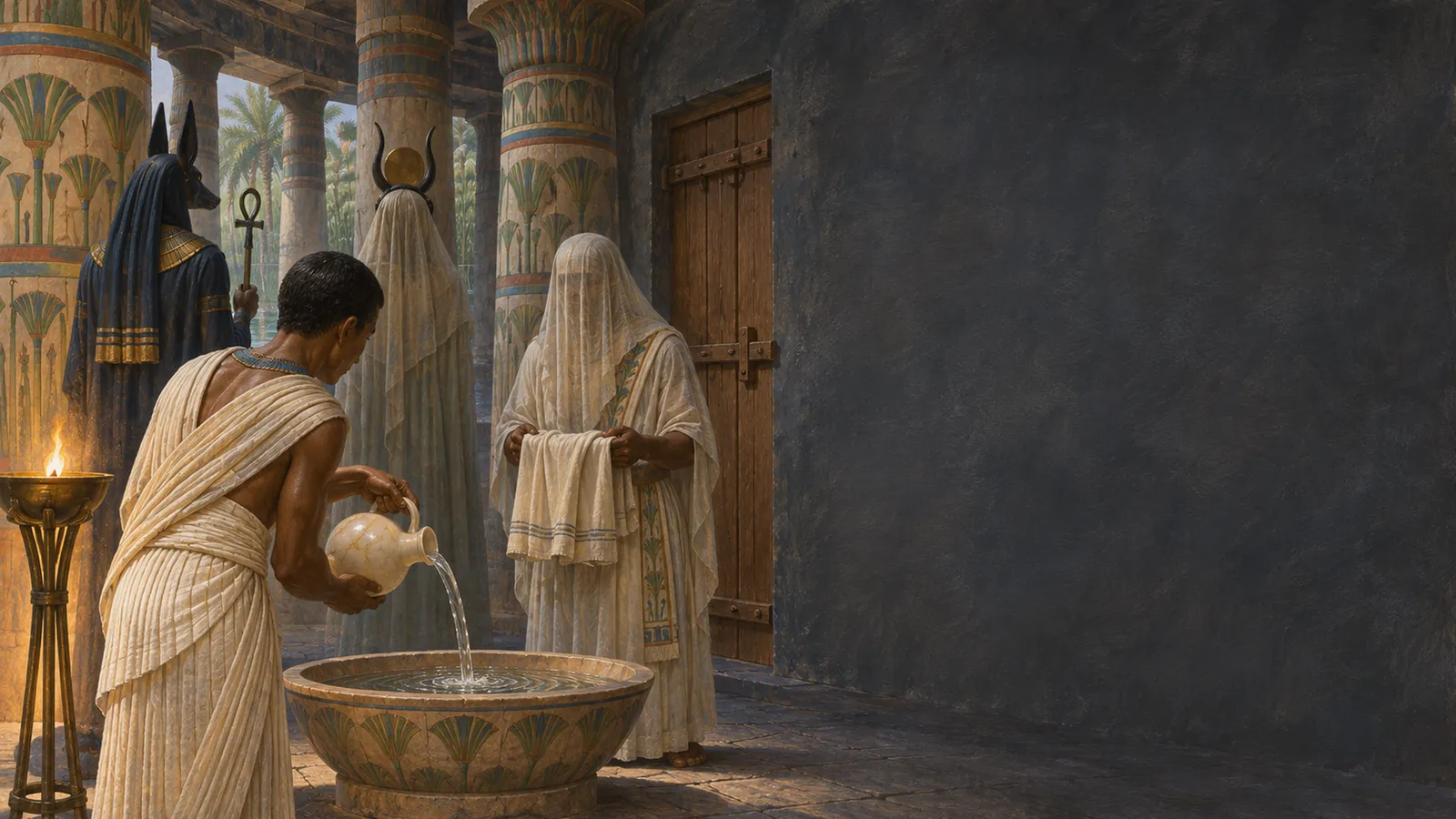
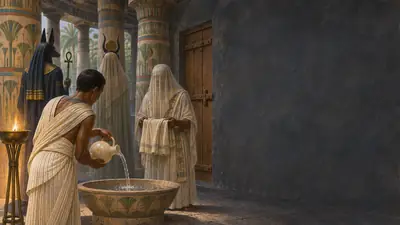
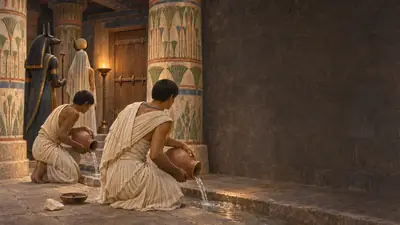
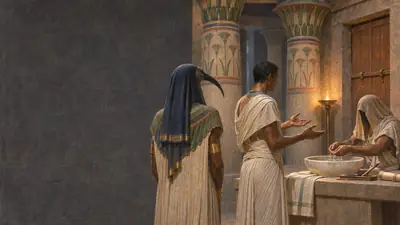
Ich reinigte mich mit Trankopfern, und das Becken von Recht und Wahrheit reinigte mich von innen. Recht und Wahrheit erfüllen jeden Teil meines Körpers.
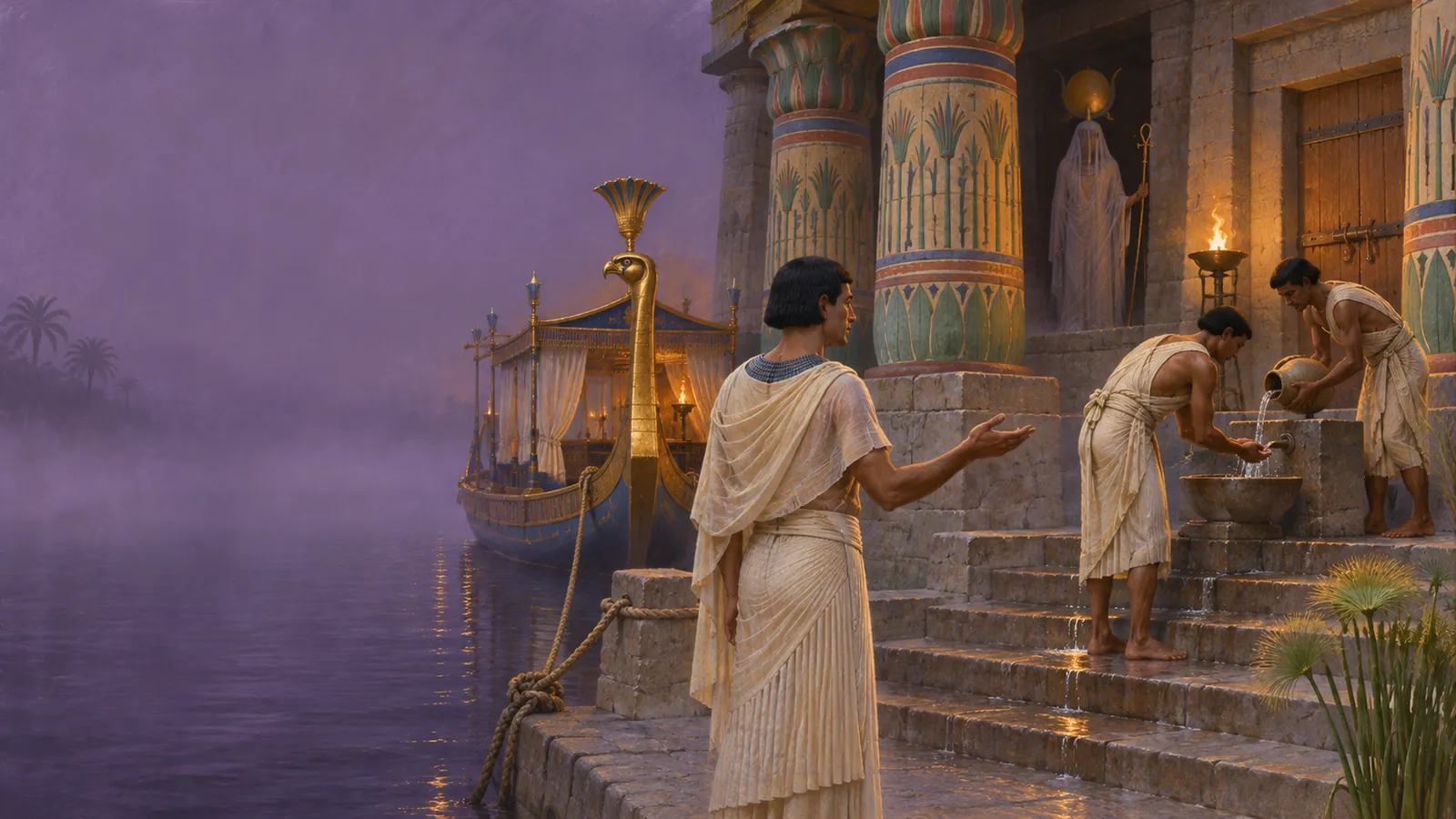
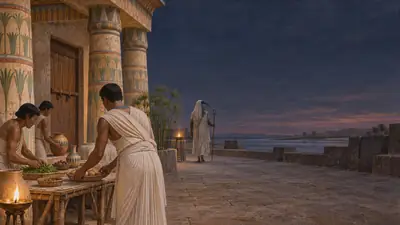
Ich wurde im Becken des Südens gereinigt und ruhte in der Stadt des Nordens. Auf dem Feld der Heuschrecken baden Res Schiffer in der zweiten Stunde der Nacht und der dritten Stunde des Tages.
EIN NAME
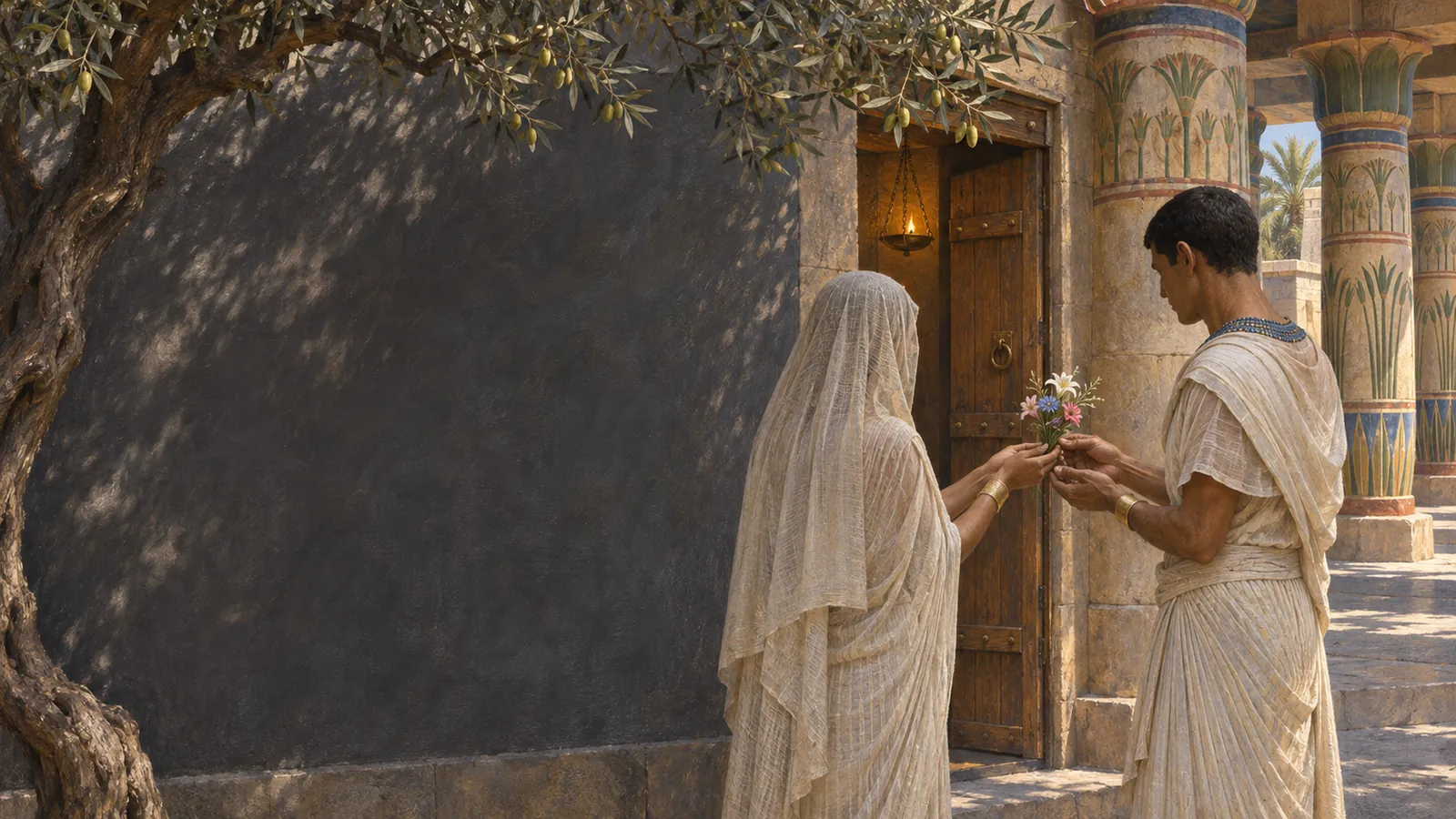
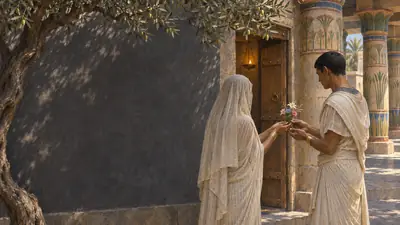
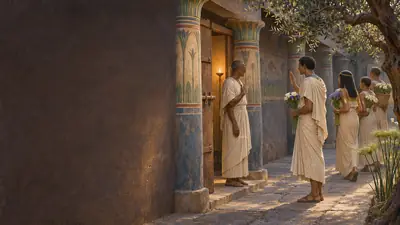
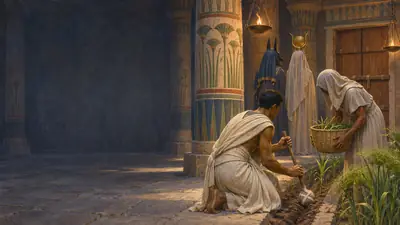
Ich wünsche, dass die Götter mich nach meinem Namen fragen. Ich würde antworten, ich bin Der mit Blumen Beschenkte und Der in seinem Olivenbaum Wohnt. Dann sollen sie mich weitergehen lassen.
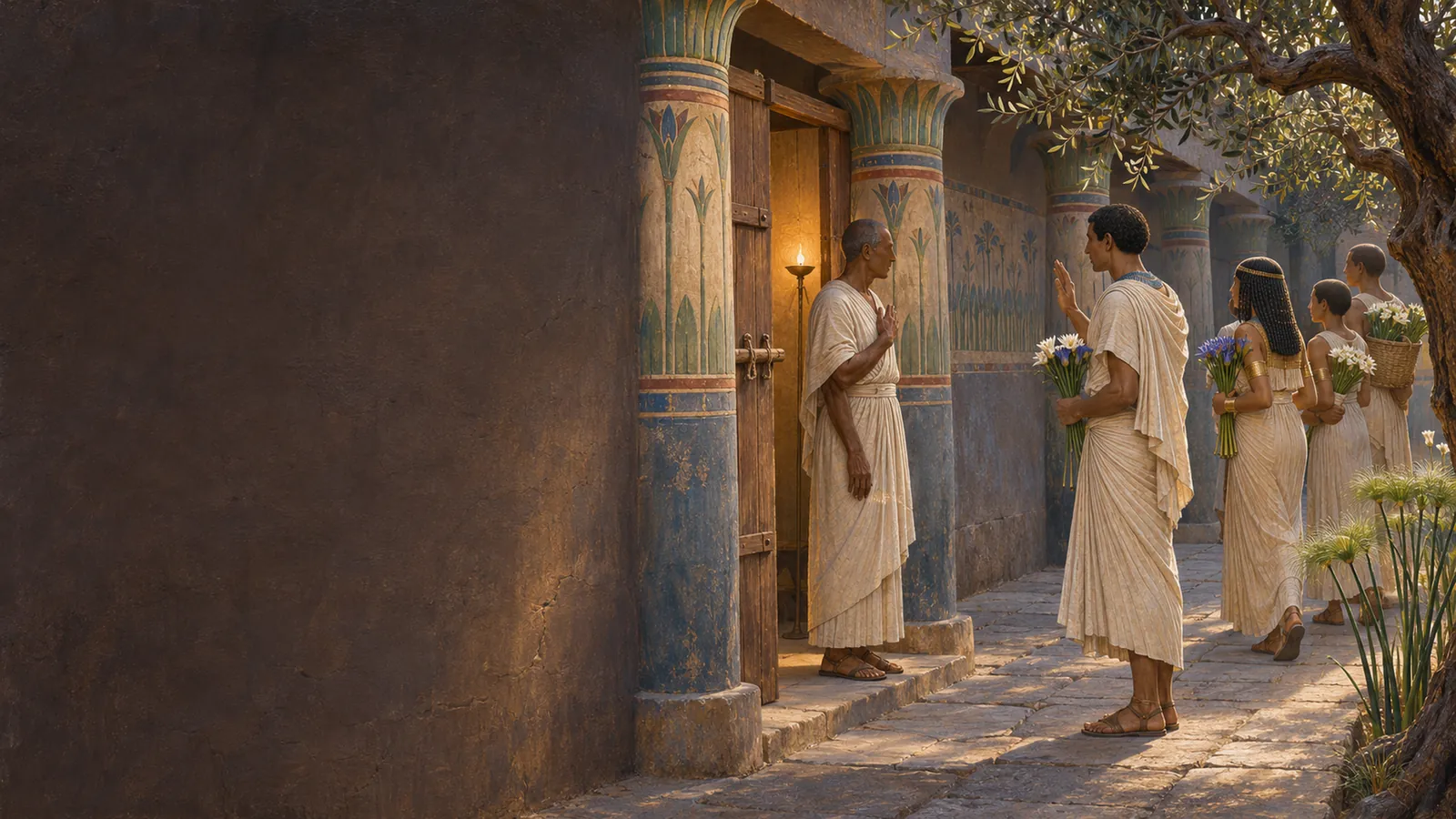
Ich würde weiter zur Stadt nördlich des Ölbaums gehen. Fragte man mich, was ich dort sehen würde, so würde ich das Bein und den Schenkel nennen und darum bitten, Freude im Land der Fenkhu zu sehen.
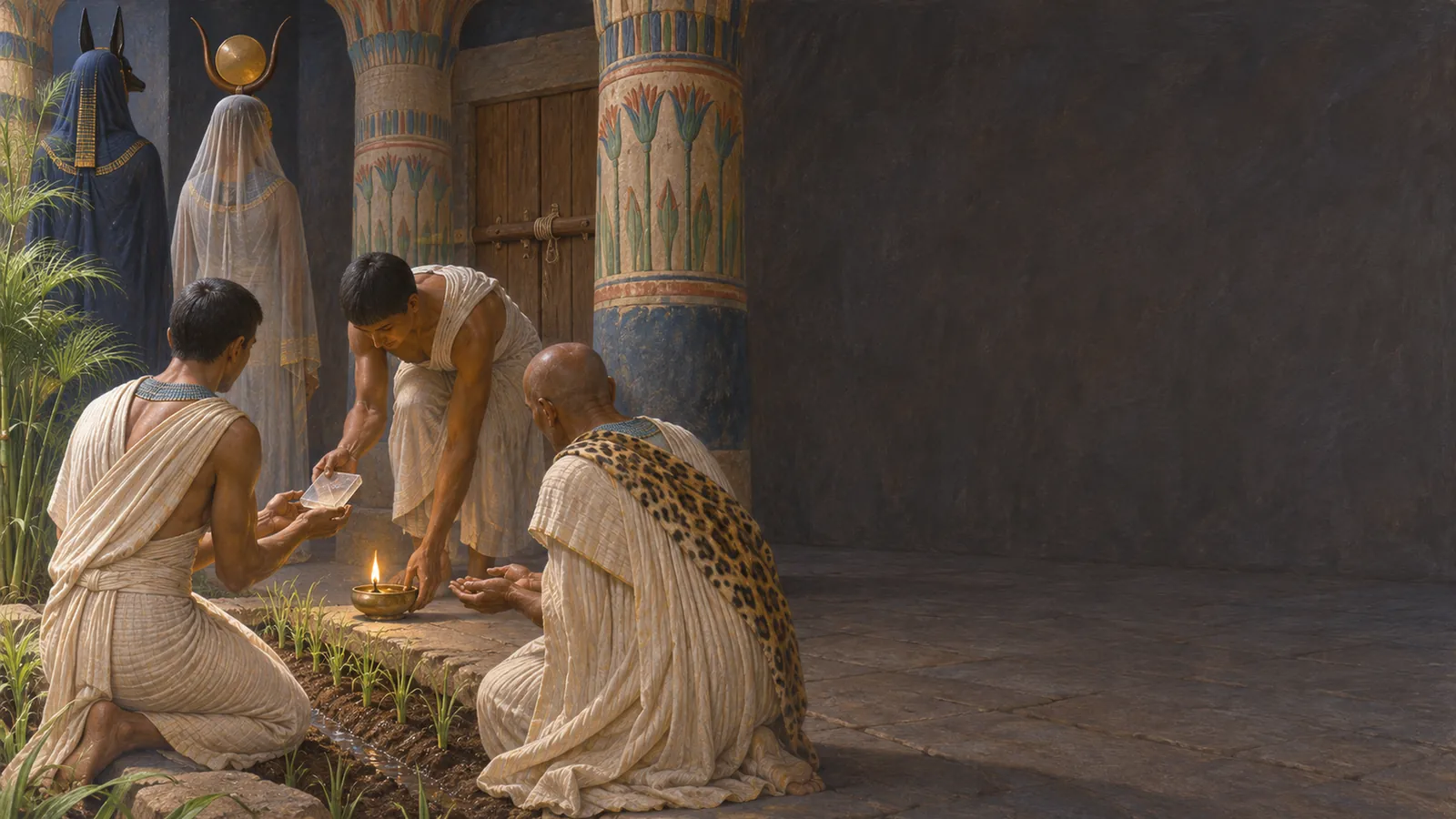
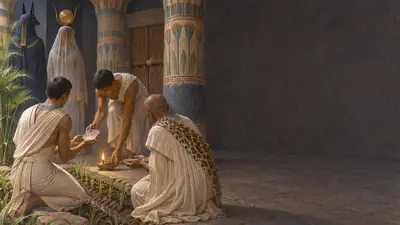
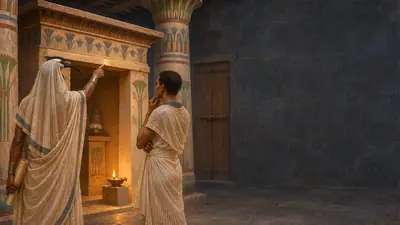
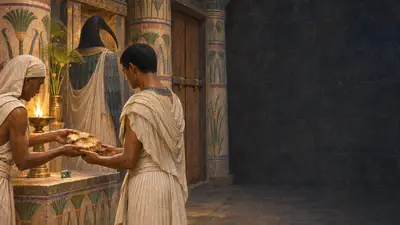
Sie würden mir eine Feuerflamme und eine Kristalltafel geben. Ich würde sie als Dinge für die Nacht an der Furche der Maat vergraben.
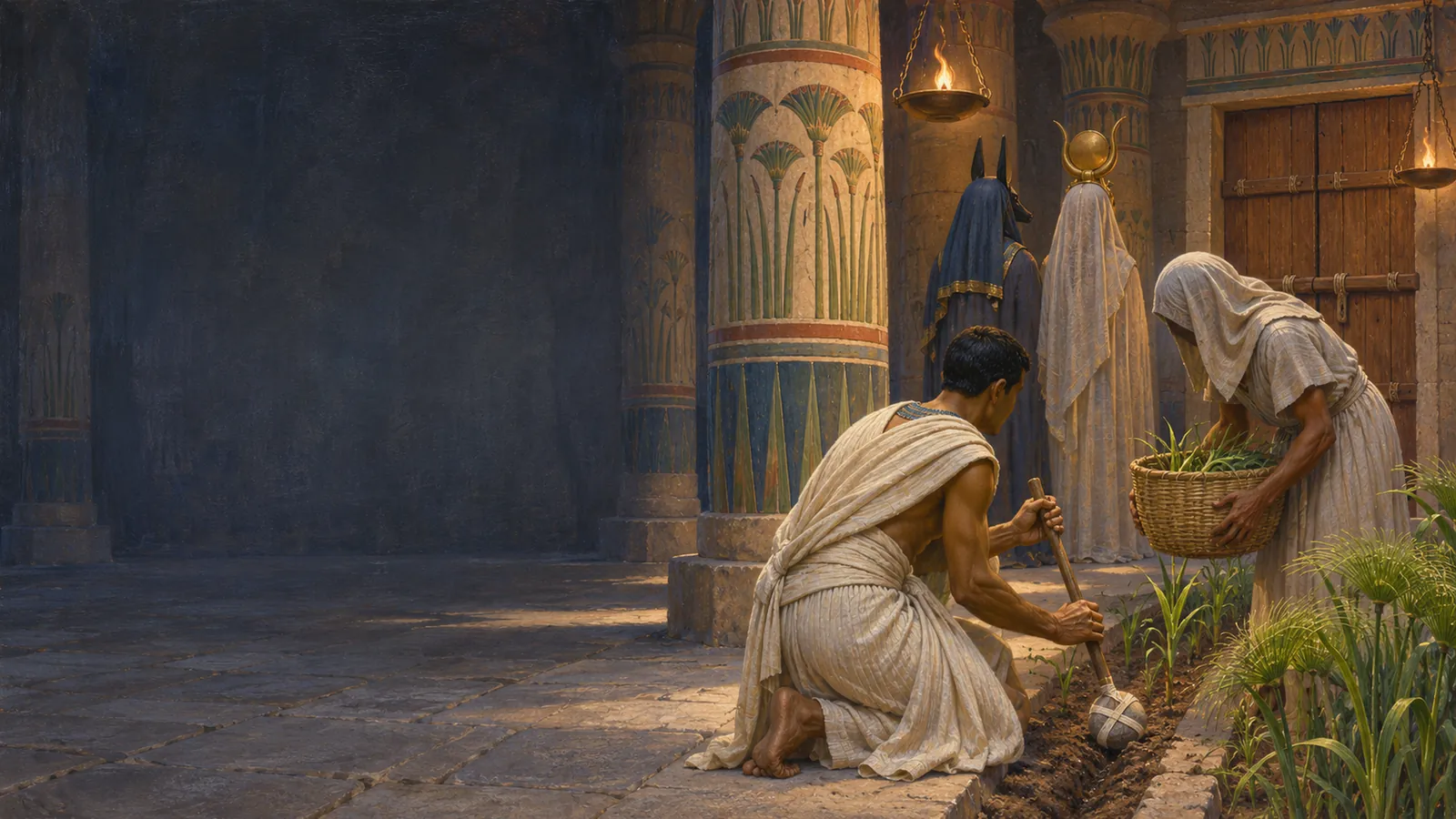
Wenn sie mich fragten, was ich an der Furche der Maat finden würde, würde ich ein Zepter aus Feuerstein namens Geber der Luft nennen.
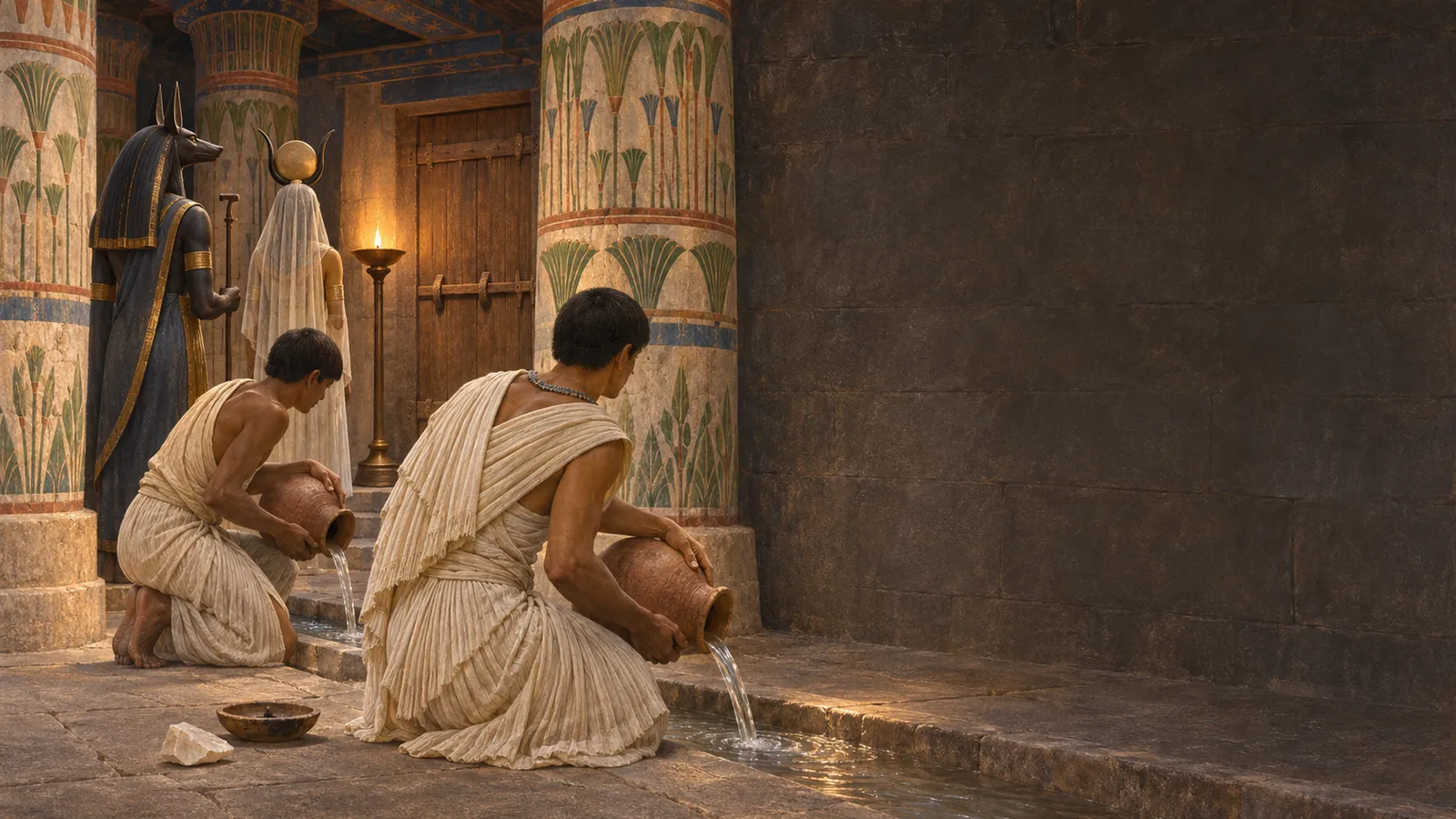
Nachdem ich sie vergraben hätte, würde ich in der Furche Worte über ihnen sprechen. Ich würde das Feuer löschen, die Tafel zerbrechen und ein Wasserbecken bilden.
DIE TÜR
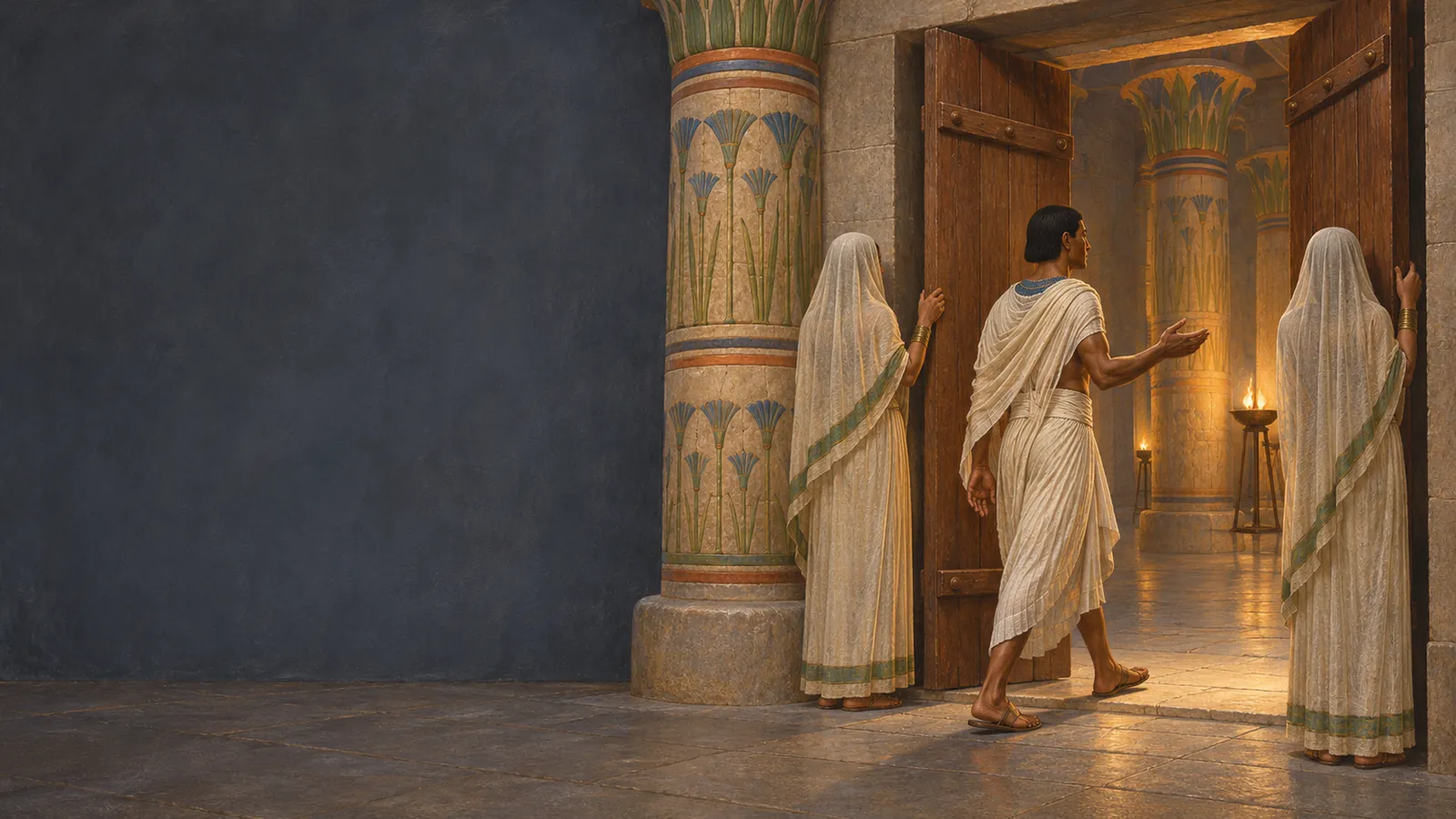
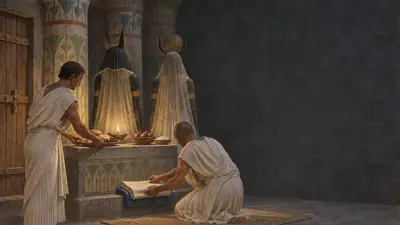
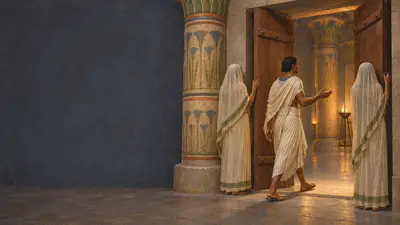
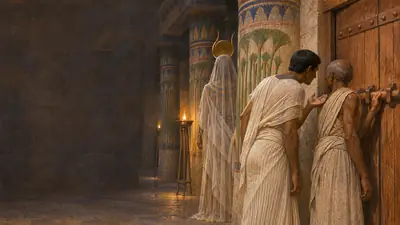
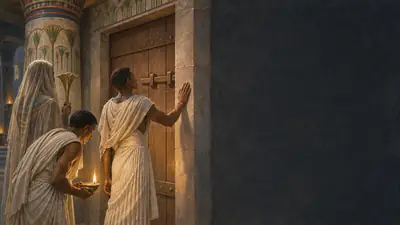
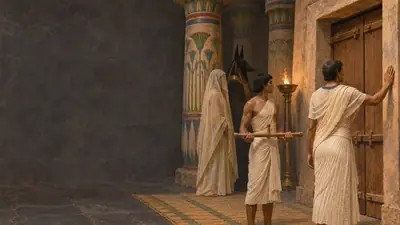
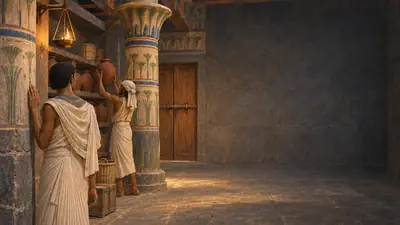
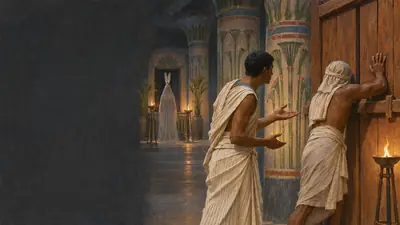
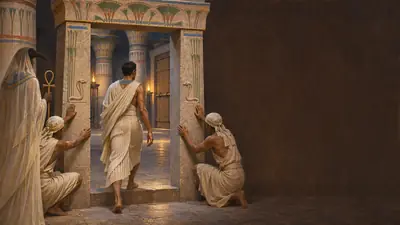
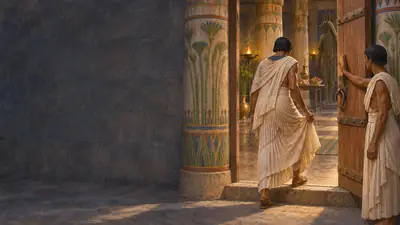
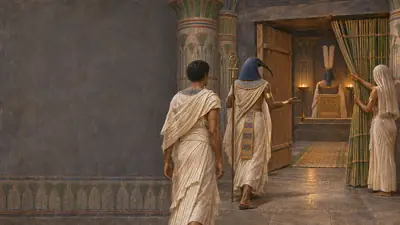
Mögen die Götter mich durch die Tür der Halle der Maati-Göttinnen einladen, da ich diese Götter kenne. Im folgenden Dialog sprechen Teile der Halle.
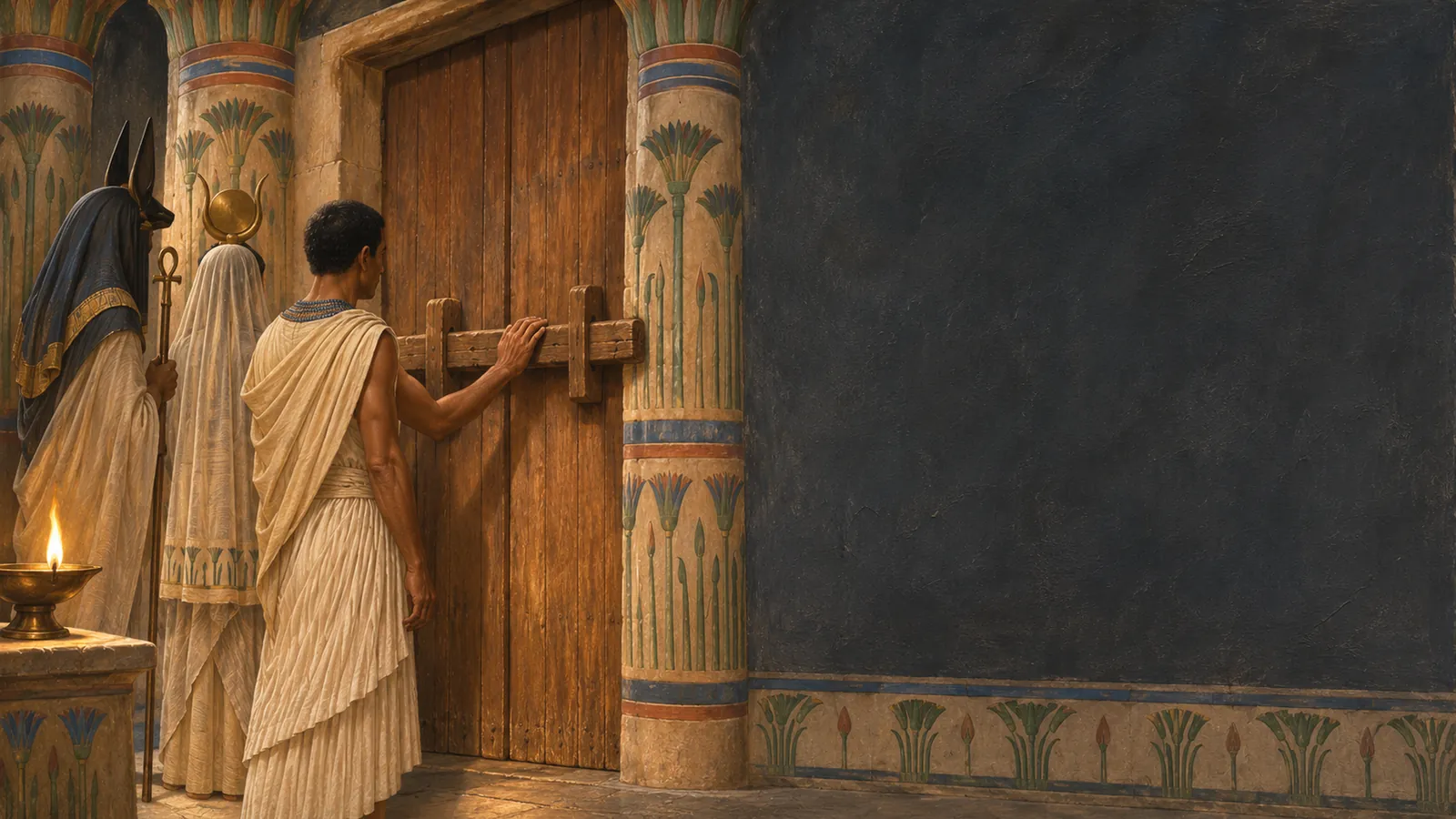
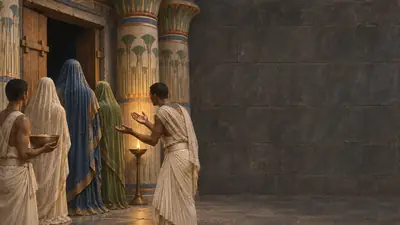
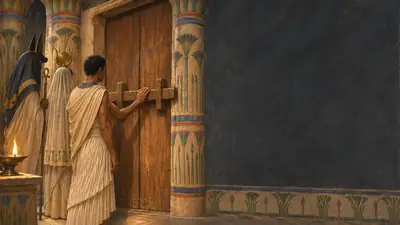
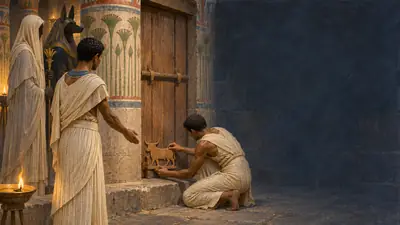
Im Dialog sagen die Türriegel dem Verstorbenen, er könne nur hindurchgehen, wenn er ihre Namen nennt.
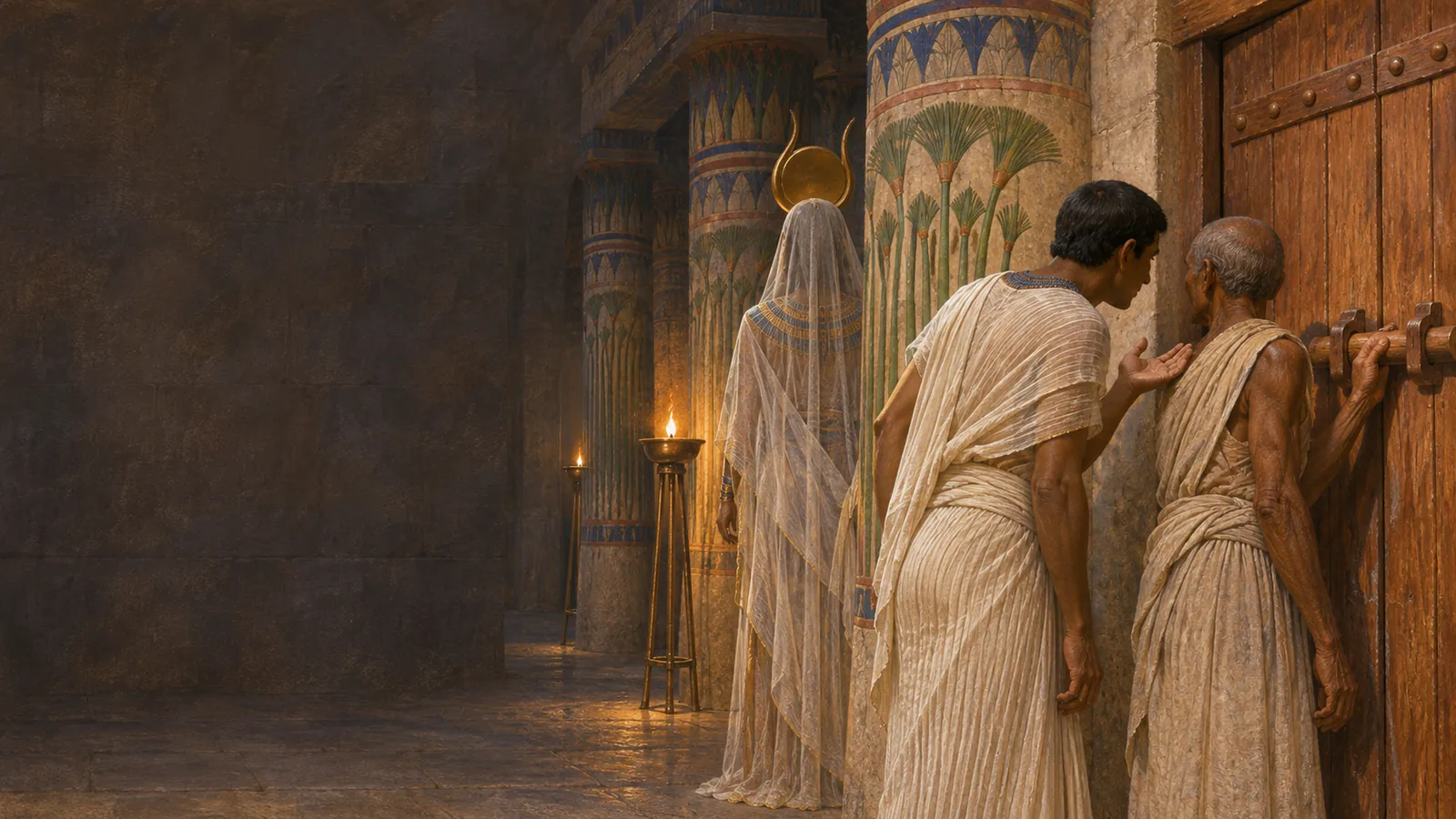
Der Verstorbene antwortet den Türriegeln. Er nennt sie Zunge des Ortes des Rechts und der Wahrheit.
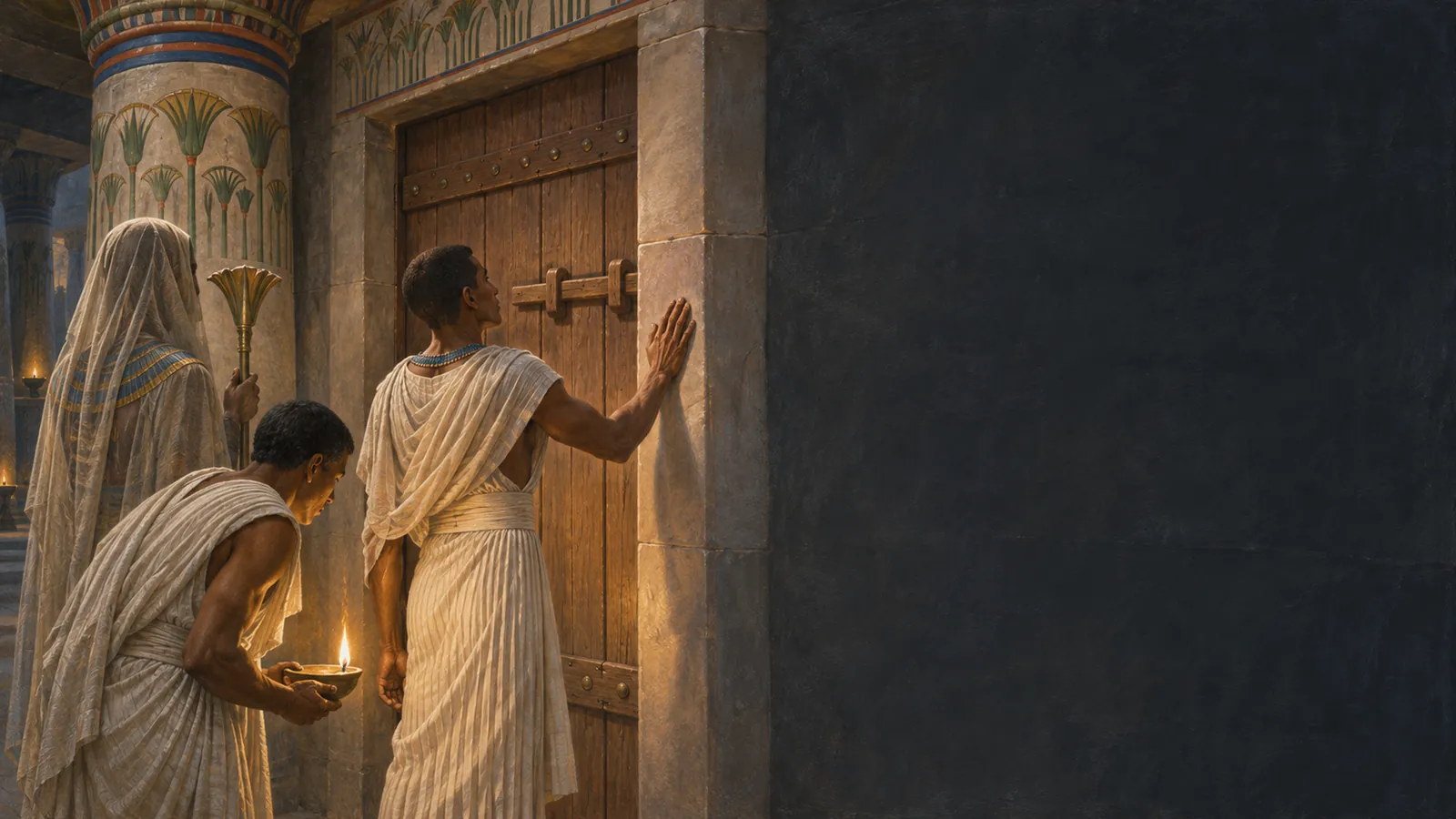
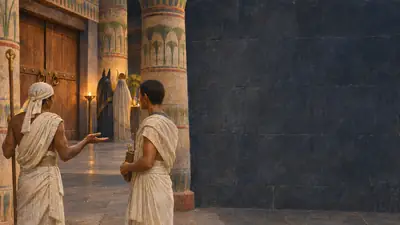
Als Nächstes spricht im Dialog der rechte Türpfosten. Er sagt dem Verstorbenen, er müsse seinen Namen nennen, bevor er hindurchgehen könne.
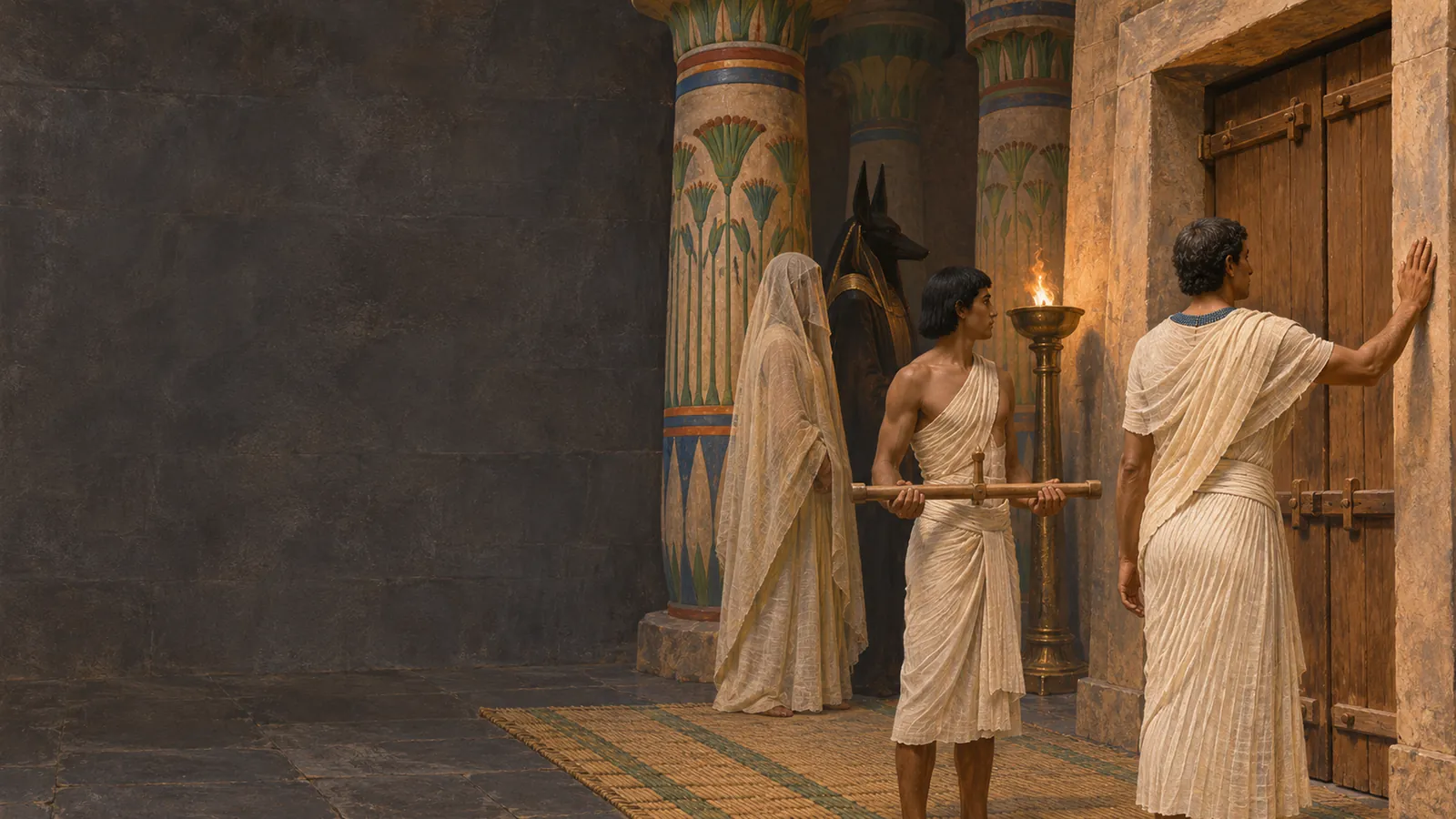
Der Verstorbene antwortet dem rechten Türpfosten und nennt ihn Waage dessen, der Recht und Wahrheit emporhebt.
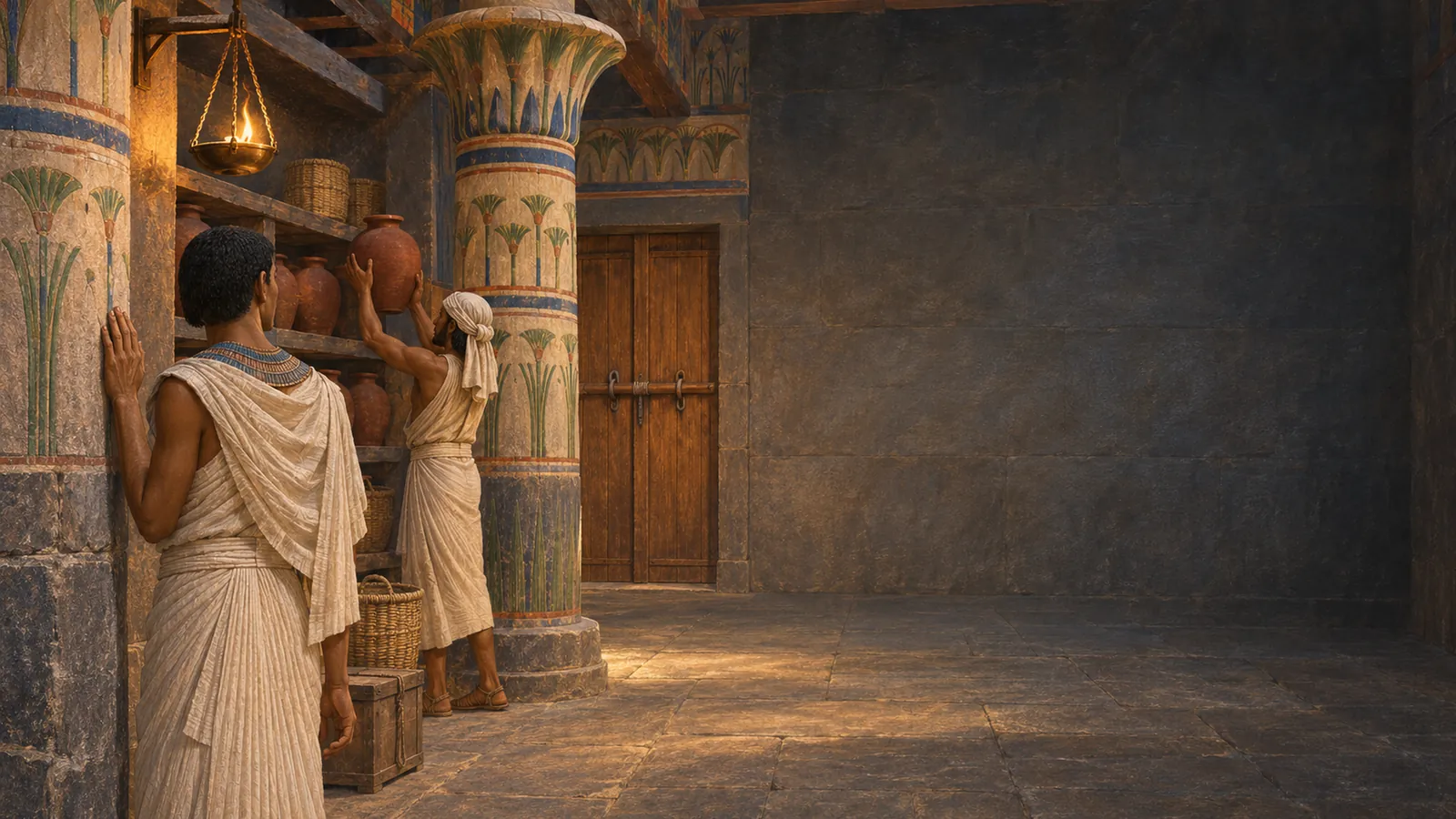
Der linke Pfosten fordert den Verstorbenen auf, seinen Namen zu sagen, bevor er ihn einlässt. Der Verstorbene antwortet: „Waage des Weins.“
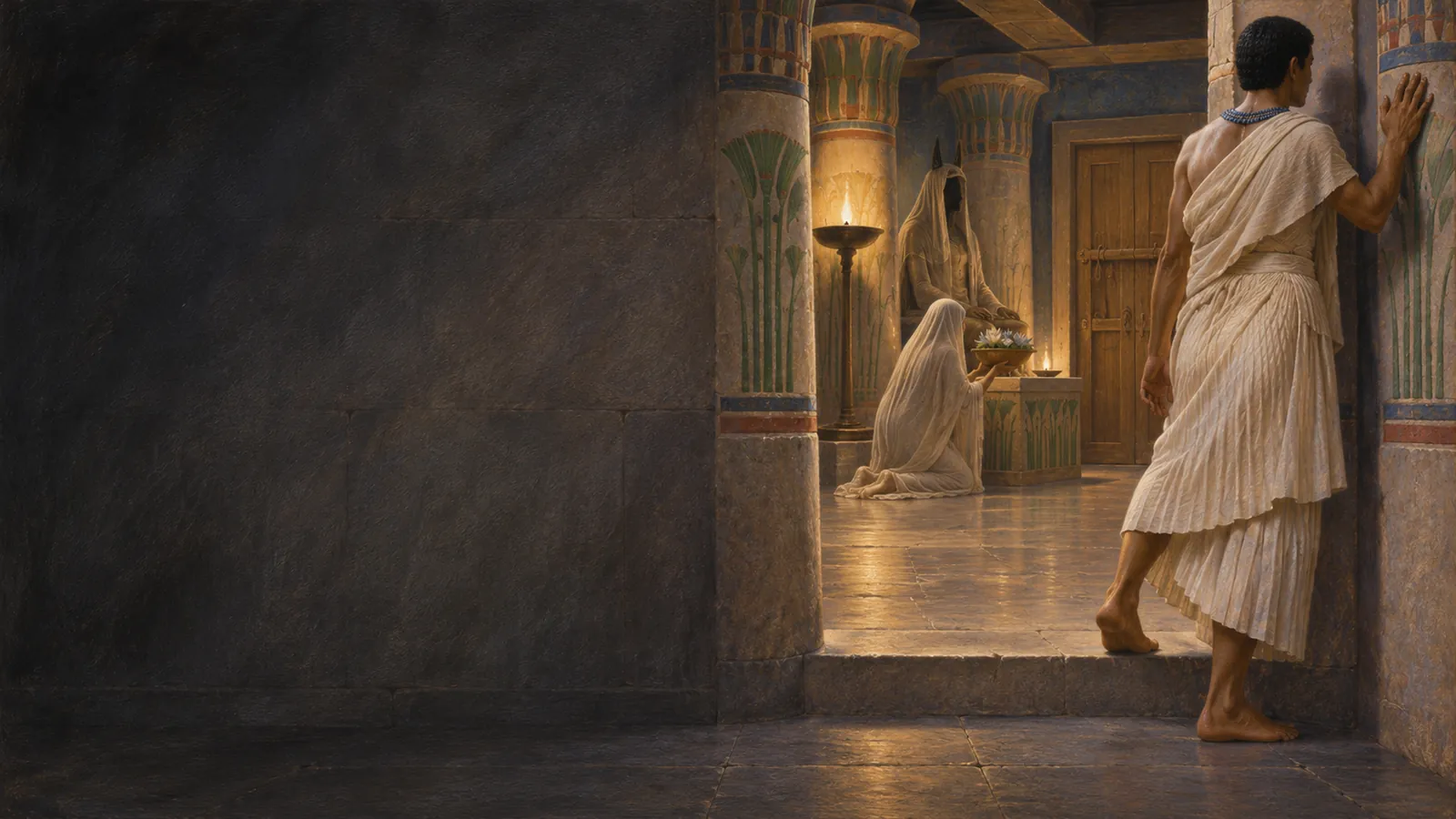
„Ich lasse dich erst über mich treten, wenn du mir meinen Namen sagst“, spricht die Schwelle zum Verstorbenen.
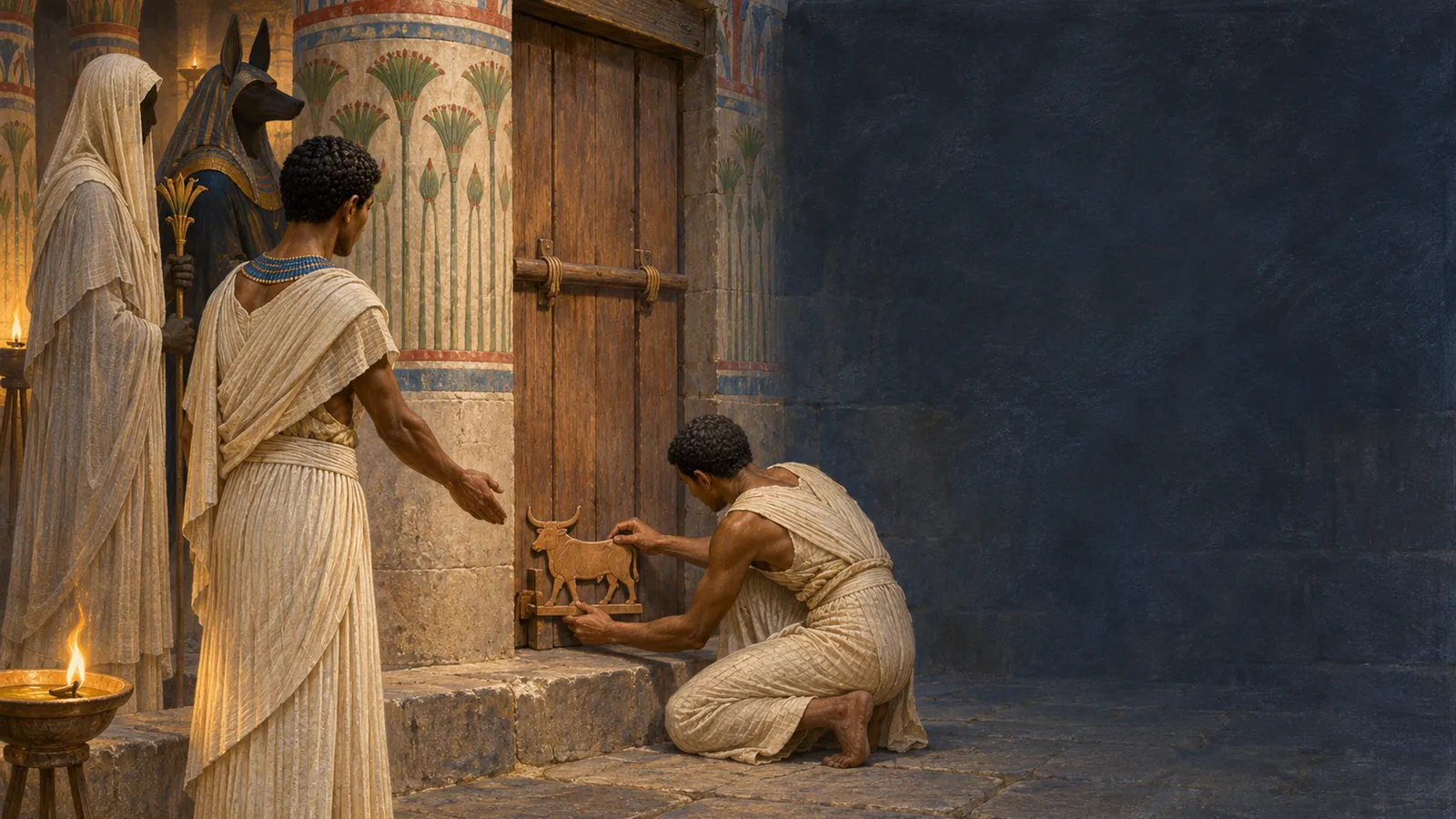
Die Schwelle wartet auf ihren Namen. Der Verstorbene sagt zu ihr: „Dein Name ist Ochse des Gottes Seb.“
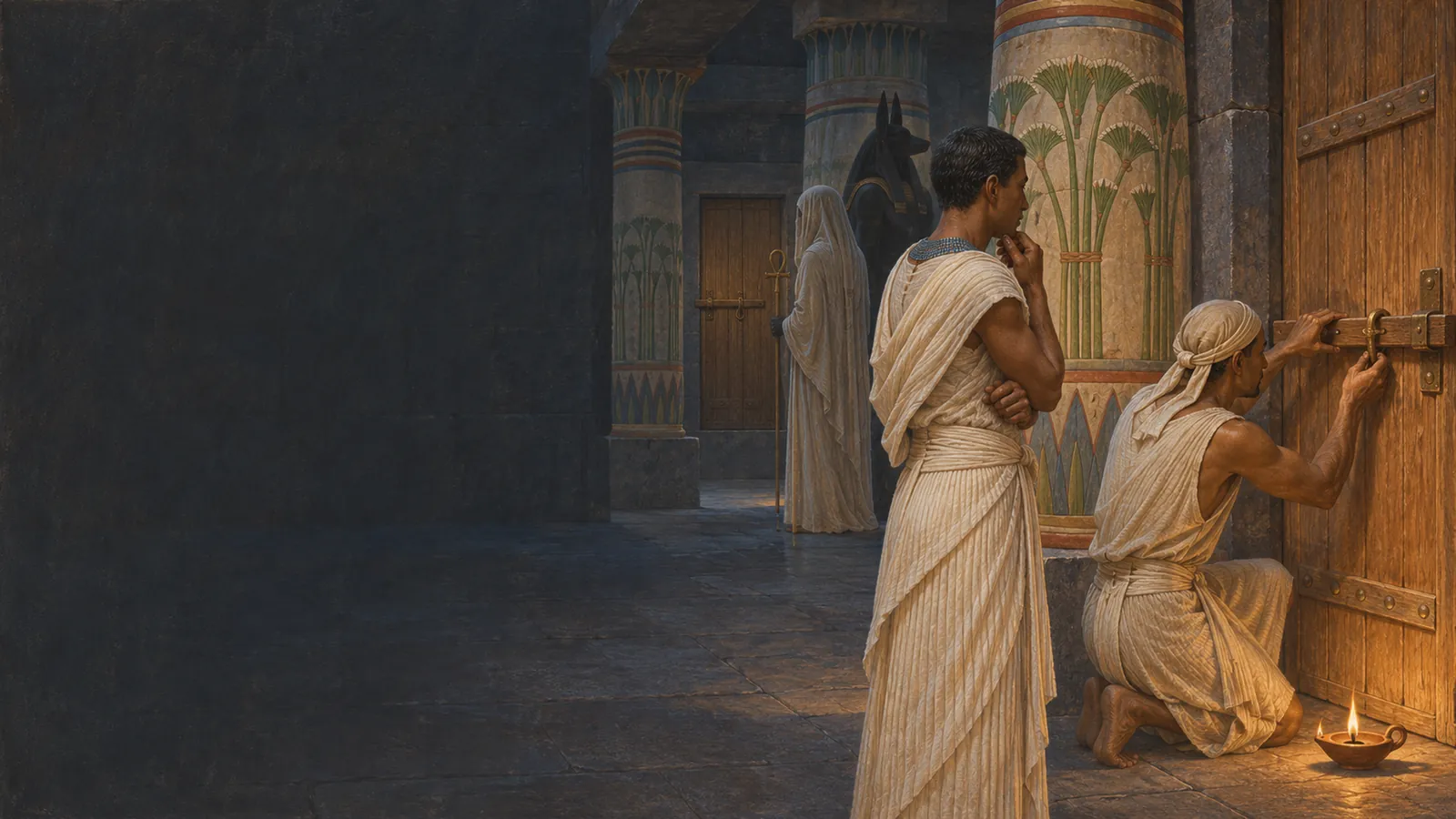
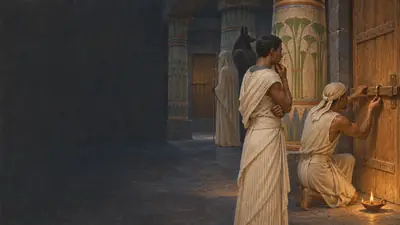
Der Türriegel sagt, dass er sich erst öffnet, wenn der Verstorbene ihm seinen Namen nennt. Der Verstorbene antwortet: „Beinknochen seiner Mutter.“
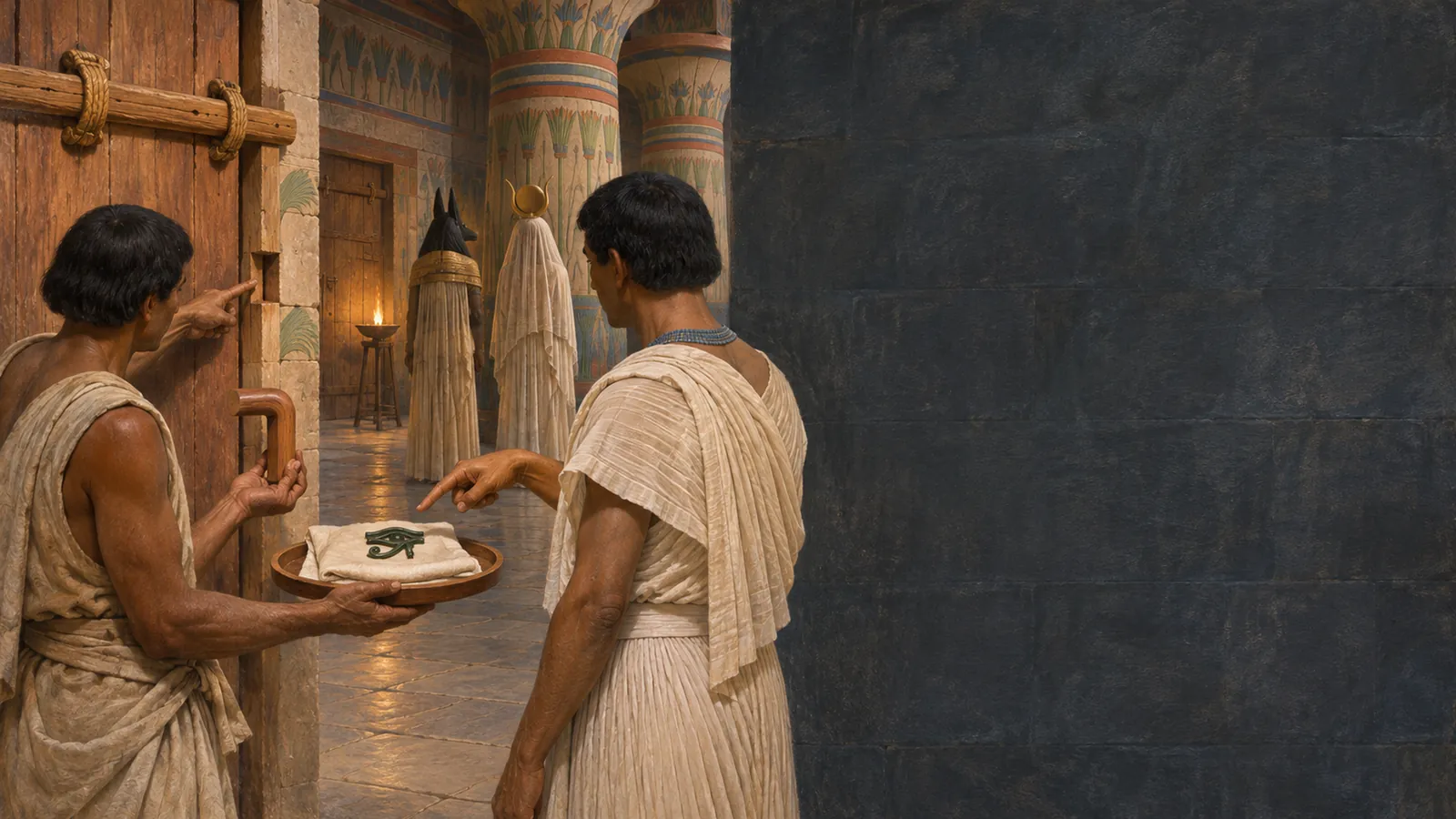
Die Türpfanne sagt, sie werde sich erst öffnen, wenn sie ihren Namen höre. Der Verstorbene nennt sie das Lebende Auge des Sobek, des Herrn von Bakhau.
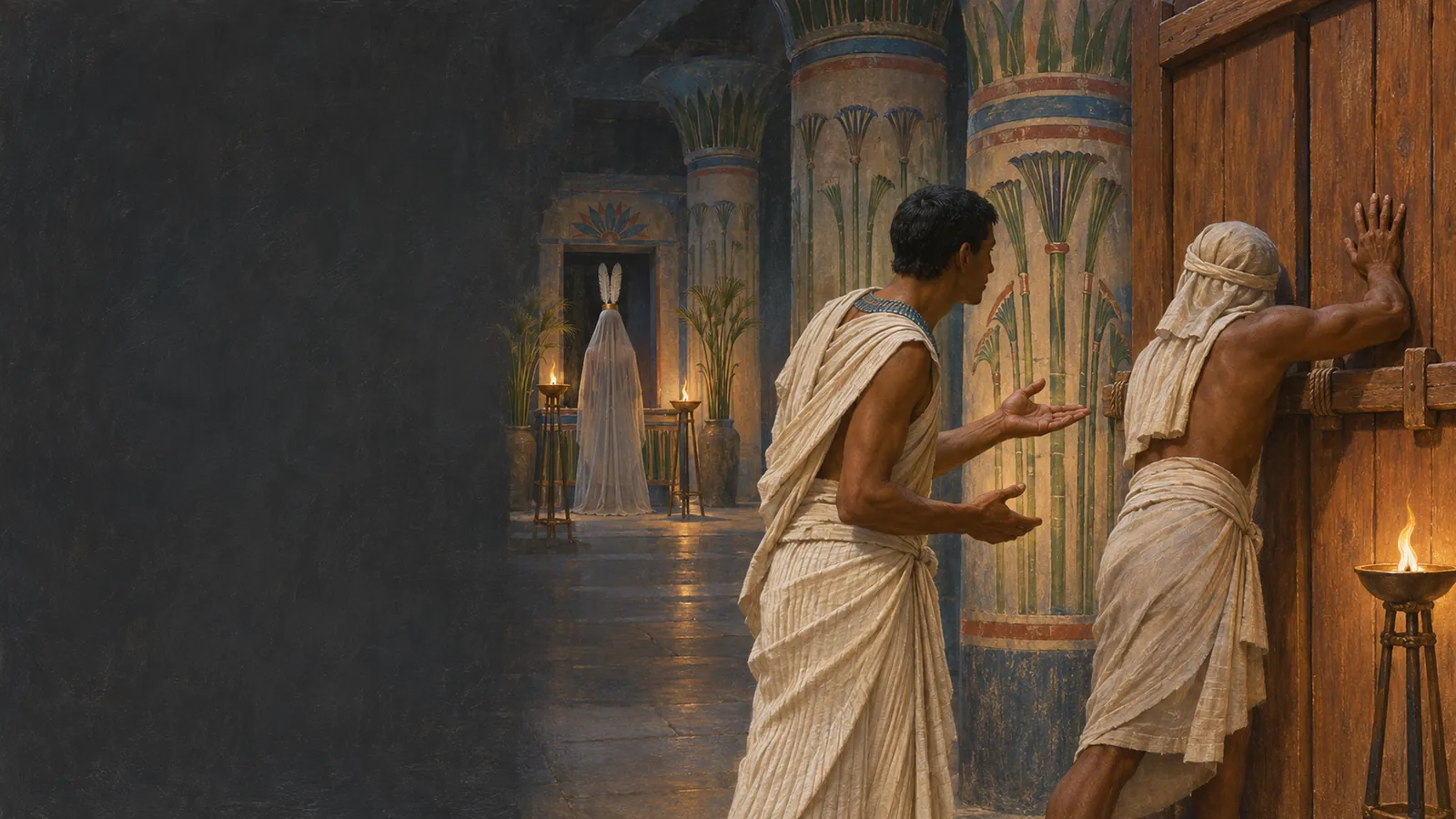
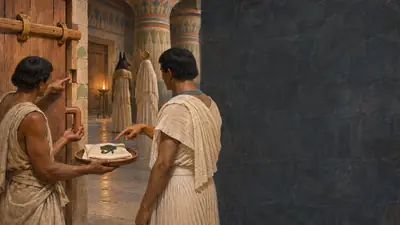
Auch der Pförtner verlangt seinen Namen, bevor er öffnet. Der Verstorbene nennt ihn den Ellbogen des Schu, wenn dieser seinen Platz einnimmt, um Osiris zu schützen.
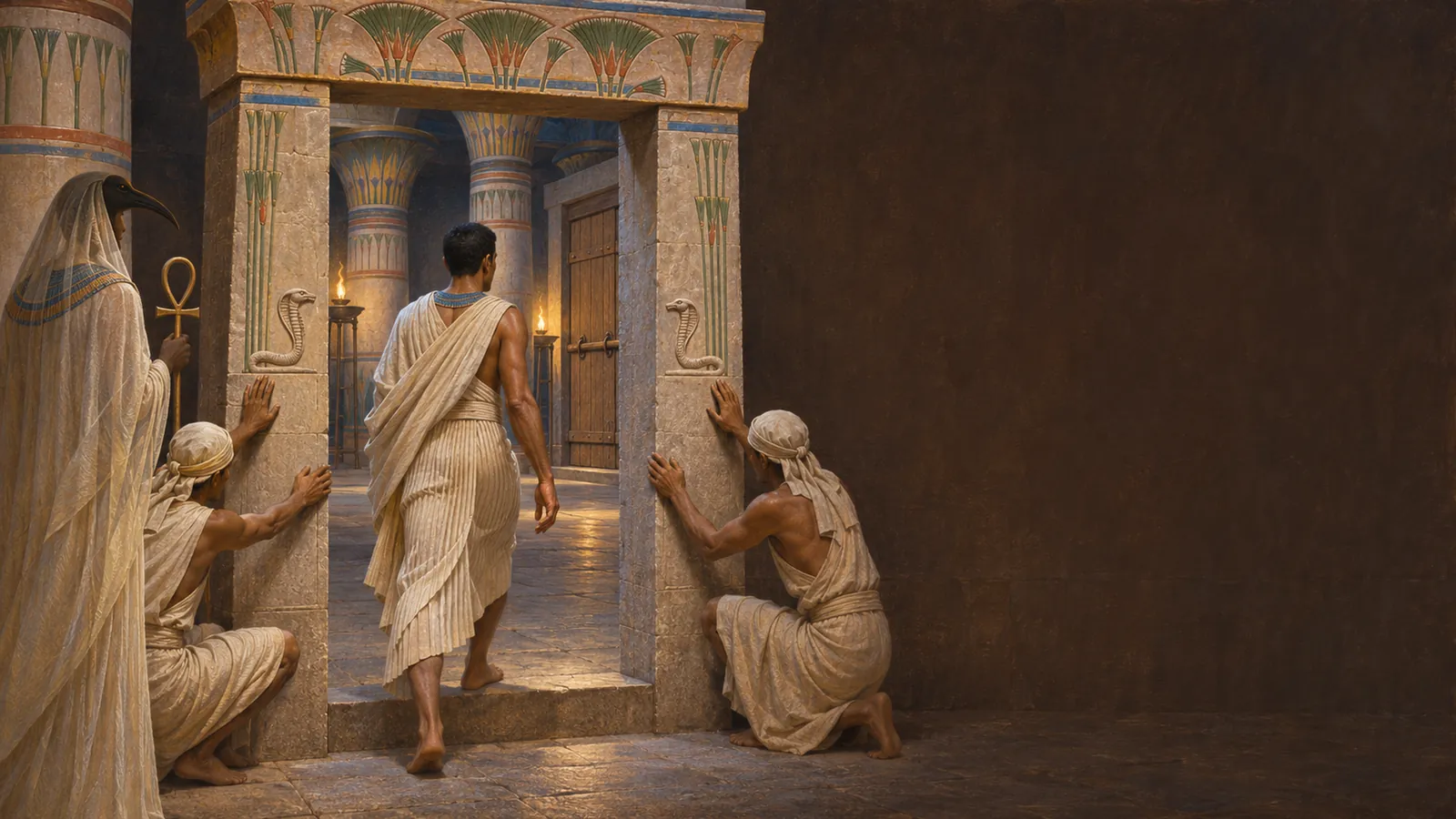
Die Seitenpfosten sprechen gemeinsam und fragen, wie sie heißen. Der Verstorbene nennt sie Kinder der Kobragöttinnen. Als er sie beim Namen nennt, lassen sie ihn vorüber.
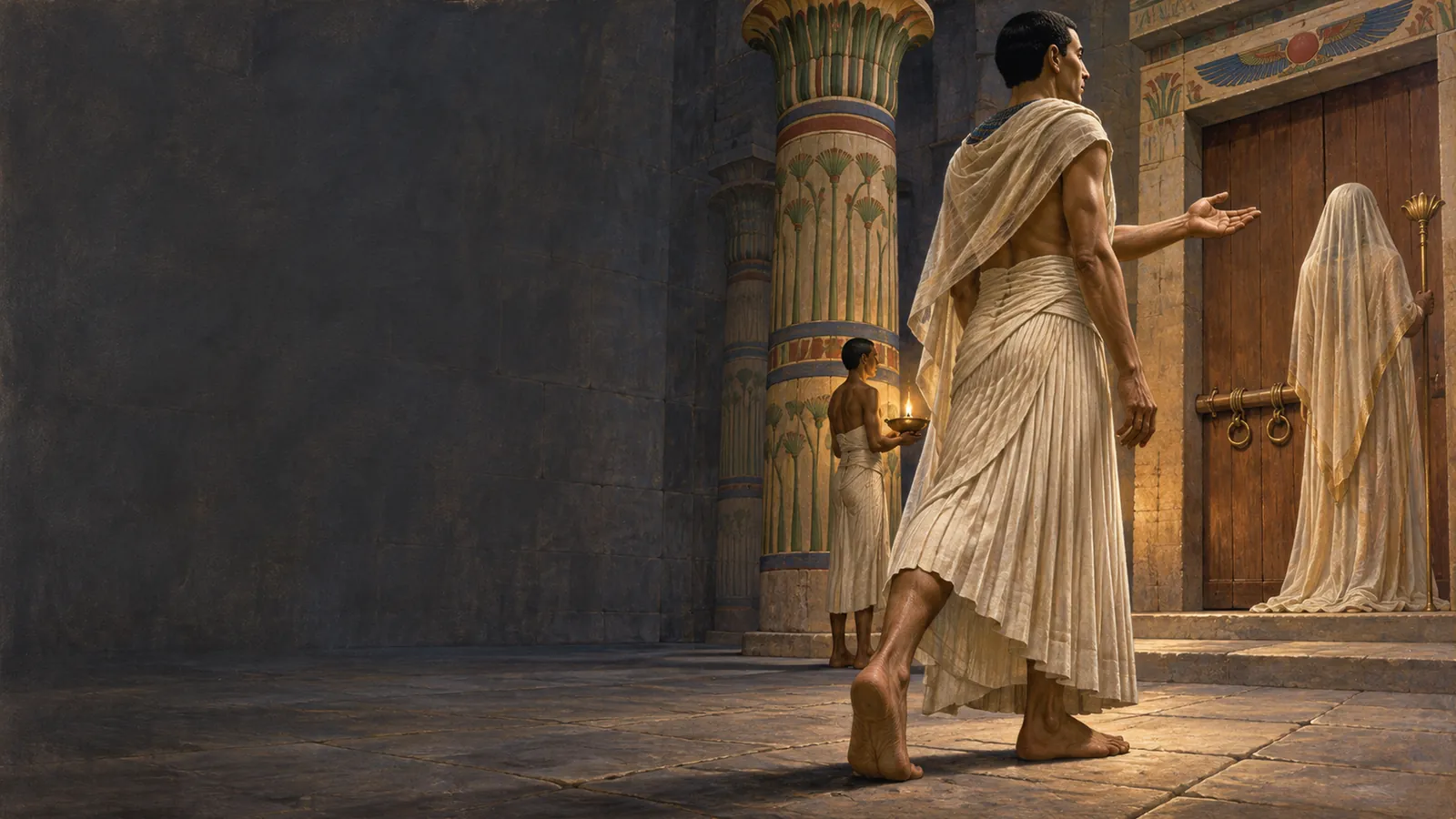
DER BODEN
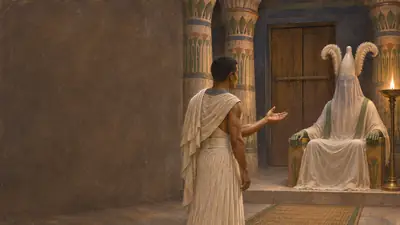
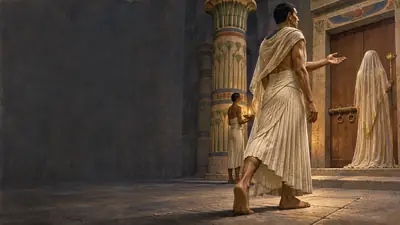
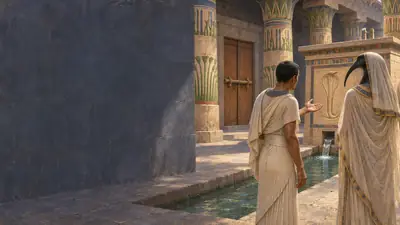
Der Boden sagt, dass er still und heilig ist. Er lässt den Verstorbenen erst auf sich treten, wenn dieser ihm den Namen jedes Fußes nennt.
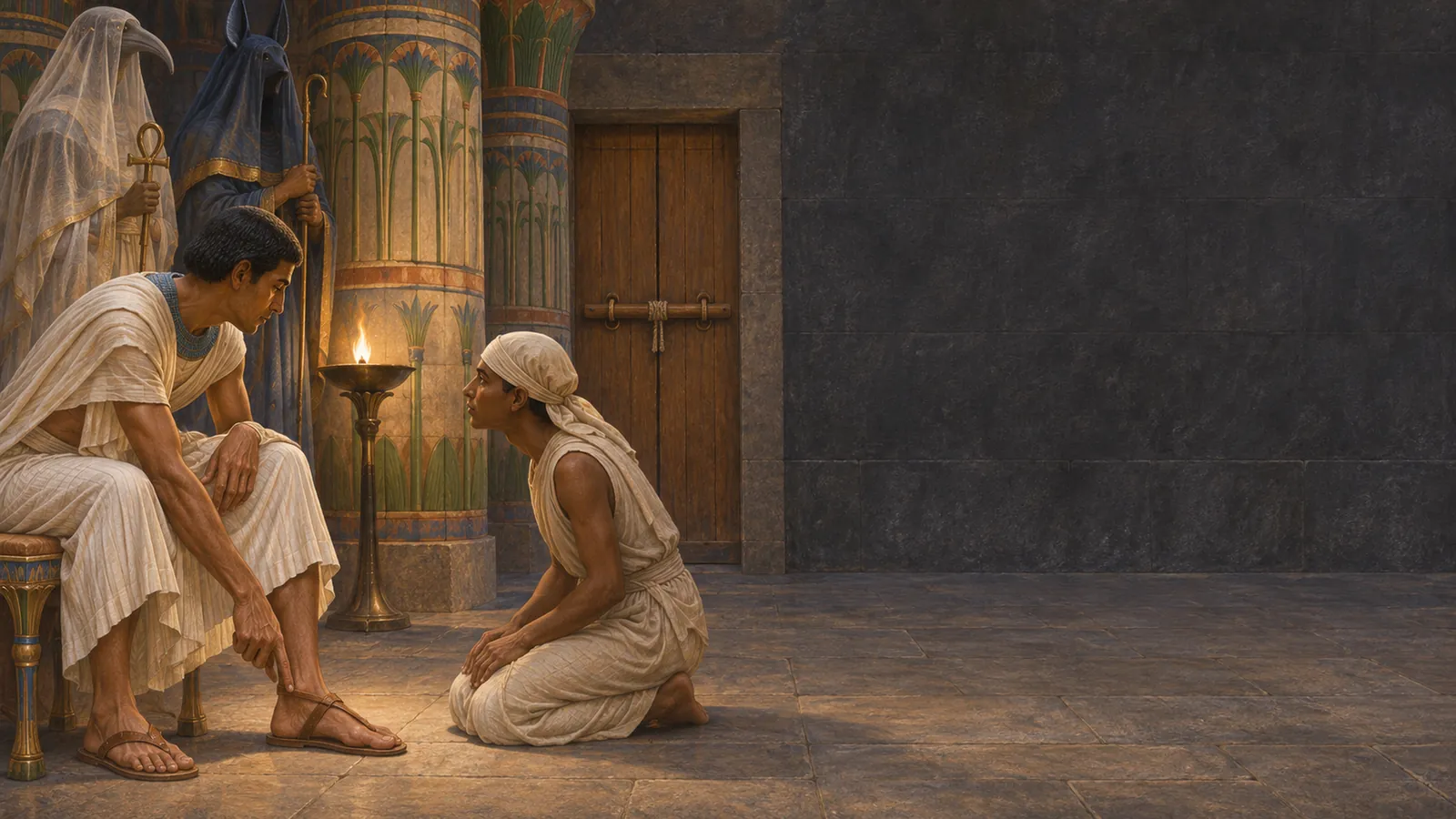
Der Verstorbene nennt dem Boden zwei Namen. Seinen rechten Fuß nennt er Reisender des Gottes Khas und seinen linken Stab der Göttin Hathor.
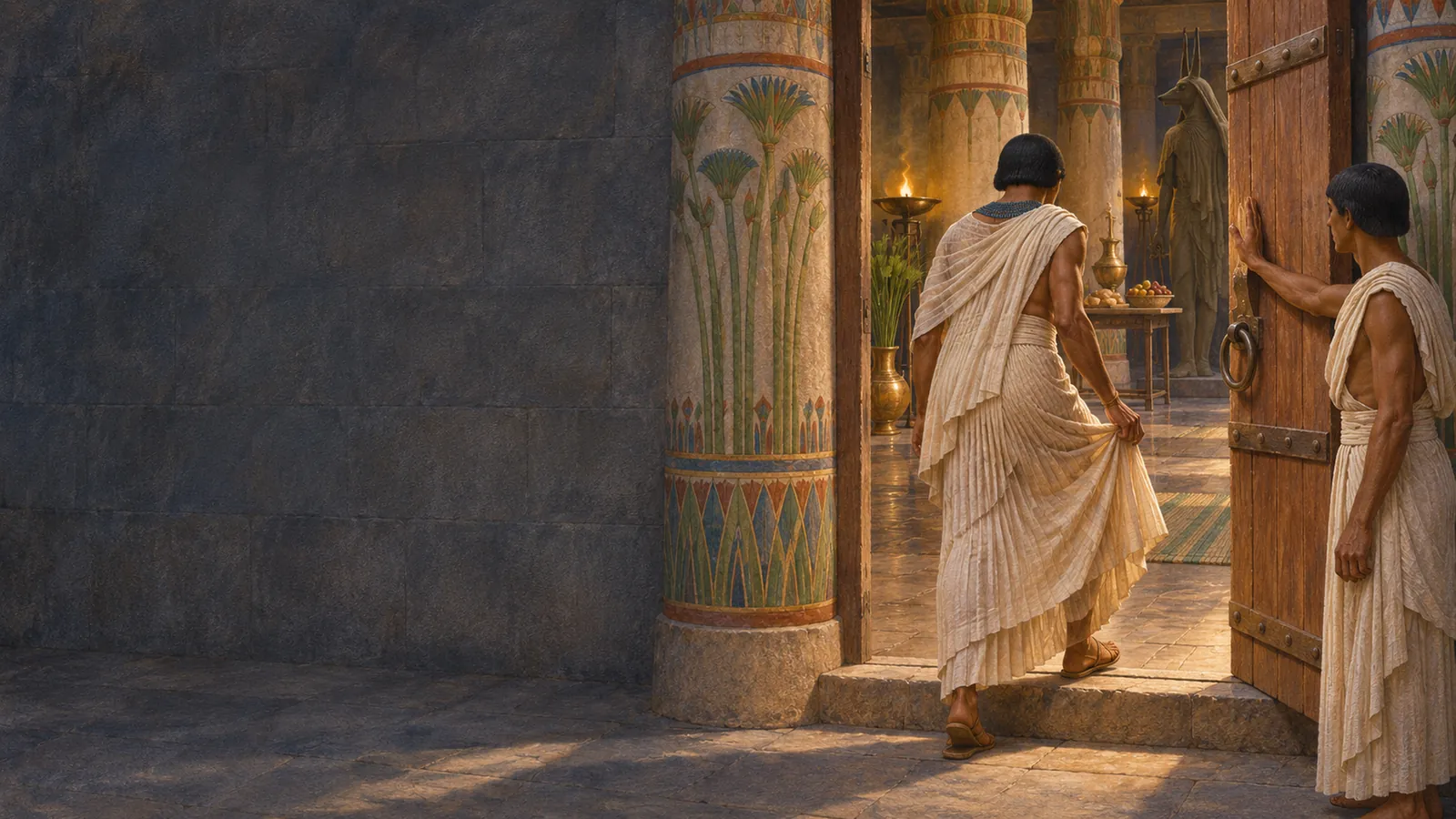
Der Boden hat die beiden Namen gehört. Er antwortet dem Verstorbenen: „Du kennst mich. Geh also über mich hinweg.“
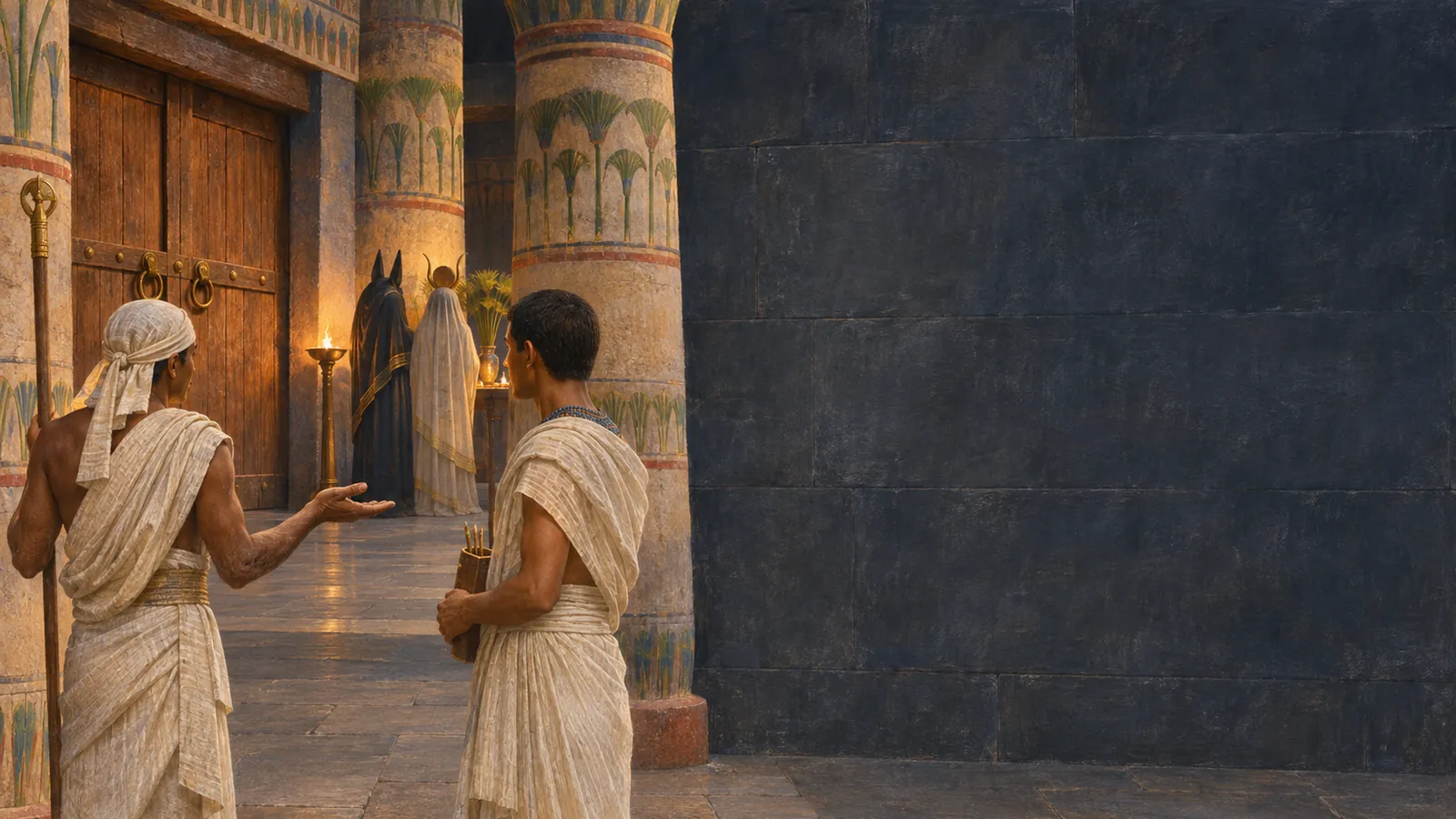
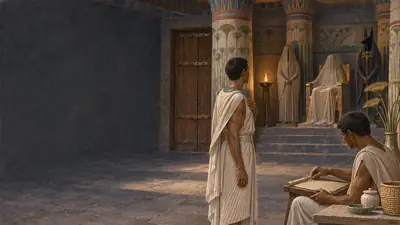
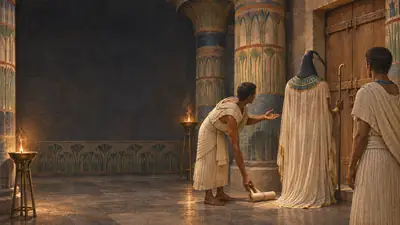
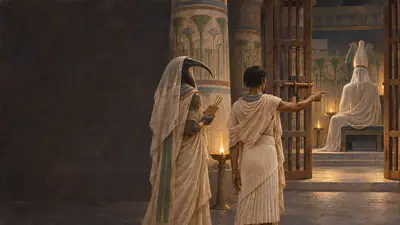
„Ich nehme deinen Namen erst an, wenn du mir meinen nennst“, sagt der Torhüter. „Du prüfst die Herzen und erforschst das Innere“, antwortet der Verstorbene.
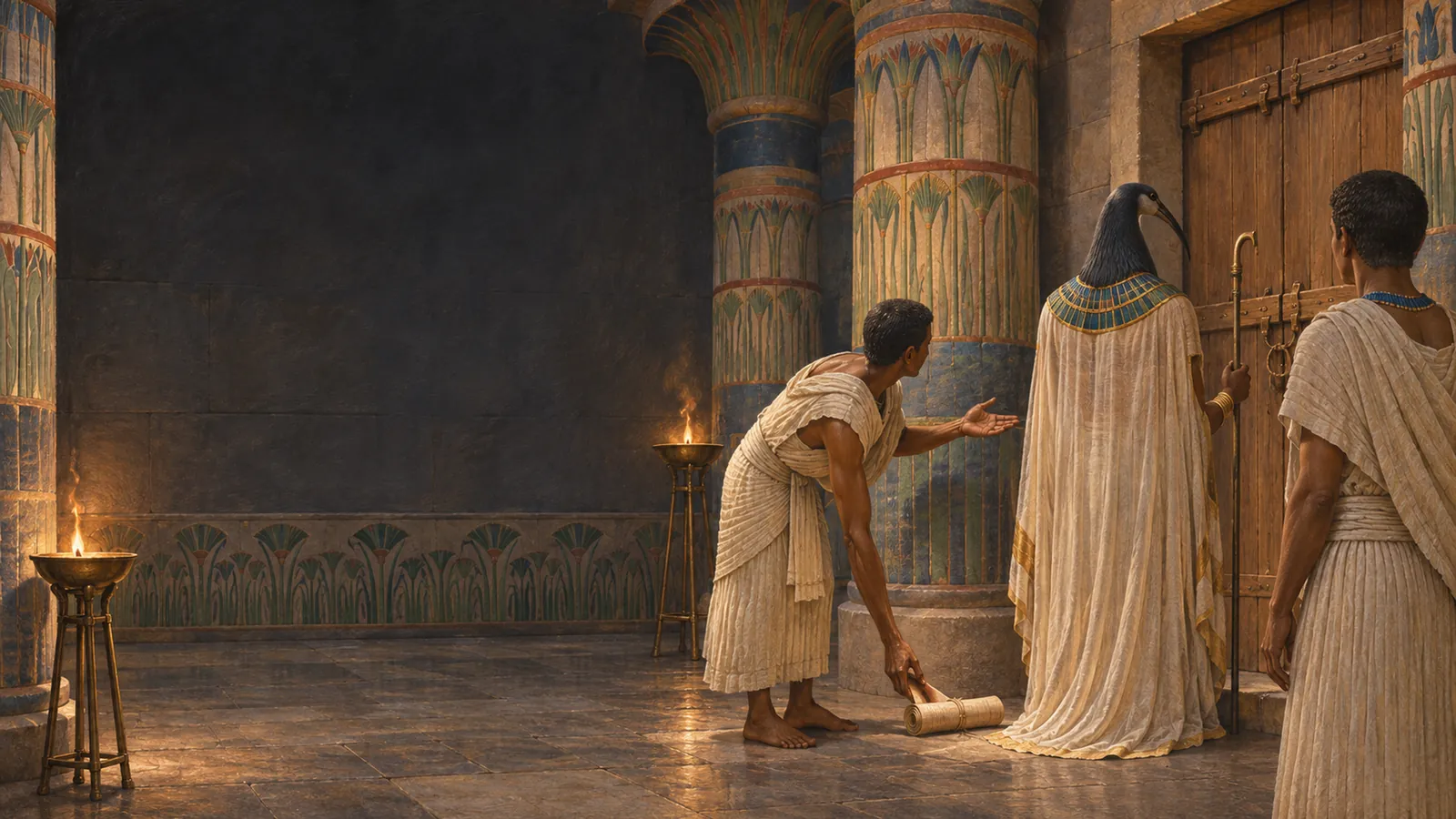
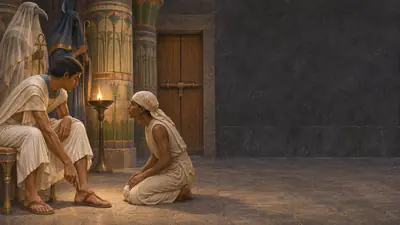
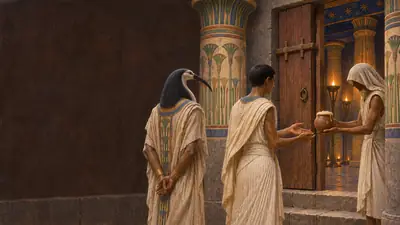
Der Torhüter fragt, welcher Gott in seiner Stunde wohnt. Der Verstorbene antwortet: „Māau-Taui.“ Als der Torhüter fragt, wer Māau-Taui ist, sagt der Verstorbene: „Es ist Thot.“
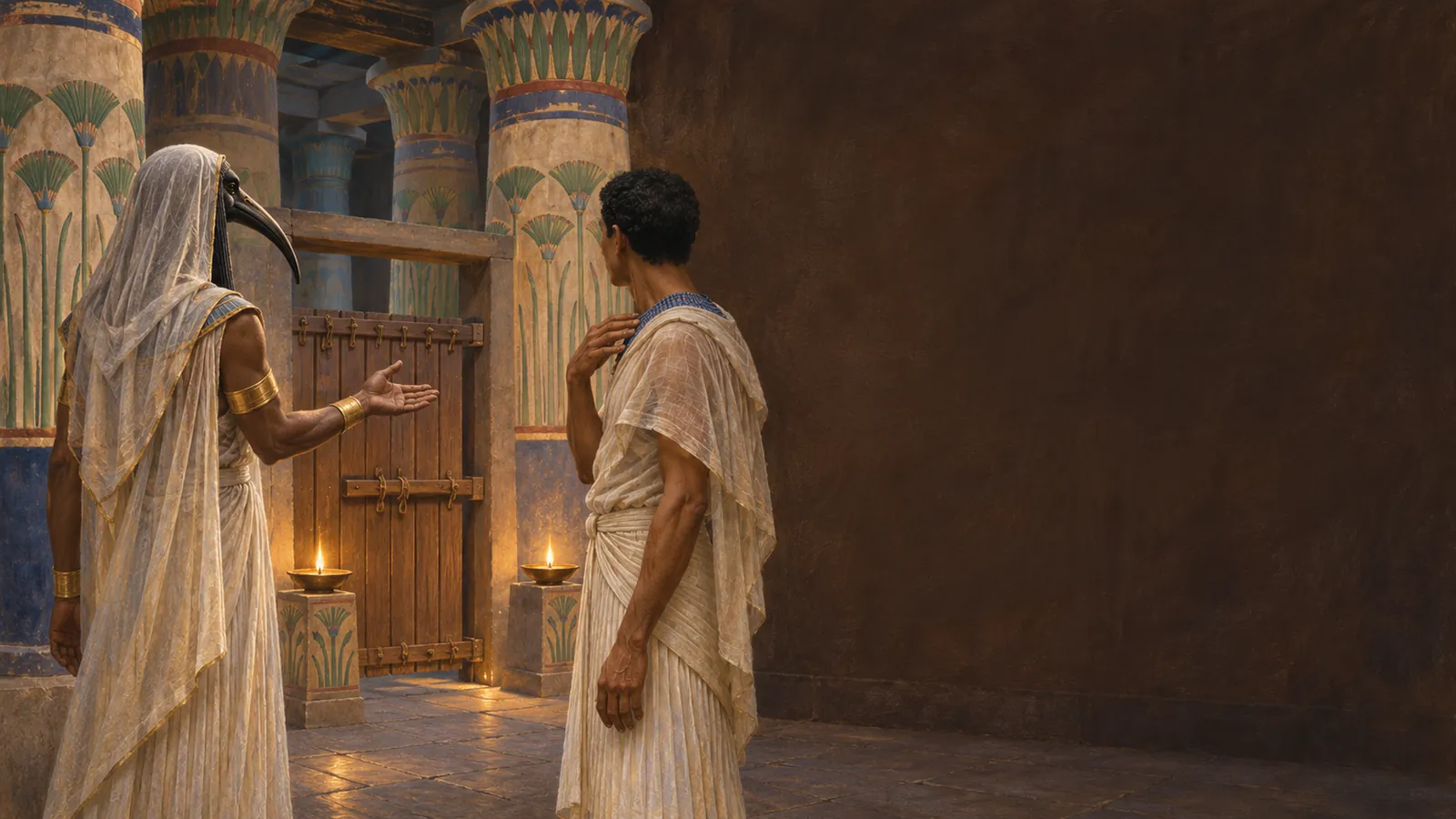
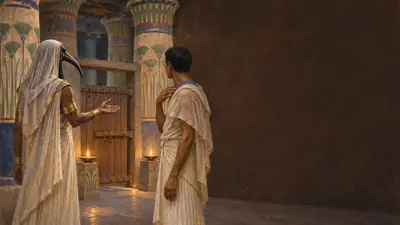
„Komm“, sagt Thot. „Warum bist du gekommen?“ Der Verstorbene antwortet: „Ich bin gekommen und gehe weiter, damit mein Name ausgesprochen wird.“
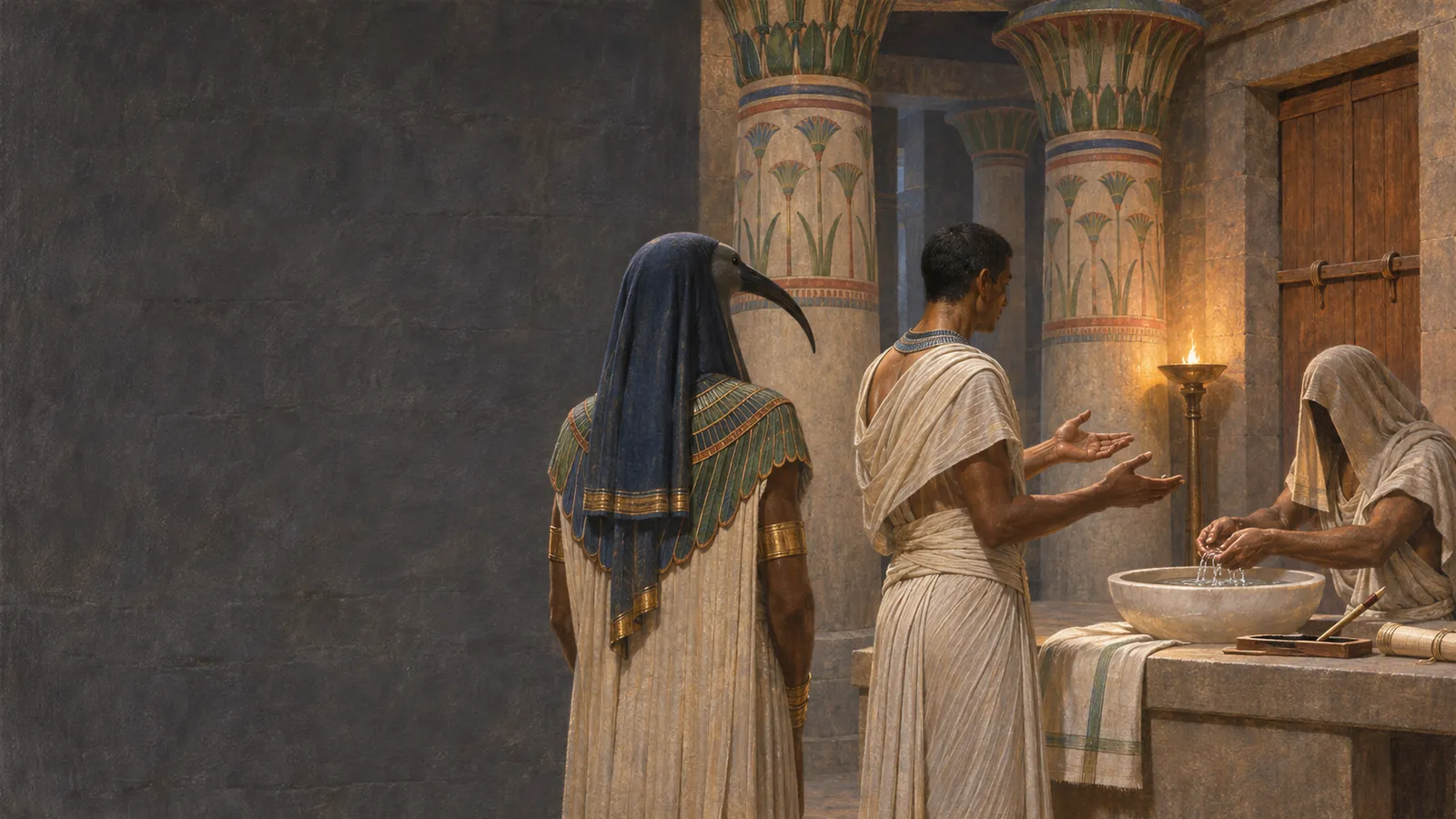
Thot fragt, in welchem Zustand er gekommen ist. Der Verstorbene sagt, dass er gereinigt und vor schädlichen Taten bewahrt wurde und nicht zu denen gehört, die sie verüben.
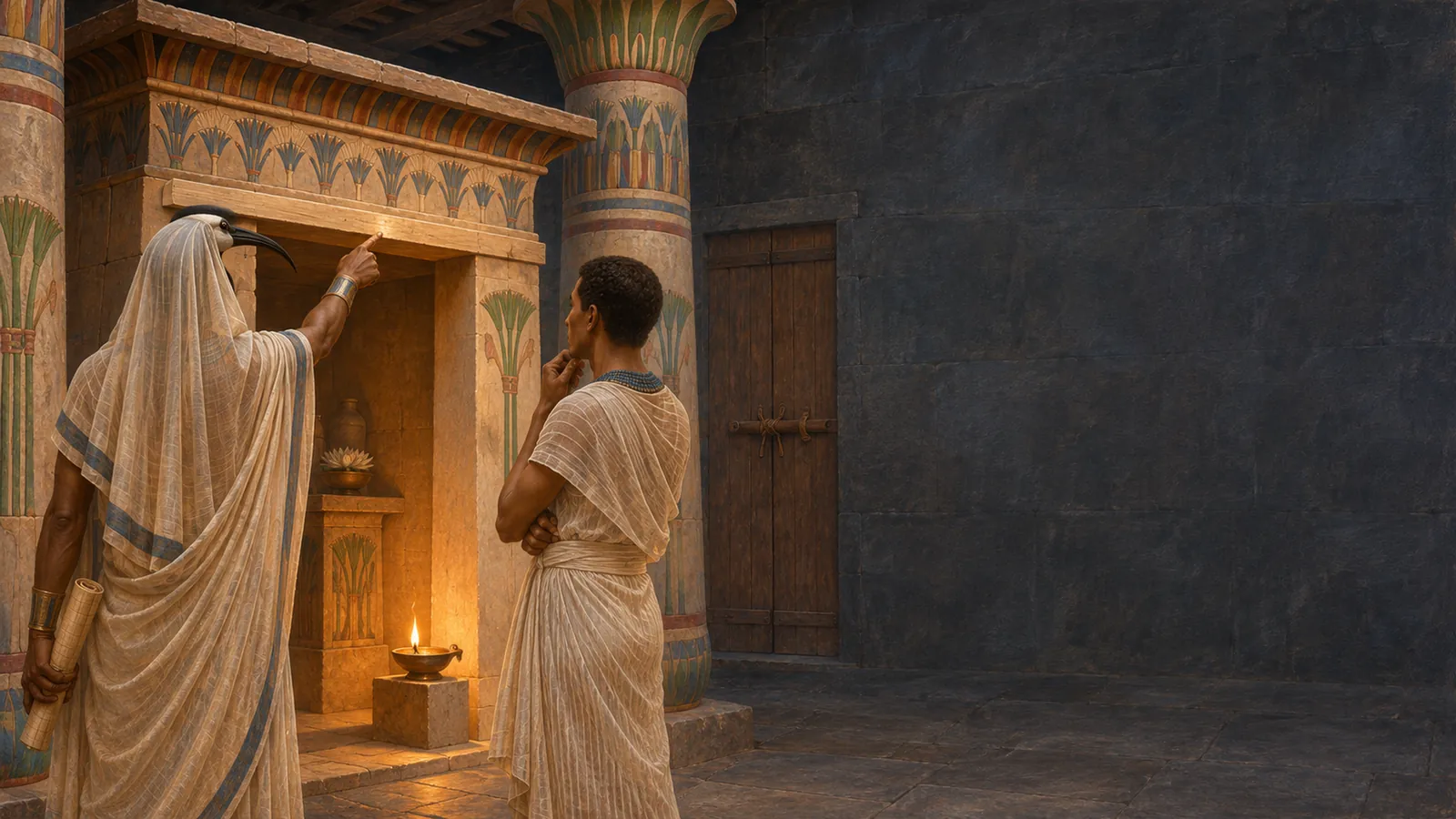
Thot sagt, er werde den Namen nennen. Dann fragt er nach einem Haus, dessen Dach aus Feuer besteht.
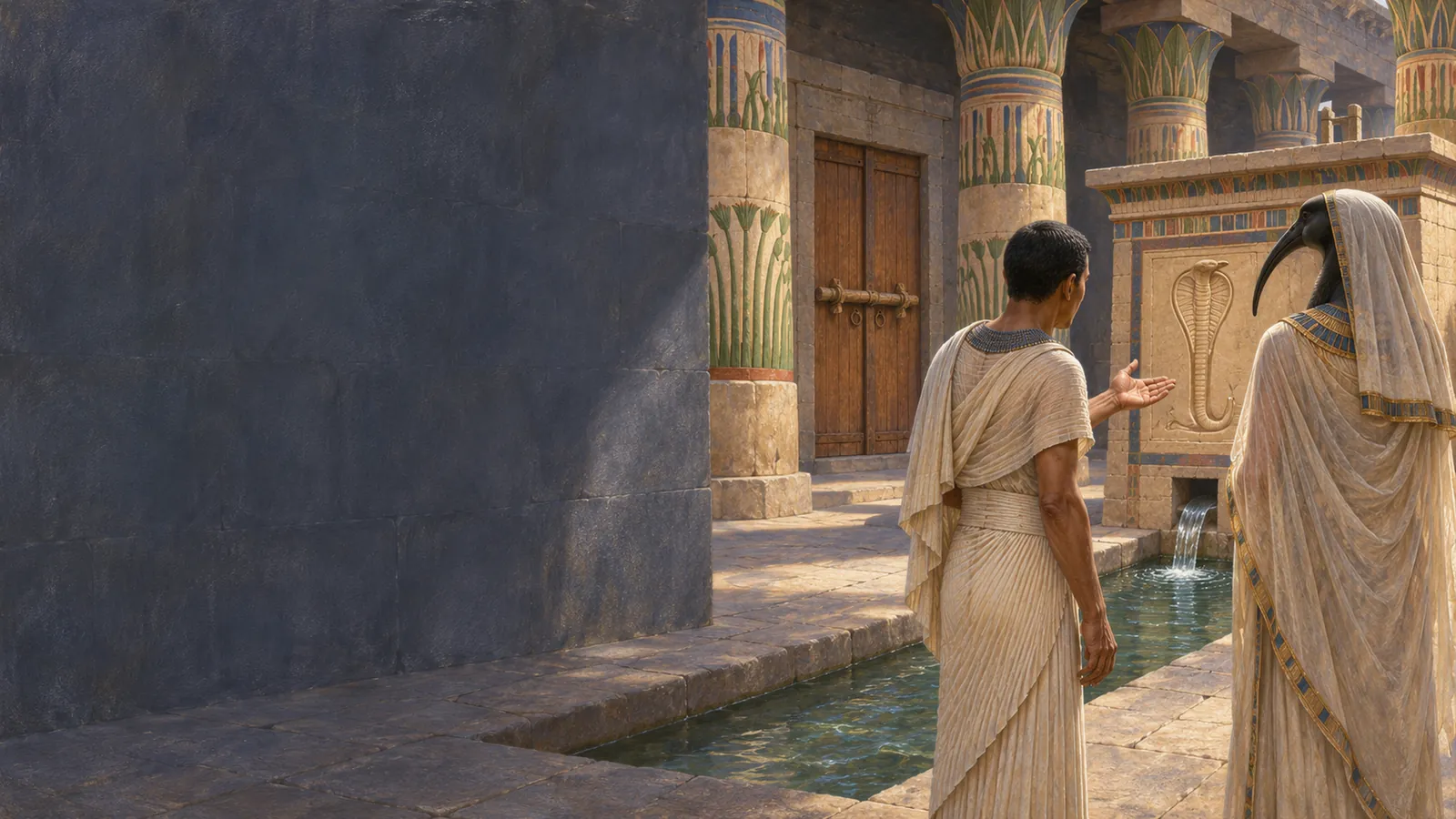
Seine Wände sind lebende Kobras, sagt Thot, und sein Boden ist ein Wasserlauf. Dann fragt er den Verstorbenen erneut: „Wer ist er?“
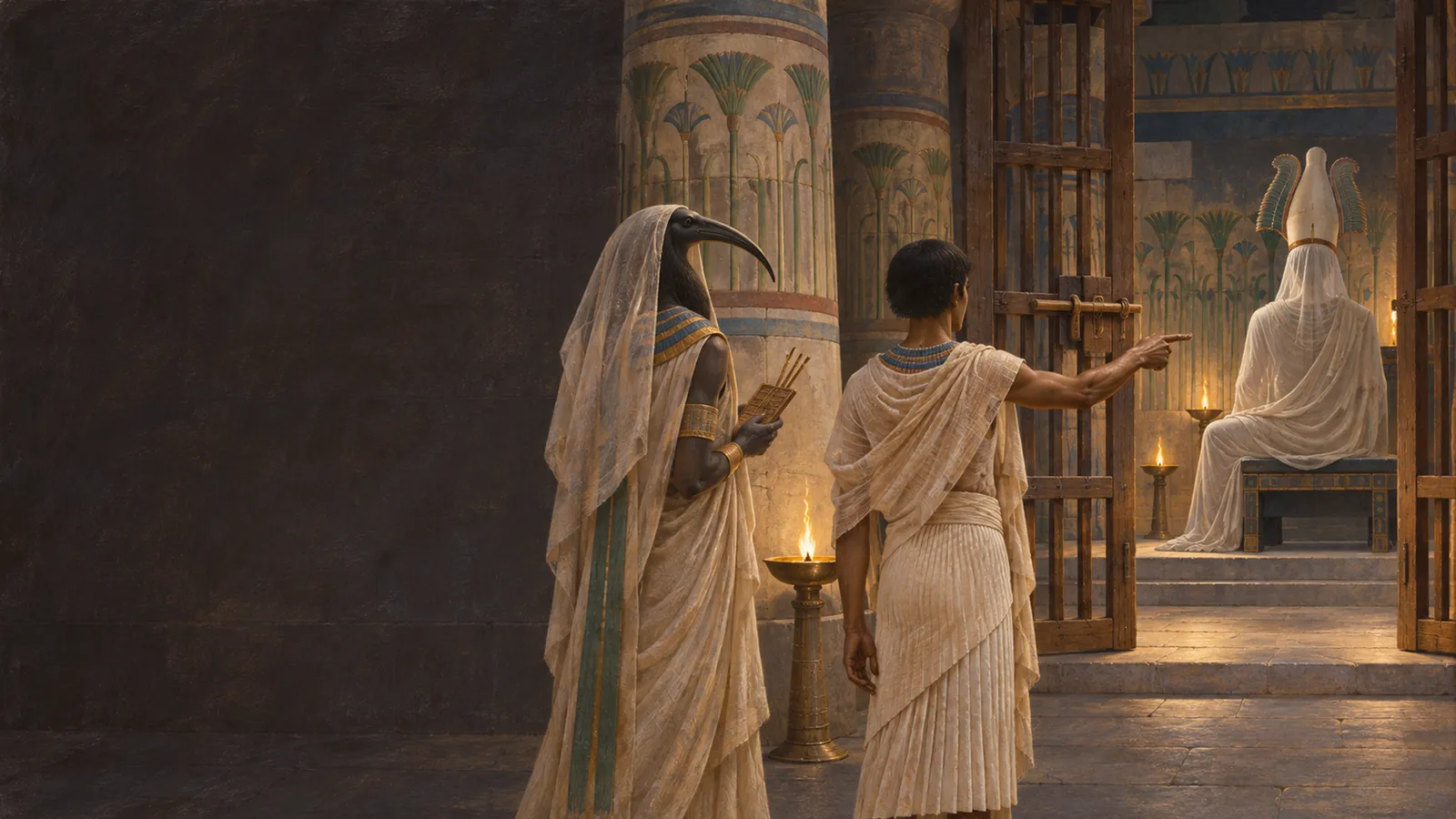
OSIRIS
Der Verstorbene hat das Rätsel vom seltsamen Haus gehört. Er antwortet Thot mit einem einzigen Namen: „Es ist Osiris.“
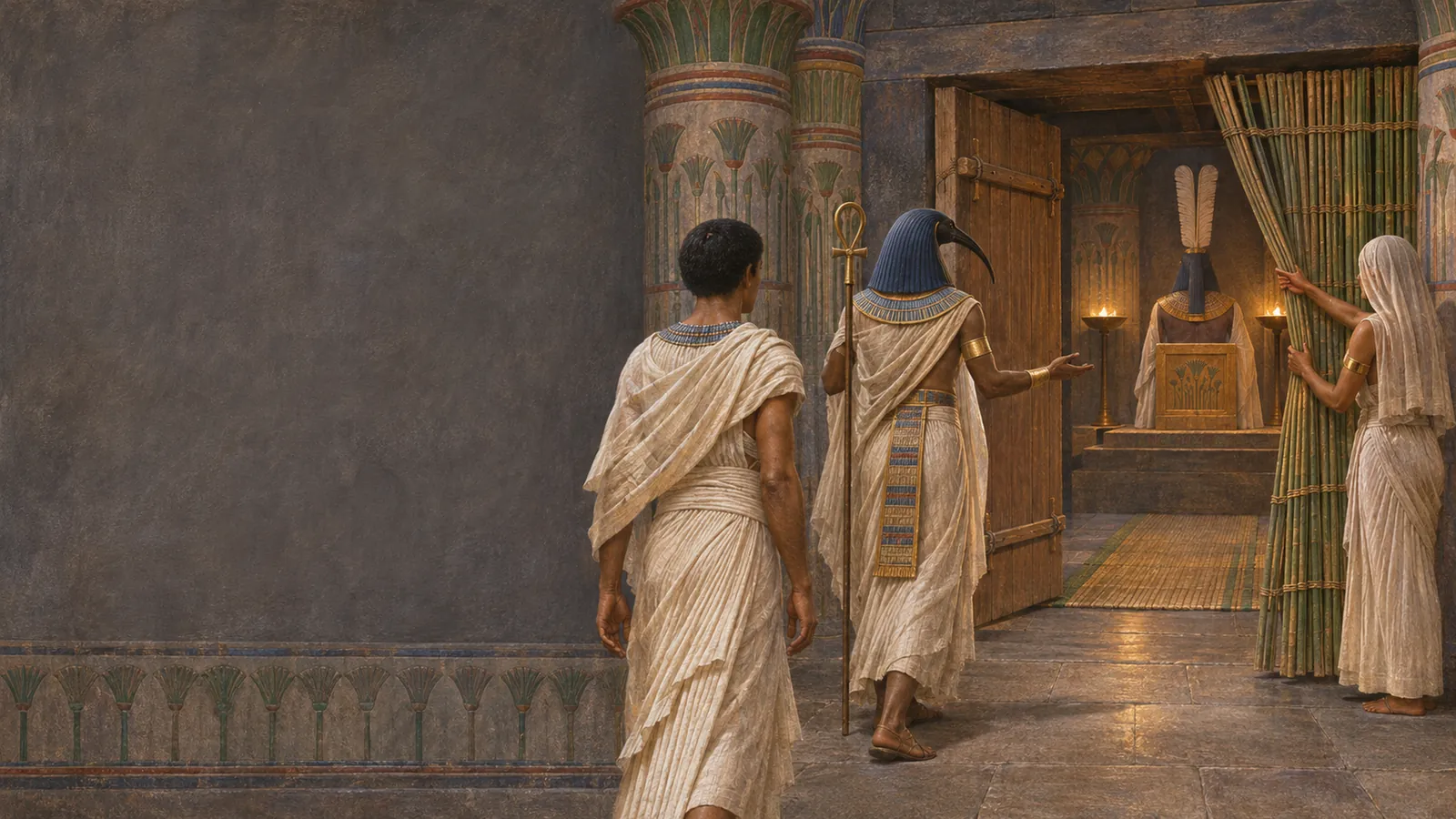
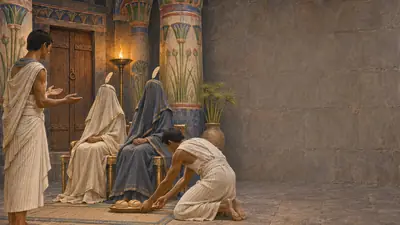
Thot fordert den Verstorbenen auf, vorzutreten. Er verspricht ihm, dass sein Name vor Osiris ausgesprochen wird.
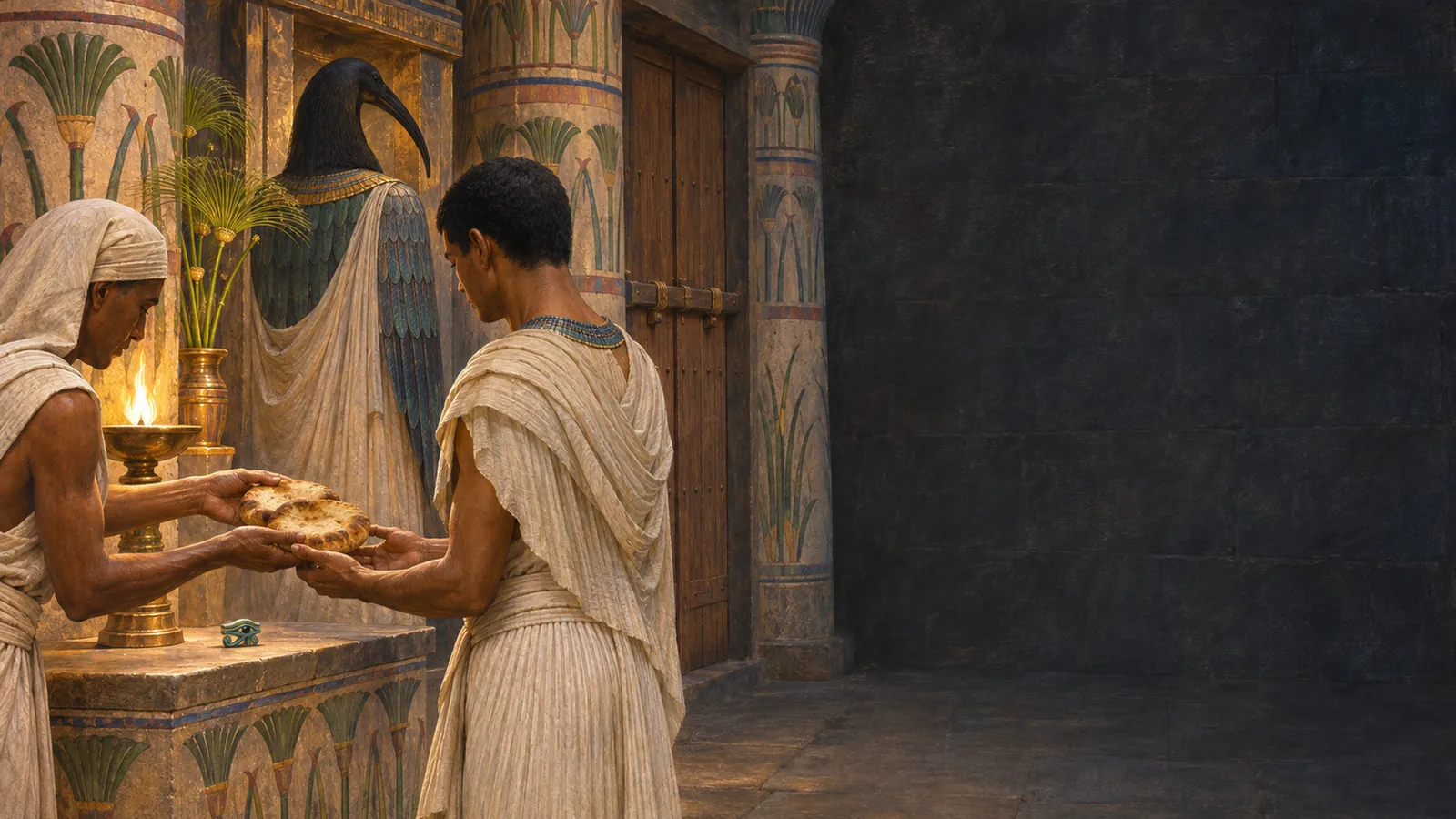
Thot sagt dem Verstorbenen nun, woher seine Fladen kommen werden. Seinem Versprechen nach kommen sie aus dem Auge des Re.
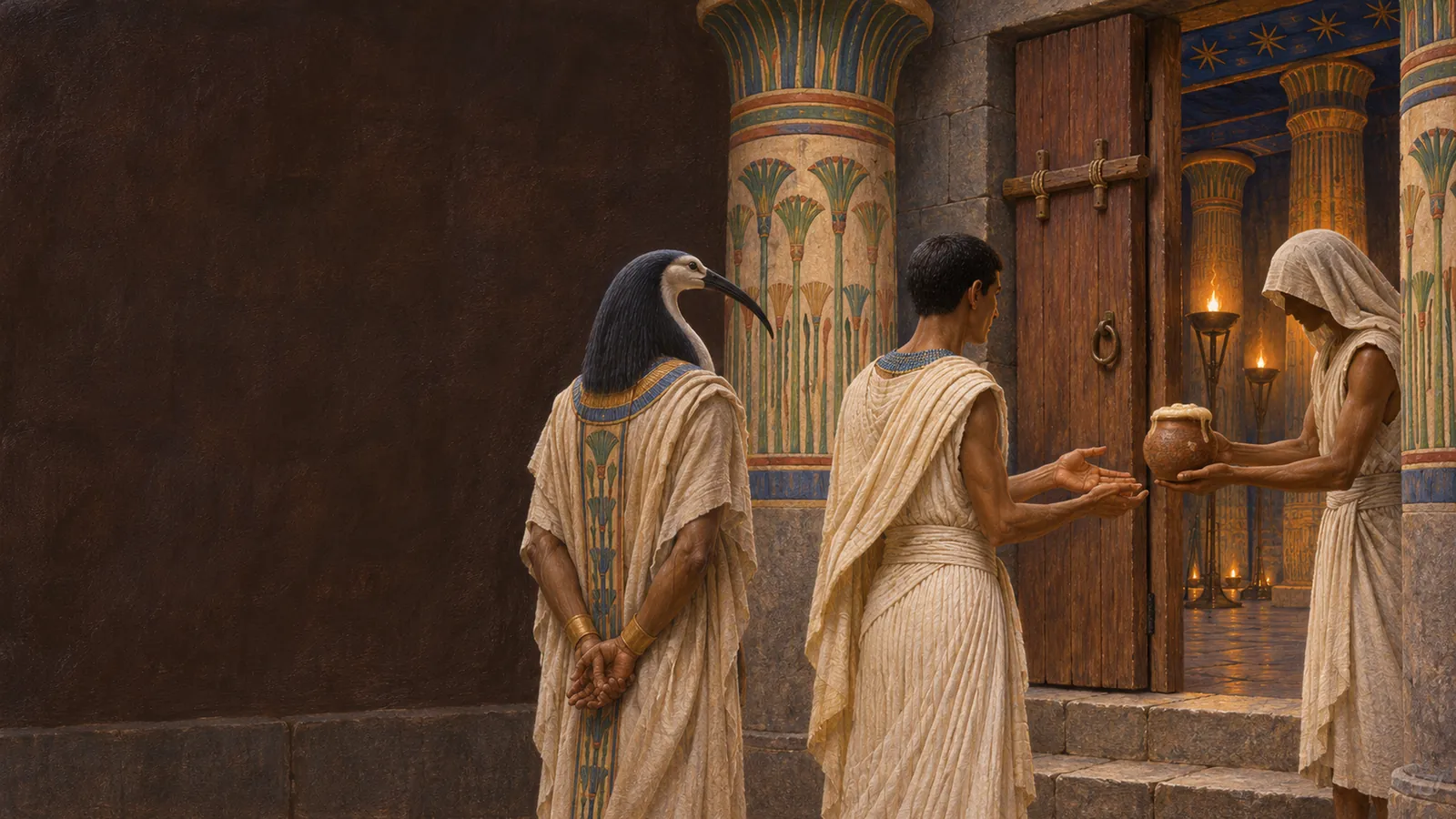
Auf die Fladen folgt das versprochene Bier. Thot sagt, auch dieses Getränk werde aus dem Auge des Re kommen.
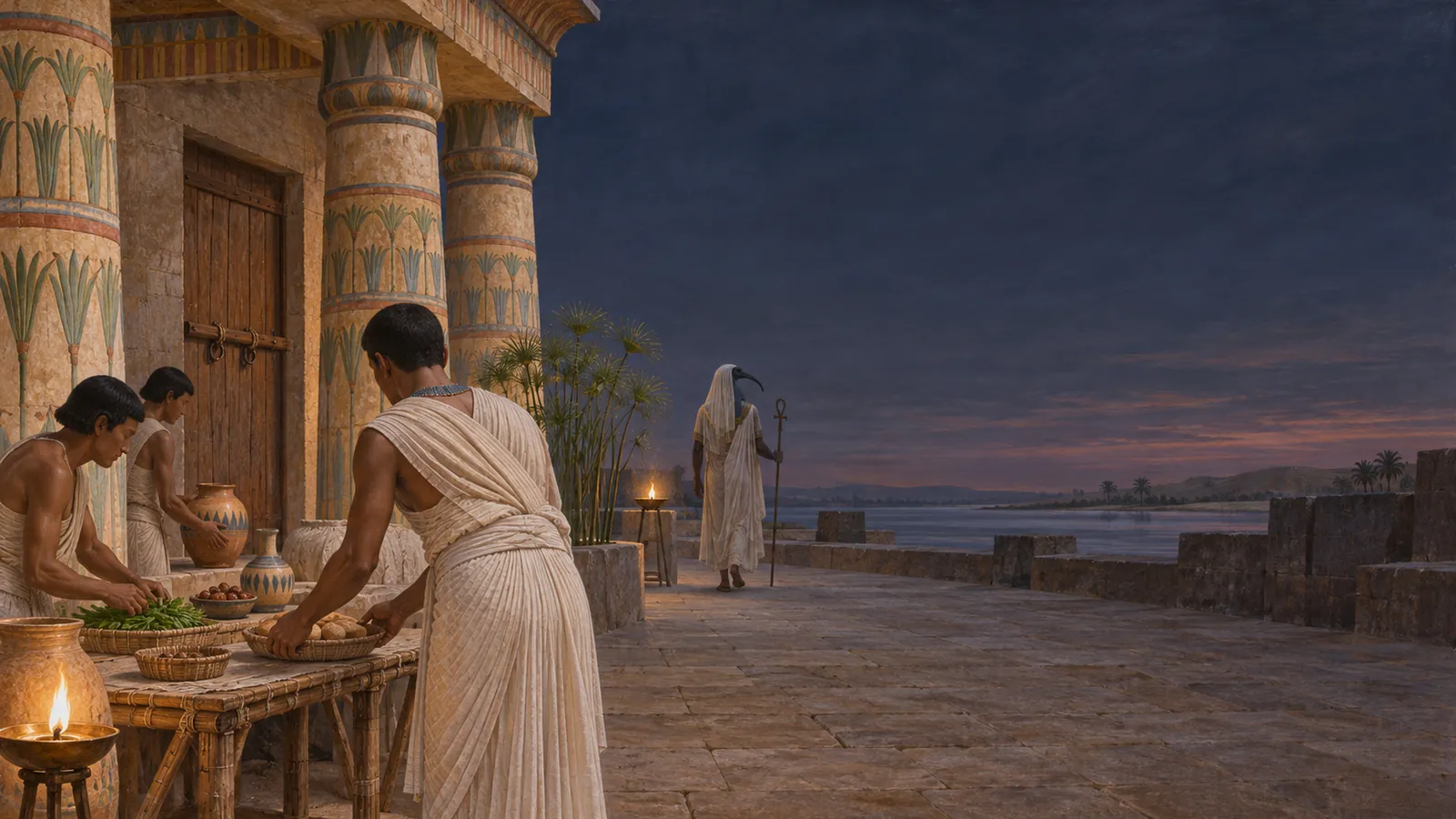
Thots letztes Versprechen lautet, dass auch die irdischen Totenmahle des Verstorbenen aus dem Auge des Re kommen werden. Mit diesen Worten endet das Kapitel.
Ende von Kapitel 1
Alle Seiten
Quellen
**Edition.** E. A. Wallis Budge, *Egyptian Ideas of the Future Life*, third edition (1908), chapter IV, “The Judgment of the Dead.” Budge identifies the recited speech as a reading from the Papyrus of Nu. [Project Gutenberg ebook 11277](https://www.gutenberg.org/ebooks/11277)
Benutzte Editionen
- E. A. Wallis Budge, Egyptian Ideas of the Future Life, third edition, 1908, Chapter IV
- The Papyrus of Nu’s concluding speech, in the Project Gutenberg reading
- Budge’s reference for the Papyrus of Nu, British Museum No. 10477
Hinweise zu dieser Nacherzählung
The claims, requests and possible replies in the following pages remain the deceased speaker’s words.
**P02, 3635–3639.** The deceased says that he knows both the dwellers and their names.
He names Ta-mera, glossed by Budge as Egypt. He denies cursing God and asks to escape harm through the king.
**P04, 3644–3647.** The gods of the Hall are free of evil and feed on right and truth before Horus. The spoken account condenses Budge’s parallel descriptions of living and feeding on right and truth. Budge places Horus in his divine disk.
**P05, 3647–3654 and footnote 120.** The deceased asks to be rescued from Baba, whom Budge identifies in a footnote as Osiris’s firstborn son. His translation says Baba feeds on the entrails of mighty ones on the day of reckoning. The spoken account keeps that fact and combines the following denials of faults, sin and evil. The final appeal against harm includes a bracketed word in Budge.
**P06, 3654–3660.** The deceased says right and truth sustain him. He describes fulfilling human commands and doing what pleases the gods. Budge brackets wording linking the two and supplies connecting words in the following clause about being at peace with the god by doing his will.
**P07, 3660–3663.** The four gifts are bread, water, clothing and a boat. Budge brackets “shipwrecked” before mariner.
**P08, 3663–3669.** The deceased gives holy offerings to the gods and funerary meals to the beatified dead. It condenses the repeated greeting of peace.
**P09, 3669–3674 and footnote 121.** The deceased says he heard the spiritual bodies speak a powerful word to the Cat at Hapt-re. Budge identifies the Cat as Ra and describes a variant with an ass, identified as Osiris, speaking instead. The deceased says that he testified before Hra-f-ha-f, who gave a decision, with the possessive bracketed by Budge. The decision’s content is unstated here.
“Persea” retains Budge’s tree name without identifying a modern species.
The deceased addresses him as lord of the Atefu crown and Lord of the Winds.
**P12, 3685–3690.** The deceased describes several washings, including the cleansing of his breast and hinder parts. Budge brackets “[immersed]” in the passage about the inward parts and the Pool of Right and Truth. The final claim that right and truth are present throughout his body remains.
Ra’s divine sailors bathe at the second hour of the night and third hour of the day. The spoken account condenses the concluding reference to the gods’ satisfaction.
**P14, 3695–3701.** The deceased imagines being called forward and asked who he is and what his name is. The next page continues the prospective exchange.
Page 15. In the recited exchange, the speaker says he would pass to the city north of the olive tree. His answer names “The Leg and the Thigh,” and he asks to see rejoicing in the land of the Fenkhu.
Page 16. The question is what they would give him and what he would do with it. He names a fiery flame and a crystal tablet. He says he would bury them by the furrow of Māāat as “Things for the night.”
Page 17. When asked what he would find there, he names a flint sceptre called “Giver of Air.” The named object belongs to his reply.
Page 18. The speaker says he would recite words over the flame and crystal tablet in the furrow. He would extinguish the fire, break the tablet and make a pool of water. The verbs are what he says he would do in the prospective exchange.
Page 19. The deceased asks the gods to tell him to enter the Hall of the Māāti goddesses because he knows them. In the invitation he asks to hear, the gods speak of his knowing them. Budge then introduces the dialogue between the Hall’s parts and the deceased.
Page 20. The bolts say they would withhold passage unless the deceased gives their names. The edition identifies the door bolts as the speakers.
Page 21. The deceased gives the plural bolts one name. Budge prints it as “Tongue of the place of Right and Truth.”
Page 22. The right post next asks for its own name as the condition for passage. This is the speaker labelled “Right post” in the edition.
Page 23. The deceased names it “Scale of the lifter up of right and truth.” The scale is a name in his reply.
### The door fittings and the floor
### The Doorkeeper, Thoth, and the last promises
Die antiken Verse hinter jeder Seite
- Page 1: Budge 1908, chapter IV, Papyrus of Nu, Nu attribution, 3629–3631
- Page 2: Budge 1908, chapter IV, Papyrus of Nu, First petition, 3635–3639
- Page 3: Budge 1908, chapter IV, Papyrus of Nu, First petition, 3639–3642
- Page 4: Budge 1908, chapter IV, Papyrus of Nu, Second petition, 3644–3647
- Page 5: Budge 1908, chapter IV, Papyrus of Nu, Second petition, 3647–3654
- Page 6: Budge 1908, chapter IV, Papyrus of Nu, Second petition, 3654–3660
- Page 7: Budge 1908, chapter IV, Papyrus of Nu, Second petition, 3660–3663
- Page 8: Budge 1908, chapter IV, Papyrus of Nu, Second petition, 3663–3669
- Page 9: Budge 1908, chapter IV, Papyrus of Nu, Second petition, 3669–3674
- Page 10: Budge 1908, chapter IV, Papyrus of Nu, Second petition, 3674–3678
- Page 11: Budge 1908, chapter IV, Papyrus of Nu, Third petition, 3680–3685
- Page 12: Budge 1908, chapter IV, Papyrus of Nu, Third petition, 3685–3690
- Page 13: Budge 1908, chapter IV, Papyrus of Nu, Third petition, 3690–3695
- Page 14: Budge 1908, chapter IV, Papyrus of Nu, Third petition, 3695–3701
- Page 15: Budge 1908, chapter IV, Papyrus of Nu, Third petition, 3701–3706
- Page 16: Budge 1908, chapter IV, Papyrus of Nu, Third petition, 3707–3713
- Page 17: Budge 1908, chapter IV, Papyrus of Nu, Third petition, 3714–3717
- Page 18: Budge 1908, chapter IV, Papyrus of Nu, Third petition, 3718–3723
- Page 19: Budge 1908, chapter IV, Papyrus of Nu, Third petition and dialogue heading, 3724–3730
- Page 20: Budge 1908, chapter IV, Papyrus of Nu, concluding dialogue, lines 3734–3735
- Page 21: Budge 1908, chapter IV, Papyrus of Nu, concluding dialogue, lines 3737–3738
- Page 22: Budge 1908, chapter IV, Papyrus of Nu, concluding dialogue, lines 3740–3741
- Page 23: Budge 1908, chapter IV, Papyrus of Nu, concluding dialogue, lines 3743–3744
- Page 24: Budge 1908, Chapter IV, Papyrus of Nu, concluding dialogue, lines 3746–3749
- Page 25: Budge 1908, Chapter IV, Papyrus of Nu, concluding dialogue, lines 3751–3752
- Page 26: Budge 1908, Chapter IV, Papyrus of Nu, concluding dialogue, lines 3754
- Page 27: Budge 1908, Chapter IV, Papyrus of Nu, concluding dialogue, lines 3756–3758
- Page 28: Budge 1908, Chapter IV, Papyrus of Nu, concluding dialogue, lines 3760–3763
- Page 29: Budge 1908, Chapter IV, Papyrus of Nu, concluding dialogue, lines 3765–3768
- Page 30: Budge 1908, Chapter IV, Papyrus of Nu, concluding dialogue, lines 3770–3776
- Page 31: Budge 1908, Chapter IV, Papyrus of Nu, concluding dialogue, lines 3778–3781
- Page 32: Budge 1908, Chapter IV, Papyrus of Nu, concluding dialogue, lines 3783–3785
- Page 33: Budge 1908, Chapter IV, Papyrus of Nu, concluding dialogue, lines 3787–3788
- Page 34: Budge 1908, Chapter IV, Papyrus of Nu, concluding dialogue, lines 3790–3794
- Page 35: Budge 1908, Chapter IV, Papyrus of Nu, concluding dialogue, lines 3796–3803
- Page 36: Budge 1908, Chapter IV, Papyrus of Nu, concluding dialogue, lines 3805–3808
- Page 37: Budge 1908, Chapter IV, Papyrus of Nu, concluding dialogue, lines 3810–3814
- Page 38: Budge 1908, Chapter IV, Papyrus of Nu, concluding dialogue, lines 3816–3818
- Page 39: Budge 1908, Chapter IV, Papyrus of Nu, concluding dialogue, lines 3818–3820
- Page 40: Budge 1908, Chapter IV, Papyrus of Nu, concluding dialogue, lines 3822
- Page 41: Budge 1908, Chapter IV, Papyrus of Nu, concluding dialogue, lines 3824–3825
- Page 42: Budge 1908, Chapter IV, Papyrus of Nu, concluding dialogue, lines 3825–3826
- Page 43: Budge 1908, Chapter IV, Papyrus of Nu, concluding dialogue, lines 3827–3828
- Page 44: Budge 1908, Chapter IV, Papyrus of Nu, concluding dialogue, lines 3829–3835
Illustrationen von IL Archive mit KI-Werkzeugen; der Text folgt den antiken Quellen (siehe die Quellen am Ende jedes Kapitels).