Die Briefe von Elephantine Kapitel 1
Die Bitte um Wiederaufbau
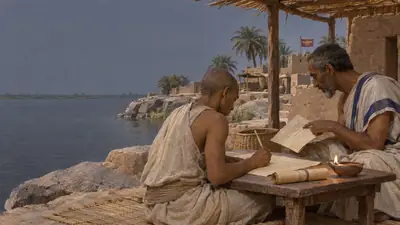
Drei Ausschnitte aus dem Entwurf der Priester beschreiben Trauer und bitten Bagohi, den Wiederaufbau des Tempels auf Elephantine zu unterstützen. Ein separates Memorandum gibt Anweisungen zum Wiederaufbau am früheren Standort und zu den üblichen Opfergaben.
QuellenBlättern Sie mit den Pfeilen, den Pfeiltasten oder durch Wischen.
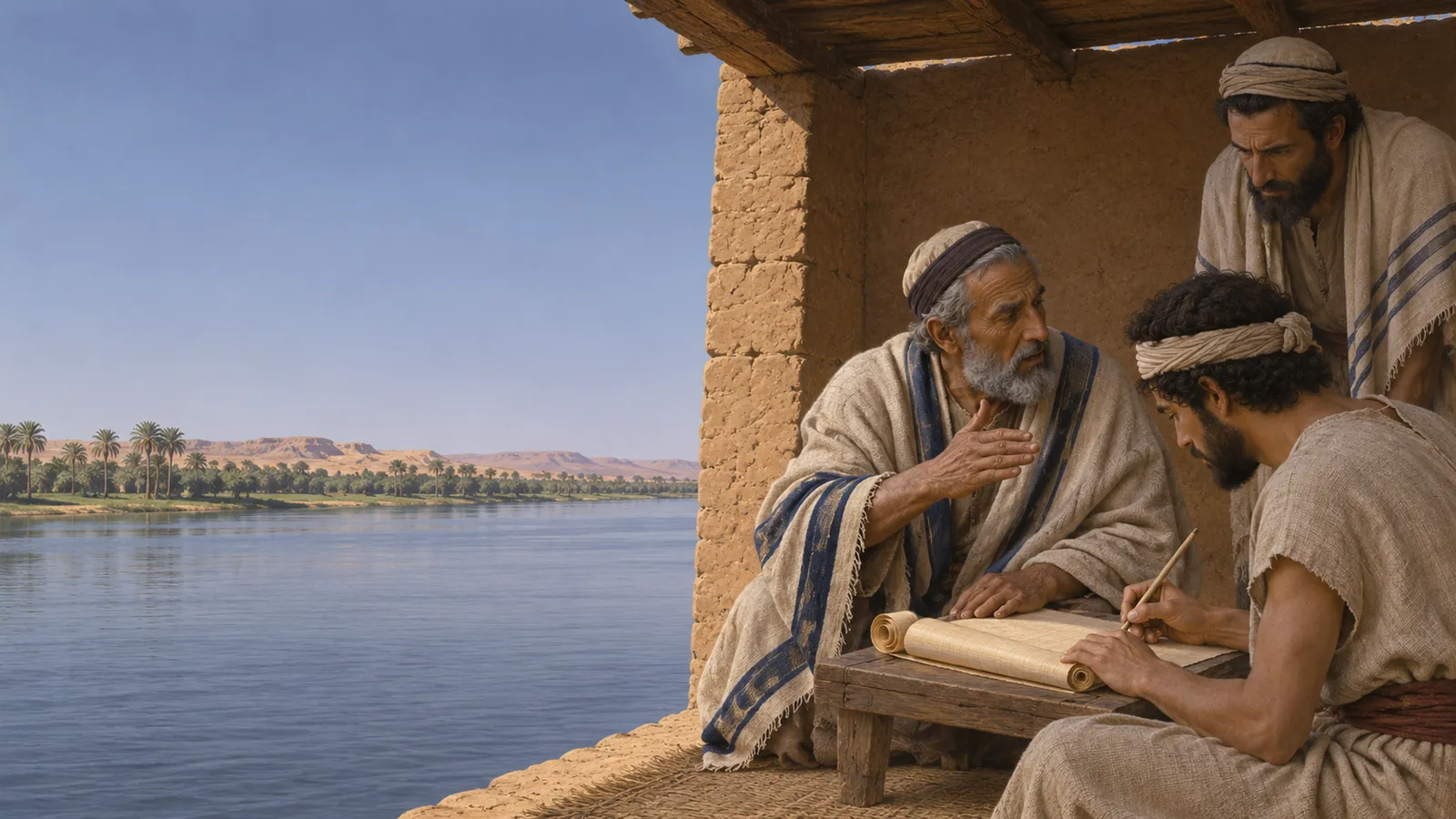
ELEPHANTINE
Collin Cornell datiert den Entwurf auf das Jahr 407 vor unserer Zeitrechnung, drei Jahre nach der Zerstörung des Tempels. Als Absender nennt er Yedoniah und die anderen Priester, als Empfänger Bagohi, den Statthalter von Yehud.
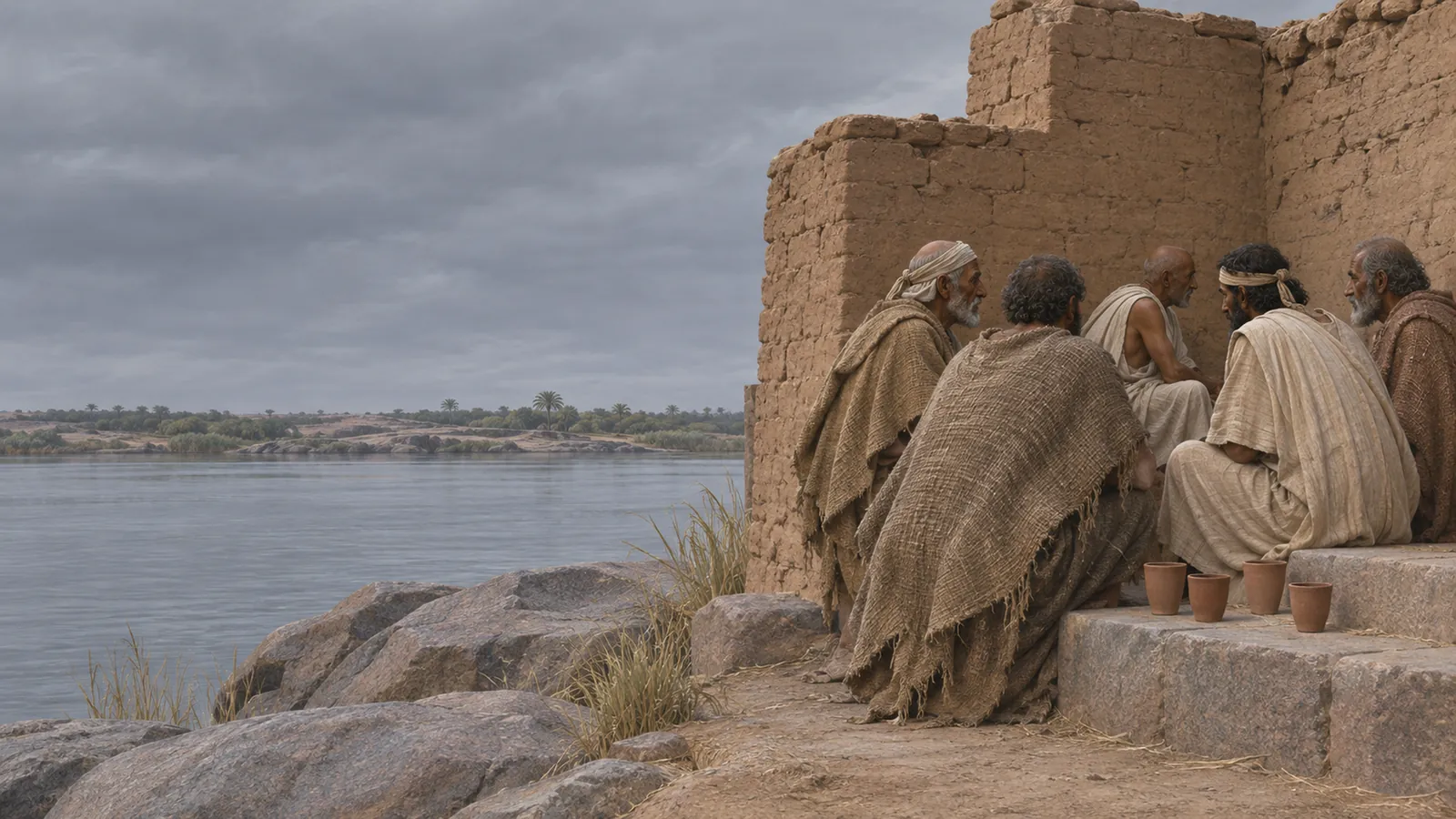
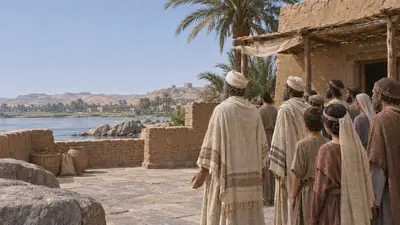
Die Verfasser sagen, dass sie vom Verlust des Tempels bis zum Tag der Niederschrift Sackleinen getragen und gefastet haben.
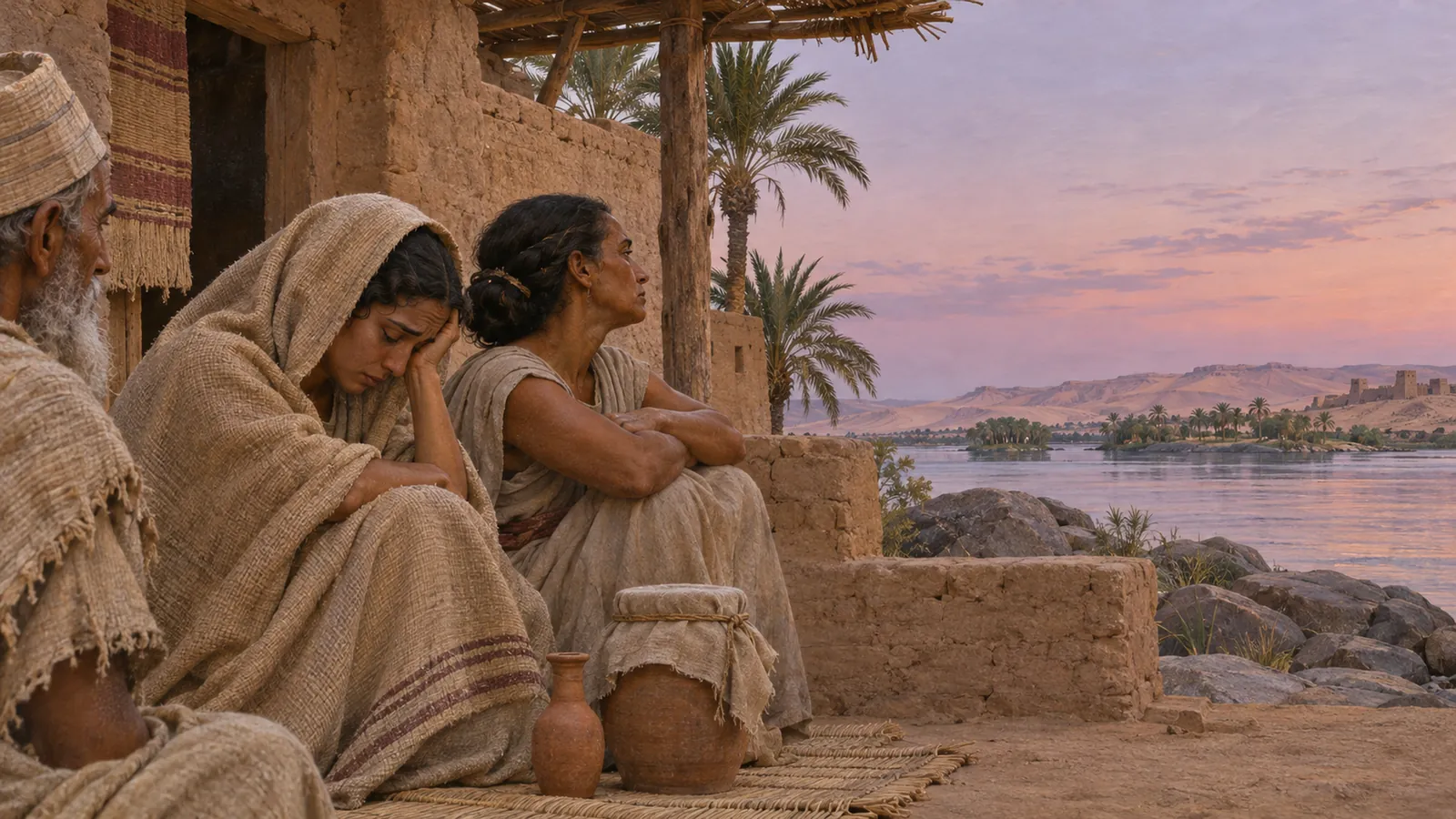
An derselben Stelle sagen sie, dass sie ihre Frauen wie Witwen leben ließen. Sie sagen auch, dass sie sich nicht mit Öl gesalbt und keinen Wein getrunken haben.
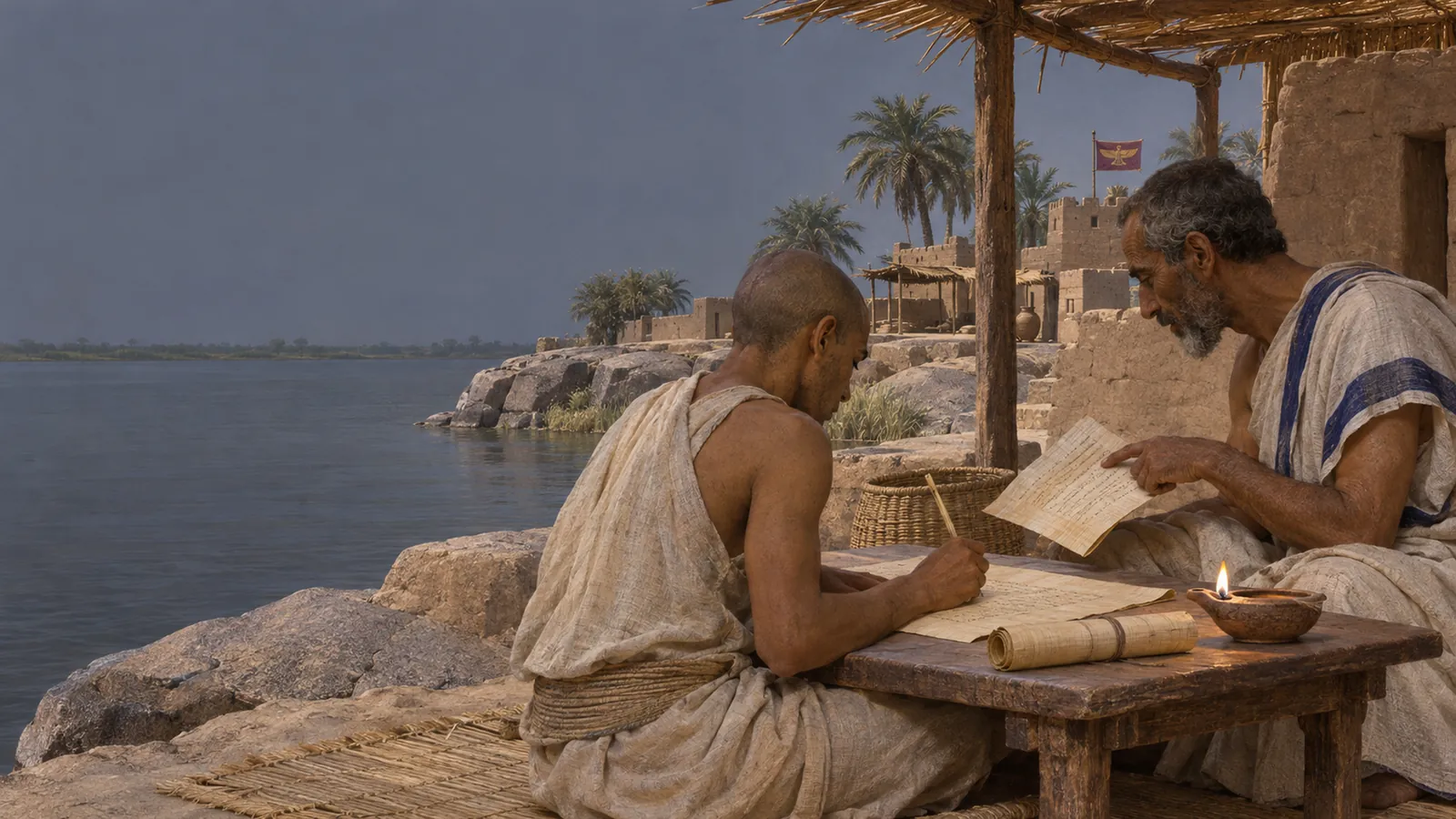
DIE BITTE
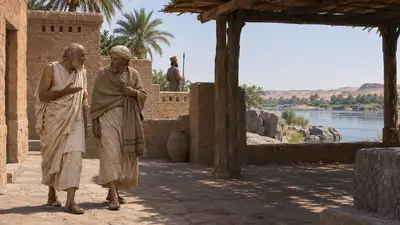
Die Verfasser bitten Bagohi um einen Brief, damit der Tempel des Yhw in der Festung Elephantine wieder so aufgebaut wird, wie er früher stand.
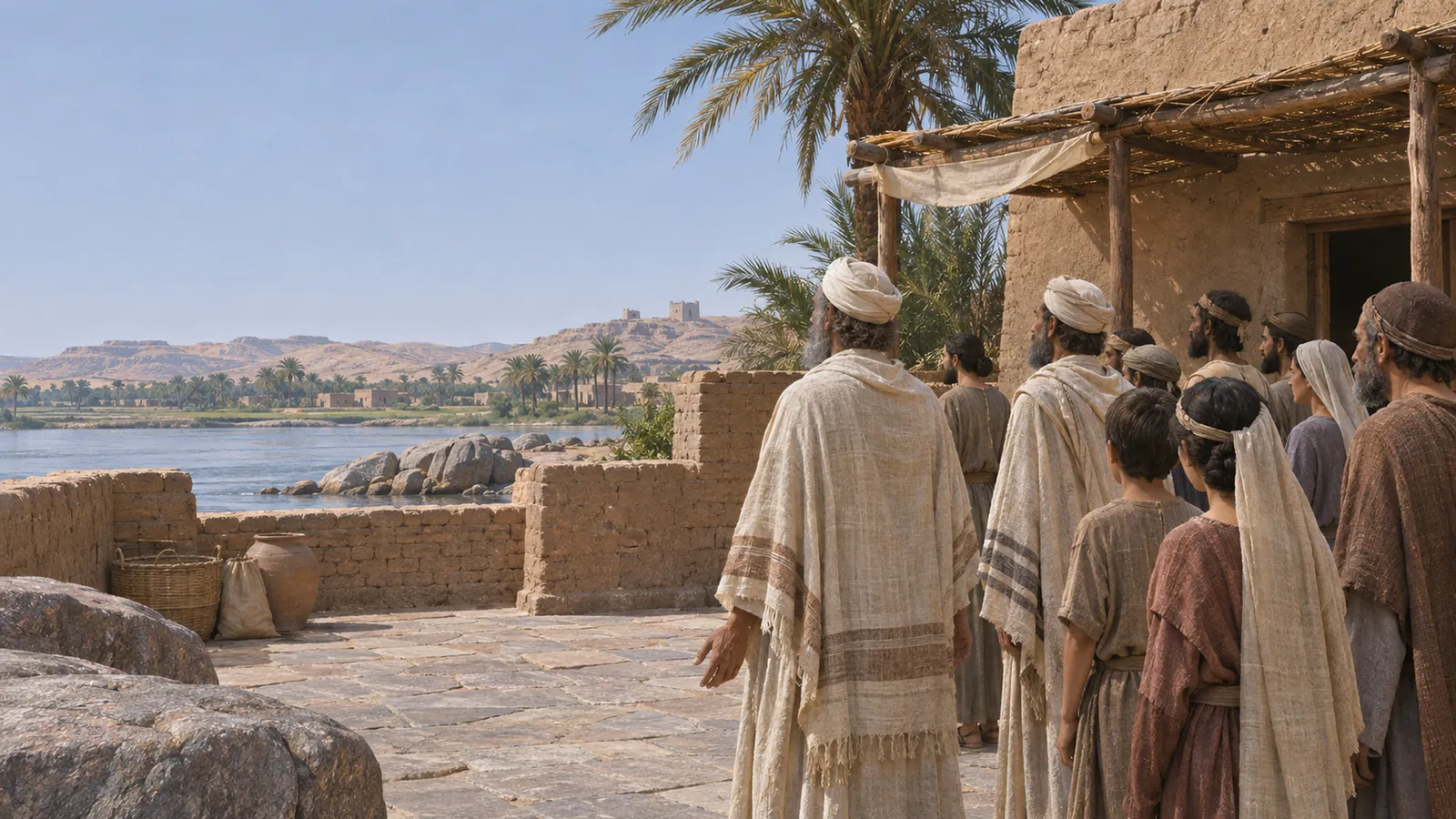
Die Priester sagen Bagohi, dass sie fortwährend für ihn beten werden. Cornell ergänzt in der Übersetzung das Pronomen, das auf Bagohi verweist.
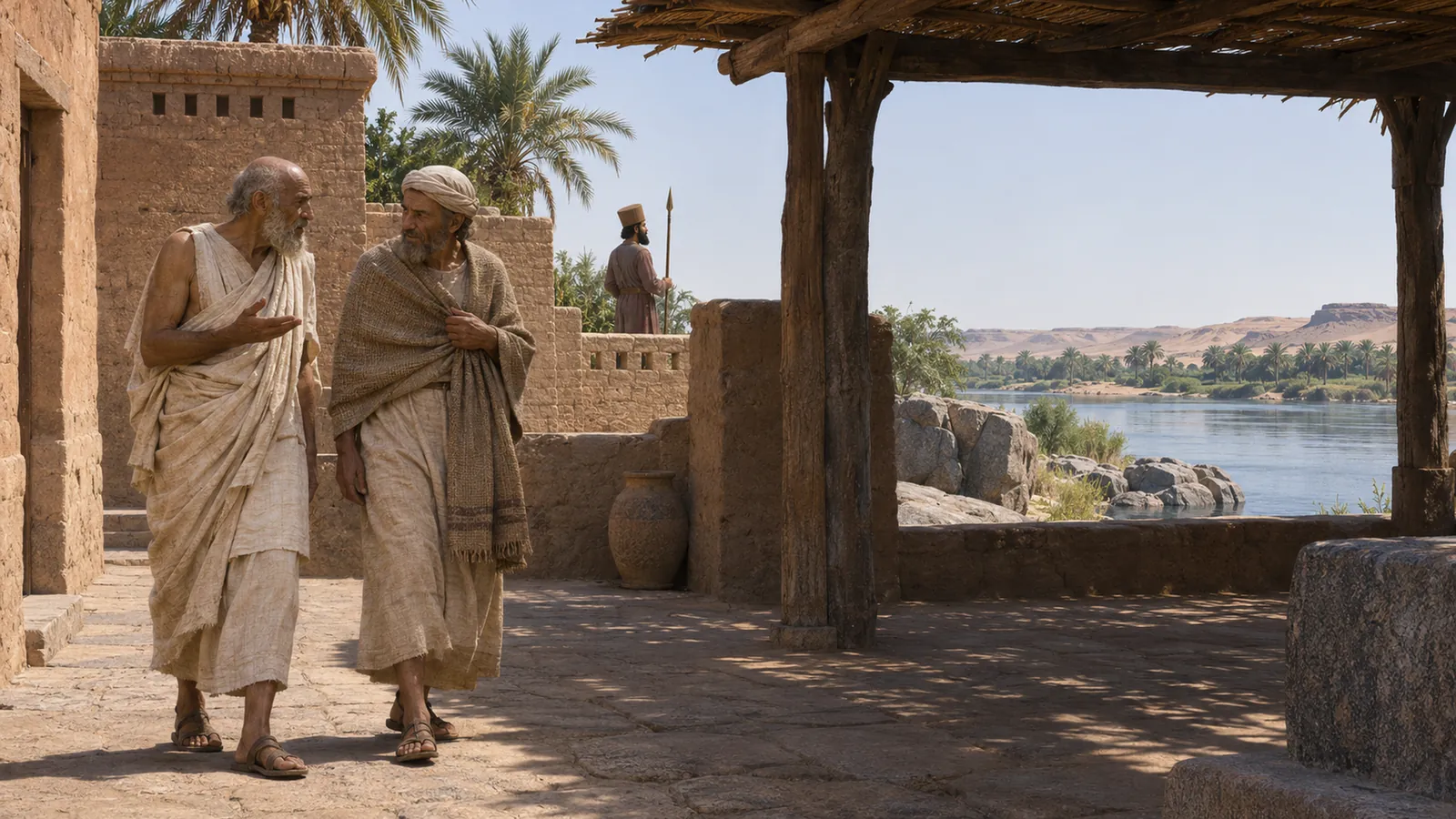
Sie sagen, dies werde Bagohi vor Yhw mehr Ehre einbringen als einem Mann, der Brandopfer und Schlachtopfer im Wert von tausend Talenten Silber und Gold darbringt.
DAS MEMORANDUM
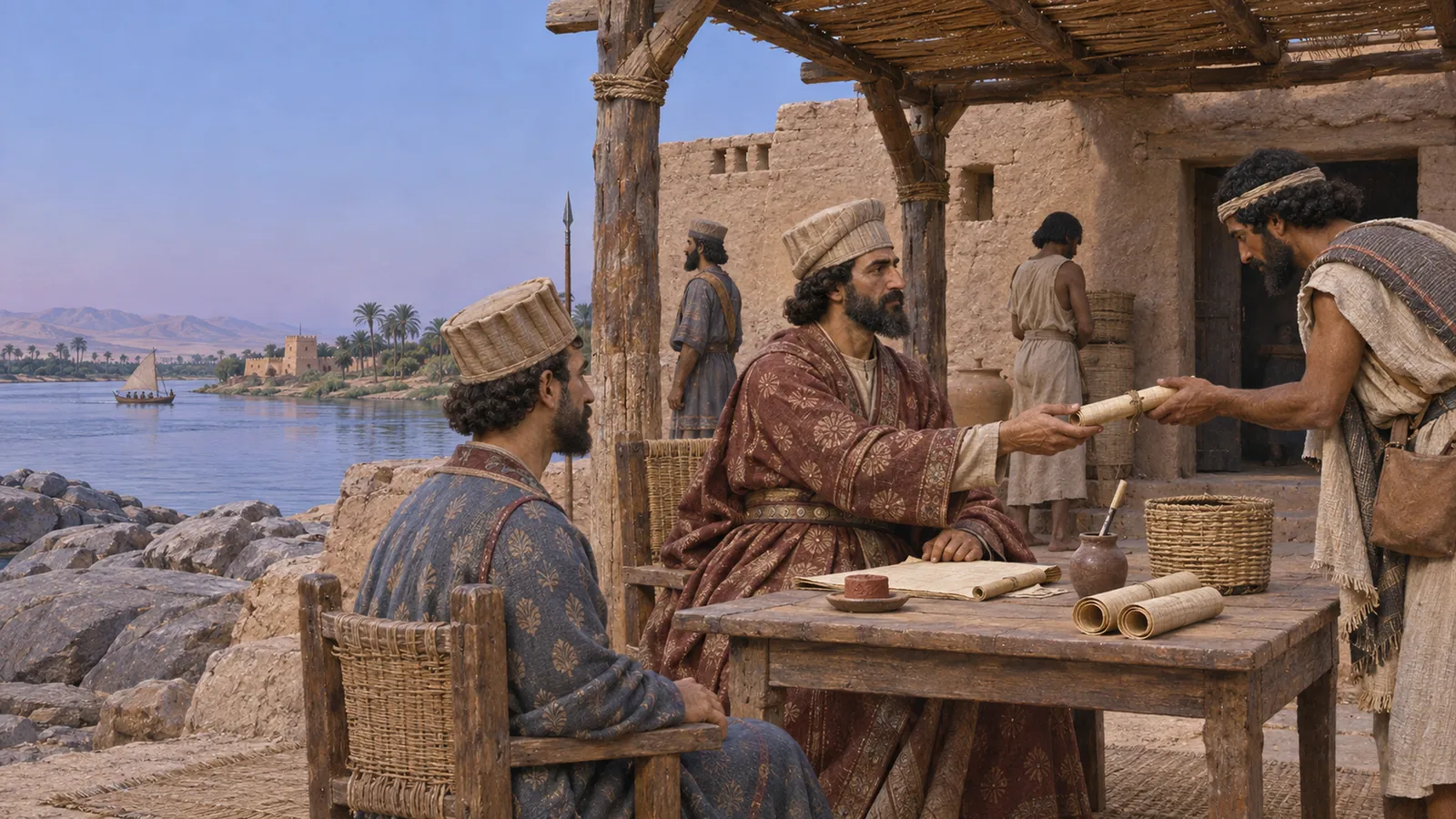
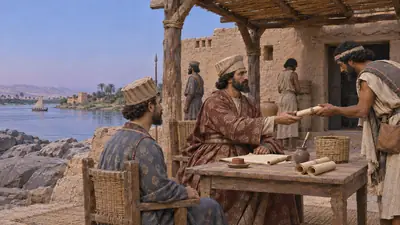
Cornell stellt ein separates Memorandum von Bagohi vor. Darin wird dazu aufgefordert, vor Arsames über das Haus des Yhw, des Gottes des Himmels, zu sprechen.
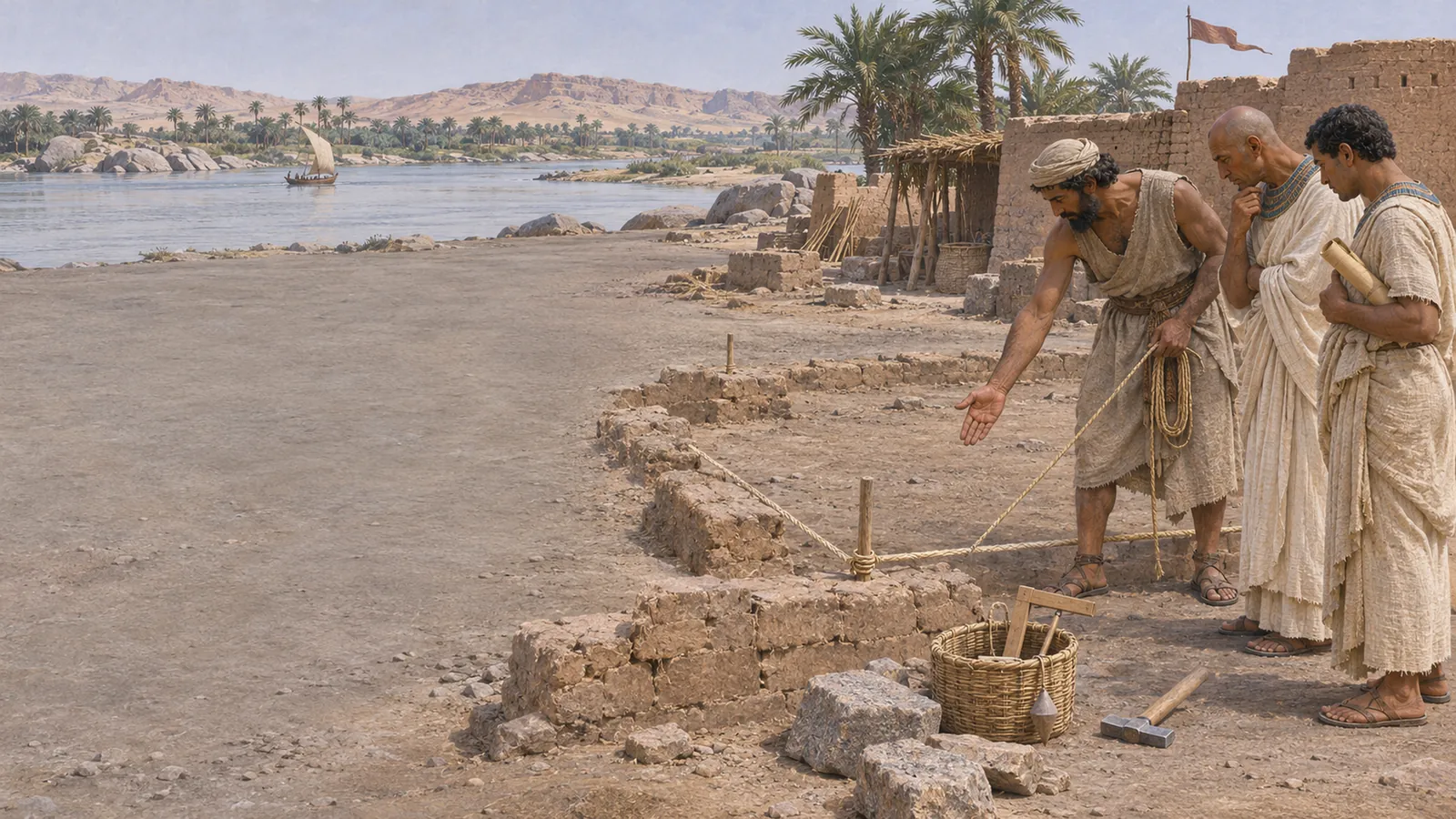
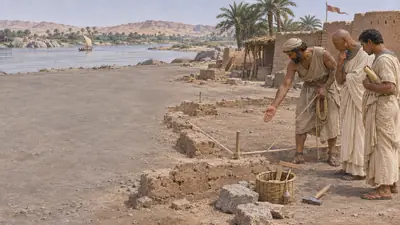
Die nächste Anweisung des Memorandums fordert dazu auf, das Haus des Yhw an seinem früheren Standort wieder aufzubauen.
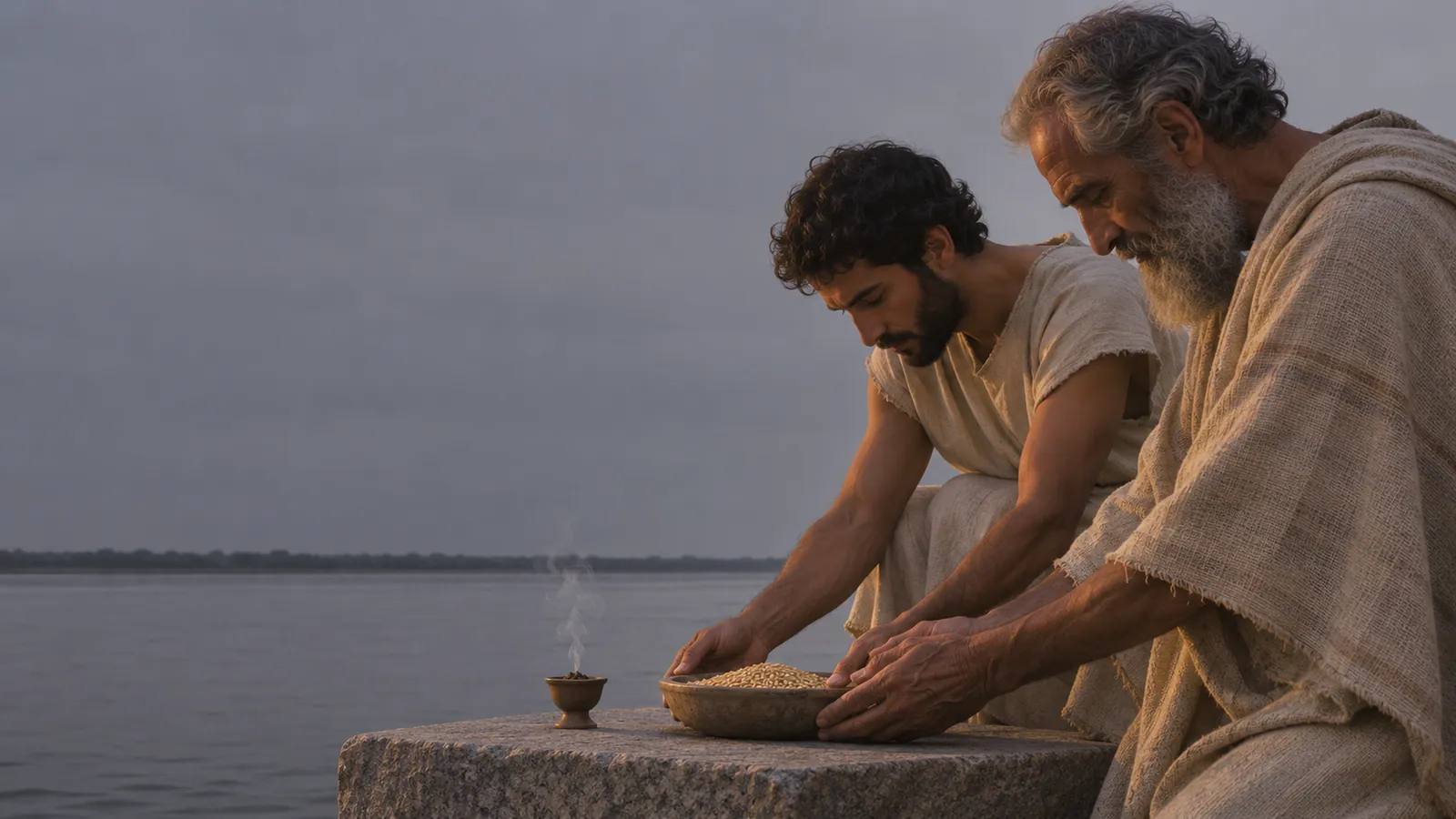
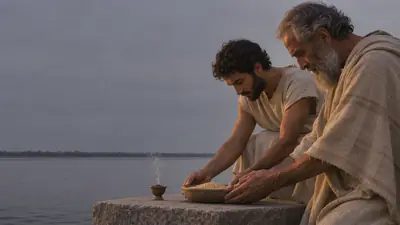
Das Memorandum sagt, dass die Speisegabe und der Weihrauch wieder wie früher auf diesem Altar dargebracht werden sollen. Mit diesen Anweisungen endet die ausgewählte Passage.
Ende von Kapitel 1
Alle Seiten
Quellen
Cornell dates the draft letter to 407 BCE. Its paired line numbers are for A4.7 and A4.8, two versions of the request. The rebuilding is requested and then instructed. The words of the two documents are identified as they appear.
Benutzte Editionen
- Collin Cornell, The Value of Egyptian Aramaic for Biblical Studies, Journal of Biblical and Theological Studies 7.1 (2022)
- Cornell, printed p. 10, draft letter A4.7 and A4.8
- Cornell, printed p. 11, separate memorandum A4.9
Hinweise zu dieser Nacherzählung
Page 1, modern context. Collin Cornell dates the draft petition to 407 BCE, three years after the temple’s destruction. On printed p. 10 he identifies the senders as Yedoniah and his priestly colleagues and the addressee as Bagohi, governor of Yehud, referring to line 1 of each draft. Note 27 explains that there are two versions of the draft.
Pages 2–3, TAD A4.7/8, line 20/19. The writers say that they wore sackcloth and fasted from the loss until the day of writing. Cornell supplies “that time” in brackets. They compare their wives to widows and say that they refrained from anointing themselves with oil and from drinking wine. The comparison is preserved as speech from the letters.
Page 4, TAD A4.7/8, line 24/23. The writers ask for a letter about rebuilding the temple of Yhw in the fortress of Elephantine as formerly. Cornell’s prose identifies the intended recipients as Bagohi’s clients and friends in Egypt. His article discusses this request after the honor clause.
Pages 5–6, TAD A4.7/8, lines 27–28/26–27. The continuing prayer and promise of honor are the quoted clauses. The translator supplies “him” in the first.
Page 7, TAD A4.9, lines 8–10 in Cornell’s presentation. A separate memorandum follows on printed p. 11. Cornell presents it as from Bagohi and identifies the intended recipient as probably Yedoniah. The quoted introduction mentions speaking before Arsames about the house of Yhw, called the God of Heaven.
Pages 8–9, TAD A4.9, lines 8–10. The instructions place rebuilding on the previous site and specify the meal offering and incense on that altar in the former manner. Cornell gives the Aramaic wording for “formerly” in brackets in both clauses. The excerpt ends with the instructions, which express what the document asks for.
The final page imagines the offering and incense described in the memorandum.
Die antiken Verse hinter jeder Seite
- Page 1: Cornell, JBTS 7.1 (2022), p. 10, modern framing before the A4.7/8 excerpts
- Page 2: Cornell, JBTS 7.1 (2022), p. 10, TAD A4.7/8, line 20/19, first part
- Page 3: Cornell, JBTS 7.1 (2022), p. 10, TAD A4.7/8, line 20/19, remainder
- Page 4: Cornell, JBTS 7.1 (2022), p. 10, TAD A4.7/8, line 24/23
- Page 5: Cornell, JBTS 7.1 (2022), p. 10, TAD A4.7/8, lines 27–28/26–27, prayer clause
- Page 6: Cornell, JBTS 7.1 (2022), p. 10, TAD A4.7/8, lines 27–28/26–27, honor clause
- Page 7: Cornell, JBTS 7.1 (2022), p. 11, TAD A4.9, lines 8–10, introduction and address
- Page 8: Cornell, JBTS 7.1 (2022), p. 11, TAD A4.9, lines 8–10, rebuilding clause
- Page 9: Cornell, JBTS 7.1 (2022), p. 11, TAD A4.9, lines 8–10, closing offering clause
Illustrationen von IL Archive mit KI-Werkzeugen; der Text folgt den antiken Quellen (siehe die Quellen am Ende jedes Kapitels).