Lugalbanda Kapitel 1
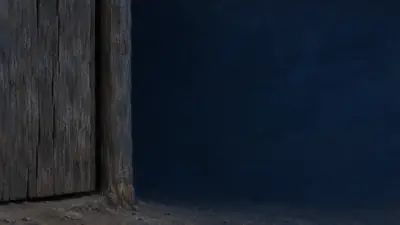
Die Berghöhle
Auf dem Zug durch die Berge erkrankt Lugalbanda, und seine Gefährten lassen ihn mit Essen und Trinken in einer Höhle zurück. Als seine Kräfte wiederkehren, zieht er allein weiter, träumt von einer Opfergabe und bringt sie im Morgengrauen dar.
QuellenBlättern Sie mit den Pfeilen, den Pfeiltasten oder durch Wischen.
ANFÄNGE
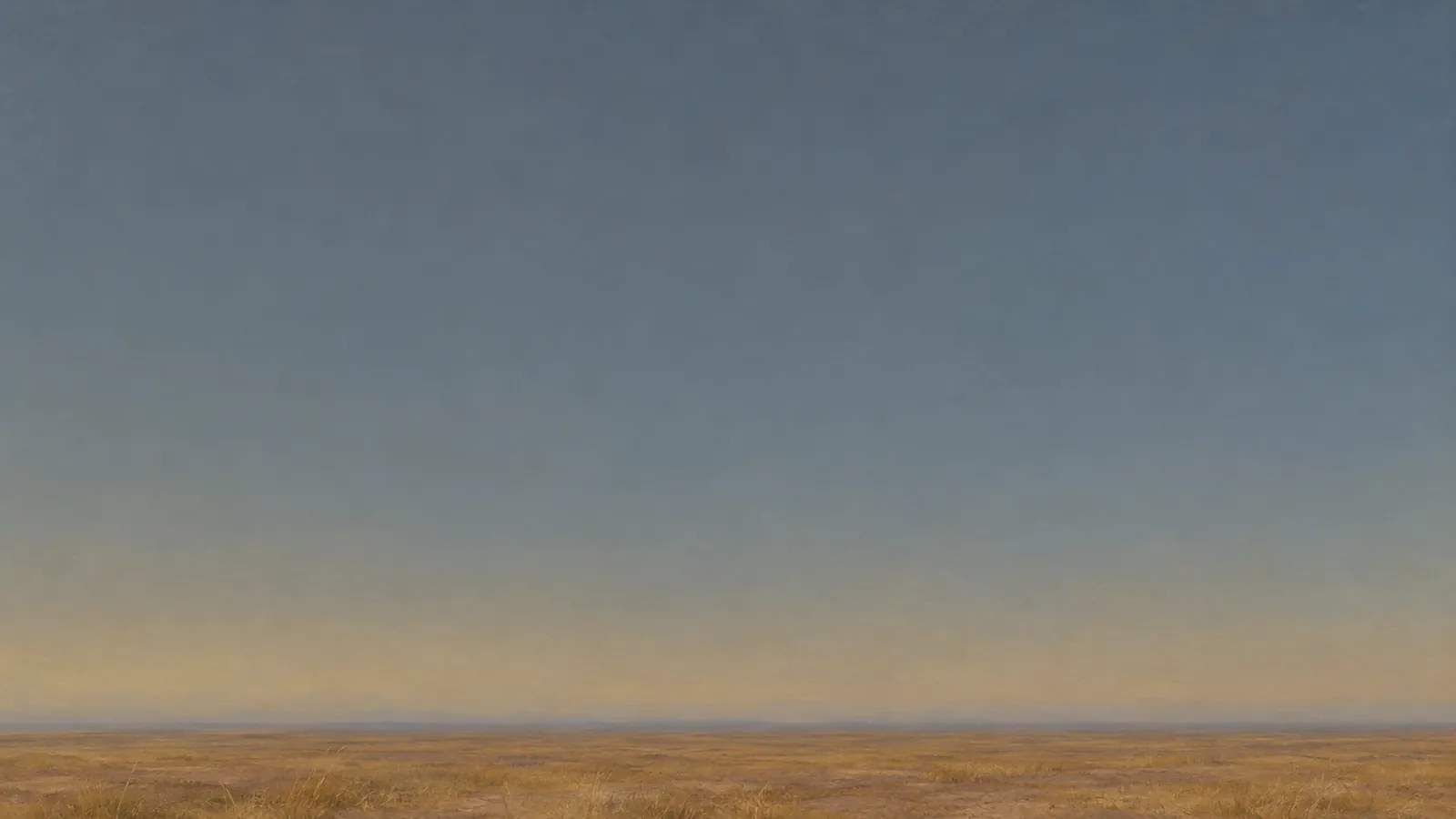
Das Gedicht beginnt in der fernen Zeit, als Himmel und Erde sich trennten. Von seinen ersten Worten sind nur Bruchstücke erhalten.
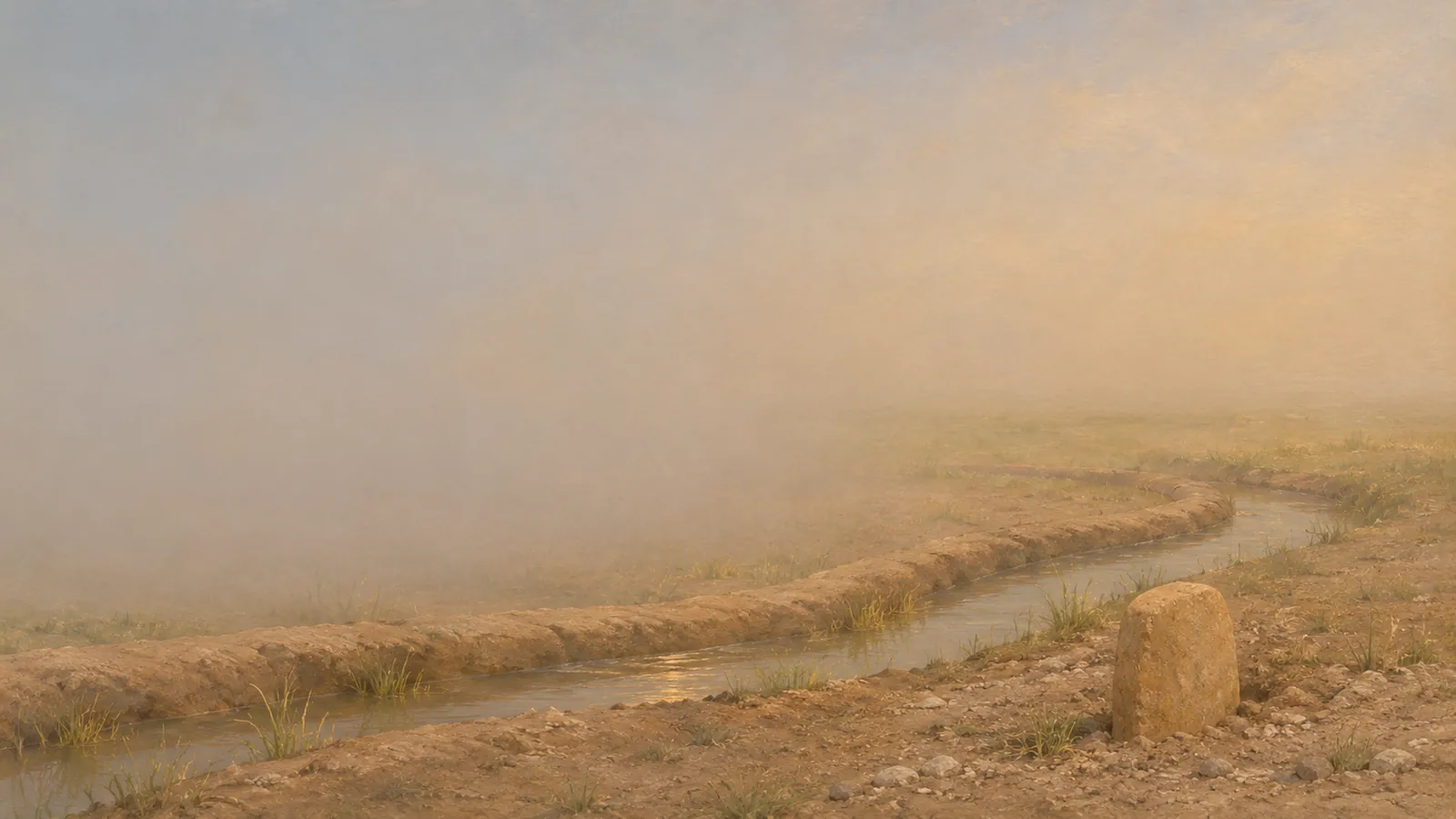
Die alten Verse erzählen von Menschen, die Steine setzten, um Grenzen zu markieren. Sie hielten Dämme und Kanäle instand.
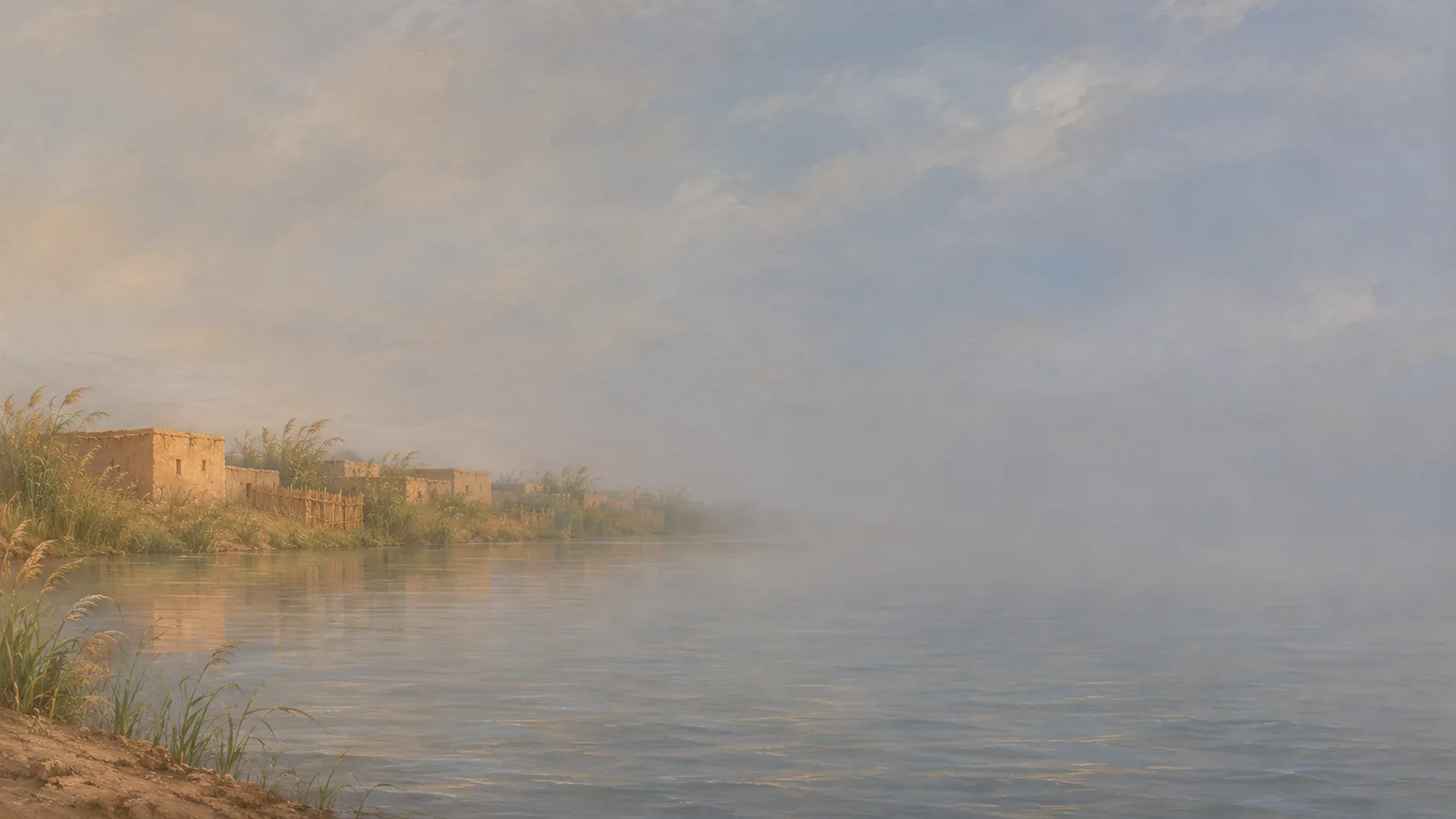
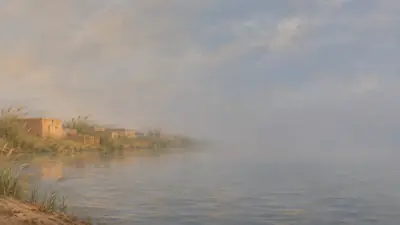
Der Euphrat war der Fluss, der Uruk mit Wasser versorgte. In den Jahren, von denen das Gedicht erzählt, trug man den Königsstab von Kulaba hoch erhoben.
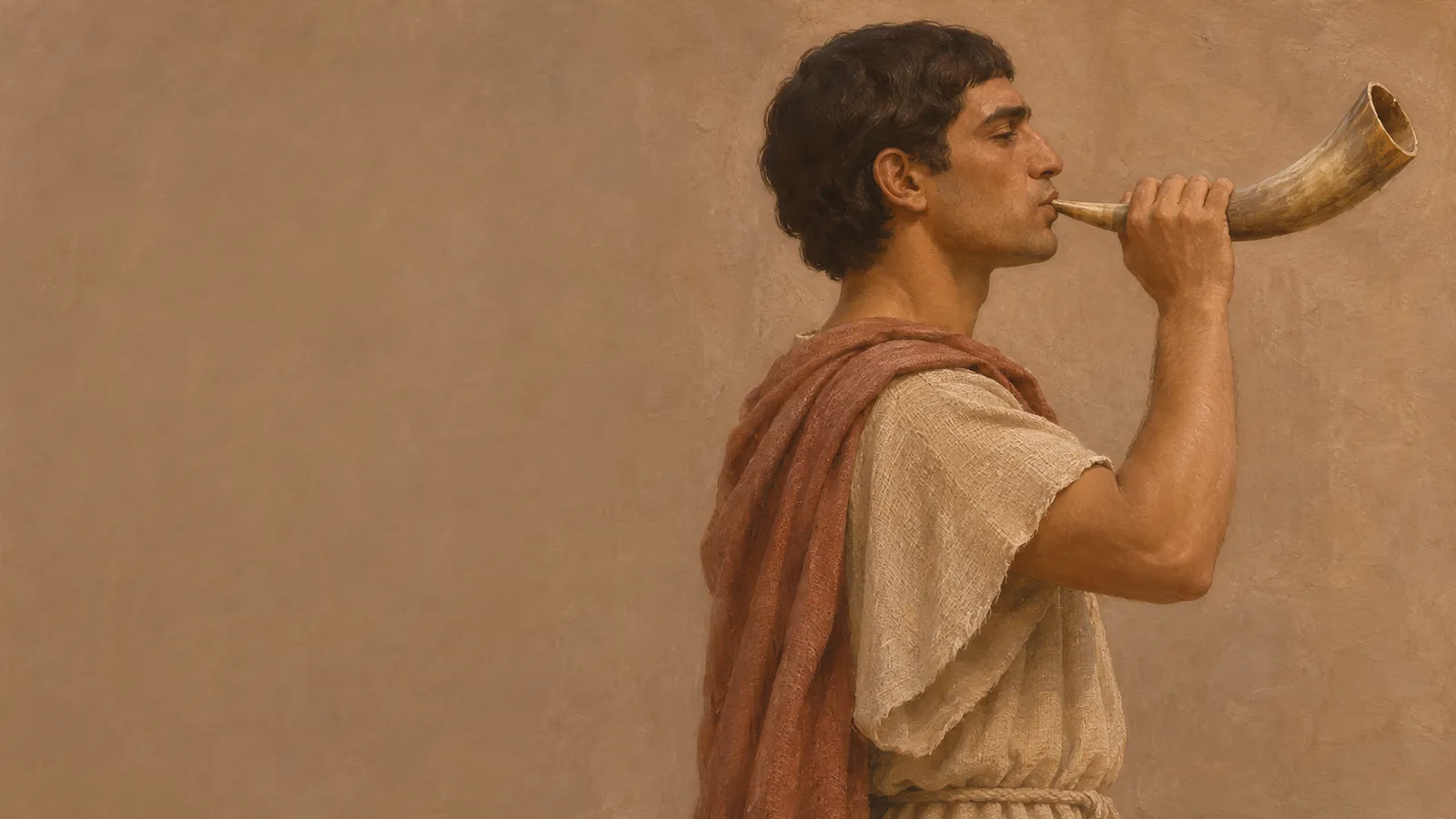
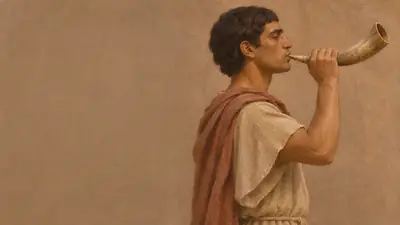
Enmerkar bereitete den Zug gegen Aratta vor, eine Stadt in den Bergen. Auf seinen Befehl blies der Herold ins Horn und rief die Leute zusammen.
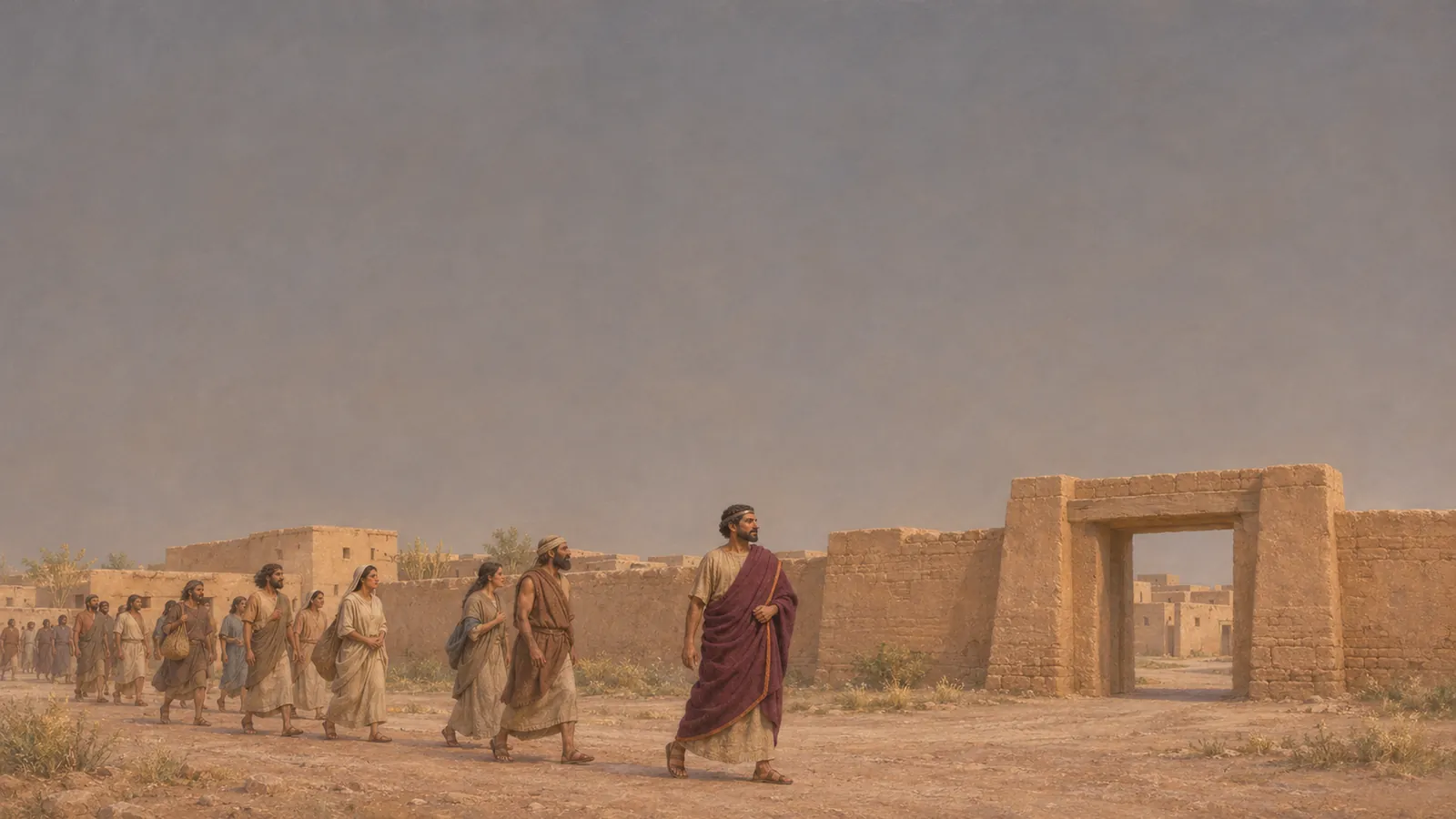
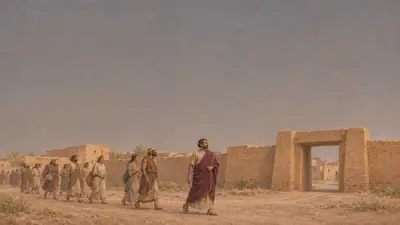
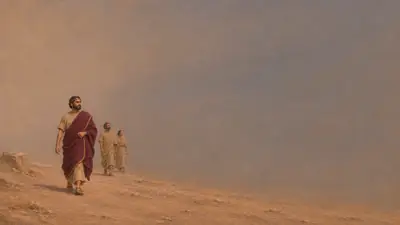
Die Männer von Uruk zogen aus, und Kulaba folgte Enmerkar. Das Gedicht vergleicht die Schar mit einer Flut unter einem wolkenverhangenen Himmel.
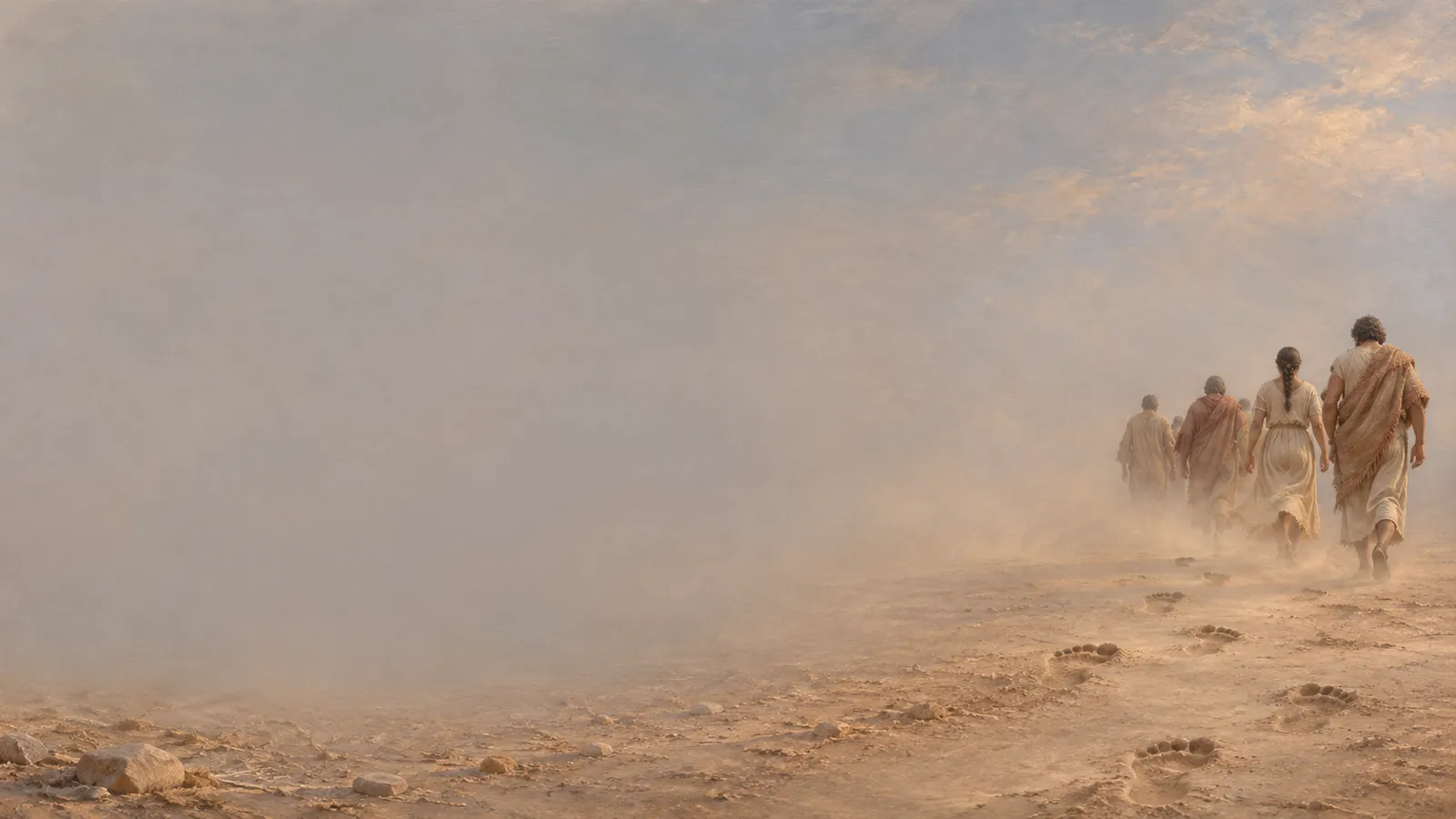
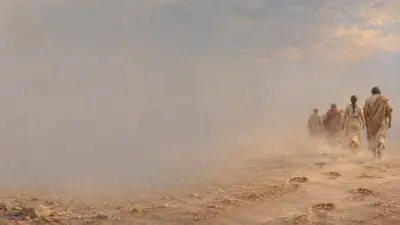
Das aufbrechende Heer bedeckte den Boden wie tiefer Nebel. Der Staub stieg auf, während die Männer das Zeichen weitergaben.
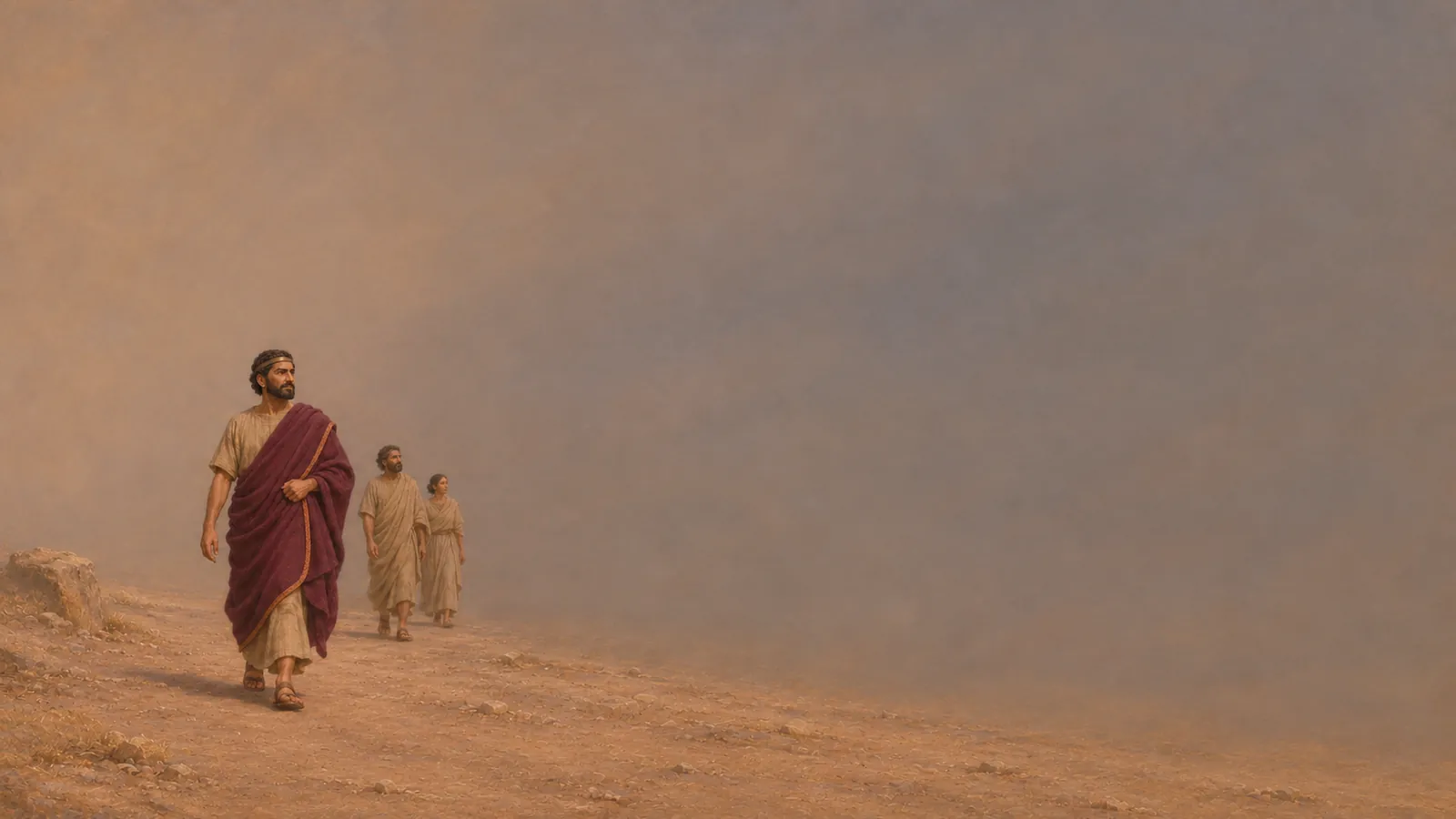
Ihr König ging an der Spitze des Heeres. Die folgenden Worte über seinen Zug sind beschädigt.
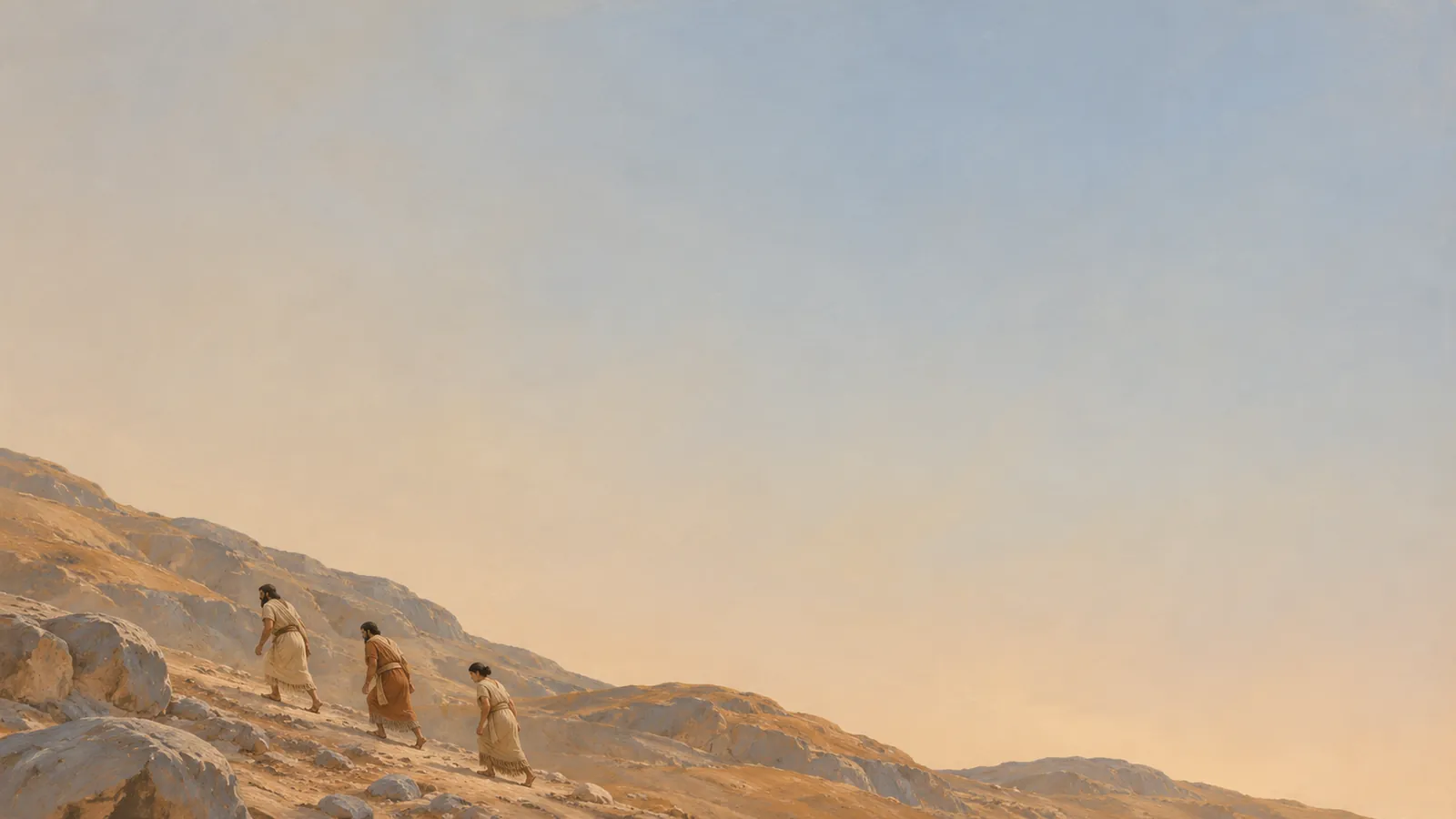
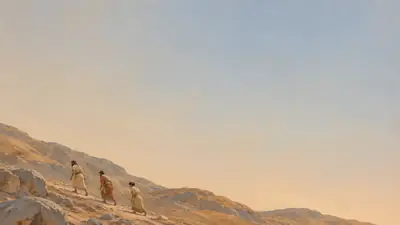
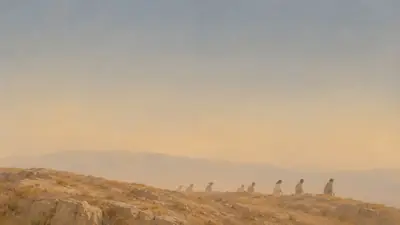
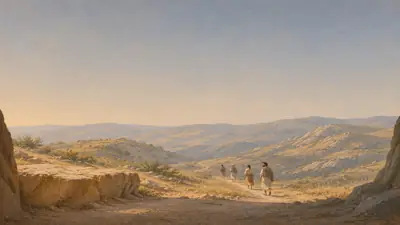
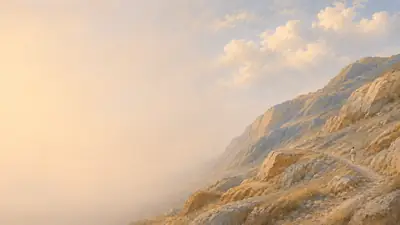
Die Hänge wurden steiler, je weiter die Schar zog. Der lückenhafte Bericht zeigt noch, wie die Männer sich beim Aufstieg beugten, wie Schafe am Hang.
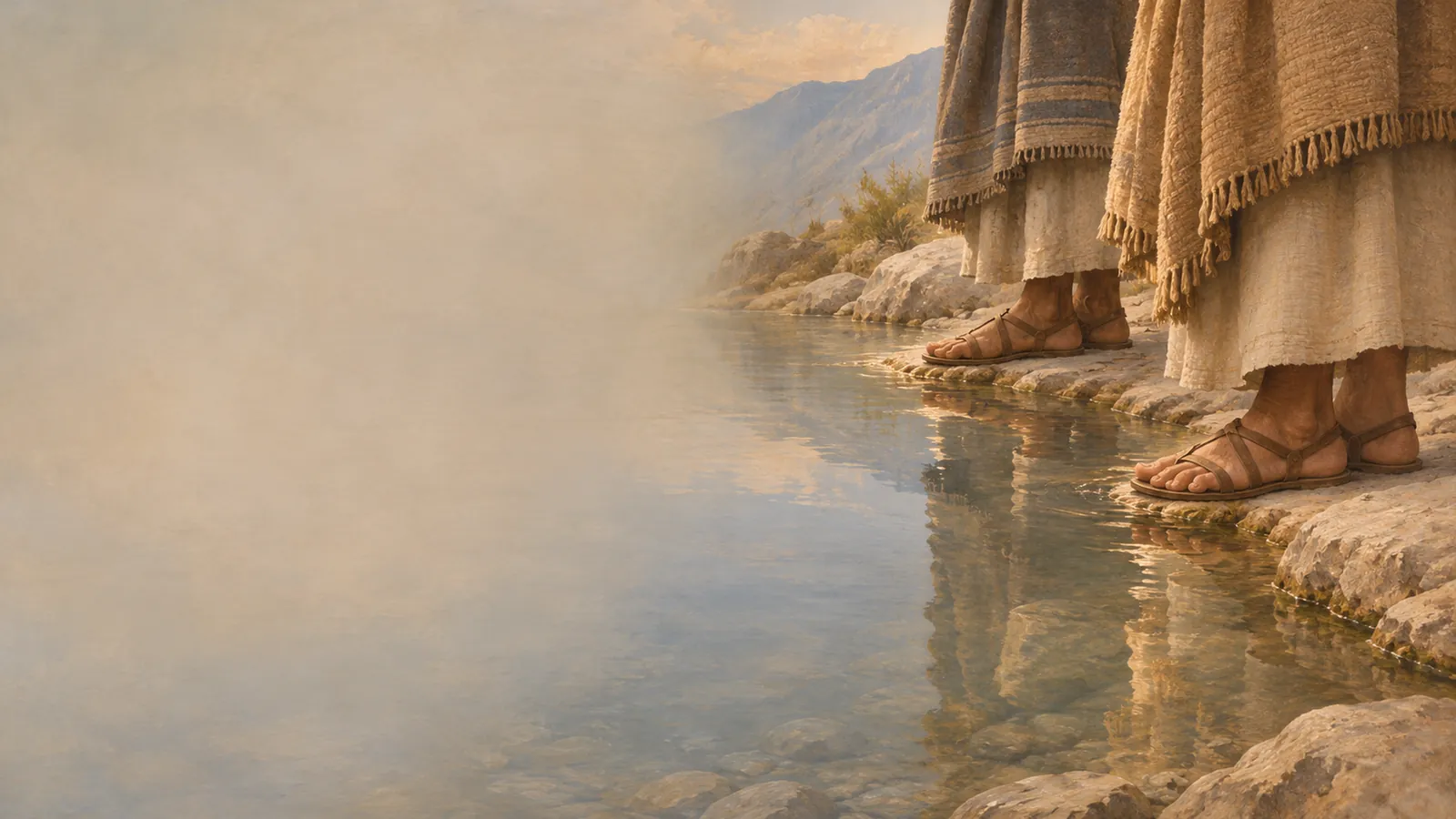
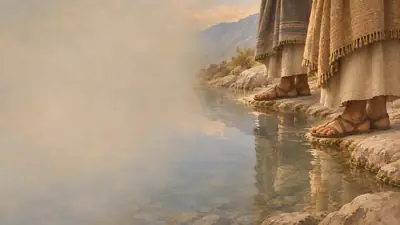
Fünf Tage vergingen, und am sechsten badeten die Männer. Am nächsten Tag ließen sie die Ausläufer hinter sich und gelangten ins Gebirge.
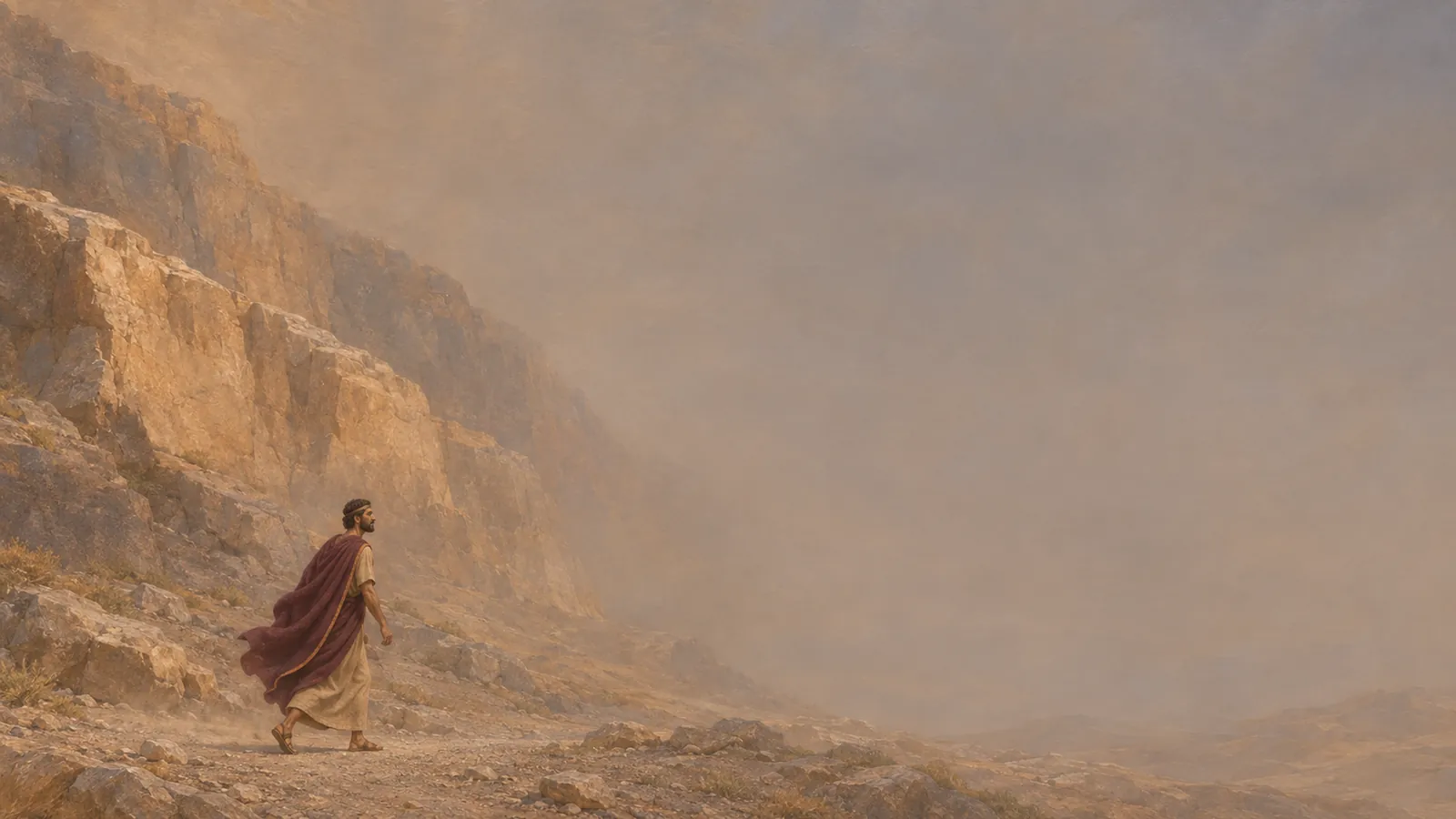
Einige Worte über den Übergang fehlen. In den erhaltenen Versen zieht Enmerkar mit dem Glanz und der Kraft eines Sturms über die Höhen.
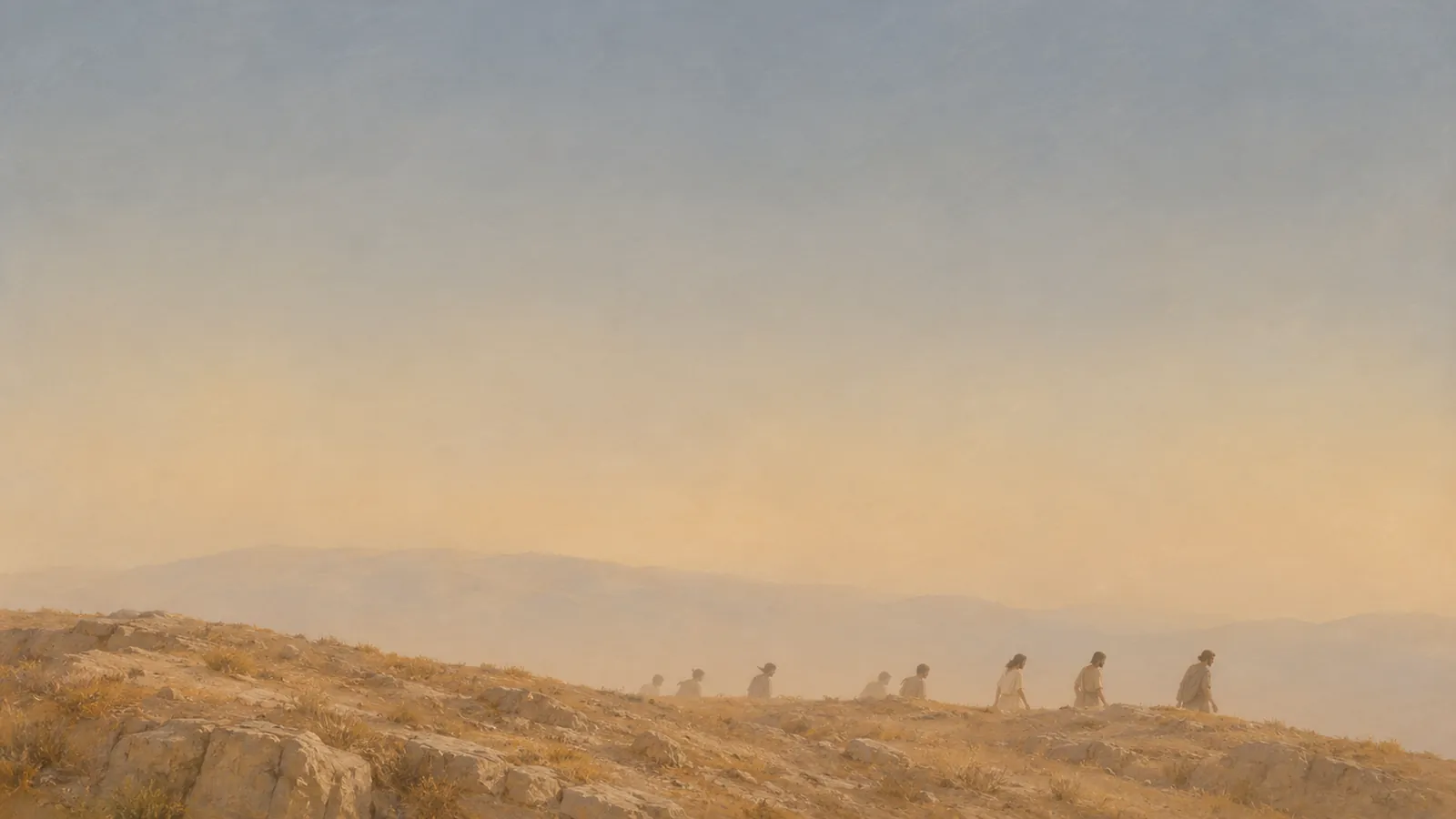
Sieben junge Männer aus Kulaba zogen mit der Schar. Das Gedicht rühmt sie als Helden in der vollen Kraft ihrer Jugend.
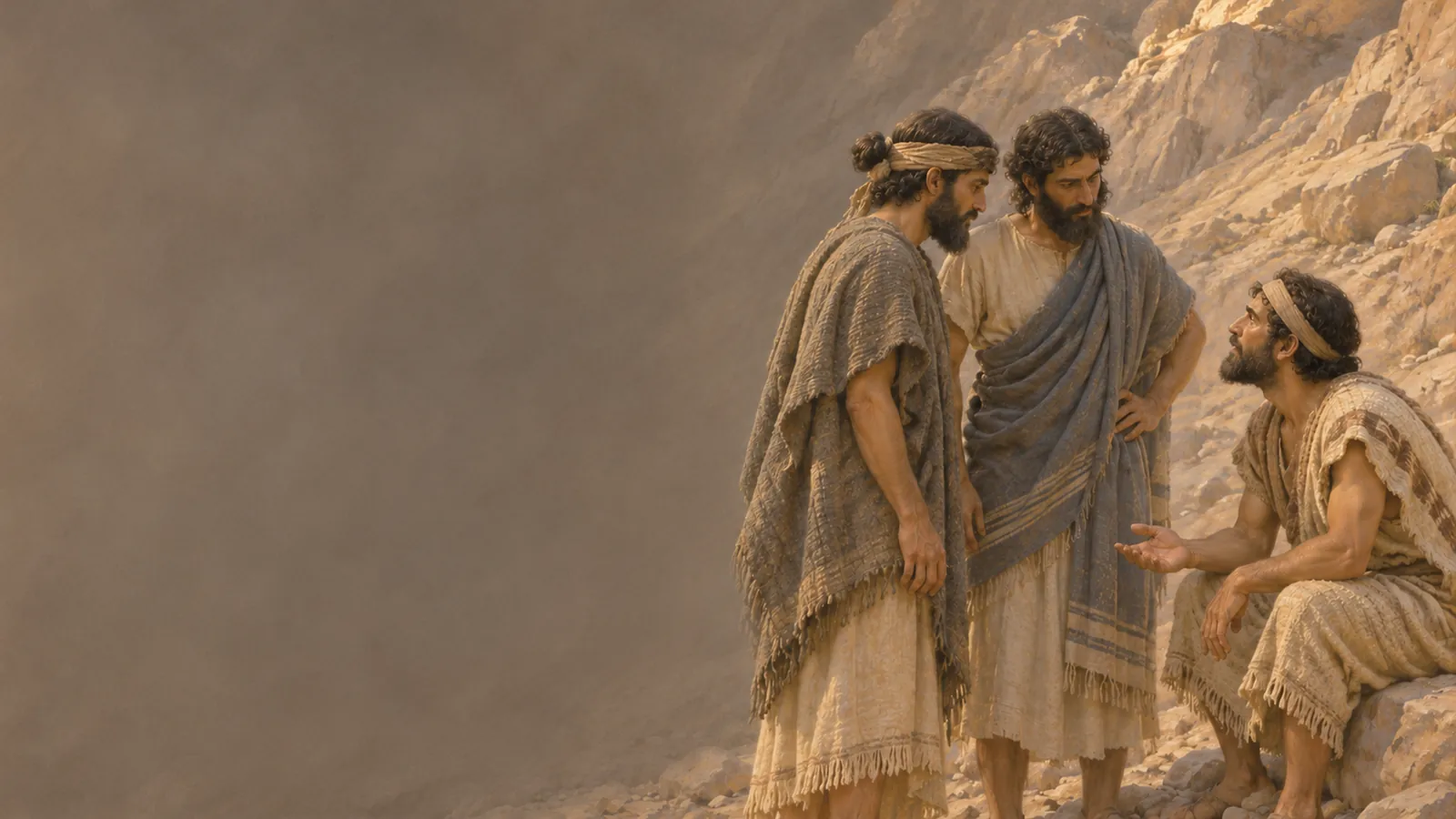
Die sieben dienten Enmerkar als auserwählte Männer. Hauptleute und Aufseher unterstanden ihnen, als das Heer ins Gebirge zog.
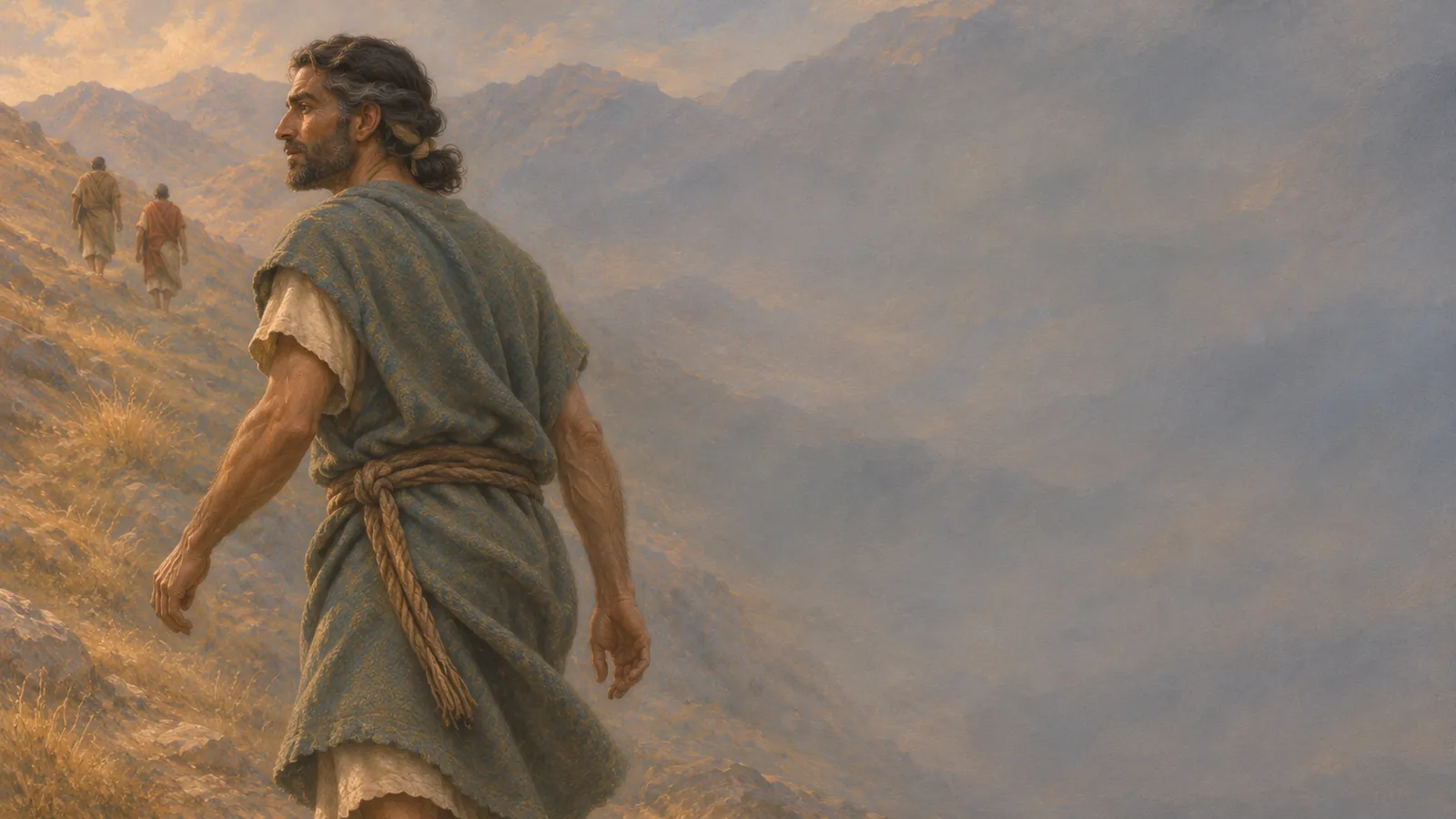
Lugalbanda zog als Achter mit der Schar. Er ging schweigend voran, während die anderen vor ihm aufstiegen.
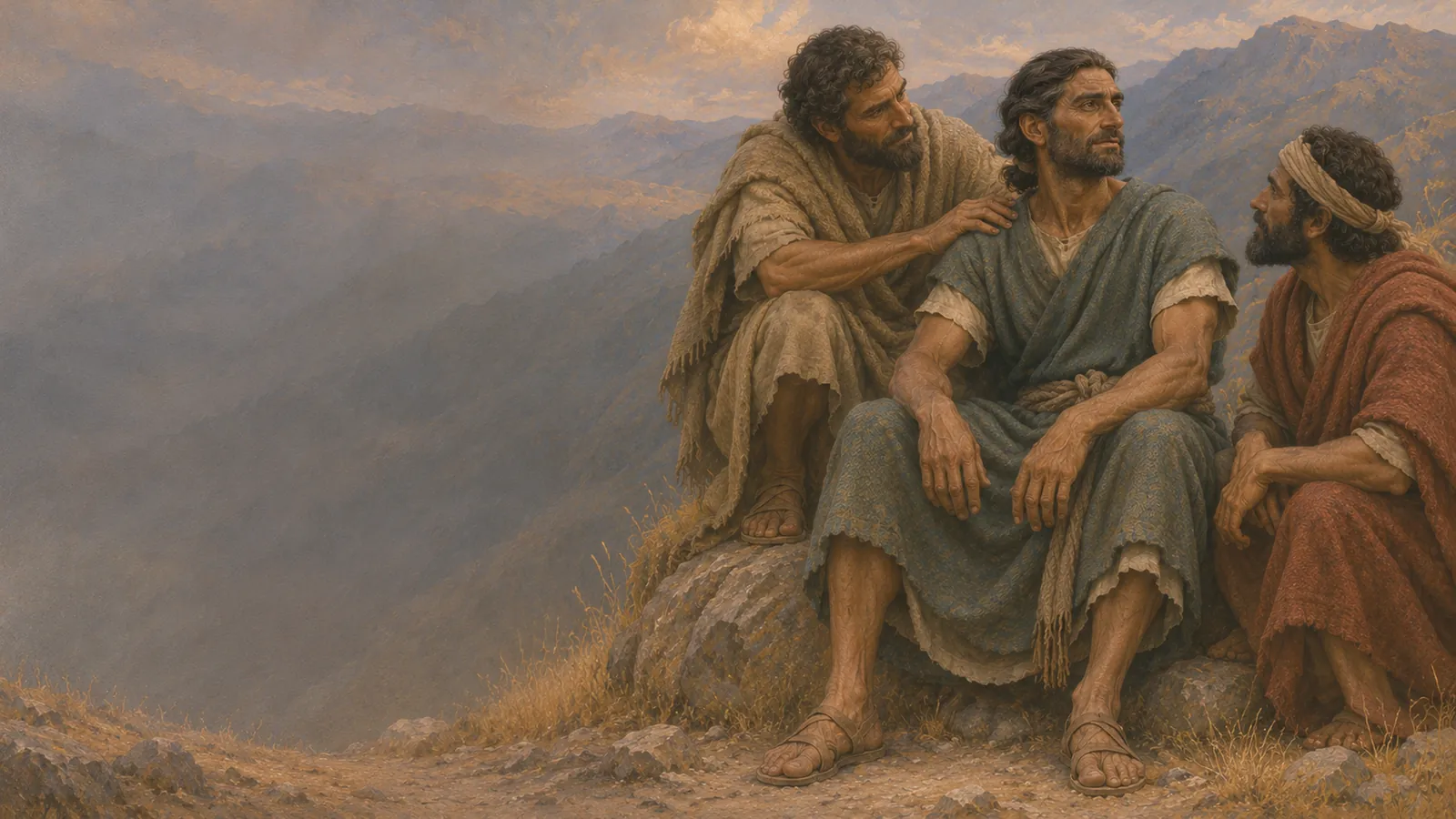
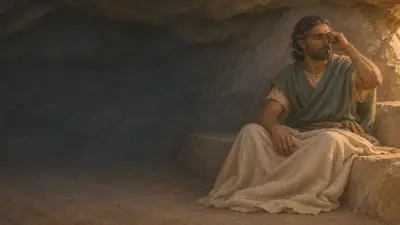
Auf halbem Weg wurde Lugalbanda krank. Er konnte kaum die Füße heben, und niemand wusste, wie man ihn nach Kulaba zurückbringen sollte.
ZUFLUCHT
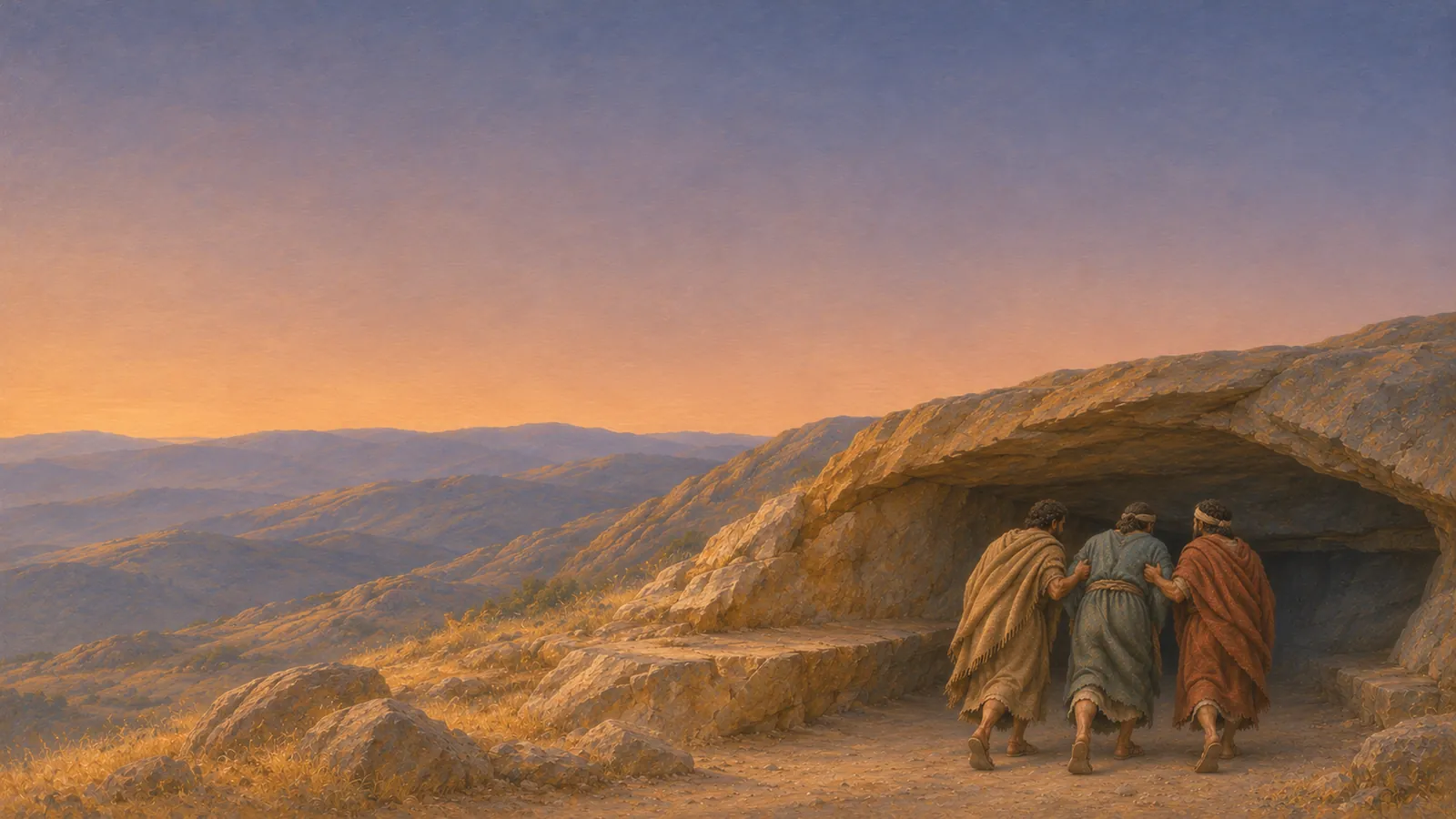
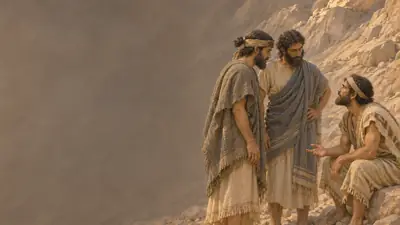
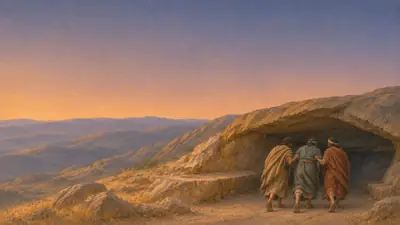
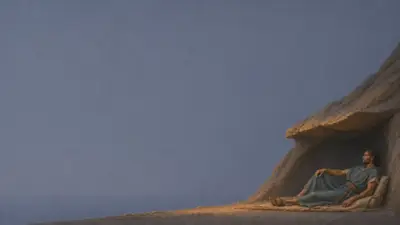
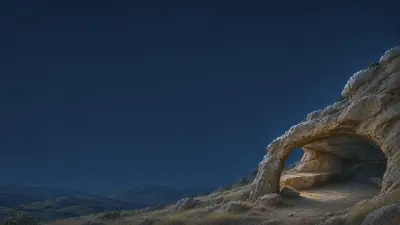
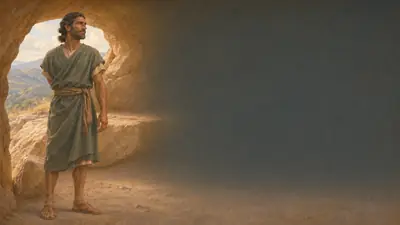
Die Bergluft war kalt, wo er lag. Seine Gefährten brachten ihn in einen Unterschlupf und suchten einen Ort, an dem er es warm haben konnte.
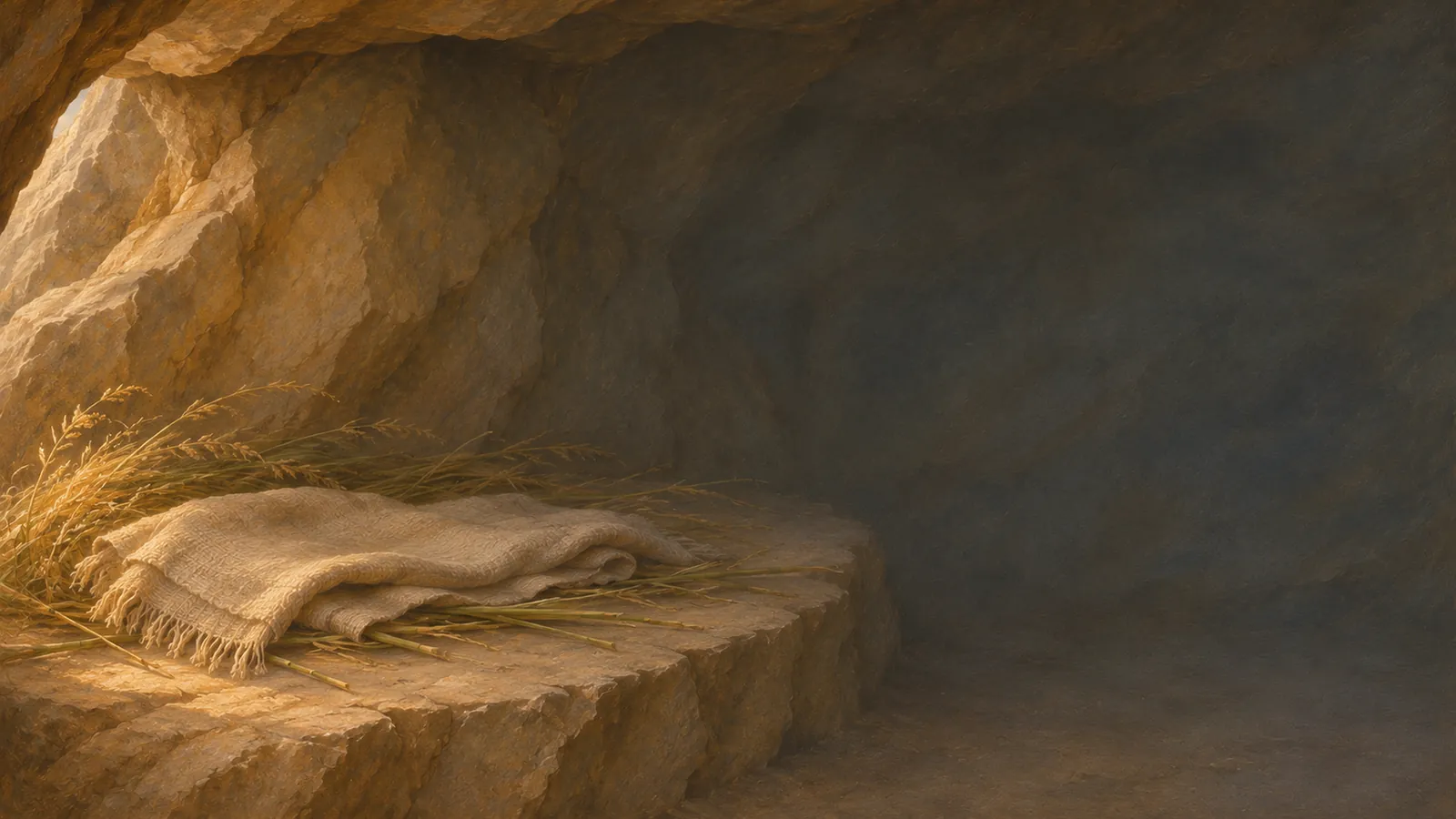
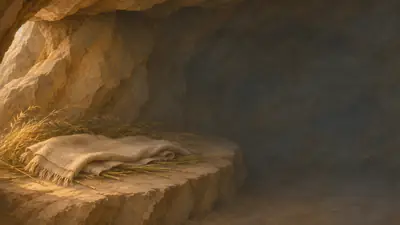
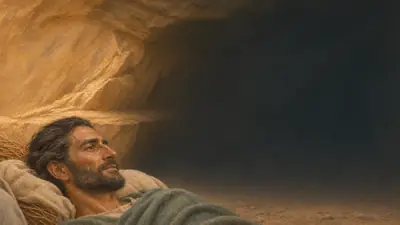
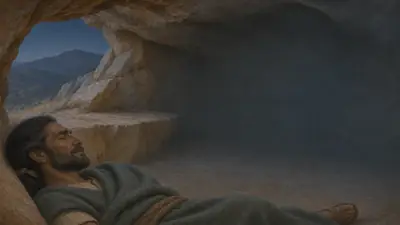
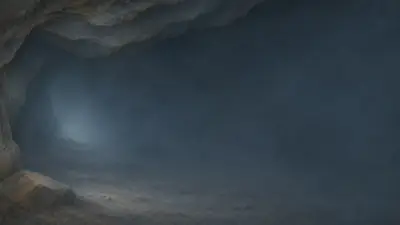
In der Berghöhle bereiteten sie ihm einen Ruheplatz. Der erhaltene Teil des Verses vergleicht den Unterschlupf mit einem Vogelnest.
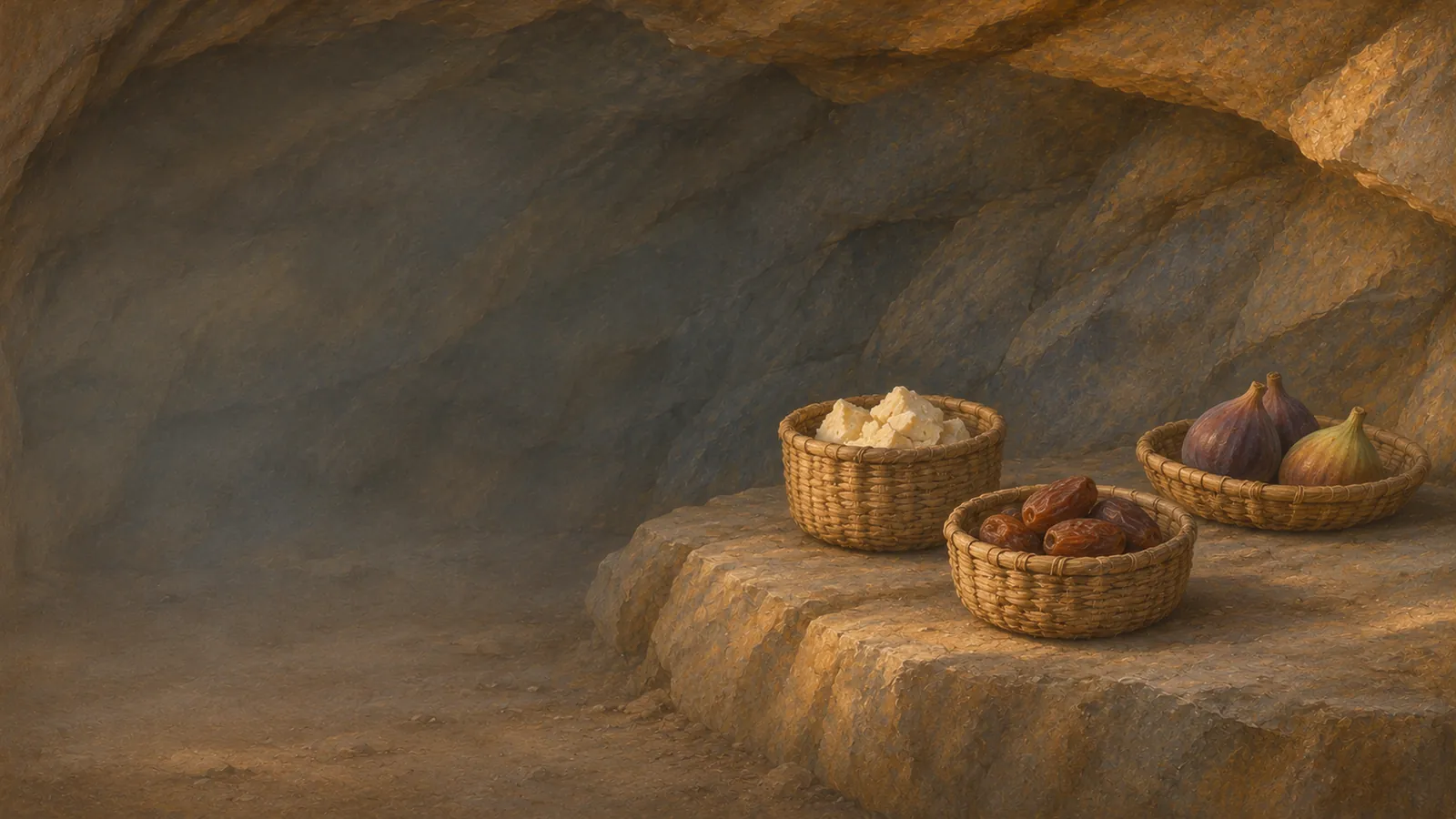
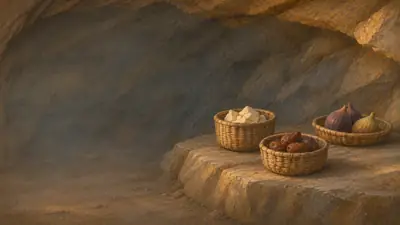
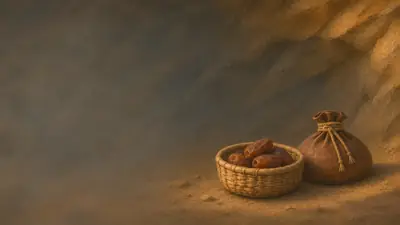
Sie legten Feigen, Datteln, Käse und andere Speisen bereit, die ein Kranker essen konnte. Alles lag in Reichweite, falls er sich aufrichten konnte.
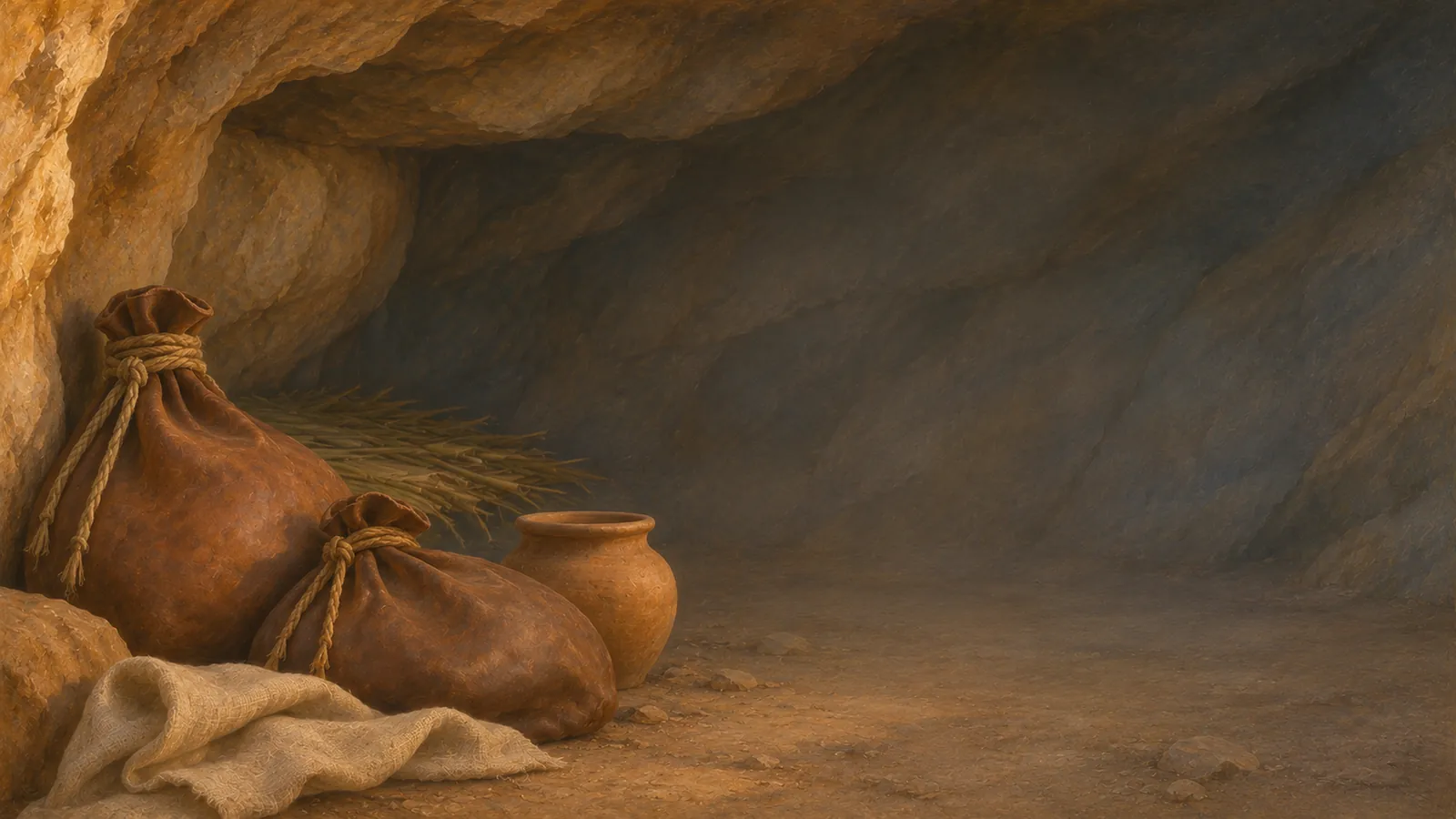
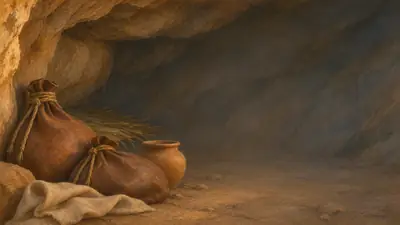
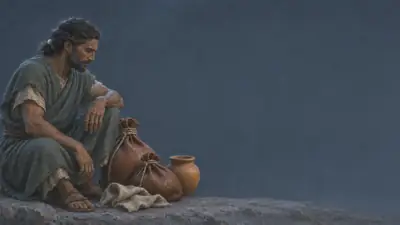
Seine Gefährten stellten Ledersäcke und Gefäße neben seinen Kopf. Sie ließen Getränke und den Proviant zurück, den sie auf den Marsch mitgenommen hatten.
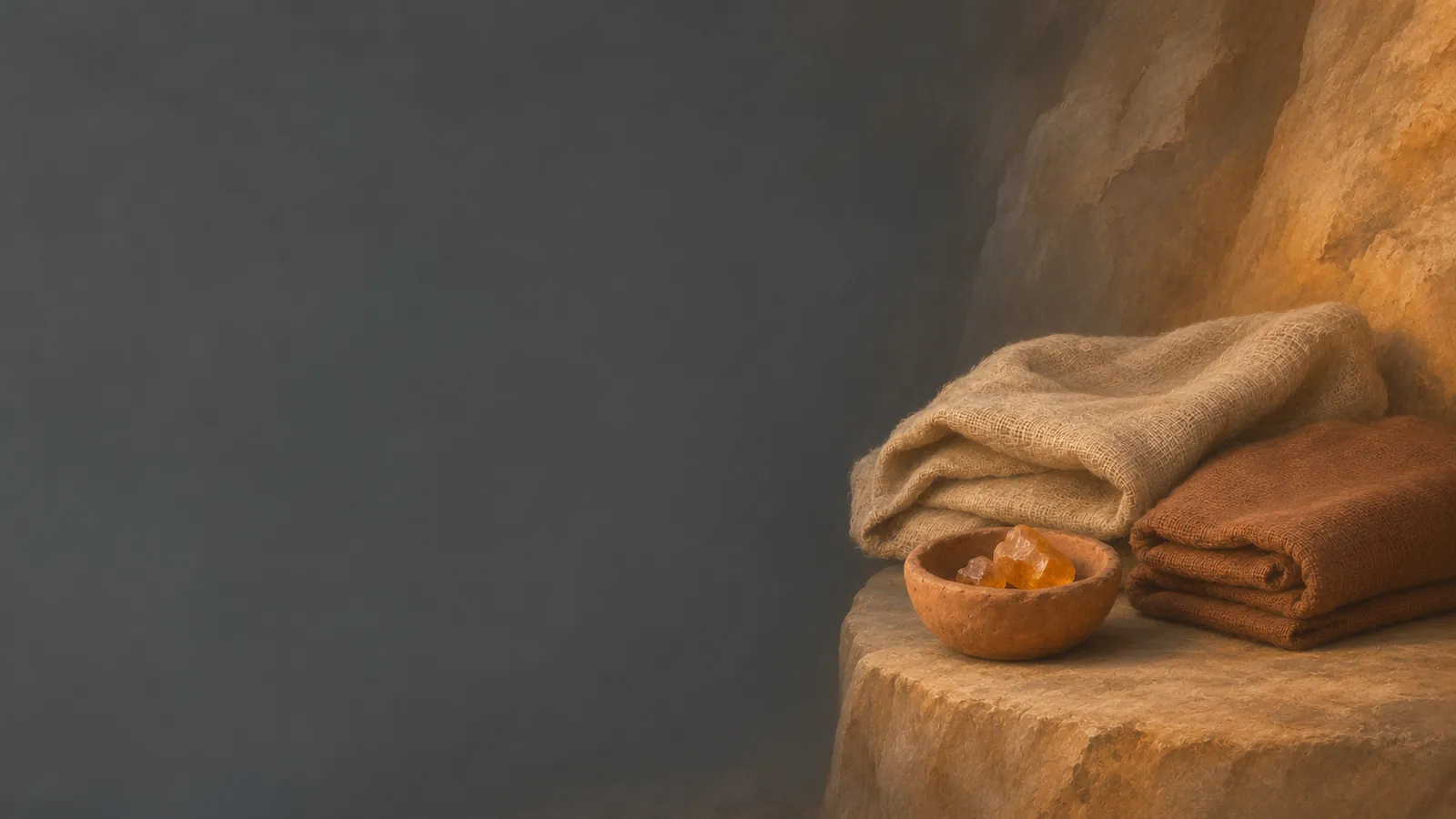
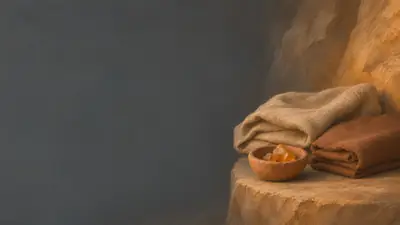
Sie bereiteten duftendes Harz und ließen seine Habe neben ihm zurück. In der Stille der Berghöhle blickten die Männer auf ihn.
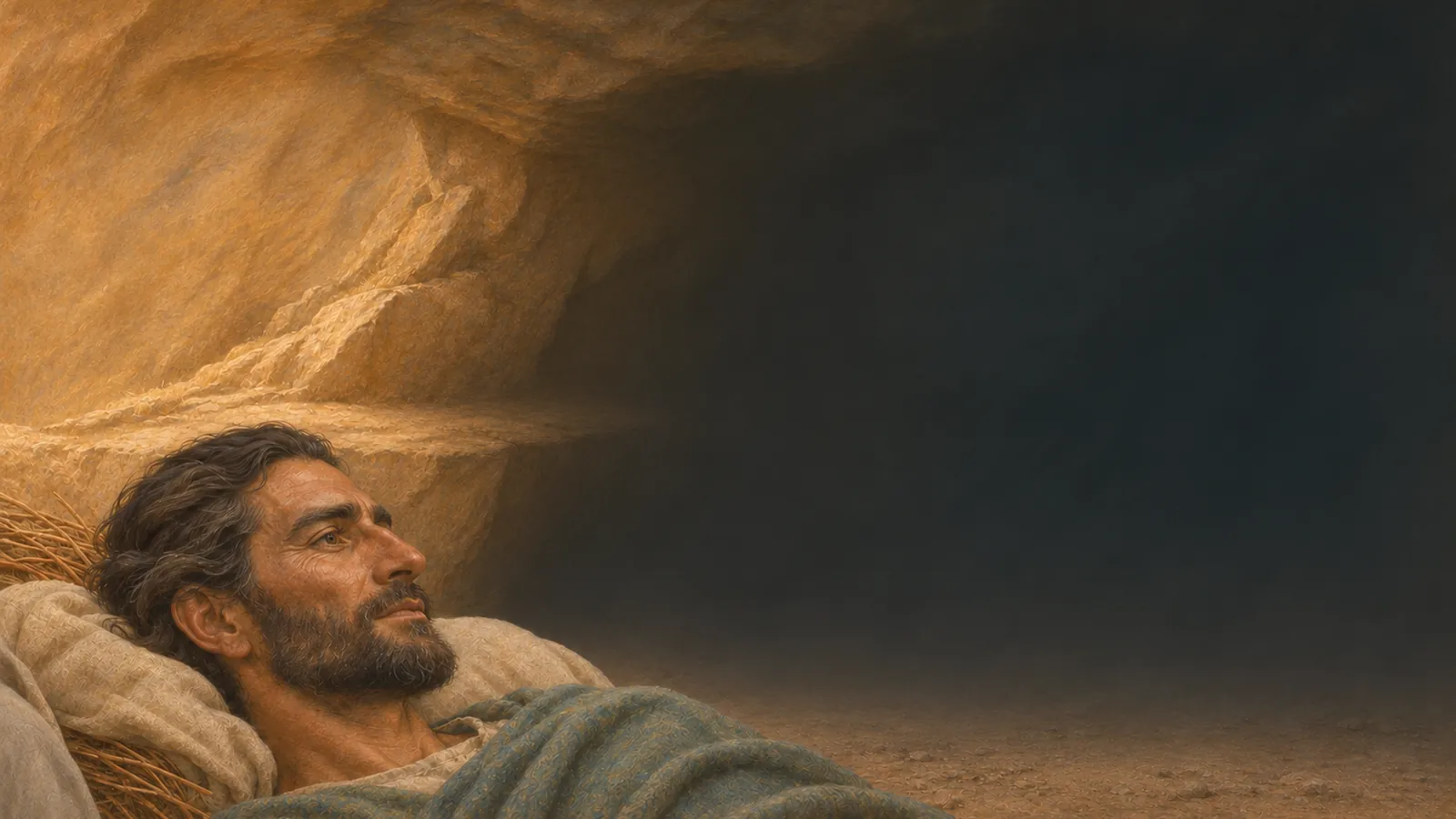
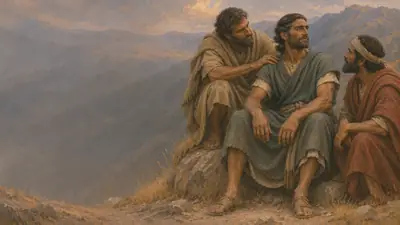
Lugalbanda hielt die Augen offen, konnte seinen Brüdern aber nicht antworten. Als sie seinen Kopf hoben, spürten sie kaum noch seinen Atem.
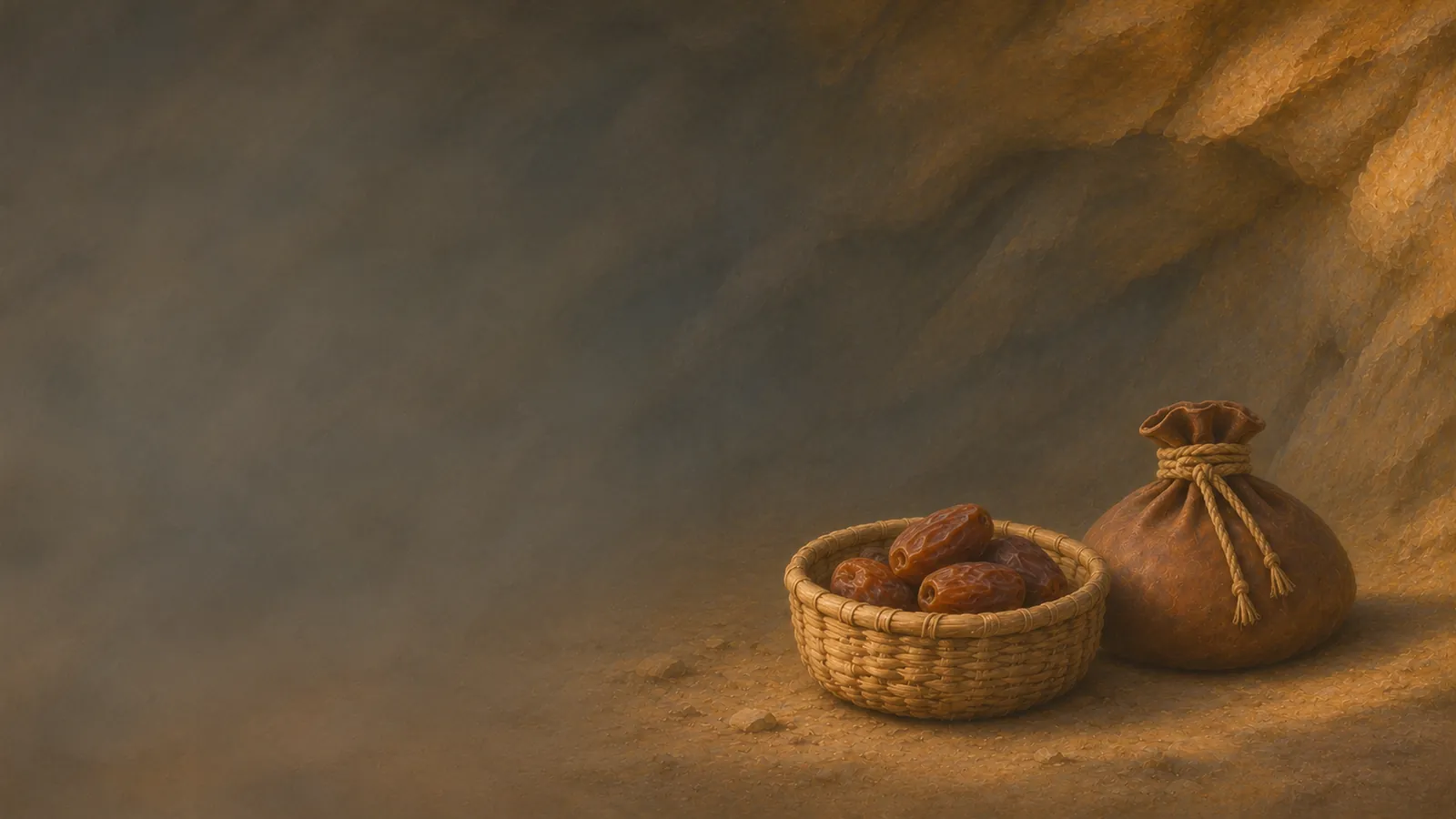
Falls er sich wieder erhob, sollten ihm Essen und Trinken auf die Beine helfen, hofften sie. Vielleicht würde er den Heimweg nach Kulaba finden.
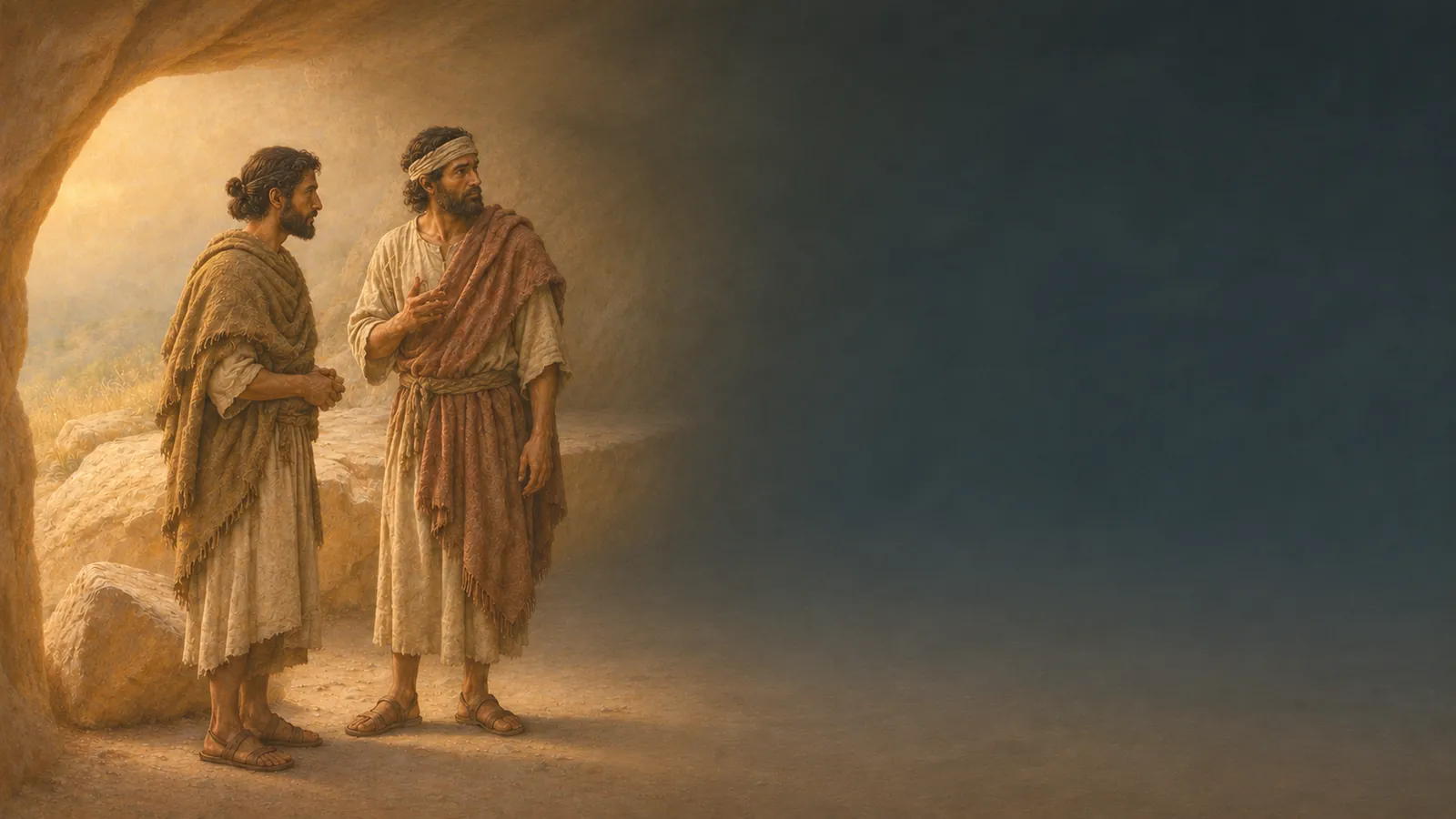
Falls er starb, würden sie nach dem Zug gegen Aratta zurückkehren, sagten sie. Sie würden ihn heim nach Kulaba tragen.
ALLEIN
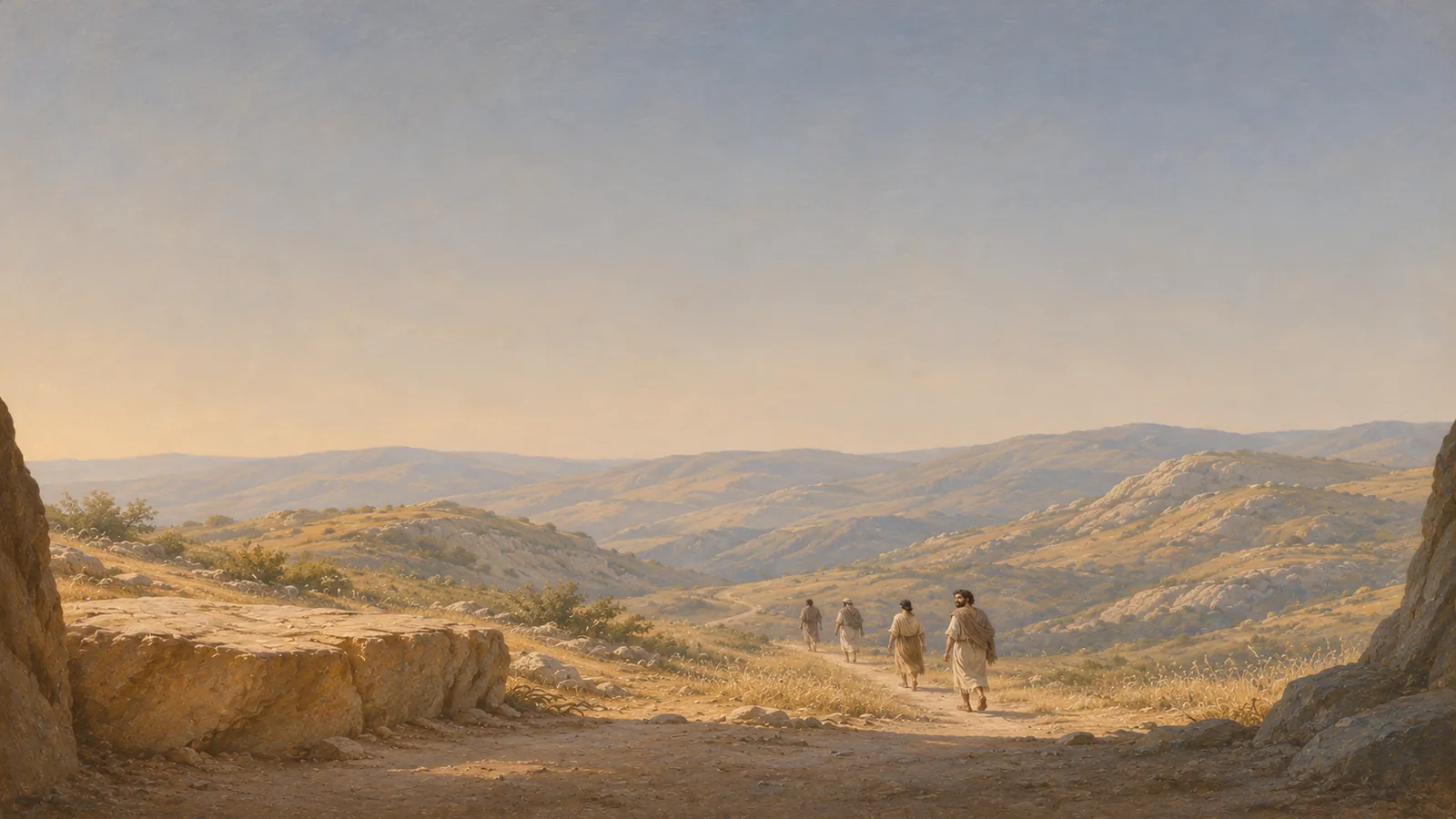
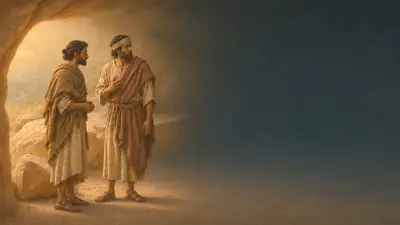
Seine Brüder und Gefährten weinten, als sie ihn in der Höhle zurückließen. Sie zogen weiter ins Gebirge, und Lugalbanda blieb zurück.
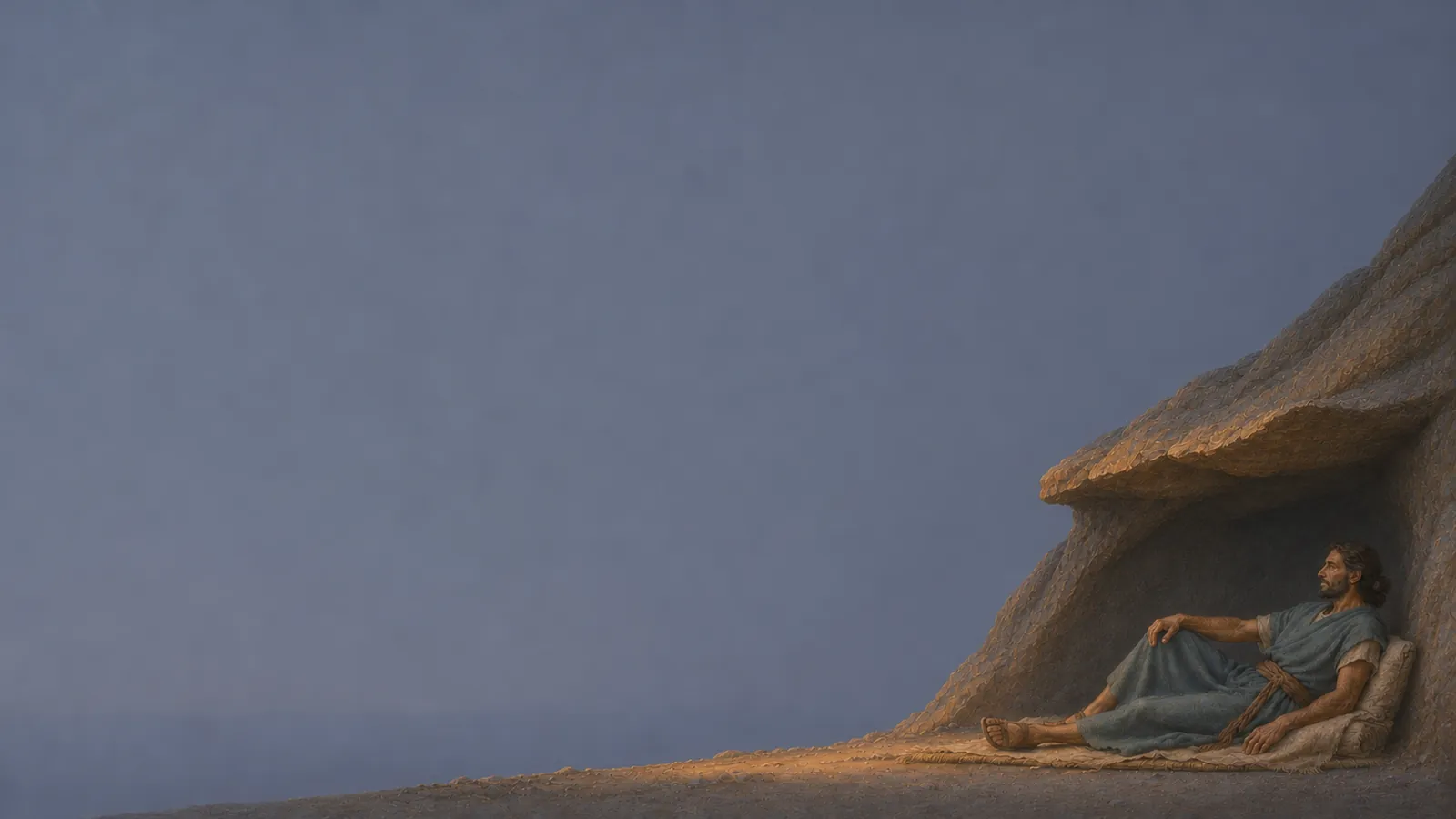
Zwei Tage vergingen, und ein halber kam hinzu. In der Abendkühle fühlte Lugalbanda sich etwas besser, doch die Krankheit war noch nicht gewichen.
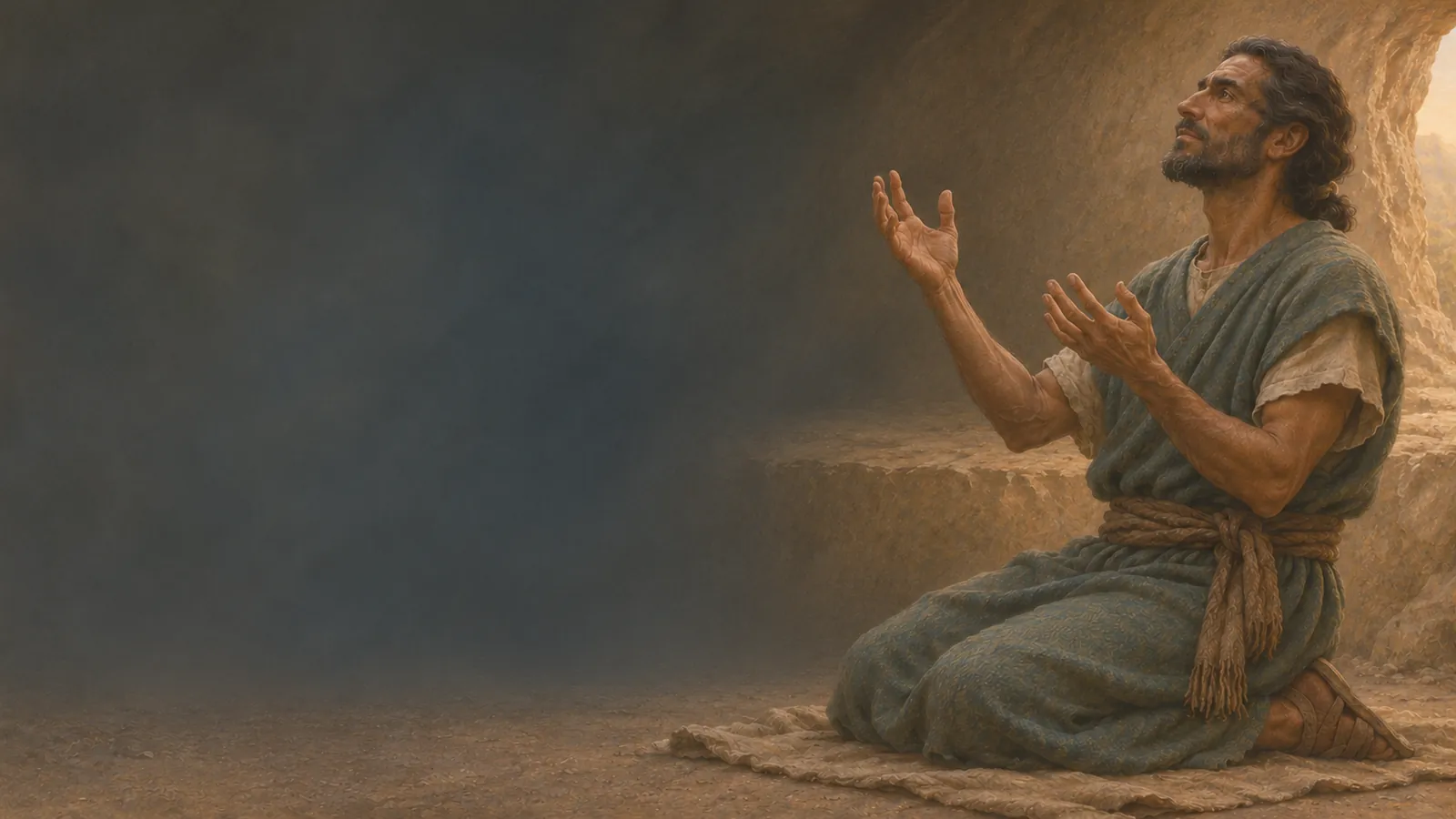
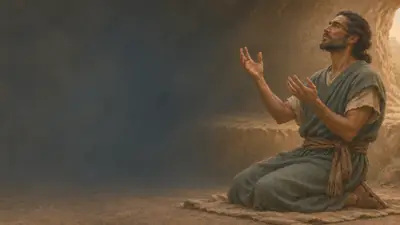
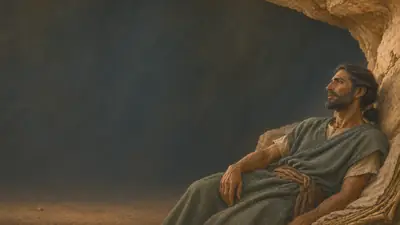
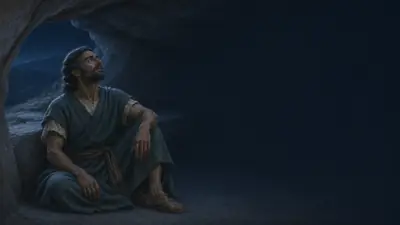
Lugalbanda blickte auf und hob die Hände. In seiner Einsamkeit rief er weinend zu Utu, wie er zu seinem eigenen Vater gerufen hätte.
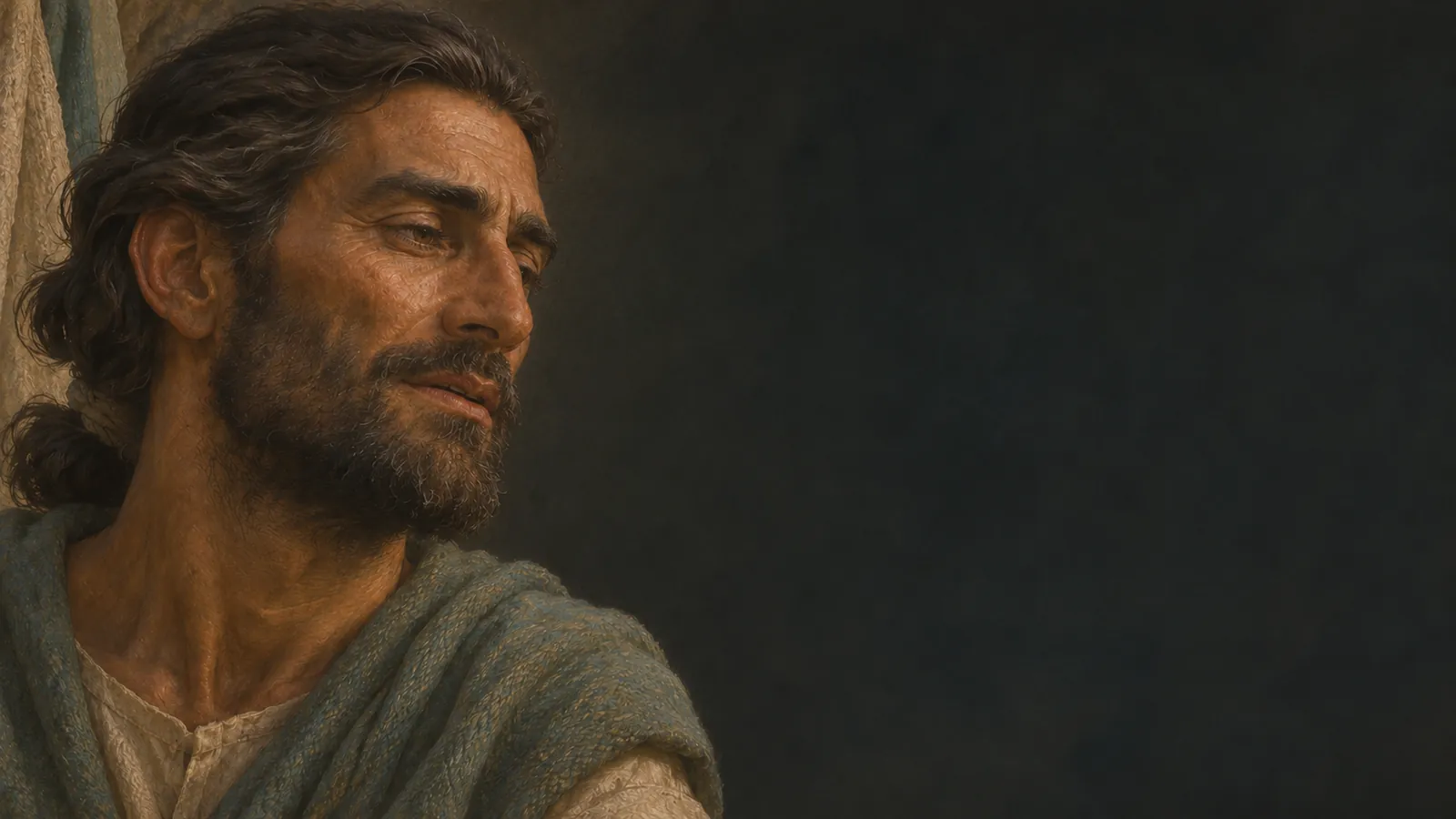
Er bat Utu, die Krankheit von ihm zu nehmen. Ohne einen vertrauten Menschen an seiner Seite fürchtete er, an einem unbekannten Ort umzukommen.

Utu nahm seine Tränen an und sandte ihm Mut in die Höhle. In der Stille des Abends war Lugalbanda erhört worden.
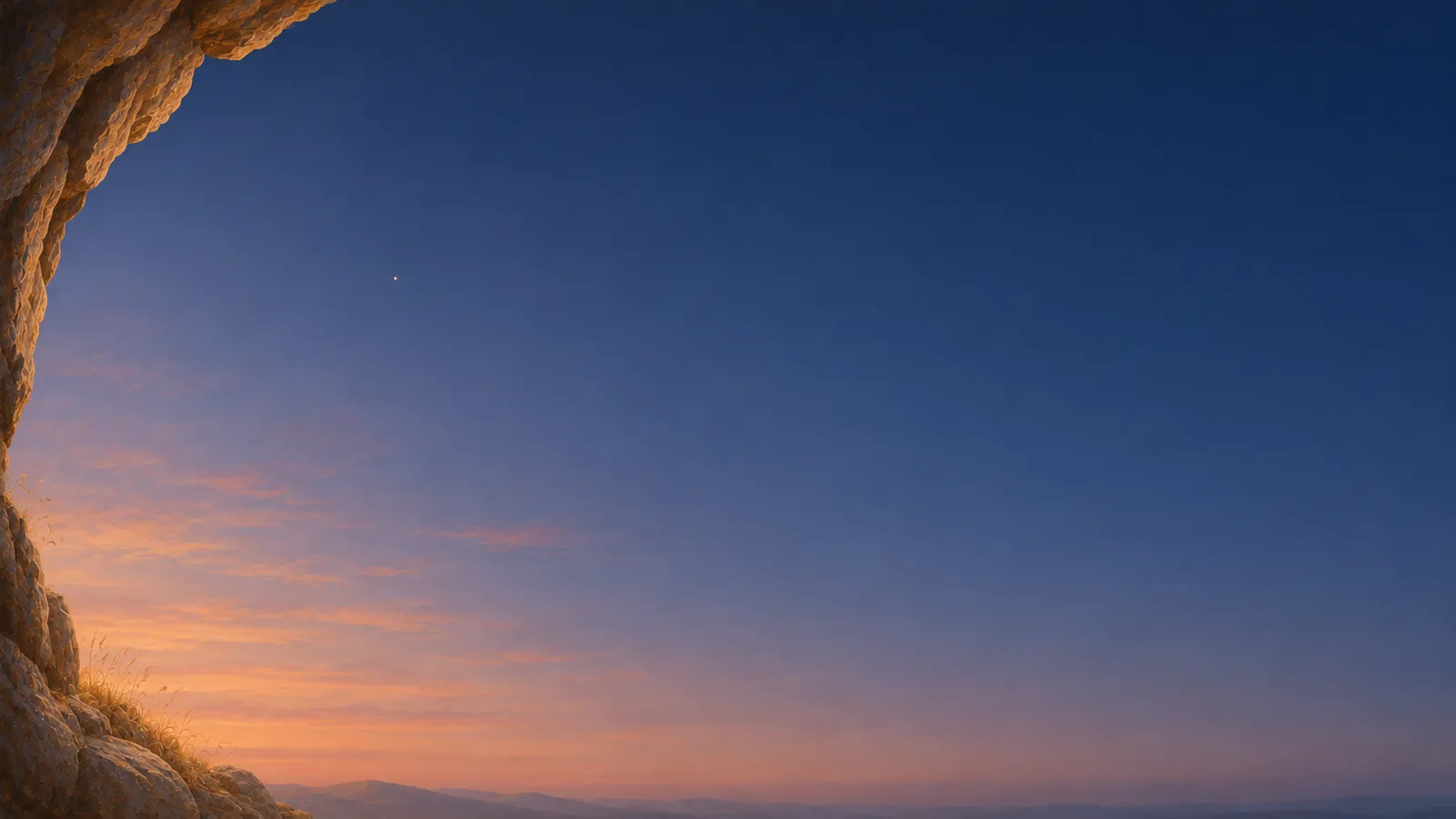
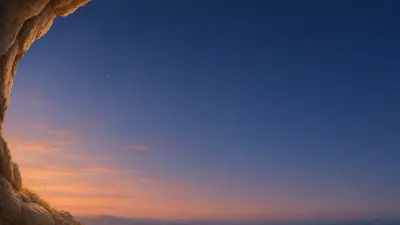
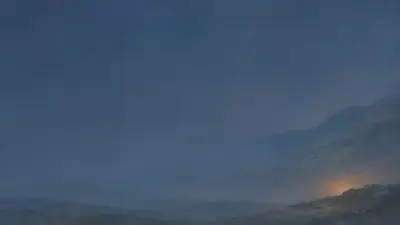
Dann erschien Inanna als Stern am Abendhimmel. Ihr Licht erreichte die Berghöhle, und Lugalbanda hob erneut die Hände.
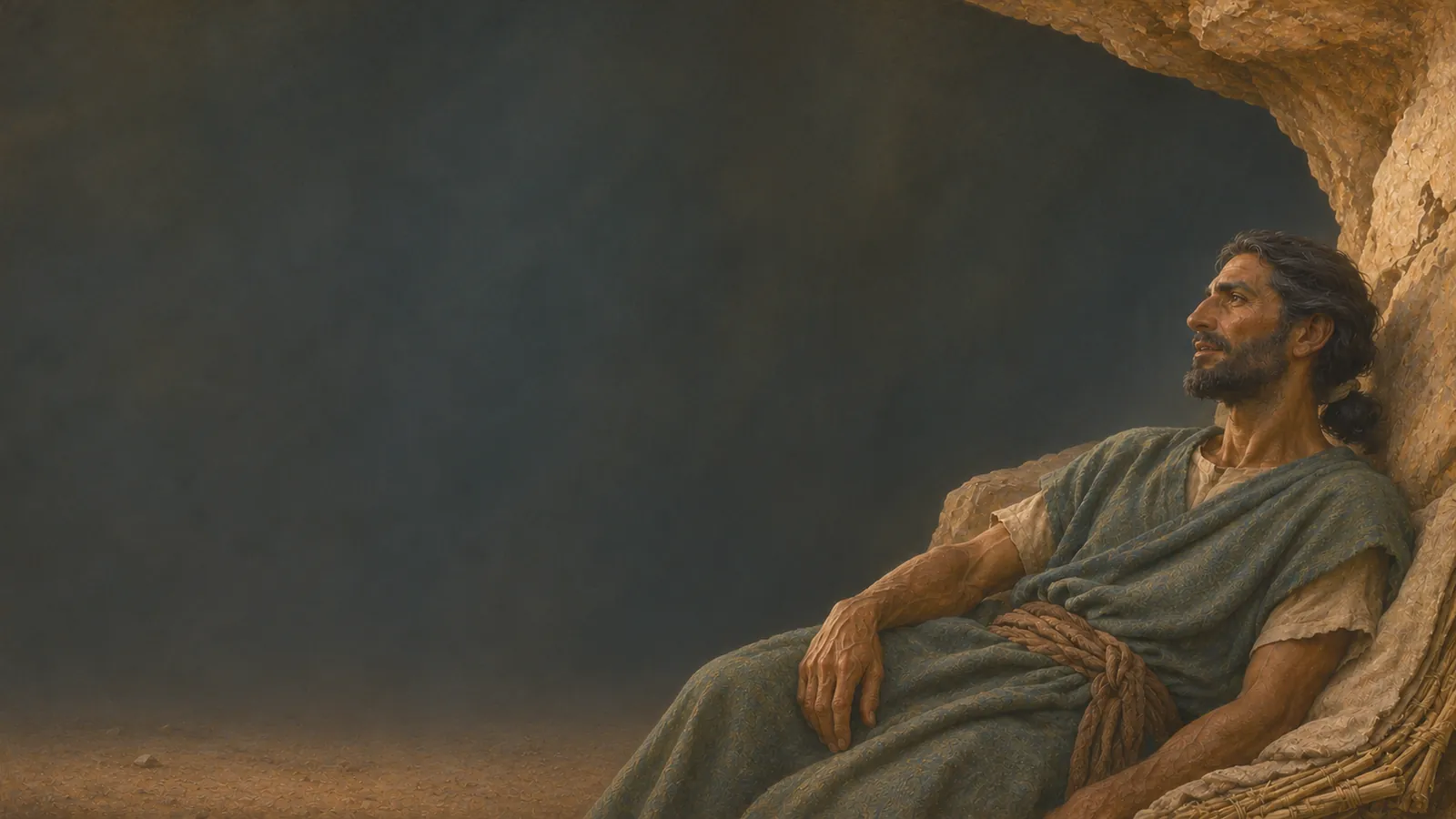
Er wünschte, der Ort, an dem er lag, wäre Kulaba, die Stadt, in der seine Mutter ihn zur Welt gebracht hatte. Er sehnte sich nach den Seinen.
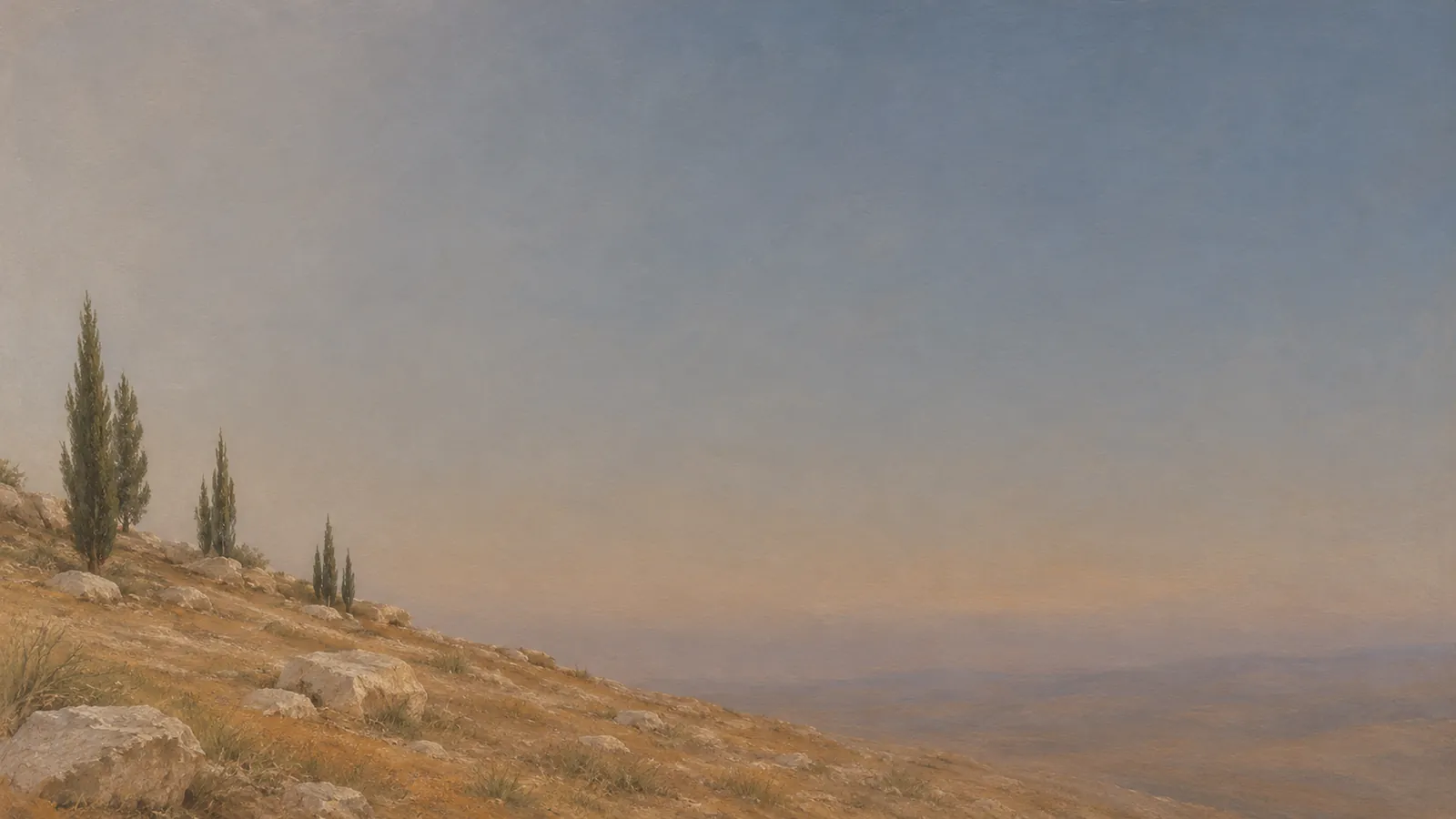
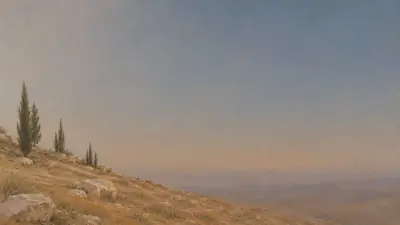
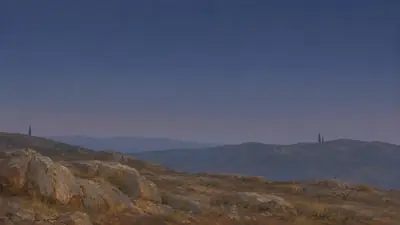
Teile seines Gebets sind schwer zu lesen. In den erhaltenen Worten bittet er darum, in den Bergen, in denen Zypressen wachsen, am Leben zu bleiben.
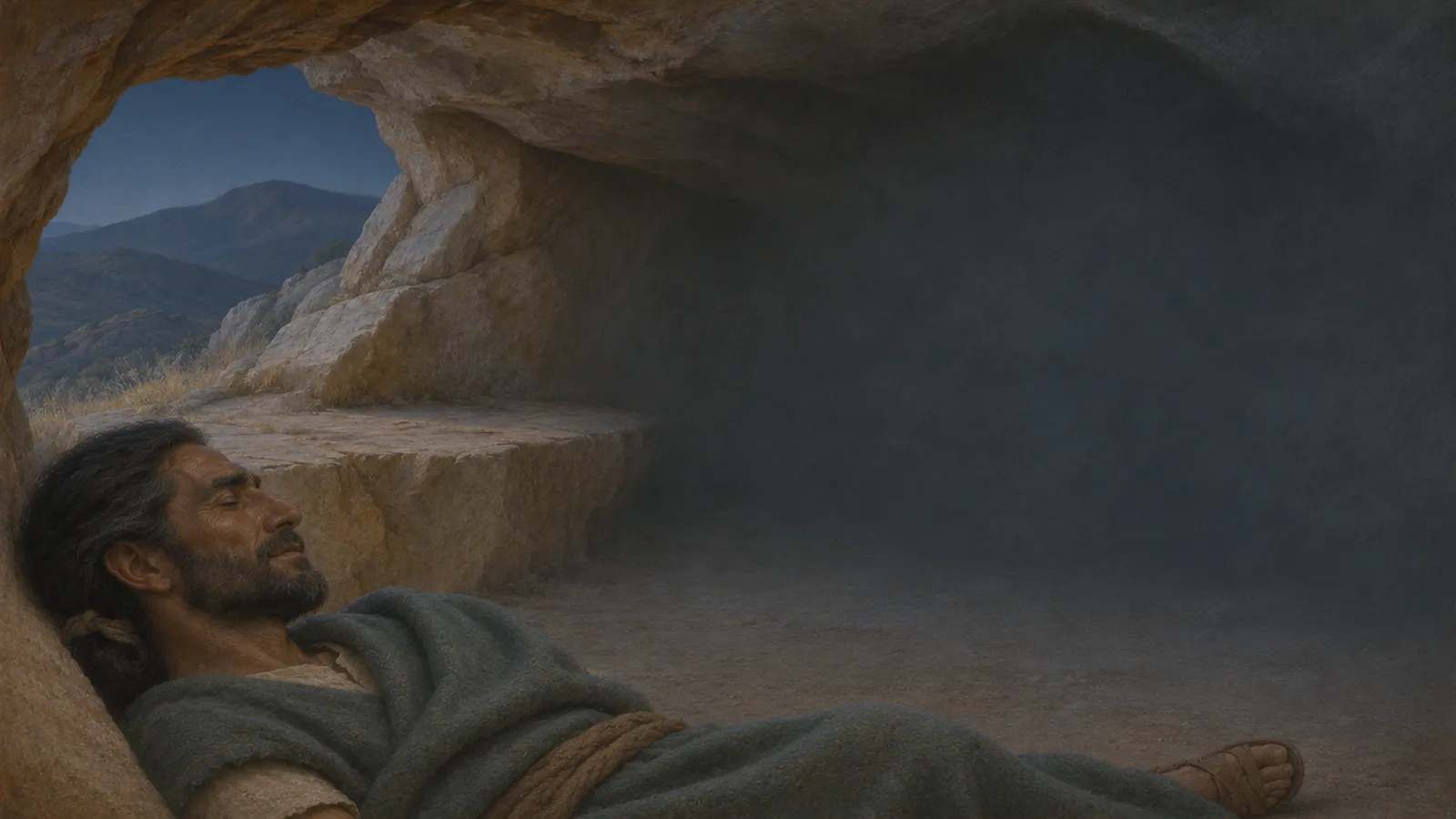
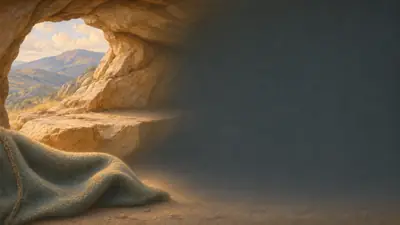
Inanna nahm seine Tränen an und ließ ihn schlafen. Das Gedicht sagt, die Erleichterung habe ihn wie ein Gewand aus Wolle umhüllt.
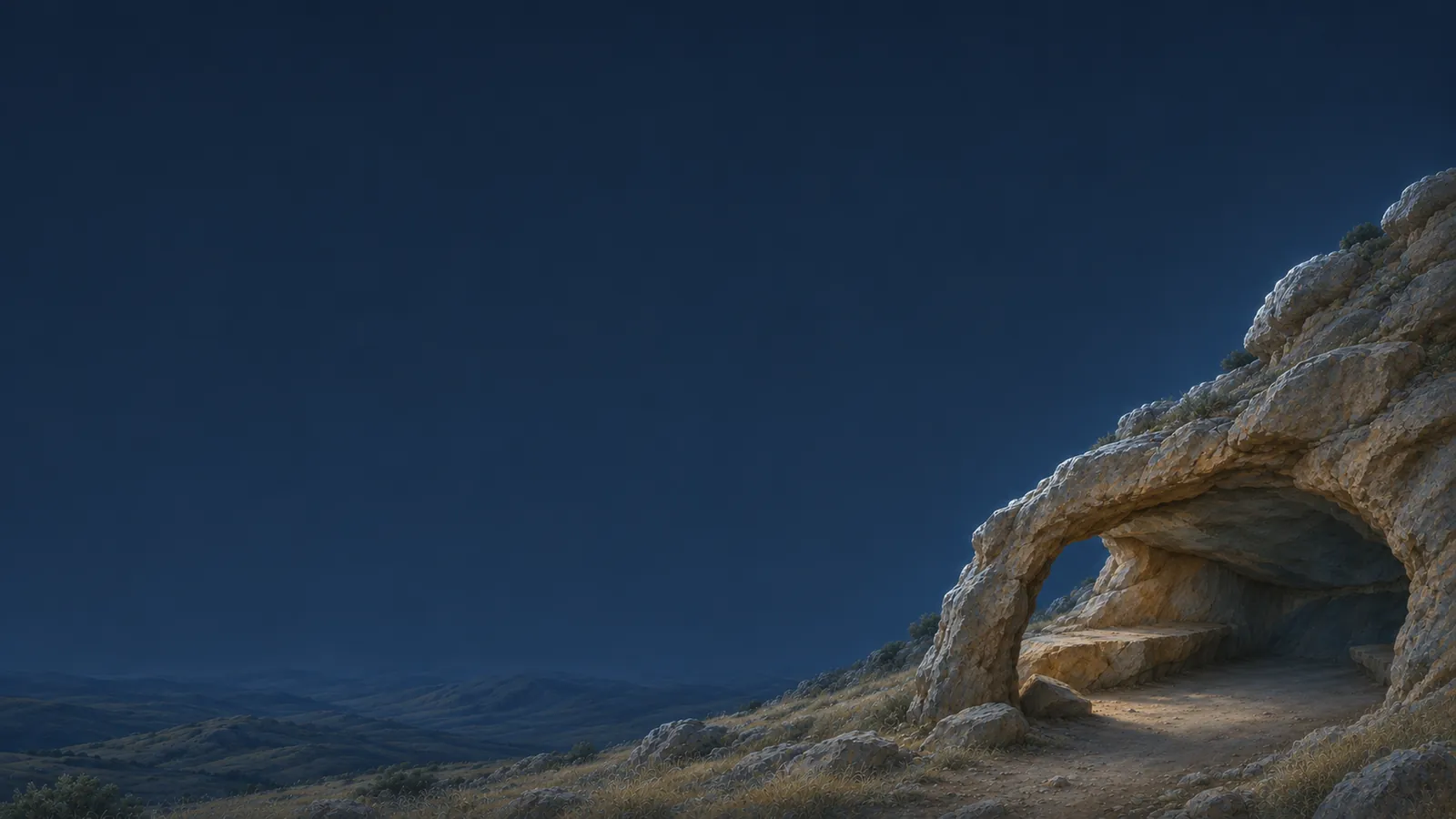
In der Nacht erreichte Suens Licht die Höhle. Lugalbanda blickte zum Mond hinauf und hob wieder die Hände.
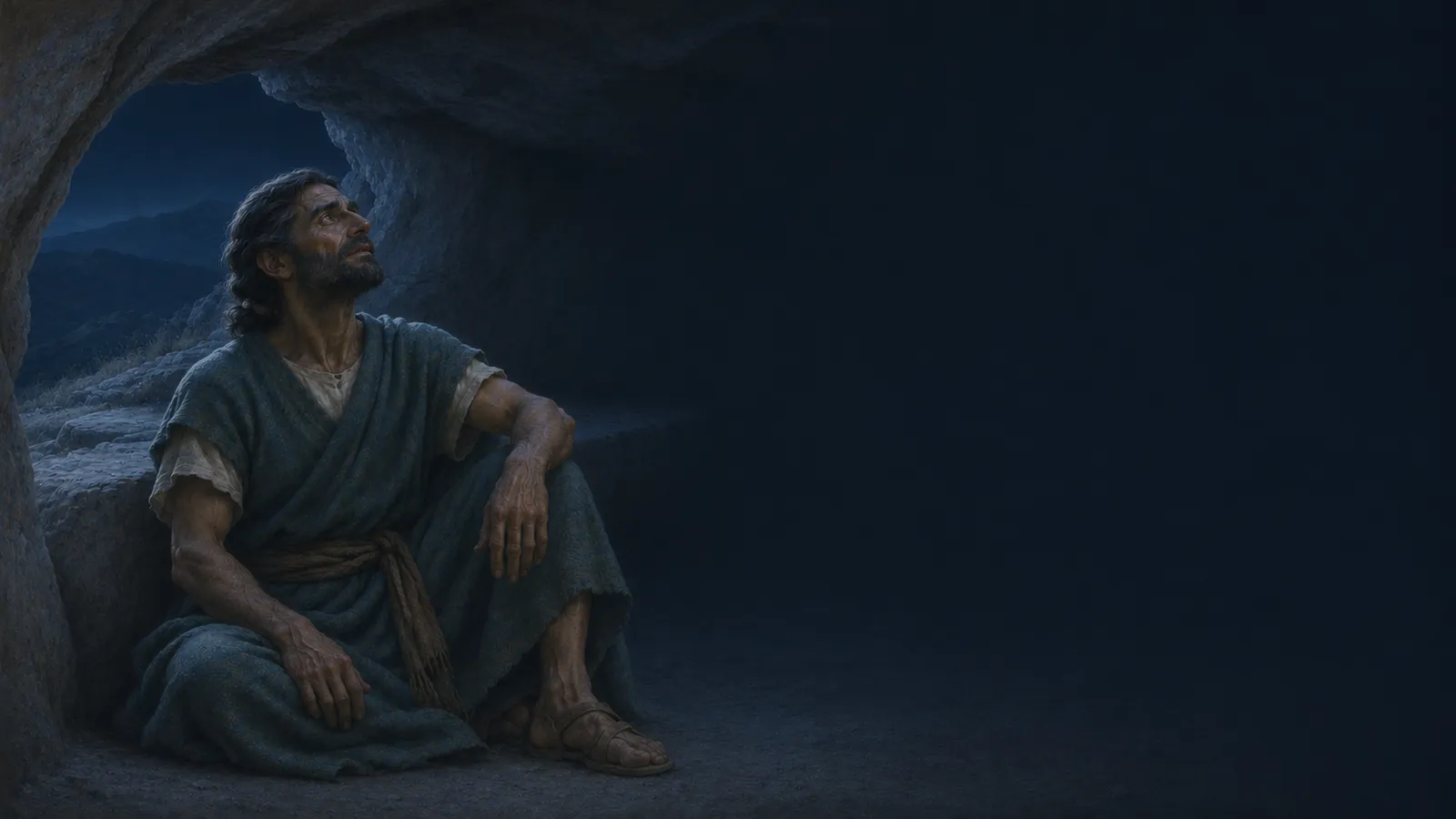
Lugalbanda rief Suen am fernen Himmel. Er pries den, der die Gerechtigkeit liebt, und einige Worte seines Gebets sind beschädigt.
KRAFT
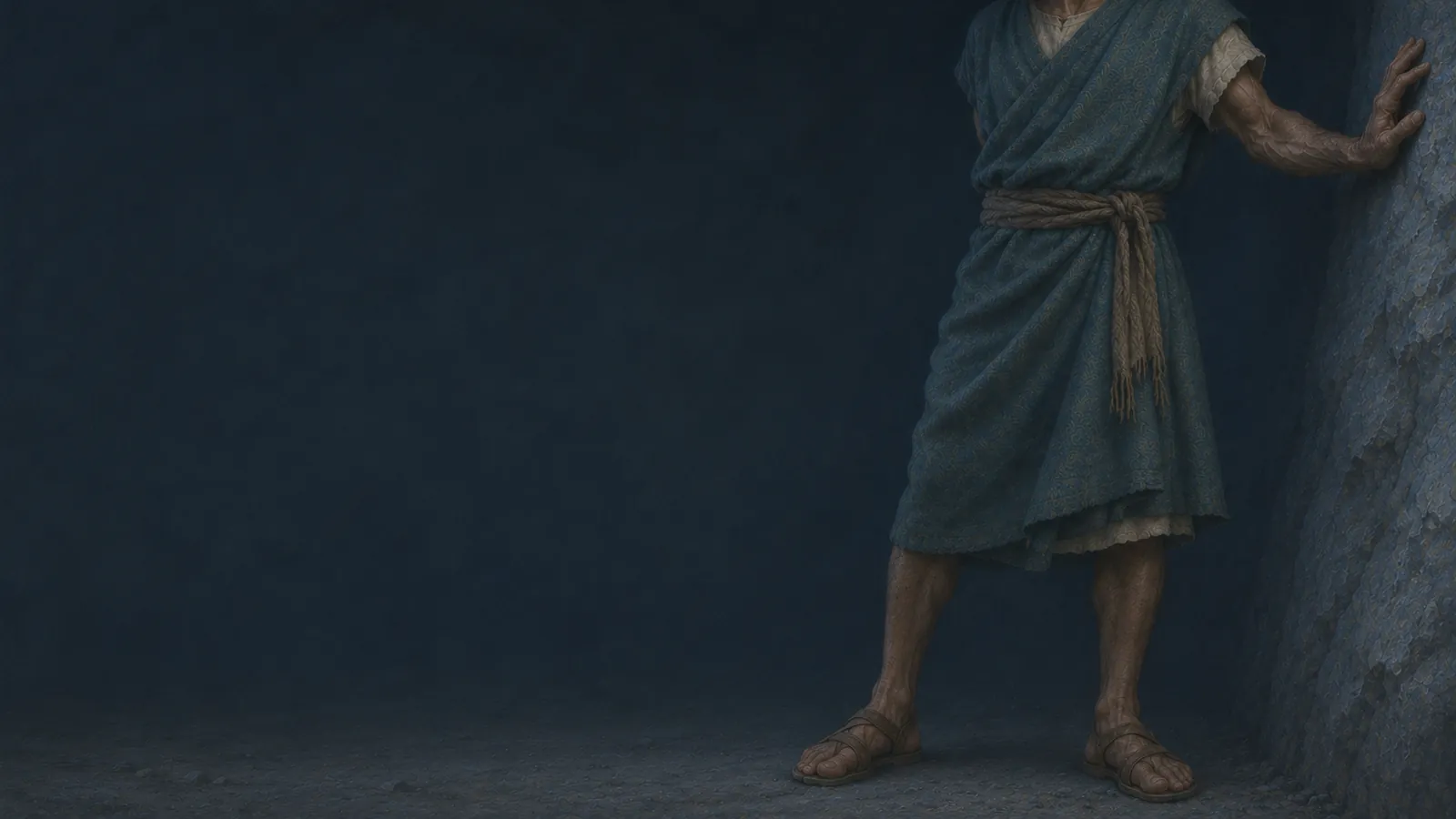
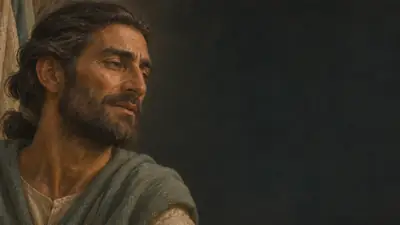
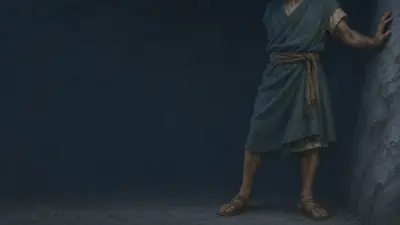
Suen nahm seine Tränen an und gab ihm Kraft. Endlich konnte Lugalbanda die Füße unter sich setzen und aufrecht stehen.
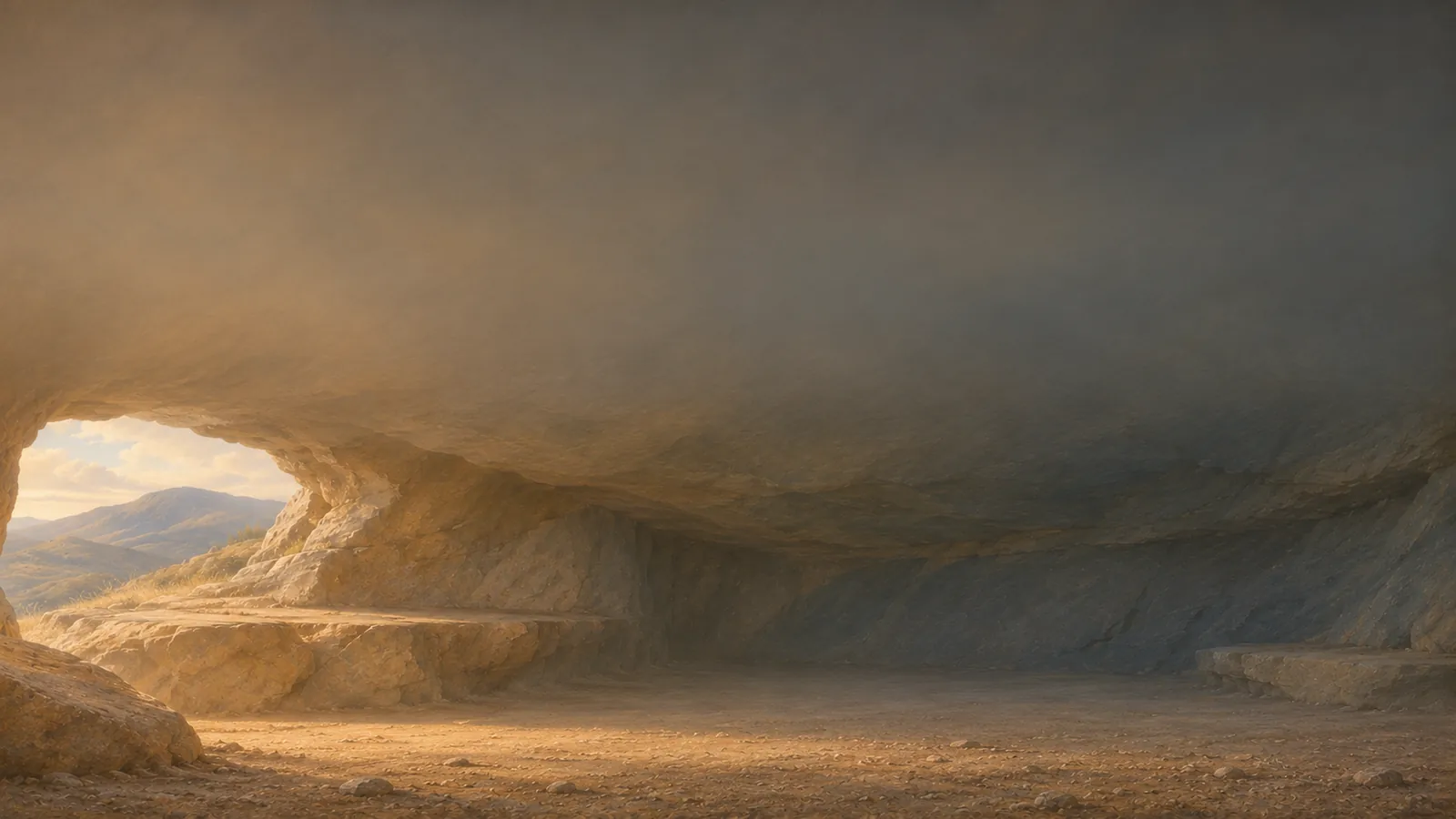
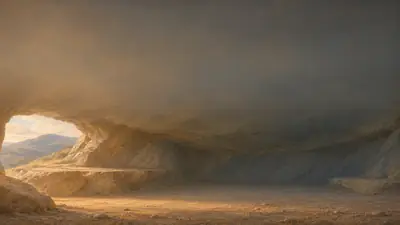
Beim nächsten Sonnenaufgang drang Utus Licht wieder in die Höhle. Es erreichte Lugalbanda dort, wo er die Nacht verbracht hatte.
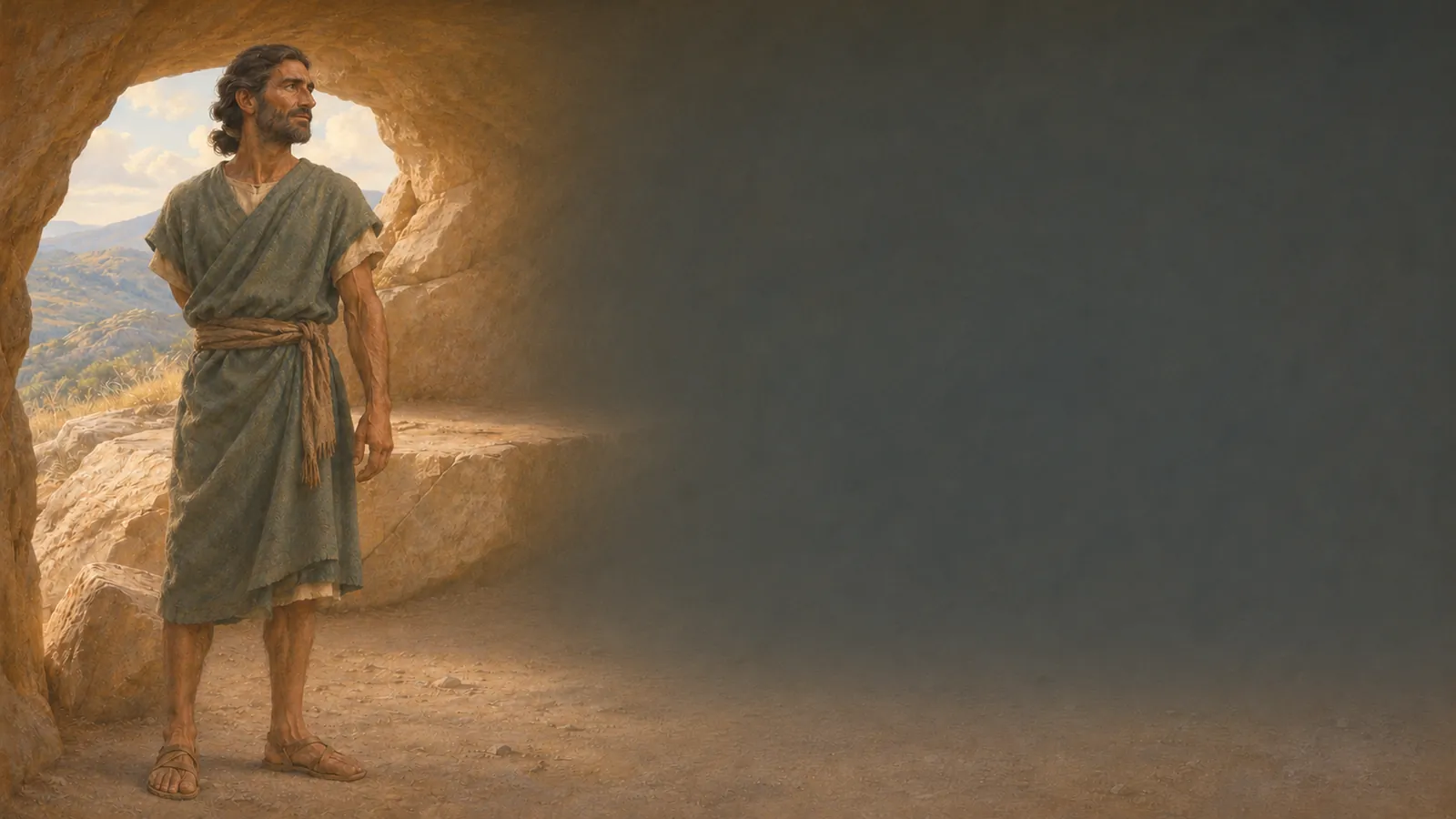
Das Gedicht spricht von Schutz vor ihm und hinter ihm. Es erzählt, dass die Macht wich, die ihn krank gemacht hatte.
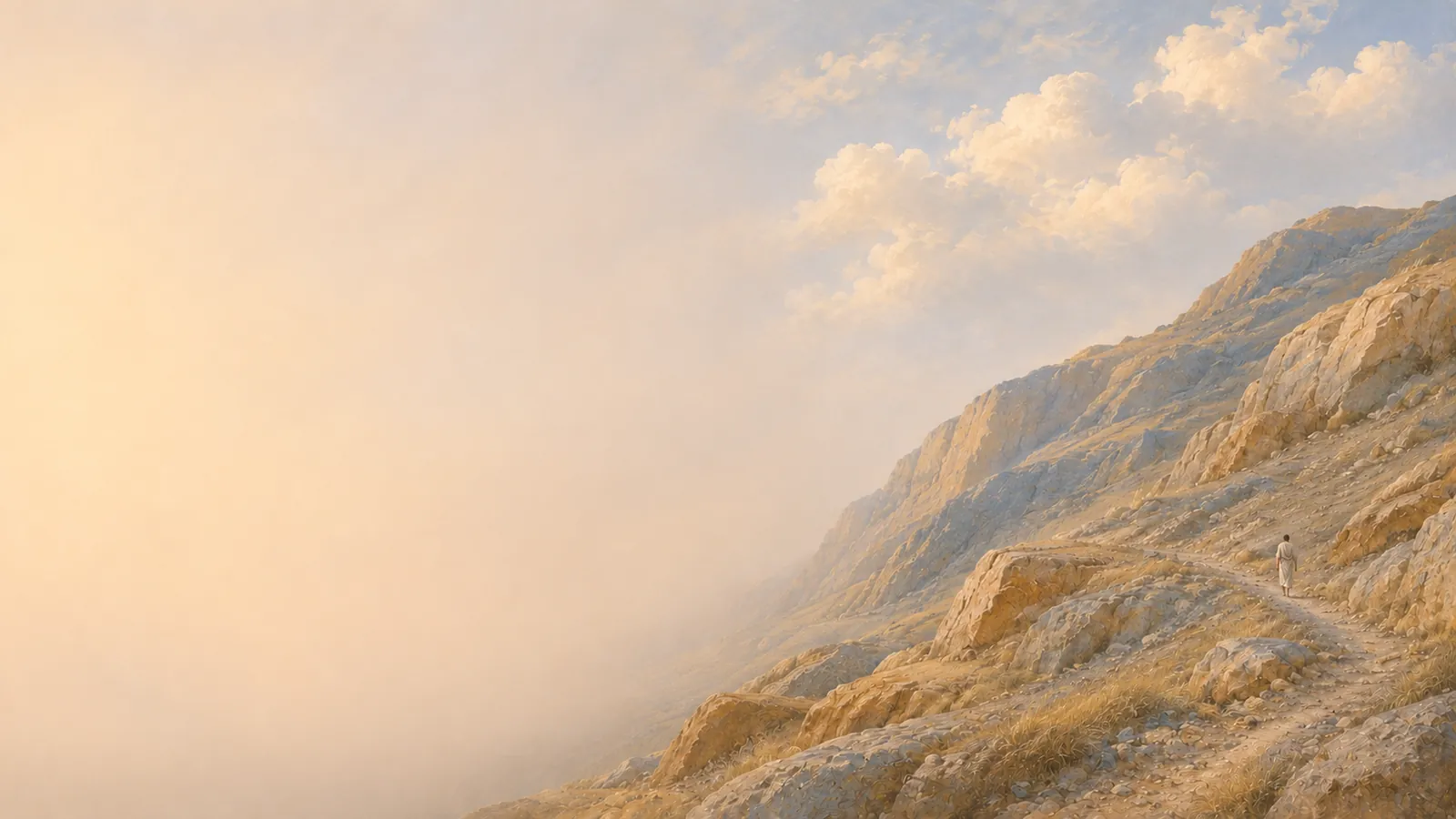
Lugalbanda pries Utu im Morgenlicht. In seinem Gebet ist Utu dem Menschen, der allein geht, ein Gefährte wie ein Bruder.
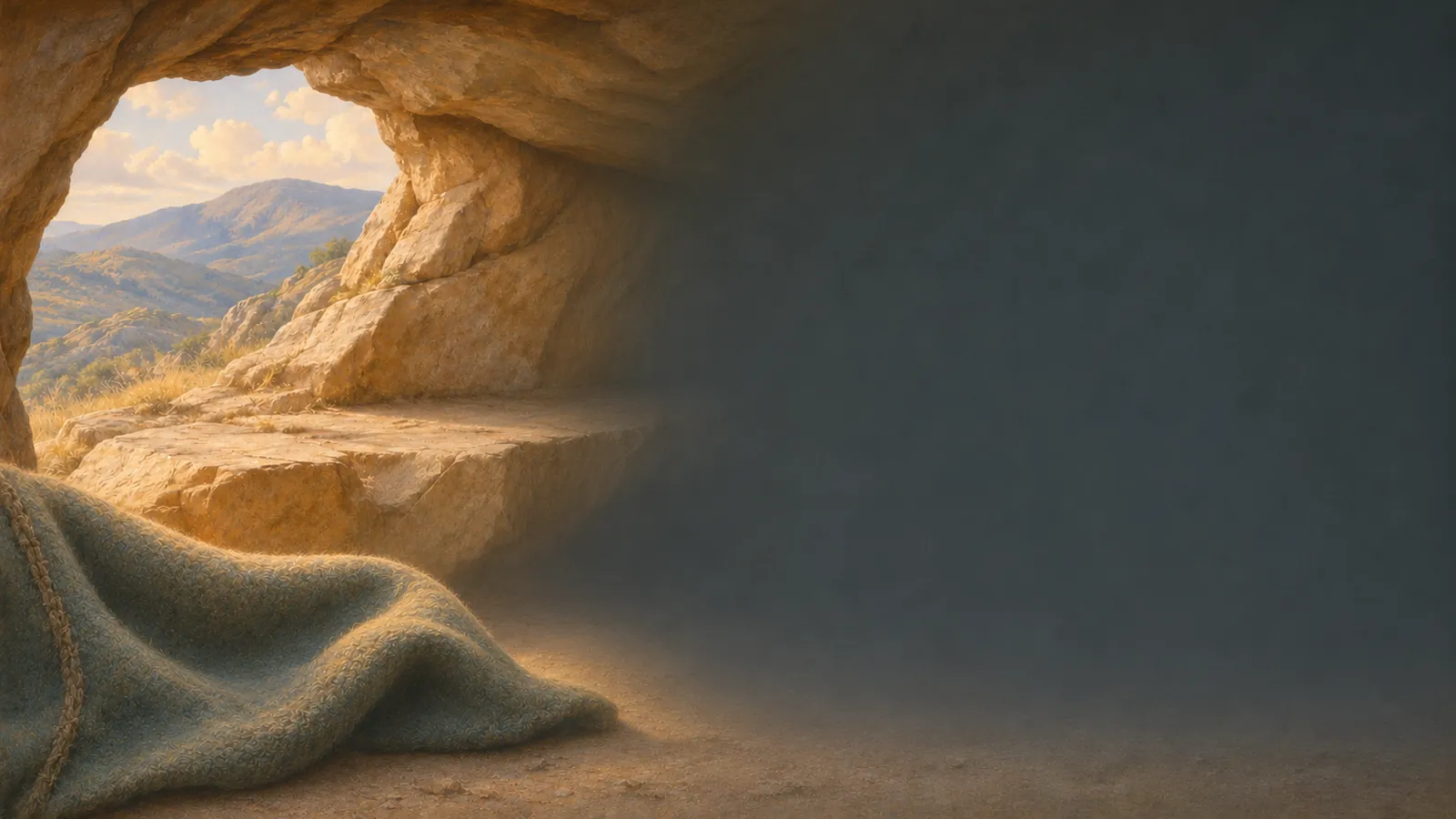
Im Gebet kleidet das Sonnenlicht die Armen so sanft wie Wolle. Einige der letzten Worte von Lugalbandas Lob sind unklar.
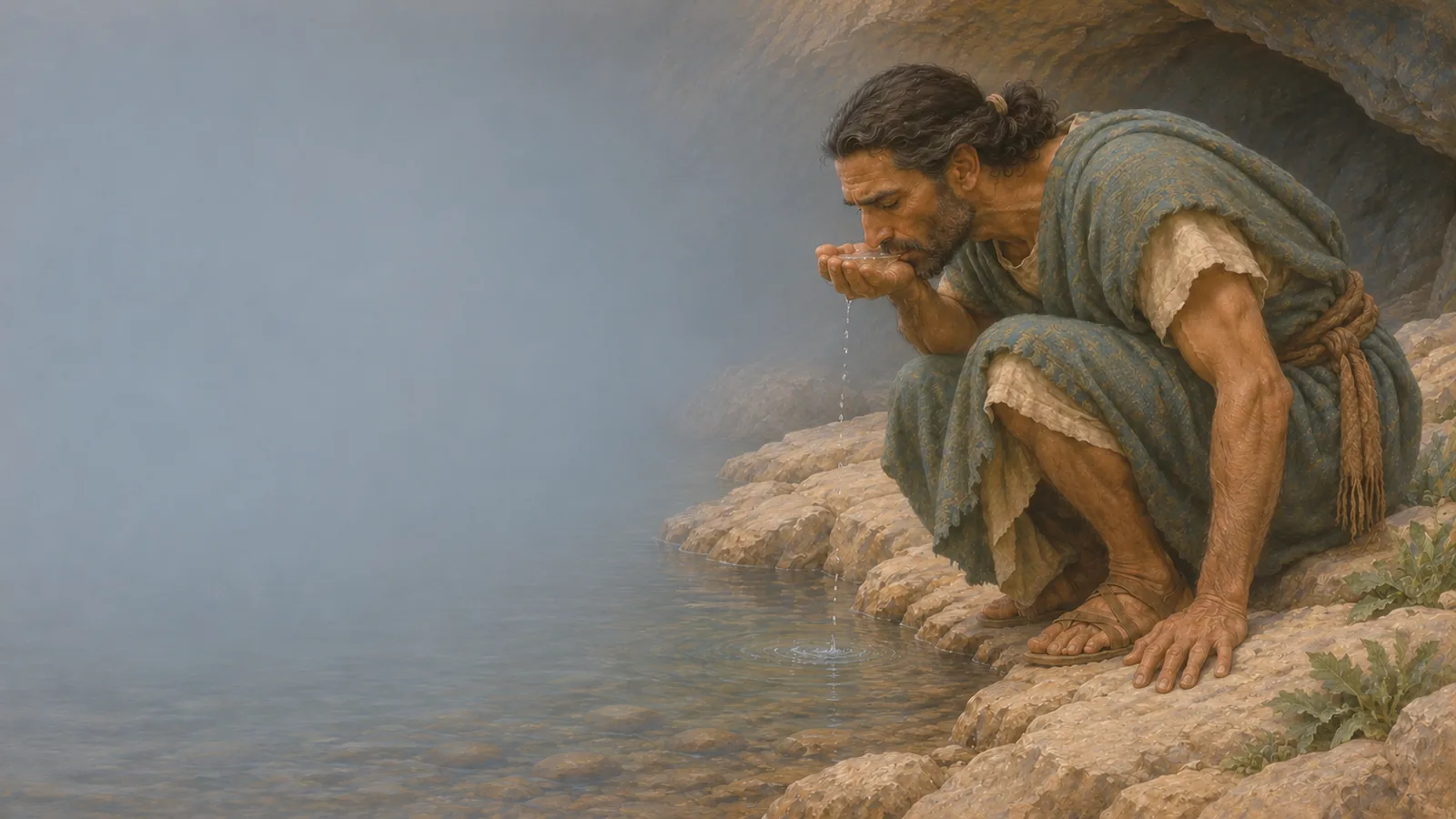
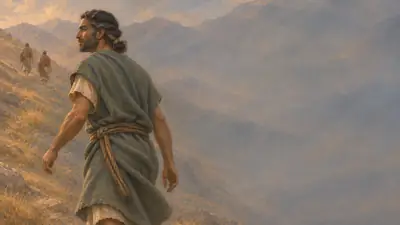
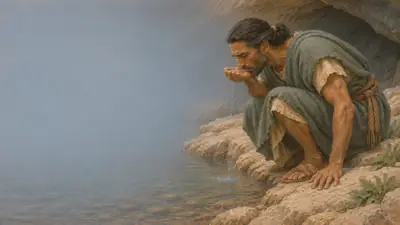
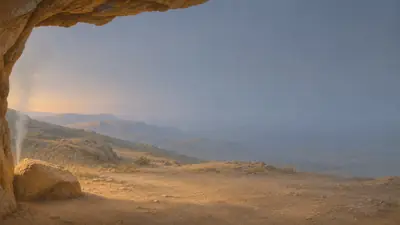
Lugalbanda trat aus der Höhle. Er kostete Pflanzen, die das Gedicht lebenspendend nennt, und trank Wasser, das von den Hügeln herabkam.
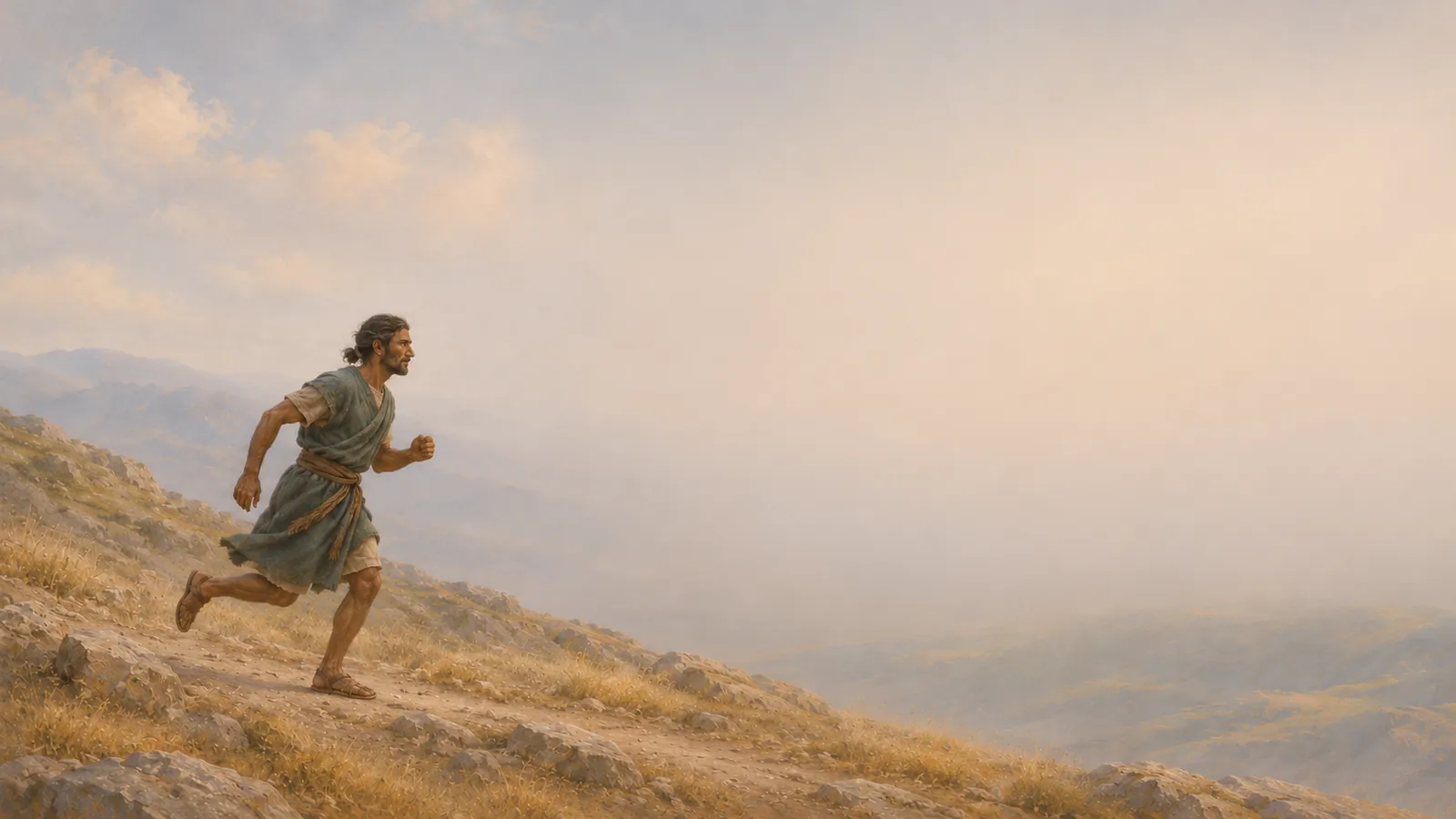
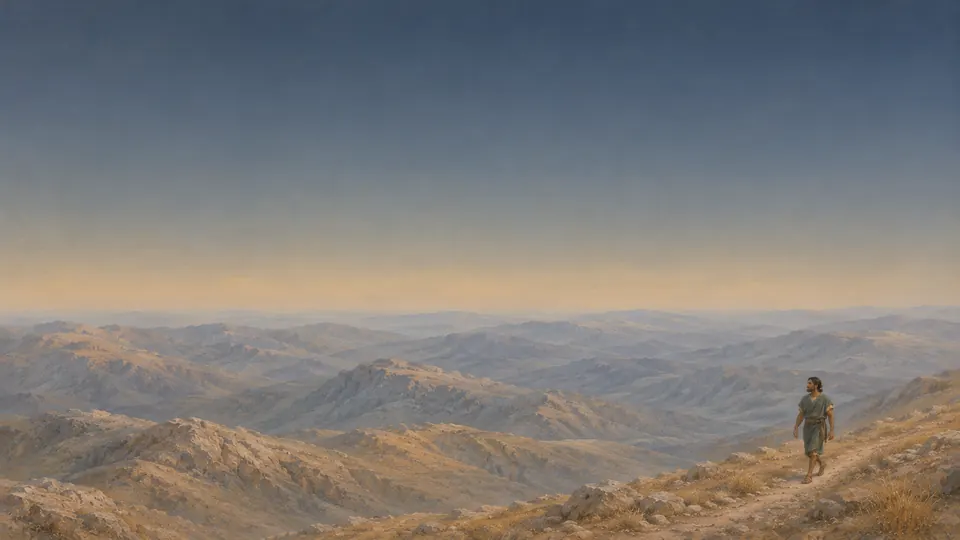
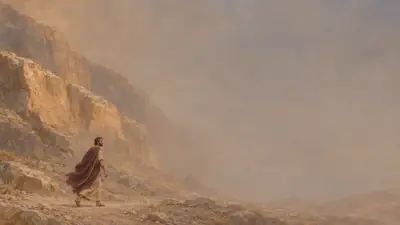
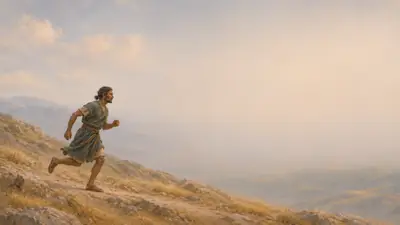
Als seine Kraft zurückkehrte, lief er über die Berge. Das Gedicht vergleicht seine schnellen Füße mit denen eines Wildesels.
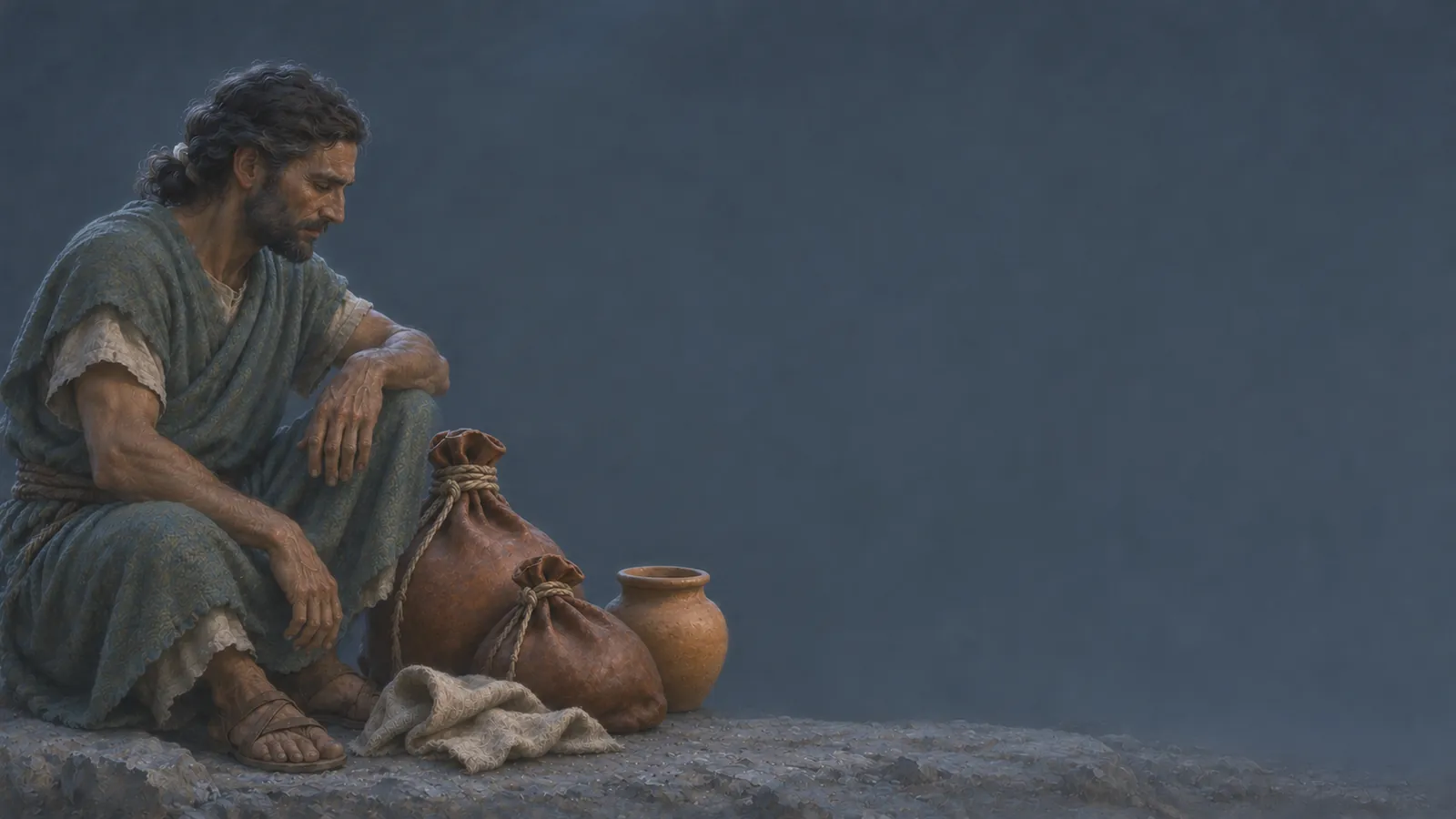
An jenem Abend zog er allein durch die mondhelle Einöde. Er stellte den Proviant und die Gefäße ab, die er aus der Höhle mitgenommen hatte.
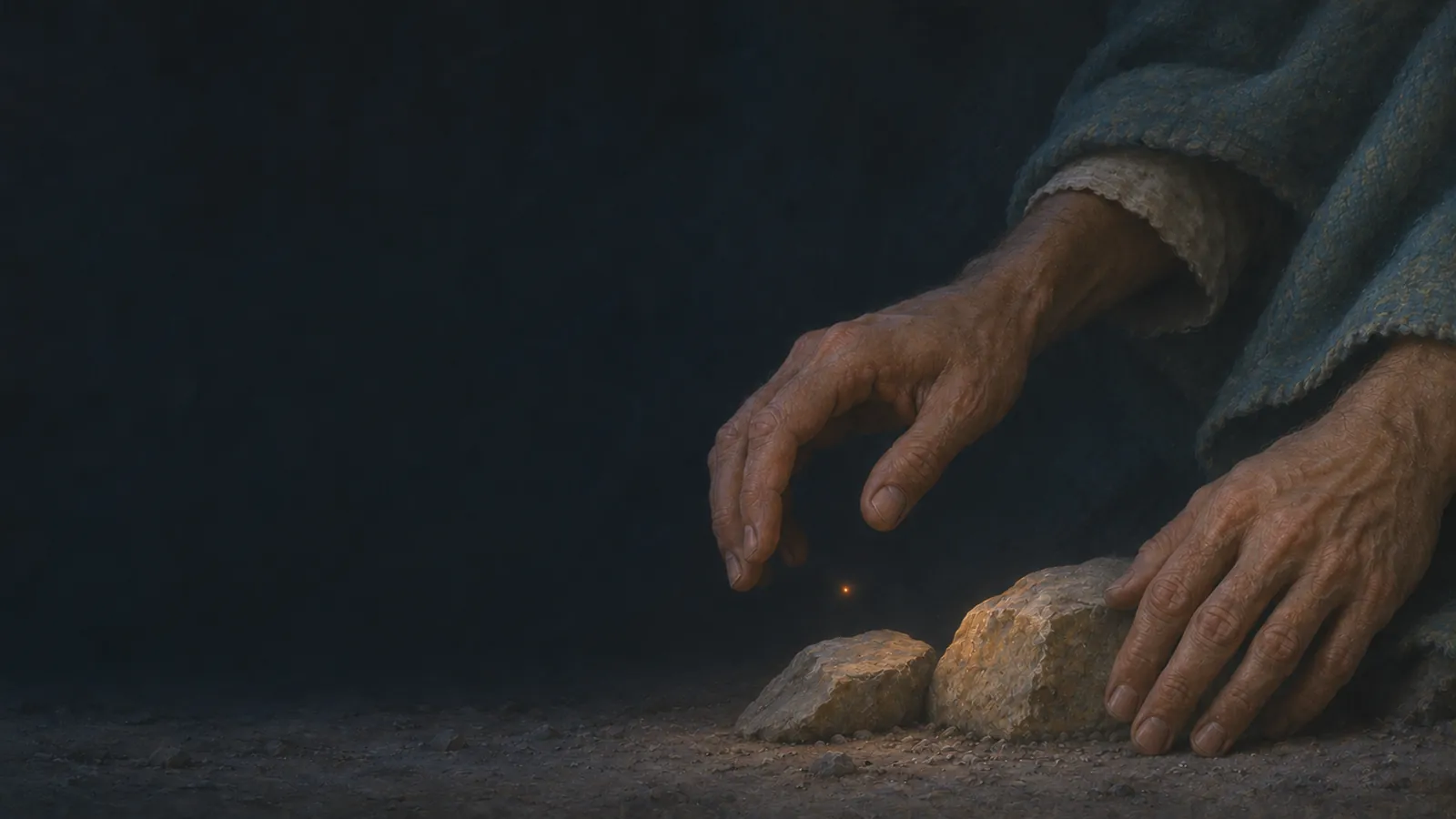
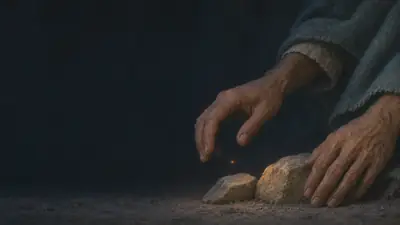
Er schlug Steine aneinander, und ein Funke aus dem Feuerstein fing Feuer. Ein kleines Feuer erhellte die Einöde, in der er keinen anderen Menschen sah.
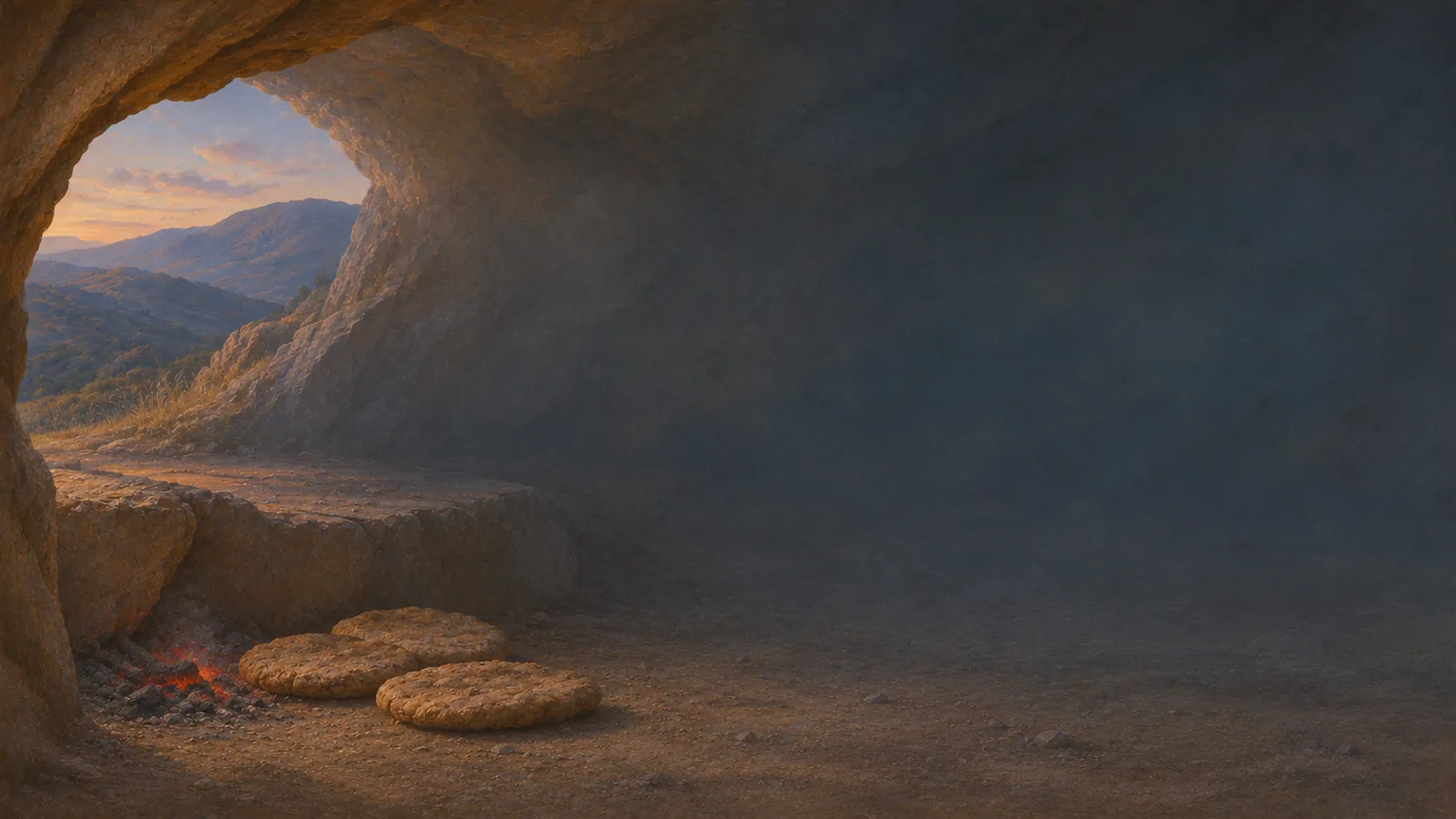
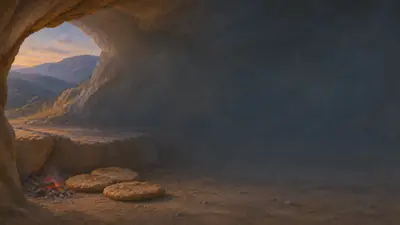
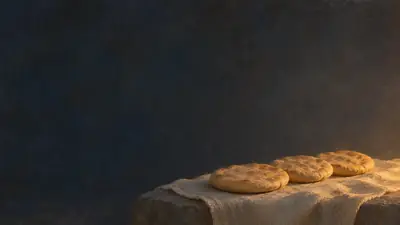
Mit wenigen Kohlen und ohne Ofen buk Lugalbanda seine Fladen. Er süßte sie mit Dattelsirup und behielt sie für den Weg.
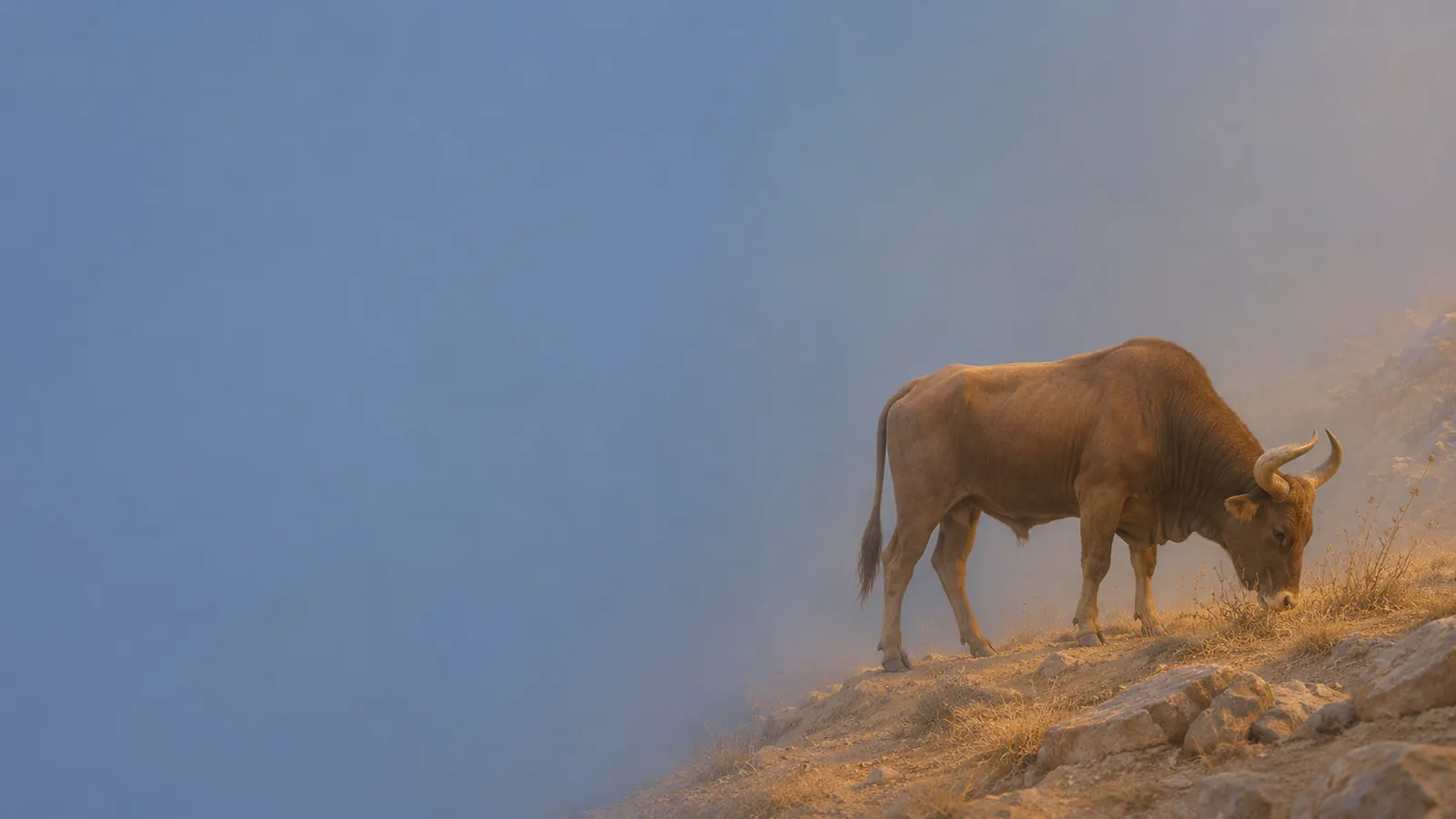
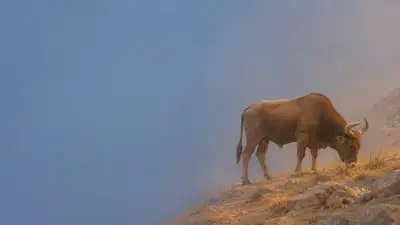
Ein brauner Wildstier weidete zwischen den Pflanzen und trank aus den Bergwassern. Das Gedicht erzählt, dass Lugalbanda das Tier fing.
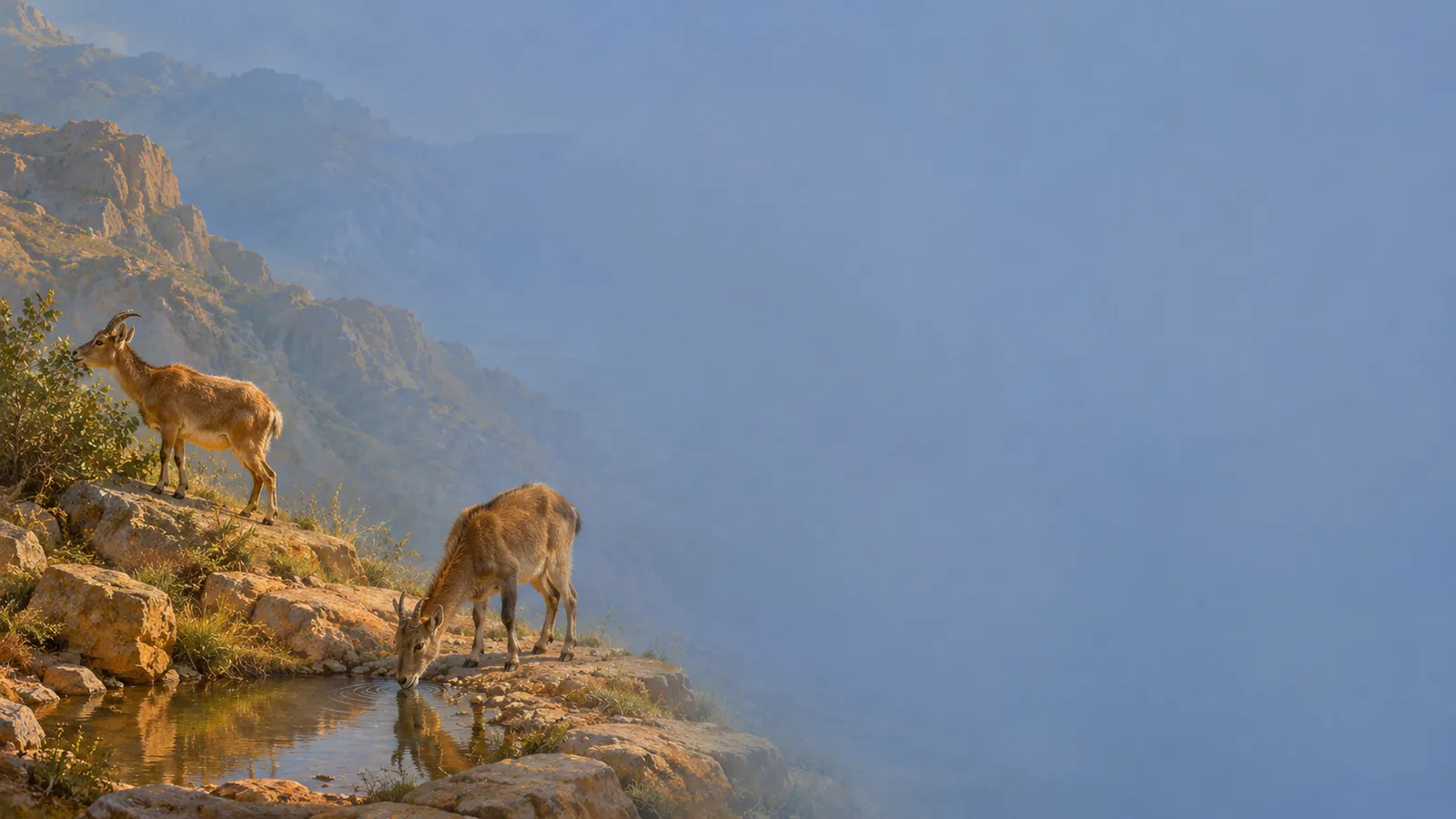
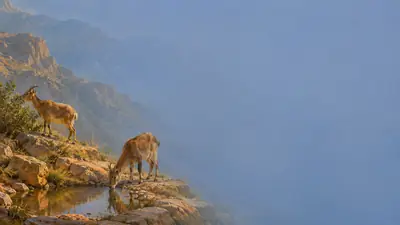
Auch zwei Ziegen weideten zwischen den Bergpflanzen. Das Gedicht erzählt, dass Lugalbanda sie fing, doch die Art, wie er sie fing, bleibt ungewiss.
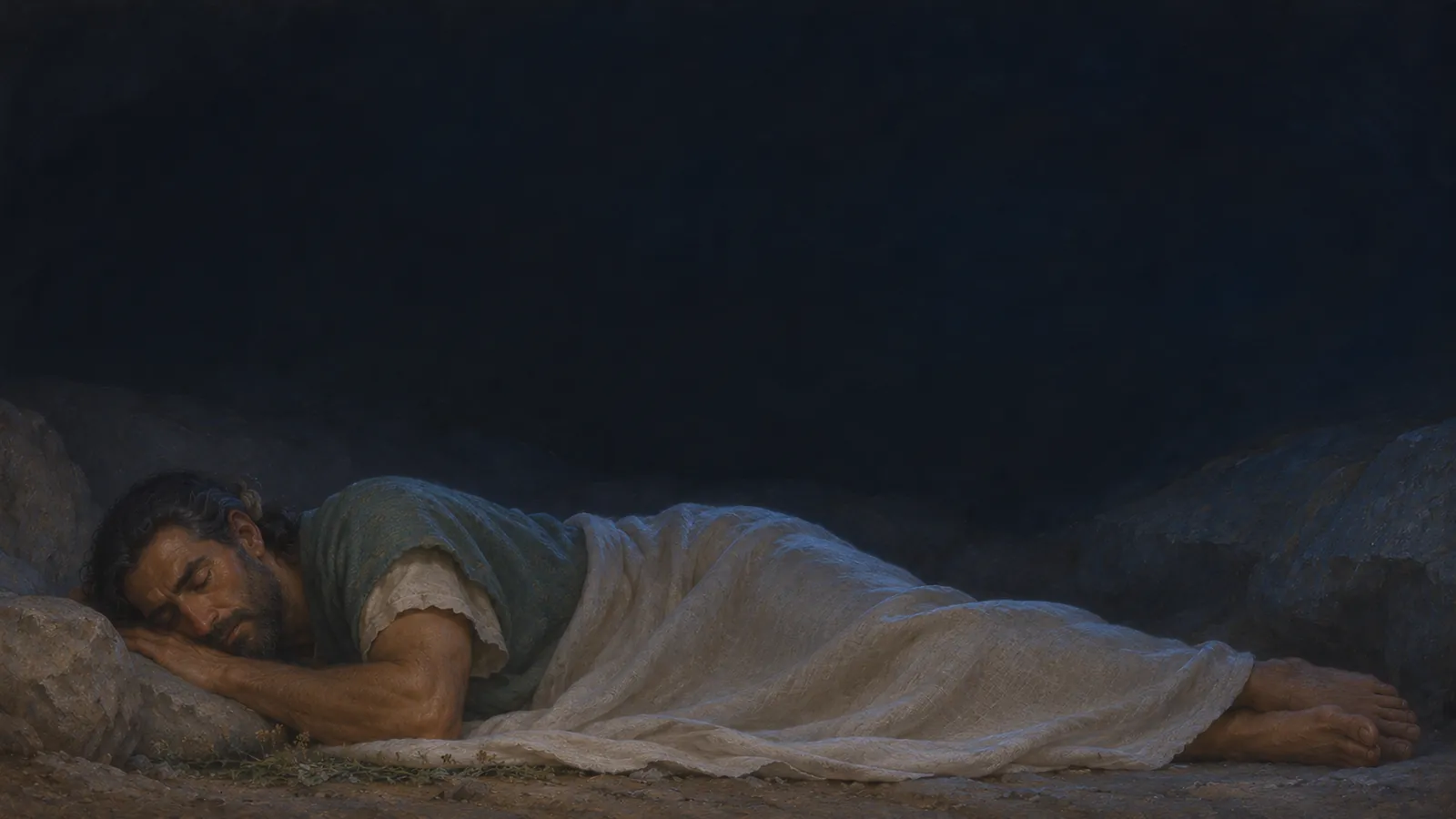
TRAUM
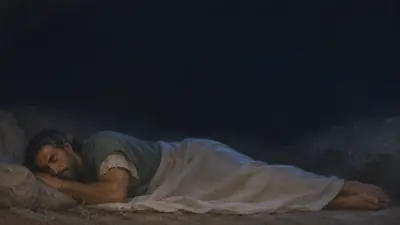
Er legte Bergkräuter unter ein Tuch und breitete ein weißes Leinentuch aus. Dann legte er sich hin, bereit zu träumen.
Im Traum sprach eine Stimme zu ihm, die wie ein Brüllen klang. Zangara, der Gott der Träume, verlangte eine Opfergabe vor der aufgehenden Sonne.
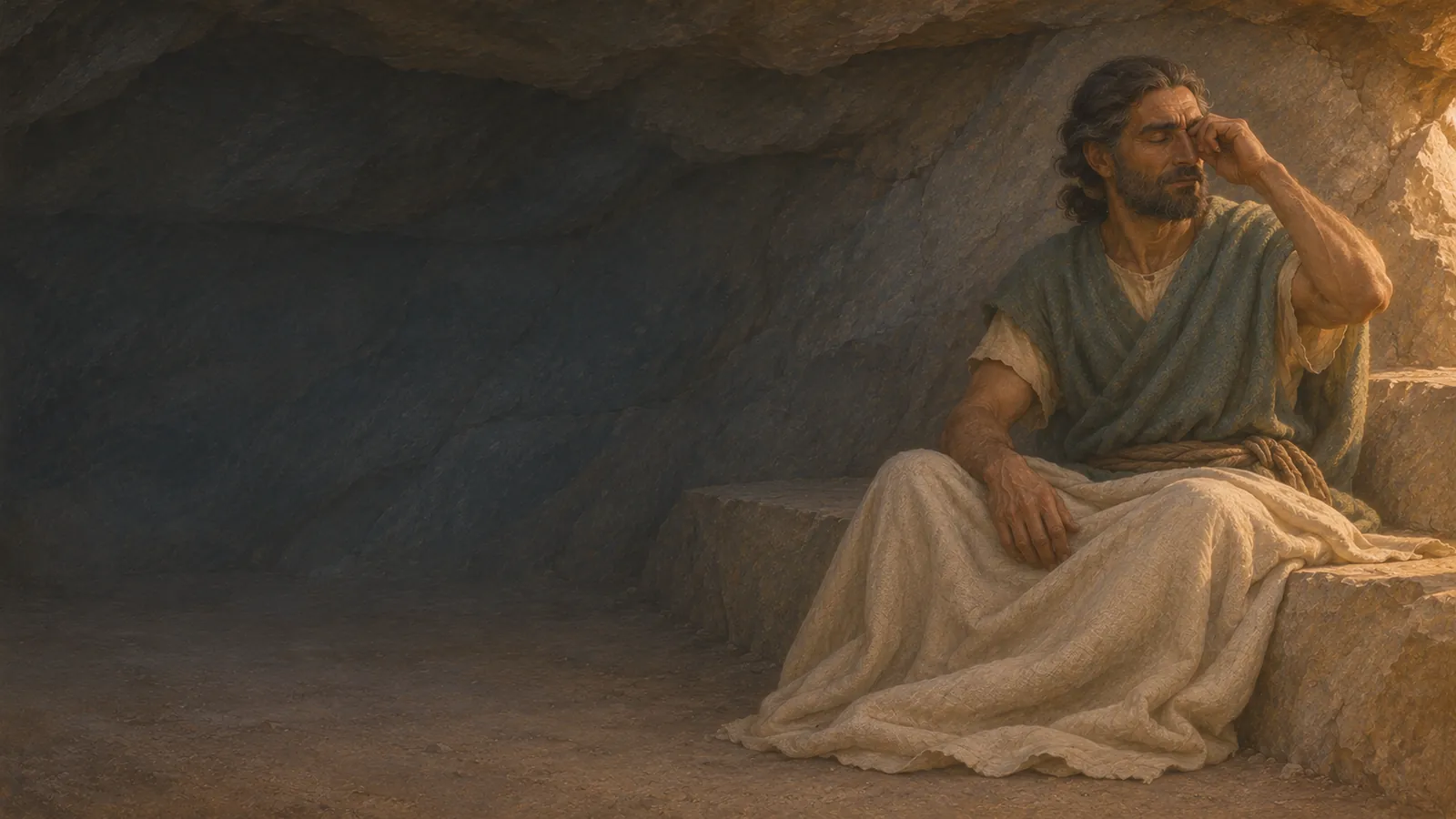
Lugalbanda erwachte zitternd. Als die Sonne aufging, opferte er den Wildstier und die beiden Ziegen, wie der Traum es von ihm verlangt hatte.
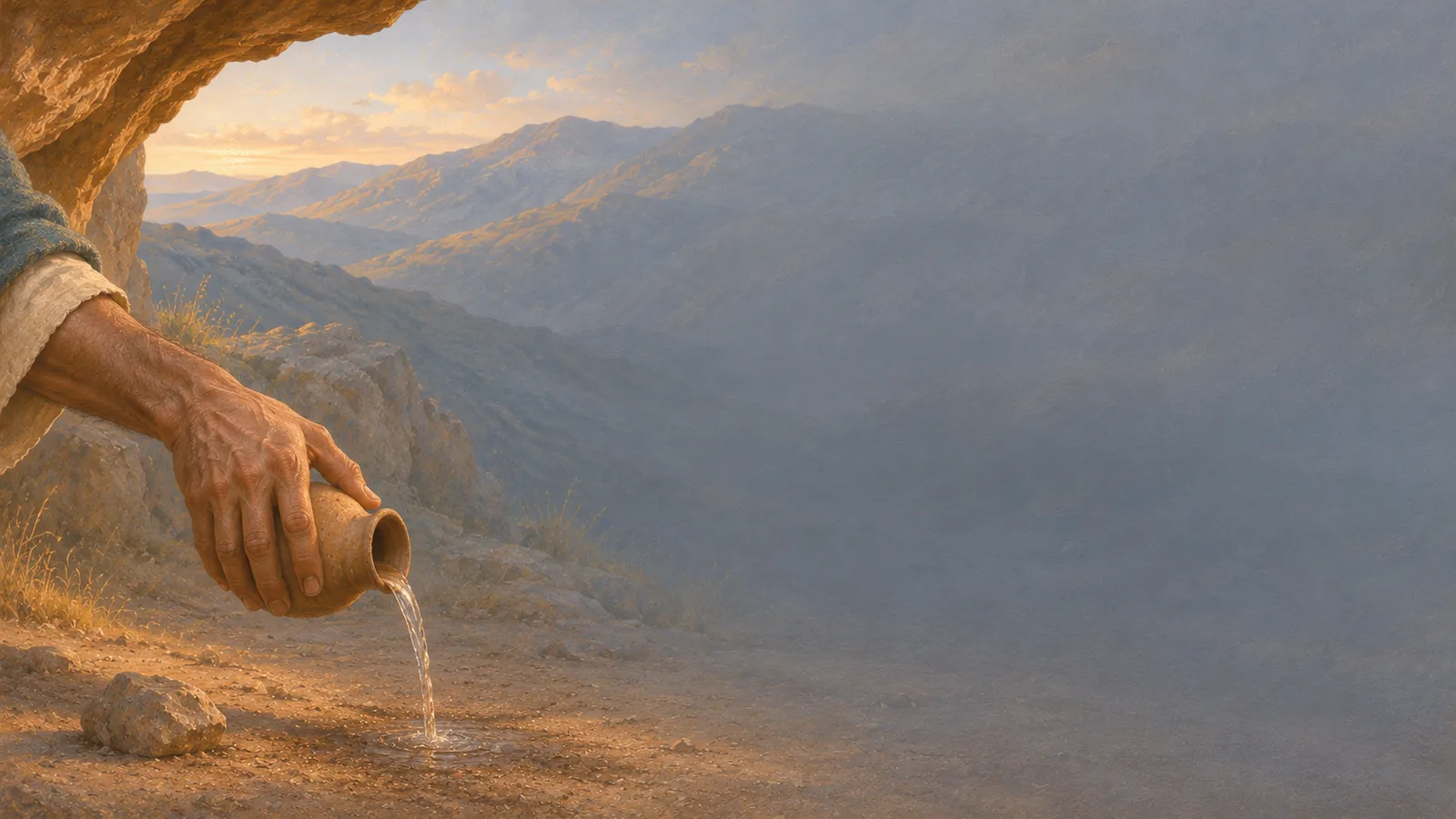
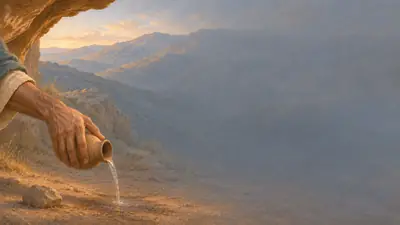
Er bereitete in den Bergen einen Platz für die Opfergabe vor. Als Trankopfer goss er kühles Wasser auf den offenen Boden.
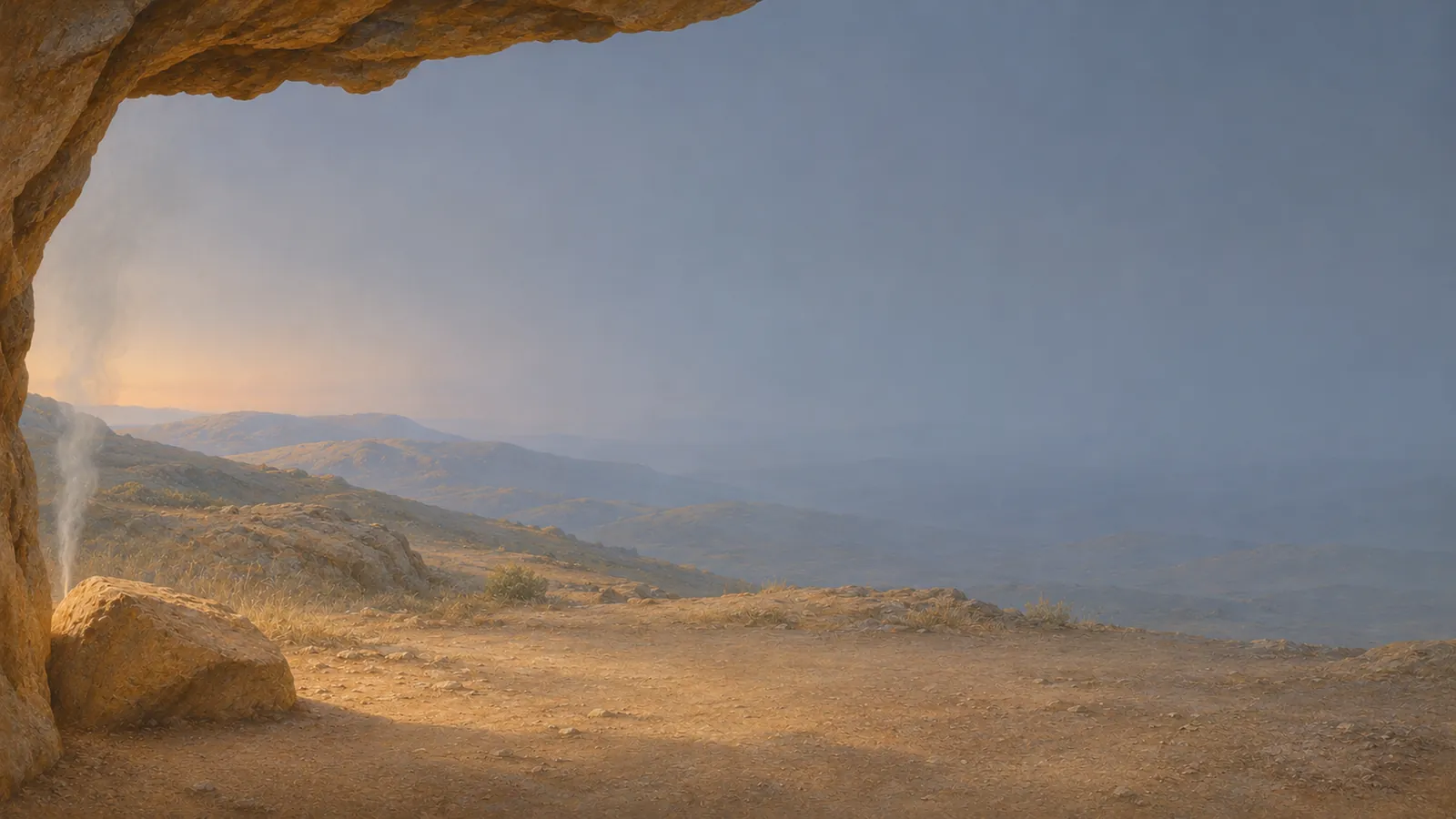
Der Rauch stieg in die Morgenluft. Das Gedicht nennt An, Enlil, Enki und Ninhursaja unter den Gästen der Opfergabe.
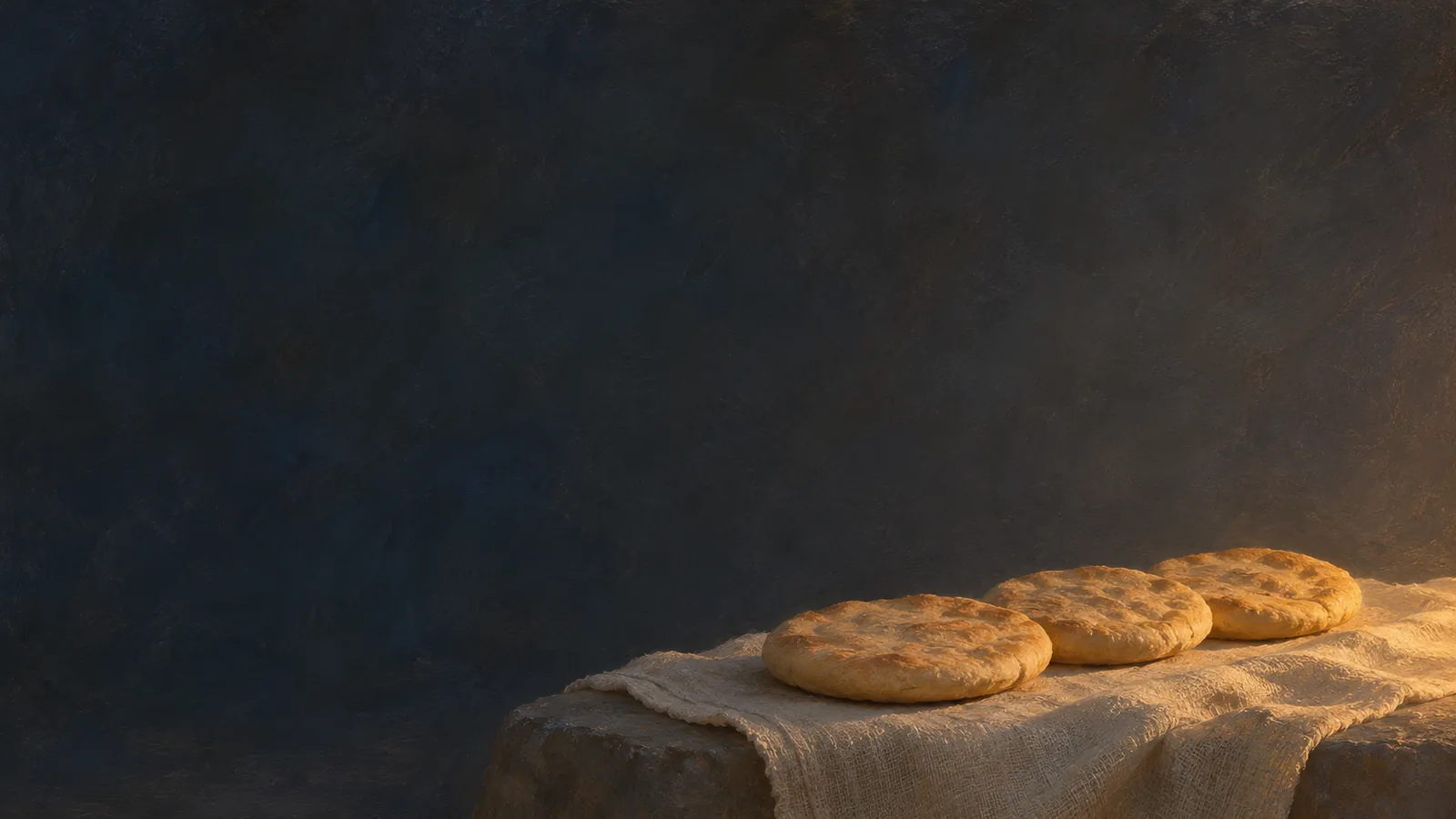
Mehrere Wendungen über die heiligen Gegenstände sind beschädigt. Klar ist, dass Lugalbanda die Fladen am Ort der Opfergabe ordentlich auslegte.
Im folgenden lückenhaften Abschnitt ist von Stimmen in der Nacht und Gestalten an den Türen die Rede. Viele Worte über diese Wesen sind verloren.
Einige erhaltene Worte vergleichen Gestalten mit Fackeln und dem plötzlichen Aufblitzen eines Sturms. Vieles davor und danach bleibt unklar.
STILLE
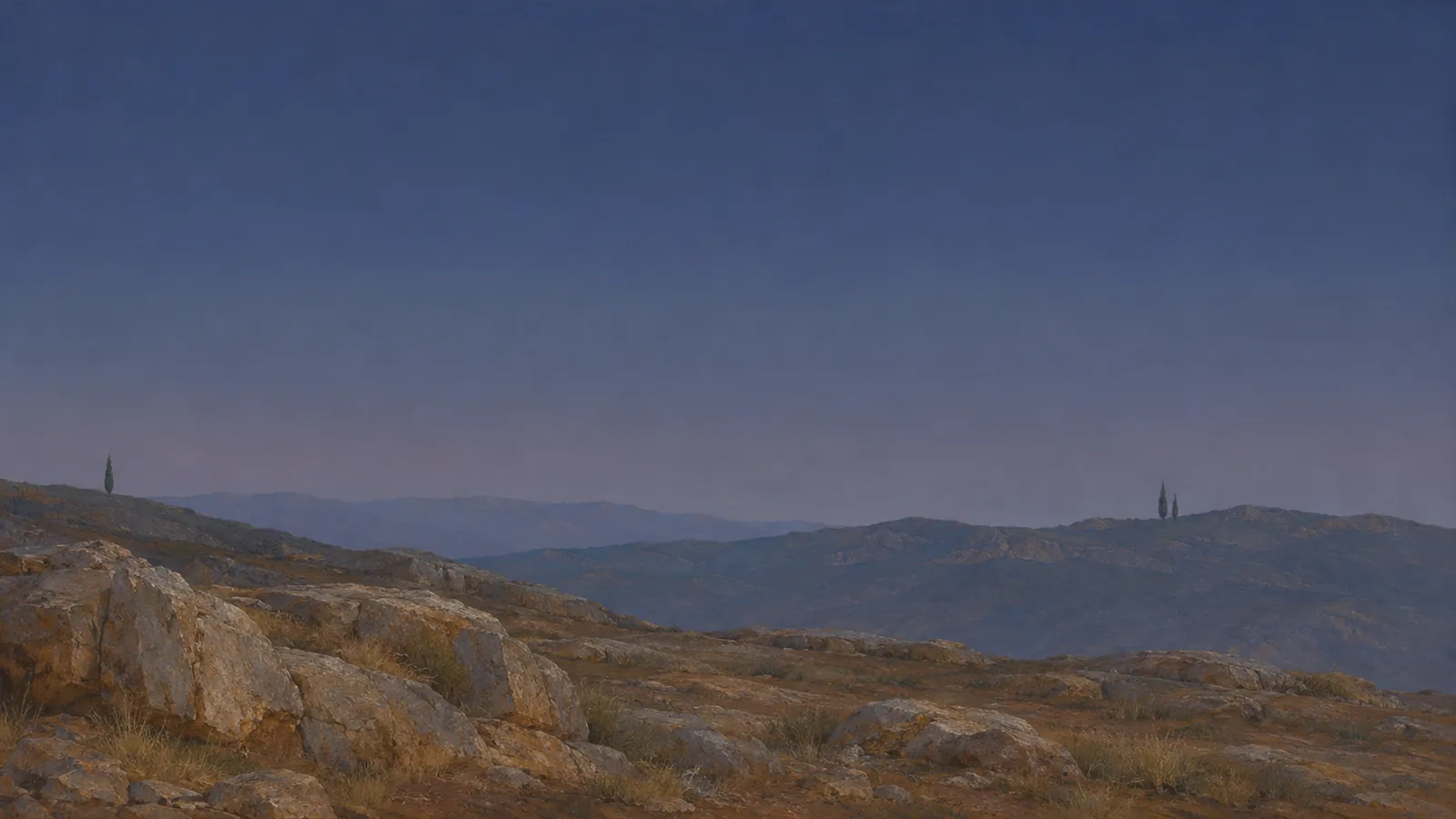
Gegen Ende bleibt ein undeutliches Bild von Zypressen in den Bergen. Danach bricht der erhaltene Text dieses Teils der Geschichte ab.
Ende von Kapitel 1
Alle Seiten

Quellen
Pages 48–51: Oxford’s ETCSL translation describes Lugalbanda pouring the animals’ blood into a pit, roasting the livers and heaping up the goats’ heads (ETCSL 1.8.2.1, approximately 361–393).
Benutzte Editionen
- Oxford ETCSL 1.8.2.1, translation, Segment A 1–499
- Oxford ETCSL 1.8.2.1, Sumerian composite
- Oxford ETCSL 1.8.2.2, the separate Anzud poem
Die antiken Verse hinter jeder Seite
- Page 1: ETCSL 1.8.2.1 A 1–3
The first line is restored and the following words are damaged. - Page 2: ETCSL 1.8.2.1 A 4–7
The opening remains fragmentary. - Page 3: ETCSL 1.8.2.1 A 8–19
Some clauses are broken. - Page 4: ETCSL 1.8.2.1 A 20–25
- Page 5: ETCSL 1.8.2.1 A 26–29
- Page 6: ETCSL 1.8.2.1 A 30–34
- Page 7: ETCSL 1.8.2.1 A 35–38
The words after the king goes at the head are unclear. - Page 8: ETCSL 1.8.2.1 A 39–46
Several journey details are damaged. - Page 9: ETCSL 1.8.2.1 A 47–49
The bathing is mentioned and the next clause is damaged. - Page 10: ETCSL 1.8.2.1 A 50–58
- Page 11: ETCSL 1.8.2.1 A 59–63
- Page 12: ETCSL 1.8.2.1 A 64–70
- Page 13: ETCSL 1.8.2.1 A 71–75
- Page 14: ETCSL 1.8.2.1 A 76–84
- Page 15: ETCSL 1.8.2.1 A 85–86
The reading of the cold detail is uncertain. - Page 16: ETCSL 1.8.2.1 A 87–88
The beginning of this passage is broken. - Page 17: ETCSL 1.8.2.1 A 89–94
- Page 18: ETCSL 1.8.2.1 A 95–106
Some details of the liquids are uncertain. - Page 19: ETCSL 1.8.2.1 A 107–117
The text names weapons among the possessions. - Page 20: ETCSL 1.8.2.1 A 118–122
- Page 21: ETCSL 1.8.2.1 A 123–127
- Page 22: ETCSL 1.8.2.1 A 128–132
- Page 23: ETCSL 1.8.2.1 A 133–140
- Page 24: ETCSL 1.8.2.1 A 141–147
- Page 25: ETCSL 1.8.2.1 A 148–150
- Page 26: ETCSL 1.8.2.1 A 151–170
- Page 27: ETCSL 1.8.2.1 A 171–172
- Page 28: ETCSL 1.8.2.1 A 173–182
- Page 29: ETCSL 1.8.2.1 A 183–196
Several clauses in Lugalbanda’s prayer are damaged. - Page 30: ETCSL 1.8.2.1 A 183–196
Two lines and some surrounding words remain unclear. - Page 31: ETCSL 1.8.2.1 A 197–200
The poem compares his inward relief to a garment. - Page 32: ETCSL 1.8.2.1 A 201–214
- Page 33: ETCSL 1.8.2.1 A 215–225
The prayer’s end is partly damaged. - Page 34: ETCSL 1.8.2.1 A 226–227
- Page 35: ETCSL 1.8.2.1 A 228–239
- Page 36: ETCSL 1.8.2.1 A 228–239
Manuscripts vary in how the affliction withdraws. - Page 37: ETCSL 1.8.2.1 A 240–263
- Page 38: ETCSL 1.8.2.1 A 240–263
The last part of the hymn includes unclear lines. - Page 39: ETCSL 1.8.2.1 A 264–275
- Page 40: ETCSL 1.8.2.1 A 264–275
The possible trap is uncertain. - Page 41: ETCSL 1.8.2.1 A 276–299
- Page 42: ETCSL 1.8.2.1 A 276–299
- Page 43: ETCSL 1.8.2.1 A 276–299
- Page 44: ETCSL 1.8.2.1 A 300–313
The method of catching the bull is uncertain. - Page 45: ETCSL 1.8.2.1 A 314–325
The method remains uncertain. - Page 46: ETCSL 1.8.2.1 A 326–350
The poem uses a royal epithet here. - Page 47: ETCSL 1.8.2.1 A 326–360
The preceding lines name the dream god Zangara. - Page 48: ETCSL 1.8.2.1 A 361–370
- Page 49: ETCSL 1.8.2.1 A 371–379
This part of the offering also names other drinks and leaves some phrases broken. - Page 50: ETCSL 1.8.2.1 A 380–385
The text identifies the guests of the offering. - Page 51: ETCSL 1.8.2.1 A 386–393
This part of the offering is damaged. - Page 52: ETCSL 1.8.2.1 A 394–432
Several lines here are damaged or unclear. - Page 53: ETCSL 1.8.2.1 A 433–484
Multiple lines are unclear. - Page 54: ETCSL 1.8.2.1 A 485–499, break after 499
The edition records an unknown number of missing lines after A 499. Segment B is unclear and of uncertain attribution.
Illustrationen von IL Archive mit KI-Werkzeugen; der Text folgt den antiken Quellen (siehe die Quellen am Ende jedes Kapitels).