Regina und Barates Kapitel 1
Zwei Inschriften für Regina
Ein Denkmal aus South Shields überliefert Angaben über Regina und Barates in Latein und Palmyrenisch-Aramäisch. Die Folge liest die beiden Inschriften nacheinander, von der lateinischen Widmung bis zum aramäischen Klagewort.
QuellenBlättern Sie mit den Pfeilen, den Pfeiltasten oder durch Wischen.
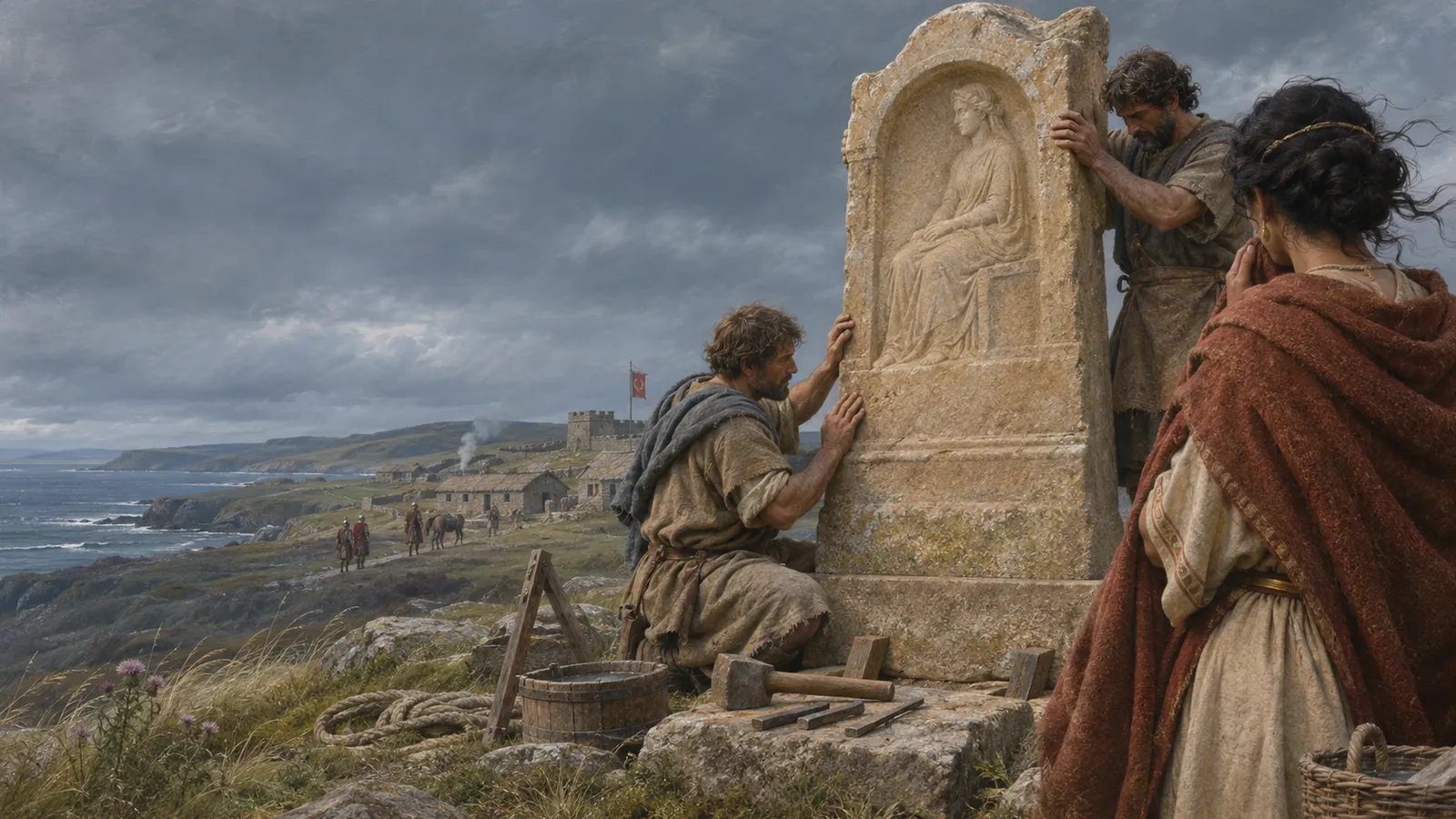
EIN DENKMAL
Ein 1878 in South Shields gefundenes steinernes Denkmal trägt eine lateinische Inschrift über einer Zeile auf Palmyrenisch-Aramäisch. Jeremy Hutton und Catherine Bonesho veröffentlichen und übersetzen beide Inschriften.
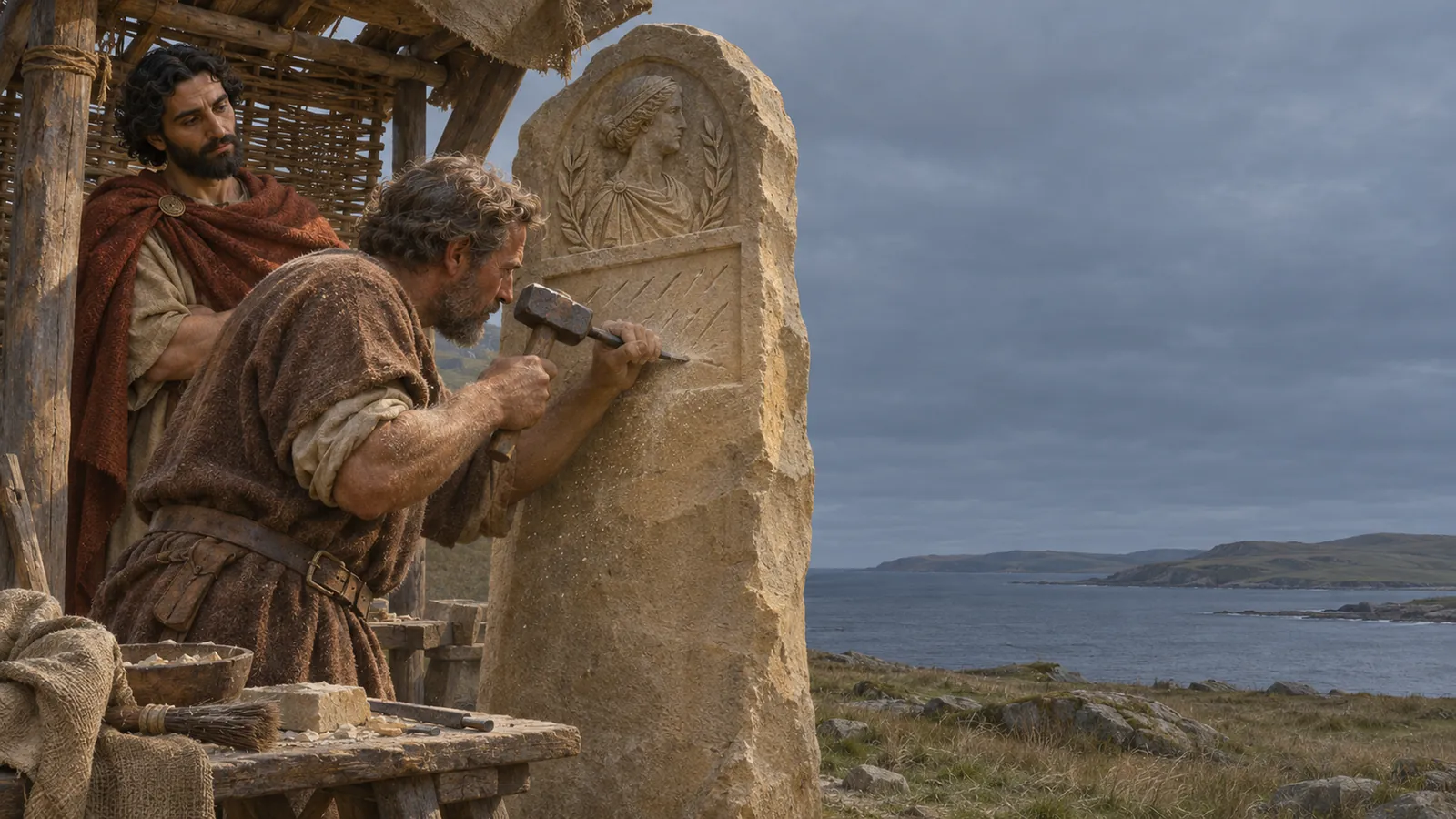
Der lateinische Text beginnt mit einer Widmung an die Geister der Toten. Er nennt Regina und bezeichnet sie als Freigelassene.
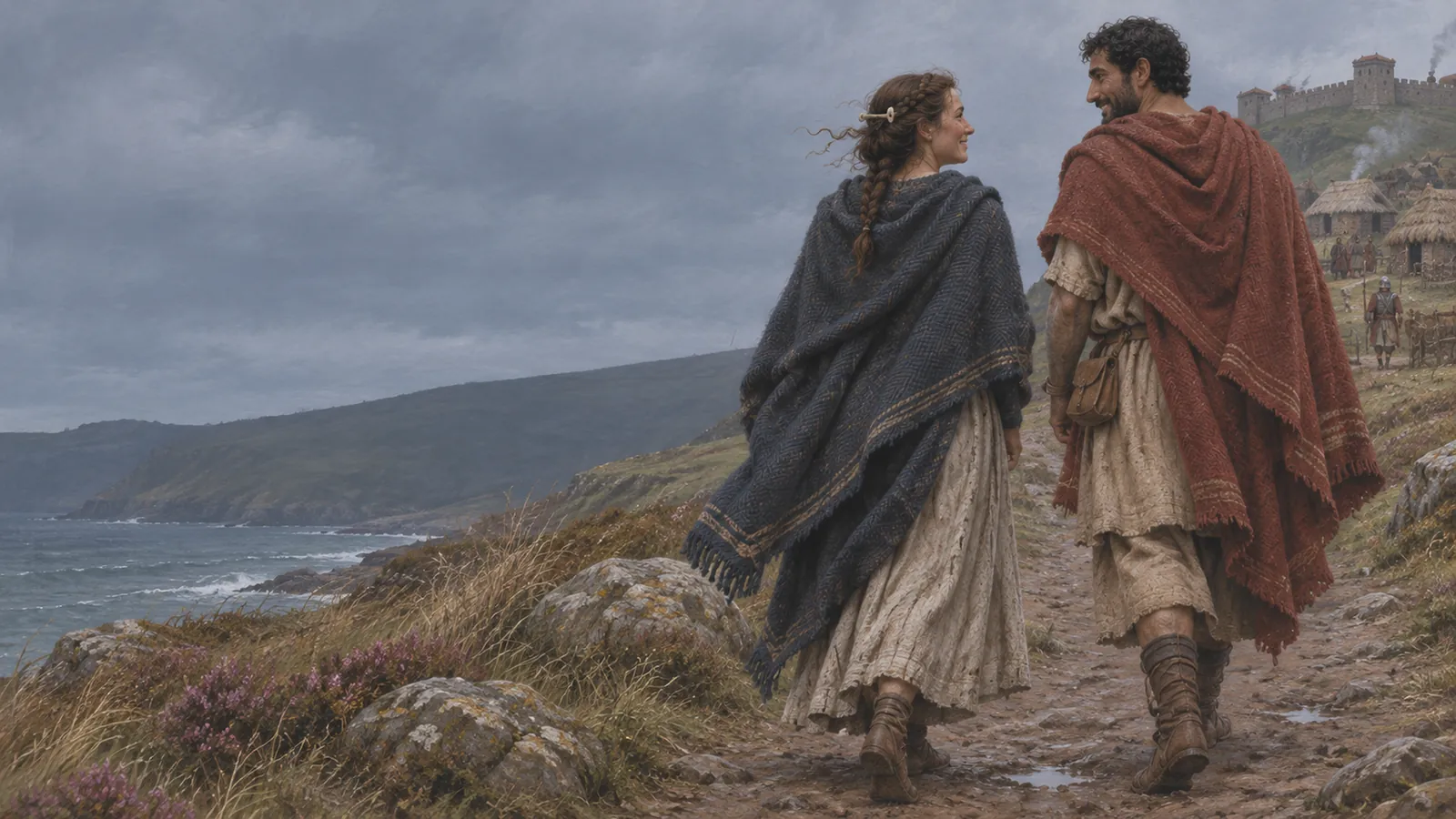
DIE LATEINISCHE INSCHRIFT
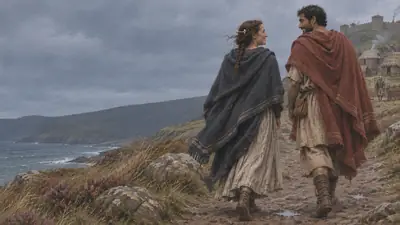
Die lateinische Inschrift bezeichnet Regina als die Ehefrau des Barates. Sie nennt Barates einen Palmyrener.
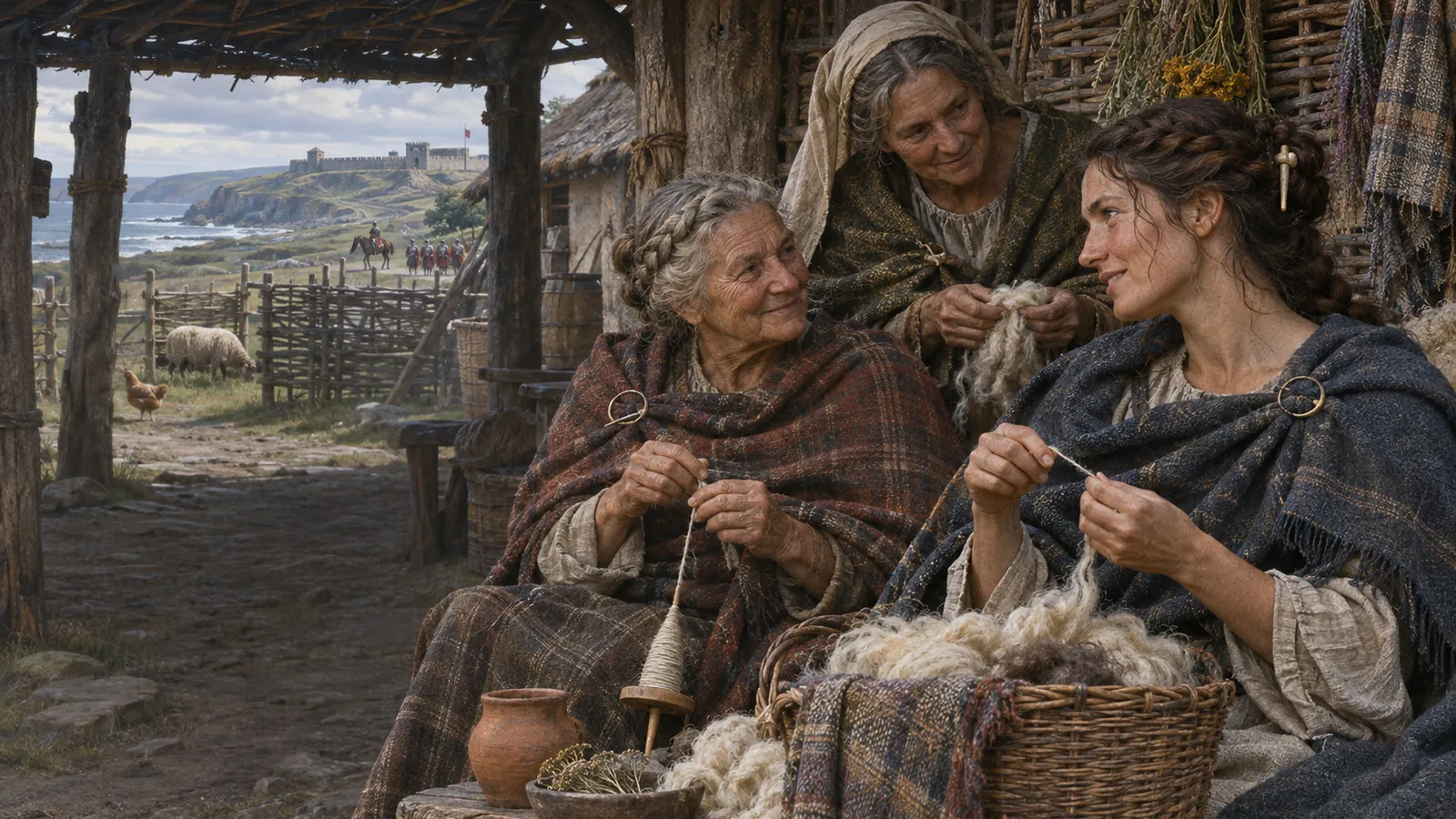
Die lateinische Inschrift zählt Regina zum Volk der Catuallauner und gibt ihr Alter mit dreißig Jahren an. Die Übersetzer ergänzen das Verb für die Lebensdauer.
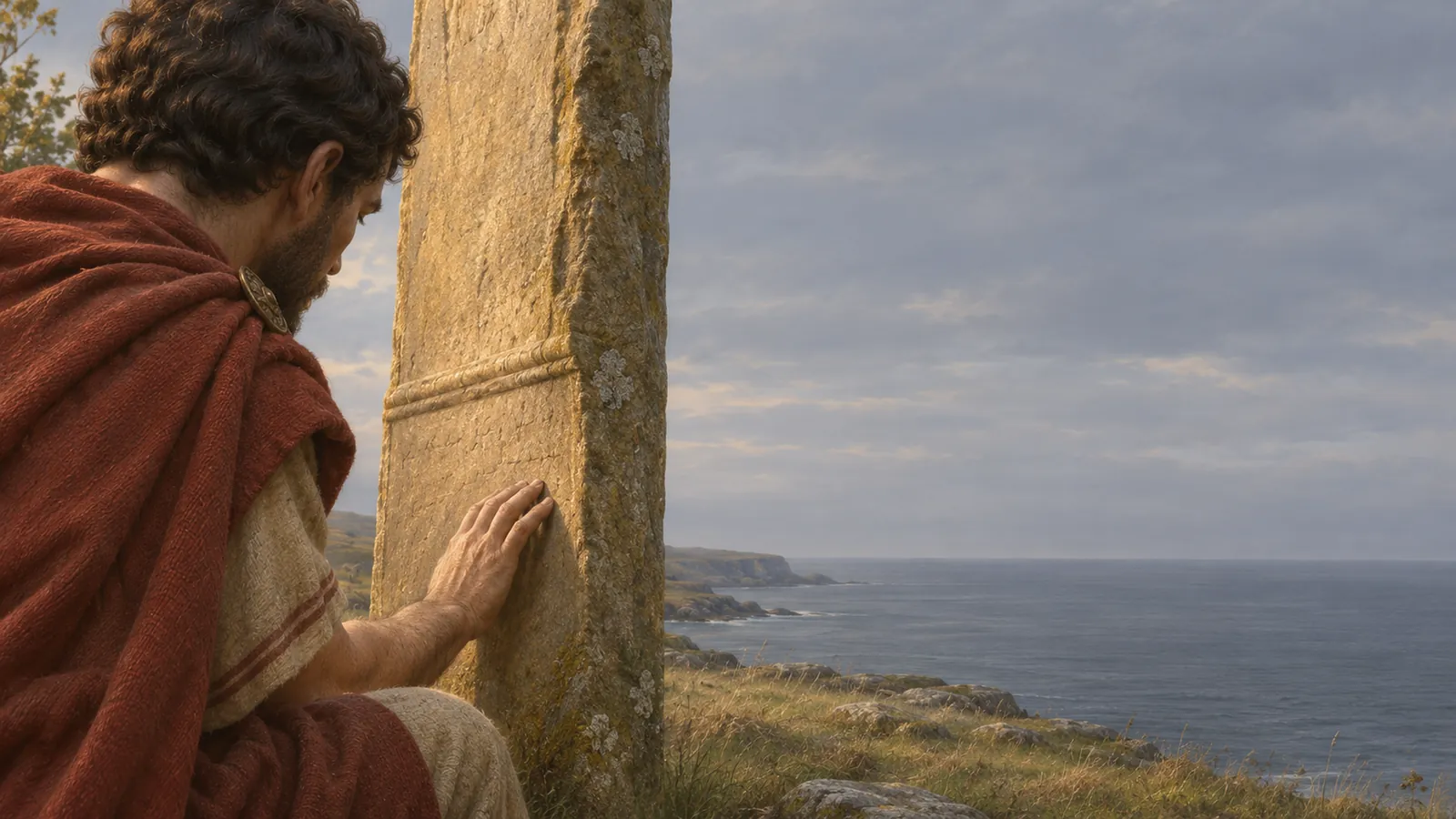
In der veröffentlichten Übersetzung nennt die palmyrenisch-aramäische Zeile Regina die Freigelassene des Barates. Sein Name steht in seiner palmyrenischen Form.
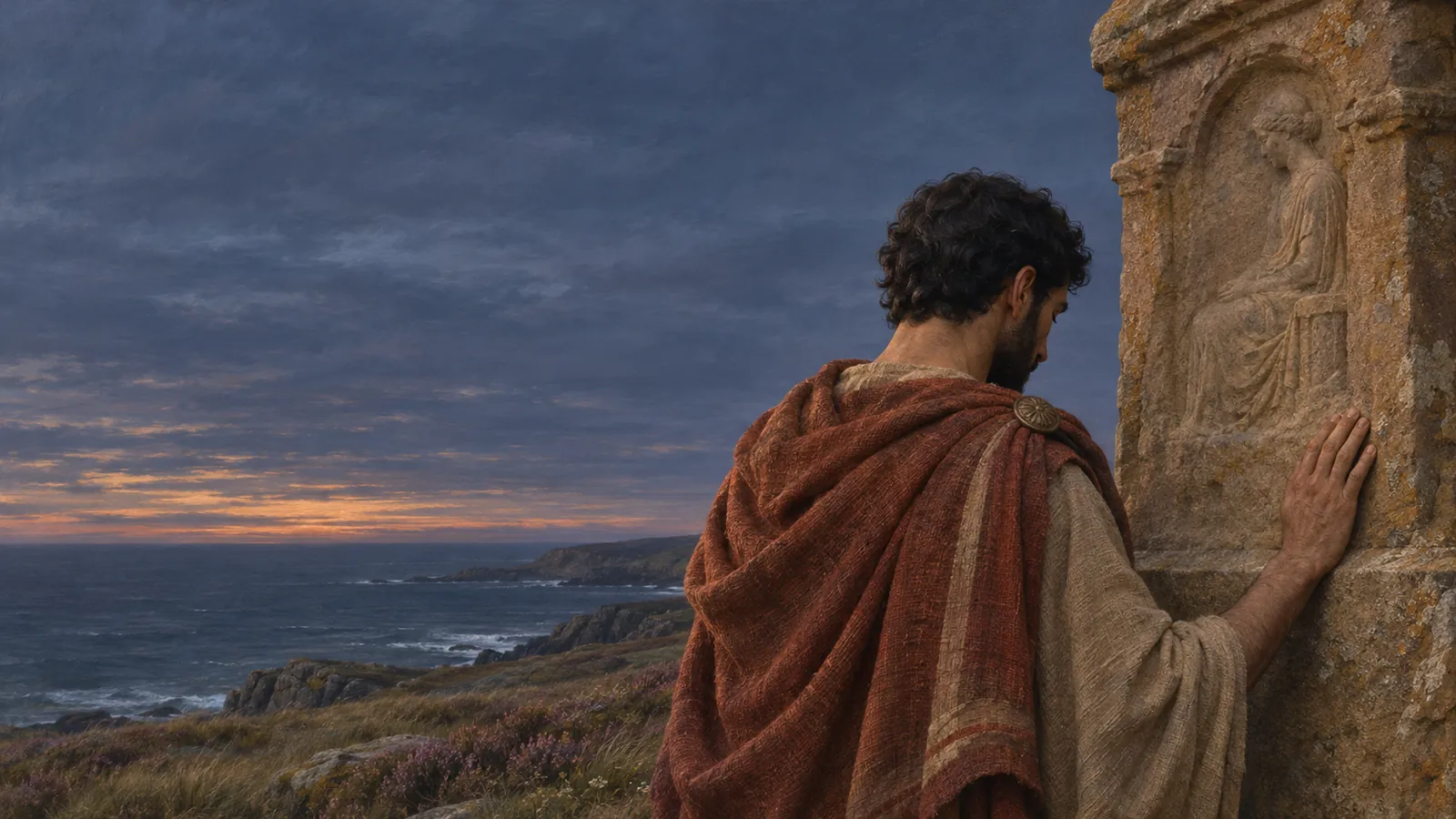
DIE KLAGE
Die palmyrenisch-aramäische Zeile endet mit einem einzigen Wort der Klage, das Hutton und Bonesho mit Ach wiedergeben.
Ende von Kapitel 1
Alle Seiten


Quellen
The complete Latin and Palmyrene Aramaic inscriptions on the South Shields memorial have the respective references RIB 1065 and PAT 0246. This reading follows the texts and translations on pp. 271–272 in Jeremy M. Hutton and Catherine E. Bonesho’s contribution to Epigraphy, Philology, and the Hebrew Bible, SBL Press, 2015.
Benutzte Editionen
- SBL Press, Epigraphy, Philology, and the Hebrew Bible, publisher’s edition
- Hutton and Bonesho, pp. 271–272, inscriptions and translations
- Hutton and Bonesho, pp. 275–277, the names and freed status
Hinweise zu dieser Nacherzählung
Page 1, the bilingual memorial. Hutton and Bonesho introduce RIB 1065 and PAT 0246 on p. 271. Page 272 gives their English translations. The discovery year refers to the find.
Page 2, Latin line 1, dedication and status. The standard formula to the spirits of the dead opens the Latin text. The published translation supplies the verb of dedicating in square brackets. It renders the status term as “free-woman,” and the authors use the conventional “freedwoman” in their later discussion.
Page 3, Latin lines 1–2, marriage and Barates. The Latin calls Regina the wife of Barates and identifies him as a Palmyrene. The edition prints the word for wife on line 1 and the name and origin on line 2.
Page 4, Latin line 3, people and age. The authors’ translation gives “Catuallaunian” based on the reading noted at p. 271, note 66. The number is thirty.
Page 5, Palmyrene Aramaic line 1, names and status. The published translation on p. 272 names Regina and calls her the freedwoman of the person named Barates in the Latin. Hutton and Bonesho align the Palmyrene spelling with Barates on p. 275. On pp. 276–277 they discuss the literal status phrase and consider whether its context could carry a marital connotation.
Page 6, Palmyrene Aramaic line 1, lament. The line ends in the word the translators render as “Alas!” The reading ends there. The neighboring example in the article concerns a separate memorial.
The published readings provide the text of both inscriptions.
Die antiken Verse hinter jeder Seite
- Page 1: Hutton and Bonesho (2015), Regina memorial, p. 271, description of RIB 1065 and PAT 0246
- Page 2: Hutton and Bonesho (2015), Regina memorial, p. 272, Latin line 1, dedication and status
- Page 3: Hutton and Bonesho (2015), Regina memorial, p. 272, Latin lines 1–2, relationship and origin of Barates
- Page 4: Hutton and Bonesho (2015), Regina memorial, p. 272, Latin line 3 and note 66
- Page 5: Hutton and Bonesho (2015), Regina memorial, p. 272, Aramaic line 1, names and status; 275–277, discussion
- Page 6: Hutton and Bonesho (2015), Regina memorial, p. 272, Aramaic line 1, final expression
Illustrationen von IL Archive mit KI-Werkzeugen; der Text folgt den antiken Quellen (siehe die Quellen am Ende jedes Kapitels).