Der Hirte und der Bauer Kapitel 1
Die Werbung um Inanna
Utu bevorzugt Dumuzi, aber Inanna will einen Bauern heiraten. Dumuzi stellt seine Wolle und Milch dem Stoff und Bier des Bauern gegenüber. Eine Stimme, die Jacobsen vorsichtig Inanna zuschreibt, bietet Weide, Wasser, Weizen und Bohnen an. Jacobsen deutet den Schluss als Versöhnung.
QuellenBlättern Sie mit den Pfeilen, den Pfeiltasten oder durch Wischen.
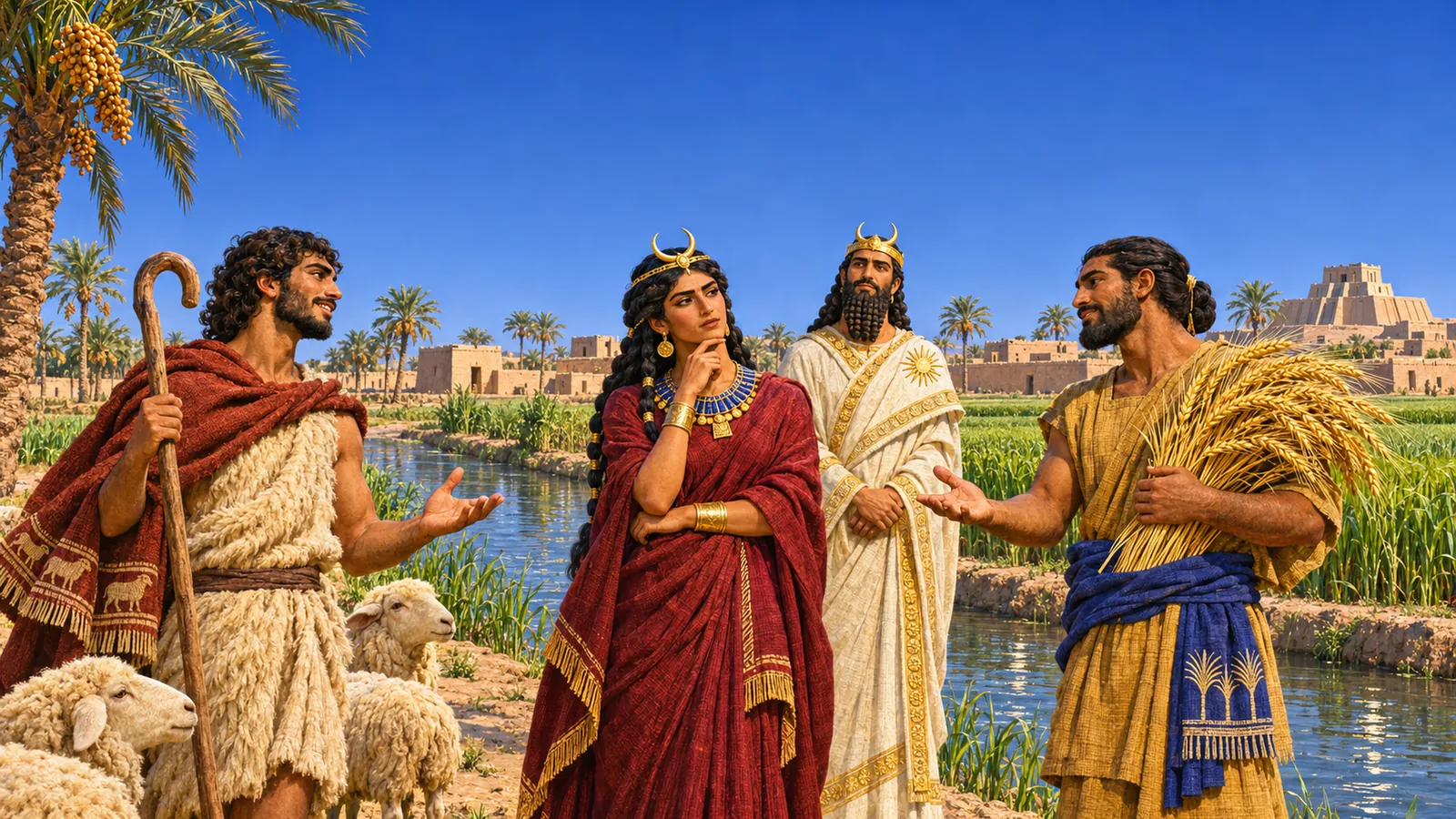
ZWEI BEWERBER
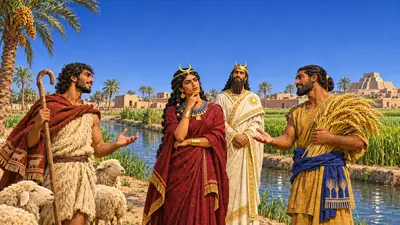
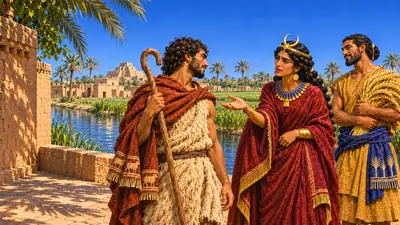
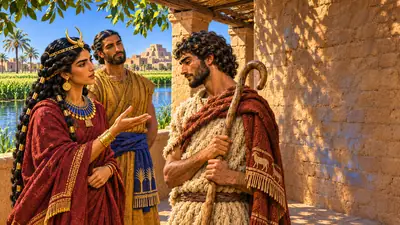
In Thorkild Jacobsens Darstellung wollen sowohl der Bauer Enkimdu als auch der Hirte Dumuzi Inanna heiraten. Ihr Bruder Utu ist für Dumuzi.
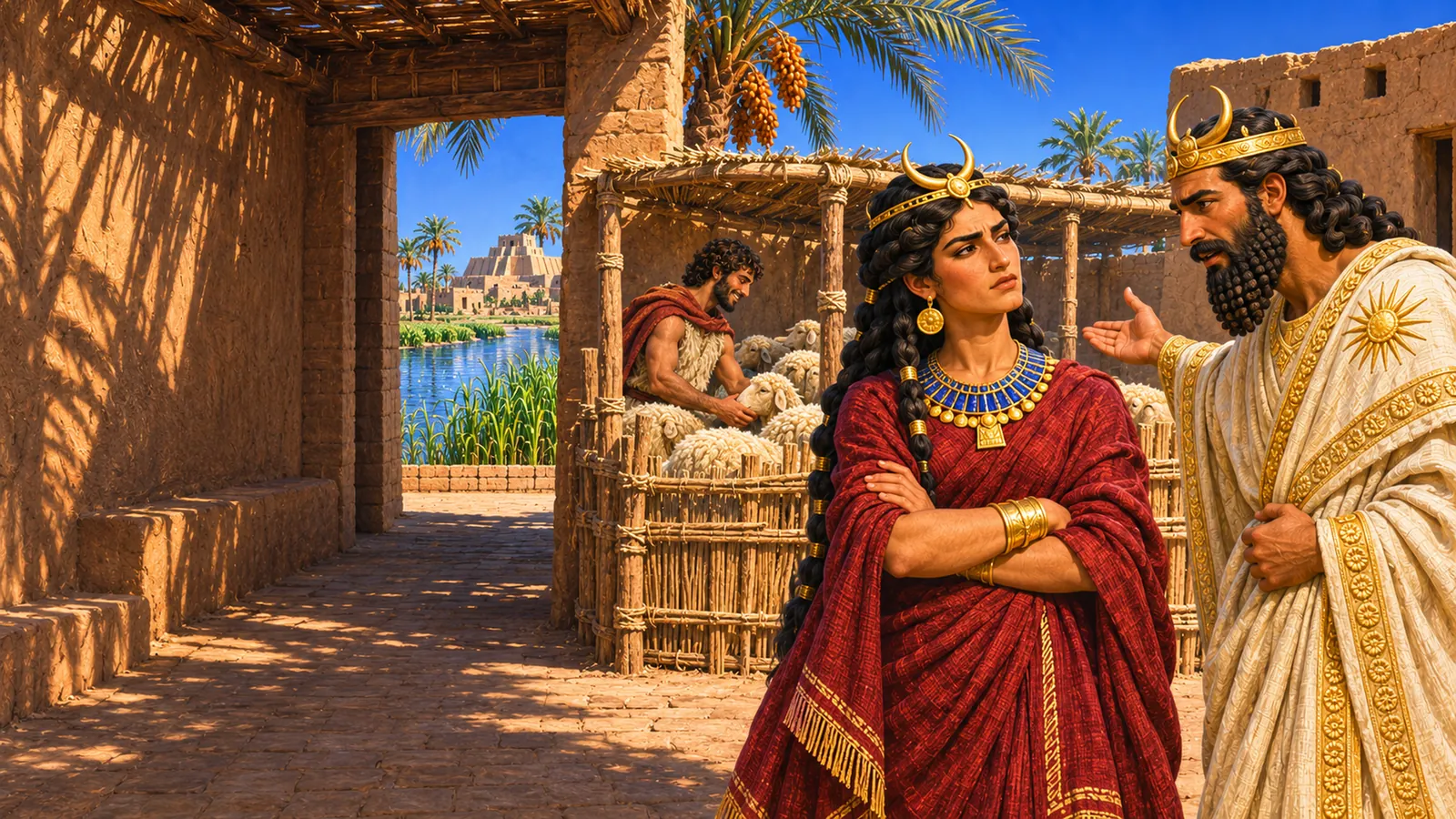
Die Verse stellen Inannas Bruder Utu als Krieger und Helden vor. Er rät seiner Schwester, den Hirten zu heiraten, und fragt sie, warum sie nicht will.
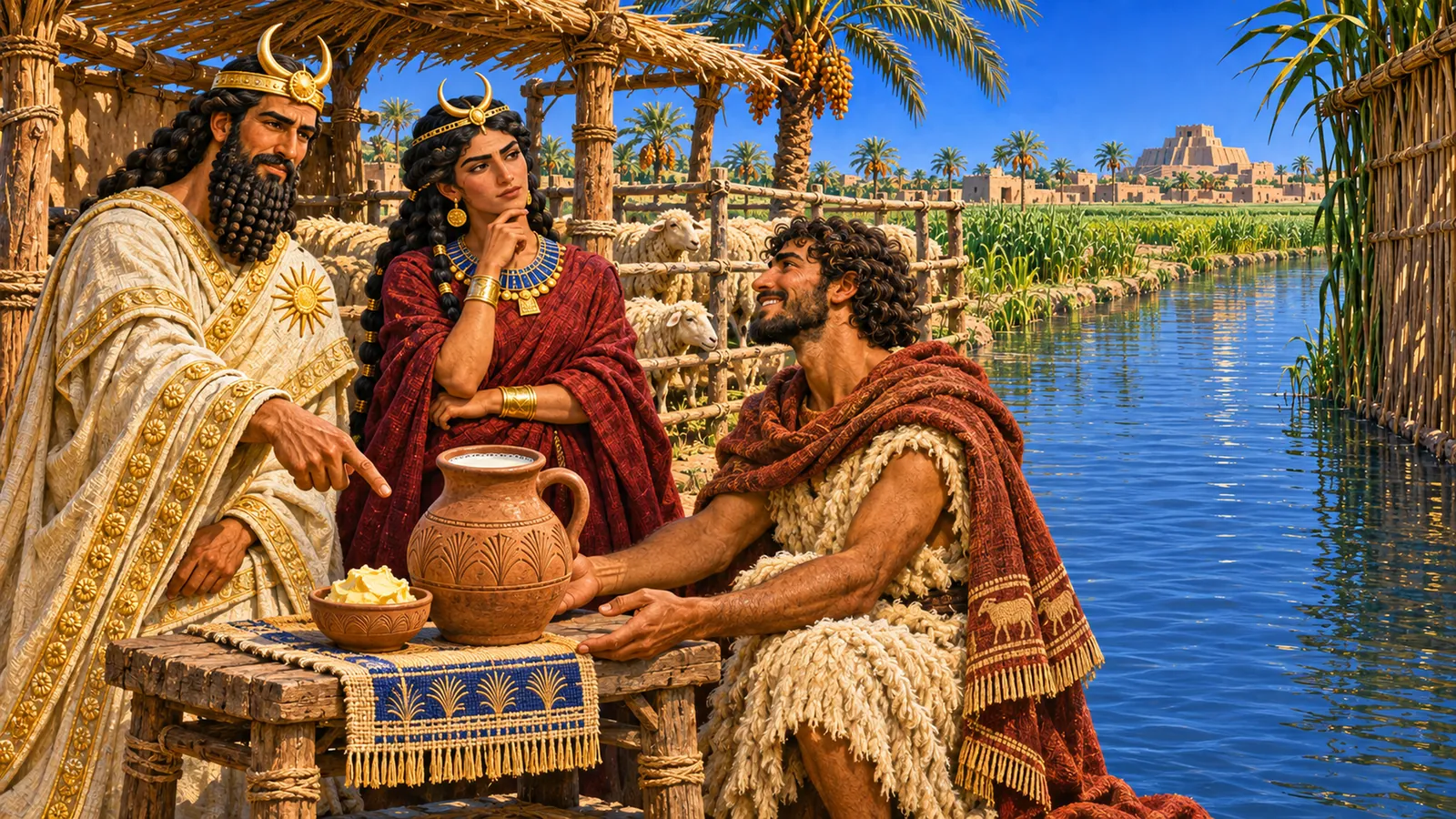
Utu lobt die Butter und die Milch des Hirten. Er sagt, dass der Hirte ausgezeichnete Erzeugnisse hat, und nennt Dumuzi als den Mann, den Inanna heiraten soll.
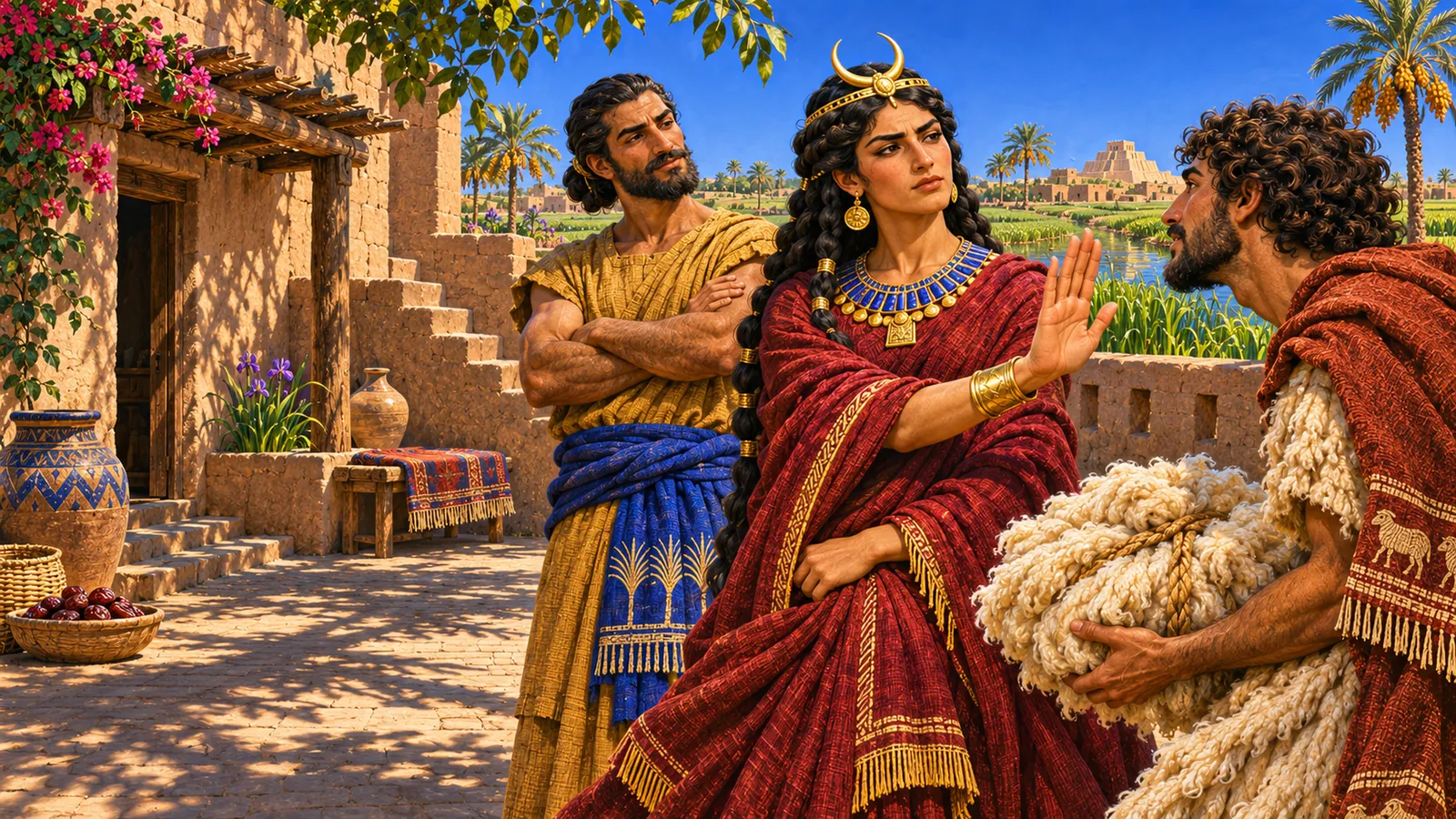
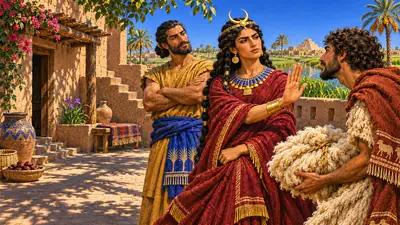
Inanna sagt, sie werde den Hirten niemals heiraten. Sie werde seinen Stoff mit den Wollbüscheln nie tragen und sich nicht einmal von seiner feinsten Wolle berühren lassen.
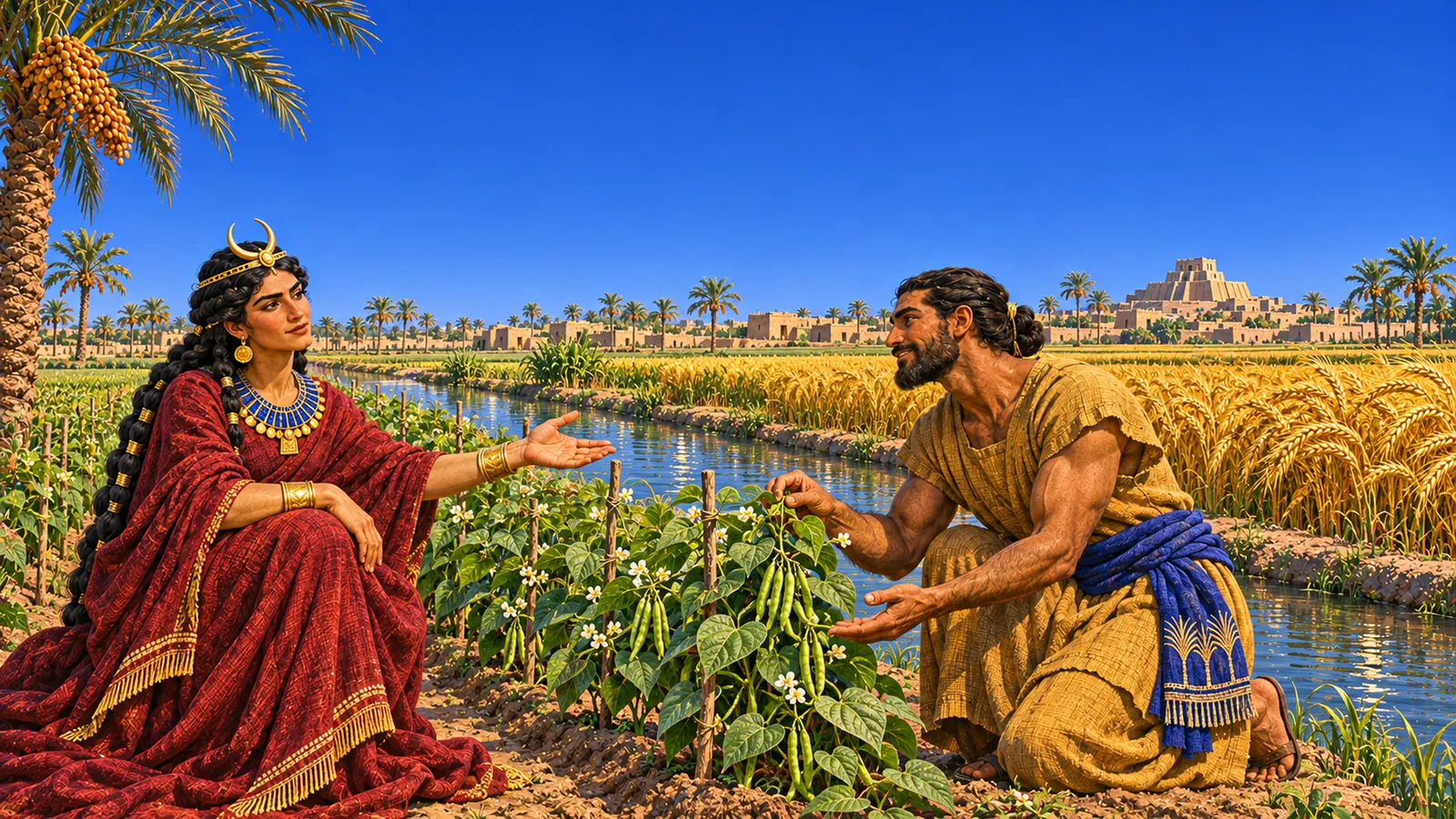
DER BAUER
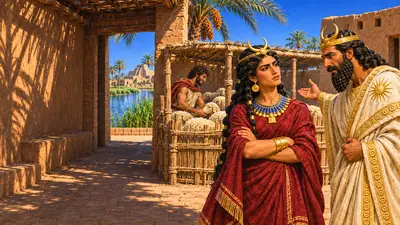
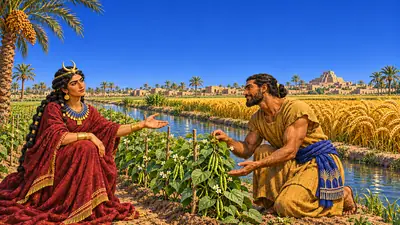
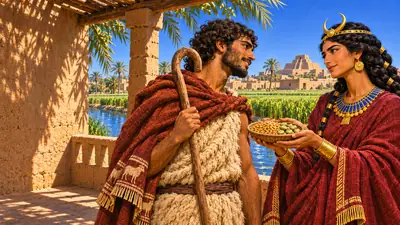
Inanna besteht darauf, nur einen Bauern zu heiraten. Den Mann, den sie sich wünscht, beschreibt sie als jemanden, der Bohnen und Getreide anbauen kann.
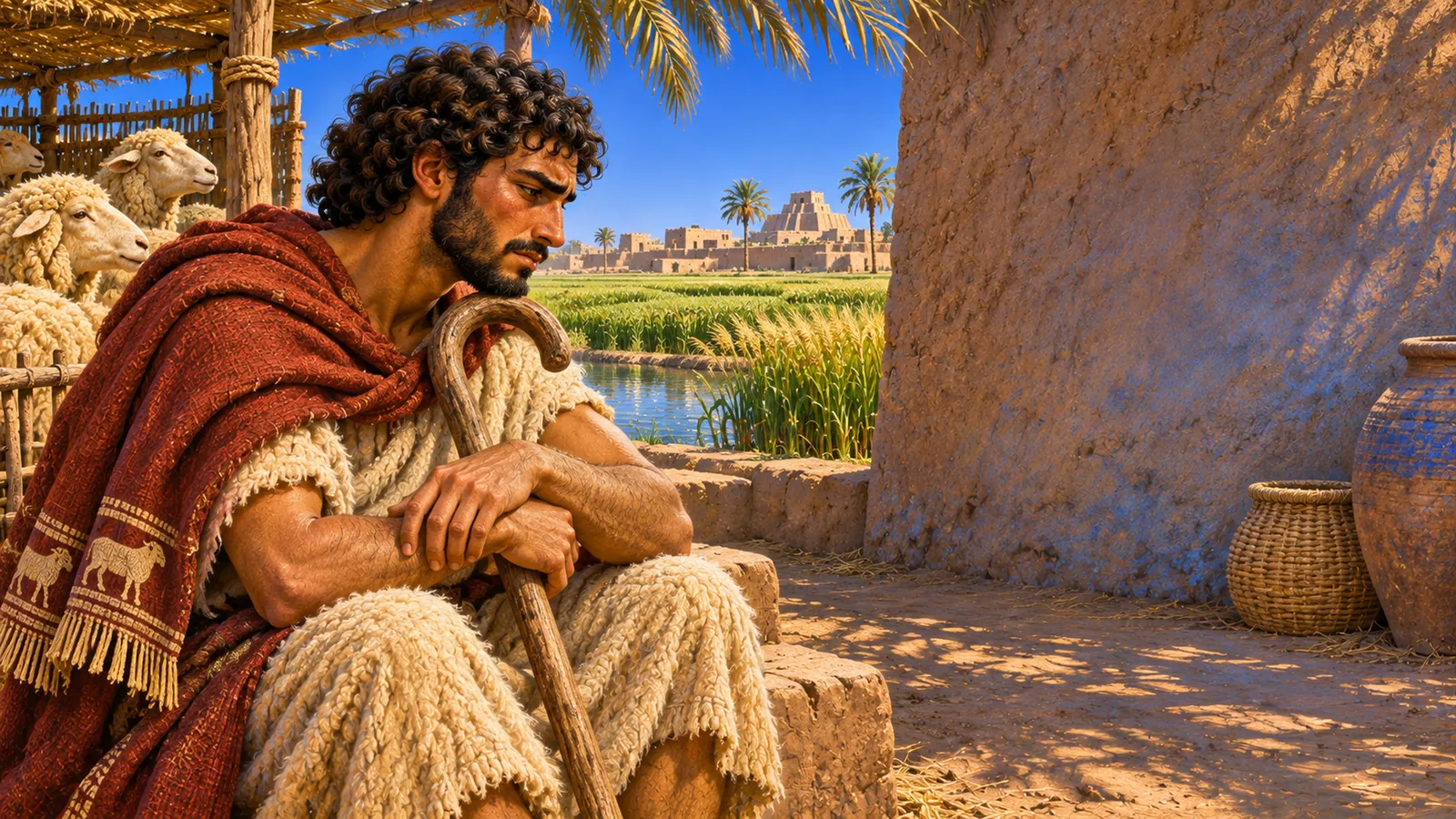
In Jacobsens Darstellung entmutigt die Ablehnung Dumuzi und verletzt seinen Stolz. Er beginnt zu überlegen, was er jedem Erzeugnis des Bauern entgegensetzen kann.
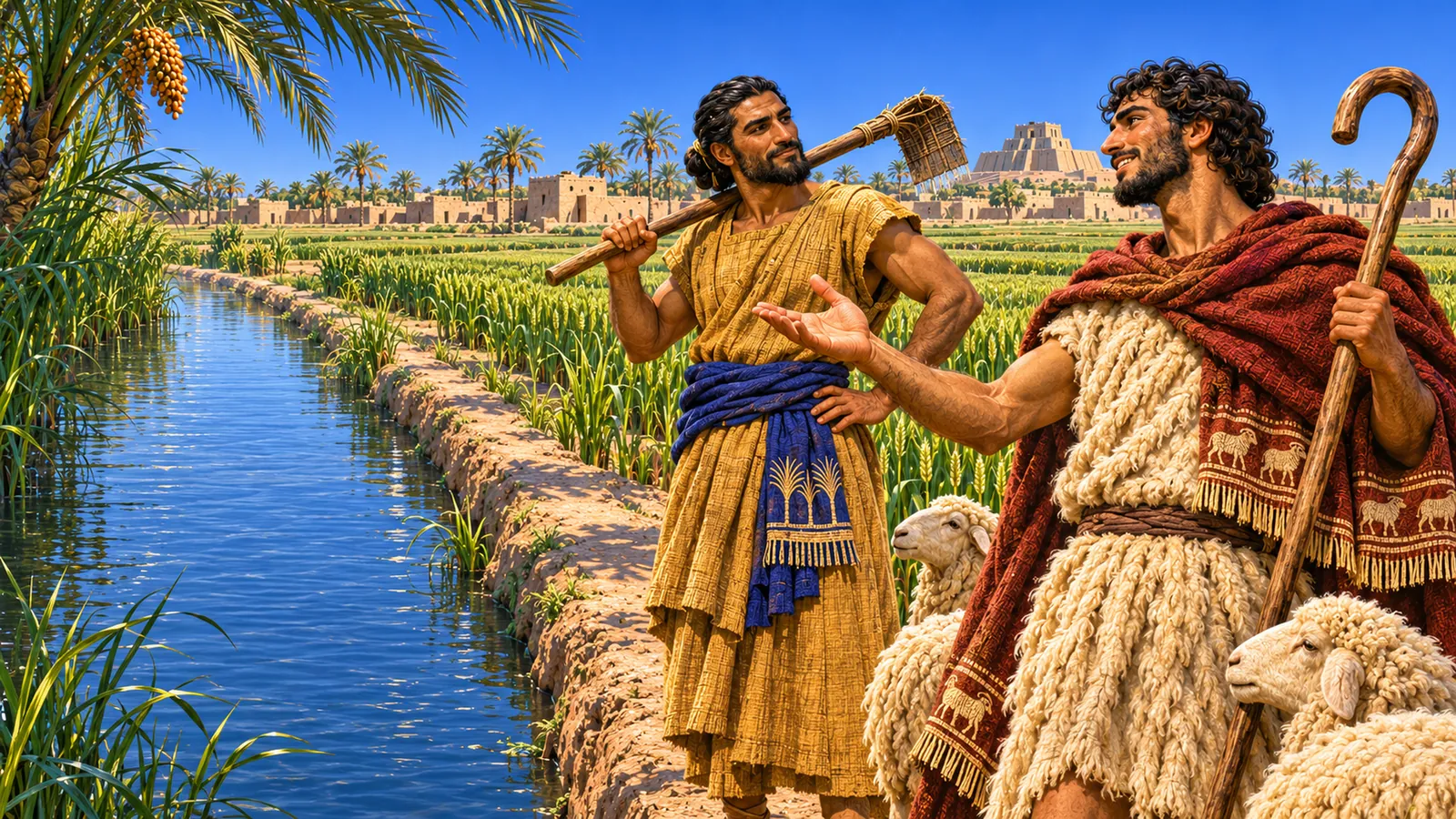
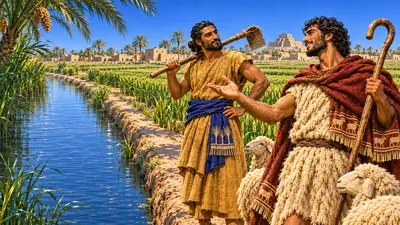
Dumuzi fragt, was der Bauer ihm voraushat. Er nennt Enkimdu, den Mann von Deich und Kanal, und stellt dieselbe Frage noch einmal.
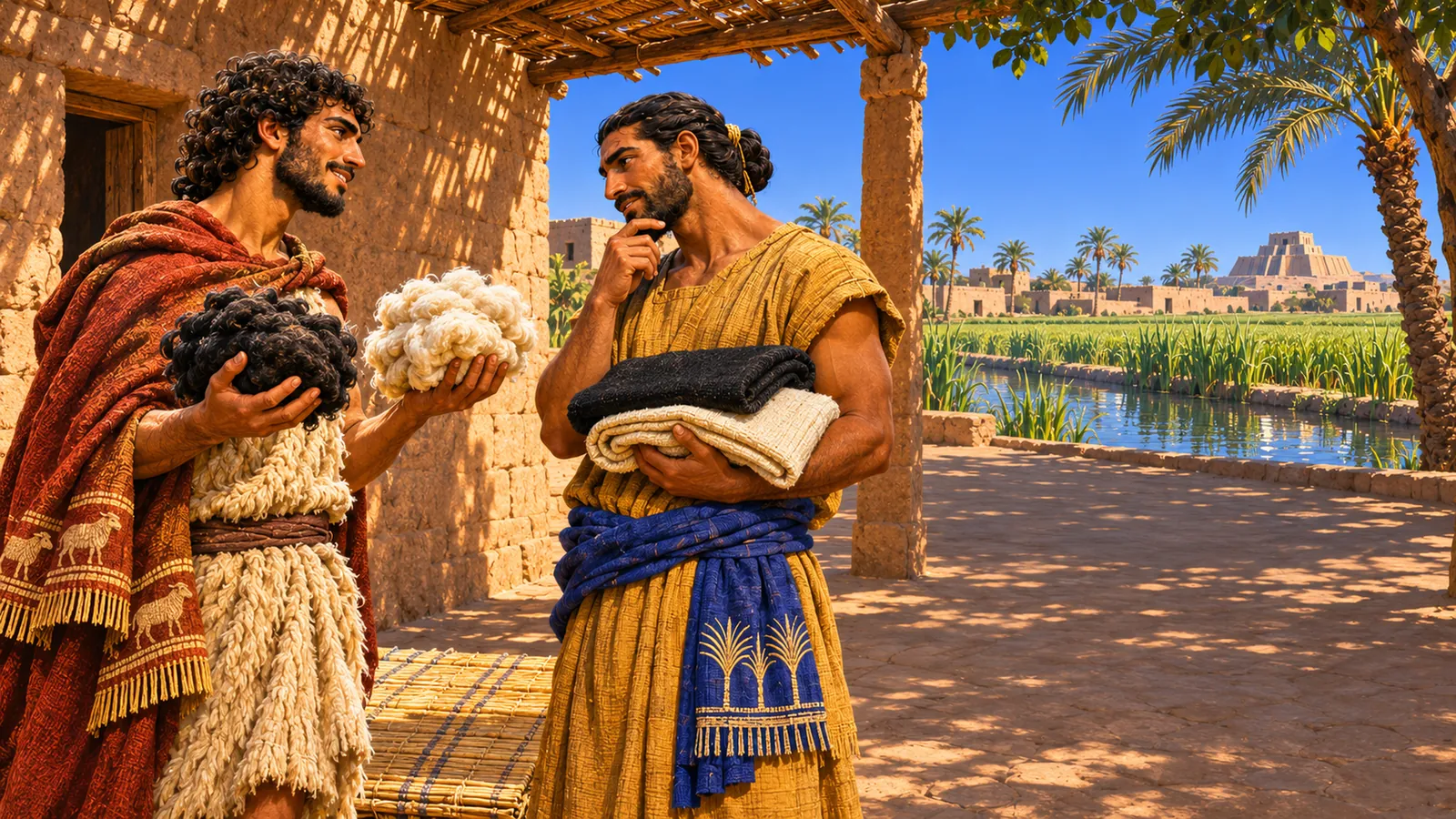
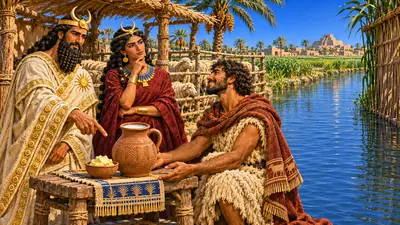
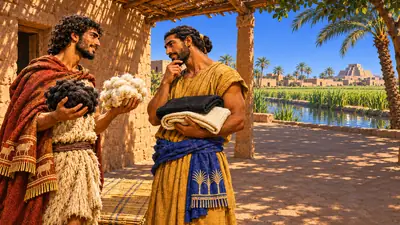
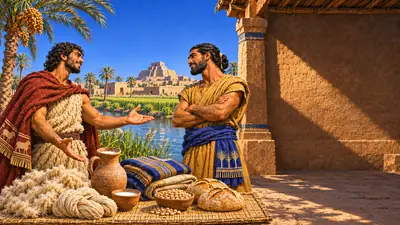
Dumuzi stellt sich vor, was er Enkimdu für Stoff geben würde. Für schwarzen Stoff gäbe er schwarze Wolle und für weißen Stoff weiße Wolle.
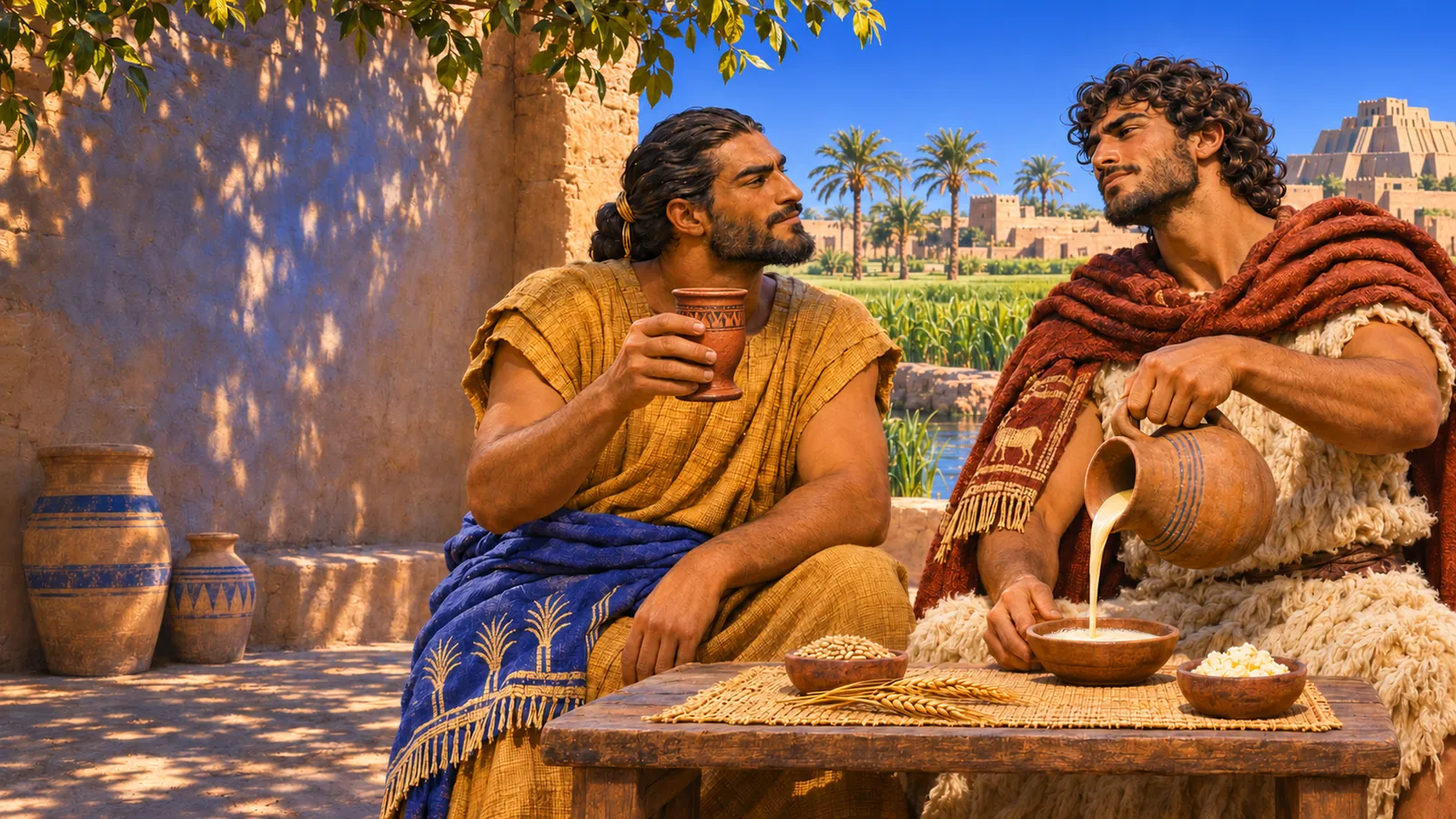
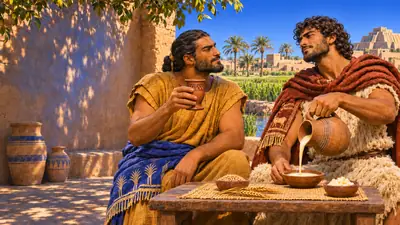
Dumuzi setzt seinen Vergleich mit zwei Getränken fort. Wenn der Bauer ihm von seinem besten Bier einschenkte, würde er ihm im Gegenzug von seiner gelben Milch einschenken.
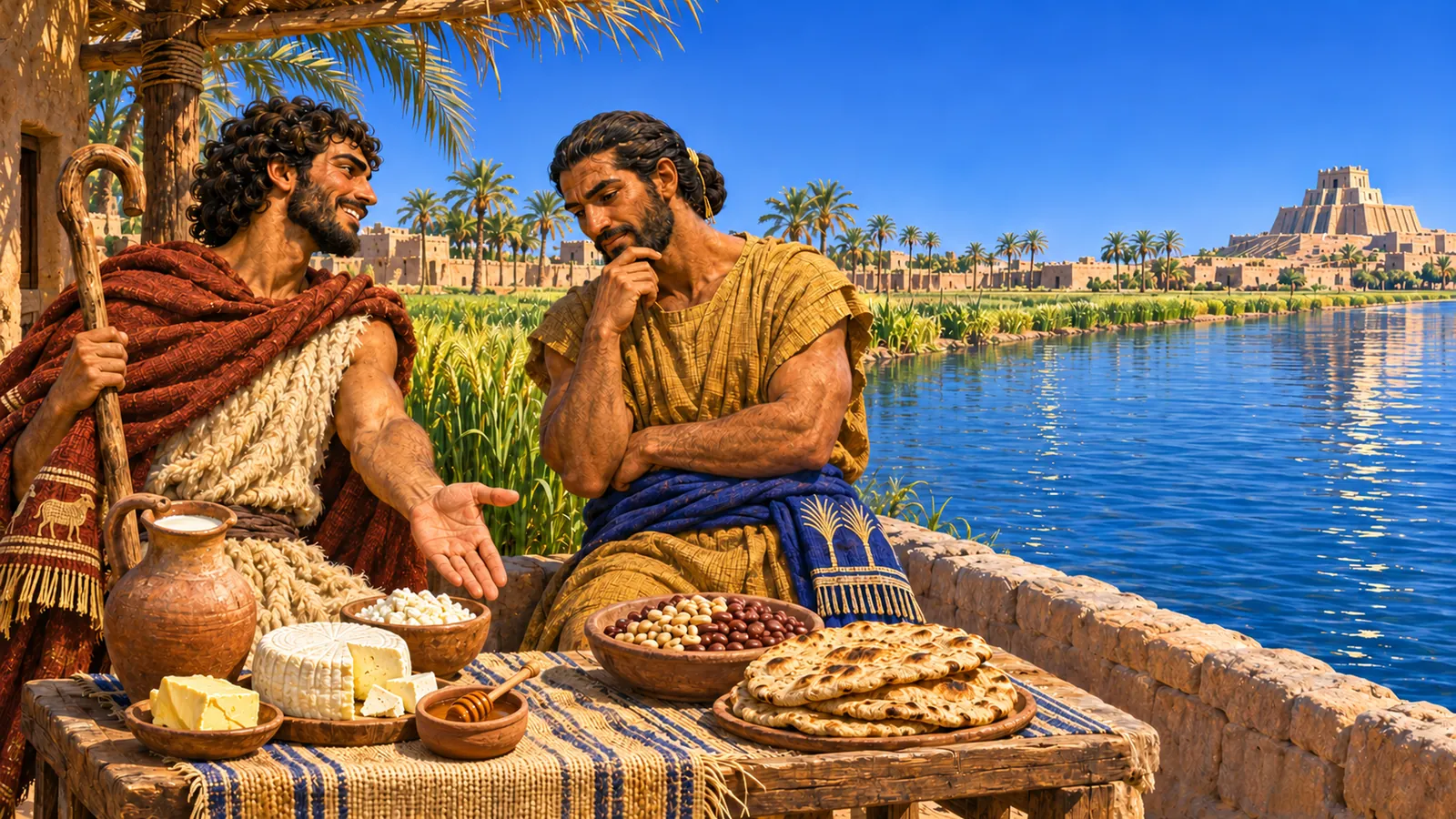
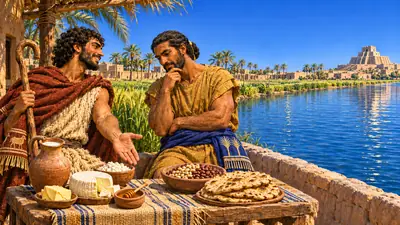
Jacobsen nennt weitere Erzeugnisse, die Dumuzi denen des Bauern gegenüberstellt, darunter kleine Käse für Bohnen und frischen Quark mit Honig für Brot. Dumuzi rechnet damit, dass ihm noch Butter und Milch übrig bleiben.
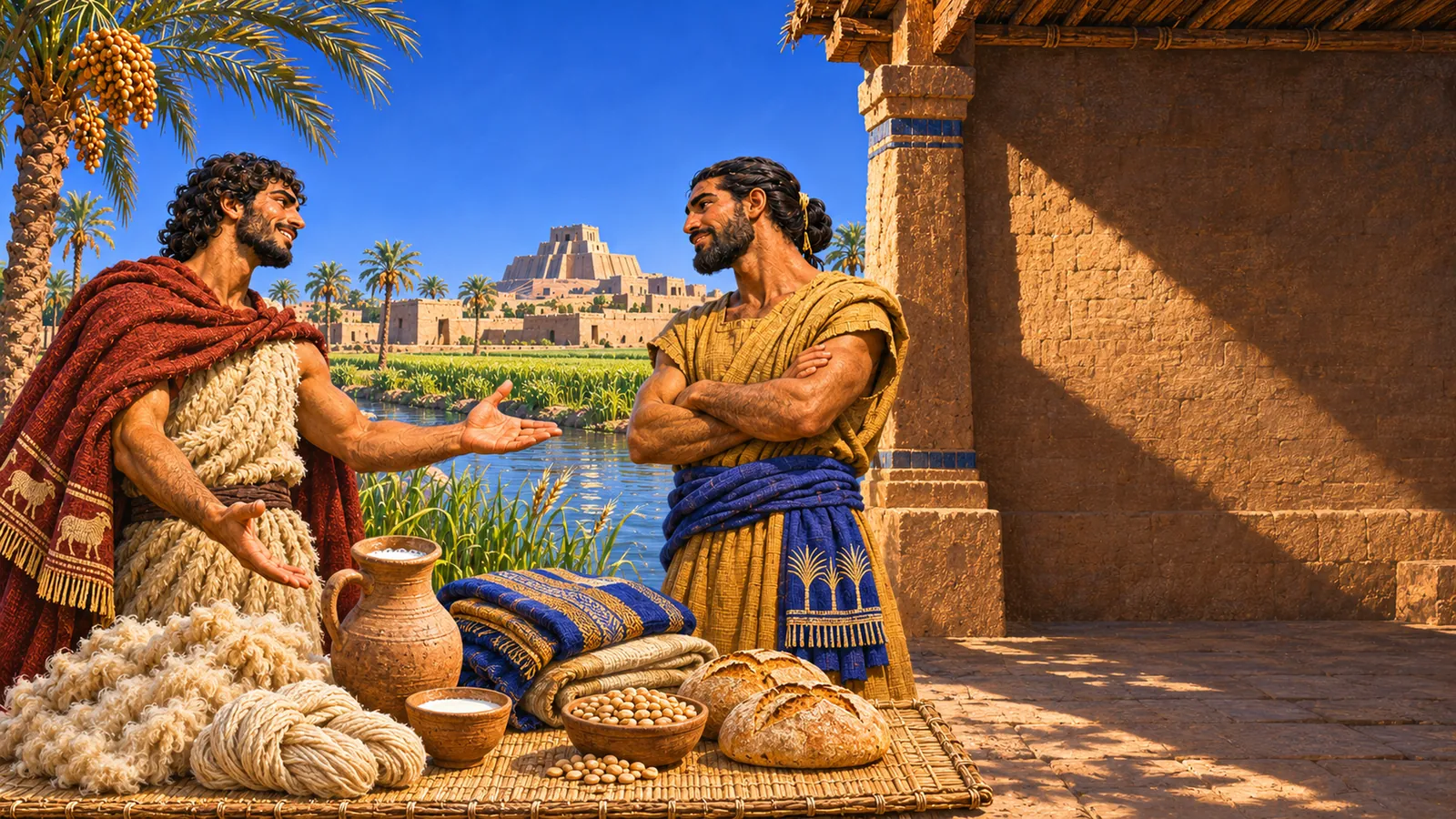
Jacobsen liest den vorgestellten Tausch als einen Wettstreit der Gaben. Nach seiner Lesart schuldet derjenige, der mehr gibt, nichts und macht den anderen zu seinem Schuldner.
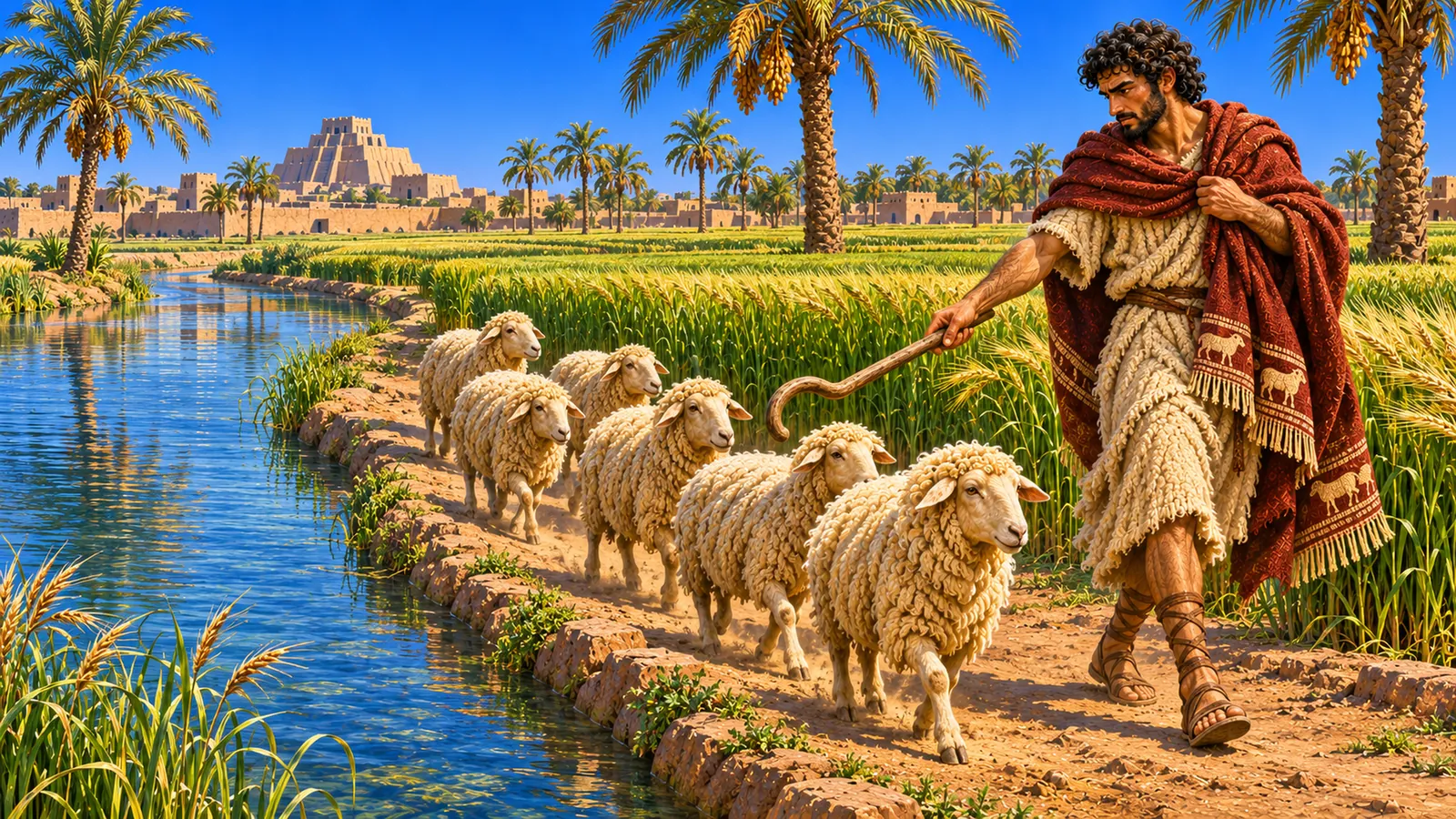
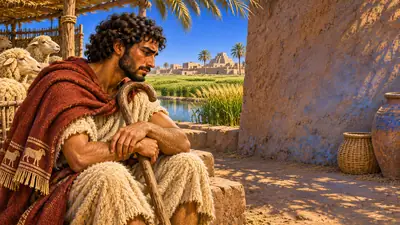
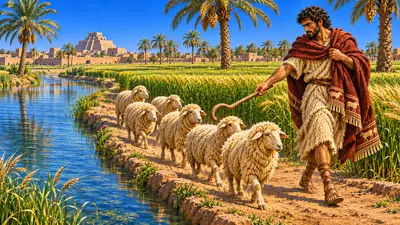
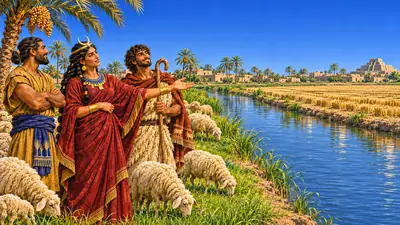
In Jacobsens Zusammenfassung gewinnt der Hirte an Zuversicht, als er vergleicht, was jeder von ihnen anbieten kann. Er treibt seine Schafe ans Flussufer mitten im Kulturland.
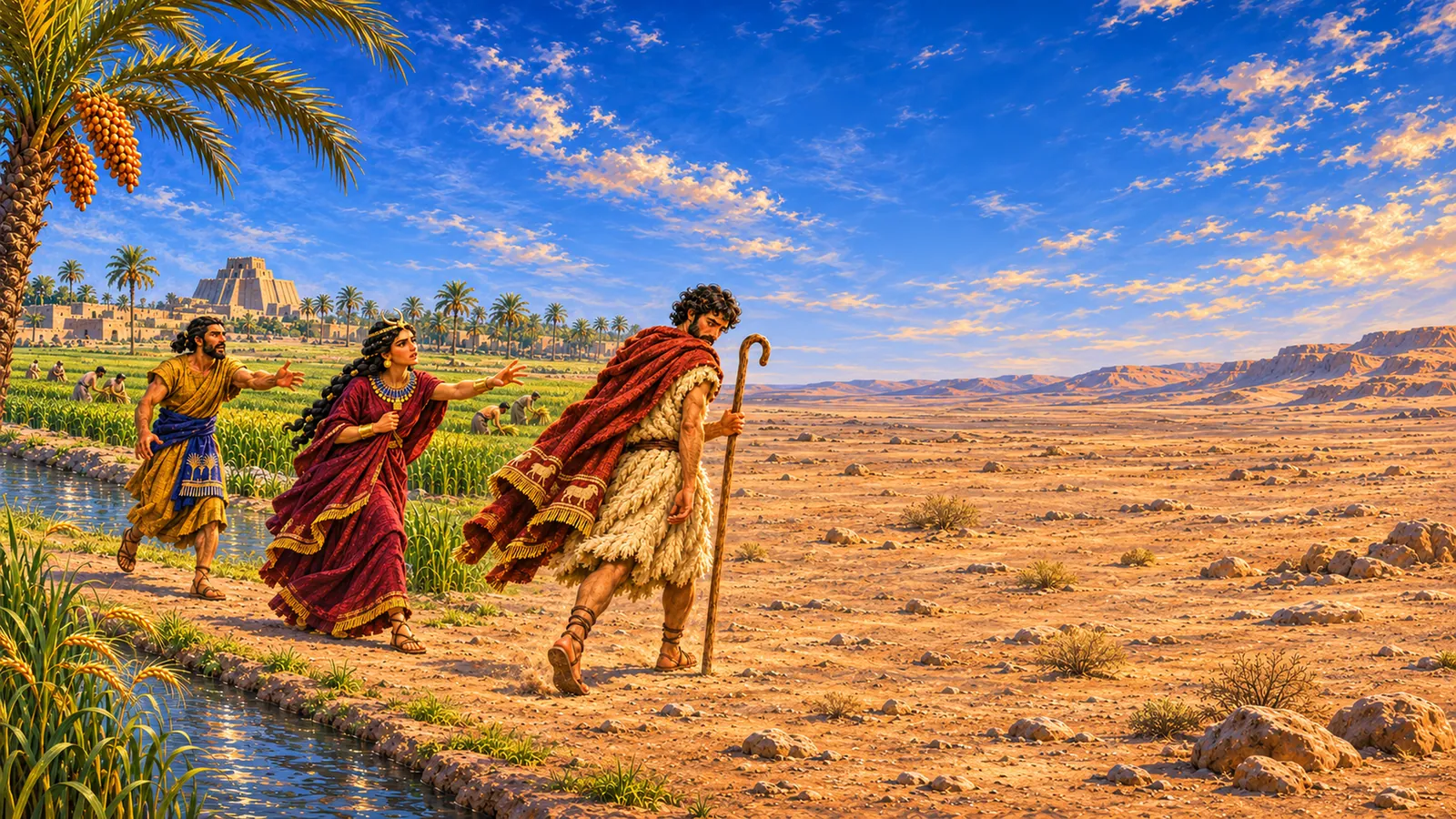
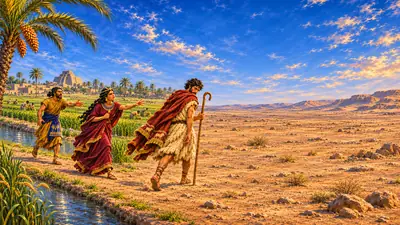
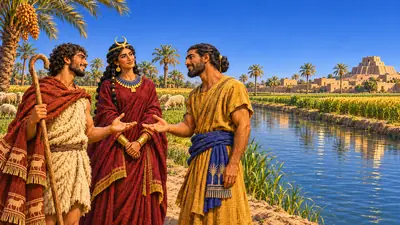
Jacobsen sagt, Dumuzi sehe Enkimdu und Inanna und ziehe sich dann beschämt in Richtung Wüste zurück. Beide folgen ihm, und Jacobsen schreibt die folgende Rede mit Vorbehalt Inanna zu.
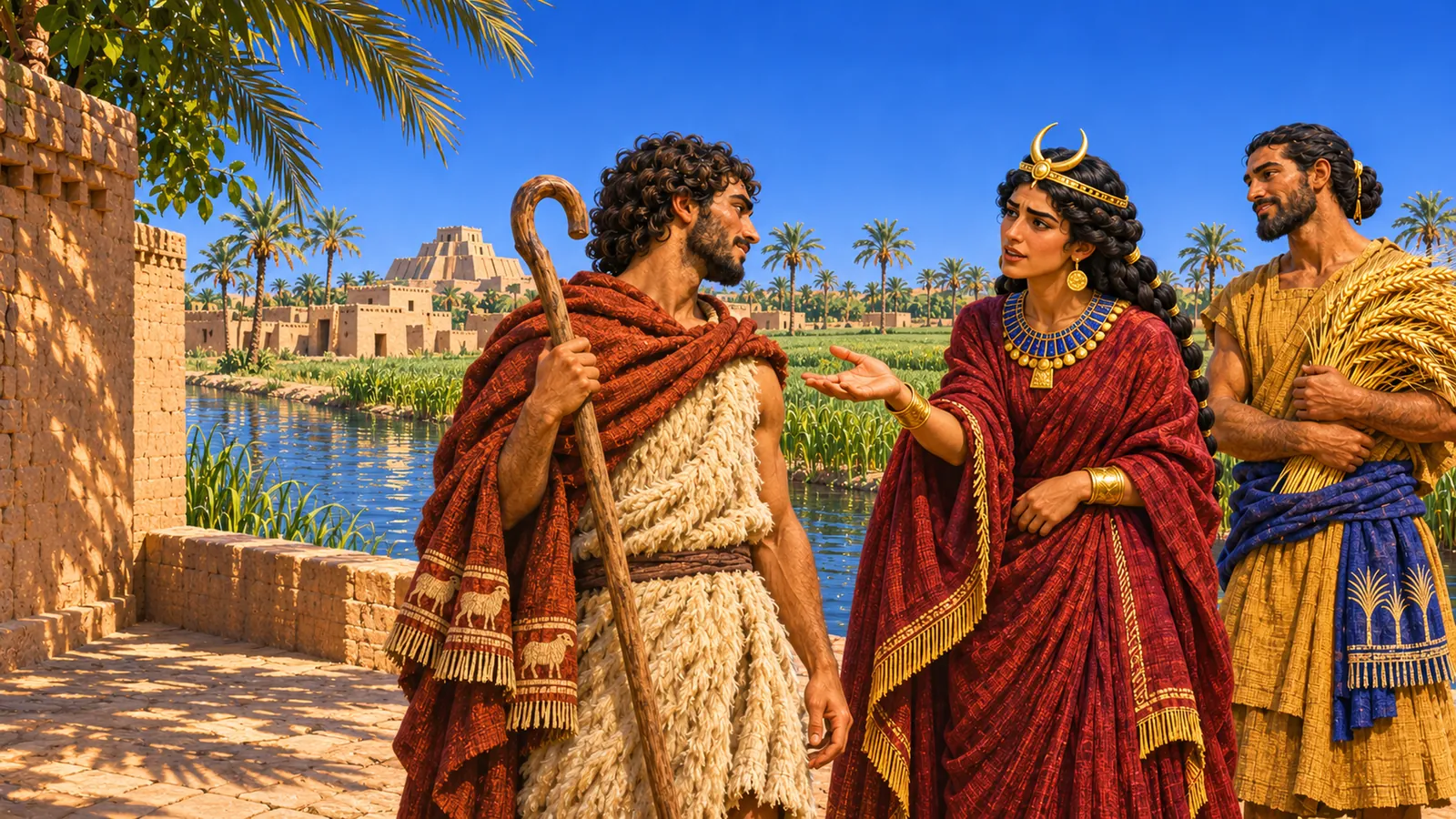
In den Versen, die Jacobsen mit Vorbehalt Inanna zuschreibt, fragt die Stimme den Hirten, warum sie um die Wette laufen müssen. Die Anrede an den Hirten wird wiederholt.
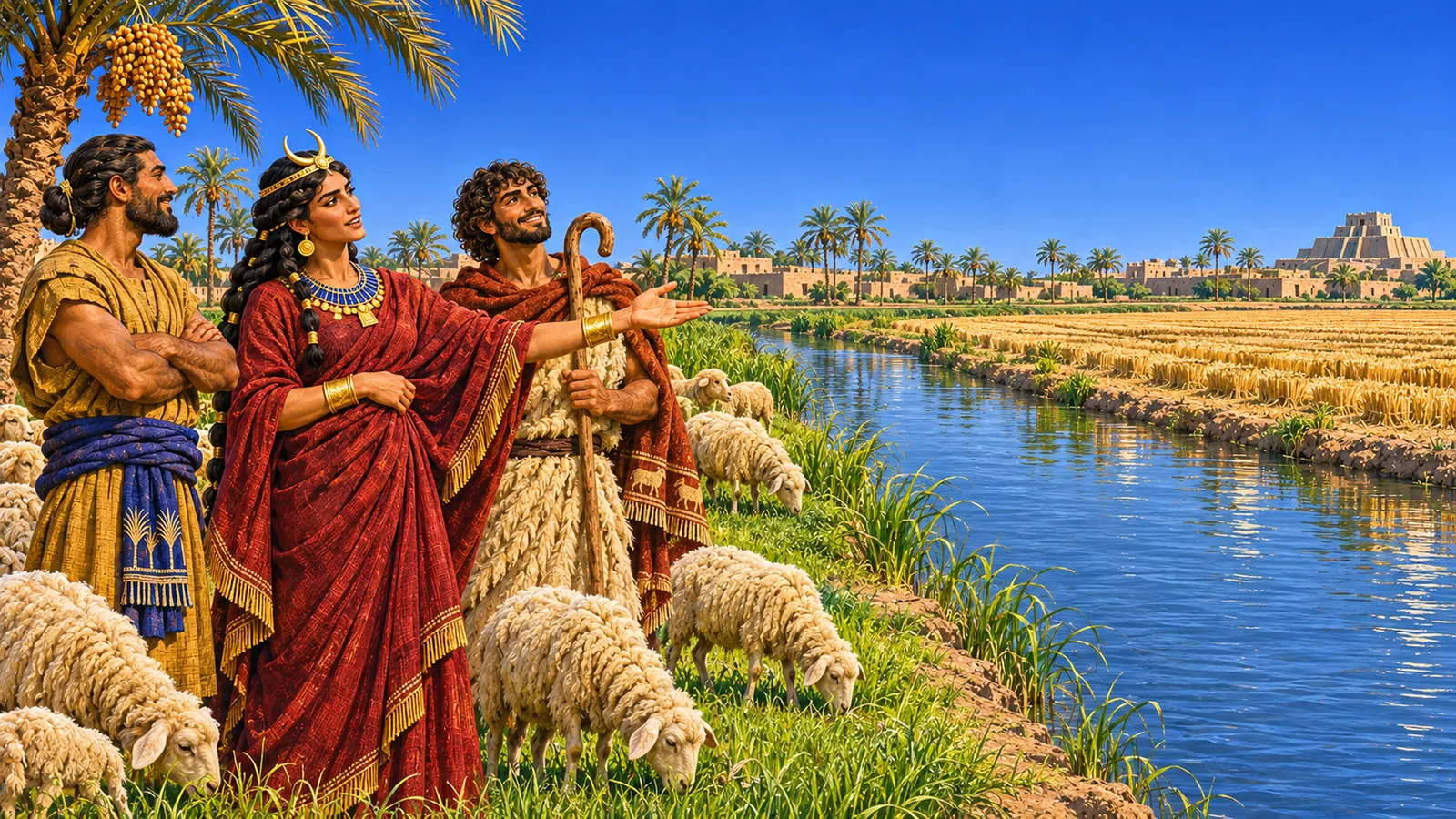
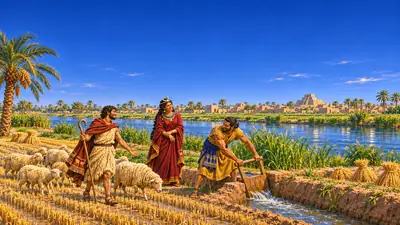
In der Rede, die Jacobsen mit Vorbehalt Inanna zuschreibt, dürfen die Schafe Gras am Ufer fressen und auf dem Stoppelfeld der sprechenden Person weiden. Jacobsen kennzeichnet die Wörter für weiden und Stoppeln als unsicher.
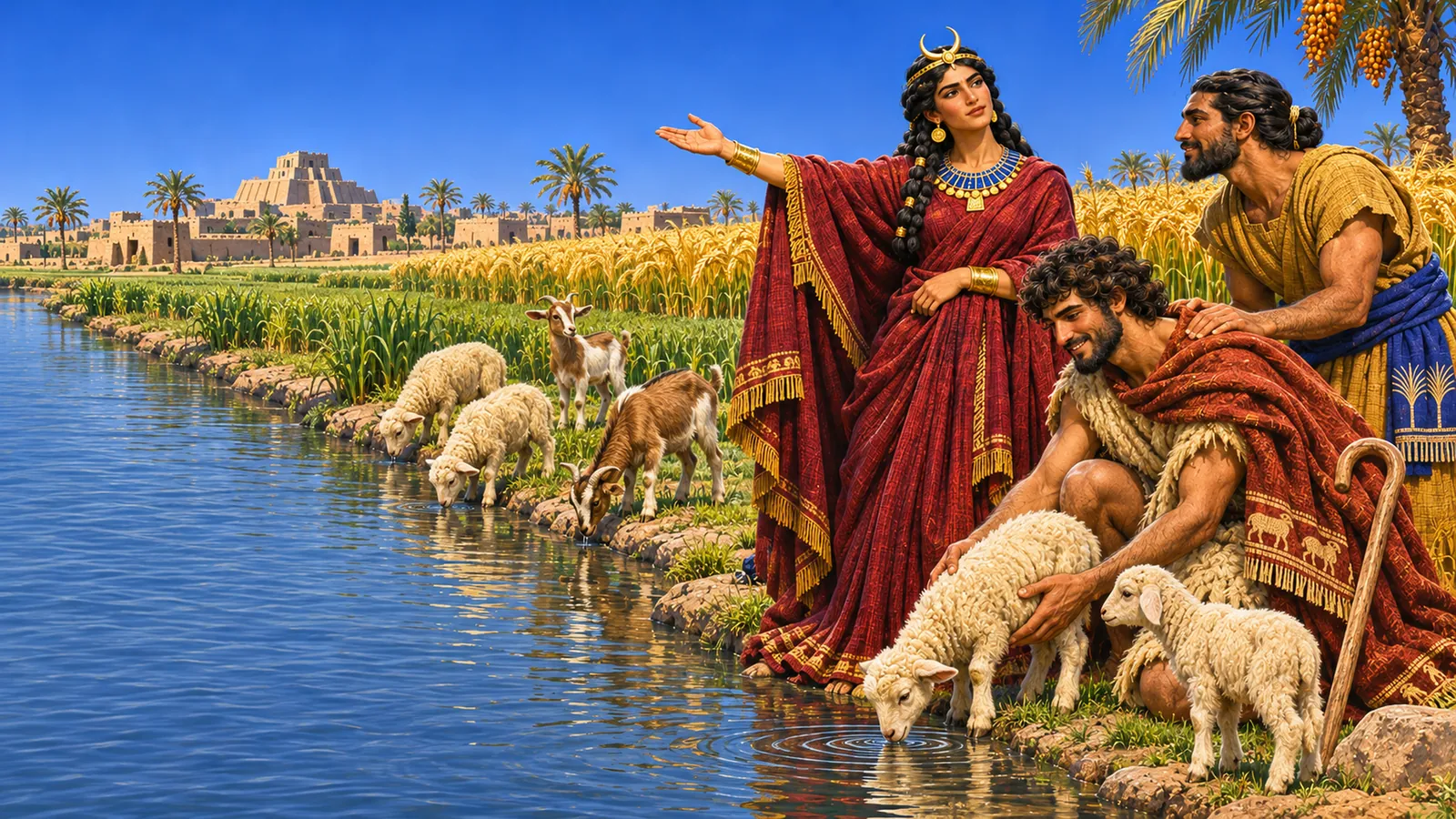
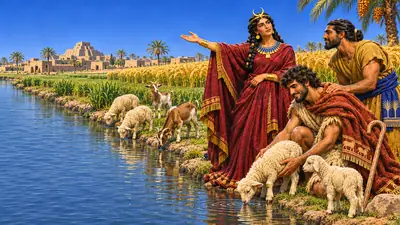
In der Rede, die Jacobsen mit Vorbehalt Inanna zuschreibt, dürfen die Schafe auf den Feldern von Uruk Getreide fressen. Die Lämmer und jungen Ziegen dürfen am Adab-Kanal der sprechenden Person trinken.
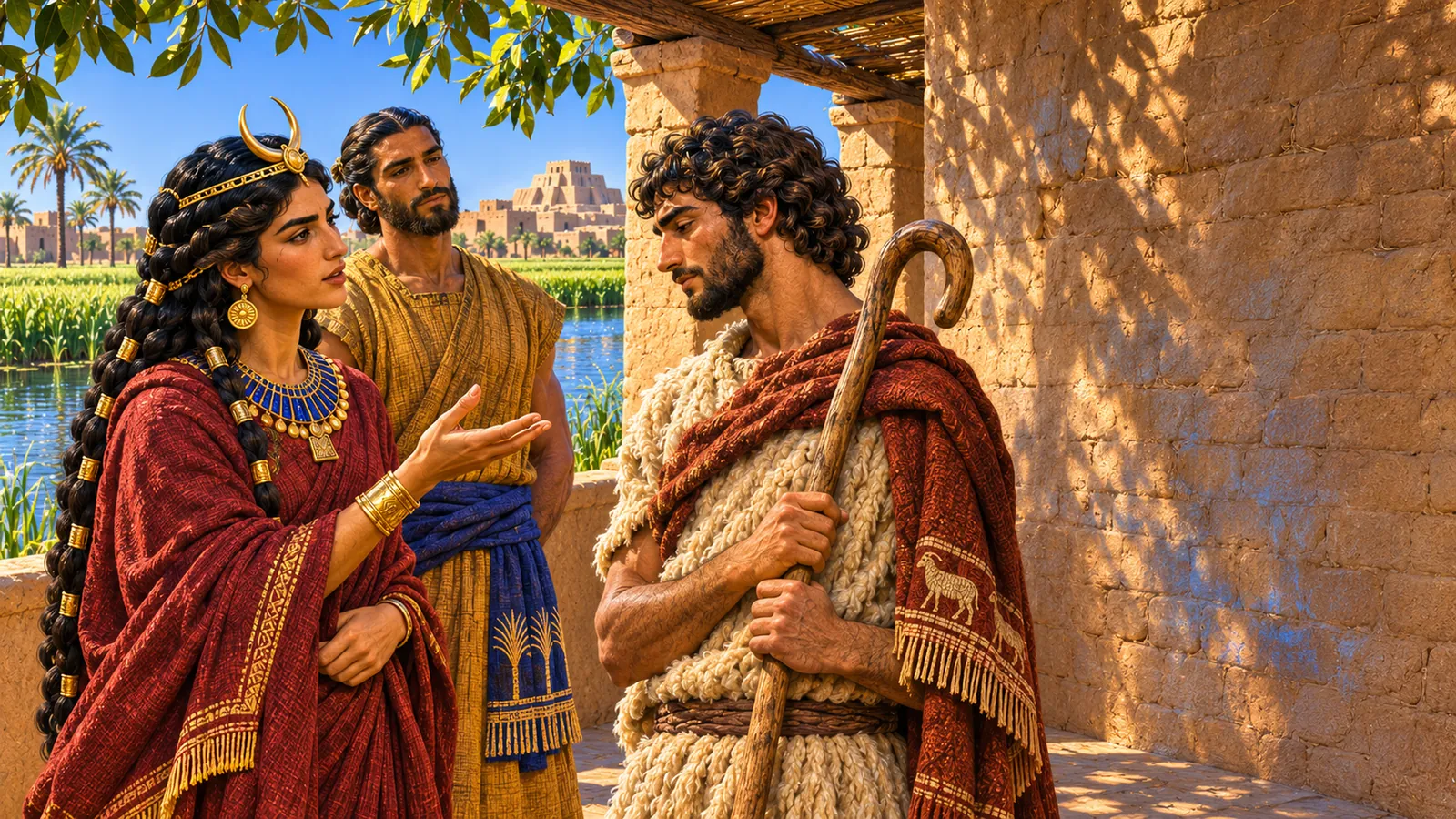
Jacobsen hört eine Vorliebe für den Bauern ohne Groll gegen den Hirten. In Versen, die er mit Vorbehalt Inanna zuschreibt, kann der Hirte sich nicht in den befreundeten Bauern Enkimdu verwandeln, nur um die sprechende Person zu heiraten.
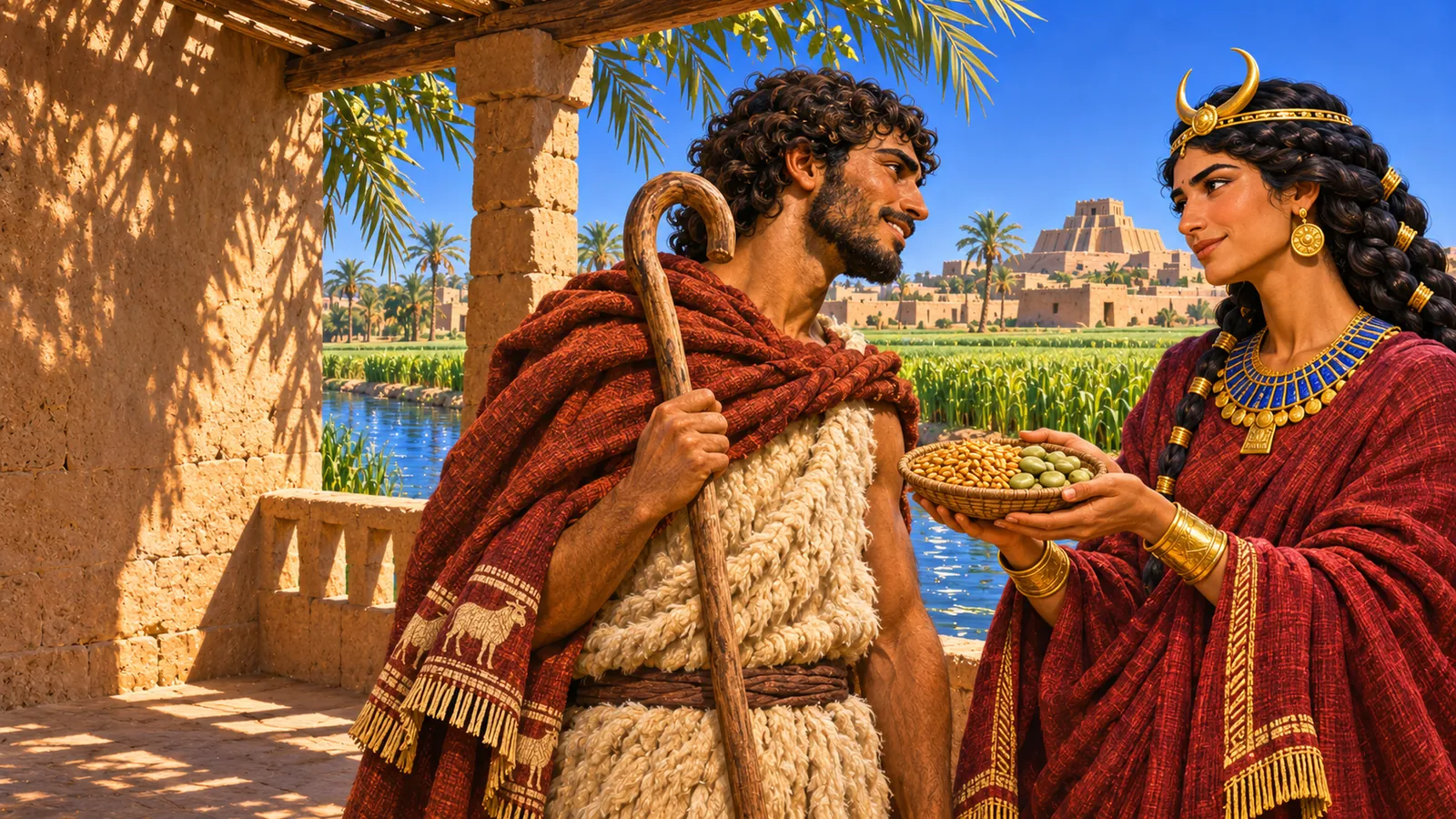
Die Stimme, die Jacobsen mit Vorbehalt Inanna zuschreibt, verspricht, dem Hirten Weizen und Bohnen zu bringen. Jacobsens übersetzter Auszug endet mit diesem Angebot.
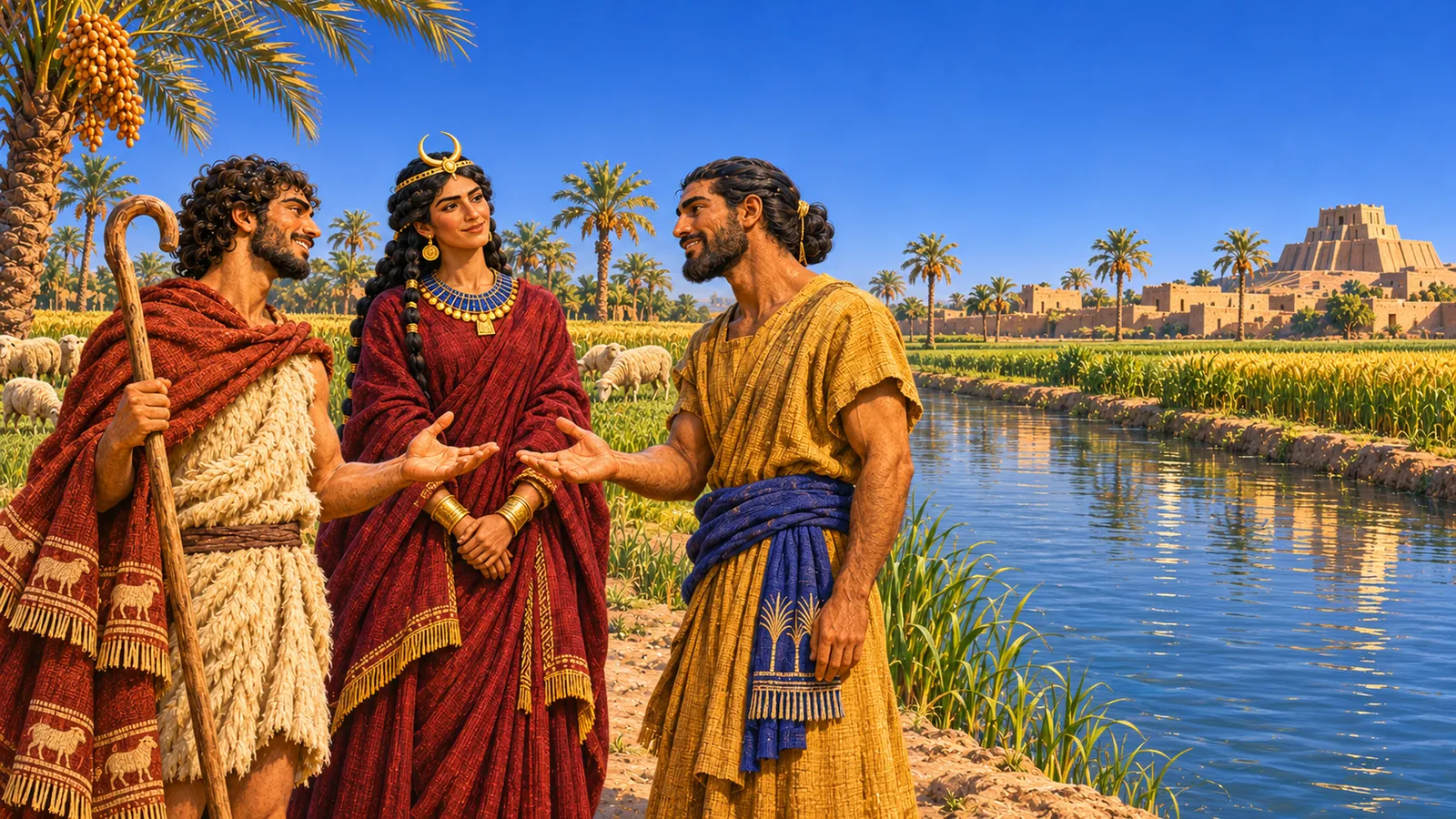
Jacobsen versteht das Ende als Versöhnung und liest es so, dass Inanna Enkimdu heiratet. Diese Deutung gibt er nach den letzten übersetzten Versen.
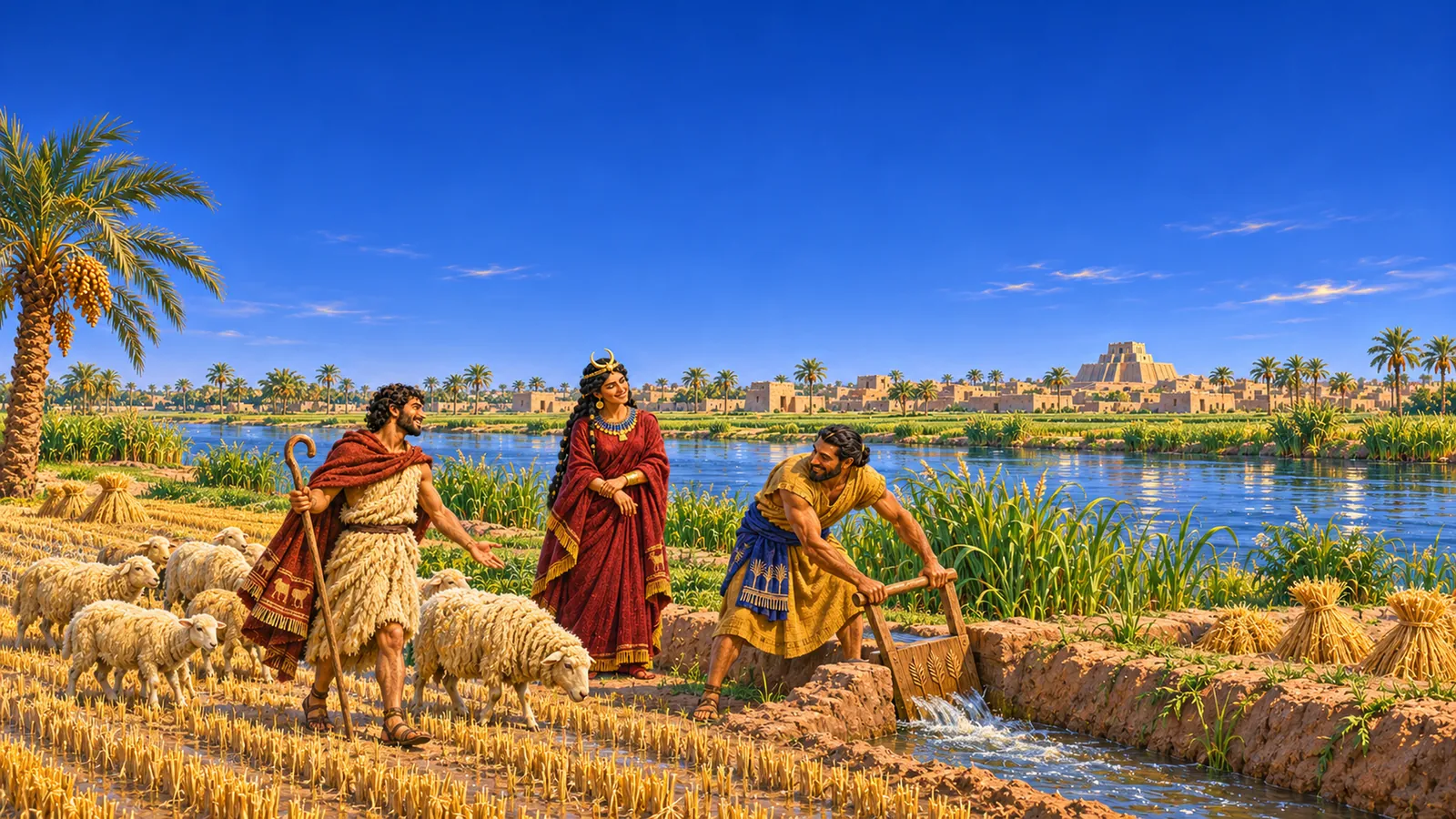
FELD UND WEIDE
Jacobsen kommt zu dem Schluss, dass Bauer und Hirte gleichermaßen notwendig sind und sich ihre Erzeugnisse ergänzen. Er sagt, dass der Hirte trotz der Rivalität die Stoppelfelder und die Kanäle des Bauern nutzen kann und dass beide sich vertragen sollten.
Ende von Kapitel 1
Alle Seiten
Quellen
This reading follows the printed subsection on the shepherd and the farmer in Thorkild Jacobsen’s The Cosmos as a State, The Intellectual Adventure of Ancient Man, University of Chicago Press, 1946, first Phoenix edition 1977, pp. 166–168. The volume credits H. A. Groenewegen Frankfort for the English poetic form (preface p. vi and p. 184, note 3). Chapter note 28 on p. 184 cites Chiera, SRT, no. 3 as the textual source.
Benutzte Editionen
- University of Chicago, The Intellectual Adventure of Ancient Man
- University of Chicago, printed pages 166–168, The Wooing of Inanna
- University of Bern catalogue record, Dumuzi et Enkimdu, 4.08.33
Hinweise zu dieser Nacherzählung
Page 1, opening account. The first paragraph under the heading on p. 166 identifies Enkimdu as the farmer, Dumuzi as the shepherd, and both as suitors of Inanna. The introduction’s identification of Utu as her guardian is Jacobsen’s contextual prose. The verse identifies him as her brother and introduces him as a warrior and hero.
Pages 2–3, Utu. The first verse selection on p. 166 gives Utu’s preference, his question to Inanna, his praise of butter, milk and the other products, and his recommendation of Dumuzi by name. The English verses are paraphrased; the volume credits H. A. Groenewegen Frankfort with the English poetic form of its ancient quotations (preface p. vi and p. 184, note 3).
Pages 4–5, Inanna. The reply on p. 166 repeats her refusal of the shepherd, his tufted cloth and his finest wool, before naming the cultivation of beans and grain in her preference for a farmer. These lines express her preference during the exchange.
Page 6, the connecting account. Jacobsen describes Dumuzi’s despondency and wounded pride in the prose that crosses pp. 166–167. He connects that reaction to Dumuzi’s comparison of what each man produces.
Page 7, Dumuzi’s repeated question. The third verse selection on p. 167 gives a repeated challenge and calls Enkimdu the man of the dike and canal. The printed dots in the repeated question signal wording absent from this presentation. The reading leaves those words unsupplied.
Pages 8–9, imagined exchanges. The translation distinguishes the farmer’s cloth from the shepherd’s wool in two matching colors. The comparison proceeds to the farmer’s prime beer and the shepherd’s yellow milk. The pairs are imagined offers in Dumuzi’s speech.
Page 10, the remaining pairs. He says Dumuzi expects to have butter and milk left over.
Pages 11–12 · p. 167, Jacobsen’s explanatory and connecting prose. Jacobsen interprets the exchange as a contest of gifts, where the larger giver incurs no debt and leaves the other in debt. He then describes Dumuzi recovering confidence as he compares the goods and driving his sheep to the riverbank amid cultivated ground.
Pages 13–14 · p. 167, connecting prose and fourth verse selection. Jacobsen says Dumuzi sees Enkimdu and Inanna, withdraws toward the desert in embarrassment and is followed by both. He tentatively assigns the following speech to Inanna. The first lines question why the speaker must race with the shepherd, addressing the shepherd repeatedly.
Pages 15–16 · p. 167, fourth verse selection. The sheep are offered grass on the bank and access to a field. Jacobsen prints question marks after “pasture” and “stubble.” The following lines offer grain from the fields of Uruk and water at the speaker’s Adab canal for lambs and young goats. The two names are retained as printed. The unoccupied views are symbolic landscapes.
Page 17 · p. 167, connecting prose and fifth verse selection. The speech says that the shepherd cannot turn into the farmer Enkimdu simply to become the speaker’s husband. Enkimdu is called a friend. The words “(the kind of man)” are printed as a parenthetical supply. The speaker attribution remains Jacobsen’s tentative reading.
Page 18 · p. 167, end of fifth verse selection. The offered provisions close the excerpted ancient verse in this subsection.
Pages 19–20 · p. 168, Jacobsen’s closing interpretation. Jacobsen reads the outcome as a reconciliation and interprets the farmer as the one Inanna marries. He then argues that farmer and shepherd are equally useful, their produce complements each other and rivalry can coexist with the shepherd’s access to stubble and canal water. He closes by saying the two should get along. Both pages speak in Jacobsen’s name. The following discussion opens a different subject.
Die antiken Verse hinter jeder Seite
- Page 1: Jacobsen, “The Wooing of Inanna,” 1977 Phoenix ed., p. 166, opening prose
- Page 2: Jacobsen, “The Wooing of Inanna,” 1977 Phoenix ed., p. 166, verse block 1 opening
- Page 3: Jacobsen, “The Wooing of Inanna,” 1977 Phoenix ed., p. 166, verse block 1 close
- Page 4: Jacobsen, “The Wooing of Inanna,” 1977 Phoenix ed., p. 166, verse block 2 opening
- Page 5: Jacobsen, “The Wooing of Inanna,” 1977 Phoenix ed., p. 166, verse block 2 close
- Page 6: Jacobsen, “The Wooing of Inanna,” 1977 Phoenix ed., p. 166–167, connecting prose
- Page 7: Jacobsen, “The Wooing of Inanna,” 1977 Phoenix ed., p. 167, verse block 3 opening
- Page 8: Jacobsen, “The Wooing of Inanna,” 1977 Phoenix ed., p. 167, verse block 3, fabric exchanges
- Page 9: Jacobsen, “The Wooing of Inanna,” 1977 Phoenix ed., p. 167, verse block 3 close
- Page 10: Jacobsen, “The Wooing of Inanna,” 1977 Phoenix ed., p. 167, prose summary after verse block 3
- Page 11: Jacobsen 1977, The Intellectual Adventure of Ancient Man, ch. V, The Wooing of Inanna, p. 167, Jacobsen’s explanatory prose on gift exchange
- Page 12: Jacobsen 1977, The Intellectual Adventure of Ancient Man, ch. V, The Wooing of Inanna, p. 167, Jacobsen’s connecting prose, first movement
- Page 13: Jacobsen 1977, The Intellectual Adventure of Ancient Man, ch. V, The Wooing of Inanna, p. 167, Jacobsen’s connecting prose, encounter and retreat
- Page 14: Jacobsen 1977, The Intellectual Adventure of Ancient Man, ch. V, The Wooing of Inanna, p. 167, fourth translated verse selection, opening
- Page 15: Jacobsen 1977, The Intellectual Adventure of Ancient Man, ch. V, The Wooing of Inanna, p. 167, fourth translated verse selection, grass and stubble
- Page 16: Jacobsen 1977, The Intellectual Adventure of Ancient Man, ch. V, The Wooing of Inanna, p. 167, fourth translated verse selection, grain and water
- Page 17: Jacobsen 1977, The Intellectual Adventure of Ancient Man, ch. V, The Wooing of Inanna, p. 167, Jacobsen’s connecting prose and fifth translated verse selection, opening
- Page 18: Jacobsen 1977, The Intellectual Adventure of Ancient Man, ch. V, The Wooing of Inanna, p. 167, fifth translated verse selection, closing offer
- Page 19: Jacobsen 1977, The Intellectual Adventure of Ancient Man, ch. V, The Wooing of Inanna, p. 168, Jacobsen’s closing interpretive prose, opening
- Page 20: Jacobsen 1977, The Intellectual Adventure of Ancient Man, ch. V, The Wooing of Inanna, p. 168, Jacobsen’s closing interpretive prose, end of first paragraph
Illustrationen von IL Archive mit KI-Werkzeugen; der Text folgt den antiken Quellen (siehe die Quellen am Ende jedes Kapitels).