Die Geschichte des Sinuhe Kapitel 1
Die Geschichte von Sinuhe
Nach der Nachricht von Amenemhats Tod verlässt Sinuhe Ägypten und baut sich in der Fremde ein Leben auf. Jahre später öffnet ein Brief Senusrets ihm den Weg zurück an den ägyptischen Hof.
QuellenBlättern Sie mit den Pfeilen, den Pfeiltasten oder durch Wischen.
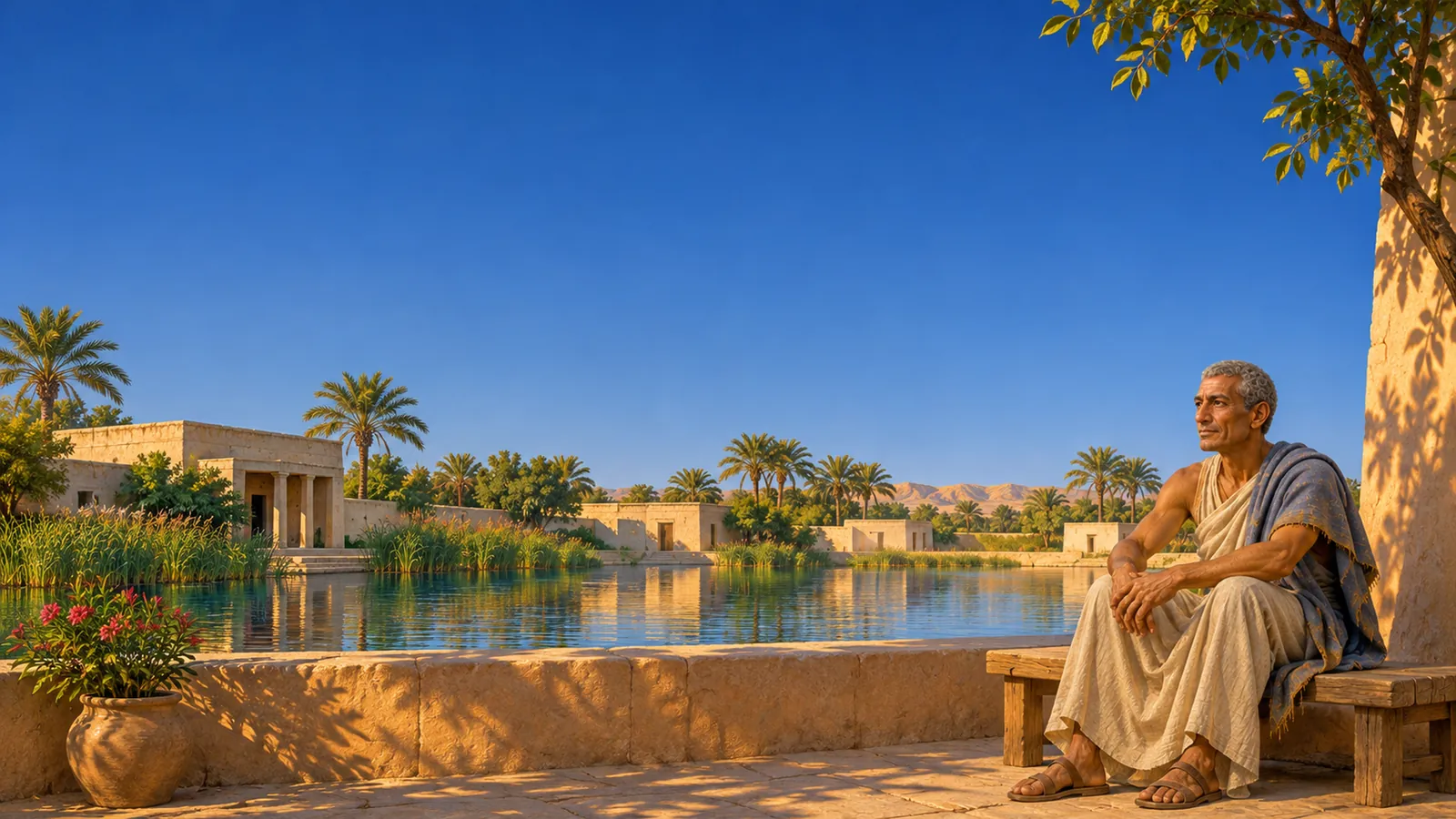
DIE GESCHICHTE VON SINUHE
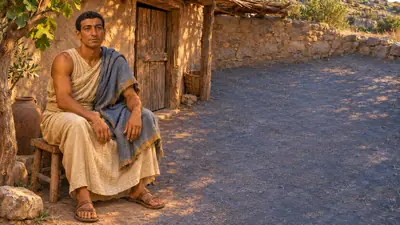
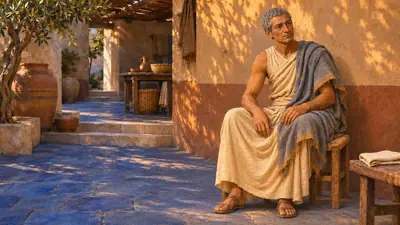
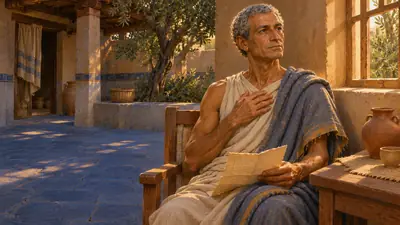
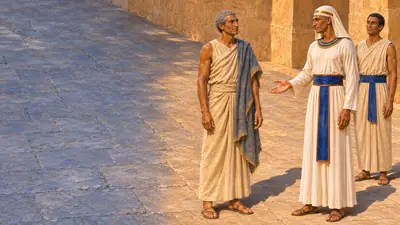
Der Erzähler stellt sich als Sinuhe vor. Bevor er erzählt, was ihm widerfuhr, nennt er die Ämter und Ehren, die ihn mit dem ägyptischen Hof verbinden.
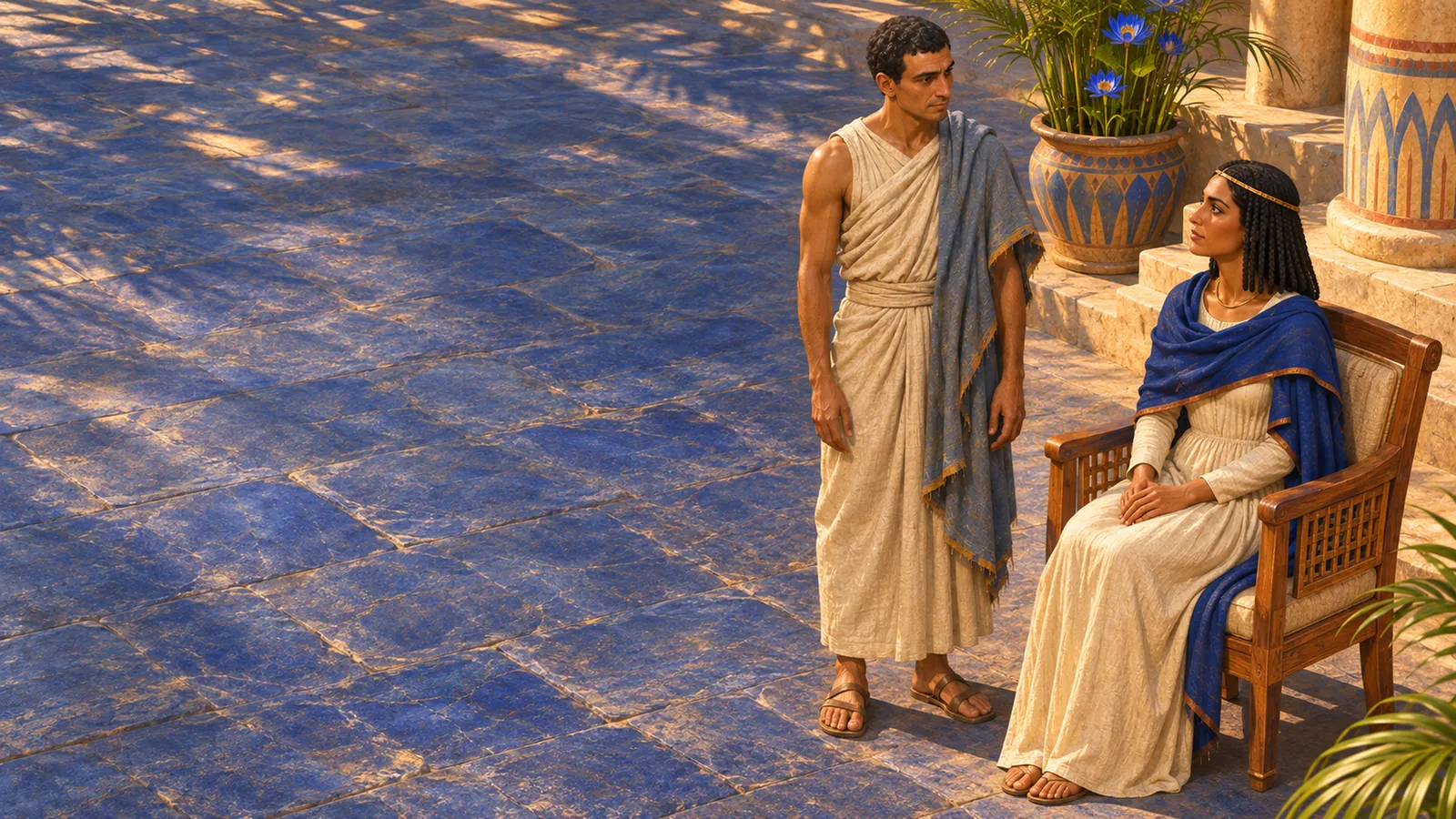
Sinuhe sagt, er habe Neferu gedient. Sie war die Tochter Amenemhats und die Frau Senusrets, dessen Herrschaft in der Erzählung bald beginnt.
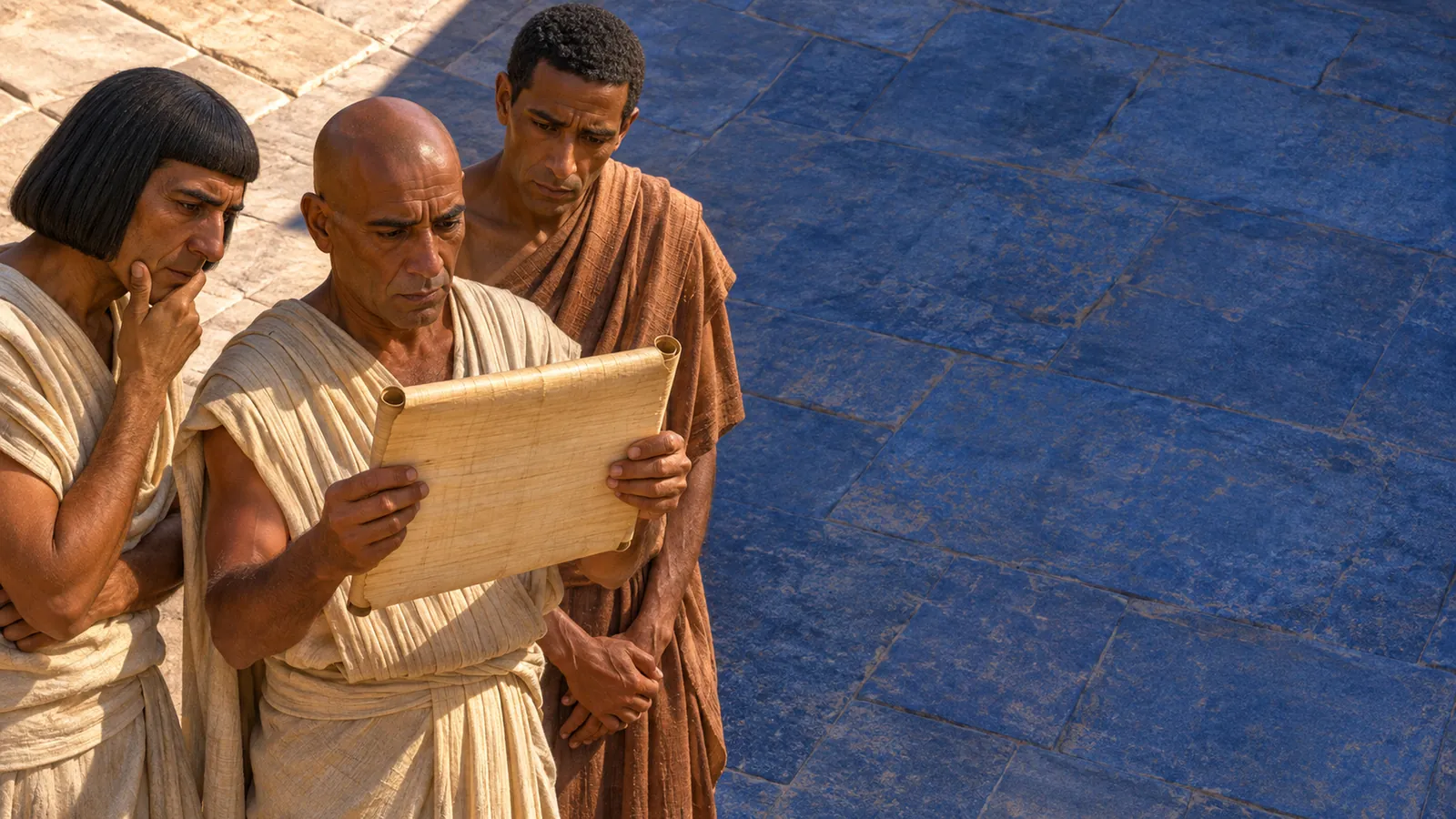
Die Erzählung datiert Amenemhats Tod in das dreißigste Jahr seiner Herrschaft, auf den siebten Tag des dritten Monats von Akhet. Die Nachricht spricht von ihm in Bildern des Himmels.
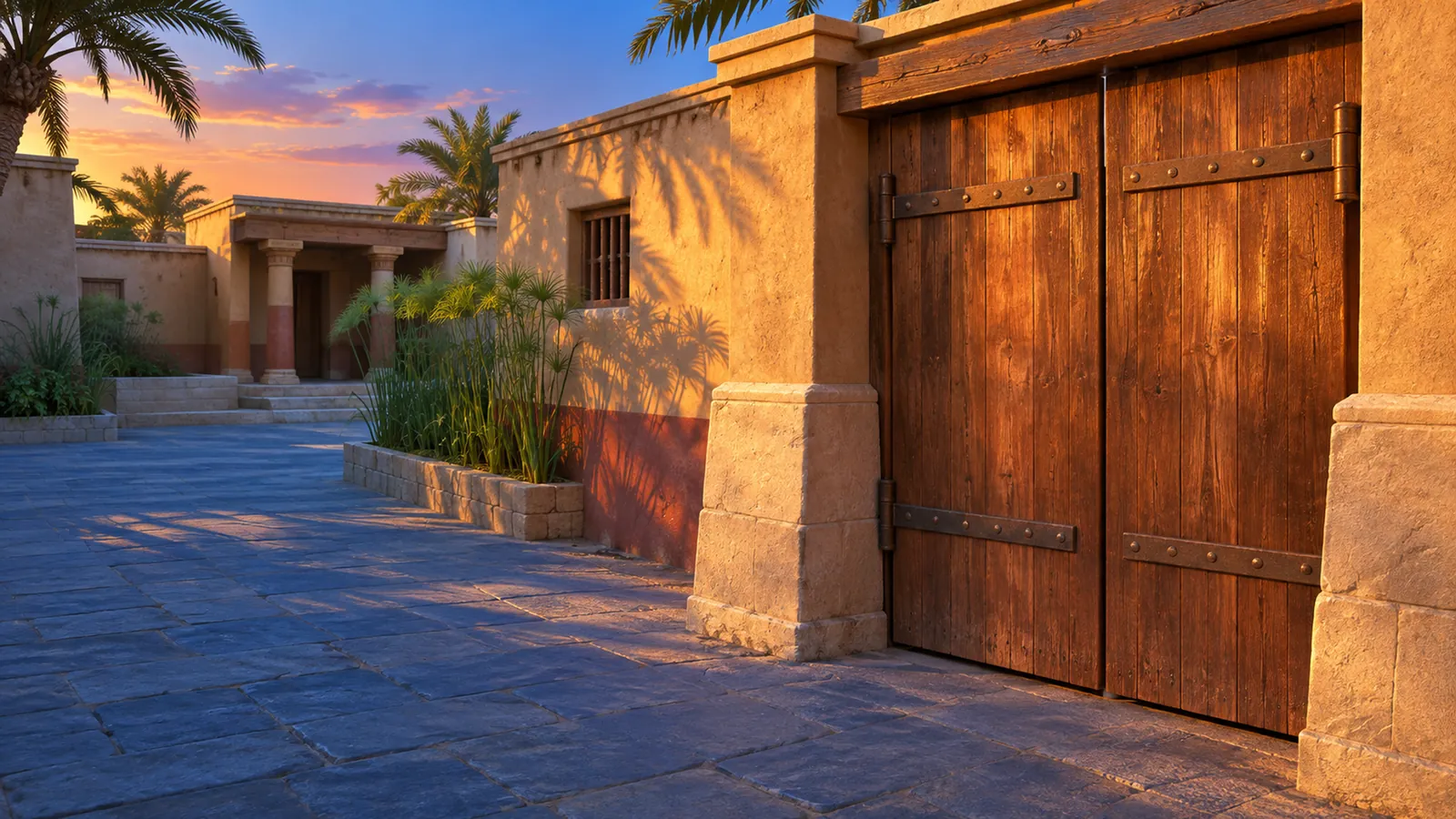
DAS GESCHLOSSENE TOR
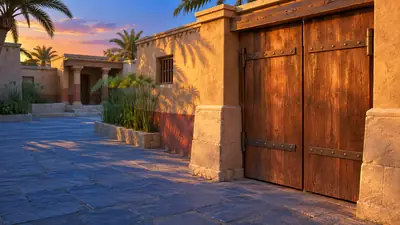
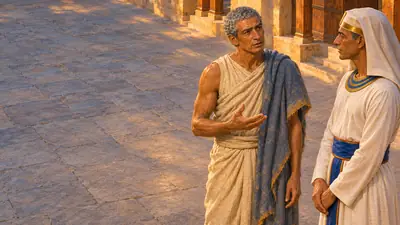
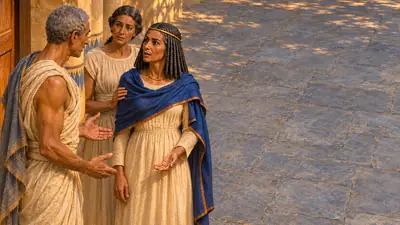
Das Tor der Residenz wird geschlossen. Das Königshaus verstummt, und der Hof trauert um den König.
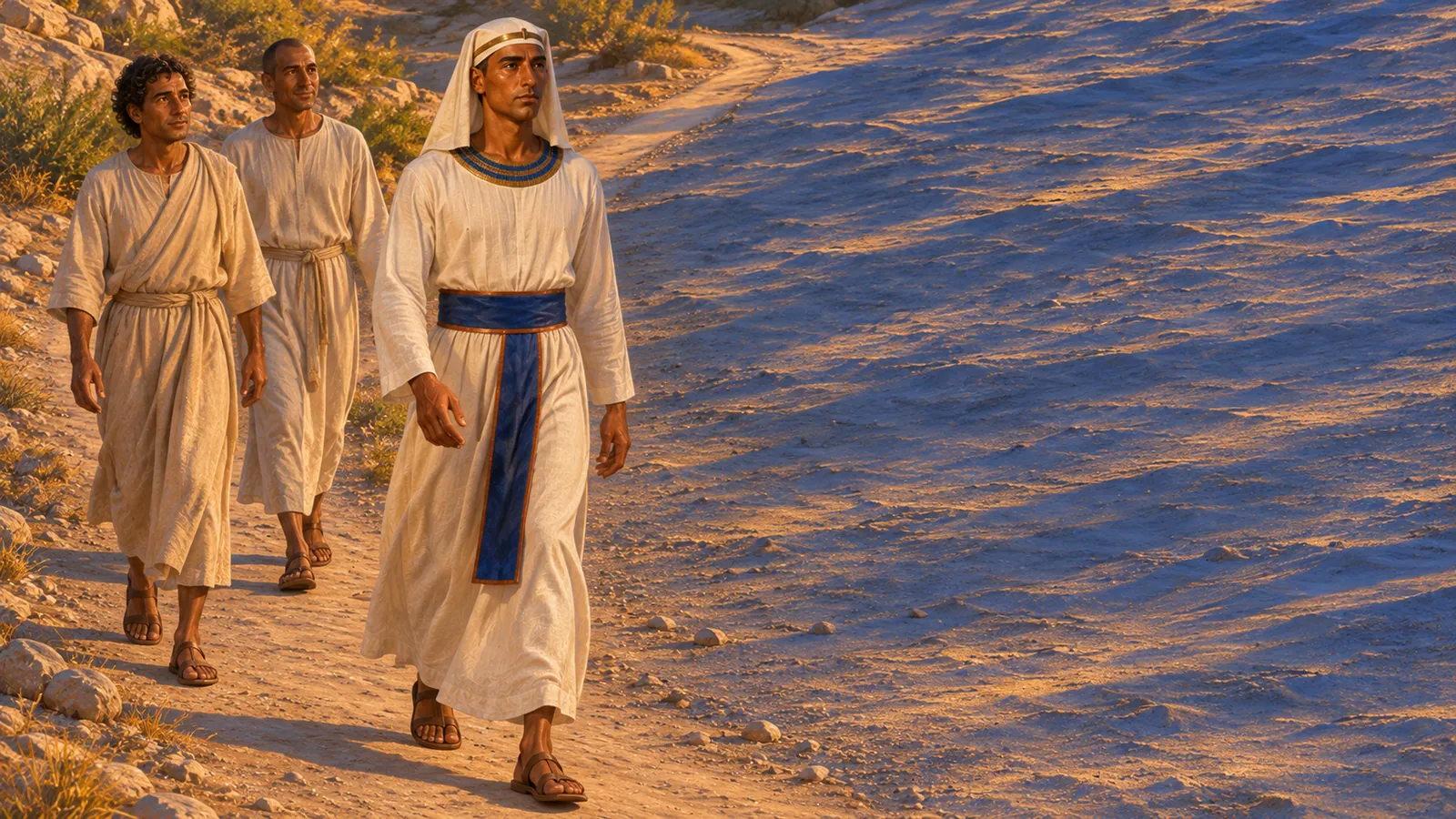
Senusret, Amenemhats ältester Sohn, ist fern von der Residenz. Er kehrt von einer Unternehmung im Westen zurück.
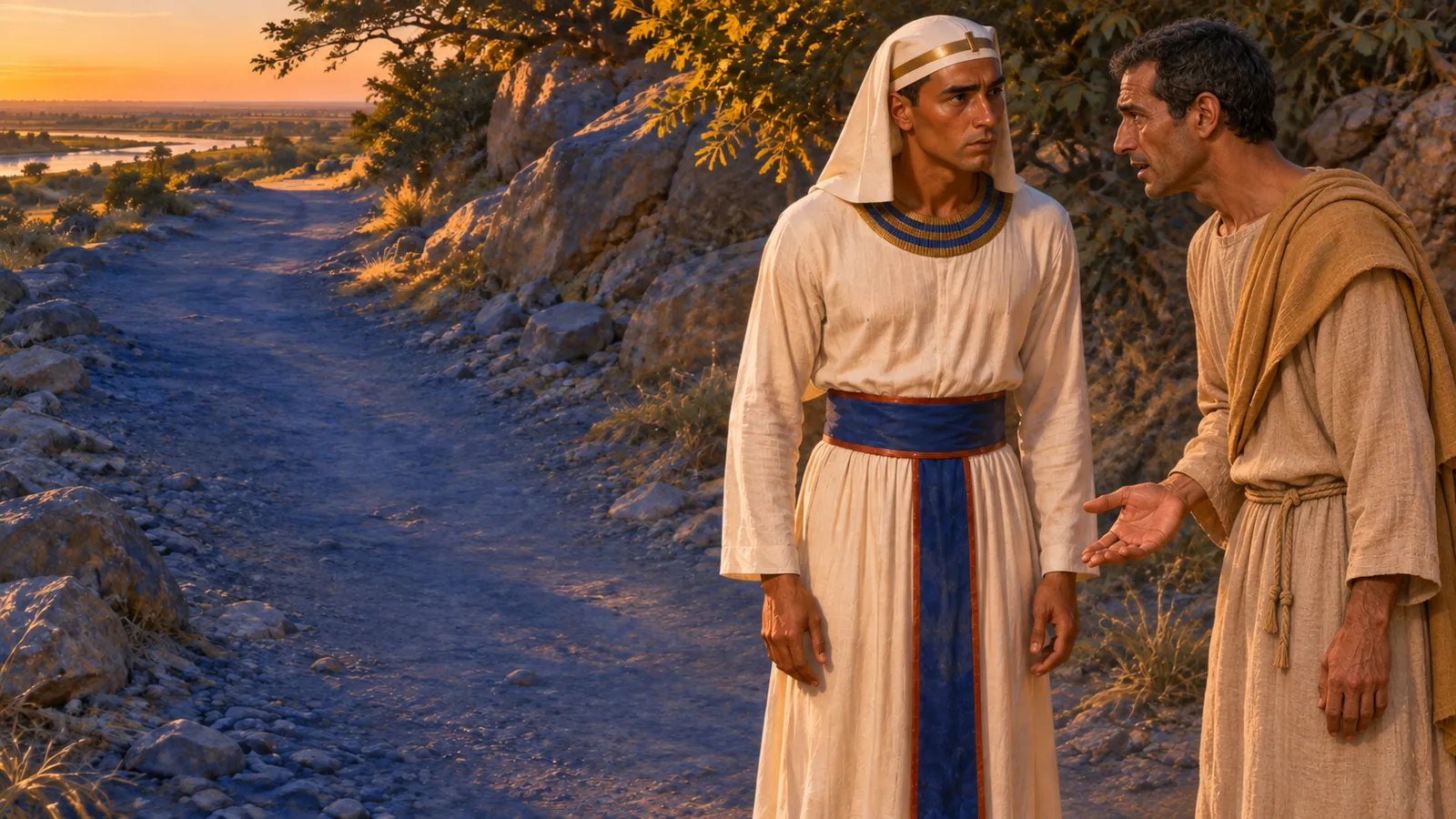
Der Hof schickt Boten aus, die Senusret unterwegs erreichen sollen. Gegen Abend finden sie ihn und überbringen ihm die Nachricht.
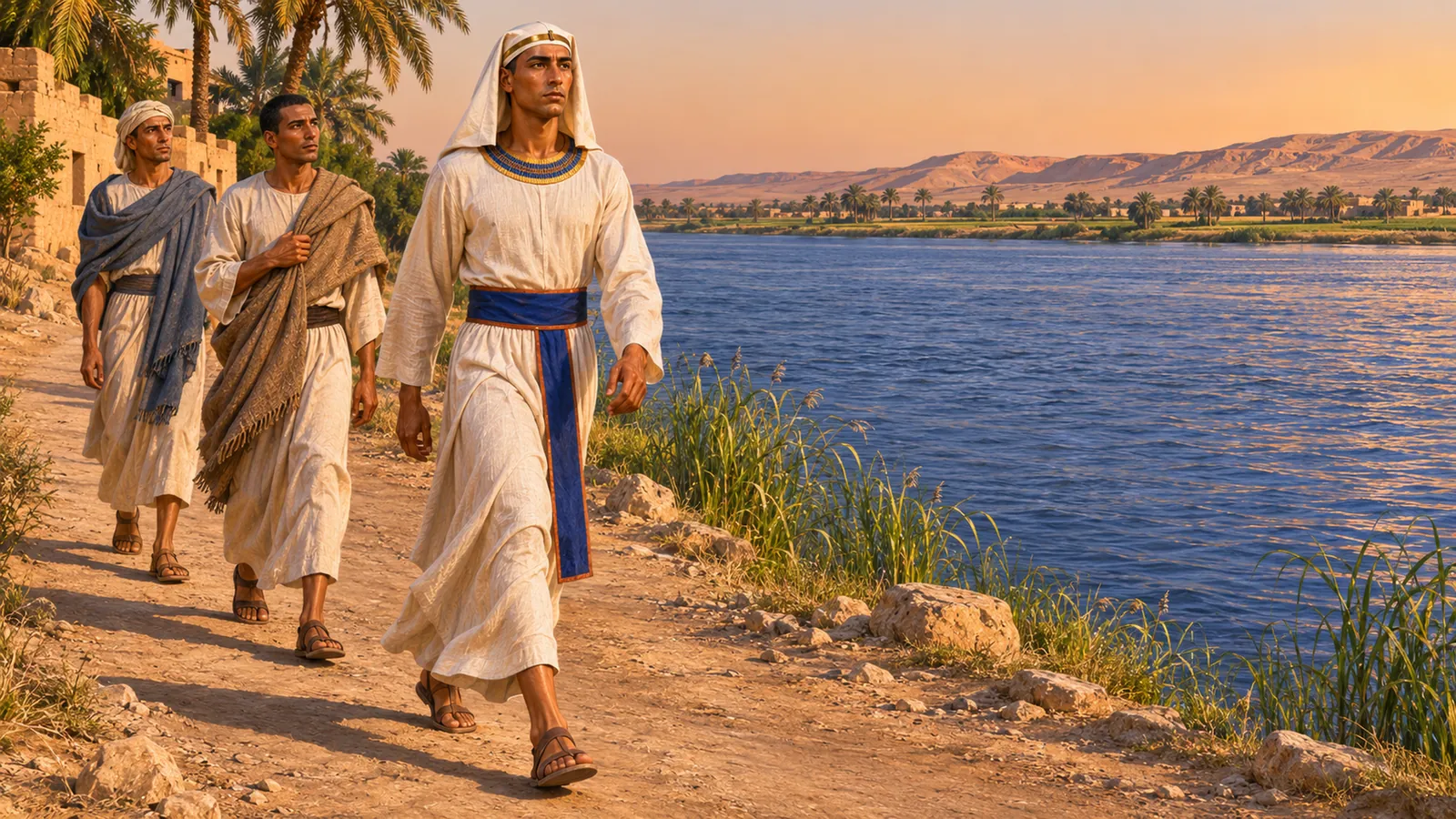
Senusret bricht unverzüglich mit seinem Gefolge auf. Bei seinem Aufbruch vergleicht ihn die Erzählung mit einem Falken, einem Bild für den König.
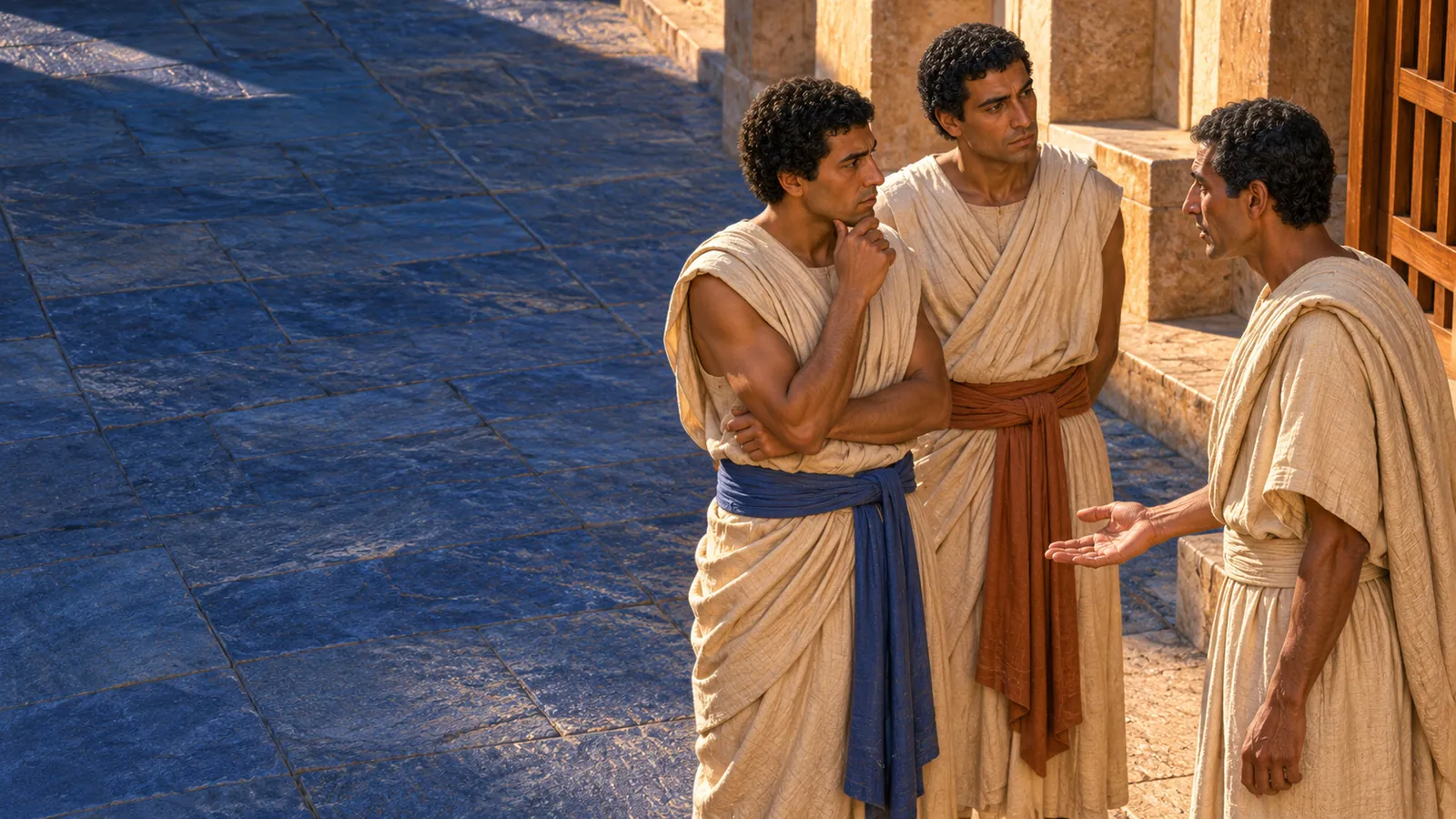
Die Königssöhne erhalten eine eigene Aufforderung. An dieser Stelle überschneiden sich die erhaltenen Abschriften. Die Erzählung wendet sich von Senusret dem zu, was Sinuhe hörte.
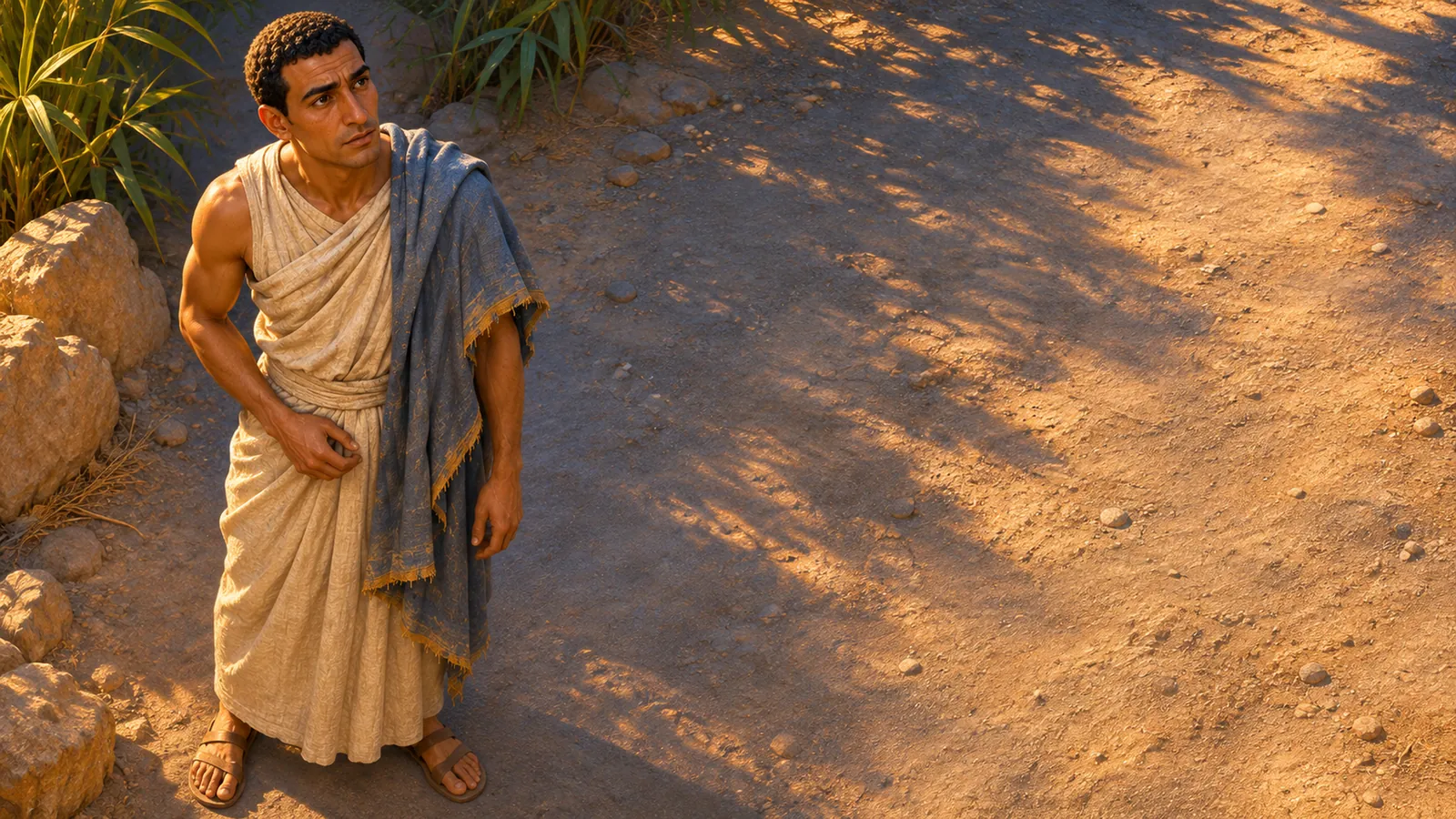
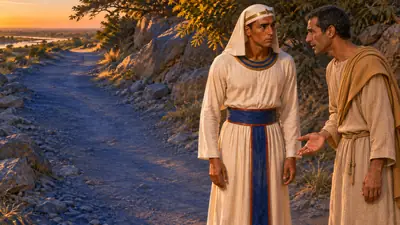
Sinuhe hört eine Stimme in seiner Nähe. Er sagt, der Augenblick habe ihn erschreckt. Welche Worte er hörte, steht im erhaltenen Bericht nicht.
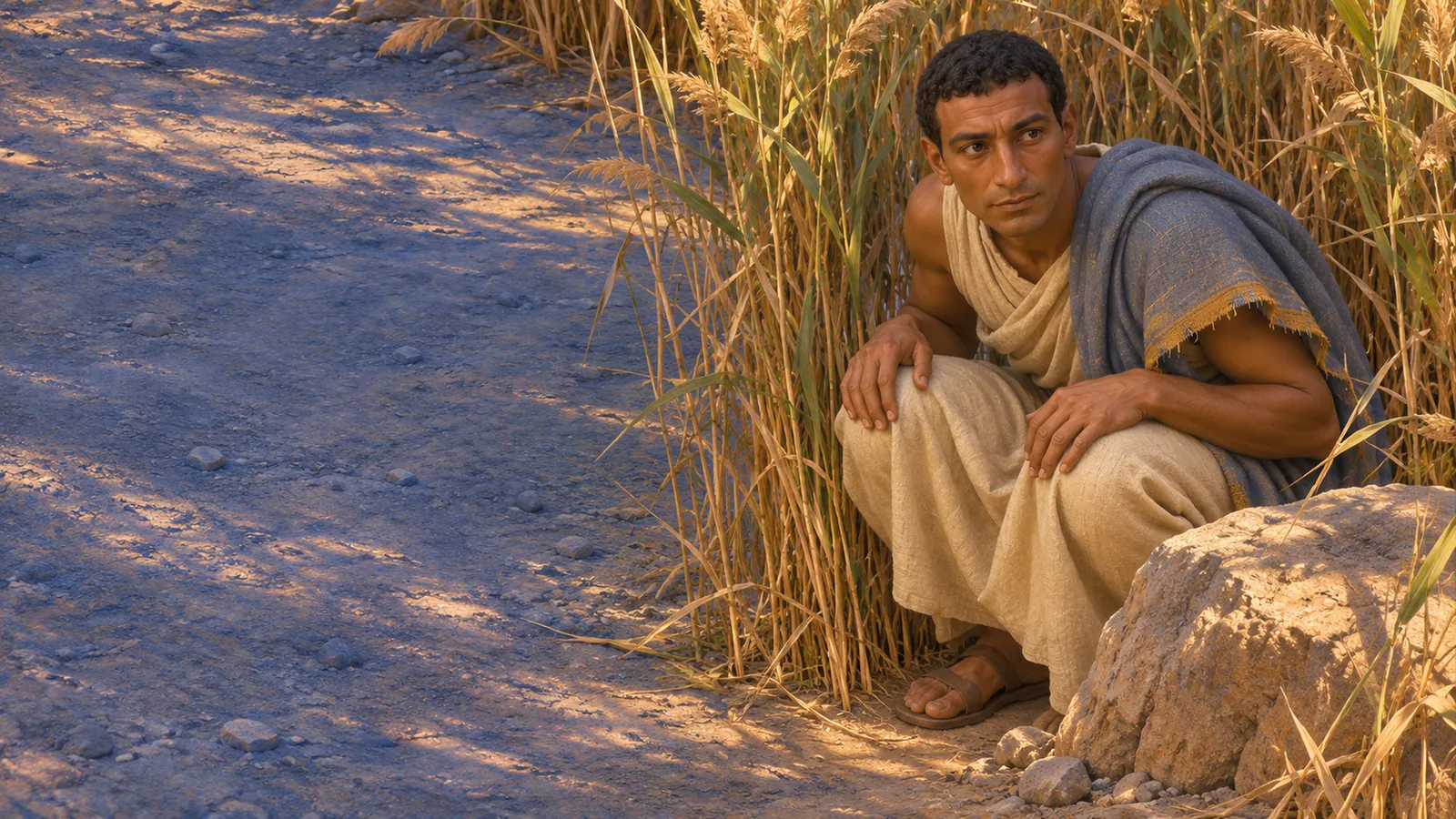
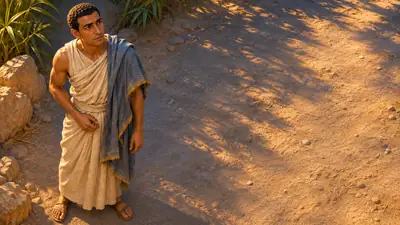
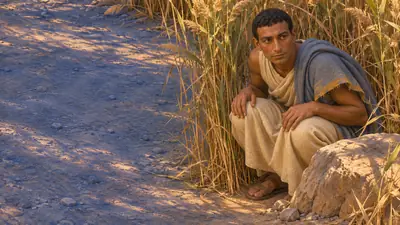
Erschrocken über das Gehörte entfernt sich Sinuhe. Am Wegrand findet er Deckung und hält sich von den Vorübergehenden fern.
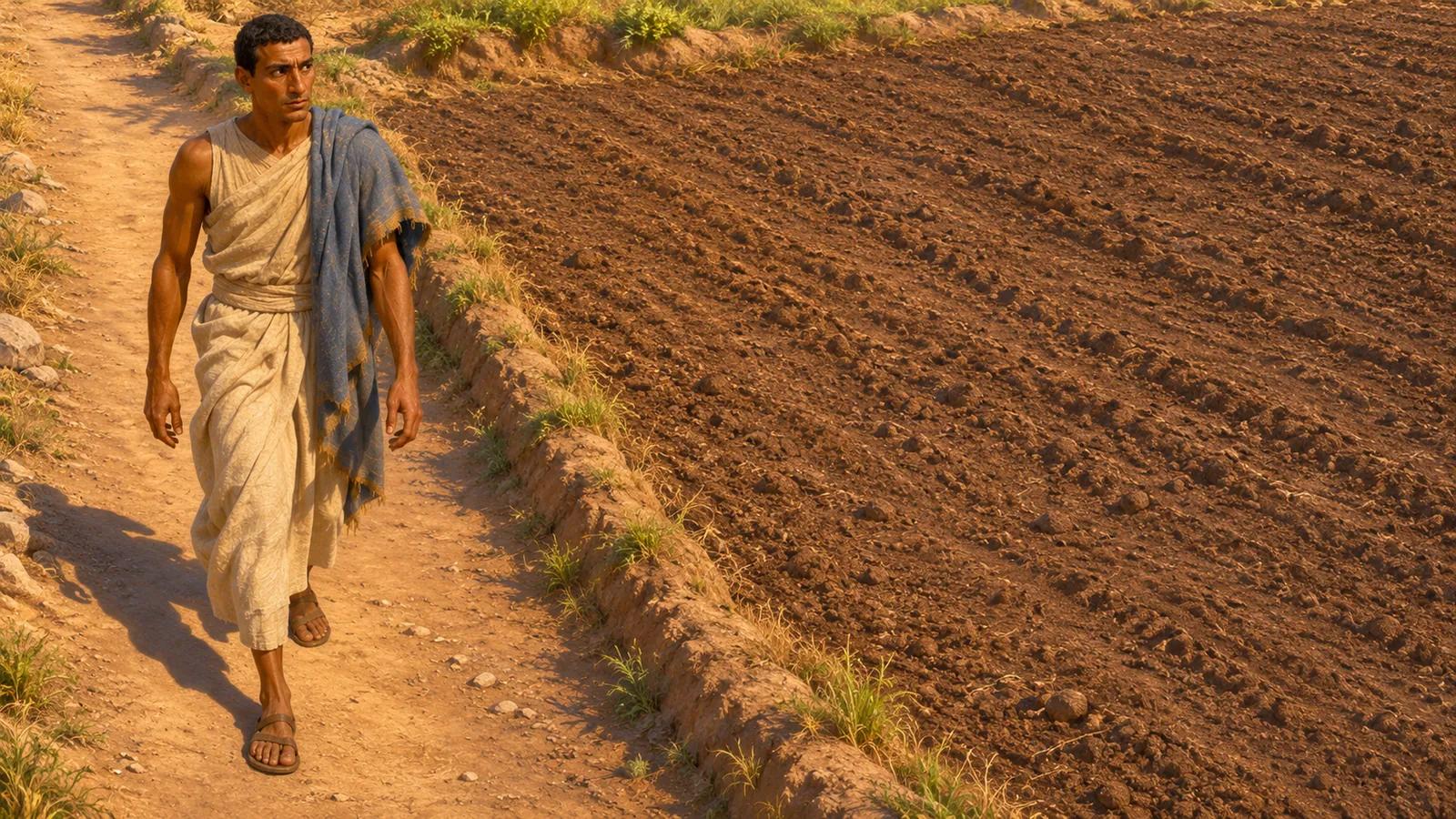
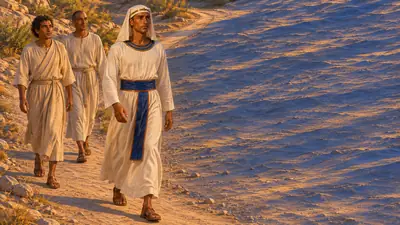
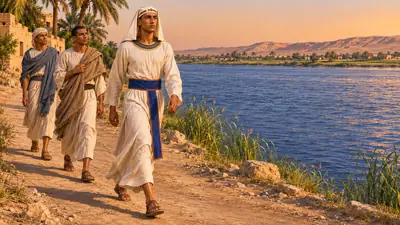
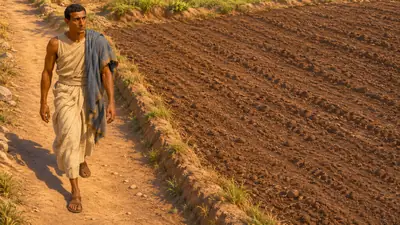
Sinuhe zieht nach Süden. Er hält sich von der Residenz fern, weil er fürchtet, was dort geschehen könnte, wenn sich die Nachricht verbreitet hat.
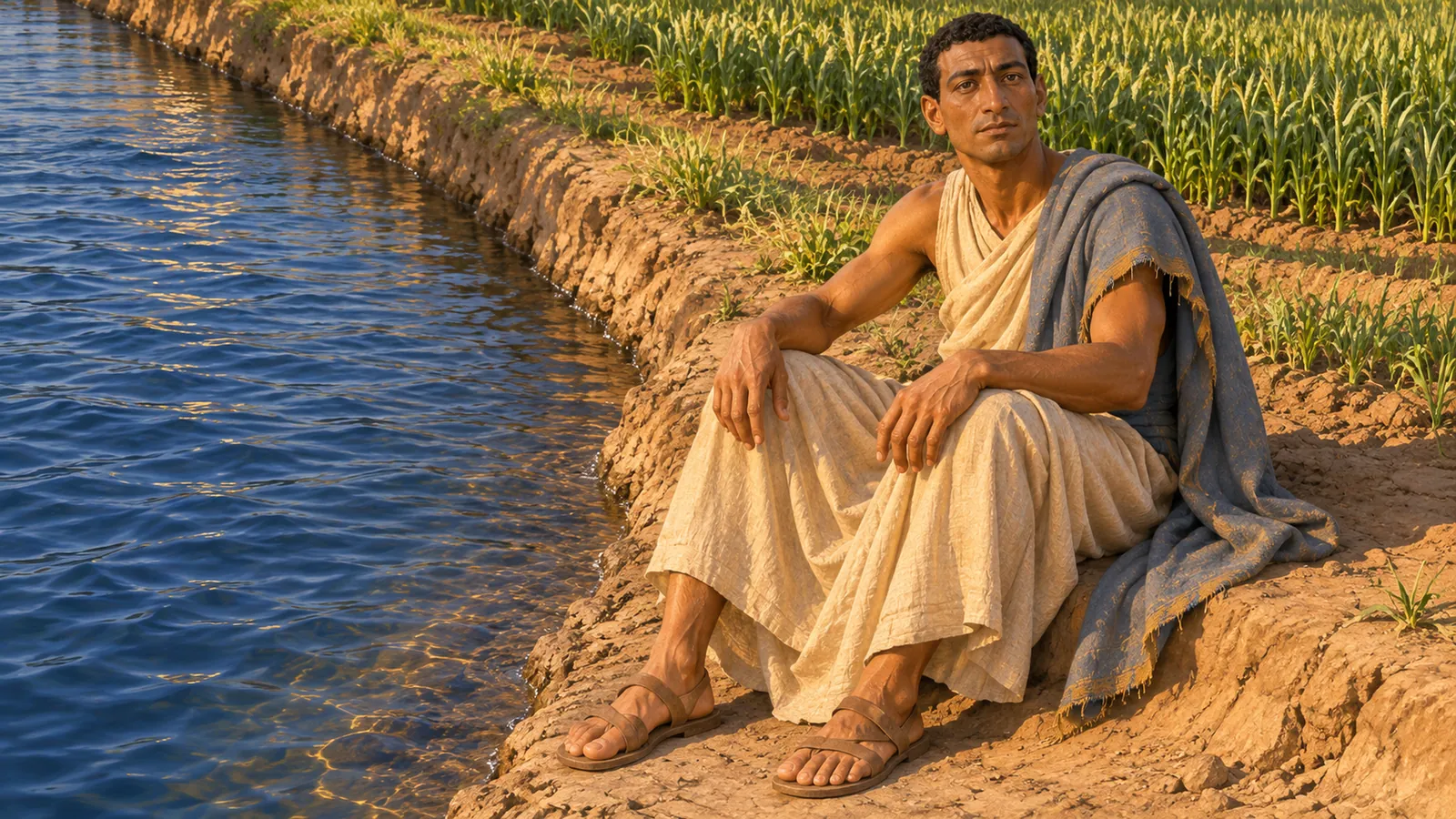
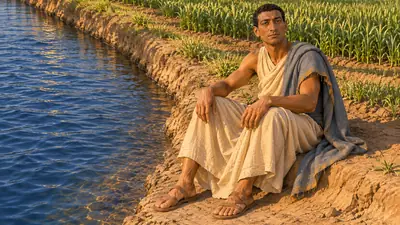
Sein Weg führt durch Maati und an den Ort, den er die Insel des Sneferu nennt. In der Nähe von bestelltem Land hält er an, um sich auszuruhen.
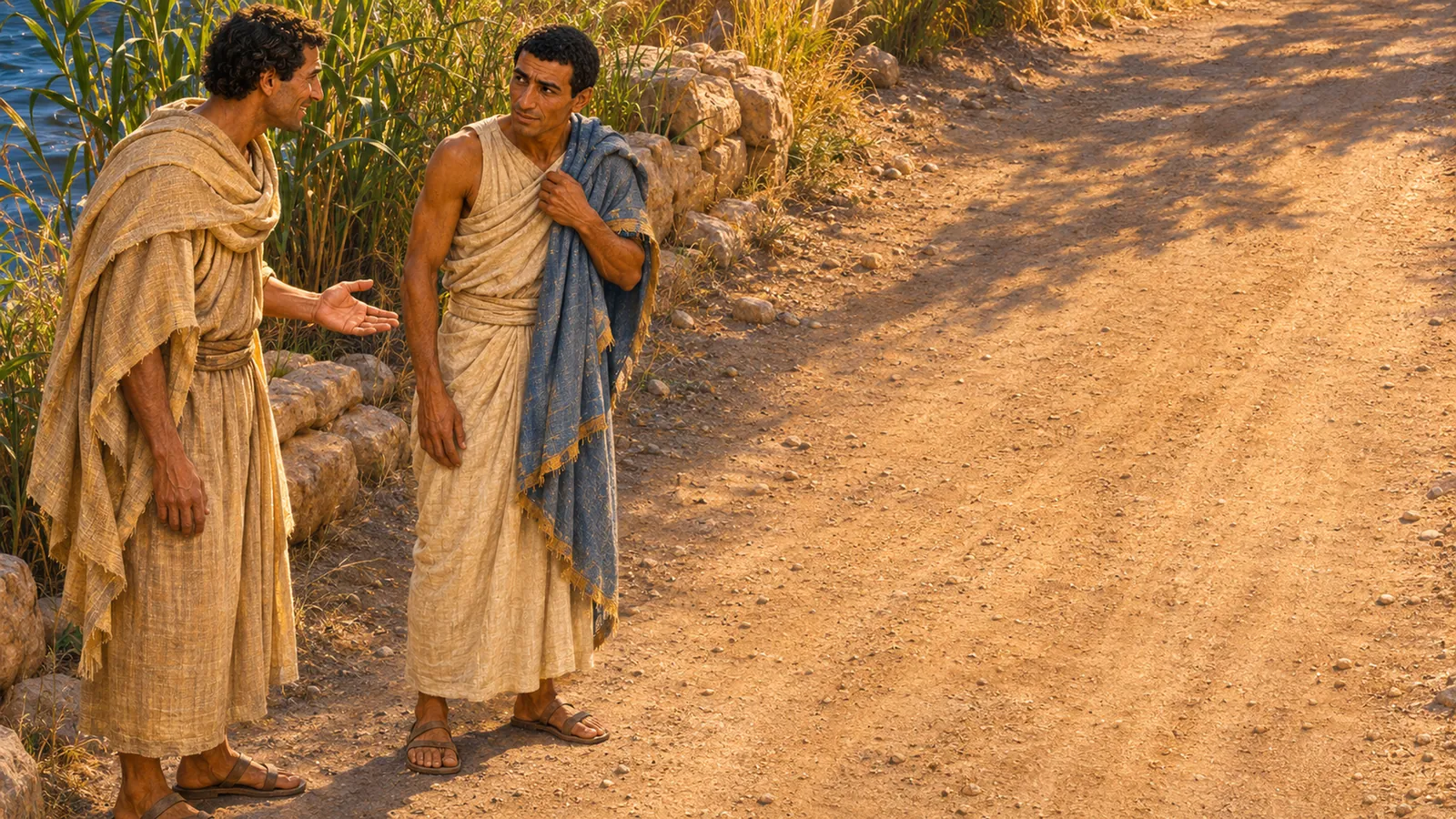
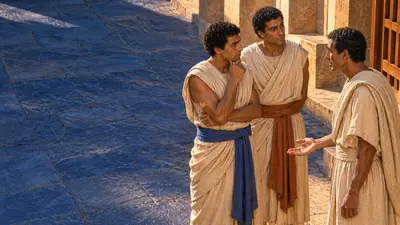
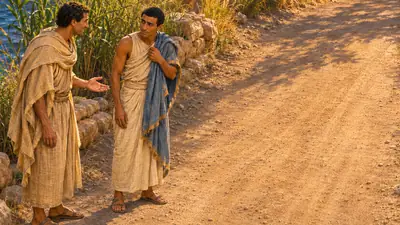
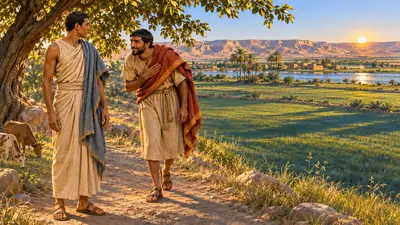
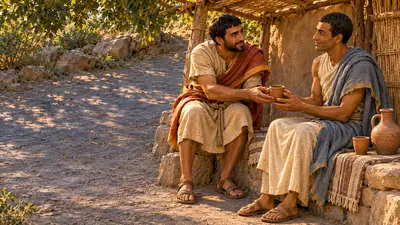
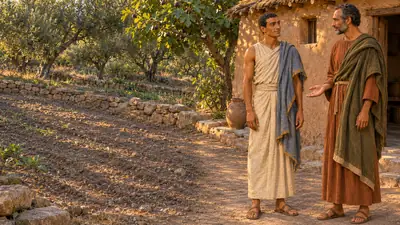
Ein Mann kommt in Sicht und grüßt Sinuhe. Als die beiden einander begegnen, hat Sinuhe noch immer Angst.
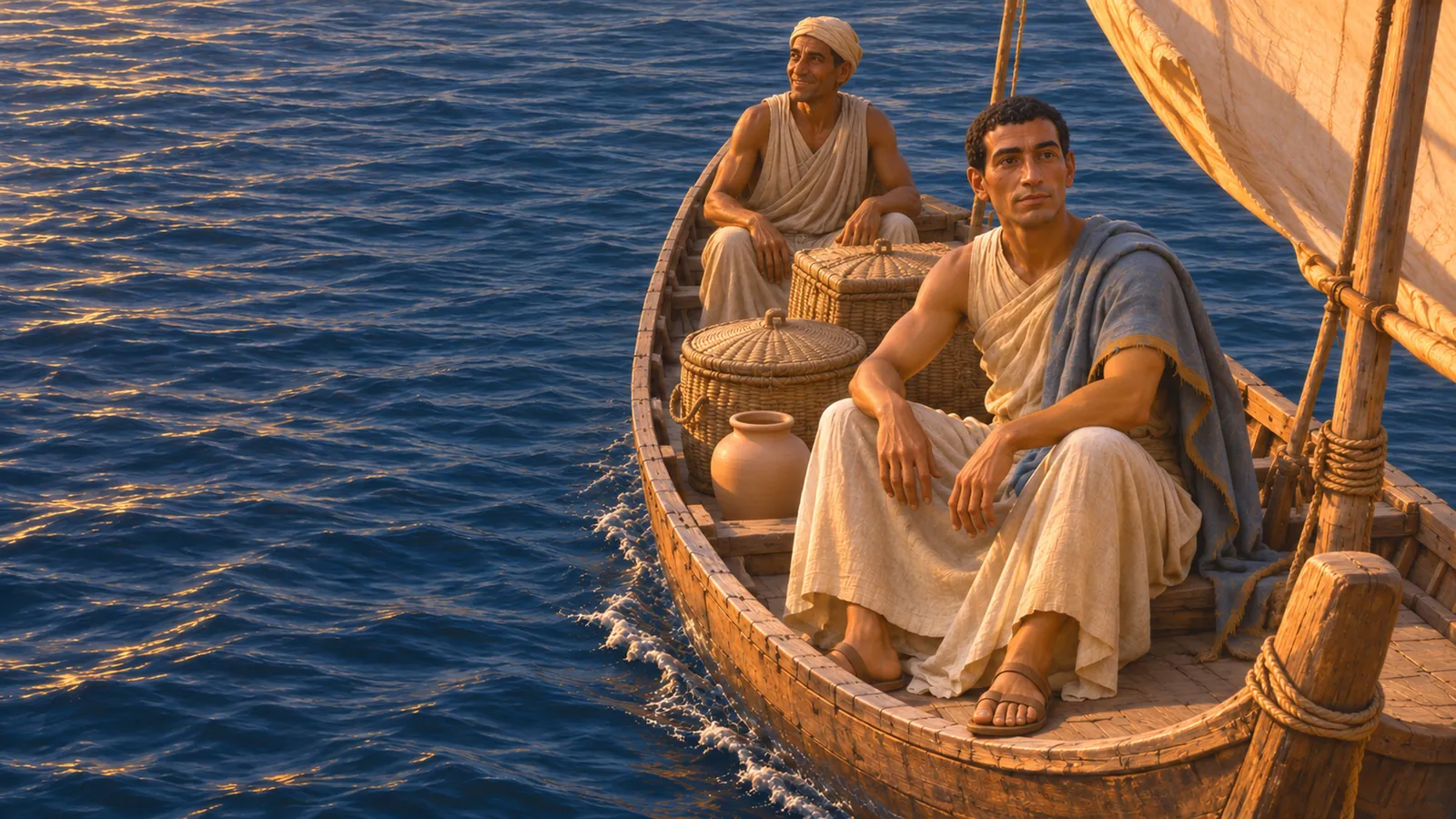
EINE ÜBERFAHRT AM ABEND
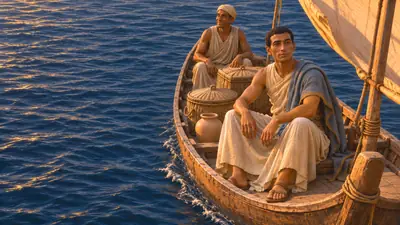
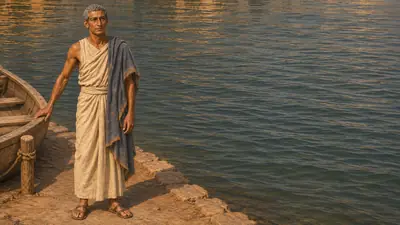
Gegen Abend erreicht Sinuhe eine Anlegestelle. Auf einem Lastboot setzt er über, vom Westwind getragen.
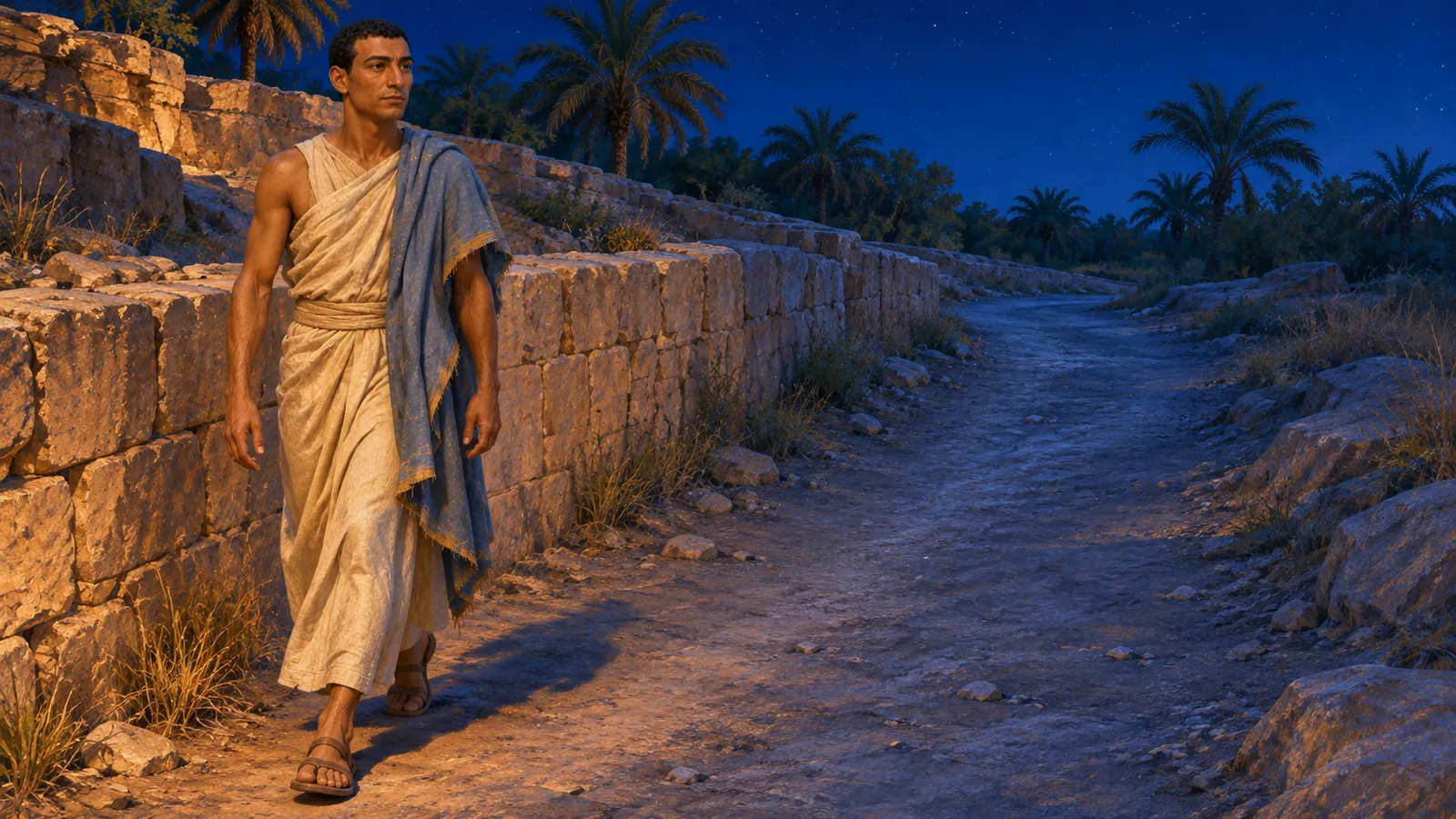
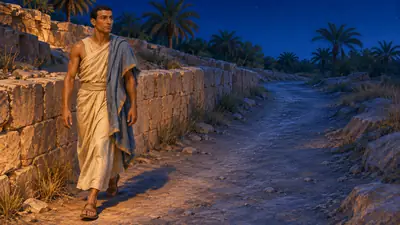
Sinuhe kommt am Steinbruch vorbei und erreicht die Mauern des Herrschers. Er bleibt außer Sicht und zieht nach Einbruch der Dunkelheit weiter.
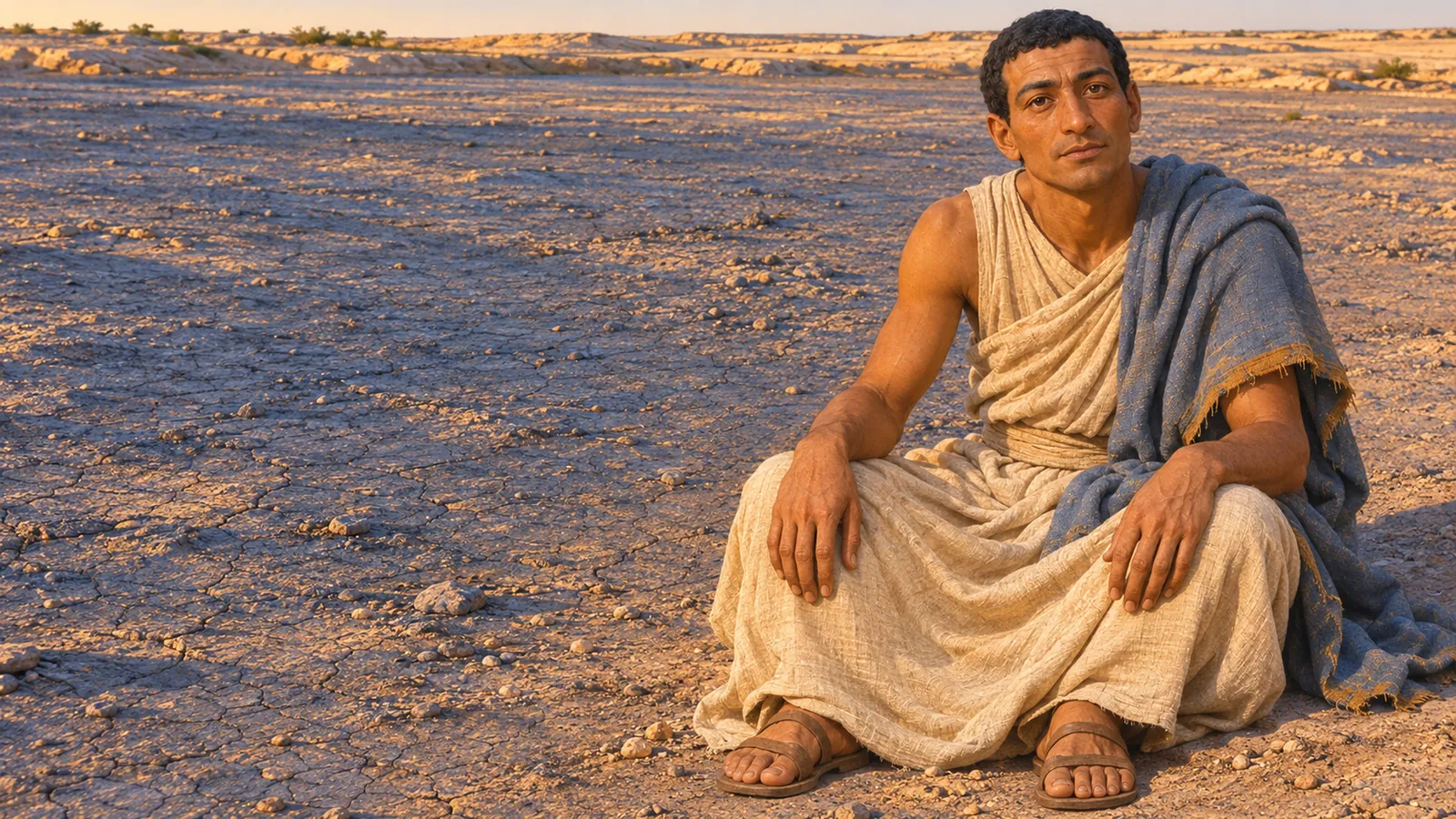
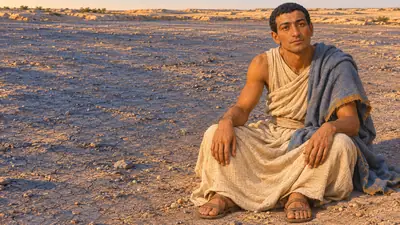
Bei Tageslicht erreicht er Peten und das Gebiet des Großen Schwarzen Wassers. Sinuhe erinnert sich, wie sehr ihn der Durst plagte.
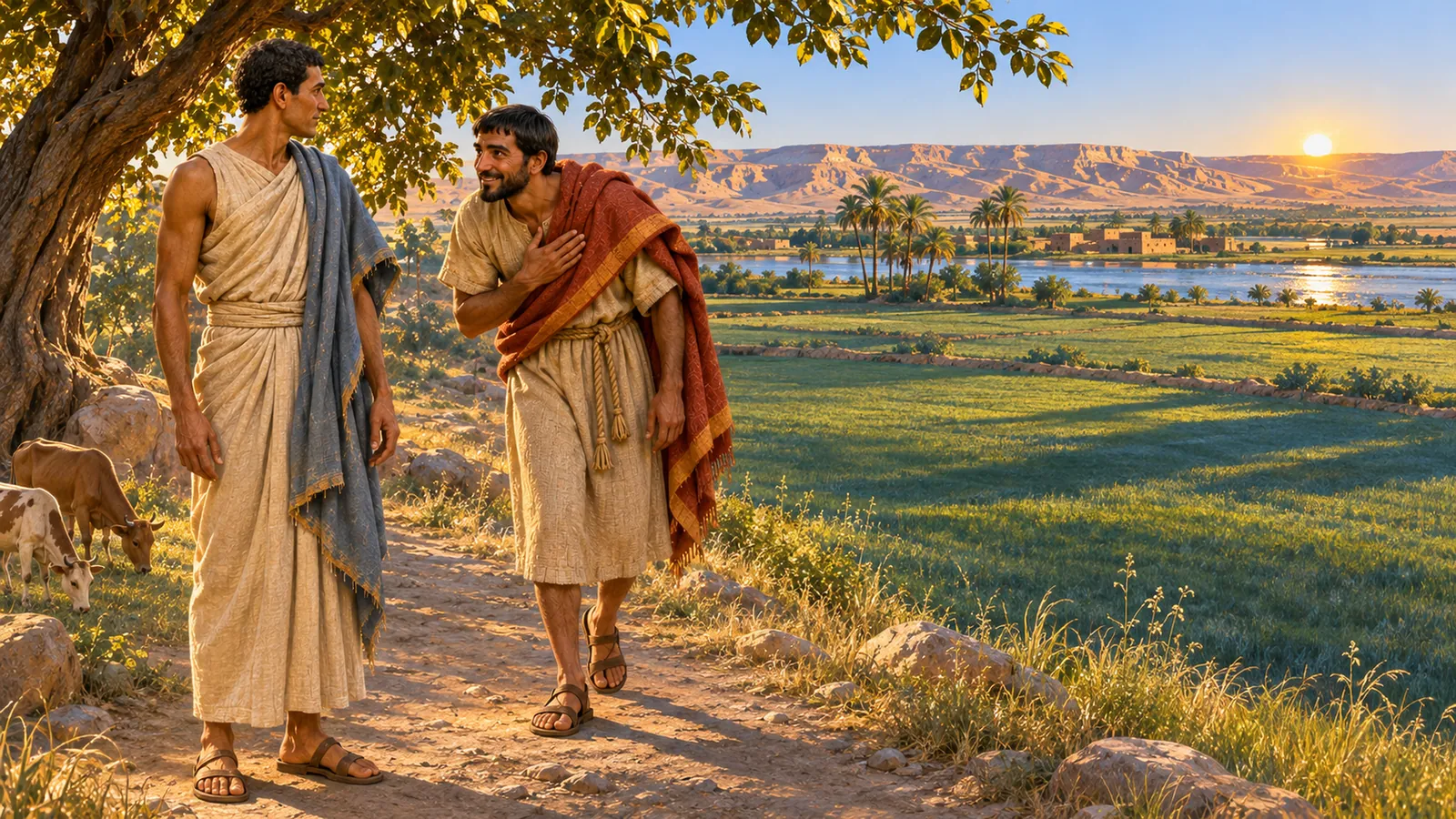
Sinuhe hört Rinder und trifft auf Menschen. Ein Kundschafter, der schon in Ägypten war, erkennt ihn und kommt zu ihm.
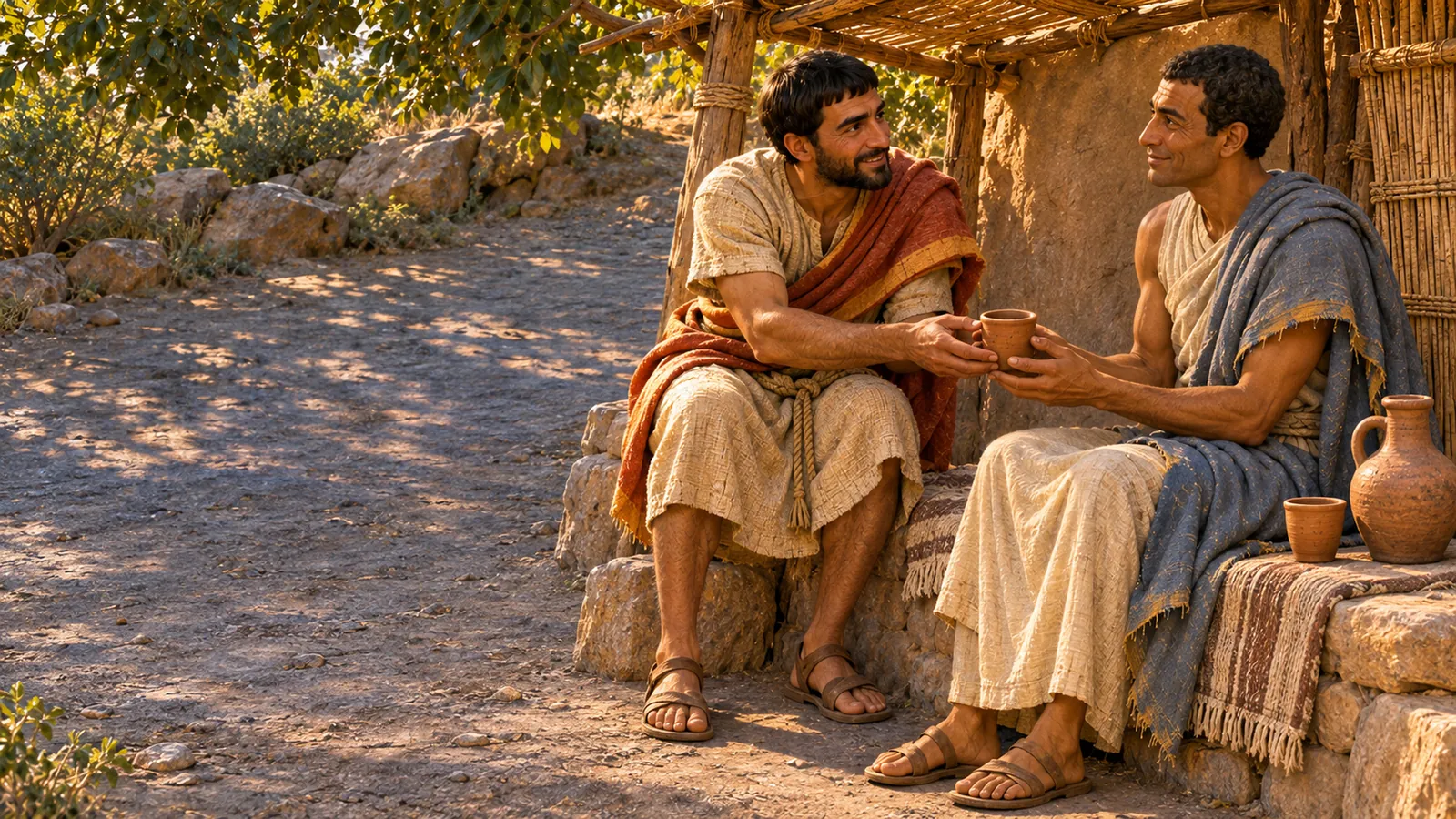
Der Kundschafter gibt Sinuhe Wasser und Milch. Sinuhe zieht mit dessen Leuten weiter und lässt den Ort hinter sich, an dem er Durst gelitten hat.
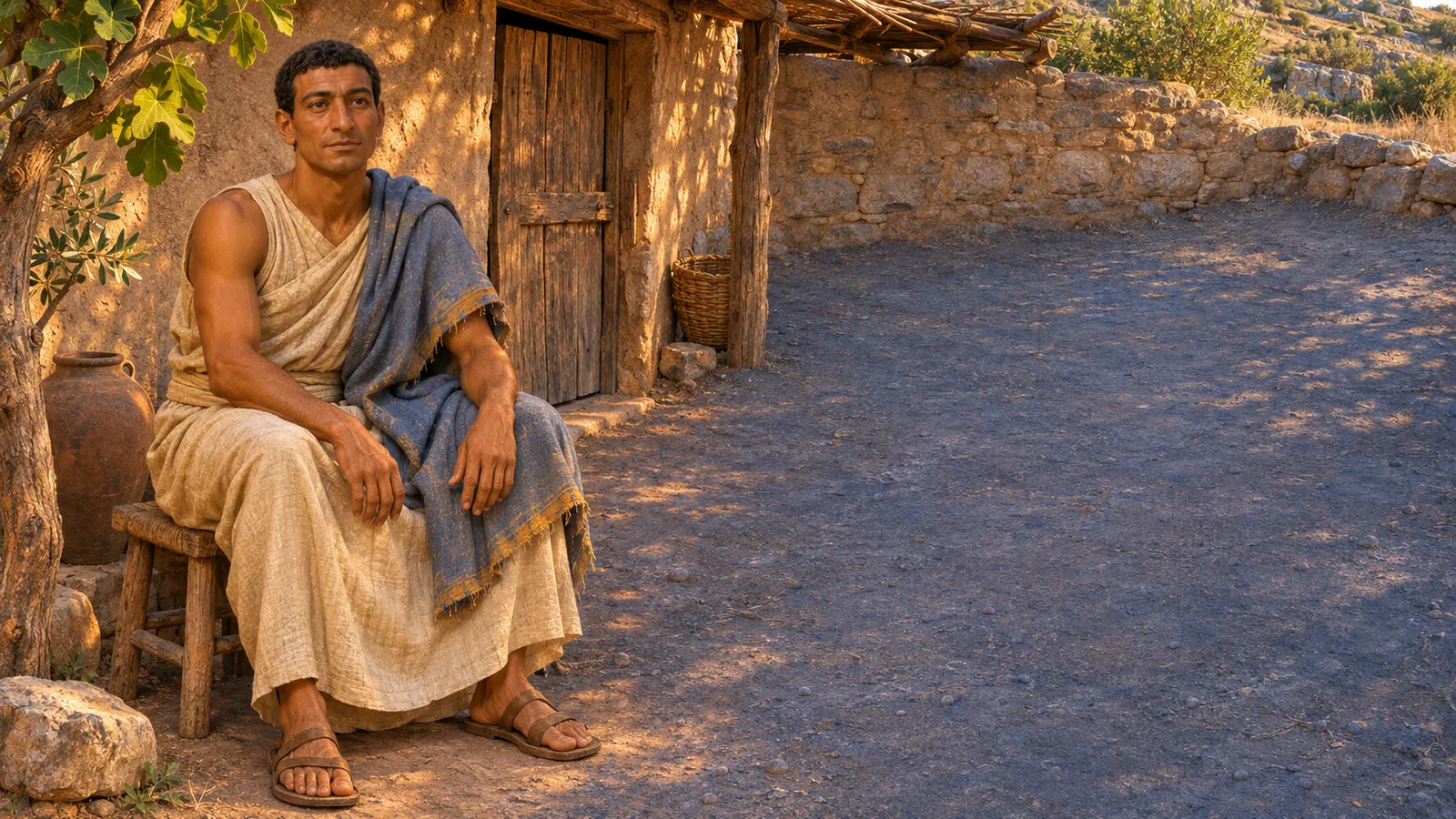
Sinuhe nennt Byblos und Qedem auf seiner Reise. Er bleibt anderthalb Jahre in Qedem, bis Amunenshi nach ihm schicken lässt.
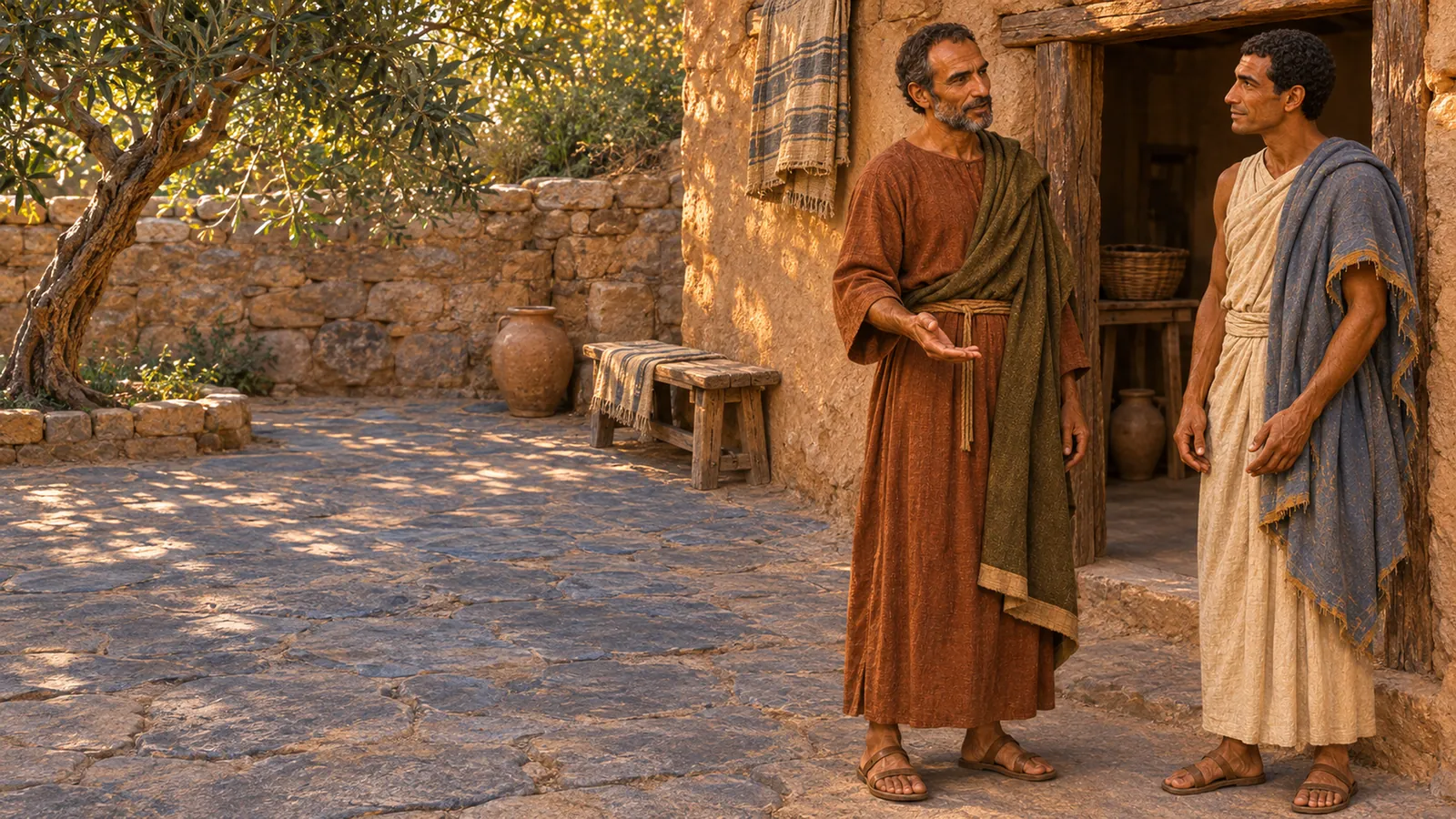
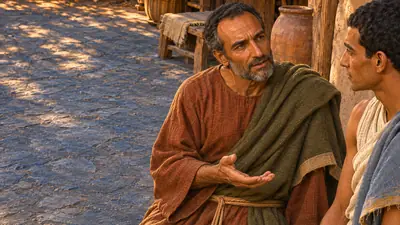
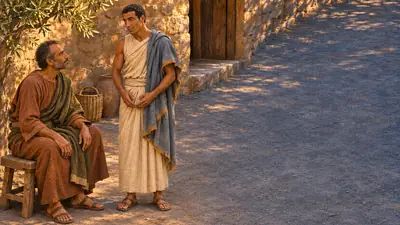
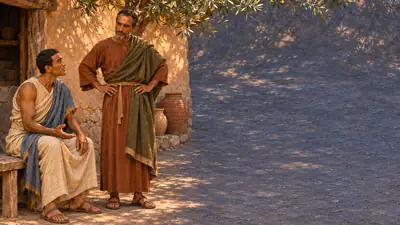
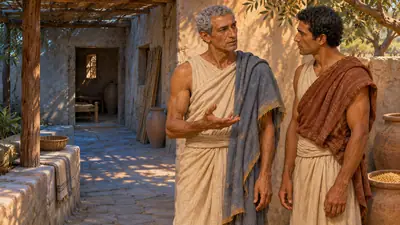
Amunenshi sagt Sinuhe, dass er unter seinen Leuten Ägyptisch hören kann. Ägypter dort haben sich für ihn ausgesprochen. Amunenshi fragt ihn, was in der Residenz geschehen ist.
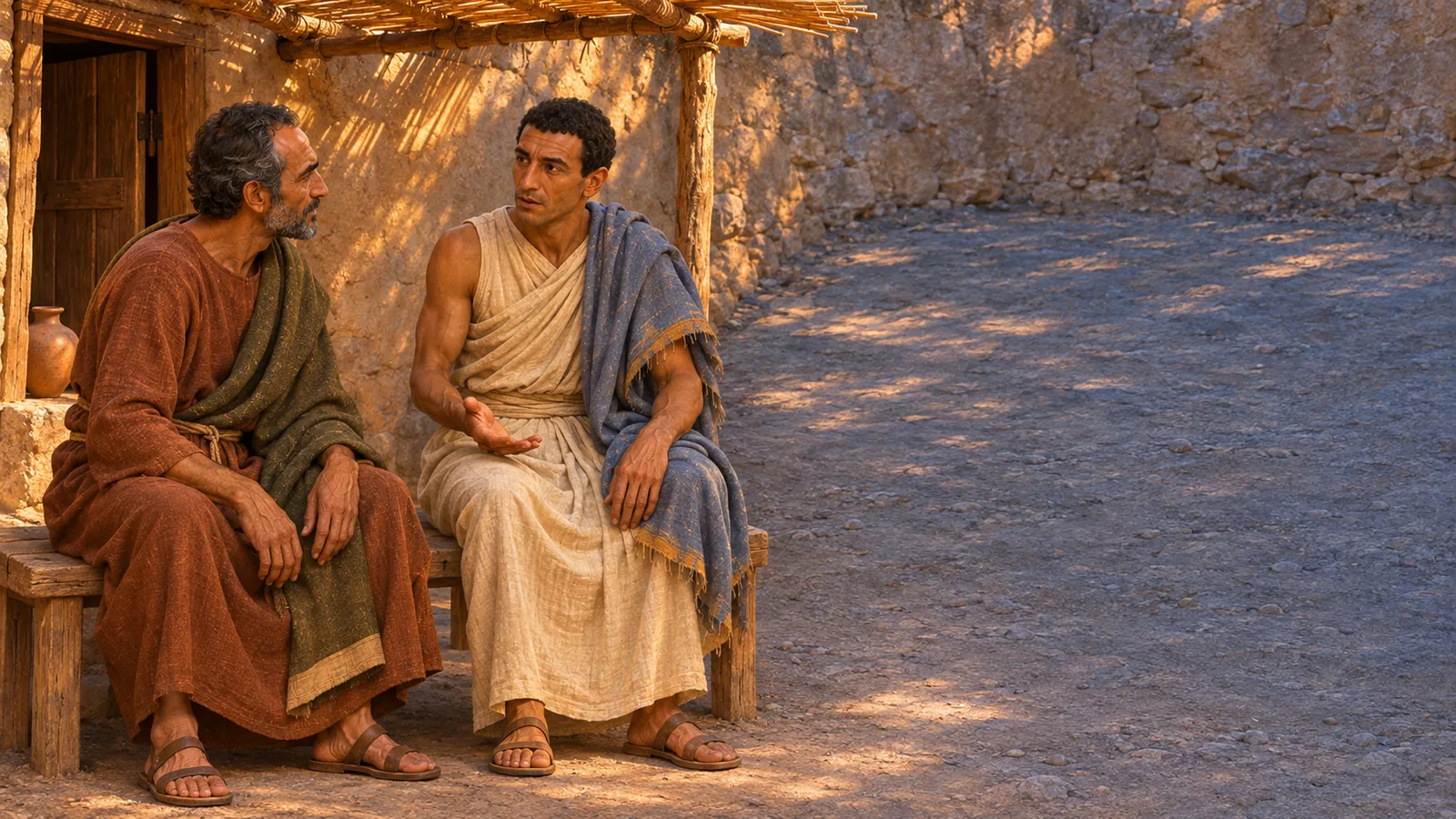
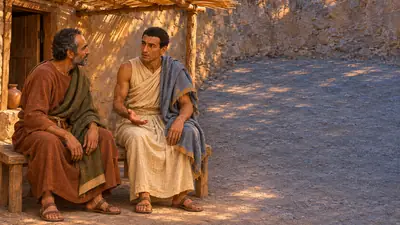
Sinuhe erzählt Amunenshi vom Tod des Königs und sagt, er kenne die Umstände nicht. Dann erinnert er sich daran, wie er eine Stimme hörte und aus Angst fortging.
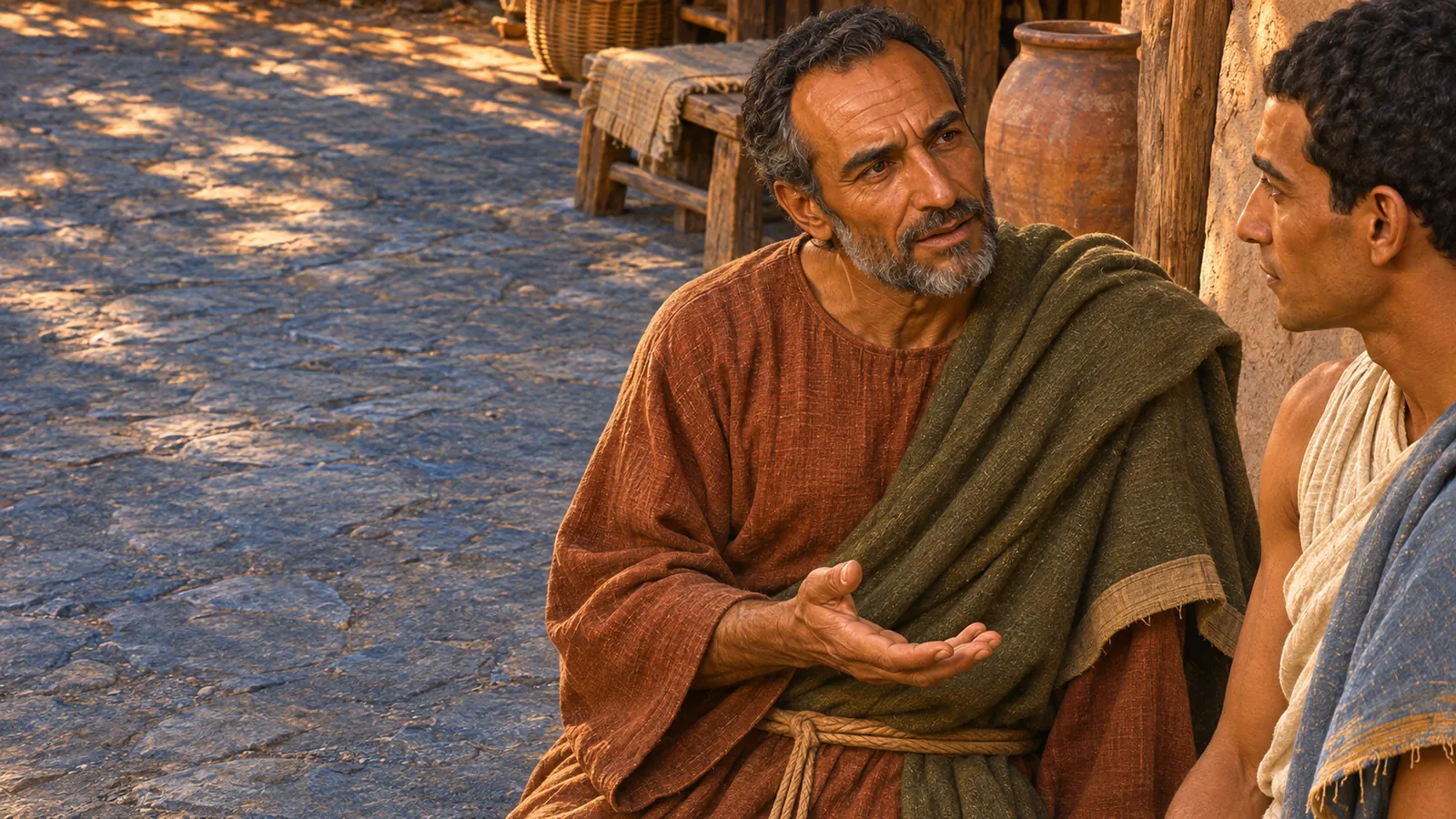
Amunenshi fragt, was nun aus Ägypten werden soll. Seine Frage lenkt das Gespräch vom Verlust des früheren Königs auf dessen Nachfolger.
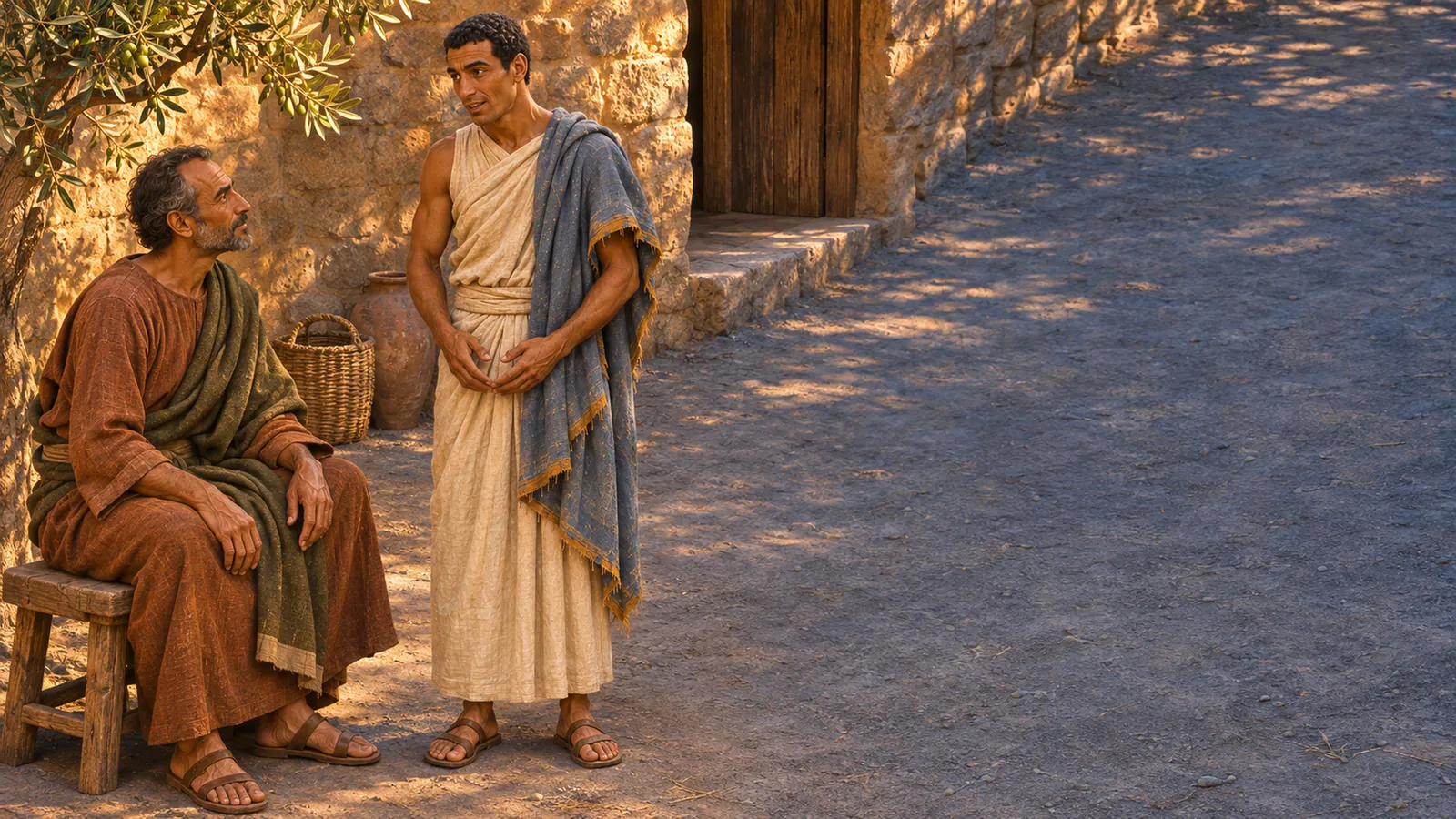
Sinuhe sagt, Senusret habe als König den Platz seines Vaters eingenommen. Mit seiner Antwort beginnt eine lange Schilderung dessen, was er am neuen Herrscher bewundert.
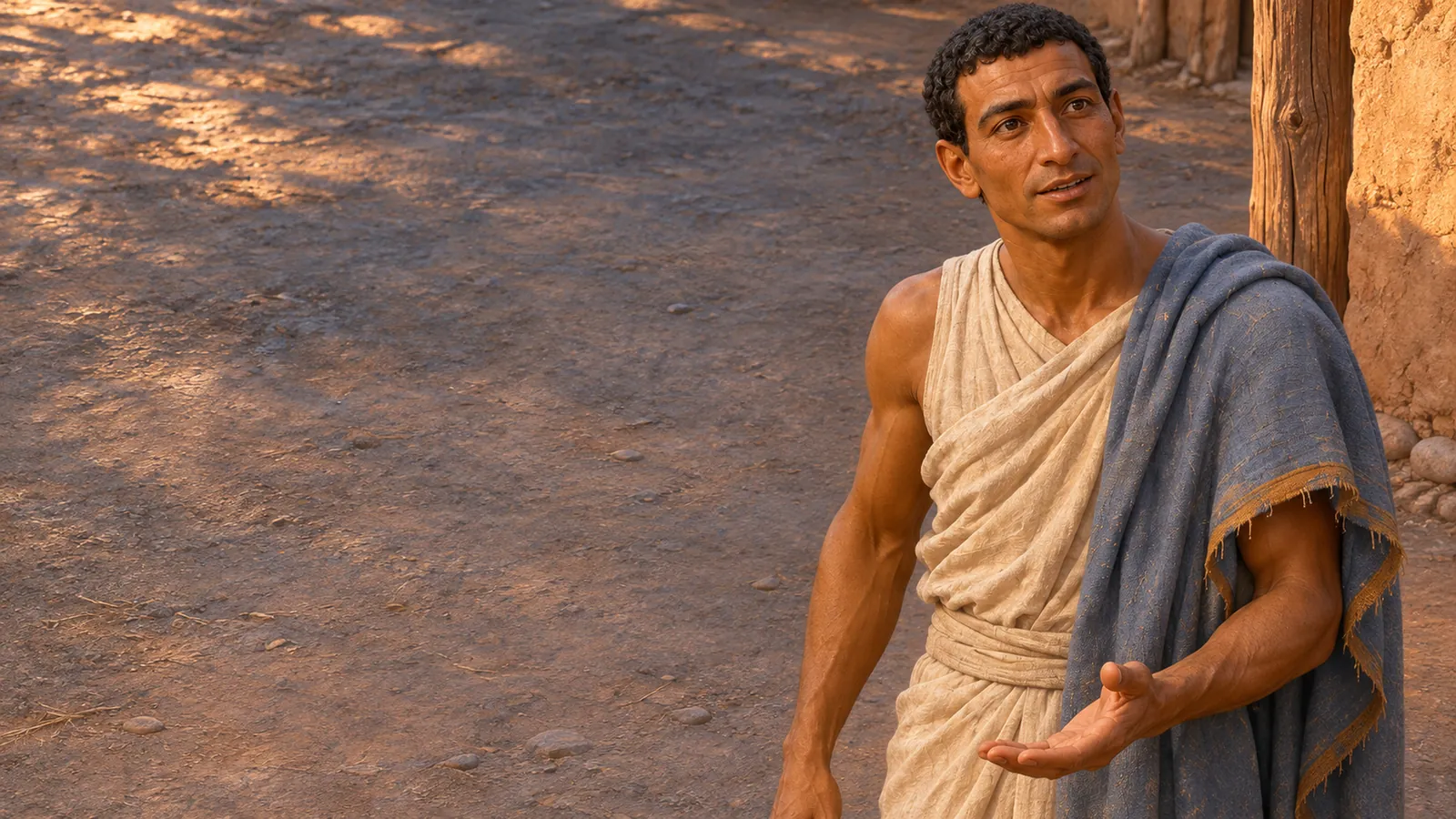
Sinuhe spricht von der Zuneigung, die das Volk für Senusret empfindet. Er schildert die Freundlichkeit des Königs, während er für eine Kontaktaufnahme wirbt.
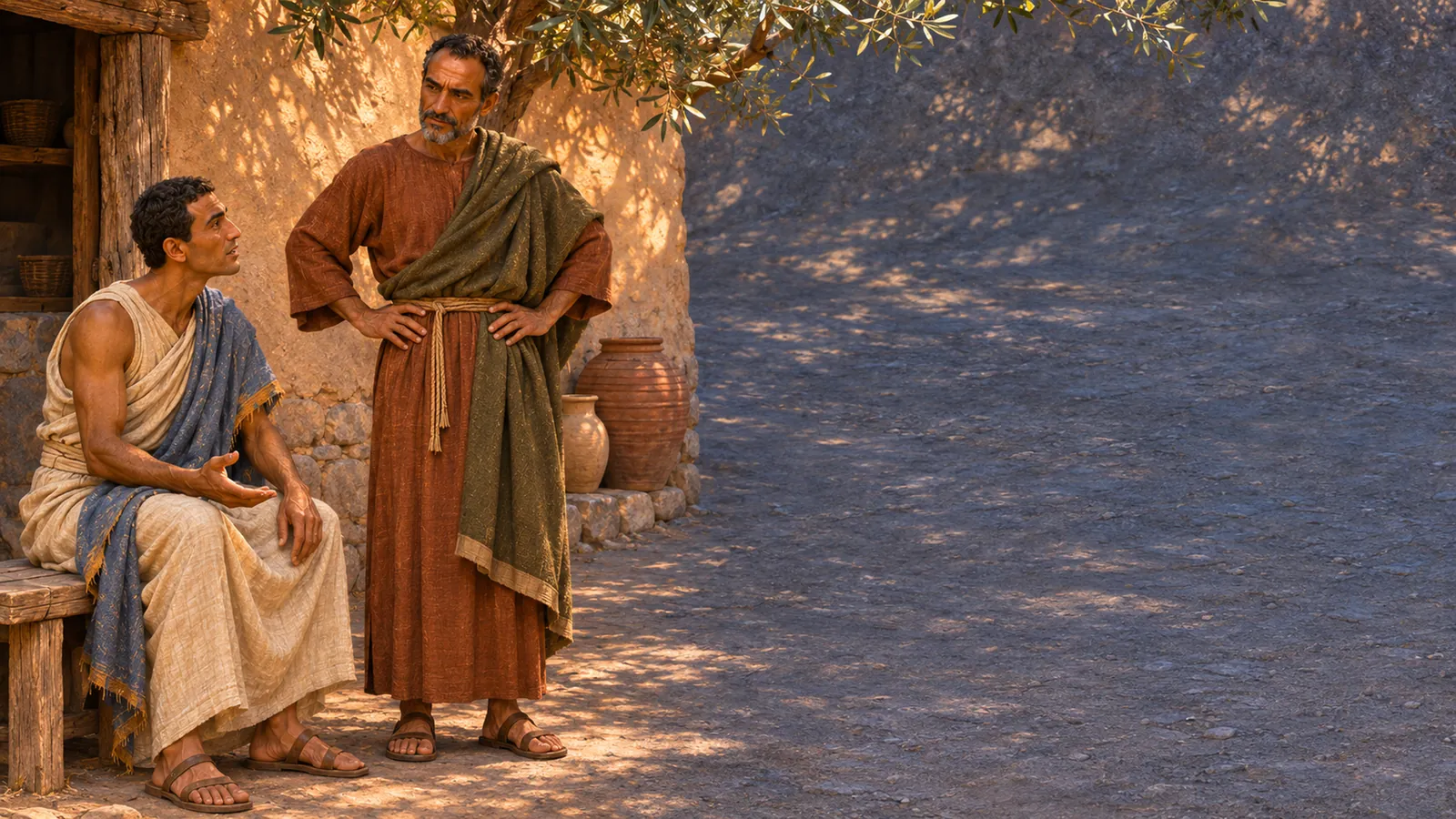
Sinuhe rät Amunenshi, sich Senusret bekannt zu machen. Er versichert seinem Gastgeber, dass der ägyptische König diesem Schritt mit Wohlwollen begegnen wird.
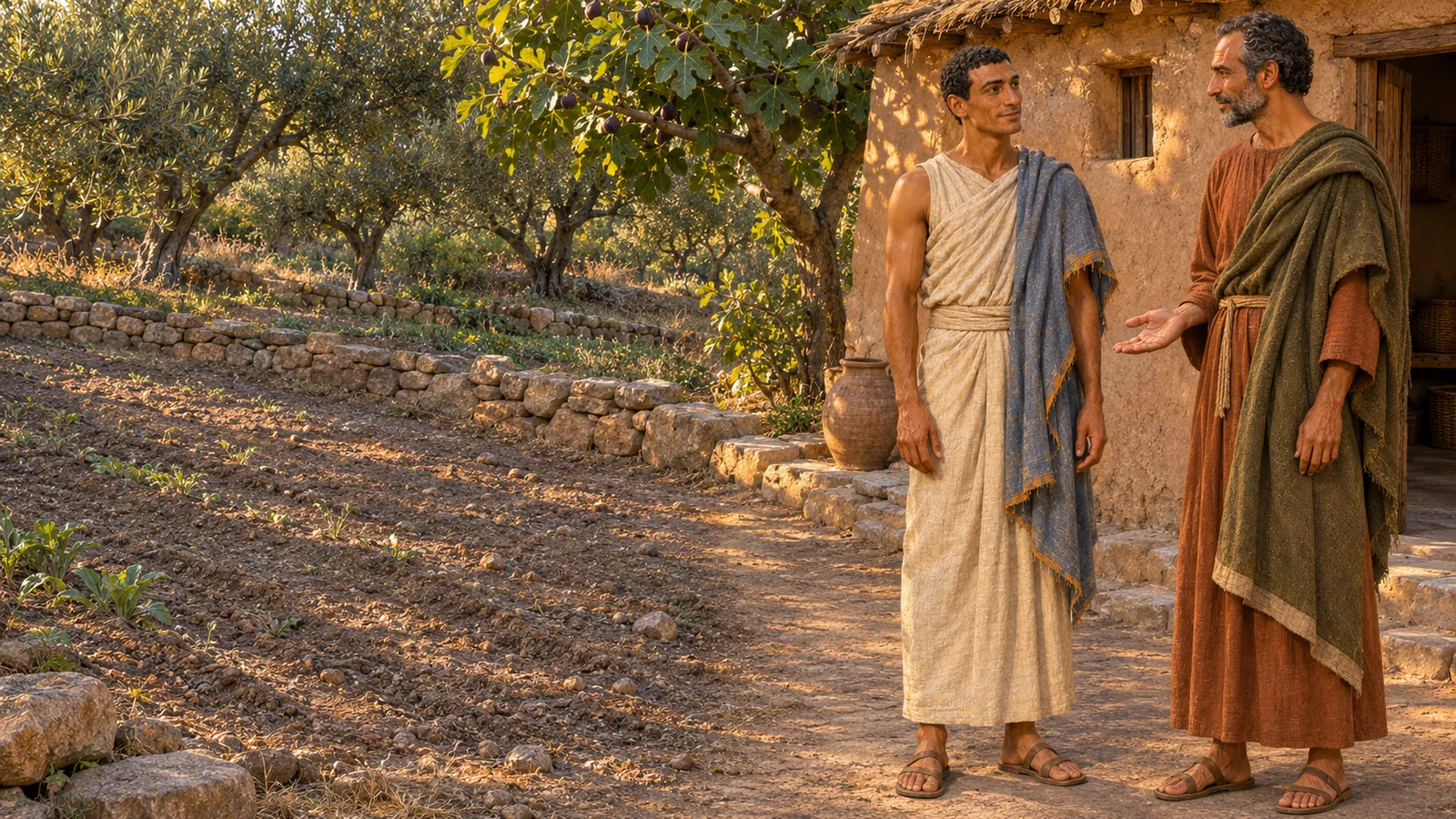
Amunenshi sagt, er werde Sinuhe bei sich behalten. Er gibt ihm seine älteste Tochter zur Frau und lässt ihn für seinen Haushalt Land auswählen.
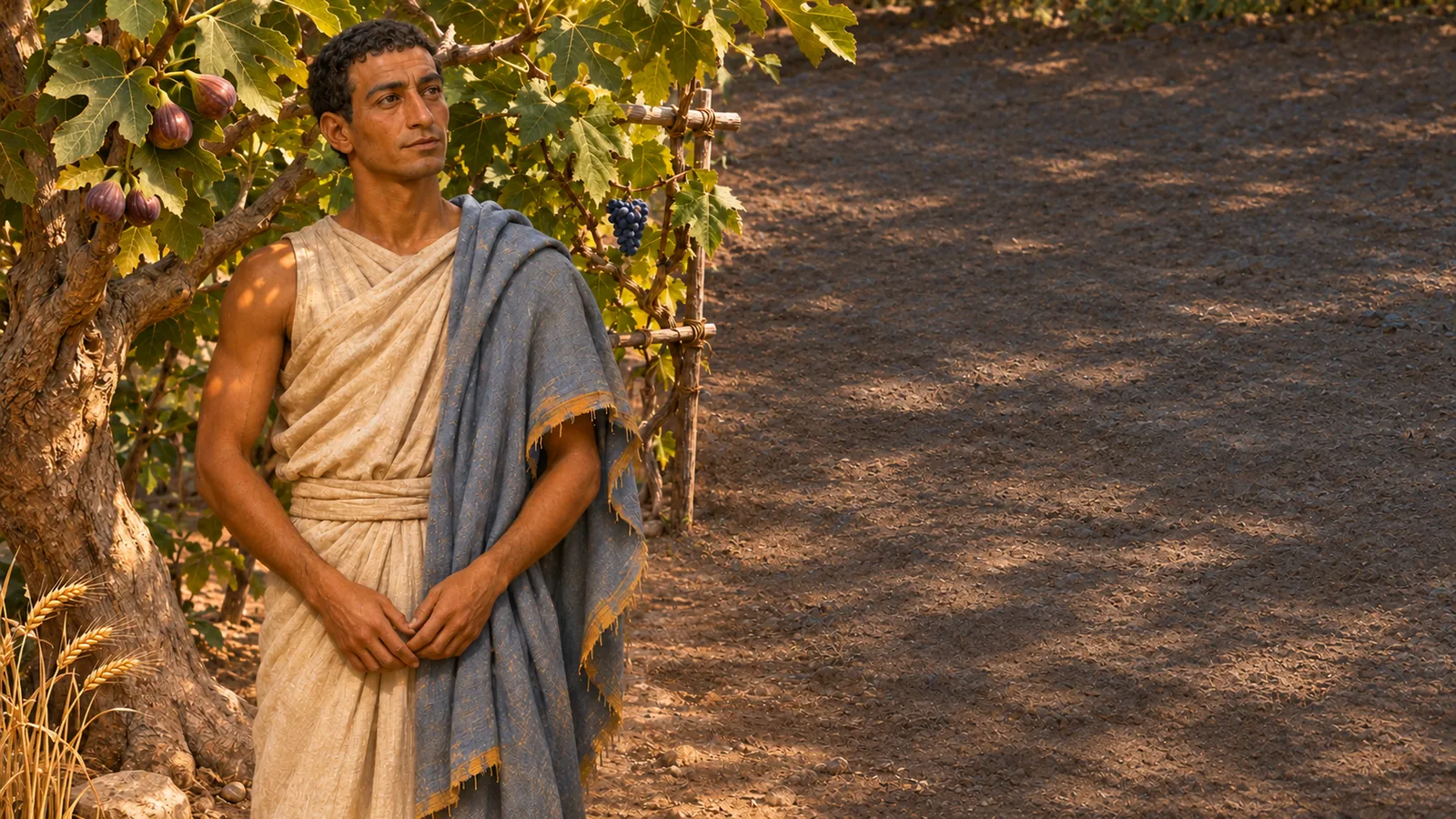
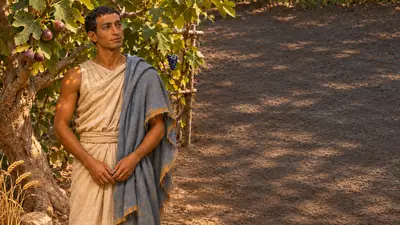
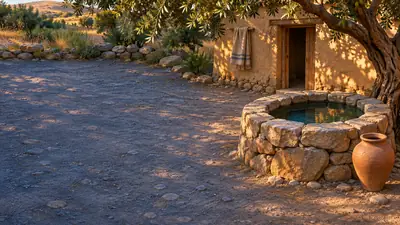
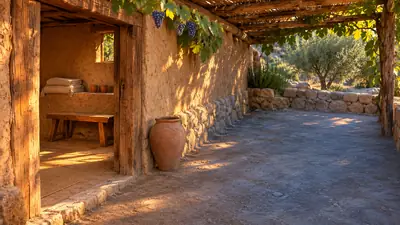
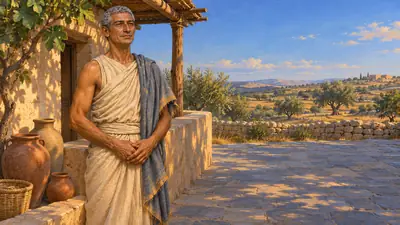
Sinuhe nennt den Ort Iaa. Bei der Beschreibung des Landes, in dem er sich mit seiner Familie niederlässt, spricht er von Feigen, Reben, Getreide und Herden.
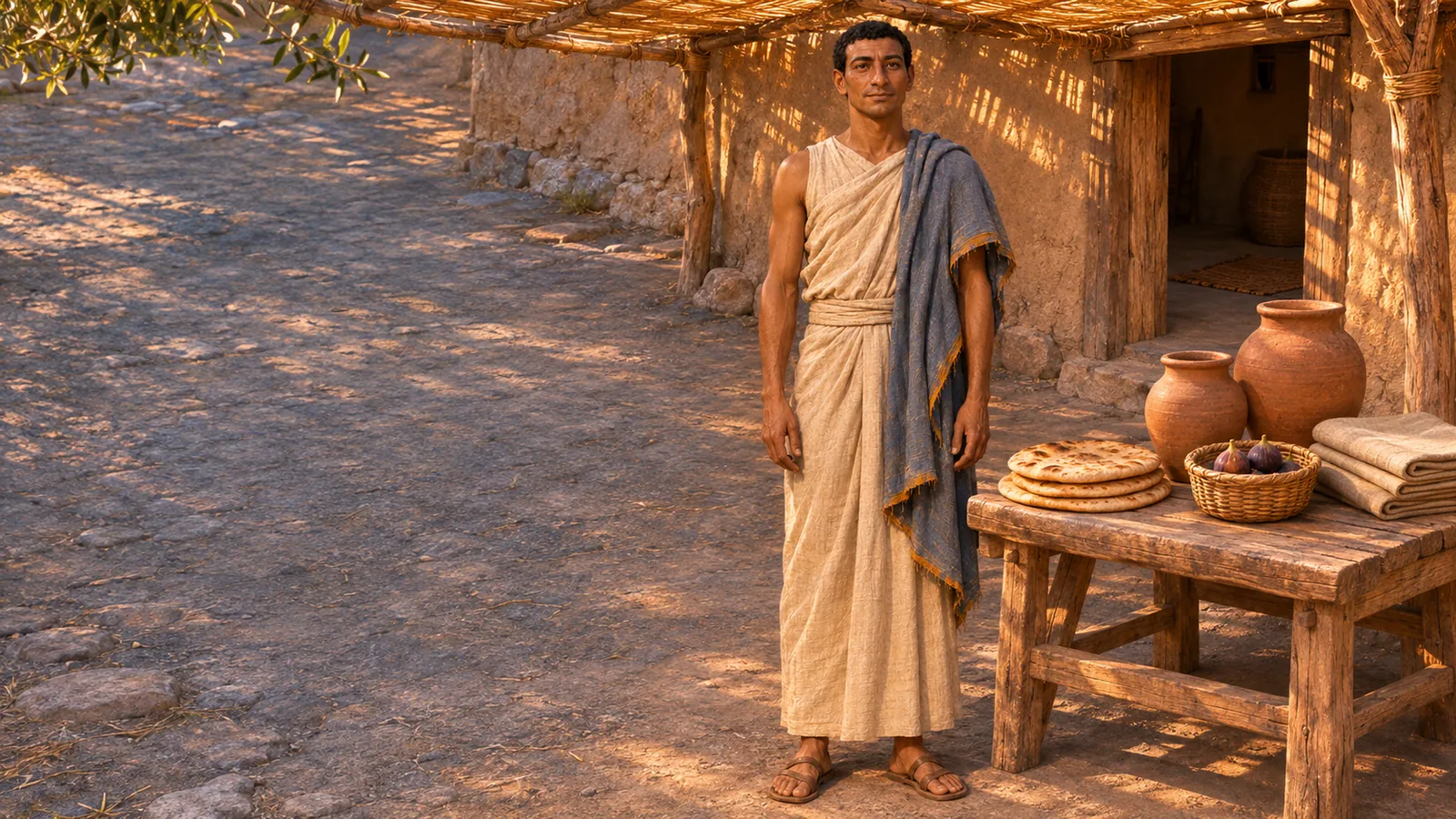
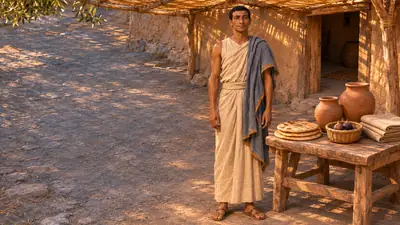
Amunenshi überträgt Sinuhe die Leitung einer Gemeinschaft. Sinuhe beschreibt einen Haushalt mit reichlich Nahrung und Vorräten, die an seinen Tisch gebracht werden.
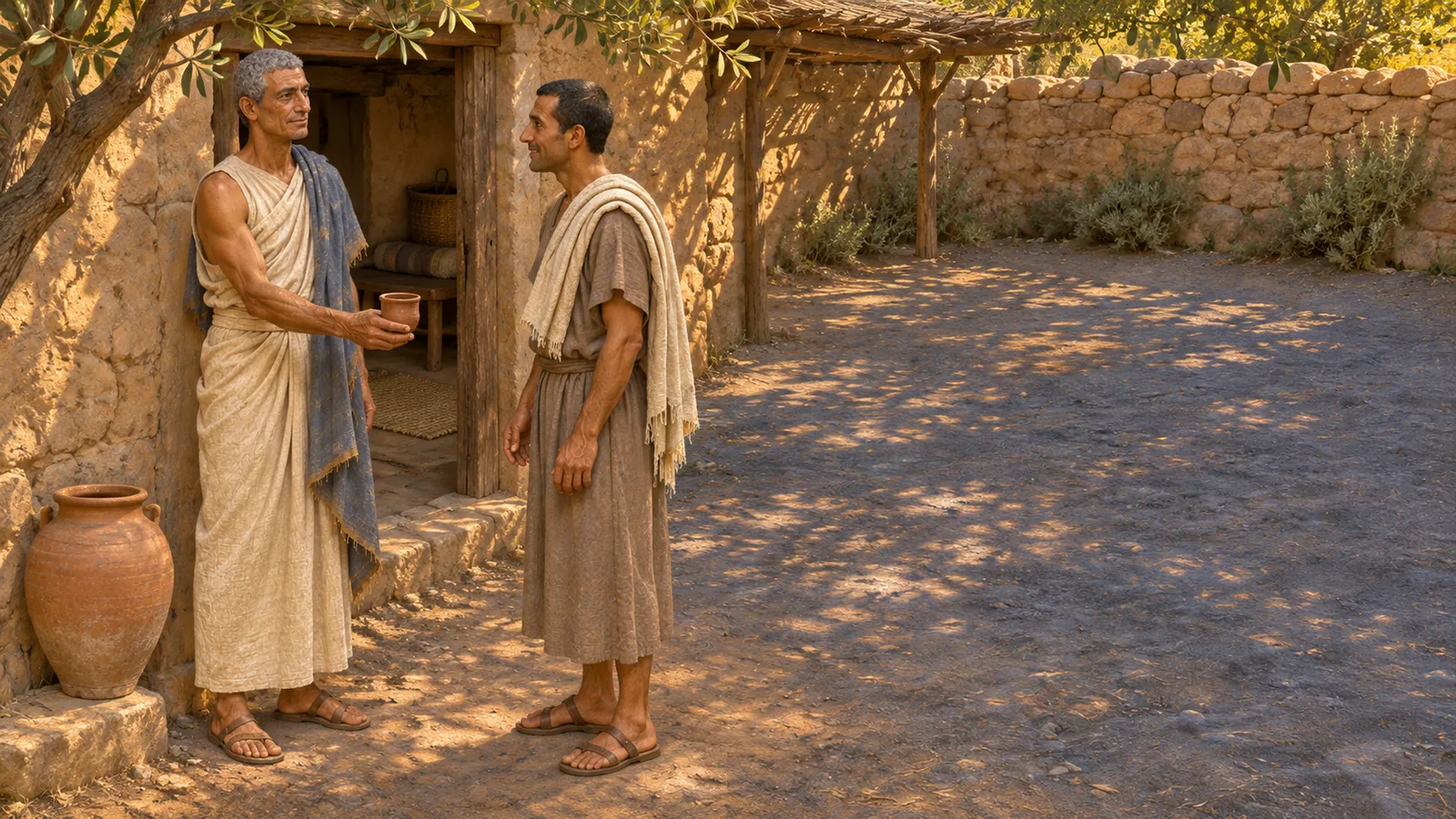
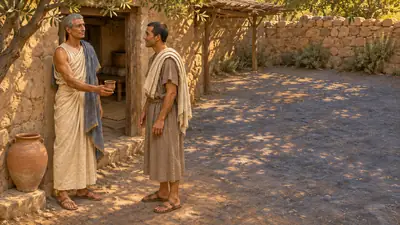
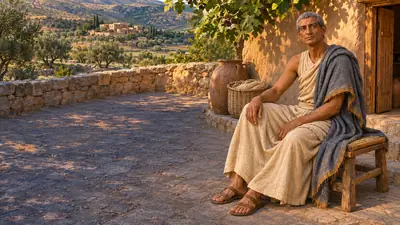
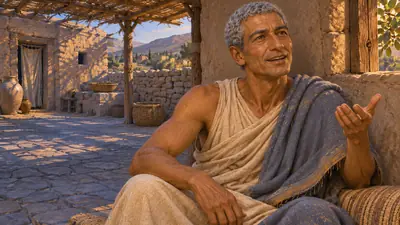
Die Jahre vergehen und Sinuhes Kinder wachsen heran. Er sagt, dass er Reisenden Wasser gab, ihnen den Weg wies und durchziehende Gesandte empfing.
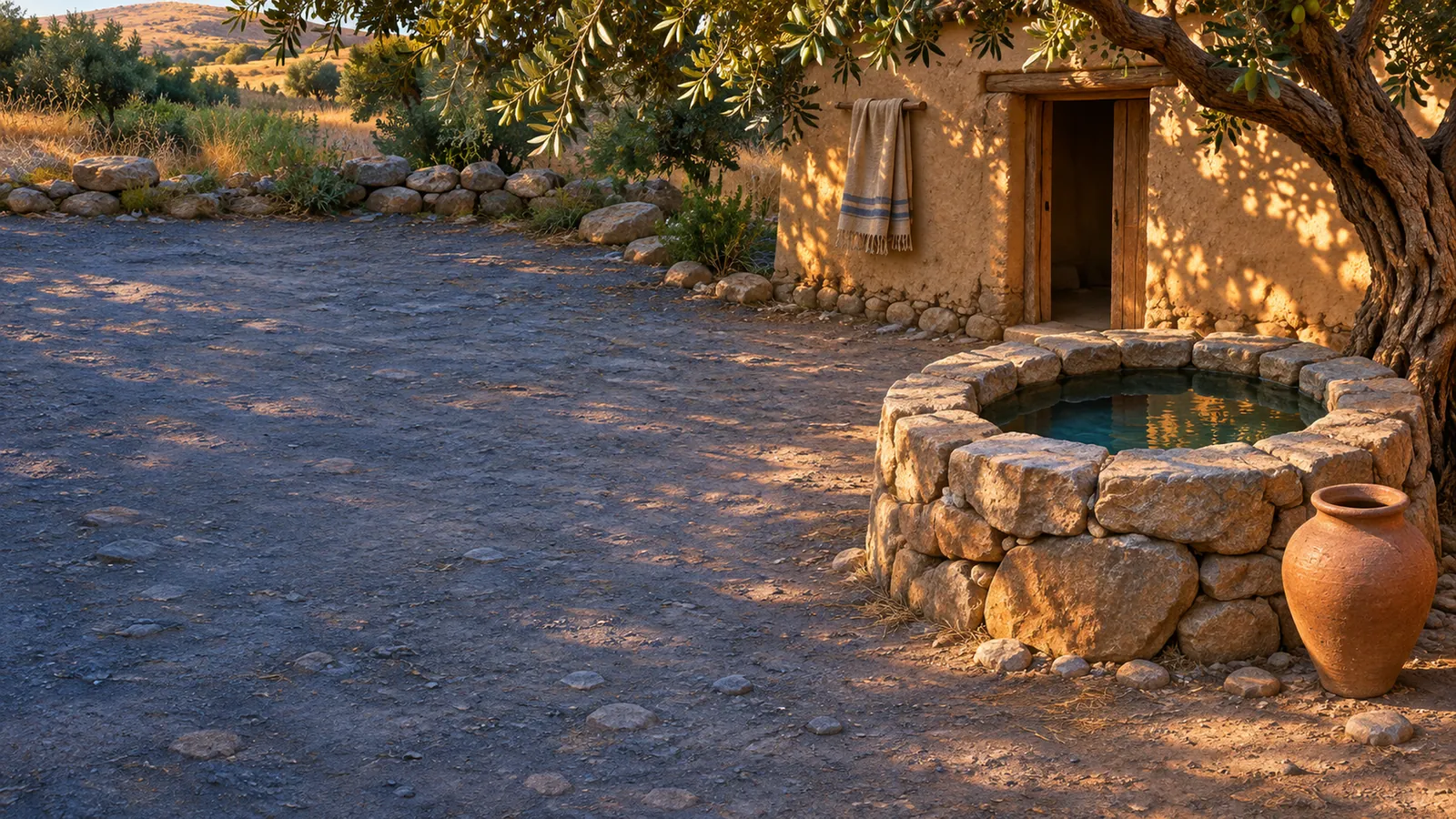
Amunenshi überträgt Sinuhe den Befehl über seine Truppen. Sinuhe berichtet, er habe Überfälle geführt, Menschen von ihren Brunnen vertrieben, Menschen getötet und Gefangene und Vieh mitgenommen.
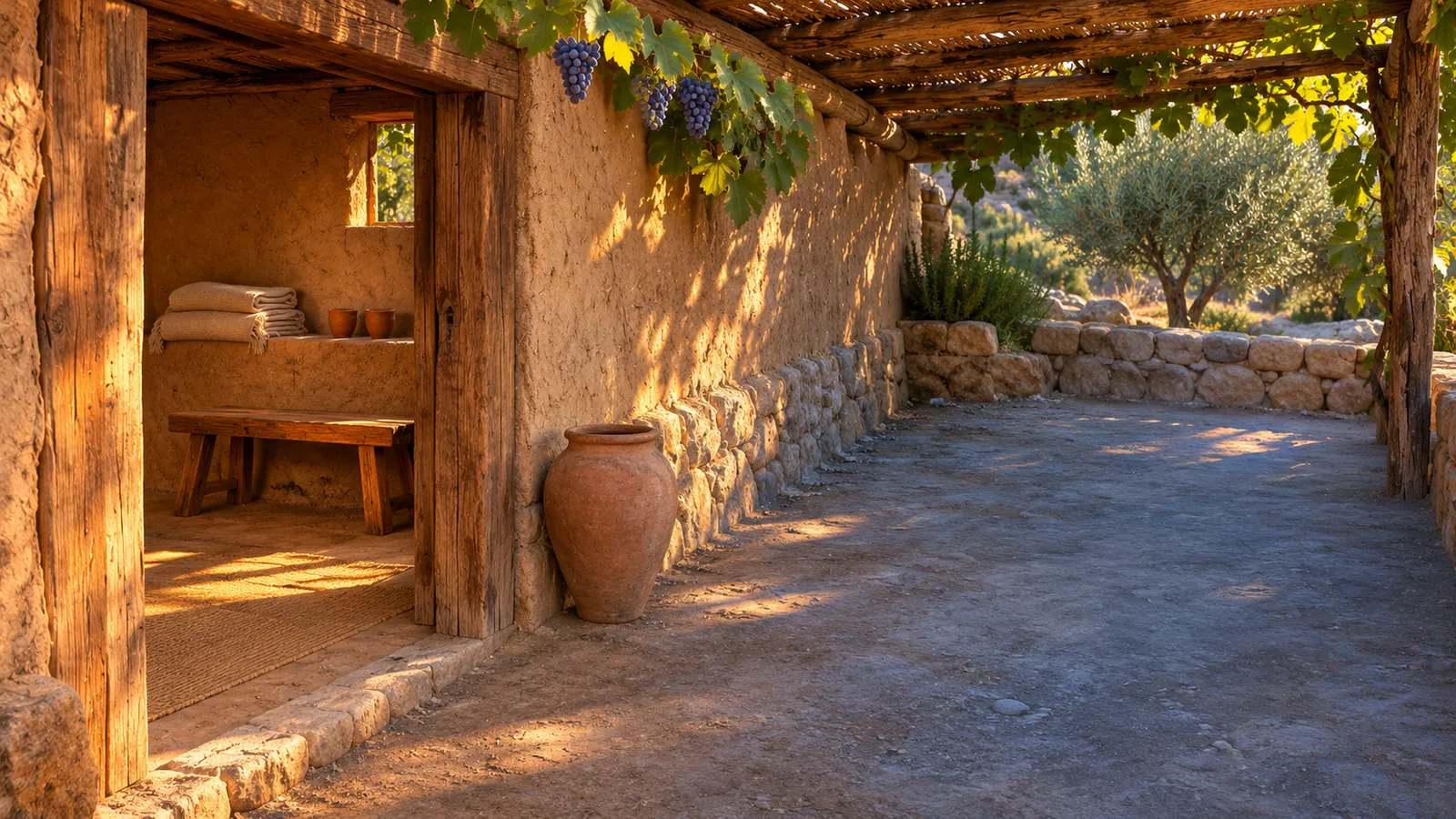
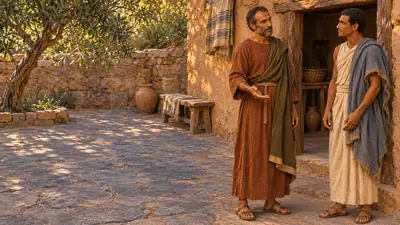
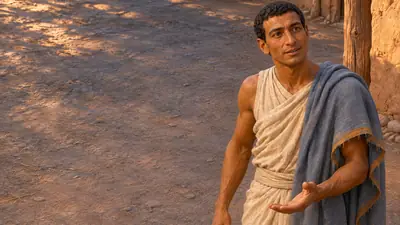
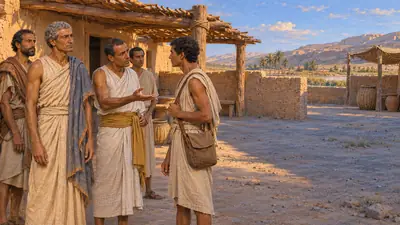
Amunenshi berät sich mit Sinuhe. Sinuhe sagt, er habe den Mann getötet, der ihn herausforderte, und dessen Besitz genommen. Danach kommt Amunenshi, um ihn herzlich zu empfangen.
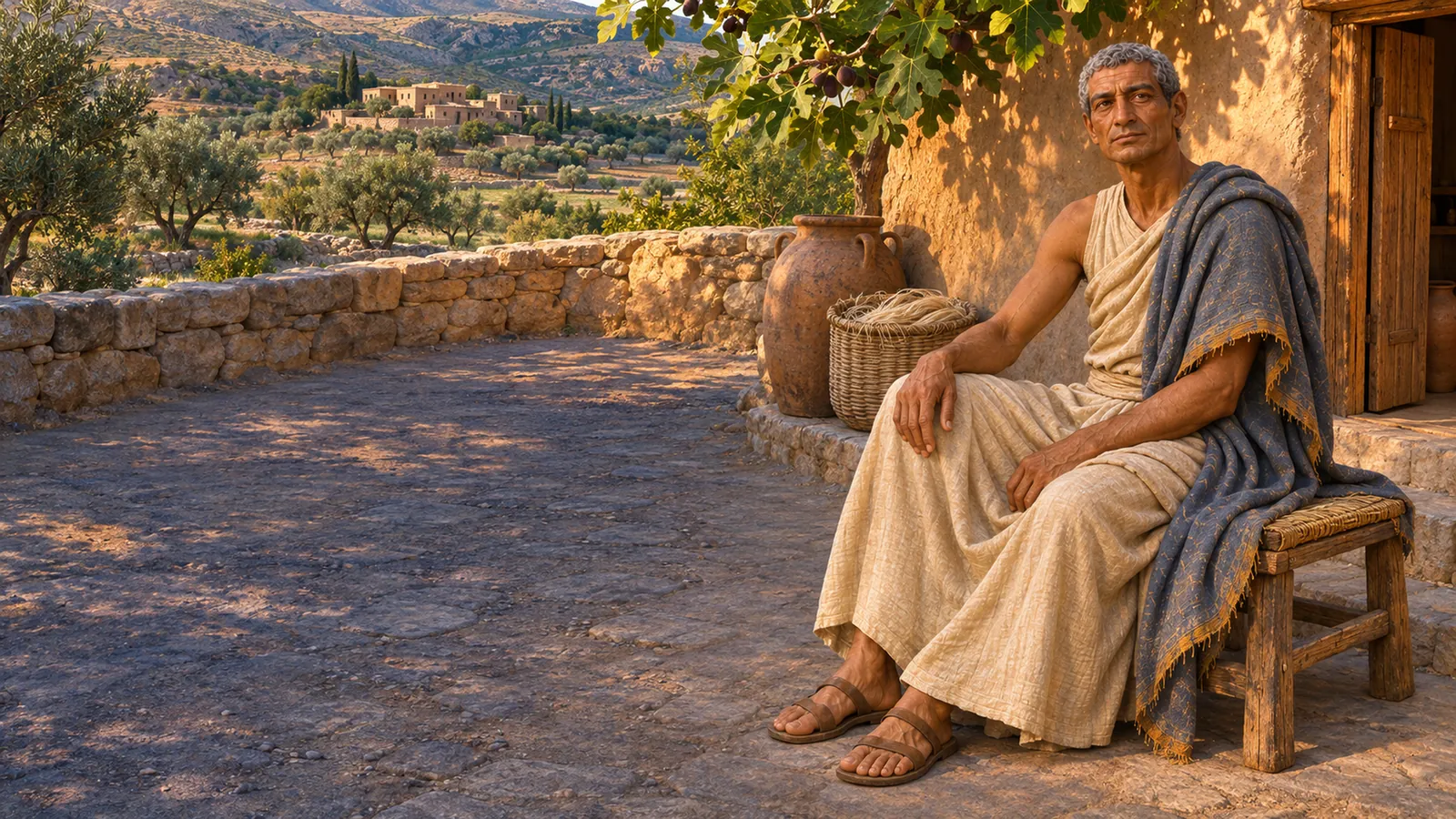
Sinuhe sieht in seinem veränderten Schicksal ein Zeichen dafür, dass sich eine göttliche Macht mit ihm versöhnt hat. Auch in seinem neuen Zuhause denkt er an die Residenz.
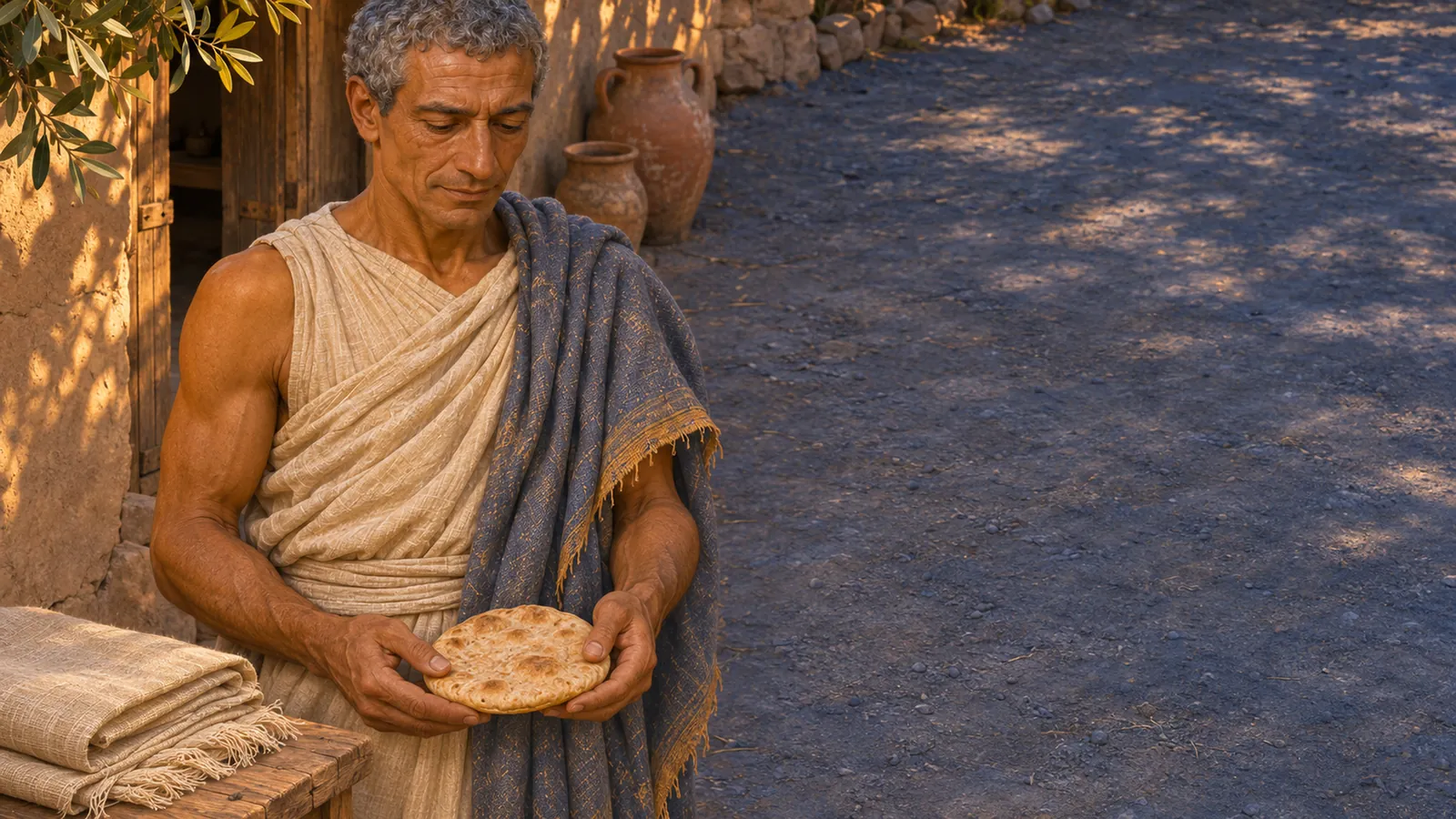
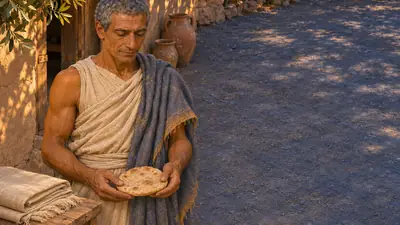
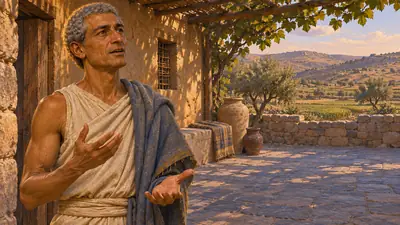
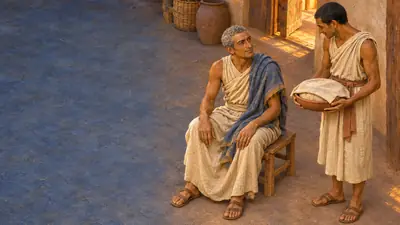
Sinuhe verweist auf das Brot, das er teilen kann, und auf den feinen Stoff, den er tragen kann. Er spricht von der Stellung, die er in der Fremde erworben hat.
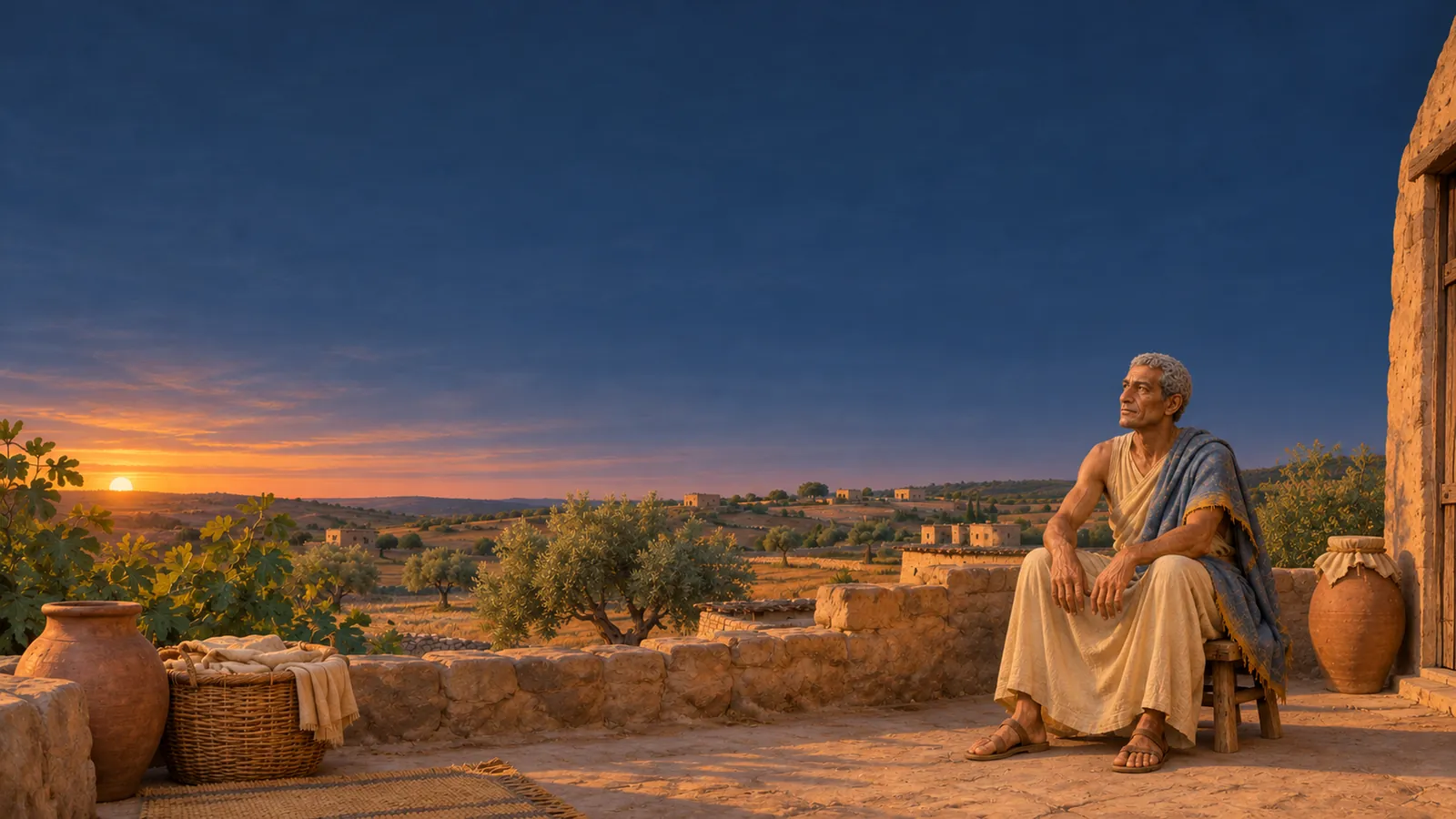
DAS LAND, NACH DEM ER SICH SEHNT
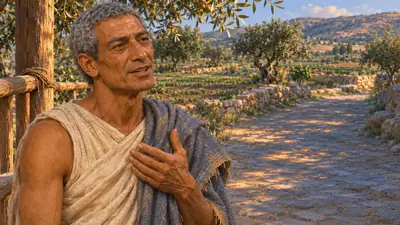
Sinuhe bittet darum, den Ort wiederzusehen, nach dem er sich sehnt. Wenn sein Leben endet, möchte er in dem Land begraben werden, in dem er geboren wurde.
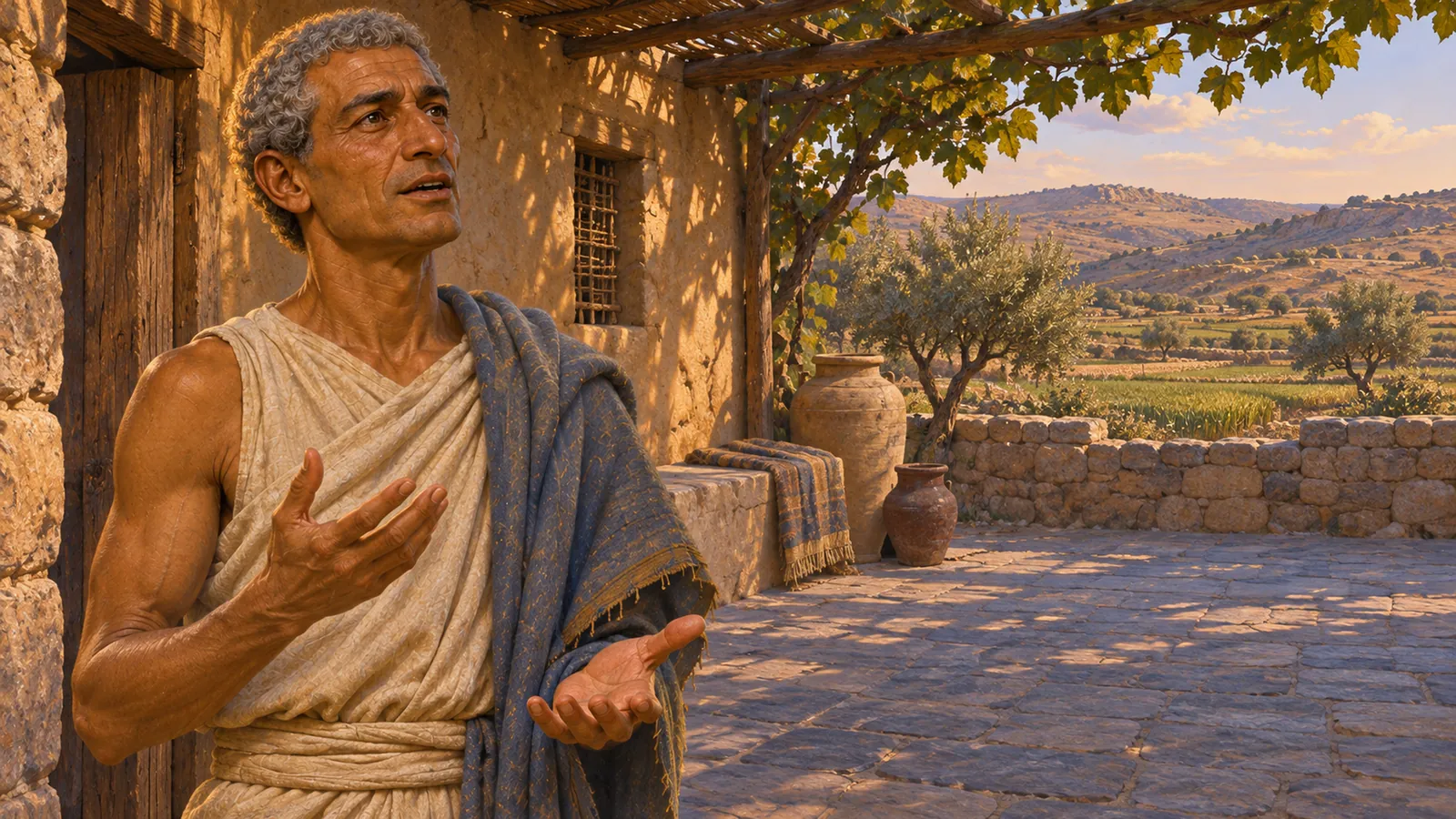
Sinuhe bittet darum, dass das Gebet eines Verbannten erhört wird. Er sehnt sich danach, an den Ort zurückgebracht zu werden, den er verlassen hat.
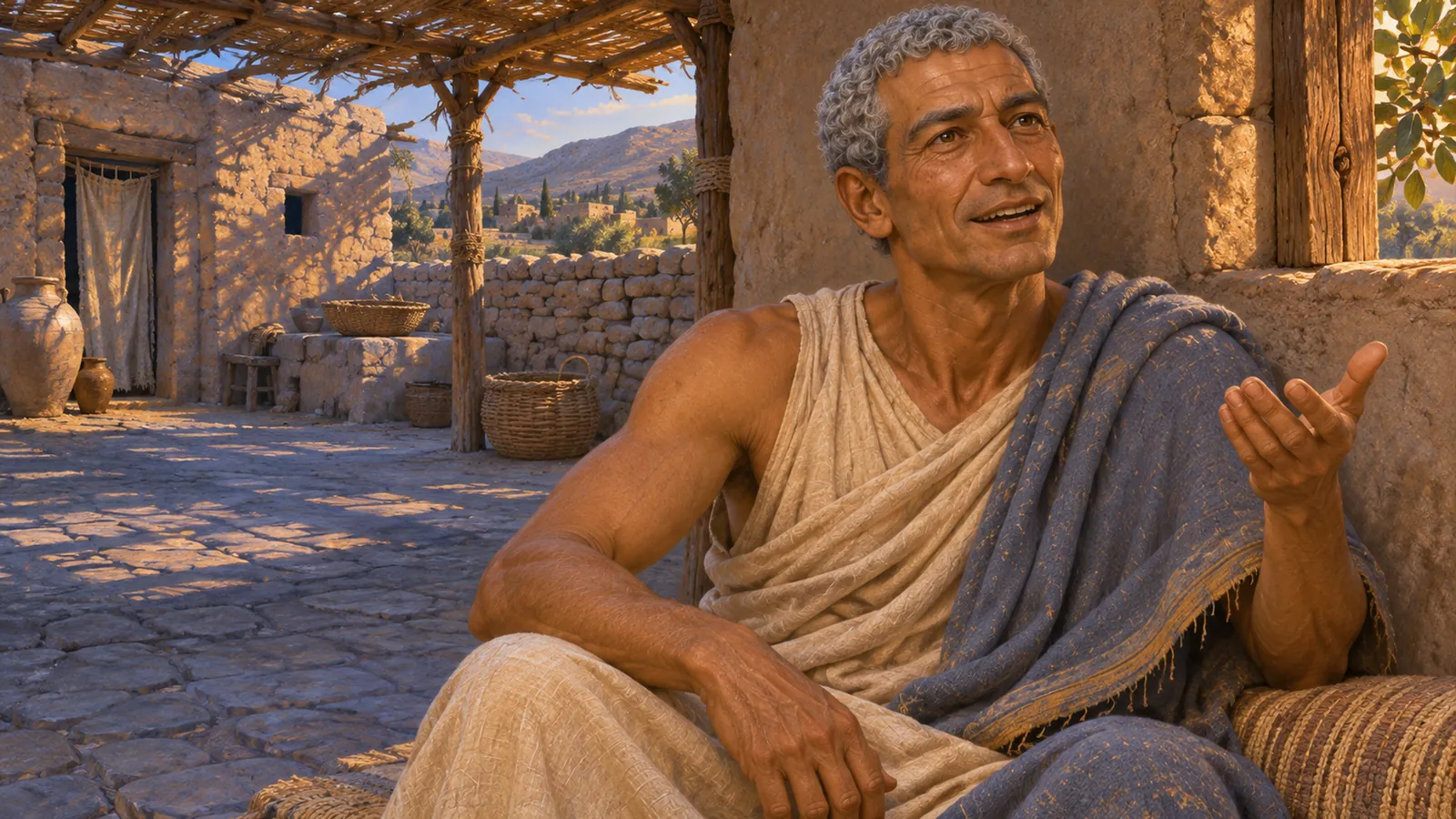
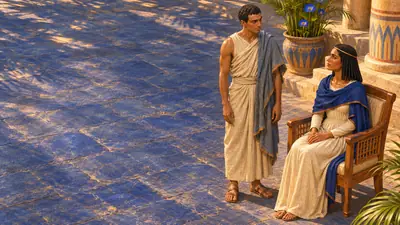
Sinuhe hofft, wieder in der Gunst des Königs zu leben. Er möchte die Herrin des Palastes begrüßen und von ihren Kindern hören.
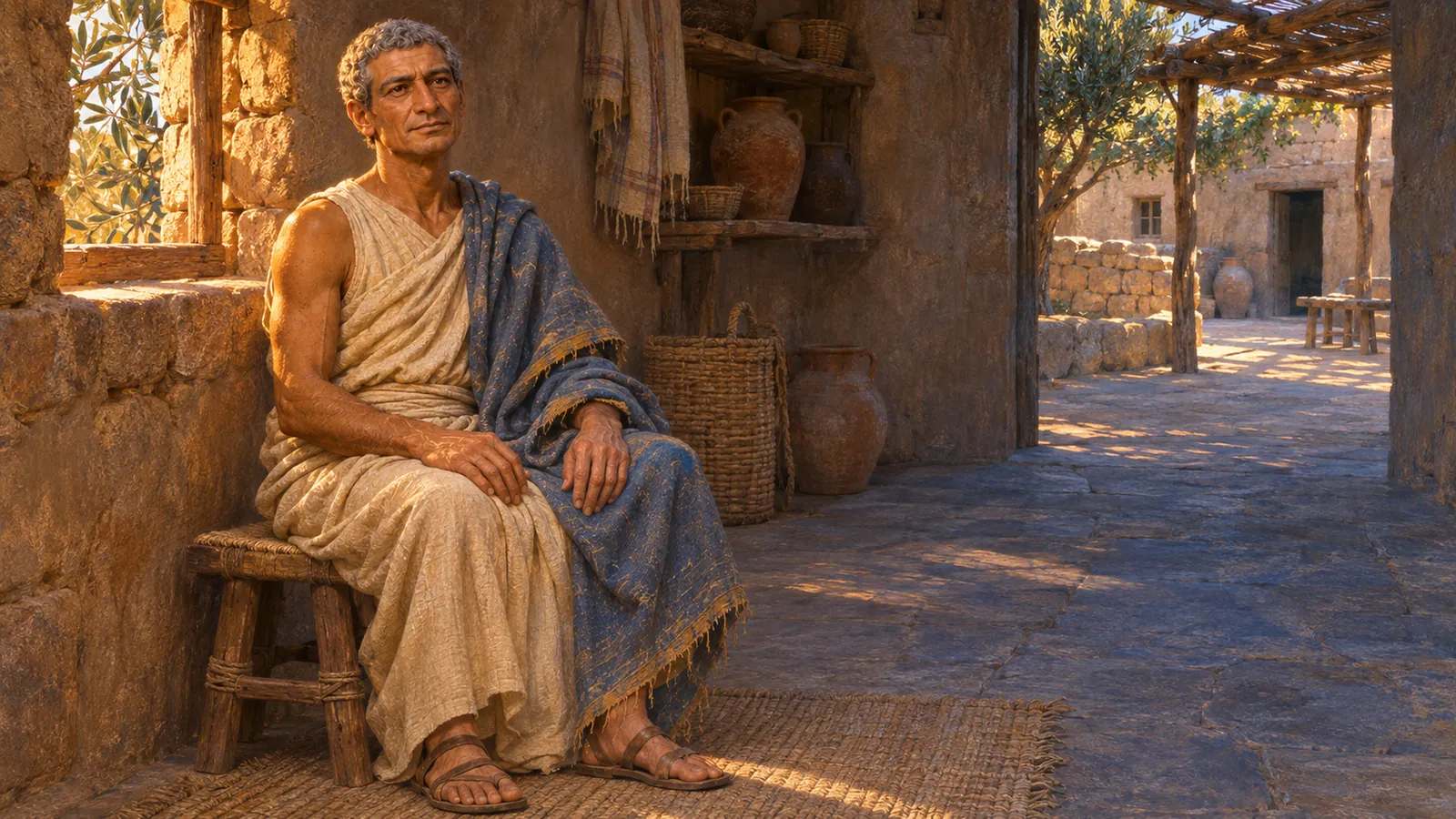
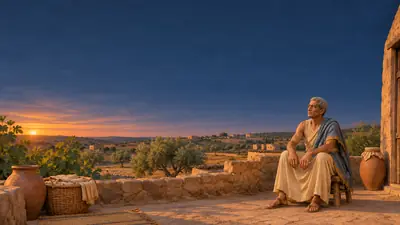
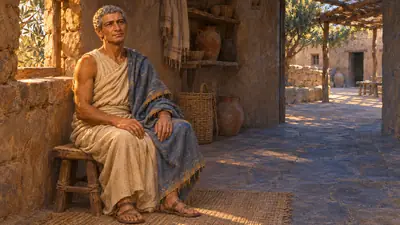
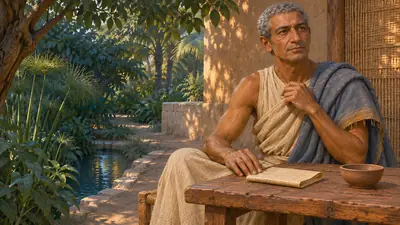
Sinuhe spürt sein Alter und sehnt sich nach Ruhe. Er bittet darum, die Zeit, die ihm bleibt, an dem Ort zu verbringen, den er seine Heimat nennt.
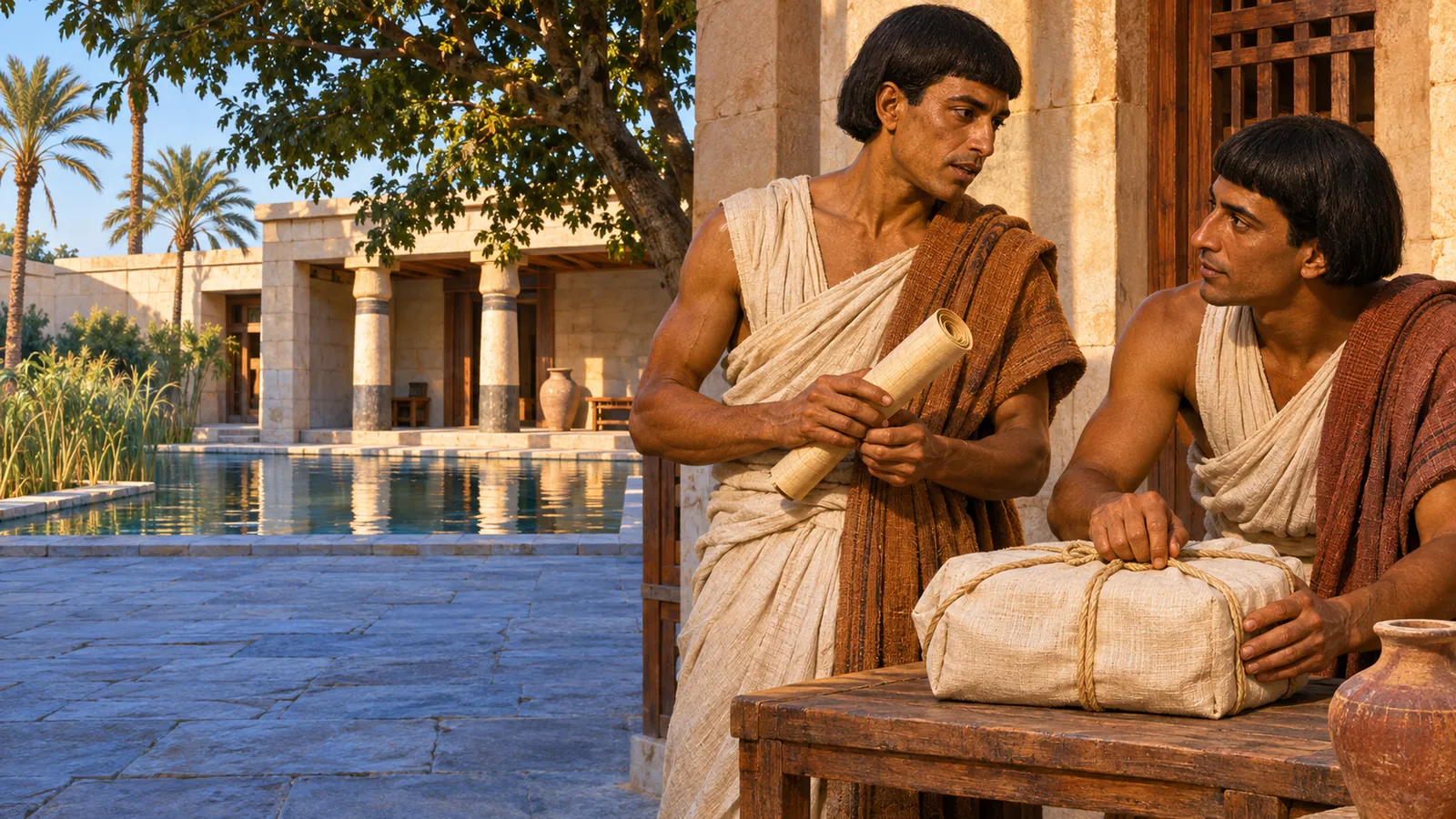
DIE BOTSCHAFT DES KÖNIGS
Nachrichten über Sinuhe erreichen Kheperkare, den wir als König Senusret kennen. Der König sendet Geschenke, und das Königshaus schickt eigene Botschaften.
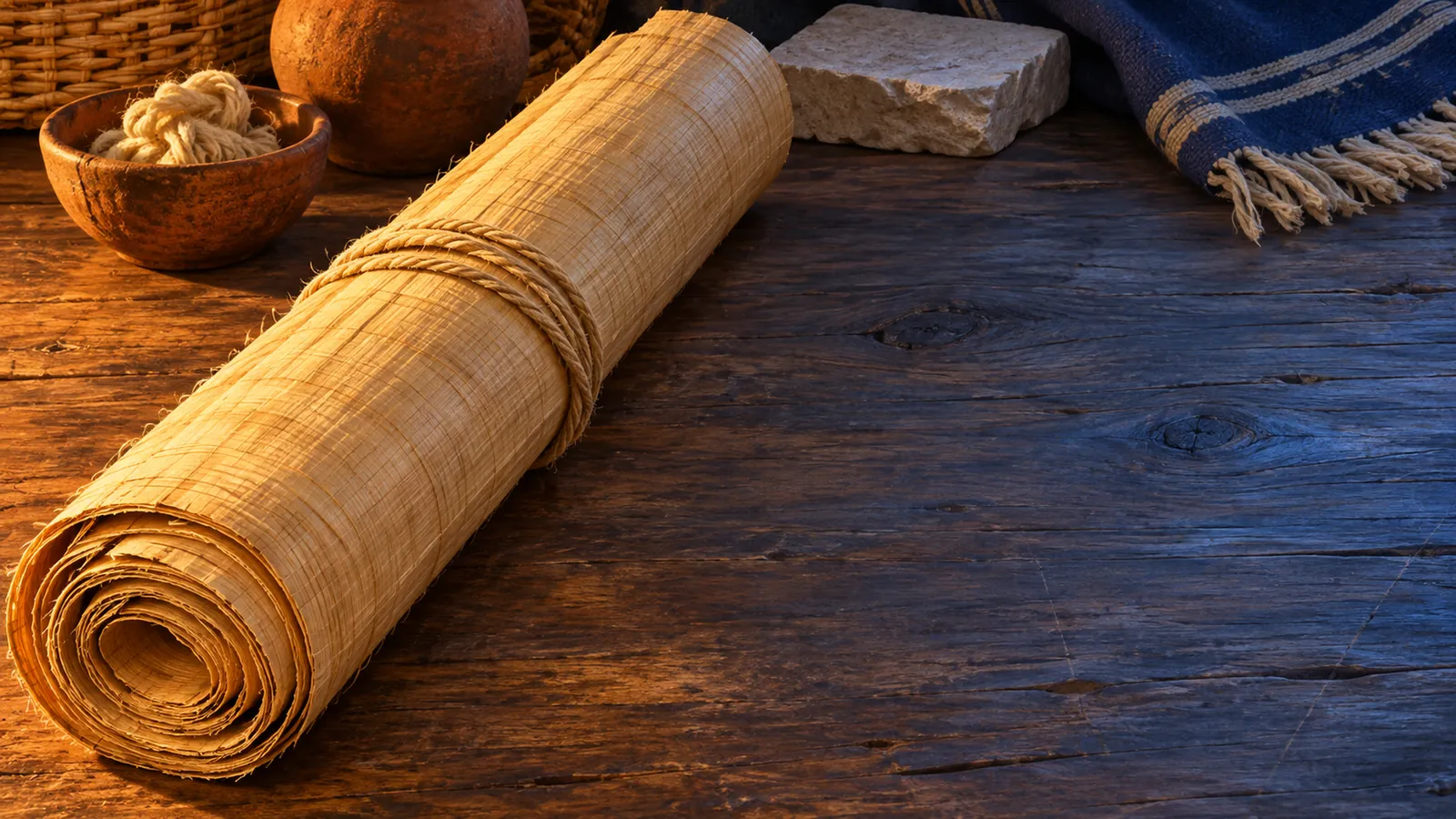
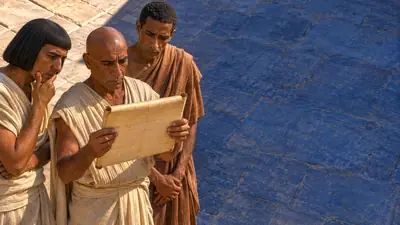
Die Erzählung gibt eine Abschrift des Erlasses wieder, der Sinuhe nach Ägypten zurückholen soll. Der Erlass spricht mit der Stimme des Königs und nennt Sinuhe beim Namen.
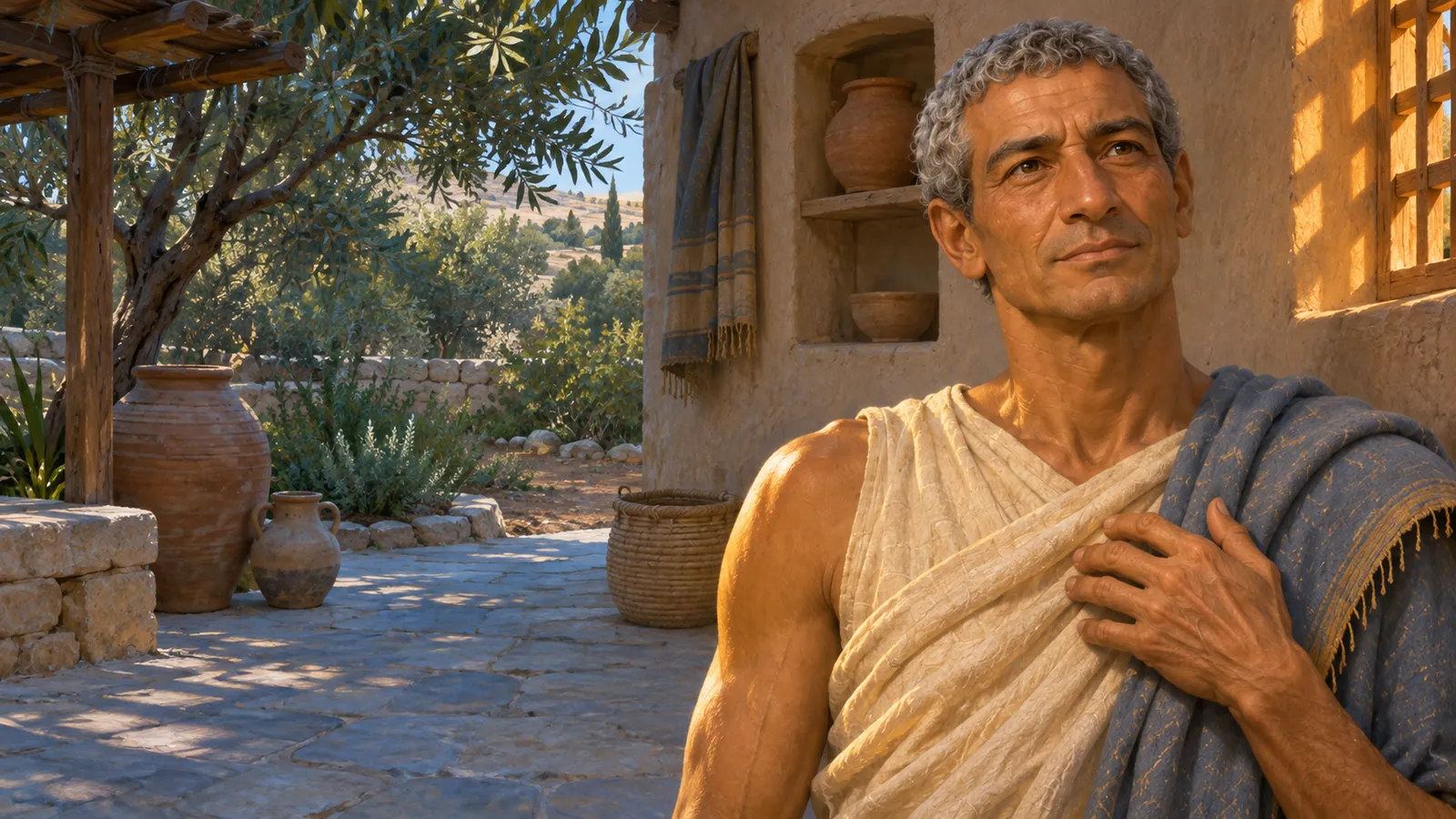
Die Botschaft des Königs erinnert an Sinuhes Reisen von Land zu Land. Sie fragt, was er getan habe, um Tadel zu verdienen, und sagt, der König habe nichts gegen ihn.
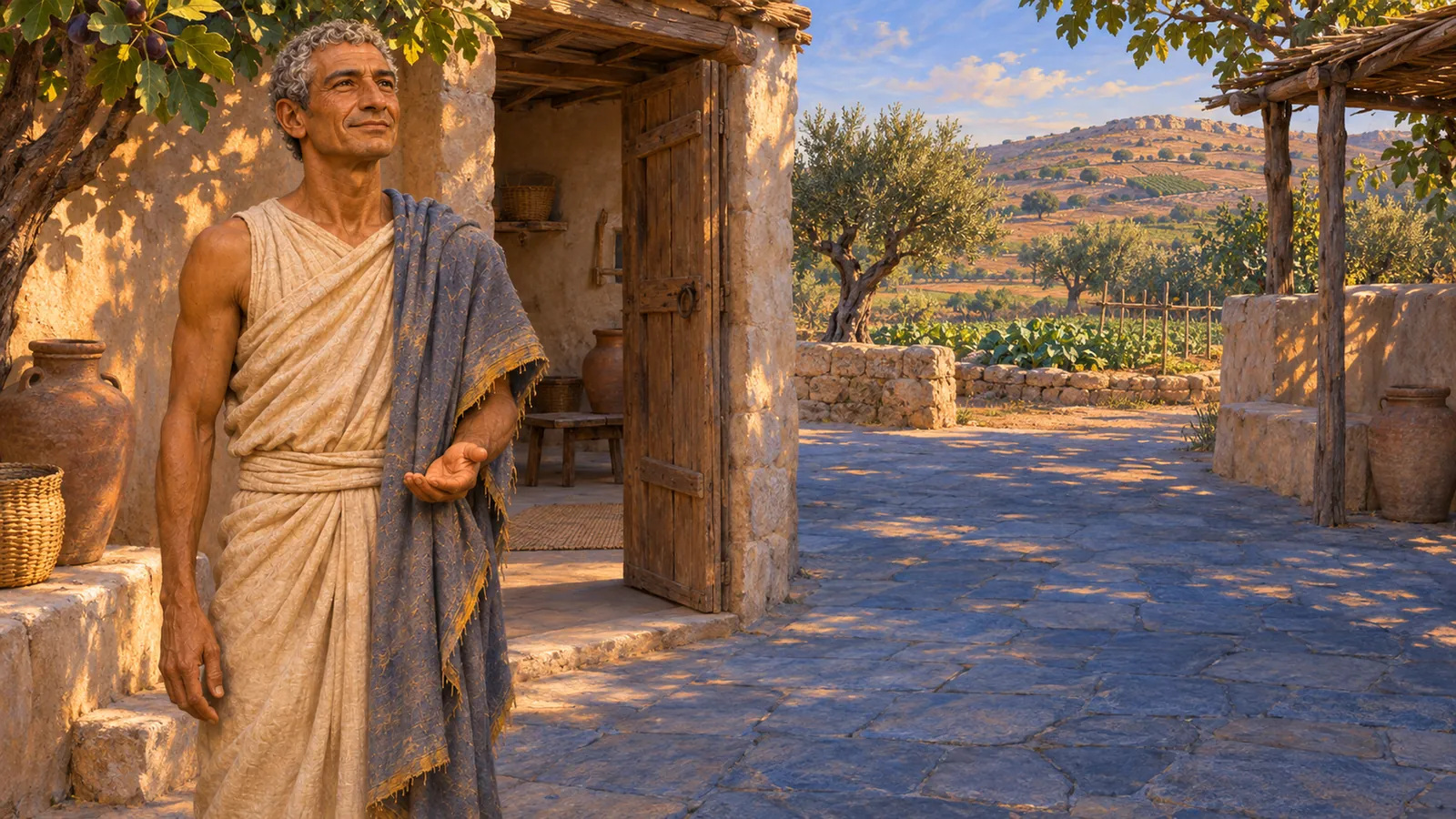
Der König sagt, der Herrin des Palastes und ihren Kindern gehe es gut. Er lädt Sinuhe ein, nach Ägypten zurückzukehren und die Residenz durch ihr großes Tor zu betreten.
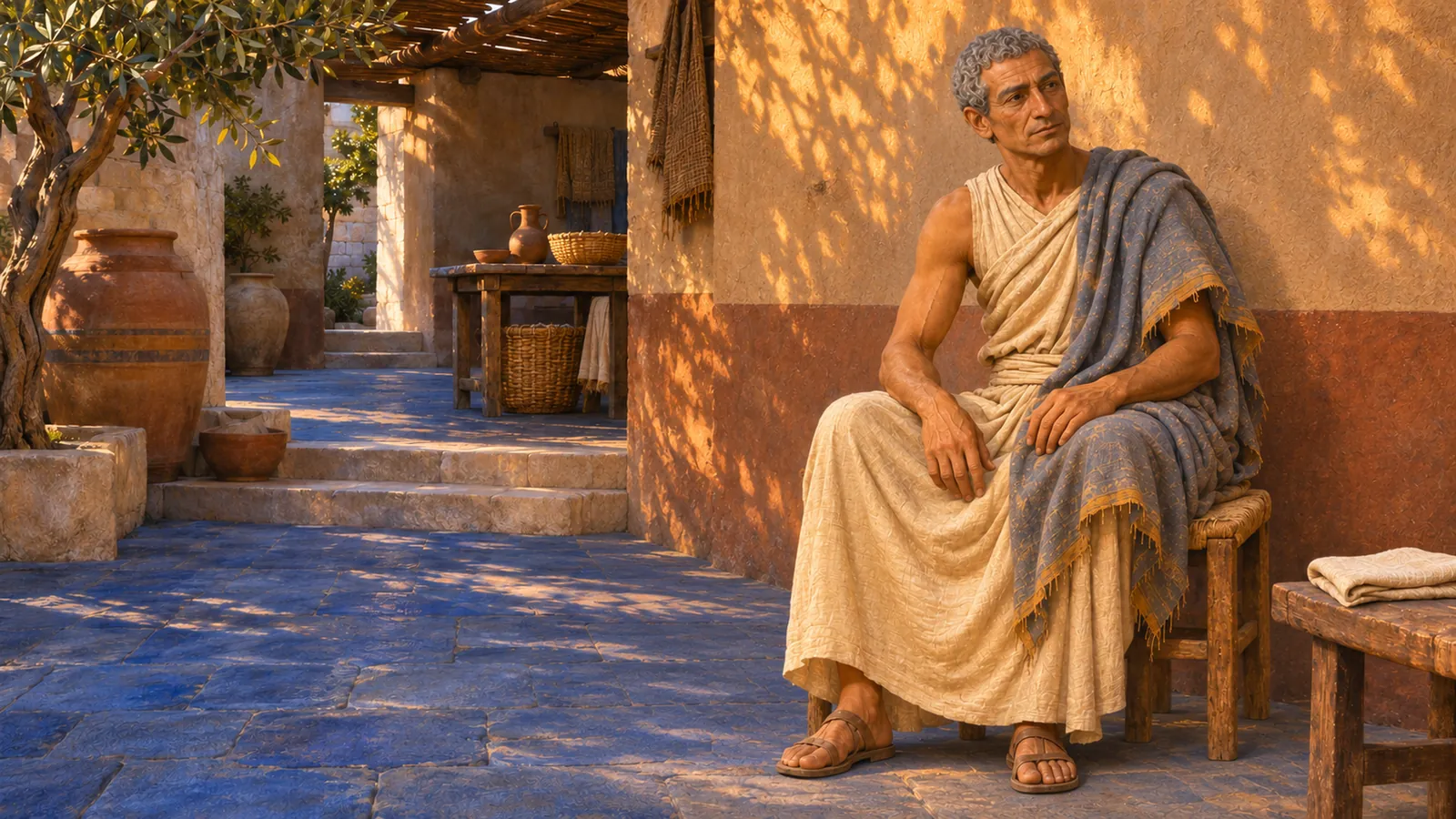
Der Erlass spricht von den kommenden Jahren und verspricht Sinuhe ein ehrenvolles Begräbnis in Ägypten. Das sind die Vorkehrungen, die der König in seinem Brief anbietet.
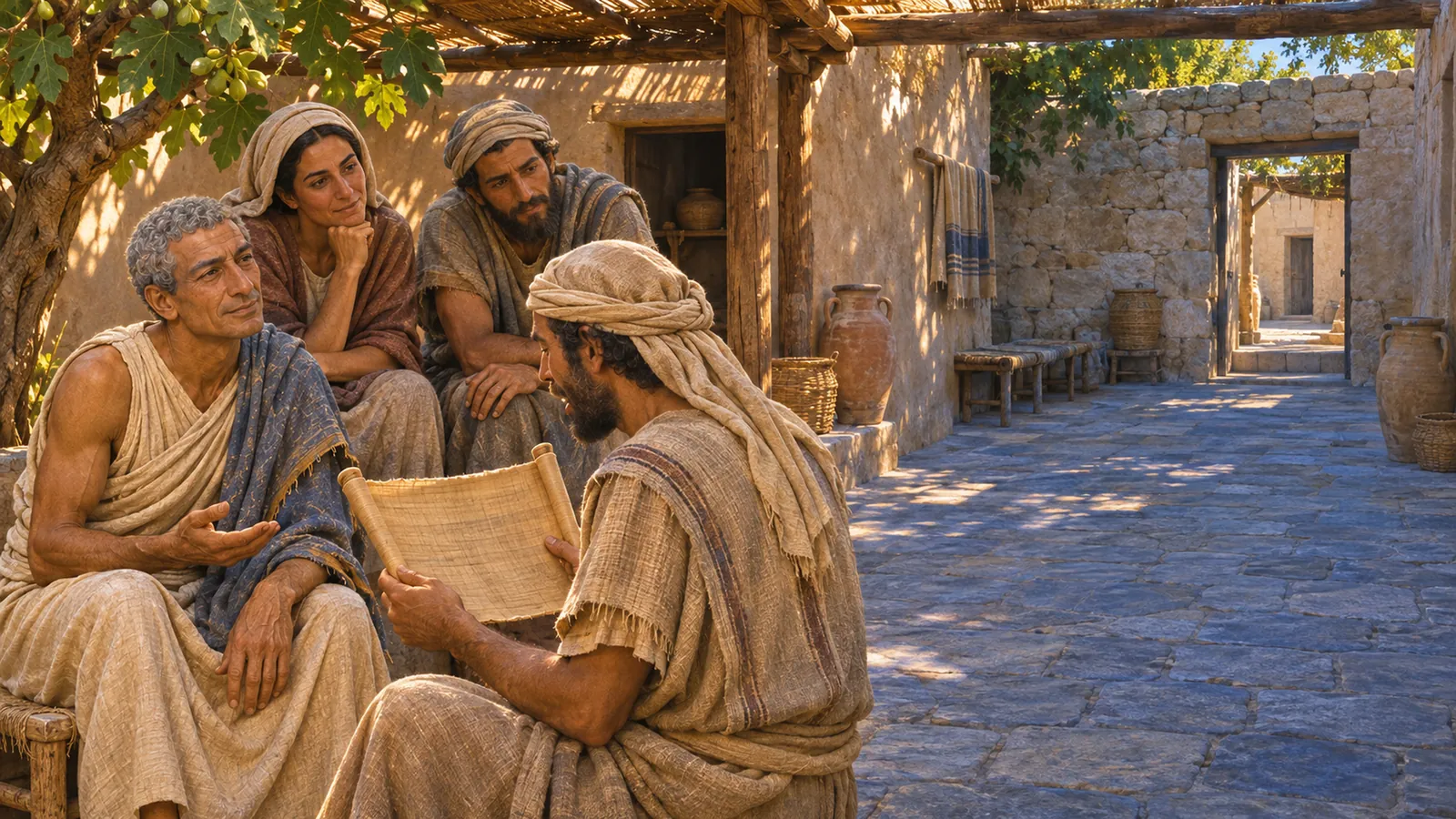
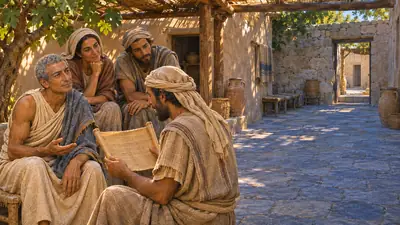
Der Erlass erreicht Sinuhe, als er bei seinen Leuten ist. Er hört zu, wie er verlesen wird, und spricht von der Güte, die ihm die Rückkehr ermöglichen wird.
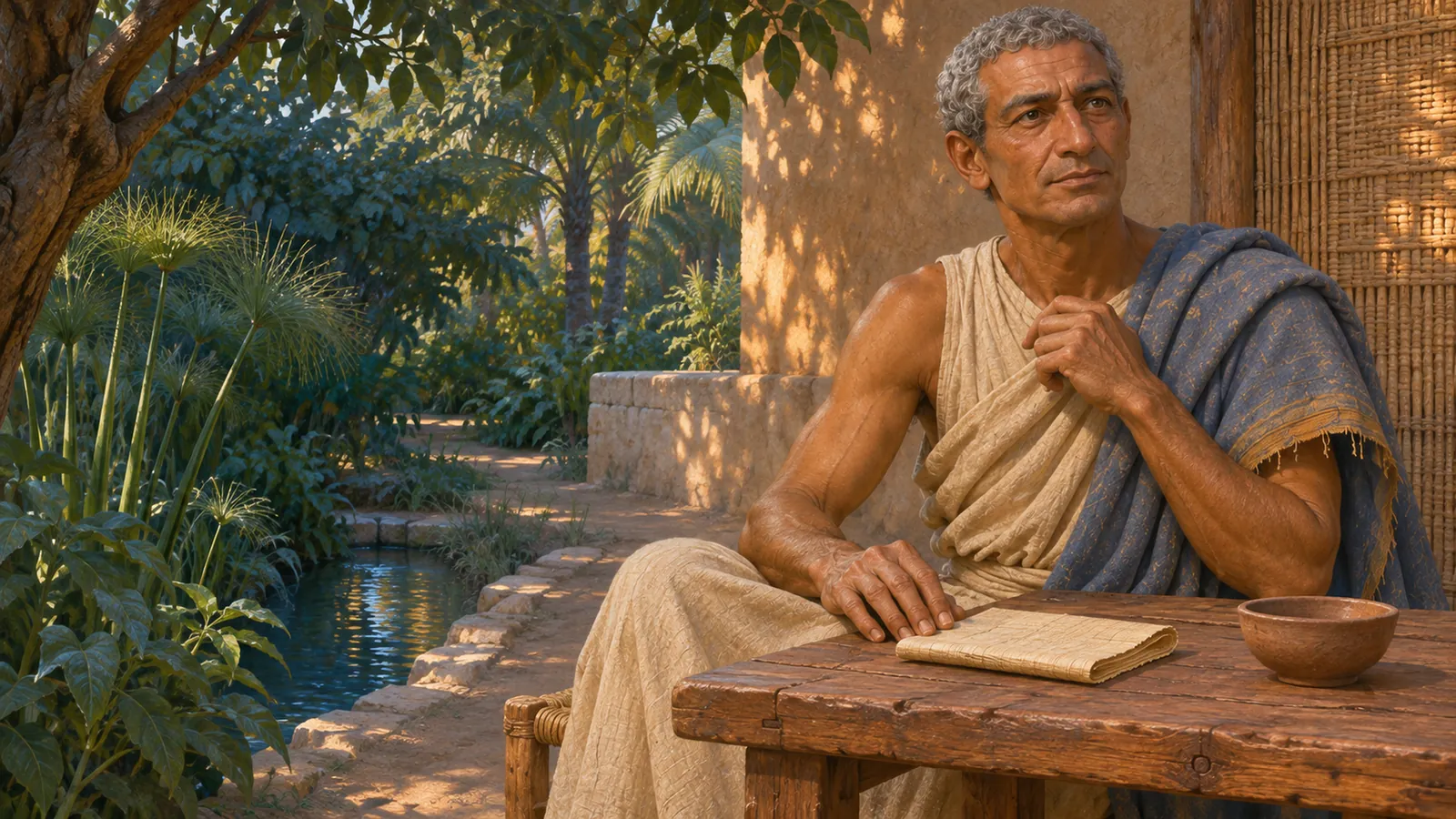
Die Erzählung gibt auch Sinuhes Antwort wieder. Er beginnt mit guten Wünschen und bittet die Götter Ägyptens und anderer Länder, den König zu segnen.
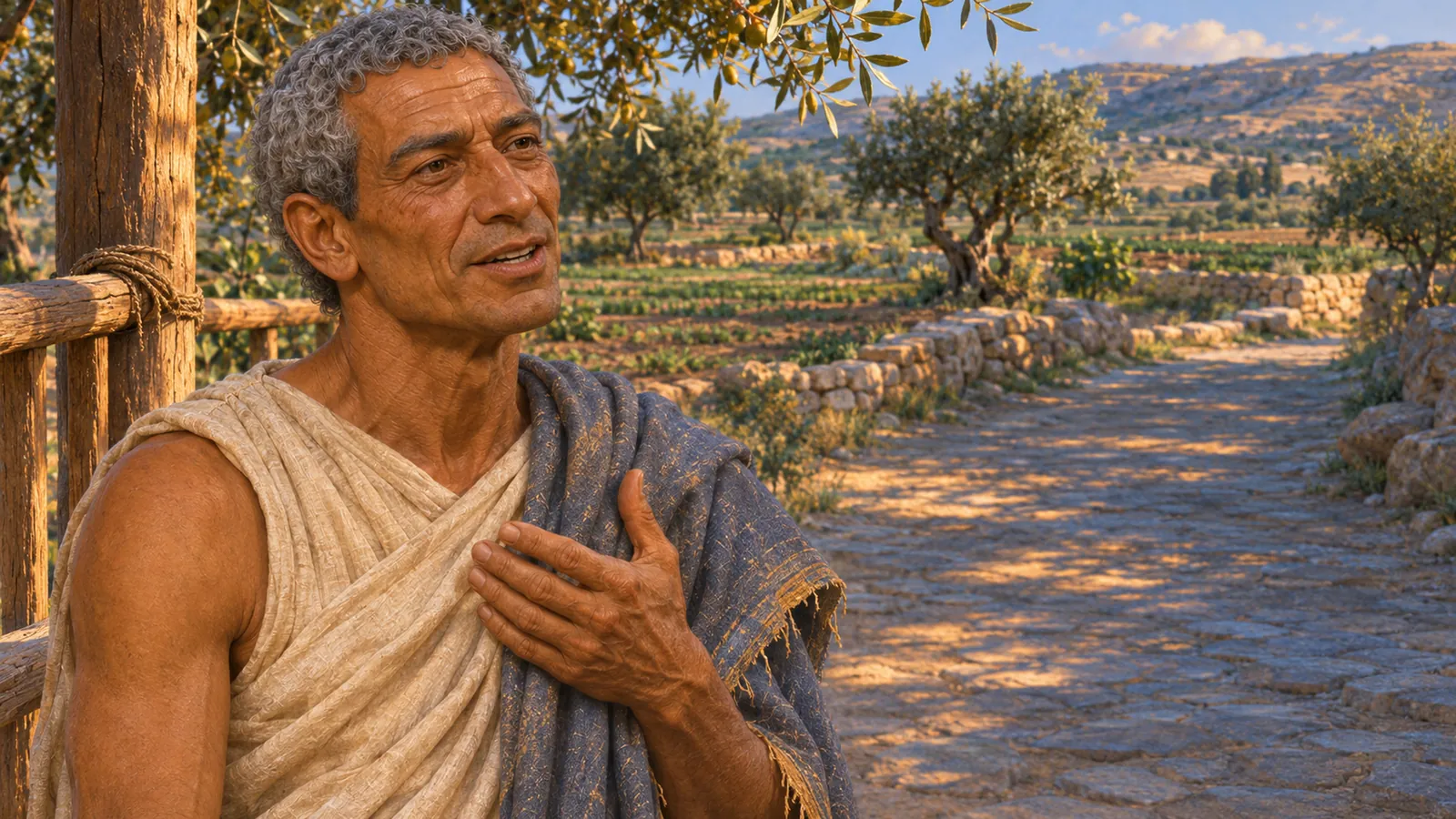
Sinuhe lobt den König dafür, dass er die Menschen versteht, die vor ihn treten. Seine Antwort nennt Herrscher mehrerer Länder und spricht von ihren Beziehungen zu Ägypten.
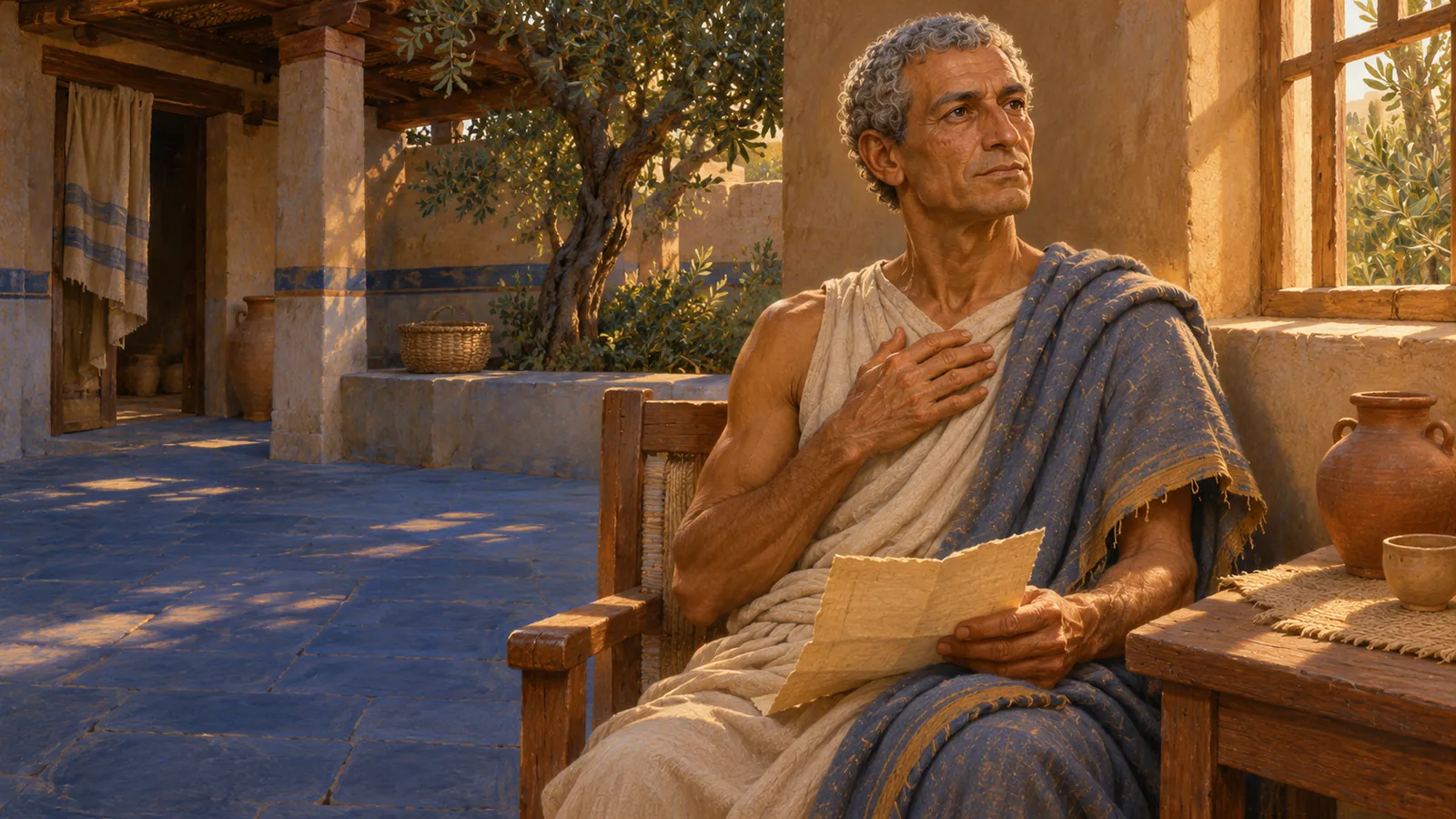
Sinuhe sagt dem König, er habe seine Flucht nicht geplant. Er habe keine Anschuldigung gegen sich gehört, und doch habe ihn die Angst ergriffen.
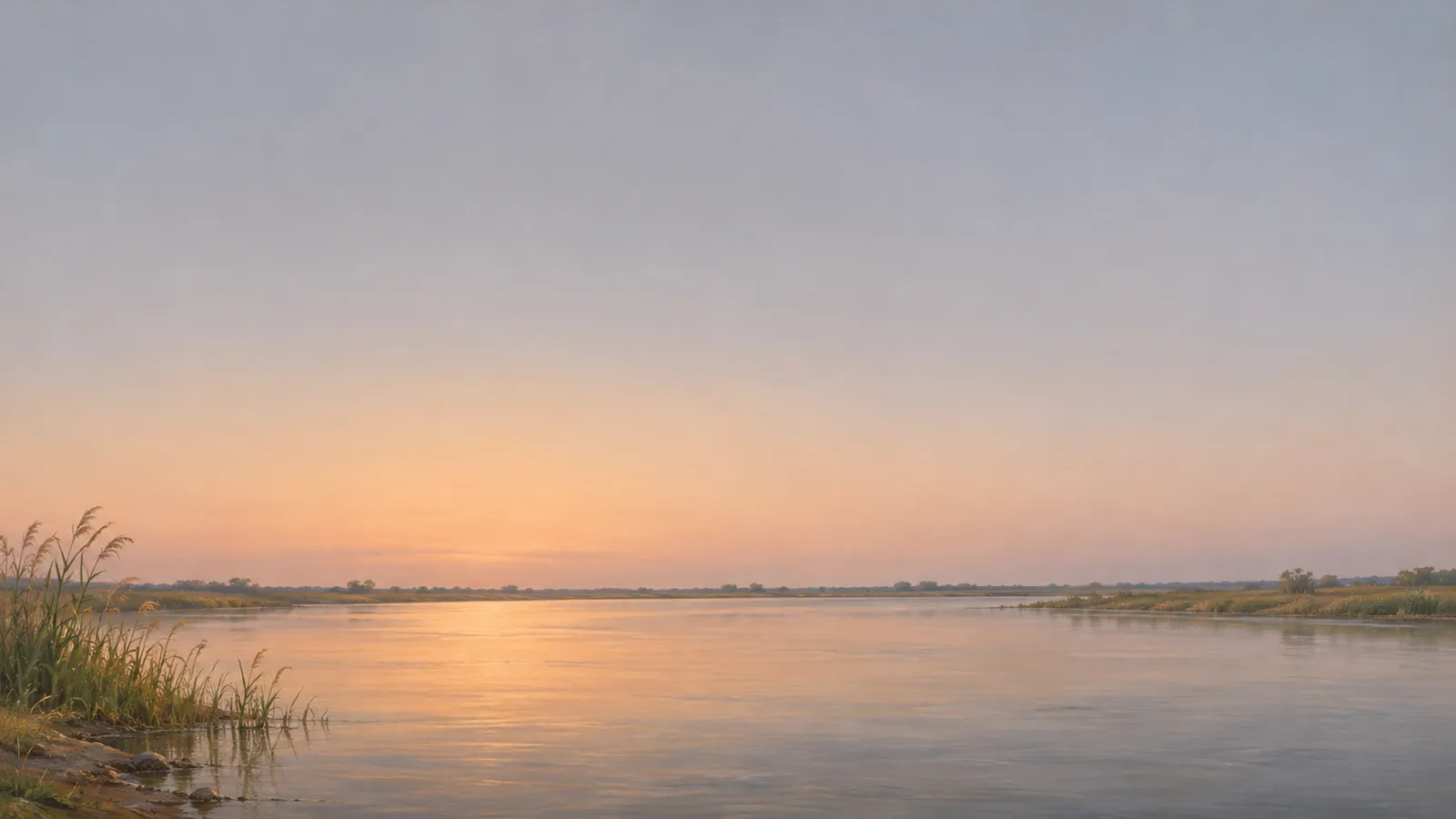
Sinuhe sagt, ein Gott habe ihn fortgeführt, und nennt keinen Namen. In derselben Antwort lobt er den König mit Bildern von Sonnenlicht, Flusswasser und Luft.
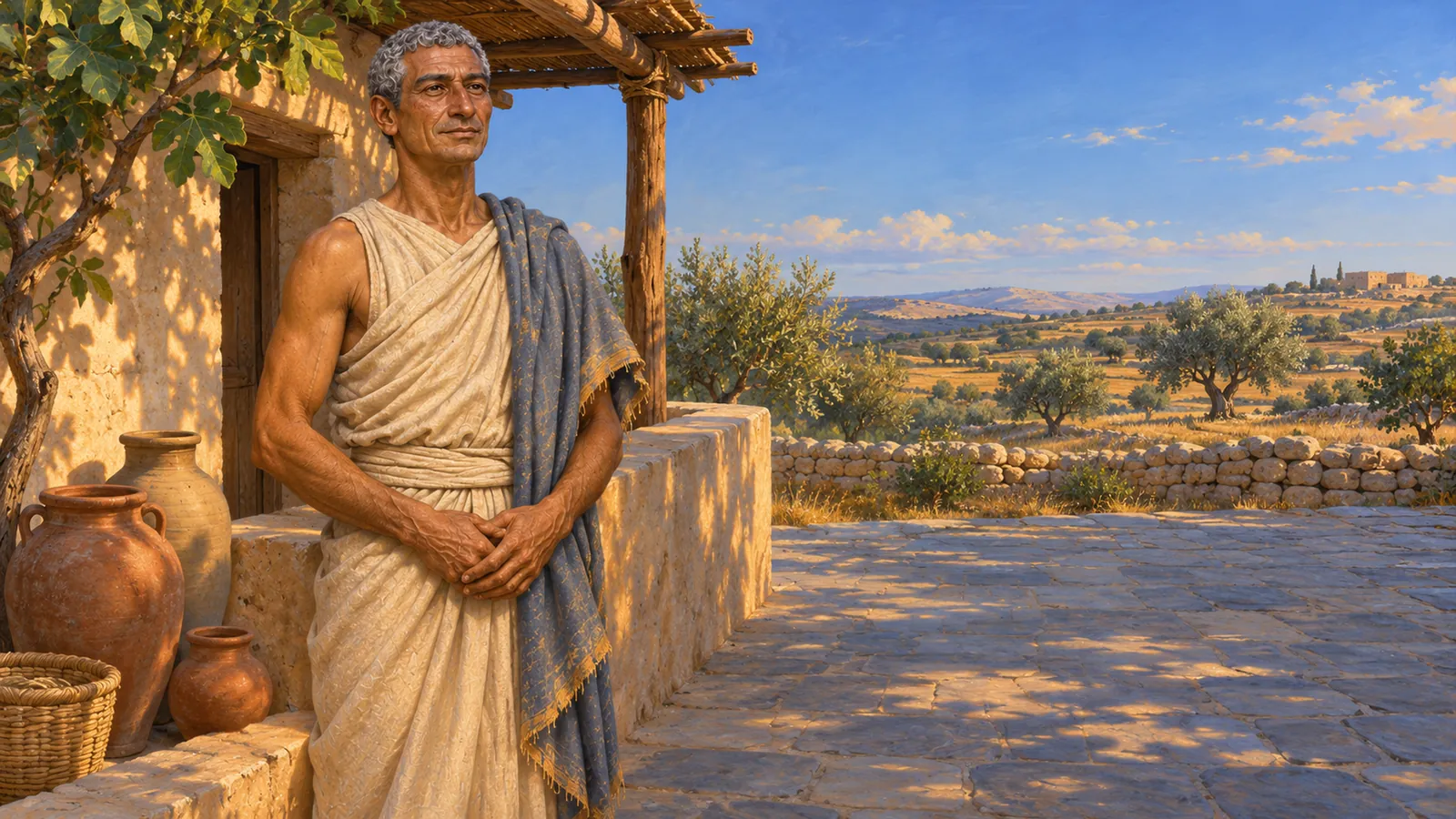
Am Ende seiner Antwort spricht Sinuhe von dem, was er zurücklassen wird. Er legt seine Rückkehr in die Hände des Königs und schließt mit einem Segen.
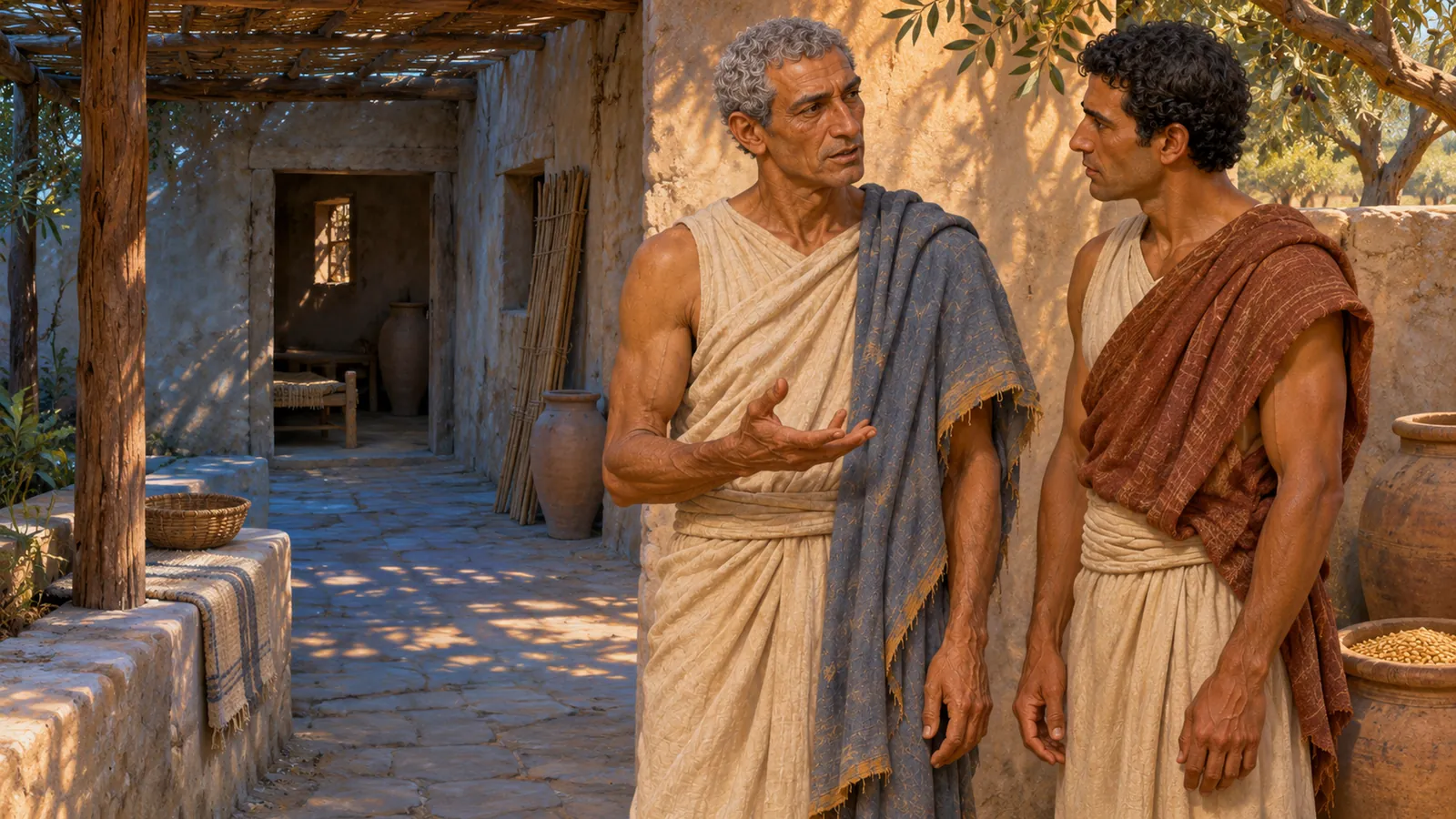
Sinuhe hat in Iaa einen Tag Zeit, sein Eigentum seinen Kindern zu übergeben. Sein ältester Sohn übernimmt die Verantwortung für den Haushalt, die Herden und die Gemeinschaft.
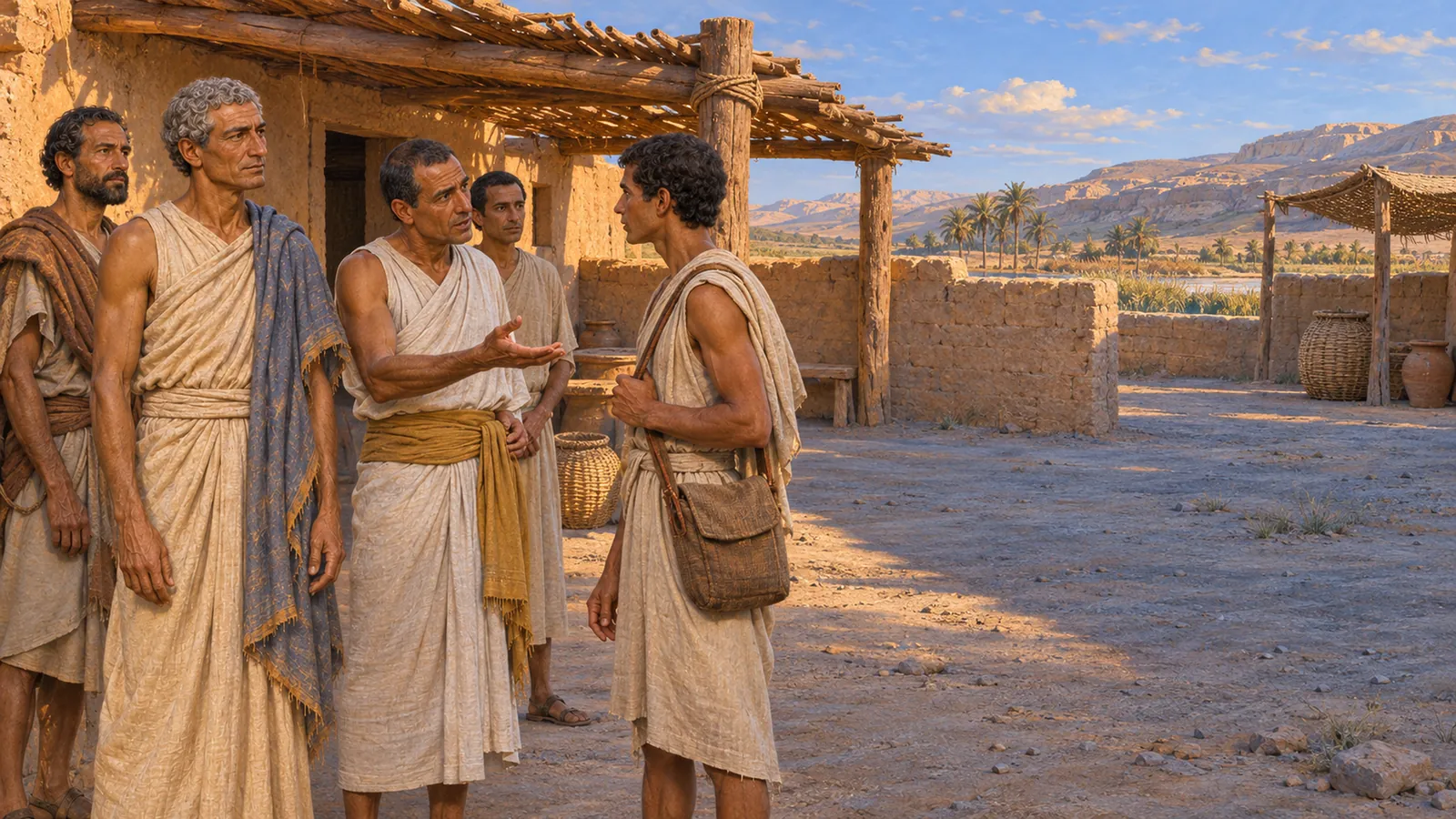
Sinuhe zieht südwärts zu den Wegen des Horus. Der Beamte an der Grenze schickt eine Nachricht voraus, um die Residenz über seine Ankunft zu informieren.
Senusret schickt Boote mit Geschenken für die Menschen, die Sinuhe begleitet haben. Sinuhe sagt, er habe jeden einzelnen Begleiter beim Namen genannt.
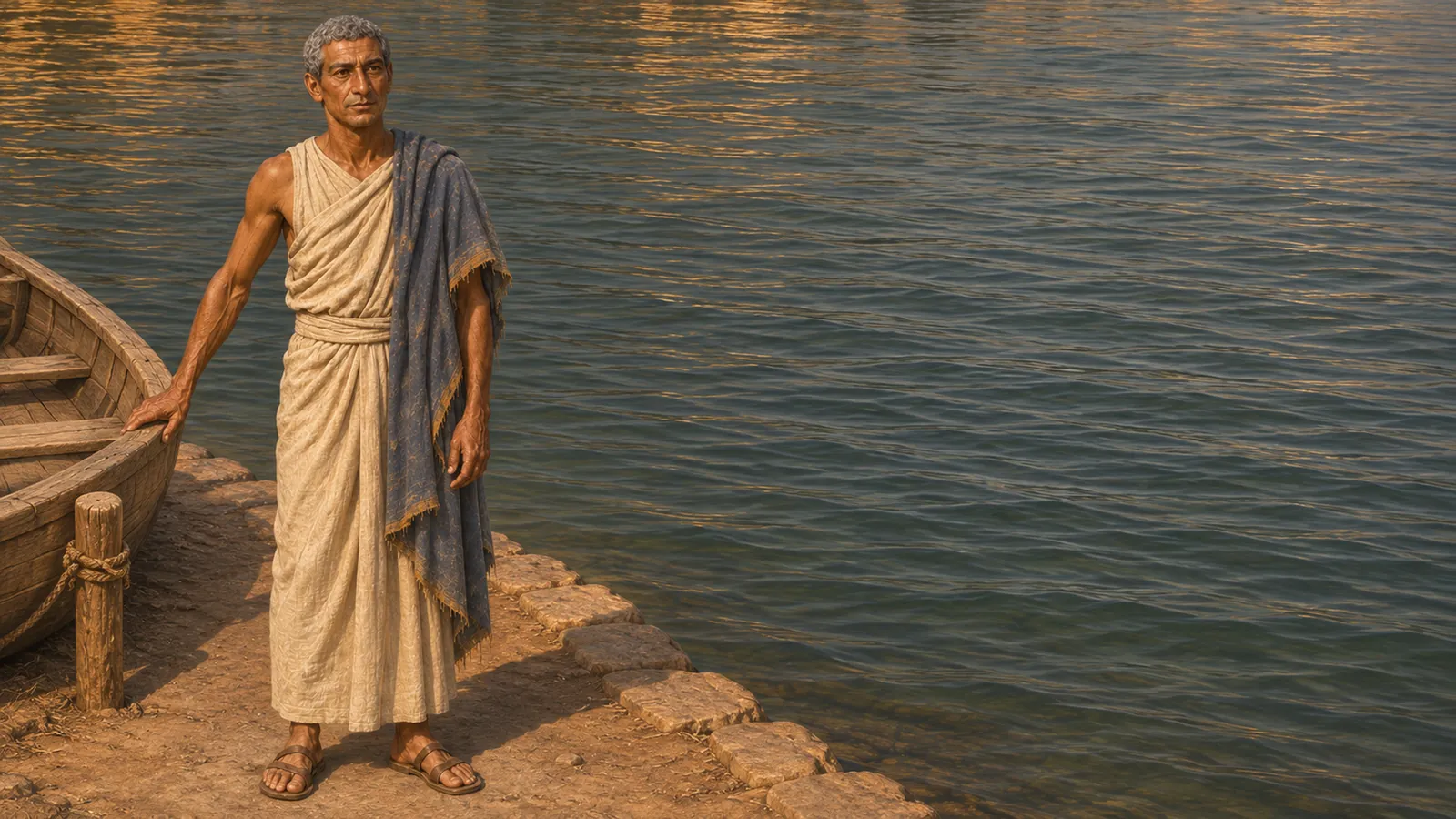
Die Fahrt auf dem Fluss bringt Sinuhe zur Anlegestelle von Itjtawy. Die Erzählung hält bei seiner Ankunft inne, bevor ihn im Morgengrauen der Ruf in den Palast erreicht.
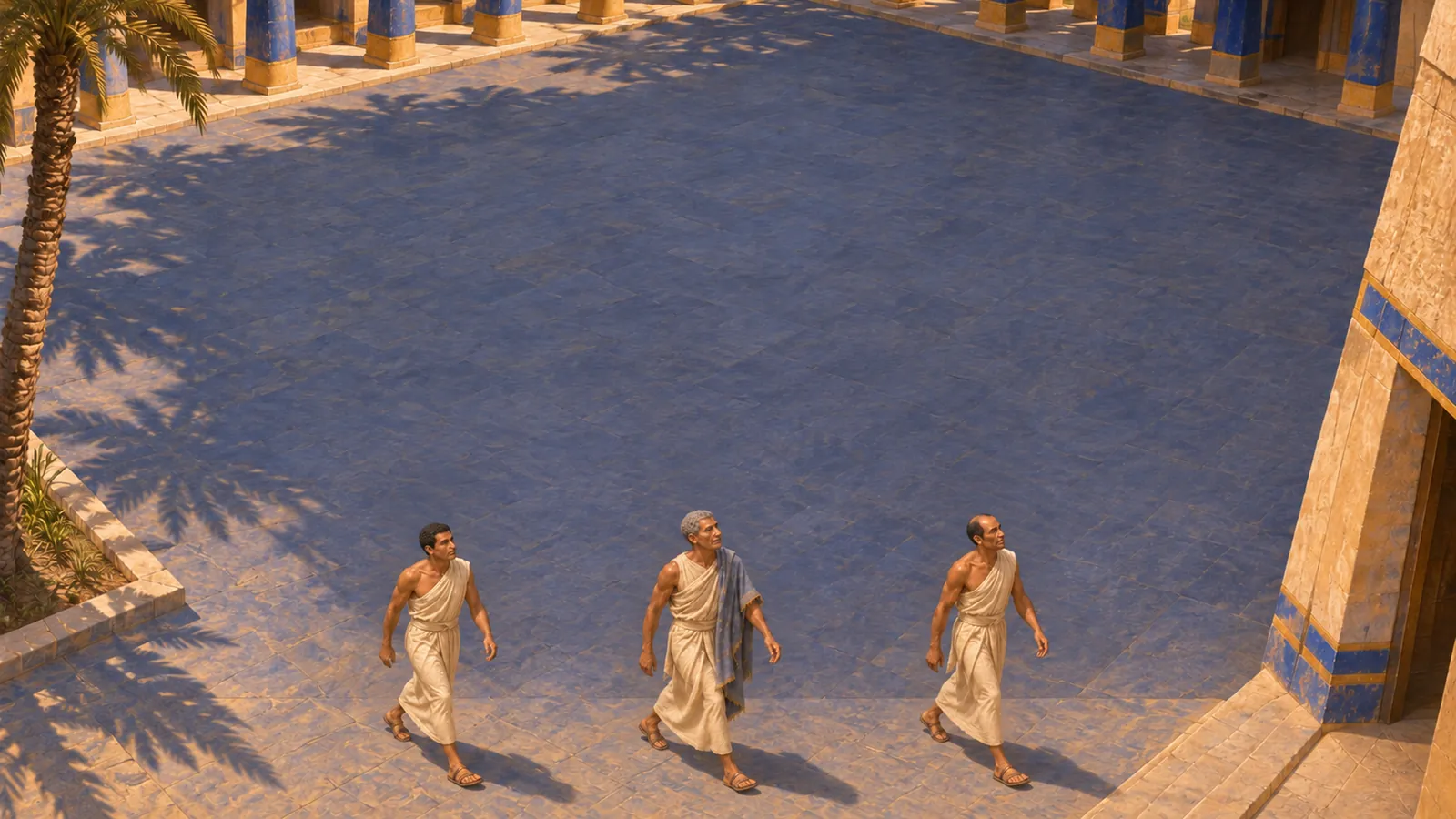
DER RUF IN DEN PALAST
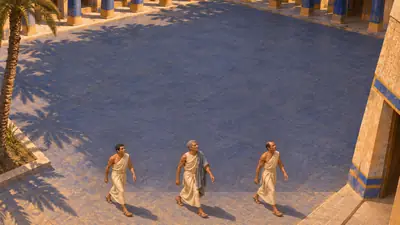
Im ersten Licht kommt ein Geleit, um Sinuhe zum Palast zu bringen. Angehörige des Königshauses halten nach ihm Ausschau, als er sich nähert.
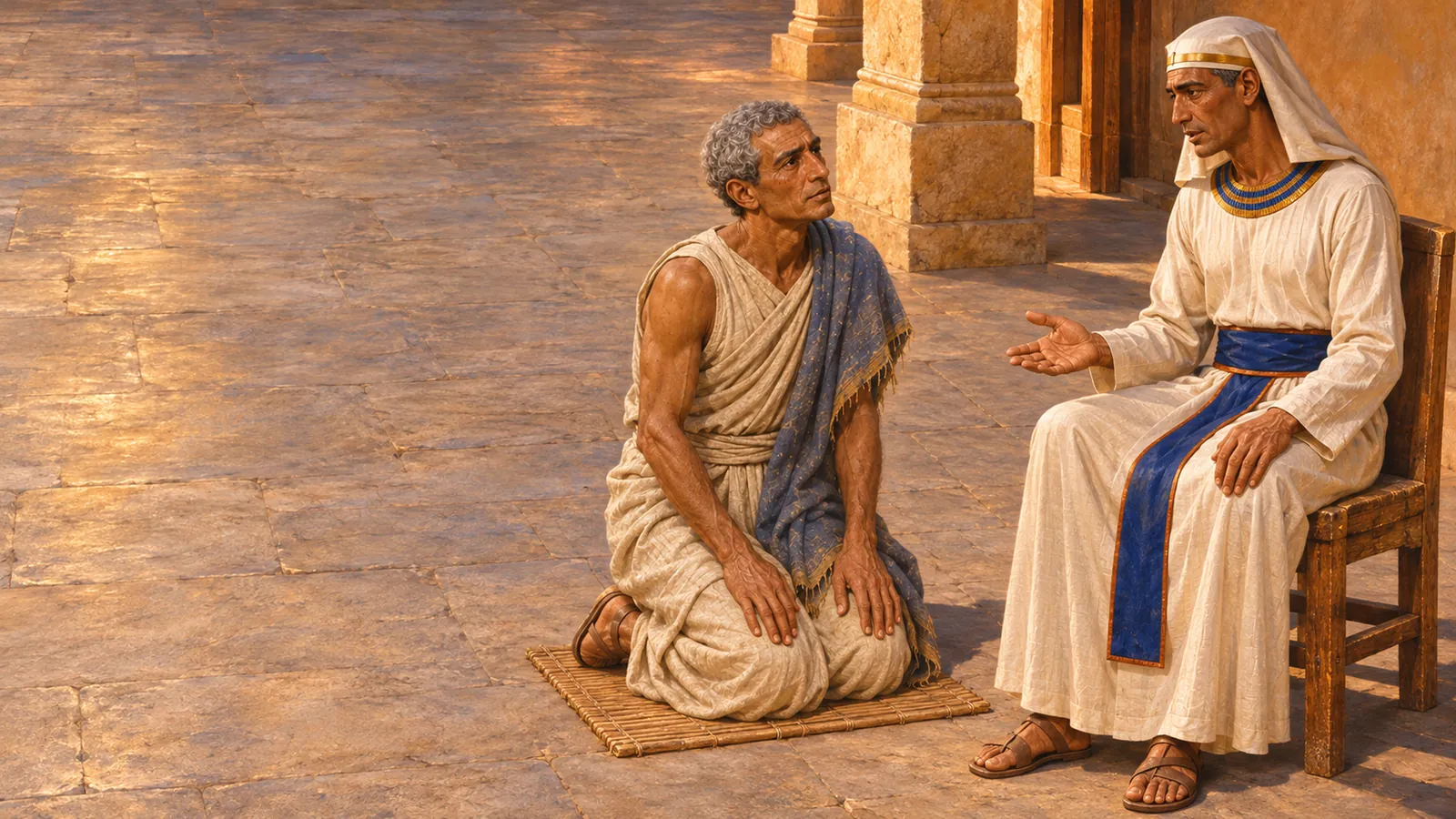
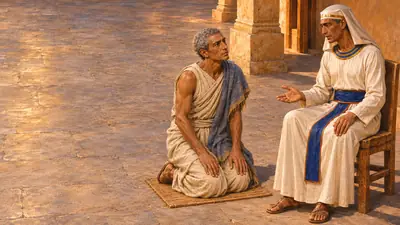
Sinuhe tritt vor Senusret und ist überwältigt. Der König spricht sanft zu ihm, während Sinuhe nach Worten für seine Antwort sucht.
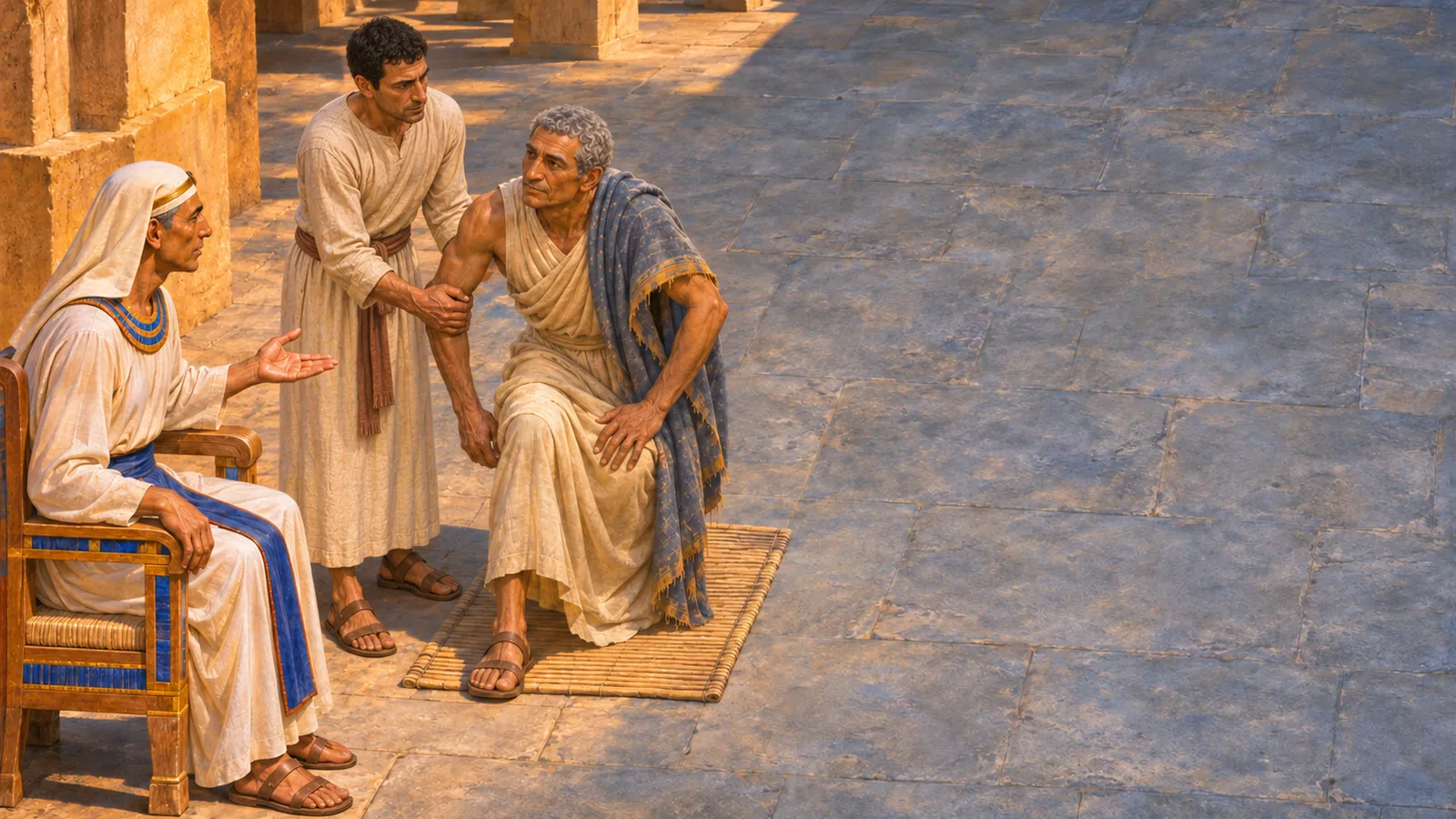
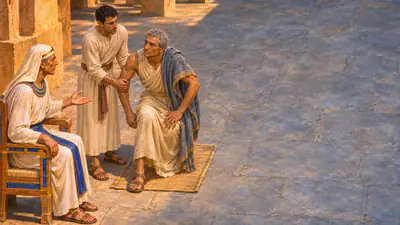
Senusret bittet einen Höfling, Sinuhe beim Aufstehen zu helfen. Er spricht von den Jahren seiner Abwesenheit und lädt ihn ein zu antworten.
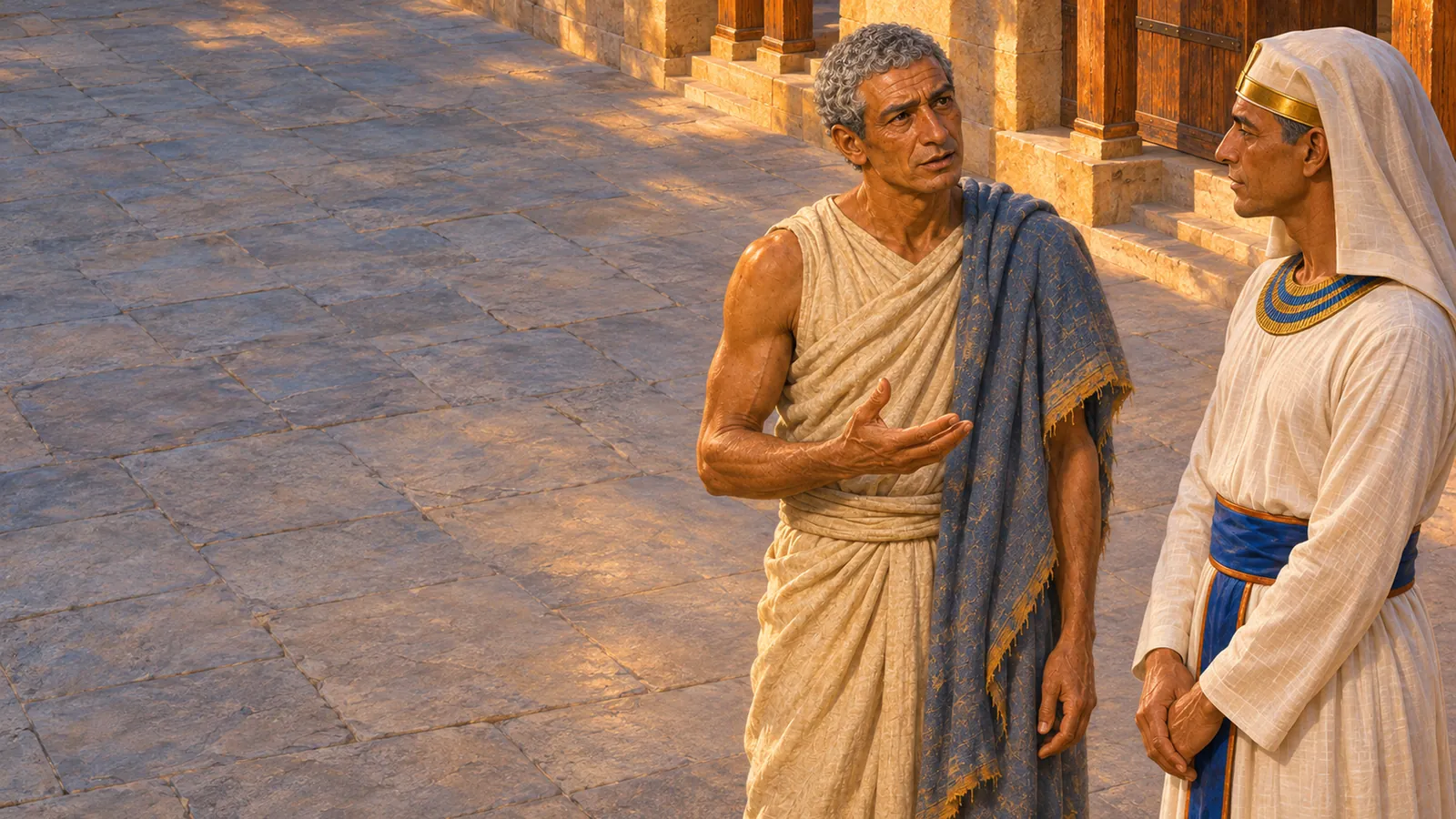
In seiner Antwort an den König sagt Sinuhe, dass er noch immer Angst hat. Er begibt sich in Senusrets Hände und überlässt ihm die Entscheidung.
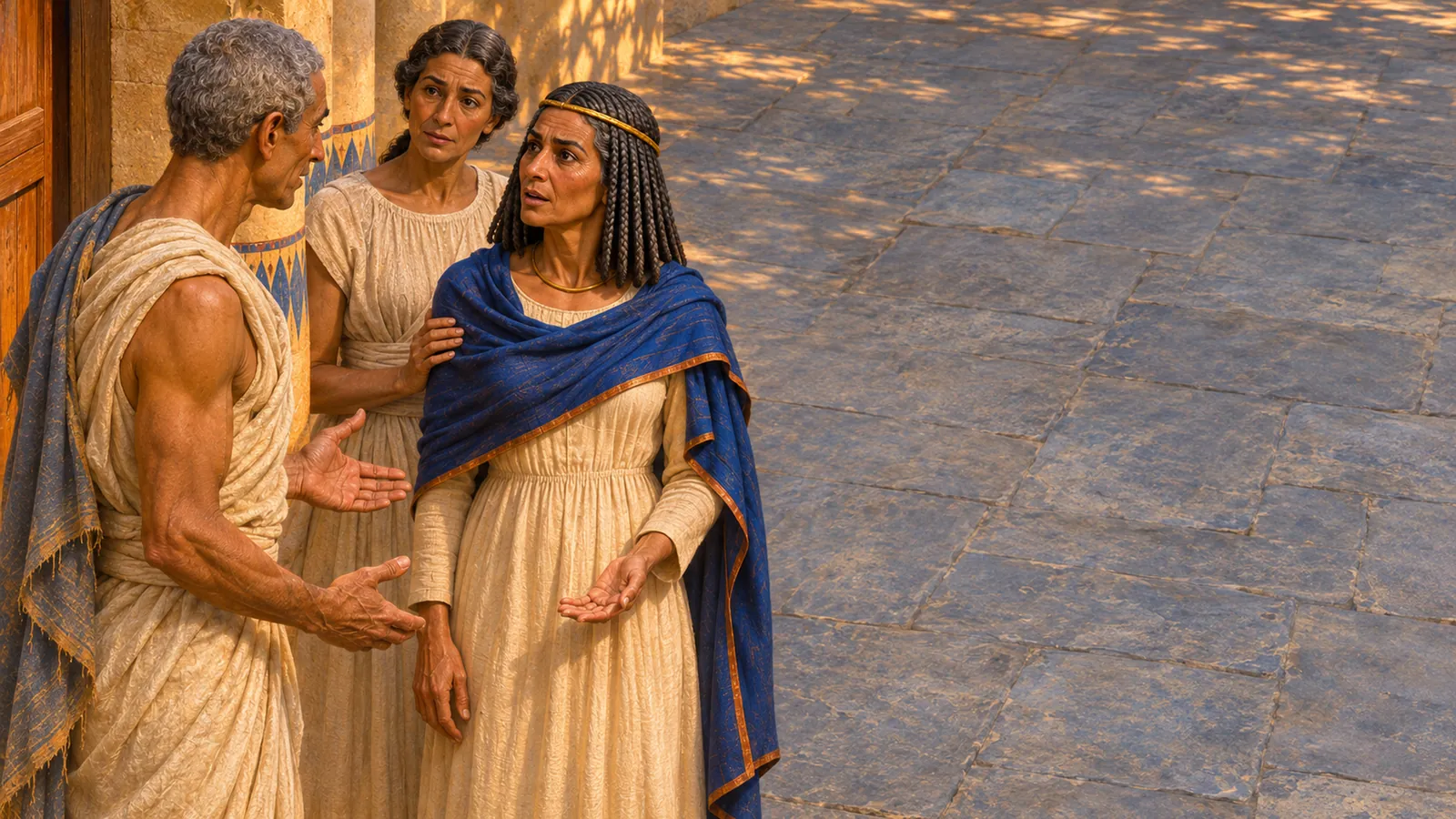
Die Gemahlin des Königs und das Königshaus staunen, wie sehr der Reisende sich verändert hat. Der König sagt, der Mann vor ihnen sei tatsächlich Sinuhe.
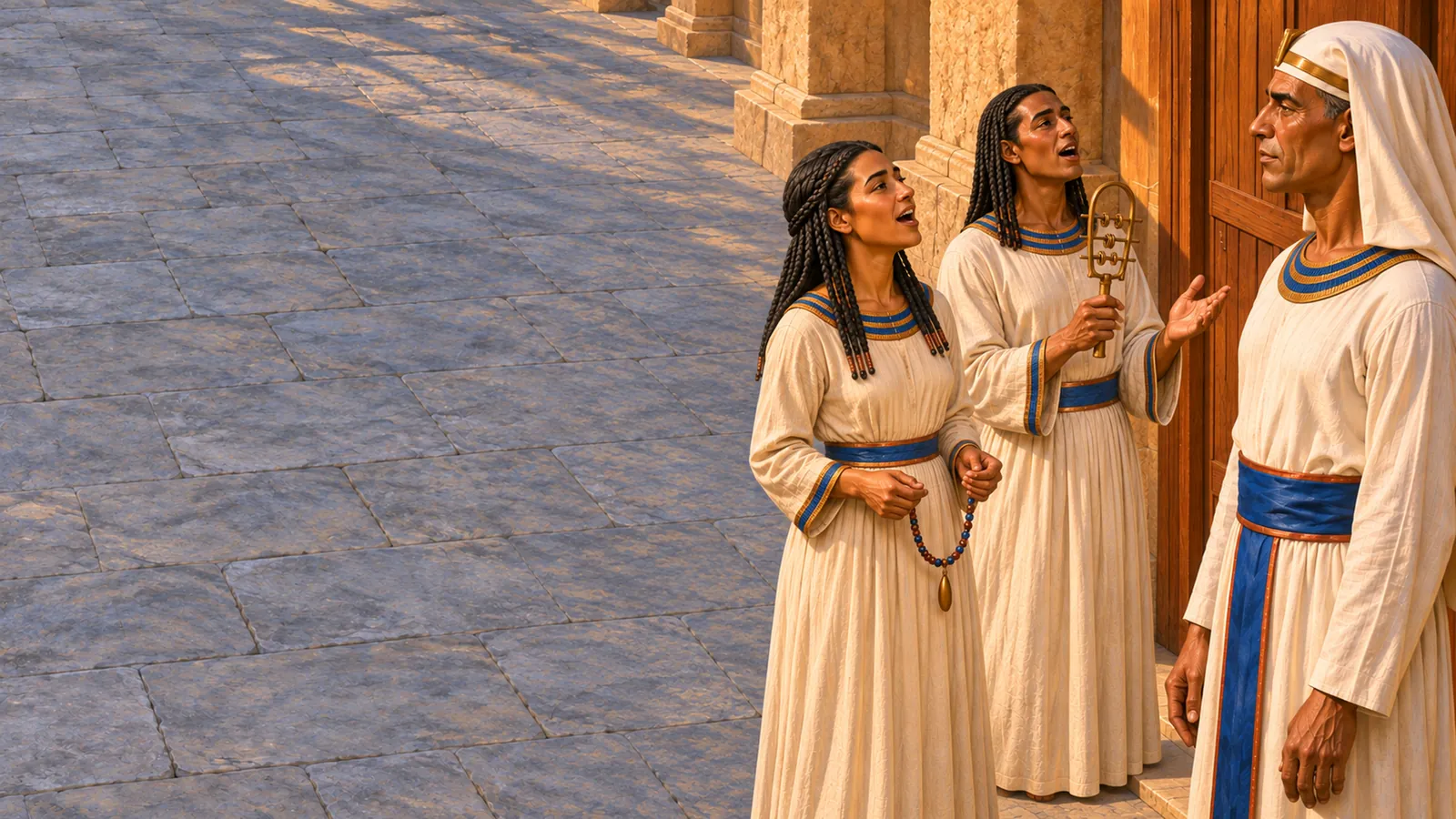
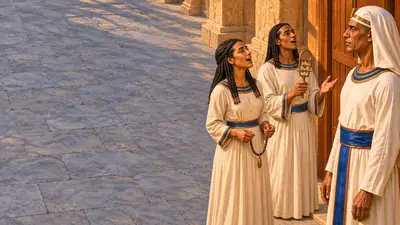
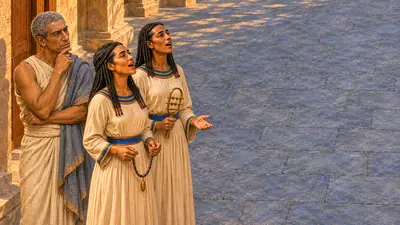
Angehörige des Königshauses bringen ihre Instrumente vor den König. Ihr Lied beginnt mit einem Lob für Senusret.
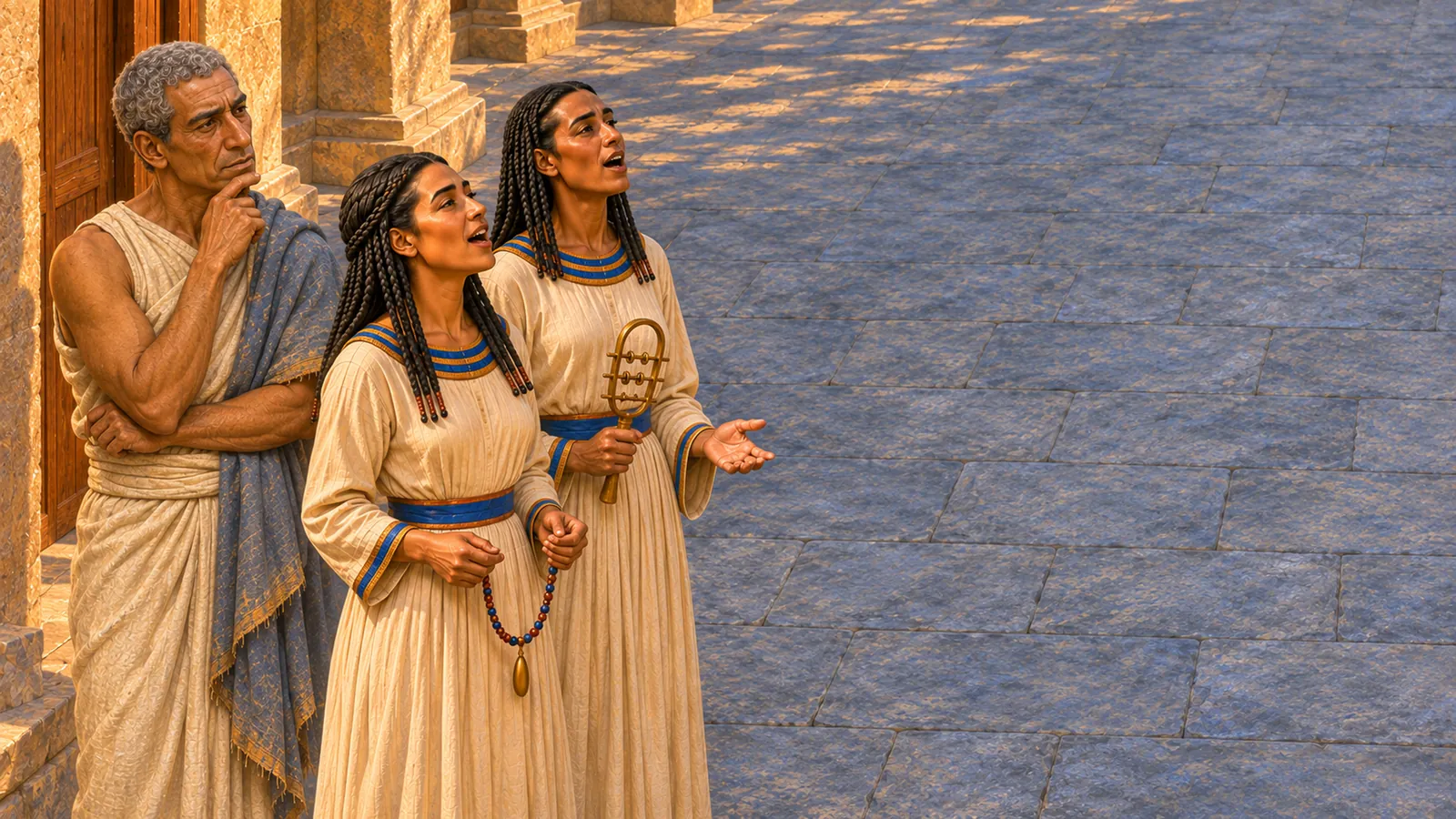
Im weiteren Verlauf des Liedes bittet das Königshaus den König, den Reisenden freundlich aufzunehmen. Es bittet darum, dass Sinuhe keinen Grund mehr hat, sich zu fürchten.
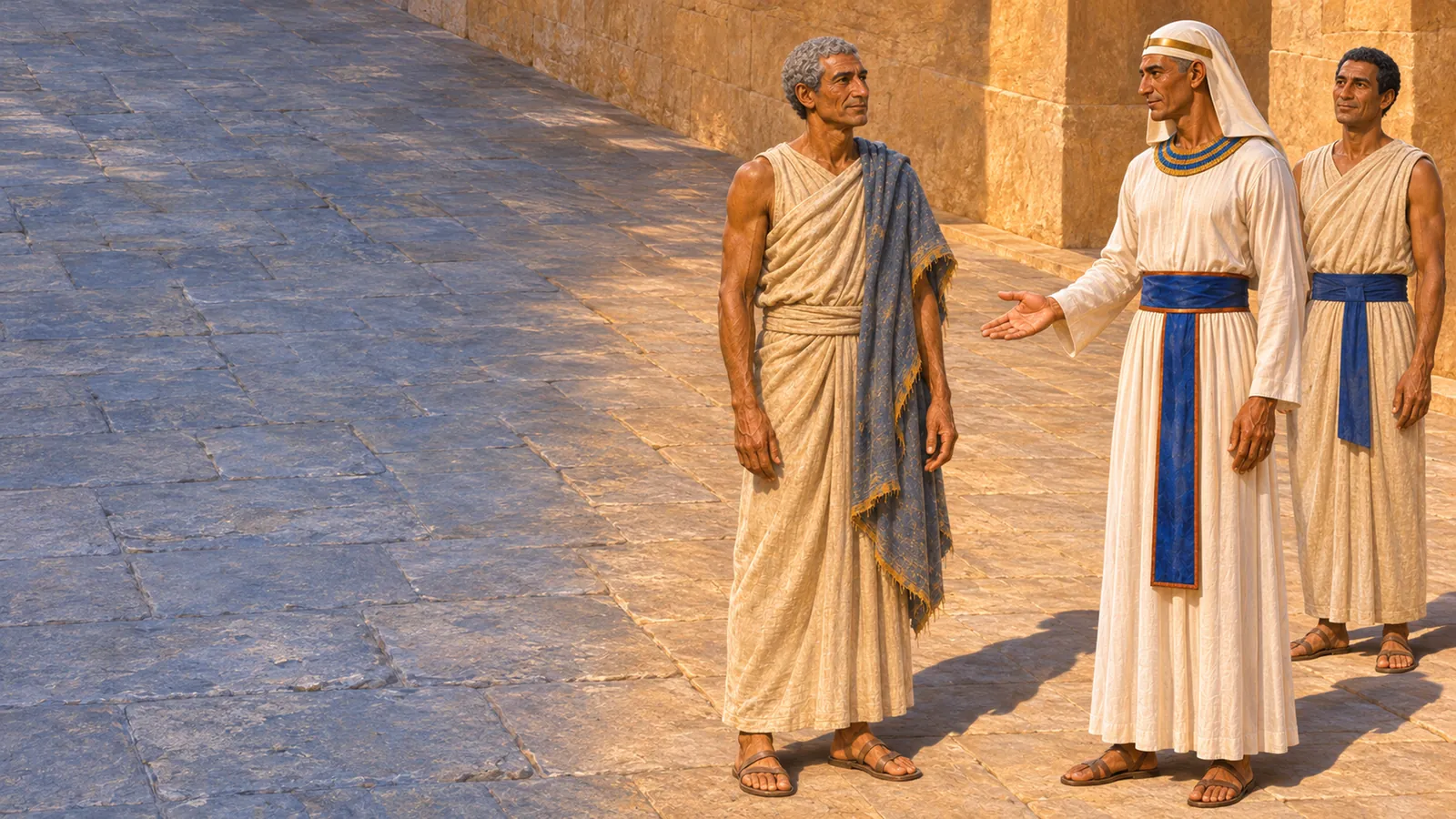
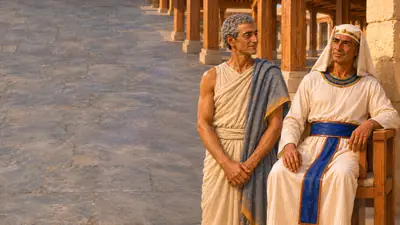
Senusret sagt dem Hof, Sinuhe habe keinen Grund zur Furcht. Er gibt ihm einen Platz unter seinen Höflingen und lässt seine Stellung bekannt machen.
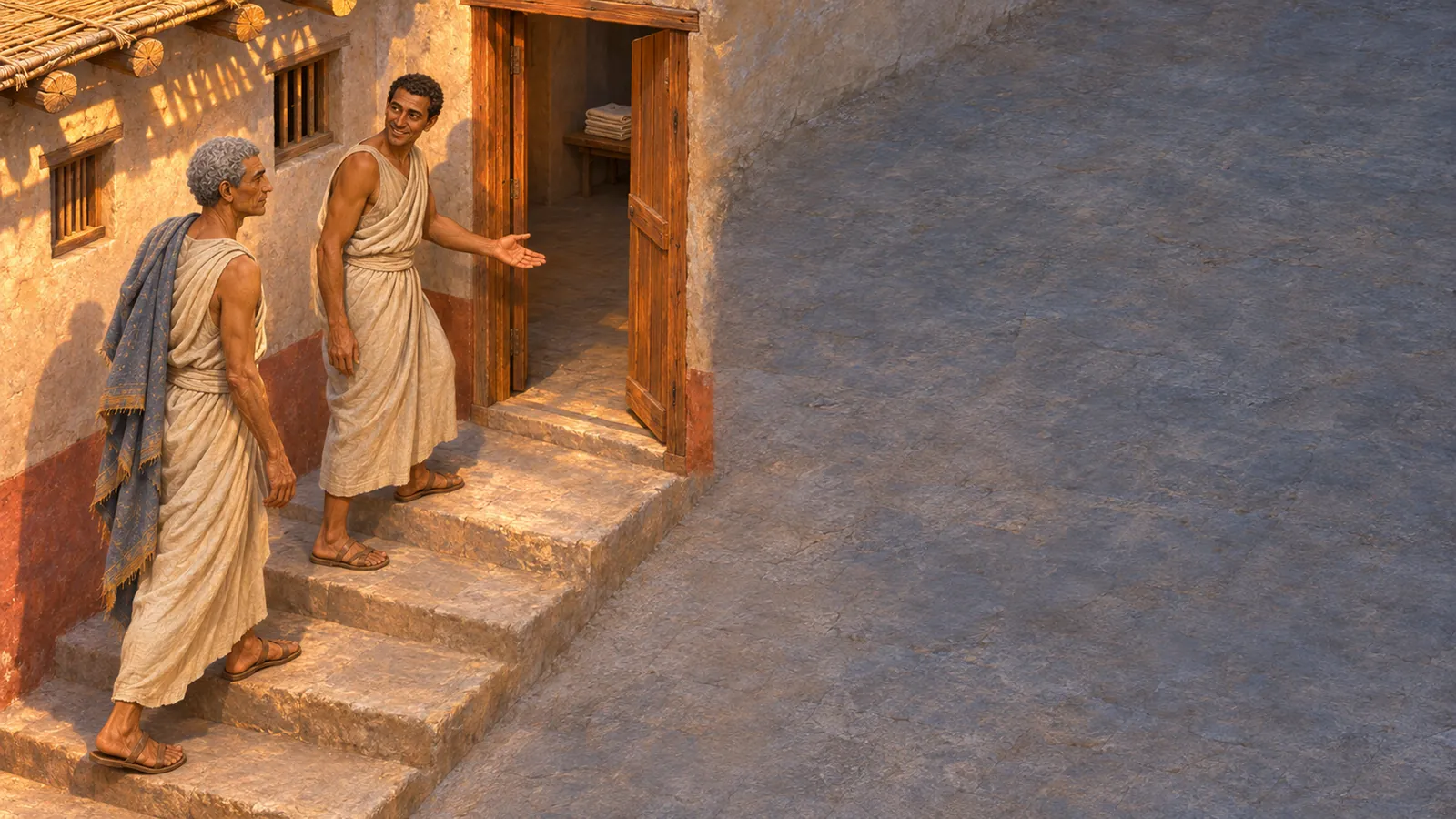
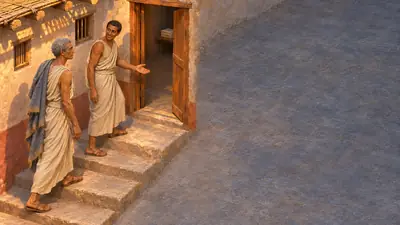
Angehörige des Königshauses führen Sinuhe hinaus. Er erhält Unterkunft im Haus eines Königssohns, wo feines Leinen und weitere Vorräte für ihn bereitliegen.
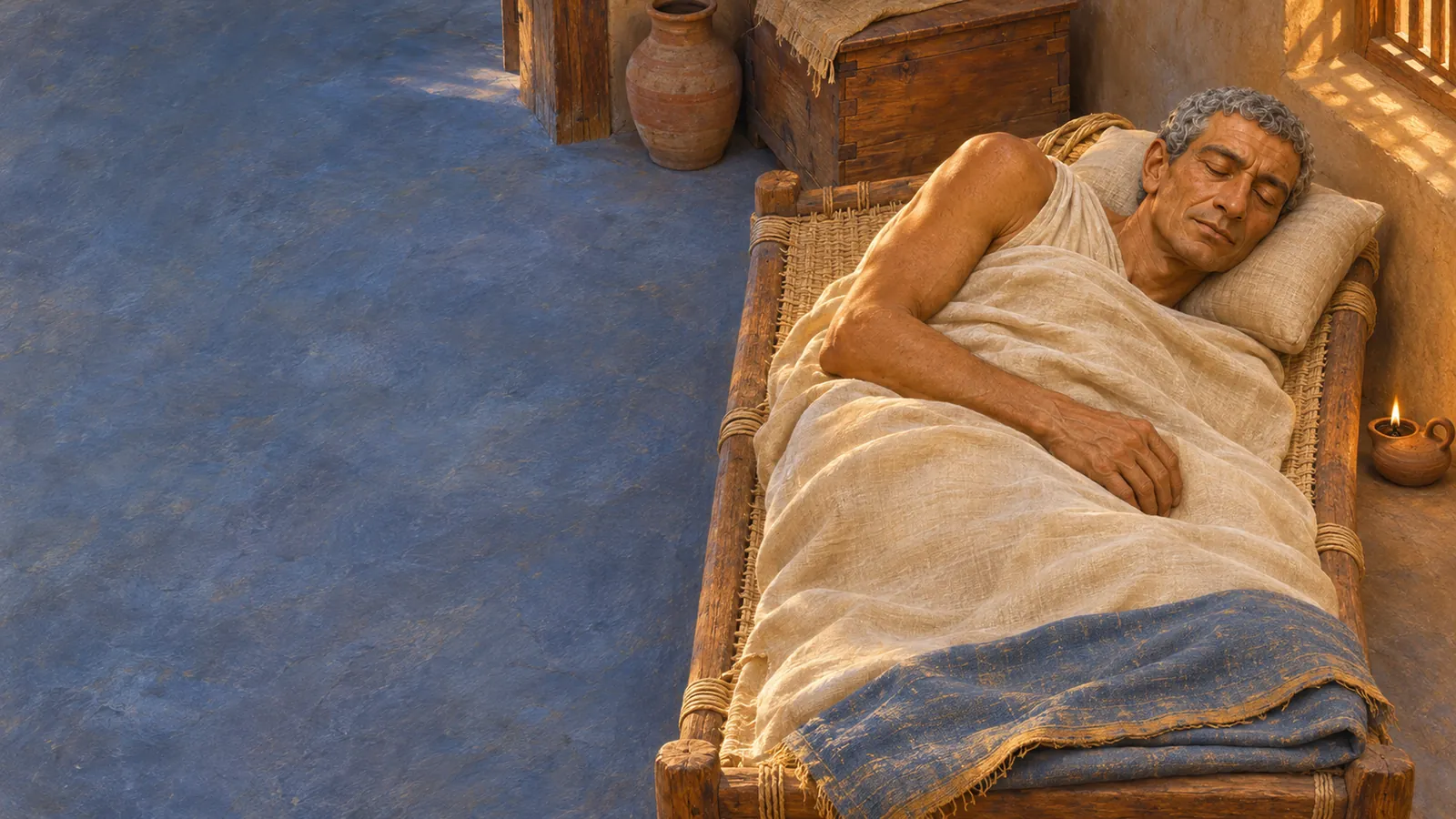
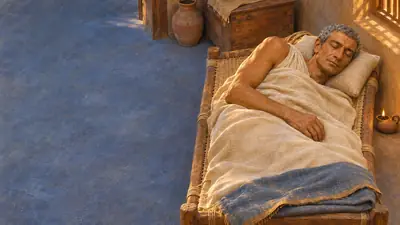
Sinuhe erhält feines Leinen und Öl und schläft in einem Bett. In seiner Erzählung fühlt er sich durch diese Fürsorge wieder jung.
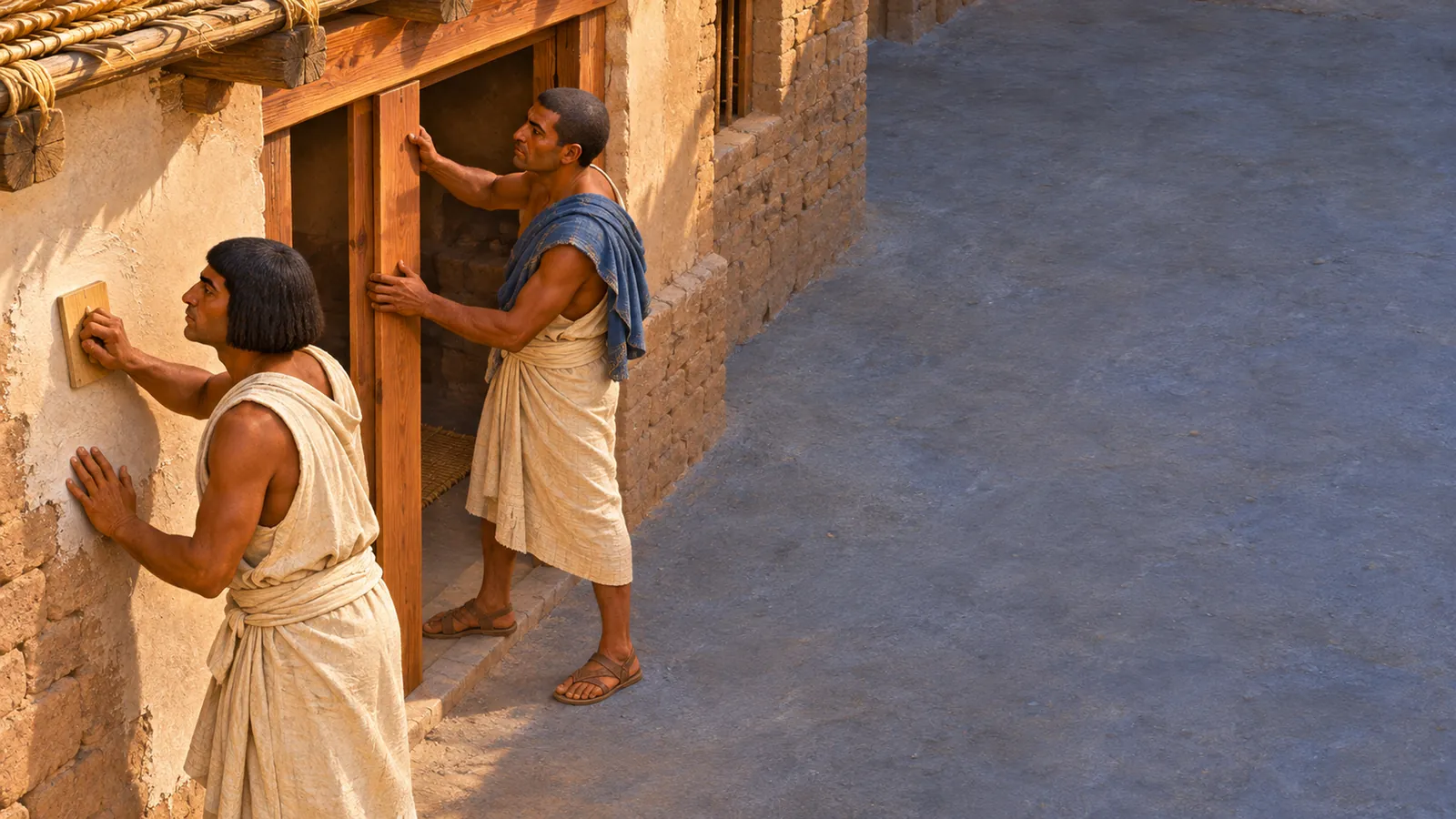
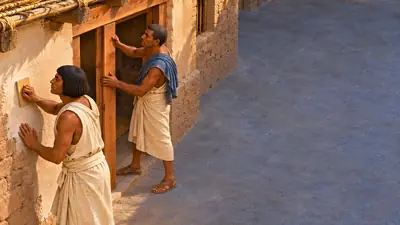
Für Sinuhe wird ein Haus hergerichtet. Die Zeile darüber, wem das Haus zuvor gehörte, lässt sich schwer deuten. Das Gedicht sagt, dass Handwerker den Ort erneuern.
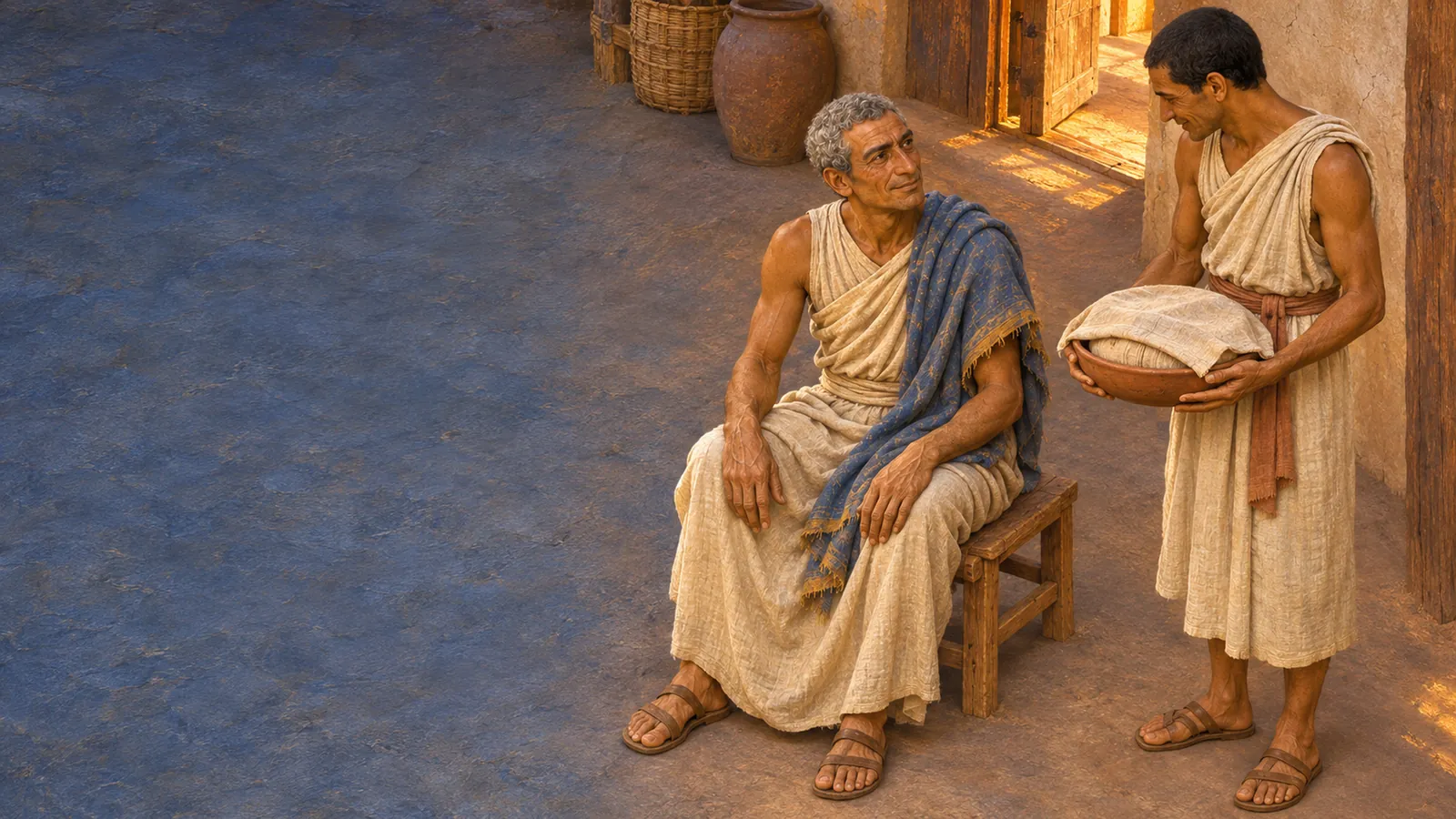
Mahlzeiten kommen regelmäßig aus dem Palast. Auch Angehörige des Königshauses schicken Geschenke, und Sinuhe sagt, ihre Fürsorge höre nicht auf.
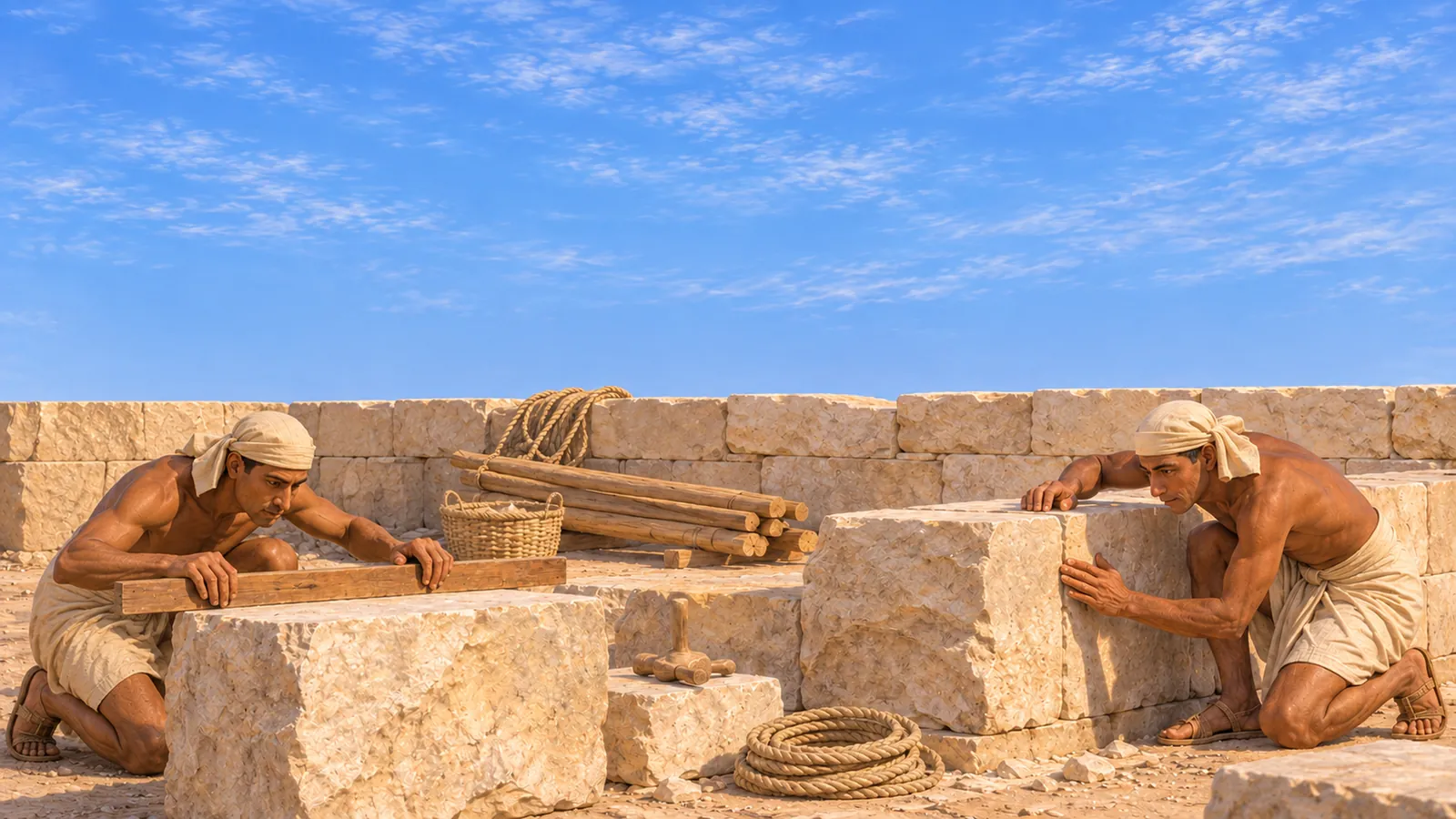
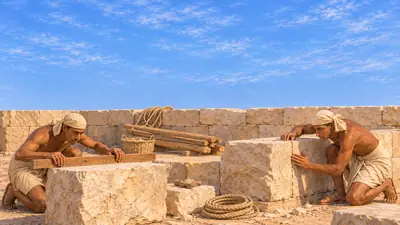
In Ägypten wird für Sinuhe ein steinernes Grabmal errichtet. Der Text nennt die verschiedenen Arbeiter, die den Grund vorbereiten, den Stein bearbeiten und das Grabmal ausstatten.

Die Erzählung erwähnt Menschen, die das Grabmal betreuen sollen. Sie spricht auch von Ackerland, das dafür bestimmt wird, wie bei einem hohen Beamten des Hofes.
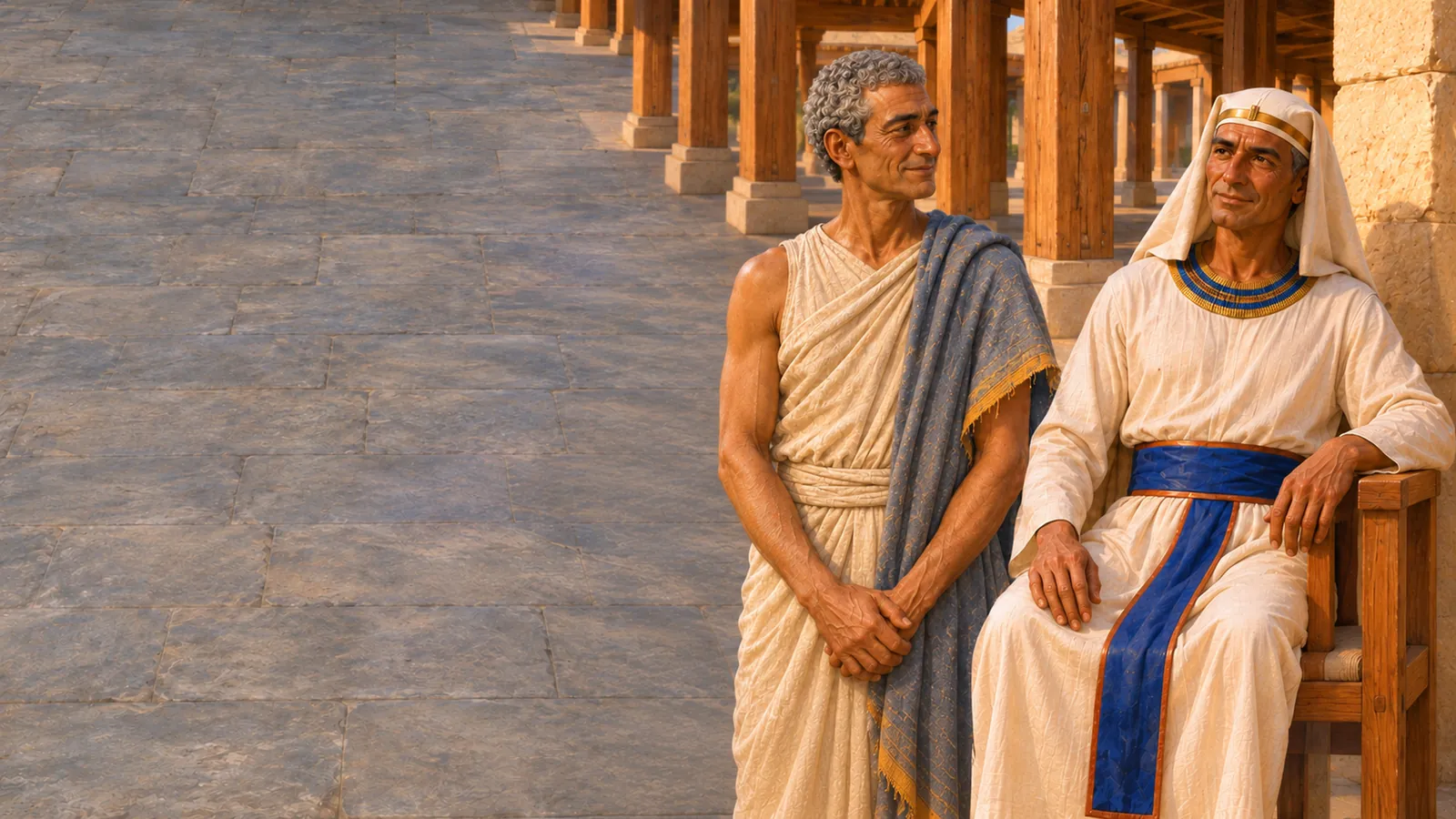
Der König lässt ein kostbares Bildnis Sinuhes anfertigen. Sinuhe sagt, er habe bis an sein Lebensende in königlicher Gunst gelebt.
DAS ENDE DER ABSCHRIFT
Sinuhes Bericht endet. Eine eigene Notiz sagt, dass die Geschichte von Anfang bis Ende nach der schriftlichen Vorlage des Schreibers abgeschrieben wurde.
Ende von Kapitel 1
Alle Seiten
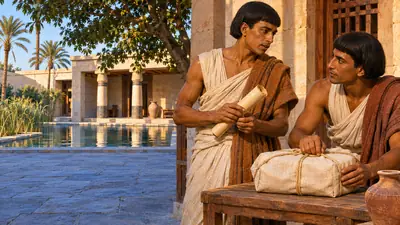
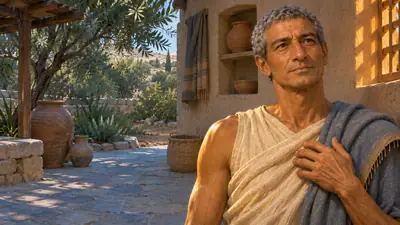
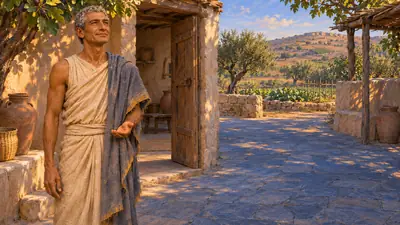



Quellen
Page 31: the man of Retjenu challenges Sinuhe. Sinuhe’s arrow strikes his neck, and Sinuhe kills him with the man’s own axe, then takes his goods (Berlin P 3022, B 109–147; Quirke §§26–30 and Nederhof).
Benutzte Editionen
- Stephen Quirke, Sanehat, line-numbered text and translation, UCL Digital Egypt
- UCL Digital Egypt, sources for the Tale of Sanehat
- Mark-Jan Nederhof, Sinuhe, Koch-based readings of R, B and the parallel witnesses
- James P. Allen, The Story of Sinuhe, witness survey
- Claude Obsomer, Sinouhé l’Égyptien et les raisons de son exil
- University of Basel, Sinuhe bibliography
- Petrie Museum, Harageh papyrus UC 32773
- Ashmolean Museum, Sinuhe ostracon AN1945.40
- Egypt Exploration Society, The Tale of Sinuhe and Berlin P 3022
Hinweise zu dieser Nacherzählung
Page 30: Sinuhe’s account includes driving people from their pastures and wells, taking people and cattle, and using his bow (Berlin P 3022, B 99–109; Quirke §25 and Nederhof).
Die antiken Verse hinter jeder Seite
- Page 1: R 1–2 · §1
- Page 2: R 2–5 · §2
- Page 3: R 5–8 · §3
- Page 4: R 8–11 · §3
- Page 5: R 12–16 · §4
- Page 6: R 17–20 · §5
- Page 7: R 20–22 · §5
- Page 8: R 22–24, with overlap into B 1–2 · §6
- Page 9: B 1–2 · §6
- Page 10: B 2–5 · §7
- Page 11: B 5–7 · §7
- Page 12: B 8–10 · §8
- Page 13: B 10–11 · §8
- Page 14: B 11–14 · §9
- Page 15: B 14–20 · §9
- Page 16: B 20–24 · §10
- Page 17: B 24–26 · §11
- Page 18: B 26–28 · §11
- Page 19: B 28–31 · §12
- Page 20: B 31–36 · §13
- Page 21: B 36–43 · §14
- Page 22: B 43–45 · §15
- Page 23: B 45–51 · §16
- Page 24: B 51–70 · §§17–19
- Page 25: B 71–75 · §20
- Page 26: B 75–81 · §21
- Page 27: B 81–85 · §22
- Page 28: B 85–92 · §23
- Page 29: B 92–99 · §24
- Page 30: B 99–109 · §25
- Page 31: B 109–149 · §§26–30, especially B 113 and 142–149
- Page 32: B 147–152 · §§30–31
- Page 33: B 151–156 · §31
- Page 34: B 156–160 · §32
- Page 35: Berlin P 3022, B 160–164 · §32 (Quirke, UCL; Nederhof after Koch)
- Page 36: Berlin P 3022, B 165–169 · §33 (Quirke, UCL; Nederhof after Koch)
- Page 37: Berlin P 3022, B 169–173 · §33 (Quirke, UCL; Nederhof after Koch)
- Page 38: Berlin P 3022, B 173–177 · §34 (Quirke, UCL; Nederhof after Koch)
- Page 39: Berlin P 3022, B 178–181 · §35 (Quirke, UCL; Nederhof after Koch)
The royal titulary has a name variant at B 180. - Page 40: Berlin P 3022, B 181–185 · §35 (Quirke, UCL; Nederhof after Koch)
- Page 41: Berlin P 3022, B 185–189 · §§35–36 (Quirke, UCL; Nederhof after Koch)
- Page 42: Berlin P 3022, B 190–199 · §36 (Quirke, UCL; Nederhof after Koch)
- Page 43: Berlin P 3022, B 199–204 · §37 (Quirke, UCL; Nederhof after Koch)
- Page 44: Berlin P 3022, B 204–214 · §38 (Quirke, UCL; Nederhof after Koch)
- Page 45: Berlin P 3022, B 214–223 · §39 (Quirke, UCL; Nederhof after Koch)
- Page 46: Berlin P 3022, B 223–229 · §40 (Quirke, UCL; Nederhof after Koch)
- Page 47: Berlin P 3022, B 229–234 · §40 (Quirke, UCL; Nederhof after Koch)
- Page 48: Berlin P 3022, B 234–238 · §41 (Quirke, UCL; Nederhof after Koch)
Wording for the object being entrusted at the start of §41 varies by translation. - Page 49: Berlin P 3022, B 238–241 · §41 (Quirke, UCL; Nederhof after Koch)
- Page 50: Berlin P 3022, B 241–243 · §42 (Quirke, UCL; Nederhof after Koch)
- Page 51: Berlin P 3022, B 243–247 · §42 (Quirke, UCL; Nederhof after Koch)
- Page 52: Berlin P 3022, B 246–248 · §§42–43 (Quirke, UCL; Nederhof after Koch)
- Page 53: Berlin P 3022, B 248–252 · §43 (Quirke, UCL; Nederhof after Koch)
- Page 54: Berlin P 3022, B 252–256 · §43 (Quirke, UCL; Nederhof after Koch)
- Page 55: Berlin P 3022, B 256–260 · §44 (Quirke, UCL; Nederhof after Koch)
- Page 56: Berlin P 3022, B 260–263 · §45 (Quirke, UCL; Nederhof after Koch)
- Page 57: Berlin P 3022, B 263–268 · §46 (Quirke, UCL; Nederhof after Koch)
- Page 58: Berlin P 3022, B 268–274 · §47 (Quirke, UCL; Nederhof after Koch)
- Page 59: Berlin P 3022, B 274–279 · §47 (Quirke, UCL; Nederhof after Koch)
- Page 60: Berlin P 3022, B 279–284 · §48 (Quirke, UCL; Nederhof after Koch)
- Page 61: Berlin P 3022, B 284–290 · §48 (Quirke, UCL; Nederhof after Koch)
- Page 62: Berlin P 3022, B 290–295 · §49 (Quirke, UCL; Nederhof after Koch)
- Page 63: Berlin P 3022, B 296–298 · §49 (Quirke, UCL; Nederhof after Koch)
- Page 64: Berlin P 3022, B 298–300 · §49 (Quirke, UCL; Nederhof after Koch)
- Page 65: Berlin P 3022, B 300–305 · §50 (Quirke, UCL; Nederhof after Koch)
- Page 66: Berlin P 3022, B 306–307 · §50 (Quirke, UCL; Nederhof after Koch)
- Page 67: Berlin P 3022, B 308–310 · §50 (Quirke, UCL; Nederhof after Koch)
- Page 68: Berlin P 3022, B 311 · colophon (Quirke, UCL; Nederhof after Koch)
Illustrationen von IL Archive mit KI-Werkzeugen; der Text folgt den antiken Quellen (siehe die Quellen am Ende jedes Kapitels).