Die sumerische Sintfluterzählung Kapitel 1
Ziusudra und die Sintflut
Fünf Städte erhalten ihre Namen, und eine an eine Mauer gerichtete Warnung erreicht Ziusudra, den König und Priester. Nach sieben Tagen und sieben Nächten auf dem Wasser kehrt das Tageslicht zurück. An und Enlil gewähren Ziusudra ein immerwährendes Leben und lassen ihn in Dilmun wohnen.
QuellenBlättern Sie mit den Pfeilen, den Pfeiltasten oder durch Wischen.
SINTFLUT
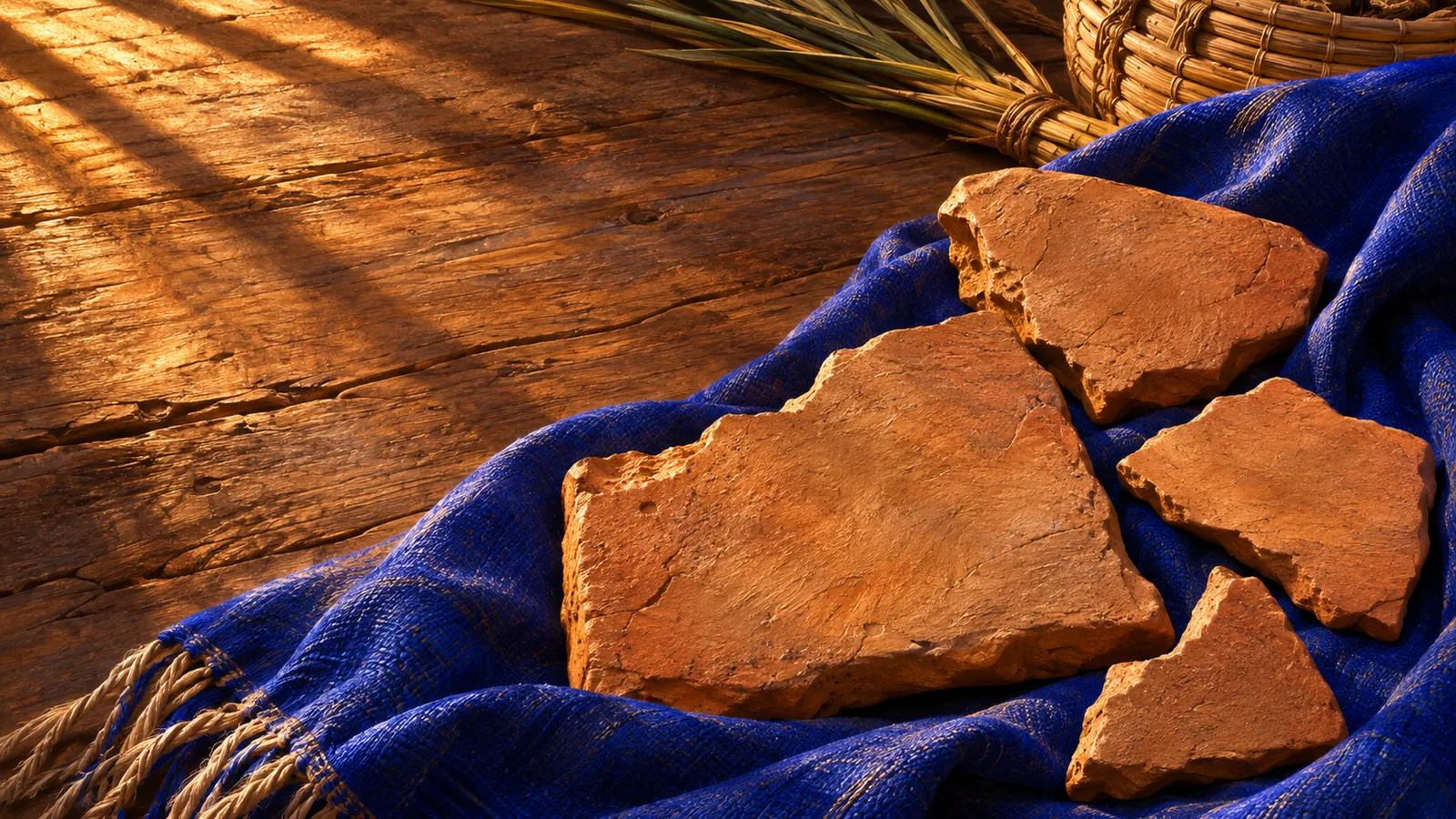
Der Anfang dieser sumerischen Erzählung ist verloren. Wo die Worte wieder einsetzen, spricht bereits eine Stimme über die Menschen.
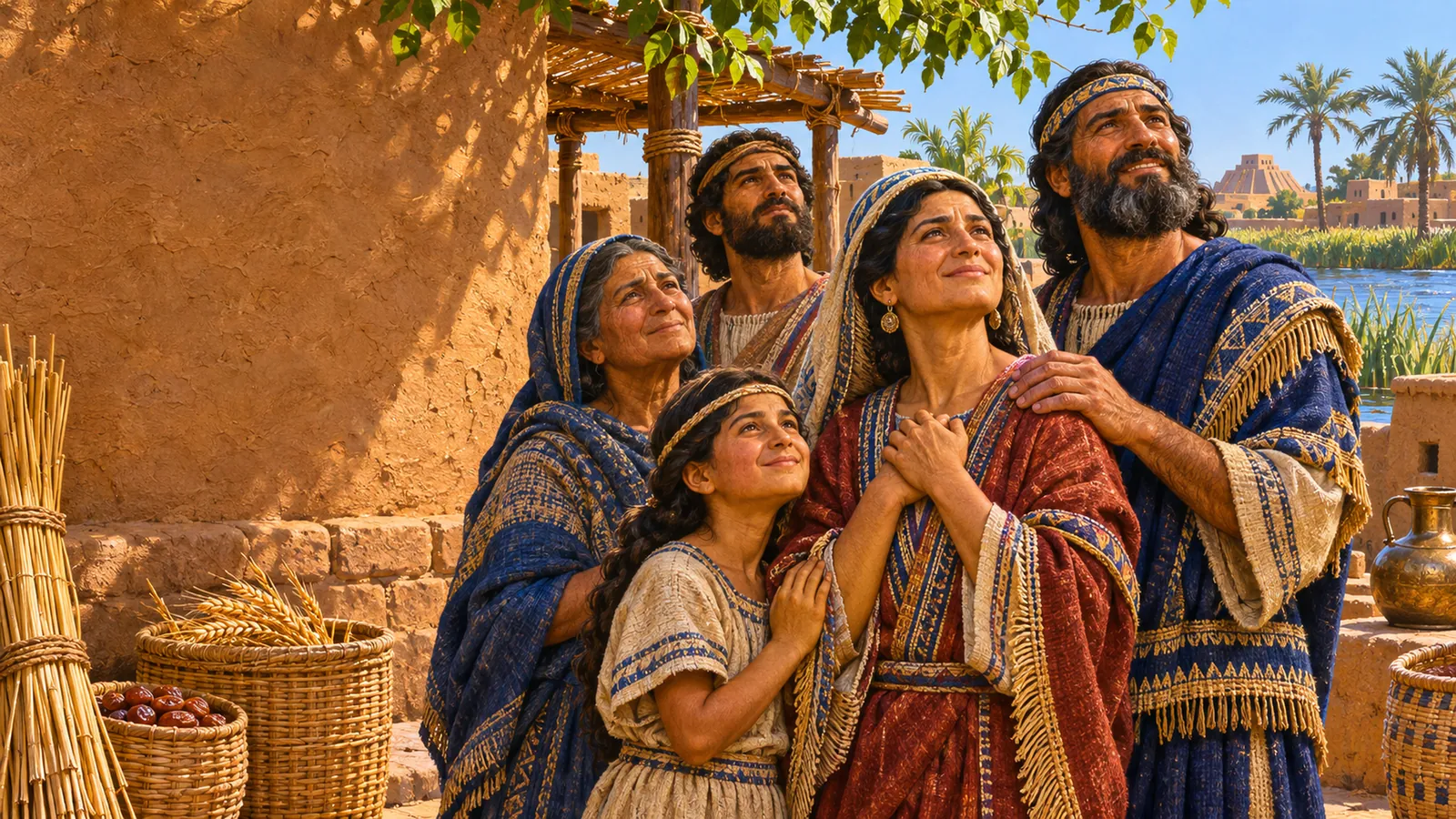
Eine Stimme, deren Name fehlt, erwähnt Nintud und verspricht, der Vernichtung ihrer Geschöpfe Einhalt zu gebieten. In den erhaltenen Worten ist auch davon die Rede, die Menschen zurückzuführen.
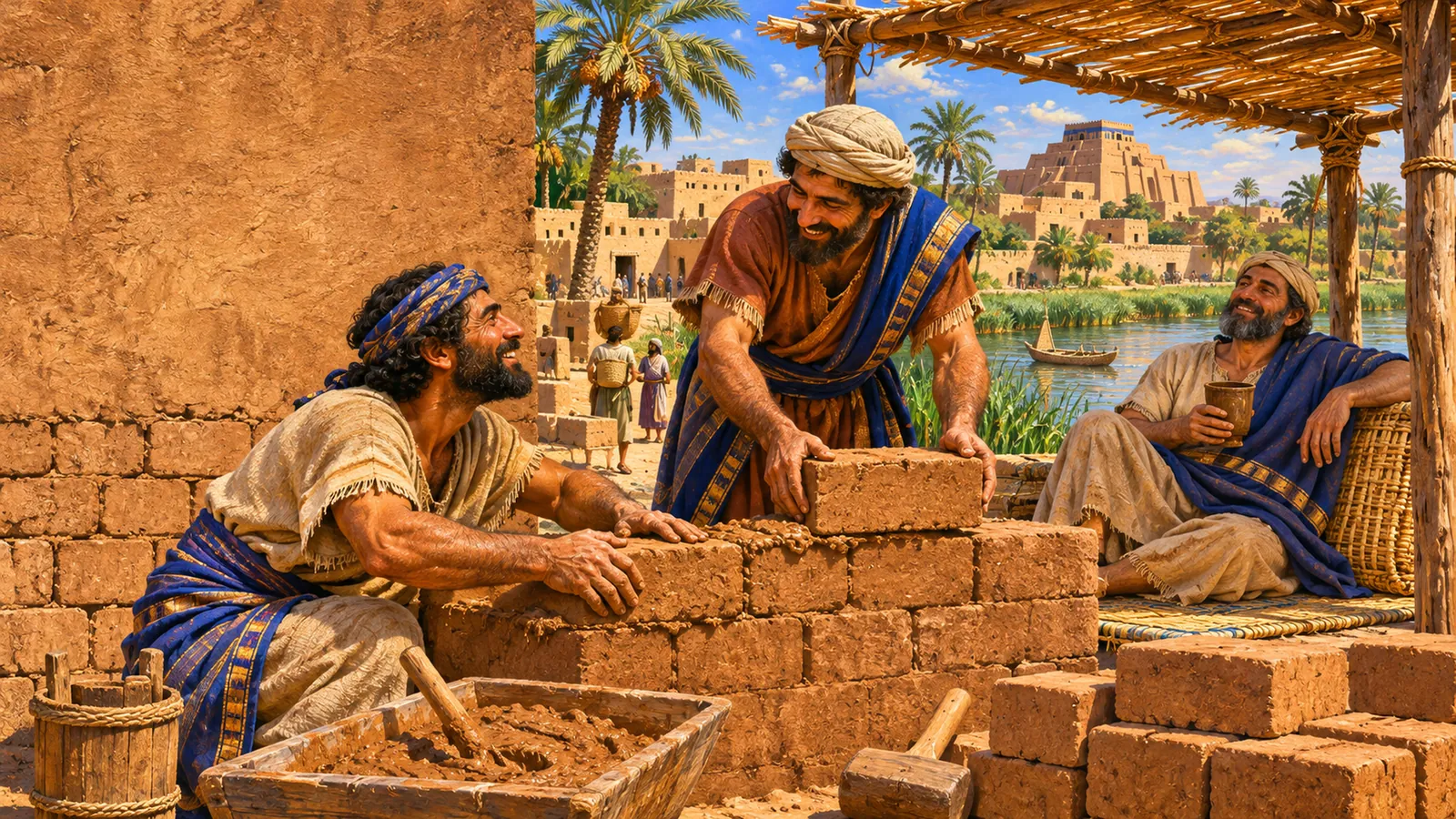
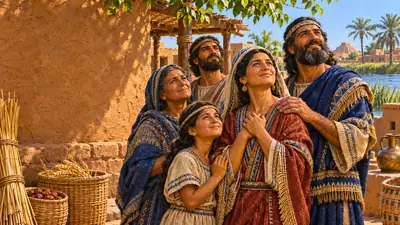
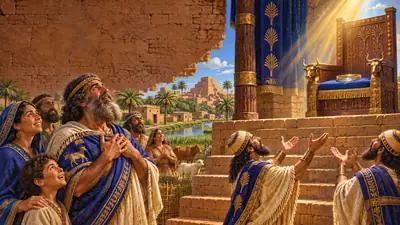
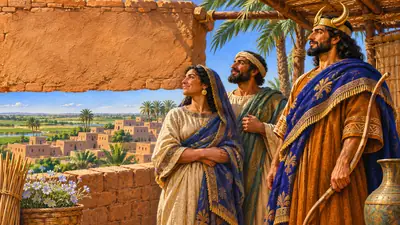
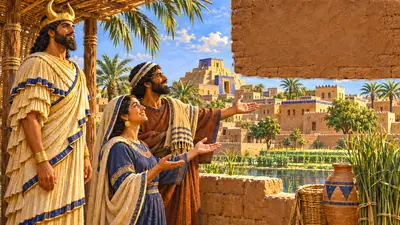
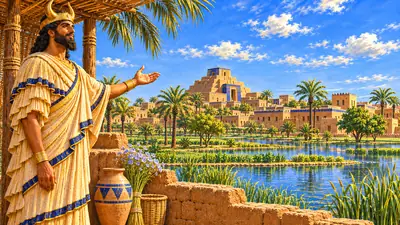
Die Stimme ruft dazu auf, viele Städte zu bauen. Sie spricht davon, im Schatten dieser Städte zu ruhen.
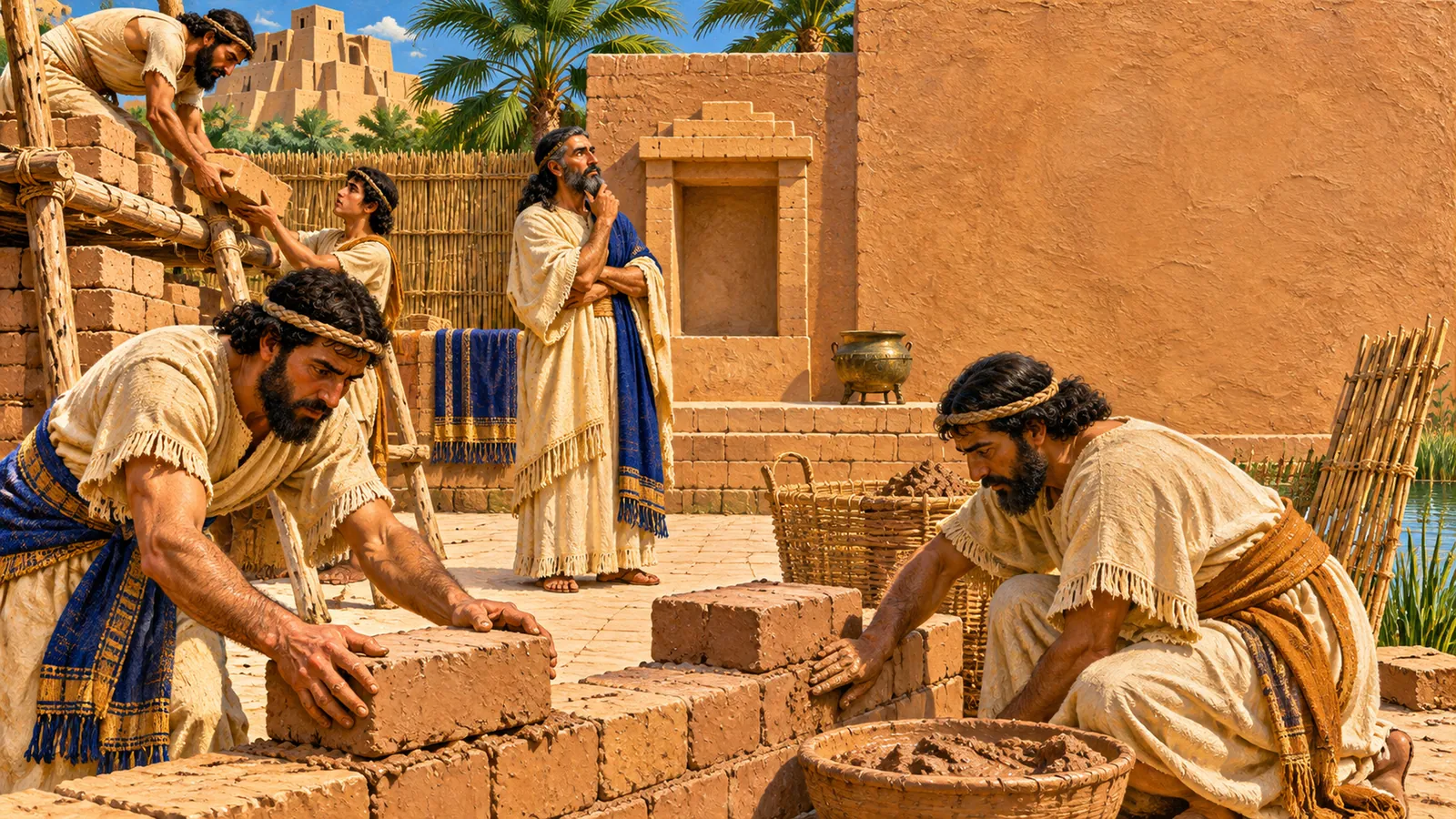
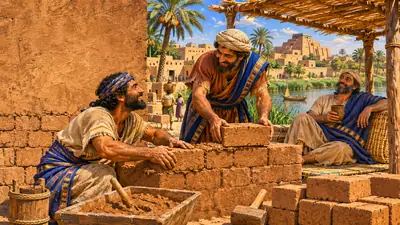
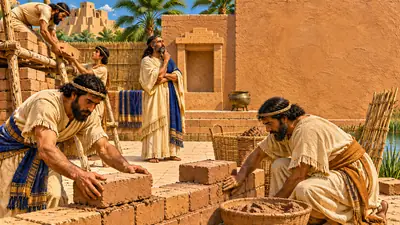
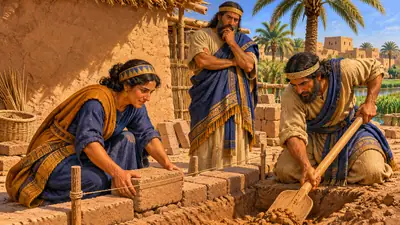
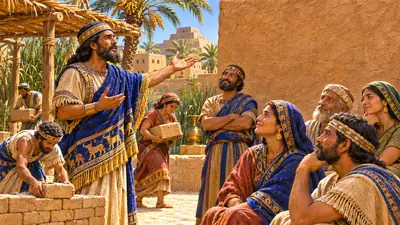
Die Städte sollen an reinen Orten aus Lehmziegeln gebaut werden. Die Stimme ruft auch dazu auf, Orte für die Weissagung einzurichten.
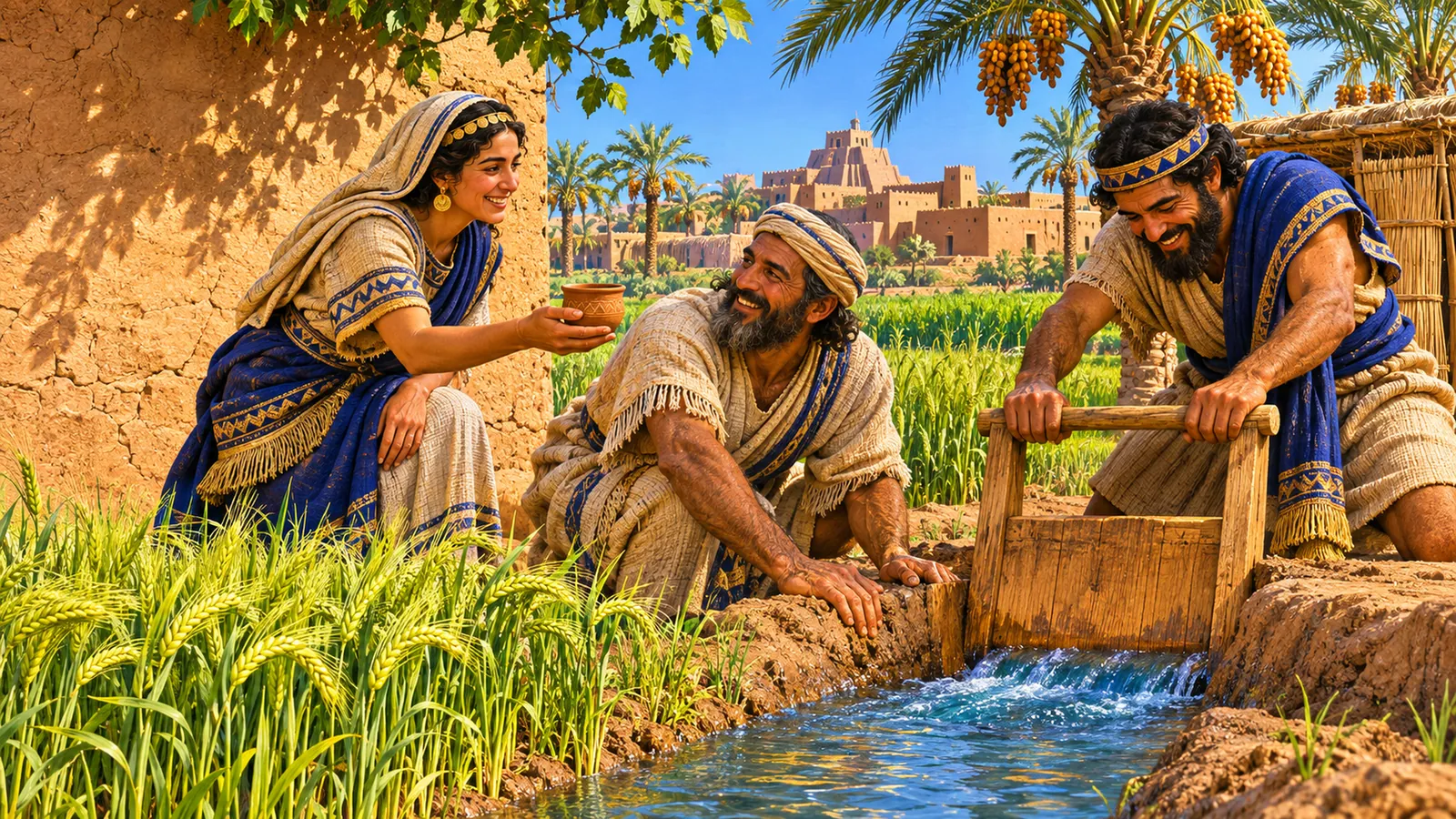
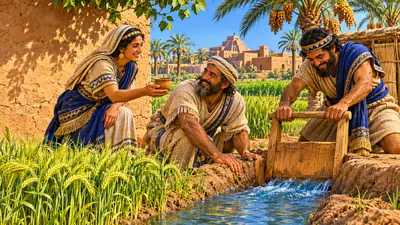
Die Stimme spricht von Riten und Kräften, die geordnet werden, und von Wasser, das die Erde erreicht. Dann verspricht sie dem Land Wohlergehen.
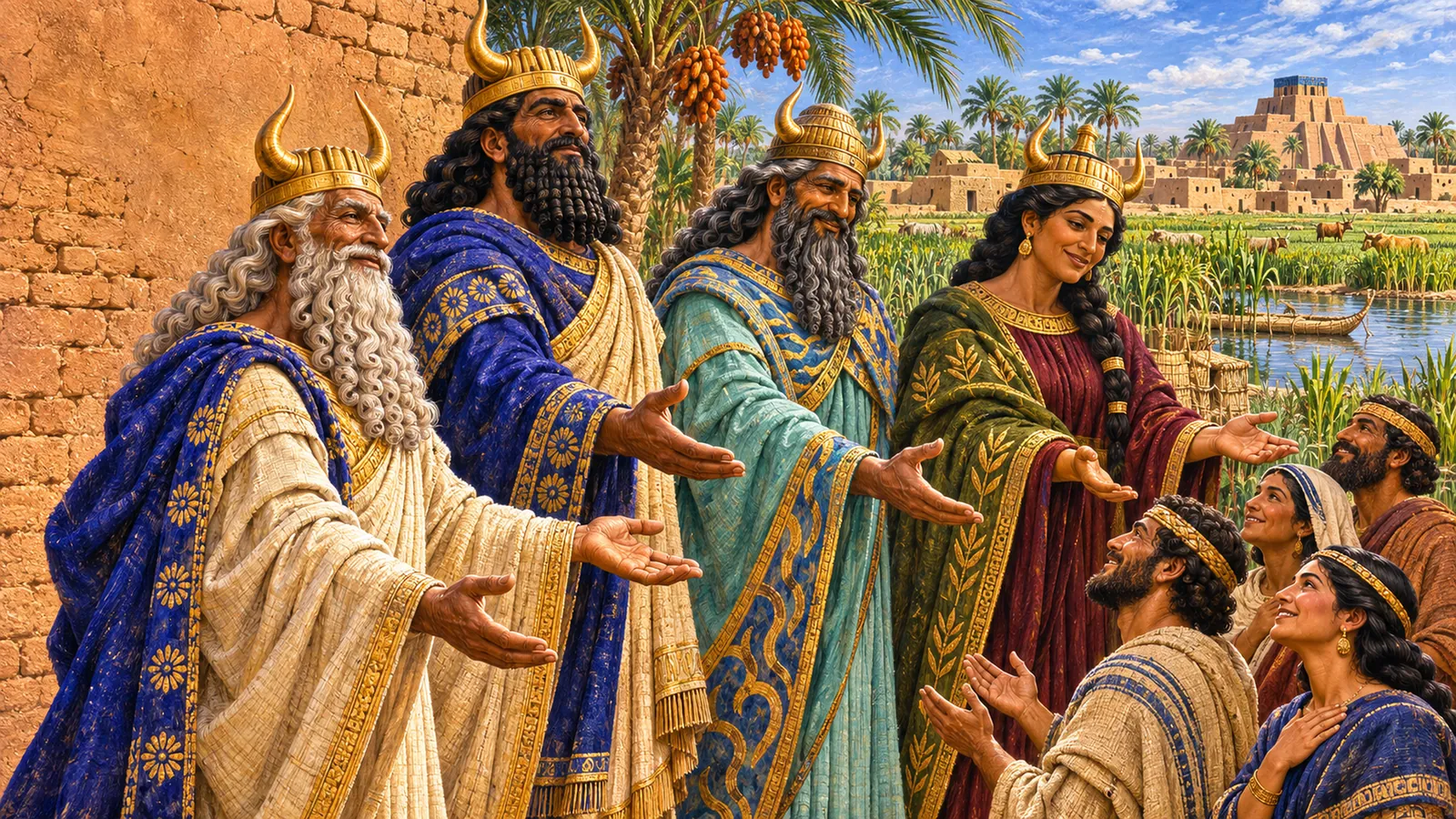
Am Beginn des menschlichen Lebens, erzählt das Gedicht, formten die Götter An, Enlil, Enki und Ninhursag die Menschen.
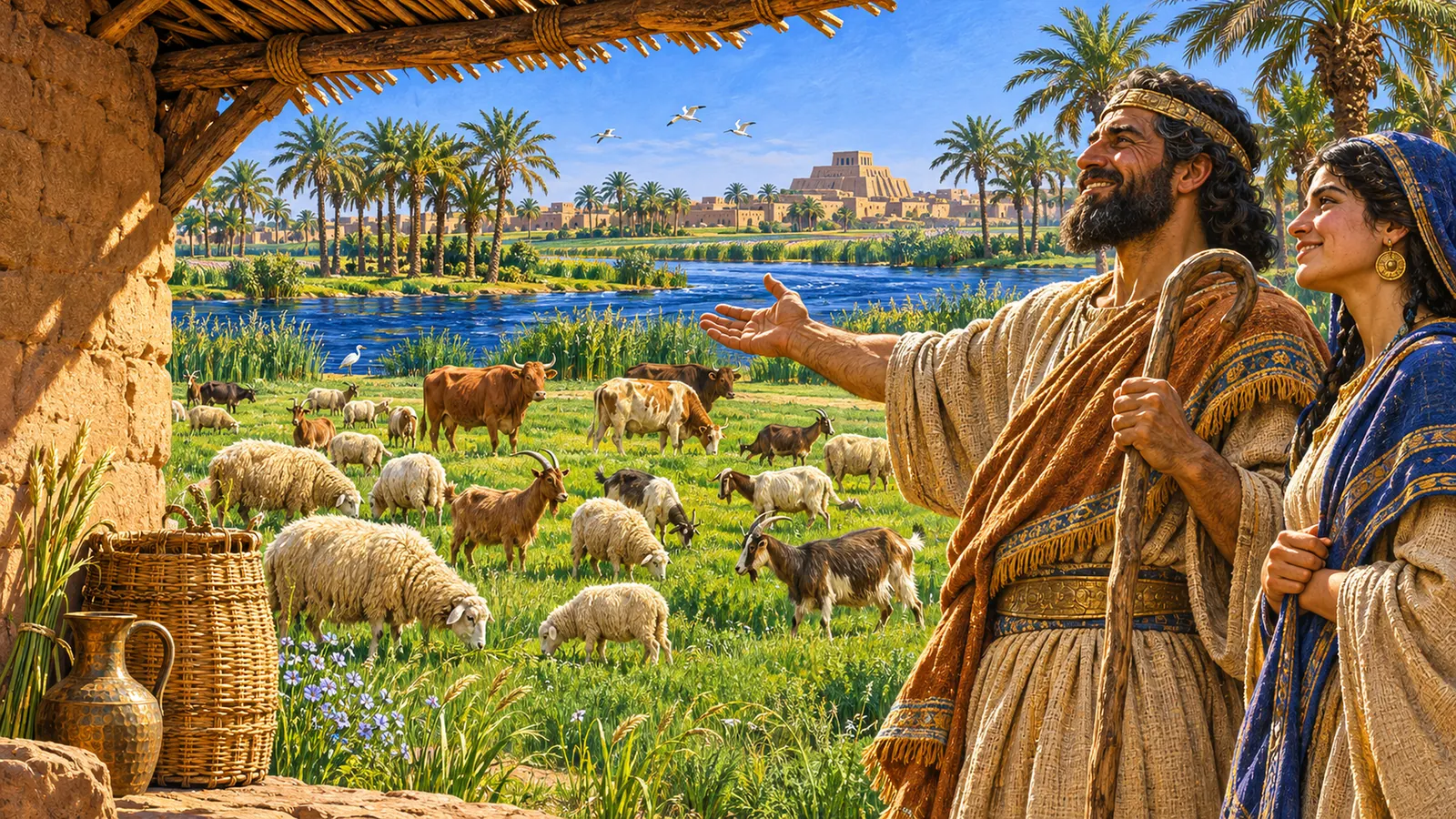
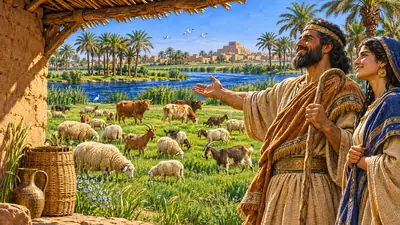
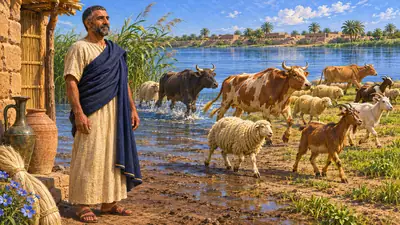
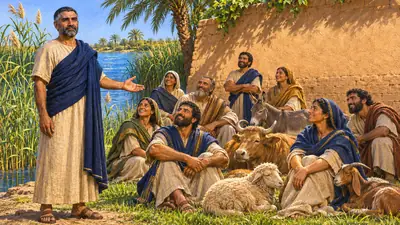
Die Götter lassen auch die Tiere sich vermehren. Über die Ebenen ziehen, so erzählt das Gedicht, Herden von vierbeinigen Tieren.

Hier fehlen etwa zweiunddreißig Zeilen. Einige weitere sind zu bruchstückhaft für eine Übersetzung, dann erhebt sich wieder eine Stimme.
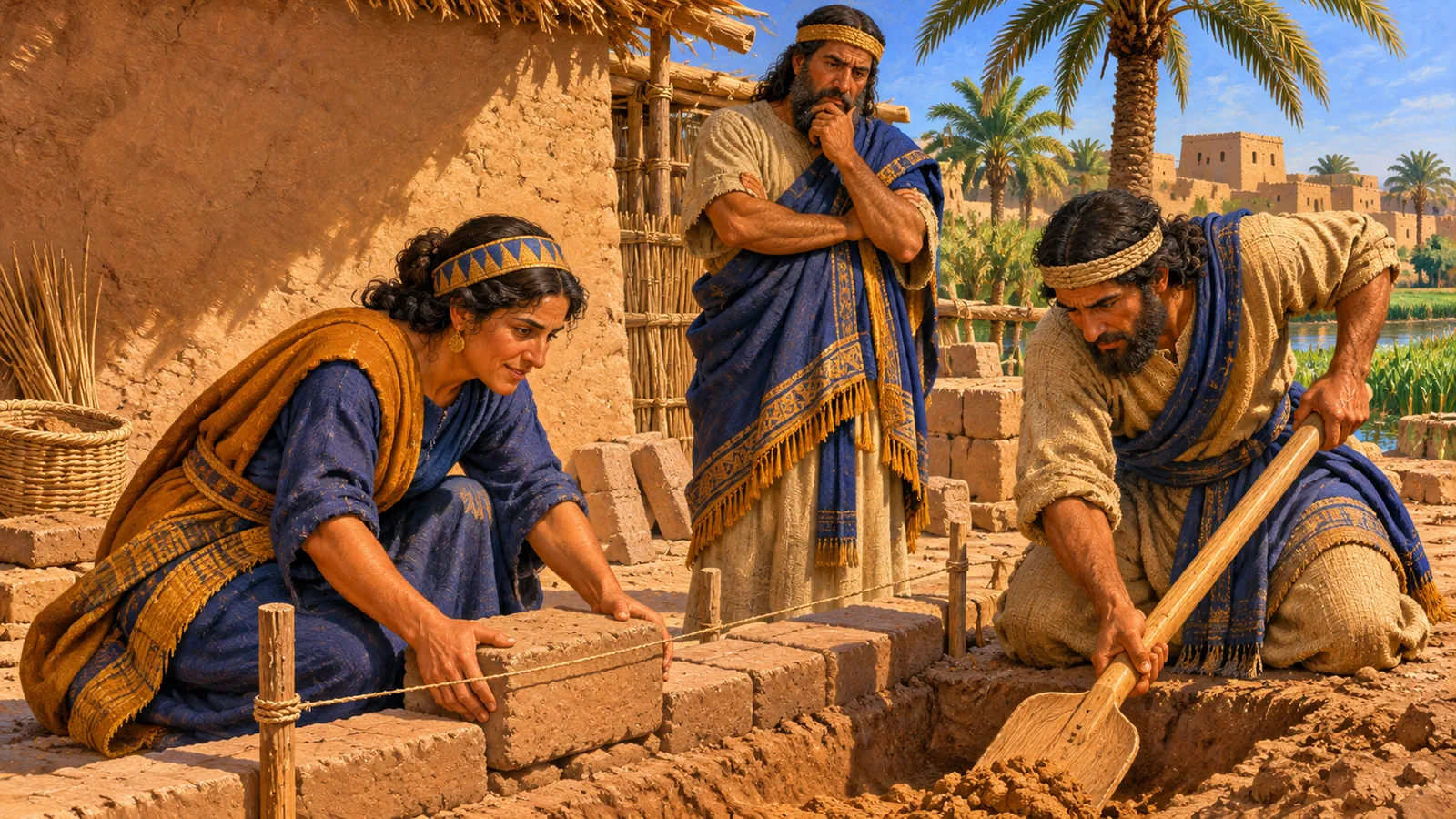
Die Stimme sagt, sie werde über die Arbeit wachen. Sie fordert den Baumeister des Landes auf, einen festen Grund auszuheben.
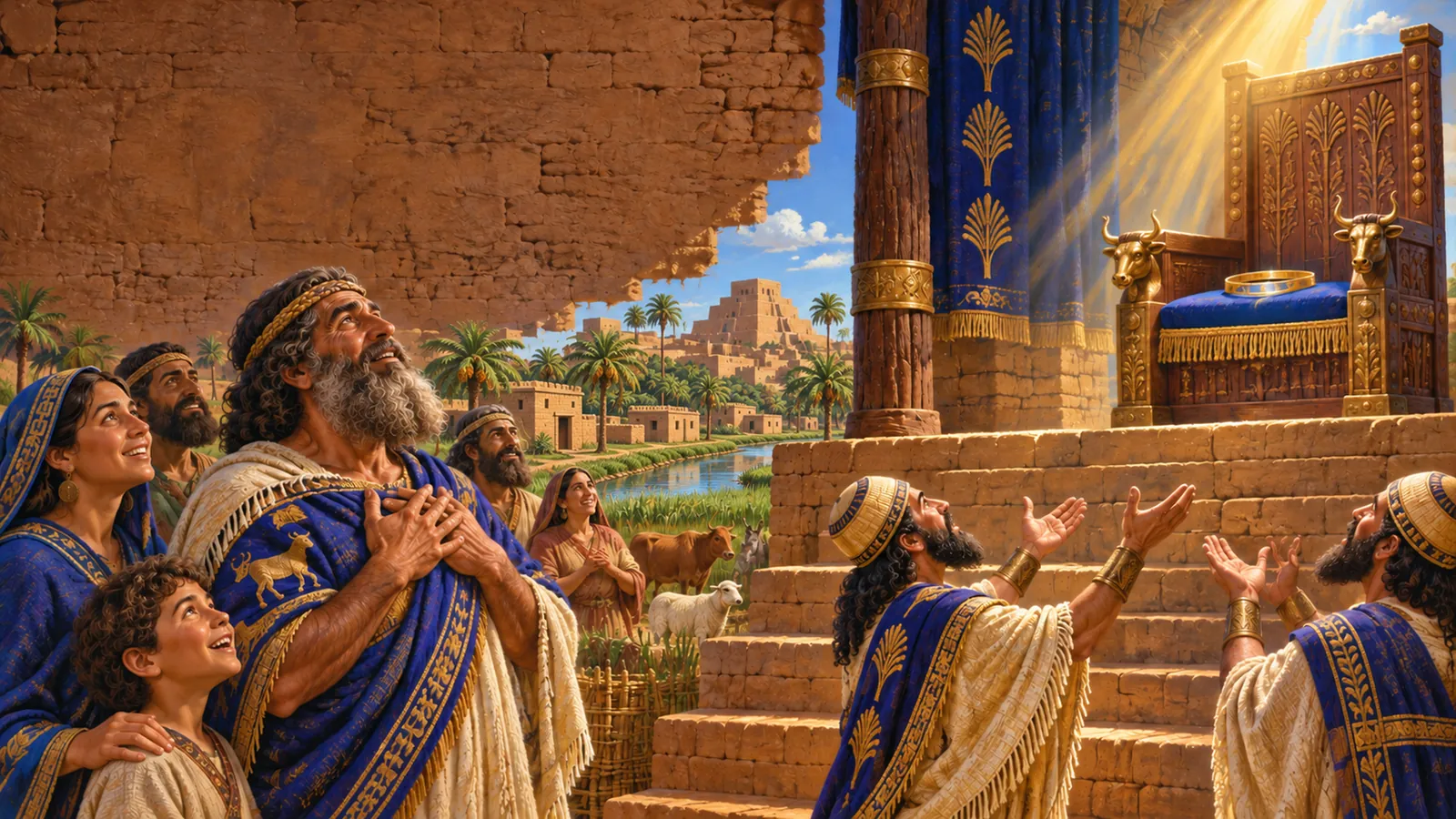
KÖNIGTUM
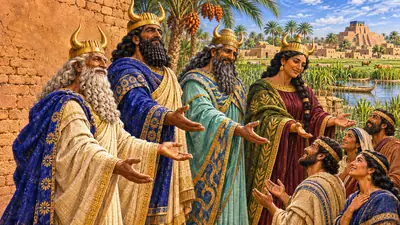
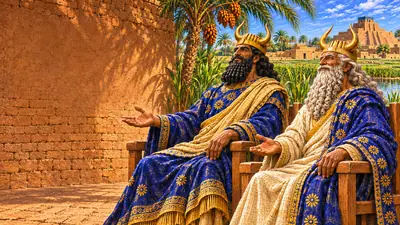
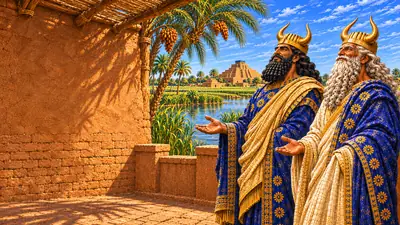
Krone und Thron des Königtums kommen vom Himmel herab, als sich die Erzählung den Städten zuwendet.
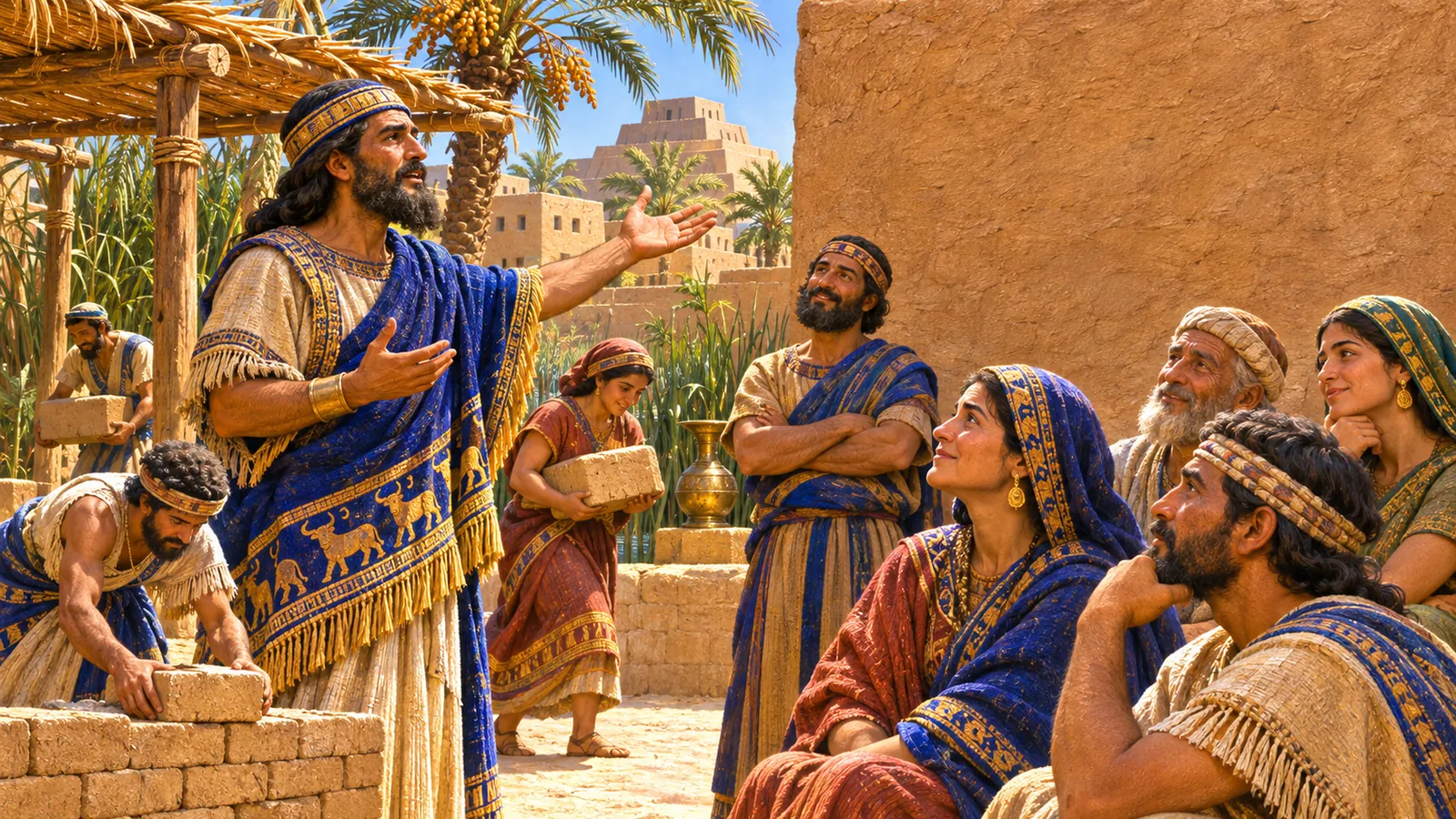
Die Riten und Kräfte werden geordnet. An heiligen Orten werden Lehmziegel verlegt, und die Namen der Städte werden ausgesprochen.
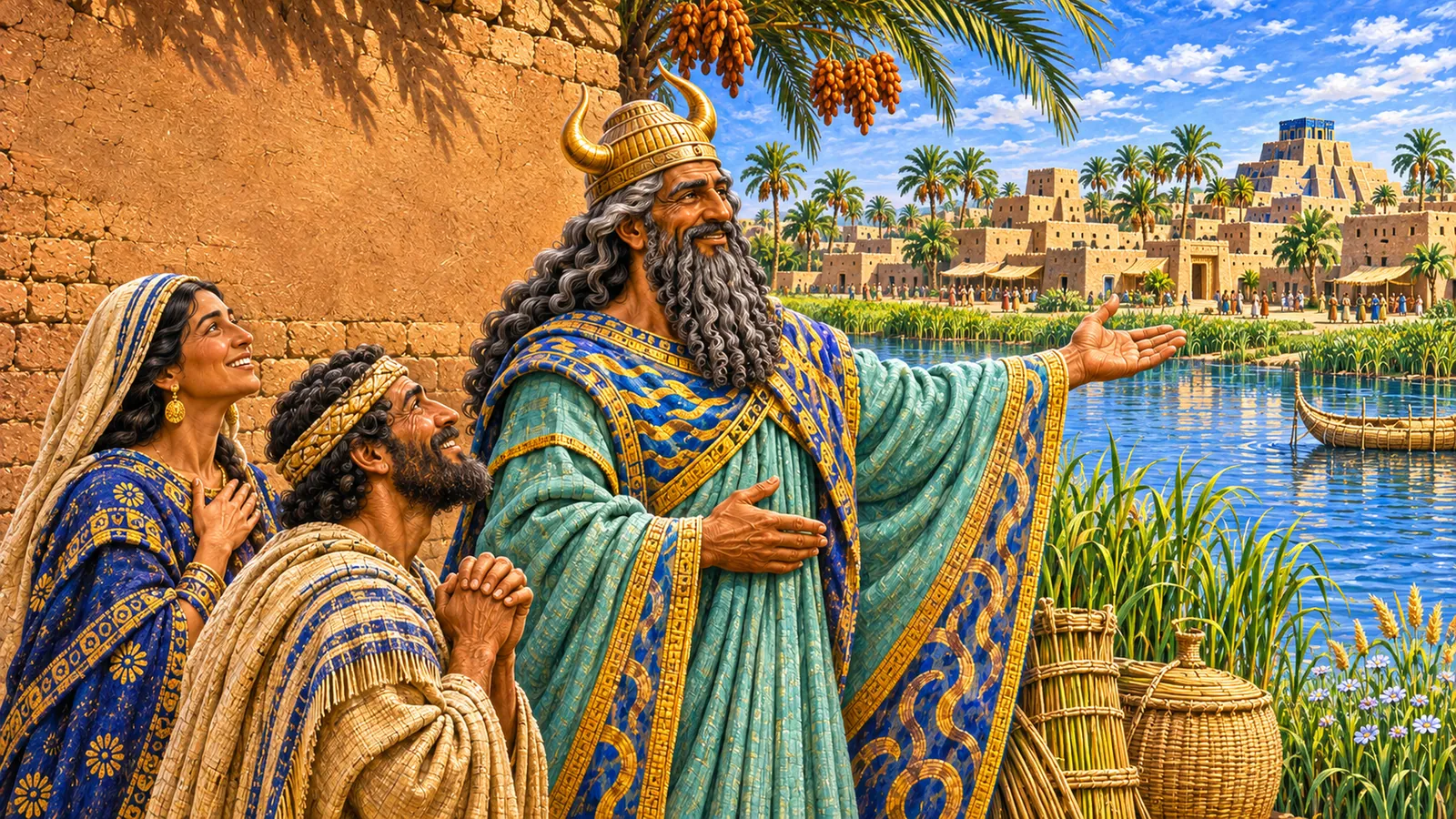
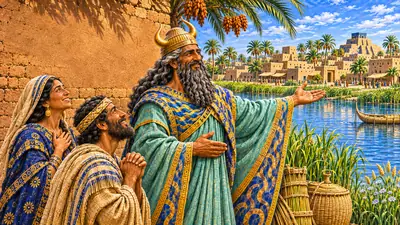
Die erste Stadt, die das Gedicht nennt, ist Eridu. Sie wird Nudimmud gegeben, der auch unter dem Namen Enki bekannt ist.
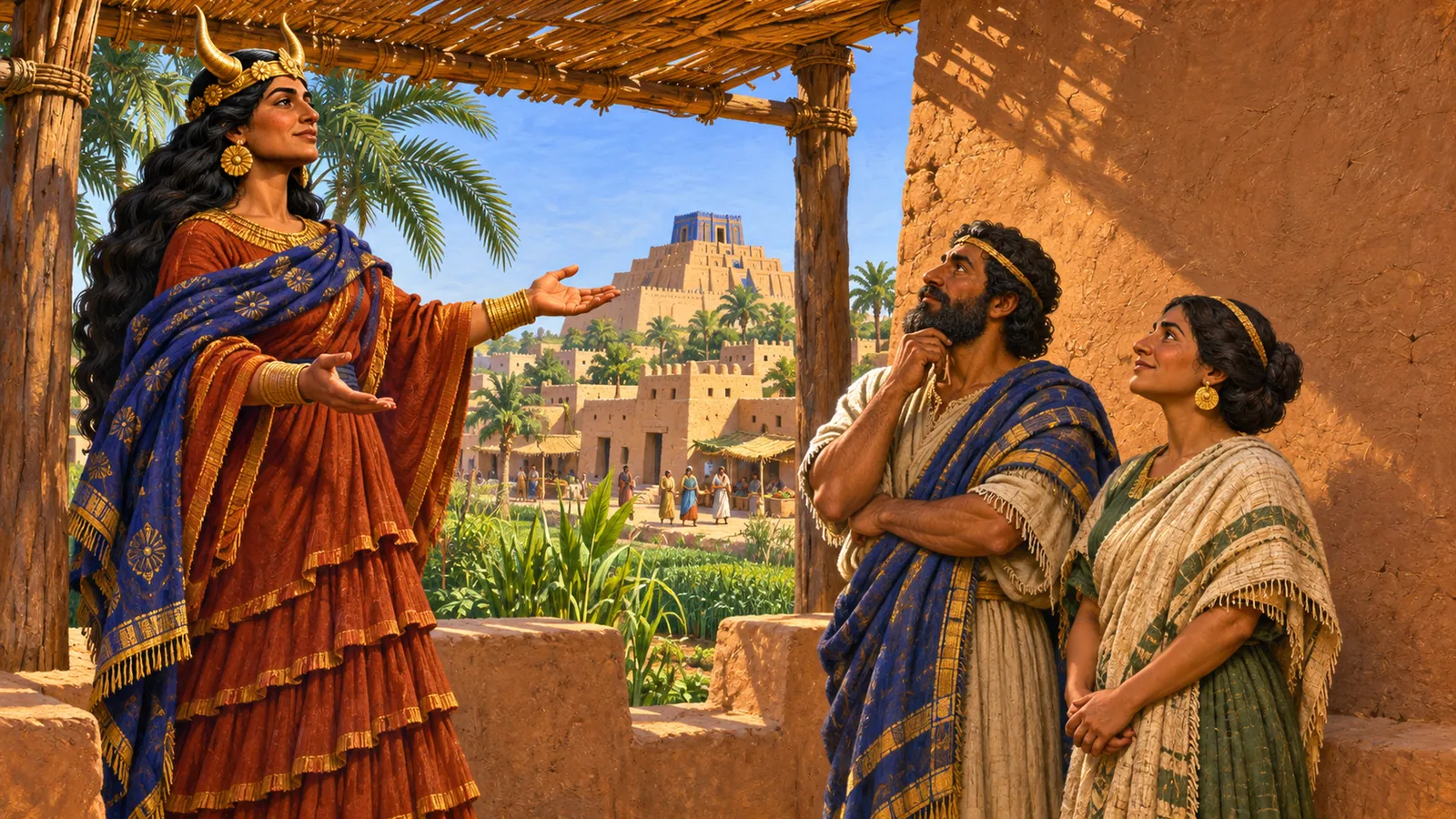
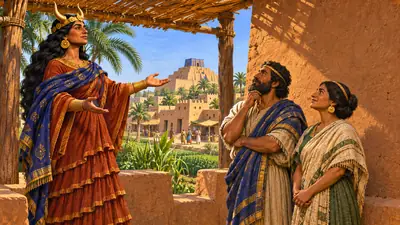
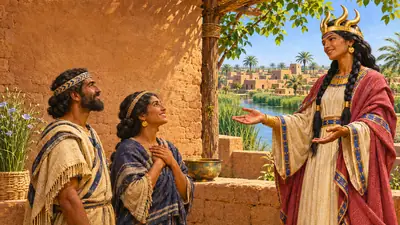
Das Gedicht wendet sich Bad-tibira zu, der zweiten Stadt. Sie wird der Gestalt gegeben, die das Gedicht die Herrin nennt.
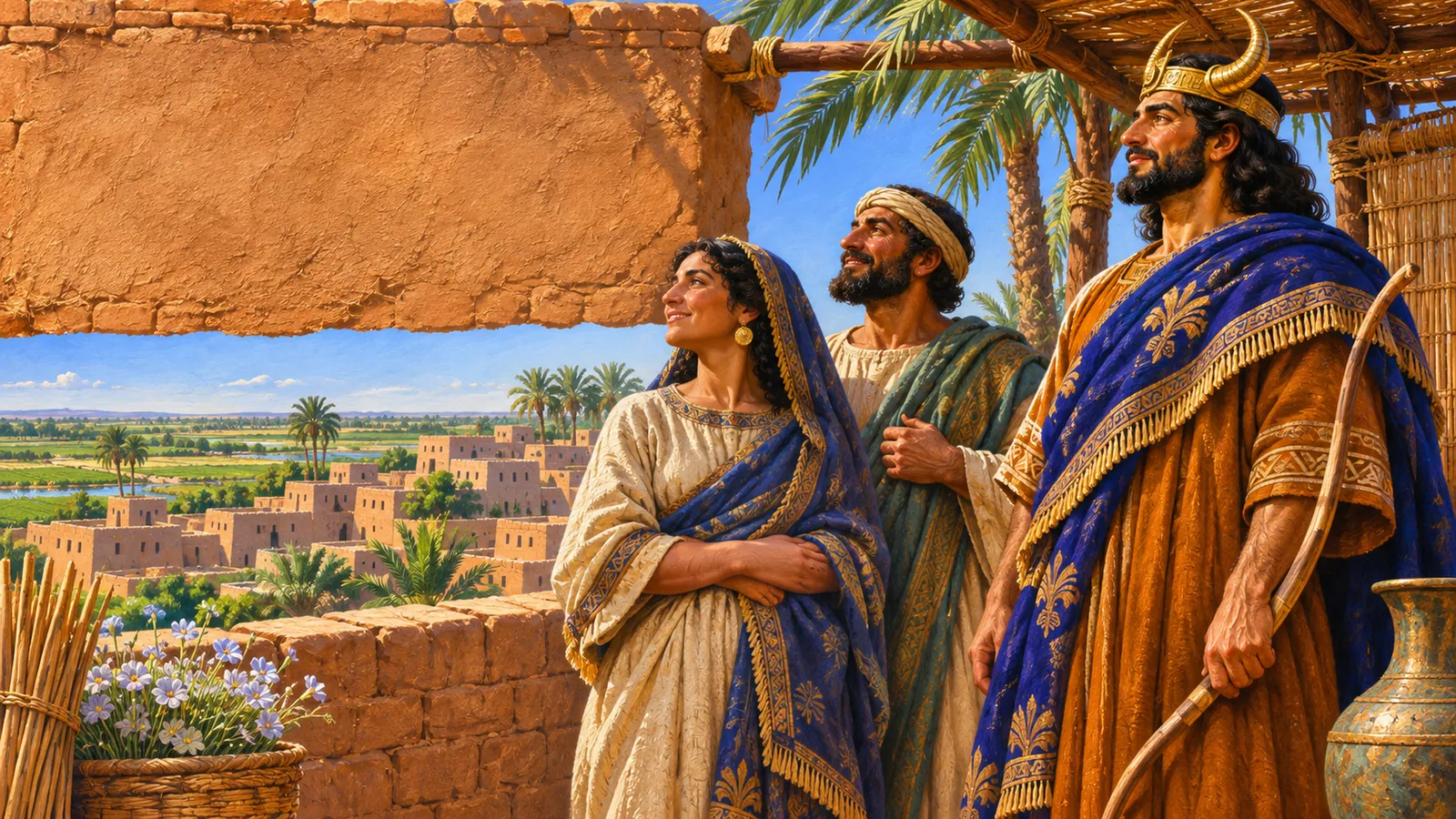
Die dritte Stadt in der Reihe ist Larag. Hier nennt die Erzählung Pabilsaj als denjenigen, der sie erhält.
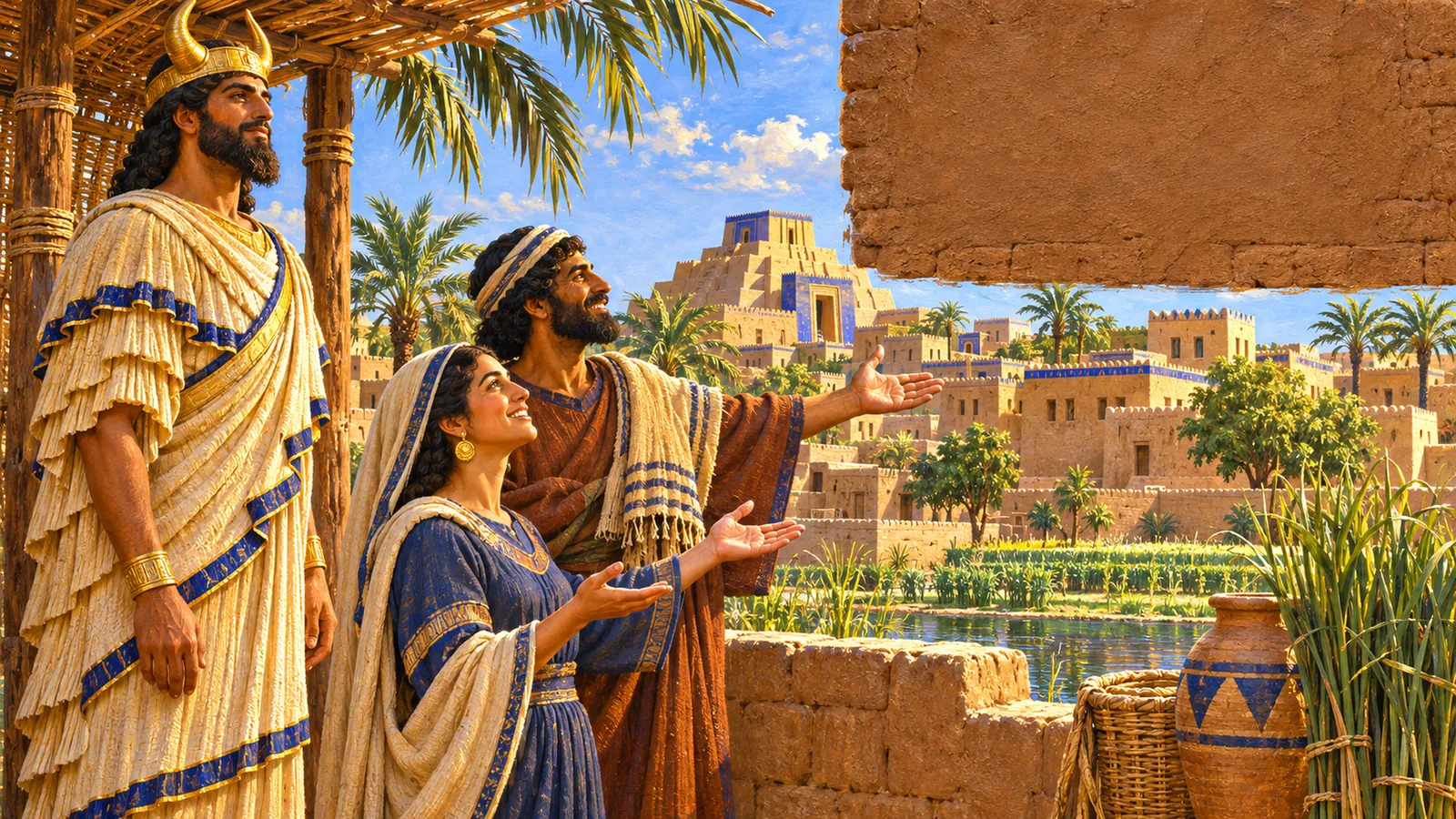
Die Liste wendet sich nun Sippar zu, ihrer vierten Stadt. Sie wird Utu gegeben, den das Gedicht einen Helden nennt.
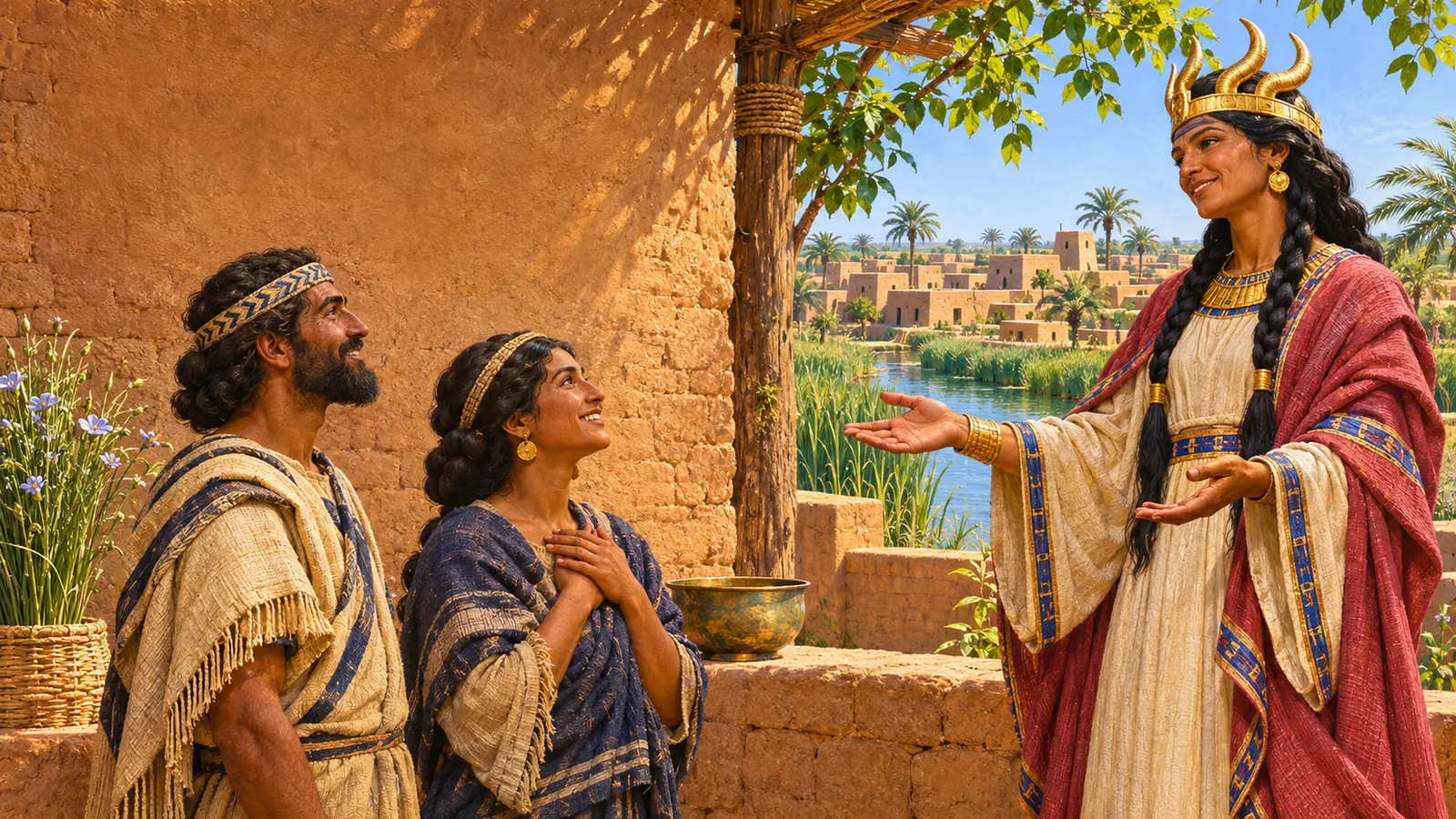
Als fünfte Stadt folgt Shuruppak, die Sud gegeben wird. Mit diesem Namen schließt die Passage die Liste der fünf Städte ab.
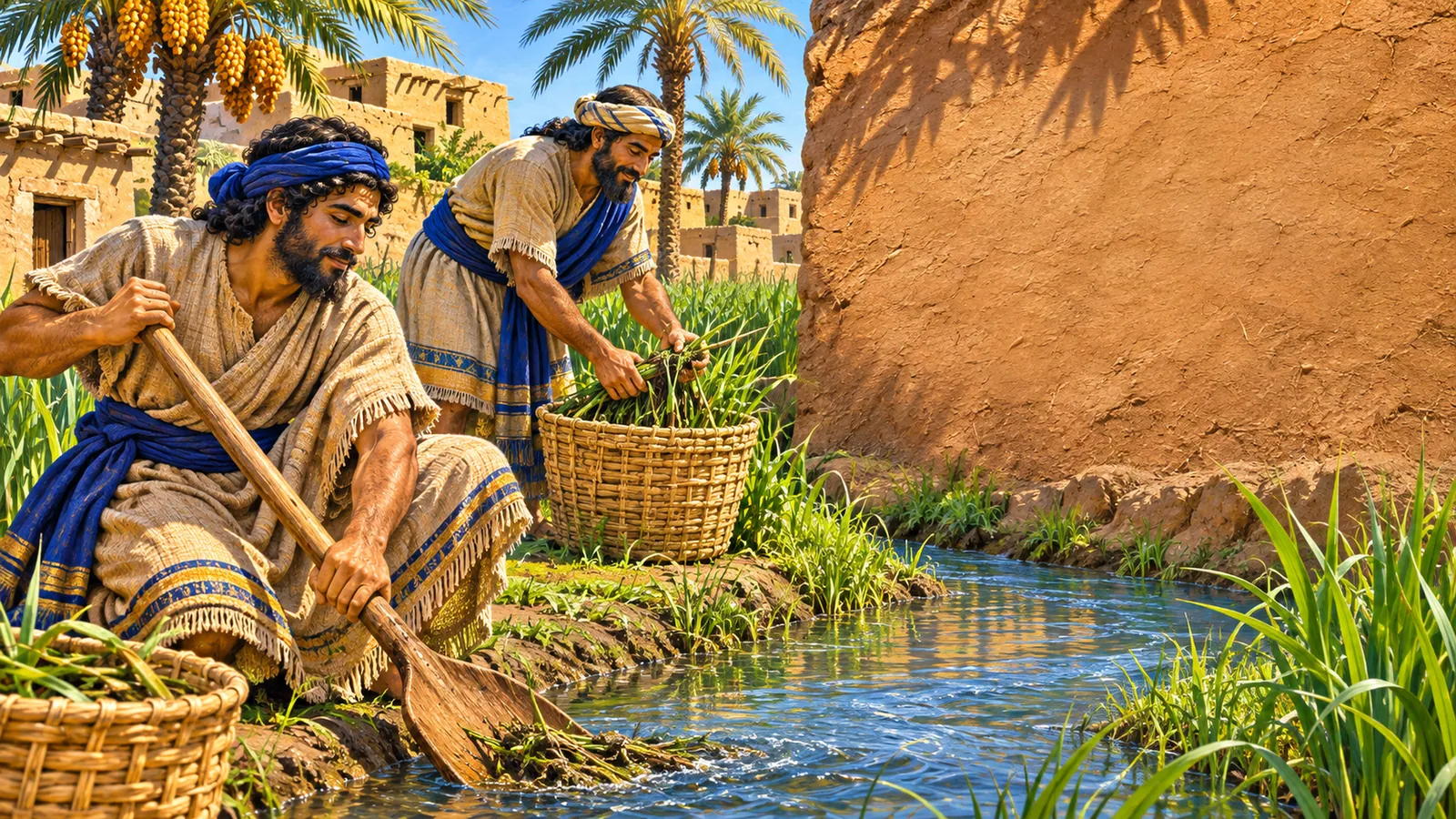
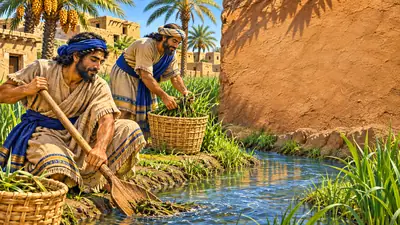
Nun geht es um das Wasser. Der Abschnitt über den Fluss ist beschädigt, doch die Worte über die Reinigung der kleinen Kanäle sind noch zu lesen.
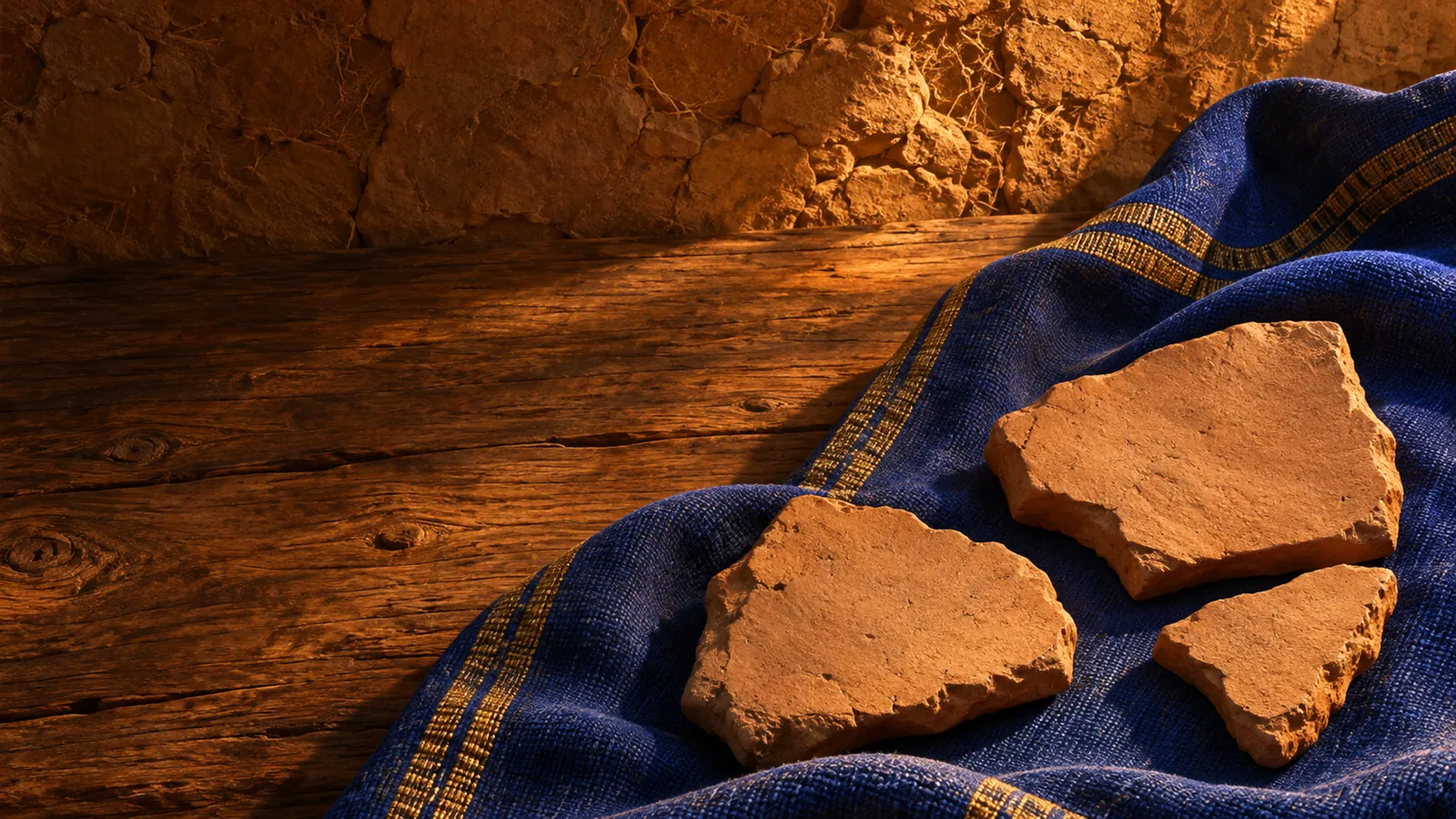
Hier fehlen etwa vierunddreißig Zeilen. Wo die Worte wieder einsetzen, sprechen nur bruchstückhafte Sätze vom Himmel, von der Flut und von den Menschen.
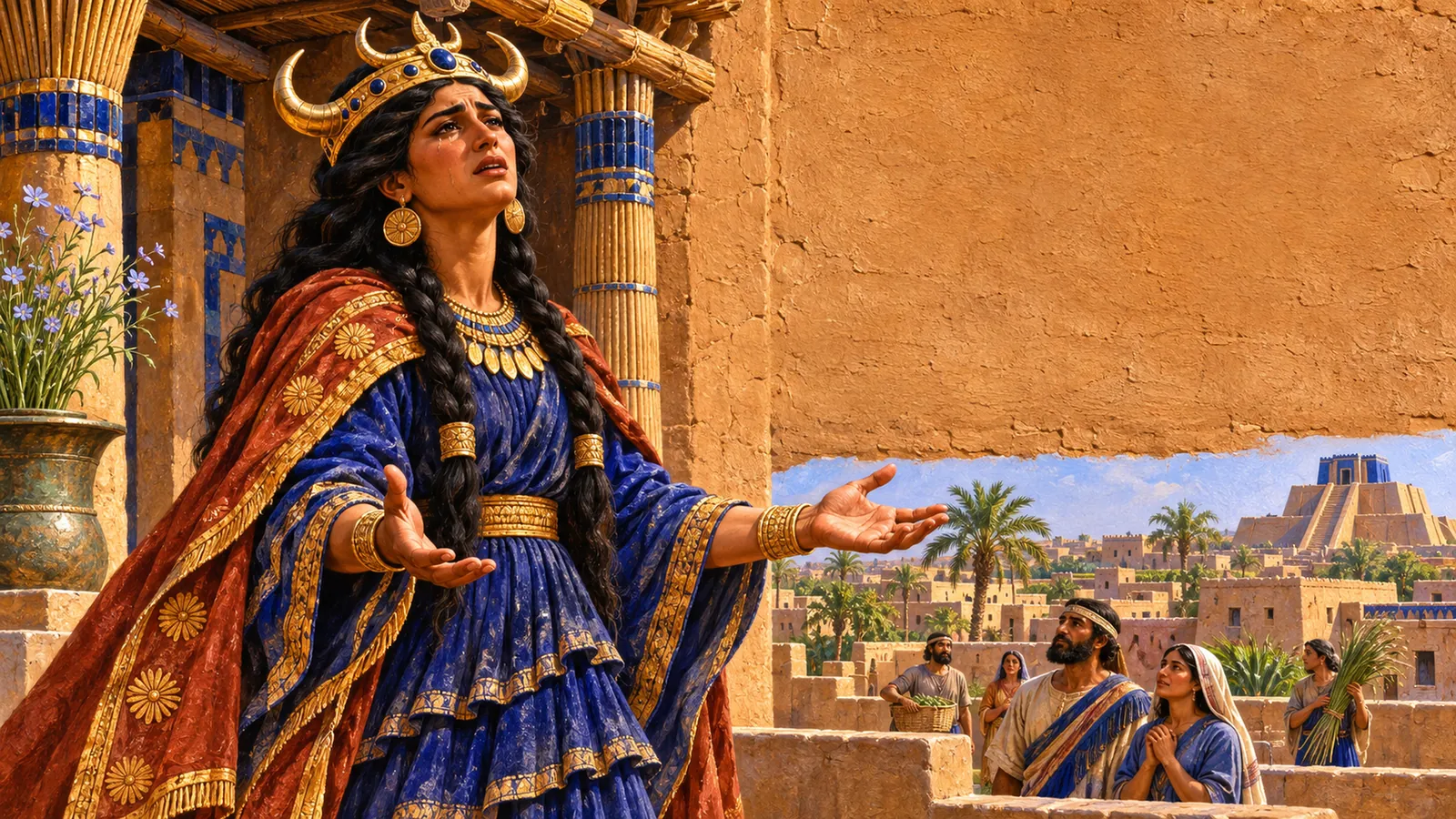
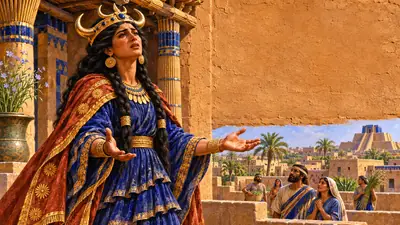
Inanna stimmt eine Klage um die Menschen an. Ihre Stimme ist eine der ersten, die nach der Lücke wieder deutlich zu hören sind.
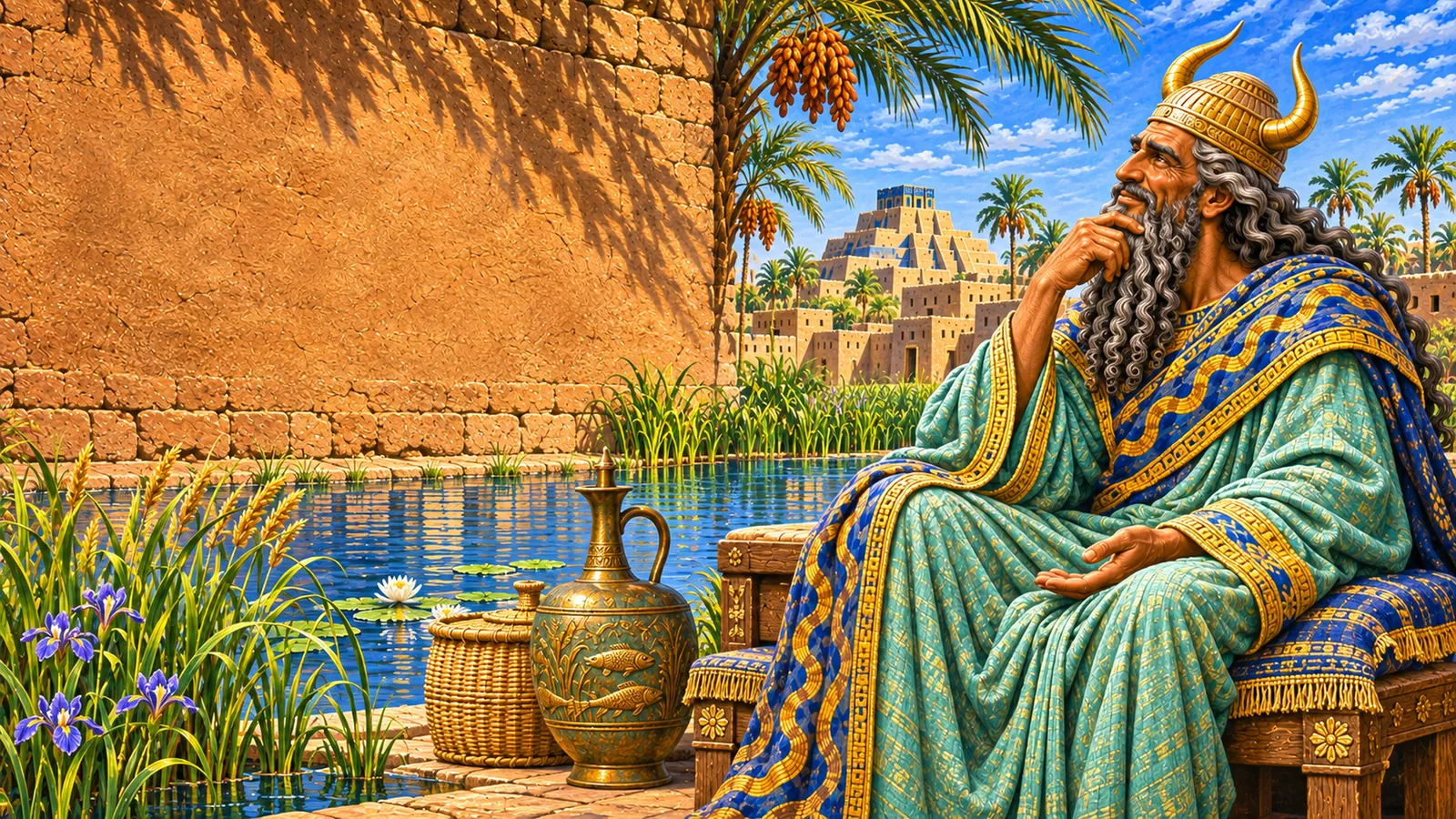
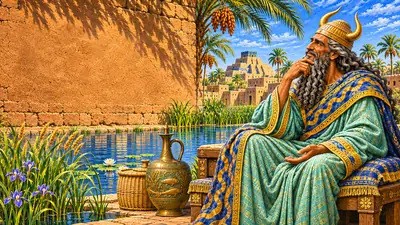
Enki geht mit sich zu Rate. Inmitten der bruchstückhaften Zeilen sagt uns das die Tafel in einem kurzen Satz.
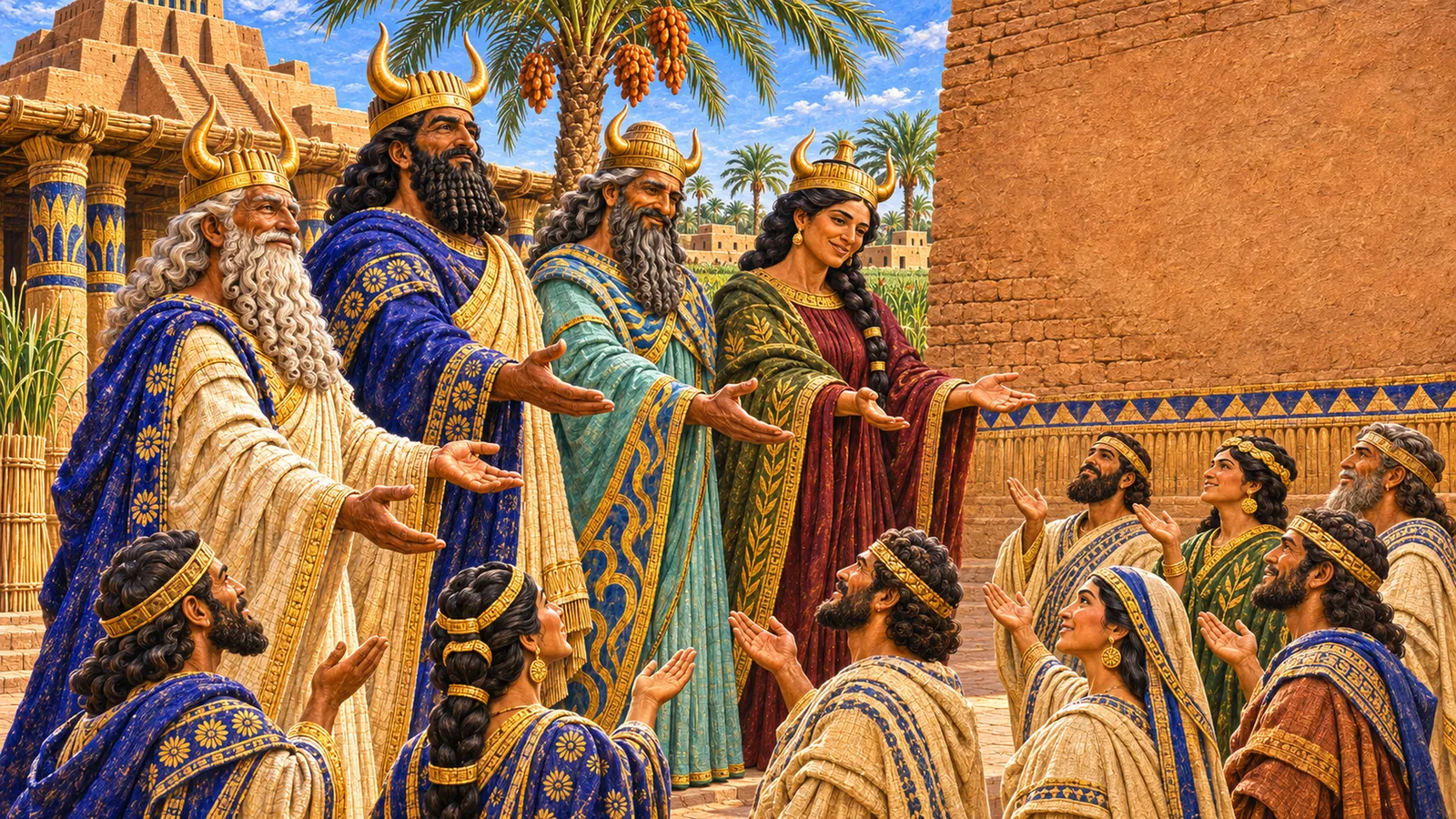
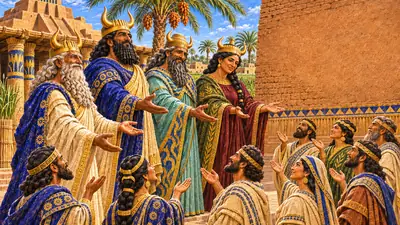
An, Enlil, Enki und Ninhursag lassen die Götter des Himmels und der Erde einen Eid schwören. Beim Schwur rufen die Götter An und Enlil an.
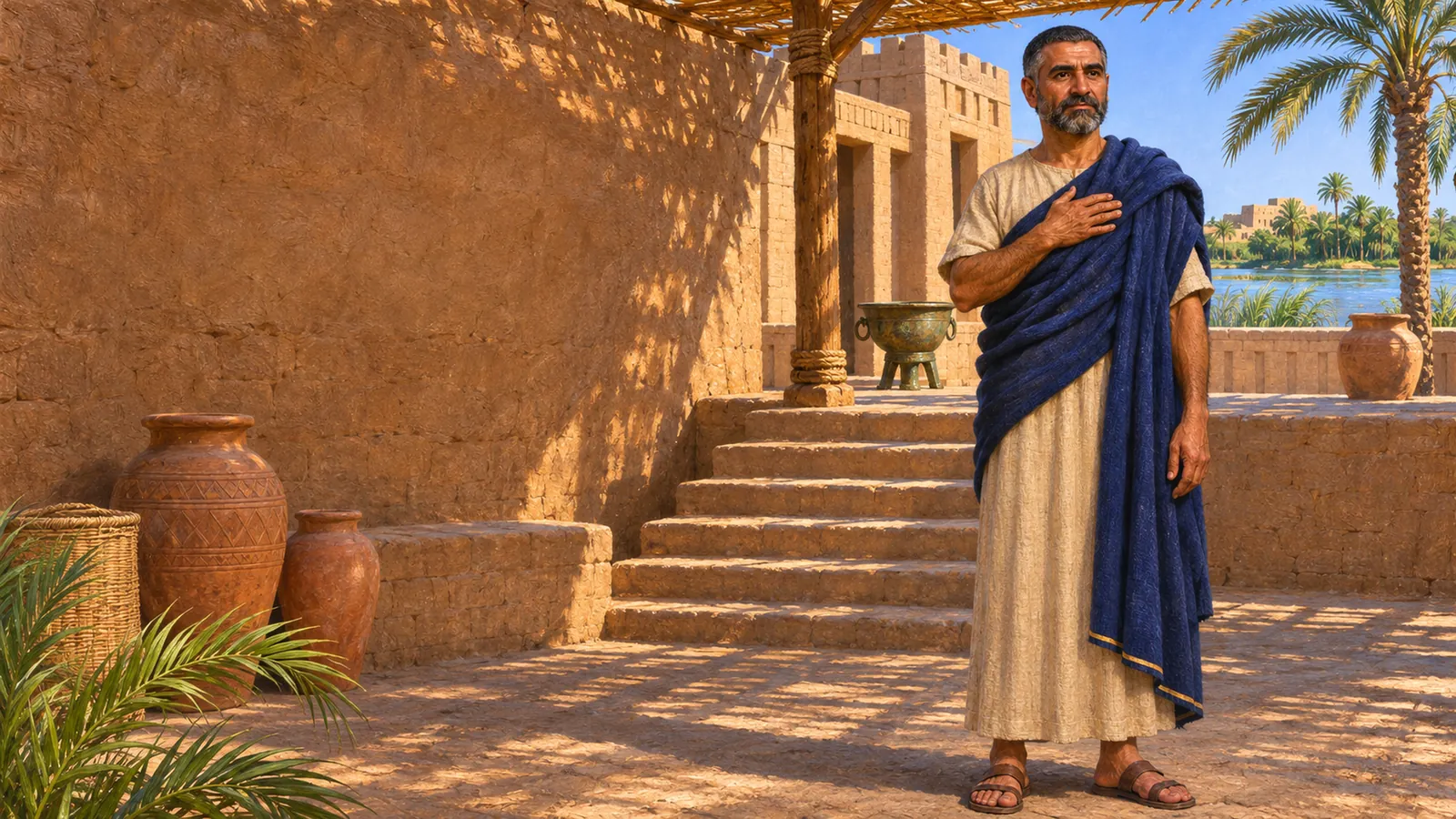
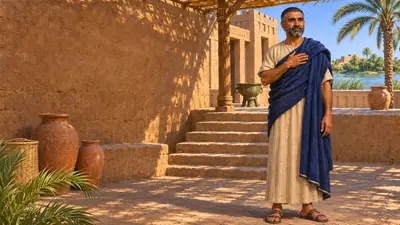
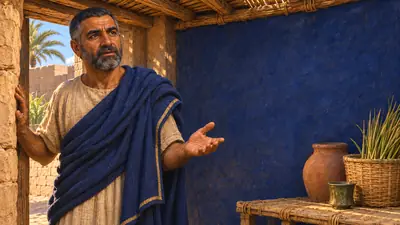
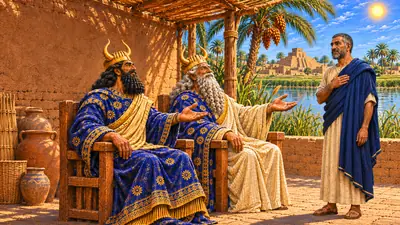
Hier nennt die Tafel Ziusudra, den König und Gudu-Priester. Die Worte über sein Tun sind uns nur in Bruchstücken überliefert.
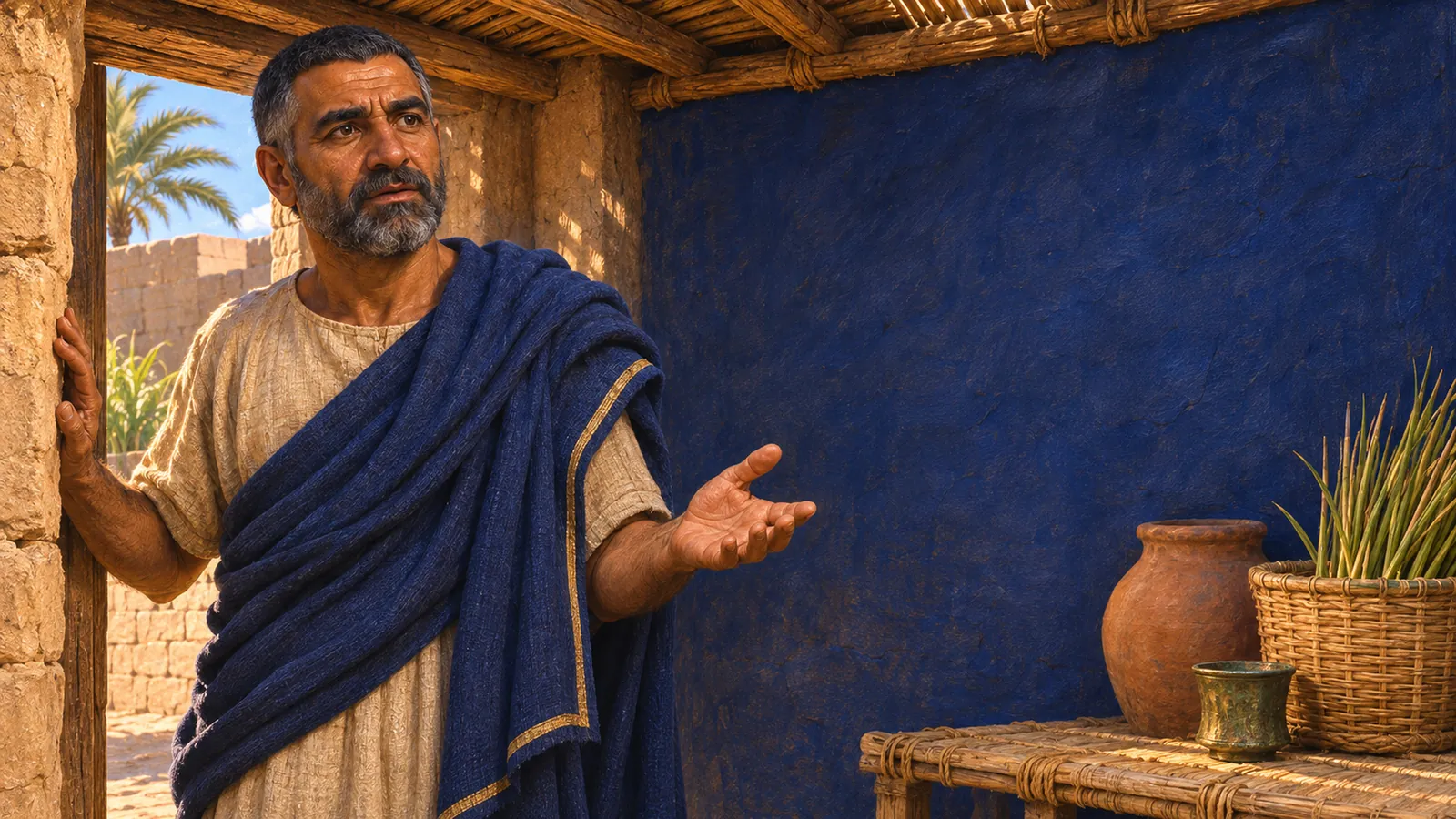
Etwas erscheint, das dem Text zufolge kein Traum war. Die Zeilen brechen ab, bevor wir erfahren, was da erschien.
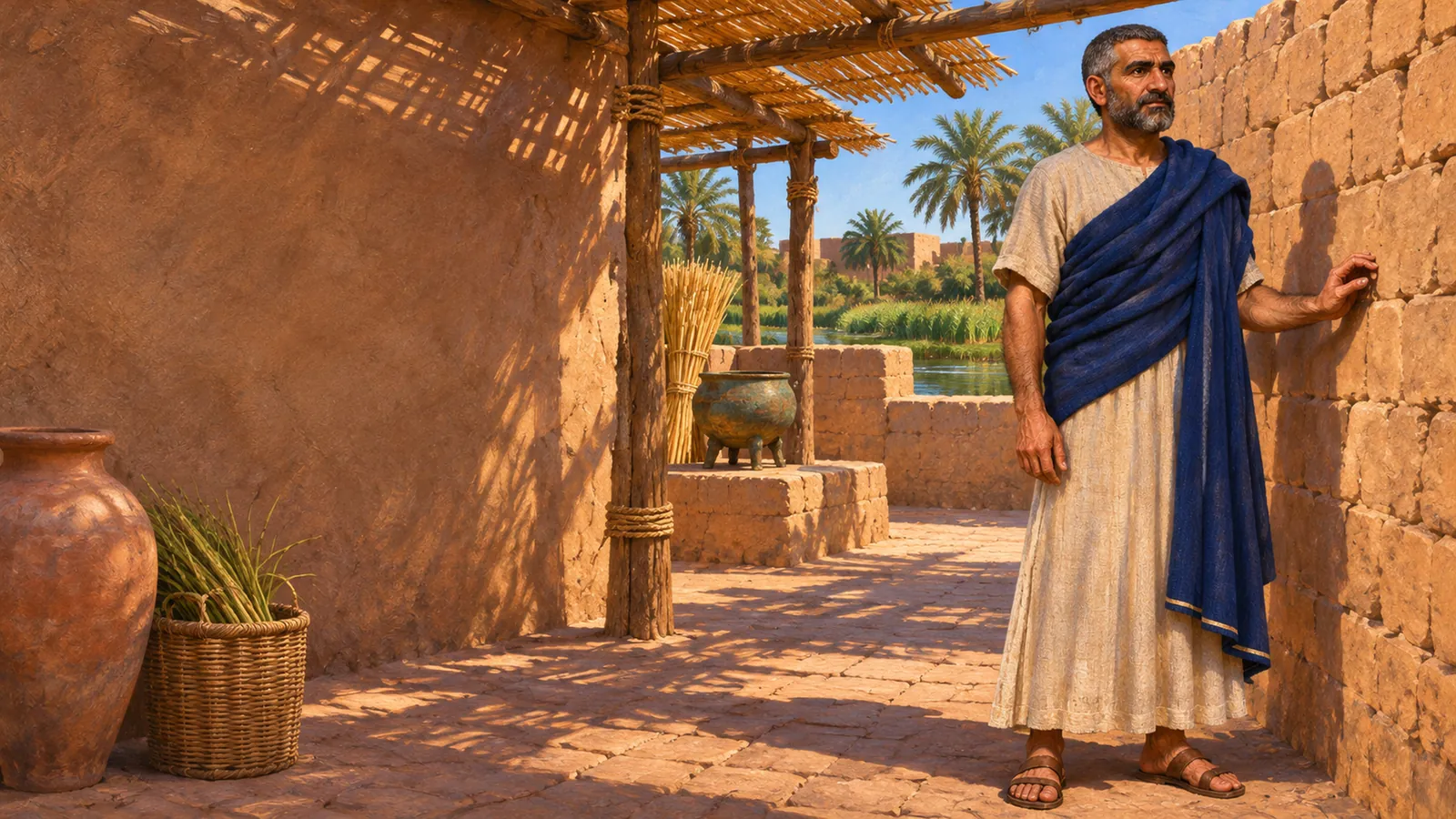
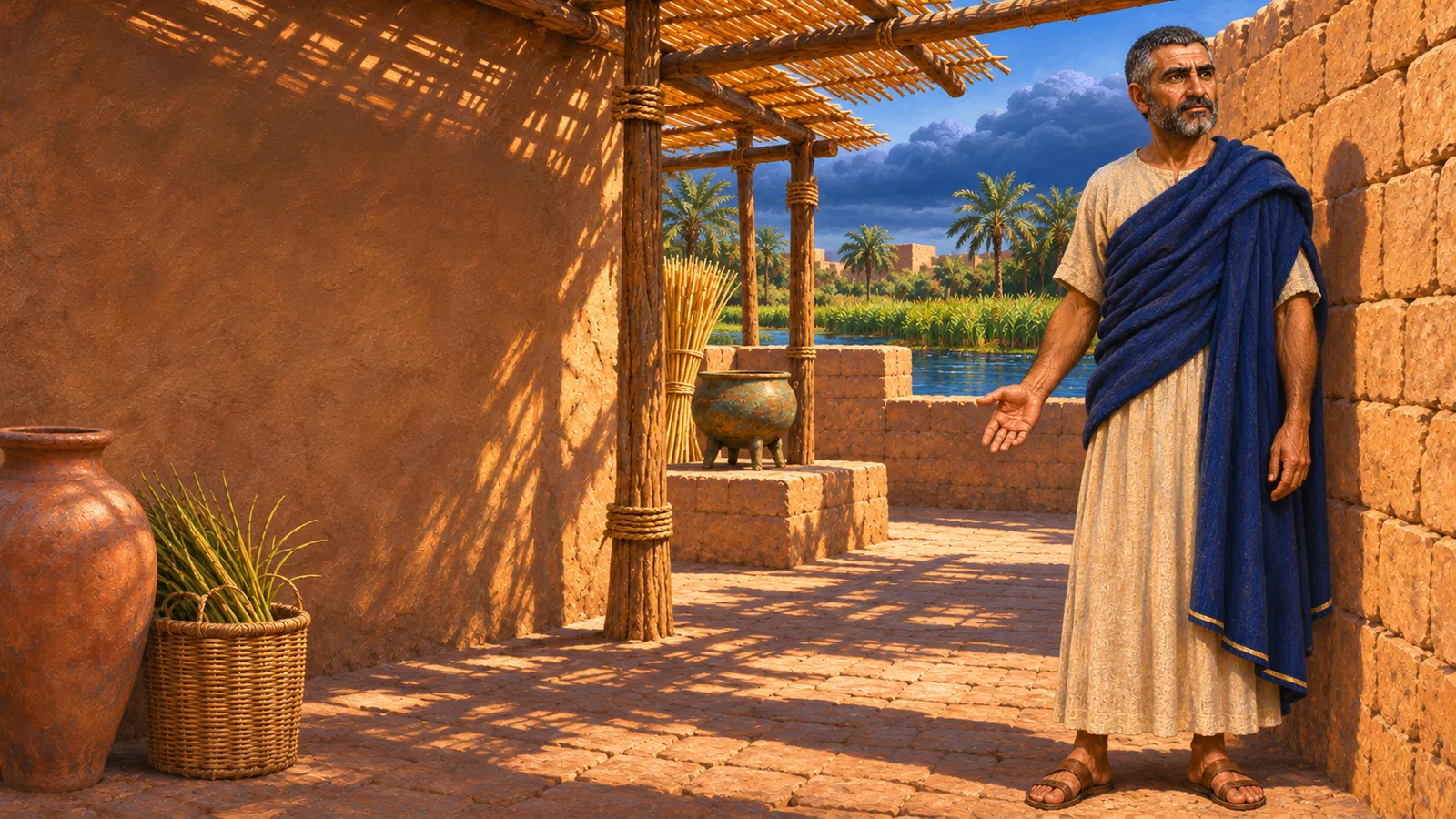
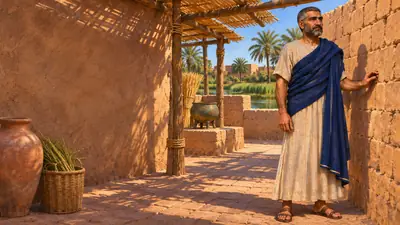
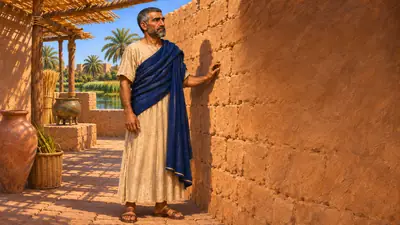
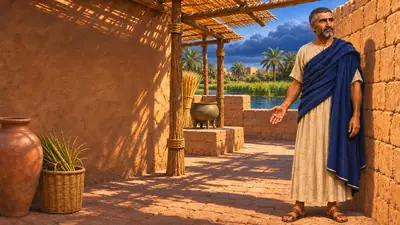
Die erhaltenen Zeilen nennen den Ki-ur. Dort steht Ziusudra neben einer Mauer, an der er die Warnung hören wird.
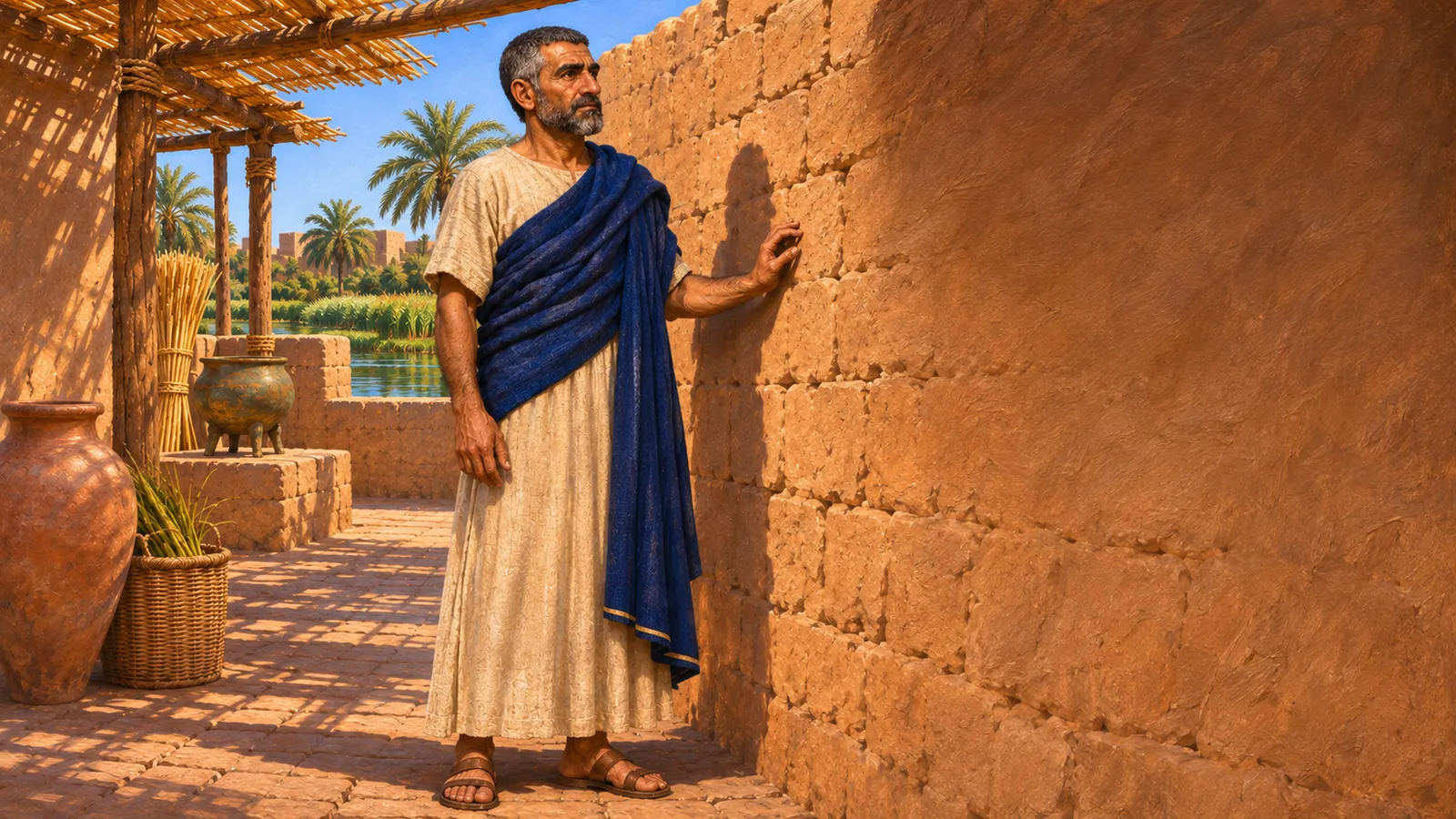
Ziusudra hört an der Mauer eine Stimme. Sie spricht die Mauer selbst an und fordert sie auf, genau hinzuhören und auf ihre Worte zu achten.
DIE FLUT
Die Stimme kündigt eine Flut an und sagt, die Götterversammlung habe beschlossen, die Menschheit zu vernichten.
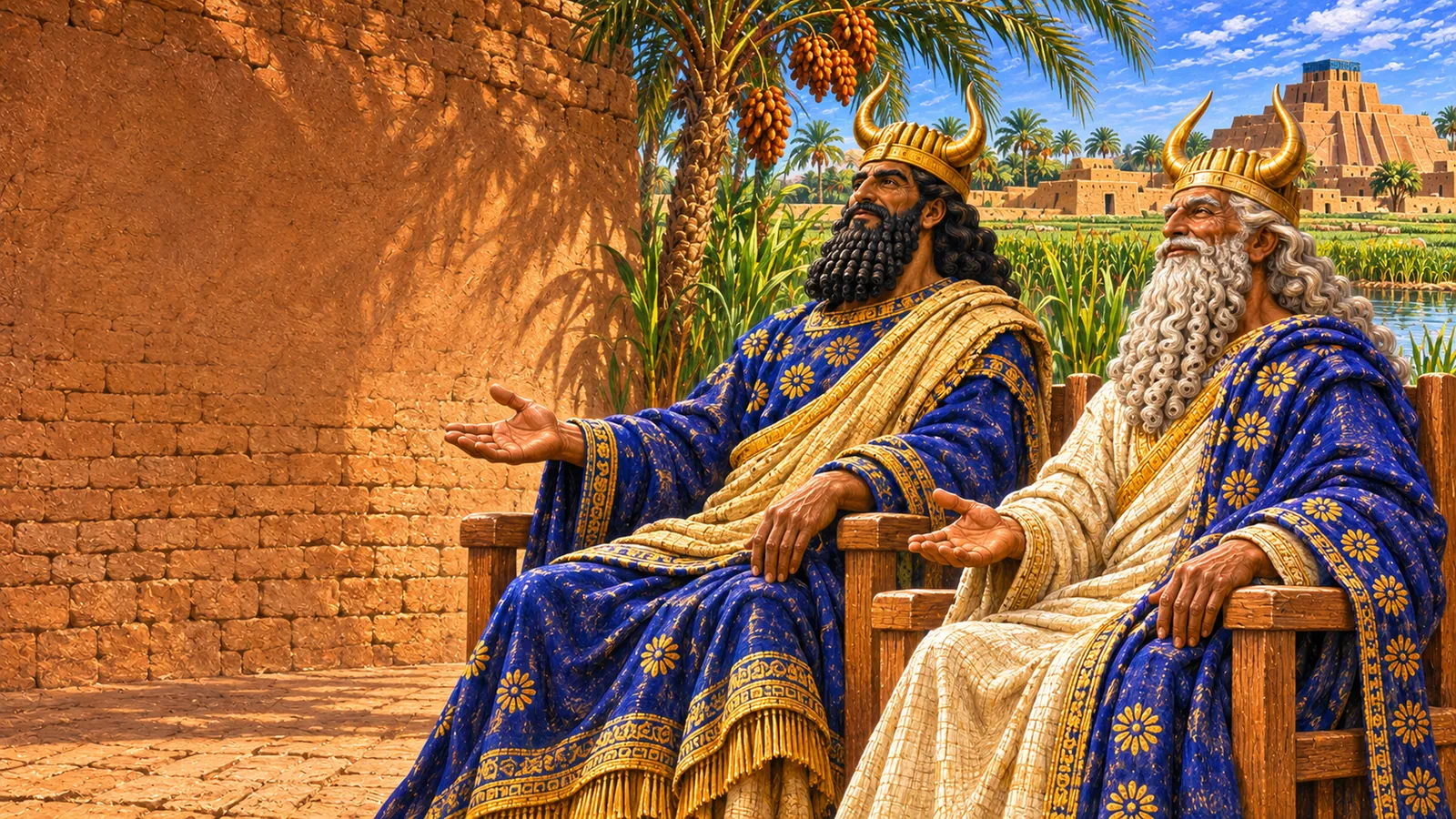
Die von An und Enlil verkündete Anordnung kann nicht widerrufen werden. Die Stimme spricht vom Ende einer Herrschaft, doch die Stelle um diese Worte ist beschädigt.
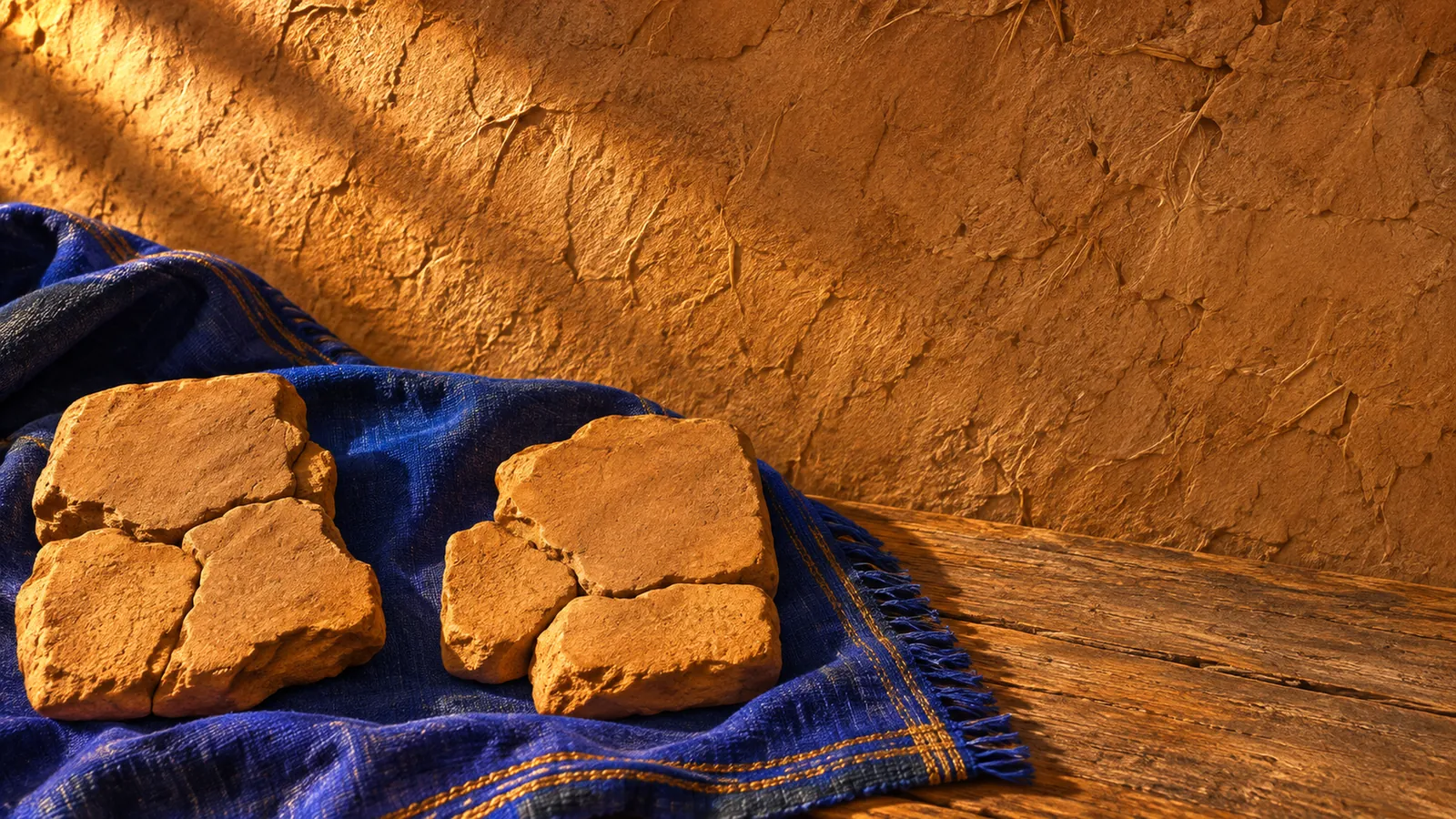
Hier fehlen rund achtunddreißig Zeilen. Wo die Tafel wieder lesbar wird, hat die Flut begonnen, und ein großes Boot ist bereits da.

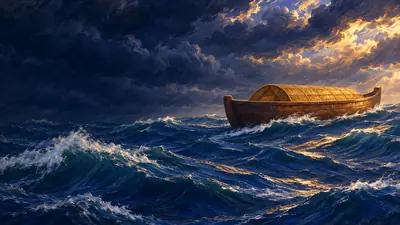
Stürme und Böen erheben sich zugleich, und die Flut fegt über das Land. Die folgenden erhaltenen Zeilen wenden sich einem großen Boot in Wind und Wellen zu.
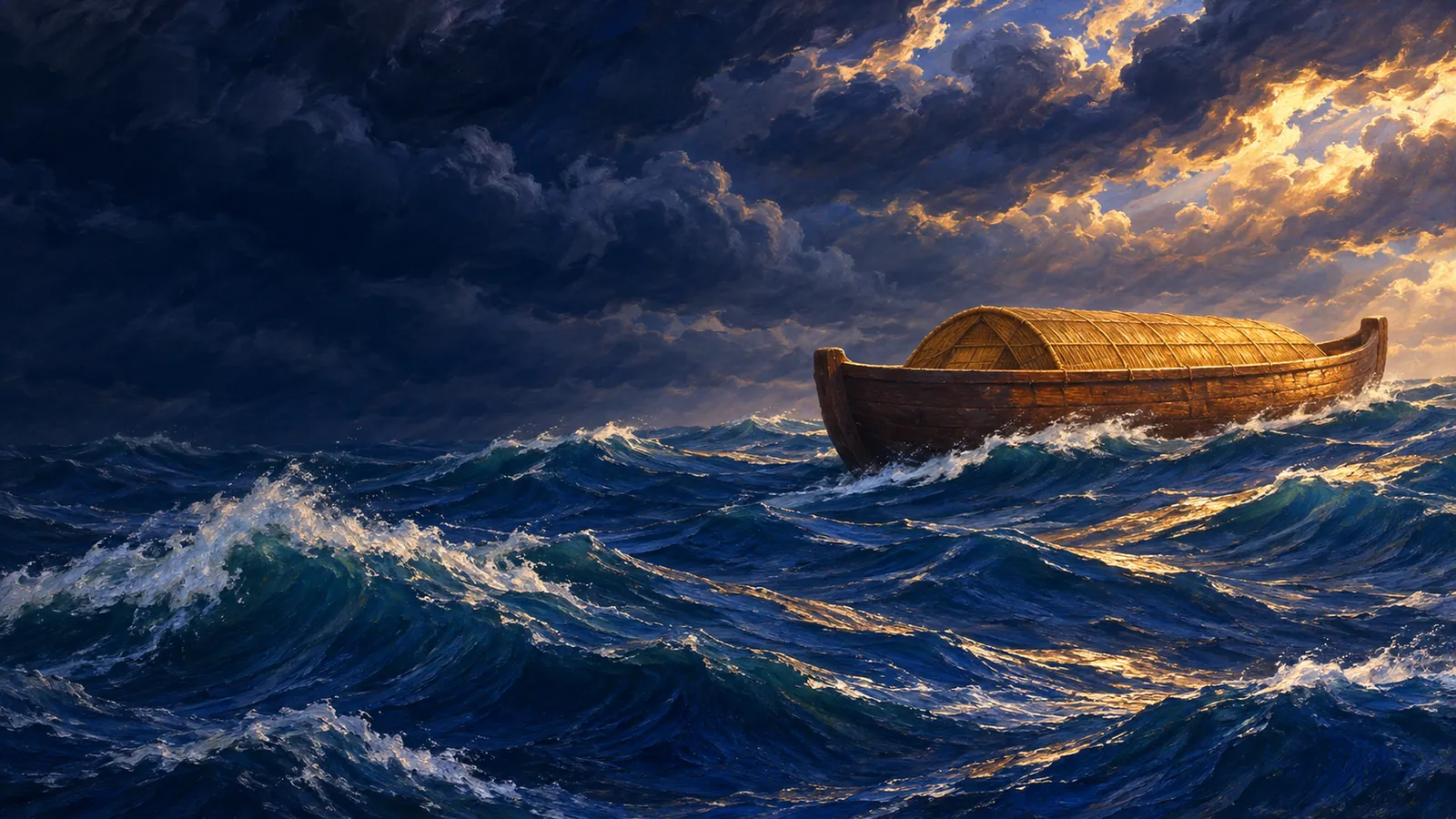
Sieben Tage und sieben Nächte lang schütteln Wind und Wellen das große Boot. So lange dauert der Sturm nach dem Zeugnis der Tafel.
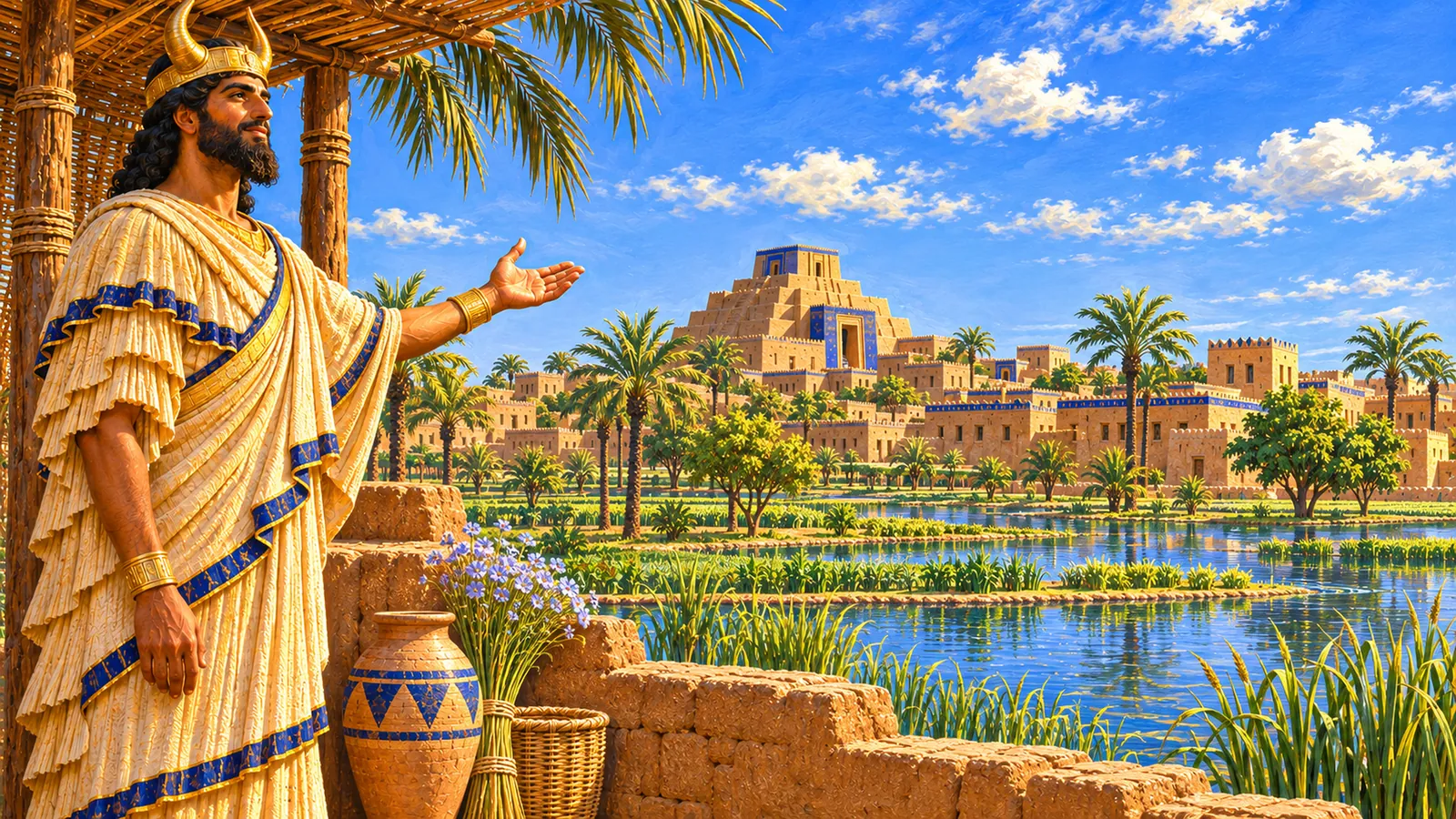
Dann kommt Utu, der Sonnengott, hervor und erhellt Himmel und Erde. Nach dem langen Sturm erreicht das Tageslicht das überflutete Land.
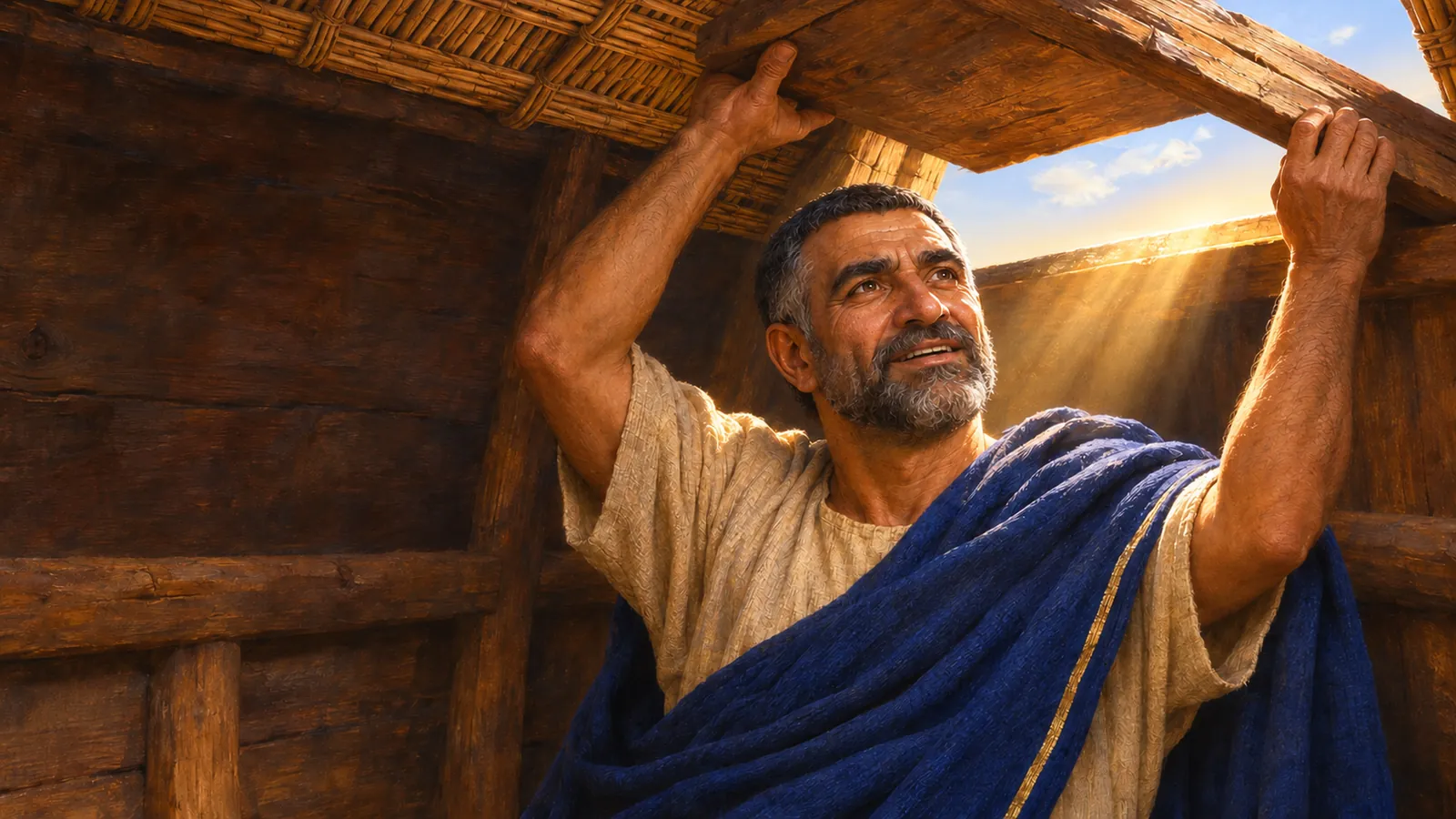
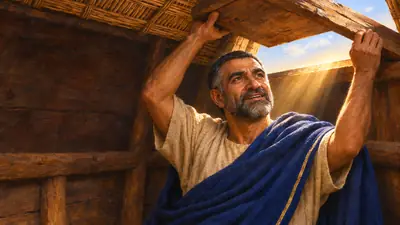
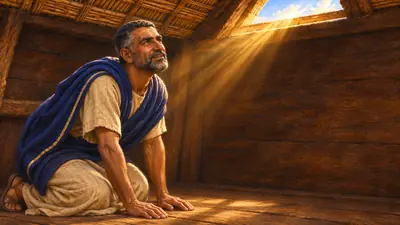
Ziusudra schafft eine Öffnung in dem großen Boot. Durch sie dringen die Strahlen Utus bis ins Innere des Boots.
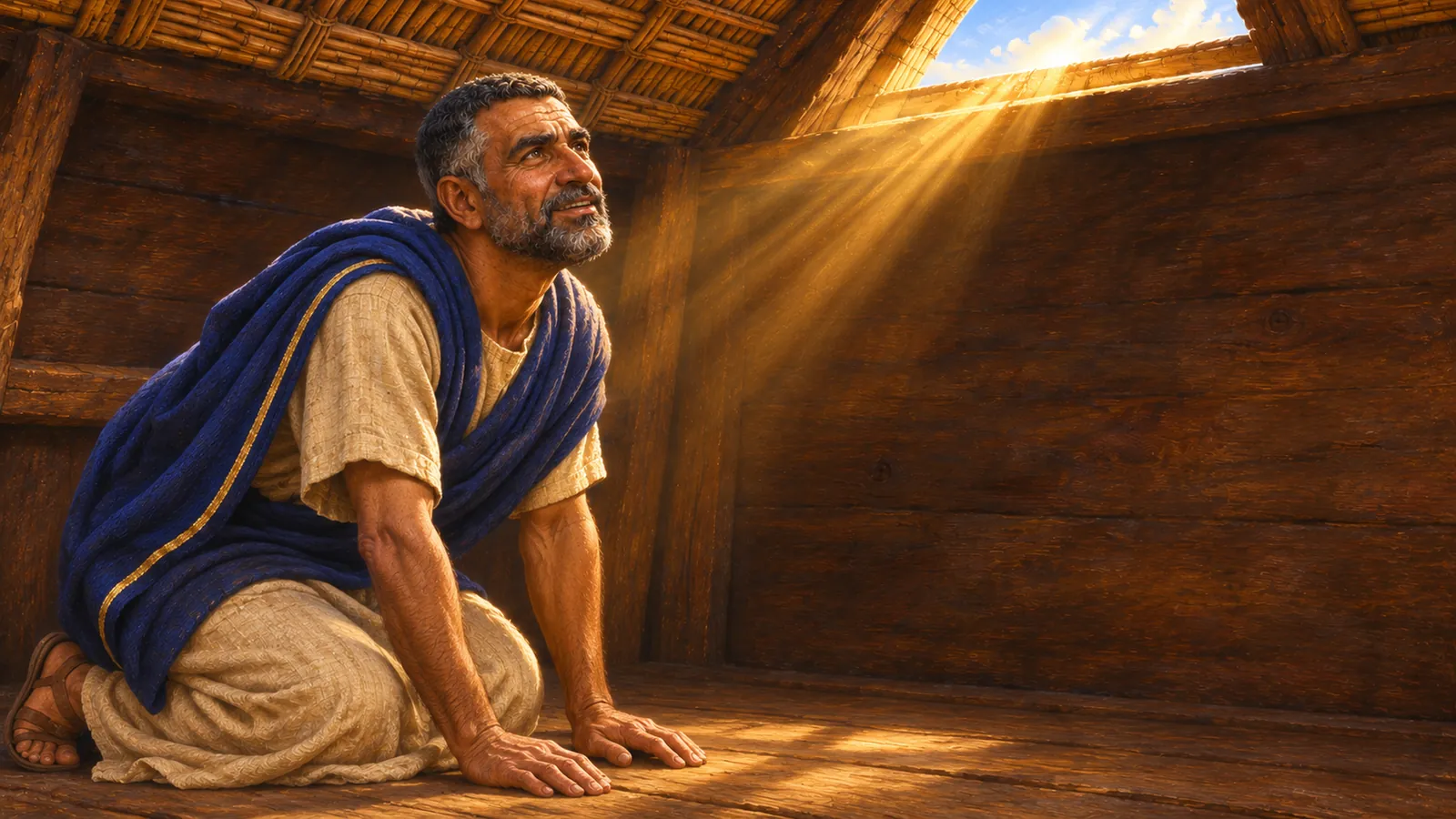
König Ziusudra wirft sich vor Utu nieder, dem Sonnengott, dessen Strahlen durch die Öffnung ins Boot gedrungen sind.
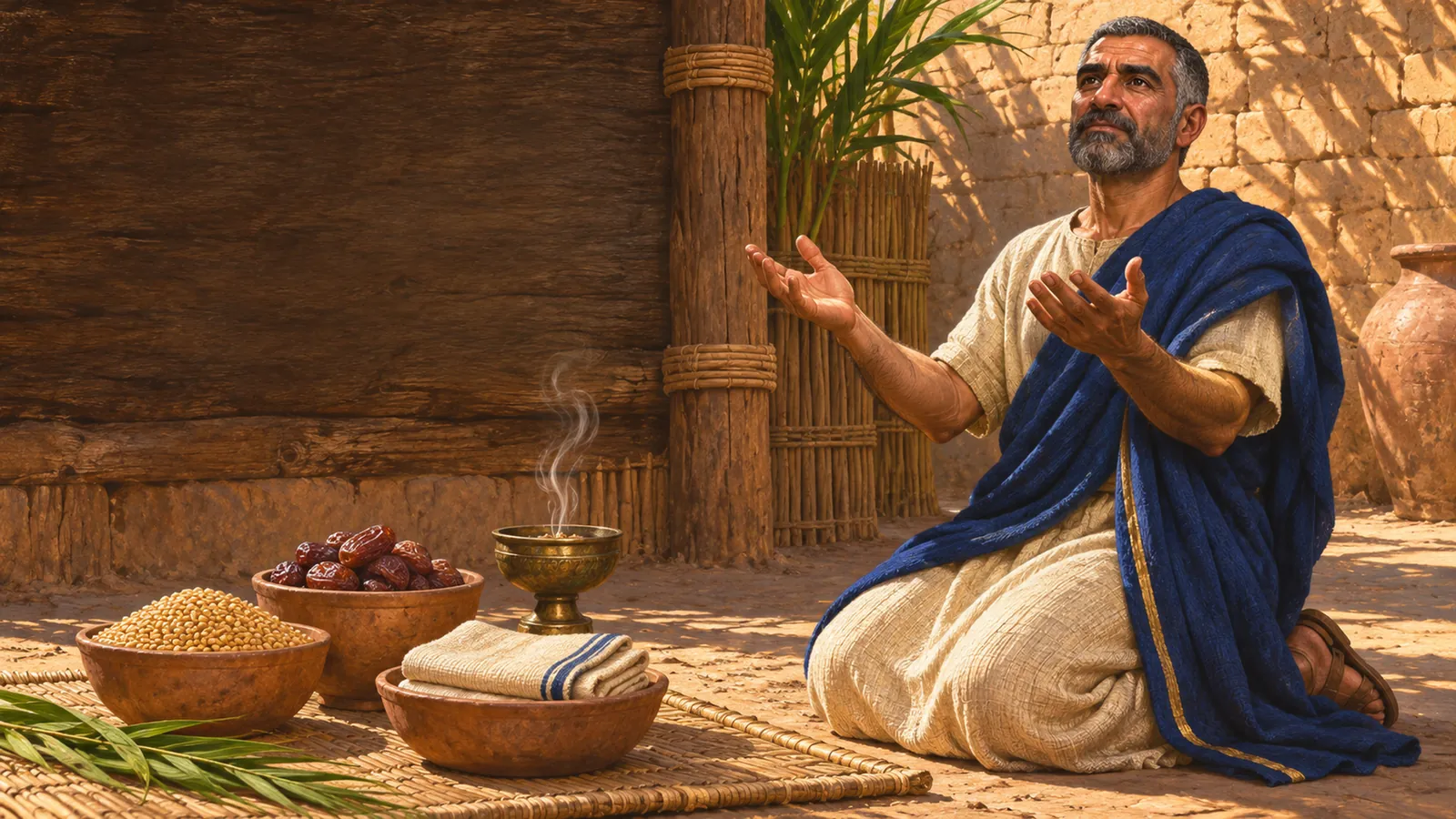
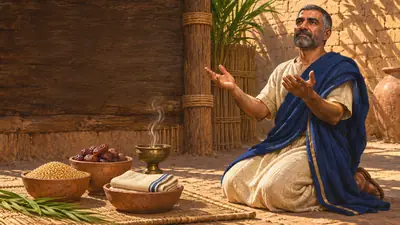
Ziusudra opfert Ochsen und bringt viele Schafe dar. Die Tafel hält fest, was der König nach der Rückkehr des Lichts darbringt.
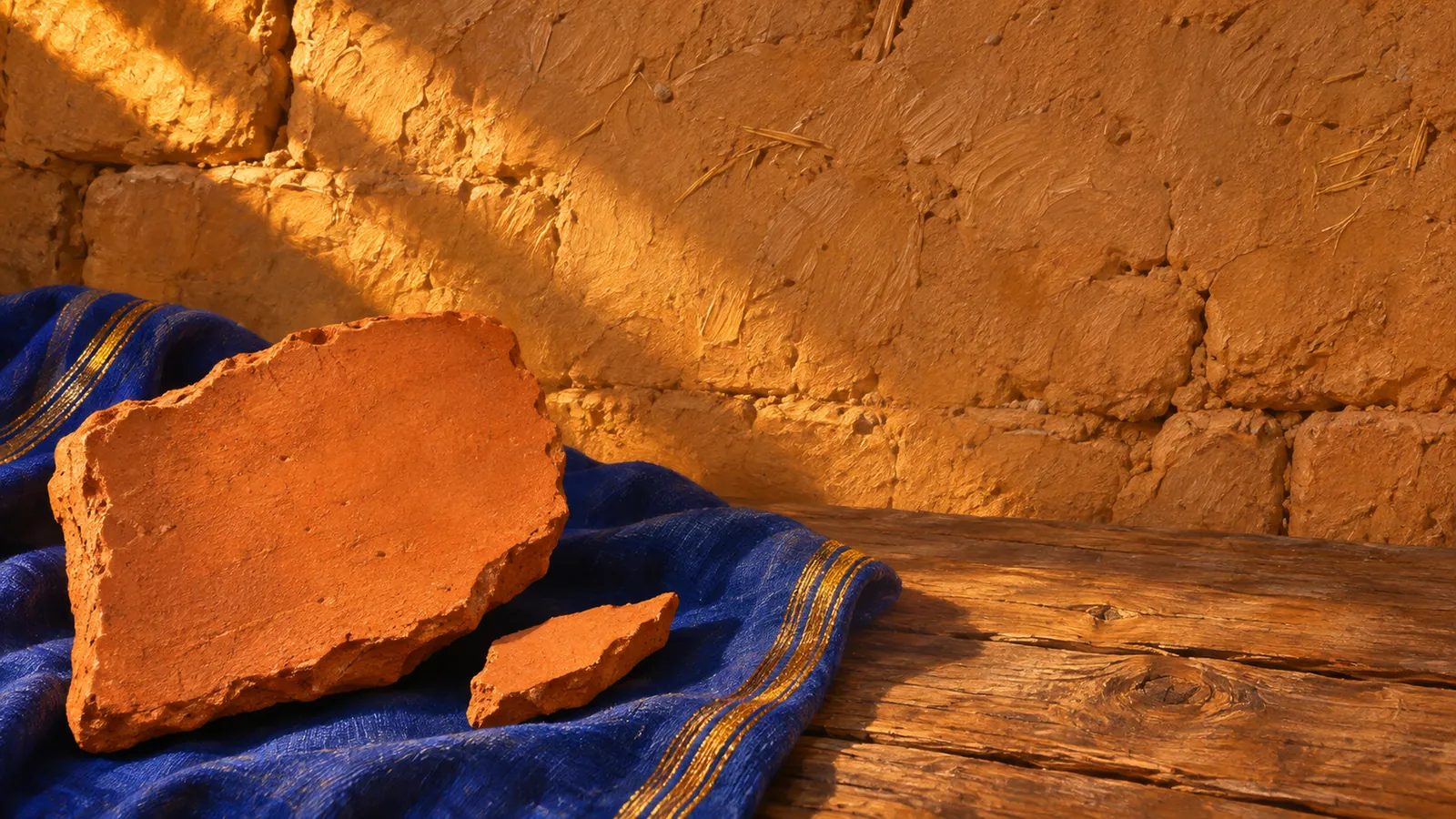
Die nächsten sechs Zeilen sind zu bruchstückhaft, um sie zu übersetzen. Rund dreiunddreißig weitere fehlen, ehe der erhaltene Wortlaut wieder einsetzt.
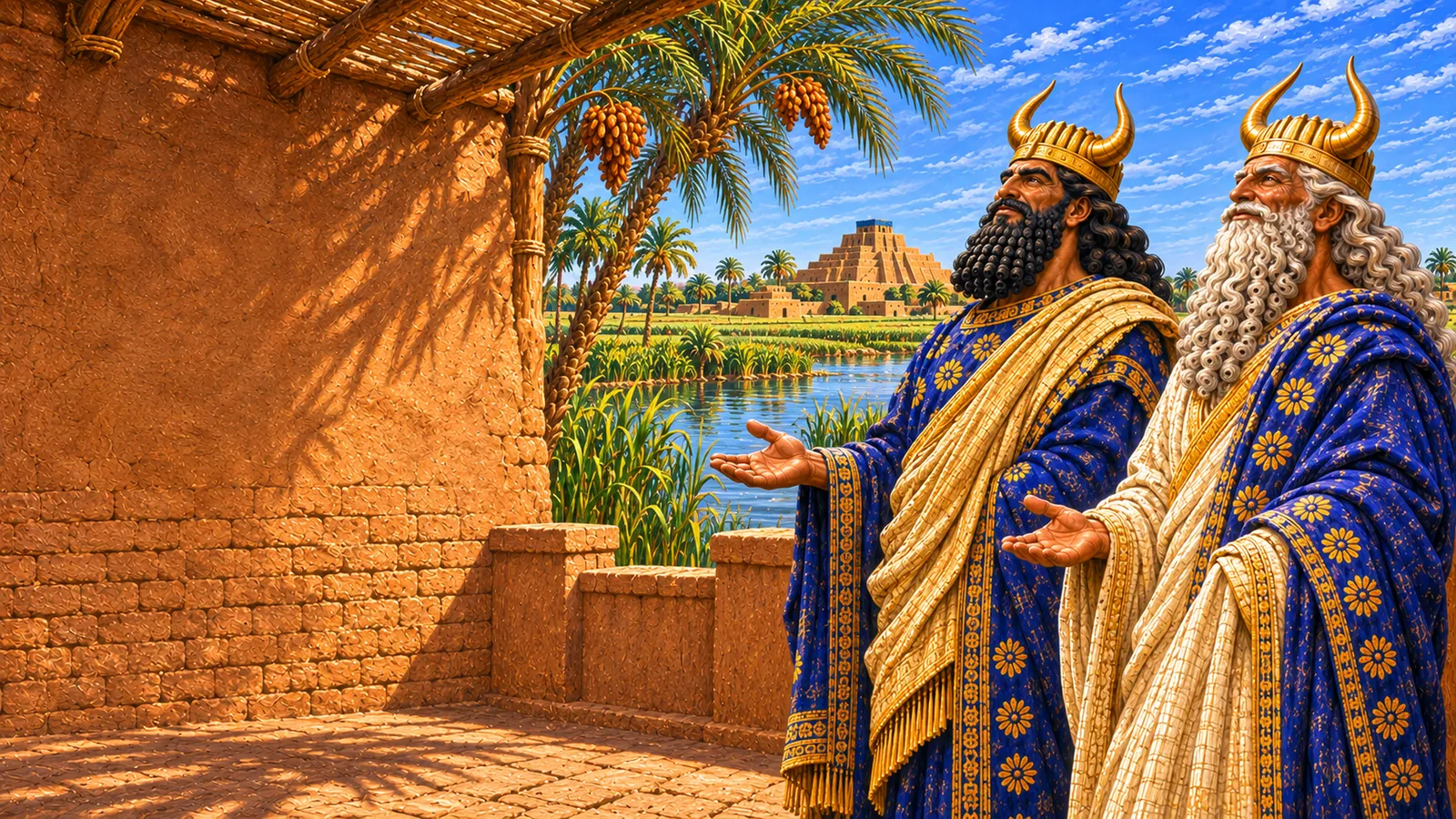
Eine bruchstückhafte Rede nennt An und Enlil und spricht von einem Eid bei Himmel und Erde. Die Worte rings um den Eid sind verloren.
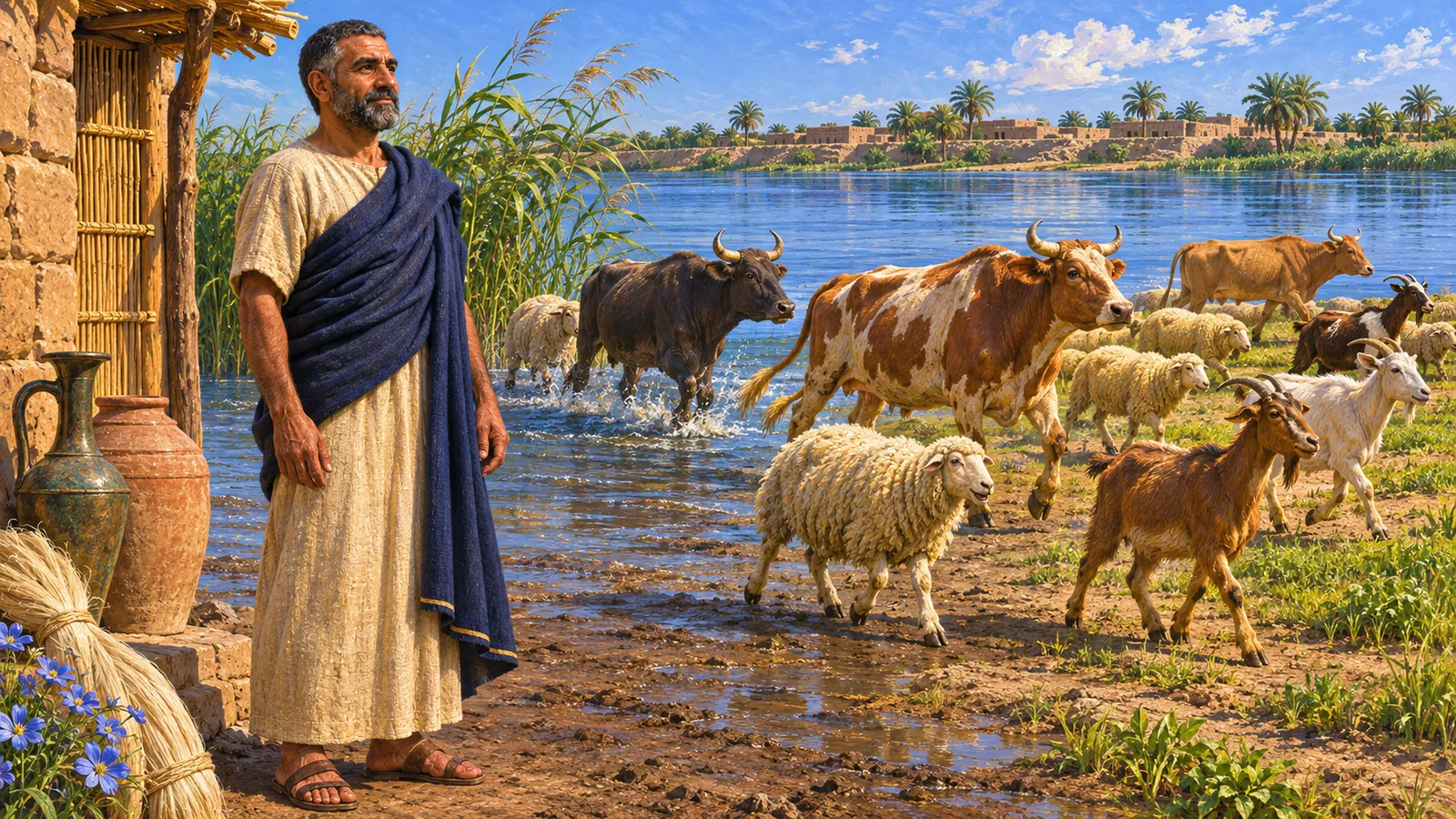
Immer mehr Tiere kommen an Land. Nach der Lücke setzt der Text der Tafel mit ihrer Ankunft auf dem Land wieder ein.
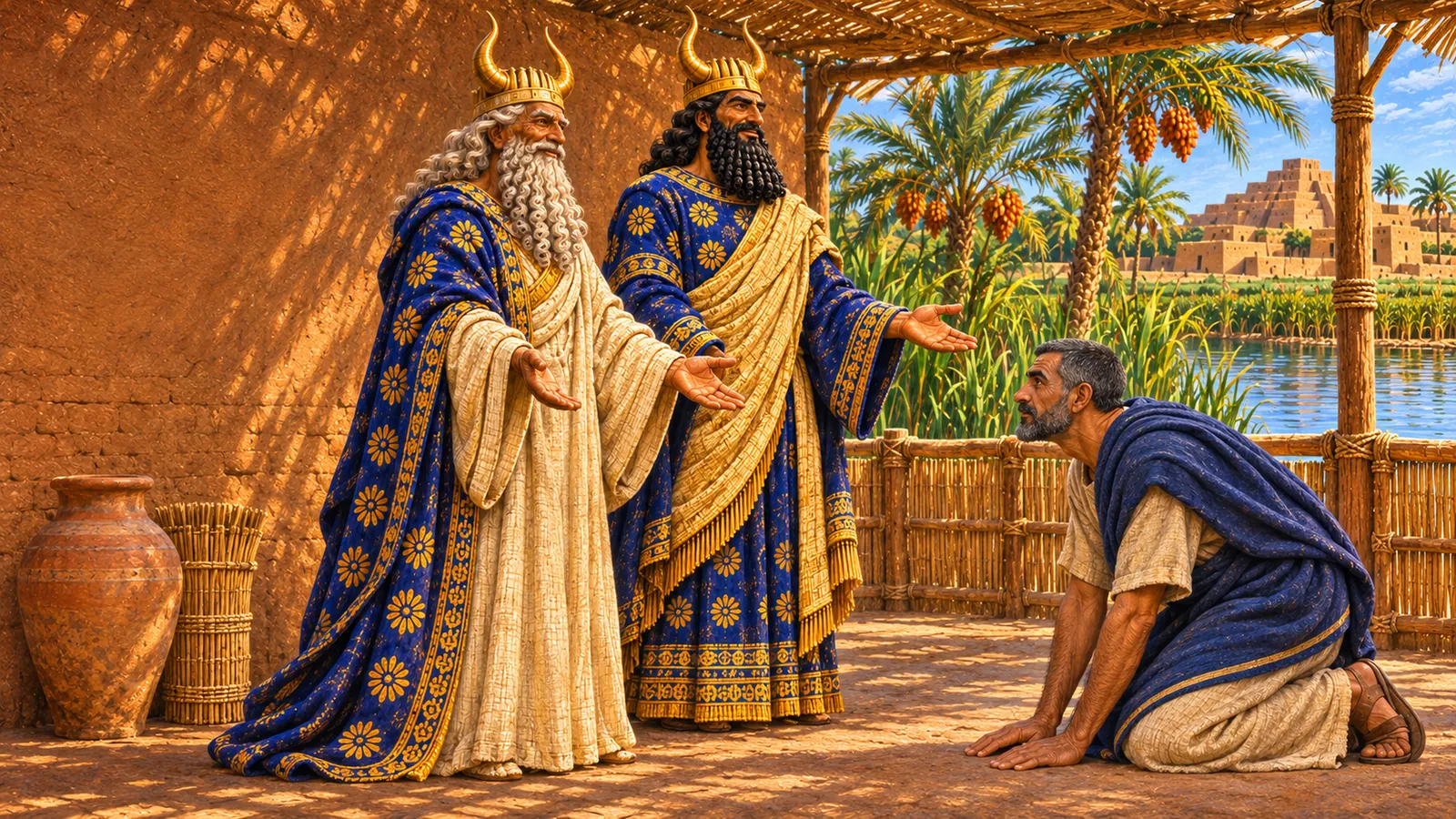
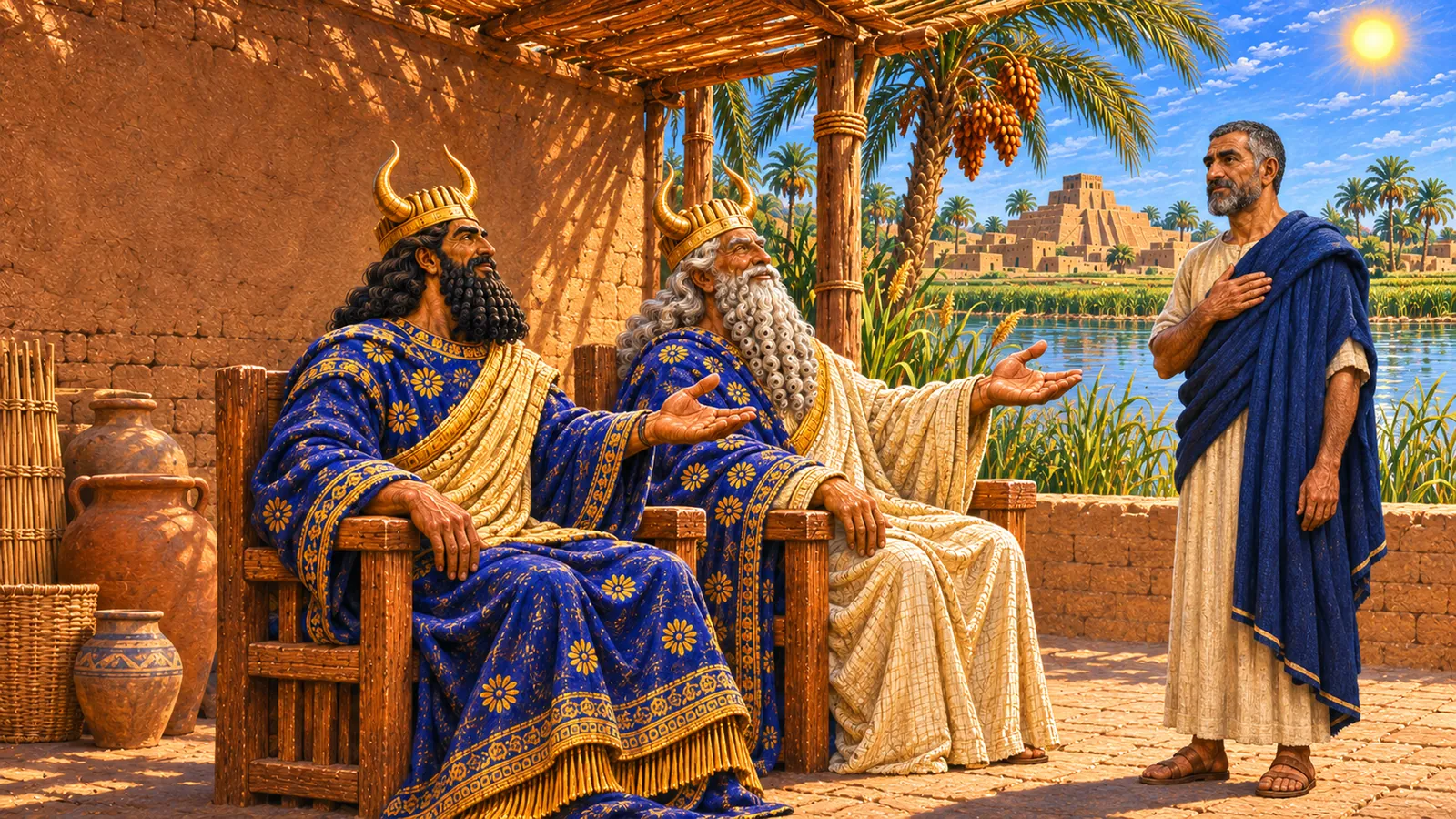
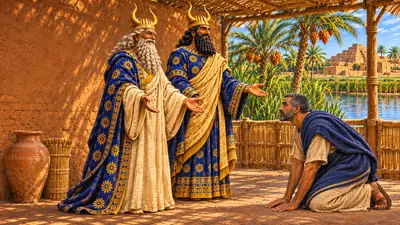
König Ziusudra wirft sich vor An und Enlil nieder. Er verneigt sich vor den beiden, deren Anordnung die Stimme an der Mauer verkündet hatte.
DAS LEBEN
An und Enlil behandeln Ziusudra freundlich. Die Tafel sagt, sie gewähren ihm ewiges Leben, ein Leben wie das eines Gottes.
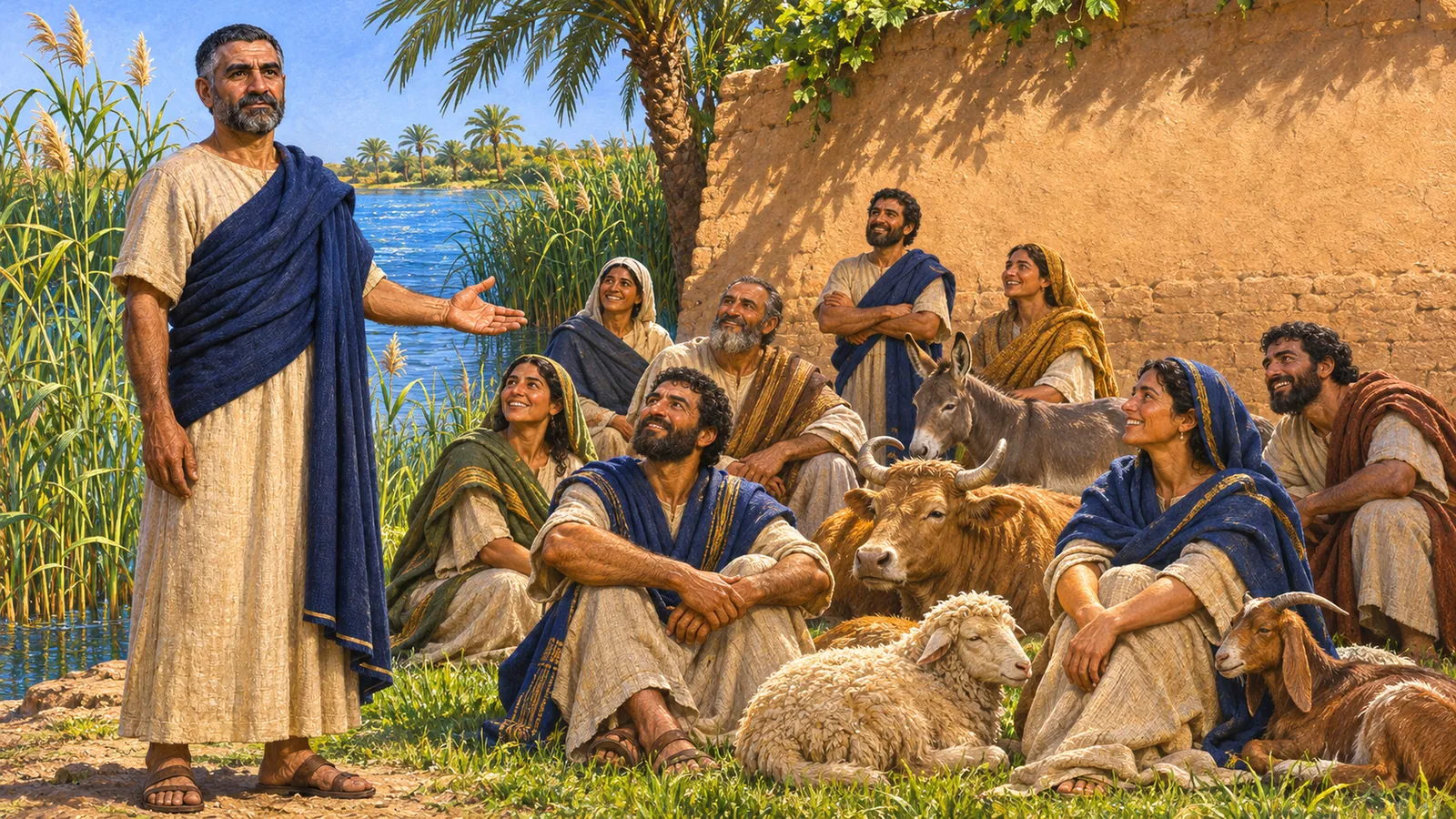
Die Geschichte erinnert daran, dass Ziusudra die Tiere und die Menschheit bewahrt hat. Darin liegt der Grund, warum er jenseits des Meeres angesiedelt wird.
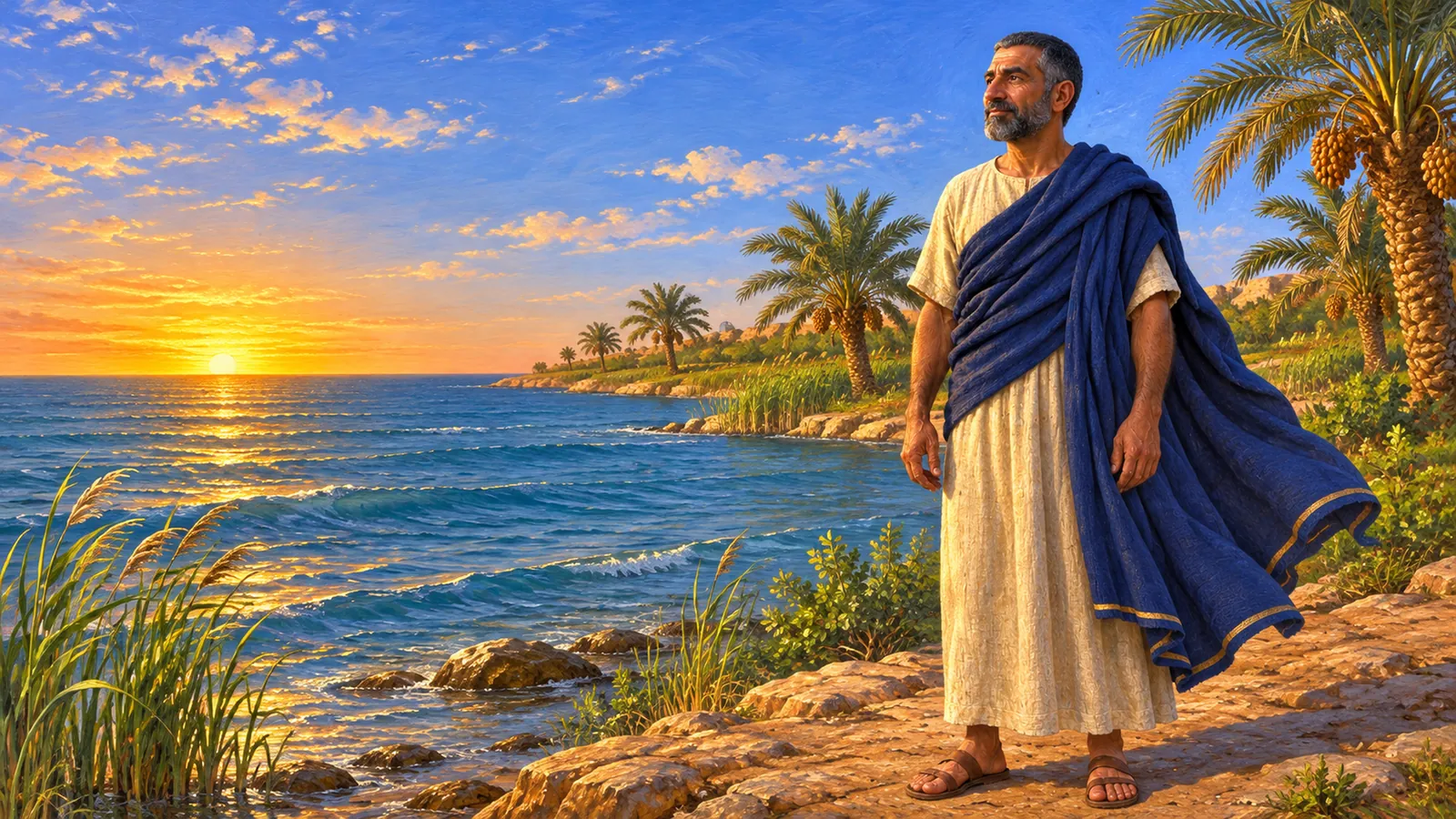
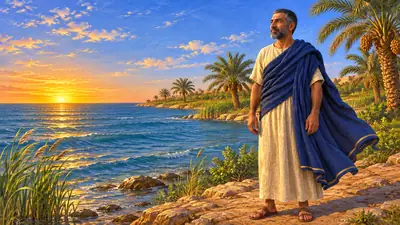
An und Enlil siedeln König Ziusudra in Dilmun an, einem Land jenseits des Meeres. Dort geht nach der Geschichte die Sonne auf.
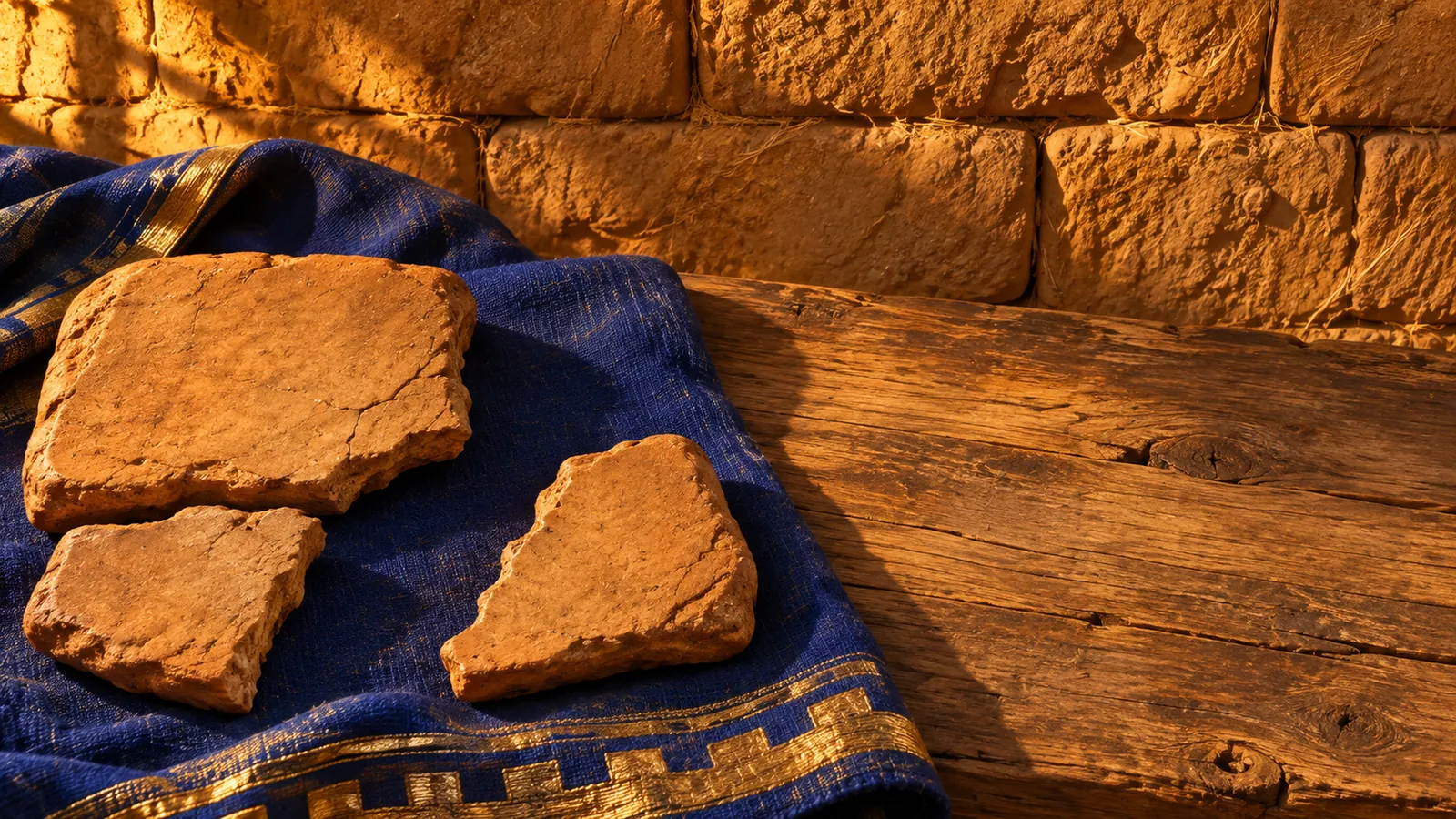
Nach Ziusudras Ansiedlung bleibt ein letzter Redefetzen erhalten. Danach fehlen rund neununddreißig Zeilen, und der Rest der Geschichte ist verloren.
Ende von Kapitel 1
Alle Seiten


Quellen
On page 5, the words about rites, powers and irrigation follow a damaged phrase about quenching a fire (Oxford ETCSL English translation, A 1–10).
Benutzte Editionen
- University of Oxford, ETCSL 1.7.4, English translation and segment divisions
- University of Oxford, ETCSL 1.7.4, bibliography and witness numbering
- Penn Museum, catalogue of the Nippur Flood Tablet, CBS 10673
- CDLI P265876, CBS 10673 and its join CBS 10867
- Jeremiah Peterson, N 3514 and its proposed relationship to the Nippur tablet
Hinweise zu dieser Nacherzählung
On page 6, the Oxford English translation uses the expression “black-headed people” for those fashioned by An, Enlil, Enki and Ninhursag (A 10–14).
On pages 12–16, the Oxford English translation uses the spellings Eridug, Bad-tibira, Larag, Zimbir and Curuppag (B 6–18). The translation identifies the recipient of Bad-tibira by the title “the Mistress.”
The speaker’s identity remains uncertain in the surviving words.
On pages 29–30, windstorms and gales rise together, floodwater sweeps over the land, and wind and waves rock the large boat for seven days and seven nights (Oxford ETCSL English translation, D 1–11).
On page 34, the text describes Ziusudra sacrificing oxen and offering innumerable sheep (Oxford ETCSL English translation, D 1–11).
On page 42, the last readable speech fragment has the displayed Oxford locator E 12–99. About 39 missing lines follow.
Die antiken Verse hinter jeder Seite
- Page 1: ETCSL 1.7.4, Opening lacuna and A 1–10
- Page 2: ETCSL 1.7.4, A 1–10
An empty place to carry the damaged speech. - Page 3: ETCSL 1.7.4, A 1–10
- Page 4: ETCSL 1.7.4, A 1–10
- Page 5: ETCSL 1.7.4, A 1–10
- Page 6: ETCSL 1.7.4, A 10–14
- Page 7: ETCSL 1.7.4, A 10–14
- Page 8: ETCSL 1.7.4, A/B lacuna and B 1–3
- Page 9: ETCSL 1.7.4, B 4–5
- Page 10: ETCSL 1.7.4, B 6–18
- Page 11: ETCSL 1.7.4, B 6–18
- Page 12: ETCSL 1.7.4, B 6–18
- Page 13: ETCSL 1.7.4, B 6–18
- Page 14: ETCSL 1.7.4, B 6–18
- Page 15: ETCSL 1.7.4, B 6–18
- Page 16: ETCSL 1.7.4, B 6–18
- Page 17: ETCSL 1.7.4, B 6–18
- Page 18: ETCSL 1.7.4, B/C lacuna and C 1–27 (opening)
Simple transition between surviving parts without enacted weather. - Page 19: ETCSL 1.7.4, C 1–27
- Page 20: ETCSL 1.7.4, C 1–27
- Page 21: ETCSL 1.7.4, C 1–27
- Page 22: ETCSL 1.7.4, C 1–27
- Page 23: ETCSL 1.7.4, C 1–27
- Page 24: ETCSL 1.7.4, C 1–27
- Page 25: ETCSL 1.7.4, C 1–27
- Page 26: ETCSL 1.7.4, C 1–27
- Page 27: ETCSL 1.7.4, C 1–27
- Page 28: ETCSL 1.7.4, C/D lacuna
- Page 29: ETCSL 1.7.4, D 1–11
- Page 30: ETCSL 1.7.4, D 1–11
- Page 31: ETCSL 1.7.4, D 1–11
- Page 32: ETCSL 1.7.4, D 1–11
- Page 33: ETCSL 1.7.4, D 1–11
- Page 34: ETCSL 1.7.4, D 1–11
- Page 35: ETCSL 1.7.4, D 12–17 and D/E lacuna
- Page 36: ETCSL 1.7.4, E 1–2
- Page 37: ETCSL 1.7.4, E 3–11
- Page 38: ETCSL 1.7.4, E 3–11
- Page 39: ETCSL 1.7.4, E 3–11
- Page 40: ETCSL 1.7.4, E 3–11
- Page 41: ETCSL 1.7.4, E 3–11
- Page 42: ETCSL 1.7.4, E 12–99 display label and closing lacuna
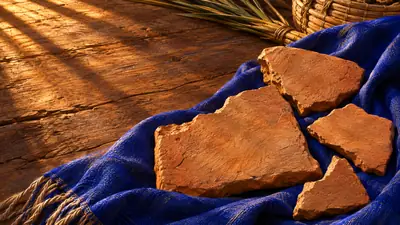
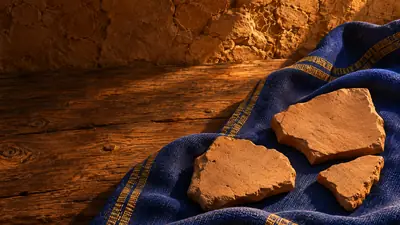
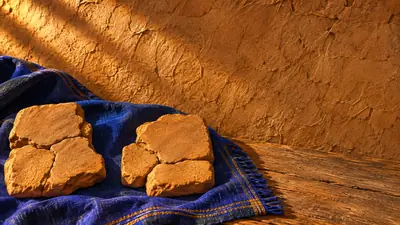
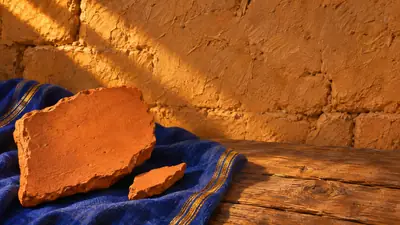
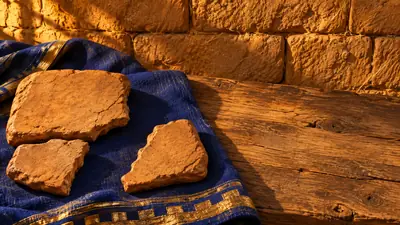
A final editorial still of low, unmarked clay fragments along the very bottom left.
Illustrationen von IL Archive mit KI-Werkzeugen; der Text folgt den antiken Quellen (siehe die Quellen am Ende jedes Kapitels).