Teti und der Aufstieg zu Nut Kapitel 1
Der Sarkophag und die östlichen Tore
Die Sprüche auf Tetis Sarkophag handeln von seiner Geburt, den Bereichen, die Nut ihm gewährt, und seinem Erbe von Geb. Die Aufstiegssprüche führen von den sich öffnenden Toren und dem Binsenfeld zu einer Leiter, der Fahrt der Sonne und einer abschließenden Klage.
QuellenBlättern Sie mit den Pfeilen, den Pfeiltasten oder durch Wischen.
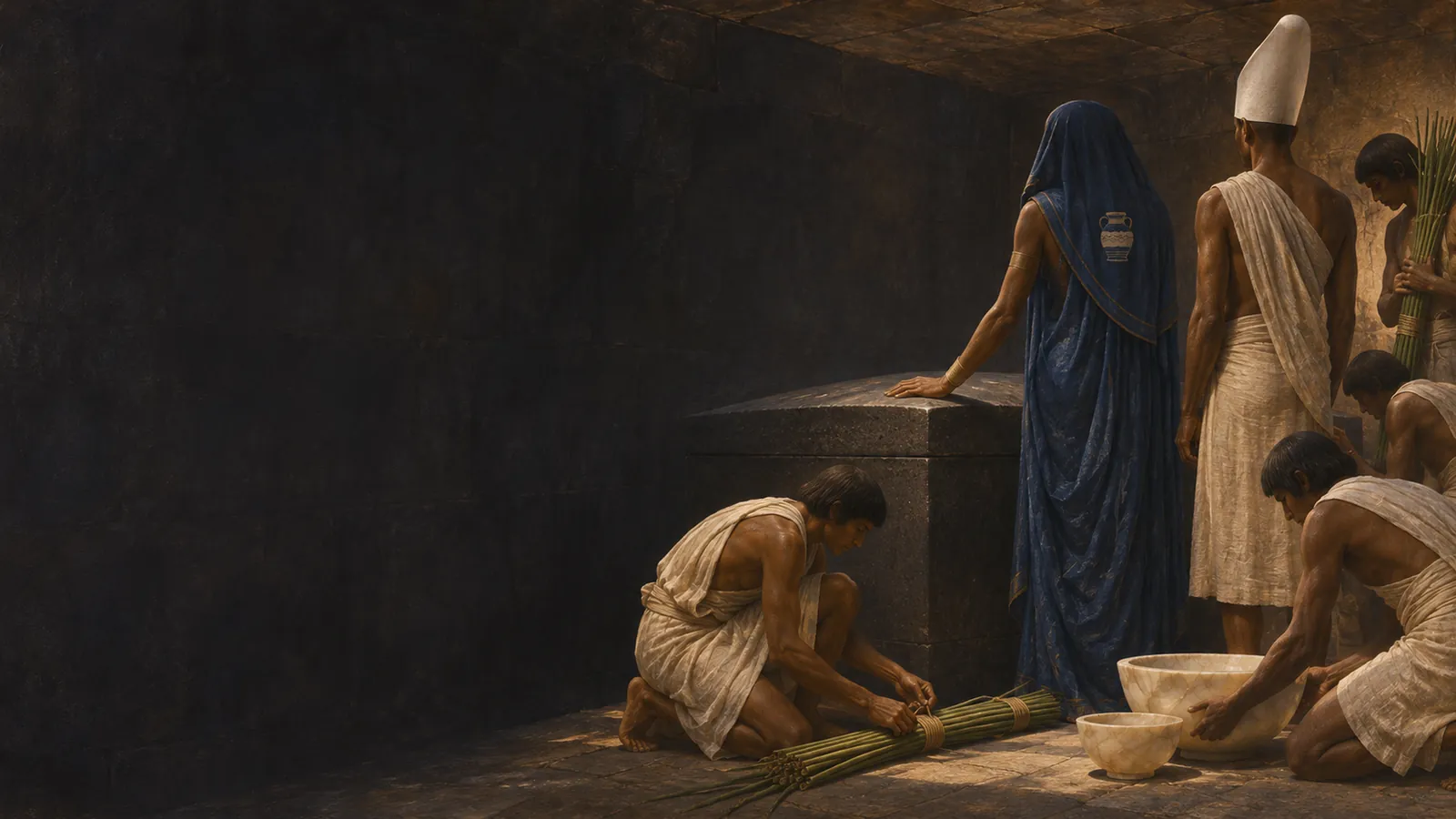
DER SARKOPHAG UND DIE ÖSTLICHEN TORE
In James Allens Übersetzung beginnen die Rezitationen auf der Außenseite von Tetis Sarkophagdeckel mit der Stimme Nuts. Die Inschrift nennt sie die ältere Wirkungsvolle, und sie nennt Teti ihren Sohn.
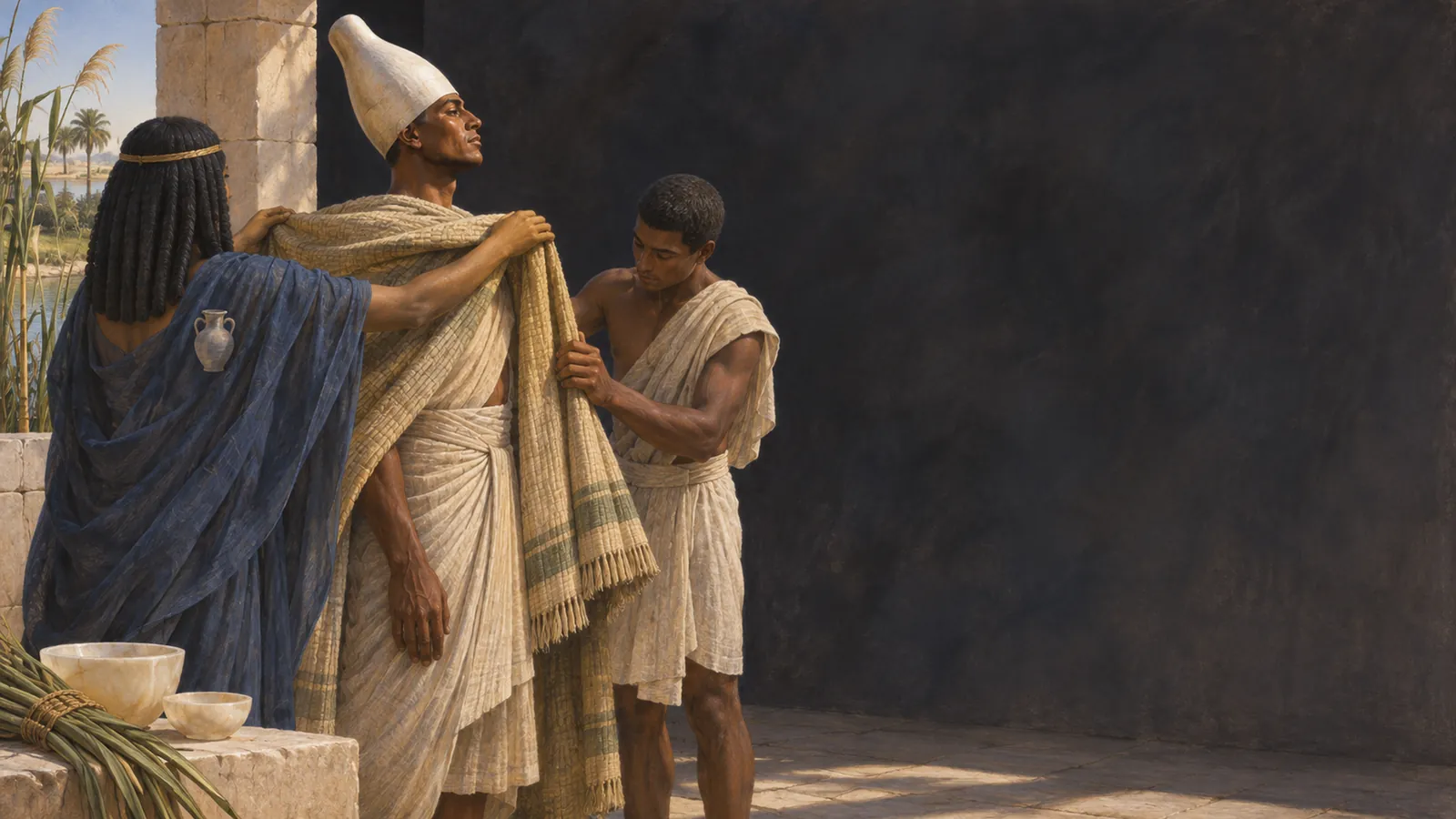
Nut sagt, sie habe Teti zur Welt gebracht und er sei aus ihrem Leib hervorgekommen. Er sei das Kind, das sie sich gewünscht habe und mit dem sie zufrieden sei.
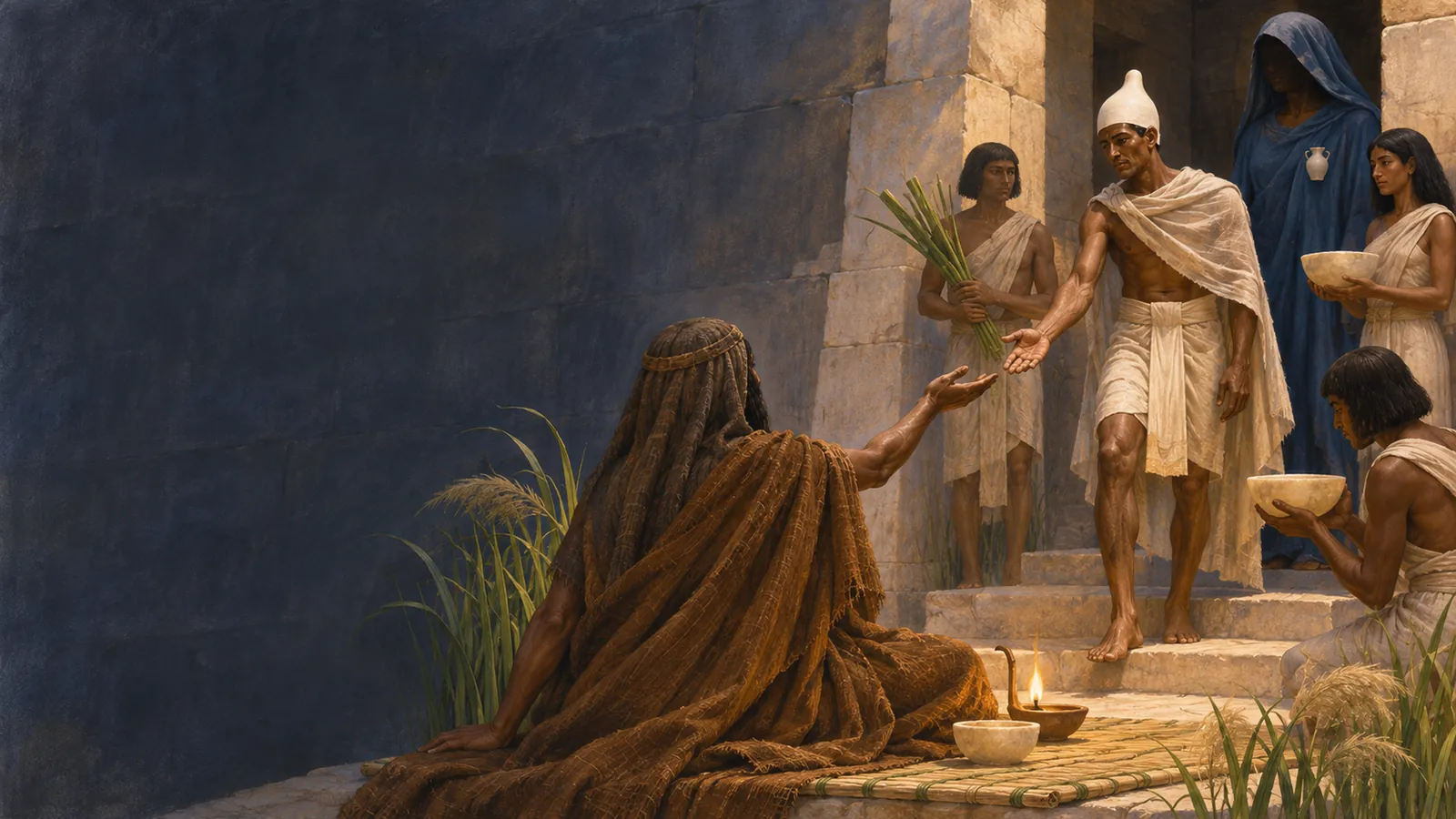
Eine zweite Stimme, die Gebs, nennt Teti einen Sohn aus seinem eigenen Leib. Unmittelbar nach diesen Worten bricht der erhaltene Text ab.
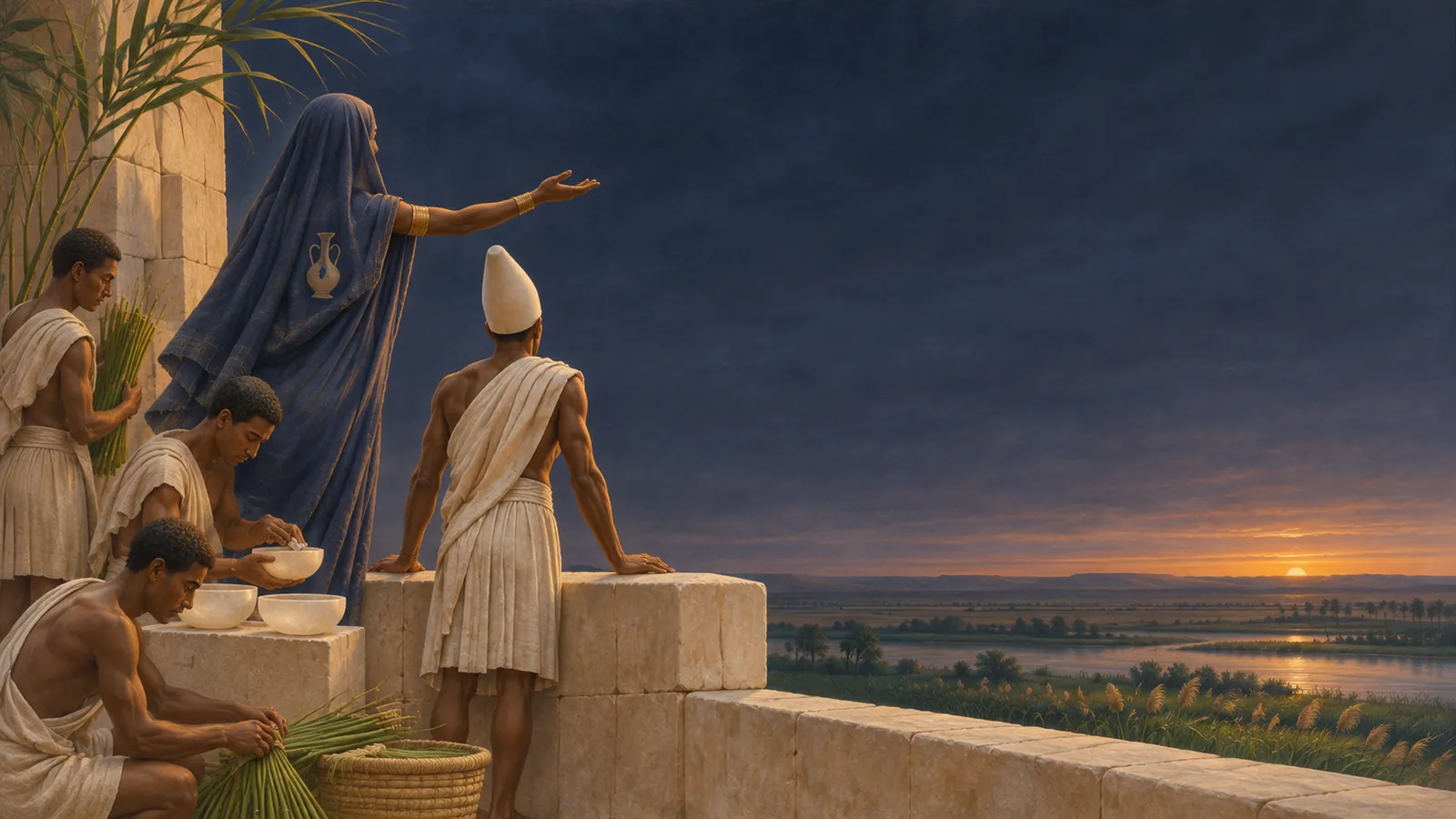
Nut, in diesem Spruch die ältere Knospe genannt, sagt, Teti sei der Sohn, den sie sich gewünscht habe. Sie habe ihm das Akhet gegeben, damit er es als Horus des Akhet beherrsche.
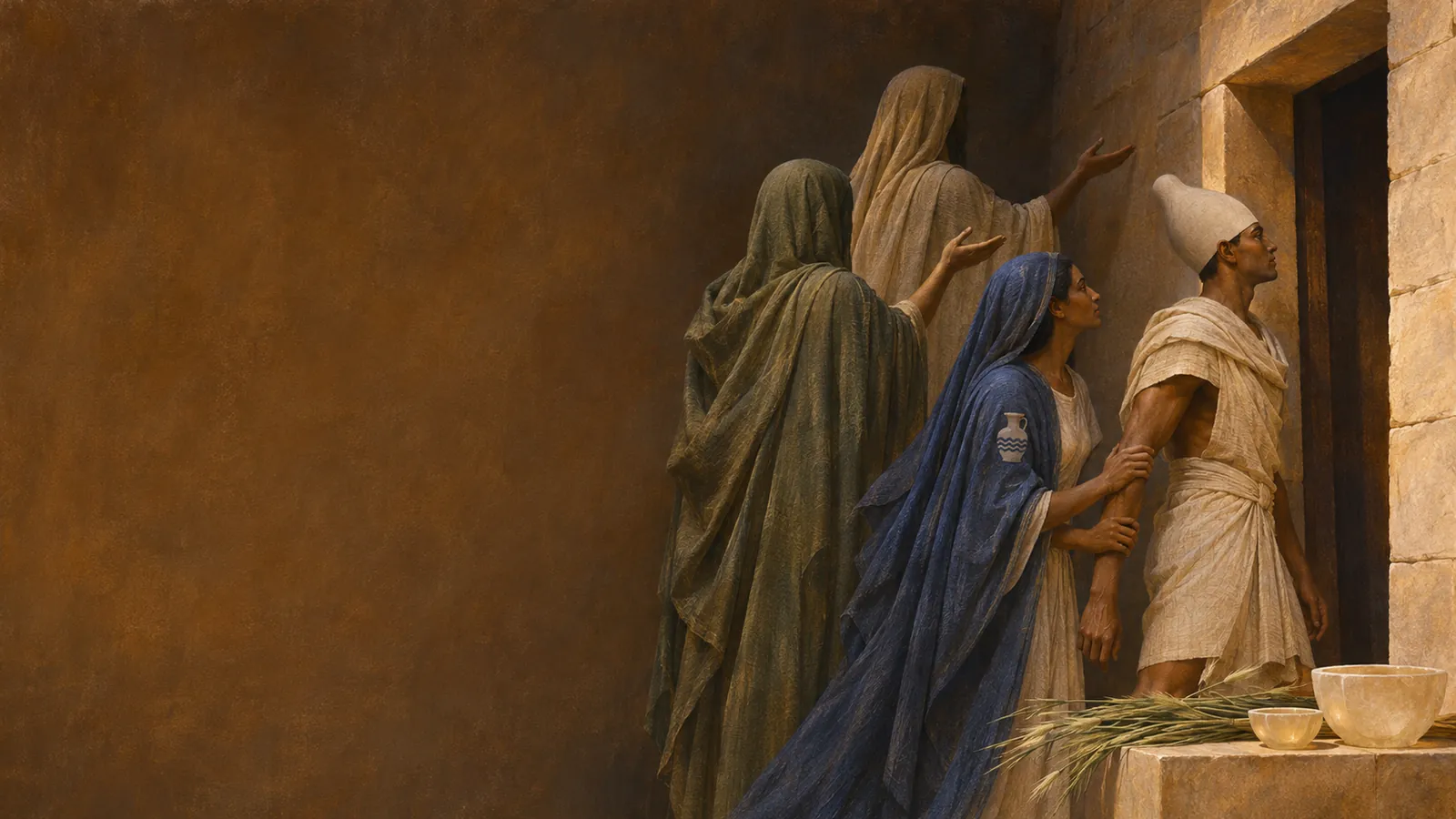
Die Götter billigen in der Rezitation Nuts Wahl und sagen, Teti sei das Kind, das sie sich unter ihren Kindern gewünscht habe. Sie bitten sie, ihn für immer zu geleiten.
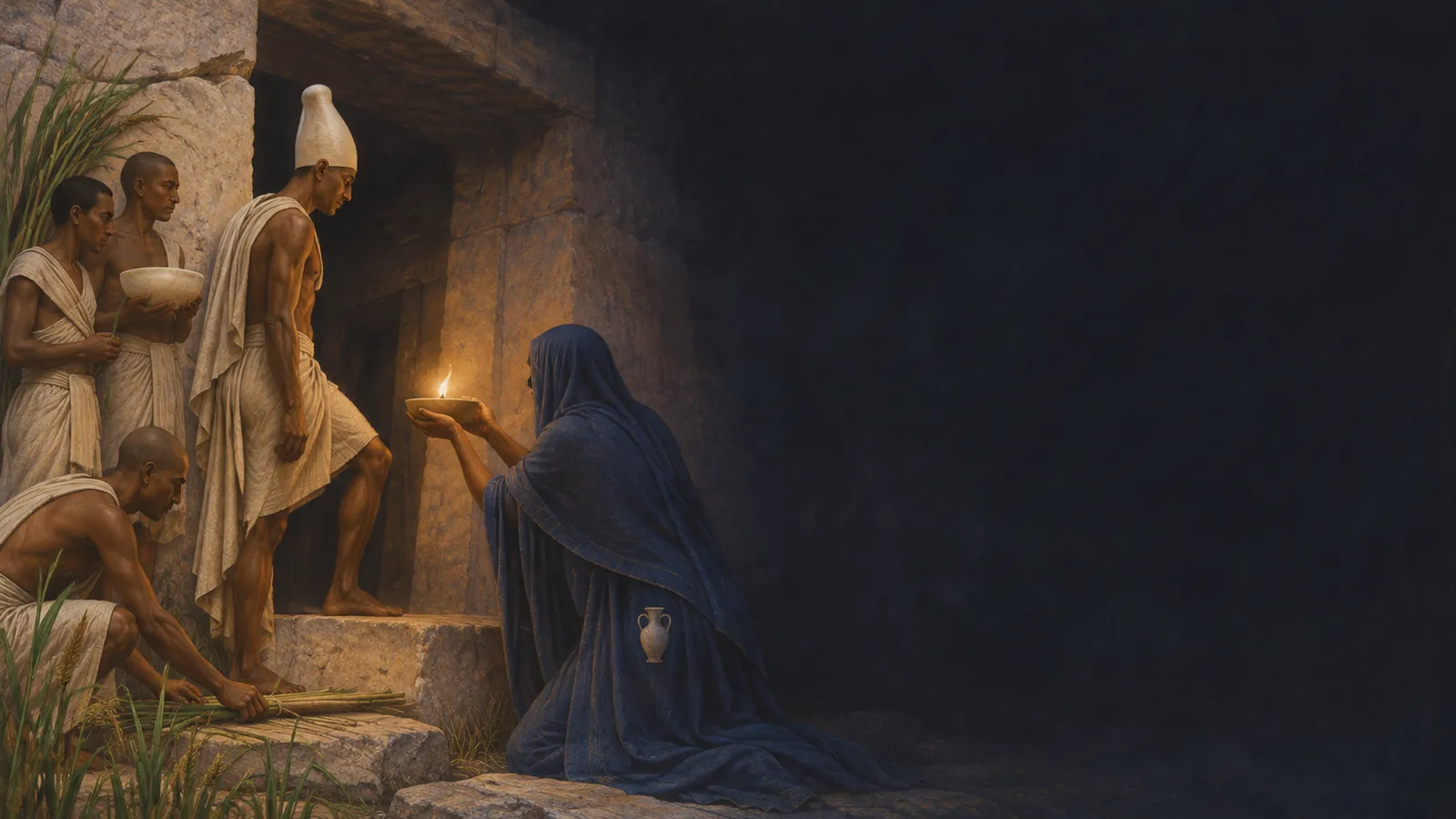
Nut, die Ältere im Bezirk von Shenit, nennt Teti ihren Sohn nach ihrem eigenen Willen. Sie habe ihm die Duat gegeben, damit er dort als Horus den ersten Rang einnehme.
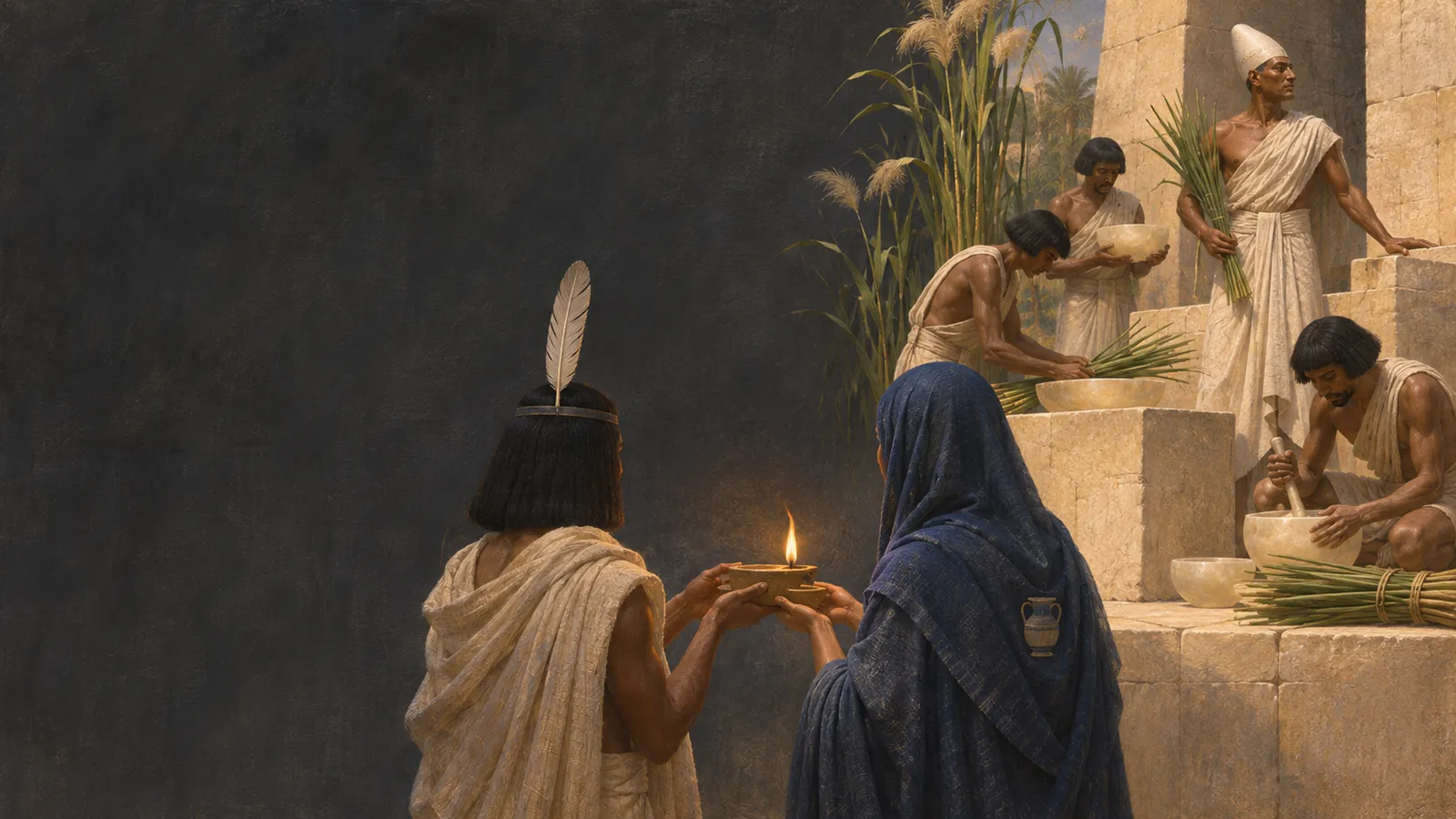
Die Götter sagen, Schu, den sie Tetis Vater nennen, wisse, wie sehr Nut Teti liebe. Sie liebe ihn mehr als ihre eigene Mutter Tefnut.
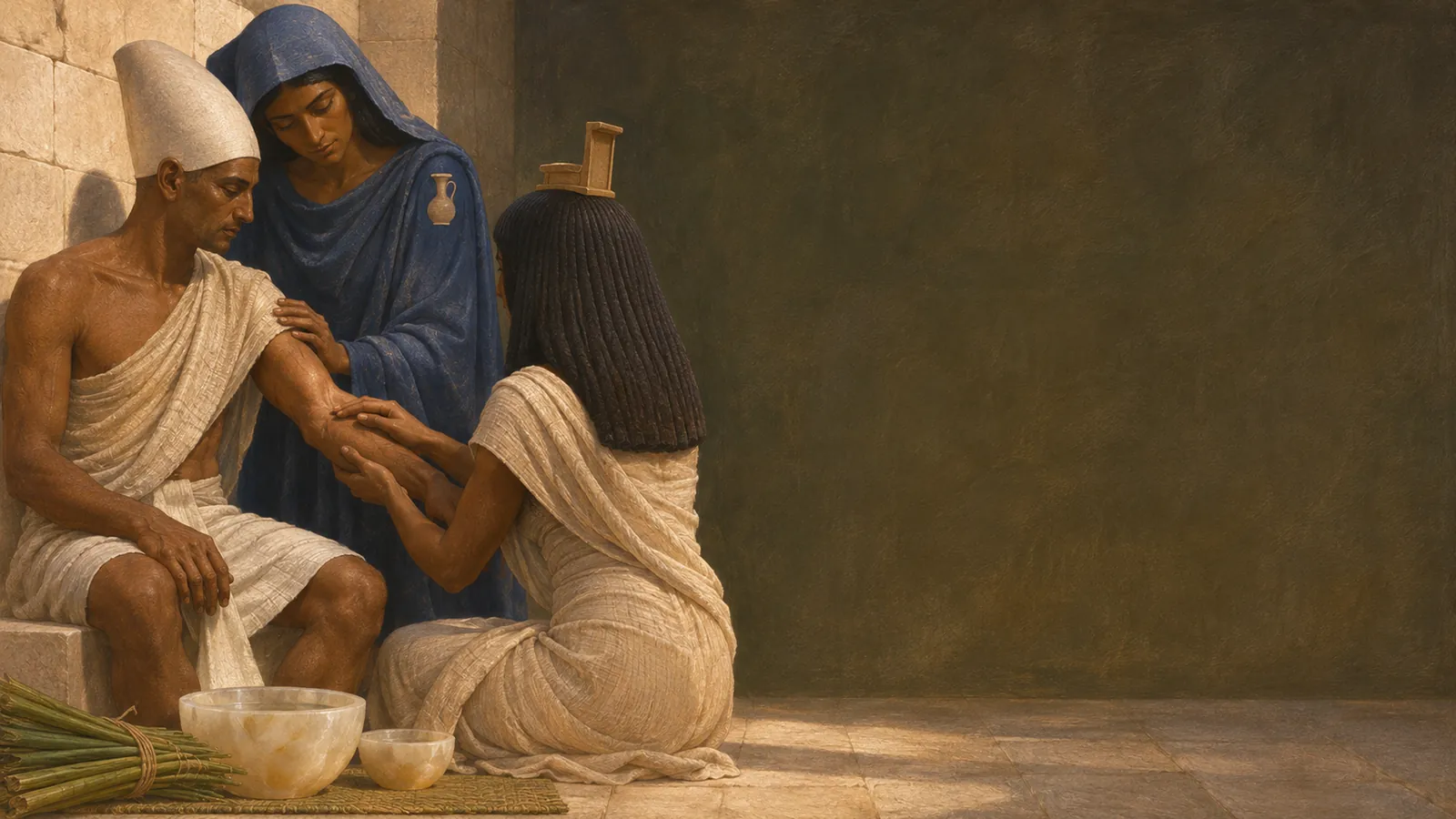
Im folgenden Spruch sagt Nut zu Teti, sie habe ihm seine Schwester Isis gegeben. Isis soll ihn ergreifen und seinem Körper seinen Verstand geben.
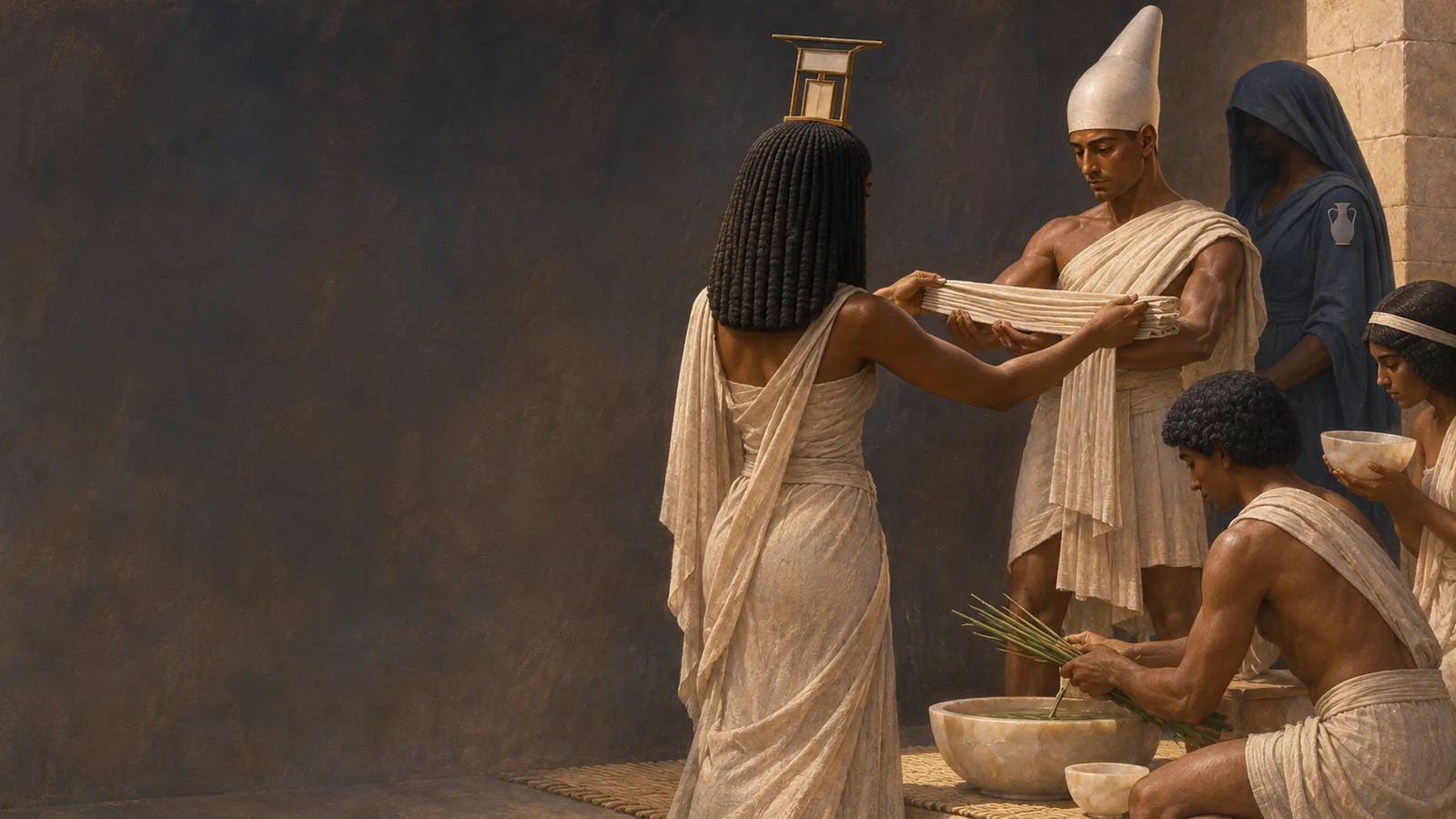
In einer eigenen Rezitation gibt Nut Teti seine Schwester Nephthys. Nut gibt ihr dieselbe Aufgabe wie Isis. Sie soll ihn ergreifen und seinem Körper seinen Verstand geben.
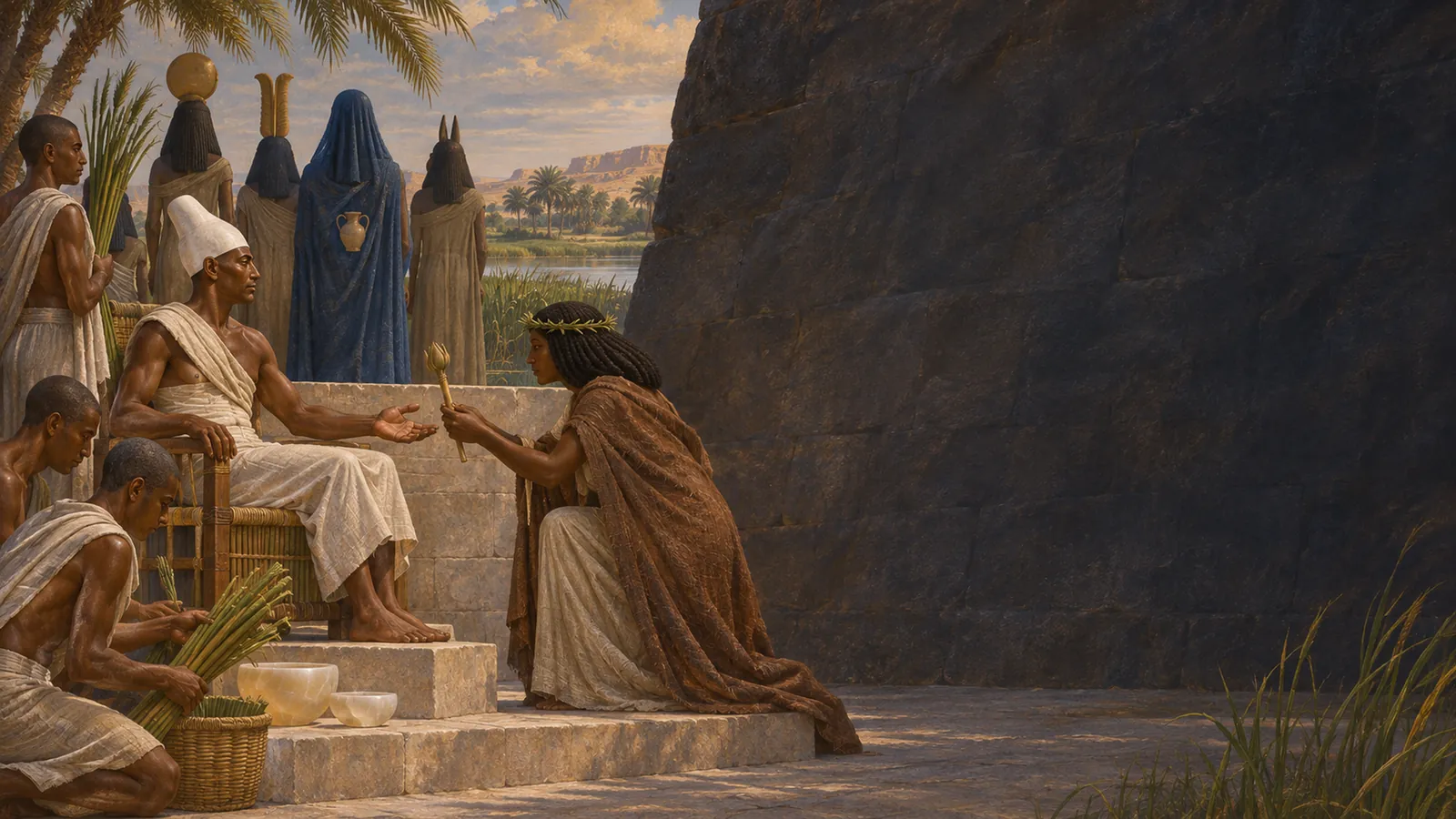
Nut, die Große des unteren Bezirks, nennt Teti ihren gewünschten Sohn und den Erstgeborenen auf Gebs Thron. Geb sei mit ihm zufrieden und habe ihm vor der Großen Neunheit sein Erbe gegeben.
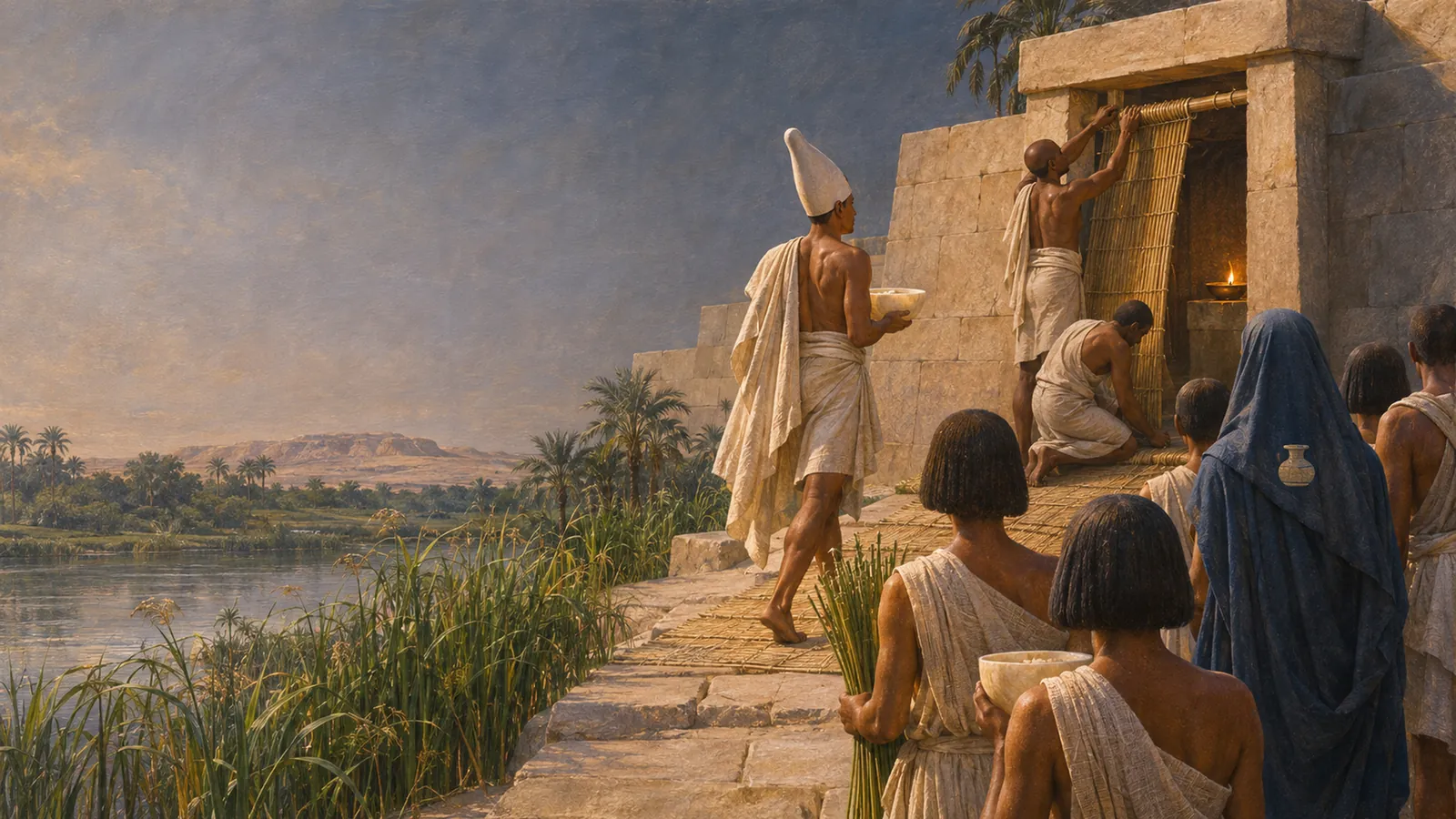
In den letzten Worten der Sarkophagrezitationen sprechen die Götter voller Freude. Sie rufen aus, Teti sei glücklich, weil sein Vater Geb mit ihm zufrieden sei.
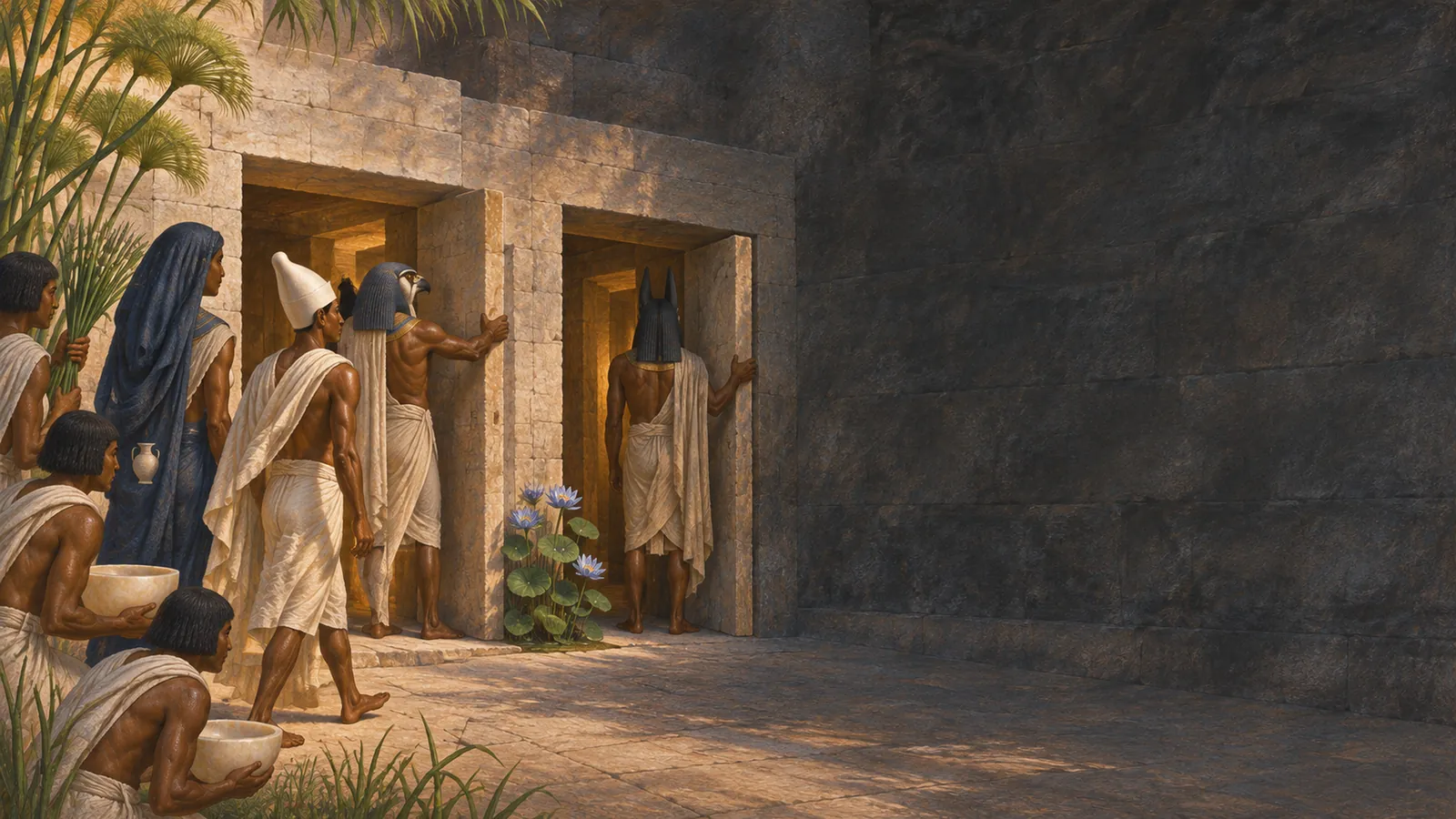
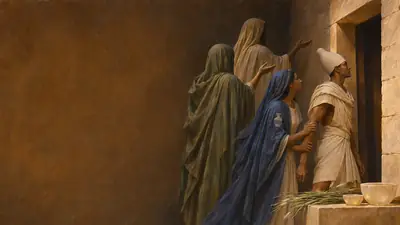
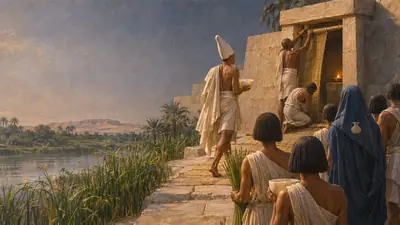
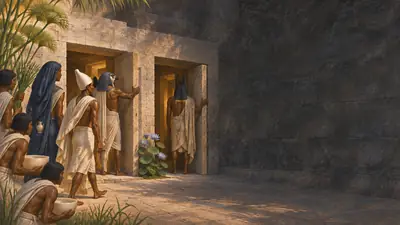
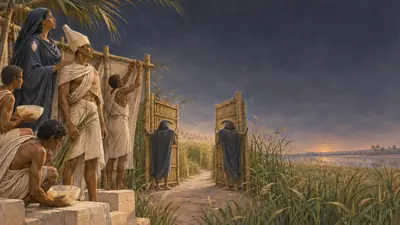
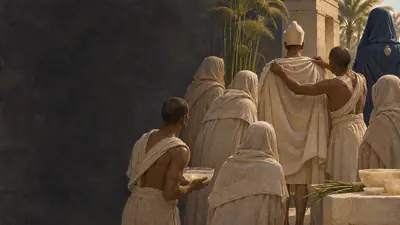
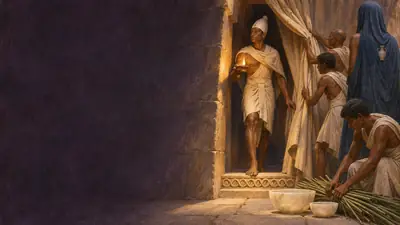
Die Rezitation des Aufstiegs ruft Himmel und Erde dazu auf, sich zu öffnen. Das Tor in der Mauer des Bezirks öffnet sich für Horus, und das Lotustor öffnet sich für Seth.
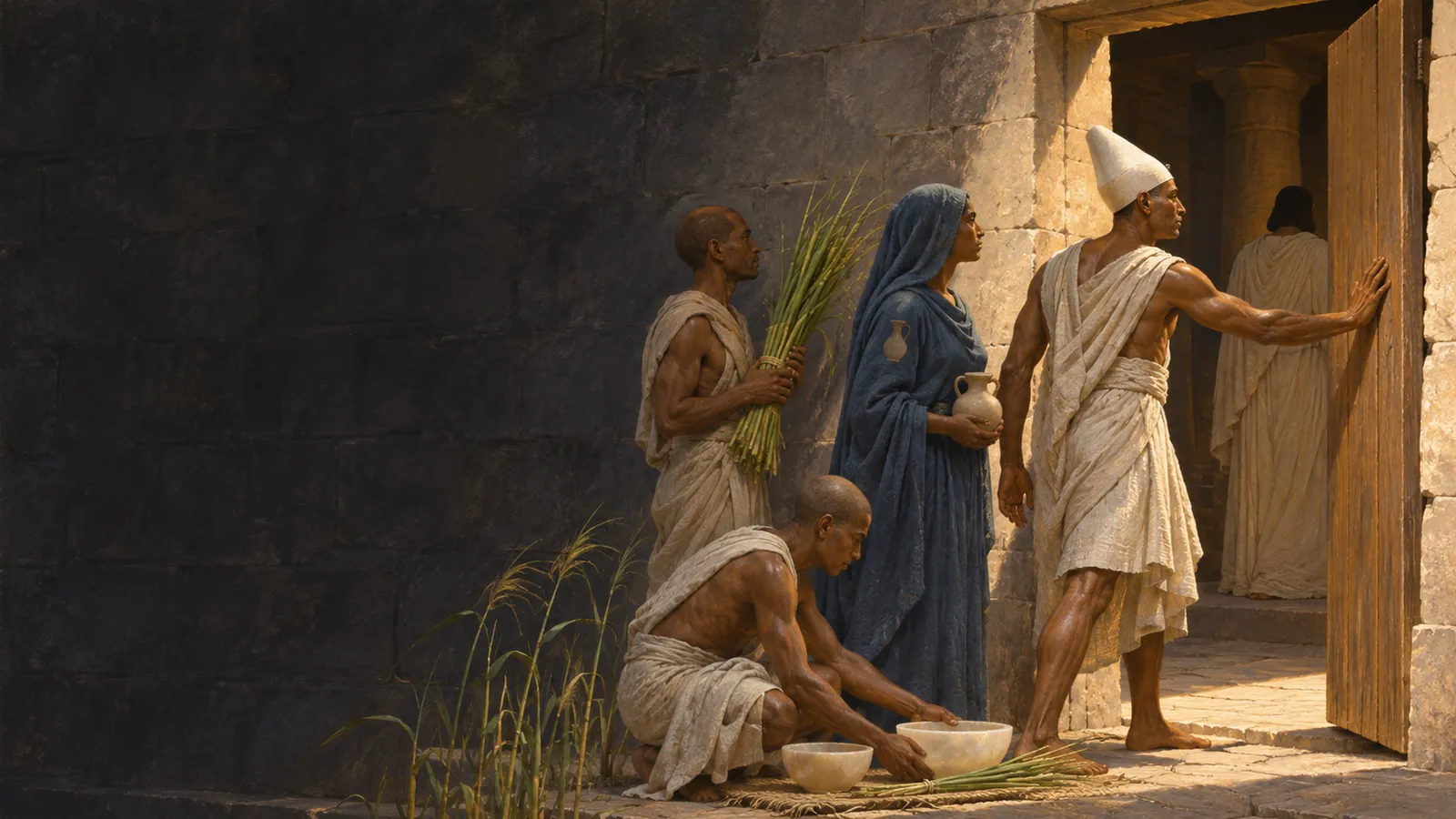
Der Sprecher bittet die Tür, sich für ihn umzustürzen, da er an der Vorderseite seiner Mauer steht. Er sagt, er sei als Atum an der Tür vorbeigegangen.
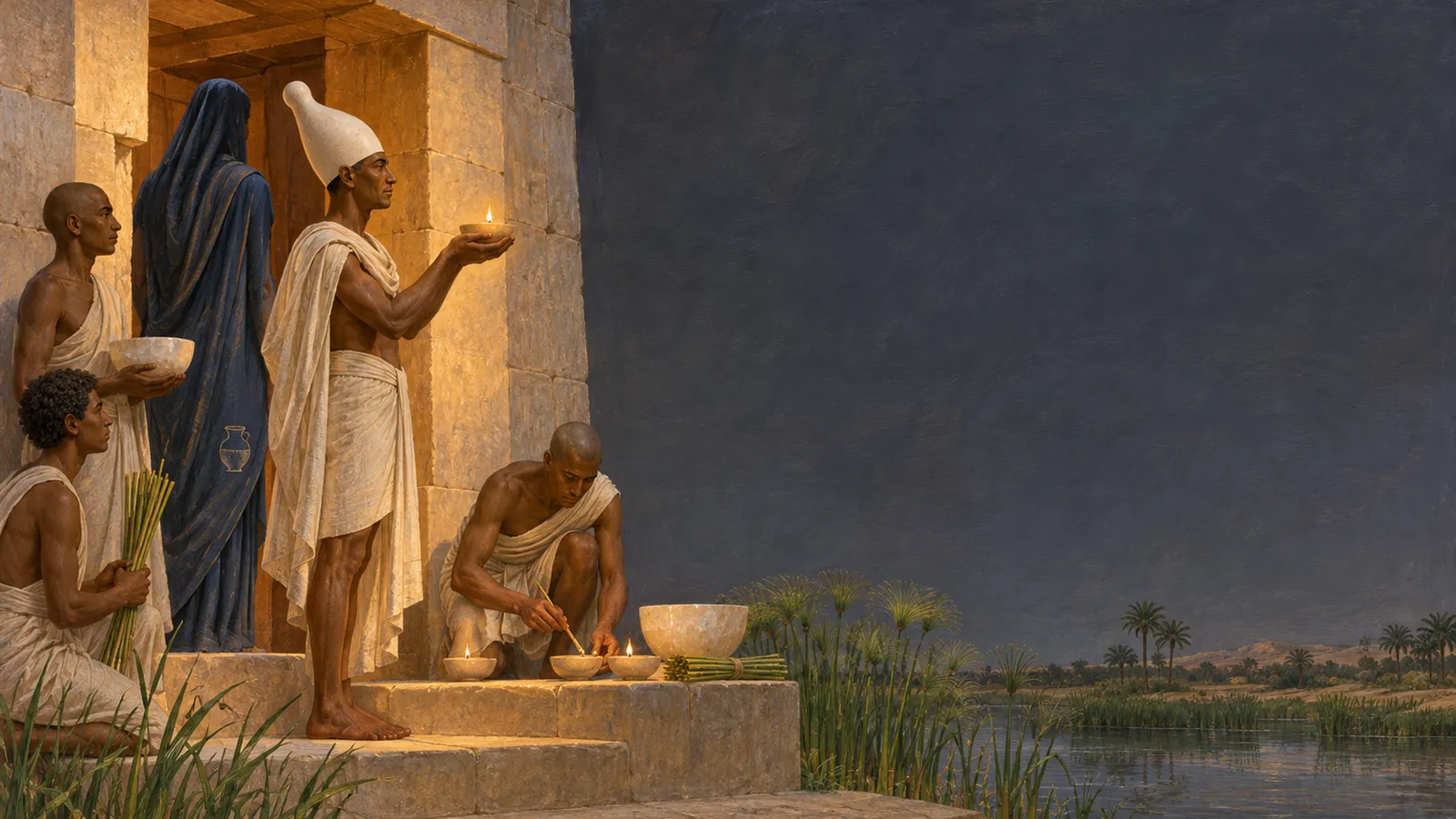
Die letzten Worte dieses Spruchs nennen den Sprecher den in der Hitze Erscheinenden und verorten ihn mitten in Negau.
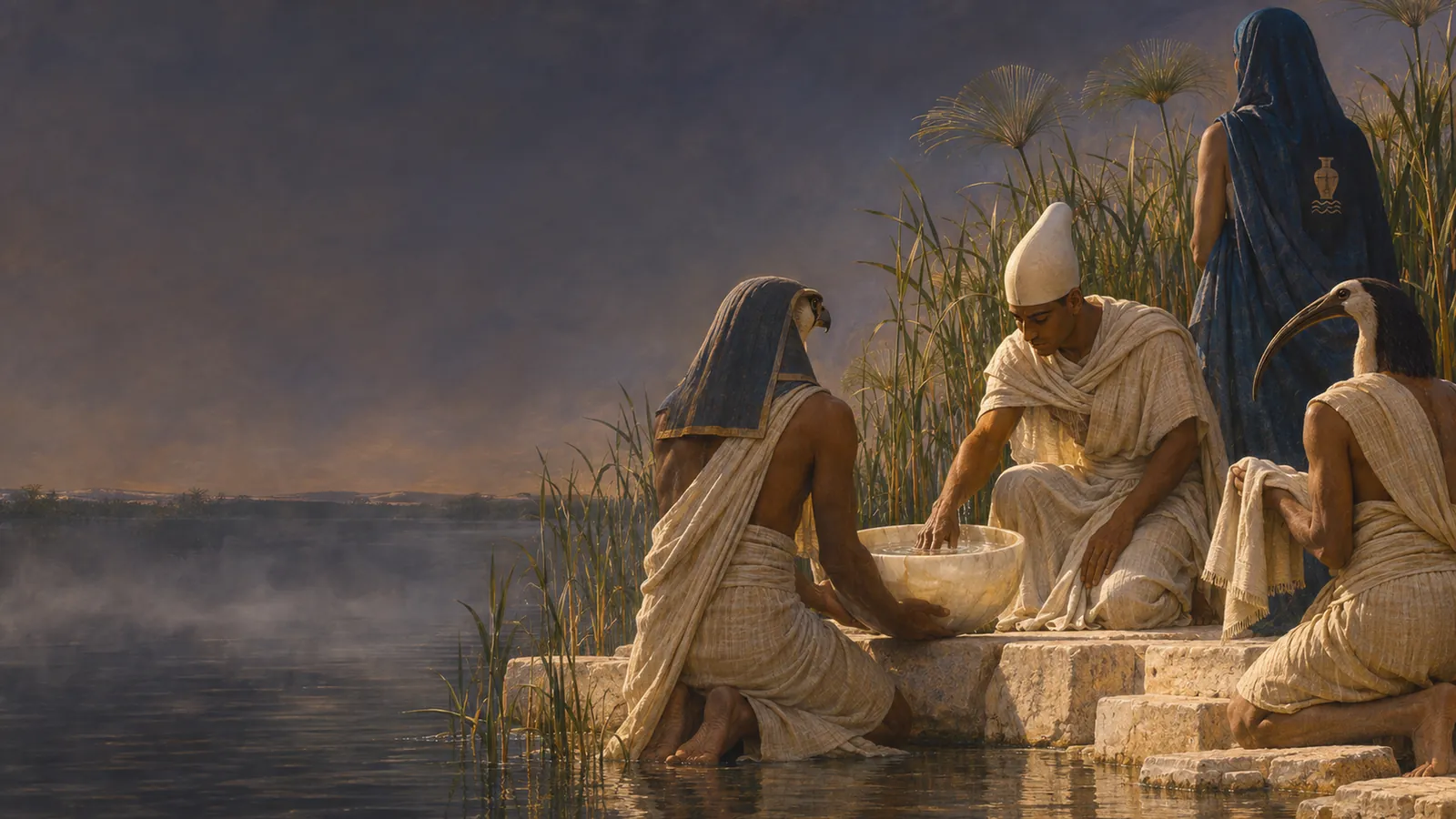
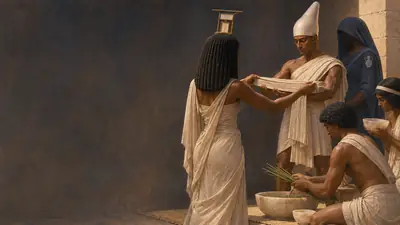
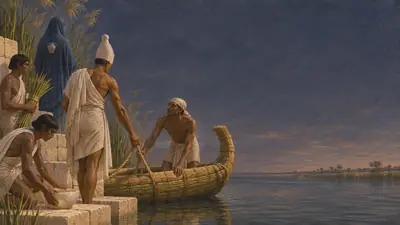
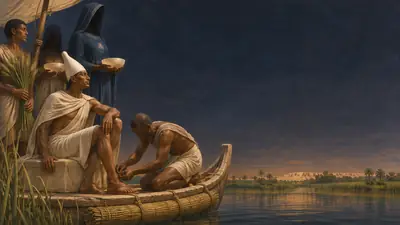
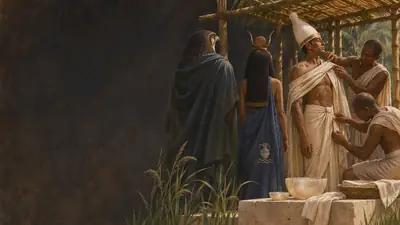
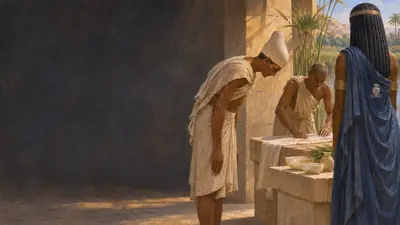
Der Sprecher sagt, er reinige sich mit der Sonne im Binsensee. Eine weitere Stimme sagt, Horus reibe sein Fleisch und Thot seine Füße ab.
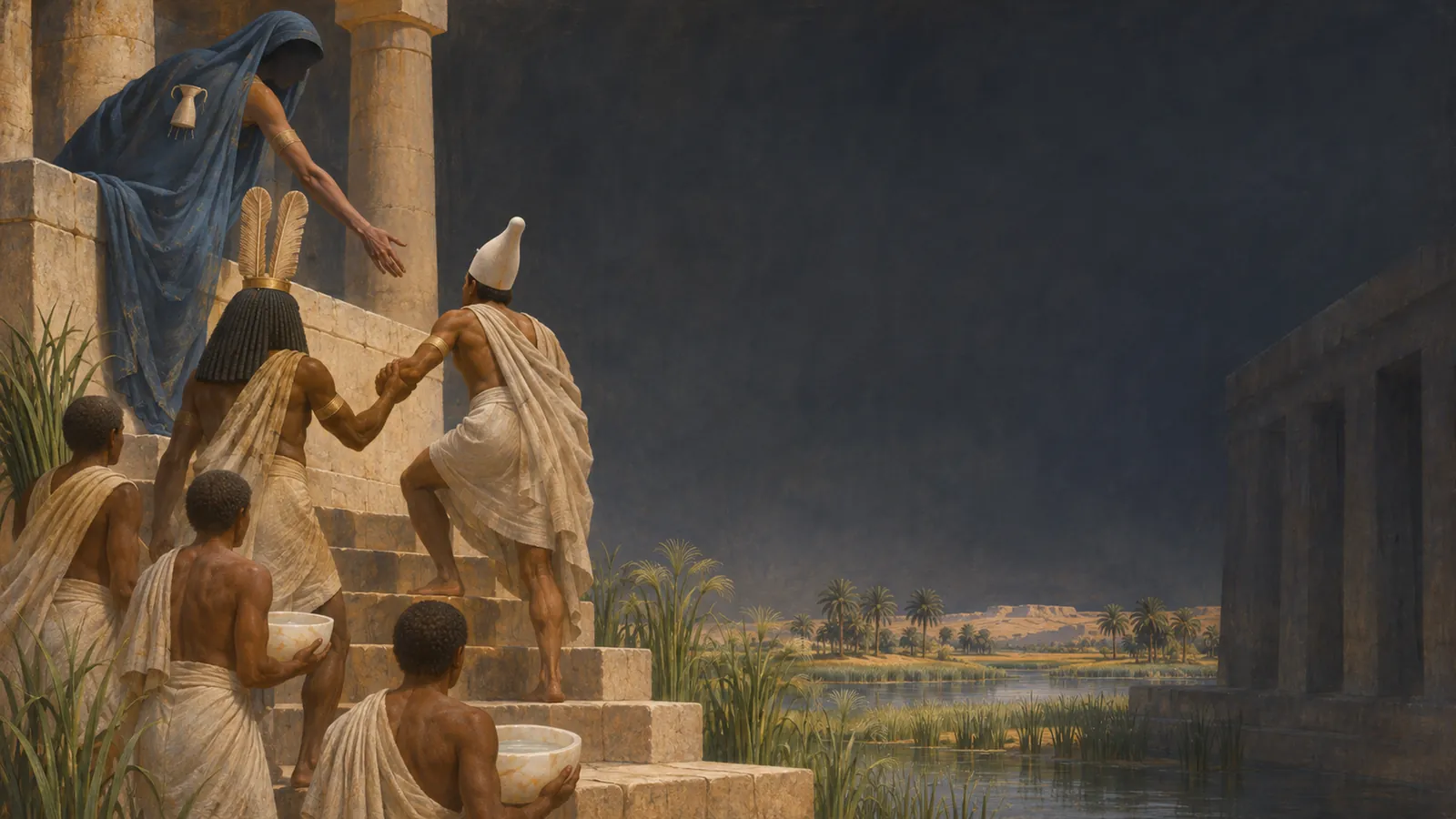
Am Ende des Spruchs bittet der Sprecher Schu, ihn emporzuheben. Er bittet Nut, ihm ihren Arm entgegenzustrecken.
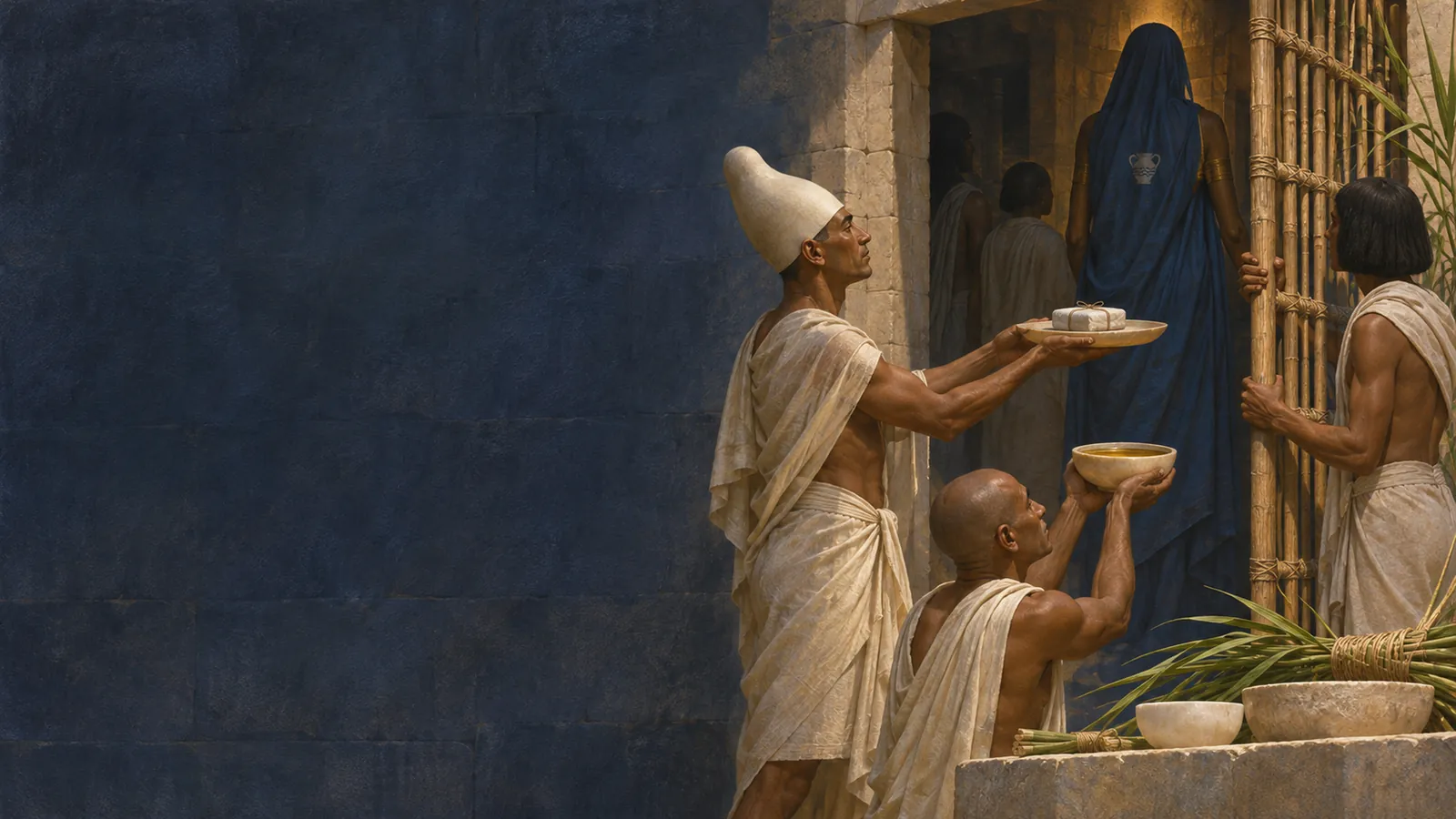
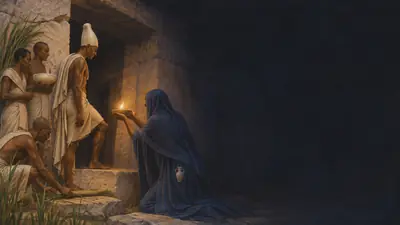
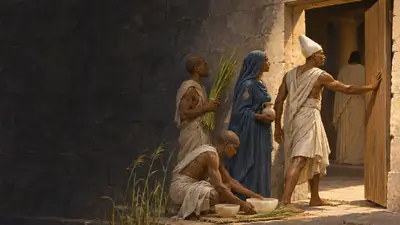
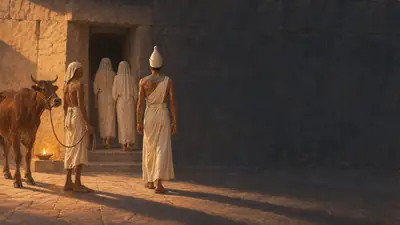
Der Sprecher grüßt den Türhüter des Horus und den Torhüter des Osiris und bittet sie, Horus zu sagen, wer er ist. Er habe mitgebracht, was Allen als Speichel für das Haar wiedergibt.
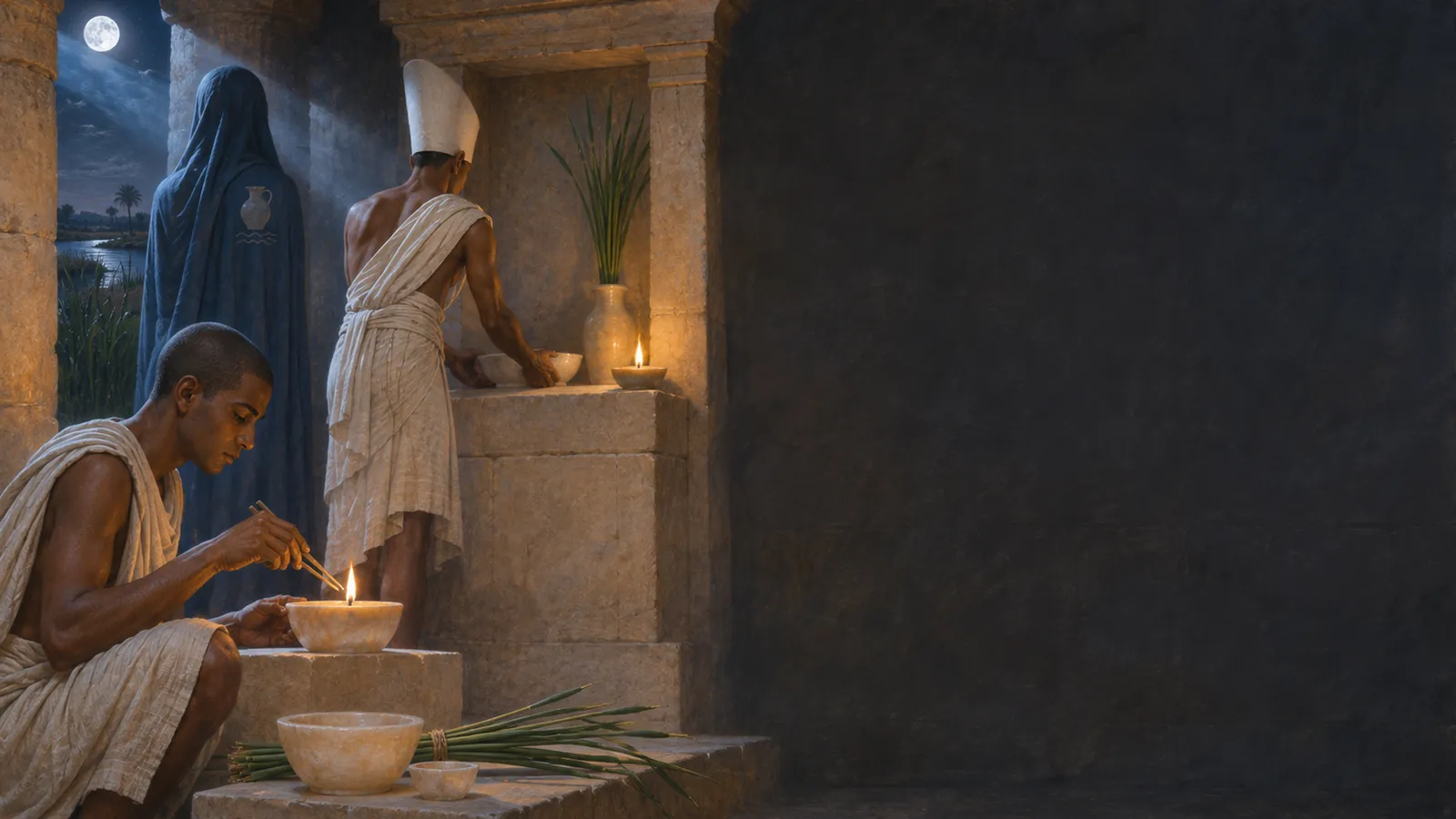
Der Spruch sagt, dass das Haar des Horus am Monatsanfang krank und in der Monatsmitte kahl ist. Eine Stimme sagt dem Sprecher, er solle es mit der Zauberkraft der Götter besänftigen, wenn sie zum ersten Mal entsteht.
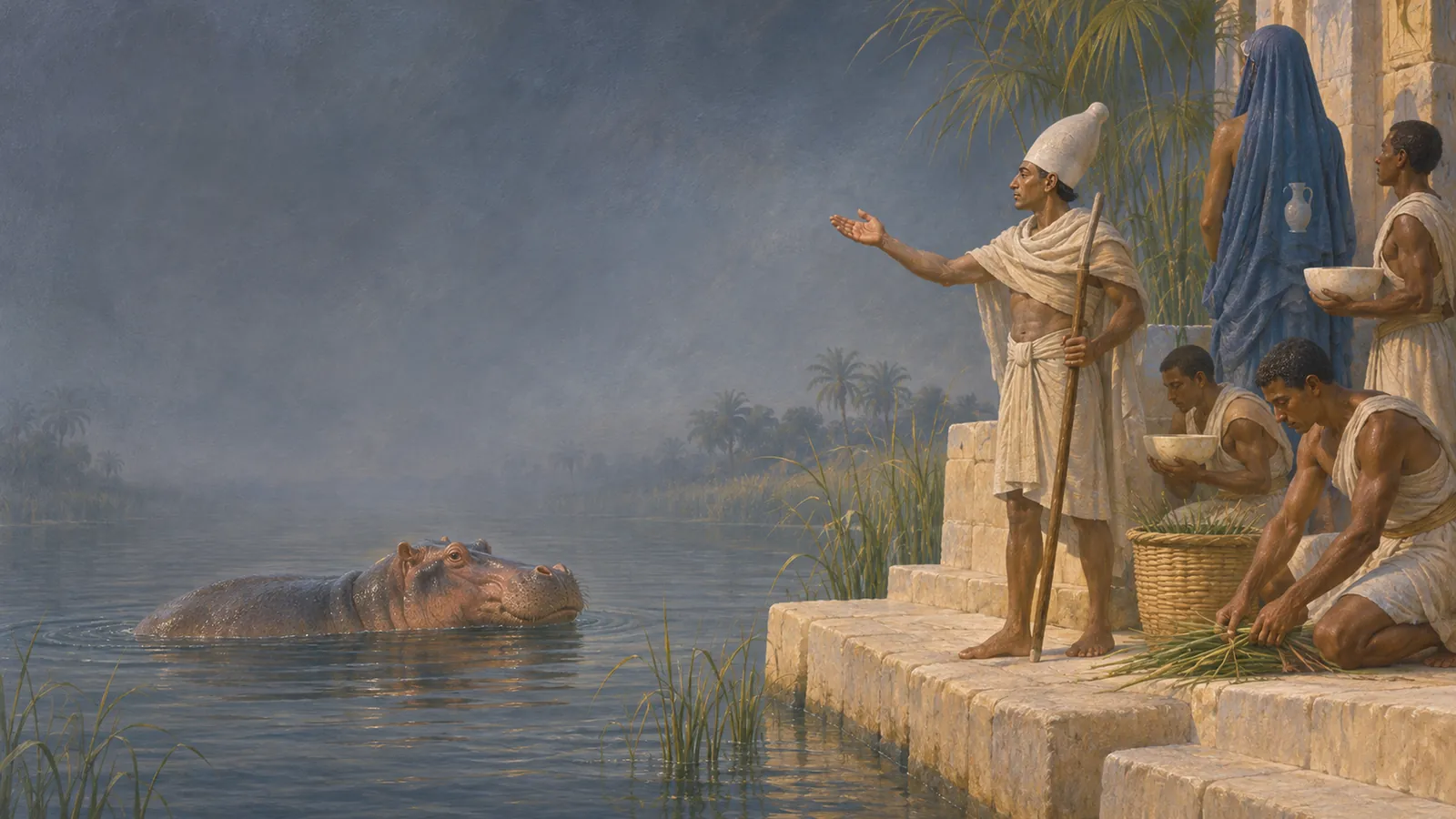
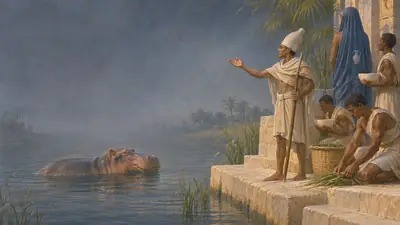
Der Sprecher fleht die Flusspferdkuh an und sagt, sie sei gegen ihn vorgegangen. Er nahm ihr eines der beiden Zepter des Horus ab und schlug sie damit. In ihrer Antwort grüßt sie ihn bei seinem ersten Entstehen.
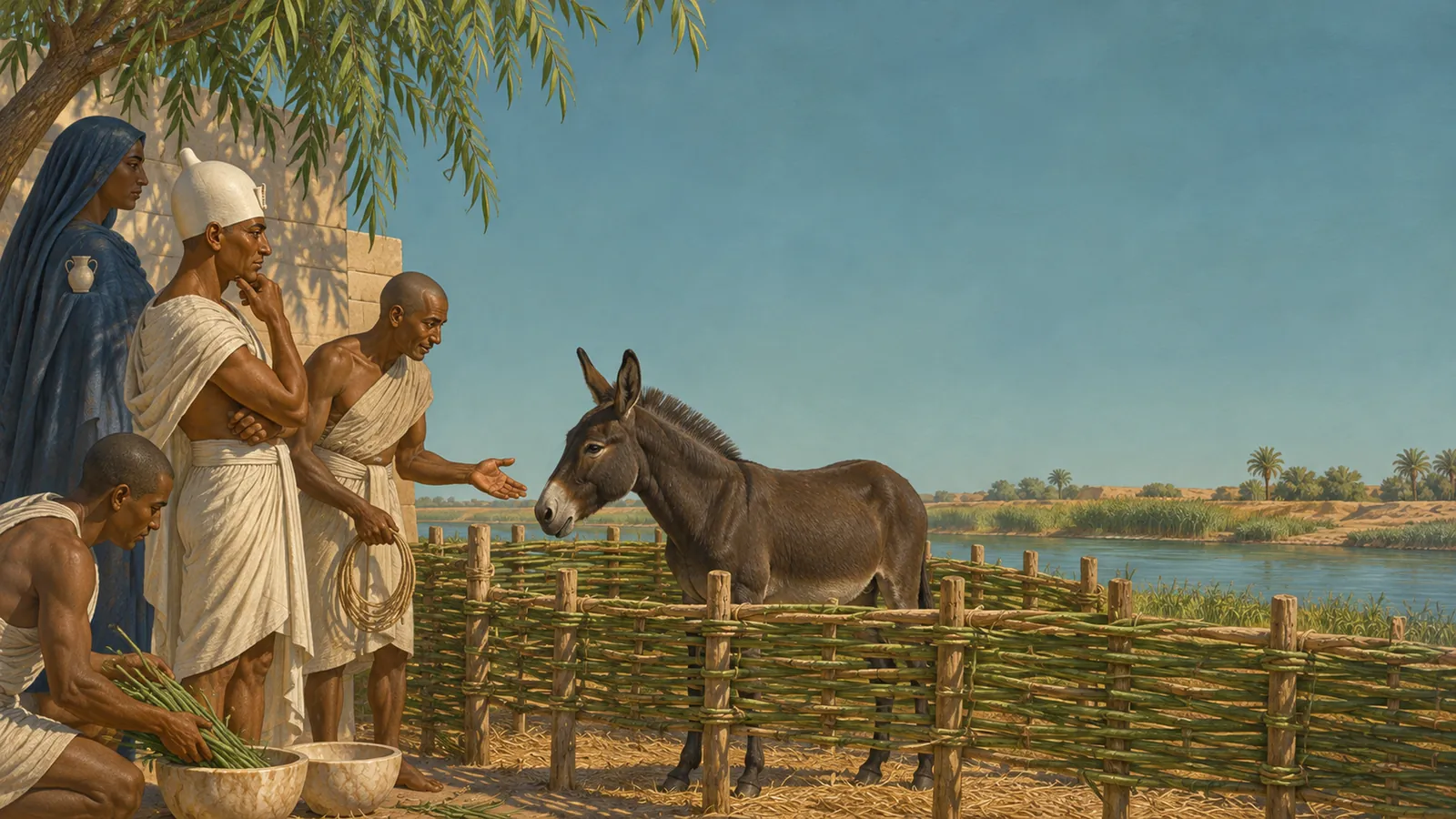
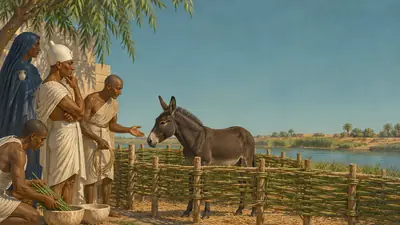
Der Sprecher grüßt die ungeheuerliche Eselin und sagt dann, sie sei gegen ihn vorgegangen. Er sagt, er habe sie mit einem Schwanz geschlagen, der im See des Osiris wächst.
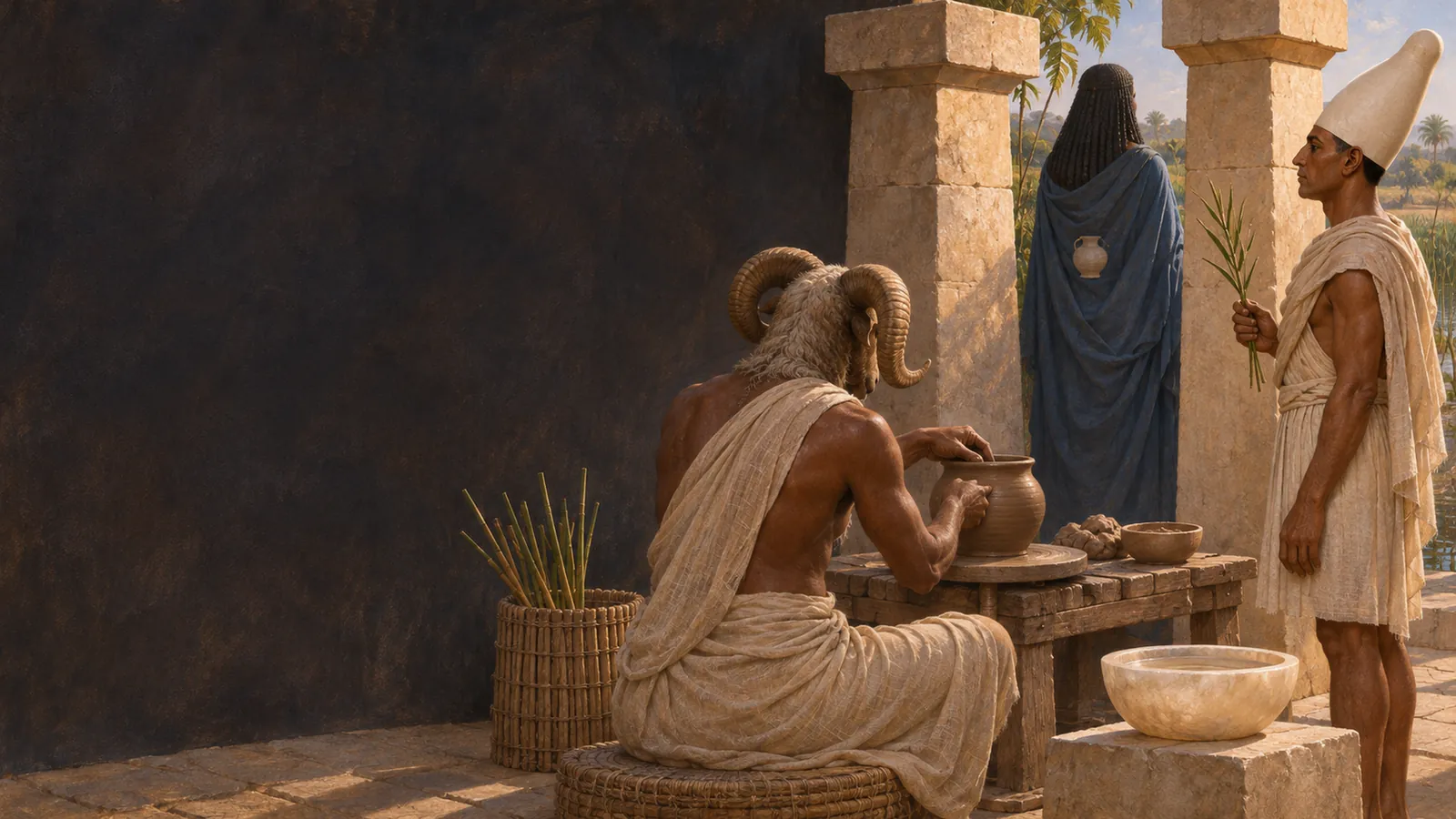
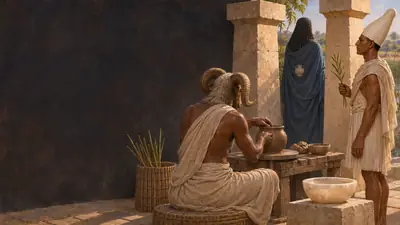
Der Sprecher redet Chnum an, der ihn formen muss, und vergleicht ihn mit einer Ëmë-Pflanze, die er zertritt und die zwischen seinen Zehen nicht nachwachsen kann. In der Antwort wird der Sprecher eine der beiden Säulen des Großen Bezirks genannt.
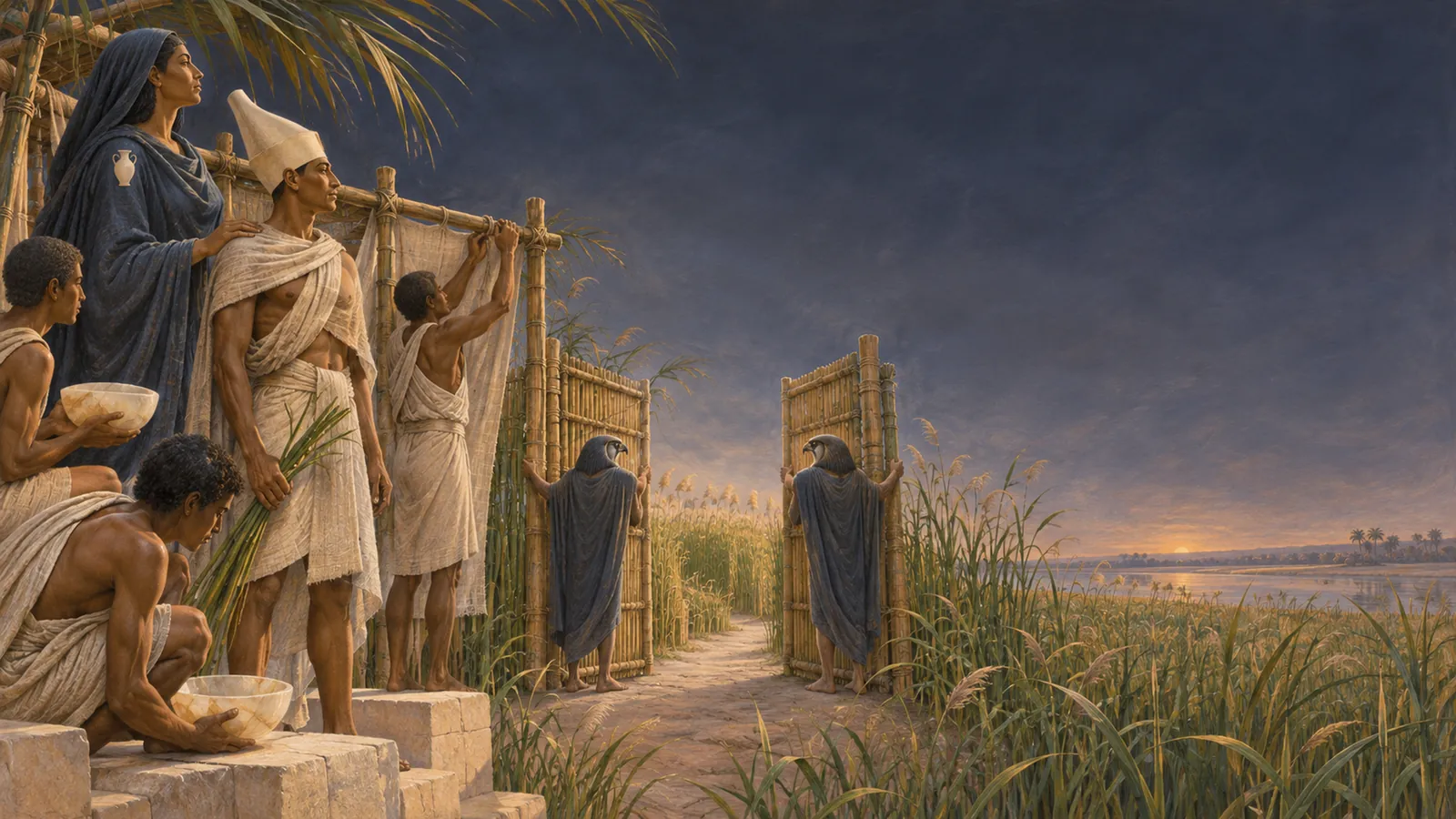
Der Spruch nennt Horus der Götter, Horus des Achet, den östlichen Horus und Horus von Shezmet. Bei Tagesanbruch öffnen sich der Himmelseingang und das Tor der Kühlen Wasser für jeden, damit er hervortritt und sich im Binsenfeld reinigt.
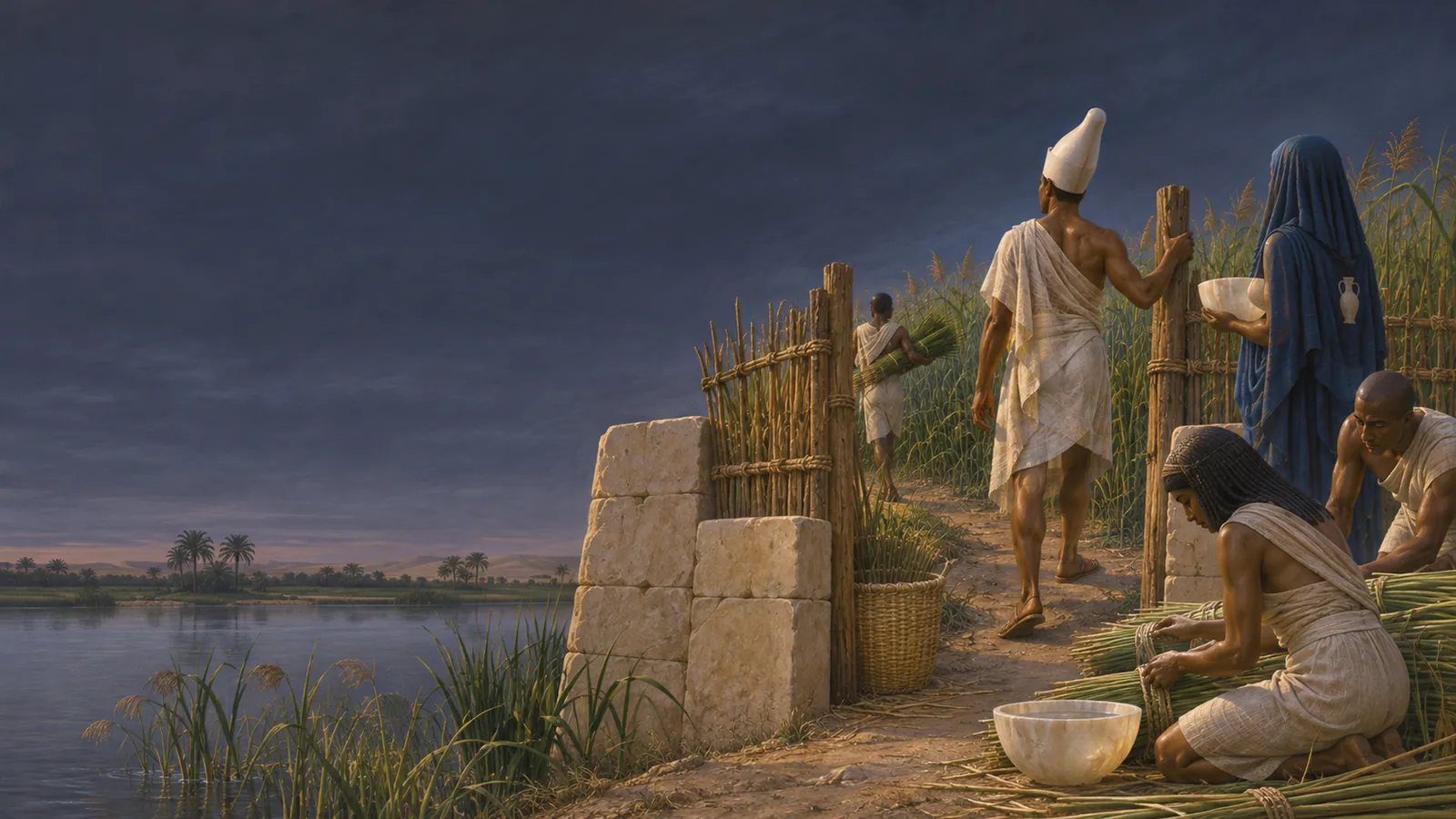
TAGESANBRUCH
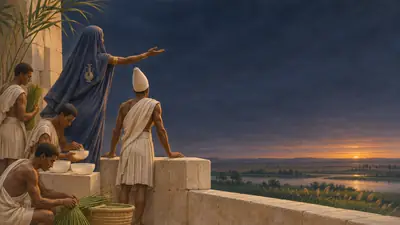
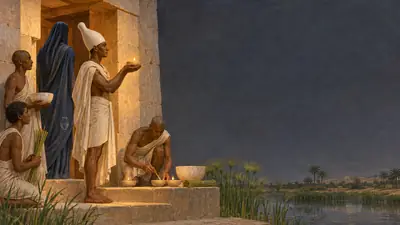
Der Sprecher sagt nun, dass sich der Himmelseingang und das Tor der Kühlen Wasser bei Tagesanbruch für ihn öffnen. Er soll hervortreten und sich im Binsenfeld reinigen.
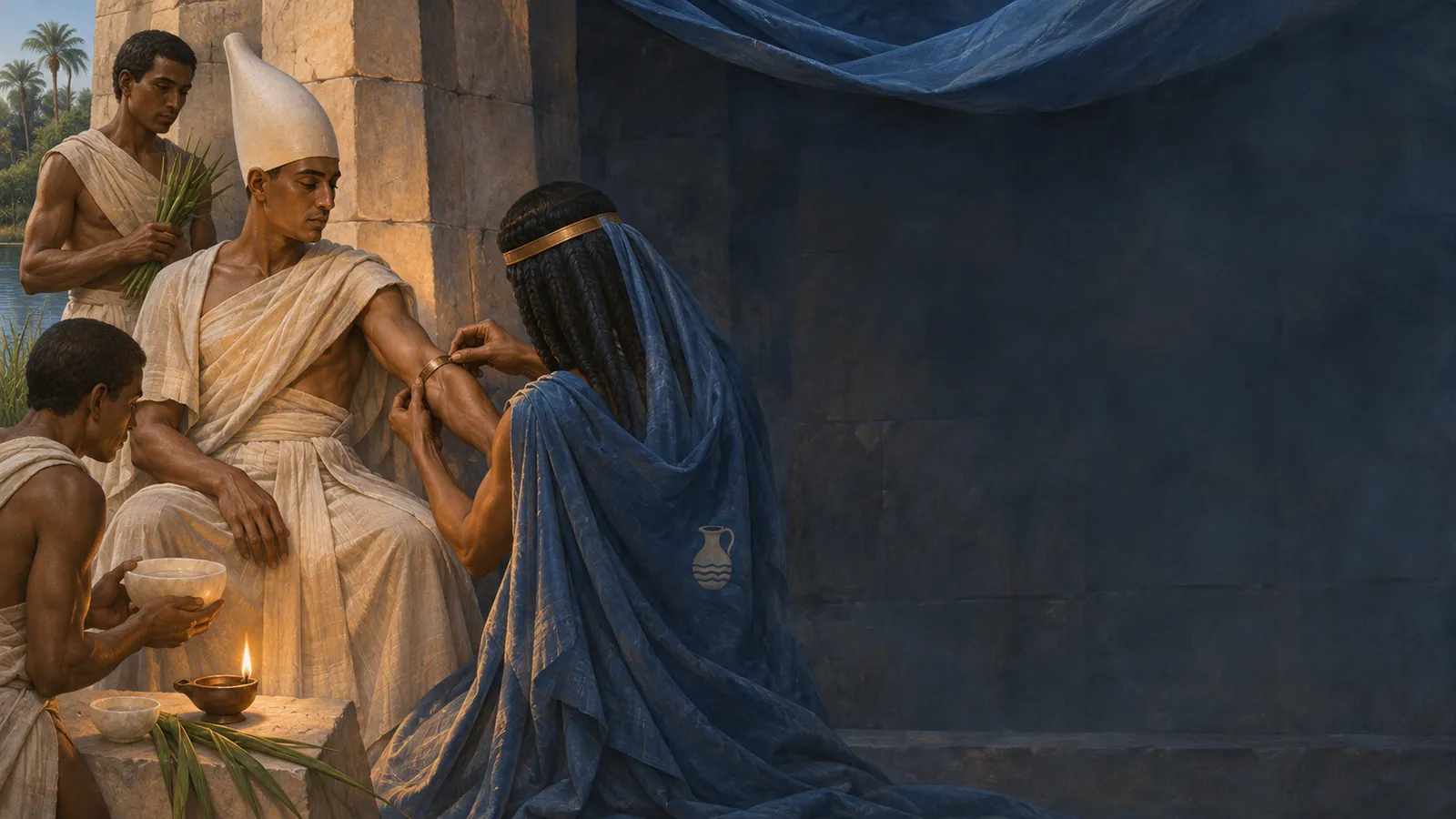
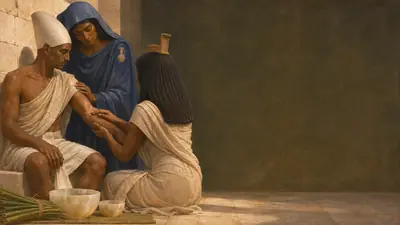
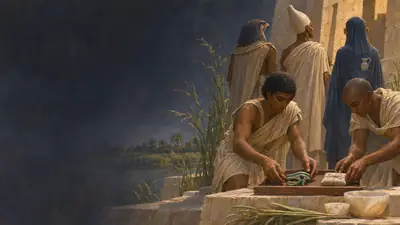
Der Sprecher sagt, dass er sich reinigt und seine metallenen Knochen empfängt. Er sagt, dass er seine unvergänglichen Glieder im Leib seiner Mutter Nut ausstreckt.
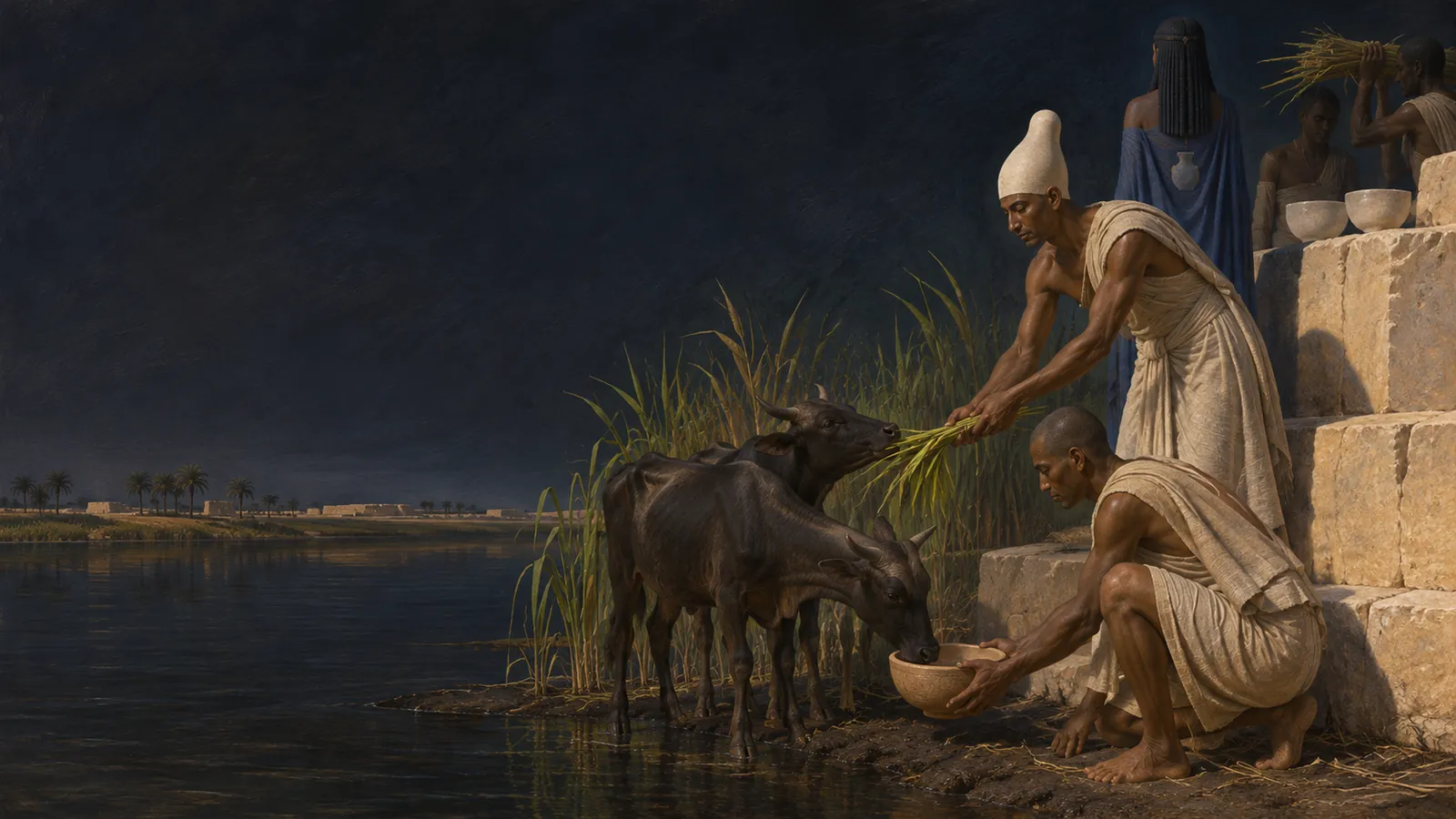
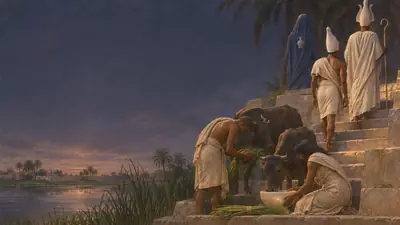
Er bittet die Sonne, ihm ihre Arme zu geben, damit Schu ihn für immer als Gefährten annimmt. Er sagt, er sei von den beiden schwarzen Kühen gesäugt worden, die die Bas von Heliopolis nähren.
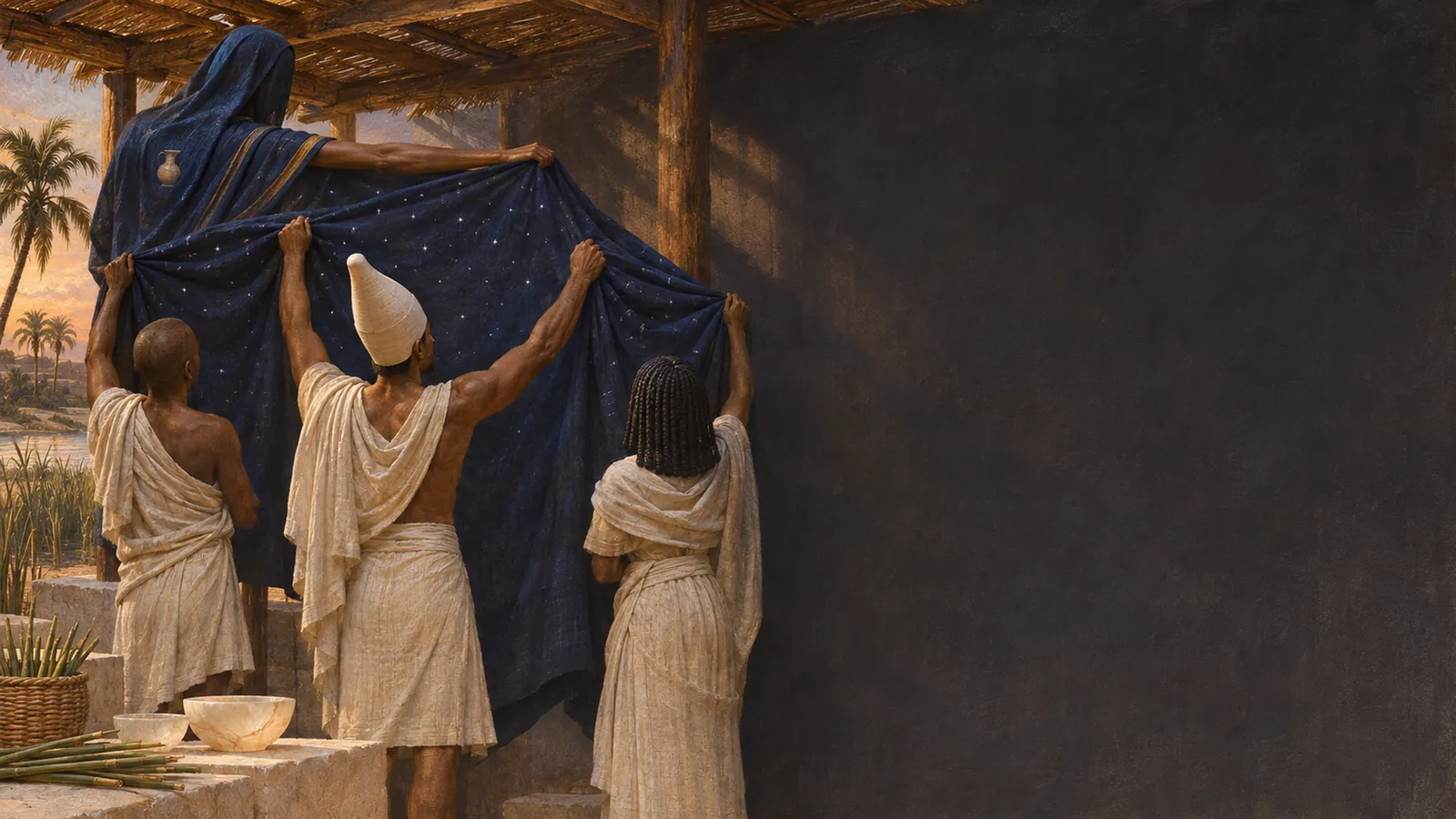
Der Sprecher wendet sich an Hepatj und sagt, der Leib des Himmels sei durch die Kraft des göttlichen Samens angeschwollen. Er bezeichnet sich als den Samen in diesem Leib.
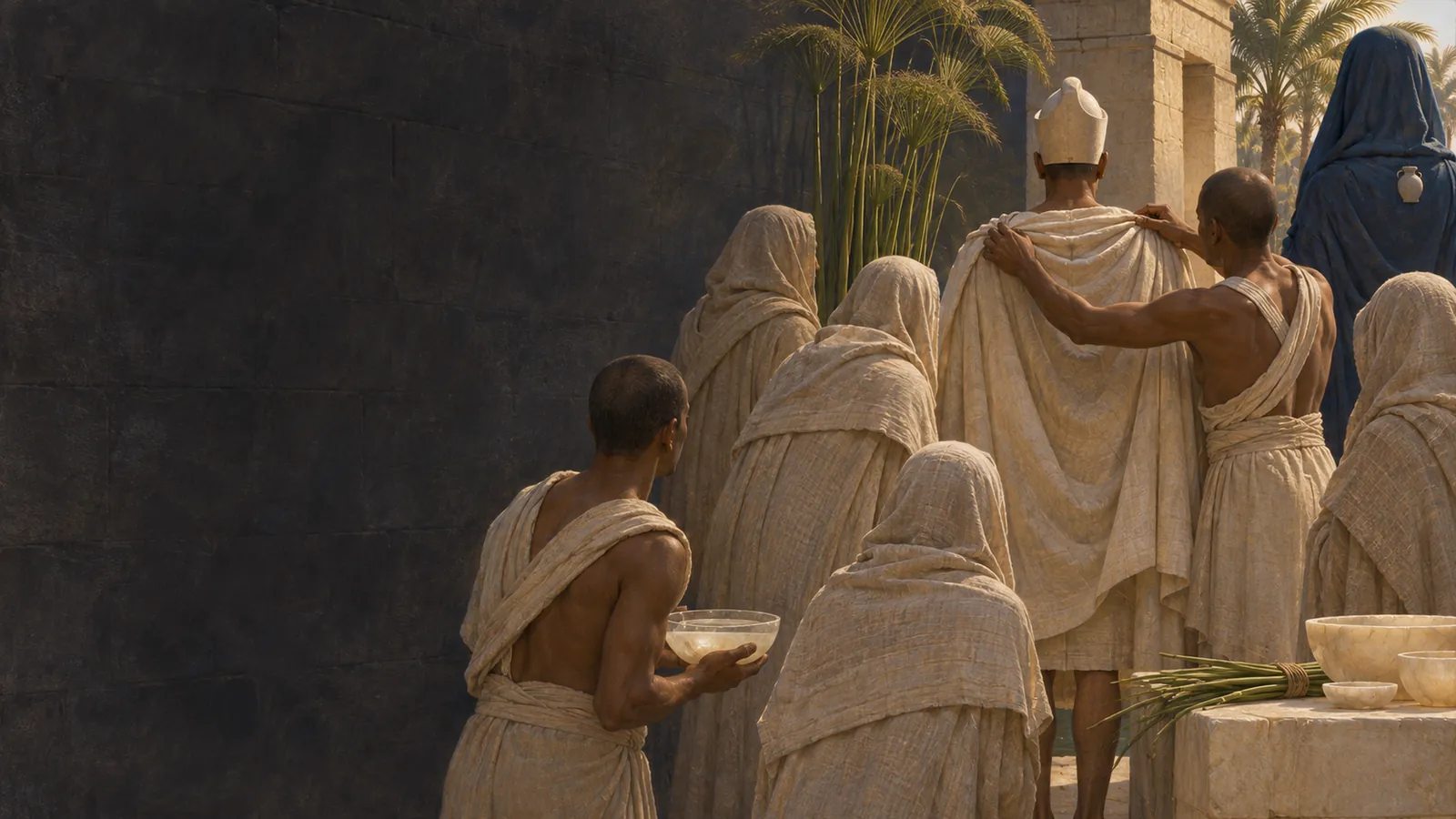
Der Sprecher ruft Hepatj, den Rufer und Zemnenu an. Der empfangene Mantel habe ihn gereinigt und als Gott eingesetzt, und er bittet sie, ihn unter sich anzusiedeln.
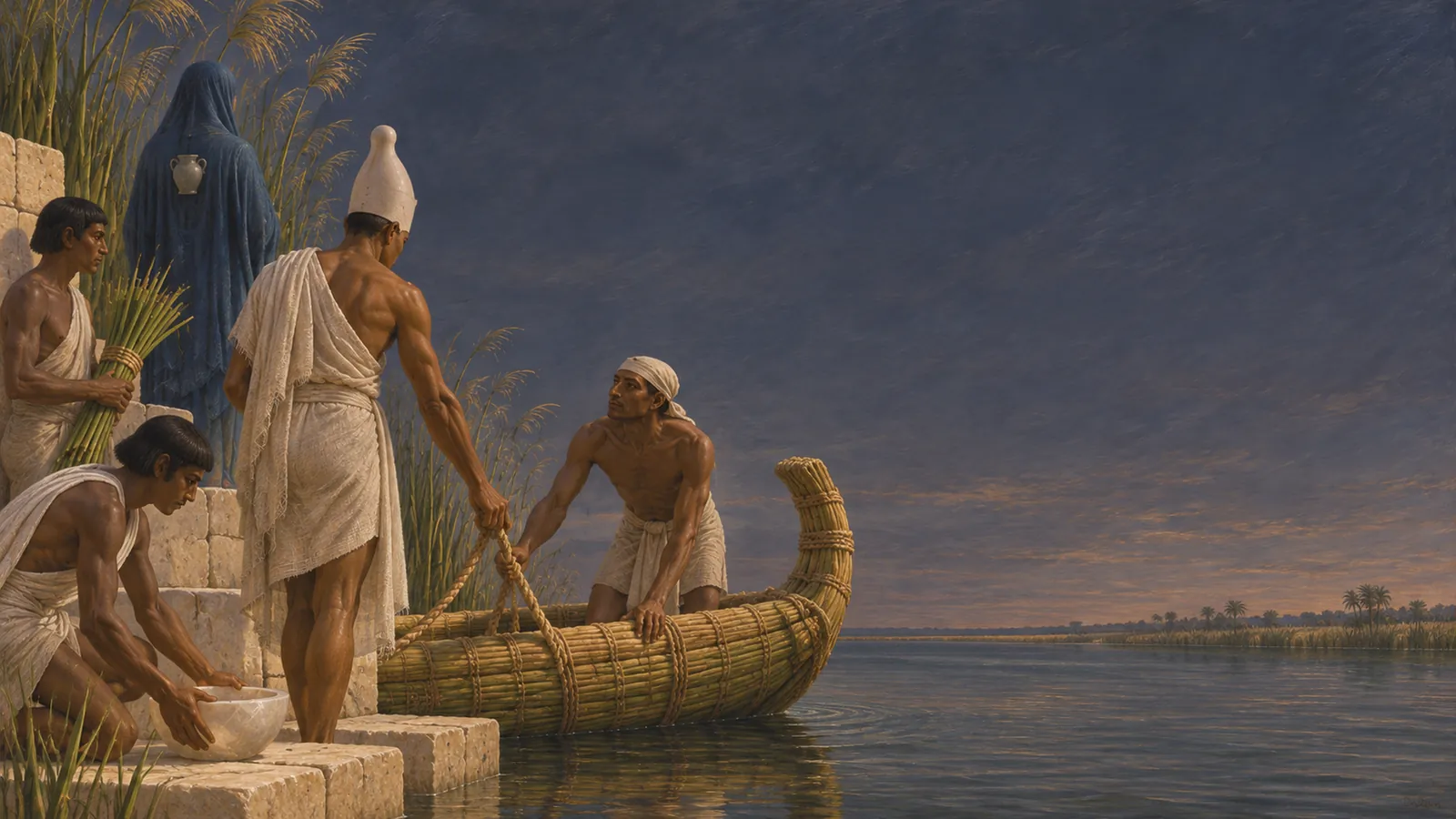
Der Sprecher wendet sich an den dunkelfrontigen Kanalschwimmer des Horus, den der Spruch am Hals der Sonne verortet. Für sie beide sei der Himmel bestimmt.
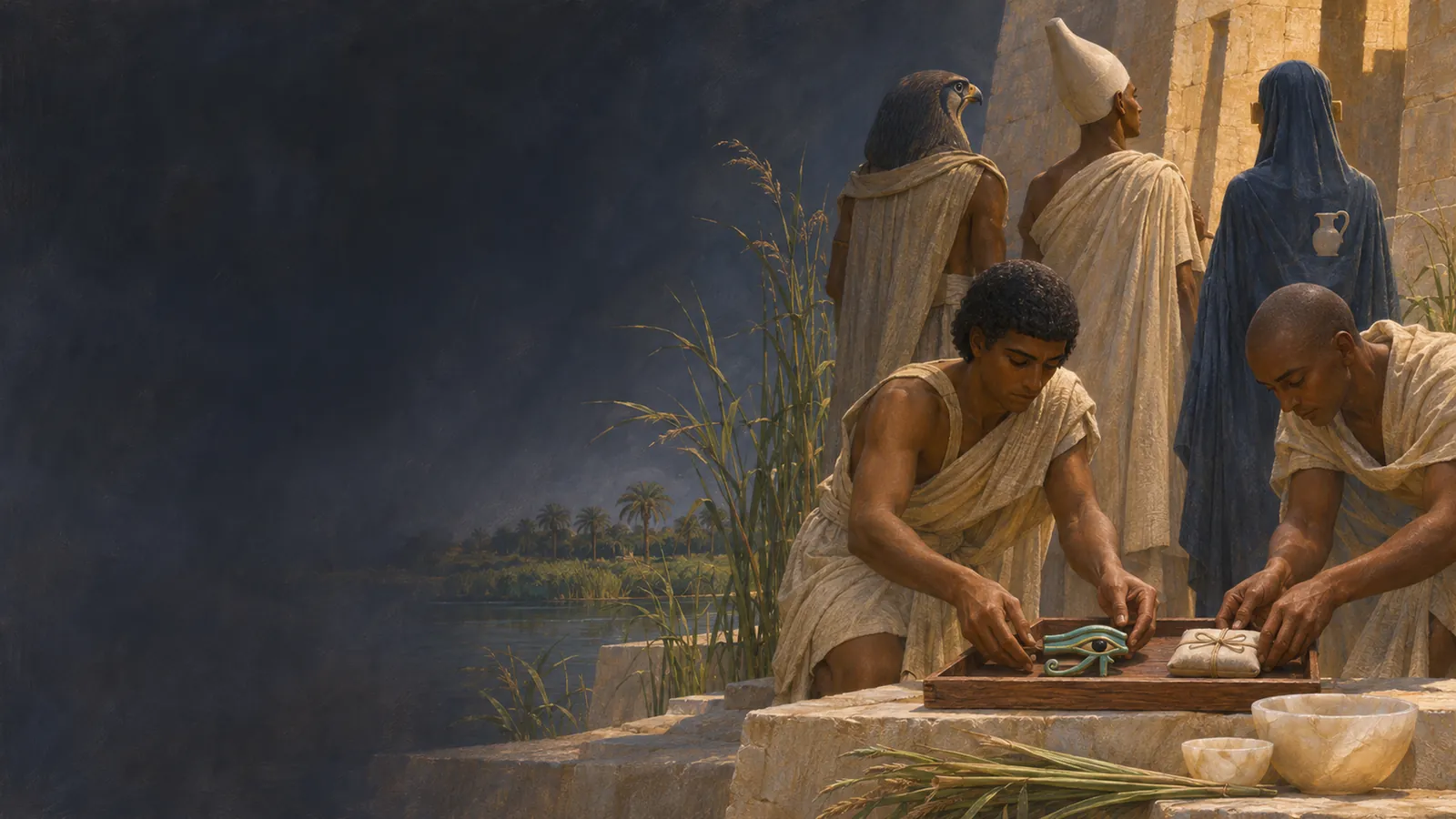
Horus und Seth holen den Sprecher, weil er das Auge des Horus und die Hoden des Seth zurückgebracht hat. Auch Thot holt ihn, und Allen ergänzt aus Pepi II den Grund, die Wiederbeschaffung seiner Arme.
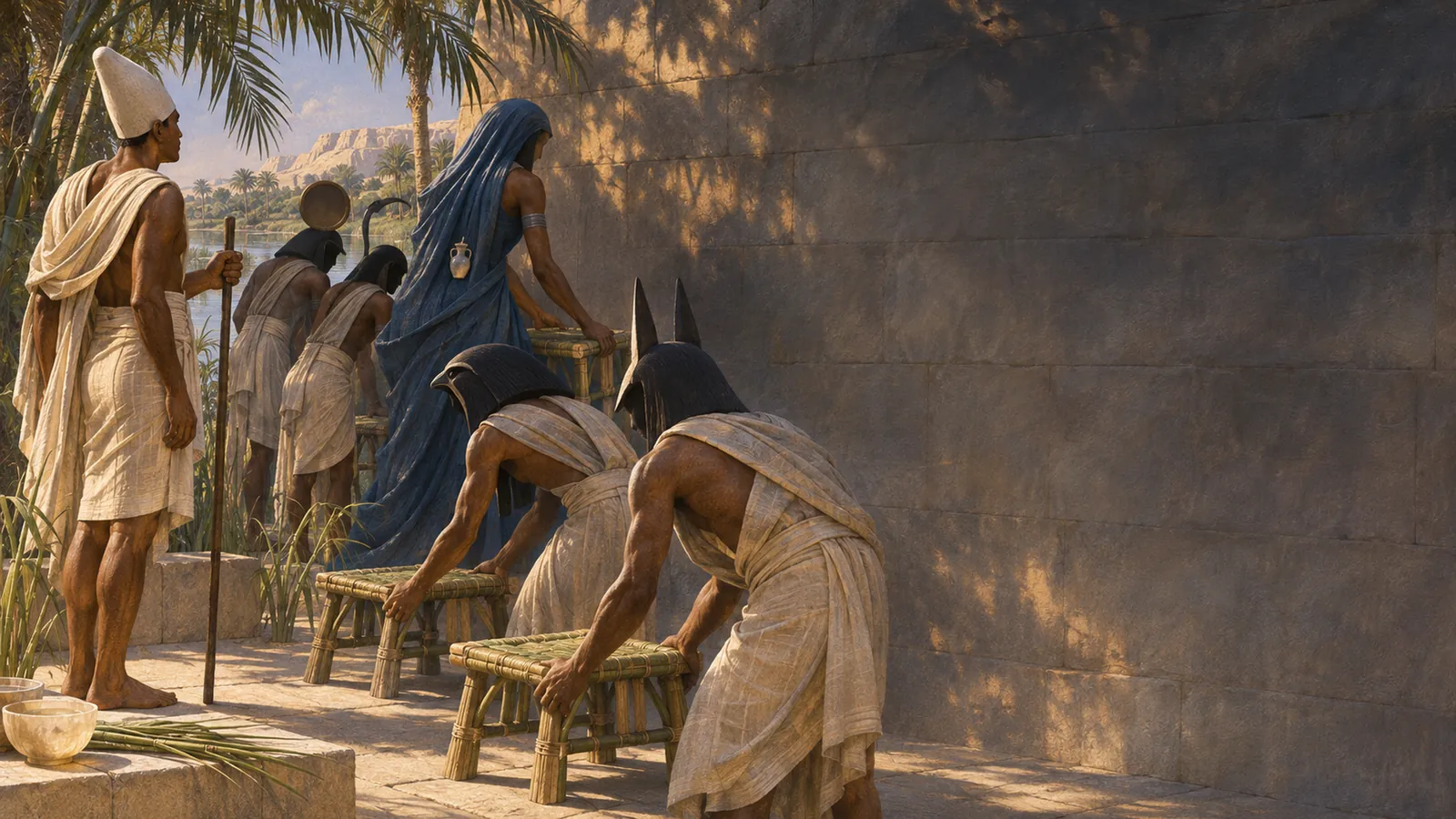
Die beiden Neunheiten beben vor denen, die den Sprecher holen. Der Spruch sagt, dass sie ihn begehren und in einen Zustand der Zufriedenheit bringen werden.
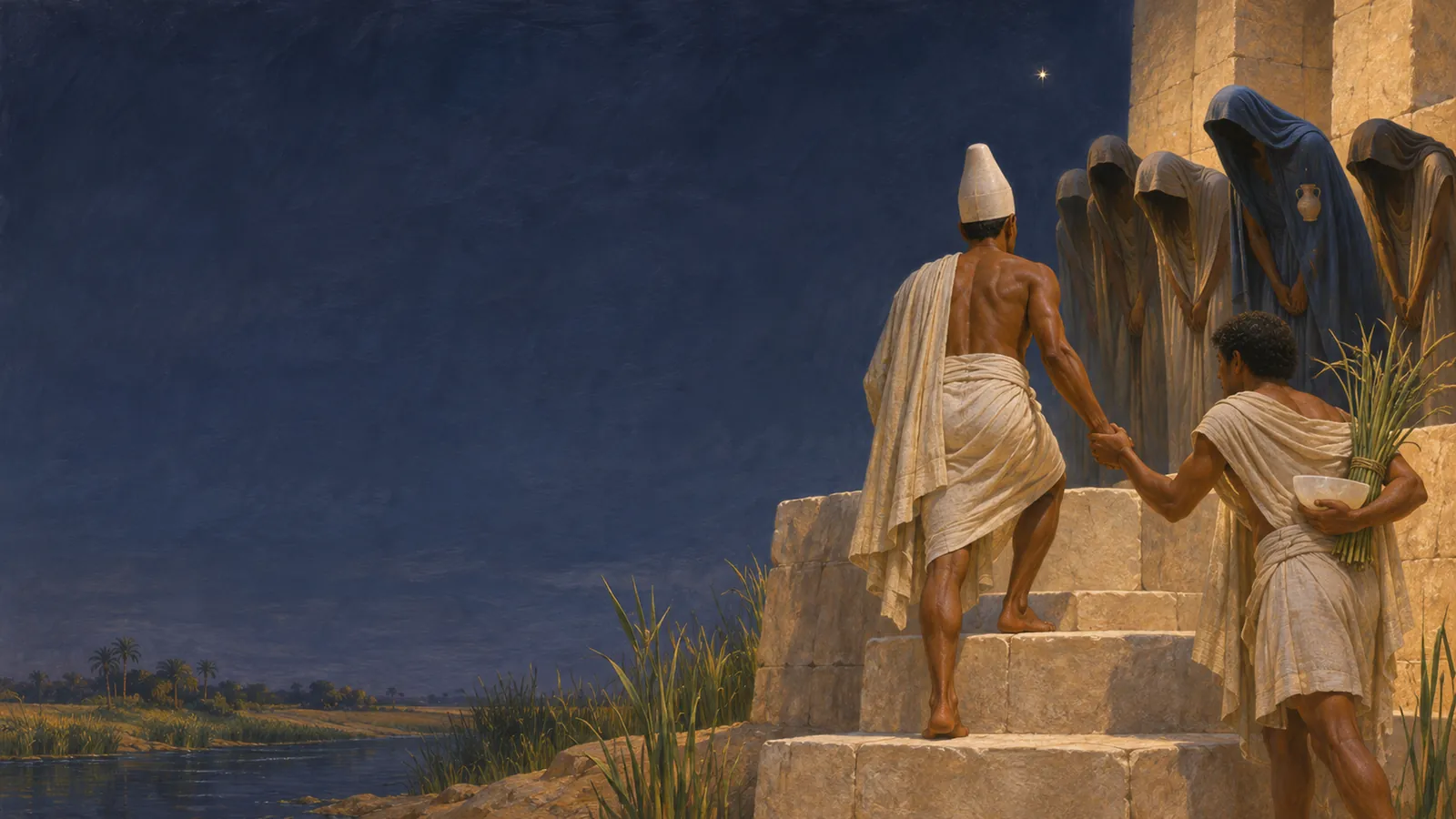
Zweimal nennt sich der Sprecher einen Stern, vor dem sich die Götter verneigen und die beiden Neunheiten beben. Im ersten Spruch erhebt ihn seine Hand. Im zweiten sieht er seinen Aufstieg und atmet.
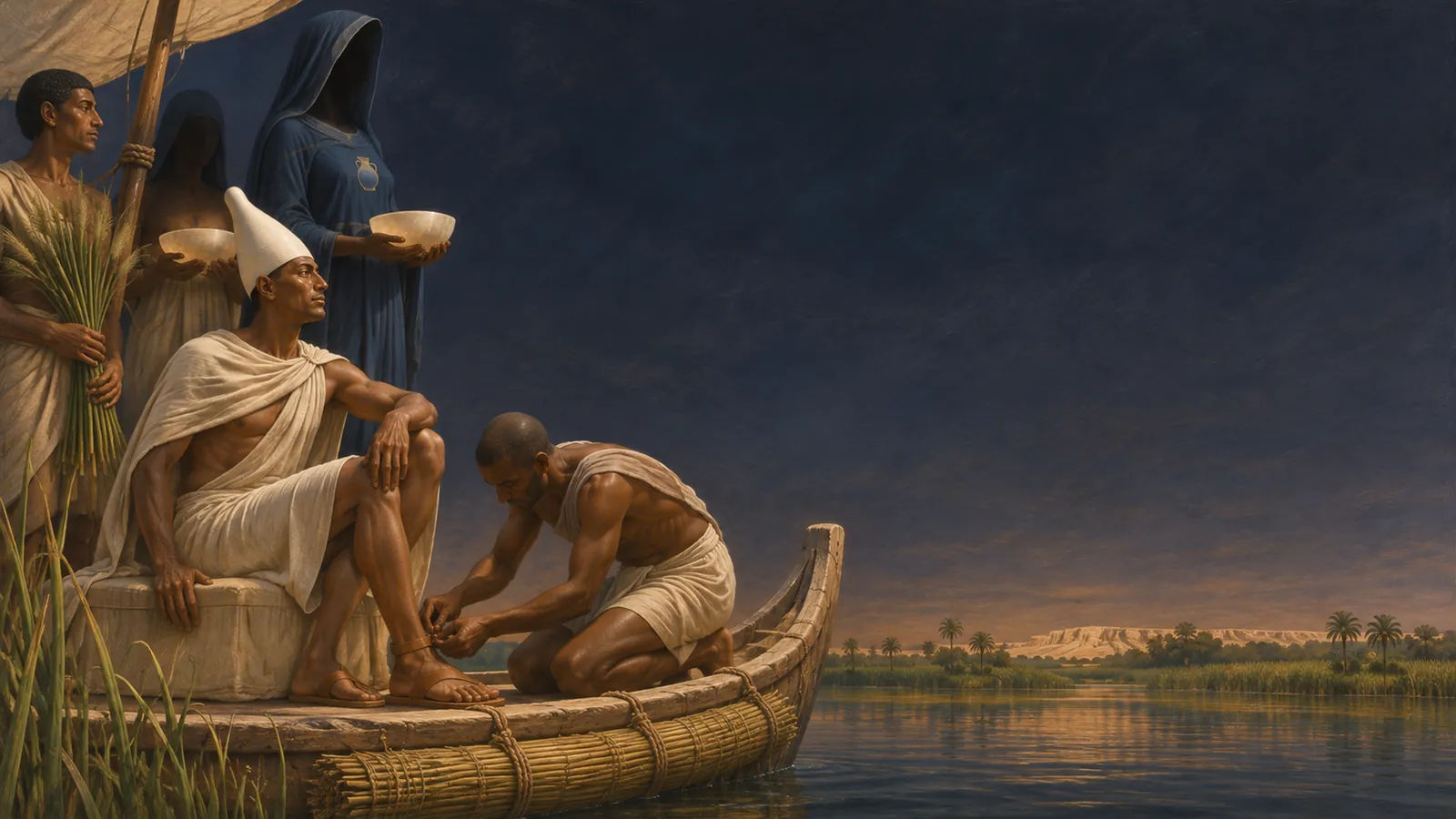
In zwei parallelen Sprüchen steigt der Sprecher auf einem Kissen im Bug zum Himmel auf und ergreift dessen Sandale. Der zweite kehrt zum Anblick des Aufstiegs und zum Atem zurück.
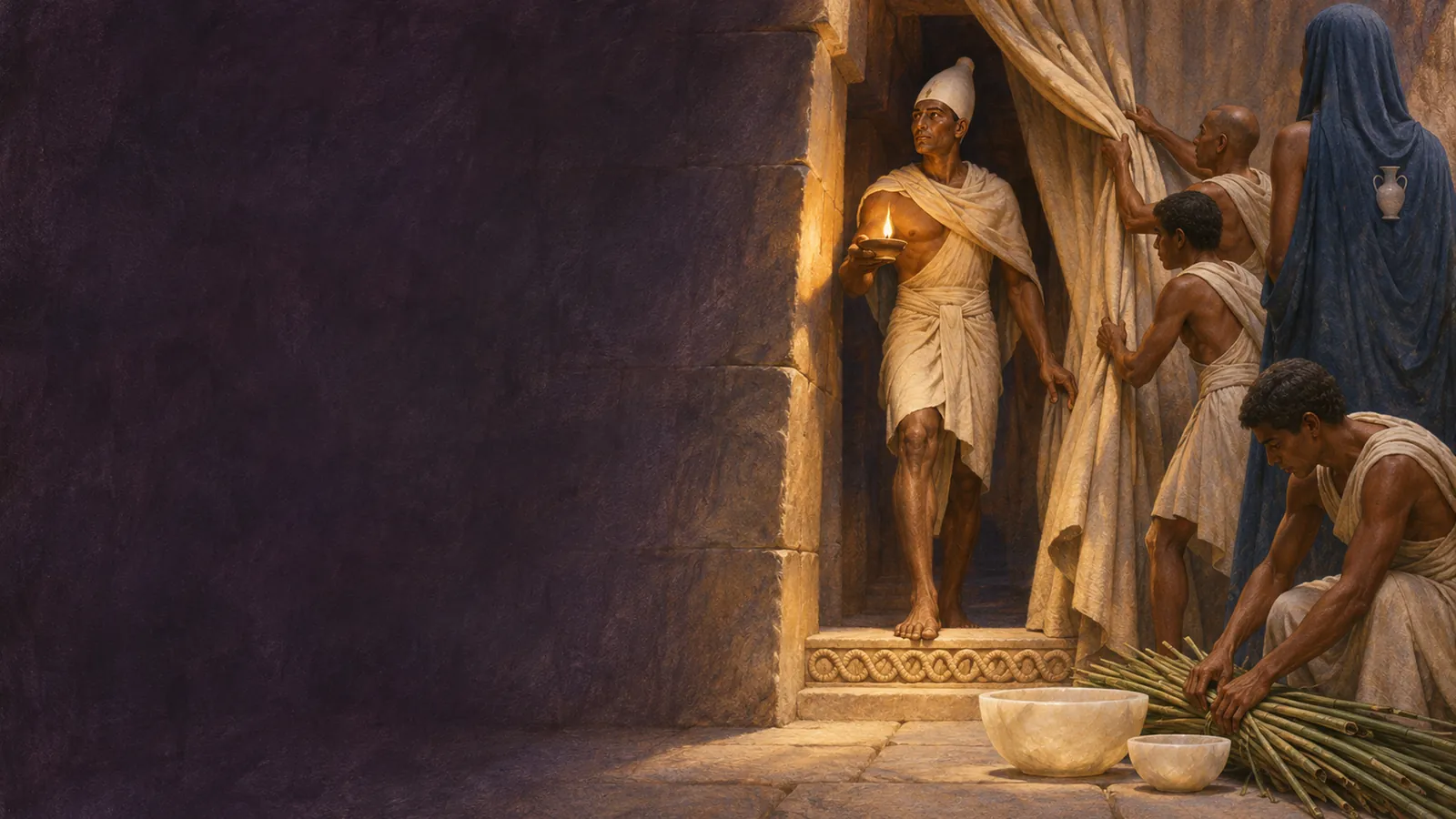
Der Sprecher sagt, er sei aus dem hervorgegangen, den Allen den Geringelten nennt. Er sagt, er trete mit einer feurigen Kraft hervor, die Gegner zurücktreibt.
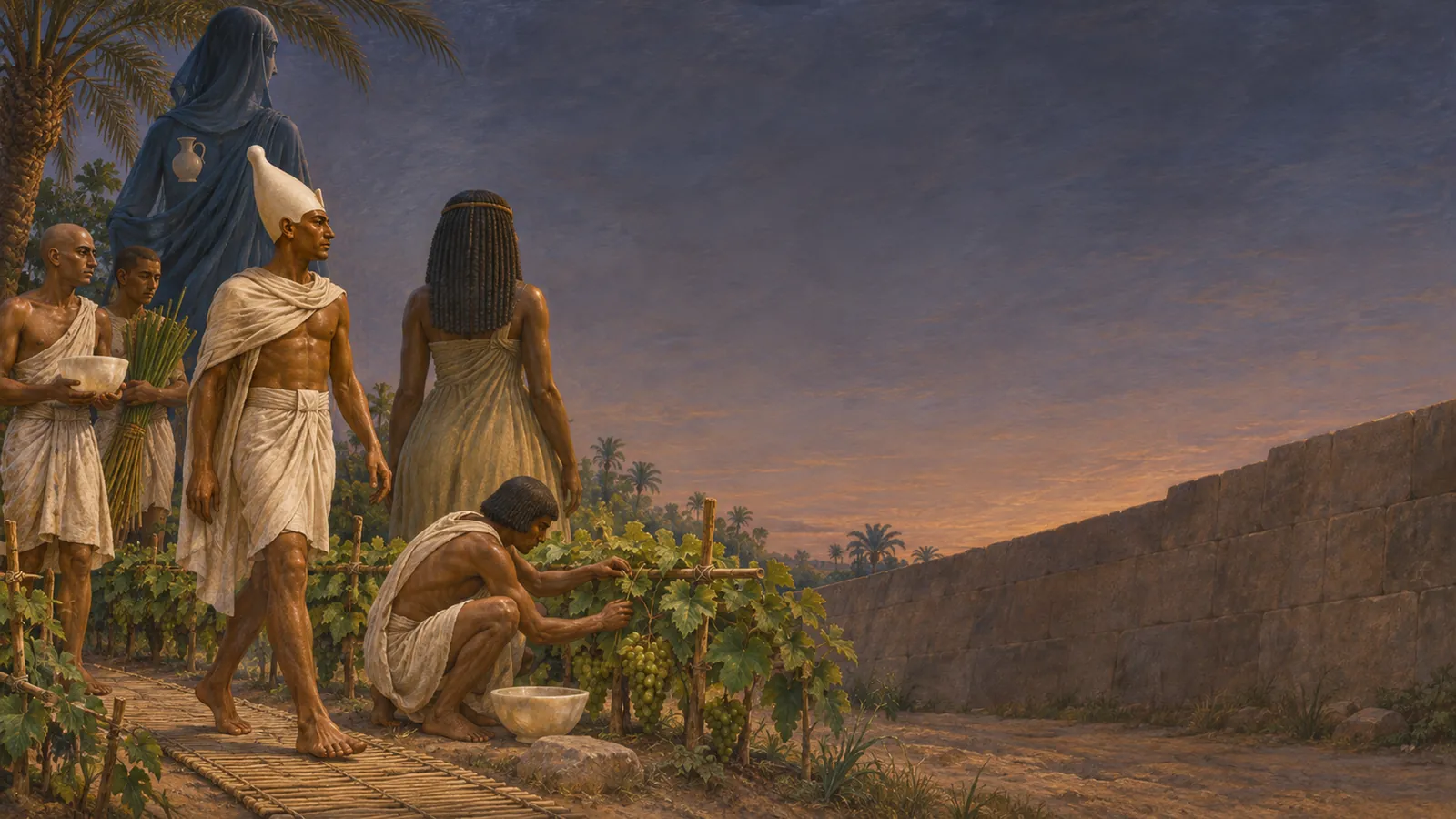
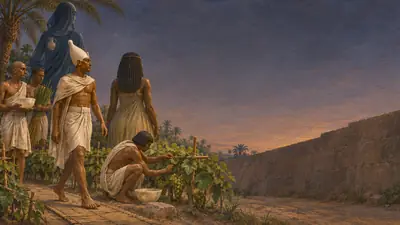
Der Spruch sagt, dass die beiden Himmel und die beiden Länder zu ihm kommen. Er tritt auf die grüne Rebe unter Gebs Füßen und beschreitet Nuts Wege.
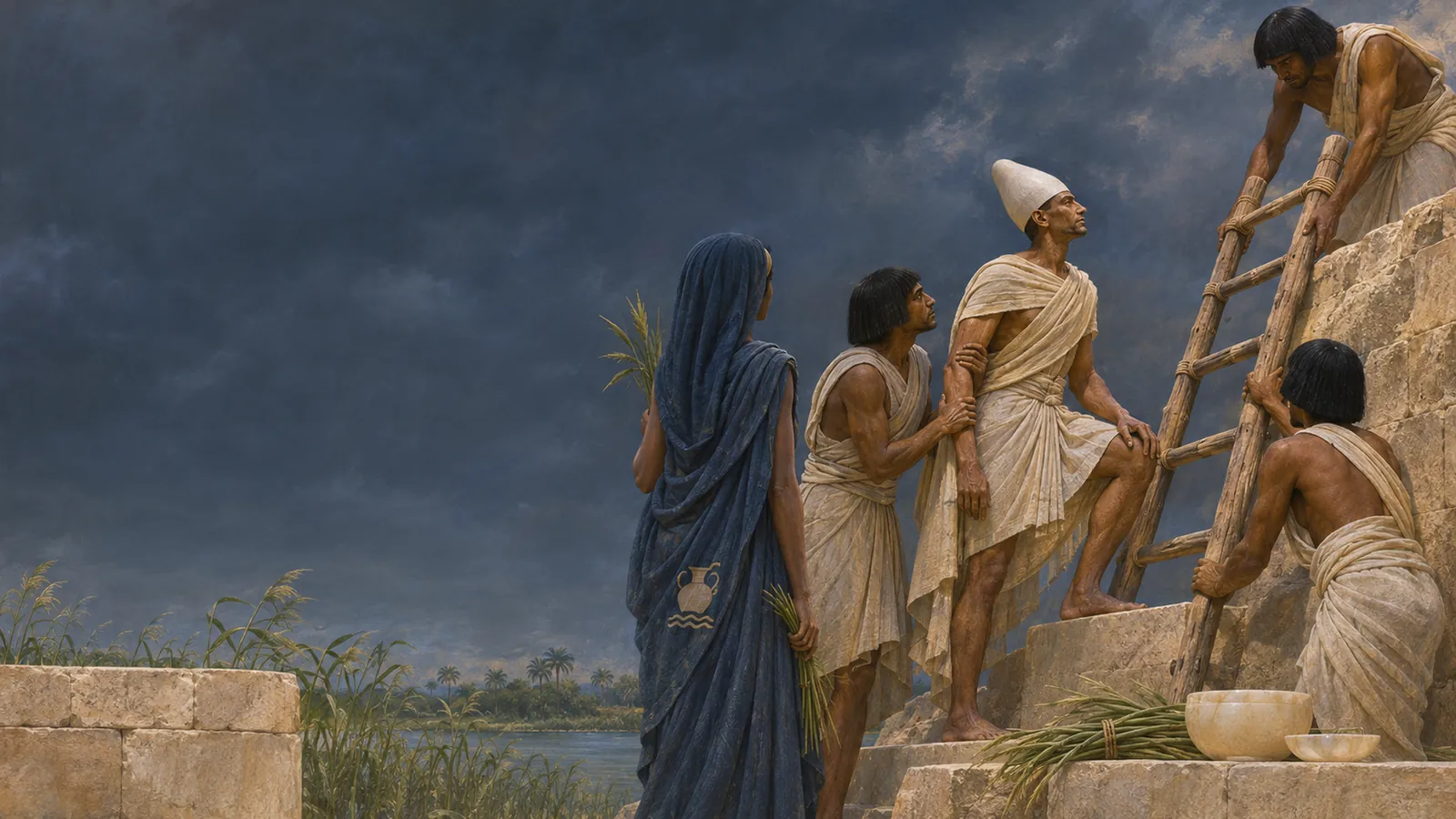
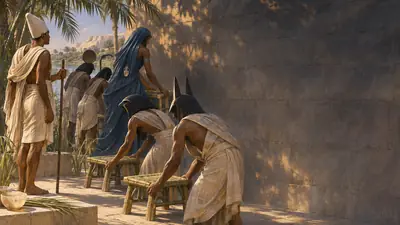
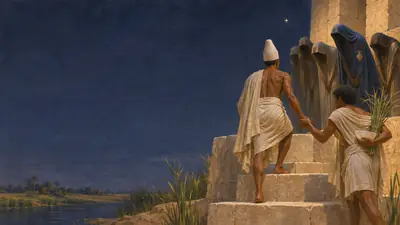
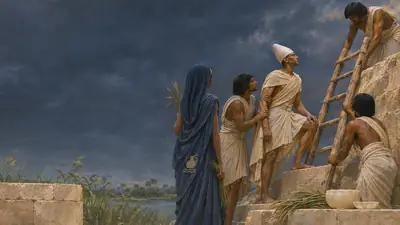
Er wird auf demselben Hügel rein, auf dem die Sonne rein wurde. Er stellt eine Stufenleiter und richtet eine Leiter auf, während die des Westens seinen Arm fassen.
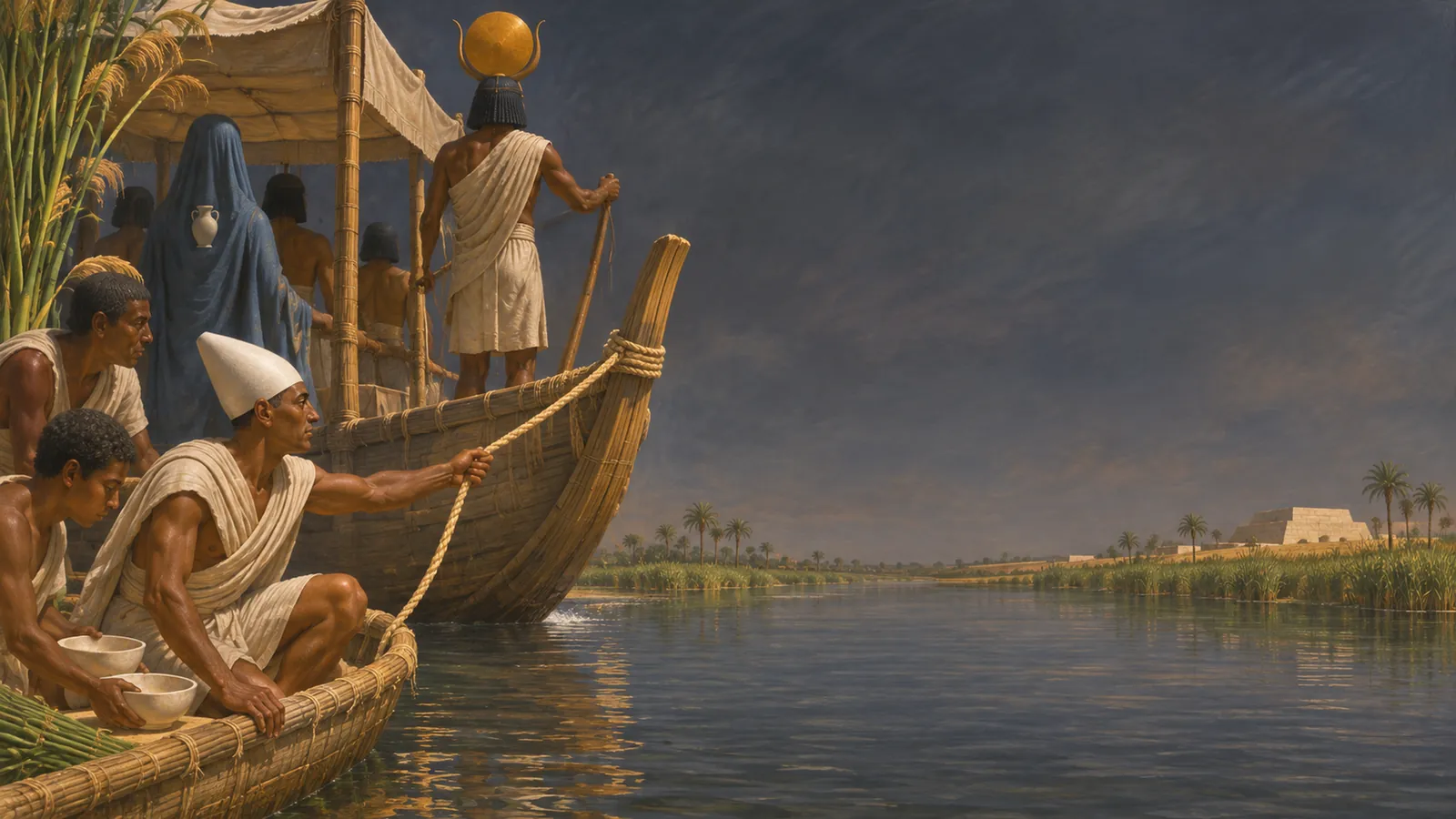
Er begrüßt die Sonne, die Nut und den Gewundenen Kanal durchquert. Er sagt, er habe ihren Schwanz gefasst, denn er sei ein Gott und das Kind eines Gottes.
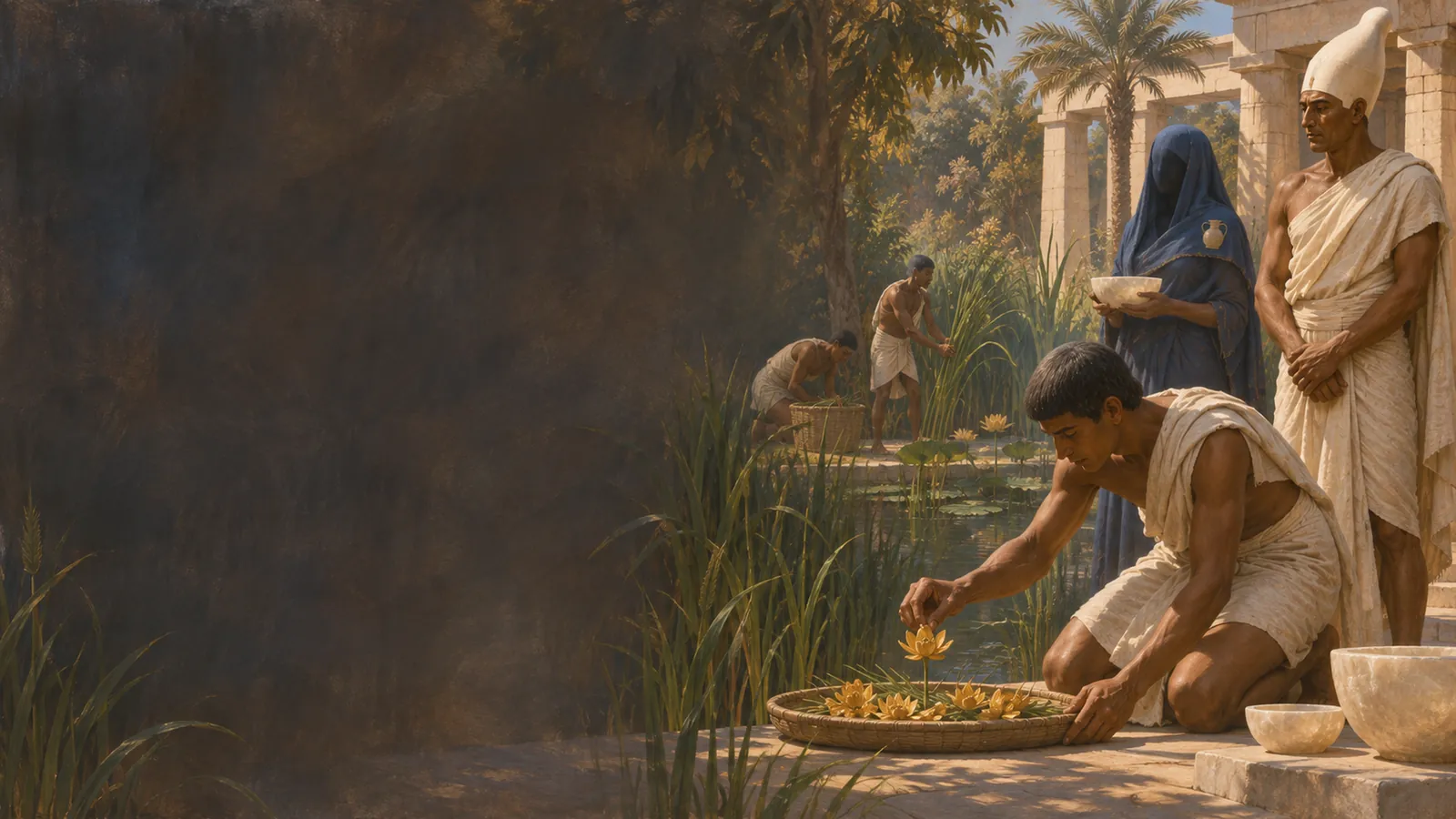
Der Sprecher nennt sich die Blüte, die als Ka hervorkam. Er nennt sich auch die vergoldete Blüte, die in Iseum hervortrat.
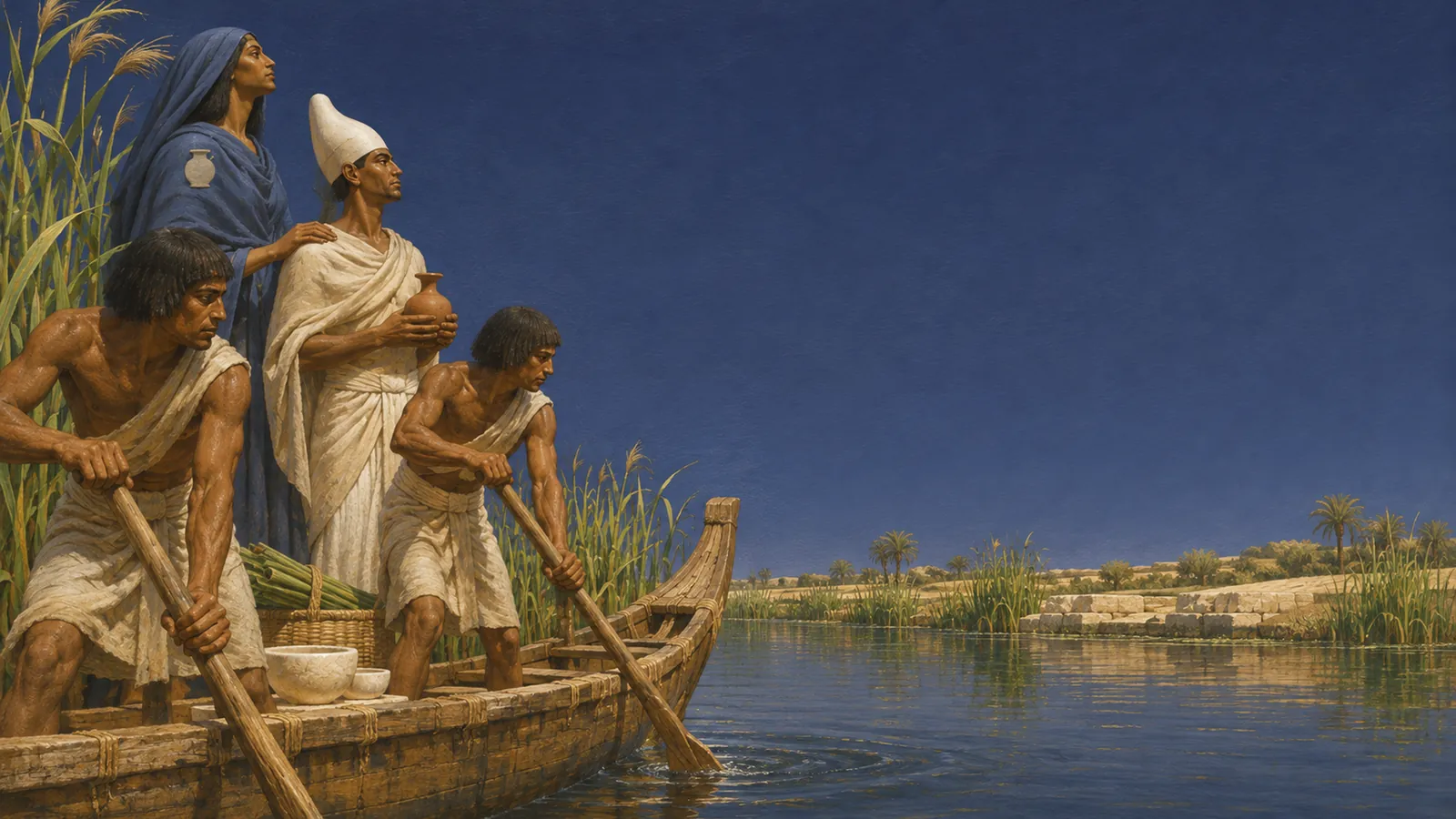
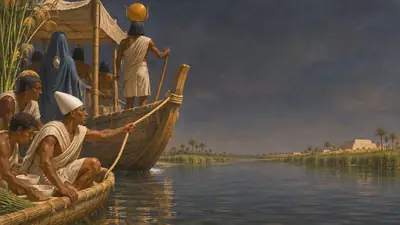
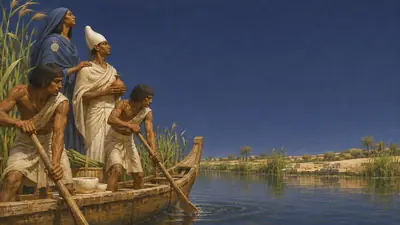
Der Sprecher durchzieht Pe als Wesen der Unterwelt an der Spitze von Nezat und überquert Kenmut als Shezmu in seinem Ölpresseboot. Der Gott wünsche sein Leben mehr als das Fetektes.
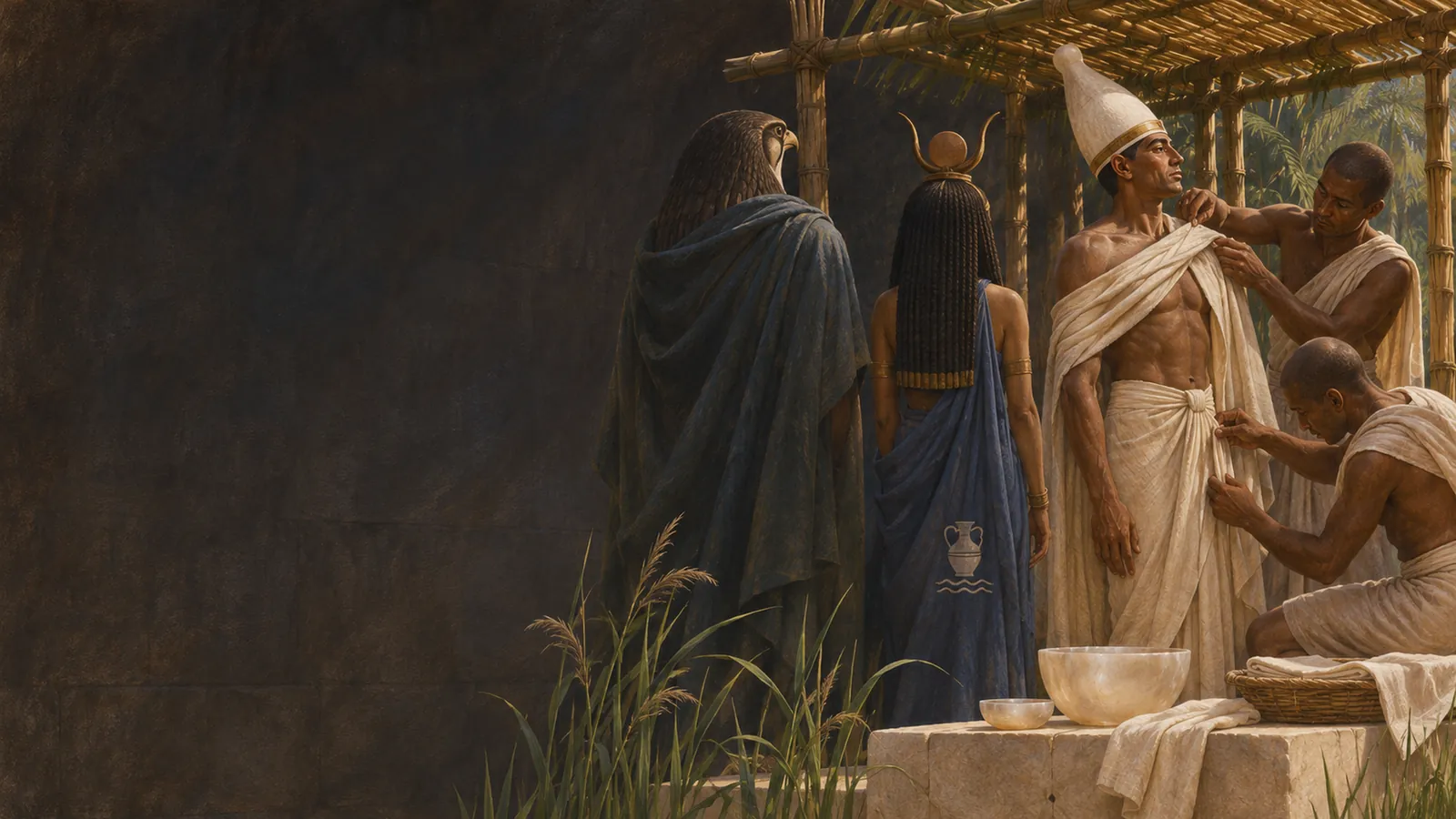
Er bestaunt sein Aussehen mit einem Stirnband von der Stirn der Sonne, einem Schurz von Hathor und dem Gefieder eines Falken. Er zieht unter den Göttern, seinen Brüdern, zum Himmel.
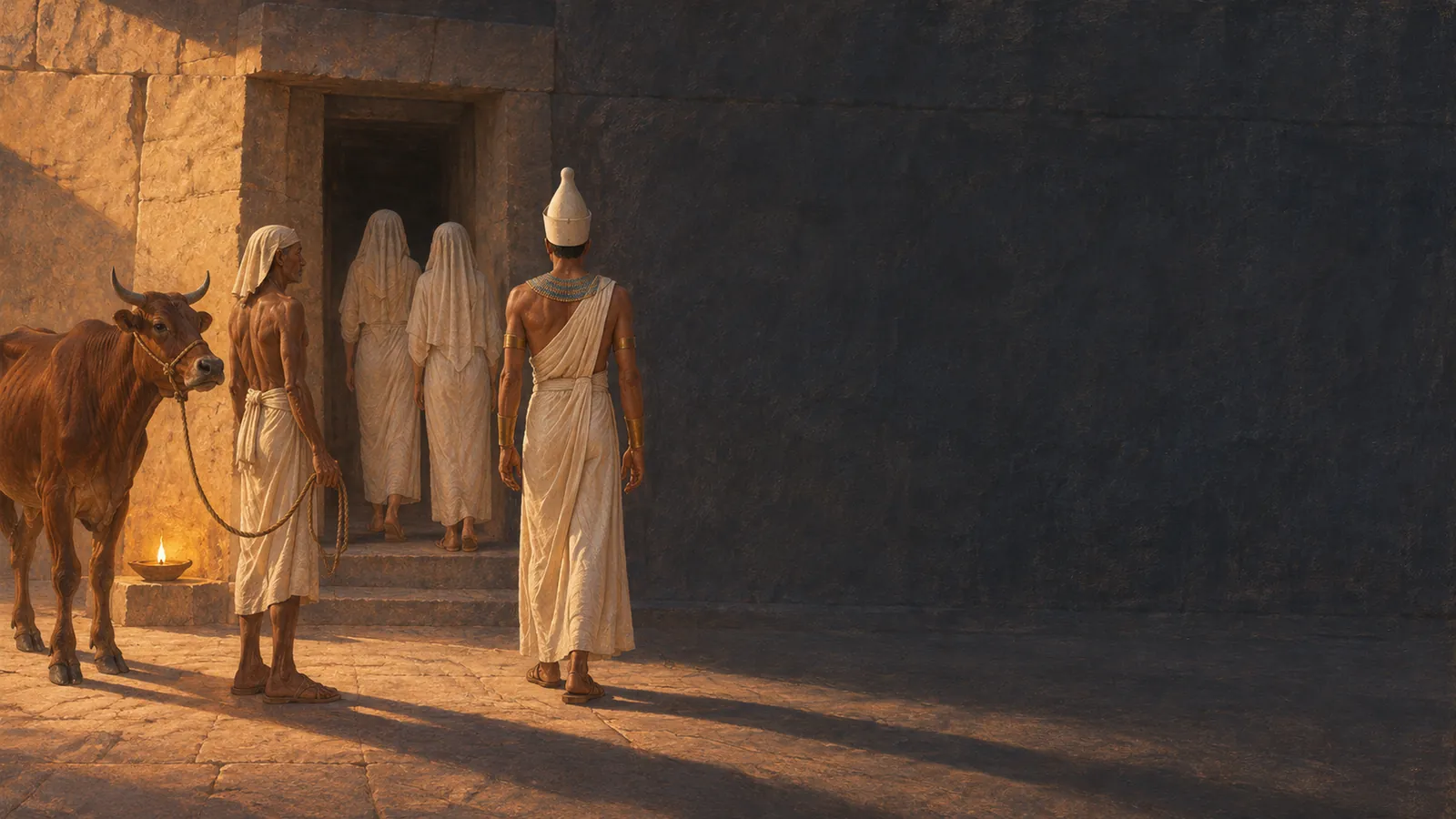
In diesem Spruch begrüßt der Sprecher den hervortretenden Stier und sagt, er fasse ihn am Schwanz und am unteren Ende der Wirbelsäule. Eine große Göttin ist vor ihm und eine hinter ihm.
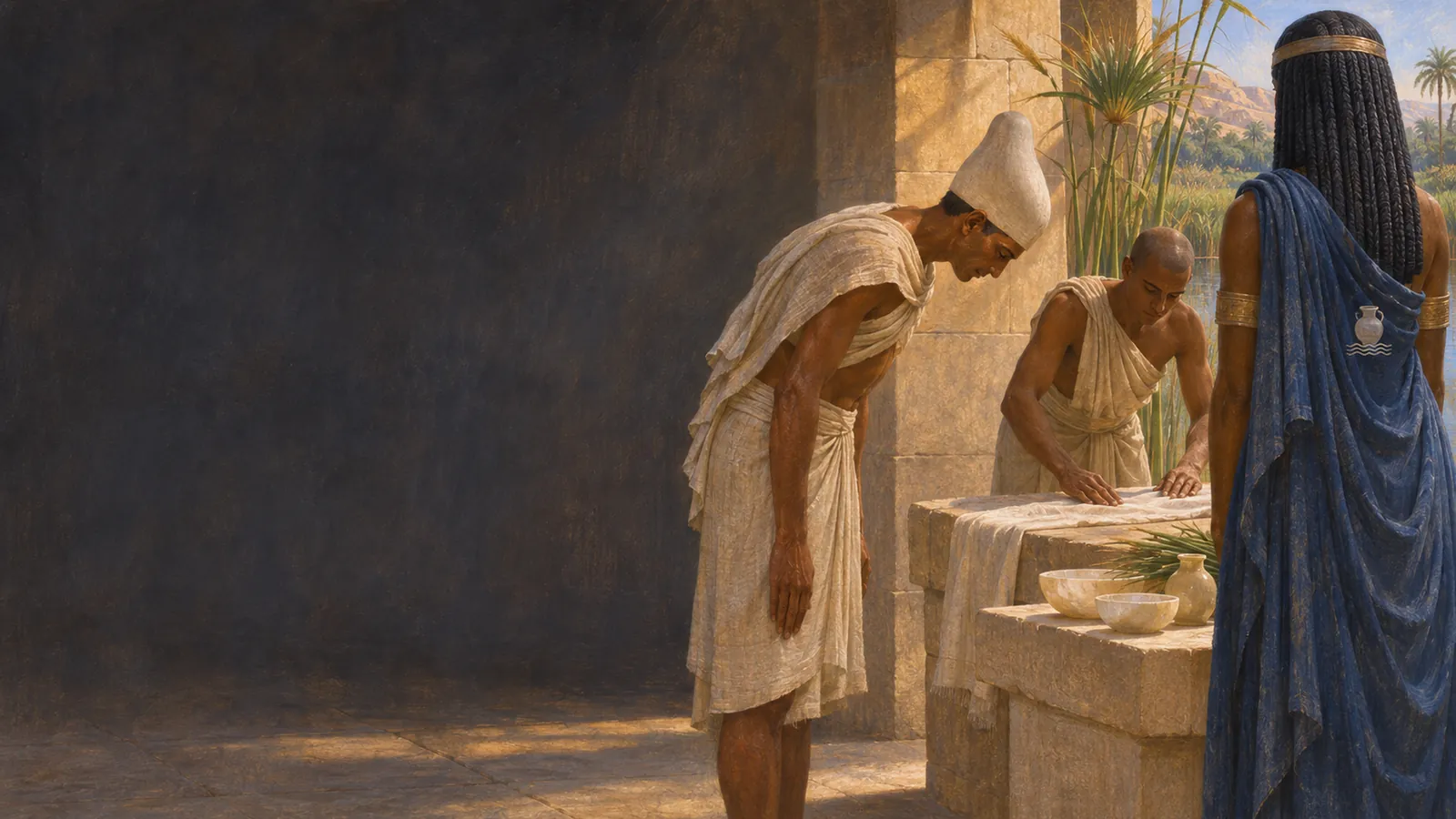
Er bittet den größten Gott, ihn zu sich zu nehmen, denn er gehöre ihm. Der Spruch vergleicht die Teile des Leichnams des Sprechers mit denen eines Kindes.
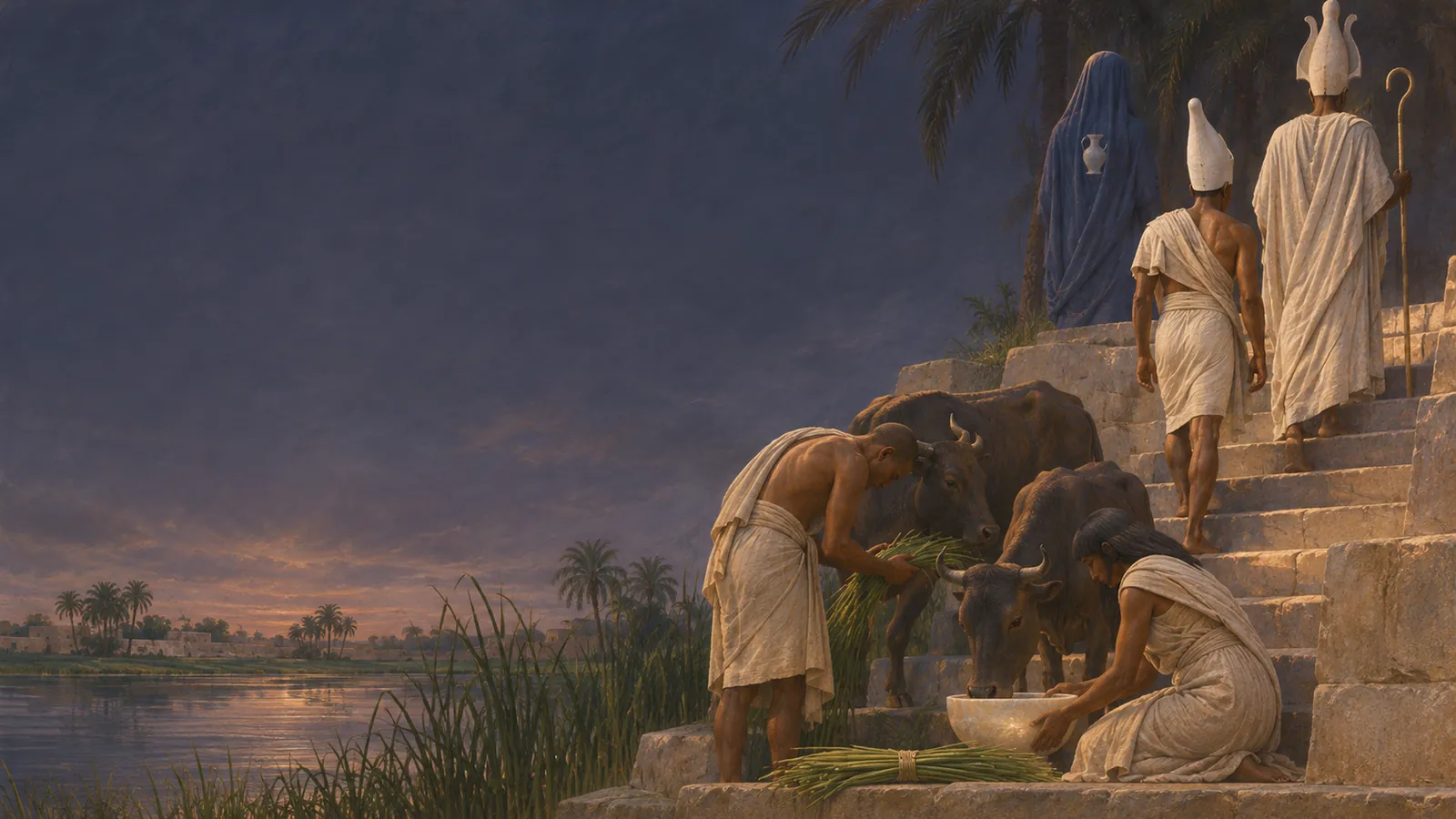
DIE KLAGE BEIM AUFSTIEG
Der Himmel spricht und die Erde bebt, als Osiris hervortritt. Der Spruch ruft die Kühe, die ihn säugen, dazu auf, sich zu versammeln, sich an die Brust zu schlagen und ihn zu beklagen, während er zu seinen göttlichen Brüdern aufsteigt.
Ende von Kapitel 1
Alle Seiten
Quellen
Allen’s Teti chapter, The Ancient Egyptian Pyramid Texts, second edition, SBL Press, 2015, pp. 70–74. The sarcophagus spells appear in Teti’s printed order, PT1–2, 6, 7, 4, 5, 3. The west gable runs PT322–337. The first sequence preserves the break after Geb’s opening words. In PT327, Allen takes the reason given for Thoth’s action from Pepi II and prints it in parentheses.
Benutzte Editionen
- SBL Press, James P. Allen, The Ancient Egyptian Pyramid Texts, second edition
- Teti, printed pp. 70–74, sarcophagus and west gable
- Teti, printed p. 98, notes 2–7
Hinweise zu dieser Nacherzählung
PT 1–2. Nut speaks first and identifies Teti as the son she bore. The phrase about his emerging from her body paraphrases the words about opening her belly. Geb calls Teti the son of his own body. The printed brackets mark a break immediately afterward. Allen’s note 2 on p. 98 places PT 1–2 on the exterior of the sarcophagus lid.
PT 6. Addressed as the Elder Bud, Nut says she has given the Akhet to her desired son Teti so he may control it as Horus of the Akhet. The gods tell Nut that her choice is proper and ask her to escort him forever. Note 2 places this spell on the east wall of the sarcophagus interior.
PT 7. Nut is styled the Elder One and associated with the Compound of Shenit. She gives Teti the Duat so that he may be foremost there as Horus. In their reply, the gods call Shu Teti’s father and say he knows Nut loves Teti more than she loves her mother Tefnut. Later in the printed sequence the gods call Geb his father. Note 2 places PT 7 on the west wall inside the sarcophagus.
PT 4 and PT 5. These closely parallel recitations name Isis and then Nephthys. In each, Nut gives a sister to Teti so that she may take hold of him and give his mind to his body. Note 2 places PT 4 on the north wall and PT 5 on the south wall inside the sarcophagus.
PT 3. Nut is associated with the Lower Compound. She calls Teti the firstborn on Geb’s throne and says Geb gives him his inheritance before the Big Ennead. The gods’ exclamation about Teti’s happiness concludes the group. Note 2 places this spell on the bottom inside the sarcophagus.
PT 322, opening. The call for sky and earth to open begins Spells for Ascending to Nut. The compound-wall door opens to Horus and the lotus door opens to Seth.
Pages 13–14, PT 322. Allen supplies “door” in parentheses in the address to it. The words refer to the one at the front of his wall and to passing as Atum. The closing designation “Apparent in Heat” and the location within Negau remain specific to Allen’s reading.
Pages 15–16, PT 323. The speaker says he becomes clean with the Sun in the Lake of Reeds. The final two requests go to Shu and Nut, respectively.
Pages 17–18, PT 324, opening. The speaker addresses the keeper of Horus and the keeper of Osiris. Allen’s rendering “hair-spit” is retained for the thing he says he has brought. The words about hair becoming ill and bald are followed by a response about the gods’ magic. Allen brackets the verb “say” in the attribution of that response.
Pages 19–20, PT 324, two encounters. The speaker addresses the beseeched she-hippopotamus and says that she came against him. Allen brackets the coming verb. The speaker says he took one of Horus’s two scepters from her and struck her. A greeting tied to first coming into being follows, with her speaking marked in parentheses. The second address is to the monstrous she-donkey and gives the tail from the lake of Osiris. The two actions belong to the speaker’s recitation.
Page 21, PT 324, Khnum. The act of stepping on it is bracketed. Allen supplies the identification of the reply’s speaker in parentheses. The reply calls the reciter one of the Big Compound’s two pillars.
Pages 22–23, PT 325, the five openings. The five printed formulas repeat the doors, daybreak, emergence and cleansing. The four forms of Horus appear in the same order as the source and the fifth formula turns to the reciter. Allen brackets the first opening verb and a small preposition in the first formula, the emergence phrase in the fourth, and the preposition before daybreak in the fifth.
Page 24, PT 325, purification. Allen brackets the linking conjunction and the words for extending the limbs to oneself.
Page 25, PT 325, the Sun, Shu and the nurses. Allen calls them the nurses of the bas of Heliopolis.
Page 26, PT 325, Hepatj. The first address to Hepatj links the sky’s swollen womb to the force of a god’s seed. The speaker identifies himself with that seed. This is the speaker’s metaphor within the recitation.
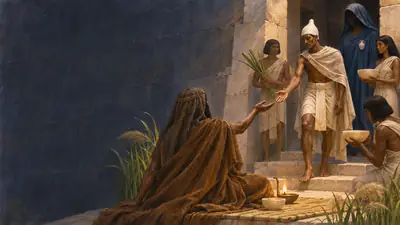
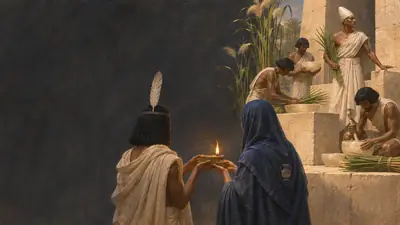
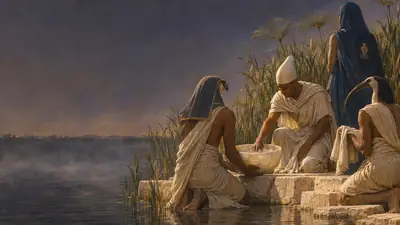
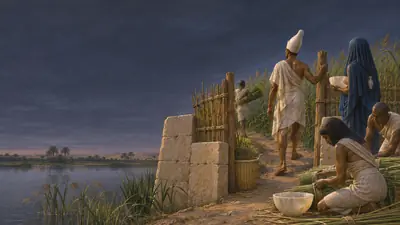
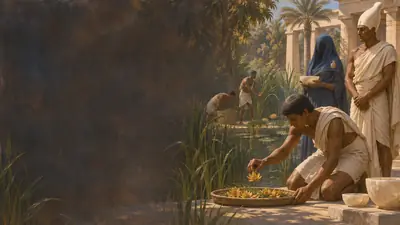
Purification takes place beside the Lake of Reeds.
Page 27, Allen 2015, Teti, p. 72, PT325. The final appeals of PT325 name Hepatj, Ululator and Zemnenu. The recipient attributes purification and divine establishment to the cloak and asks to be taken and settled as one of them.
Page 28, Allen 2015, Teti, p. 72, PT326. PT326 places the dark-fronted canal-swimmer at the Sun’s neck. Allen’s note 3 on p. 98 suggests a possible horizon reference.
Page 29, Allen 2015, Teti, p. 73, PT327, opening. PT327 names what was fetched for Horus and Seth. Allen’s p.
Page 30, Allen 2015, Teti, p. 73, PT327, conclusion. PT327 says the two Enneads shake. Allen supplies with fear in parentheses. The three seek, fetch and will fetch the speaker to contentment in the recitation.
Page 31, Allen 2015, Teti, p. 73, PT328–329. The divine bows and the Enneads shaking occur in both PT328 and PT329. Allen supplies a snake in parentheses in both. PT328 ends with the hand elevating the speaker.
Page 32, Allen 2015, Teti, p. 73, PT330–331. PT330 and PT331 both give the cushion in the prow and the grasping of the sandal. Allen supplies of the standard in PT330. In note 5 the possessor of the sandal is the sky. PT331 adds the repeated breath and sight formula.
Page 33, Allen 2015, Teti, p. 73, PT332, opening. The speaker says he emerged from the Coiled One with a fiery blast that drives opponents away. Allen supplies opponents in parentheses. Note 6 identifies a double reference in the written sign to completing a board game and overcoming the obstructing serpent.
Page 34, Allen 2015, Teti, p. 73, PT332, remainder. The speaker receives the two skies and lands, steps on the green vine under Geb’s feet and tramples Nut’s paths. Note 7 explains the skies north and south of the Winding Canal and the lands as the Nile Valley and Delta.
Page 35, Allen 2015, Teti, p. 73, PT333. PT333 locates the speaker’s purification on the Sun’s hill, distinguishes the stepladder and ladder, and says those of the west are grasping his arm.
Page 36, Allen 2015, Teti, p. 73, PT334, opening. The greeting in PT334 addresses the Sun crossing the sky and Nut. The speaker mentions the Sun’s journey on the Winding Canal, grasping its tail and his own divine parentage.
Page 37, Allen 2015, Teti, p. 73, PT334, blossom. The second movement of PT334 makes a paired claim about the blossom that comes forth as ka and the gilded blossom in Iseum.
Page 38, Allen 2015, Teti, p. 73, PT334, crossings. Pe, Nezat, Kenmut, Shezmu and Fetekte remain as printed. The speaker names his two crossings and the boat. This selection gives the stated preference for the speaker’s life without reporting any outcome for Fetekte.
Page 39, Allen 2015, Teti, p. 74, PT335. PT335 lists the headband from the Sun’s brow, the kilt from Hathor and the falcon’s plumage.
Page 40, Allen 2015, Teti, p. 74, PT336, first address. The first address of PT336 greets the steer at emergence and places two great goddesses around it.
Page 41, Allen 2015, Teti, p. 74, PT336, second address. The second address of PT336 asks the greatest god to receive the speaker. The description compares the parts of the speaker’s dead body to those of a child. The line does not describe harm to a child.
Page 42, Allen 2015, Teti, p. 74, PT337. PT337 gives the shaking of the earth and speech of the sky at Osiris’s emergence. The nurse-cows are called to gather and mourn as he goes to the sky.
Die antiken Verse hinter jeder Seite
- Page 1: Allen 2015, The Ancient Egyptian Pyramid Texts, Teti, p. 70, PT 1–2, opening
- Page 2: Allen 2015, The Ancient Egyptian Pyramid Texts, Teti, p. 70, PT 1–2, Nut’s speech
- Page 3: Allen 2015, The Ancient Egyptian Pyramid Texts, Teti, p. 70, PT 1–2, Geb’s speech
- Page 4: Allen 2015, The Ancient Egyptian Pyramid Texts, Teti, p. 71, PT 6, Nut’s speech
- Page 5: Allen 2015, The Ancient Egyptian Pyramid Texts, Teti, p. 71, PT 6, gods’ reply
- Page 6: Allen 2015, The Ancient Egyptian Pyramid Texts, Teti, p. 71, PT 7, Nut’s speech
- Page 7: Allen 2015, The Ancient Egyptian Pyramid Texts, Teti, p. 71, PT 7, gods’ reply
- Page 8: Allen 2015, The Ancient Egyptian Pyramid Texts, Teti, p. 71, PT 4
- Page 9: Allen 2015, The Ancient Egyptian Pyramid Texts, Teti, p. 71, PT 5
- Page 10: Allen 2015, The Ancient Egyptian Pyramid Texts, Teti, p. 71, PT 3, Nut’s speech
- Page 11: Allen 2015, The Ancient Egyptian Pyramid Texts, Teti, p. 71, PT 3, gods’ reply
- Page 12: Allen 2015, The Ancient Egyptian Pyramid Texts, Teti, p. 71, PT 322, opening
- Page 13: Allen, The Ancient Egyptian Pyramid Texts, 2nd ed. (2015), Teti, p. 71, PT 322, middle
- Page 14: Allen, The Ancient Egyptian Pyramid Texts, 2nd ed. (2015), Teti, p. 71, PT 322, ending
- Page 15: Allen, The Ancient Egyptian Pyramid Texts, 2nd ed. (2015), Teti, p. 71, PT 323, opening
- Page 16: Allen, The Ancient Egyptian Pyramid Texts, 2nd ed. (2015), Teti, p. 71, PT 323, ending
- Page 17: Allen, The Ancient Egyptian Pyramid Texts, 2nd ed. (2015), Teti, p. 71, PT 324, errand
- Page 18: Allen, The Ancient Egyptian Pyramid Texts, 2nd ed. (2015), Teti, p. 71, PT 324, hair and reply
- Page 19: Allen, The Ancient Egyptian Pyramid Texts, 2nd ed. (2015), Teti, p. 72, PT 324, first encounter
- Page 20: Allen, The Ancient Egyptian Pyramid Texts, 2nd ed. (2015), Teti, p. 72, PT 324, second encounter
- Page 21: Allen, The Ancient Egyptian Pyramid Texts, 2nd ed. (2015), Teti, p. 72, PT 324, Khnum and reply
- Page 22: Allen, The Ancient Egyptian Pyramid Texts, 2nd ed. (2015), Teti, p. 72, PT 325, first four openings
- Page 23: Allen, The Ancient Egyptian Pyramid Texts, 2nd ed. (2015), Teti, p. 72, PT 325, first-person opening
- Page 24: Allen, The Ancient Egyptian Pyramid Texts, 2nd ed. (2015), Teti, p. 72, PT 325, purification and body
- Page 25: Allen, The Ancient Egyptian Pyramid Texts, 2nd ed. (2015), Teti, p. 72, PT 325, Sun, Shu and Heliopolis
- Page 26: Allen, The Ancient Egyptian Pyramid Texts, 2nd ed. (2015), Teti, p. 72, PT 325, Hepatj and the sky
- Page 27: Allen, The Ancient Egyptian Pyramid Texts, 2nd ed. (2015), Teti, p. 72, PT325
- Page 28: Allen, The Ancient Egyptian Pyramid Texts, 2nd ed. (2015), Teti, p. 72, PT326
- Page 29: Allen, The Ancient Egyptian Pyramid Texts, 2nd ed. (2015), Teti, p. 73, PT327, opening
- Page 30: Allen, The Ancient Egyptian Pyramid Texts, 2nd ed. (2015), Teti, p. 73, PT327, conclusion
- Page 31: Allen, The Ancient Egyptian Pyramid Texts, 2nd ed. (2015), Teti, p. 73, PT328–329
- Page 32: Allen, The Ancient Egyptian Pyramid Texts, 2nd ed. (2015), Teti, p. 73, PT330–331
- Page 33: Allen, The Ancient Egyptian Pyramid Texts, 2nd ed. (2015), Teti, p. 73, PT332, opening
- Page 34: Allen, The Ancient Egyptian Pyramid Texts, 2nd ed. (2015), Teti, p. 73, PT332, remainder
- Page 35: Allen, The Ancient Egyptian Pyramid Texts, 2nd ed. (2015), Teti, p. 73, PT333
- Page 36: Allen, The Ancient Egyptian Pyramid Texts, 2nd ed. (2015), Teti, p. 73, PT334, opening
- Page 37: Allen, The Ancient Egyptian Pyramid Texts, 2nd ed. (2015), Teti, p. 73, PT334, blossom
- Page 38: Allen, The Ancient Egyptian Pyramid Texts, 2nd ed. (2015), Teti, p. 73, PT334, crossings
- Page 39: Allen, The Ancient Egyptian Pyramid Texts, 2nd ed. (2015), Teti, p. 74, PT335
- Page 40: Allen, The Ancient Egyptian Pyramid Texts, 2nd ed. (2015), Teti, p. 74, PT336, first address
- Page 41: Allen, The Ancient Egyptian Pyramid Texts, 2nd ed. (2015), Teti, p. 74, PT336, second address
- Page 42: Allen, The Ancient Egyptian Pyramid Texts, 2nd ed. (2015), Teti, p. 74, PT337
Illustrationen von IL Archive mit KI-Werkzeugen; der Text folgt den antiken Quellen (siehe die Quellen am Ende jedes Kapitels).