Teti und der Fährmann des Gewundenen Kanals Kapitel 1
Den Fährmann rufen
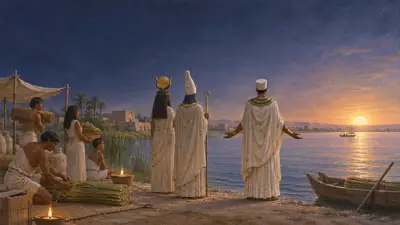
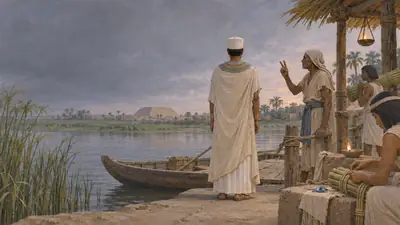
In einer Rezitation aus der Teti-Pyramide springt das Auge des Horus, und der Sprecher will zur Ostseite des Himmels übersetzen. Er ruft den Fährmann und findet seinen Platz am Heck der Sonnenbarke leer vor.
QuellenBlättern Sie mit den Pfeilen, den Pfeiltasten oder durch Wischen.
DEN FÄHRMANN RUFEN
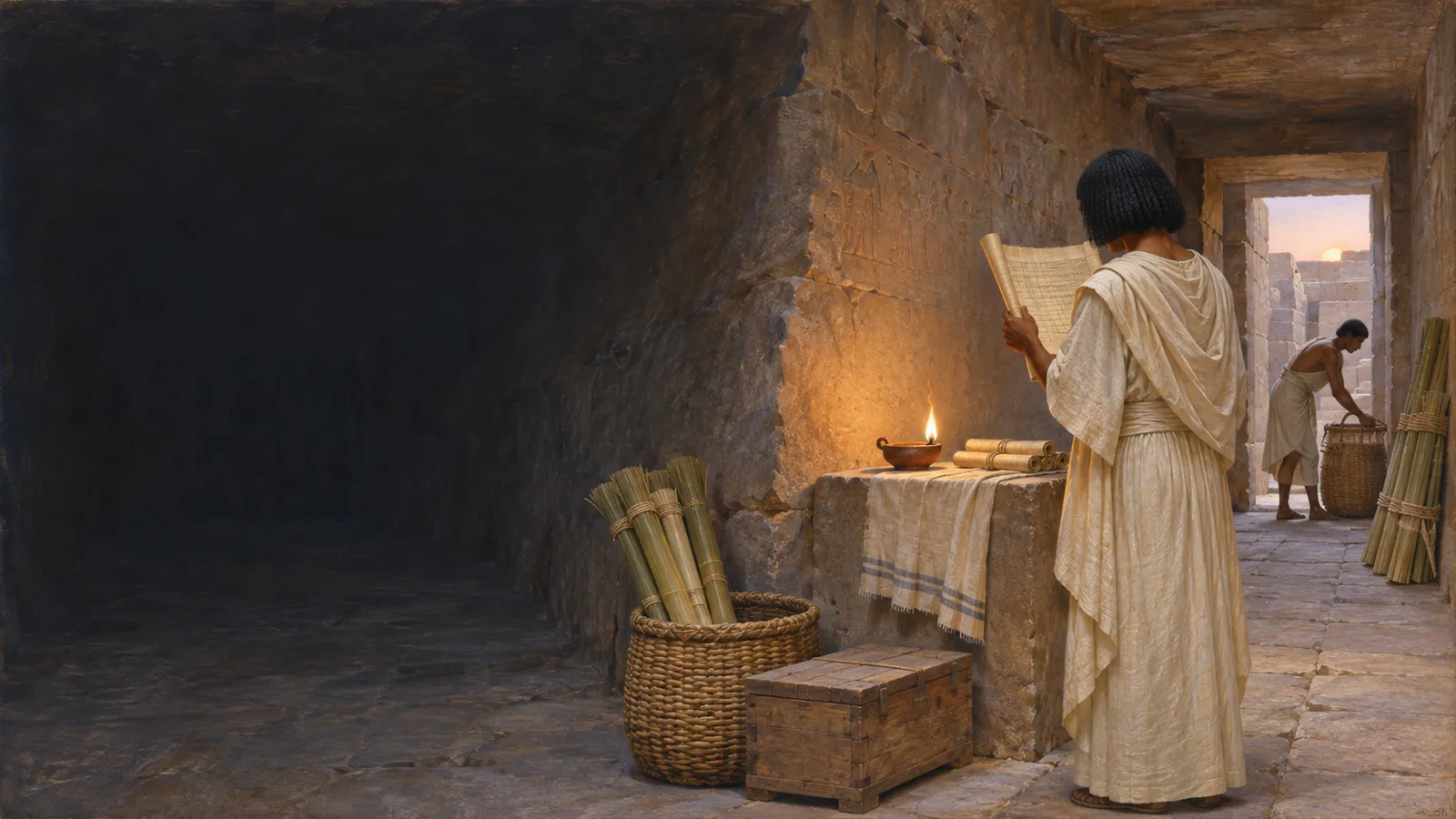
James Allen übersetzt diese Rezitation aus der Teti-Pyramide. Sie ist im Gang von der Grabkammer zur Vorkammer eingemeißelt und gehört zu den Sprüchen für das Verlassen der Duat.
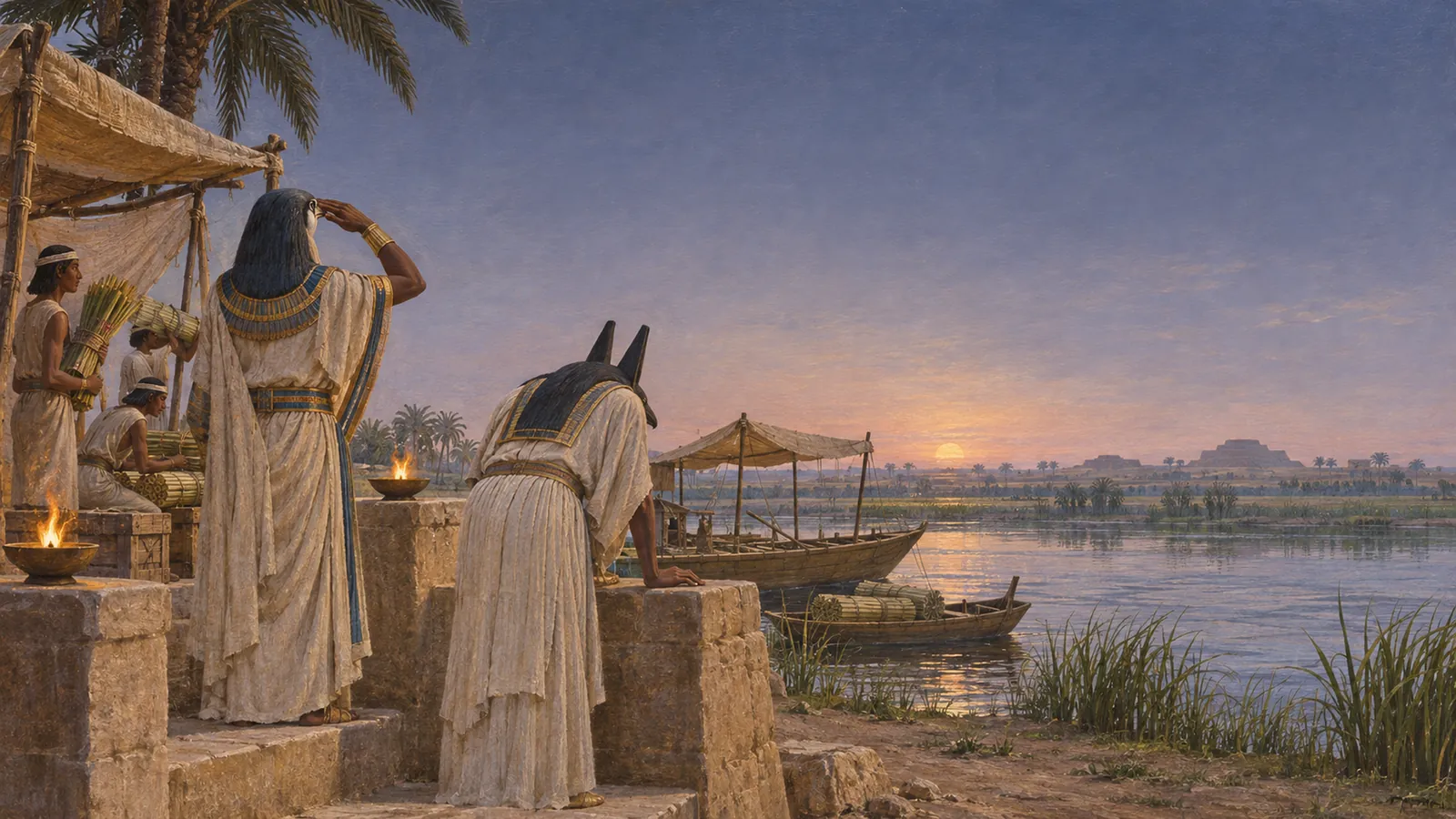
Zu Beginn der Rezitation klagt Horus laut über sein Auge und Seth über seine Hoden.
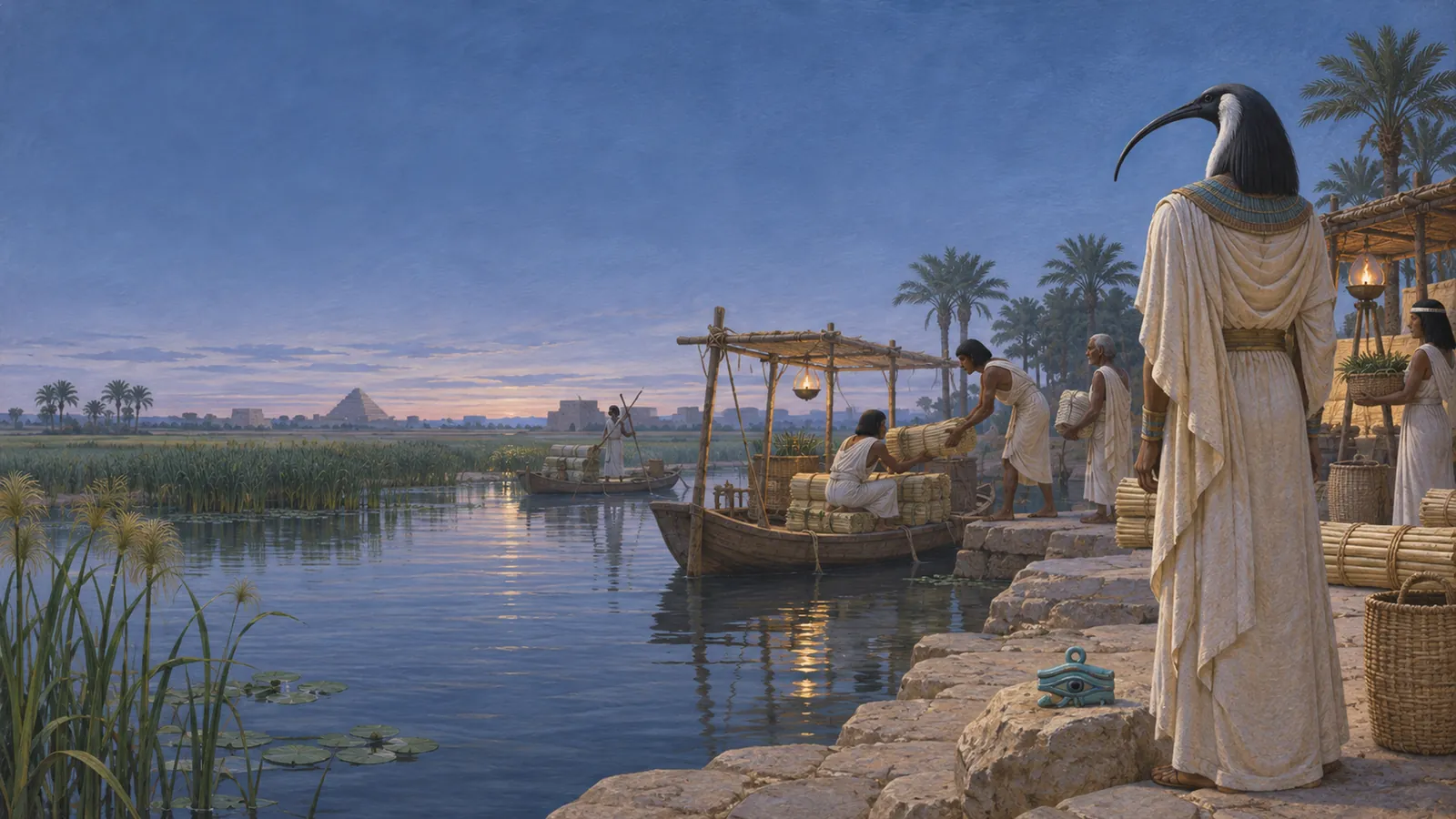
Das Auge des Horus springt, um Seth zu entkommen. Die Rezitation schildert eine Landung jenseits des Gewundenen Kanals und sagt, dass Thot an jenem Ufer gesehen worden war.
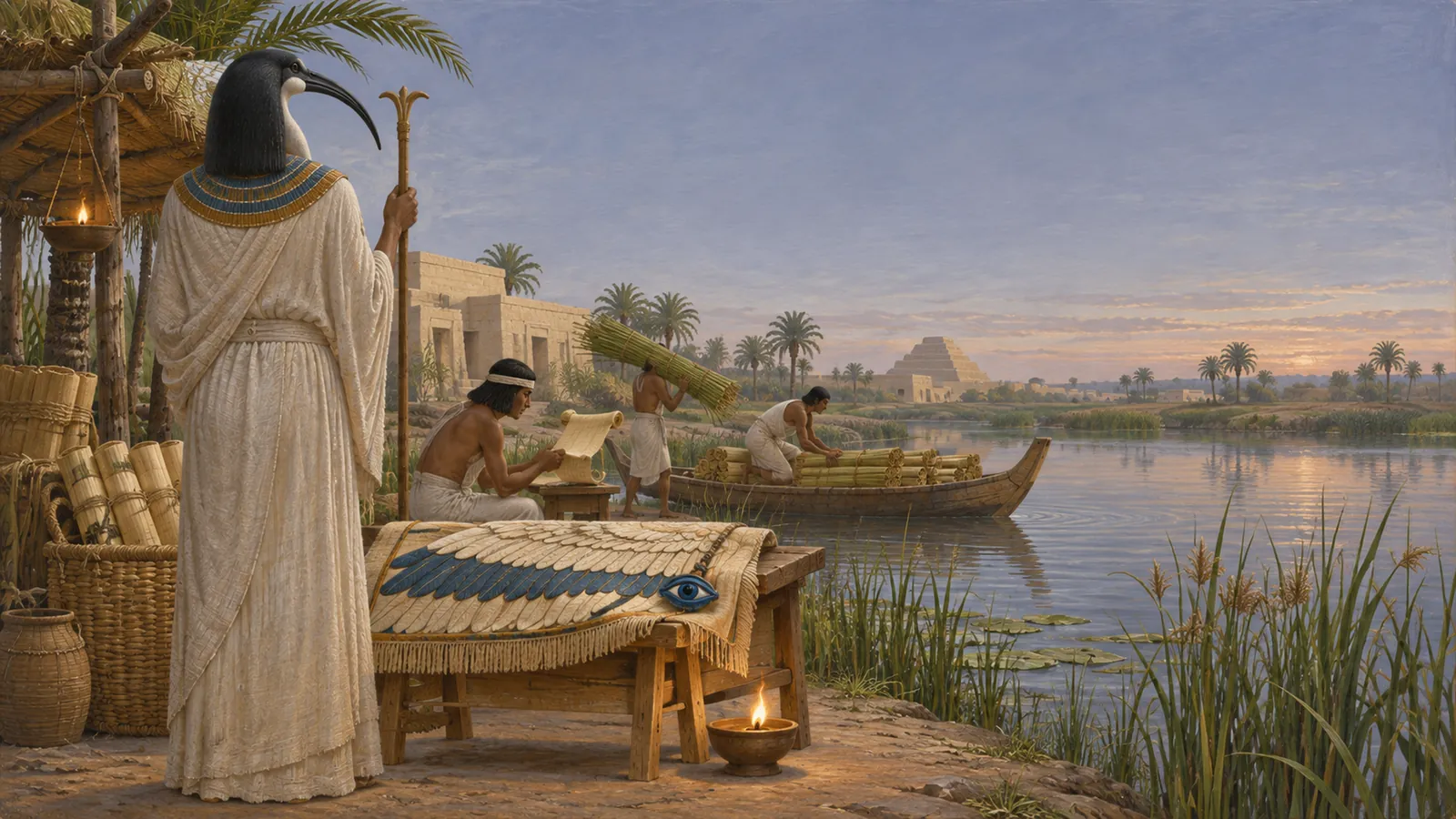
Der Spruch sagt, dass das Auge des Horus auf der anderen Seite des Kanals erneut springt. Dann schildert er eine Landung auf Thots Flügel.
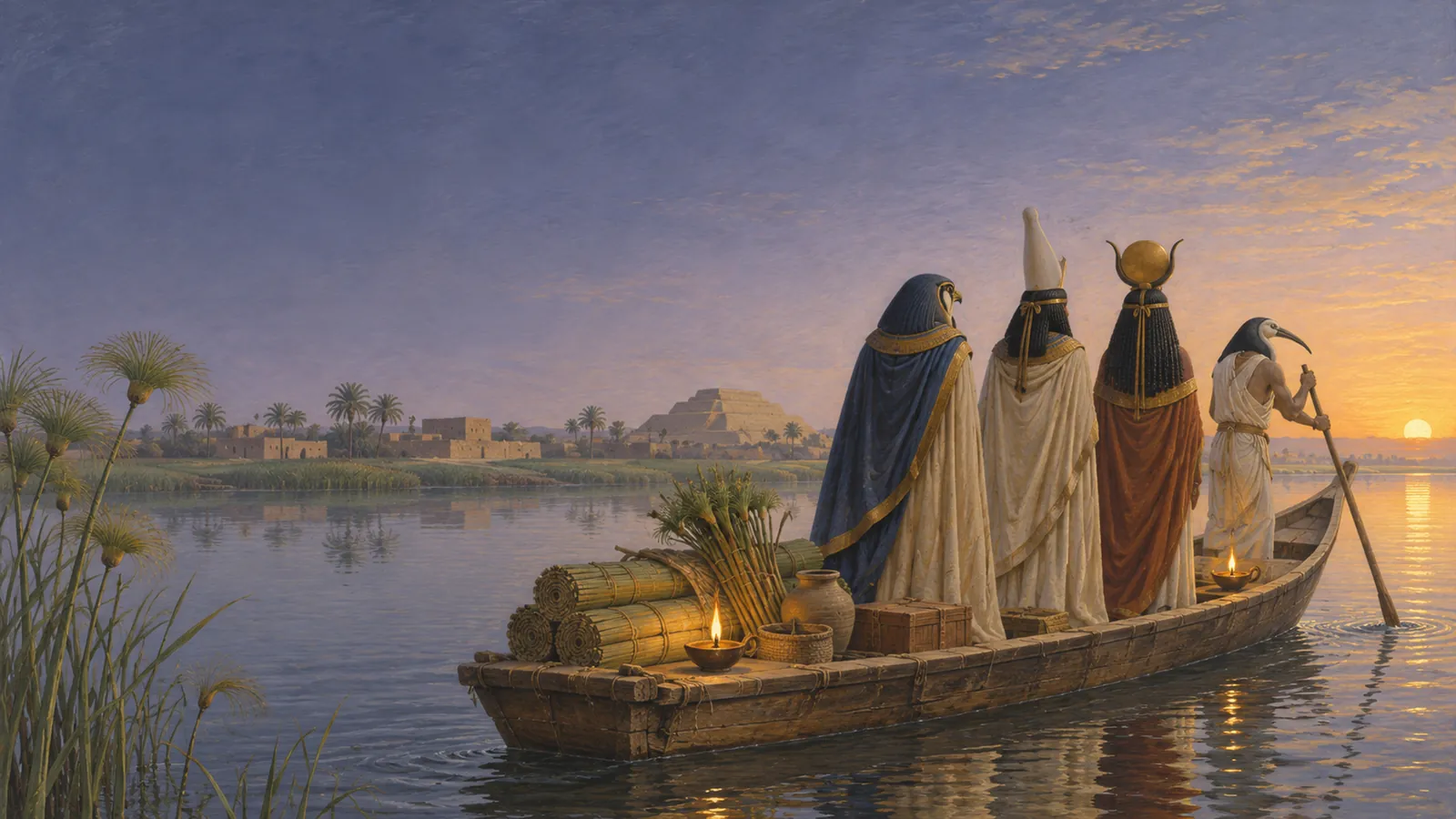
Der Sprecher wendet sich an die Götter, die auf Thots Flügel zur Ostseite des Himmels hinübergelangen. Sie setzen über, um mit Seth über das Auge des Horus zu streiten.
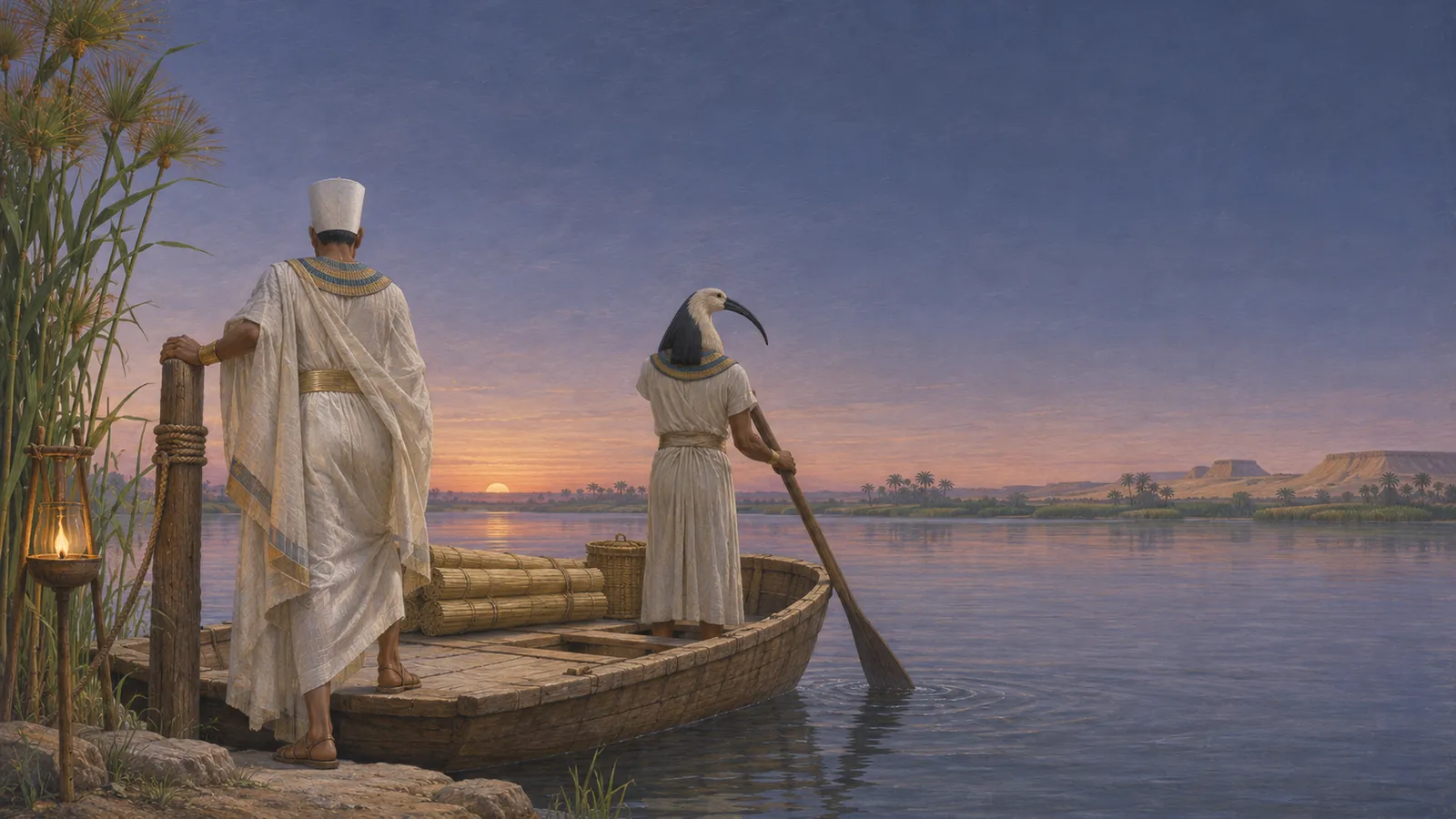
Der Sprecher sagt, auch er werde auf Thots Flügel über den Gewundenen Kanal zur Ostseite des Himmels gelangen. Er werde mit Seth über eben dieses Auge streiten.
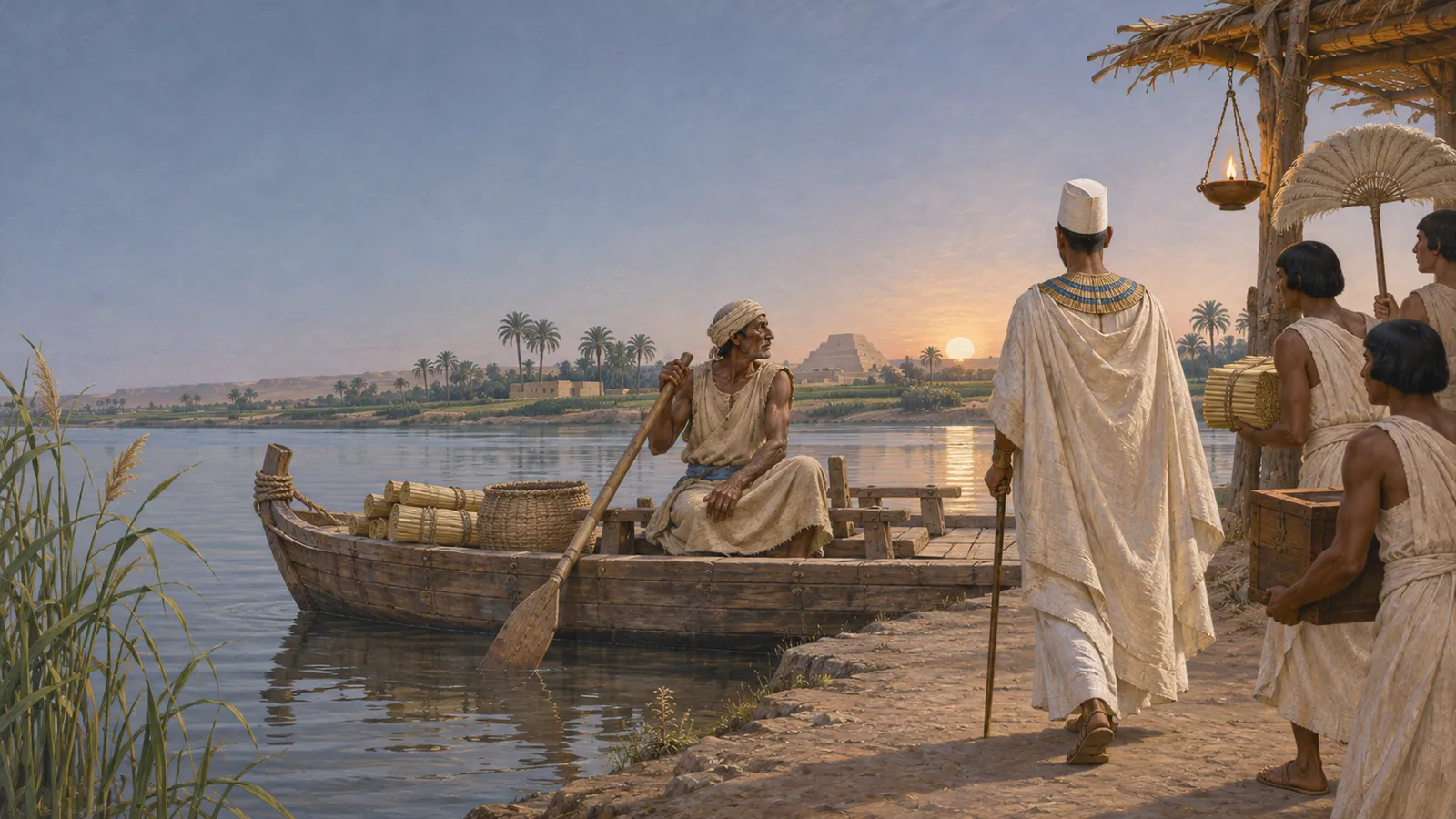
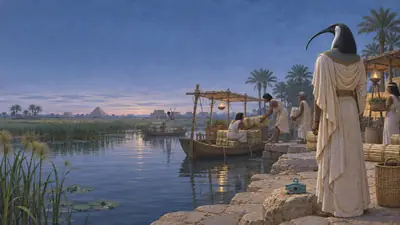
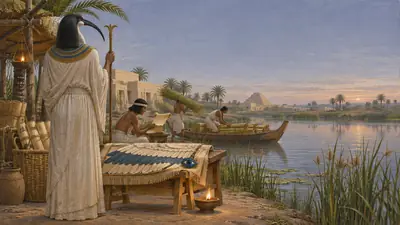
Der Sprecher grüßt den Fährmann namens Der hinter sich sieht. Er nennt ihn auch Nuts Ruderer und Fährmann des Gewundenen Kanals und wünscht ihm ein friedliches Erwachen.
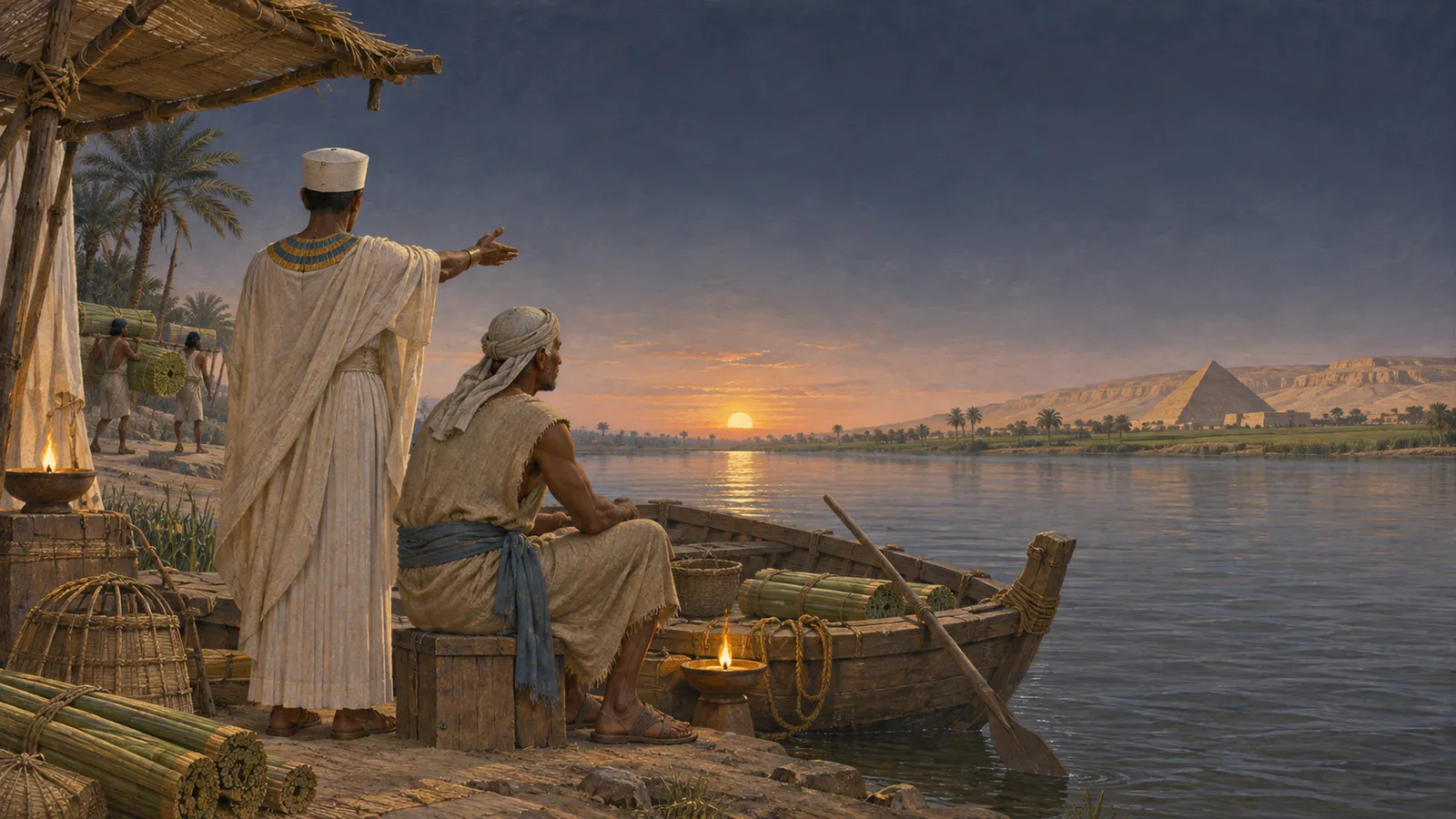
Der Sprecher bittet den Fährmann, der Sonne seinen Namen zu nennen und ihn bei ihr anzukündigen.
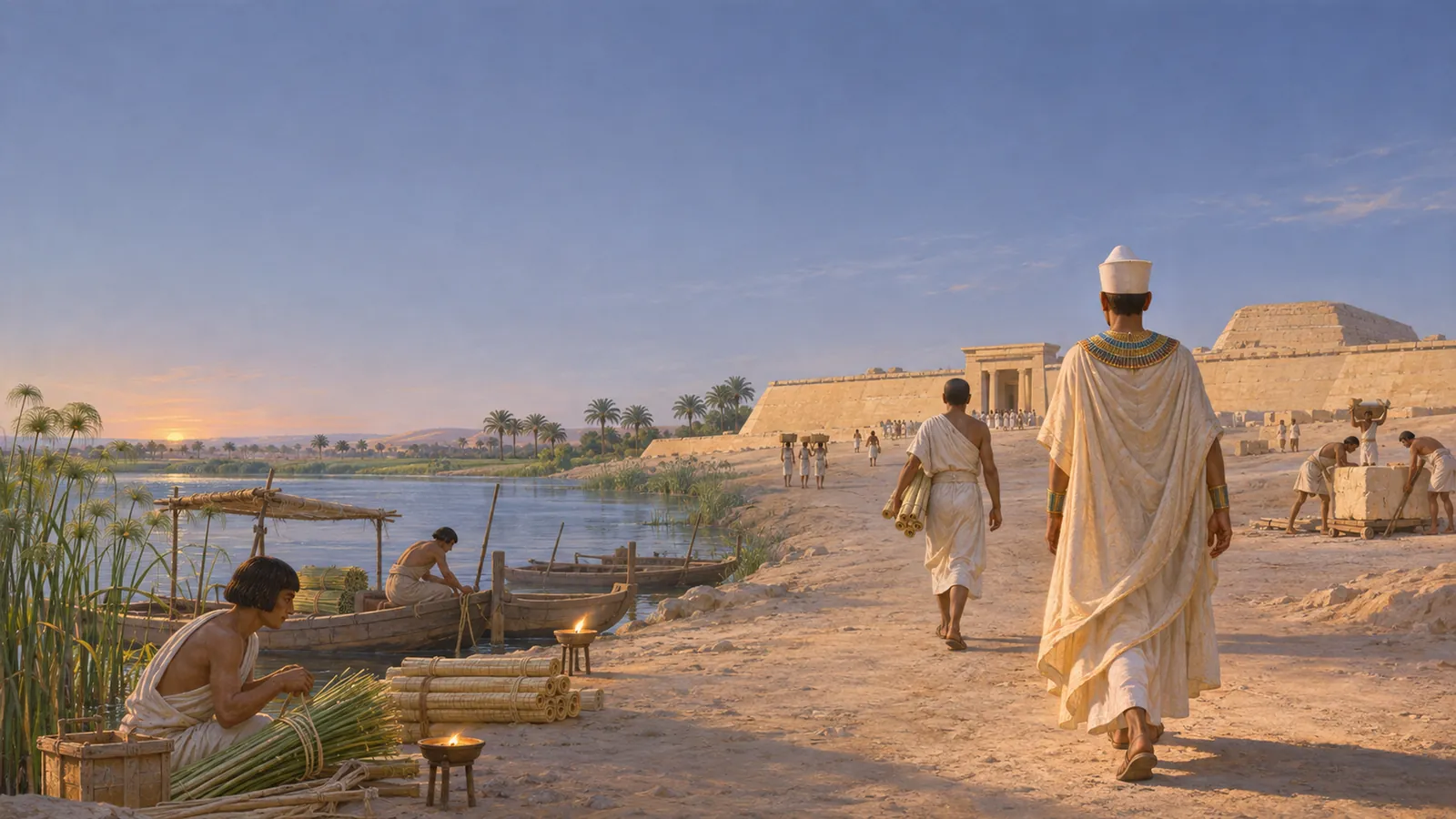
Der Sprecher sagt, er sei auf dem Weg zum Palast der Herren der Kas.
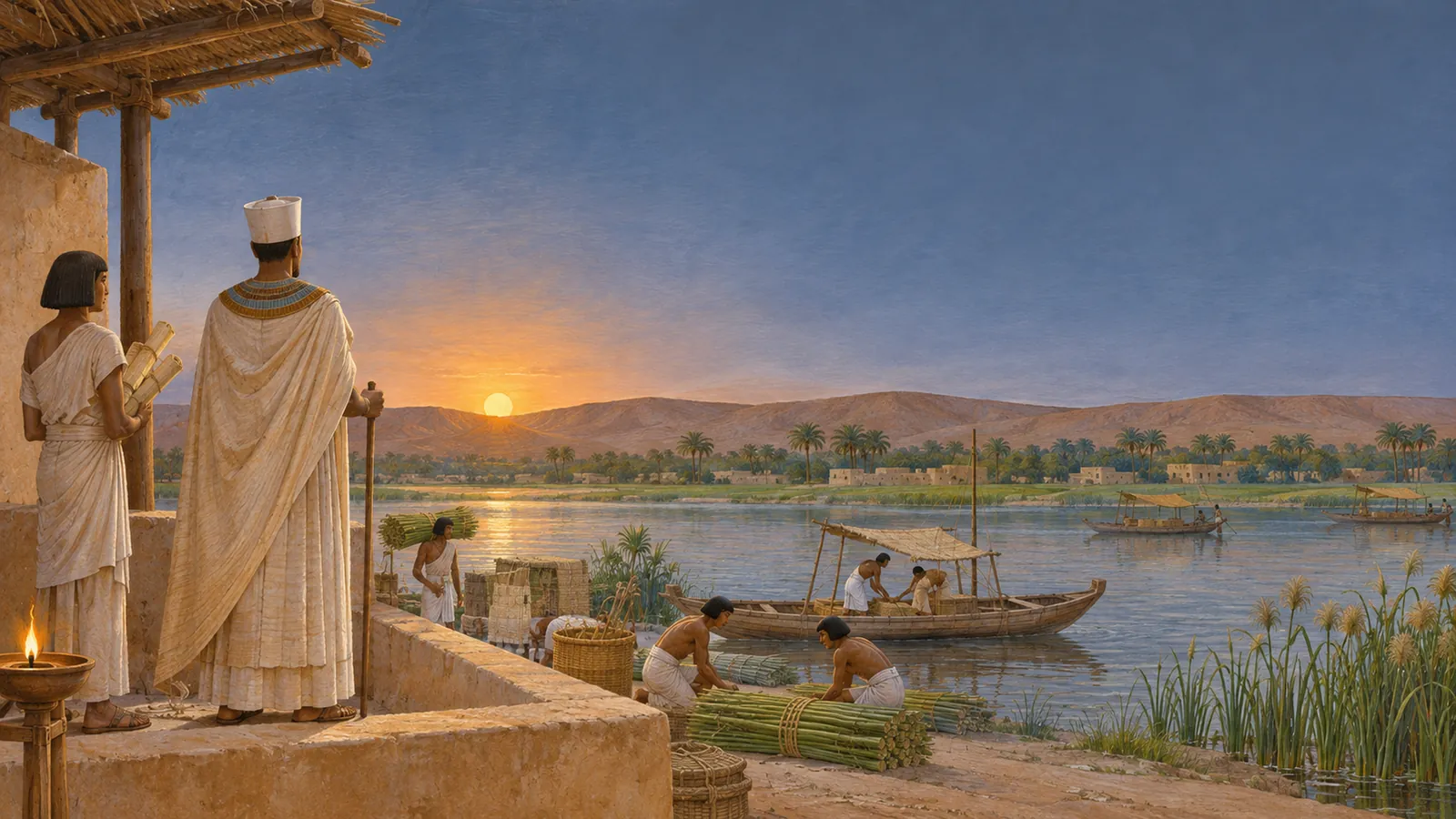
Im Palast der Herren der Kas geht die Sonne von den Hügeln des Horus und des Seth auf. Der Spruch nennt sie den Gott derer, die zu ihren Kas gehen.
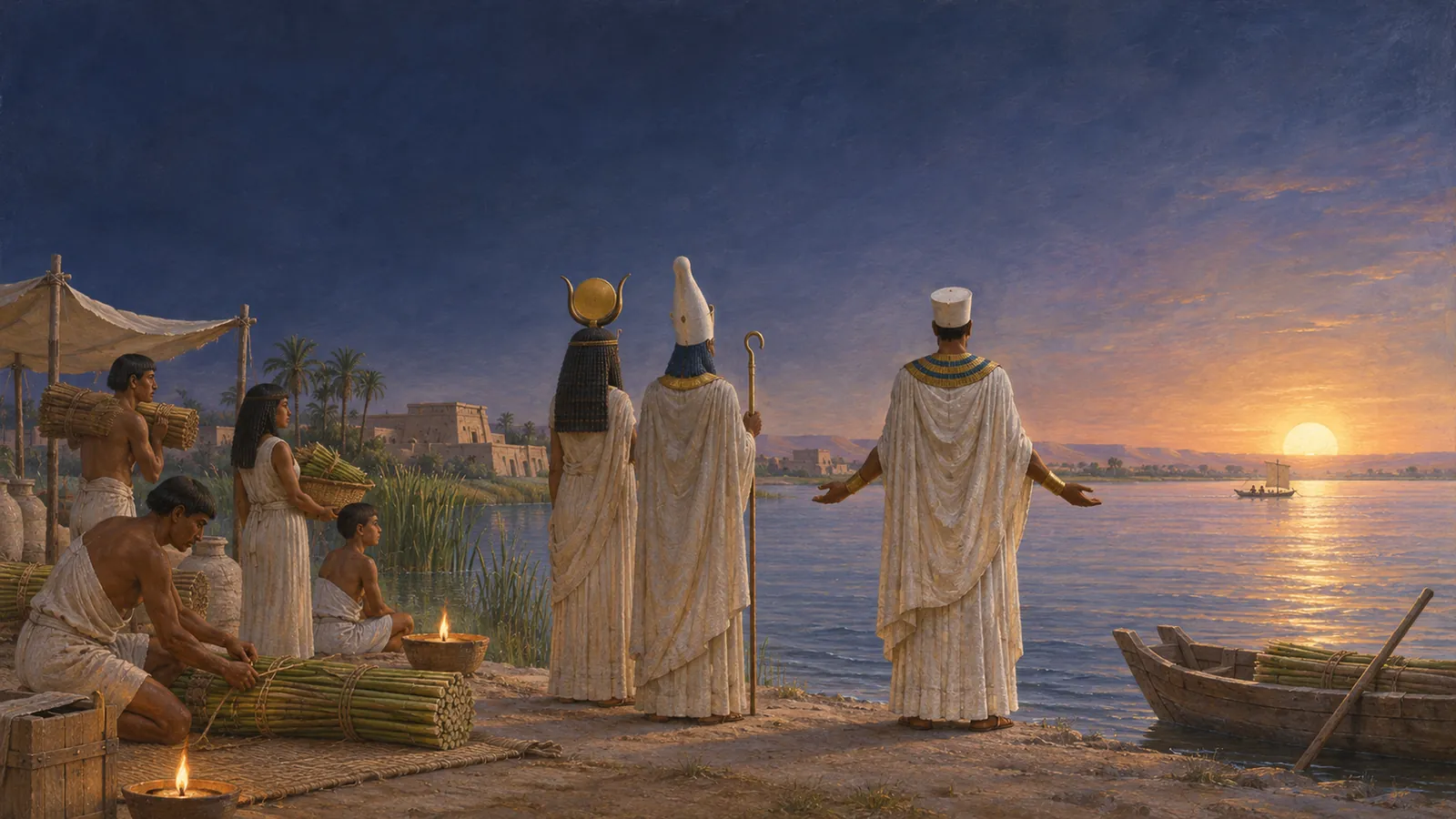
Der Sprecher wendet sich nun an die Sonne. Er bittet sie, ihn dem Fährmann des Gewundenen Kanals zu empfehlen, der Hinter-sich-Sehende genannt wird.
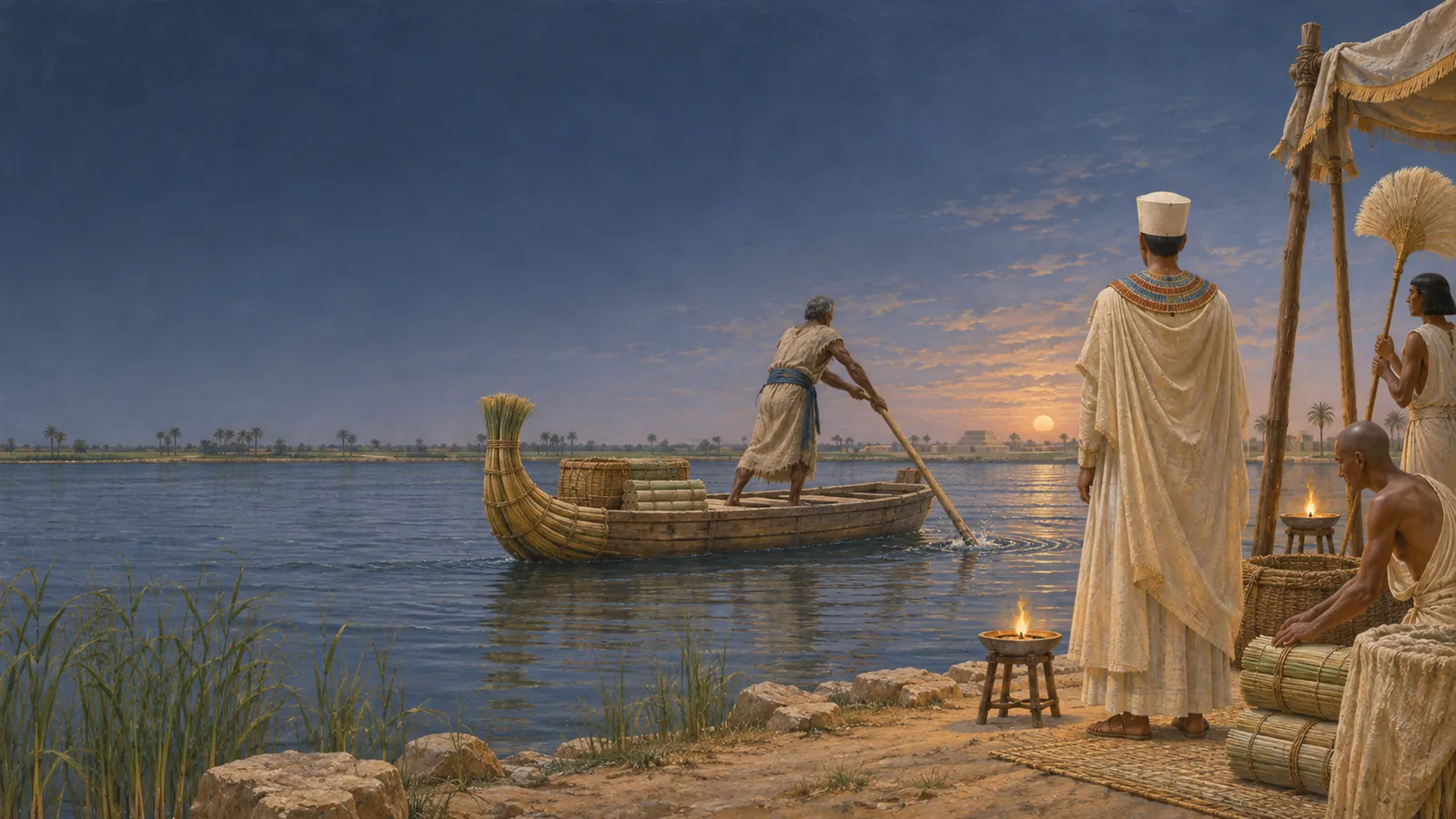
DIE FÄHRE DER GÖTTER
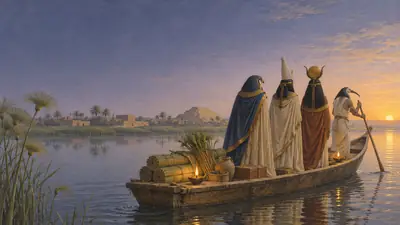
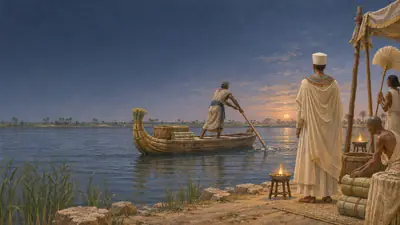
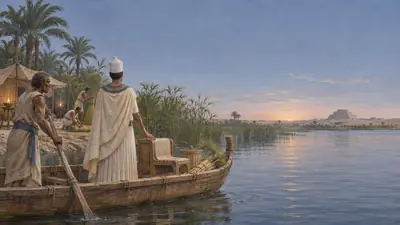
Er möchte, dass der Fährmann ihm das Boot des Gewundenen Kanals bringt. Dieses Boot benutzen die Götter, um zur Ostseite des Himmels überzusetzen.
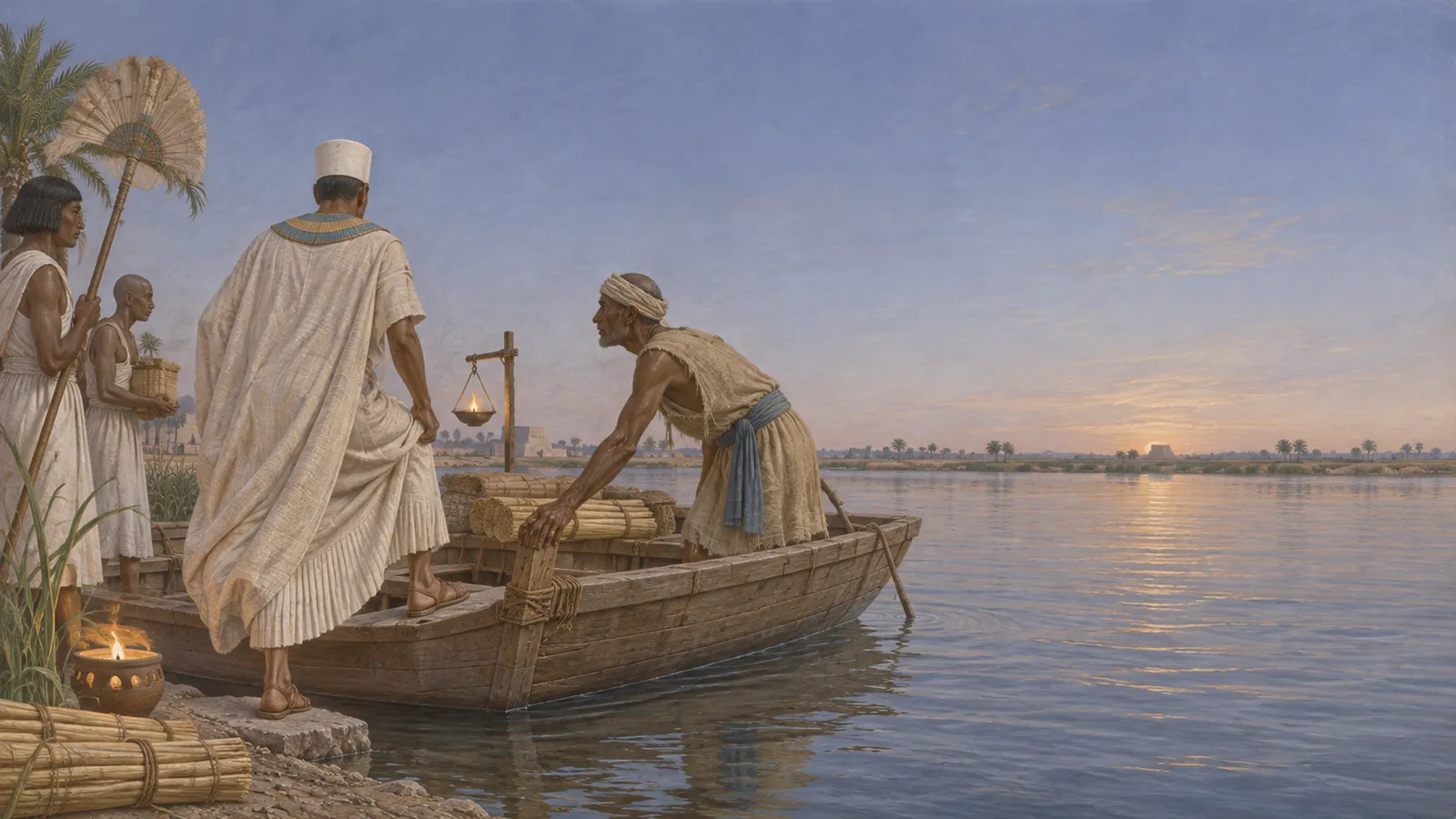
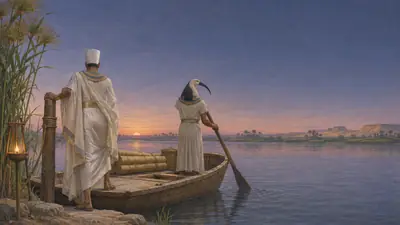
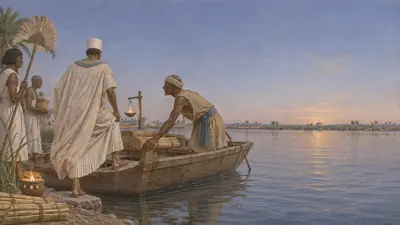
Der Sprecher bittet, dass der Fährmann ihn selbst über den Gewundenen Kanal bringt. Als sein Ziel nennt er die Ostseite des Himmels.
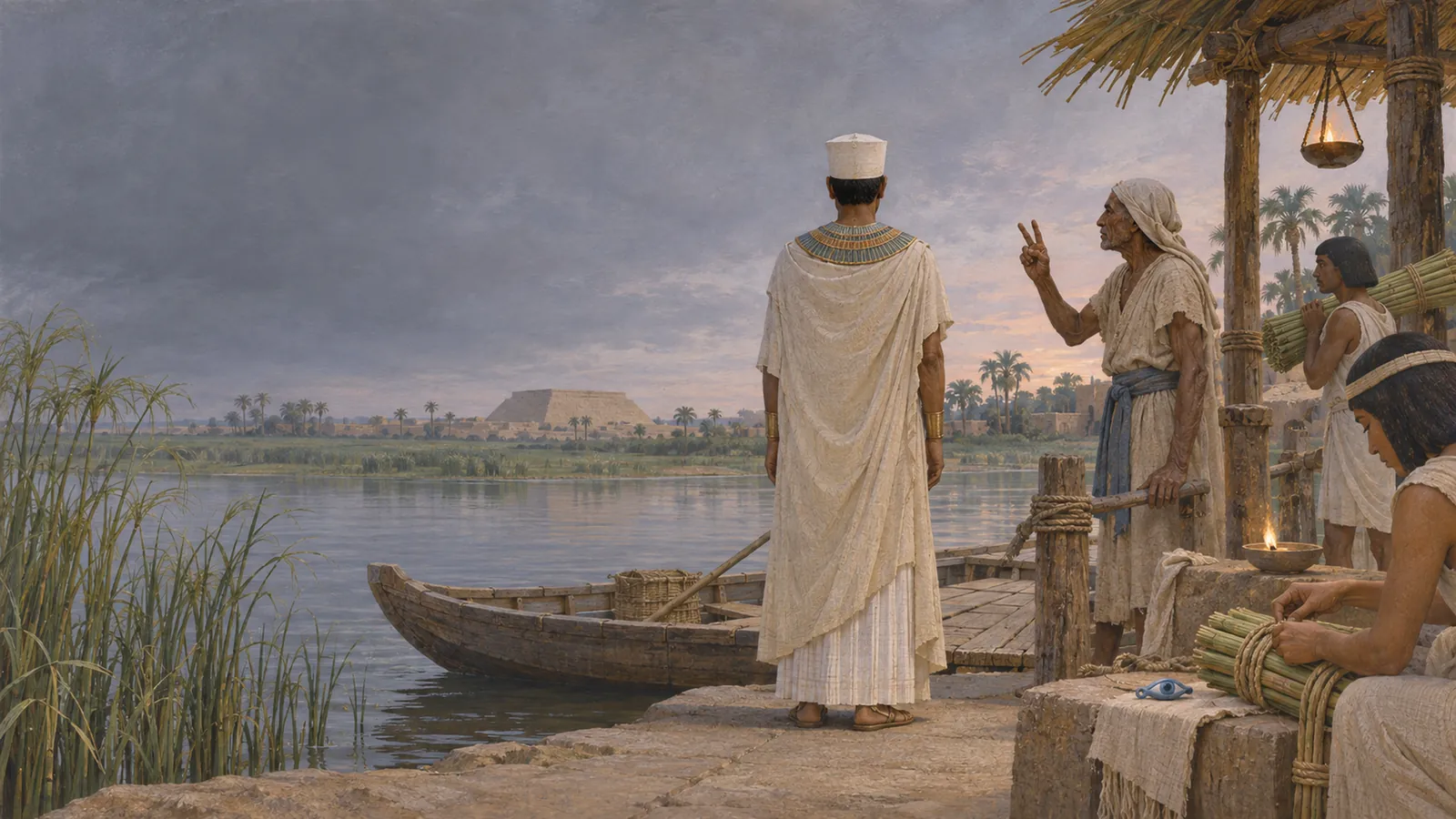
Er sagt, er suche das eigene Auge des Horus. Er geht auch zum Zählen der Finger, das Allen als Prüfung zum Einsteigen beschreibt.
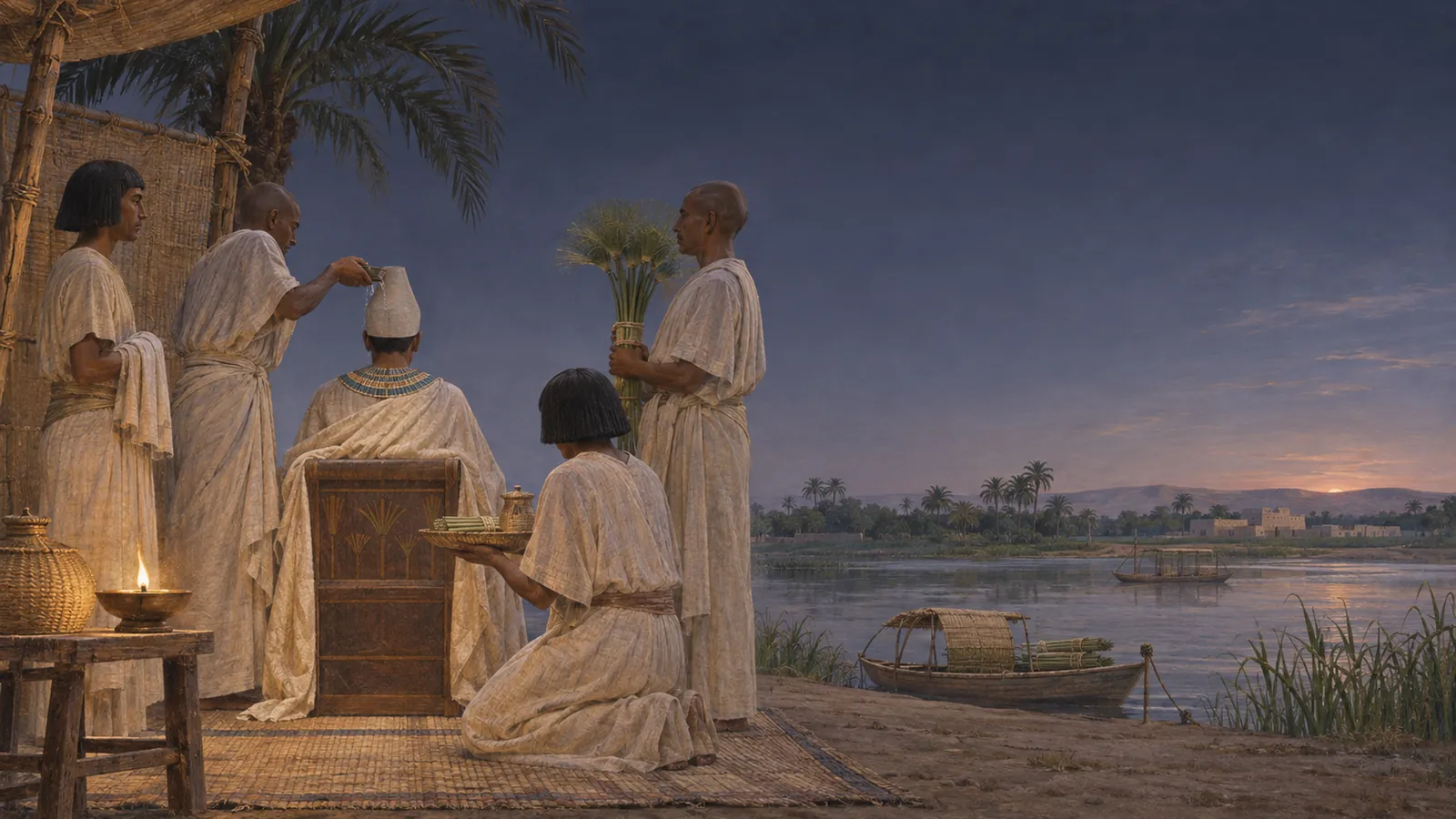
Götter und Göttinnen waschen ihm laut dem Spruch das Gesicht. Für die rechte Seite, die er Horus nennt, führt er Imseti, Hapi, Duamutef und Qebehsenuef an.
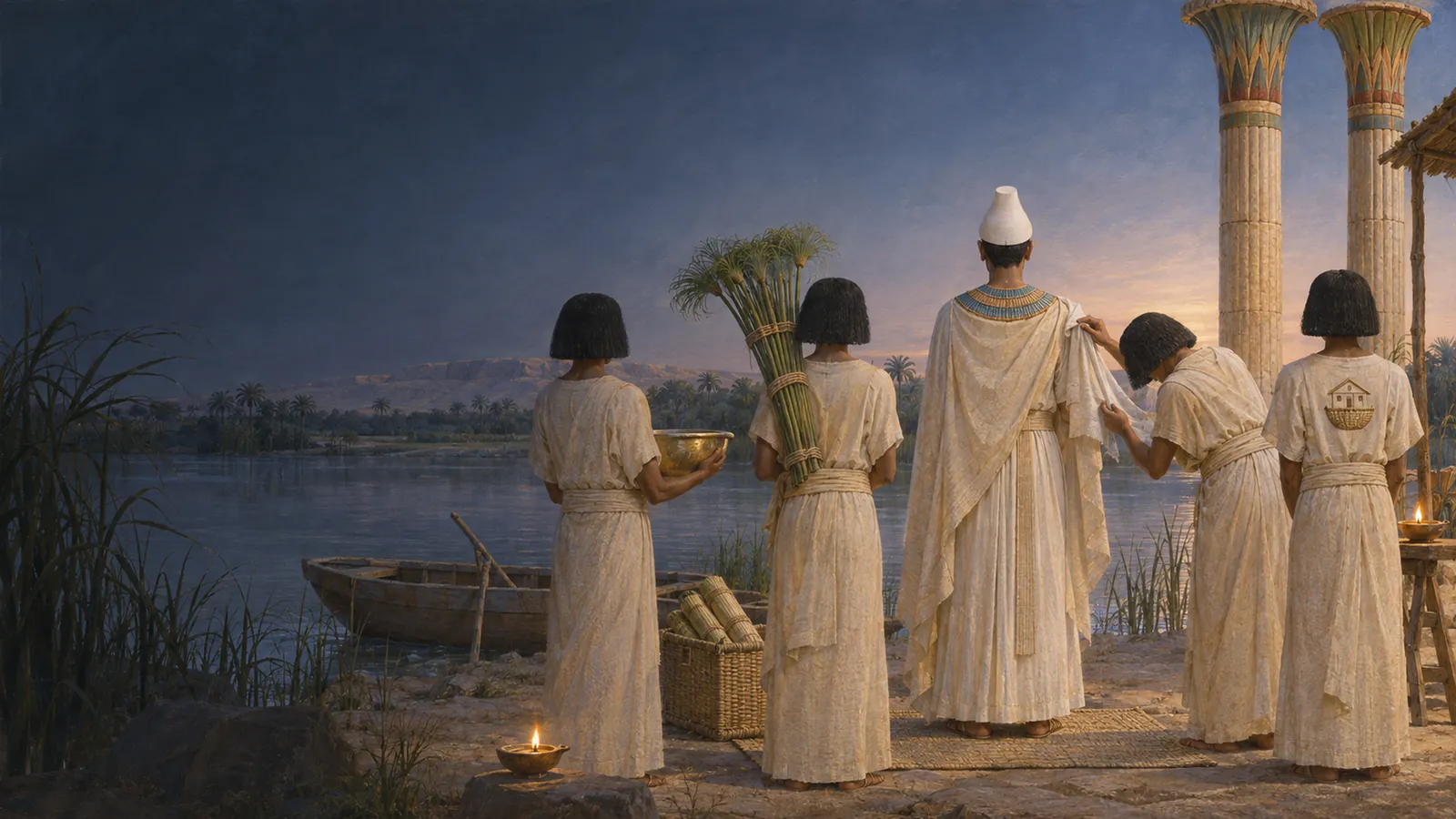
Für die linke Seite nennt der Spruch den Schläger der Djenderu-Barke, den vor seinen beiden Papyrussäulen, Nephthys und Augen-voran. Diese Seite nennt er Seth.
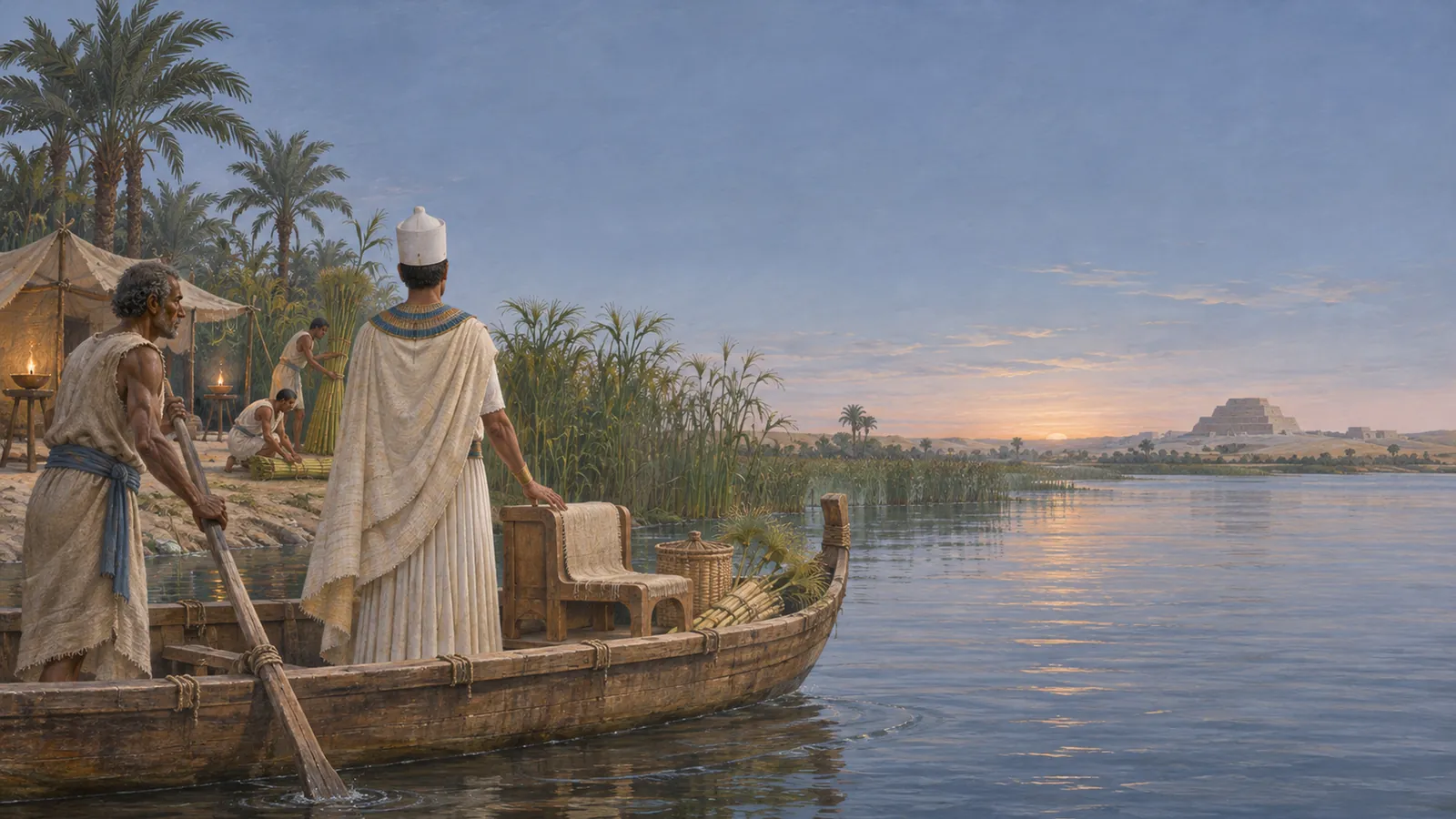
Der Spruch wendet sich mit den eigenen Worten des Sprechers dem Boot zu. Sein Sitz habe ihn berücksichtigt und sein Ruder habe ihn erkannt.
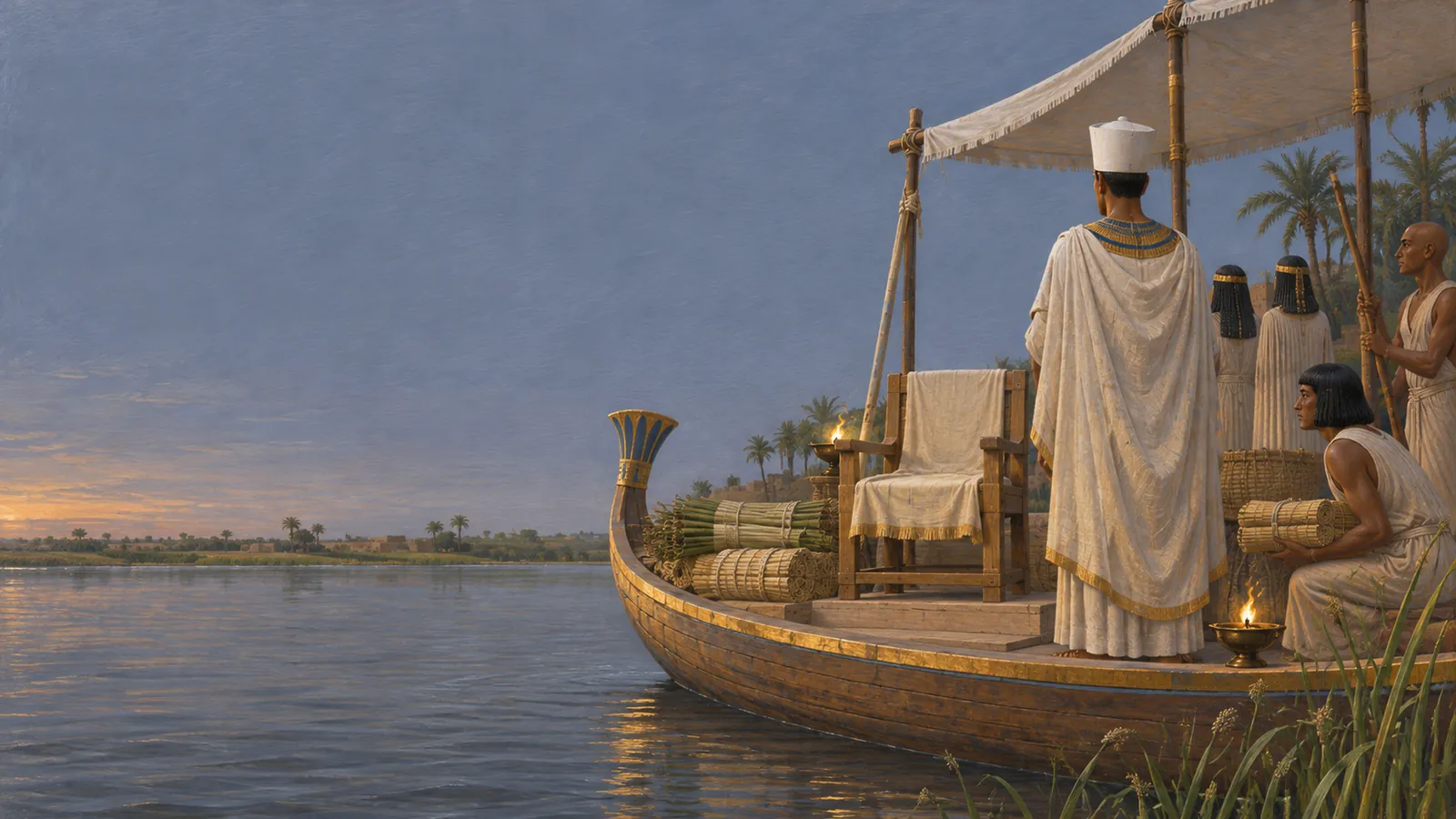
DER FREIE PLATZ
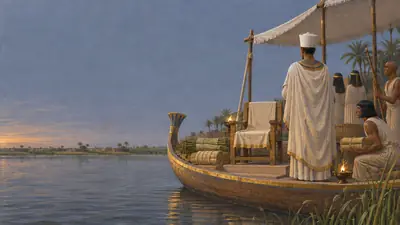
Er findet seinen Sitz leer am Heck des goldenen Boots der Sonne. Dort endet der Spruch, mit dem Platz, der noch frei ist.
Ende von Kapitel 1
Alle Seiten
Quellen
The reading paraphrases the complete Teti recitation PT359 under Summoning the Ferryman in James P. Allen’s The Ancient Egyptian Pyramid Texts, second edition, SBL Press, 2015, p. 80. Allen explains the finger-counting as a test of competence for boarding in note 16. The recitation names the test and gives no result. The next heading begins a separate spell at the gate to the Akhet on p. 81.
Benutzte Editionen
- SBL Press, James P. Allen, The Ancient Egyptian Pyramid Texts, second edition
- PT359 in Teti, printed p. 80, Summoning the Ferryman
- Allen’s note 16, printed p. 99
Hinweise zu dieser Nacherzählung
printed pp. 69–70 and 80. The opening identifies the translator and location of the witness. Allen’s introduction places the spells of passage from the Duat to the Akhet in the passage between the burial chamber and the antechamber. The heading on p. 80 locates this spell there.
PT 359, first sentence. Horus cries out over his eye and Seth over his testicles. The text gives no cause in this sentence.
PT 359, first paragraph.
PT 359, second paragraph. The ancient address first describes the gods crossing on Thoth’s wing to the eastern side of the sky. They go to argue against Seth over Horus’s eye. The speaker then says he will join their crossing and argue against Seth over the same eye. His crossing here is stated as an intention.
PT 359, third paragraph. The speaker wishes a peaceful awakening to Sees Behind Him, Nut’s oarsman and the ferryman of the Winding Canal. He asks that his name be told to the Sun and names the palace of the lords of kas as his destination. In this edition, *kas* is a plural of *ka*, an Egyptian term for a vital aspect of a person.
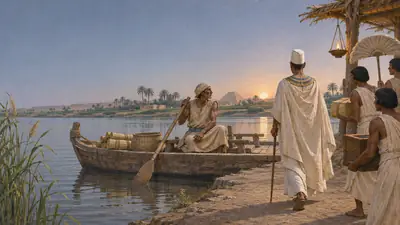
Page 10, Allen 2015, Teti, p. 80, PT359. The Sun dawns from the Horus Mounds and Seth Mounds. The recitation names the Sun as the god of those who go to their kas.
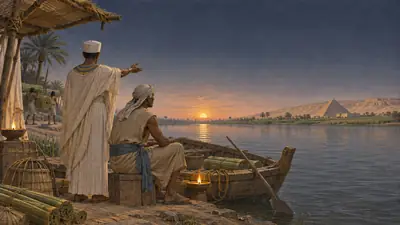
Page 11, Allen 2015, Teti, p. 80, PT359. The speaker addresses the Sun and asks it to commend him to Sees Behind Him. The recitation has already identified him as the ferryman of the Winding Canal.
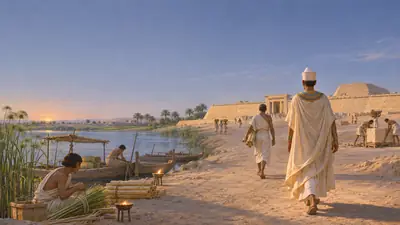
Page 12, Allen 2015, Teti, p. 80, PT359. The speaker asks for the ferryboat of the Winding Canal. The gods use it to cross to the eastern side of the sky.
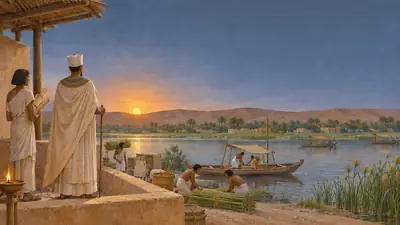
Page 13, Allen 2015, Teti, p. 80, PT359. The speaker asks to be ferried to the same eastern side. The recitation states his request at this point.
Page 14, Allen 2015, Teti, p. 80, PT359. The quest is for Horus’s own eye. Allen describes counting fingers as a test of competence for boarding in note 16, p. 99. This passage gives no test result.
Page 15, Allen 2015, Teti, p. 80, PT359. The right side is called Horus. Allen gives Imseti, Hapi, Duamutef and Qebehsenuef. The verb have washed appears in parentheses in this part of the translation.
Page 16, Allen 2015, Teti, p. 80, PT359. The left side is called Seth and the second list names the Djenderu-bark-striker, the one at the front of his two papyrus columns, Nephthys and Eyes-Forward. The note preserves the distinct names for this side.
Page 17, Allen 2015, Teti, p. 80, PT359. The recitation describes the seat taking account of the speaker and the rudder recognizing him.
Page 18, Allen 2015, Teti, p. 80, PT359. The final line finds the seat empty at the stern of the golden bark of the Sun. The selection ends here. The next printed heading on p. 81 begins a different spell at the gate to the Akhet.
Die antiken Verse hinter jeder Seite
- Page 1: Allen 2015, The Ancient Egyptian Pyramid Texts, Teti, pp. 69–70, 80, PT 359 and passage context
- Page 2: Allen 2015, The Ancient Egyptian Pyramid Texts, Teti, p. 80, PT 359, opening laments
- Page 3: Allen 2015, The Ancient Egyptian Pyramid Texts, Teti, p. 80, PT 359, first jump and landfall
- Page 4: Allen 2015, The Ancient Egyptian Pyramid Texts, Teti, p. 80, PT 359, second jump and landfall
- Page 5: Allen 2015, The Ancient Egyptian Pyramid Texts, Teti, p. 80, PT 359, address to the crossing gods
- Page 6: Allen 2015, The Ancient Egyptian Pyramid Texts, Teti, p. 80, PT 359, speaker’s own crossing
- Page 7: Allen 2015, The Ancient Egyptian Pyramid Texts, Teti, p. 80, PT 359, greeting the ferryman
- Page 8: Allen 2015, The Ancient Egyptian Pyramid Texts, Teti, p. 80, PT 359, announcement to the Sun
- Page 9: Allen 2015, The Ancient Egyptian Pyramid Texts, Teti, p. 80, PT 359, destination of the speaker
- Page 10: Allen, The Ancient Egyptian Pyramid Texts, 2nd ed. (2015), Teti, p. 80, PT359
- Page 11: Allen, The Ancient Egyptian Pyramid Texts, 2nd ed. (2015), Teti, p. 80, PT359
- Page 12: Allen, The Ancient Egyptian Pyramid Texts, 2nd ed. (2015), Teti, p. 80, PT359
- Page 13: Allen, The Ancient Egyptian Pyramid Texts, 2nd ed. (2015), Teti, p. 80, PT359
- Page 14: Allen, The Ancient Egyptian Pyramid Texts, 2nd ed. (2015), Teti, p. 80, PT359, and p. 99, n. 16
- Page 15: Allen, The Ancient Egyptian Pyramid Texts, 2nd ed. (2015), Teti, p. 80, PT359
- Page 16: Allen, The Ancient Egyptian Pyramid Texts, 2nd ed. (2015), Teti, p. 80, PT359
- Page 17: Allen, The Ancient Egyptian Pyramid Texts, 2nd ed. (2015), Teti, p. 80, PT359
- Page 18: Allen, The Ancient Egyptian Pyramid Texts, 2nd ed. (2015), Teti, p. 80, PT359
Illustrationen von IL Archive mit KI-Werkzeugen; der Text folgt den antiken Quellen (siehe die Quellen am Ende jedes Kapitels).