Als aus einem drei wurden Kapitel 1
Das erste Werden
Neb-er-tcher bringt sich als Khepera selbst ins Dasein, spricht seinen eigenen Namen und schafft sich einen Grund, wo er keinen Halt fand. Er bringt Schu und Tefnut hervor und wird zu dreien. Die letzten Zeilen nennen die folgenden Generationen und die Kinder, die Nut zur Welt bringt.
QuellenBlättern Sie mit den Pfeilen, den Pfeiltasten oder durch Wischen.
DAS ERSTE WERDEN
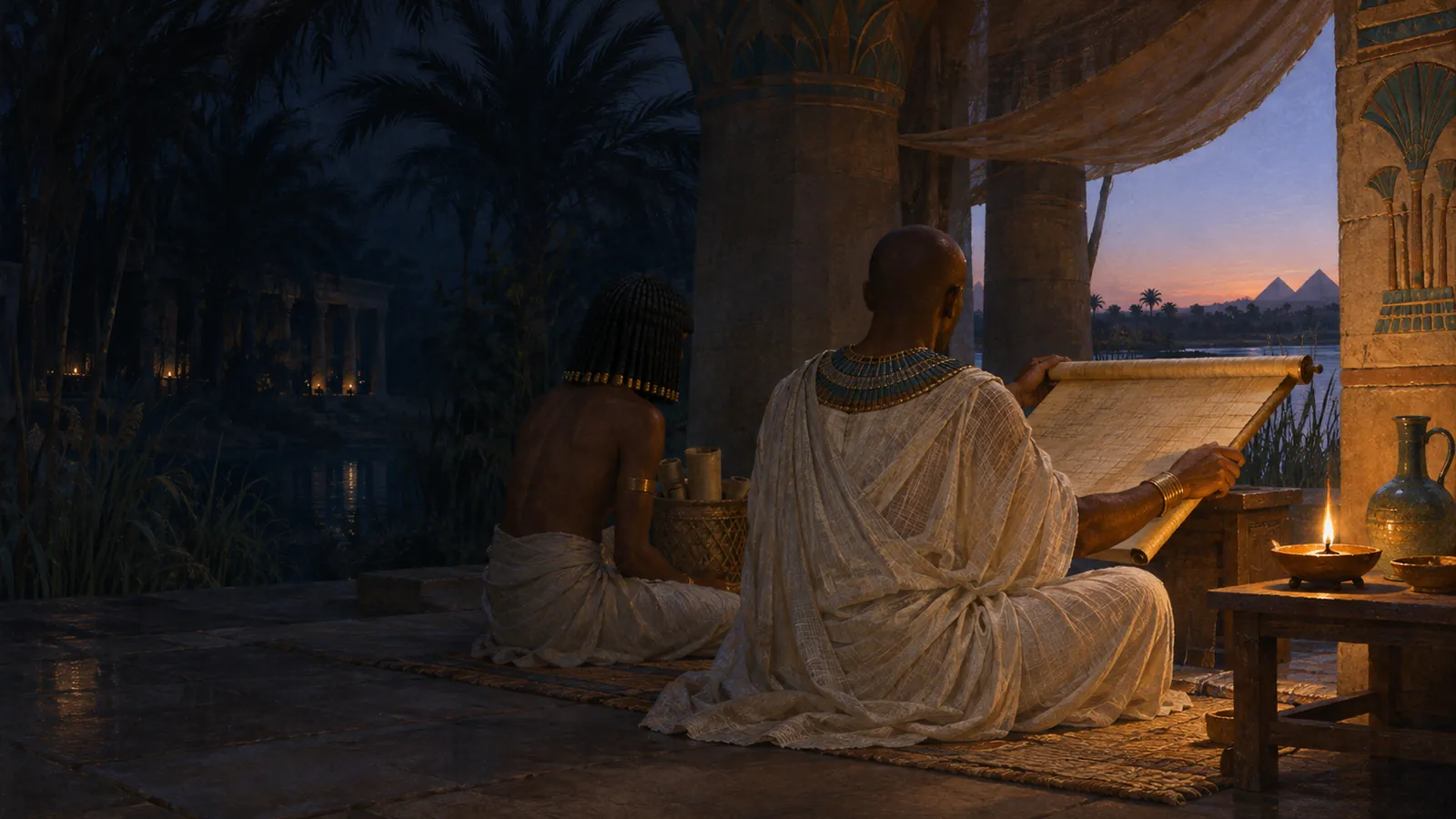
Der Sprecher sagt zu Beginn, er habe den Vorgang selbst hervorgebracht, durch den die Dinge ins Dasein kamen.
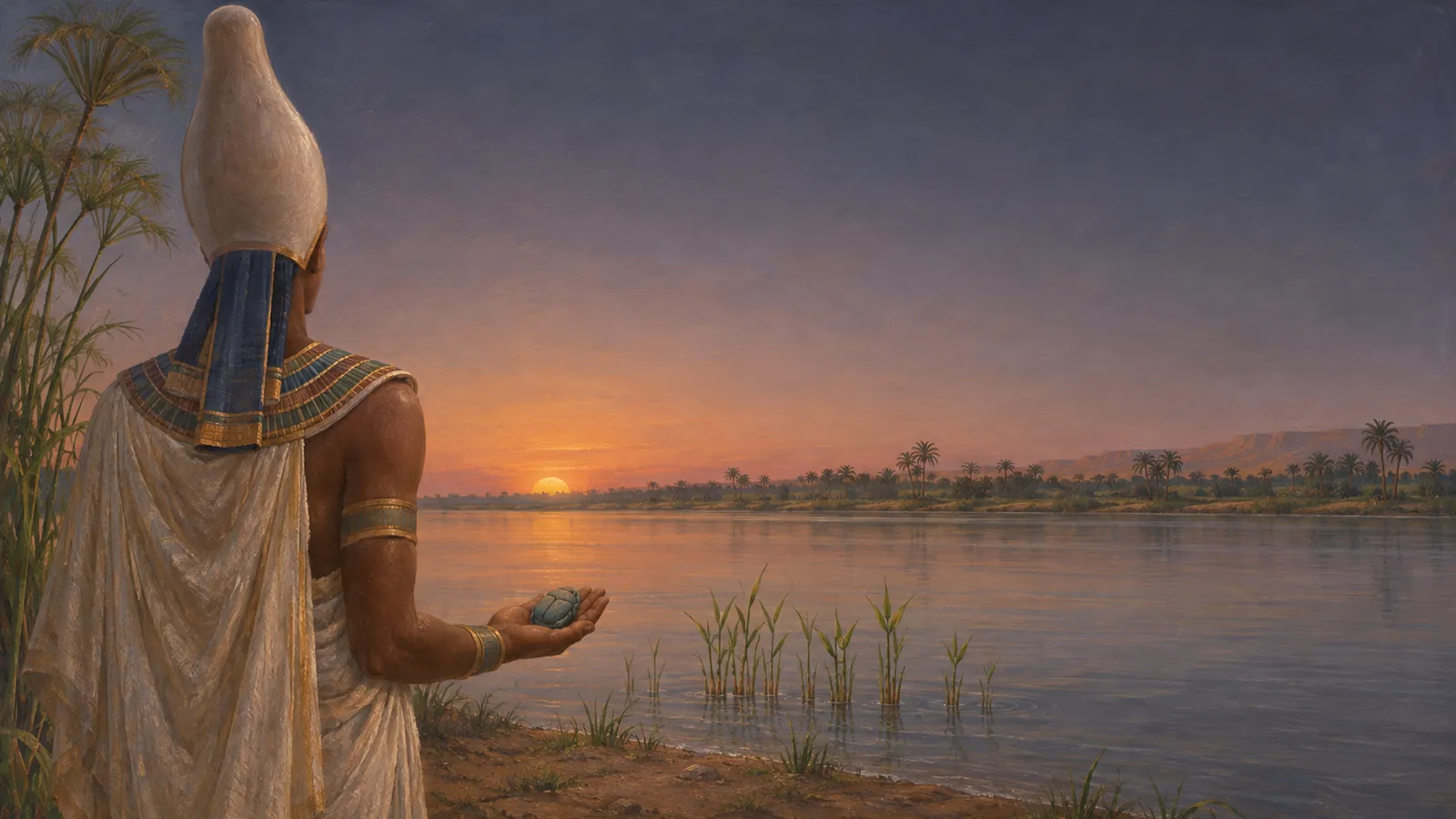
Der Sprecher sagt, er habe die Gestalt der Wandlungen Kheperas angenommen, die zu Beginn aller Zeit entstanden. Er sagt, dass er mit ihnen ins Dasein kam.
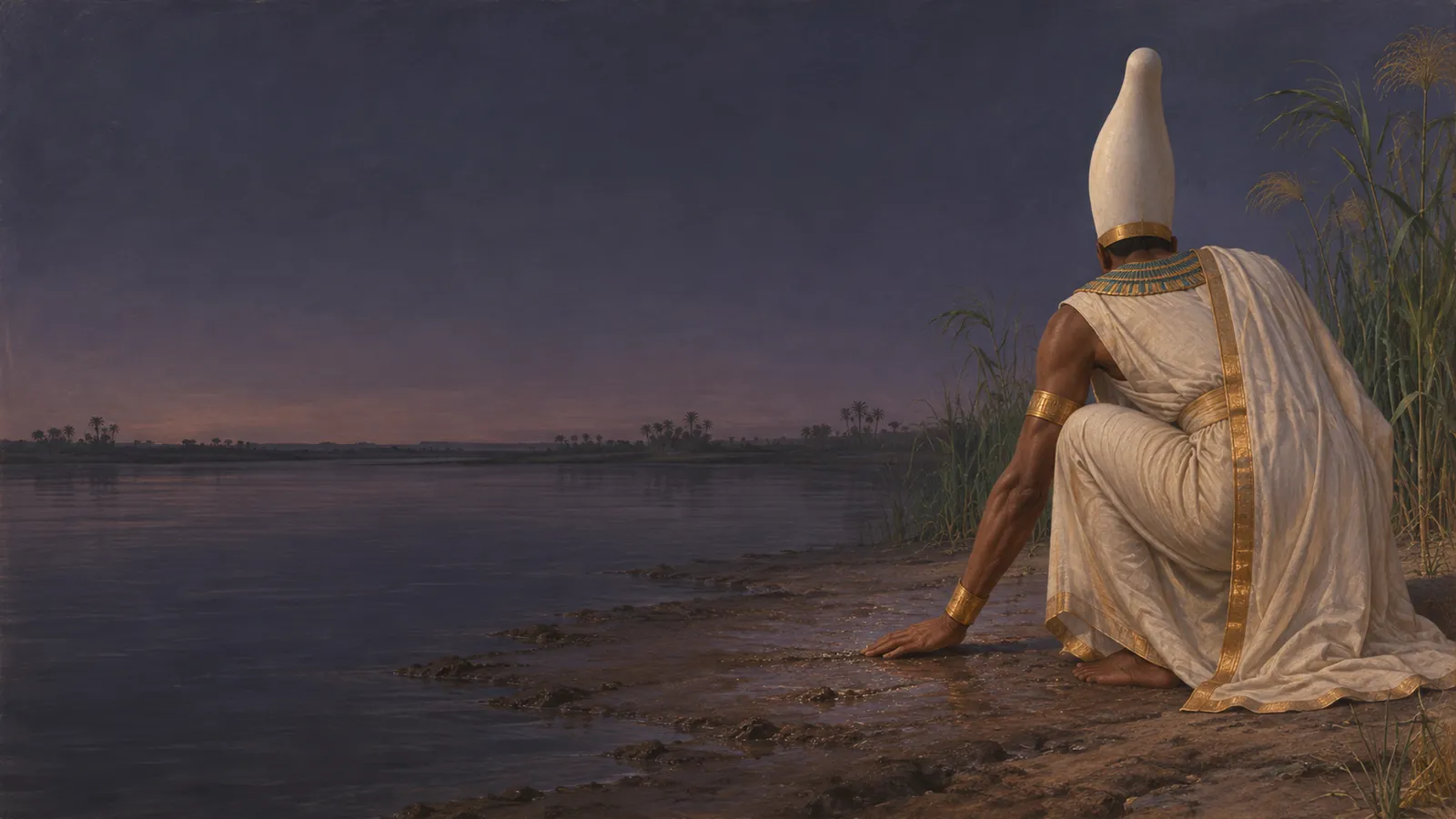
Der Sprecher sagt, dass er sich aus dem Urstoff entwickelt hat und dass er selbst diesen Stoff geschaffen hat.
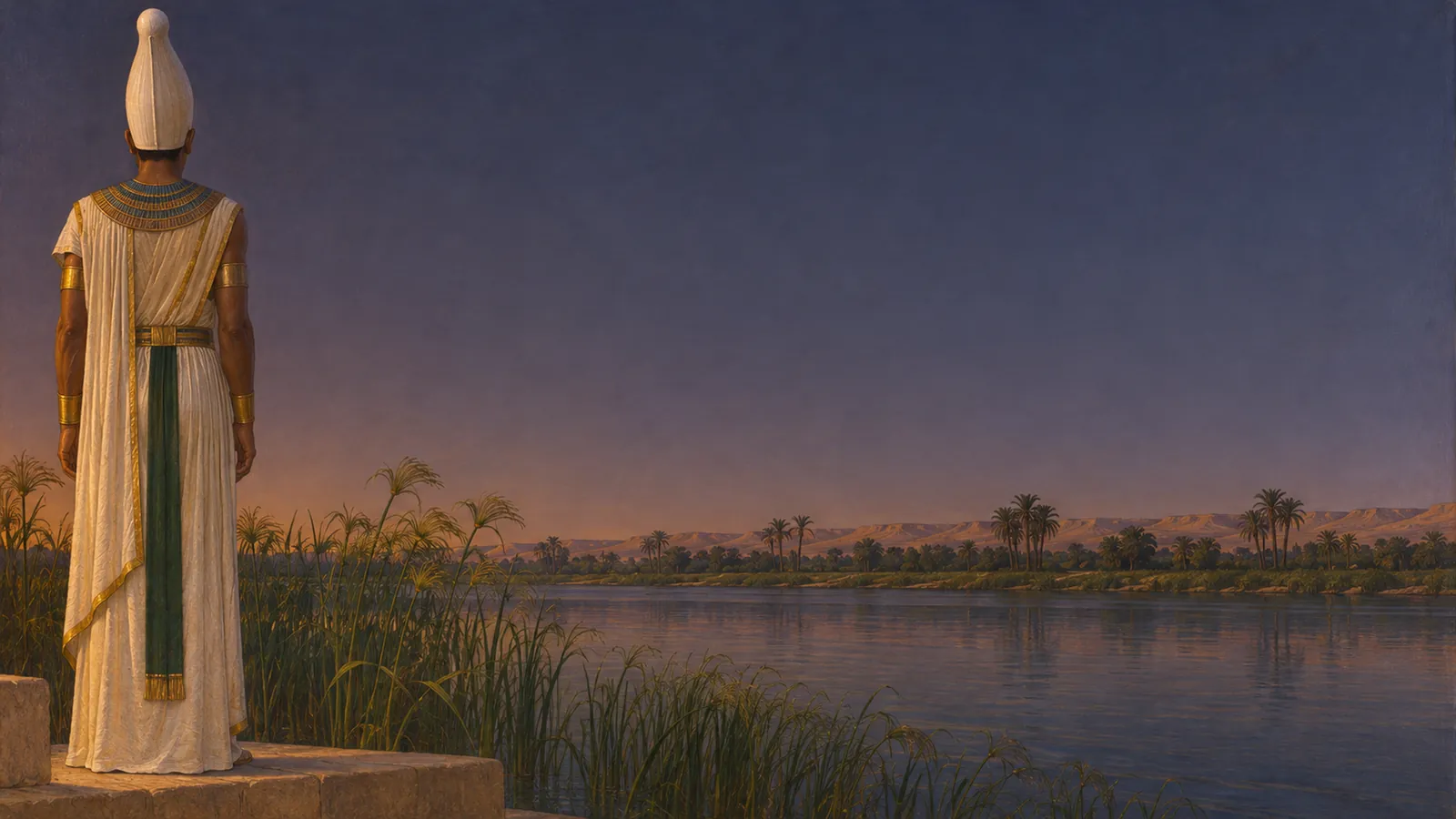
Der Sprecher nennt sich Ausares, den Budge mit Osiris gleichsetzt. Er bezeichnet sich als Keim des Urstoffs.
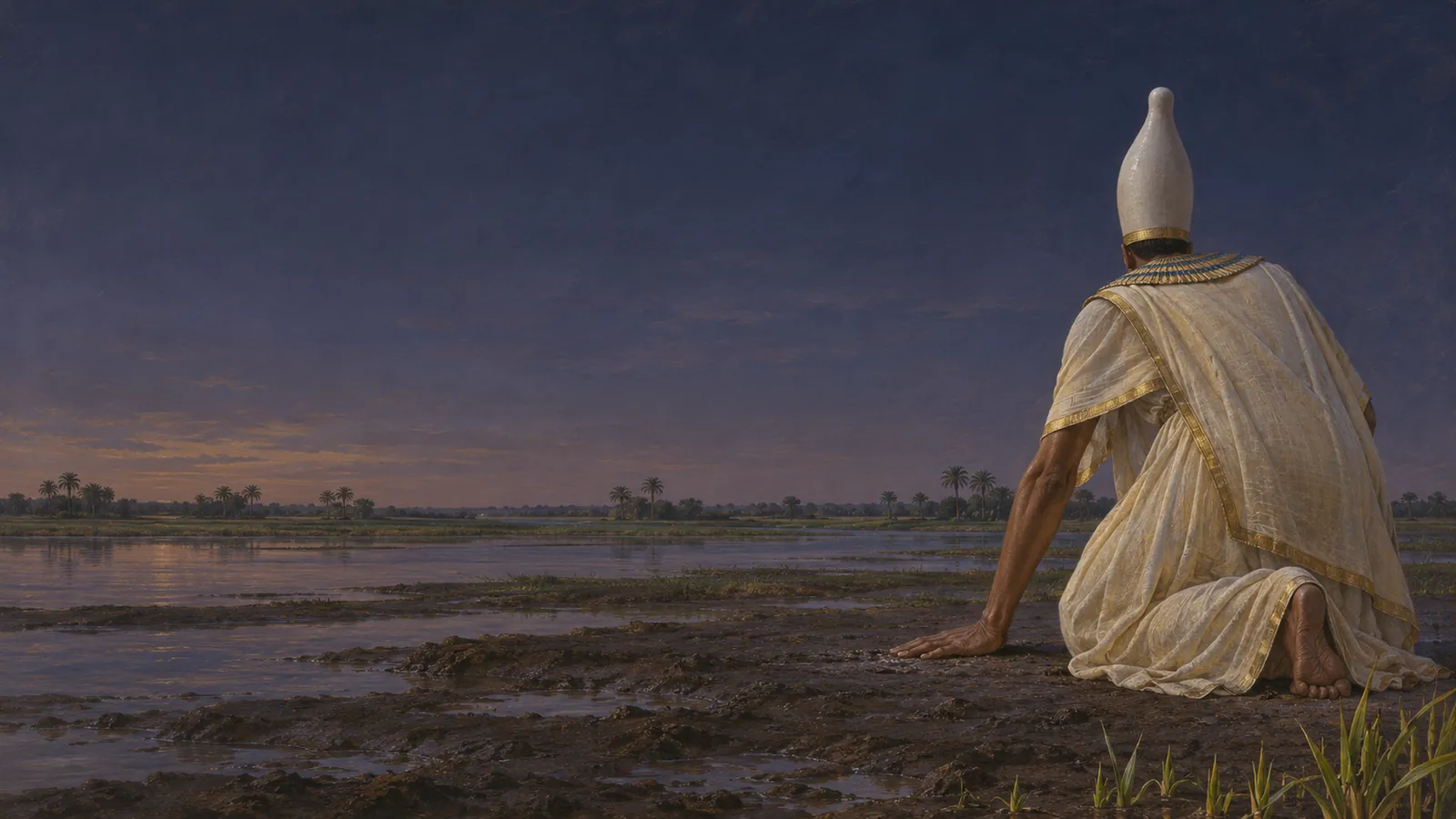
Der Sprecher sagt, dass er seinen Willen auf der Erde durchgesetzt, sich ausgebreitet und sie erfüllt hat. Er sagt, dass er die Erde mit seiner Hand gestärkt hat.
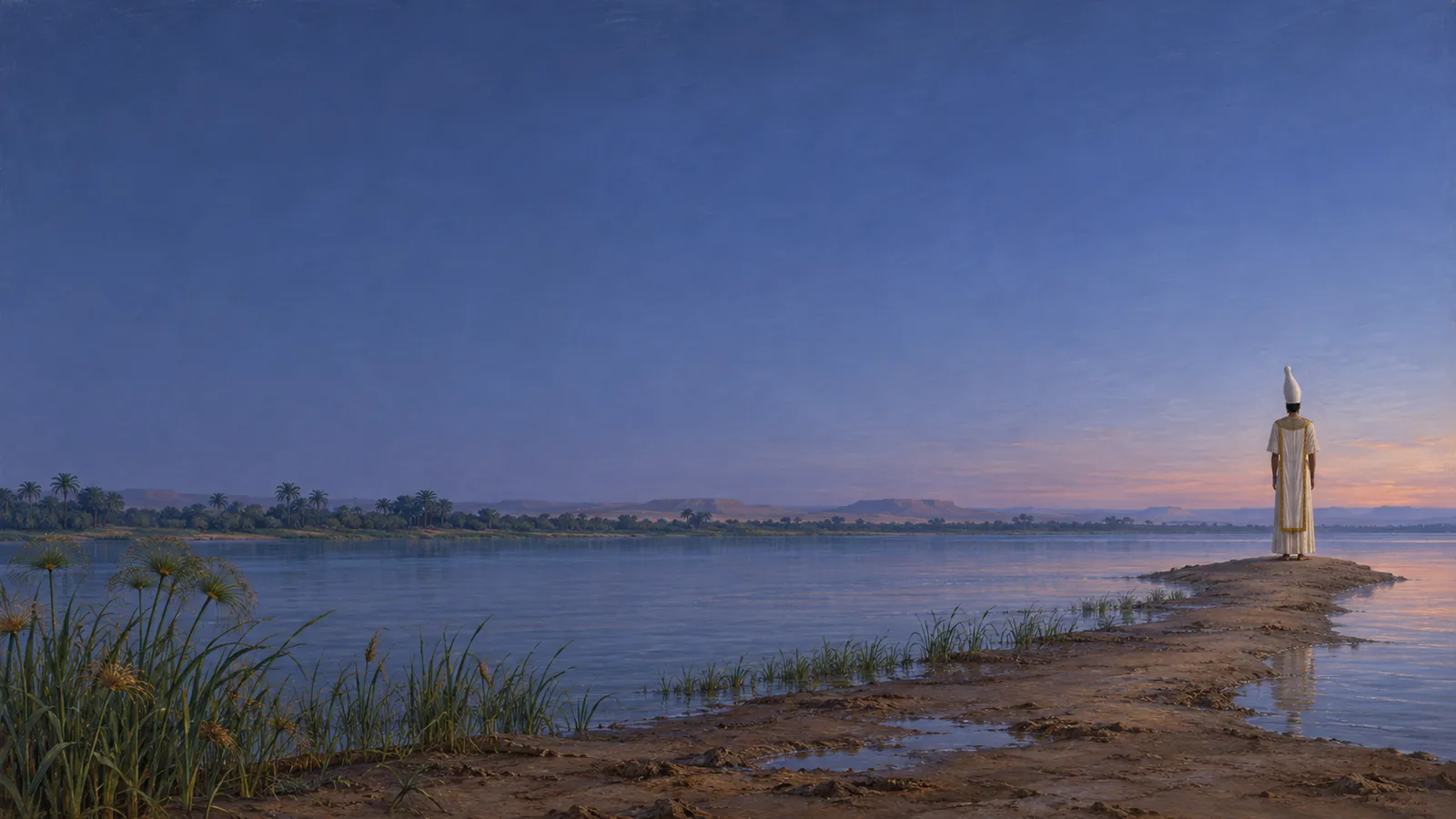
Der Sprecher sagt, dass er allein war, weil noch nichts hervorgebracht worden war. Er hatte weder Schu noch Tefnut aus sich hervorgebracht.
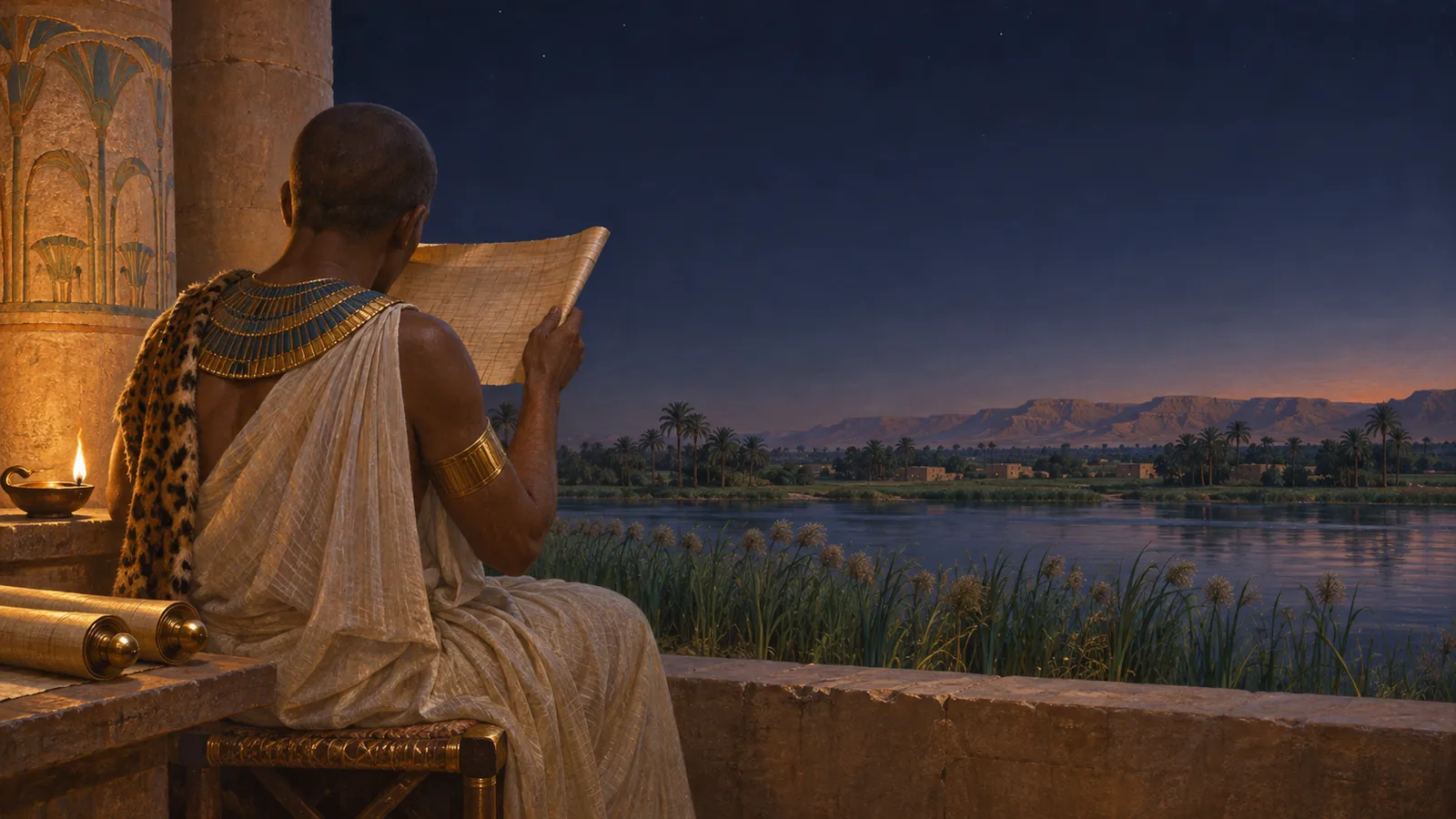
Der Sprecher sagt, er habe seinen eigenen Namen aus seinem Mund als ein Wort der Macht ausgesprochen und sich sogleich ins Dasein gebracht.
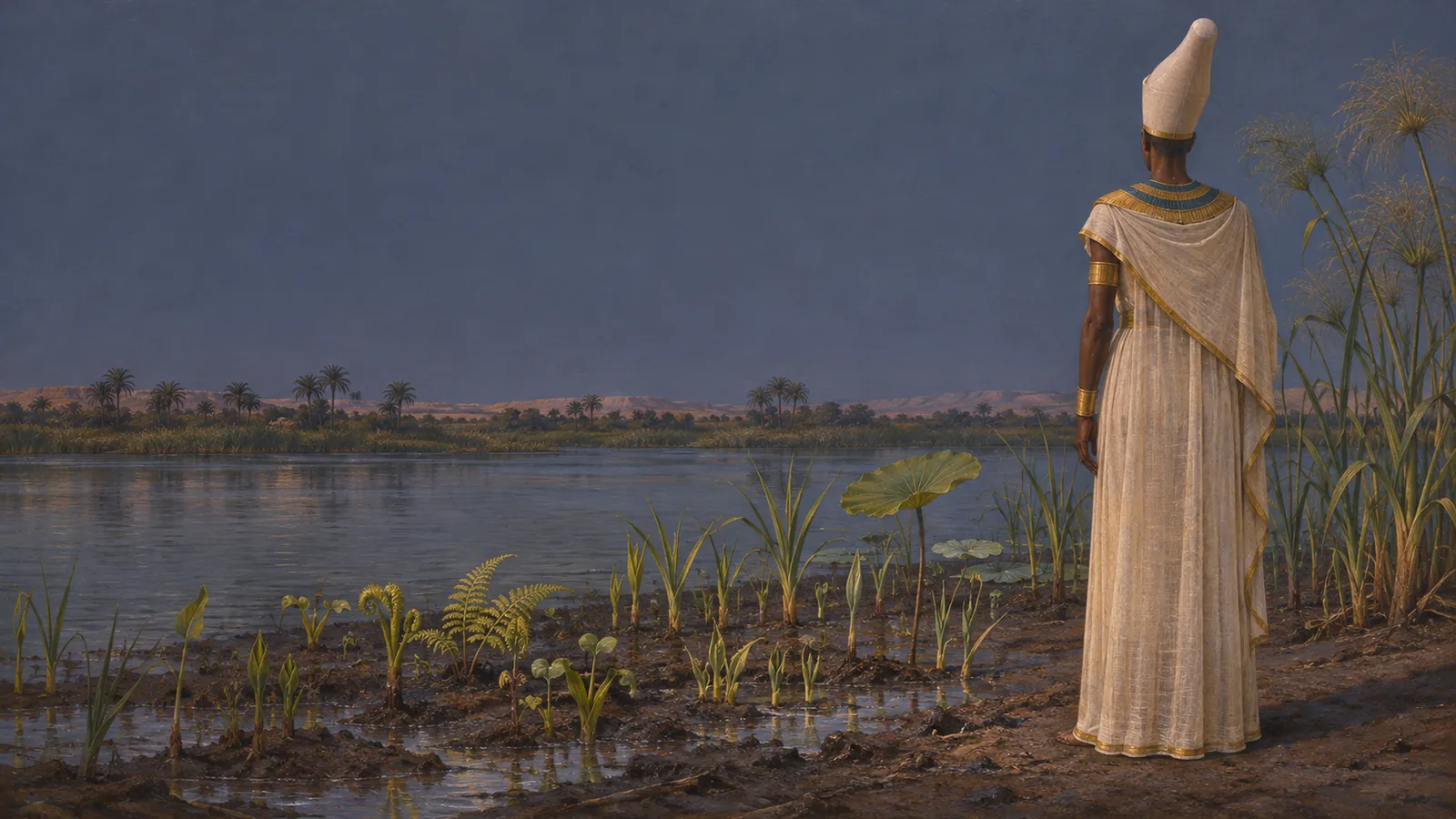
Der Sprecher sagt erneut, dass er in der Gestalt der Wandlungen Kheperas ins Dasein kam. Er entwickelte sich aus dem Urstoff, der seit Anbeginn der Zeit viele Formen hervorgebracht hat.
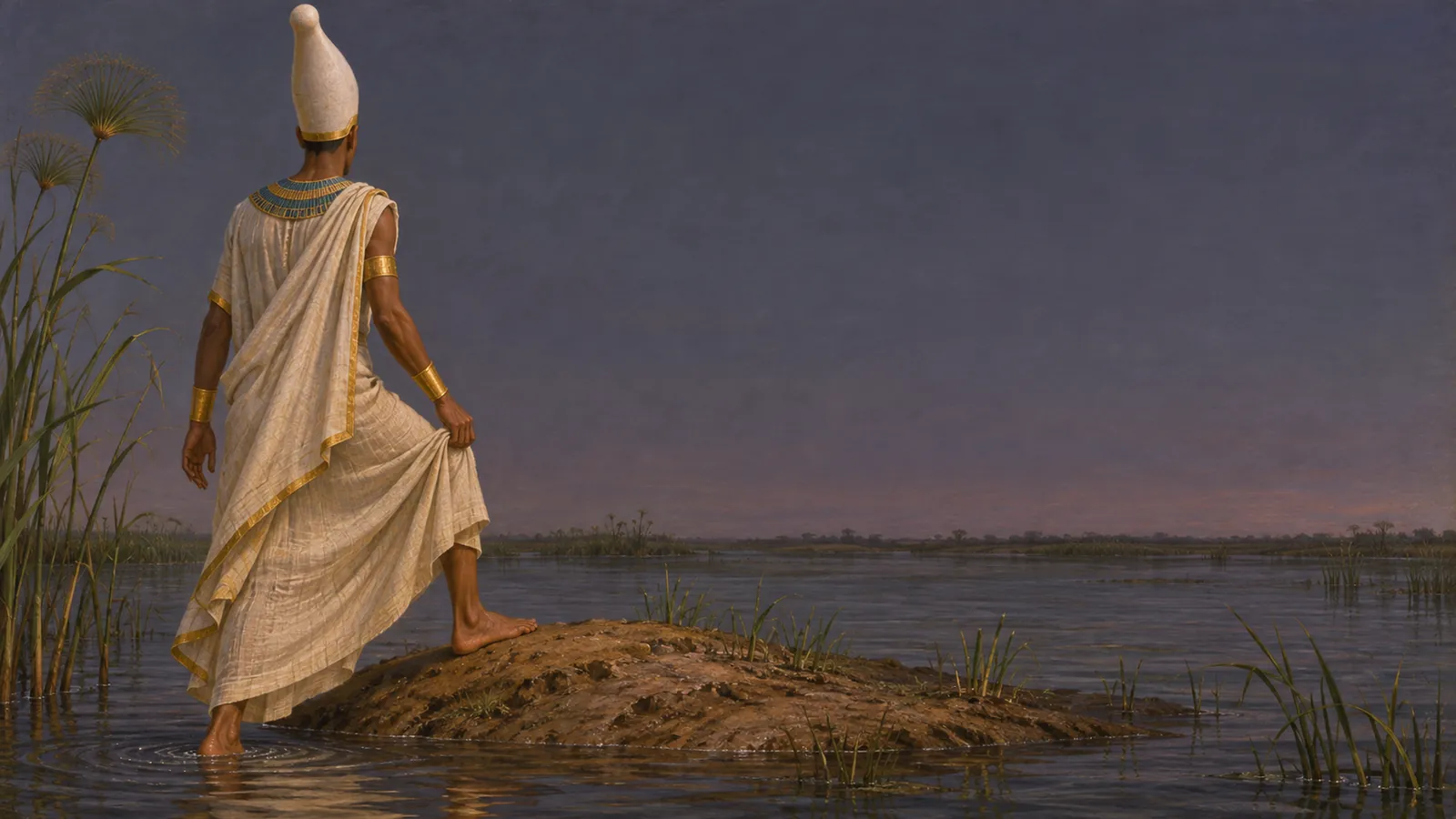
Der Sprecher sagt, auf der Erde habe nichts existiert. Er sagt, er habe alle Dinge gemacht und damals habe niemand sonst mit ihm gewirkt.
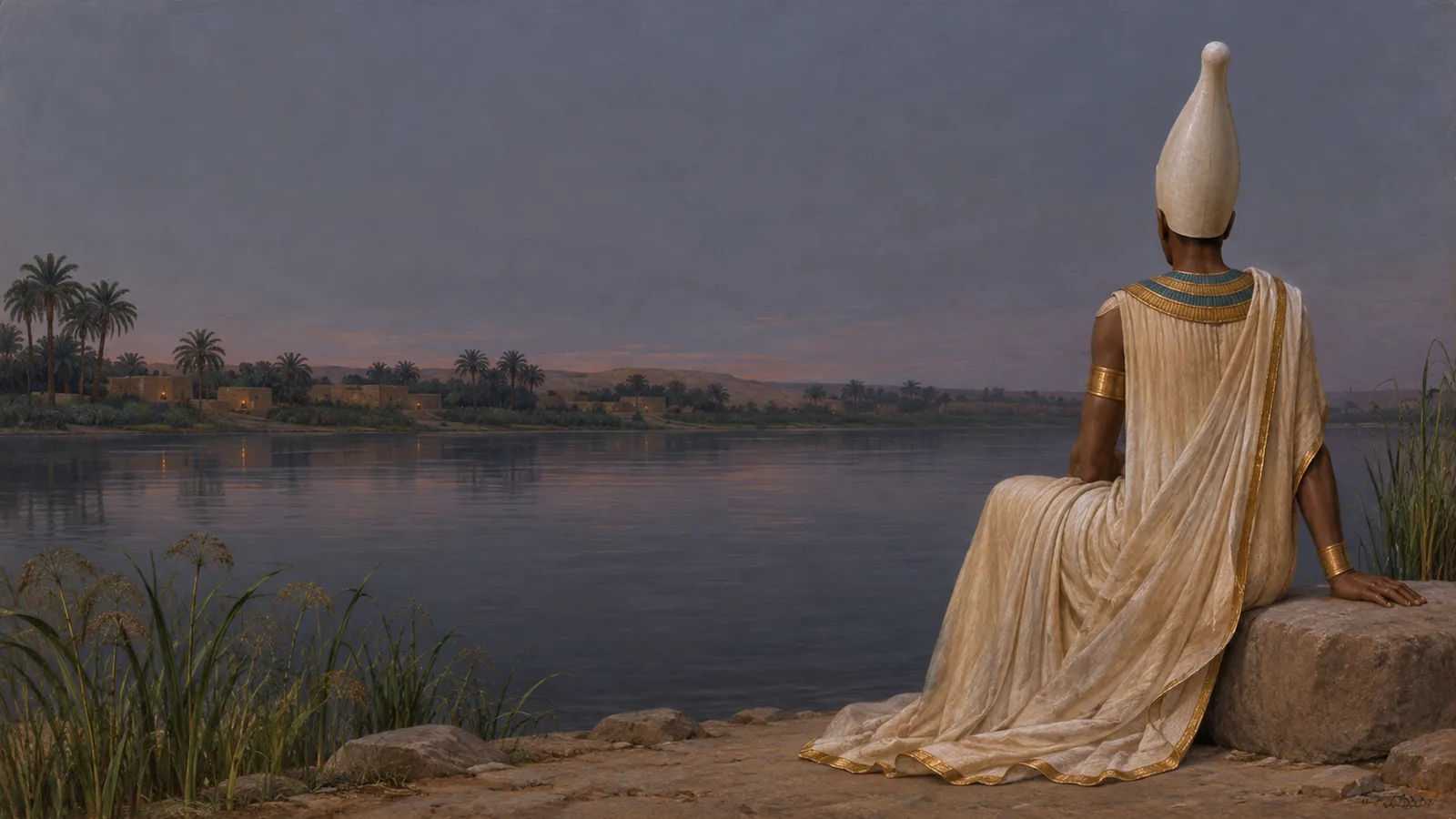
Der Sprecher sagt, er habe alles Werden durch die göttliche Seele vollbracht, die er geformt habe. Sie sei bis dahin untätig im Abgrund der Wasser geblieben.
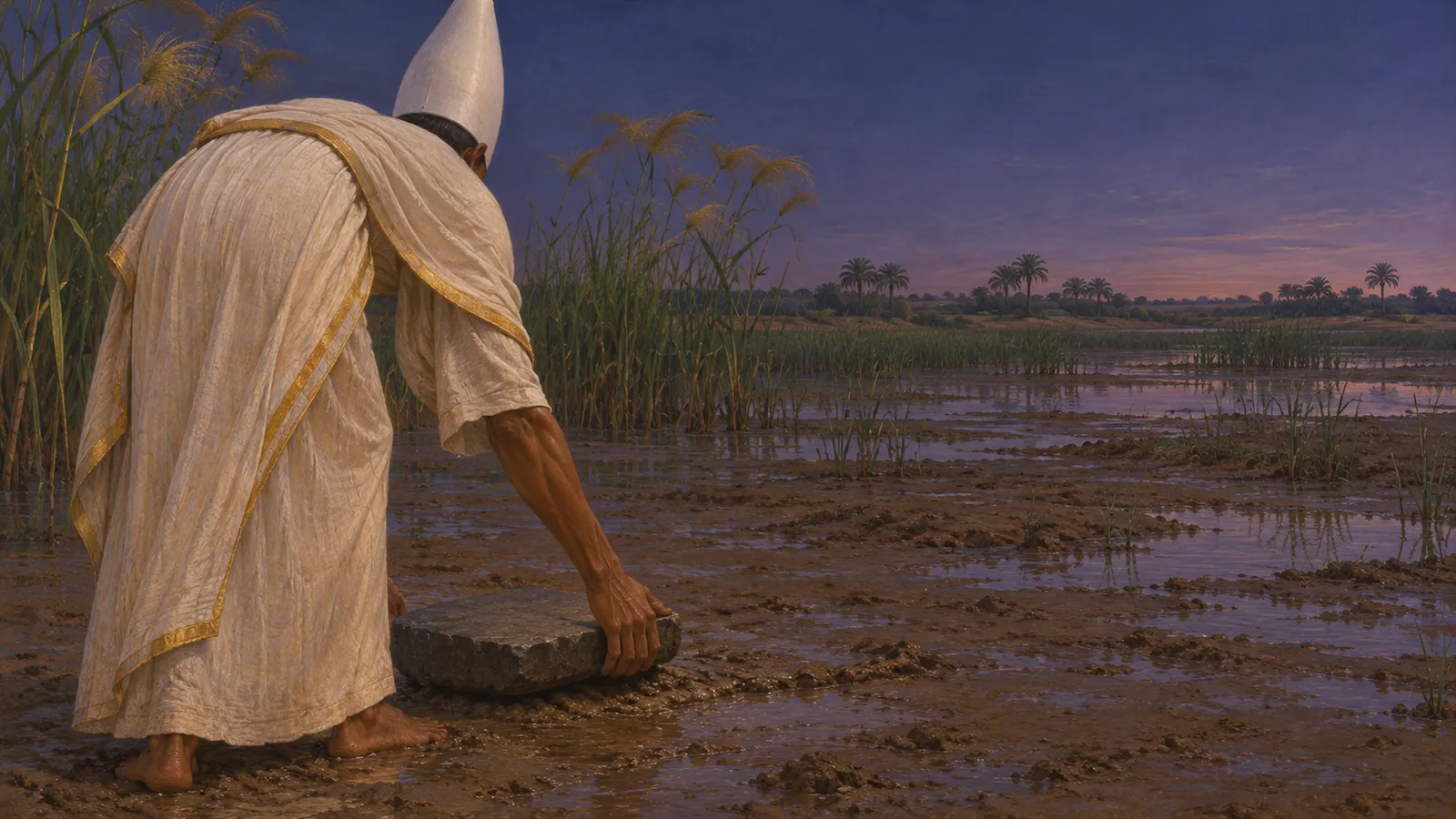
Der Sprecher sagt, er habe keinen Ort gefunden, an dem er stehen konnte. Stark im Herzen, schuf er sich einen festen Grund, und er sagt, er habe alles gemacht, was gemacht wurde.
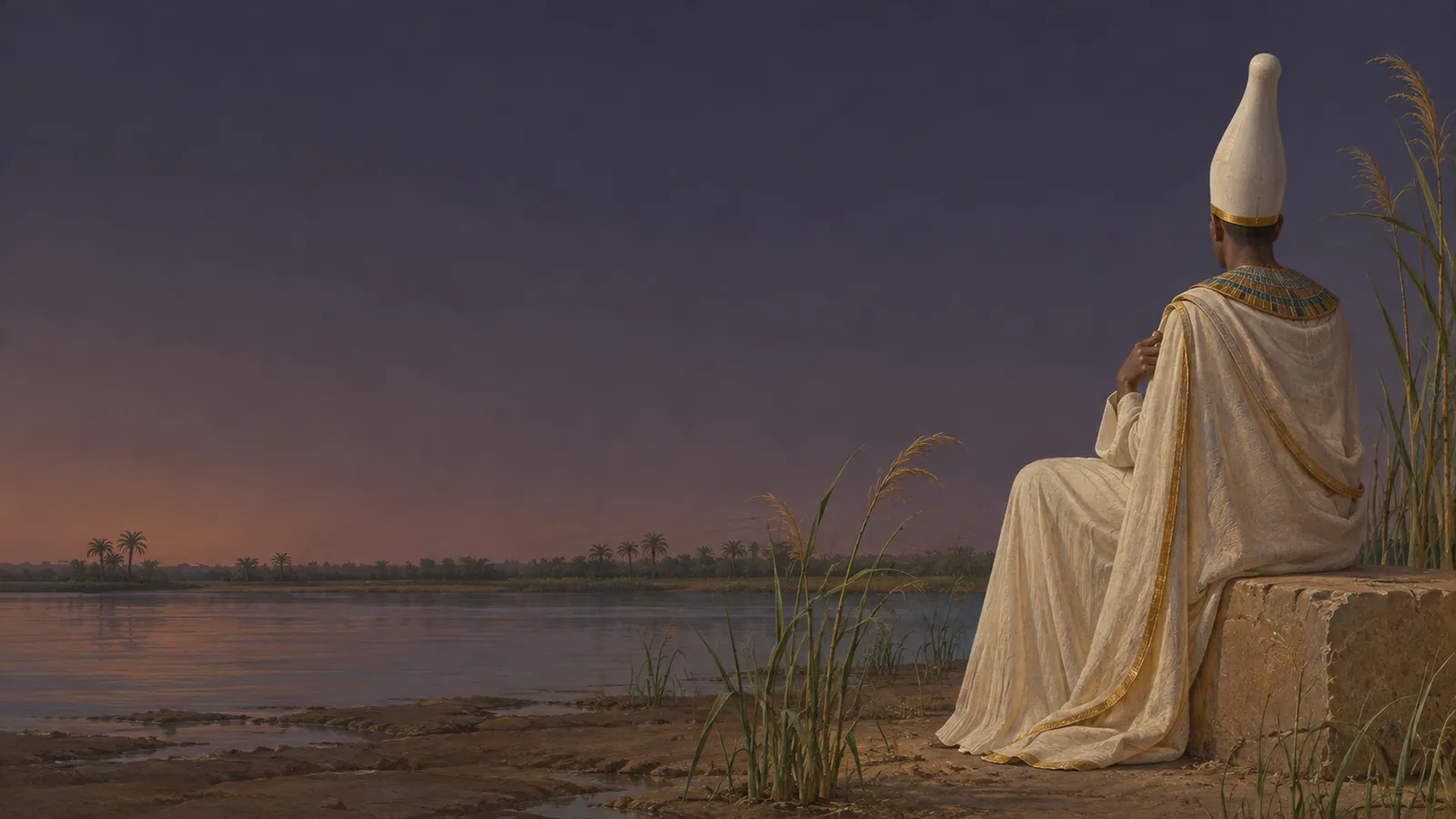
Der Sprecher sagt, er sei allein gewesen und habe einen Grund für sein Herz geschaffen. Budge gibt Wille als alternative Lesart an. Der Sprecher sagt dann, er habe eine Vielzahl von Dingen geschaffen.
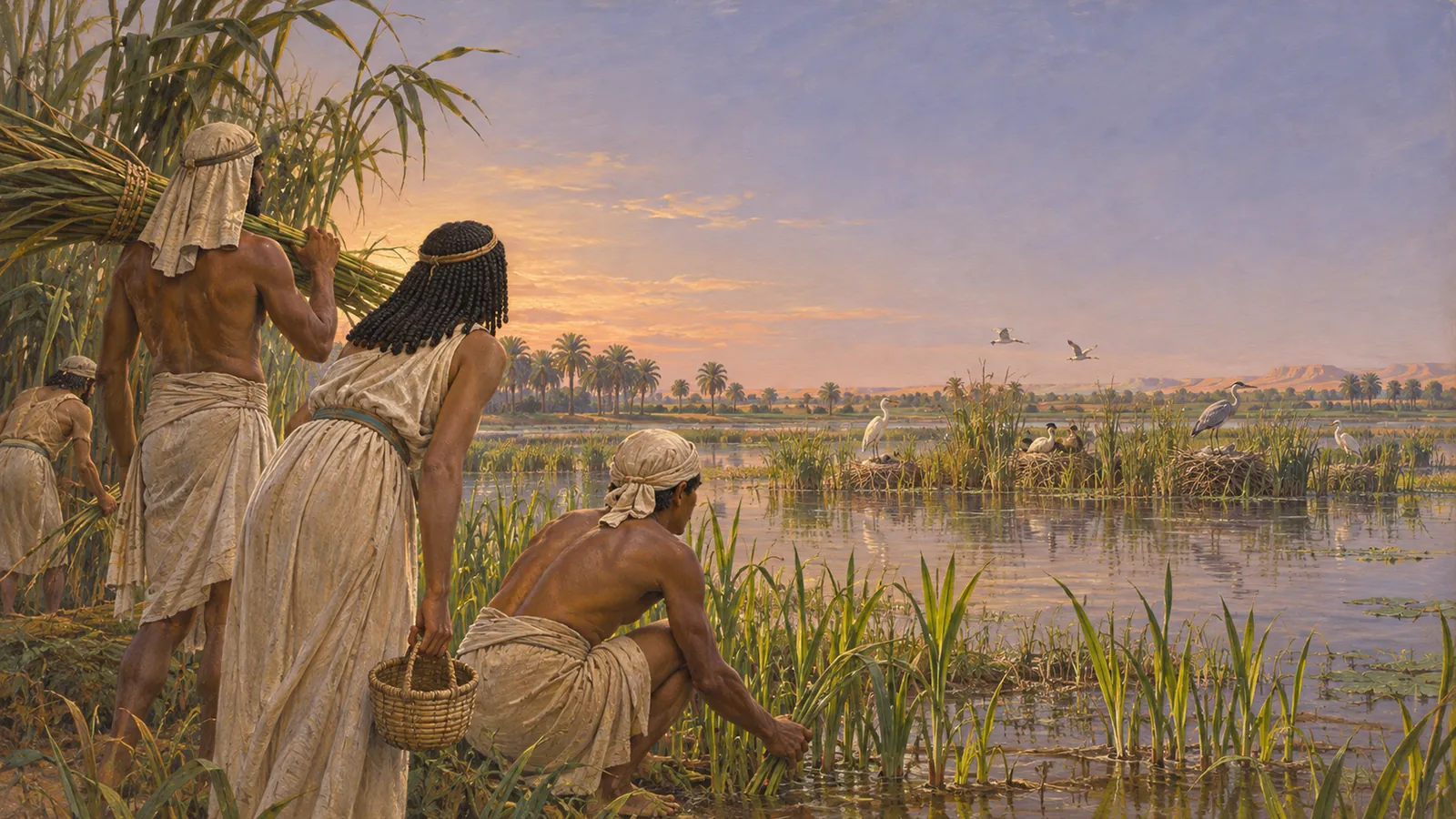
Der Sprecher sagt, die von ihm geschaffenen Dinge hätten sich selbst entwickelt, wie es Kheperas Formen taten. Er sagt, ihre Nachkommen seien durch ihre Geburten ins Dasein gekommen.
AUS EINEM DREI
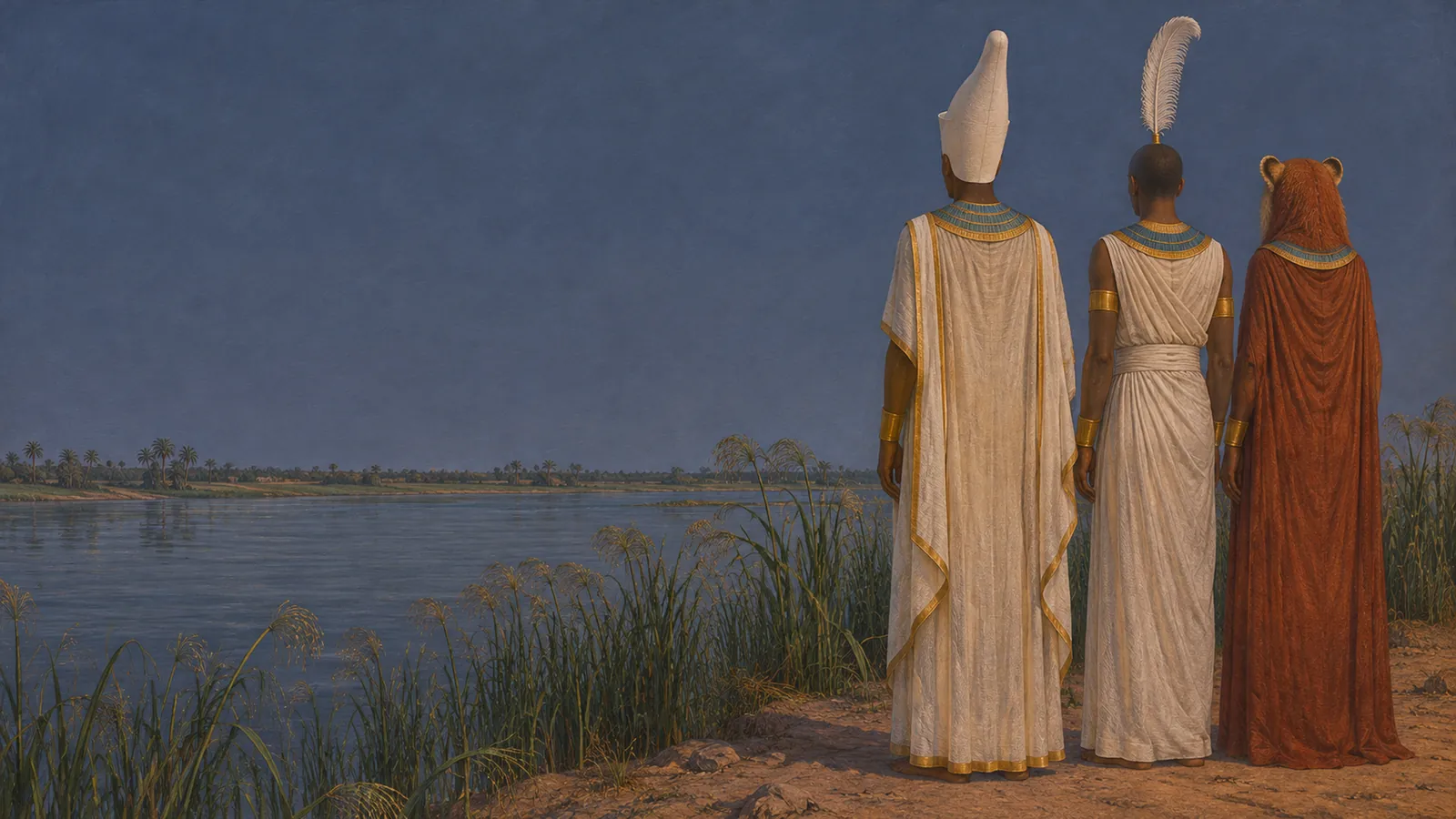
Der Sprecher sagt, er habe Schu und Tefnut aus sich hervorgebracht und sei von einem zu dreien geworden. Sie gingen aus ihm hervor und kamen auf der Erde ins Dasein.
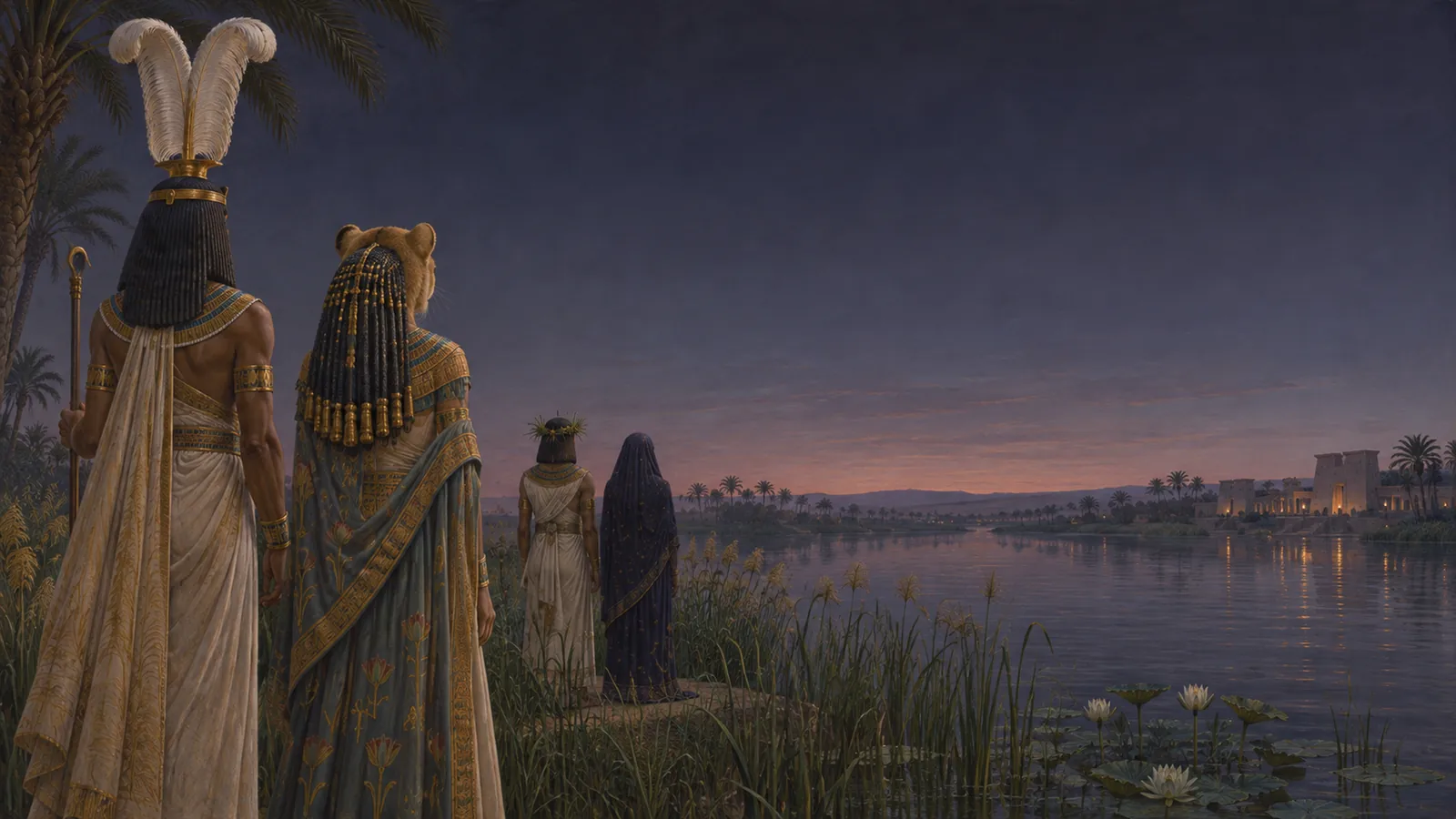
Im gedruckten Text stehen hier Auslassungspunkte. Danach heißt es, Schu und Tefnut hätten Seb und Nut hervorgebracht.
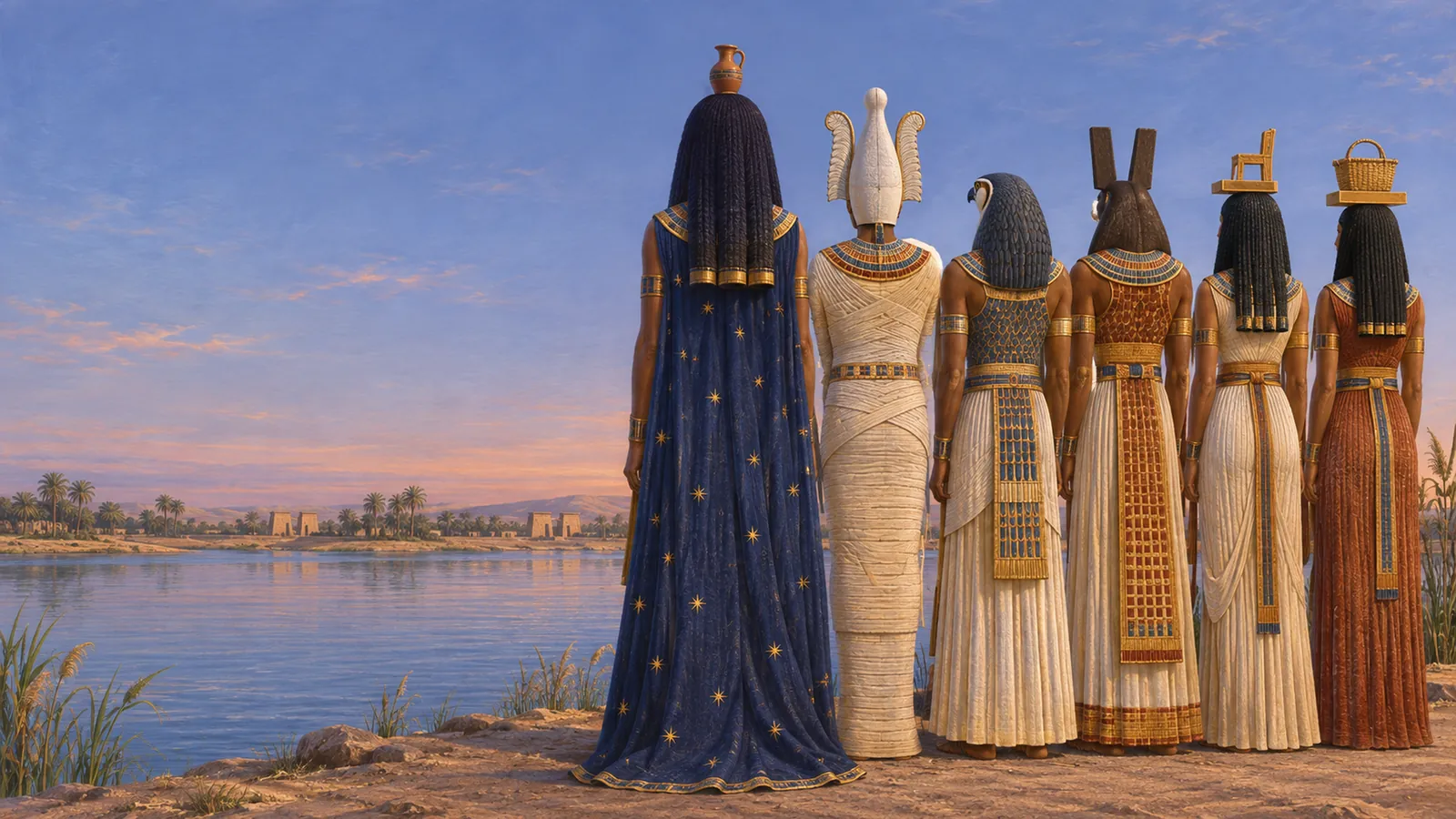
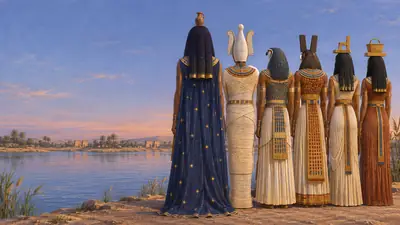
Die Rezitation endet mit der Aussage, dass Nut Osiris, Horus-khent-an-maa, Sut, Isis und Nephthya bei einer einzigen Geburt zur Welt brachte.
Ende von Kapitel 1
Alle Seiten




Quellen
A. Wallis Budge assigns to section III of the Papyrus of Nesi Amsu in Egyptian Ideas of the Future Life, third edition, 1908. The quoted text begins and ends at transcription lines 749–779. Budge’s introduction identifies the speaker and the papyrus.
Benutzte Editionen
- Egyptian Ideas of the Future Life, publication record
- Budge’s creation quotation, Chapter I
- Budge’s note 20 identifying British Museum No. 10188
- Budge’s note 21 on the papyrus
Hinweise zu dieser Nacherzählung
The speaker’s opening uses Budge’s repeated language of evolving and evolutions. The next clauses say that he assumes the form of Khepera’s transformations, which came into being at the beginning of time, and that he comes into being with them. The paraphrase keeps the opening statement about becoming and both roles of the transformations.
The speaker says twice that he developed from primeval matter, which he says he himself made. He names himself Ausares and calls himself the germ of primeval matter. Budge prints “Osiris” in parentheses after Ausares.
The speaker says he carried out his will in the earth, spread abroad, filled the earth and strengthened it with his hand. Budge brackets “with,” which connects the action to the hand.
The speaker says that he was alone because nothing had yet been brought forth, and that Shu and Tefnut had yet to come from him.
The speaker utters his own name from his own mouth as a word of power. He says he comes into being immediately.
The quotation again names the form of Khepera’s evolutions. It now describes the primeval matter as that which brought forth many forms from the beginning of time.
The speaker says that nothing existed on earth, that he made all things and that no other worked with him. He credits his making of all “evolutions” to the divine Soul he fashioned. This Soul had remained inactive in the watery abyss.
Finding no place to stand, the speaker says he is strong in his heart and makes a foundation for himself. He again claims to have made everything that was made. He then says he was alone and makes a foundation for his heart, where Budge gives “(or will)” as an alternative. The first mention of heart on line 768 has no alternative. The speaker then creates a multitude of things.
The things created develop themselves in the manner of the “evolutions” of Khepera and their offspring come into being through their births. The speaker brings forth Shu and Tefnut from himself, says that from One he became Three, and says that both sprang from him and came into existence on earth.
It resumes with the statement that Shu and Tefnut brought forth Seb and Nut.
Budge prints the names Osiris, Horus-khent-an-maa, Sut, Isis, and Nephthya in that order and says Nut brought them forth at one birth. This is the end of the printed quotation.
Die antiken Verse hinter jeder Seite
- Page 1: Budge 1908, Egyptian Ideas of the Future Life, ch. I, Papyrus of Nesi Amsu, creation quotation (local)
- Page 2: Budge 1908, Egyptian Ideas of the Future Life, ch. I, Papyrus of Nesi Amsu, creation quotation (local)
- Page 3: Budge 1908, Egyptian Ideas of the Future Life, ch. I, Papyrus of Nesi Amsu, creation quotation (local)
- Page 4: Budge 1908, Egyptian Ideas of the Future Life, ch. I, Papyrus of Nesi Amsu, creation quotation (local)
- Page 5: Budge 1908, Egyptian Ideas of the Future Life, ch. I, Papyrus of Nesi Amsu, creation quotation (local)
- Page 6: Budge 1908, Egyptian Ideas of the Future Life, ch. I, Papyrus of Nesi Amsu, creation quotation (local)
- Page 7: Budge 1908, Egyptian Ideas of the Future Life, ch. I, Papyrus of Nesi Amsu, creation quotation (local)
- Page 8: Budge 1908, Egyptian Ideas of the Future Life, ch. I, Papyrus of Nesi Amsu, creation quotation (local)
- Page 9: Budge 1908, Egyptian Ideas of the Future Life, ch. I, Papyrus of Nesi Amsu, creation quotation (local)
- Page 10: Budge 1908, Egyptian Ideas of the Future Life, ch. I, Papyrus of Nesi Amsu, creation quotation (local)
- Page 11: Budge 1908, Egyptian Ideas of the Future Life, ch. I, Papyrus of Nesi Amsu, creation quotation (local)
- Page 12: Budge 1908, Egyptian Ideas of the Future Life, ch. I, Papyrus of Nesi Amsu, creation quotation (local)
- Page 13: Budge 1908, Egyptian Ideas of the Future Life, ch. I, Papyrus of Nesi Amsu, creation quotation (local)
- Page 14: Budge 1908, Egyptian Ideas of the Future Life, ch. I, Papyrus of Nesi Amsu, creation quotation (local)
- Page 15: Budge 1908, Egyptian Ideas of the Future Life, ch. I, Papyrus of Nesi Amsu, creation quotation (local)
- Page 16: Budge 1908, Egyptian Ideas of the Future Life, ch. I, Papyrus of Nesi Amsu, creation quotation (local)
Illustrationen von IL Archive mit KI-Werkzeugen; der Text folgt den antiken Quellen (siehe die Quellen am Ende jedes Kapitels).