Zakkur in Hadrach Kapitel 1
Die Bitte in Hadrach
In einer altaramäischen Königsinschrift schildert Zakkur, wie er in Hadrach um Hilfe bittet und durch Seher und Boten eine Antwort erhält. Die Lesung folgt fünf von Collin Cornell übersetzten Zeilen bis zu Baalšamens Versprechen von Beistand und Rettung.
QuellenBlättern Sie mit den Pfeilen, den Pfeiltasten oder durch Wischen.
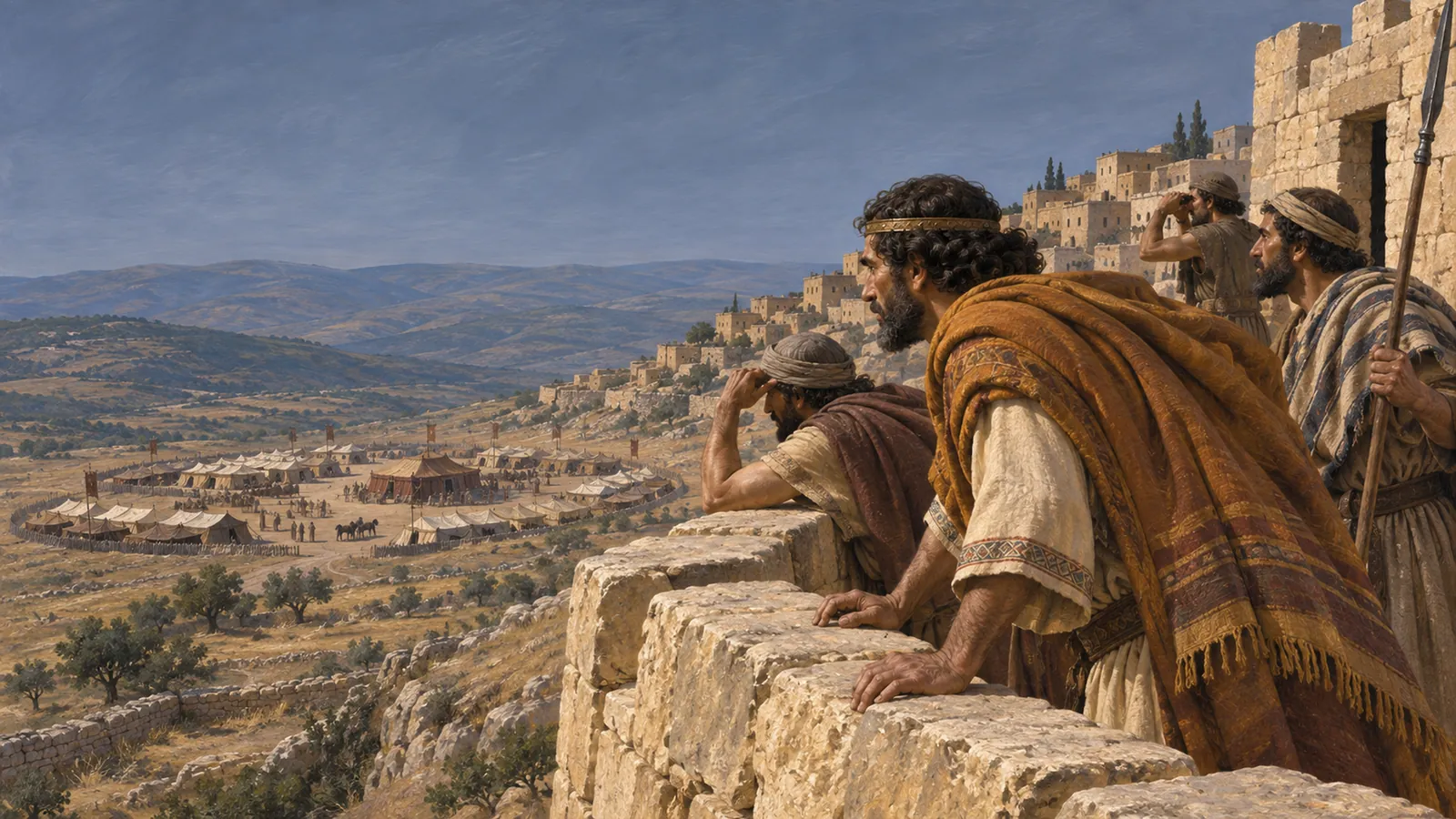
HADRACH
Collin Cornell stellt Zakkur als König von Hamath und Lu’ash vor. Seiner Darstellung der altaramäischen Inschrift zufolge belagert eine Gruppe von Königen Zakkur in Hadrach.
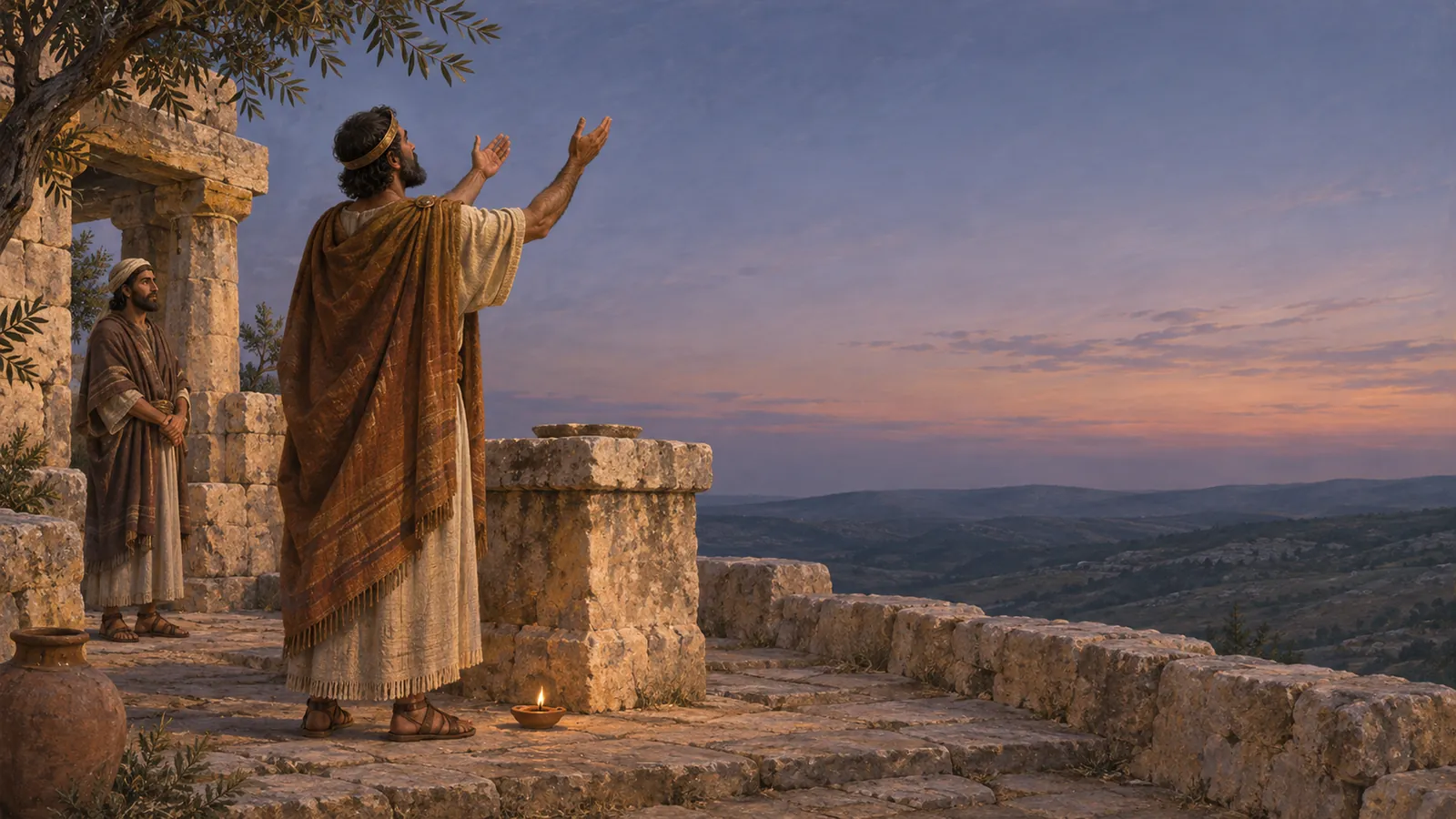
Zu Beginn des Ausschnitts sagt Zakkur, er habe seine Hände zu Baalšamen erhoben, um ihn um Hilfe zu bitten.
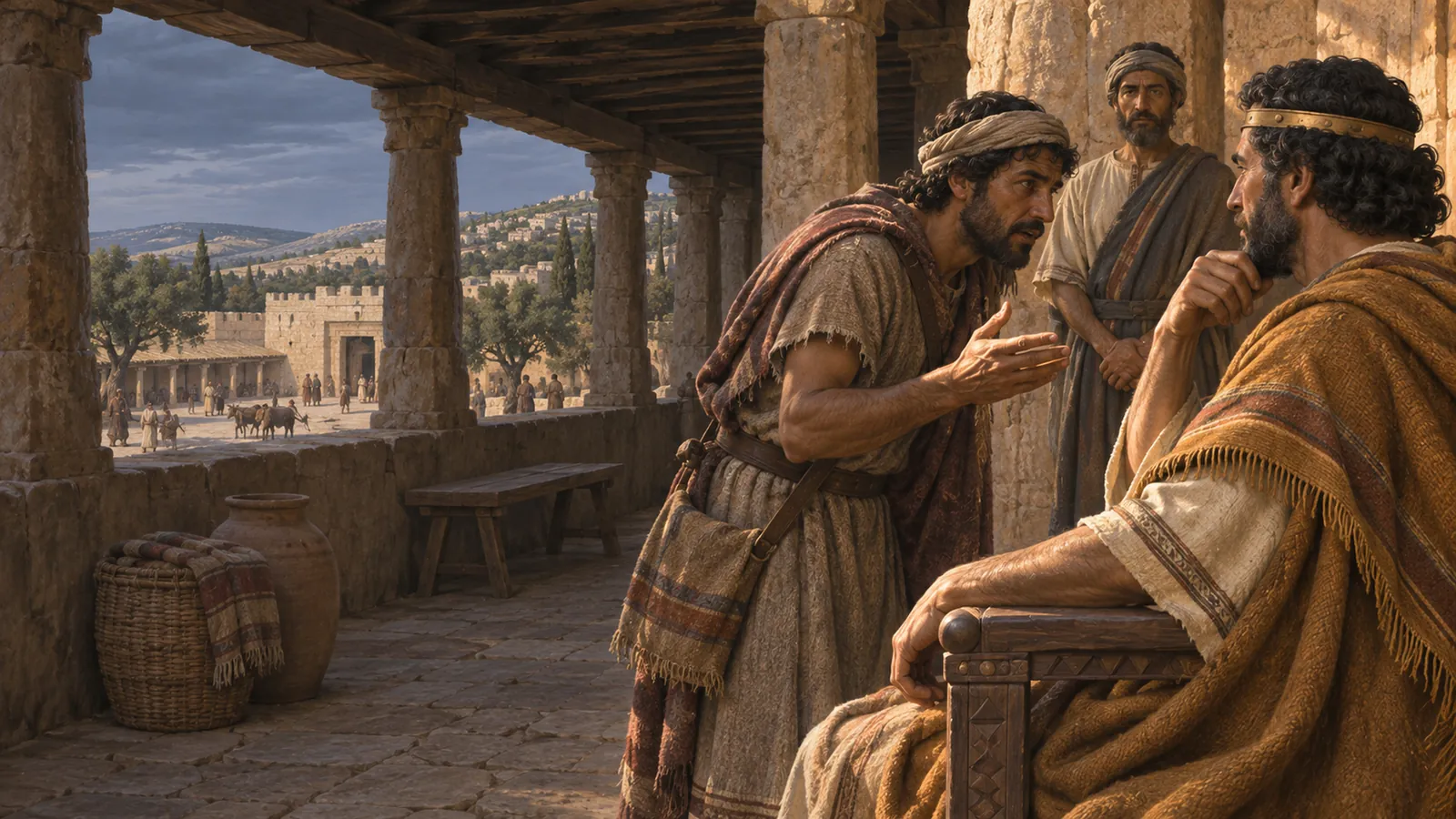
Zakkur sagt, Baalšamen habe sein Bitten erhört und durch Seher und durch Boten zu ihm gesprochen.
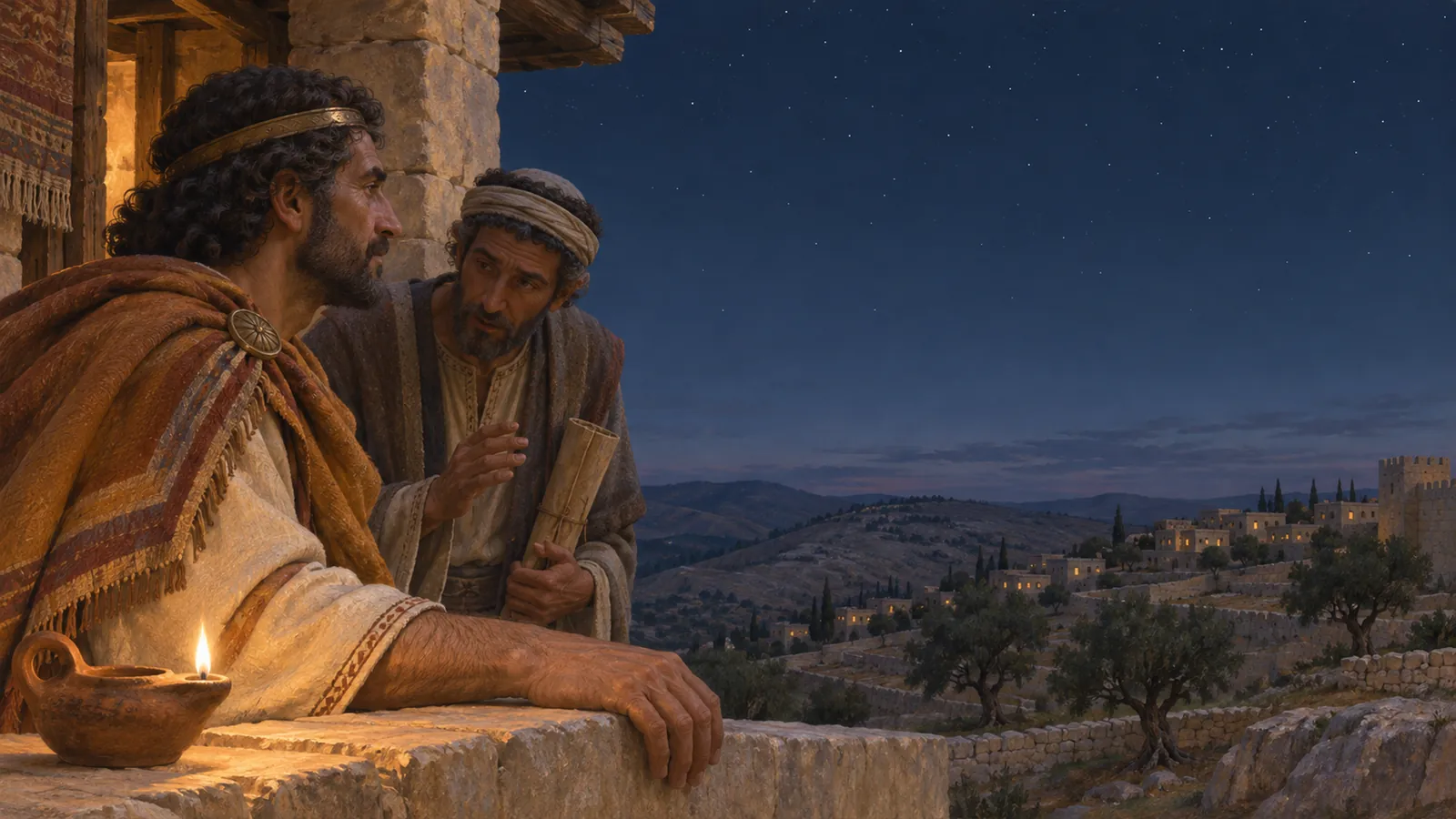
Baalšamen sagt Zakkur, er solle sich nicht fürchten. Zur Begründung sagt der Gott, er habe Zakkur zum König gemacht.
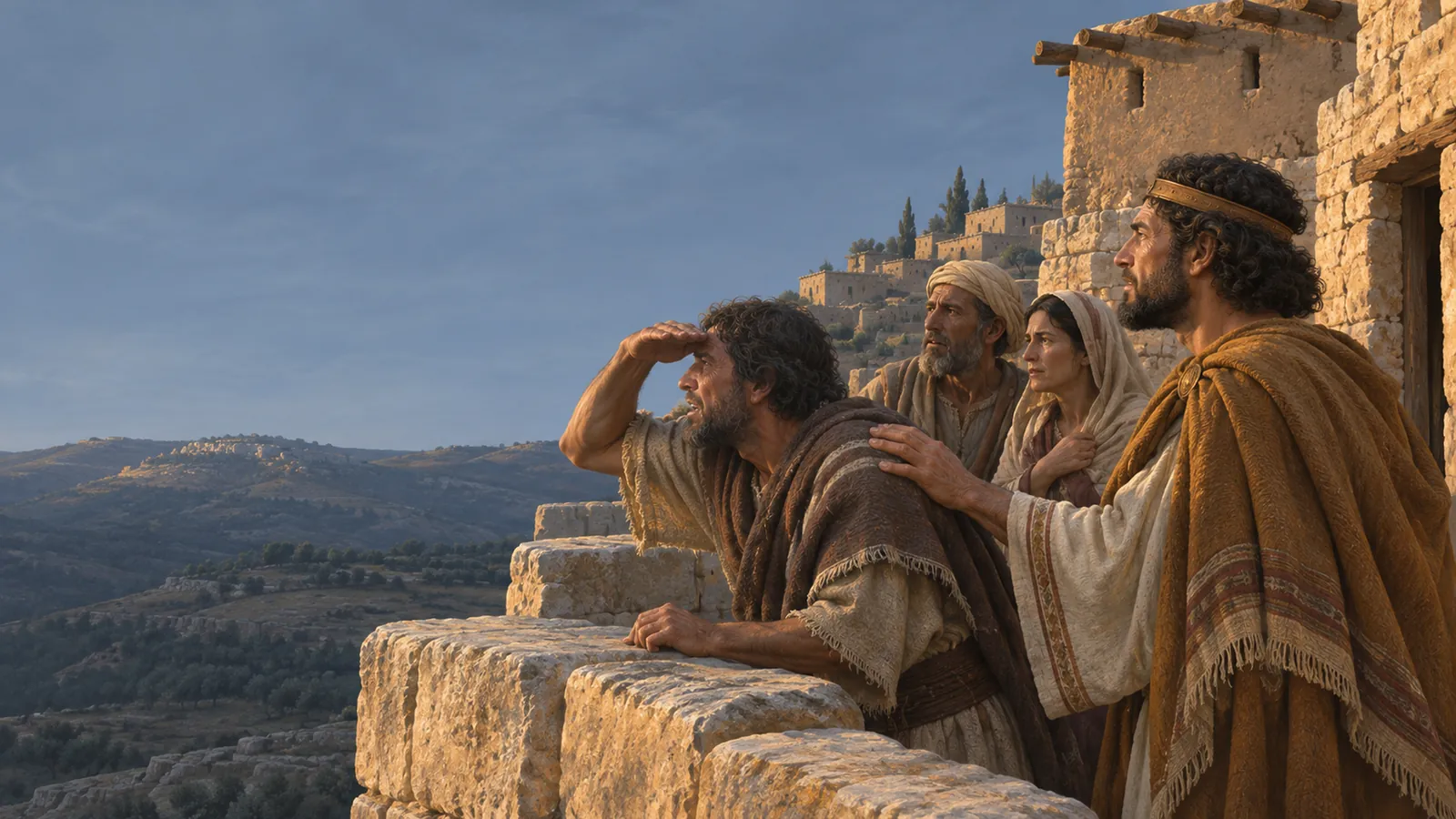
Im nächsten Teil der Antwort sagt Baalšamen zu Zakkur, dass er ihm zur Seite stehen werde.
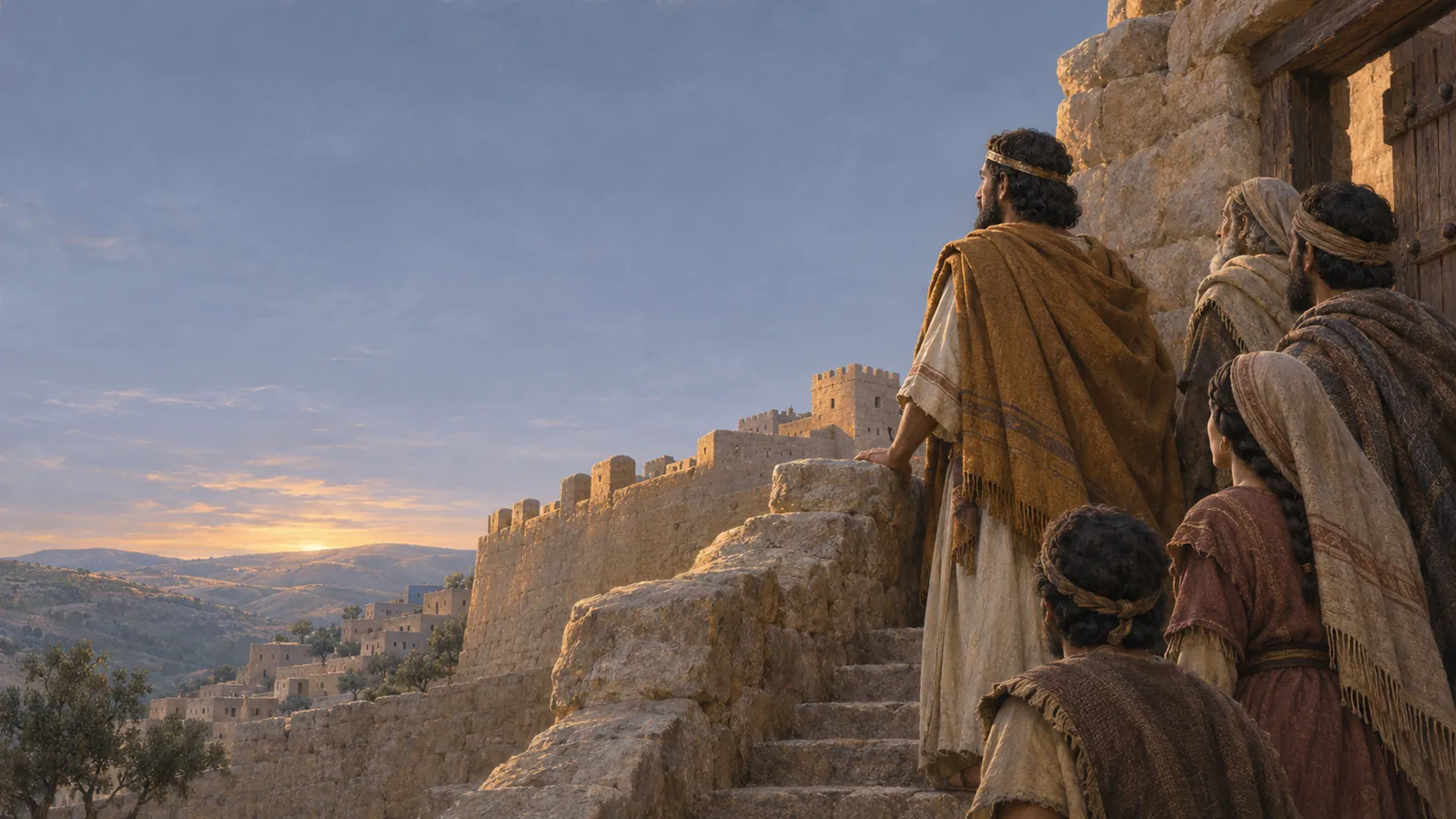
DAS VERSPRECHEN
Baalšamen verspricht, Zakkur vor allen Königen zu retten, die ihn belagern. Die ausgewählten Zeilen enden mit diesem Versprechen.
Ende von Kapitel 1
Alle Seiten




Quellen
13. Its opening gives the king and siege context from Cornell’s prose. The inscription presents the appeal and the answer as the king’s report. The reading stops with the promise of rescue at the end of the selected lines.
Benutzte Editionen
- Collin Cornell, The Value of Egyptian Aramaic for Biblical Studies, Journal of Biblical and Theological Studies 7.1 (2022)
- Cornell, printed p. 13, the excerpt of Zakkur lines 11–15
- Cornell, p. 14, adjoining interpretation
Hinweise zu dieser Nacherzählung
Page 1, Cornell’s opening context. Before quoting the passage, Cornell identifies Zakkur as king of Hamath and Lu’ash and describes a coalition of kings besieging him at Hadrach. Cornell places the dedication to Iluwer at apparently Aphis elsewhere in his discussion.
Page 2, lines 11–15, appeal. The first clause of the quoted passage has Zakkur recount raising his hands to Baalšamen.
Page 3, lines 11–15, answer. Zakkur says the god answered and spoke by means of seers and messengers. The passage gives neither individuals’ names nor the setting of their messages.
Page 4, lines 11–15, reassurance. In Zakkur’s report, the god tells him to set aside fear and cites having made him king as the reason.
Page 5, lines 11–15, support. The next clause promises that the god will stand with him. It belongs to the reported reply.
Page 6, lines 11–15, rescue promised. The final clause promises to save Zakkur from all the kings who besieged him. The selected text ends on the promise.
Die antiken Verse hinter jeder Seite
- Page 1: Cornell, JBTS 7.1 (2022), p. 13, Zakkur Inscription, opening context, immediately before lines 11–15
- Page 2: Cornell, JBTS 7.1 (2022), p. 13, Zakkur Inscription, lines 11–15, opening clause
- Page 3: Cornell, JBTS 7.1 (2022), p. 13, Zakkur Inscription, lines 11–15, mediation of the reply
- Page 4: Cornell, JBTS 7.1 (2022), p. 13, Zakkur Inscription, lines 11–15, opening of the reported reply
- Page 5: Cornell, JBTS 7.1 (2022), p. 13, Zakkur Inscription, lines 11–15, pledge of support
- Page 6: Cornell, JBTS 7.1 (2022), p. 13, Zakkur Inscription, lines 11–15, end of the reported reply
Illustrationen von IL Archive mit KI-Werkzeugen; der Text folgt den antiken Quellen (siehe die Quellen am Ende jedes Kapitels).