Entidad
Prometeo
Página de referencia que vincula un nombre, grupo o concepto con los materiales que lo tratan.
Traducción automática. Lea el original en inglés.
Figura divina griega que aconseja y protege a los seres humanos en algunos relatos sobre Deucalión.
Última revisión:
Texto
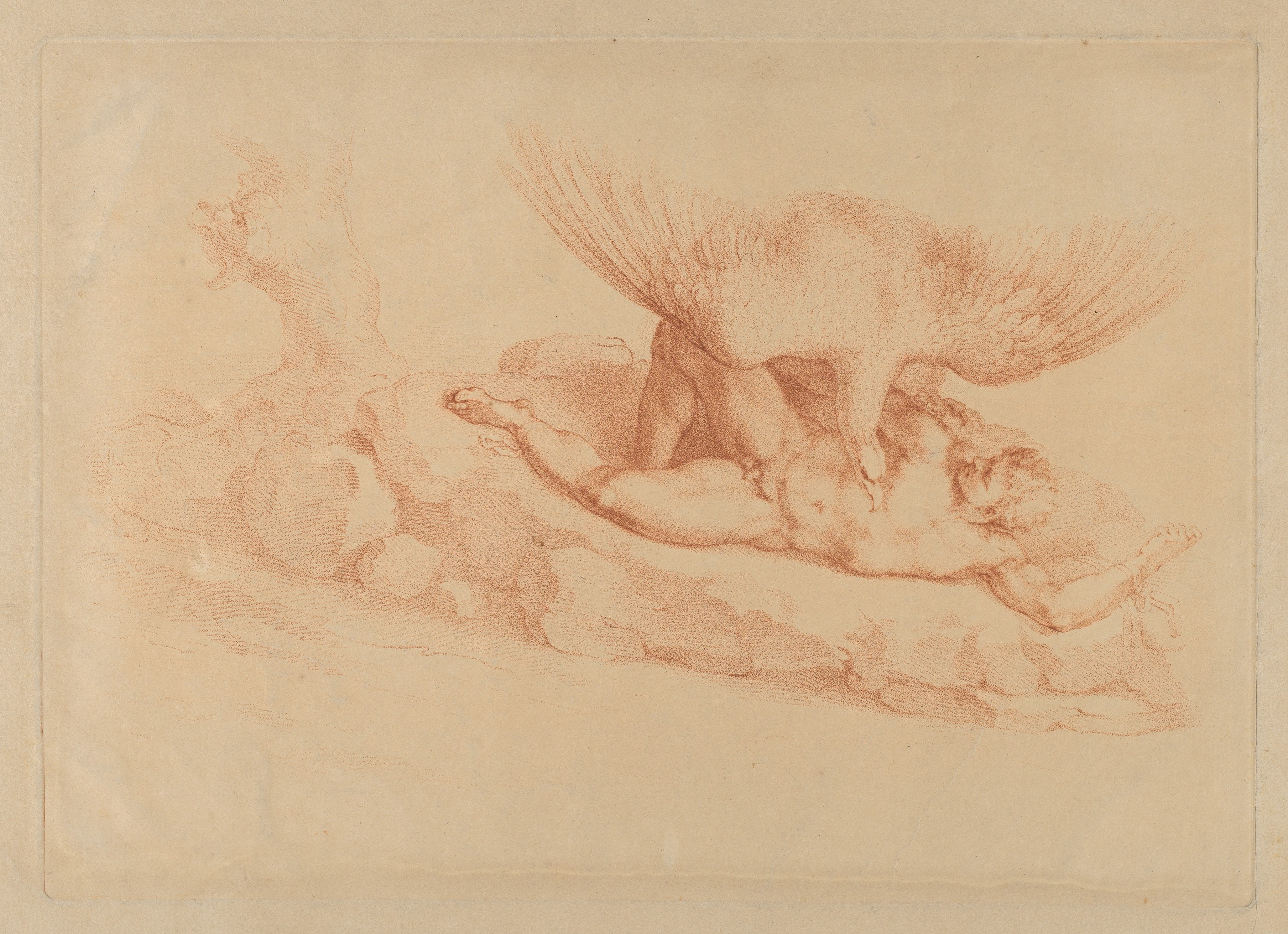
Prometeo es una figura divina griega citada como padre de DeucaliónDeucalión en las tradiciones griegas del diluvioDeucalion and Pyrrha in Greek and Latin flood accounts: genealogy, survival, stone-born people, local traditions and Near Eastern parallels, with attention to variant sources and dates.Glosario · Pulse para leer la explicación en el Catálogo de mujeresCatálogo hesiódico de mujeresGreek genealogical poem, mostly lost, whose fragments preserve Deucalion’s family and Greek lineages.Glosario · Pulse para leer la explicación. En la BibliotecaBiblioteca, colección mitográfica griegaGreek work by an unknown author, probably late first or second century CE, organizing divine and heroic genealogies.Glosario · Pulse para leer la explicación aconseja a su hijo antes de la catástrofe, lo que conduce al cofre, a las provisiones y al rescate junto con PirraPirra en el relato del diluvio de DeucaliónGreek figure surviving with Deucalion and associated with humanity’s renewal from stones.Glosario · Pulse para leer la explicación. [1][2]
Los fragmentos cómicos de EpicarmoEpicarmo, poeta cómico griegoComic poet active in the early fifth century BCE, whose fragments preserve an early Pyrrha and Deucalion treatment.Glosario · Pulse para leer la explicación muestran una respuesta distinta a este consejero: Pirra sospecha una trampa para sacarlos de casa y robarles sus posesiones. DixonDustin W. DixonScholar of ancient drama and fragmentary texts, associate professor of Classics at Grinnell College.Glosario · Pulse para leer la explicación lee esto frente a la reputación de Prometeo como embaucador y benefactor de la humanidad. [3]
Referencias y notas
- Hesiodic Catalogue of Women, Evelyn-White fragments 1–5, 1914: surviving English quotations, not the whole lost work. Hesiodic Catalogue of Women, Evelyn-White fragments 1–5, 1914: surviving English quotations, not the whole lost work. Volver al texto ↑
- Pseudo-Apollodorus, Library 1.7.2, Greek and James George Frazer’s 1921 English translation: complete section. Pseudo-Apollodorus, Library 1.7.2, Greek and James George Frazer’s 1921 English translation: complete section. Volver al texto ↑
- Dustin W. Dixon, Myth-making in Greek and Roman Comedy, Boston University PhD, 2015, pp. 128–135, PDF pages 139–146, and early-career discussion p. 54: selected reading, not the entire thesis. Dustin W. Dixon, Myth-making in Greek and Roman Comedy, Boston University PhD, 2015, pp. 128–135, PDF pages 139–146, and early-career discussion p. 54: selected reading, not the entire thesis. Volver al texto ↑
Proponer una corrección · Proponga una fuente para este registro
Citar este registro
IL Archive, «Prometeo», https://ilarchive.com/es/entities/prometheus-greek-divine-helper
Seguir leyendo