Entity
Prometheus
A reference page linking a name, group, or concept to the materials that discuss it.
Greek divine figure advising and protecting humans in some Deucalion accounts.
Last reviewed:
Text
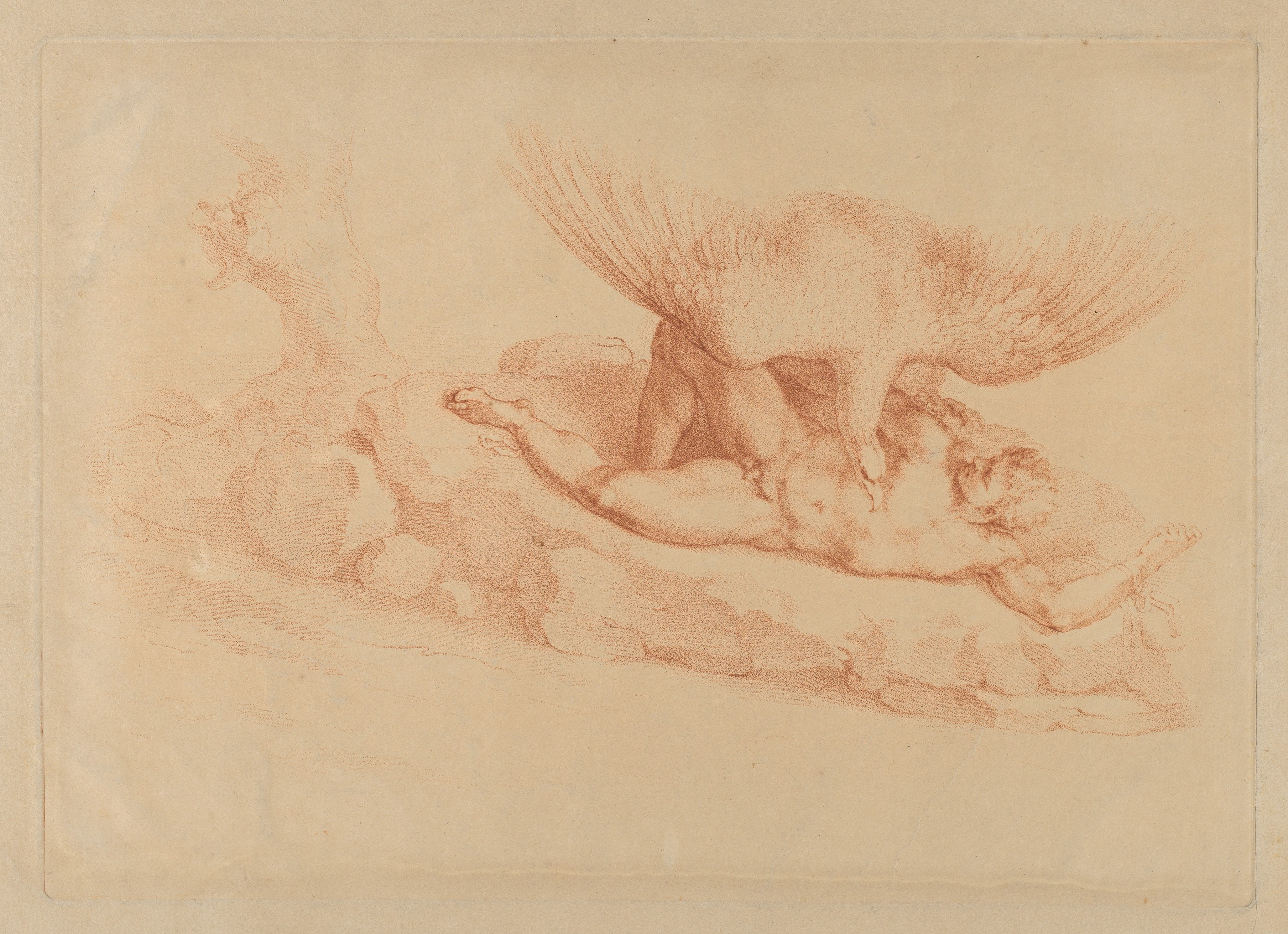
Prometheus is a Greek divine figure named as DeucalionDeucalion in Greek Flood TraditionsDeucalion and Pyrrha in Greek and Latin flood accounts: genealogy, survival, stone-born people, local traditions and Near Eastern parallels, with attention to variant sources and dates.Glossary · Click to read the explanation’s father in the Catalogue of WomenHesiodic Catalogue of WomenGreek genealogical poem, mostly lost, whose fragments preserve Deucalion’s family and Greek lineages.Glossary · Click to read the explanation. In the LibraryBibliotheca, Greek mythographic collectionGreek work by an unknown author, probably late first or second century CE, organizing divine and heroic genealogies.Glossary · Click to read the explanation he advises his son before the catastrophe, leading to the chest, provisions and rescue with PyrrhaPyrrha in Deucalion’s flood storyGreek figure surviving with Deucalion and associated with humanity’s renewal from stones.Glossary · Click to read the explanation. [1][2]
EpicharmusEpicharmus, Greek comic poetComic poet active in the early fifth century BCE, whose fragments preserve an early Pyrrha and Deucalion treatment.Glossary · Click to read the explanation’s comic fragments show a different response to this adviser: Pyrrha suspects a trick to remove them from home and steal their possessions. DixonDustin W. DixonScholar of ancient drama and fragmentary texts, associate professor of Classics at Grinnell College.Glossary · Click to read the explanation reads this against Prometheus’s reputation as both trickster and human benefactor. [3]
References and notes
- Hesiodic Catalogue of Women, Evelyn-White fragments 1–5, 1914: surviving English quotations, not the whole lost work. Hesiodic Catalogue of Women, Evelyn-White fragments 1–5, 1914: surviving English quotations, not the whole lost work. Return to the text ↑
- Pseudo-Apollodorus, Library 1.7.2, Greek and James George Frazer’s 1921 English translation: complete section. Pseudo-Apollodorus, Library 1.7.2, Greek and James George Frazer’s 1921 English translation: complete section. Return to the text ↑
- Dustin W. Dixon, Myth-making in Greek and Roman Comedy, Boston University PhD, 2015, pp. 128–135, PDF pages 139–146, and early-career discussion p. 54: selected reading, not the entire thesis. Dustin W. Dixon, Myth-making in Greek and Roman Comedy, Boston University PhD, 2015, pp. 128–135, PDF pages 139–146, and early-career discussion p. 54: selected reading, not the entire thesis. Return to the text ↑
Suggest a correction · Suggest a source for this record
Cite this record
IL Archive, «Prometheus», https://ilarchive.com/en/entities/prometheus-greek-divine-helper
Continue reading