An introduction to the archive
Who is El?
A name that crossed millennia: a journey through languages, names, and texts, from the earliest Semitic evidence to conceptions of God whose influence remains present today.
Share article
The name that crossed millennia
ElohimElohimA Hebrew word with plural morphology, used for “gods” or for a singular deity according to context.Glossary · Click to read the explanation in the HebrewHebrewA Northwest Semitic language in the Canaanite group, with ancient and modern forms.Glossary · Click to read the explanation Bible, AlahaAlahaA Syriac word for God or a deity, part of the related Semitic divine vocabulary.Glossary · Click to read the explanation in SyriacSyriacA literary form of Aramaic, with an extensive Christian heritage and earlier non-Christian attestations.Glossary · Click to read the explanation, and ilah and Allah in Arabic. Among these words, an ancient element remains present in names still familiar today: MichaelMichael / MīkālTheophoric name asking who is like God; borne by humans and a heavenly figure in Daniel. It establishes no former Canaanite deity.Glossary · Click to read the explanation, GabrielGabriel / JibrīlName joining El with an element involving man or strength; interpreter in Daniel, messenger in Luke, named Jibrīl in the Qurʾan.Glossary · Click to read the explanation, RaphaelRaphael / RephaelTheophoric name from healing and El; human Rephael in Chronicles and angel Raphael in Tobit. Distinct from Israfil, whose etymology is a separate question.Glossary · Click to read the explanation, UrielUrielName joining El to an element interpreted as light or fire; human in Chronicles, heavenly figure in Enoch. No Ugaritic divine origin established.Glossary · Click to read the explanation, Daniel, Ishmael, and Israel. The element we hear at the end of these names is no coincidence of sound. It is ElSemitic ilAn ancient Semitic word for a deity; its linguistic use does not alone identify a particular divine figure.Glossary · Click to read the explanation.
Many names of this kind functioned as small religious sentences: a question, a prayer, or an expression of a relationship with a deity. Michael means approximately “Who is like El?”, Raphael “El has healed”, and Daniel “El is my judge.” Gabriel combines an element associated with strength with the divine element; explanations include “man of God” and “God is my strength.” We return to the names and their meanings below. [10]
Some of these names remained in Judaism, Christianity, and Islam, although the figures and traditions associated with them differ. Hebrew texts use El itself as a word for God. Qurʾanic Arabic uses Allah and ilah while preserving the older element in names such as Jibril, Mikaʾil, and Ismaʿil. This is a linguistic relationshipLinguistic relatednessA relationship through shared linguistic ancestry, distinct from direct borrowing or identical beliefs.Glossary · Click to read the explanation and a history of names, not proof that religious conceptions remained identical. [1]
Where did El come from? How far back can the evidence take us? How do we distinguish a word meaning “god” from the name of a particular god? These questions begin our journey.
Before writing: what we know and what we do not
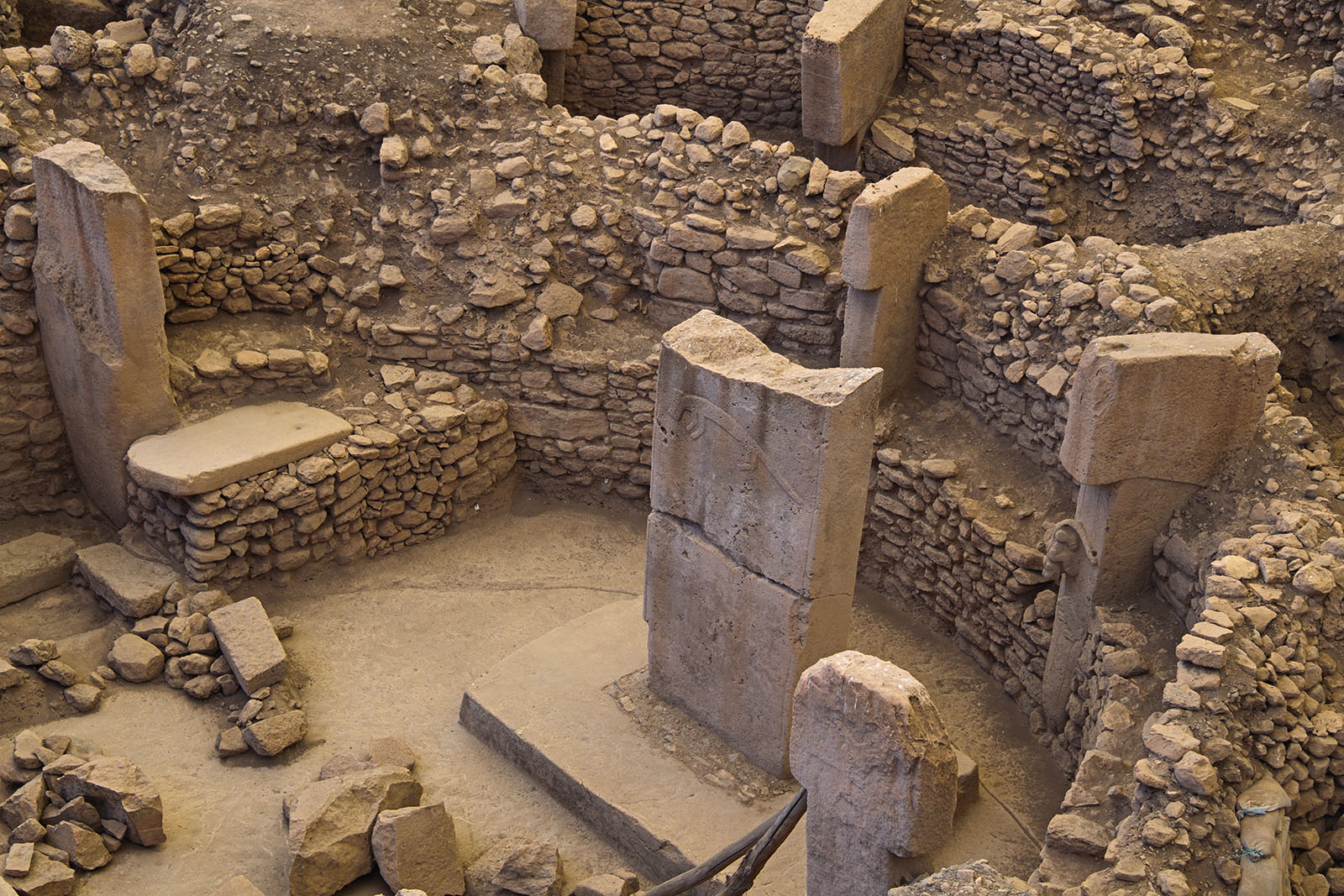
We do not know what prehistoric people called what they considered sacred. Archaeology can uncover a grave, a building with a ritualRitualAn organised or distinguished practice meaningful to a community; it may leave traces, but its form alone does not reveal an associated doctrine.Glossary · Click to read the explanation component, a figurineFigurineSmall three-dimensional representations of people, animals or other beings. Size and appearance alone do not establish a toy, portrait, ritual object or deity; manufacture, discovery context and use require study.Glossary · Click to read the explanation, or a pillar with human features. It cannot recover the word spoken by the people who made them unless writing preserves it. We therefore cannot attribute the name El to the builders of Göbekli TepeGöbekli TepeA Neolithic site in southeastern Turkey, known for communal buildings and T-shaped pillars; the excavation team describes a settlement with a pronounced ritual component.Glossary · Click to read the explanation or the inhabitants of ÇatalhöyükÇatalhöyükA Neolithic site in central Anatolia where domestic houses combined dwelling with burial, symbolism and social memory.Glossary · Click to read the explanation. Even identifying a representation as a deity or a sacred ancestor requires contextual evidence. [15]
Comparative linguistics offers a different window. Related words in Semitic languagesSemitic languagesA language family including Akkadian, Ugaritic, Hebrew, Aramaic and Arabic.Glossary · Click to read the explanation can be compared in sound and structure to reconstruct an earlier common form. The Proto-SemiticProto-SemiticThe reconstructed common ancestor of the historically known Semitic languages.Glossary · Click to read the explanation *ʾil-, associated with the meaning “god”, is such a reconstruction. The asterisk matters: it marks a reconstructed formLinguistic reconstructionA comparative method for inferring forms in an older language from related languages.Glossary · Click to read the explanation, not a character read in an excavated inscription. [4]
This common origin makes an oral history older than the surviving written evidence probable. It does not establish when the word arose or prove that a Stone Age community worshipped the figure later called El. The history of a word, the date of a witness, and the history of a belief are related questions, but they are distinct.
Mesopotamia: ilu more than four thousand years ago
In MesopotamiaMesopotamiaA historical region associated with the Tigris and Euphrates, home to many societies and civilisations.Glossary · Click to read the explanation, AkkadianAkkadianAn ancient East Semitic language written in cuneiform in Mesopotamia.Glossary · Click to read the explanation, one of the earliest written Semitic languages, enters the record in the third millennium BCE. It has iluAkkadian iluThe Akkadian word for “god”; its occurrence does not automatically identify the deity El.Glossary · Click to read the explanation, meaning “god”, and forms such as ilum and ilim, depending on inflection and grammatical position. Specialist dictionaries document the word's meanings and attestations without treating every occurrence as the name of one divine figure. [4]
This distinction is essential. Ilu in an Akkadian text does not mean that we have found the Ugaritic El with all his attributes and myths. The word can function as a common nounCommon nounA word naming a class of things, such as “god”, rather than one particular individual.Glossary · Click to read the explanation, as ilah does in Arabic. El as a proper nameProper nameA name identifying a particular individual, place or other entity.Glossary · Click to read the explanation requires a context identifying its referent. The distinction can be difficult, particularly within a personal name.
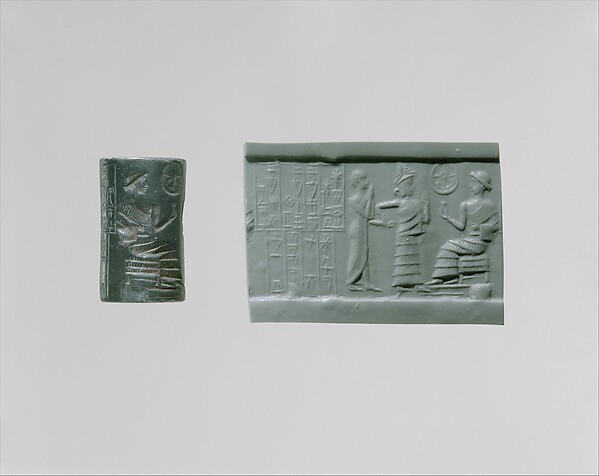
A material example of the divine element in personal names is a seal belonging to Ilum-bani, dated by The Met to approximately 2028–2004 BCE, during the reign of Ibbi-Sin, the last king of the Third Dynasty of Ur. Its inscription identifies the owner. The seal's scene must not be presented as a verified portrait of El. The name is linguistic evidence; the image is another kind of evidence requiring its own interpretation. [3]
Ebla: northern Syria, approximately 2400–2300 BCE
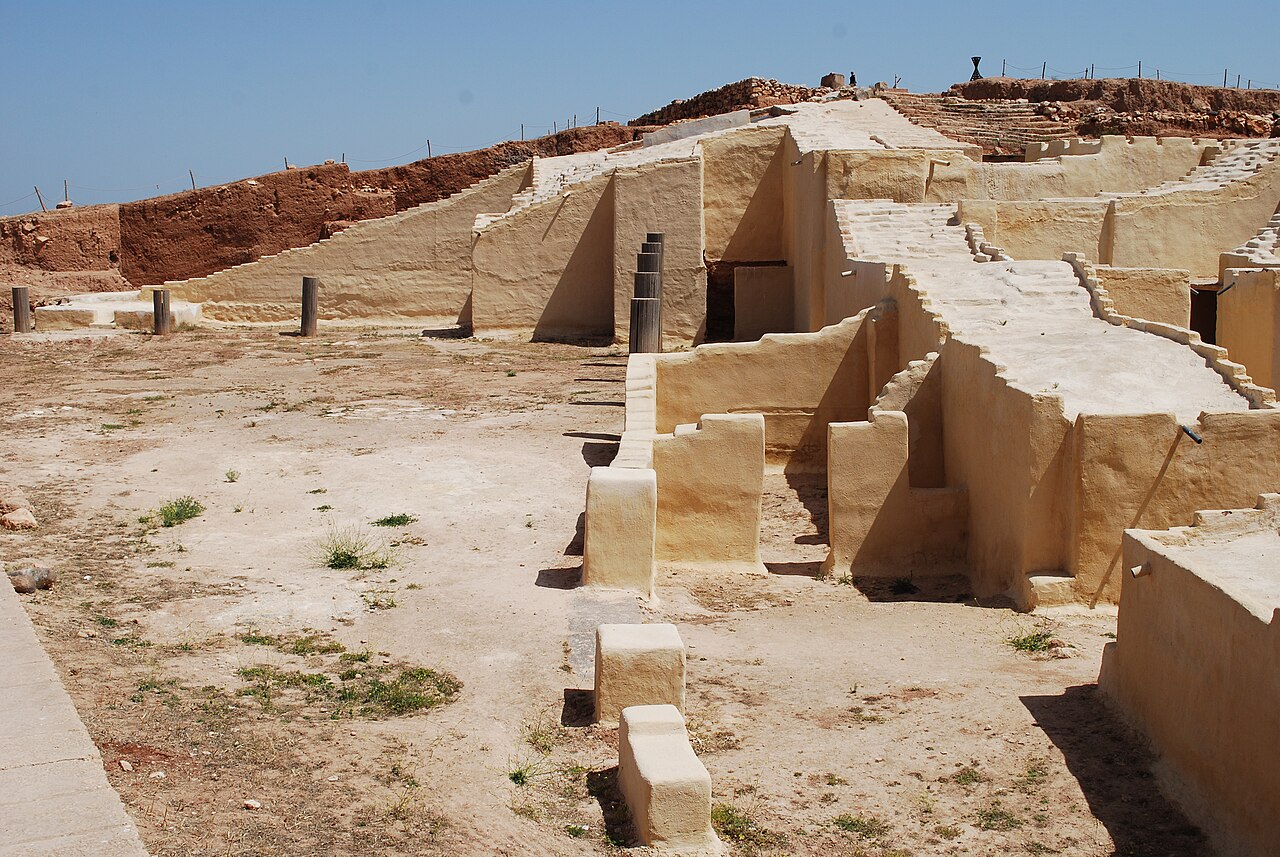
Westward we reach EblaEblaAn ancient city at Tell Mardikh in Syria, known for its third-millennium BCE tablet archive.Glossary · Click to read the explanation, whose remains lie at Tell Mardikh southwest of Aleppo. Palace G preserved a major archive of cuneiformCuneiformWriting with wedge-shaped signs, developed from Mesopotamian recording traditions and used for several languages from the third millennium BCE.Glossary · Click to read the explanation tablets, an important portion of which dates to the twenty-fourth and twenty-third centuries BCE. We encounter identifiable people and names preserved in the documents of a third-millennium Syrian city. [5]
The element Il appears in Eblaite personal names. Alfonso Archi devoted a chapter to it entitled “Il in the Personal Names.” This reference identifies the specialist discussion; checking the chapter's title and bibliographical details alone does not justify attributing a detailed conclusion to it. [6]
The question remains: in a particular name, does the element mean “god” generally, or a specific deity called El? Not every name permits a single answer. We therefore do not treat every Eblaite occurrence as automatic evidence for the Ugaritic deity. Ebla's value lies in the age of its documents and the opportunity to examine each name within its language and context.
Amorites and Mari: the name in people's lives
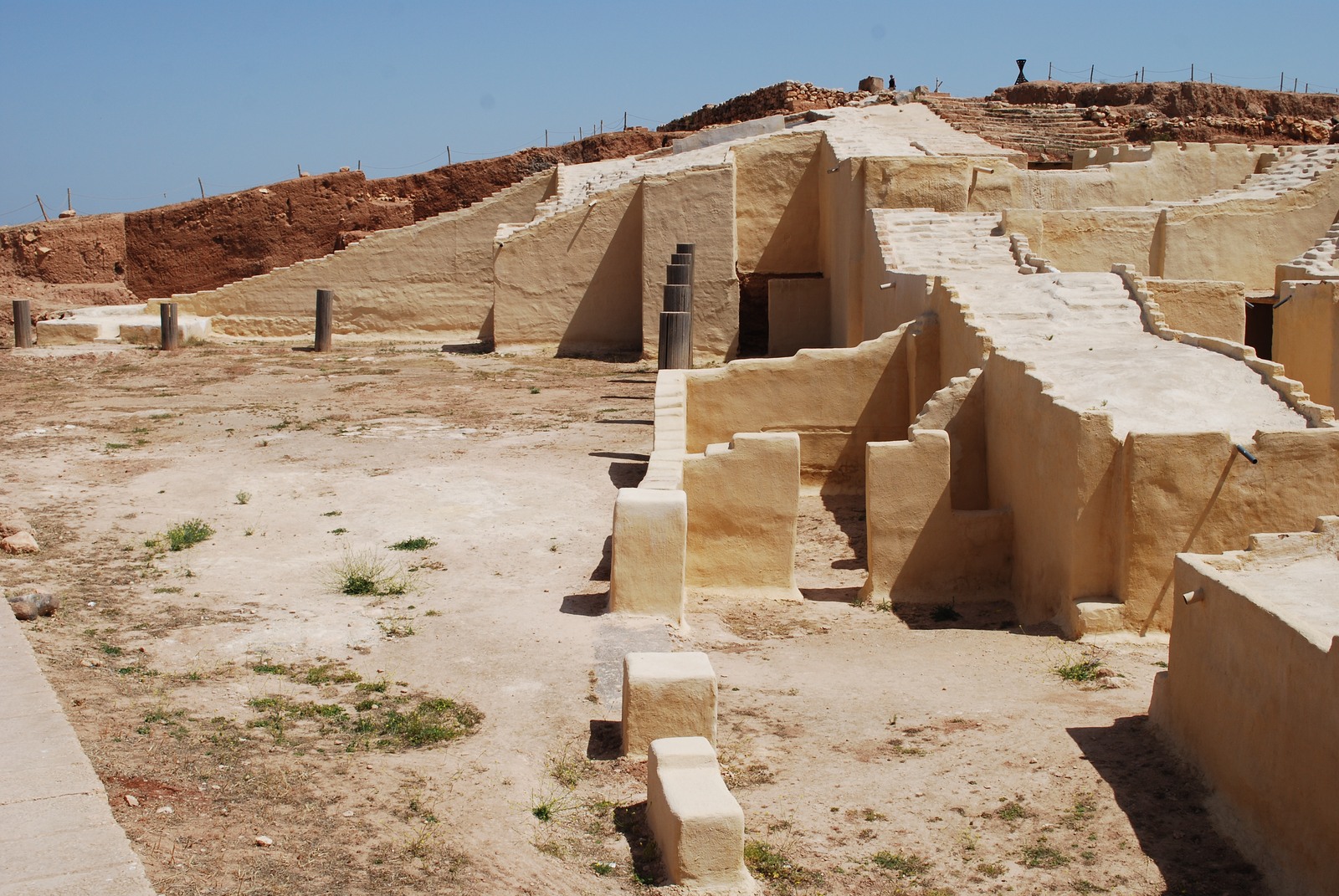
From the late third into the early second millennium BCE, our view of the AmoritesAmoritesGroups associated with West Semitic speech in the Levant and Mesopotamia, whose dynasties were particularly prominent in the nineteenth and eighteenth centuries BCE (ca. 1900–1700 BCE).Glossary · Click to read the explanation expands. These West Semitic groups were present in Syria, the Euphrates region, and Mesopotamia. We lack a large literary corpus in their language explaining their beliefs, so personal names are among the most important sources for studying Amorite. Ignace GelbIgnace J. GelbUniversity of Chicago Assyriologist (1907–1985), studying ancient languages, writing and personal names, including Amorite names.Glossary · Click to read the explanation's University of Chicago publication contains 6,662 entries for names, chiefly from the Old Babylonian period, with earlier attestations from the Ur III period. The collection excludes Ebla's material. [2]
One striking example is the name written A-bu-um-DINGIR. Giorgio Buccellati offers two readings: Akkadian Abum-ilum, meaning “god is father”, and Amorite Abum-El, meaning “El is father.” The example expresses fatherhood while showing that identifying the language and the divine referent forms part of the investigation, rather than being settled beforehand. [13]
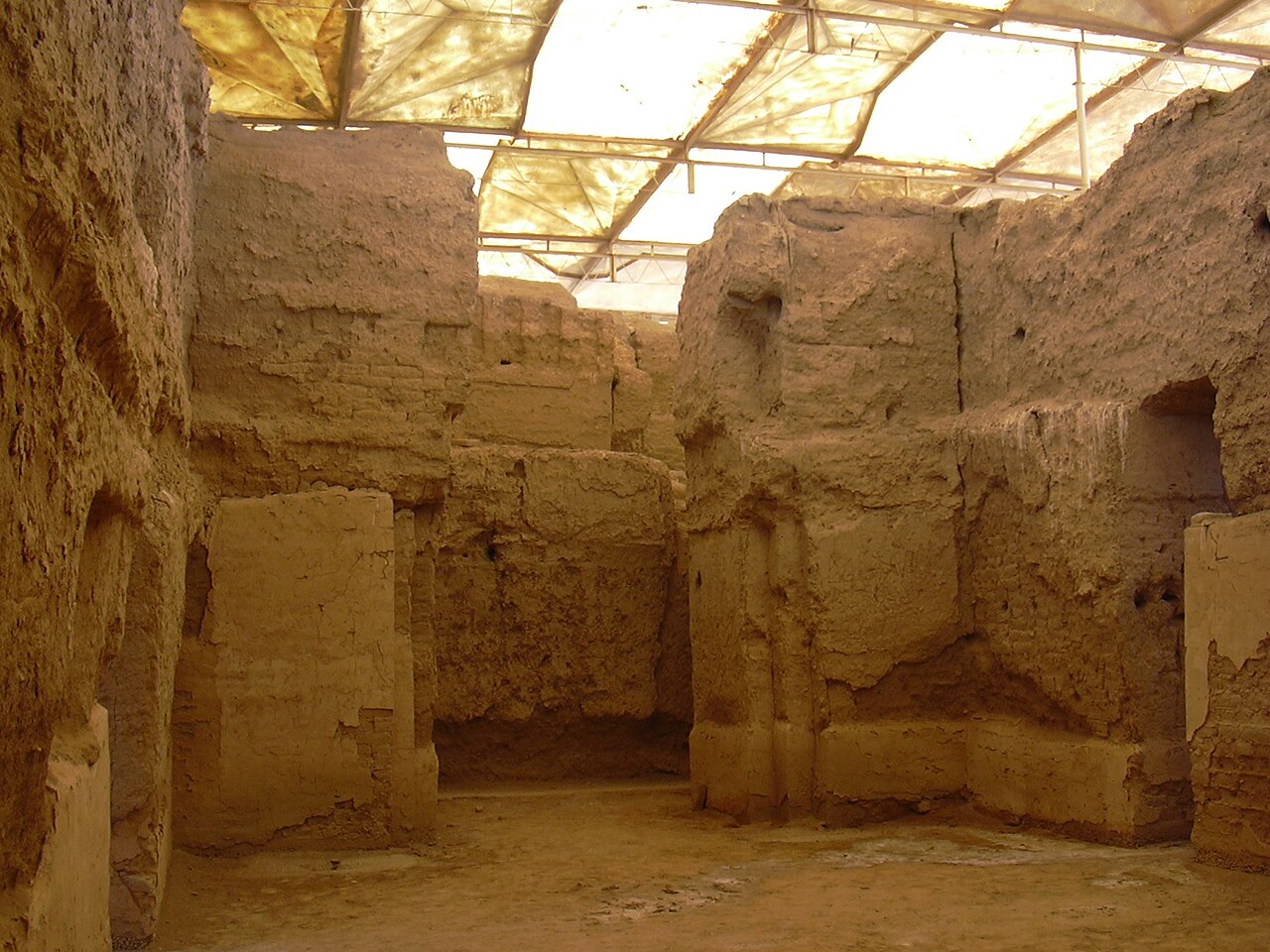
At MariMariAn ancient city and kingdom on the Euphrates, at Tell Hariri in eastern Syria.Glossary · Click to read the explanation, whose ruins lie at Tell Hariri in eastern Syria, royal palace tablets preserve rich material from the eighteenth century BCE. Ichiro Nakata's study compares a list of official deities with the deities appearing in personal names. He places Addu, DaganDaganDeity known in Syria and Mesopotamia, attested in Ugaritic lists, offerings and names; Baal is called his son. Temple attribution remains debated.Glossary · Click to read the explanation, ShamashShamashMesopotamian god of the sun and justice, shown before Hammurabi on an eighteenth-century BCE stele preserved in the Louvre.Glossary · Click to read the explanation, and EaEnkiMesopotamian deity associated with deep fresh water, wisdom and Eridu, known as Ea in Akkadian tradition. The earliest preserved written mention does not date his cult’s origin or identify Ubaid Eridu’s deity.Glossary · Click to read the explanation among gods prominent in both sets, while El/Il belongs to a group common in names but poorly represented in the official list. He relates this difference to the city's population and its Amorite component. [7]
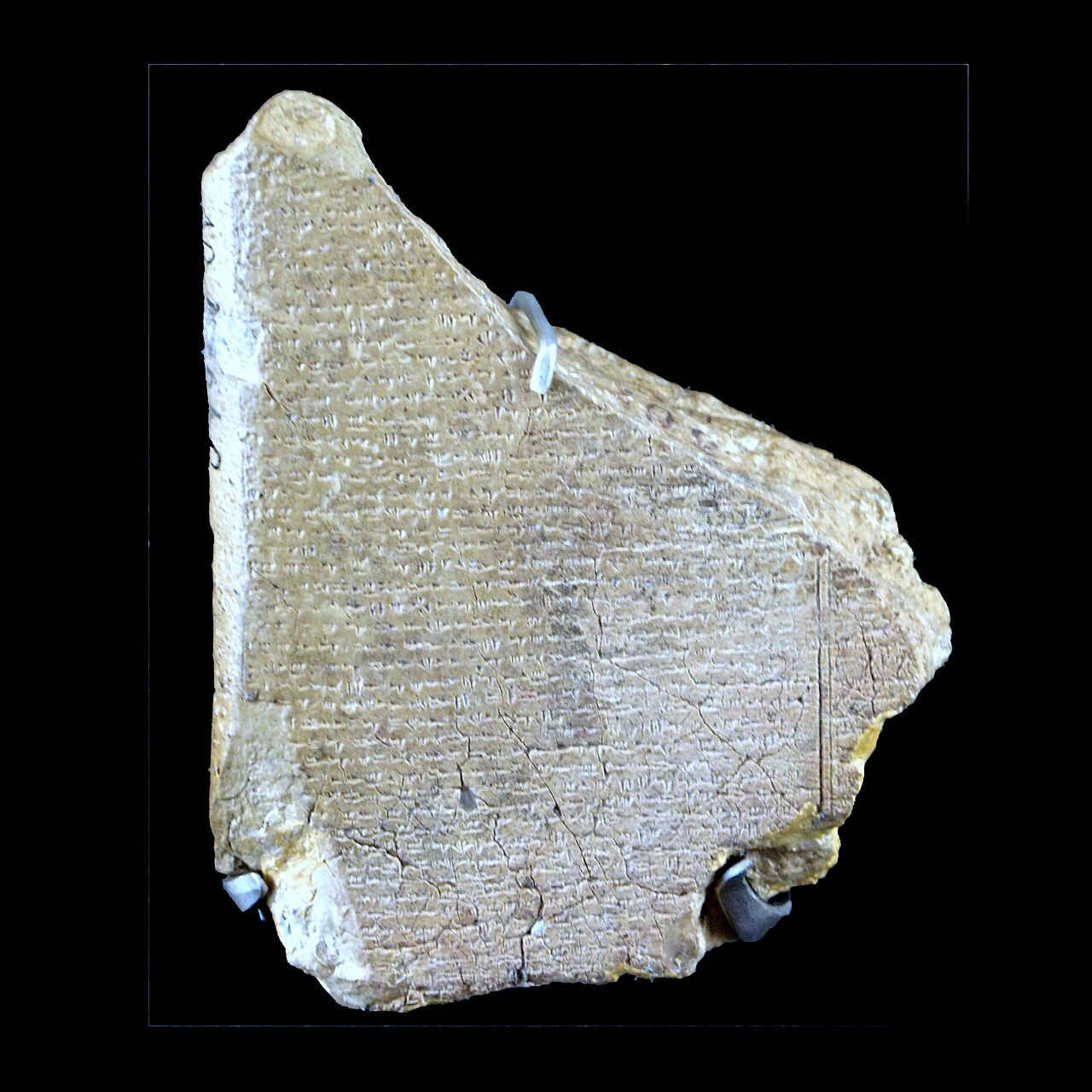
Ugarit: El in the divine family
At UgaritUgaritAncient city and kingdom at Ras Shamra on the Syrian coast, flourishing between the fourteenth and early twelfth centuries BCE and preserving multilingual archives.Glossary · Click to read the explanation, at Ras Shamra on the Syrian coast north of LatakiaLatakiaA coastal city in Syria, south of ancient Ugarit at Ras Shamra.Glossary · Click to read the explanation, the nature of the evidence changes. Late Bronze AgeLate Bronze AgeAn archaeological period conventionally around 1600–1200 BCE in much of the Near East, with regional variation.Glossary · Click to read the explanation religious and mythological texts, particularly from the fourteenth and thirteenth centuries BCE, allow us to study ElEl at UgaritA deity prominent in West Semitic traditions, especially as head of the divine family in Ugaritic texts.Glossary · Click to read the explanation as a particular divine figure rather than only an element extracted from personal names. He appears as father of the gods, with high status and authority within their council, in a world including BaalBaalStorm god and protagonist of Ugarit’s Baal Cycle; exercises active kingship while El retains importance and authorizes the palace.Glossary · Click to read the explanation, Athirat, and other deities. [8]
This changes the clarity and nature of the evidence. It does not prove that a common noun became a god's name at that precise time. General usage and usage as a divine name can coexist; the documents do not arrange every stage of their emergence for us.
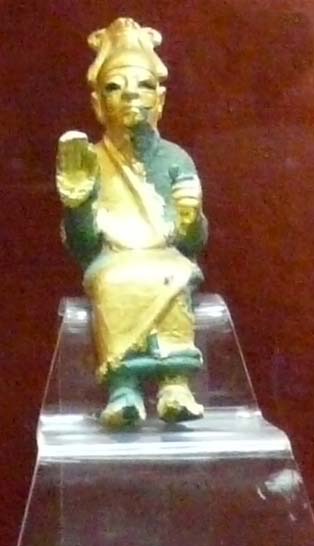
Baal may be the more active, combative figure in the myths, while El retains the status of father and king within the divine family. We understand this image through the texts and the relationships among their characters. A figurine's crown or an animal's appearance alone does not establish it. Nor does El's high status mean that Ugarit's religion was monotheistic.
Israel: an ancient name containing El
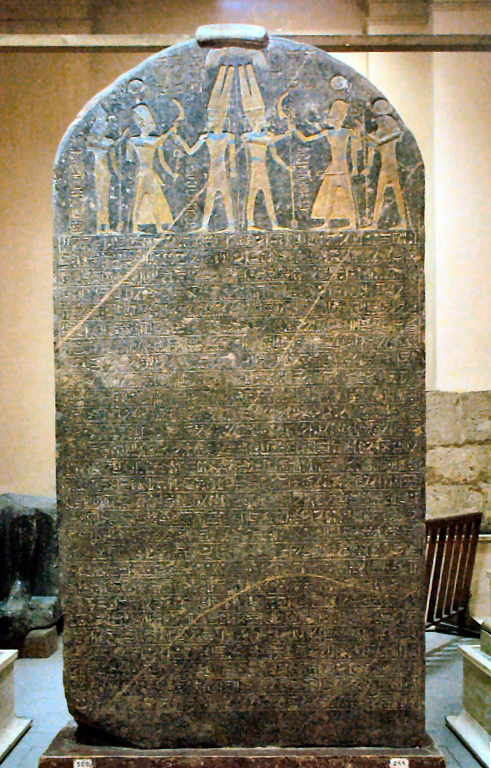
Near the end of the thirteenth century BCE, the name Israel appears in the Merneptah inscription, approximately 1208 BCE according to a commonly used chronology. This is its earliest known external attestation. The inscription dates this witness, not the origin of the name or community. [9]
The name contains the divine element El. Its first element and full meaning remain matters of linguistic discussion, so we avoid a single definitive translation. Scholars have considered the name when examining Israel's early relationship with El and the subsequent history of YahwehYahwehThe divine proper name written YHWH in the Hebrew Bible.Glossary · Click to read the explanation. But the name alone does not identify the community's deity or form of worship at the time of Merneptah's inscription. [8] [10]
The historical question arises because a community later associated with Yahweh bears a name preserving El. The word also remained in Hebrew texts alongside the central name Yahweh. This clue deserves investigation together with other texts and artifacts; it does not settle the entire history of Israelite religion.
El, Eloah, and Elohim: Hebrew in the first millennium BCE
Hebrew preserves El, EloahEloahA Hebrew word for a deity, linguistically related to El and Elohim.Glossary · Click to read the explanation, and Elohim, alongside the proper name Yahweh. Context determines whether a word functions as a common noun, designation, or divine title. Elohim is morphologically plural and can mean “gods.” When referring to Israel's God, however, it often accompanies a singular verb. In Genesis 1:1 it occurs with the singular verb “created.” The word's form alone does not determine its meaning. [16]
Yahweh is not a sound change from El: the two names are linguistically distinct. Hebrew texts also designate the deity named Yahweh by El, Elohim, and titles such as El ElyonEl ElyonA name or title meaning “God Most High,” joined to Yahweh in Hebrew Genesis 14. Elyon does not always designate an independent deity.Glossary · Click to read the explanation and El ShaddaiEl ShaddaiA compound El name or title associated with ancestral narratives and identified with Yahweh in Exodus 6; Shaddai’s meaning and etymology remain uncertain.Glossary · Click to read the explanation. How this associationShirkAssociating others with God in Quranic discourse; not equivalent to denying God’s existence.Glossary · Click to read the explanation developed, and when titles were transferred or traditions converged, are questions investigated within the history of Israelite religion and the formation of monotheismMonotheismBelief in a single God as the only deity, rather than merely the highest among several gods.Glossary · Click to read the explanation. Etymology alone cannot answer them. [8]
The name in the names of people and angels
Names preserve words that may disappear from everyday speech. Names incorporating a divine name or element are called theophoric namesTheophoric nameA personal name containing the name of a deity or a divine element.Glossary · Click to read the explanation. The following explanations are approximate, rather than literal divisions of modern spellings: [10]
- Michael: “Who is like El?”
- Gabriel: combines strength and the divine element; explanations include “man of God” or “God is my strength.”
- Raphael: “El has healed.”
- Uriel: “El is my light” or “light of El.”
- Daniel: “El is my judge.”
- Ishmael: “El hears” or “El has heard.”
- Israel: preserves the element El; interpreting the full name is a broader question.
A clear textual example is Genesis 16:11, where Ishmael's naming is connected with Yahweh hearing Hagar's affliction. This association occurs in the narrative itself. It shows how the text understands a name containing El in a context speaking of Yahweh. It does not independently date the name's origin or a merger of earlier divine traditions. [14]
Jewish and Christian traditions preserve further angelic names containing this element, including Raguel and Remiel in 1 EnochFirst EnochLayered collection of Jewish writings about heaven, evil and judgment.Glossary · Click to read the explanation 20, with differences in angel lists and the standing of each figure across texts. These names are not all recognized equally in the three religions. [21] The Qurʾan names Jibril and Mikal and also preserves the name Ismaʿil. [18]
El within an angel's name does not prove that the angel was once a god. What the name first preserves is a linguistic construction and a relationship with a deity. The figure's history and role require their own sources.
Aramaic and Syriac: elah and Alaha
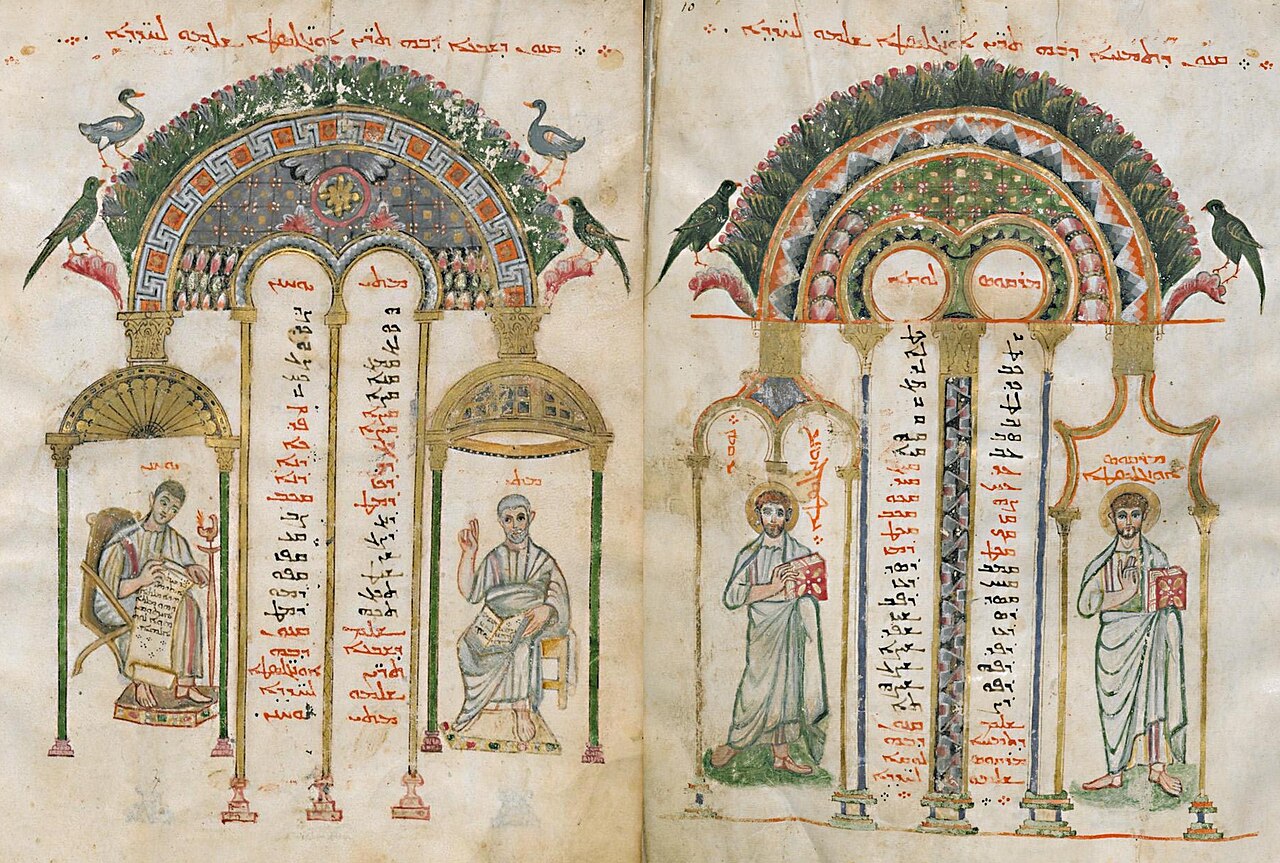
AramaicAramaicA group of Northwest Semitic language varieties with a long history across the Near East.Glossary · Click to read the explanation opens another branch of the Semitic family, with words belonging to the elah family and, in Syriac, Alaha. Syriac is a literary Aramaic language associated with Edessa, modern Urfa, which became an important language of Eastern Christianity. Syriac Christian tradition uses Alaha for God. [11] [19]
This relationship does not make Syriac a stage into which Hebrew turned before becoming Arabic. Each language has its own history, and the related forms their own phonological and morphological developments. A Syriac manuscript witnesses its language and textual tradition at the time of its copying; it does not date the word's first appearance.
Arabic: ilah and Allah
Arabic has ilah, with the plural aliha. The word belongs to the Semitic linguistic field compared with Akkadian, Hebrew, and Aramaic forms. The common linguistic analysis connects Allah with al-ilah, following the contraction of the definite article and noun. Arabic scholarly tradition also debated derivation and the possibility of an underived proper name. [1] [17]
The relationship among the languages' words is not a simple chain of borrowing beginning with the Ugaritic El and ending in Arabic. Comparison must attend to differences in word formation: not every form is a direct phonetic version of another, even within a shared linguistic family.
Allah: the Arabic name that preceded Islam
The use of the name Allah did not begin with Islam. Ahmad Al-Jallad's study “Ancient Allah” addresses pre-Islamic epigraphic evidenceEpigraphyStudy of inscriptions on surviving materials, including writing, context and dating.Glossary · Click to read the explanation. The OCIANAOCIANADigital corpus of Ancient North Arabian inscriptions, with texts, images and commentary.Glossary · Click to read the explanation database provides inscriptions, readings, and documentation, including BES15 875, whose editor interprets its element lh as the name Allah. This witnesses the name in its context, not the identity of its users' beliefs with later Islamic doctrine. [12] [20]
Al-Jallad and Hythem Sidky's 2026 study discusses Late AntiqueLate antiquityHistorical frame for late ancient transformations; boundaries vary by region and subject.Glossary · Click to read the explanation Arabic inscriptions and pre-Islamic invocations, also associating inscription BES24 1.1 with attributes of creation and light. This is a specific scholarly interpretation of evidence, not a uniform description of all pre-Islamic Arabs. Approximate dating or a name's absence from a group of inscriptions must not become certainty exceeding the evidence. [17]
Islam emerged in a world familiar with the name and placed it at the heart of a doctrine of one God without partners. Again, the name's history and the doctrine's history differ: a word's age does not mean that every religious meaning it carried remained unchanged. [1]
Is El Allah?
The direct question contains two different questions. Linguistically, El, Eloah, Elohim, Alaha, ilah, and Allah belong to a related Semitic history, with differences in form and formation. Theologically, a linguistic relationship cannot prove identical divine identities, attributes, or narratives across traditions.
The Ugaritic El belongs to a polytheistic world. Elohim in Hebrew must be read according to its context and the text's history. In Syriac Christianity, Alaha denotes God within Christian theology. In Islam, Allah is the one God to whom the Qurʾan denies partners.
The words are related; religious conceptions require an independent comparison. IL Archive is interested in tracing continuity and change together, without imposing a prior religious or philosophical conclusion on the evidence.
Linguistic relationships: a branching family
It is tempting to draw a short chain: “El, then Elohim, then Allah.” But this compresses history and suggests that one language became another or each people received the name from its predecessor. A closer picture is a branching family, with short and expanded words and developments differing among languages.
- Akkadian: ilu and its grammatical forms.
- Ugaritic and other West Semitic languages: the element ʾil, in general usage or as the deity's name.
- Hebrew: El, Eloah, Elohim.
- Aramaic and Syriac: elah, Alaha.
- Arabic: ilah, Allah.
This is an introductory comparison of a word family, not a precise genealogy of every form or a diagram proving that one divine figure passed among peoples. In personal names, El remained preserved as names travelled and their pronunciation adapted to different languages.
The earliest witness is not the beginning of the story
We can sometimes establish a tablet's date, findspot, and language. We cannot identify the day the word El arose. When the written record opens, its word family already exists in ancient languages and names. Linguistic comparison makes an older origin probable, while its precise beginning remains beyond the surviving texts.
In Mesopotamia we read ilu; at Ebla and in Amorite names we encounter the divine element within personal names; at Ugarit we meet El as a figure in texts. Israel preserves the same element, and related words continue in Hebrew, Aramaic, Syriac, and Arabic. These are stations in the surviving evidence, not proof of one continuous historical route connecting them.
States, books, and languages change, while names such as Michael, Gabriel, and Ishmael remain in use. The earliest surviving attestation is not a word's birth certificate. It is a point from which a broader investigation can begin.
Why “IL Archive”?
The project is named after El because it represents one of the earliest linguistic thresholds that research can trace in the naming of gods among Semitic peoples. It does not assume that all gods emerged from El or that every religion began with one figure bearing the name.
Beyond written evidence lie prehistoric worlds: NatufianNatufian cultureA late Epipalaeolithic Levantine archaeological culture, with some long-duration settlements before fully developed agriculture.Glossary · Click to read the explanation communities, Göbekli Tepe, Çatalhöyük, burials, rituals, symbols, and ancestors. Ahead open the civilizations of Mesopotamia, the LevantThe LevantThe Levant is a regional name for lands along the eastern MediterraneanGlossary · Click to read the explanation, and the wider ancient world; divine names and councils; texts and languages; and the paths of Judaism, Christianity, and Islam.
IL Archive therefore concerns more than one name or deity. Its purpose is to gather evidence and connect it chronologically, linguistically, and culturally, while distinguishing what ancient sources say, what modern researchers interpret, and what the archive proposes. Reaching as far back as the evidence permits in the history of religious belief remains an open inquiry, pursued step by step.
References and notes
- Celene Ibrahim, Islam and Monotheism, Cambridge University Press, 2022. Publisher’s excerpt, “God in Islamic Theology”: linguistic relationships and the analysis of Allah. The excerpt, not the complete book, was consulted. The link leads to the publisher’s book page because the excerpt file was inaccessible during the link review. Return to the text ↑
- Ignace J. Gelb, Computer-Aided Analysis of Amorite, Assyriological Studies 21, 1980. University of Chicago publication description: 6,662 entries for names and their variants, mostly from the Old Babylonian period. Eblaite names are excluded. Return to the text ↑
- The Metropolitan Museum of Art, Cylinder seal: seated figure approached by a goddess leading a worshiper. Museum record and the owner’s inscription, Ilum-bani, during Ibbi-Sin’s reign. The seal attests its owner’s name; it is not a securely identified depiction of El. Return to the text ↑
- The Assyrian Dictionary of the Oriental Institute of the University of Chicago, volume 7: I/J, 1960. Entry ilu, beginning on p. 91: meanings and Akkadian attestations. Return to the text ↑
- Tate Sewell Paulette, Grain Storage and the Moral Economy in Mesopotamia (3000–2000 BC), PhD dissertation, University of Chicago, 2015. Author-posted copy on Academia.edu. P. 83, paragraph on Ebla: Tell Mardikh and the dating of the palace archive to around 2400–2300 BCE. Return to the text ↑
- Alfonso Archi, “Il in the Personal Names,” in Ebla and Its Archives: Texts, History, and Society, 2015, pp. 638–655. Reference to the specialist study. Chapter metadata was verified; no detailed conclusion is attributed to it on the basis of publisher metadata alone. Return to the text ↑
- Ichiro Nakata, Official Pantheon and Popular Pantheon of Mari, 1976. Volume 19, issue 1, pp. 1–15, 103. The author’s abstract discusses differences in the representation of Il/El in official lists and personal names. Return to the text ↑
- Mark S. Smith, The Origins of Biblical Monotheism: Israel’s Polytheistic Background and the Ugaritic Texts, Oxford University Press, 2001. Modern interpretation of religious history: publisher’s summary and contents, especially Ugaritic divine structures and their relationship to the formation of Israelite monotheism. Return to the text ↑
- Richard C. Steiner, Merenptah’s Israel, His Shasu Militiamen, His Copper Caravan Route…: Part One, in Studies in Ancient Cultures 3, 2024. Merneptah’s inscription and its fifth-year dating, around 1208 BCE, with slight differences between chronologies. This does not settle a religious interpretation of the name Israel. Return to the text ↑
- STEPBible, Tyndale House, Hebrew lexicon of personal names. Entries: Michael H4317, Gabriel H1403, Raphael H7501, Uriel H222, Daniel H1840, Ishmael H3458, Israel H3478. The explanations in the article are approximate. Return to the text ↑
- Comprehensive Aramaic Lexicon, Hebrew Union College, entry ʾlh / ʾlhʾ. Lexicon entry and Aramaic and Syriac attestations concerning the meaning “god” and the use of the words. Return to the text ↑
- Ahmad Al-Jallad, Ancient Allah: An Epigraphic Reconstruction, Journal of Semitic Studies, 2025. Volume 70, issue 2, pp. 693–748, DOI 10.1093/jss/fgaf012. The author’s abstract confirms pre-Islamic attestations. No inscription is translated here on the basis of the abstract. Return to the text ↑
- Giorgio Buccellati, The Amorites of the Ur III Period, 1966, Part 1; copy published by the Urkesh project. Entry A-BU-UM-DINGIR, PDF page 127. Two readings are given: Akkadian Abum-ilum and Amorite Abum-El, both involving fatherhood; the identification of the language is part of the interpretation. Return to the text ↑
- Genesis 16; Hebrew text at Mechon Mamre with the 1917 JPS translation. Genesis 16:11 links Ishmael’s name to YHWH hearing Hagar’s affliction. This concerns the narrative’s explanation, not proof of when the name originated. Return to the text ↑
- German Archaeological Institute, Göbekli Tepe project, The Tepe Telegrams: Frequently Asked Questions. Documentation of a Neolithic site with residential and ritual contexts. Pre-writing remains do not supply the name El or a certain identification of every sacred image. Return to the text ↑
- Genesis 1; Hebrew text at Mechon Mamre. Genesis 1:1: Elohim with the singular verb bara, “created”; an example of the importance of grammatical context. Return to the text ↑
- Ahmad Al-Jallad and Hythem Sidky, Late Antique Allāh: Ancestral Arabian Religion and the Monotheistic Zeitgeist, Arabian Archaeology and Epigraphy, first published 15 February 2026. DOI 10.1111/aae.70019; article and notes 41 and 44: linguistic analysis of Allāh, and creation and light in BES24 1.1. The publisher’s available text was consulted; the interpretations are attributed to the authors. Return to the text ↑
- Qur’an, Sūrat al-Baqarah; text at Quran.com. Al-Baqarah 2:97–98 for Gabriel and Mīkāl, and 2:136 for Ishmael. These names occur in the text; this does not imply identical angelic lists across religions. Return to the text ↑
- Syriaca.org, About Syriac: Language, Literature, and Culture. Introduction to Syriac as a literary Aramaic language associated with Edessa and to its Eastern Christian heritage. Return to the text ↑
- OCIANA, inscription BES15 875, record 42049; reading and commentary edited by Ahmad Al-Jallad. Text, transliteration, translation, and the editor’s commentary identifying lh as Allāh. The inscription concerns its own context and does not independently prove doctrinal identity with Islam. Return to the text ↑
- 1 Enoch, chapter 20; R. H. Charles’s translation available at Sacred Texts. 1 Enoch 20:4 and 20:8 for Raguel and Remiel. This refers to a list in this text; names, forms, and the standing of the figures vary among traditions and textual witnesses. Return to the text ↑
Cite this page
IL Archive, «Who is El?», Edition 3, https://ilarchive.com/en/who-is-el
This introductory page may be revised when better evidence or sources become available. Suggest a correction
Continue reading
![Gold coin of Ptolemy II, Alexandria, ca. 261–246 BCE; the illustrated obverse bears Arsinoe II’s head. Context for Hellenistic Egypt, not a portrait of Philo or proof of a Torah translation commission. [24]](/media/1436)