Site · Region
Mesopotamia
- Region
- Mesopotamia
Historical region associated with the Tigris and Euphrates: Uruk, Ur, Eridu, cuneiform, Sumer, Akkad, Babylon and Assyria, their languages and cults, and the limits of archaeological evidence.
Estimated reading time: 7 min Published Last reviewed:
Share article

Text
Introduction
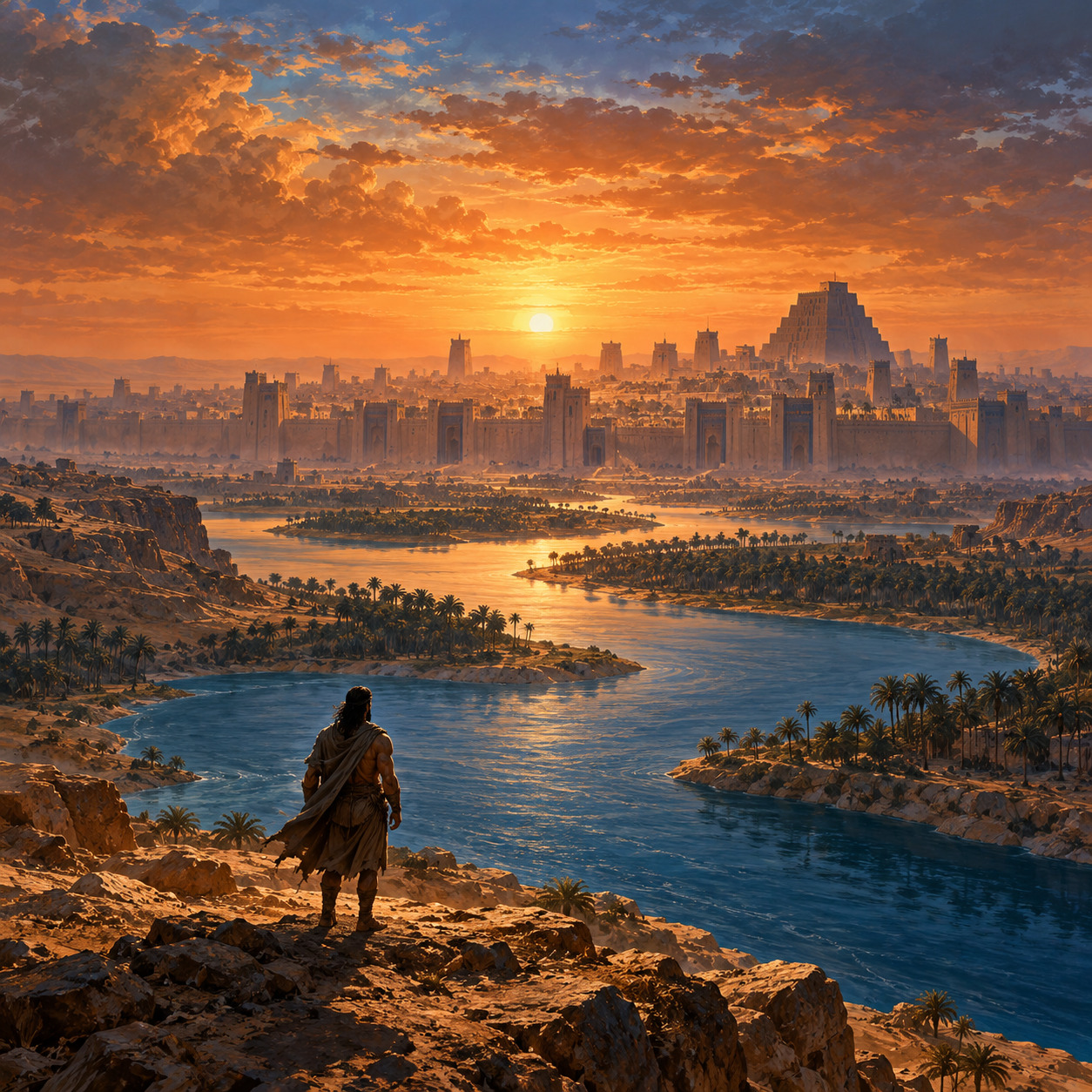
Mesopotamia names a broad historical region whose societies developed around the Tigris and Euphrates and the changing networks of their tributaries and canals. How did rivers, cities, and writing shape its history, and what changed between Sumer, Akkad, Babylonia, and Assyria? This entry follows archaeological and textual evidence from different times and communities rather than presenting an unchanging civilization.
This setting helps explain the temples, laws, and literature studied by IL Archive. Throughout, we distinguish what a dated object attests from the wider historical picture reconstructed by scholars from incomplete evidence.
The region's name and boundaries
The Greek-derived name “Mesopotamia” originally refers to the land between rivers. In historical research, however, the region is not always confined to the strip literally between the two watercourses: it may embrace Tigris tributary valleys, the northern plains of IraqIraqIraq is a modern country encompassing much of ancient MesopotamiaGlossary · Click to read the explanation and northeastern Syria, and parts of southeastern TurkeyTurkeyTurkey is a modern country including Anatolia and territory in southeastern EuropeGlossary · Click to read the explanation. Its southern heartland lies in present-day Iraq. Mesopotamia was neither one state with permanent borders nor one unified people, and its useful geographical extent varies with period and question. [1]
Water, mud, and a changing landscape
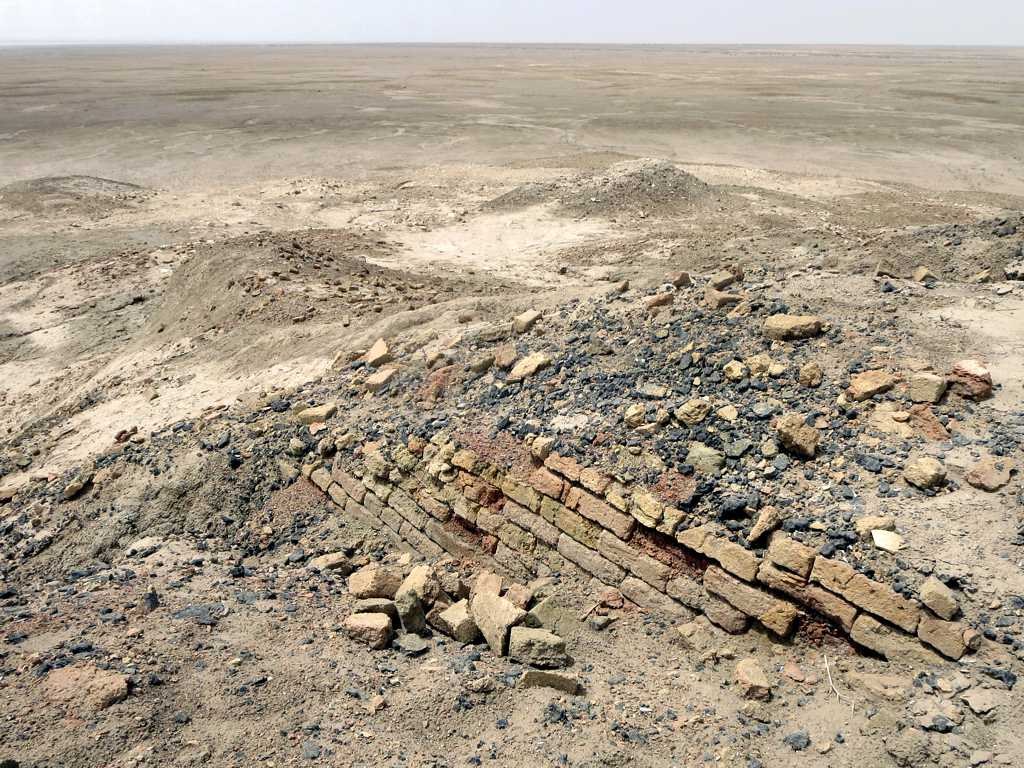
Northern zones could rely to different degrees on rainfall; southern alluvial agriculture required more deliberate water management. Ancient marshes and watercourses shifted over time, so cities that now seem remote from wetlands once stood in very different waterscapes. UNESCO places UrukUrukAncient city at Warka in southern Iraq, a major urban centre around 3200 BCE that preserved early writing and accounting tablets.Glossary · Click to read the explanation, Ur, and EriduEriduEridu (Abu Shahrain), a multi-mound site in southern Iraq occupied since the Ubaid, later home to a religious precinct associated with Enki. Its eighteen sounding levels are not proof that every early building was a temple.Glossary · Click to read the explanation within a historical marshland setting shaped by both rivers. Today's channels cannot simply be projected back onto the fourth millennium BCE. [2]
Irrigation and river transport made the concentration of harvests and labour possible, but demanded coordination and never guaranteed prosperity. Water conditions, soils, and the relations among settlements all mattered; the rise or contraction of cities cannot be assigned automatically to one environmental cause.
From villages to urban centres
The celebrated cities were preceded by long settlement histories, including the Ubaid cultureUbaid cultureAn archaeological designation for material traditions associated with southern Mesopotamia and its regional connections. The broad southern sequence spans c. 6500–3800 BCE, with regional variation; the label alone identifies neither a people nor a language.Glossary · Click to read the explanation, identified through pottery, building traditions, and material patterns shared across many sites. An archaeological culture-name does not establish the language or ancestry of its bearers. At Eridu, early ritualRitualAn organised or distinguished practice meaningful to a community; it may leave traces, but its form alone does not reveal an associated doctrine.Glossary · Click to read the explanation buildings succeeded one another, but the identity of deities worshipped there in later centuries does not identify every practice in the earliest layers.
By about 3200 BCE, Uruk, at modern Warka, had become a major urban centre with public buildings, crafts, and exchange networks. The Metropolitan Museum describes the spread of goods and artistic forms associated with Uruk well beyond southern Mesopotamia. Such connections are evidence of wide contact, not proof that every participating district was ruled by a single city. Other city-states subsequently emerged and competed during the Early Dynastic period. [3]
How did accounting become writing?
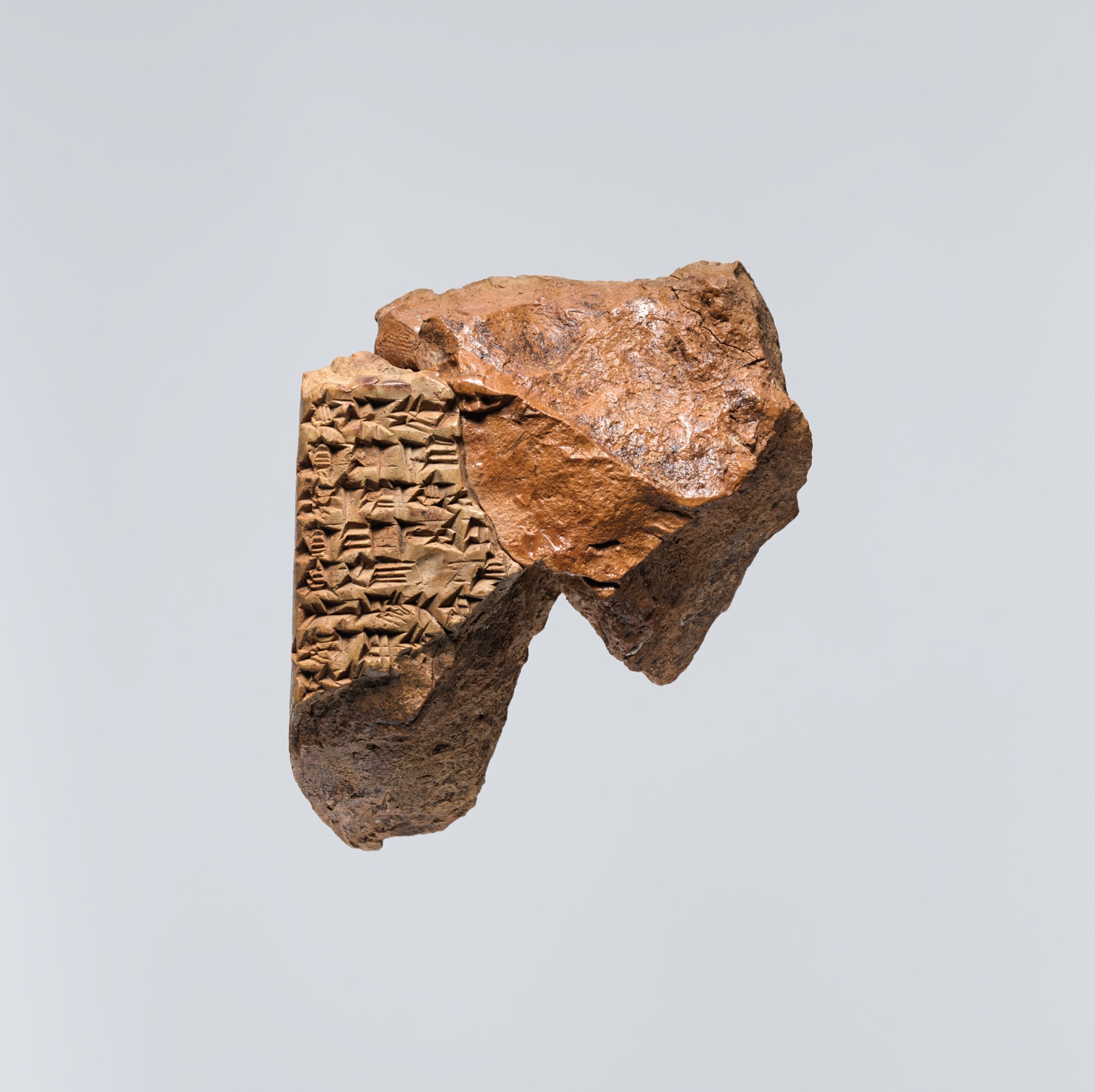
Late-fourth-millennium tablets from Uruk are closely tied to administration: grain, livestock, labour rations, and materials. Proto-cuneiformProto-cuneiformEarly southern Mesopotamian script (c. 3350–3000 BCE): clay tablets with counting systems and signs for commodities, people and offices, as well as lexical lists; not yet a full rendering of speech.Glossary · Click to read the explanation combined numbers and signs, not all of which securely recorded the sounds of a particular language. A tablet of this broad early horizon in the Metropolitan Museum probably records the distribution of cereals, but it cannot be translated as a continuous set of sentences: many early signs remain disputed. [4] [5]
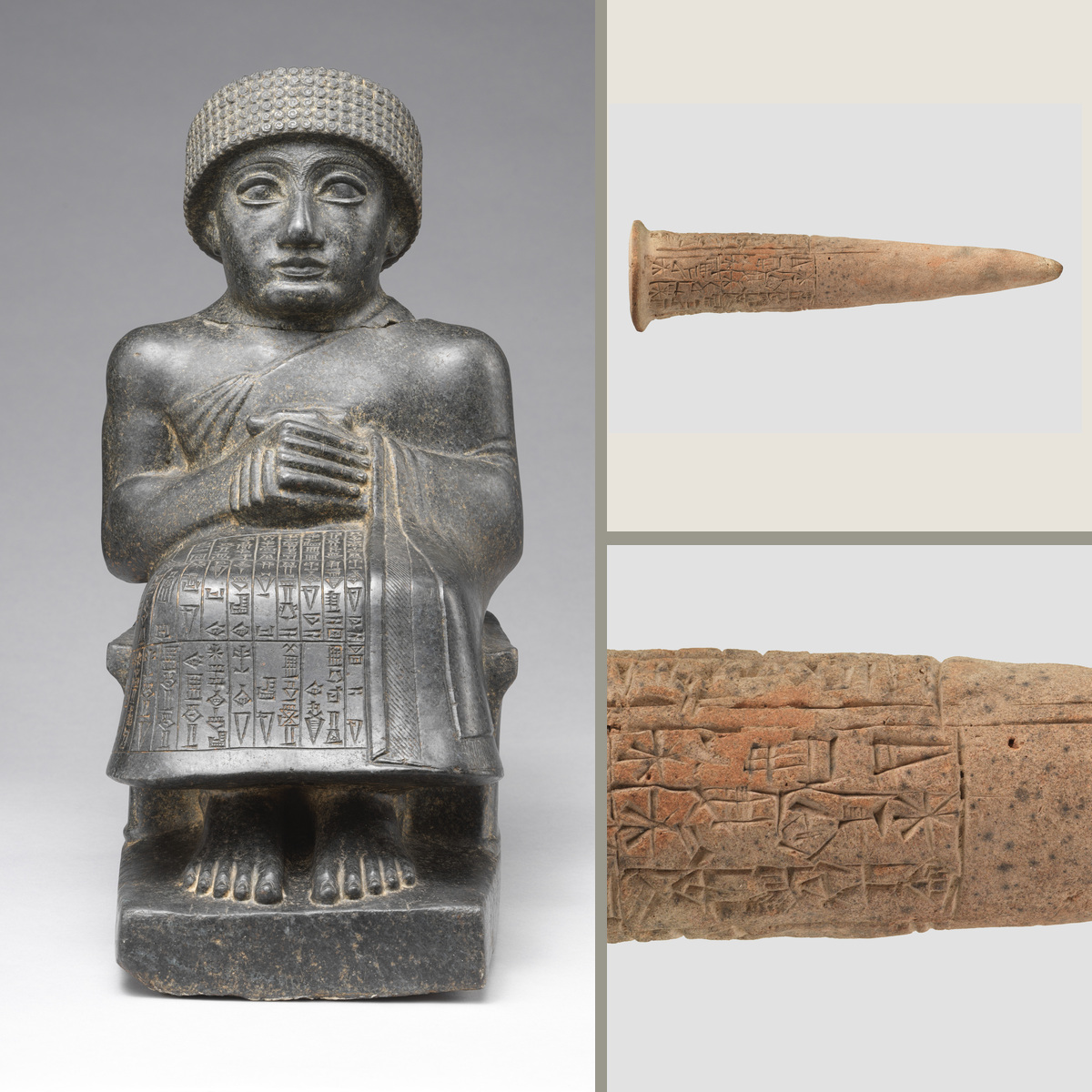
During the third millennium, this system developed into cuneiformCuneiformWriting with wedge-shaped signs, developed from Mesopotamian recording traditions and used for several languages from the third millennium BCE.Glossary · Click to read the explanation, a script capable of recording different languages and genres. Cuneiform was not itself a language. The earliest surviving records cannot tell us everything people said or believed, since durable clay preserved accounts and transactions far better than oral domestic exchanges. Other administrative tablets likewise list commodities, before the archive broadens to letters, judgments, hymns, literary works, and scholarship. [17]
City-states and political power
Sumer was not a single kingdom throughout its history. Cities including Uruk, Lagash, and Ur competed over land, waterways, and influence, while households, temple institutions, and rulers exercised overlapping forms of authority. In LagashLagash, Sumerian city-stateCity-state in present-day southern Iraq; Girsu was one of its centers associated with royal inscriptions.Glossary · Click to read the explanation and its centre Girsu, inscriptions and administrative records illuminate building works and governance; royal inscriptions, however, do not give equal voice to every inhabitant. [14]
In the twenty-fourth century BCE, Sargon of AkkadSargon of AkkadSargon of Akkad was a historical third-millennium BCE ruler and founder of the Akkadian dynasty; royal accounts of his campaigns must be distinguished from later stories of his birth and rise.Glossary · Click to read the explanation and his successors extended royal control across a far-reaching network of territories. Later, the Third Dynasty of Ur developed a dense administrative system in the late third millennium. Exact dynastic boundaries differ among chronological schemes. “AkkadianAkkadianAn ancient East Semitic language written in cuneiform from the third millennium BCE; its varieties include Babylonian and Assyrian, and it served in international diplomacy.Glossary · Click to read the explanation” may denote a state or an East Semitic languageAkkadianAn ancient East Semitic language written in cuneiform from the third millennium BCE; its varieties include Babylonian and Assyrian, and it served in international diplomacy.Glossary · Click to read the explanation, and it does not imply the immediate disappearance of Sumerian. [1]
Ur: monumental remains and ordinary lives
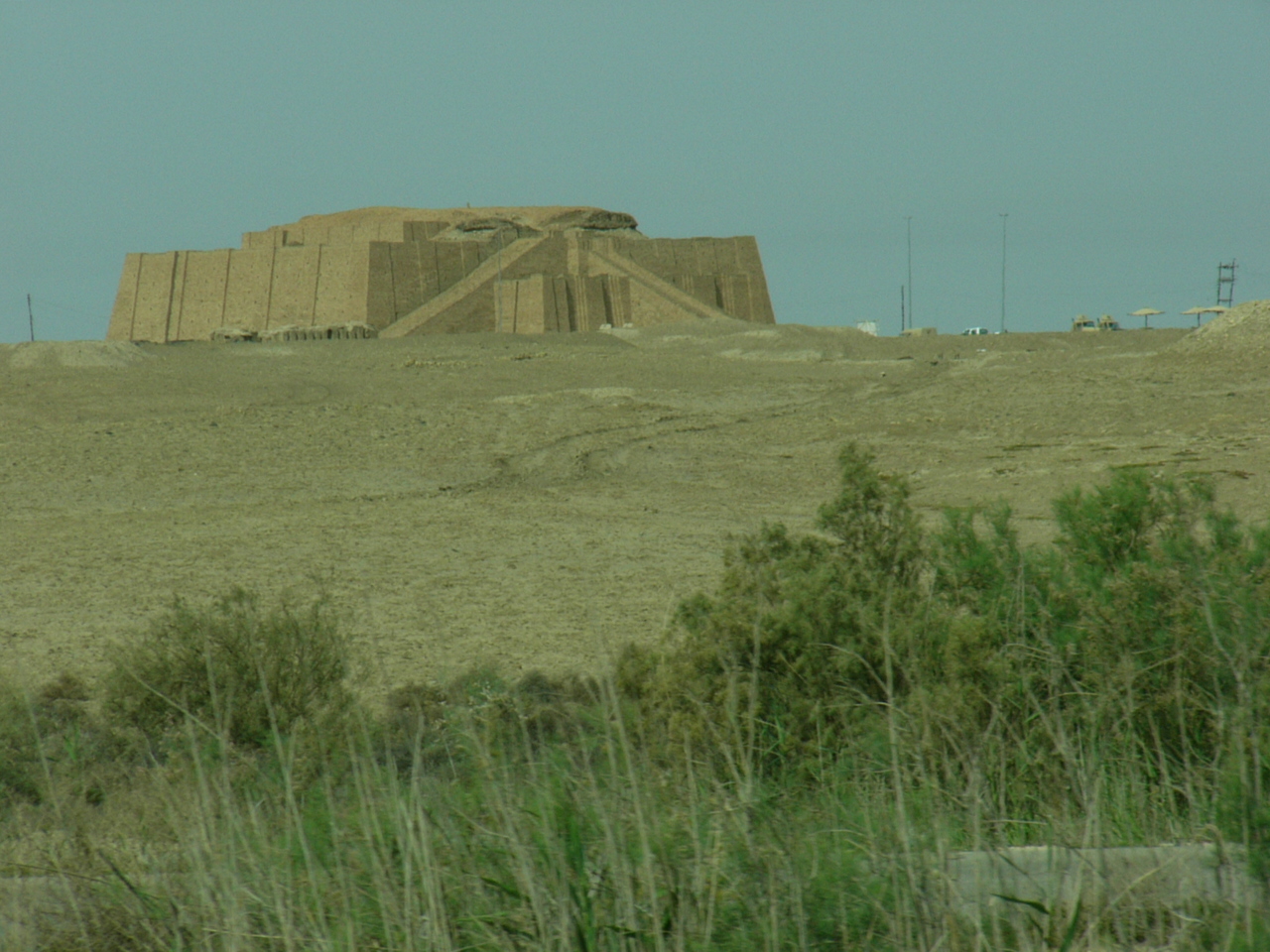
Ur was a major political and religious centre associated with NannaNanna / Su’en / SinMesopotamian moon god known as Nanna, Su’en and Sîn/Sin. Worshipped especially at Ur and Harran, he is associated with the crescent and lunar cycle; names and myths have different histories.Glossary · Click to read the explanation, the moon god. Its surviving zigguratZigguratZiggurat: a monumental stepped or terraced cult structure of ancient Mesopotamia. Not every raised temple platform was a ziggurat, and the form and specific use of lost upper stages often remain uncertain.Glossary · Click to read the explanation illustrates monumental construction, although parts of the visible exterior were refaced in modern times. Excavated houses, streets, and cemeteries also reveal histories of dwelling and work, not just temples and kings. A report from the renewed Ur excavations explains how investigators re-examined neighbourhoods partly excavated by Leonard Woolley in the twentieth century. [6]
Trade, letters, and long-distance connections
Mesopotamian economies were not isolated agricultural systems. Some cities exchanged textiles and grain for materials that were scarce locally, including timber, metals, and stone. Letters exchanged around 1900 BCE by merchants from AshurAshur, Qal’at SherqatAncient Tigris city in Iraq, an Assyrian political and religious centre.Glossary · Click to read the explanation resident at Kanesh in AnatoliaAnatoliaAnatolia is the region occupying the Asian part of present-day TurkeyGlossary · Click to read the explanation discuss caravans, credit, taxes, and family matters. They document particular transactions rather than a single model of trade for every age. [8]
Cylinder sealsCylinder sealSmall engraved cylinder rolled over soft clay to leave an extended image. Used to secure, document and identify administrative actions; its pictures do not automatically constitute writing.Glossary · Click to read the explanation and their impressions attest ways of authorising property and transactions, alongside images of mythic contests and sacred emblems. Their interpretations depend on the object's design and find context: one seal scene should not be treated as a photographic record of everyday life. [15]
Babylon, law, and imperial force
BabylonBabylonBabylon is an ancient city in central present-day Iraq, south of BaghdadGlossary · Click to read the explanation rose to particular prominence in the second millennium BCE, especially under HammurabiHammurabiKing of Babylon in Mesopotamia, reigning around 1792–1750 BCE. A celebrated legal text preserved on a stele and cuneiform copies bears his name.Glossary · Click to read the explanation (approximately 1792–1750 BCE under a commonly used chronology). The Louvre stele bearing his name preserves conditional rulings concerning property, family, labour, and injury. The Laws of HammurabiLaws of HammurabiAn eighteenth-century BCE Babylonian legal text in Akkadian, presenting property, family, labor and injury provisions within Hammurabi’s account of justice.Glossary · Click to read the explanation were neither the first known collection of laws nor a comprehensive modern legal code. Royal claims to just rule, illustrative rulings, and actual judicial practice are distinct kinds of evidence. [7] [9]
Babylon later passed through several dynastic configurations, including rulers of non-Babylonian origin, and emerged again as an imperial capital in the seventh and sixth centuries BCE. From northern Mesopotamia, the Neo-Assyrian state controlled extensive lands through warfare, deportations, and tribute. Royal campaign narratives simultaneously make political claims about victories; they are not neutral reports of every outcome. A later Babylonian chronicle tablet about the fall of NinevehNineveh and KuyunjikNineveh is an ancient Assyrian city near Mosul in northern Iraq; Kuyunjik is one of its archaeological moundsGlossary · Click to read the explanation in 612 BCE offers one layer of the event's textual transmission rather than unmediated testimony. [13]
Languages and changing divine hierarchies
SumerianSumerian languageAncient language of southern Mesopotamia, clearly attested in third-millennium BCE texts and maintained in learning and ritual after its spoken use declined.Glossary · Click to read the explanation, which has no established linguistic relatives, coexisted with AkkadianAkkadianAn ancient East Semitic language written in cuneiform from the third millennium BCE; its varieties include Babylonian and Assyrian, and it served in international diplomacy.Glossary · Click to read the explanation, an East Semitic language with several varieties; Aramaic later spread in different social settings. Related cuneiform signs might write languages with very different vocabularies and grammars. A language could also remain in schools and ritual after its everyday spoken use declined. Identifying the date and language of a tablet is therefore more informative than speaking of one “Mesopotamian language.”
Different cities cultivated overlapping but evolving religious traditions: EnlilEnlilEnlil/Ellil: a major Mesopotamian god associated with destinies, kingship, and Ekur at Nippur, already prominent in third-millennium god lists. His name’s origin and cult beginnings remain debated.Glossary · Click to read the explanation at NippurNippur / NuffarAncient Nippur (modern Nuffar, Iraq), major cult centre of Enlil and Ekur; excavations revealed sanctuaries, houses and thousands of cuneiform tablets across many periods.Glossary · Click to read the explanation, Inanna/IshtarInanna / IshtarA prominent Mesopotamian goddess whose Sumerian name Inanna became associated with Akkadian Ishtar across diverse traditions. She was associated with desire, war, royal authority and Venus, while local forms and genealogies varied among texts.Glossary · Click to read the explanation at Uruk, Nanna at Ur, and MardukMardukBabylon’s leading god, worshipped at Esagil and elevated in the Akkadian Enūma eliš. His symbols include a spade and mušḫuššu dragon. His earliest origins remain obscure; Nibiru is no evidence of a planetary homeland.Glossary · Click to read the explanation at Babylon. Divine genealogies, titles, and rankings vary between texts. Political history influenced the standing of cults but does not exhaust their significance. Scholarly lexical studies distinguish the functions assigned to a deity in a given source from a timeless hierarchy supposedly shared by every community. [10] [11]
Literature, memory, and chronology
Mesopotamian writings include hymns, prayers, wisdom works, flood narratives, and stories of rulers. The Epic of GilgameshEpic of GilgameshA Babylonian literary work with multiple recensions, preceded by separate Sumerian poems on Uruk’s king and Enkidu. Its standard form explores friendship, death, the flood and the limits of seeking eternal life.Glossary · Click to read the explanation is not one manuscript composed on one day: it is a literary tradition preserved in several forms at different dates, including later Assyrian tablets recovered at Nineveh. The British Museum catalogues a fragment of its seventh tablet from AshurbanipalAshurbanipalAshurbanipal was an Assyrian king of the seventh century BCE, reigning about 668–631 BCEGlossary · Click to read the explanation's library. That dates a particular witness, not the invention of every story in the epic. [12]
The conquest of Babylon by Cyrus II in 539 BCE ended independent Neo-Babylonian rule, not Mesopotamian history. Its cities, institutions, and cuneiform scholarship continued under Persian and Hellenistic rulers and beyond. The Metropolitan Museum's account of Babylon explains how archaeological and local documentary evidence complicates pictures drawn primarily from later biblical and Greek accounts. [7]
Reading the remains and protecting the sites
Clay tablets and ruins bring us exceptionally close to ancient societies, but they do not represent all social groups equally. A monument visible today may incorporate both ancient building phases and recent restorations; likewise a modern map does not restore a fourth-millennium river to its former course. Southern sites face erosion, salinity, changing water conditions, and the effects of excavation and reconstruction. Documentation and conservation are continuing tasks for Iraqi and international teams. [2] [16]
Mesopotamia, then, is a long history of interconnected environments, cities, languages, and texts. The most reliable starting questions concern the site, date, and kind of evidence involved. Cultural connections do not erase local differences, nor does similarity alone establish how every idea travelled.
References and notes (17)
- The Metropolitan Museum, Guide to the Collections: Ancient Near Eastern Art, printed pp. 3–5 (PDF page images 4–6). The map, chronological overview, and north/south distinction were consulted; this older guide is not an absolute chronological authority. Printed pp. 3–5; PDF page images 4–6. Return to the text ↑
- UNESCO World Heritage Centre, The Ahwar of Southern Iraq, description, Outstanding Universal Value, and Integrity: Uruk, Ur, Eridu, historic marshes and conservation risks. The property description is not a precise river map for every century. Site description; Outstanding Universal Value, Integrity and Authenticity. Return to the text ↑
- Met Department of Ancient Near Eastern Art, “Uruk: The First City” (2003), essay text on Uruk around 3200 BCE, material connections, and the Early Dynastic city-states. Influence is not itself evidence of direct rule. Essay text, 2003. Return to the text ↑
- Ira Spar, “The Origins of Writing,” Metropolitan Museum (2004), full essay: accounting, proto-cuneiform, gradual phonetic use, and alternative hypotheses about writing’s origins; the language of every early tablet is not settled. Essay text, 2004. Return to the text ↑
- Met object record 1988.433.2, ca. 3100–2900 BCE: an administrative account probably relating to barley and emmer distribution; the curator’s reading is not a complete sentence-by-sentence translation. Full museum object description 1988.433.2. Return to the text ↑
- William B. Hafford, “City of the Moon: New Excavations at Ur” (2017), opening and “The New Expedition to Ur”: renewed excavation of housing areas, Woolley’s work, and 1960s refacing of the ziggurat. This is a modern field report, not an exhaustive history. Introduction and The New Expedition to Ur. Return to the text ↑
- Michael Seymour, “Babylon,” Metropolitan Museum (2016, revised 27 May 2026), complete substantive essay on Hammurabi, Kassite and Assyrian power, the Neo-Babylonian empire, 539 BCE, and the city’s later history. Entire principal Babylon essay, revised 2026. Return to the text ↑
- Mathilde Touillon-Ricci, “Trade and Contraband in Ancient Assyria,” British Museum (2018), sections on merchant letters, clay envelopes, taxes, and the Ashur–Kanesh network c. 1900 BCE. The account is cited, not a newly verified transliteration of any single tablet. Sections on Ashur–Kanesh, merchant letters and taxes. Return to the text ↑
- Musée du Louvre, “The Code of Hammurabi,” full article: the basalt stele of c. 1750 BCE, 282 conditional legal judgments, and the scene of Hammurabi before Shamash. The museum explicitly cautions against treating it as a modern legal code. Stele, interpretation of legal text and conditional rulings. Return to the text ↑
- ORACC, Ancient Mesopotamian Gods and Goddesses, “Enlil,” consulted sections on functions, titles and Nippur, noting disputed etymologies and variant genealogies rather than an invariant hierarchy. Enlil entry, functions, names and Nippur, consulted sections. Return to the text ↑
- ORACC, “Marduk,” consulted sections on Babylon, divine promotion, Enūma eliš, and changing cultic rankings. A myth celebrating Marduk is not a neutral description of every city’s pantheon. Marduk entry, consulted cult and Enūma eliš sections. Return to the text ↑
- British Museum catalogue, K.3588: a Neo-Assyrian fragment of Gilgamesh Tablet VII from the Ashurbanipal collection at Kuyunjik. Only the indexed catalogue description was available; the tablet text was not read in full. Indexed description only, K.3588, Tablet VII. Return to the text ↑
- British Museum catalogue 1896,0409.6 (BM 21901): a Late Babylonian chronicle tablet produced approximately 550–400 BCE describing 616–609 BCE and Nineveh’s fall. Only the indexed catalogue record was accessible; event and manuscript dates differ. Indexed description only, BM 21901, events 616–609 BCE. Return to the text ↑
- British Museum, Girsu Project overview: the site, administrative Tablet Hill, and conservation/research with Iraqi colleagues. Only the institution’s indexed project summary was available; no original Girsu inscriptions were read. Indexed Girsu project summary only. Return to the text ↑
- British Museum, cylinder seal BM 89765, indexed catalogue account of sealing practices and an Akkadian seal’s imagery. This individual object does not document all everyday activity or a single universal sealing practice. Indexed catalogue entry for BM 89765. Return to the text ↑
- UNESCO World Heritage Committee, Decision 47 COM 7B.61 (2025), provisions on conservation and management of Ur, Uruk, and Eridu and local engagement. A modern conservation decision is not direct evidence of third-millennium society. Decision 47 COM 7B.61, management and conservation clauses. Return to the text ↑
- Metropolitan Museum, object 327385, a Jemdet Nasr tablet (ca. 3100–2900 BCE) probably documenting malt and barley-groats distribution by a temple; “probably” in the record signals interpretation, not a definitive reading of each sign. Full museum description of object 1988.433.3. Return to the text ↑
Suggest a correction · Suggest a source for this record
Cite this record
IL Archive, «Mesopotamia», https://ilarchive.com/en/sites/mesopotamia
Continue reading
Related readings