Person · Contextual definition
Ashurbanipal
Ashurbanipal ruled Assyria from Nineveh in the seventh century BCE. Royal inscriptions, palace reliefs and thousands of tablets preserve his court’s claims, its scholarship and its ties to Babylonia.
Estimated reading time: 3 min Published Last reviewed:
Share article
Text
Introduction
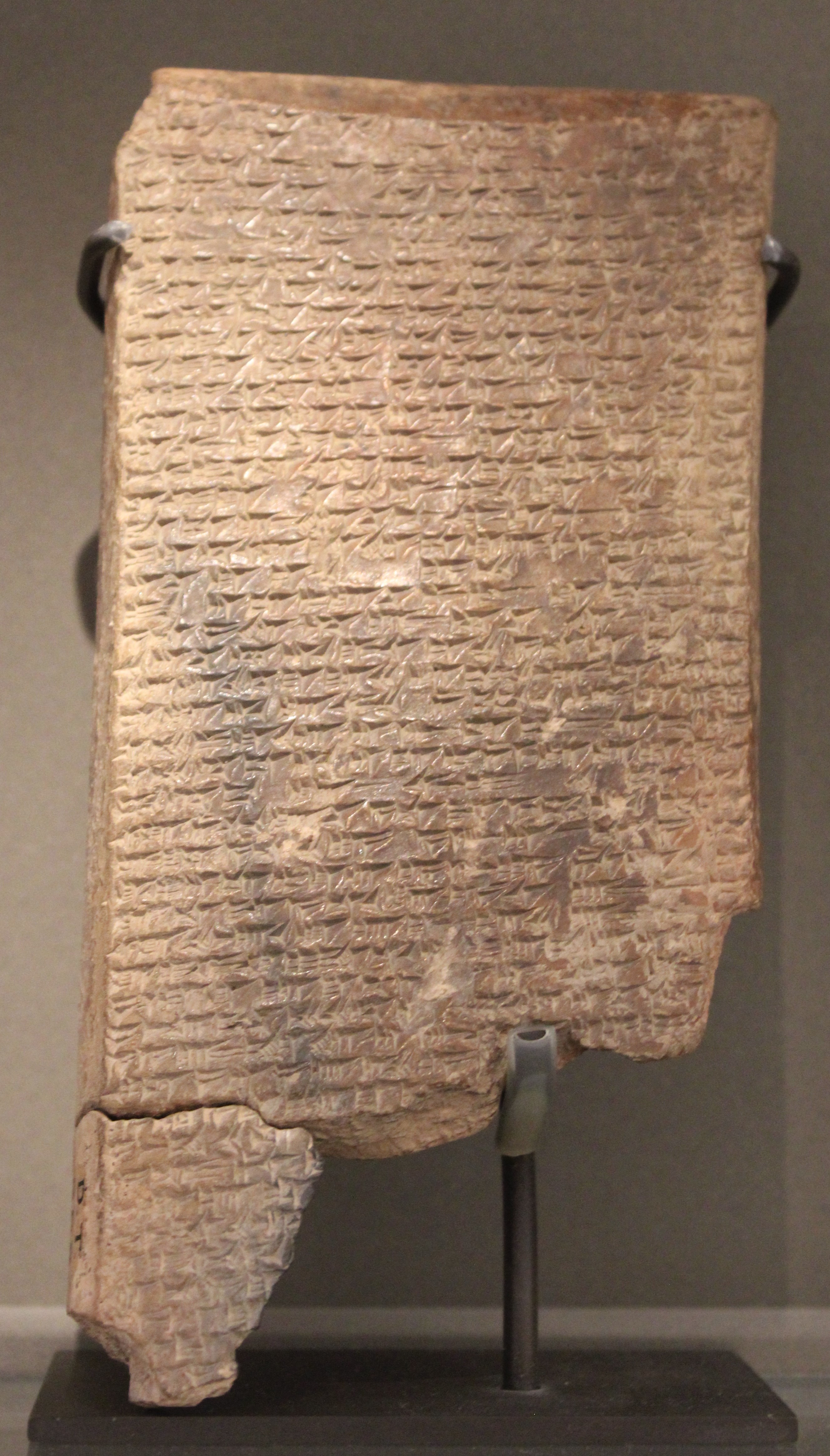
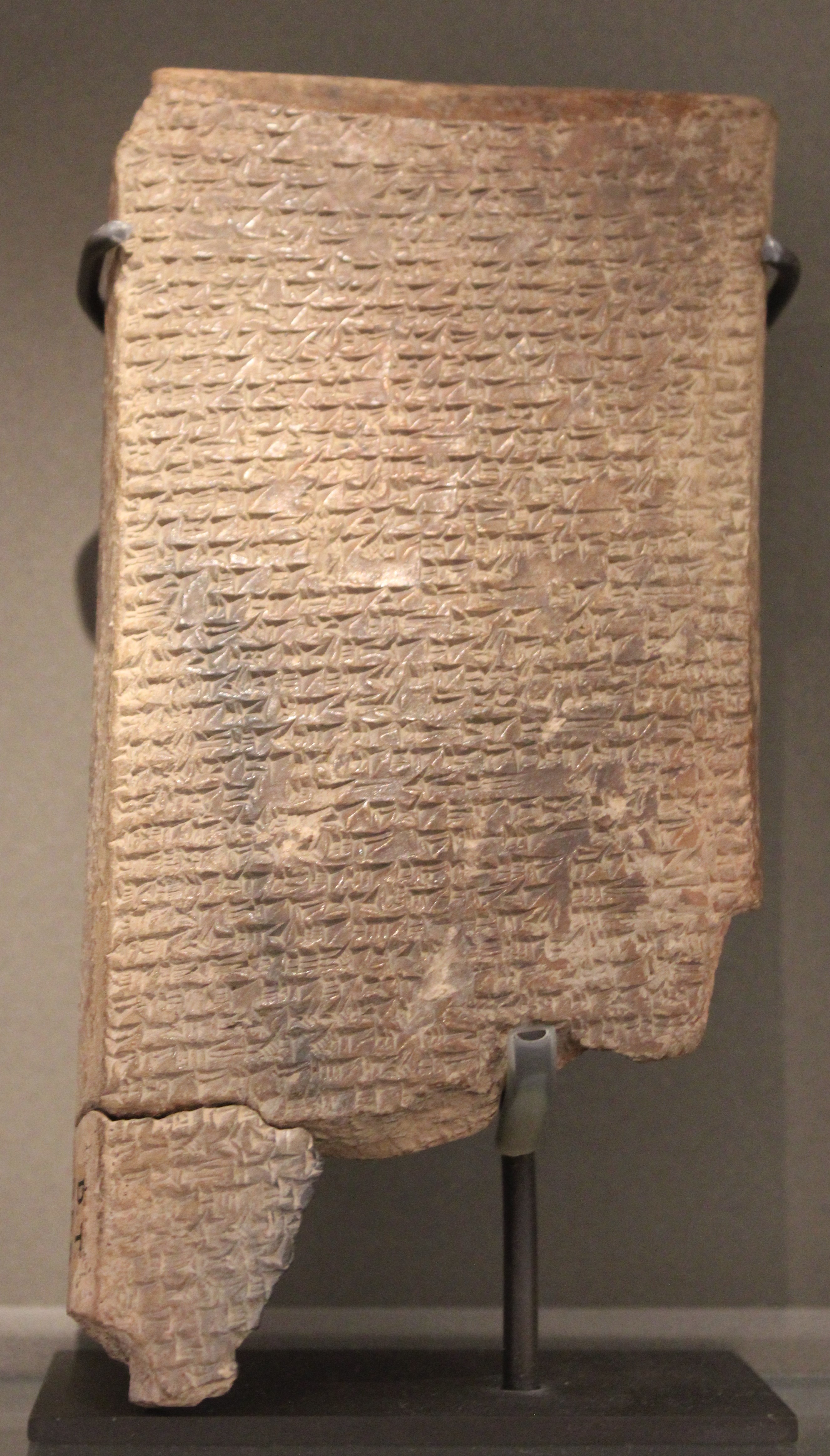
Ashurbanipal, a son of Esarhaddon, ruled Assyria from about 668 to 631 BCE. His reign is documented by inscriptions, palace reliefs and cuneiformCuneiformWriting with wedge-shaped signs, developed from Mesopotamian recording traditions and used for several languages from the third millennium BCE.Glossary · Click to read the explanation tablets found at NinevehNineveh and KuyunjikNineveh is an ancient Assyrian city near Mosul in northern Iraq; Kuyunjik is one of its archaeological moundsGlossary · Click to read the explanation. The records describe his succession, his relationship with his brother in BabylonBabylonBabylon is an ancient city in central present-day Iraq, south of BaghdadGlossary · Click to read the explanation and his support of temples. The collections known as his library also preserve scholarly and literary works that circulated before his reign. [1][2][3][4][5]
Two thrones and the campaign against Babylon
Esarhaddon arranged for Ashurbanipal to succeed him in Assyria and for Shamash-shum-ukin, another of his sons, to take the throne of BabylonBabylonBabylon is an ancient city in central present-day Iraq, south of BaghdadGlossary · Click to read the explanation. The younger prince had received training in the scribal arts. In one of his inscriptions, Ashurbanipal presents mastery of learned writing and divination as part of his education. The words express an ideal of kingship in which the ruler claims scholarly knowledge. [1]
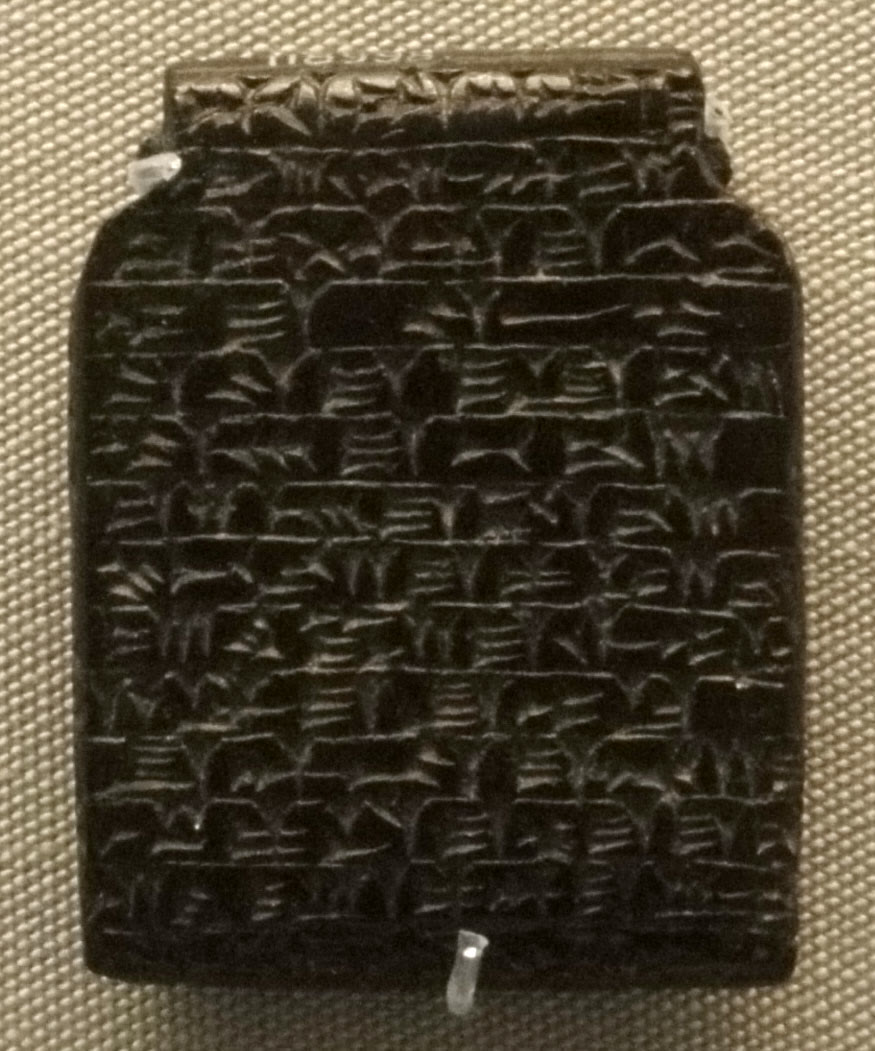
A stele from Borsippa shows another side of this arrangement. Its inscription records Ashurbanipal’s restoration of Ezida, the temple of the god Nabu, and invokes a blessing for Shamash-shum-ukin. Conflict later broke out between the brothers. Assyrian forces took Babylon in 648 BCE. A relief from the king’s palace at Nineveh depicts Ashurbanipal receiving goods taken from Babylon after the capture, as interpreted by its modern editors. [2][3]
The collections at Nineveh
At NinevehNineveh and KuyunjikNineveh is an ancient Assyrian city near Mosul in northern Iraq; Kuyunjik is one of its archaeological moundsGlossary · Click to read the explanation, scholars study groups of tablets found at Kuyunjik, one of the city’s archaeological mounds. The Yale Cuneiform Commentaries Project reports some thirty-one thousand tablets and fragments from excavations there, with many from rooms 40 and 41 in the Southwest Palace. The tablets, written in cuneiform on clay, include learned commentaries as well as literary works. [4][5]
Some tablets bear a colophon, a note that may name an owner or scribe. Several mark a tablet as belonging to the king. Others preserve traces of earlier ownership, as in tablets once owned by Nabû-zuqup-kēnu, a scholar associated with Kalhu. The Yale project identifies about a hundred tablets from his former collection among the finds at Nineveh, including commentaries that predate Ashurbanipal. Among the literary finds is a tablet of the Epic of Gilgamesh that recounts a flood. Its survival at Nineveh helps trace the transmission of the work. [4][5]
The palace reliefs
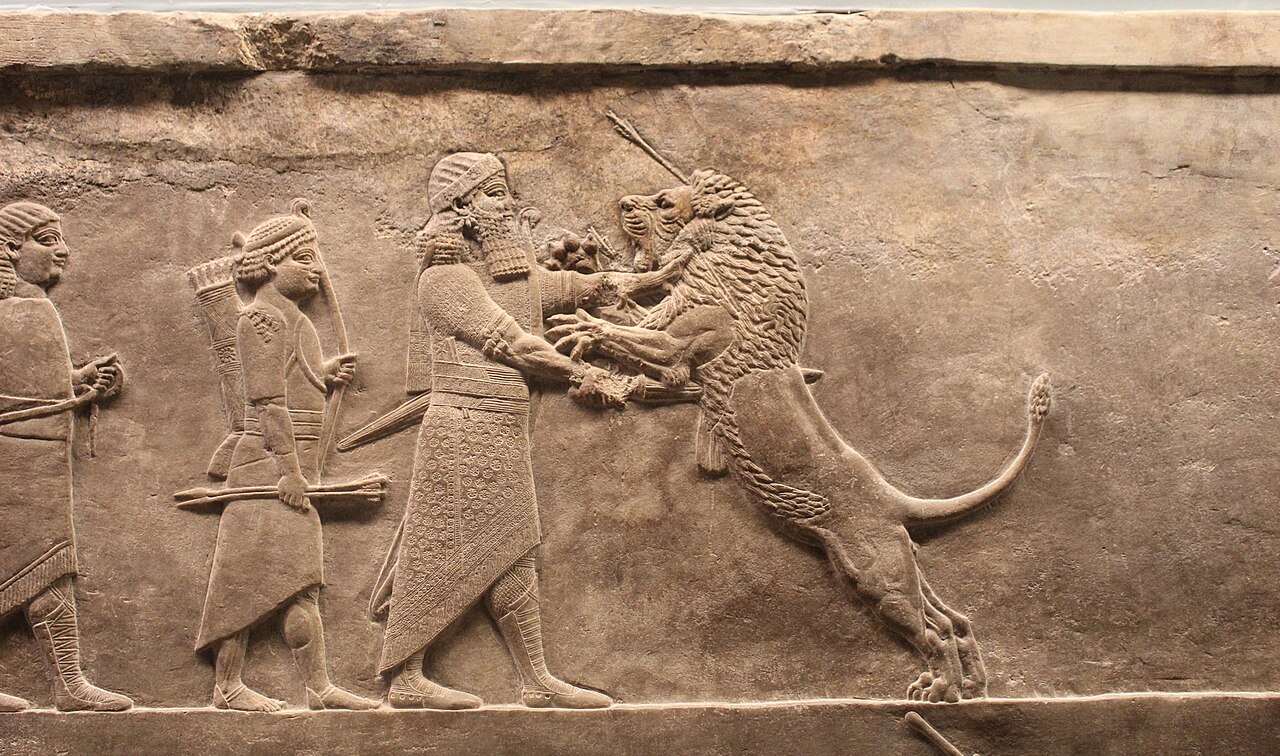
Reliefs from the North Palace show Ashurbanipal taking part in royal lion hunts. One series of panels sets hunting scenes alongside a ritualRitualAn organised or distinguished practice meaningful to a community; it may leave traces, but its form alone does not reveal an associated doctrine.Glossary · Click to read the explanation in which the king pours a liquid offering. Attendants and musicians appear in the same series. The arrangement presents the hunt as a royal occasion at the court. The panels belong to the same world of royal display as inscriptions that describe the king’s deeds. [1][6]
Quick answers
When did Ashurbanipal rule?
His reign is usually dated to about 668–631 BCE. [1]
Where were the tablets found?
Many were found at Kuyunjik, an archaeological mound of Nineveh, including rooms of the Southwest Palace. [4]
What is a colophon?
It is a note added to a text that can name the scribe or owner of a tablet. [4]
References and notes (6)
- Jamie Novotny and Joshua Jeffers, The Royal Inscriptions of Ashurbanipal, Part 1, RINAP 5/1 Introduction, subsection on Ashurbanipal’s family, education and accession. Dates of the reign, the two heirs and the School Days Inscription. Return to the text ↑
- British Museum, “Stela of Ashurbanipal” Object commentary. The image of the king, the restoration of the Ezida at Borsippa, and the inscription about his brother. Return to the text ↑
- Jamie Novotny and Chikako E. Watanabe, “After the Fall of Babylon: A New Look at the Presentation Scene on Assurbanipal Relief BM ME 124945–6” Opening discussion. The capture of Babylon in 648 BCE and the editors’ interpretation of the presentation scene. Return to the text ↑
- Yale University, Cuneiform Commentaries Project, “Cities and Libraries” Section on Nineveh under “Assyrian libraries and tablet collections.” Kuyunjik, rooms 40–41, colophons and earlier owners. Return to the text ↑
- British Museum, “The Flood Tablet, relating part of the Epic of Gilgamesh” Object description. The tablet from Nineveh, its narrative and the types of texts collected there. Return to the text ↑
- British Museum, “Stone panels from the North Palace of Ashurbanipal” Object commentary. Hunting scenes, the libation, attendants and musicians. Return to the text ↑
Suggest a correction · Suggest a source for this record
Cite this record
IL Archive, «Ashurbanipal», https://ilarchive.com/en/people/ashurbanipal
Continue reading