Site · Contextual definition
Nineveh and Kuyunjik
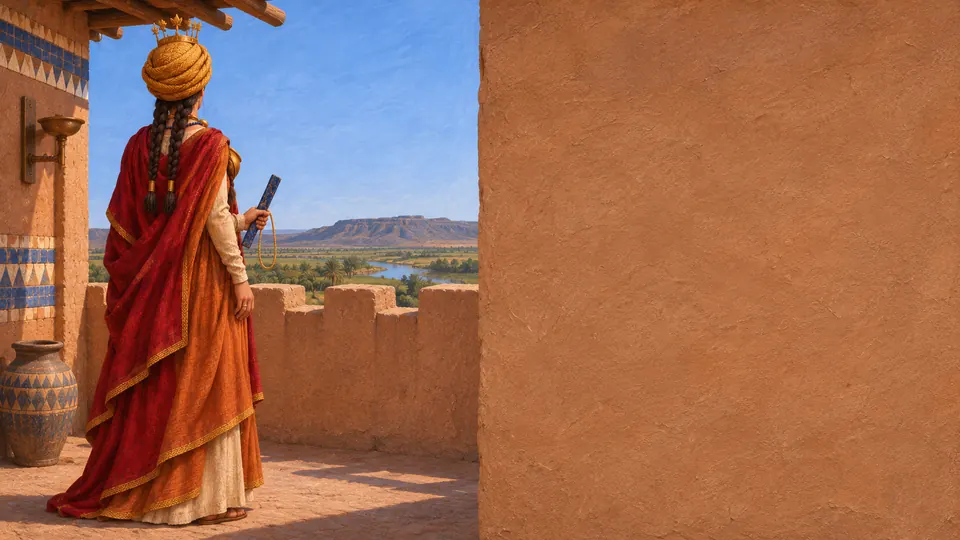
Two mounds rise within the walls of ancient Nineveh on the Tigris. Palaces, inscribed pavement and clay tablets show how Sennacherib built his capital and how scribes assembled the collection associated with Ashurbanipal.
Estimated reading time: 3 min Published Last reviewed:
Share article
Text
Introduction
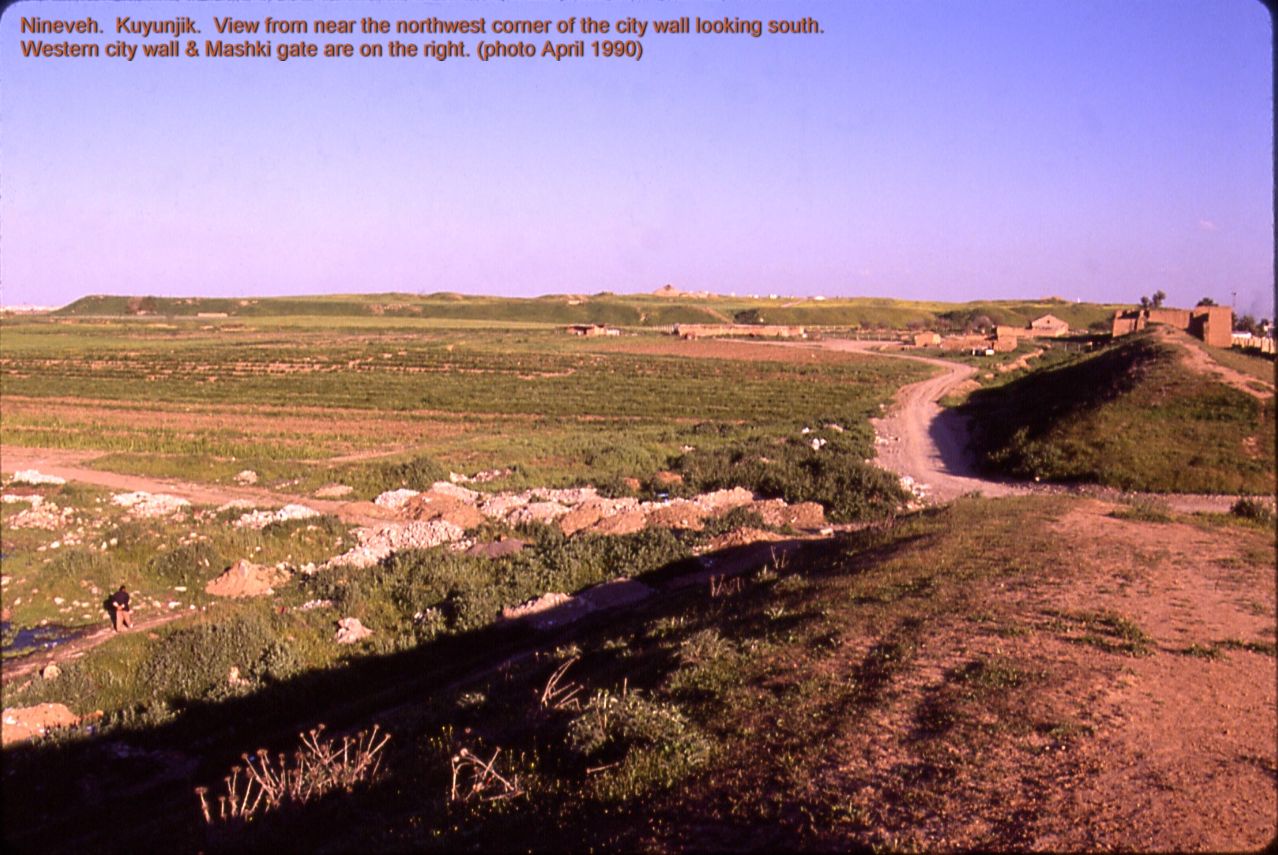
Nineveh lies on the outskirts of present-day Mosul in northern IraqIraqIraq is a modern country encompassing much of ancient MesopotamiaGlossary · Click to read the explanation, on the east bank of the Tigris near its junction with the Khosr. The ancient city’s walls ran for about twelve kilometres. They enclosed a broad lower city as well as two prominent mounds, Kuyunjik in the north and Nebi Yunus farther south. Kuyunjik is the larger mound. The French archaeological overview dates its earliest traces of occupation to the seventh millennium BCE. The Mosul Cultural Museum also records a sixth-millennium BCE village at Nineveh. Assyrian buildings on its summit belong to a much later stage of the site’s history. [1][2]
The capital and its two mounds
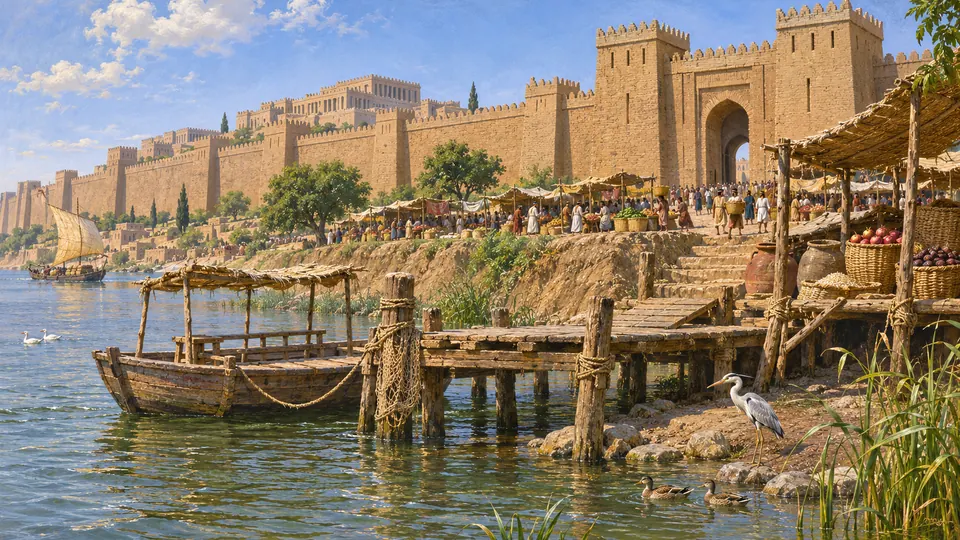
Sennacherib made Nineveh his capital after taking the Assyrian throne at the end of the eighth century BCE. The French archaeological site overview estimates that the city covered about 775 hectares at its seventh-century height. The king’s works included extensive fortifications and a palace on Kuyunjik. Canals fed several gardens, one of which drew water from the Gomel River. The walls and buildings of the lower city were part of a settlement that extended far beyond the palaces on the mound. [1][2]
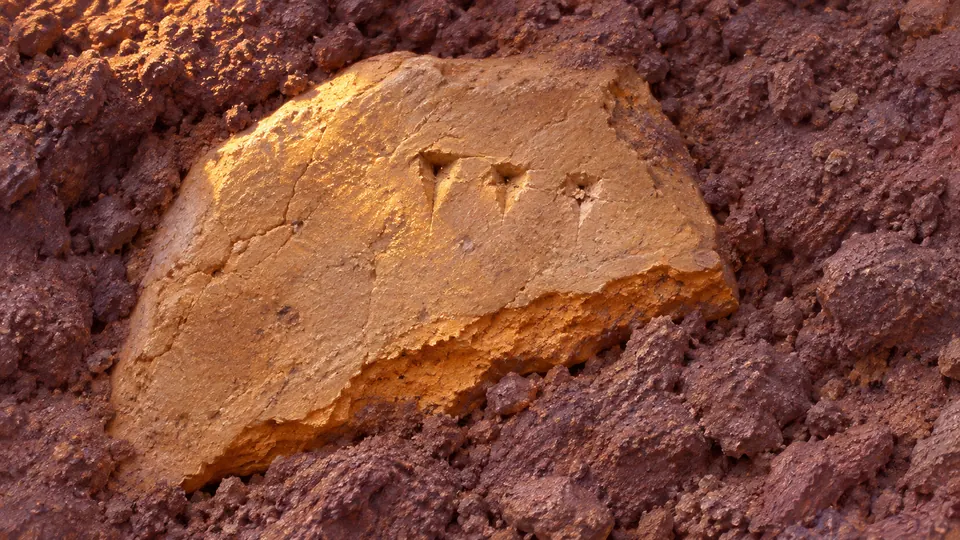
Sennacherib’s residence on Kuyunjik is known to excavators as the Southwest Palace. On a stone threshold with carved floral decoration, two lines of cuneiformCuneiformWriting with wedge-shaped signs, developed from Mesopotamian recording traditions and used for several languages from the third millennium BCE.Glossary · Click to read the explanation name it the “Palace Without a Rival.” The inscription was carved on a slab at one of the entrances to the throne room. Elsewhere on Kuyunjik, archaeologists uncovered the North Palace, built by Sennacherib’s grandson AshurbanipalAshurbanipalAshurbanipal was an Assyrian king of the seventh century BCE, reigning about 668–631 BCEGlossary · Click to read the explanation, as well as temples dedicated to Nabu and IshtarInanna / IshtarA prominent Mesopotamian goddess whose Sumerian name Inanna became associated with Akkadian Ishtar across diverse traditions. She was associated with desire, war, royal authority and Venus, while local forms and genealogies varied among texts.Glossary · Click to read the explanation. [2][3]
Nebi Yunus preserves a different royal complex. Sennacherib rebuilt an arsenal there, and Esarhaddon enlarged it. In 1954, Iraqi excavators investigated the northeast corner of the mound and uncovered a monumental gateway approached by a stone-paved road. Finds included inscribed bricks, clay tablets and statues of the Egyptian pharaoh Taharqa. These results help identify functions that are less visible in the palaces on Kuyunjik, including its role as an arsenal. [2][4]
The tablets from Kuyunjik
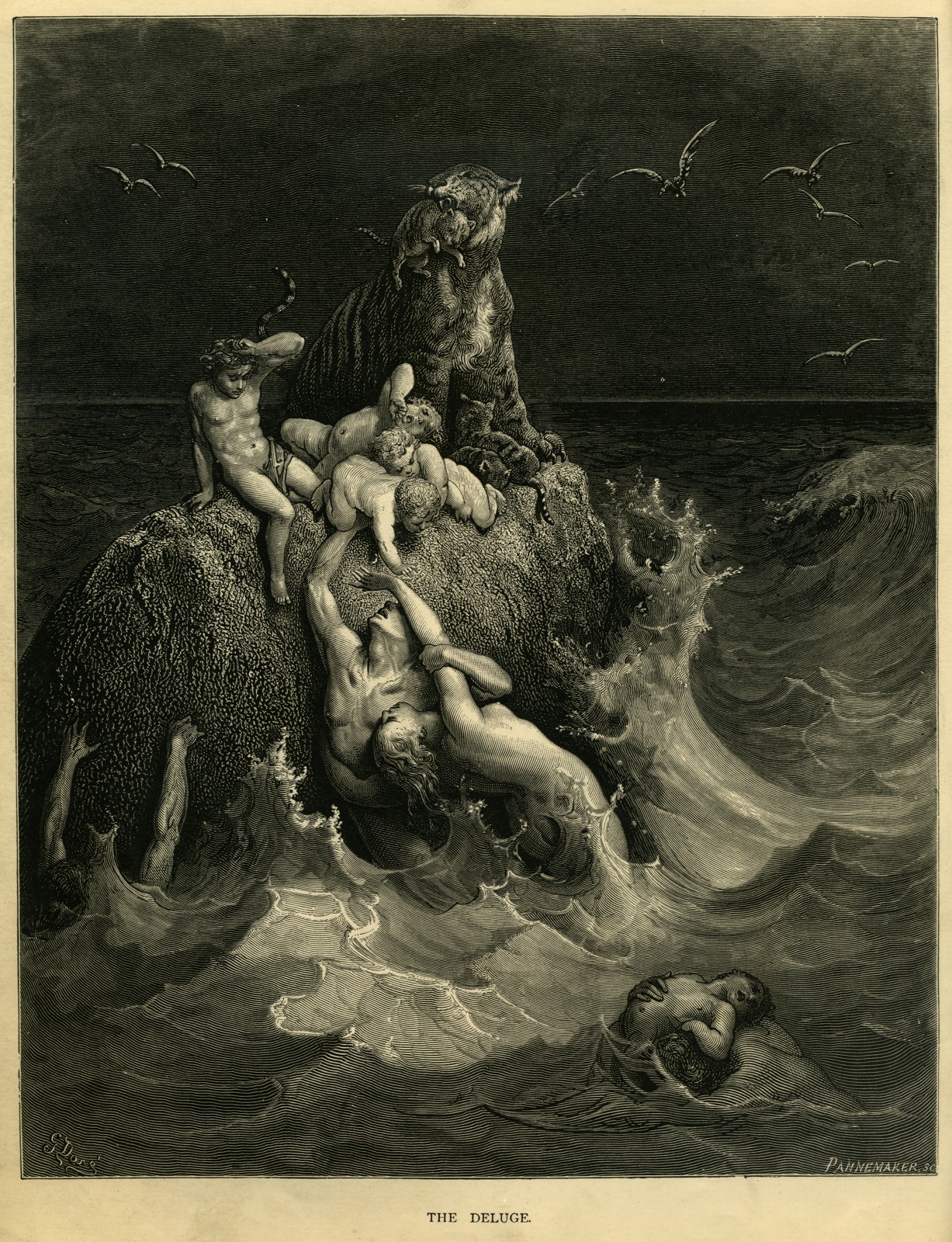
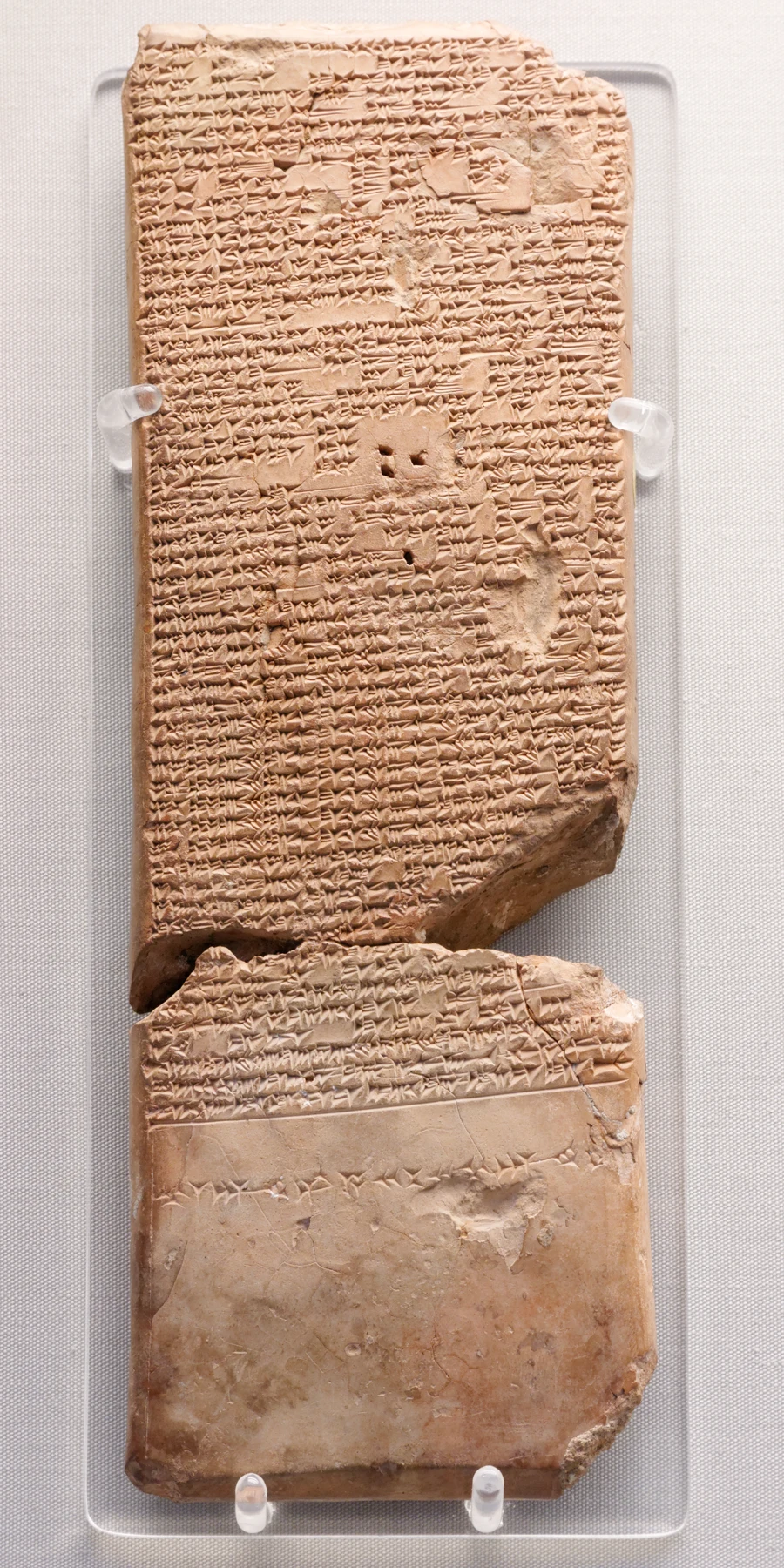
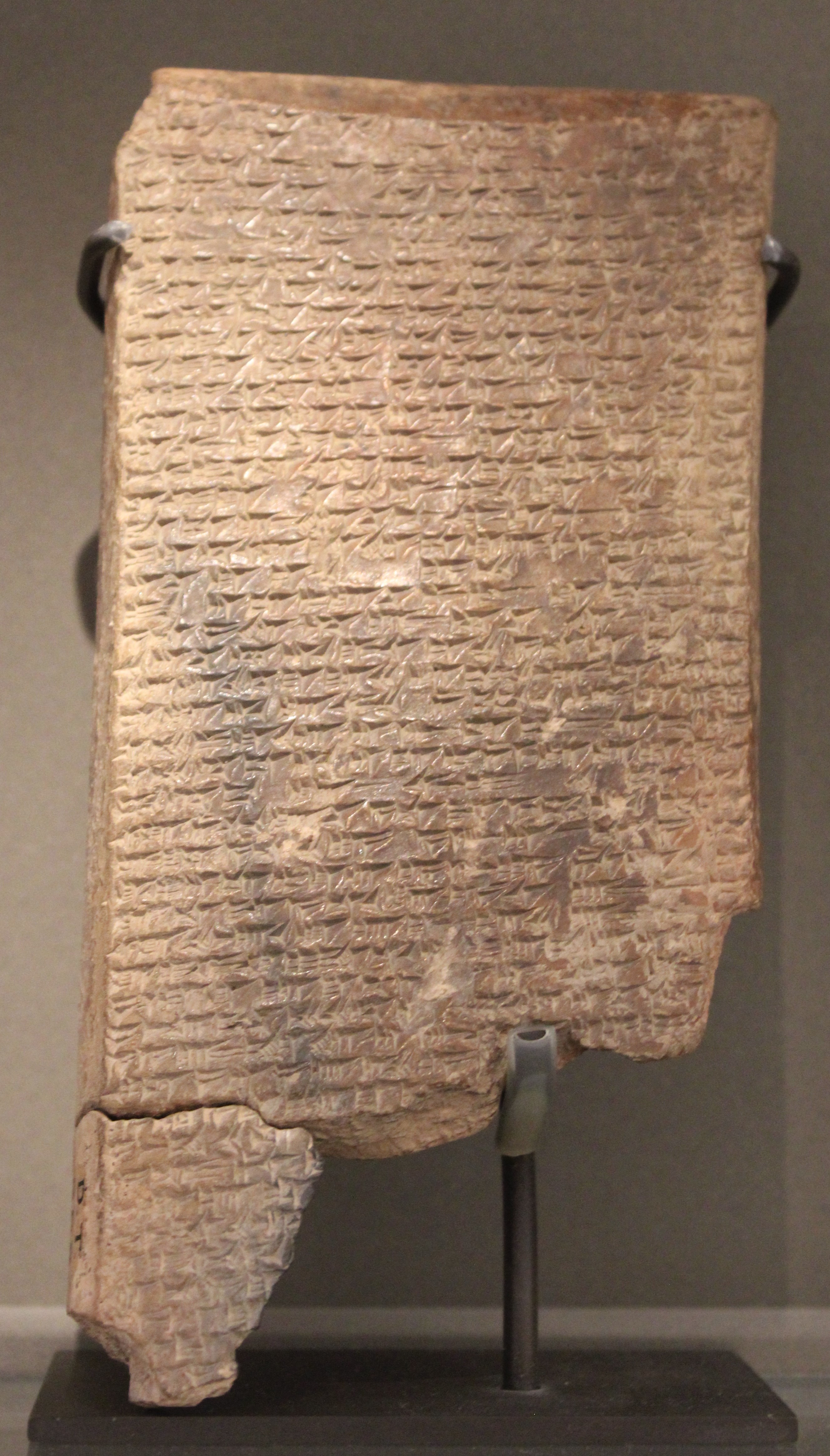
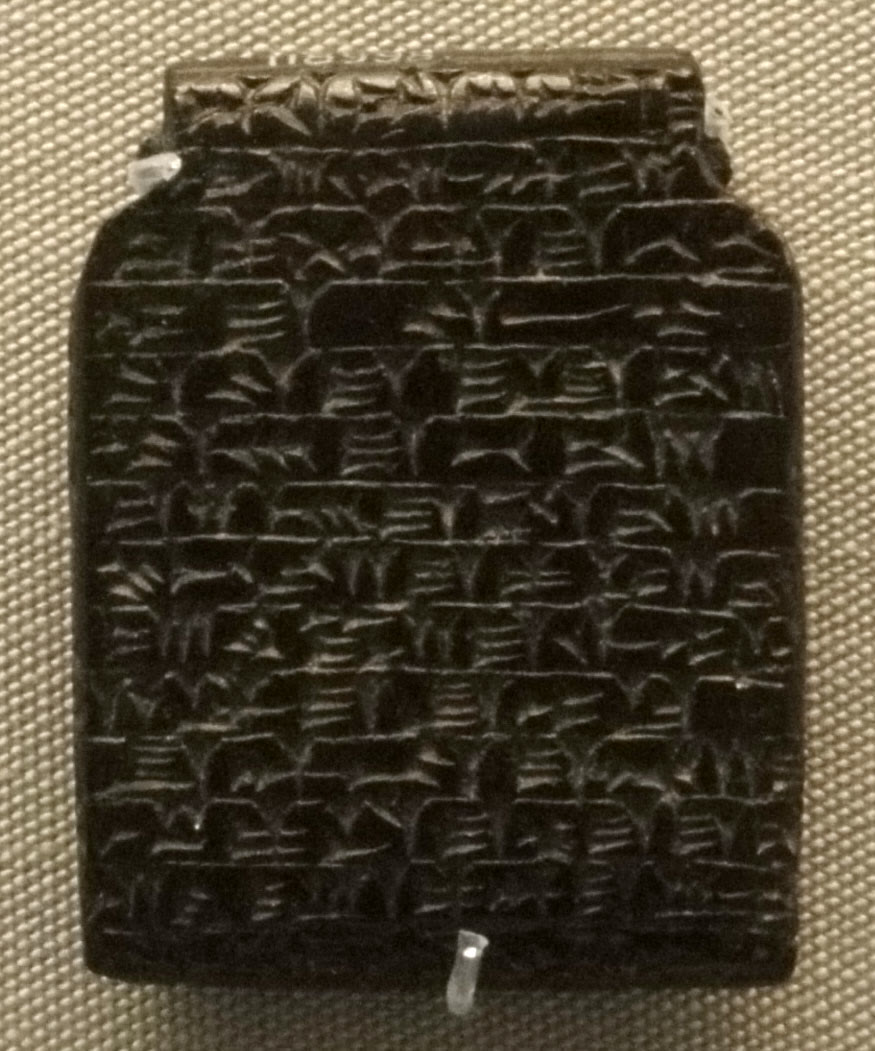
About 30,000 clay tablets and fragments from the mound are commonly grouped under the name Library of Ashurbanipal. Many tablets bear a colophon, a note written at the end of a text. Royal colophons typically mark the tablet as the king’s property. Some other notes name earlier scribes or come from tablets made in other places. Almost all genres of text are represented, including literature. One famous example is British Museum K.3375, a seventh-century BCE copy of the Flood story in Tablet XI of the Epic of Gilgamesh. [5][6]
The fall of the capital and its excavation
Babylonian and Median forces captured Nineveh in 612 BCE. The Babylonian Chronicle tablet BM 21901 records the campaign and the fall of the city, which ended its role as the imperial capital. Finds at the site come from fieldwork over many generations. In the nineteenth century, Austen Henry Layard and Hormuzd Rassam excavated at Nineveh. In the twentieth, Iraqi archaeologists reopened the Southwest Palace throne room, conserved remains in place and investigated several city gates. [1][4]
Quick answers
Where is Nineveh? Its remains lie on the outskirts of present-day Mosul, on the east bank of the Tigris in northern Iraq. [1][2]
What is Kuyunjik? It is the main archaeological mound at Nineveh. It contains major temples, the Southwest and North Palaces, and the findspots of thousands of tablets. [2][6]
When did Nineveh fall? Babylonian and Median forces took the imperial capital in 612 BCE. [4]
References and notes (6)
- Mosul Cultural Museum, “Nineveh,” Ministère de la Culture Sections on the site and the Assyrian capital. The Tigris and Khosr, two mounds, the capital’s fall and excavation history. Return to the text ↑
- Ministère de la Culture, “Nineveh,” Archéologie Opening summary and sections on both mounds and the gardens. The city’s area and ramparts, early occupation, palaces, temples and water supply. Return to the text ↑
- A. Kirk Grayson and Jamie Novotny, The Royal Inscriptions of Sennacherib, King of Assyria (704–681 BC), Part 2, RINAP 3/2 (2014) Inscriptions 78–79, pp. 120–121. Stone thresholds in Room I of the Southwest Palace and the wording that names the royal residence. Return to the text ↑
- John MacGinnis, “Nineveh in the Cuneiform Sources” and “Iraqi Excavations at Nineveh,” in Nineveh, the Great City (2017) Chapters 2 and 16, especially pp. 29–31 and 91–92. Figure 2.3 and the Chronicle account of 612 BCE, Iraqi work at Kuyunjik and Nebi Yunus, and the 1954 finds. Return to the text ↑
- Getty Research Institute, “The Flood Tablet,” Cultural Objects Name Authority 700009476 Object note and repository number. British Museum K.3375, seventh century BCE, the flood narrative in Tablet XI of the Epic of Gilgamesh. Return to the text ↑
- Cuneiform Commentaries Project, “Cities and Libraries,” Yale University Nineveh section. Tablets found on Kuyunjik, scribal copying, colophons and the range of genres represented. Return to the text ↑
Suggest a correction · Suggest a source for this record
Cite this record
IL Archive, «Nineveh and Kuyunjik», https://ilarchive.com/en/sites/nineveh-kuyunjik
Continue reading
Related readings