The Fall of Nineveh Chapter 1
From Assur to Harran
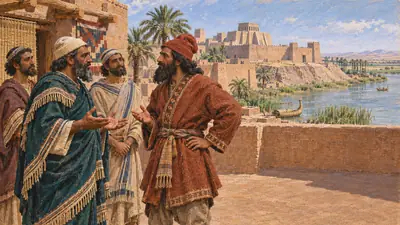
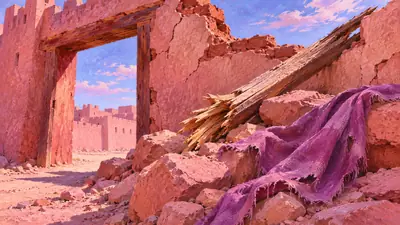
Two kings make an agreement beside fallen Assur. They move against Nineveh together two years later. The last part of the tablet takes the reader west, to Harran.
SourcesTurn the pages with the arrows, the arrow keys or a swipe.
FROM ASSUR TO HARRAN
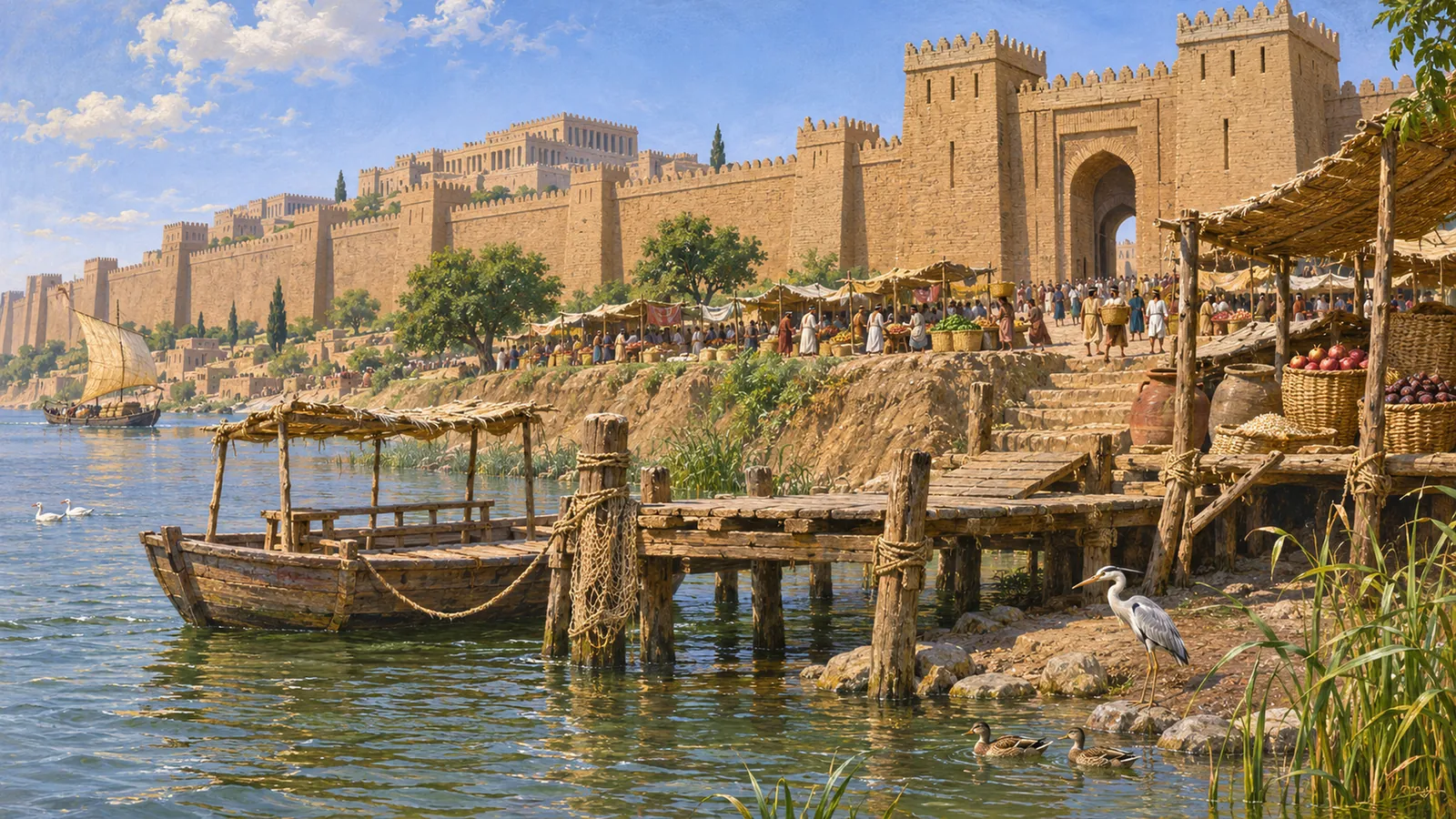
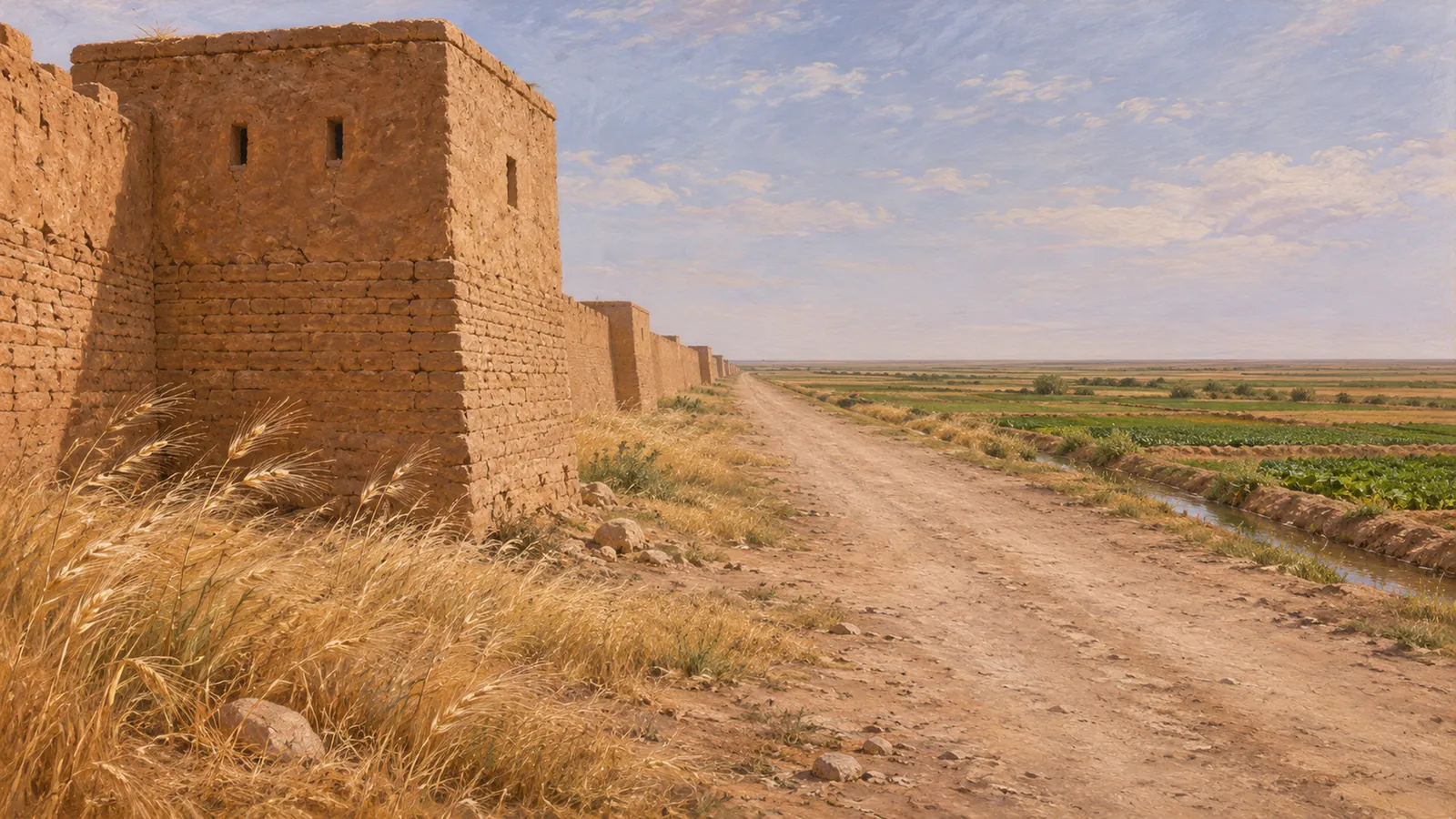
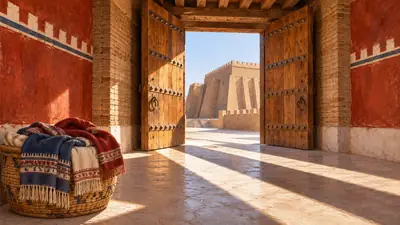
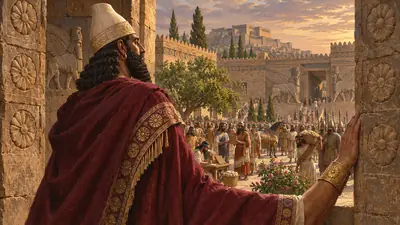
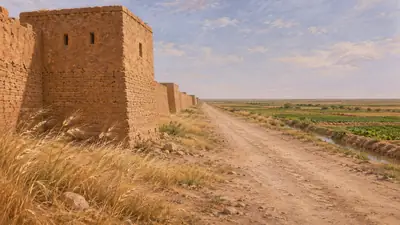
For years the kings of Assyria had ruled from behind Nineveh’s tall mudbrick walls. In 612 BCE the city fell. A clay tablet from Babylonia preserves the story of its last years.
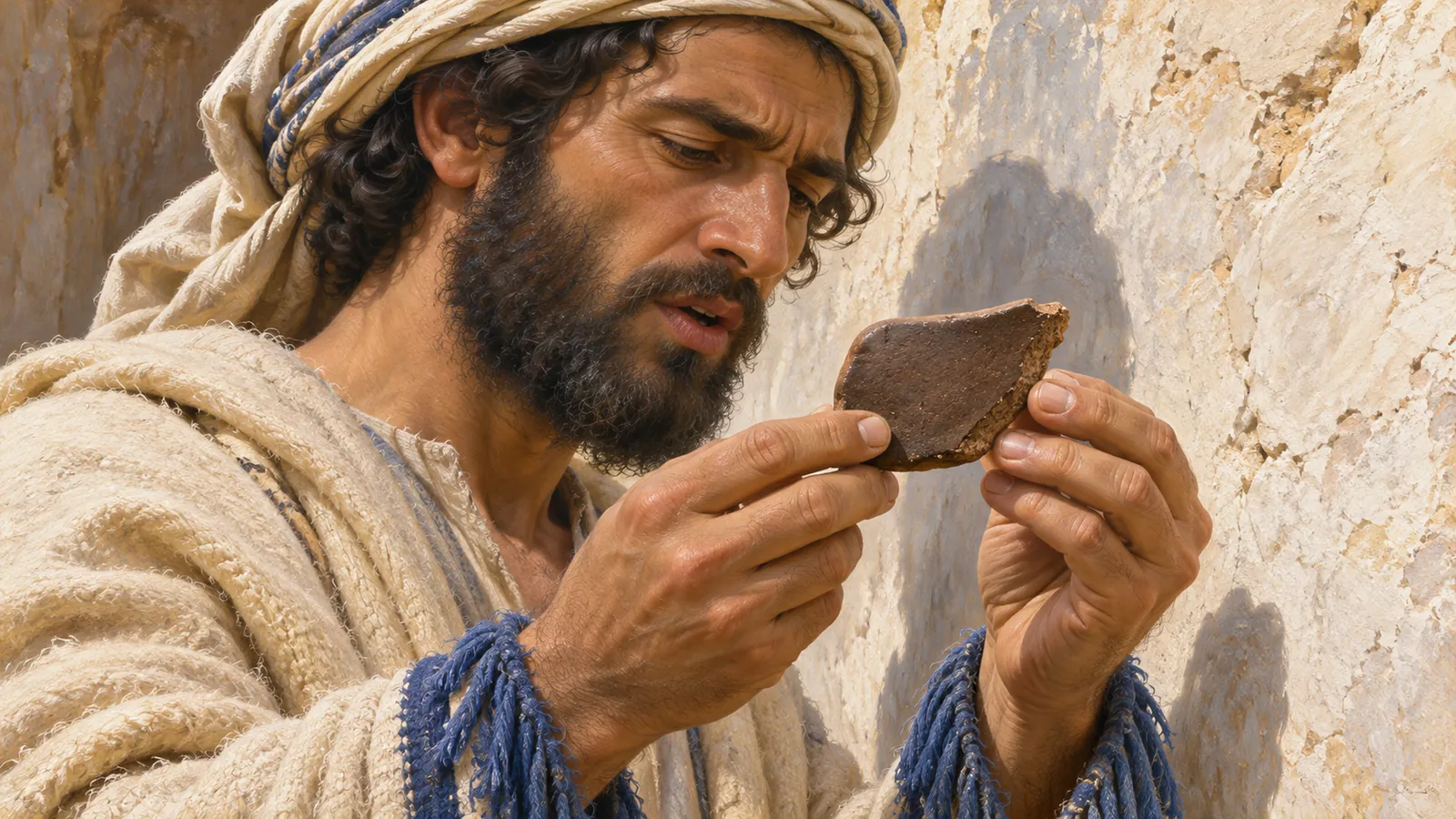
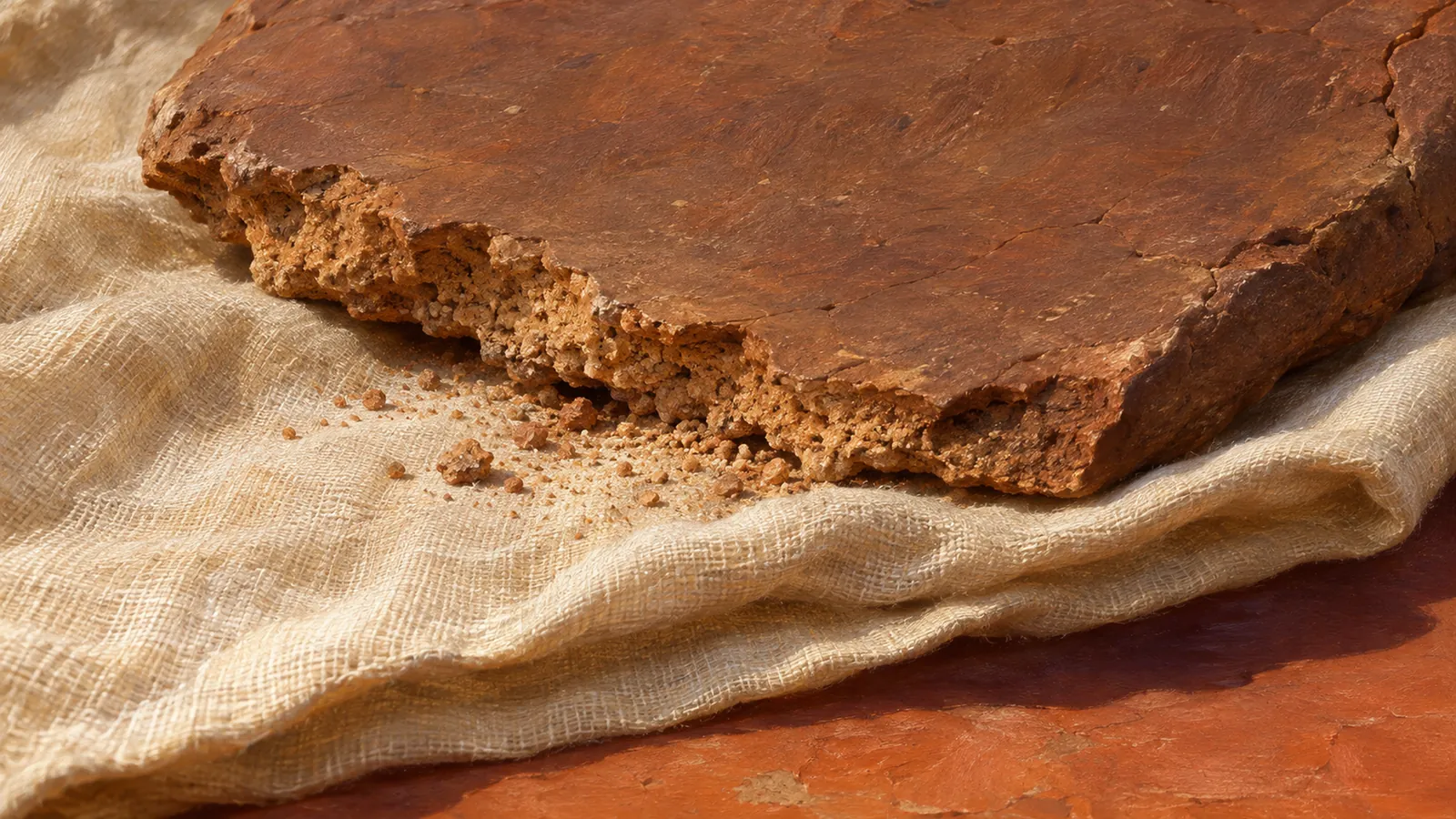
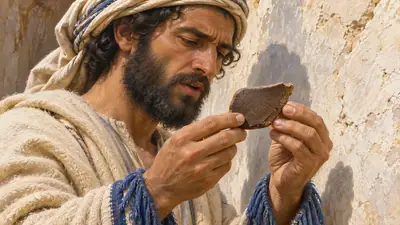
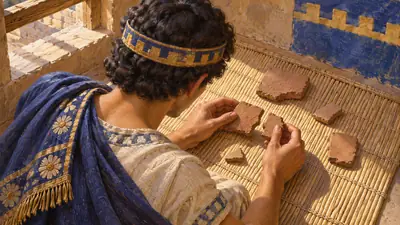
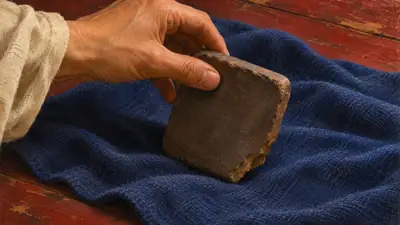
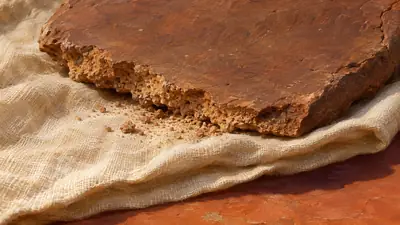
The surviving tablet is about thirteen centimeters long. It has been joined from four pieces. Whole lines still carry dates, but a wound in the clay cuts through the middle of the record.
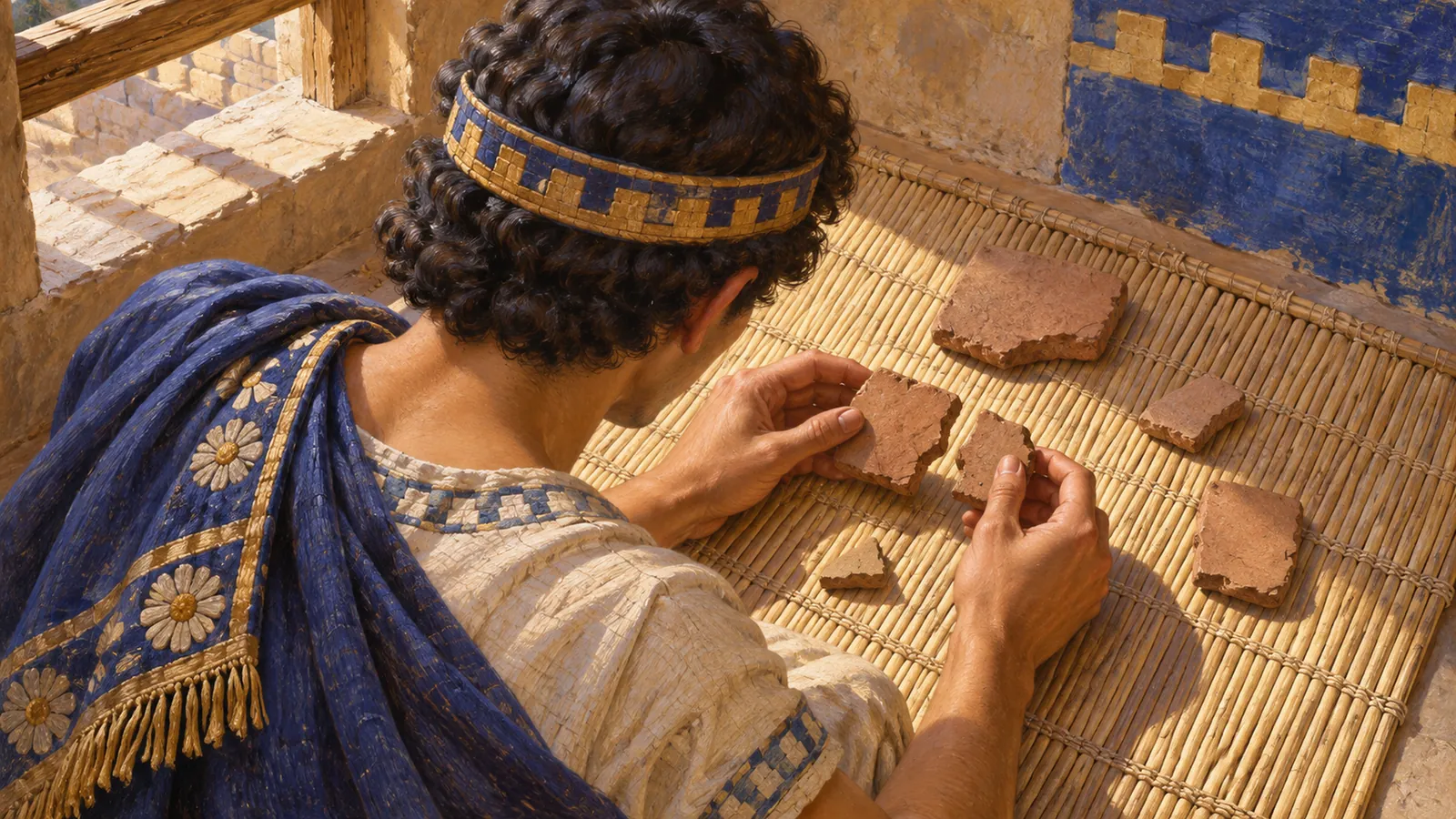
The scribe set down the years of Nabopolassar’s reign in order. A month and sometimes a day start each entry. A ruler’s name held the whole measure of time together.
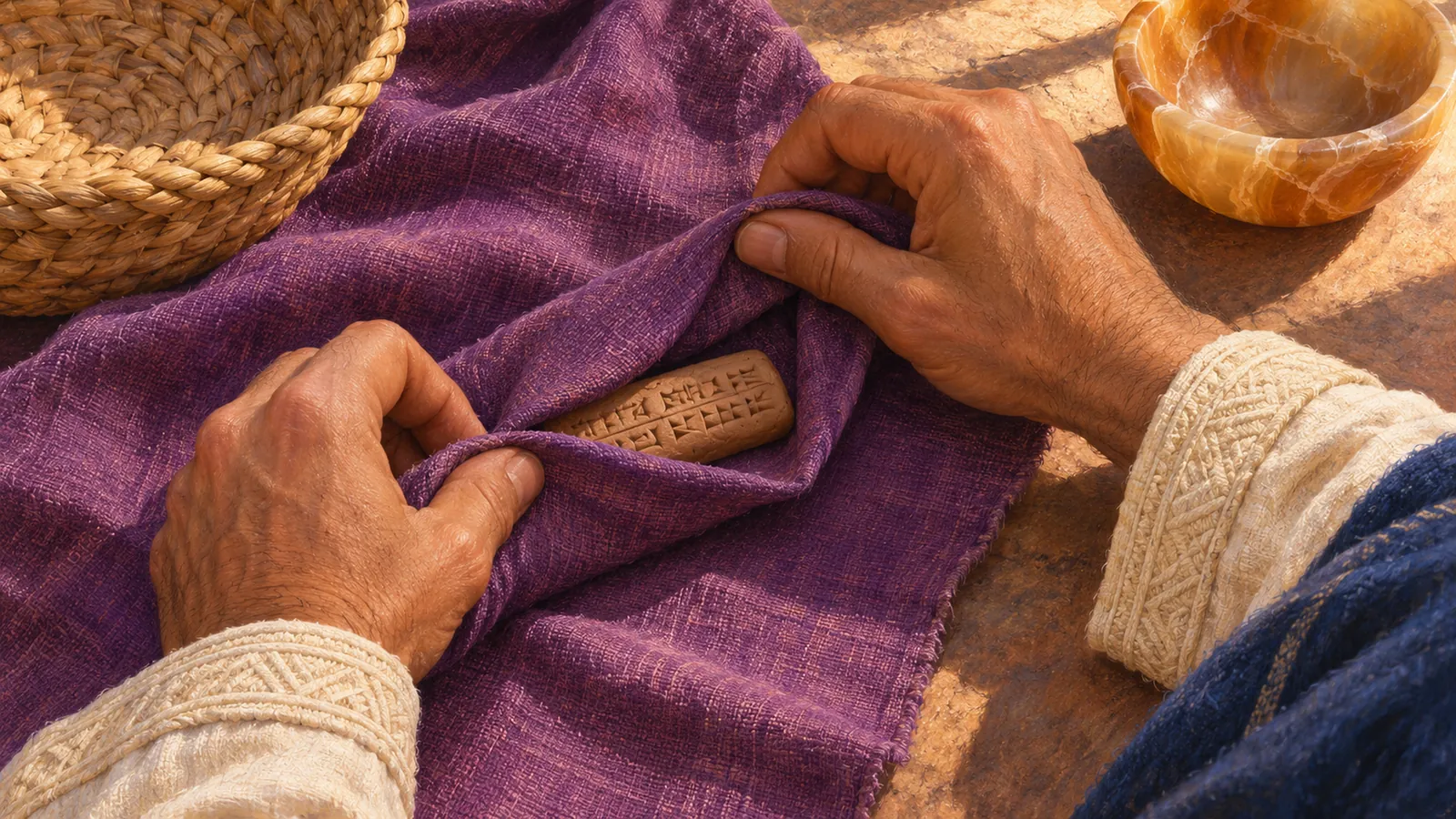
The chronicler wrote from the Babylonian side. He followed Nabopolassar closely enough to record that king’s setbacks. The Assyrian and Median armies appear as their movements cross the stretch of history he set down.
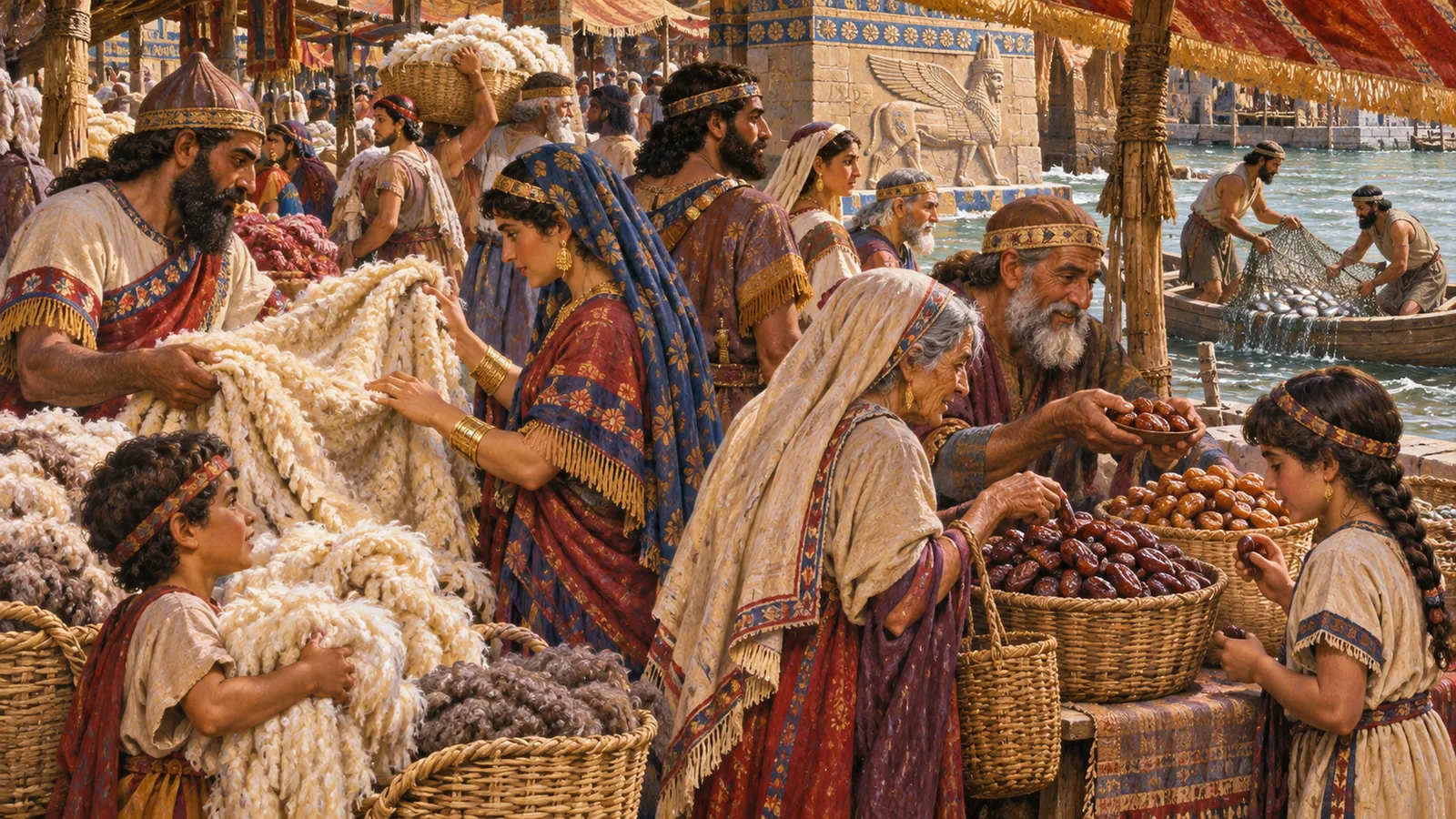
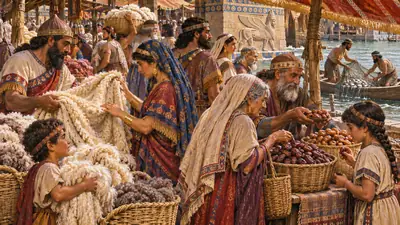
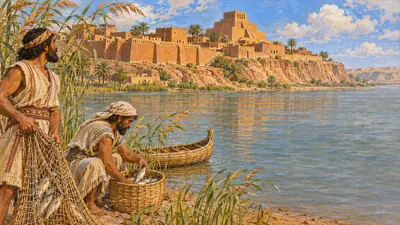
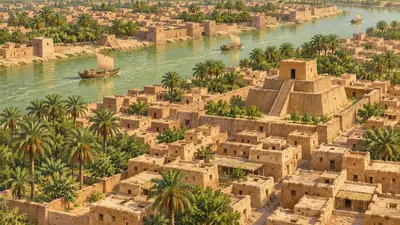
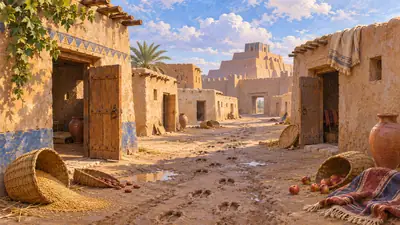
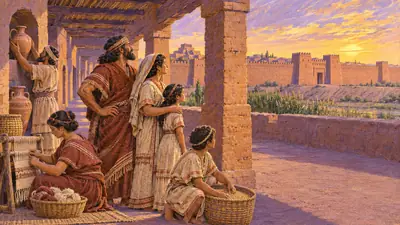
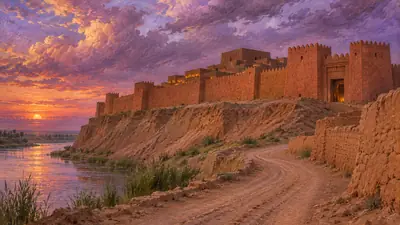
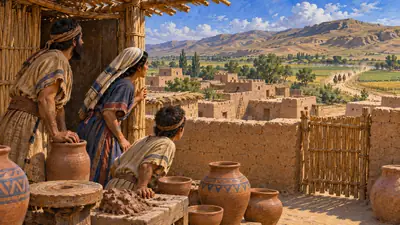
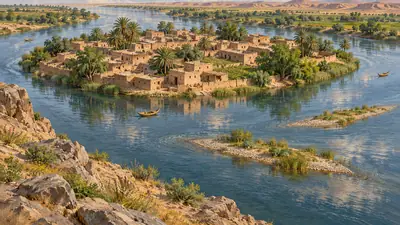
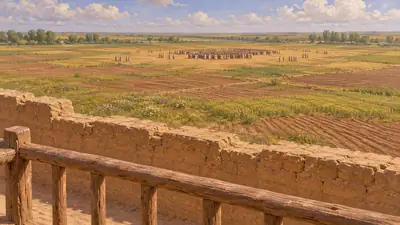
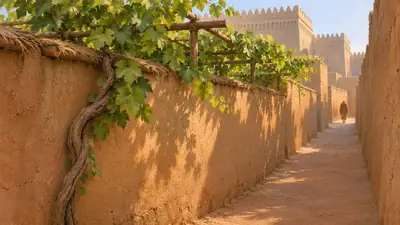
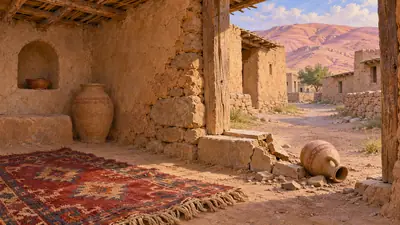
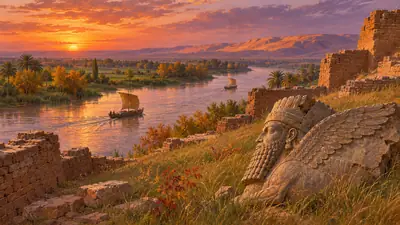
Nineveh stood on the east bank, at the place where the Khosr River meets the Tigris. Palaces and temple courts rose above neighborhoods of ordinary mudbrick houses and their workshops.
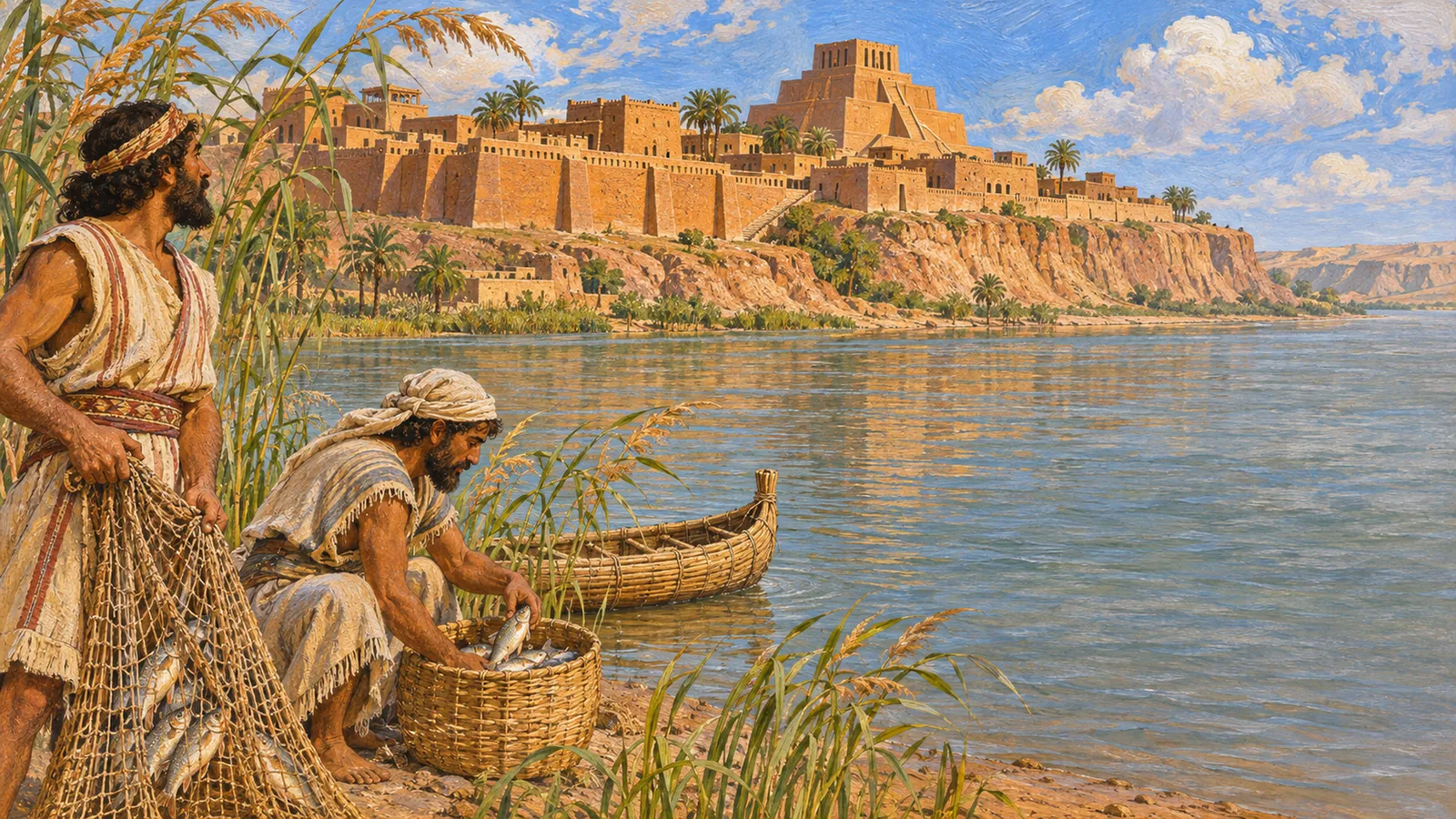
The older city of Assur stood farther down the Tigris, across the river from Nineveh’s shore. It remained the sacred center of the kingdom long after the court had moved north.
Assyrian royal inscriptions celebrate work on the temples at Assur long after the court had left. The great city on the river kept its place in the kingdom’s history, and its name was also the name of a god.
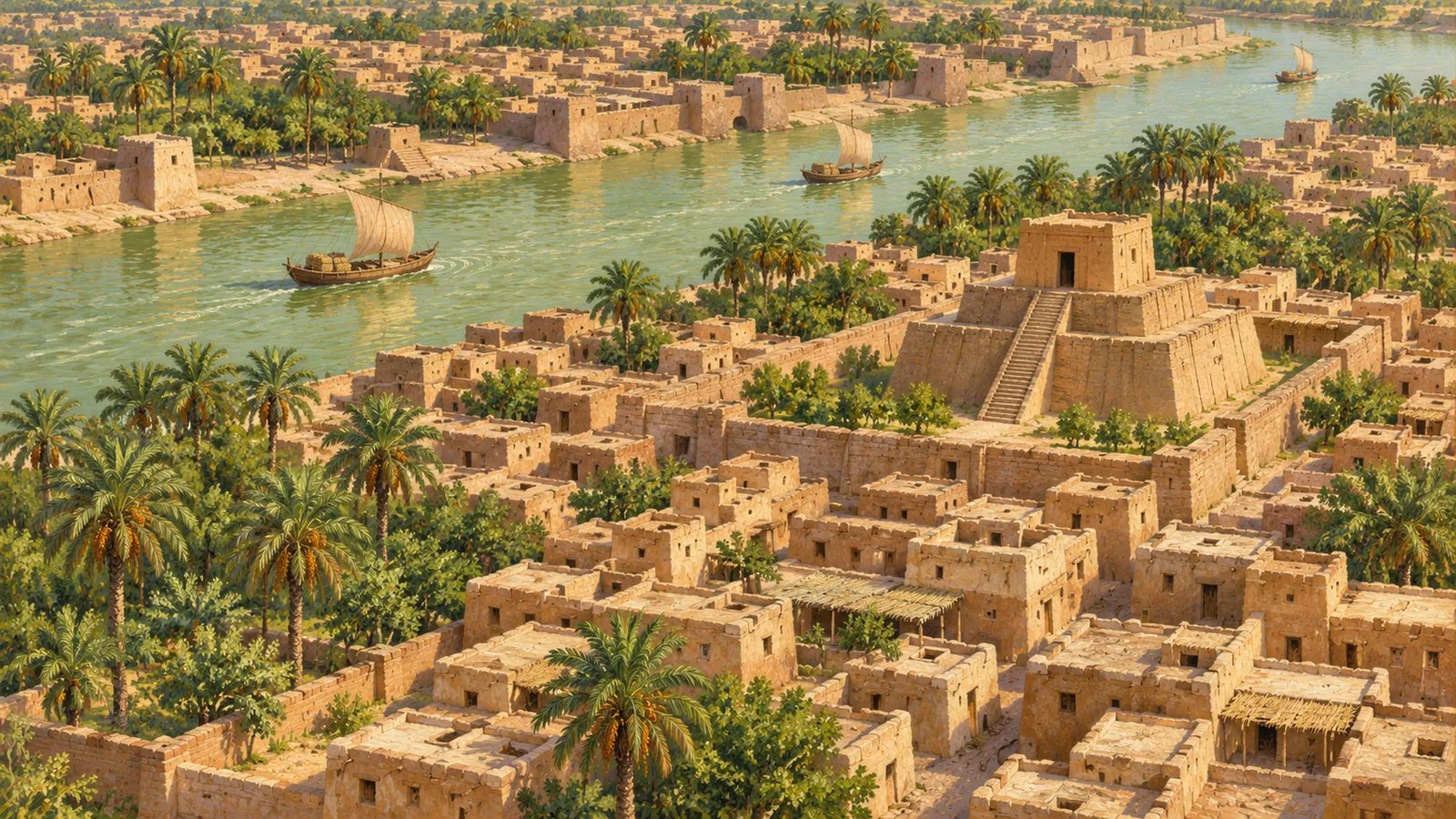
Babylon stood south and west of the Assyrian capitals, on another river. Nabopolassar gained its throne in 626 BCE. On the tablet we will meet him as the king of Akkad.
UP THE EUPHRATES
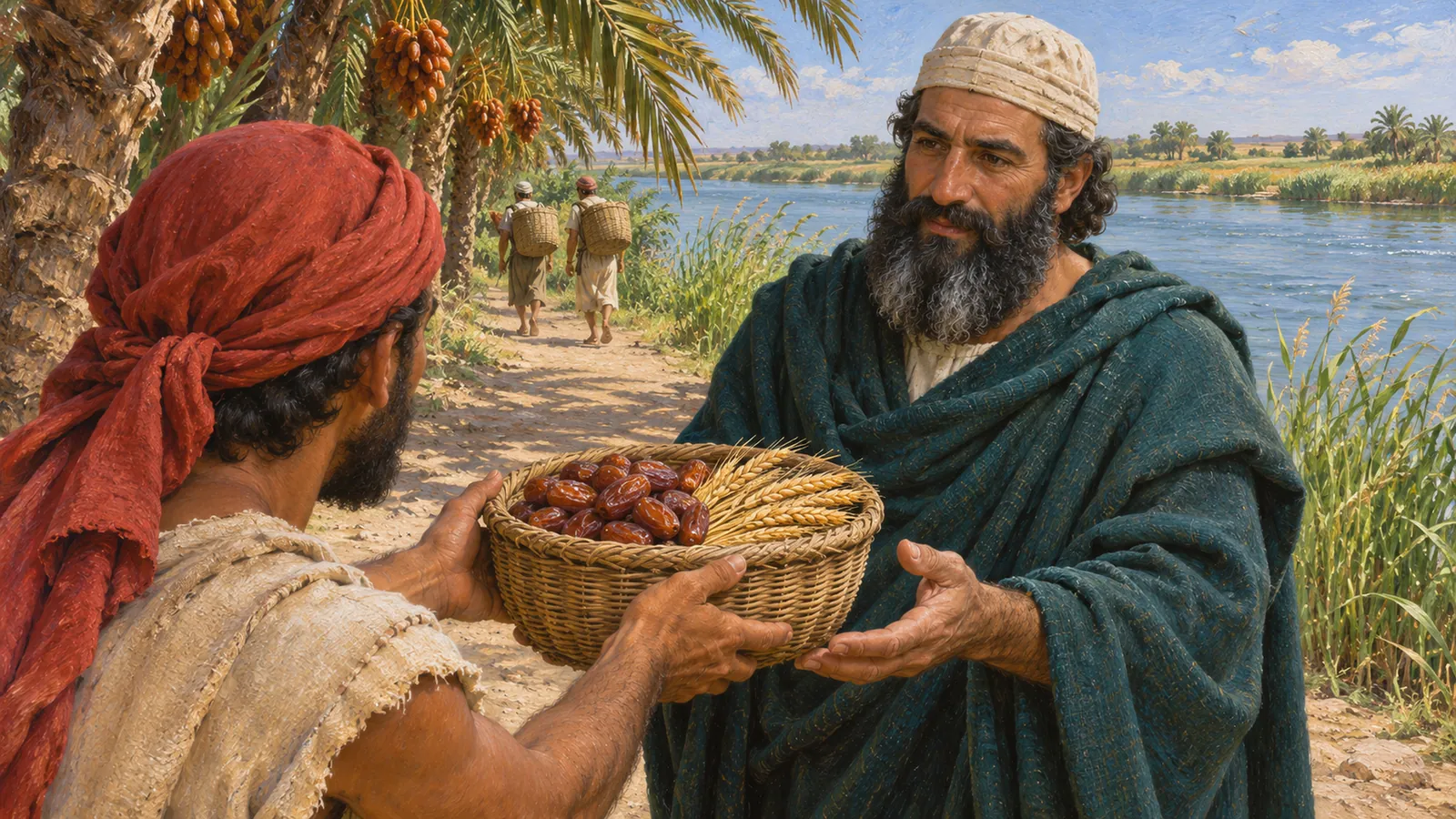
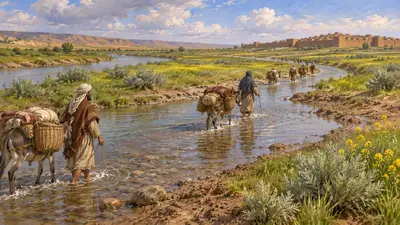
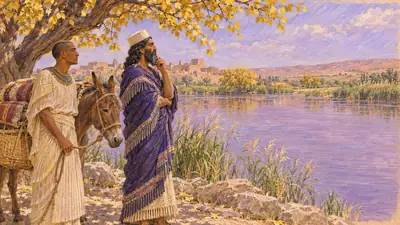
The chronicle opens in Nabopolassar’s tenth year, 616 BCE. In the spring month of Ajaru he led his army upriver. The people of Suhu and Hindanu brought tribute as he passed.
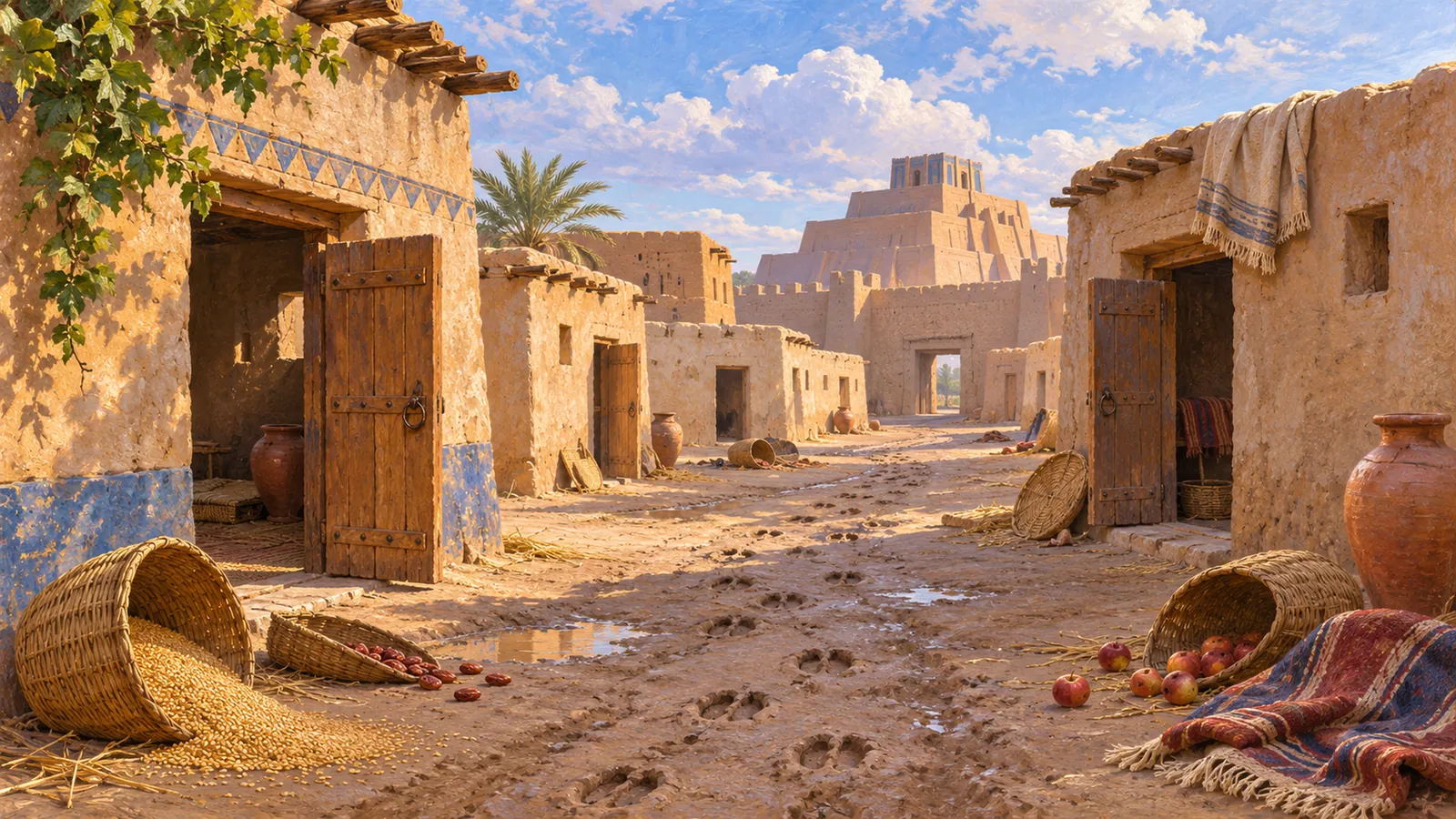
On the twelfth day of Abu, the chronicle says, Nabopolassar’s troops defeated the Assyrian army and took Gablini. It records the capture of Assyrian officers and Mannean allies who had come to their aid.
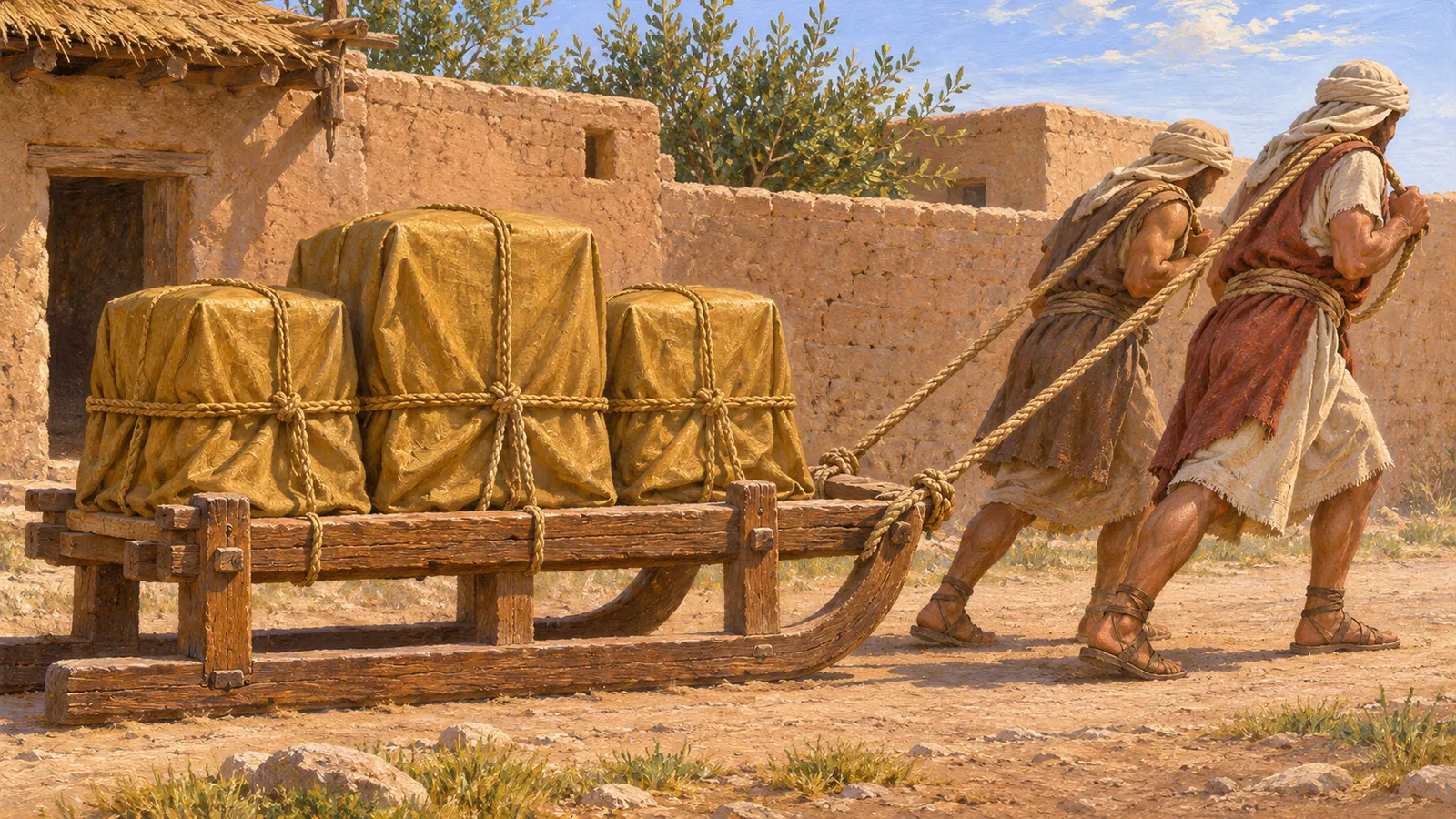
That month, troops went upstream to Mane, Sahiri and Balihu. They took goods and carried away their gods. In the language of the chronicle, the gods were represented by their temple images.
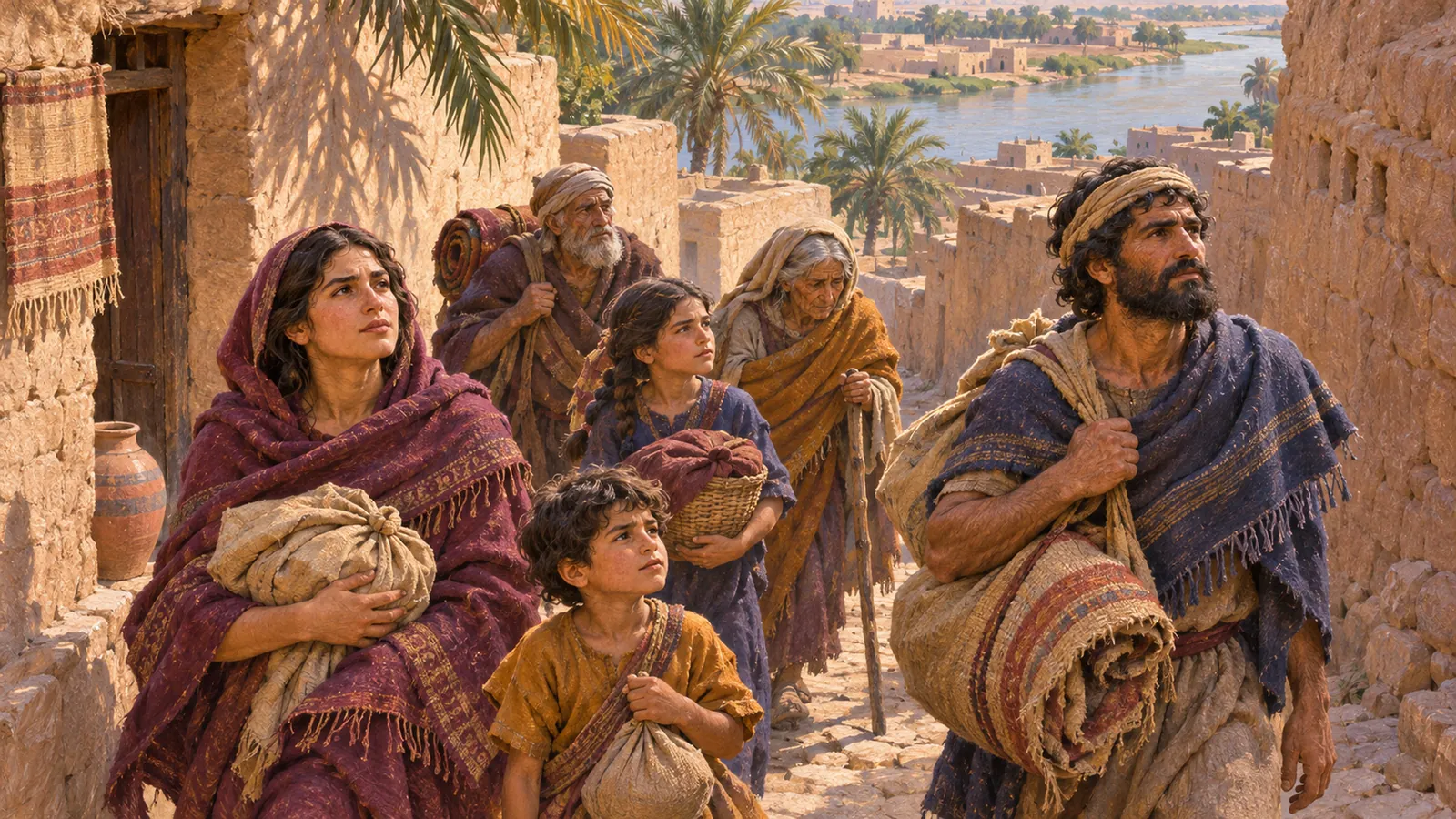
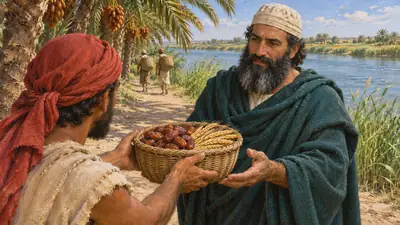
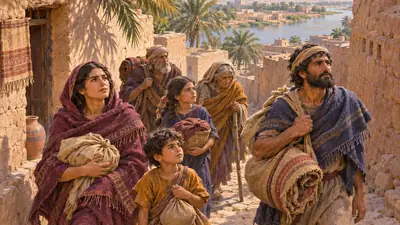
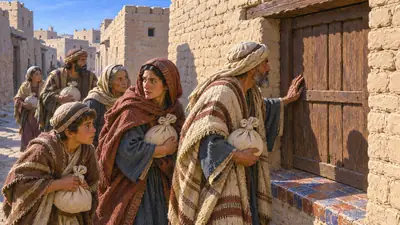
In Ululu, the Babylonian king went home. On the way he took the people of Hindanu and their gods to Babylon. Their voices are missing from the list of what he carried off.
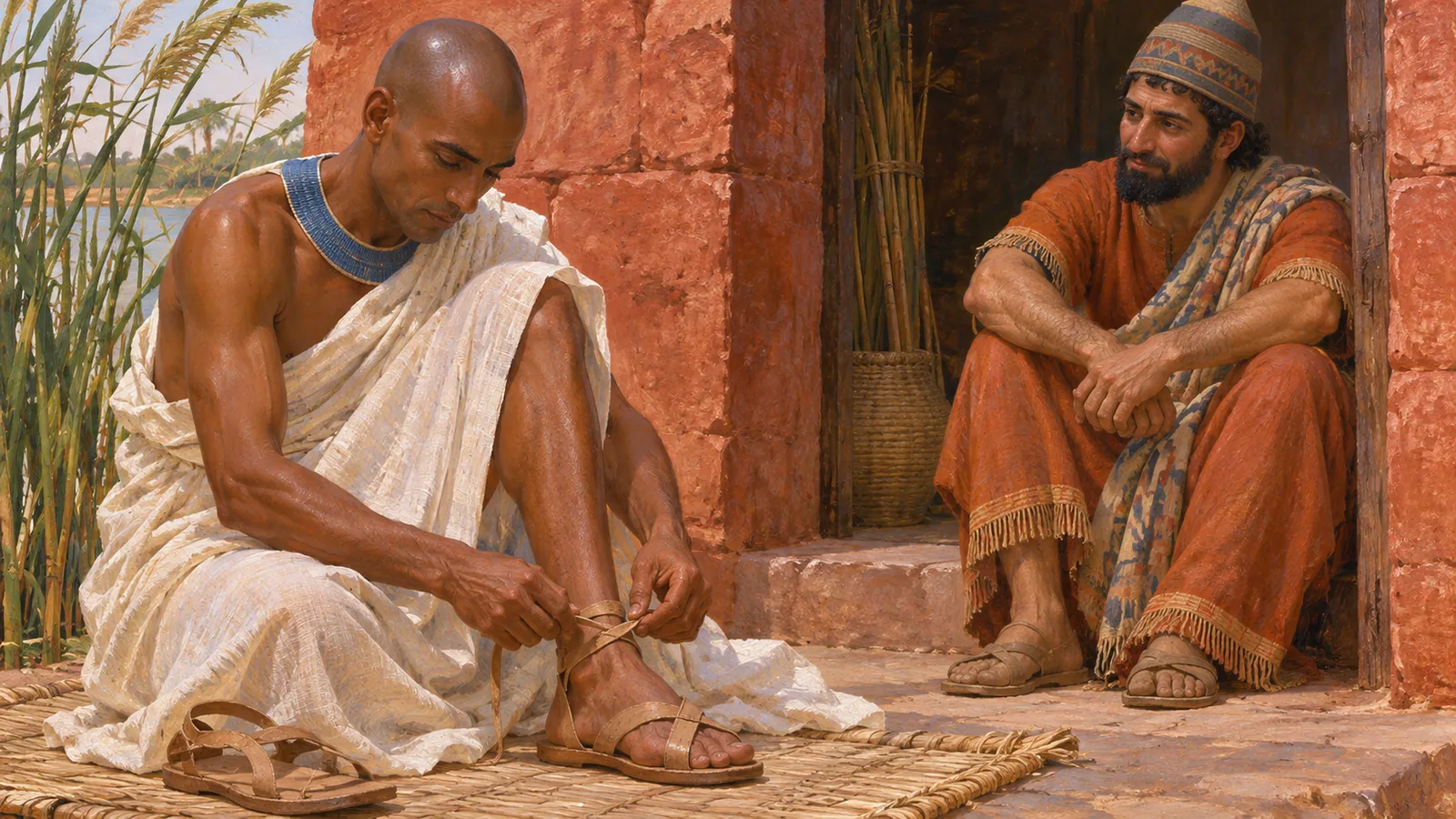
That same autumn, Egypt appears on the Assyrian side. Its army went with the Assyrians as far as Gablini, where Nabopolassar had already passed. The two armies turned back without catching him.
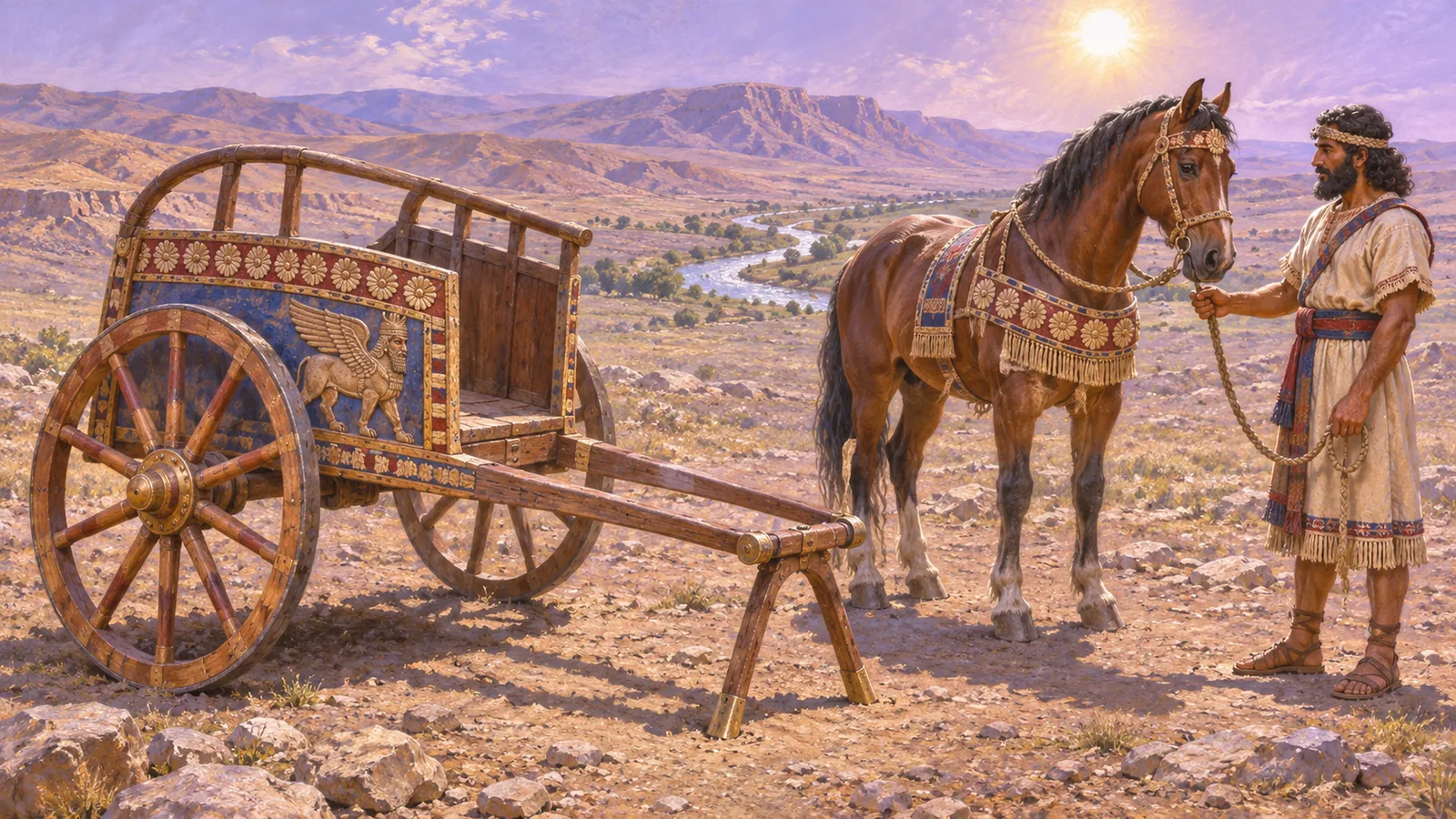
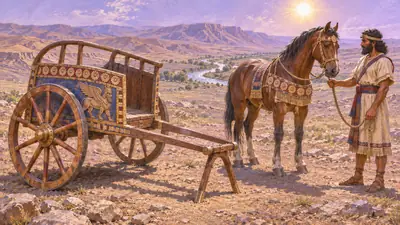
Late that year, at Madanu near Arrapha, the armies met again. The chronicle says the Assyrians gave way towards the Zab while the Babylonians took chariots and horses and brought spoils home.
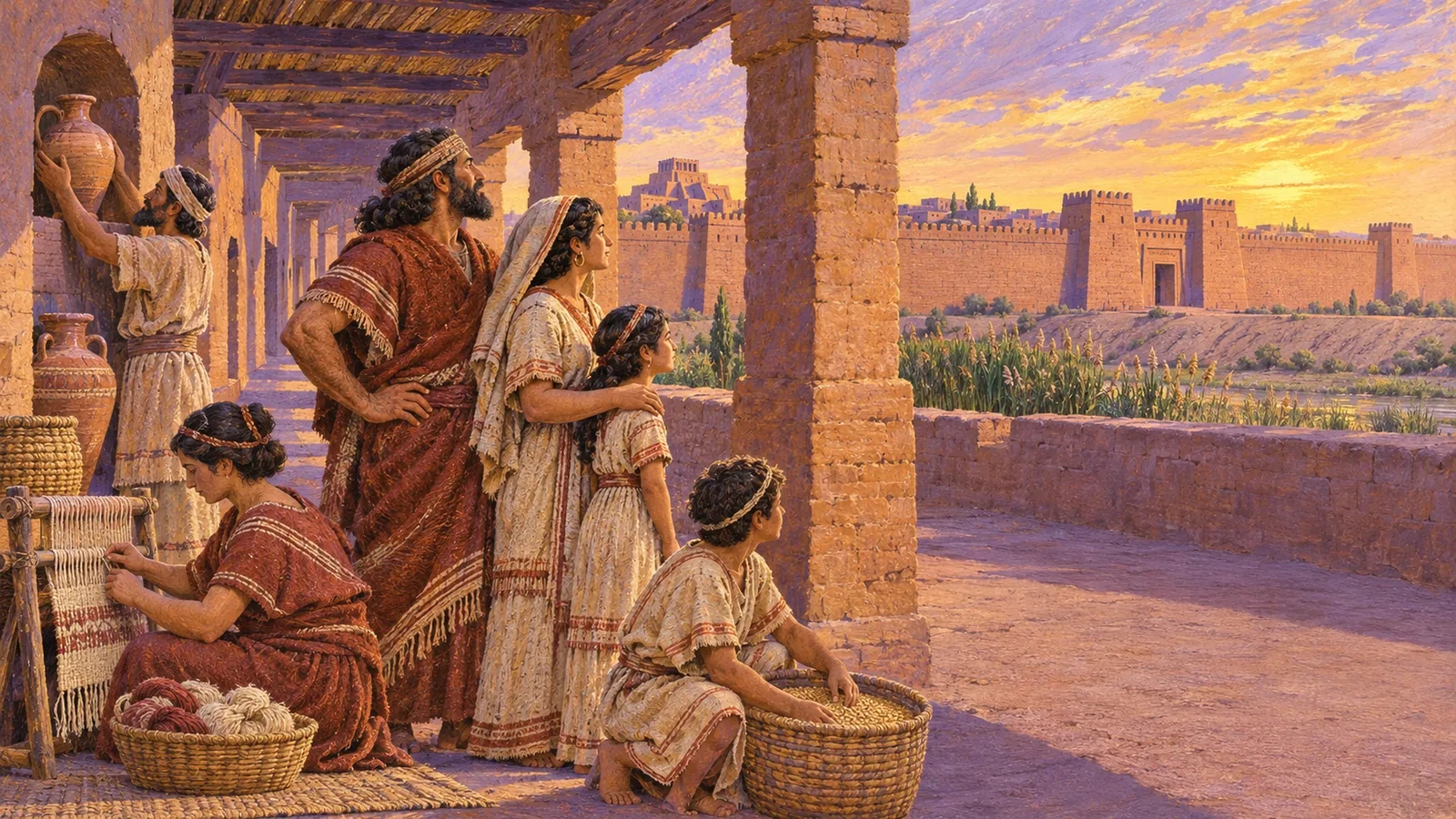
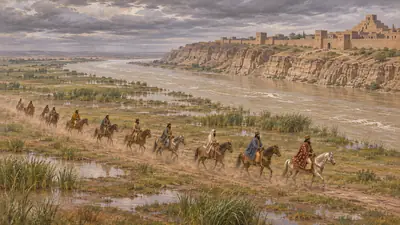
In 615 BCE, Nabopolassar went up the Tigris and camped near Assur. When he attacked, the city held. The Assyrian king sent him back down the river as far as Takritain.
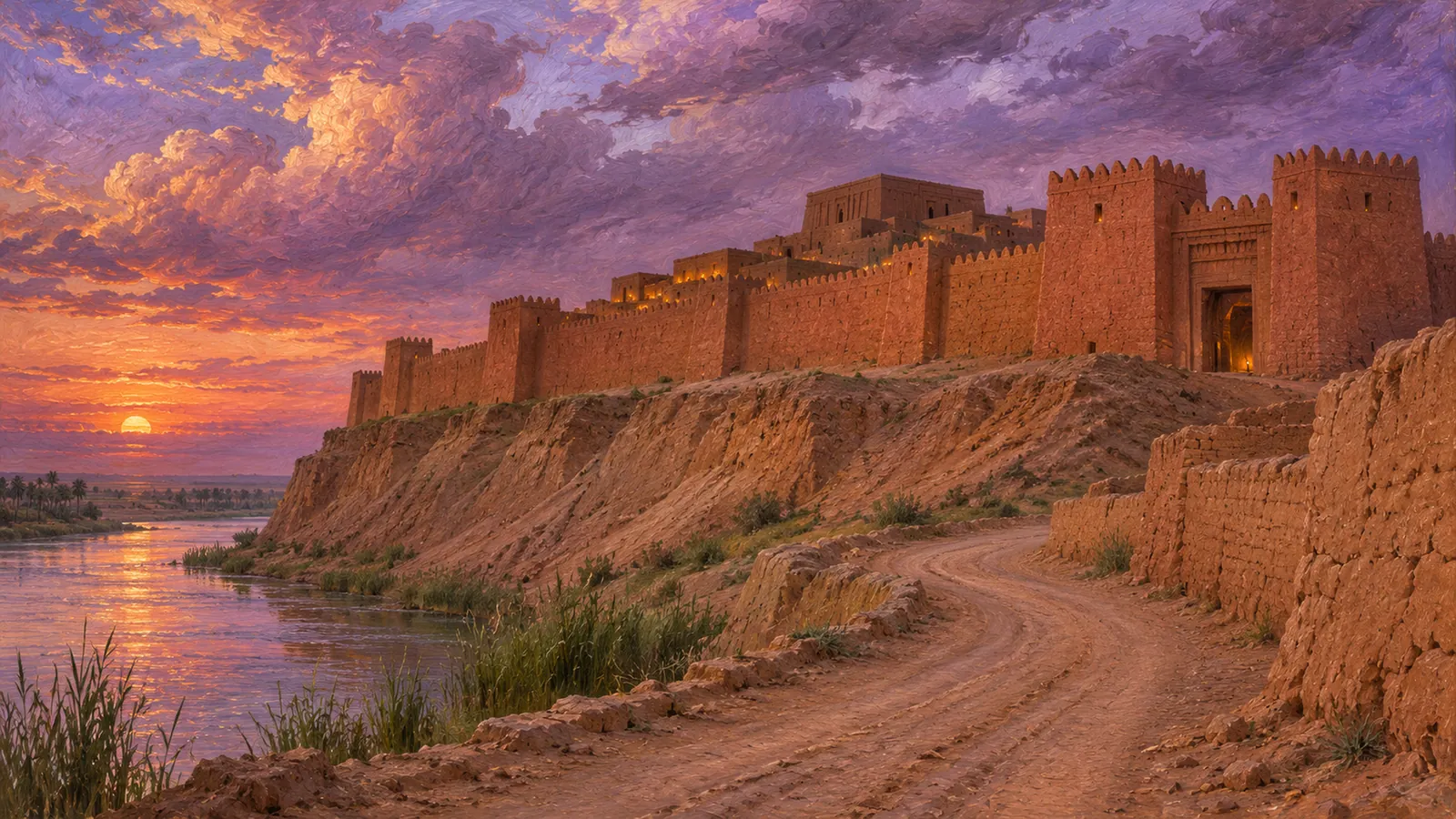
A fortress at Takritain gave the Babylonians shelter. The Assyrians pressed them there for ten days, the writer says. They failed to take it and went home after the Babylonians turned them back.
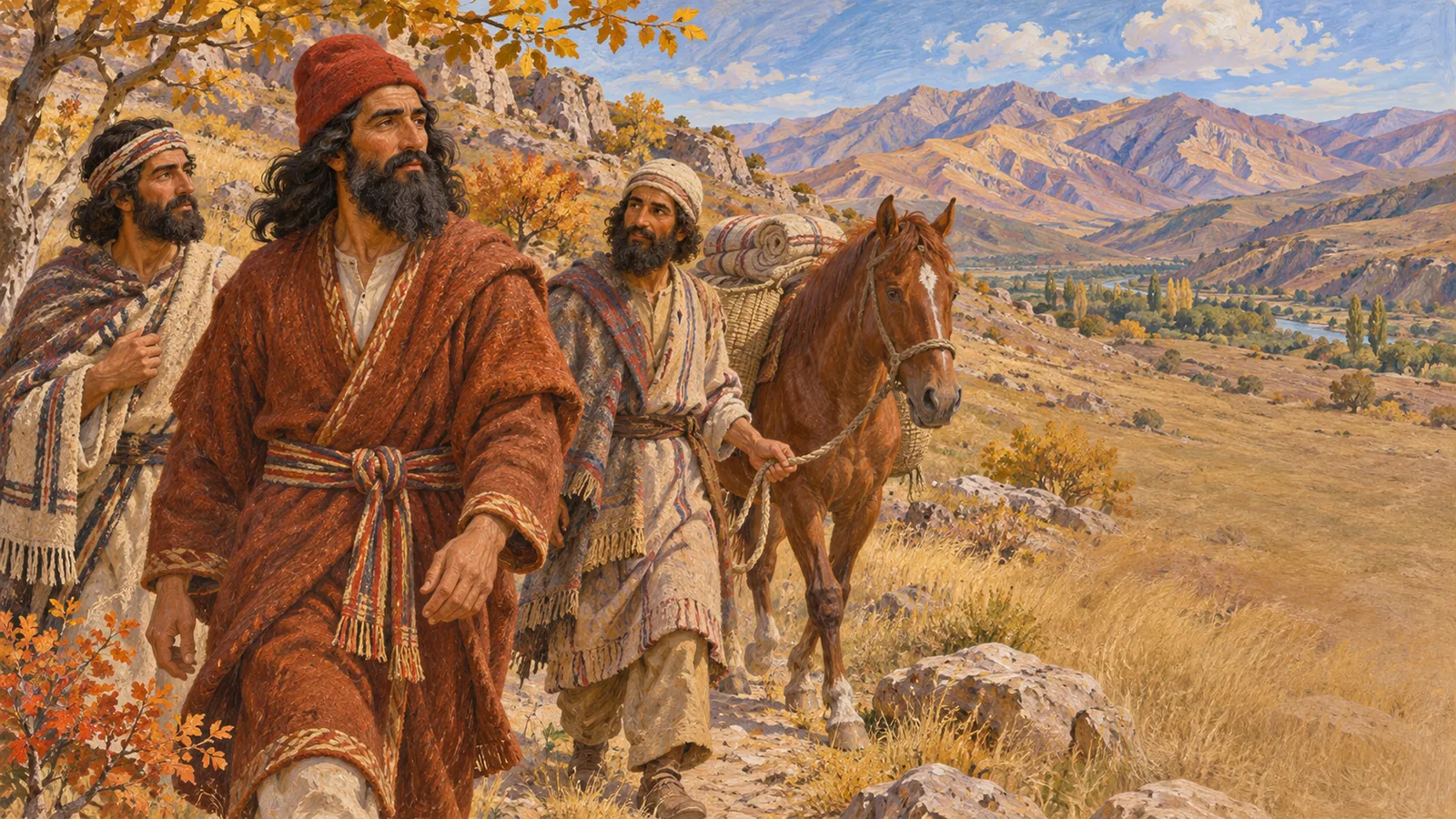
THE MEDES
The tablet next mentions the Medes coming down to Arrapha in the month of Arahsamna. The lines break there. Their king appears elsewhere as Umakishtar, the Akkadian name for Cyaxares.
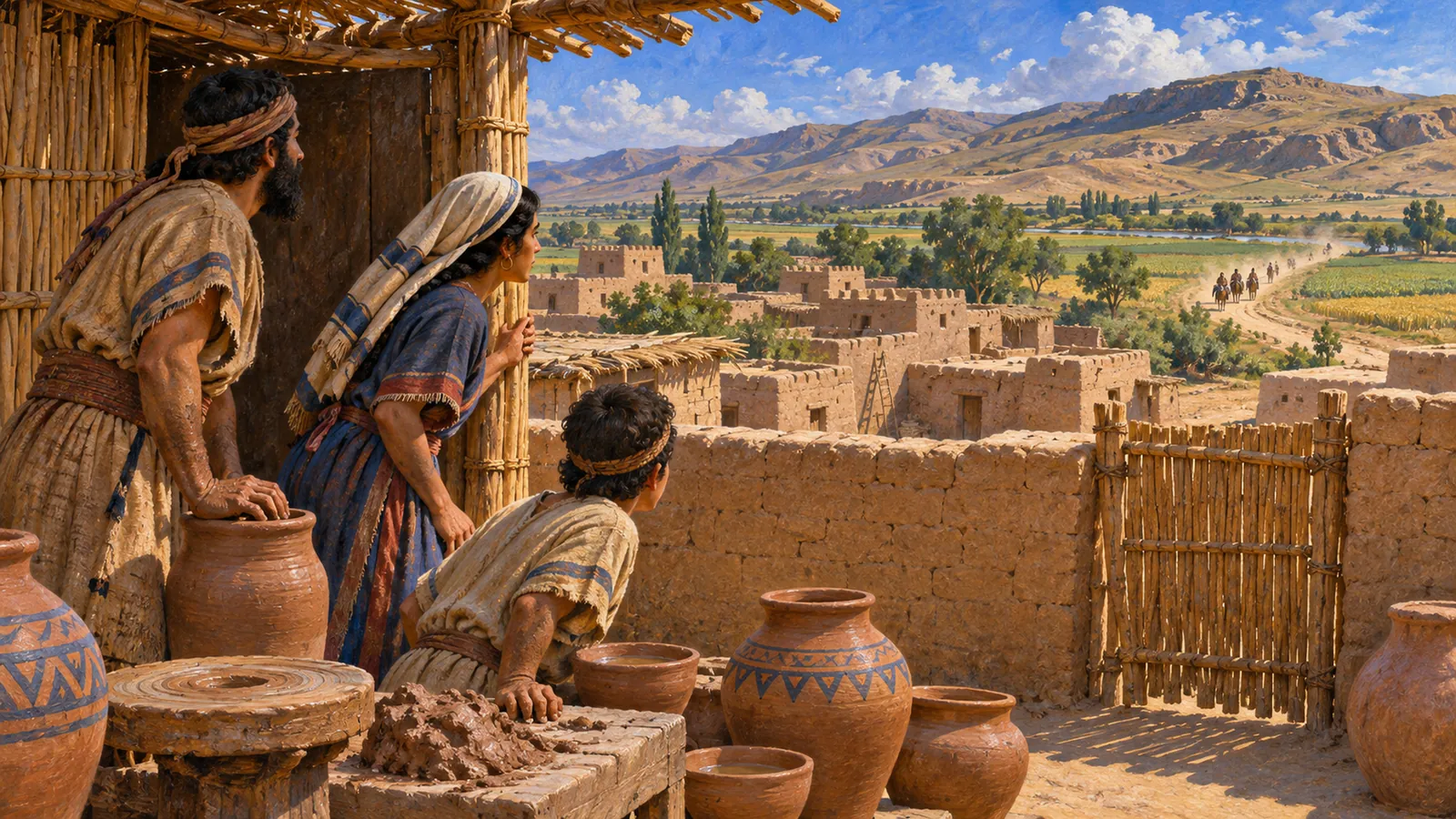
In the next year, 614 BCE, the Medes took Tarbisu. The record places it in the district of Nineveh. Where the passage mentions the capital, a break obscures part of the movement.
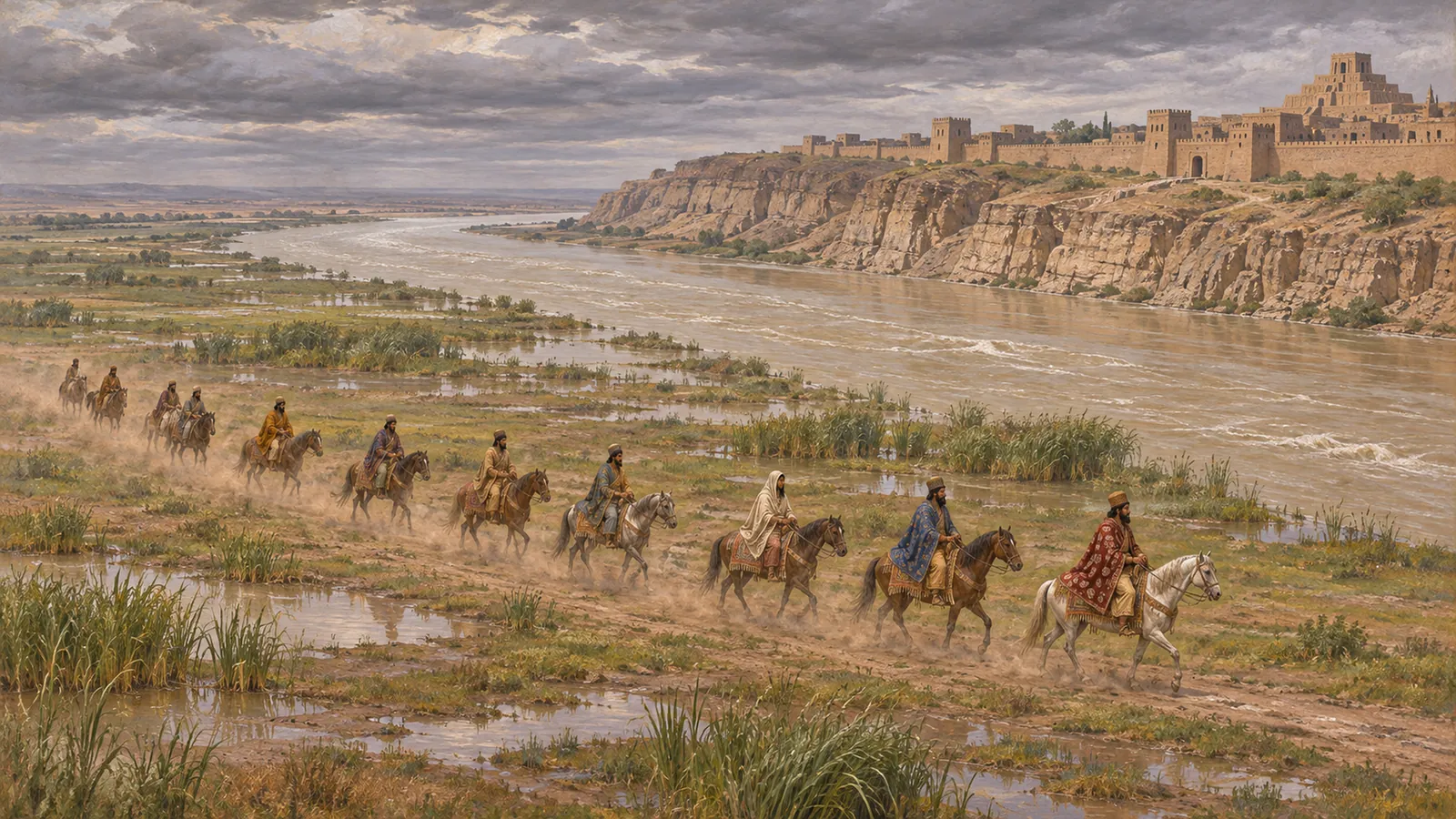
The Medes then went downstream to Assur. Its fortifications had held out the year before under an Assyrian king. Now Cyaxares and his forces were the ones outside its walls.
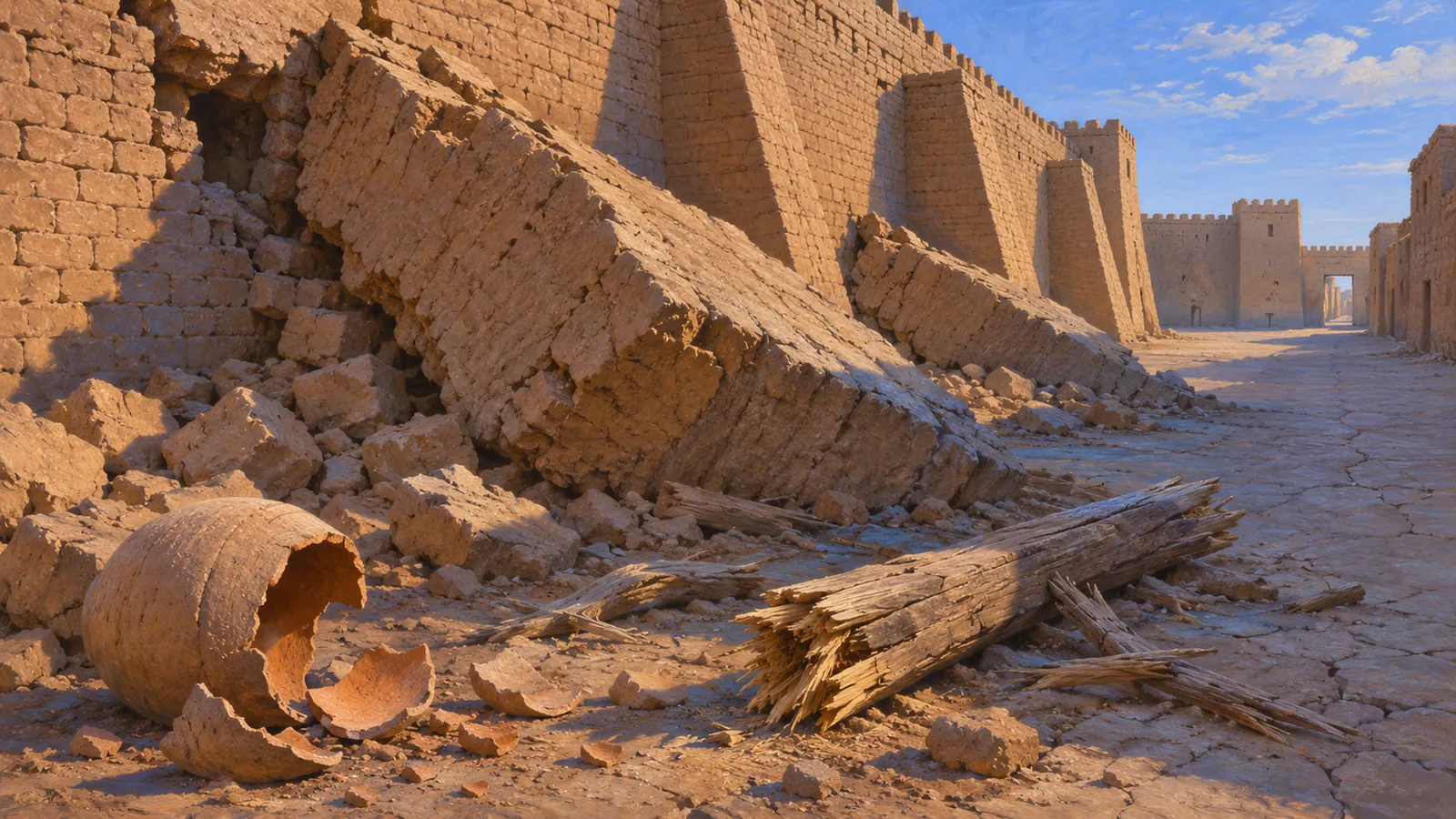
Assur fell in 614 BCE. The Babylonian chronicle gives the Medes credit for taking it and records its ruin and plunder. The sacred city of Assyria had passed into foreign hands.
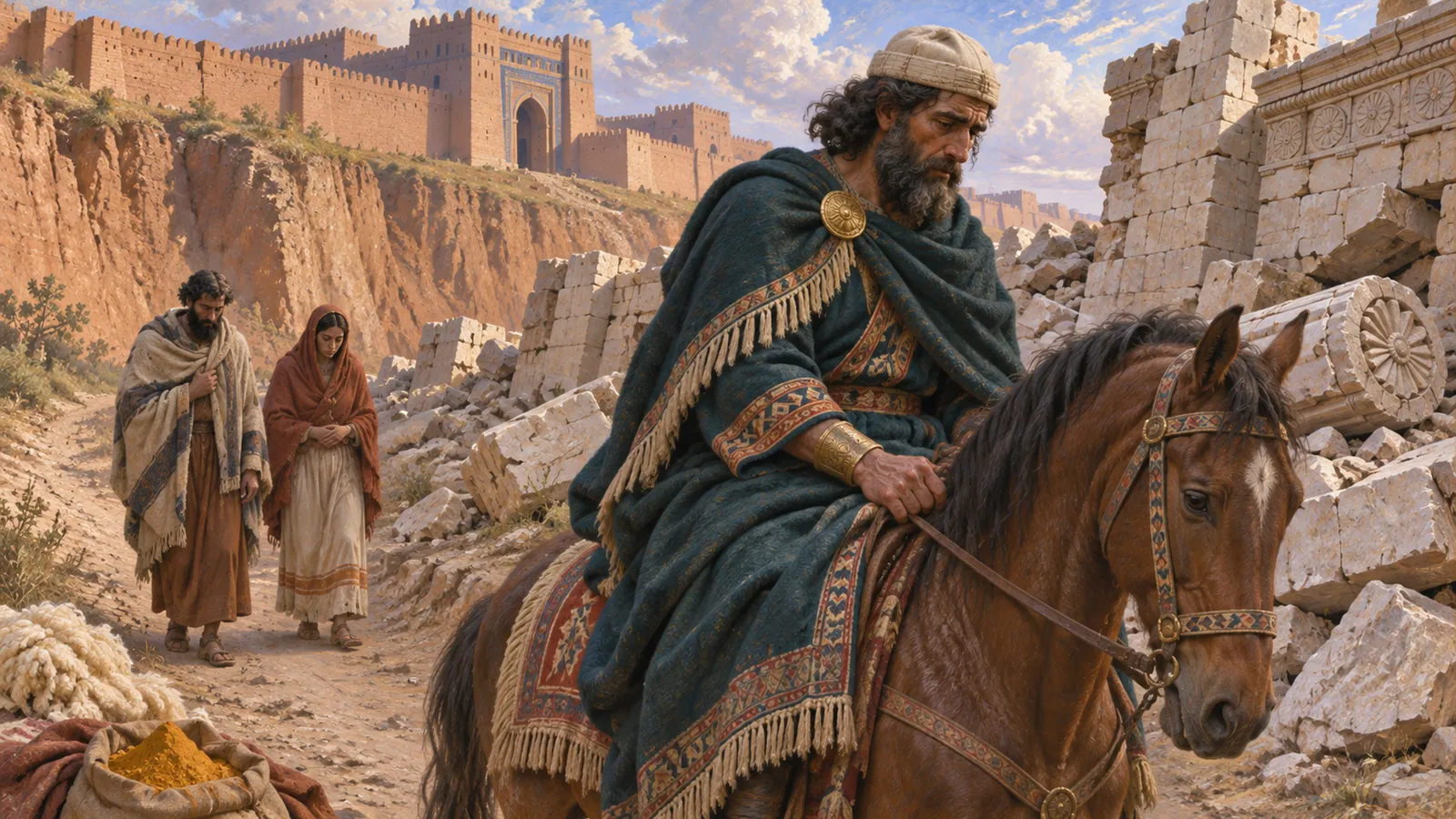
The Babylonian king had set out to join the Medes. By the time he came to Assur, its fate had already been decided. His own chronicle records that he arrived too late.
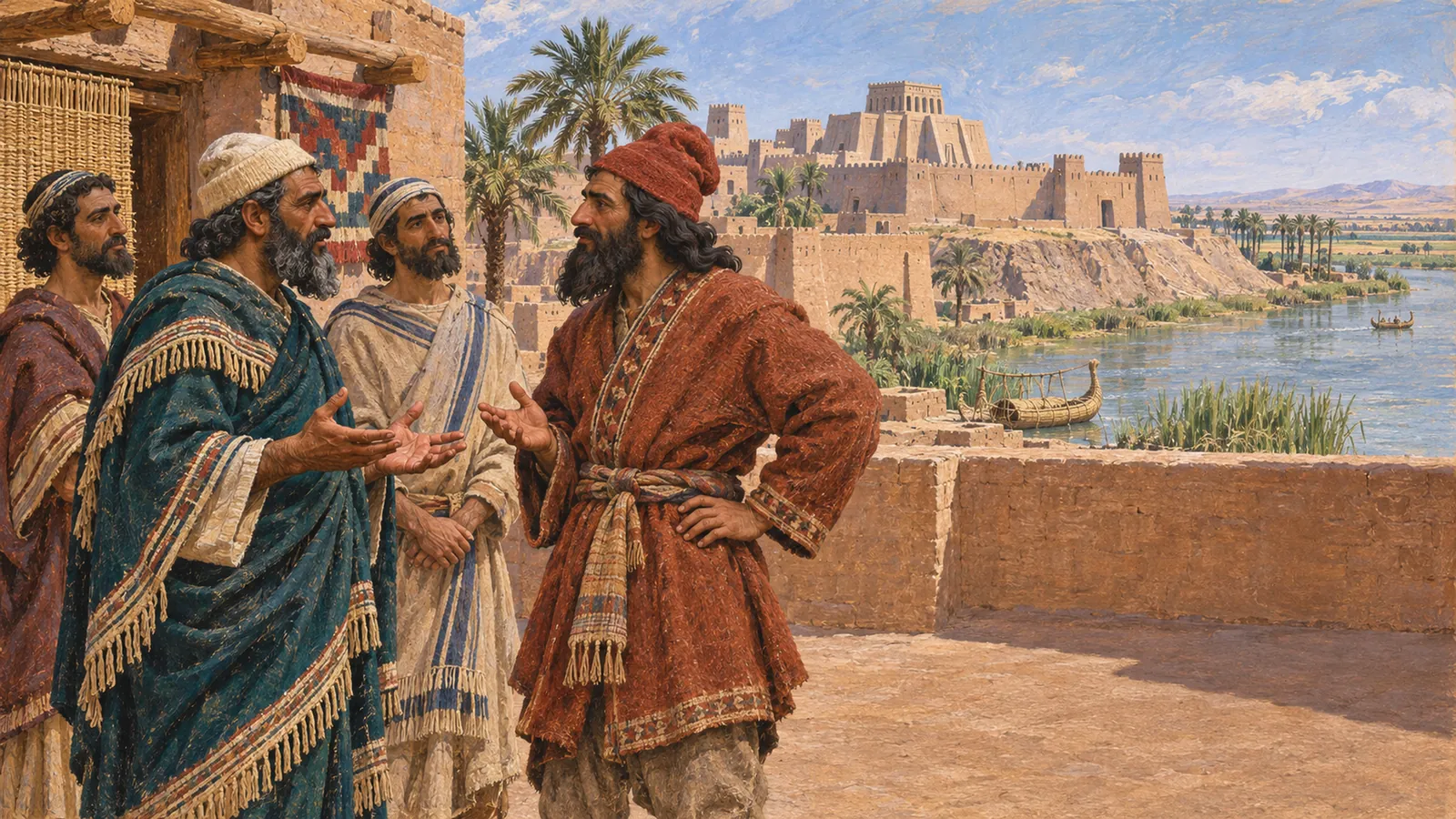
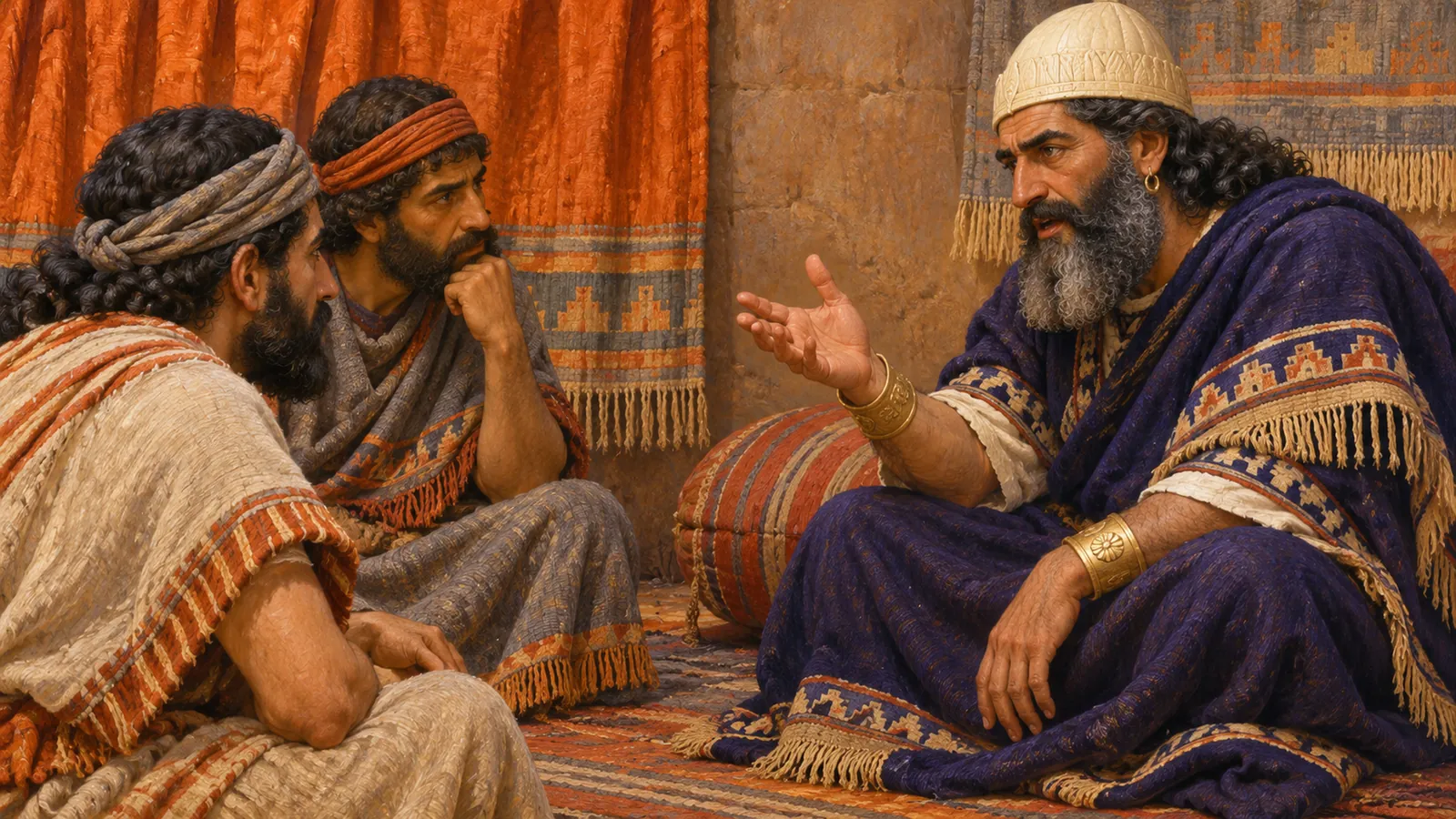
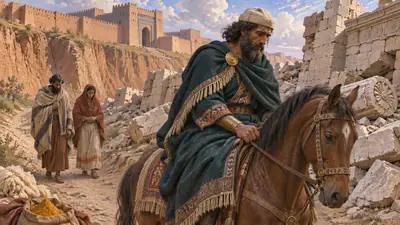
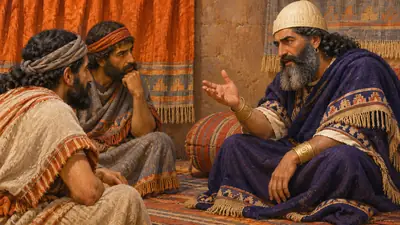
Nabopolassar and Cyaxares met close to the city and made an agreement. The chronicle gives us their decision. Whatever the kings and their advisers said to each other has left no record here.

After the meeting, Cyaxares went home with his army. Nabopolassar and his men did the same. When they came together again, the city at the heart of the empire would be their target.
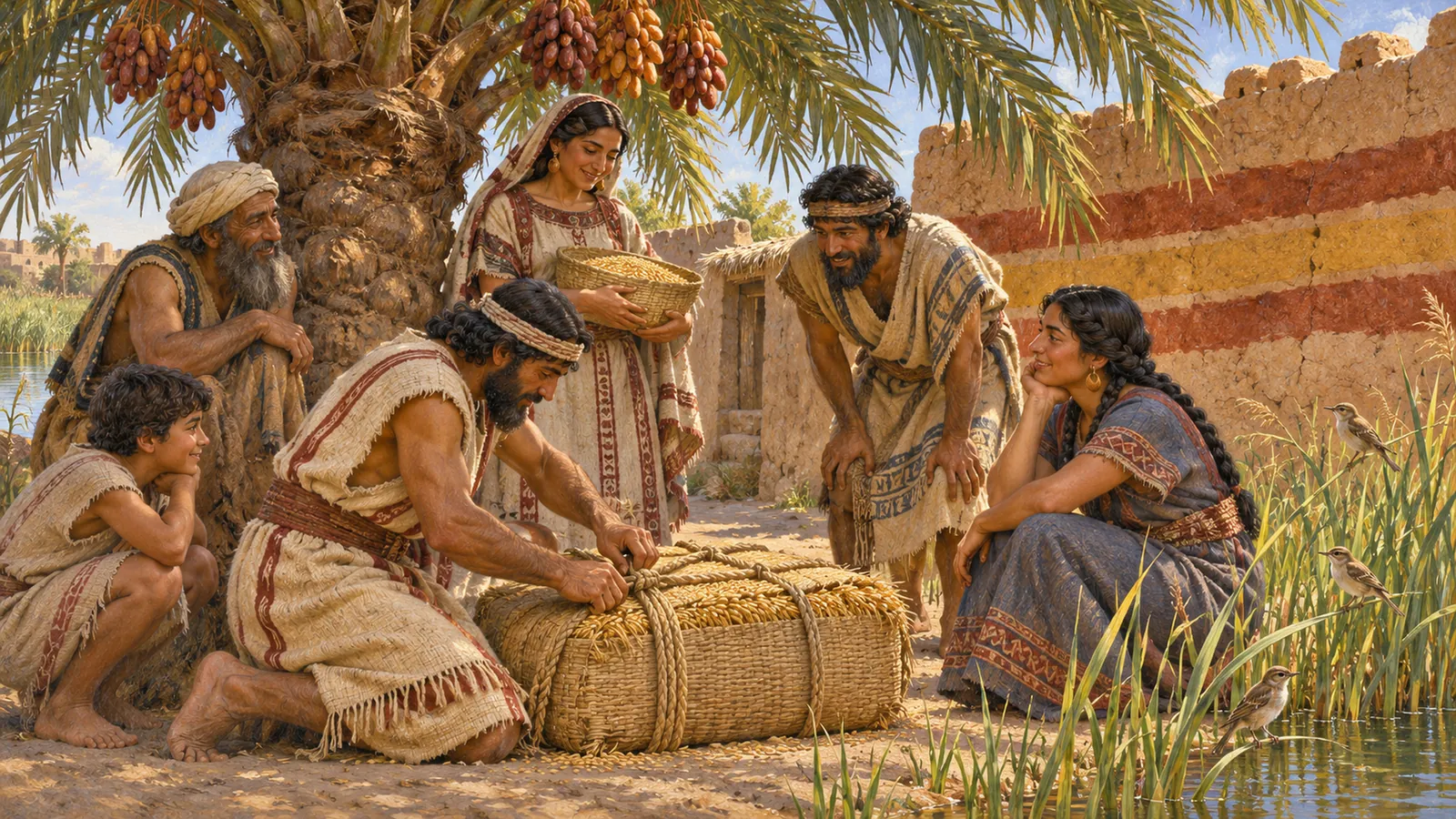
In 613 BCE, the people of Suhu, who had brought tribute earlier, rebelled. The chronicle turns to the middle Euphrates and gives the account a heading for Nabopolassar’s thirteenth year.
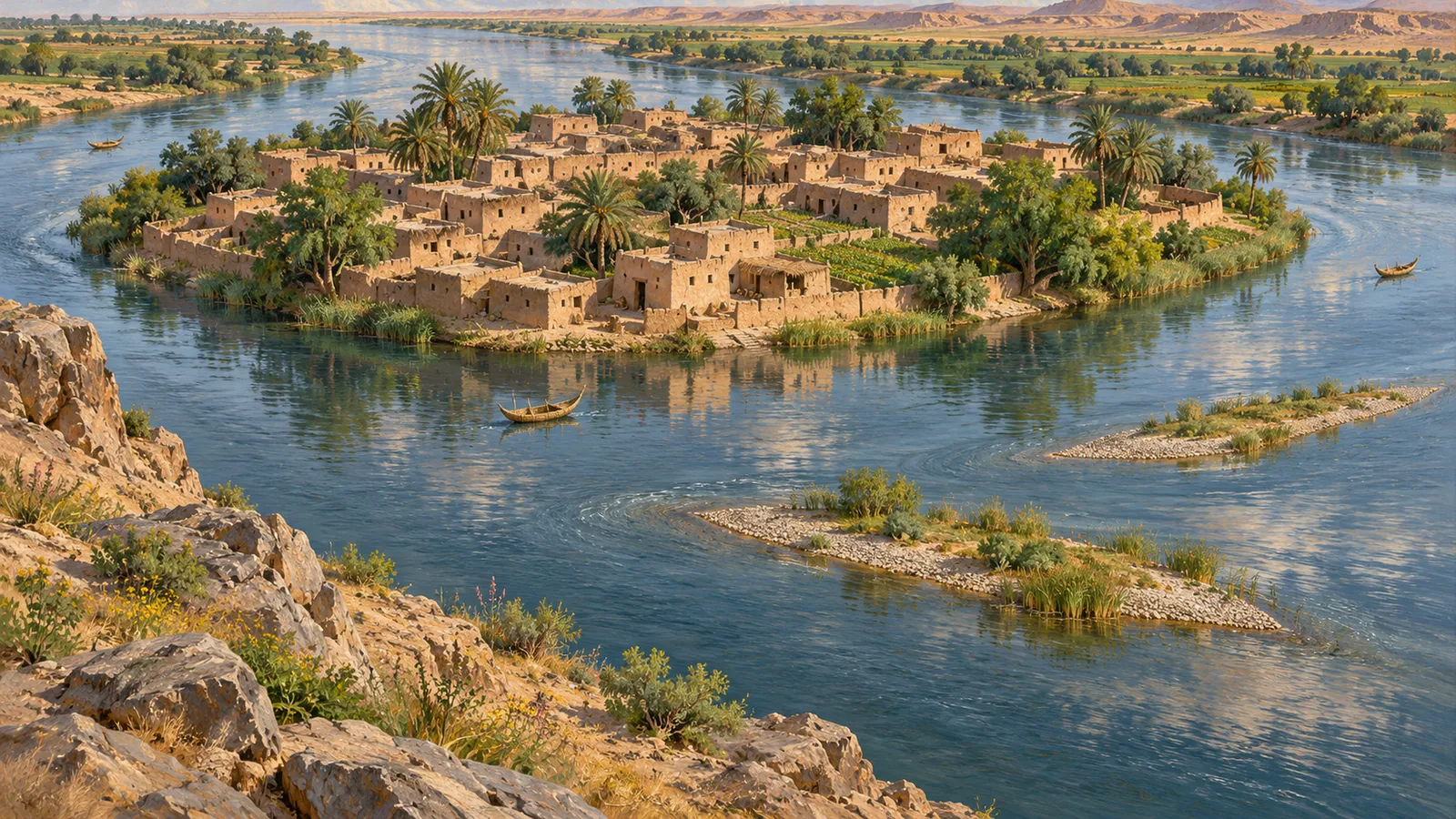
On the fourth day of Simanu, the Babylonians captured Rahi-ilu. The scribe says it was a city on an island in the Euphrates. The next words are interrupted by damage to the tablet.
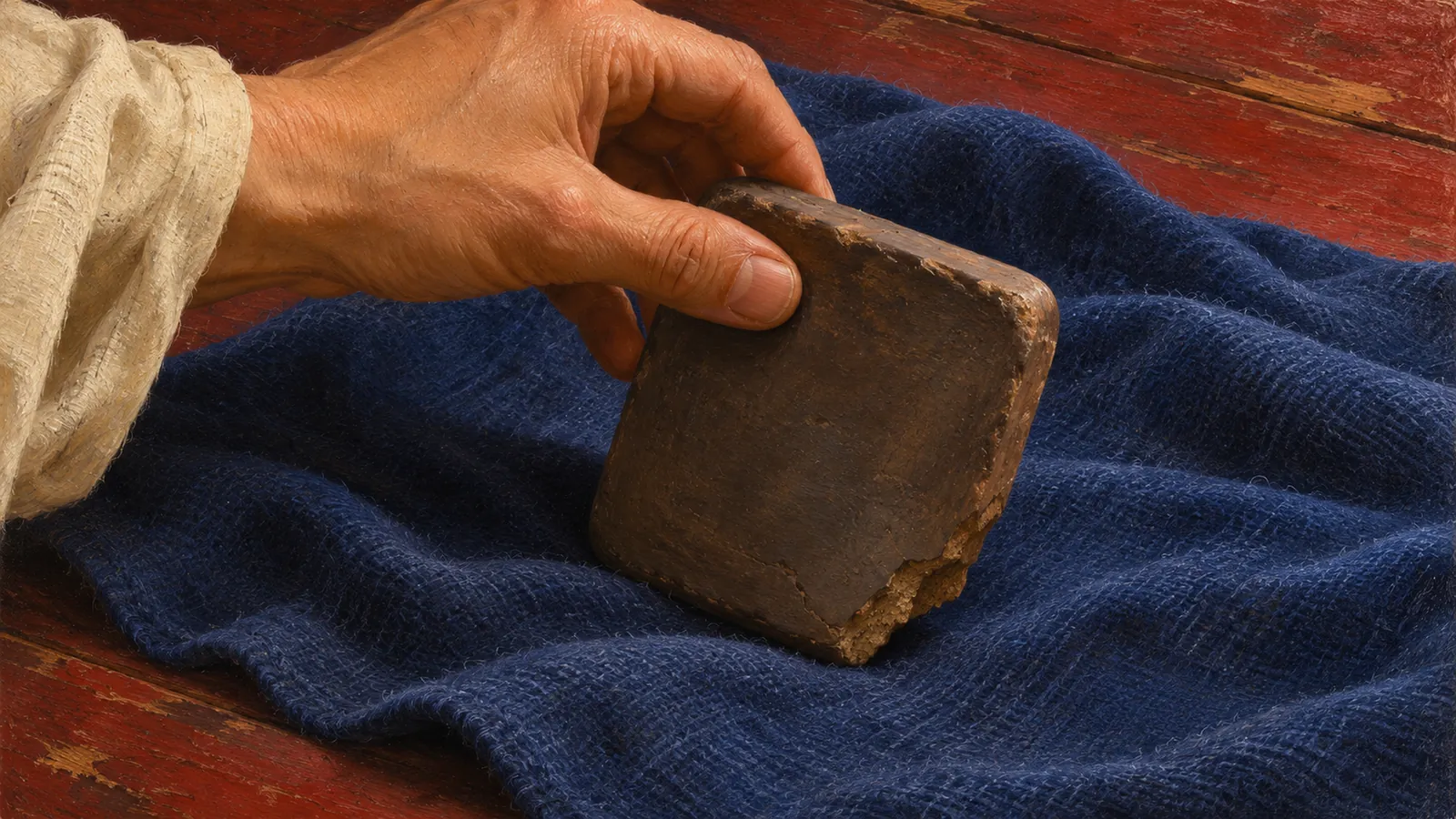
The tablet mentions Anat and a Babylonian attack. The broken lines leave parts of the action uncertain. By the end of the entry, the Assyrian king has come down and Nabopolassar goes home.
OUTSIDE NINEVEH
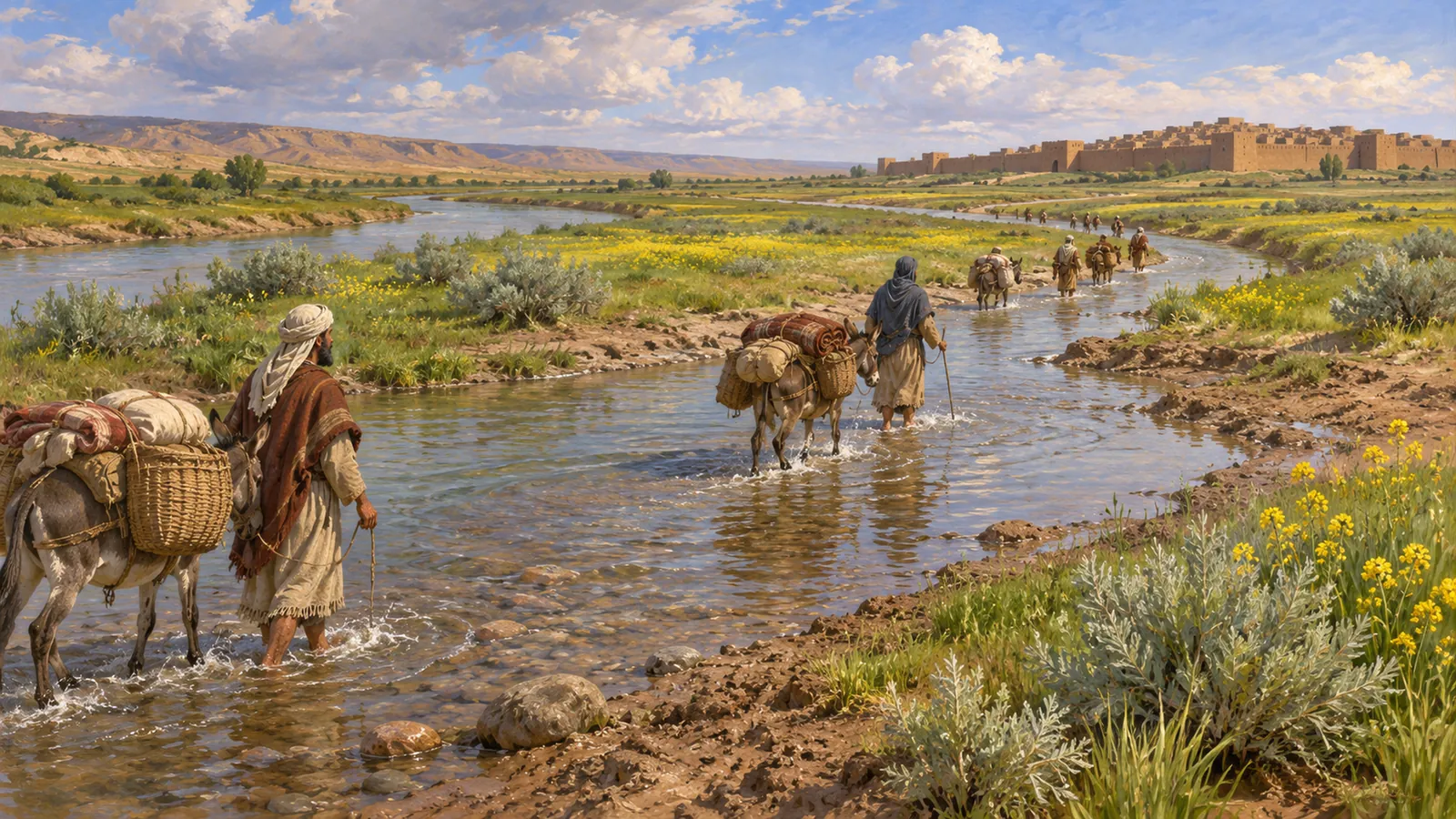
In the fourteenth year, Nabopolassar went north again. The kings met at a place whose name is damaged. The scribe could still set down that they crossed the Tigris and the Radanu.
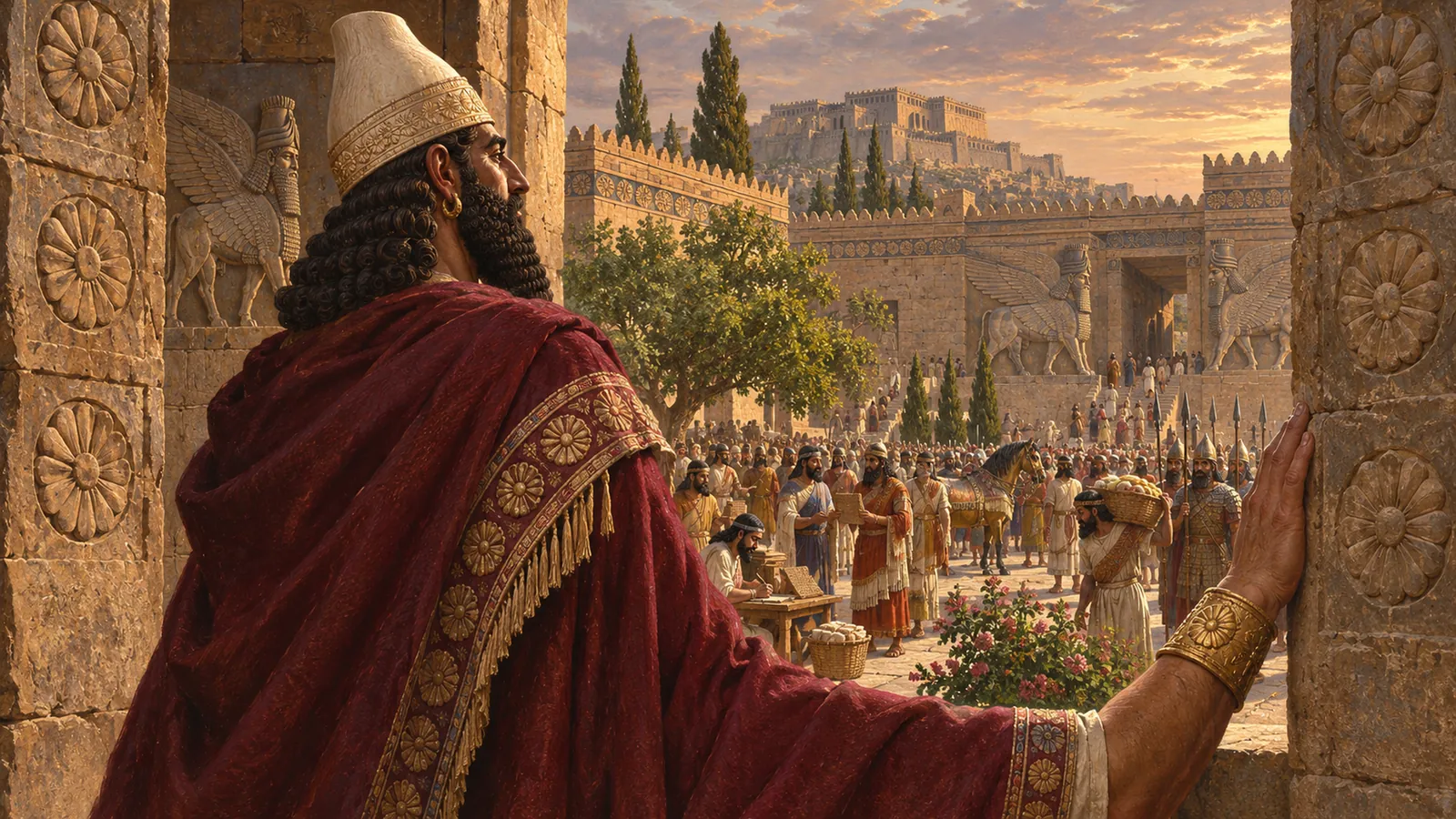
The Assyrian king in Nineveh was Sin-shar-ishkun. In earlier years the chronicle had shown him able to defend Assur. Now the very center of his court lay in the path of the allied kings.
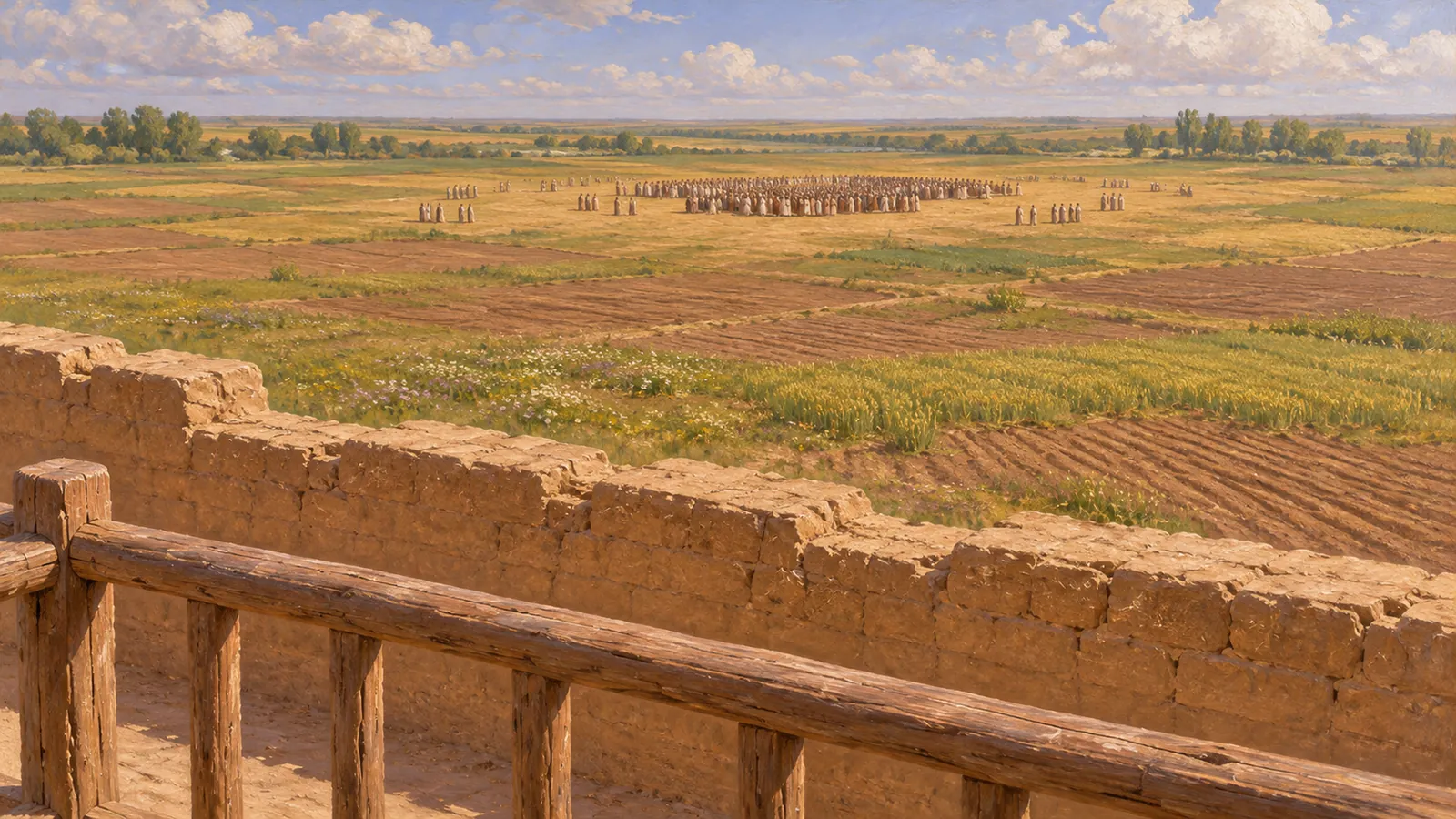
The chronicle’s entry for Simanu says the attackers reached Nineveh. The exact day is lost. It tells us when the siege began in the old calendar, the next surviving entry simple and severe.
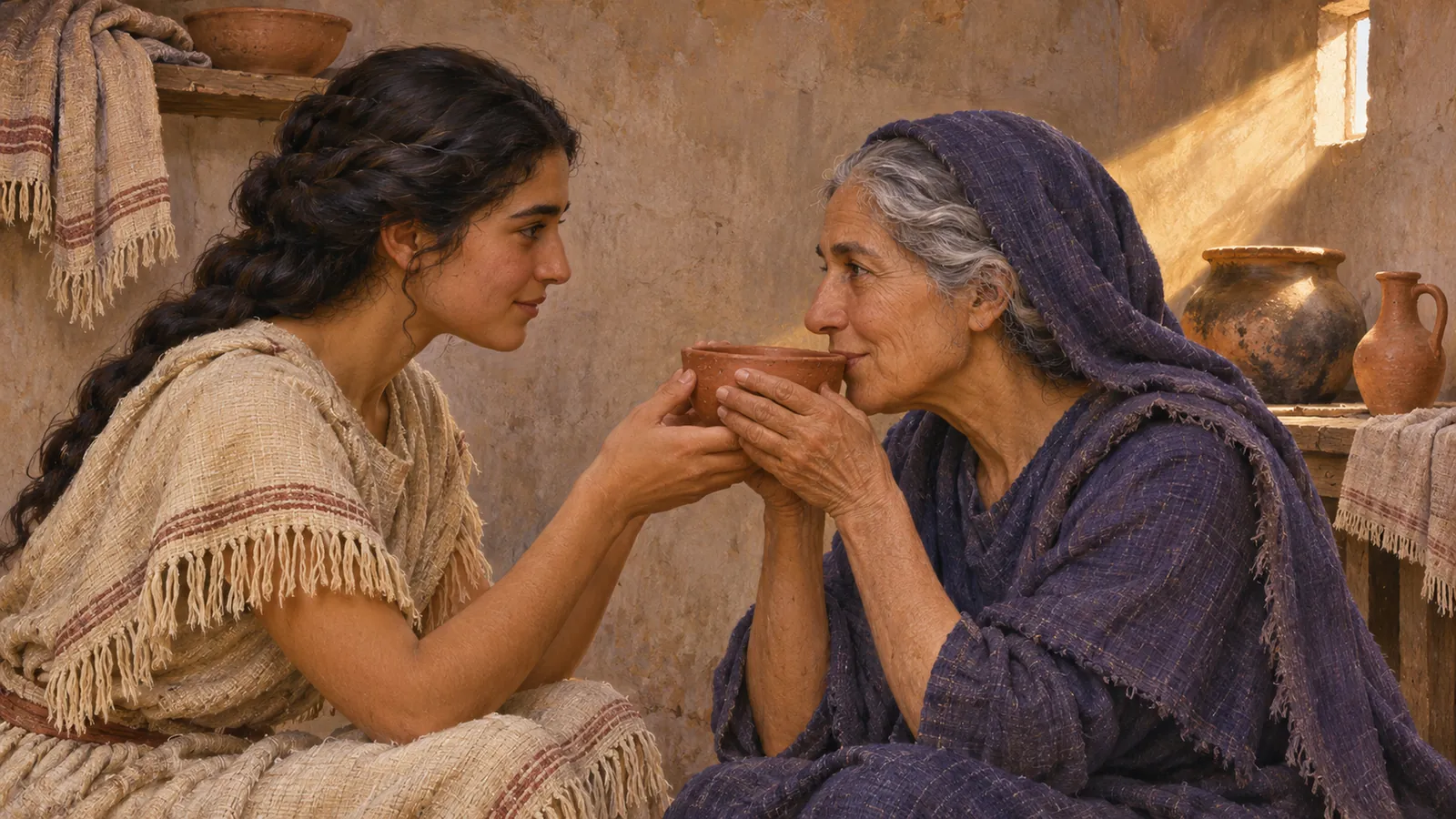
From Simanu until Abu, the siege lasted three months. The record moves across a season in one sentence. It gives no account of what it was like to wait behind the city walls.
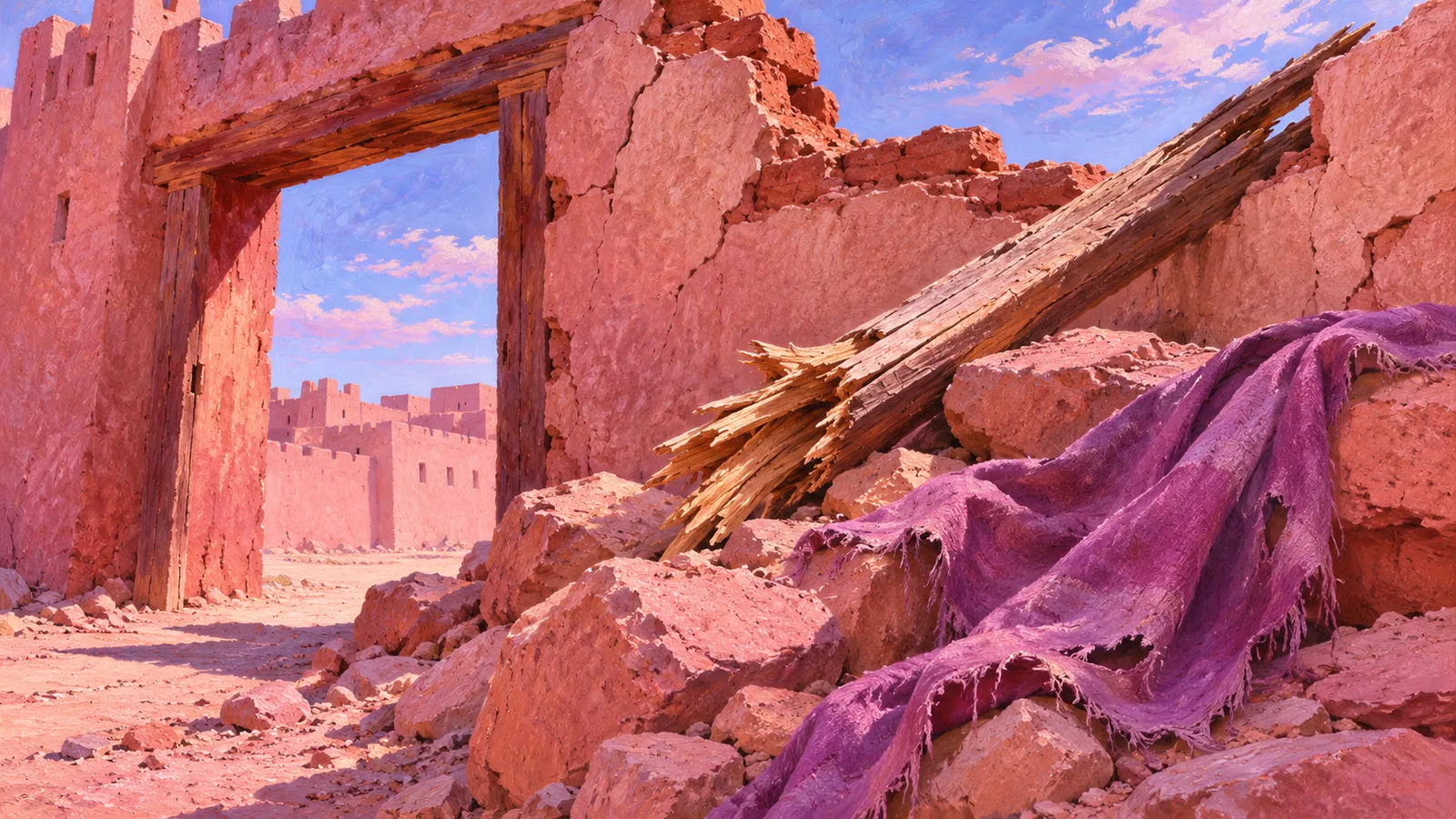
The fall came in Abu. The ancient scribe tells when it happened by the month, but the day number cannot be read with confidence. The capital was lost before the next surviving dated event.
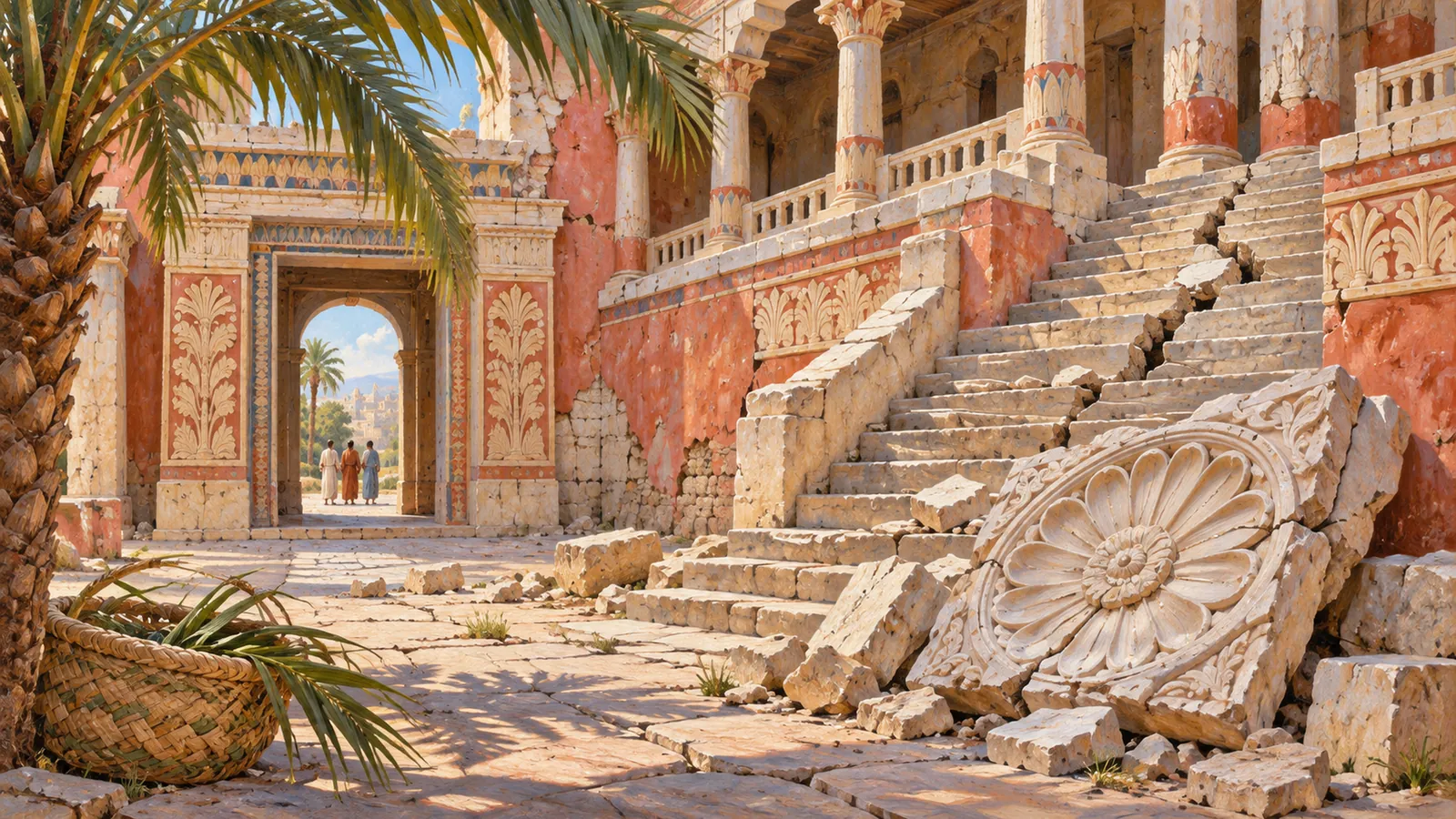
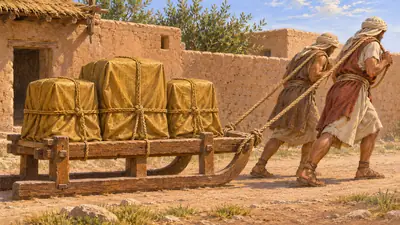
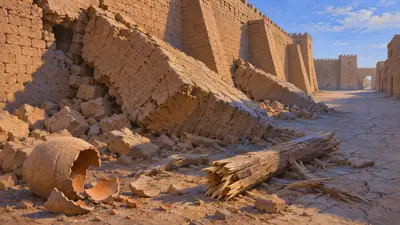
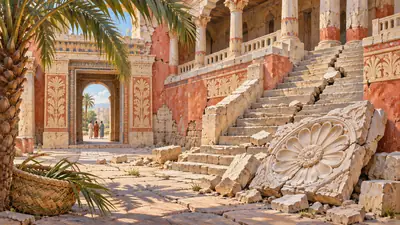
The victors took property from the city and from its temple. The chronicle records Nineveh as a ruined place. It has only a few lines for what had taken generations to build.
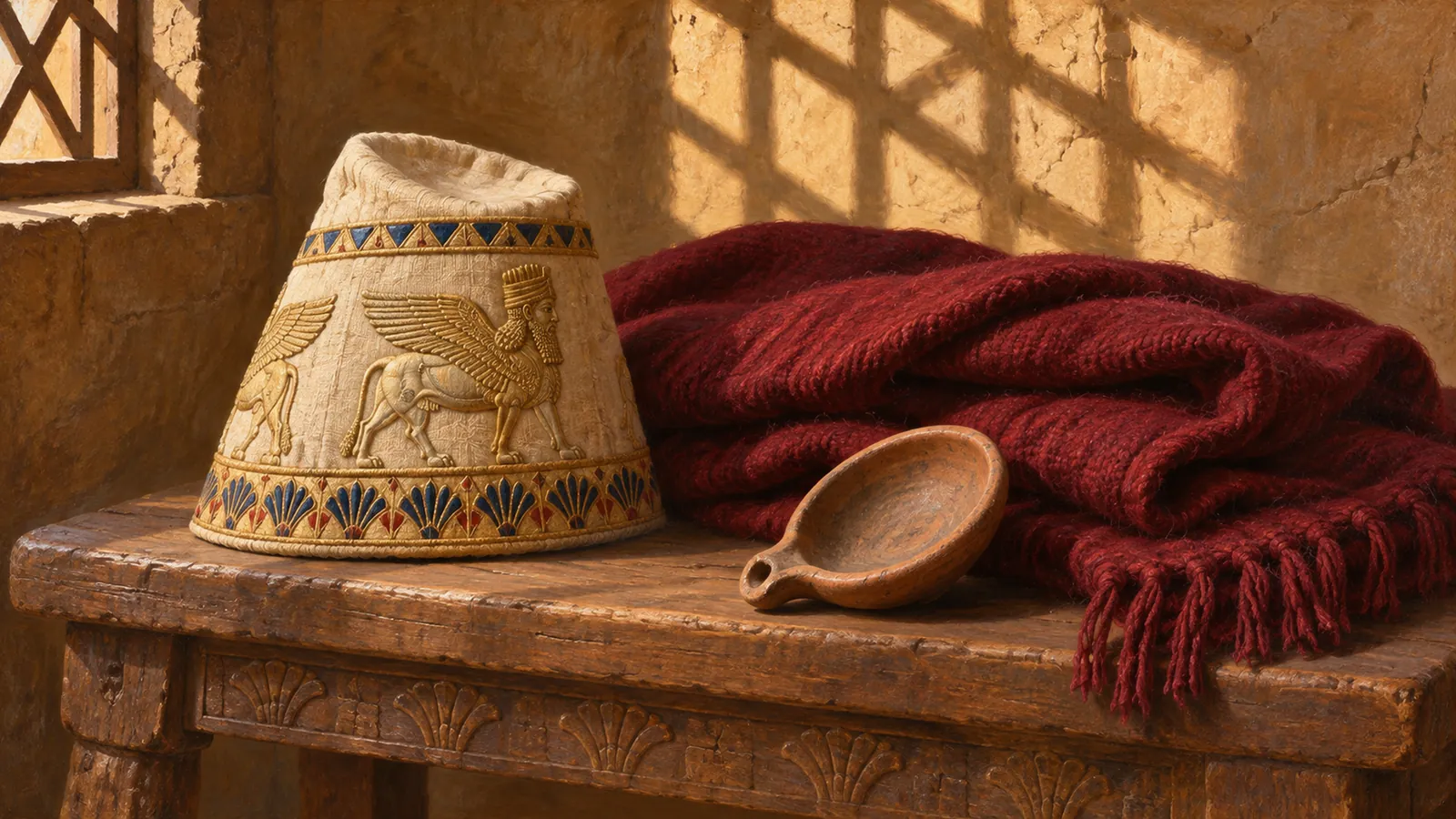
At the fall of the city, says the chronicle, Sin-shar-ishkun died. It gives no reliable description of his death. Later guesses cannot supply the missing detail from that brief line of clay.
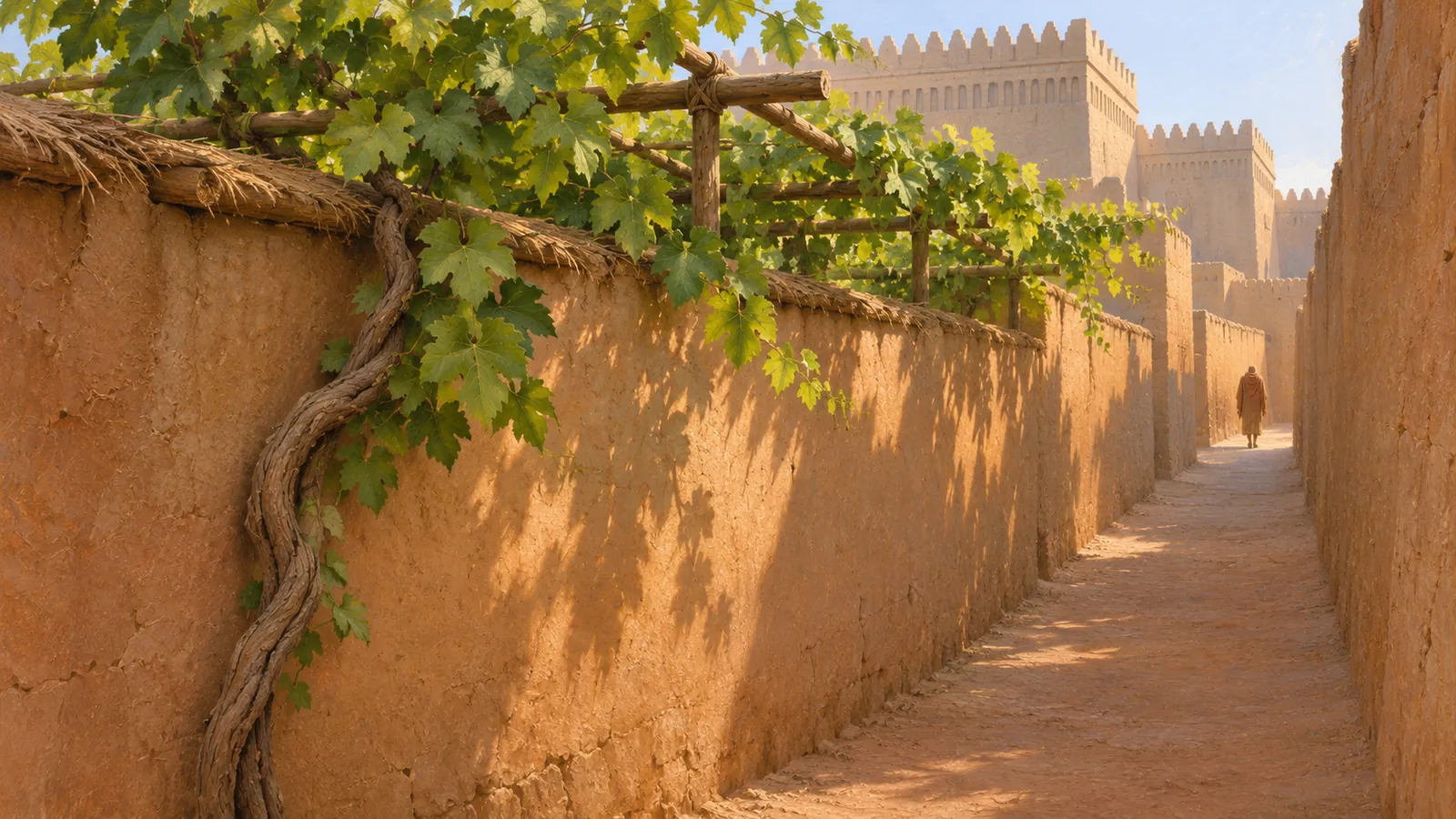
The next damaged passage mentions someone who escaped and appealed to Nabopolassar. The missing signs leave the speaker’s identity uncertain. The person who copied this record leaves us with a glimpse and a question.

On the twentieth day of Ululu, the record says, Cyaxares went home with his army. The chronicle then shifts to a Babylonian expedition to Nasibina and movements of people from Rusapu.
THE COURT AT HARRAN
In the same year that Nineveh fell, a man named Ashur-uballit took the Assyrian throne at Harran. The new court stood well to the west, in the upper lands of the Balikh.
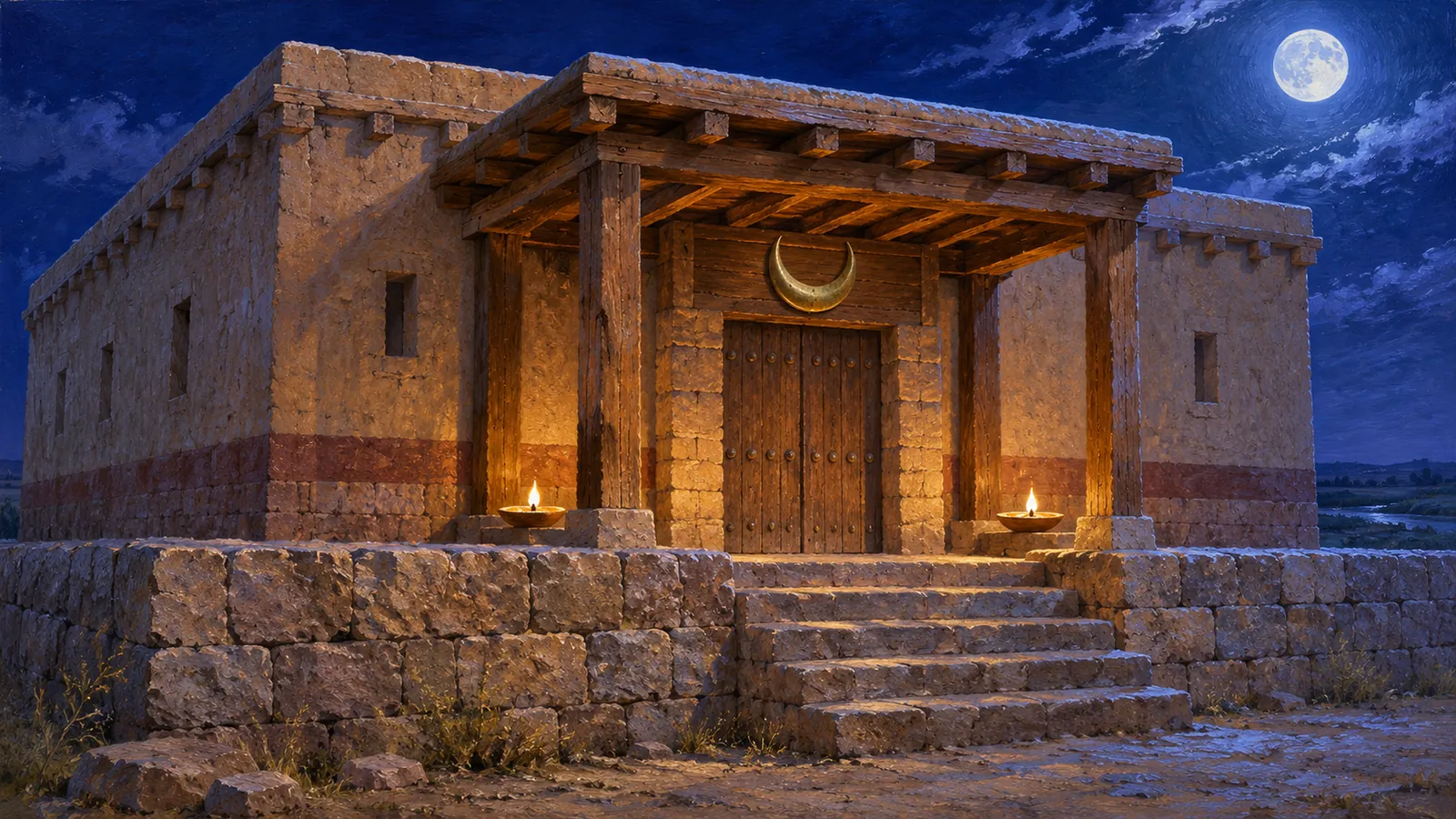
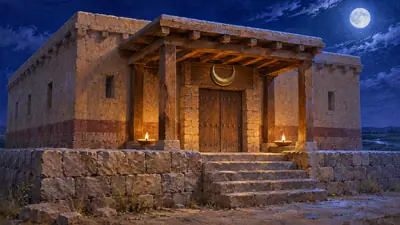
Harran already had an important temple of Sin, the Moon god. A later Babylonian king would write of this sanctuary and its long ruin. The old city was more than a place of refuge.
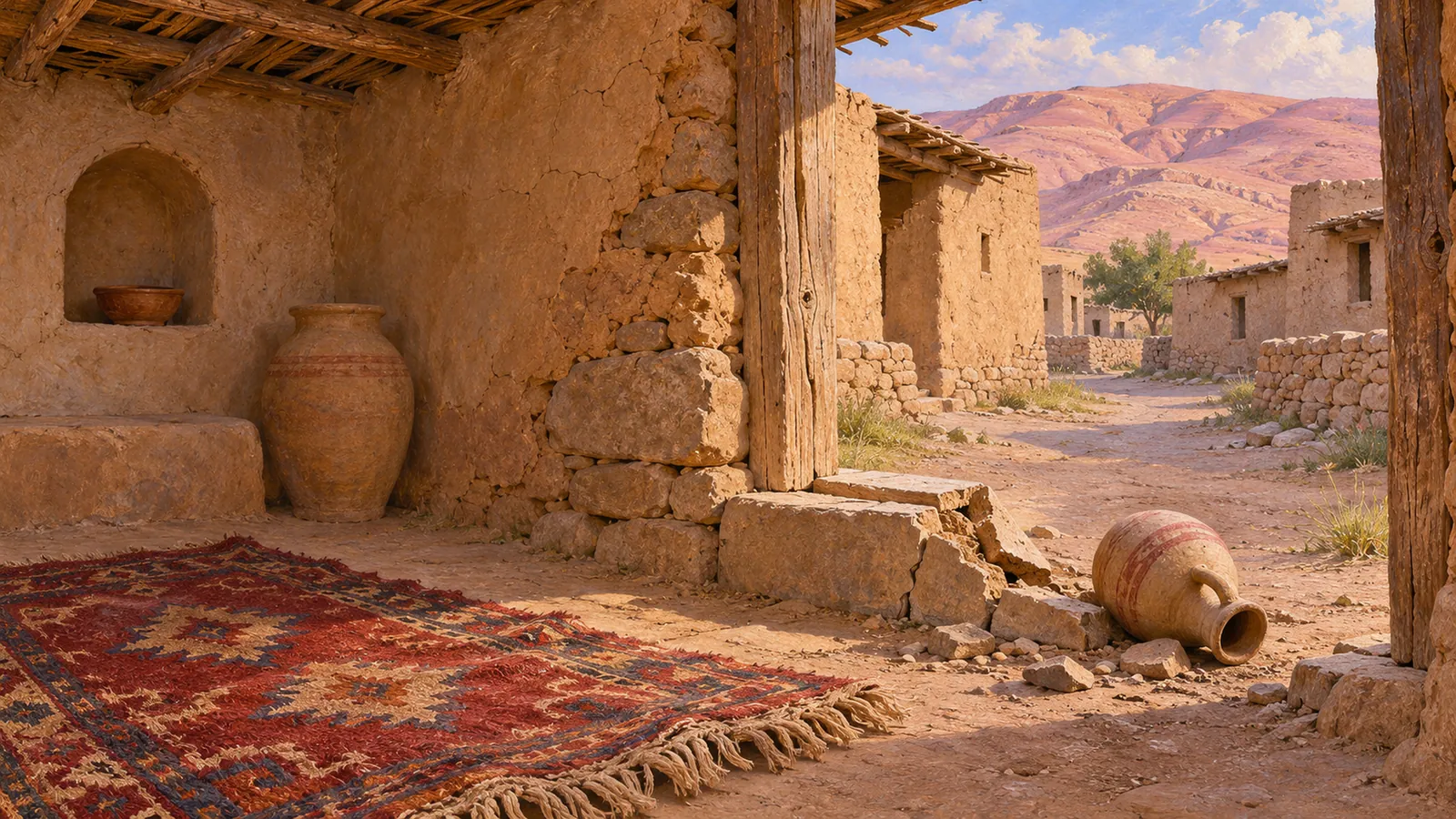
Nabopolassar’s fifteenth year still contained campaigning in Assyria. The chronicle preserves part of one place-name and more of a later entry about Ruggulitu. It records another severe defeat there before the king went home.

The following spring, Nabopolassar was in Assyria again. In Arahsamna, the Medes joined him. Their combined forces now headed for Harran, the city from which Ashur-uballit still claimed to rule.
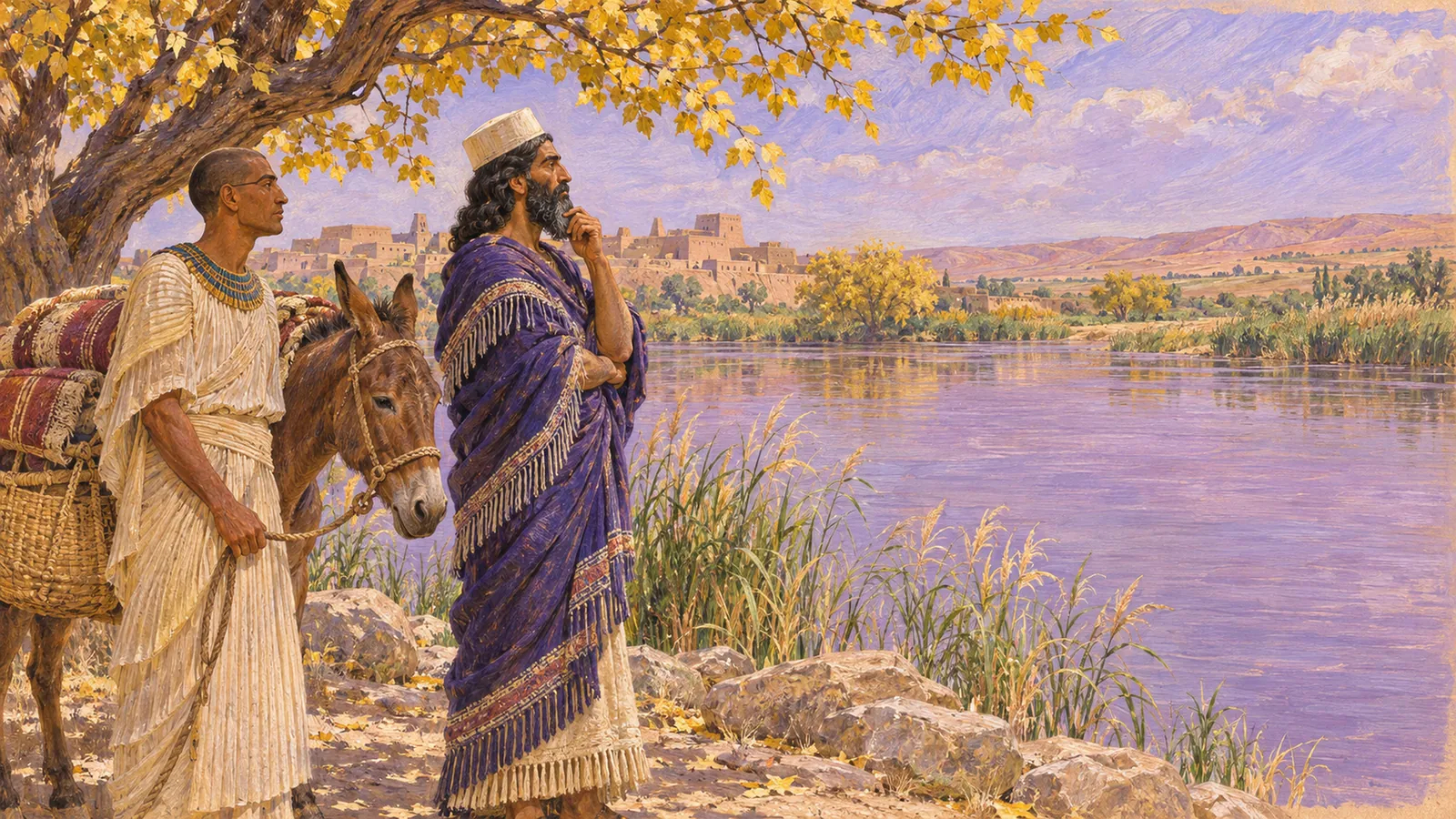
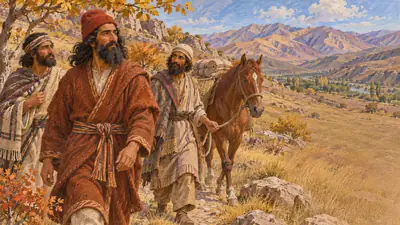
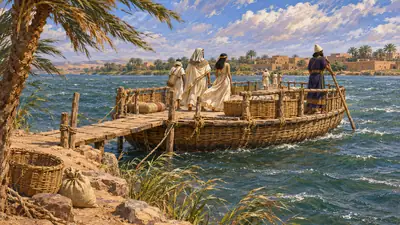
With the enemy approaching, Ashur-uballit and his Egyptian allies left Harran. The scribe follows them as far as a crossing of the Euphrates. The allied force continued to the city they had left behind.
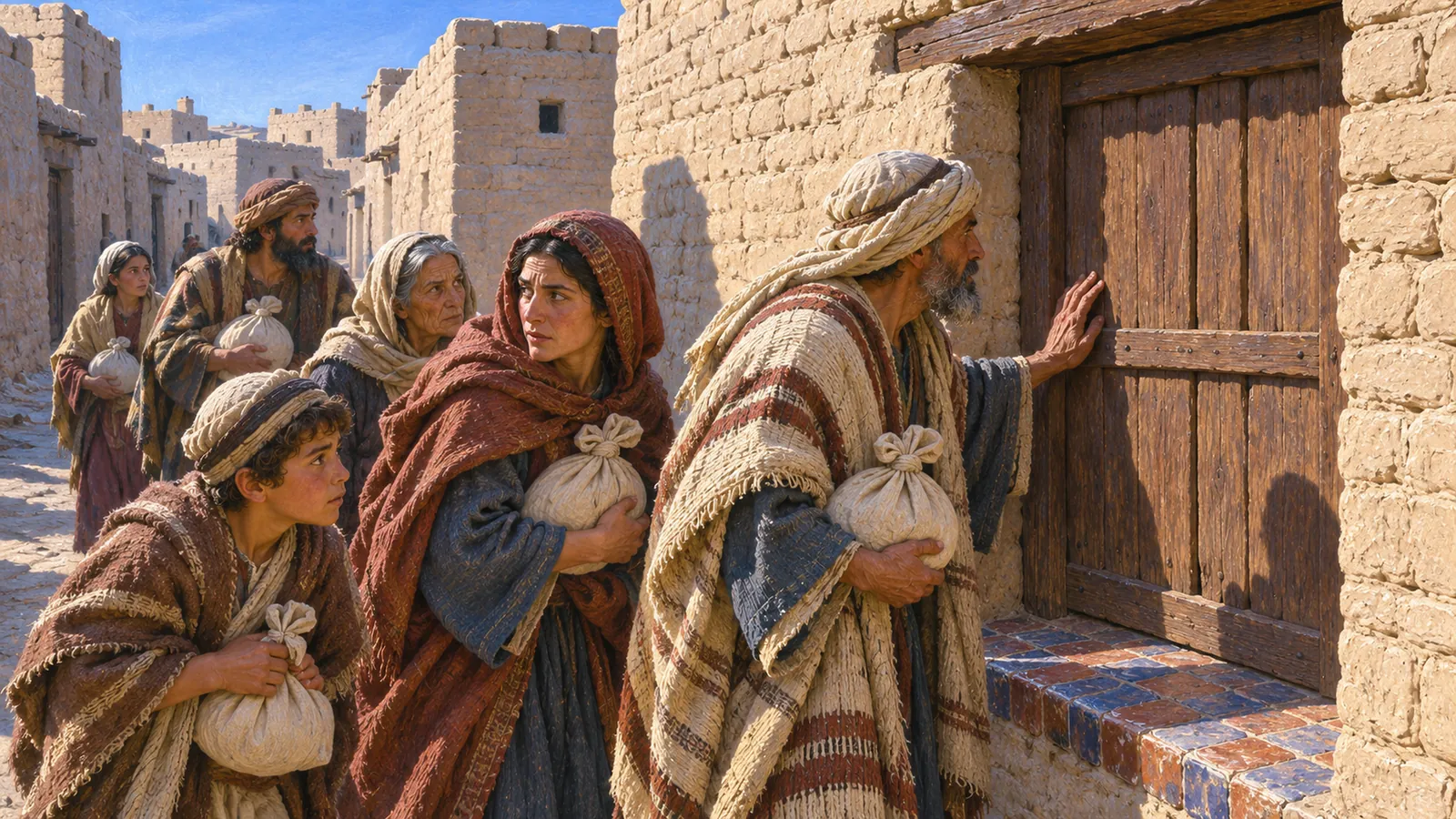
Nabopolassar took Harran in his sixteenth year, 610 BCE by the customary reckoning. The chronicle describes the removal of goods from the city and its temple, almost as it had done for Nineveh.
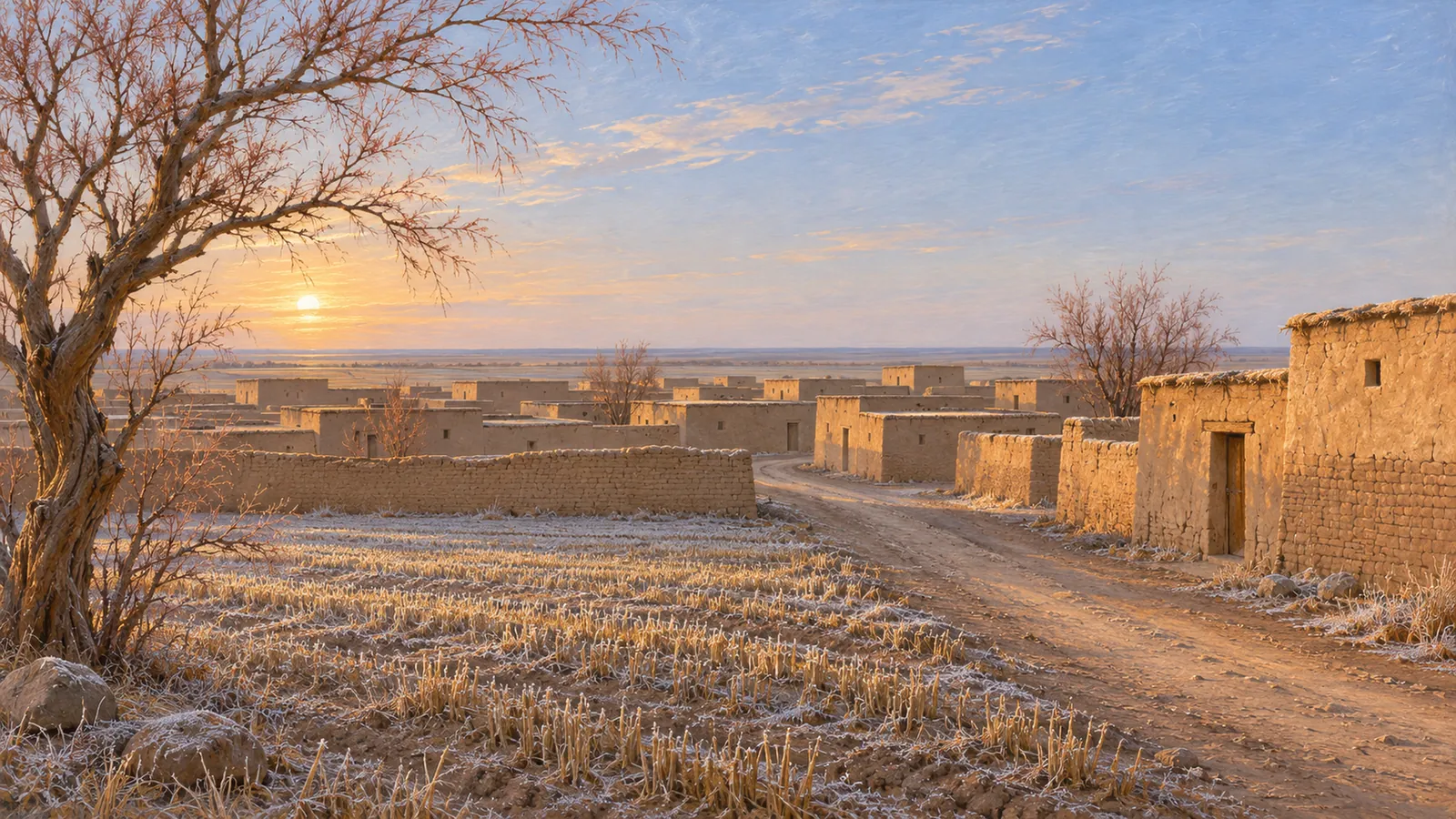
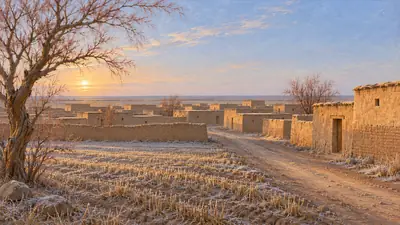
In Addaru, towards the end of the Babylonian year, Nabopolassar went home. He left soldiers and their camp behind. The Median army withdrew too. For the moment, Harran remained in his hands.
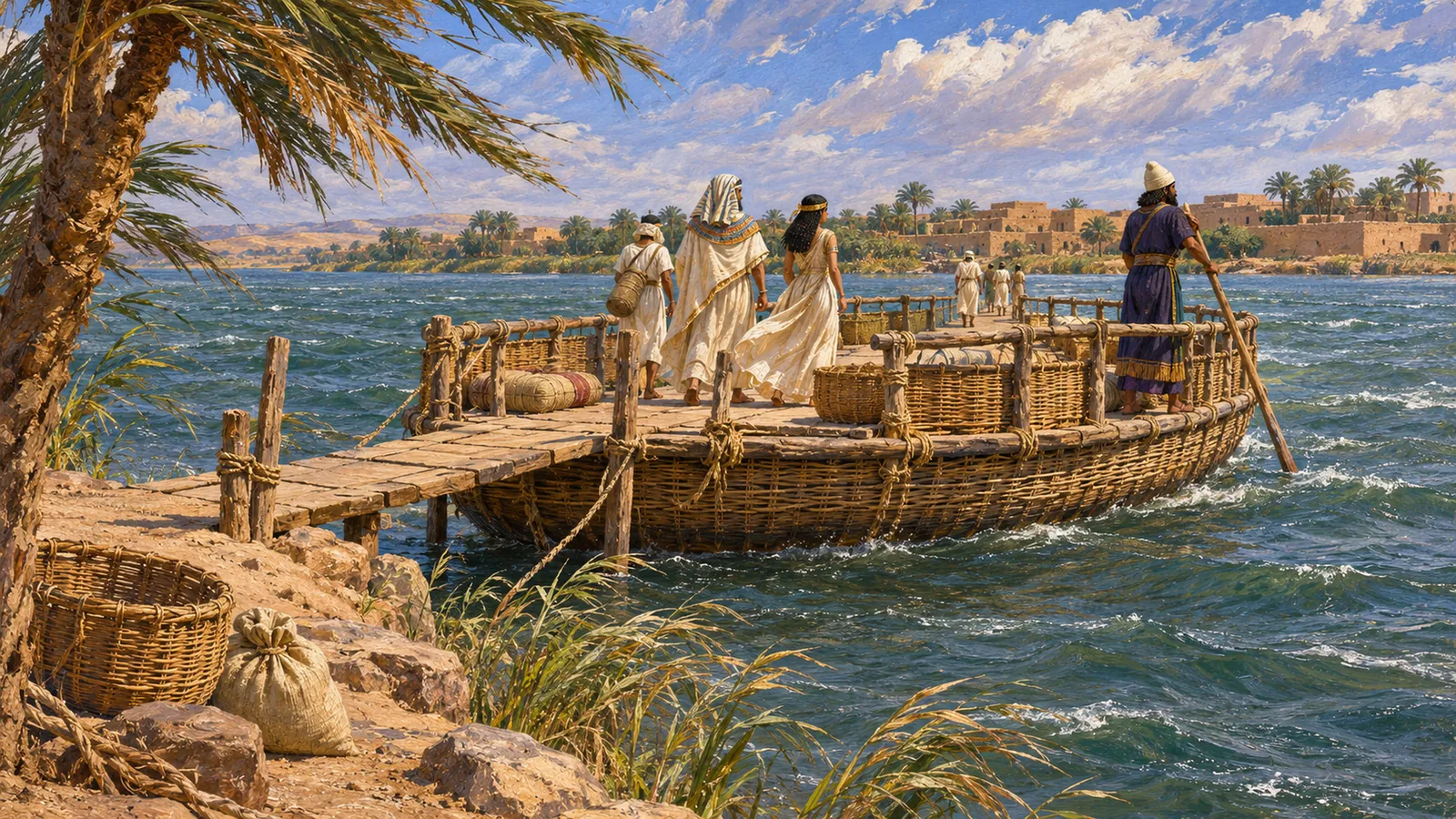
In 609 BCE, Ashur-uballit crossed the Euphrates again with a large Egyptian army. They reached and defeated a Babylonian garrison on the way. The name of that place does not survive on the tablet.
The Assyrian and Egyptian forces reached Harran in Duzu and remained until Ululu. They failed to regain the city. The Babylonian army came to help, but the king turned towards Izalla and its nearby mountain towns.
After Harran, Ashur-uballit vanishes from the surviving account. The last entries still mention armies and towns. They give us no further glimpse of the man who had claimed the Assyrian throne.
The chronicle starts an entry for Nabopolassar’s eighteenth year. It mentions a month and the mustering of an army, then breaks. The remainder of that account has not survived on this tablet.
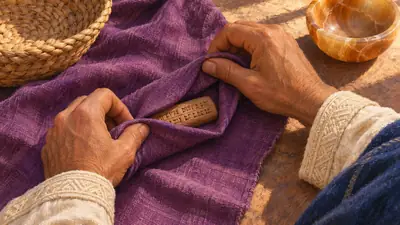
Below the surviving history comes a scribal wish. Whoever honors Nabu and Marduk should care for the tablet and keep it from going into other hands. The names stand where the events end.
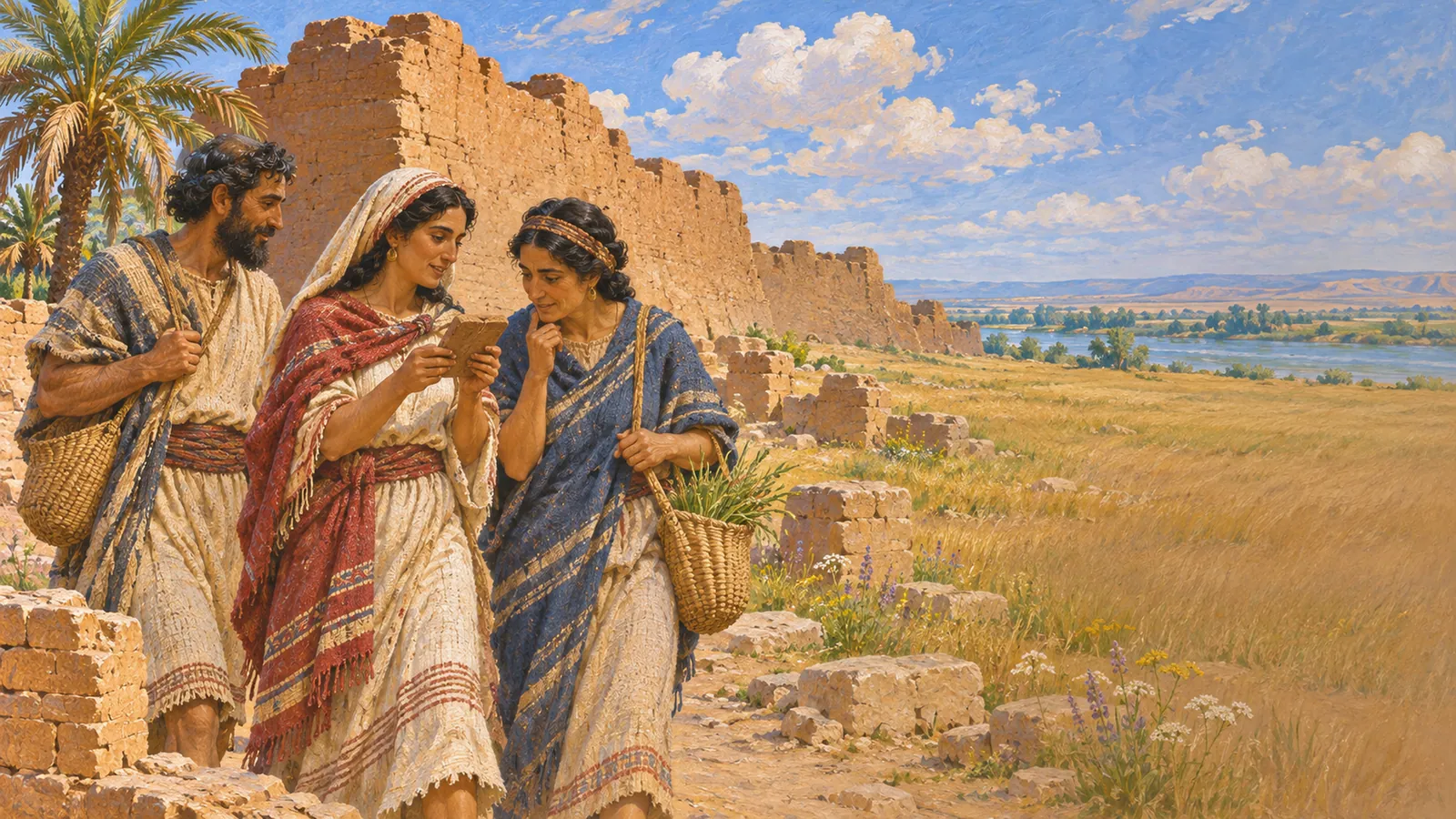
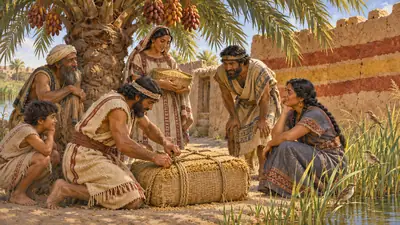
Life did not stop at the site of Nineveh when the palace fell. Traces of later settlement survive there. The Babylonian tablet tells one part of its story, the end of its years as the royal capital.
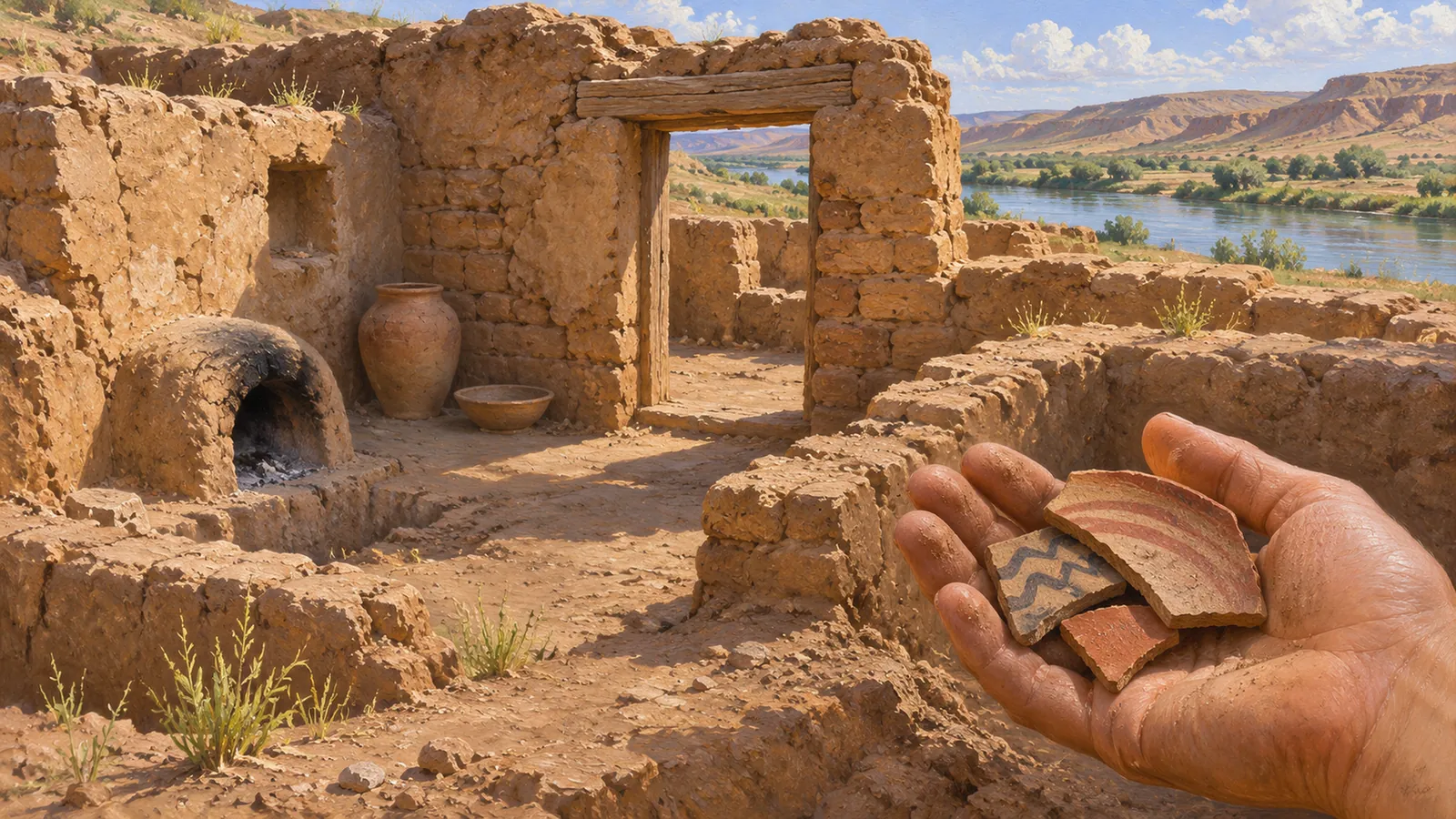
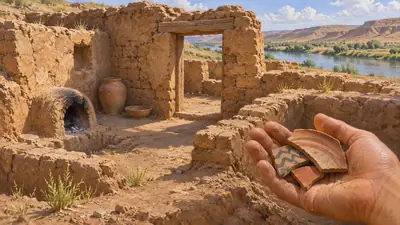
Among the debris at Nineveh, archaeologists have found traces of settlement later than 612 BCE. Those small traces are another kind of record. Most of the people who left them went unnamed.
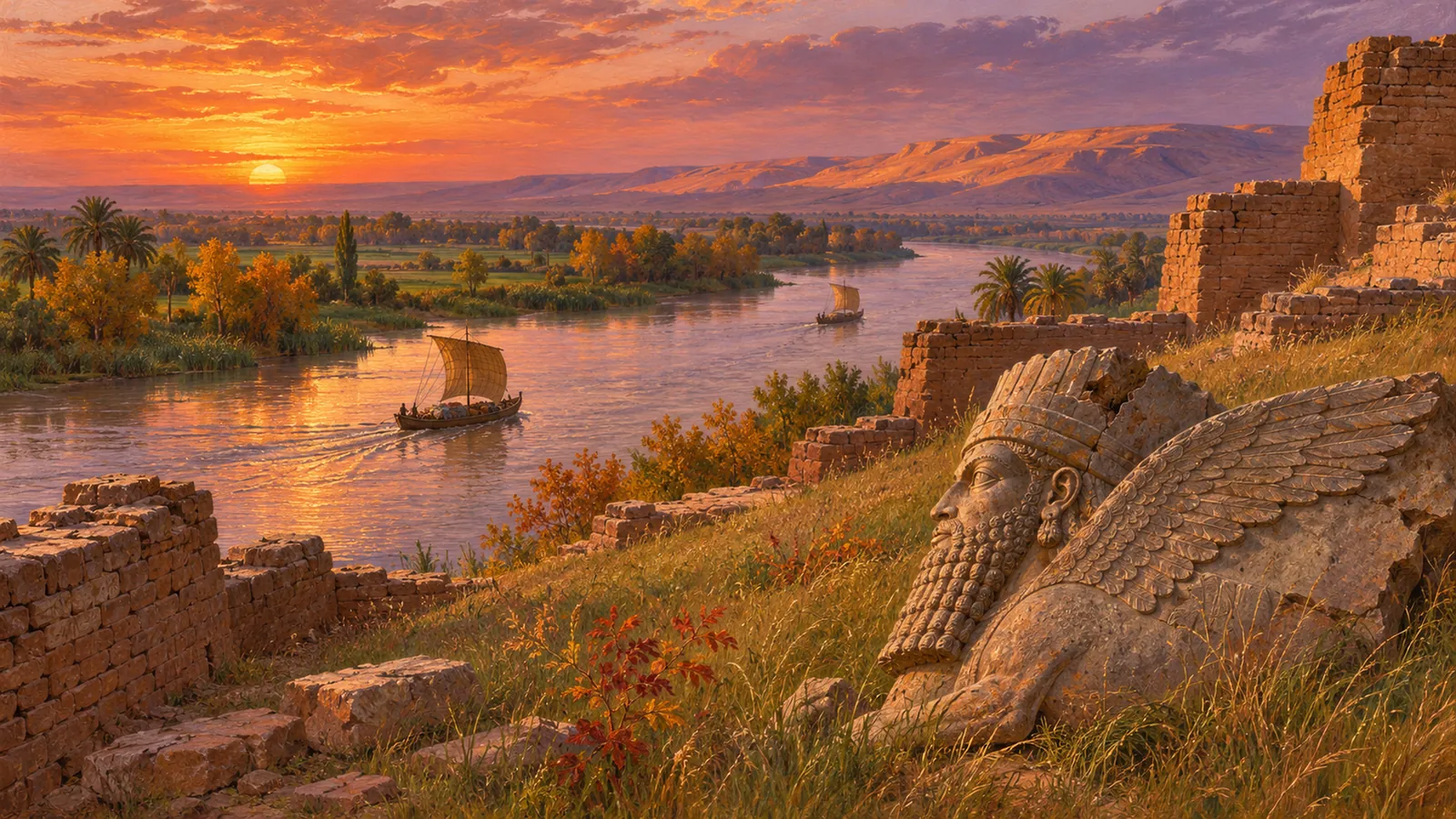
A king’s defeat, a meeting, a city that changed hands. Centuries after the people were gone, the clay still kept these things. At its broken edge, the historian’s task begins again.
End of chapter 1
All pages




Sources
Editions consulted
- A. K. Grayson, Assyrian and Babylonian Chronicles, Chronicle 3
- British Museum, BM 21901, registration 1896,0409.6, museum record
- British Museum, BM 21901, institutional collection entry
- CDLI, BM 21901, P555783
- D. J. Wiseman, Chronicles of Chaldaean Kings, BM 21901
- Novotny, Jeffers and Frame, RINAP 5/3, introduction and translation of the Babylonian chronicles
- ORACC Ashurbanipal Library Project, Areas of Nineveh
- Metropolitan Museum of Art, Nineveh
- Metropolitan Museum of Art, Assyria
- CDLI, Early Years of Nabopolassar Chronicle (ABC 2), BM 25127 / P555782
Ancient lines behind each page
- Page 1: BM 21901, lines 38–46
- Page 2: British Museum BM 21901; CDLI P555783
The chronicle is a later copy. The precise date of the surviving clay remains uncertain. - Page 3: BM 21901, lines 1–4; ABC 2, lines 14–15
- Page 4: ABC 3, especially lines 16–23, 28–30 and 38–48
- Page 5: ORACC Areas of Nineveh; Metropolitan Museum, Nineveh
- Page 6: Metropolitan Museum, Assyria; BM 21901, lines 16–18
- Page 7: RINAP 4 RINAP 5 Assur temple restorations; Metropolitan Museum, Assyria
- Page 8: ABC 2, lines 14–15; BM 21901, lines 1–2
- Page 9: BM 21901, lines 1–2
- Page 10: BM 21901, lines 3–6
- Page 11: BM 21901, lines 6–8
- Page 12: BM 21901, lines 8–9
- Page 13: BM 21901, lines 10–11
- Page 14: BM 21901, lines 11–15
- Page 15: BM 21901, lines 16–19
- Page 16: BM 21901, lines 19–23
- Page 17: BM 21901, lines 23, 29; RINAP 5/3
- Page 18: BM 21901, lines 24–25
- Page 19: BM 21901, lines 25–28
- Page 20: BM 21901, lines 25–28
- Page 21: BM 21901, lines 28–29
- Page 22: BM 21901, lines 28–30
- Page 23: BM 21901, lines 29–30, 38–43
- Page 24: BM 21901, lines 31–32
- Page 25: BM 21901, lines 32–34
- Page 26: BM 21901, lines 34–37
- Page 27: BM 21901, lines 38–41
- Page 28: BM 21901, lines 16–22, 38–44
- Page 29: BM 21901, lines 40–42
- Page 30: BM 21901, lines 41–43
- Page 31: BM 21901, lines 42–47
- Page 32: BM 21901, lines 43–46
- Page 33: BM 21901, lines 43–45; RINAP 5/3 introduction
- Page 34: BM 21901, lines 45–46
- Page 35: BM 21901, lines 47–50
- Page 36: BM 21901, lines 49–51; RINAP 5/3
- Page 37: BM 21901, lines 61–64; Nabonidus Harran inscriptions
- Page 38: BM 21901, lines 53–57
- Page 39: BM 21901, lines 58–61
- Page 40: BM 21901, lines 60–63
- Page 41: BM 21901, lines 61–65
- Page 42: BM 21901, lines 64–65
- Page 43: BM 21901, lines 66–69
- Page 44: BM 21901, lines 68–73
- Page 45: BM 21901, lines 70–78; RINAP 5/3
- Page 46: BM 21901, lines 76–78
- Page 47: BM 21901, colophon
- Page 48: ORACC Areas of Nineveh; British Museum BM 21901
- Page 49: ORACC ASBP Areas of Nineveh; Metropolitan Museum, Nineveh
- Page 50: British Museum BM 21901; CDLI P555783
Illustrations made with AI tools by IL Archive; the text is based on the ancient sources (see the sources at the end of each chapter).