Site · City
Harran
South of Şanlıurfa, Harran was a meeting point for routes across northern Mesopotamia. Genesis places Abraham’s family there, while a Babylonian chronicle and bricks stamped for Nabonidus document the city’s Assyrian and Babylonian history.
Estimated reading time: 3 min Published Last reviewed:
Share article
Text
Introduction
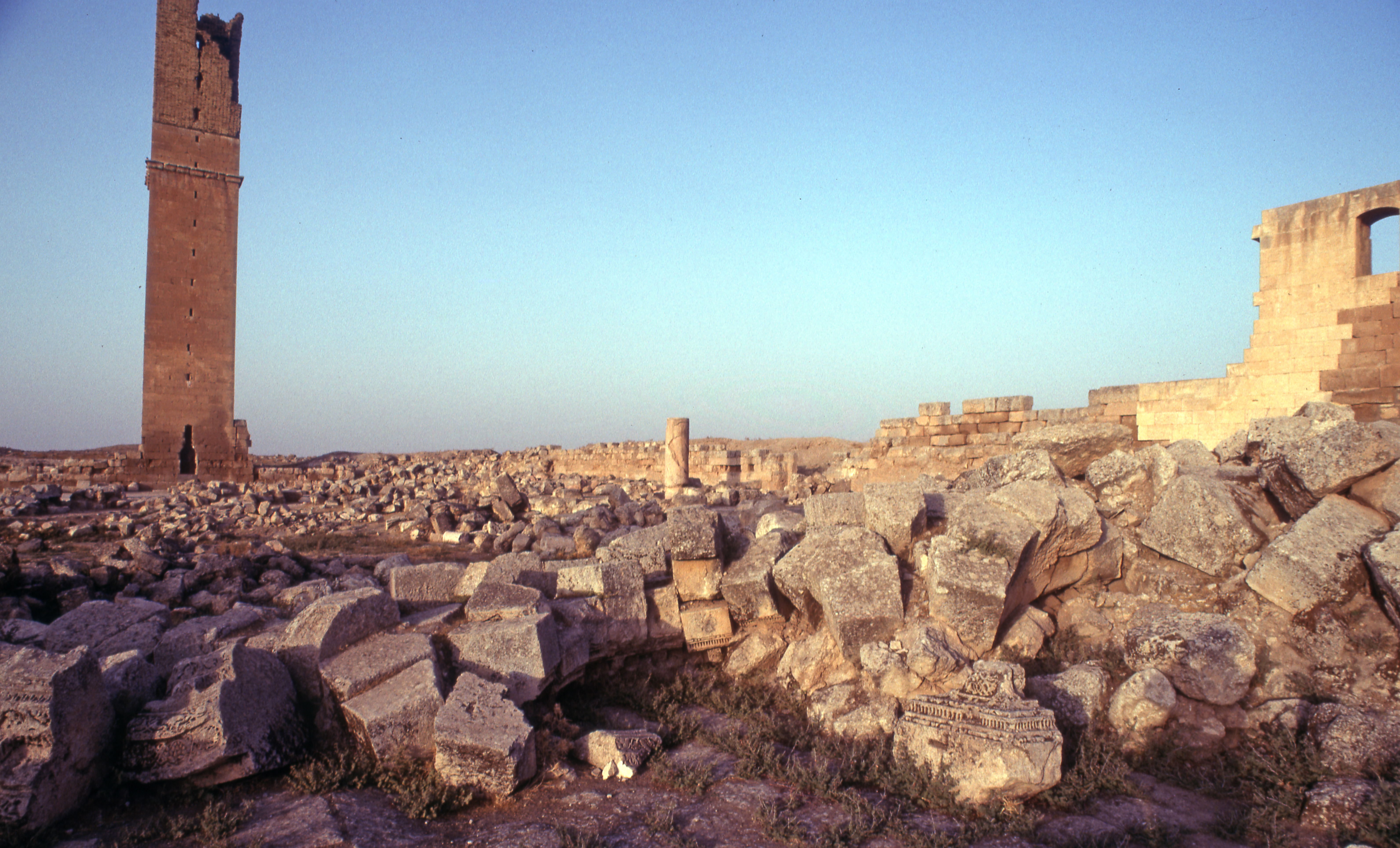
Harran lies on a plain south of Şanlıurfa in southeastern TürkiyeTurkeyTurkey is a modern country including Anatolia and territory in southeastern EuropeGlossary · Click to read the explanation. Routes between northern MesopotamiaMesopotamiaHistorical region associated with the Tigris and Euphrates: Uruk, Ur, Eridu, cuneiform, Sumer, Akkad, Babylon and Assyria, their languages and cults, and the limits of archaeological evidence.Glossary · Click to read the explanation, AnatoliaAnatoliaAnatolia is the region occupying the Asian part of present-day TurkeyGlossary · Click to read the explanation and the Mediterranean crossed the region. The old city is known from the journey in Genesis, cuneiformCuneiformWriting with wedge-shaped signs, developed from Mesopotamian recording traditions and used for several languages from the third millennium BCE.Glossary · Click to read the explanation accounts of the last years of Assyrian rule and excavations in the mound and around the Great Mosque. [1][2]
A stop on the way to Canaan
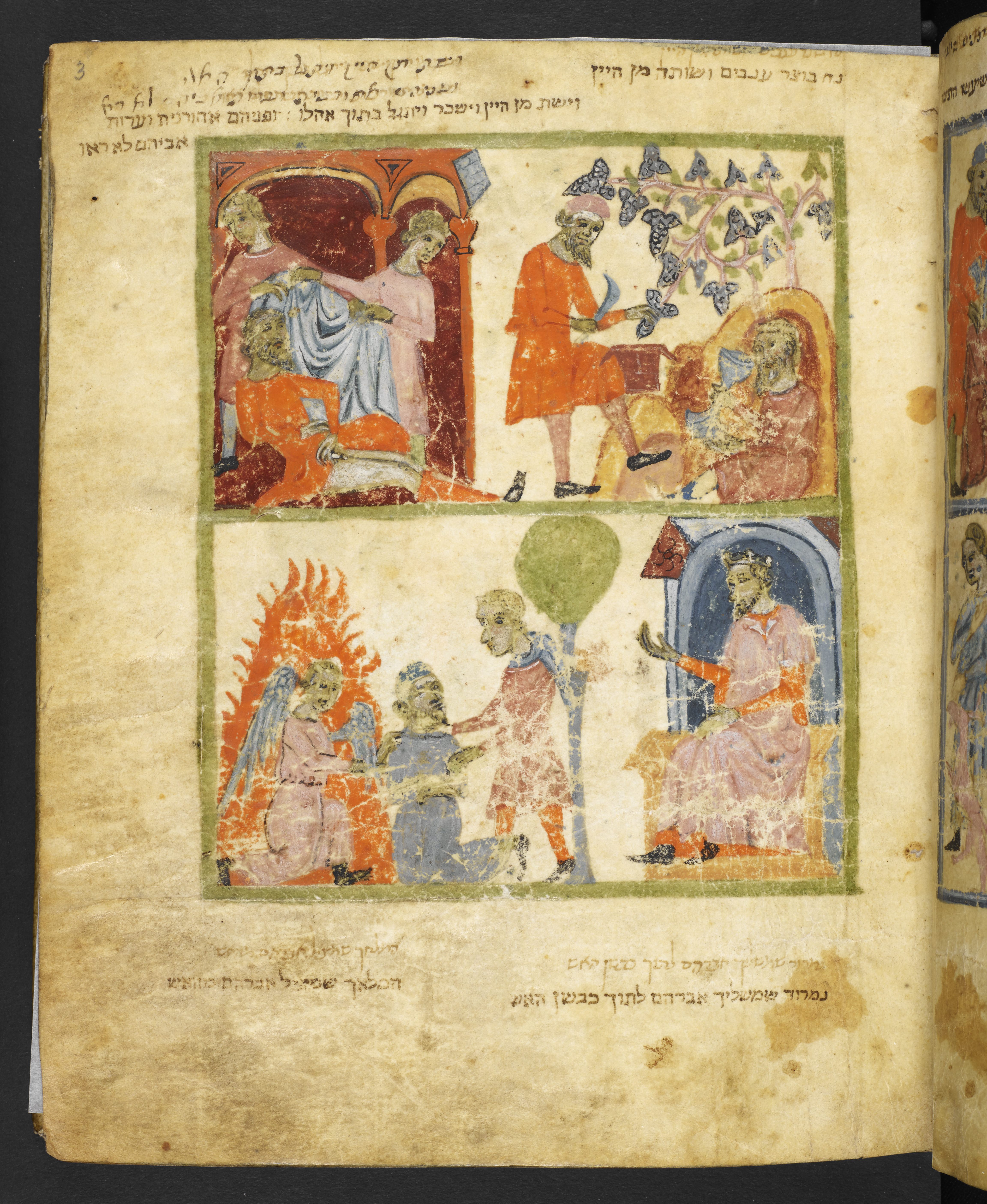
In the Book of GenesisBook of GenesisHebrew book of the Torah containing Noah’s flood, survival offering and covenant with living creatures.Glossary · Click to read the explanation, Terah leaves Ur of the ChaldeansUr of the ChaldeansCity named in Genesis’s account of Abraham’s family, commonly associated with archaeological Ur near Nasiriyah in southern Iraq.Glossary · Click to read the explanation with Abram, Sarai and his grandson Lot, bound for CanaanCanaanRegional name in the Mediterranean Levant, associated with Canaanite cities and cultures in the second millennium BCE and with Abraham’s family’s destination in Genesis.Glossary · Click to read the explanation. The family settles at Harran, and Terah dies there. The HebrewHebrewA Northwest Semitic language of the Canaanite group, encompassing Iron Age epigraphy, Biblical, Rabbinic, medieval and Modern Hebrew; its scripts and pronunciations changed over time.Glossary · Click to read the explanation spelling of the city begins with ḥet (ח). The name of Abram’s brother Haran, the father of Lot, begins with he (ה). Genesis 11:28 places the brother’s death at Ur. The two names look alike in some translations, and the difference matters when both occur in the account of the departure. [3]
In Genesis 12:4–5, Abram continues from Harran with Sarai and Lot. The text says they take the possessions and the people they had gathered there. This places the city between two departures in the family story. The cuneiform evidence for the late Assyrian and Babylonian city belongs to a separate historical setting. [4][5]
The Assyrian court and the temple of Sîn
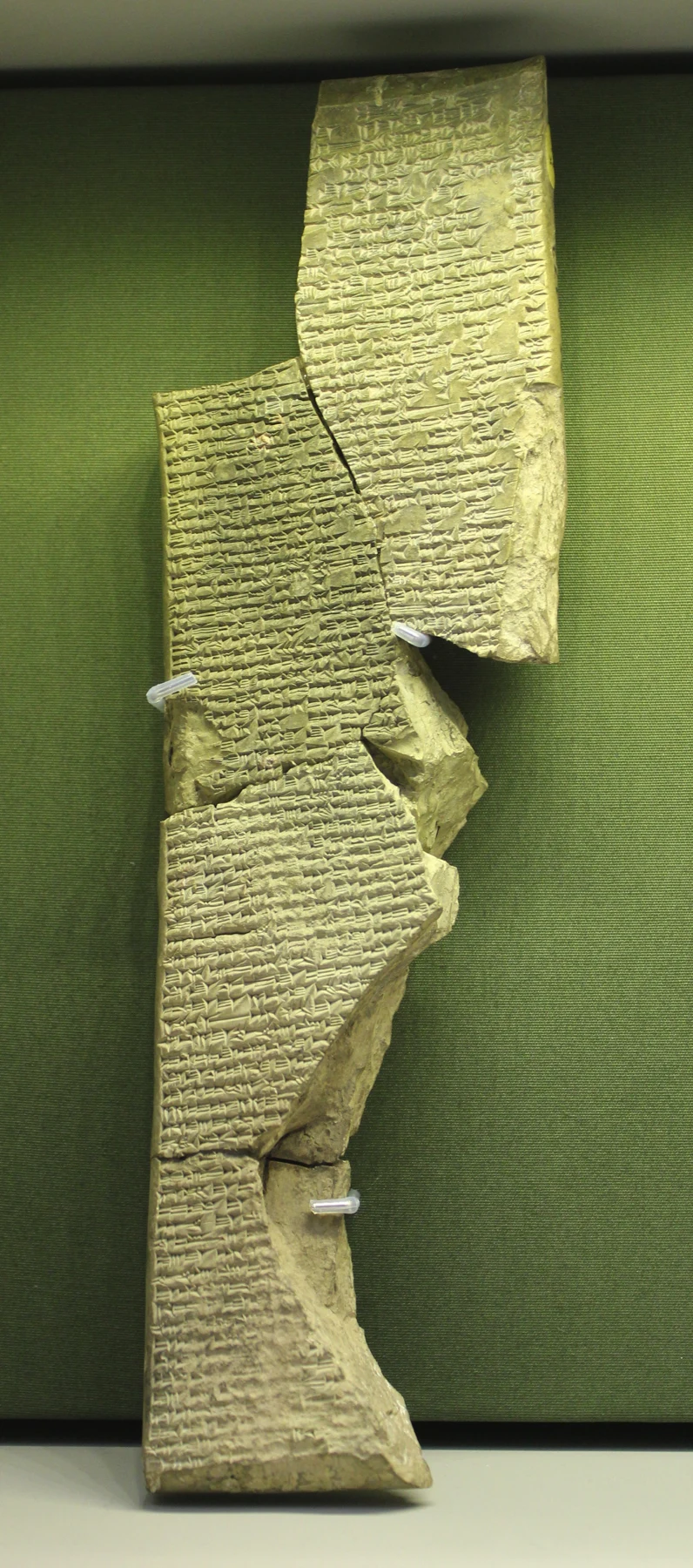
After NinevehNineveh and KuyunjikNineveh is an ancient Assyrian city near Mosul in northern Iraq; Kuyunjik is one of its archaeological moundsGlossary · Click to read the explanation fell in 612 BCE, Aššur-uballiṭ II took up Assyrian rule at Harran. The Babylonian chronicle preserved on BM 21901 records that the forces of Nabopolassar and the Medes moved against Harran in 610 BCE. The Assyrian ruler and his Egyptian allies withdrew, and the Babylonians took the city and carried away booty. The entry for 609 BCE records the Assyrian and Egyptian return and their unsuccessful attempt to retake Harran. The surviving tablet gives the sequence from the Babylonian side. [5]
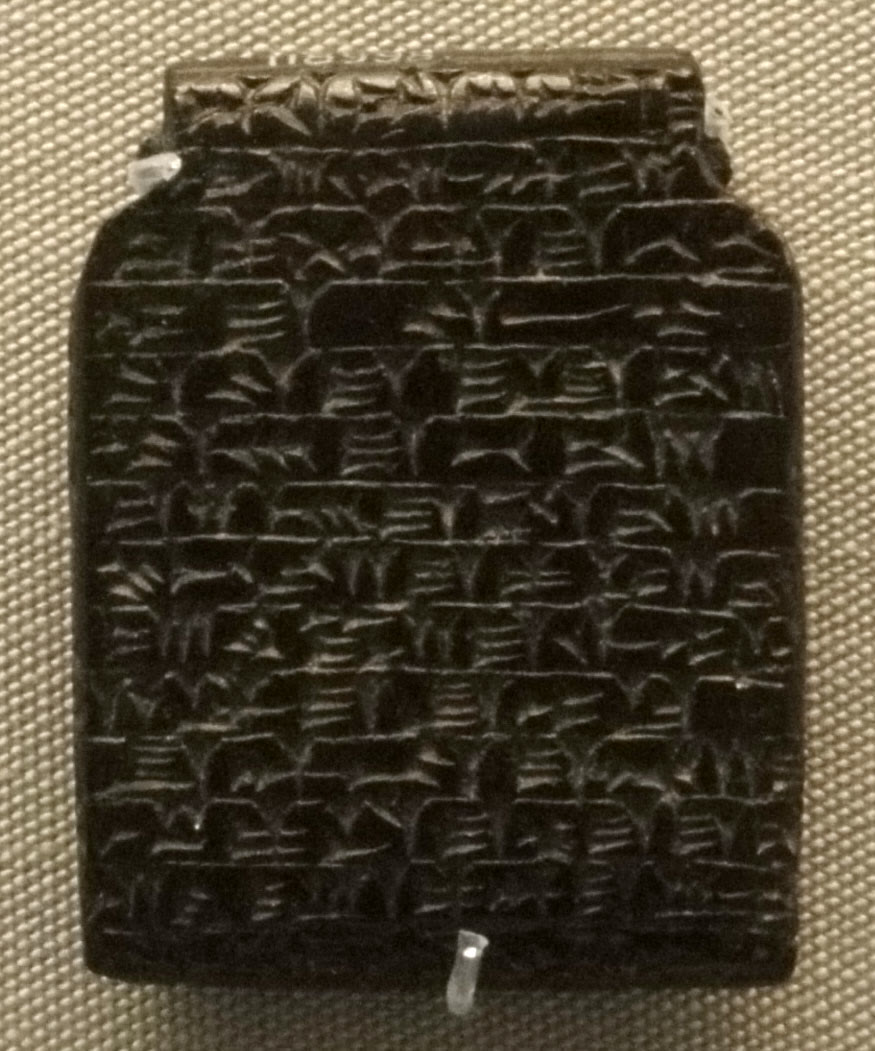
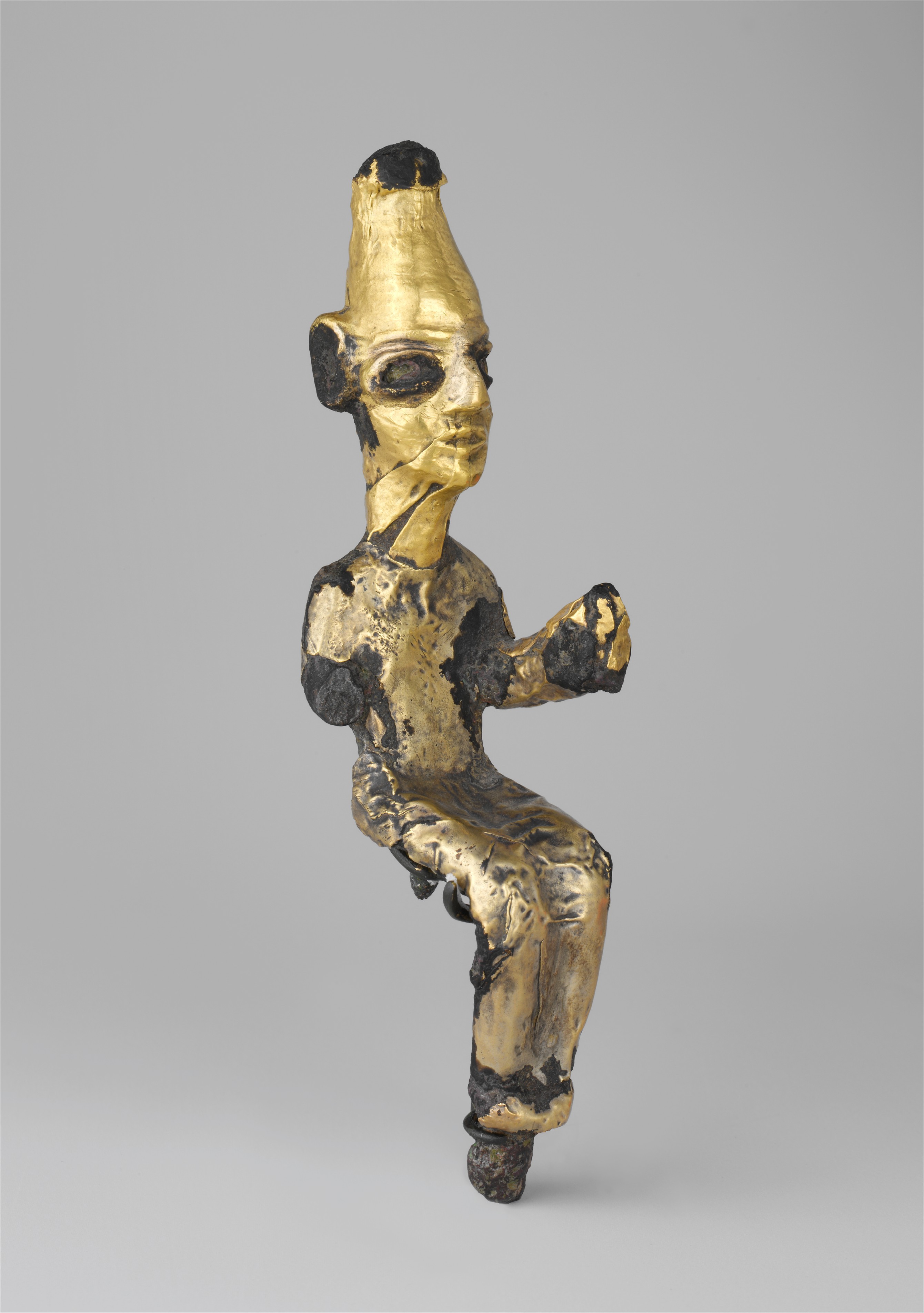
The sanctuary of the moon god Sîn was called Eḫulḫul. On bricks inscribed in the sixth century BCE, the Babylonian king Nabonidus names the temple and says he built it for Sîn, Ningal, Nusku and Sadarnunna. Veysel Donbaz published the four-line stamp using the fragment Hr.85/75 and examples recovered in 1989. The later Islamic layer in which the 1989 bricks were found is their archaeological find context. The stamps give the name of the ancient building and its patron. [6]
The mound and the medieval city
The Harran University excavation report for 2014–2023 describes Bronze Age mudbrick walls and pottery beneath medieval levels on the mound. Near the Great Mosque, archaeologists exposed the Eastern Bazaar and found metal scale pans and weights in a shop. The same report records a bath in the citadel, with a heating system beneath the floor. The finds give a view of commerce and bathing facilities within the walled city. Türkiye’s 2000 World Heritage Tentative List submission pairs Harran with Şanlıurfa and also describes the traditional houses with conical roofs. [2][1]
Quick answers
Where is Harran? It lies south of Şanlıurfa in southeastern Türkiye, on the Harran Plain. [1][2]
Why does Harran appear in Genesis? Terah’s family settles there on its way to Canaan. Abram later departs from Harran with Sarai and Lot. [3][4]
How do we know the name of Harran’s temple? A four-line stamp on bricks from the site names Eḫulḫul as the temple of Sîn and attributes the work to Nabonidus. [6]
References and notes
- Türkiye Ministry of Culture, “Harran and Sanliurfa,” UNESCO World Heritage Tentative List entry 1400 Submission of 25 February 2000, location and description. Harran south of Şanlıurfa, trade routes and traditional houses with conical roofs. Return to the text ↑
- Harran University, “Harran Ören Yeri Arkeolojik Kazı Çalışmaları 2014–2023” Opening description and excavation summaries for the mound, Eastern Bazaar and citadel bath. Bronze Age levels, shop finds and bath heating. Return to the text ↑
- Genesis 11, Hebrew and English text, Mechon-Mamre Verses 26–32, especially 28 and 31–32. Haran (הָרָן) at Ur and Harran (חָרָן), where Terah’s family settles and Terah dies. Return to the text ↑
- Genesis 12, English translation, Mechon-Mamre Verses 4–5. Abram’s departure from Harran with Sarai and Lot and continuation to Canaan. Return to the text ↑
- Jamie Novotny, Joshua Jeffers and Grant Frame, The Royal Inscriptions of Ashurbanipal, Aššur-etel-ilāni and Sîn-šarra-iškun, Part 3, RINAP 5/3 (2023) Introduction, p. 37, and Fall of Nineveh Chronicle (BM 21901), p. 45, lines 38–52 and 58–71. Nineveh, Harran and the entries for 610 and 609 BCE. Return to the text ↑
- Veysel Donbaz, “A Brick Inscription of Nabonidus from Harran,” ARRIM 9 (1991) Pp. 11–12 and fig. 1. Fragment Hr.85/75, finds of 1989, archaeological context and transliteration and translation of the four-line stamp. Return to the text ↑
Suggest a correction · Suggest a source for this record
Cite this record
IL Archive, «Harran», https://ilarchive.com/en/sites/harran
Continue reading