Selected readings

In the archive spotlight

All articles →
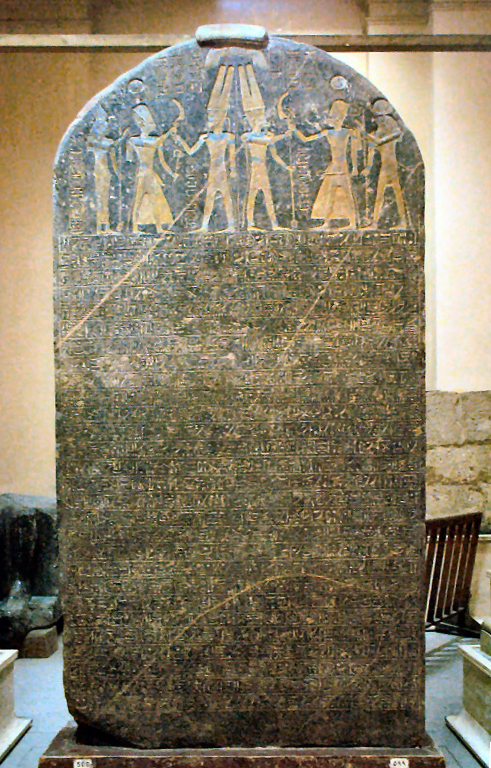
  1. Merneptah Stele, JE 31408, Egyptian Museum, Cairo; photographed in 2003. The inscription attests Israel around 1208 BCE. Evidence for the group’s name, not a Hebrew analysis of El or a stand-alone statement of its beliefs. Perspective-corrected version reused unchanged StudyAncient Levantine civilizations El in Human and Angelic Names How does El survive in Israel, Ishmael, Daniel and angelic names? Seven formations, human and heavenly witnesses, selective Qurʾanic continuity, and the limits of inferring belief or identity from etymology. Merneptah Stele, JE 31408, Egyptian Museum, Cairo; photographed in 2003. The inscription attests Israel around 1208 BCE. Evidence for the group’s name, not a Hebrew analysis of El or a stand-alone statement of its beliefs. Perspective-corrected version reused unchanged Read this material → Original photograph
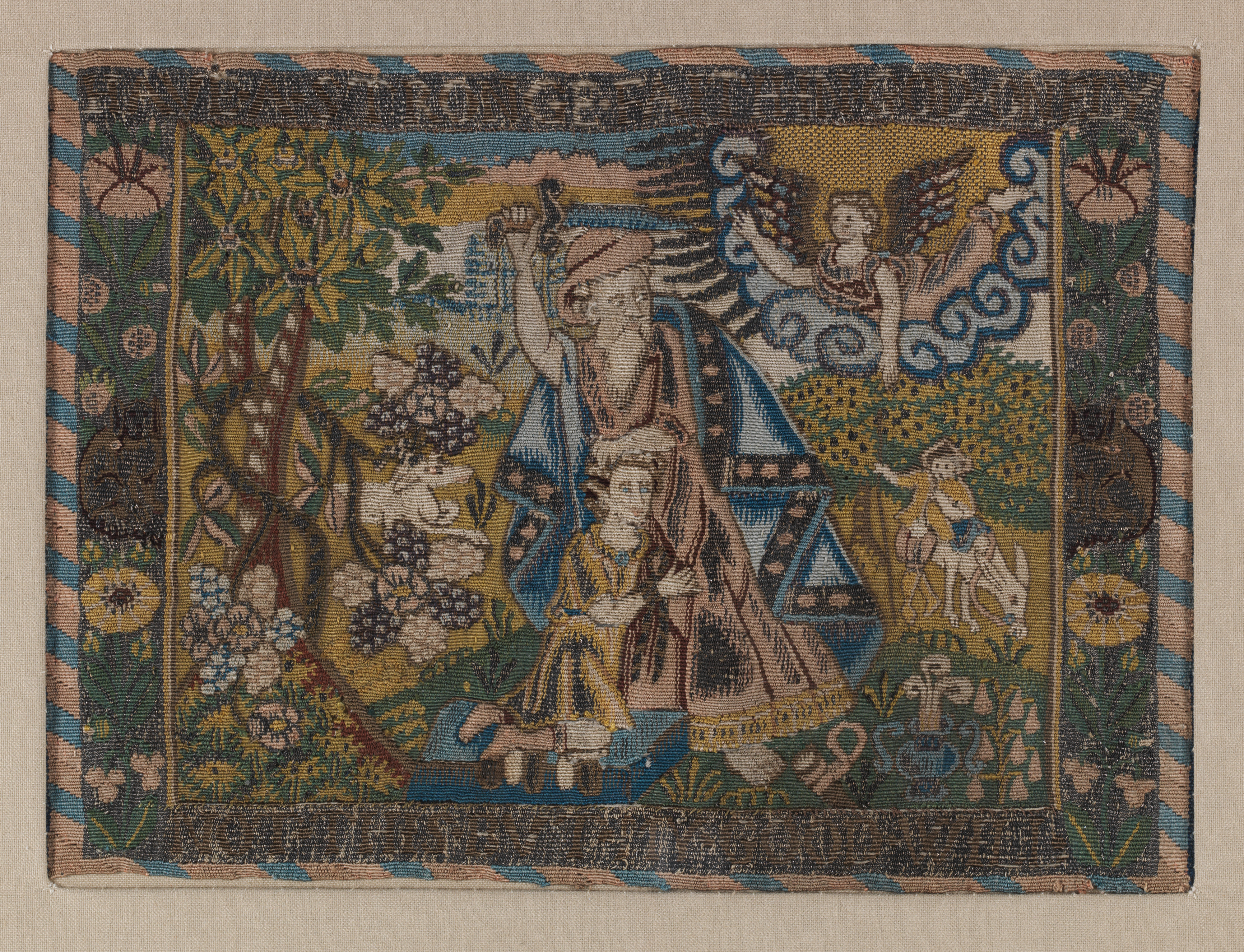
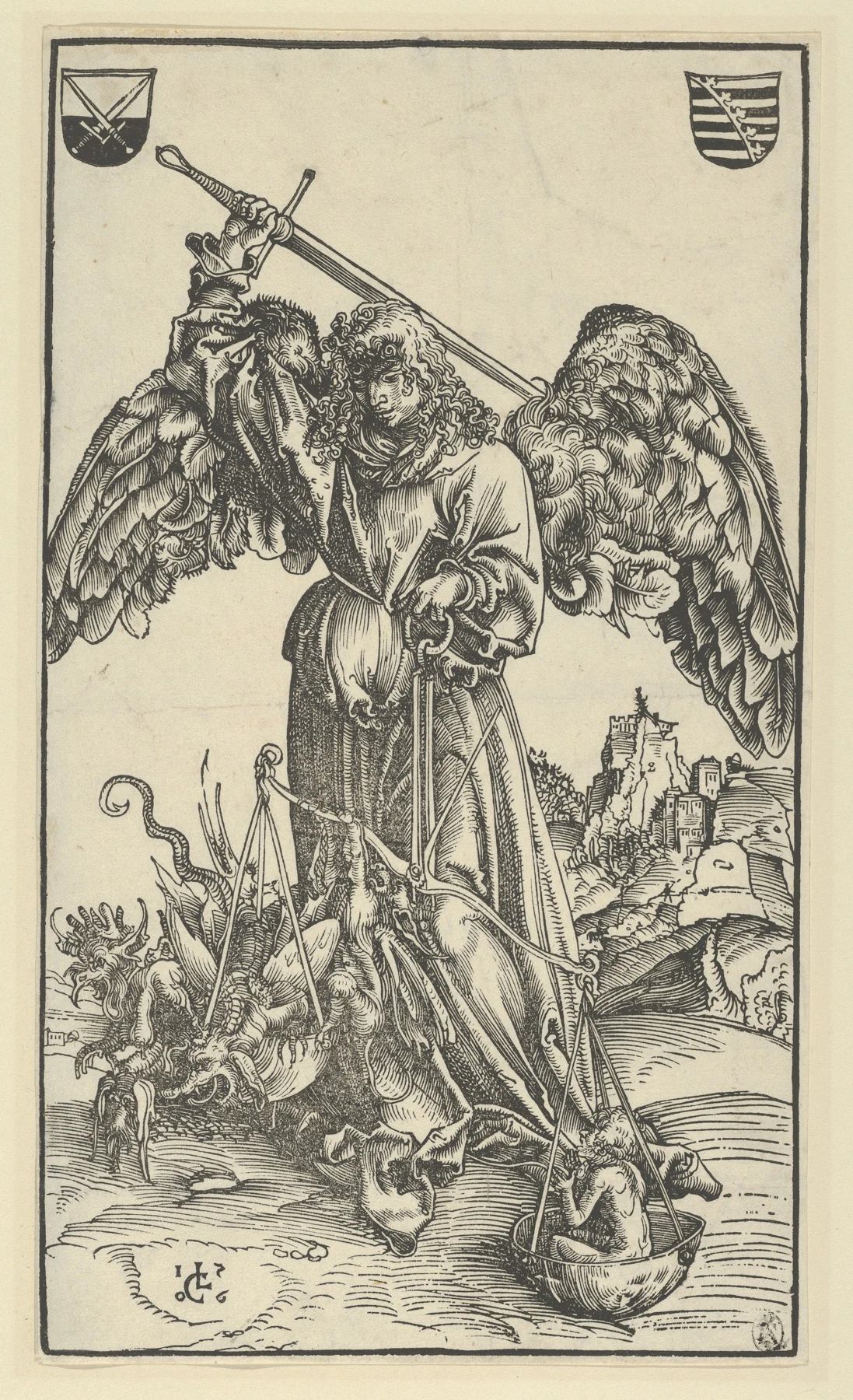
  2. Lucas Cranach the Elder, Michael weighing a soul, 1506, woodcut. Metropolitan Museum, 27.54.22; public domain. Later Christian depiction, not an original Testament of Abraham illustration StudyComparative narratives and law Judgment Scales: Egypt and the Worlds of Late Antiquity Heart, destiny and deeds: Egyptian, Greek, Hebrew, Iranian and Quranic witnesses compared through roles, dates and the limits of transmission hypotheses. Lucas Cranach the Elder, Michael weighing a soul, 1506, woodcut. Metropolitan Museum, 27.54.22; public domain. Later Christian depiction, not an original Testament of Abraham illustration Read this material → Original photograph
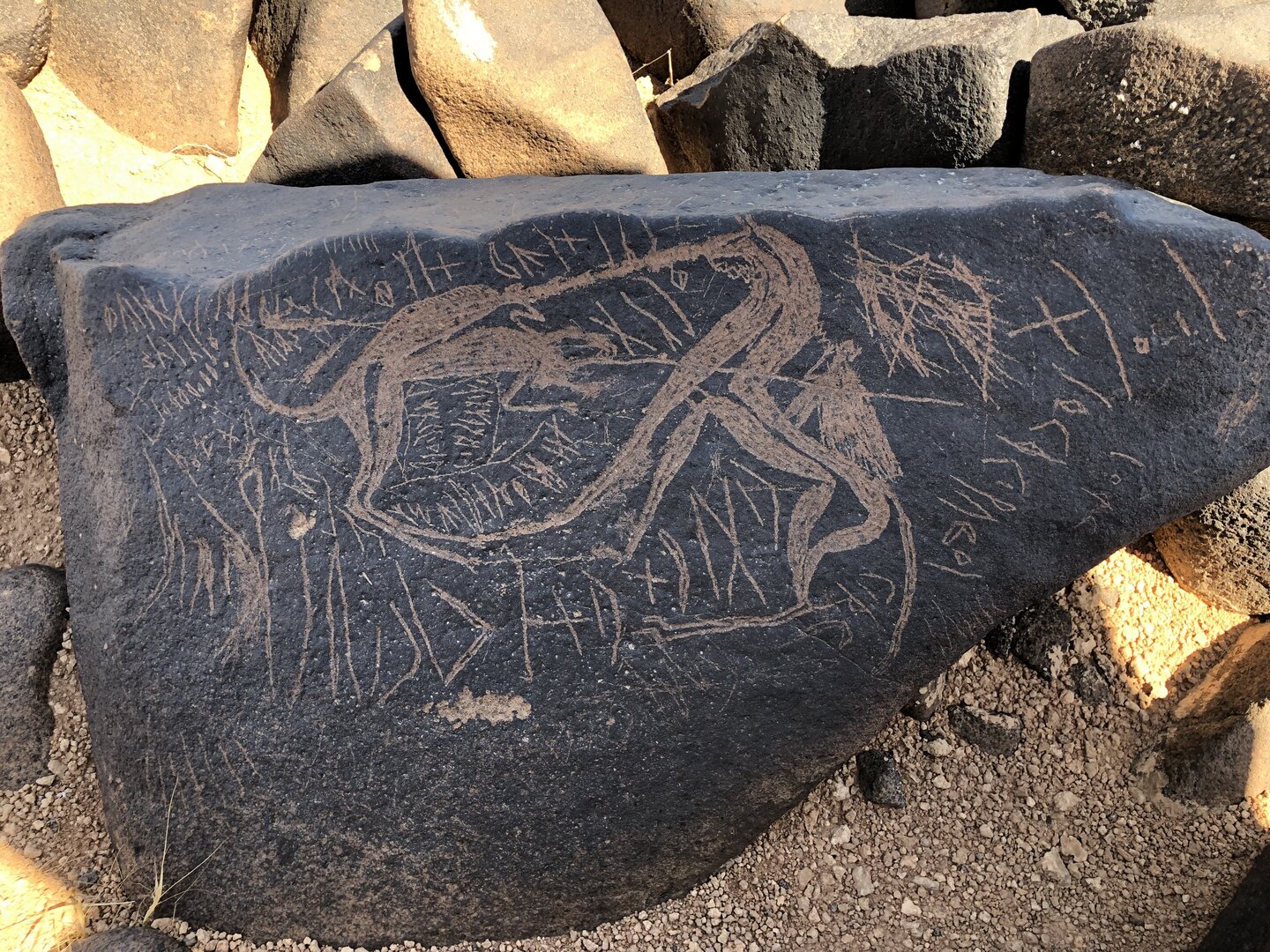
  3. BES19s 77.1, Firʿ Wadi al-Khudari, Mafraq, Jordan. Its reading invokes Allat and then Allah. This photograph shows stone and writing; animal and human drawings are not identified as depictions of these deities. Original preserved without cropping or alteration StudyDeities and divine councils Allah before Islam Following the name from inscriptions and personal names to Quranic discourse, distinguishing continuity of language from changing belief and stone testimony from scholarly interpretation. BES19s 77.1, Firʿ Wadi al-Khudari, Mafraq, Jordan. Its reading invokes Allat and then Allah. This photograph shows stone and writing; animal and human drawings are not identified as depictions of these deities. Original preserved without cropping or alteration Read this material → Original photograph
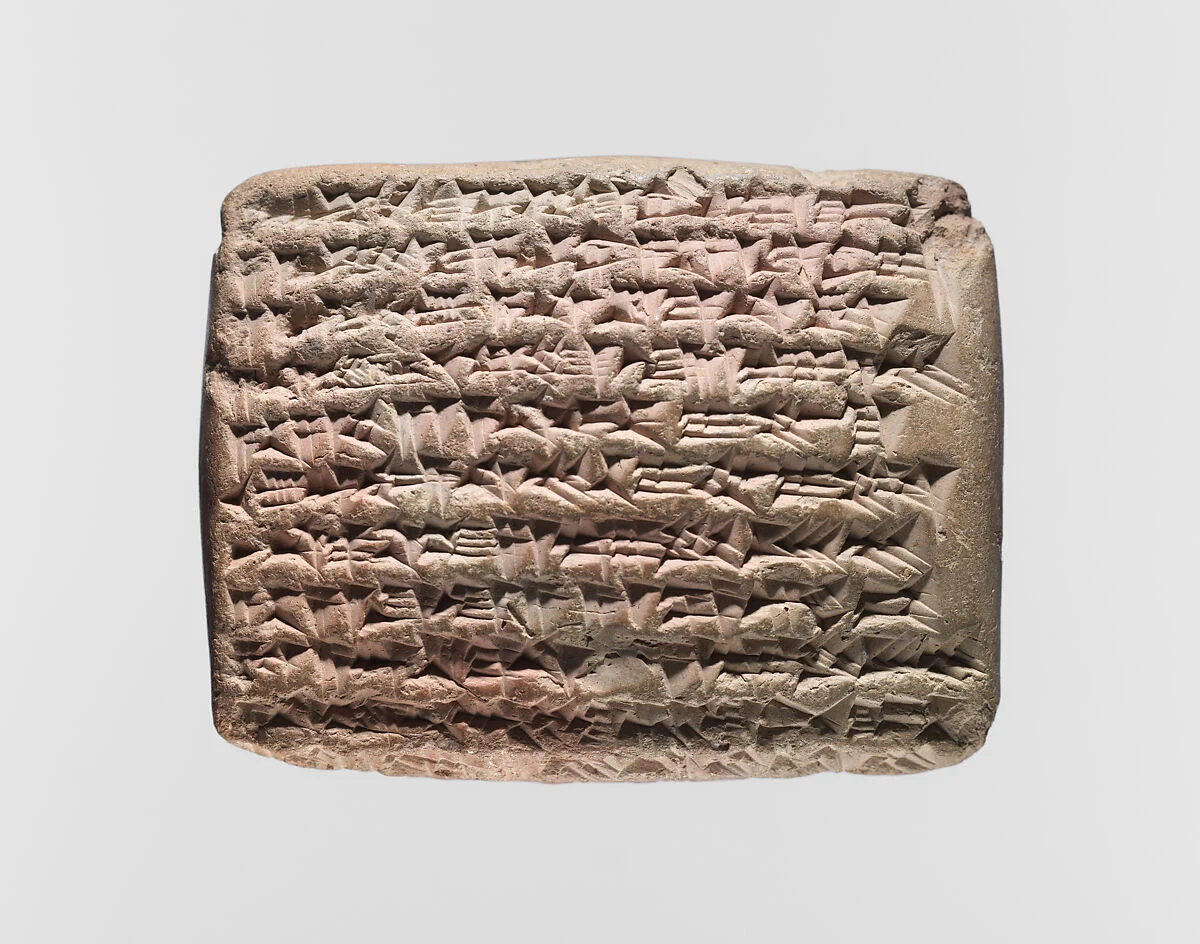
  4. Cuneiform tablet from Babylon, ca. 554 BCE, catalogued by the Met as a proxy contract for the purchase of an enslaved person from the Egibi archive. It is Neo-Babylonian, centuries later than Hammurapi; its inscription, not read here, does not establish that any particular Torah or Hammurapi rule governed this transaction. The Metropolitan Museum of Art, object 79.7.11; Public Domain StudyComparative narratives and law Slavery and Debt Service between Hammurapi and the Torah: Are These Texts Describing the Same Institution? From Hammurapi §117 to Exodus, Deuteronomy and Leviticus: categories, terms, women and fugitives, and the limits of evidence for practice or borrowing. Cuneiform tablet from Babylon, ca. 554 BCE, catalogued by the Met as a proxy contract for the purchase of an enslaved person from the Egibi archive. It is Neo-Babylonian, centuries later than Hammurapi; its inscription, not read here, does not establish that any particular Torah or Hammurapi rule governed this transaction. The Metropolitan Museum of Art, object 79.7.11; Public Domain Read this material → Original photograph
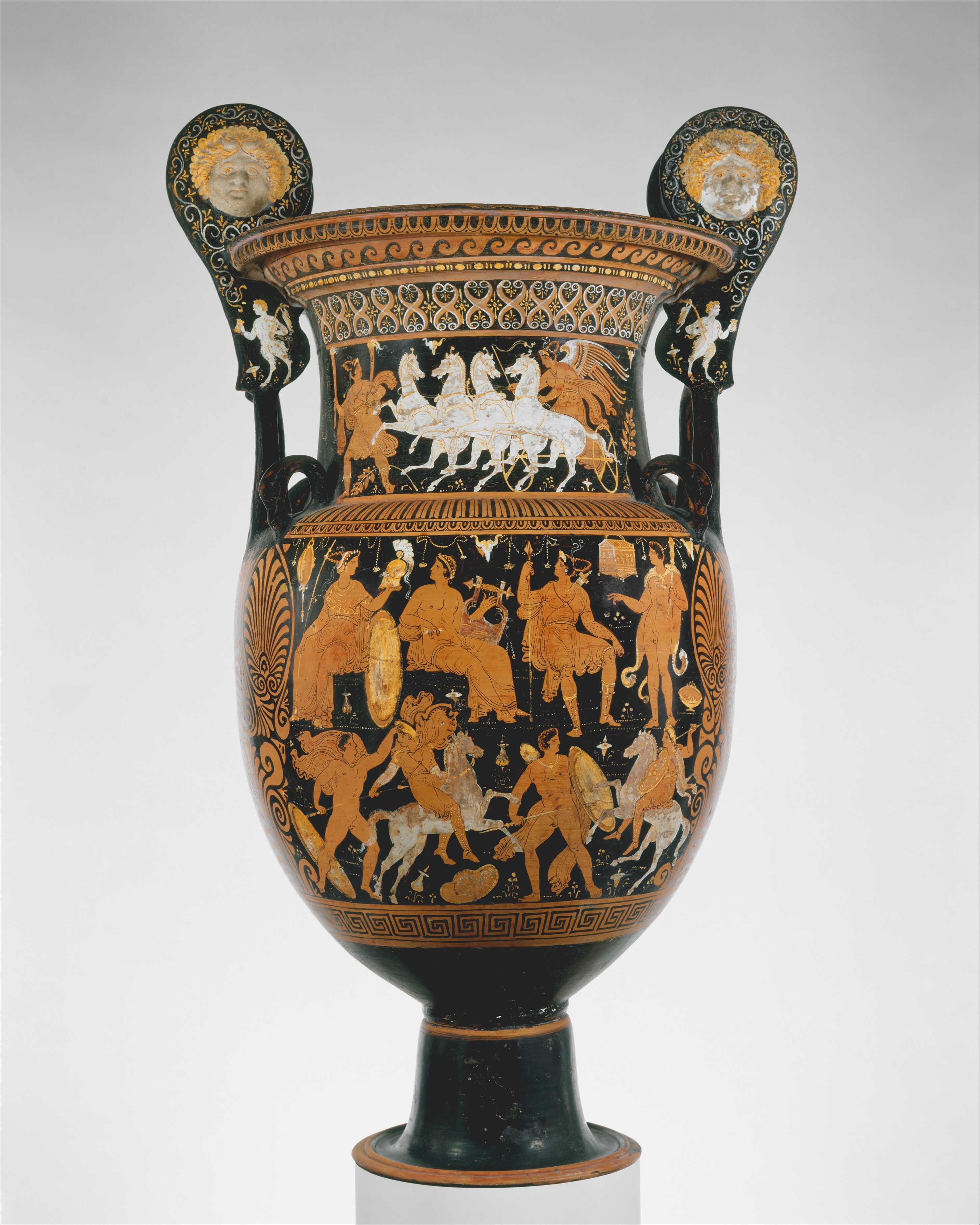
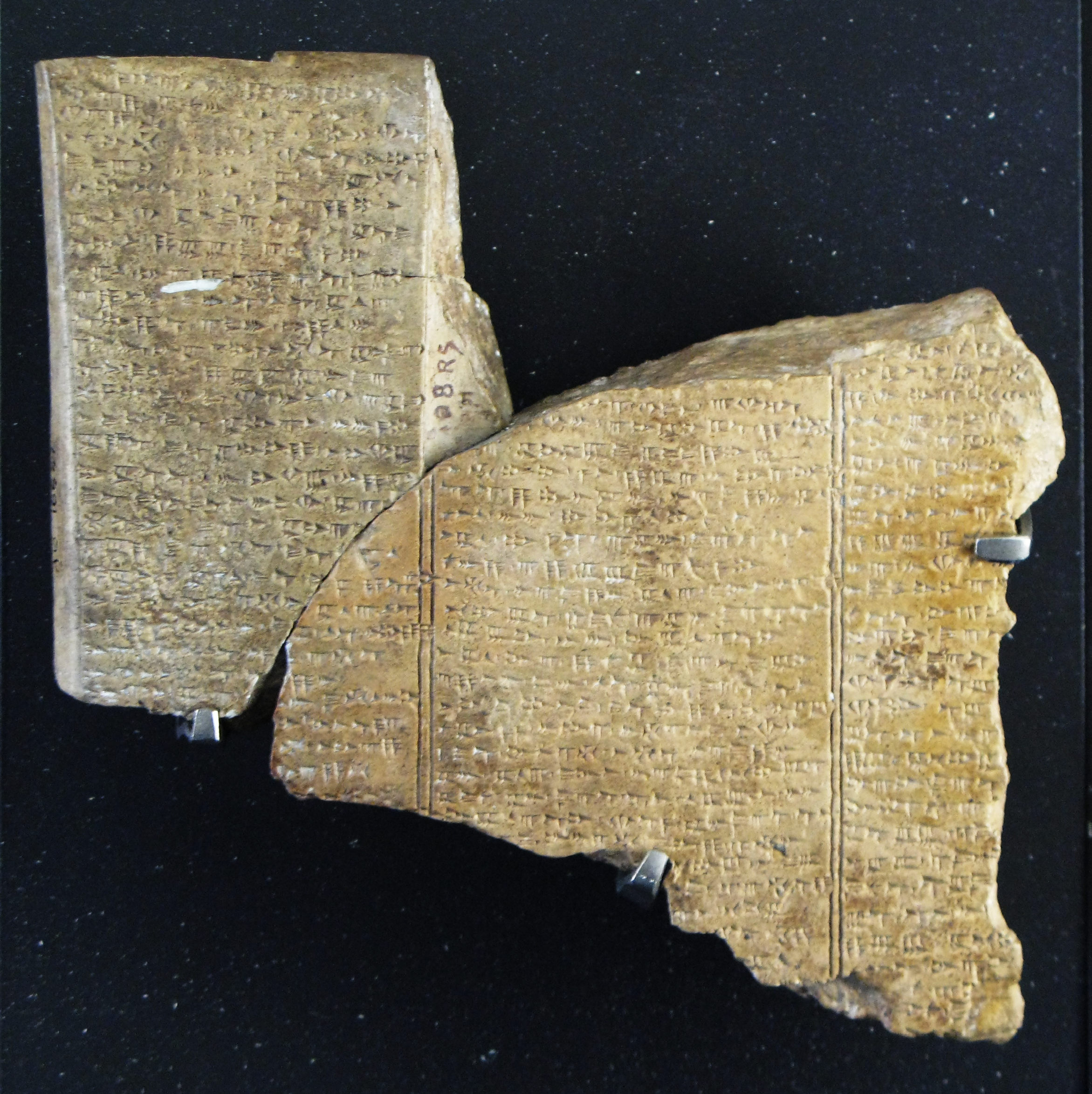
  5. Fragments of Ugaritic KTU 1.5, Louvre AO 16641 and AO 16642, c. 1400–1200 BCE. The Baal Cycle text mentions ltn; the artifact does not depict the creature. Photograph by Rama, 2007, CC BY-SA 2.0 France via Wikimedia Commons; original unchanged StudyComparative narratives and law Leviathan and Lotan: the serpent across Ugaritic and Hebrew poetry KTU 1.5 and Isaiah 27 pair a related name with the fleeing and twisting serpent epithets. What supports a shared tradition, and where does evidence for borrowing stop? Fragments of Ugaritic KTU 1.5, Louvre AO 16641 and AO 16642, c. 1400–1200 BCE. The Baal Cycle text mentions ltn; the artifact does not depict the creature. Photograph by Rama, 2007, CC BY-SA 2.0 France via Wikimedia Commons; original unchanged Read this material → Original photograph

New in the archive

Recently published

All materials →
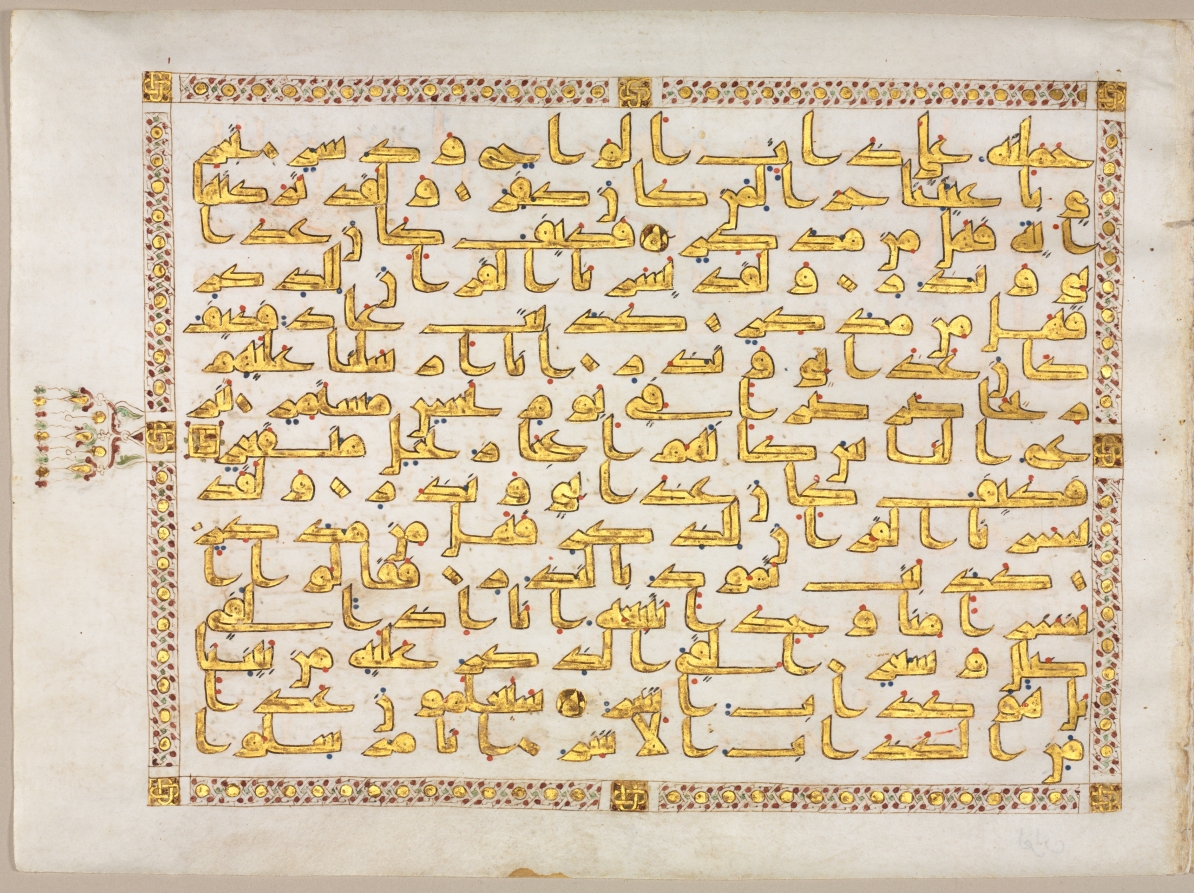
  1. Ninth-century North African Qur'an folio with Sura 54:13–27. It illustrates later manuscript transmission, not Dhul Qarnayn's passage or Marianna Klar. Cleveland Museum of Art, 1993.39.2.a

    Person

    Marianna Klar

    Scholar of Quranic narrative in its late-antique literary contexts.

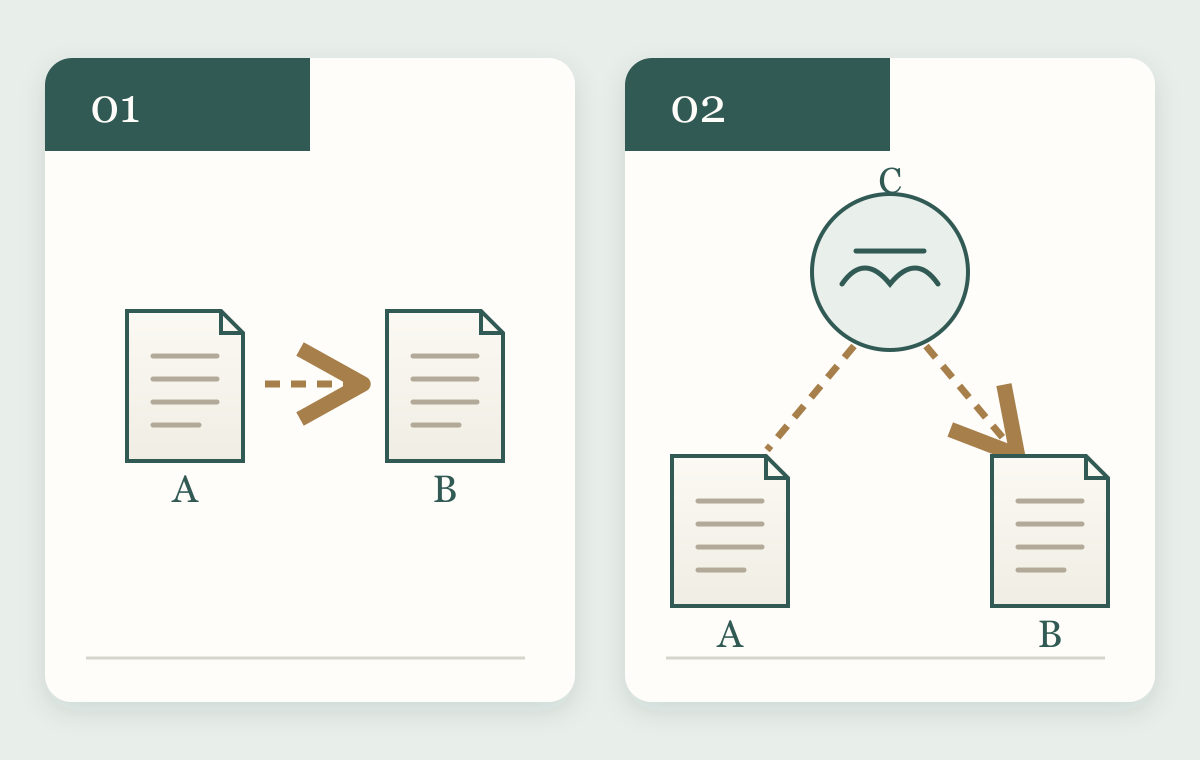
  2. Original diagram of two models discussed in Kara’s study: direct dependence between texts (01) or a shared narrative milieu feeding two versions (02). The arrows are hypothetical, not evidence of a documented transfer

    Person

    Yasin Kara

    Author of a 2026 study comparing Dhul Qarnayn with the Syriac Alexander tradition.

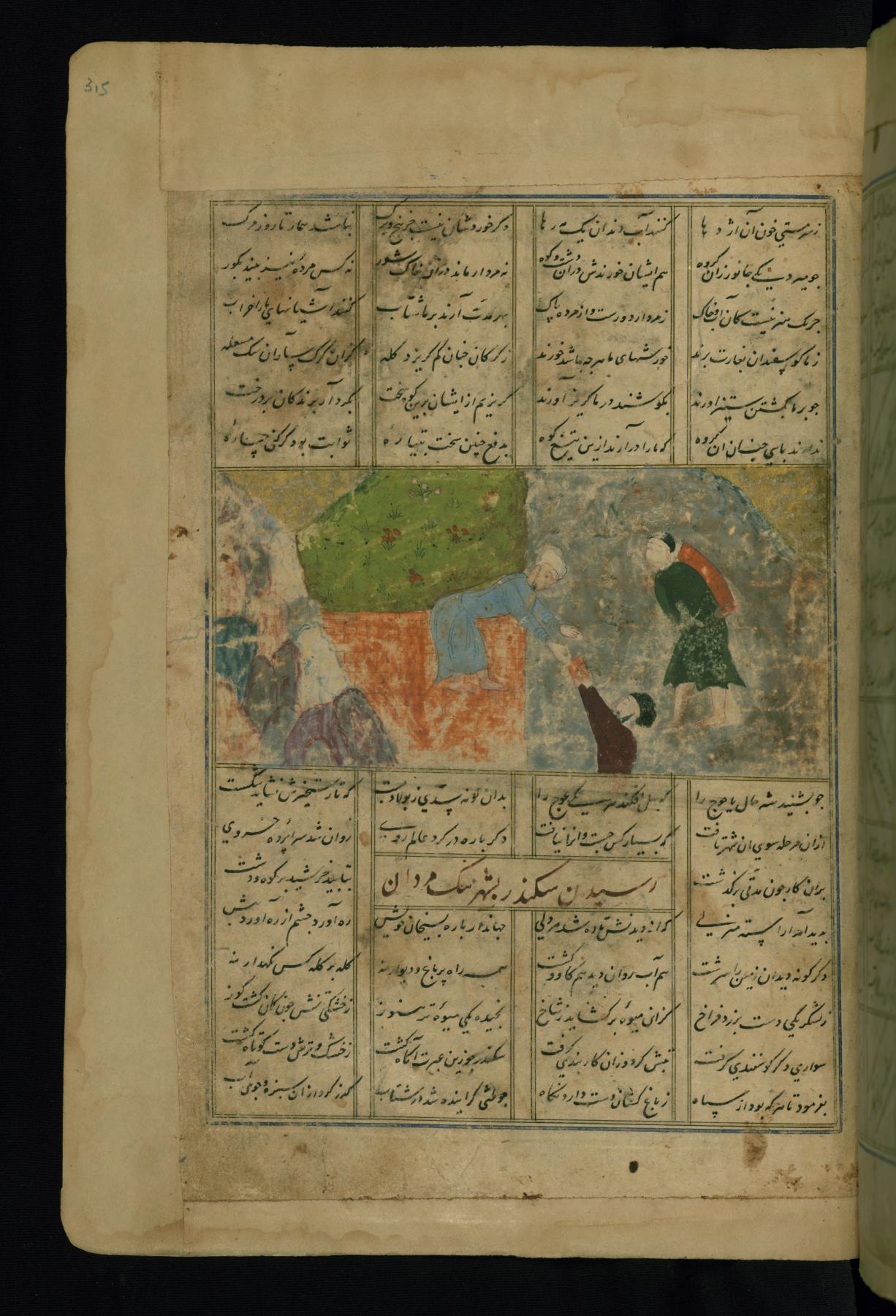
  3. A Persian scene of Alexander building the wall, dated 1481. It is a later witness to the story, not the Syriac text studied by van Bladel or his portrait. Walters Art Museum, W.604.315A

    Person

    Kevin van Bladel

    Philologist and historian of the Near East and the transmission of learning across languages.

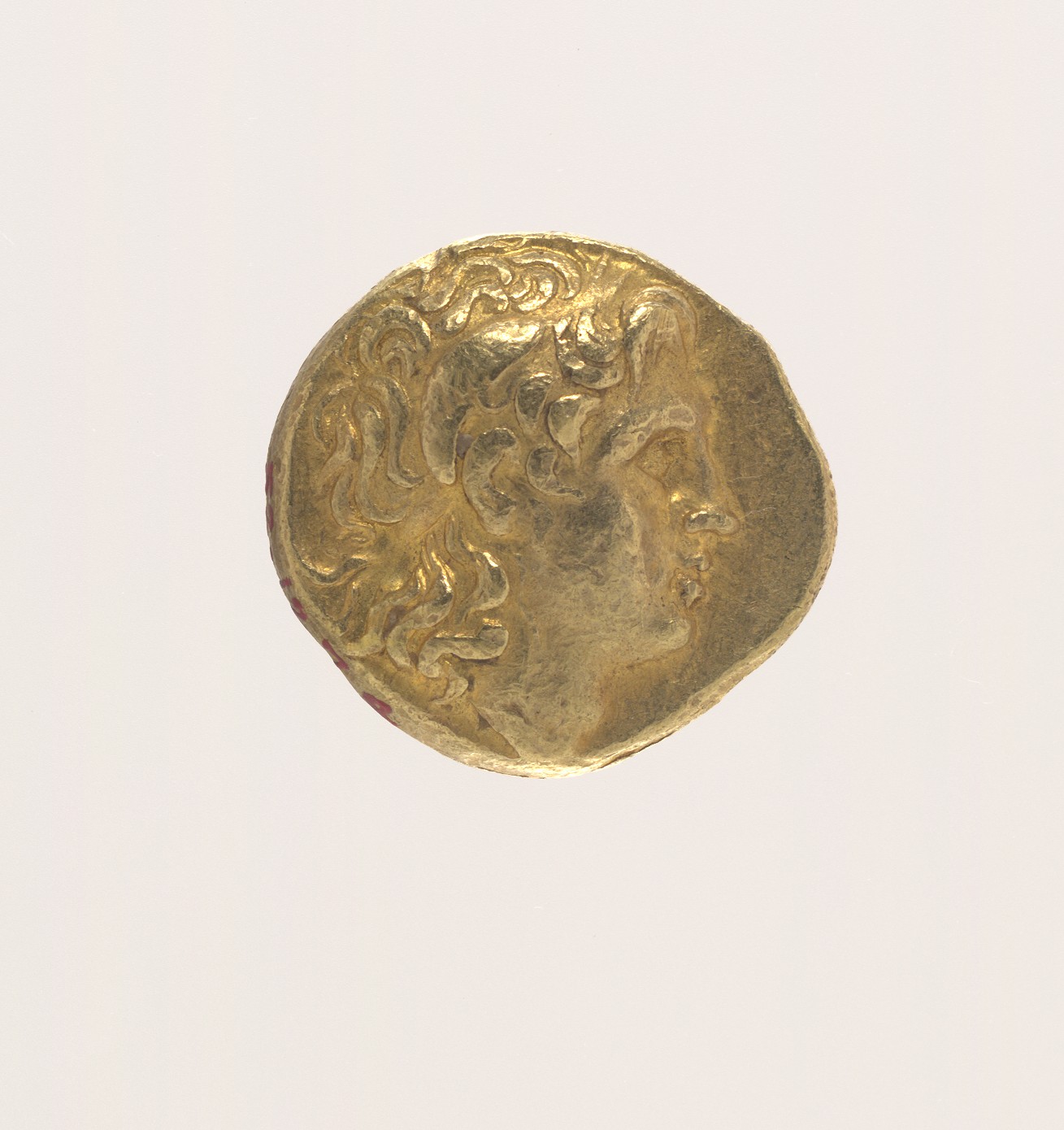
  4. Gold stater issued in the name of Lysimachus, 286–281 BCE; the horned head is Alexander, not Lysimachus. The Met, 52.127.4

    Person

    Lysimachus

    A successor of Alexander who ruled Thrace; his coins showed Alexander with Ammon’s horn.

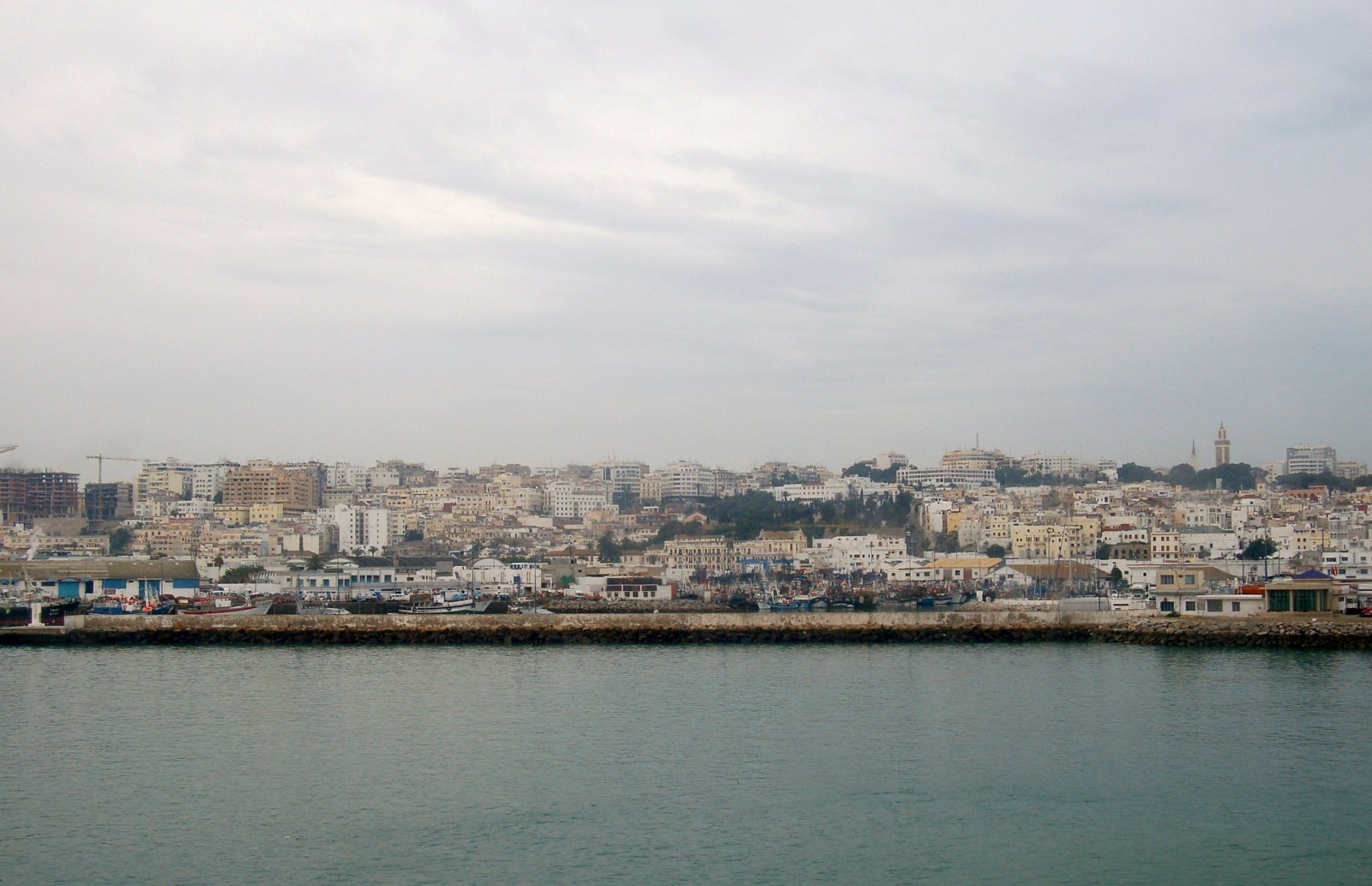
  5. Tangier and its port from the sea, 18 September 2008; a modern city view, not a confirmed location of Moses' story

    Site

    Tangier

    City in northern Morocco by the Strait of Gibraltar, proposed in one interpretation of the Quran's meeting of the seas.

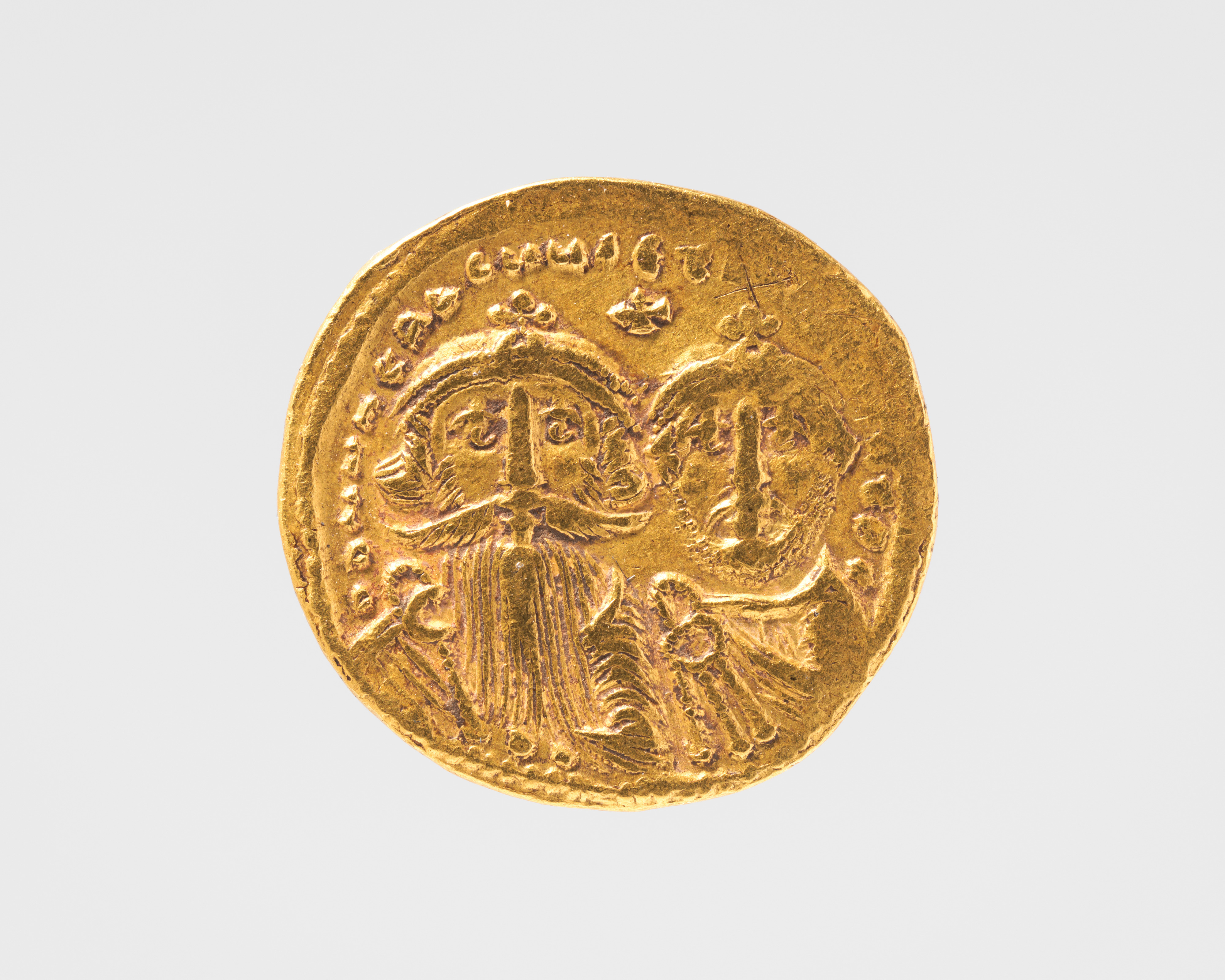
  6. Gold solidus of 629–631 CE bearing official representations of Heraclius and his son Heraclius Constantine; a Byzantine coin, not a photographic likeness

    Person

    Heraclius, Byzantine emperor

    Byzantine emperor who ruled 610–641 CE; his victory over Persia informs dating proposals for some Syriac Alexander texts.

Studies and readings

All studies →
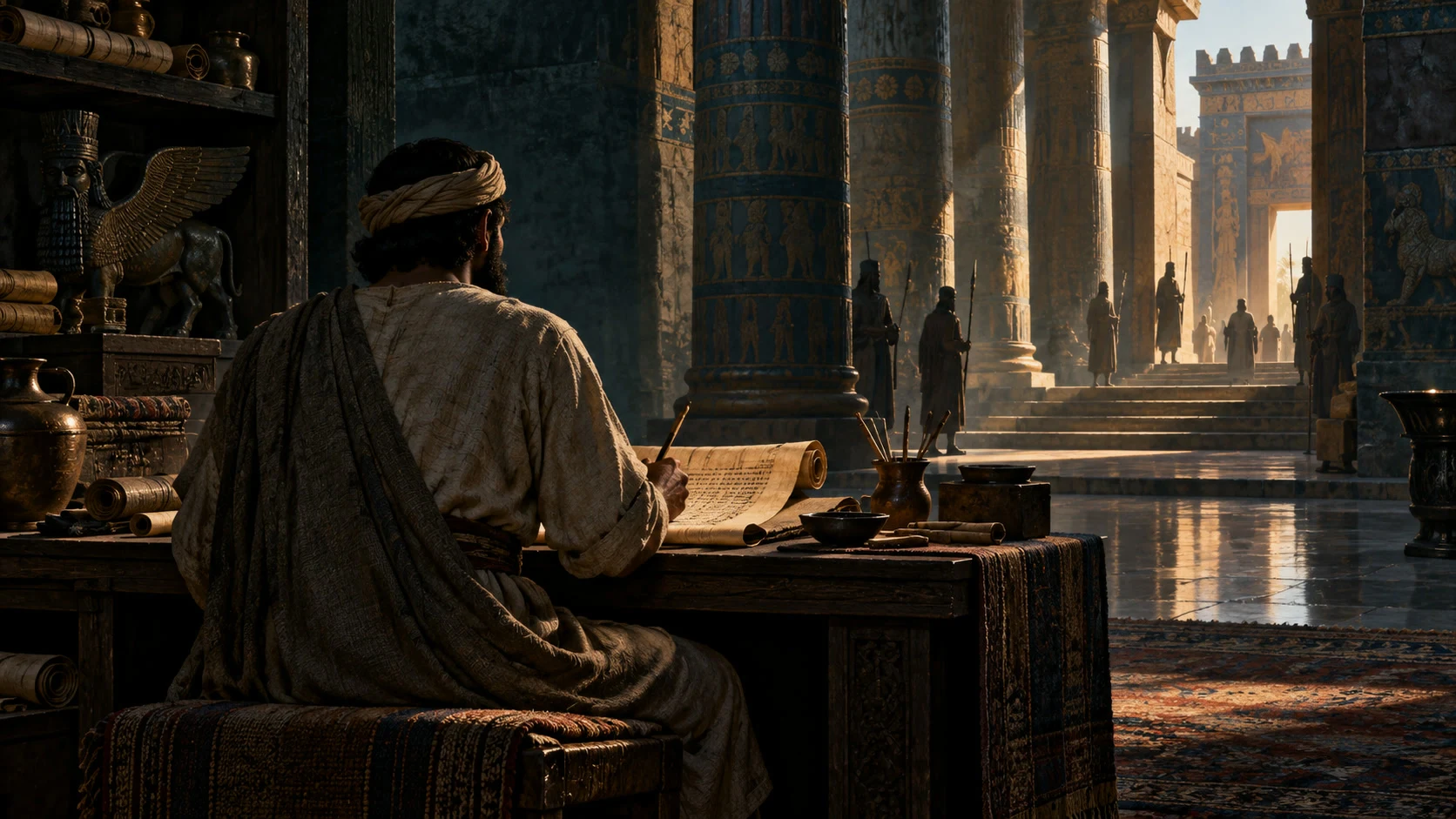
Modern editorial illustration of a sage writing at an ancient court. Generated explanatory image, not a photograph of P.13446 or a documented reconstruction of Daniel or Ahiqar. © IL Archive, CC0.

From the artifact collection

Elephantine Ahiqar Papyrus

A fragmentary Aramaic witness, probably from the later fifth century BCE, preserving Ahiqar’s tale and sayings with gaps and editorial restorations.

Illustration · CC0 · Modern editorial illustration: IL Archive / CC0

Image and object details →

اقرأ Text مع موارده

Babylonian Talmud

A large rabbinic compilation in Hebrew and Aramaic, formed in Mesopotamia through stages; its final redaction remains debated.

افتح Text وموارد Line →

Many paths to knowledge

Choose your path through the archive

All ways to explore →

Follow a period, discover a place, or explore a name and an idea.

Path images are generated illustrations.

Our method

Every claim has a source. Every reading has a context.

Trace the evidence, levels of certainty, and different readings. Consult the revision history as knowledge changes.

How we work →Research history →