Person · Figure
Lysimachus
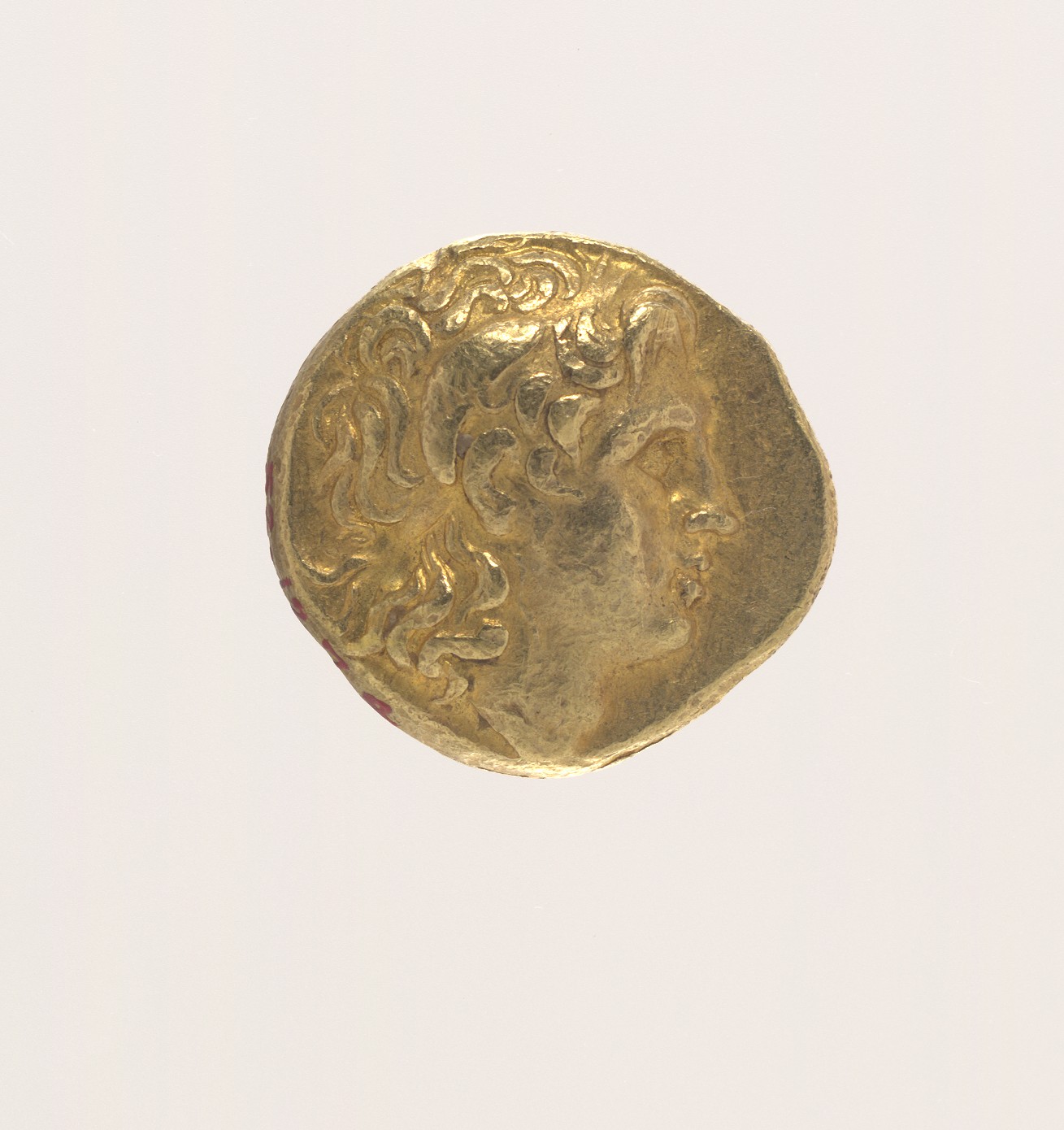
A successor of Alexander who ruled Thrace; his coins showed Alexander with Ammon’s horn.
Last reviewed:
Text
Lysimachus was one of Alexander the GreatAlexander the GreatMacedonian king who lived from 356 to 323 BCE and became a hero of stories in different languages and traditions after his death.Glossary · Click to read the explanation’s successors. He ruled in Thrace after Alexander’s death in 323 BCE and died in 281 BCE. Coins issued in his name portray Alexander with a ram’s horn: this is Alexander’s image, not a portrait of Lysimachus. The coin documents the Hellenistic circulation of the image but cannot by itself establish the source of the Quranic epithet Dhul Qarnayn. [1] [2]
References and notes (2)
- The specified page or portion was read, not a whole book. Met object record 52.127.4 read: issue of Lysimachos, date 286–281 BCE, head of Alexander; image public domain. Return to the text ↑
- The specified page or portion was read, not a whole book. Archaeological Museum of Thessaloniki full exhibit entry read: Lysimachus, Thrace, 306 BCE kingship, Alexander’s ram-horn portrait and its successor imagery. Return to the text ↑
Suggest a correction · Suggest a source for this record
Cite this record
IL Archive, «Lysimachus», https://ilarchive.com/en/people/lysimachus