Selected readings

In the archive spotlight

All articles →
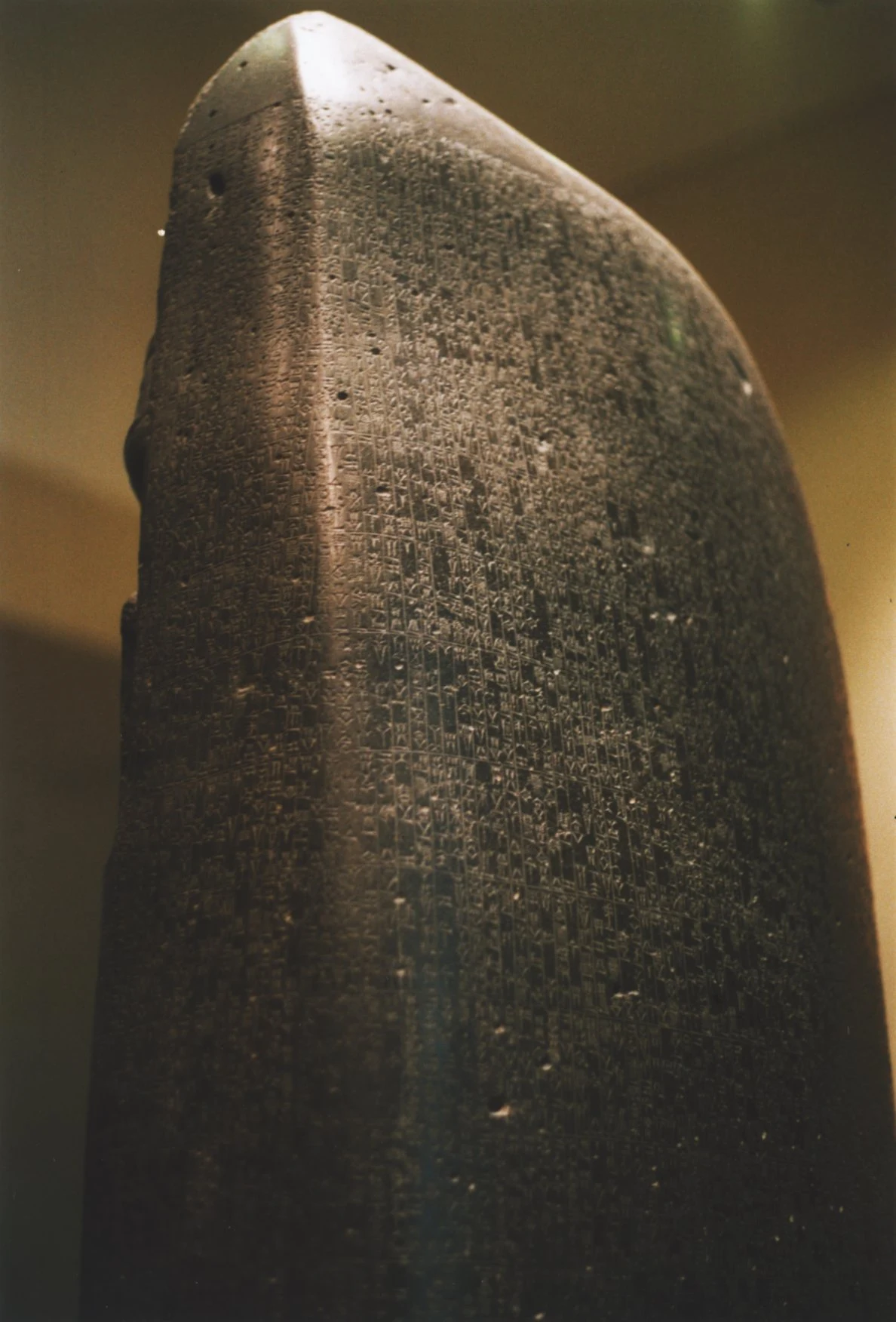
  1. An inscribed face of Hammurabi’s stele, Louvre SB 8, eighteenth century BCE. This photograph shows cuneiform, not the upper king-and-Shamash relief. Photograph: Rama; CC BY-SA 3.0 France StudyComparative narratives and law Hammurabi and the Covenant Code: parallels and the limits of borrowing What happens when an ox kills someone, or an enslaved person’s eye is injured? Reading Hammurabi and Exodus 21 to explain parallels, differences and possible legal transmission. An inscribed face of Hammurabi’s stele, Louvre SB 8, eighteenth century BCE. This photograph shows cuneiform, not the upper king-and-Shamash relief. Photograph: Rama; CC BY-SA 3.0 France Read this material → Original photograph
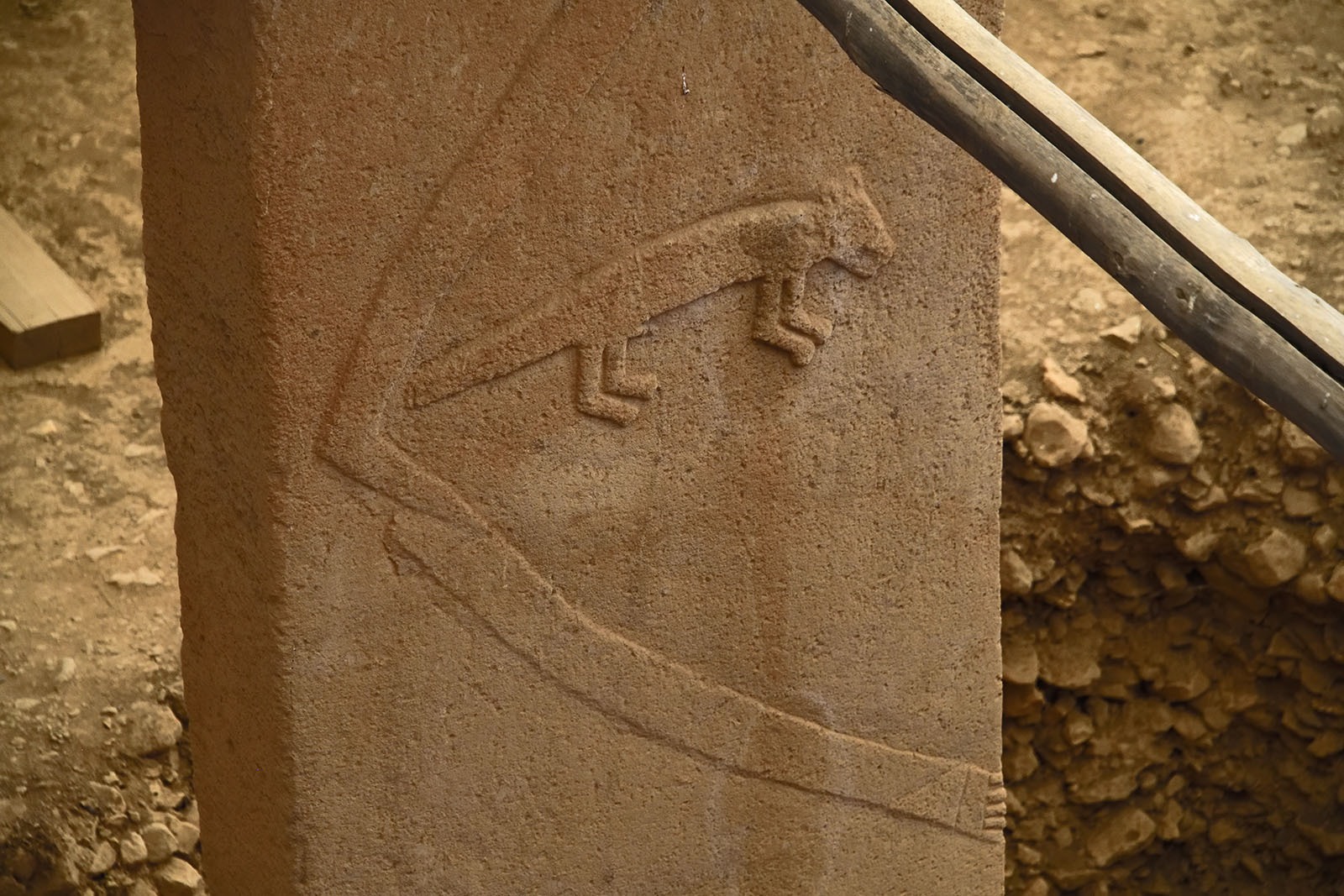
  2. A carved arm beside a fox relief on a pillar in Building D at Göbekli Tepe, photographed in 2019. Human and animal features occur together; the photograph does not establish a divine identity StudyThe sacred before writing Göbekli Tepe’s T-Shaped Pillars: Humans, Ancestors or Gods? Hands, dress, abstraction and the central pair: what do Göbekli Tepe’s pillars establish about human form, and what remains open about ancestors and gods? With Urfa Man and the 2025 Karahantepe announcement. A carved arm beside a fox relief on a pillar in Building D at Göbekli Tepe, photographed in 2019. Human and animal features occur together; the photograph does not establish a divine identity Read this material → Original photograph
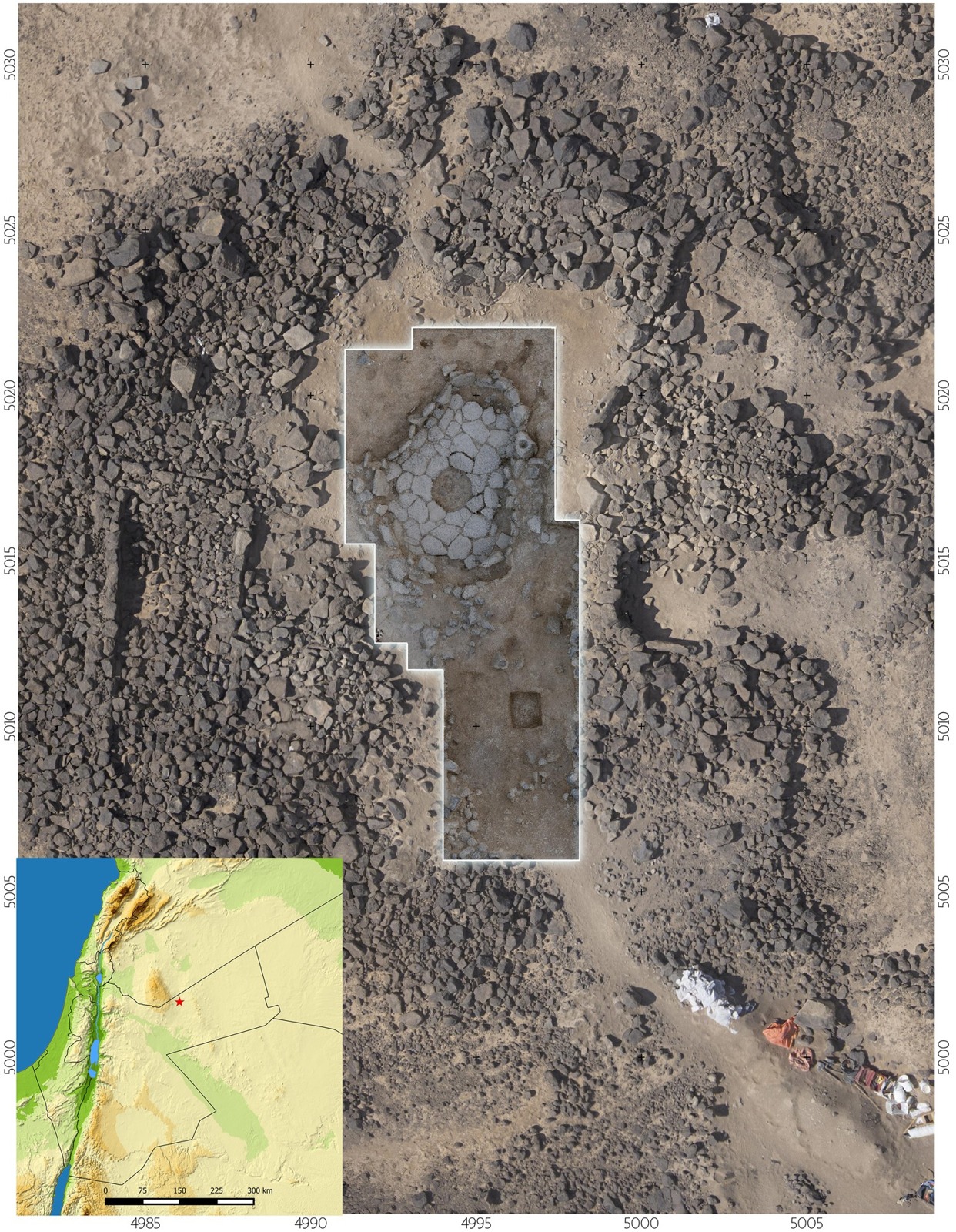
  3. Aerial view of Shubayqa 1, northeast Jordan, Figure 1 in Richter et al. (2017), with a location map. Natufian architecture; no specific religious function is established StudyThe sacred before writing The Natufians: What Happened to Religion When People Began to Settle? Houses, graves, ornaments, feasts and place memory before fully developed agriculture: Natufian evidence and its limits for reconstructing rituals, ancestors and gods. Aerial view of Shubayqa 1, northeast Jordan, Figure 1 in Richter et al. (2017), with a location map. Natufian architecture; no specific religious function is established Read this material → Original photograph
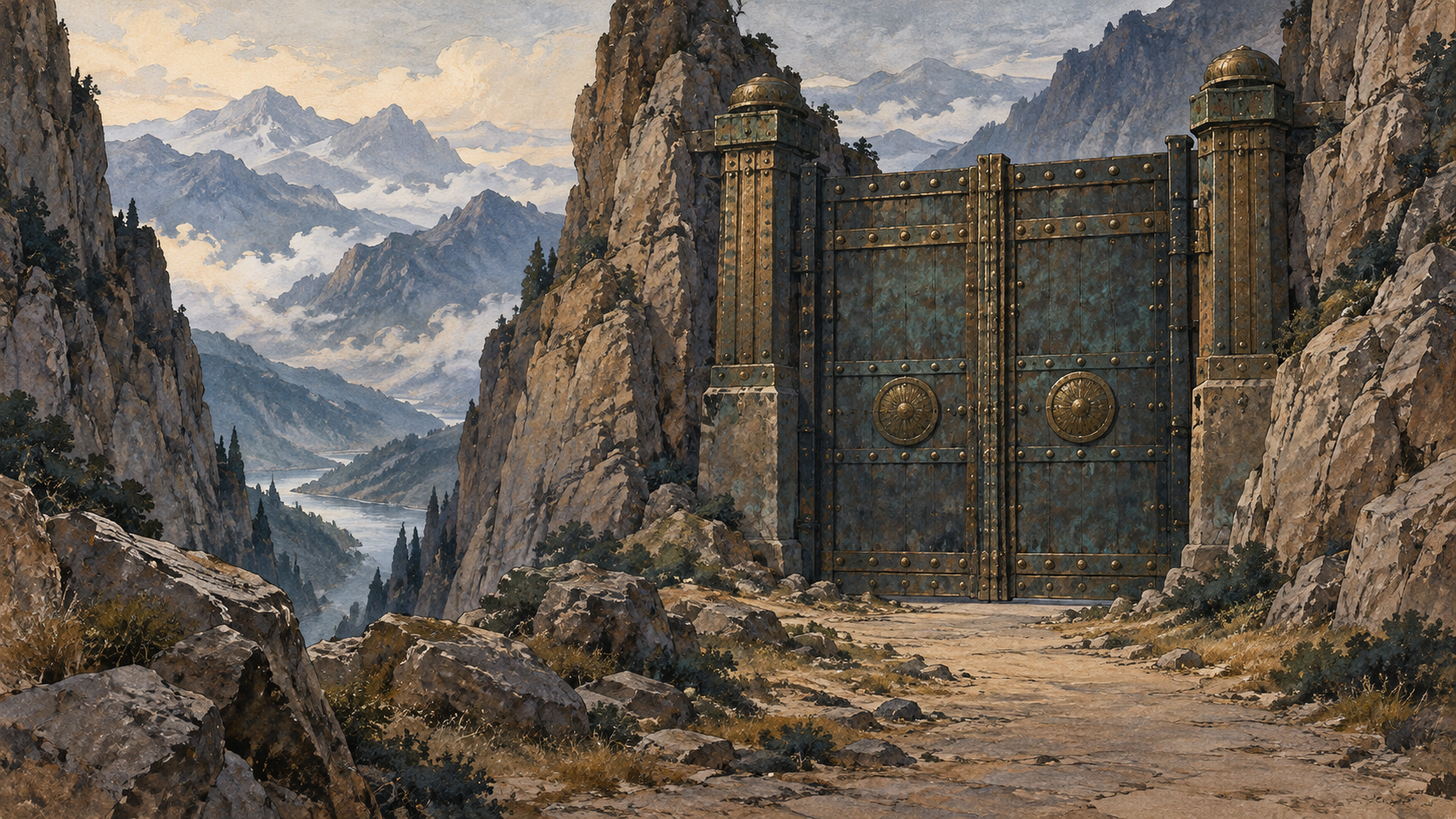
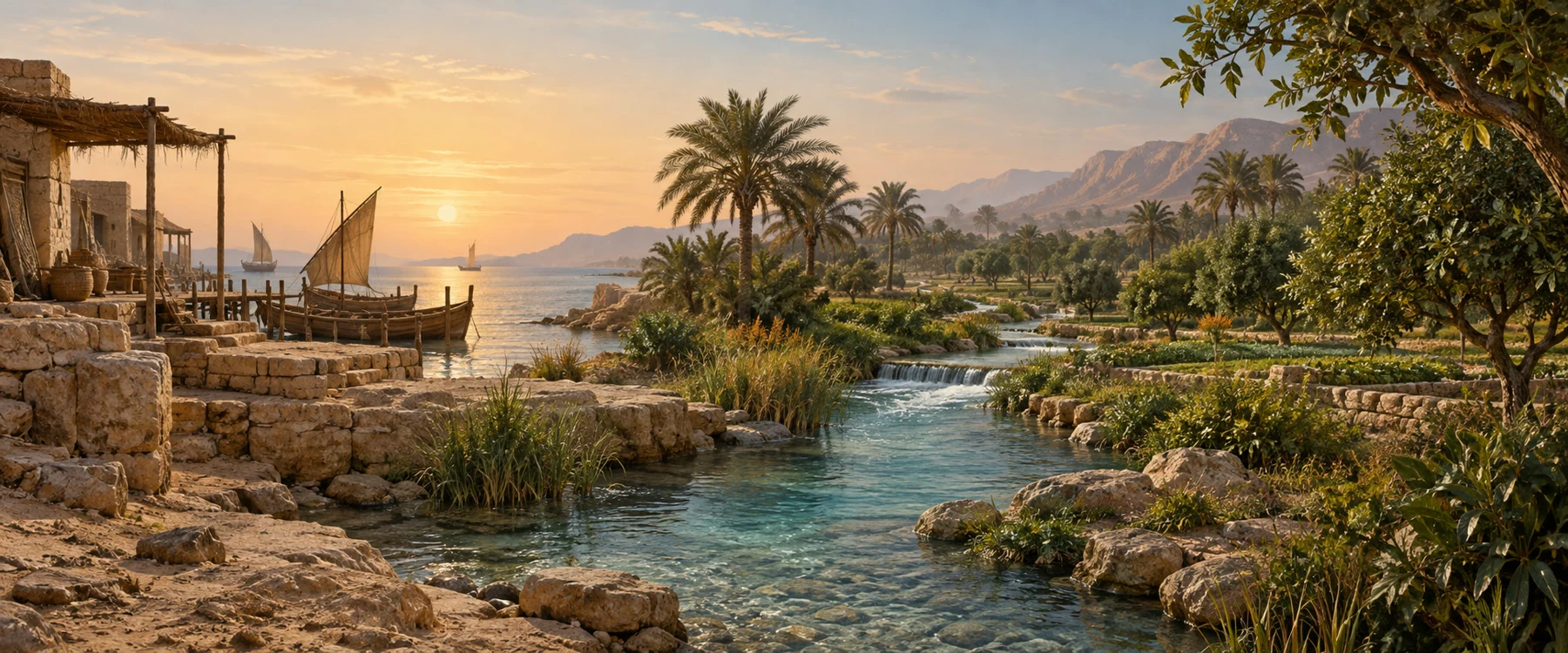
  4. Modern conceptual illustration combining a Dilmun-like quay, fresh water and a garden to frame the comparison; neither an archaeological reconstruction nor a location of Eden. © IL Archive, CC0 StudyComparative narratives and law Dilmun and Eden: Was the “Sumerian Paradise” the Source of Genesis’s Garden? A close comparison of Enki and Ninhursaga with Genesis 2–3: water, plants, Ninti and the rib, the name Eden, historic Dilmun and the limits of a borrowing claim. Modern conceptual illustration combining a Dilmun-like quay, fresh water and a garden to frame the comparison; neither an archaeological reconstruction nor a location of Eden. © IL Archive, CC0 Read this material → Illustration
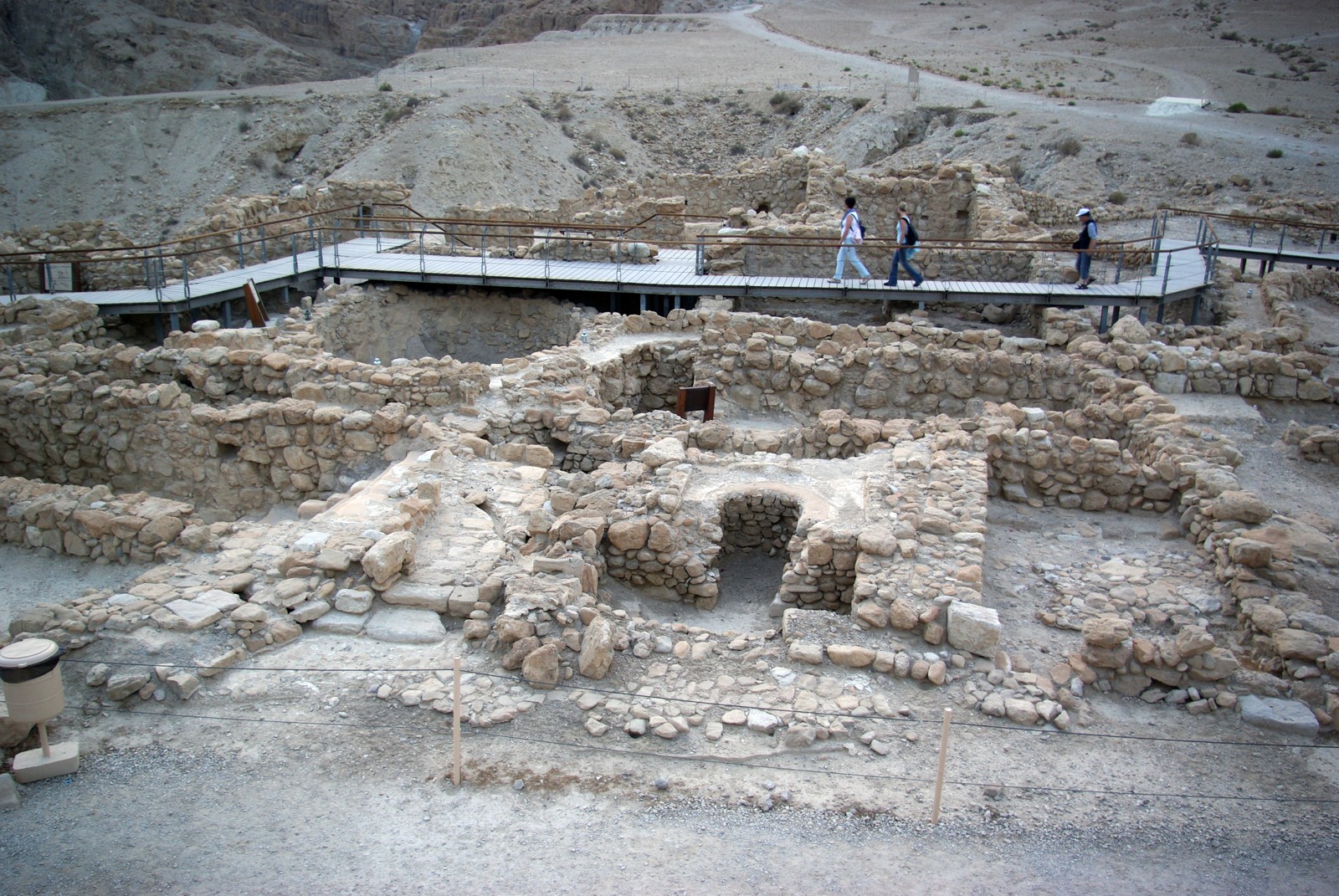
  5. Qumran site remains in a modern photograph. Context for the manuscripts, not Cave 4 or a Jeremiah fragment. Original preserved; display resized without cropping StudyAncient Levantine civilizations Qumran Between stability and plurality: Qumran witnesses, MT, shorter Jeremiah, harmonistic Torah and the Septuagint’s Hebrew source, with limits of copy dating and reconstruction. Qumran site remains in a modern photograph. Context for the manuscripts, not Cave 4 or a Jeremiah fragment. Original preserved; display resized without cropping Read this material → Original photograph

New in the archive

Recently published

All materials →
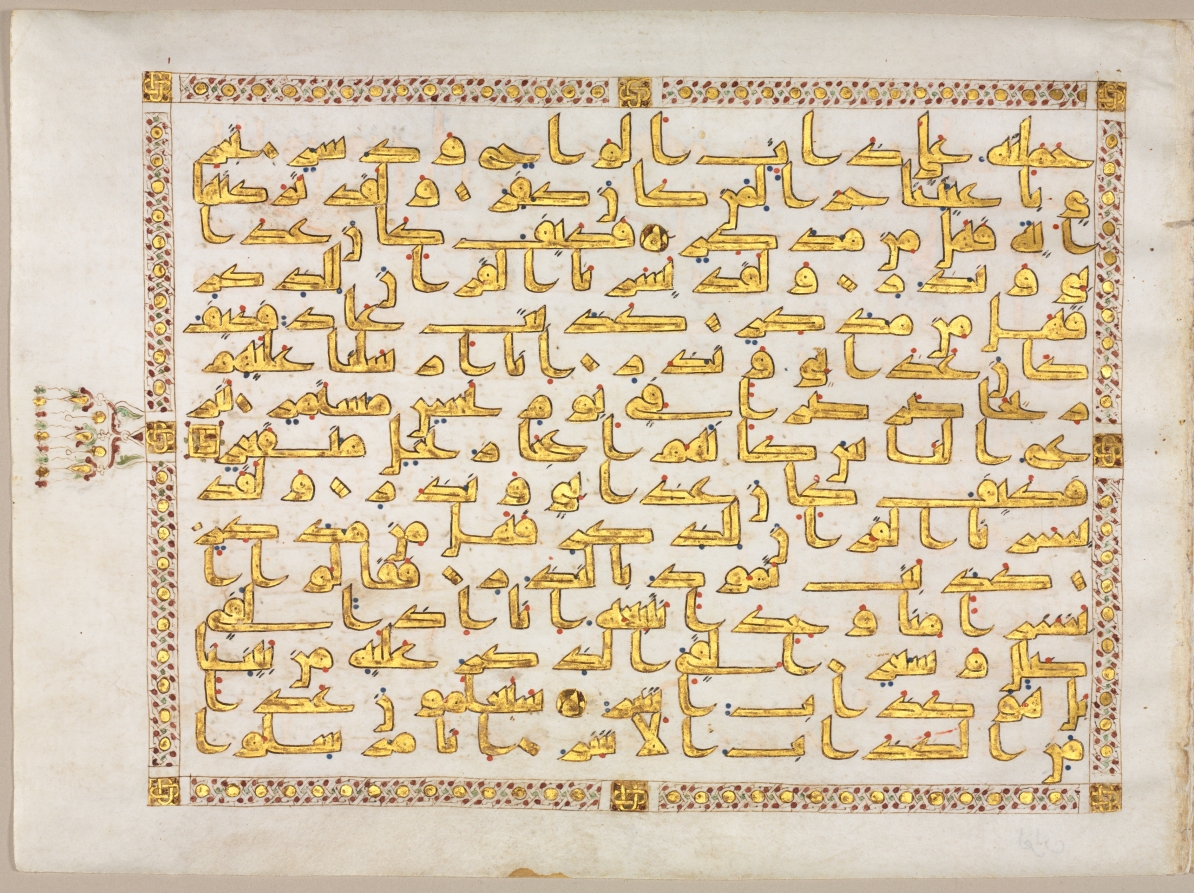
  1. Ninth-century North African Qur'an folio with Sura 54:13–27. It illustrates later manuscript transmission, not Dhul Qarnayn's passage or Marianna Klar. Cleveland Museum of Art, 1993.39.2.a

    Person

    Marianna Klar

    Scholar of Quranic narrative in its late-antique literary contexts.

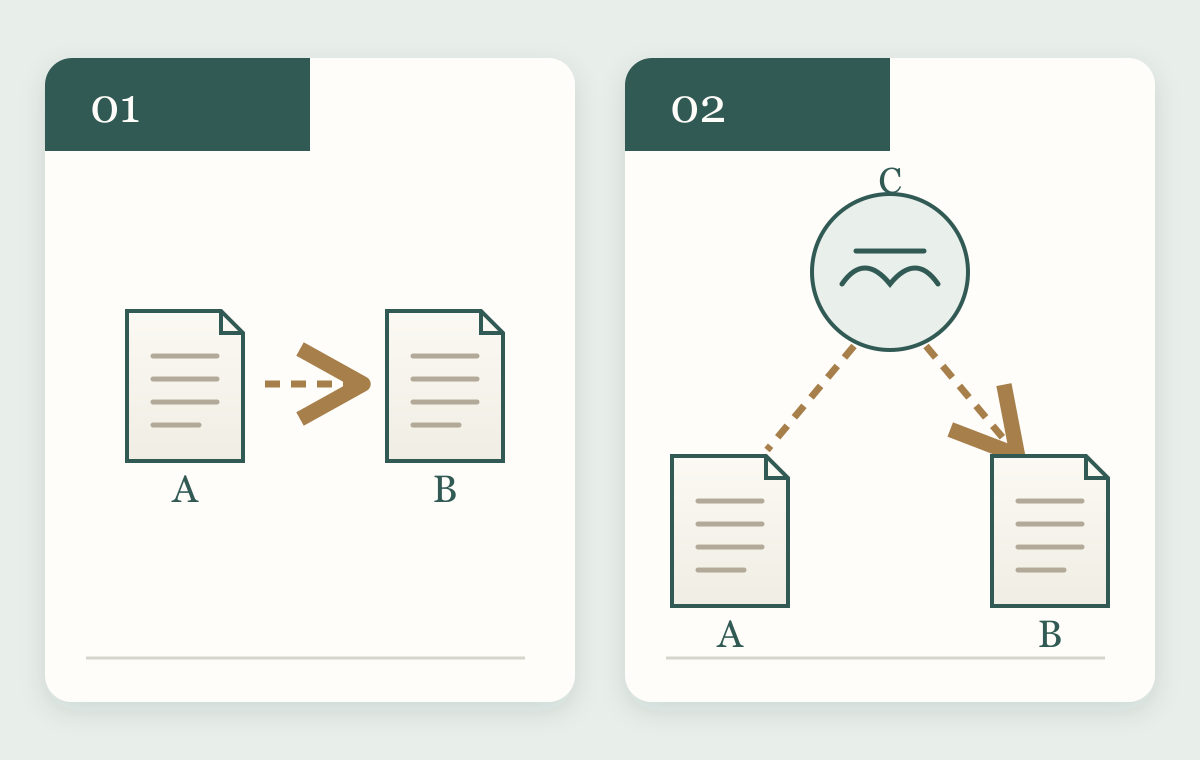
  2. Original diagram of two models discussed in Kara’s study: direct dependence between texts (01) or a shared narrative milieu feeding two versions (02). The arrows are hypothetical, not evidence of a documented transfer

    Person

    Yasin Kara

    Author of a 2026 study comparing Dhul Qarnayn with the Syriac Alexander tradition.

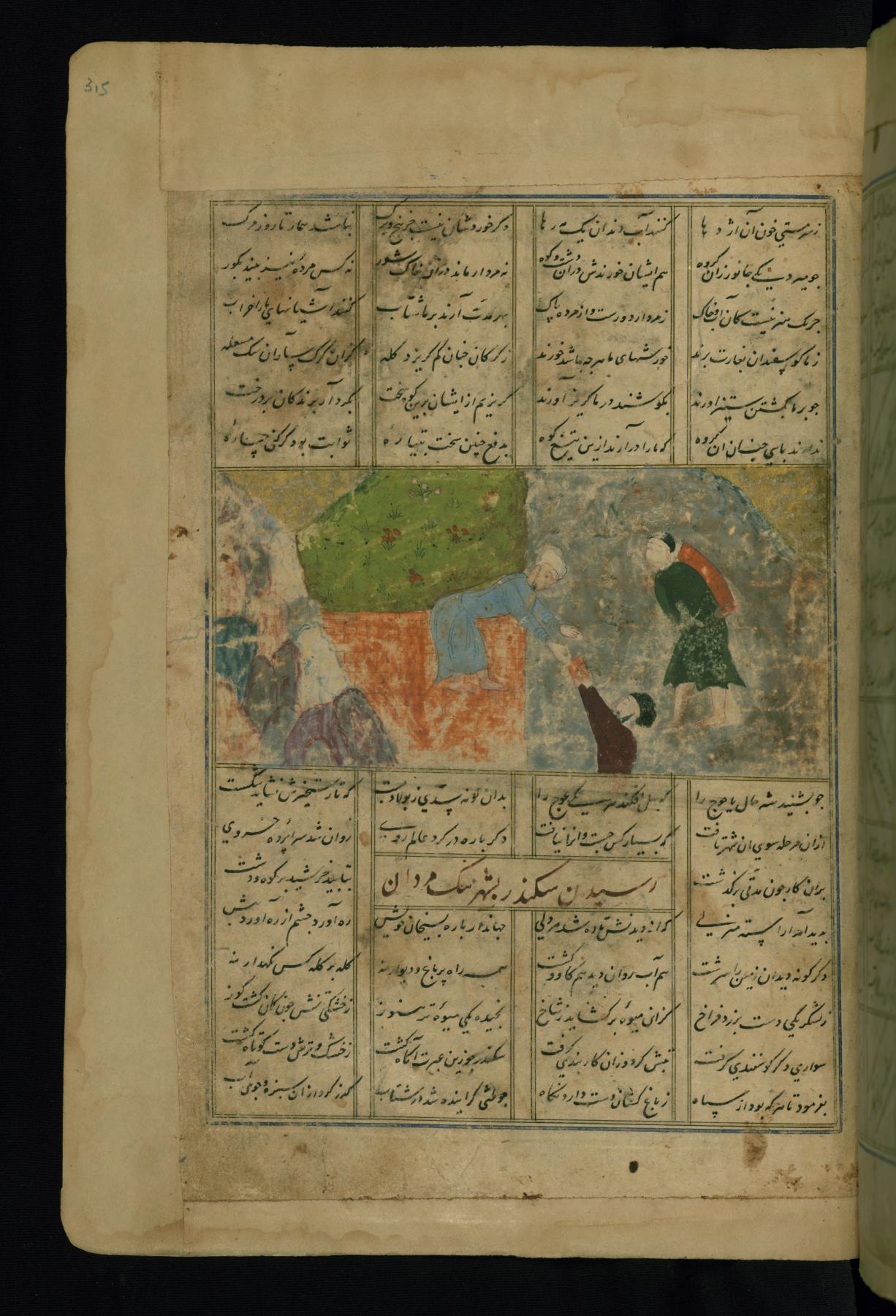
  3. A Persian scene of Alexander building the wall, dated 1481. It is a later witness to the story, not the Syriac text studied by van Bladel or his portrait. Walters Art Museum, W.604.315A

    Person

    Kevin van Bladel

    Philologist and historian of the Near East and the transmission of learning across languages.

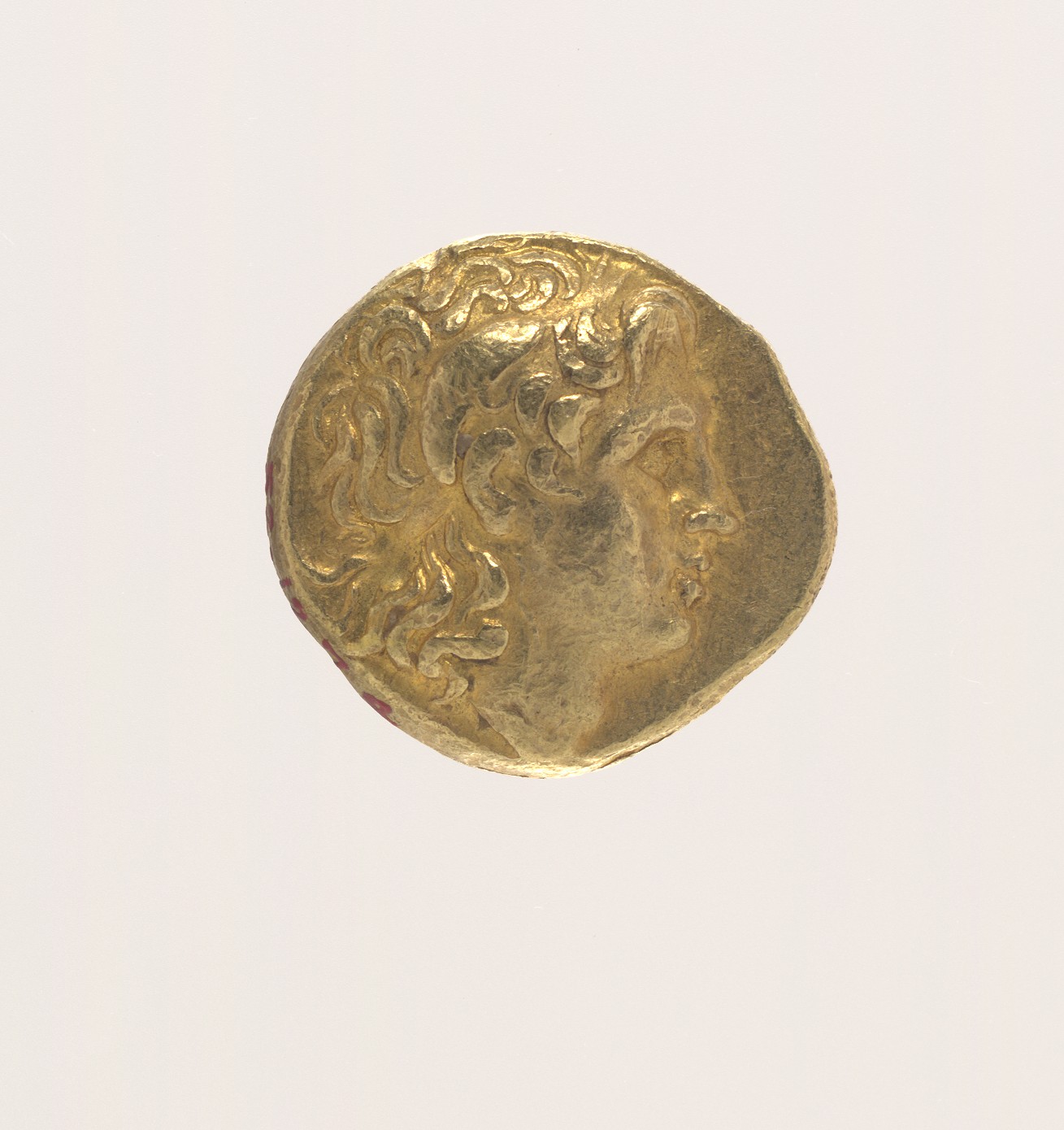
  4. Gold stater issued in the name of Lysimachus, 286–281 BCE; the horned head is Alexander, not Lysimachus. The Met, 52.127.4

    Person

    Lysimachus

    A successor of Alexander who ruled Thrace; his coins showed Alexander with Ammon’s horn.

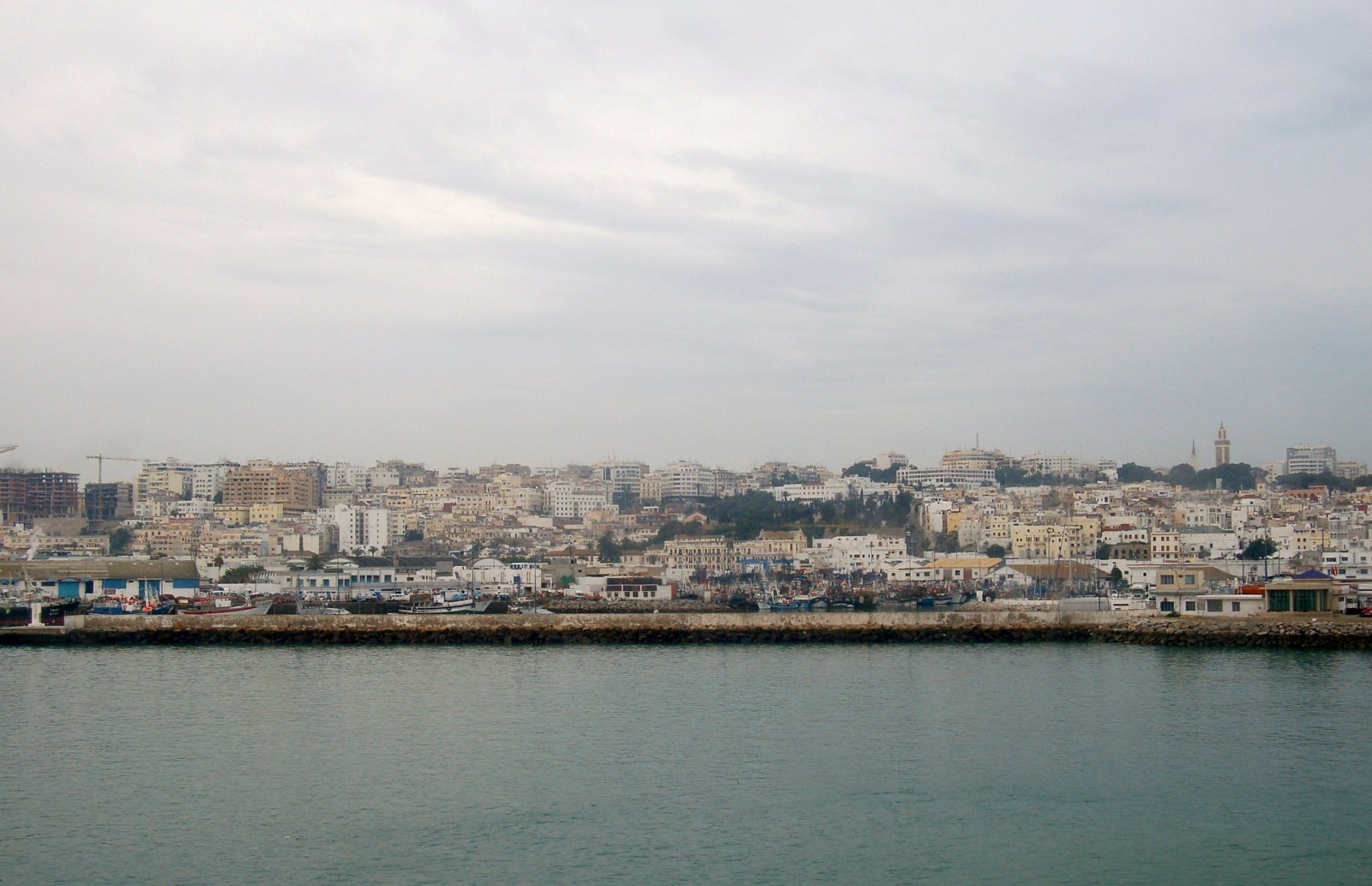
  5. Tangier and its port from the sea, 18 September 2008; a modern city view, not a confirmed location of Moses' story

    Site

    Tangier

    City in northern Morocco by the Strait of Gibraltar, proposed in one interpretation of the Quran's meeting of the seas.

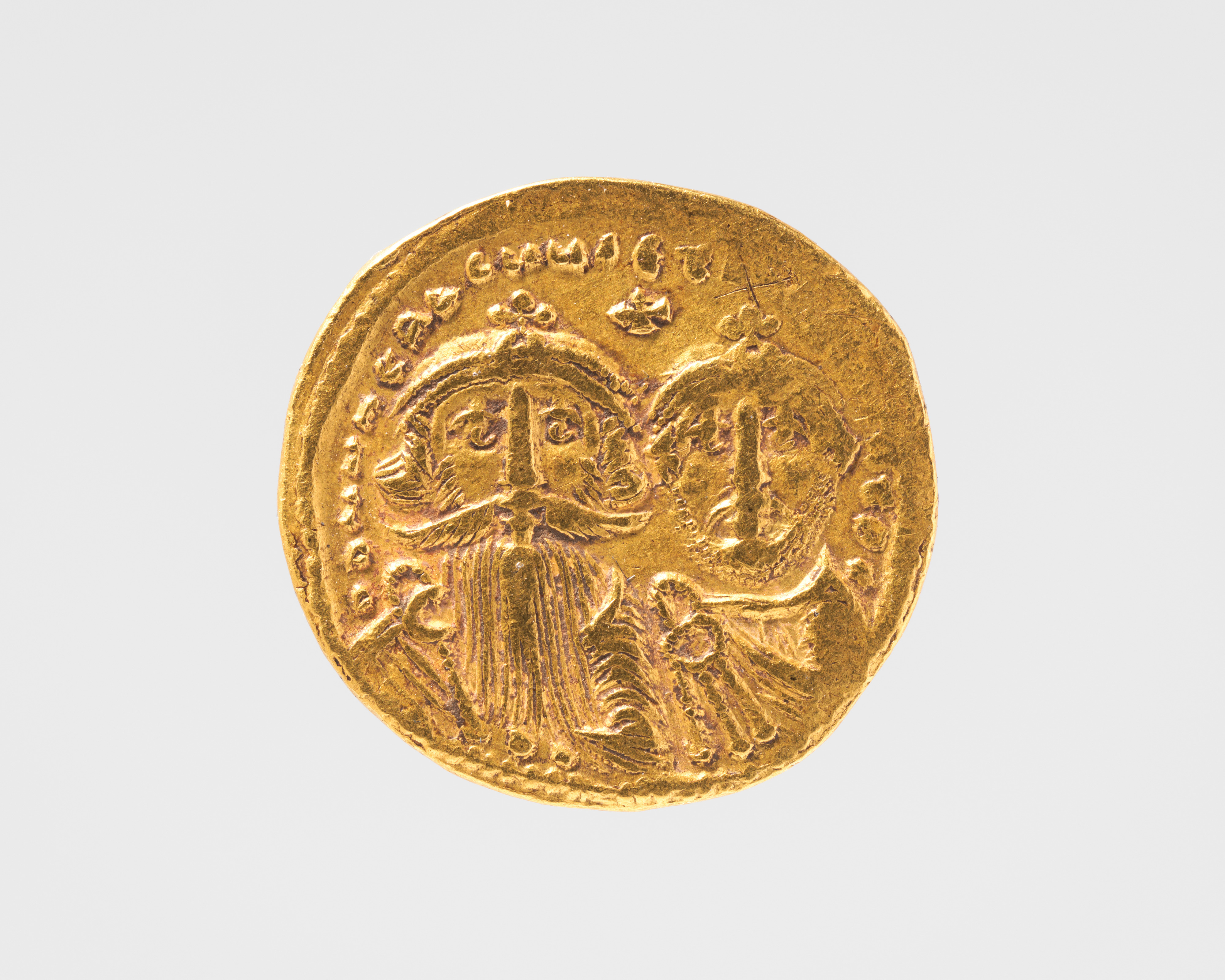
  6. Gold solidus of 629–631 CE bearing official representations of Heraclius and his son Heraclius Constantine; a Byzantine coin, not a photographic likeness

    Person

    Heraclius, Byzantine emperor

    Byzantine emperor who ruled 610–641 CE; his victory over Persia informs dating proposals for some Syriac Alexander texts.

Studies and readings

All studies →
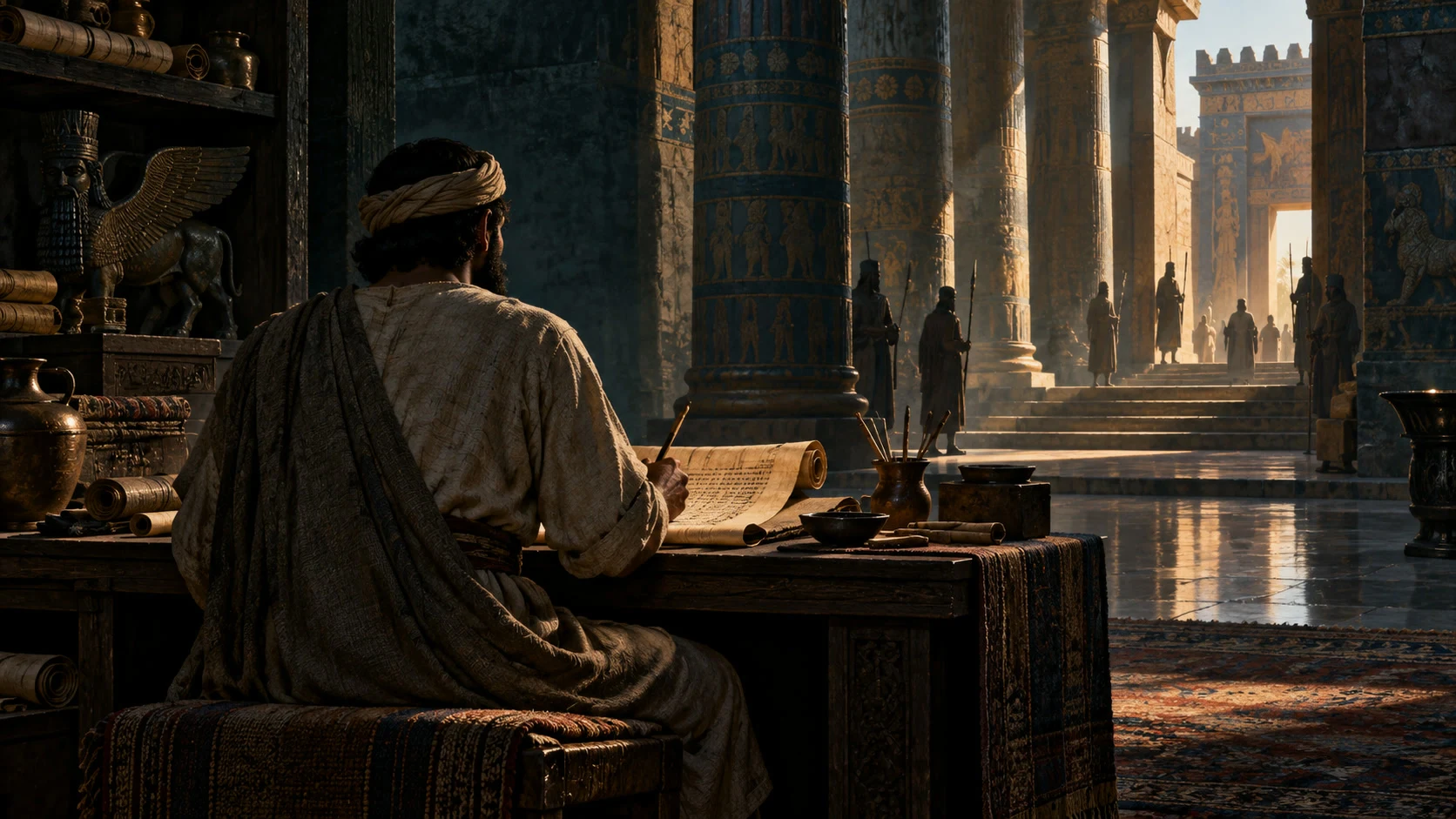
Modern editorial illustration of a sage writing at an ancient court. Generated explanatory image, not a photograph of P.13446 or a documented reconstruction of Daniel or Ahiqar. © IL Archive, CC0.

From the artifact collection

Elephantine Ahiqar Papyrus

A fragmentary Aramaic witness, probably from the later fifth century BCE, preserving Ahiqar’s tale and sayings with gaps and editorial restorations.

Illustration · CC0 · Modern editorial illustration: IL Archive / CC0

Image and object details →

اقرأ Text مع موارده

Babylonian Talmud

A large rabbinic compilation in Hebrew and Aramaic, formed in Mesopotamia through stages; its final redaction remains debated.

افتح Text وموارد Line →

Many paths to knowledge

Choose your path through the archive

All ways to explore →

Follow a period, discover a place, or explore a name and an idea.

Path images are generated illustrations.

Our method

Every claim has a source. Every reading has a context.

Trace the evidence, levels of certainty, and different readings. Consult the revision history as knowledge changes.

How we work →Research history →