Study
Slavery and Debt Service between Hammurapi and the Torah: Are These Texts Describing the Same Institution?
An extended study of a topic, with evidence and references.
- Timeline
- From 2000 BCE to 500 BCE
- Region
- Mesopotamia and the Levant
Debt service and slavery in Hammurapi, Exodus, Deuteronomy and Leviticus: dependants, release terms, women and fugitives, and scholarly arguments about legal relationships and practice.
Estimated reading time: 10 min Published Last reviewed:
Share article
Text
Introduction
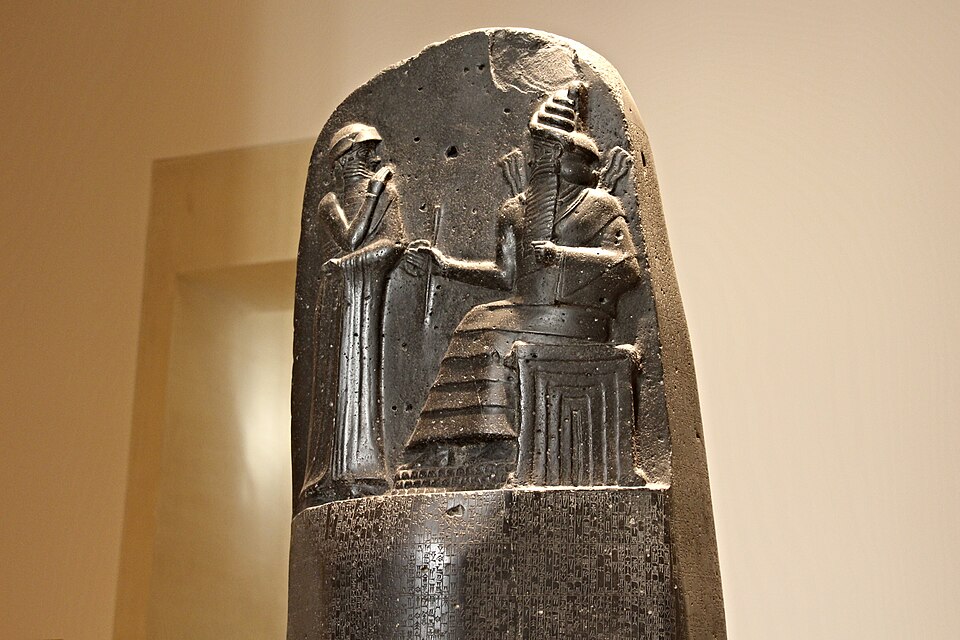
How did ancient societies address the loss of freedom through debt, and when could service end? This study compares the Laws of HammurapiLaws of HammurabiAn eighteenth-century BCE Babylonian legal text in Akkadian, presenting property, family, labor and injury provisions within Hammurabi’s account of justice.Glossary · Click to read the explanation with Exodus, Deuteronomy and Leviticus, following women, children and fugitives alongside periods of service. It asks what these legal traditions share and change, and what their historical relationships and implementation can tell us. [1][4][5][6]
The comparison begins by identifying each law’s subject: a debtor’s family member, someone already enslaved, or a woman captured in war. This distinction clarifies who receives a law’s protection and who remains outside it, rather than gathering every situation under one label. [1][6][15]
Three years and six years
Section 117 of the laws of HammurapiHammurabiKing of Babylon in Mesopotamia, reigning around 1792–1750 BCE. A celebrated legal text preserved on a stele and cuneiform copies bears his name.Glossary · Click to read the explanation, king of BabylonBabylonBabylon is an ancient city in central present-day Iraq, south of BaghdadGlossary · Click to read the explanation in the eighteenth century BCE, sets three years of service followed by release in the fourth. ExodusBook of ExodusTorah book recounting Israel’s departure from Egypt and containing different formulations of seventh-day rest.Glossary · Click to read the explanation gives six years before a “HebrewHebrewA Northwest Semitic language of the Canaanite group, encompassing Iron Age epigraphy, Biblical, Rabbinic, medieval and Modern Hebrew; its scripts and pronunciations changed over time.Glossary · Click to read the explanation slave” leaves in the seventh. The difference looks like a small number; its meaning depends on the person entering service and the fate of that person’s family. [1][4]
Hammurapi’s case concerns a man burdened by an obligation who commits his wife, son or daughter to service. Exodus describes purchasing a man, then a father selling his daughter in a different household arrangement. We therefore begin with the parties and conditions before asking about borrowing or change between texts. [1][4]
The sources also belong to different periods. These Mesopotamian collections come from the second millennium BCE, whereas Russell discusses Deuteronomy’s formation and revision in Assyrian, Babylonian and Persian settings in the first millennium BCE. Dating a text and its formulations differs from dating the address within its religious narrative. [10]
What does “slave” mean here?
Hebrew uses ʿeved for service and dependence in different contexts. In these laws a person may be saleable, obliged to work for a limited period, or remain under an owner’s authority. The details determine that person’s freedom and means of release; the word alone does not. [4][5][6]
Here debt service means compulsory work arising from a financial obligation. A limited term still entails lost freedom and may affect family members who did not choose to borrow. Other provisions, sometimes in the same collection, describe owning, selling and inheriting people. [1][6]
Law collections differ from contracts and case records. They formulate legal situations and visions of justice, whereas a contract records a particular transaction. The ancient-law scholar Stephen C. RussellStephen C. RussellHebrew Bible and ancient Near Eastern law scholar at John Jay College, New York.Glossary · Click to read the explanation argues that Deuteronomy reflects legal practices, although imperfectly; its political and religious vision also helps explain some distance from known practice. A written rule matters, while establishing how widely it operated requires further evidence. [10][13][14]
Hammurapi: three years for whom?
Section 117 covers a debtor’s wife, son or daughter sold or committed to service because of his obligation. They work for three years in the buyer’s or creditor’s household and are released in the fourth. The AkkadianAkkadianAn ancient East Semitic language written in cuneiform from the third millennium BCE; its varieties include Babylonian and Assyrian, and it served in international diplomacy.Glossary · Click to read the explanation edition and translation used here do not include the man selling himself in this clause. That addition in a widely circulated older English translation should not change the parties being compared. [1]
Section 118 concerns a man or woman already enslaved and committed to debt service, allowing continued service or sale. Section 119 adds a special case: a debtor who sold a slave woman who had borne him children must repay the purchaser’s outlay and redeem her. Her recovery differs from the fourth-year release of the debtor’s family; the three-year rule does not cover every enslaved person. [1]
Sections 278–282 address sale guarantees, ownership disputes and punishment for denying a master after ownership has been established. Sections 115–116 distinguish a distrainee’s natural death from death caused by beating or maltreatment, with compensation and punishment varying by status. These details show restrictions on some harms operating alongside ownership of people. [1]
The Sumerian Laws of Lipit-IshtarLaws of Lipit-IshtarSumerian law collection associated with Lipit-Ishtar of Isin in the twentieth century BCE.Glossary · Click to read the explanation, associated with a twentieth-century BCE king, precede Hammurapi. Their prologue announces liberation from servitude, while their provisions require compensation for harbouring a fugitive slave. The Akkadian Laws of EshnunnaLaws of EshnunnaOld Babylonian Akkadian legal collection addressing transactions, injury and dependence.Glossary · Click to read the explanation, from the Old Babylonian period, address detention, fugitives and passage through a city gate. Royal declarations of liberation and protection of owners’ claims coexist in the region’s traditions. [2][3]
Exodus 21: seventh-year freedom and its limits
Exodus 21:2–6 prescribes six years’ service and release in the seventh without a redemption payment. A man who entered with his wife leaves with her. If the master supplied a wife, she and the children remain the master’s, while the man leaves alone. If he declares his love for his master, wife and children and refuses release, the text describes piercing his ear at the doorway and continuing service. His family’s situation matters: freedom could require leaving his wife and children. [4]
Exodus 21:7–11 then discusses a father selling his daughter as a maidservant into an arrangement involving marriage to the purchaser or his son. It provides conditions for redemption, treatment as a daughter, and food, clothing and a third entitlement translated as conjugal rights in the edition read here; scholars debate that last word’s meaning. Release without payment follows failure to meet the specified conditions. This household case differs from the preceding male case. [4][8][9]
Exodus 22 provides another route into sale: a thief unable to make restitution. Koller connects this provision with his interpretation of limited service, but Exodus 21 itself does not say that every man covered by its six-year rule was a thief. [16][9]
Verses 20–21 address a master striking an enslaved man or woman: they prescribe punishment for death under his hand, then an exception if the person survives a day or two, explaining that the person is his money. Verses 26–27 require release for an eye destroyed or a tooth knocked out by the master. By comparison, Hammurapi §199 sets compensation at half the person’s value for blinding another man’s slave or breaking that slave’s bone. Status and the identities of offender and victim shape the remedy; a single term of service cannot summarize the comparison. [1][4]
Deuteronomy and Leviticus: terms and social circumstances
DeuteronomyBook of DeuteronomyTorah book presenting commandments in Moses’ discourse and grounding Sabbath rest in slavery and liberation from Egypt.Glossary · Click to read the explanation 15:12–18 includes both Hebrew men and women in its six-year service and seventh-year release rule. It requires provisions from flock, threshing floor and winepress, recalling Israel’s enslavement in Egypt. It also retains continuing service for someone who insists on staying. Assistance at release and the possibility of permanent service thus appear together. [5]
LeviticusLeviticusA Torah book concerning offerings, priesthood, and purity; chapter 16 describes sanctuary purification and a living goat carrying iniquities away.Glossary · Click to read the explanation 25:39–43 addresses an impoverished Israelite “brother”: he is treated as a hired worker or resident until the Jubilee, then leaves with his children and returns to his family and ancestral holding. The Jubilee is a periodic restoration of land, rather than simply the seventh year measured from each individual’s entry into service. [6][8][9]
Verses 44–46 permit purchasing enslaved men and women from surrounding peoples and resident foreign families and passing them to children as an inheritance. Community membership therefore remains decisive: the text distinguishes protection for an impoverished Israelite from the status of people it allows to be owned and inherited. [6]
Why do the laws differ?
The Hebrew Bible scholar Zev FarberZev Farber, Hebrew Bible scholarHebrew Bible and reception scholar comparing the Torah’s service laws.Glossary · Click to read the explanation proposes that Deuteronomy reworks the Exodus law. He points to similar language and structure alongside changes such as including women in release and providing supplies. Leviticus, he argues, develops a different understanding of poverty, land and Israelite dependence. This is an argument about textual relationships beyond merely noticing different numbers. [8]
The Semitic-languages and Hebrew Bible scholar Aaron KollerAaron J. KollerSemitic-languages and Hebrew Bible scholar; Regius Professor of Hebrew at Cambridge.Glossary · Click to read the explanation reads some differences as complementary cases. Exodus’s daughter sold for marriage differs, in his account, from Deuteronomy’s woman entering service. He also distinguishes Leviticus’s household head who sold his land and eventually his labour from someone sold to satisfy an obligation, such as restitution for theft, in Exodus and Deuteronomy. Waiting for the Jubilee connects release to the household head’s recovering land on which to work. [9]
Gregory Conrad ChirichignoGregory Conrad ChirichignoDebt-service law researcher whose 1989 dissertation compares Exodus, Deuteronomy and Leviticus.Glossary · Click to read the explanation’s 1989 dissertation proposes a related distinction with a different identification of the parties: a dependent belonging to a landed household in Exodus and Deuteronomy, compared with the household head and family in Leviticus. Its university abstract explains this argument; the full dissertation was not read. Both approaches emphasize social circumstances while differing over some cases. [17]
The research question concerns how much different circumstances explain, and how much calls for a history of textual revision. Structure, wording and social context can support a particular reading. Establishing how ancient courts actually combined the collections requires case documents of another kind. [8][9][10]
The fugitive who is not returned
Hammurapi, Eshnunna and Lipit-Ishtar regulate returning fugitive slaves or punish concealment. Surrender also appears in a different political setting in the eighth-century BCE Aramaic Sefire III inscriptionSefire III inscriptionEighth-century BCE Aramaic treaty inscription addressing political obligations and fugitives.Glossary · Click to read the explanation. It names officials, relatives and dependants fleeing to AleppoAleppo, historical cityNorthern Syrian city whose region appears in Mari reports, with architecture from multiple periods.Glossary · Click to read the explanation, whom the addressee must not shelter and must return to the speaker. Direction matters: Aleppo is the refuge in this clause, not the destination to which the speaker demands their return. [1][2][3][10][11]
By contrast, Deuteronomy 23:16–17, in the numbering of the Hebrew page used here, prohibits surrendering a slave who has taken refuge with the addressees and allows residence wherever the person chooses without oppression. The verses do not explicitly identify the master’s country. Russell favours cross-border flight and reads refusal as a vision of sovereign Israel able to decline an obligation required by treaties between other authorities. That interpretation does not establish Israel’s actual possession of such sovereignty in every period. [7][10]
The Old Testament scholar Myrto TheocharousMyrto TheocharousOld Testament and Hebrew scholar studying asylum and non-surrender in Deuteronomy.Glossary · Click to read the explanation reads the provision in terms of asylum for a foreign refugee and the ethics of reception. Here the basis is the abstract of her article in the 2017 journal issue, rather than its full text. The written protection is significant, while its scope and implementation remain questions for investigation. [18]
Deuteronomy 21:10–14 presents another situation: a woman captured in war enters a man’s household for marriage after a month mourning her parents. If he no longer wants her, he must release her and may neither sell her nor treat her as a slave. The provision restricts his conduct after capture; it describes neither a debtor’s circumstances nor the captive’s freely given agreement to marriage. [15]
What does practice reveal?
JeremiahBook of JeremiahProphetic book addressing Judah and the Babylonian crisis; chapter 34 recounts liberation followed by renewed subjection.Glossary · Click to read the explanation 34, set during Babylonian warfare against JerusalemJerusalemJerusalem is a city of religious importance in Judaism, Christianity and IslamGlossary · Click to read the explanation in the sixth century BCE, recounts freeing Hebrew men and women and subsequently subjecting them again. It presents the reversal as breaking a covenant with God. The narrative reveals tension between a release rule and the conduct of those in power, but remains a prophetic composition with its own purpose rather than a census of everyone in service in the city. [12]
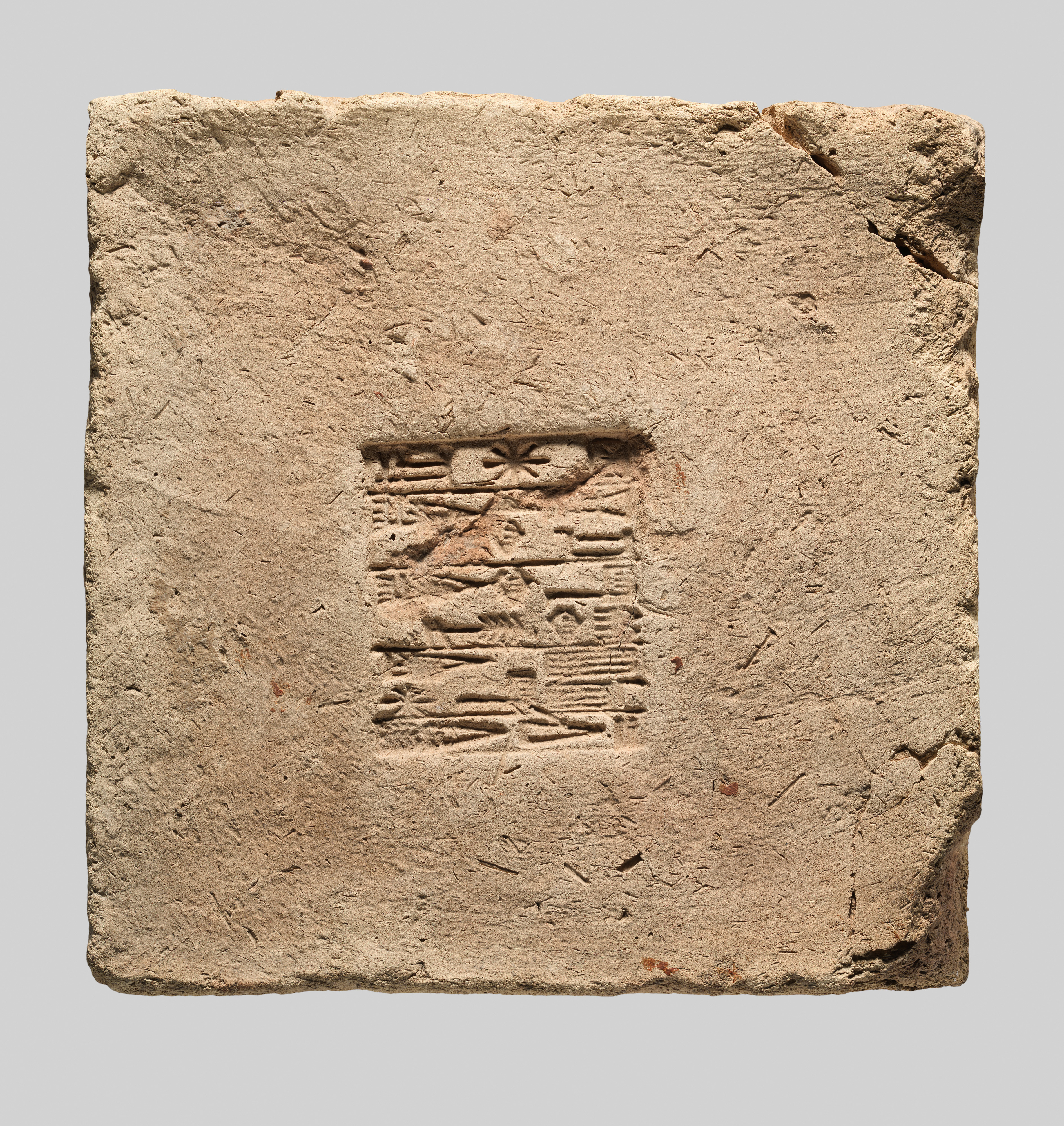
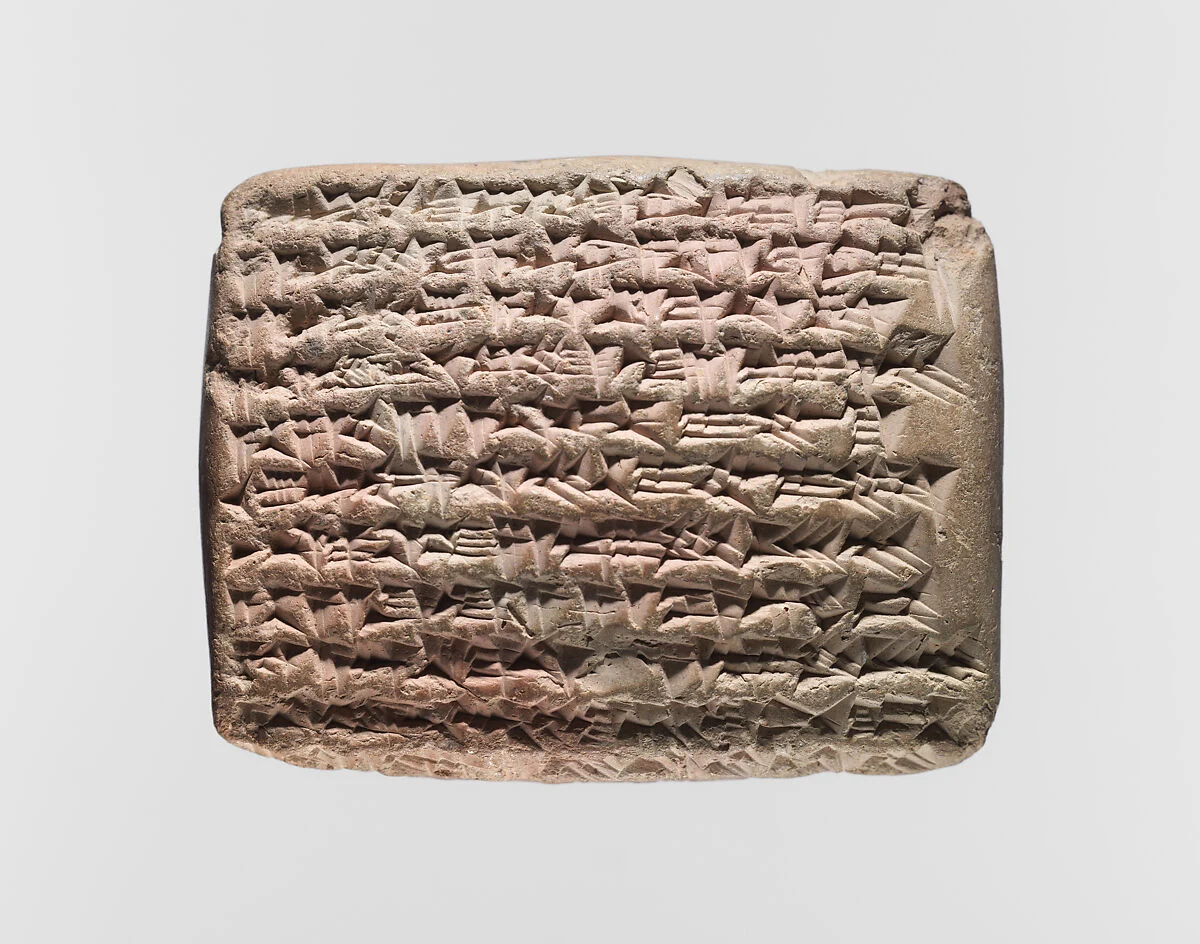
CuneiformCuneiformWriting with wedge-shaped signs, developed from Mesopotamian recording traditions and used for several languages from the third millennium BCE.Glossary · Click to read the explanation contracts document particular transactions. The British Museum catalogue describes an Old Babylonian tablet from UrUr of the ChaldeansCity named in Genesis’s account of Abraham’s family, commonly associated with archaeological Ur near Nasiriyah in southern Iraq.Glossary · Click to read the explanation concerning the sale of an enslaved woman and her daughter. The Met identifies this study’s cover tablet as a proxy contract for purchasing a slave from the Egibi archiveEgibi archiveBabylonian family archive including a proxy purchase contract for a slave around 554 BCE.Glossary · Click to read the explanation in BabylonBabylonBabylon is an ancient city in central present-day Iraq, south of BaghdadGlossary · Click to read the explanation, around 554 BCE. More than a millennium separates it from Hammurapi, so its evidence for continuing transactions must retain that chronological distinction. [13][14]
These two contracts are used through catalogue descriptions, not independent readings of their cuneiform texts. Accordingly, their identity and transaction type are reported without inferring a term of service or release condition absent from the descriptions. [13][14]
Resemblance or borrowing?
These texts meet in a world of debt, household authority, human ownership and political borders. Comparison reveals different solutions: release of a debtor’s family after a term, specified rights for a sold daughter, provisions on departure, protection tied to community membership, and refusal to surrender a refugee. Each has parties and conditions that must remain visible when tracing its history. [1][4][5][6][7]
Converging evidence can support literary relationships or historical influence: similar wording, arrangement of cases, chronology and contact between communities. A named intermediary or the precise copy used by a writer is not always required. Conversely, addressing debt is not by itself sufficient to prove that one law borrowed from another. Farber and Koller’s disagreement shows how textual details test such possibilities. [8][9][10]
The comparison thus concerns how legal traditions organized dependence and routes out of it, and how they reformulated protection for particular groups. The distance between written safeguards and people’s lives remains a historical question to which contracts, cases and social evidence contribute.
Related readings
- Hammurabi and the Covenant Code: parallels and the limits of borrowing
- Widow, Orphan, and Resident Outsider: Did the Torah Inherit a Mesopotamian Language of Justice?
- Marriage, Inheritance, and a Brother’s Widow: One Law or Different Solutions?
- From the River to “Bitter Water”: How Did the Ancients Seek Divine Judgment?
References and notes (18)
- CDLI P 464358, Hammurapi composite, §§15–20,115–119,196–201,278–282: selected Akkadian transliteration and English read, not the entire composite. §117 names wife,son,daughter without self-sale; §119 redeems the slave woman who bore the man children. Return to the text ↑
- CDLI P 480696, Eshnunna composite: §§22–24,31,49–52,54–55, Akkadian transliteration and English read; not the whole collection. Return to the text ↑
- CDLI P 464355, Lipit-Ishtar composite: prologue 55–70 and §§12–16, Sumerian transliteration and English read; not the complete text. Return to the text ↑
- Exodus 21:2–11,16,20–21,26–27, Hebrew and JPS 1917 read, not all book laws. The third entitlement in 21:10 is disputed; conjugal rights is this page’s rendering, with alternatives in Farber note 2. Return to the text ↑
- Deuteronomy 15:7–18, Hebrew and JPS 1917 read, especially 12–18 on release,provisions and staying. Farber’s link with the fixed remission year is an interpretation, not an explicit text settling the calendar. Return to the text ↑
- Leviticus 25:39–46, Hebrew and JPS 1917 read: protection of the Israelite brother alongside distinct rules for purchasing and inheriting outsiders. Not the whole book. Return to the text ↑
- Deuteronomy 23:16–17 in the Mechon-Mamre Hebrew/JPS 1917 page, corresponding to 23:15–16 in common English numbering. Both verses read fully. The master’s country is unstated; Russell’s cross-border interpretation is attributed. Return to the text ↑
- Zev Farber, The Hebrew Slave: Exodus, Leviticus, and Deuteronomy, 10 February 2015, updated 6 October 2026; main essay, notes 1–15 and author biography read, not cited books. Return to the text ↑
- Aaron Koller, The Hebrew Slave: Reading the Law Collections as Complementary, 9 February 2015, updated 7 October 2026; essay and notes 1–21 read, cited works not independently read. Return to the text ↑
- Stephen C. Russell, Near Eastern Practice of Law in Deuteronomy, Oxford Handbook of Deuteronomy, 2025; printed pp. 23–26 = PDF 40–43 read completely; 2025 copyright is PDF 5. Not the entire chapter. Return to the text ↑
- Omar Hikmat al-Khuli, Sefire III, Dalet 2024; introduction and lines 4–7 read, flight direction checked against Russell p.24. Parties’ names are not clearly preserved; the CC BY-NC-ND 4 translation is not reproduced. Return to the text ↑
- Jeremiah 34:1–2,8–17, Hebrew and JPS 1917 read: Babylonian warfare, liberation followed by renewed subjection. Not the whole book. Return to the text ↑
- British Museum 131263,1953,0411.98: indexed catalogue description of sale of a slave woman and daughter from Ur, Old Babylonian. Indexed description only; direct page returns 403. Cuneiform not read and no image reused. Return to the text ↑
- Met 321533,79.7.11: proxy contract for purchase of a slave, Egibi archive, Babylon,ca.554 BCE; catalogue, official API, image and Public Domain checked. Credit: Purchase,1879. Cuneiform text not independently read. Return to the text ↑
- Deuteronomy 21:10–14, Hebrew and JPS 1917 read completely. A month of mourning followed by marriage, and prohibition on selling the captive if rejected; no statement of free consent. Return to the text ↑
- Exodus 22:1–3 in the Hebrew/JPS 1917 page read fully. Sale of an insolvent thief is 22:2 there, commonly English 22:3. The former reversed numbering correspondence is corrected; preceding Hebrew 21:37 corresponds to common English 22:1. Return to the text ↑
- Gregory Conrad Chirichigno, Debt slavery in the Ancient Near East and Israel, 1989 dissertation; full repository abstract and metadata read, full thesis unavailable. Awarding body: CNAA, not the present university under its current name in 1989. Return to the text ↑
- Myrto Theocharous, Refugee Asylum: Deuteronomy’s “Disobedient” Law, Studies in Christian Ethics 30/4 (2017), pp. 464–474; first online 2 December 2016. Abstract and metadata read; restricted full article not read. Return to the text ↑
Suggest a correction · Suggest a source for this record
Cite this record
IL Archive, «Slavery and Debt Service between Hammurapi and the Torah: Are These Texts Describing the Same Institution?», https://ilarchive.com/en/studies/ancient-slavery-and-biblical-laws
Continue reading