Study
Marriage, Inheritance, and a Brother’s Widow: One Law or Different Solutions?
An extended study of a topic, with evidence and references.
- Timeline
- 2100 BCE
- Region
- Mesopotamia, Anatolia and the Levant
How do Hittite and Assyrian laws and Hebrew books address the widow, land and family name? Comparing legal, contractual and narrative evidence and arguments about their relationships.
Estimated reading time: 9 min Published Last reviewed:
Share article
Text
Introduction
What happens to a widow, the land and the family name when a man dies without a son? This study compares solutions in Hittite and Assyrian laws and HebrewHebrewA Northwest Semitic language of the Canaanite group, encompassing Iron Age epigraphy, Biblical, Rabbinic, medieval and Modern Hebrew; its scripts and pronunciations changed over time.Glossary · Click to read the explanation texts. We ask what they share, how their provisions differ and how scholars explain their relationships. Marriage within the late husband’s family can serve different purposes, with conditions varying between sources.
We read DeuteronomyBook of DeuteronomyTorah book presenting commandments in Moses’ discourse and grounding Sabbath rest in slavery and liberation from Egypt.Glossary · Click to read the explanation and the stories of the widows TamarTamar in Genesis 38Genesis 38 widow who exposes Judah’s unfulfilled promise concerning Shelah.Glossary · Click to read the explanation and RuthRuth, biblical characterMahlon’s widow and Naomi’s daughter-in-law, marrying Boaz in Ruth.Glossary · Click to read the explanation alongside older legal provisions and contract excerpts. The comparison illuminates kinship, inheritance and scribal training in the formation of law, distinguishing the story’s setting from the composition of a text or copying of a tablet. [1][2][3][8][9][11][12]
Who will preserve the deceased’s name?
A man’s death could leave several problems: a widow needing support, land that relatives feared would move to another family, and a name to continue in a new generation. Ancient texts bring these issues together, but each selects particular concerns and defines its conditions.
A widow’s marriage to her late husband’s brother is called levirate marriageLevirate MarriageA defined kinship arrangement in which a man marries his deceased brother’s widow; obligations, refusal procedures and offspring attribution vary among traditions.Glossary · Click to read the explanation, from Latin for the husband’s brother, unrelated etymologically to the Levites. Its historical meaning becomes clearer through specific questions: must there be no son? Whose child is the new baby considered? Who chooses the marriage, and who can refuse? [1][9][11]
Evidence from different periods
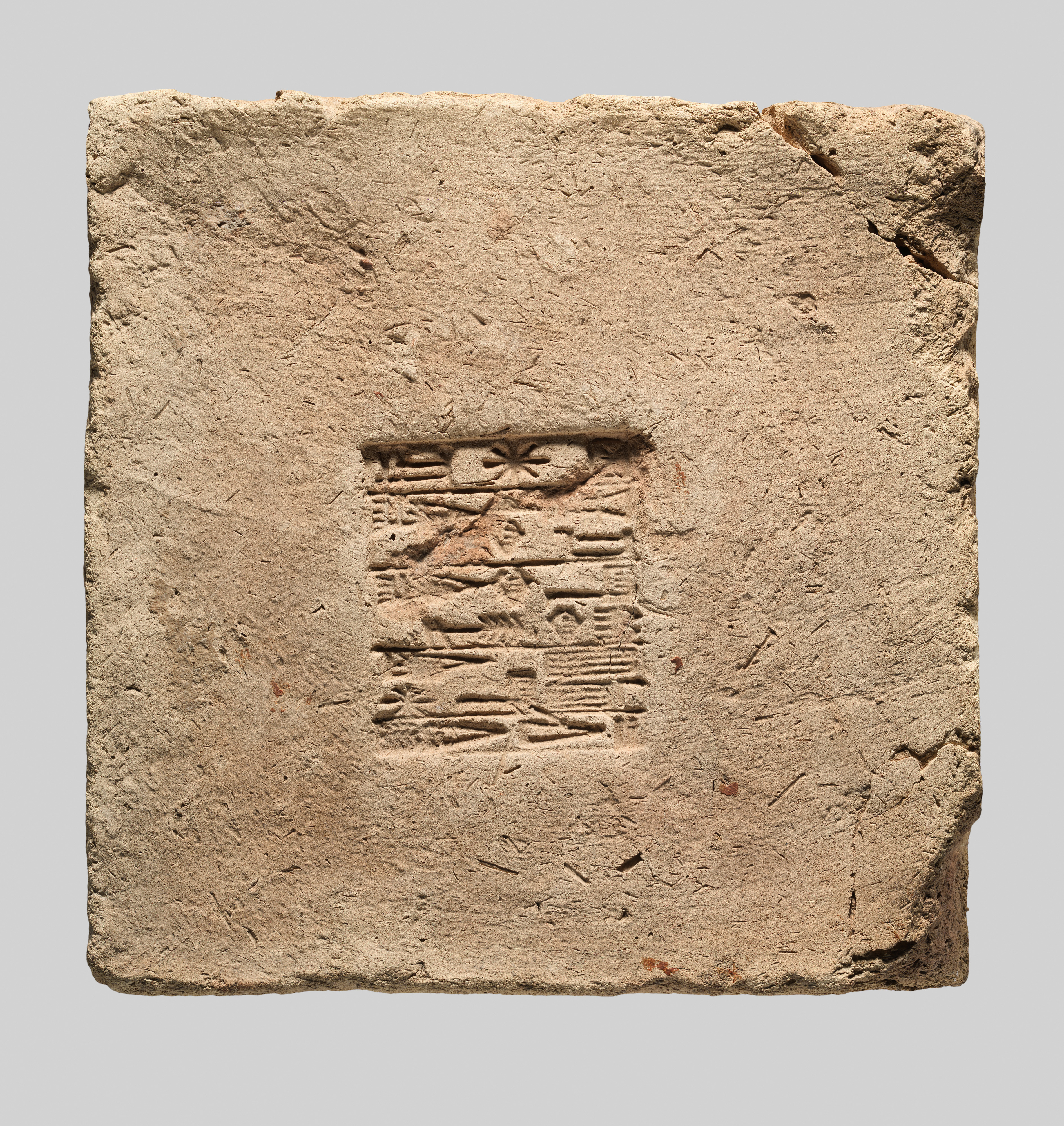
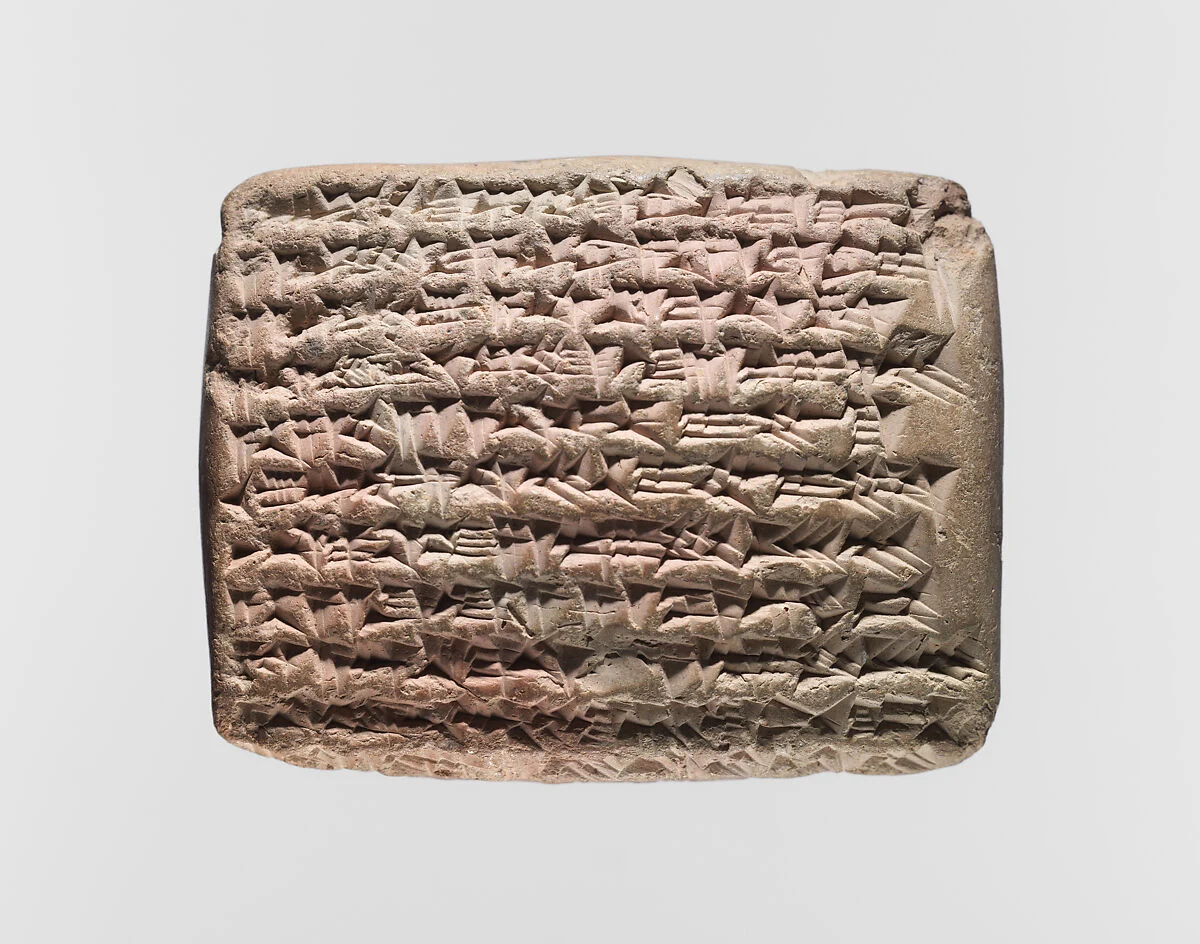
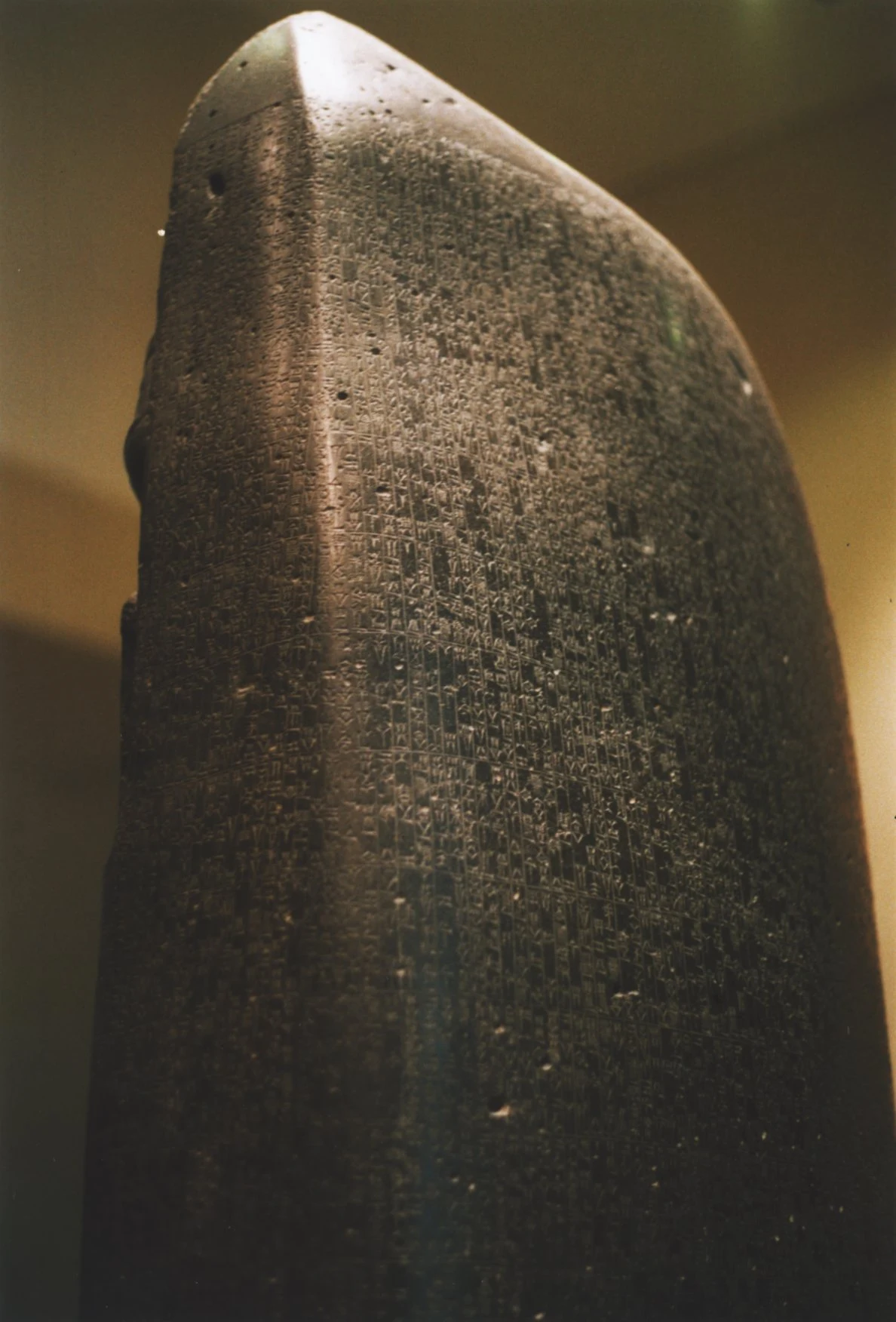
The earliest copies of the Hittite LawsHittite law collectionHittite kinship and relationship provisions from a collection whose earliest copies date around 1650–1500 BCE.Glossary · Click to read the explanation, from AnatoliaAnatoliaAnatolia is the region occupying the Asian part of present-day TurkeyGlossary · Click to read the explanation, date to approximately 1650–1500 BCE, within an extended copying tradition. CDLI dates the tablet preserving Middle Assyrian Laws AMiddle Assyrian Laws ACuneiform marriage and household provisions distinguishing widowhood, betrothal and residence.Glossary · Click to read the explanation, from northern MesopotamiaMesopotamiaHistorical region associated with the Tigris and Euphrates: Uruk, Ur, Eridu, cuneiform, Sumer, Akkad, Babylon and Assyria, their languages and cults, and the limits of archaeological evidence.Glossary · Click to read the explanation, to approximately 1400–1000 BCE. We also read a Sumerian law composite attributed to Ur-NammaLaws attributed to Ur-NammaSumerian laws attributed to Ur-Namma, read through witnesses and composite editions.Glossary · Click to read the explanation, a king who ruled around 2100 BCE. Attribution to a ruler and the date of each surviving copy are different matters. [7][8][9][13]
The Hebrew books, meanwhile, combine law with stories about the community’s past. The sequence of events in Genesis and Ruth should be distinguished from the stories’ composition, just as a custom’s possible age differs from that of a surviving tablet. This chronology helps frame questions of influence without turning a resemblance into a ready-made date for events. [2][3][10][12]
Deuteronomy: preserving the name and declaring refusal
In Deuteronomy 25:5–10, two brothers live together and one dies without a ben, literally a son, although the Jewish Publication Society translation (JPS, 1917) here renders it “child.” The brother is to marry the widow, and her firstborn is to succeed in the deceased brother’s name so it is not erased from Israel. Name preservation is the stated purpose; these verses alone do not detail the registration and allocation of land. [1]
The text then follows the brother who refuses. The widow goes before the elders at the town gate and states his refusal; they summon him and hear his insistence. She removes his sandal and spits in his face, in the translation examined, and he receives a public designation concerning the removed sandal. The procedure gives her a voice against refusal within a system linking marriage to the husband’s continuing household. This describes the written rule, rather than the extent of its observance. [1]
The Hittites: a succession of relatives
Section 193 provides that the man’s brother takes his wife after his death, followed by the father if the brother dies, and the father’s brother after the father’s death. It presents successive possible marriages within kin, potentially moving the widow into an older generation. Section 195a gives the contrasting case: relations with a brother’s wife while he is alive are forbidden. [9]
Section 193 resembles Deuteronomy in the brother’s marriage, but requires neither a childless deceased man nor a firstborn preserving his name, and provides no public refusal procedure. Its position among permitted and forbidden sexual relationships helps explain its purpose: specifying permissible unions within kin, whereas Deuteronomy highlights the deceased’s name and refusal of the duty. [9][12]
Middle Assyria: betrothal and the widow’s household
Assyrian provisions 30, 33 and 43 address women in different family arrangements. In section 30, a father presents gifts to arrange one son’s marriage while another son, whose wife resides in her own father’s house, dies. He assigns the deceased son’s widow to the son whose betrothal he had arranged; the rest addresses the first betrothal and its gifts. Section 33 concerns the widow’s residence, her sons and her father’s or father-in-law’s household, with part of the text missing. [8][10][12]
In section 43, after acts designating a union for a son, the father can select another surviving son if the first dies or flees. Age and repayment conditions apply, and the other father also has a role. These cases illuminate the household head, gifts and the woman’s position between two families. They can overlap with Deuteronomy in keeping marriage within kin without combining its particular provisions for the brother’s name and the firstborn. [8][11]
A brother’s wife in the Ur-Namma composite
The CDLI composite preserves a clause imposing death on a man who marries his older brother’s wife. Immediately before it is a provision about a deceased man whose equal-ranking wife should act as the first heir in the household. Assyriologist Marten StolMarten StolAssyriologist and social historian, author of Women in the Ancient Near East.Glossary · Click to read the explanation interprets the marriage clause as concerning a widow and supplies the brother’s death parenthetically in his rendering. [7][10]
The surrounding passage helps explain his reading, although the marriage clause itself does not specify death. We distinguish the provision’s wording from interpretation of its circumstances. It matters comparatively because it raises differences in permitted and forbidden relationships, rather than assuming that all Mesopotamian societies followed one custom. [7][10]
Tamar: an unfulfilled family duty
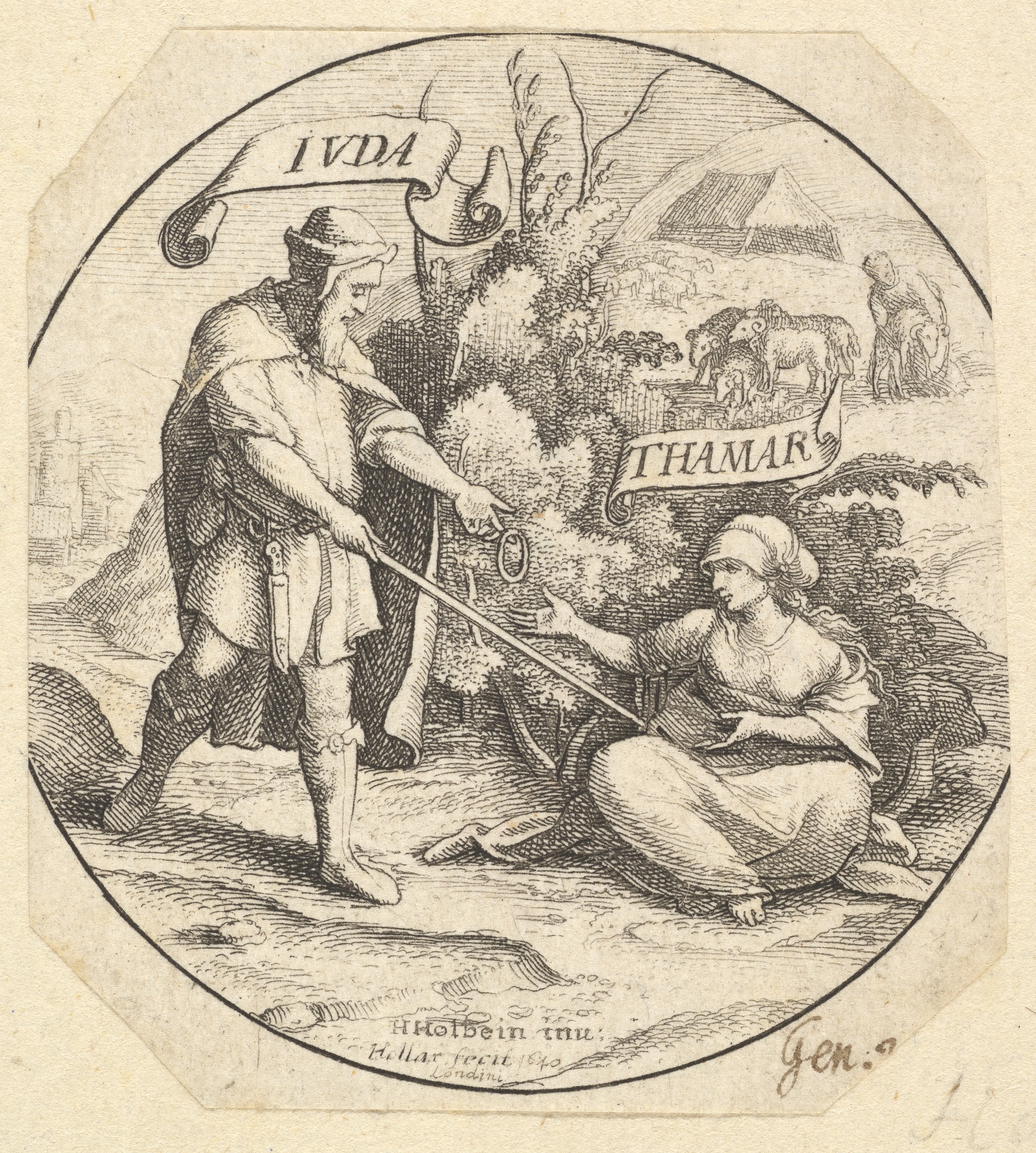
In GenesisBook of GenesisHebrew book of the Torah containing Noah’s flood, survival offering and covenant with living creatures.Glossary · Click to read the explanation 38, JudahJudah in GenesisFather of Er, Onan and Shelah and Tamar’s father-in-law in Genesis 38, distinct from Judah’s kingdom.Glossary · Click to read the explanation marries his son ErEr, son of JudahJudah’s firstborn and Tamar’s husband, whose death is narrated in Genesis 38.Glossary · Click to read the explanation to Tamar. After Er’s death, he directs OnanOnan, son of JudahEr’s brother, directed to raise offspring for him through Tamar in Genesis 38.Glossary · Click to read the explanation to raise offspring for his brother. Onan deliberately prevents that offspring because it would not be counted as his; he too dies in the story. Judah tells Tamar to wait until ShelahShelah, son of JudahJudah’s son whose promised marriage to Tamar is withheld after maturity.Glossary · Click to read the explanation grows up, but does not give him to her once he has matured. [2]
Tamar removes her widow’s clothing and disguises herself. Judah meets her without recognizing her, and she keeps his seal, cord and staff as a pledge. When her pregnancy leads him to order punishment, she produces these objects to reveal his paternity. He acknowledges that she is more in the right because he withheld Shelah. The story connects family continuity with the woman’s initiative and exposure of an unfulfilled promise; it does not follow Deuteronomy’s complaint-and-sandal procedure. [2]
Stol compares Tamar’s encounter with her father-in-law to the succession of relatives in Hittite law. The comparison identifies a close relationship, but the circumstances differ: Judah does not know she is his daughter-in-law, and Shelah is alive but withheld. The narrative acknowledges a wrong against her rather than describing an announced marriage agreement between father-in-law and daughter-in-law. [2][9][10]
Ruth: redemption at the town gate
In RuthBook of RuthHebrew narrative whose ending joins land, redemption, marriage and name preservation.Glossary · Click to read the explanation 4, BoazBoaz in RuthKinsman-redeemer who marries Ruth, not her deceased husband Mahlon’s brother.Glossary · Click to read the explanation discusses the right to redeem the field of NaomiNaomi in RuthRuth’s mother-in-law, linking land redemption with household continuity.Glossary · Click to read the explanation, Ruth’s mother-in-law, at the gate. A nearer relative has priority but withdraws when the land is linked to marriage with the widow and maintaining the deceased’s name on his inheritance, fearing damage to his own inheritance. Boaz marries Ruth, MahlonMahlon in RuthRuth’s deceased husband, named in the marriage scene of chapter 4.Glossary · Click to read the explanation’s widow; he is a kinsman-redeemer, not the deceased husband’s brother. [3]
The scene brings land, marriage and name together but uses the sandal differently. The kinsman removes his own sandal to attest the transfer of redemption rights, a custom the narrator explains. In Deuteronomy, the widow removes the refusing brother’s sandal and spits in his face as part of publicly declaring his refusal. The shared object accompanies different actions and purposes. [1][3]
The narrative itself connects the two stories: Ruth 4:12 invokes the household of Tamar and Judah in the witnesses’ marriage blessing. This is an explicit literary connection within the text, alongside legal comparisons made by scholars. [3]
Daughters, land and the firstborn’s right
In NumbersBook of NumbersTorah book addressing daughters’ inheritance and tribal retention of land.Glossary · Click to read the explanation 27, Zelophehad’s daughtersDaughters of ZelophehadDaughters petitioning for inheritance in Numbers 27, with marriage and land addressed in 36.Glossary · Click to read the explanation seek their father’s land after his death without a son, so his name does not disappear from the clan. Their claim succeeds. The inheritance order gives the daughter priority in the absence of a son, then the deceased’s brothers and further kin as specified. Numbers 36 raises a further problem: marriage to another tribe could move the land there. The text allows choice of husbands within the father’s tribal family and says they married their cousins. [4][5]
Deuteronomy 21:15–17 instead protects the firstborn’s share even if his mother is less favored: he receives a double portion and cannot be displaced by the favored wife’s son. All these cases concern family and inheritance, but they address existing daughters, ranking existing sons, or attempting to raise offspring for a deceased man. [6]
Old Testament scholar Benjamin KilchörBenjamin KilchörOld Testament scholar examining literary relationships between pentateuchal laws.Glossary · Click to read the explanation proposes reading the provisions as complementary stages: Deuteronomy adds levirate marriage to Numbers’s inheritance order and makes it an exception to the prohibition of relations with a brother’s wife in LeviticusLeviticusA Torah book concerning offerings, priesthood, and purity; chapter 16 describes sanctuary purification and a living goat carrying iniquities away.Glossary · Click to read the explanation 20:21. He explicitly acknowledges that his assumption of Numbers and Leviticus preceding Deuteronomy is disputed. We therefore present his argument and proposed direction of dependence distinctly from the books’ received order. [12][14]
From contractual language to scribal training
Hebrew Bible scholar Sara MilsteinSara MilsteinScholar of biblical texts, scribal education and legal formation.Glossary · Click to read the explanation draws attention to a precise Deuteronomic phrase: the deceased’s wife is not to marry an outside man. In wills from Late Bronze AgeLate Bronze AgeAn archaeological period around 1600–1200 BCE in much of the Near East, with international diplomacy, exchange and religious diversity; its endpoints vary by region.Glossary · Click to read the explanation EmarEmar, ancient MeskeneAncient Euphrates city in Syria with Late Bronze Age cuneiform archives and Gilgamesh fragments.Glossary · Click to read the explanation in Syria, a widow following a man outside the family loses claims to her husband’s property. Some wills connect her possessions with whichever of his brothers supports her. An Assyrian will she discusses likewise restricts giving property to an outsider and remarriage. [10][11]
Milstein argues that similar language belonged to now-lost Israelite contracts, then became part of a teaching case in which scribes expanded a legal problem before its incorporation into Deuteronomy. Her case draws on contract language, length, dialogue and the elders’ role, compared with Mesopotamian training texts. This is broader than proposing that a writer copied one particular Emar will: it seeks to explain the law’s formulation, rather than marriage resemblance alone. [11]
The examined documents establish the comparative material and its language; the Israelite contracts and proposed exercise remain her reconstruction. Its converging evidence can be assessed while distinguishing the strength of the proposed relationship from knowledge of every stage in the formula’s transmission. [11]
What do the different solutions reveal?
The sources share a problem of household continuity after death, but offer different solutions: successive relatives in Hittite law, residence, gifts and betrothal in Assyrian provisions, the brother’s name and complaint against refusal in Deuteronomy, and land redemption involving wider kin in Ruth. Tamar and Zelophehad’s daughters add women’s voices and claims to family narratives and legislation.
These differences allow investigation of shared legal traditions and possible reformulation, including Milstein’s and Kilchör’s proposals, without reducing every case to one law. We also retain the distinction between a provision’s demands and evidence of actual practice: a rule’s formulation alone cannot count marriages performed under it. [1][2][3][4][5][7][8][9][10][11][12]
Related readings
References and notes (14)
- Deuteronomy 25:5–10, Hebrew and Jewish Publication Society (JPS) 1917: complete passage, ben “son,” preservation of the name, refusal, sandal and spitting. Return to the text ↑
- Genesis 38:1–30, Hebrew and JPS 1917: complete chapter, including Shelah alive and grown but withheld, seal, cord and staff. Narrative setting, not documented lifetimes. Return to the text ↑
- Ruth 4:1–17, Hebrew and JPS 1917: complete passage, kinship, redemption, sandal, Mahlon and name, including the Tamar–Judah blessing in 4:12. Not the entire book. Return to the text ↑
- Numbers 27:1–11, Hebrew and JPS 1917: land petition and inheritance order, complete passage. Return to the text ↑
- Numbers 36:1–12, Hebrew and JPS 1917: complete passage, heiresses marrying within the tribal family and retention of land. Return to the text ↑
- Deuteronomy 21:15–17, Hebrew and JPS 1917: protection of the firstborn’s share, complete passage. Return to the text ↑
- CDLI composite P432130, revision 2234943, e025–e028: Sumerian transliteration and English, including the preceding wife-as-heir context. Not a single tablet or reading of the whole composite. Return to the text ↑
- CDLI P281779, VAT 10000, Assur: metadata, date 1400–1000 BCE and selected Akkadian transliteration §§30, 33, 43. §30 checked against Stol pp. 672–674: one son betrothed and another dead, not one son. Not the entire collection or image collation. Return to the text ↑
- Martha T. Roth, Law Collections from Mesopotamia and Asia Minor: Hittite introduction, PDF page 1, and §§192–195, printed pp. 236–237, PDF pages 24–25. Rendered and visually read because extraction was faulty; no Hittite manuscript collation or whole-collection reading. Return to the text ↑
- Marten Stol, Women in the Ancient Near East, 2016, translated by Helen and Mervyn Richardson: complete pp. 296–299, PDF pages 308–311, and appendix pp. 672–674, PDF pages 684–686. Not the whole book or every cited tablet. Return to the text ↑
- Sara Milstein, The Levirate Law: A Marriage Contract Clause That Became Legislation, 17 August 2021, updated 9 October 2026: entire main essay and notes 1–3, 21–24. Emar and Assyrian wills known through her discussion and selected translations, not independent tablet readings or all cited books. Return to the text ↑
- Benjamin Kilchör, Levirate Marriage in Deuteronomy 25:5–10 and Its Precursors in Leviticus and Numbers: A Test Case for the Relationship between P/H and D, Catholic Biblical Quarterly 77 (2015), pp. 429–440. Entire repository article, PDF pages 1–12, including disputed premise and proposed direction of dependence; not all its references. Return to the text ↑
- Metropolitan Museum, Inscribed brick naming Ur-Nammu, 59.41.86, ca. 2112–2095 BCE: object record, royal inscription description and open image. Context for the ruler’s date, not a law copy. Return to the text ↑
- Leviticus 20:21, Hebrew and JPS 1917: complete verse, brother’s wife and childlessness. It does not here explicitly specify a living or dead brother; the rule-and-exception reading is attributed to Kilchör. Return to the text ↑
Suggest a correction · Suggest a source for this record
Cite this record
IL Archive, «Marriage, Inheritance, and a Brother’s Widow: One Law or Different Solutions?», https://ilarchive.com/en/studies/marriage-inheritance-and-levirate
Continue reading