Ancient text
Laws attributed to Ur-Namma
A text for line-by-line reading, with transliteration, translation, and resources.
Sumerian laws attributed to Ur-Namma, read through witnesses and composite editions.
Last reviewed:
Text
Sumerian legal provisions attributed to Ur-Namma, a ruler around 2100 BCE. CDLI’s composite combines readings from several witnesses rather than representing one physical tablet. [1][2]
Passage e025–e028 gives a deceased man’s wife household inheritance, then penalizes marriage to an older brother’s wife. StolMarten StolAssyriologist and social historian, author of Women in the Ancient Near East.Glossary · Click to read the explanation reads the latter as a widow; the brother’s death is a contextual interpretation, not wording in that clause. [1][3]
References and notes
- CDLI composite P432130, revision 2234943, e025–e028: Sumerian transliteration and English, including the preceding deceased-man context. Not one physical tablet. Return to the text ↑
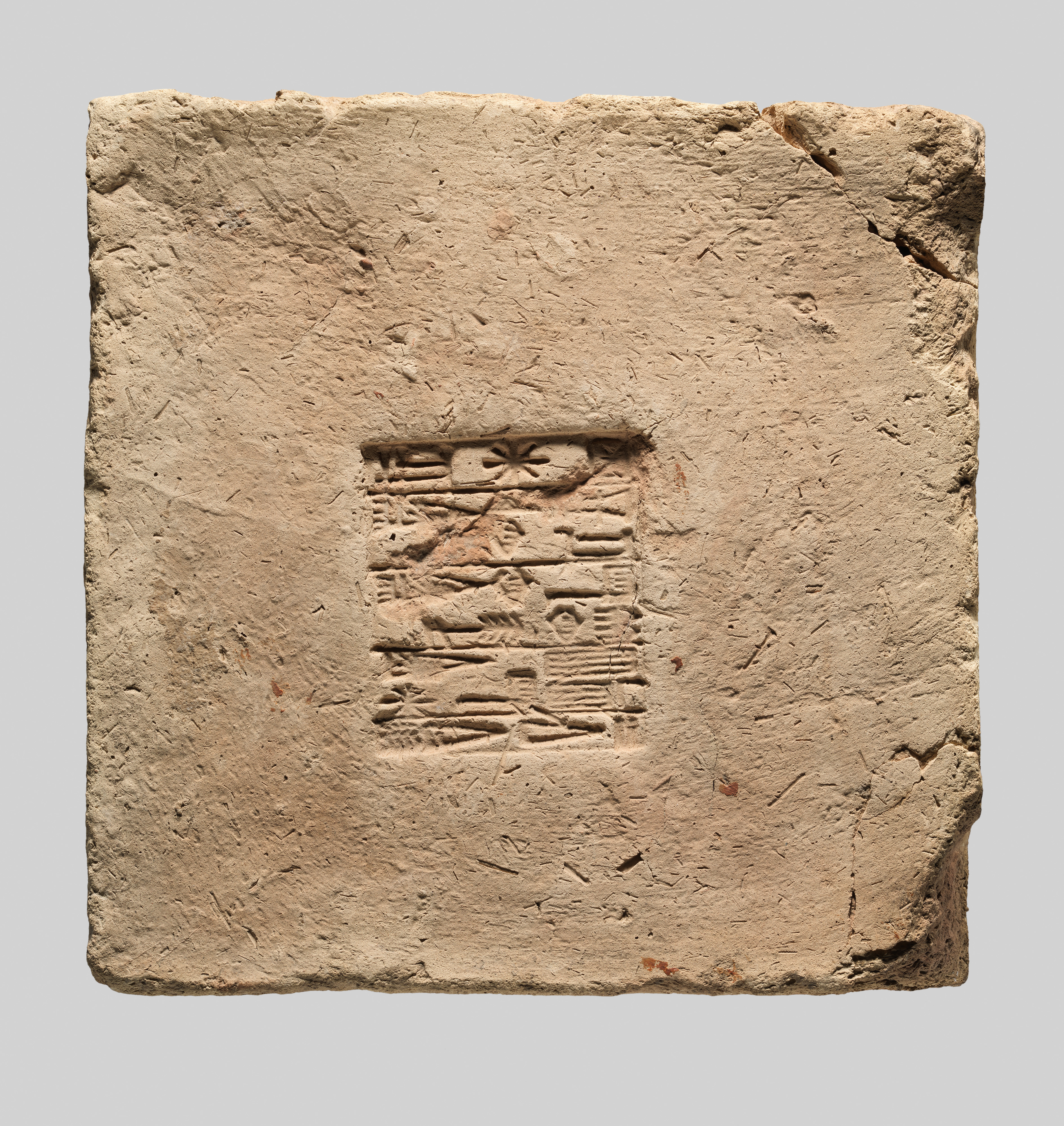
- Met 59.41.86, brick naming Ur-Nammu, ca. 2112–2095 BCE: object record, date and open image. Not the law text. Return to the text ↑
- Marten Stol, Women in the Ancient Near East, 2016, translated by Helen and Mervyn Richardson: complete pp. 296–299, PDF 308–311, and appendix pp. 672–674, PDF 684–686; not the whole book. Return to the text ↑
Archive records may be reviewed and refined as better evidence or sources become available. Suggest a correction
Suggest a correction · Suggest a source for this record
Cite this record
IL Archive, «Laws attributed to Ur-Namma», https://ilarchive.com/en/texts/ur-namma-law-composite
Continue reading