Site · Contextual definition
Jerusalem
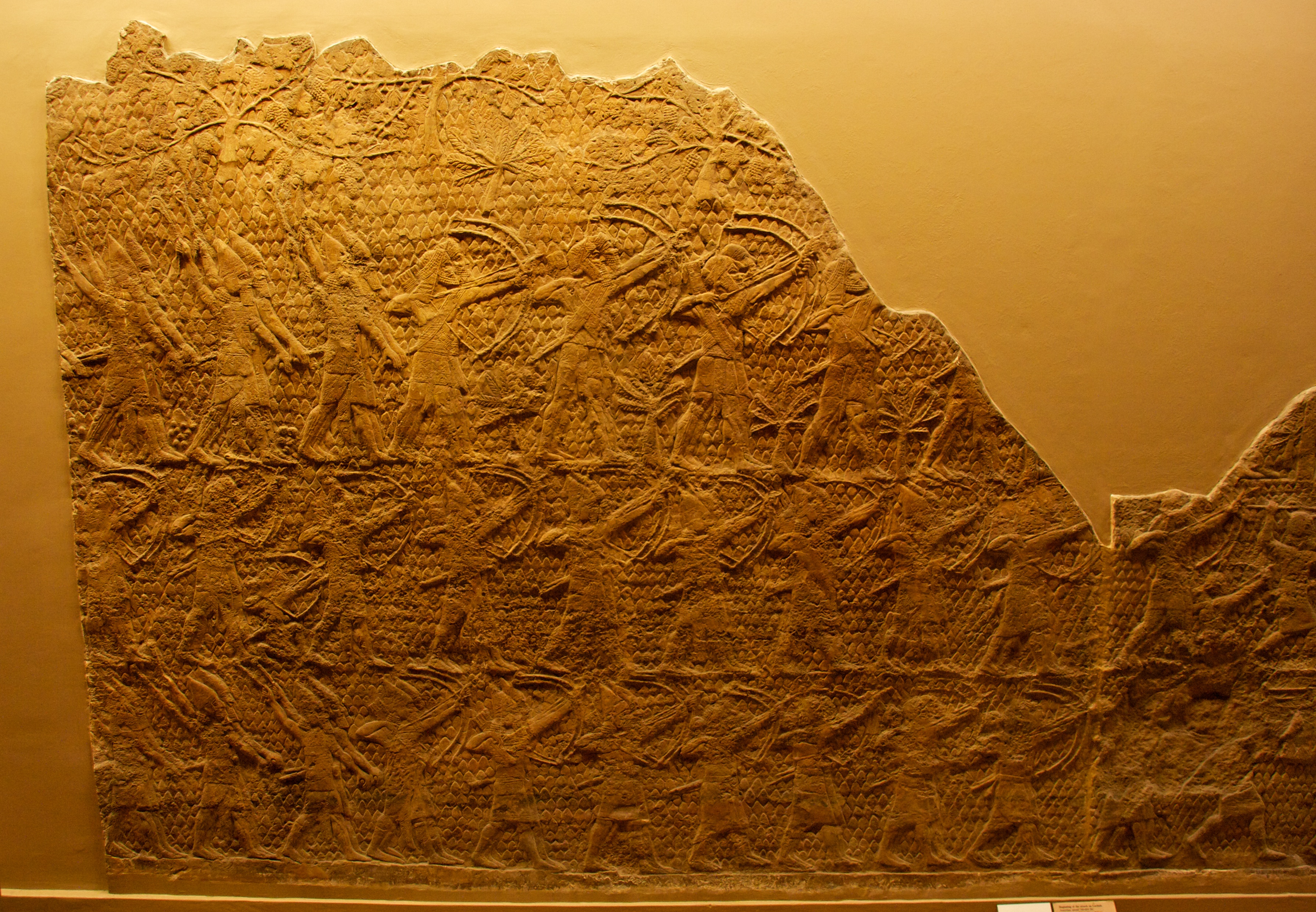
A Babylonian chronicle tablet, excavated streets and buildings from several periods trace Jerusalem’s history. The city was the capital of Judah and later became a place of pilgrimage and worship in Judaism, Christianity and Islam.
Estimated reading time: 3 min Published Last reviewed:
Share article
Text
Introduction
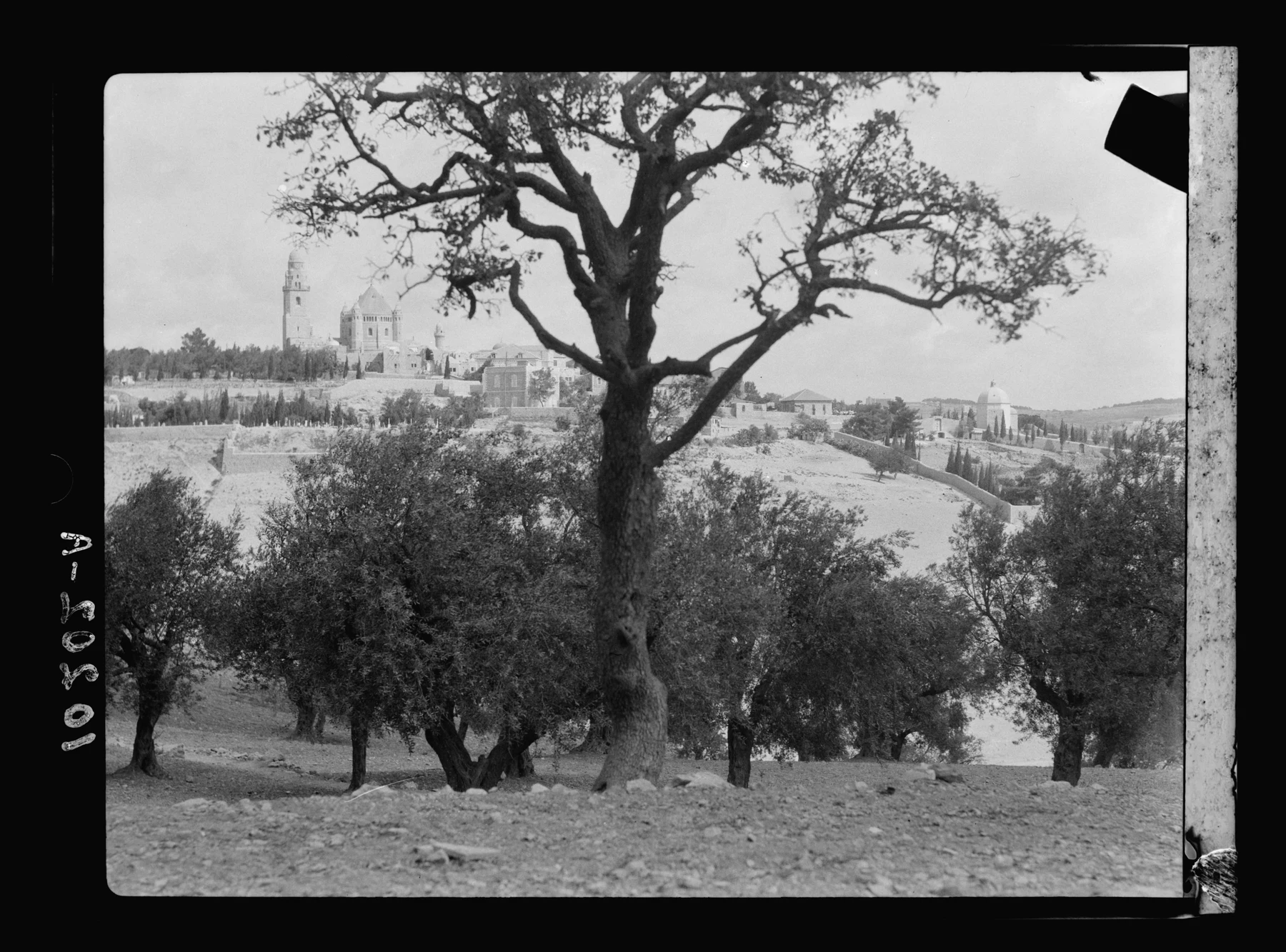
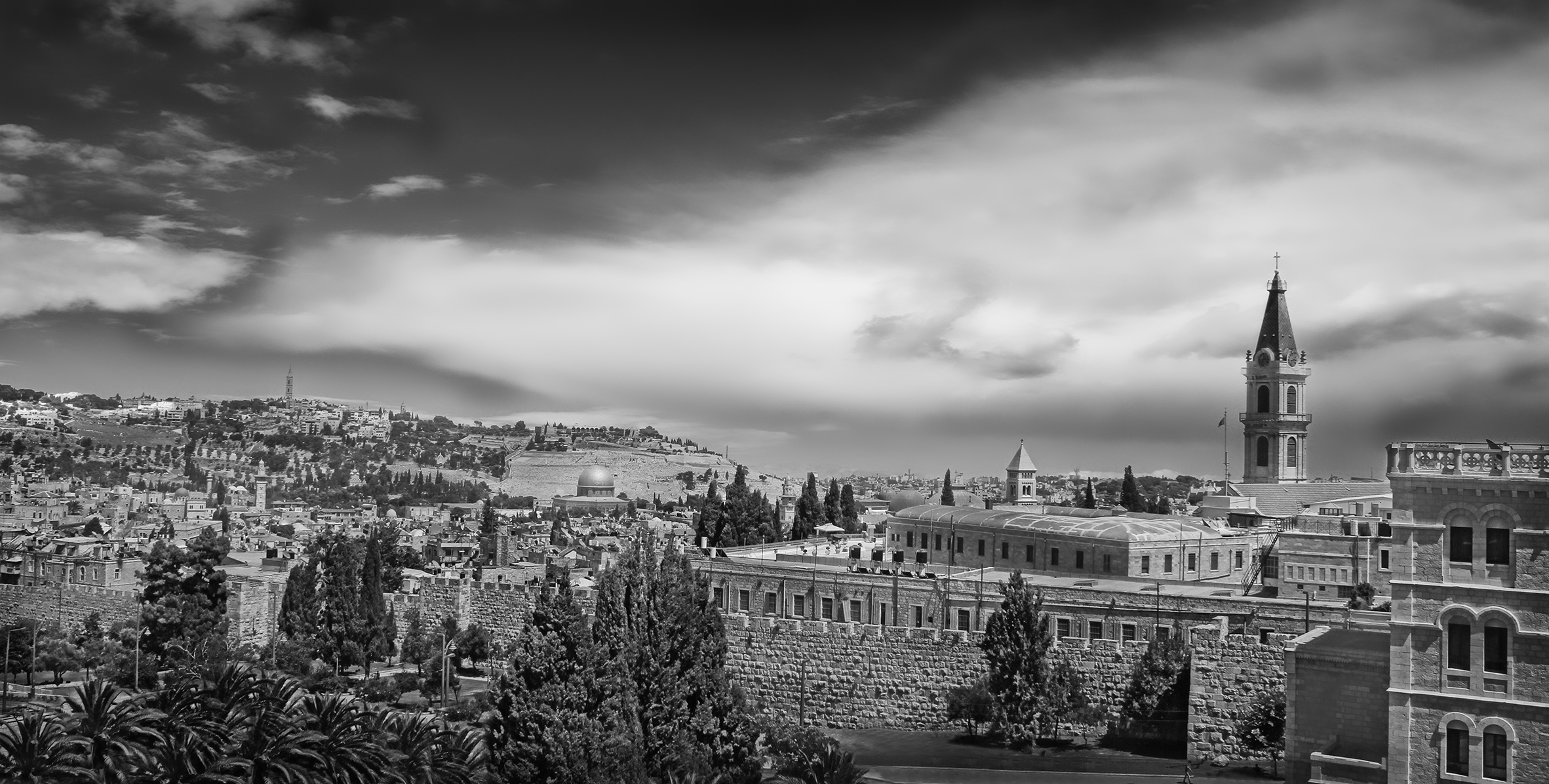
Jerusalem’s ancient settlement occupied the southeastern ridge, south of the present Old City, above the Gihon Spring. The spring was the city’s principal water source in the Iron Age. The modern walls enclose monuments from several periods, and archaeological remains farther south help explain the shape and growth of the earlier city. Jerusalem holds religious importance in Judaism, Christianity and Islam. [1][2]
Dating the Iron Age city
Johanna Regev and colleagues analysed 103 radiocarbon measurements from five excavation areas. Their study identifies occupation between the twelfth and tenth centuries BCE and concludes that expansion westward had begun by the ninth. The samples, largely charred plant remains from stratified deposits, help place building phases in sequence. Waterworks furnish another set of evidence. In the Siloam Tunnel, radiocarbon and uranium-thorium measurements support an Iron Age II date. [2][3]
Two destructions and the walls of the sacred platform
A Babylonian Chronicle tablet in the British Museum records the capture of Jerusalem by Nebuchadnezzar II in 597 BCE and the deportation of its king, Jehoiachin. A later Babylonian campaign ended with the destruction of Judah. Regev’s team uses 586 BCE for this later destruction. The British Museum’s account places it in 587 BCE. [2][4]
Centuries later, work begun under Herod enlarged the platform of the Second Temple. Excavations at its southwestern corner have found part of an early Roman street paved with large limestone slabs and a row of built cells dating to the first half of the first century CE. In one later wall the excavators identified reused stones from the collapsed complex. The Romans destroyed the Second Temple in 70 CE. The Western Wall forms part of the platform’s retaining walls and remains a place of Jewish prayer. [1][5][6][9]
The Church of the Holy Sepulchre and the Dome of the Rock
In the fourth century CE, Constantine sponsored the Church of the Holy Sepulchre at the site Christians venerate as the place of Jesus’ burial and resurrection. Pilgrims visited the church in late antiquity, and it remained a focus of Christian pilgrimage in later centuries. On the platform known in Islam as al-Haram al-Sharif and in Judaism as the Temple Mount, the Dome of the Rock was built under the Umayyad caliph Abd al-Malik and completed in 691–692 CE. The shrine frames a rock associated in Islamic tradition with the Prophet Muhammad’s ascent to heaven. The church and the shrine belong to distinct periods of Jerusalem’s history and remain places of religious devotion. [1][6][7][8]
Quick answers
Where was the ancient settlement? The southeastern ridge, south of today’s Old City, preserves evidence of the ancient settlement beside the Gihon Spring. [2]
When was the Second Temple destroyed? The Romans destroyed it in 70 CE. [5][6]
References and notes (9)
- UNESCO World Heritage Centre, “Old City of Jerusalem and its Walls,” World Heritage List 148 Description. The city’s importance in Judaism, Christianity and Islam, the Old City walls and the three religious landmarks. Return to the text ↑
- Johanna Regev et al., “Radiocarbon chronology of Iron Age Jerusalem reveals calibration offsets and architectural developments,” PNAS 121 (2024), e2321024121 Abstract, Building the Chronological Ladder, Excavation Areas and Contexts, and opening of Results and Discussion. Southeastern ridge, Gihon Spring, settlement and expansion, dated samples, and the destruction dated to 586 BCE. Return to the text ↑
- Amos Frumkin, Aryeh Shimron and Jeff Rosenbaum, “Radiometric dating of the Siloam Tunnel, Jerusalem,” Nature 425 (2003), pp. 169–171 Author abstract. Radiocarbon and uranium-thorium methods and the Iron Age II attribution. Return to the text ↑
- British Museum, “The Life and Times of Nebuchadnezzar II,” collection object 1896,0409.51 Object description and registration details. Siege, capture of Jerusalem in 597 BCE, Jehoiachin and the separate events dated by the museum to 587 BCE. Return to the text ↑
- Yuval Baruch, Navot Rom, Helene Machline and Ayala Zilberstein, “Jerusalem, the Old City, the Archaeological Park (A-9477),” Hadashot Arkheologiyot 138 Excavation report, Areas A and B, especially Strata 4 and 3. The early Roman street and built cells, extension of the precinct, and reuse of collapsed masonry after 70 CE. Return to the text ↑
- The Metropolitan Museum of Art, “Exhibition Galleries,” Jerusalem 1000–1400: Every People Under Heaven Sections ‘The Absent Temple’ and ‘The Holy Sepulchre’. Destruction in 70 CE, Jewish devotion and Christian pilgrimage. Return to the text ↑
- The Metropolitan Museum of Art, “The Eastern Mediterranean and Syria, 1–500 A.D.,” Heilbrunn Timeline of Art History Entries for 335 and 381–384 CE. Constantine’s patronage of the Church of the Holy Sepulchre and late antique pilgrimage. Return to the text ↑
- Ana Botchkareva, “The Dome of the Rock,” The Metropolitan Museum of Art, 2012 Main text and first caption. Completion in 691–692 under Abd al-Malik, the sacred rock and its association with the ascent in Islamic tradition. Return to the text ↑
- Hesburgh Libraries, University of Notre Dame, “Western Wall of Temple Mount: Jewish men at prayer at the Western Wall” Architecture Library catalogue description. The retaining wall of the enlarged platform and the area set aside for prayer. Return to the text ↑
Suggest a correction · Suggest a source for this record
Cite this record
IL Archive, «Jerusalem», https://ilarchive.com/en/sites/jerusalem
Continue reading