Site · Contextual definition
Kingdom of Judah
Judah was an Iron Age kingdom in the southern Levant, with its capital at Jerusalem. Lachish, stamped storage jars and imperial records trace its administration and the campaigns that brought it down.
Estimated reading time: 4 min Published Last reviewed:
Share article
Text
Introduction
Judah was an Iron Age kingdom in the southern LevantThe LevantThe Levant is a regional name for lands along the eastern MediterraneanGlossary · Click to read the explanation, with its capital at JerusalemJerusalemJerusalem is a city of religious importance in Judaism, Christianity and IslamGlossary · Click to read the explanation. Lachish, a fortified city in the foothills about forty kilometres southwest of Jerusalem, was the kingdom’s second most important city after the capital and guarded a route from the coastal plain towards the central hills. Stone walls and stamped jars preserve evidence of how those cities were built and supplied. Royal inscriptions and reliefs record the Assyrian campaign of 701 BCE, and Babylonian records document the first capture of Jerusalem in the early sixth century BCE. [1][2][3][4]
Jerusalem grows and fortifies
Radiocarbon measurements by Johanna Regev and colleagues indicate settlement in several parts of Jerusalem between the twelfth and tenth centuries BCE. They place an expansion west of the old city core by the ninth century, supported by dates for the construction of a large building and for earlier work terracing the rock below it. Those results date settlement and building phases. The city’s political role is documented separately in sources such as Sennacherib’s prism, which names it as the royal city of HezekiahHezekiah, king of JudahKing of Judah in the late eighth century BCE, named in Sennacherib’s Assyrian accounts of the 701 BCE campaign.Glossary · Click to read the explanation. [3][5]
The same study identifies damage from a mid-eighth-century BCE earthquake and argues that subsequent construction included new fortifications. In one excavated room, pottery still standing along a wall was shattered when the building collapsed. Short-lived organic material from the ashy deposits provided samples for dating. The archaeologists use those finds, together with the building sequence, to relate changes in the city’s defences to a particular period. [5]
Jars and administration
At Mordot Arnona on the outskirts of Jerusalem, excavators found substantial buildings and numerous marked handles. They interpret the site as an administrative centre of the late eighth and first half of the seventh century BCE. The assemblage includes 124 handles with lmlk impressions, usually read as meaning “for the king” or “belonging to the king.” It also includes seventeen handles with impressions described as private and thirty-three with incised concentric circles. This variety gives researchers several groups of marks to compare within one site. [6][7]
At Lachish, Ussishkin reports royal-stamped jars found crushed in the destruction debris of the city’s Level III. Garfinkel and colleagues also found royal-stamped jars among the smashed pottery on the floor of a house destroyed in the Assyrian attack. Both finds place these jars in use before the destruction of 701 BCE. Finds of royal-stamped handles at both Lachish and Mordot Arnona help trace how large storage vessels were used at sites connected with Judah’s administration. [2][6][7]
Sennacherib’s campaign in 701 BCE
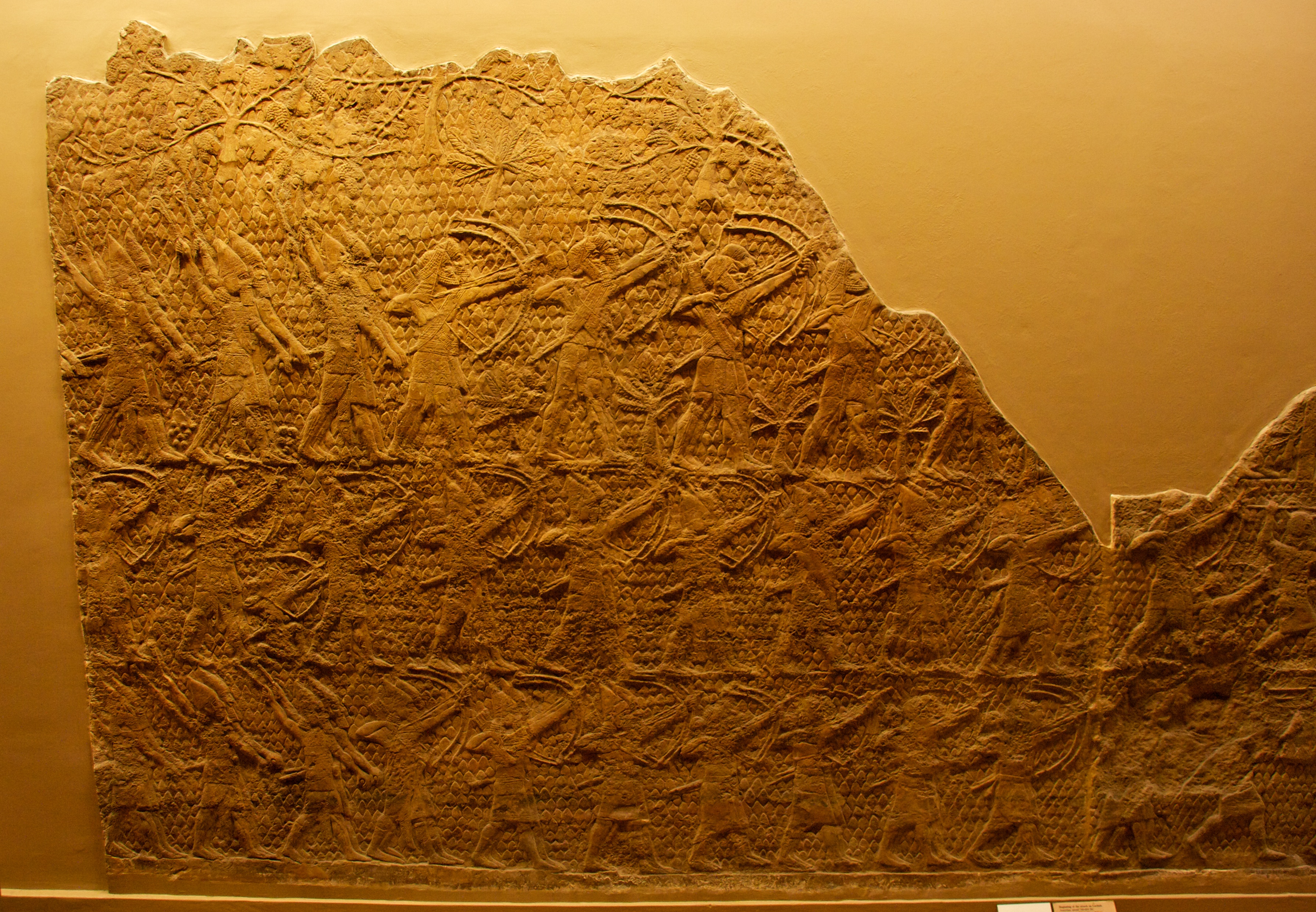
Sennacherib’s prism describes the Assyrian campaign against Hezekiah. It claims that Hezekiah was confined within Jerusalem and gives no explicit account of an Assyrian siege of that city. At Lachish the evidence is more specific. In addition to the burnt deposits near the gate, excavators identified the Assyrian siege ramp in the southwestern corner of the site and a counter-ramp built by the inhabitants inside the city. Reliefs from Sennacherib’s palace at NinevehNineveh and KuyunjikNineveh is an ancient Assyrian city near Mosul in northern Iraq; Kuyunjik is one of its archaeological moundsGlossary · Click to read the explanation depict the capture of Lachish. The gate debris and ramps supply evidence of the attack at the site, and the reliefs show how the Assyrian court commemorated the victory. [1][2][3][7]
Babylonian conquest
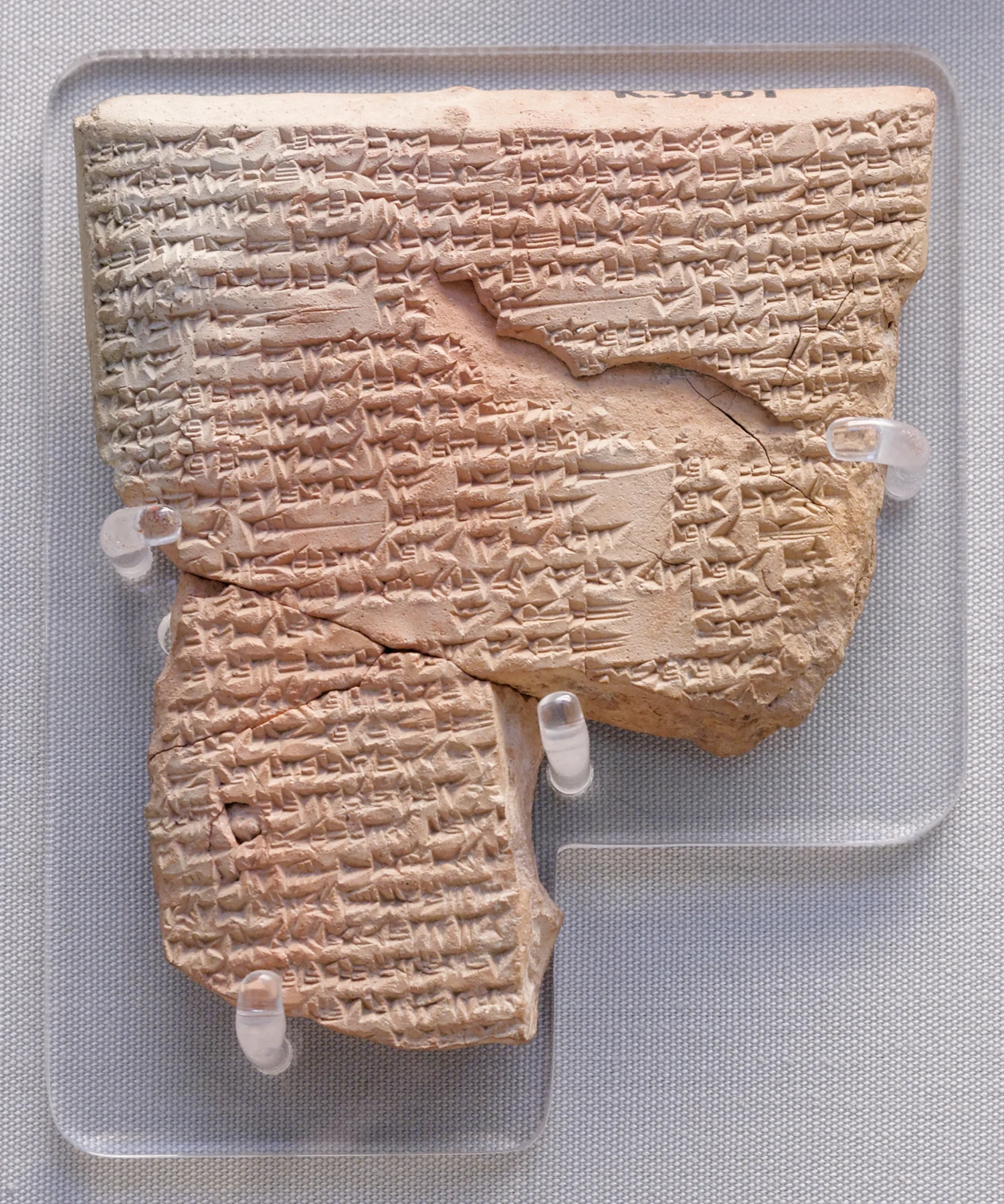
The Babylonian Chronicle records the capture of Jerusalem in 597 BCE. Nebuchadnezzar IINebuchadnezzar IIBabylonian king, 605–562 BCE, appearing in Daniel and independently attested in inscriptions and building remains.Glossary · Click to read the explanation’s army took King Jehoiachin to Babylonia along with tribute. The British Museum also notes records from BabylonBabylonBabylon is an ancient city in central present-day Iraq, south of BaghdadGlossary · Click to read the explanation listing rations issued to Jehoiachin and his sons. Its commentary says the Chronicle tablet breaks off before the “crucial events of 587 BCE”, the later campaign that ended with the destruction of Jerusalem. The radiocarbon study dates the destruction layer it investigated to 586 BCE. [4][5]
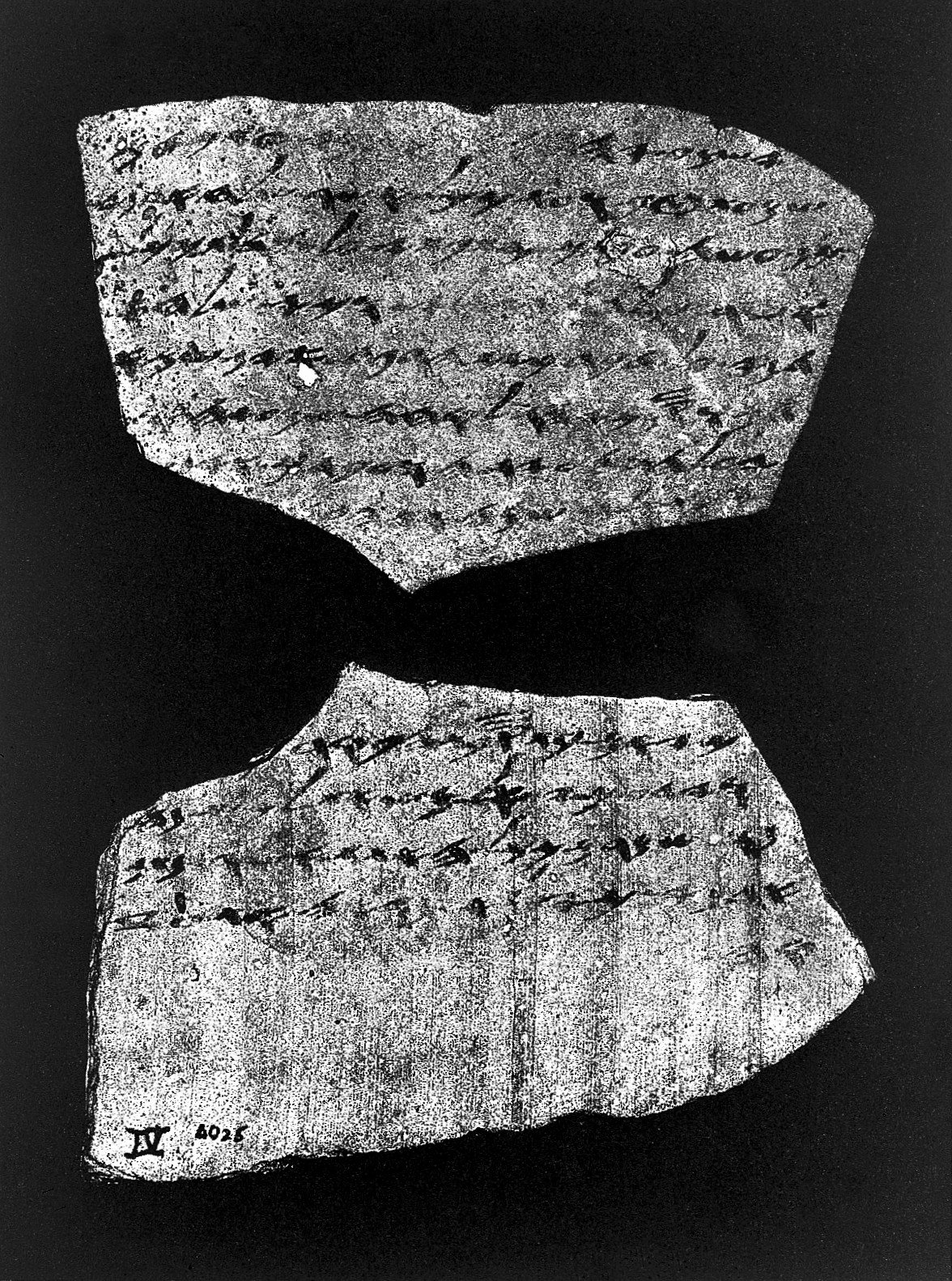
Lachish was rebuilt after the Assyrian conquest. Letters written in ink on broken pottery were recovered in the remains of its later city gate, in Level II. The excavators distinguish that city, which the later Babylonian campaign destroyed, from the earlier city with the Assyrian ramp. Together the two levels show that Lachish remained part of Judah’s history between the two imperial wars. [2][7]
Quick answers
- What was Judah’s capital? Jerusalem, which Sennacherib’s account calls Hezekiah’s royal city. [3]
- What connects Lachish with the campaign of 701 BCE? The destruction of Level III, a siege ramp at the site and Assyrian reliefs from Nineveh depicting the attack. [1][2]
- Which Babylonian attack does the Chronicle record? The capture of Jerusalem in 597 BCE. The British Museum’s commentary refers to the crucial events of 587 BCE after the tablet breaks off, and the radiocarbon study dates the destruction layer to 586 BCE. [4][5]
References and notes (7)
- Pamela Magrill, A Researcher’s Guide to the Lachish Collection in the British Museum Abstract only; location and role of Lachish, siege of 701 BCE and Nineveh reliefs Return to the text ↑
- Yosef Garfinkel et al., The Canaanite and Judean Cities of Lachish, Israel Fourth Expedition field report, pp. 419–423 (site introduction and history), plus the Level III and Level II sections Return to the text ↑
- Israel Museum, Special Display: The Assyrian Campaign in Judah as told in the Sennacherib Prism Exhibition text, translated heading and object record IMJ 71.72.249 Return to the text ↑
- British Museum, The Life and Times of Nebuchadnezzar II Commentary on Chronicle 1896,0409.51, capture in 597 BCE and end of the surviving account Return to the text ↑
- Johanna Regev et al., Radiocarbon chronology of Iron Age Jerusalem Open-access full text (PNAS 121, 2024, DOI 10.1073/pnas.2321024121): abstract, Results and Discussion on expansion, earthquake, fortification and destruction Return to the text ↑
- Neria Sapir et al., A New Assemblage of ‘Private’ Stamped Jar Handles from the Mordot Arnona Excavations, Jerusalem Abstract only; location, date and counts of the marked handles Return to the text ↑
- David Ussishkin, Lachish: Renewed Archaeological Excavations Expedition article text on the Level III destruction, the royal storage jars and the Level II gate Return to the text ↑
Suggest a correction · Suggest a source for this record
Cite this record
IL Archive, «Kingdom of Judah», https://ilarchive.com/en/sites/kingdom-of-judah
Continue reading