Entity
Babylonian exile
A reference page linking a name, group, or concept to the materials that discuss it.
- Names
- Babylonian captivity · Babylonian exile
The deportations from Judah in 597 and 587/586 BCE, and the lives of exiles and those who remained, examined through Babylonian chronicles, biblical accounts and administrative tablets, up to Persian rule and partial returns.
Estimated reading time: 7 min Published Last reviewed:
Share article

Text
Introduction
How did the kingdom of JudahKingdom of JudahJudah was an ancient southern Levantine kingdom centered on Jerusalem in the Iron AgeGlossary · Click to read the explanation fall to BabylonBabylonBabylon is an ancient city in central present-day Iraq, south of BaghdadGlossary · Click to read the explanation, and what happened both to those uprooted from their homes and to those who stayed? The “Babylonian exile” refers to several deportations of Judeans in the sixth century BCE and the communities that grew from them, not to the removal of an entire people on a single day. This article compares Babylonian royal records, biblical accounts, ration tablets and economic documents in order to distinguish events from religious memory and later interpretation.
A small kingdom between empires
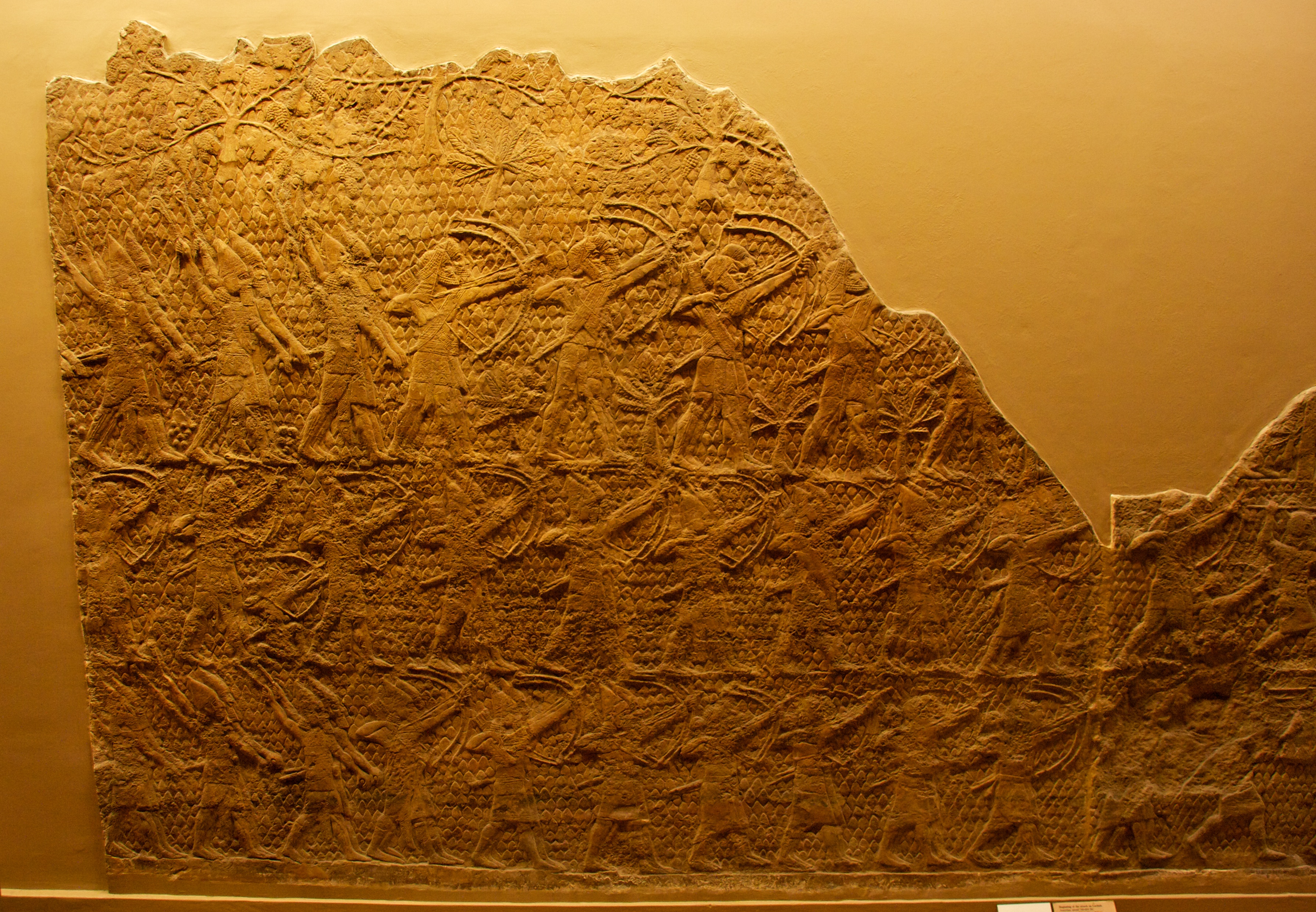
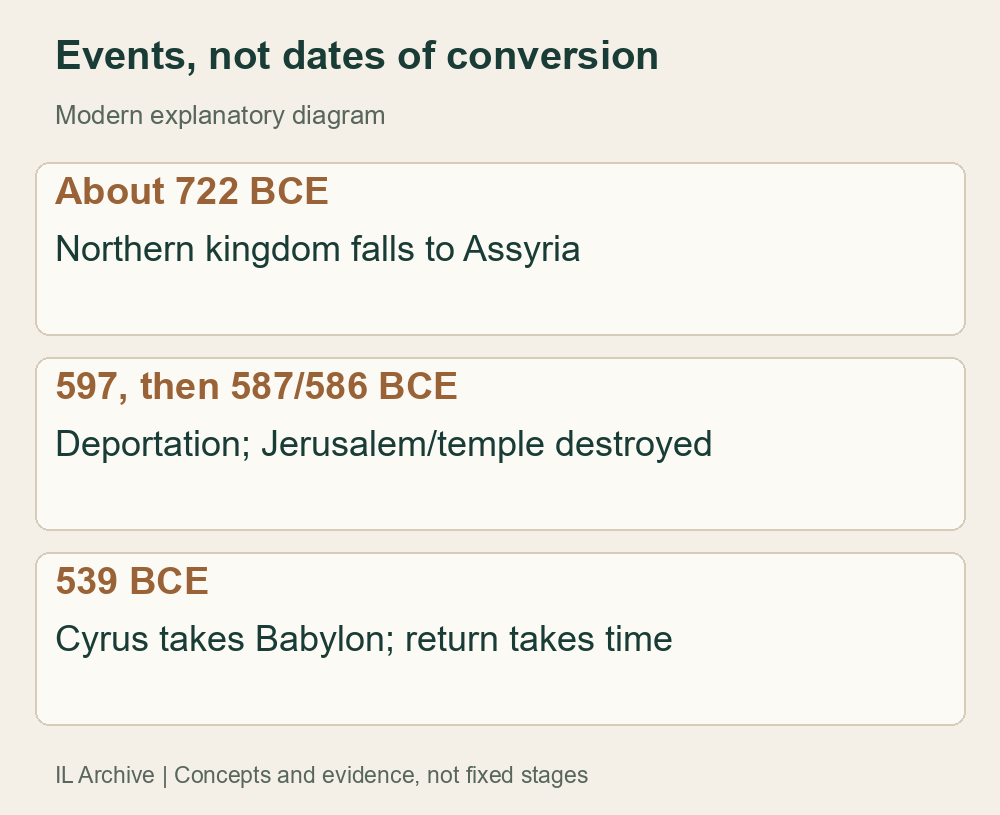
The kingdom of JudahKingdom of JudahJudah was an ancient southern Levantine kingdom centered on Jerusalem in the Iron AgeGlossary · Click to read the explanation, with its capital at JerusalemJerusalemJerusalem is a city of religious importance in Judaism, Christianity and IslamGlossary · Click to read the explanation, lay between Egyptian and Babylonian ambitions. In 605 BCE Nebuchadnezzar IINebuchadnezzar IIBabylonian king, 605–562 BCE, appearing in Daniel and independently attested in inscriptions and building remains.Glossary · Click to read the explanation defeated an Egyptian army at Carchemish, securing major Babylonian influence over the LevantThe LevantThe Levant is a regional name for lands along the eastern MediterraneanGlossary · Click to read the explanation. Roughly a century earlier, Assyria had overcome the northern kingdom of Israel and captured Samaria around 722/721 BCE. Those Assyrian deportations should not be conflated with the later Babylonian deportations from Judah. Nor does “exile” tell the entire story of the people affected by warfare who continued living in the homeland. [1]
597 BCE: a king taken away
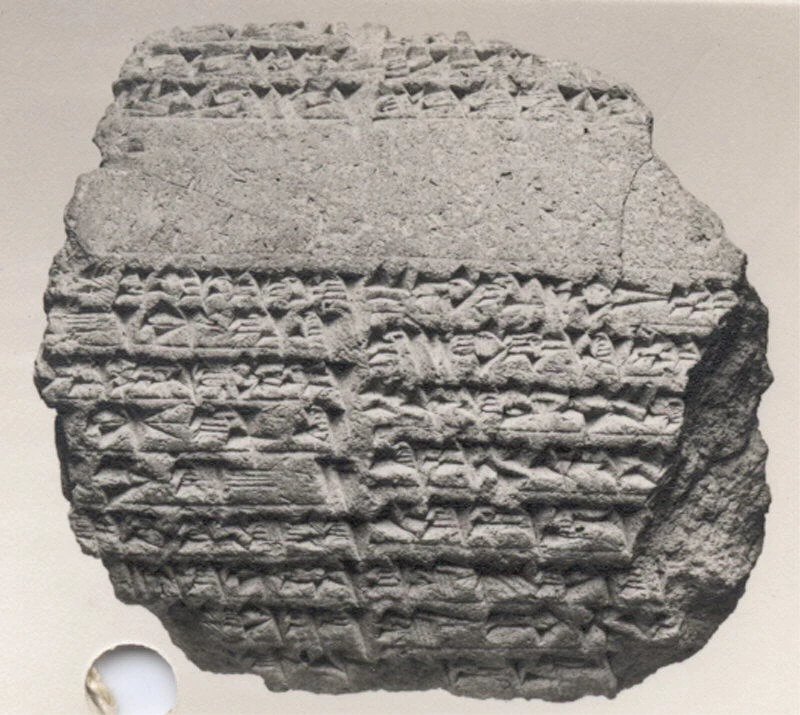
The Nebuchadnezzar Chronicle, ABC 5 (British Museum, BM 21946) records that the Babylonian king besieged the “city of Judah,” captured it on the second day of Adar in his seventh regnal year (597 BCE), and installed a king of his own choosing. This Babylonian account confirms a military campaign, a captured ruler and a political replacement. It does not enumerate all deportees or describe the burning of the temple roughly a decade later. [3]
2 Kings 24:10–17 relates the surrender of Jehoiachin, the removal of the royal family, leading figures, soldiers and artisans to Babylon, and the appointment of Mattaniah under the name ZedekiahZedekiah, king of JudahEarly-sixth-century BCE king of Judah associated in Jeremiah 34 with a release covenant and its reversal.Glossary · Click to read the explanation. Kings calls this Nebuchadnezzar’s “eighth year,” whereas the chronicle says “seventh”; different conventions for counting regnal years account for the discrepancy without requiring two distinct sieges for this episode. The totals in the biblical account are not an independently verified population census. [4]
587/586 BCE: siege and destruction
Zedekiah later rebelled against Babylonian overlordship. 2 Kings 25 narrates Jerusalem’s siege, famine, the capture of the king, the burning of temple, palace and other buildings, breaches in the walls, and further deportations. The city’s downfall is conventionally dated to 587 or 586 BCE, depending on how regnal years and months are reckoned. The surviving text of ABC 5 does not reach this later campaign and must not be presented as a direct witness to the temple’s destruction. [5]
The accounts describe loss through religious and political lenses alike. Their references to fires cannot establish identical destruction in every Judean town: Jerusalem, villages, houses, fields and administrative centers followed different courses.
Who was deported, and who remained?
People continued living in Judah after Jerusalem fell. The Babylonians appointed Gedaliah son of Ahikam over those who remained at Mizpah; the texts then describe his murder and an ensuing flight toward Egypt. Whereas Kings portrays extensive deportation, Jeremiah 52:28–30 gives figures of 3,023, 832 and 745 for three episodes, summing to 4,600 by that passage’s own reckoning. These totals differ from Kings and may concern different categories or stages; they cannot simply be added or generalized as a census of the entire kingdom. [6]
Royal, military and skilled groups were prominent among those carried away, alongside households and people of other circumstances. Those who stayed did not become a population without a history, and those who left did not all enjoy or endure identical economic and legal conditions. “The end of the exile” can mean the political change in 539, the return of particular people, a rebuilt temple or the continuation of diaspora life: these are distinct developments.
From the Babylonian court to deportee villages
The ration tablet VAT 16378 in Berlin’s Museum of the Ancient Near EastAncient Near EastModern scholarly label for ancient societies of Mesopotamia, the Levant, Anatolia and Iran, sometimes extending to Egypt and other neighbours depending on the study; not one civilization or religion.Glossary · Click to read the explanation records oil allocations for people linked to the Babylonian royal household, including a king of Judah identified by the museum as Jehoiachin and members of his entourage. It is a sixth-century BCE administrative document, not an image of the deportation or evidence that every exile was a prisoner inside the palace. [7]
Archives from settlements such as Āl-Yāhūdu (“Judah-town” in Babylonia) and Našar record land agreements, debts, allocations and personal names over the sixth and fifth centuries BCE. Many inhabitants cultivated land and owed taxes and services to the state, while some conducted business or traveled; their situations cannot all be described as one form of slavery. Unfortunately, many tablets surfaced in private collections linked to illicit excavation, stripping them of securely documented findspots and archaeological layers. That loss materially limits how far the households and landscape can be reconstructed. [8]
Tero Alstola’s research, drawing on 289 tablets across several archives, finds differing degrees of social status and integration in rural and urban settings. Numerous Judean personal names preserve references to the worship of YHWHYahwehThe proper name of Israel’s deity, written יהוה (YHWH), the Tetragrammaton. Its exact ancient pronunciation is not directly preserved; texts and inscriptions witness its history.Glossary · Click to read the explanation, while Babylonian and Aramaic linguistic and naming practices also appear. The documents therefore reveal varied social lives rather than a single uniform experience of exile. [9]
Voices from exile and the memory of loss
Jeremiah 29 urges exiles to build homes, plant gardens, establish families and seek the welfare of the city where they live. Ezekiel 1 situates a prophetic vision beside the Chebar canal in Babylonia, while Psalm 137 recalls Zion from beside Babylon’s rivers. Their genres differ—a letter, prophetic narrative and commemorative poetry—and none functions as an impartial daily diary of every deportee. Biblical collections also underwent editorial and copying processes after the events they portray. [13]
The loss of the monarchy, temple and homeland helps explain renewed preservation and reshaping of tradition. It does not follow that every passage in the HebrewHebrewA Northwest Semitic language of the Canaanite group, encompassing Iron Age epigraphy, Biblical, Rabbinic, medieval and Modern Hebrew; its scripts and pronunciations changed over time.Glossary · Click to read the explanation Bible was composed in Babylon, or that our surviving manuscripts are direct sixth-century copies. Linguistic features, textual layers and manuscript evidence must be weighed for each work.
Cyrus: a change of rule, not a universal return
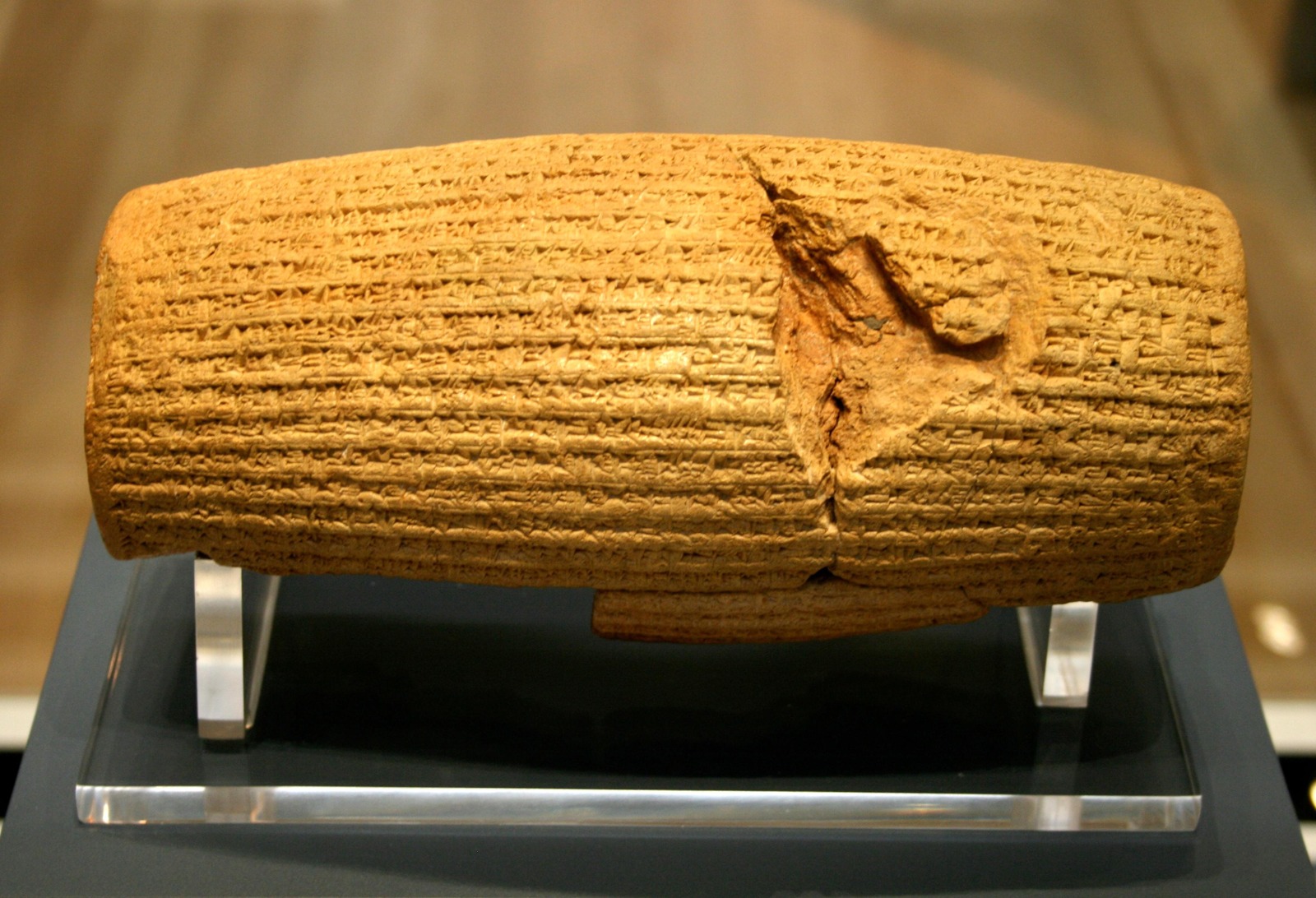
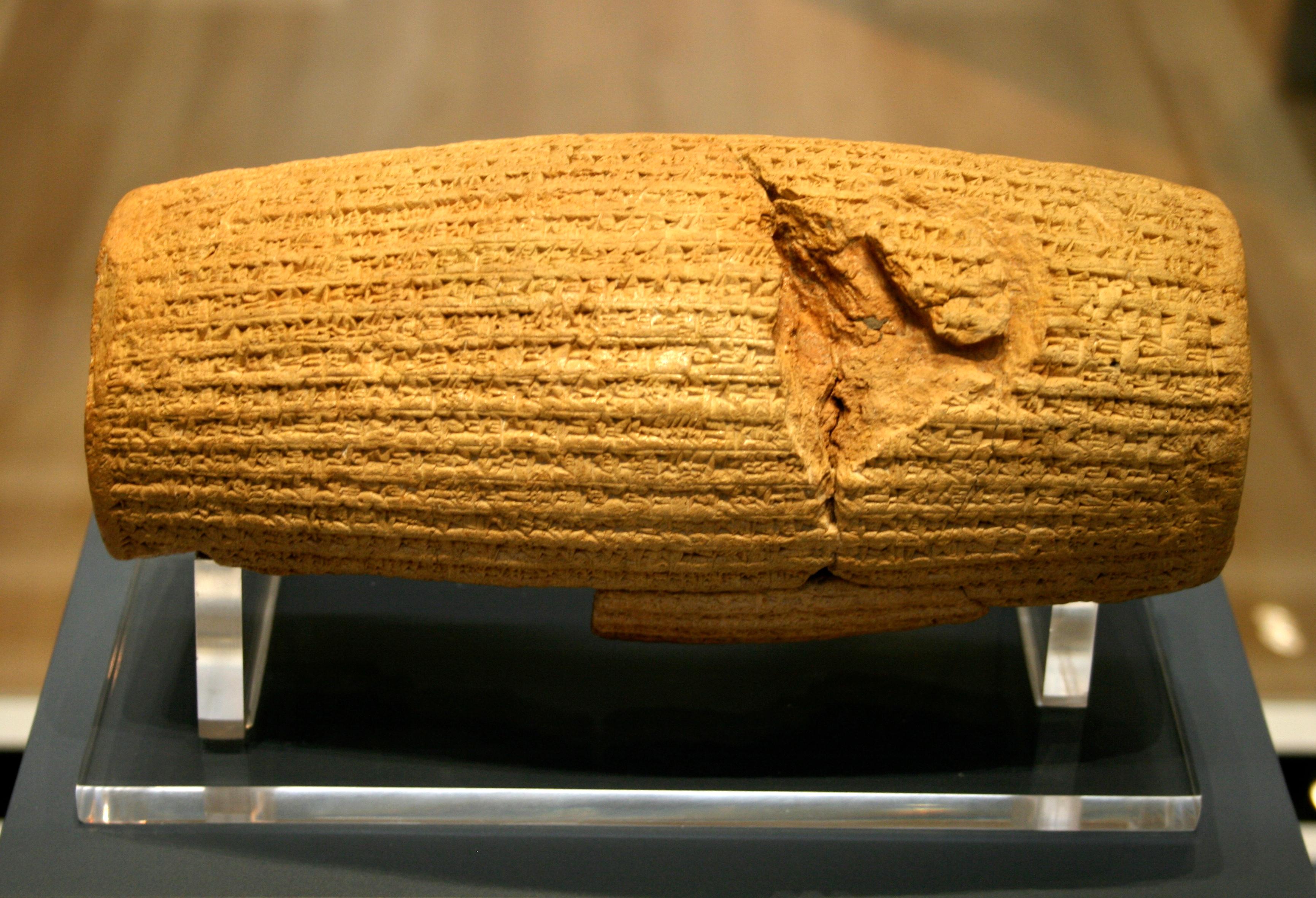
The Persian ruler Cyrus IICyrus IIFounder of the Achaemenid Empire; conquered Babylon in 539 BCE and died in 530 BCE.Glossary · Click to read the explanation conquered Babylon in 539 BCE. The Cyrus Cylinder, British Museum 90920, is an AkkadianAkkadianAn ancient East Semitic language written in cuneiform from the third millennium BCE; its varieties include Babylonian and Assyrian, and it served in international diplomacy.Glossary · Click to read the explanation royal foundation inscription that portrays his victory as sponsored by MardukMardukBabylon’s leading god, worshipped at Esagil and elevated in the Akkadian Enūma eliš. His symbols include a spade and mušḫuššu dragon. His earliest origins remain obscure; Nibiru is no evidence of a planetary homeland.Glossary · Click to read the explanation and describes the restoration of cults and sanctuaries. It does not name Jerusalem or YHWH or reproduce a decree specifically ordering Judeans home. Ezra 1 attributes to Cyrus a proclamation concerning the temple and return; the two texts must be distinguished before considering the wider imperial policy that connects their contexts. [2]
According to Ezra 6:15, the Jerusalem temple was completed in the sixth year of Darius I, about 515 BCE, decades after Cyrus entered Babylon. Some former deportees and descendants returned, while other Judean communities remained in MesopotamiaMesopotamiaHistorical region associated with the Tigris and Euphrates: Uruk, Ur, Eridu, cuneiform, Sumer, Akkad, Babylon and Assyria, their languages and cults, and the limits of archaeological evidence.Glossary · Click to read the explanation. Thus 539 is not an absolute endpoint for every exile experience, and not everyone who settled in the rebuilt community had necessarily been deported. [10]
Religious change: no single birthday of monotheism
YHWH was already central to the worship of many pre-exilic Judeans, alongside evidence for varied religious practices. Some scholars, including Dominik Markl, argue that the loss of kingdom and temple and confrontation with Babylonian power contributed to increasingly explicit claims that no other gods exist, as in passages of Deuteronomy 4 and Isaiah 40–55. This is an interpretation of religious and textual development, not an archaeological date on which monotheismMonotheismBelief that only one God possesses divinity in its fullest sense. Historically distinct from exclusively worshipping one deity without denying others; its theological forms vary.Glossary · Click to read the explanation suddenly began. Earlier trends and questions about the composition of these passages remain significant. [11]
Lena-Sofia Tiemeyer likewise cautions that references to Babylon, Cyrus or Babylonian customs in Isaiah cannot, in isolation, establish a firm composition date for every unit. Exile was a major context for reshaping identity, worship and literature, but was neither demonstrably the sole nor the inevitable cause of monotheismMonotheismBelief that only one God possesses divinity in its fullest sense. Historically distinct from exclusively worshipping one deity without denying others; its theological forms vary.Glossary · Click to read the explanation. [12]
What can we establish?
The Babylonian chronicle and biblical accounts converge on Jerusalem’s capture and the replacement of its king in 597 BCE. Administrative tablets from the Babylonian court and deportee villages attest Judeans in both urban and rural settings in subsequent generations. The overall deportation figures, the geographical spread of destruction, the editing of biblical books and the role of trauma in religious change need different kinds of evidence and remain debated. The Babylonian exile is best understood as a succession of warfare, forced movement, continuing lives and partial returns, rather than a single date from which every later development can be deduced. [1]
References and notes (13)
- Rainer Albertz, Israel in Exile: The History and Literature of the Sixth Century B.C.E., trans. David Green (Society of Biblical Literature, 2003). Discusses alternative starting and ending points of the exilic period; selected passages read, not the whole monograph. Introduction, pp. 1–3; II.2.2.1, pp. 74–76; pp. 113–115 Return to the text ↑
- Muhammad A. Dandamayev, “CYRUS iv. The Cyrus cylinder,” Encyclopaedia Iranica VI/5 (1993), pp. 521–522, updated 2013. Identifies British Museum 90920, its Marduk-centered Babylonian rhetoric and restoration themes; neither Jerusalem nor Judeans are named. The complete encyclopedia entry was read, not the original Akkadian inscription. Cyrus IV entry, discussion of lines 4–43 Return to the text ↑
- Nebuchadnezzar Chronicle, ABC 5, tablet BM 21946, transliteration/translation at Livius adapted from A. K. Grayson and Jean-Jacques Glassner; reverse lines 11–13. Documents the 597 BCE capture and appointment, not the destruction in 587/586. Reverse, lines 11–13; published translation read, not the tablet itself Return to the text ↑
- 2 Kings 24:10–17, US Conference of Catholic Bishops Bible text; surrender, deportation, and appointment. Verse 12 uses an eighth regnal year, unlike ABC 5. A modern published translation was read, not an ancient Hebrew manuscript. 2 Kings 24:10–17 and note to v. 12 Return to the text ↑
- 2 Kings 25:1–26, USCCB translation; later siege, burning, deportations, remnant and Gedaliah. An ancient literary account in modern translation, not an archaeological inventory of each settlement. 2 Kings 25:1–26 Return to the text ↑
- Jeremiah 52:28–30 gives 3,023, 832 and 745 deportees (4,600 in its sum). The USCCB editorial note identifies a distinct chronology and the absence of these verses from the Greek version; the totals are not a comprehensive census. Jeremiah 52:28–30, notes to 52:12 and 28–30 Return to the text ↑
- Staatliche Museen zu Berlin, Vorderasiatisches Museum, “Rationsliste ... Jojachin,” VAT 16378 (sixth century BCE), a ration record mentioning Jehoiachin. The curatorial object entry was read; the complete cuneiform text was not. Object record VAT 16378, description and dimensions Return to the text ↑
- University of Hamburg, Centre for the Study of Manuscript Cultures, “The archives of some Judeans deported to Babylon” (2015). Surveys Āl-Yāhūdu tablets dated 572–477 BCE, rural obligations and the severe loss of find context linked to illicit excavation. Full webpage read. Web article: documents, economy, illicit origin Return to the text ↑
- Tero Alstola, Judeans in Babylonia: A Study of Deportees in the Sixth and Fifth Centuries BCE (PhD diss., University of Helsinki, 2018). Portal abstract summarizes 289 tablets and varied socio-economic integration. Only the university abstract was read, not the complete dissertation. University of Helsinki abstract only Return to the text ↑
- Ezra 1:1–4 and 6:1–15, published English translations (BibleGateway and USCCB). Distinguishes a proclamation attributed to Cyrus and completion of the temple in Darius’s sixth year. Only these passages were read; royal decrees are reported within the book’s literary account. Ezra 1:1–4; 6:1–15 Return to the text ↑
- Dominik Markl, “The Babylonian Exile as the Birth Trauma of Monotheism,” Biblica 101/1 (2020): 1–25, DOI:10.2143/BIB.101.1.3287512. Selected full-text passages read (pp. 1–5, 10–11, 19 and concluding p. 25). This is a trauma-theory interpretation, not a direct date of monotheism’s origin. Extracted text: selected pp. 1–5, 10–11, 19, 25 Return to the text ↑
- Lena-Sofia Tiemeyer, “The Book of Isaiah and the Neo-Babylonian Period,” in The Cambridge Companion to the Book of Isaiah, ed. Christopher B. Hays (Cambridge University Press, 2024). Publisher’s summary cautions against using references to Babylon and Cyrus as automatic dating criteria. Publisher summary only read. Cambridge publisher chapter summary only Return to the text ↑
- Published Bible passages: Jeremiah 29:1–14 (letter to the exiles), Ezekiel 1:1–3 (Chebar), and Psalm 137:1–6 (lament for Zion), consulted in USCCB/BibleGateway translations. These are textual witnesses, not autopsy of ancient Hebrew manuscripts or proof of any editorial layer’s date. Jeremiah 29:1–14; Ezekiel 1:1–3; Psalm 137:1–6 Return to the text ↑
Suggest a correction · Suggest a source for this record
Cite this record
IL Archive, «Babylonian exile», https://ilarchive.com/en/entities/babylonian-exile
Continue reading