Site · Ancient kingdom
Lydia
- Region
- Western Anatolia / modern Turkey
Lydia’s capital at Sardis grew wealthy in western Anatolia. Coins, excavated destruction layers and Assyrian records tell different parts of its history.
Estimated reading time: 3 min Published Last reviewed:
Share article
Text
Introduction
Lydia was an ancient kingdom in western AnatoliaAnatoliaAnatolia is the region occupying the Asian part of present-day TurkeyGlossary · Click to read the explanation, in what is now TurkeyTurkeyTurkey is a modern country including Anatolia and territory in southeastern EuropeGlossary · Click to read the explanation, and Sardis was its capital. The kingdom flourished in the seventh and sixth centuries BCE, before the Persian conquest in the middle of the sixth century. Sardis has yielded evidence of early coinage and of a destructive episode connected with the Persian takeover. [1][2]
Sardis and its metals
Electrum, a natural alloy of gold and silver, was taken from the Pactolus river and other Lydian streams and mines. The local metal was a source of royal wealth and also raised a practical question for anyone accepting it in payment. Different pieces of electrum could contain different proportions of gold and silver. [2]
John H. Kroll describes how small pieces of a set weight, stamped with an issuing authority’s design, made it easier to transact without testing each piece of metal in a payment. Early finds include electrum coins from beneath the Temple of ArtemisArtemisGoddess of hunting in Greek traditions and Apollo’s sister, named among the divine company in the Iliad.Glossary · Click to read the explanation at Ephesus. Some bear a lion’s head and inscriptions in the Lydian alphabet. Other pieces from the same area show different devices and appear to have been struck by neighbouring communities. These finds give evidence for early coinage across western Anatolia from the seventh century BCE. [2]
Croesus and the Persian capture
The gold and silver coins associated with Croesus bear the facing heads of a lion and a bull. Kroll notes the discovery of two small examples from excavations at the city wall in 2002. They lay beneath debris associated with the Persian capture. Their position places the new coinage before the fall of independent Lydia. [2]
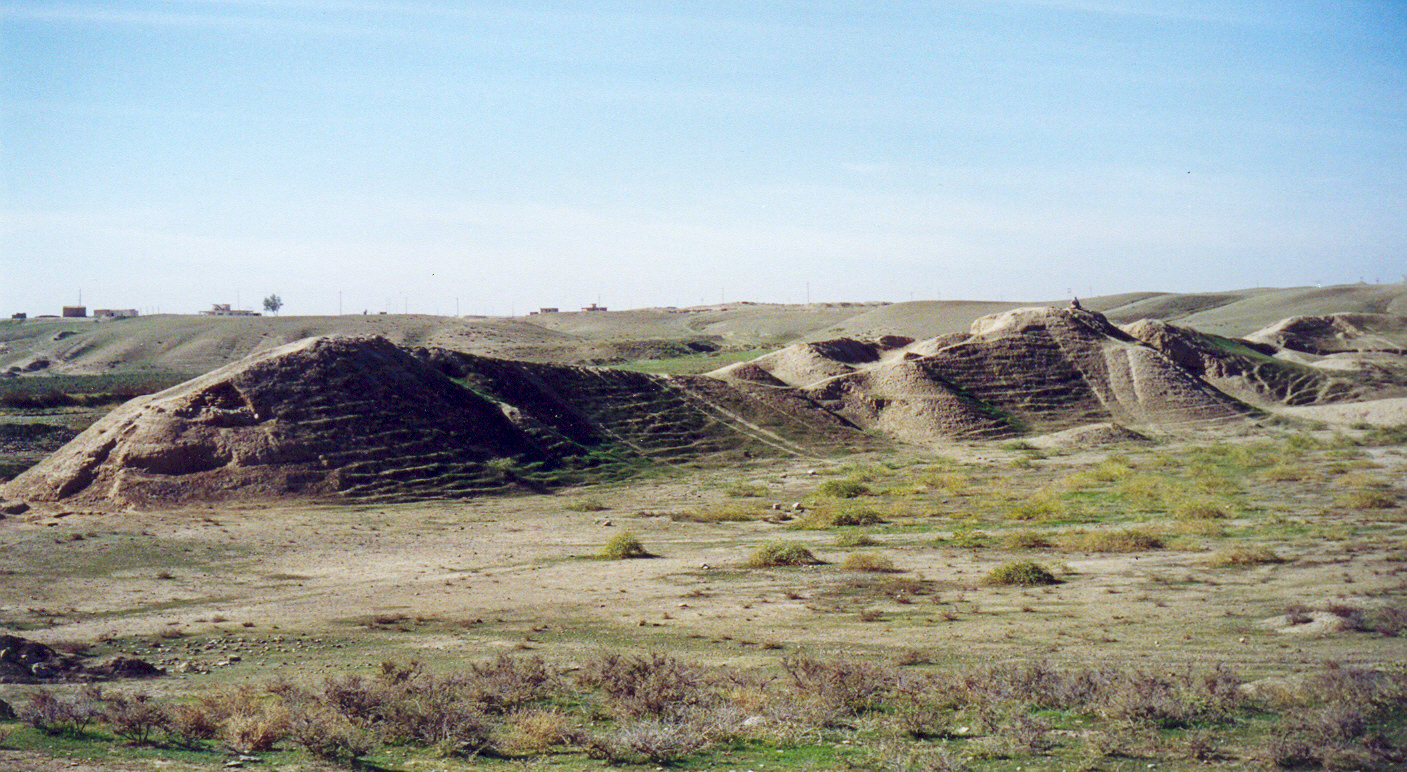
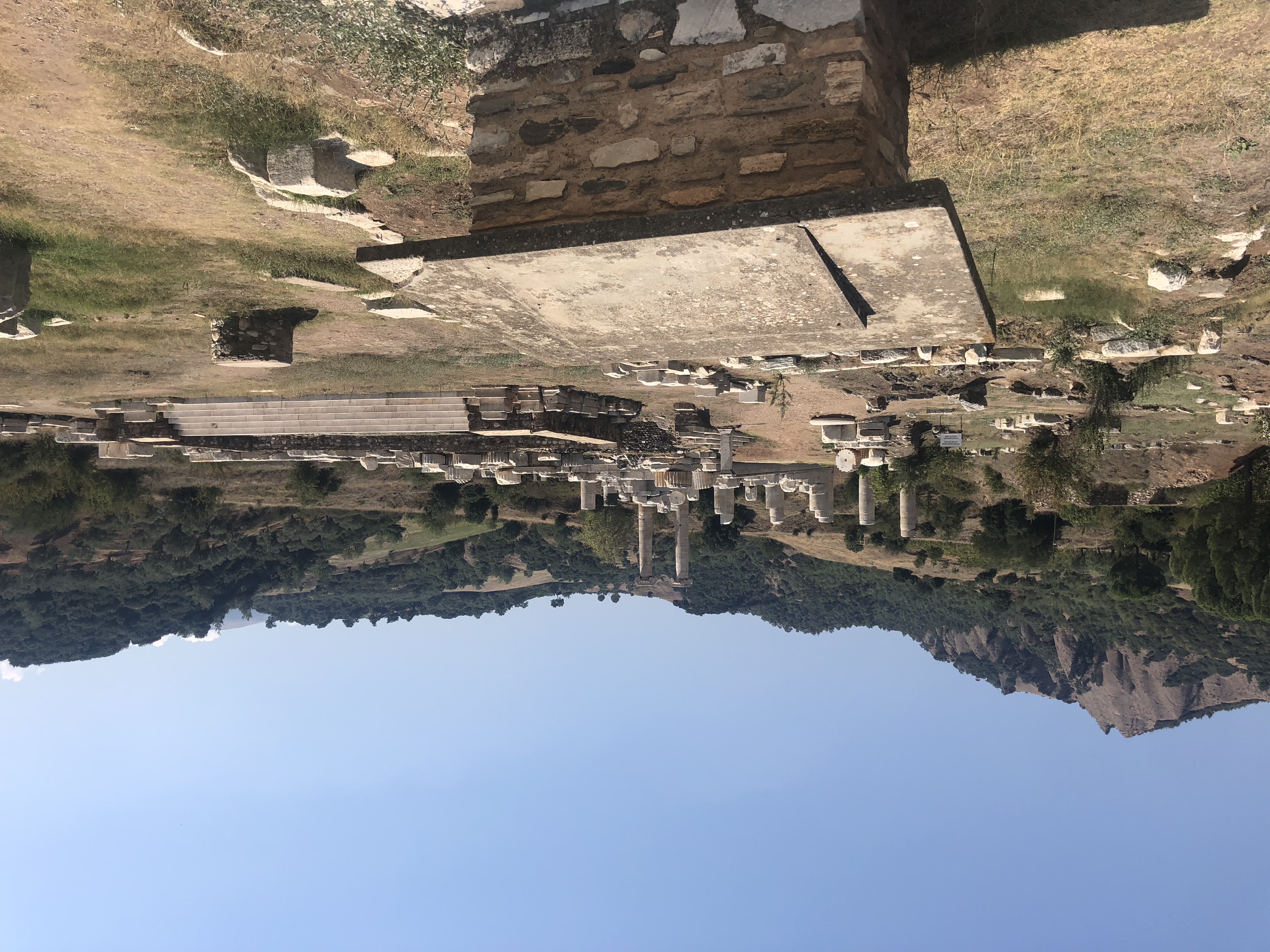
Excavations on a terraced hill at Sardis have also found a layer with ash, charcoal and stone flakes split by intense heat. Nicholas Cahill and the excavation team identify it with the conquest of Sardis by Cyrus and give the date as 547 BCE. Kroll places the capture more loosely in the mid-540s BCE. Both place it in the middle of the sixth century BCE. The burned layer can be dated approximately by finds such as pottery. Assigning it to Cyrus’s conquest combines the archaeological evidence with historical accounts. A modern photograph of Sardis locates the capital and its landscape. [1][2]
Gyges in an Assyrian account
Assyrian inscriptions name an earlier Lydian king Gūgu or Guggu of Luddu. Scholars identify him with the Gyges of Greek sources. The inscriptions describe contact with the court of AshurbanipalAshurbanipalAshurbanipal was an Assyrian king of the seventh century BCE, reigning about 668–631 BCEGlossary · Click to read the explanation, including the arrival of an envoy, though the date of the first encounter is uncertain. The Assyrian name also supplies the basis for a proposed comparison with Gog. Ezekiel 38 introduces Gog as a figure from the land of Magog and refers to Meshech and Tubal. The similarity of the names motivates the comparison. It is not proof that Lydia was Ezekiel’s Magog, and it leaves the identity of the biblical figure and the location of Magog open. [3][4]
References and notes (4)
- Archaeological Exploration of Sardis, Nicholas D. Cahill, report on the 2021 season Field 49 paragraphs and figs. 3–7: proposed palace district, burned layer and interpretation as the Persian conquest, dated there to 547 BCE. Return to the text ↑
- John H. Kroll, “The Coins of Sardis,” Archaeological Exploration of Sardis Sections on electrum and early coins (Pactolus and other Lydian streams), Ephesus finds, Croeseids with lion-and-bull types, the 2002 city-wall finds and the Persian capture placed in the mid-540s BCE. Return to the text ↑
- Tonio Mitto and Jamie Novotny, “Ashurbanipal, the King Who Is Resplendent like a Bright Light: Gyges’ Dream in Ashurbanipal’s E Prisms Revisited,” State Archives of Assyria Bulletin 27 (2021), pp. 133–158 Article by Mitto and Novotny, SAAB 27 (2021) pp. 133–158 (read in the Munich repository copy of the volume): note 1 on Gūgu or Guggu of Luddu as Gyges, the envoy to Nineveh and uncertainty over the date of first contact. Return to the text ↑
- Ezekiel 38, Hebrew and JPS English, Mechon-Mamre Verses 1–6, Gog of the land of Magog, Meshech and Tubal, and the setting of the prophecy. Return to the text ↑
Suggest a correction · Suggest a source for this record
Cite this record
IL Archive, «Lydia», https://ilarchive.com/en/sites/lydia-ancient-kingdom
Continue reading