Site
Ashur, Qal’at Sherqat
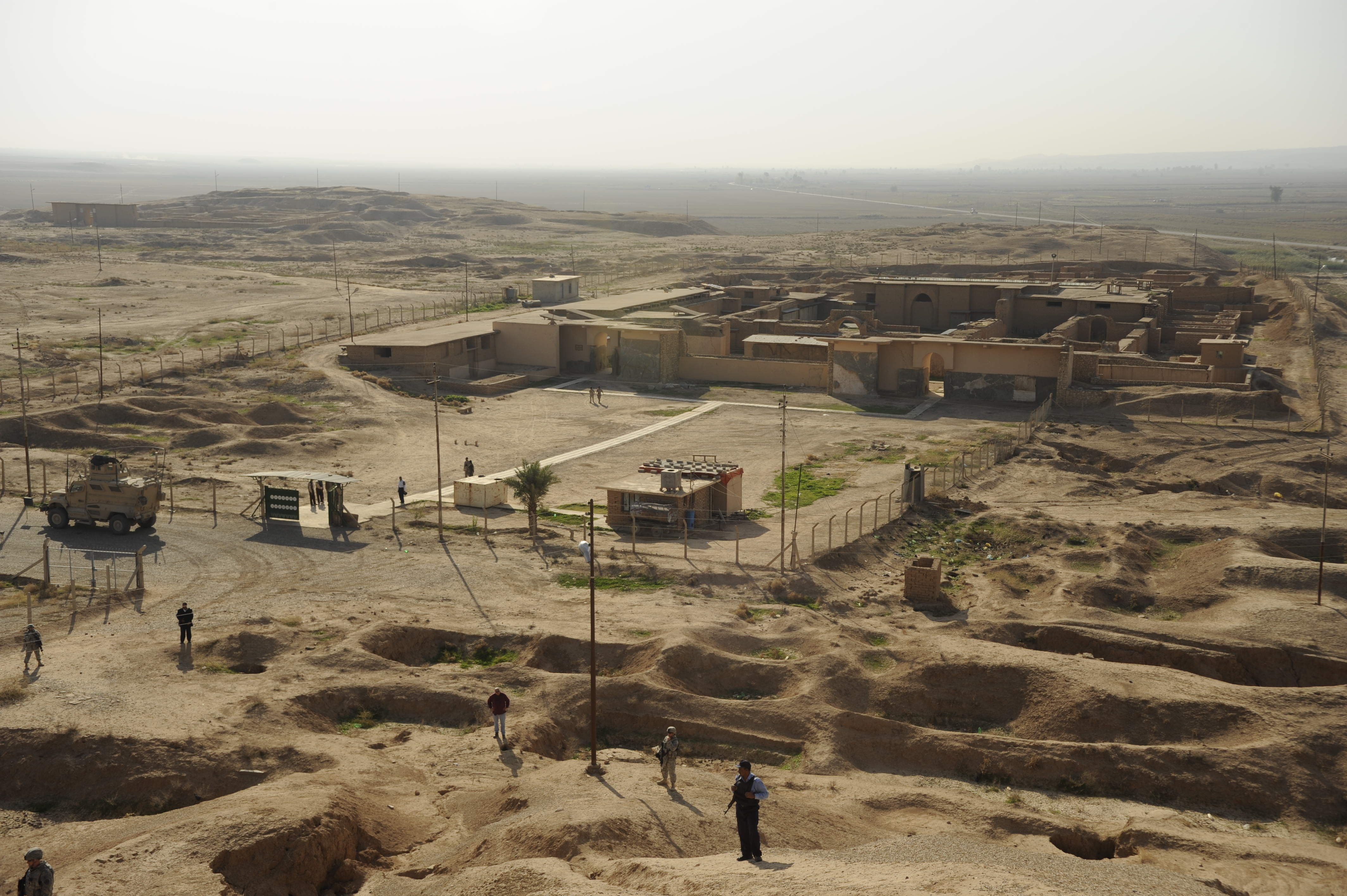
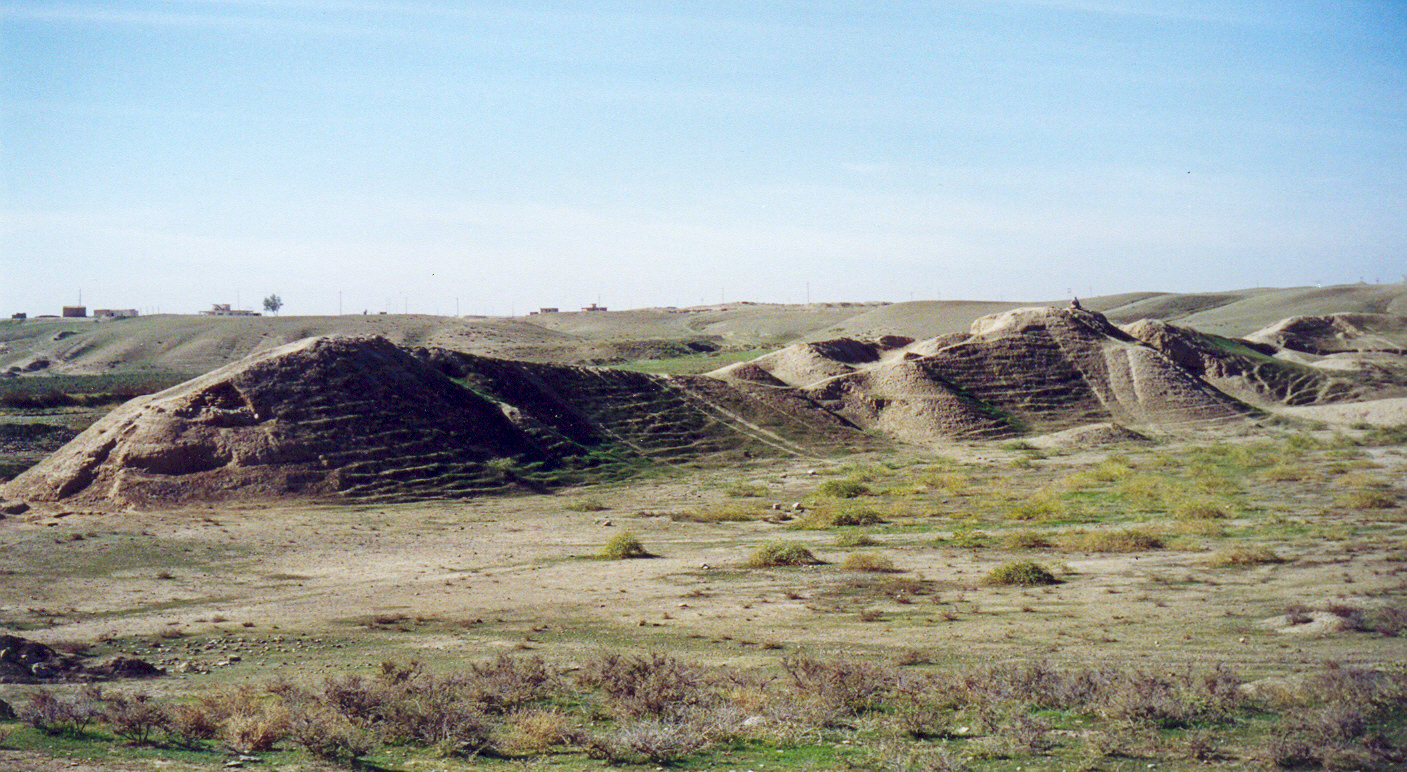
Ashur stood on the Tigris at modern Qal’at Sherqat. Traders linked the city to Anatolia, and Assyrian kings returned for ceremonies after the royal court moved. Excavations show how later communities occupied and rebuilt the site.
Estimated reading time: 3 min Published Last reviewed:
Share article
Text
Introduction
Ashur was a city on the Tigris in northern MesopotamiaMesopotamiaHistorical region associated with the Tigris and Euphrates: Uruk, Ur, Eridu, cuneiform, Sumer, Akkad, Babylon and Assyria, their languages and cults, and the limits of archaeological evidence.Glossary · Click to read the explanation, at modern Qal’at Sherqat in IraqIraqIraq is a modern country encompassing much of ancient MesopotamiaGlossary · Click to read the explanation. Its excavated temples, houses and graves preserve evidence from the third millennium BCE through later periods. Letters from merchants in AnatoliaAnatoliaAnatolia is the region occupying the Asian part of present-day TurkeyGlossary · Click to read the explanation show another side of the city’s history, while its temples and royal ceremonies explain why it remained important after the seat of government moved. [1][2][3]
A city on the Tigris
Ashur lies beside the Tigris in IraqIraqIraq is a modern country encompassing much of ancient MesopotamiaGlossary · Click to read the explanation, near the transition between areas where agriculture depends on rain and areas that rely on irrigation. The river borders the site on the east, and a valley on the north follows an earlier branch of the river. The area inscribed by UNESCO covers 70 hectares and includes temples, palaces, graves and private houses within the city walls. The remains come from different phases of occupation. [1]
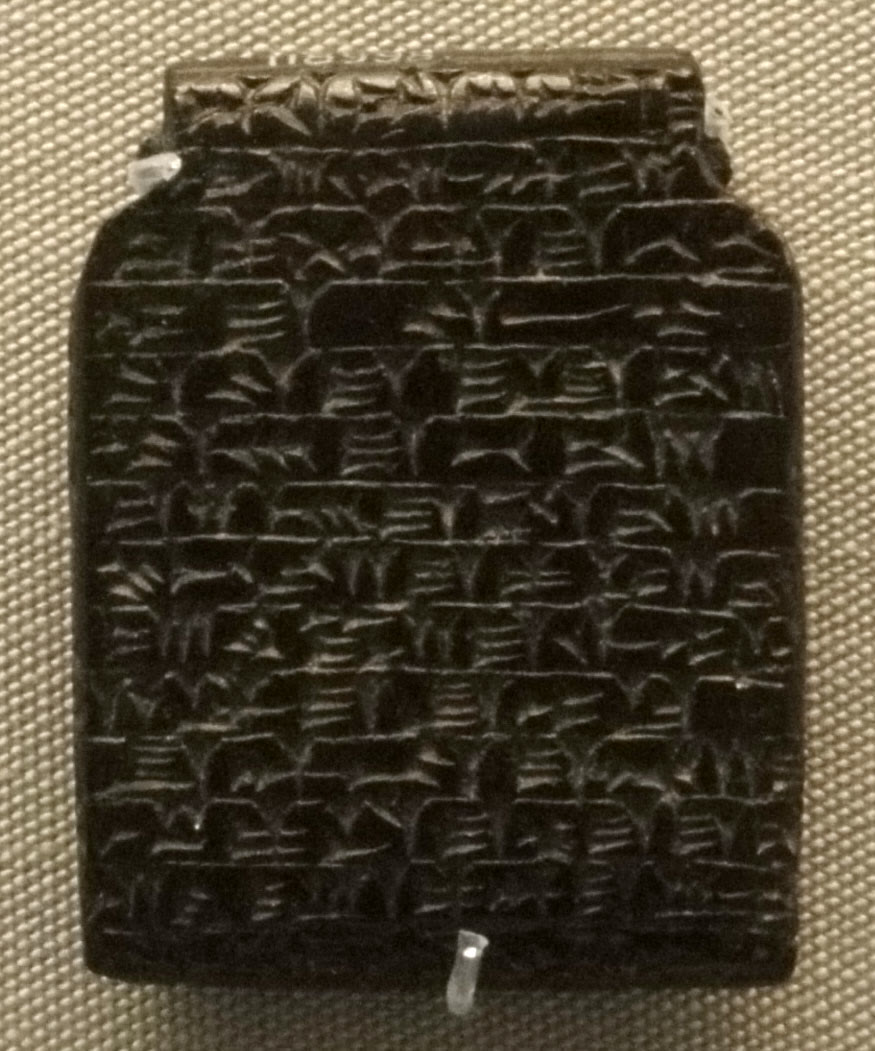
In the early second millennium BCE, merchants from Ashur travelled to trading settlements in Anatolia. They carried tin and textiles and exchanged them for gold and silver. At Kültepe, ancient Kanesh, family archives preserve letters, accounts and records of disputes generated by this trade. A clay tablet in The Metropolitan Museum of Art, 66.245.1, records Puzur-Ashur writing to his brothers about a business dispute and asking for news of travelling companions. The museum gives Kültepe as the probable findspot. [3]
The kings and the sanctuaries
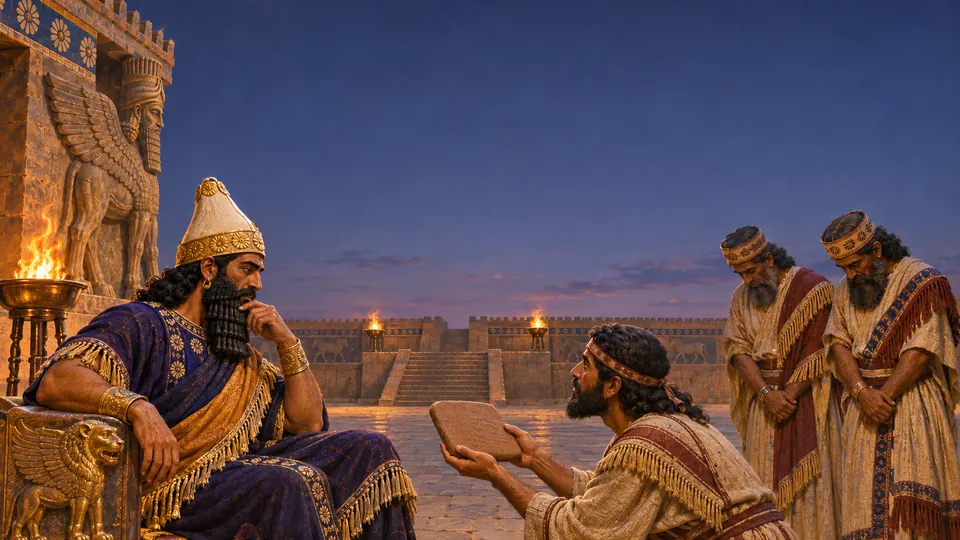
The city’s palaces and temples were enlarged and rebuilt over centuries. The French Ministry of Culture records work on the Old Palace and the IshtarInanna / IshtarA prominent Mesopotamian goddess whose Sumerian name Inanna became associated with Akkadian Ishtar across diverse traditions. She was associated with desire, war, royal authority and Venus, while local forms and genealogies varied among texts.Glossary · Click to read the explanation temple and the building of the New Palace by Middle Assyrian kings. Ashurnasirpal II moved the seat of government to NimrudNimrud: ancient KalhuNimrud is the site of the Assyrian city Kalhu in present-day northern Iraq, near Mosul.Glossary · Click to read the explanation, ancient Kalhu. Kings continued to come to Ashur for coronations and ceremonies associated with the Assyrian New Year. The city also served as a royal burial place. [1][2]
The Babylonian chronicle of NinevehNineveh and KuyunjikNineveh is an ancient Assyrian city near Mosul in northern Iraq; Kuyunjik is one of its archaeological moundsGlossary · Click to read the explanation’s fall records that the Medes captured Ashur in 614 BCE, before the Babylonian army arrived. UNESCO’s short summary attributes the destruction of Ashur to the Babylonians. NinevehNineveh and KuyunjikNineveh is an ancient Assyrian city near Mosul in northern Iraq; Kuyunjik is one of its archaeological moundsGlossary · Click to read the explanation fell in 612 BCE. Ashur saw renewed occupation in the Parthian period, and the excavated evidence includes houses and tombs from that phase. [1][4][5]
What recent excavations add
The Iraqi State Board of Antiquities and Heritage and university partners resumed work in the southern extension known as the New Town. In 2023 the team recovered pottery just above undisturbed ground with parallels at Middle Assyrian sites. They also found three fragments of bricks of Adad-nerari I reused in the walls of a Parthian tomb. Two fragments belonged to bricks commemorating construction of the quay wall. The inscriptions record the older building project, and their position in the tomb records a later use of the bricks. [5][6]
In 2024 coring in the inner chamber of the Ishtar temple detected a thick sand deposit laid beneath its foundations. Mineral analysis led Mark Altaweel and colleagues to propose nearby sources for the sand, with the grains ultimately derived from the Zagros Mountains. The authors report a calibrated radiocarbon range of 2896–2702 BCE at 95.4% probability for material from the floor above the deposit. This dates material from a layer over the sand and helps place the early temple in time. [7]
Quick answer
What can the name Ashur refer to? Ashur names the ancient city, its patron deity and the land associated with it. The temple of the god Ashur was a centre of royal and religious life. [1][2]
References and notes
- UNESCO World Heritage Centre, “Ashur (Qal’at Sherqat)” Brief synthesis and criteria. Tigris setting, 70-hectare inscribed area, settlement, buildings, religious role, burials and Parthian occupation. Return to the text ↑
- Ministry of Culture, France, “Ashur,” Khorsabad archaeological dossier Introduction and “Excavations at Ashur.” Palaces and temples, the transfer to Nimrud and coronations and New Year ceremonies at Ashur. Return to the text ↑
- The Metropolitan Museum of Art, “Cuneiform tablet: private letter,” 66.245.1 Catalogue description and object details. Old Assyrian trade, the Imdi-ilum family firm, Puzur-Ashur’s letter and probable origin at Kültepe. Return to the text ↑
- “ABC 3 (Fall of Nineveh Chronicle),” Livius, translation adapted from A. K. Grayson and Jean-Jacques Glassner Introduction and Nabopolassar’s years 12 and 14. The capture of Ashur in 614 BCE and Nineveh in 612 BCE. Return to the text ↑
- Ludwig Maximilian University of Munich, “The 2023 Excavation Campaign,” Archaeological Exploration of Assur Field team and first results. Pottery above undisturbed ground, brick fragments of Adad-nerari I reused in the Parthian tomb, and the quay wall inscription. Return to the text ↑
- Ludwig Maximilian University of Munich, “New Archaeological Exploration of Assur” Project overview, Iraqi State Board collaboration, fieldwork in the New Town and the first 2023 campaign. Return to the text ↑
- M. Altaweel, A. Squitieri, E. Eckmeier, E. Garzanti and K. Radner, “The sand deposit underneath the Ishtar Temple in Assur, Iraq: Origin and implications for the foundation of the goddess’s cult and sanctuary,” Journal of Archaeological Science: Reports 69 (2026), 105574 Institutional abstract. Coring in 2024, deliberate emplacement of sand, proposed regional source and calibrated date range for the floor above it. Return to the text ↑
Suggest a correction · Suggest a source for this record
Cite this record
IL Archive, «Ashur, Qal’at Sherqat», https://ilarchive.com/en/sites/ashur-qalat-sherqat-ancient-city
Continue reading
Related readings