Site · City
Nimrud: ancient Kalhu
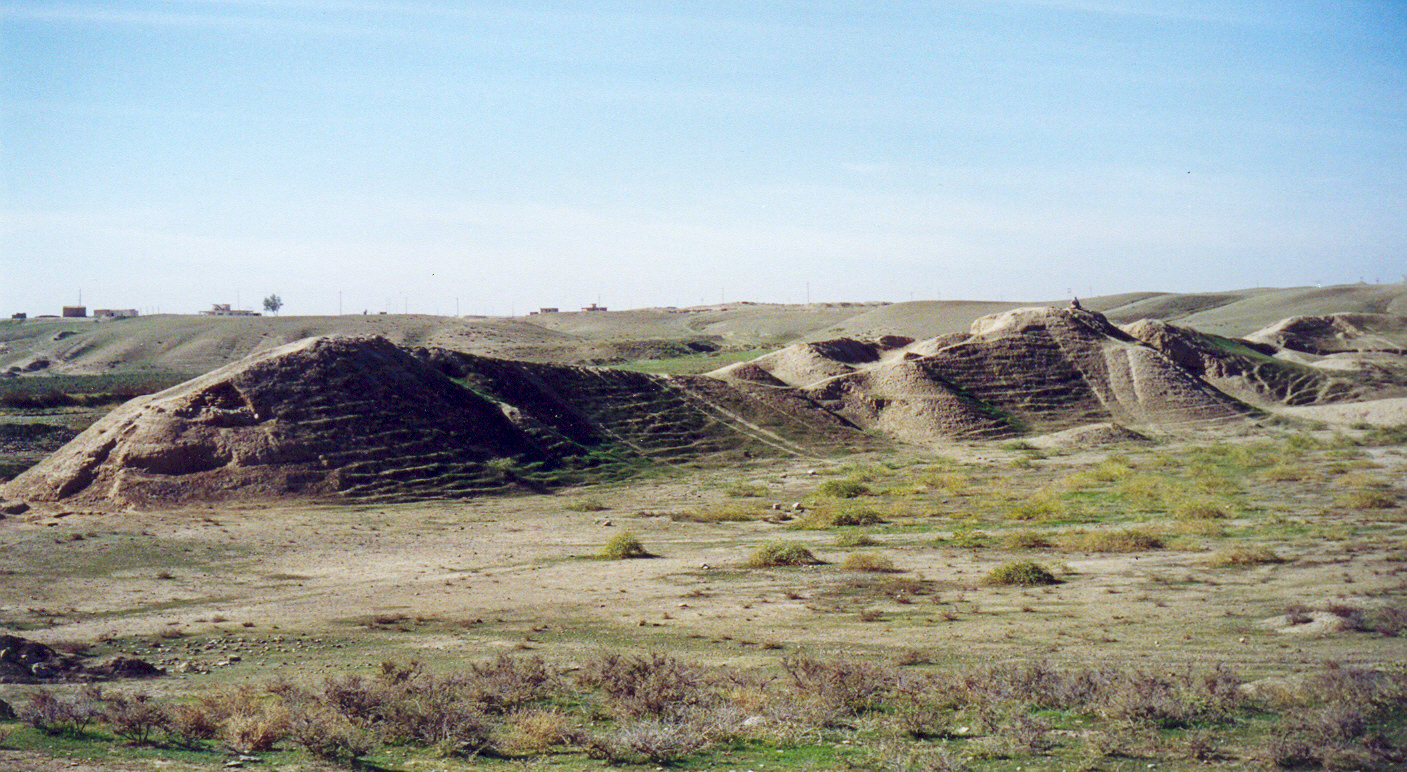
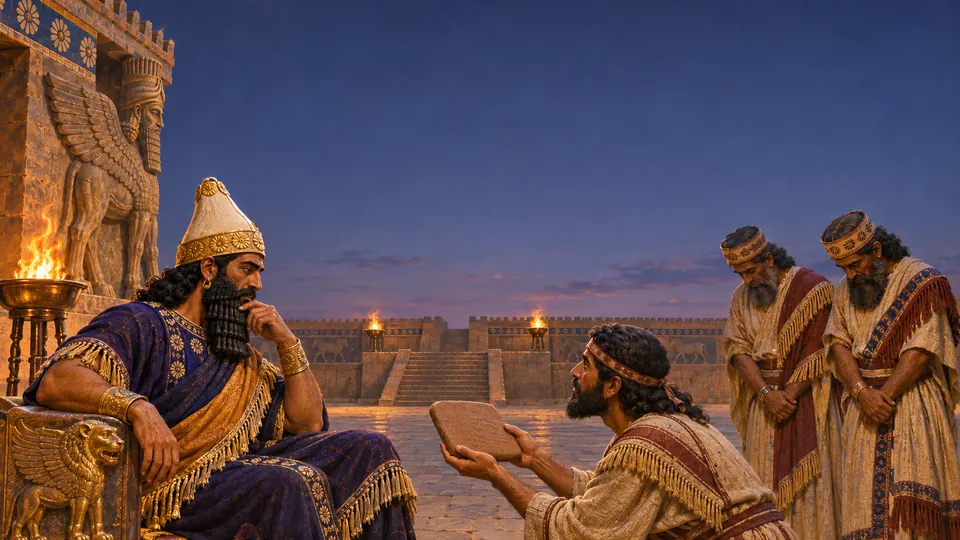
Nimrud is the site of Kalhu, an Assyrian capital south of Mosul. Palace reliefs, cuneiform inscriptions and excavated royal burials show how the court used the city. Iraqi teams have recovered fragments of its stonework.
Estimated reading time: 3 min Published Last reviewed:
Share article
Text
Introduction
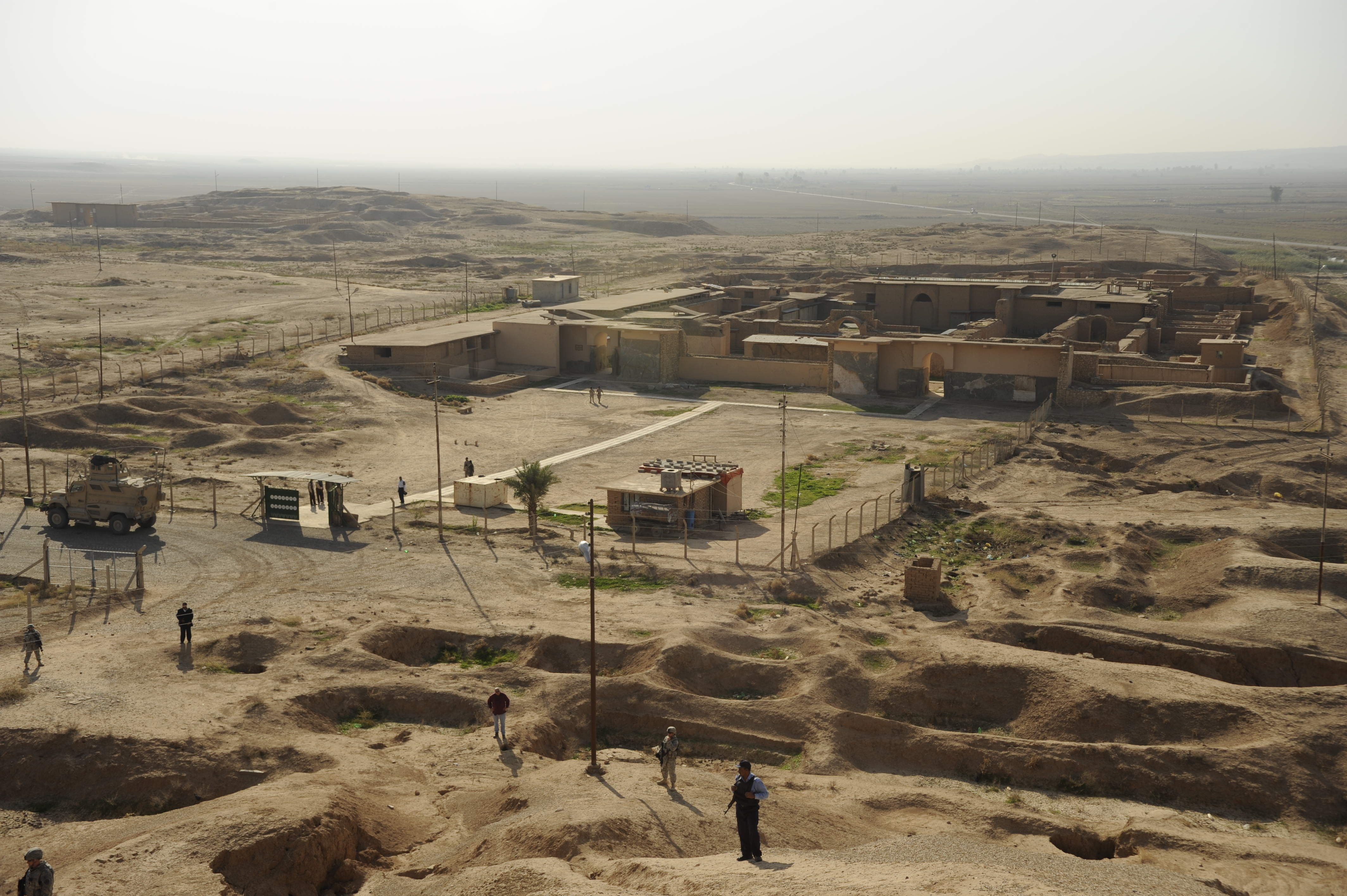
Nimrud, ancient Kalhu, stands south of Mosul near the Tigris in northern IraqIraqIraq is a modern country encompassing much of ancient MesopotamiaGlossary · Click to read the explanation. Ashurnasirpal II made the city an Assyrian capital and built the Northwest Palace. The reliefs lining that palace, the inscriptions carved across them and burials discovered in the palace preserve different kinds of evidence for life at the court. [1][2][4]
Kalhu and the Northwest Palace
The Metropolitan Museum of Art dates the earliest known settlement at the site to the sixth millennium BCE. Its best-known buildings are much later. Under Ashurnasirpal II, who reigned from 883 to 859 BCE, Kalhu became a royal capital with temples and palaces. The Northwest Palace was lined with carved slabs of local gypsum. Their imagery includes the king, royal hunts and winged protective figures. [1][2]
In the late eighth century BCE the seat of government moved first to Dur-Sharrukin and then to NinevehNineveh and KuyunjikNineveh is an ancient Assyrian city near Mosul in northern Iraq; Kuyunjik is one of its archaeological moundsGlossary · Click to read the explanation. The palaces of Kalhu remained in use. The city was sacked during the fall of the Assyrian Empire in the late seventh century BCE. Finds made above parts of the buried Assyrian buildings include Hellenistic burials, evidence of later activity at the site. [1]
Reading an individual relief
The Met’s relief 32.143.12 shows an eagle-headed winged figure holding a bucket in one hand and a cone-shaped object in the other. The figure is about half the height of figures in many other palace rooms. It comes from a space with two horizontal bands of images separated by a band of writing. Most of the original colour has disappeared. The carved detail still shows ornaments and clothing. [3]
The repeated cuneiformCuneiformWriting with wedge-shaped signs, developed from Mesopotamian recording traditions and used for several languages from the third millennium BCE.Glossary · Click to read the explanation text is known as the Standard Inscription. It opens with the king’s ancestry and titles and goes on to describe his campaigns and building work at Kalhu. The museum compares the winged figures with protective figurinesFigurineA small shaped object depicting a human, animal or abbreviated form, in clay, stone or another medium. Its form alone does not establish its use; manufacture, handling traces and find context matter.Glossary · Click to read the explanation found beneath doorways, an association that has led some scholars to identify them with the ancient sages called apkalluApkalluAn Akkadian term for a sage or expert. Specific texts describe seven primordial sages; rituals use related protective figures. Neither the titles nor the depicted forms are always identical.Glossary · Click to read the explanation. The museum describes the cone’s identification as uncertain and notes that the AkkadianAkkadianAn ancient East Semitic language written in cuneiform from the third millennium BCE; its varieties include Babylonian and Assyrian, and it served in international diplomacy.Glossary · Click to read the explanation term for the object means “purifier.” [1][3]
Burial and recovery
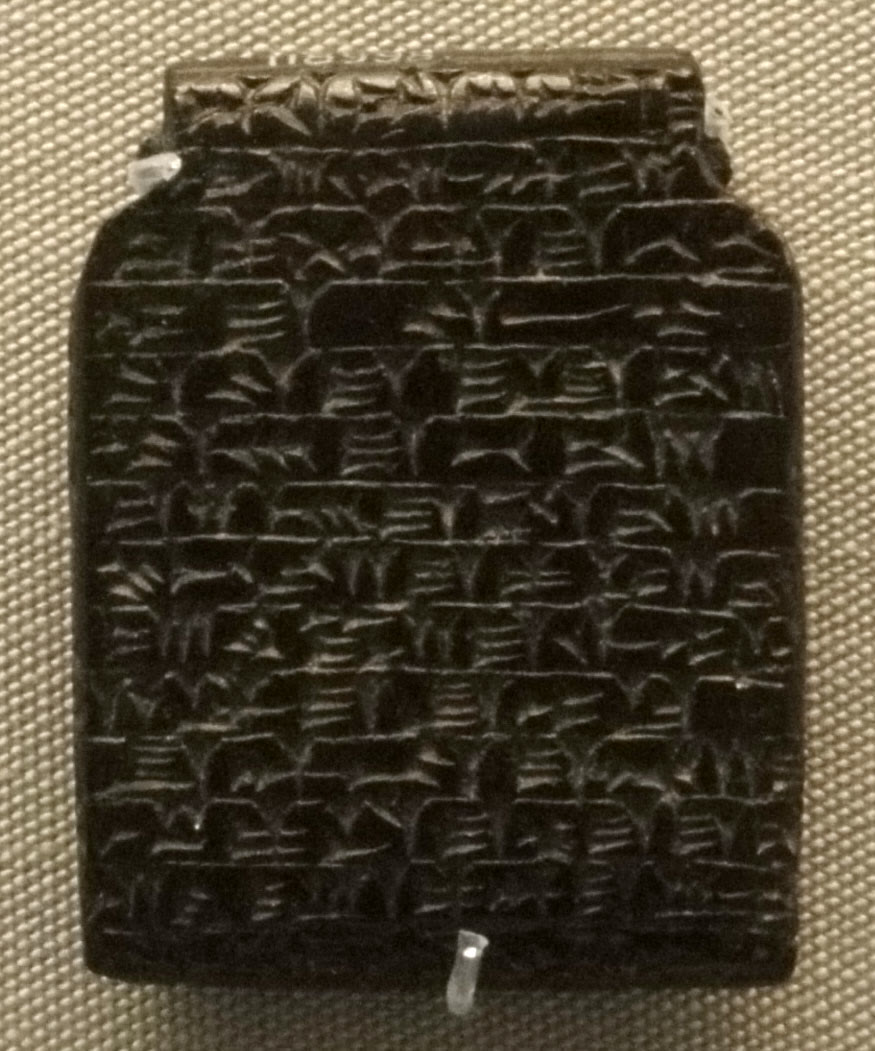
Iraqi archaeologist Muzahim Mahmoud Hussein and his team uncovered the first of the palace tombs in 1988 and entered Tomb II in 1989. His excavation report includes jewellery, inscribed objects that preserve names and texts meant to protect the burials. These finds give a view of the royal household through objects placed with the dead, alongside the public imagery on the palace walls. [4]
Parts of the site suffered deliberate damage in 2015 and 2016. Between 2017 and 2024 the Iraqi State Board of Antiquities and Heritage, with support from the Smithsonian Institution, documented and recovered fragments and worked to stabilize remains around the Northwest Palace. The Academic Research Institute in Iraq records provision for storage and documentation of recovered material. [5]
Quick answer
Which names identify the city? Kalhu is the ancient name used in Assyrian studies. Genesis 10:8–9 names Nimrod as a person, and Genesis 10:11–12 gives the city’s name as Calah in the Mechon-Mamre translation. Nimrud is the modern name of the archaeological site. [1][4][6]
References and notes
- Michael Seymour, “Nimrud,” Heilbrunn Timeline of Art History, The Metropolitan Museum of Art (2016) Opening paragraphs and sections on the Northwest Palace and later history. Early settlement, kingship, gypsum and inscription, the transfer of the capital and Hellenistic burials. Return to the text ↑
- The Academic Research Institute in Iraq, “Nimrud: Rescue, Recovery, Restoration” Opening paragraphs on the Tigris setting south of Mosul, Kalhu and the remains within the city. Return to the text ↑
- The Metropolitan Museum of Art, “Relief panel,” 32.143.12 Object description. Eagle-headed figure, bucket and cone, two registers, loss of pigment, Standard Inscription and the proposed association with the apkallu. Return to the text ↑
- Muzahim Mahmoud Hussein, Nimrud: The Queens’ Tombs, trans. Mark Altaweel, ed. McGuire Gibson, Institute for the Study of Ancient Cultures (2016) P. 5 on the discovery of Tomb I in 1988, p. 12 on entry into Tomb II in 1989 and the inscribed tablet protecting the tomb, and pp. 14–19 on jewellery. Return to the text ↑
- The Academic Research Institute in Iraq, “Nimrud: Rescue, Recovery, Restoration” Sections on damage in 2015–2016, recovery and stabilization in 2017–2024, and provision for storage and documentation. Return to the text ↑
- Mechon-Mamre, “Genesis Chapter 10,” Hebrew Bible in English Verses 8–12. Nimrod appears as a person and Calah as a place in this translation. Return to the text ↑
Suggest a correction · Suggest a source for this record
Cite this record
IL Archive, «Nimrud: ancient Kalhu», https://ilarchive.com/en/sites/nimrud-kalhu
Continue reading
Related readings