Ashurbanipal and the Library of Nineveh Chapter 1
The tablets of Nineveh
At Nineveh, Ashurbanipal learns the work of a scribe before he becomes king. His orders reach Borsippa and Babylon, where scholars promise their labor and make requests of their own. Their replies, the surviving tablets and the marks of their makers tell how the books were gathered and what remained after Nineveh fell.
SourcesTurn the pages with the arrows, the arrow keys or a swipe.
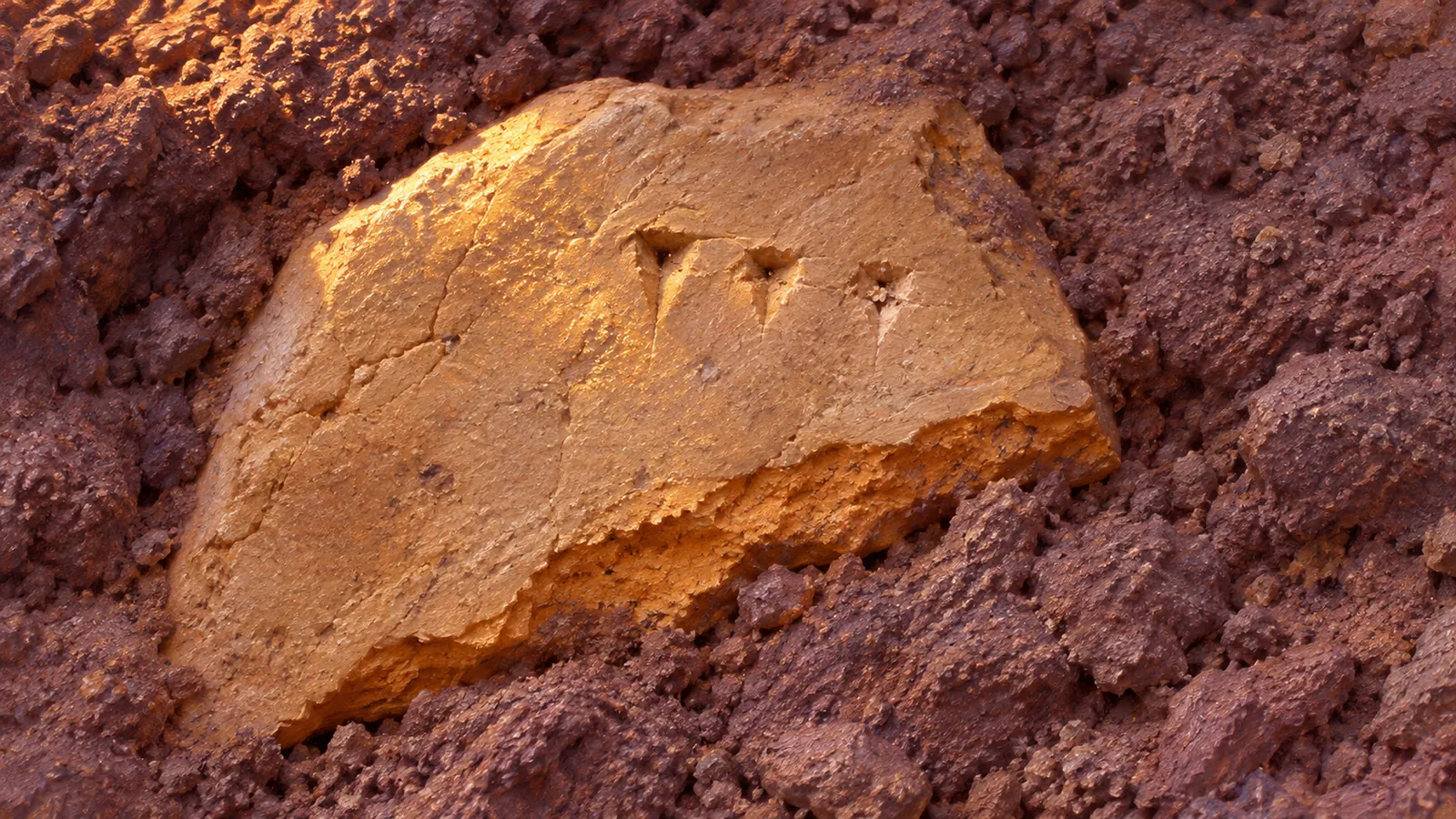
THE TABLETS OF NINEVEH
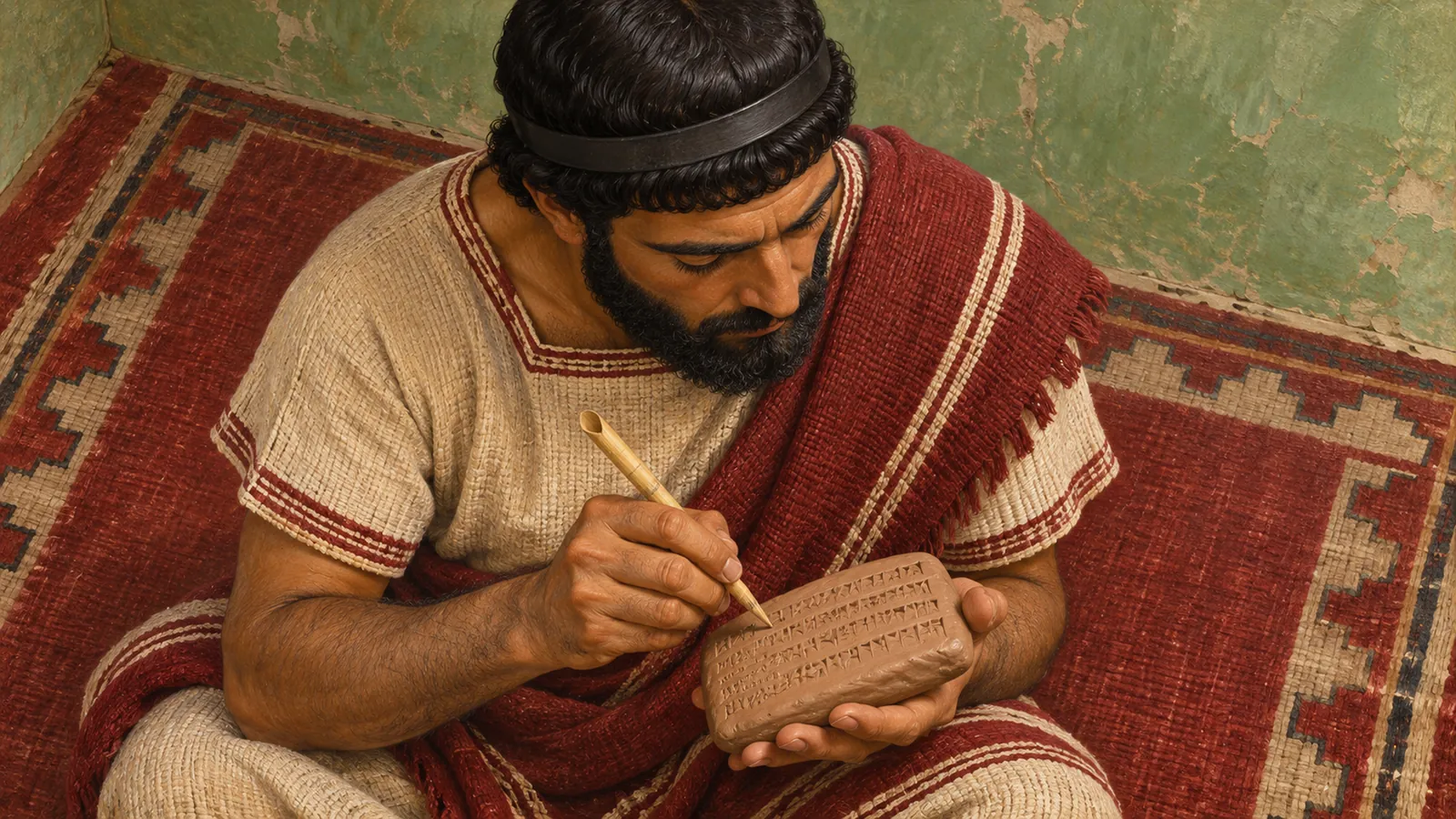
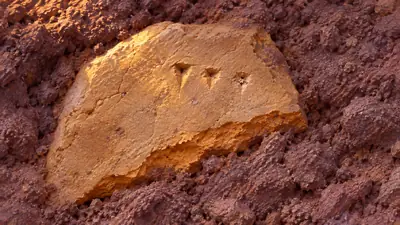
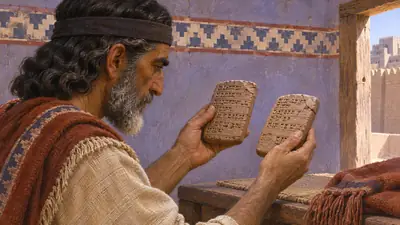
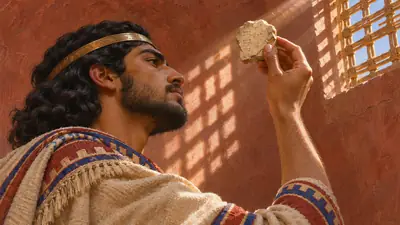
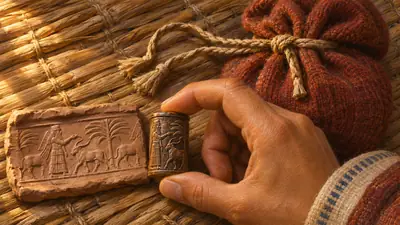
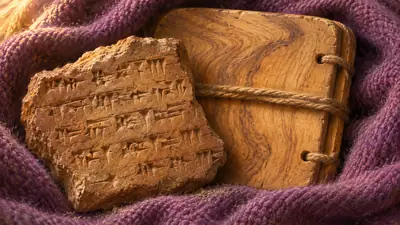
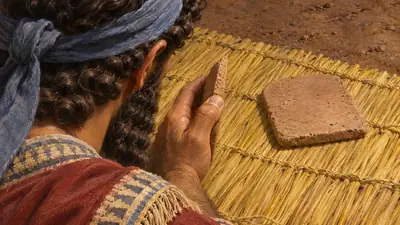
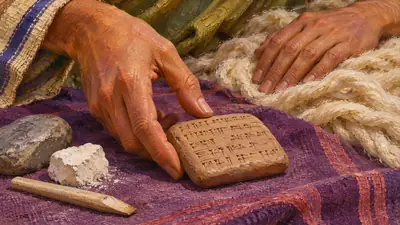
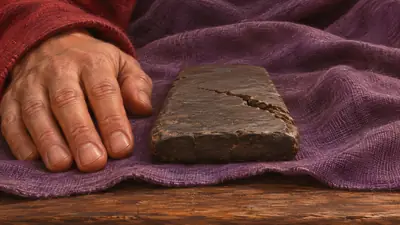
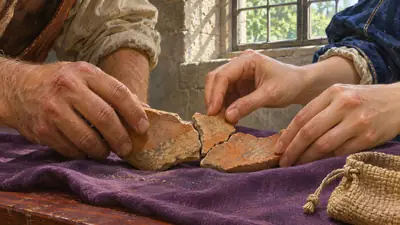
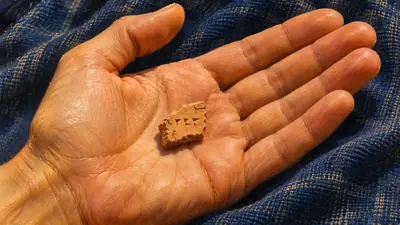
A broken tablet fits into one hand. Across its surface run marks pressed by another hand more than two thousand years ago, in a city called Nineveh.
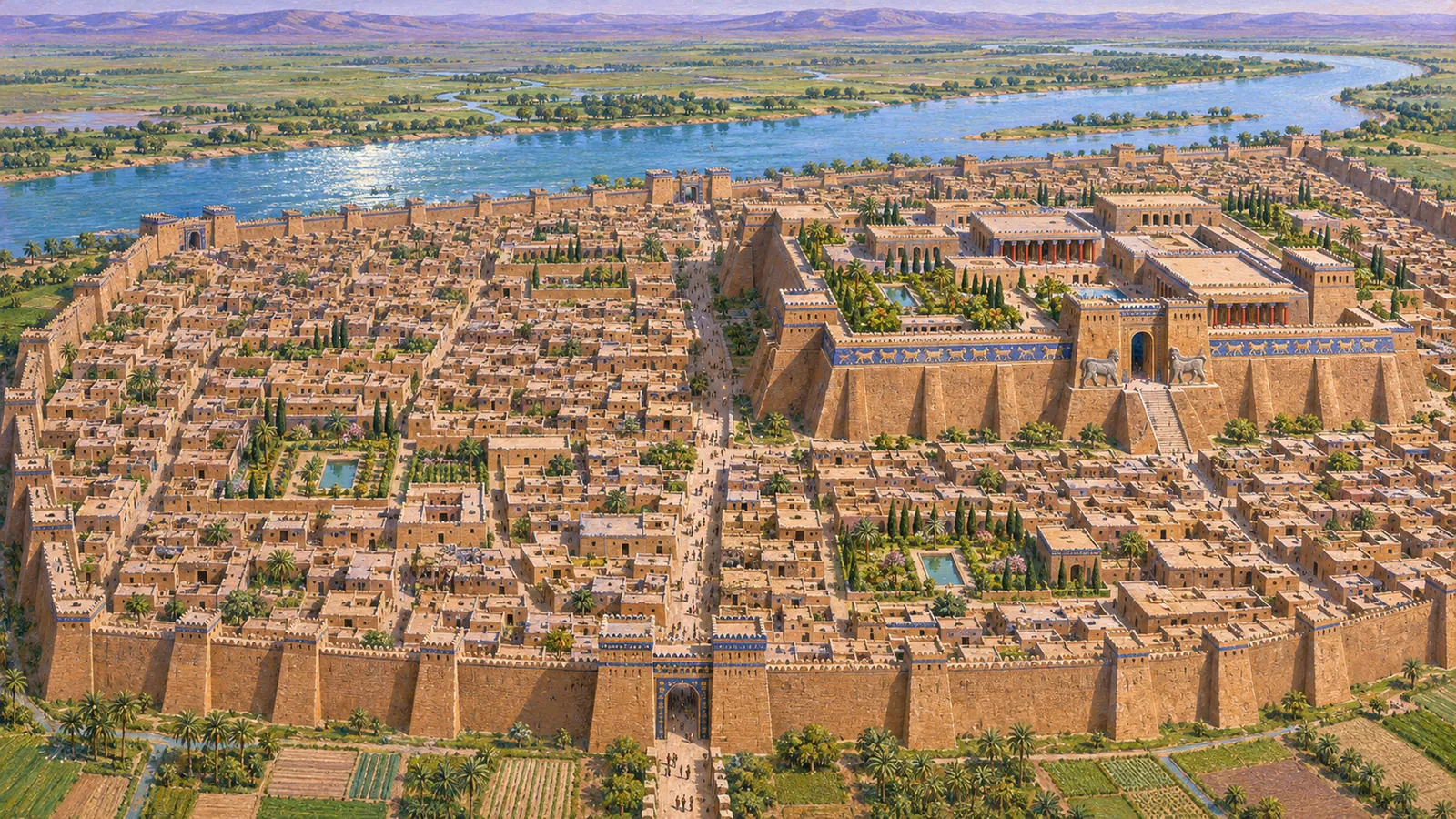
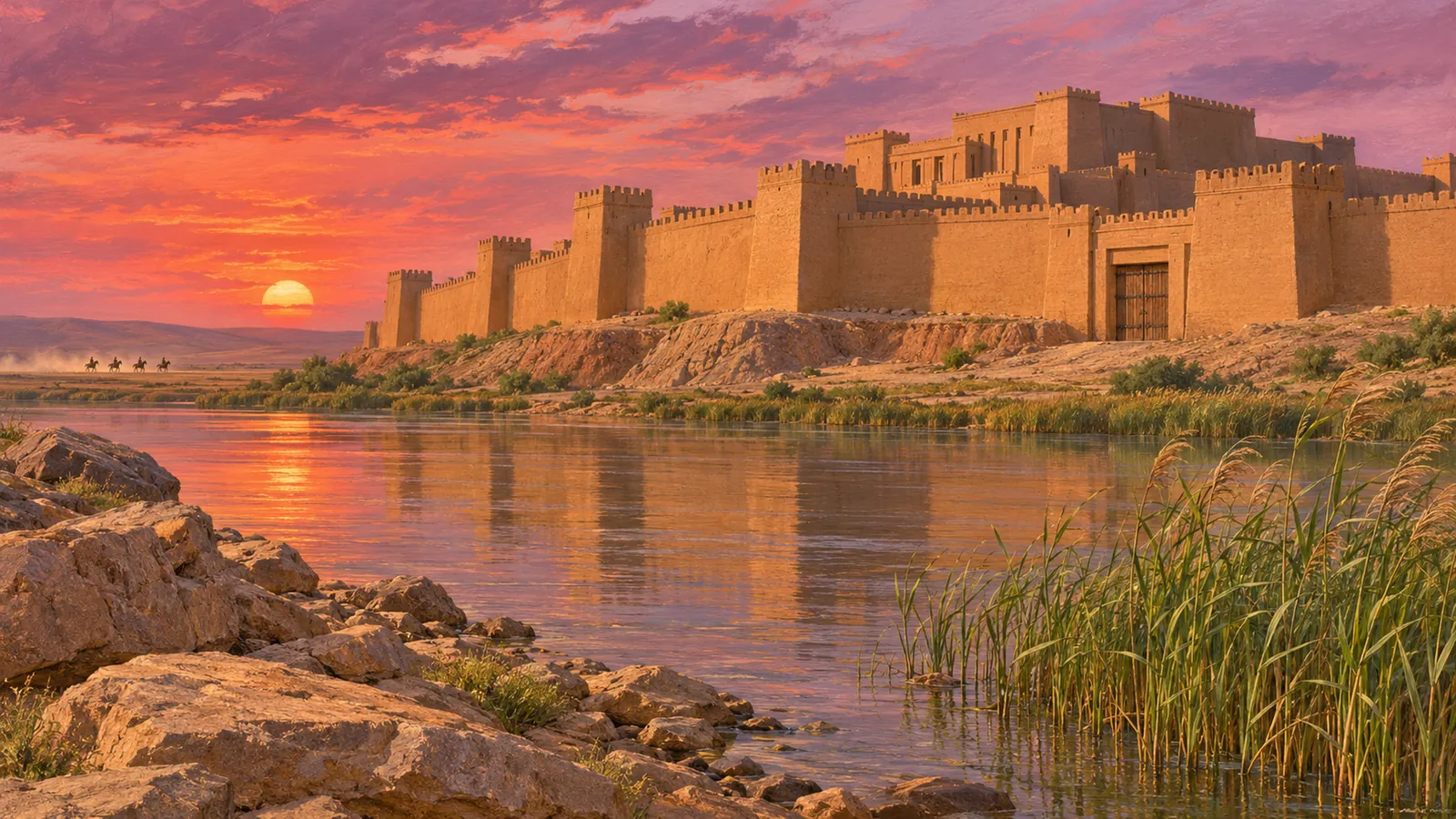
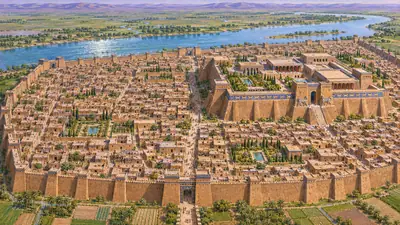
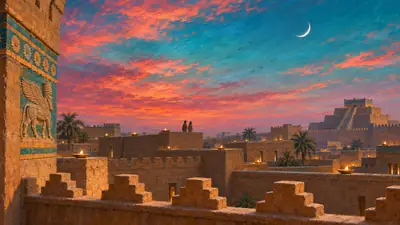
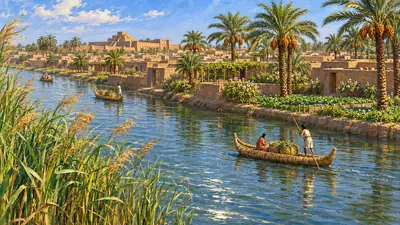
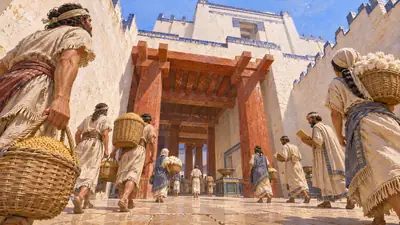
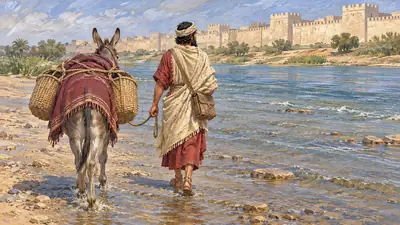
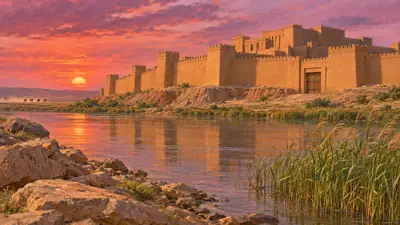
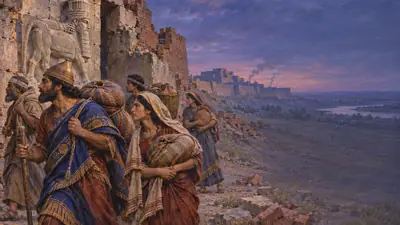
At the edge of the Tigris stood the seat of Assyria’s kings. Behind the walls, court scholars watched the skies, advised the palace and read the words of men long dead.
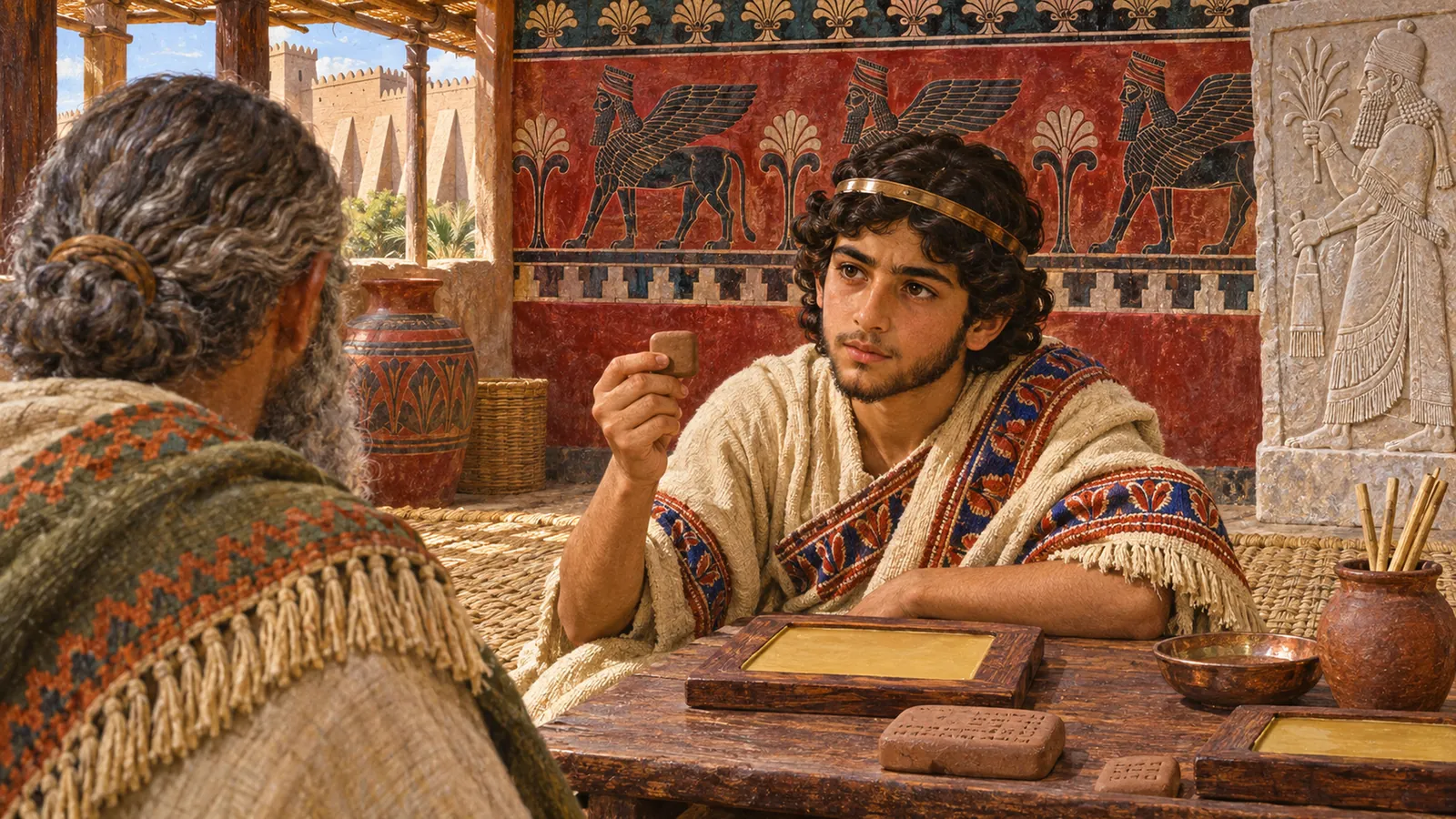
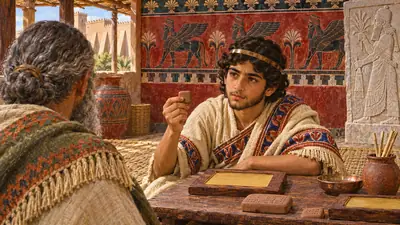
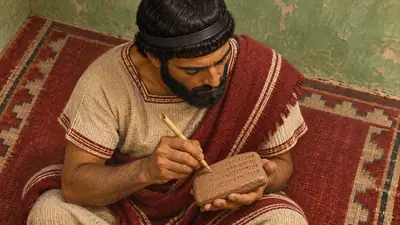
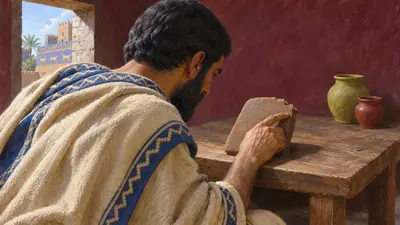
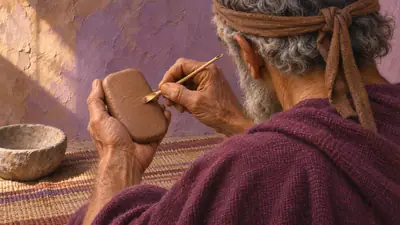
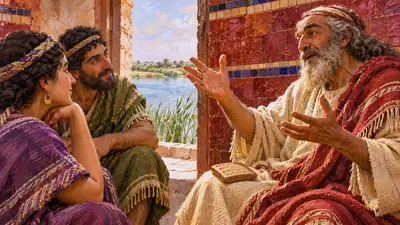
Ashurbanipal says he learned his letters in the House of Succession. The young prince’s teachers prepared him to read the messages and omens that reached an Assyrian king.
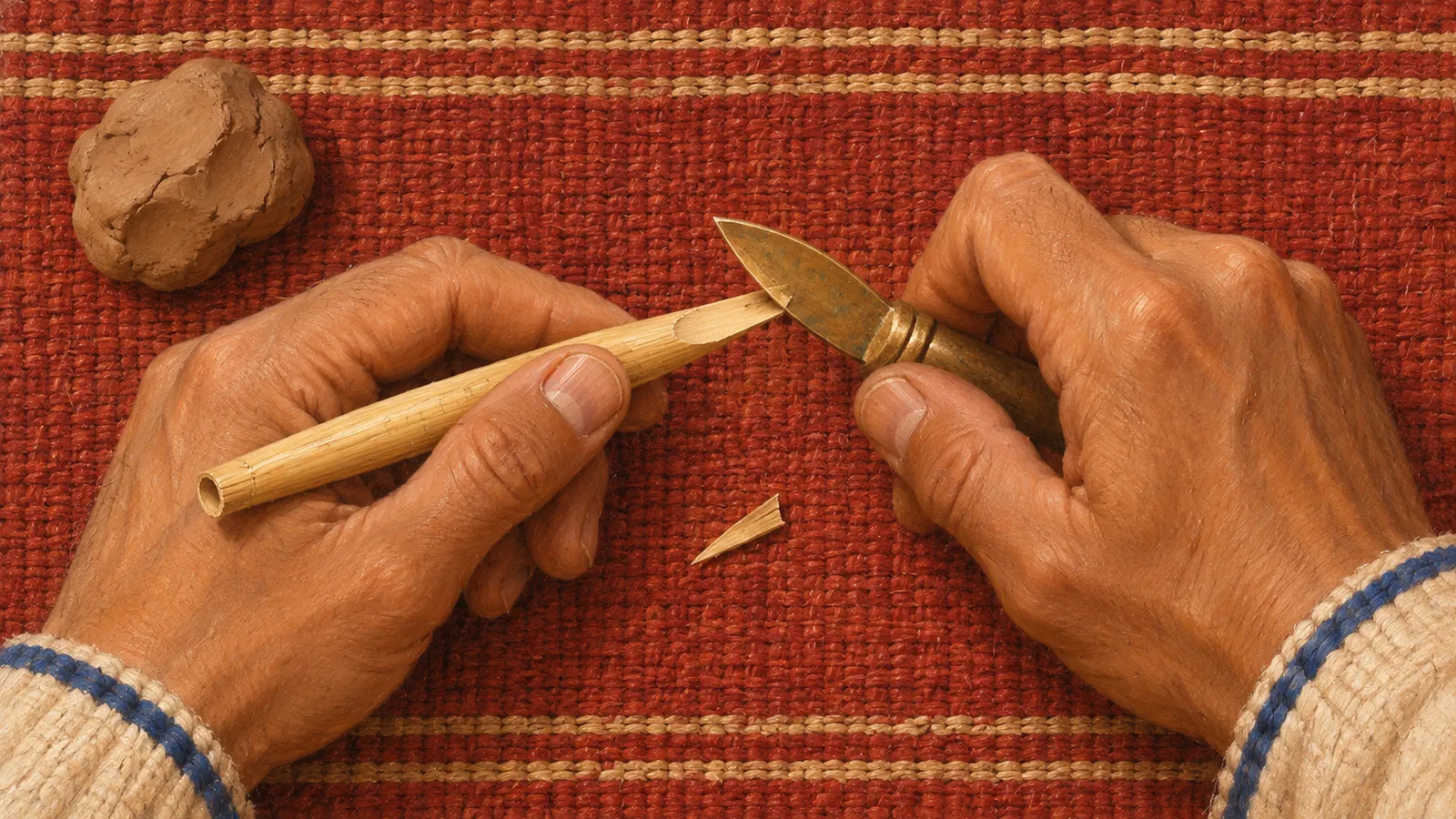
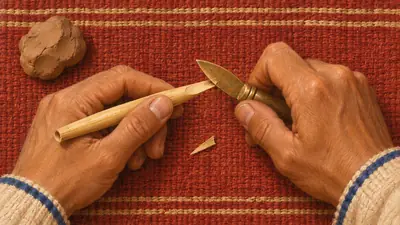
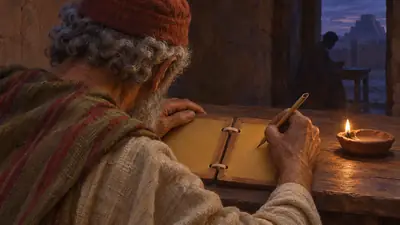
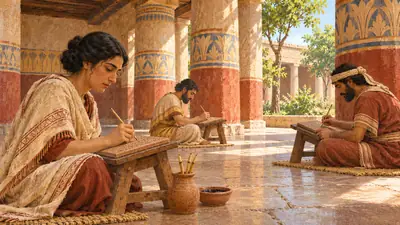
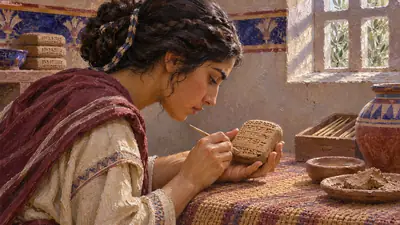
A scribe cut the tip of a reed so that each press left a wedge. One sign could carry several sounds or meanings. Its neighbors helped the reader choose.
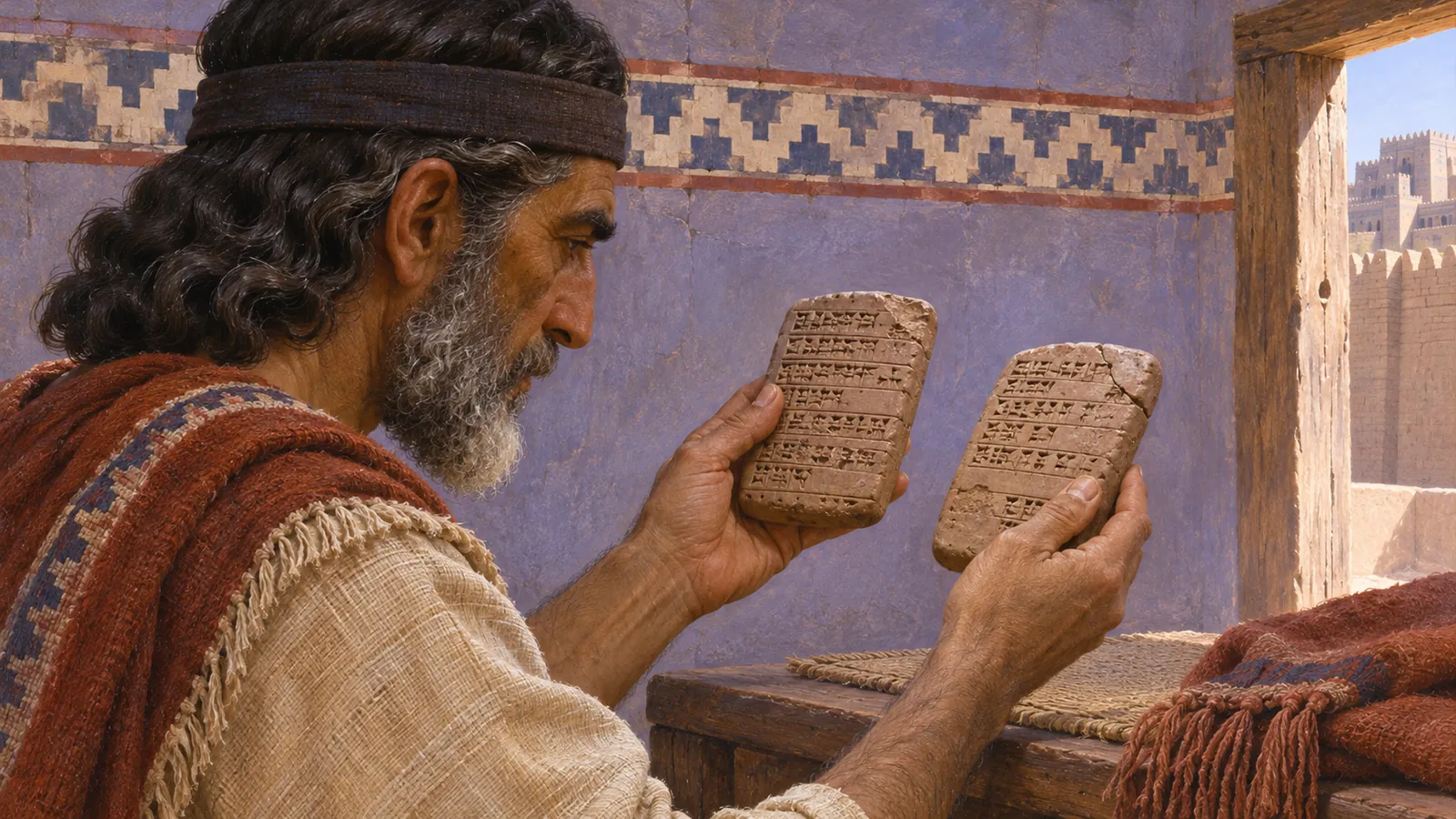
Later, Ashurbanipal boasted that he could read obscure Sumerian and difficult Akkadian. Copyists needed both languages to follow old writings and carry them into the present.
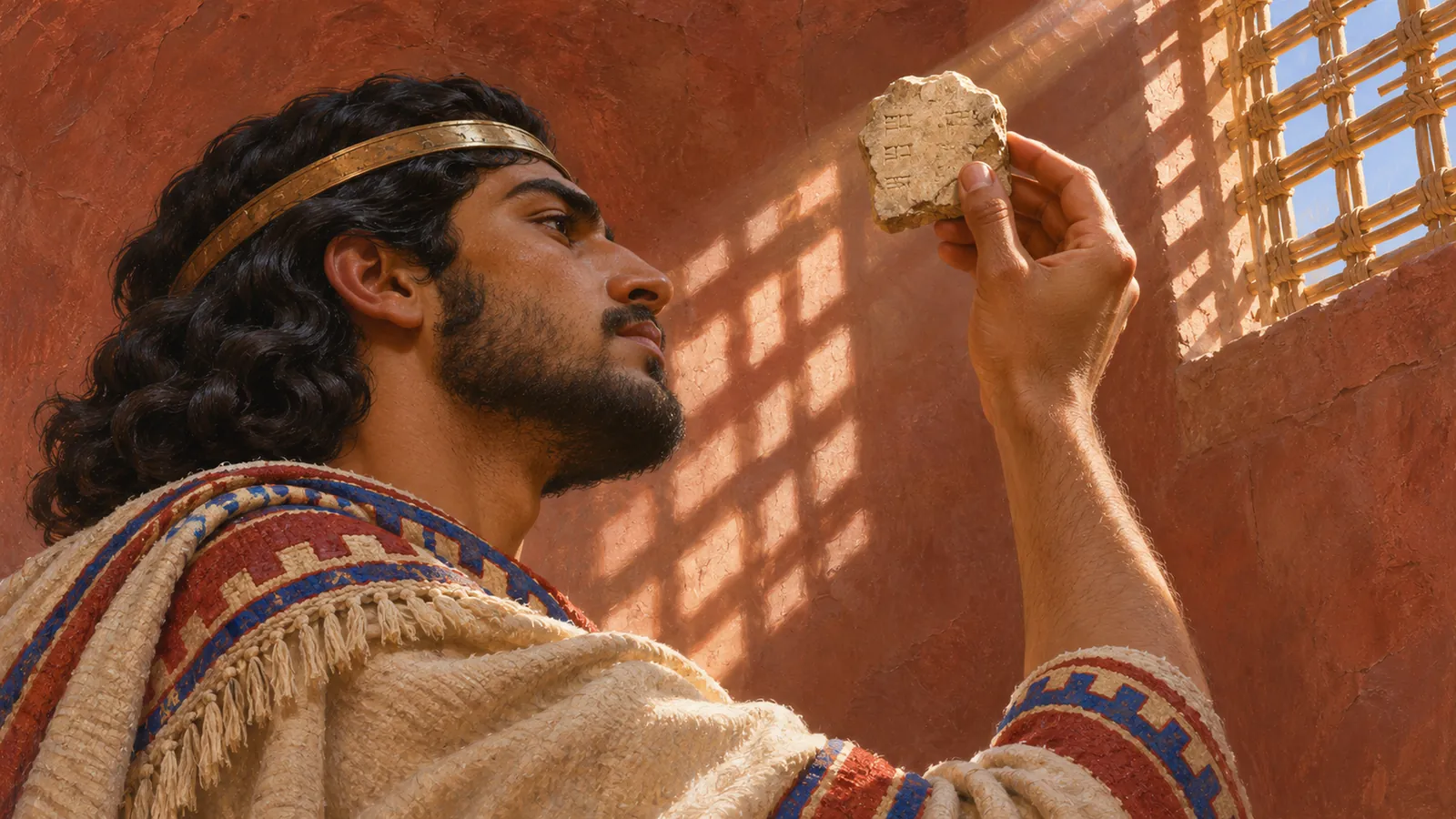
He said he could examine stone inscriptions from before the Flood. It was the king’s way of claiming that his reading reached back to the farthest age he could imagine.
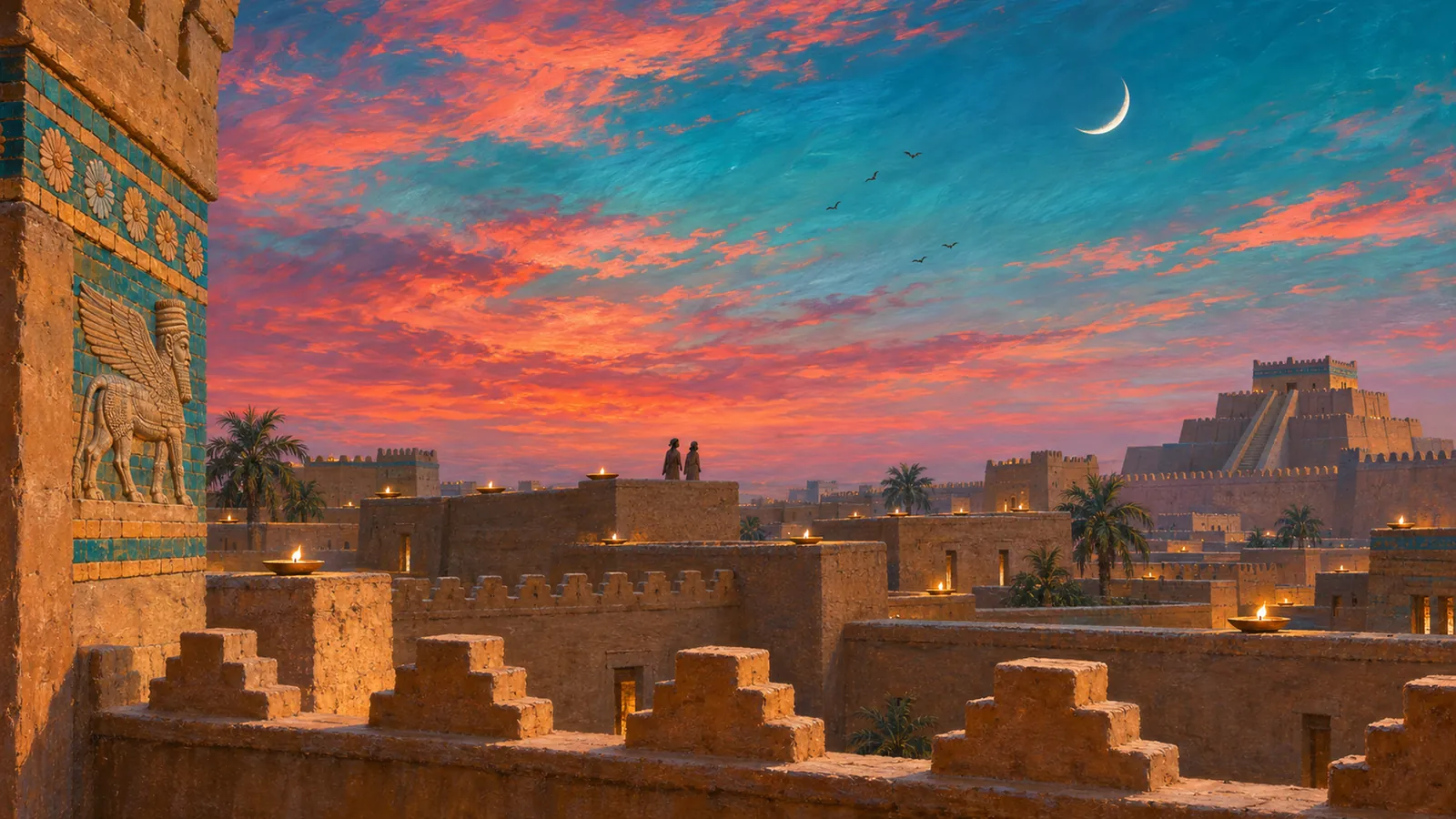
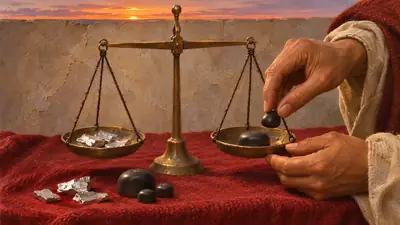
He claimed he could solve hard problems of multiplication and division and discuss signs in heaven and on earth. In an Assyrian court, both skills fell within the scholar’s craft.
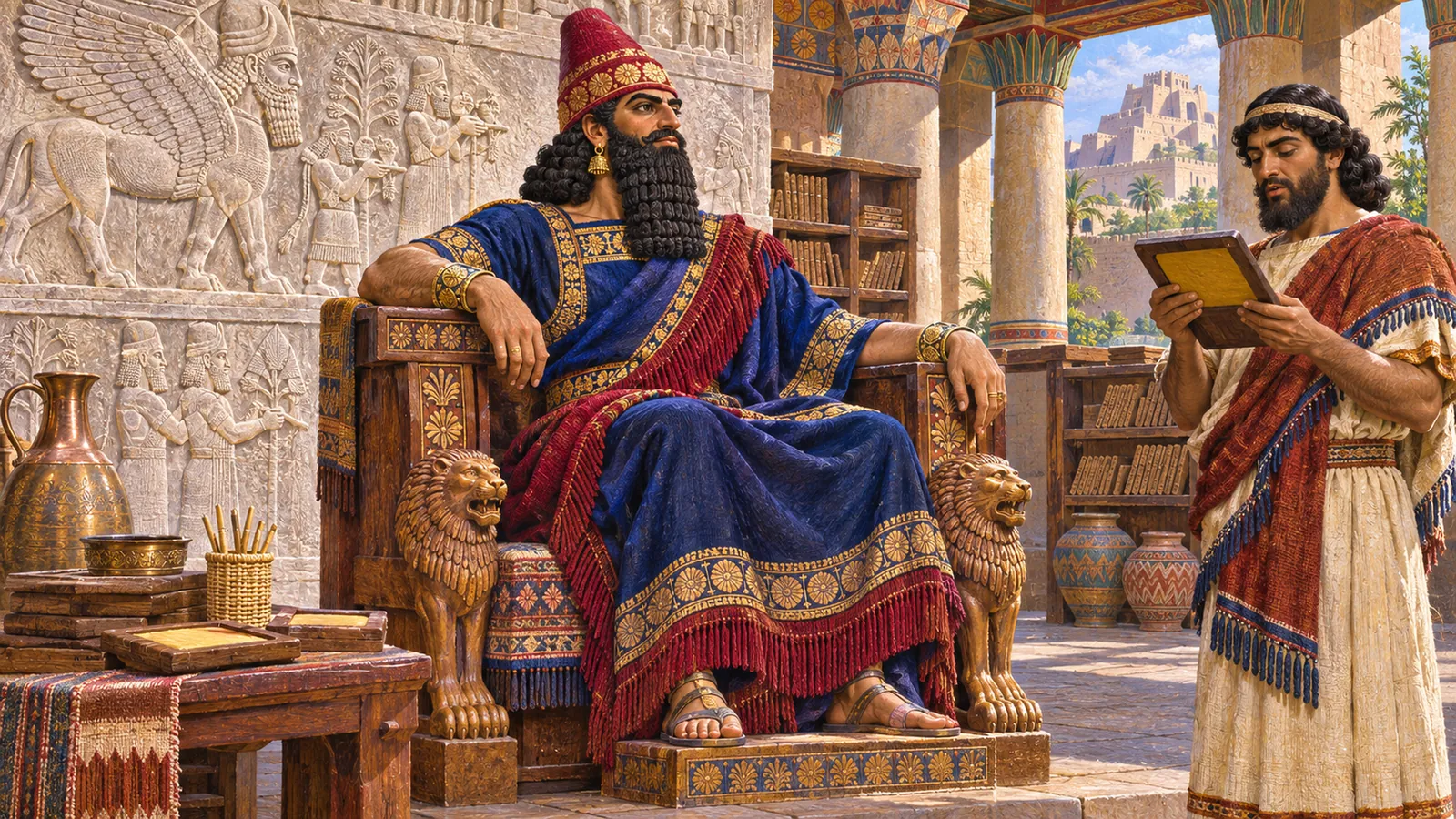
Esarhaddon prepared Ashurbanipal to rule Assyria and his brother Shamash-shuma-ukin to rule Babylon. The brothers inherited different thrones, and the king in Nineveh turned to scholars in the south for books.
A ROYAL ORDER
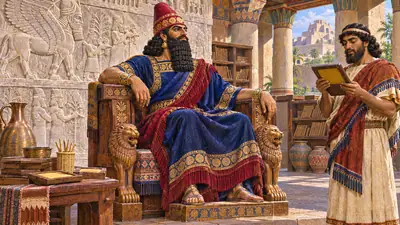
The king’s order was repeated in a reply from Borsippa. It called for copies of all the learning in the keeping of Nabu, the god of the scribes, to be sent north.
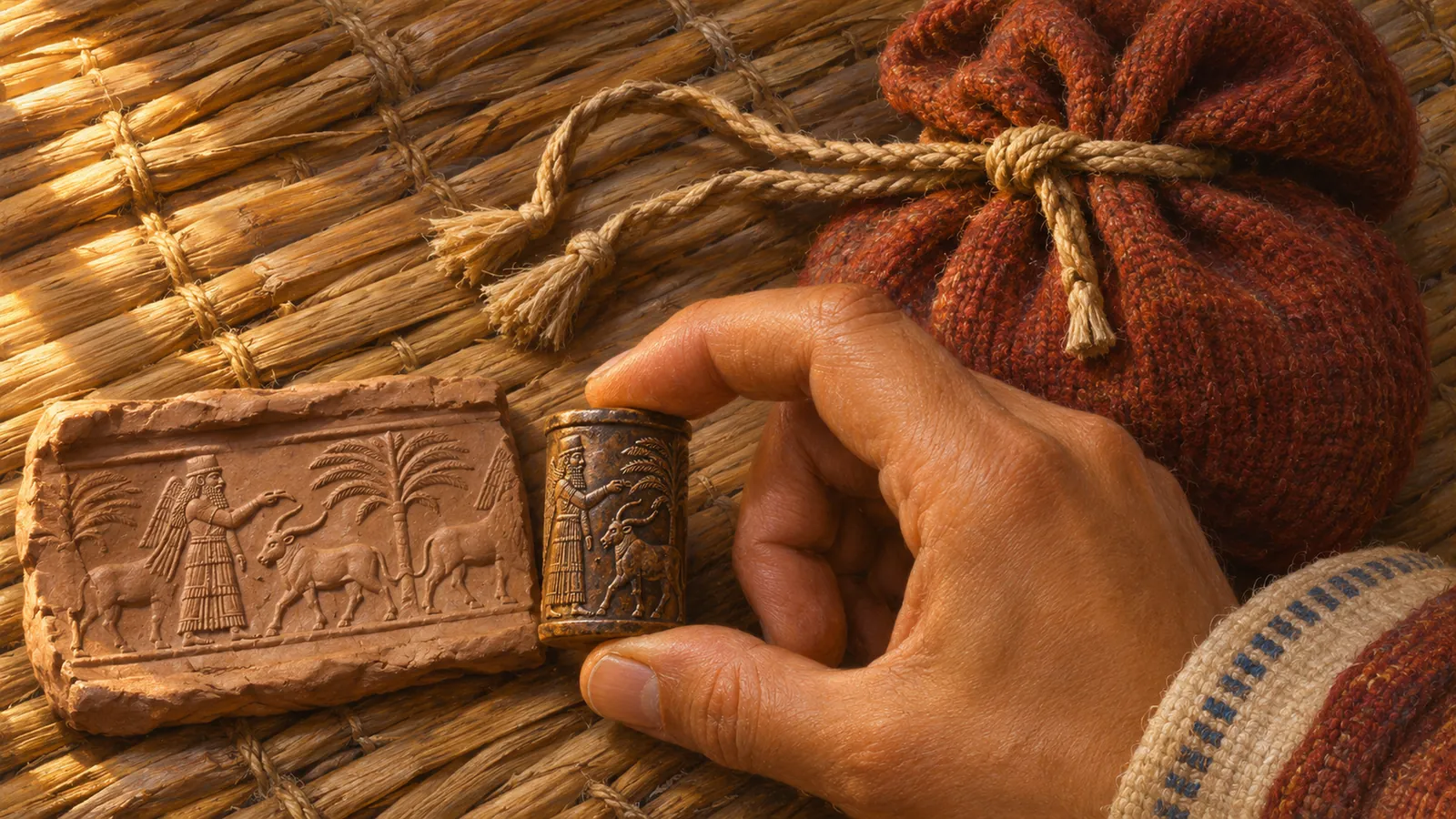
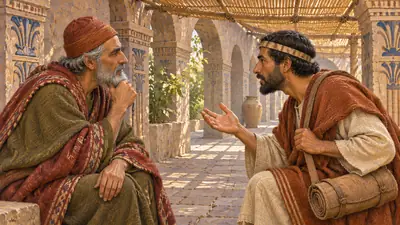
Letters let the court give instructions far beyond Nineveh. The Borsippan reply tells us what its scholars understood the king to be asking for and what they promised to send.
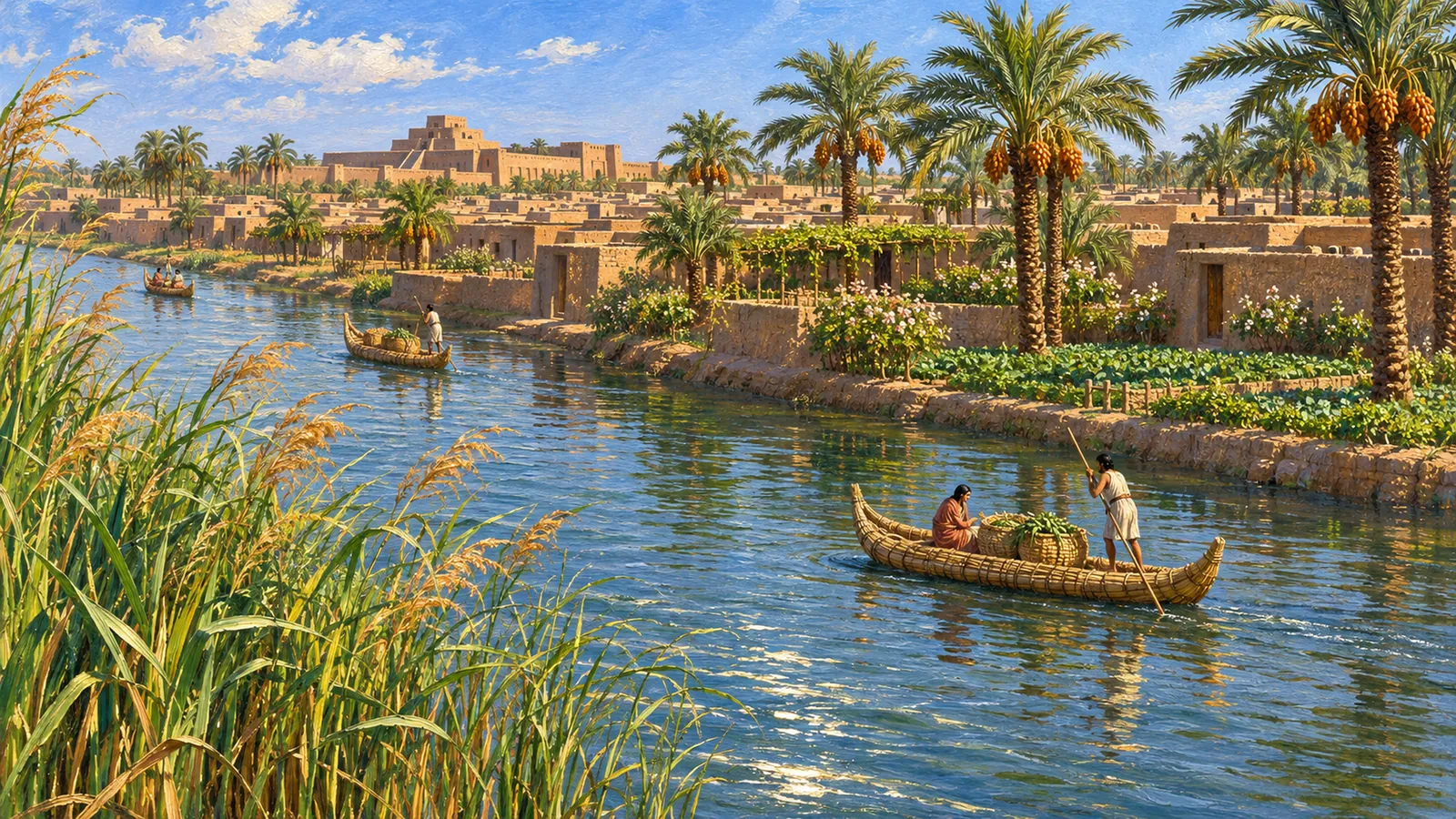
In Borsippa, the scholars addressed the king from Nabu’s city. They named Ezida, Nabu’s temple, and asked the god to speak for Ashurbanipal before his father Marduk.
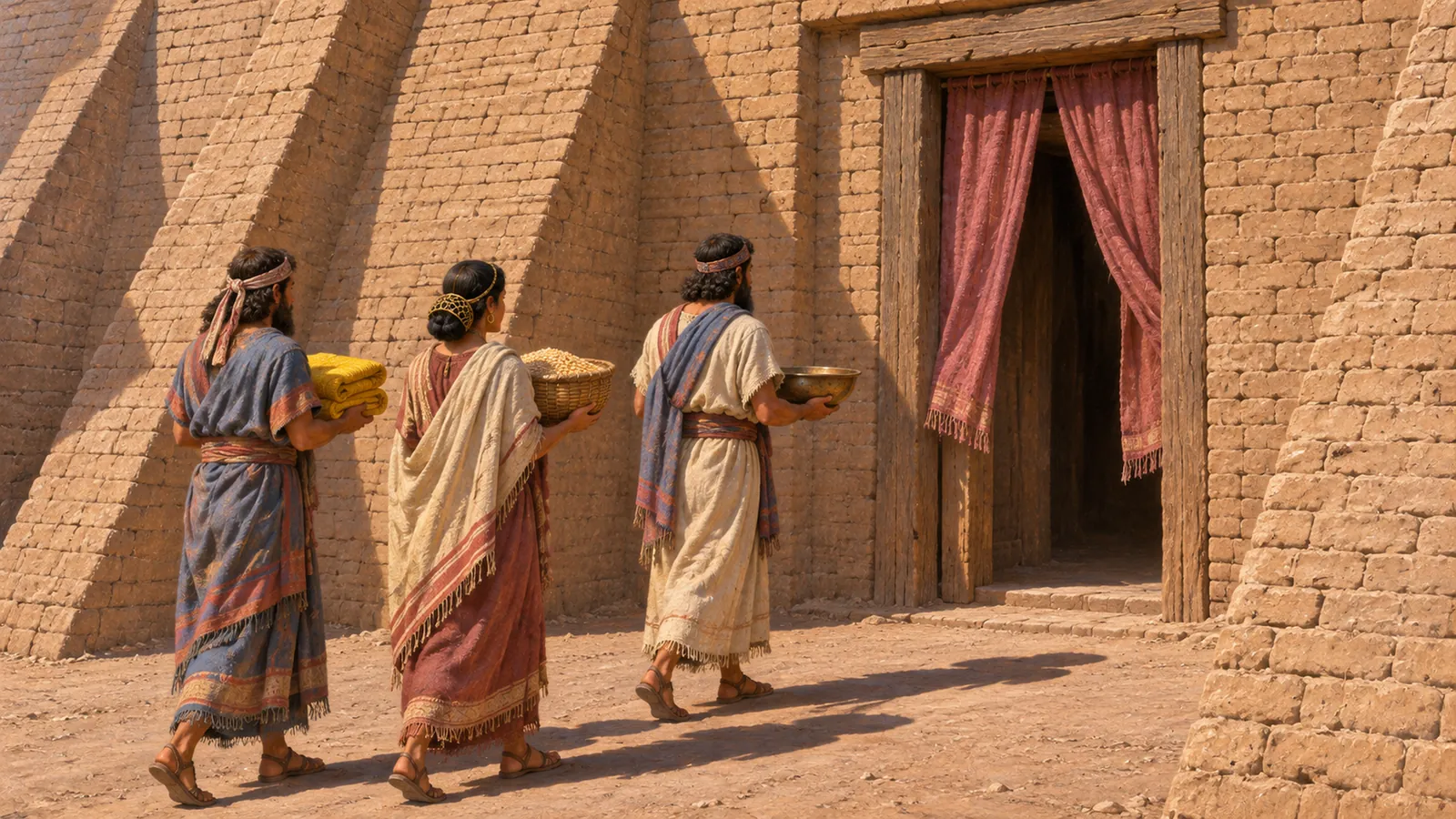
They asked Marduk to give him the crown, the staff and the sceptre of a ruler. Then the writers moved from the language of blessing to the business of copying.
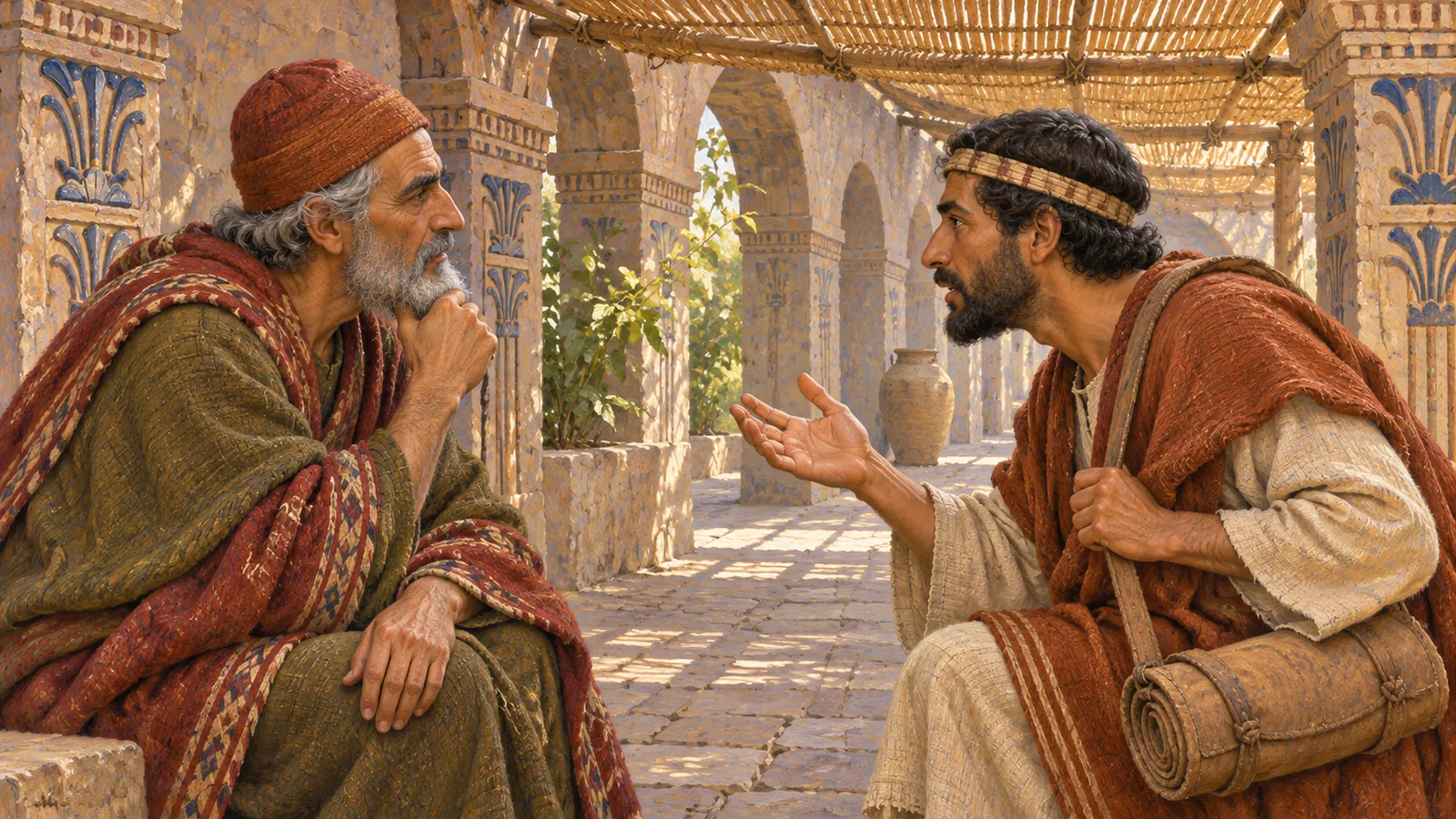
The Borsippans assured the king they would answer plainly. If he feared that they would cloud the matter with words, as they said the Babylonians did, he was mistaken.
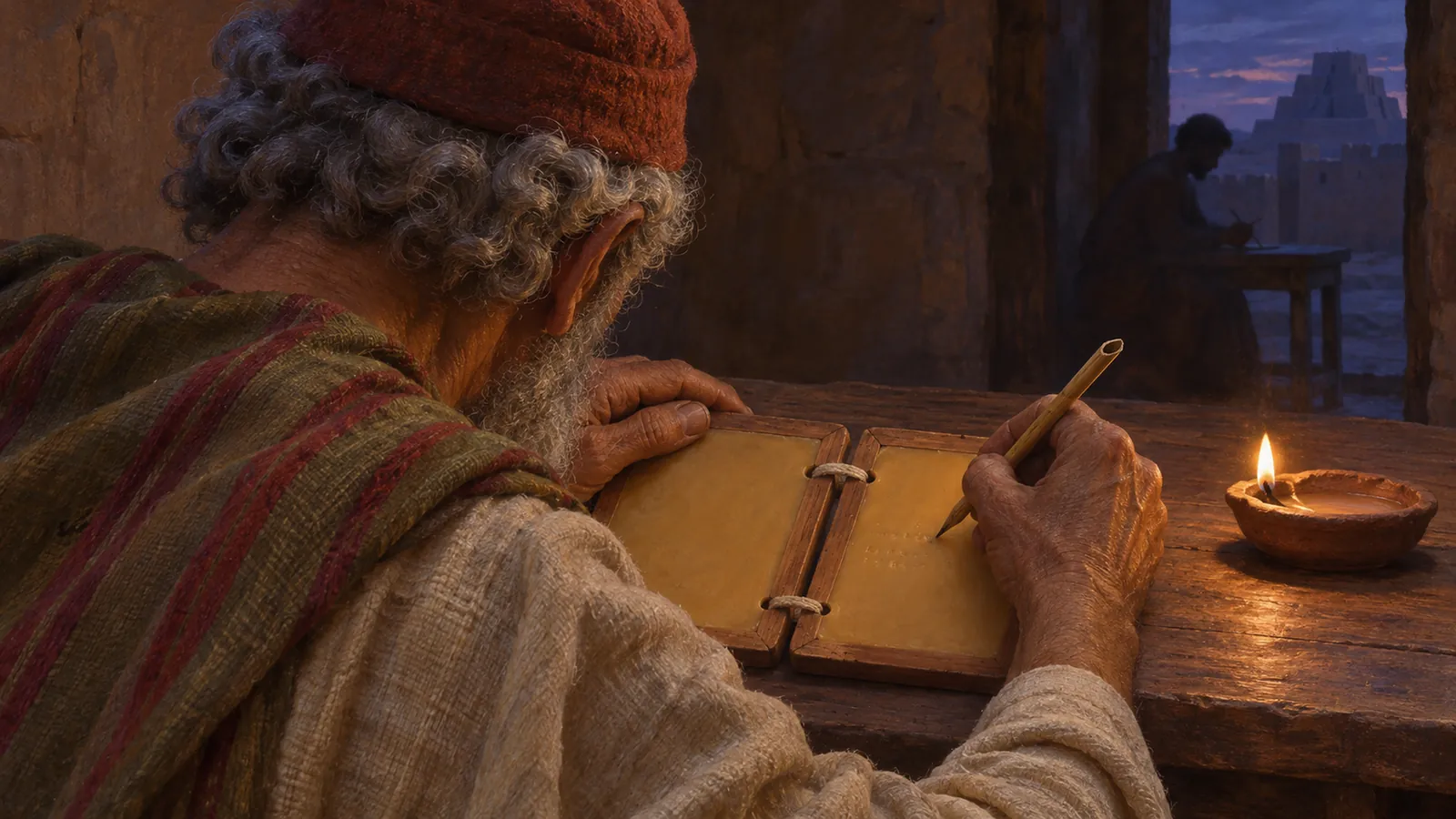
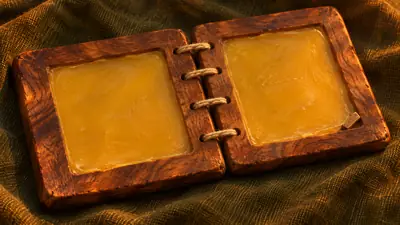
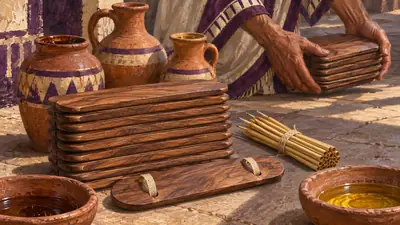
The Borsippans promised to work by day and by night until the order was filled. They said they would make the copies on boards cut from sissoo wood.
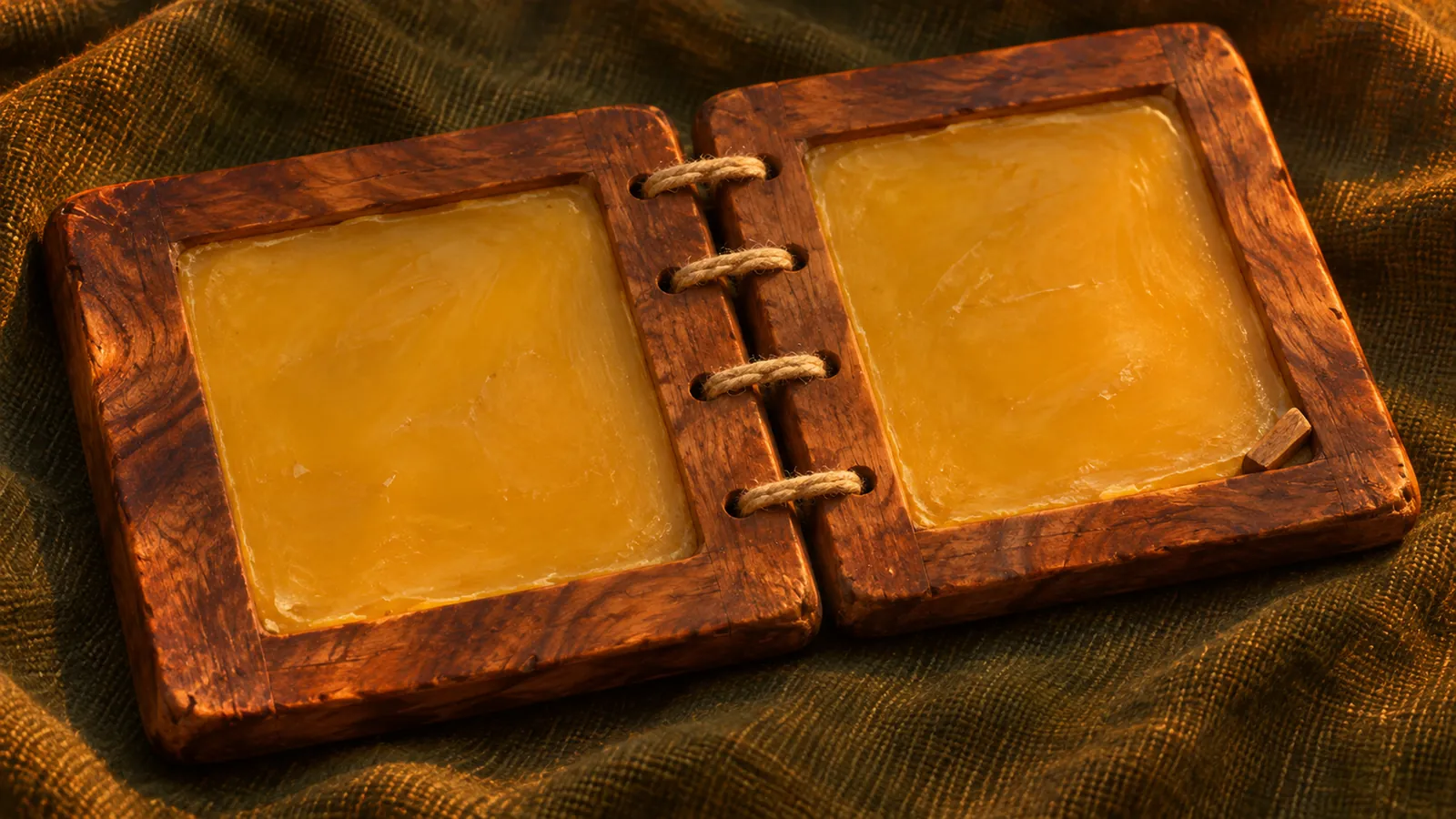
A writing board could hold a layer of wax in a hollow of the wood. It could travel with its writing surface closed inside, where the marks were protected.
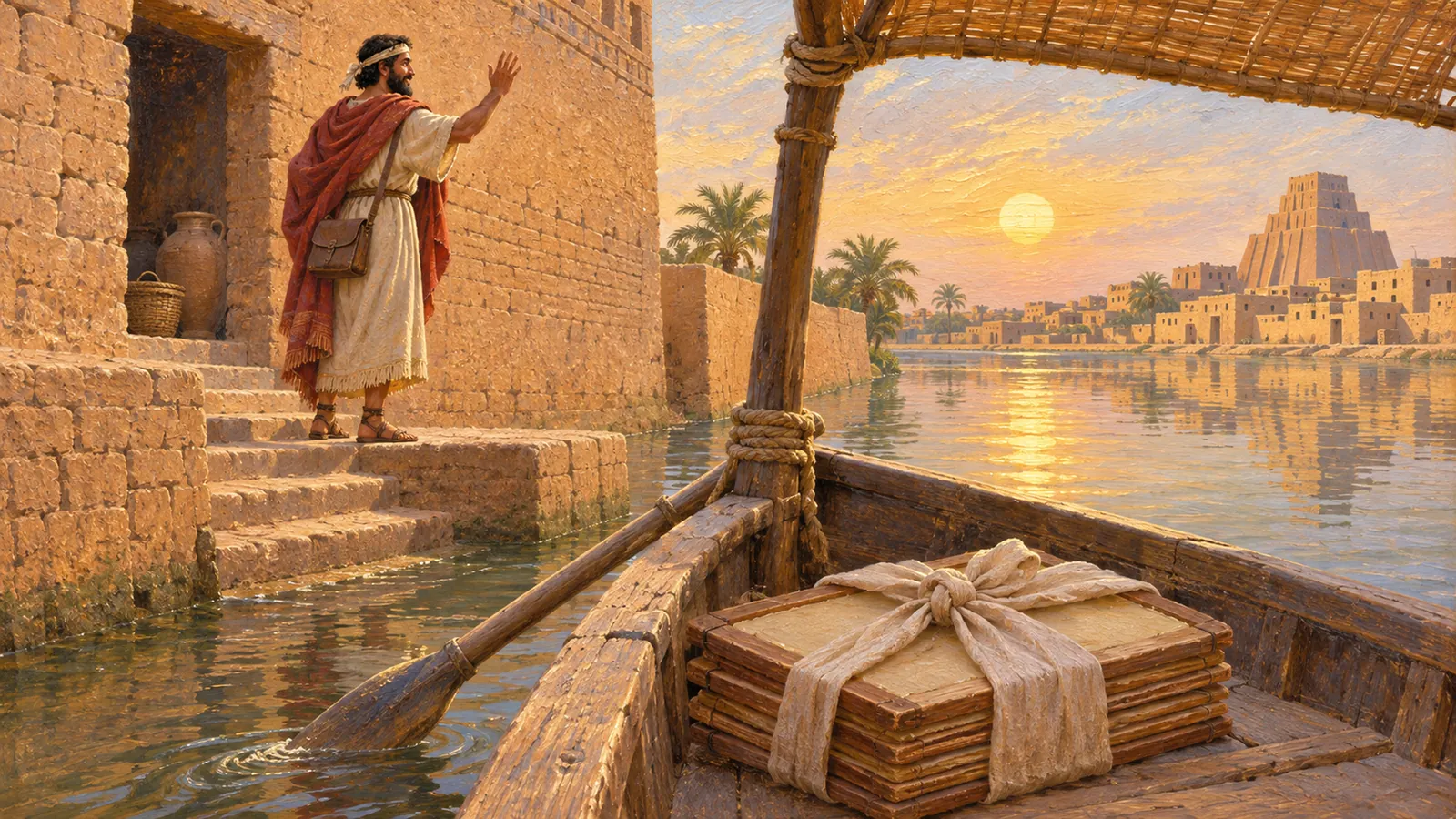
One work was beyond their reach. The Borsippans said the glossary the king had requested was kept at Esagil. For that book, they advised him to ask the people of Babylon.
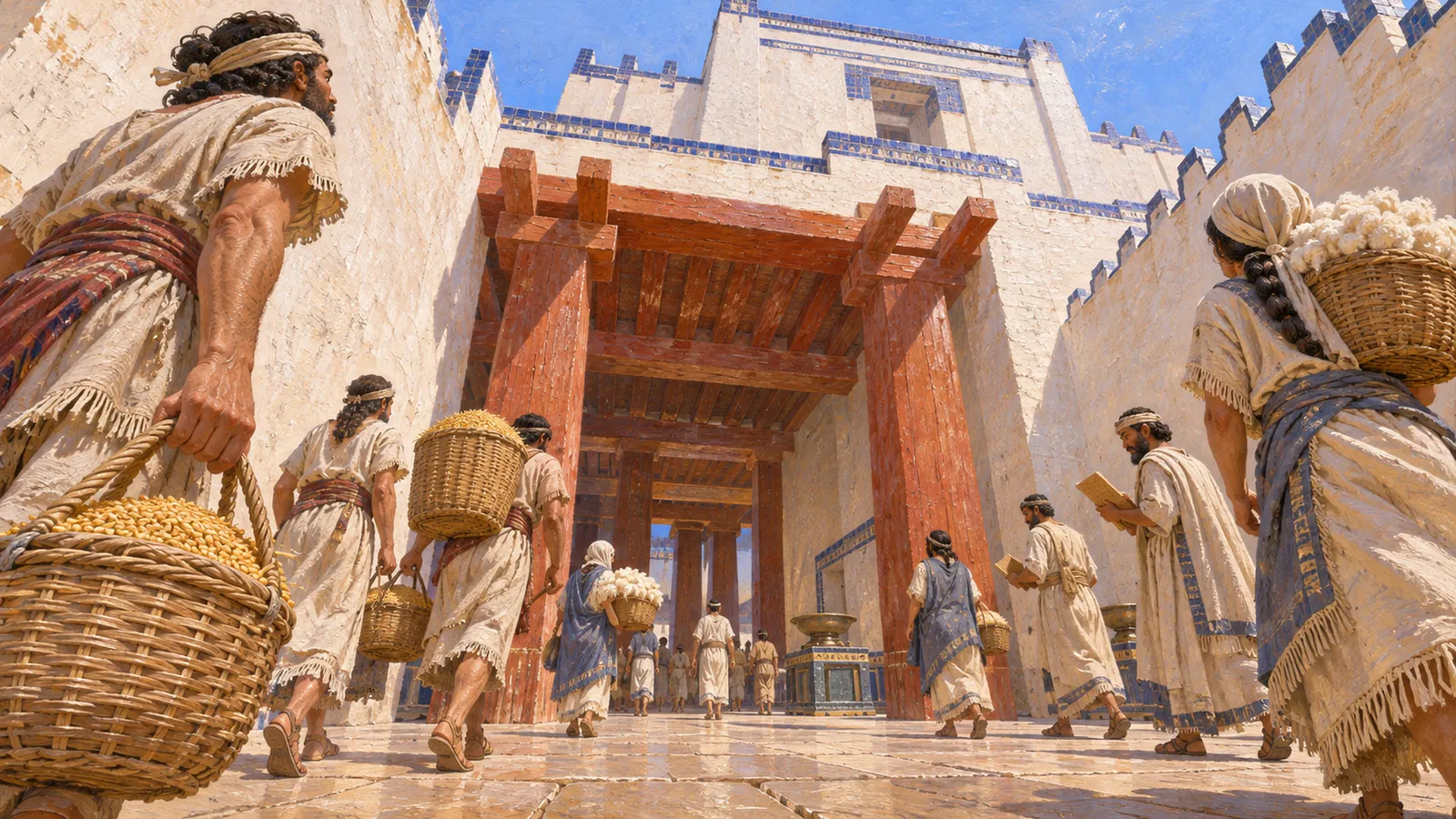
THE REPLY FROM BABYLON
At Esagil in Babylon, the king’s request concerned scholarship held in the name of Marduk. The Babylonian reply remembered how Ashurbanipal had provided for the temples and restored their offerings.
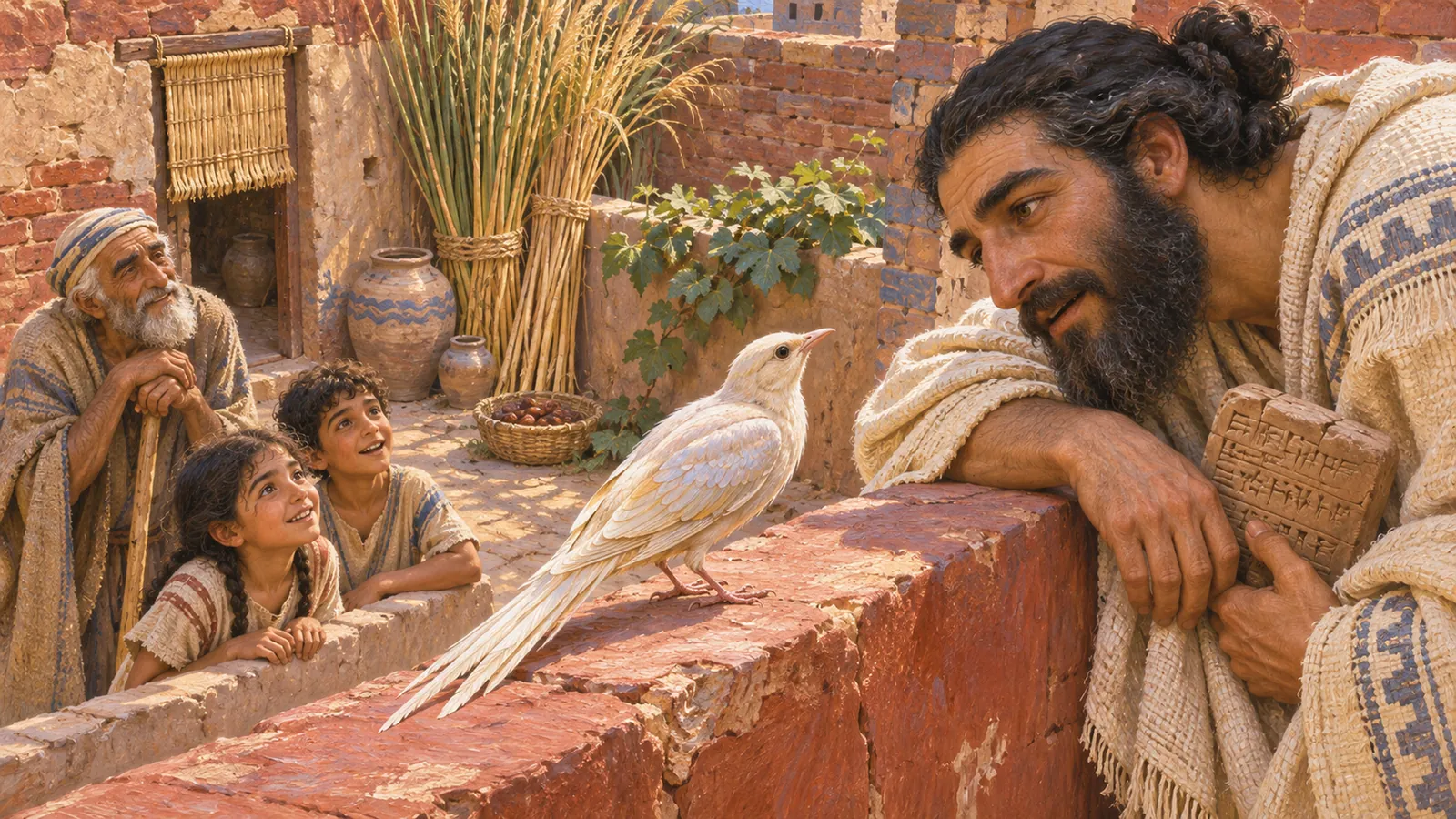
The works named in the Babylonian reply included signs seen in cities, portents drawn from unusual births, ritual learning and lamentations. Some covered events people still saw and wondered about every day.
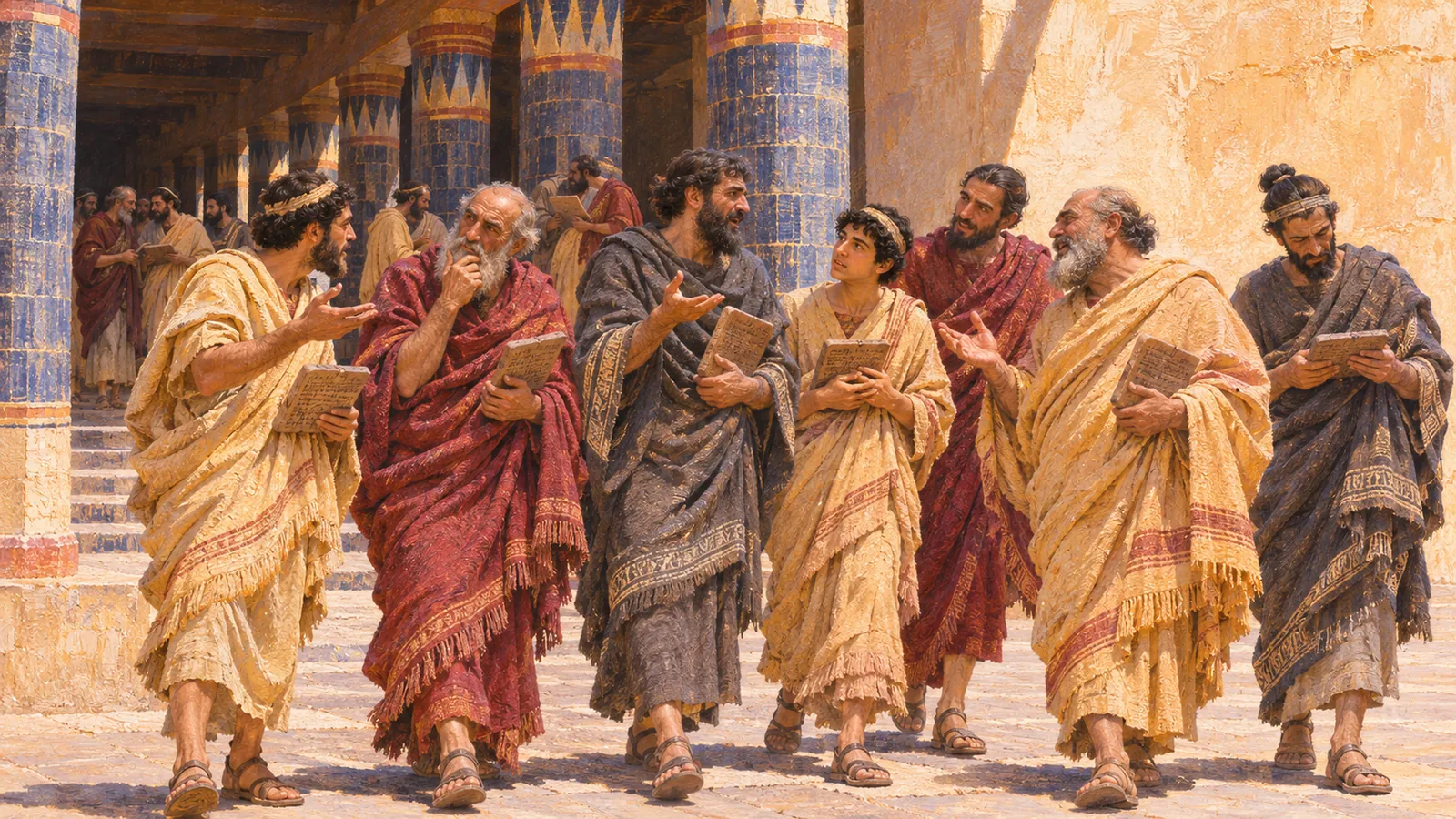
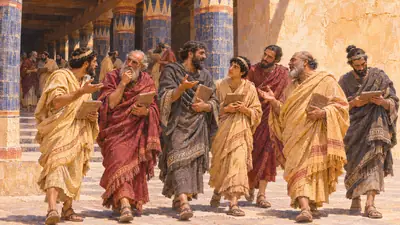
The reply named twelve scholars who knew the books by heart. It compared their memory to a storeroom filled with goods, where everything they had read and checked lay ready to hand.
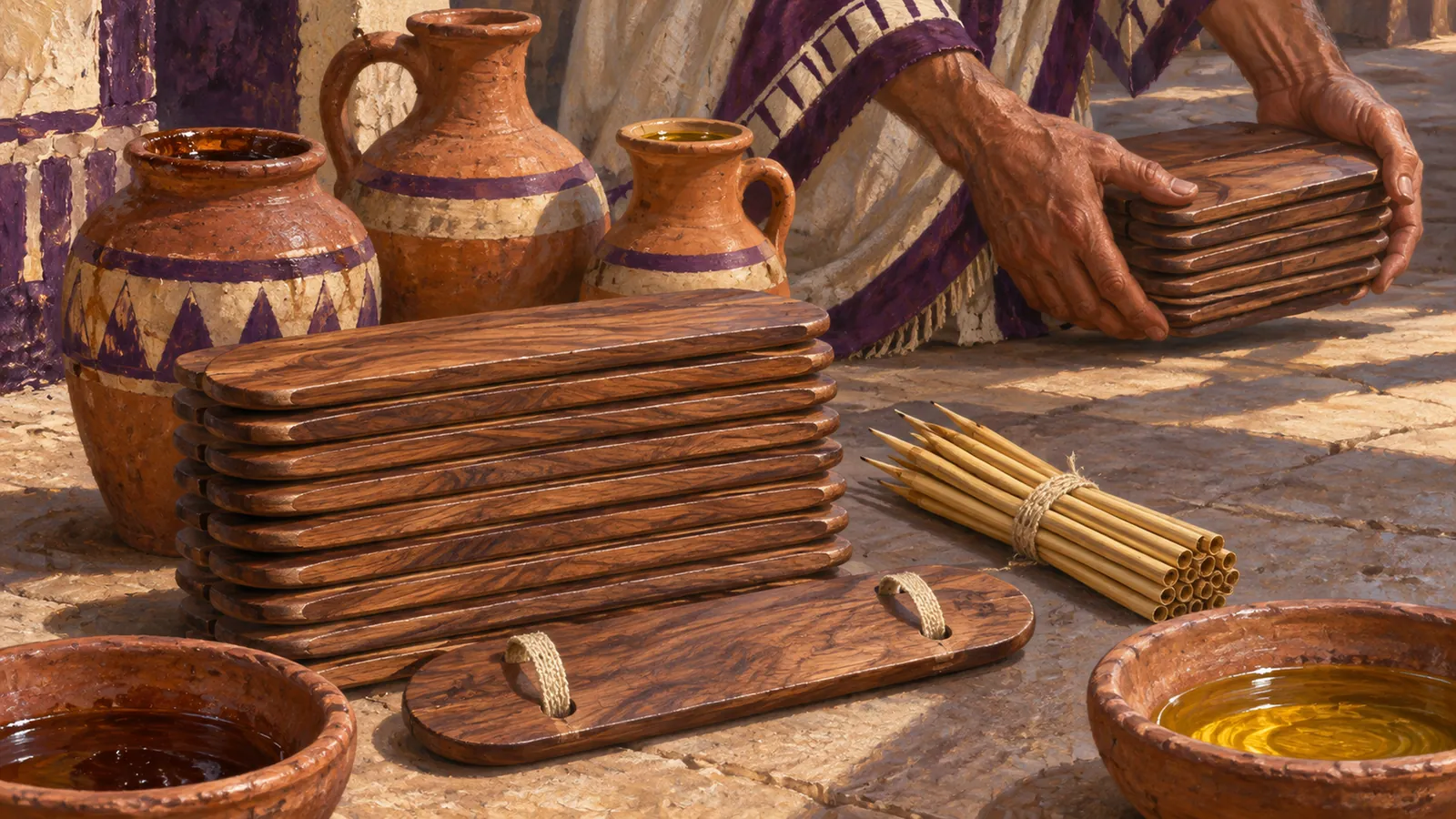
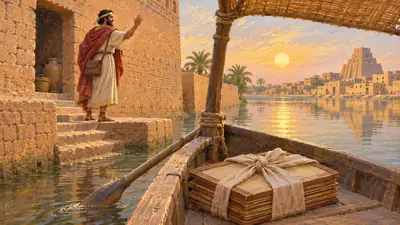
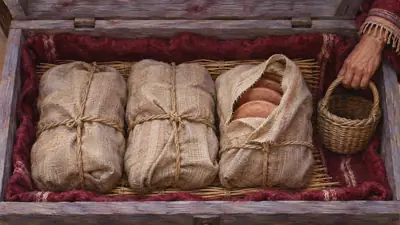
Seventy-two writing boards are counted in the broken reply. The writer also mentions oil, syrup and ghee, provisions recorded alongside the tools and labor that the work required.
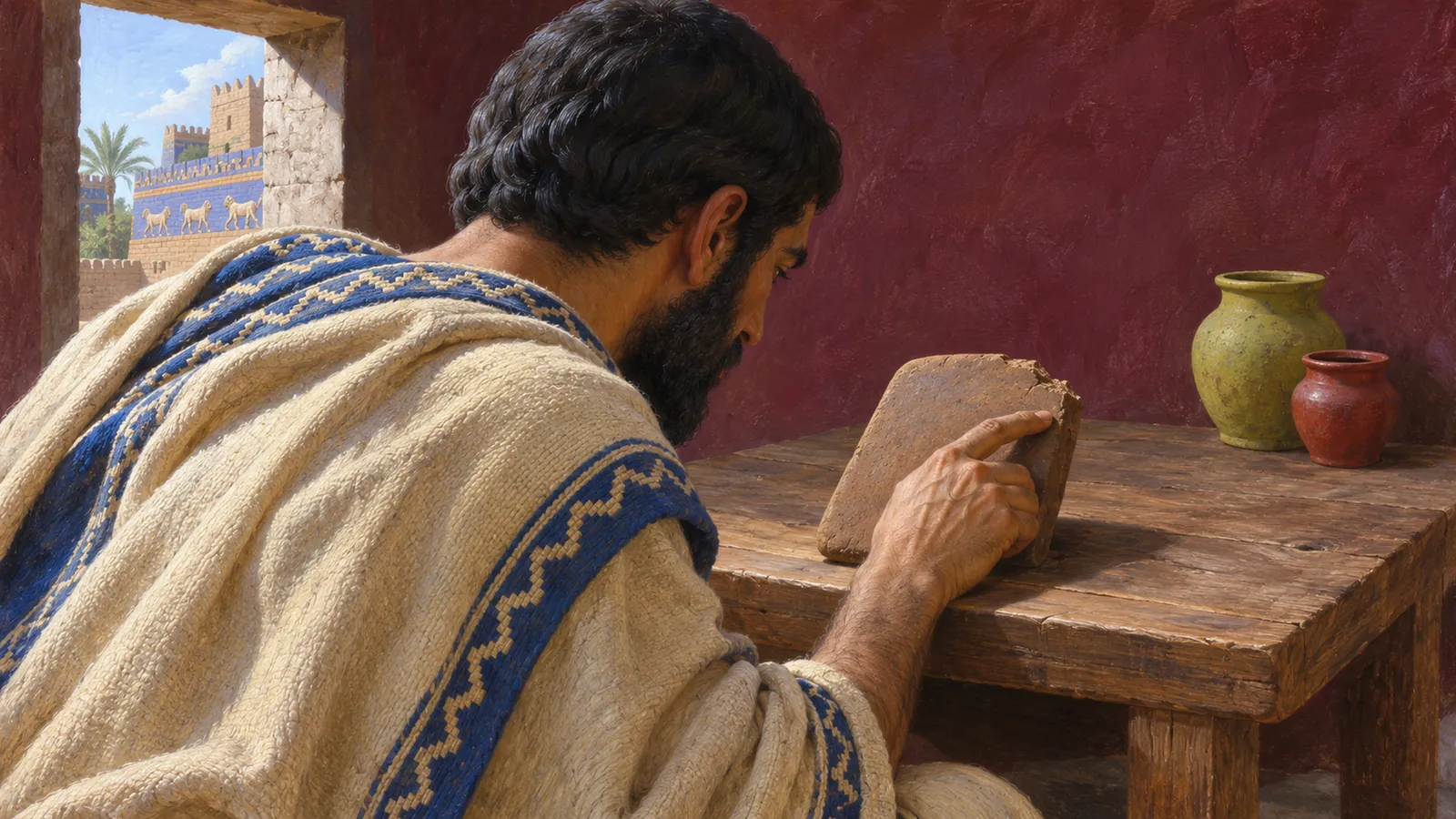
The Babylonian letter gives the glossary a name. Its opening matches the Sumerian word en to the Akkadian bēlu, meaning lord. Such lists helped scribes read works written long before their time.
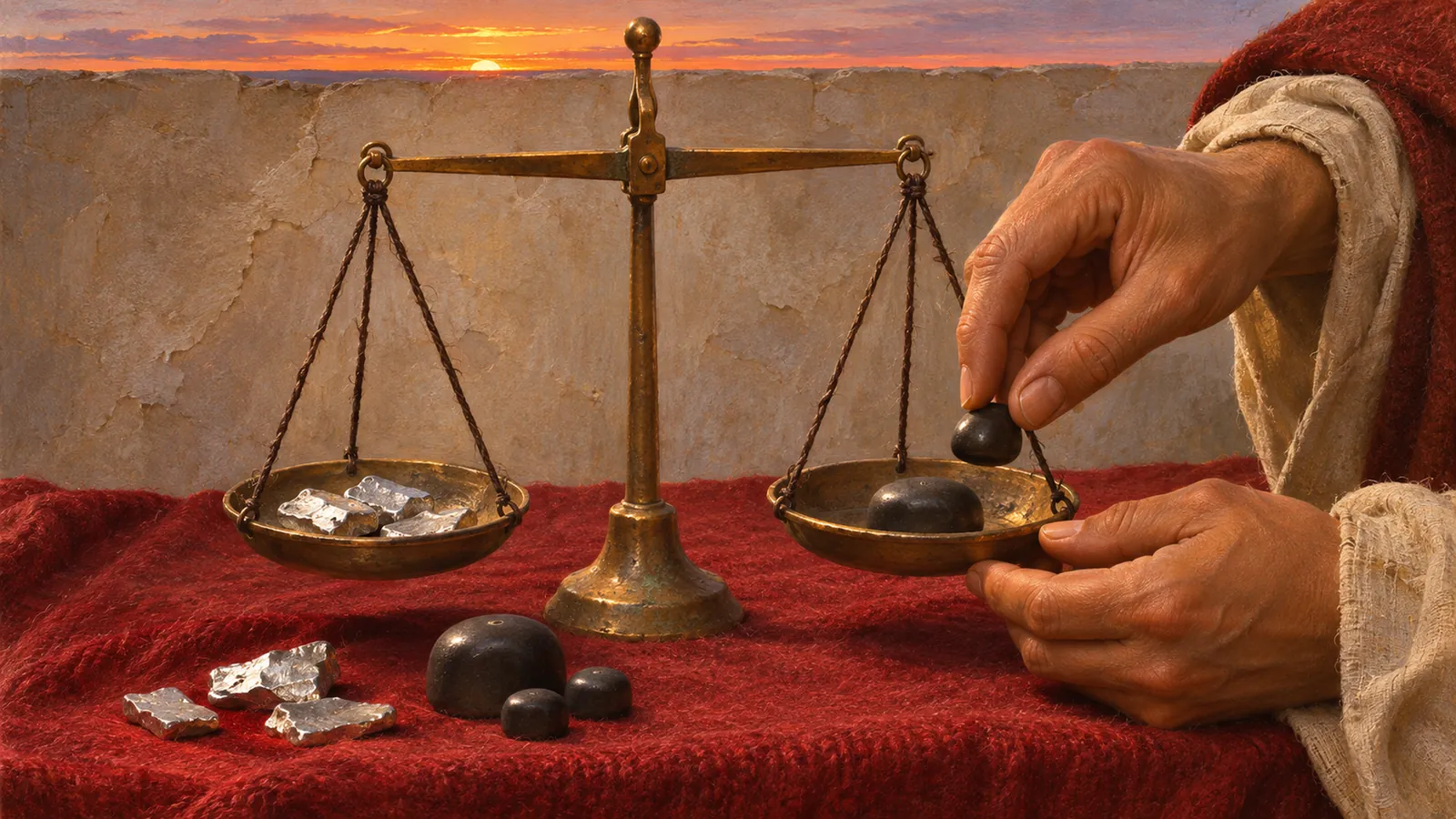
The king’s words, as preserved in the reply, speak of gifts of silver for the work. He also promises the scholars protection, public honor and relief from carrying the laborer’s basket.
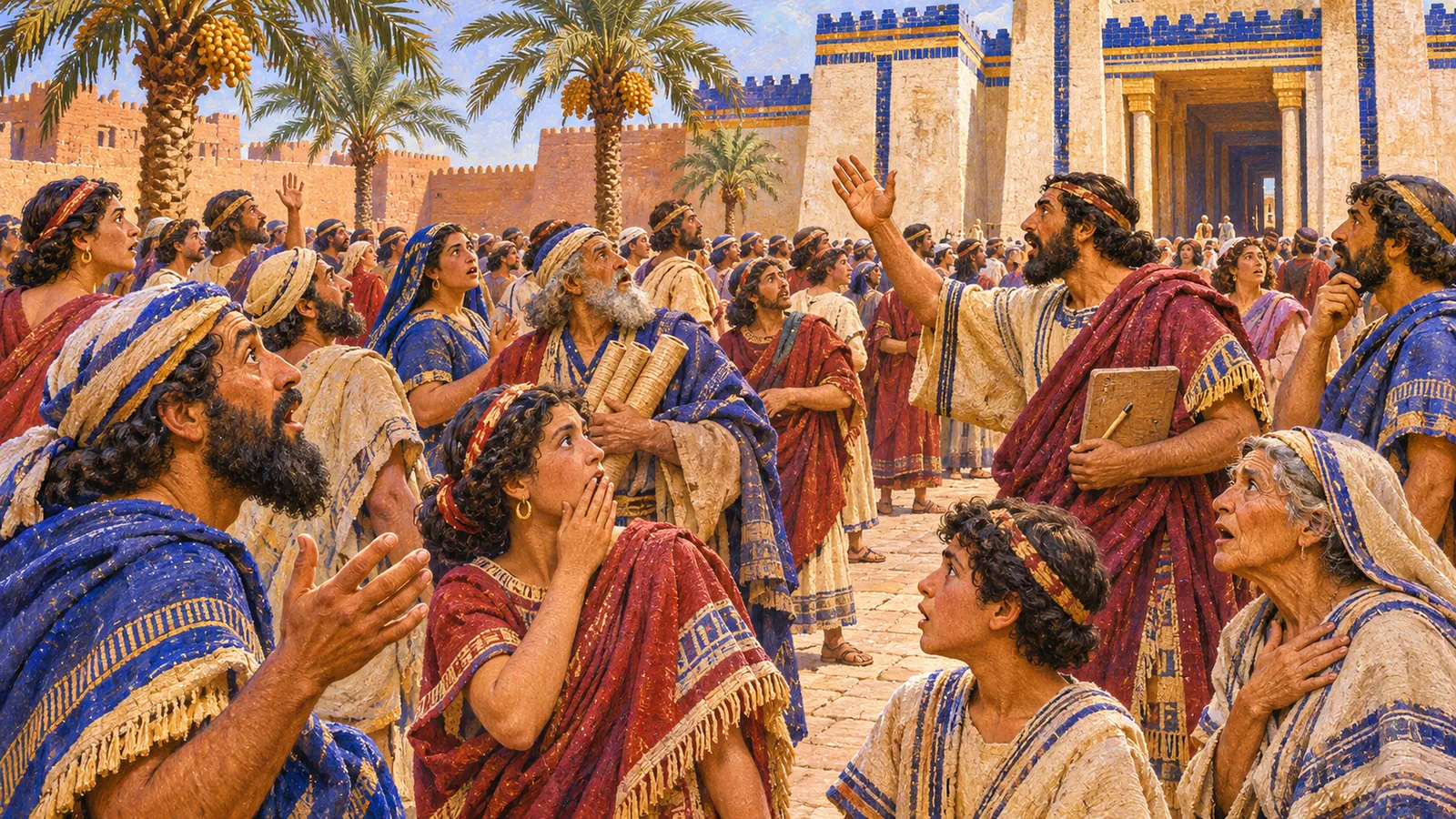
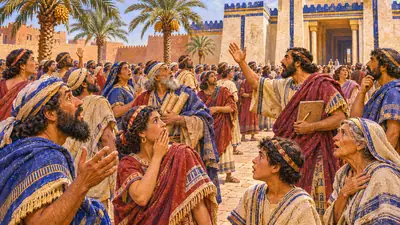
The record counts five thousand citizens and speaks of temple overseers and a great shout in Babylon. The clay breaks where we would want to hear more of what happened.
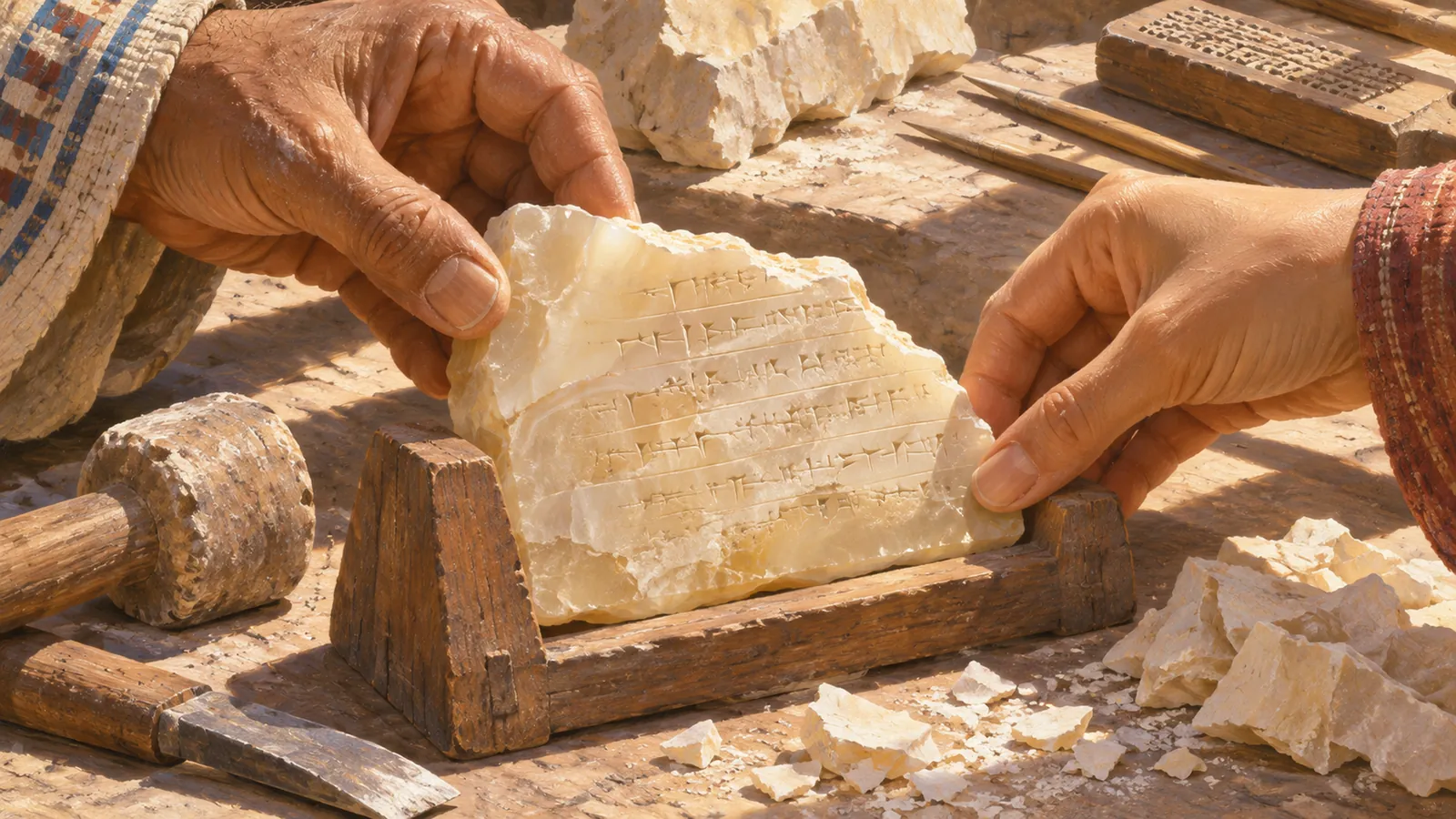
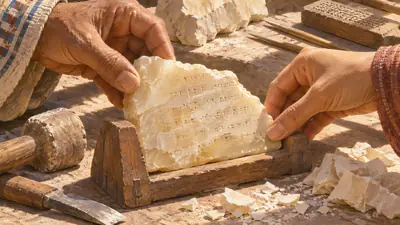
The Borsippa reply says its words were copied onto alabaster and sent to colleagues. A later scribe’s note says he checked his clay copy against an older exemplar.
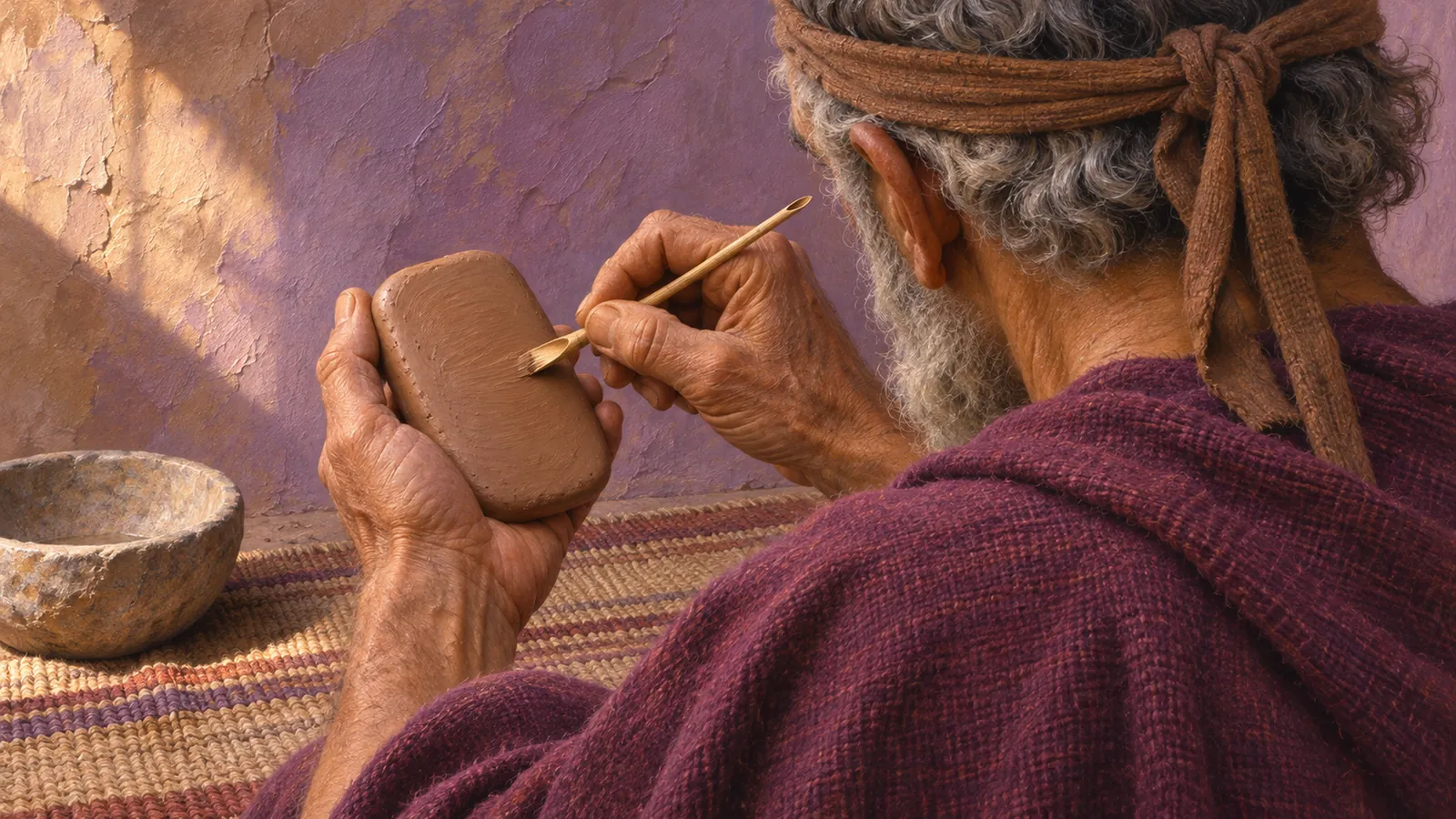
Nabu-mushetiq-uddi names himself at the end, on a tablet made for his father. He appeals to anyone who reveres Shamash, god of the sun, to leave his work intact.
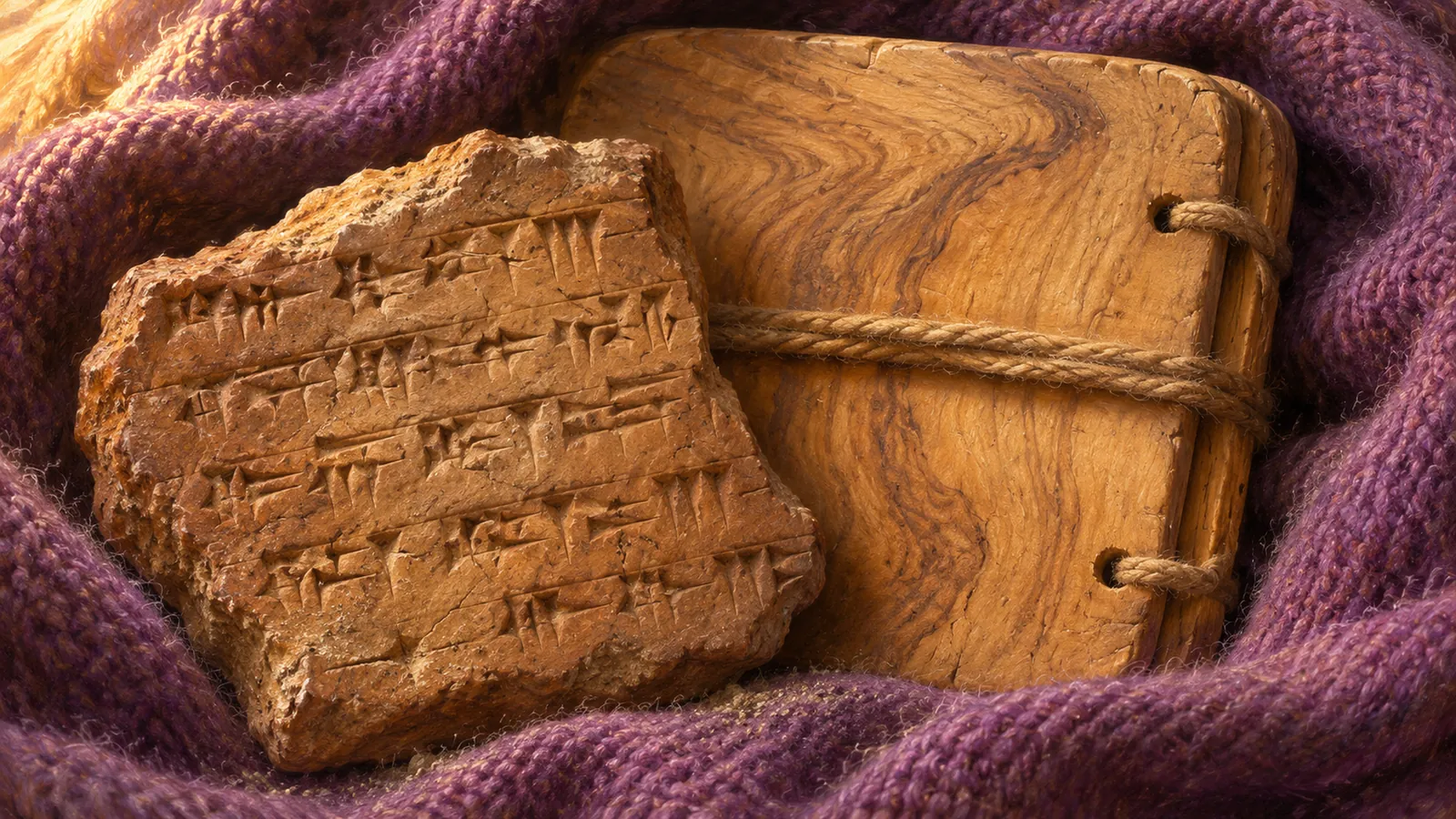
The Babylonian reply also survives in a later copy. Its broken final lines mention a writing board. The account itself passed through the kinds of hands and materials it describes.
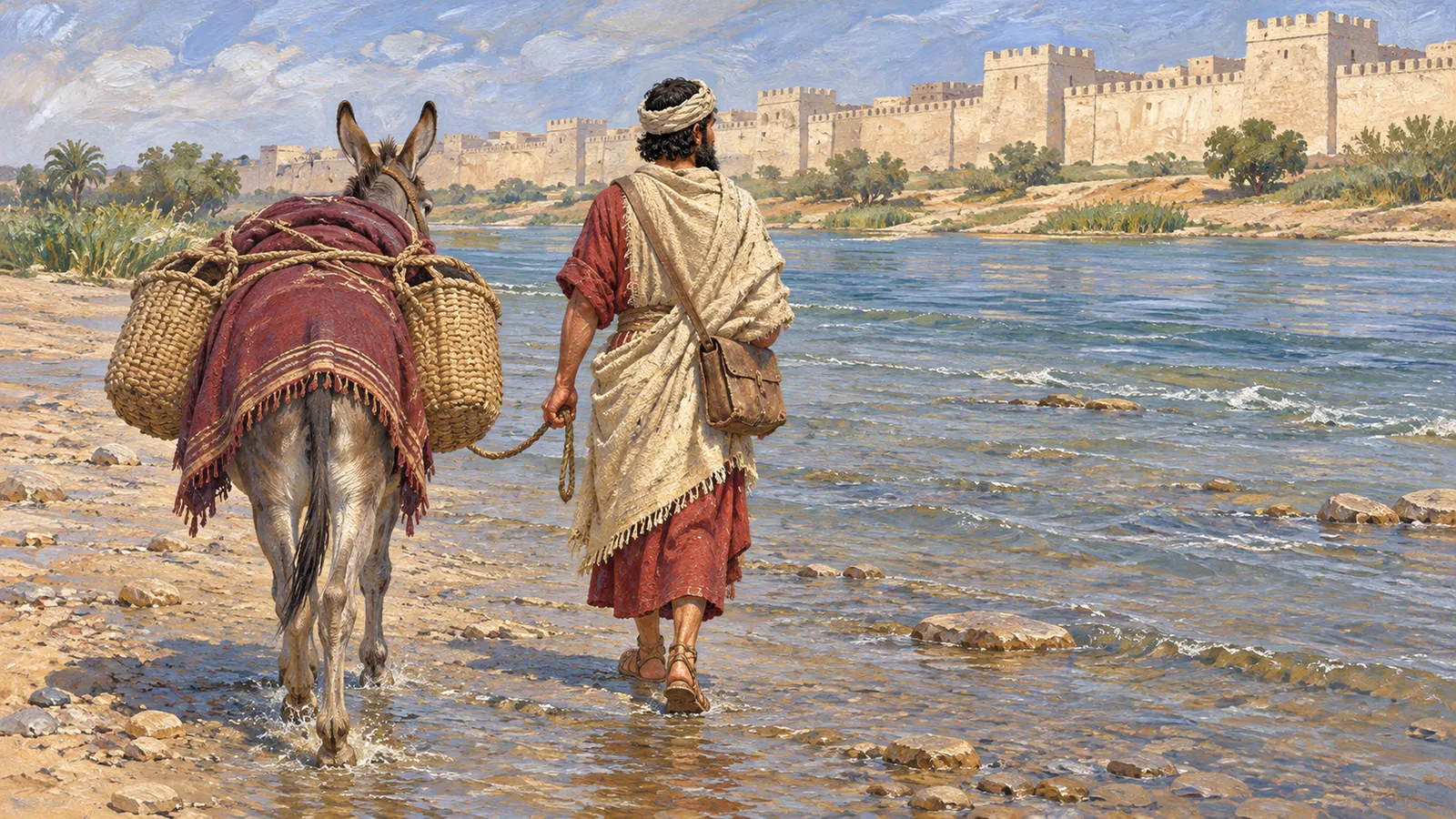
A LIBRARY TAKES SHAPE
Other records bring us back to the seventh century. Nineveh’s lists record works taken into the collection and the people from whom they came. Some batches included writing boards as well as clay.
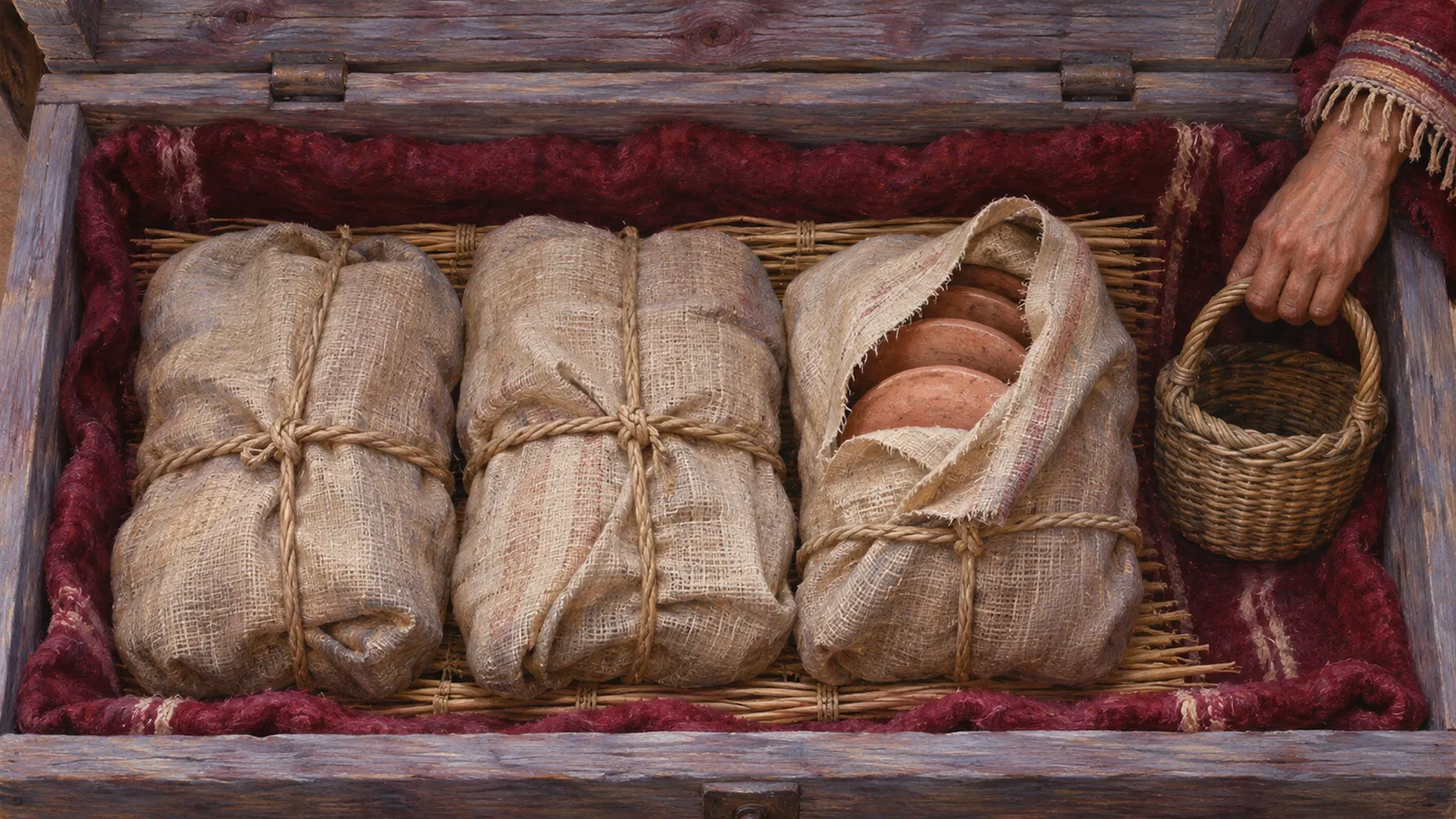
The Assyrian collection grew through commissions and through the taking of books. The lists preserve traces of other owners, with scholars and temples among the sources traced by researchers.
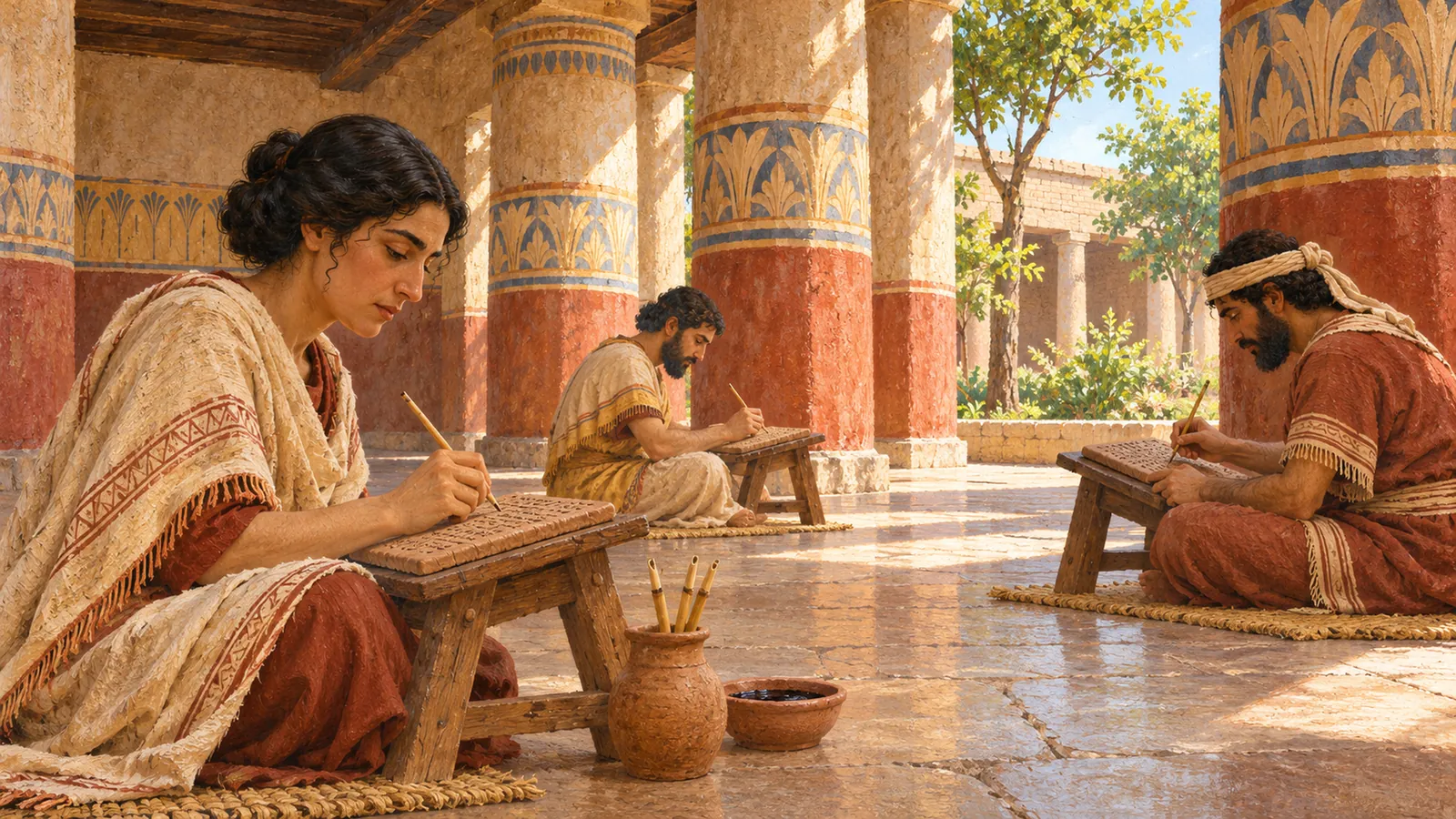
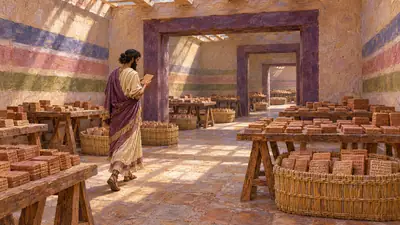
At Nineveh, court scribes made clay copies of works that came from elsewhere. In some cases they named the city or tablet behind a new copy so the reader could trace it.
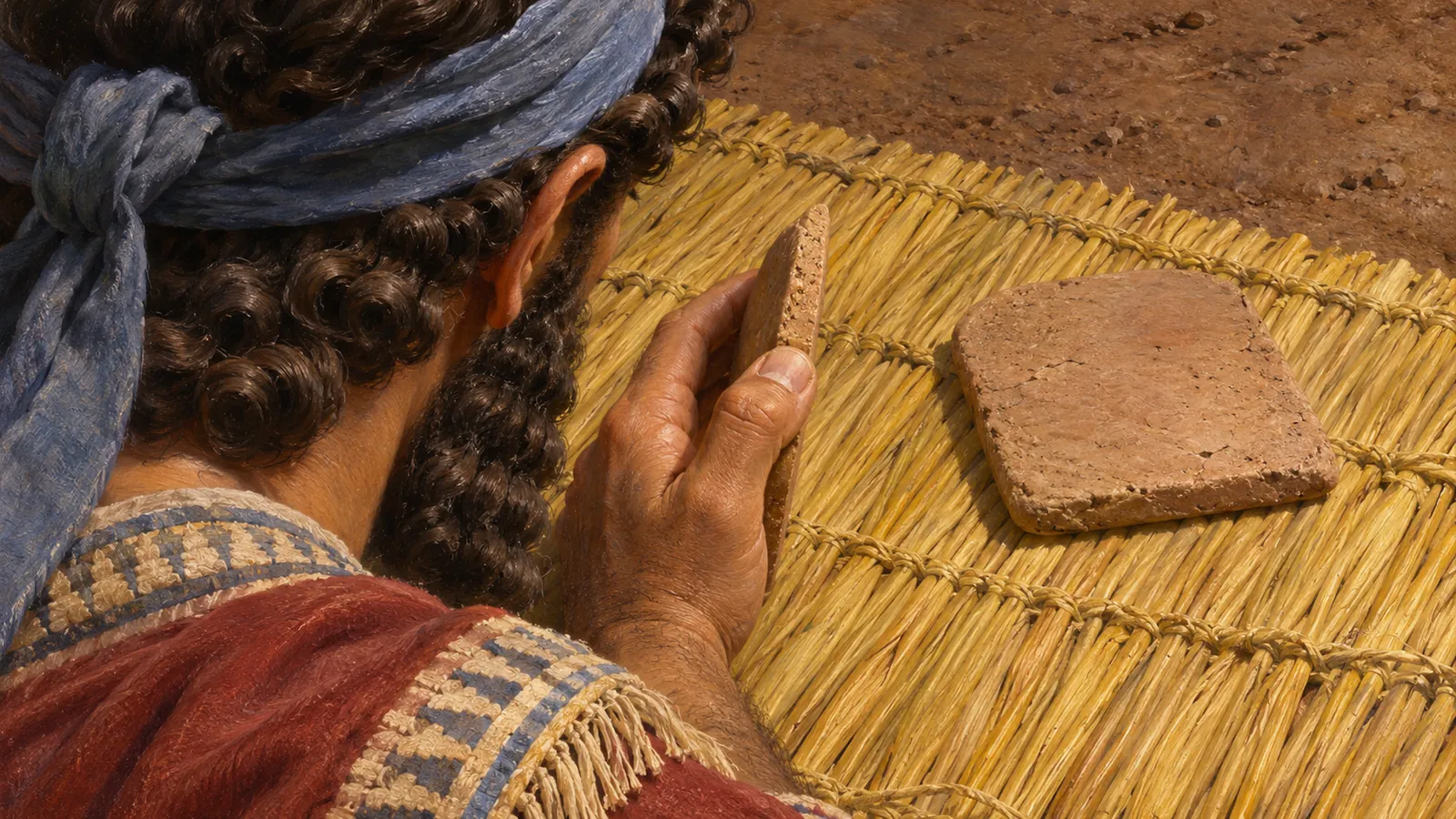
Scribes ended some texts by recording that they had copied and checked an older tablet. Every line could be compared, and a slip in a tiny wedge could change the reading.
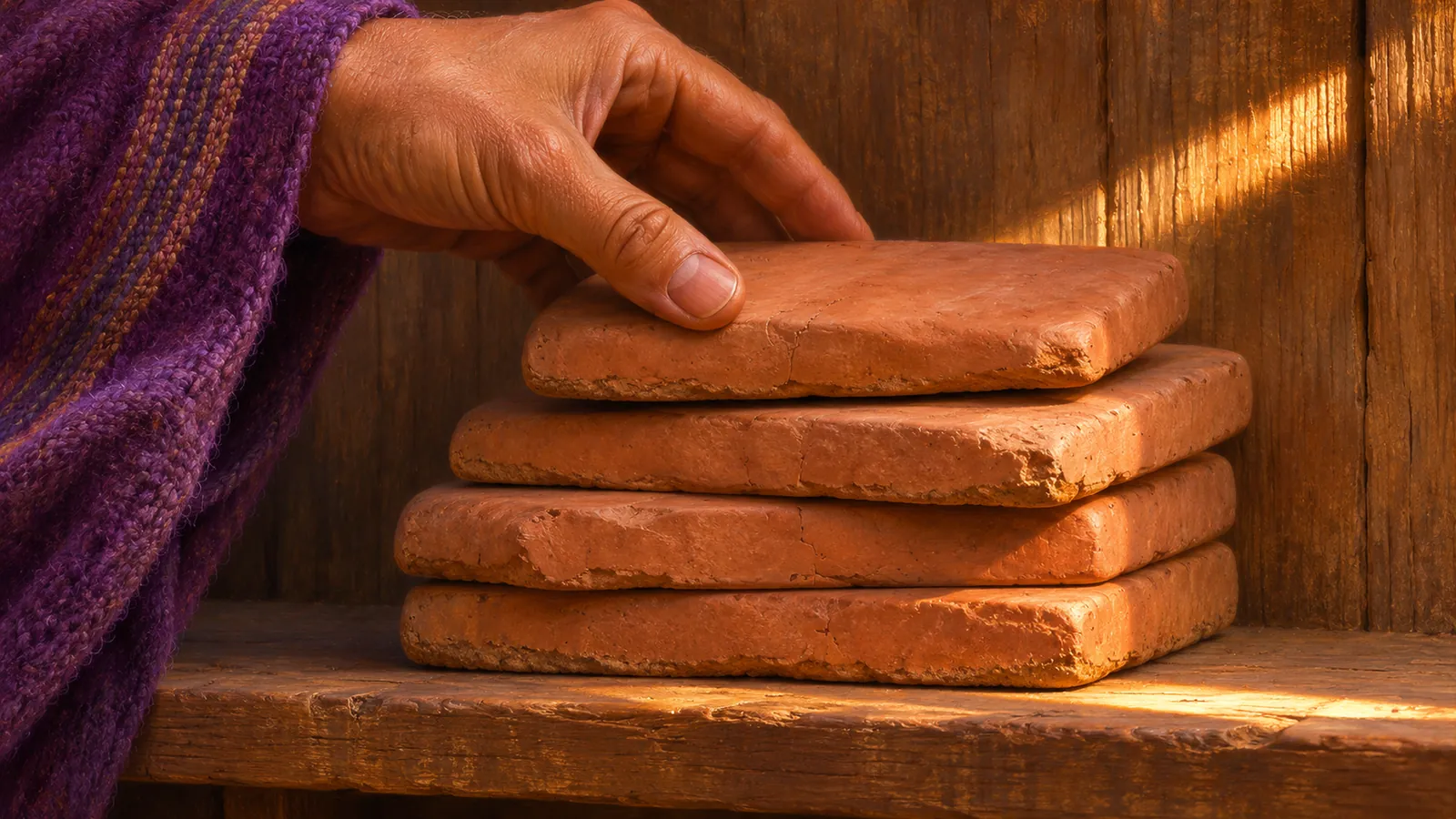
A long work might fill several tablets. On some, the copyist numbered the tablet and set down the first words of the next one, so the reader could follow the sequence.
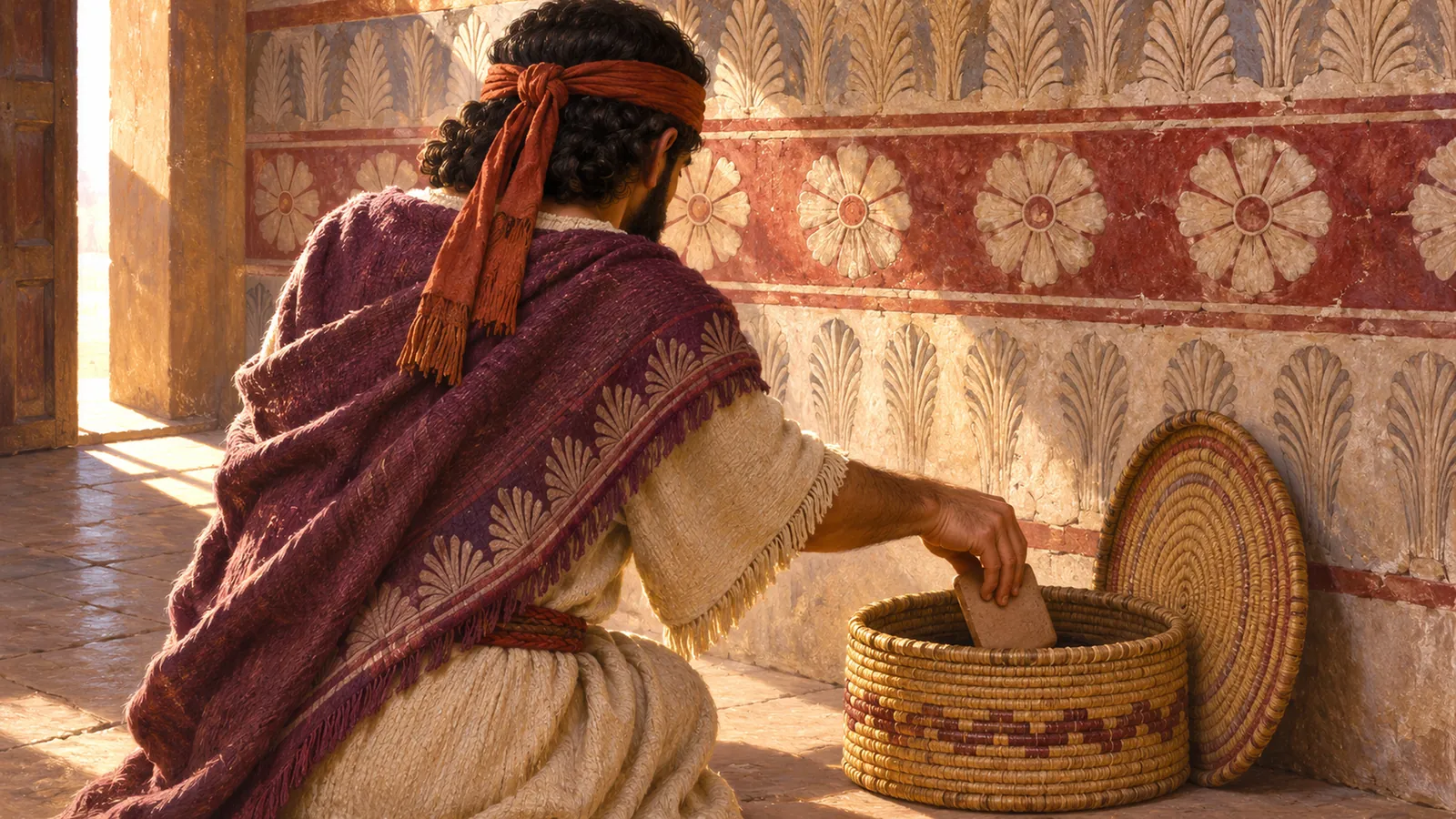
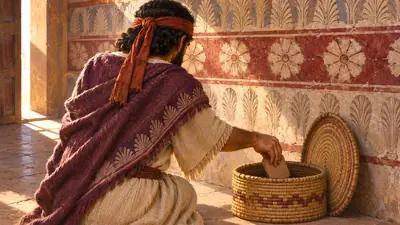
Some copies carry an ownership mark naming Ashurbanipal and his palace. Other notes connect tablets with the god Nabu’s temple. The finds preserve traces of several collections around the city.
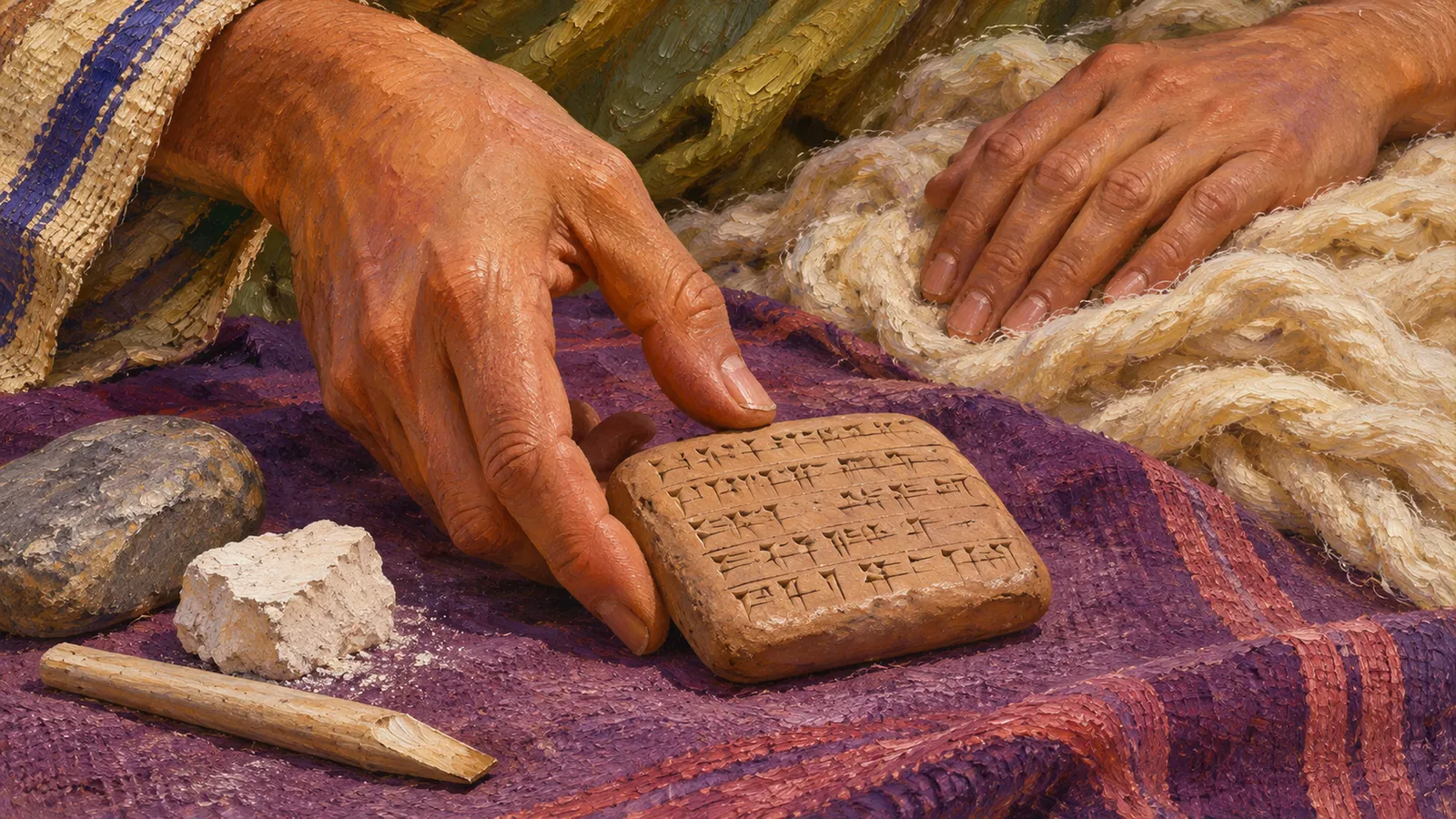
A few colophons warned the reader against carrying off a tablet or erasing its owner’s name. They asked the gods to protect the writing and punish anyone who destroyed it.
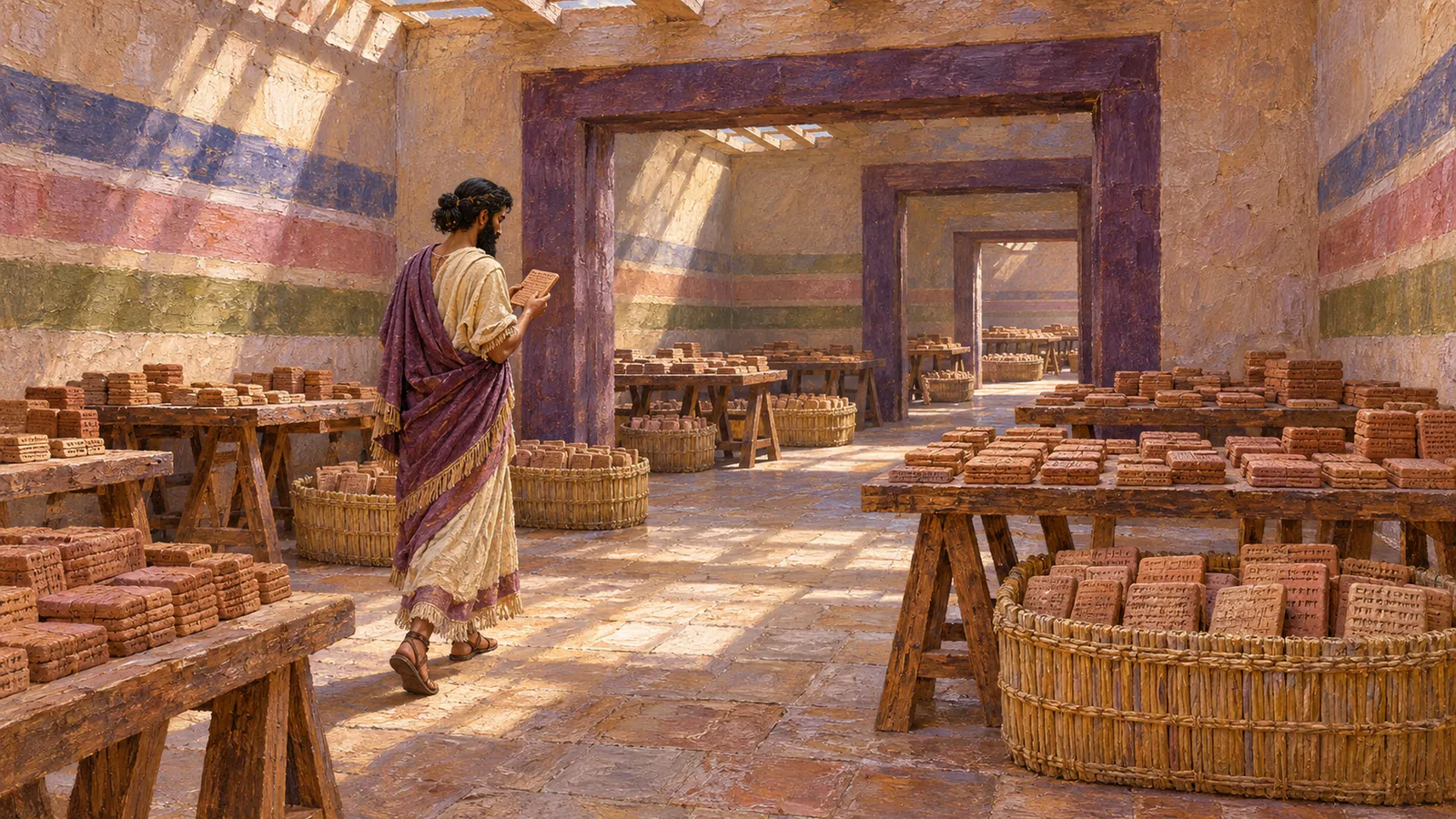
The finds came from different parts of Nineveh. The fallen walls and mixed fragments leave scholars little chance of recovering exactly where a reader would have gone to find a particular book.
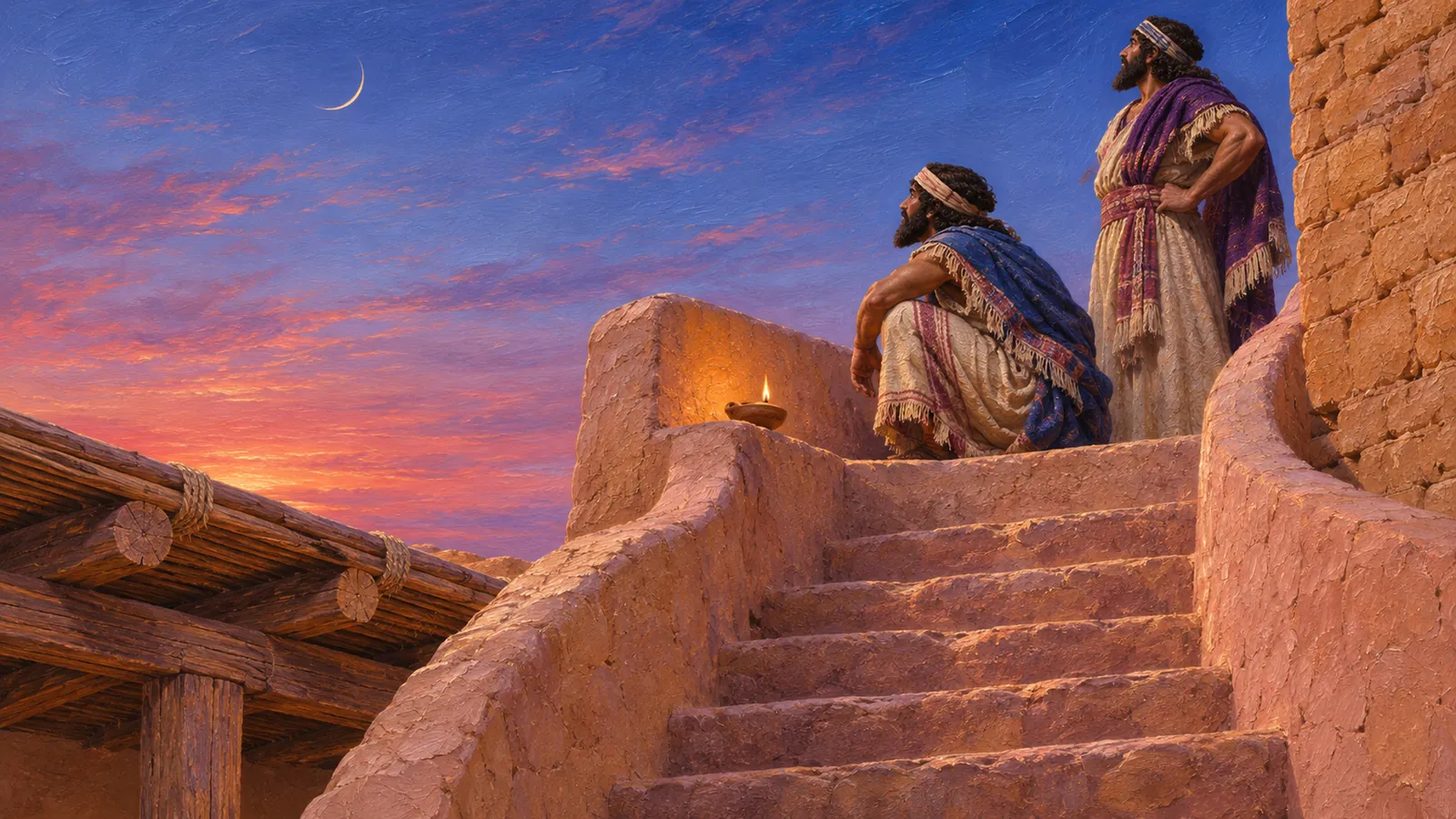
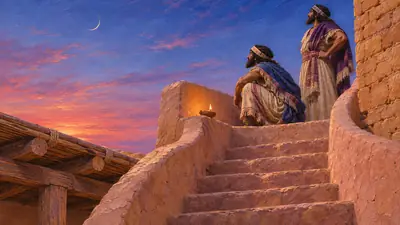
An observer who watched the moon was part of the court’s work. Sky reports could help scholars explain what they saw by comparing it with the signs remembered on earlier tablets.
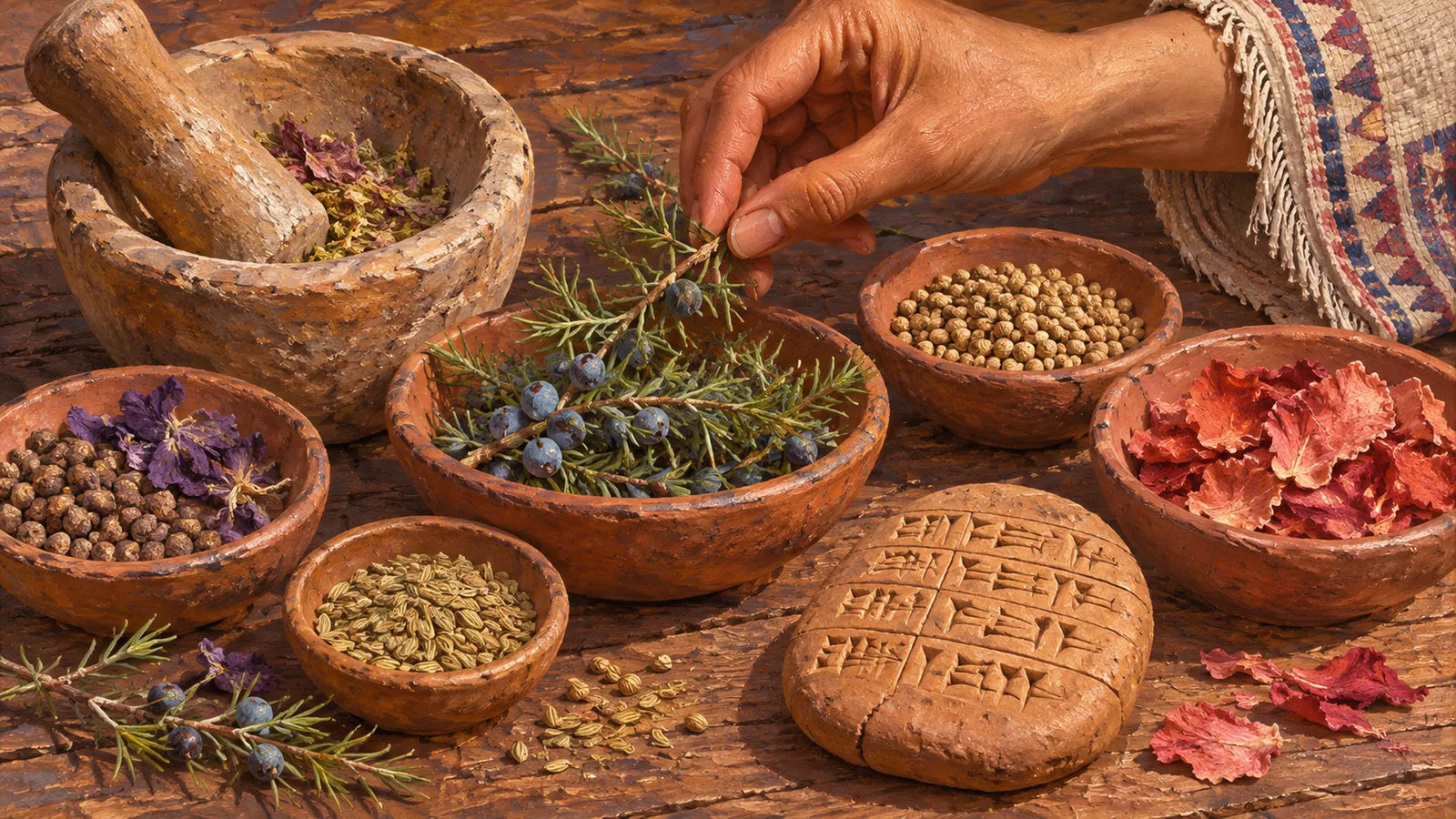
There were tablets for healers too. Lists of symptoms, ingredients and instructions lay alongside literary works, written down by people who expected readers to consult them again when the need arose.
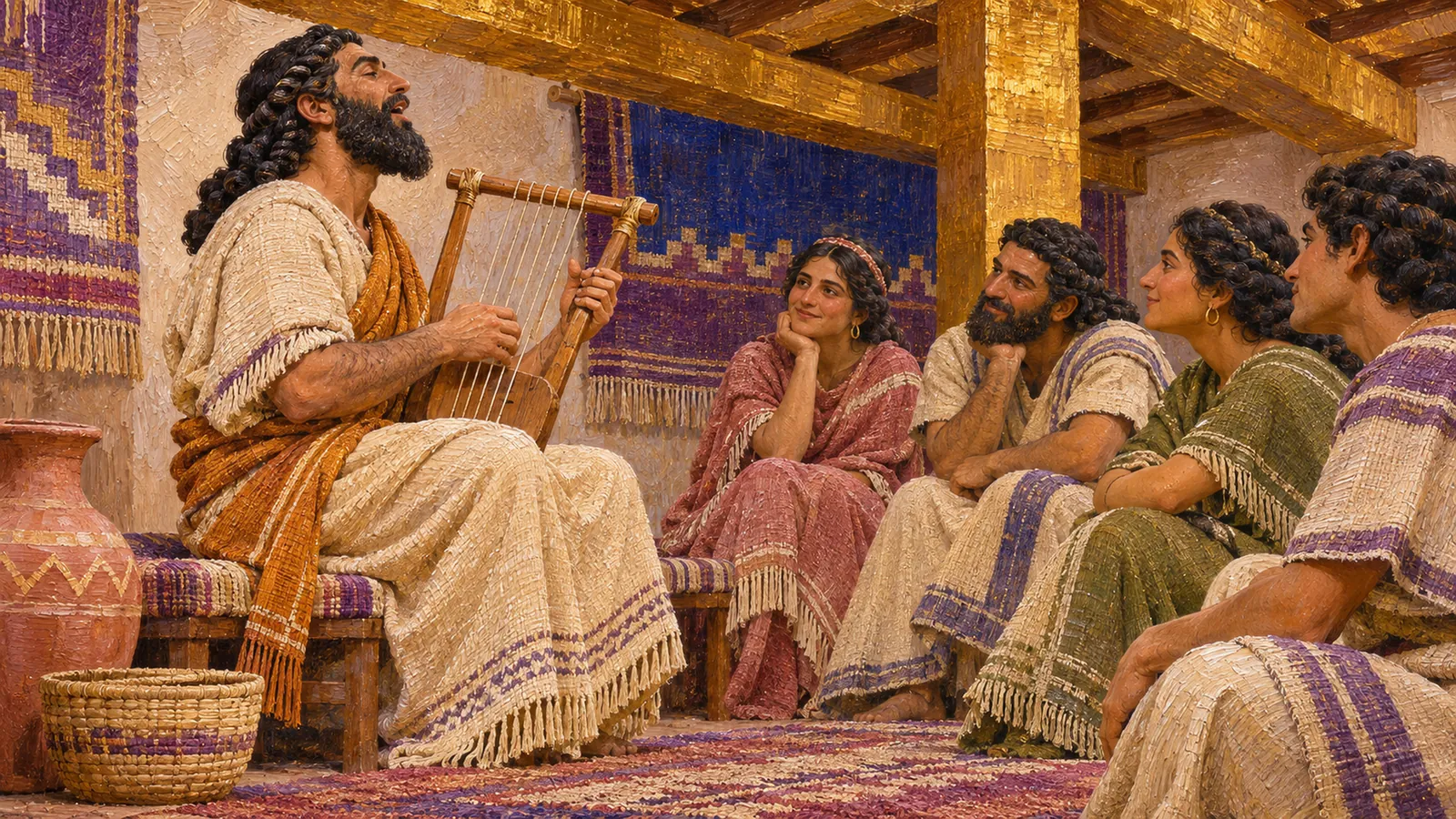
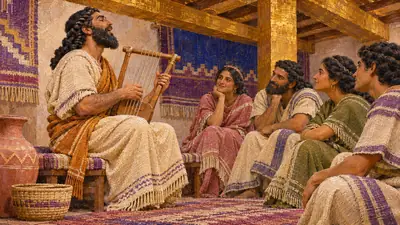
Some rituals called for a singer’s voice. The collection preserved lamentations in Sumerian, including compositions used to express a city’s grief and seek to calm the anger of its god.
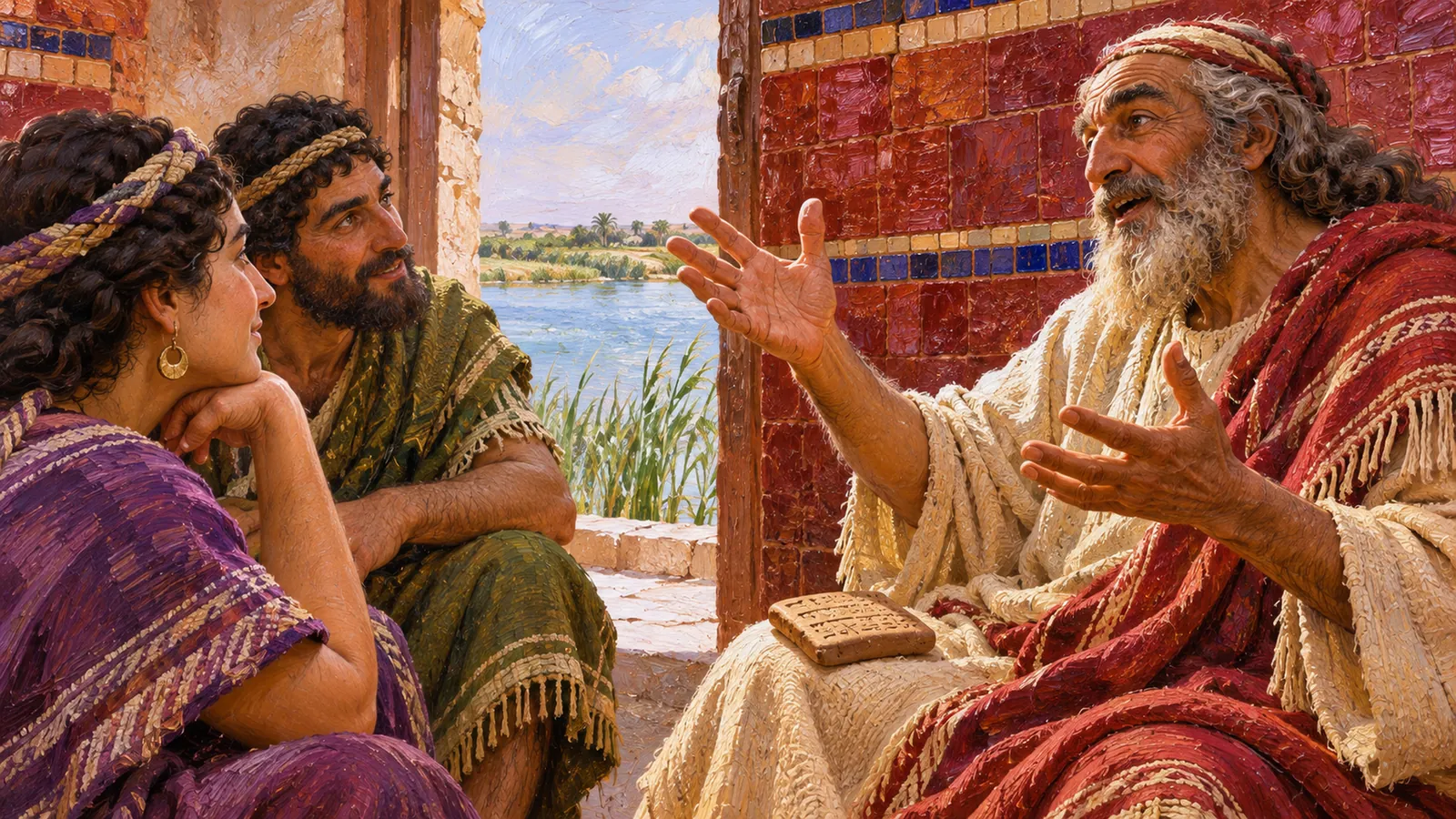
The epic of Gilgamesh belonged to this world of scholarship. Its tablets tell of a king who crossed the earth to ask how one man had survived a flood and escaped death.

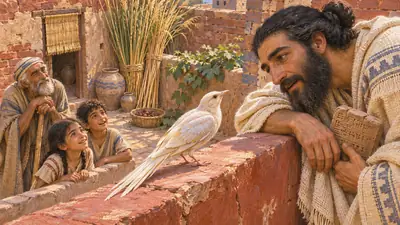
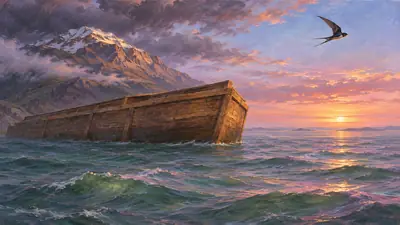
In the eleventh tablet, Uta-napishti remembered the storm and a boat filled with living things. After the water quieted, he sent out birds to learn if land had come back into view.
AFTER THE KING
Ashurbanipal’s reign ended before Nineveh was destroyed. The kings who followed inherited the palaces, the court’s collections and a war in which Assyria was losing ground to Babylonia and its allies.
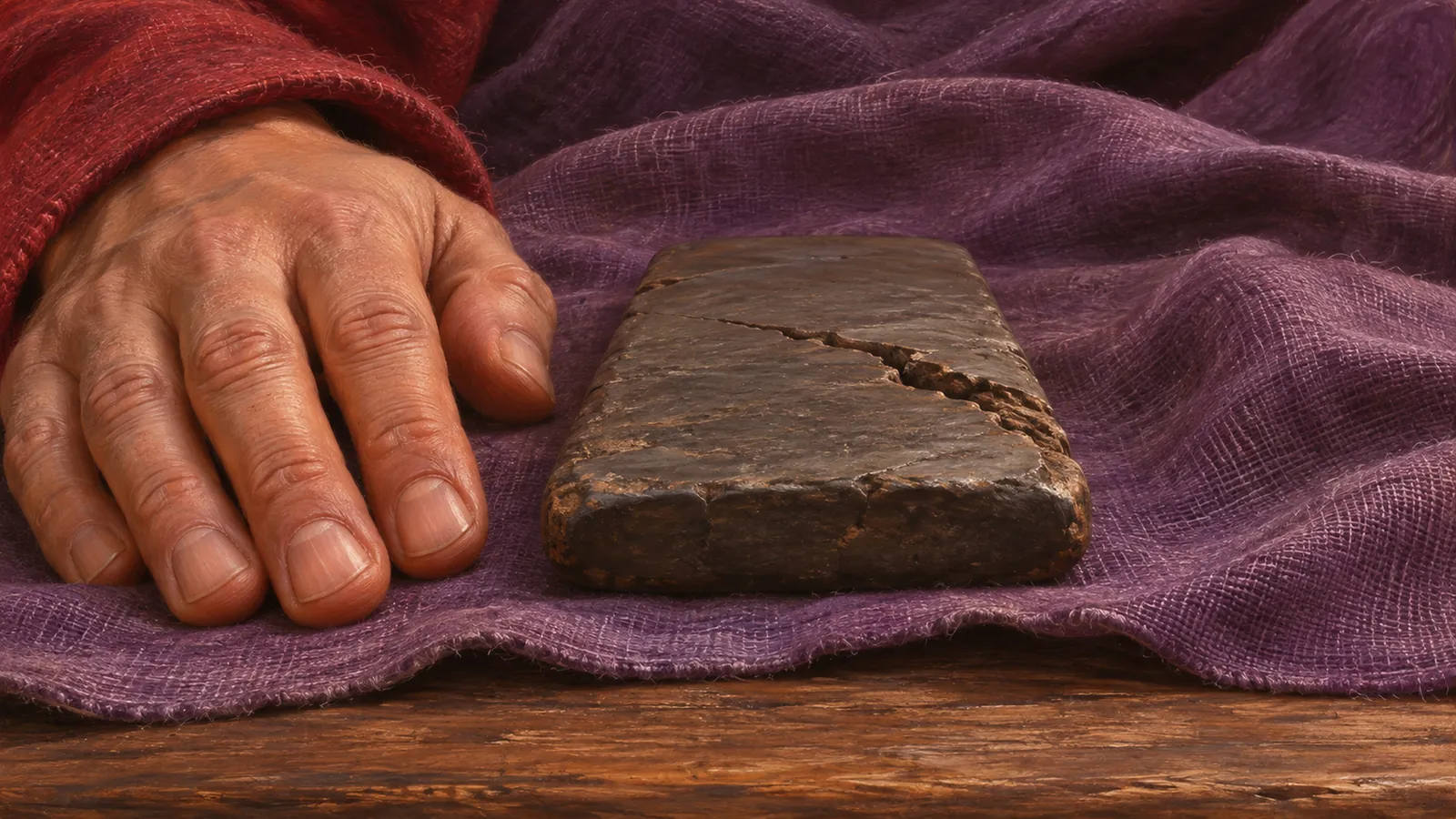
A Babylonian chronicle puts the capture of Nineveh in the fourteenth year of Nabopolassar. His army and the Medes took the city after a siege that lasted about three months.
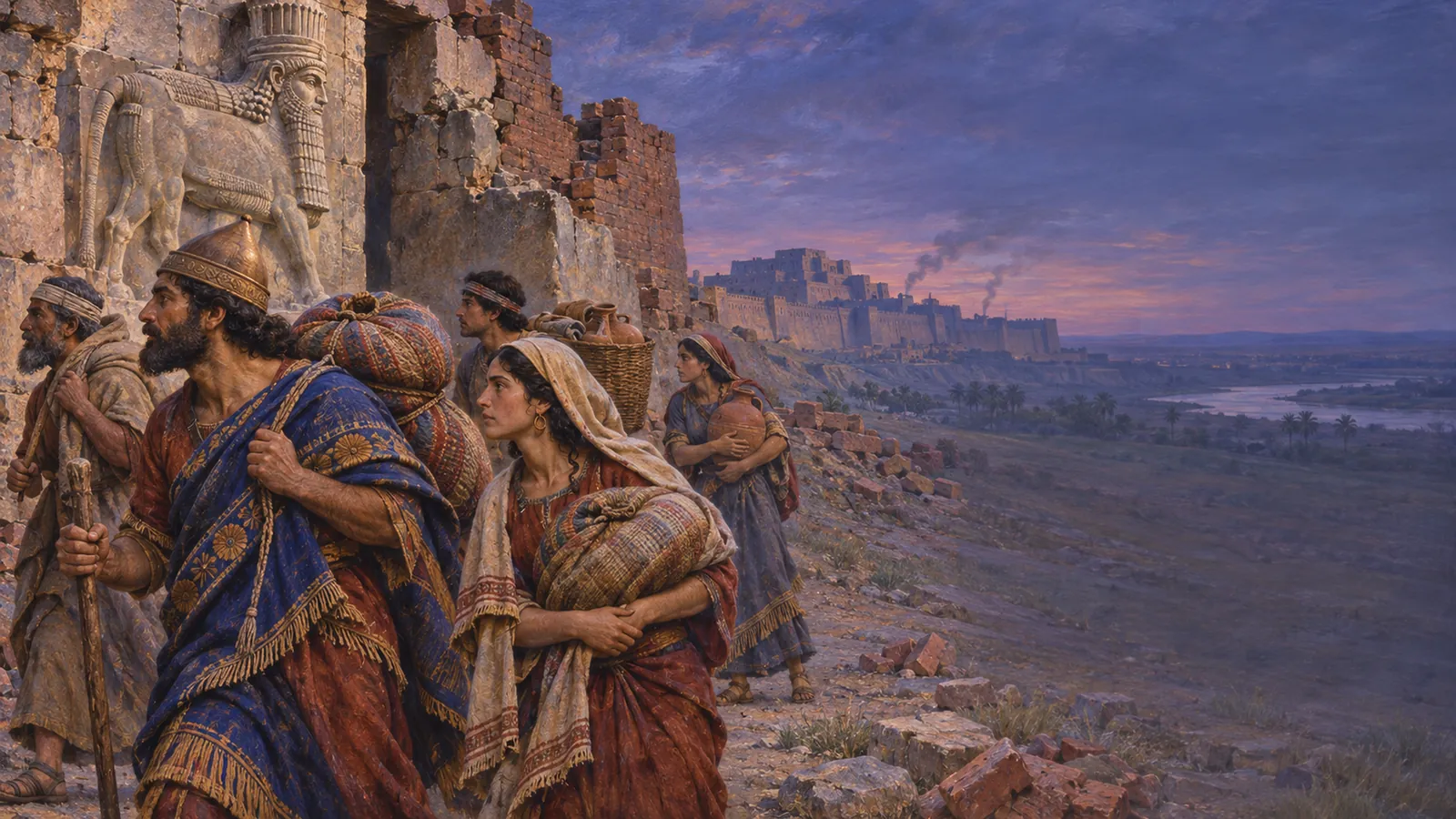
The chronicle says the victors plundered Nineveh and left it a ruin. It gives little space to the people who had lived beside the court and its scholars.
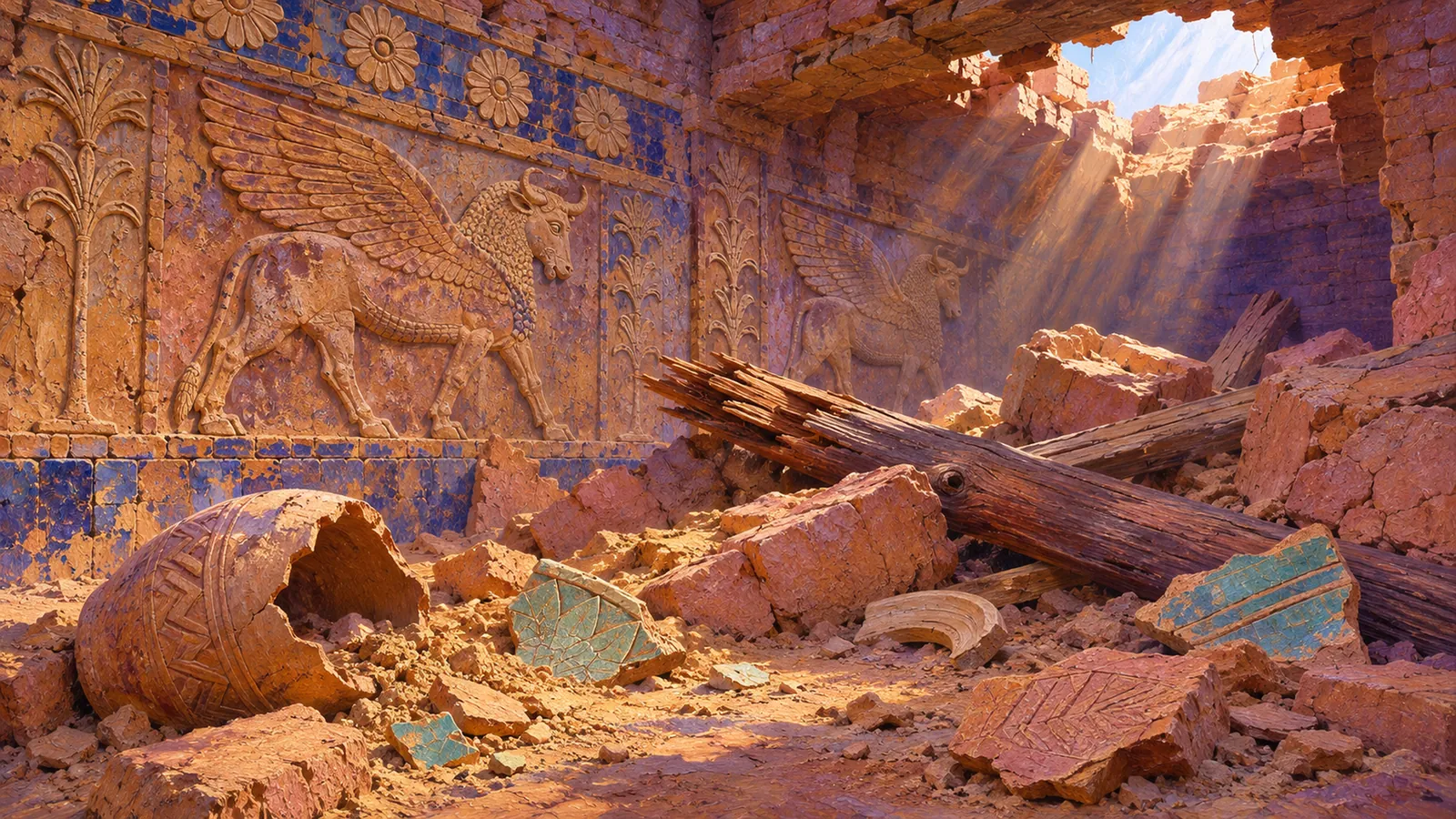
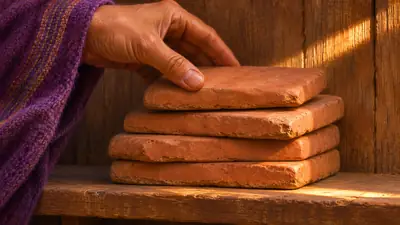
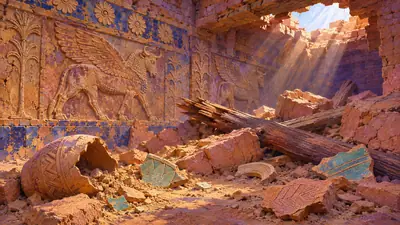
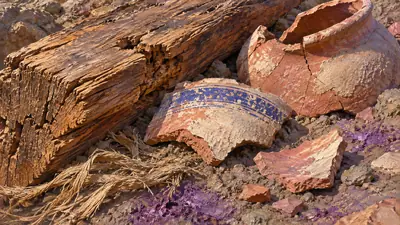
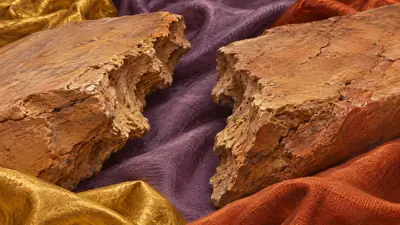
Clay broke as rooms were destroyed and their contents scattered. Other writing surfaces decayed. A tablet that had once belonged in a sequence could end up buried far from its neighbors.
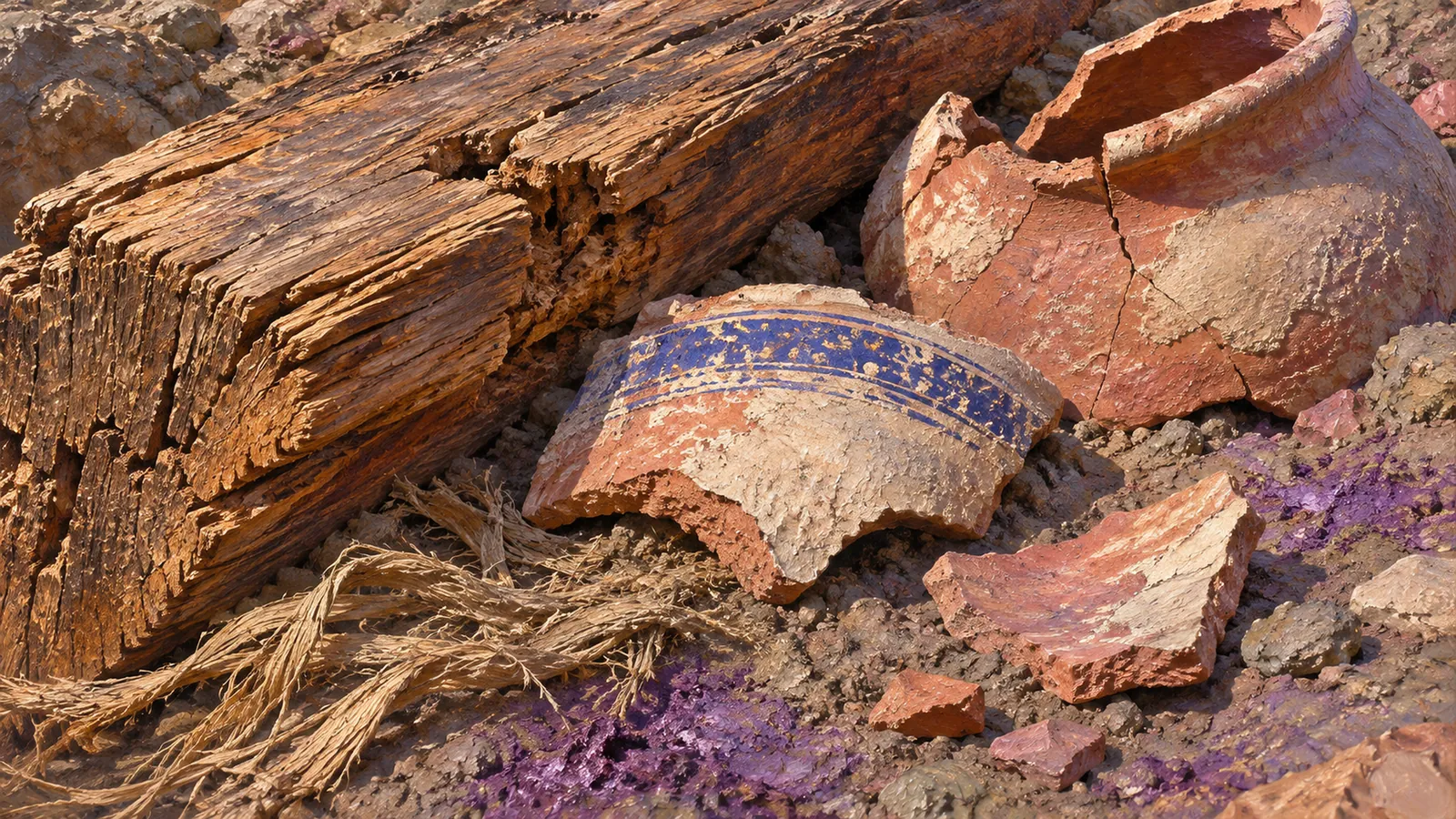
Surviving clay fragments are often all that remains of the collection. Wooden boards rarely endure, so the tablets and inventories give us some of our firmest evidence that the boards existed at all.
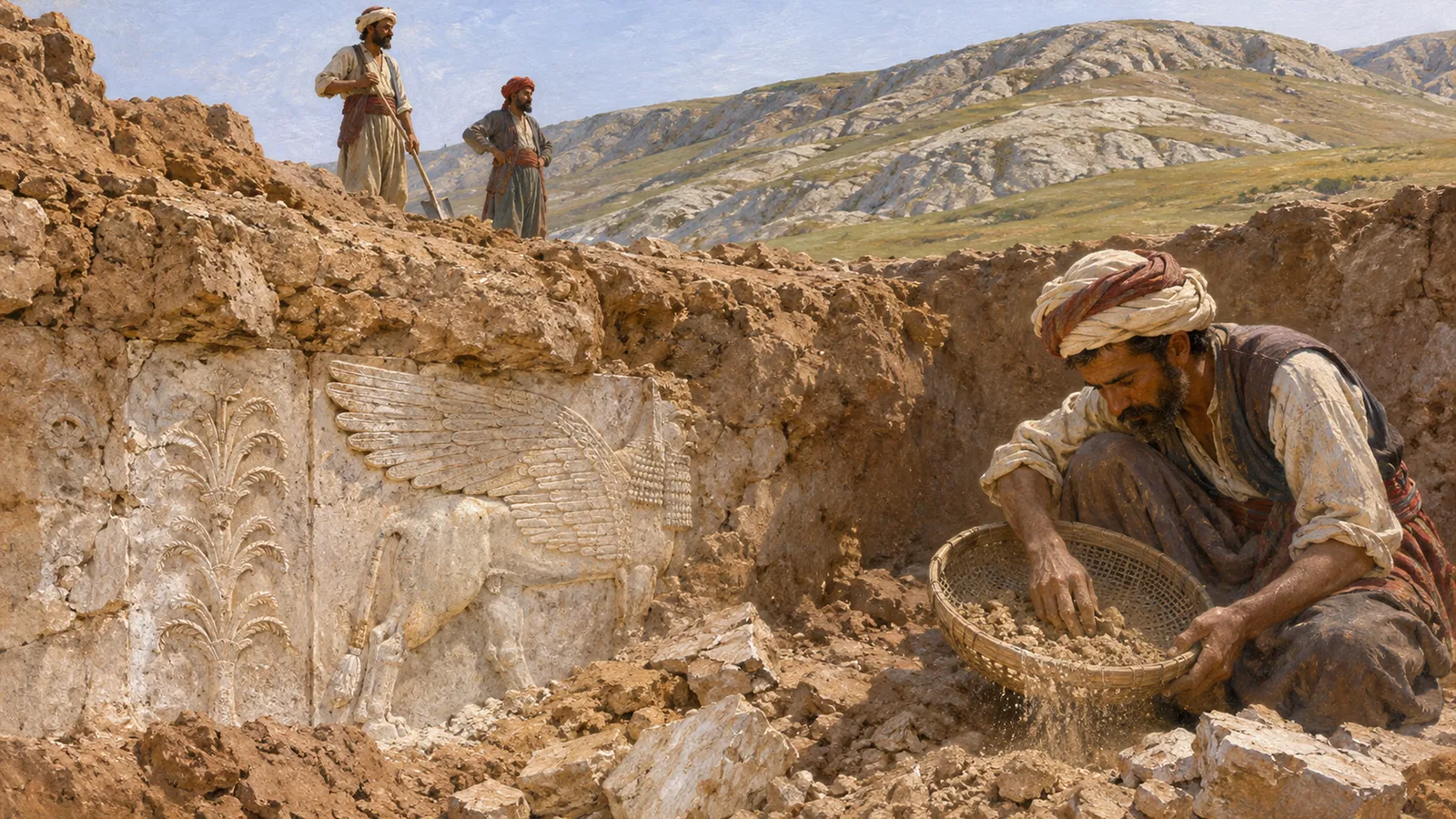
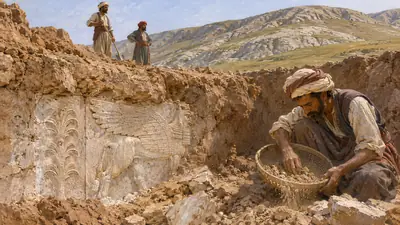
Over time, the remains of the palace buildings disappeared from sight. In the nineteenth century, excavations on the mound of Kuyunjik uncovered clay fragments among the ruins of ancient Nineveh.
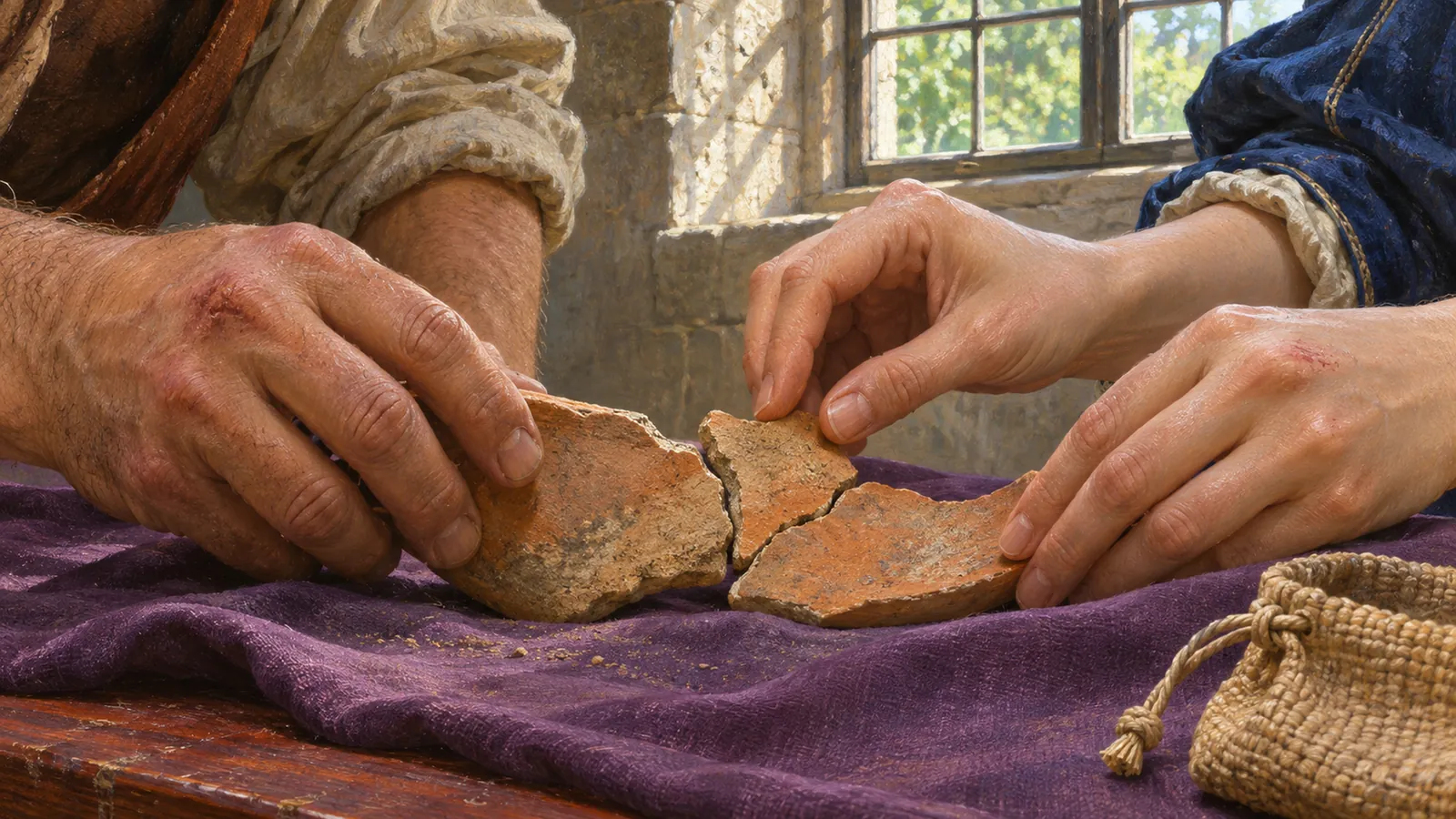
The fragments went into museum collections. Researchers have spent generations comparing the curve of an edge, the clay and the lines of signs to see which pieces actually join.

In 1872, George Smith identified the flood account on fragments from Nineveh. Here was a telling of an ancient flood preserved within the longer poem of Gilgamesh, in the words of its survivor.
A line that ends in broken clay may continue on a tablet found in another city. Some missing words are still visible nowhere. A careful edition shows where the evidence runs out.
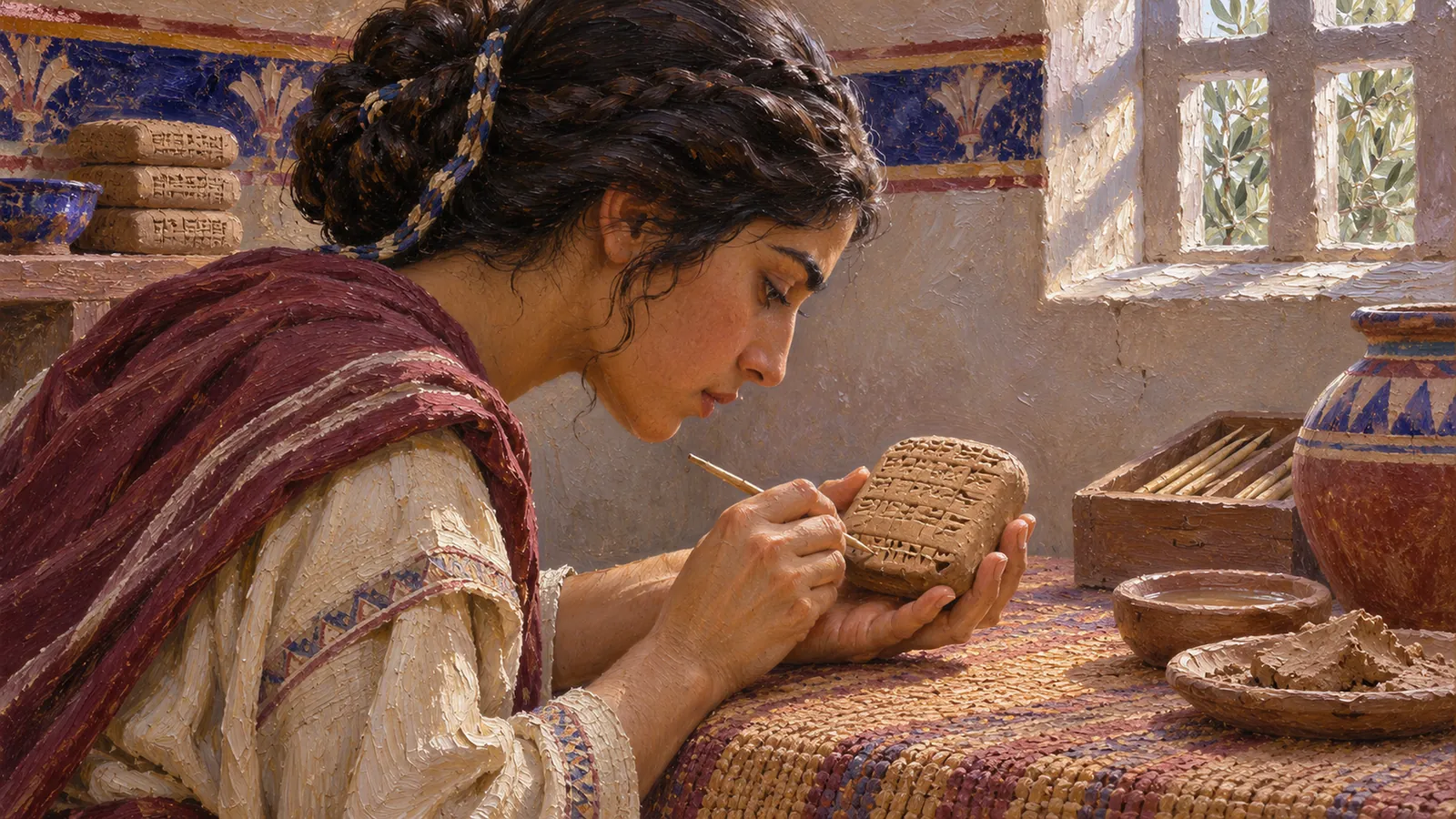
The names on the tablets still lead back to people. Kings gave orders, scholars argued and copyists signed their work. The little words at the end of a tablet can tell us whose hands it passed through.
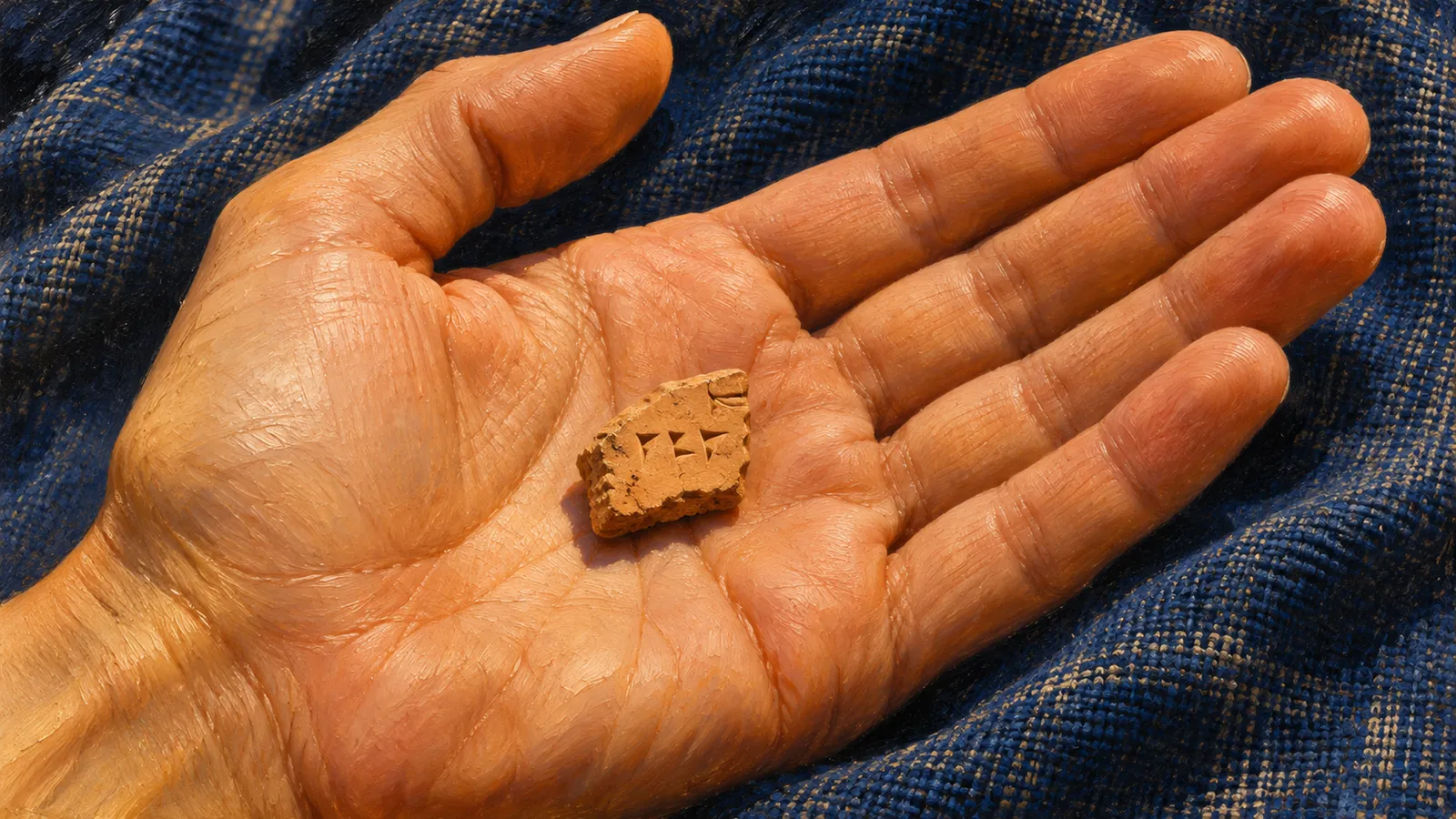
Of the countless lines once kept at Nineveh, some remain in the space of a hand. The wedges still carry the words pressed into clay when an ancient scribe was writing for another reader.
End of chapter 1
All pages


Sources
Editions consulted
- RINAP 5, Ashurbanipal 011, scribal education
- RINAP 5, Ashurbanipal 015, the king’s account of his learning
- Grant Frame and A. R. George, BM 45642 and BM 28825
- British Museum and LMU, Reading the Library of Ashurbanipal
- Assembling the Library
- Nineveh Medical Encyclopaedia project
- Gilgamesh Tablet II, manuscript C from Nineveh
- The Fall of Nineveh Chronicle, British Museum 21901
Ancient lines behind each page
- Page 1: eBL K.3375
- Page 2: RINAP 5 Q003710; ORACC ASBP
- Page 3: RINAP 5 Ashurbanipal 011 i 31–33
- Page 4: Cuneiform Digital Library Initiative; RINAP 5 Ashurbanipal 011
- Page 5: RINAP 5 Ashurbanipal 015 i 1′–18′
- Page 6: RINAP 5 Ashurbanipal 015 i 13′–18′
- Page 7: RINAP 5 Ashurbanipal 015 i 1′–18′
- Page 8: RINAP 5 Q003710 i 8–30; BM 28825
- Page 9: BM 45642 lines 8–10
- Page 10: BM 45642 lines 8–17
- Page 11: BM 45642 lines 1–7
- Page 12: BM 45642 lines 5–10
- Page 13: BM 45642 lines 8–12
- Page 14: BM 45642 lines 10–12
- Page 15: Nimrud writing boards; BM 45642 line 12
- Page 16: BM 45642 lines 12–14
- Page 17: BM 28825 lines 1–10
- Page 18: BM 28825 lines 8–10
- Page 19: BM 28825 lines 10–15
- Page 20: BM 28825 lines 15–18
- Page 21: BM 28825 lines 25–29
- Page 22: BM 28825 lines 24–35
- Page 23: BM 28825 lines 36–38
The account of the reception ends in a damaged passage. - Page 24: BM 45642 lines 21–23; Frazer 2021
- Page 25: BM 45642 lines 22–23; Frazer 2021
- Page 26: BM 28825 lines 39–41
- Page 27: ORACC ASBP Assembling the Library; Parpola 1983
- Page 28: ORACC ASBP Assembling the Library; Parpola 1983
- Page 29: ORACC ASBP Library Colophons
- Page 30: ORACC ASBP Library Colophons; BM 45642 lines 21–23
- Page 31: ORACC ASBP Library Colophons; eBL K.3375
- Page 32: ORACC ASBP Library Colophons
- Page 33: ORACC ASBP Library Colophons
- Page 34: ORACC ASBP Archaeology of the Library
- Page 35: SAA 08 Astrological Reports to Assyrian Kings; ORACC ASBP
- Page 36: Nineveh Medical Encyclopaedia, ORACC
- Page 37: BM 28825 lines 8–10; ORACC ASBP
- Page 38: eBL Standard Babylonian Gilgamesh XI
- Page 39: eBL K.3375; Standard Babylonian Gilgamesh XI
- Page 40: BM 21901; RINAP 5
- Page 41: BM 21901 ABC 3 lines 38–45
- Page 42: BM 21901 ABC 3 lines 43–49
- Page 43: ORACC ASBP Archaeology of the Library
- Page 44: ORACC ASBP Assembling the Library; Nimrud writing boards
- Page 45: ORACC ASBP Archaeology of the Library
- Page 46: ORACC ASBP Documenting the Library
- Page 47: British Museum K.3375; ORACC ASBP Documenting the Library
Period reconstruction of George Smith reading a fragment. - Page 48: eBL Gilgamesh XI, witnesses
- Page 49: BM 45642 lines 21–23; ORACC ASBP Library Colophons
- Page 50: eBL K.3375; ORACC ASBP
Illustrations made with AI tools by IL Archive; the text is based on the ancient sources (see the sources at the end of each chapter).