Entity · Concept
Ziggurat
A reference page linking a name, group, or concept to the materials that discuss it.
A raised, stepped Mesopotamian cult structure. Ur shows its construction and restoration; Eridu separates earlier Ubaid platforms from a historical ziggurat, and surviving remains from conjectural reconstruction.
Estimated reading time: 5 min Published Last reviewed:
Share article
Text
Introduction
A ziggurat is a monumental stepped religious structure associated with cities such as UrukUrukAncient city at Warka in southern Iraq, a major urban centre around 3200 BCE that preserved early writing and accounting tablets.Glossary · Click to read the explanation, Ur and EriduEriduEridu (Abu Shahrain), a multi-mound site in southern Iraq occupied since the Ubaid, later home to a religious precinct associated with Enki. Its eighteen sounding levels are not proof that every early building was a temple.Glossary · Click to read the explanation in ancient MesopotamiaMesopotamiaHistorical region associated with the Tigris and Euphrates: Uruk, Ur, Eridu, cuneiform, Sumer, Akkad, Babylon and Assyria, their languages and cults, and the limits of archaeological evidence.Glossary · Click to read the explanation. Archaeological remains and cuneiformCuneiformWriting with wedge-shaped signs, developed from Mesopotamian recording traditions and used for several languages from the third millennium BCE.Glossary · Click to read the explanation texts document the type, but a ziggurat is not simply any artificial mound or platform supporting a temple. Ur and Eridu make it possible to distinguish the surviving building, the dates of its successive phases and scholarly reconstructions of its lost features. At Eridu especially, the religious identity of a historically documented sanctuary cannot simply be transferred to much earlier structures on the same site.[1]
What is a ziggurat, and how was it built?
The familiar historical form consists of a massive elevated structure with receding levels or superimposed terraces, approached by stairways or ramps and set within an urban sacred precinct. It was not a hollow residential tower. At Ur, excavators documented a substantial mud-brick core faced with fired bricks set in bitumen, layers of reed matting and openings for moisture drainage. Construction methods and plans differed across cities and periods, so Ur should not be treated as a universal template.[2][3]
Ziggurats were associated with temples and religious practice; reconstructions often place a small shrine at the summit. Yet the upper parts of major examples have disappeared. The position of every doorway, the total number of stages and the colours of a summit shrine cannot therefore be claimed as surviving evidence for every period. Nor does calling a ziggurat a “pyramid” adequately express its distinct materials, religious setting and purpose.
Earlier platforms and chronology
By the end of the fourth millennium BCE, large mud-brick platforms had appeared in Mesopotamia, probably supporting important structures, including temples. By the middle of the third millennium, certain temples stood on huge stepped platforms. Particularly prominent royal works around 2100 BCE are associated with Ur-Nammu, ruler of Ur’s Third Dynasty, at Ur, Eridu, UrukUrukAncient city at Warka in southern Iraq, a major urban centre around 3200 BCE that preserved early writing and accounting tablets.Glossary · Click to read the explanation and Nippur. These are landmarks in a long architectural history, not proof that every platform of the Ubaid periodUbaid cultureAn archaeological designation for material traditions associated with southern Mesopotamia and its regional connections. The broad southern sequence spans c. 6500–3800 BCE, with regional variation; the label alone identifies neither a people nor a language.Glossary · Click to read the explanation was itself a ziggurat or that all sites followed a single evolutionary sequence.[2]
Because these monuments underwent repeated repairs and refacing, dating an element requires separating its initial construction from later royal interventions. Inscribed bricks, written records and stratigraphic contacts help, but they cannot always restore connections lost through erosion, looting or earlier excavations.
Ur: surviving fabric and reconstruction
The ziggurat of Ur, associated with the moon god NannaNanna / Su’en / SinMesopotamian moon god known as Nanna, Su’en and Sîn/Sin. Worshipped especially at Ur and Harran, he is associated with the crescent and lunar cycle; names and myths have different histories.Glossary · Click to read the explanation, is one of the clearest archaeological examples. Woolley and the joint British–American expedition exposed it during the 1923–24 season and described its three converging stairways and brick facing. Royal brick stamps and later building records helped distinguish Ur-Nammu’s work from subsequent interventions. In the sixth century BCE, Nabonidus restored the structure and altered its upper portions. The summit of the original Third Dynasty building has not survived for direct inspection; the excavators’ architectural drawings therefore reconstruct something different from the extant ruins.[3]
Nor is every brick visible in modern photographs original third-millennium fabric: parts of the exterior facing were rebuilt in modern times. Such repairs do not erase the site’s historical importance, but they must be acknowledged when interpreting photographs or three-dimensional models.[6]
Eridu: older levels and a historical ziggurat
EriduEriduEridu (Abu Shahrain), a multi-mound site in southern Iraq occupied since the Ubaid, later home to a religious precinct associated with Enki. Its eighteen sounding levels are not proof that every early building was a temple.Glossary · Click to read the explanation, also called Tell Abu Shahrayn, preserves a particularly important sequence. An earlier temple sounding revealed eighteen architectural levels. Finds from the Ubaid cultureUbaid cultureAn archaeological designation for material traditions associated with southern Mesopotamia and its regional connections. The broad southern sequence spans c. 6500–3800 BCE, with regional variation; the label alone identifies neither a people nor a language.Glossary · Click to read the explanation levels helped establish the region’s chronology. Truncated terraces occurred above certain levels, including those numbered V–II. A recent Strasbourg expedition study reconsidered their chronology and their links to retaining walls and plastered slopes, identifying errors and missing stratigraphic connections in earlier documentation.[1]
The historical E-abzu sanctuary precinct, associated in written periods with EnkiEnkiMesopotamian deity also known as Ea, linked with Eridu and the Abzu (deep fresh waters), wisdom, incantations, and narratives of creation and cosmic order. Later written attestations do not identify the deity of Eridu’s earliest layers.Glossary · Click to read the explanation and the AbzuAbzuCosmic subterranean freshwater in Mesopotamian religion, associated with Enki/Ea. The name occurs in E-abzu, “House of the Abzu”, at Eridu. Distinct from the narrative figure Apsû in the Enūma eliš and unnamed excavated structures.Glossary · Click to read the explanation, contained the E-unir ziggurat. The report on the 2022 campaign examines Third Dynasty of Ur construction and subsequent works, some probably belonging to the Isin–Larsa period. Its authors provisionally reconstruct the ziggurat on a white artificial elevation stepped on one side. This is an evidence-based but conjectural visualization, not a recovered image of the complete tower. Similarly, Enki’s historical association with the sanctuary does not establish the name of the deity honoured in its pre-literate Ubaid predecessors.[1]
Function, evidence and interpretation
The association with sacred precincts and royal inscriptions supports interpreting ziggurats as cult buildings, not homes or tombs. Their precise symbolic significance, however, remains uncertain. An influential suggestion imagines them as lofty dwellings of the gods or artificial sacred mountains rising from the alluvial plain; that suggestion is not a proven explanation of every monument. Early excavation accounts of Ur show how careful observations of brickwork and stairs could coexist with much broader ideas about the population’s origins and motives. Such ideas belong to the history of interpretation rather than to directly excavated facts.[2][3]
Babylon: written evidence alongside ruins
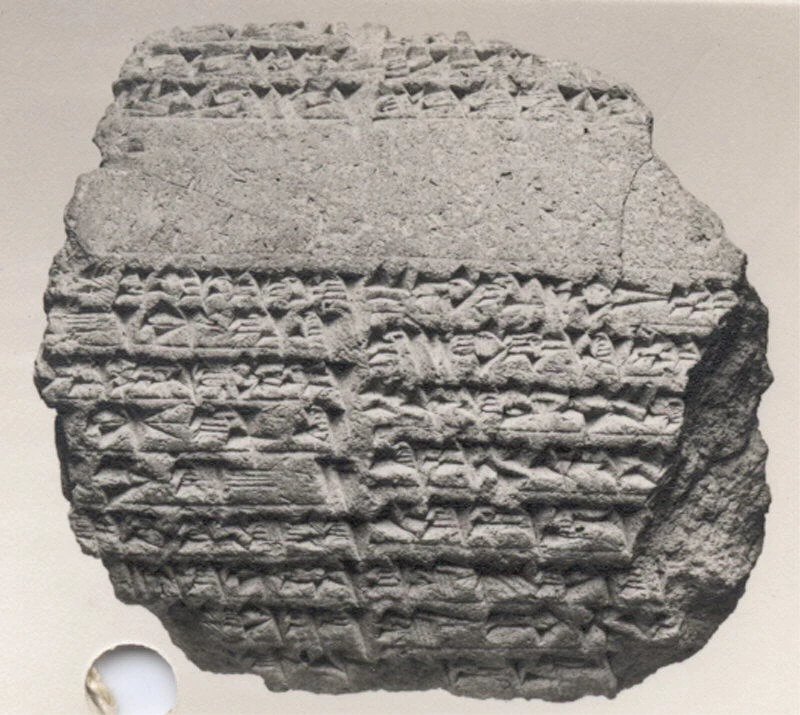
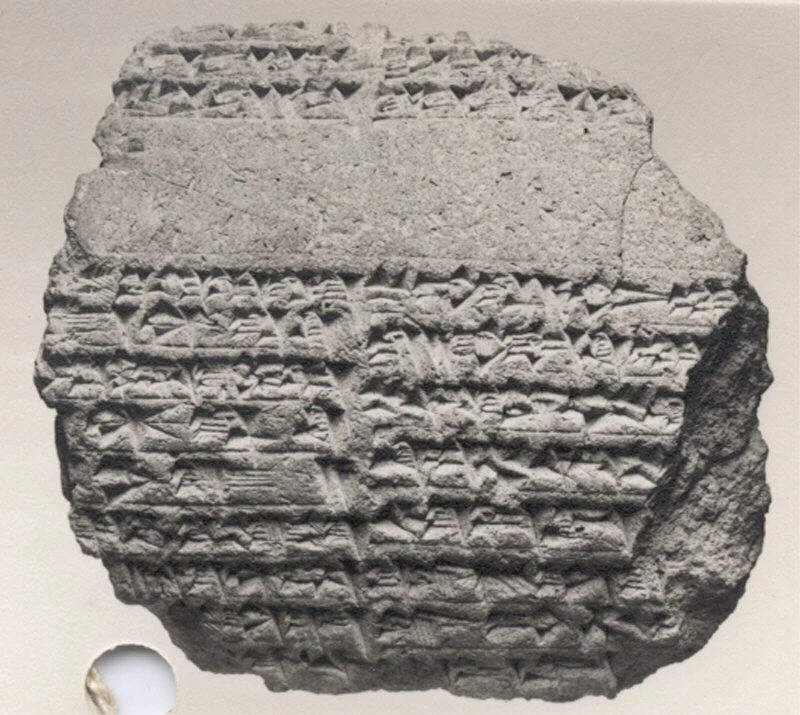
The tradition continued in BabylonBabylonBabylon is an ancient city in central present-day Iraq, south of BaghdadGlossary · Click to read the explanation, where the EtemenankiEtemenankiStepped ziggurat in Babylon’s Esagil sacred precinct, associated with Marduk. Excavations establish its base, royal texts attest rebuilding, and a later Esagil Tablet supplies idealized dimensions.Glossary · Click to read the explanation ziggurat belonged to the cultic complex of MardukMardukBabylon’s leading god, worshipped at Esagil and elevated in the Akkadian Enūma eliš. His symbols include a spade and mušḫuššu dragon. His earliest origins remain obscure; Nibiru is no evidence of a planetary homeland.Glossary · Click to read the explanation. A French Ministry of Culture archaeological resource discusses the Esagil Tablet, which records dimensions for the tower’s base, stages and summit sanctuary. It cautions that the tablet was also a mathematical exercise and that the height given may be theoretical or exaggerated. The Metropolitan Museum holds a cuneiform cylinder from Nebuchadnezzar II’s reign recording Etemenanki’s reconstruction; the evidence used here is the object’s catalogue description, not a complete reading of its inscription.[4][5]
Ruins, photograph and conservation
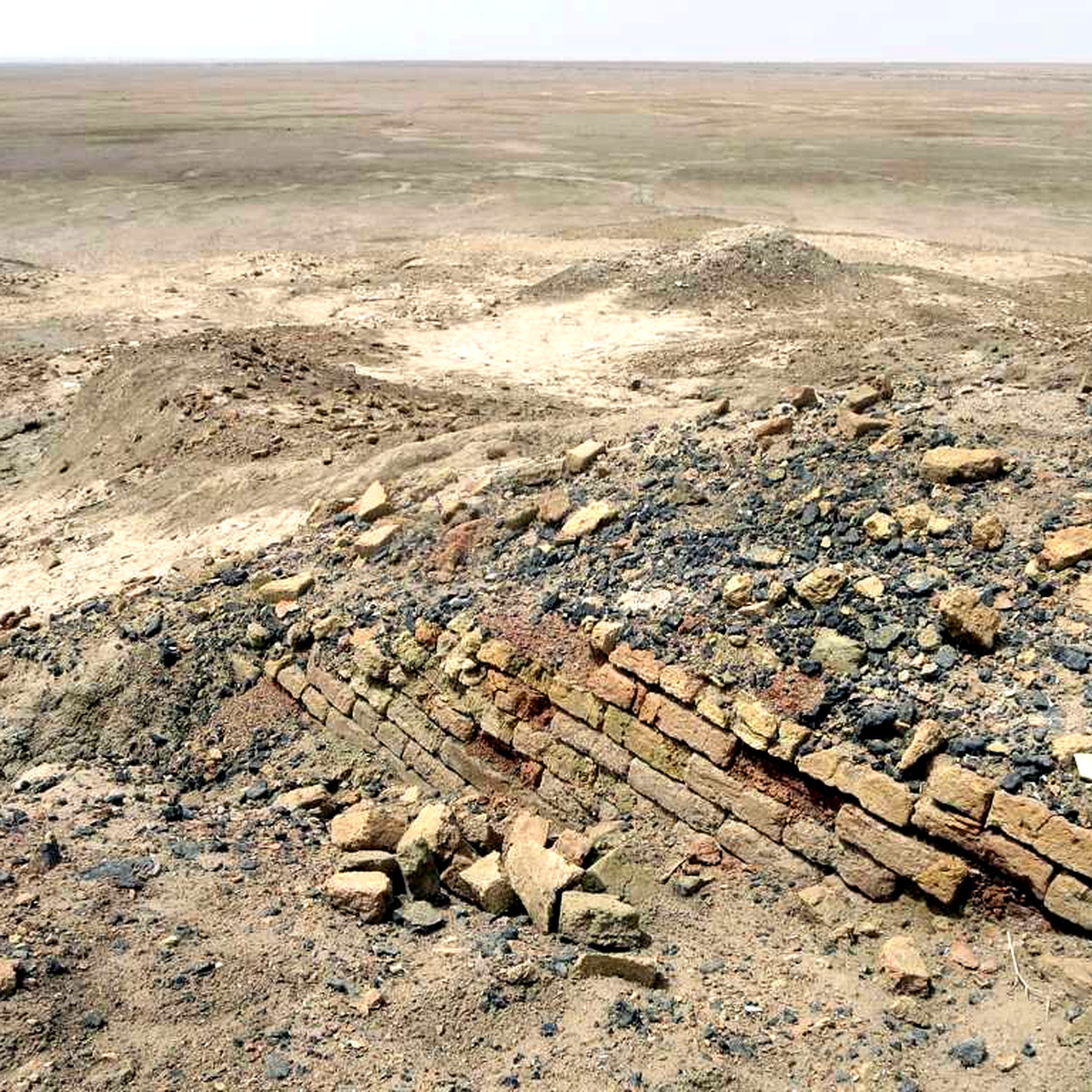
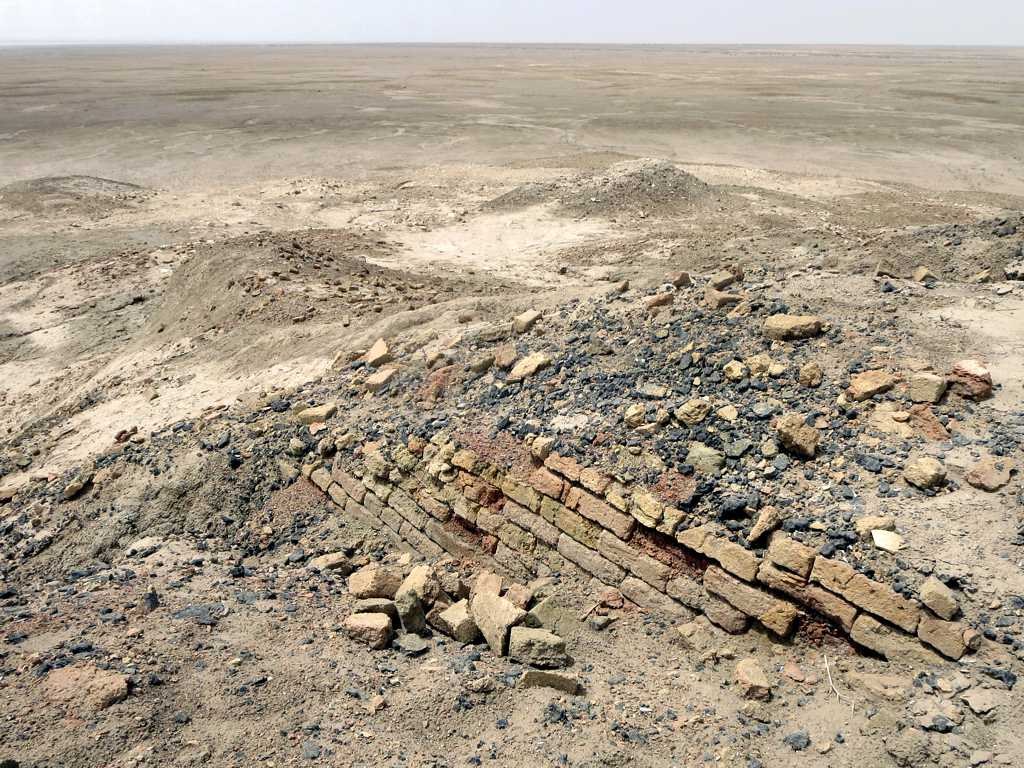
Eridu, together with Ur and Uruk, forms the archaeological portion of the World Heritage property known as the Ahwar of Southern IraqIraqIraq is a modern country encompassing much of ancient MesopotamiaGlossary · Click to read the explanation. UNESCO highlights the vulnerability of mud-brick architecture to erosion and the need to conserve its remaining fabric.[6] The photograph below shows part of the remains at Eridu on 11 April 2016. It is neither a reconstruction of the missing upper stages nor a depiction of the site’s earliest temples. Brickwork and architectural debris can be seen in an arid mound landscape; individual brick dates and royal stamps cannot be identified from this image alone.
References and notes (6)
- Philippe Quenet et al., “Archaeological Mission at Eridu: the 2022 Campaign of the University of Strasbourg … Part 1: … the E-abzu Monumental Complex Reconsidered,” Iraq 87 (2025), pp. 263–312; published online 29 April 2026. DOI: 10.1017/irq.2025.10035. Selected sections of the full accessible HTML: “Site 1, SW slope: Operations 1 and 3” (introduction) and “Conclusion”; eighteen levels, Terraces V–II, Ur III phases and provisional reconstruction. Neither the entire paper nor the paginated PDF was read. Return to the text ↑
- Department of Ancient Near Eastern Art, Metropolitan Museum of Art, “Ur: The Ziggurat,” Heilbrunn Timeline of Art History, 1 October 2002. Full short online essay read, from the late-fourth-millennium platforms through excavation and restoration; the gods’ lofty dwelling is explicitly hypothetical. Return to the text ↑
- C. Leonard Woolley, “The Ziggurat of Ur,” The Museum Journal 15, no. 2 (June 1924), pp. 107–114, Penn Museum. Complete available transcription of this historical article read (not its PDF page images): excavation passages on brick, bitumen, drainage, stairways and Nabonidus. Woolley’s older cultural-origin theories treated as interpretations. Return to the text ↑
- French Ministry of Culture, “What it tells us,” The Esagil Tablet, Cuneiform Orient: dimensions and mathematical status of the Etemenanki description. Entire “What it tells us” webpage read; no claim to having read a complete critical edition of the cuneiform tablet. Return to the text ↑
- Metropolitan Museum of Art, “Cuneiform cylinder: inscription of Nebuchadnezzar II commemorating the reconstruction of Etemenanki,” collection record 86.11.284, ca. 604–562 BCE. Read only the online object catalogue fields (title, date, medium, accession number), not the complete inscription or a scholarly edition; provenance is listed as “Babylon (?)”. Return to the text ↑
- UNESCO World Heritage Centre, “The Ahwar of Southern Iraq: Refuge of Biodiversity and the Relict Landscape of the Mesopotamian Cities,” property 1481, sections “Outstanding Universal Value,” “Integrity” and “Authenticity.” Read property description and the “Outstanding Universal Value,” “Integrity” and “Authenticity” sections relating to Ur, Eridu and Uruk, including the 1960s Ur refacing; not the full nomination dossier. Return to the text ↑
Suggest a correction · Suggest a source for this record
Cite this record
IL Archive, «Ziggurat», https://ilarchive.com/en/entities/ziggurat
Continue reading