The Debate Between Summer and Winter Chapter 1
The Gifts of the Seasons
Summer and Winter bring their finest produce to Enlil. When Winter challenges Summer’s right to boast of the harvest, the brothers argue over who made their fields flourish. Enlil hears them out and gives his verdict. The brothers sit down to a feast and make peace.
SourcesTurn the pages with the arrows, the arrow keys or a swipe.
DAWN
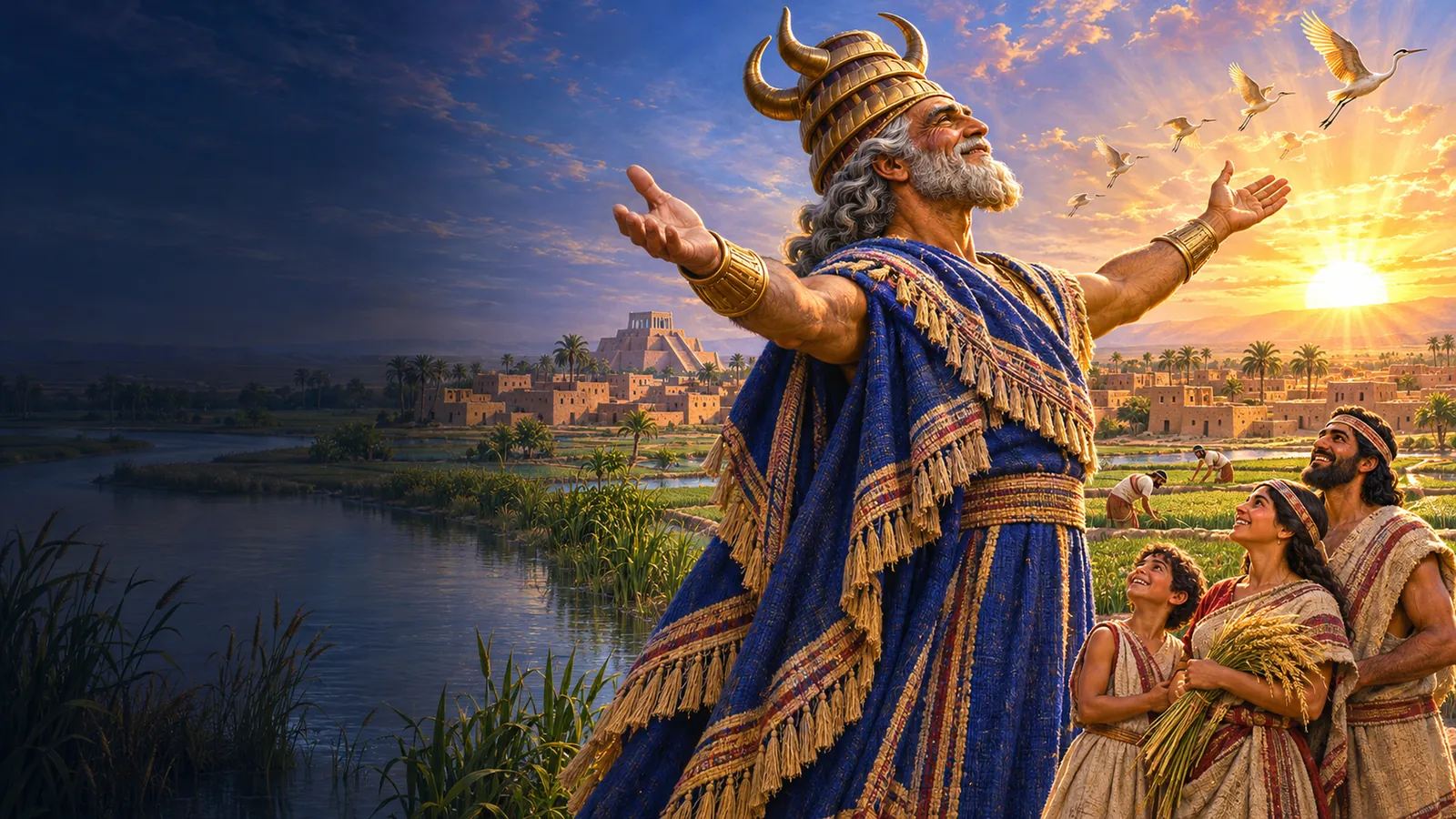
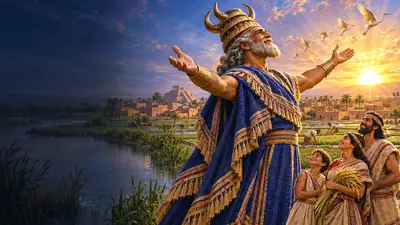
An lifted his head and brought forth a good day. The land stretched wide, and Enlil set his foot upon it like a mighty bull.
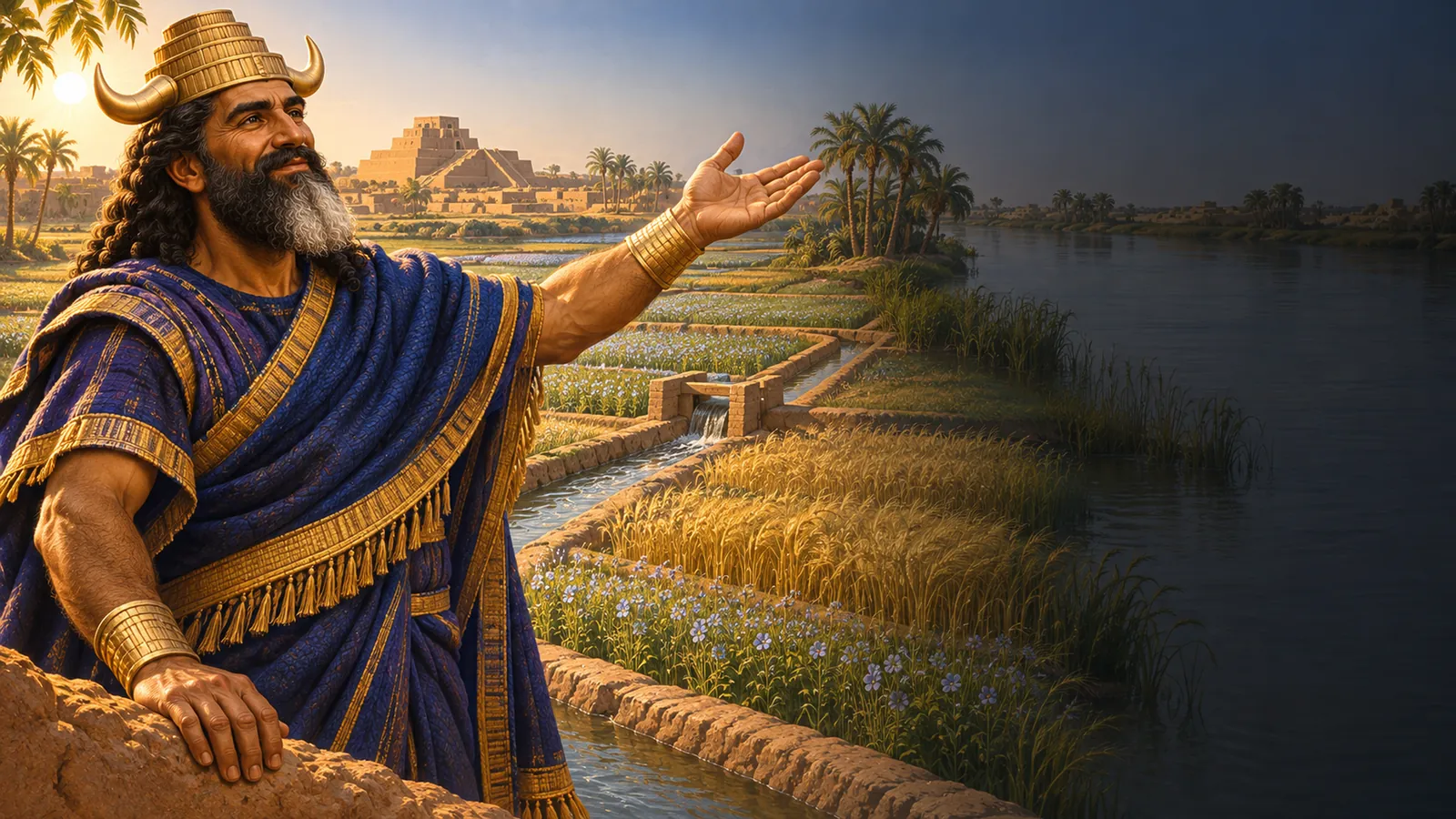
Enlil set his mind on abundance. He wanted flax and barley to flourish, and the waters of the spring flood to reach the quay.
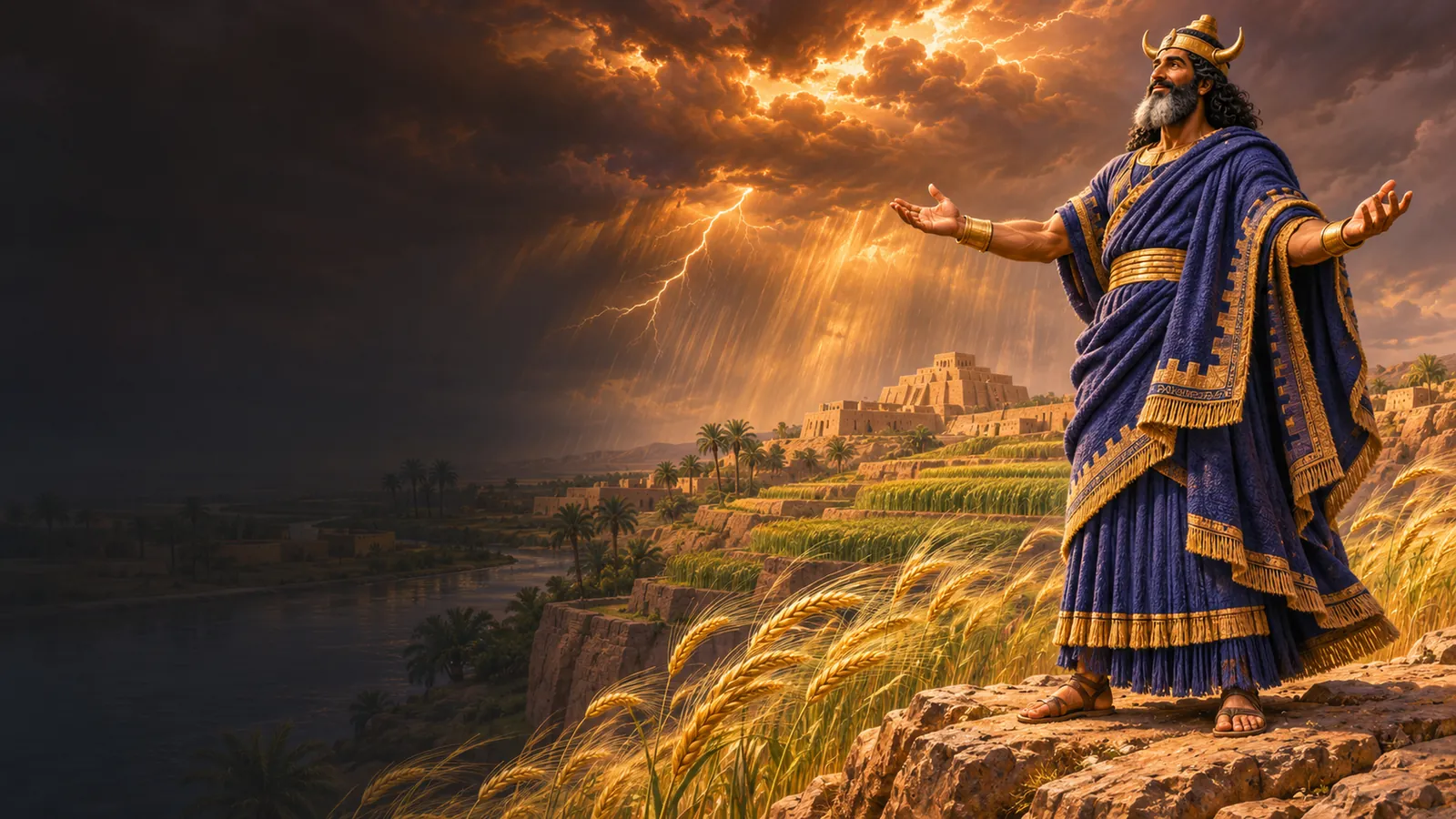
Enlil lay with the earth, and a roar like a bull’s went through the hills. The mountain conceived the two seasons that would nourish the land.
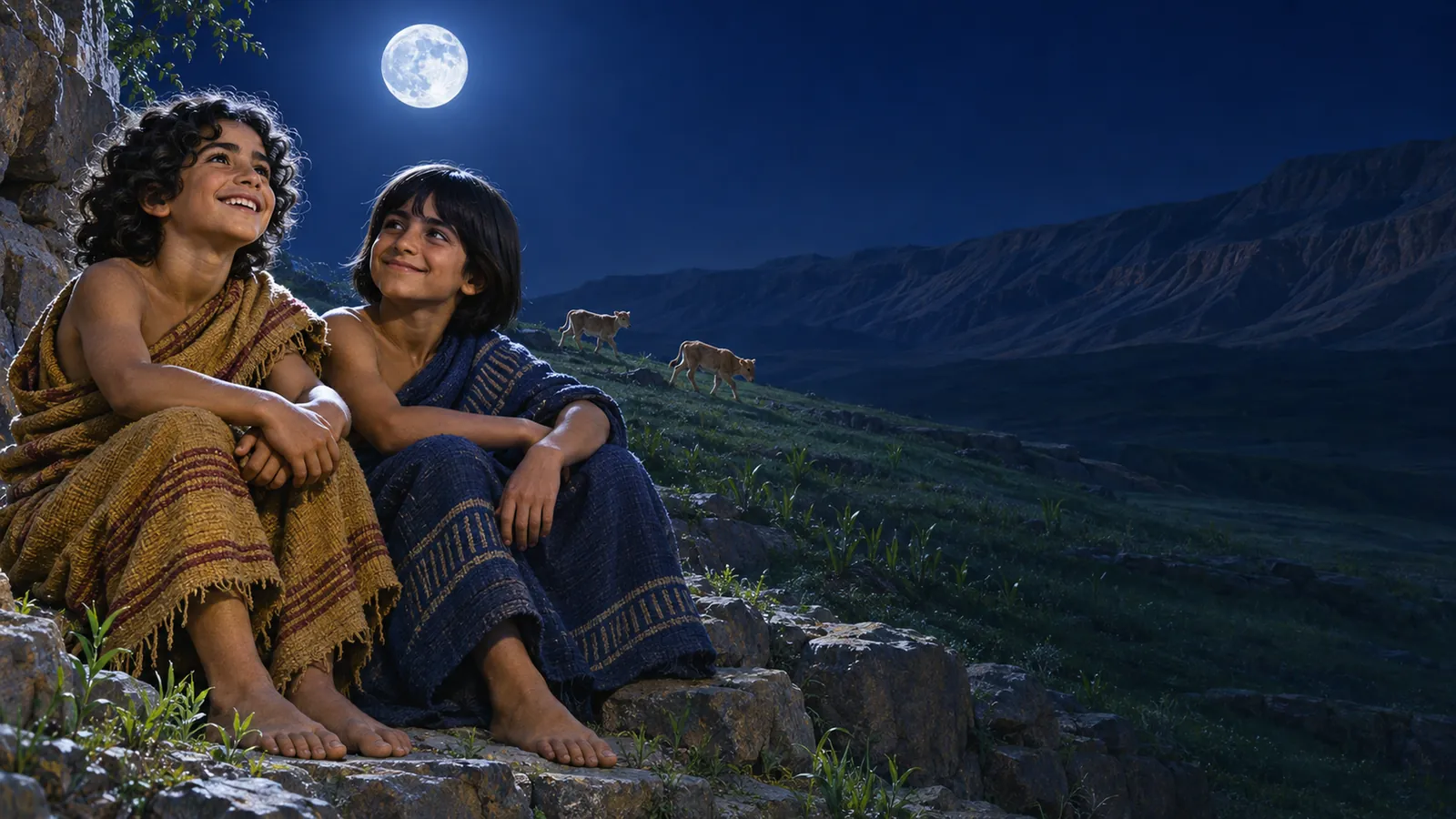
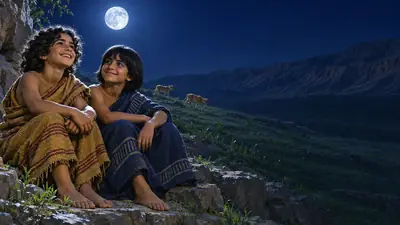
The hill waited through the day. When darkness came, she bore two brothers, Emesh and Enten, whom the land would know as Summer and Winter.
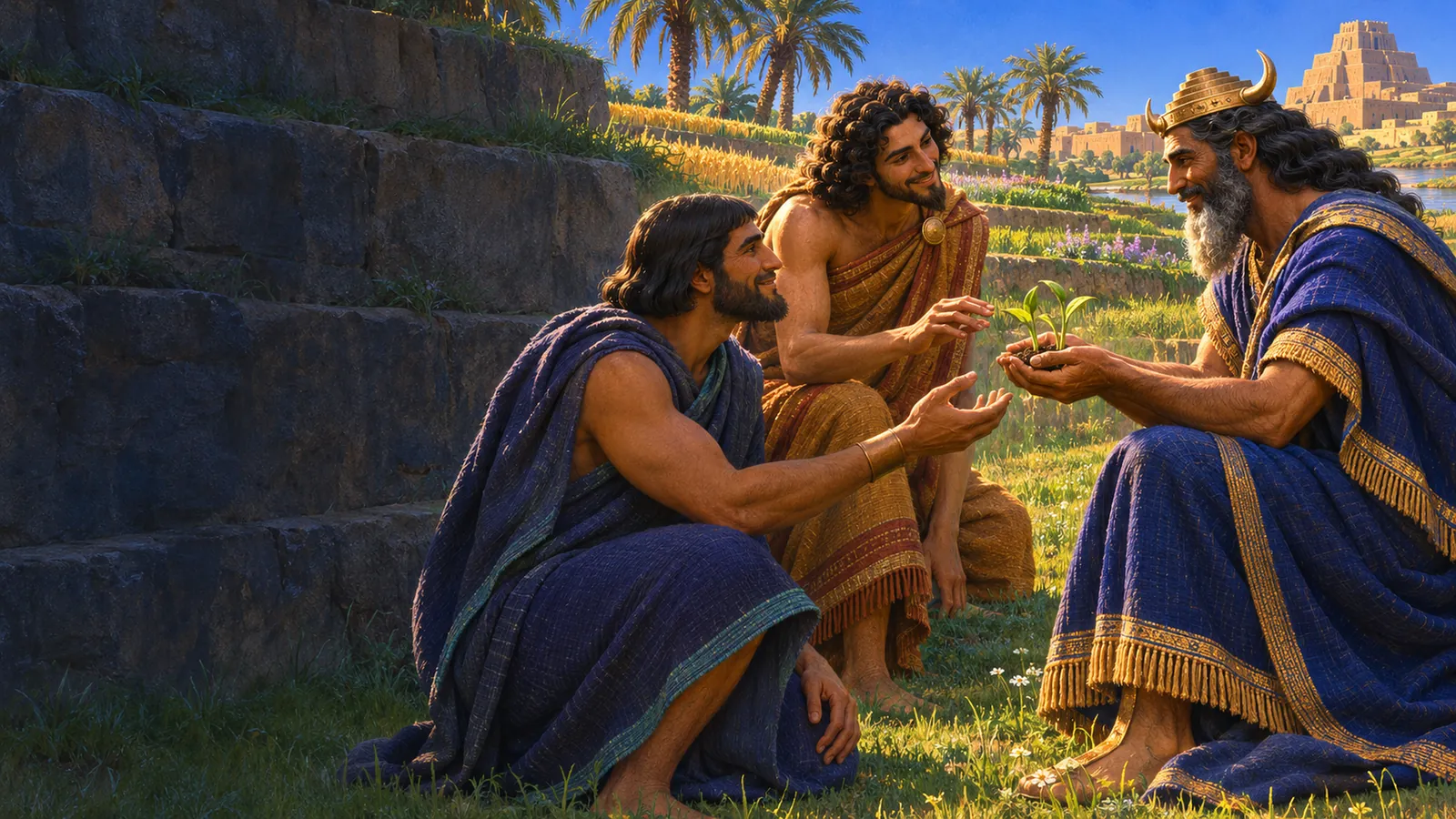
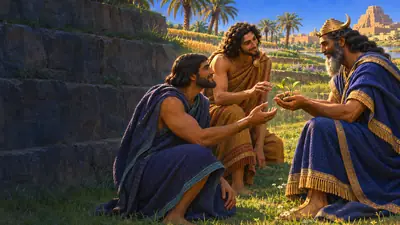
On the terraces of the hills, Enlil fed his sons tender plants. He raised them in the upland pastures as one would raise strong young bulls.
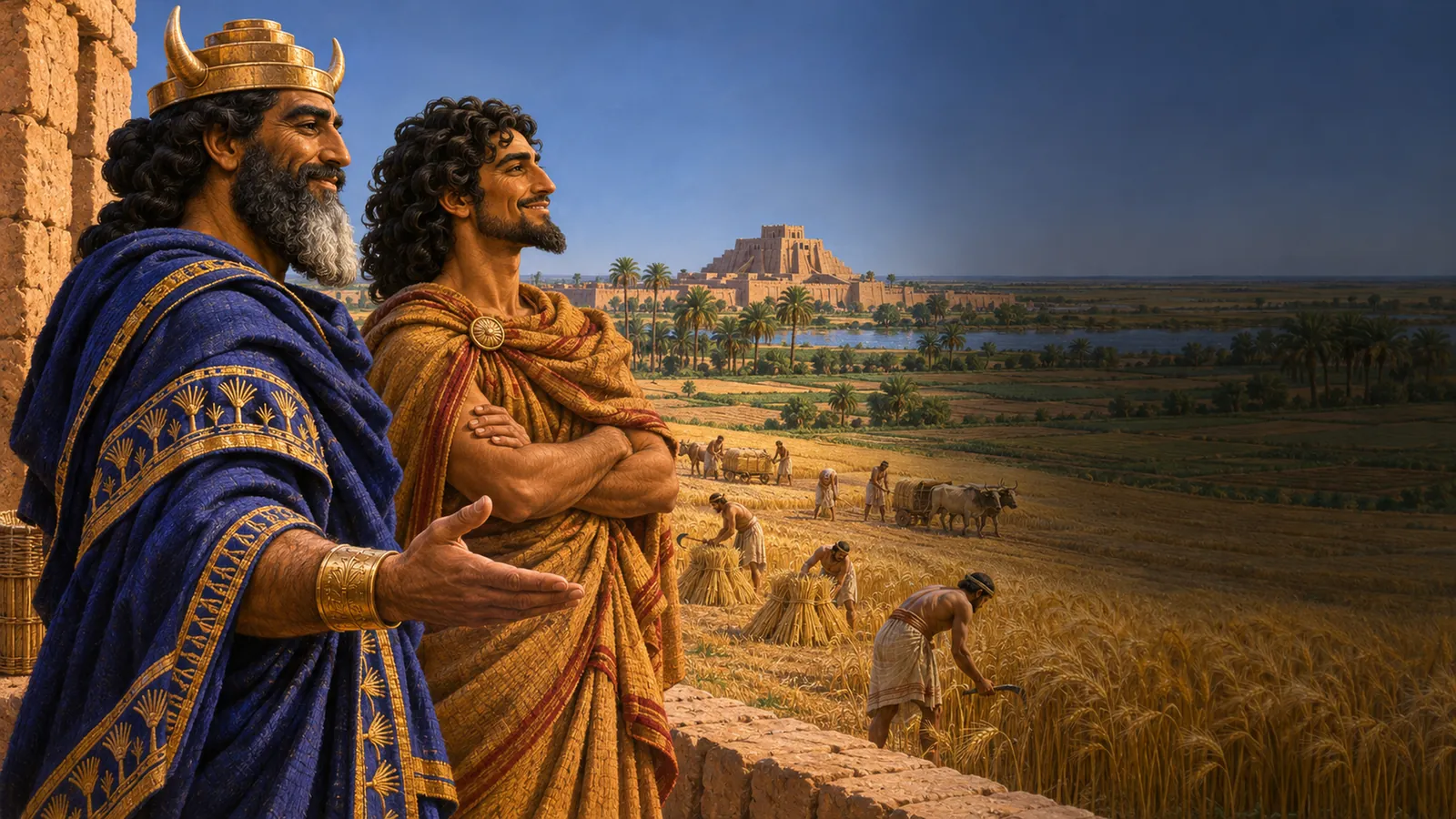
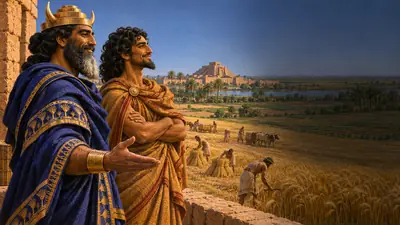
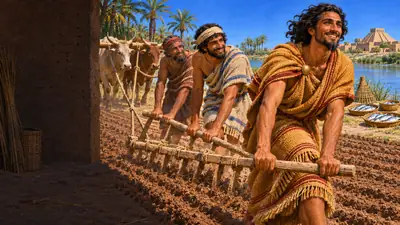
Enlil gave Summer towns and villages to found. His workers would go out with their oxen to tend the wide fields, and he would bring in the harvest.
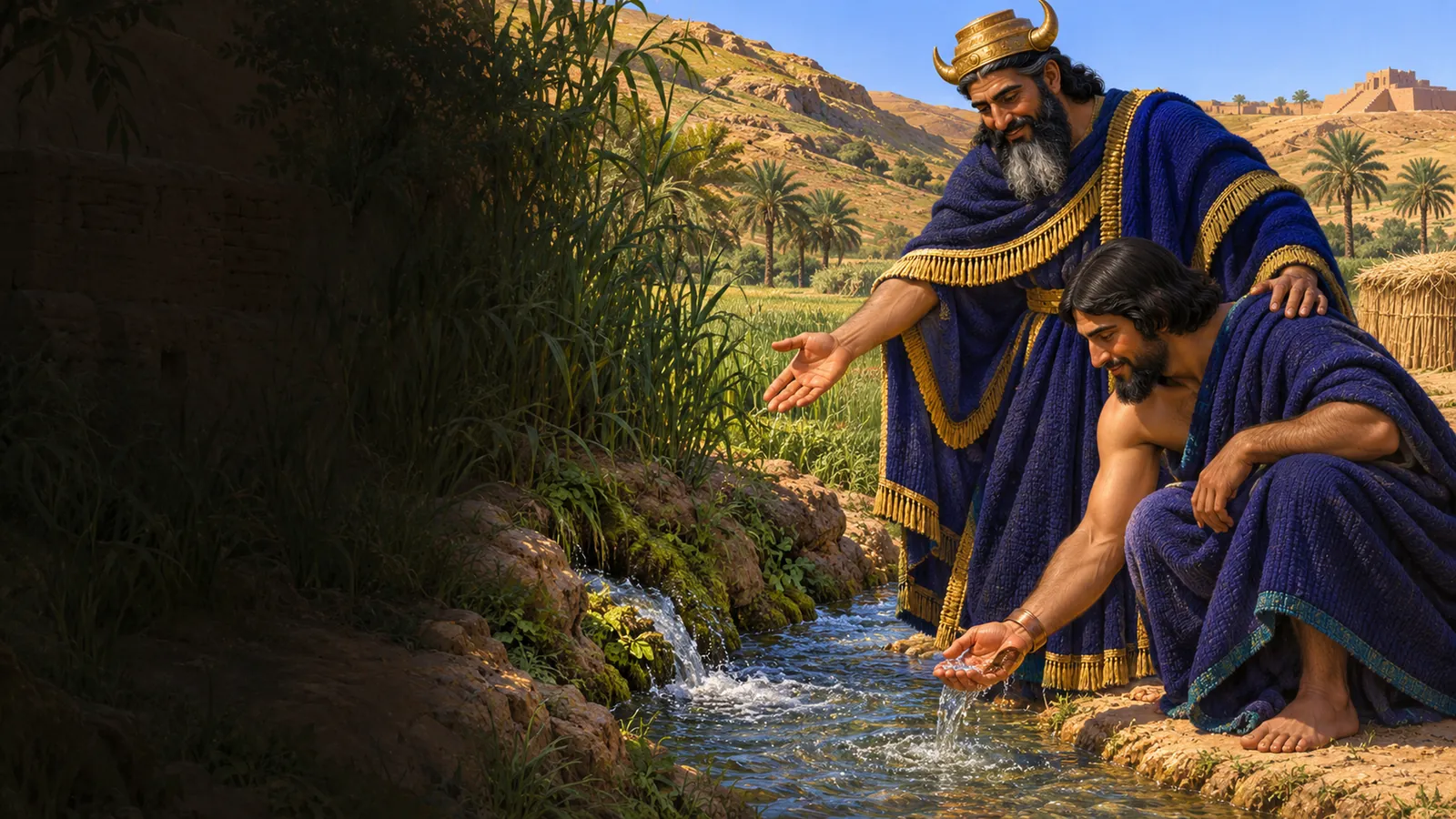
To Winter, Enlil gave the spring floods and the work of making the land fruitful. He would put grain in the fields and gather what the earth yielded.
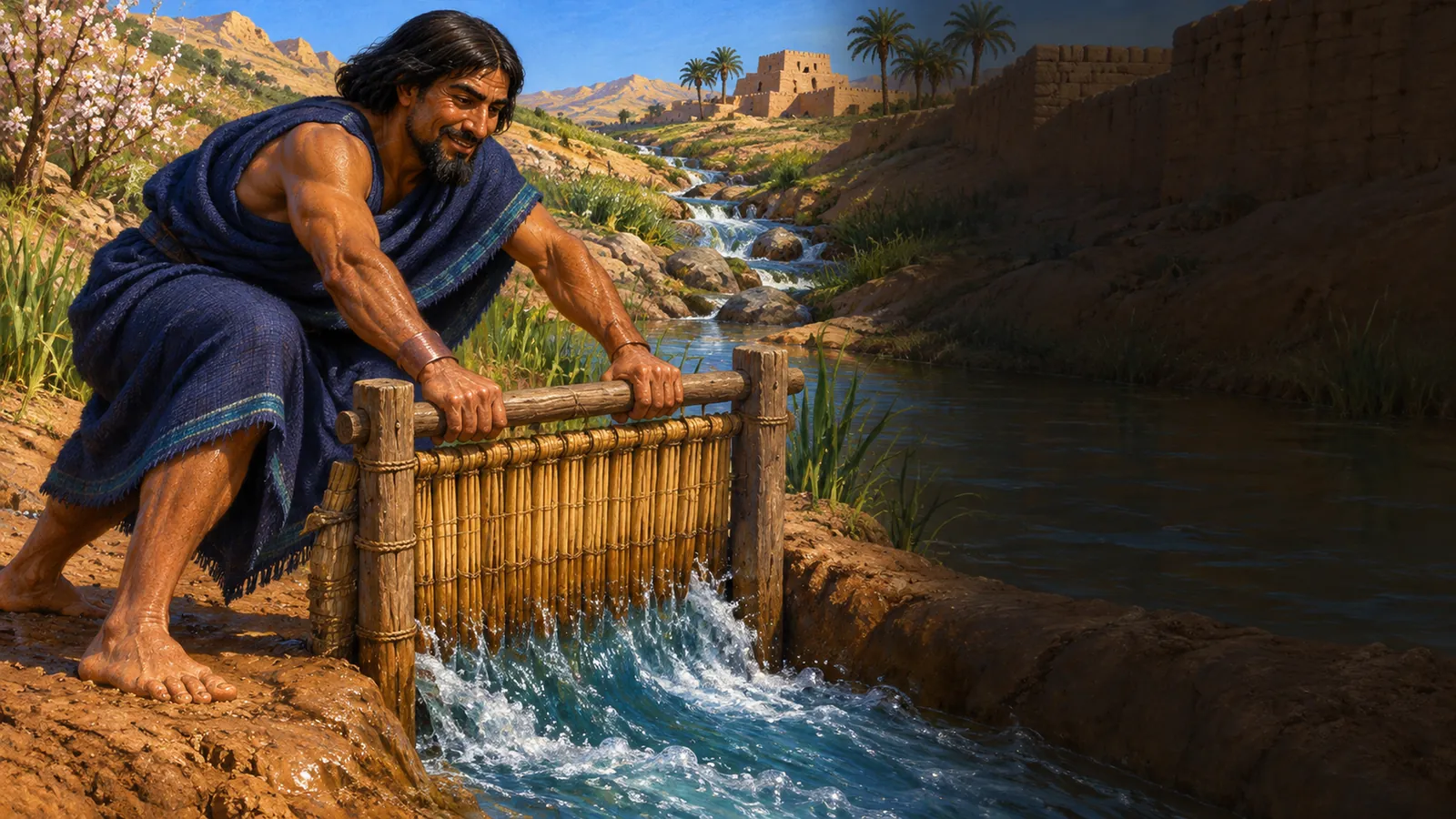
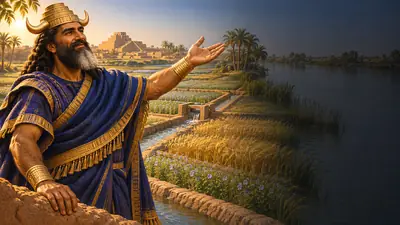
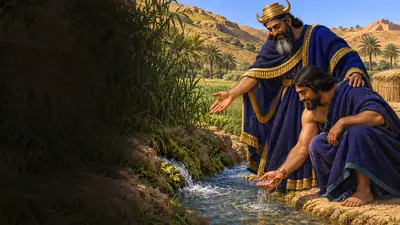
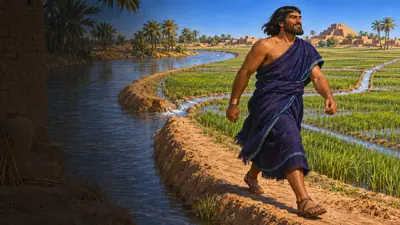
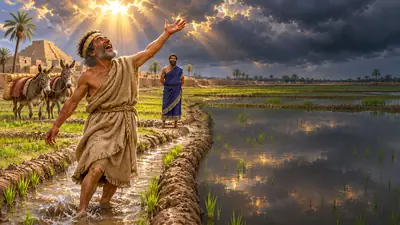
When the spring flood came, Winter guided it down from the hills with his own hands. The water was the life and plenty of the land.
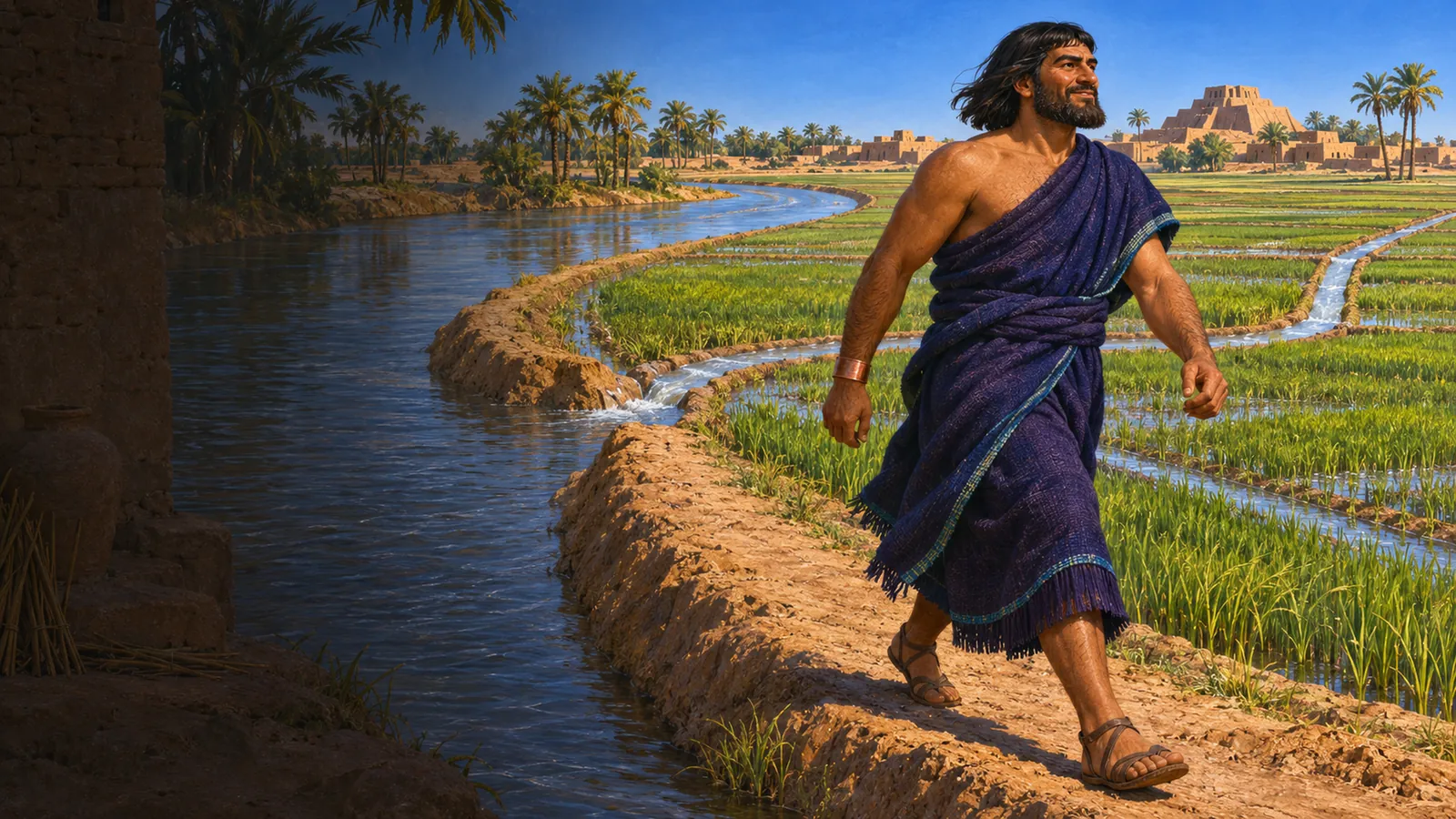
Winter planted his feet like a bull at the Tigris and the Euphrates. He let the waters of both rivers run into the fertile fields of Enlil.
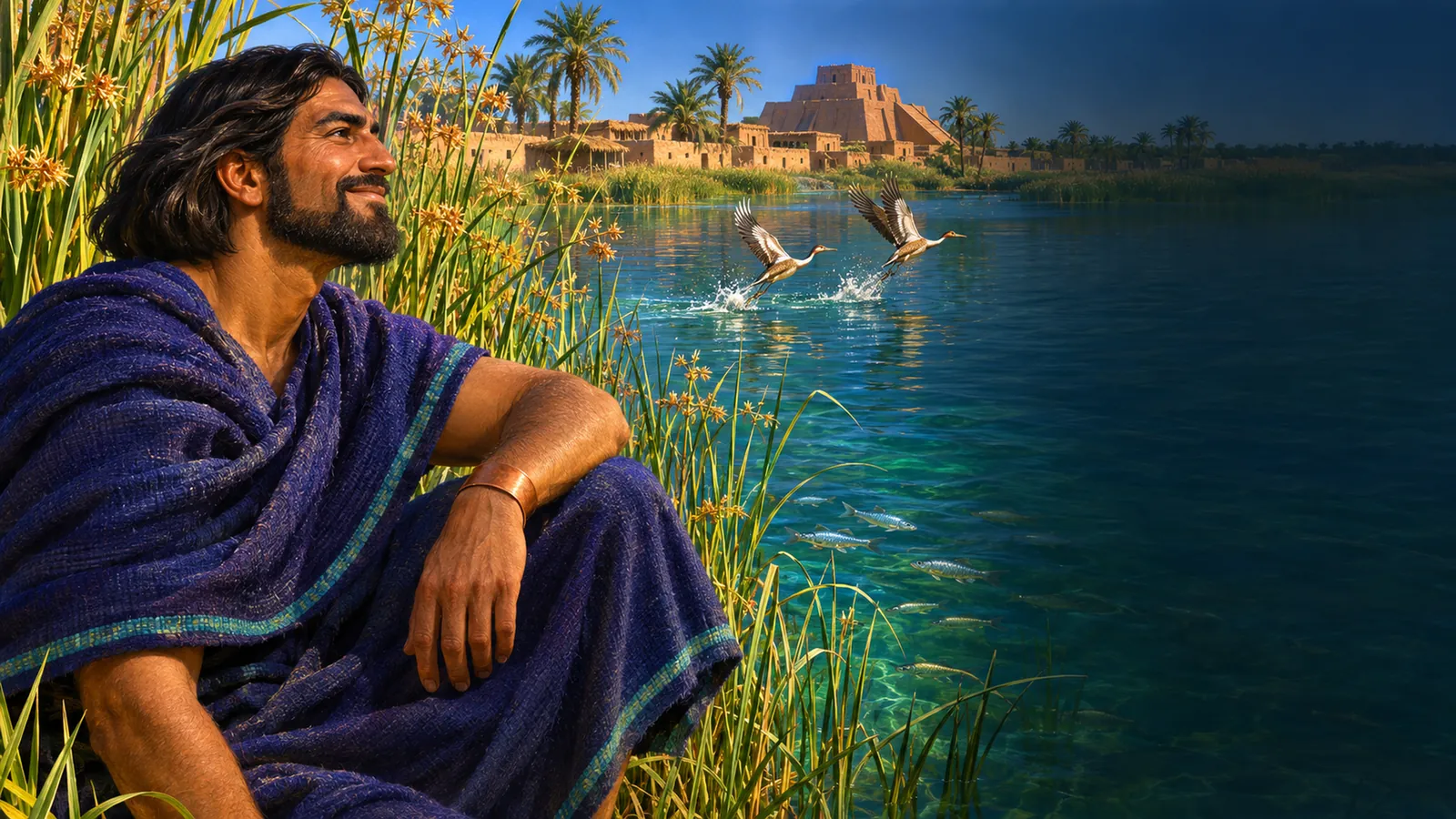
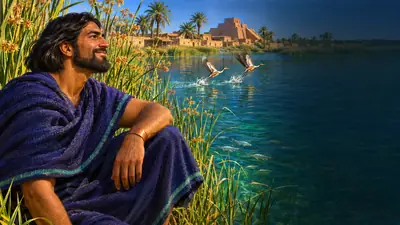
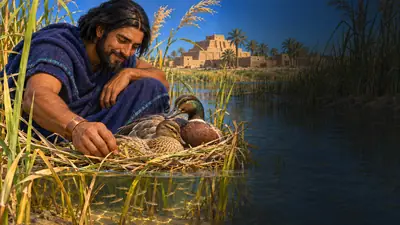
At the edge of the sea, Winter made lagoons for fish and birds. He ringed the waters with tall reeds and tender shoots.
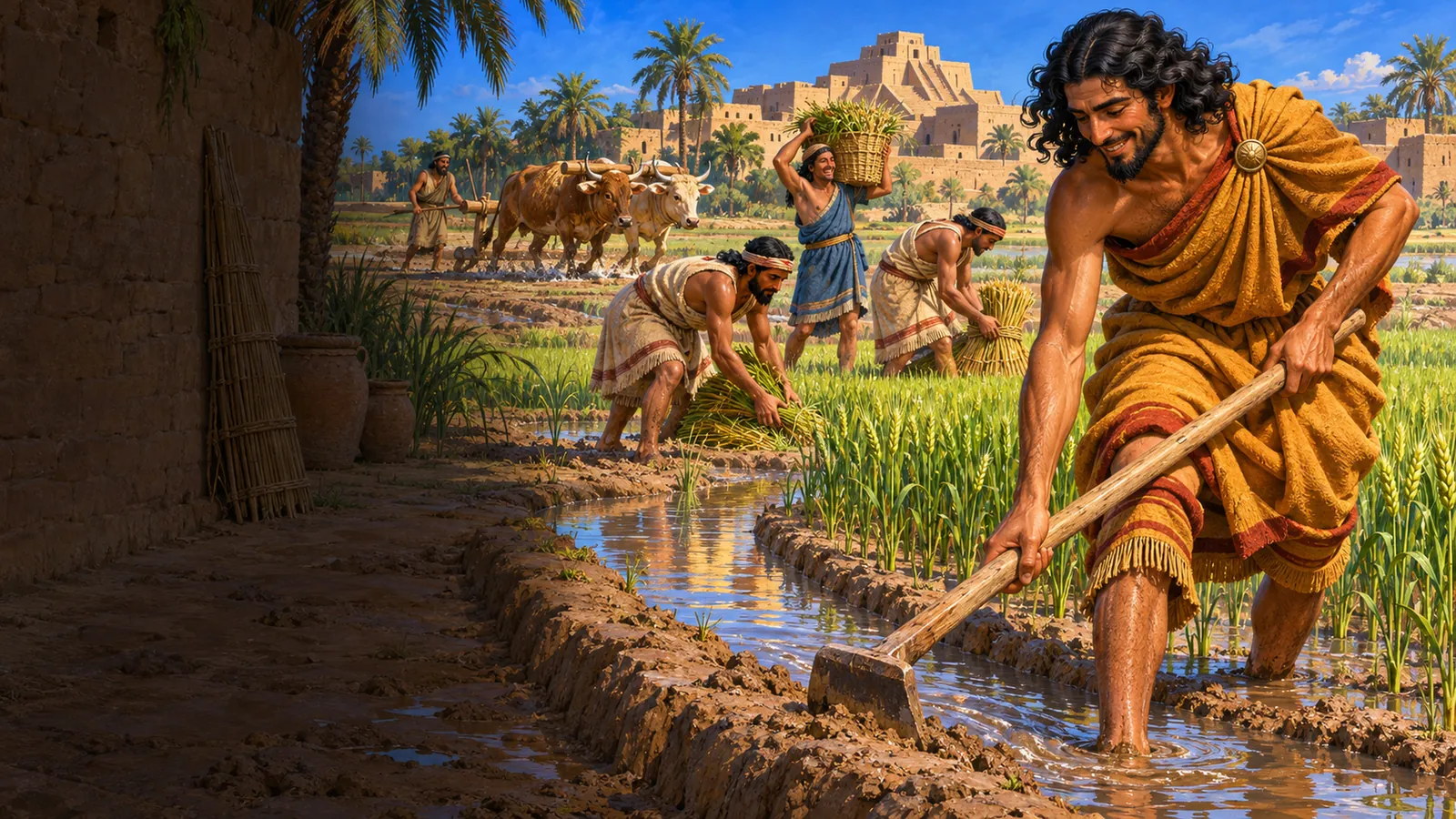
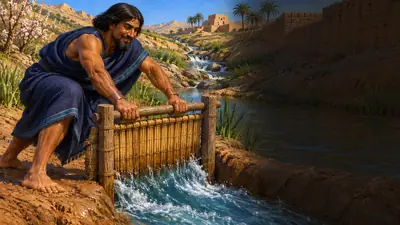
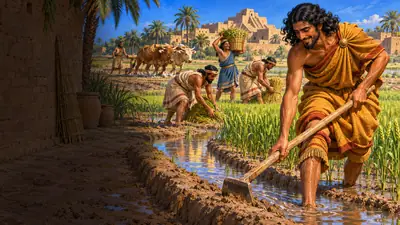
Summer set to work draining broad stretches of farmland. The wide fields were his to tend once the floodwaters had done their work.
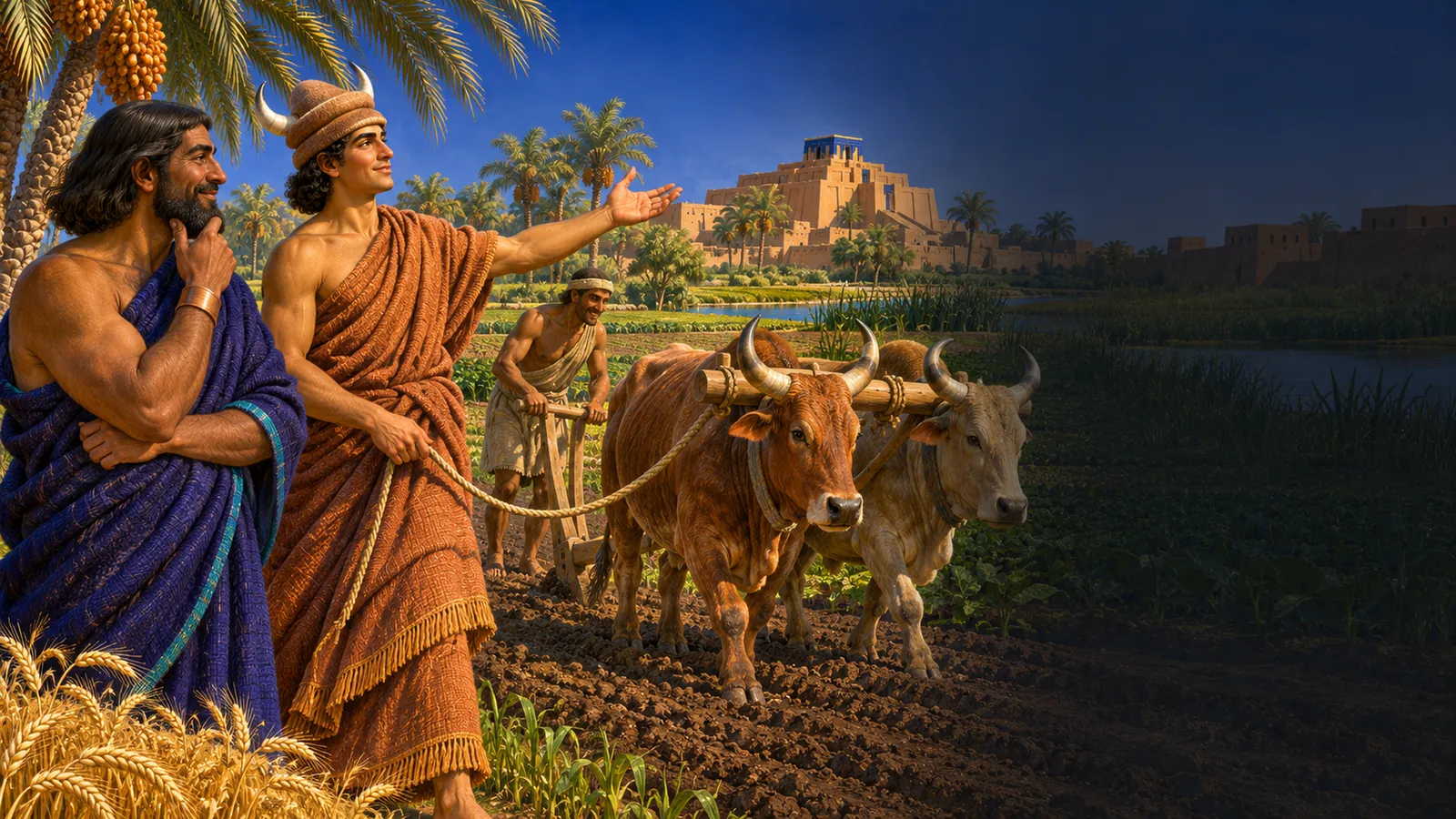
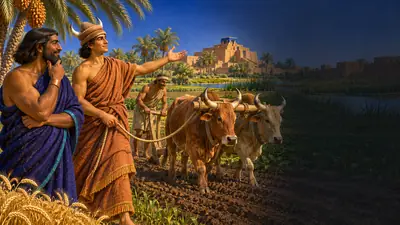
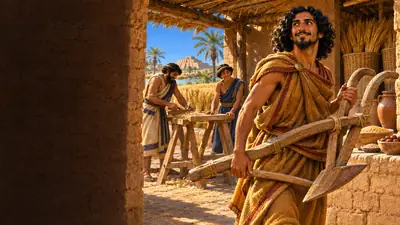
A yoked ox stands in the fields. Ninurta, another son of Enlil, appears among the furrows and the grain.
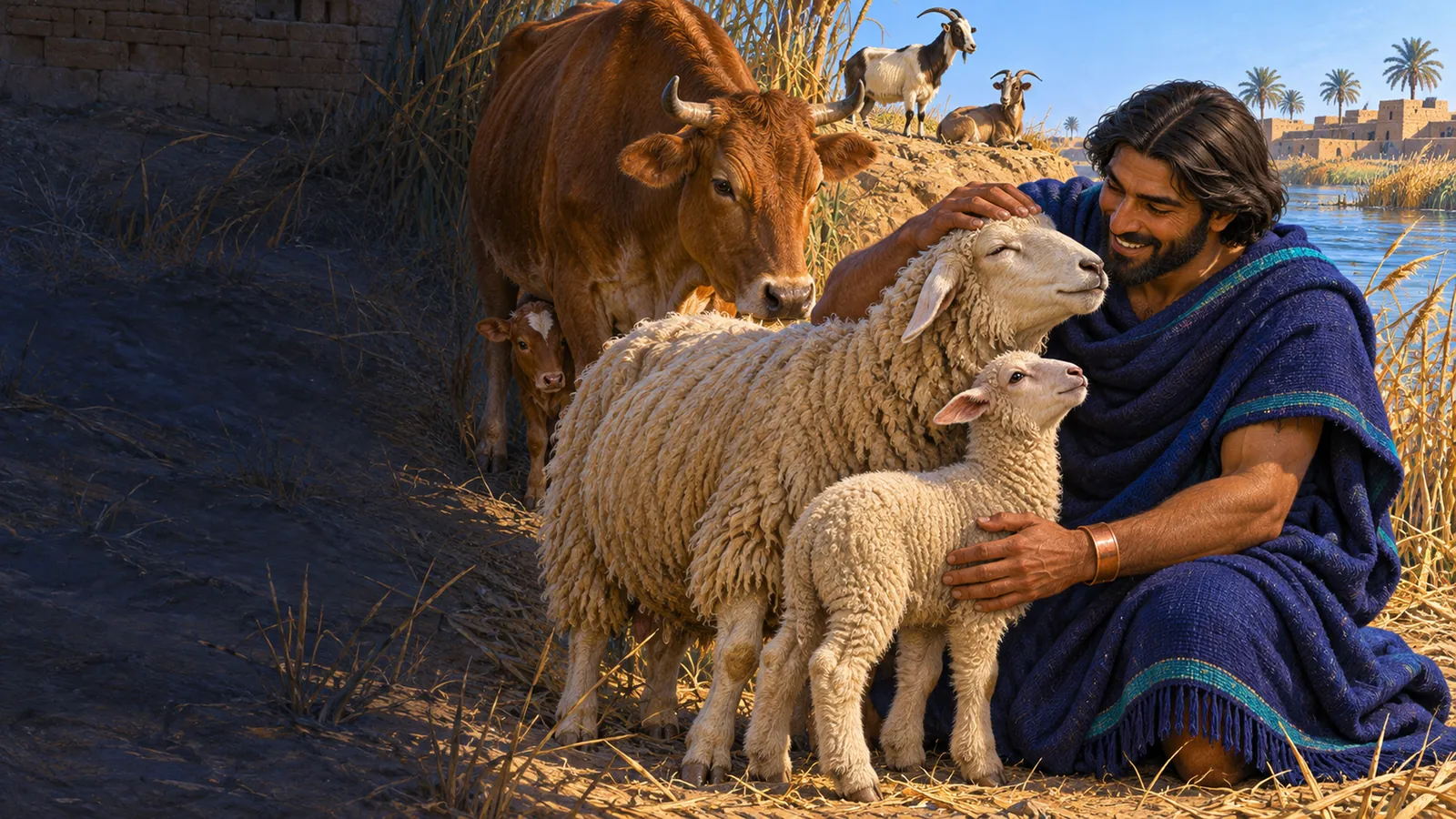
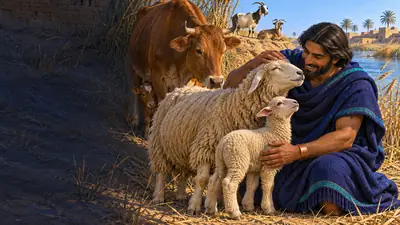
Winter brought lambs to the ewes and kids to the goats. Cows had calves, and with them came milk and butter.
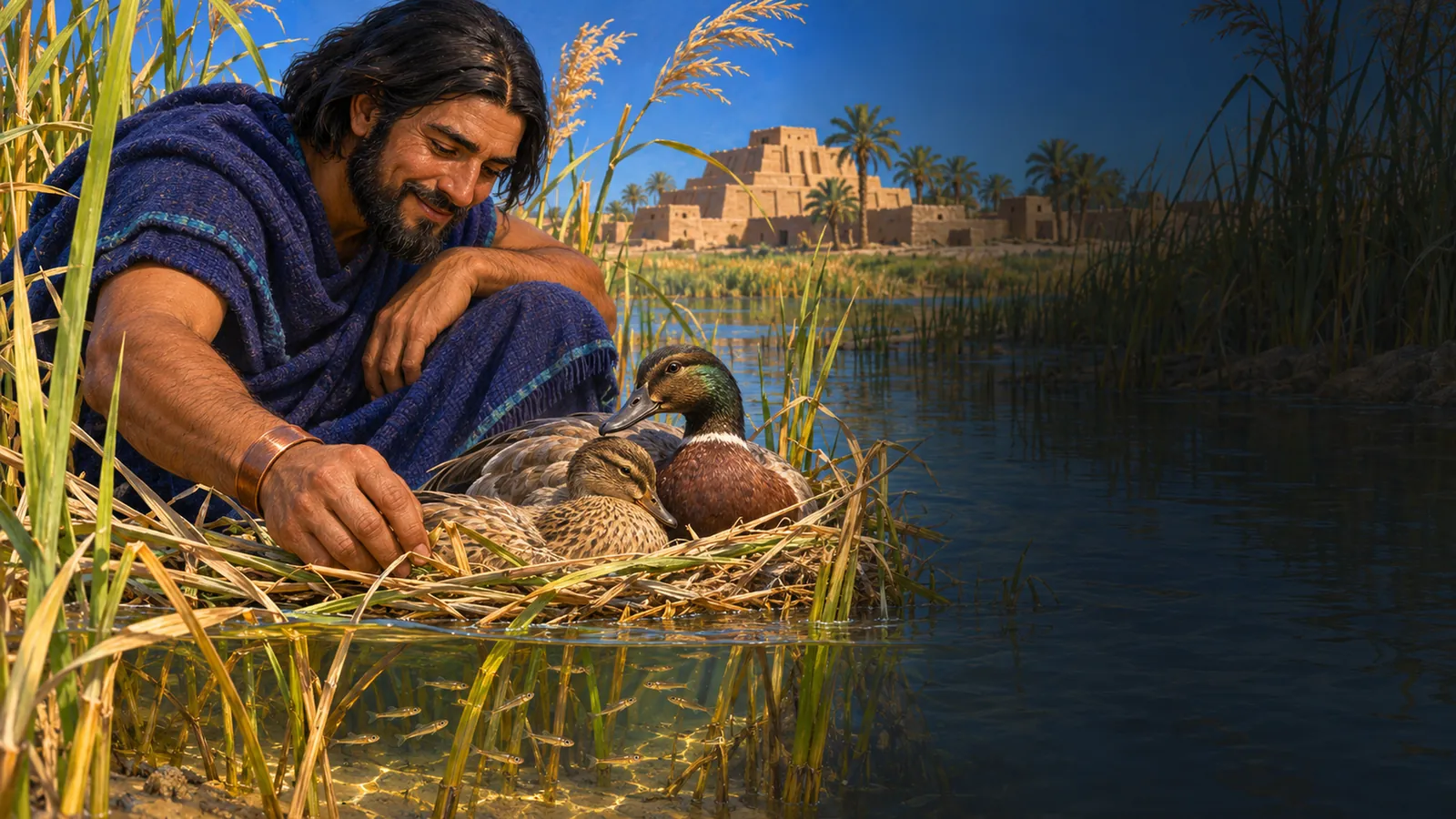
Winter made the deer and stags glad on the high plain. In the open country birds built their nests, and fish laid eggs among the reeds.
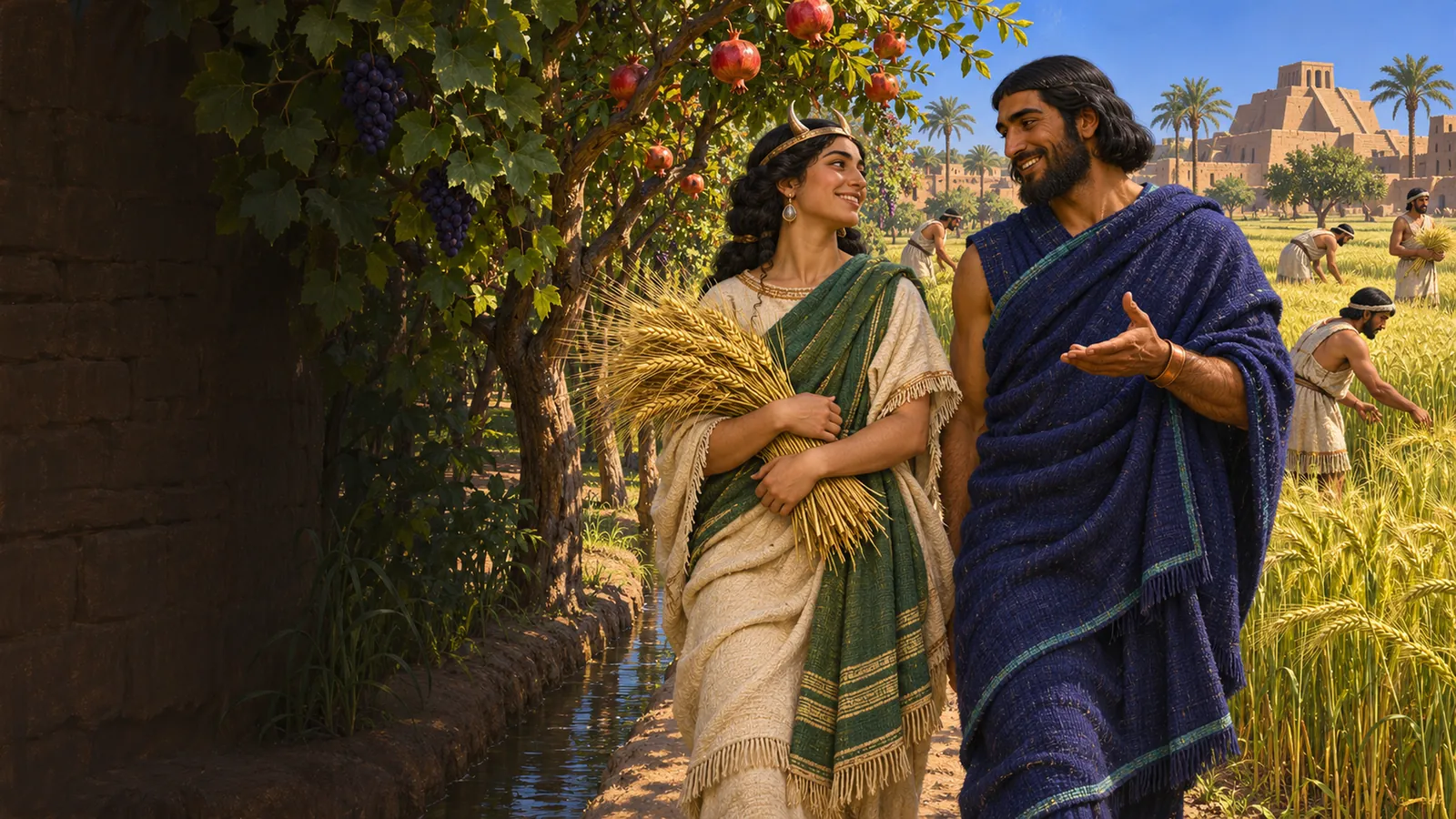
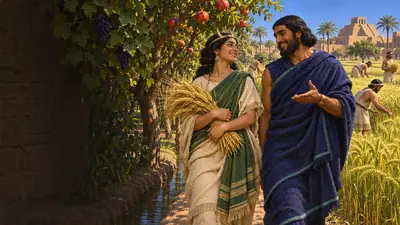
Winter made the orchards bear fruit and filled the furrows with grain. Ezina, the grain goddess, shone like a beautiful young woman, and the harvest became Enlil’s great festival.
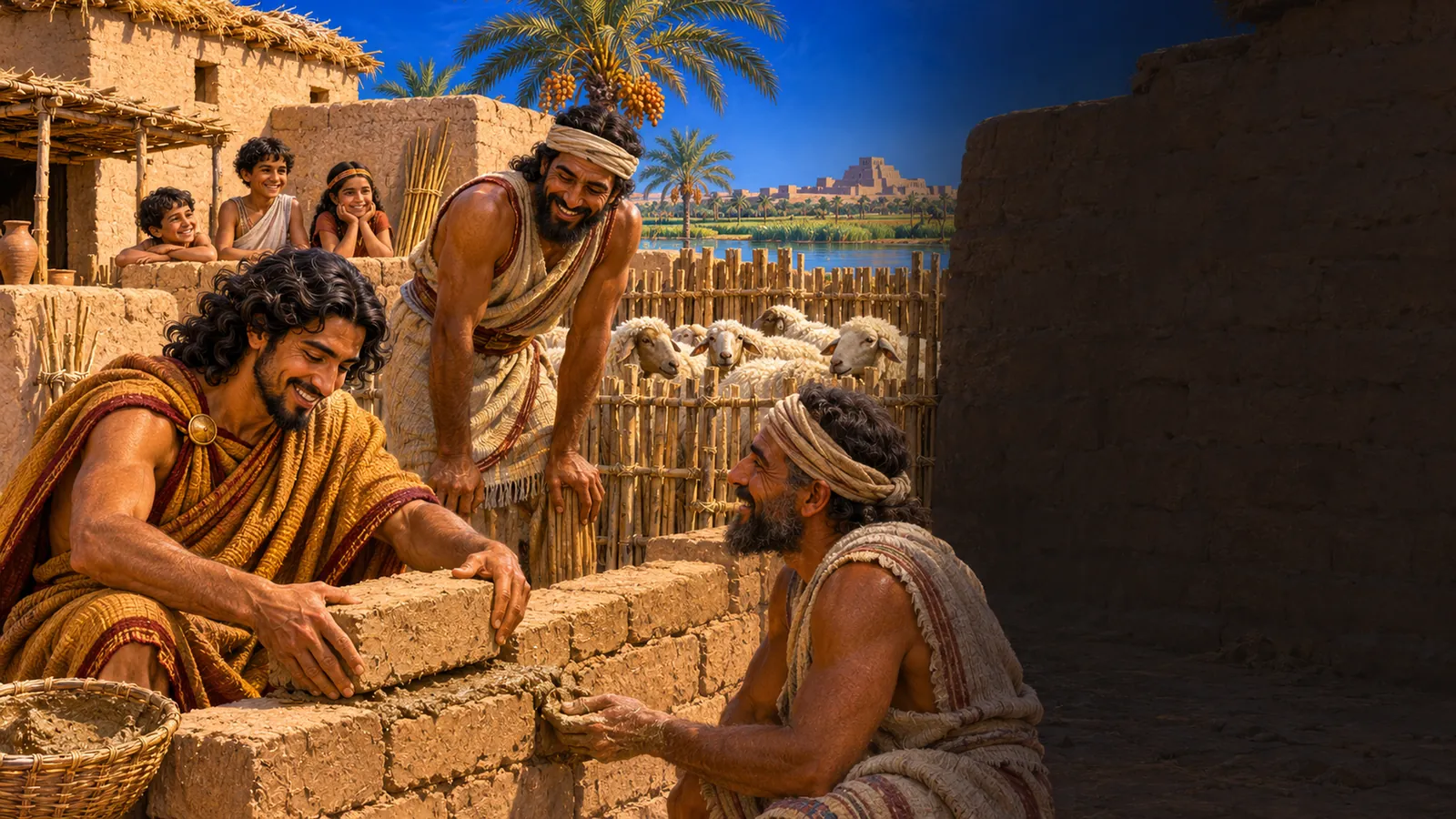
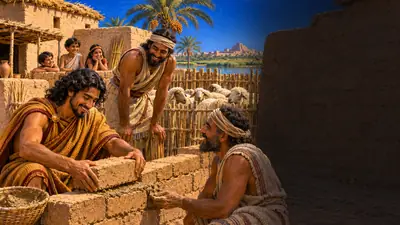
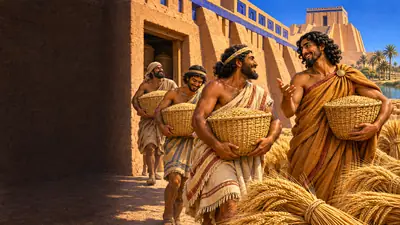
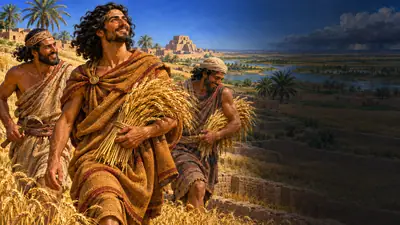
Summer founded houses and farmsteads. He made the cattle pens and sheepfolds spacious, while piles of sheaves rose across the fields.
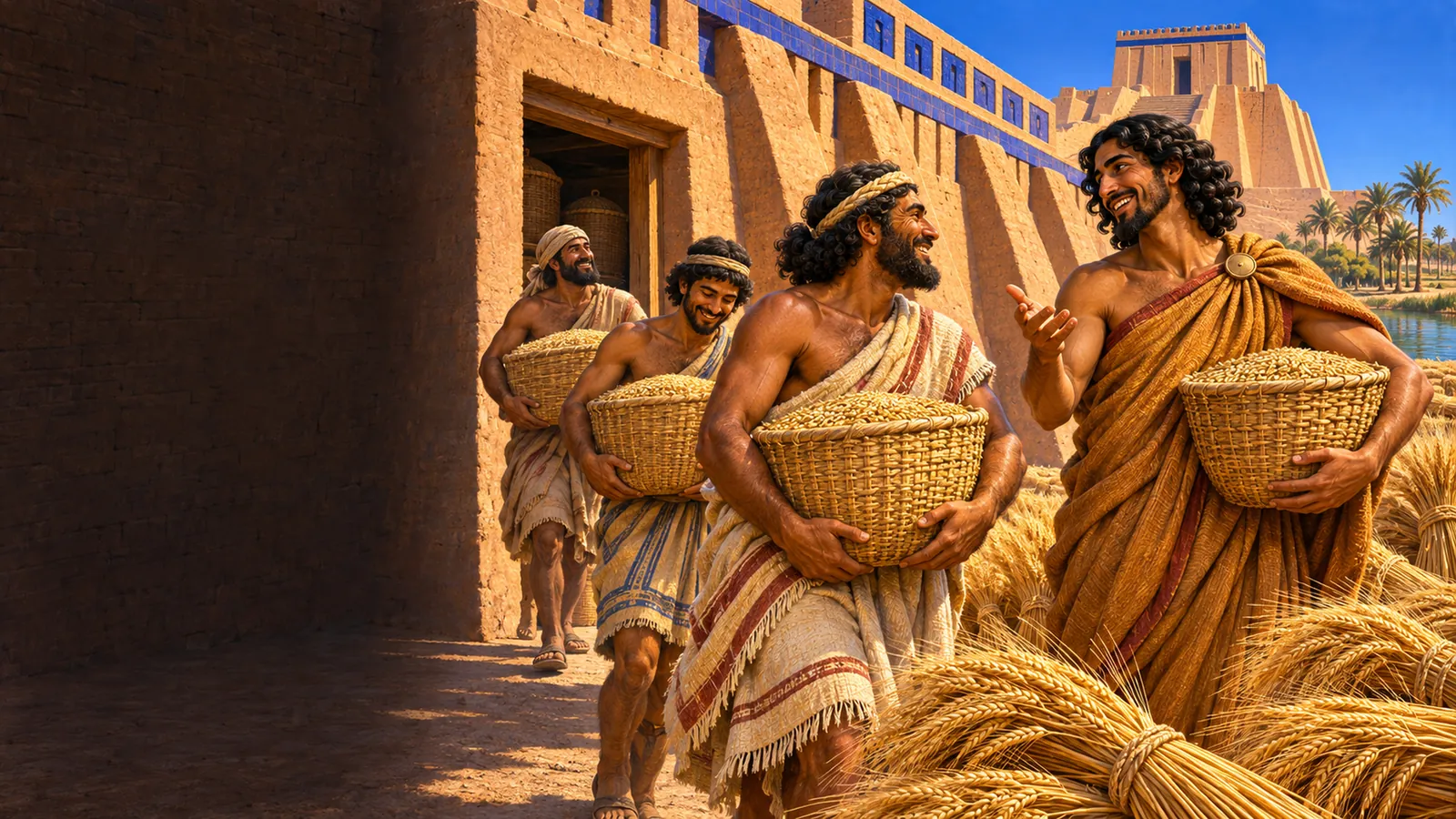
Towns and villages sprang up in the land, and Summer built houses for the gods. He piled up the harvest at the temples and brought plenty to Enlil’s house, E-namtila.
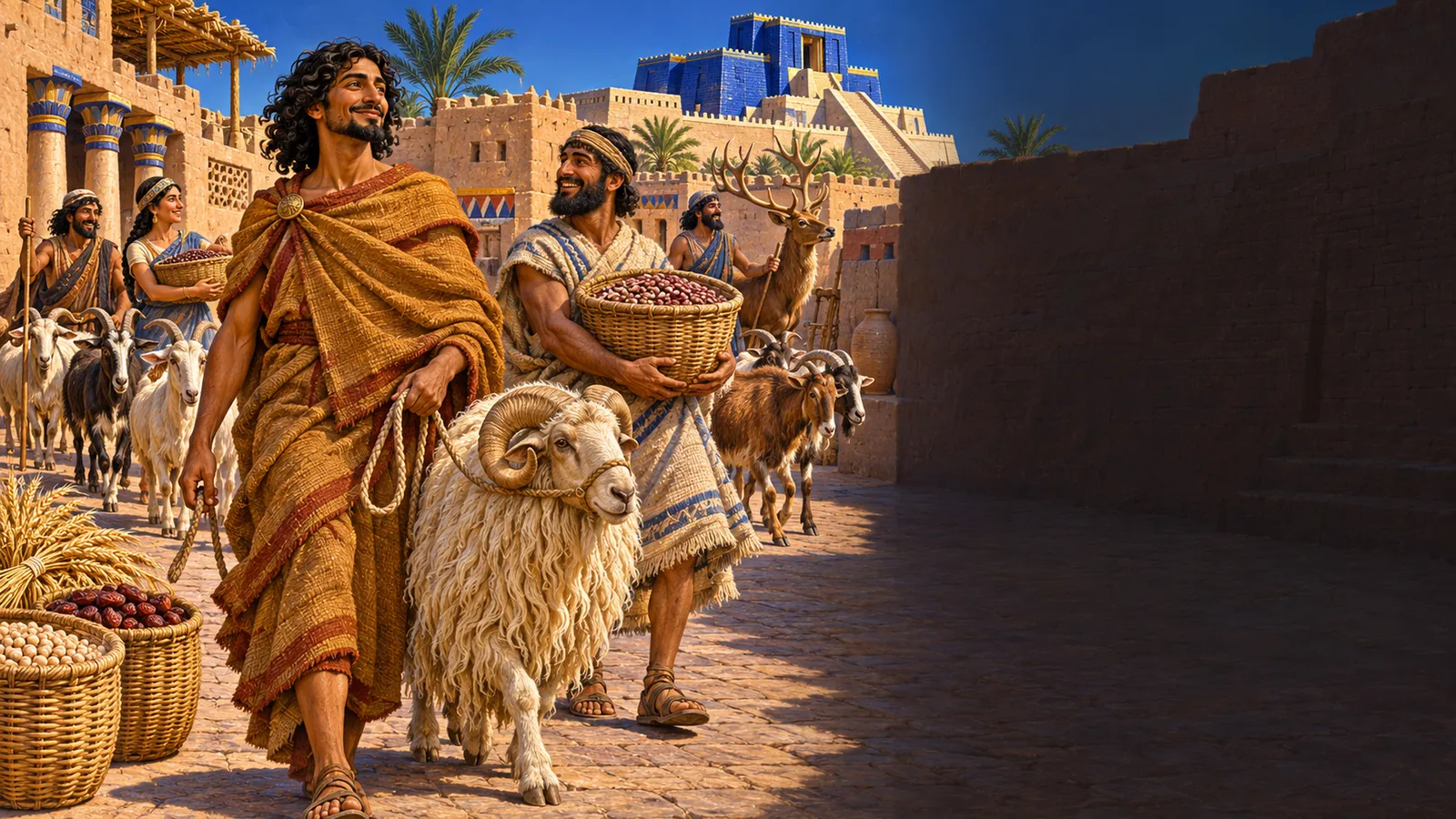
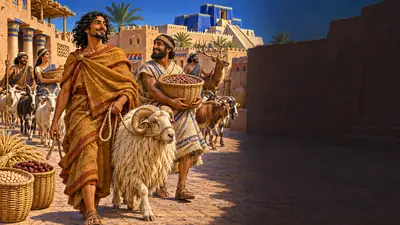
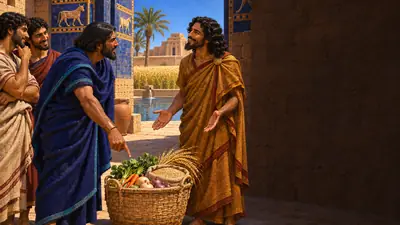
Summer chose gifts for the house of Enlil. He brought cattle and sheep, deer from the hills, birds with their eggs, and baskets piled high with beans.
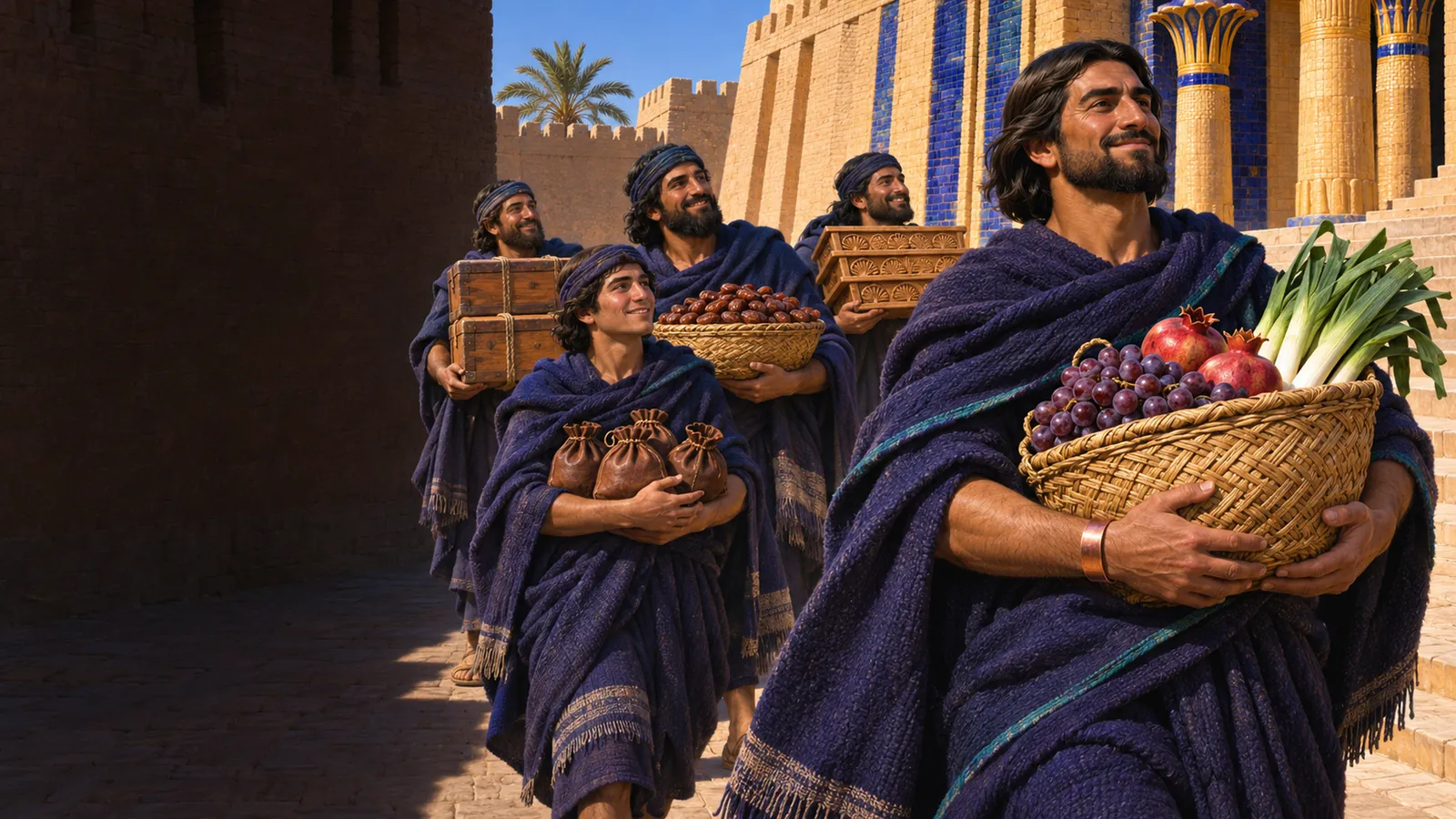
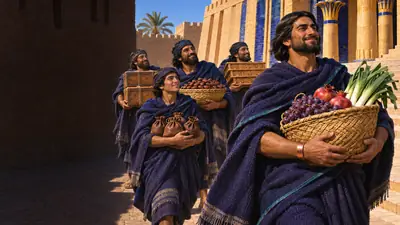
Winter carried his own gifts to Enlil. There were gold and silver in leather pouches, cedar and cypress, and from the orchards pomegranates and great bunches of grapes.
RIVALRY
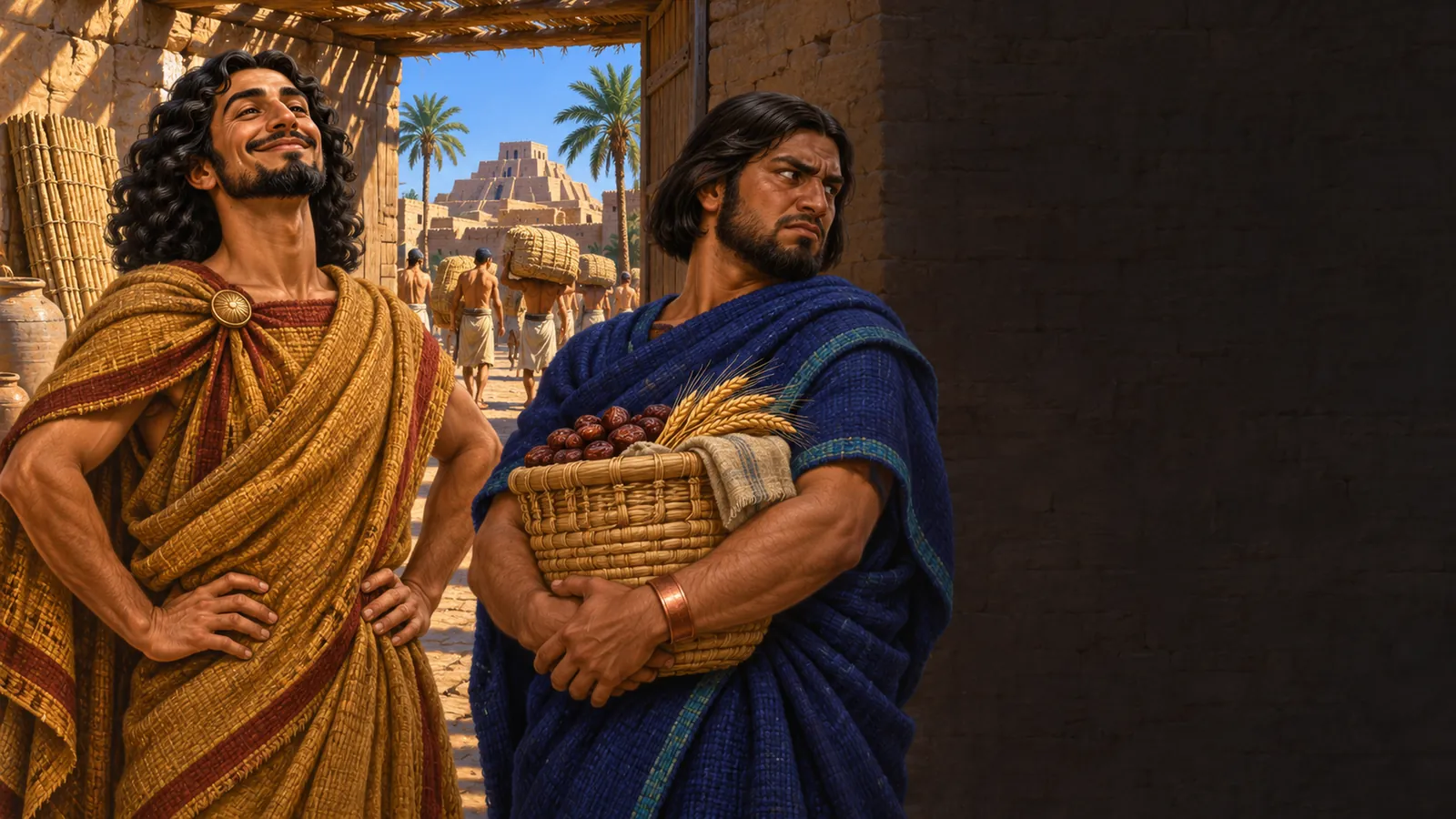
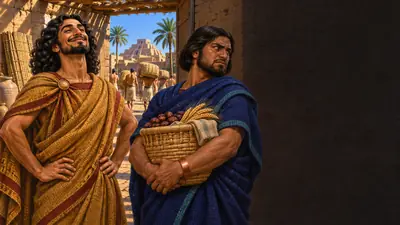
The brothers set their offerings in order, standing proud as two bulls. Winter’s limbs ached from watering the grain by hand. He turned away from Summer as though he were an enemy.
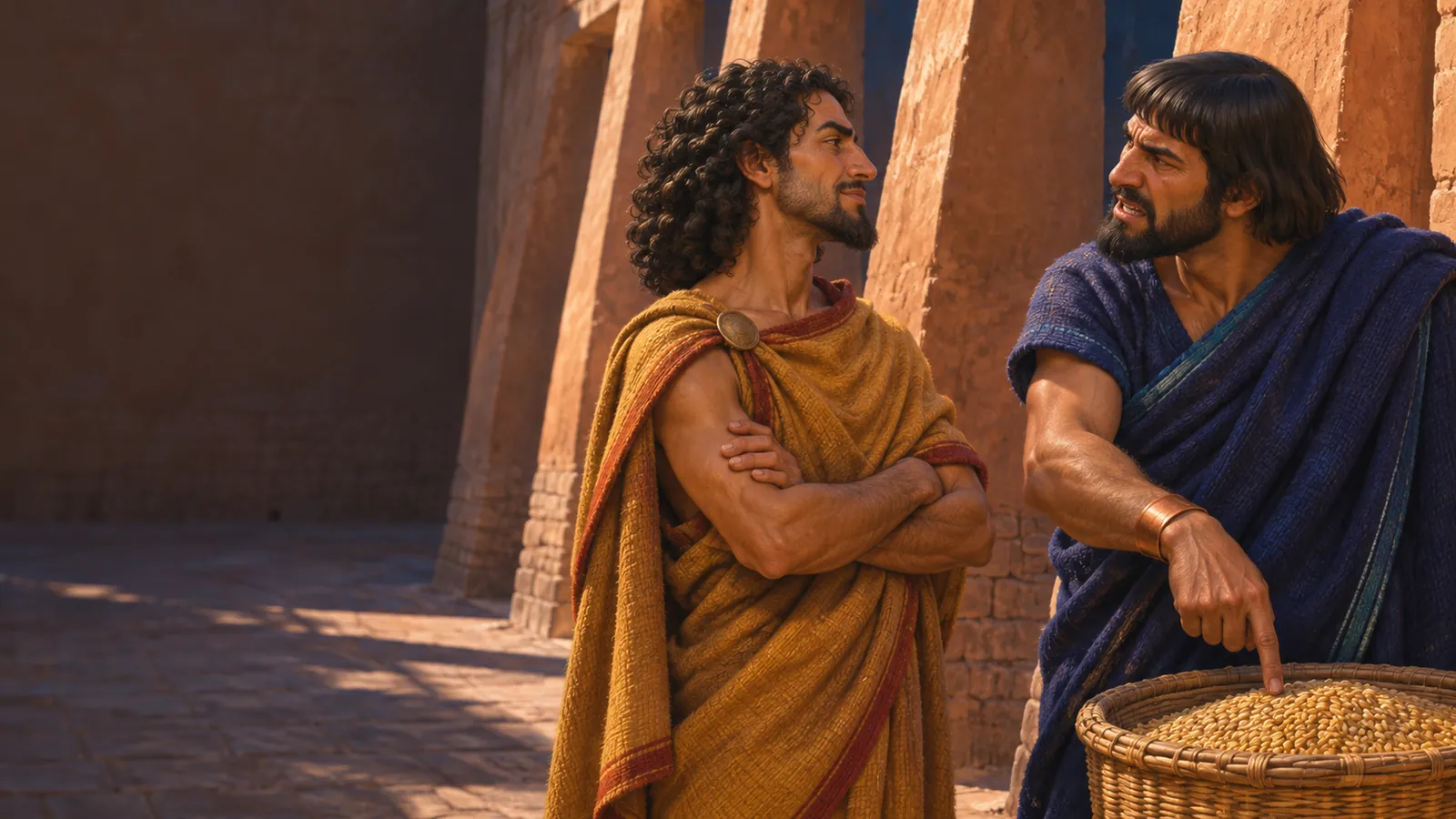
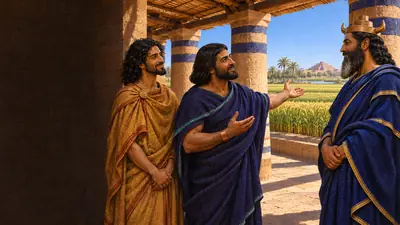
Winter’s anger broke out. “Brother, whose hands guided the spring flood? You bring grain to the palace and praise yourself as though you had done my work.”
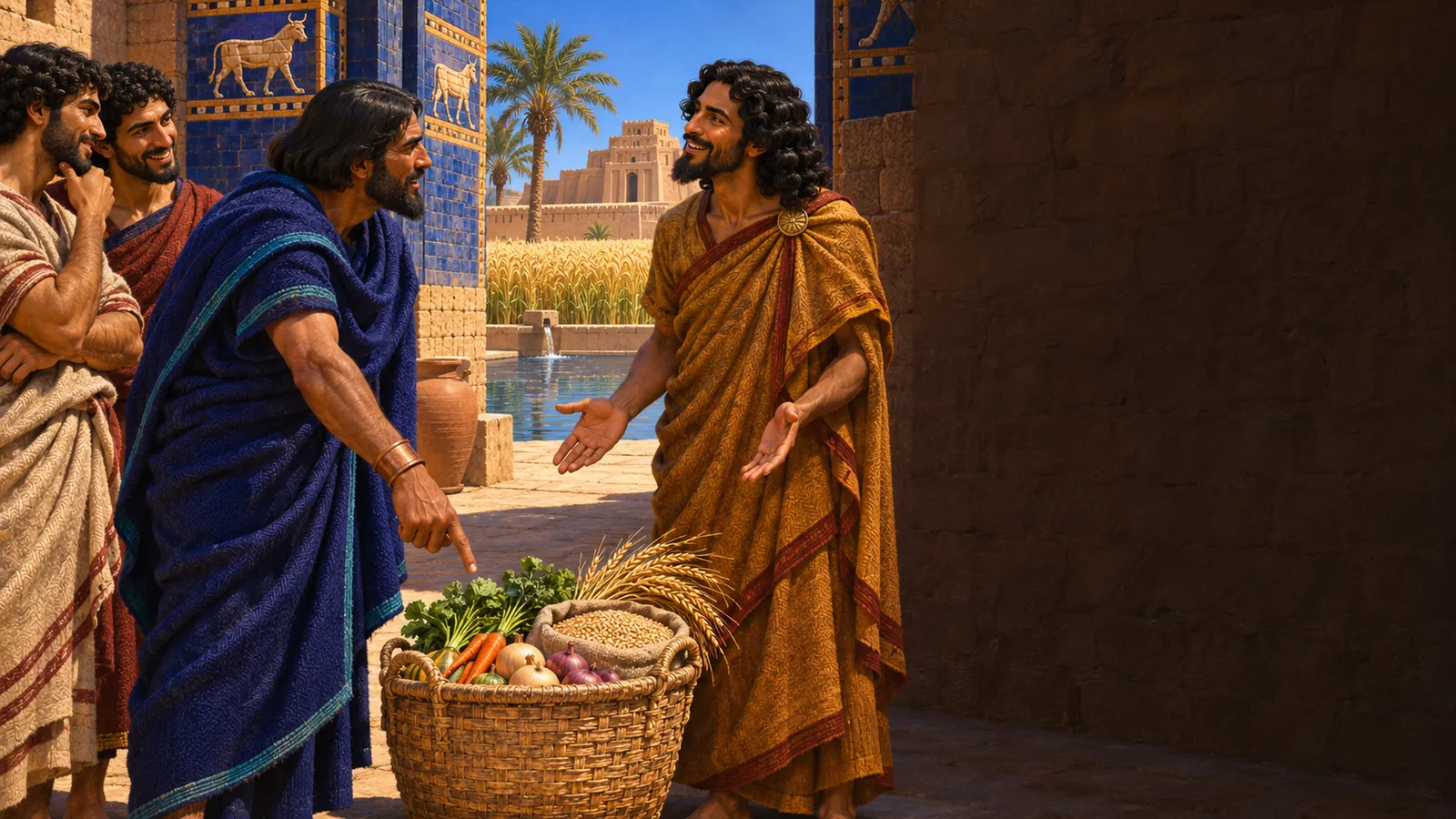
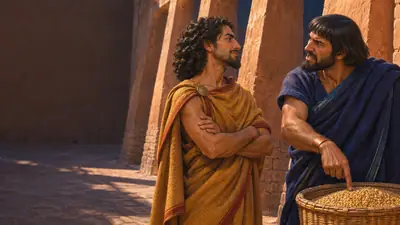
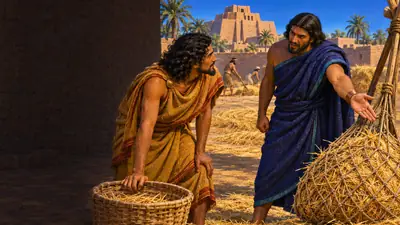
Winter went on about the livestock of the hills and the vegetables brought to the palace gate. The straw Summer carried came under his scrutiny too.
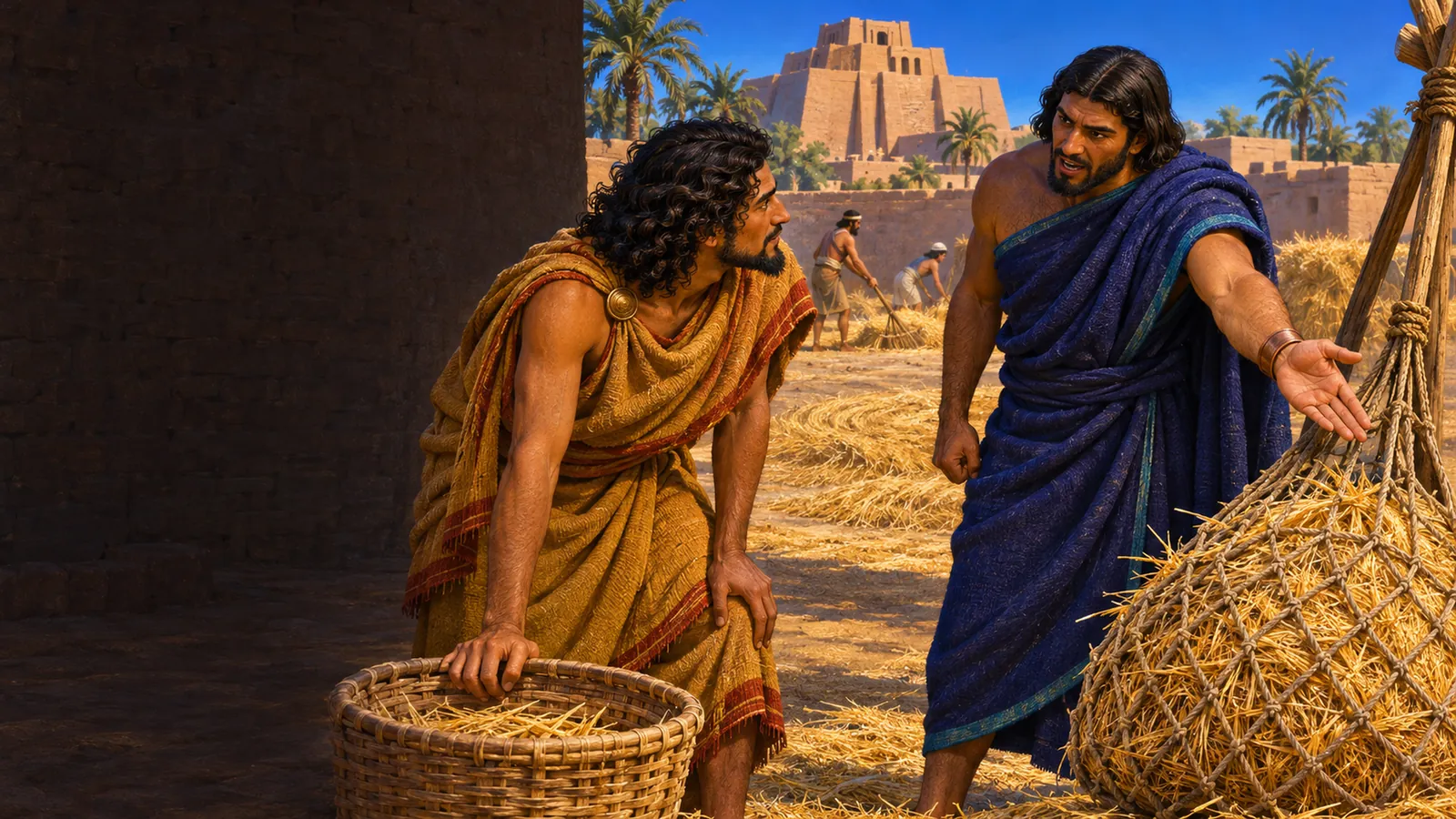
After talk of threshing floors, straw and storehouses, Winter fired his sharpest insult. Summer, he said, was just a hired hand who had to work the fields to eat.
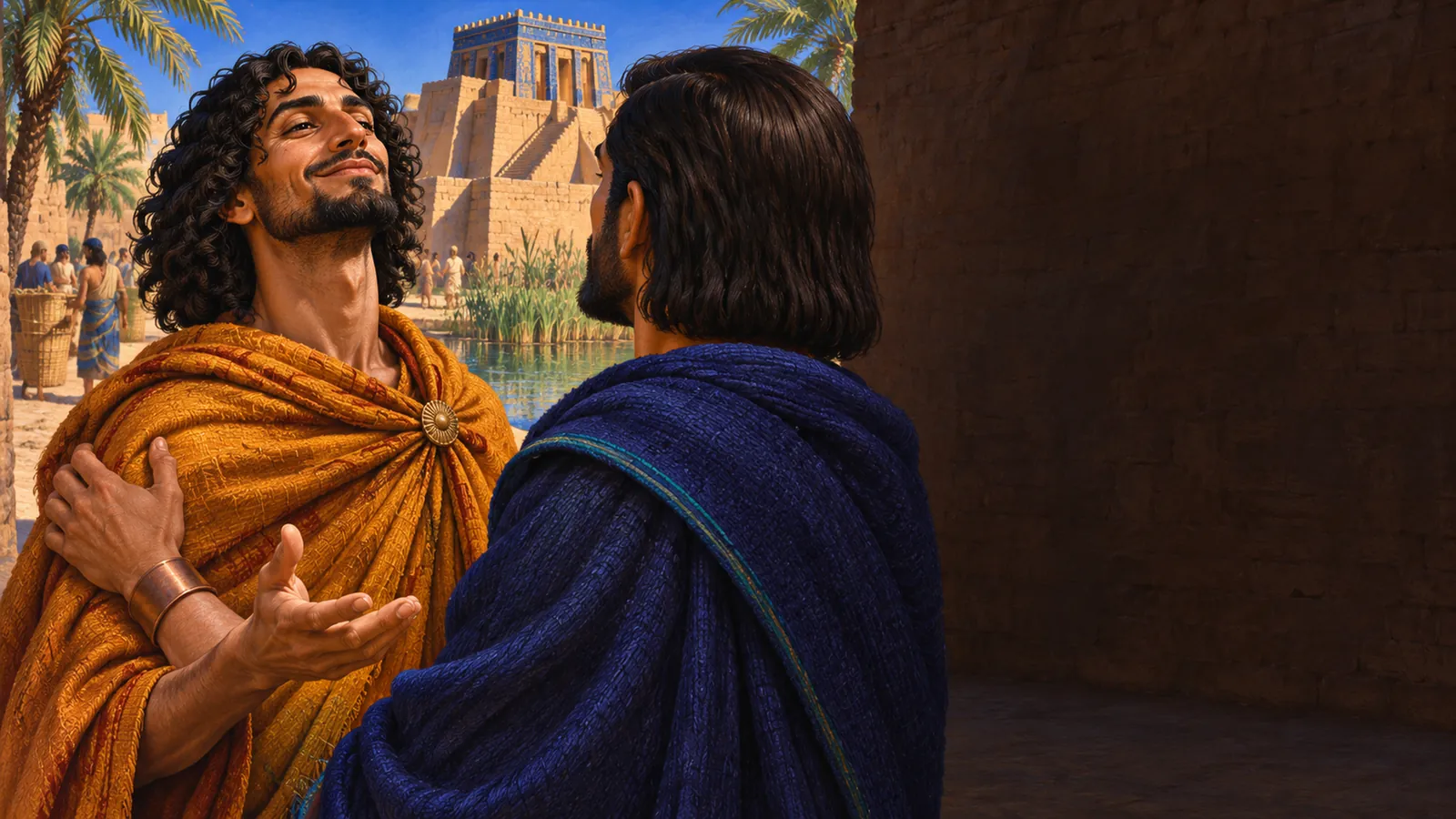
Summer looked back on the harvest and found plenty of reason for confidence. He lifted his head like a bull on rich grass and thought up insults of his own.
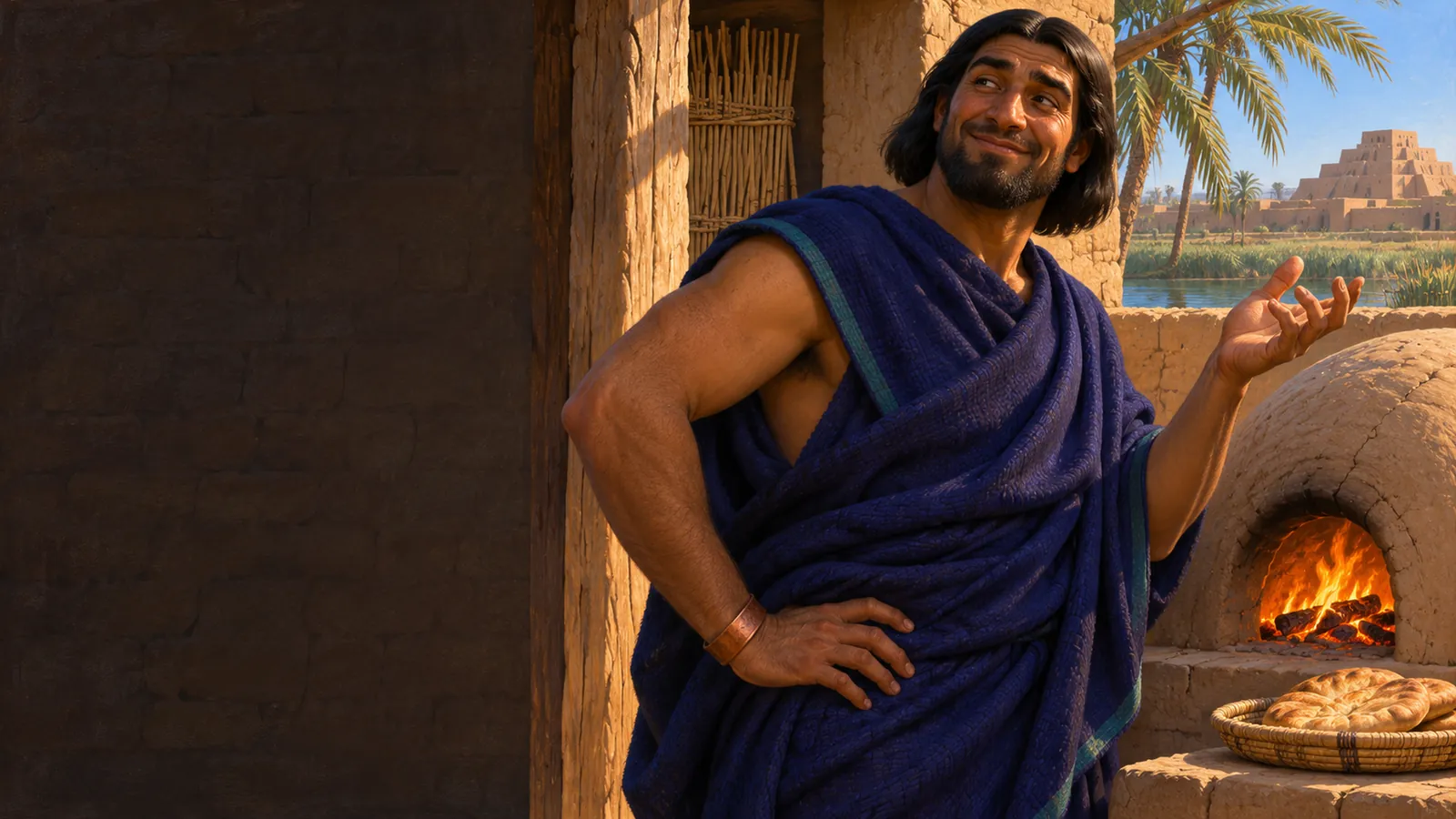
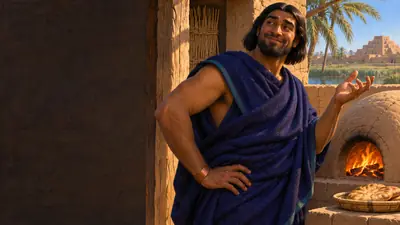
Summer answered, “You may have to sit beside an oven, Winter. You should think twice before you mock someone who spends his days on his feet.”
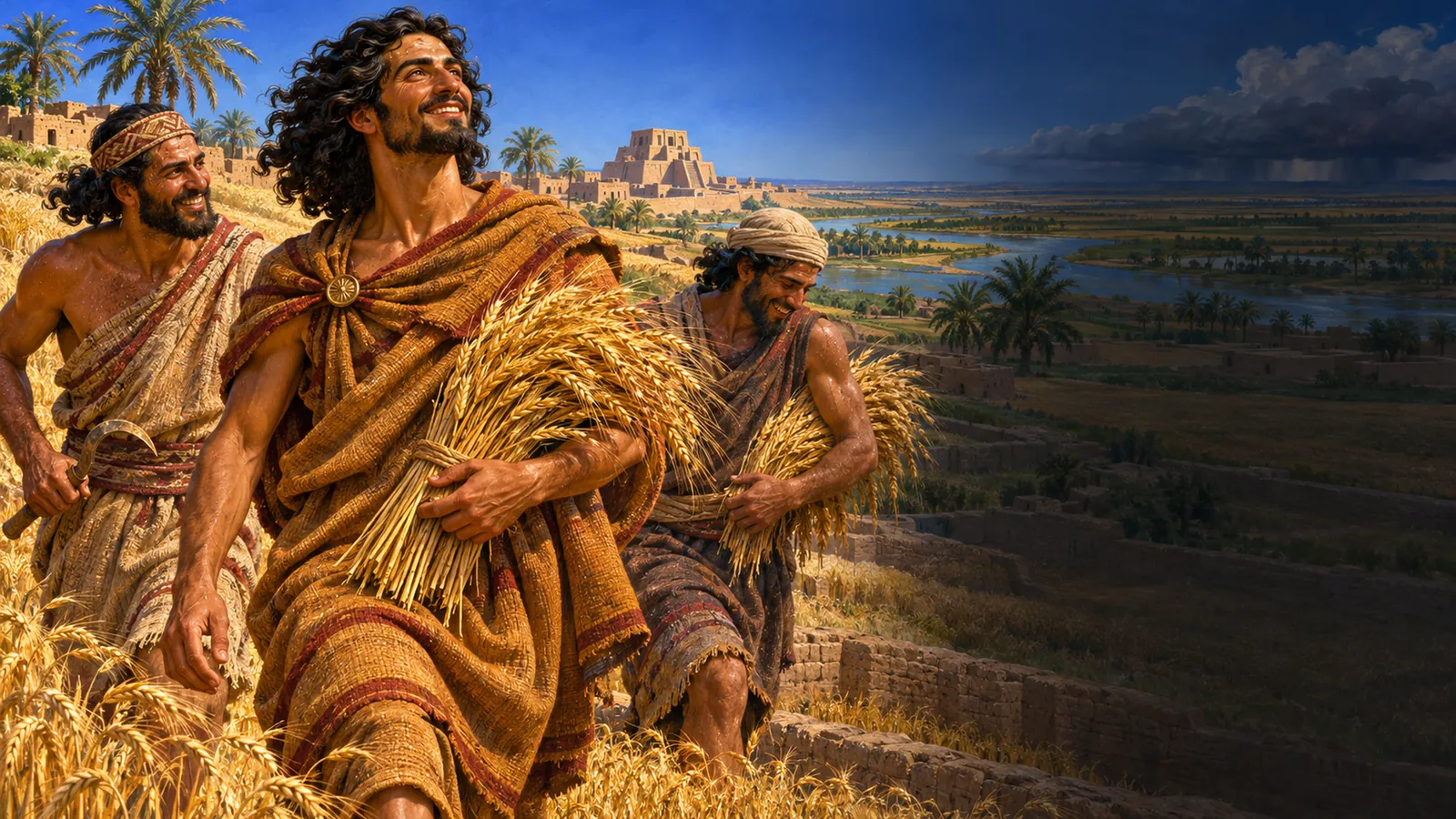
“I have seven months of duty every year,” said Summer. “I work without tiring, and you can see the abundance I put in the fields.”
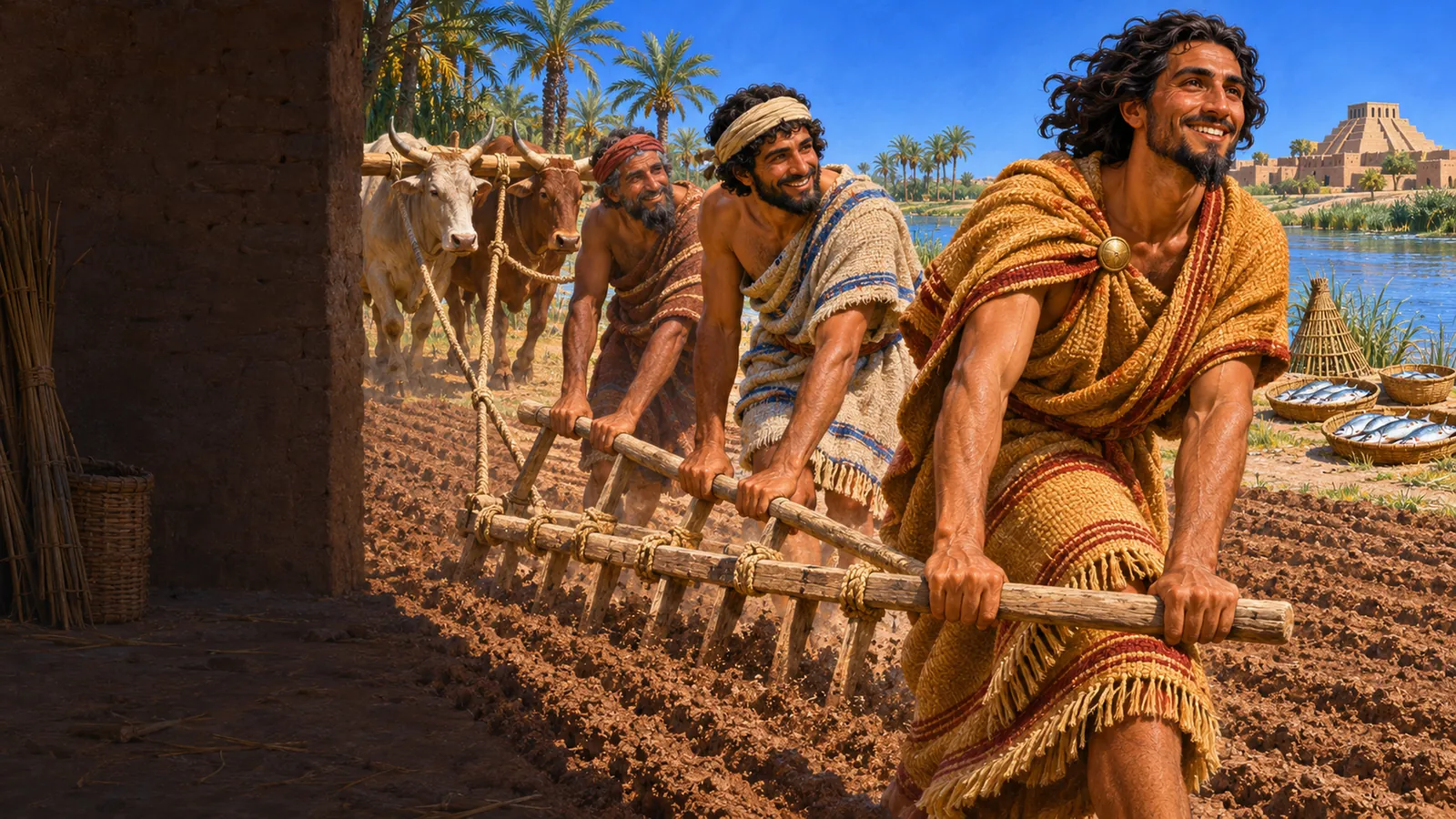
Summer claimed that when irrigation was shut off and the fish were heaped up, he was the one in charge for Enlil. He took credit for harrowing the fields into good farmland.
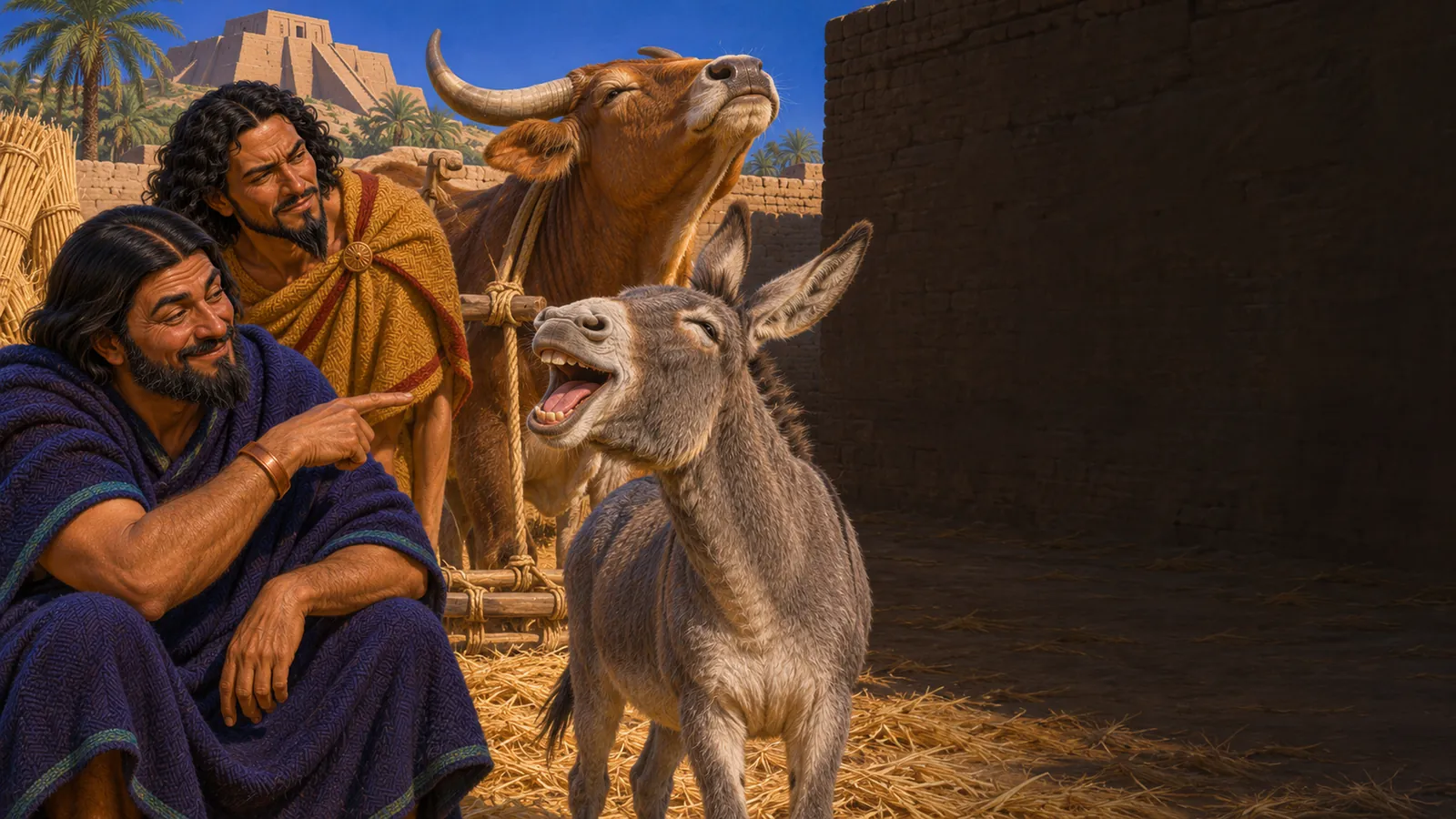
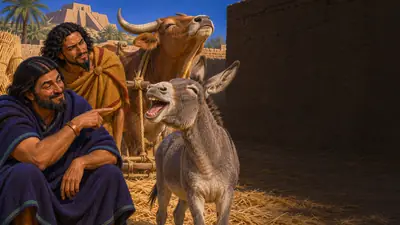
Winter compared his brother to a donkey braying where the harvest was gathered. He called him a braggart who did not know the size of the field.
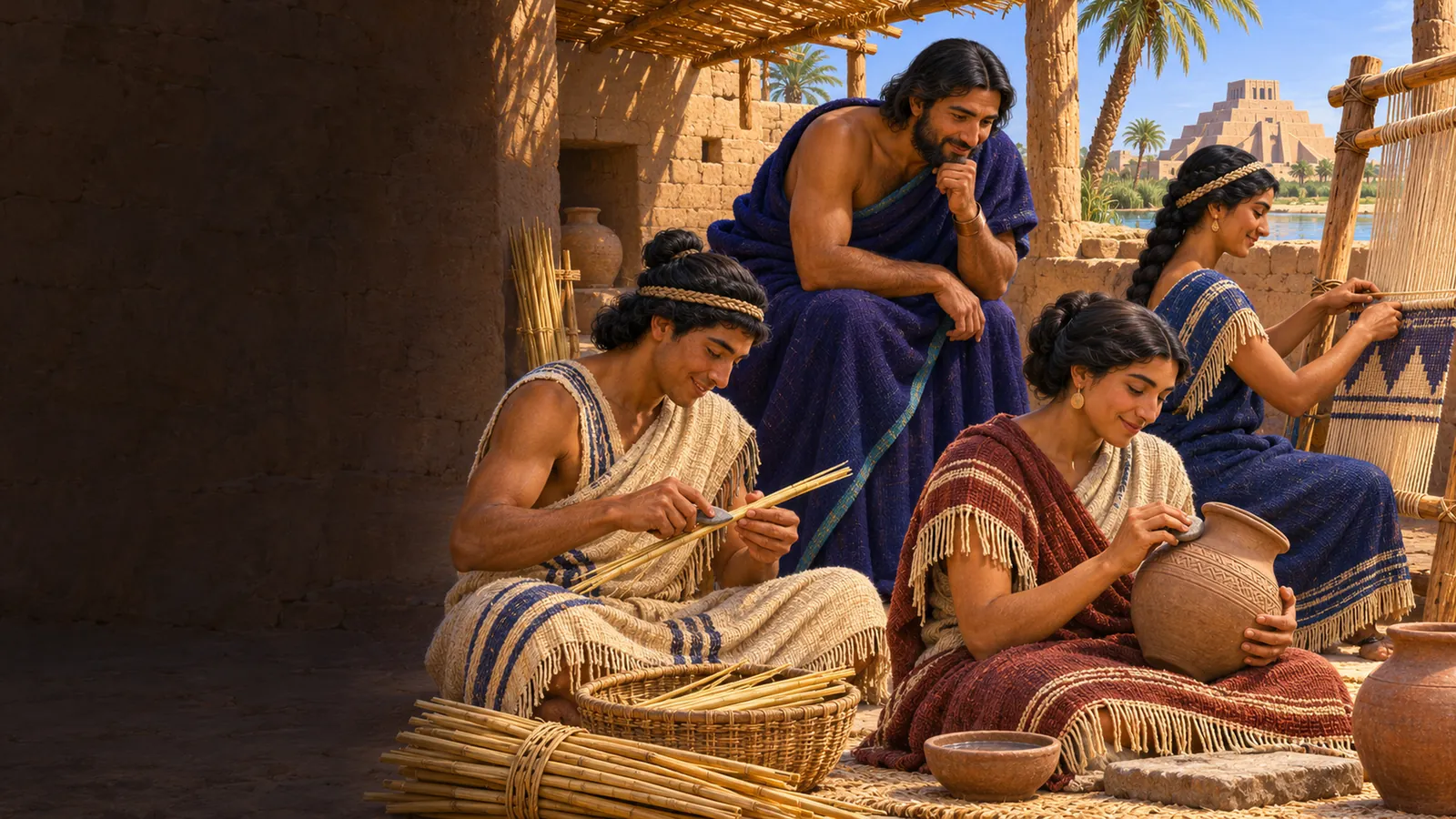
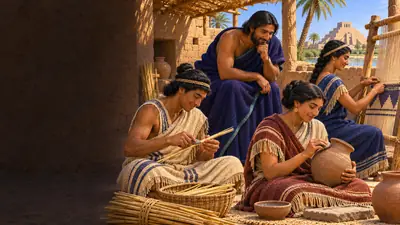
Winter went from the sheep at their feed to the work of the reed cutter, the builder and the potter. He had orders for weavers, brewers and cooks as well.
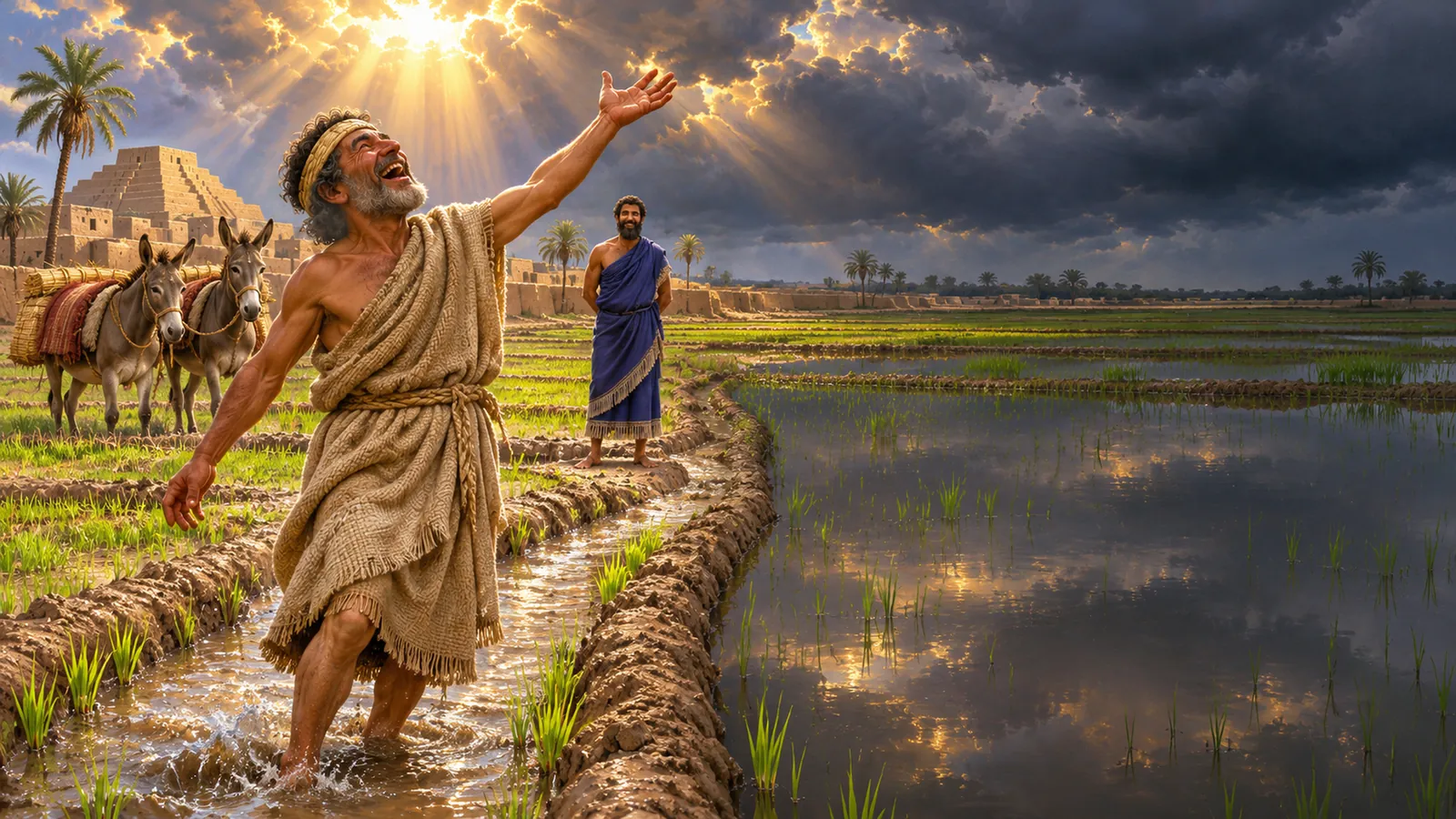
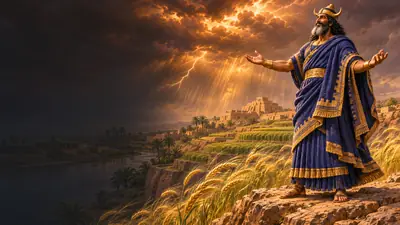
Winter told of rain from the clouds and water coming down from the hills. When the new grain was stored with the old, the farmer shouted for joy and headed for the city.
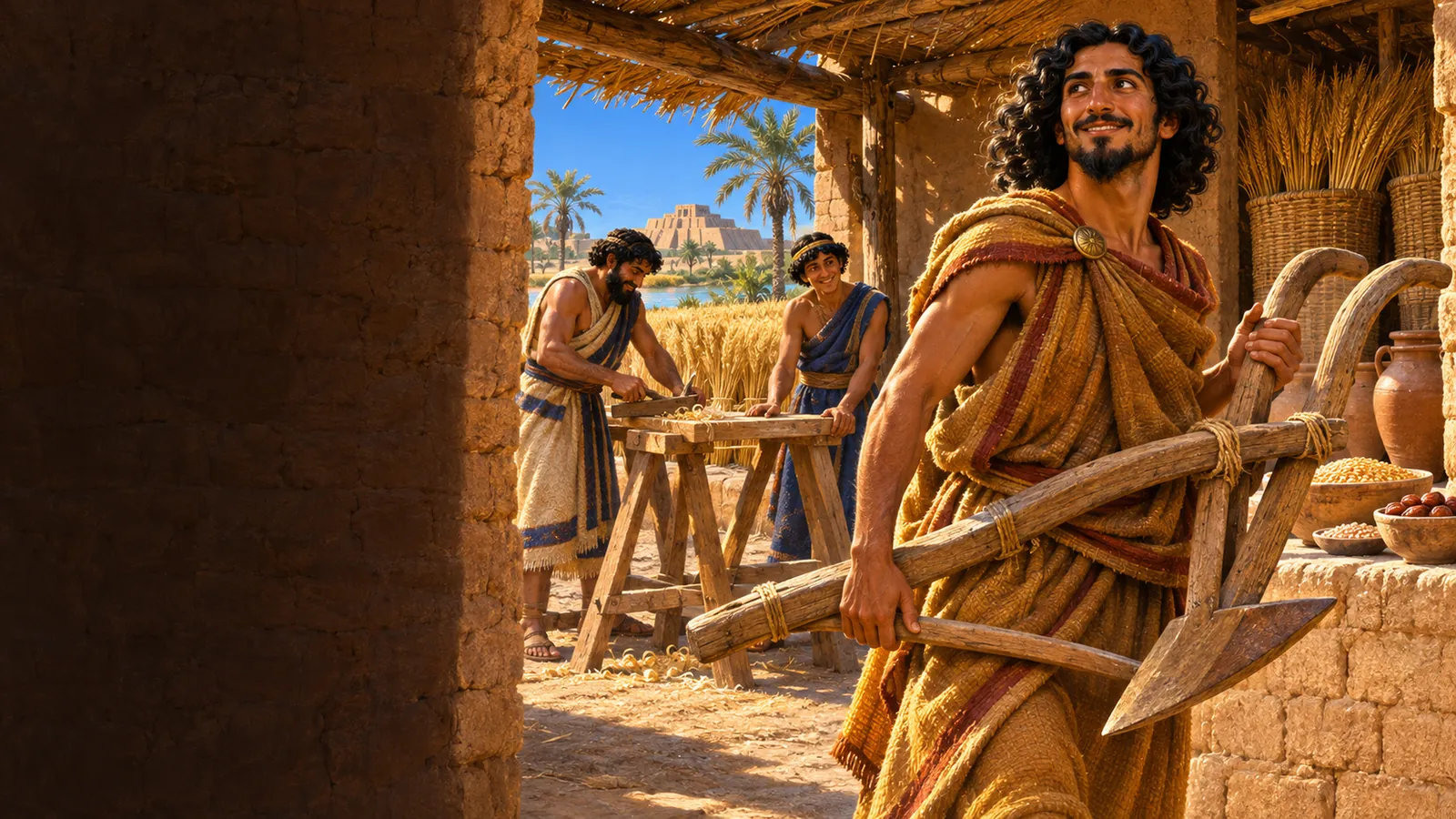
Once Summer had put away the sacred plough and stored up the harvest, he sat down to plenty. The best goods of the land were his to enjoy.
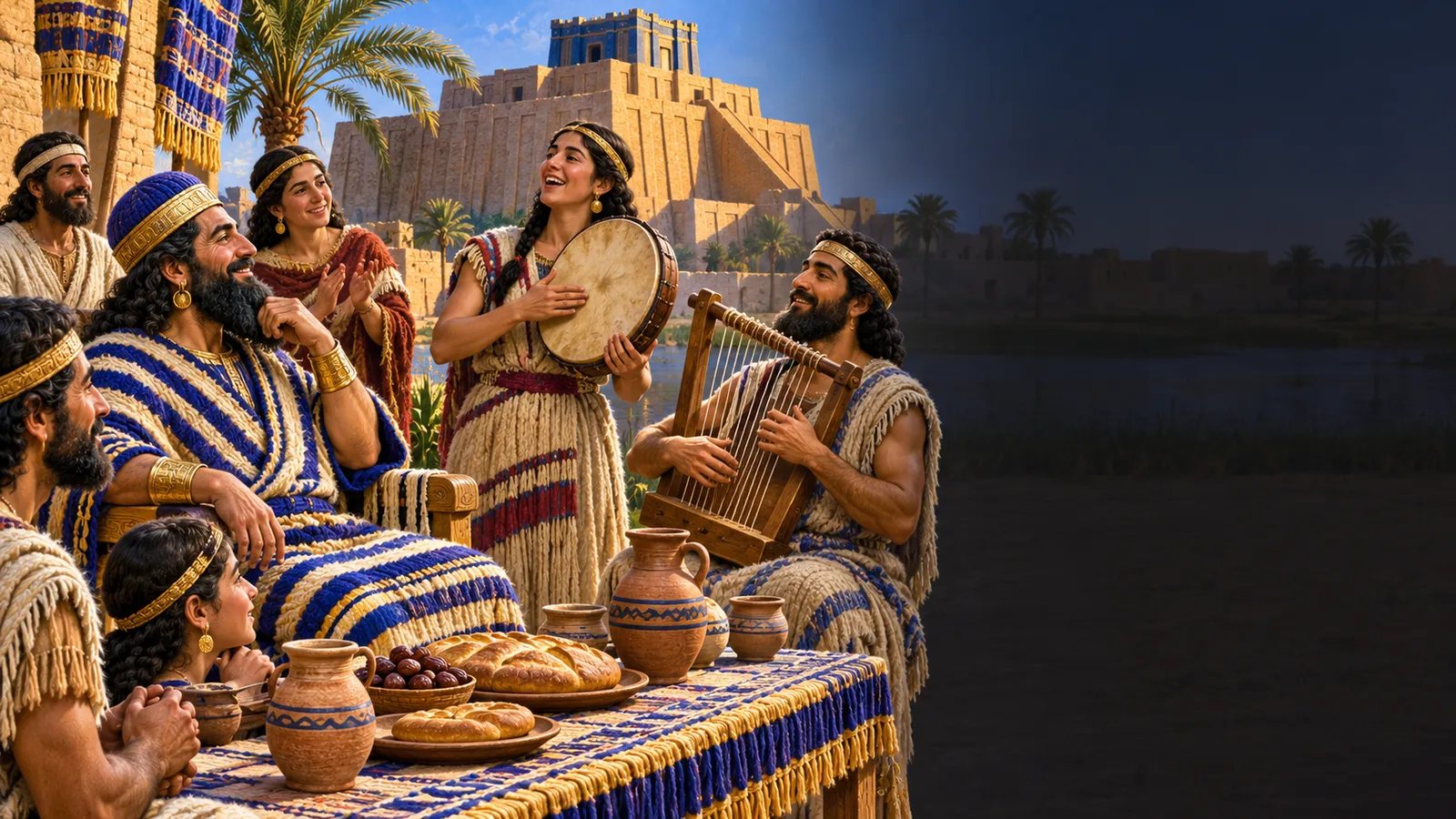
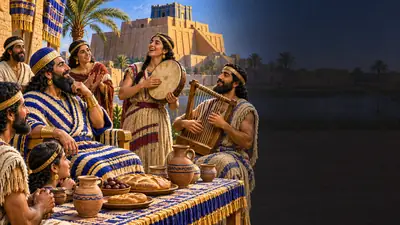
Winter pictured a feast for King Ibbi-Suen, with fine clothes and music to gladden the heart. Even there he claimed his share of the credit, for the wine, the drink and the food.
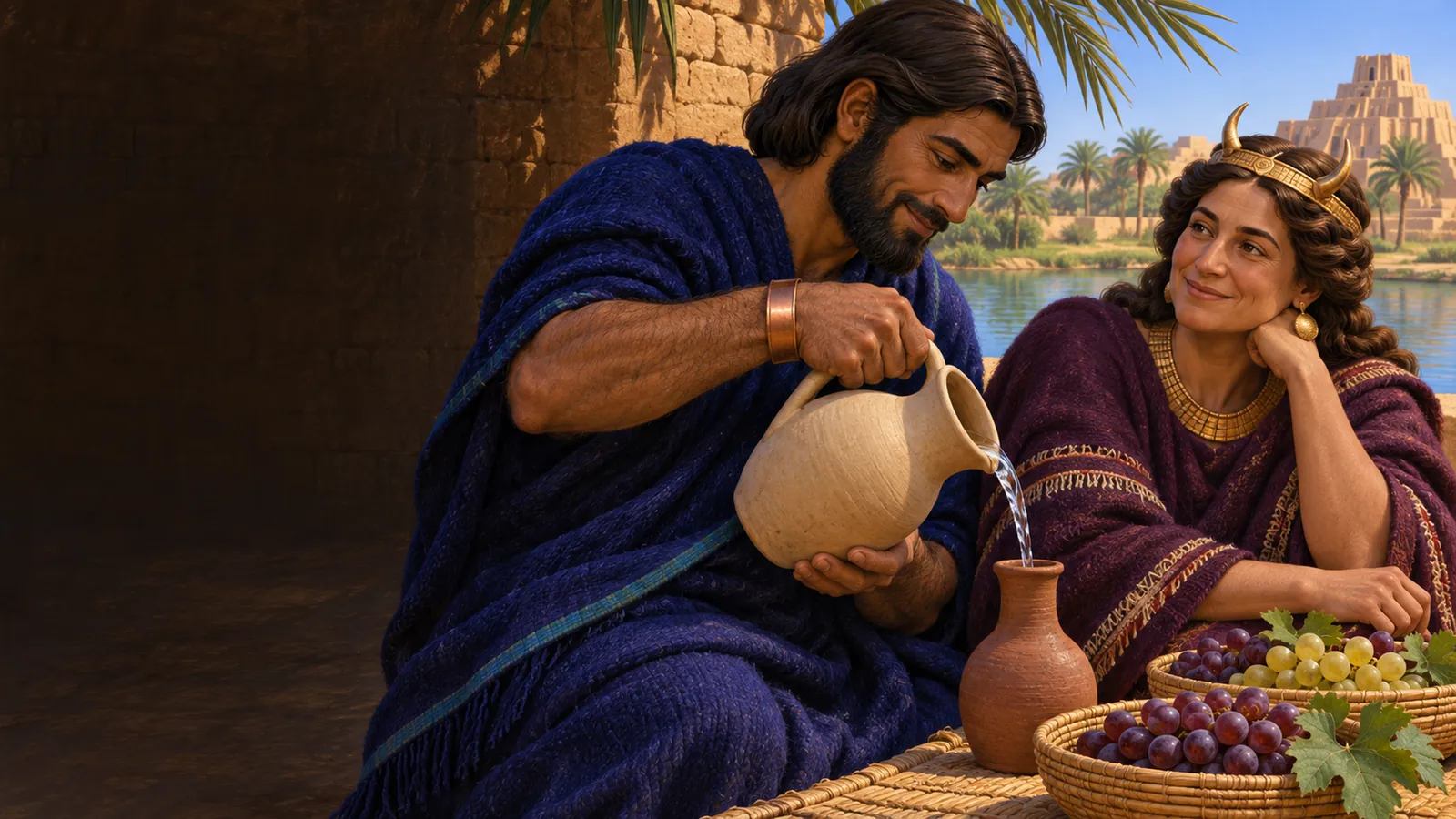
Winter said he brought cool water from the hills to help Ninkasi sweeten the beer. He took credit for cooling the king, too, and asked how Summer could compare.
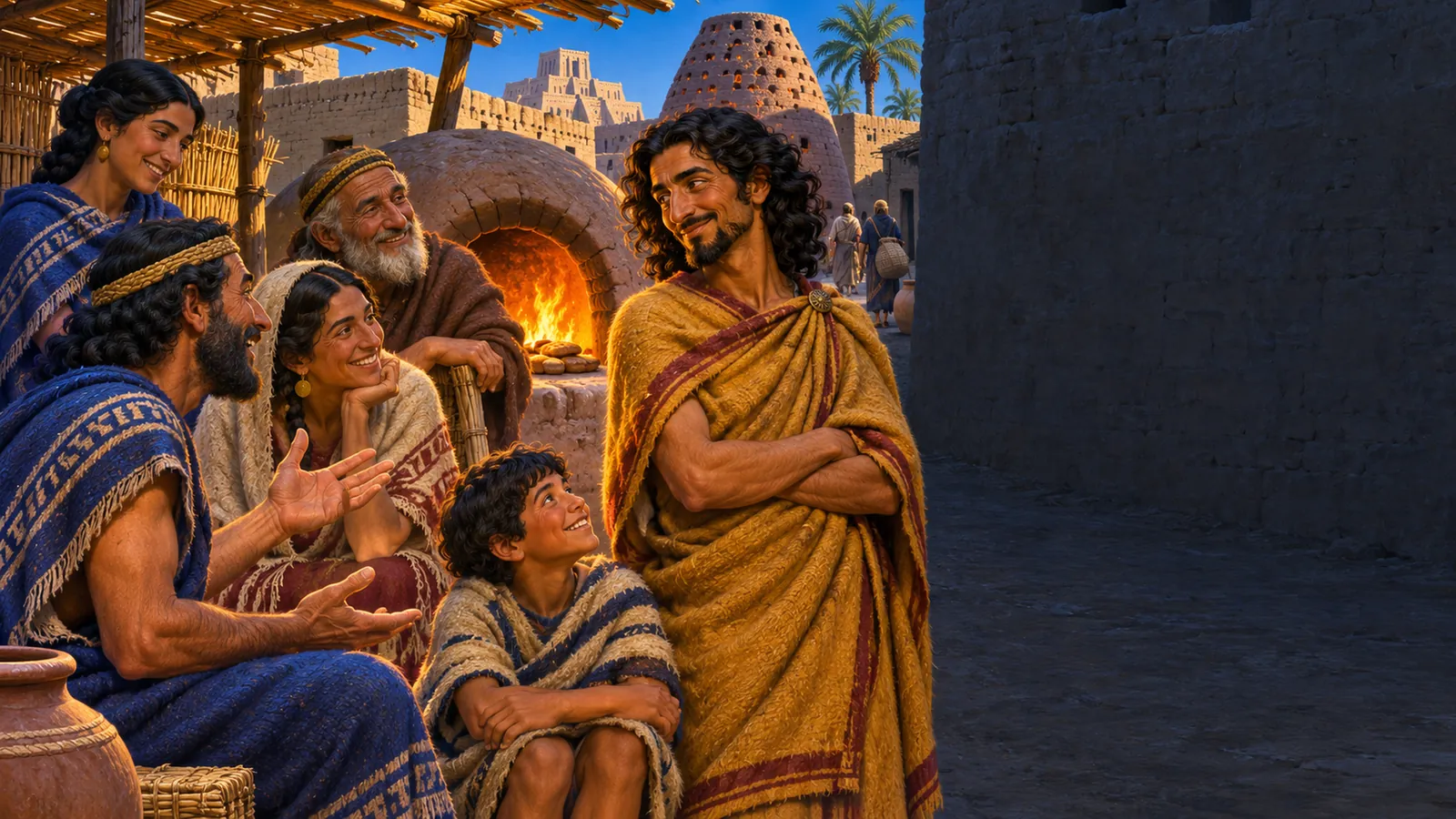
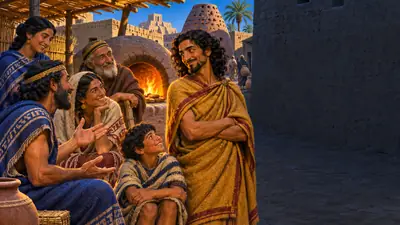
Summer took the taunts calmly at first, then answered in his turn. “You speak of your strength. In the city your strength sets people’s teeth chattering and sends them running to the ovens.”
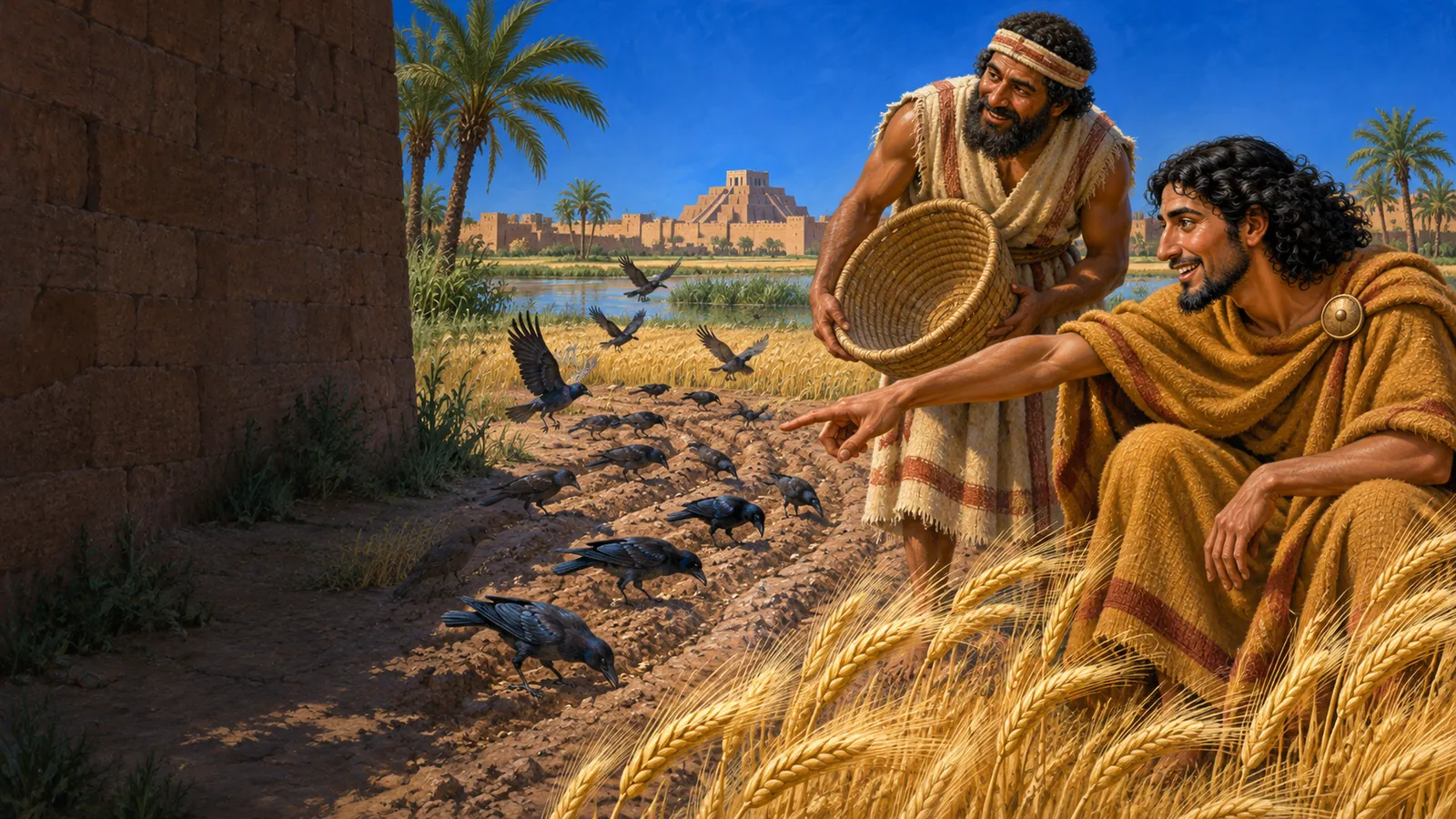
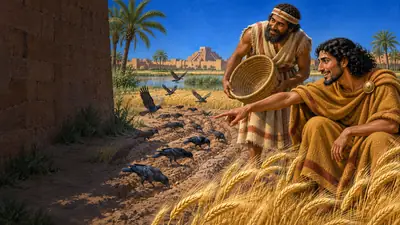
Summer went on. “At midday your streets are empty. The furrows of your neglected fields run crooked, and whole flocks of rooks make off with the grain.”
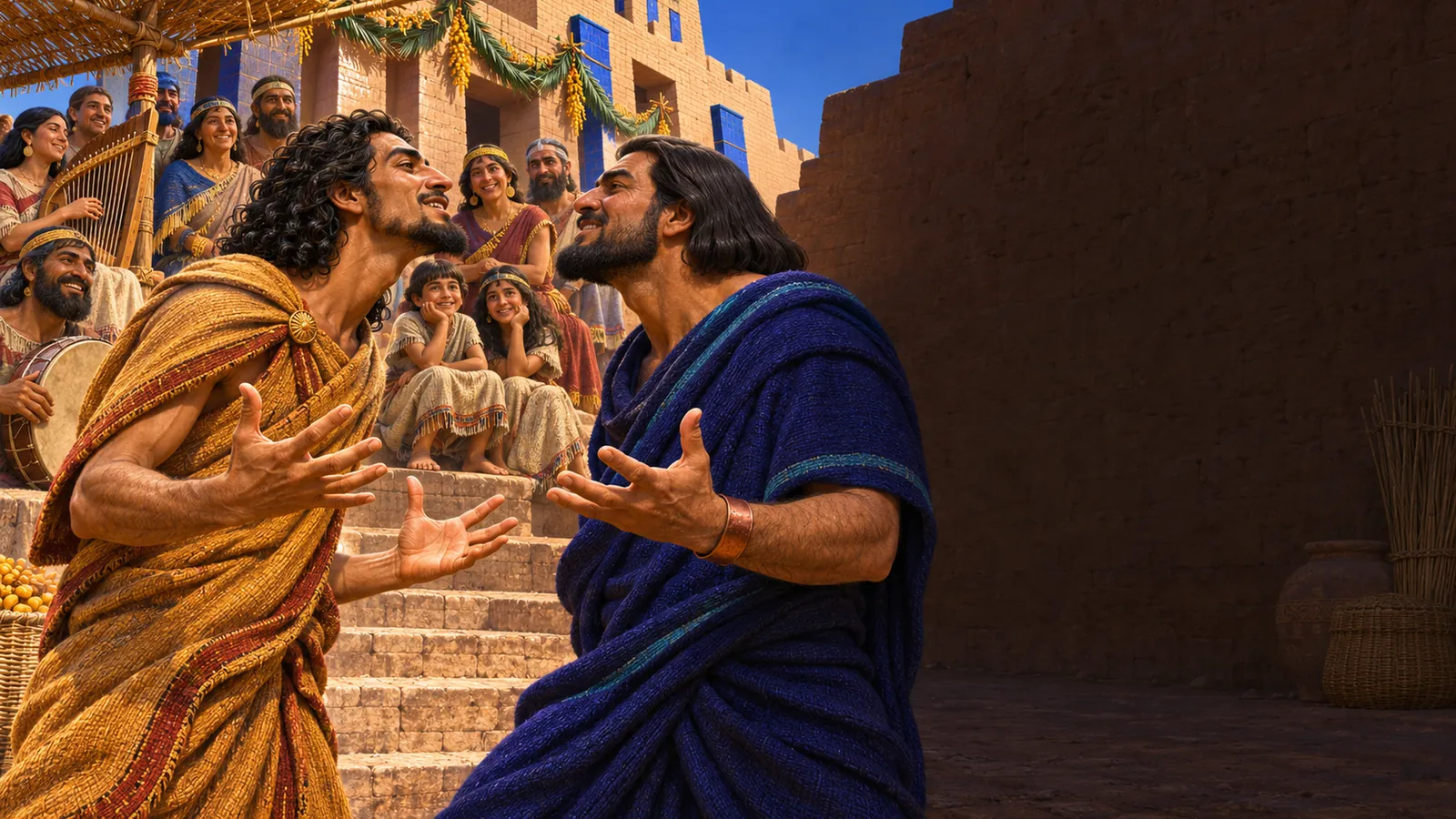
THE COURTYARD
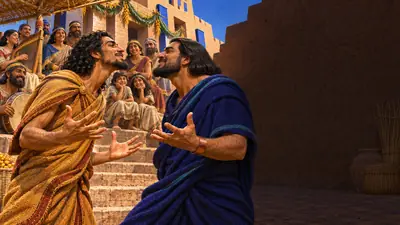
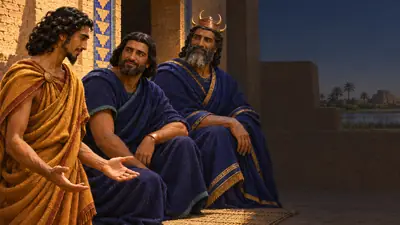
On the day of the festival at E-kur, the brothers took their places in the great courtyard. They leaned forward like two wild bulls about to lock horns.
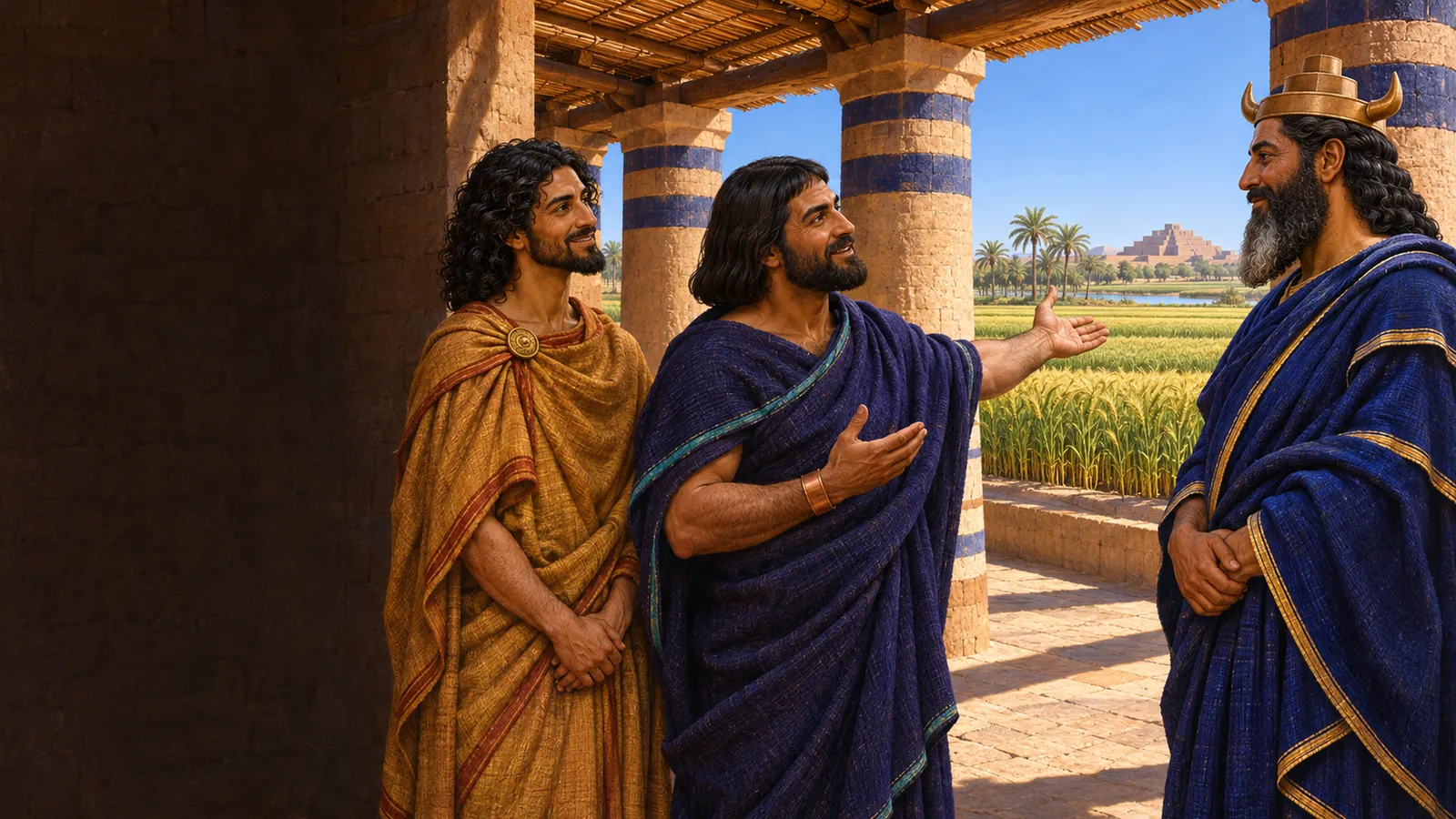
Winter lifted his head. “Father Enlil, you put me in charge of irrigation. I made meadows side by side and filled the granaries. The furrows grew thick with grain.”
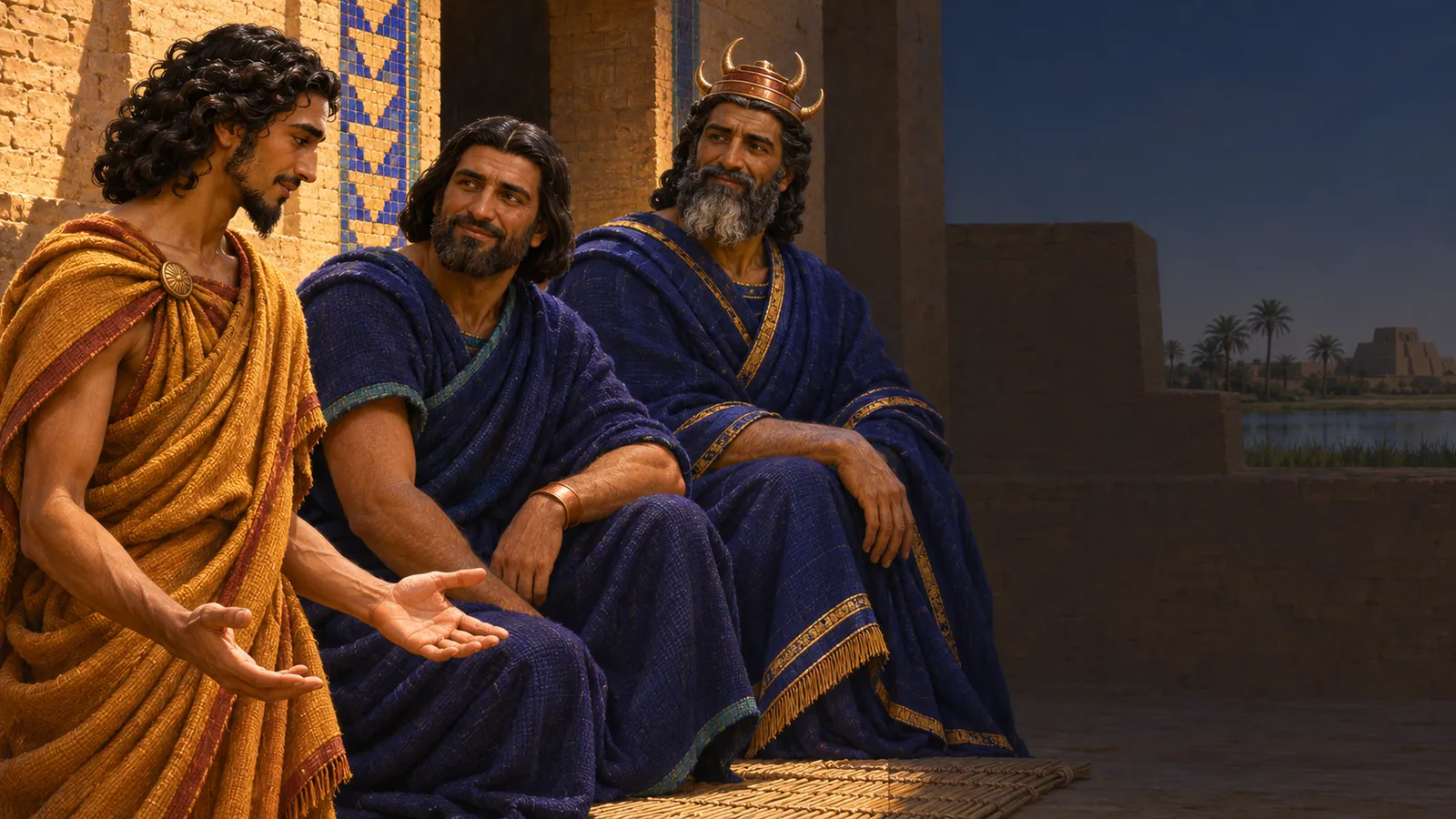
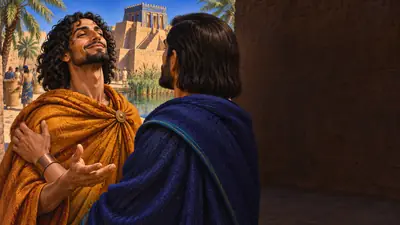
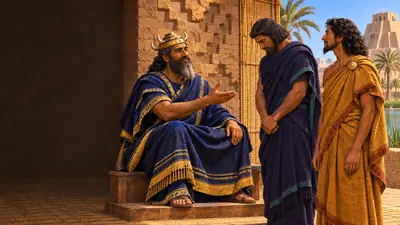
Summer thought it over and calmed down. He spoke respectfully to Enlil, saying his verdict would stand. The brothers had quarrelled, he said, but they could be at peace.
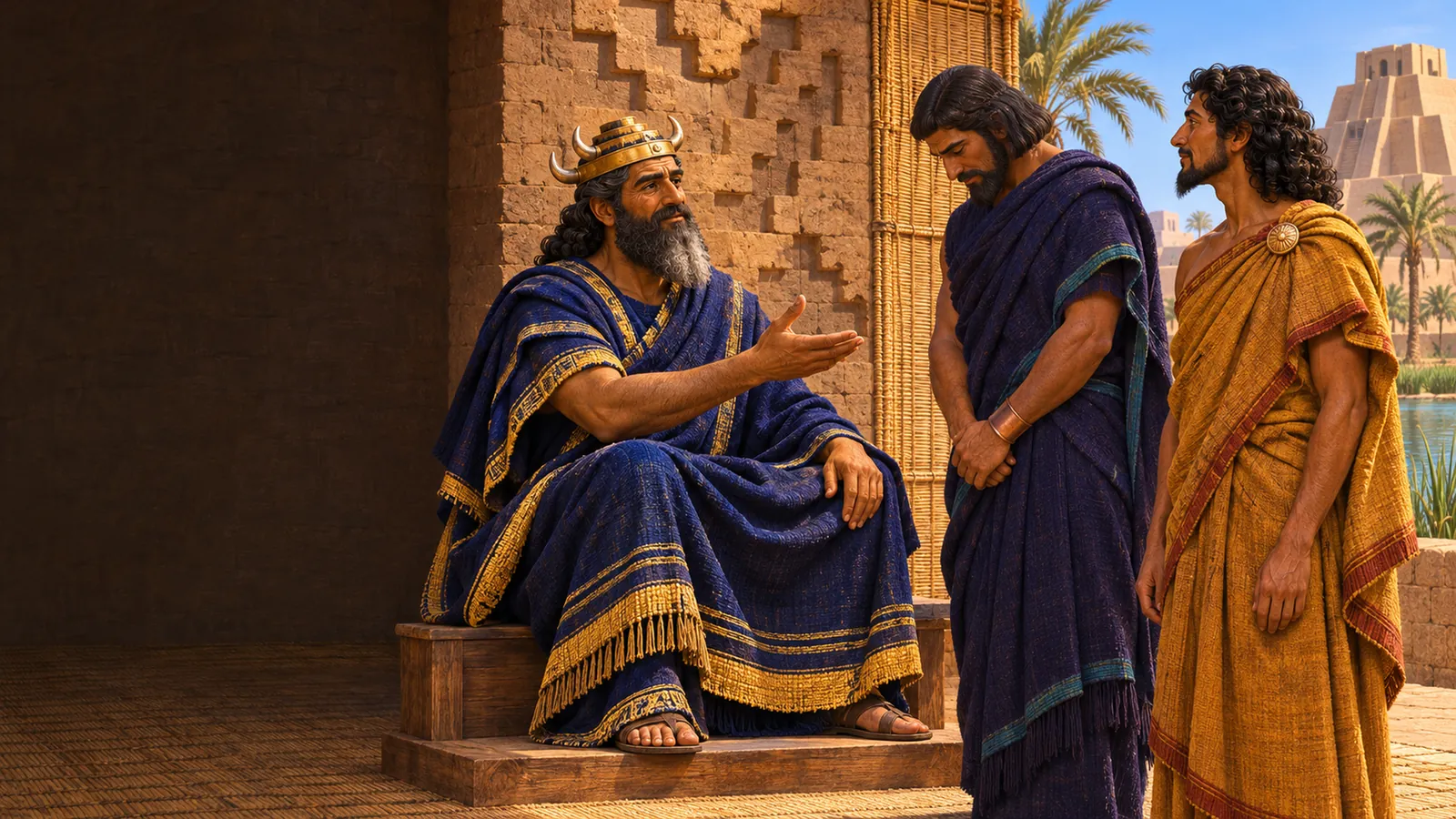
THE VERDICT
Enlil called Winter the farmer of the gods and keeper of the waters that give life. How, he asked Summer, could he compare himself to his brother?
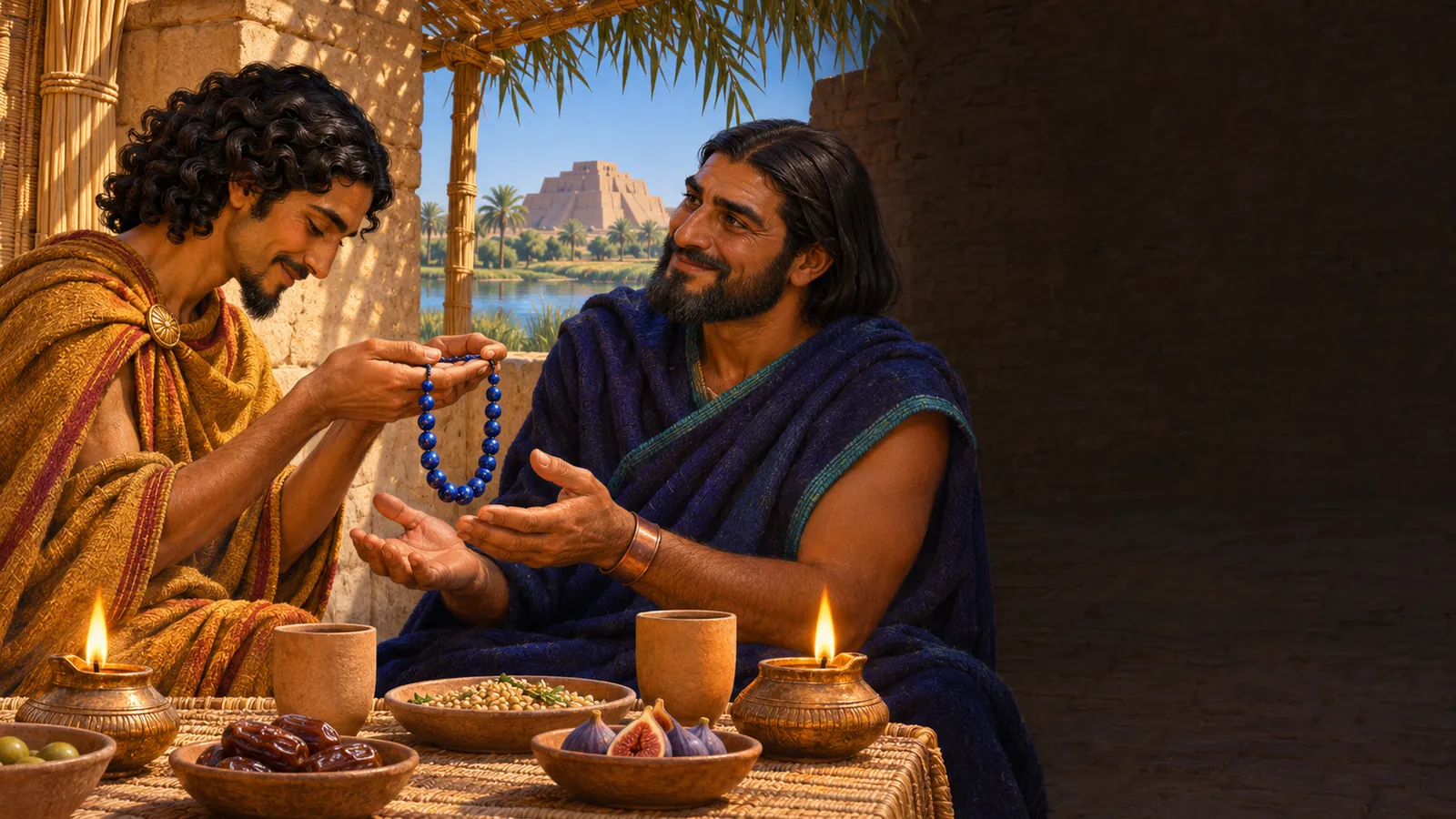
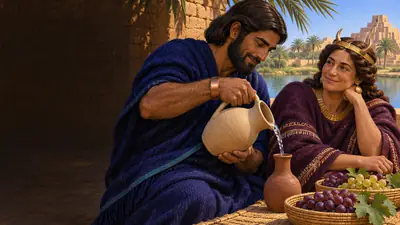
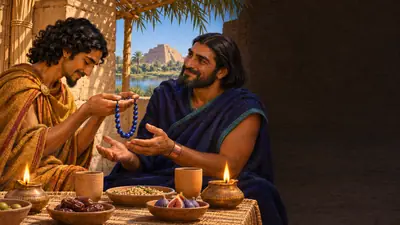
Summer bowed to Winter and set out a feast with emmer beer and wine. He gave his brother gold, silver and lapis lazuli. Winter had won the contest, and the brothers were friends again.
End of chapter 1
All pages
Sources
Page 3–4, lines 12–18. The poem describes Enlil’s union with the earth, the mountain’s conception and the hill’s delivery at night.
Editions consulted
- ETCSL 5.3.3, English translation
- ETCSL 5.3.3, composite Sumerian text
- ETCSL bibliography and list of witnesses
- CDLI composite and tablet witnesses
- Penn Museum tablet N 3363, via CDLI
- ORACC ePSD2, literary catalogue entry Q000762
Notes on this retelling
Page 11–12, lines 33–49. Several lines around the brothers’ work in the fields are fragmentary or missing. The clear details about draining the fields and the passage about an ox, the yoke and Ninurta are paraphrased from the preserved words.
Pages 18 and 22, lines 69–88 and 121–143. Parts of the list of Summer’s offerings and part of Winter’s speech are missing.
Patient work in the fields, payments in kind and leisure at the feast all become arguments over the brothers’ contribution.
Ancient lines behind each page
- Page 1: ETCSL 5.3.3, lines 1–11
- Page 2: ETCSL 5.3.3, lines 1–11
- Page 3: ETCSL 5.3.3, lines 12–18
- Page 4: ETCSL 5.3.3, lines 12–18
- Page 5: ETCSL 5.3.3, lines 12–18
- Page 6: ETCSL 5.3.3, lines 19–25
- Page 7: ETCSL 5.3.3, lines 19–25
- Page 8: ETCSL 5.3.3, lines 26–32
- Page 9: ETCSL 5.3.3, lines 26–32
- Page 10: ETCSL 5.3.3, lines 26–32
- Page 11: ETCSL 5.3.3, lines 33–44
The translation preserves Summer’s drainage work and marks surrounding lines as fragmentary or missing. - Page 12: ETCSL 5.3.3, lines 45–49
- Page 13: ETCSL 5.3.3, lines 50–60
- Page 14: ETCSL 5.3.3, lines 50–60
- Page 15: ETCSL 5.3.3, lines 50–60
- Page 16: ETCSL 5.3.3, lines 61–68
- Page 17: ETCSL 5.3.3, lines 61–68
- Page 18: ETCSL 5.3.3, lines 69–88
- Page 19: ETCSL 5.3.3, lines 89–104
- Page 20: ETCSL 5.3.3, lines 105–111
- Page 21: ETCSL 5.3.3, lines 112–120
- Page 22: ETCSL 5.3.3, lines 121–143
Much of this portion of Winter’s speech is fragmentary or missing. - Page 23: ETCSL 5.3.3, lines 144–152
- Page 24: ETCSL 5.3.3, lines 153–156
- Page 25: ETCSL 5.3.3, lines 157–163
- Page 26: ETCSL 5.3.3, lines 164–171
- Page 27: ETCSL 5.3.3, lines 172–188
- Page 28: ETCSL 5.3.3, lines 189–199
- Page 29: ETCSL 5.3.3, lines 200–215
- Page 30: ETCSL 5.3.3, lines 216–224
- Page 31: ETCSL 5.3.3, lines 225–235
- Page 32: ETCSL 5.3.3, lines 225–247
- Page 33: ETCSL 5.3.3, lines 236–258
- Page 34: ETCSL 5.3.3, lines 259–273
- Page 35: ETCSL 5.3.3, lines 274–282
- Page 36: ETCSL 5.3.3, lines 283–287
- Page 37: ETCSL 5.3.3, lines 288–296
- Page 38: ETCSL 5.3.3, lines 297–303
- Page 39: ETCSL 5.3.3, lines 304–309
- Page 40: ETCSL 5.3.3, lines 310–318
Illustrations made with AI tools by IL Archive; the text is based on the ancient sources (see the sources at the end of each chapter).