Entity · Concept
Proper name
A reference page linking a name, group, or concept to the materials that discuss it.
What distinguishes a proper name from a common noun? An explanation of reference in context through El in Semitic sources and the name Israel on the Merneptah Stele, with limits on what spelling proves.
Estimated reading time: 3 min Published Last reviewed:
Share article
Text
Introduction
How do we distinguish a name used for a particular person, place, or group from a word denoting a general class? This matters when reading ancient texts, because a similar-looking word can perform different functions in different contexts. We first explain the distinction, then examine El in Semitic sources and a group name preserved in an Egyptian inscription.
What is a proper name?
A proper name is an expression used to identify a particular person, place, group, or other entity in a context. For example, UgaritUgaritAncient city and kingdom at Ras Shamra on the Syrian coast, flourishing between the fourteenth and early twelfth centuries BCE and preserving multilingual archives.Glossary · Click to read the explanation names a city, whereas city is a common nounCommon nounA noun referring to a member of a class, such as “city” or “god”, unlike a proper name designating a particular entity. Semitic il/El may fulfill either function in context.Glossary · Click to read the explanation. A common nounCommon nounA noun referring to a member of a class, such as “city” or “god”, unlike a proper name designating a particular entity. Semitic il/El may fulfill either function in context.Glossary · Click to read the explanation denotes a class, as city or god does. This is a distinction in reference, not a judgment about the importance or sacredness of the referent. [1] [2]
A proper name need not have just one bearer in the world: different people can share a name, and the context identifies which person is intended. Conversely, a description such as “the king of the city” may pick out one person without automatically becoming a proper name. English usually capitalizes proper names, but capitalization is a convention of particular scripts, not a universal test for names in ancient writing systems. [1] [2]
El as a name and as a general word
In certain Ugaritic texts ElElEl is a senior deity in Late Bronze Age Ugaritic texts, portrayed as father of the divine family and a council authority, alongside his consort Athirat. This entry does not cover every linguistic use of El.Glossary · Click to read the explanation is the name of the deity who heads the divine family, rather than simply a word for any god. In other Semitic contexts, including HebrewHebrewA Northwest Semitic language of the Canaanite group, encompassing Iron Age epigraphy, Biblical, Rabbinic, medieval and Modern Hebrew; its scripts and pronunciations changed over time.Glossary · Click to read the explanation, a related form may function as the common noun “god”; El may also be a proper name. To decide which use is intended, we examine the sentence, epithets, actions, and other characters in the passage instead of relying on spelling alone. [3]
The distinction is both linguistic and historical. The relationship between words does not by itself show that every occurrence refers to the same divine person across periods and traditions. A proper name may also have an etymology or lexical associations without functioning as a common noun every time it appears. [2] [3]
An inscriptional example: a group name on the Merneptah Stele
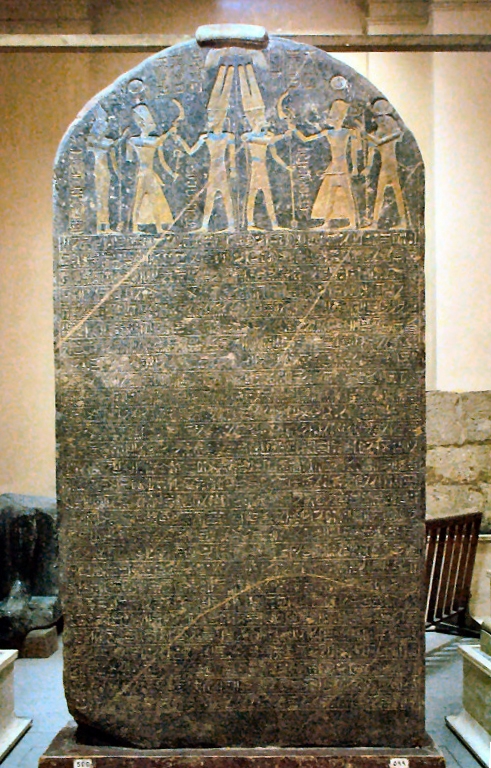
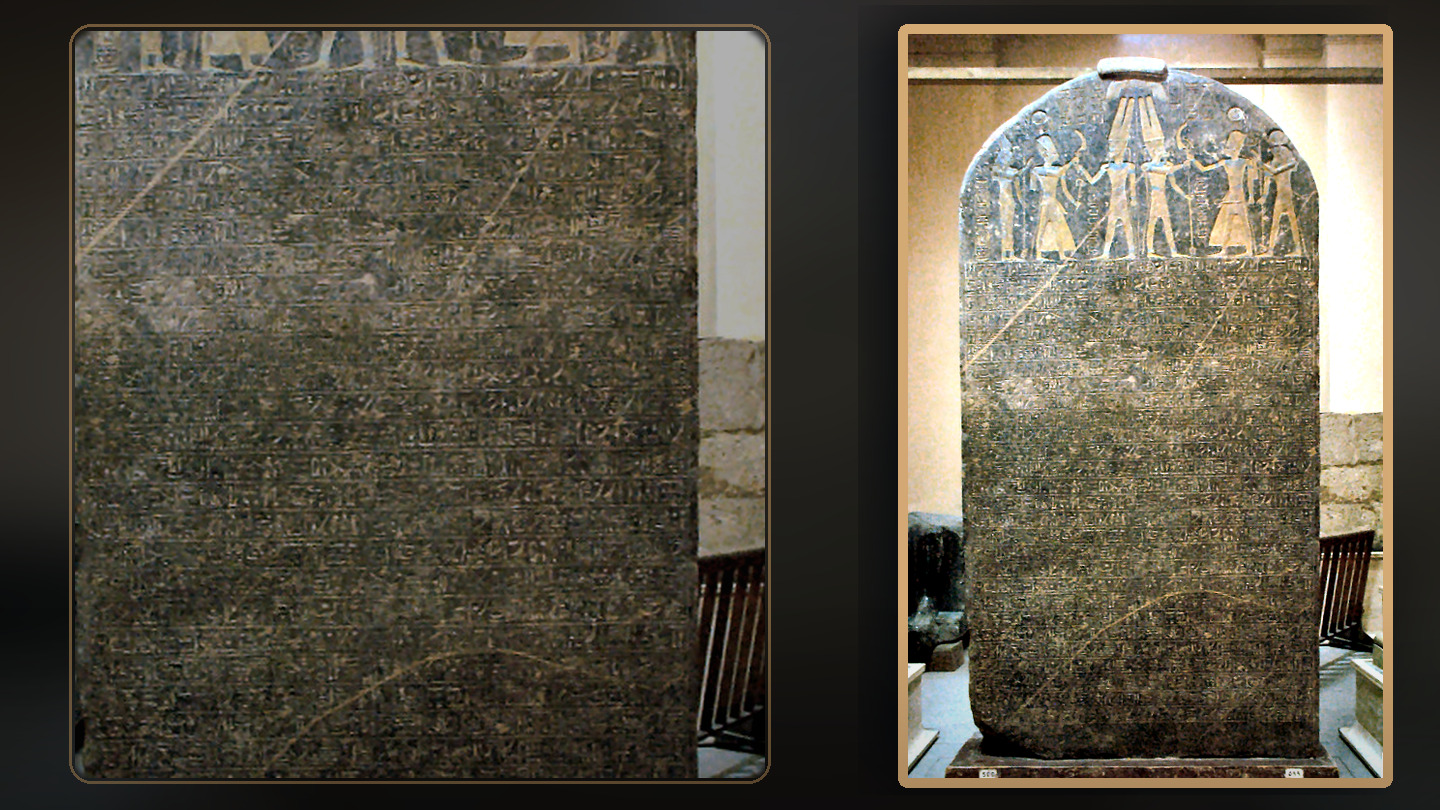
The Egyptian Merneptah SteleMerneptah SteleAn Egyptian royal victory inscription of c. 1208 BCE on the reverse of a monument of Amenhotep III; it contains the earliest widely accepted external attestation of the name Israel.Glossary · Click to read the explanation mentions IsraelAncient IsraelName attested for a population on the Merneptah Stele around 1208 BCE, later for the northern Iron Age kingdom and for broader textual and religious identities; the senses are not identical.Glossary · Click to read the explanation among the peoples and places named in the king’s record of victories in the late thirteenth century BCE. Egyptian determinatives associated with the name identify a people rather than a city in this passage. This demonstrates how a proper name can refer to a group, not just an individual. It is a separate Egyptian witness, however, and does not itself determine the meaning of El in Ugaritic texts. [4]
How to read a name in an ancient text
Start with the language, the witness, and its date. Then examine the expression in its sentence: does it identify a character known in that text, or describe a class? Do titles, modifiers, or other names clarify its reference? If different witnesses use the expression differently, the difference should be recorded rather than flattened into one meaning. [2] [3]
In short: a proper name identifies a referent in context, whereas a common noun designates a class. Their forms may resemble or even coincide; the surrounding usage, not spelling alone, guides the reading.
References and notes (4)
- Cambridge Dictionary, English Grammar Today, “Nouns”, “Types of nouns”. The paragraphs beginning “Most nouns are common nouns” and “Proper nouns are the names of specific…”; the general English grammatical distinction. Return to the text ↑
- Richard Coates, “Names”, in A History of the English Language, Cambridge University Press (2012). Available summary of “The status of proper names”: contextual reference and the possibility of several bearers of a name; not the full chapter. Return to the text ↑
- Heath D. Dewrell and Andrew M. Garbarino, “Names of God in the Hebrew Bible”, Oxford Bibliographies in Biblical Studies, 24 April 2023. Public Introduction: ʾēl as common noun or proper name of El/Ilu in West Semitic traditions; the subscription bibliography was not read in full. Return to the text ↑
- Oriental Institute, University of Chicago, Ancient Israel, p. 67 (indexed PDF excerpt). Section “Ancient Israel”, p. 67: the Merneptah Stele names Israel with signs classifying a people rather than a city; indexed excerpt only, not the whole work. Return to the text ↑
Suggest a correction · Suggest a source for this record
Cite this record
IL Archive, «Proper name», https://ilarchive.com/en/entities/proper-name
Continue reading