Entity · Deity
Dagan
A reference page linking a name, group, or concept to the materials that discuss it.
A god of Syria and Mesopotamia associated with worship and kingship. Ugaritic evidence and biblical Dagon are distinguished from grain/fish etymologies and unproven images.
Estimated reading time: 5 min Published Last reviewed:
Share article
Text
Introduction
Dagan was worshipped in Syrian and Mesopotamian cities; the HebrewHebrewA Northwest Semitic language of the Canaanite group, encompassing Iron Age epigraphy, Biblical, Rabbinic, medieval and Modern Hebrew; its scripts and pronunciations changed over time.Glossary · Click to read the explanation Bible calls him Dagon. Bringing these witnesses together does not give him one unchanging function. This entry distinguishes cult and kingship, his limited role in surviving narratives, and later interpretations of his name and appearance.
Syria and Mari
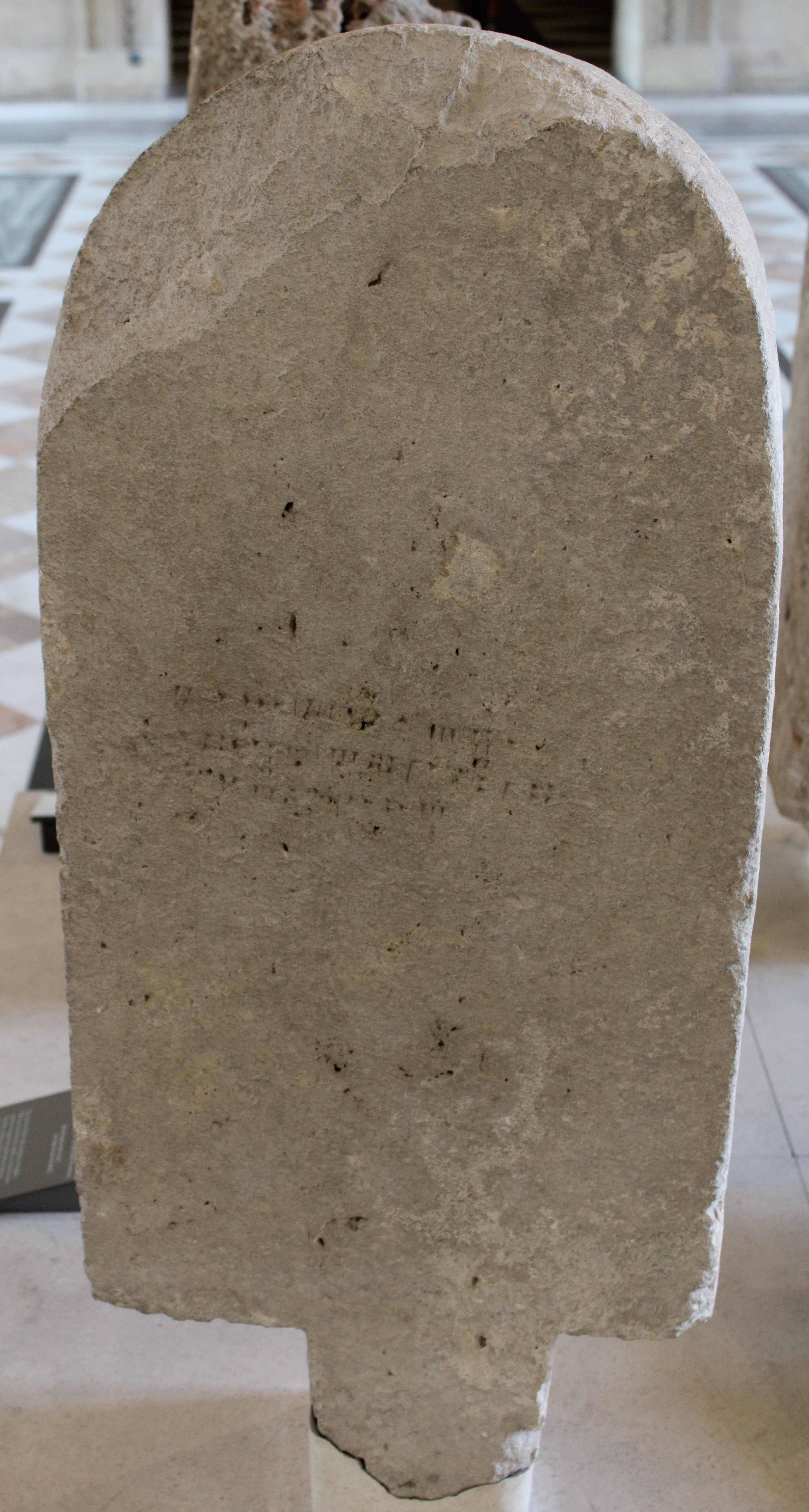
Personal names from EblaEblaAncient city at Tell Mardikh, southwest of Aleppo, Syria. Its Palace G archives illuminate third-millennium BCE administration, language, and cult; the site has later occupation phases.Glossary · Click to read the explanation, the ancient city at Tell Mardikh in northern Syria, attest Dagan in the third millennium BCE. His importance emerges in the second millennium along the Middle Euphrates, particularly in documents from MariMariMari at Tell Hariri on the Syrian Euphrates was founded around 2900 BCE and rebuilt through three major urban phases. Its palace and cuneiform archives illuminate trade, royal government and religious practice, especially in the eighteenth century BCE.Glossary · Click to read the explanation, at Tell Hariri on the Syrian Euphrates. Letters, offering lists and names incorporating the god's name provide evidence. The texts connect him with royal authority; he cannot be reduced to an agricultural label. [1][7]
A modern study interprets his titles and association with rulers as evidence for a father deity with generative and royal authority. This is a scholarly synthesis of the evidence, not a surviving continuous mythological biography. [3]
Tuttul and Terqa: worship and royal authority
Tuttul, at Tell Biʿa near Raqqa, and Terqa, at Tell Ashara on the Euphrates, were important centres of Dagan’s worship. Mari texts connect him with prophecy, divination and offerings: his presence exceeds a name in a divine list. Multiple centres explain broad influence without erasing local cults and institutions. Shalash was his consort in Syrian traditions; that relationship should not automatically be transferred to every later Dagon narrative. [7][8]
A royal text attributed to Sargon of Akkad links Tuttul, Dagan and dominion over the Upper Land. The following simplified syllabic transliteration, omitting unpronounced name-classifying signs, reproduces tablet P227509, column VI, lines 22–26: [10]
Lines 27–38 continue with the god granting him the Upper Land, naming Mari, Iarmuti, Ebla, the Cedar Forest and Silver Mountains. Dagan grants sovereignty in royal discourse, rather than being exclusively a “grain god”. The ruler’s third-millennium BCE setting must be distinguished from the witness we read: CBS 13972 + CBS 14545 in the Penn Museum is an Old Babylonian copy dated by its catalogue to approximately 1900–1600 BCE, not an original contemporary with Sargon. [10]
Emar: a god in communal ritual
At Emar, ancient Tell Meskene on the Syrian Euphrates, Late Bronze AgeLate Bronze AgeAn archaeological period around 1600–1200 BCE in much of the Near East, with international diplomacy, exchange and religious diversity; its endpoints vary by region.Glossary · Click to read the explanation tablets reveal ritualsRitualAn organised or distinguished practice meaningful to a community; it may leave traces, but its form alone does not reveal an associated doctrine.Glossary · Click to read the explanation for which mythology cannot substitute. Emar VI 375 and 373 distinguish an annual zukru from a seventh-year festival. The “sons of the land of Emar” participate; divine images process to an area of cultic stones, offerings are distributed and communal celebrations take place. Ancient Near Eastern textual scholar Masamichi Yamada’s analysis explains palace financing without giving the king the central ritual role found in some other cities. Dagan’s importance therefore cannot be equated with royal control over every aspect of worship. [9]
These witnesses add civic and ritual dimensions to his relationship with rulers. They belong to Emar in approximately the thirteenth and early twelfth centuries BCE, not to an unchanged ceremony continuing since third-millennium Ebla. [9]
Ugarit: worship and genealogy
At UgaritUgaritAncient city and kingdom at Ras Shamra on the Syrian coast, flourishing between the fourteenth and early twelfth centuries BCE and preserving multilingual archives.Glossary · Click to read the explanation, ancient Ras Shamra on the Syrian coast, BaalBaalUgaritic storm god and warrior king who defeats Yamm, builds his palace with El’s consent and confronts Mot. References to El and Dagan as fathers do not define a single genealogy.Glossary · Click to read the explanation, the storm god, is called Dagan's son. Other traditions use paternal language for ElElEl is a senior deity in Late Bronze Age Ugaritic texts, portrayed as father of the divine family and a council authority, alongside his consort Athirat. This entry does not cover every linguistic use of El.Glossary · Click to read the explanation, the senior god. This does not require identifying Dagan with El: divine relationships must be read in context. Few surviving Dagan stories do not mean that he lacked worshippers. [1]
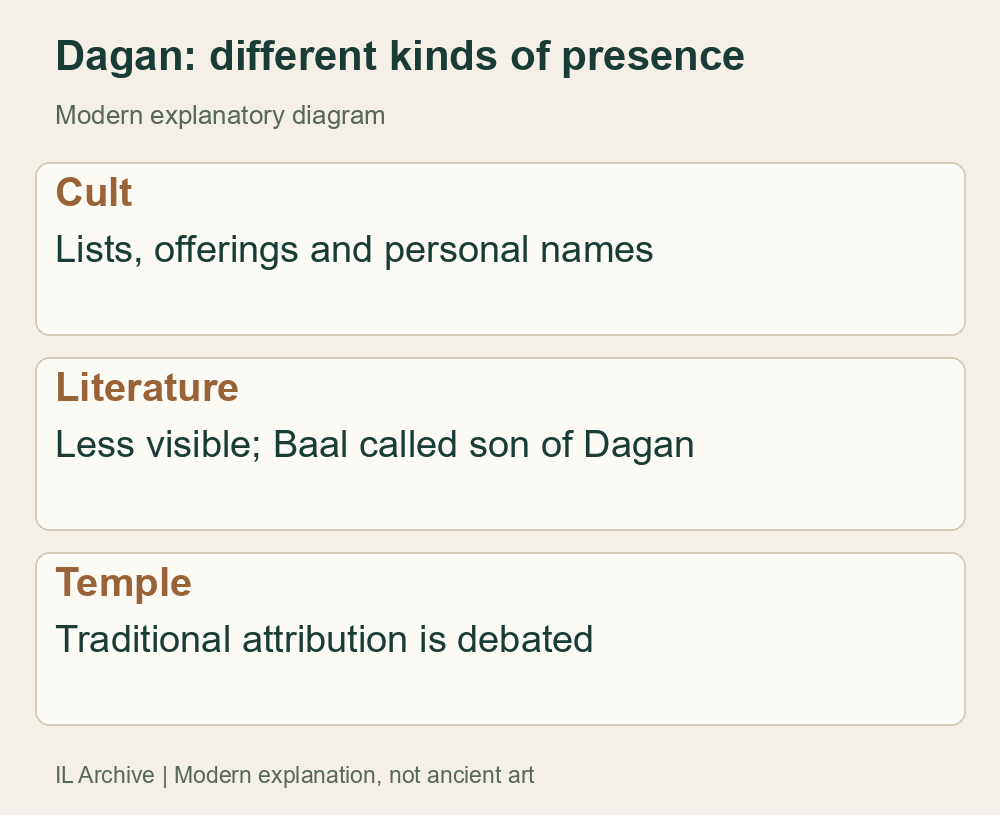
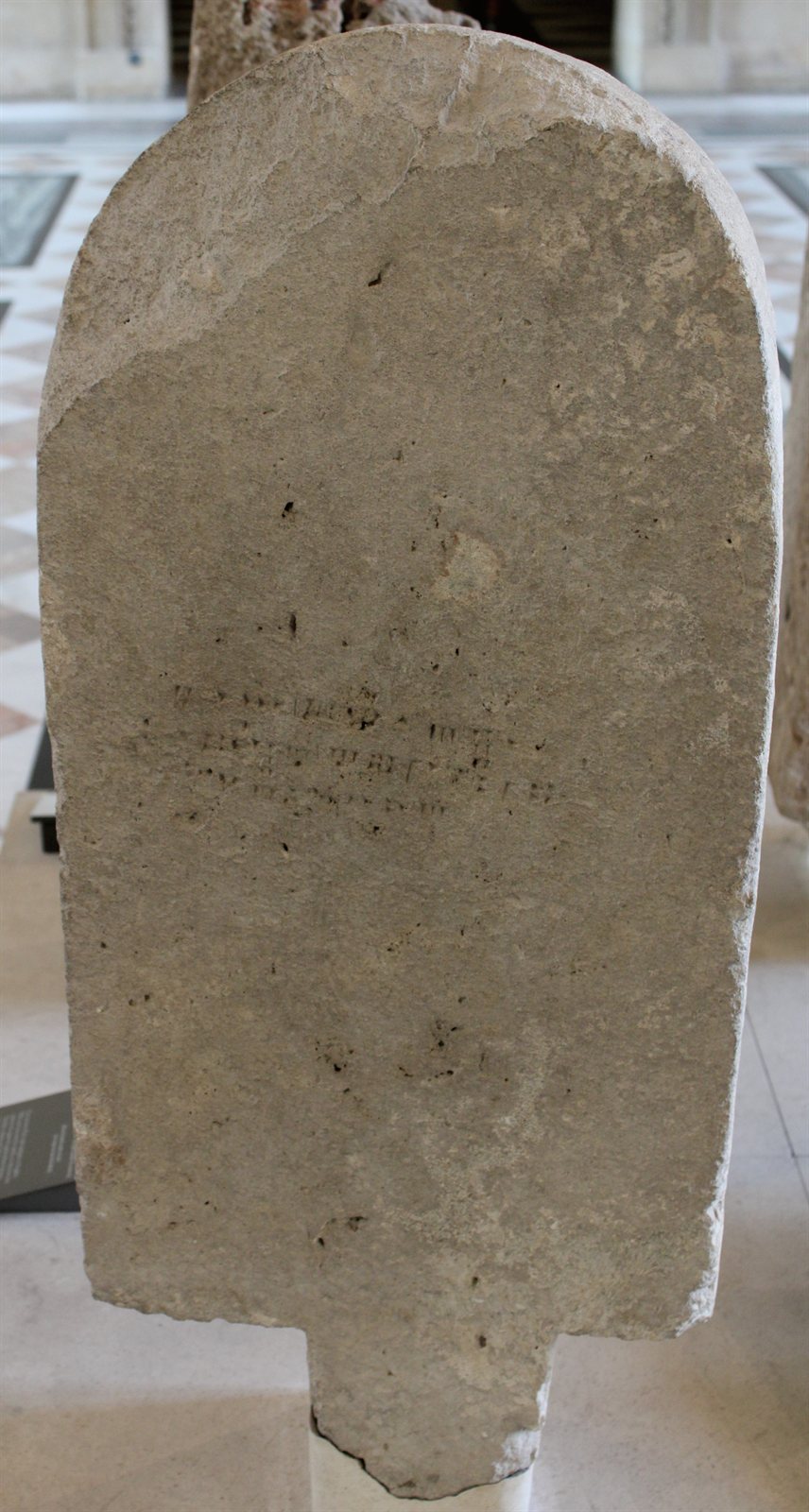
A stele from Ugarit's acropolis, Louvre AO 19931, bears a dedication to Dagan. The museum dates it to 1400–1100 BCE. Its published translation connects the dedication with a funerary offering; that reading of the inscription is distinct from defining Dagan exclusively as a death god. The stele is a dedicatory text, not his portrait. [4]
The decisive phrase in line 2 of this inscription, KTU 6.13, reads: [4]
The transliteration uses lowercase letters and omits word dividers. “Funerary offering” renders pgr according to the Louvre’s presentation of Bordreuil and Pardee’s reading; it is not an independent designation of Dagan as “god of death”. Line 3 continues the offering list with a loss at its beginning; that restoration is not included in this excerpt. The inscription directly names the dedication’s recipient, unlike images that bear no name.
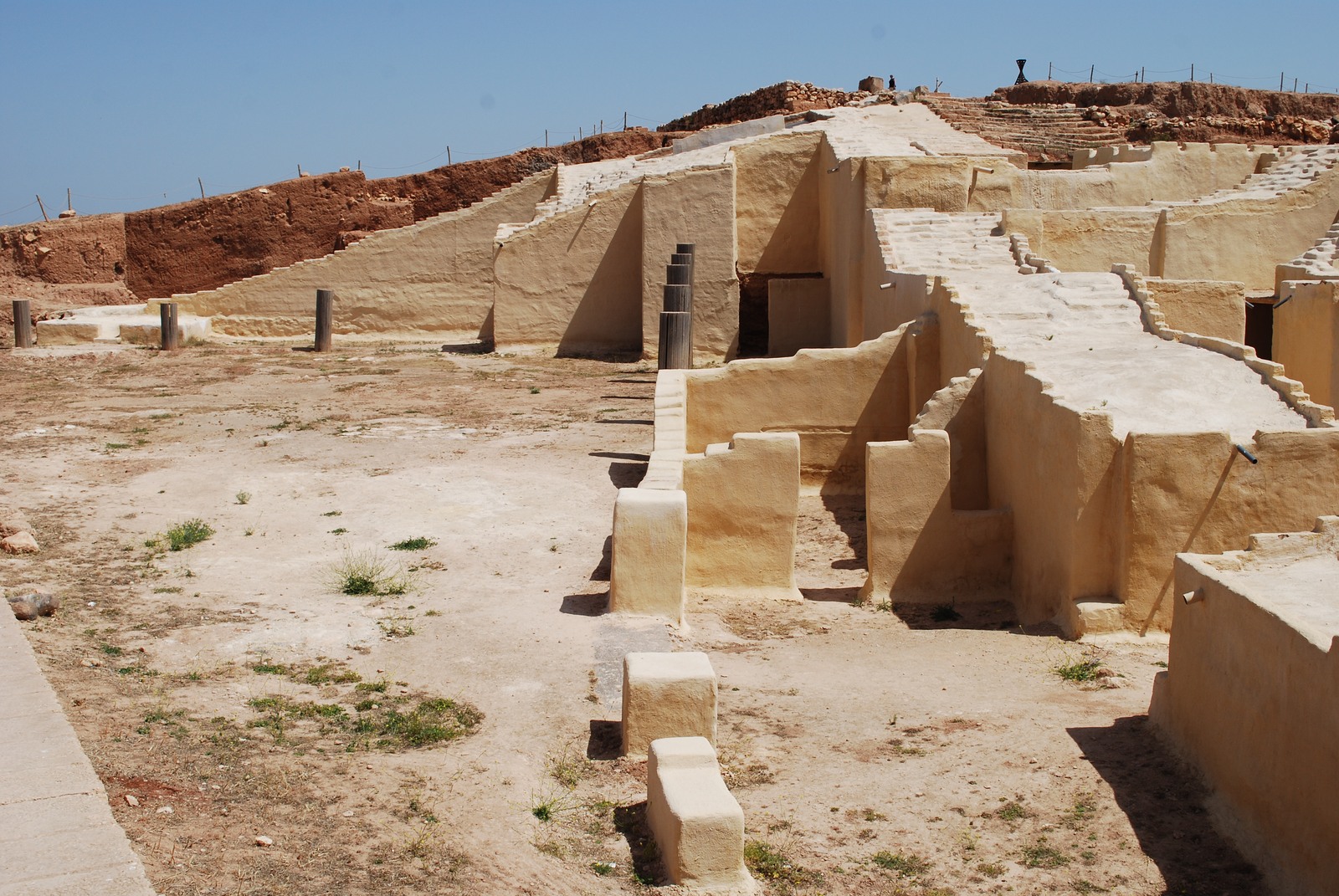
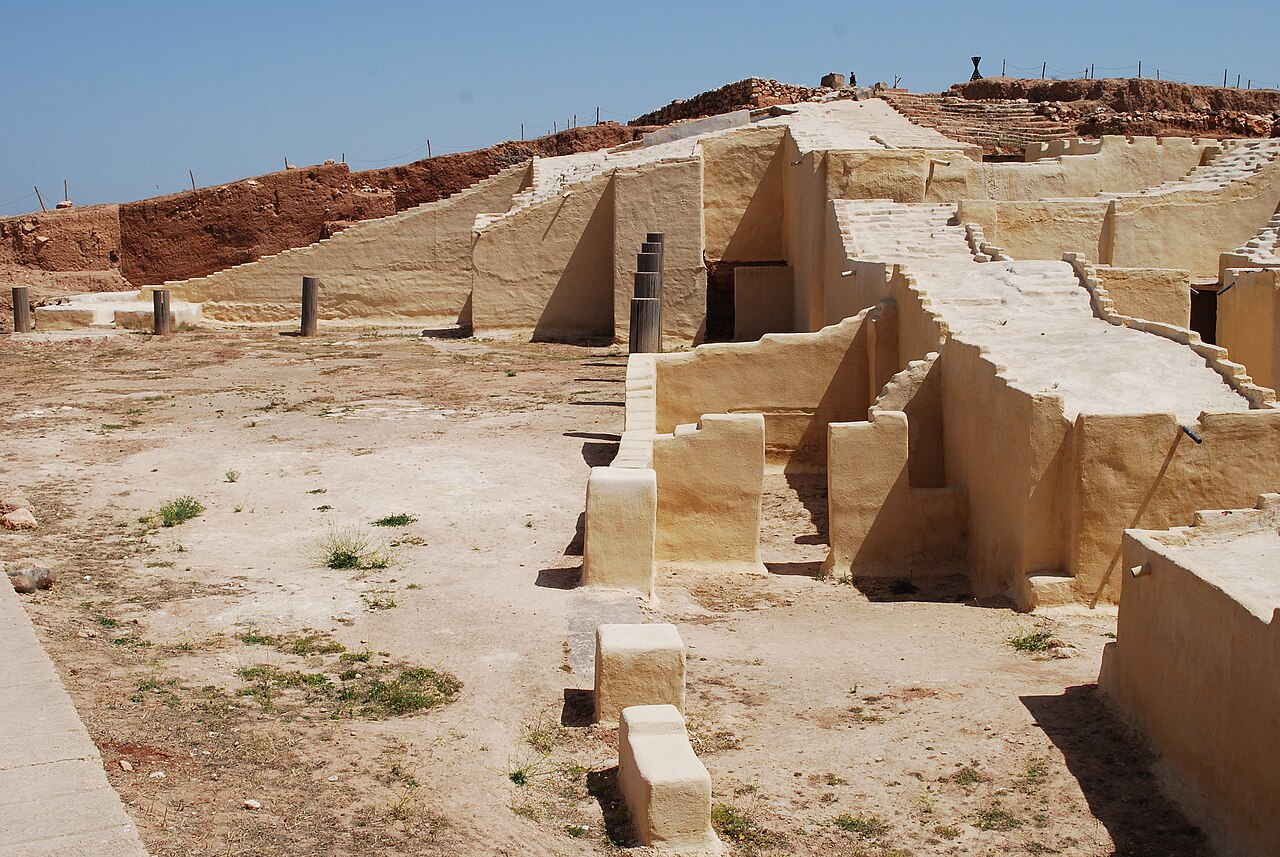
The “temple of Dagan” is a traditional archaeological designation. The specialist reference ORACC reports an alternative attribution to El, whereas a study of the temples' architecture retains the traditional name. Its publisher's summary places construction in the Middle Bronze Age and earthquake damage in the mid-thirteenth century BCE. These are findings about buildings, not a resolution of their divine ownership. [1][2]
Dagon in biblical narrative
In the Hebrew Bible, 1 Samuel 5:1–5 describes the ancient Philistines placing Israel's divine ark in Dagon's temple at Ashdod, a city on the southern Levantine coast. Dagon's statue falls; its head and hands are then severed. The episode asserts the superiority of Israel's god within a religious narrative, rather than independently documenting an excavated statue. It mentions no fish tail. [5]
The name and the limits of images
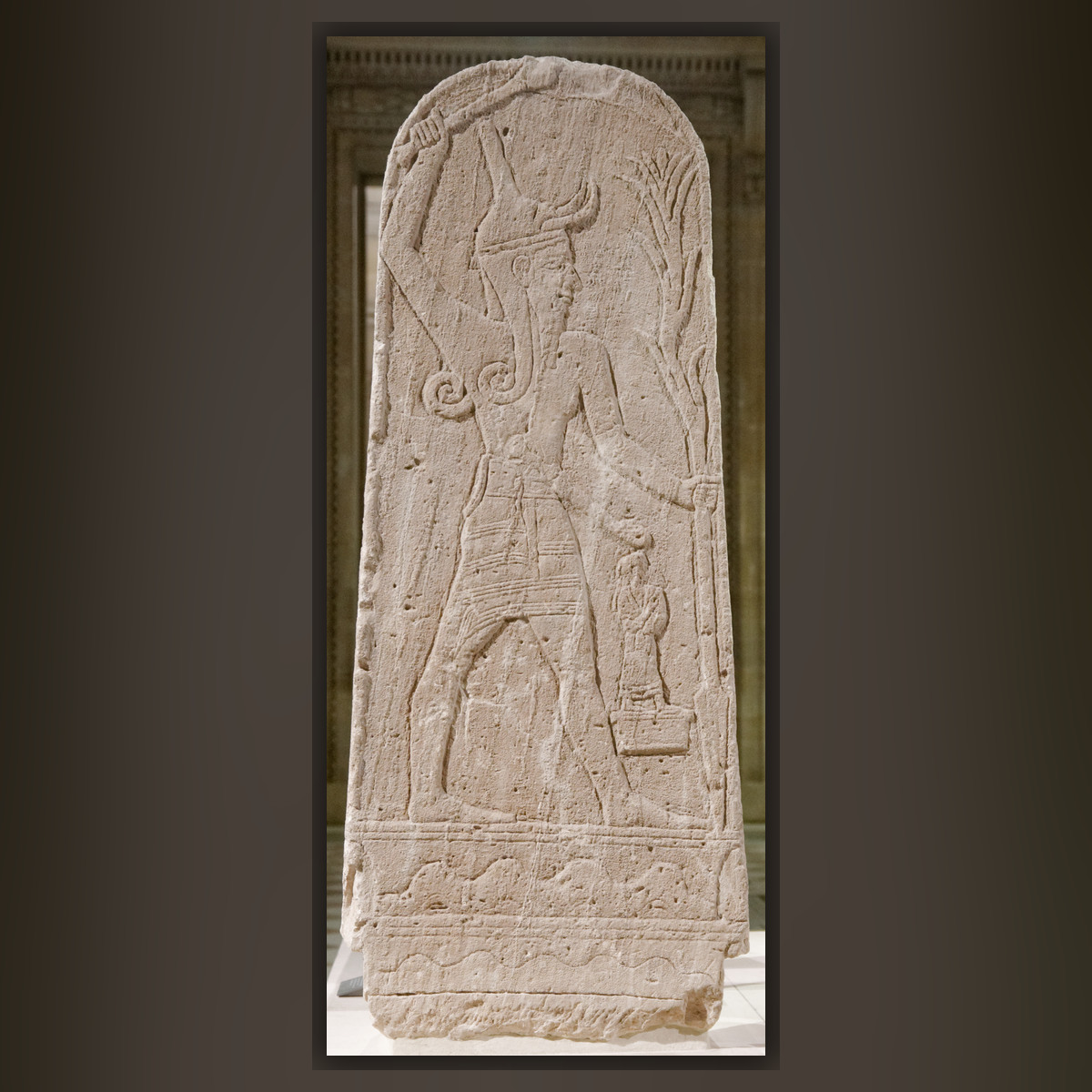
Connecting Dagan's name with grain is a linguistic proposal, not a settled definition of his function. Derivation from the Hebrew word for fish is a later interpretation, not evidence for his Bronze Age appearance. Etymologies remain disputed, and no ancient depiction of Dagan is securely identified. A pictured marine creature cannot therefore be named Dagan without independent evidence. [3][7]
References and notes (9)
- Adam Stone, “Dagan (god),” Ancient Mesopotamian Gods and Goddesses, ORACC. Sections Functions, Divine Genealogy, Cult Places and Time Periods Attested; the El attribution is a reported interpretation, not a consensus. Return to the text ↑
- Olivier Callot, Les sanctuaires de l’acropole d’Ougarit. Les temples de Baal et de Dagan, MOM Éditions, 2011. Publisher summary, contents and metadata only; the volume was not read in full. Return to the text ↑
- Gary Beckman, review of Lluís Feliu, The God Dagan in Bronze Age Syria, Journal of the American Oriental Society 124/3 (2004), pp. 586–587. Complete review: fatherhood and kingship, disputed etymologies and lack of certain images. Feliu’s book is used through the review, not claimed as directly read. Return to the text ↑
- Musée du Louvre, “Stèle de Dagan,” AO 19931 / RS 6.021. Description, inscription and French translation, dating, material and findspot; the funerary reading is attributed to the published translation. Return to the text ↑
- 1 Samuel 5, New Revised Standard Version Updated Edition, 2021. Complete chapter, especially verses 1–5; paraphrase, not quotation. The note to 5:4 distinguishes “trunk” in translation traditions from the Hebrew wording. Return to the text ↑
- Gonzalo Rubio, “Dagan,” Encyclopedia of Religion, 2005. Complete entry; Ebla and Mari attestations and Etymology section. Linguistic proposals are hypotheses, not fixed divine functions. Return to the text ↑
- Adelheid Otto, “Dagan”, Iconography of Deities and Demons, electronic prepublication, 25 March 2008. Pages 1–4 and parts of 5: centres, kingship, mobile cult images and identification problems. The entry’s image attributions remain proposals. Return to the text ↑
- Masamichi Yamada, “The zukru Festival in Emar: On Royal Cooperation with the City”, Orient 45 (2010), pp. 111–128. Abstract and selected passages on pp. 111, 113–117; Emar VI 373, especially 169–170, and 375. No claim to have read the complete original tablet edition. Return to the text ↑
- Cuneiform Digital Library Initiative (CDLI), tablet P227509, CBS 13972 + CBS 14545; Daniel Foxvog transliteration, revision 2227268. Column VI 20–38; copy dating from https://cdli.earth/artifacts/227509. Simplified transliteration omits city/deity determinatives; excerpt 22–26 contains no restoration. Return to the text ↑
Suggest a correction · Suggest a source for this record
Cite this record
IL Archive, «Dagan», https://ilarchive.com/en/entities/dagan
Continue reading
Related readings