Nikkal and the Kotharat Chapter 1
The Moon’s Bride
Yarikh offers silver, gold, lapis lazuli and vineyards. After he chooses Nikkal, her father, mother, brothers and sisters set up the balance. A blessing for Nikkal turns into the final song of the Kotharat.
SourcesTurn the pages with the arrows, the arrow keys or a swipe.
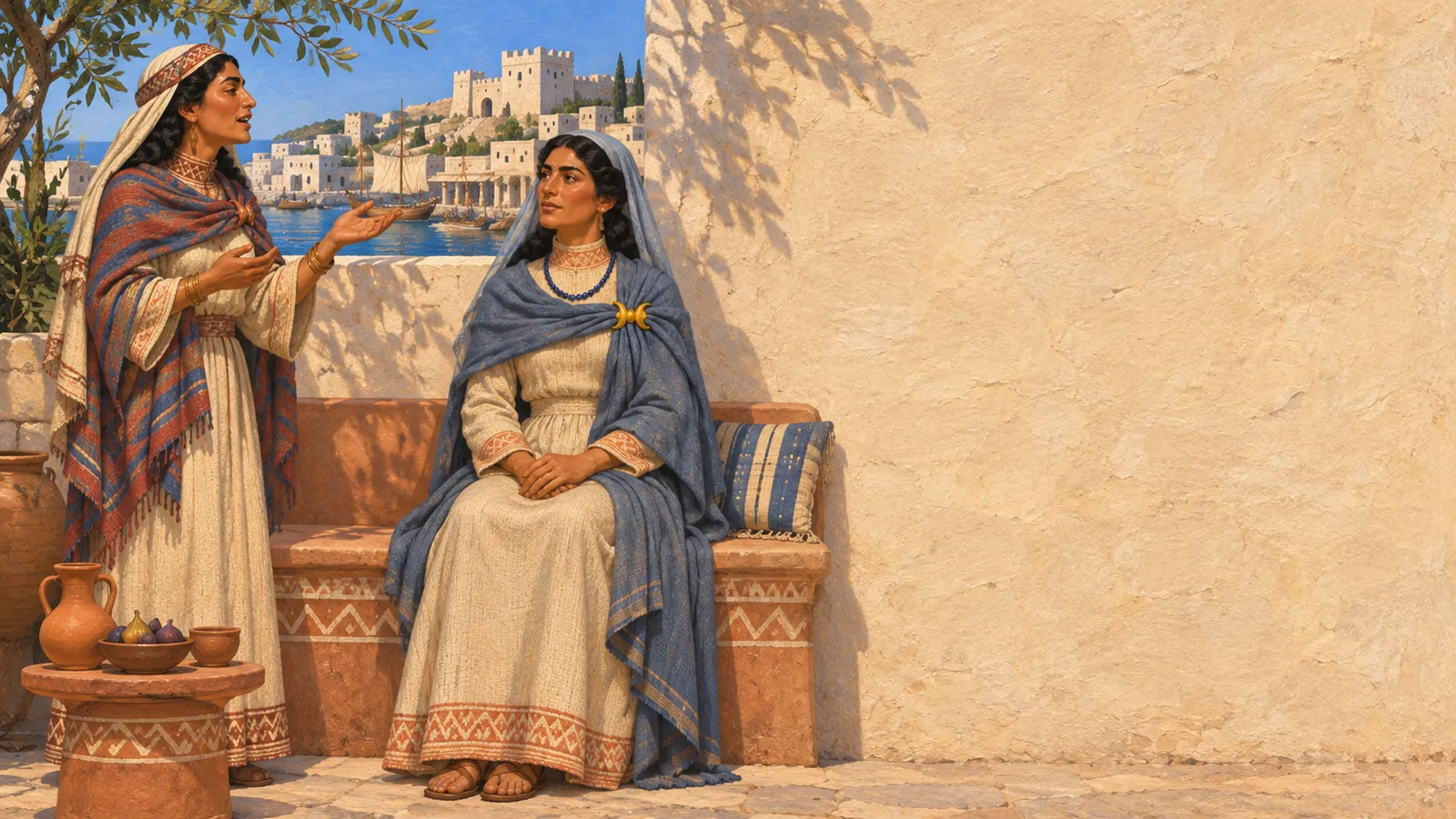
NIKKAL
A singer begins with Nikkal-and-Ib. The words introduce the goddess whose marriage will become the center of the story.
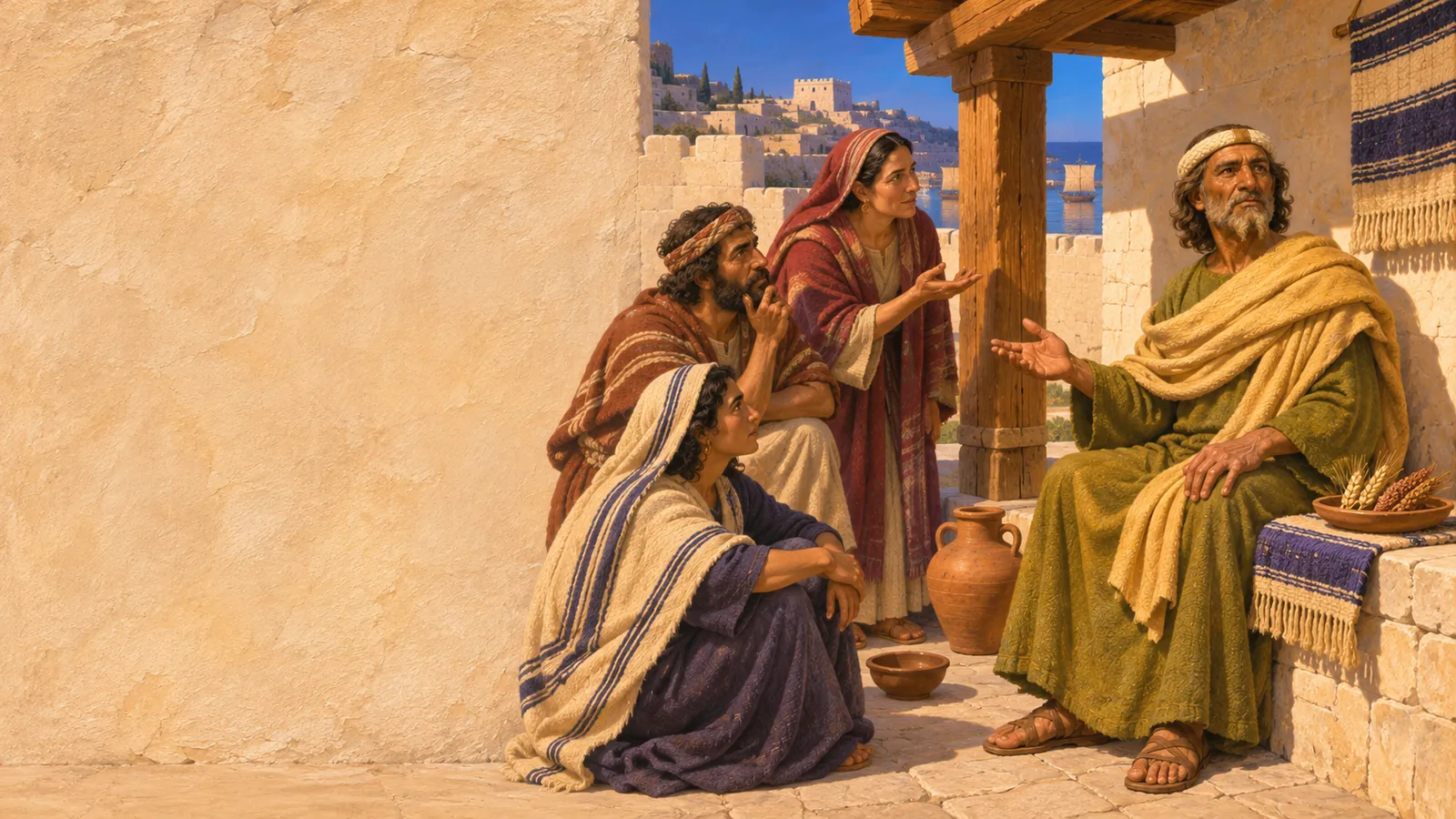
The singer names Hirhib as king of summer. The surviving wording also gives him another title whose meaning is debated.
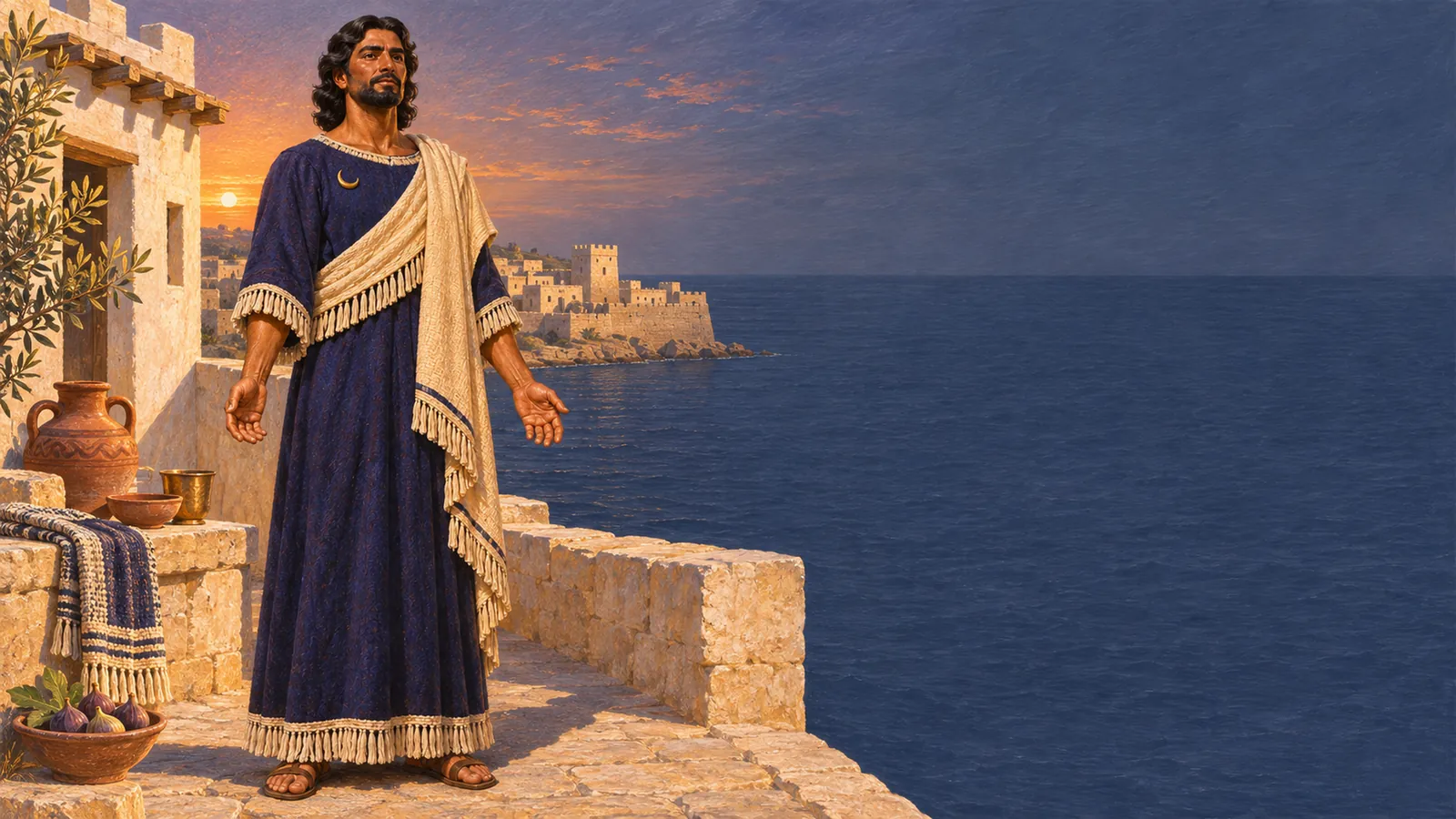
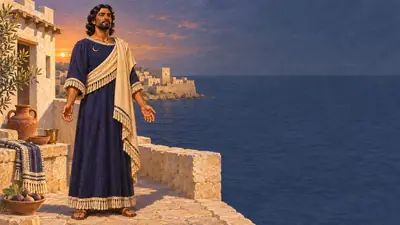
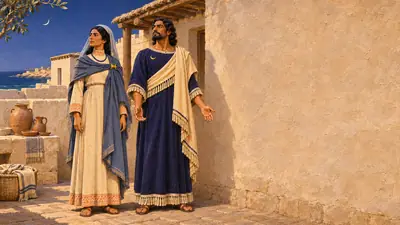
The hymn turns to Yarikh as the sun goes down. The damaged words tell of the moon god’s rising desire.
The broken passage speaks of an embrace and someone who will bear a child. Part of the sentence is lost.
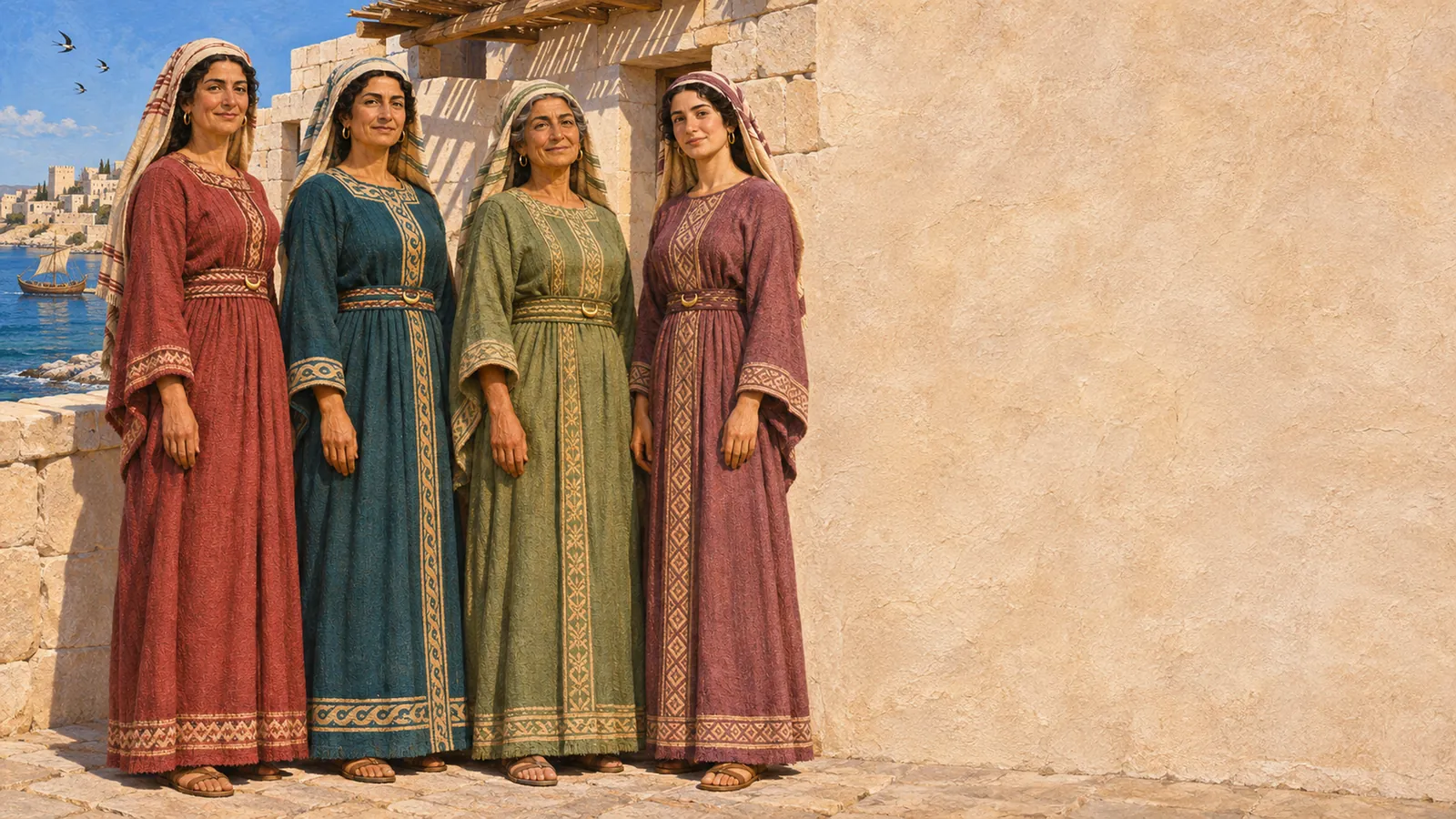
THE KOTHARAT
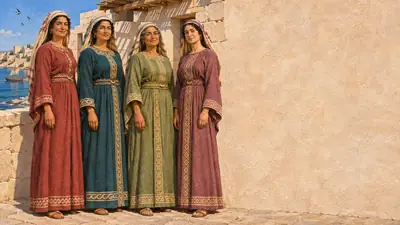
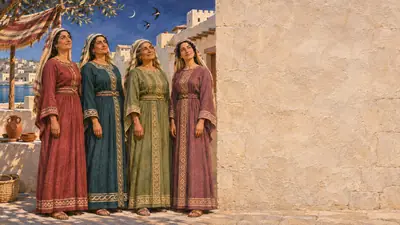
The song calls on the Kotharat in the same breath as it names the daughters of Hilal, compared to swallows.
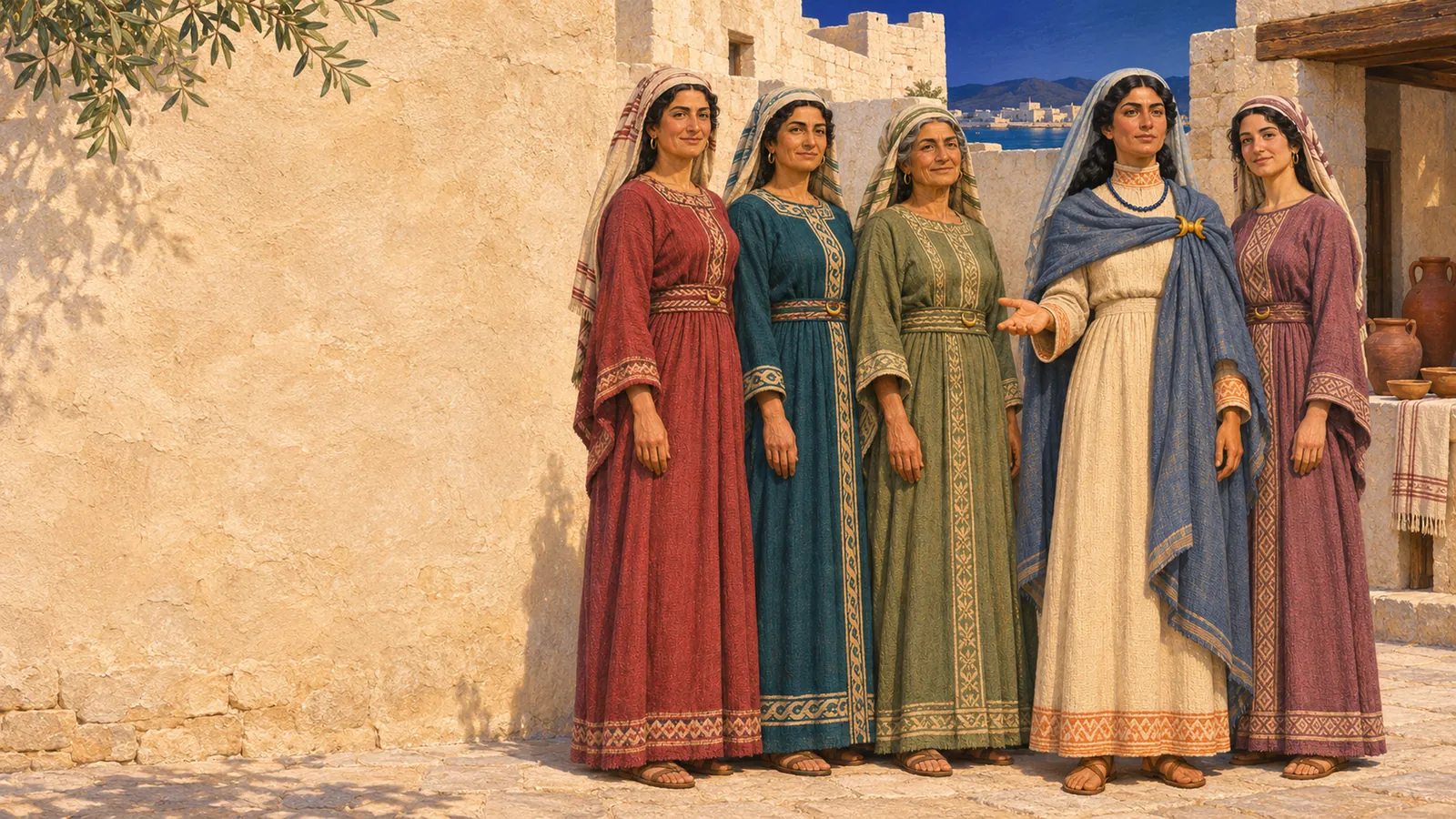
The voice says that a woman will bear a son. It asks the Kotharat to turn their attention to her.
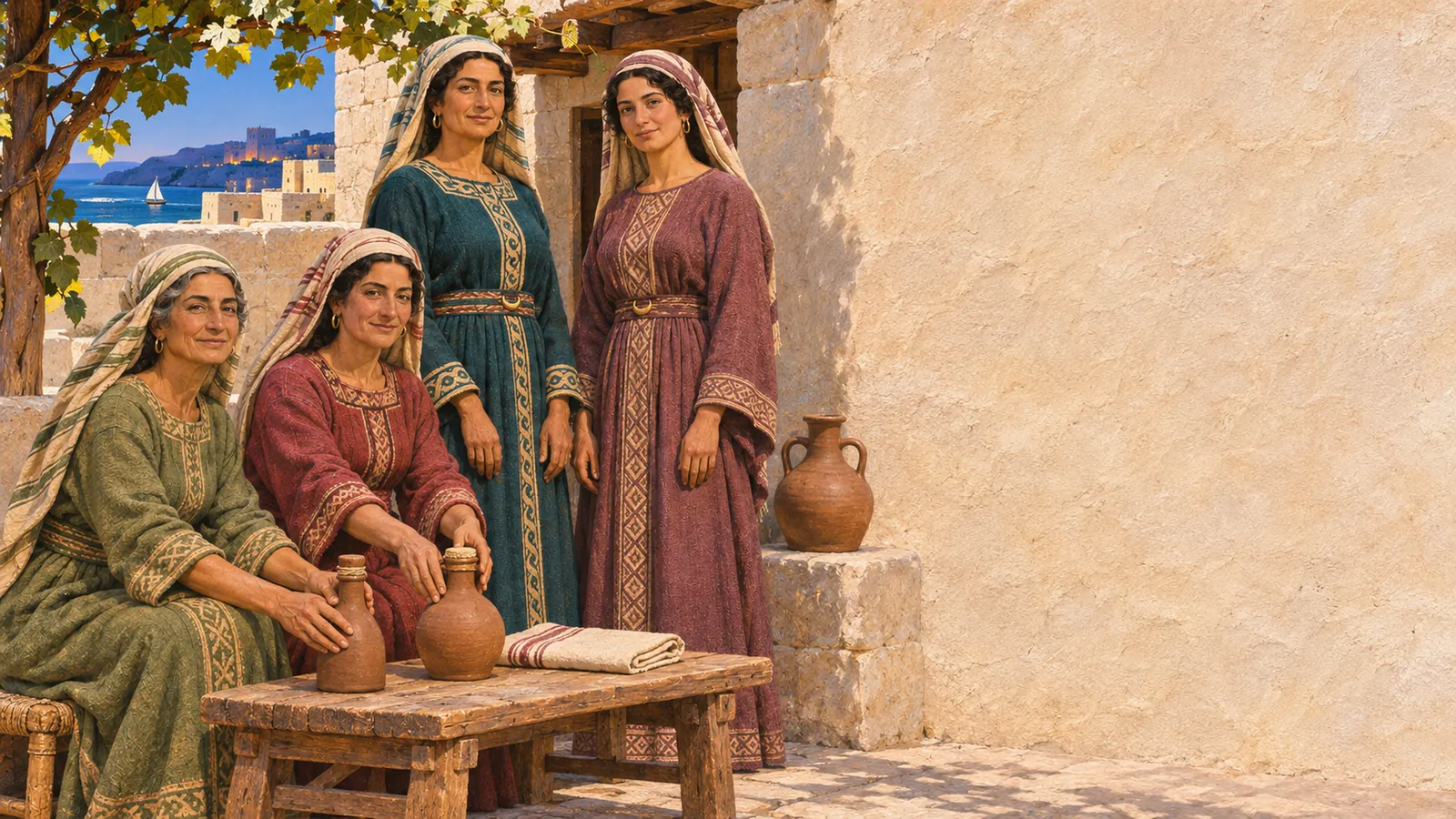
The damaged words seem to ask for care for the woman. A reference to the body survives amid uncertain phrases.
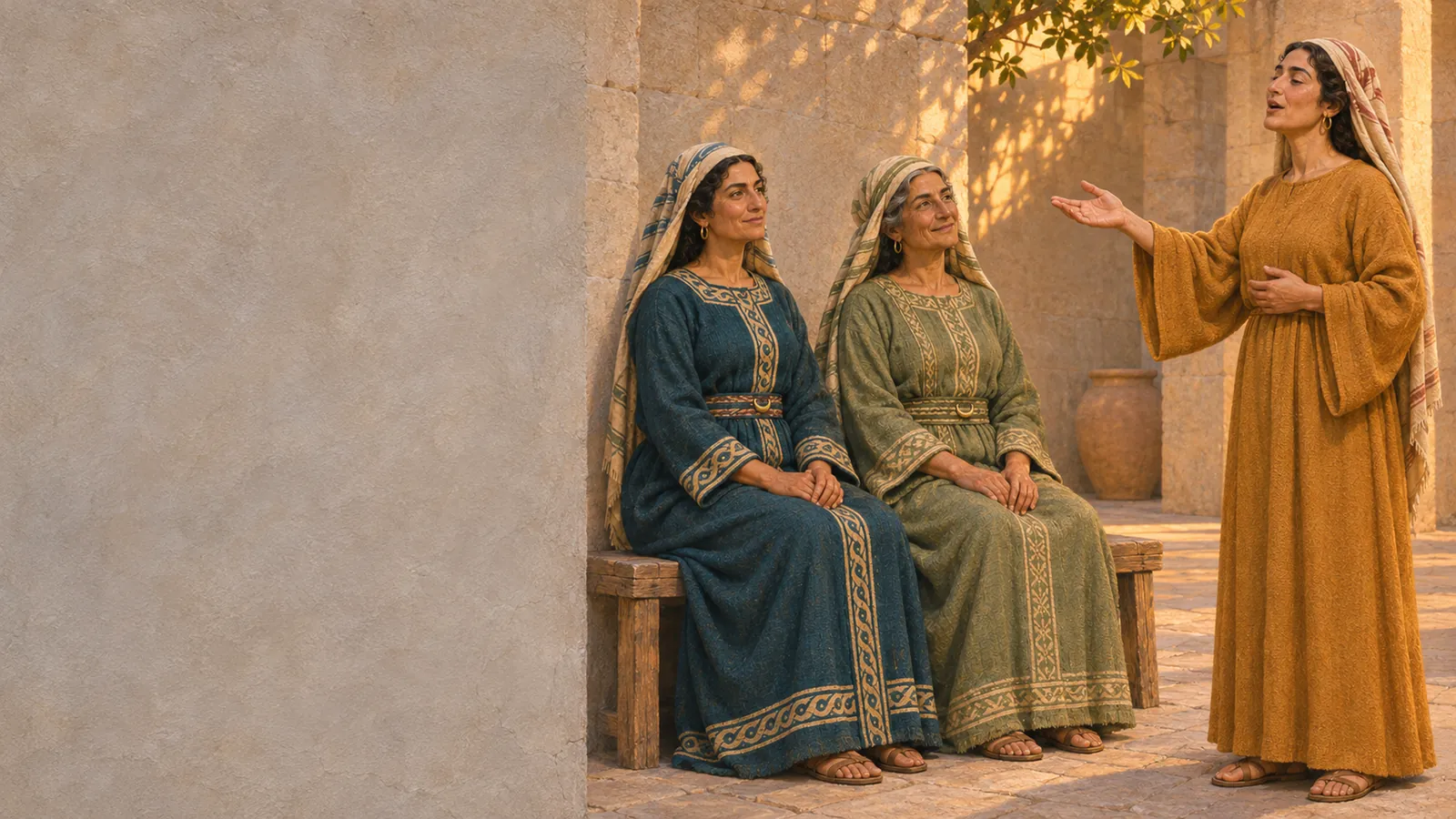
The voice calls to the Kotharat again and asks them to listen. The following words are broken, with part of the request still visible.
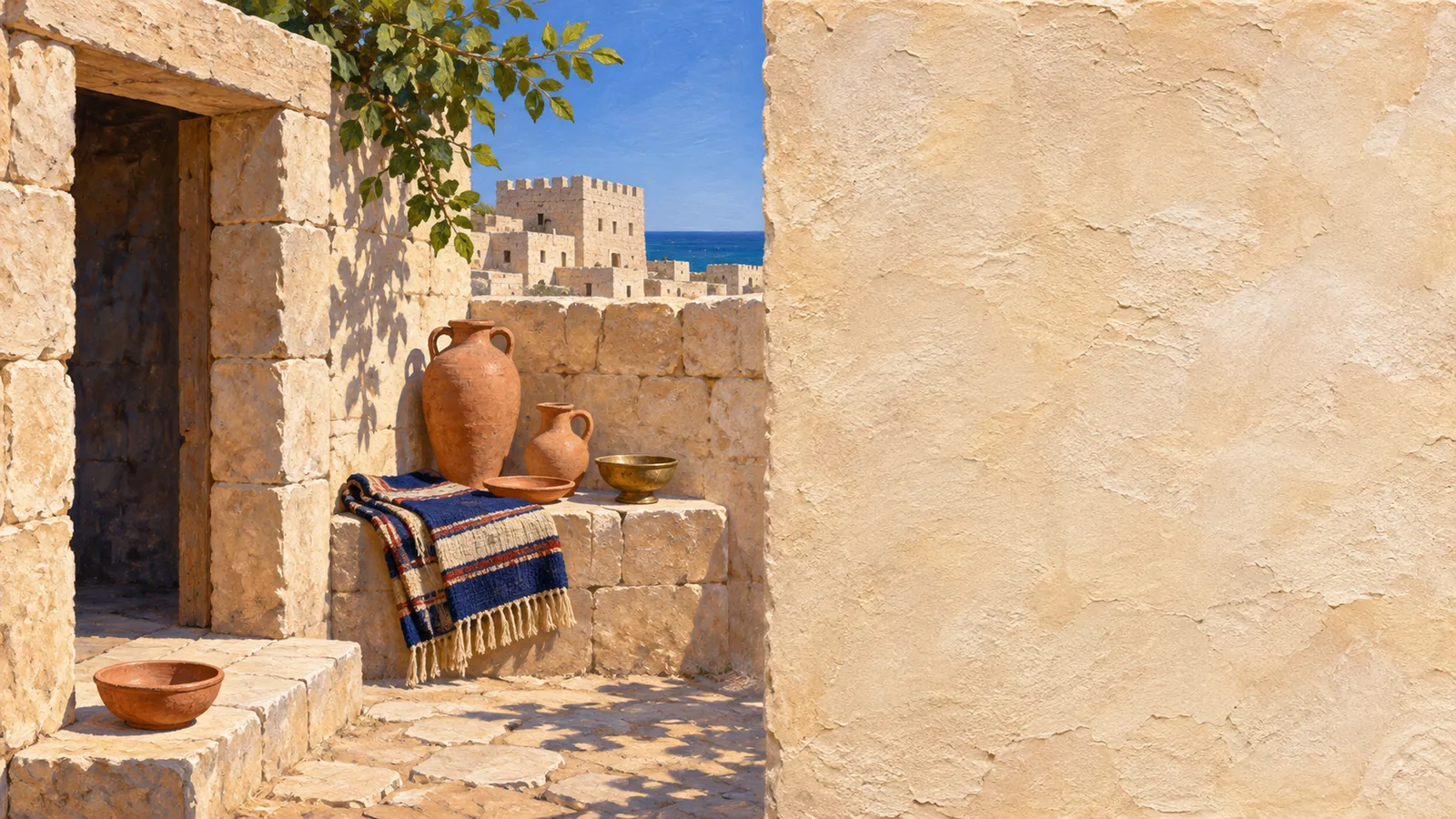
The name Dagan of Tuttul is read in a damaged line. Too little remains to know what the singer says about him.
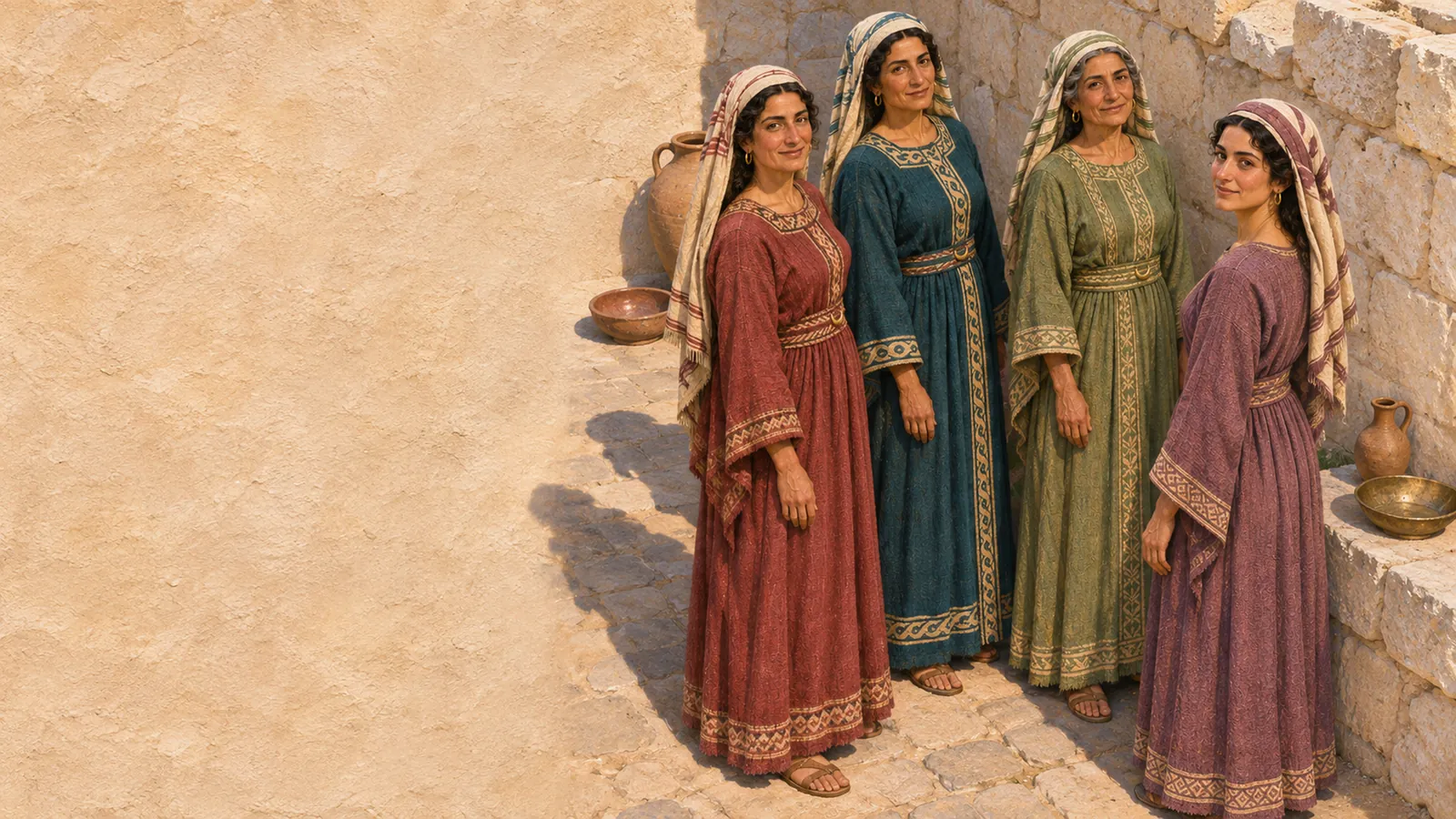
The opening song ends with a badly damaged address. Some editions hear the Kotharat named there again before the marriage negotiation begins.
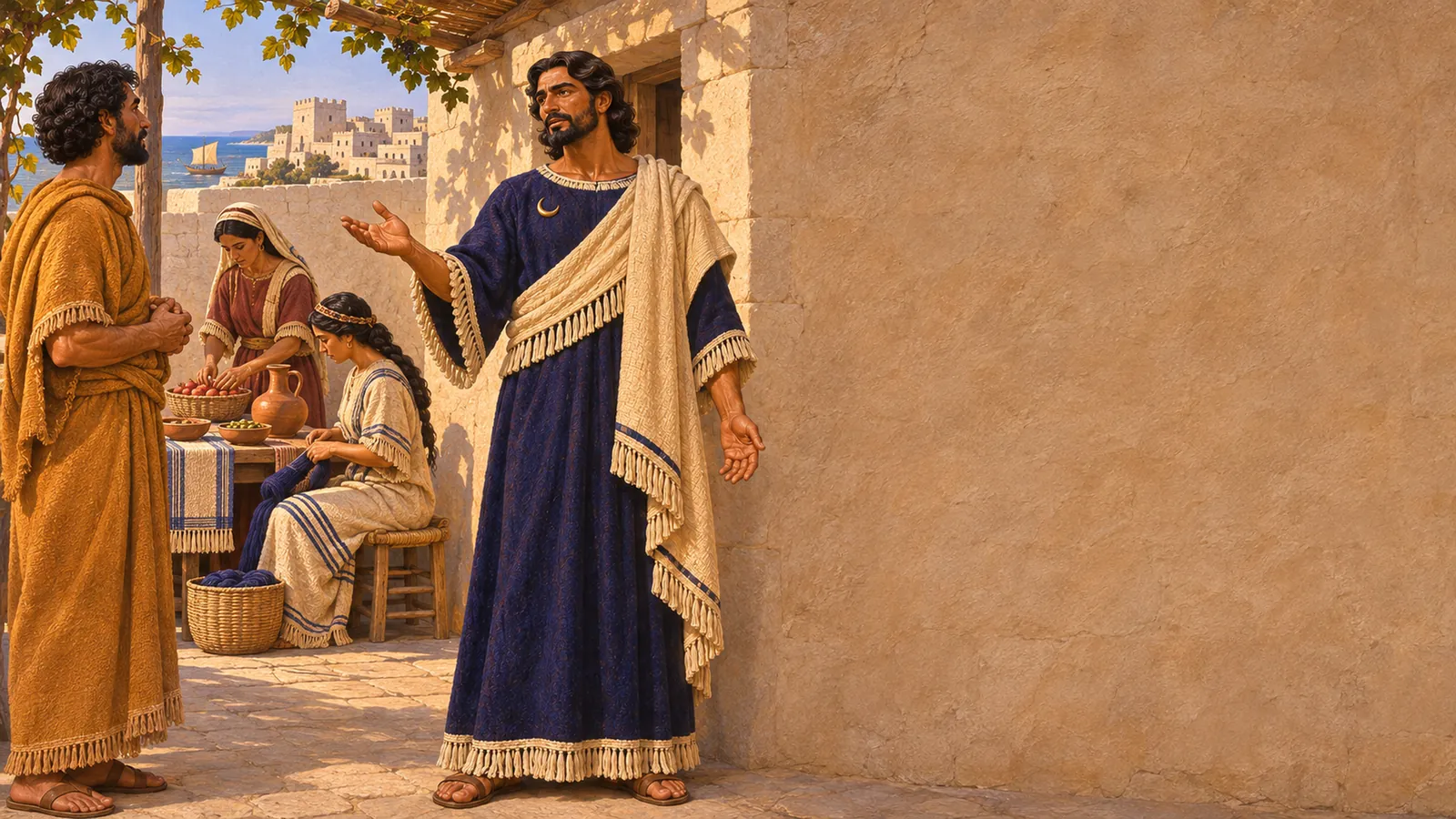
THE LAMP OF HEAVEN
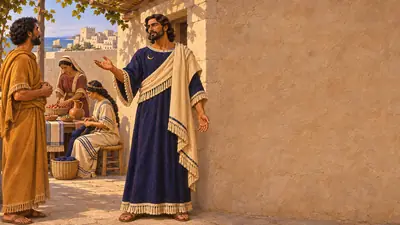
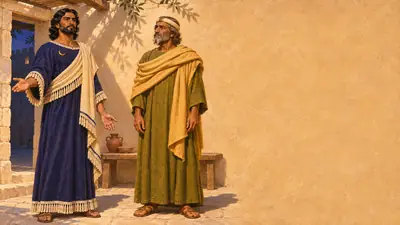
The story calls Yarikh the lamp of heaven. He sends word to Hirhib to begin the arrangements for marriage.
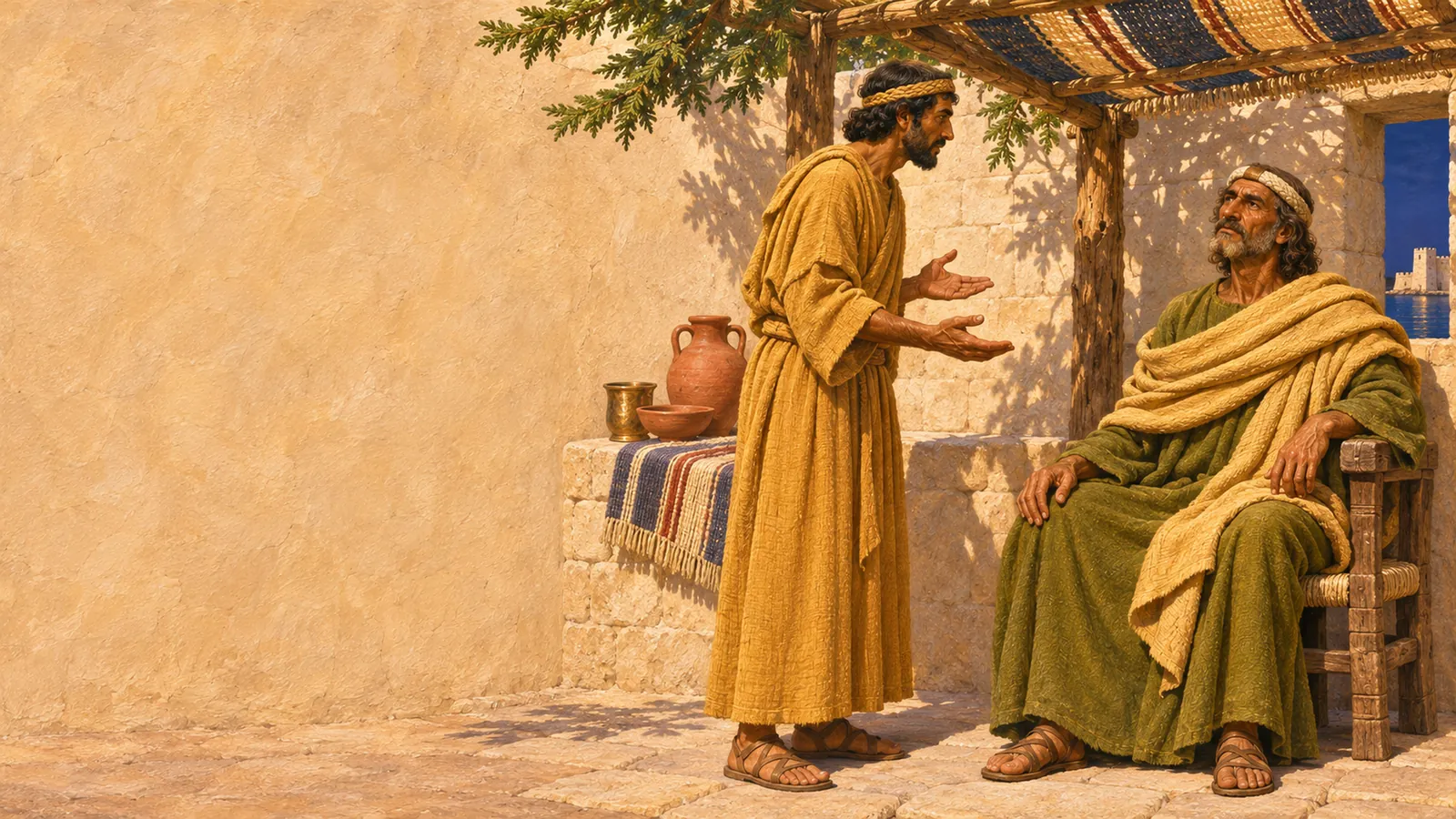
The message is addressed to Hirhib, the king already named in the opening song. It concerns the marriage of Nikkal.
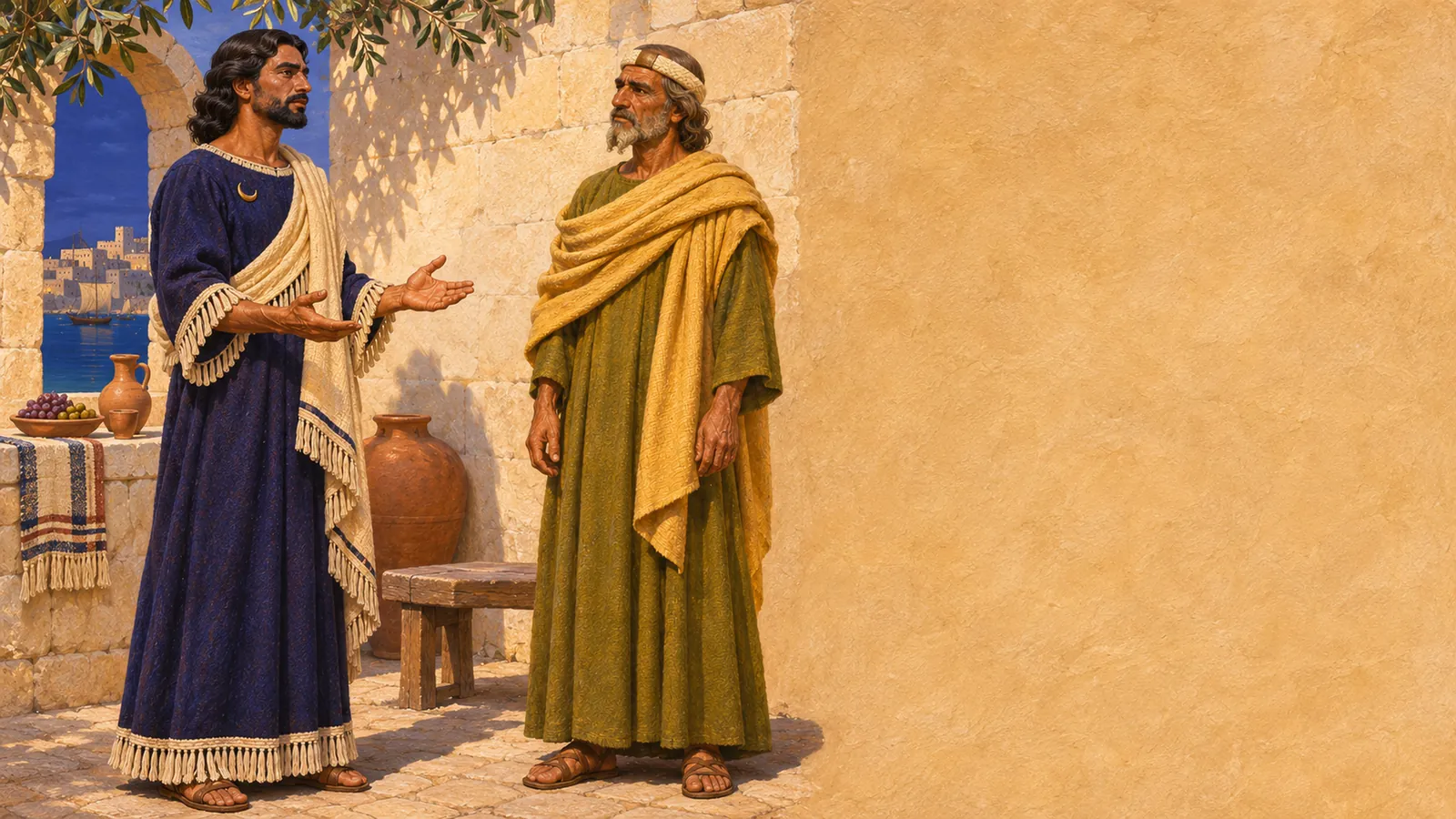
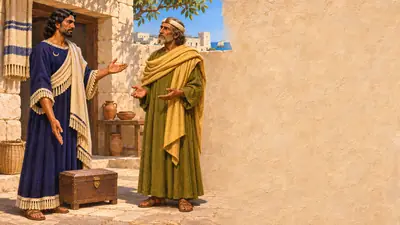
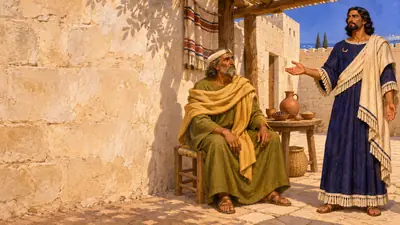
Yarikh asks Hirhib for Nikkal’s hand in marriage. The verses give his request to the king in direct speech.
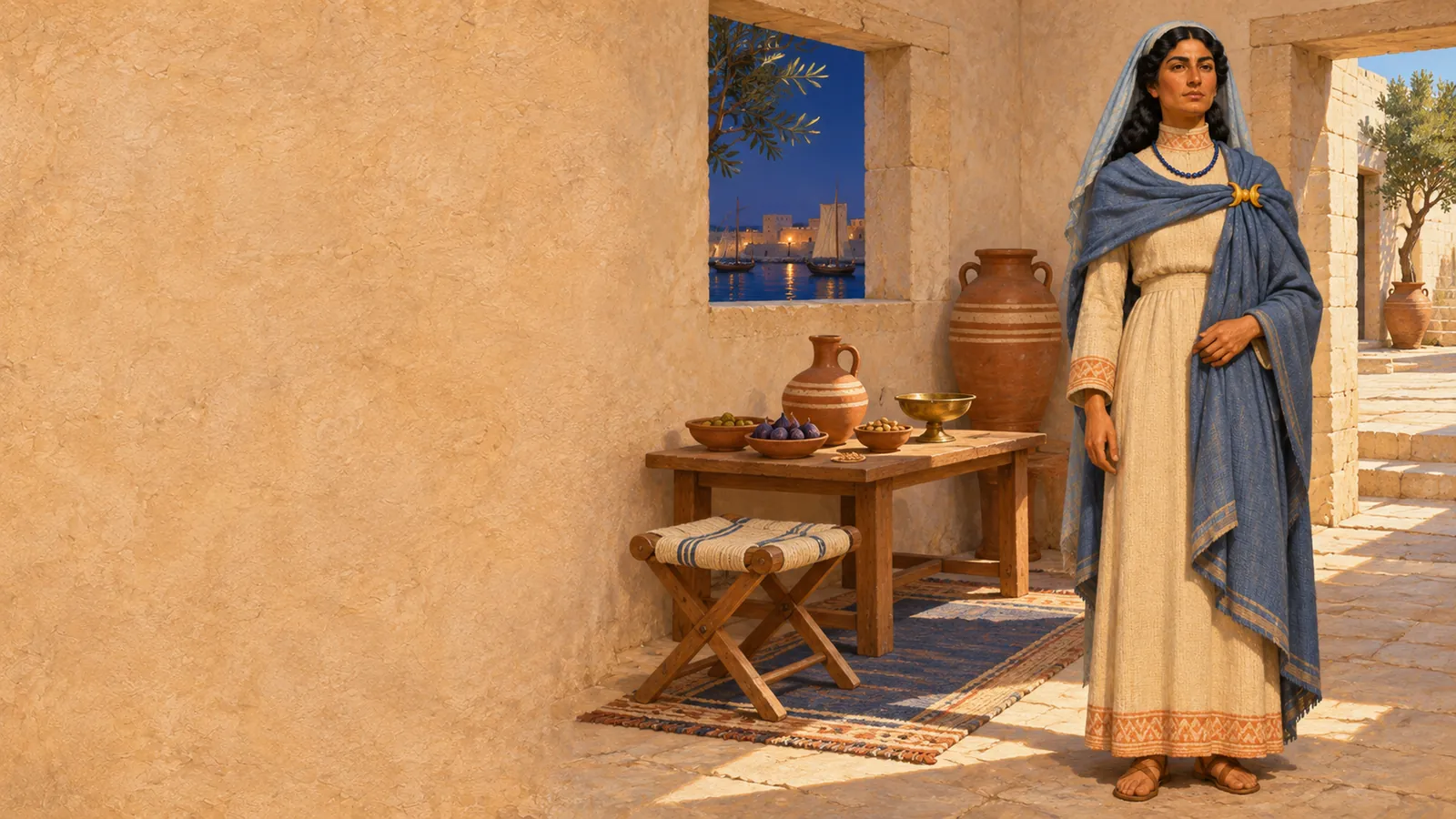
The next line calls her Ib and speaks of her entering his house. This is part of Yarikh’s proposal.
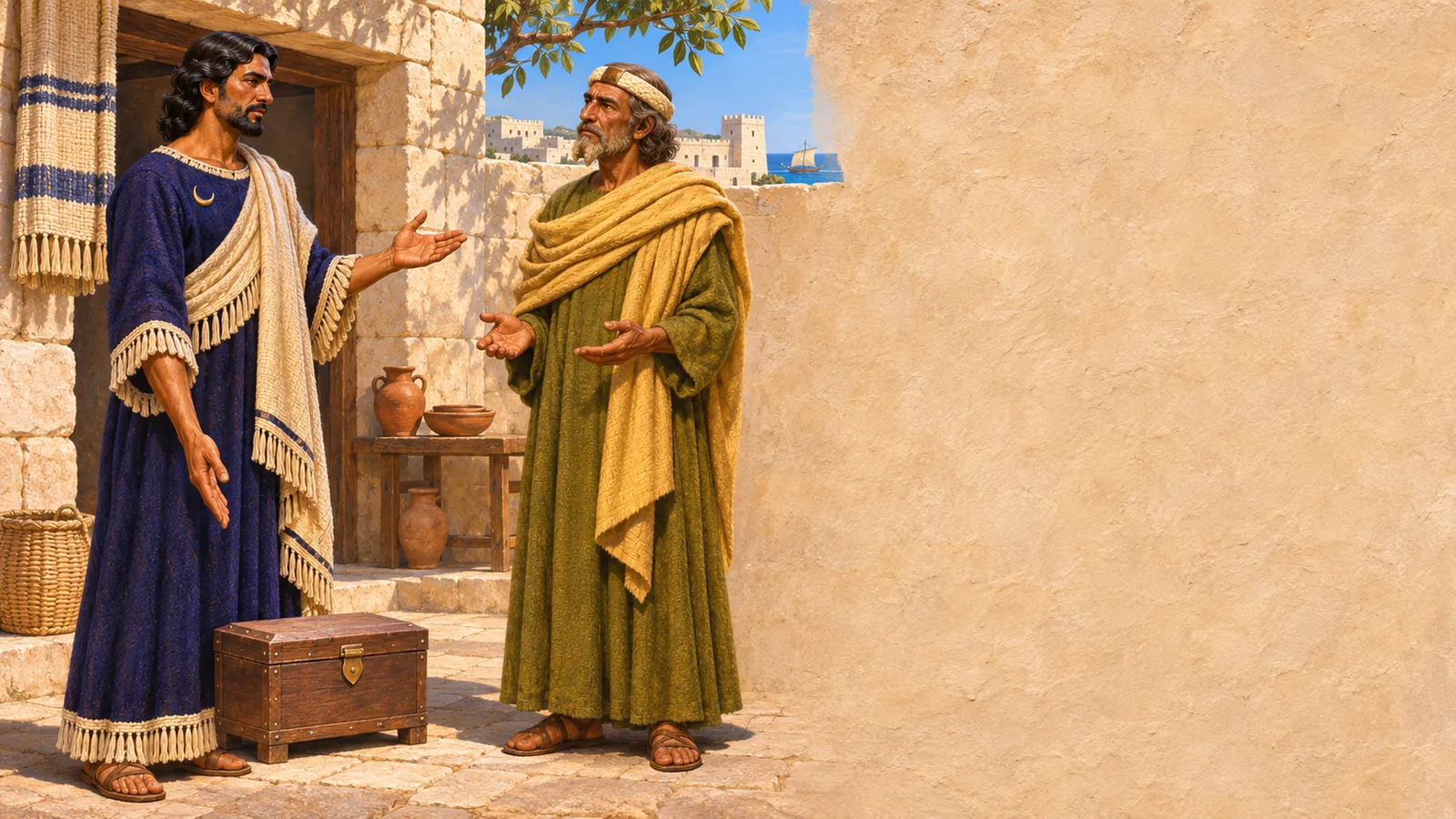
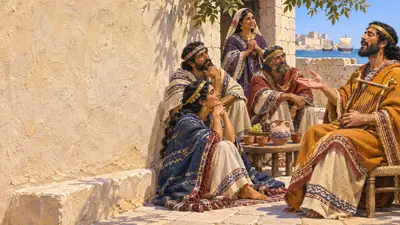
Yarikh promises a marriage gift to Nikkal’s father. He begins his offer by naming the quantities of precious metals.
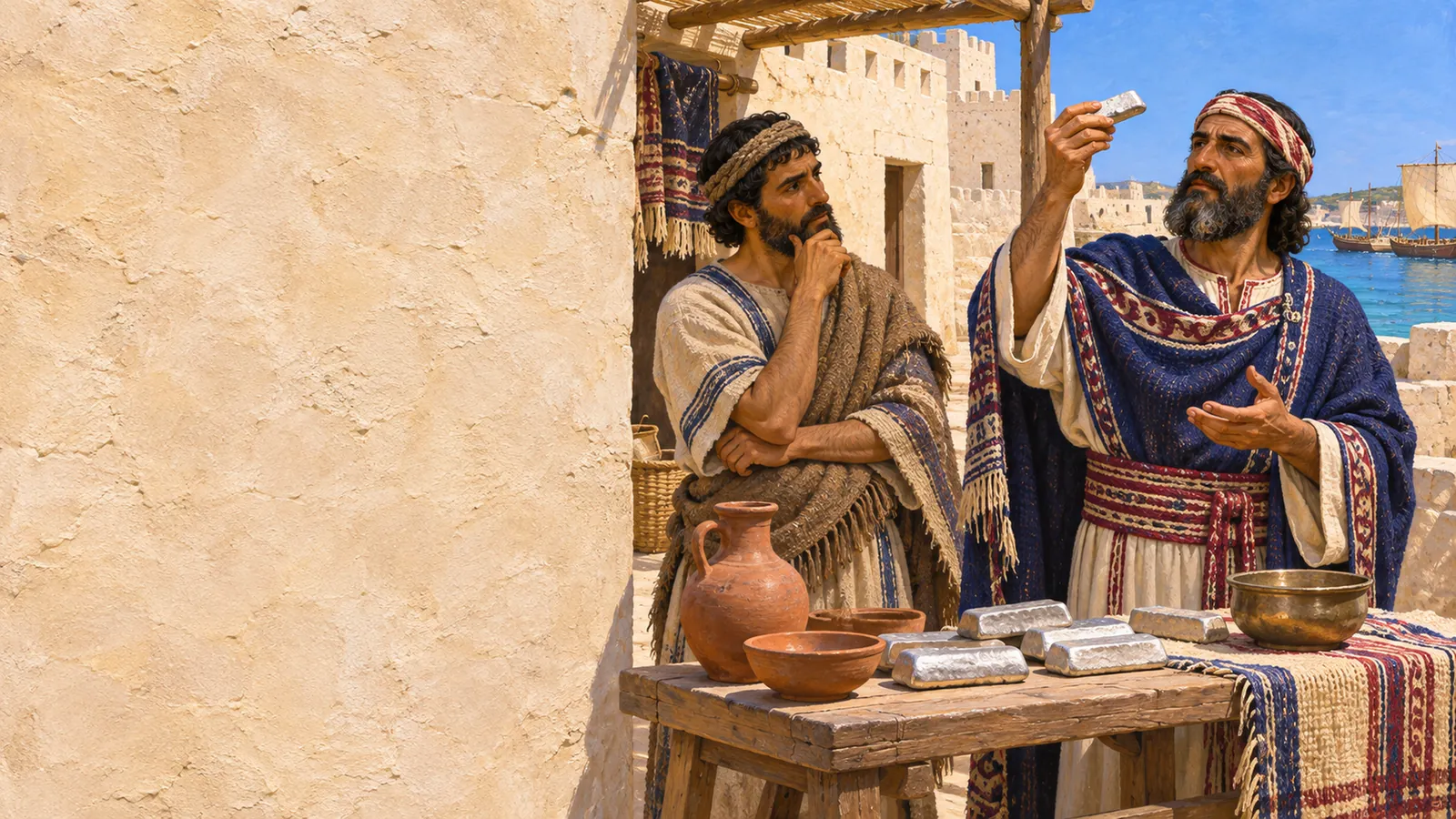
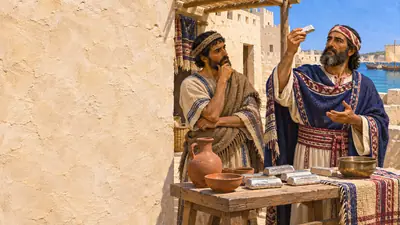
Silver comes first in Yarikh’s offer. He names a thousand pieces before he goes on to the gold.
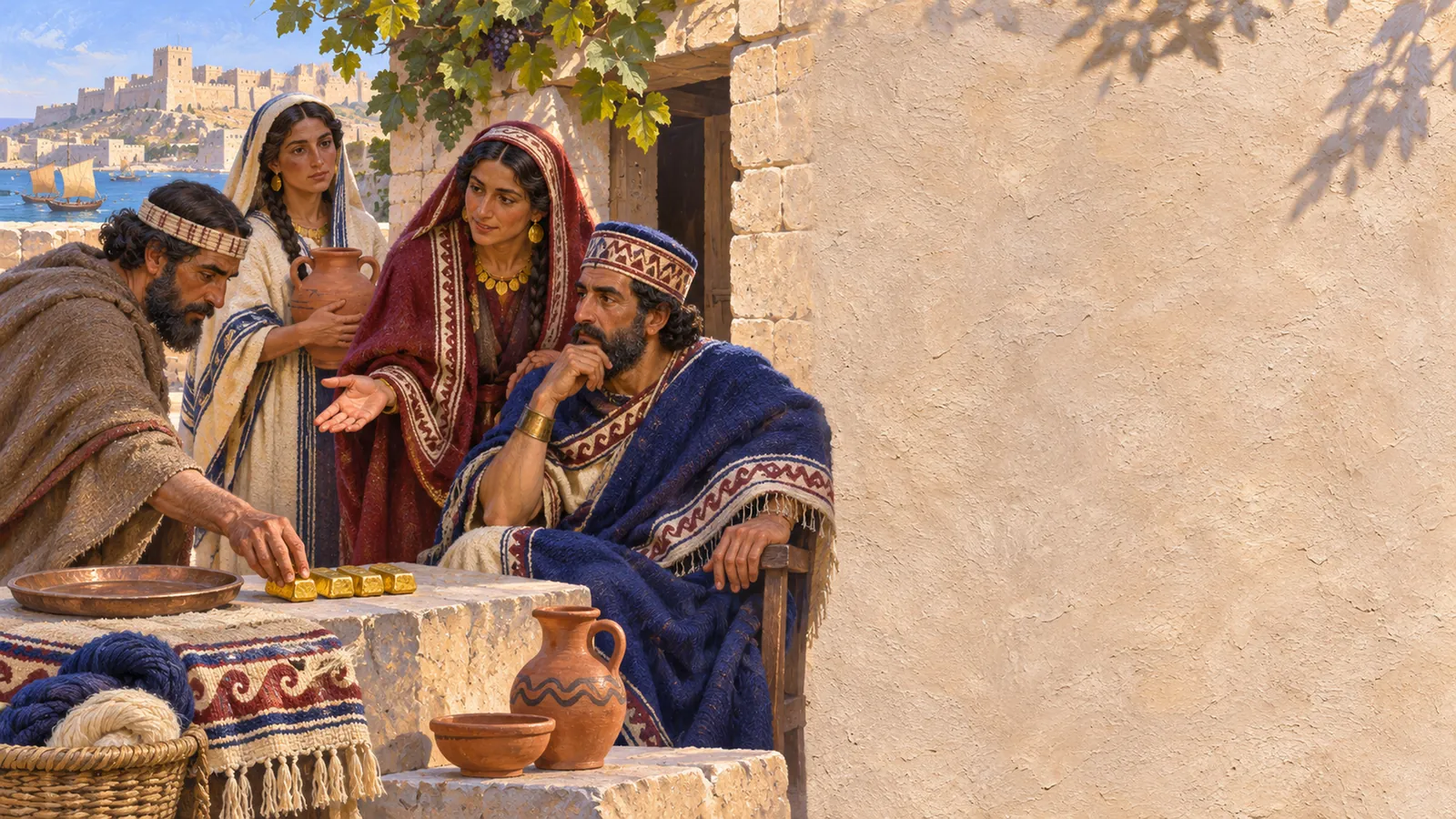
The promise goes on to gold. Yarikh names ten thousand pieces of it as part of the marriage gift.
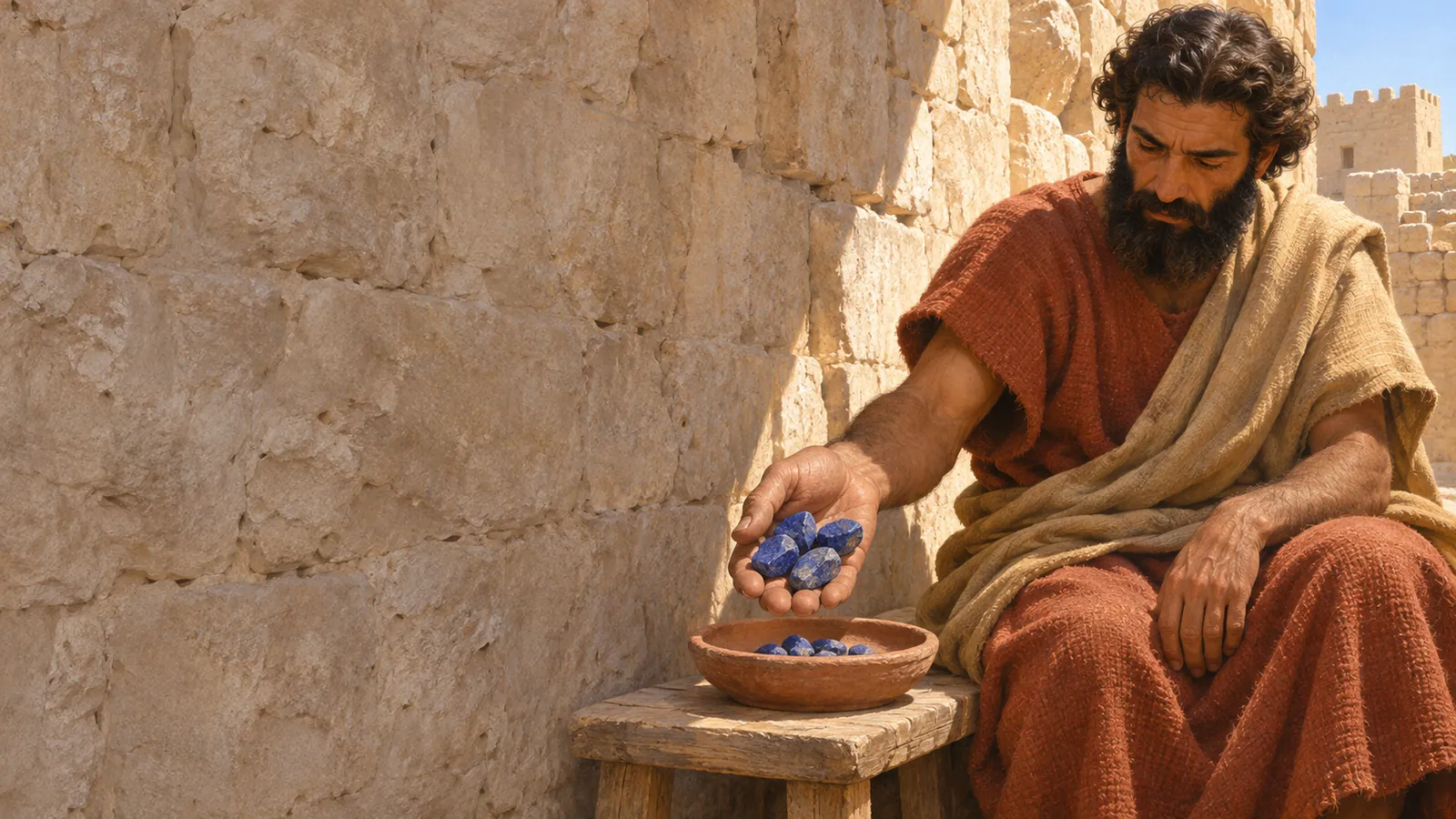
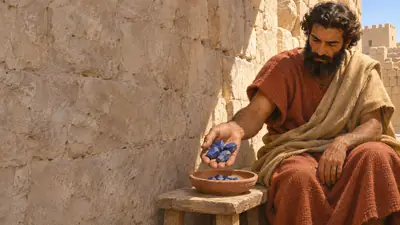
Yarikh says he will send shining lapis lazuli. The blue stone follows the silver and gold in his offer.
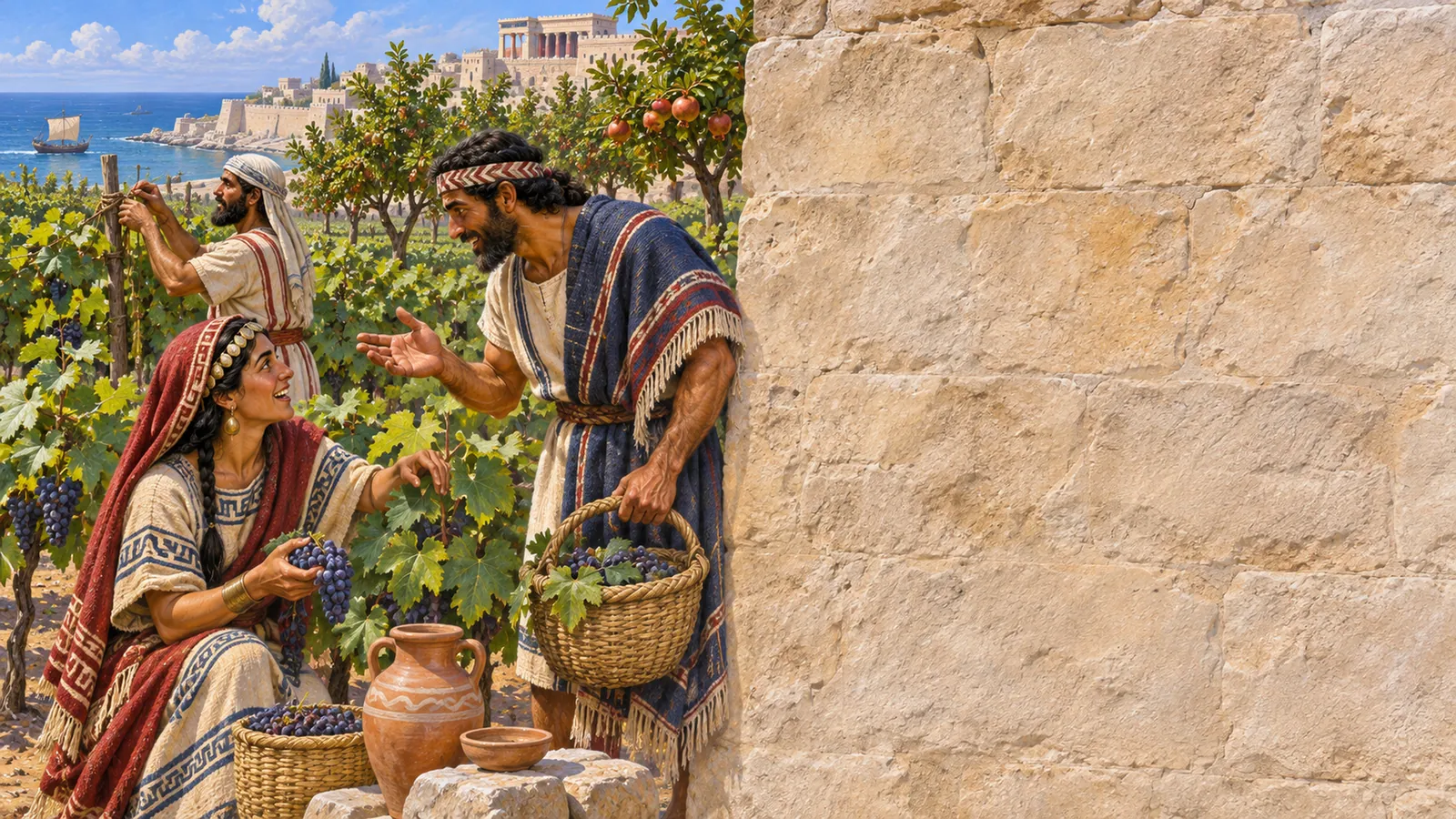
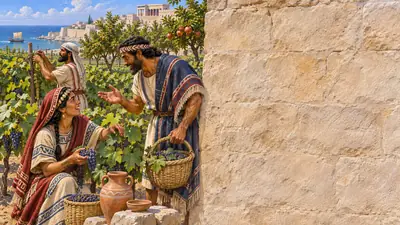
Yarikh also speaks of vineyards and fields. In one reading the next line adds gardens to the lands he promises.
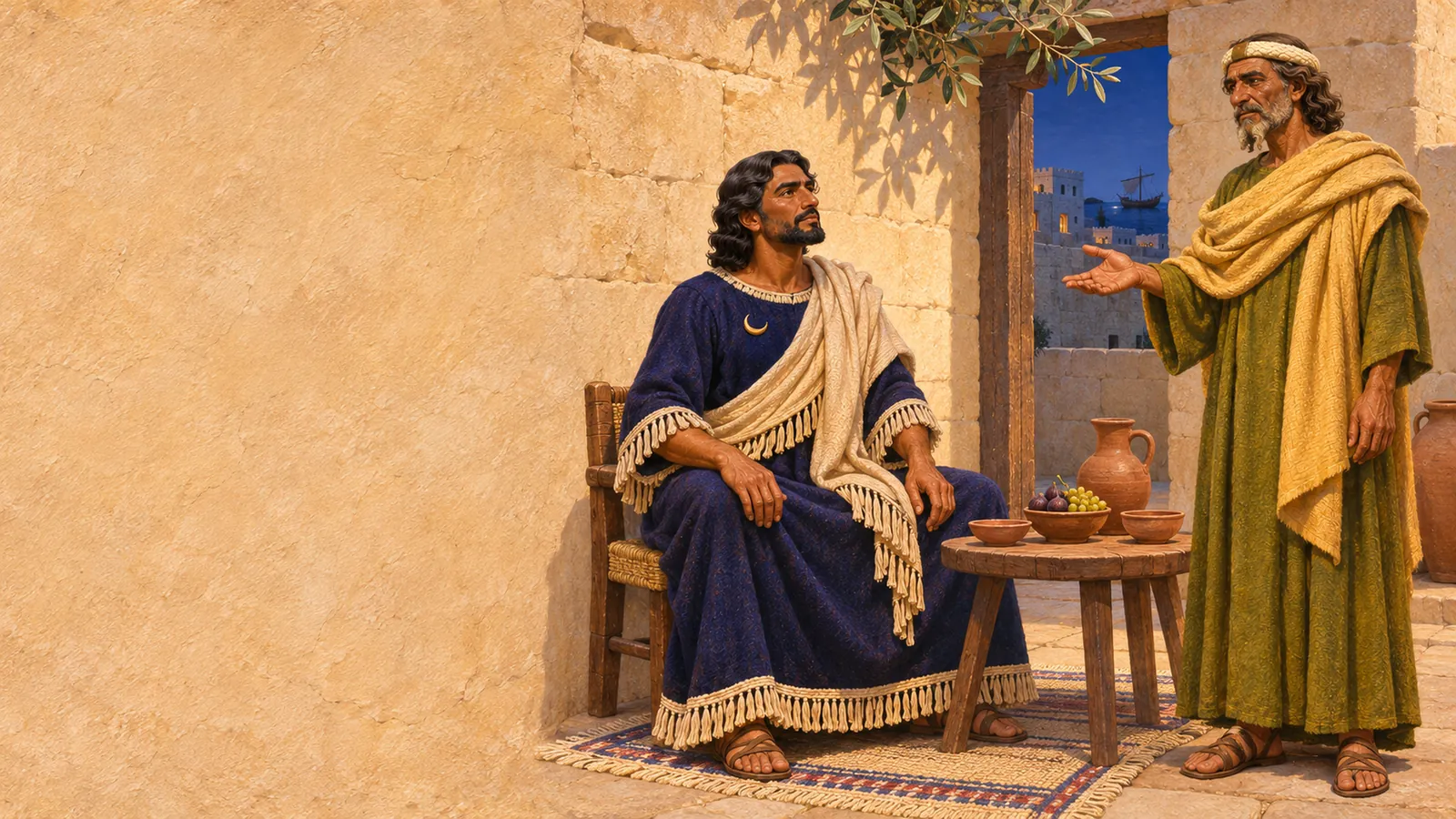
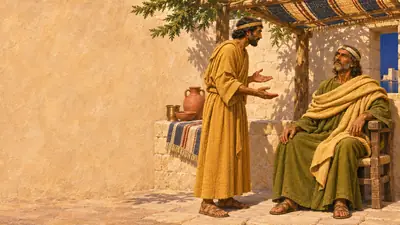
Hirhib answers the lamp of heaven with a different proposal. His words offer Yarikh the prospect of becoming Baal’s son-in-law.
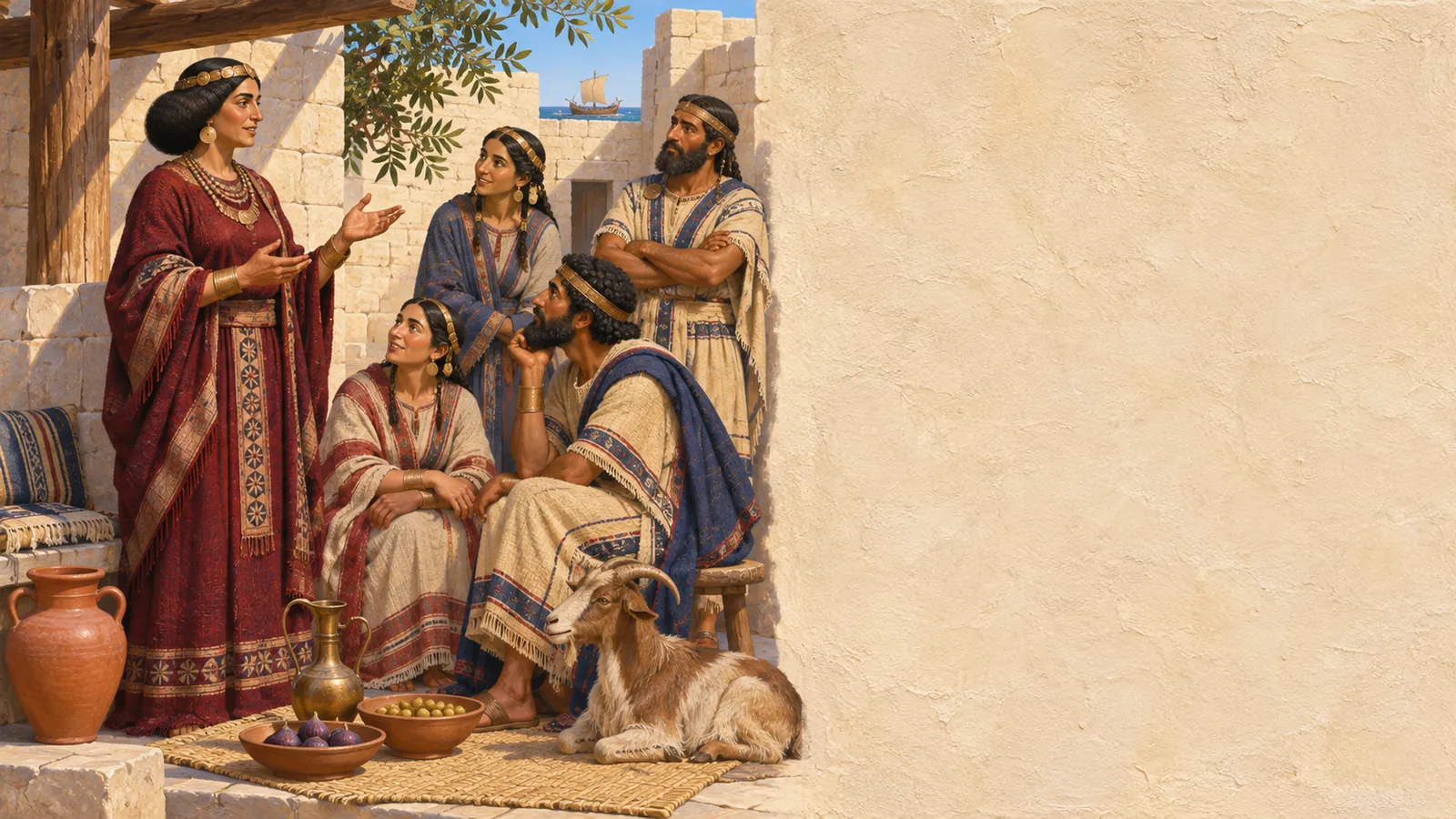
Hirhib names Pidray and suggests that Yarikh marry her. The proposal puts Pidray beside Baal, who is named as her father.
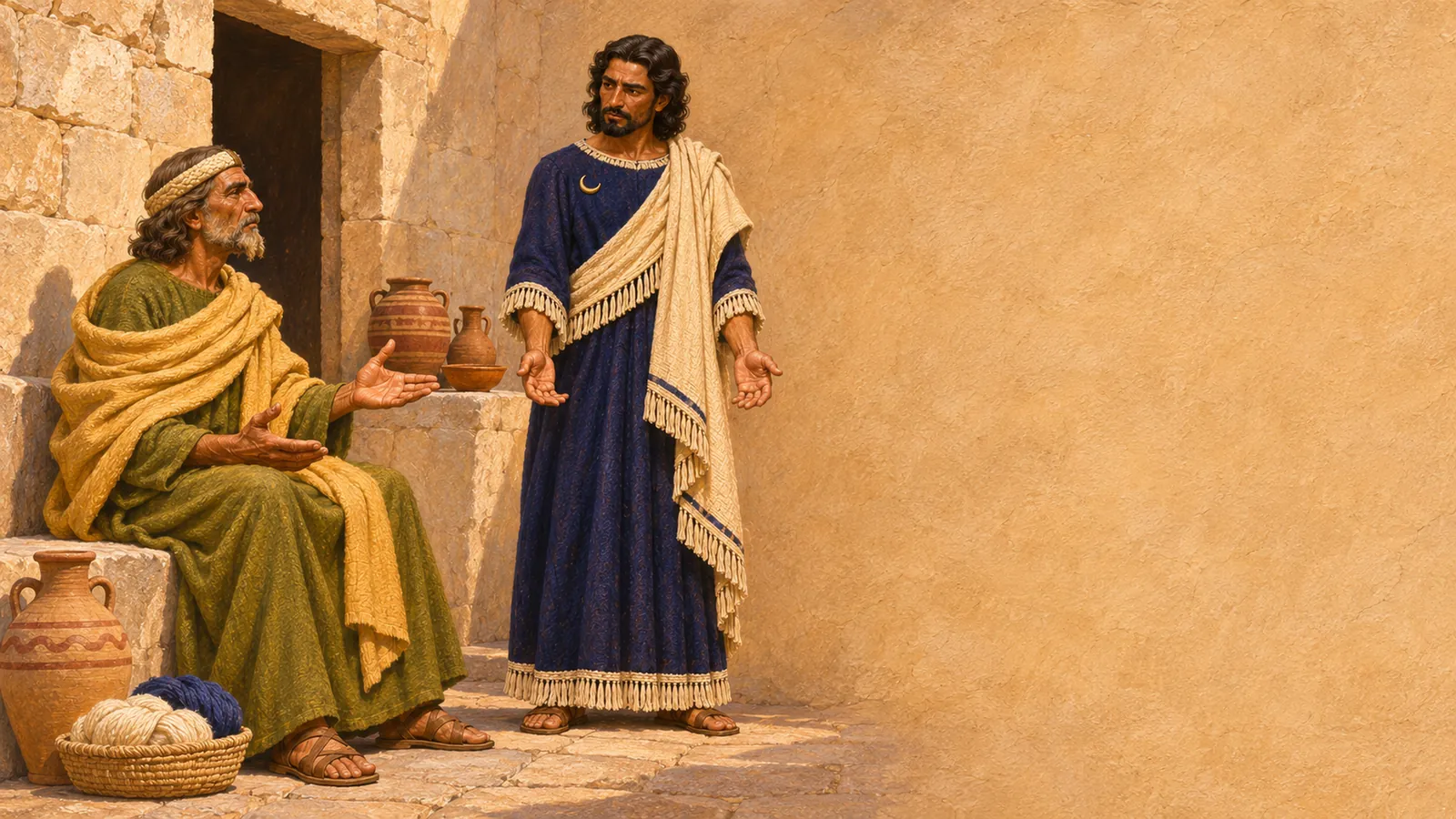
The king offers to introduce Yarikh to Baal himself. The introduction belongs to the alternative marriage he has just put forward.
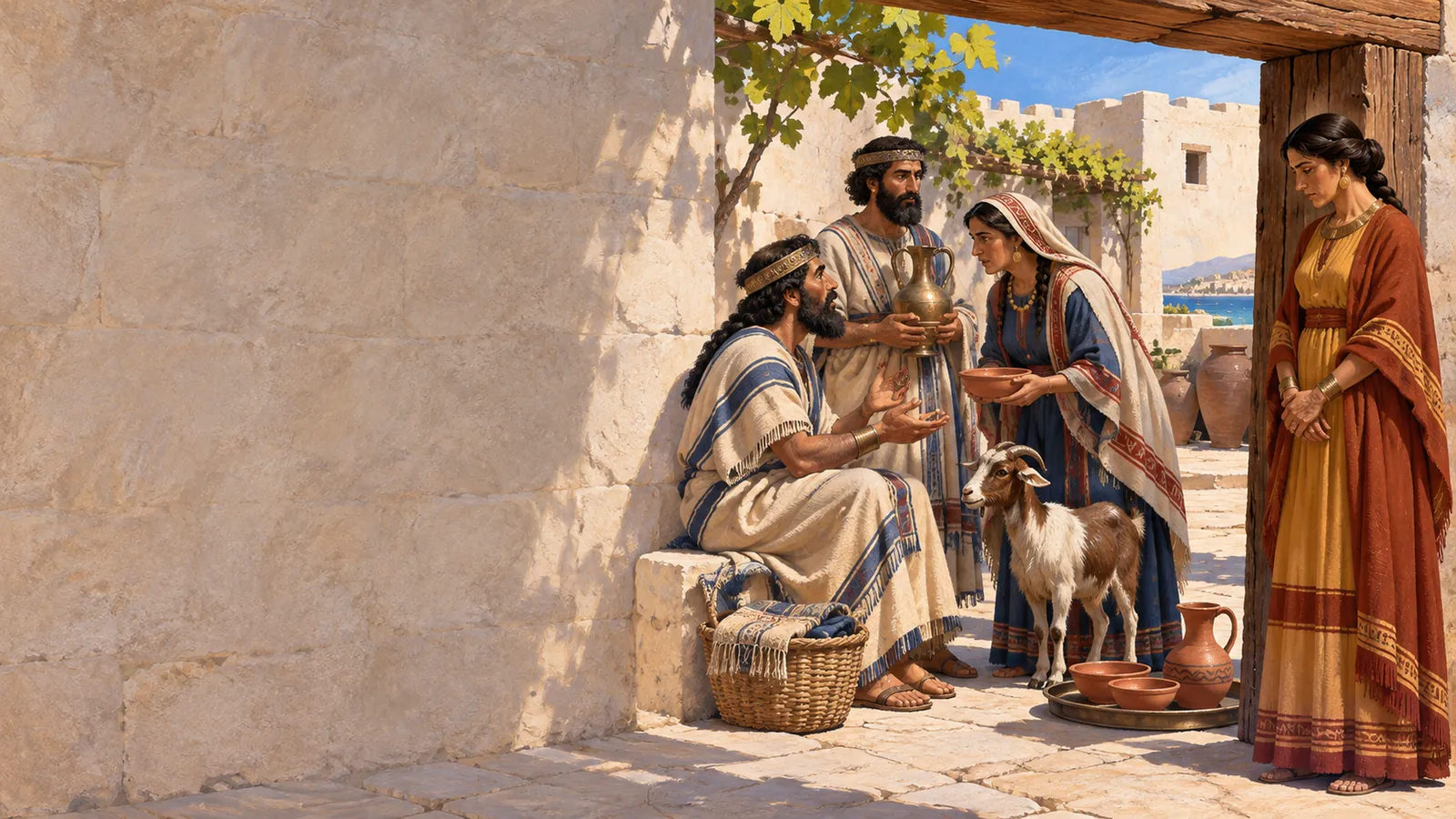
Hirhib raises another possibility, this time naming Athtar and Yabradmay. The words that explain the arrangement are difficult to read.
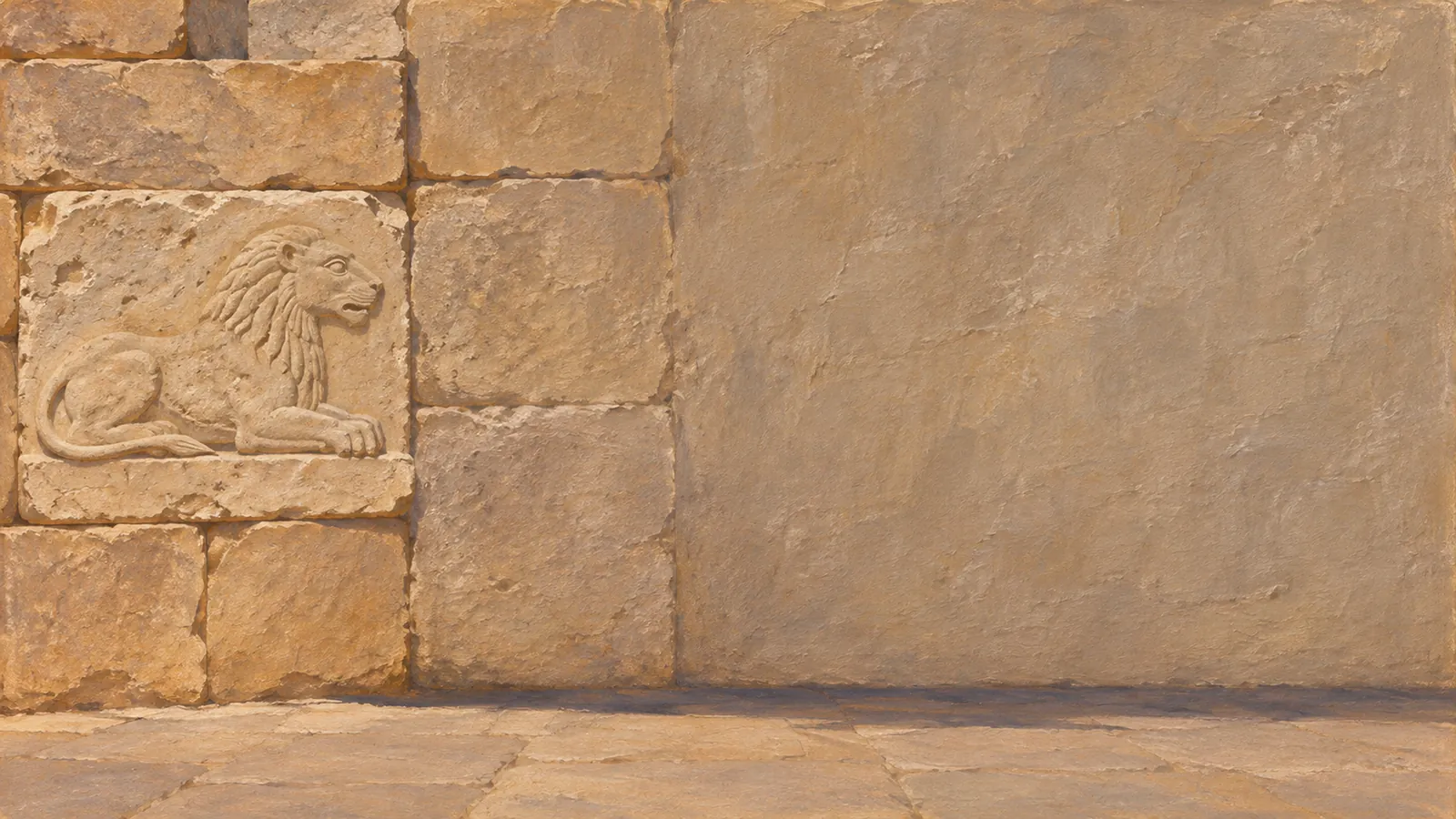
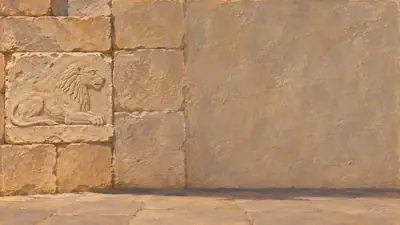
The words describing the second proposal are damaged. Some readings understand a reference to a lion in the last clause.
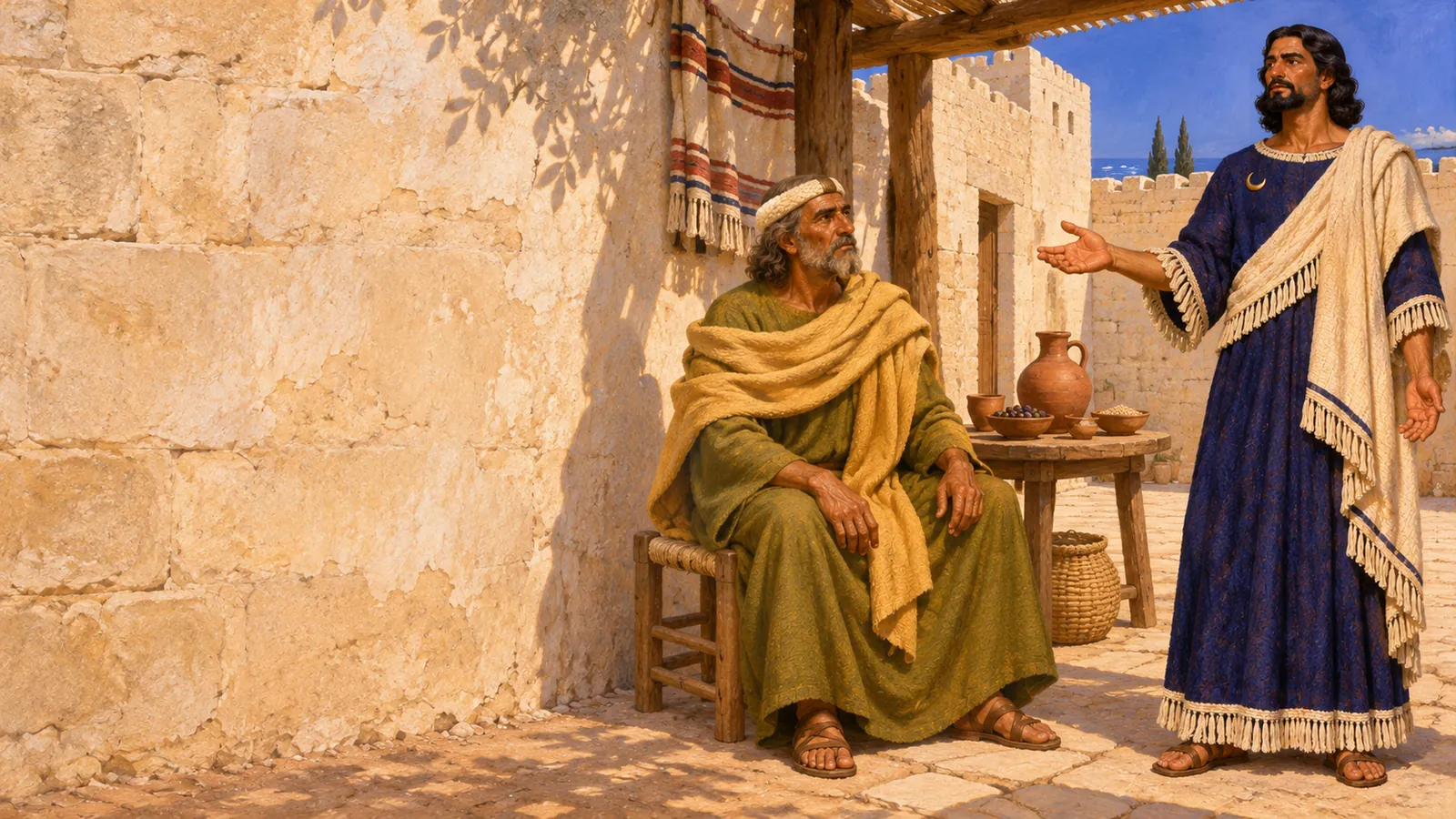
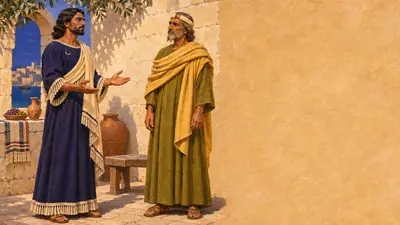
The voice returns to Yarikh, the lamp of heaven. After hearing the two alternatives, he gives Hirhib his own answer.
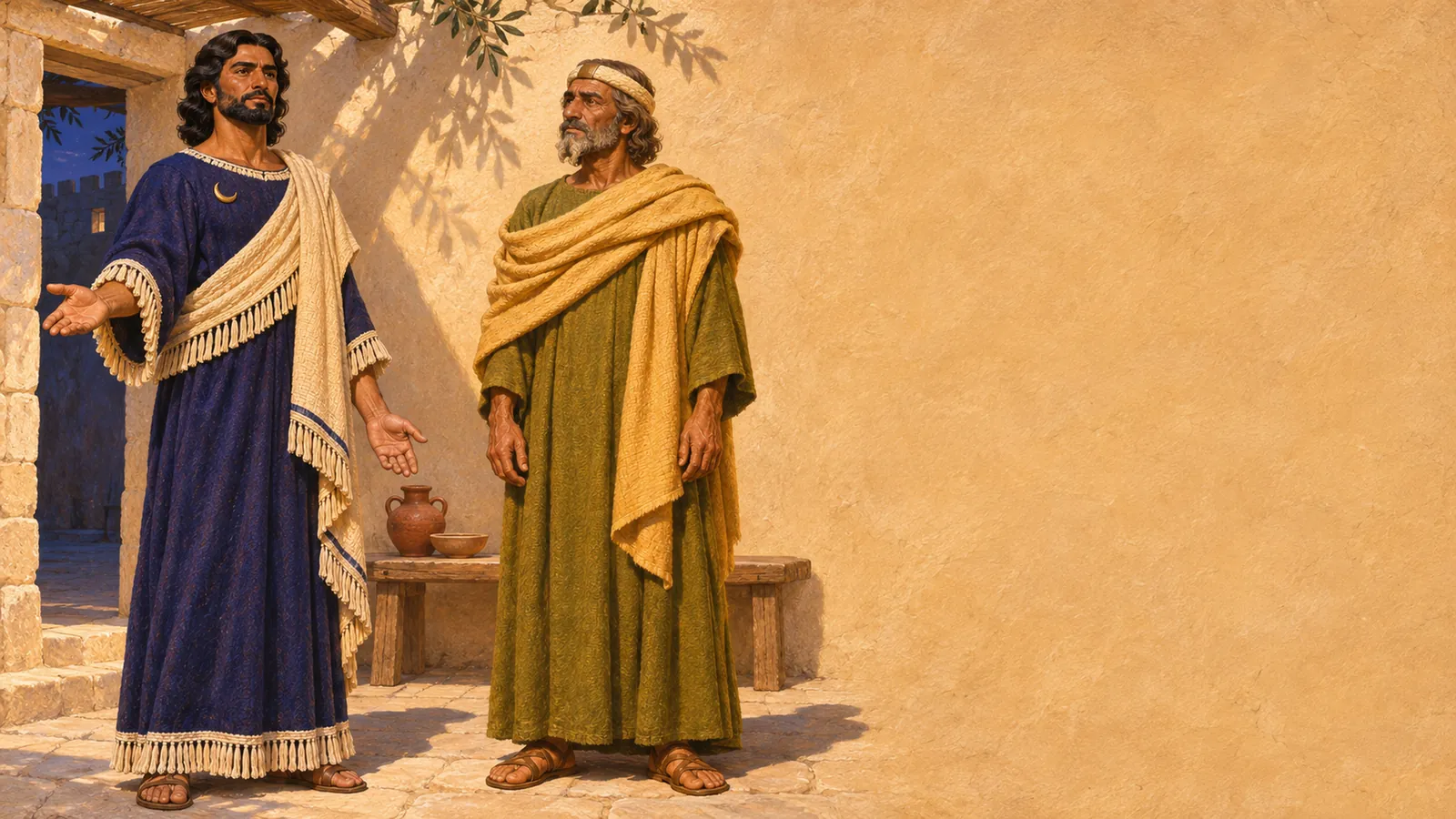
YARIKH’S ANSWER
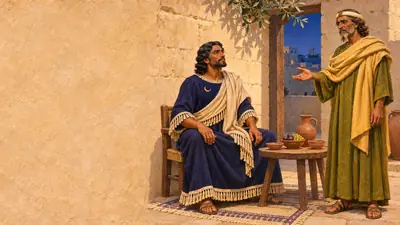
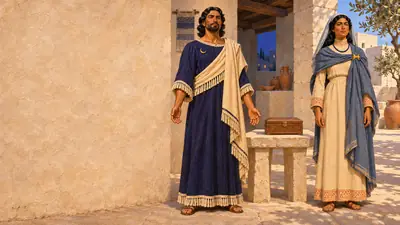
Yarikh gives one name in reply. He says that his marriage will be with Nikkal, the one he asked for at the beginning.
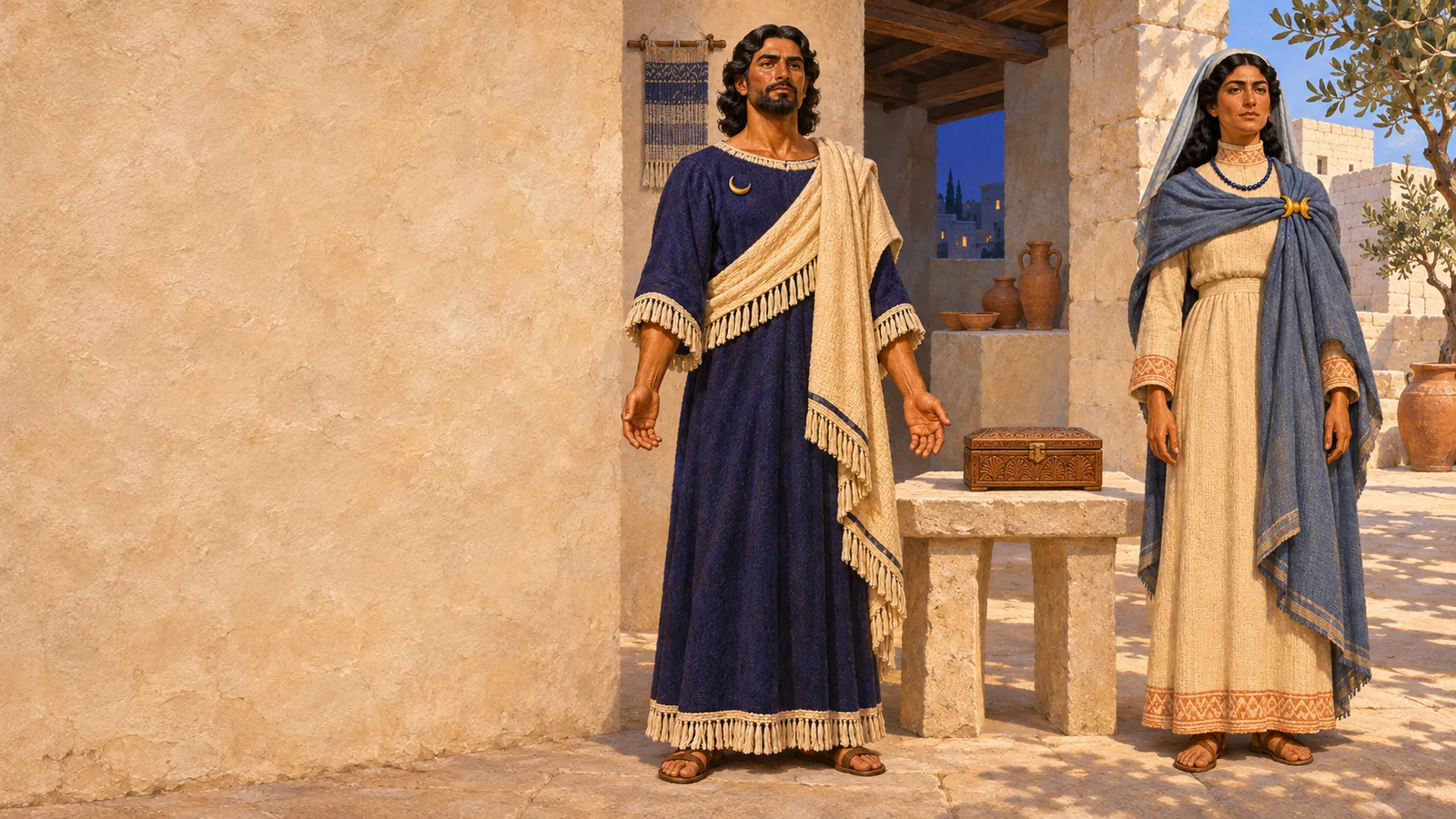
The little verse that follows seals the arrangement with Nikkal. One reading describes Yarikh bringing her betrothal gift.
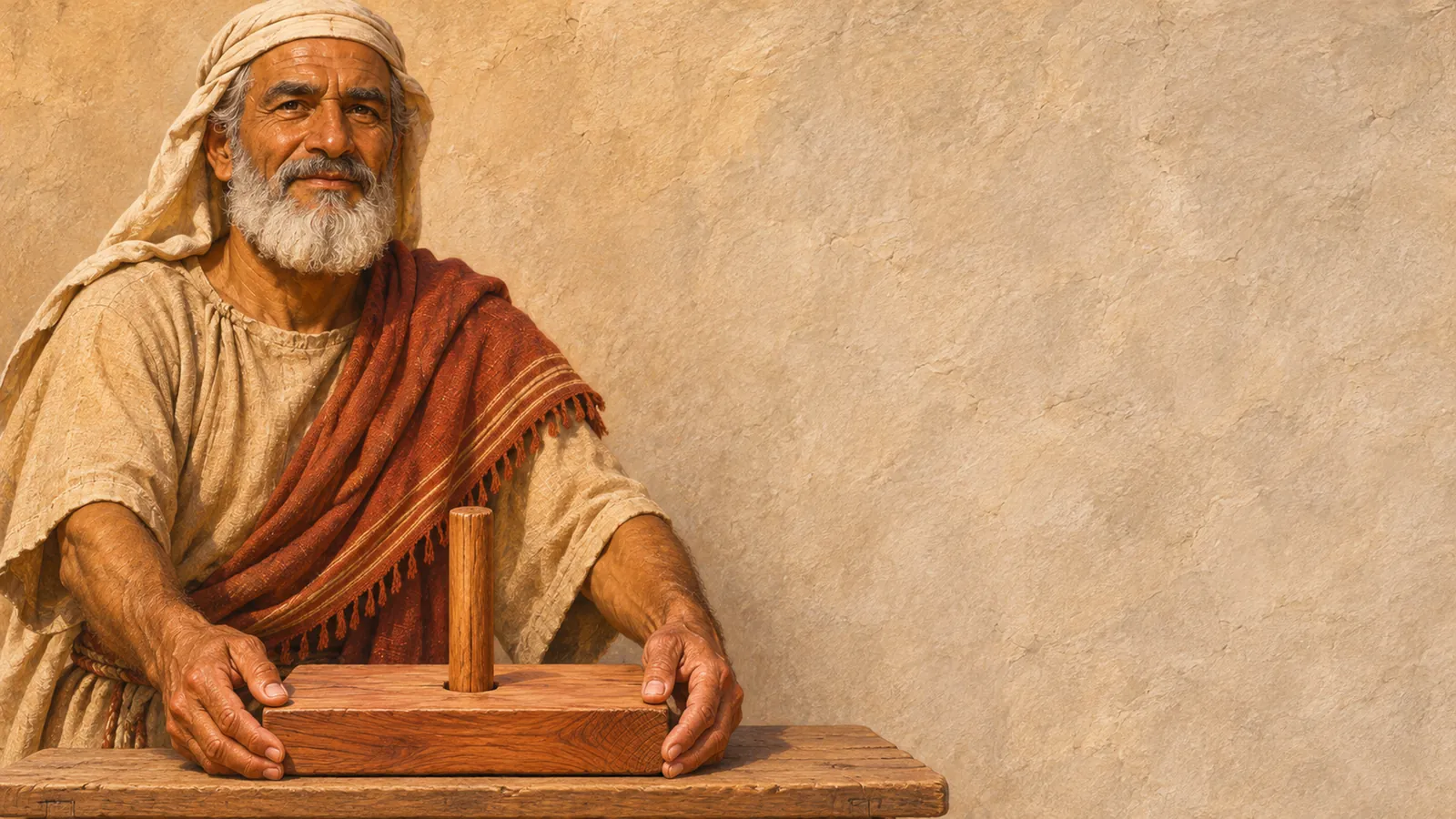
THE BALANCE
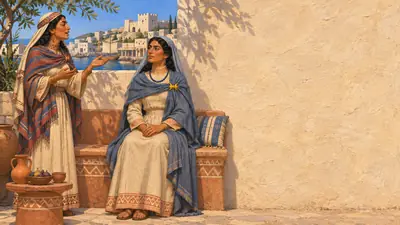
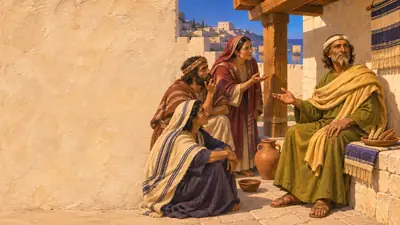
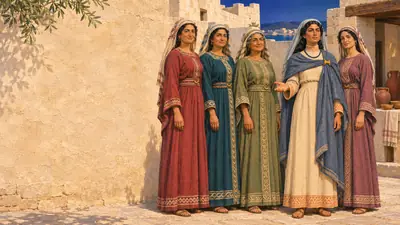
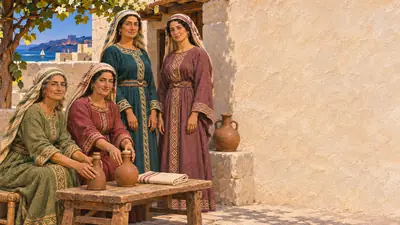
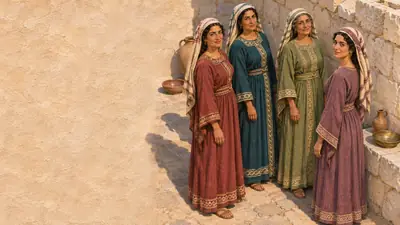
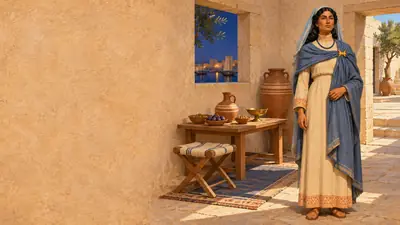
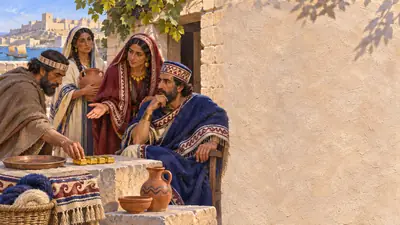
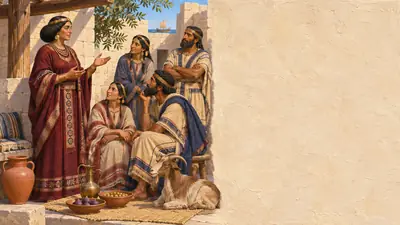
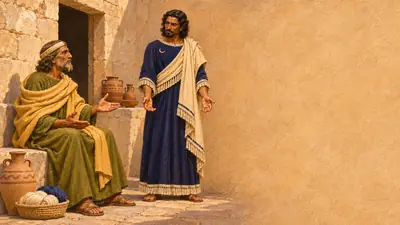
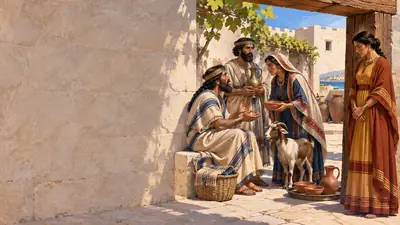
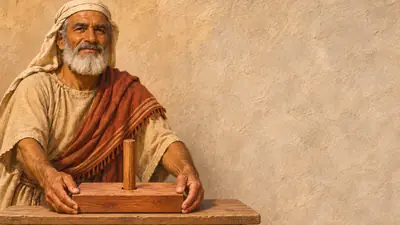
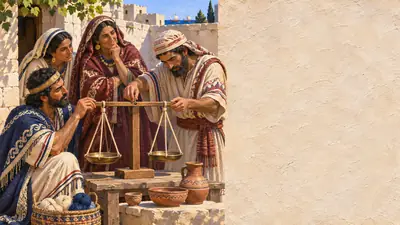
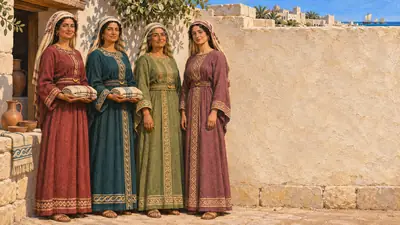
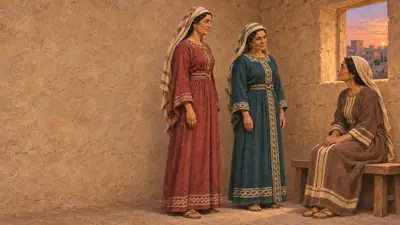
Nikkal’s family prepares the balance for weighing. Her father starts by setting the base of the balance in place.
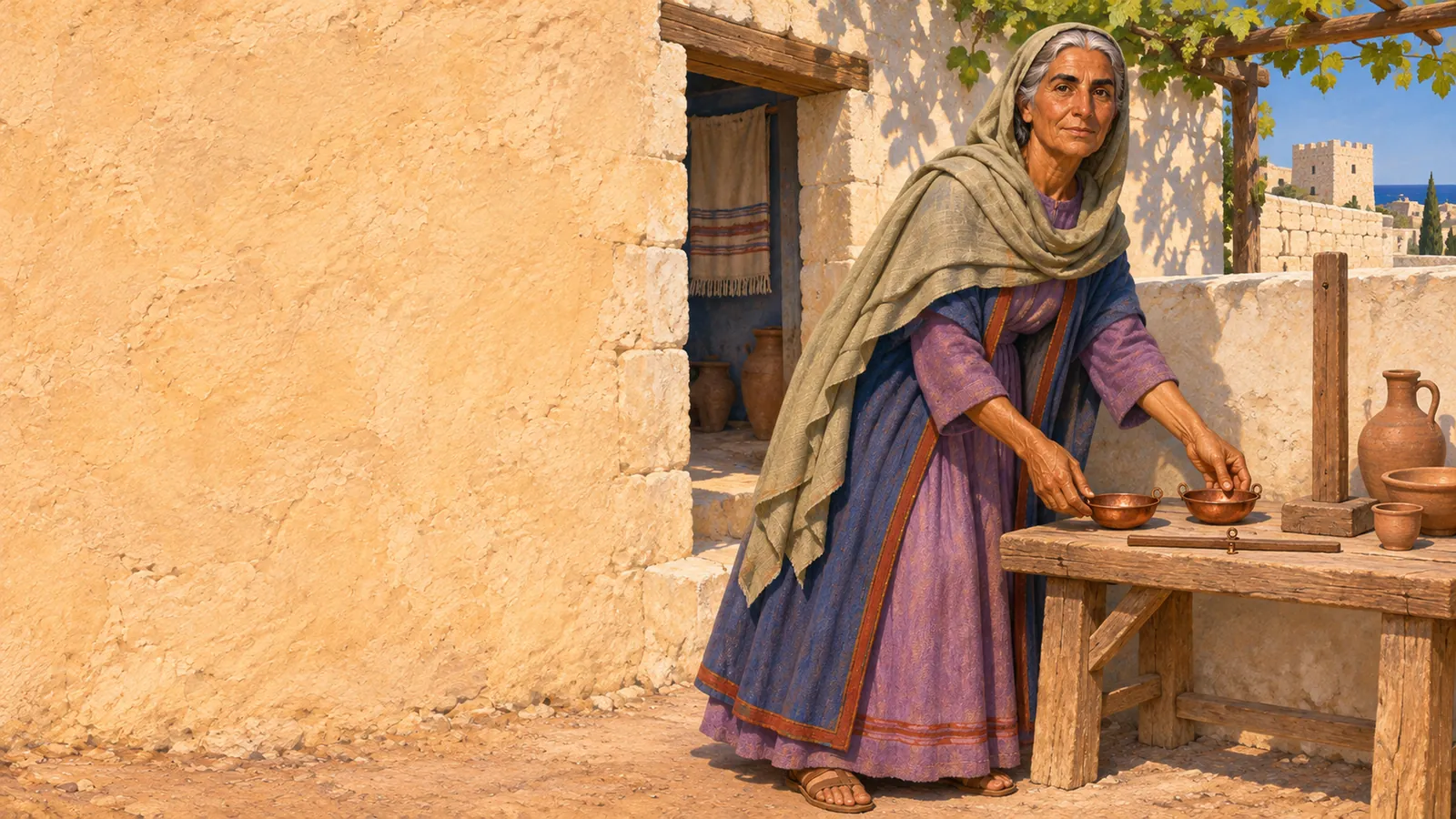
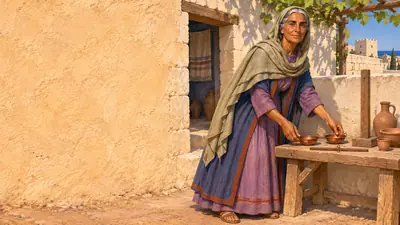
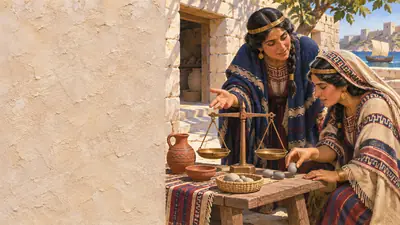
Nikkal’s mother attends to the pans of the balance. Her work comes immediately after the setting of its base.
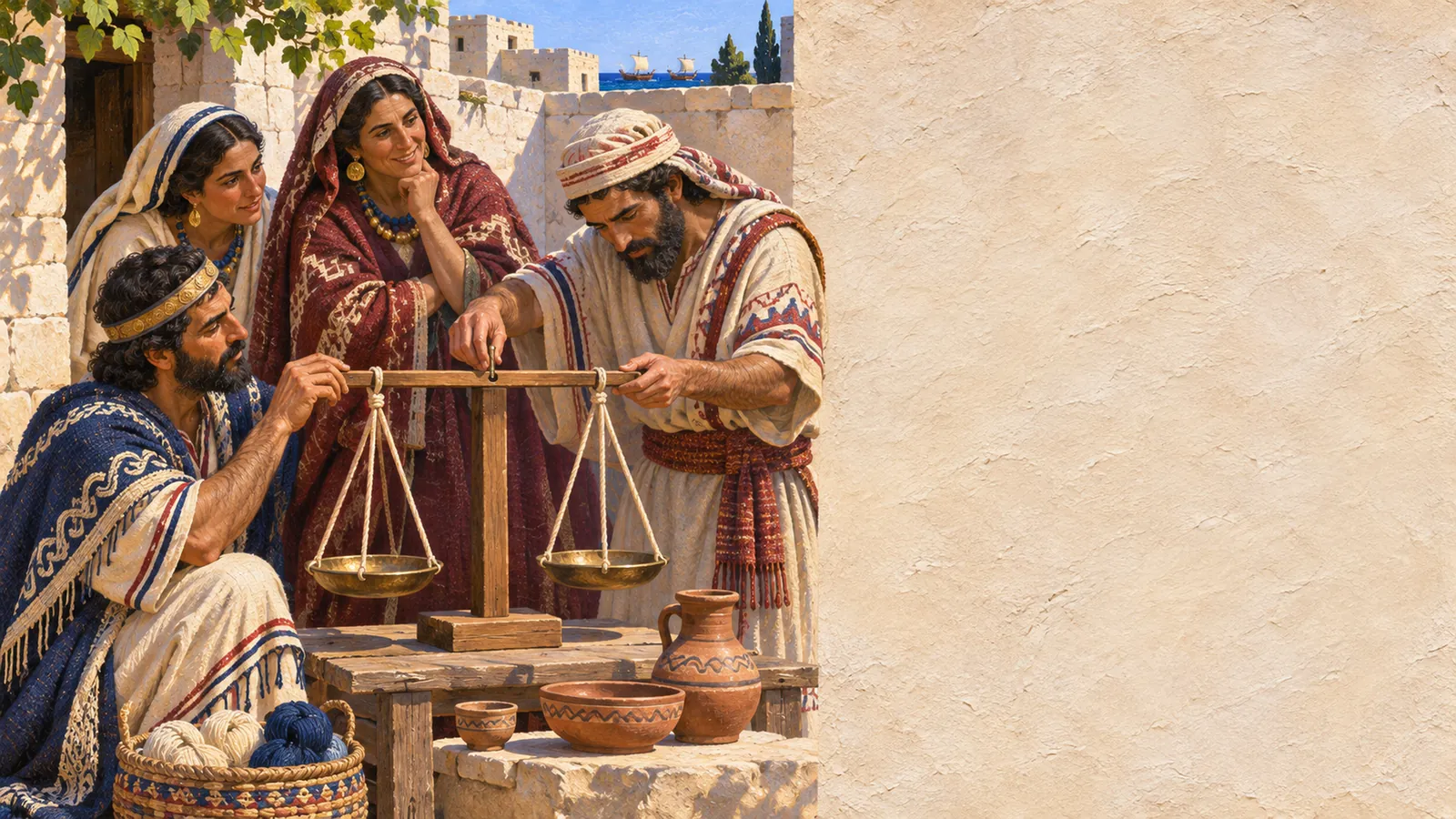
Her brothers prepare the balance’s fittings. The uncertain word has been read as the beam or the parts that let it move.
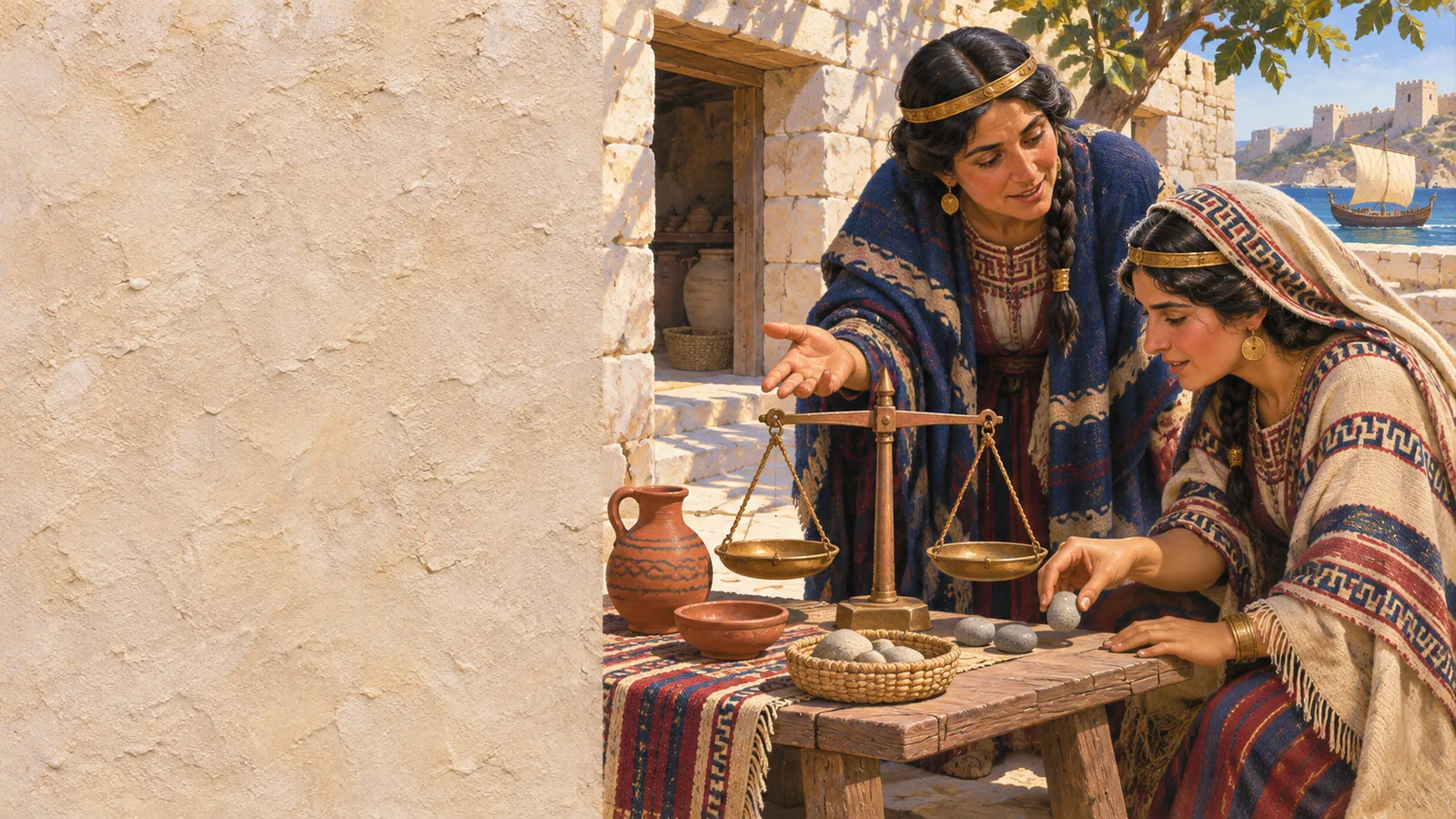
Nikkal’s sisters attend to the stone weights. Their part completes the family’s work on the balance in the poem.
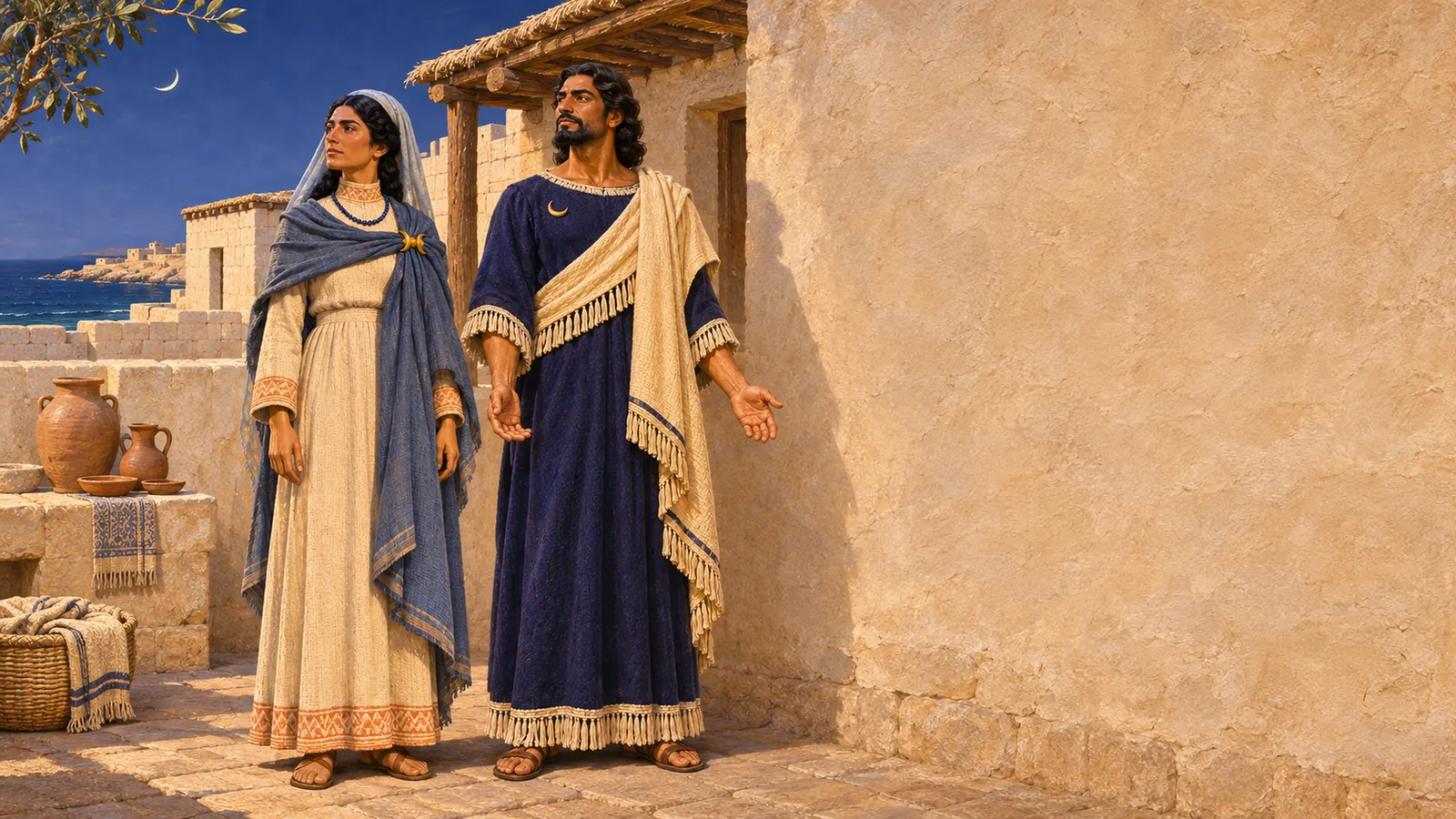
The singer returns to the name Nikkal-and-Ib and gives a blessing. May the light of Yarikh shine upon her.
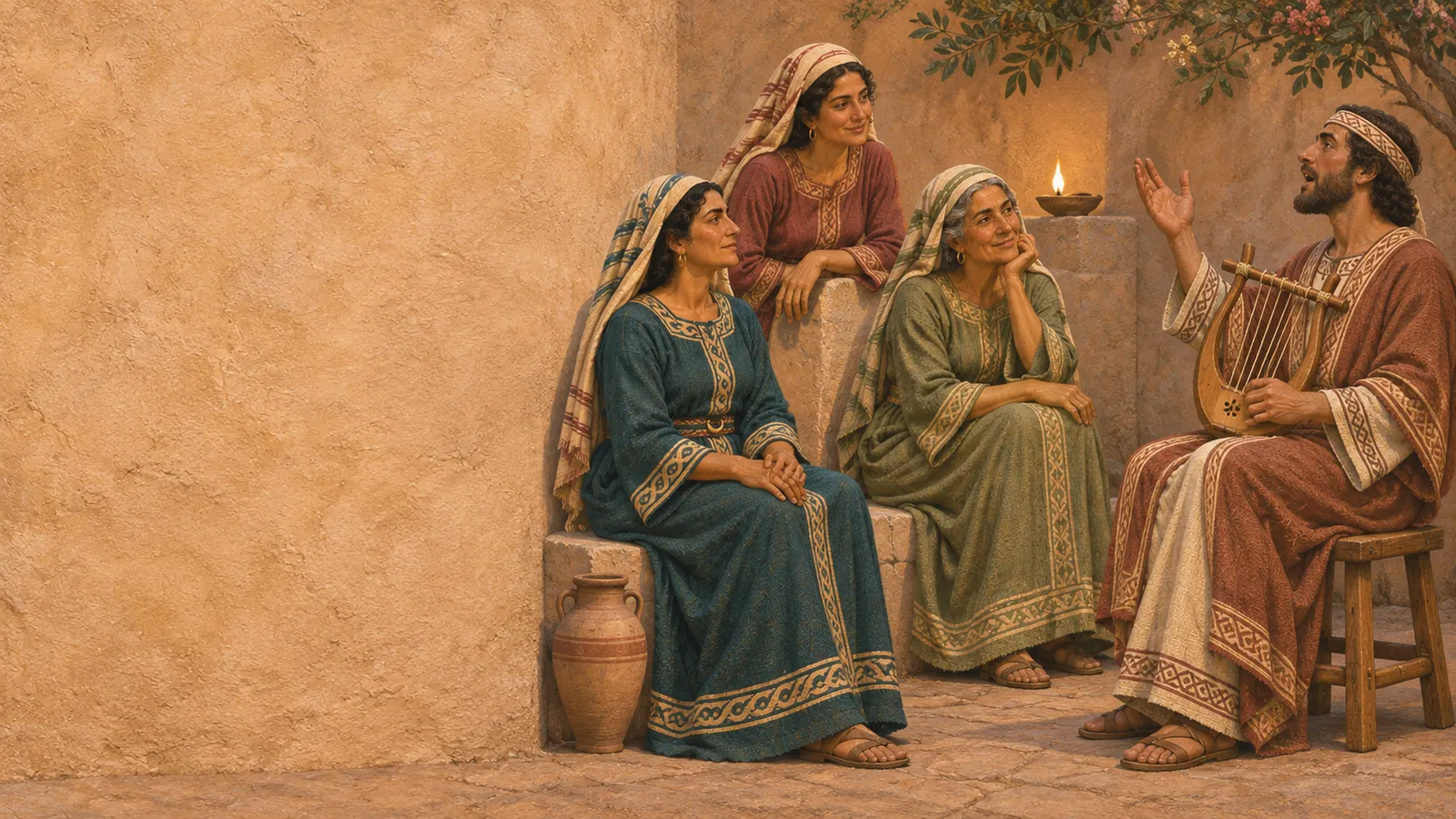
THE CLOSING SONG
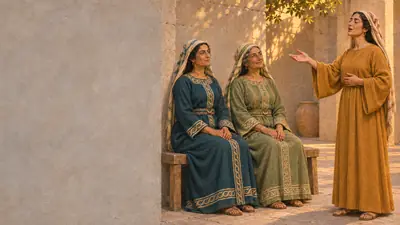
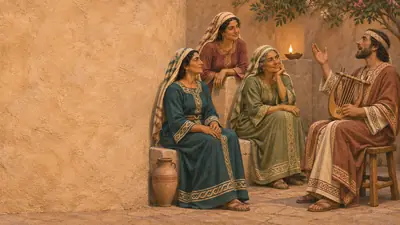
A dividing line on the tablet introduces the closing song. In the usual reconstruction, the singer now calls to the Kotharat.
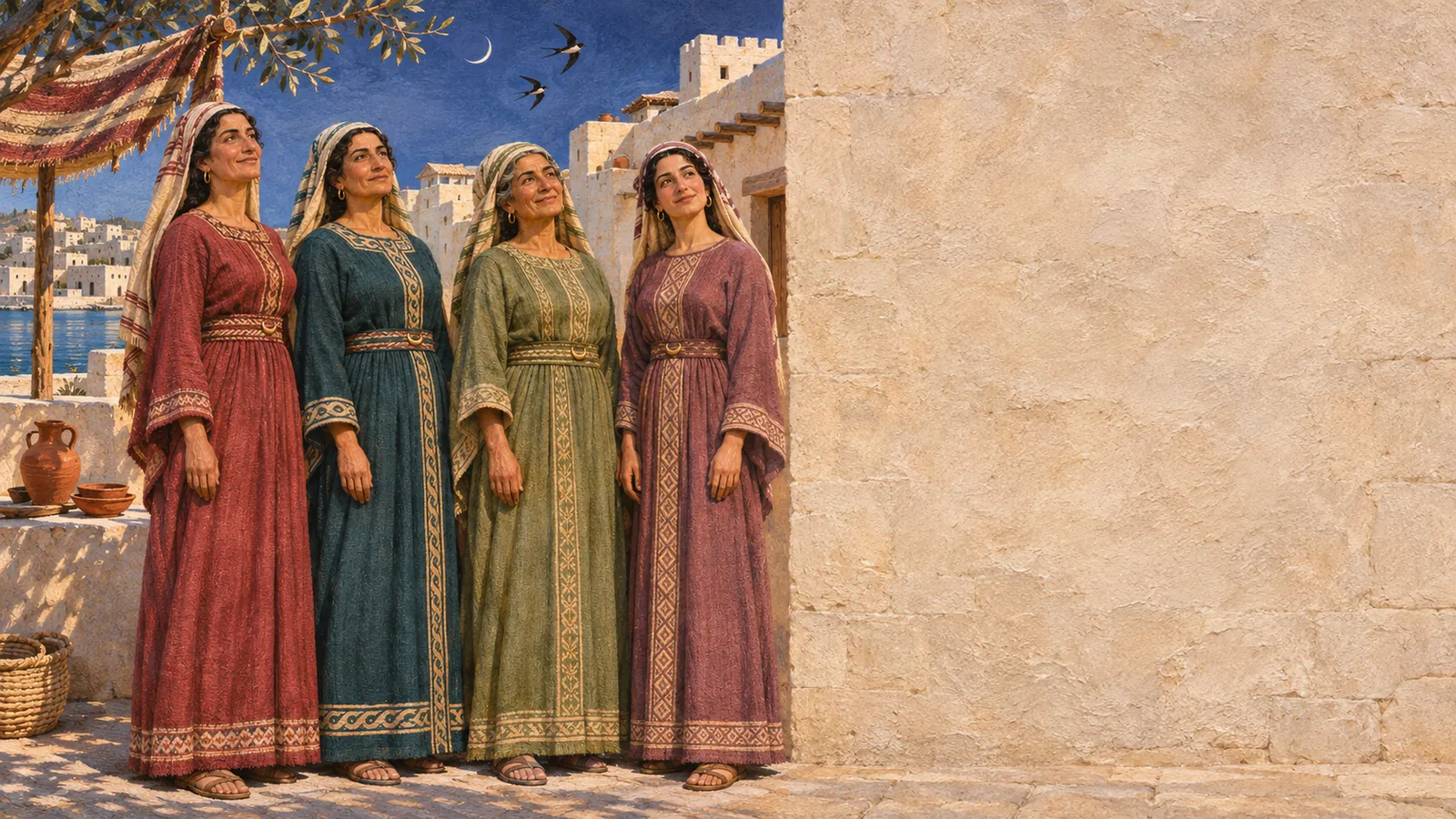
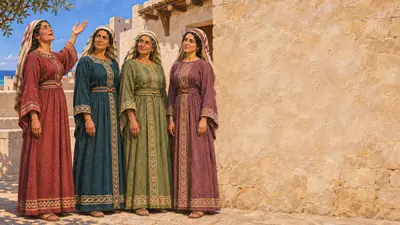
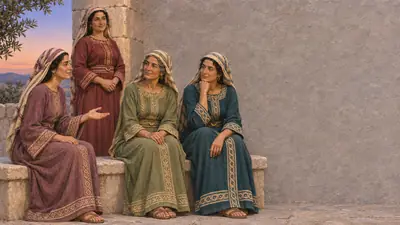
The song calls the Kotharat daughters of Hilal. It returns to the swallow comparison and names the lord of the sickle.
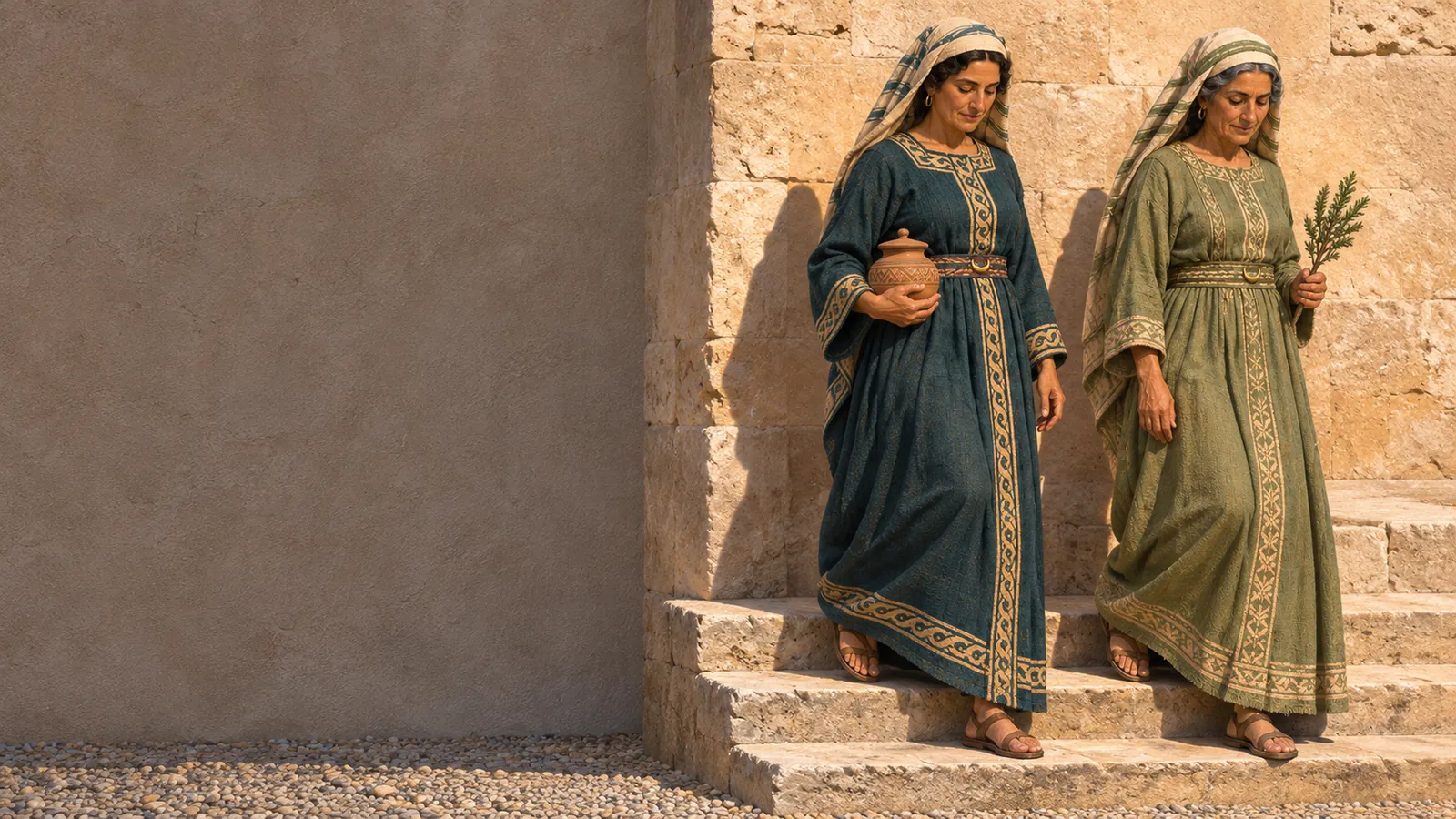
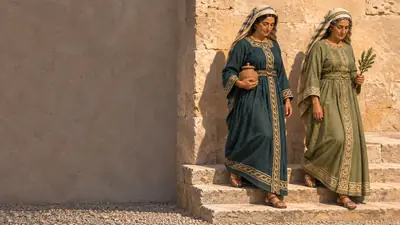
The Kotharat come down carrying materials the poet names. The words are difficult, and some readers understand them as plants or preparations.
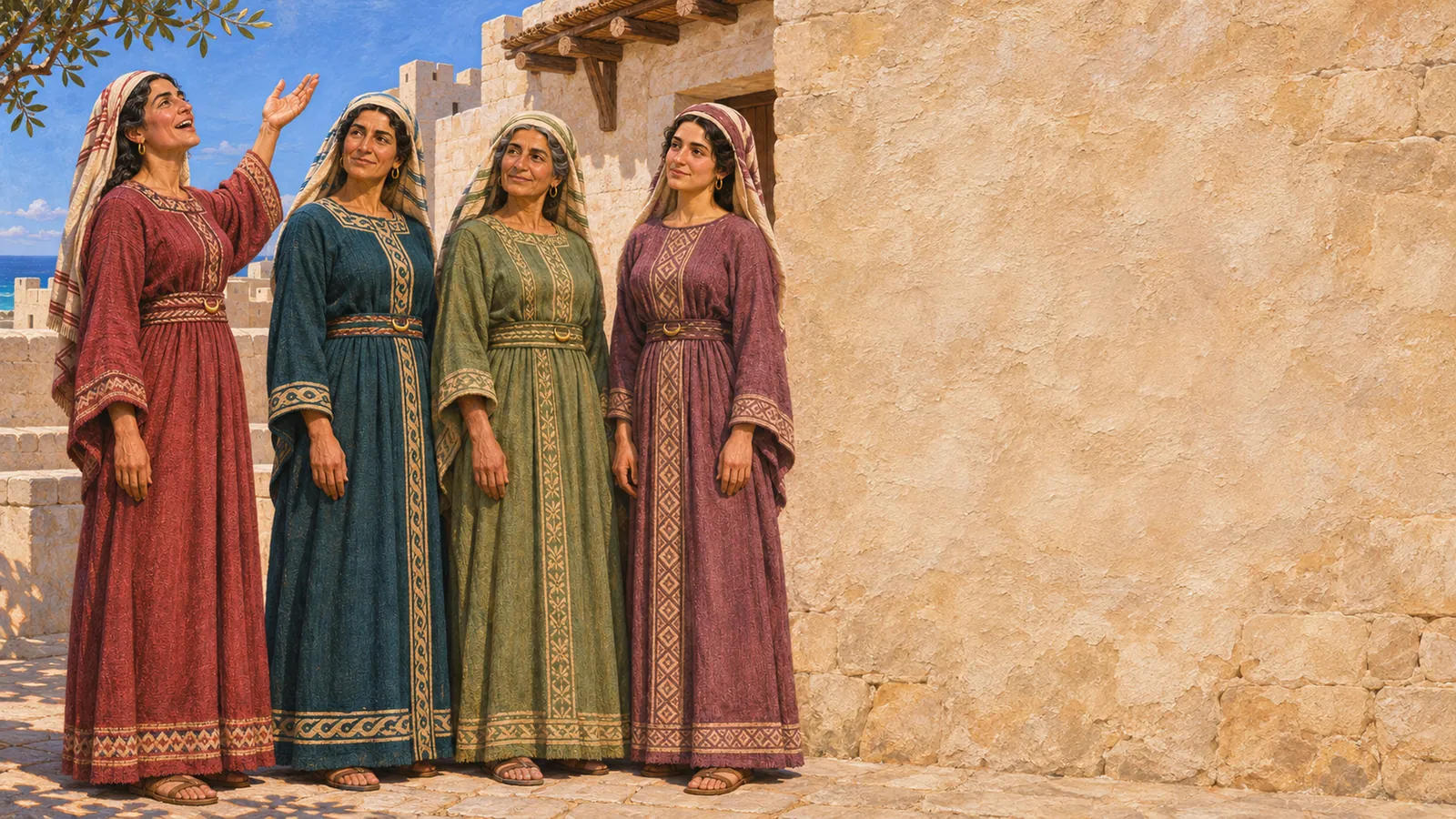
The hymn invokes El with an epithet of compassion. The surviving words place that invocation within the song to the Kotharat.
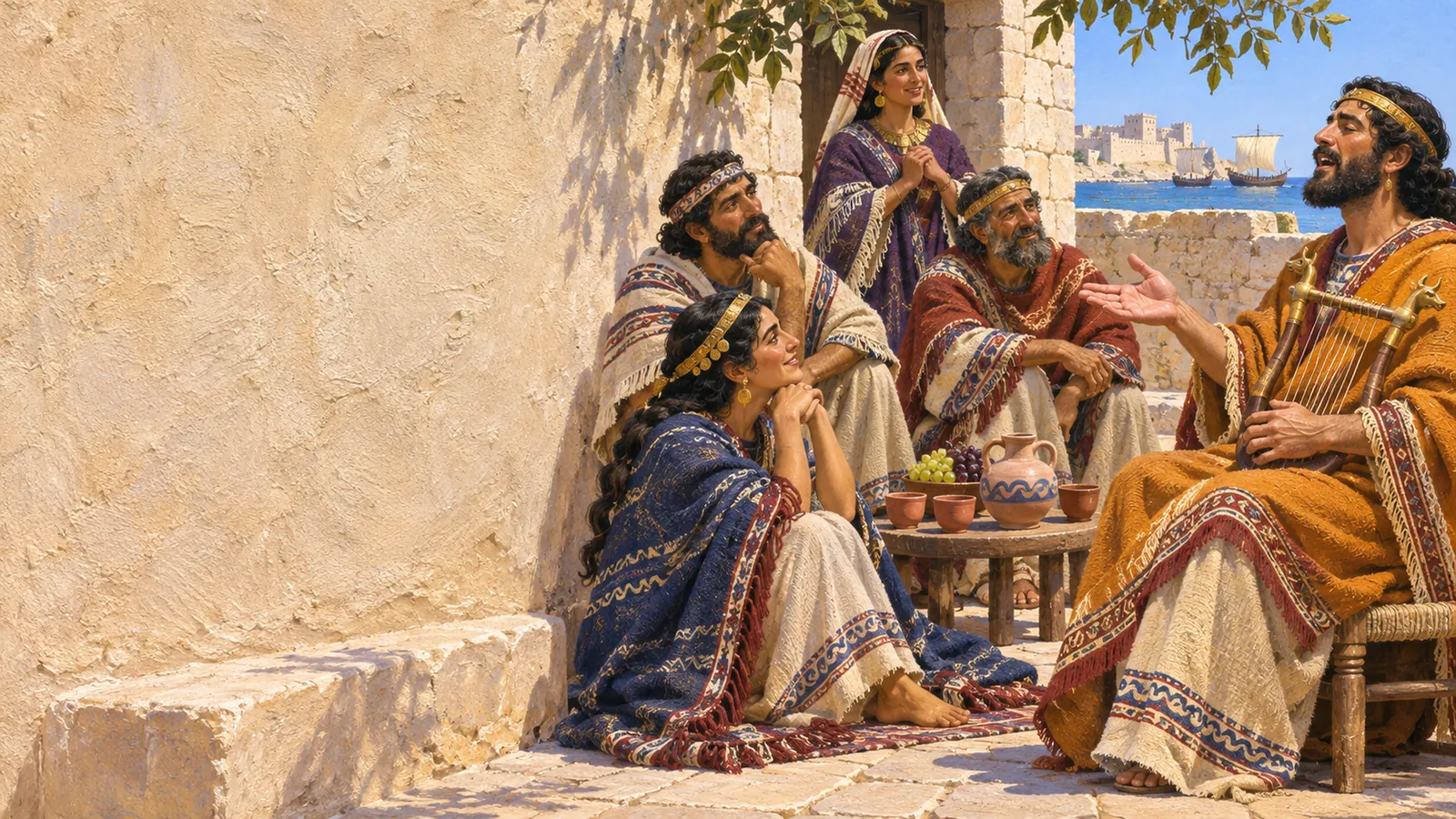
The singer says that the words of invocation are in his mouth. He speaks of the formula on his lips.
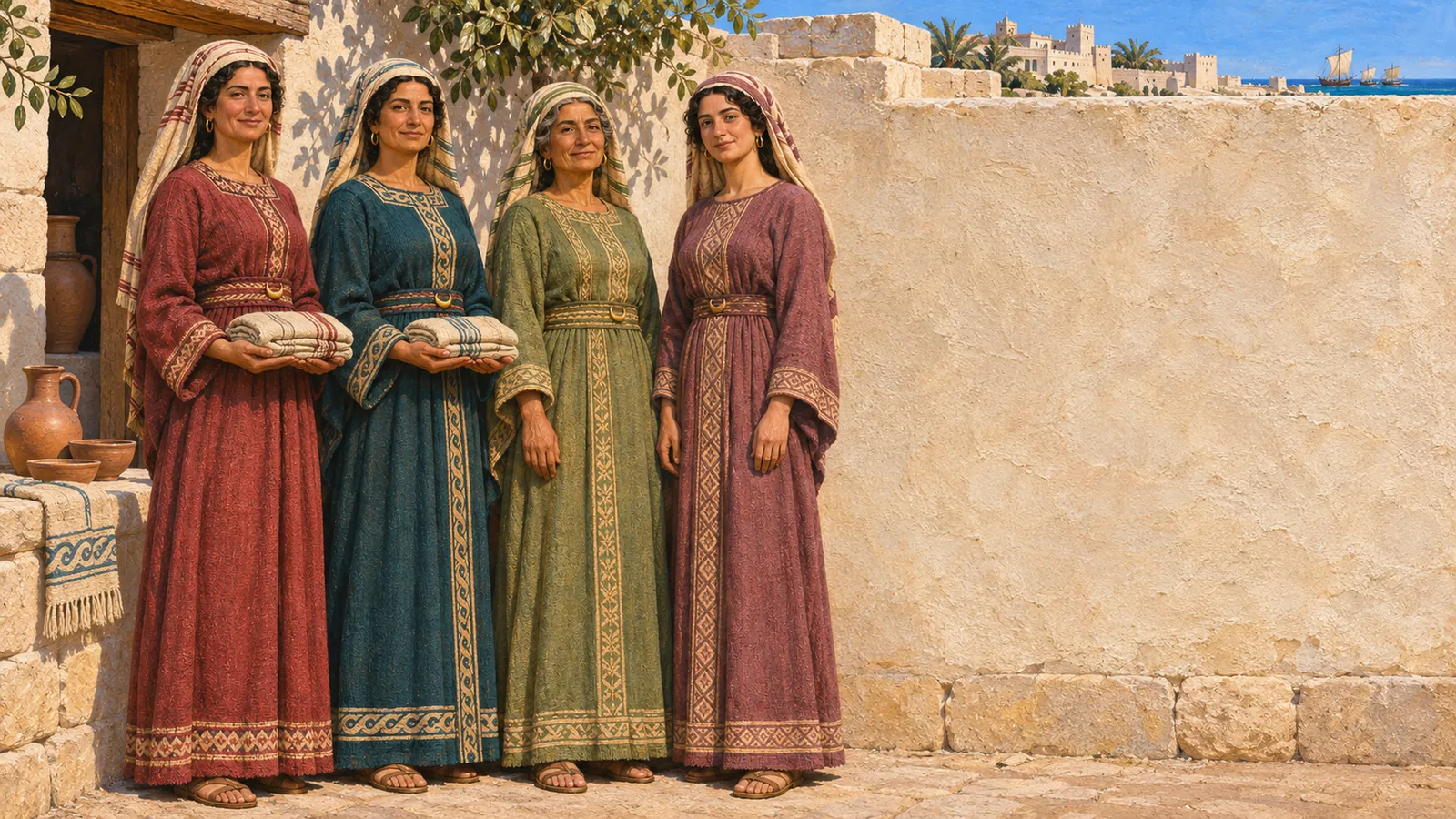
The short phrases that follow have been read as wedding gifts and as names. The closing song preserves the disputed words.
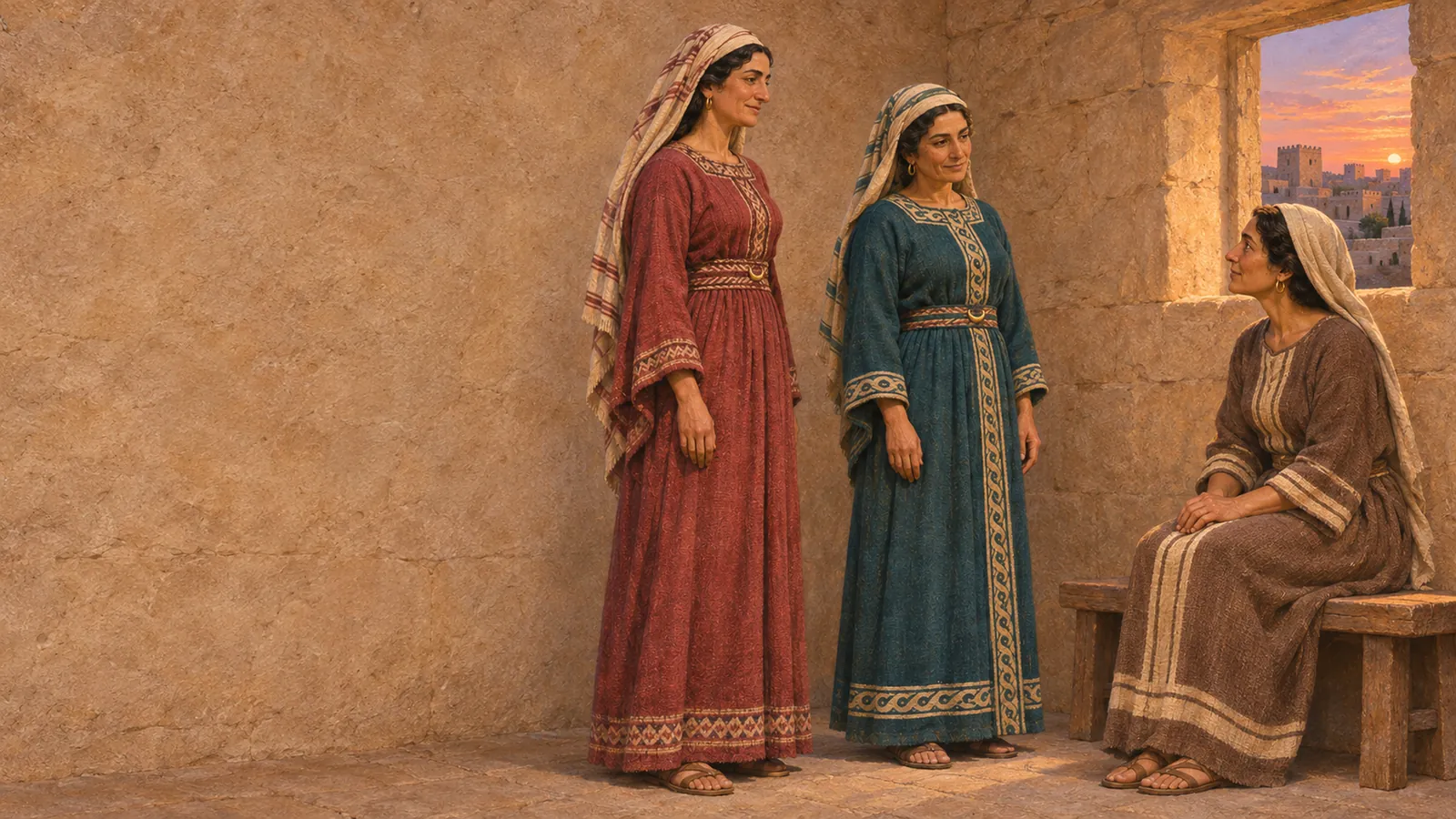
The name written Prbht occurs near the close. One reading hears the name of a bride for whom the song is offered.
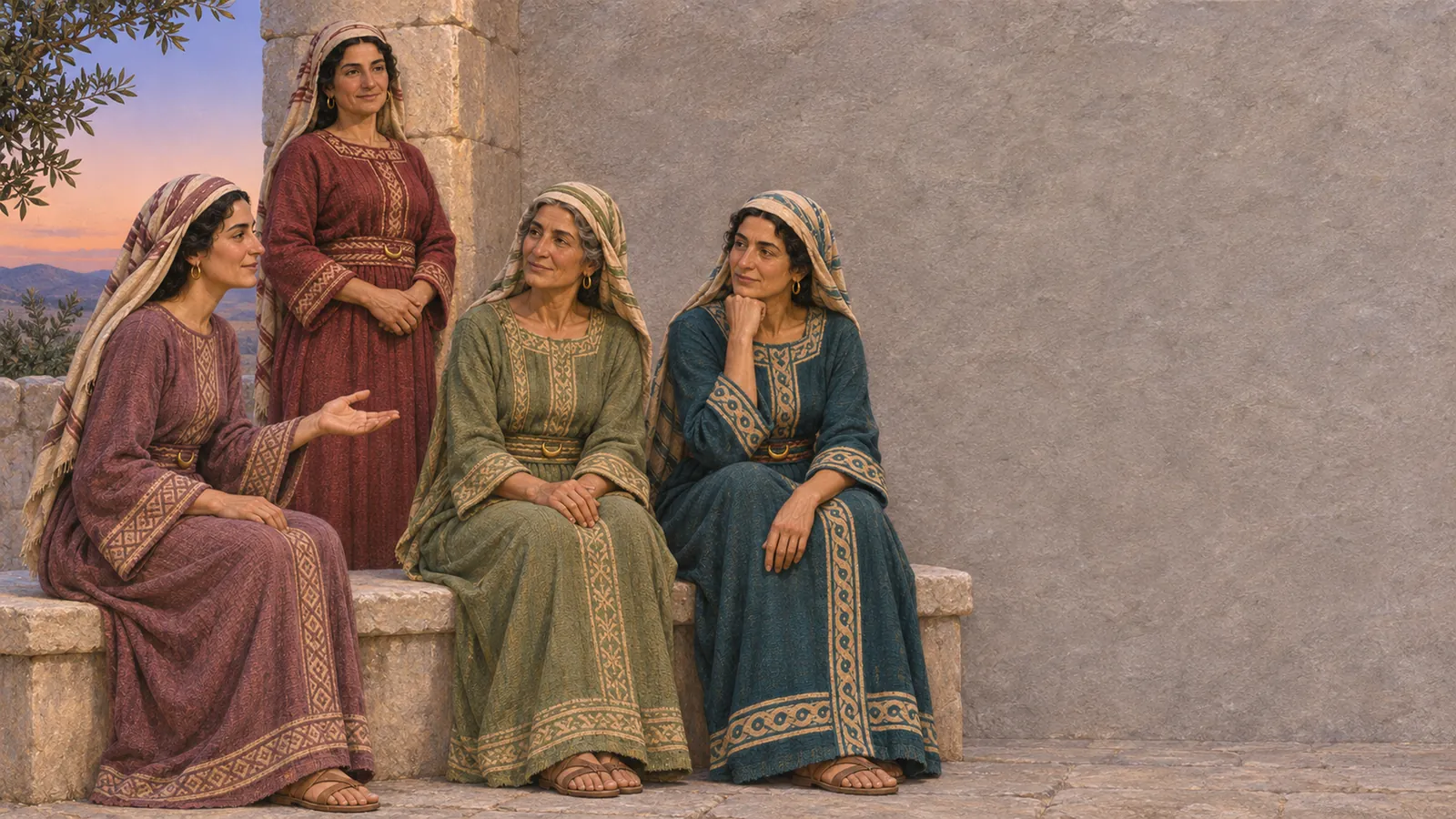
One reading of the last line names Goodness, the youngest of the Kotharat. With that phrase the surviving song comes to its close.
End of chapter 1
All pages

Sources
Adapted from all 50 lines of KTU 1.24 as read by Gabriele Theuer and John C. L. Gibson, with the Louvre witness record, the first publication, and Robert Allan’s revision of line 15.
Editions consulted
- Musée du Louvre, AO 19995 / RS 5.194
- Gabriele Theuer, Der Mondgott in den Religionen Syrien-Palästinas, pp. 142–150
- John C. L. Gibson, Canaanite Myths and Legends, 2nd ed., pp. 128–129
- Charles Virolleaud, first publication, Syria 17, pp. 209–228
- Robert Allan, KTU 1.24:15, A Revised Reading, SEL 18, pp. 45–50
Ancient lines behind each page
- Page 1: RS 5.194, KTU 1.24, 1
- Page 2: RS 5.194, KTU 1.24, 2–3a
The second title in line 3 is debated. - Page 3: RS 5.194, KTU 1.24, 3b–4a
The twilight phrase and Yarikh’s name survive. Theuer and Gibson read a reference to desire or inflaming, among other proposed readings of the verb. - Page 4: RS 5.194, KTU 1.24, 4b–5
The subject and details of the first encounter are partly damaged. - Page 5: RS 5.194, KTU 1.24, 5–7
- Page 6: RS 5.194, KTU 1.24, 7–8
- Page 7: RS 5.194, KTU 1.24, 8–10
Gibson sees a word for wine in the broken lines. - Page 8: RS 5.194, KTU 1.24, 11–12
An address to the Kotharat survives at line 11. The verb governing the request is reconstructed differently in the various editions. - Page 9: RS 5.194, KTU 1.24, 13–14
Dagan of Tuttul is Theuer’s reading. The unoccupied doorway marks the gap in the literary action. - Page 10: RS 5.194, KTU 1.24, 15
Allan’s photographs lead him to question the familiar restoration of line 15 as a third address to the Kotharat. - Page 11: RS 5.194, KTU 1.24, 16
- Page 12: RS 5.194, KTU 1.24, 17
- Page 13: RS 5.194, KTU 1.24, 17–18
- Page 14: RS 5.194, KTU 1.24, 18–19
Nikkal and Ib are in parallel in these lines. - Page 15: RS 5.194, KTU 1.24, 19–20a
- Page 16: RS 5.194, KTU 1.24, 20
- Page 17: RS 5.194, KTU 1.24, 20–21
- Page 18: RS 5.194, KTU 1.24, 21–22a
The wording describes dazzling lapis lazuli. - Page 19: RS 5.194, KTU 1.24, 22b–23
- Page 20: RS 5.194, KTU 1.24, 24–26a
Hirhib’s reply contains a partly damaged form of address, then invokes the prospect of becoming Baal’s son-in-law. - Page 21: RS 5.194, KTU 1.24, 26b
A restoration at the end of the line differs across editions. - Page 22: RS 5.194, KTU 1.24, 27
- Page 23: RS 5.194, KTU 1.24, 28–29
Several words about their relation are disputed. - Page 24: RS 5.194, KTU 1.24, 29–30
- Page 25: RS 5.194, KTU 1.24, 31
- Page 26: RS 5.194, KTU 1.24, 32
The tablet supplies no speech for Nikkal at this point. - Page 27: RS 5.194, KTU 1.24, 33
Gibson reads line 33 as bringing a betrothal gift. Theuer understands the same line as the marriage itself. - Page 28: RS 5.194, KTU 1.24, 34
- Page 29: RS 5.194, KTU 1.24, 35
The word literally refers to palms. - Page 30: RS 5.194, KTU 1.24, 36
- Page 31: RS 5.194, KTU 1.24, 37a
The line assigns the sisters the stones of the balance. - Page 32: RS 5.194, KTU 1.24, 37b–39
- Page 33: RS 5.194, KTU 1.24, 40
A ruling separates the hymn at line 40. Its opening words are largely reconstructed from the early copy of the tablet. - Page 34: RS 5.194, KTU 1.24, 41–42
A crescent and living swallows convey that reading. - Page 35: RS 5.194, KTU 1.24, 42–43
- Page 36: RS 5.194, KTU 1.24, 44–45a
- Page 37: RS 5.194, KTU 1.24, 45b–47a
The phrases for mouth and lips lead into the disputed words near the end. - Page 38: RS 5.194, KTU 1.24, 47b–48
Gibson reads bridal and wedding gifts, with uncertain accompanying verbs. Theuer reads a series of named goddesses here. - Page 39: RS 5.194, KTU 1.24, 49
- Page 40: RS 5.194, KTU 1.24, 50
Illustrations made with AI tools by IL Archive; the text is based on the ancient sources (see the sources at the end of each chapter).