Entity · Language
Syriac
A reference page linking a name, group, or concept to the materials that discuss it.
A literary form of Aramaic, with an extensive Christian heritage and earlier non-Christian attestations.
Text
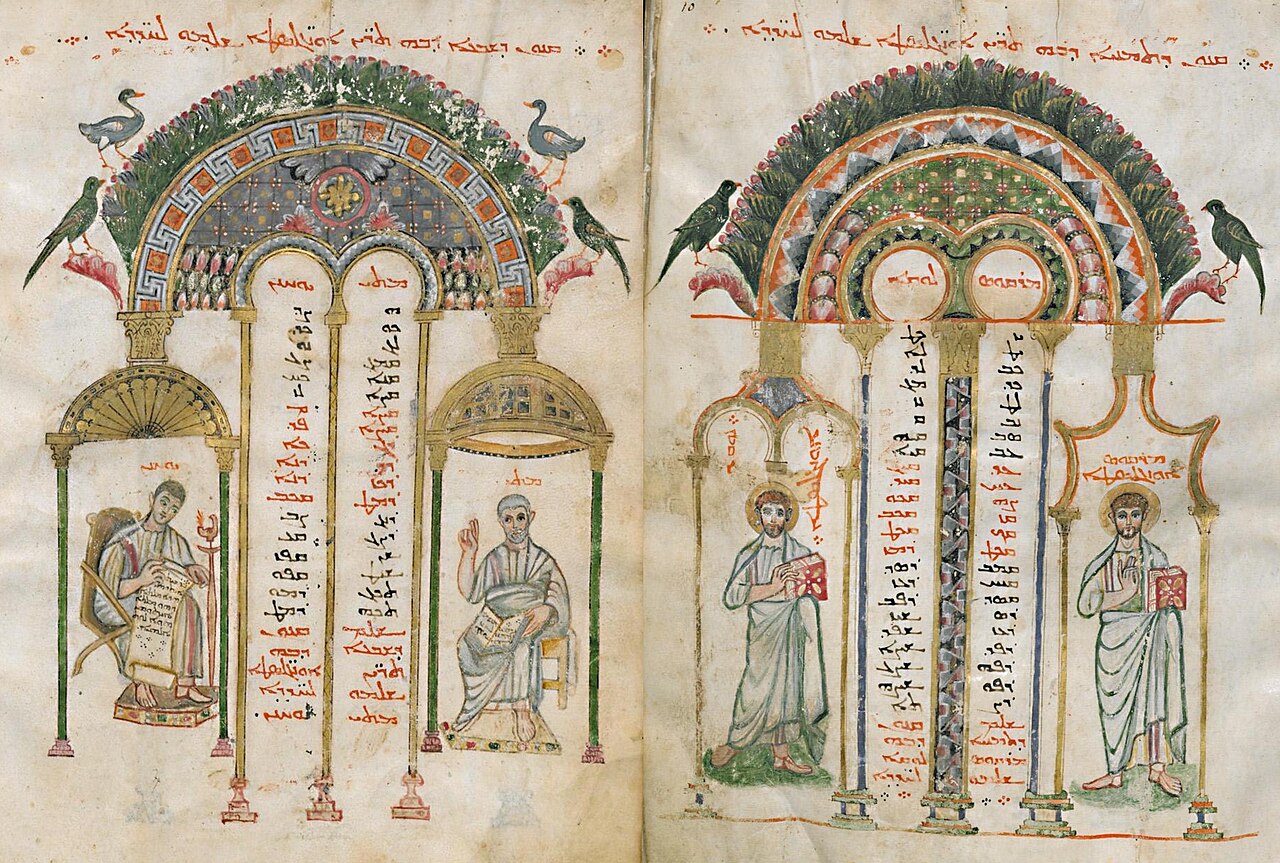
Syriac developed from the AramaicAramaicA group of Northwest Semitic language varieties with a long history across the Near East.Glossary · Click to read the explanation variety associated with Edessa and became a major literary language. It is especially important in Christian traditions, but its history also includes earlier non-Christian inscriptions and texts. Its vocabulary for God, including alahaAlahaA Syriac word for God or a deity, part of the related Semitic divine vocabulary.Glossary · Click to read the explanation, belongs to the wider Aramaic and Semitic linguistic setting. [1]
References and notes
- Beth Mardutho, History of Syriac Origins and early literature: Christian heritage and early non-Christian attestations. Return to the text ↑
Research history
Substantive changes are retained here. Minor copy edits remain in the internal operational log.
-
Substantive record update
Suggest a correction · Suggest a source for this record
Cite this record
IL Archive, «Syriac», Edition 2, https://ilarchive.com/en/entities/syriac