Entity · Concept
Shirk
A reference page linking a name, group, or concept to the materials that discuss it.
An Islamic concept of associating others with God in divinity or worship: Quranic evidence, mediation and intercession, and the distinction between theological judgment and historical description.
Estimated reading time: 8 min Published Last reviewed:
Share article
Text
Introduction
In Islamic discourse, shirk means assigning God a partner in divinity, worship or the authority attributed to him. It is not simply a synonym for denying God's existence, nor a neutral label for every religion with multiple gods. How does the QuranThe QuranThe central scripture of Islam, consisting of 114 Arabic surahs; its study distinguishes Quranic discourse from manuscript history, reading traditions, and historical inference.Glossary · Click to read the explanation use this concept, and why does it reject worship of intermediaries whose worshippers say they bring them closer to God? This entry explains the principal evidence, distinguishing textual meaning from reconstruction of the audience's beliefs and from later Muslim disagreements over the term's application.
The term and its setting
Shirk belongs to the Arabic root sh-r-k, expressing participation or sharing; ashraka is a verb and mushrik describes someone who performs the action. Not every instance of sharing is religious association: MosesMosesCentral figure in Exodus, Torah traditions and the Qur’an; childhood accounts differ in detail.Glossary · Click to read the explanation's request concerning his brother, “make him share in my task” (20:32), concerns participation in a mission. The object and context determine the religious meaning, not the root alone. [4]
Shirk stands opposed to monotheismMonotheismBelief that only one God possesses divinity in its fullest sense. Historically distinct from exclusively worshipping one deity without denying others; its theological forms vary.Glossary · Click to read the explanation, God's oneness and exclusive possession of what belongs to divinity. Yet believers' classifications should be distinguished from researchers' analytical categories. “Polytheism” describes belief in or worship of several gods; “idolatry” focuses on worship involving images or material representations. Shirk is a religious judgment on a relationship considered to violate God's oneness, and may concern a belief or practice involving no statue. We therefore retain shirk and explain it rather than reduce it to “polytheism” or “idolatry.”
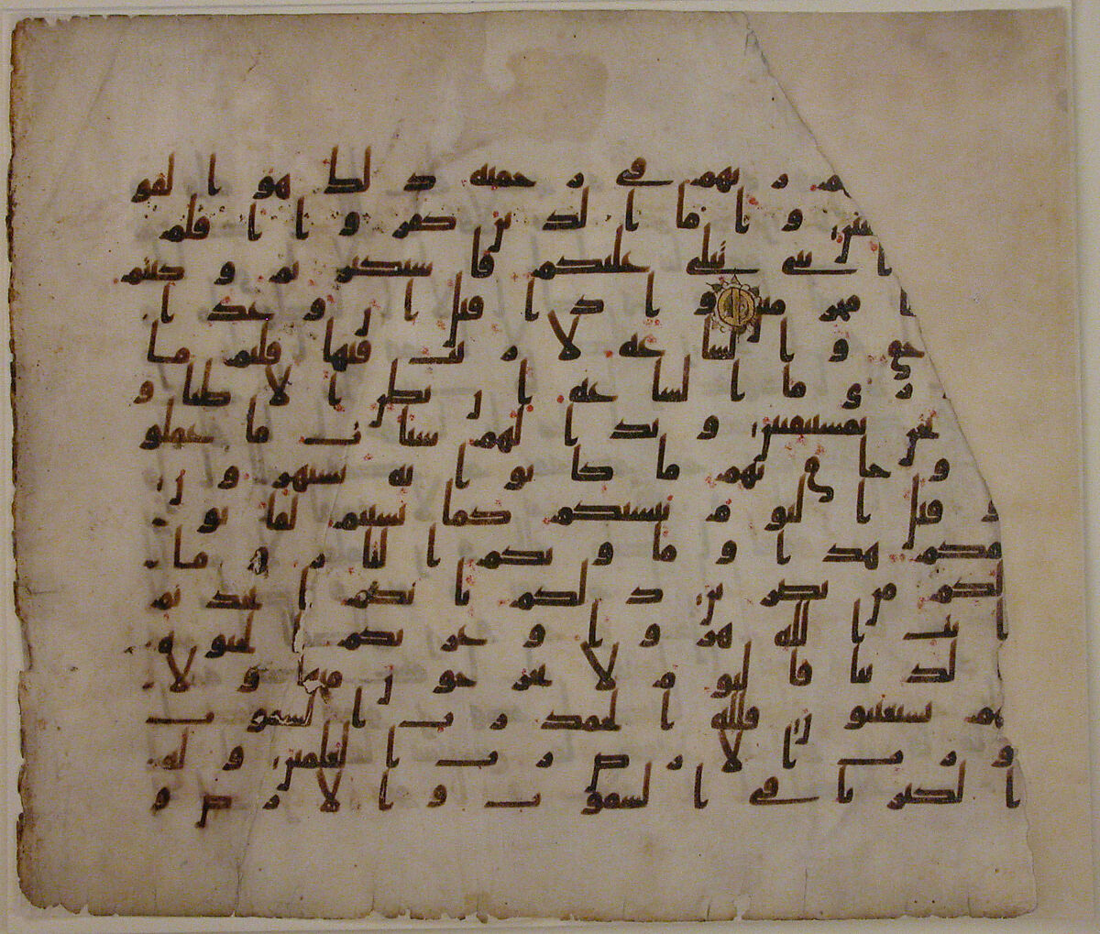
The QuranThe QuranThe central scripture of Islam, consisting of 114 Arabic surahs; its study distinguishes Quranic discourse from manuscript history, reading traditions, and historical inference.Glossary · Click to read the explanation, Islam's central scripture, is our first witness here. Its emergence belongs to seventh-century Arabia; Islamic tradition places Muhammad, the prophet of IslamMuhammad, prophet of IslamMuhammad is the prophet of Islam, living about 570–632 CE in the setting of Islam’s seventh-century emergenceGlossary · Click to read the explanation's reception of revelation between 610 and 632 CE and the establishment of the Uthmanic codex around 650. These dates locate the textual setting; they do not date the birth of a universal human concept called shirk. [5]
Recognizing the creator does not imply exclusive worship
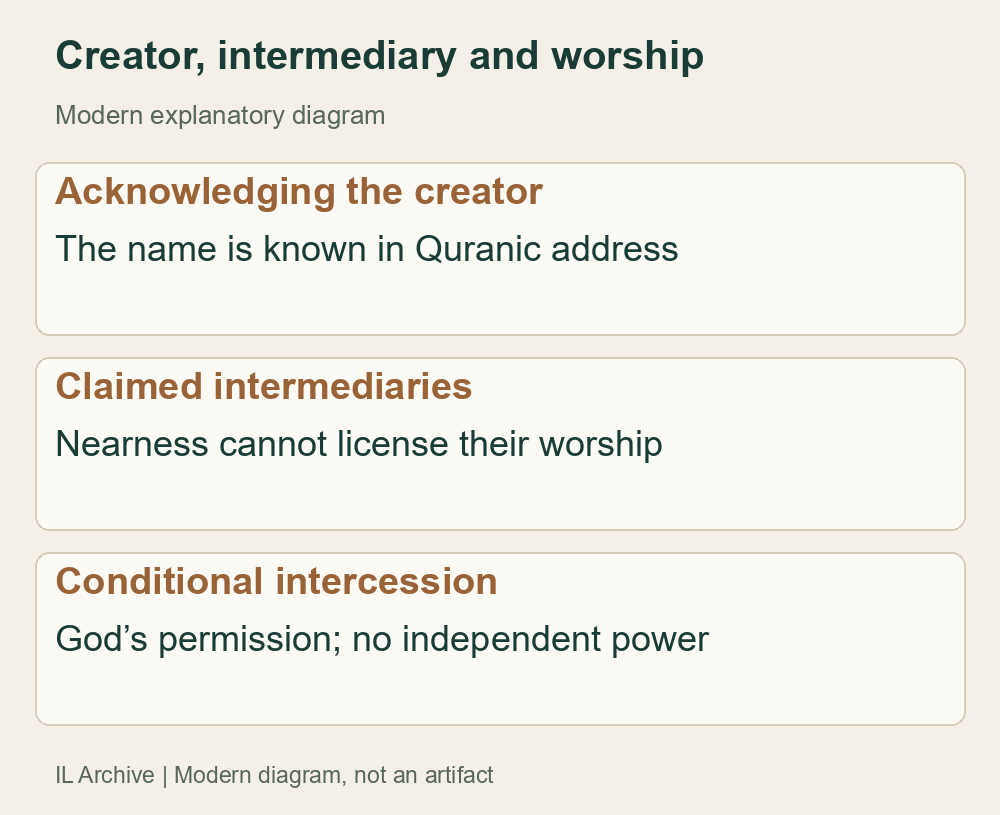
Quran 29:61 attributes to its addressees acknowledgment that God created heaven and earth and subjected the sun and moon, while continuing to criticize their position. Quran 12:106 brings belief in God and association together in one description. These witnesses rule out defining shirk simply as ignorance of God or denial of his existence: the dispute can concern the worship and allegiance that should follow acknowledgment of a creator. [6][7]
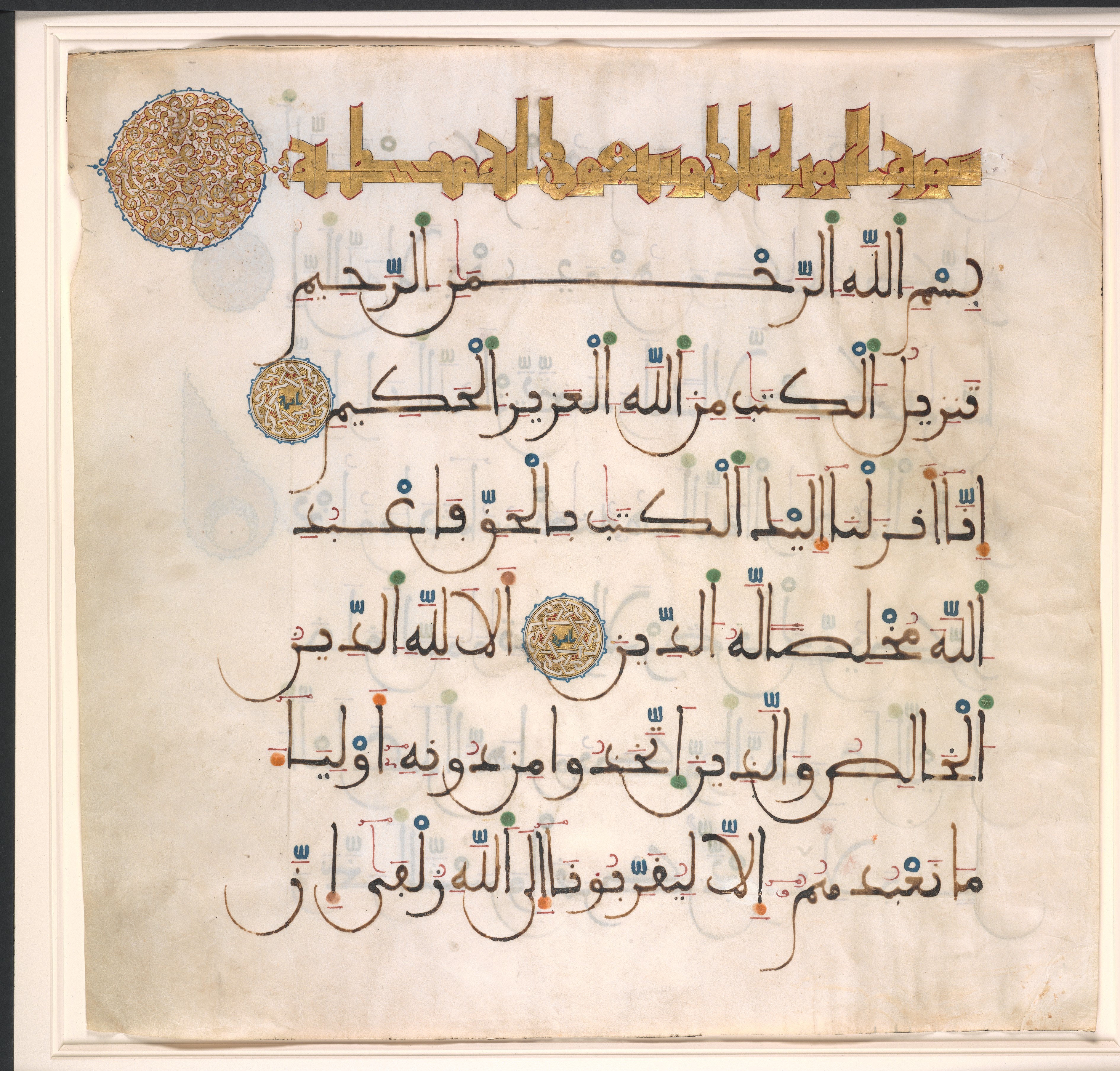
Quran 39:3 makes this dispute explicit, reporting the argument of those who take protectors besides God:
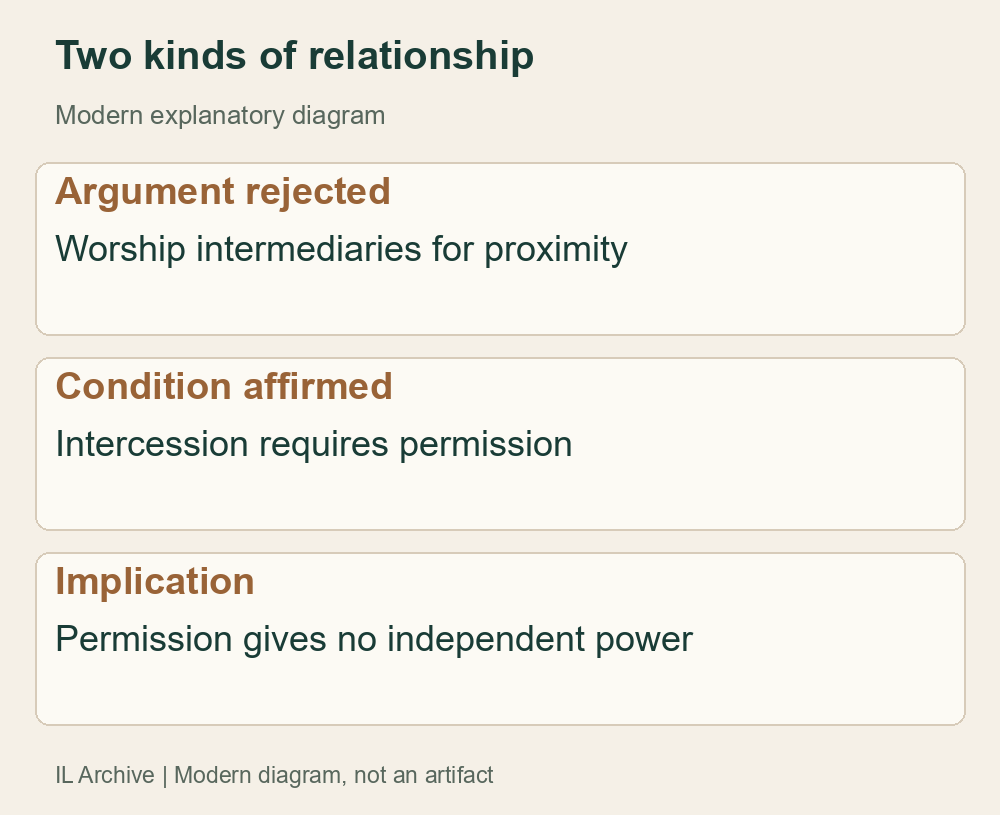
Worship is justified by seeking proximity to God, rather than dispensing with him. Yet the verse opens with exclusive devotion to God and ends by rejecting the speakers' position. It reports their argument within an address that answers it; this is not an independent testimony written by the worshippers themselves. The short translations of Quranic quotations here are editorial renderings of the Arabic. [1]
Quran 10:18 connects worship with a claim to intercession:
The statement follows a reference to worshipping what neither harms nor benefits, and the verse ends by exalting God above what they associate with him. Within the text's reasoning, considering an intermediary subordinate to God is therefore insufficient to make its worship acceptable. This is more than a dispute about the number of equally powerful gods. [2]
Mediation and intercession: where is the boundary?
IntercessionIntercessionAn appeal made to God by an intercessor on another’s behalf; its actors, conditions, and acceptability differ by text and tradition. Not a synonym for every mediation, prayer, or tawassul.Glossary · Click to read the explanation means intervening on another's behalf. The Quran does not equate every intercession with shirk or every heavenly being with a divine partner. In 53:26, the effectiveness of angels' intercession depends on permission and approval:
The distinction is between presumed authority sought from objects of worship and intercession that has no independence from God. Affirming angels is not affirming other gods; mentioning authorized intercession does not automatically legitimate worship of them. [3]
In 21:22, the text argues that heaven and earth would fall into disorder if there were gods other than God within them; 18:110 connects righteous action with worship directed exclusively to the Lord. A dimension concerning divinity and the governance of the world thus accompanies one concerning worship, rather than the term being restricted to only one. [8][9]
Condemnation, forgiveness and the limits of group labels
Shirk occupies a particularly serious place in the Quran's assessment of conduct: 4:48 excepts association from forgiveness and calls it a grave sin. But reading this verse as closing every possibility of repentance overlooks 25:68–70, which mentions avoiding invocation of another god and then exempts those who repent, believe and act righteously from the threat. Interpretation brings these passages together rather than detaching a phrase from the contexts of warning and repentance. [10][11]
The language of association is not confined to Arabian idols. Quran 5:72 connects criticism of identifying the Messiah with God to the prohibition of shirk, while 9:31 criticizes taking rabbis, monks and the Messiah as lords besides God. These are descriptions within Quranic discourse, not substitutes for explaining Jewish and Christian self-understandings. [12][13]
Conversely, 98:1 names the People of the Book and the associators as distinguishable groups in the same sentence. We must therefore distinguish describing an act as association from using “associators” as a group designation in a particular setting. A rigid chart classifying every person or community identically across all passages would misrepresent this variation. [14]
What can we know historically about the audience?
The historian of early Islam Gerald R. HawtingGerald R. HawtingHistorian of early Islam studying religious identity and the language of shirk and idolatry.Glossary · Click to read the explanation emphasizes that accusing opponents of shirk can function in disputes among people who regard themselves as monotheists. His argument cautions against turning polemical language directly into neutral description of another religion. It does not, by itself, establish that every practice or deity mentioned is metaphorical. [15]
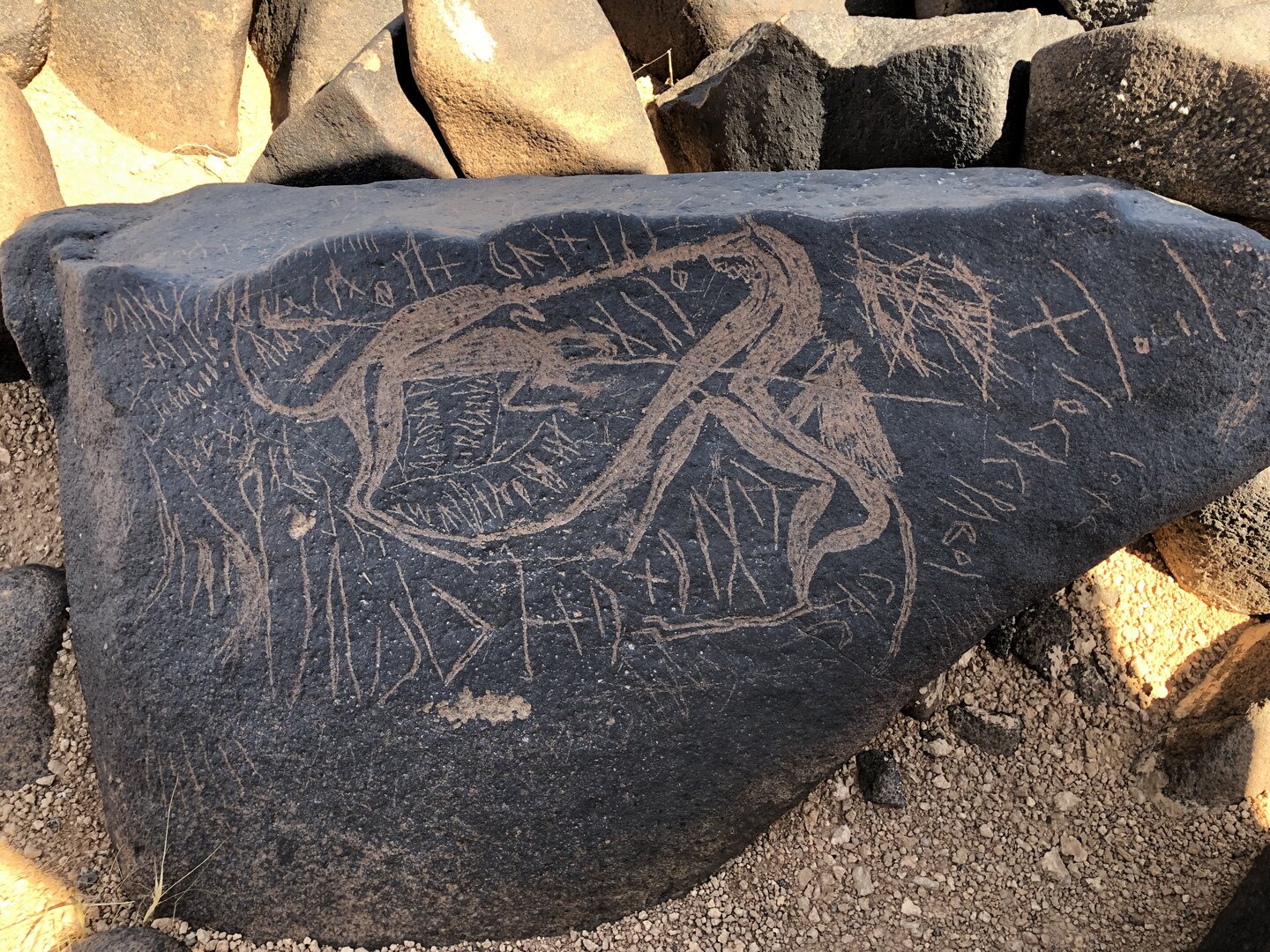
Quran 53:19–20 names al-Lat, al-Uzza and Manat, then addresses the attribution of females to God and the absence of authorization for their worship in the ensuing context. Specific names should not disappear into a wholly abstract discussion of mediation. [16]
The Quranic scholar Nicolai SinaiNicolai SinaiScholar of the Quran, its interpretation and its relations to Arabic poetry and Jewish and Christian traditions.Glossary · Click to read the explanation compares the Quran's portrayal of God with poetry attributed to the pre-Islamic period. He finds significant correspondences but acknowledges how rarely poetic witnesses detail God's relationship with other deities. He suggests a possible specifically Meccan development of their subordination, not an established date for its origin. [17]
Our conclusion is that “acknowledgment of the creator alongside rejection of worship directed elsewhere” describes the argument of the passages well, but is not a complete profile of every Arabian's religion. Identifying the historical audiences and their practices requires combining textual, poetic, epigraphic and later narrative evidence while scrutinizing its dates. Recognition of a supreme deity neither requires equal status for every deity nor automatically eliminates multiple objects of worship.
Later uses: greater and lesser shirk and disputed applications
Islamic tradition extended the language of shirk to intention in worship. The hadith collection Bulugh al-Maram transmits a report attributed to Muhammad calling ostentation—doing good to be seen by others—“lesser shirk.” This is a transmitted hadith witness, not a classification explicitly headed that way in the Quranic passages discussed above. [18]
The distinction between greater and lesser shirk separates a violation considered to invalidate faith from one not given that judgment. Classifying a particular practice can nevertheless be disputed. A modern comparative study examines disagreements between the eighteenth-century Muslim preacher Muhammad ibn Abd al-Wahhab and his opponents over appeals to saints and declaring Muslims unbelievers. The dispute involved worship, intention and conditions for judging individuals, not merely agreement about a word. [19]
Accordingly, this entry distinguishes shafaʿa, intercession; tawassul, seeking proximity or a means in supplication; and istighatha, seeking help. Disagreements depend on the addressee, meaning and intention in the particular case. Explaining these debates historically is not a religious ruling on a visitor or community, nor does criticism of a practice automatically amount to expelling its practitioner from Islam.
Dates of text, image and interpretation
- Seventh century CE: the setting of Quranic discourse. Its prophetic narratives describe an earlier past, but narrative time is not the date of their recording. [5]
- Late thirteenth to early fourteenth century: the date of the Quran leaf, probably from Spain, used as the cover, Metropolitan Museum 42.63. It preserves 39:1–part of 39:3, including the argument about proximity. It is a later manuscript witness, not a date for the verse's composition. [20]
- Eighteenth century: the example of Muslim disagreement over the term's application discussed above, not the beginning of all such debates. [19]
The passages are read here in the commonly circulated Quranic text with surah-and-verse references, not as a diplomatic transcription of the manuscript's script. The concept is valuable to historical inquiry because it reveals how boundaries of divinity, worship and mediation are drawn, while keeping believers' descriptions of themselves distinct from opponents' judgments about them.
References and notes (20)
- Quran 39:3; Quranic Arabic Corpus, verse and parallel translations. Whole verse; Arabic quotation also checked at Quran.com/39/3. Conventional Arabic spelling, not manuscript transcription; quoted translations are editorial. Return to the text ↑
- Quran 10:18; Quranic Arabic Corpus, verse and parallel translations. Whole verse; Arabic checked at Quran.com/10/18: the claim of intercessors in the criticism of worship. Return to the text ↑
- Quran 53:26; Quranic Arabic Corpus, verse and parallel translations. Whole verse; Arabic checked at Quran.com/53/26; the excerpt starts at “their intercession avails nothing,” after mention of angels. Return to the text ↑
- Quranic Arabic Corpus, dictionary entry for sh-r-k. Entry introduction and initial examples, including 20:32; not a claim to have read every occurrence. Return to the text ↑
- University of Birmingham, “What is the Birmingham Qur’an?”, Cadbury Research Library. Complete page, especially the traditional revelation dates 610–632 CE and codification around 650; the Met leaf is not the Birmingham manuscript. Return to the text ↑
- Quran 29:61; Quranic Arabic Corpus, verse and parallel translations. Whole verse: acknowledgment of the creator and subjection of sun and moon. Return to the text ↑
- Quran 12:106; Quranic Arabic Corpus, verse and parallel translations. Whole verse: belief in God and association in one description. Return to the text ↑
- Quran 21:22; Quranic Arabic Corpus, verse and parallel translations. Whole verse: the argument about disorder in heaven and earth if there were other gods. Return to the text ↑
- Quran 18:110; Quranic Arabic Corpus, verse and parallel translations. Whole verse: righteous action and exclusive worship of the Lord. Return to the text ↑
- Quran 4:48; Quranic Arabic Corpus, verse and parallel translations. Whole verse: shirk and forgiveness; read with 25:68–70 in the next note. Return to the text ↑
- Quran 25:68–70; Quranic Arabic Corpus. Separate pages for verses 68, 69 and 70 read in full: invoking another god, threat and exception for repentance. Return to the text ↑
- Quran 5:72; Quranic Arabic Corpus, verse and parallel translations. Whole verse: criticism of identifying the Messiah with God; distinguish Quranic judgment from Christian self-description. Return to the text ↑
- Quran 9:31; Quranic Arabic Corpus, verse and parallel translations. Whole verse and parallel translations; taking lords is not automatically a neutral account of communities’ self-understanding. Return to the text ↑
- Quran 98:1; Quranic Arabic Corpus, verse and parallel translations. Whole verse: verbal distinction between People of the Book and associators. Return to the text ↑
- Gerald R. Hawting, The Idea of Idolatry and the Emergence of Islam: From Polemic to History, Cambridge, 1999, chapter 3, “Shirk and idolatry in monotheist polemic,” pp. 67–87. Publisher excerpt only, not the complete chapter; used for its stated methodological caution, not unread details. Return to the text ↑
- Quran 53:19–28; Quran.com. Arabic verse 23 and translated context 19–28; also compared Corpus pages for 19 and 20. The partial tafsir preview is not the basis of the argument. Return to the text ↑
- Nicolai Sinai, Rain-Giver, Bone-Breaker, Score-Settler: Allāh in Pre-Quranic Poetry, American Oriental Society, 2019; Oxford repository copy. Direct reading of printed pp. 47–50 and 54–57; comparison chiefly rests on pp. 55–57. Not the entire book. Return to the text ↑
- Ibn Hajar al-Asqalani, Bulugh al-Maram, Comprehensive Book; Mahmud ibn Labid report on ostentation, Sunnah.com, book 16, hadith 48. Arabic, translation and footnote read in full; Arabic numbering 1484, English 1527. The text refers to Ahmad 5/428–429 and calls the chain good; no independent isnad verification. Return to the text ↑
- Josef Sebastian Linnhoff, “Associating” with God in Islamic Thought: A Comparative Study of Muslim Interpretations of Shirk, PhD thesis, University of Edinburgh, 2020. Complete abstract; printed pp. 17–20 and 122–127 directly, plus a retrieved excerpt from 37–38; greater/lesser shirk and takfir disputes at 122–127. Not the complete thesis. Return to the text ↑
- Metropolitan Museum of Art, “Folio from a Qur’an Manuscript,” accession 42.63, Rogers Fund 1942; education page and object record 450486. Complete education page and museum API metadata; late 13th–early 14th century, probably Spain, Q 39:1–part of 3. DP238067 inspected full size and 340px; no critical manuscript collation. Return to the text ↑
Suggest a correction · Suggest a source for this record
Cite this record
IL Archive, «Shirk», https://ilarchive.com/en/entities/shirk
Continue reading