Entity · Concept
Semitic languages
A reference page linking a name, group, or concept to the materials that discuss it.
An Afroasiatic language branch including Akkadian, Ugaritic, Hebrew, Aramaic, Arabic and Ethio-Semitic languages. Its kinship rests on linguistic comparison, not on shared religion or script alone.
Estimated reading time: 4 min Published Last reviewed:
Share article
Text
Introduction
What links AkkadianAkkadianAn ancient East Semitic language written in cuneiform from the third millennium BCE; its varieties include Babylonian and Assyrian, and it served in international diplomacy.Glossary · Click to read the explanation, Ugaritic, HebrewHebrewA Northwest Semitic language of the Canaanite group, encompassing Iron Age epigraphy, Biblical, Rabbinic, medieval and Modern Hebrew; its scripts and pronunciations changed over time.Glossary · Click to read the explanation, Aramaic and Arabic despite their different histories and writing systems? “Semitic languages” names a linguistic relationshipLinguistic relatednessCommon linguistic descent demonstrated by systematic sound and morphological correspondences, unlike borrowing or accidental resemblance.Glossary · Click to read the explanation investigated through sounds, morphology and vocabulary—not a single race or religion. This entry surveys the evidence, major varieties and limits of comparison. [1]
A language family, not one language
Semitic is a branch of the wider Afroasiatic family, alongside other linguistic branches found across Africa and western Asia. Its members include extinct languages, living languages, and languages with ancient and modern stages. Proto-SemiticProto-SemiticThe inferred ancestral language of Semitic, reconstructed from comparative sound, morphological and lexical evidence; no direct Proto-Semitic inscription survives.Glossary · Click to read the explanation is the earlier language whose features specialists partially reconstruct by comparison; it is not a discovered inscription or a surviving text in that language. [1][2]
The label “Semitic” has a history connected with Shem in biblical genealogies. In contemporary linguistics, however, it classifies languages: it does not determine anyone’s biological ancestry or religious identity. Its scholarly use must not be confused with older racial theories that used the same adjective. [7]
From the ancient Near East to living languages
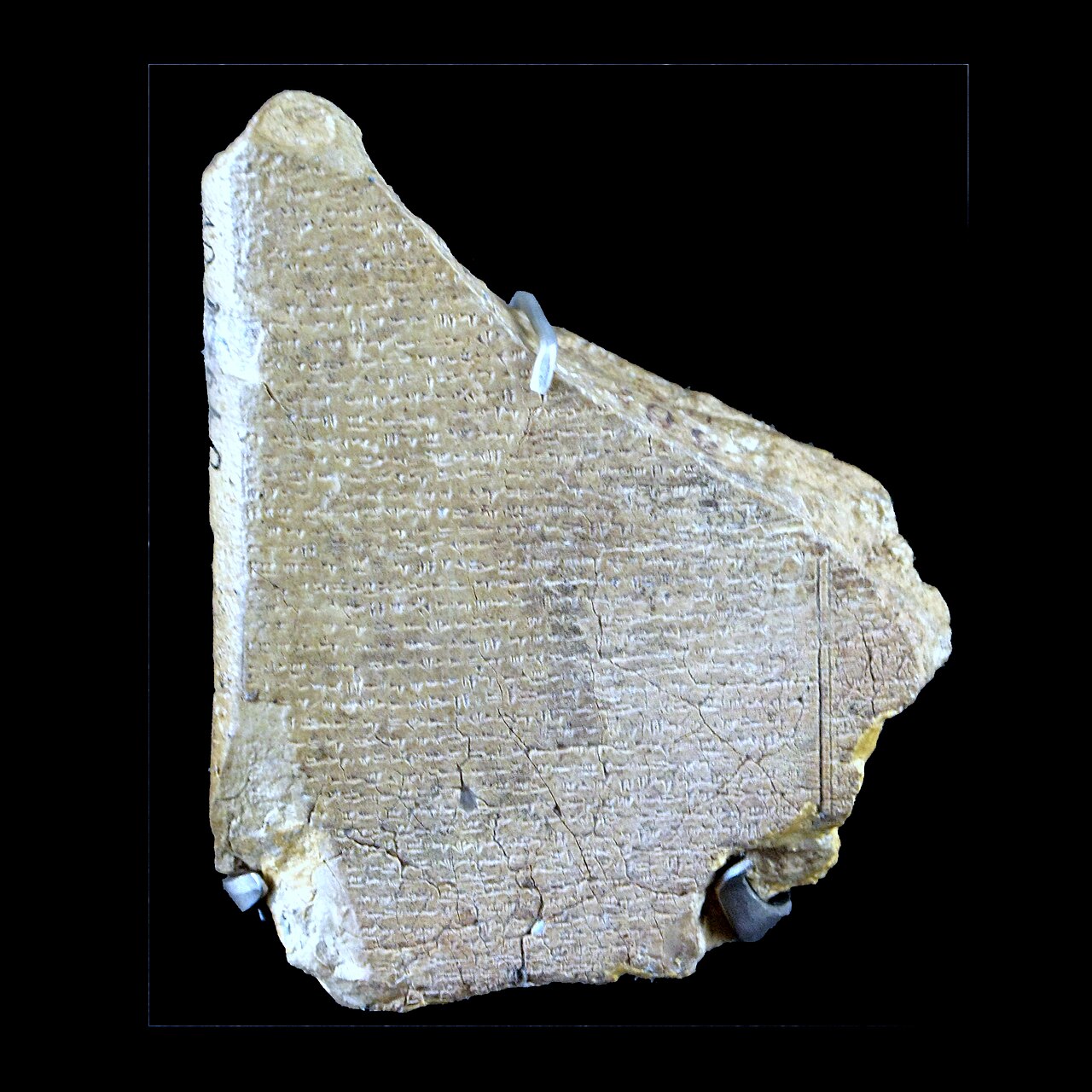
AkkadianAkkadianAn ancient East Semitic language written in cuneiform from the third millennium BCE; its varieties include Babylonian and Assyrian, and it served in international diplomacy.Glossary · Click to read the explanation, including the Assyrian and Babylonian varieties, is among the earliest written Semitic languages. It was used in MesopotamiaMesopotamiaHistorical region associated with the Tigris and Euphrates: Uruk, Ur, Eridu, cuneiform, Sumer, Akkad, Babylon and Assyria, their languages and cults, and the limits of archaeological evidence.Glossary · Click to read the explanation from the third millennium BCE and recorded in a cuneiformCuneiformWriting with wedge-shaped signs, developed from Mesopotamian recording traditions and used for several languages from the third millennium BCE.Glossary · Click to read the explanation system employing syllabic and word signs. Sharing a script with another language does not by itself make the two languages related. [3]
Northwest Semitic languages include UgariticUgaritic languageAncient Semitic language preserved in Ugarit’s tablets on the Syrian coast, from the fourteenth–twelfth centuries BCE, written in a cuneiform alphabet.Glossary · Click to read the explanation, attested on tablets from Late Bronze AgeLate Bronze AgeAn archaeological period around 1600–1200 BCE in much of the Near East, with international diplomacy, exchange and religious diversity; its endpoints vary by region.Glossary · Click to read the explanation UgaritUgaritAncient city and kingdom at Ras Shamra on the Syrian coast, flourishing between the fourteenth and early twelfth centuries BCE and preserving multilingual archives.Glossary · Click to read the explanation; Phoenician and HebrewHebrewA Northwest Semitic language of the Canaanite group, encompassing Iron Age epigraphy, Biblical, Rabbinic, medieval and Modern Hebrew; its scripts and pronunciations changed over time.Glossary · Click to read the explanation belong to the Canaanite cluster; and AramaicAramaicNorthwest Semitic language varieties documented since the early first millennium BCE, including Old and Imperial Aramaic, Syriac, Jewish dialects, and living Neo-Aramaic forms.Glossary · Click to read the explanation developed literary traditions including SyriacSyriacAn Aramaic literary language rooted in Edessa, first attested in non-Christian inscriptions and later prominent in Christian writing, scholarship, translation and liturgy.Glossary · Click to read the explanation. These are not simply successive phases of one language: each has its own documentary record and history of change. [2][4]
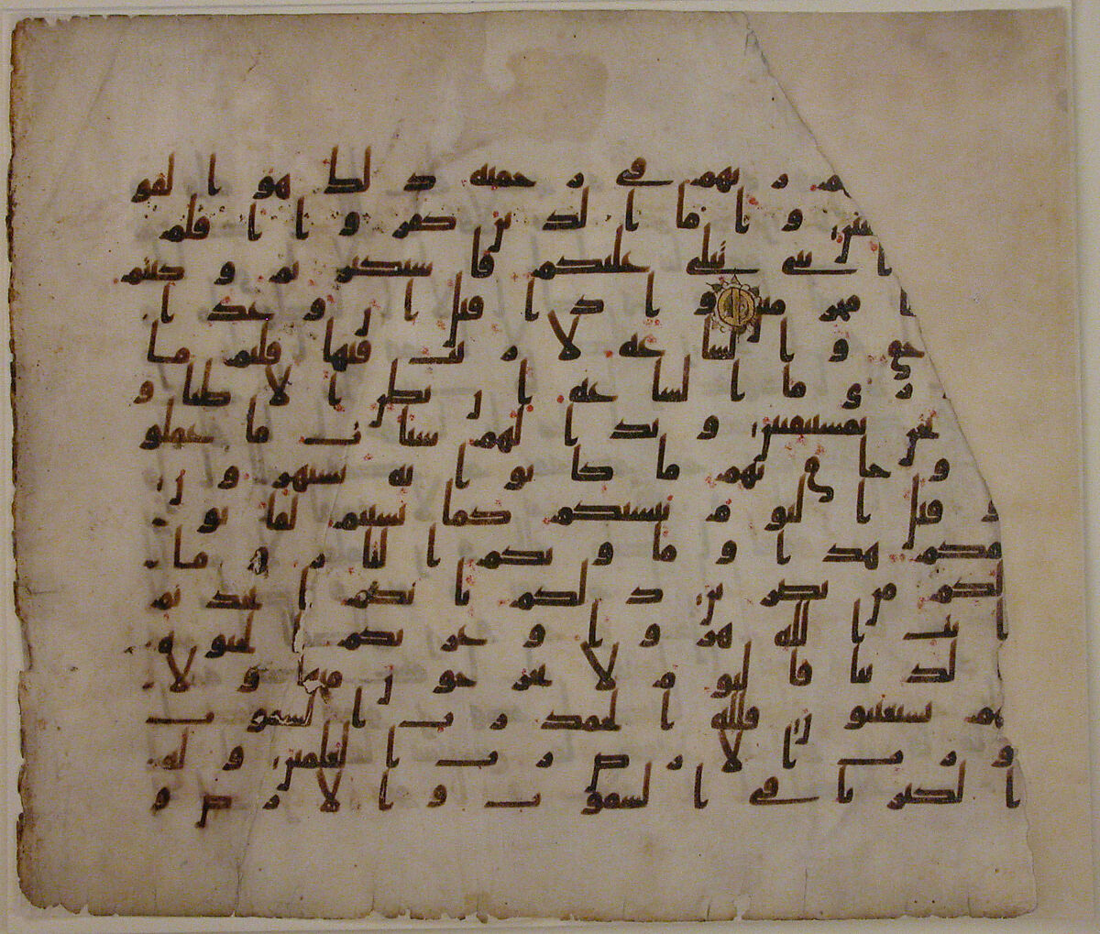
Arabic also belongs to Semitic, as do the Ethio-Semitic languages such as Geʿez, Amharic and Tigrinya, and the Modern South Arabian languages, including Mehri and Soqotri. Field research makes clear that Mehri and Soqotri are not merely dialects of Arabic. More detailed subgrouping remains debated in places; a single branching diagram should not be mistaken for a final scholarly consensus. [2][6]
What constitutes evidence of kinship?
A pair of look-alike words or similar-looking scripts is not enough. The comparative method investigates regular correspondences of sounds across sets of words, shared morphological structures and historically plausible changes. Many Semitic languages build different word forms around consonantal roots, with vocalic patterns, prefixes and suffixes; not all roots have three consonants, and the patterns differ across languages. [2][5]
For example, words relating to kingship in Arabic, Hebrew and Ugaritic can be compared, but responsible comparison must also examine their sounds, forms, dated attestations and meanings. A similarity by itself cannot establish direct borrowing, and borrowing between neighbouring languages is also possible. [5]
A script is not a language
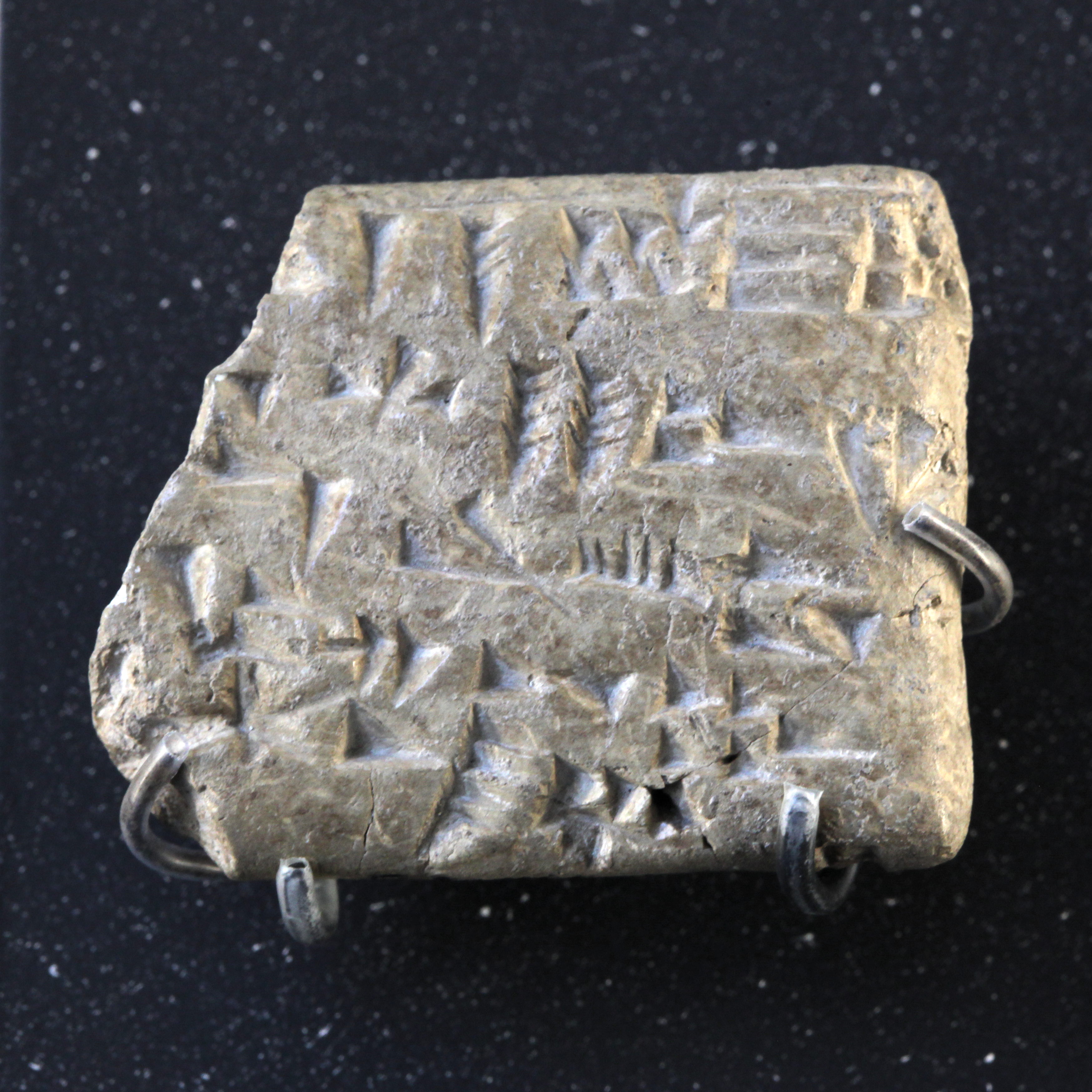
Akkadian was written in a largely syllabic cuneiform system, whereas Ugarit used an alphabetic cuneiform scriptUgaritic alphabetAlphabetic cuneiform system of Late Bronze Age Ugarit, using thirty chiefly consonantal written signs, distinct from Akkadian syllabic cuneiform.Glossary · Click to read the explanation based on a different principle. A fragmentary alphabet tablet at the Louvre (AO 19992 / RS 10.087) preserves part of Ugaritic letter order; it documents Ugaritic writing, not a family tree of all Semitic languages. Other Semitic languages have been written in Aramaic, Hebrew, Arabic or Ethiopic scripts; one language may even use different scripts at different times. [3][4]
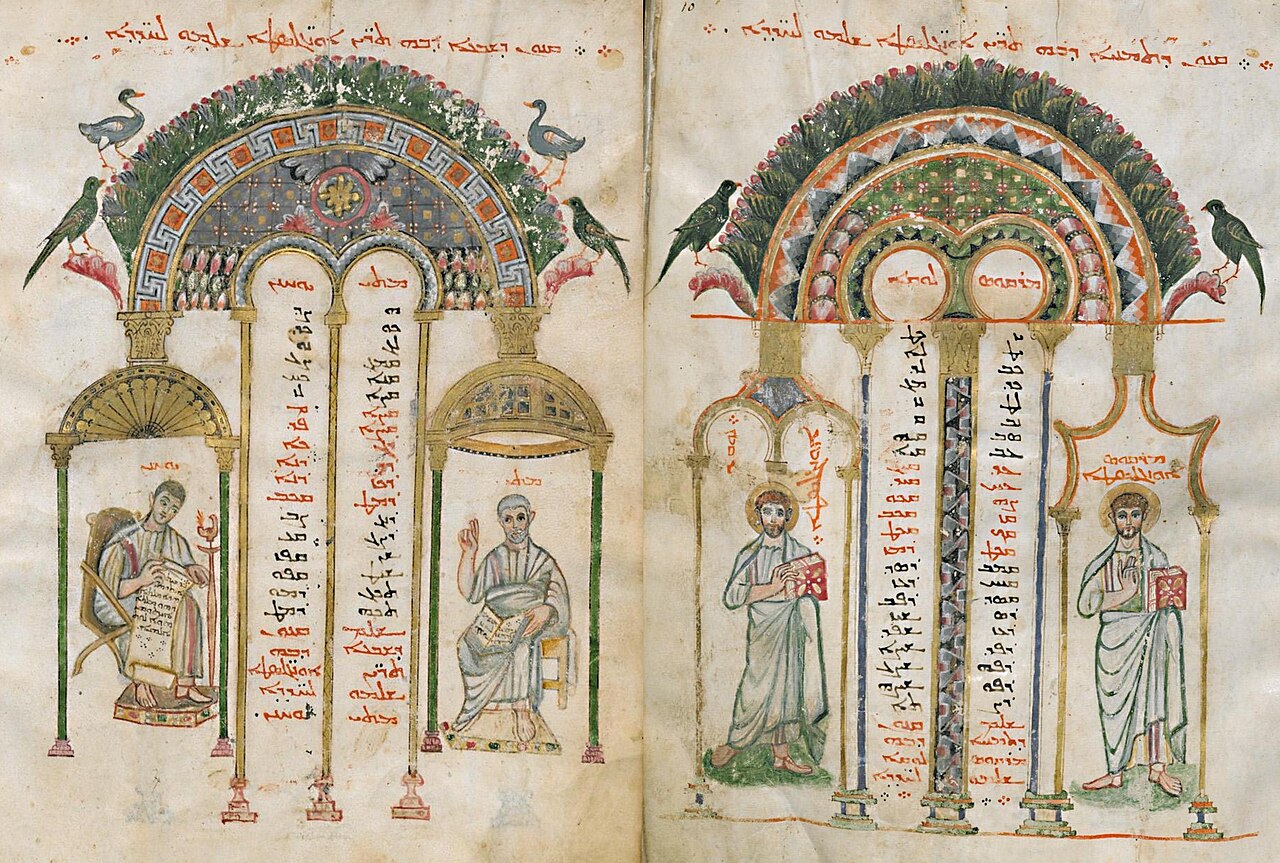
Two folios from the sixth-century Rabbula Gospels illustrate Syriac in a manuscript tradition very different from Ugaritic clay tablets. Neither artifact can stand for the entire language family; the language of a text, the script in which it is written and the date of its physical witness are distinct questions.
What does this mean for religious vocabulary?
Related expressions for “god” occur in several Semitic languages, including Ugaritic il, Hebrew ʾel, Akkadian ilu, and Arabic ilāhArabic ilahʾIlāh: Arabic common noun for a god or deity, with the broken plural āliha; distinct from the specific designation Allāh and understood from context.Glossary · Click to read the explanation. A common nounCommon nounA noun referring to a member of a class, such as “city” or “god”, unlike a proper name designating a particular entity. Semitic il/El may fulfill either function in context.Glossary · Click to read the explanation, the proper nameProper nameA name that identifies a particular person, place, group, or entity in context, unlike a common noun denoting a class. Spelling alone may not settle the distinction.Glossary · Click to read the explanation of a particular deity and a divine element in a personal name must be distinguished. Such linguistic relationships illuminate the history of words, but do not by themselves prove that all the societies worshipped the same deity or shared a single theology. Each occurrence requires contextual examination. [8]
The strongest account combines dated texts, comparative linguistic analysis, material evidence and the history of the transmission of expressions. Neither a similar-sounding word nor one example of writing can settle the original homeland of Semitic or the earliest beliefs of its speakers. [1][2]
References and notes (8)
- University of Chicago, Comparative Semitics Overview of the field and principal languages; not a detailed classification or history of every language. Return to the text ↑
- John Huehnergard and Na’ama Pat-El (eds.), The Semitic Languages, 2nd ed., Routledge, 2019. Publisher description and displayed contents; the full book was not read and no claims are made about inaccessible pages. Return to the text ↑
- University of Chicago, Akkadian Language Program. Introductory paragraphs on Akkadian and cuneiform, including sign types; no original cuneiform corpus read. Return to the text ↑
- Louvre Museum, object record for the Ugaritic abecedary AO 19992 / RS 10.087 (KTU 5.4). Object record: script, language, date, findspot and inventory; not a critical epigraphic reading of every sign. Return to the text ↑
- Dennis Pardee, “Ugaritic,” in Roger D. Woodard (ed.), The Ancient Languages of Syria-Palestine and Arabia, Cambridge, 2008. Available chapter excerpt, §4.1 on morphology and roots; not the full chapter, pp. 5–35. Return to the text ↑
- University of Leeds, Janet Watson, “Documentation of Modern South Arabian Languages,” inaugural lecture abstract (2014). Lecture abstract identifying the six languages and where they are spoken; not a full fieldwork report or current speaker census. Return to the text ↑
- Encyclopaedia Britannica (1911), “Semitic Languages” (historical evidence for the label only). Opening paragraph on the Shem-based label and its imperfect relation to the Genesis genealogy; not used as a current classification or ethnographic authority. Return to the text ↑
- Rieneke Sonnevelt, “Aramaic Names,” chapter 8 in Personal Names in Cuneiform Texts from Babylonia (c. 750–100 BCE), Cambridge, 2024. Section “ʾl and ʾlh,” p. 128 of the accessible chapter; evidence concerns Aramaic names in Babylonian documents, not all Semitic religions. Return to the text ↑
Suggest a correction · Suggest a source for this record
Cite this record
IL Archive, «Semitic languages», https://ilarchive.com/en/entities/semitic-languages
Continue reading